










Xtaxkgakget Makgkaxtlawana: el Centro de las Artes Indígenas y su contribución a la salvaguardia del patrimonio cultural inmaterial del pueblo totonaca de Veracruz, México
Xtaxkgakget Makgkaxtlawana: el Centro de las Artes Indígenas y su contribución a la salvaguardia del patrimonio cultural inmaterial del pueblo totonaca de Veracruz, México

World Heritage
Intangible
Buenas prácticas de salvaguardia
In 2006, the Totonac ethnic group created an educational institution for the comprehensive transmission of their knowledge, practices, and arts. It resembles a vernacular settlement and comprises several house-schools, each dedicated to a specific art characteristic of the community (ceramics, textiles, painting, medicine, dance, music, theater, and cooking), while in the “House of Elders” they learn the essential values of the Totonac people. It seeks to revitalize indigenous culture through the use of the Totonac language, recover traditional techniques, encourage artistic production, reestablish government structures, and promote reforestation. This center is self-managed and cooperates with organizations from other Mexican states and countries.
The Center for Indigenous Arts (CAI) was designed to respond to a long-standing desire of the Totonac people, who aspired to create an educational institution dedicated to transmitting their teachings, values, art, and culture, thereby creating conditions conducive to indigenous creators developing their artistic abilities while providing spaces for dialogue with creators from other cultures.
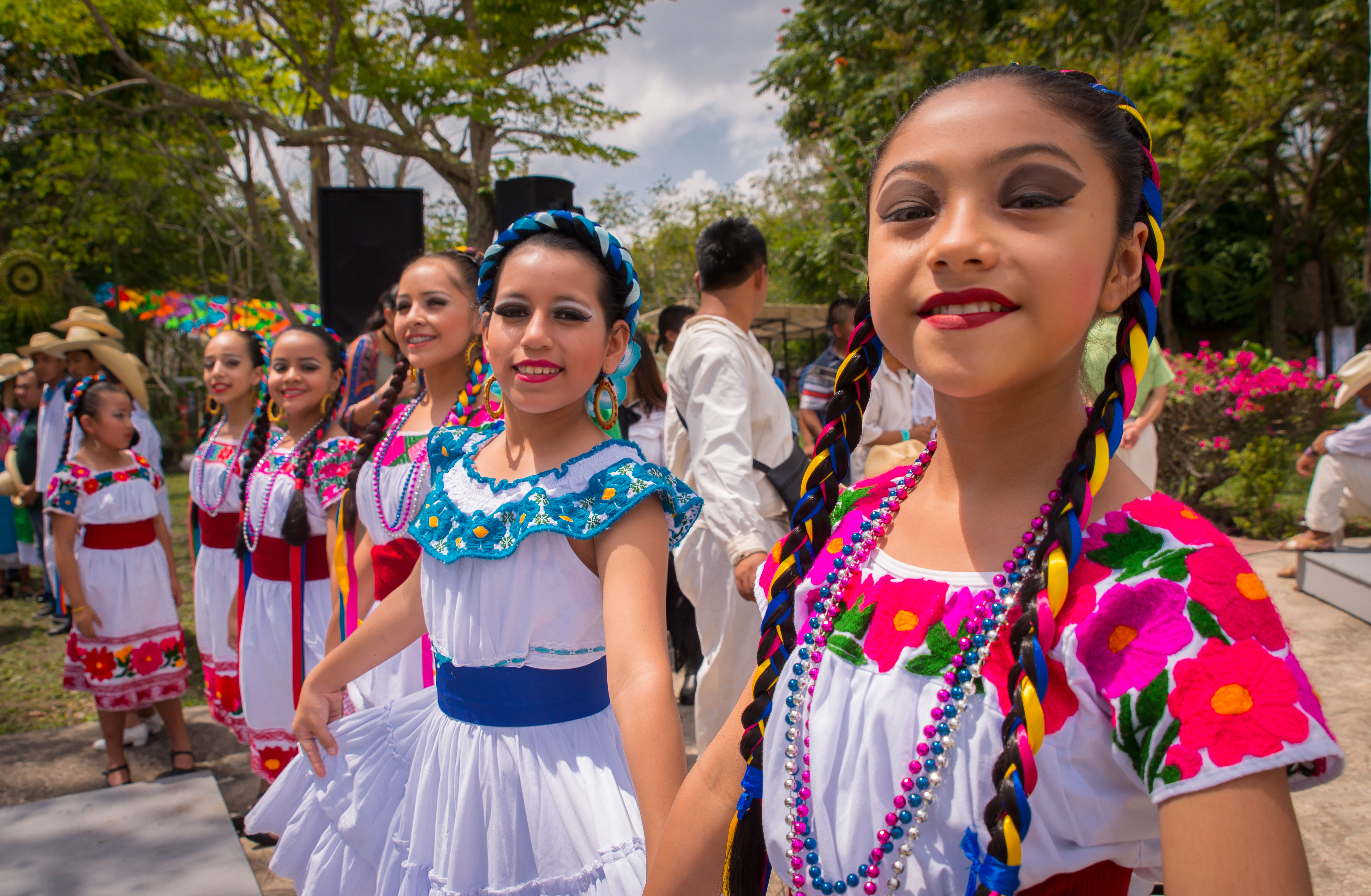
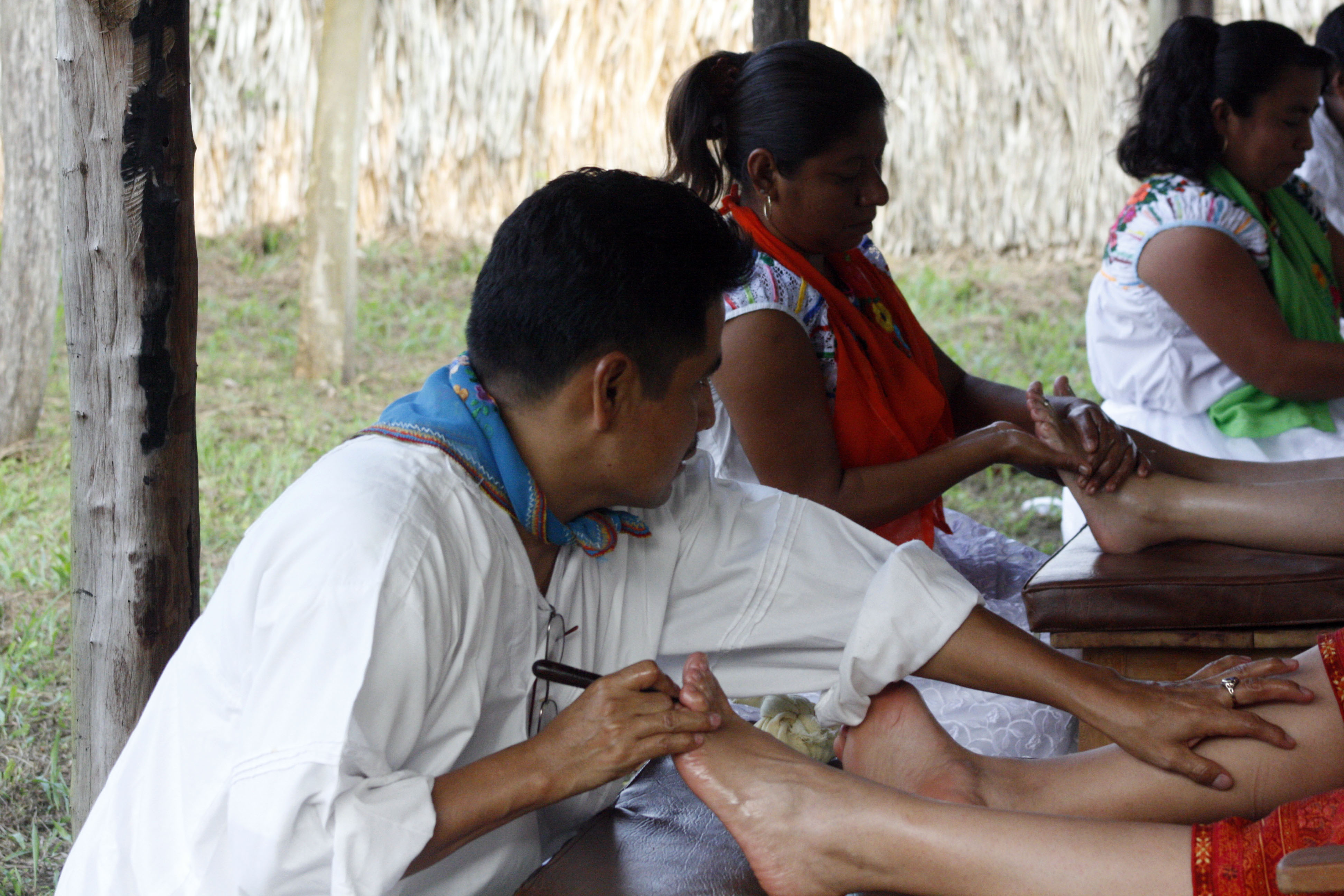
The structure of the Center represents that of a traditional settlement comprising 11 house-schools. Each of them specializes in one of the Totonac arts (the art of the word, pottery, textiles, painting, the art of healing, traditional dance, music, theater, cooking, as well as the media and dissemination house) in which the apprentices are initiated.
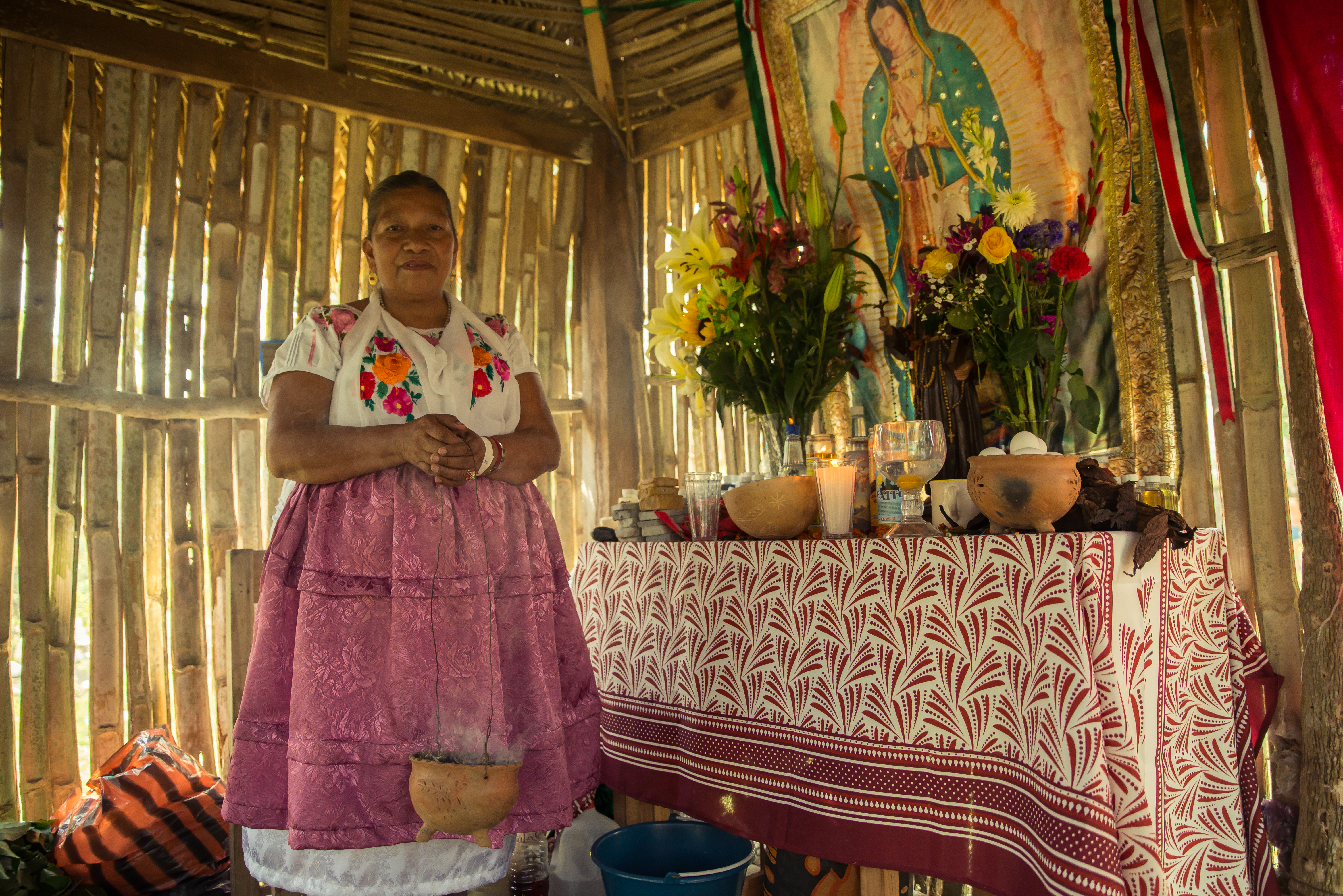
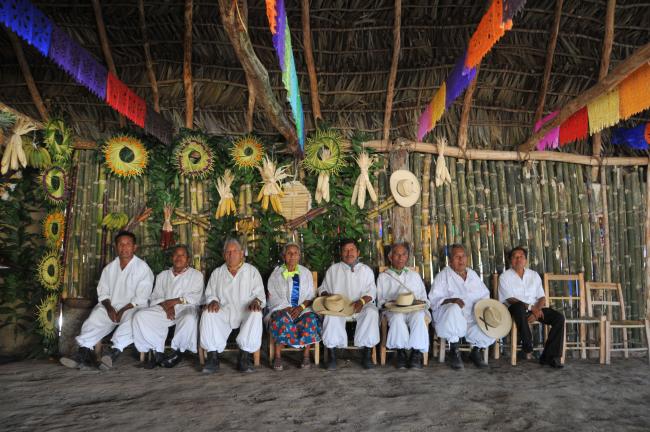
In the “House of Elders,” they acquire the essential values and principles of the Totonac people, as well as guidance on creative practice. The transmission of knowledge at the Center is comprehensive and holistic.
The house-schools, which view creative practice as intrinsically linked to their spiritual nature, aim to regenerate Totonac culture by revitalizing indigenous cultural practices through the use of the vernacular language as a vehicle for teaching, the recovery of forgotten traditional techniques, artistic production, the reestablishment of traditional governing bodies, and the reforestation of plants and trees necessary for cultural practices. The Center also promotes ongoing cooperation with creators and cultural organizations from other Mexican states and countries around the world.
The CAI has established itself as a space for meeting, dialogue, and exchange, where traditional teachers gather to share, agree upon, and strengthen their knowledge and find the best ways to transmit it to their disciples, old and new, using current tools that young Totonacs are learning to use, such as film, radio, video, and the internet.
Declaratoria UNESCO

Patrimonio Intangible
Categoría Buenas prácticas de salvaguardia
Fecha 2012
Criterios de valor Universal Excepcional
Este lugar cumple con los siguientes criterios de valor Universal Excepcional
P.1
El programa, proyecto o actividad supone una salvaguardia, tal como se define en el párrafo 3 del Artículo 2 de la Convención.
P.2
El programa, proyecto o actividad promueve la coordinación de los esfuerzos encaminados a salvaguardar el patrimonio cultural inmaterial en el ámbito regional, subregional y/o internacional.
P.3
El programa, proyecto o actividad refleja los principios y objetivos de la Convención.
P.4
El programa, proyecto o actividad ha demostrado ser eficaz para contribuir a la viabilidad del patrimonio cultural inmaterial de que se trate.
P.5
El programa, proyecto o actividad es o ha sido ejecutado con la participación de la comunidad, el grupo o, si procede, los individuos interesados y con su consentimiento libre, previo e informado.
P.6
El programa, proyecto o actividad podría servir de modelo subregional, regional o internacional, según el caso, para las actividades de salvaguardia.
P.7
El(los) Estado(s) Parte(s), el(los) organismo(s) encargado(s) de la ejecución, y la comunidad, el grupo o, si procede, los individuos interesados solicitantes están dispuestos a cooperar en la difusión de prácticas ejemplares, si se selecciona su programa, proyecto o actividad.
P.8
El programa, proyecto o actividad se propone experiencias cuyos resultados podrían ser objeto de evaluación.
P.9
El programa, proyecto o actividad responde principalmente a las necesidades particulares de los países en desarrollo.


