




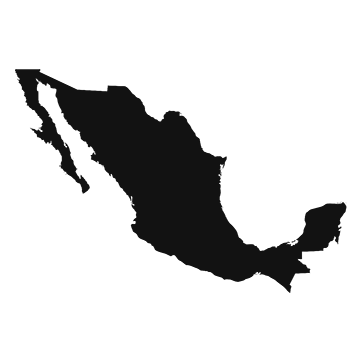
La cocina tradicional mexicana: Una cultura comunitaria, ancestral y viva y el paradigma de Michoacán
La cocina tradicional mexicana: Una cultura comunitaria, ancestral y viva y el paradigma de Michoacán

World Heritage
Intangible
Conocimientos y usos relacioandos con la naturaleza y el universo
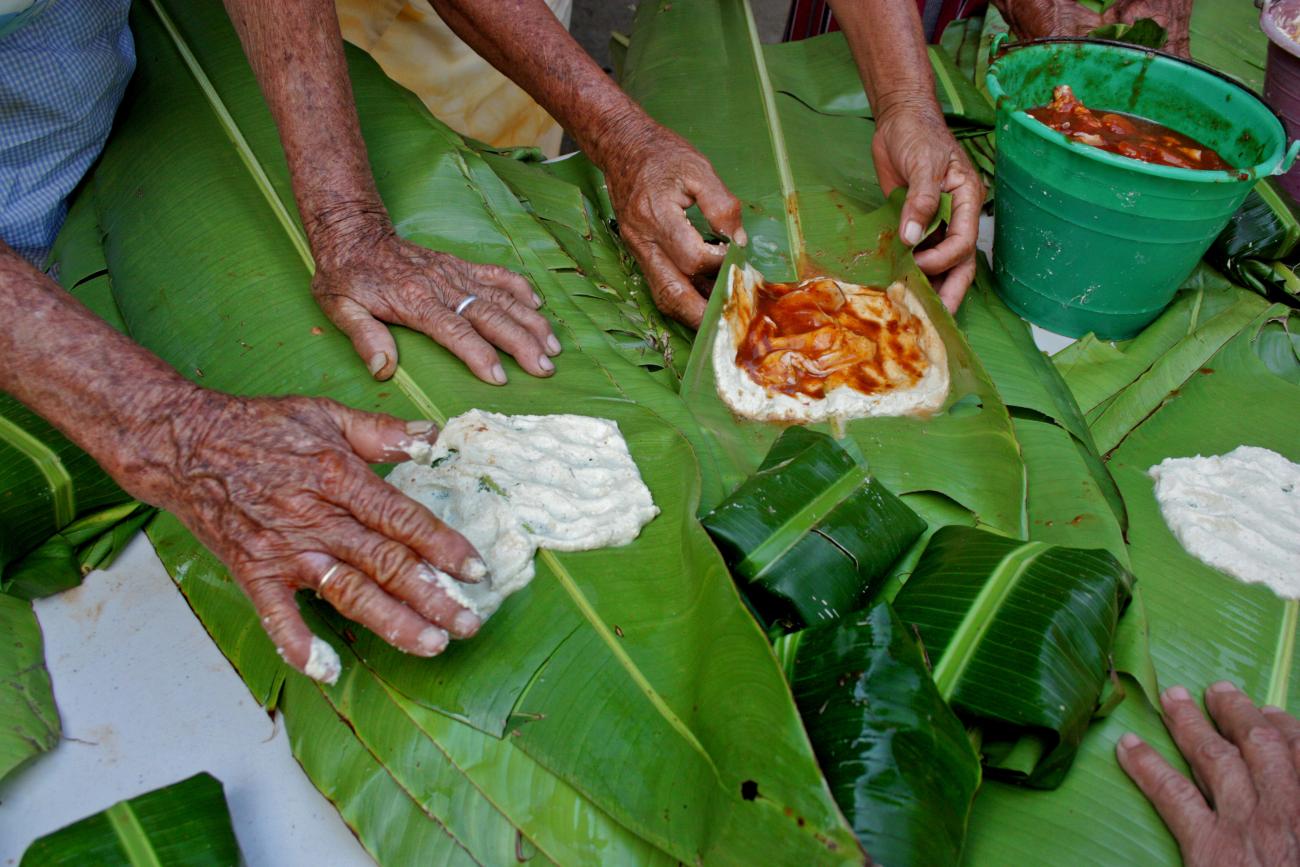
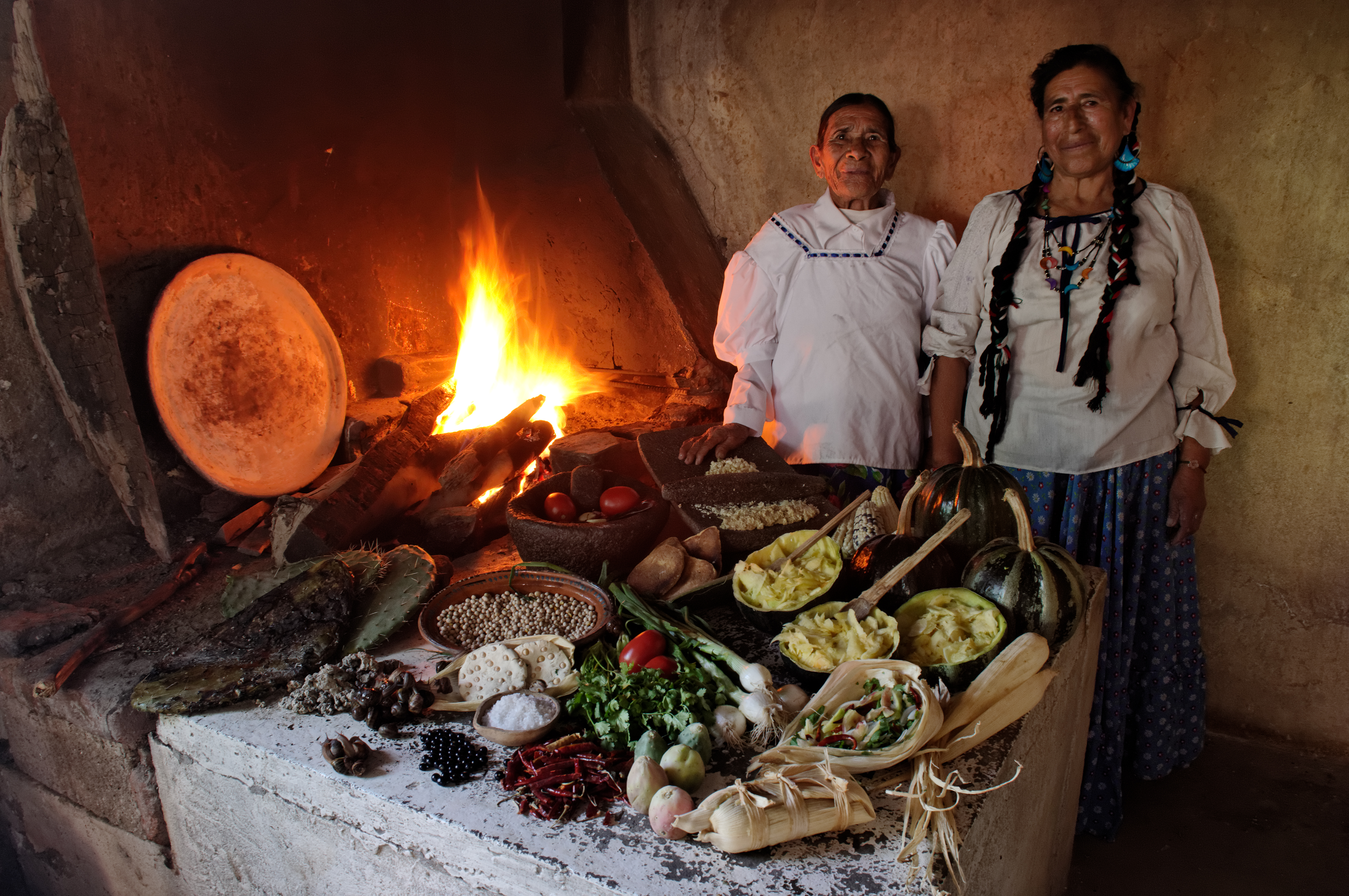
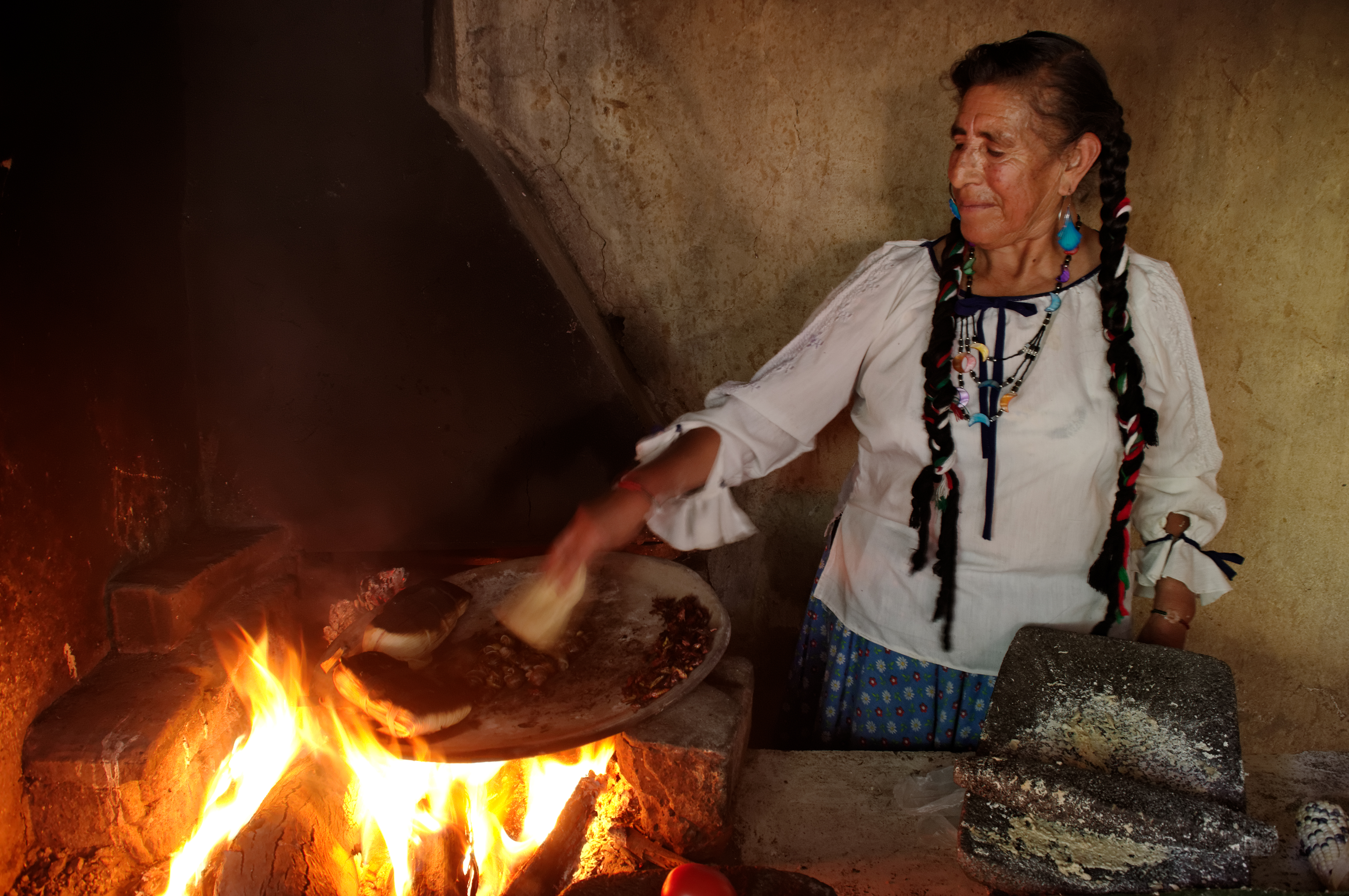
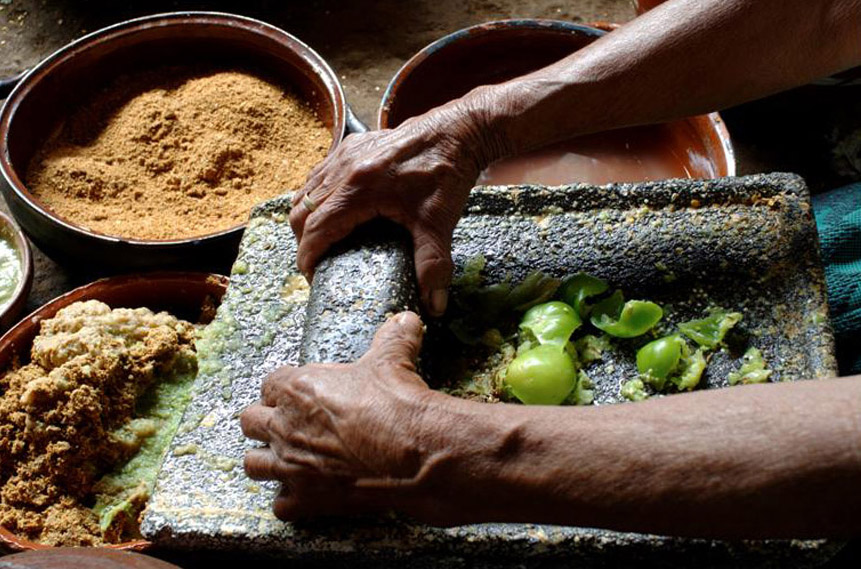
Mexican cuisine is a living manifestation of a cultural system of collective participation that includes agricultural practices, (rotational cultivation of corn and other plants, with slash-and-burn farming) and chinampa (artificial islands for cultivation in lake areas), ritual celebrations, customs, knowledge, techniques, procedures such as nixtamalization (husking corn with lime water to increase its nutritional value), and ancestral tools such as stone metates and mortars.
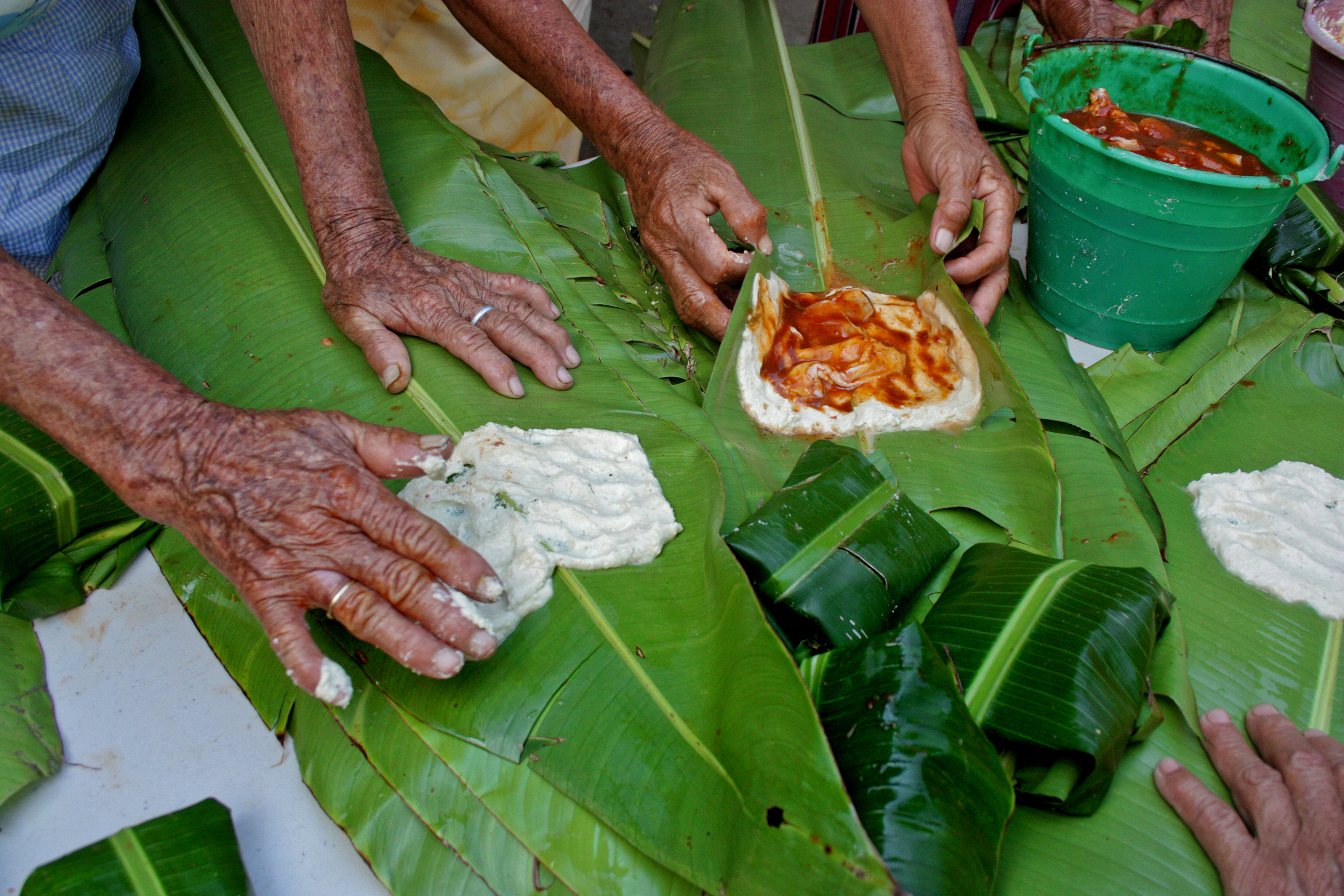
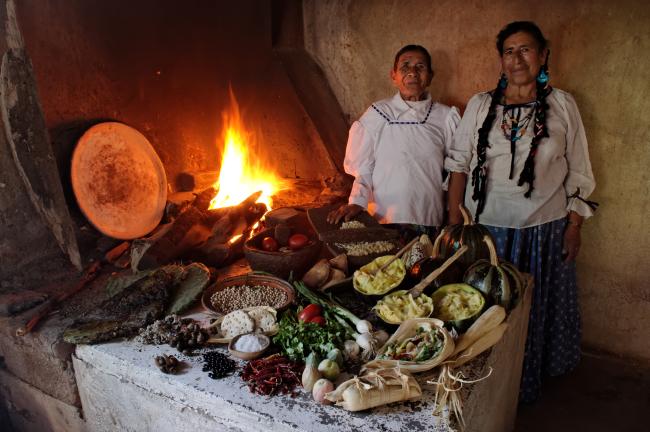
Traditional Mexican cuisine is a complete cultural model that encompasses agricultural activities, ritual practices, ancient practical knowledge, culinary techniques, customs, and ancestral community behaviors. This has been made possible thanks to the community's participation in the entire traditional food chain: from planting and harvesting crops to culinary preparation and tasting delicacies.
The basic elements of the system are: corn, beans, and chili peppers; unique cultivation methods, such as milpa (rotational cultivation of corn and other plants, with slash-and-burn farming) and chinampa (artificial islands for cultivation in lake areas); culinary preparation procedures such as nixtamalization (husking corn with lime water to increase its nutritional value); and special utensils such as stone metates and mortars.
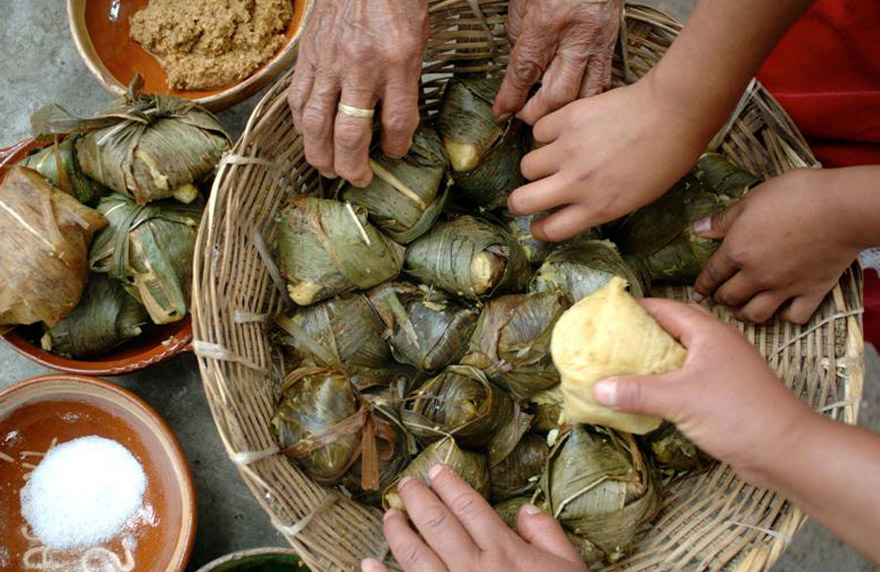
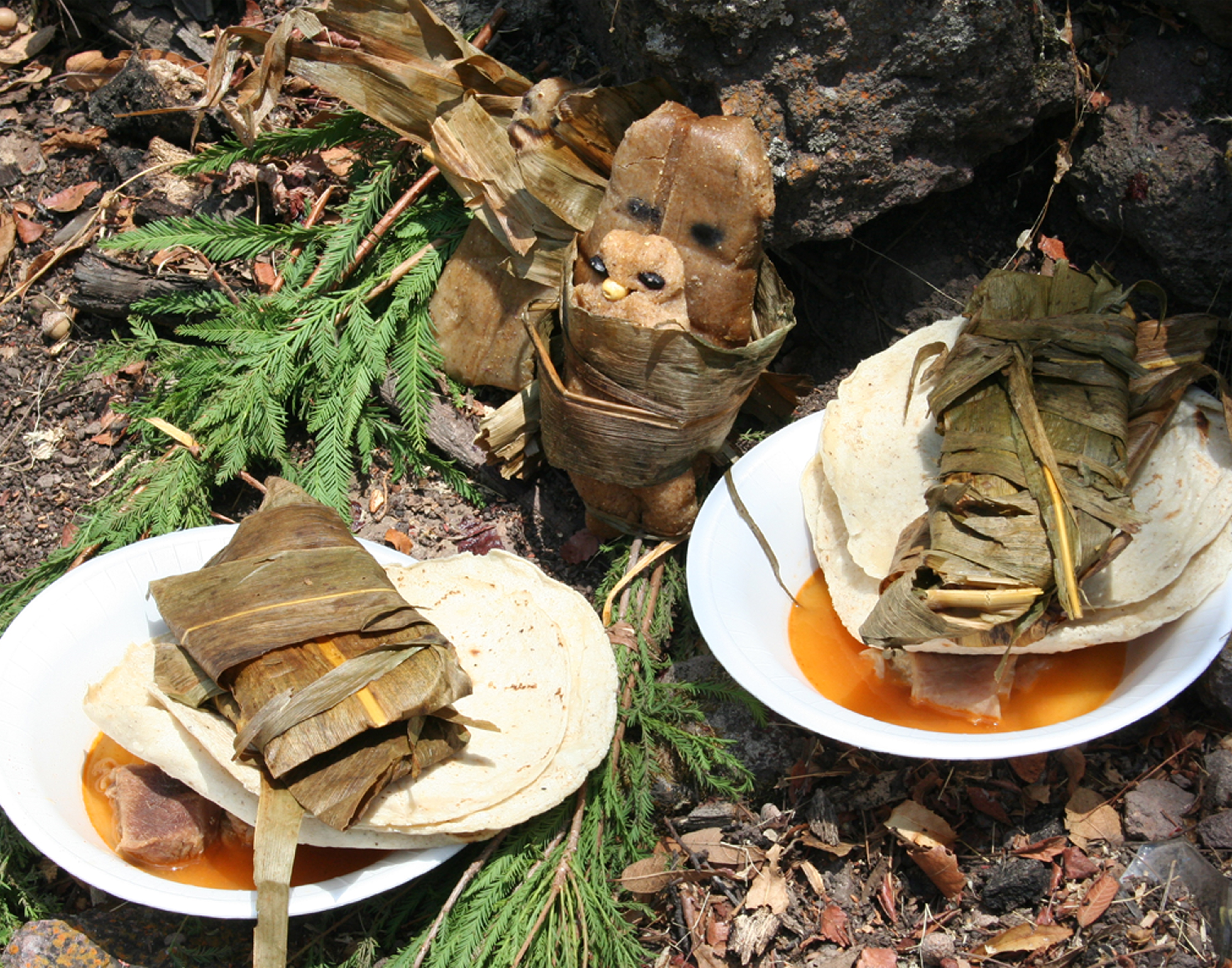
Local ingredients such as various varieties of tomatoes, squash, avocados, cocoa, and vanilla are added to basic food products. Mexican cuisine is very elaborate and rich in symbolism: tortillas and tamales, which are eaten daily, are also part of the offerings made on the Day of the Dead.
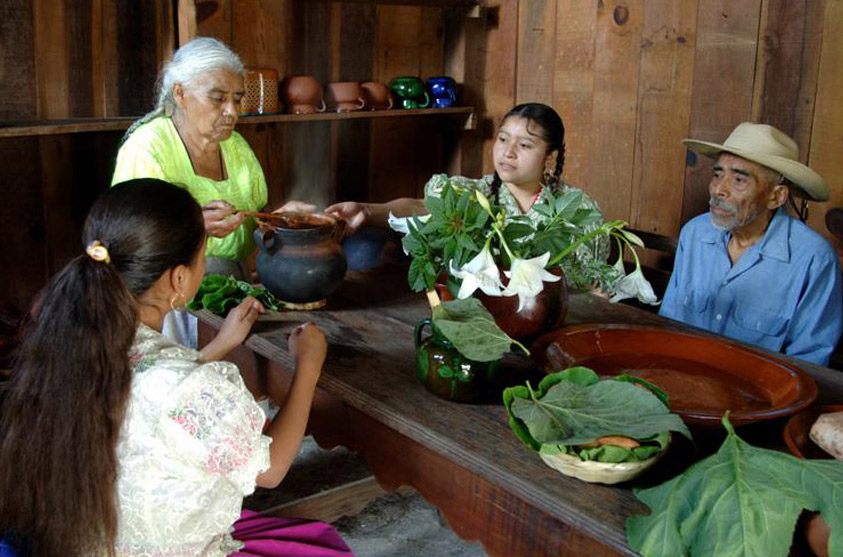
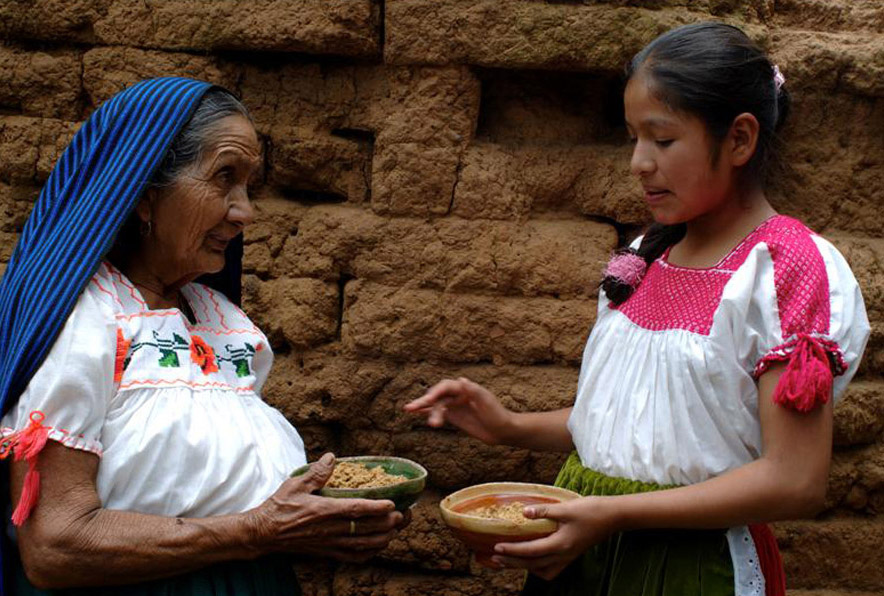
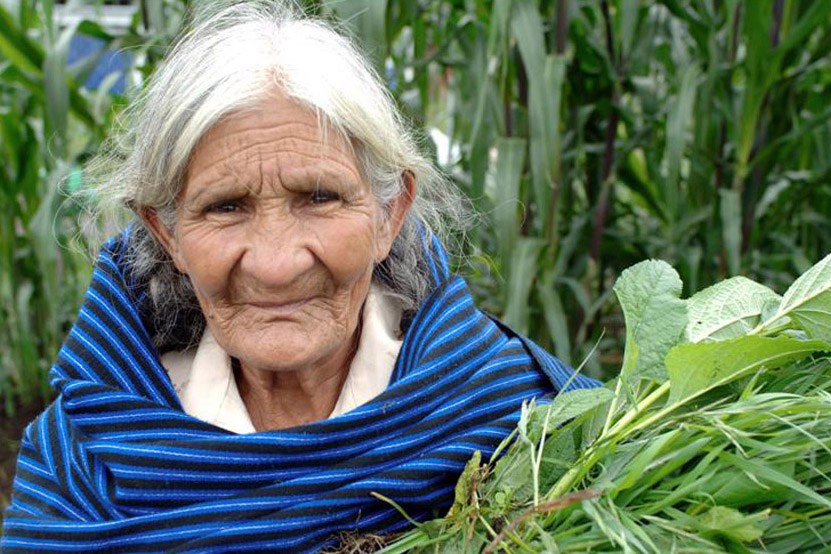
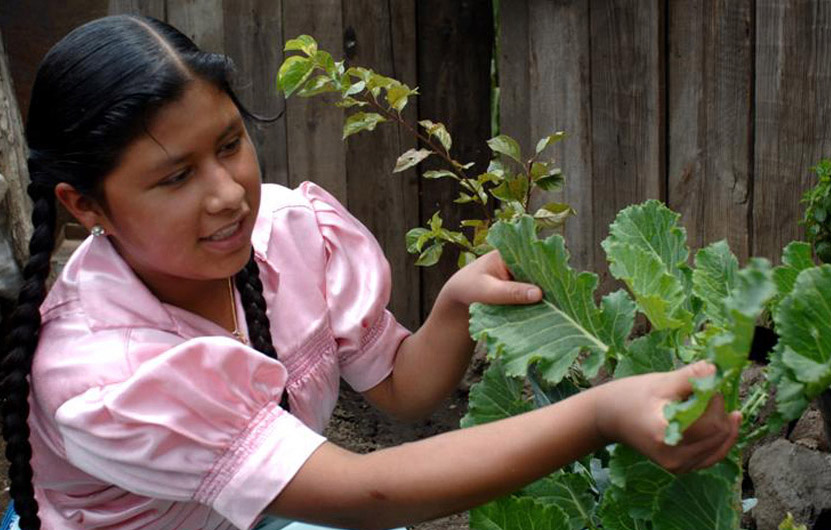
In the state of Michoacán and throughout Mexico, there are groups of cooks and other practitioners of culinary traditions who are dedicated to improving crops and traditional cuisine. Their knowledge and techniques are an expression of community identity and help to strengthen social ties and consolidate a sense of identity at the national, regional, and local levels. The efforts made in Michoacán to preserve traditional cuisine also highlight its importance as a means of sustainable development.
Declaratoria UNESCO

Patrimonio Intangible
Categoría Conocimientos y usos relacioandos con la naturaleza y el universo
Fecha 2010
Criterios de valor Universal Excepcional
Este lugar cumple con los siguientes criterios de valor Universal Excepcional
R.1
El elemento es patrimonio cultural inmaterial, en el sentido del Artículo 2 de la Convención.
R.2
La inscripción del elemento contribuirá a dar a conocer el patrimonio cultural inmaterial, a lograr que se tome conciencia de su importancia y a propiciar el diálogo, poniendo así de manifiesto la diversidad cultural a escala mundial y dando testimonio de la creatividad humana.
R.3
Se elaboran medidas de salvaguardia que podrían proteger y promover el elemento.
R.4
La propuesta de inscripción del elemento se ha presentado con la participación más amplia posible de la comunidad, el grupo o, si procede, los individuos interesados y con su consentimiento libre, previo e informado.
R.5
El elemento figura en un inventario del patrimonio cultural inmaterial presente en el(los) territorio(s) del(los) Estado(s) Parte(s) solicitante(s), de conformidad con los artículos 11 y 12 de la Convención.