




Trazo del Ferrocarril Mexicano en su tramo Sumidero-Fortín de las Flores
Historical Monuments Zone
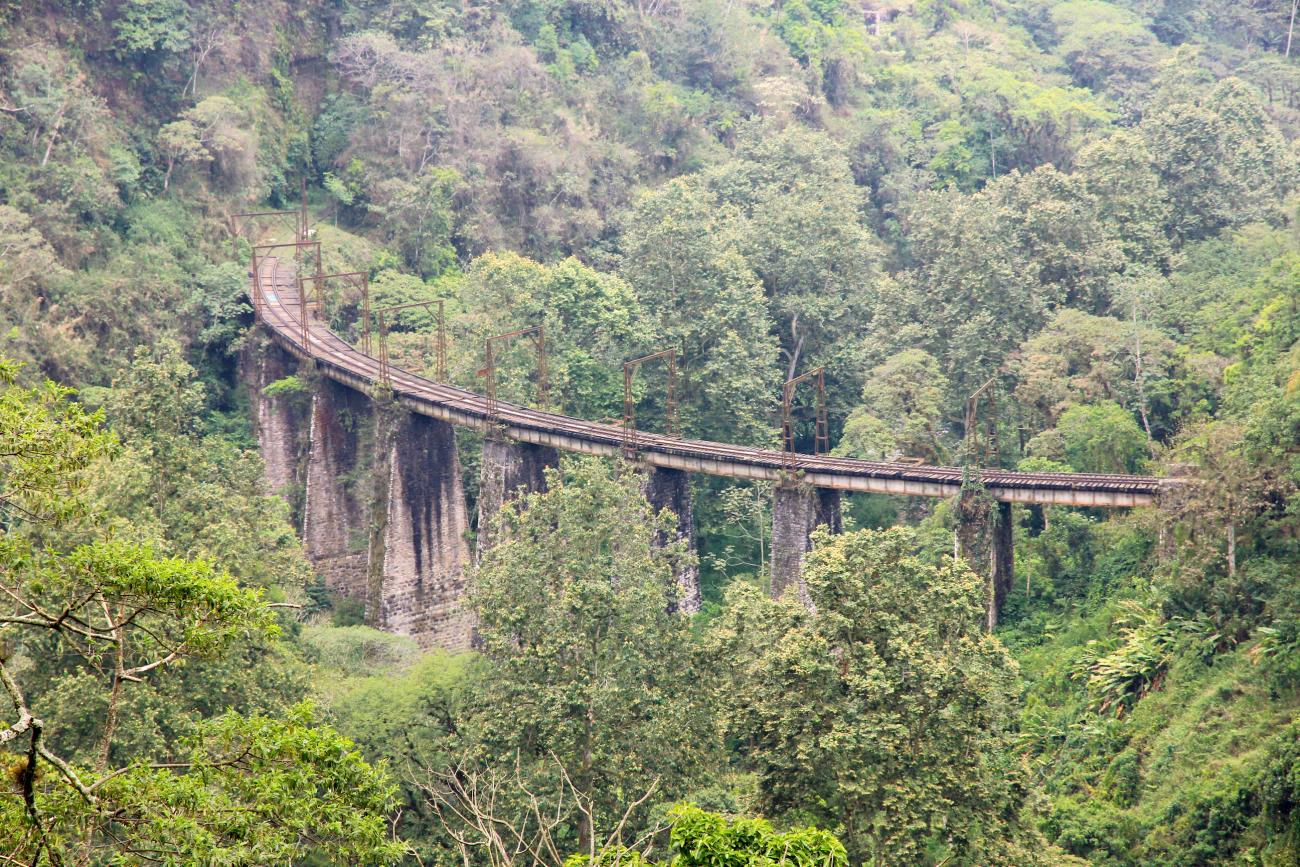
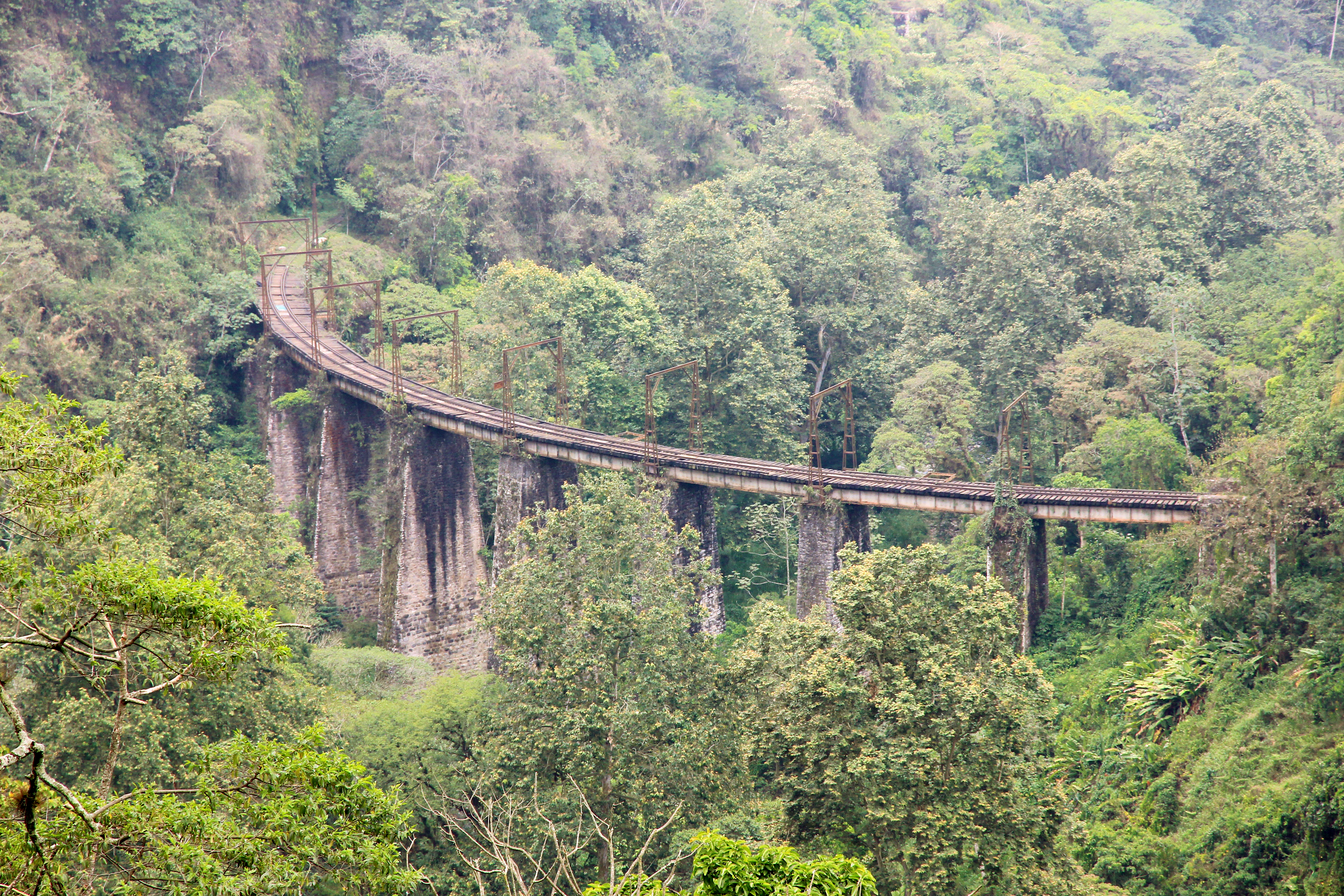
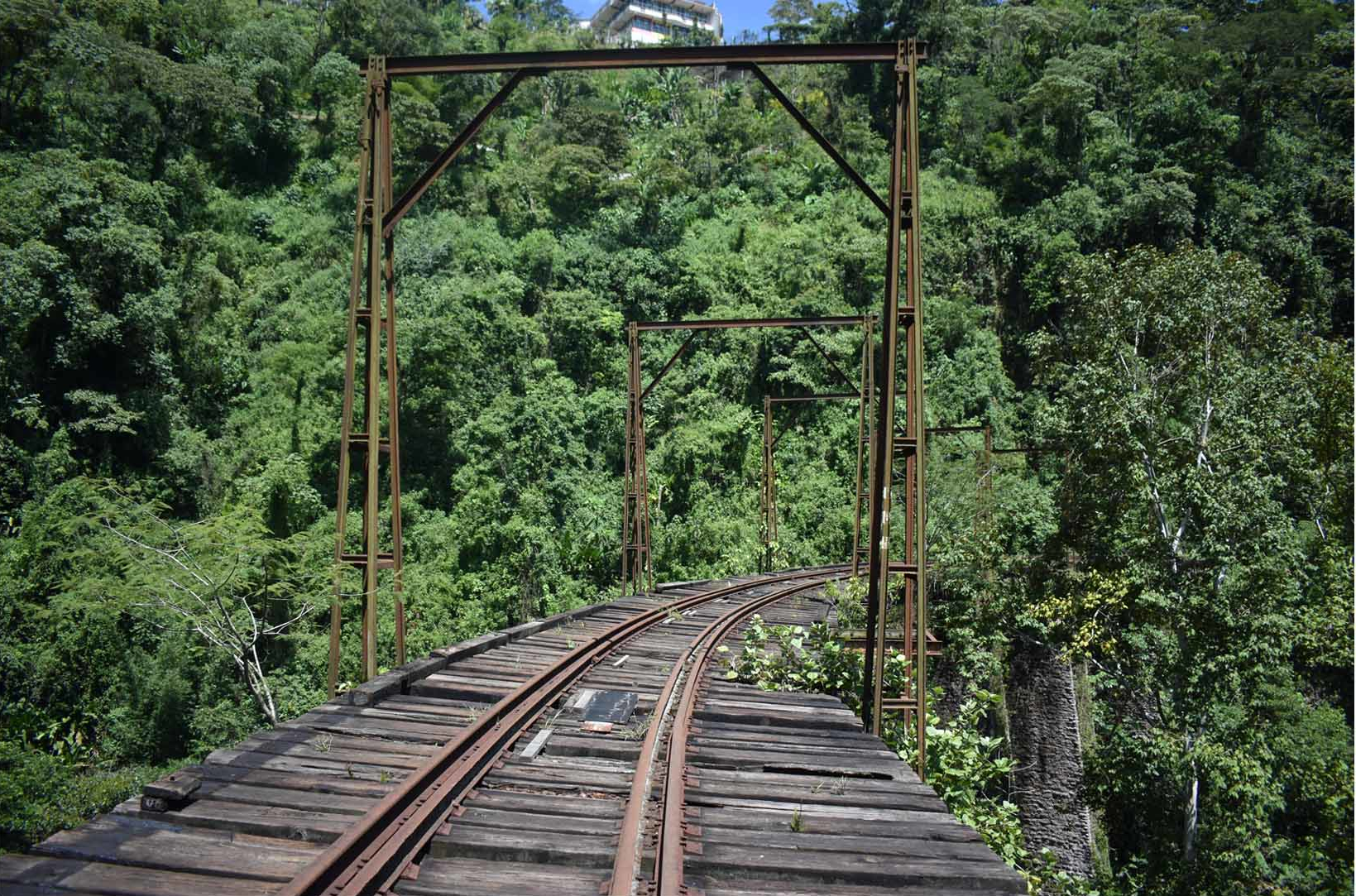
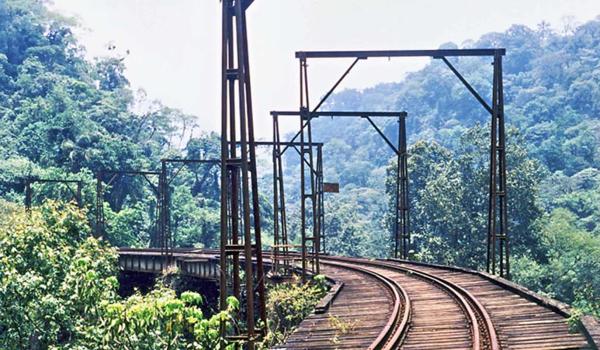
Puente de Metlac
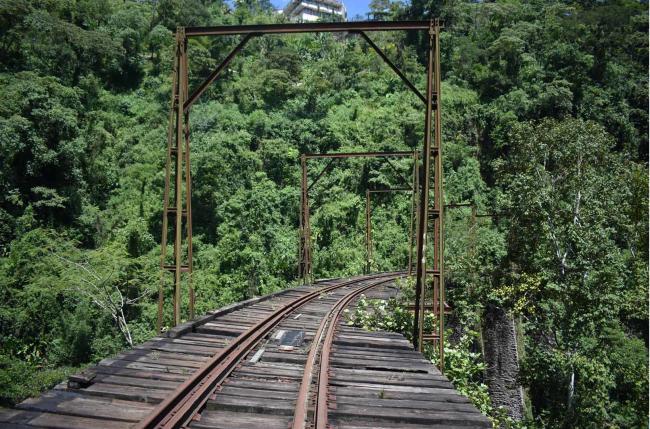
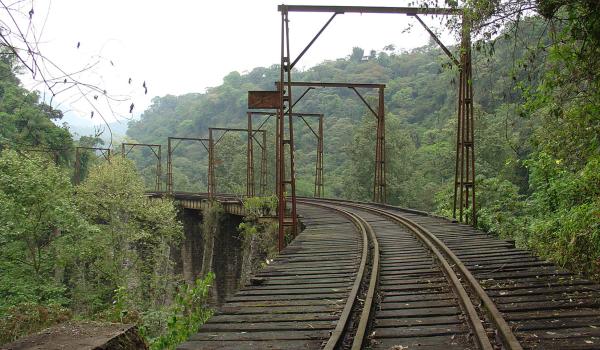
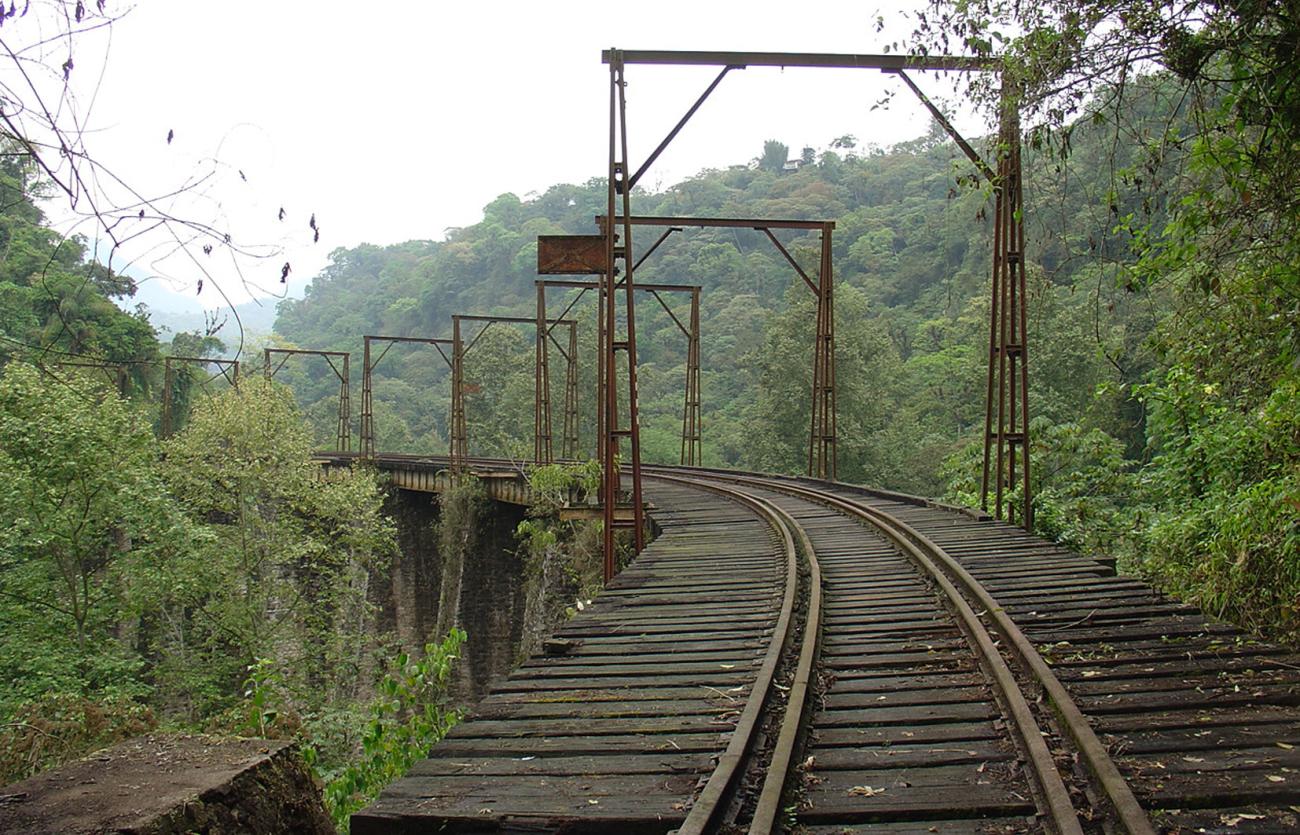
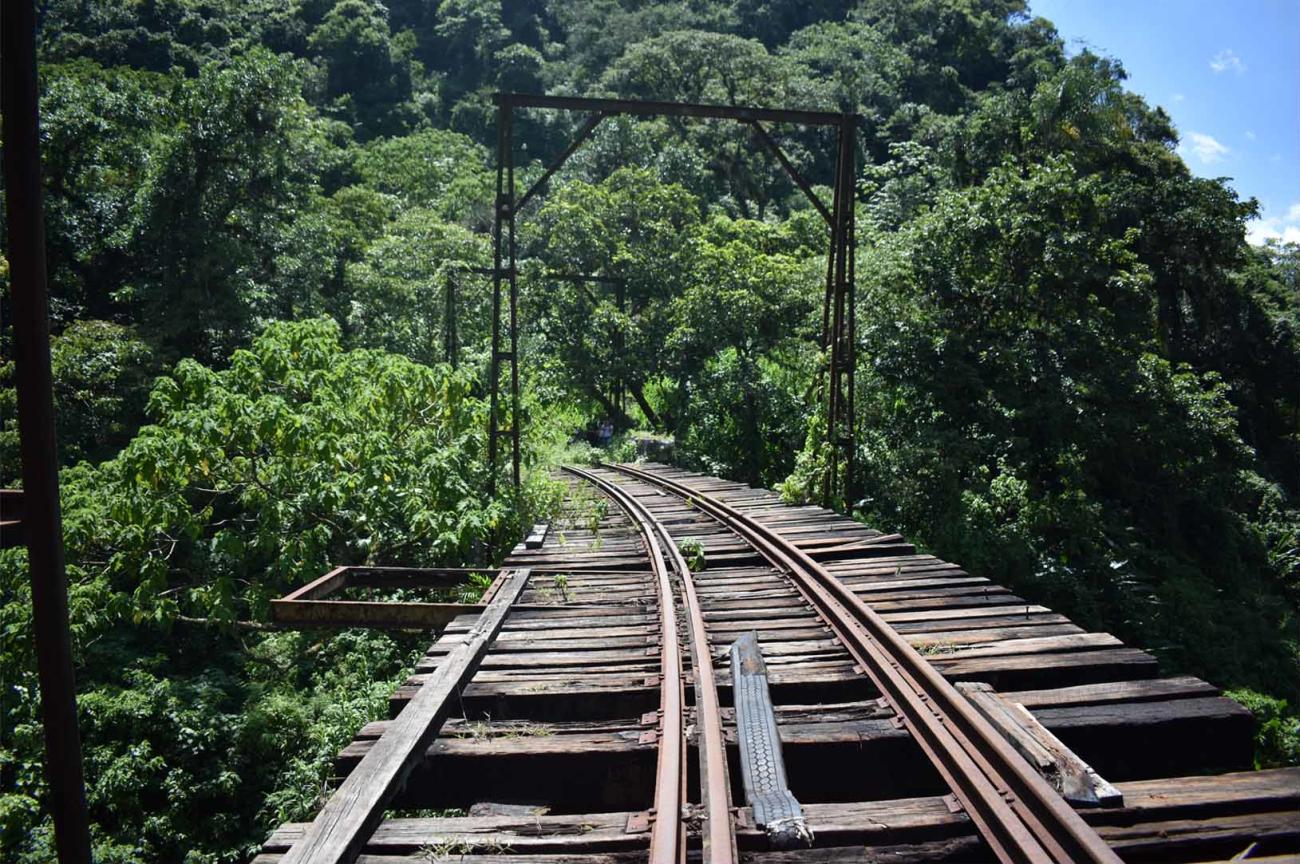
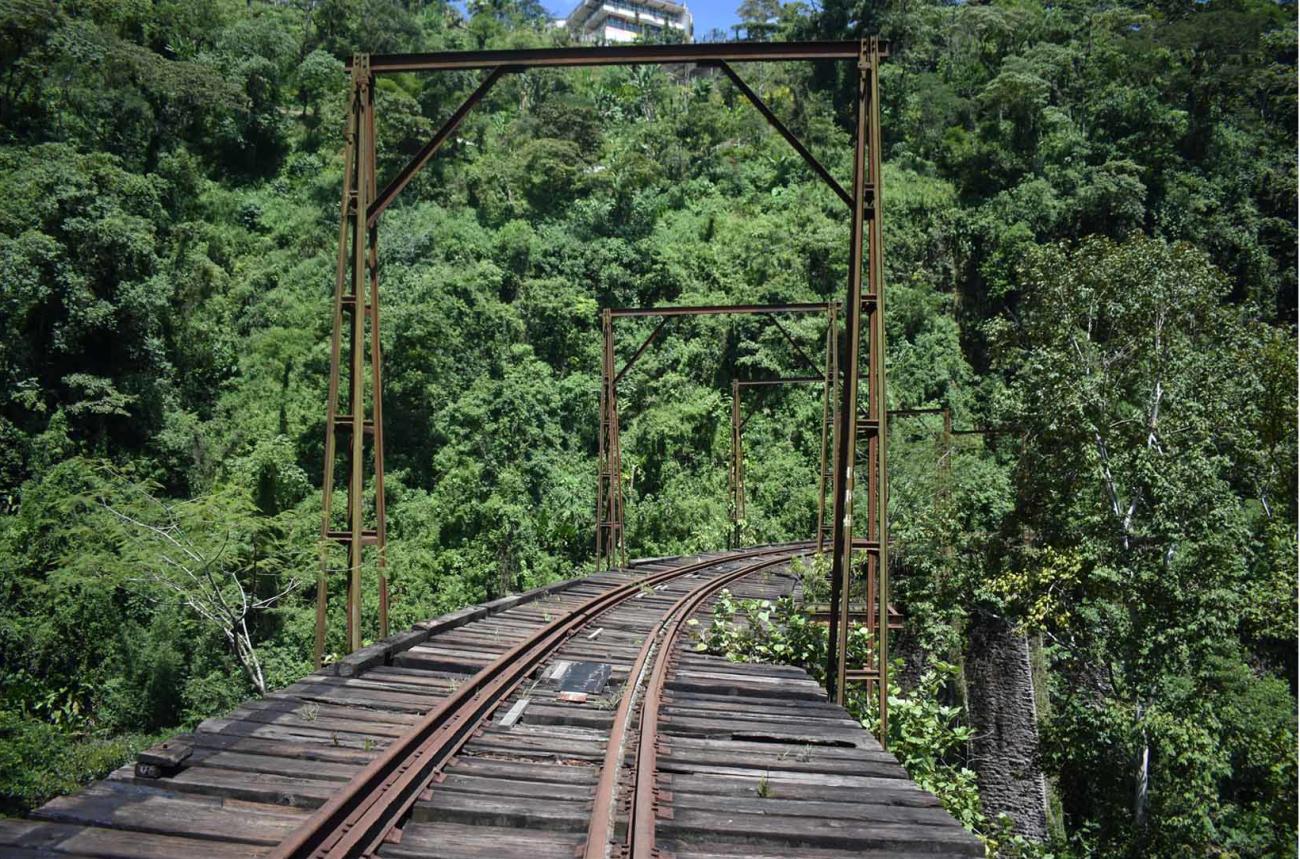
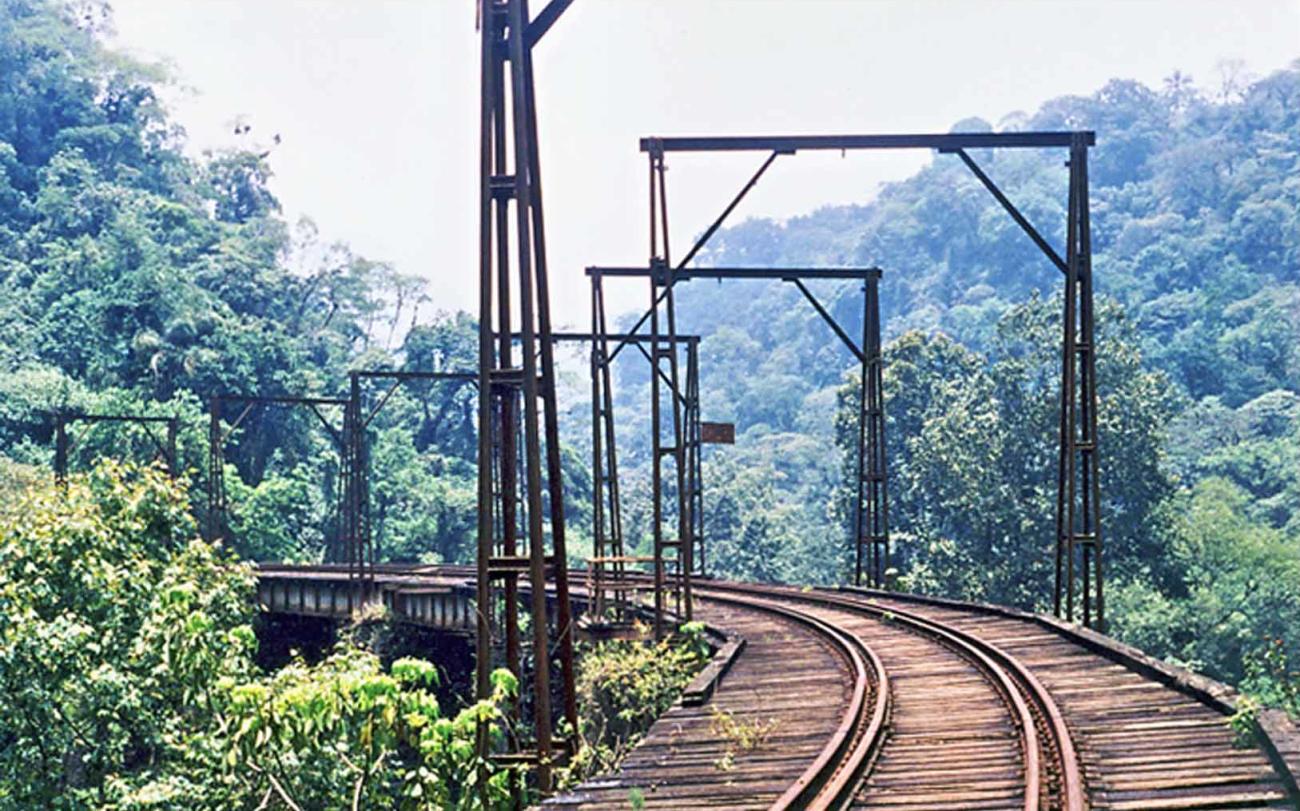
Located on the Metlac River, which originates from the slopes of Pico de Orizaba. The ravine reaches a depth of 115 meters and a width of 265 meters. The construction work was carried out by engineers William Cross Buchannan, Gorge Foot, Thomas Braniff, Donaldo, Murray, Hill, and González Cosío.
Puente de Metlac
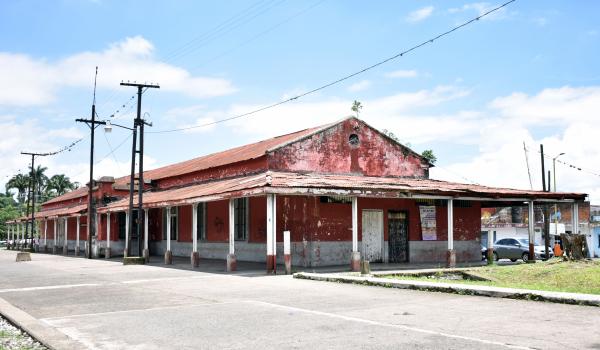
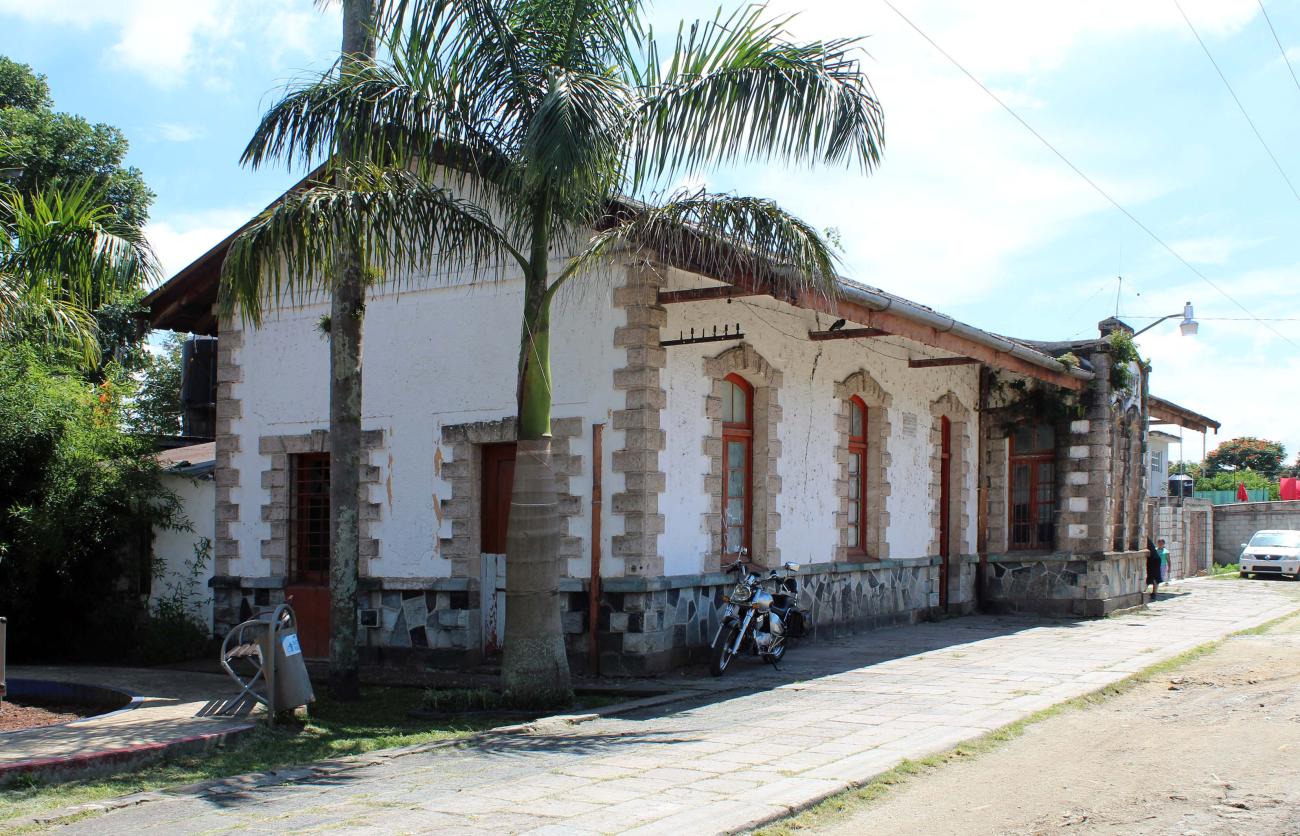
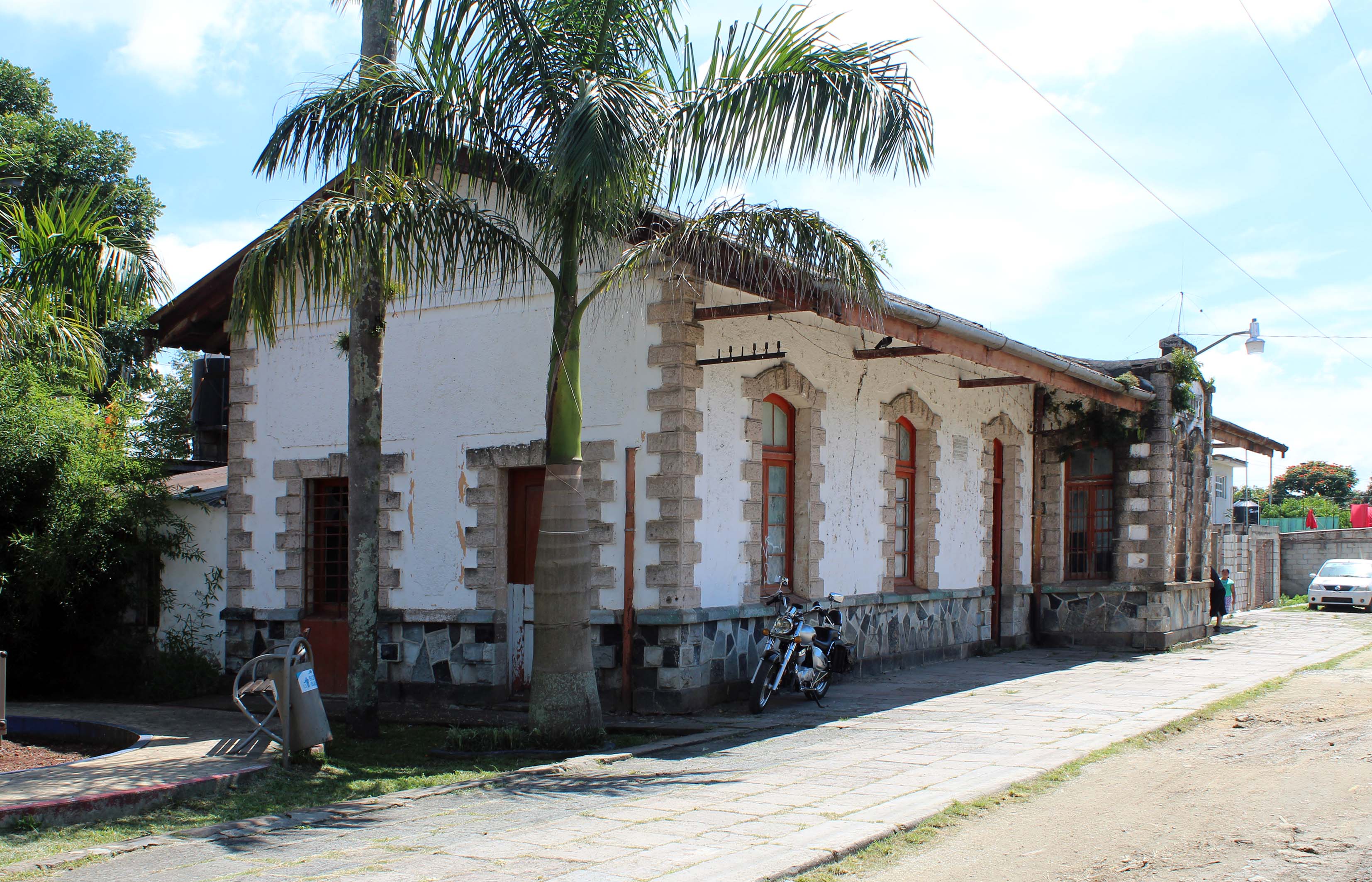
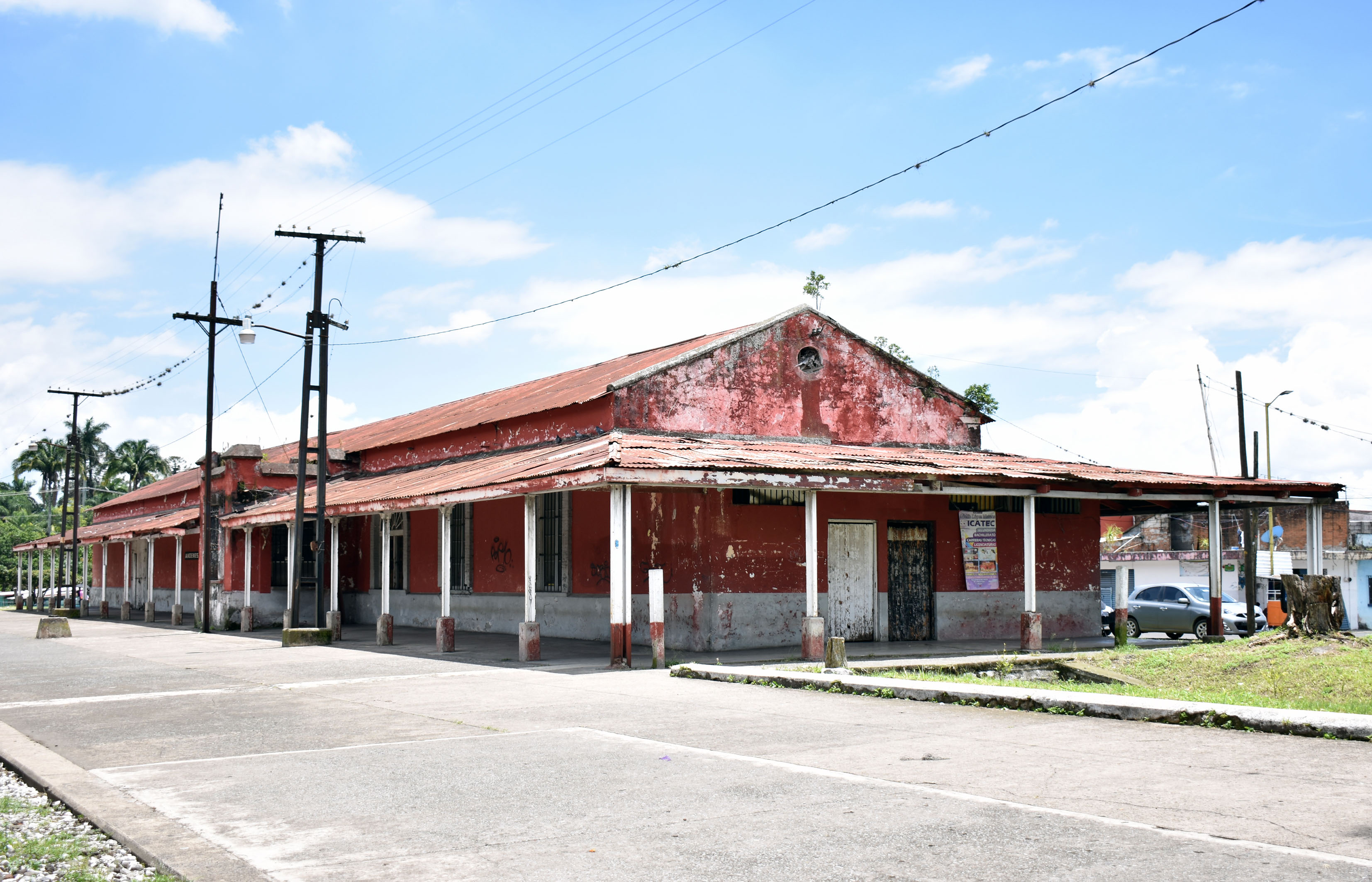
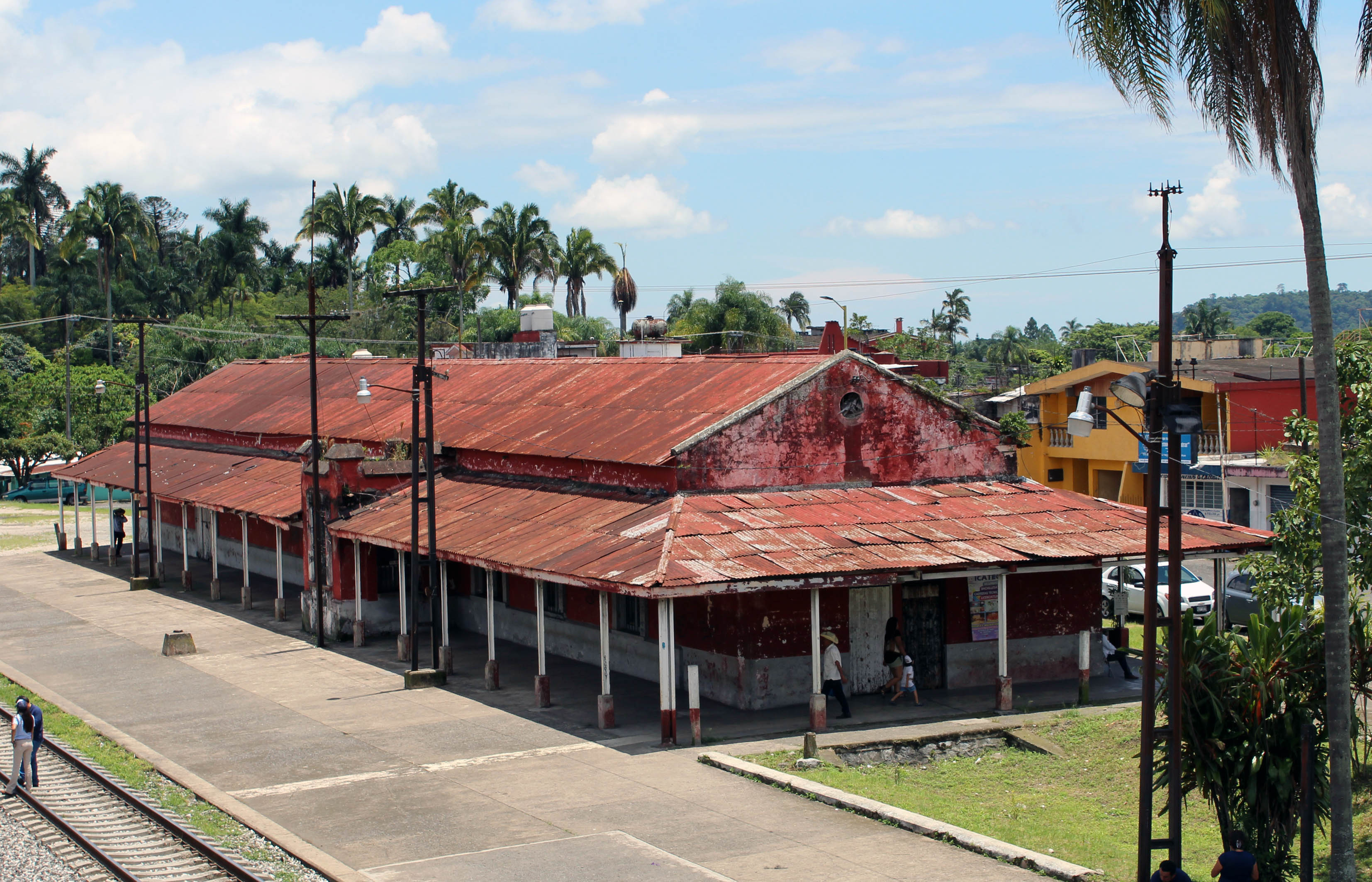
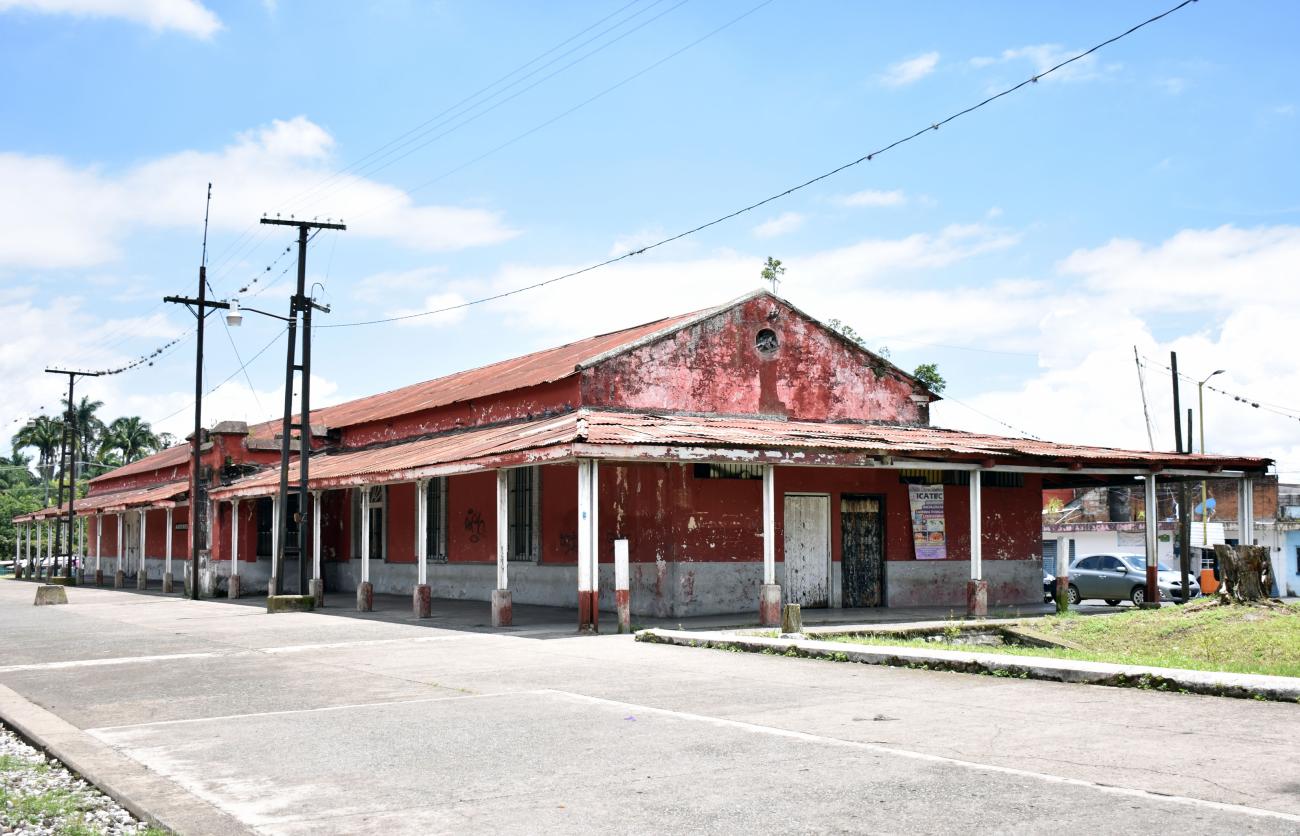
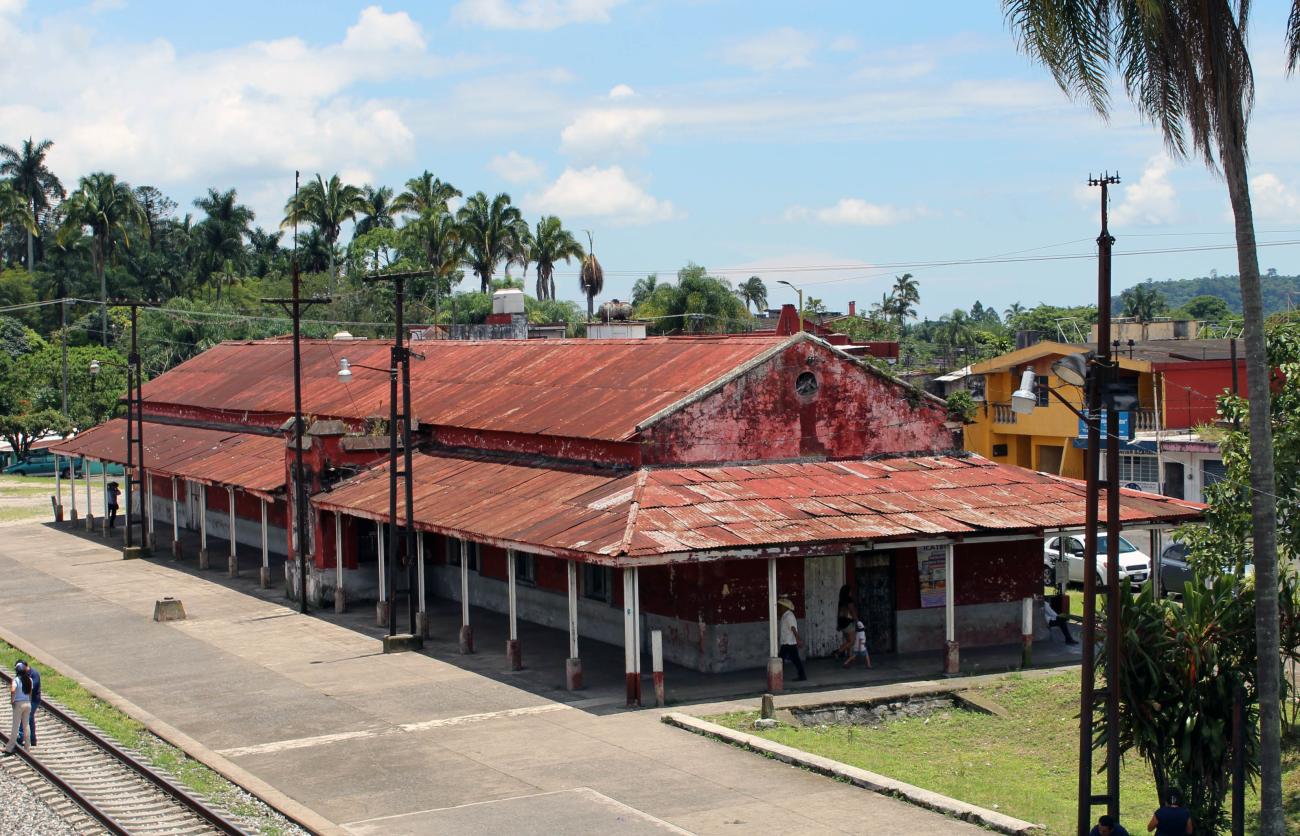
Antigua Estación de Ferrocarril de Fortín de las Flores
This station was opened to the public on December 8, 1871. Architecturally, the building includes a goods shed, a lobby, and three offices.
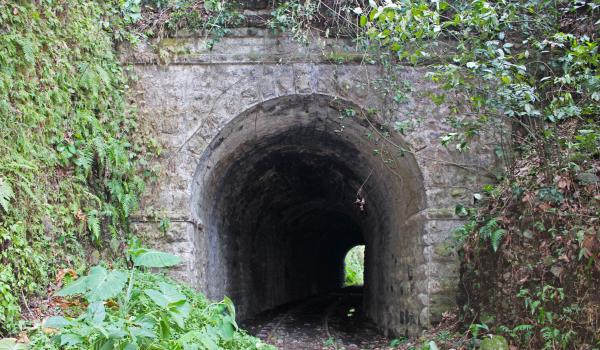
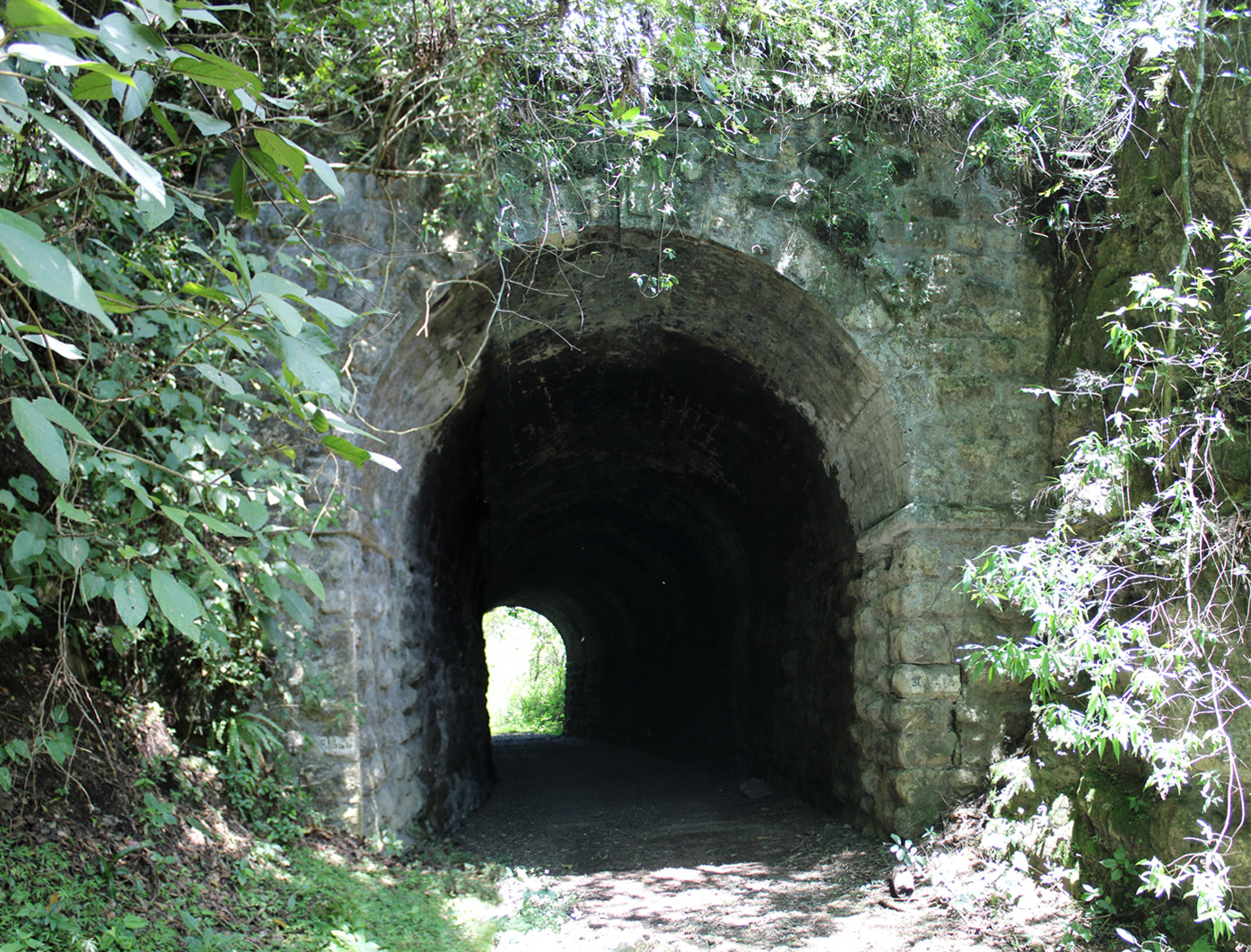
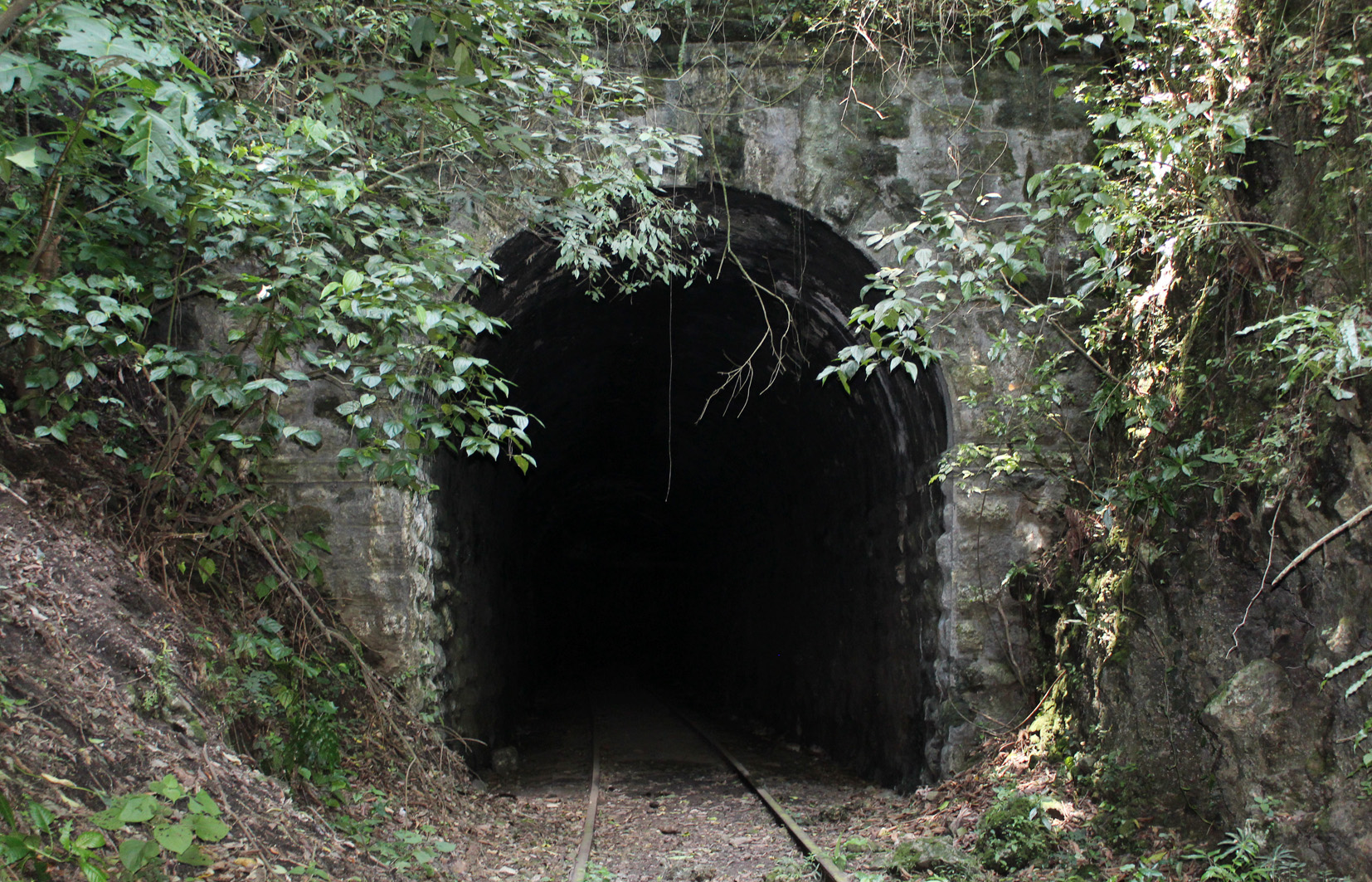
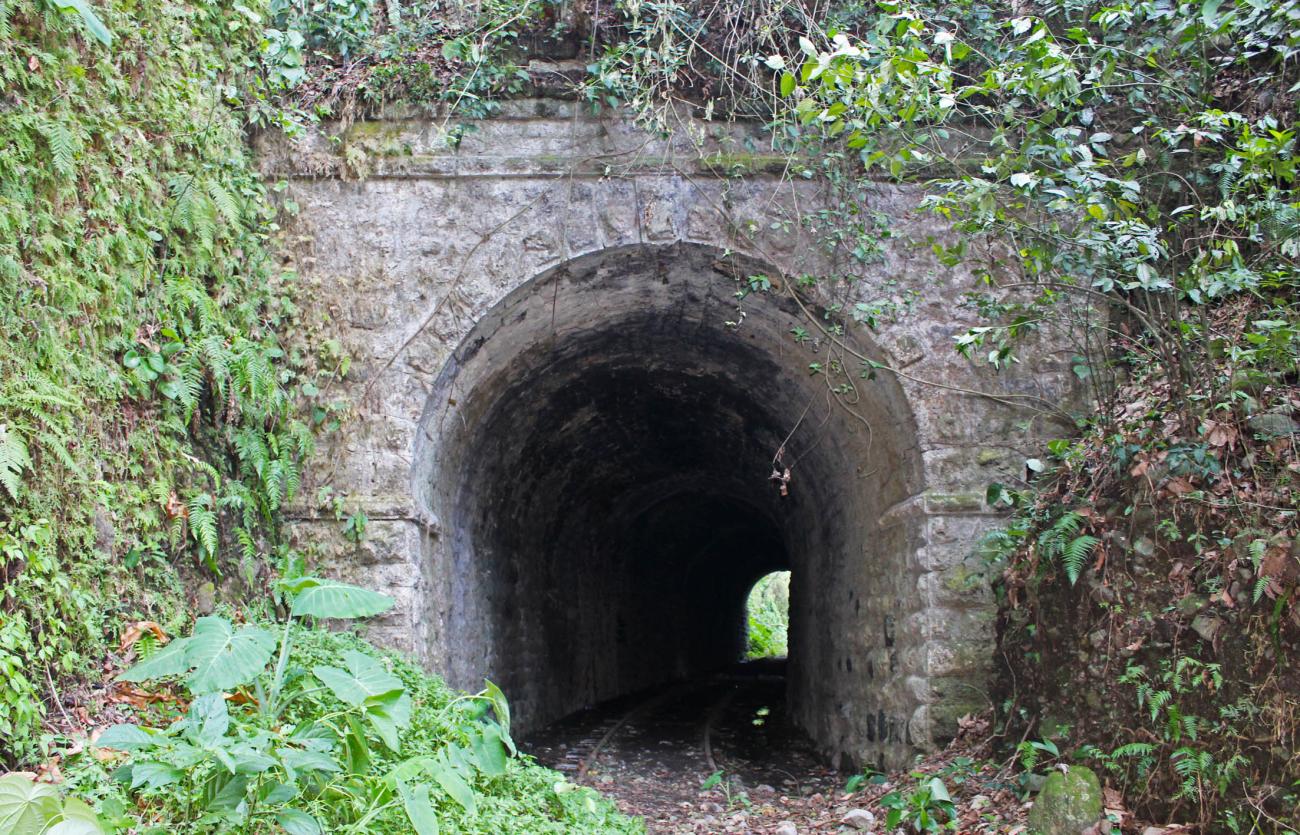
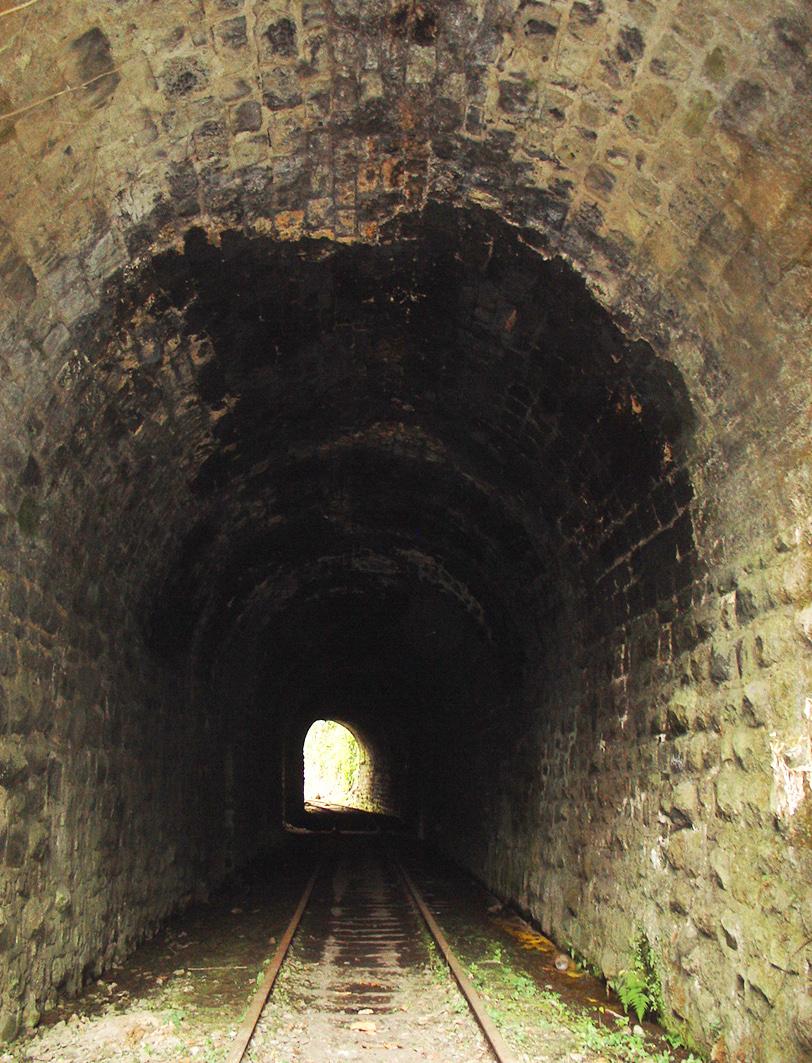
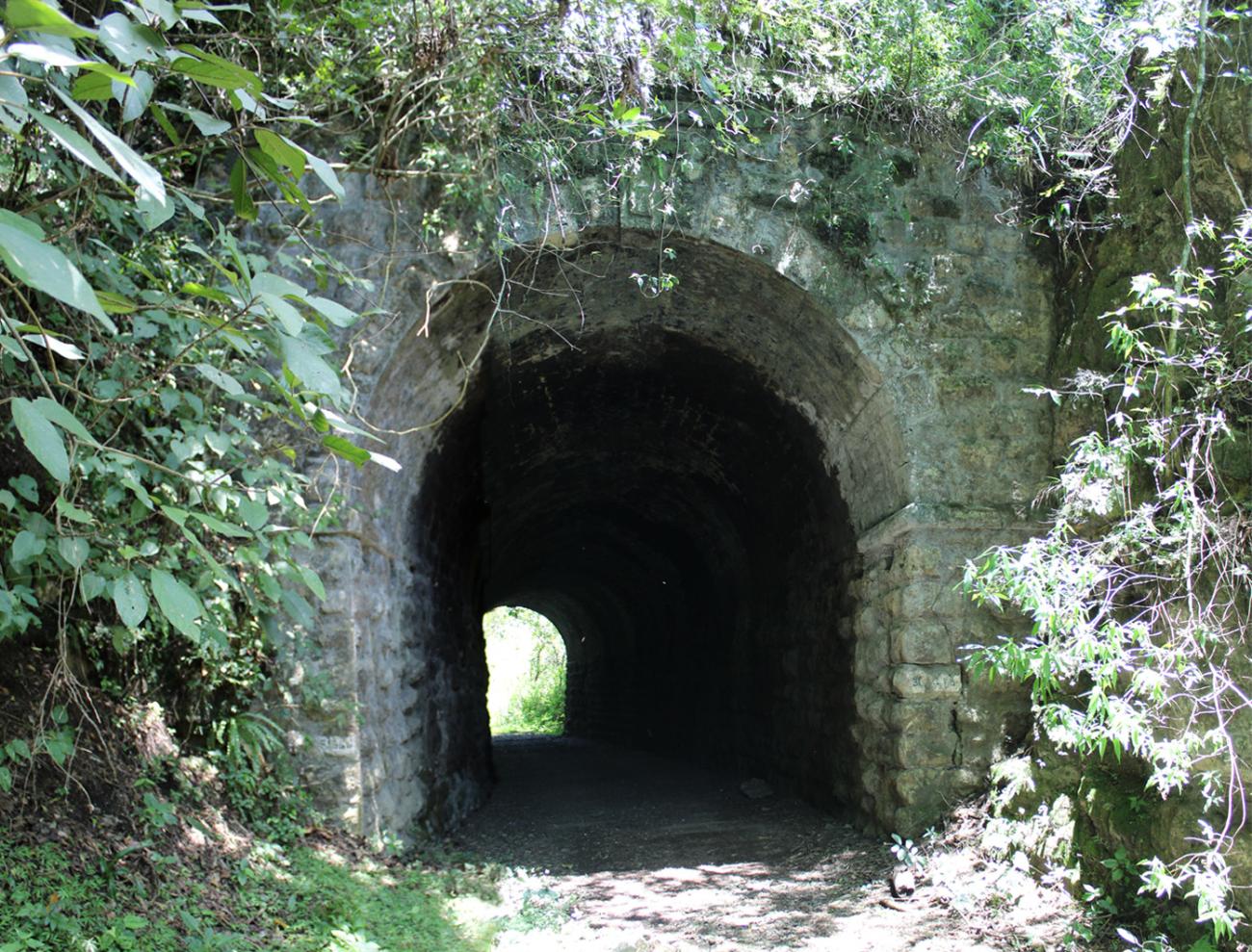
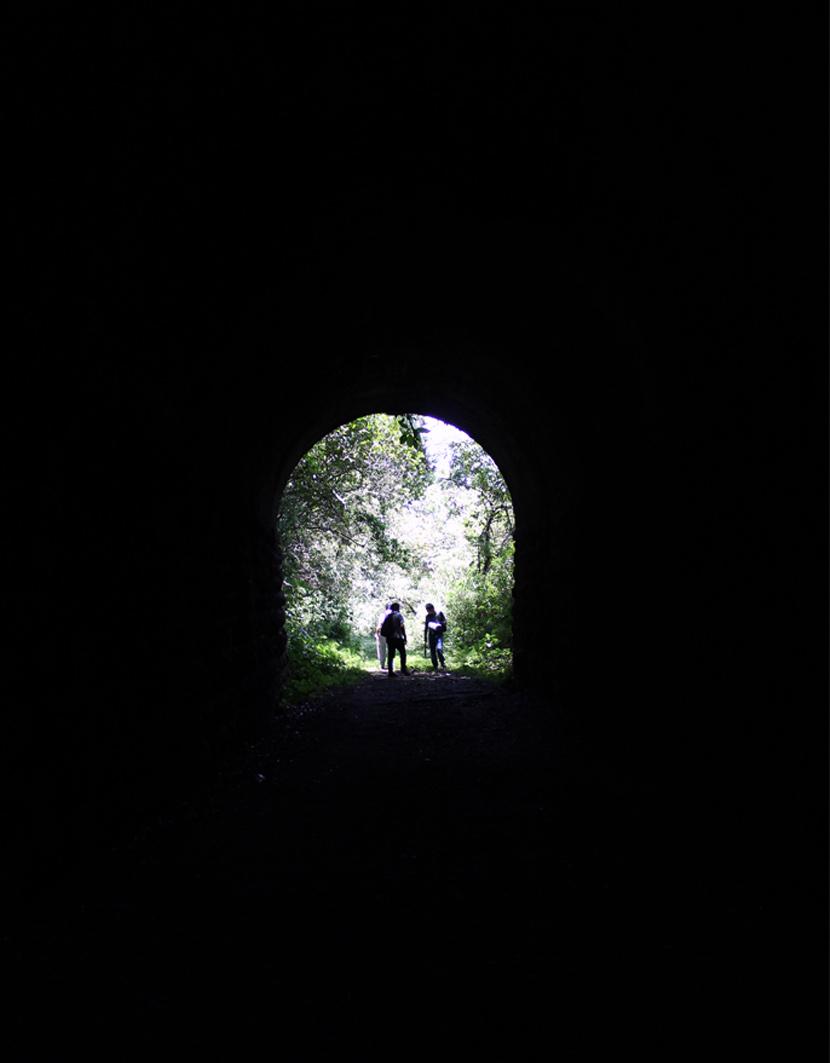
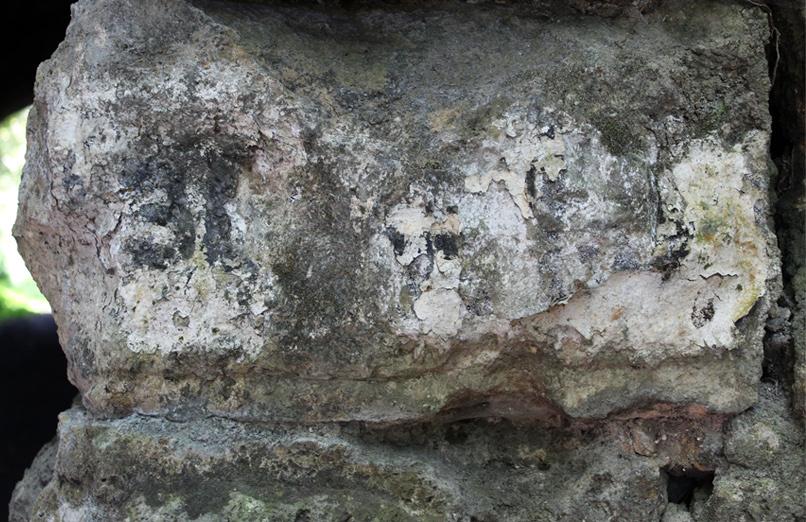
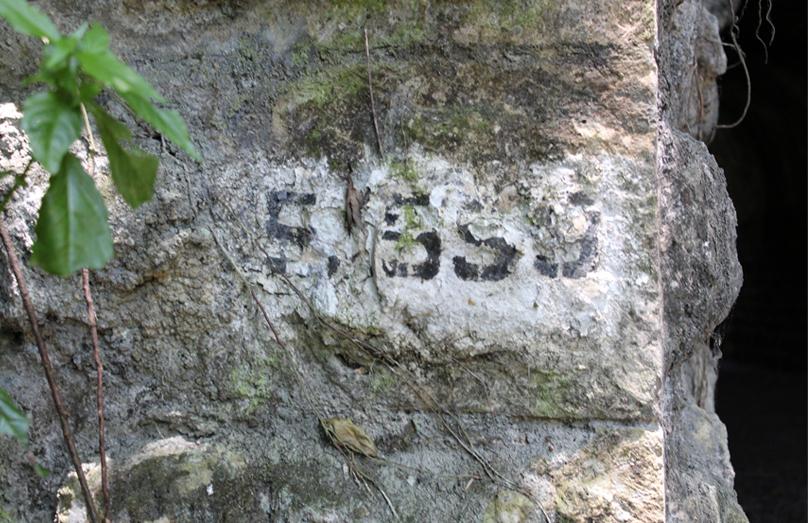
Túnel 3 del Antiguo Tramo Ferroviario Sumidero-Fortín de las Flores
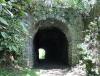
Tunnel located in the municipality of Fortín, following the railway route from the Sumidero station toward Fortín de las Flores, after crossing the Metlac bridge. This structure was built between 1871 and 1872.
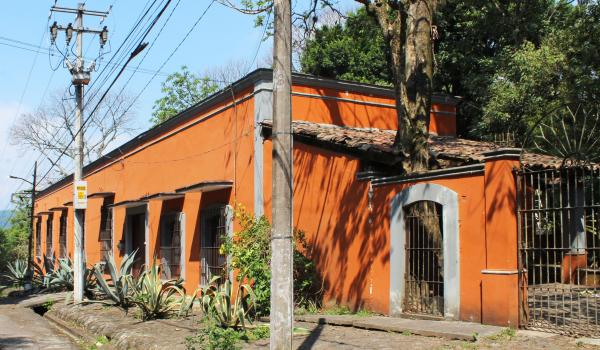
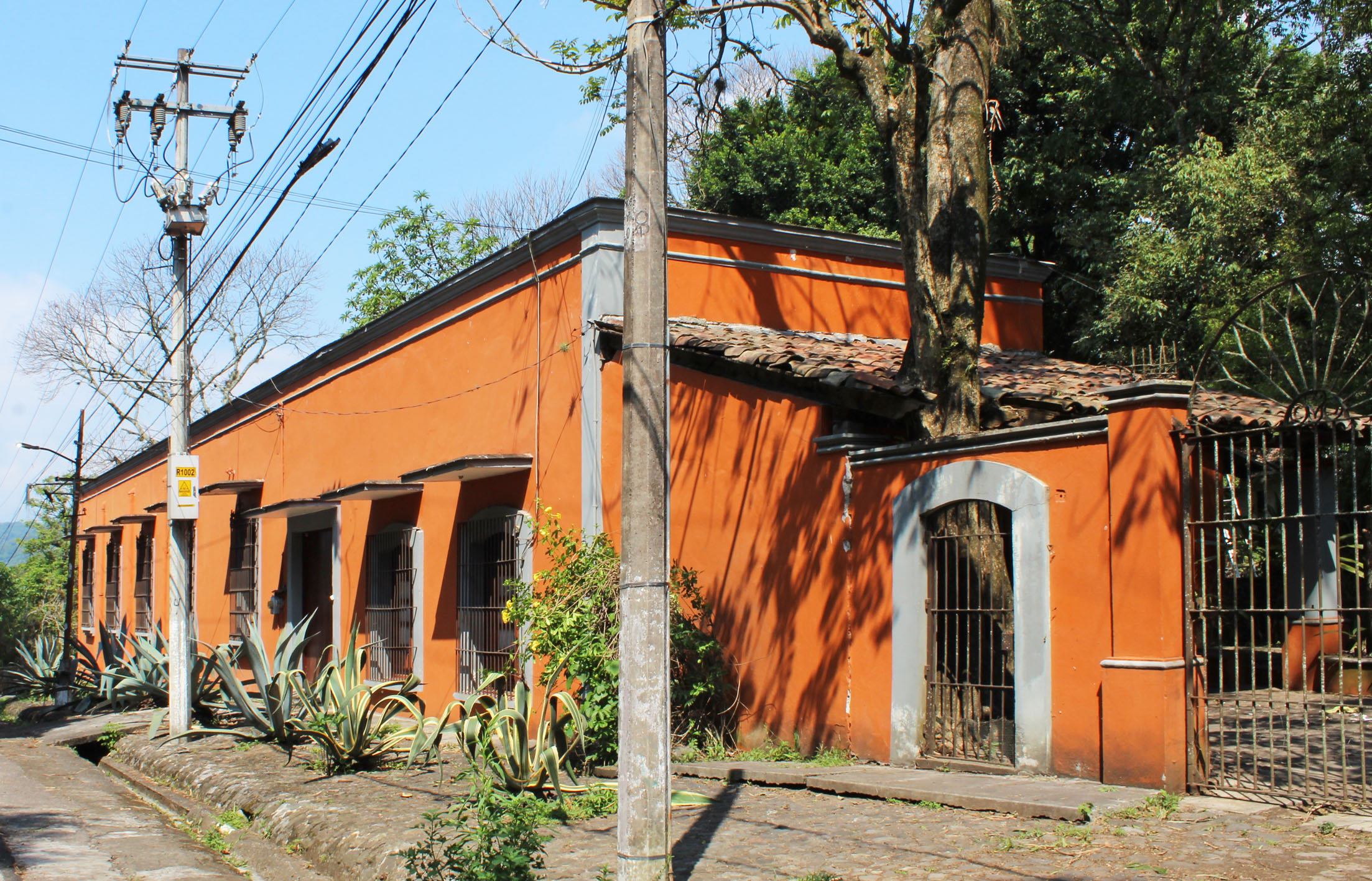
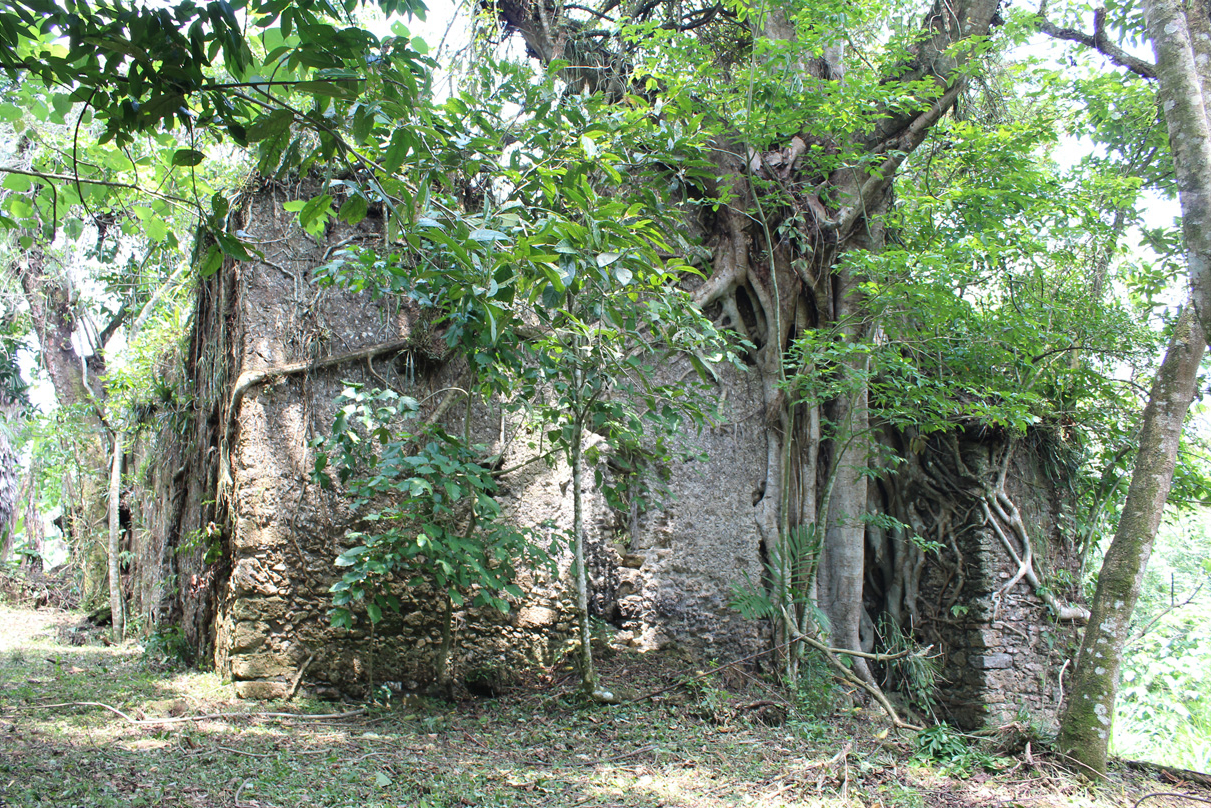
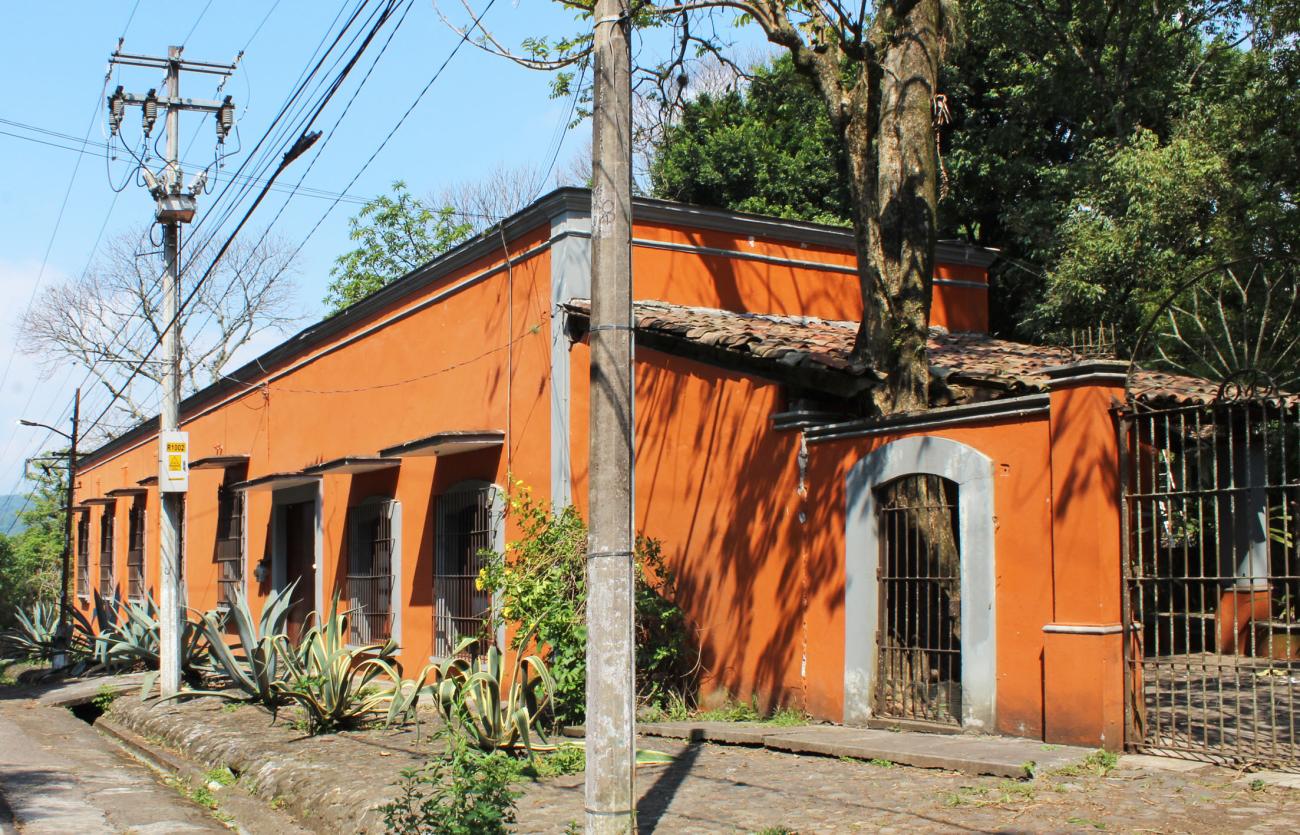
Rancho de Penagos
19th-century building, originally used as the main house of the ranch, but due to its strategic location, it was used as a military barracks during various armed conflicts.
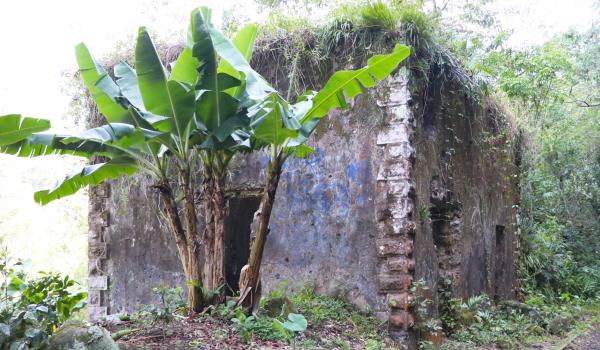
Tanque de Agua del Antiguo Tramo Ferroviario Sumidero-Fortín de las Flores
19th-century building, constructed of masonry to the south of Tunnel 3. The upper section features a set of rails placed as beams, which supported a metal tank that supplied water to the steam locomotives.
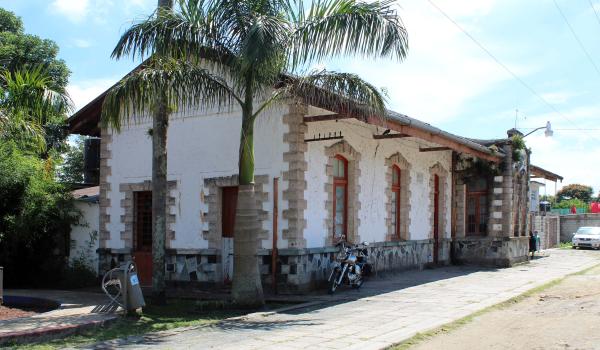
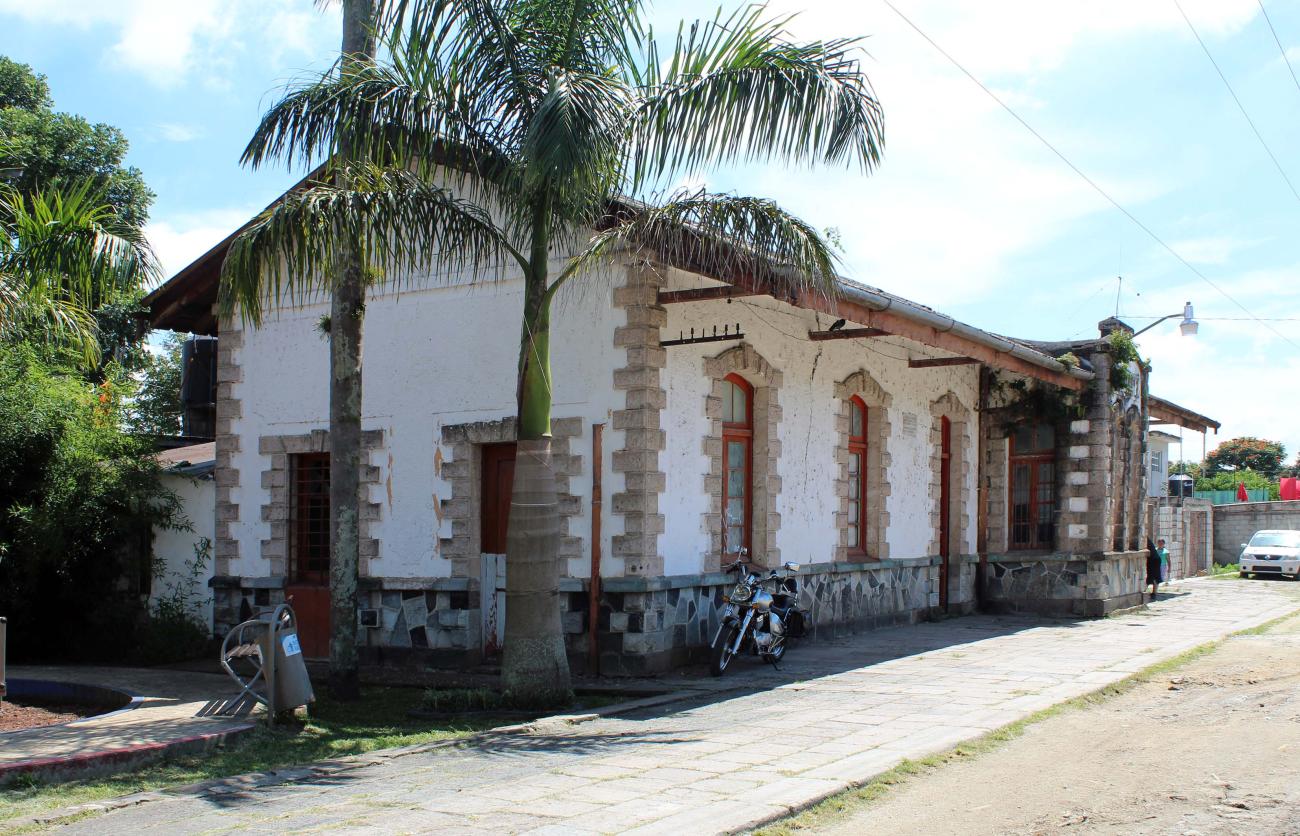
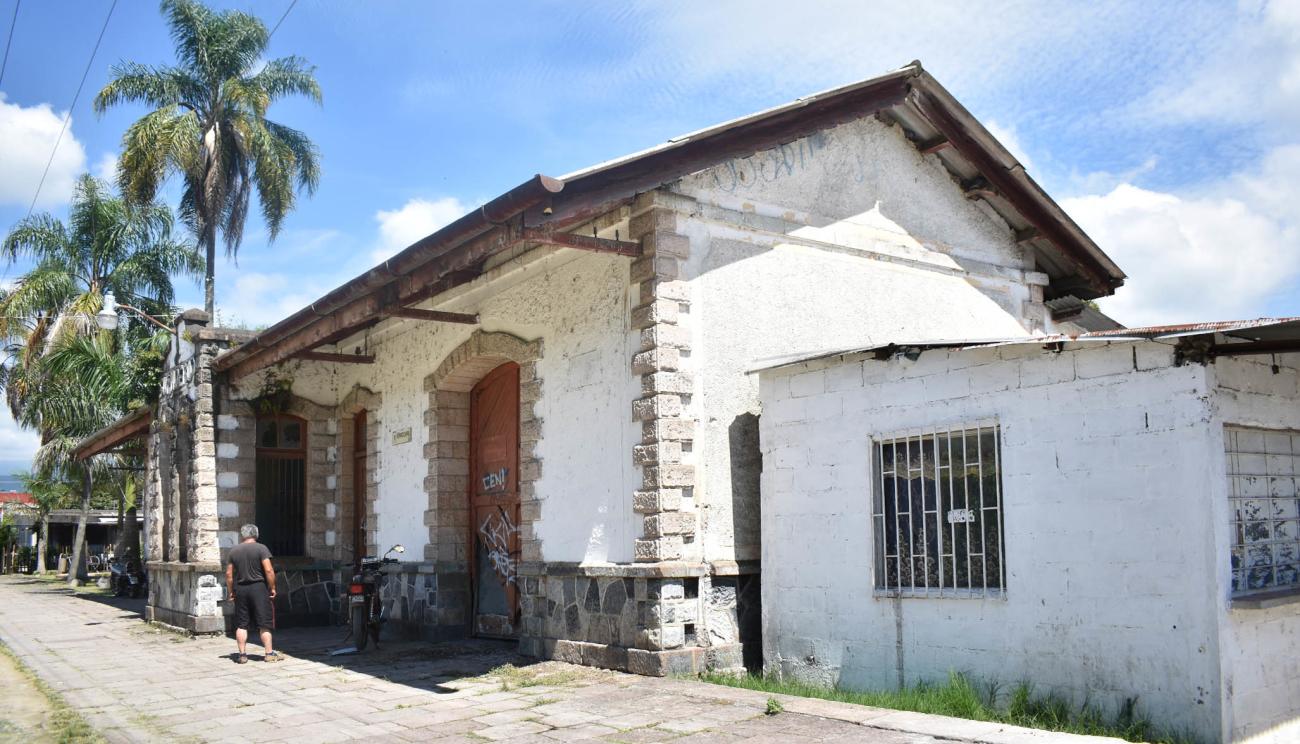
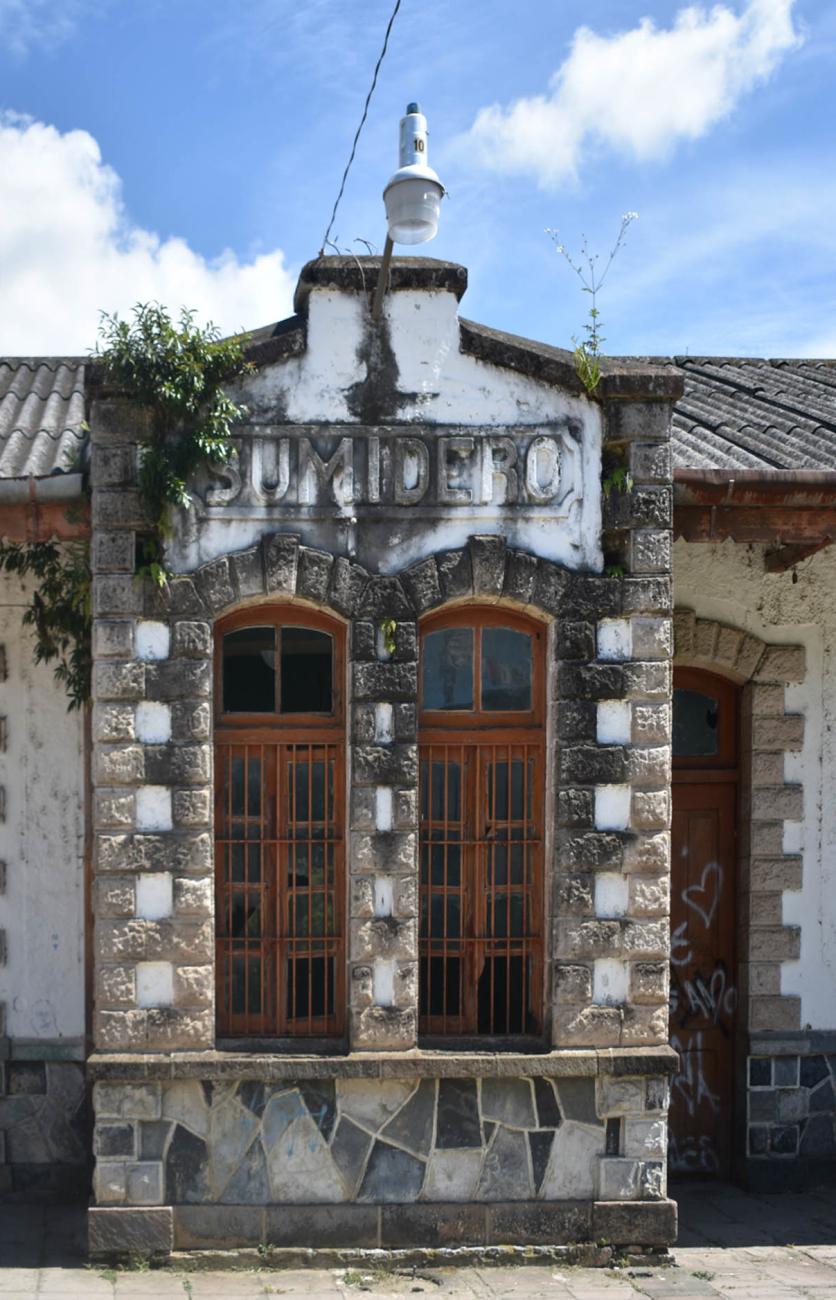
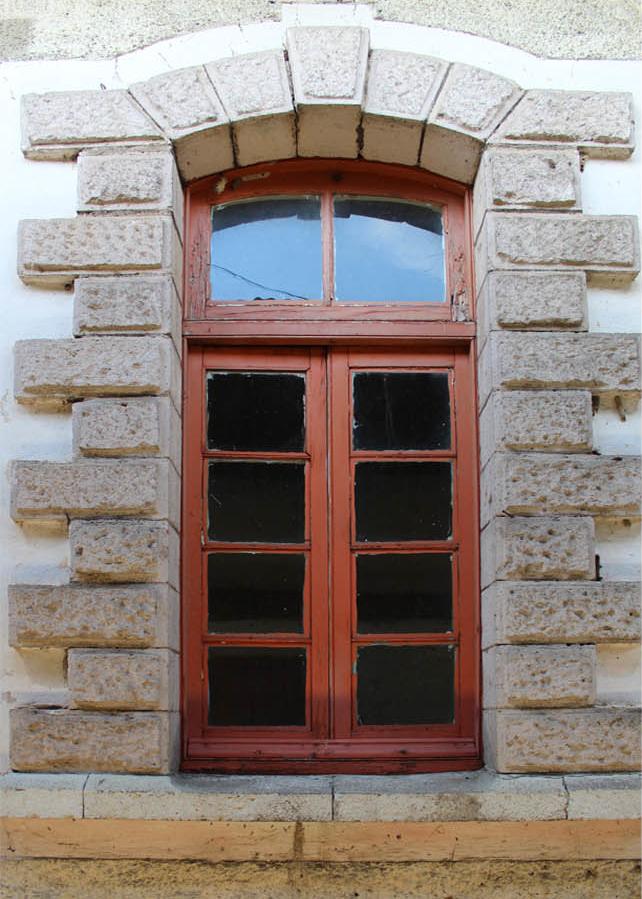
Antigua Estación de Ferrocarril de Sumidero
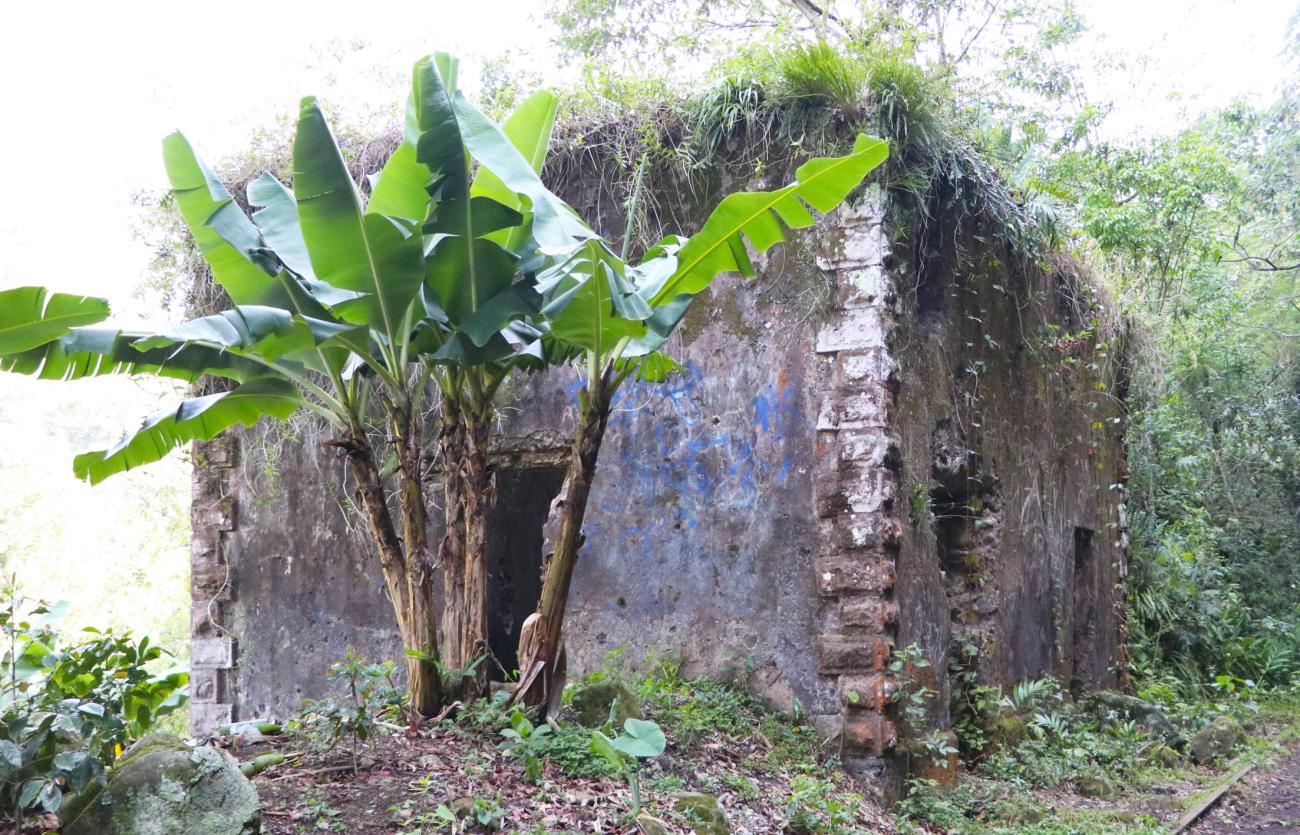
19th-century building. It featured a waiting room, a station master's office, a telegraph office with a lookout to observe the arrival and departure of trains, living quarters for the station master, sanitary services, and a cargo warehouse.

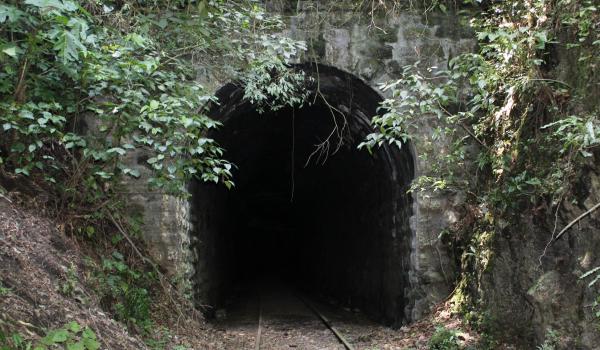
Túnel 4 del Antiguo Tramo Ferroviario Sumidero-Fortín de las Flores
Structure built between the years 1871 and 1872.
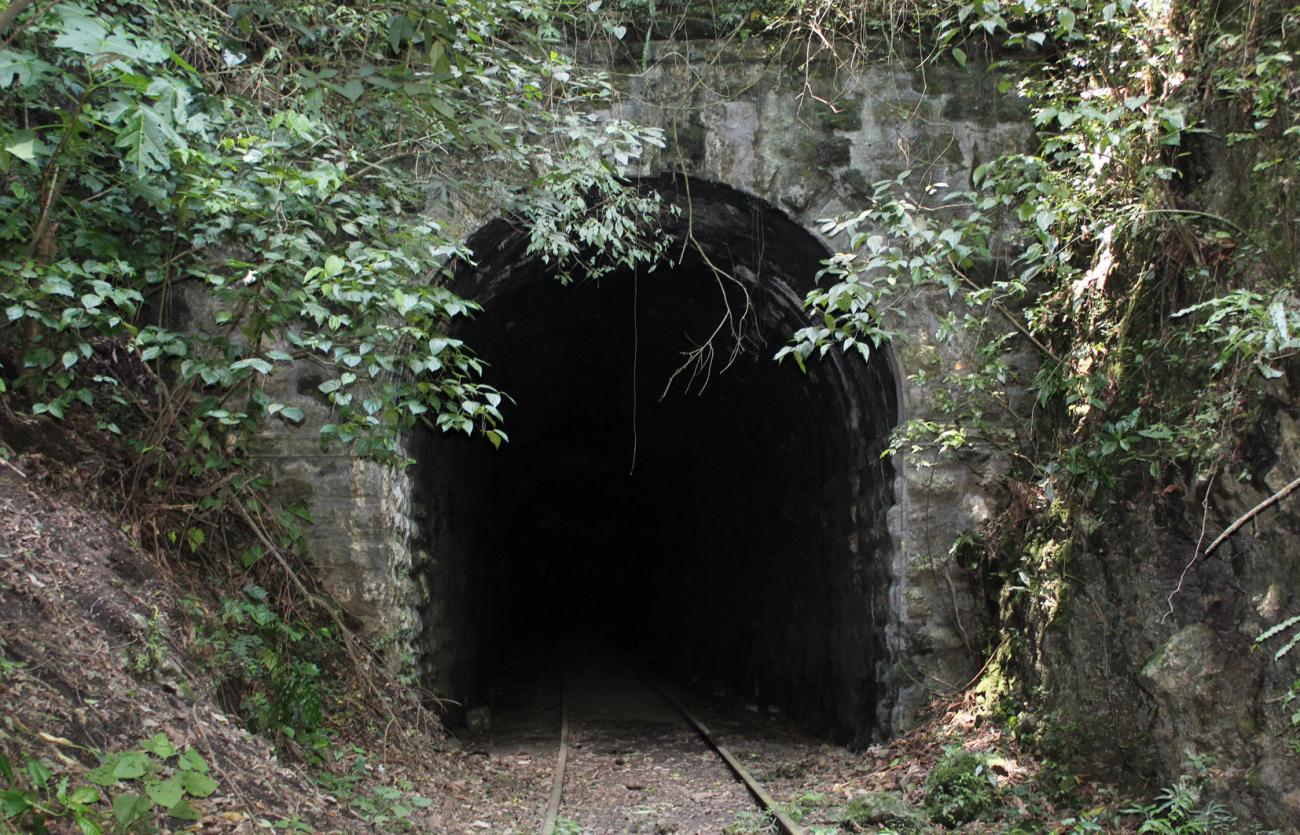
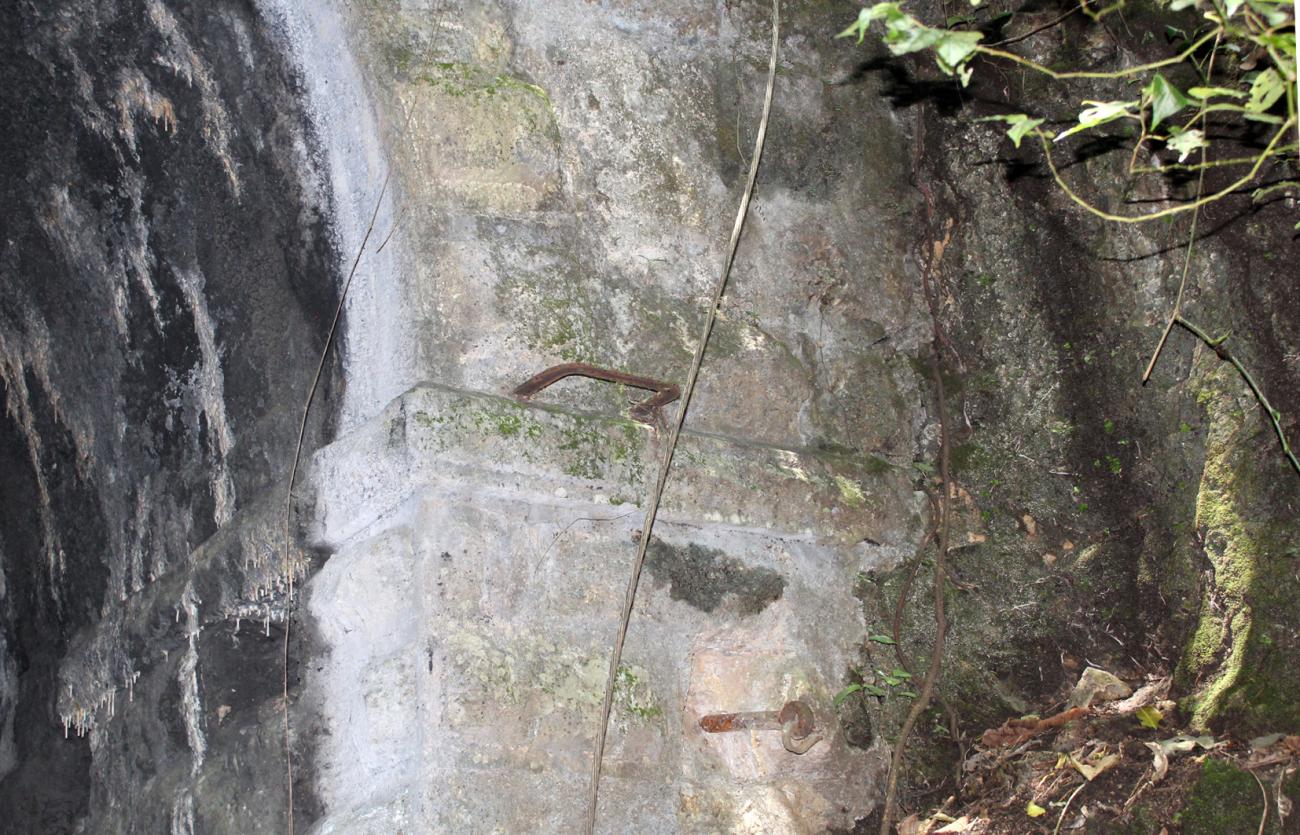
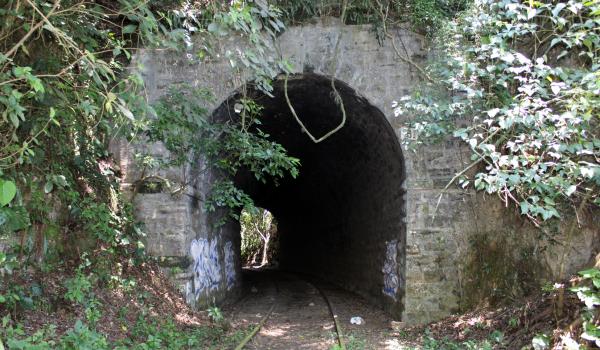
Túnel 5 del Antiguo Tramo Ferroviario Sumidero-Fortín de las Flores
Structure built between the years 1871 and 1872.
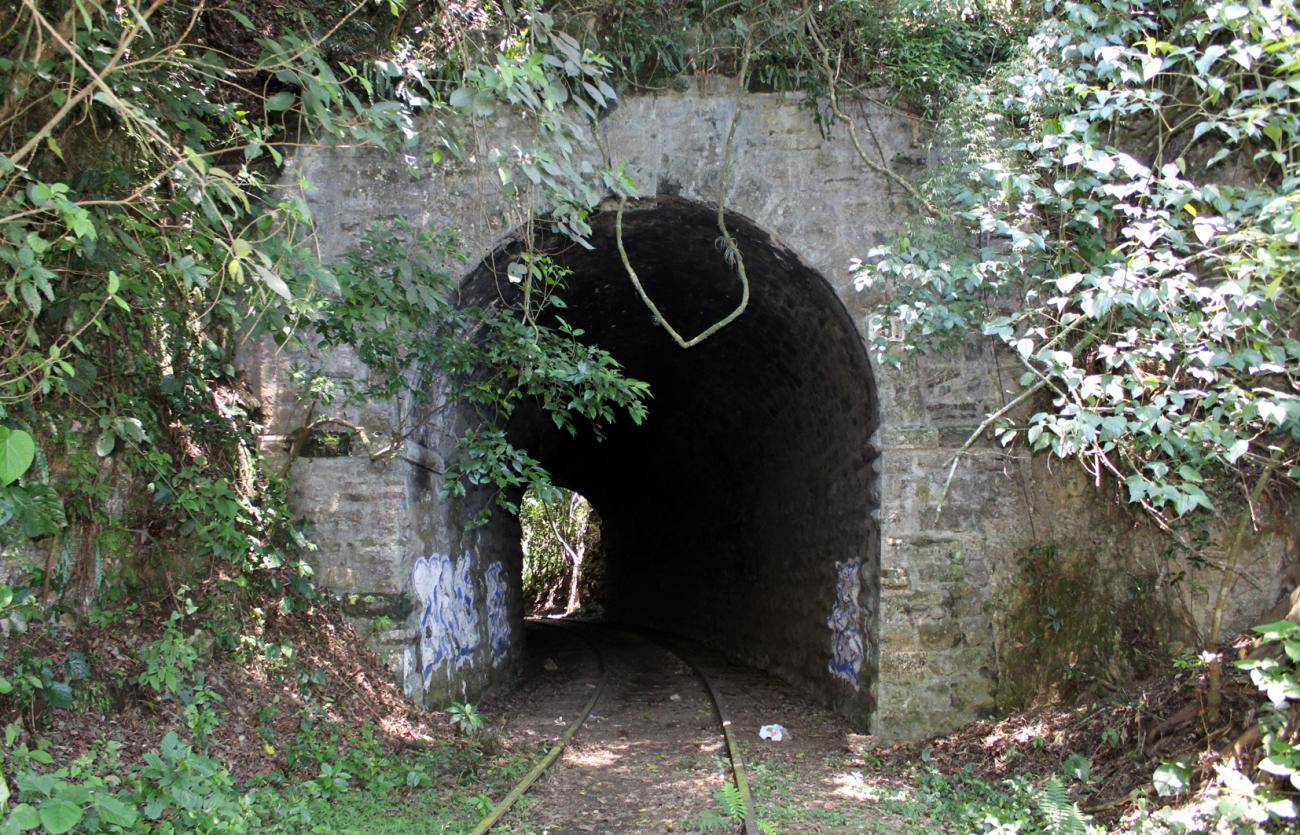
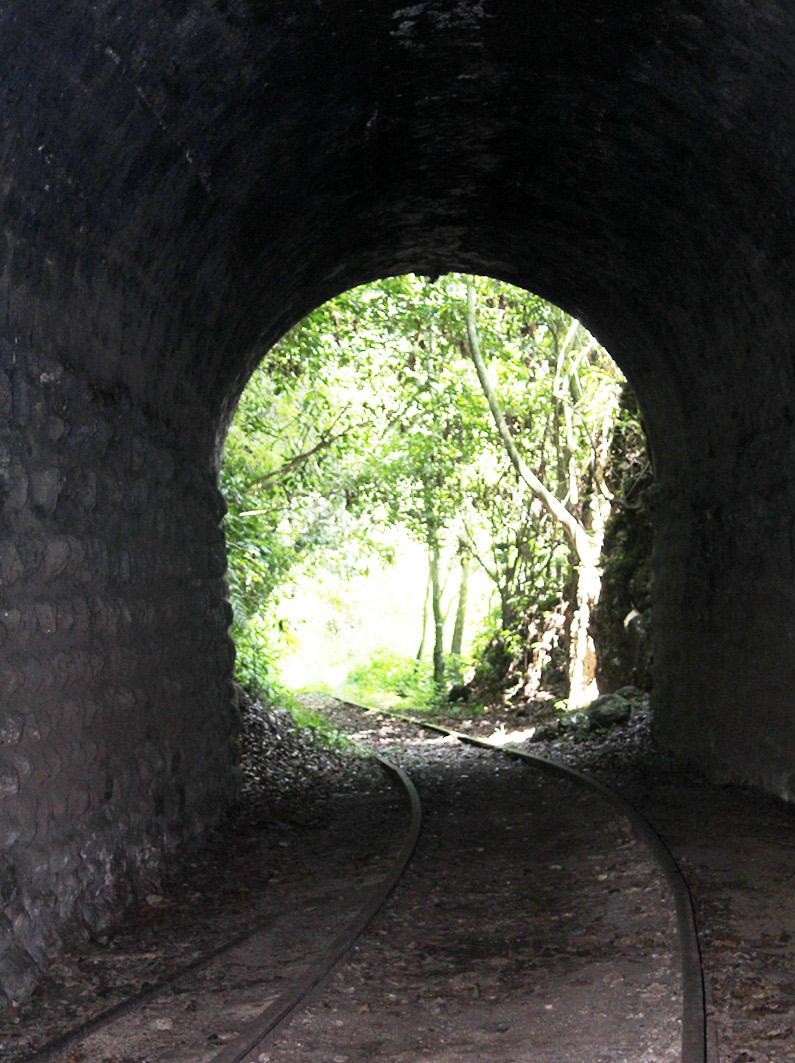
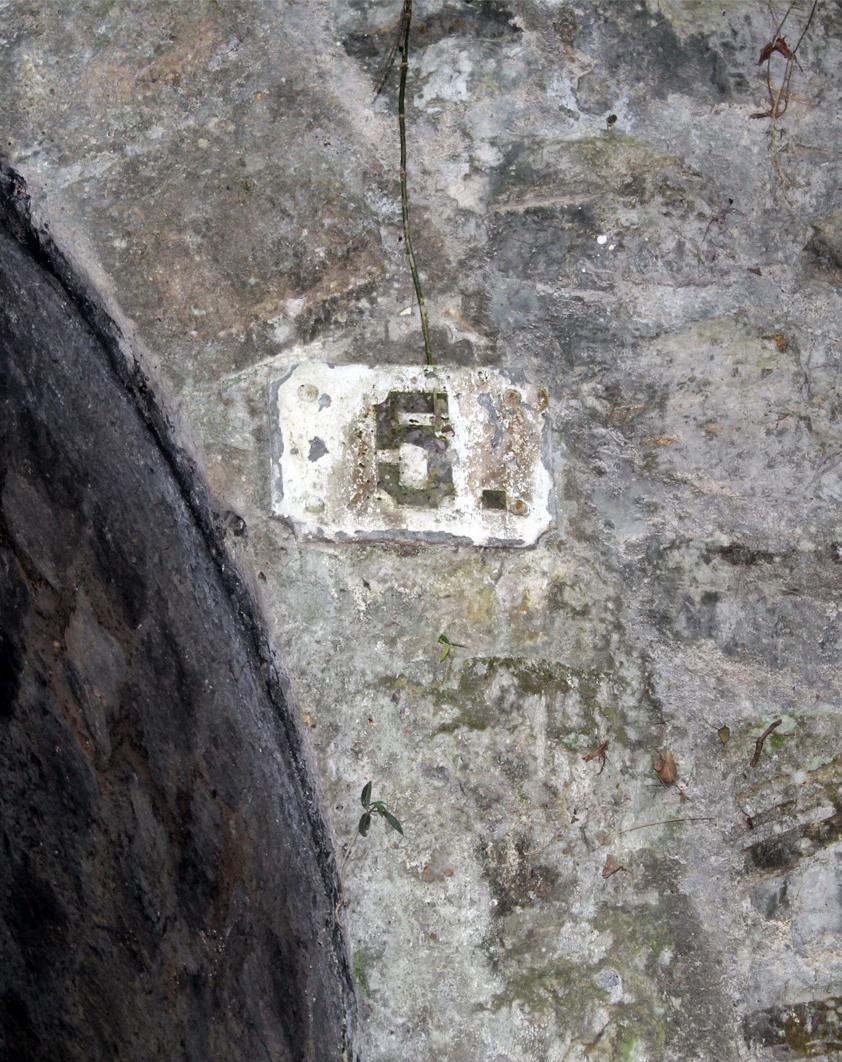
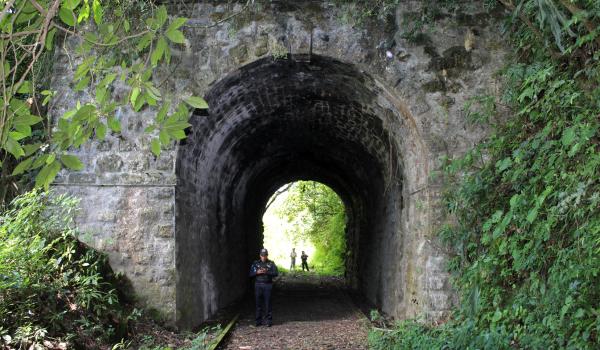
Túnel 6 del Antiguo Tramo Ferroviario Sumidero-Fortín de las Flores
Structure built between the years 1871 and 1872.
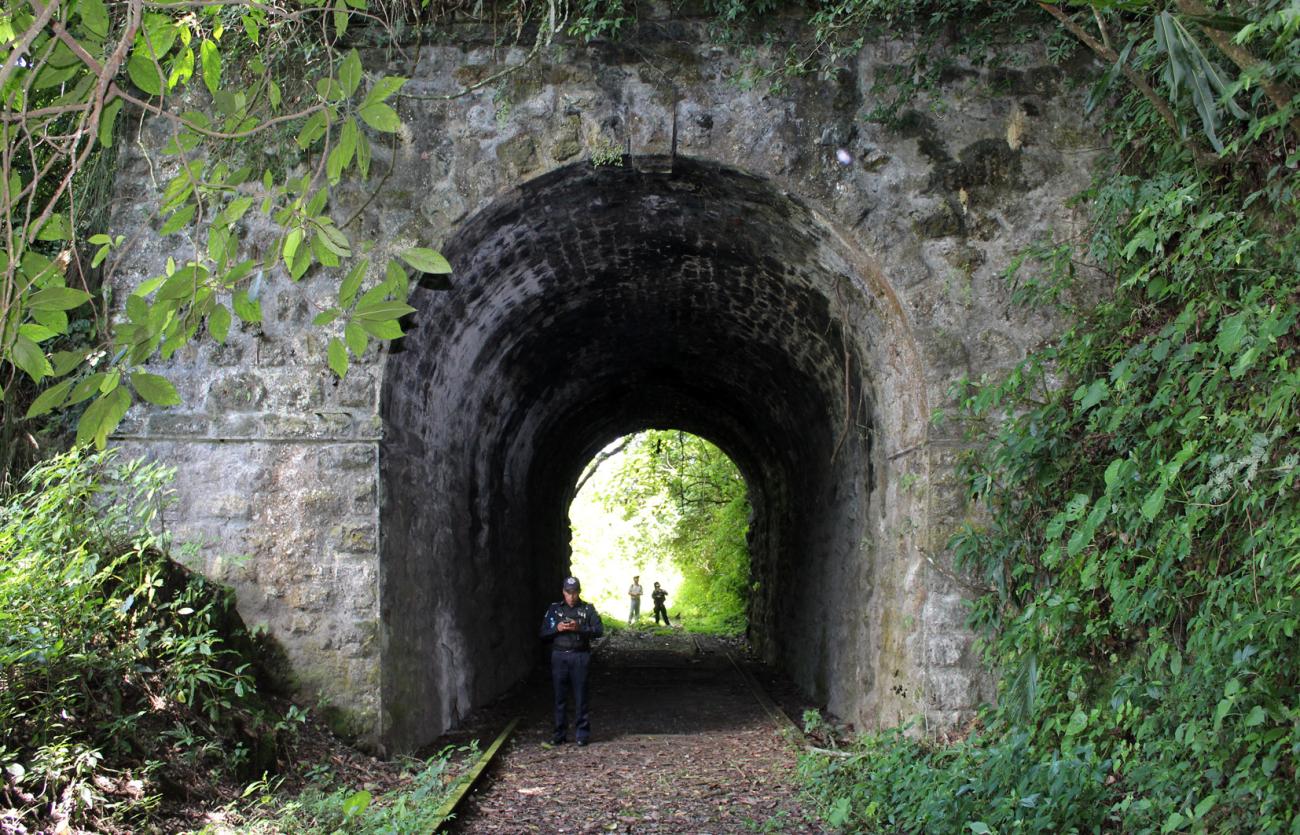
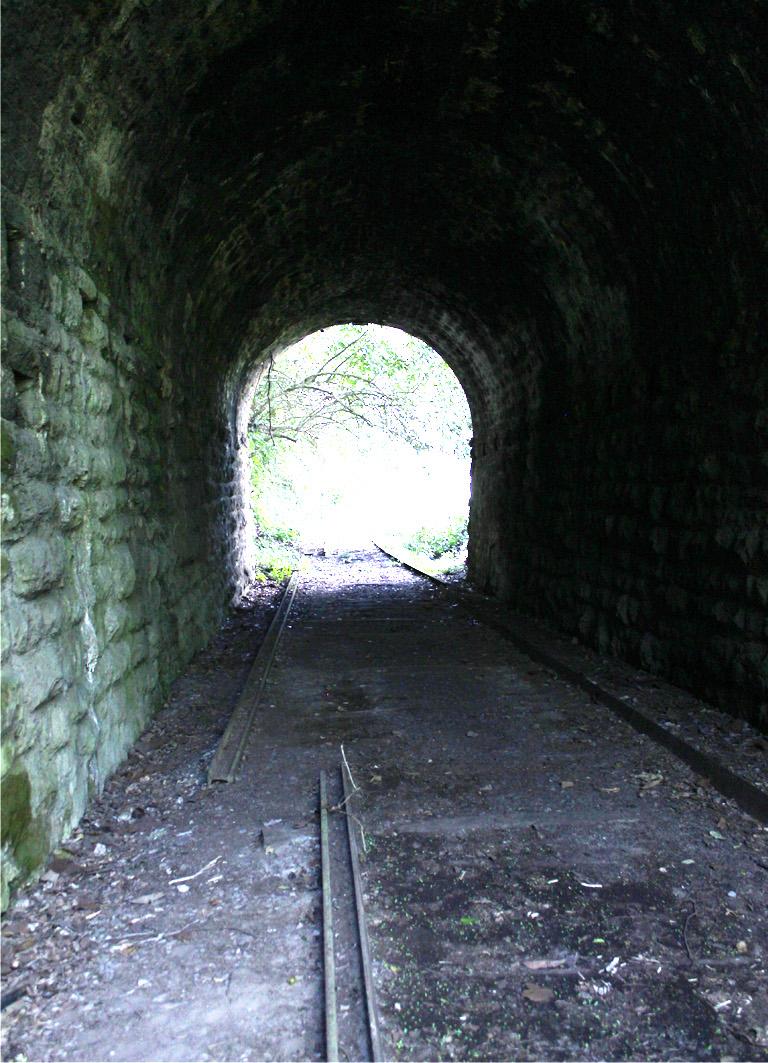
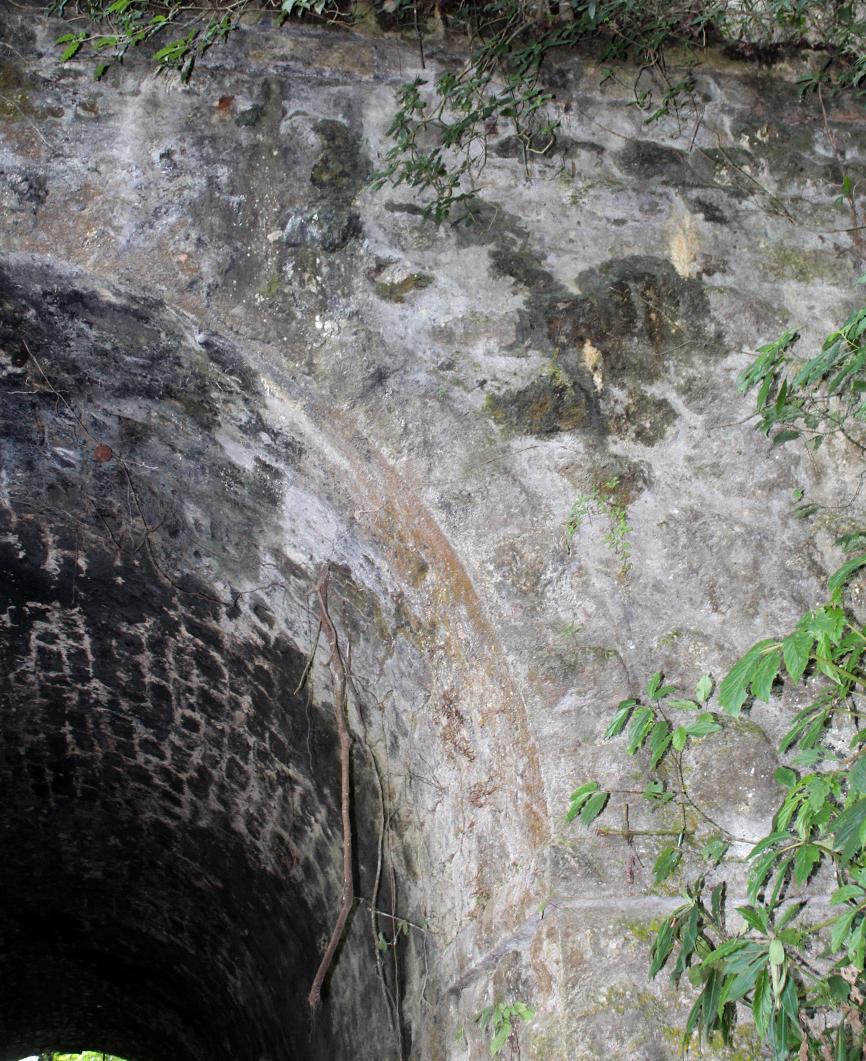
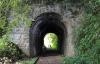
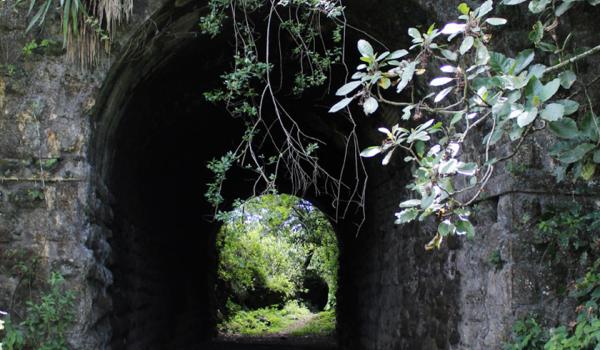
Túnel 7 del Antiguo Tramo Ferroviario Sumidero-Fortín de las Flores
Structure built between the years 1871 and 1872.
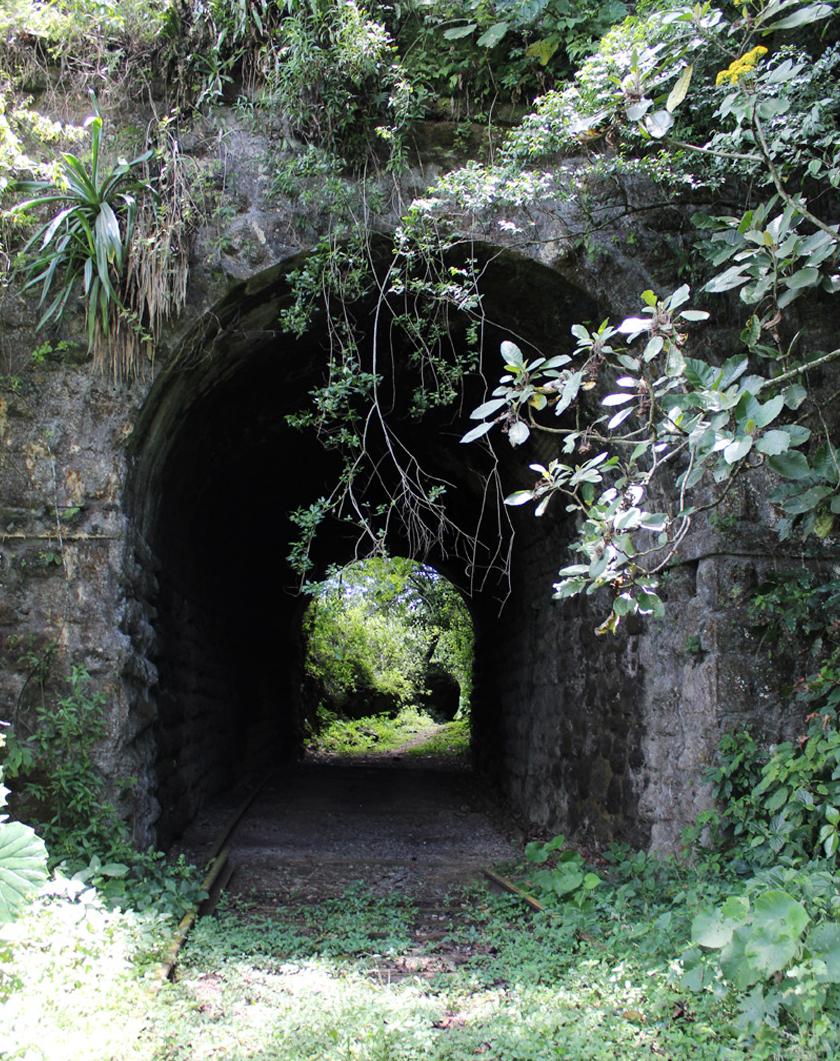
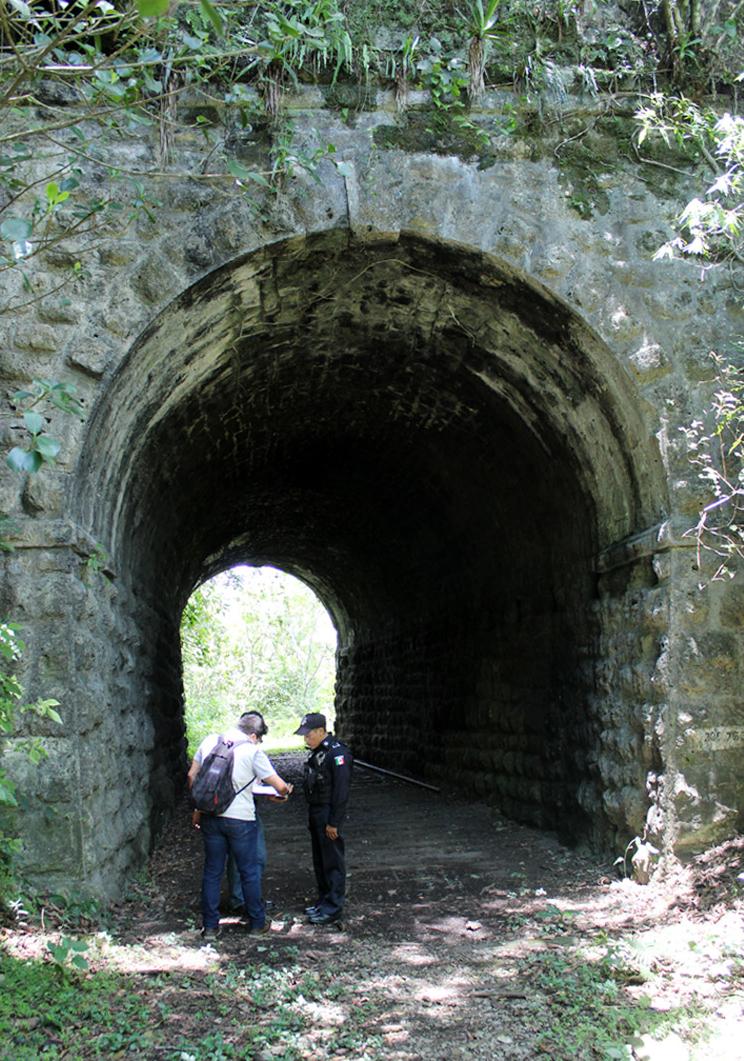
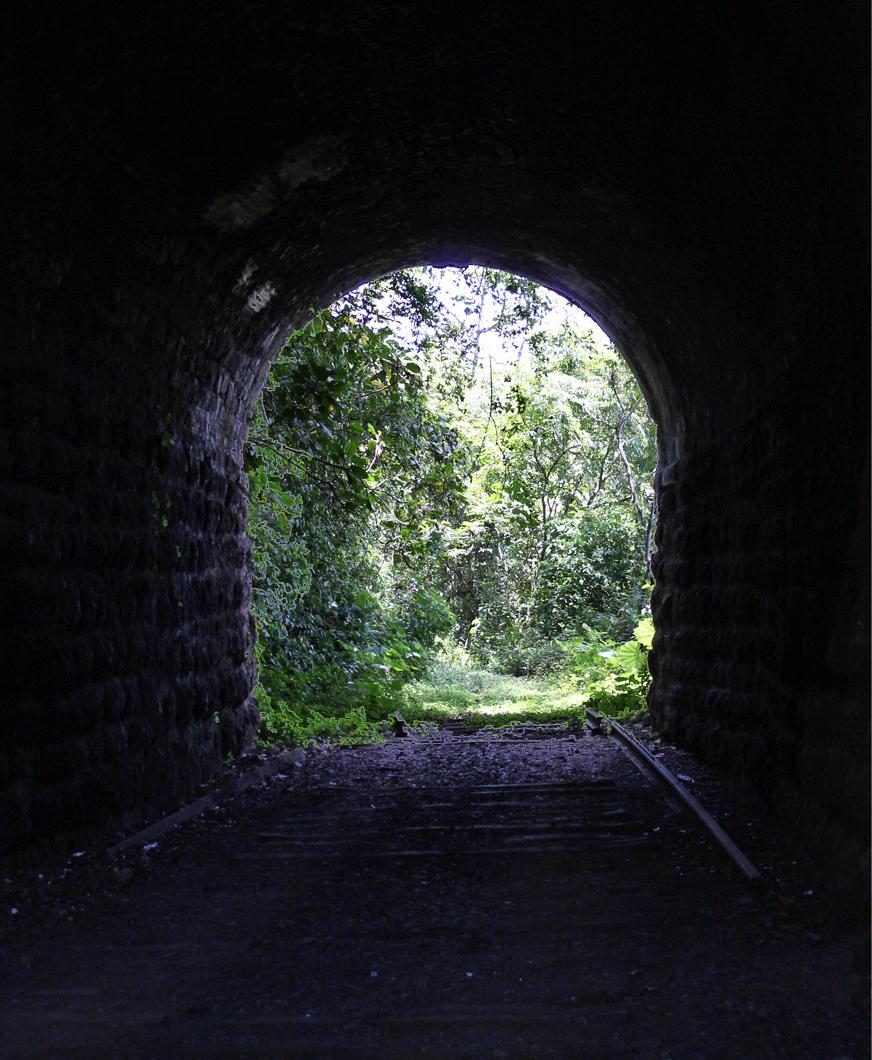
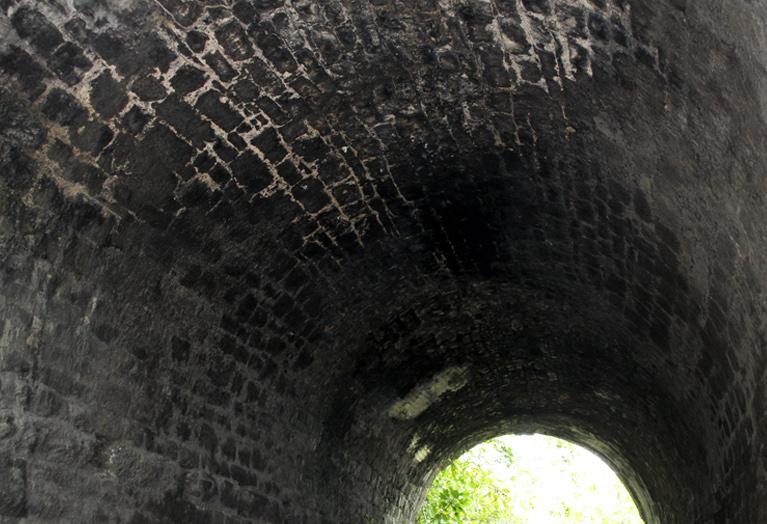
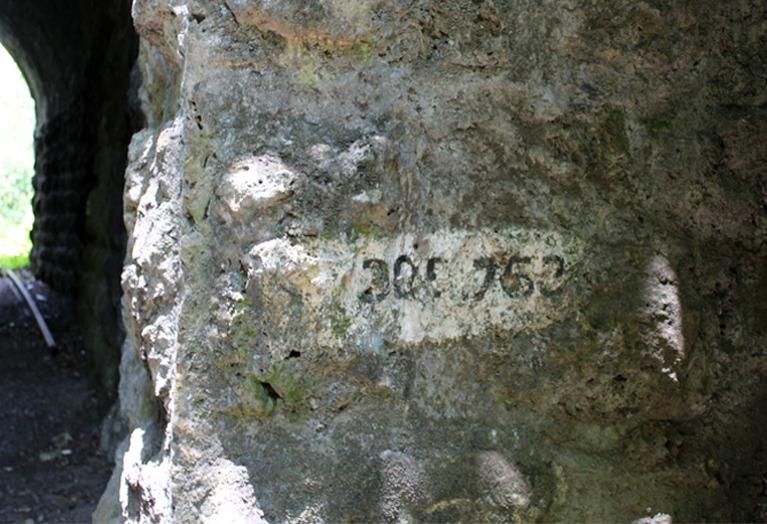
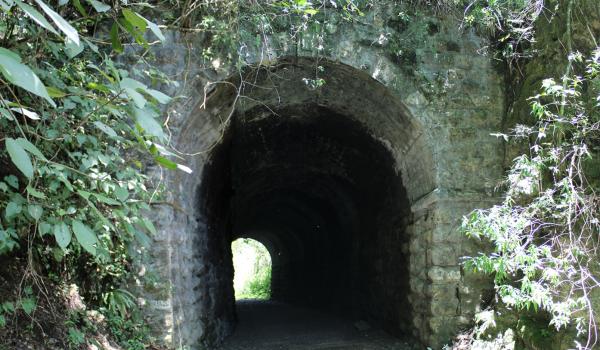
Túnel 8 del Antiguo Tramo Ferroviario Sumidero-Fortín de las Flores
Structure built between the years 1871 and 1872.
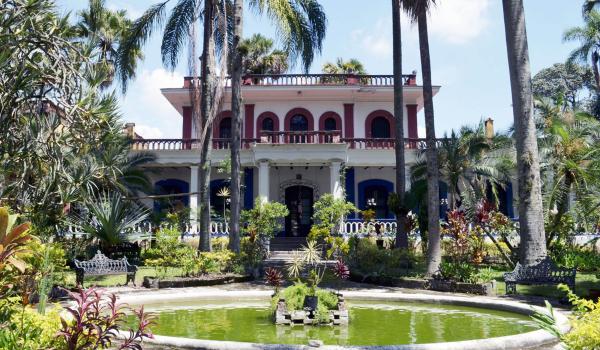
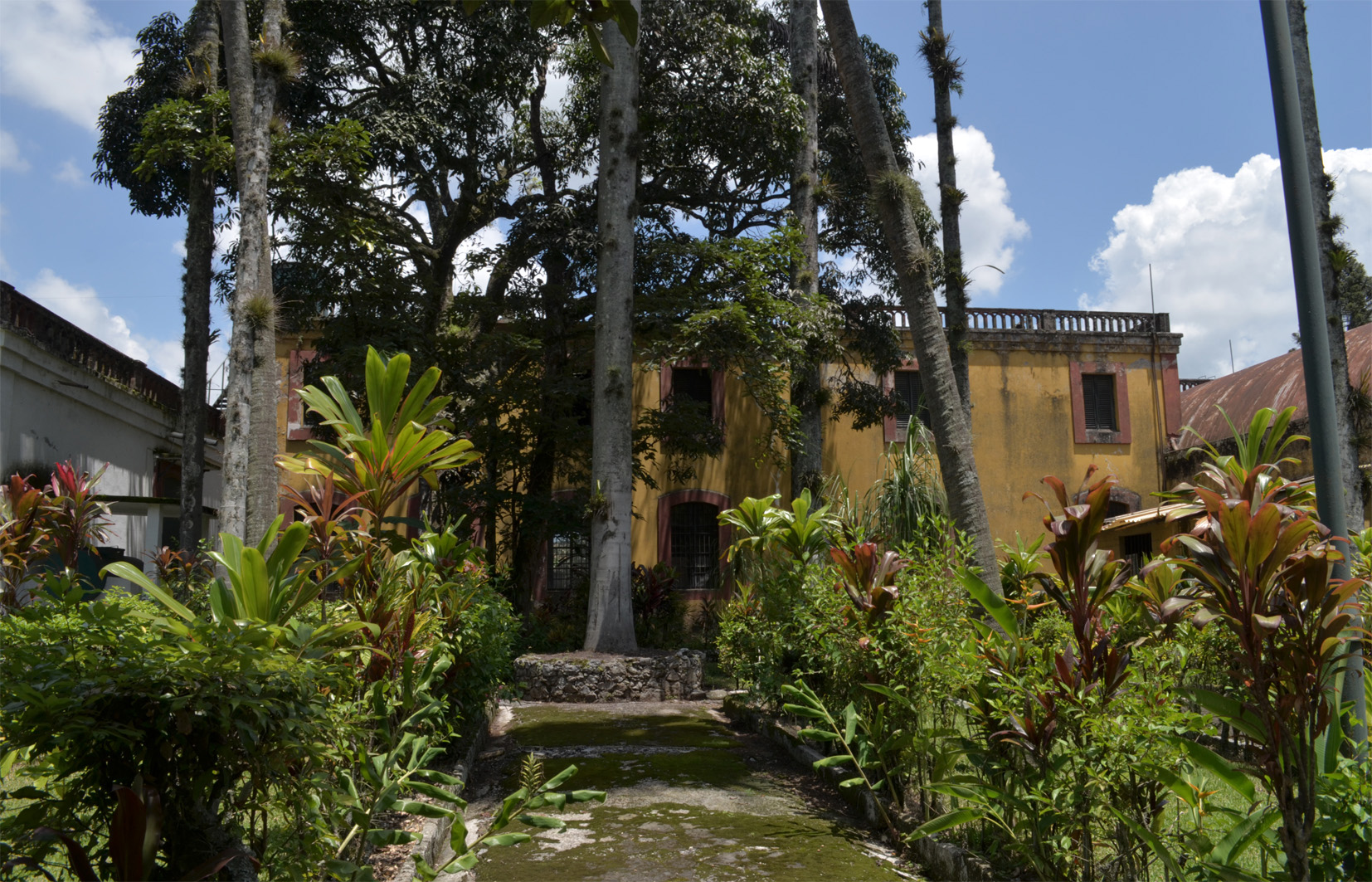
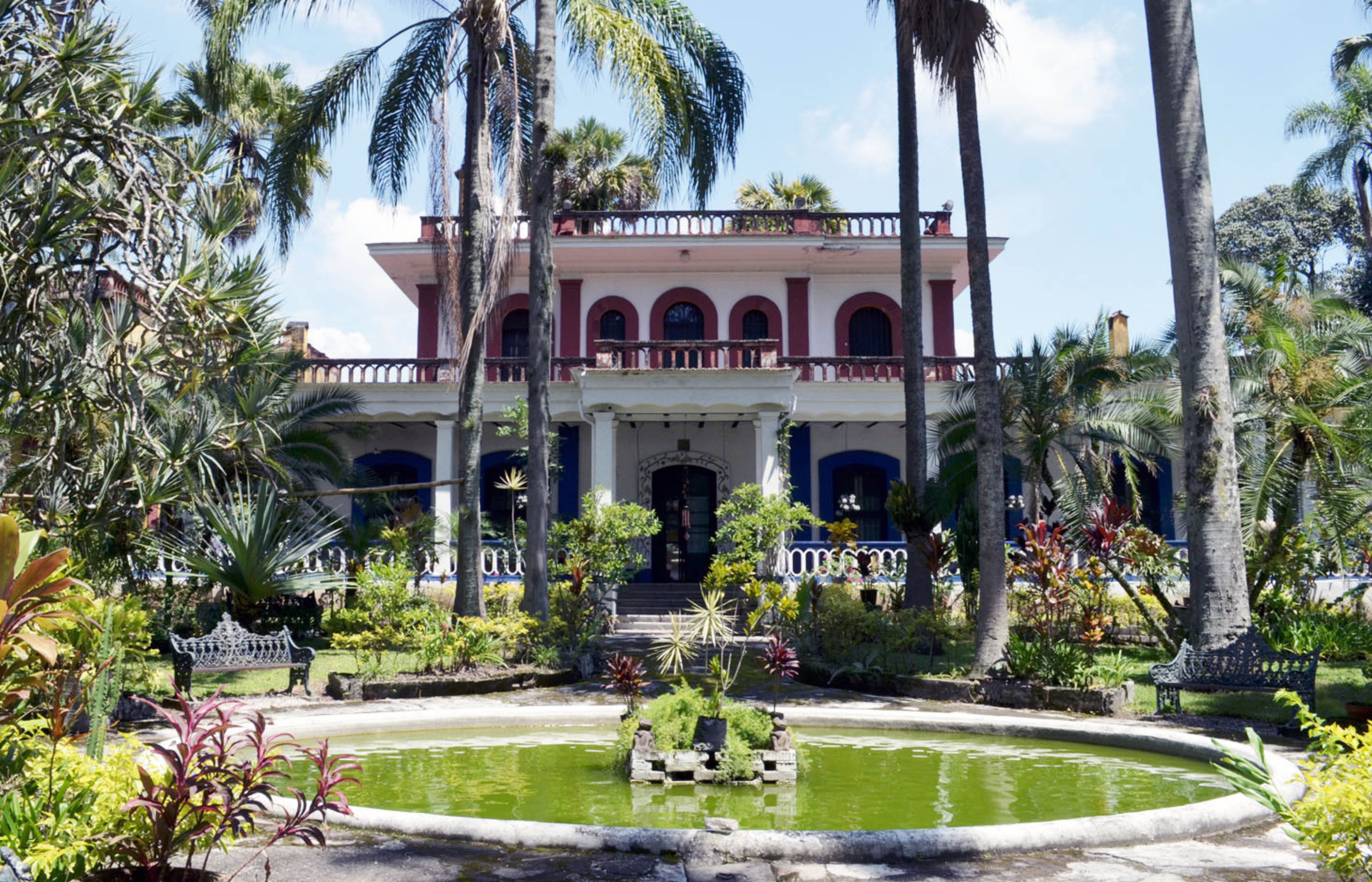
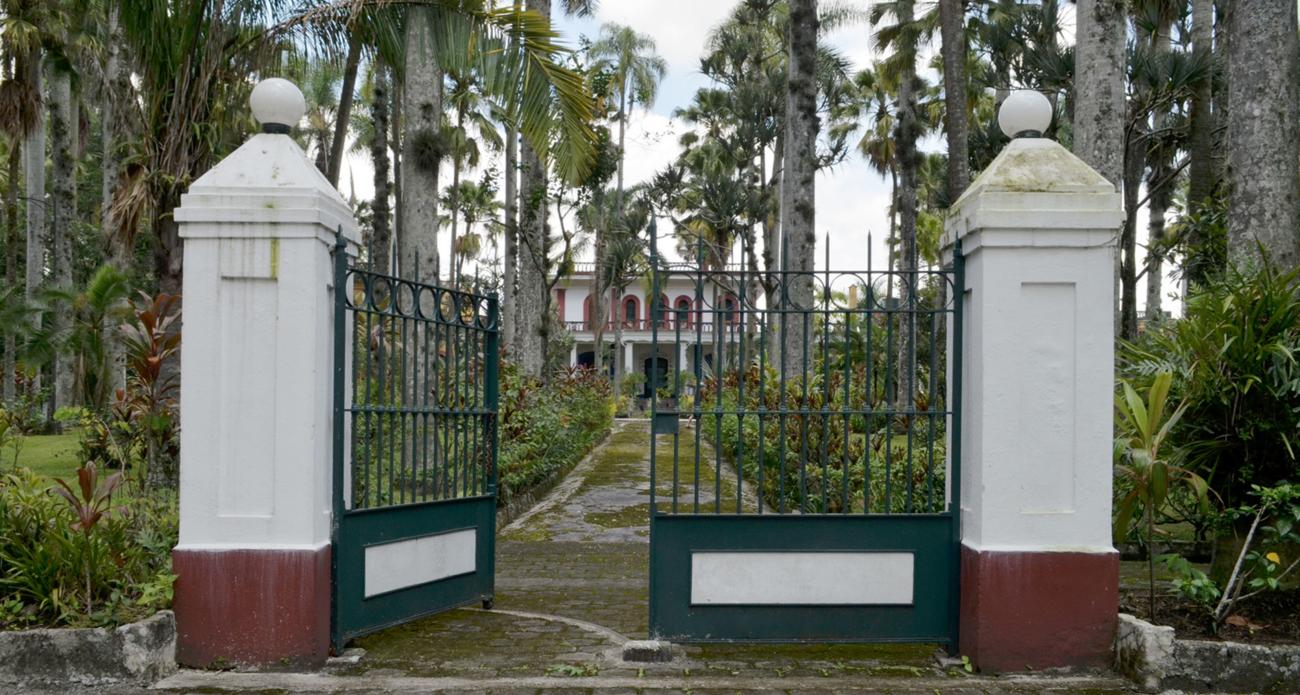
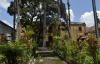
Antigua Hacienda Las Ánimas
19th-century hacienda built by Ignacio Vivanco y de la Lama, where the farmland was cultivated. It features a main house, a chapel, and a storage building.
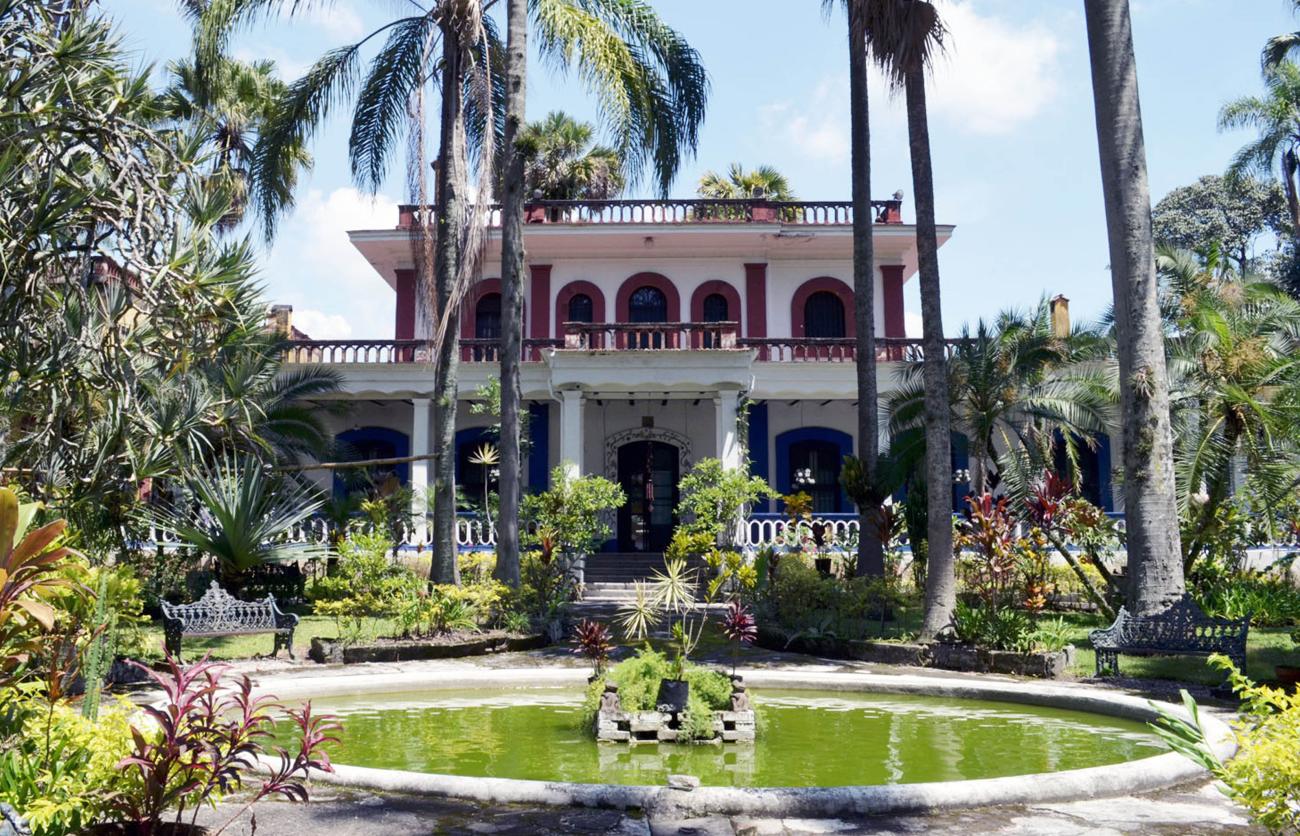
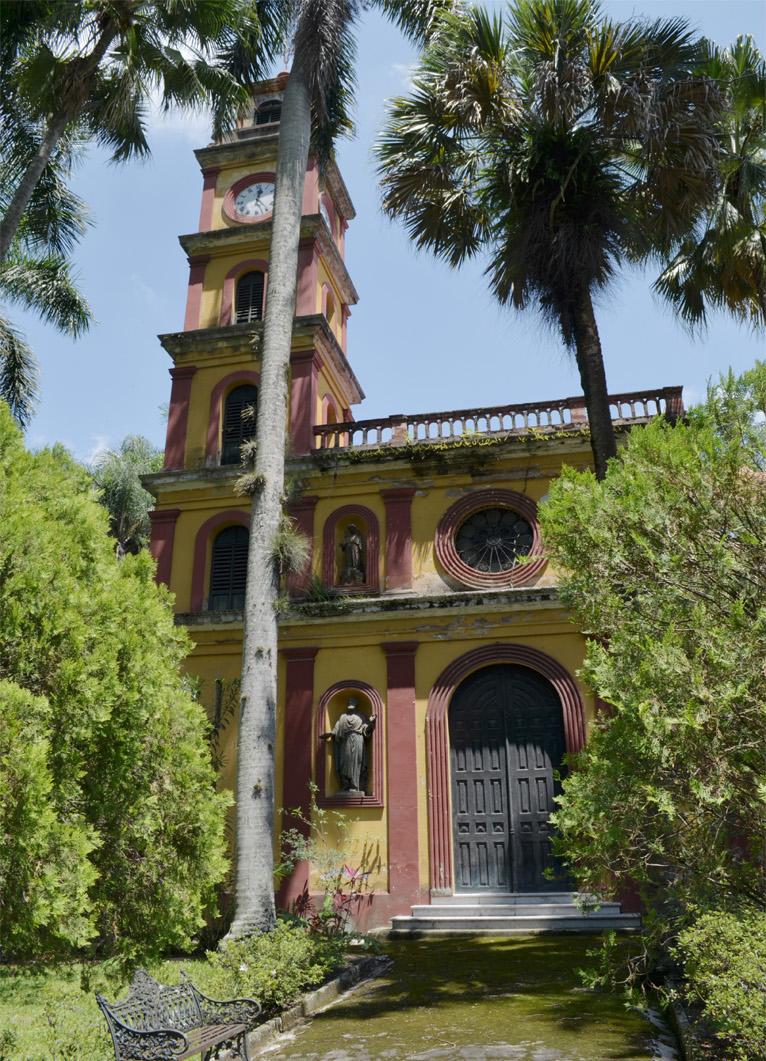
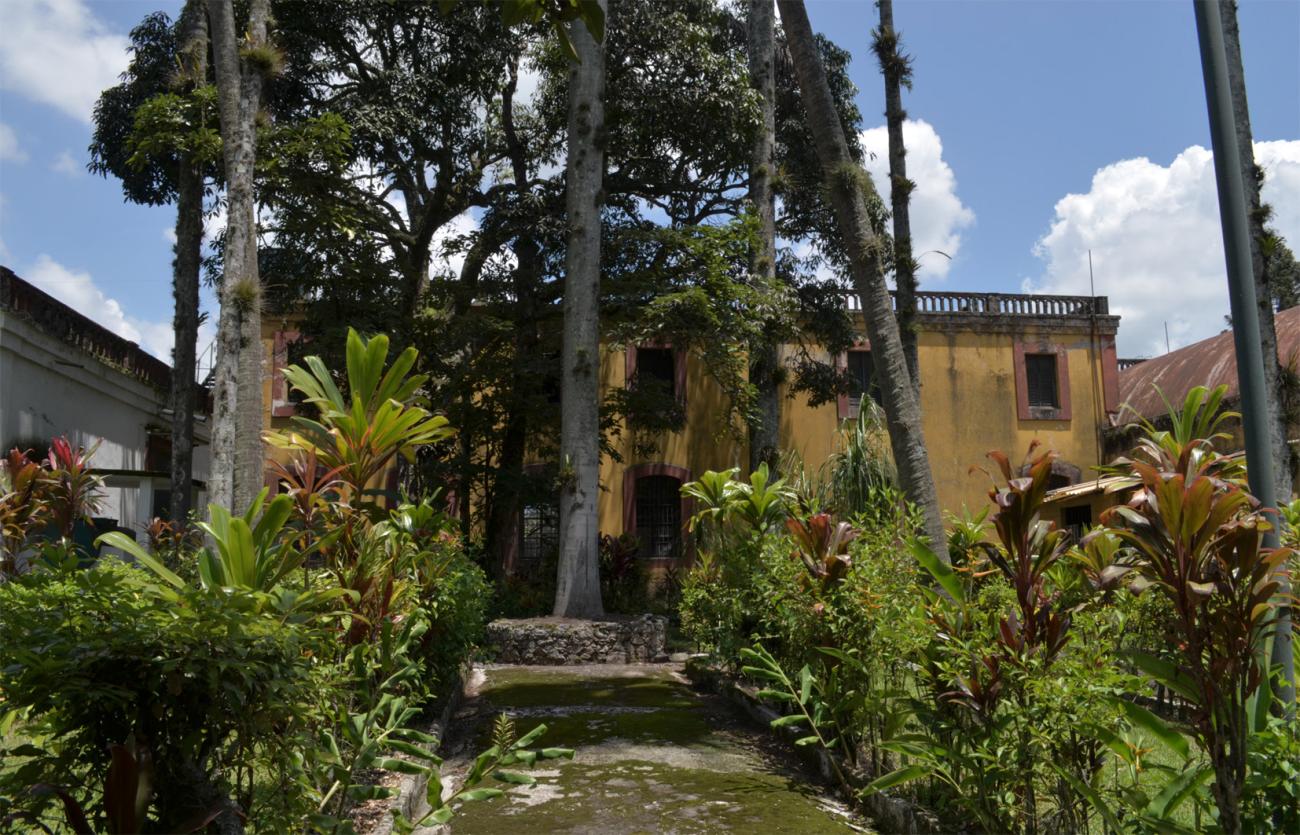

Antiguo Conjunto Ferroviario del Ferrocarril Mexicano en su Tramo Sumidero-Fortín de las Flores
After 36 years of arduous work, the Mexican Railroad connecting Mexico City with the port of Veracruz was inaugurated on January 1, 1873. This route includes the bridge crossing the Metlac River ravine and six tunnels. The route was used until the 1970s when the Metlac bridge began to show…
Antiguo Conjunto Ferroviario del Ferrocarril Mexicano en su Tramo Sumidero-Fortín de las Flores
After 36 years of arduous work, the Mexican Railroad connecting Mexico City with the port of Veracruz was inaugurated on January 1, 1873. This route includes the bridge crossing the Metlac River ravine and six tunnels. The route was used until the 1970s when the Metlac bridge began to show stability issues. On October 17, 1985, a new bridge parallel to the Córdoba-Orizaba highway was inaugurated.