




Villa Álvaro Obregón
Historical Monuments Zone
Abstract
Villa Álvaro Obregón was a settlement of indigenous groups who developed advanced cultural expressions and formed a part of the territory of Mexico-Tenochtitlan.
41_EN_645_ZMH_CiudadDeMexico_VillaAlvaroObregon.wav
During the pre-Hispanic period, Villa Álvaro Obregón belonged to the town of Tenanitla. After the Conquest it fell under the administration of Coyoacán. The first religious order to arrive in the zone was the Dominicans, who built a church dedicated to San Jacinto.
In the mid-16th century, a group of Carmelite monks settled in the town of Chimalistac, where they built the El Carmen Monastery; they also set up a number of ranches and haciendas in the zone. In 1932, by decree of President Pascual Ortiz Rubio, who governed Mexico between 1930 and 1932, this villa located to the west of the Federal District (today México City) was named Álvaro Obregón.
Villa Álvaro Obregón preserves a significant portion of the original 16th-century layout. The architectural development of the zone from the 18th century, while recording the influence of several different styles, is also characterized by the construction of various kinds of civil and religious buildings that have been adapted to the inhabitants’ way of life.
Meanwhile, the use of local materials—and the involvement of workers who were bearers of a cultural tradition that dates back to the pre-Hispanic period—led to the singular architecture found in this zone. In the 18th and 19th centuries buildings were constructed that are notable expressions of Neoclassical, Neo-Gothic and Eclectic architecture.
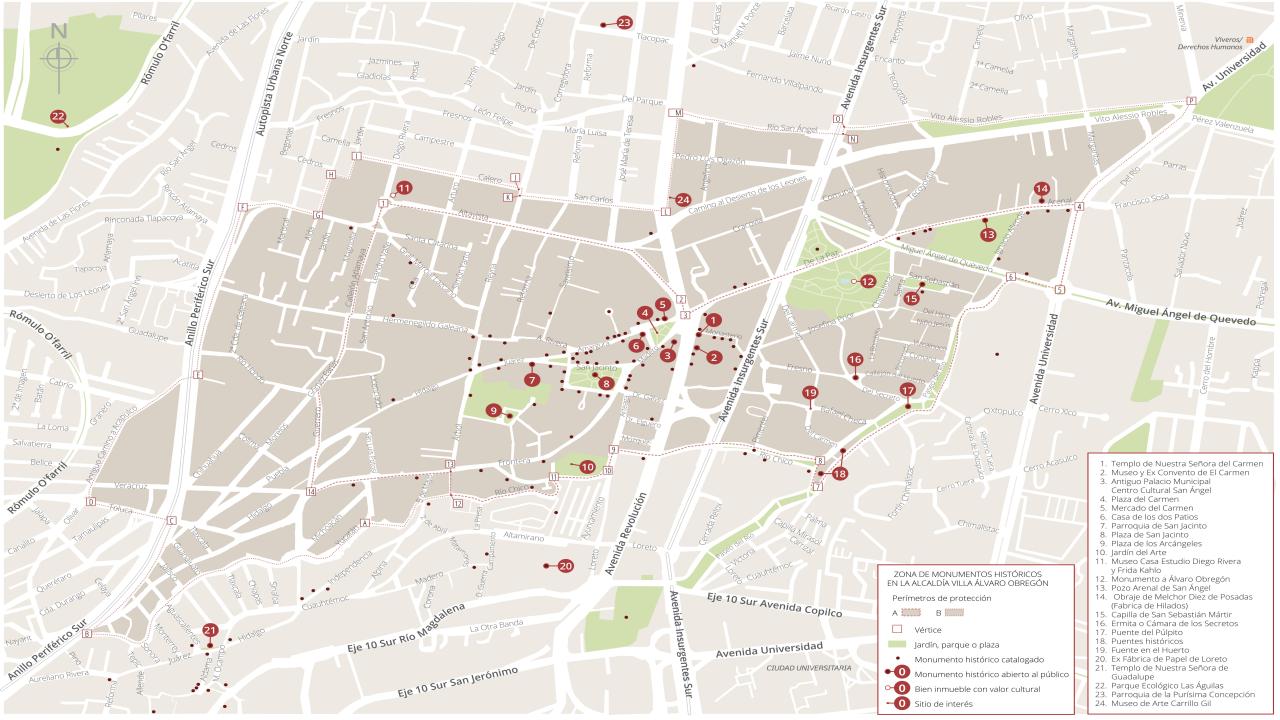
As a result of the original expression of its architectural monuments and urban spaces, as well as the fusion of Indigenous and European elements, Villa Álvaro Obregón was declared a Zone of Historical Monuments in 1986. This zone, divided into perimeters A and B, comprises an area of 1.7 km2 and is made up of 130 blocks containing buildings of historical and architectural interest.
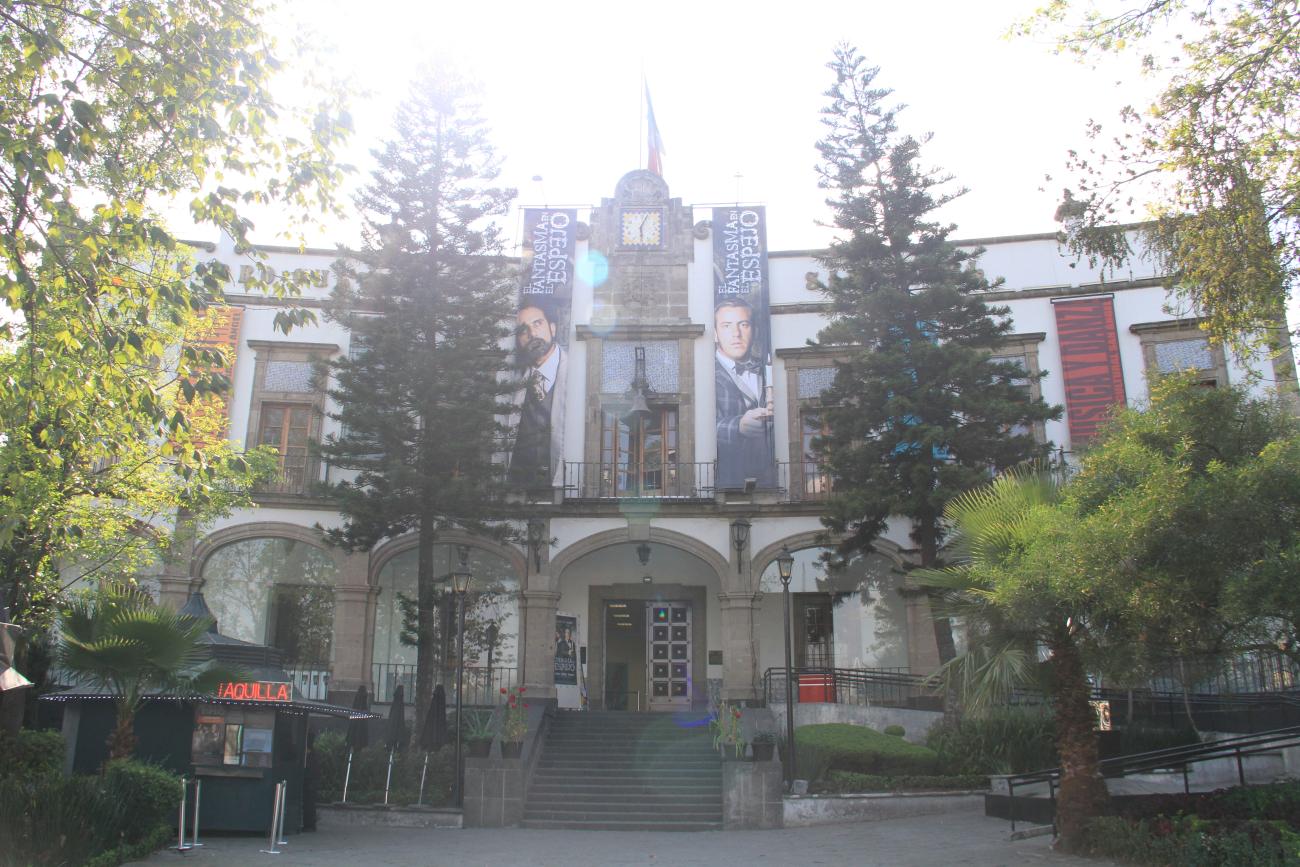
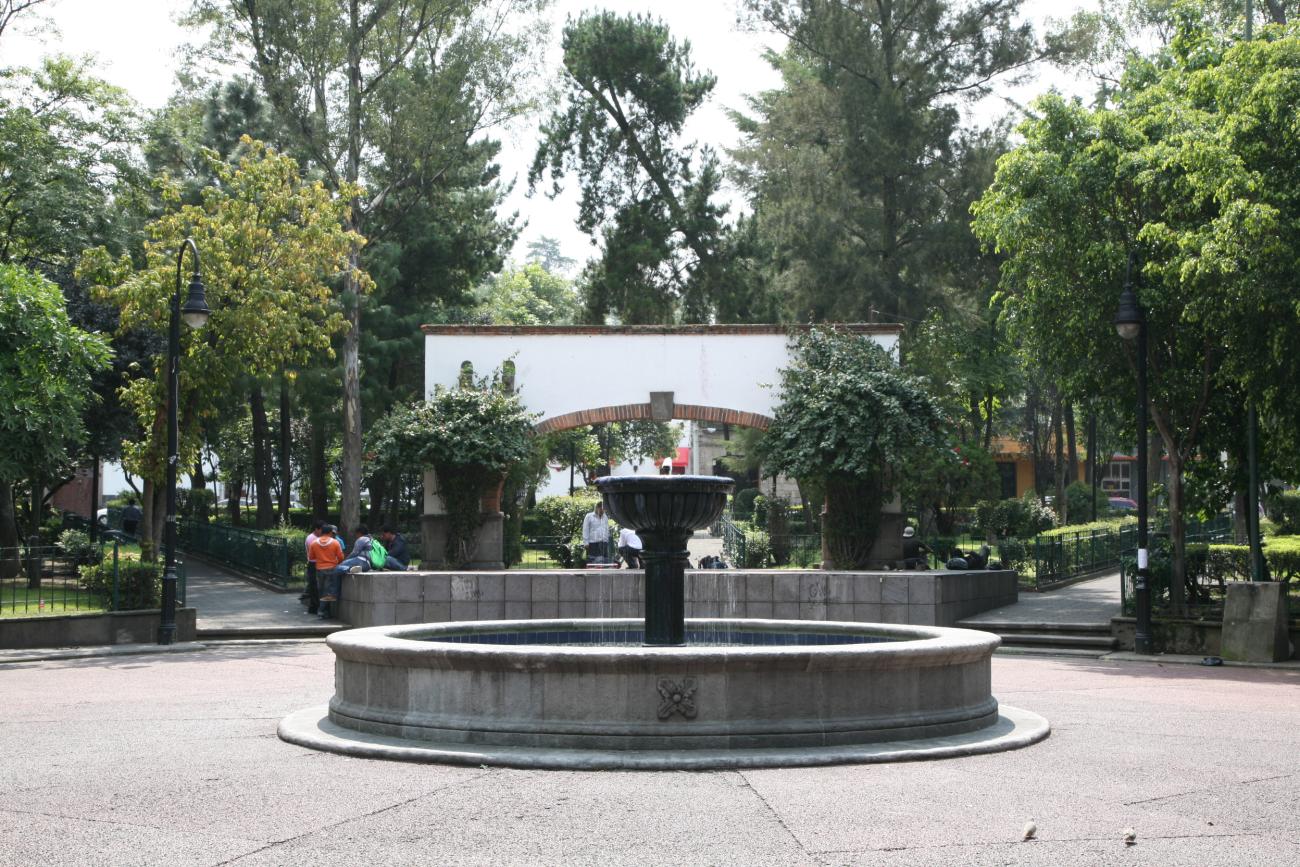
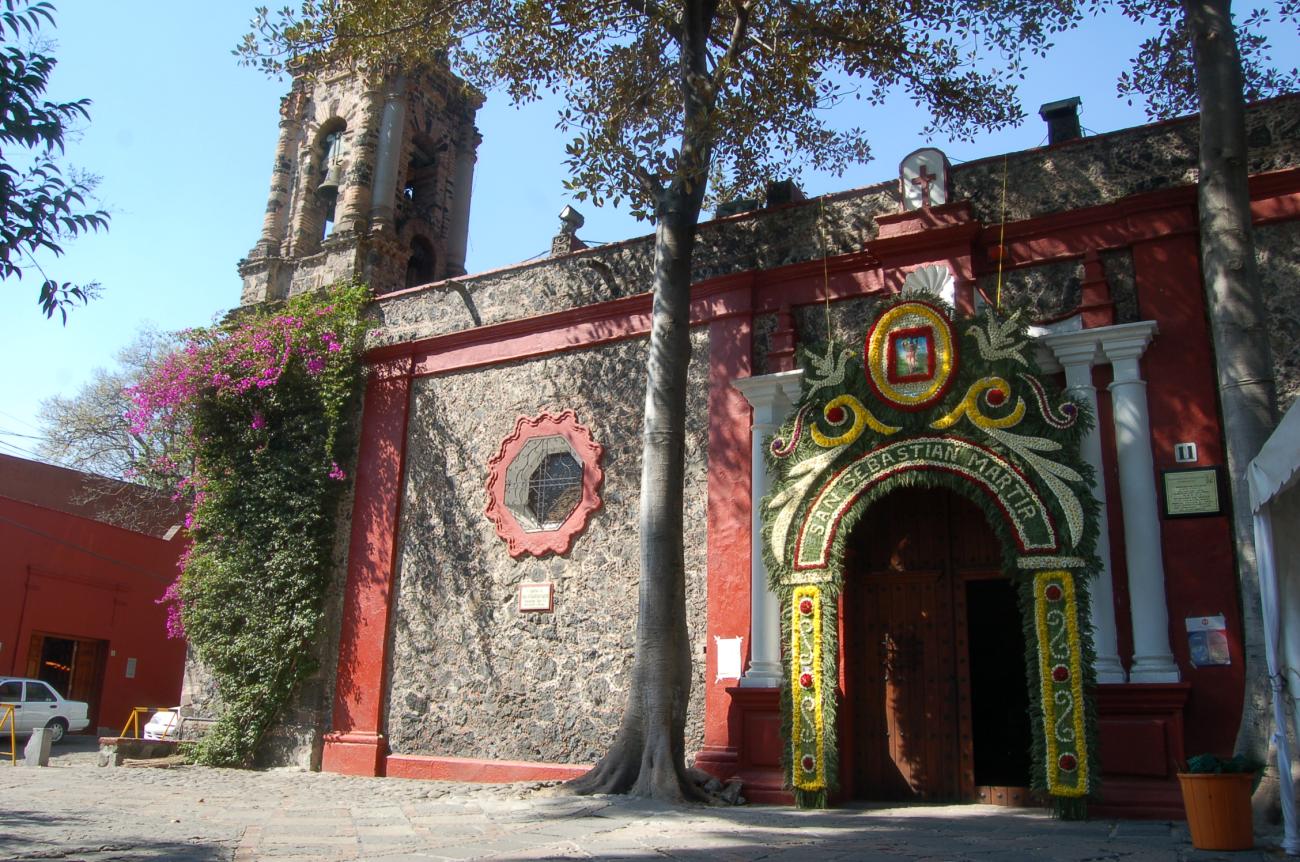
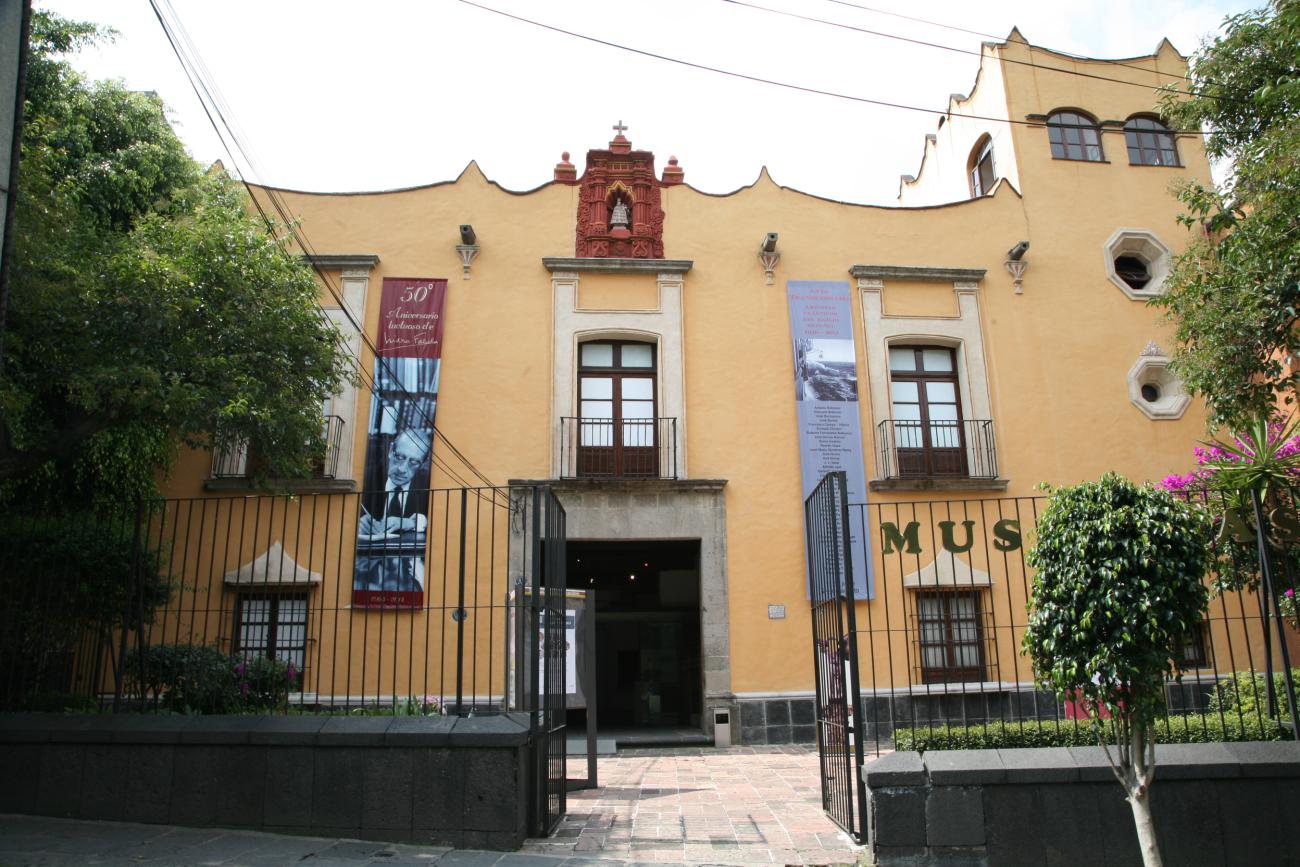
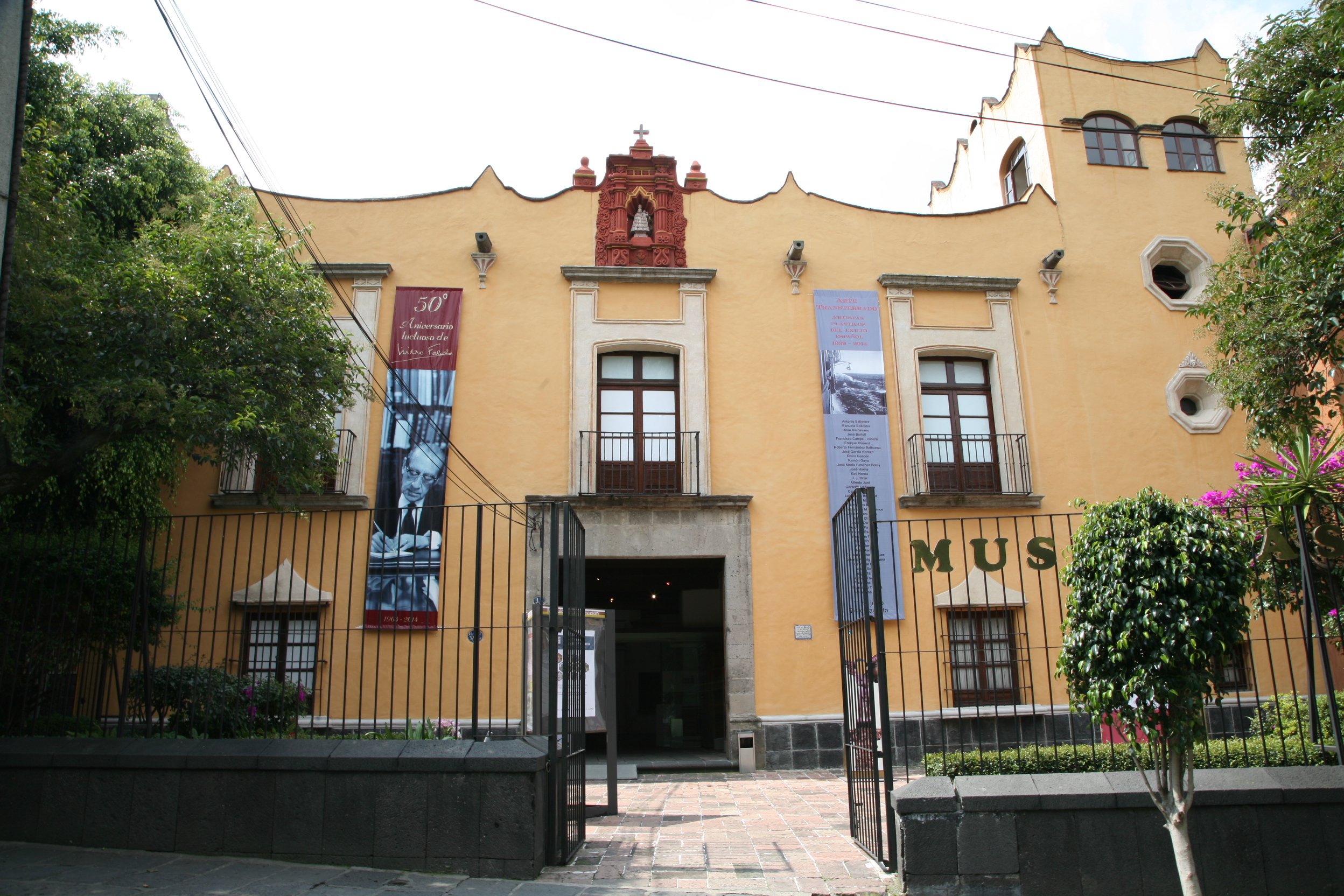
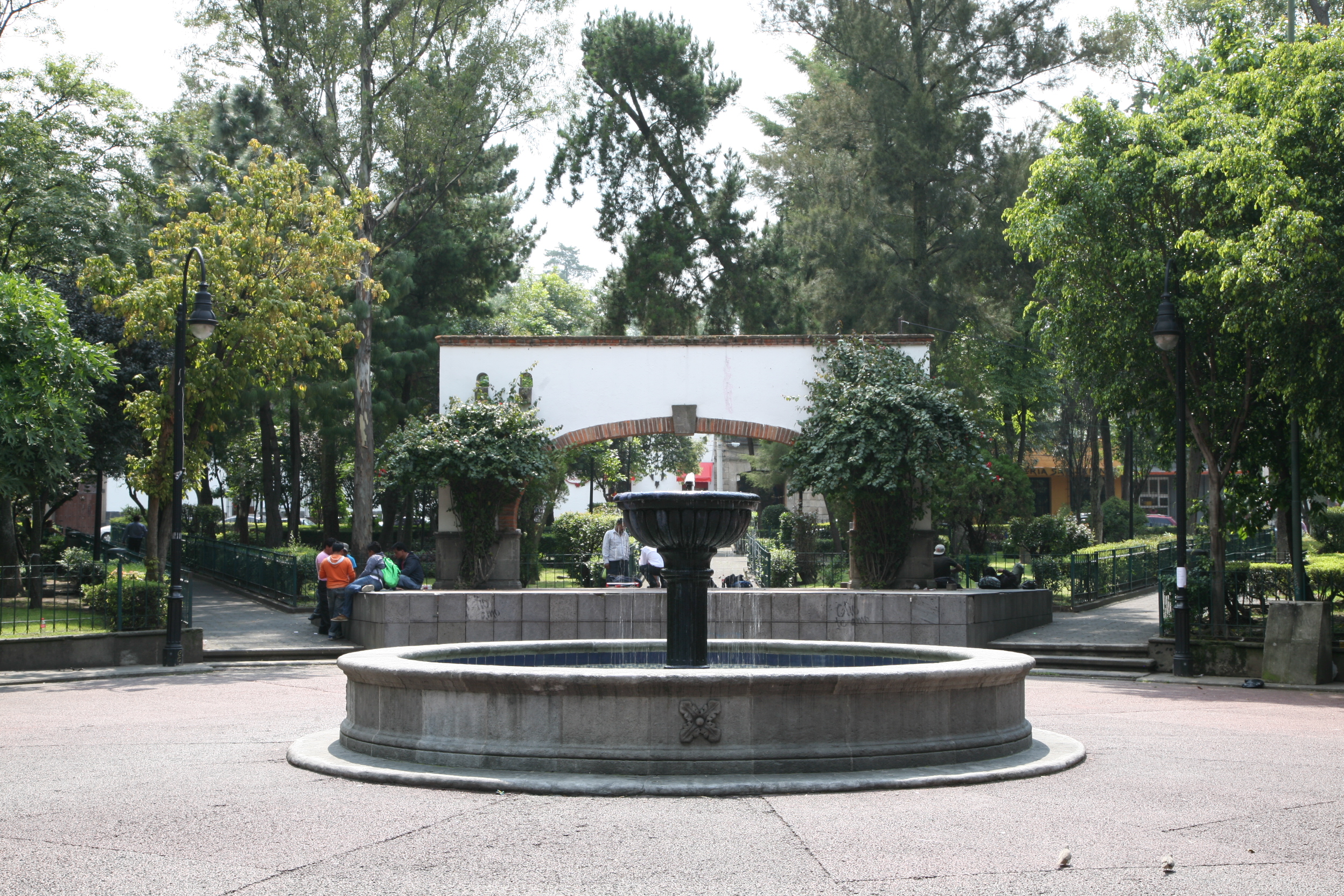
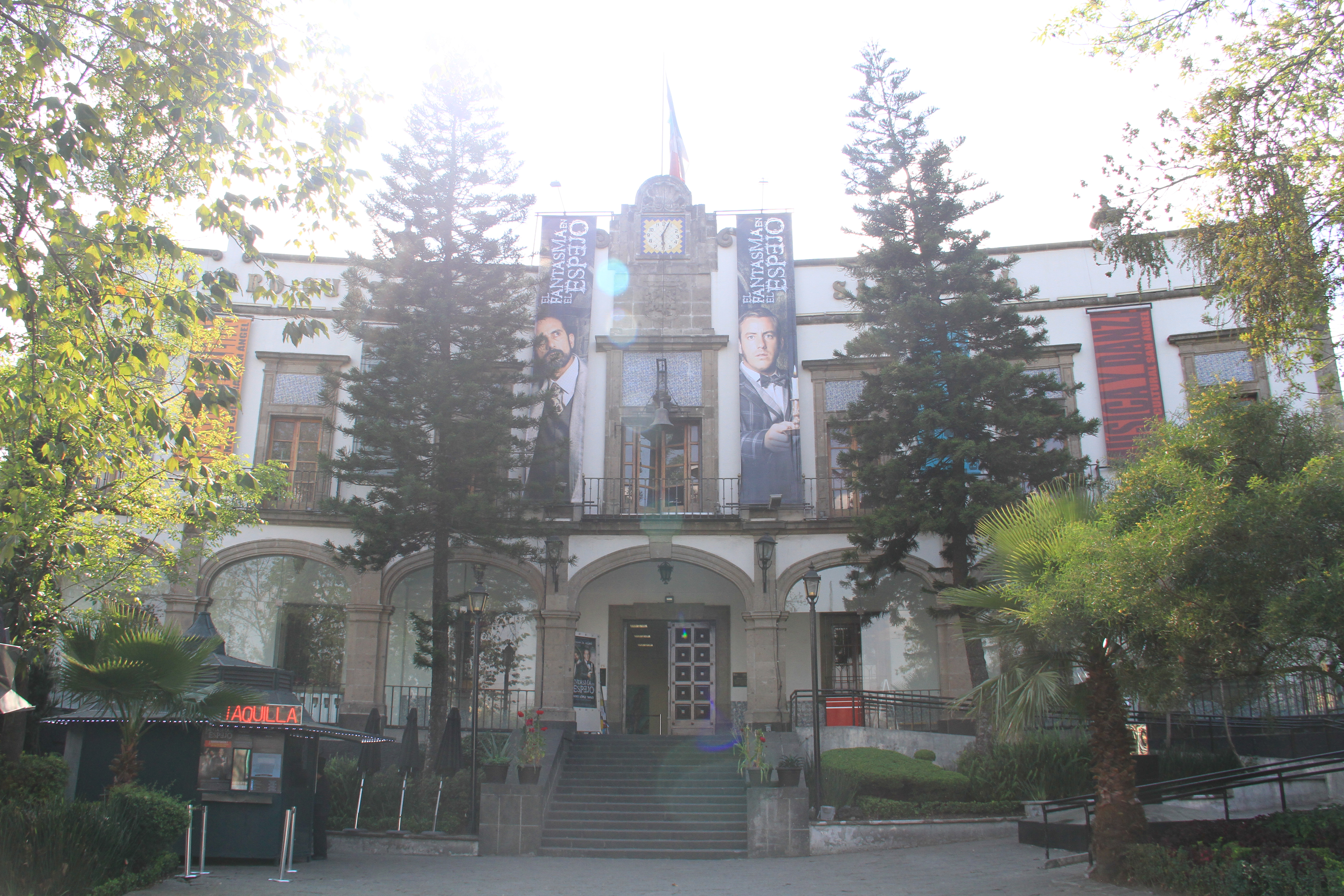
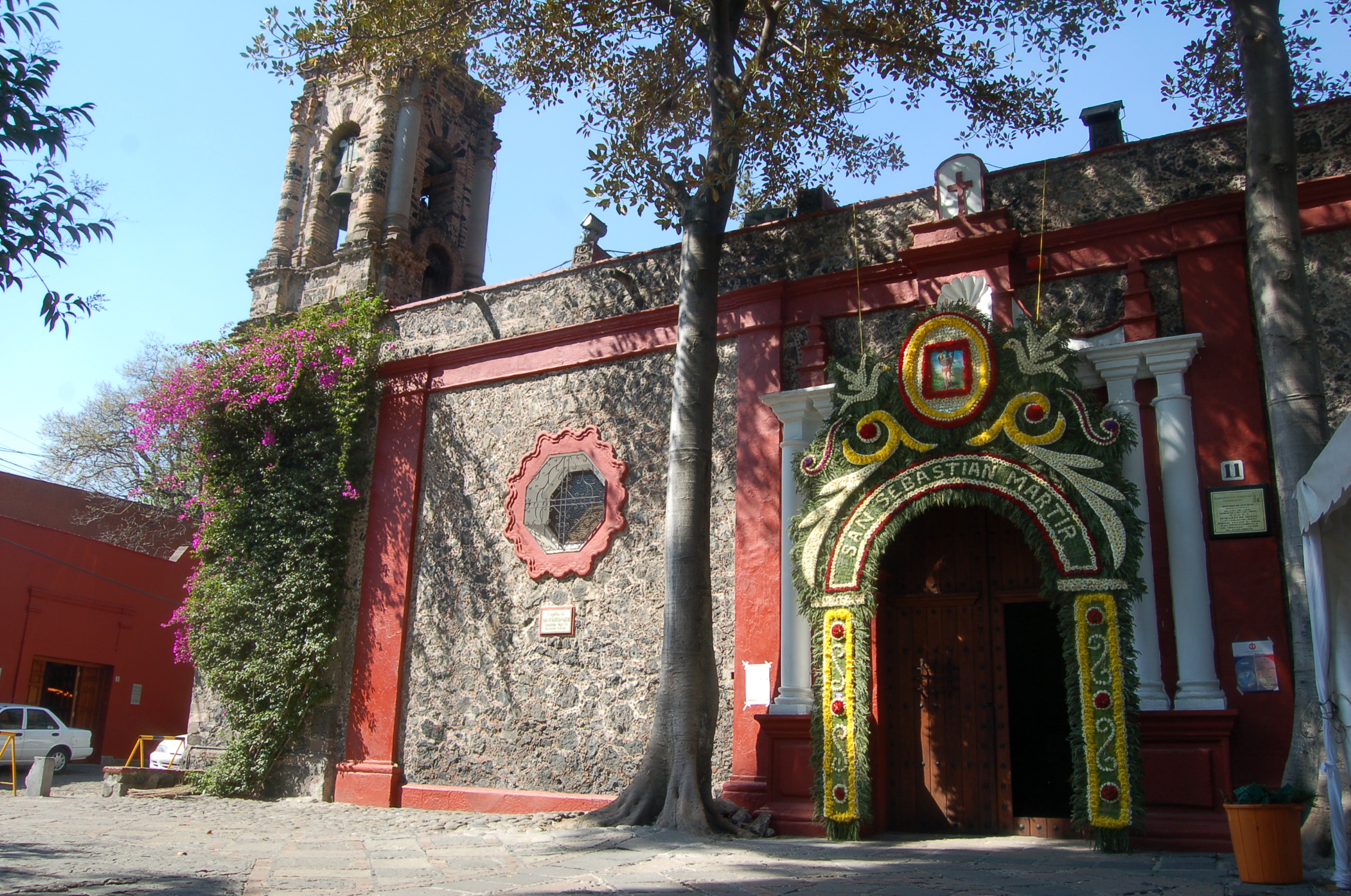
Notable among these buildings are: the former churches and monasteries of El Carmen and San Jacinto, the church of Guadalupe and the chapel of San Sebastián Mártir in Chimalistac. Other significant civilian buildings are the former hacienda of Goicoechea, the Casa del Mirador del Risco and the Isidro Fabela Library; together with buildings intended for public service and embellishment such as the former Town Hall and the plazas of San Jacinto, Del Carmen, De los Arcángeles, the Tagle Park, the gardens of La Bombilla, Del Arte, San Luis Potosí and the Paseo del Río path along the former bed of the Magdalena river.
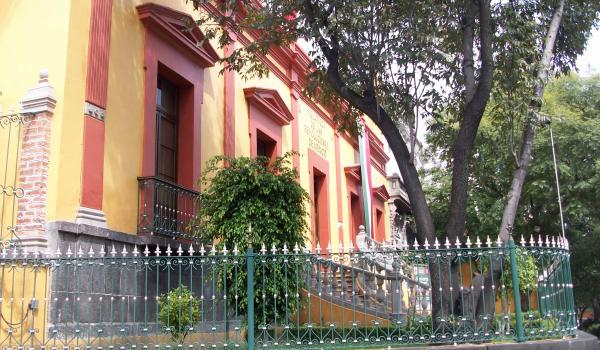
La Casa de los dos Patios
Building constructed at the end of the 19th century. This house is representative of Porfirian-era architecture and features two courtyards: the main one is a garden surrounded by the main rooms, while the second is the carriage courtyard, housing service rooms and stables. In 1992, it was…
La Casa de los dos Patios
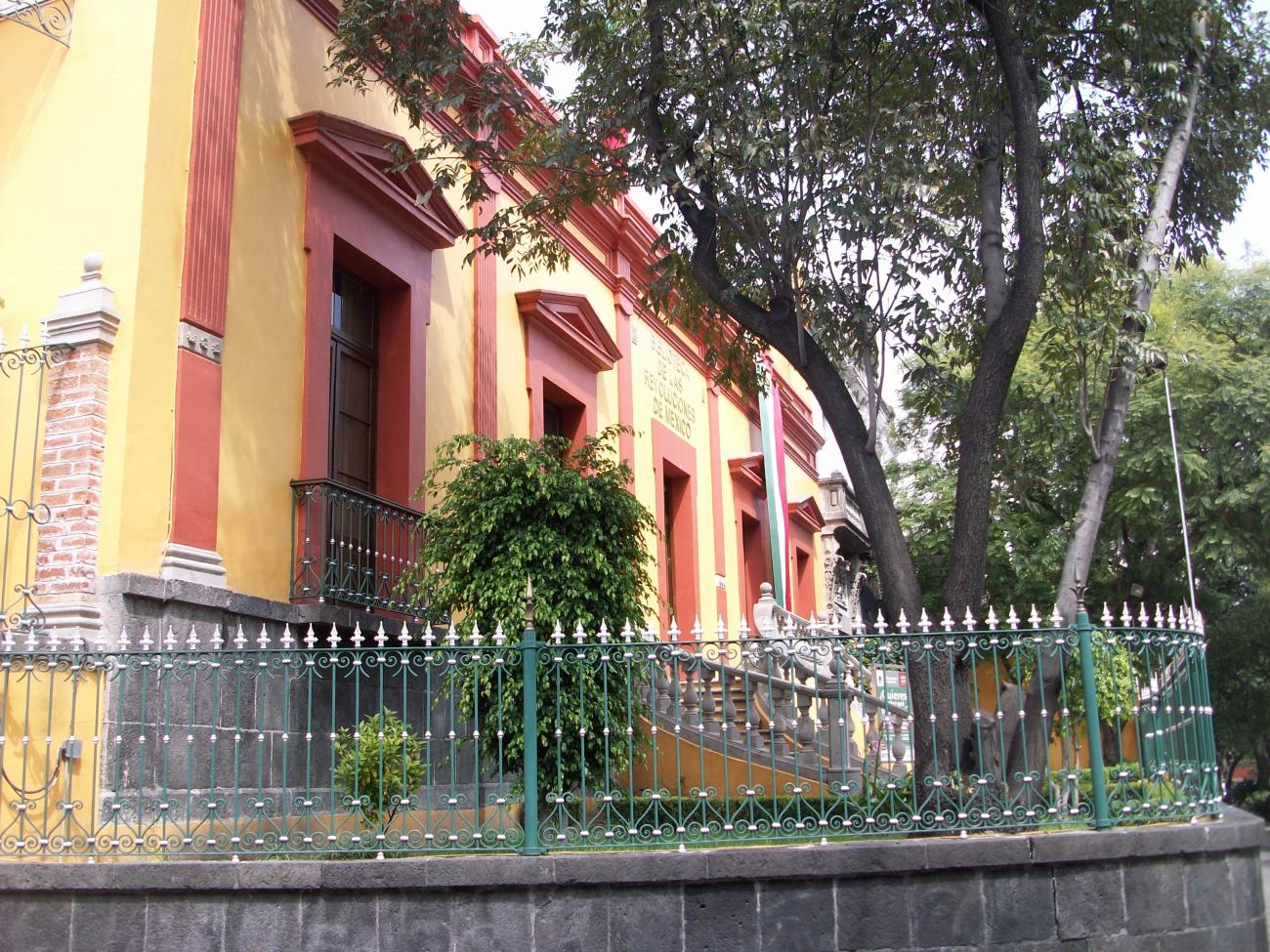
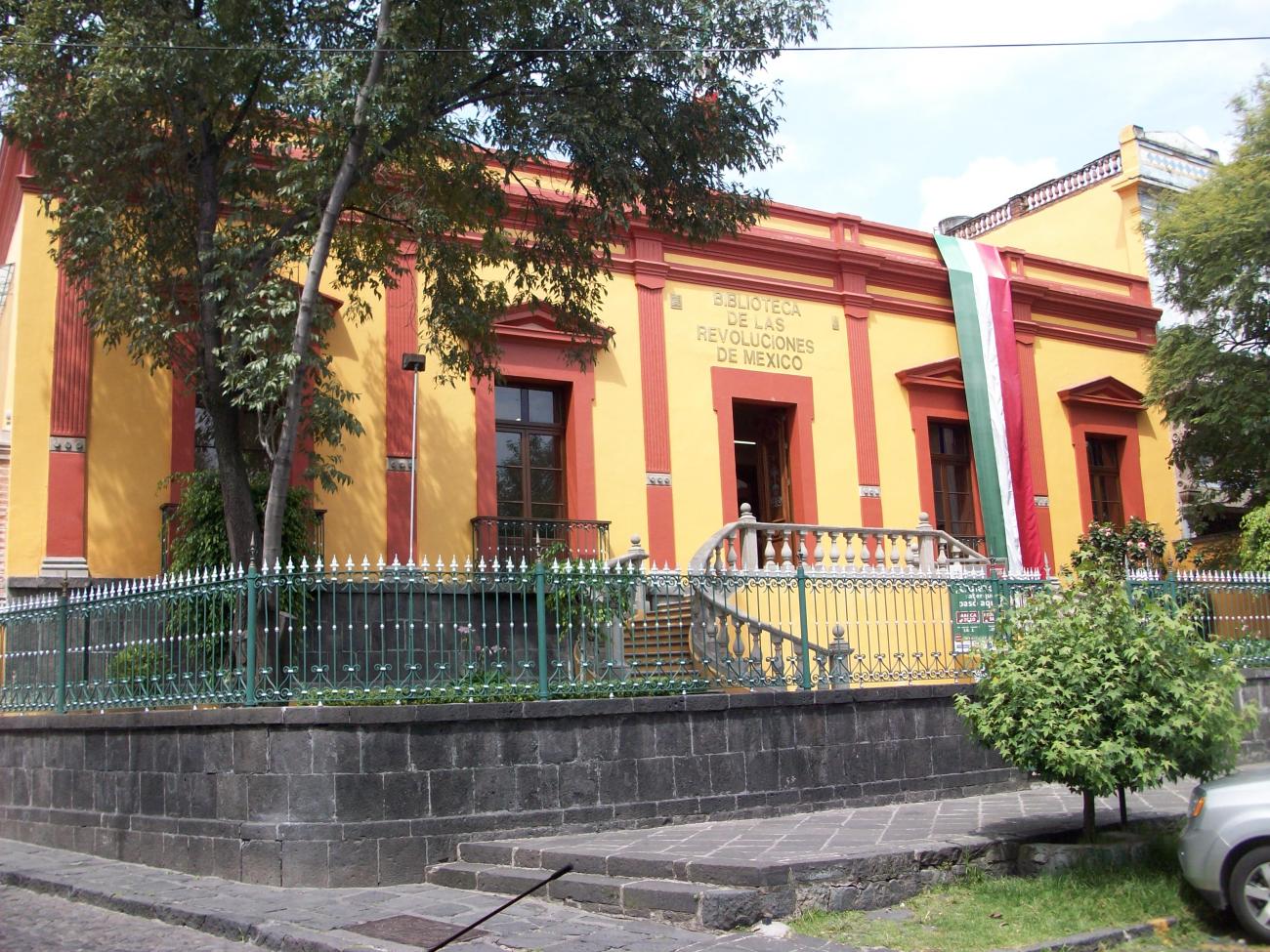
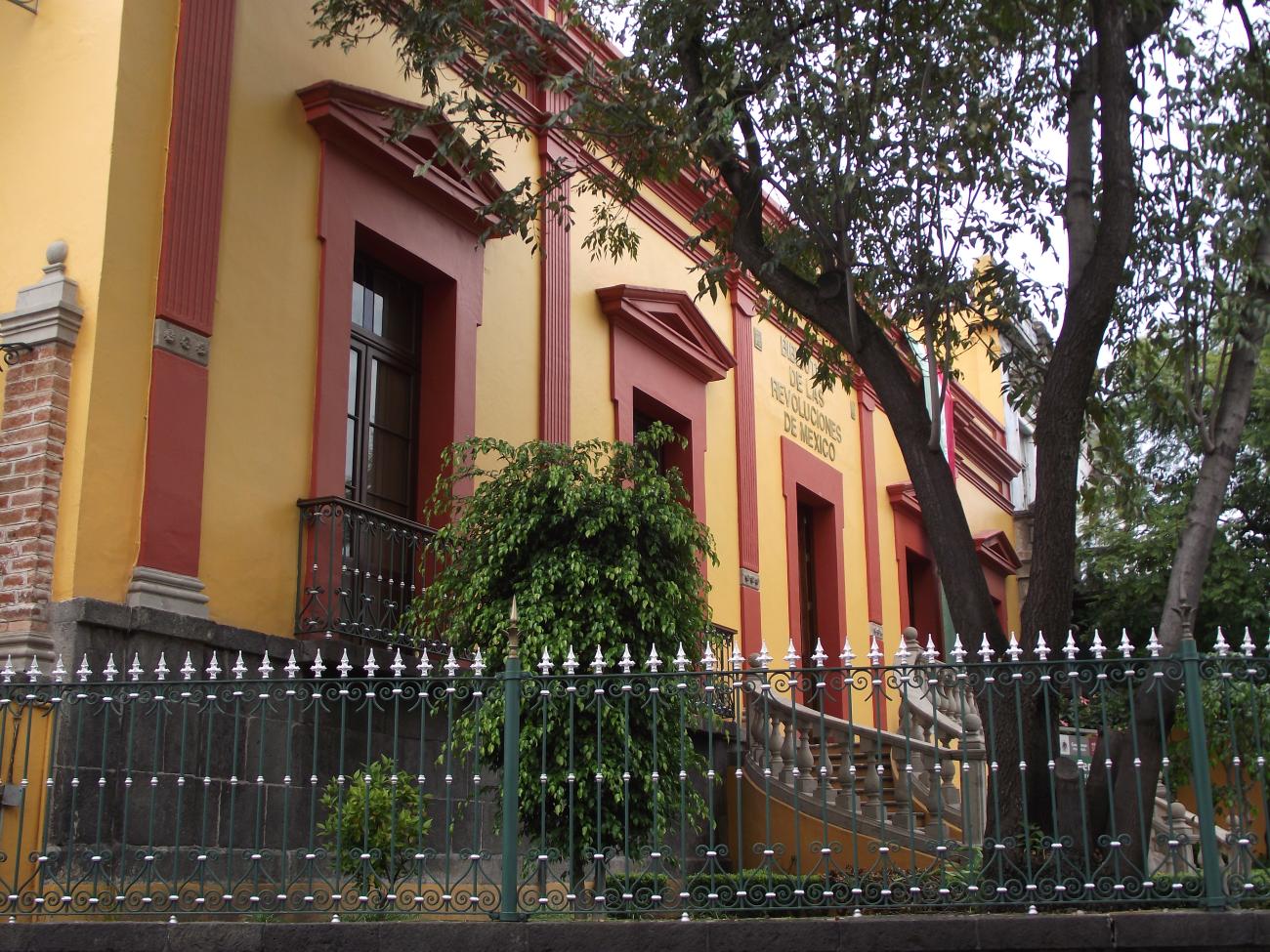
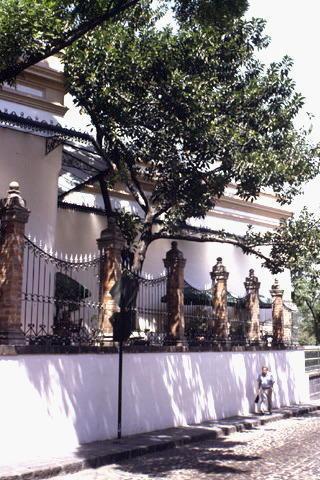
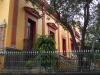
Building constructed at the end of the 19th century. This house is representative of Porfirian-era architecture and features two courtyards: the main one is a garden surrounded by the main rooms, while the second is the carriage courtyard, housing service rooms and stables. In 1992, it was purchased by the Ministry of the Interior and housed the National Institute of Historical Studies of the Mexican Revolution.
Centro de Desarrollo Infantil
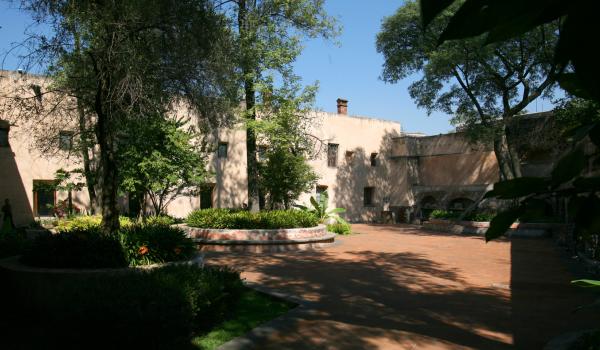
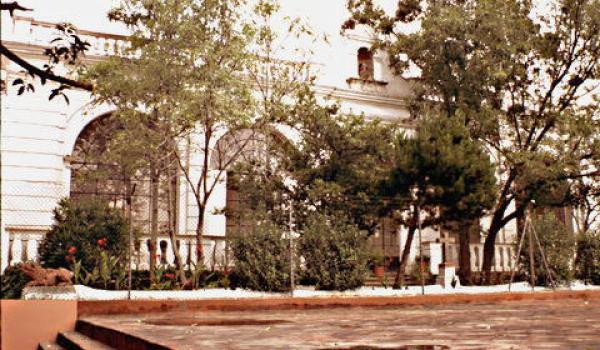
Building from the 18th century, formerly belonging to the Convent of Carmen, known as the Portico of Recreation and Cistern.
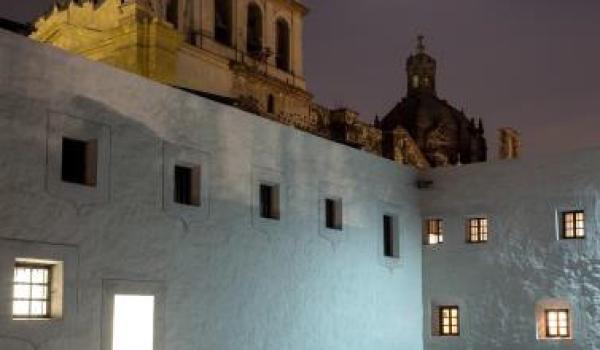
Templo y antiguo Convento del Carmen
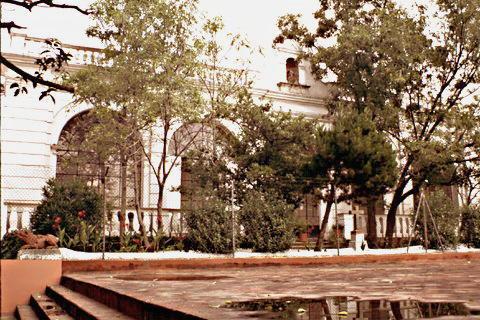
17th-century building. The plans were created by Fray Andrés de San Miguel, and the first stone of the college and monastery was laid on June 29, 1615. Since July 1921, it has been designated for the Ministry of Public Education (SEP) to house a museum under the National Institute of Anthropology…
Templo y antiguo Convento del Carmen
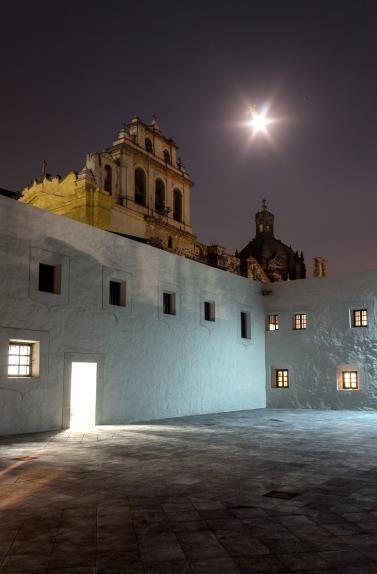
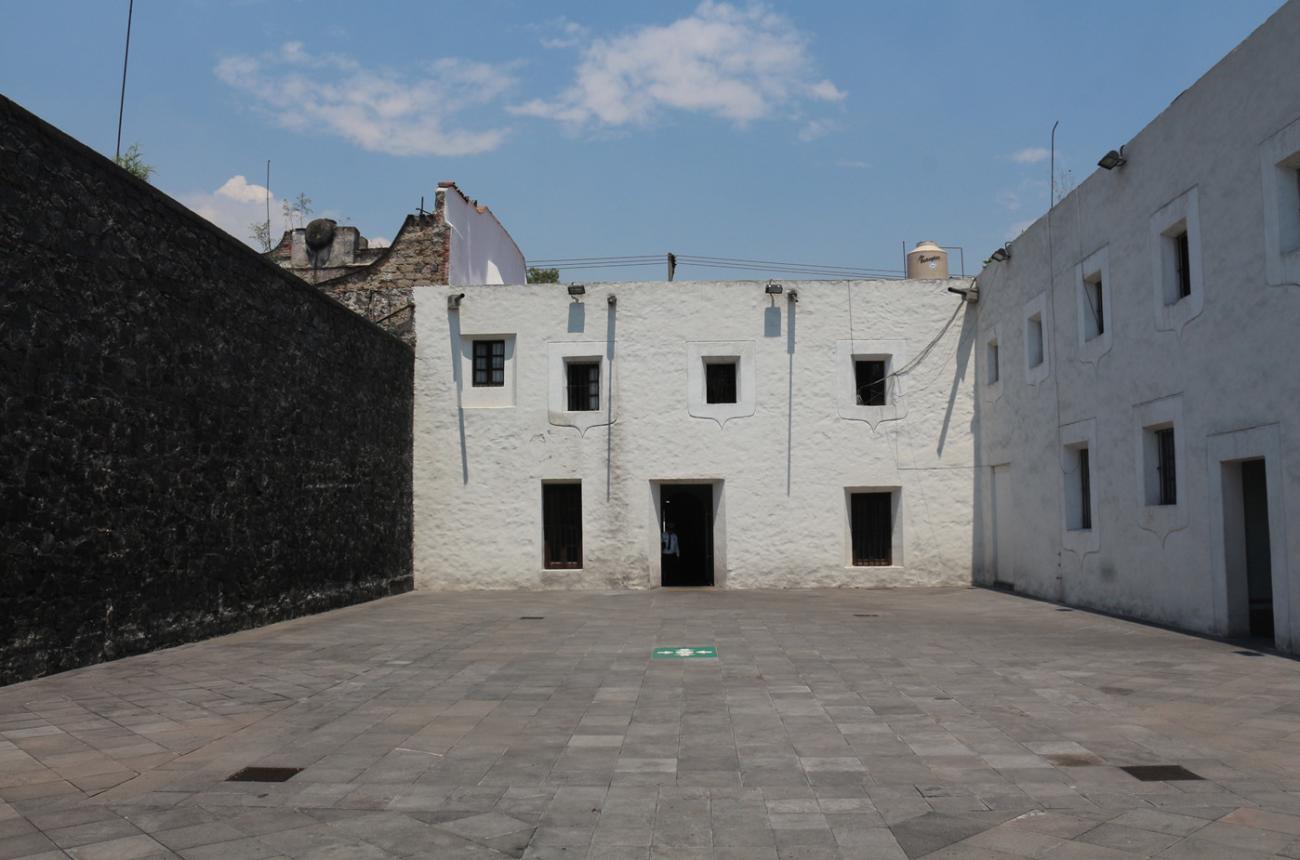
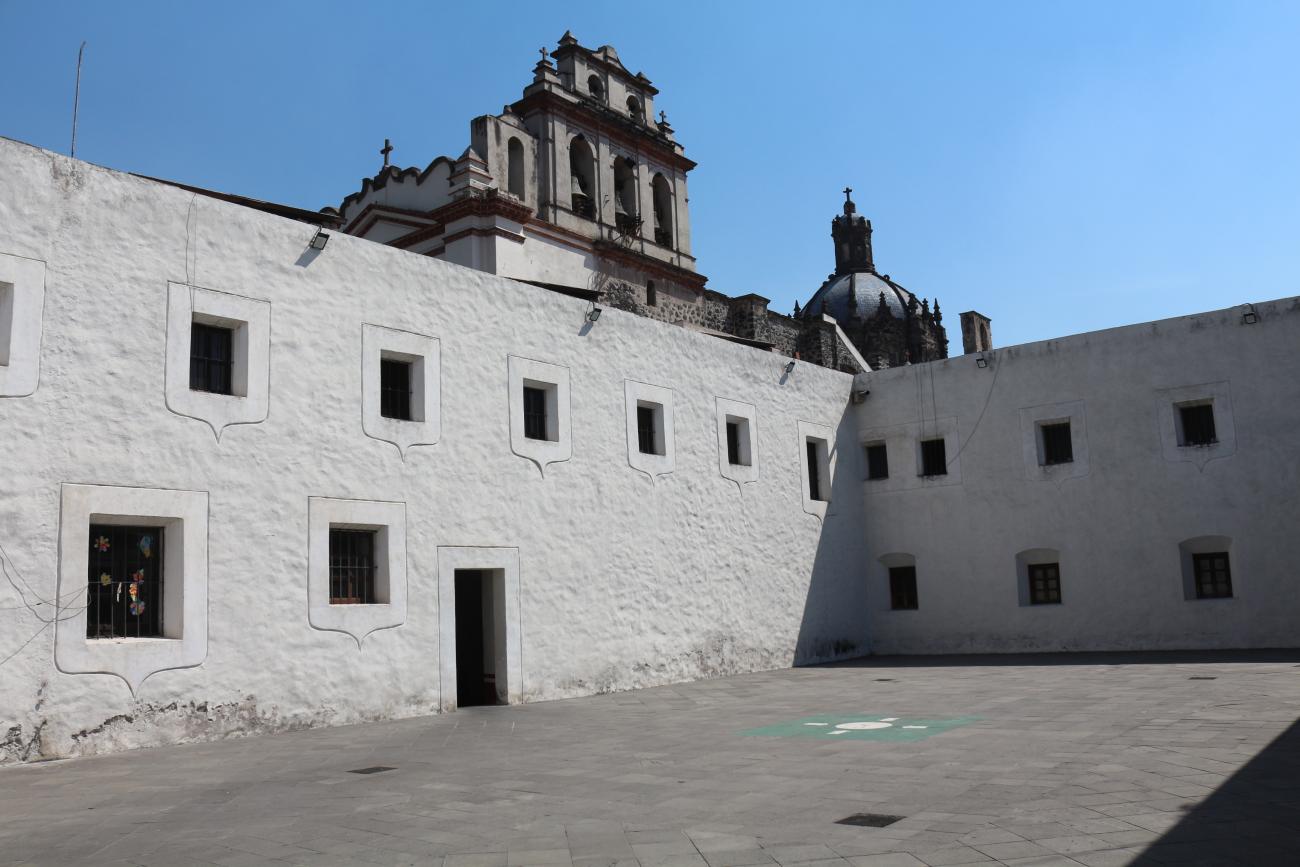
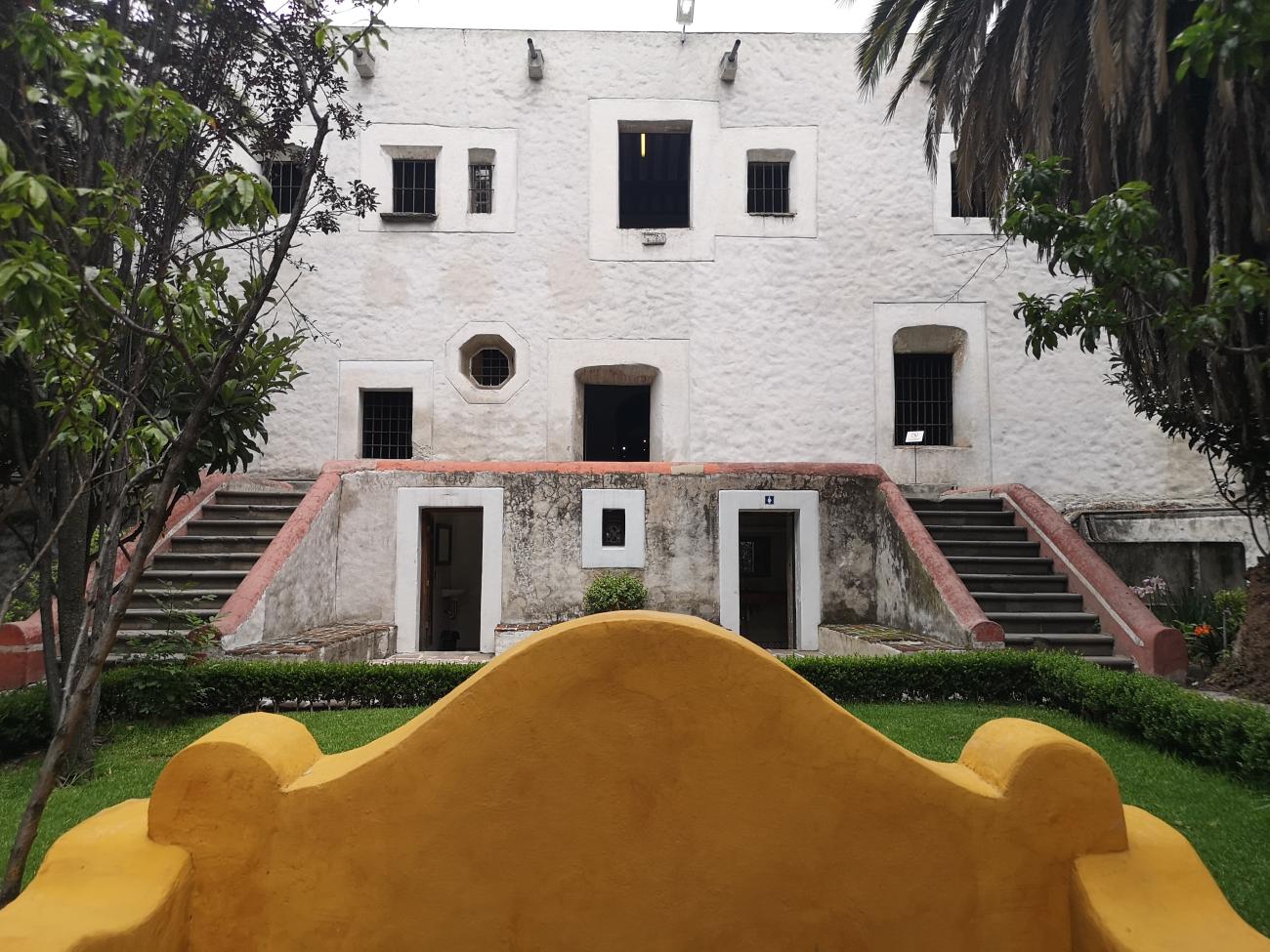
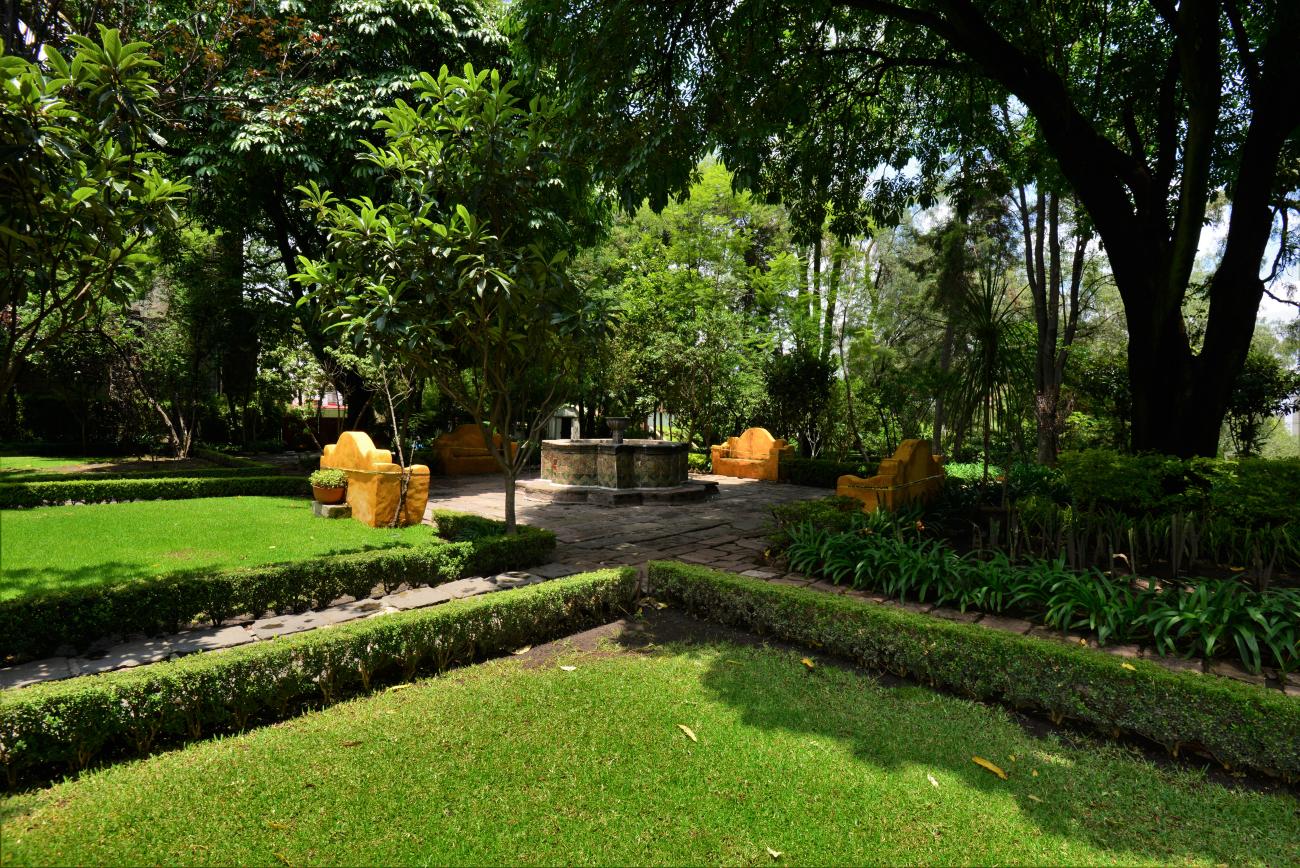
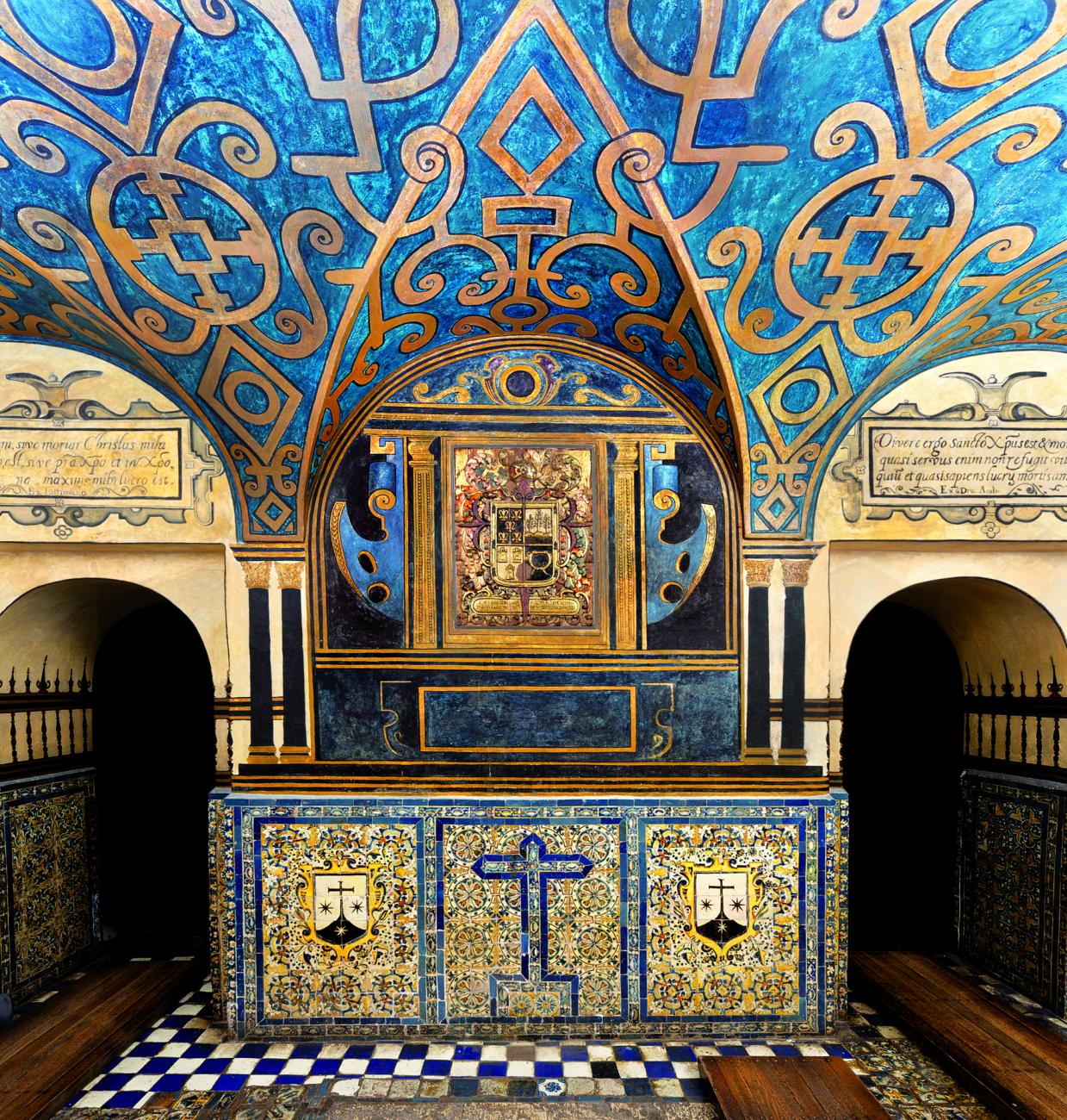
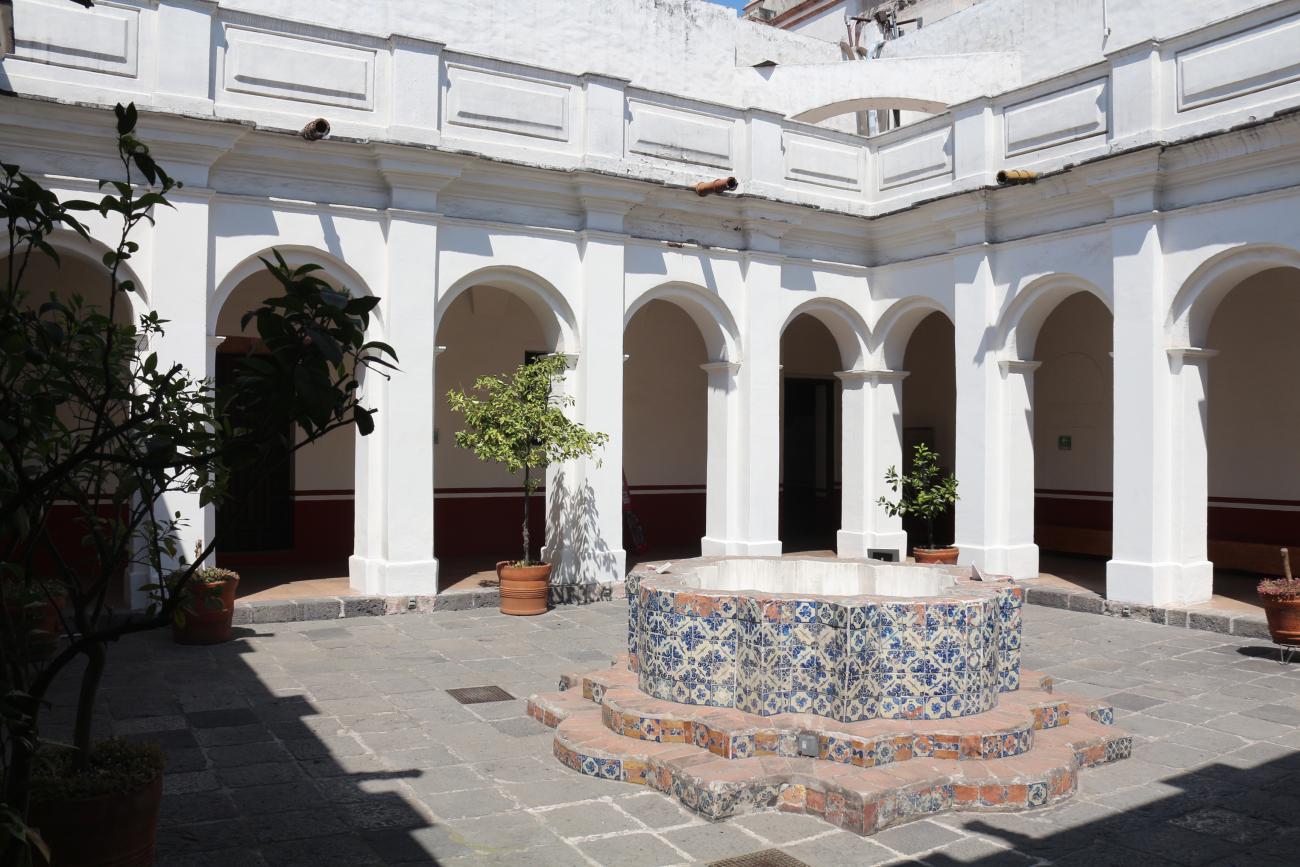
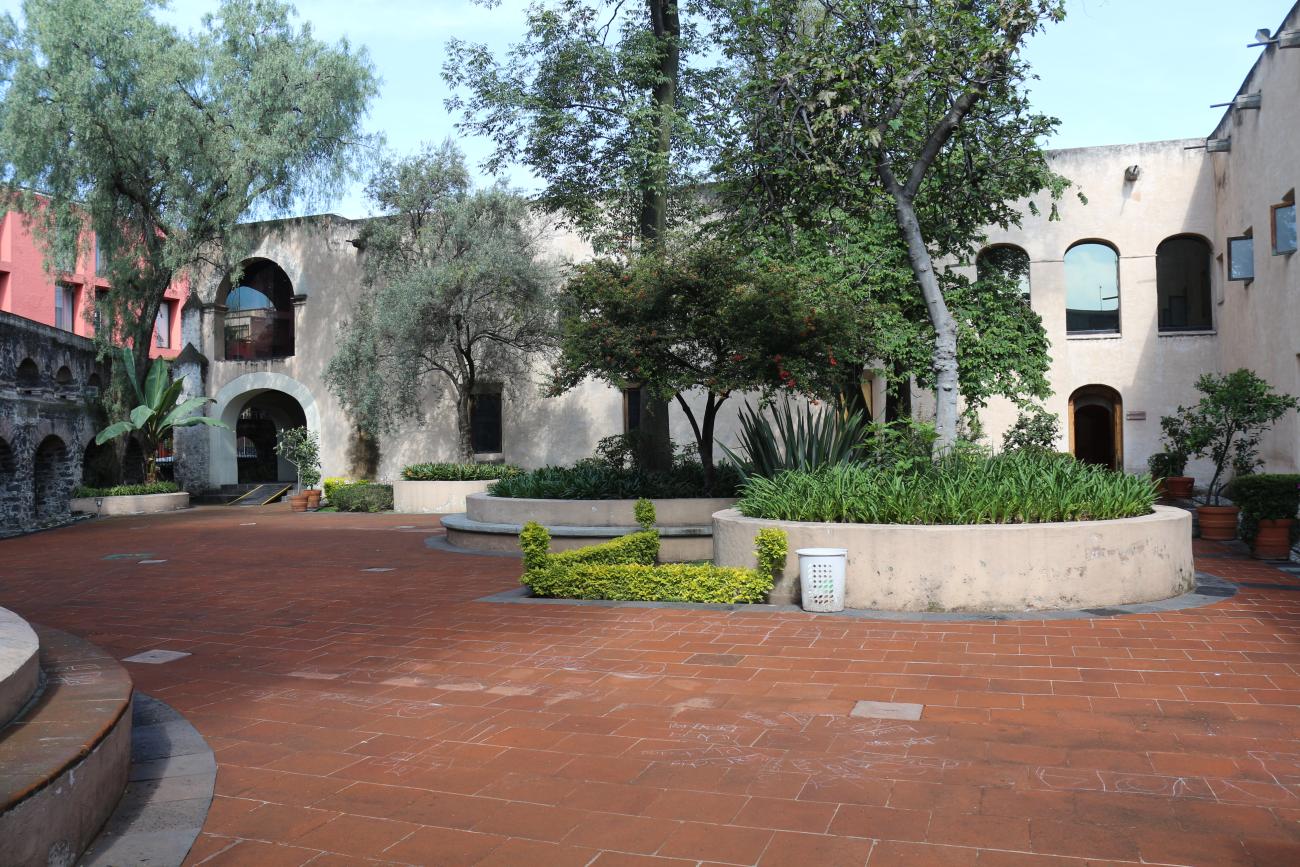
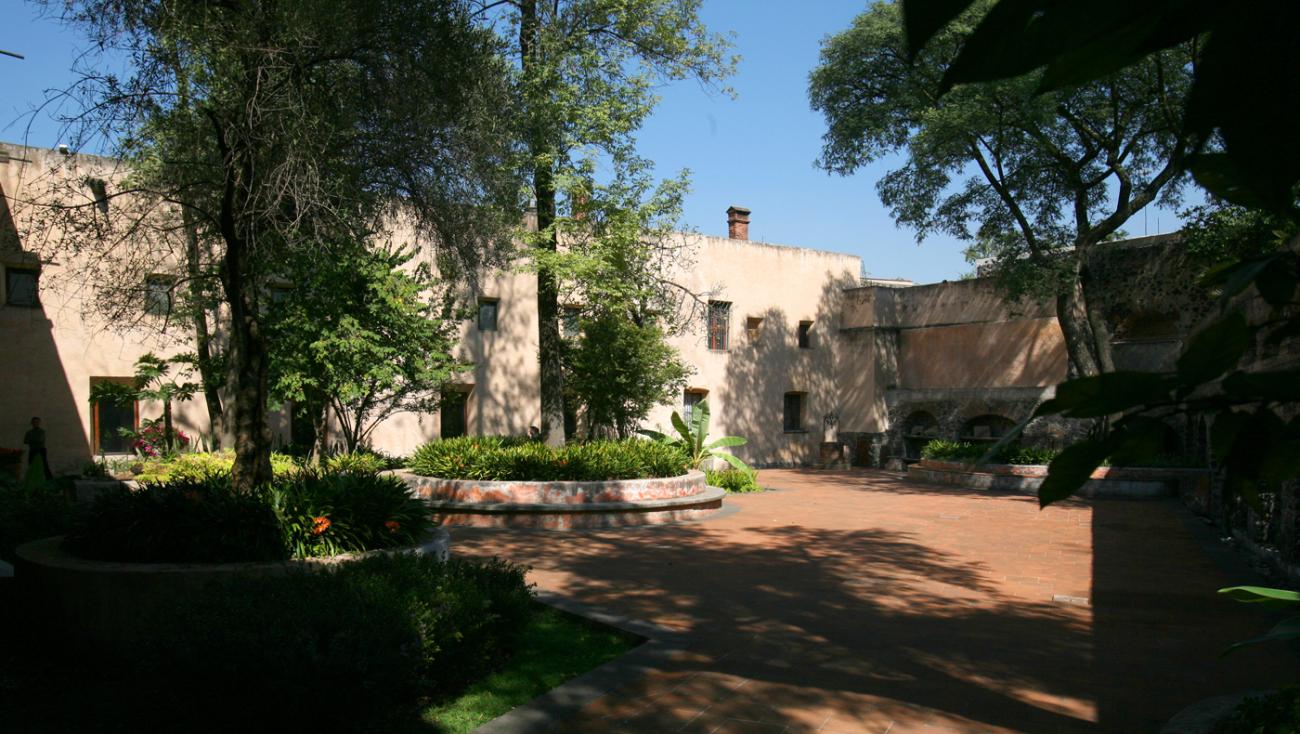
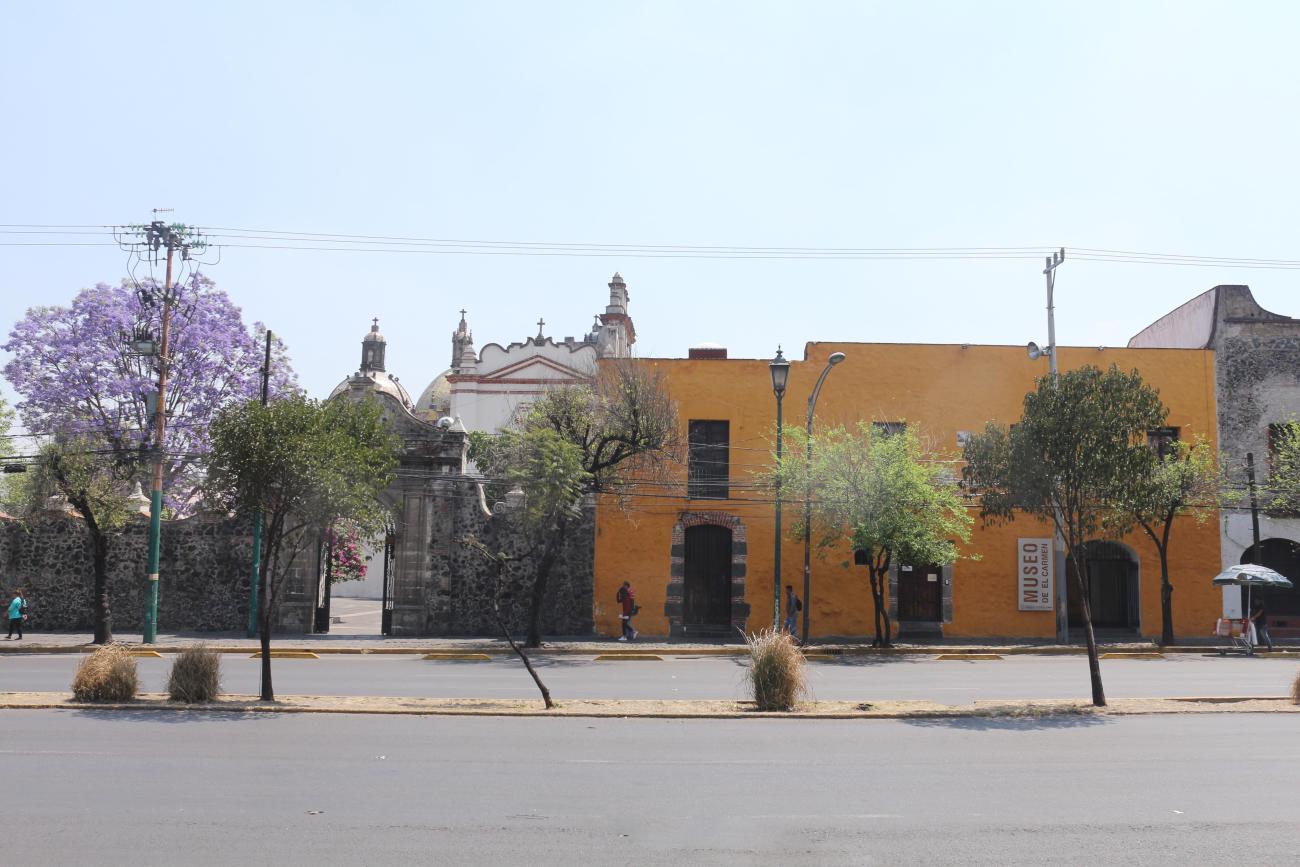
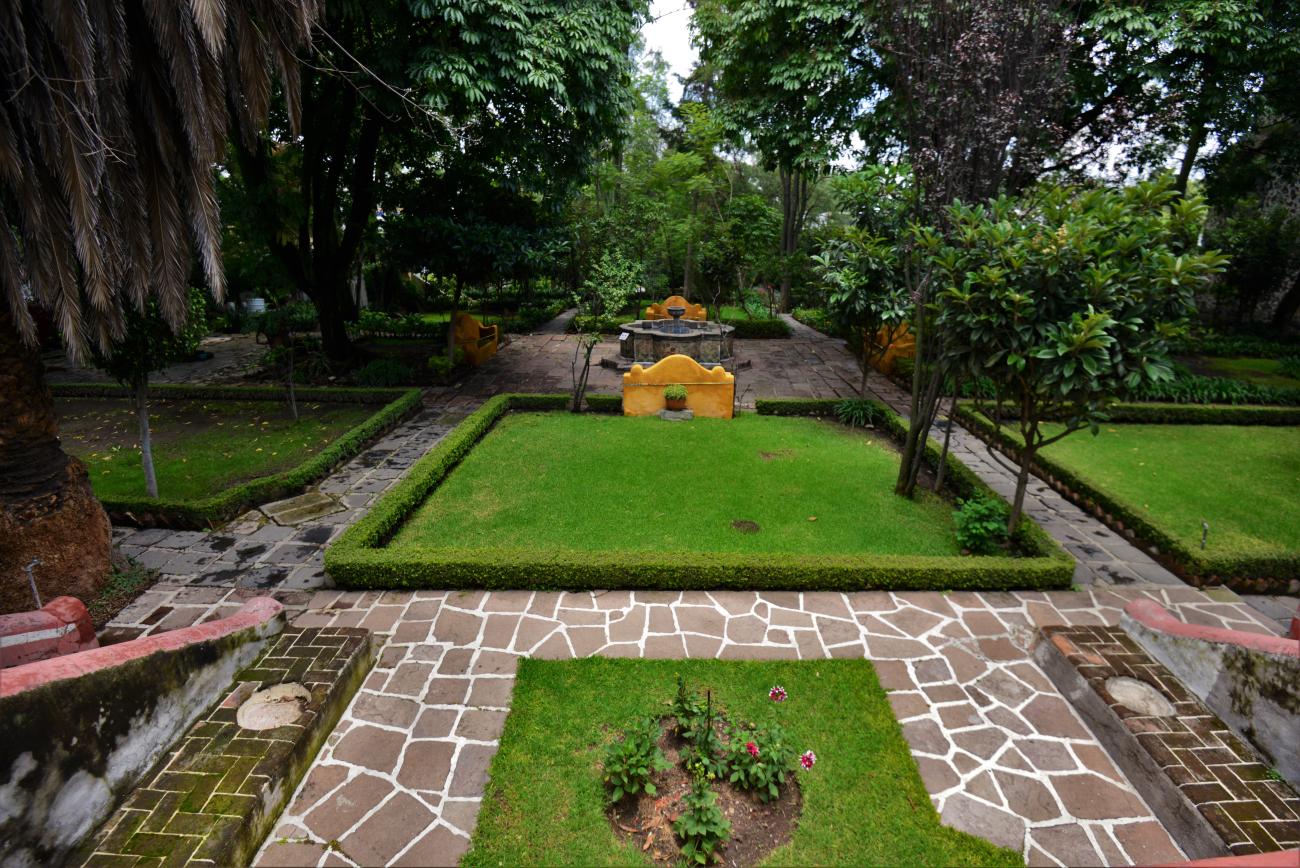
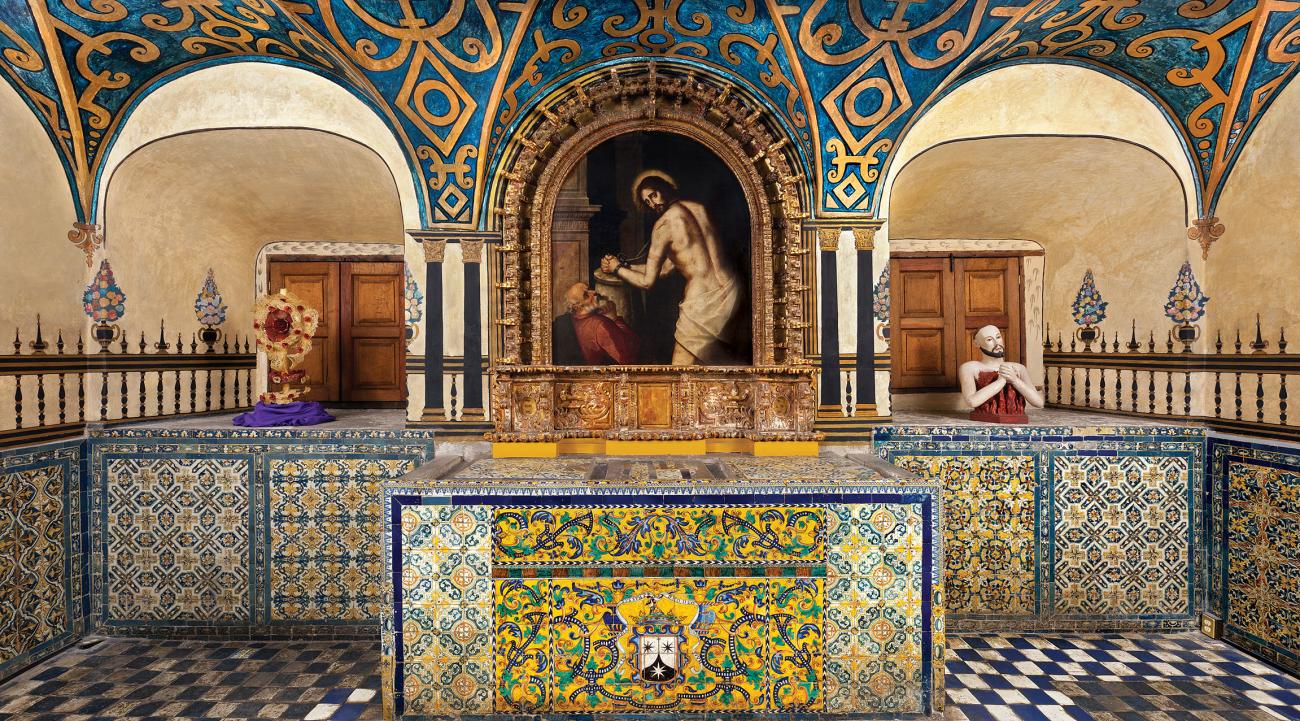
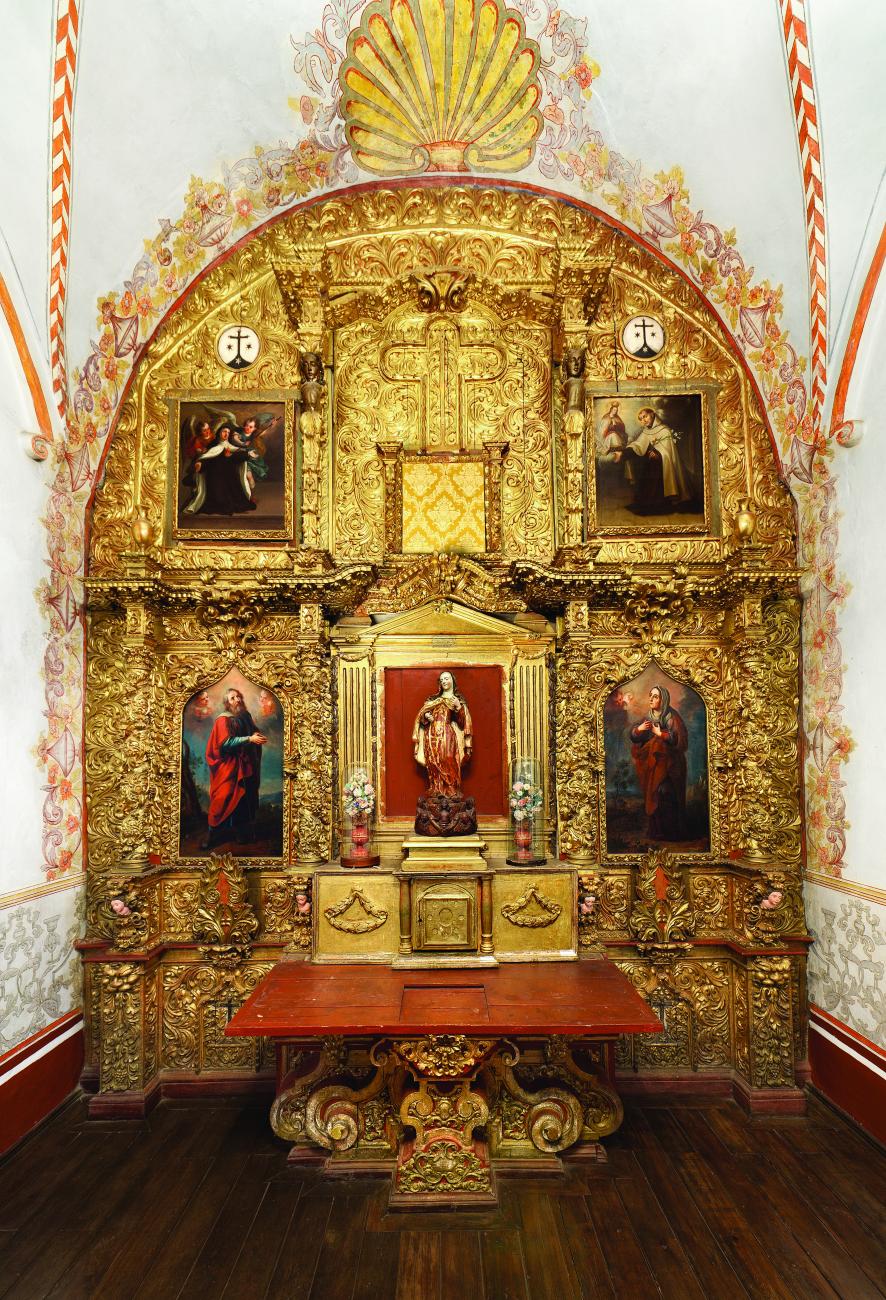
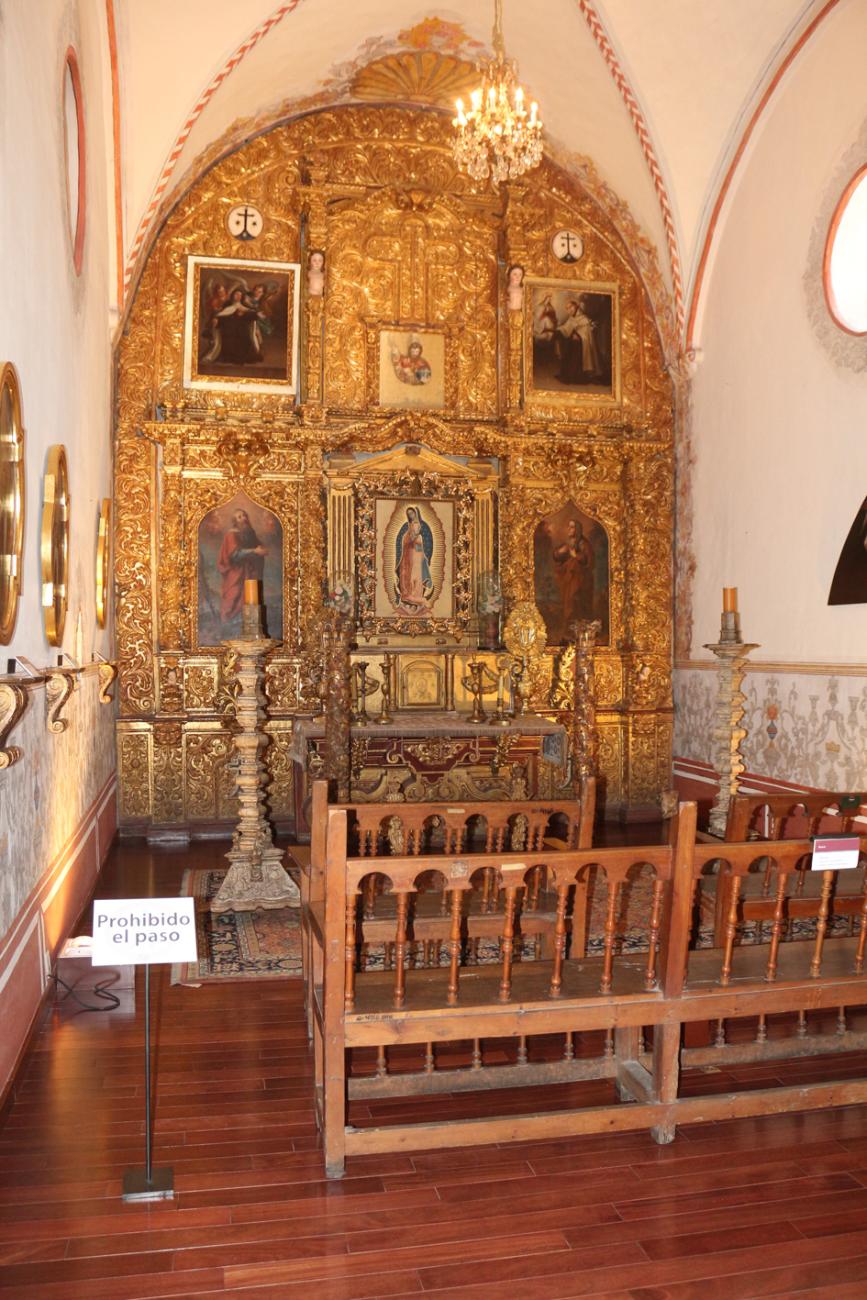
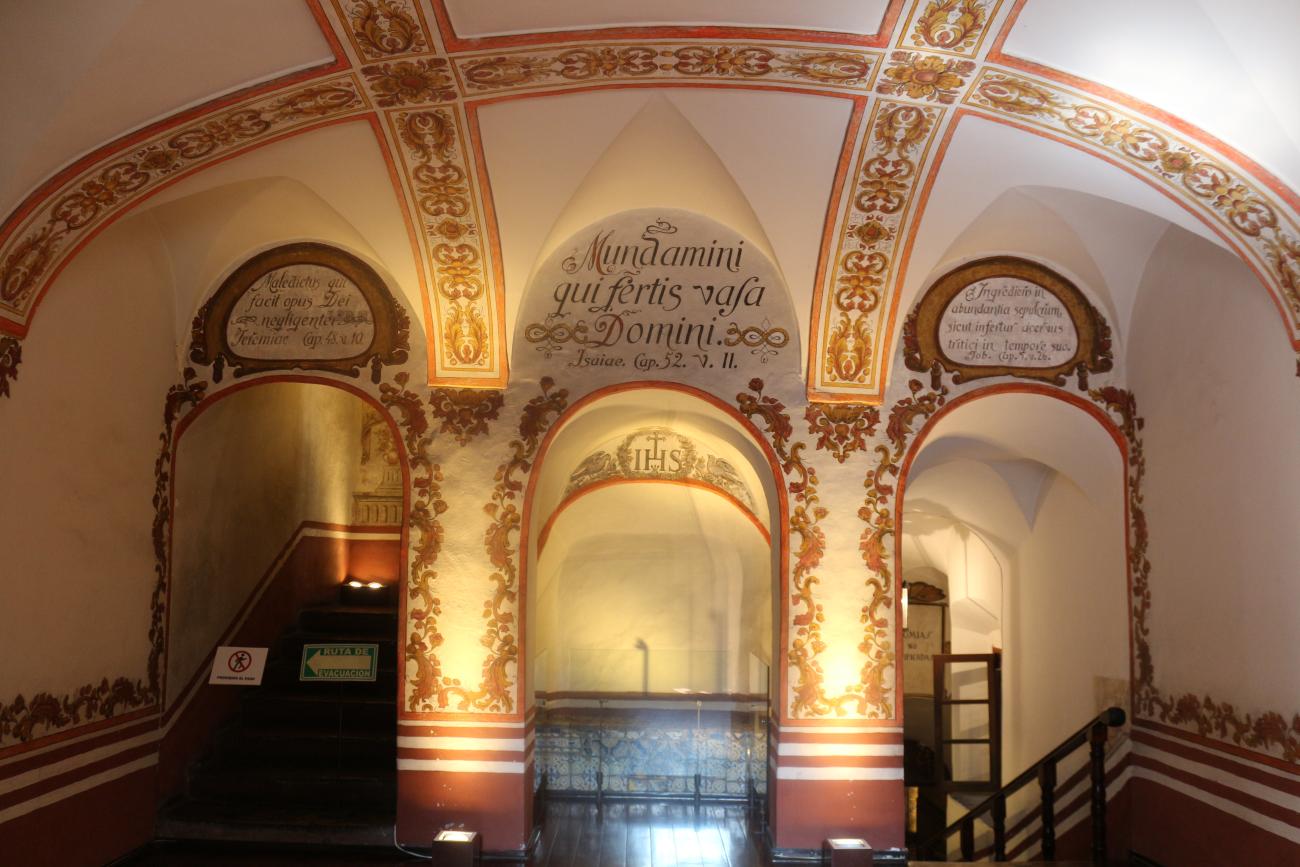
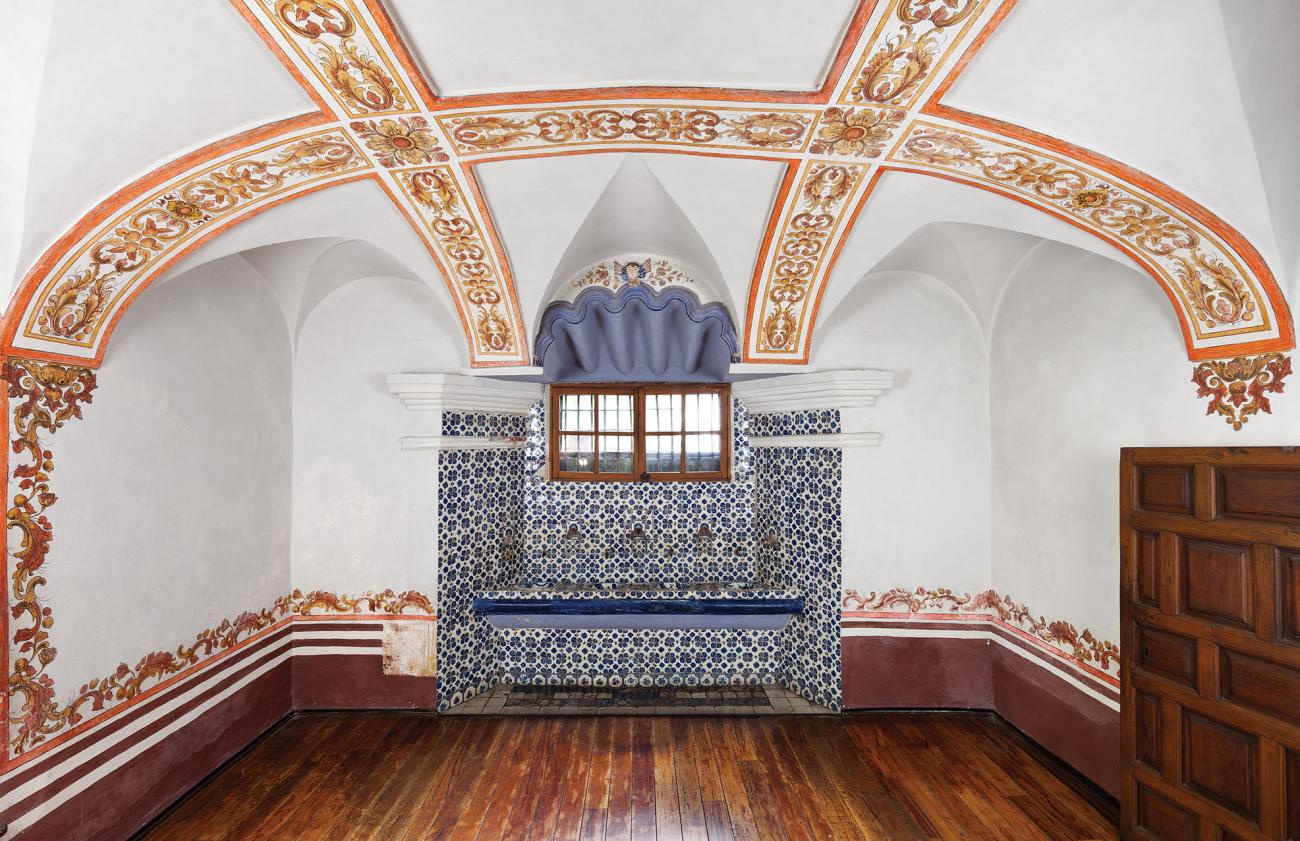
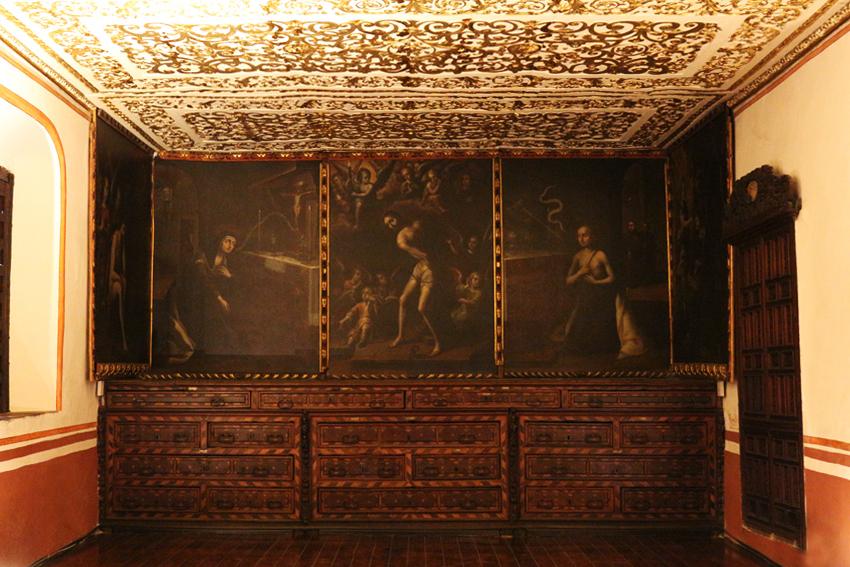
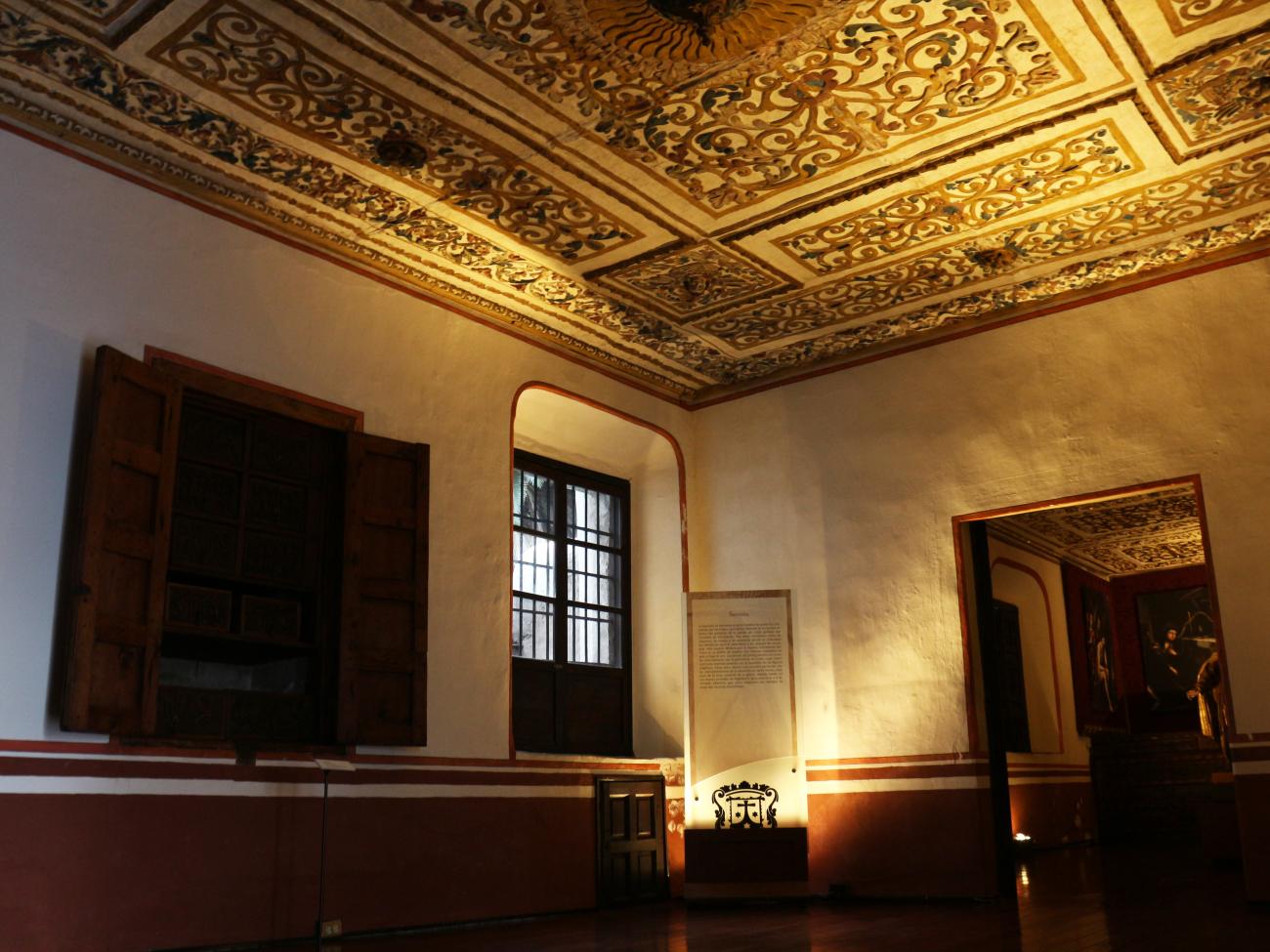
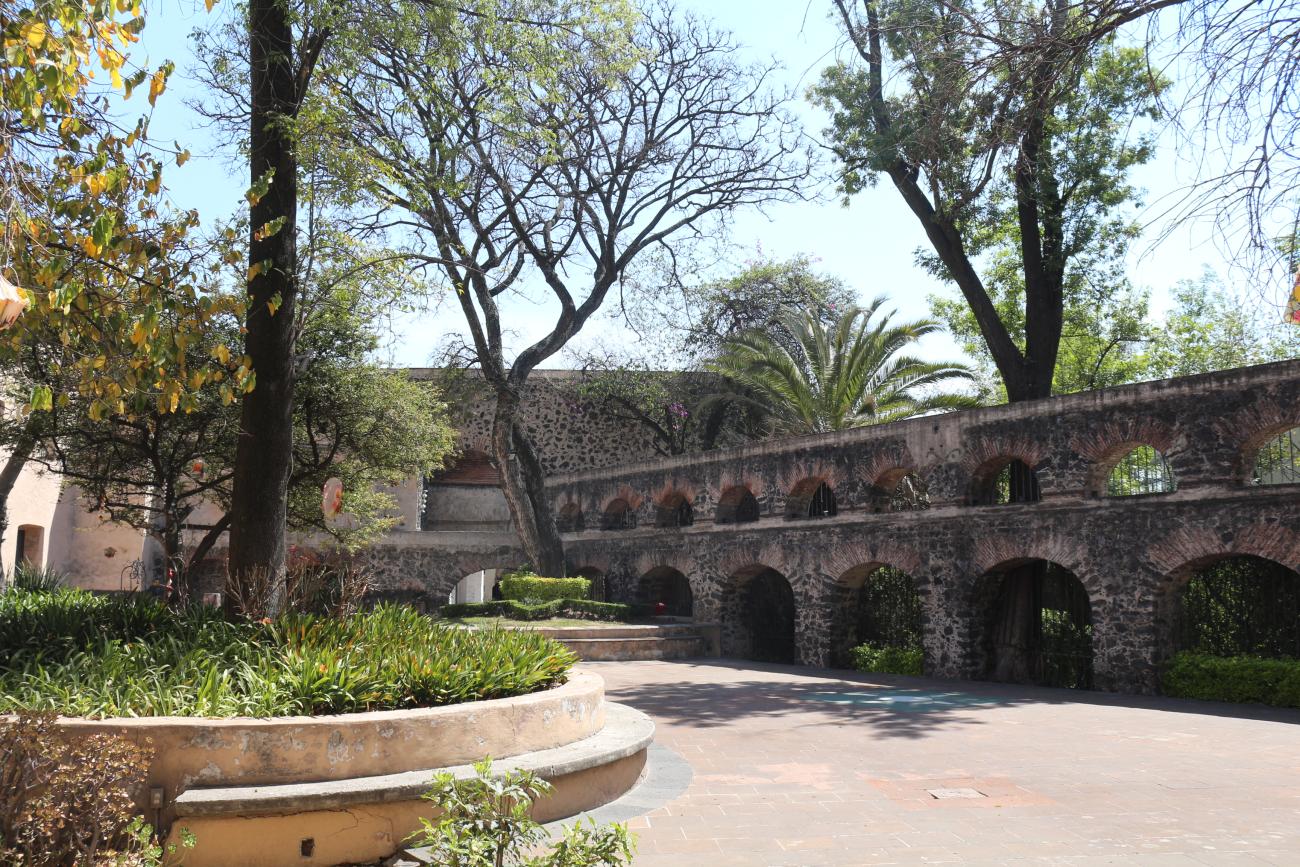
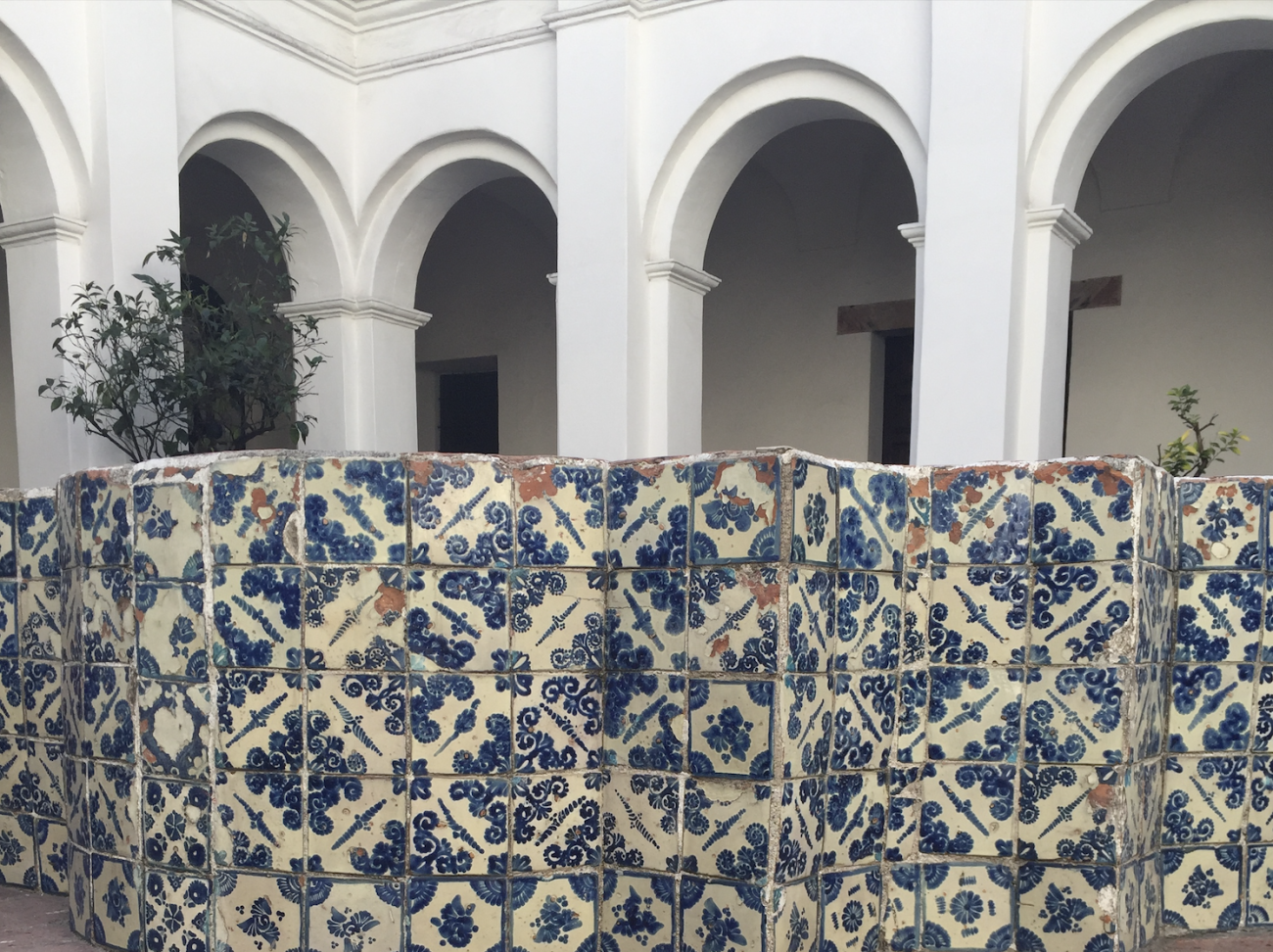
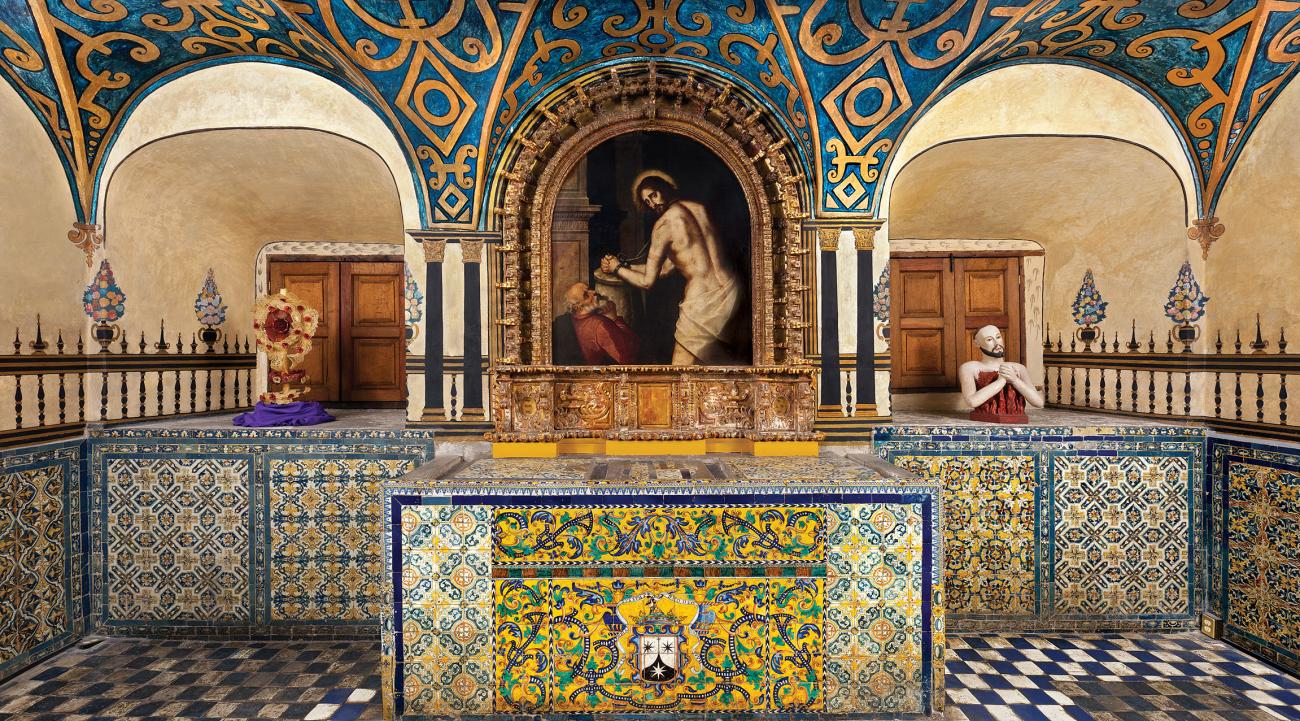
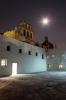
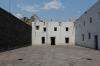
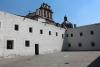
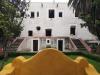
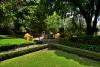
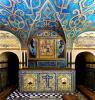
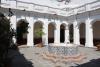
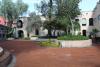
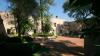
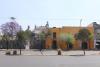
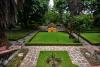
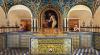
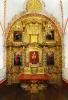
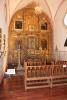
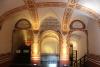
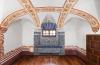
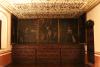
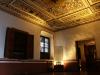
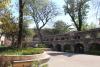
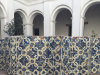
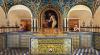
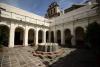
17th-century building. The plans were created by Fray Andrés de San Miguel, and the first stone of the college and monastery was laid on June 29, 1615. Since July 1921, it has been designated for the Ministry of Public Education (SEP) to house a museum under the National Institute of Anthropology and History (INAH).

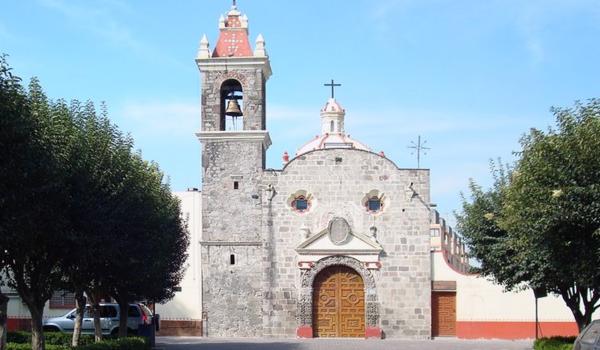
Parroquia de la Asunción de Santa María Nonoalco
16th-century building, featuring a nave covered with a continuous barrel vault and lunettes. It has undergone various interventions to its architectural and decorative elements.
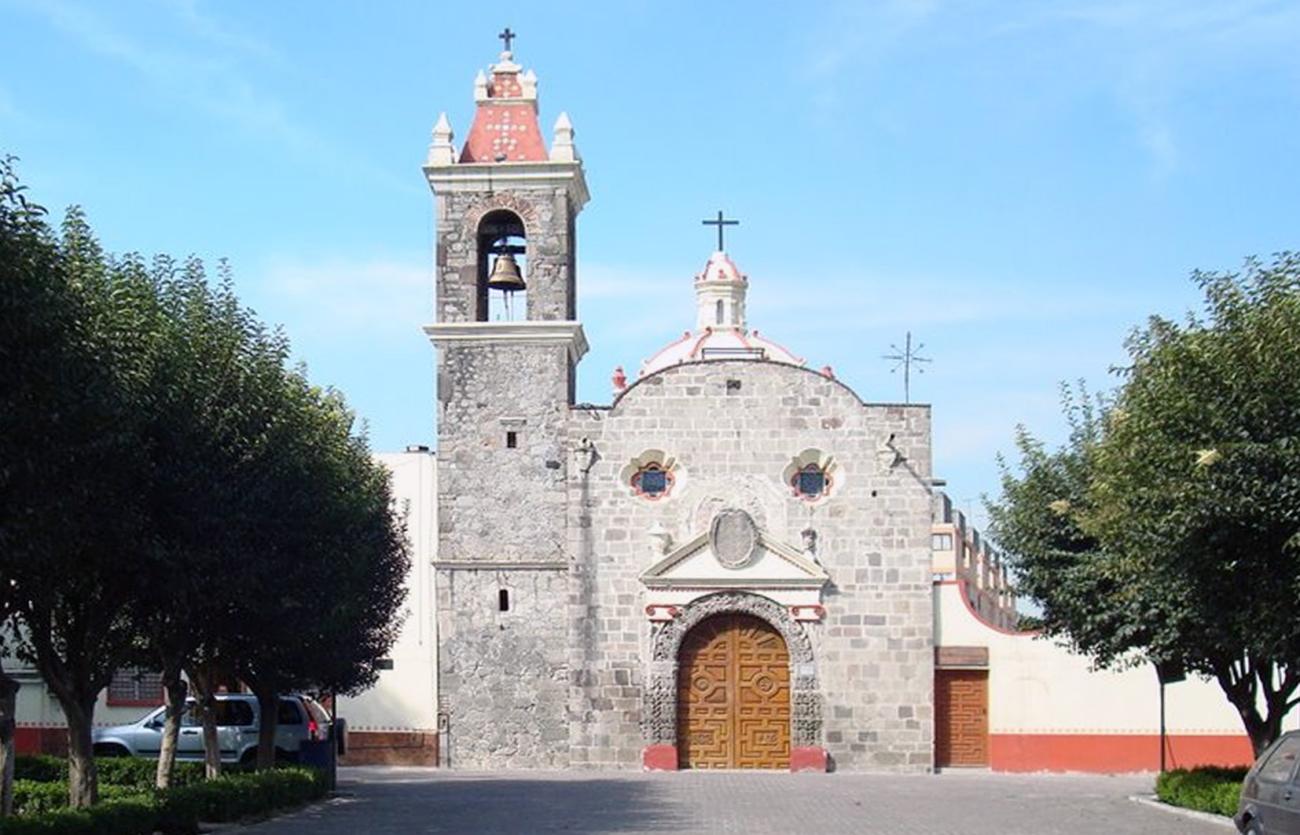
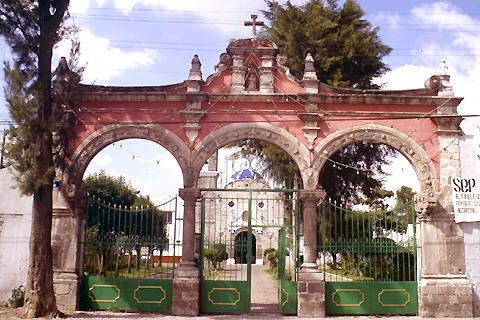
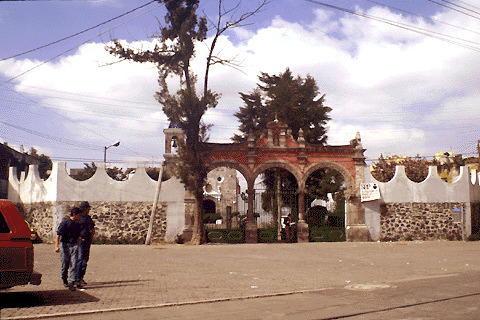
Parroquia de la Purísima Concepción de Tlacopac
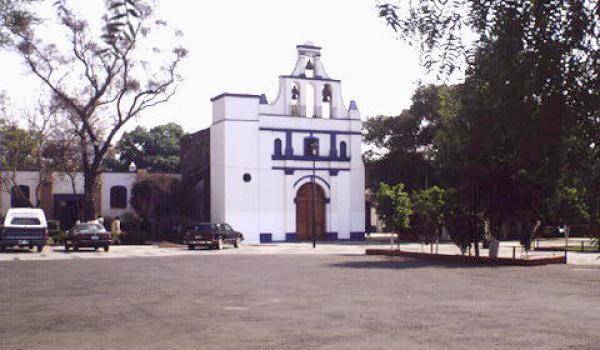
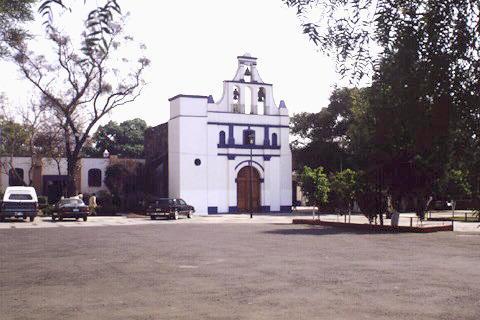
16th-century building, constructed by the Carmelites as an annex to the Church and Monasteries of San Jacinto. Originally dedicated to the Assumption, it was renamed to the Conversion of Saint Paul in 1966 and to the Immaculate Conception in 1987.
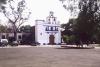
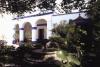
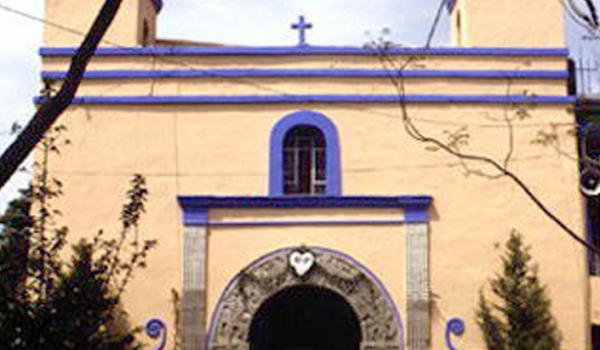
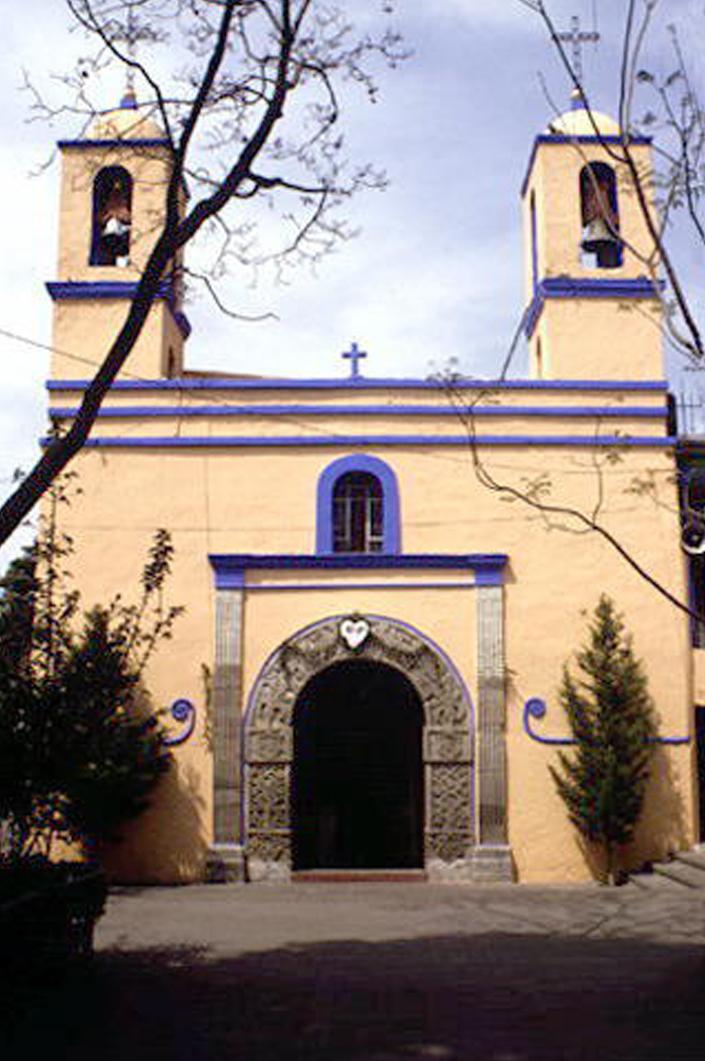
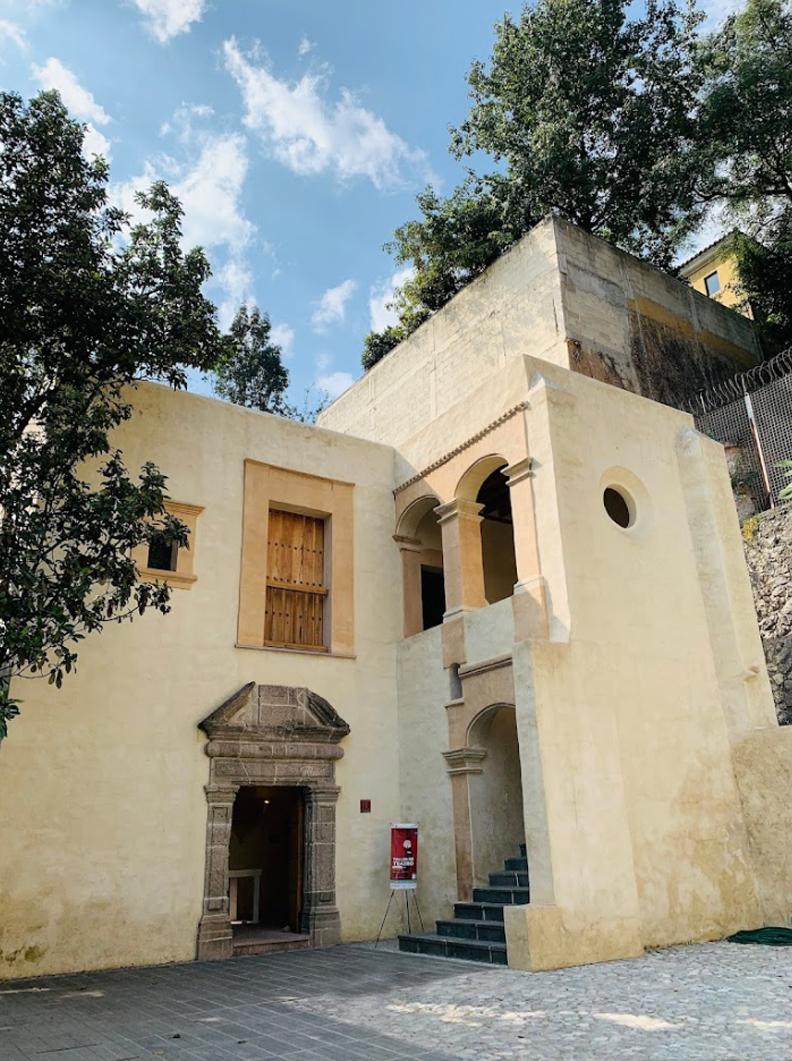
Antigua Ermita de Vasco de Quiroga Museo de las Utopías
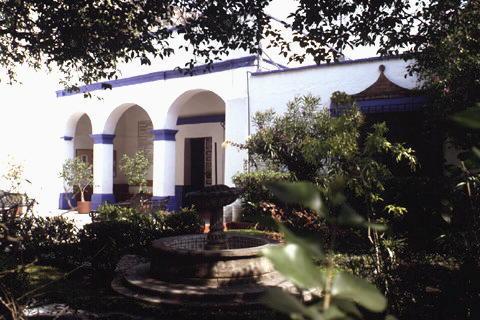
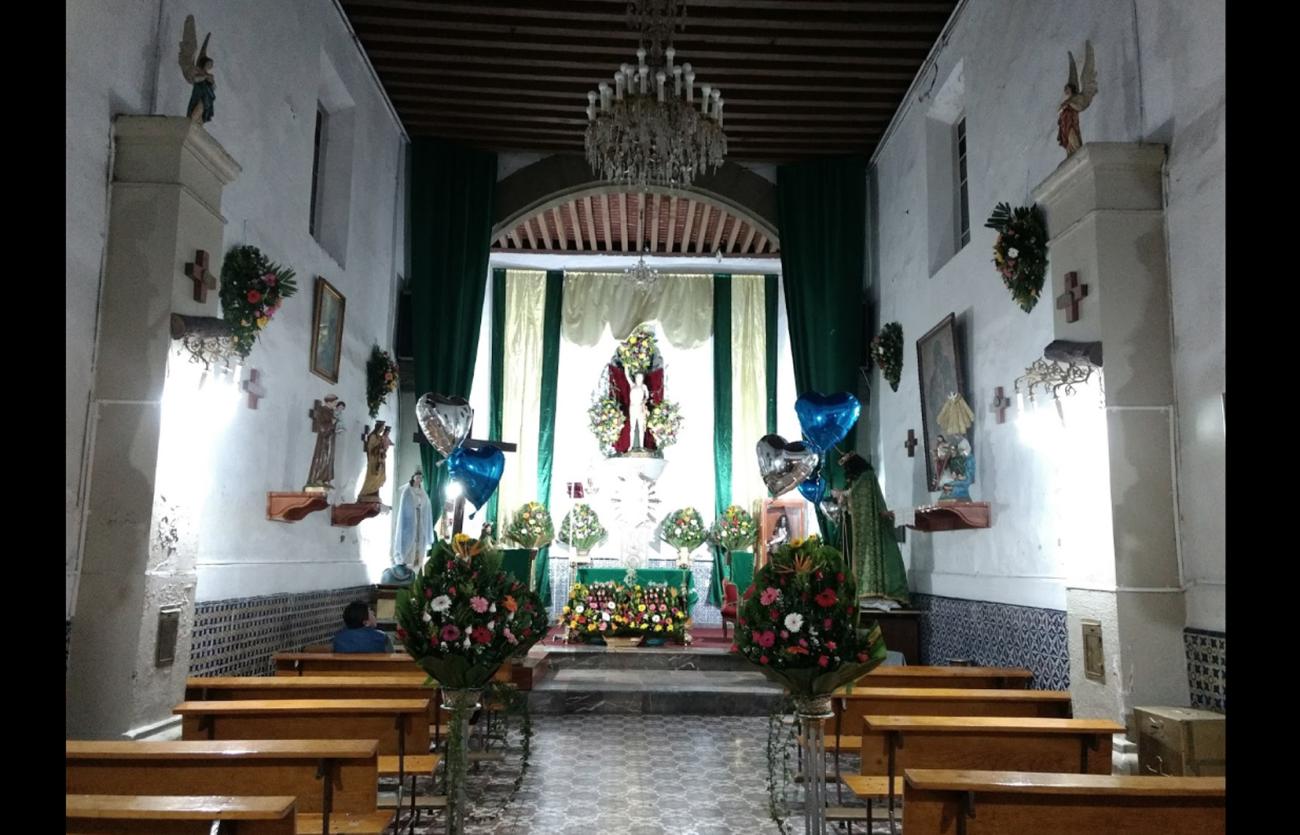
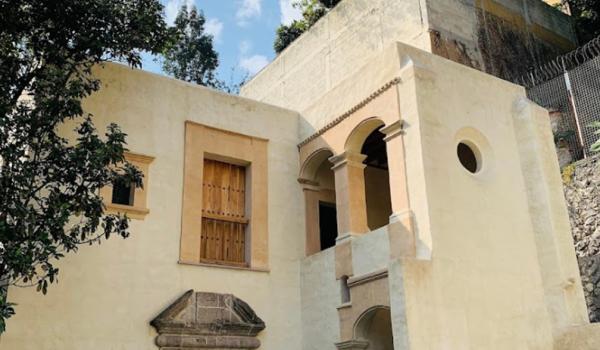
17th-century building. The Republic Hospital of Santa Fe was founded by Vasco de Quiroga to provide the destitute with a place where they could have better living conditions, serving as a charitable institution that included protection, culture, health, and religion.
Antigua Ermita de Vasco de Quiroga Museo de las Utopías
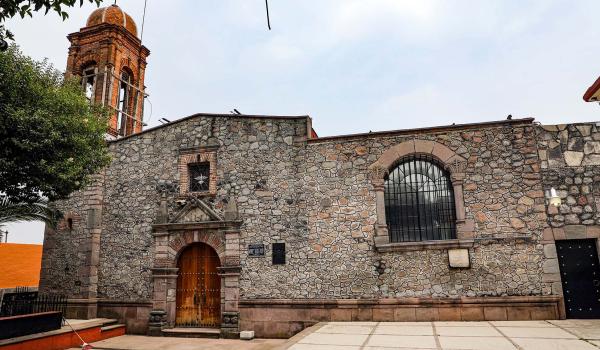
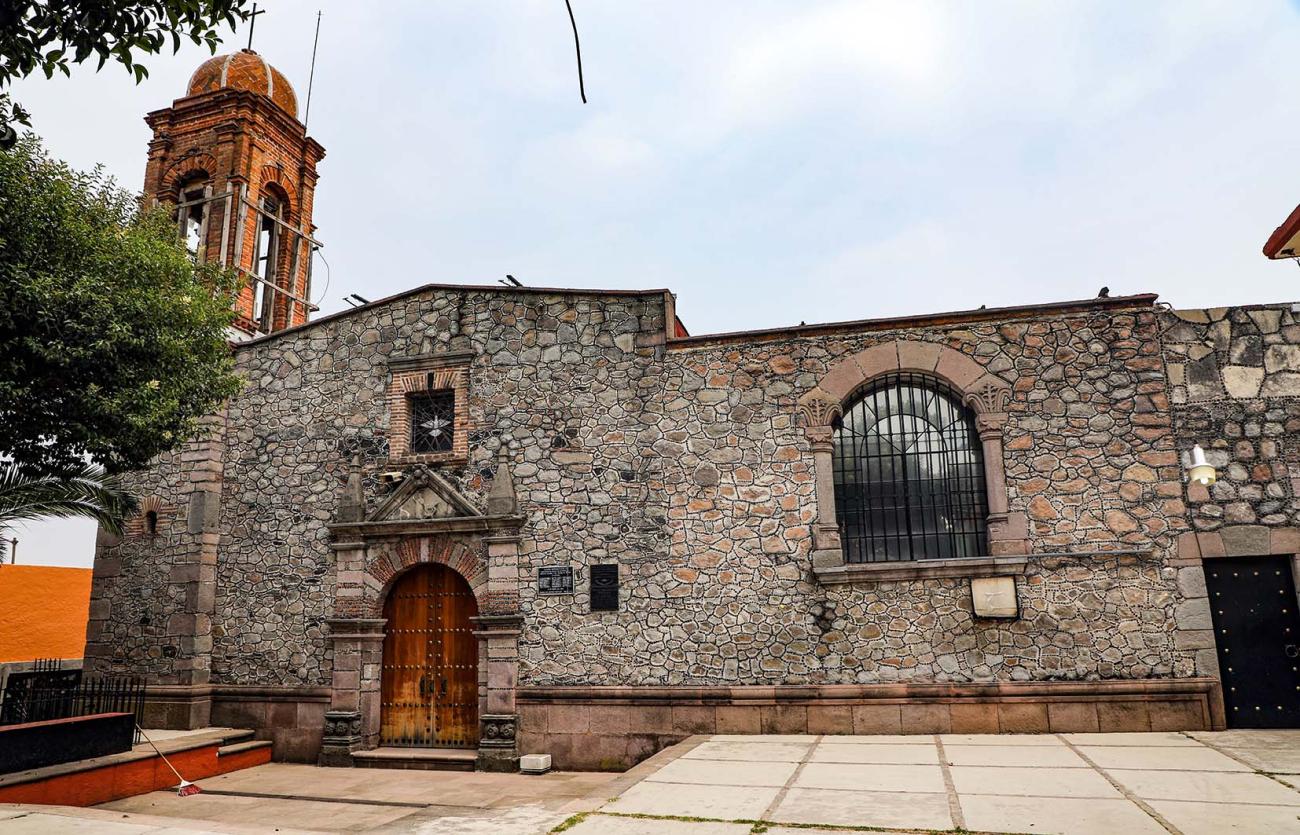
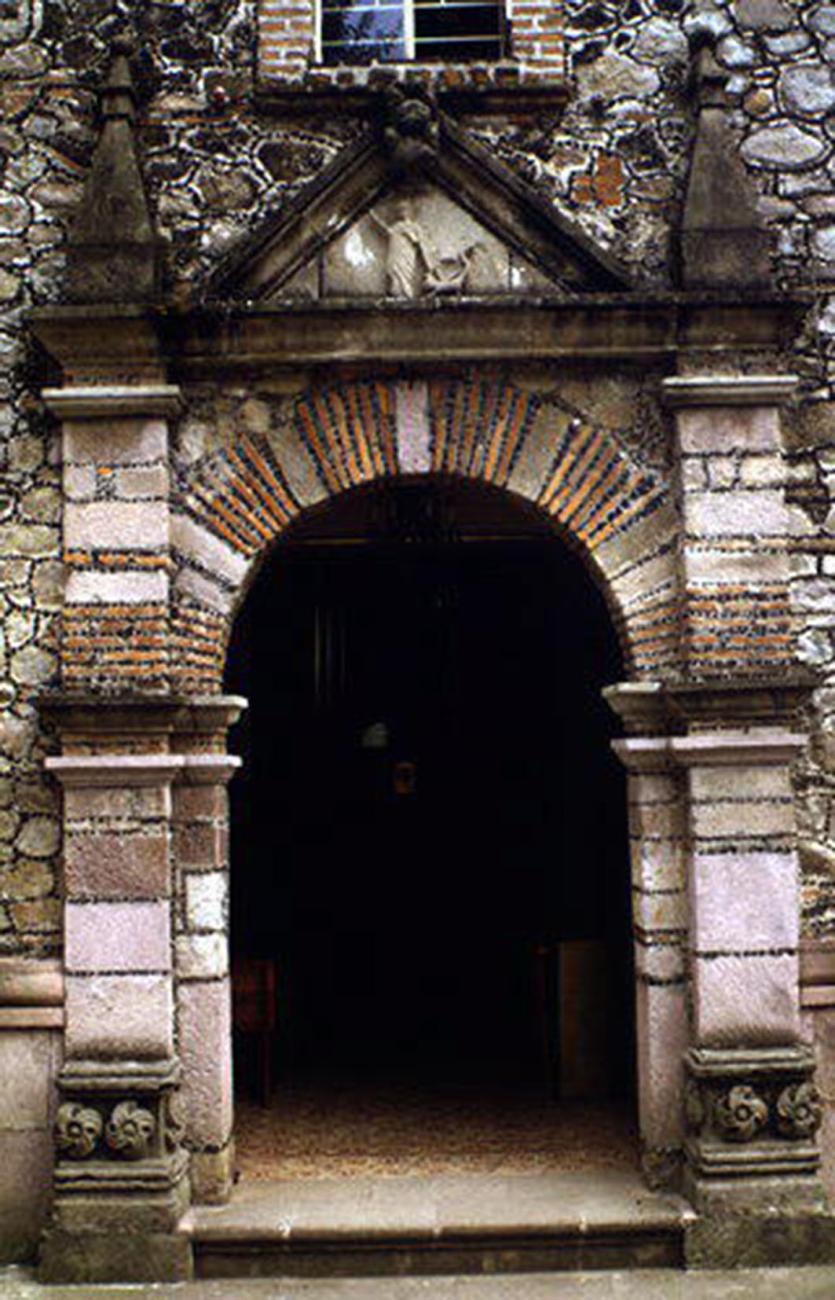
Parroquia de San Bartolomé Apóstol o de San Bartolo Ameyalco
Inmueble del siglo XVII, la construcción original era una ermita construida por padres dominicos en el siglo XVI. El inmueble actual ha sido modificado durante los siglos XIX y XX, incluyendo un templo anexo realizado en la década de los setenta por el arquitecto Francisco Artigas.
Parroquia de San Bartolomé Apóstol o de San Bartolo Ameyalco
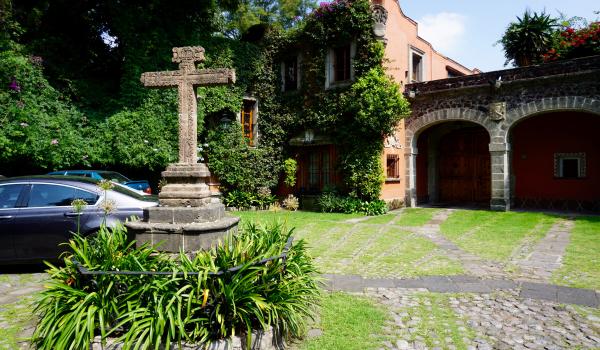
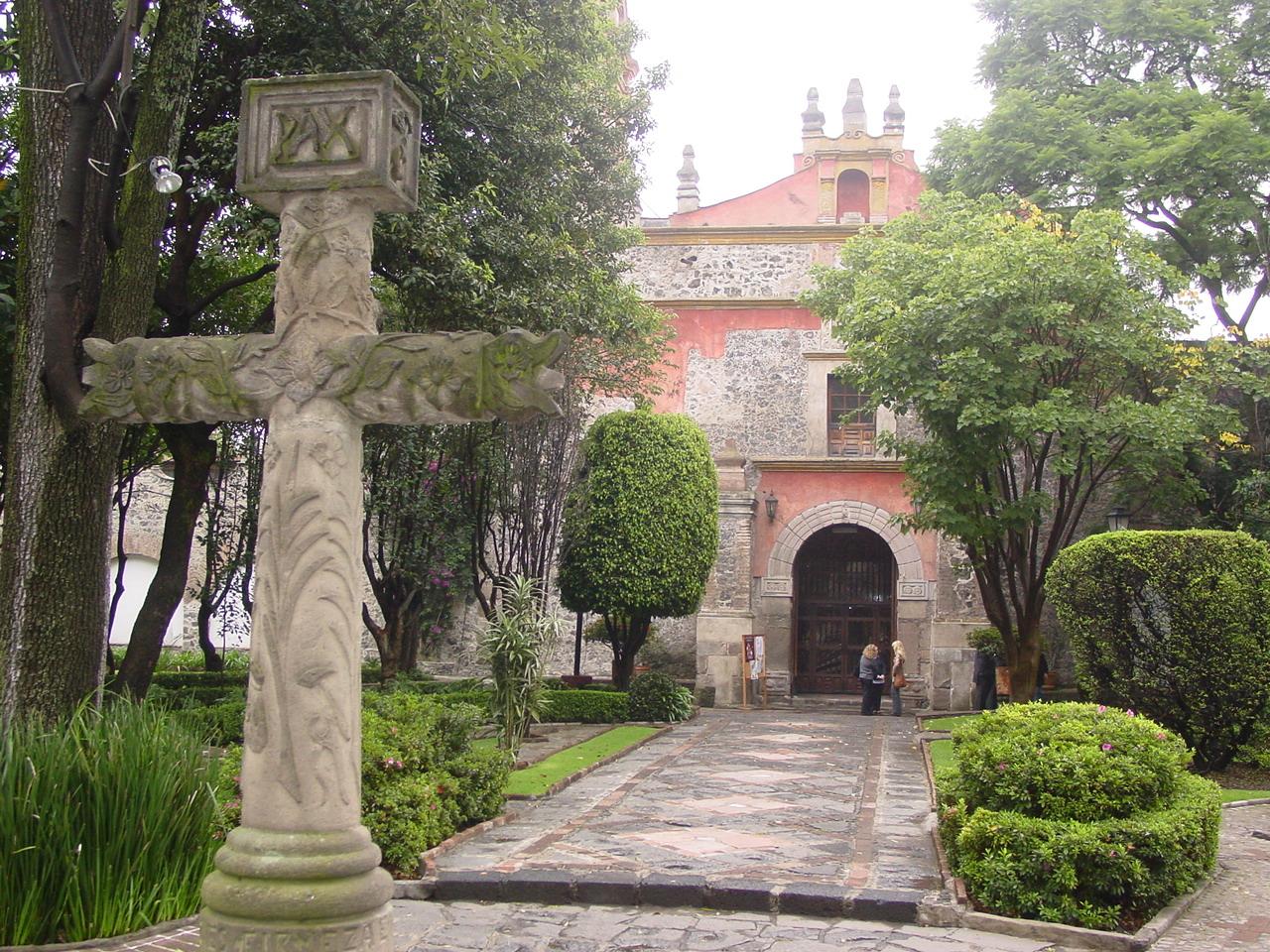
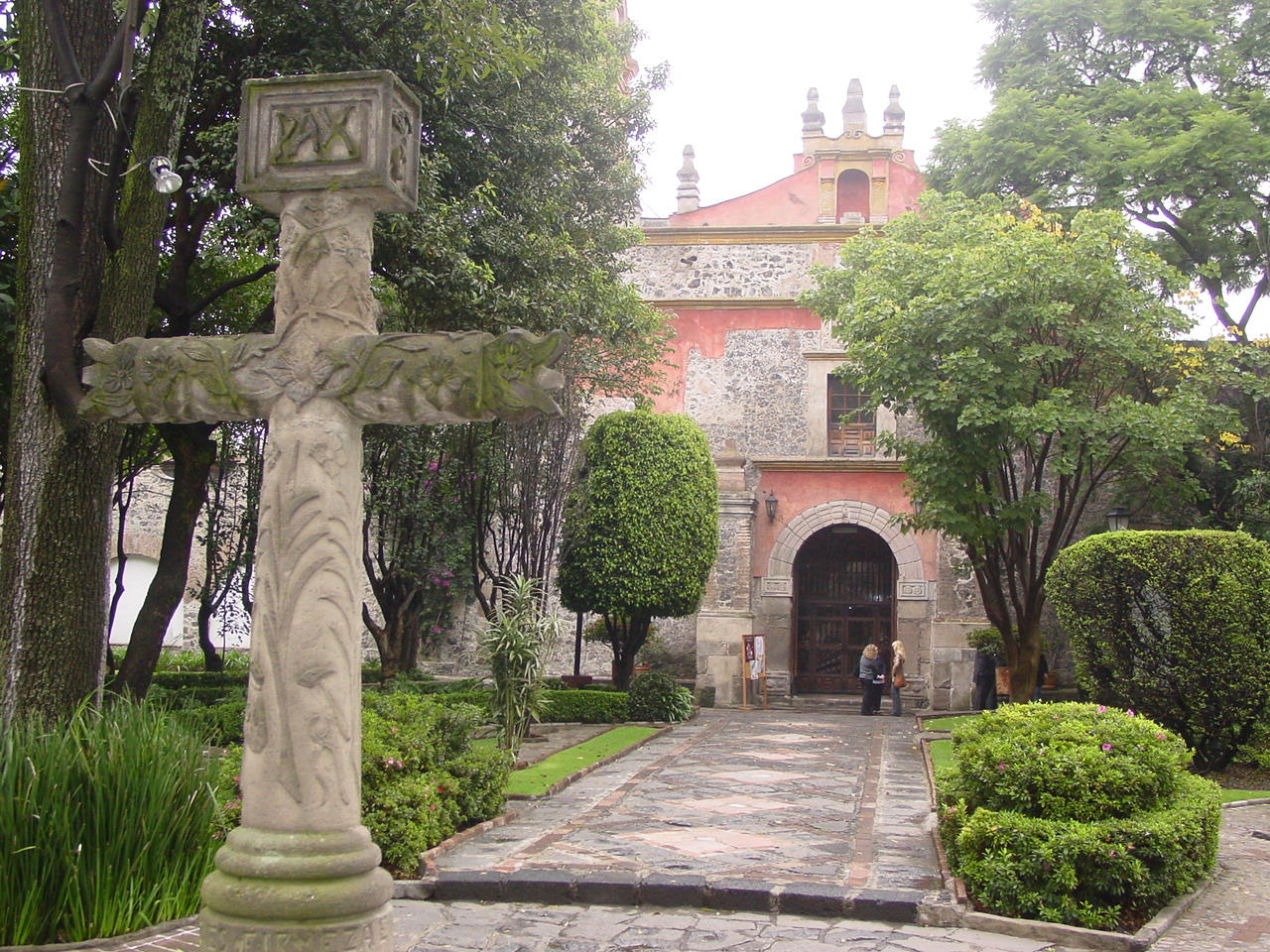
Cruz atrial
18th-century building. A stone cross with a square pedestal and beveled corners. It is decorated with floral motifs and topped with two rosettes.
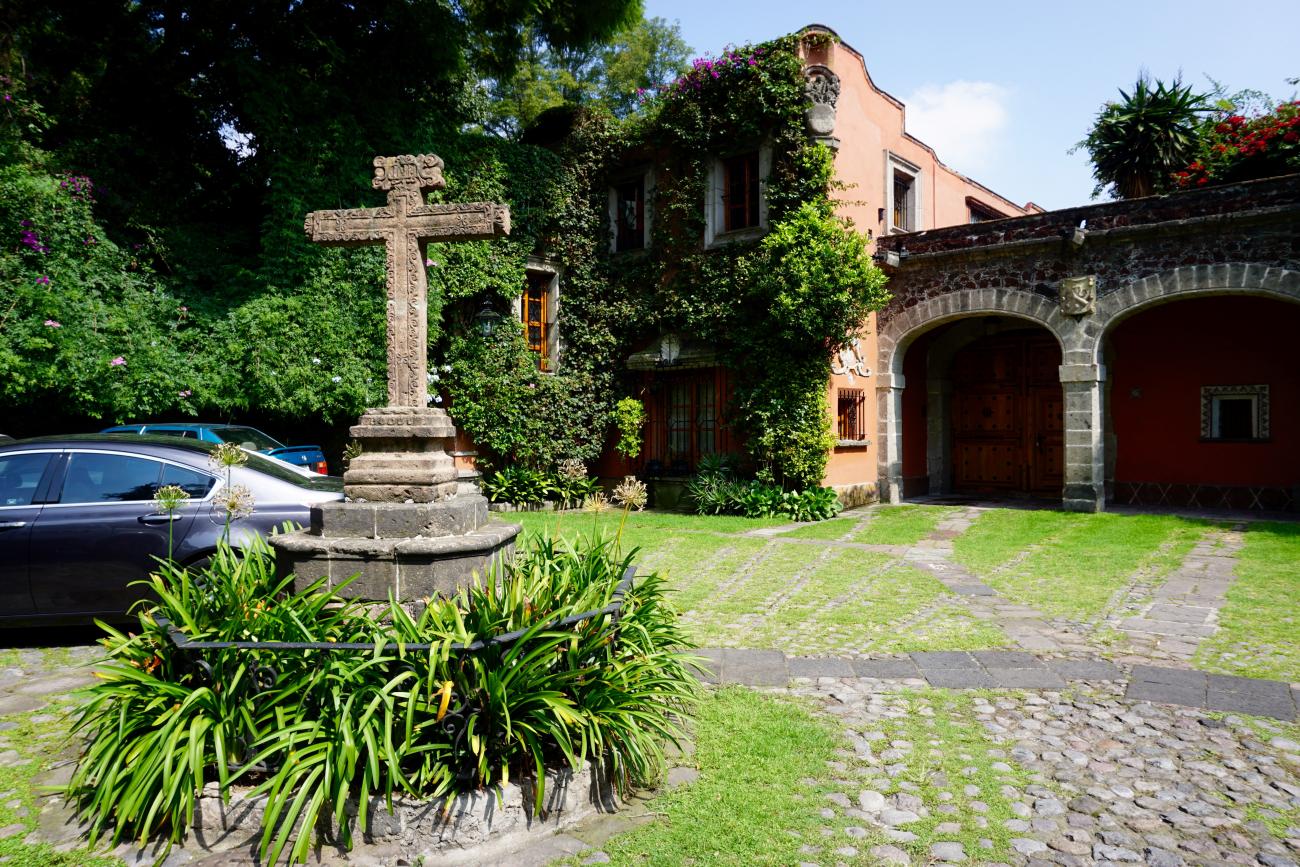
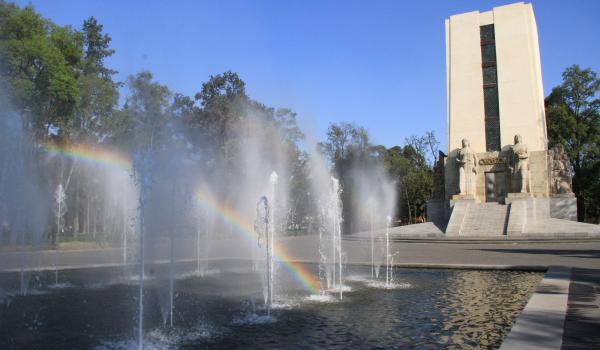
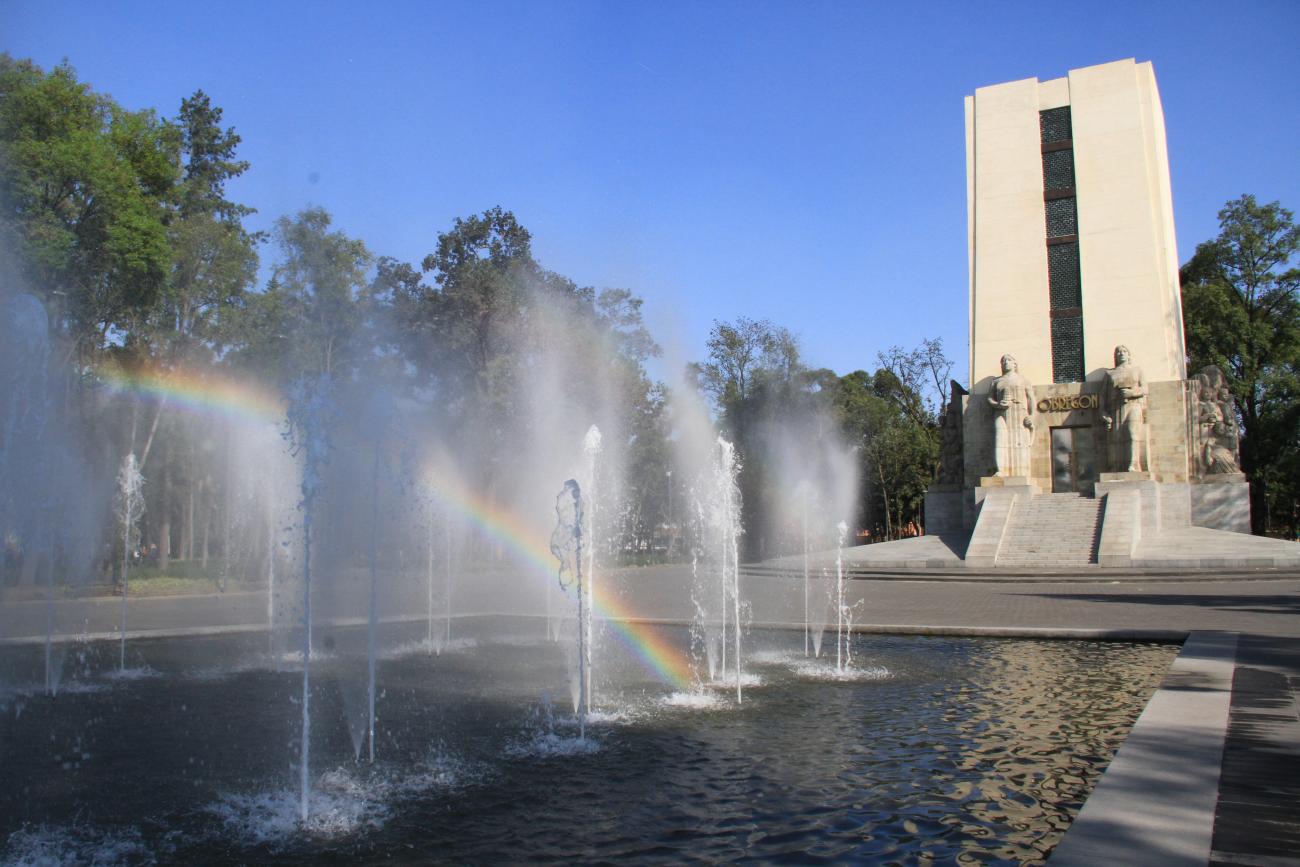
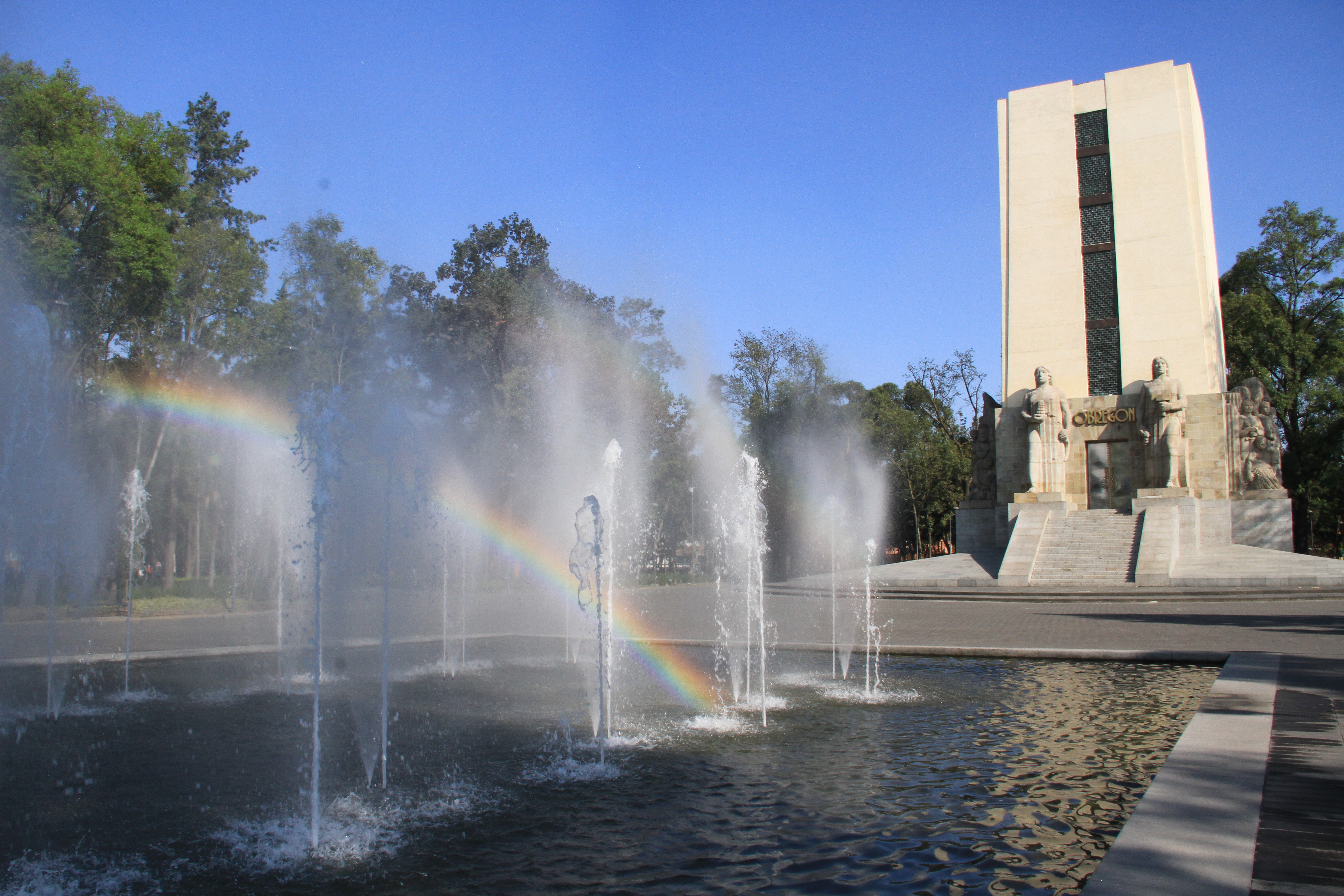
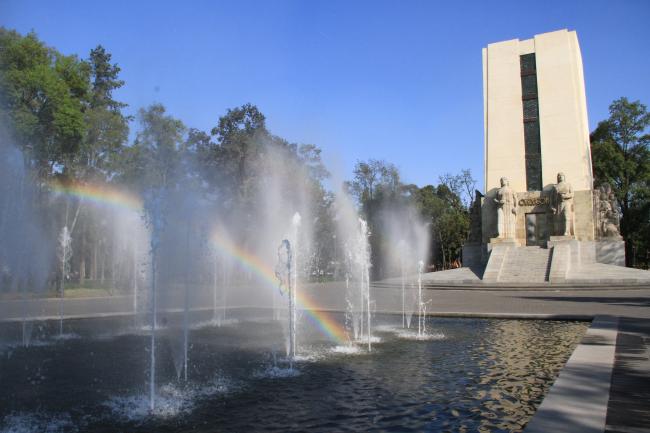
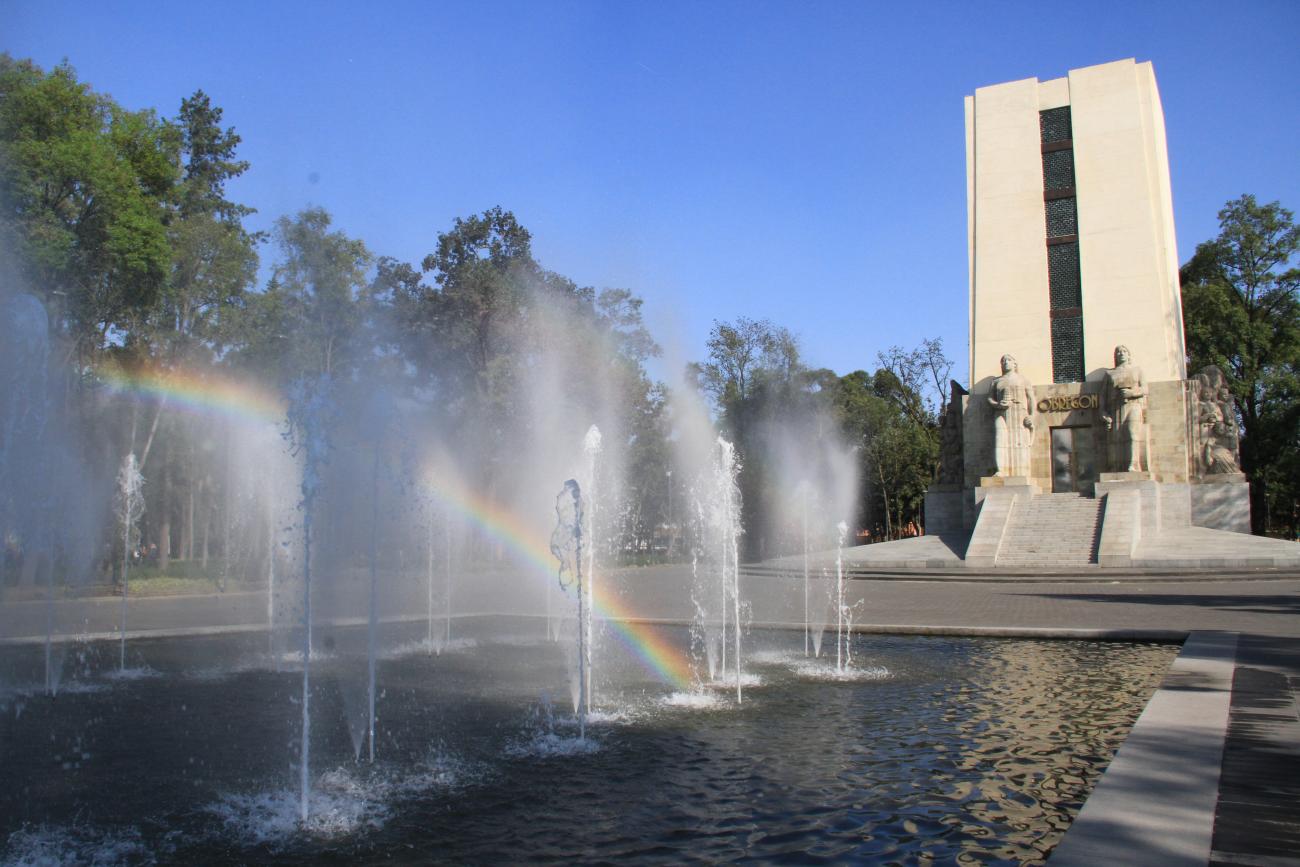
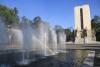
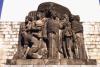
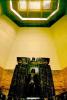
Monumento Álvaro Obregón
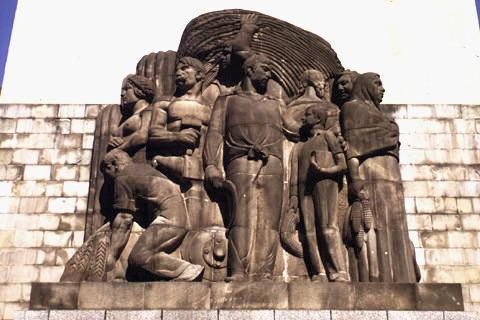
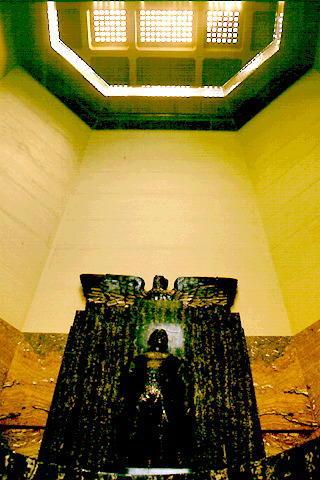
Monument from the 20th century, built on the site of the former "La Bombilla" restaurant, where General Álvaro Obregón was assassinated. The project was designed by architect Enrique Aragón Echegaray.
Templo de Santa Rosa de Lima
20th-century building, constructed between 1910 and 1930, with stylistic forms corresponding to the 19th century according to the design by architect José Luis Cuevas Pitrasanta and Reverend Rafael Checa. It features a Latin cross nave, dome, barrel vault with lunettes, choir, and sub-choir. The…
n>
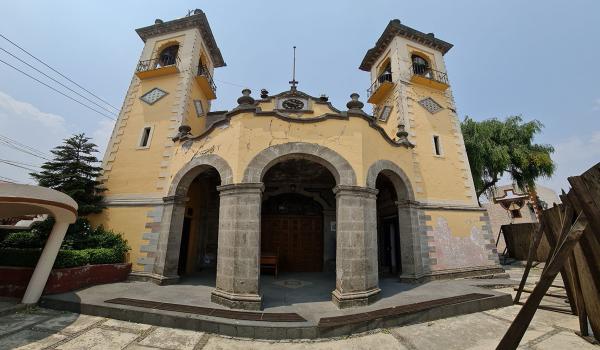
Templo de Santa Rosa de Lima
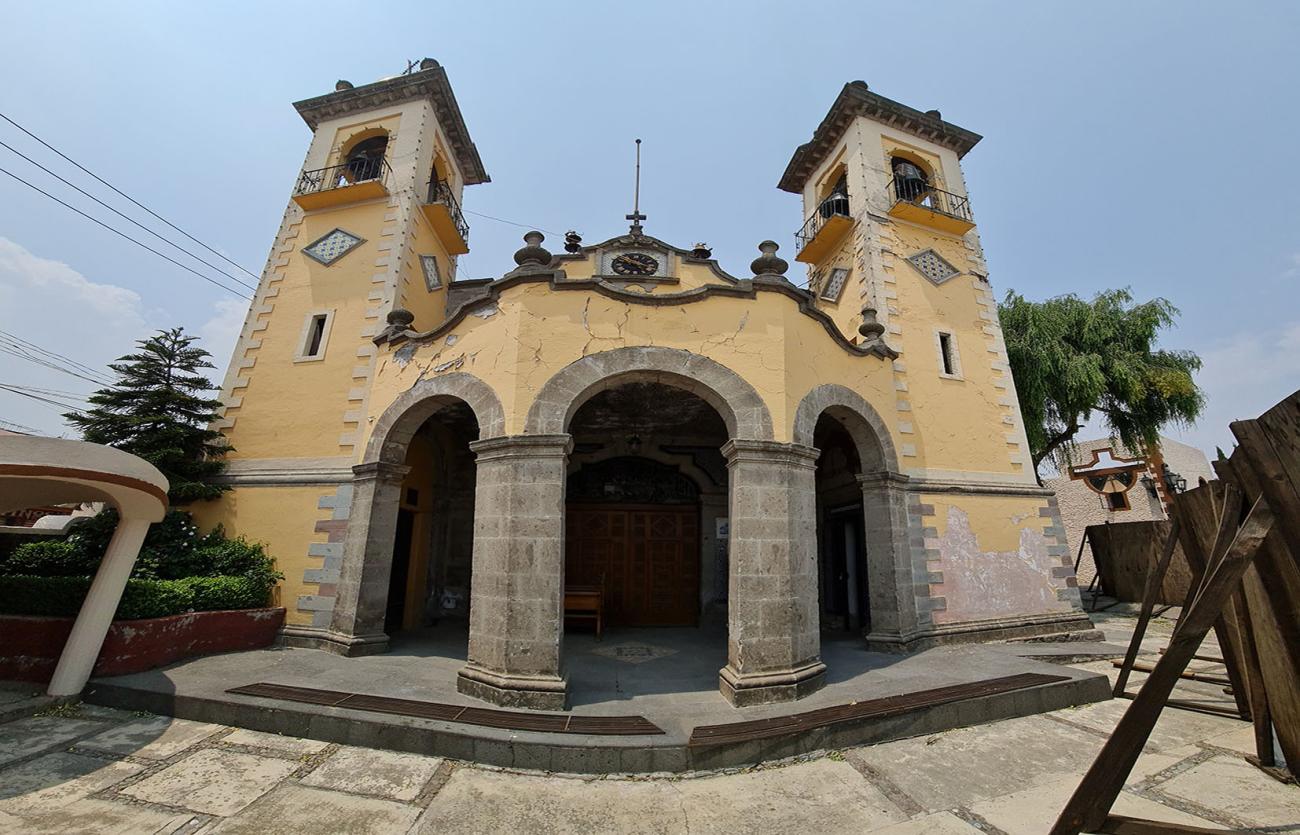
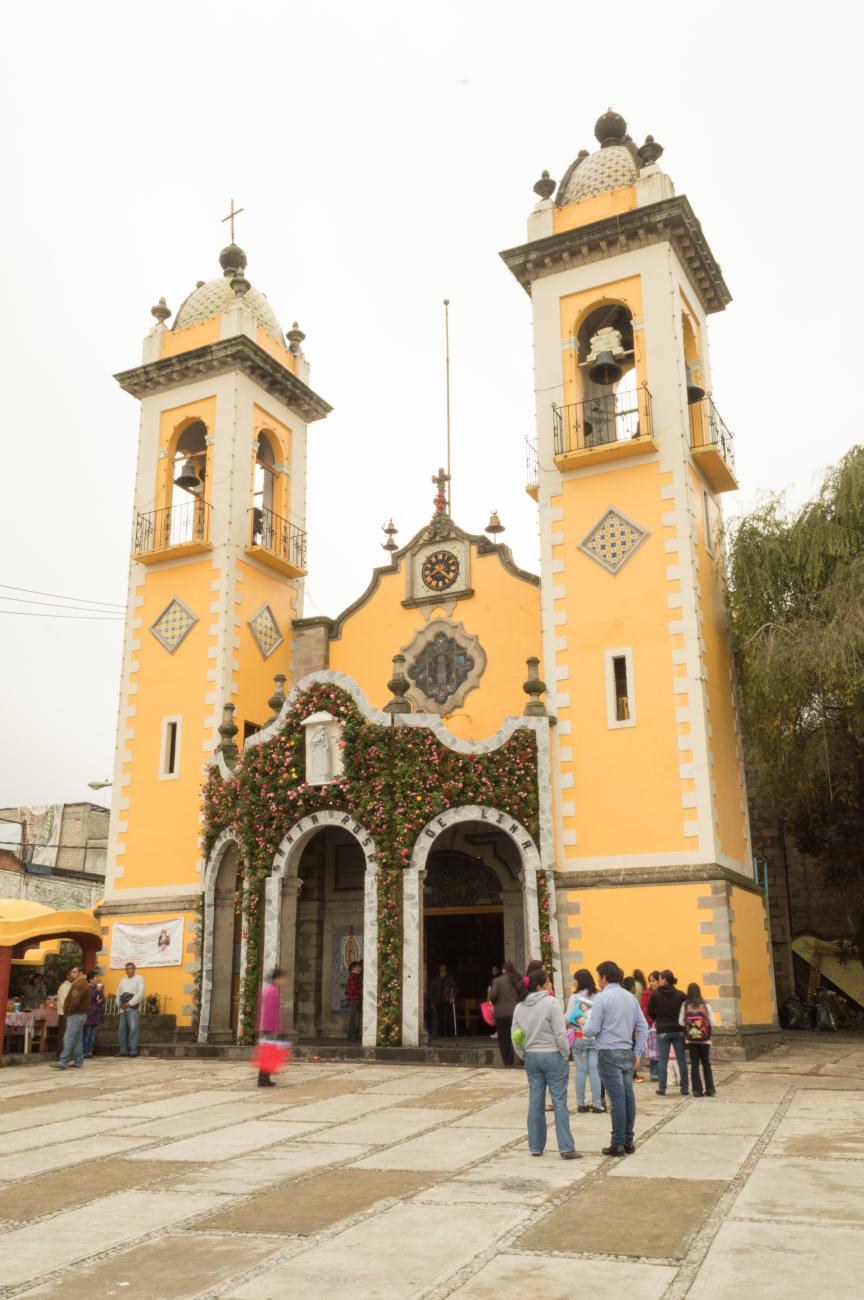
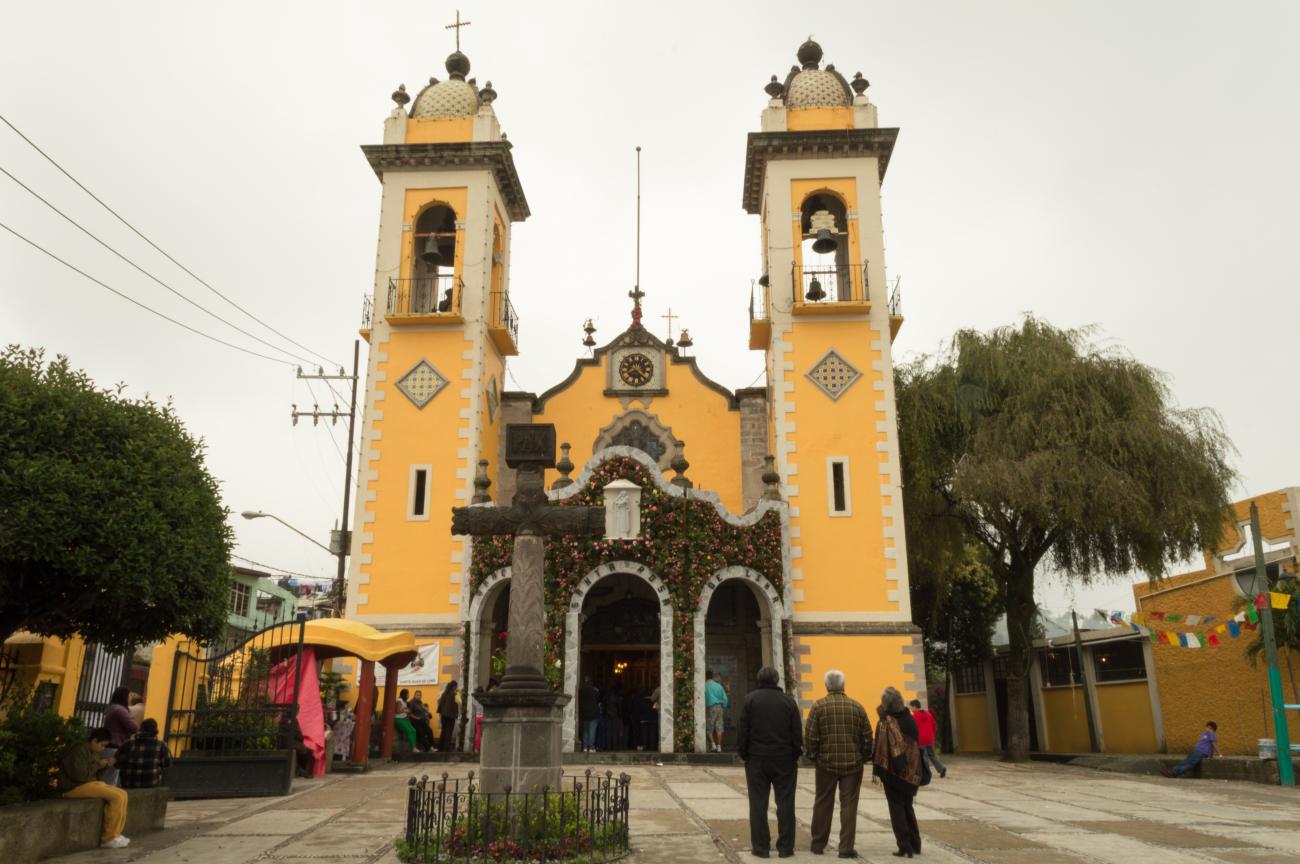
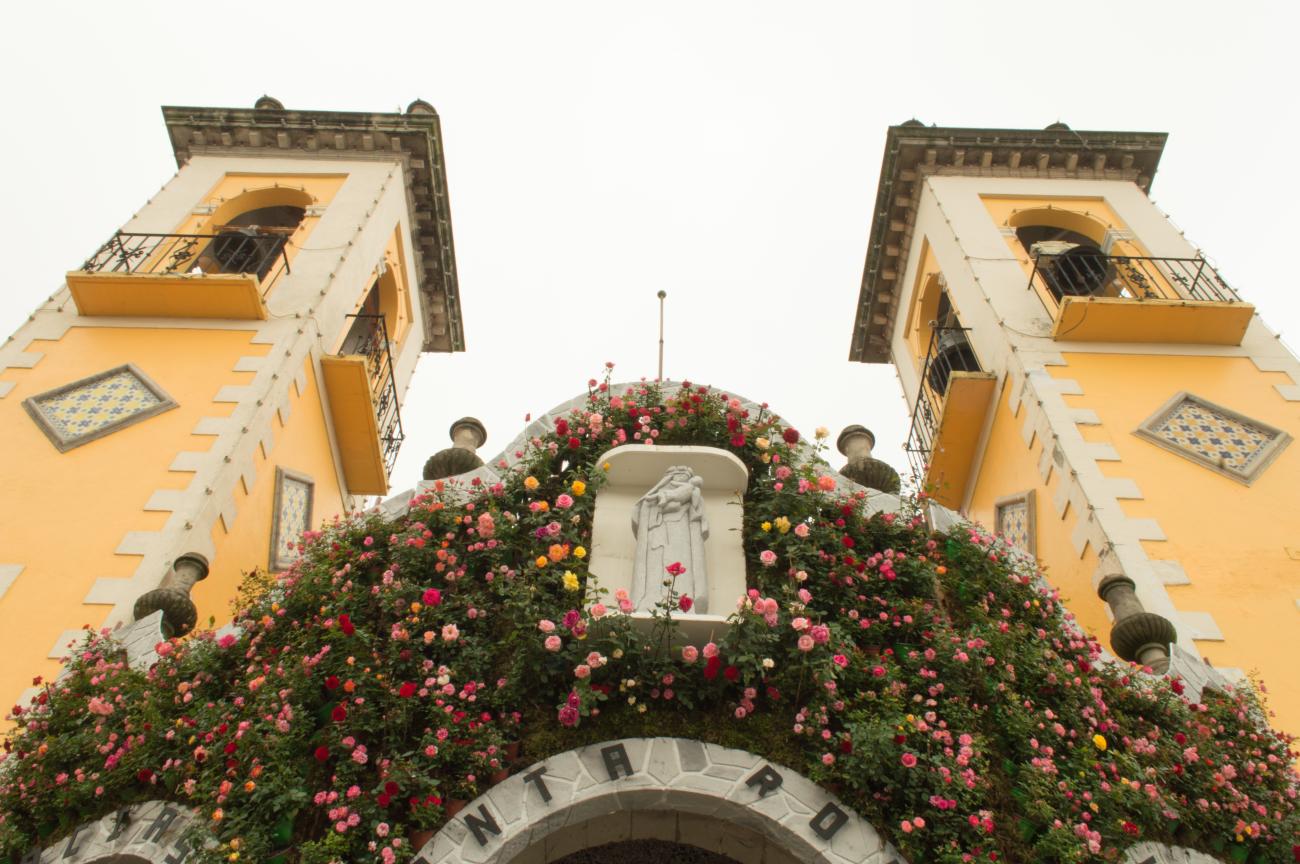
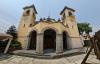
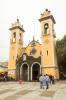
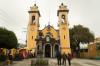

20th-century building, constructed between 1910 and 1930, with stylistic forms corresponding to the 19th century according to the design by architect José Luis Cuevas Pitrasanta and Reverend Rafael Checa. It features a Latin cross nave, dome, barrel vault with lunettes, choir, and sub-choir. The façade includes an original tower on the right and a later addition on the left.
Antigua Hacienda Goicochea
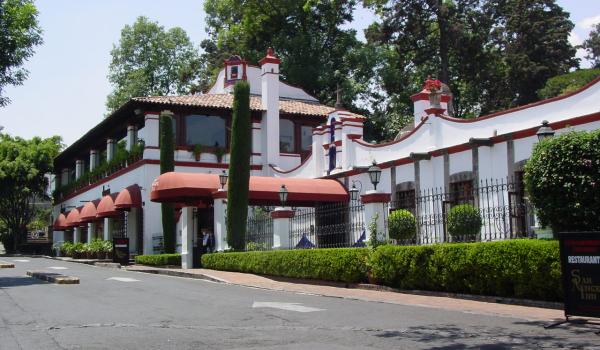
In 1616, Hernando Aragonés built the first residence with an orchard. In 1776, Ramón Goicochea unified the properties into a 40-hectare hacienda. In 1906, the San Angel Land Company purchased the hacienda and subdivided it to establish a colony called Altavista. The Jesuits used the facilities of…
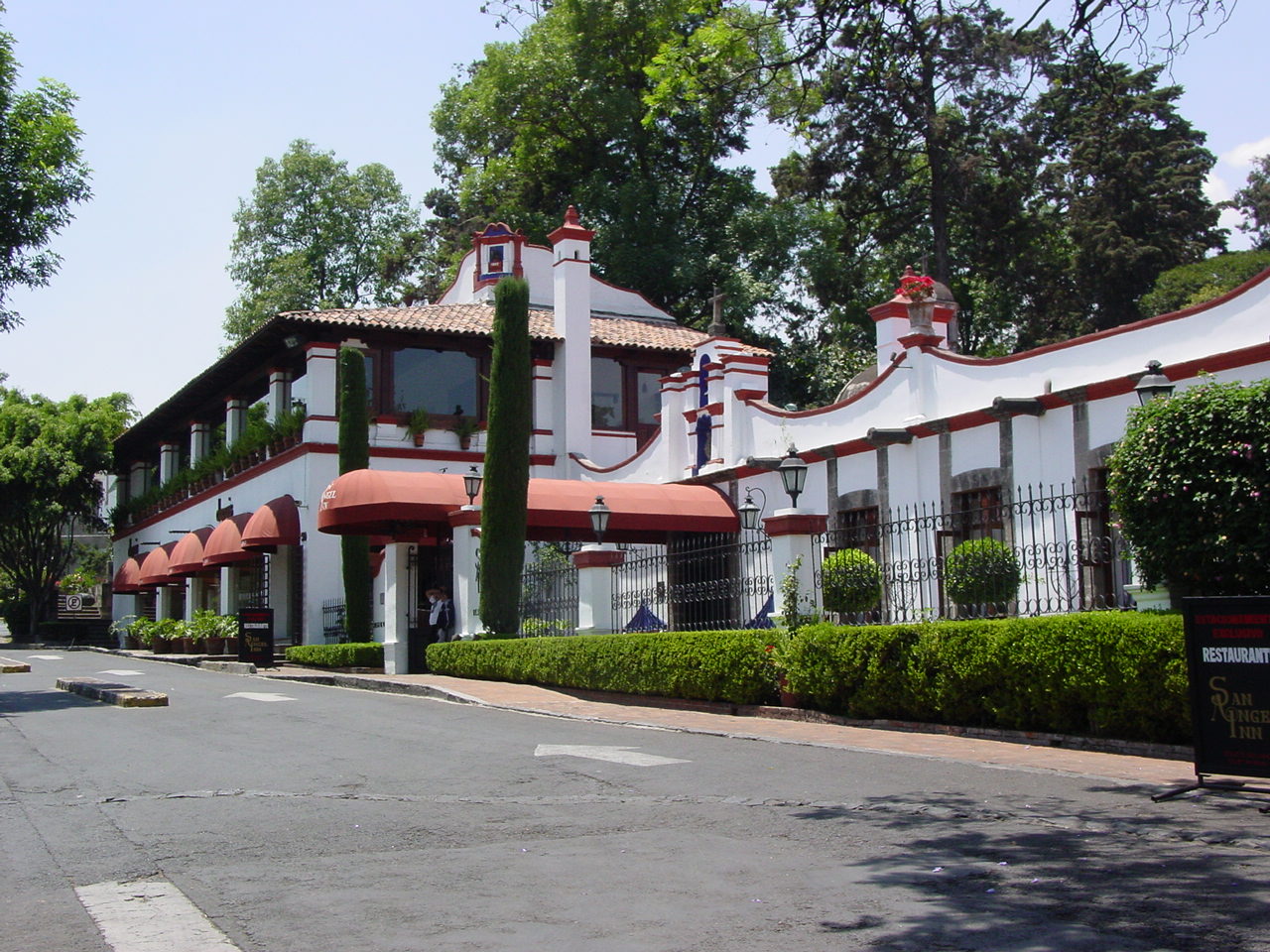
Antigua Hacienda Goicochea
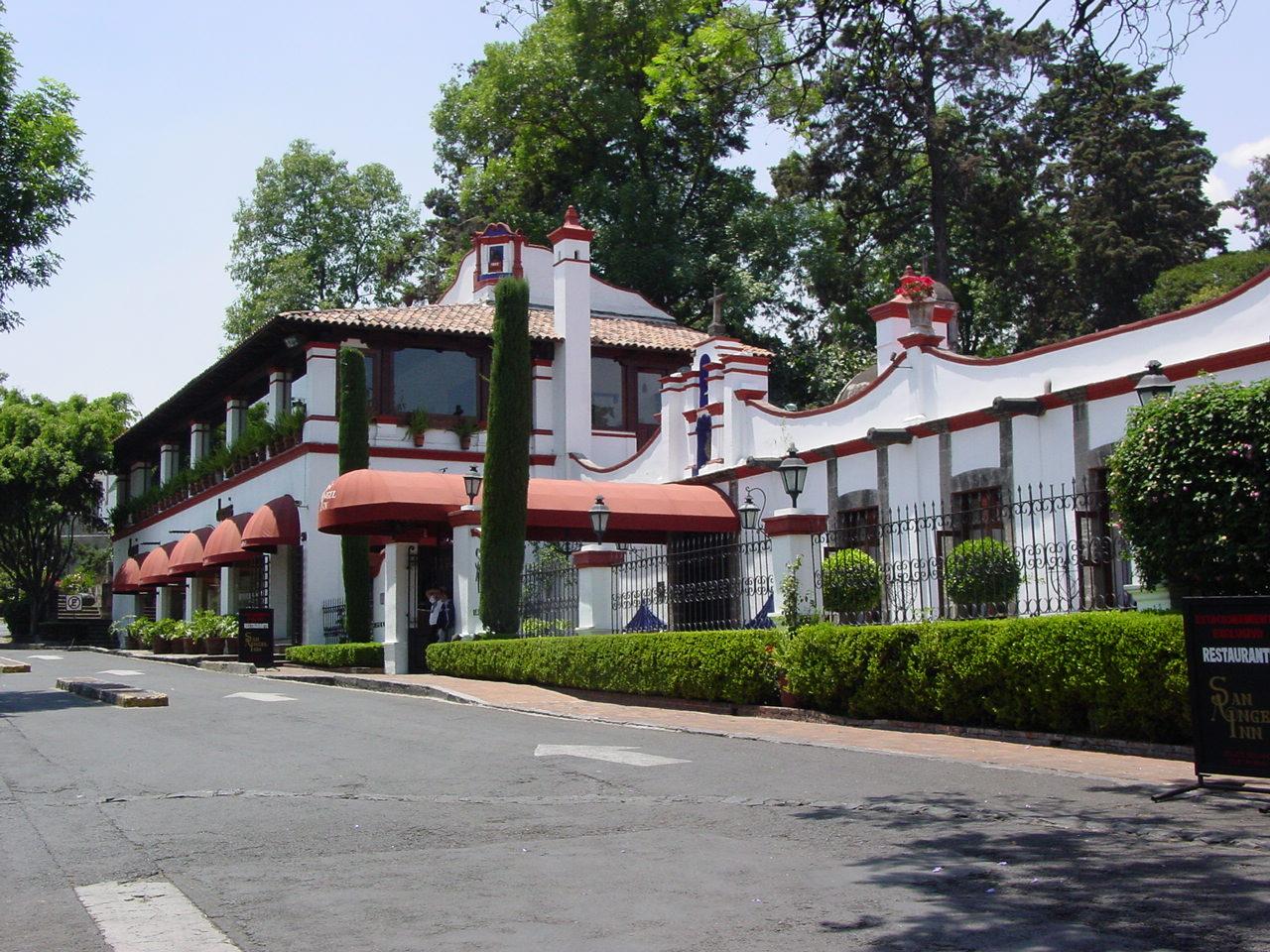
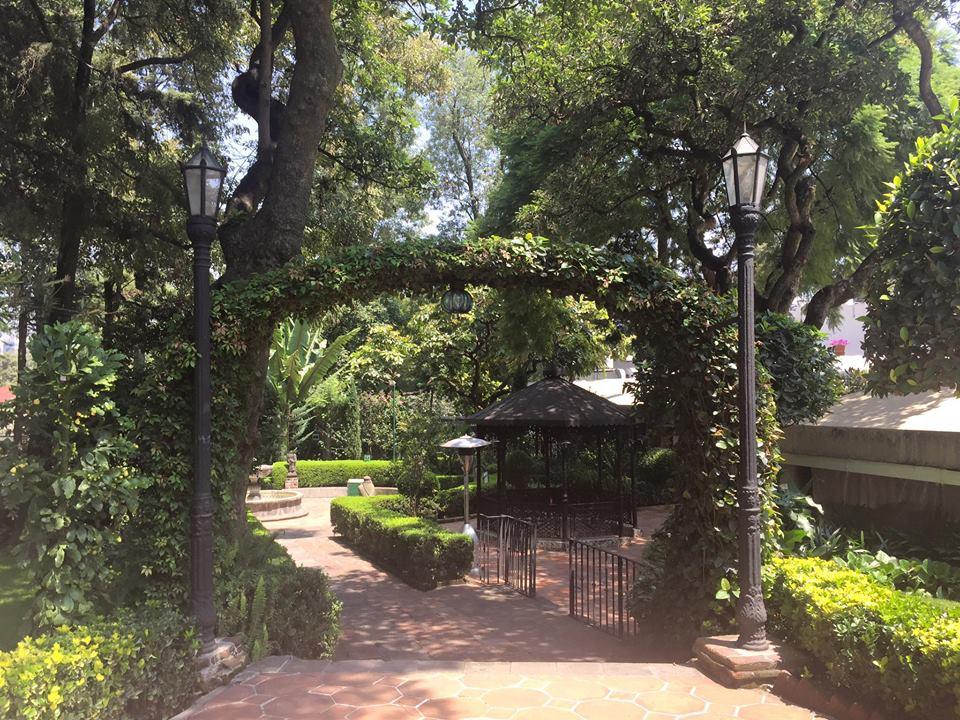
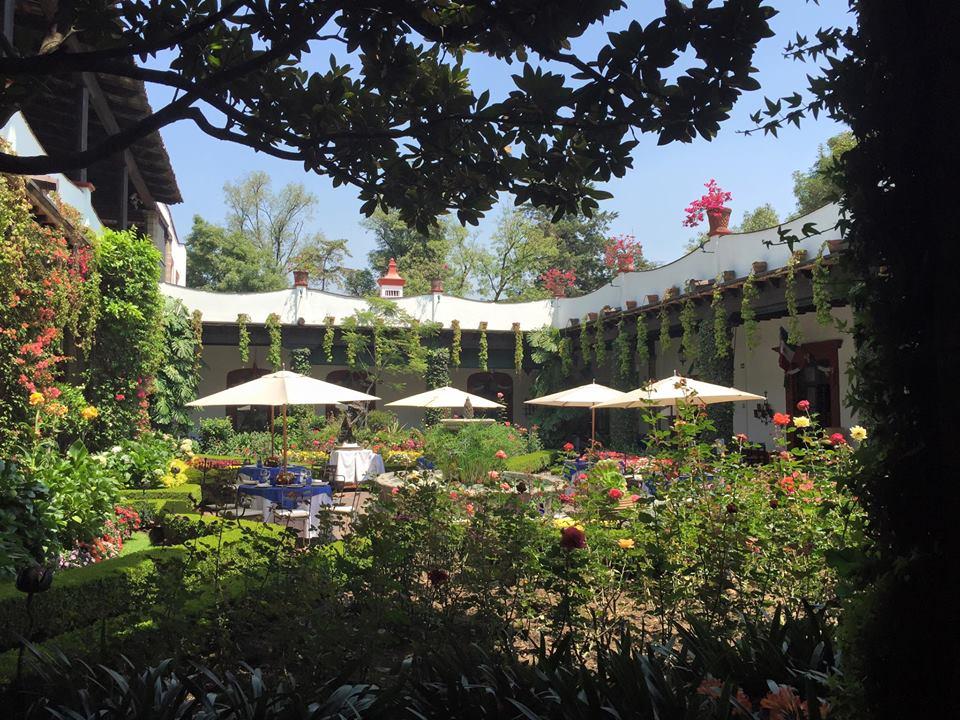
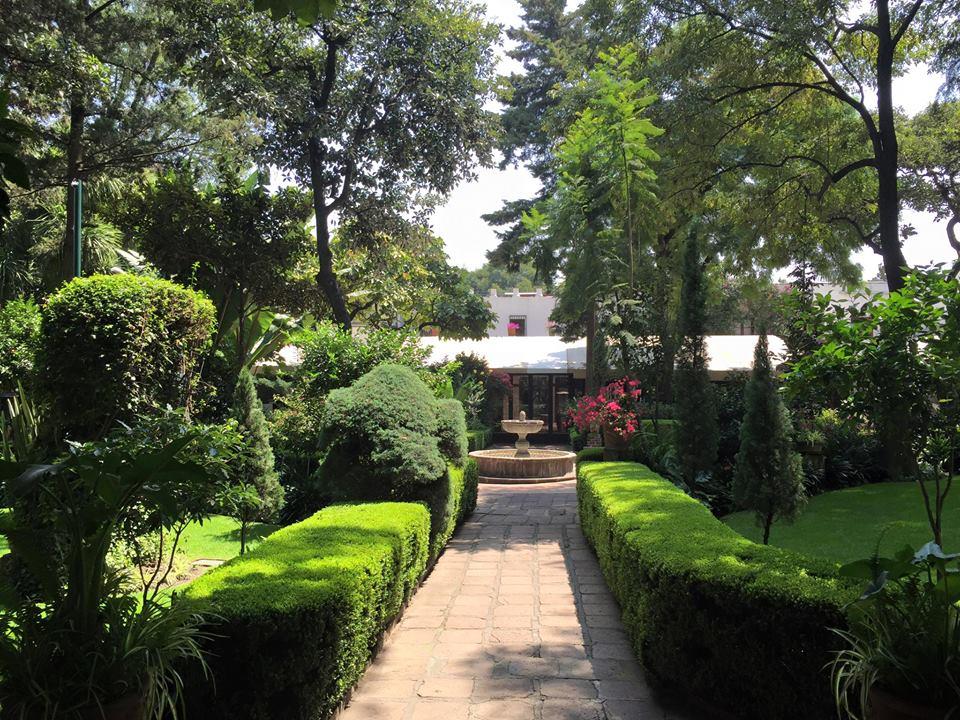
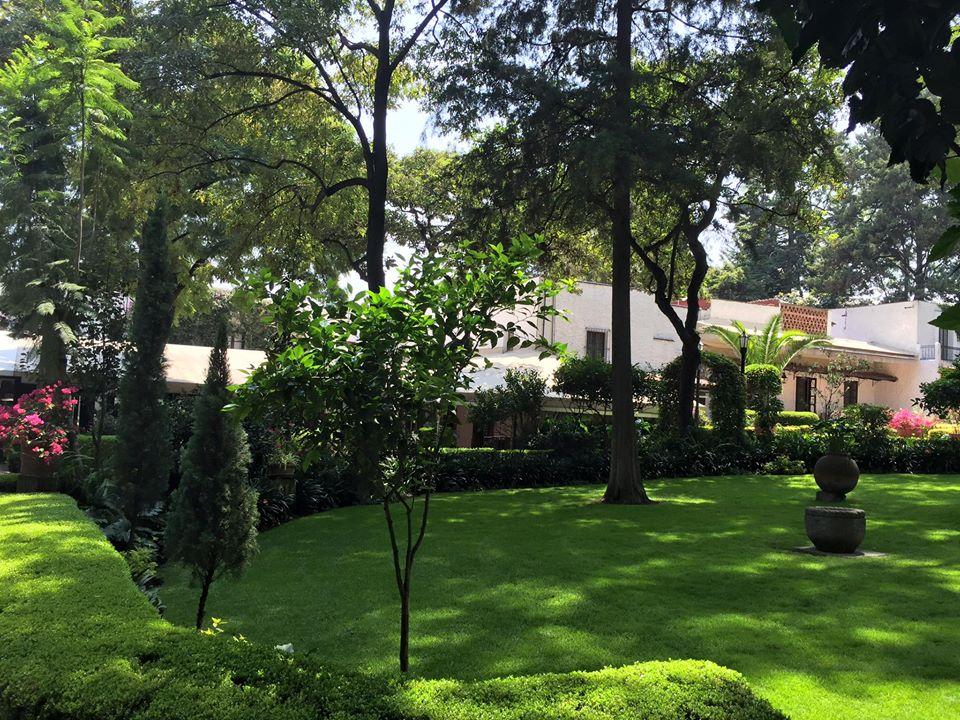
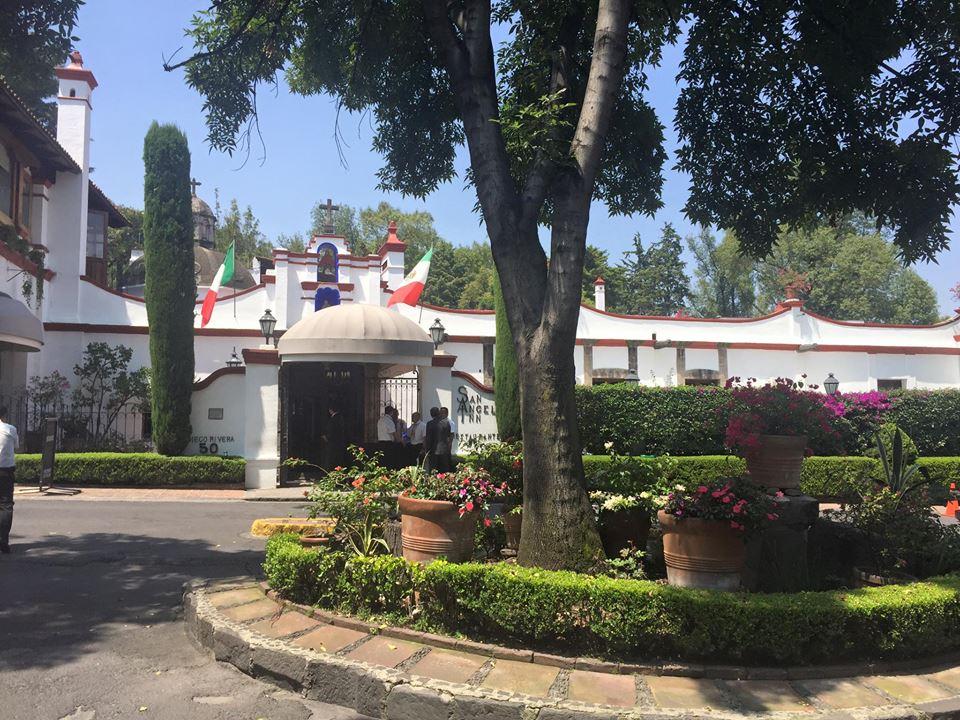
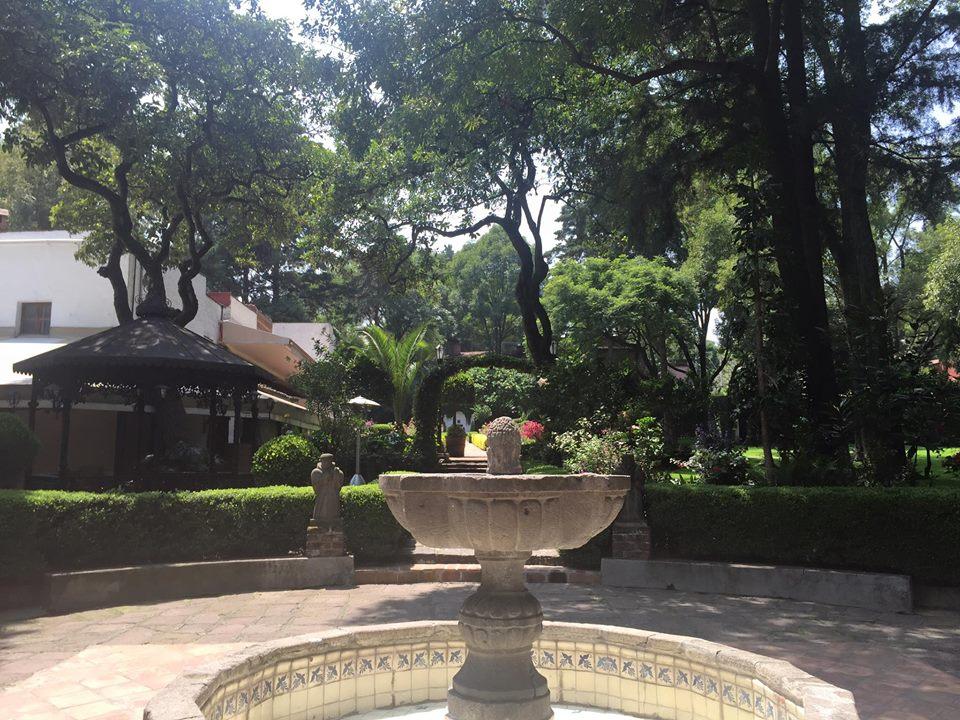
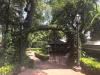
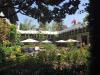
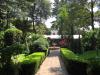
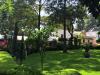
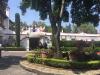
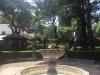
In 1616, Hernando Aragonés built the first residence with an orchard. In 1776, Ramón Goicochea unified the properties into a 40-hectare hacienda. In 1906, the San Angel Land Company purchased the hacienda and subdivided it to establish a colony called Altavista. The Jesuits used the facilities of the old hacienda from 1955 to 1961 for the Schools of Architecture, Design, and Art History at Universidad Iberoamericana. On June 13, 1963, the "Antiguo San Angel Inn" restaurant was inaugurated.