






Oaxaca
Historical Monuments Zone
Abstract
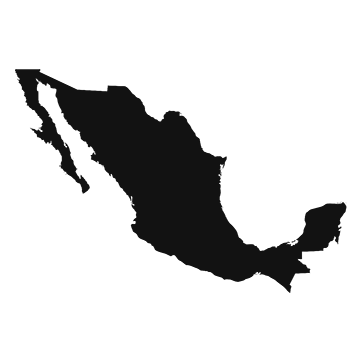
Located in the Central Valley of the state of the same name, in pre-Hispanic times it was a Mexica military garrison, while in viceregal times it became one of the most important cities in New Spain. It is distinguished as the birthplace of President Benito Juárez, as well as by its beautiful buildings made of green cantera stone, its cuisine, and its traditional festival, the Guelaguetza.
21_EN_623_ZMH_Oaxaca_Oaxaca.wav
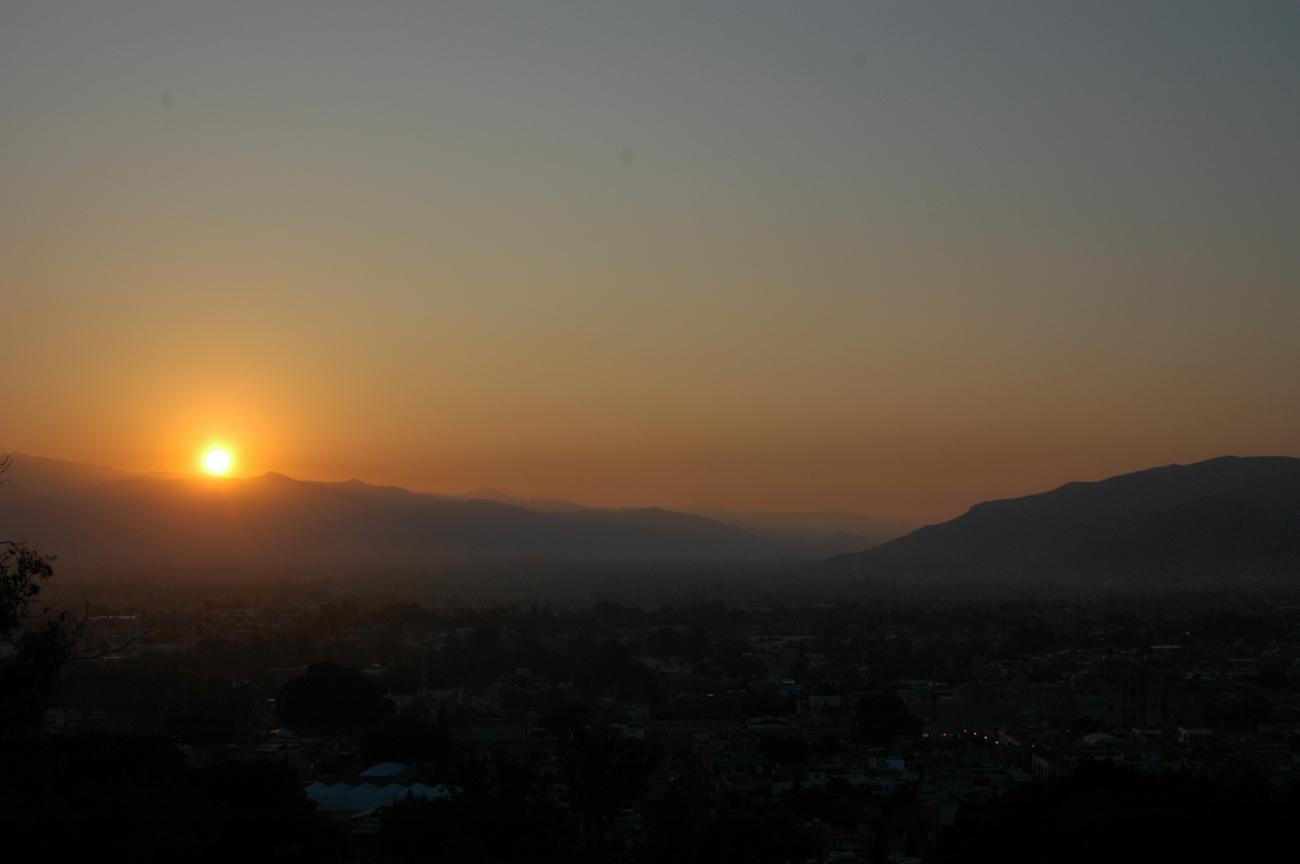
Its name comes from the Nahuatl “huaxyacac” which means “gourds at the tip of the nose.” The city is located in the Central Valleys of the state of Oaxaca, is surrounded by the Sierra Madre and extends to the banks of the Atoyac River.
Its first occupants were early Olmec groups that settled there around 1200 BC. Later, the Zapotec city of Monte Albán flourished, which, in classical times, between 650 and 900 AD, acquired undisputed dominance over the valley. In 1486 the Mexica established the Huaxyacac military garrison in the territory where the city of Oaxaca is now located.
The first Spanish incursions into Oaxacan territory occurred in 1519, the year in which alliances began to be established between the conquistadors and some indigenous dominions. In 1521 Francisco Orozco left the town of Segura de la Frontera, today Tepeaca, Puebla, with a group of Spanish soldiers, Mexica Indians and Tlaxcalans, to settle in Huaxyacac.
Meanwhile, Hernán Cortés and a group of Spaniards settled in the present-day neighborhood of Santa Anita. The conquistador built his house on land where there was previously a pre-Hispanic temple and tried to annex Huaxyacac to his marquisate, but he was unsuccessful.
In 1529 the Spanish authorities realized the importance of this settlement as a strategic site of political, commercial and military control, and as a result they ordered the foundation of the Villa de Antequera. They appointed Juan Peláez de Berrio mayor and ordered him to find the best site for the foundation of the town, as well as to ensure that its streets were laid out in an orderly manner, first designating the positions of the church, the hospital, the town hall, Peláez’s residence and that of the other Spaniards.
In the same year 1529, Dominican friars arrived to take charge of the evangelization of the natives, and began to build the monastery of San Pablo.
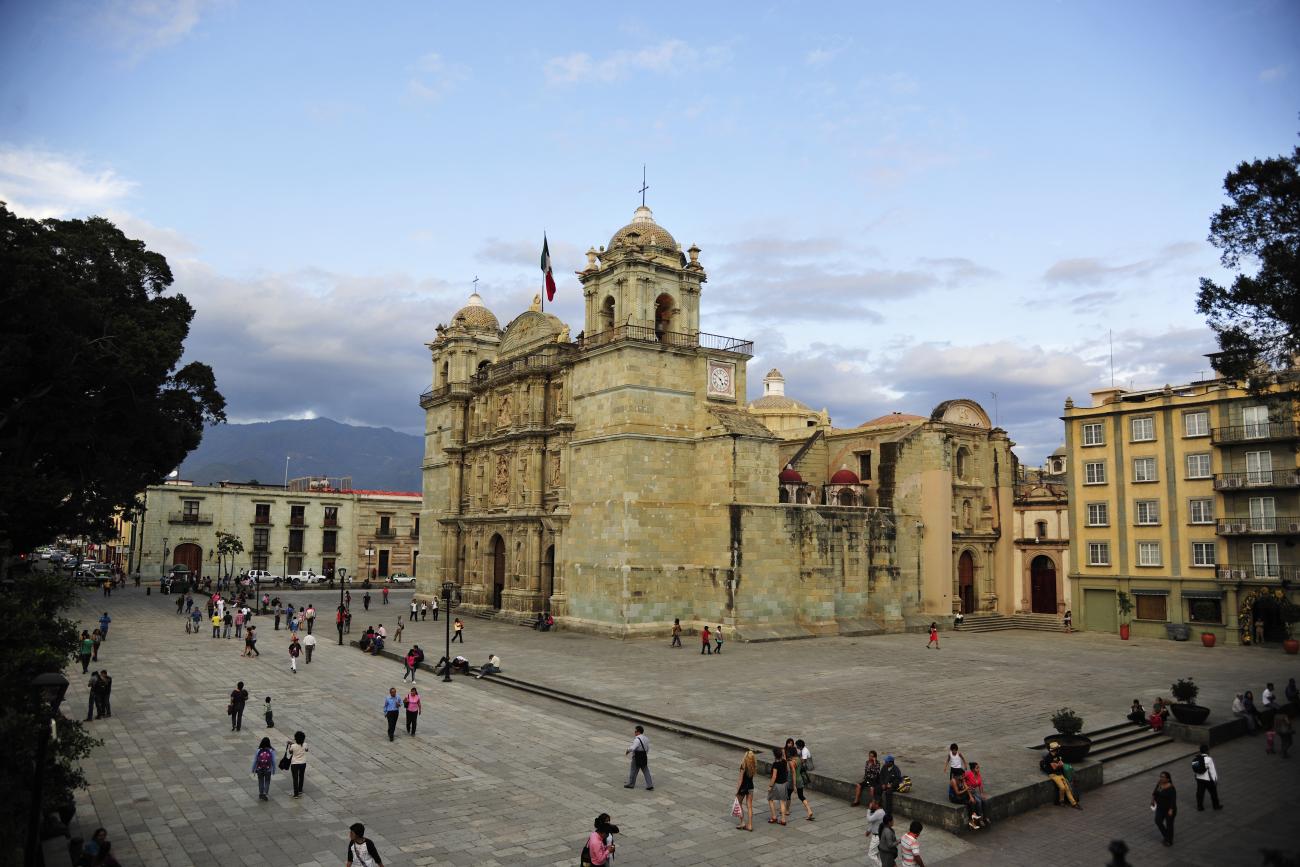
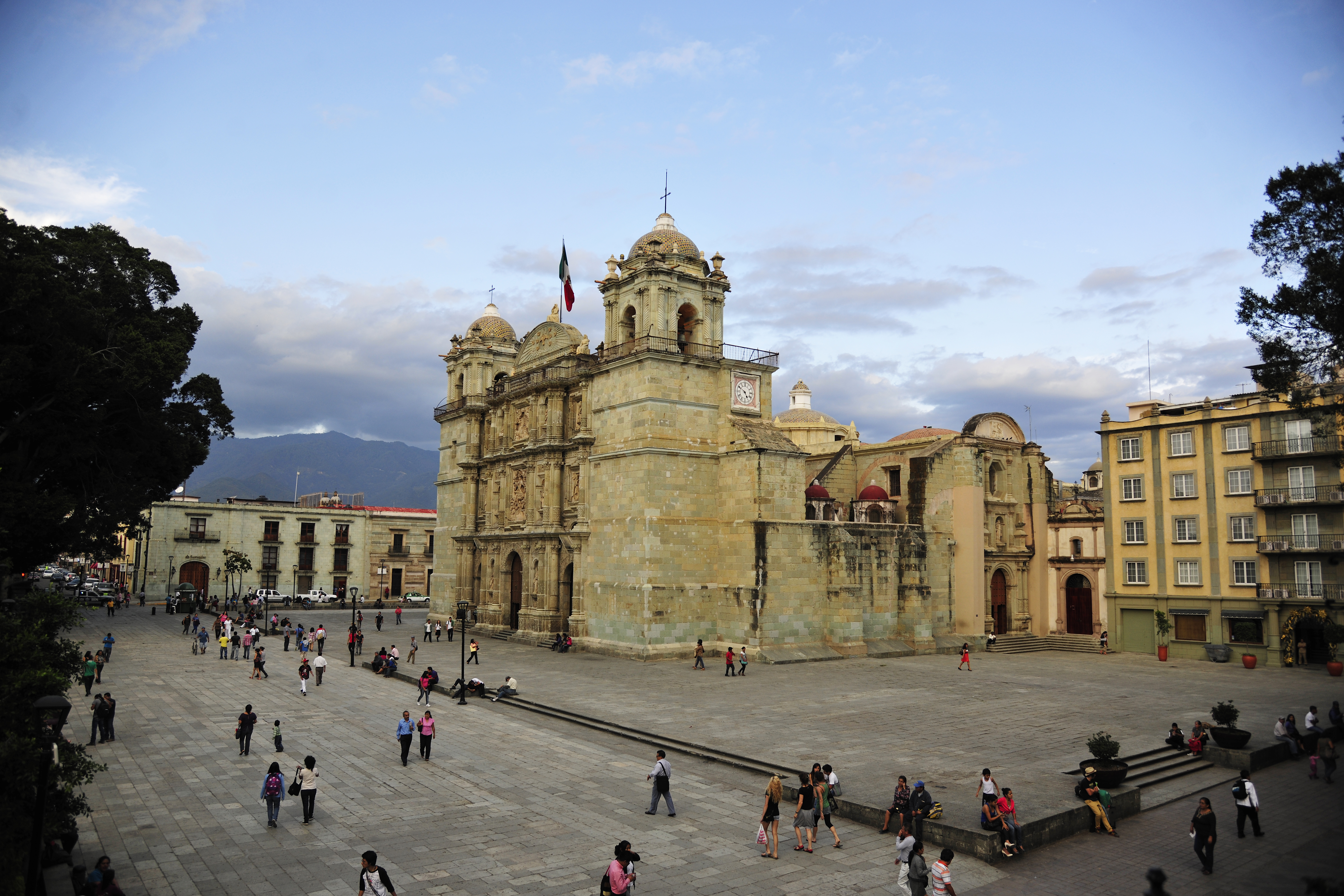
In 1532 the Villa de Antequera was granted the title of city and three years later it became the seat of the bishopric of Oaxaca. This made it necessary to build a cathedral. At first, a very austere, provisional church was built, which was completed in 1540. It was not until the beginning of the 18th century that construction of the current cathedral commenced. The Baroque reliefs on its façade made of green cantera stone are a representative element of the city.
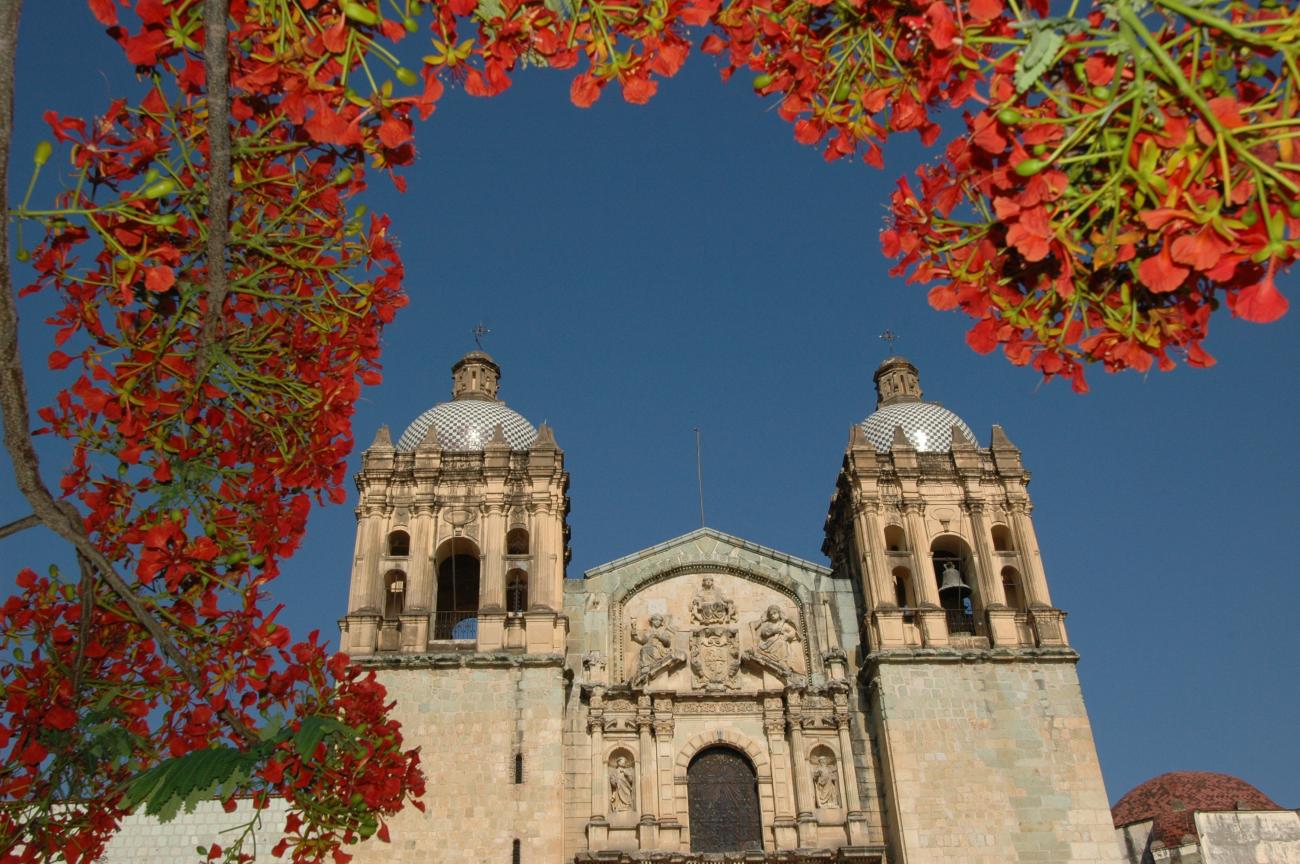
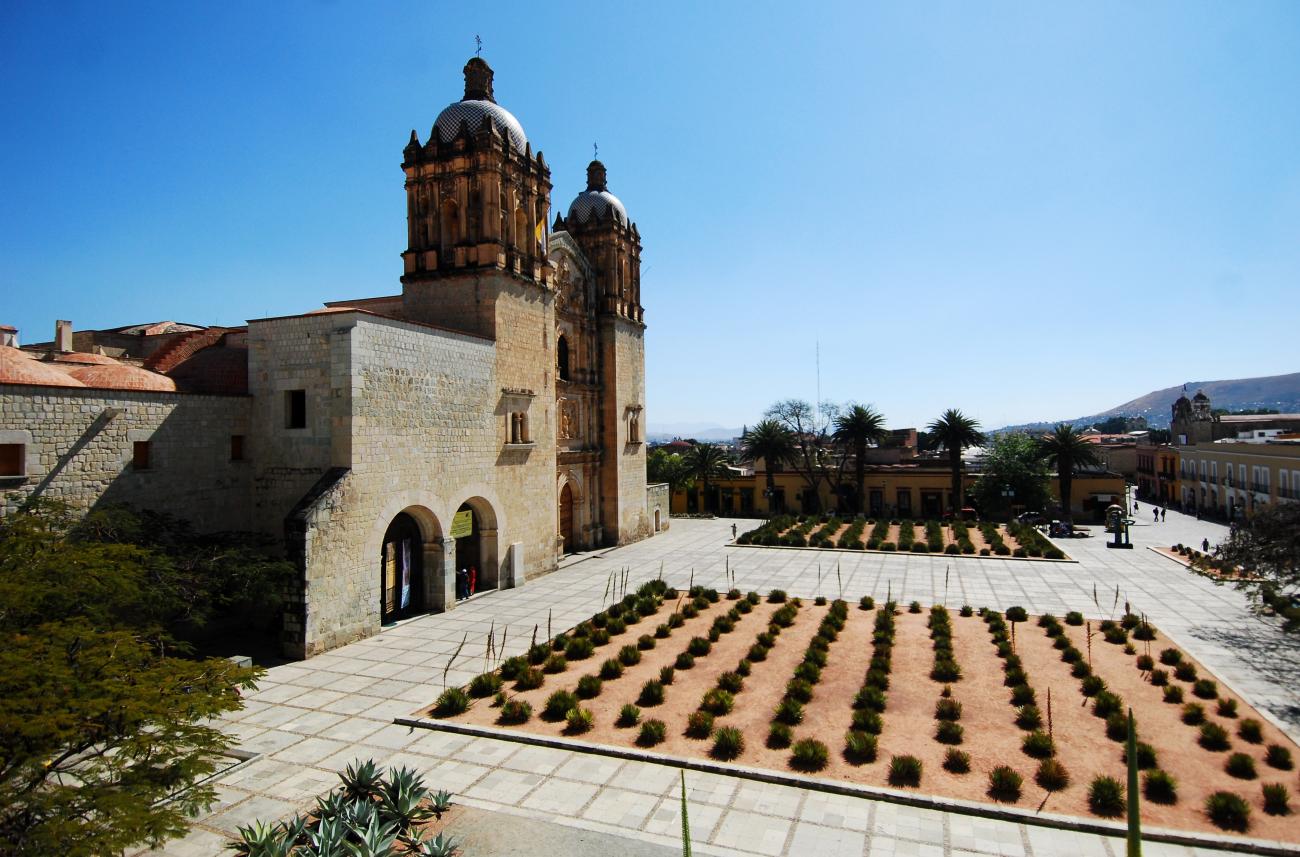
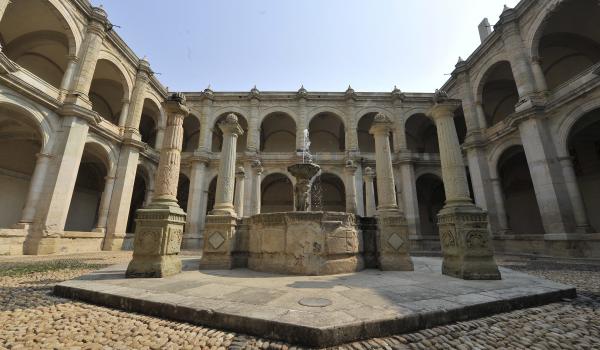
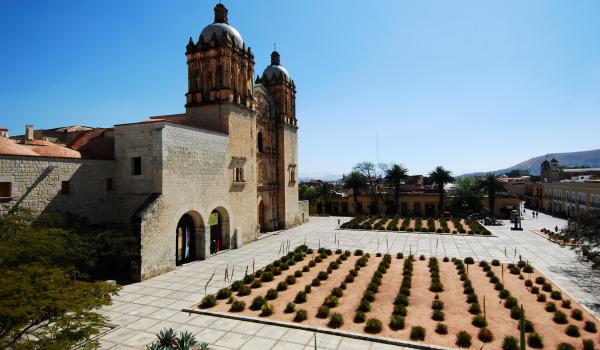
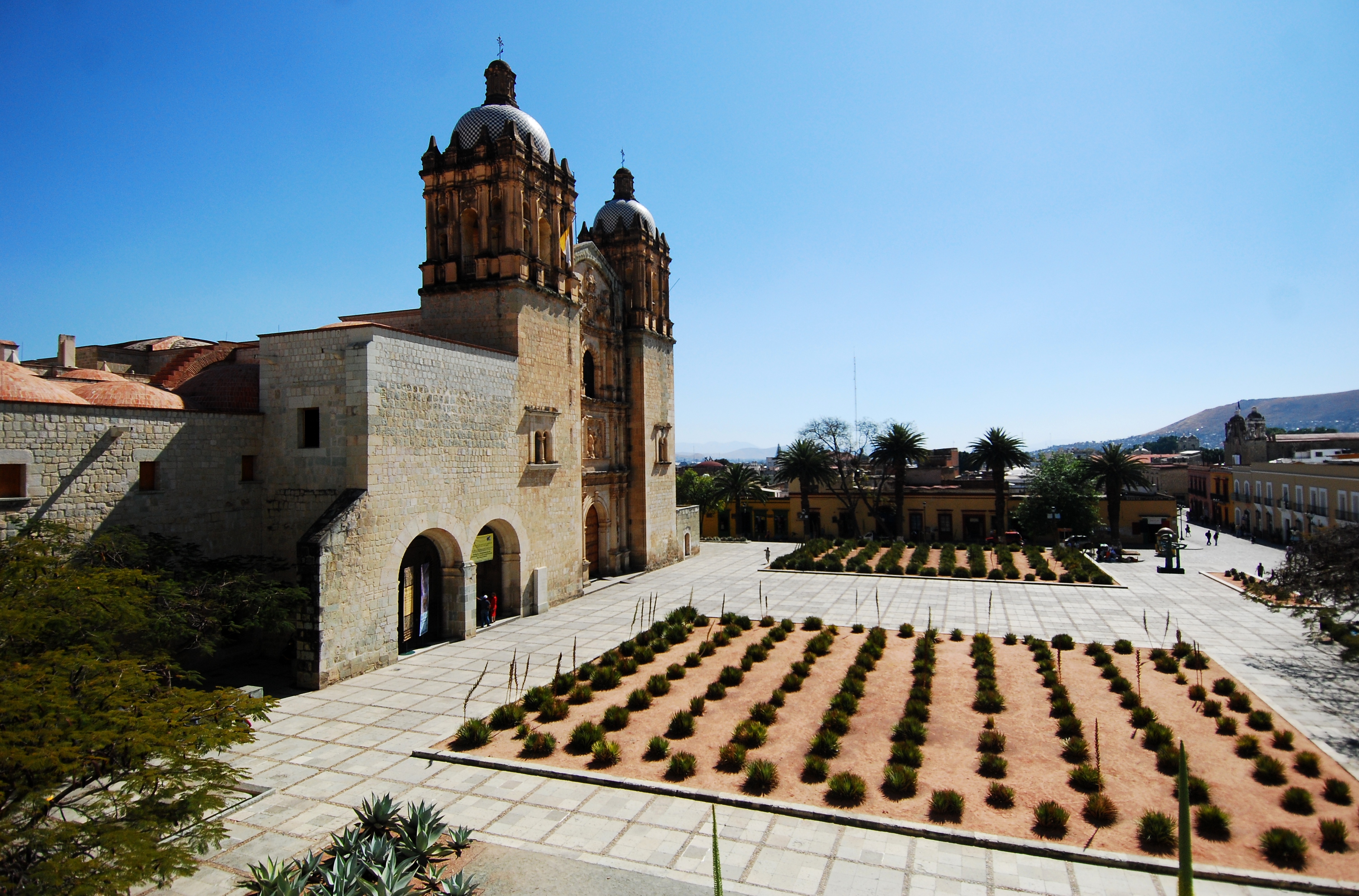
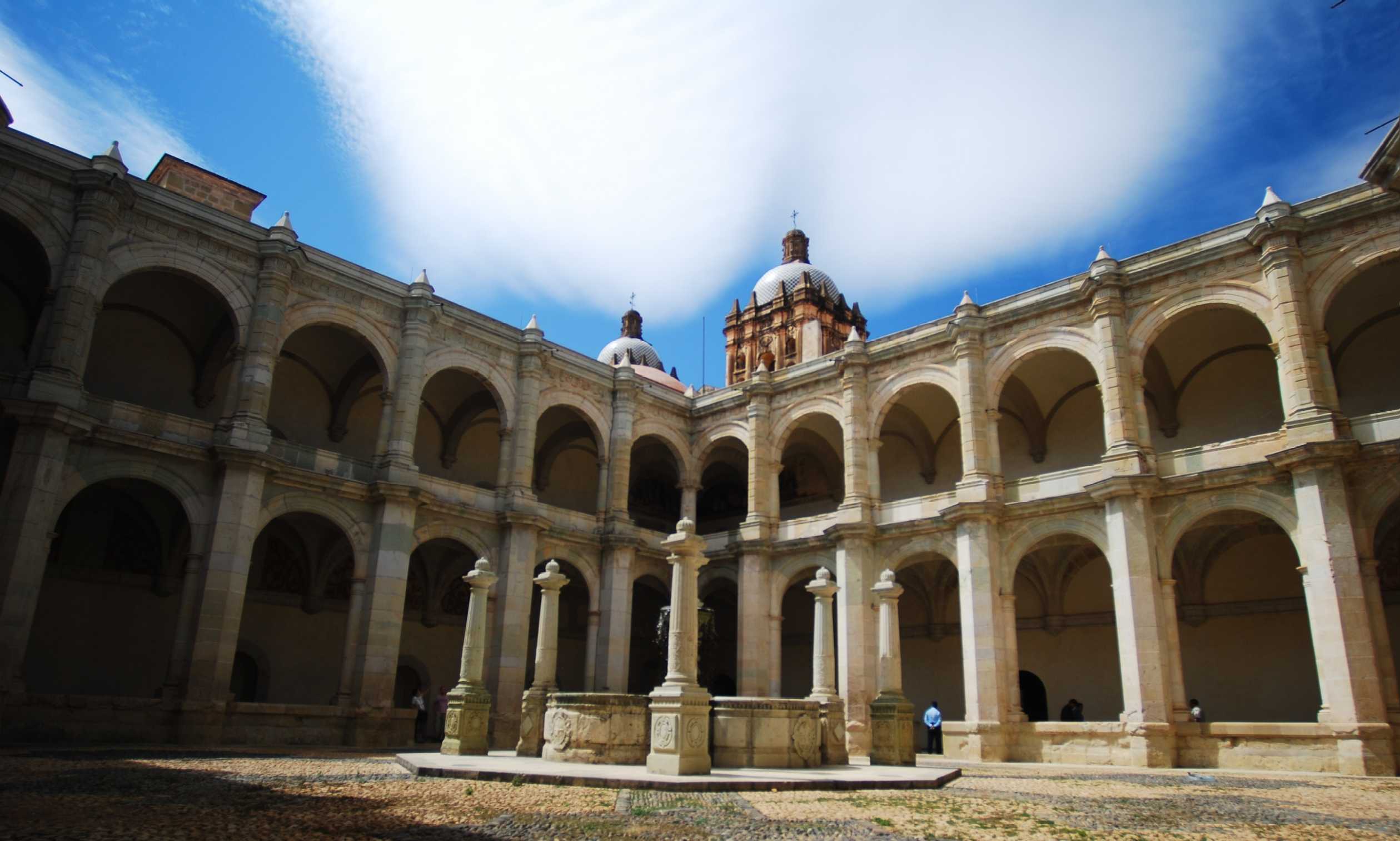
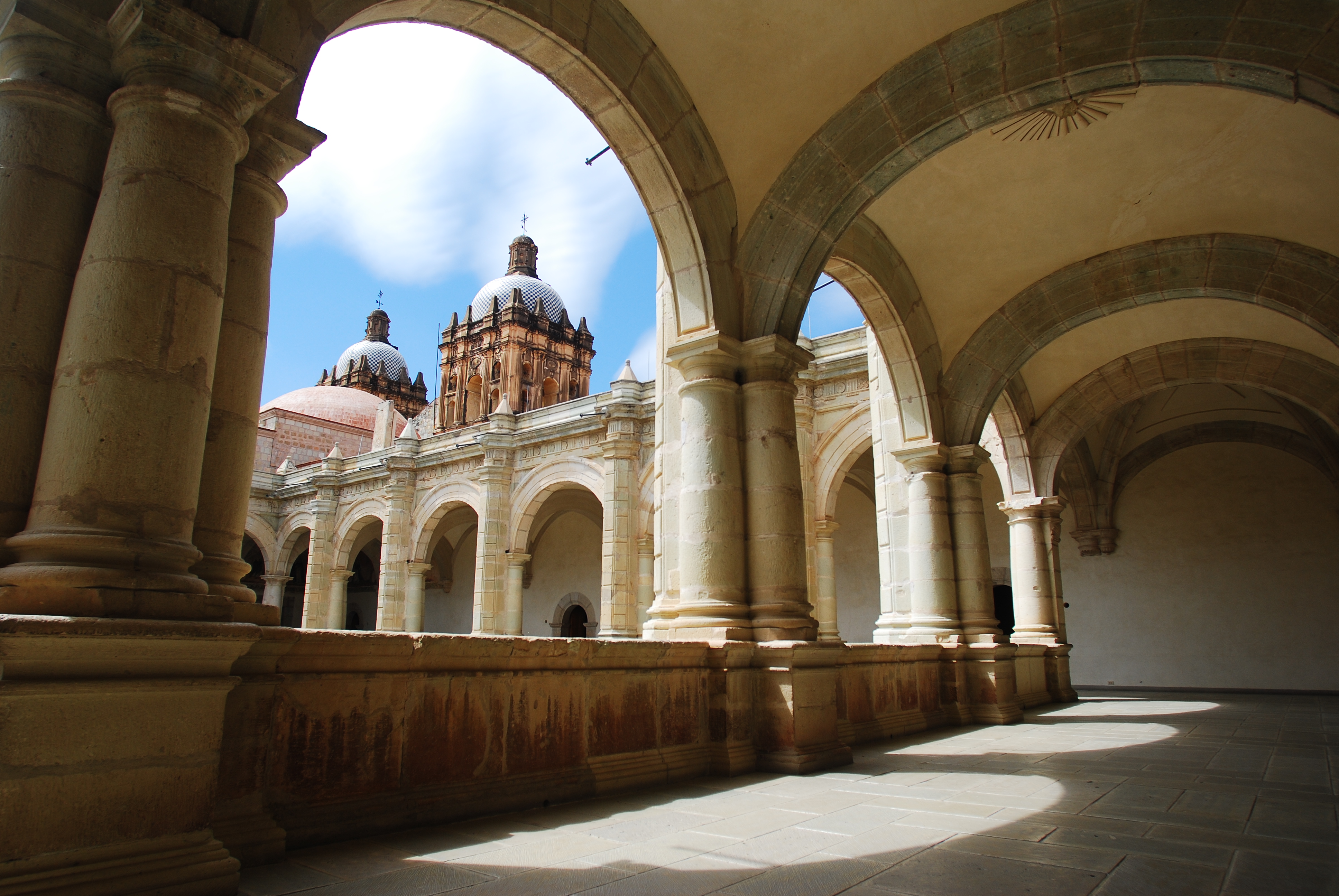
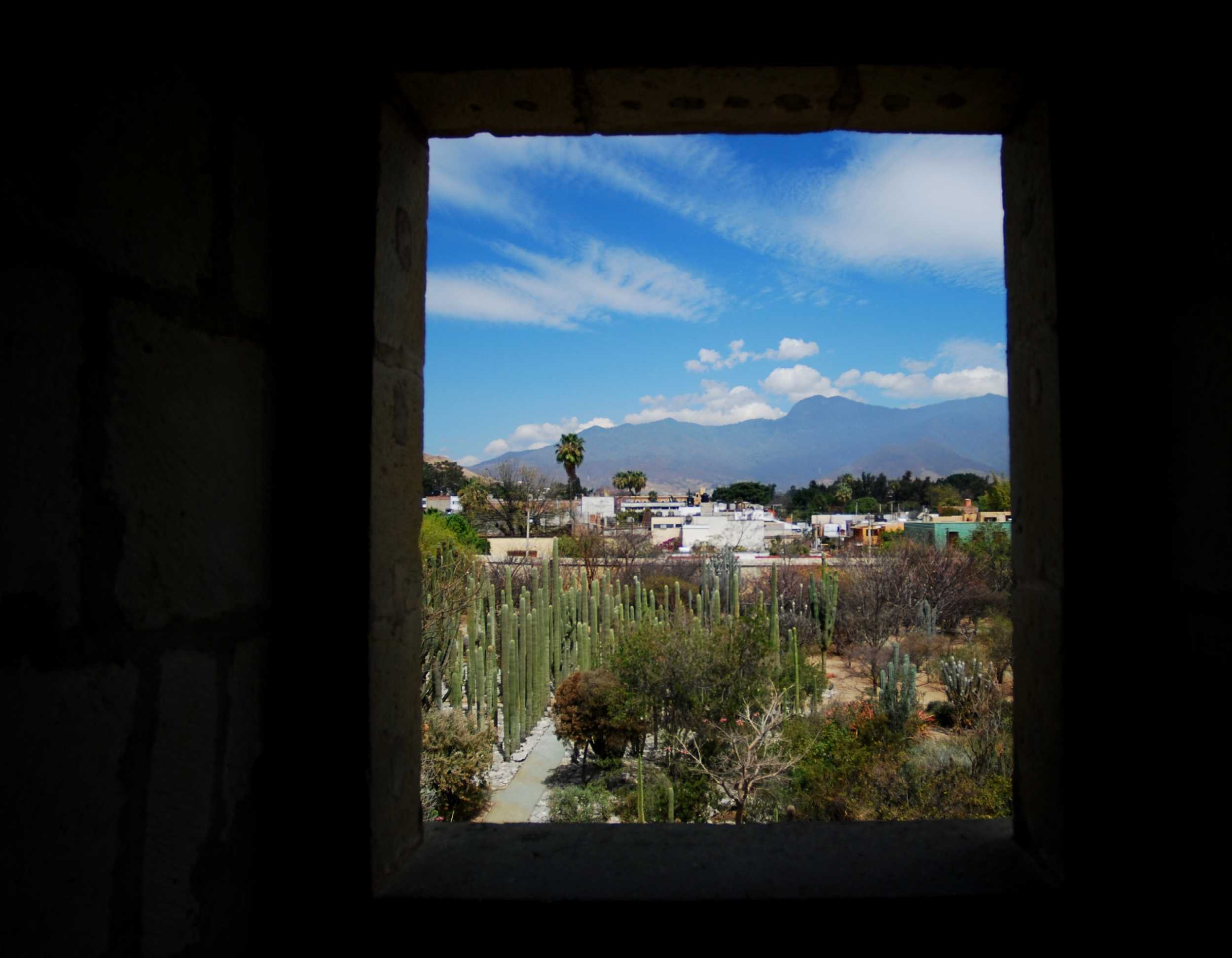
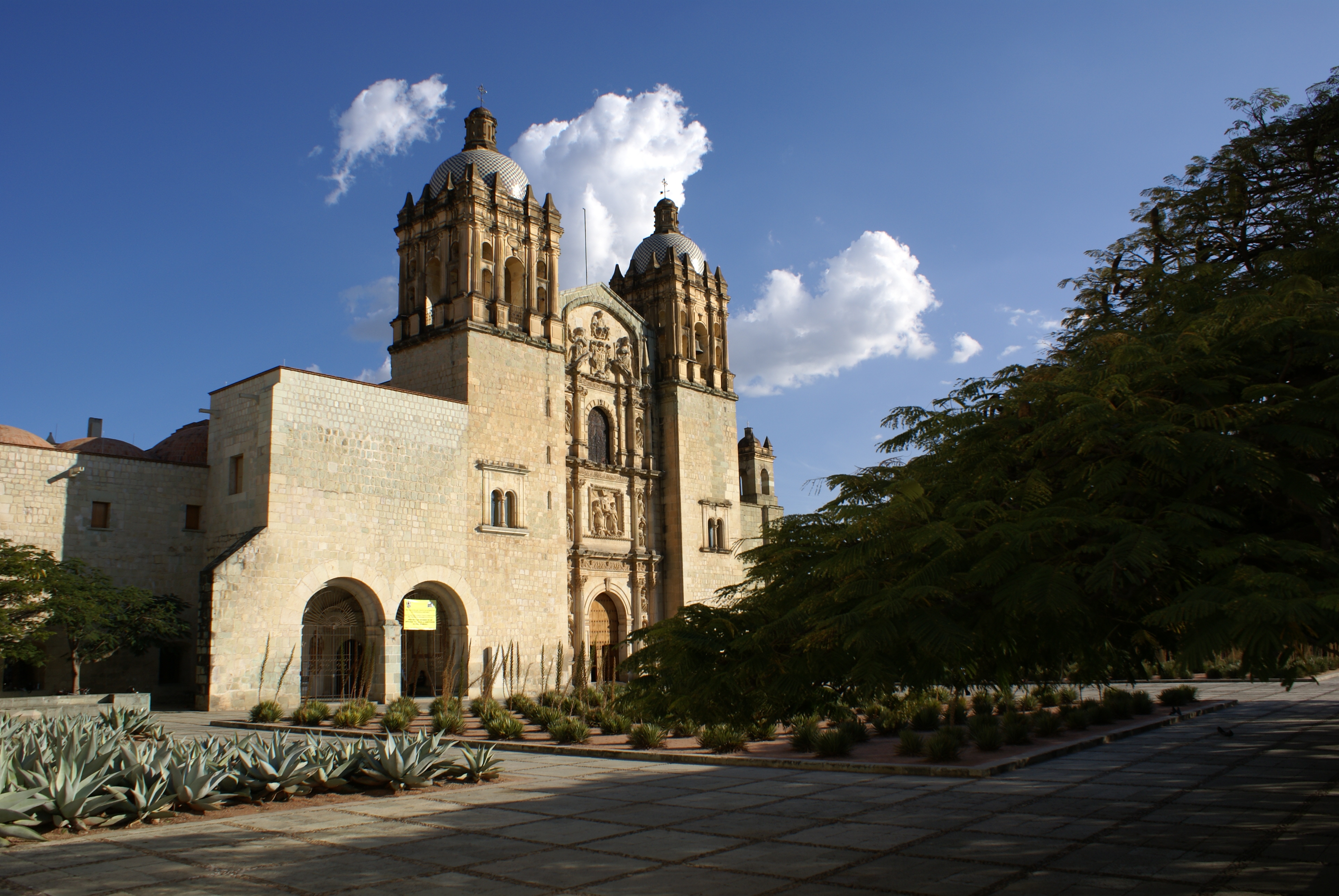
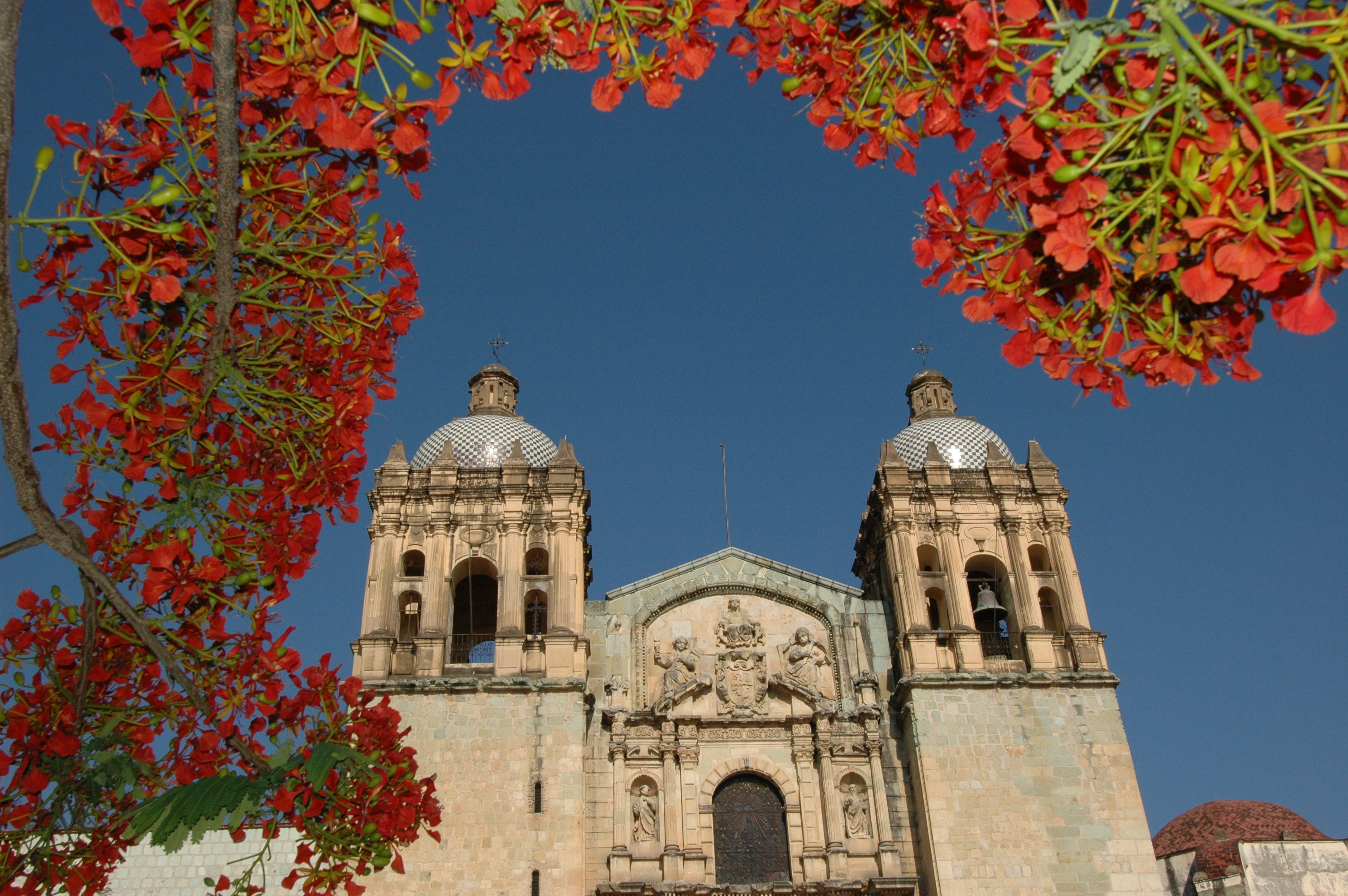
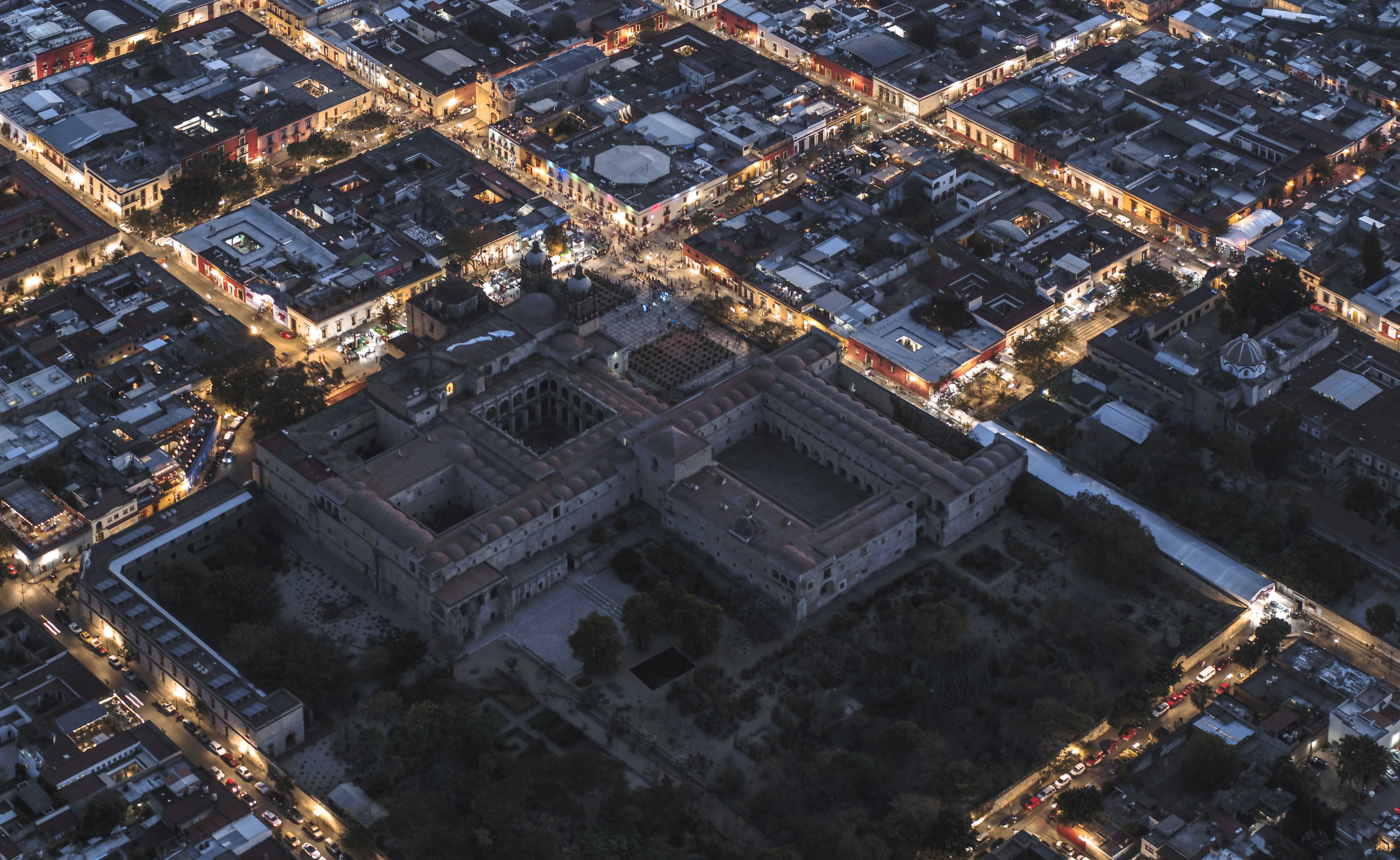
Another monument that has become a symbol of Oaxaca is the Santo Domingo Monastery, construction of which began in 1556 and ended in the 18th century. Its church is a jewel of the New Spain Baroque style, and its cloister now houses the Museum of the Cultures of Oaxaca.
The city of Oaxaca has been the scene of historical events such as the taking of the city by José María Morelos y Pavón in November 1812 during the War of Independence.
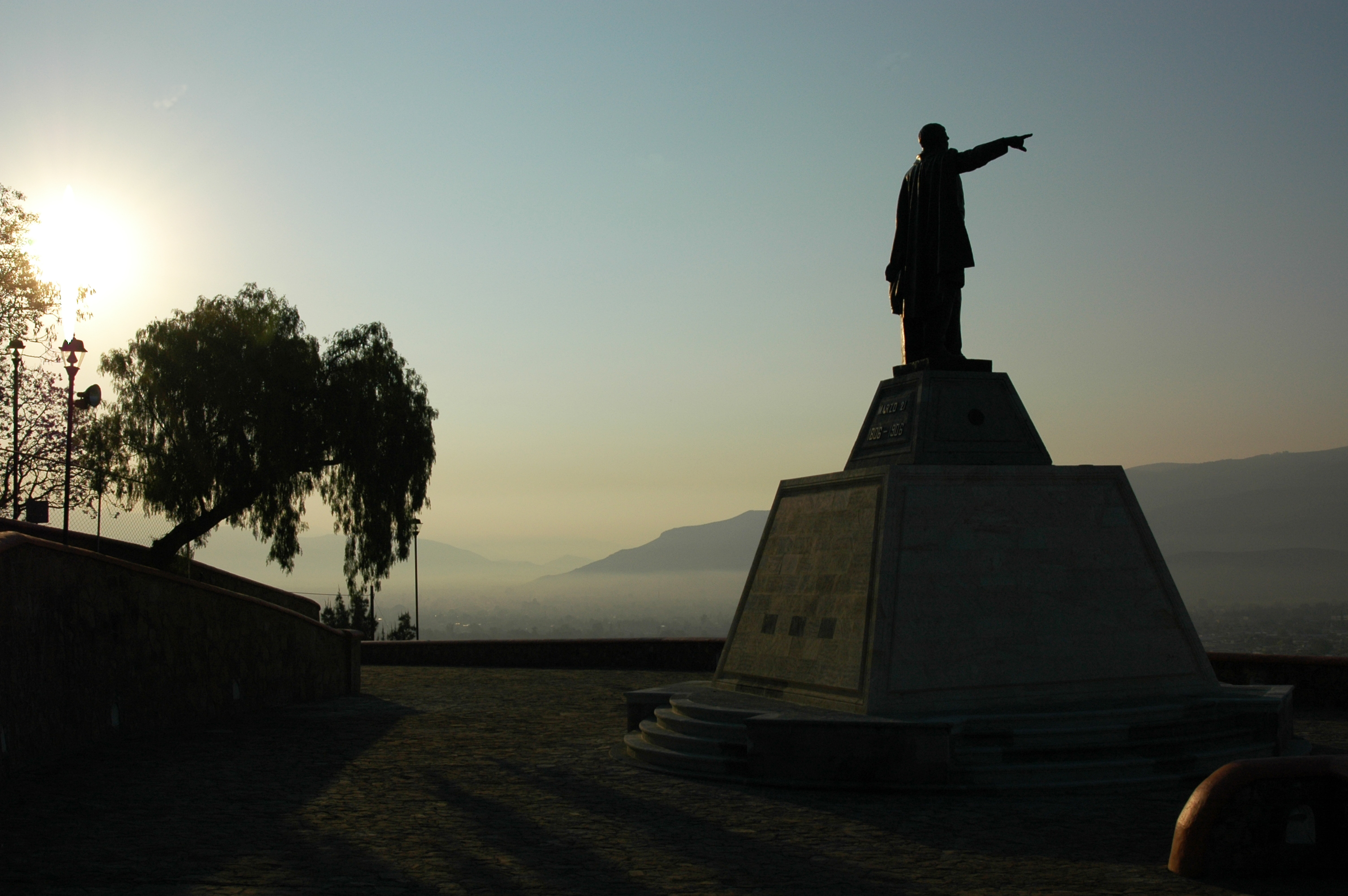
Once Mexico began its life as an independent country, the name of the city of Antequera was changed to Oaxaca and later, in 1872 it was given the name of Oaxaca de Juárez, because it was in this city that President Benito Juárez began his political life as governor.
During the Porfiriato, the city of Oaxaca was transformed and modernized. The arrival of the Southern Mexico Railroad in 1892 boosted the mining industry in the region, as well as economic and demographic growth.
During the Mexican Revolution, different political factions fought for power in the state, due to the lack of control by the central government. Against this backdrop, in 1915 Oaxaca declared its sovereignty, separating itself from the Mexican federation and the rule of Venustiano Carranza. Oaxaca defended its sovereignty until 1920 when it accepted the Constitution of 1917 and President Álvaro Obregón.
This city is also the birthplace of prominent figures in the history of Mexico such as Porfirio Díaz, who was born here in 1830 and was president of Mexico for more than 30 years; Rufino Tamayo, one of the best-known Mexican painters worldwide, was born here in 1899; and Macedonio Alcalá, a multifaceted musician who composed the famous waltz “Dios nunca muere” (God Never Dies).
Today the city is famous for its cultural wealth, its cuisine, the music of the bands that wind through its streets, as well as for its multiple artistic activities and traditions.
Every year, towards the end of July, the most emblematic celebration of Oaxaca takes place: the Guelaguetza or “Mondays on the Hill Fiesta,” which has pre-Hispanic roots, and brings together displays of different forms of cultural expression from across the state, such as exhibitions, concerts and dances. Other important celebrations are the Day of the Dead and the Night of the Radishes. The latter is a celebration of colonial origin that pays tribute to the harvest of this root vegetable. It is celebrated on December 23 in the main square with the creation of sculptures made with radishes.
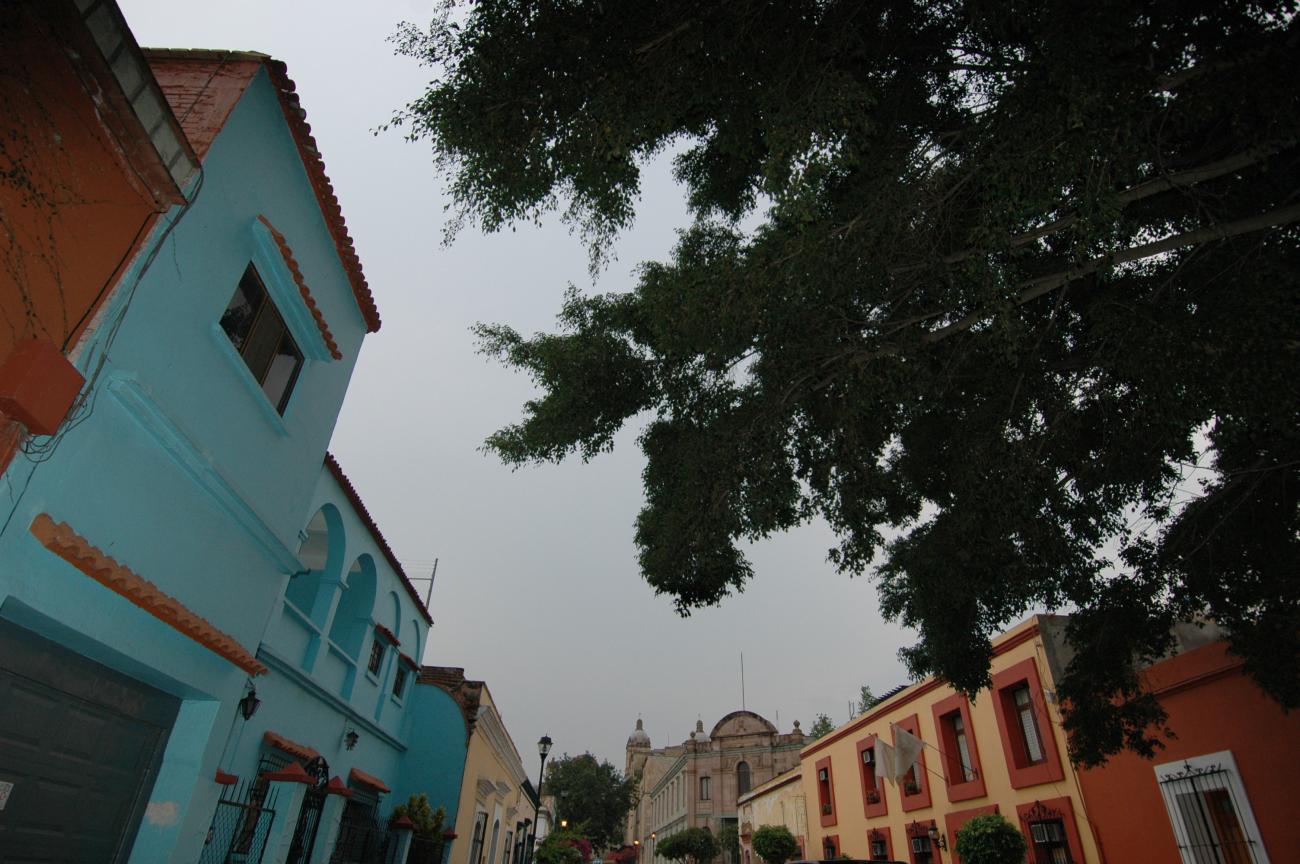
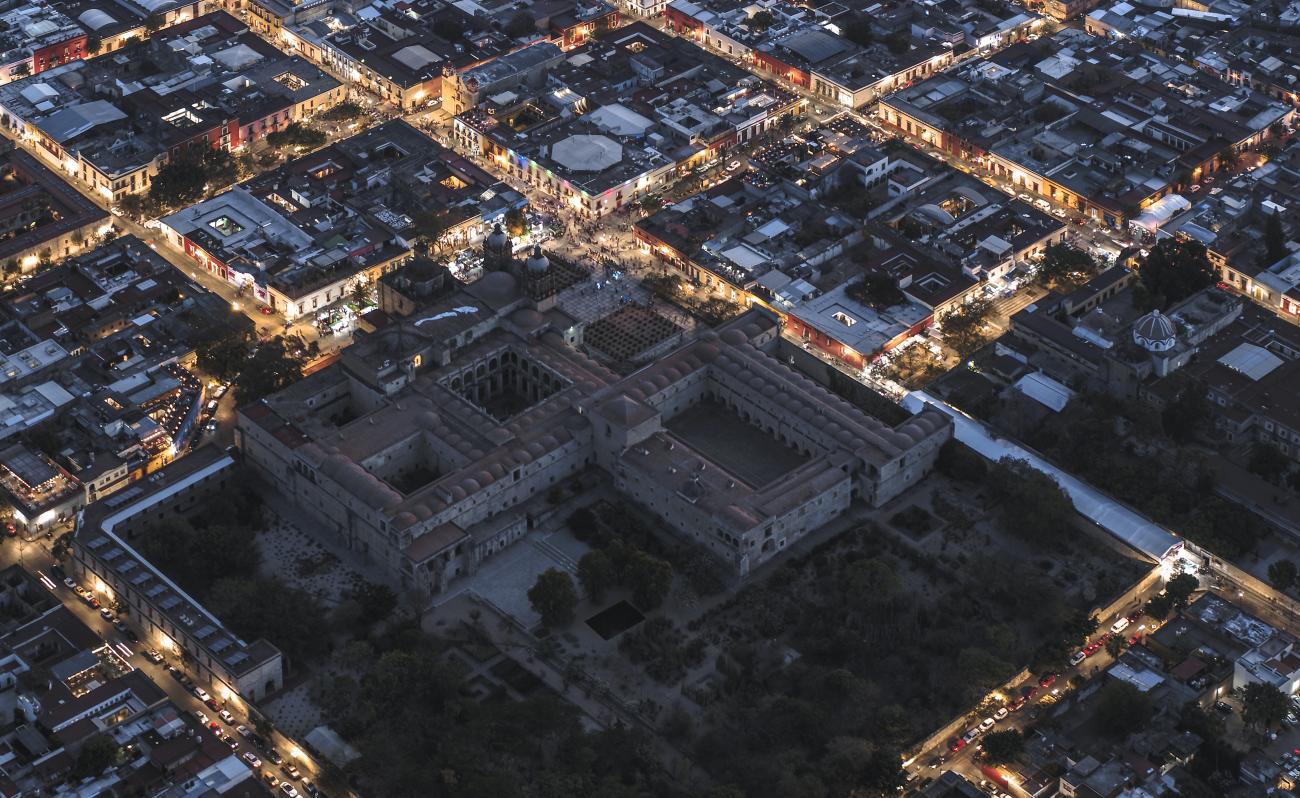
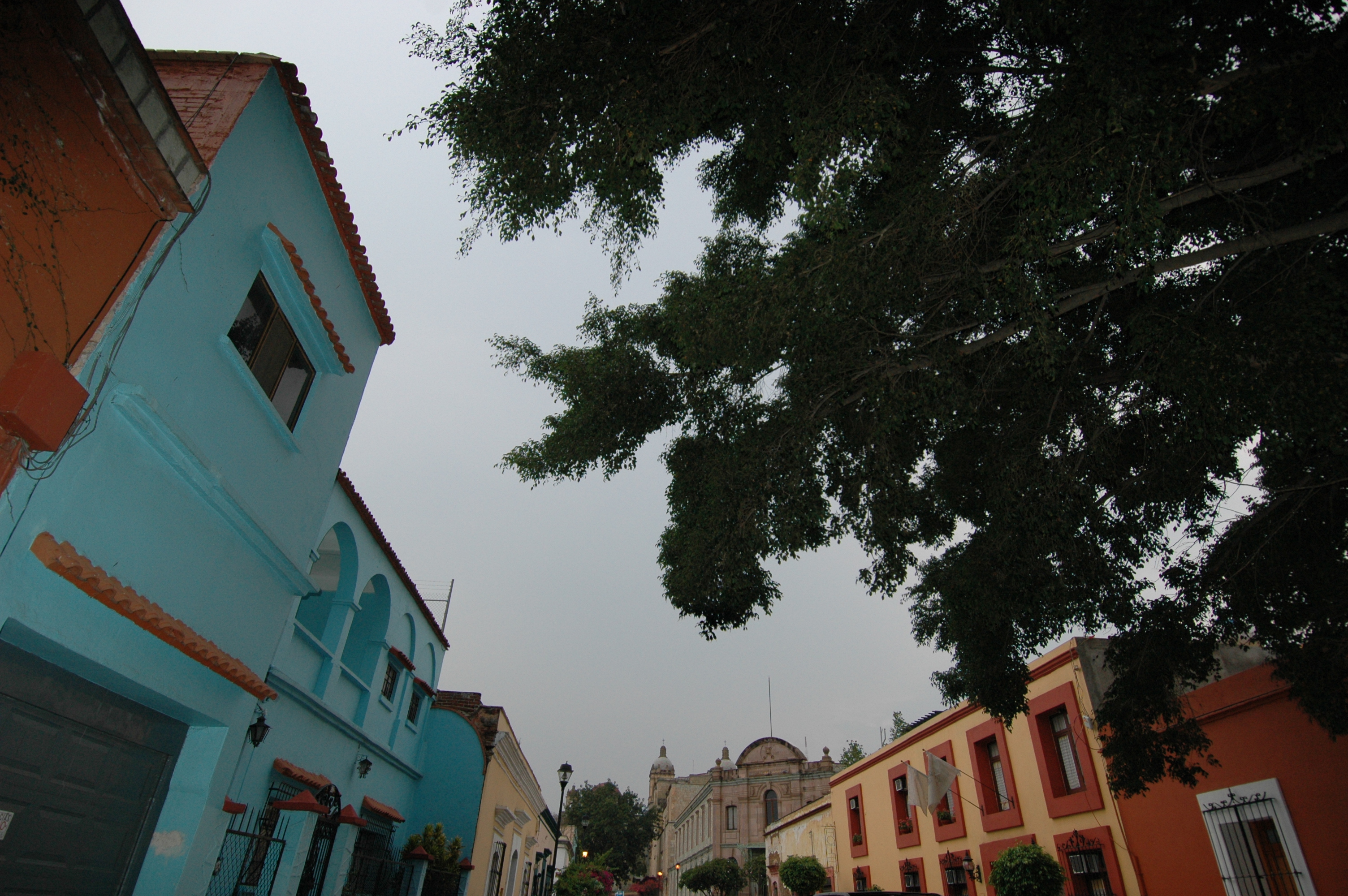
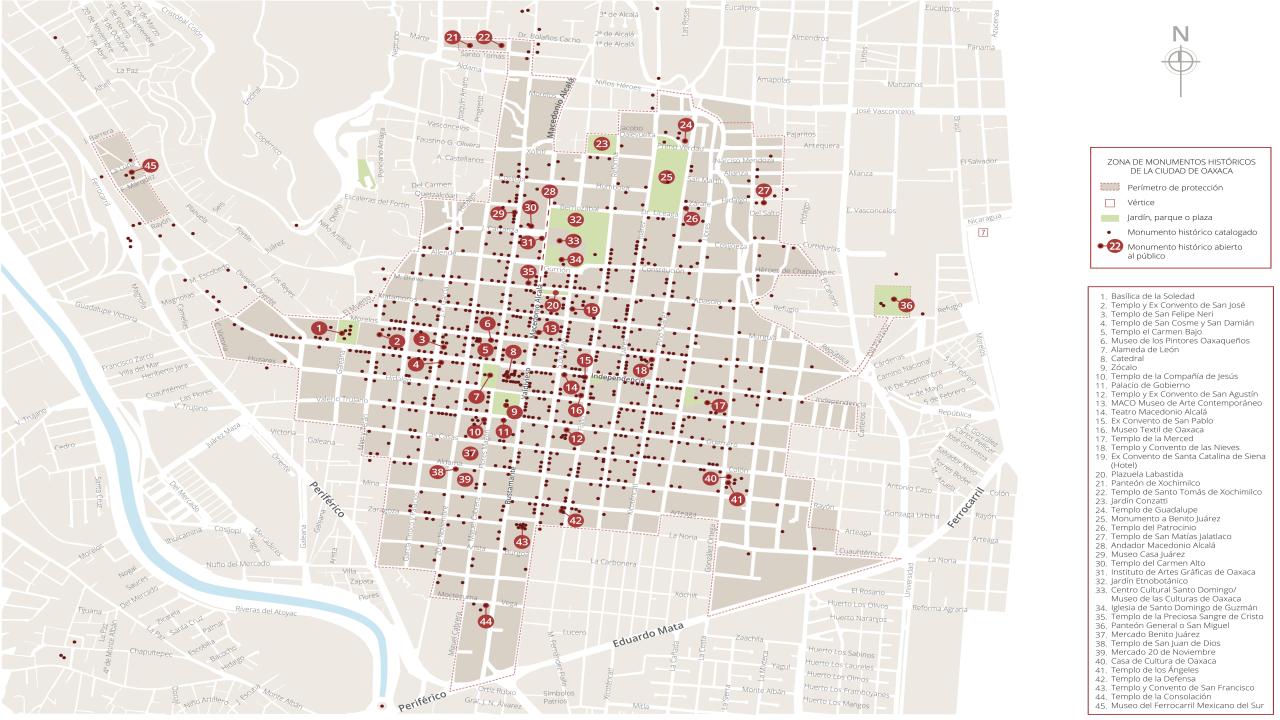
The city revolves around the zócalo, at the center of which there is a bandstand with a shape resembling a bunch of balloons. Around this plaza are the buildings that represent civil and religious power: the Municipal Palace and the Cathedral. Its streets are laid out in a grid plan with beautiful colonial buildings.
Oaxaca de Juárez was declared a Zone of Historical Monuments in 1976 and inscribed on the UNESCO World Heritage List in 1987, as the Historic Center of Oaxaca and the Archaeological Zone of Monte Albán. The Zone of Monuments has an extension of 5 km2 with 247 blocks that contain buildings built between the 16th and 19th centuries. The most representative are: the Former Monastery and Church of Santo Domingo de Guzmán, the Municipal Palace, the House of Cortés (current the Museum of Contemporary Art), the Macedonio Alcalá Theater, the Sanctuary of Our Lady of Solitude and the Cathedral of Our Lady of the Assumption. Some of these buildings were built in green cantera stone, which gives the city its characteristic appearance.
Categoria
Oaxaca Croquis_portada
Adscripción
Créditos
INAH-Mediateca
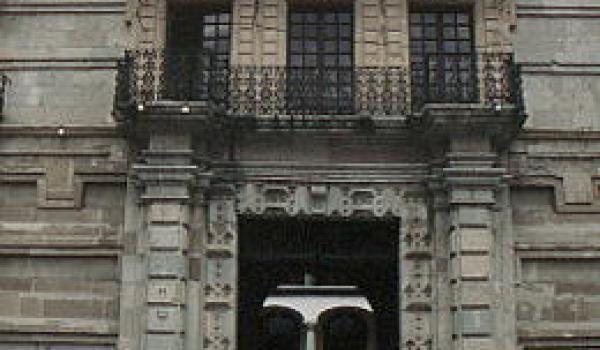
Palacio Federal
This building was constructed around 1580 to serve as the episcopal seat. In 1812, when Morelos arrived, the bishops fled and a cannon foundry was set up there. The building returned to the episcopate until 1860, when it was transferred to the government.
Palacio Federal
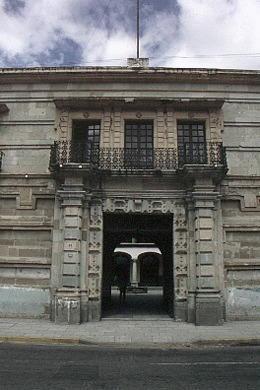
This building was constructed around 1580 to serve as the episcopal seat. In 1812, when Morelos arrived, the bishops fled and a cannon foundry was set up there. The building returned to the episcopate until 1860, when it was transferred to the government. Since then, it has been used as a Sunday School, a Night School for adults, a State Printing Office, a City Council meeting hall, a Model School, a School of Improvement, a Postal and Telegraph Office, municipal offices, and a Normal School. In 1902, it was converted into the Federal Palace.
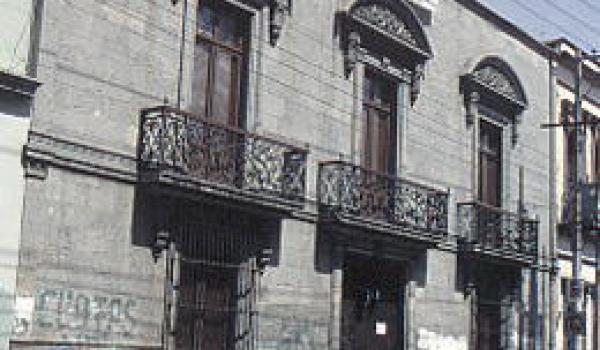
Instituto de Sociología de la UABJO
This 19th-century building was inhabited by Bishop Francisco García Cantarines, president of the first National Congress and director of the State Institute. It was remodeled in the early 20th century and later belonged to Féliz Muro.
Instituto de Sociología de la UABJO
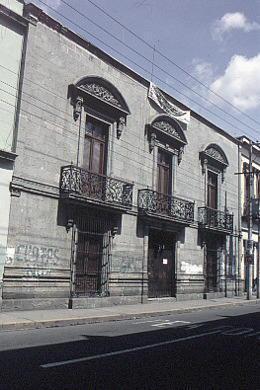
This 19th-century building was inhabited by Bishop Francisco García Cantarines, president of the first National Congress and director of the State Institute. It was remodeled in the early 20th century and later belonged to Féliz Muro. After his death, it was sold to the Benito Juárez Autonomous University of Oaxaca (UABJO) to house the Institute of Humanities Research.
Biblioteca Pública Municipal
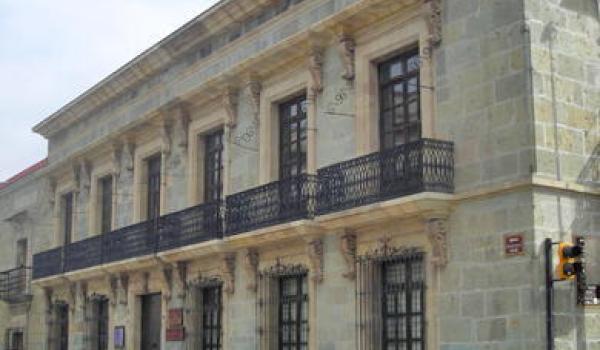
This building, constructed at the end of the 17th century, was inhabited by the priest José Saenz de Enciso during the 19th century.
Biblioteca Pública Municipal
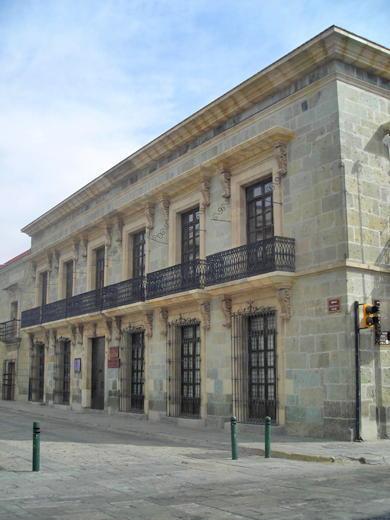
This building, constructed at the end of the 17th century, was inhabited by the priest José Saenz de Enciso during the 19th century. It was later ceded to Irish nuns to establish a primary school, and over time, the Sisters of the Incarnate Word converted it into the Colegio de San José for young ladies. It was expropriated and, in 1924, became a Normal School for Teachers, as well as housing shops and offices. In 1985, it was inaugurated as a library.
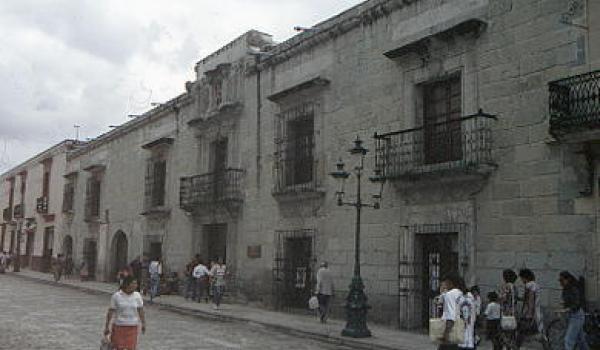
Casa de Cortés
The origin of the name of this building is unknown, as it was constructed at the end of the 17th century or the beginning of the 18th century. It belonged to the Pinelo estate, a family related to the Lazo de la Vega family.
Casa de Cortés
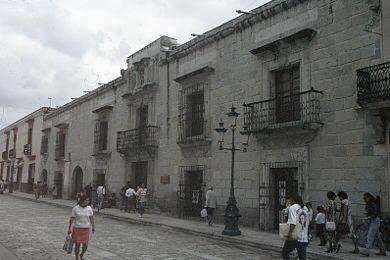
The origin of the name of this building is unknown, as it was constructed at the end of the 17th century or the beginning of the 18th century. It belonged to the Pinelo estate, a family related to the Lazo de la Vega family. In 1852, it was owned by General Ignacio Mejía while he was governor of the state. From 1986 to 1990, the Secretariat of National Heritage acquired and renovated it to convert it into a museum showcasing the development of the state. It later became part of the State Secretariat of Public Works and was remodeled by architect Raúl Corzo Llaguno. The Oaxaca Museum of Modern Art was inaugurated in 1992, housing works by prominent artists and presenting temporary exhibitions of national and international painters.
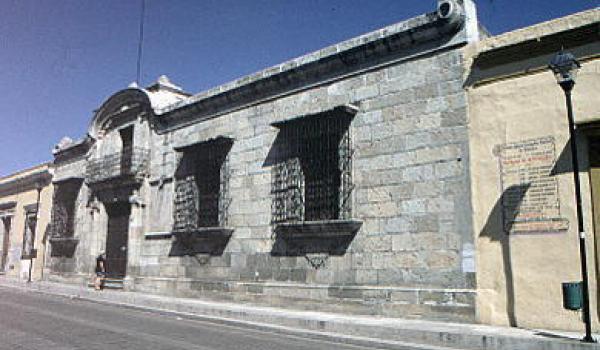
Museo de Arte Prehispánico de México Rufino Tamayo
This 17th-century building was used a century later by the delegate of the Bull of the Holy Crusade and by the preventive offices of the Holy Inquisition. Between 1787 and 1802, it was restored and inhabited by Antonio de Mora y Payzal, who established the Royal Treasury in 1790.
Museo de Arte Prehispánico de México Rufino Tamayo
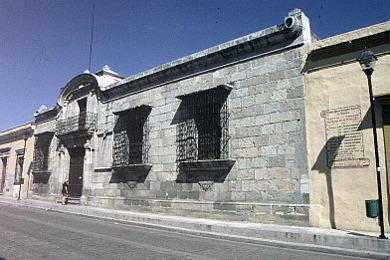
This 17th-century building was used a century later by the delegate of the Bull of the Holy Crusade and by the preventive offices of the Holy Inquisition. Between 1787 and 1802, it was restored and inhabited by Antonio de Mora y Payzal, who established the Royal Treasury in 1790. In 1856, it came under government control and was used as a school for girls called 'Amiga Nacional,' and later as a school for boys. The building housed the first electric plant. In the early 20th century, Guillermo López Cortés rescued the abandoned building and converted it into the General Archive of the State. In 1971, the project to establish the Rufino Tamayo Museum began, with restoration work overseen by Celestino Gómez Soto. The museum was inaugurated in 1974 with a collection of pre-Hispanic art donated by Rufino Tamayo, originating from Nayarit, Colima, Veracruz, Guerrero, Chiapas, Campeche, and Oaxaca.
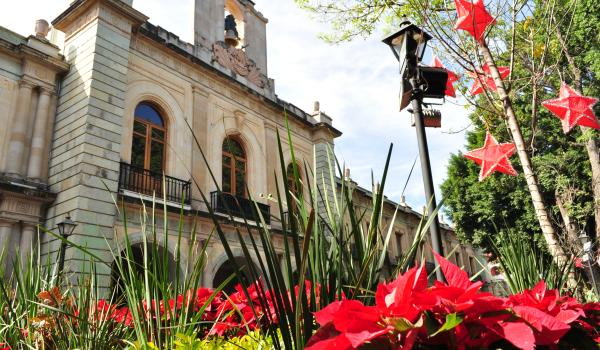
Palacio de Gobierno
King Charles V granted this land in 1529 for the construction of the town hall, but construction did not begin until 1576. The building was in Gothic style, with a façade covered in cantera stone, featuring a portal and 27 arches supported by pillars.
Palacio de Gobierno
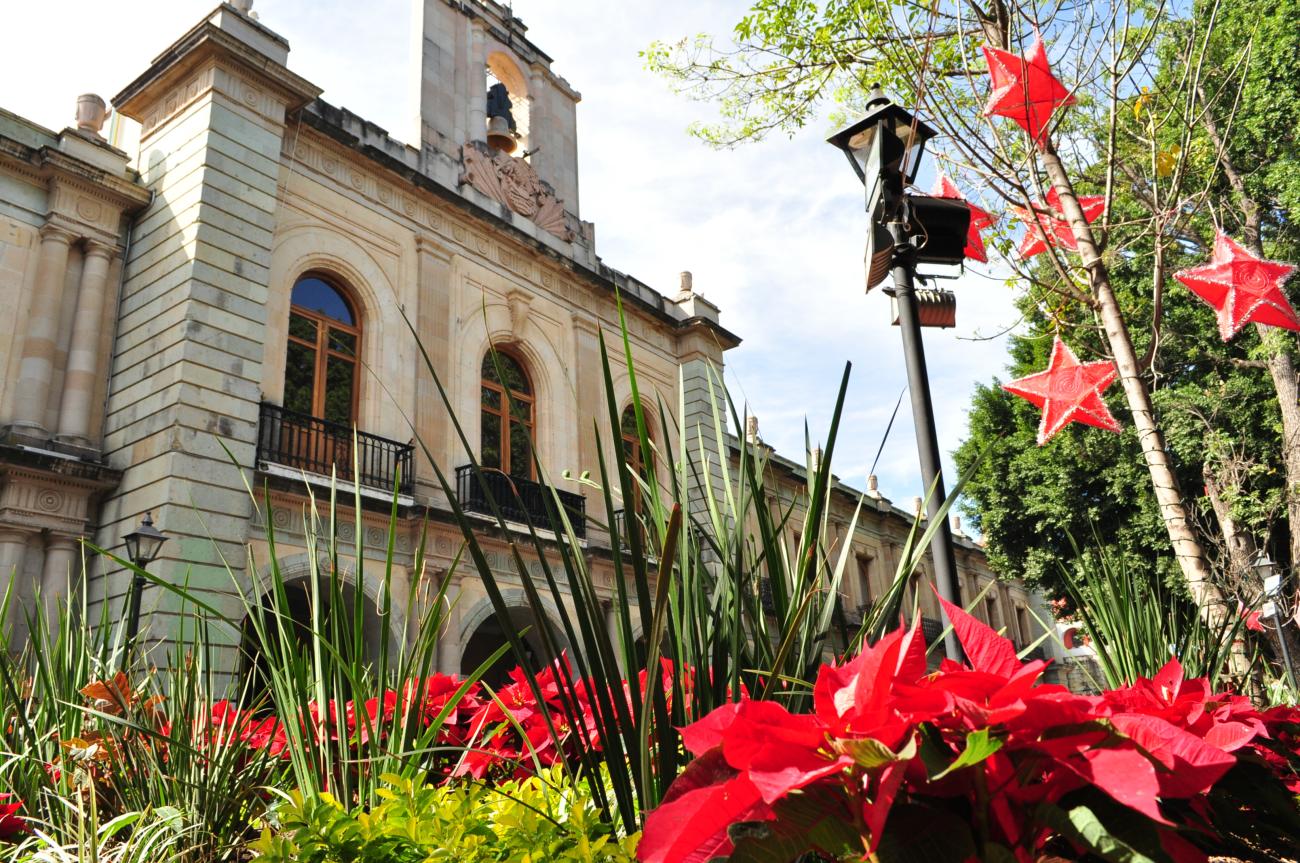
King Charles V granted this land in 1529 for the construction of the town hall, but construction did not begin until 1576. The building was in Gothic style, with a façade covered in cantera stone, featuring a portal and 27 arches supported by pillars. In 1728, golden railings were added to the balconies. Earthquakes severely damaged the building, and in 1739, the corregidor Nicolás de Lafora ordered its demolition. In 1832, engineer Francisco Heredia designed the plans for a new building, which was completed in 1877.
In 1936, a restoration was carried out, and it was reopened in 1950. In 1979, Arturo García Bustos painted a mural on the wall opposite the main staircase, depicting the history of Oaxaca.
Hacienda de Aguilera
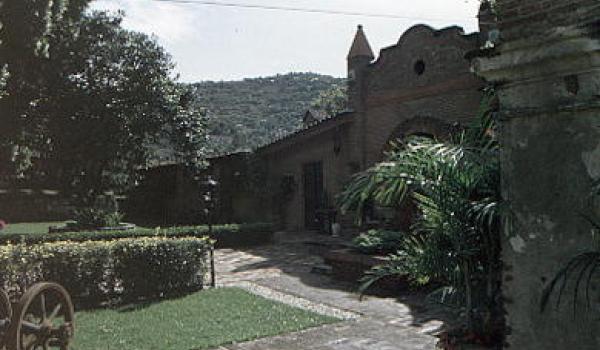
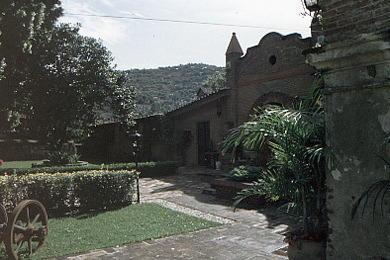
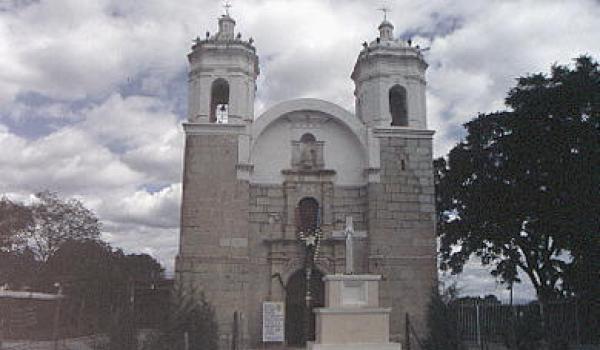
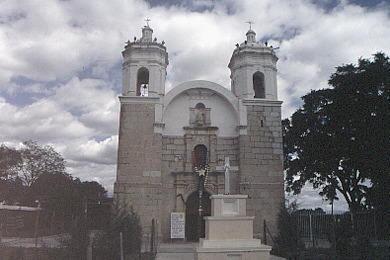
The hacienda was founded at the end of the 17th century. By 1883, it had a chapel and a building made of adobe and brick. The current building, constructed around 1913 in a neoclassical style, is part of the School of Medicine at the Benito Juárez Autonomous University of Oaxaca.
Hacienda de Aguilera
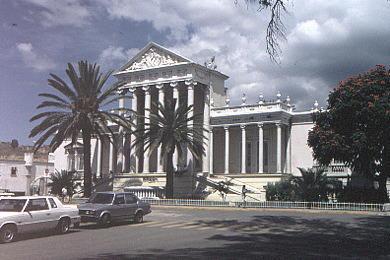
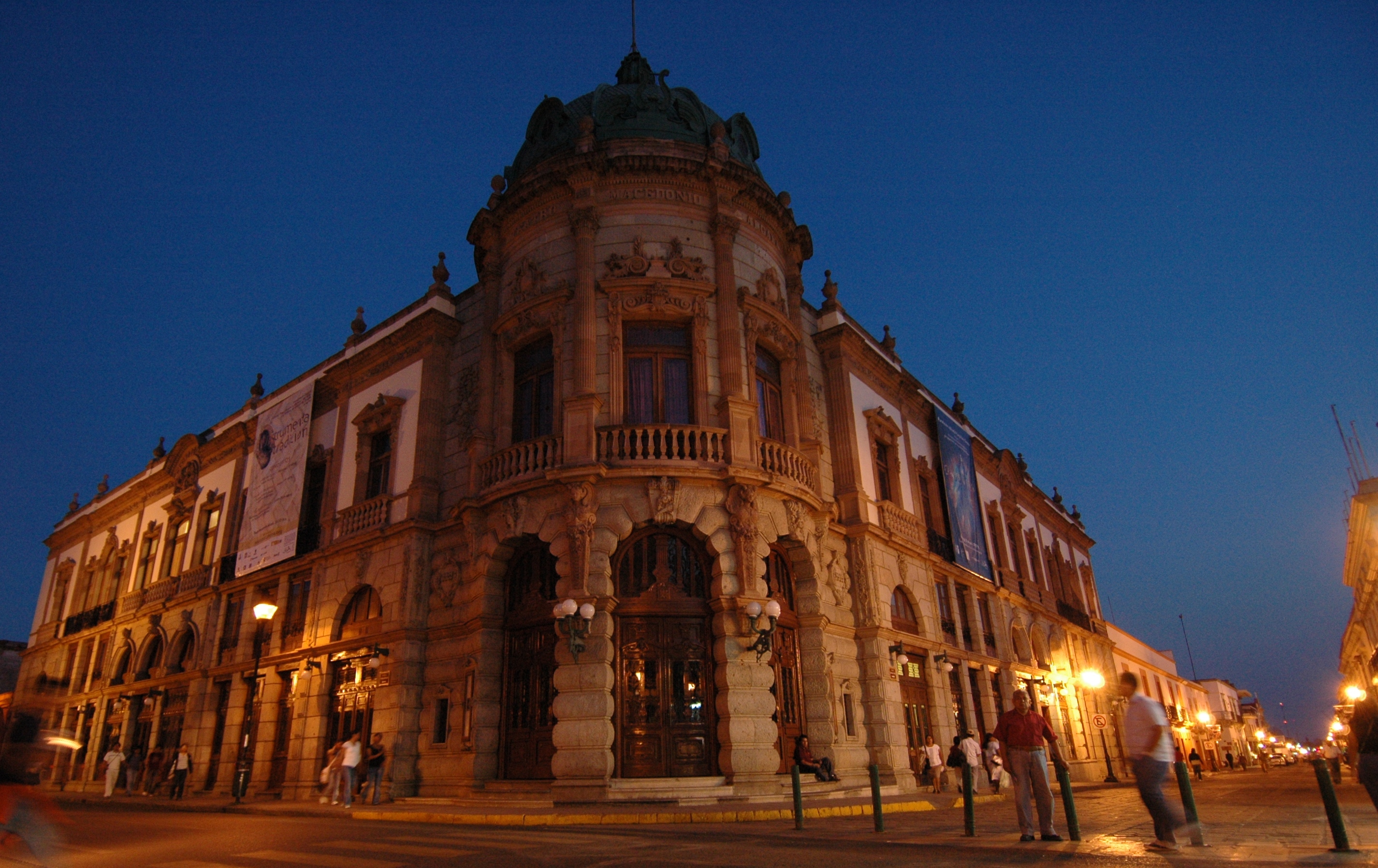
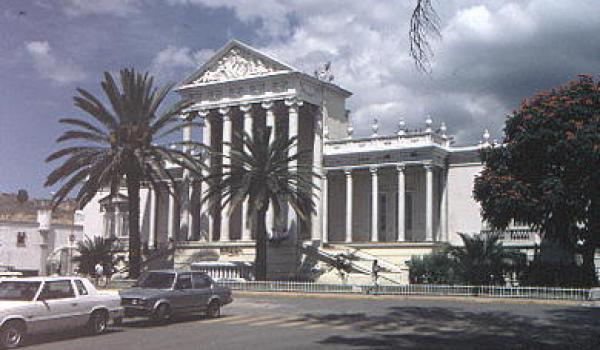
Teatro Macedonio Alcalá
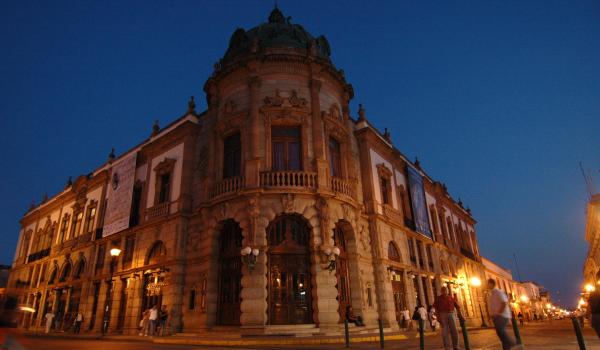
The building was constructed between 1904 and 1909; it was originally named 'Luis Mier y Terán,' later receiving the name 'Jesús Carranza,' and it wasn't until 1933 that it was named 'Macedonio Alcalá.' It was decorated and painted by artists such as Albino Mendoza, José Cabrera, Trinidad Galván,
n>
Teatro Macedonio Alcalá
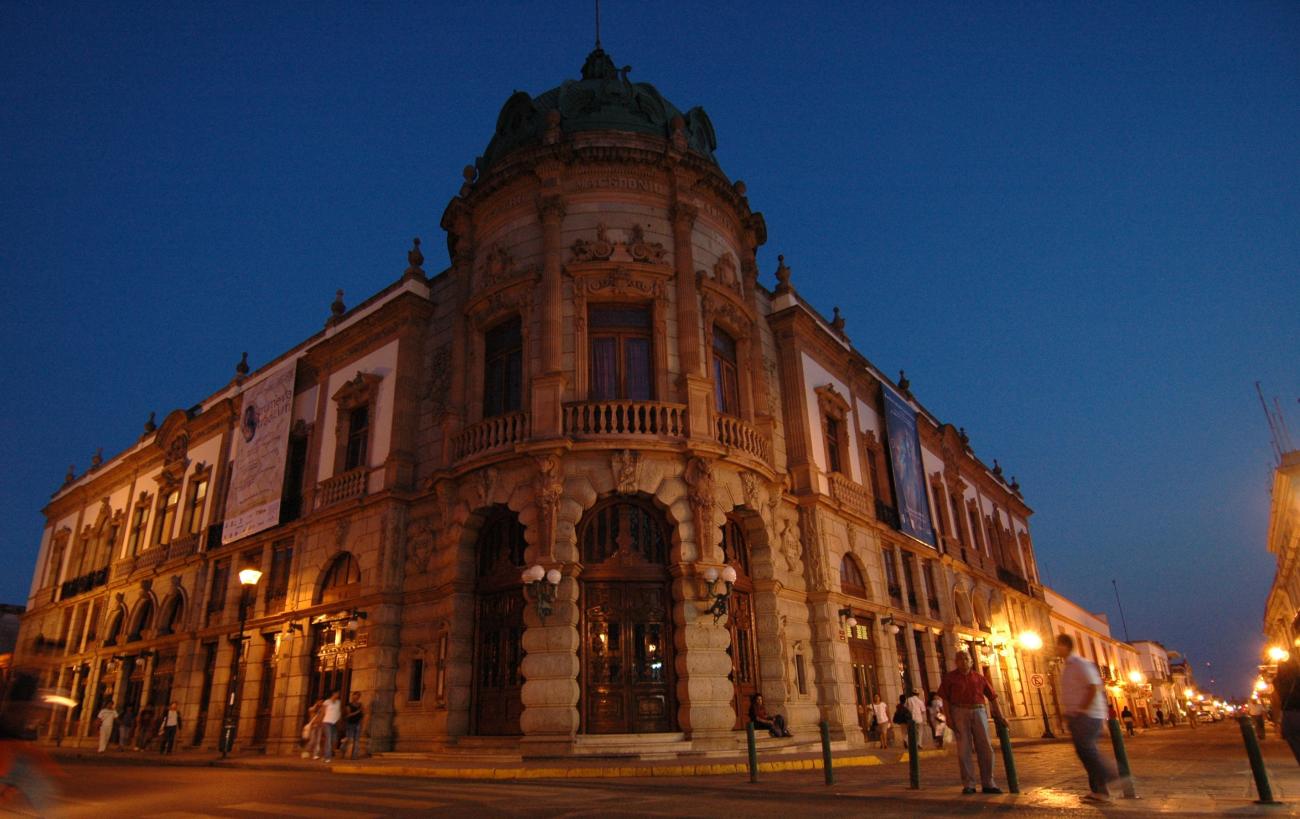
The building was constructed between 1904 and 1909; it was originally named 'Luis Mier y Terán,' later receiving the name 'Jesús Carranza,' and it wasn't until 1933 that it was named 'Macedonio Alcalá.' It was decorated and painted by artists such as Albino Mendoza, José Cabrera, Trinidad Galván, and the Tarazona brothers.
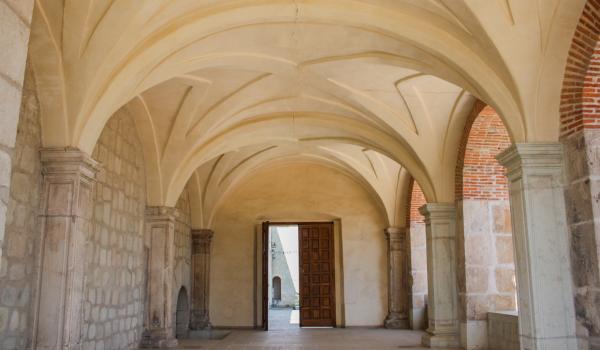
Templo y Ex Convento de Santo Domingo de Guzmán
The construction of this convent complex began around 1557. The work was supervised by the friars Hernando Cavarcos, Toribio Alcaraz, and Justo Alcántara.
Templo y Ex Convento de Santo Domingo de Guzmán
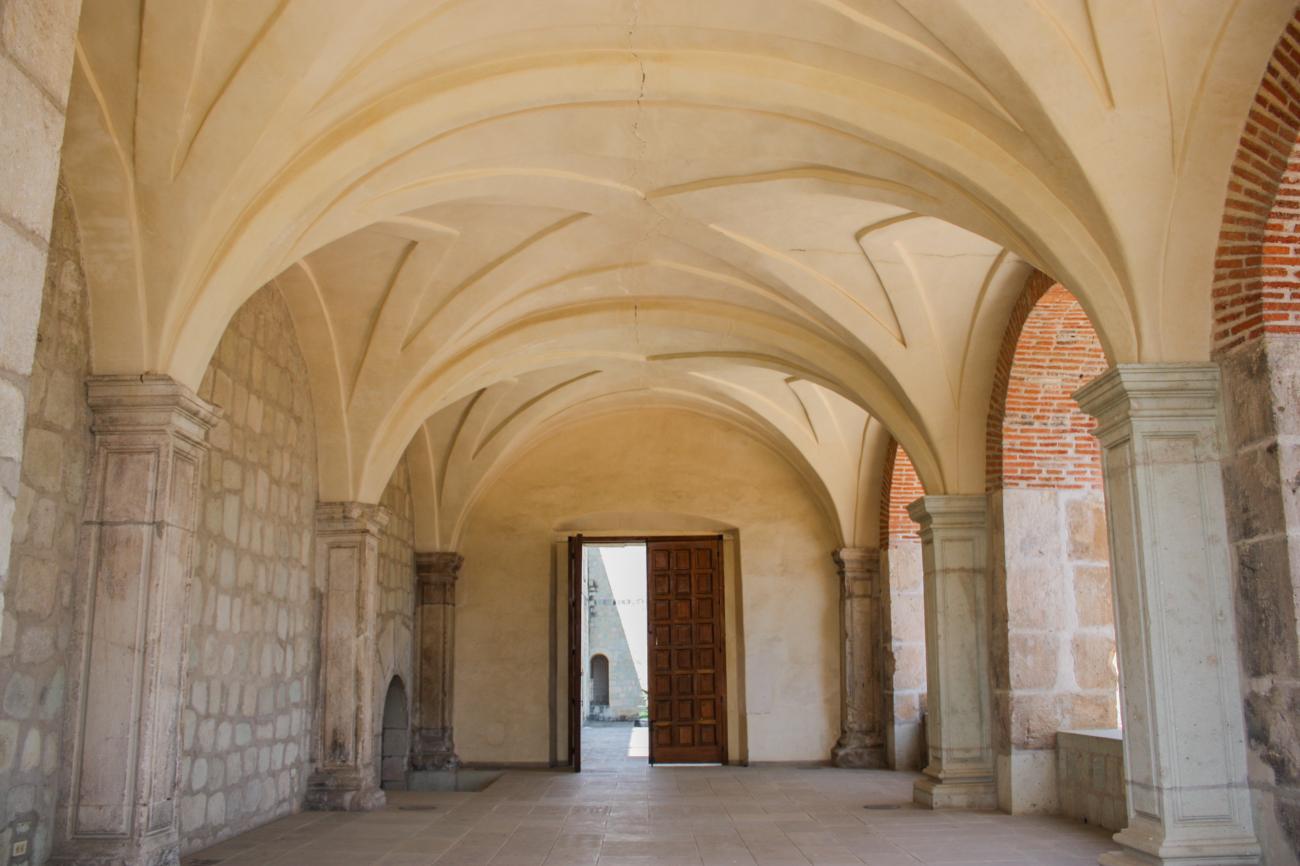
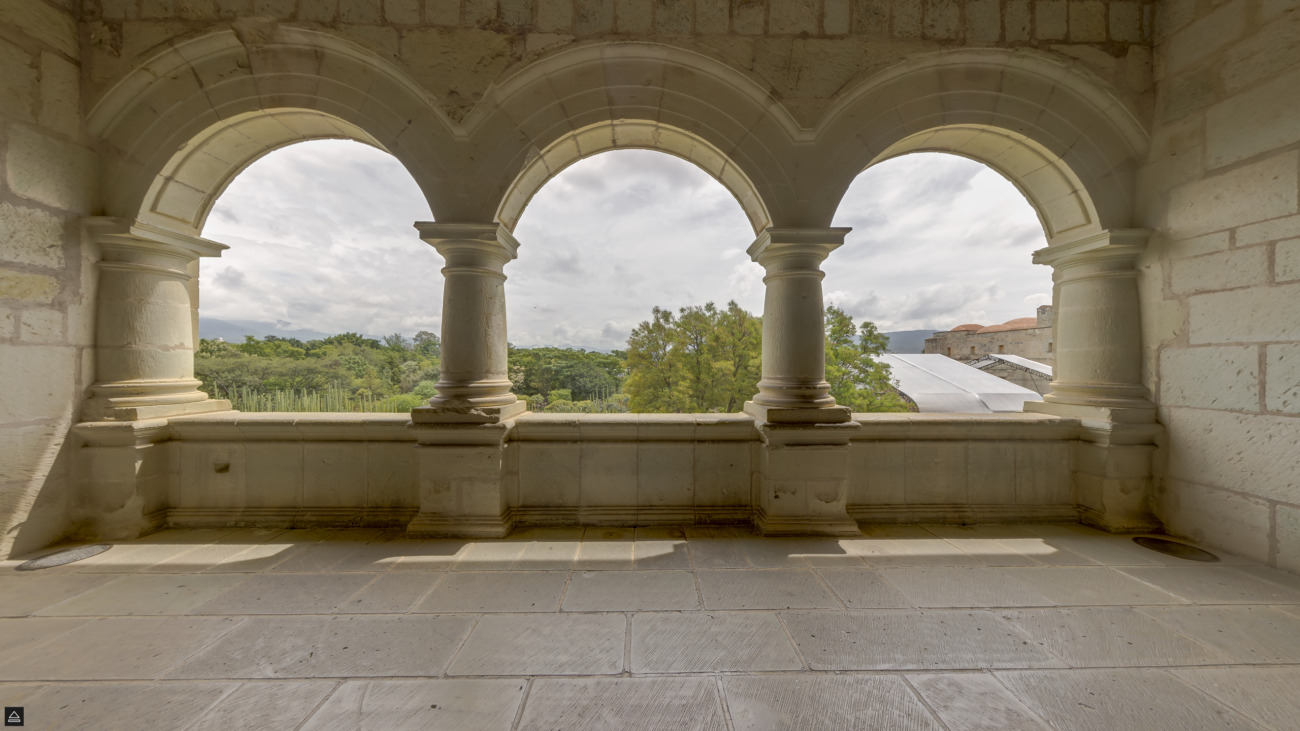
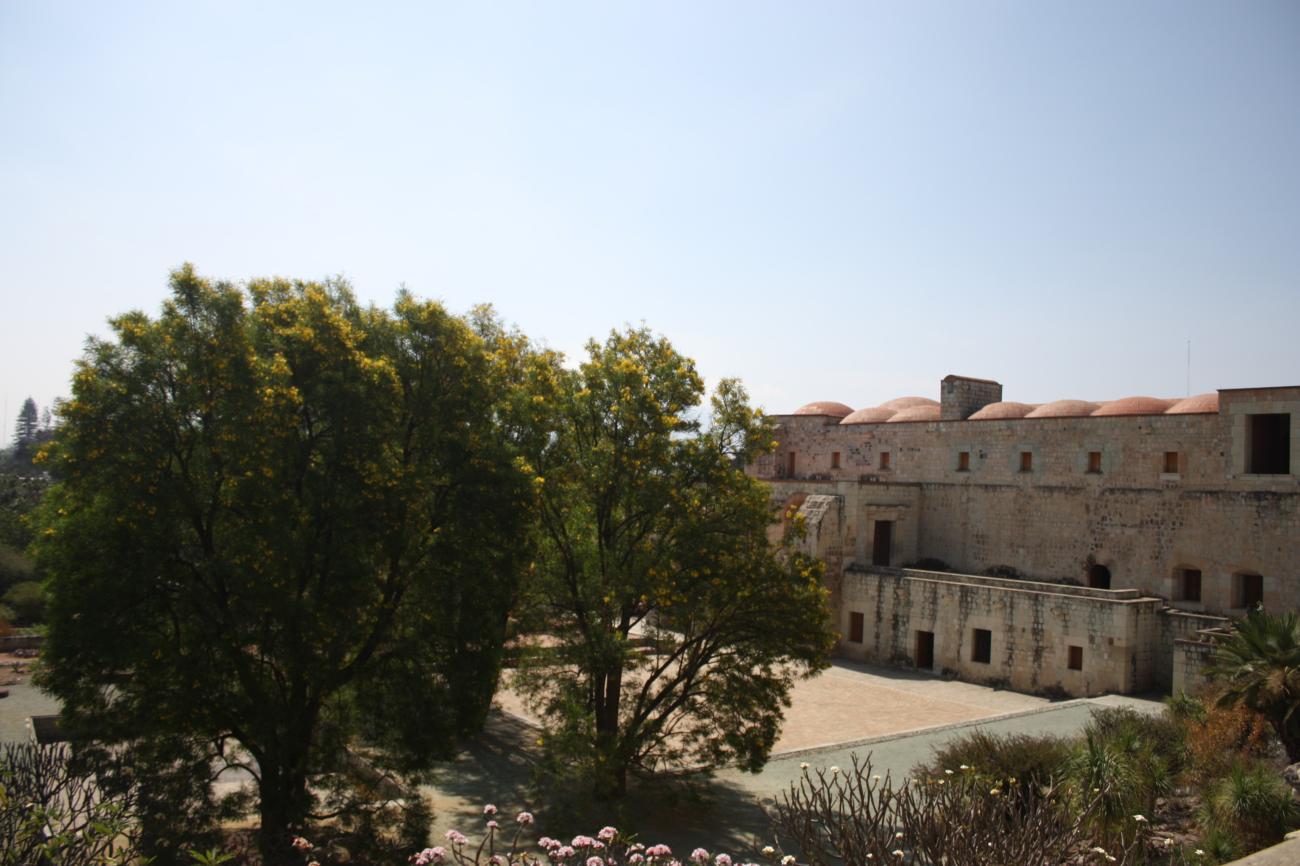
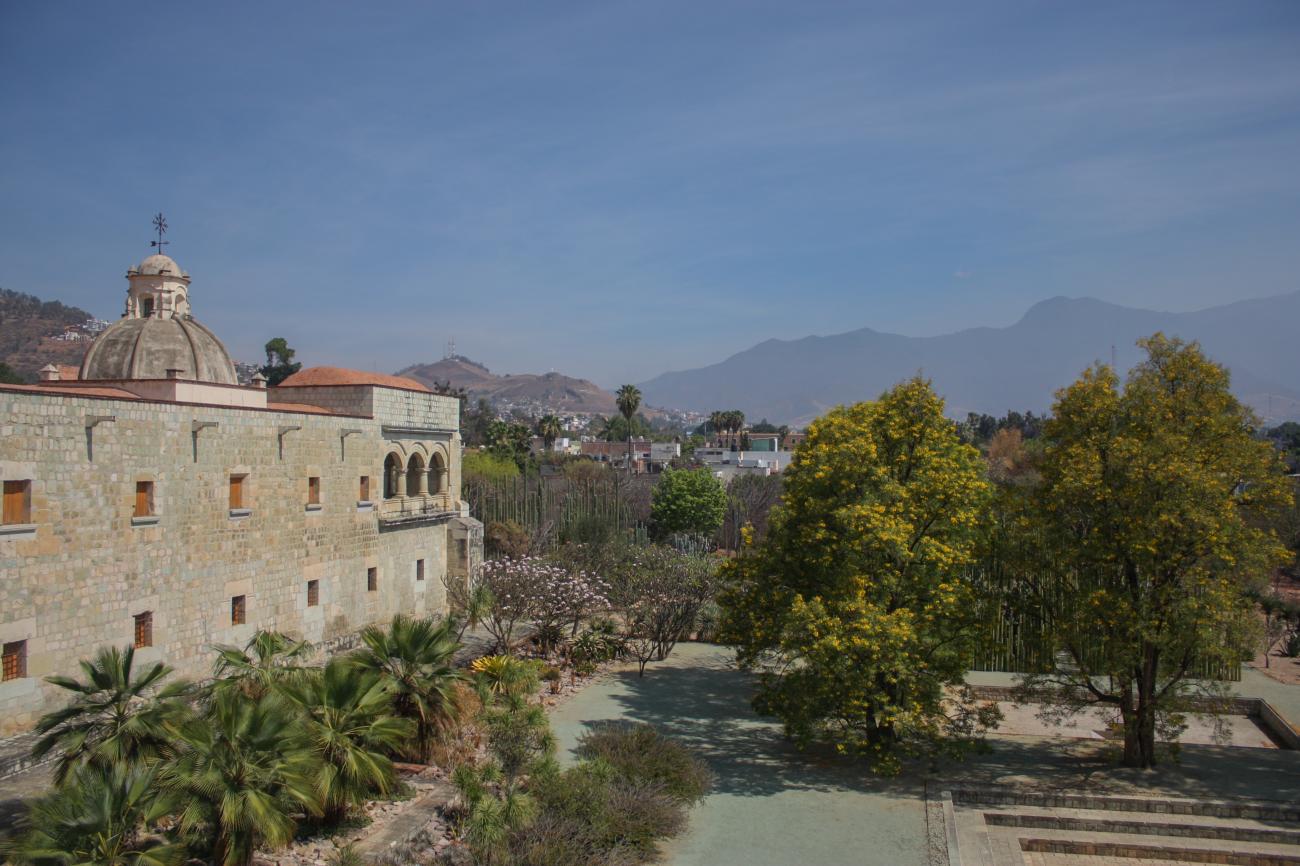
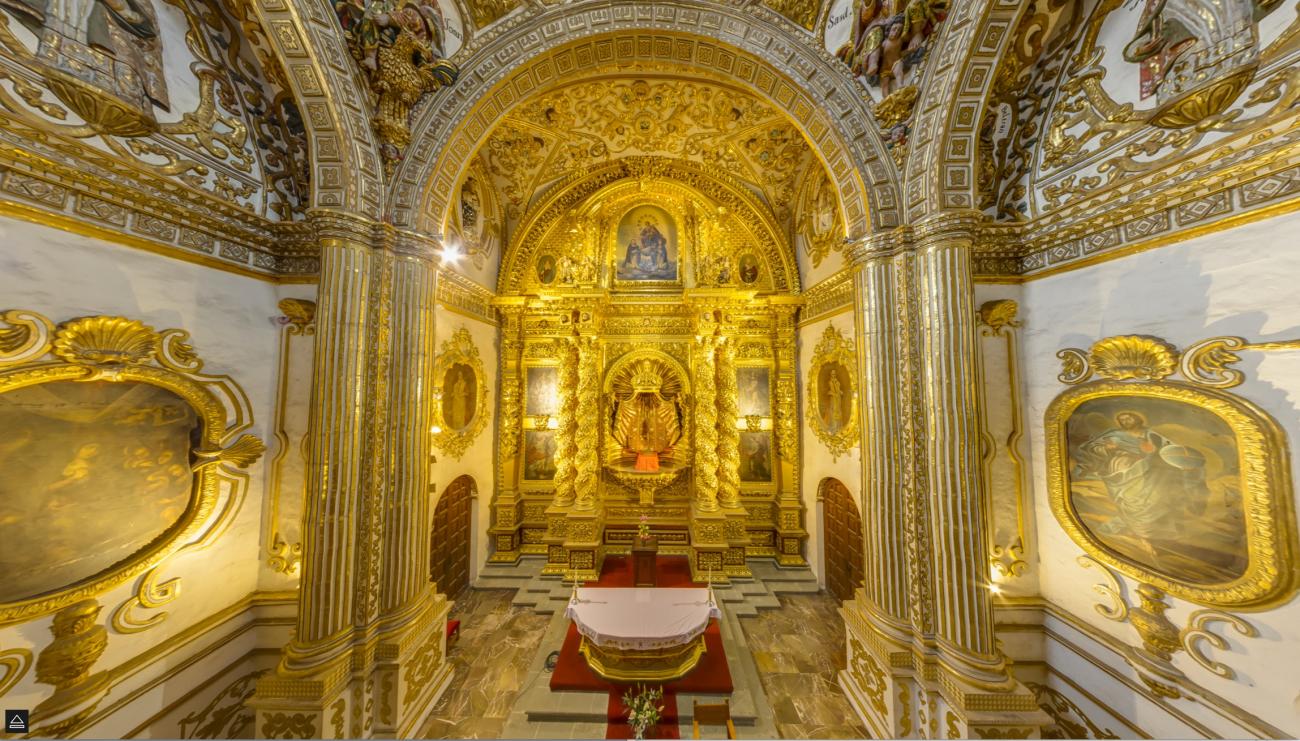
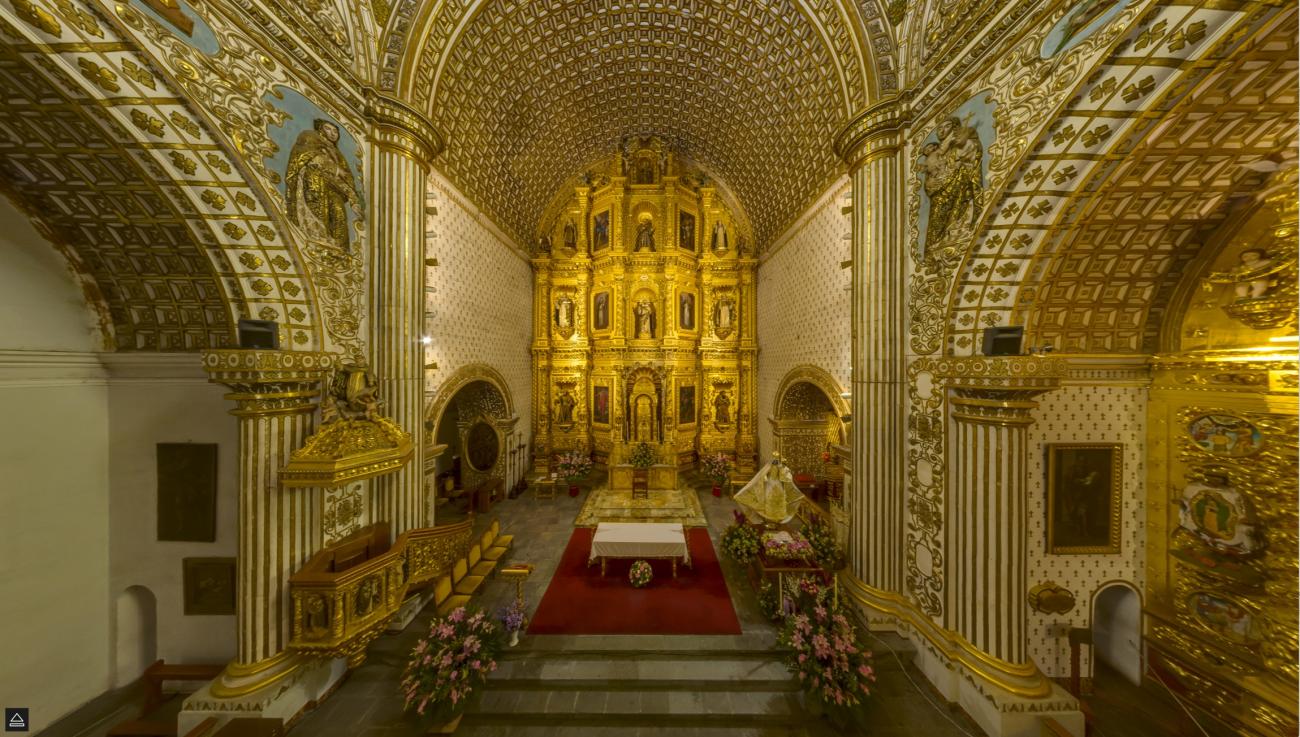
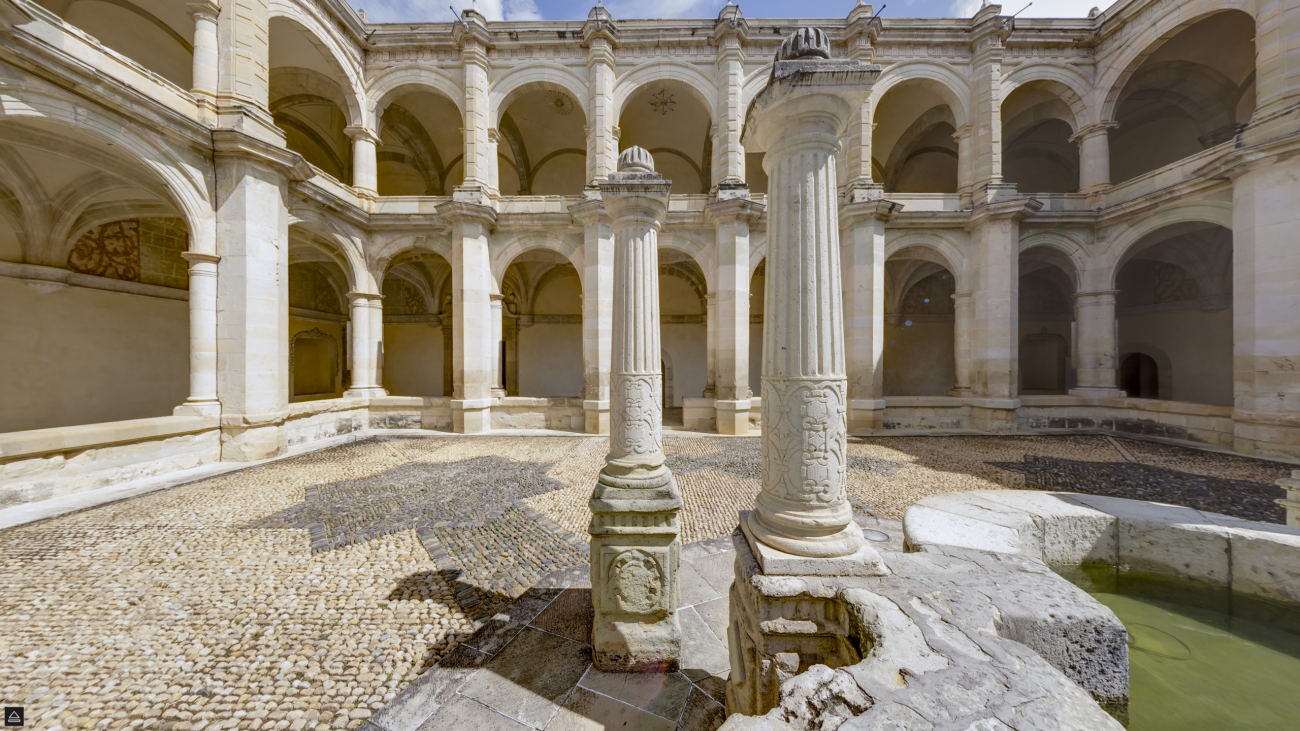
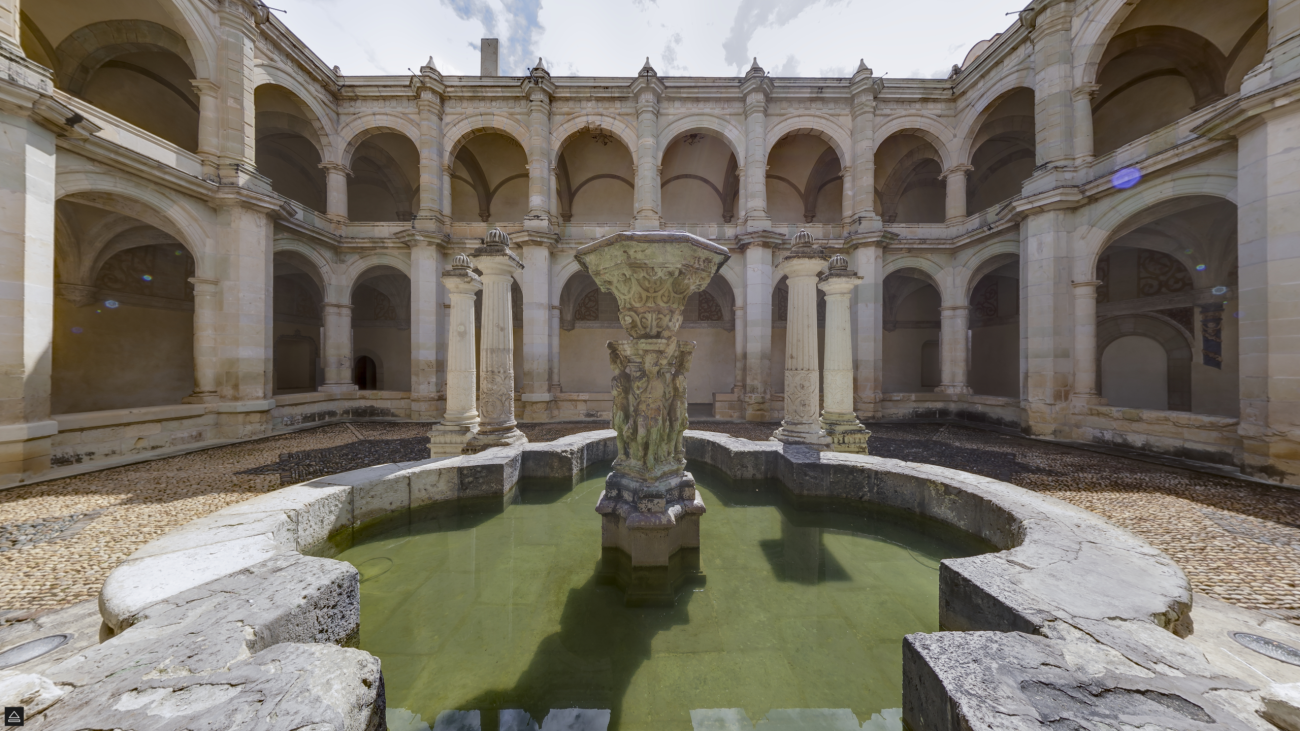
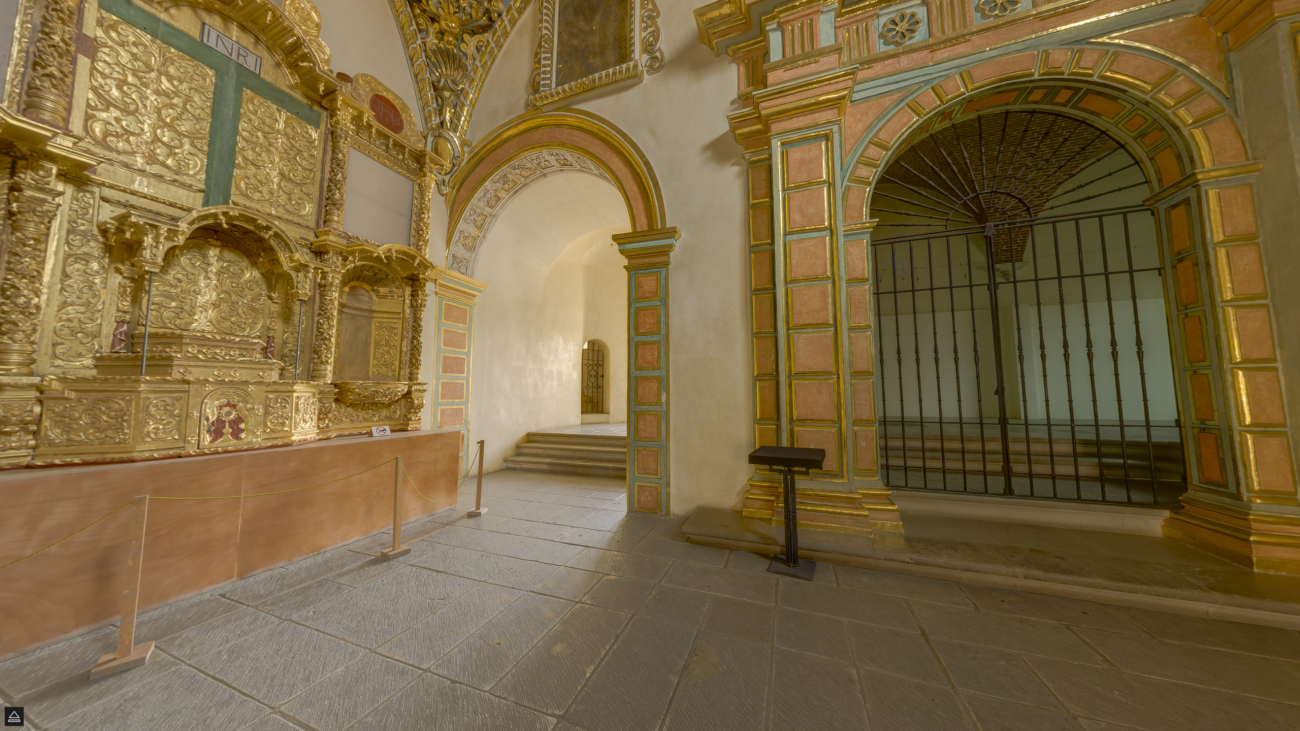
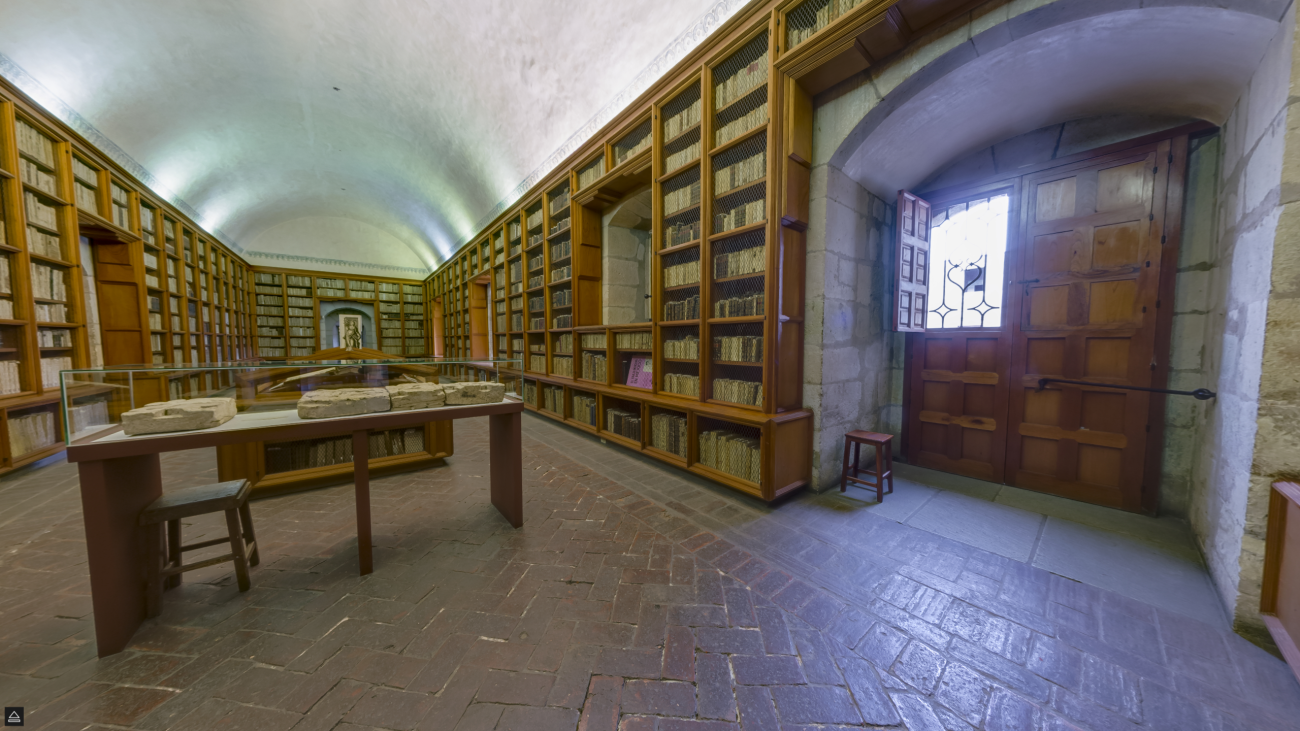
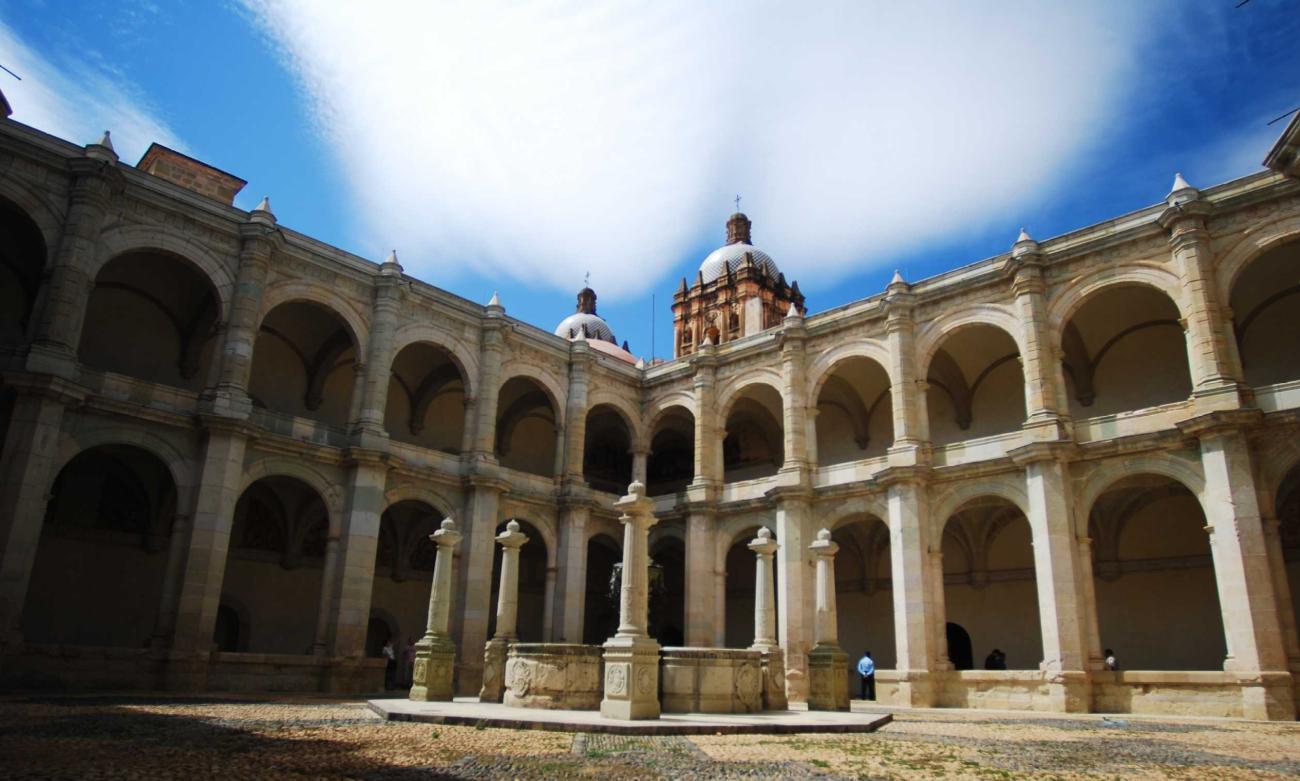
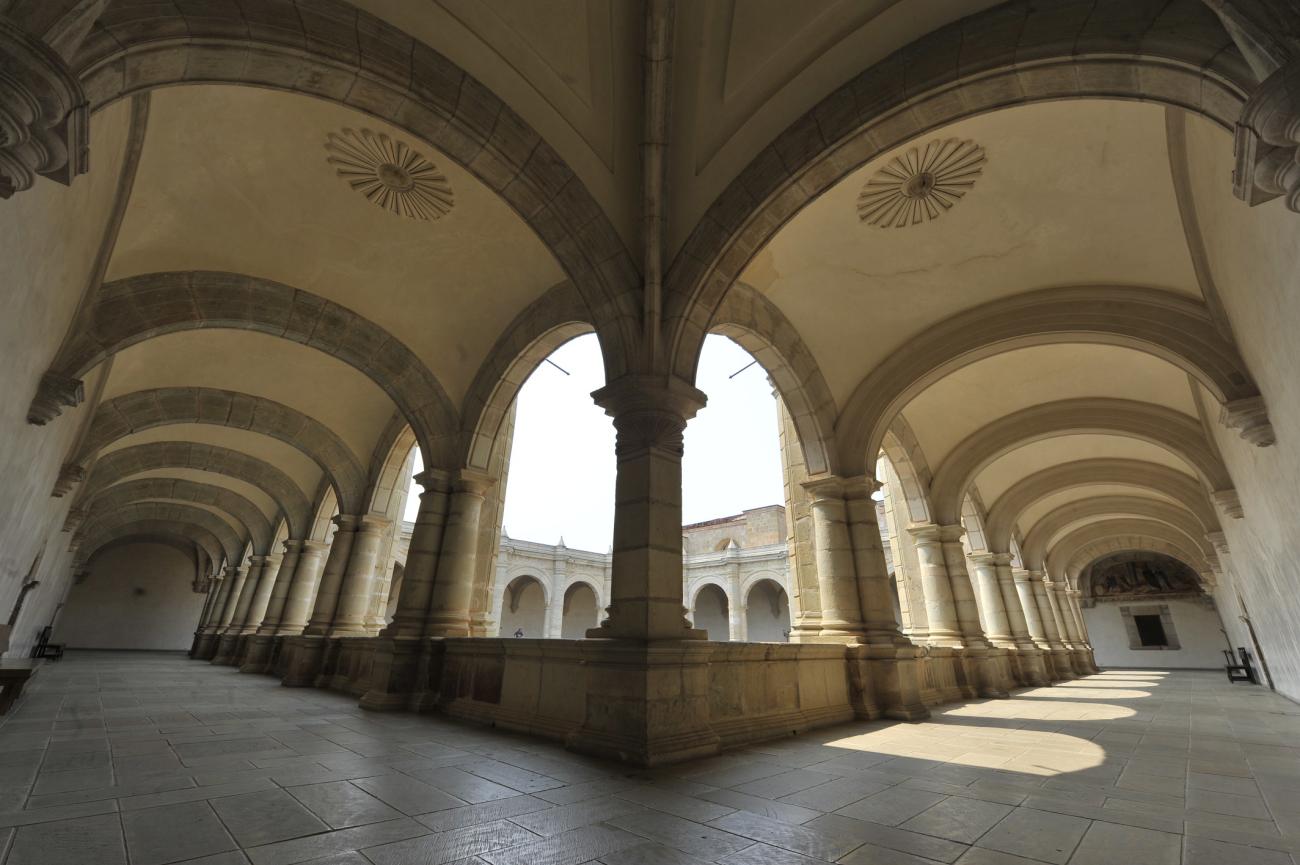
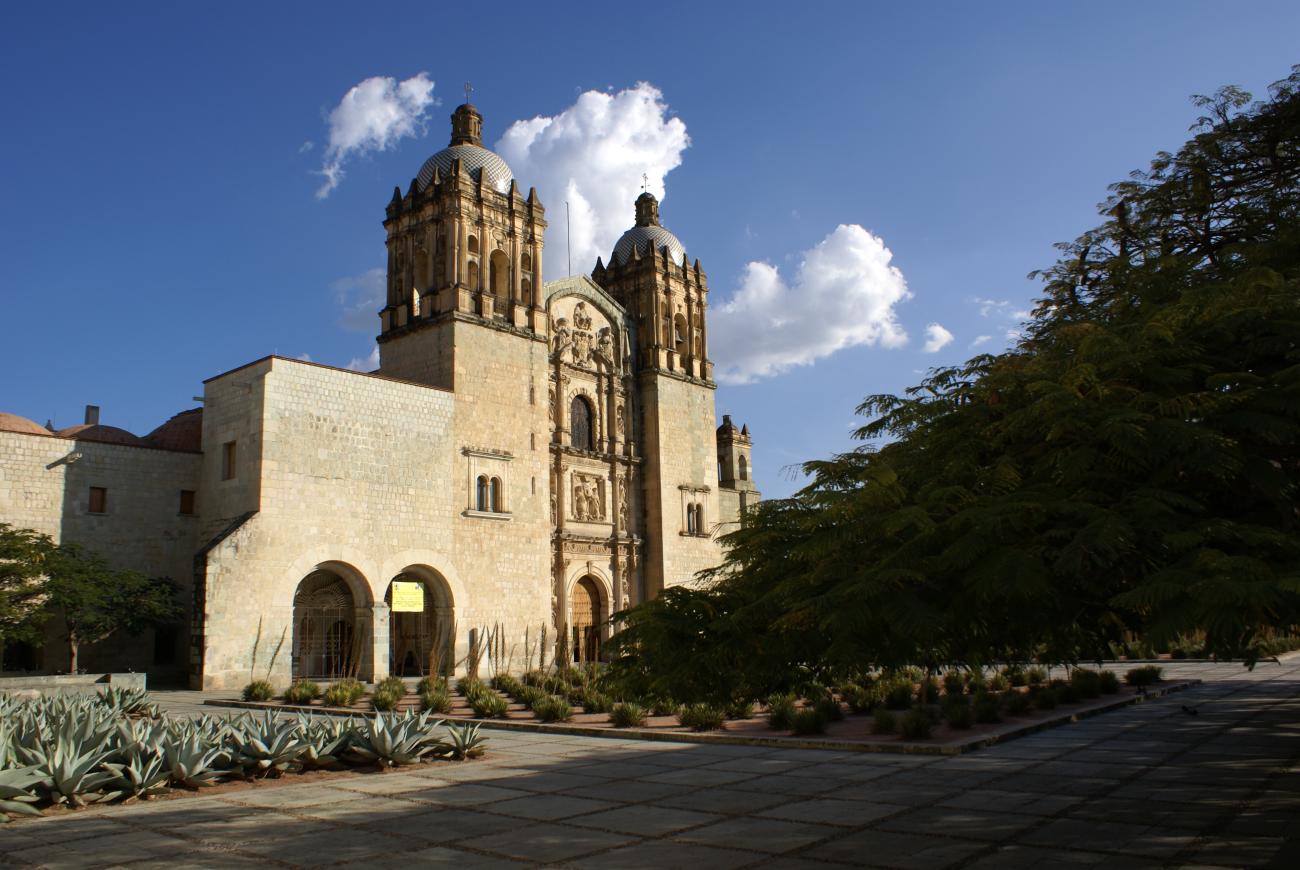
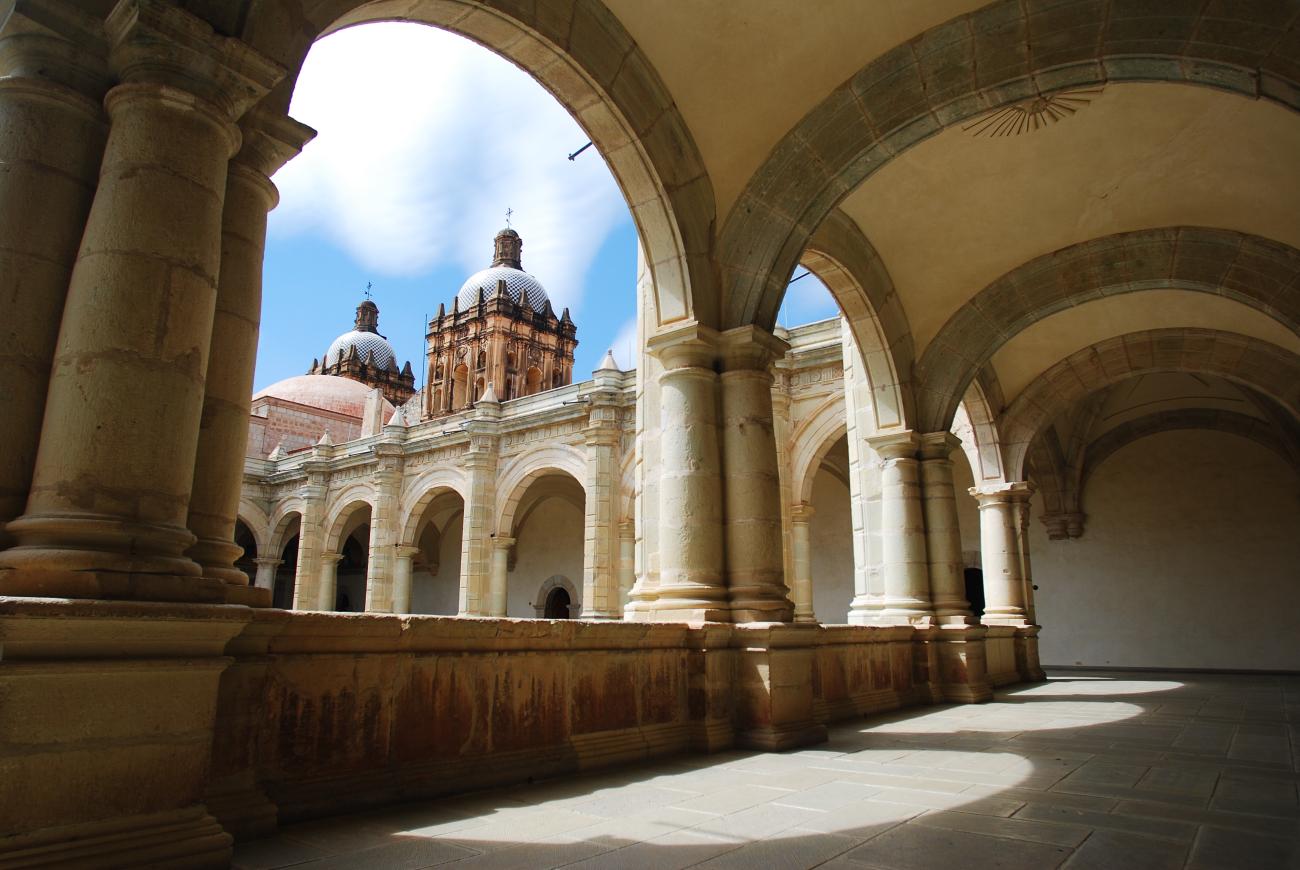
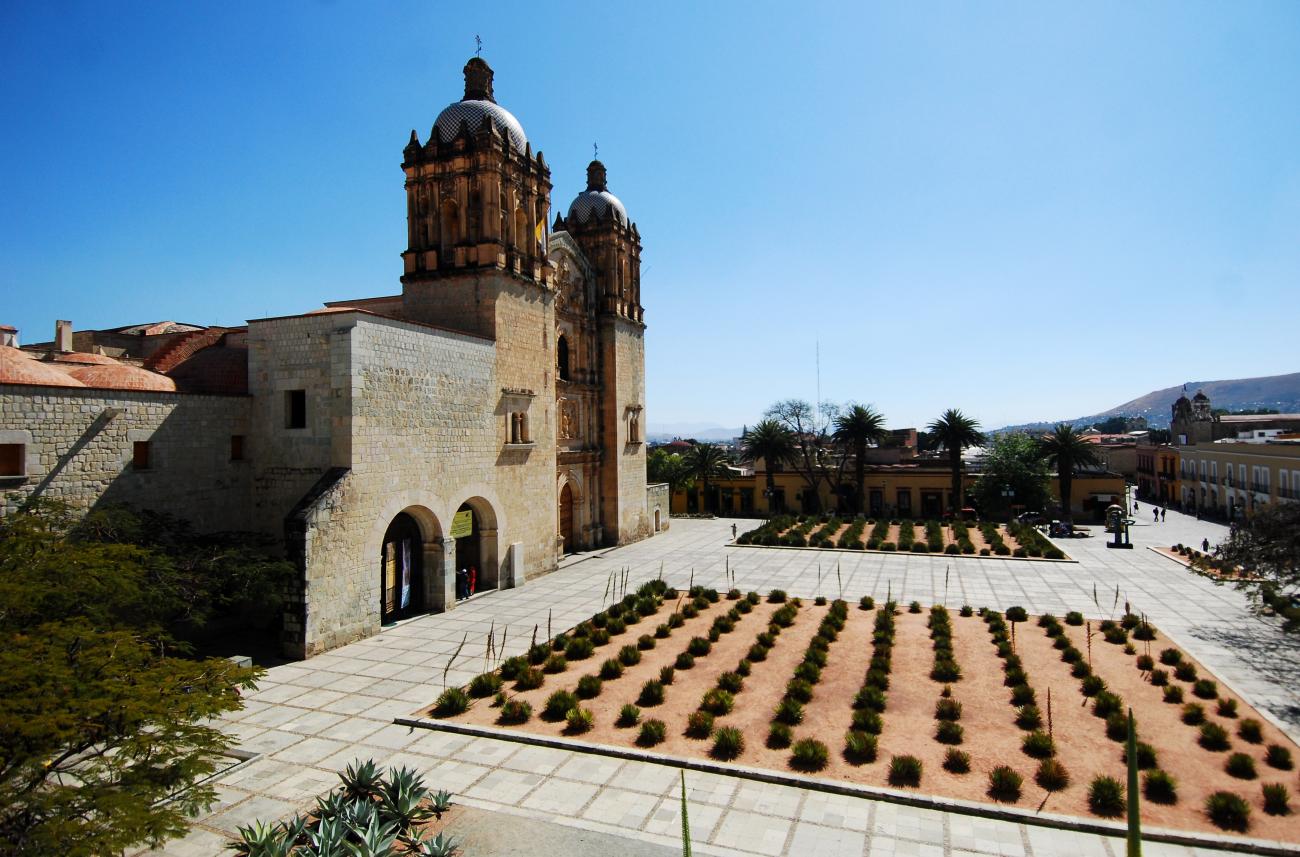
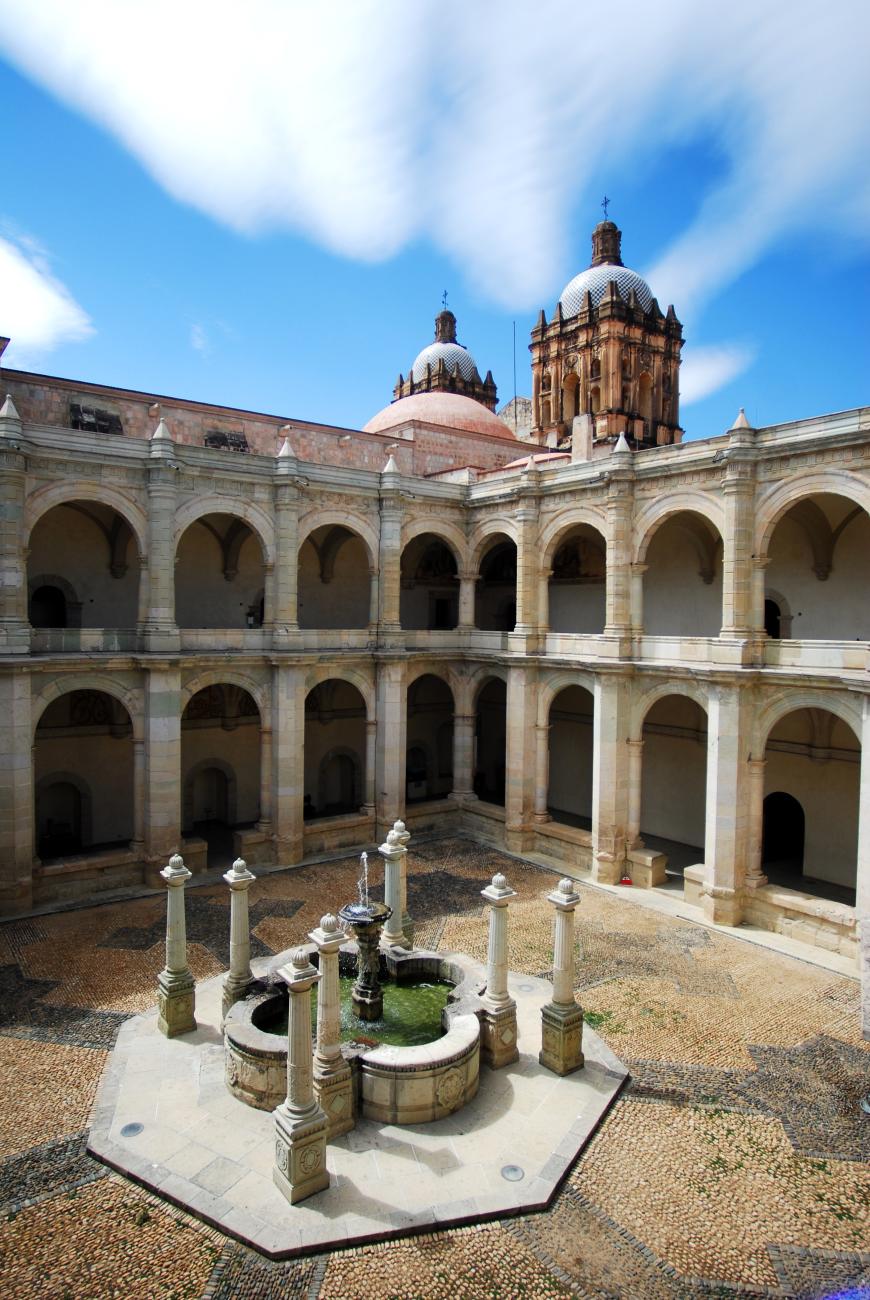
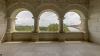
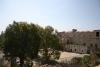
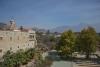
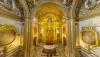
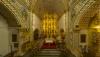
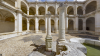
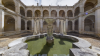
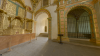
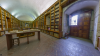
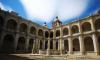
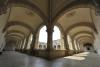
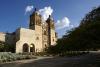
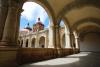
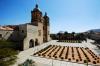
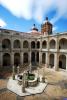
The construction of this convent complex began around 1557. The work was supervised by the friars Hernando Cavarcos, Toribio Alcaraz, and Justo Alcántara.

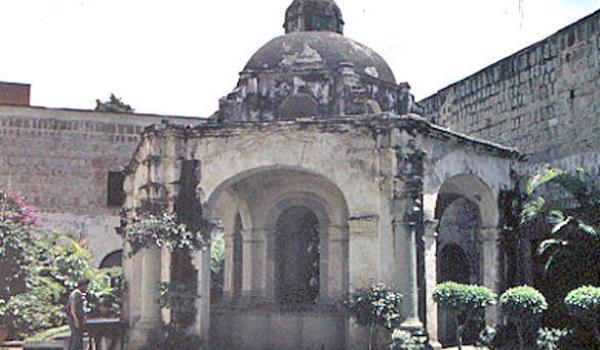
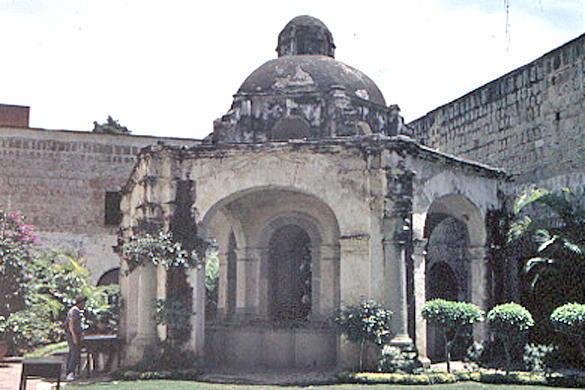
Lavaderos
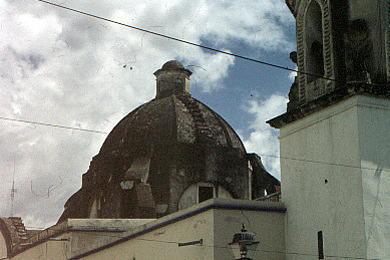
This 17th-century building is an octagonal structure covered with a dome and equipped with an ingenious hydraulic system. Water flows into the central basin and is then distributed to the various earthenware basins.