







Sala Introductoria a la Zona Arqueológica de Mixcoac
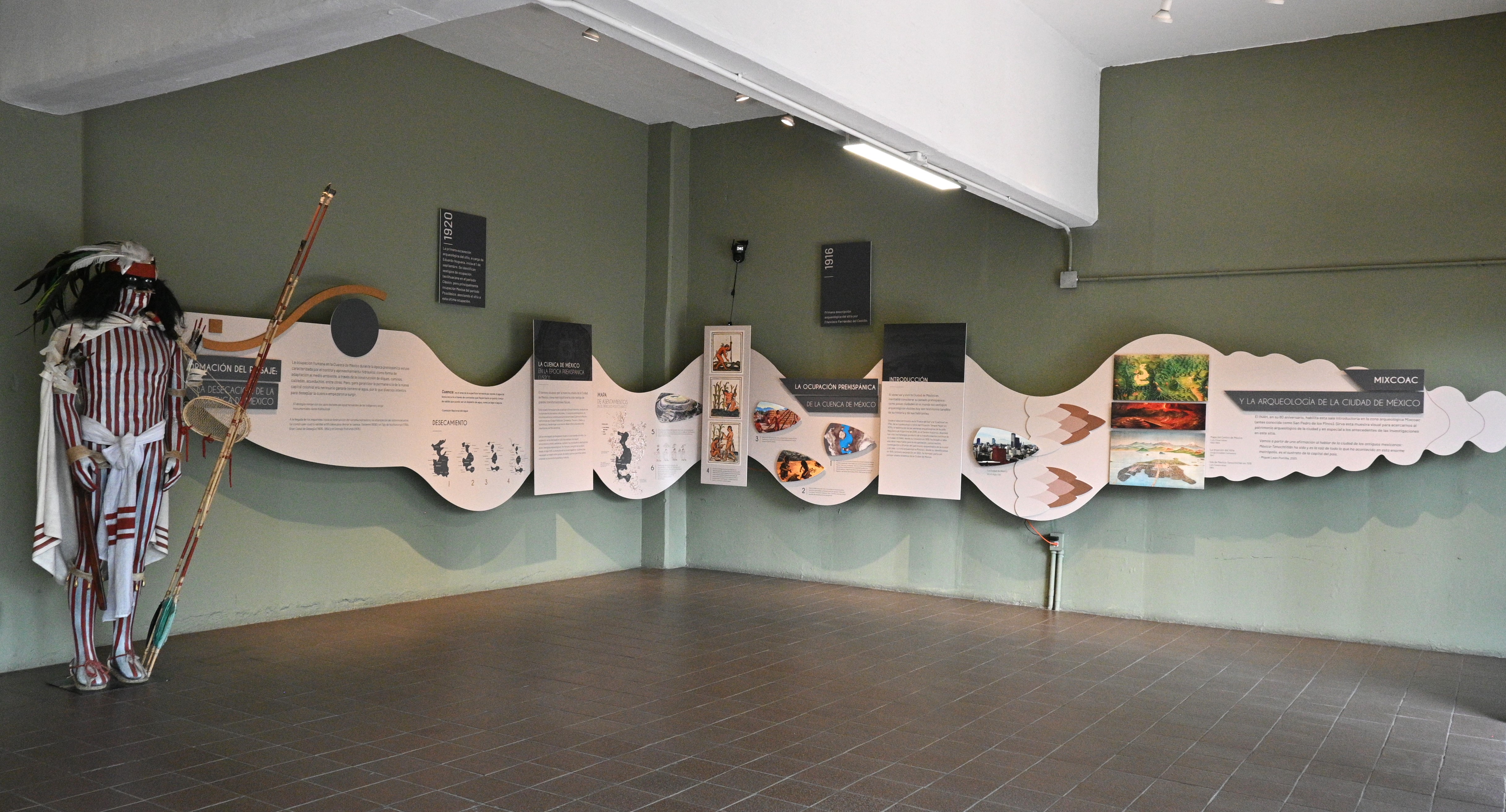
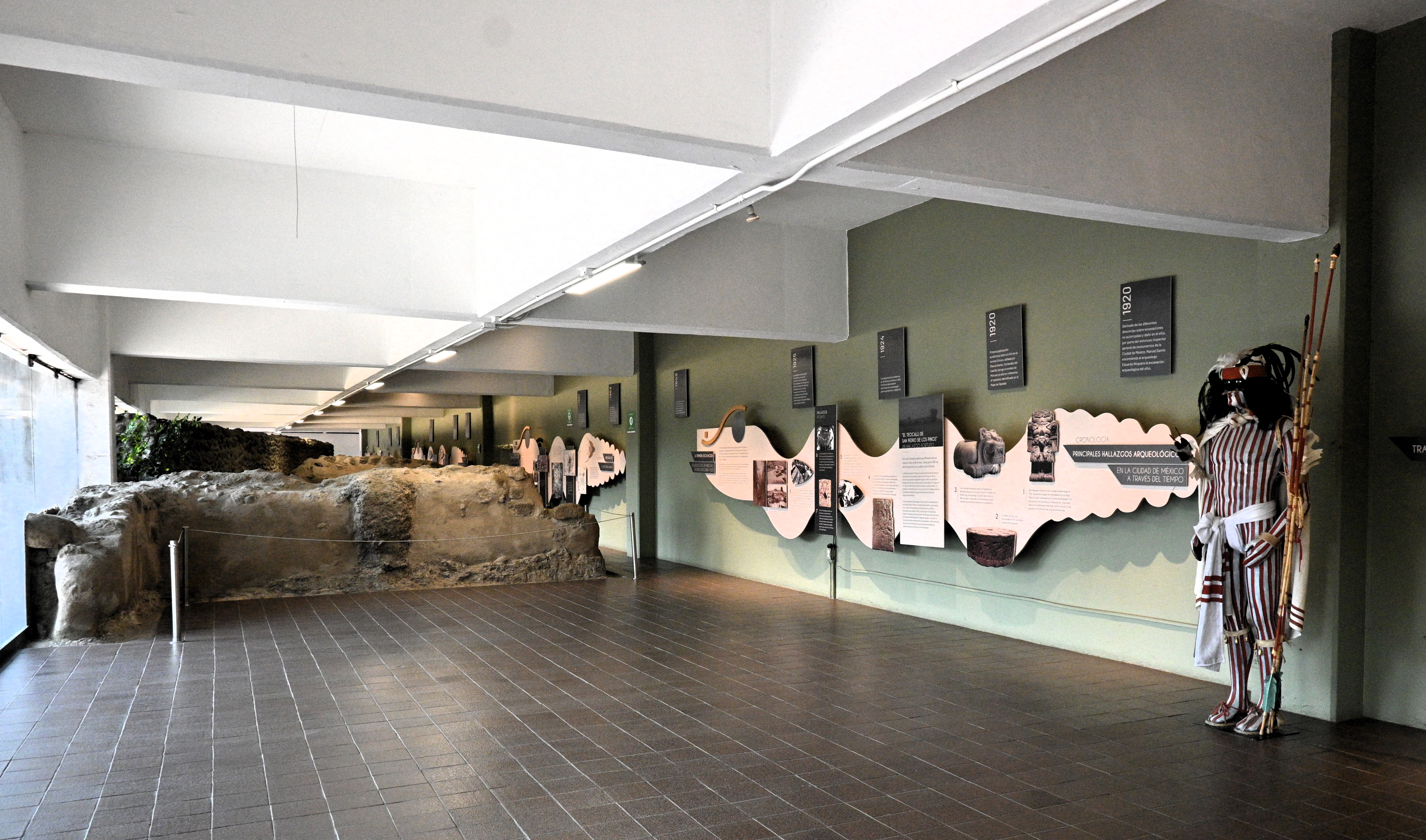
Inside this room, you can feel the flow and pulse of Mexico City’s arteries; it is also an educational space that contextualizes the history and archaeological significance of the ancient settlement of Mixcoac. Through its museum exhibition, it presents information on the site’s pre-Hispanic occupation, its main architectural features, and the research and conservation work that has been carried out.
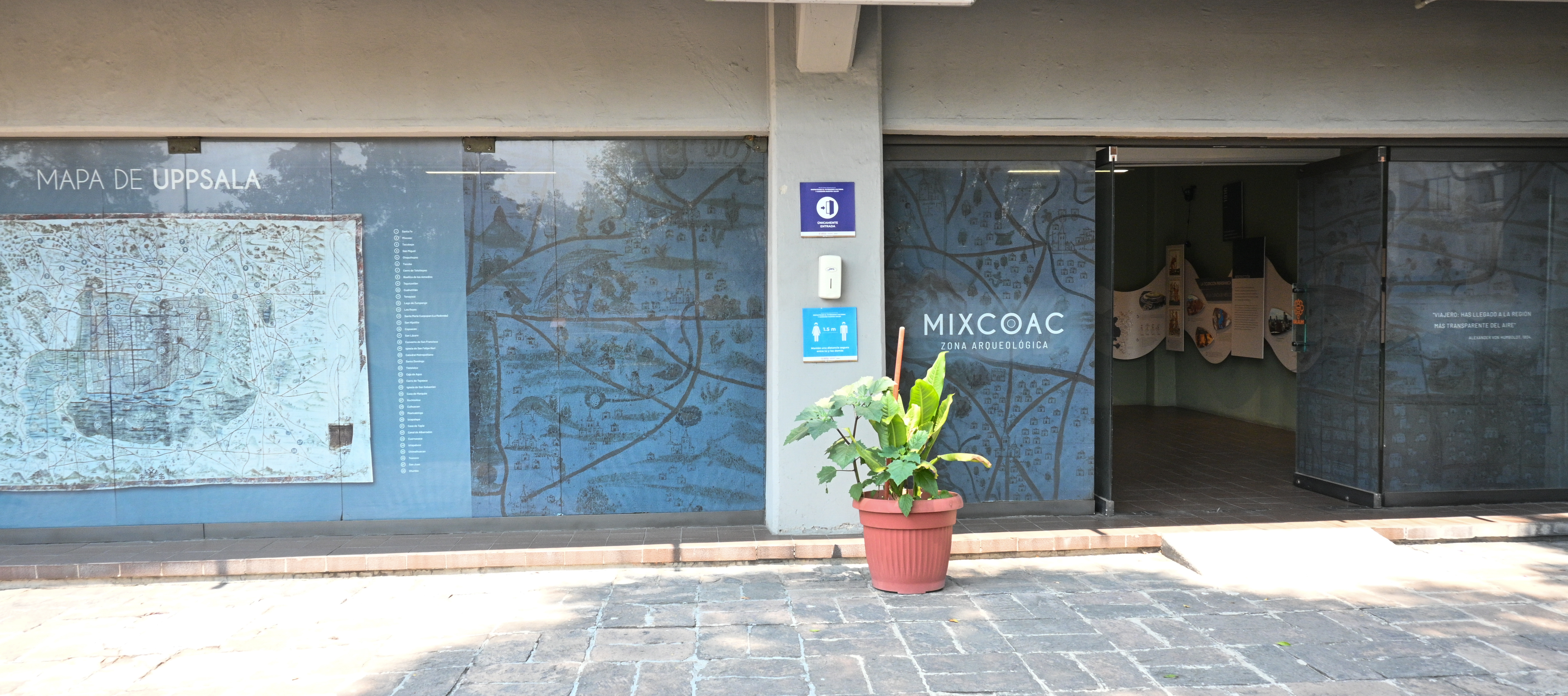
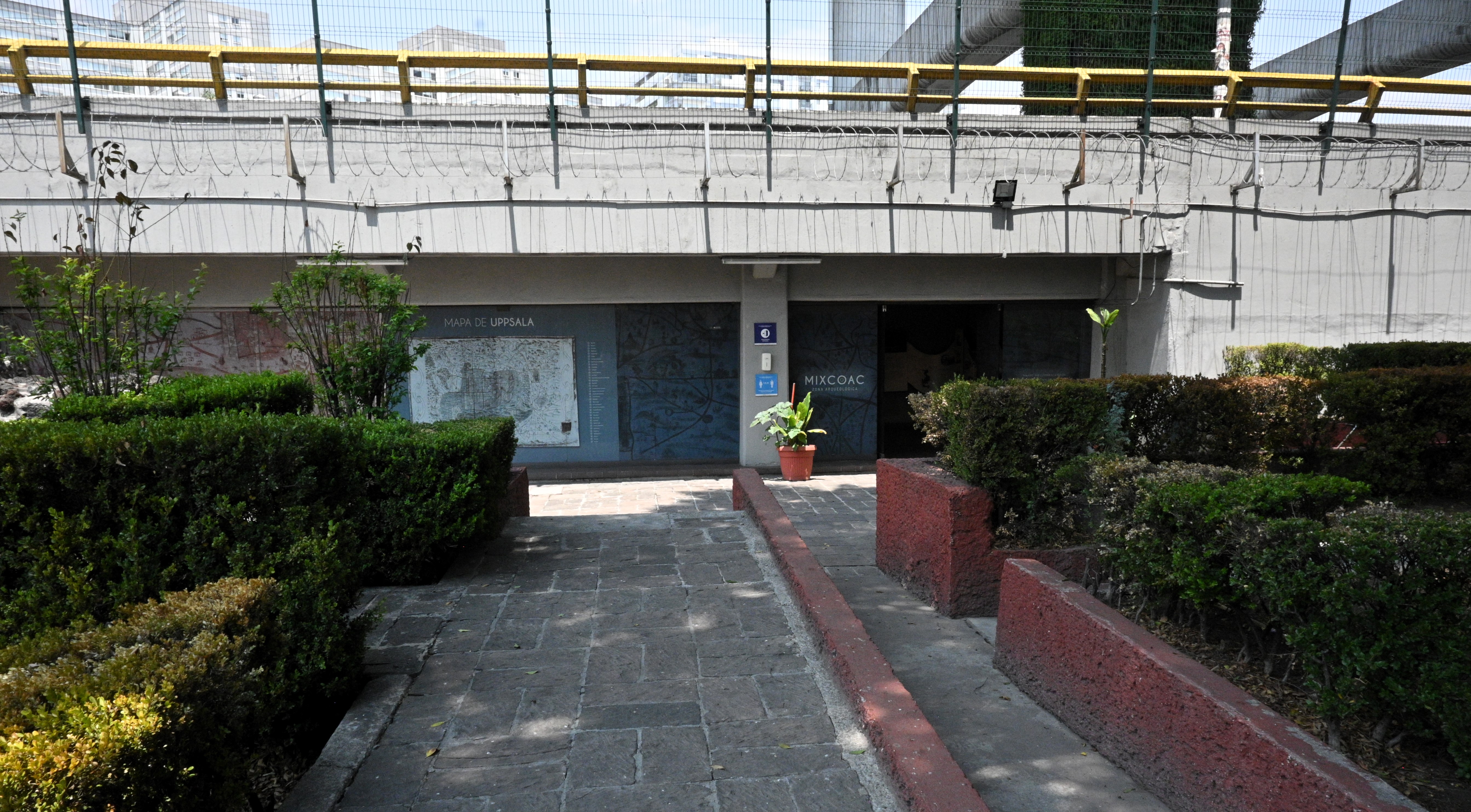
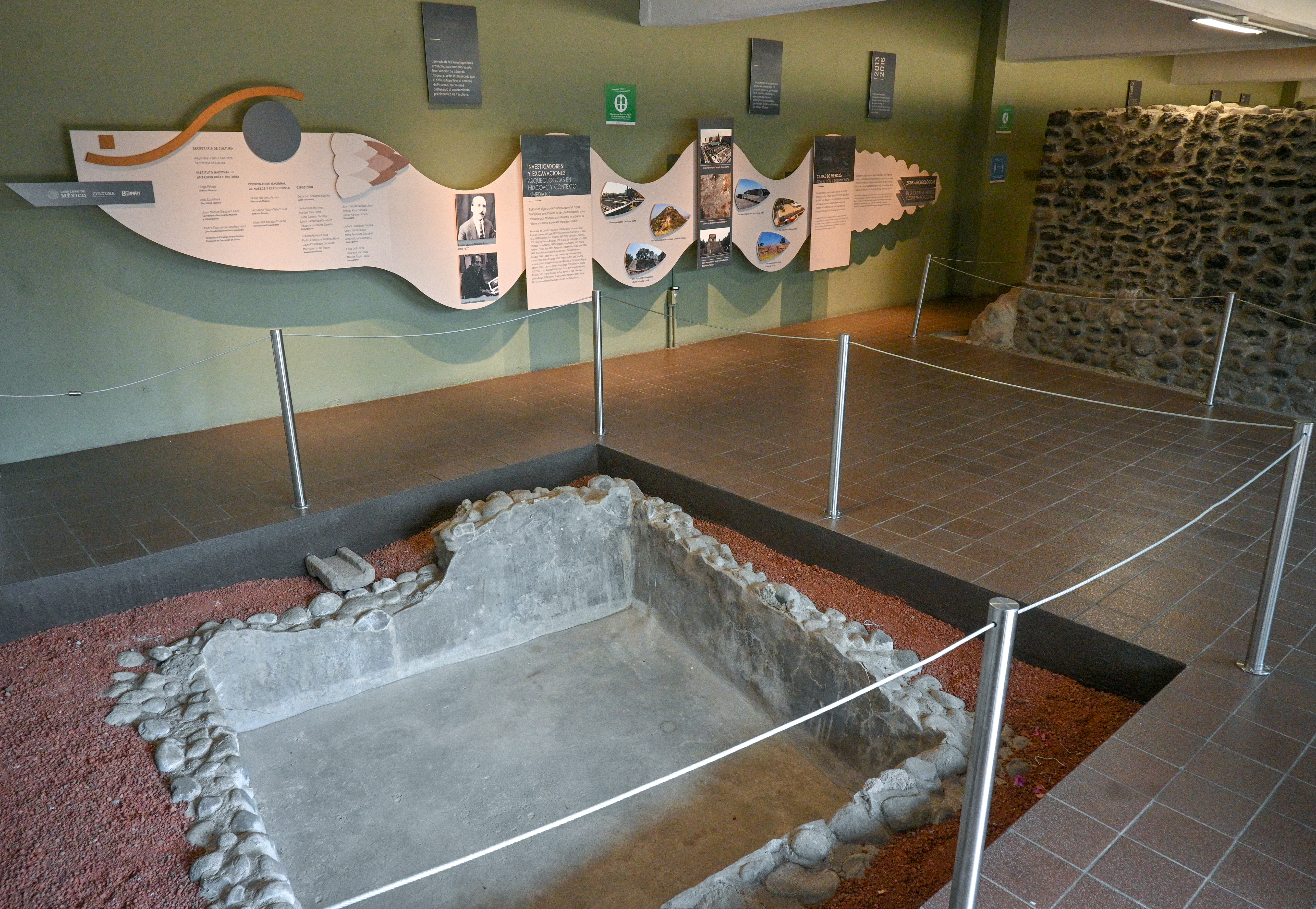
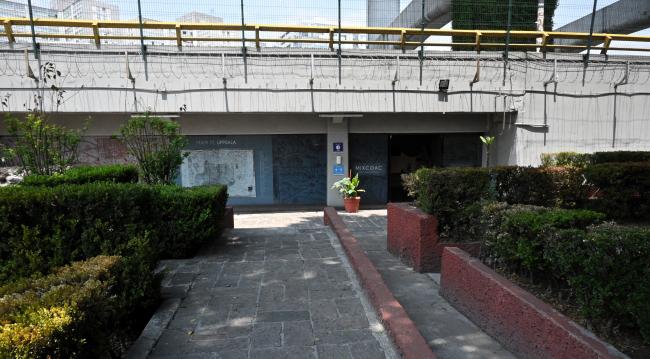
This room is located in a cavity beneath the side of the Periférico and has preserved one of the few vestiges of Mexica architecture made of adobe. Among its exhibits, visitors can see graphics and infographics, learn about the remains of pre-Hispanic buildings, and see evidence of Teotihuacan and Mexica occupations in the area. The purpose of the room is to teach visitors about the history and archaeology of this place. The National Coordination of Museums and Exhibitions was responsible for the adaptation of the Introductory Room. Did you know? This important pre-Hispanic site has been researched for over a century. The first description of the remains was made in 1916 by historian Francisco Fernández del Castillo, who named the site Mixcoac after identifying the place name “La serpiente de nubes” (The Cloud Serpent) on the Uppsalao de Santa Cruz Map, drawn up in 1550.
In 1920, archaeologist Eduardo Noguera, appointed by Manuel Gamio, then director of Pre-Hispanic Monuments, led the first archaeological excavation to study the large mound that was visible in the area south of Tacubaya, which was known as “el teocallide San Pedro de los Pinos.”
The introductory room explains that the history of Mixcoac begins long before the Mexica period. Archaeological evidence shows that the area was inhabited as early as the Classic Period (approximately 100–650 CE), when Teotihuacan’s influence extended across much of the Central Highlands. During this period, small agricultural settlements developed that maintained commercial and cultural ties with the great Teotihuacan metropolis. After Teotihuacan’s decline, the site continued to be inhabited by various groups that took advantage of the basin’s fertility and its proximity to major trade routes.
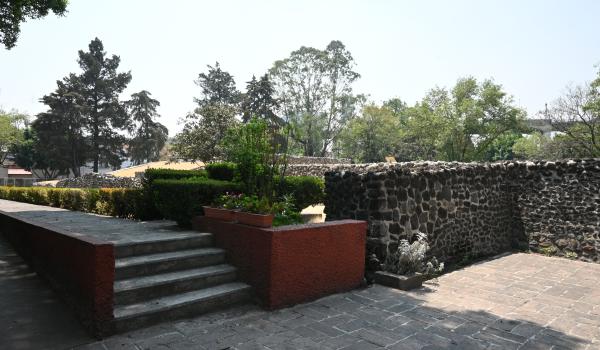
One of the most interesting aspects of the exhibition hall is the explanation of the site’s architectural features. Visitors can learn about the layout of the platforms, courtyards, altars, and ceremonial structures built primarily of volcanic stone and adobe. Although much of the ancient city disappeared due to the urban expansion of Mexico City, excavations have uncovered enough elements to reconstruct the spatial organization of the settlement and understand the function of each building.
It also displays various archaeological artifacts recovered during the excavations, including pottery shards, stone tools, obsidian objects, household utensils, anthropomorphic figurines, and remains associated with ritual and funerary activities. These artifacts provide insight into aspects of the daily lives of the ancient inhabitants, their religious practices, their economic activities, and the craft techniques they mastered. In addition, the explanatory panels feature illustrations and hypothetical reconstructions that help visitors imagine what the settlement originally looked like before the arrival of the Spanish.
- Subdirección de Investigación y ConservaciónLaura Castañeda Cerecerolaura_castaneda@inah.gob.mx+52 (55) 5522 4108ResponsableRoberto Gallegos Ruizroberto_gallegos@inah.gob.mx+52 (55) 5271 4919