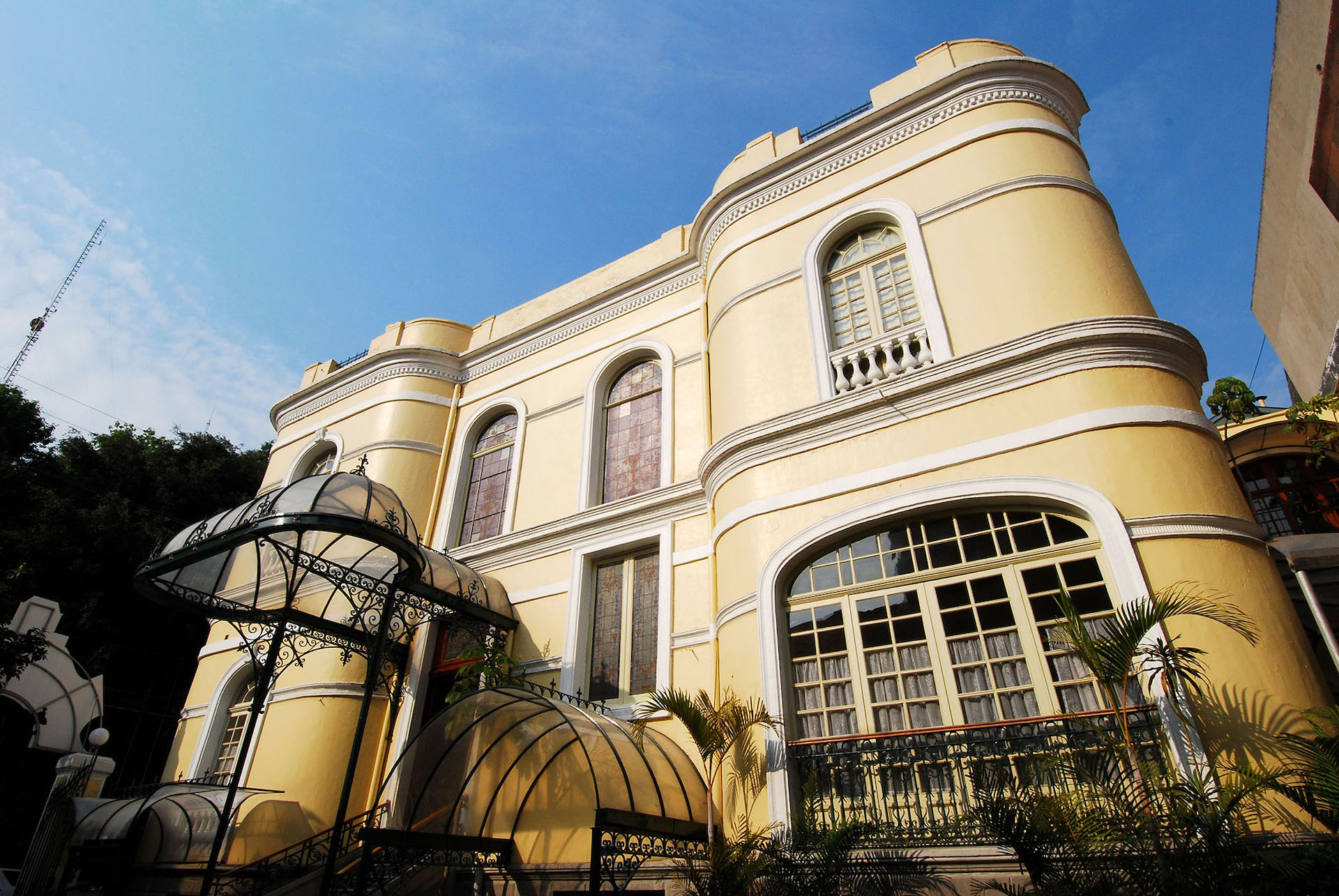
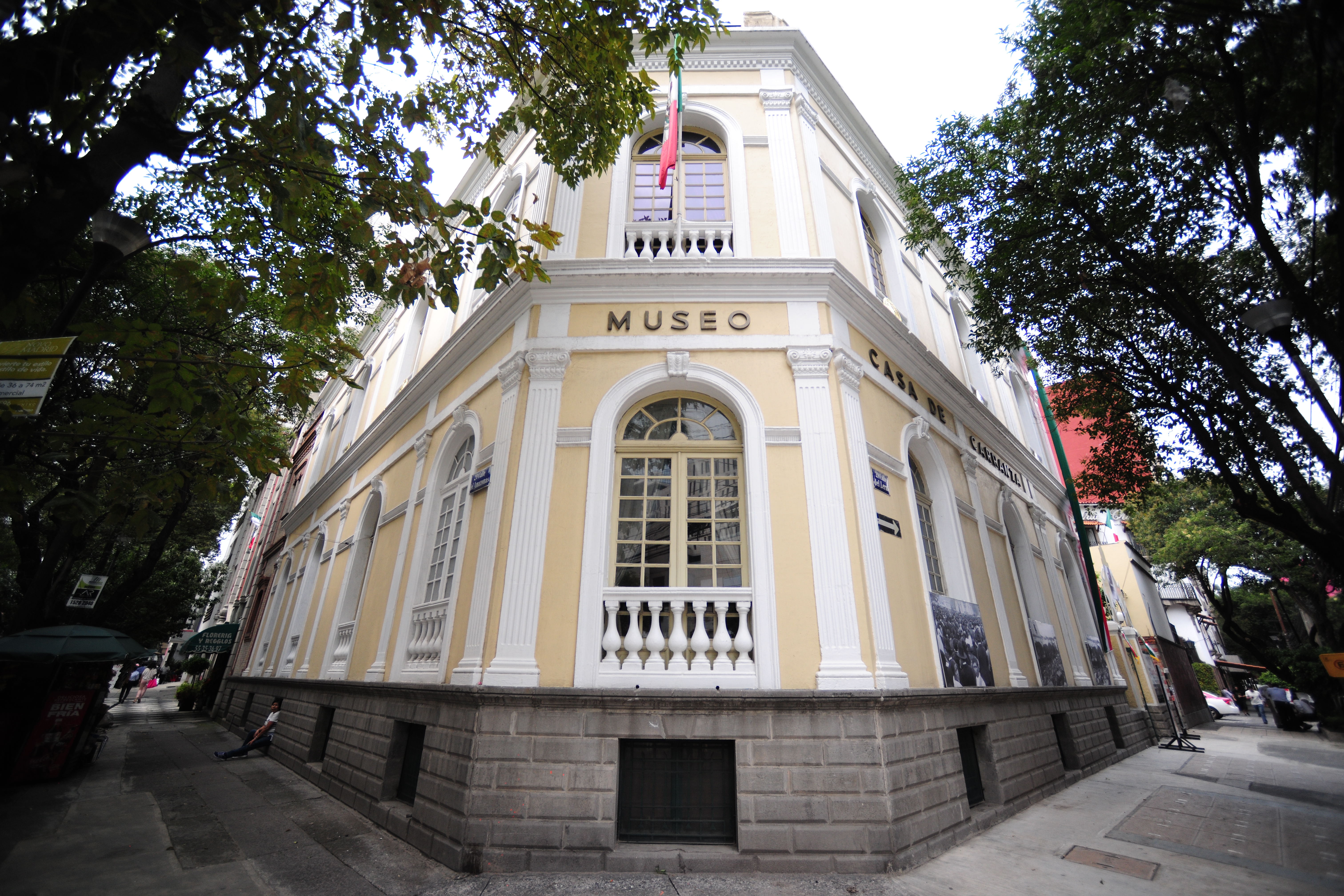
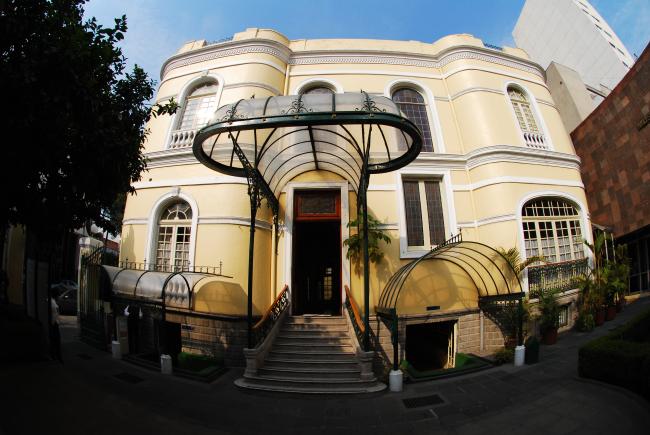
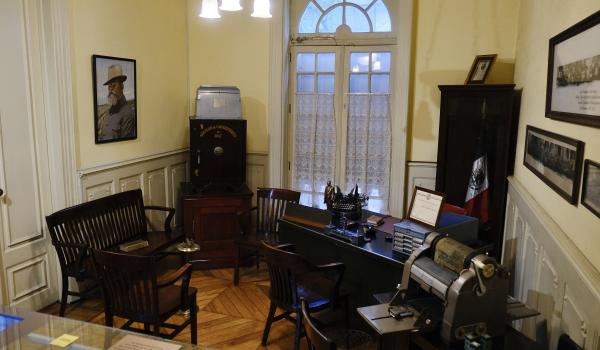
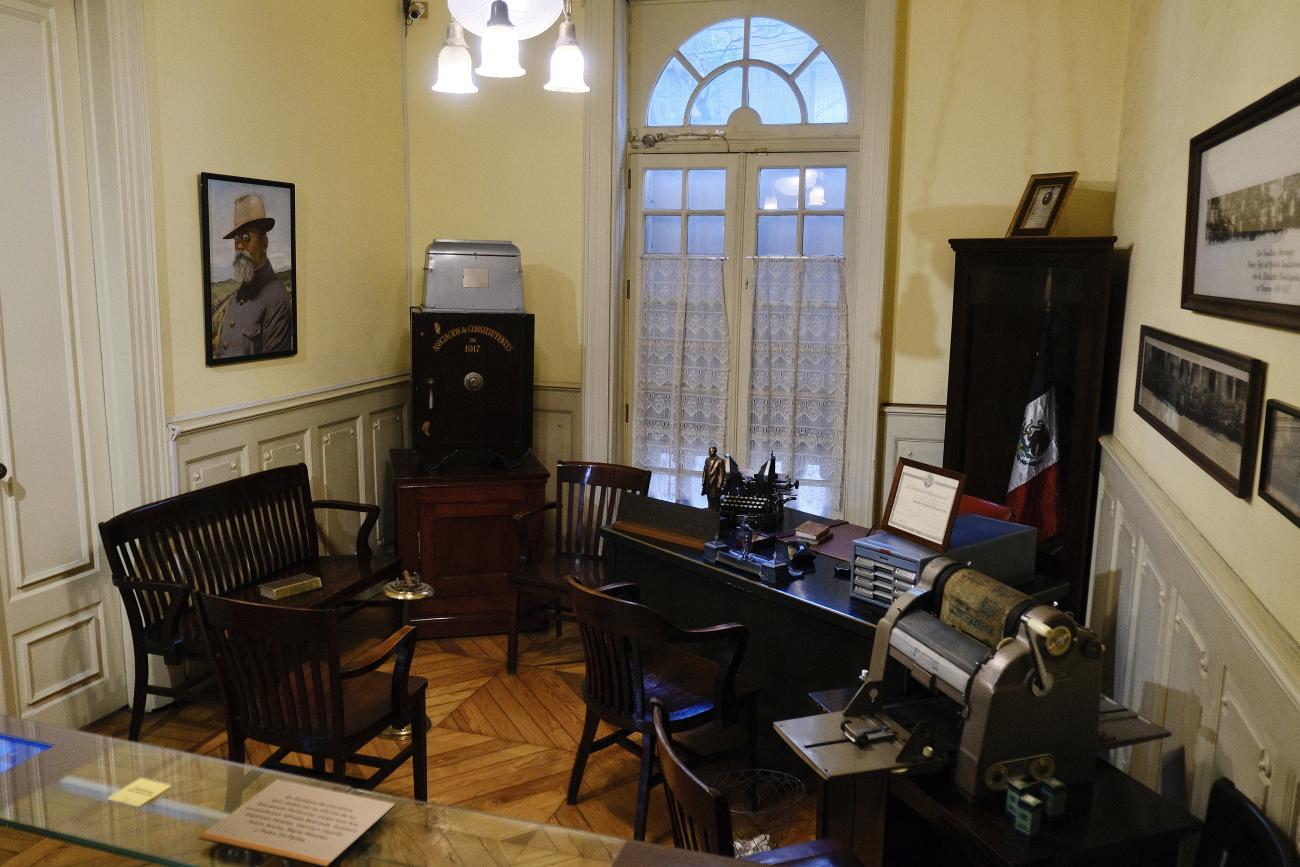
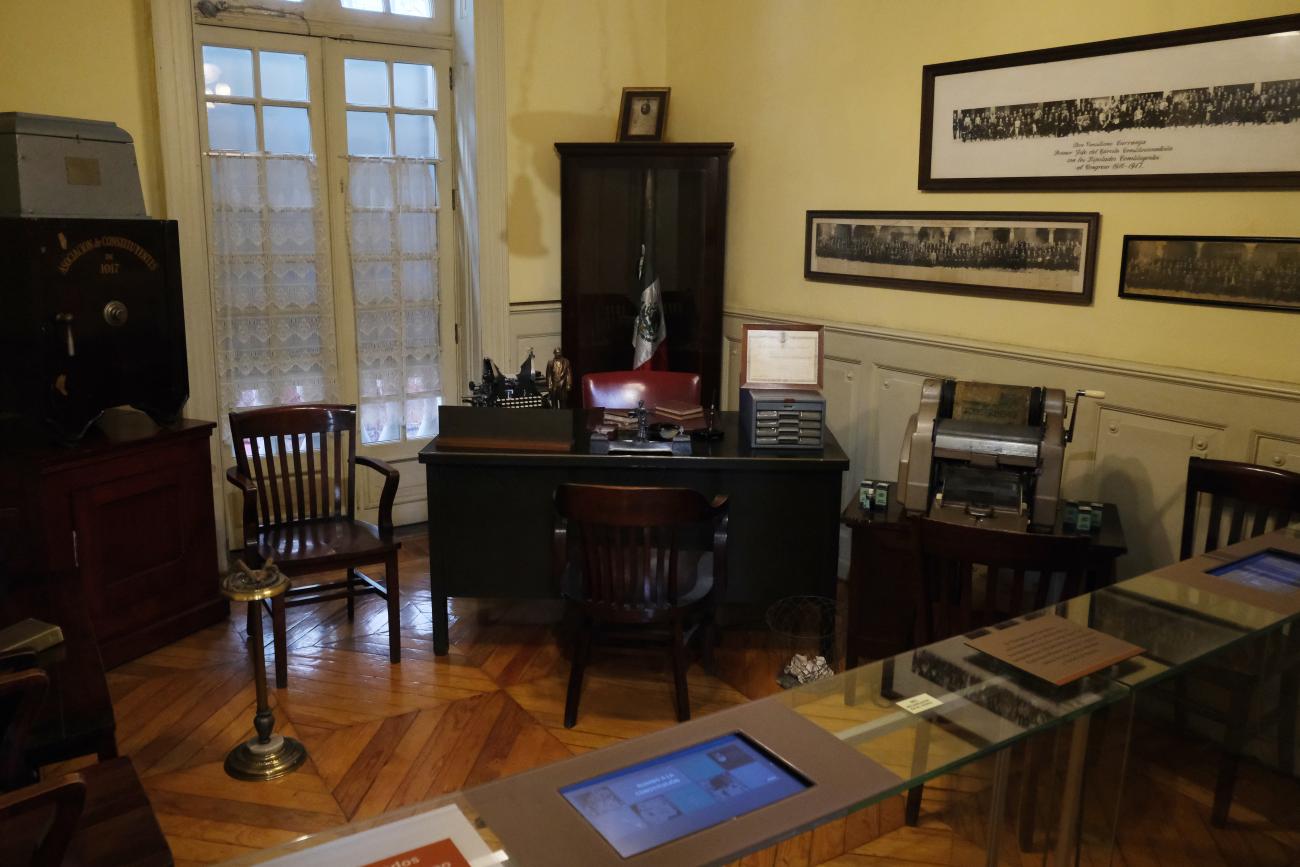
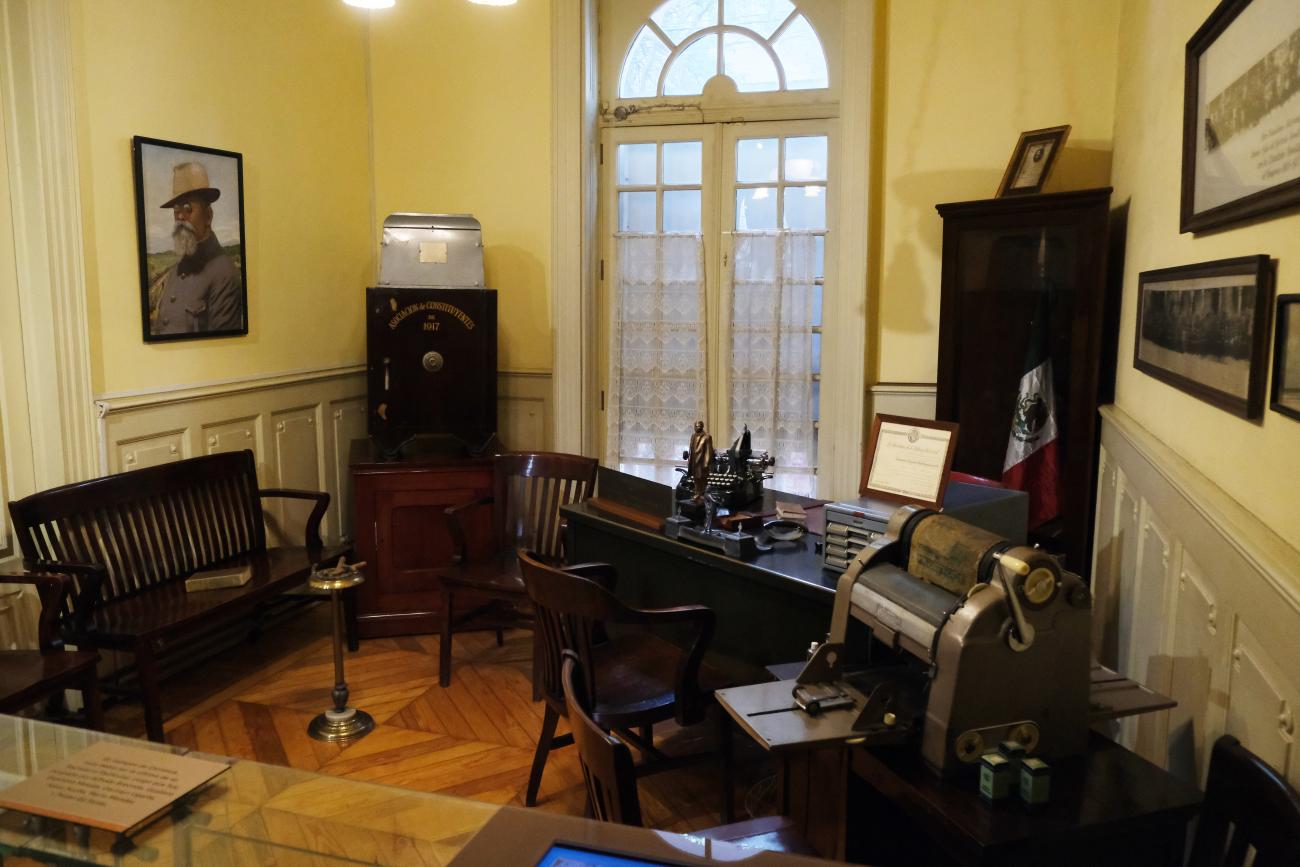
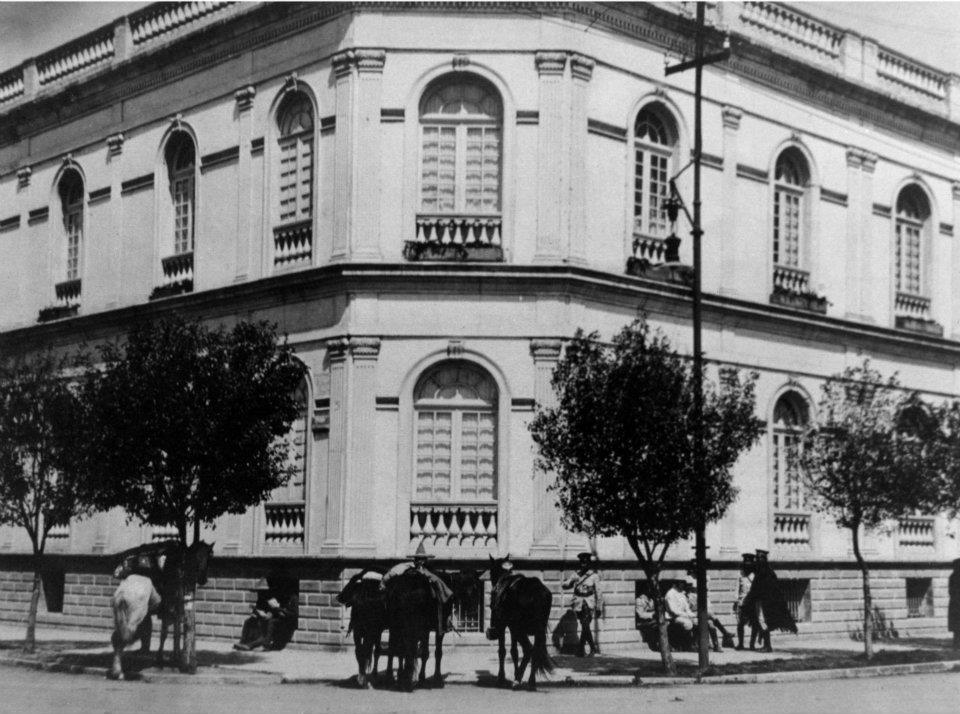
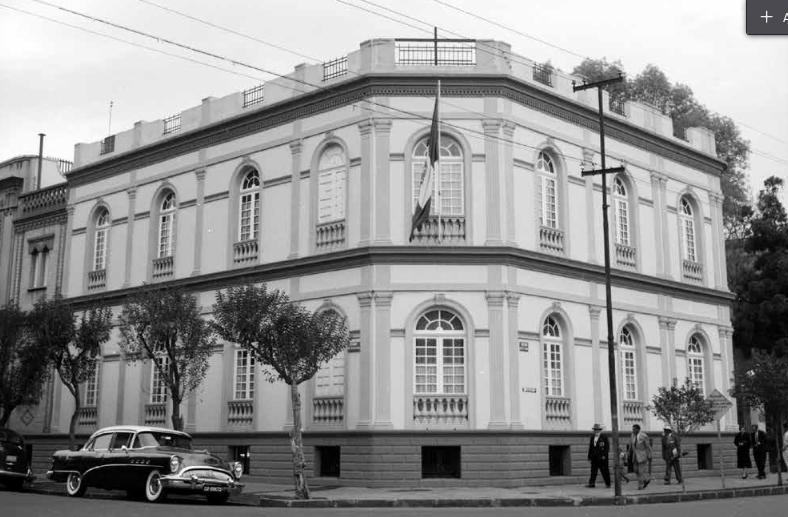
In 1908, engineer Manuel Stampa built his family home, with all the luxuries and comforts of the upper class during the Porfiriato era. In 1913, as a result of the Decena Trágica (Tragic Ten Days), the family was forced to abandon it, and it was occupied by General Felipe Ángeles as headquarters for the federal troops under his command, due to its proximity to the Colonia train station and with the idea that he would defend President Madero from the rebellion of Bernardo Reyes, Félix Díaz, Manuel Mondragón, and Victoriano Huerta.
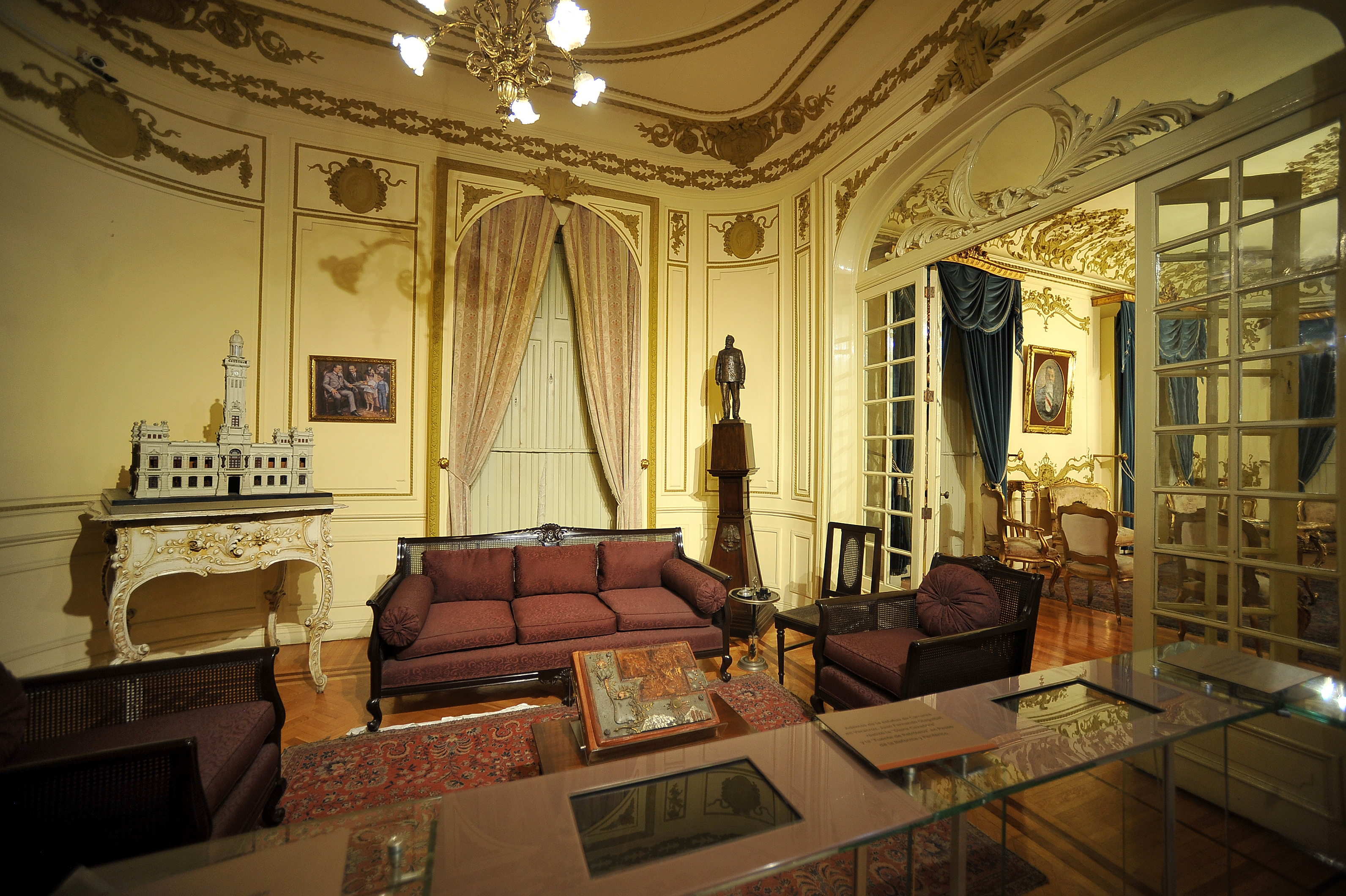
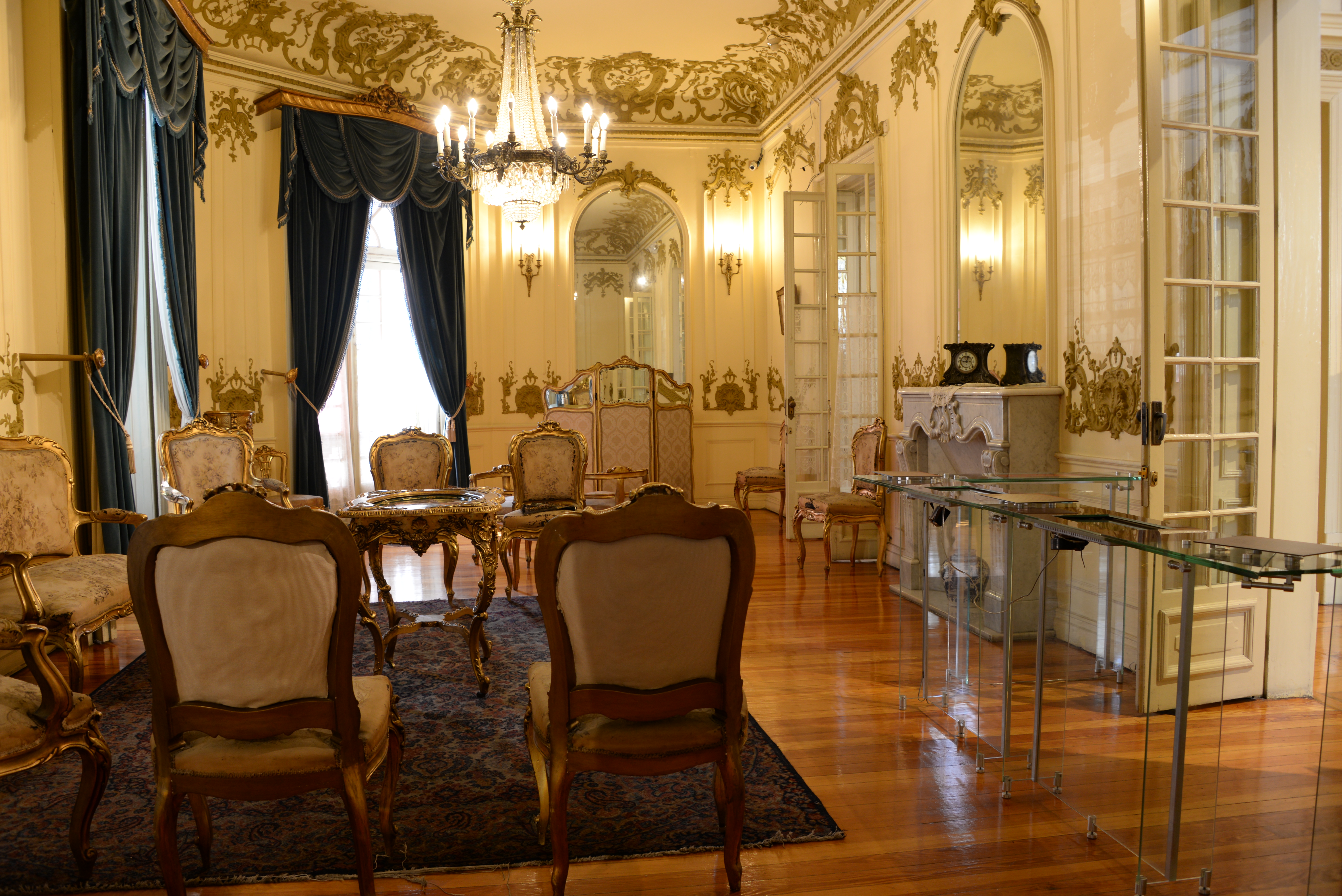
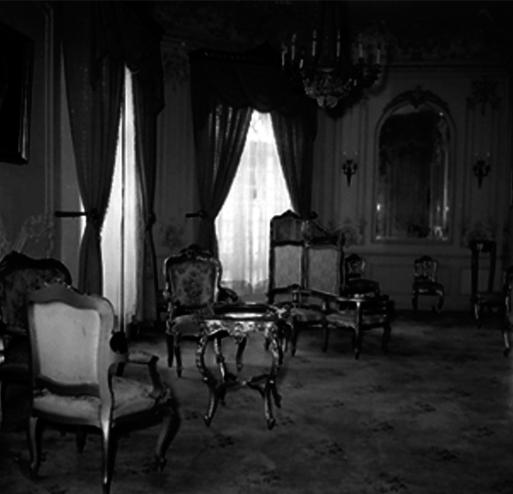
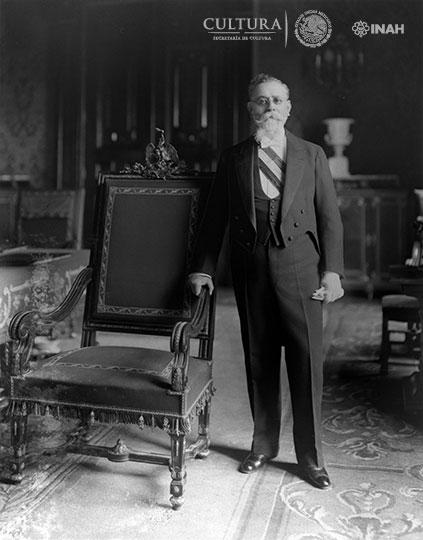
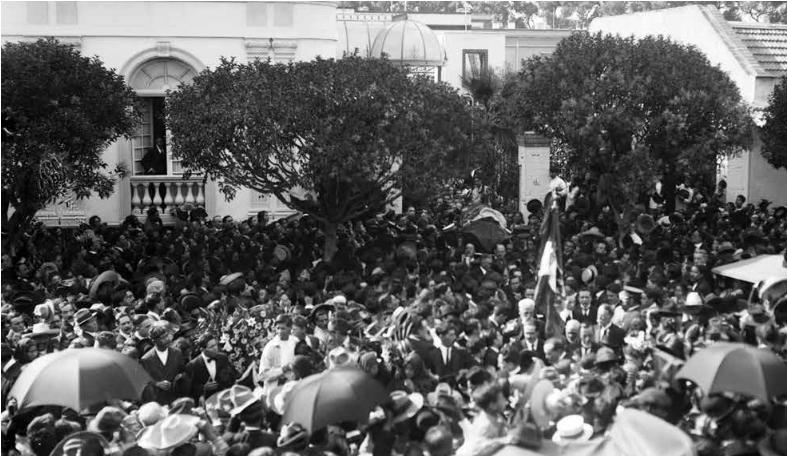
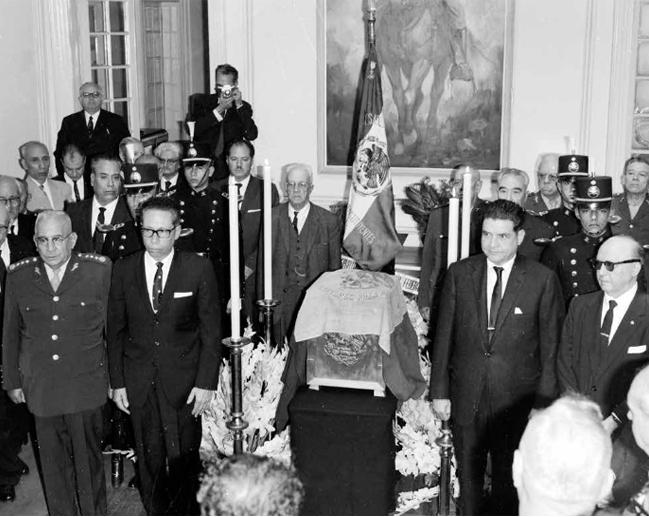
By 1915, after the Villostas and Zapatistas were evicted from the capital, the Stampa family returned to the house and lived there until 1918. The following year, President Venustiano Carranza rented it and lived on the property before leaving Mexico City to establish the provisional government in Veracruz after the Agua Prieta rebellion led by Plutarco Elías Calles, Adolfo de la Huerta, and Álvaro Obregón. However, he was assassinated in Tlaxcalantongo on May 21, 1920. Carranza's body was taken to the house a few days later, where it was laid in state in the living room before being taken to the Dolores Cemetery.
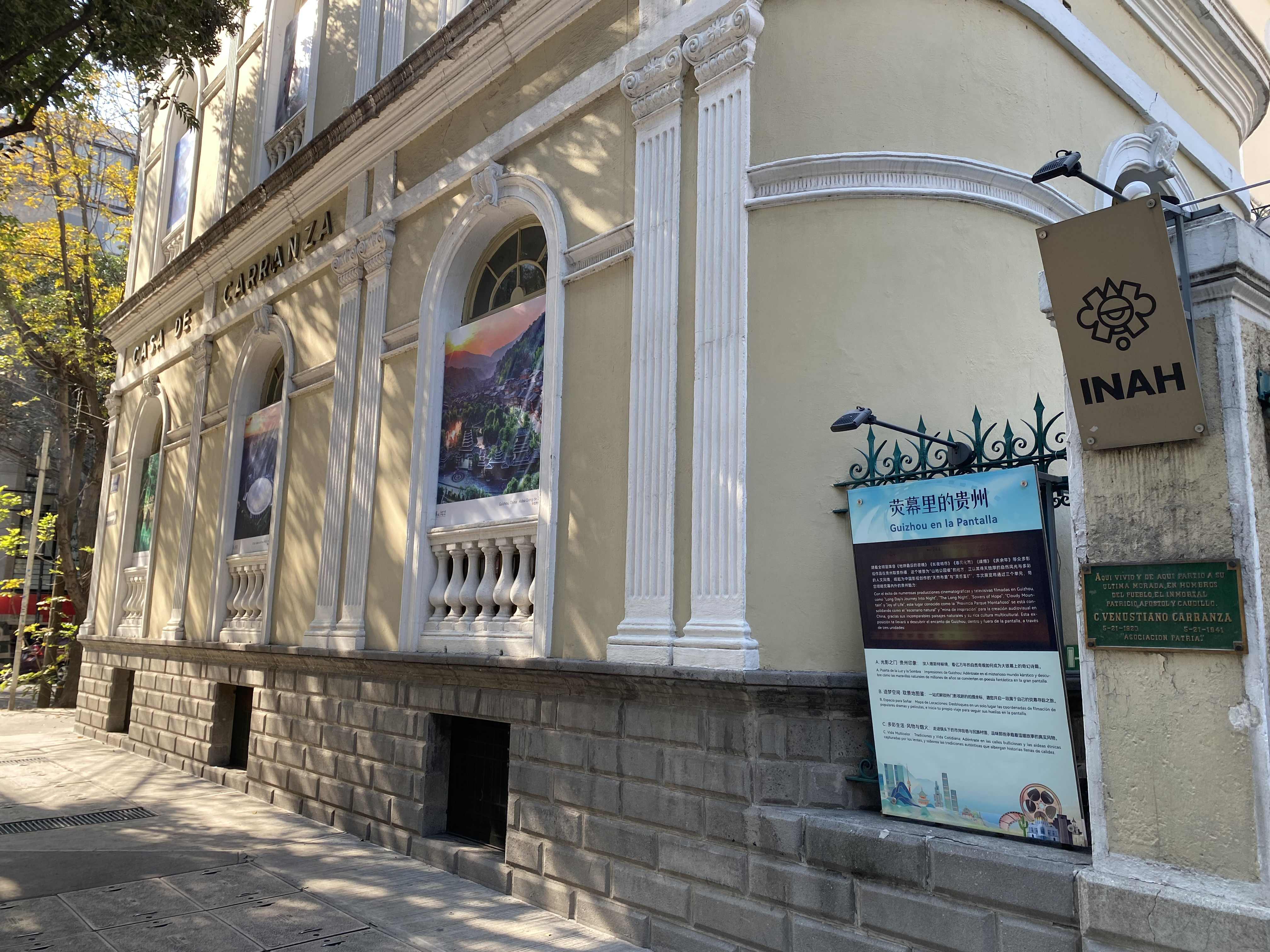
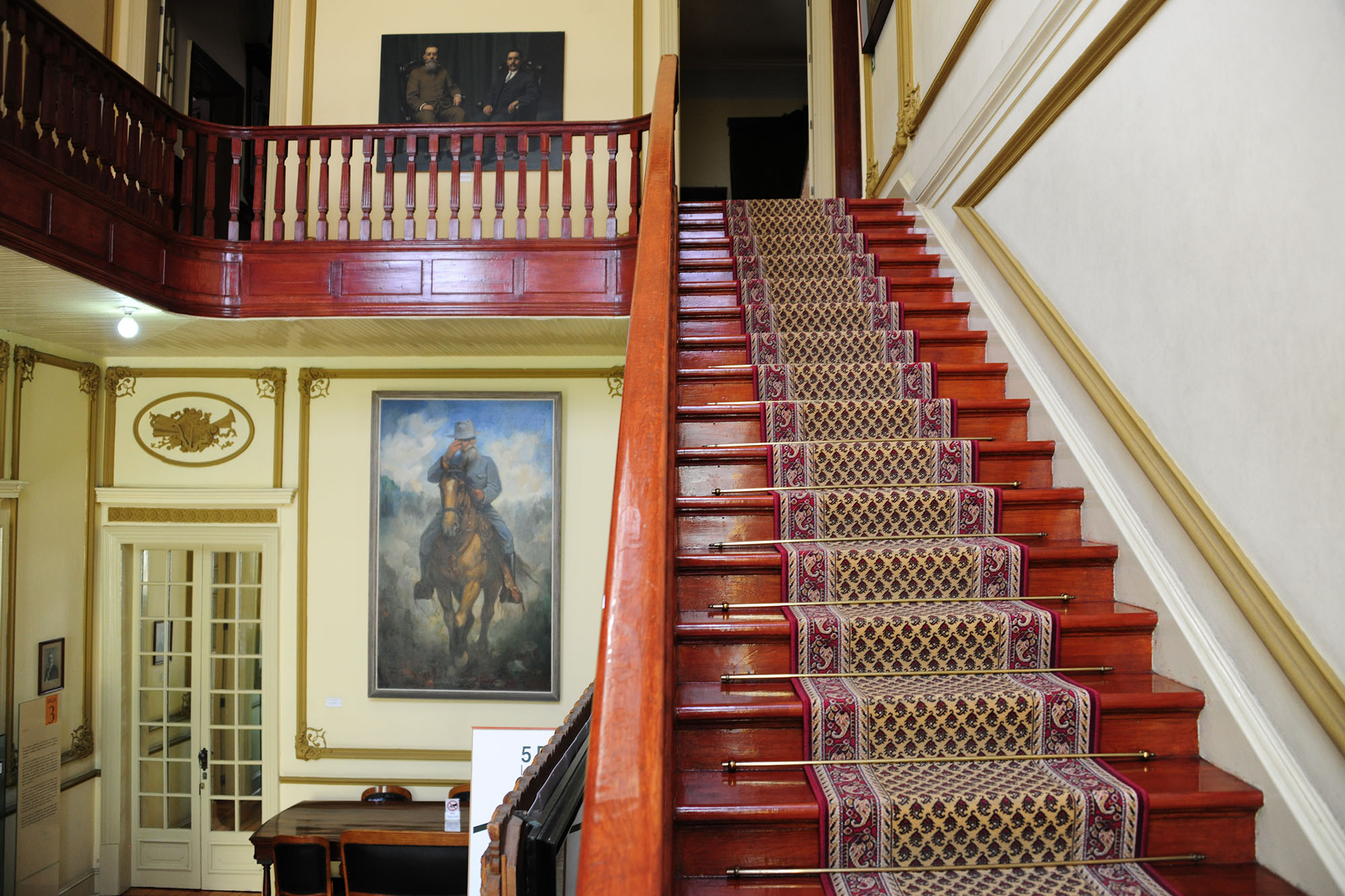
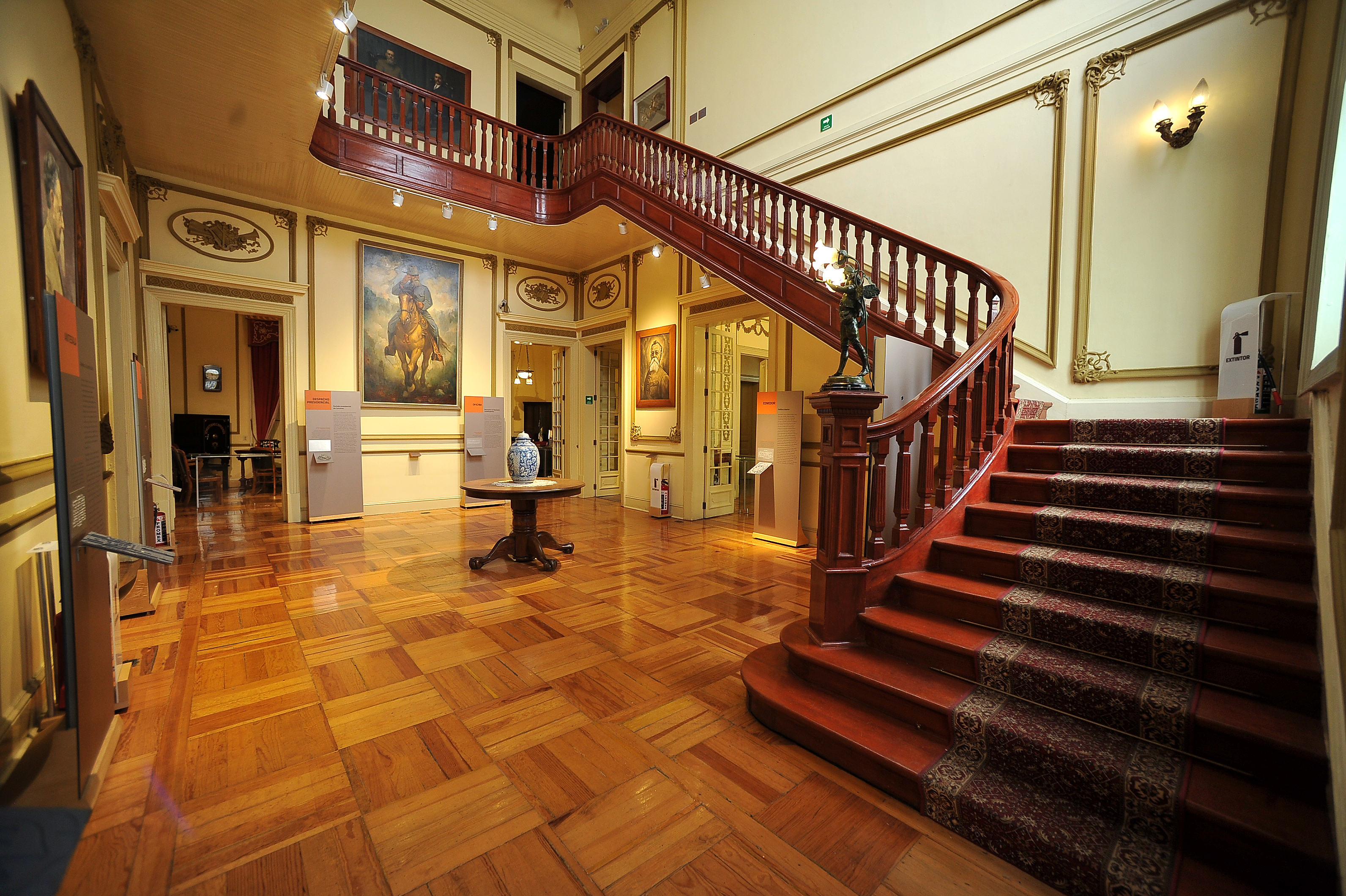
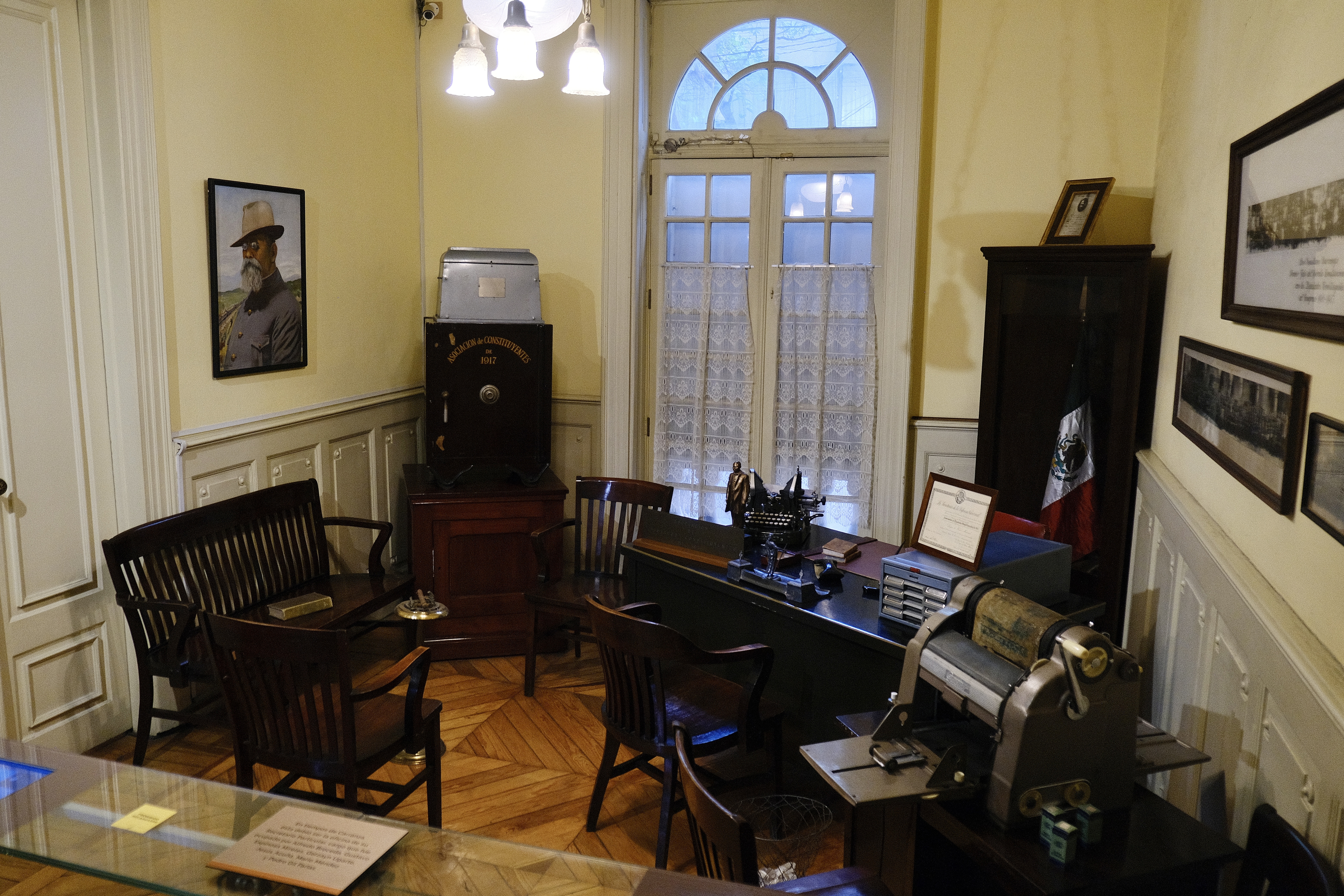
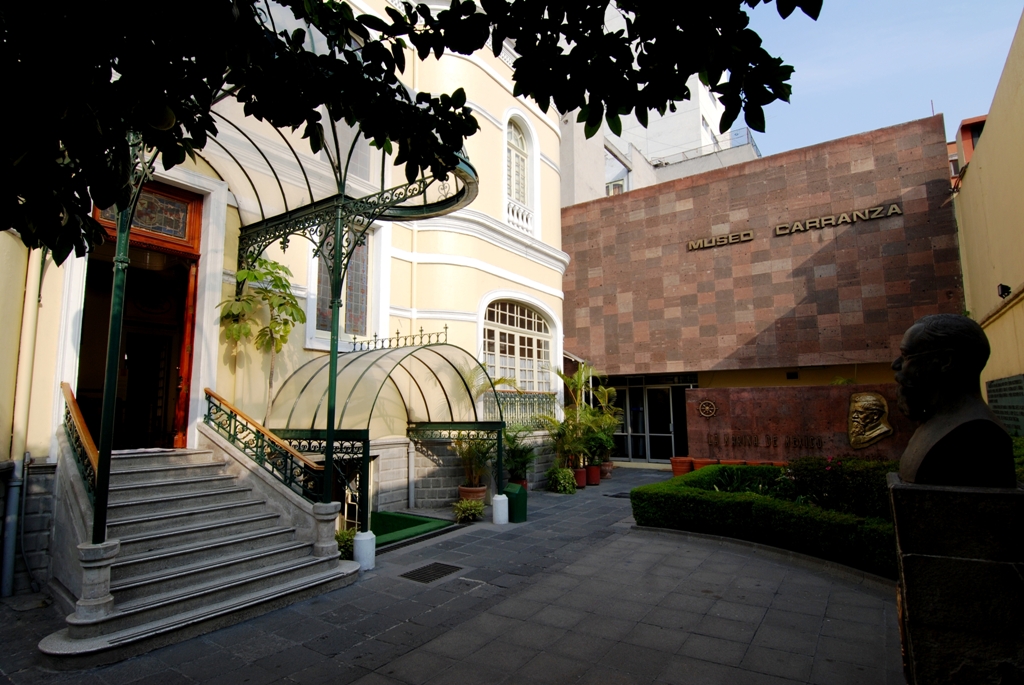
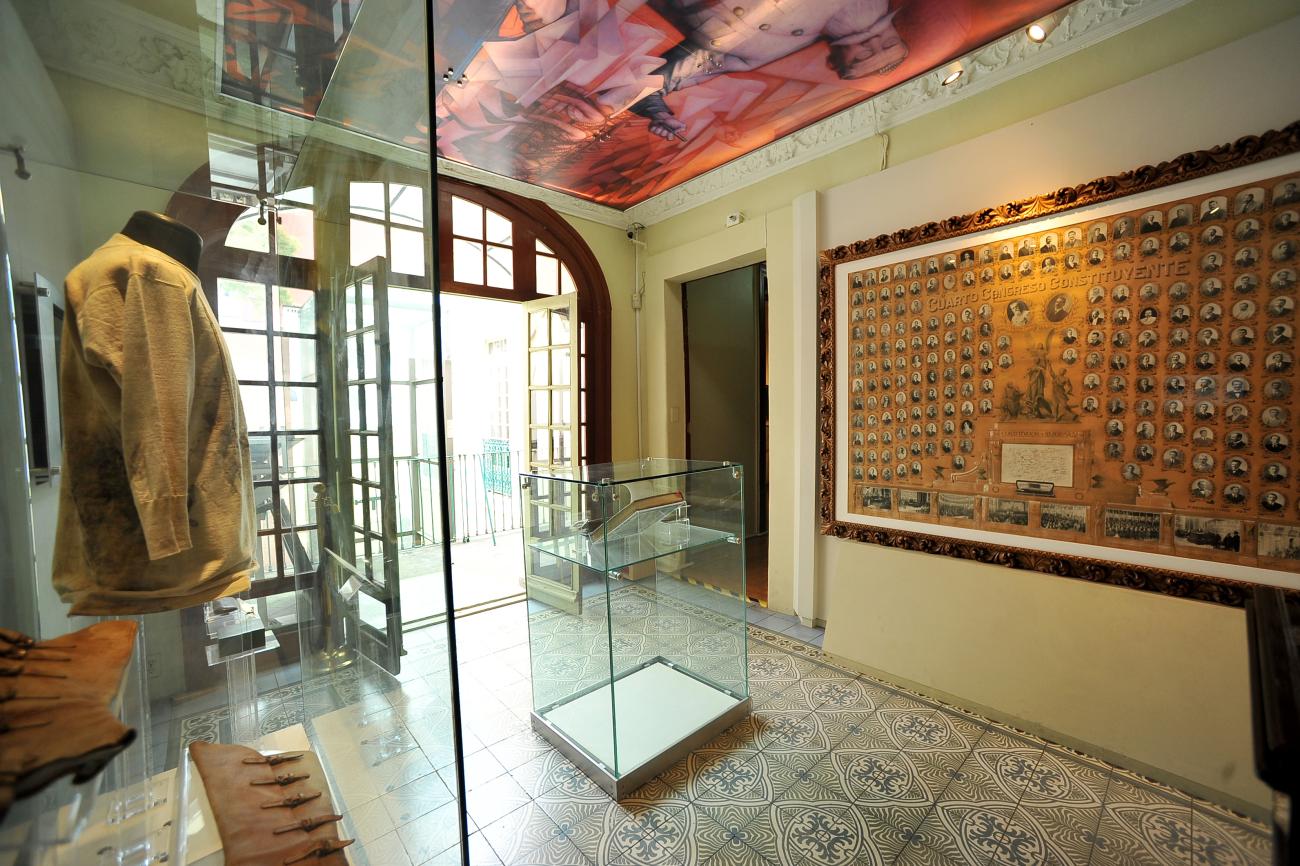
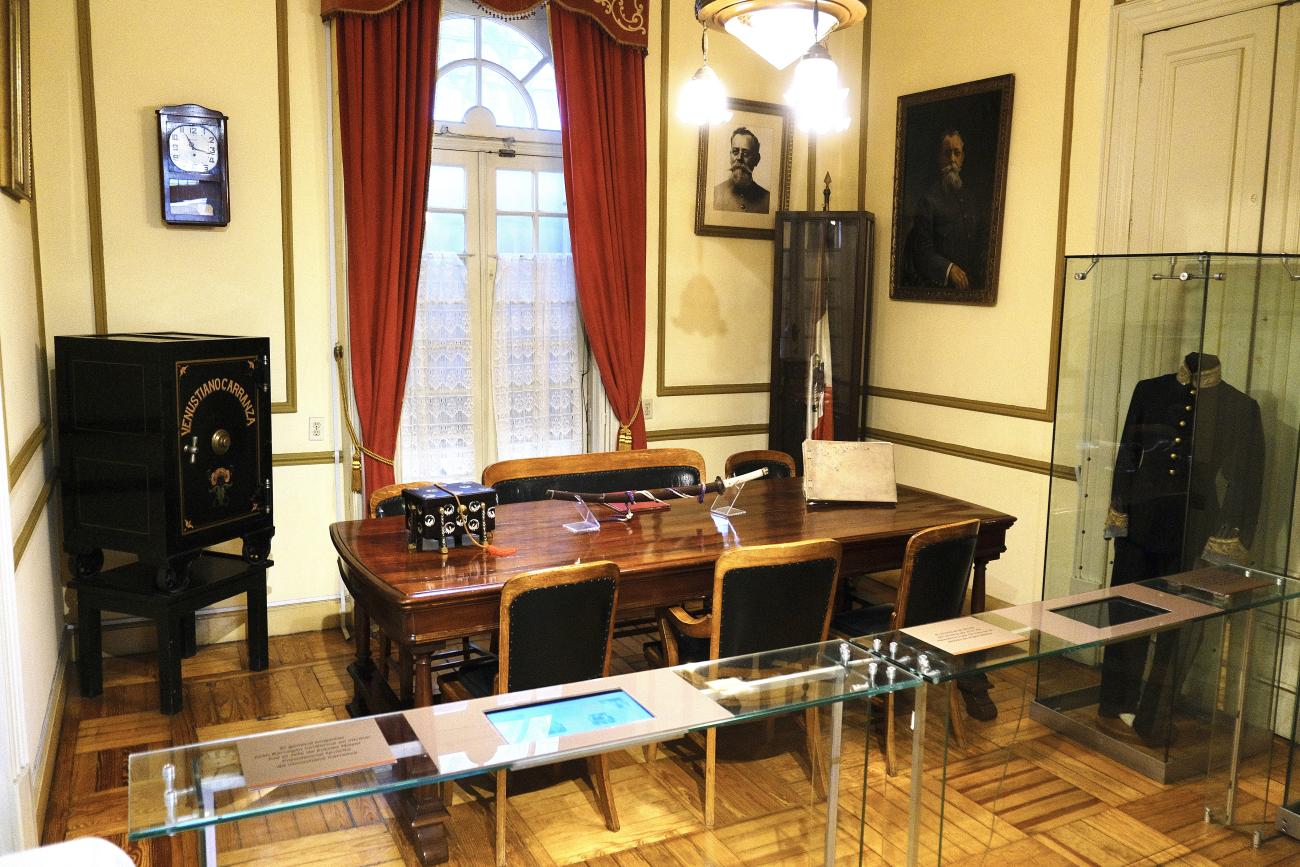
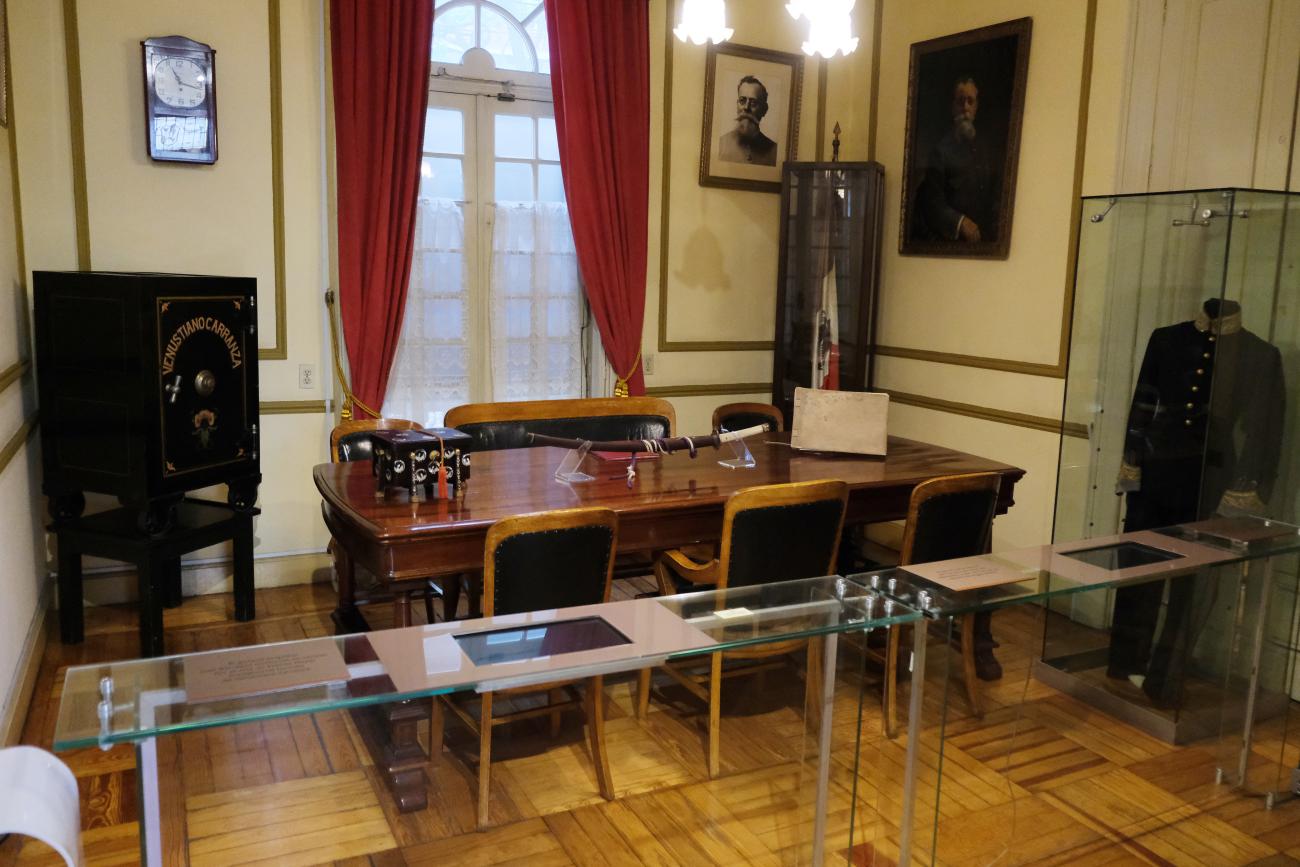
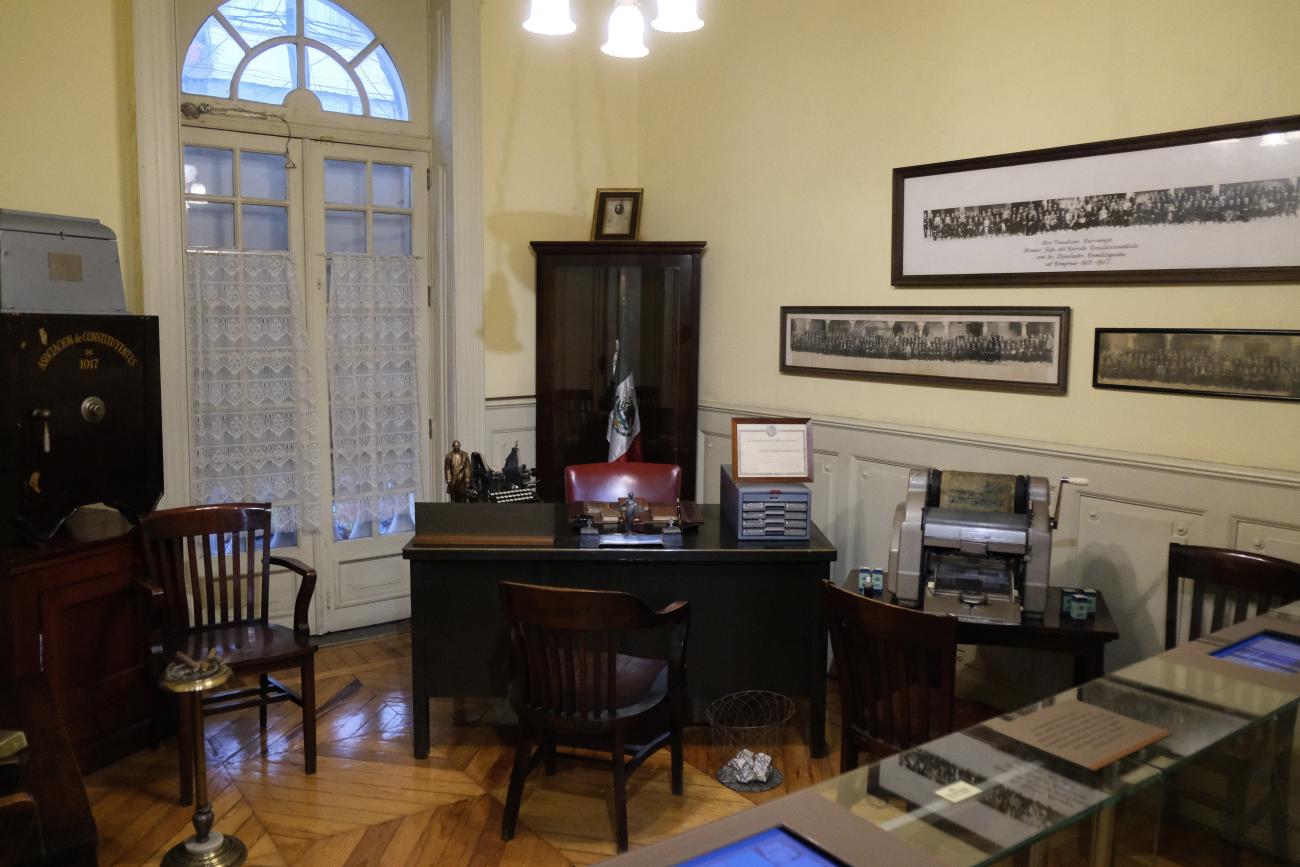
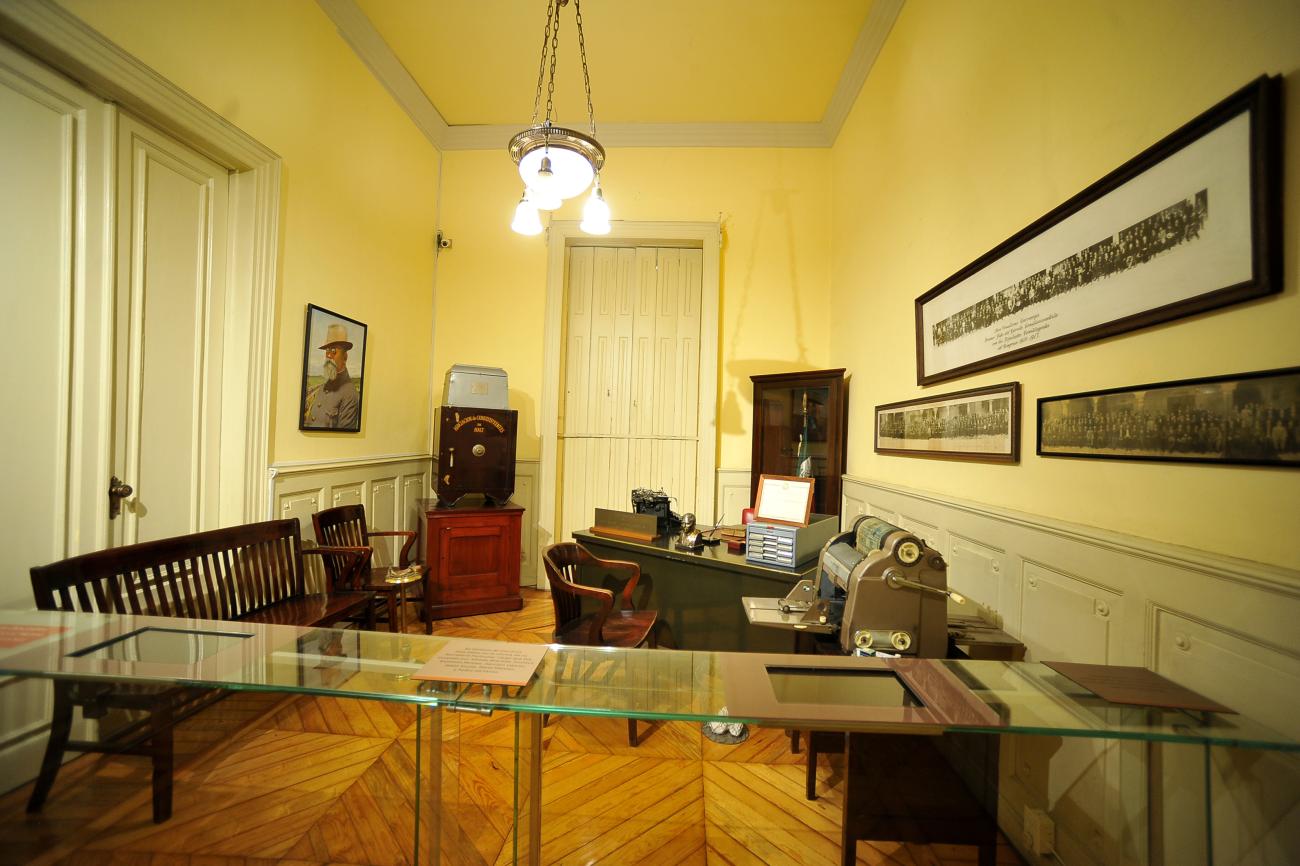
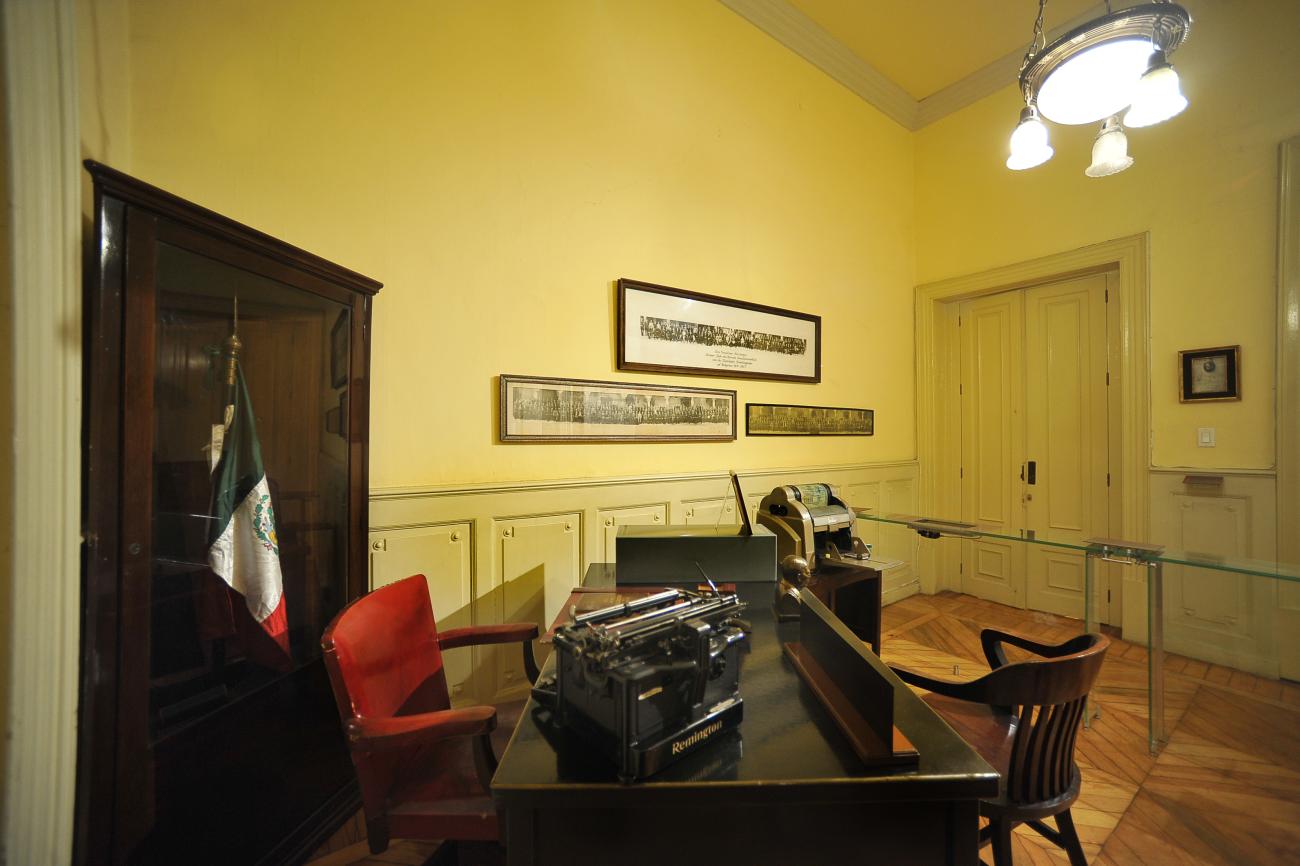
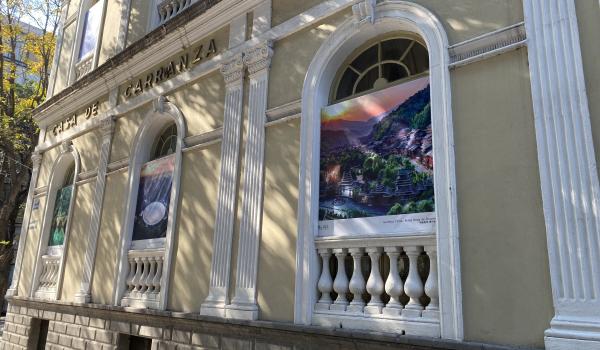
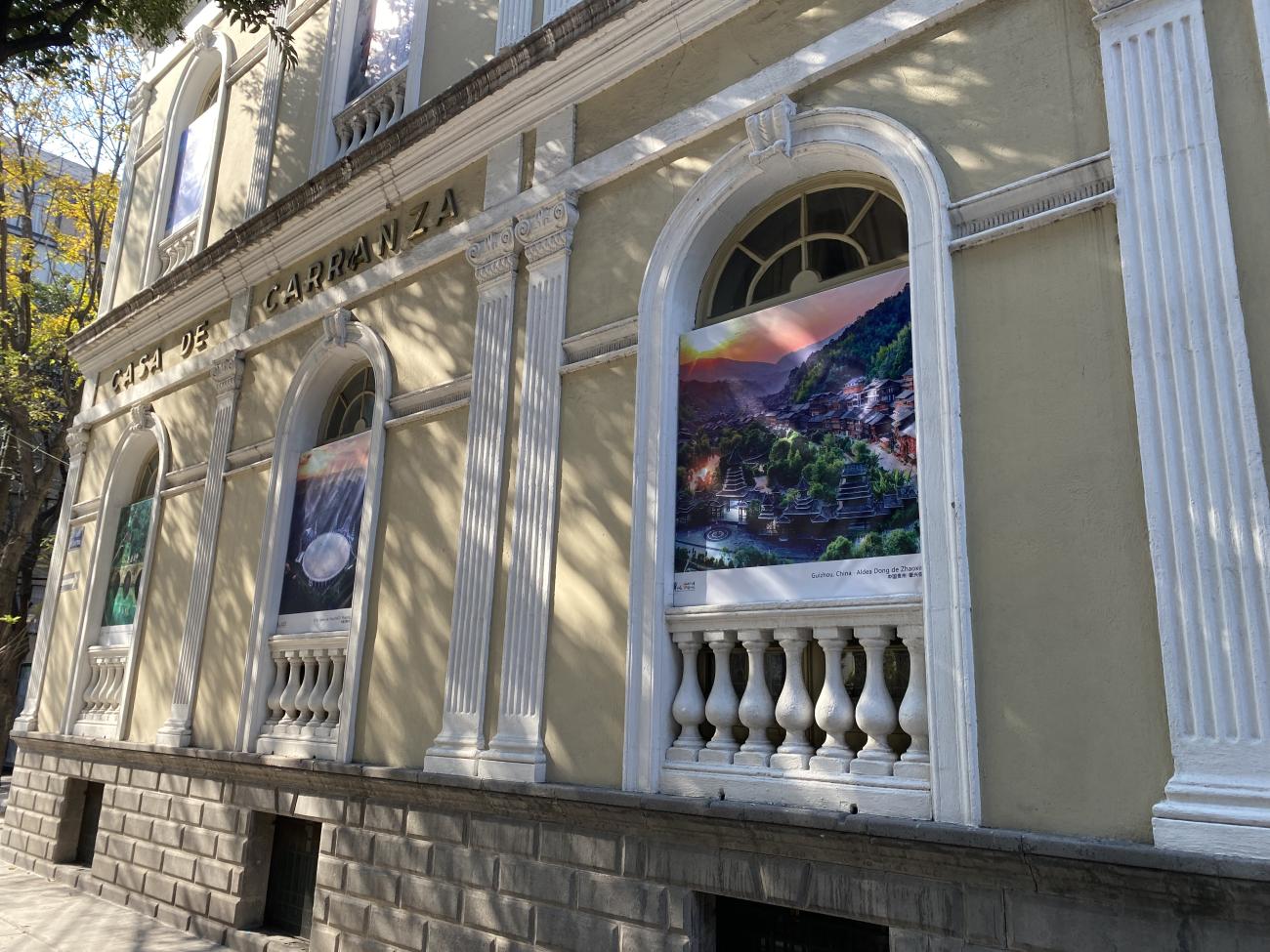
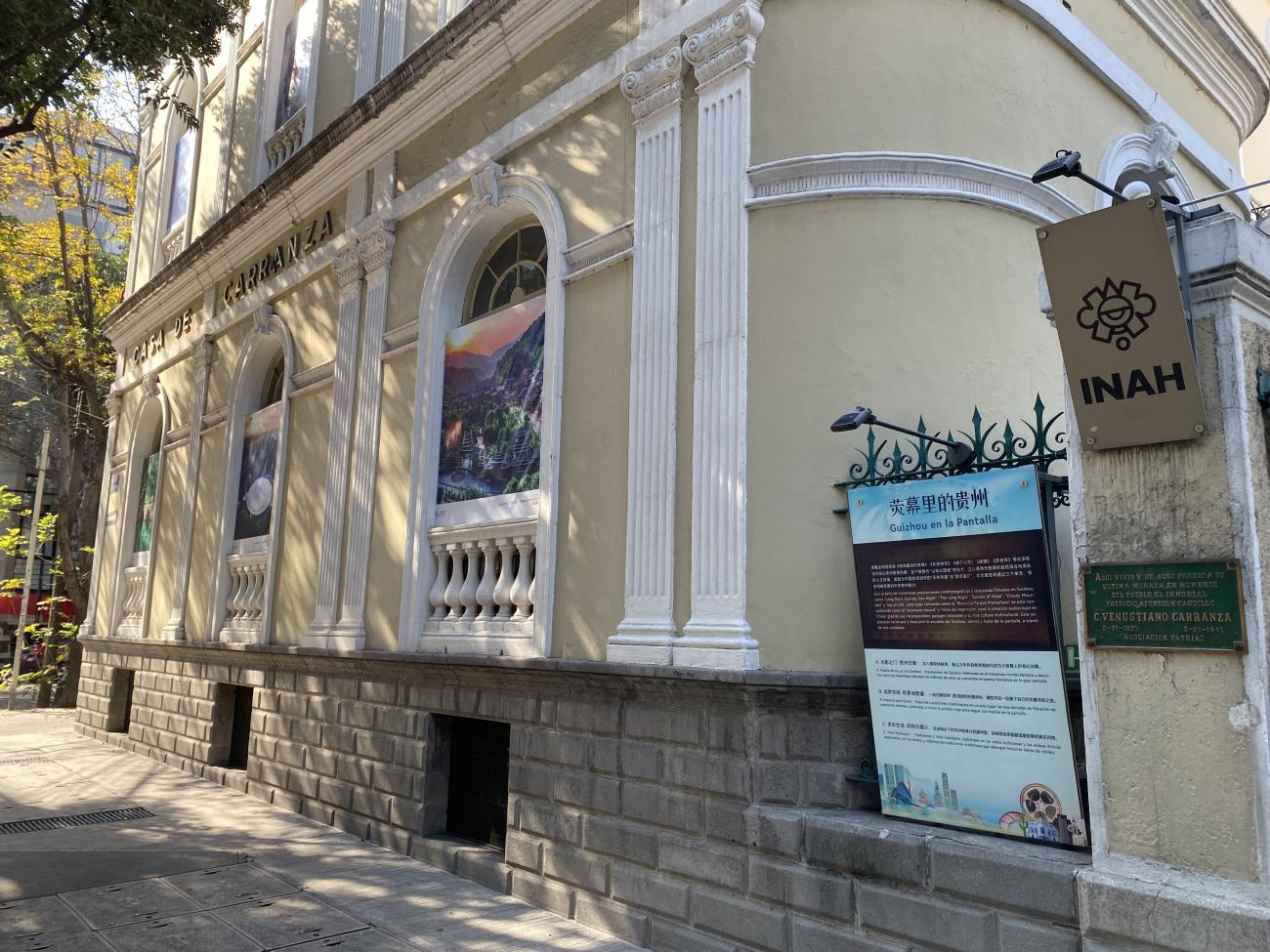
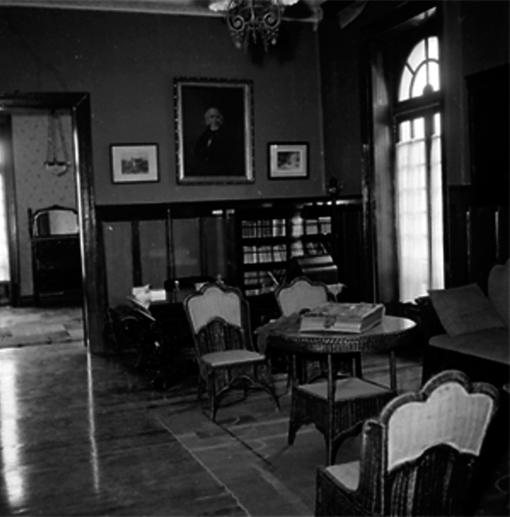
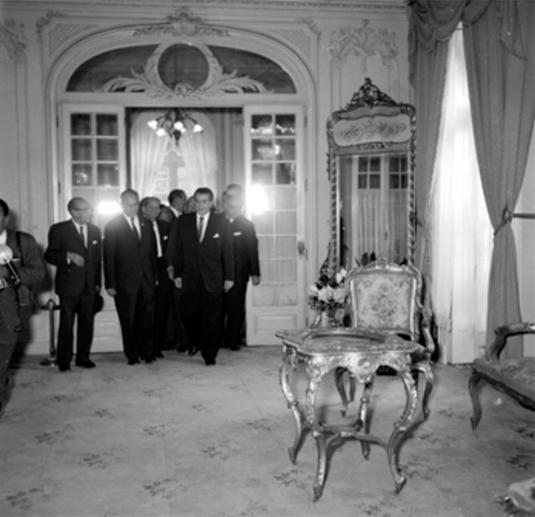
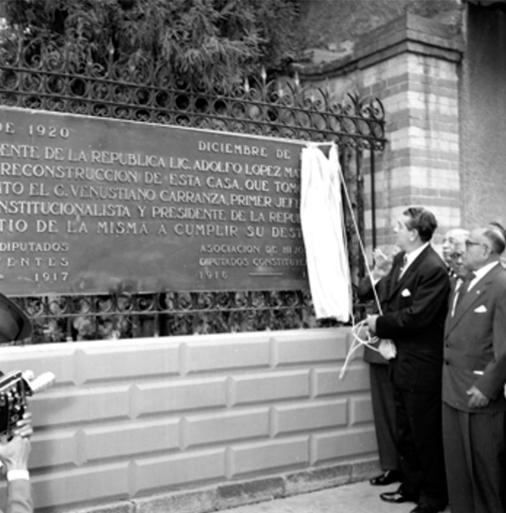
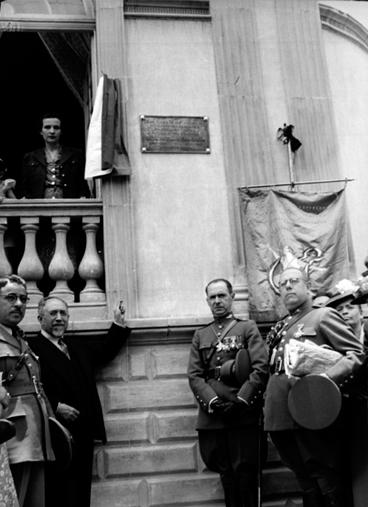
In later years, the house was rented to the embassies of France and El Salvador. In the early 1940s, it was remodeled to become the Historical Museum of the Constitution and Constitutional Laws and the headquarters of the Association of Constitutionalist Deputies in 1917, Library, and Newspaper Library. Finally, in 1961, it became the Carranza House Museum, dedicated to the private and public life of the leader of the Revolution. The building is also listed as a historical monument, as it retains its original features such as wooden floors, domes, hand-painted leaded glass windows, molded friezes, and a beautiful flying buttress in the middle of the lobby, among other elements. In February 1993, it joined the network of museums of the National Institute of Anthropology and History.
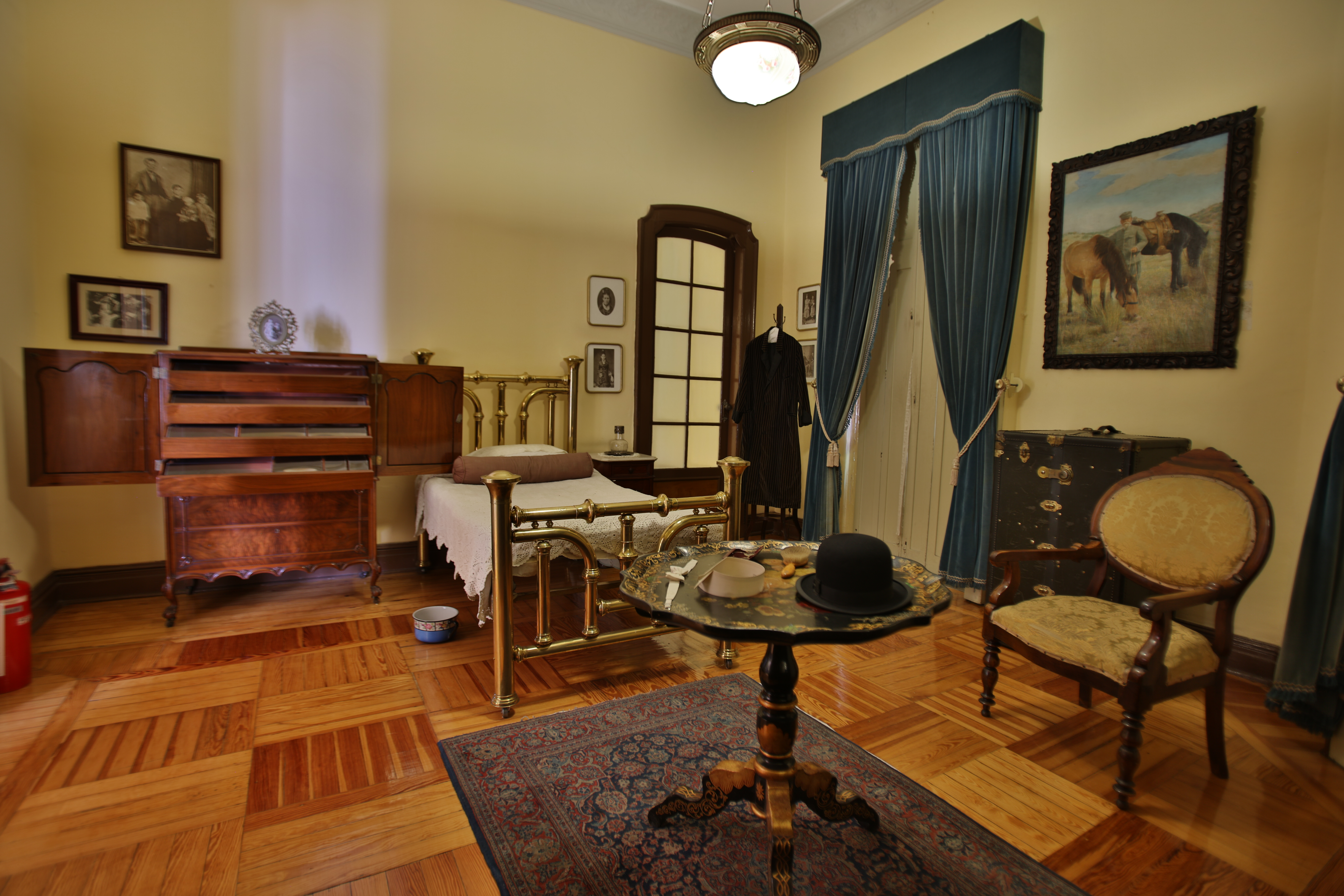
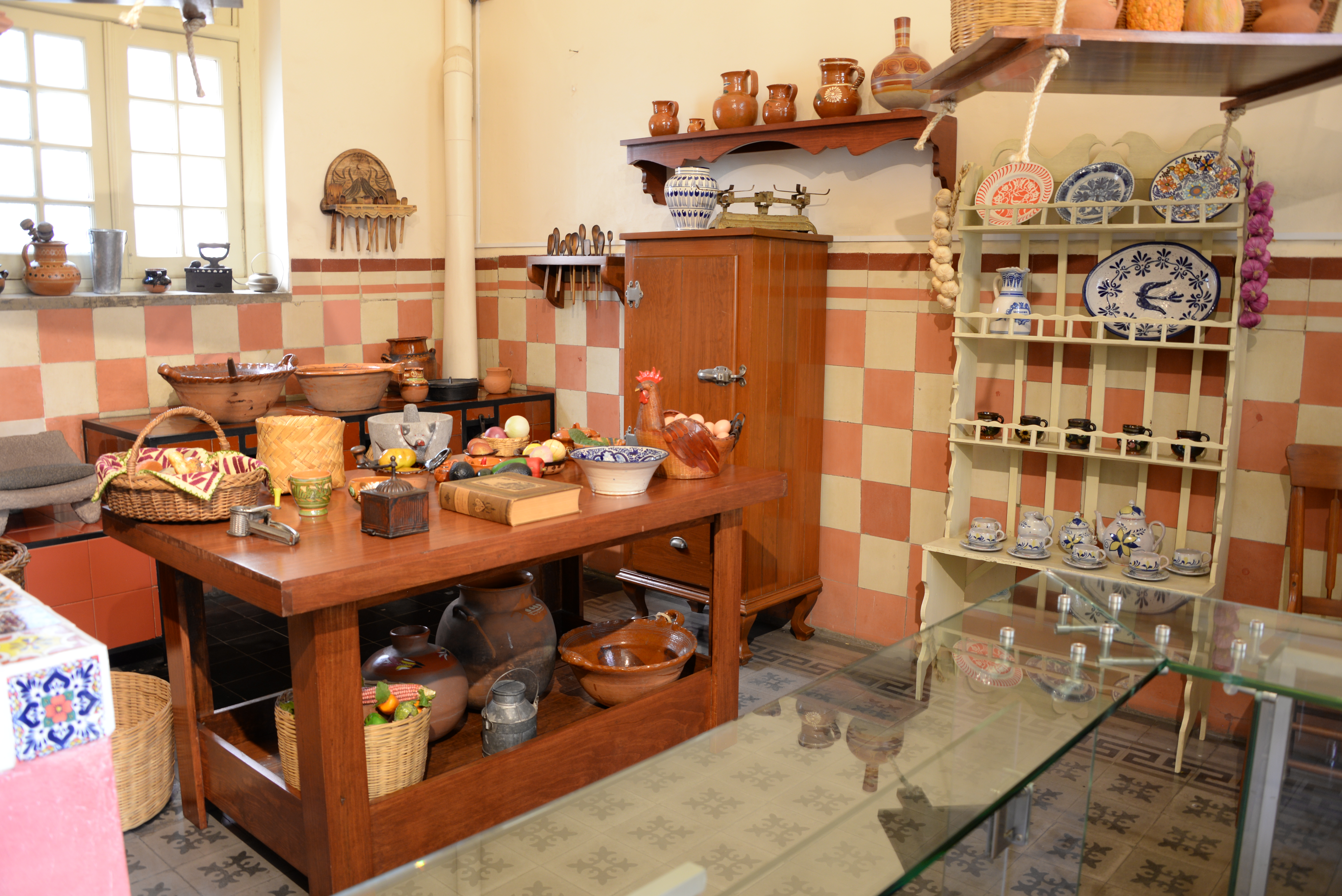
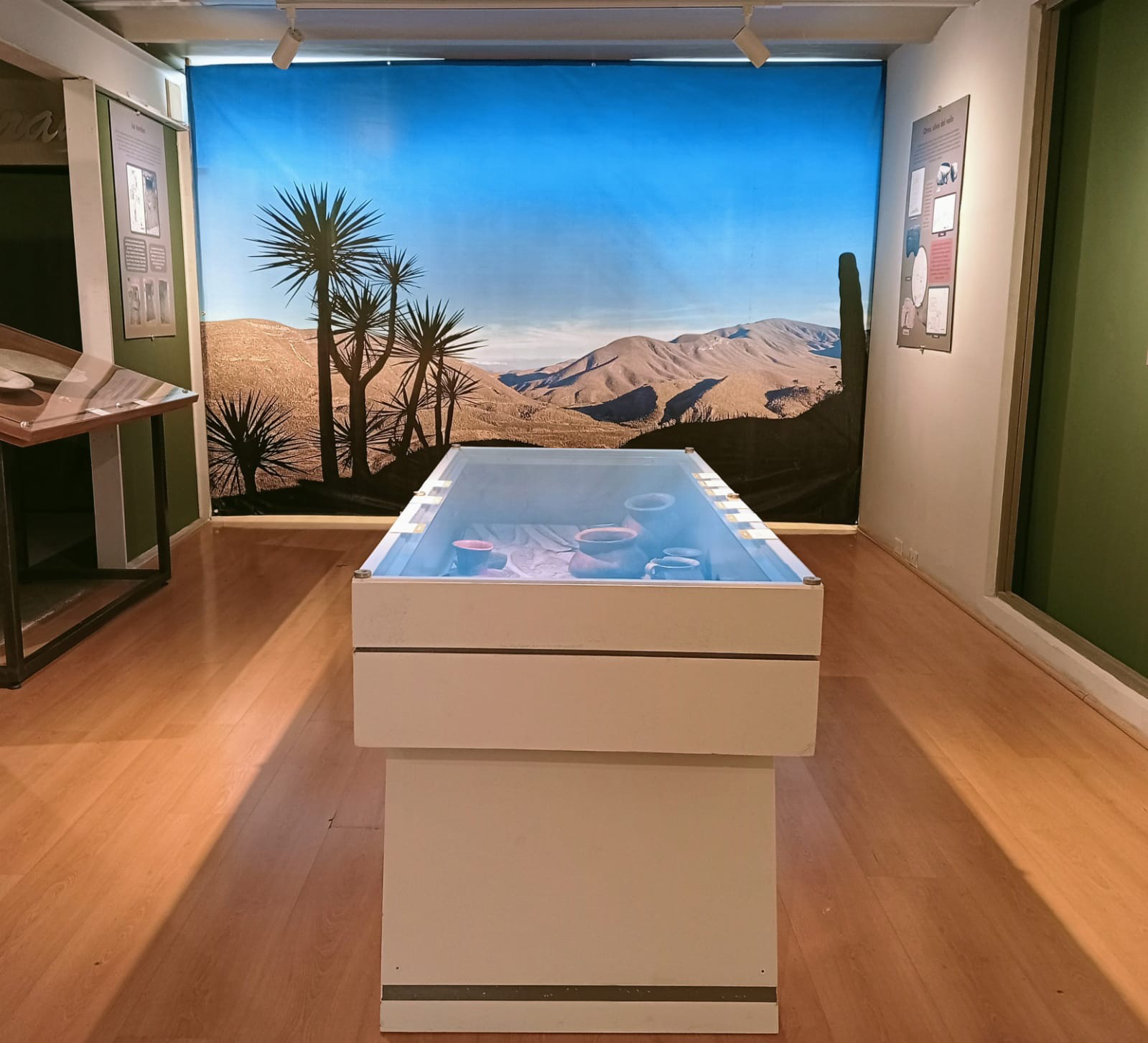
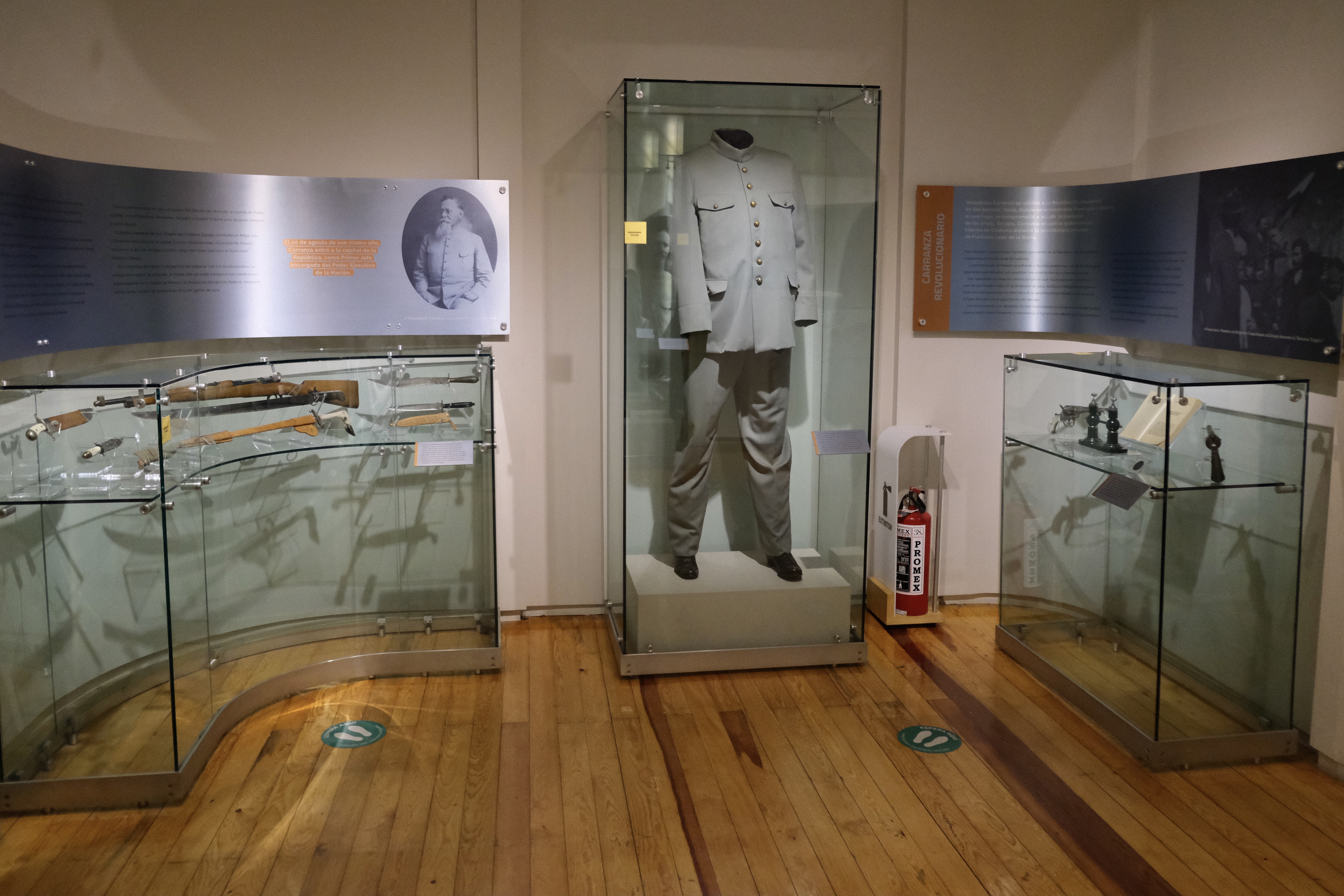
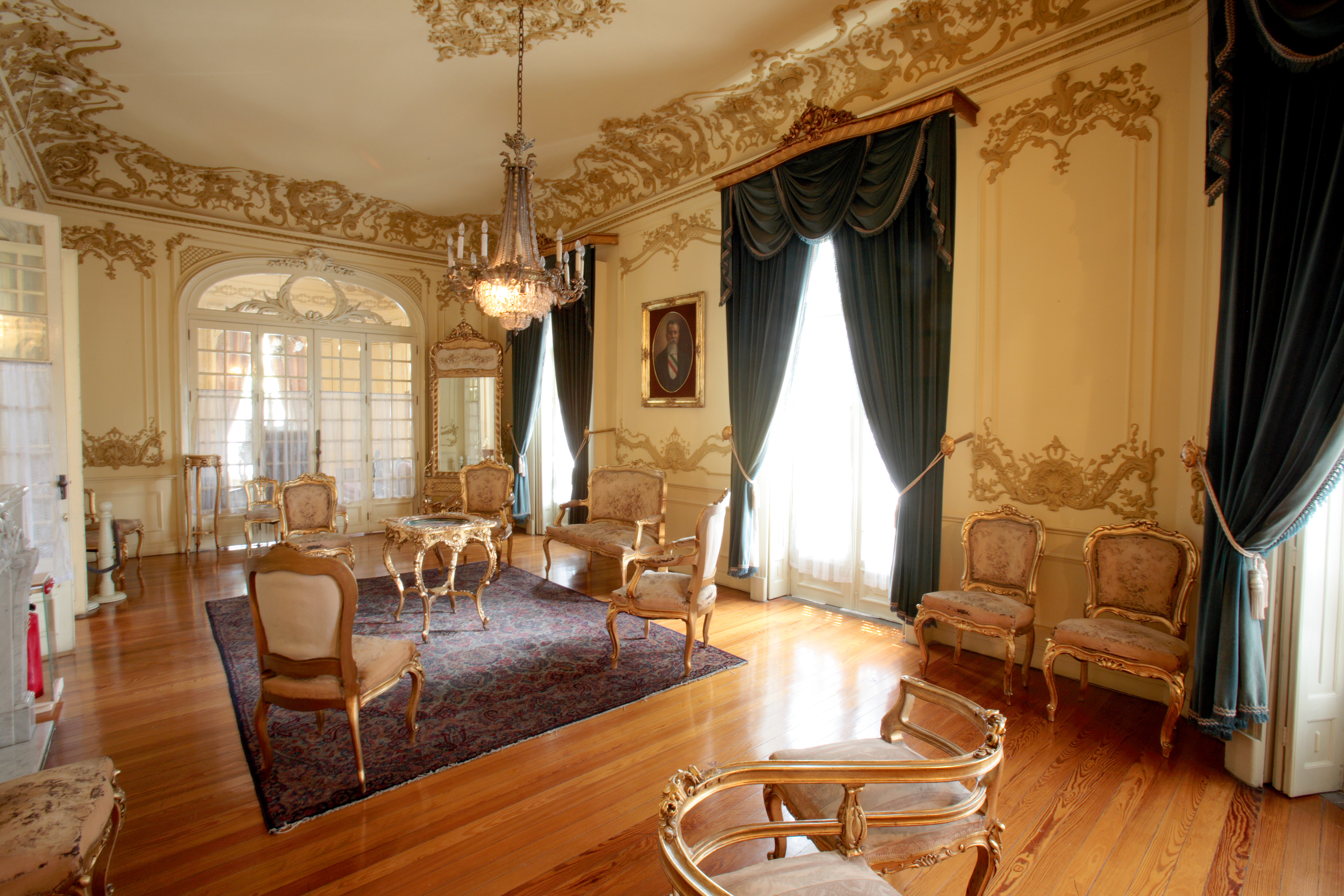
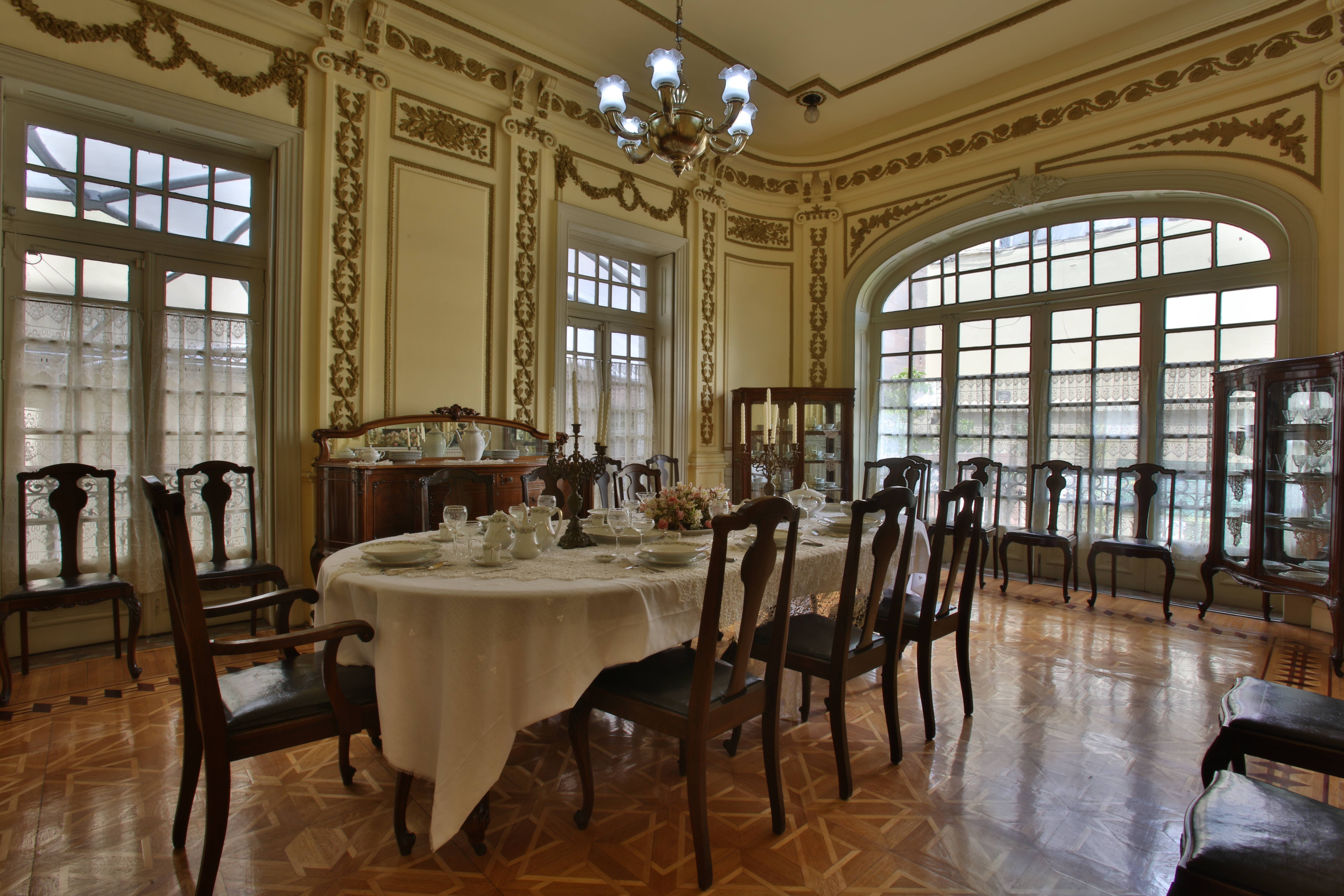
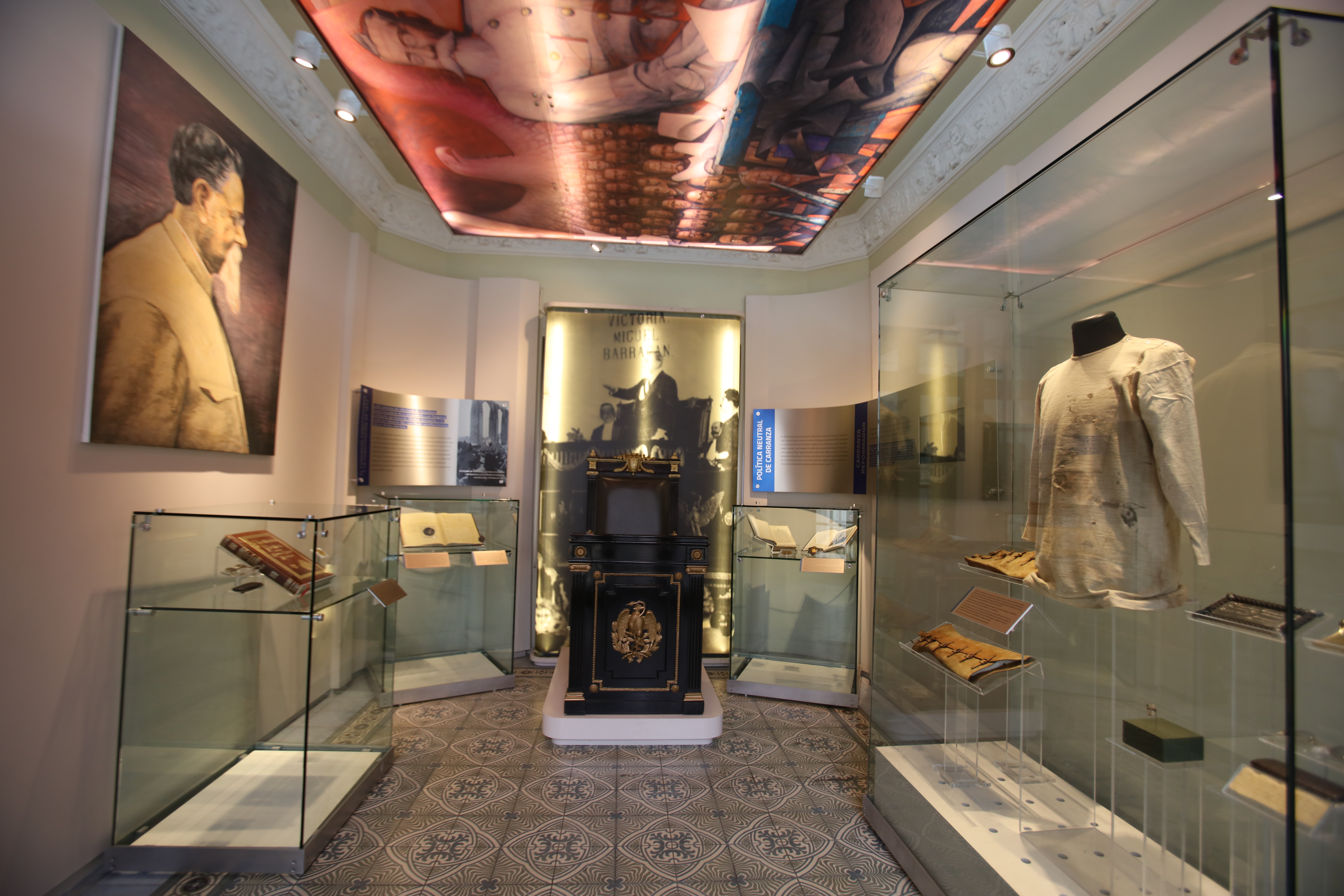
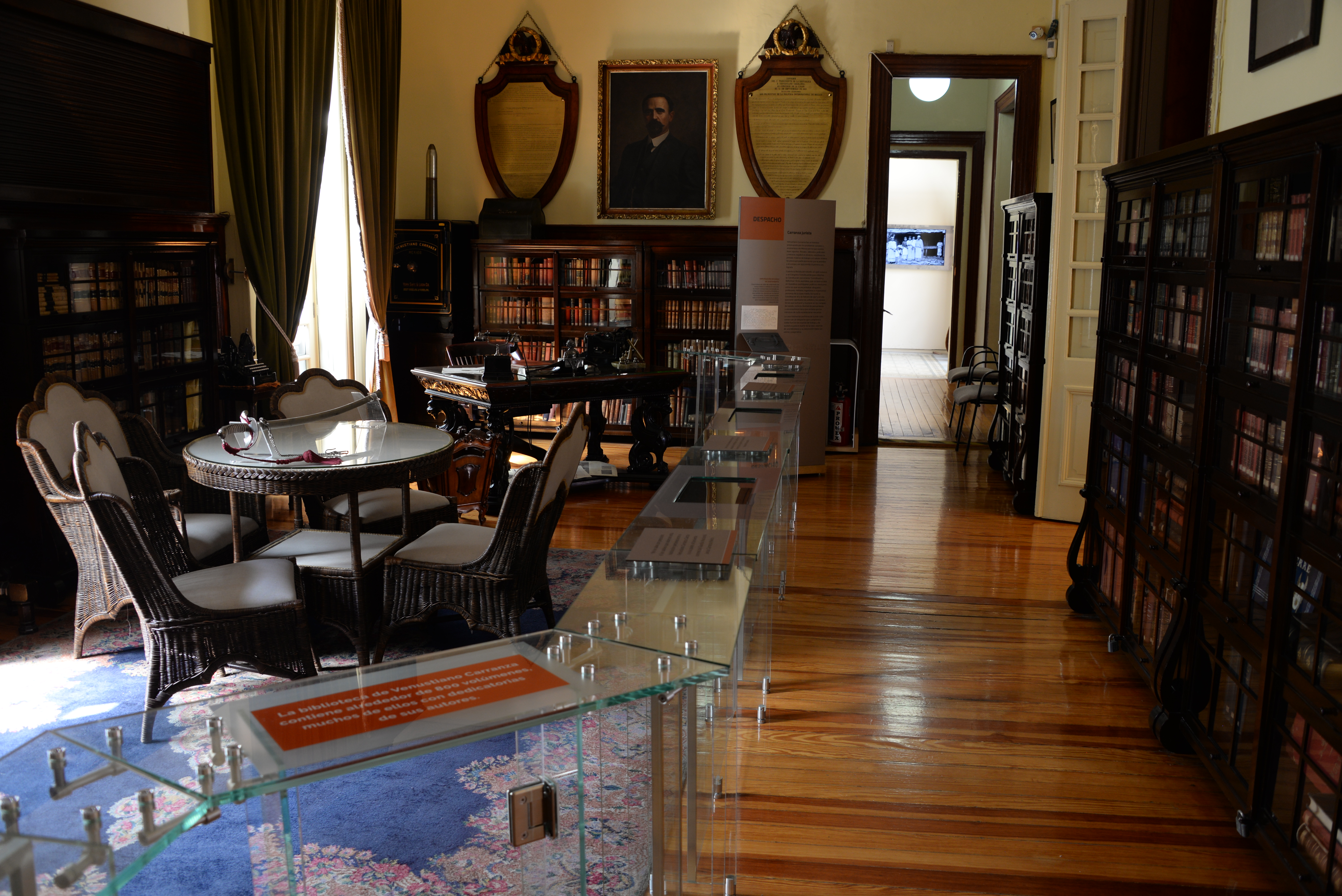
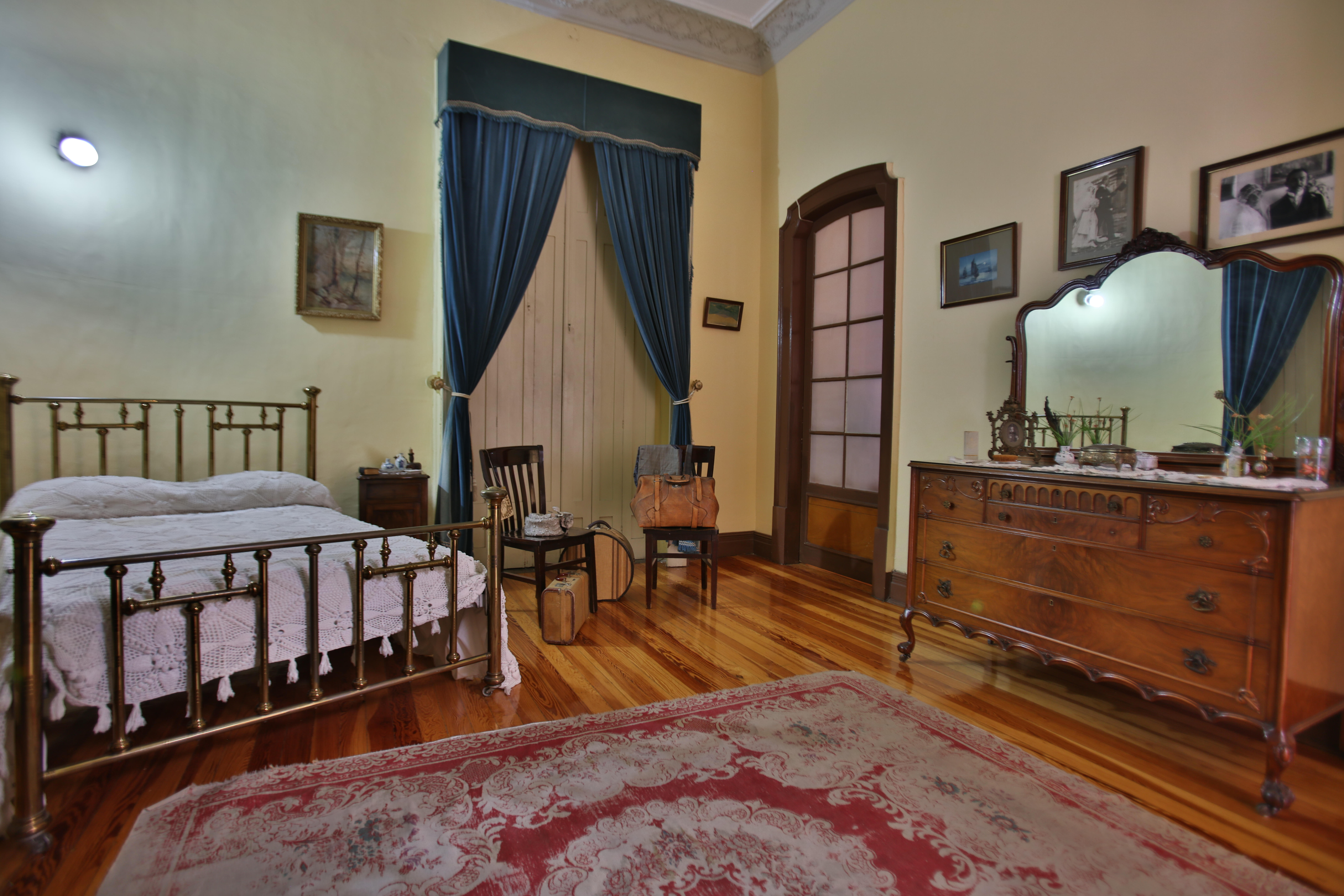
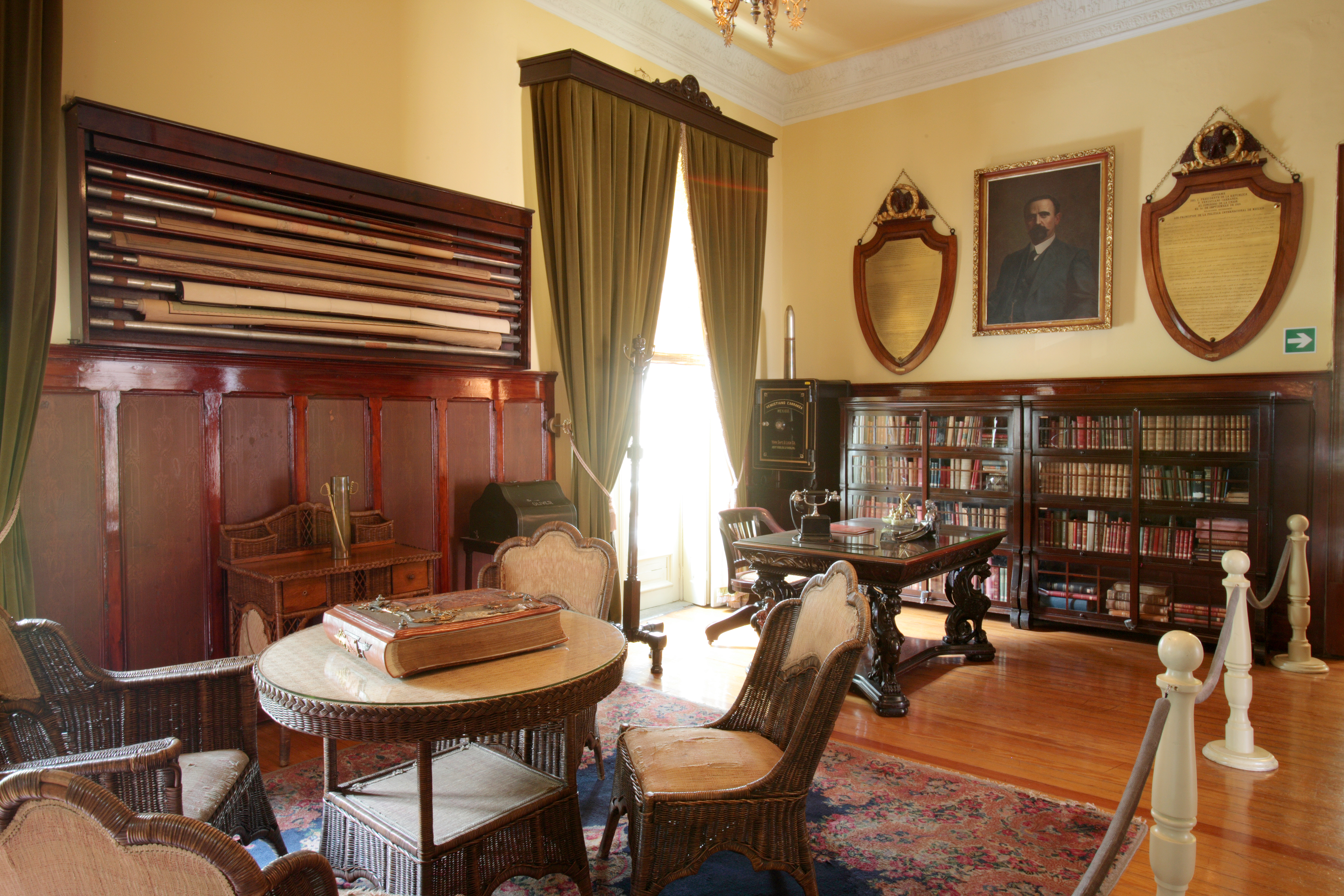
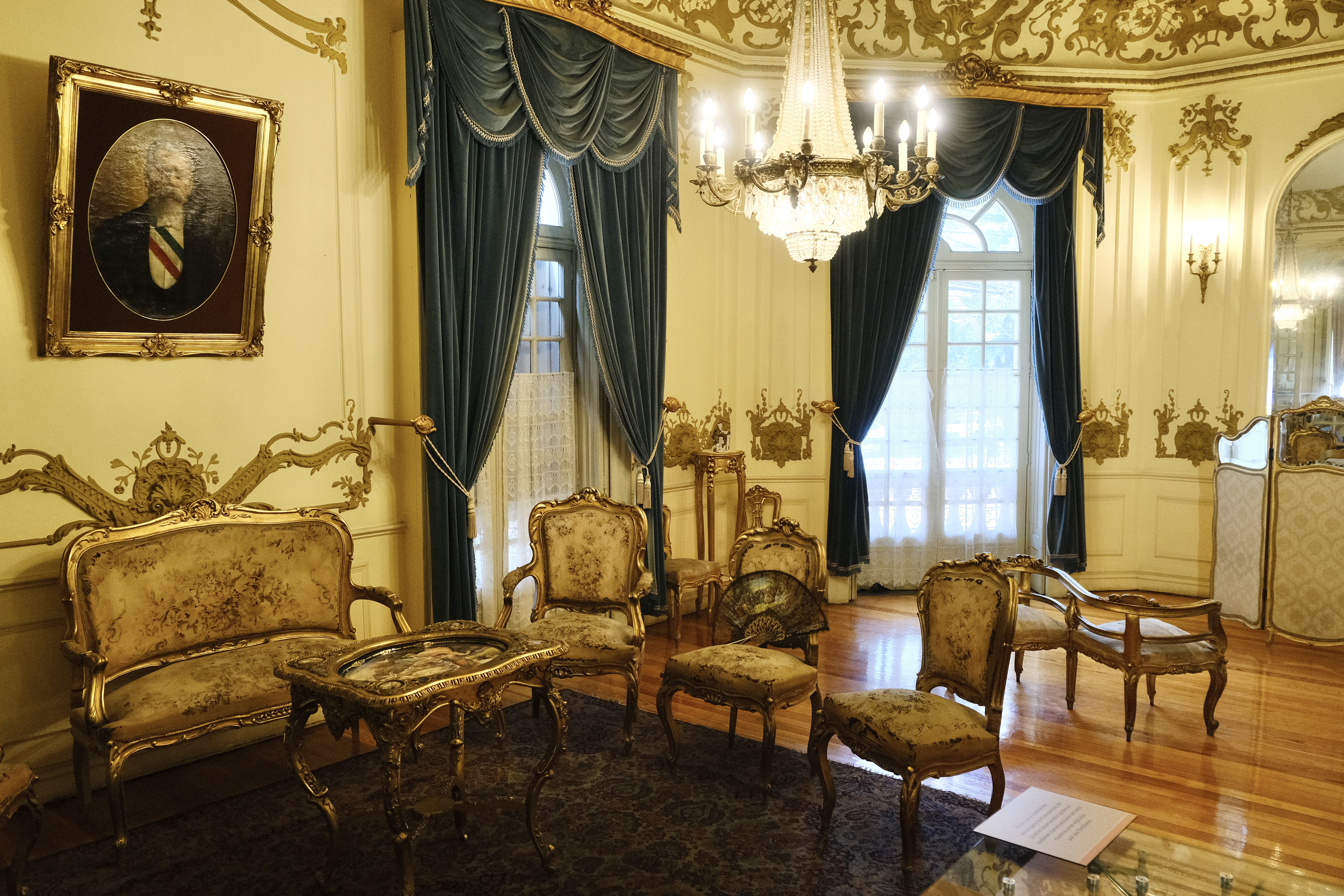
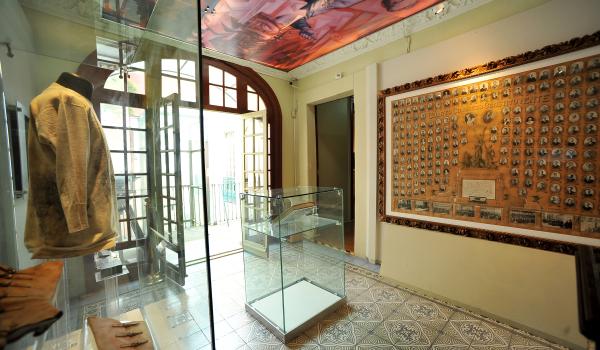
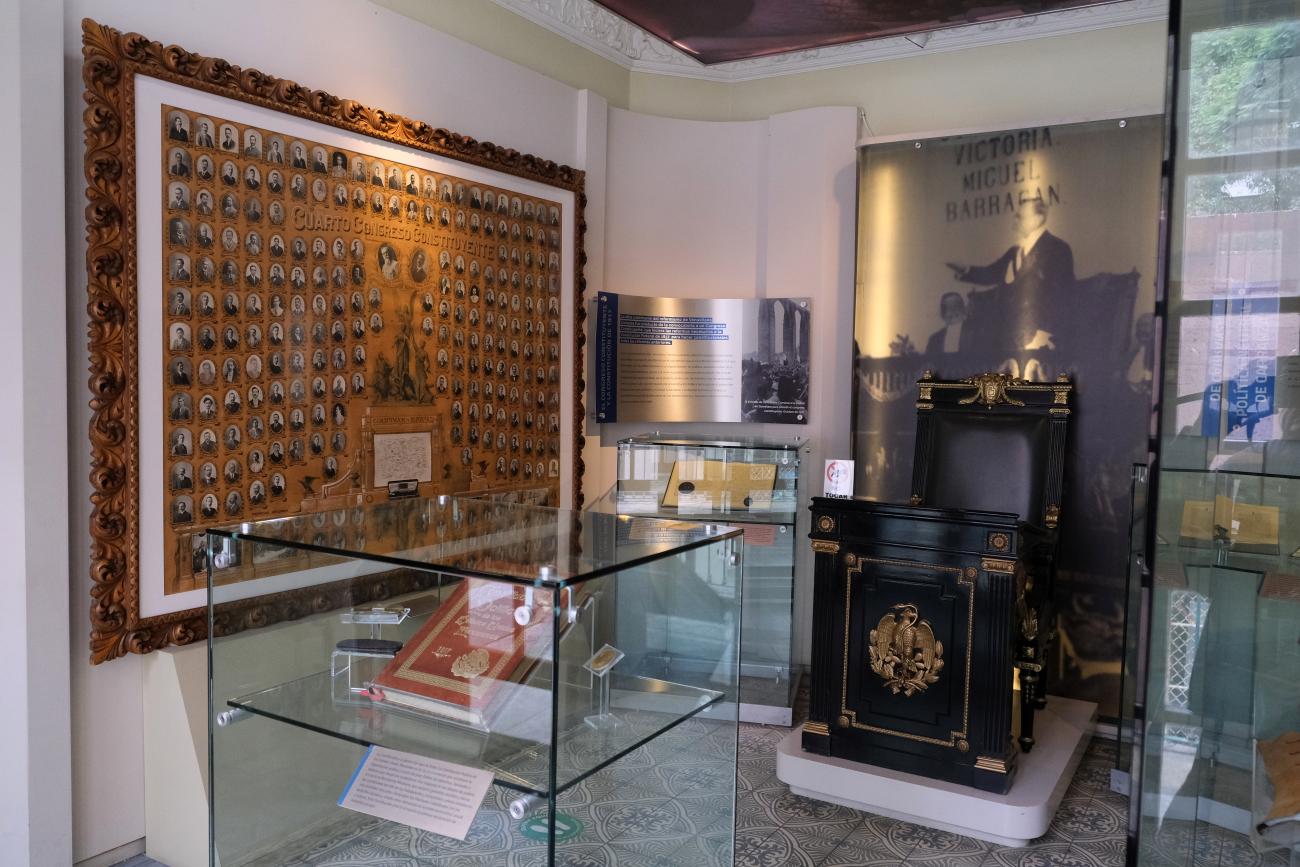
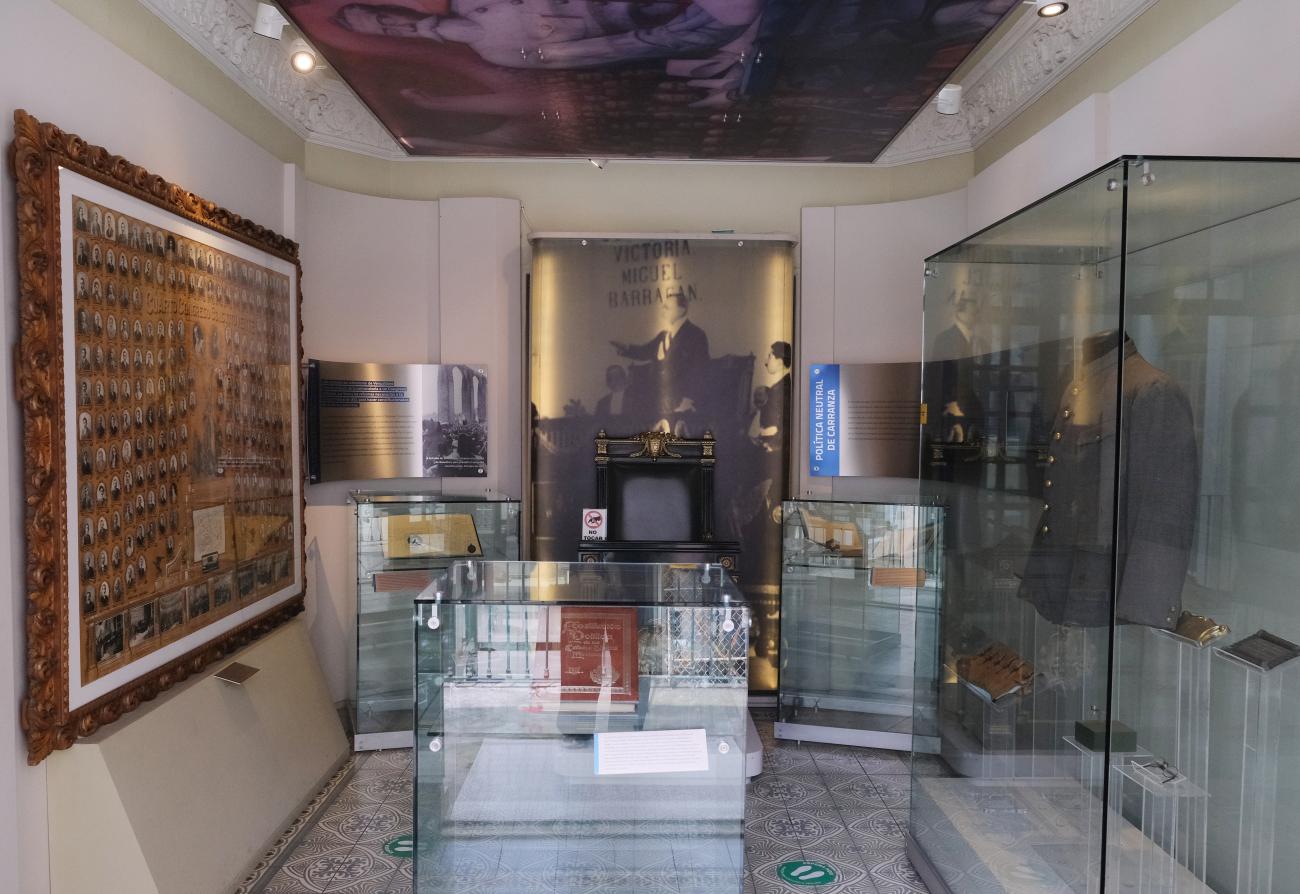
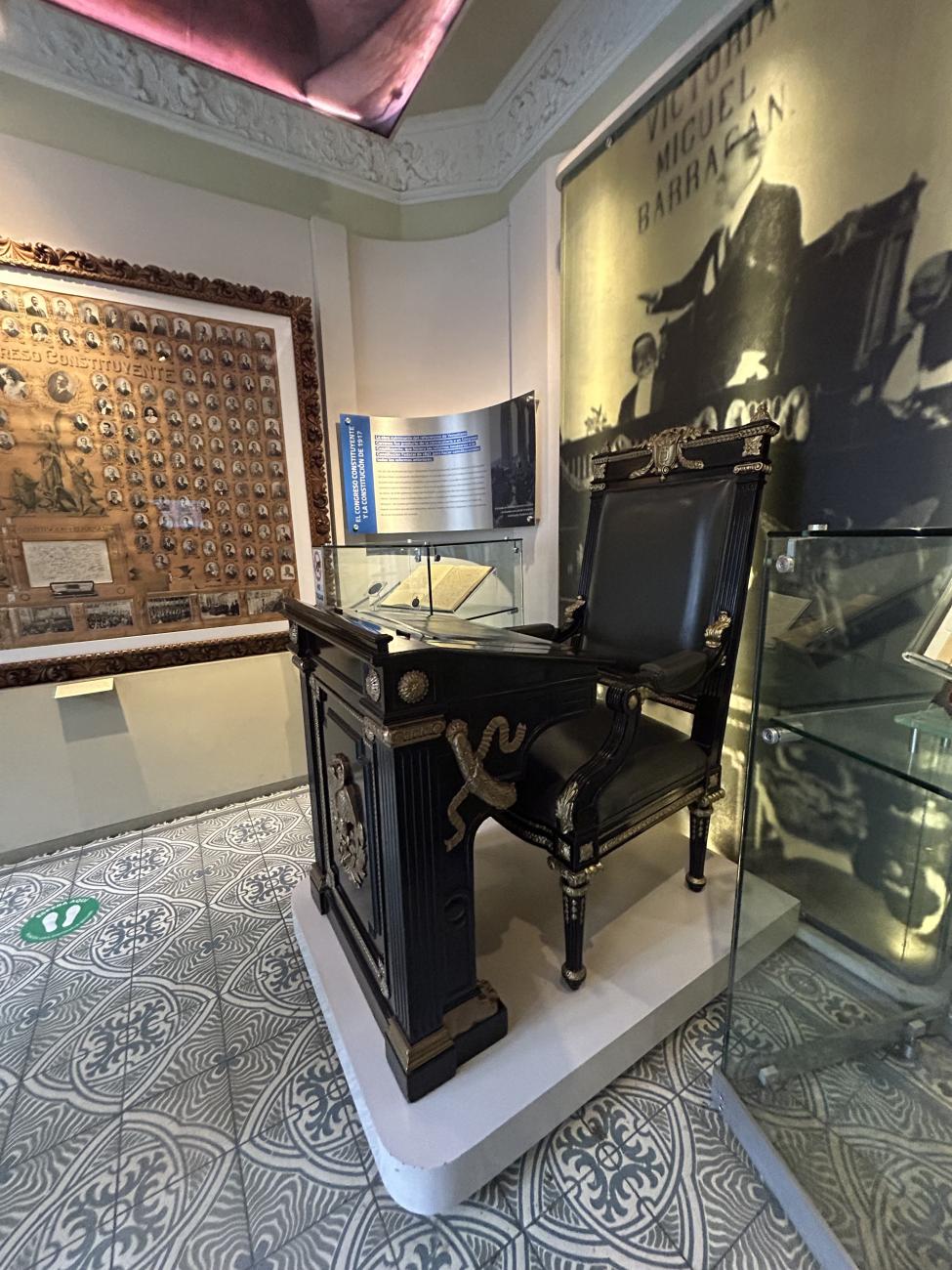
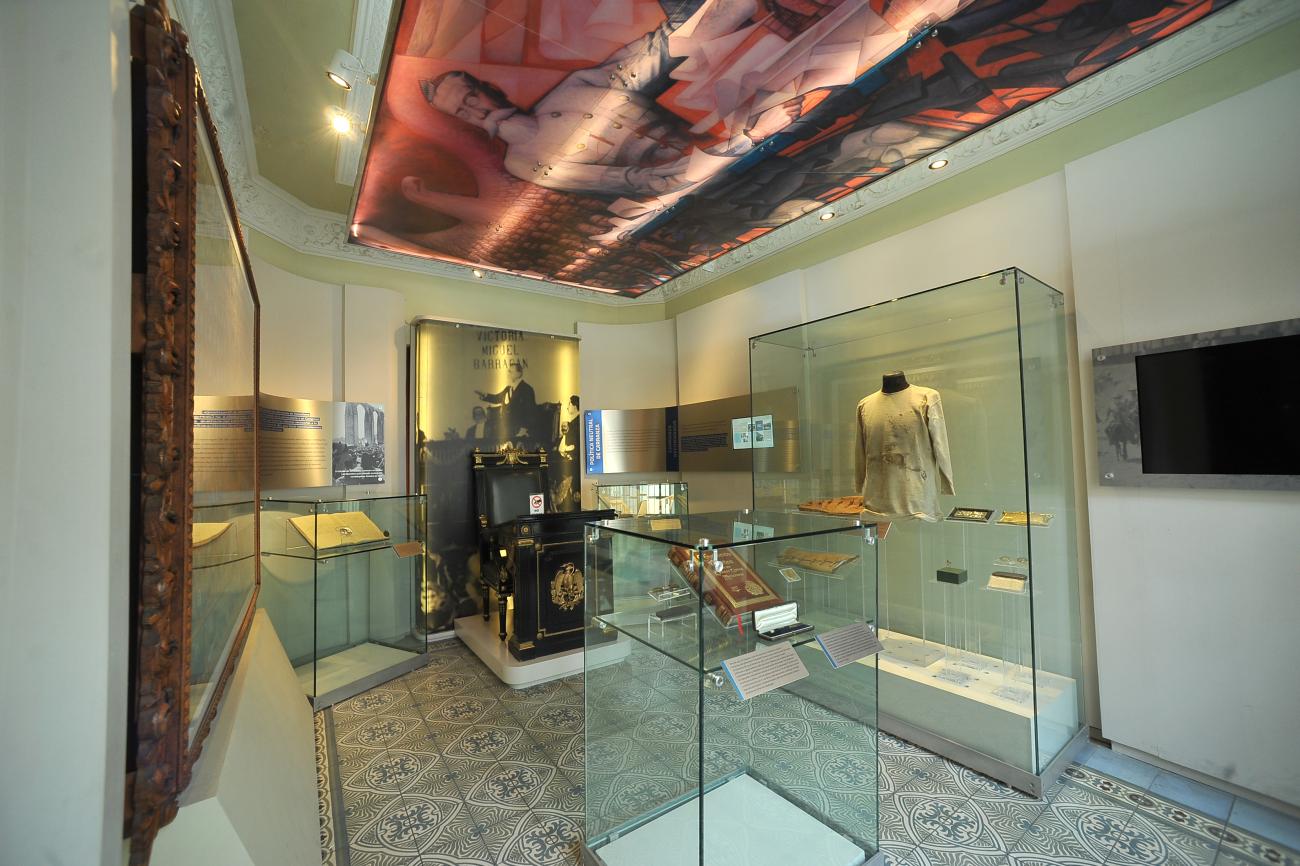
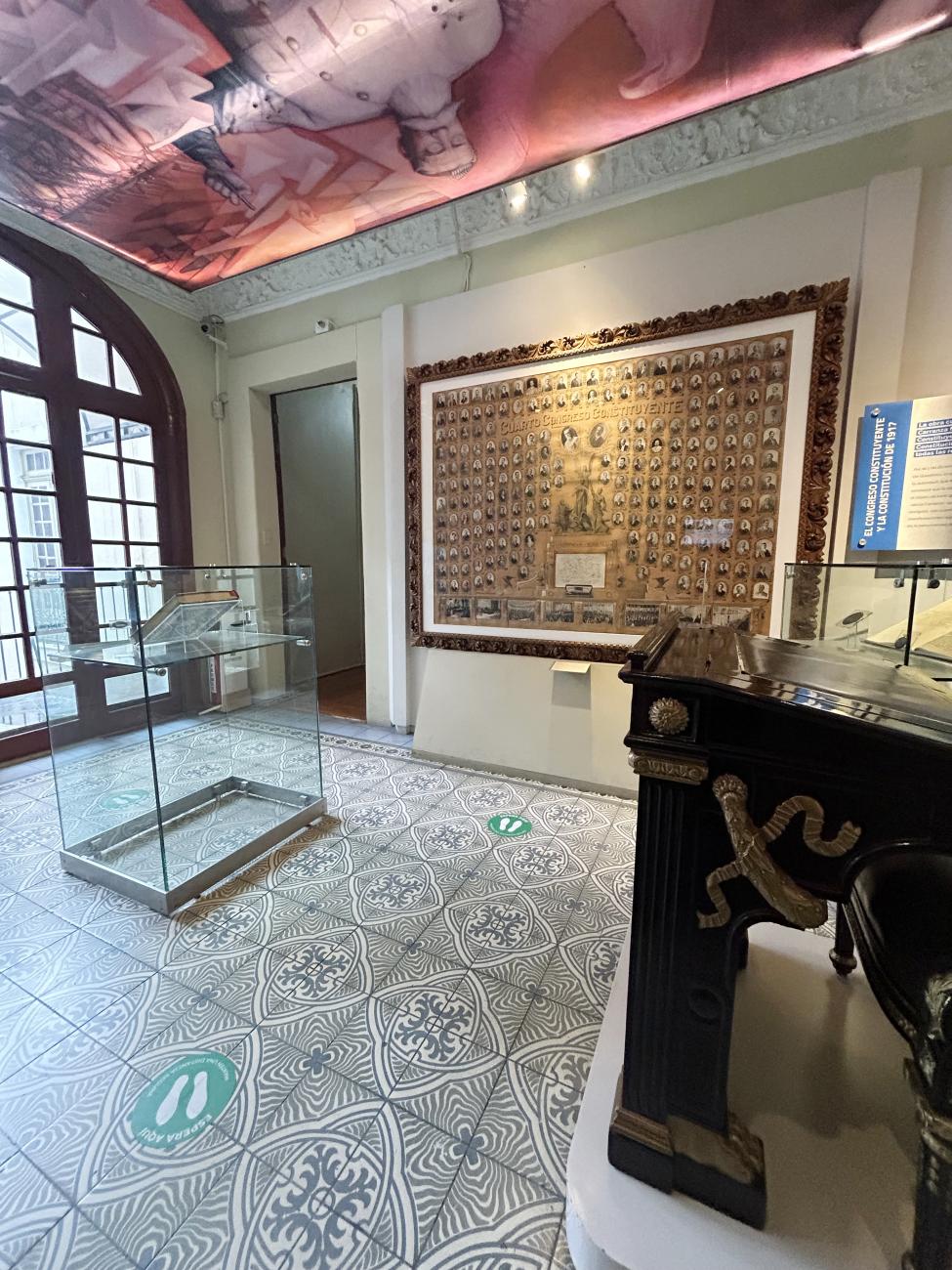
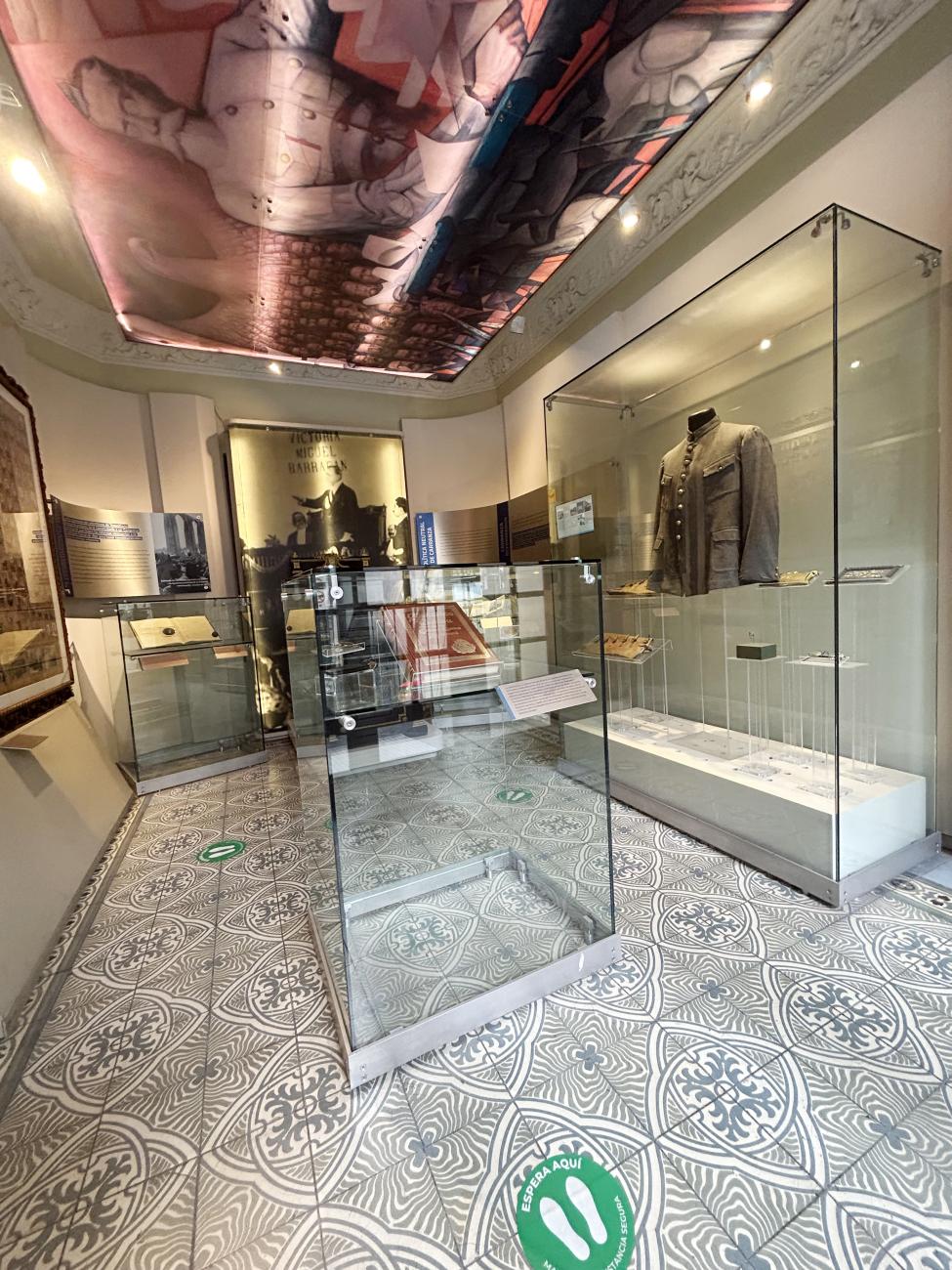
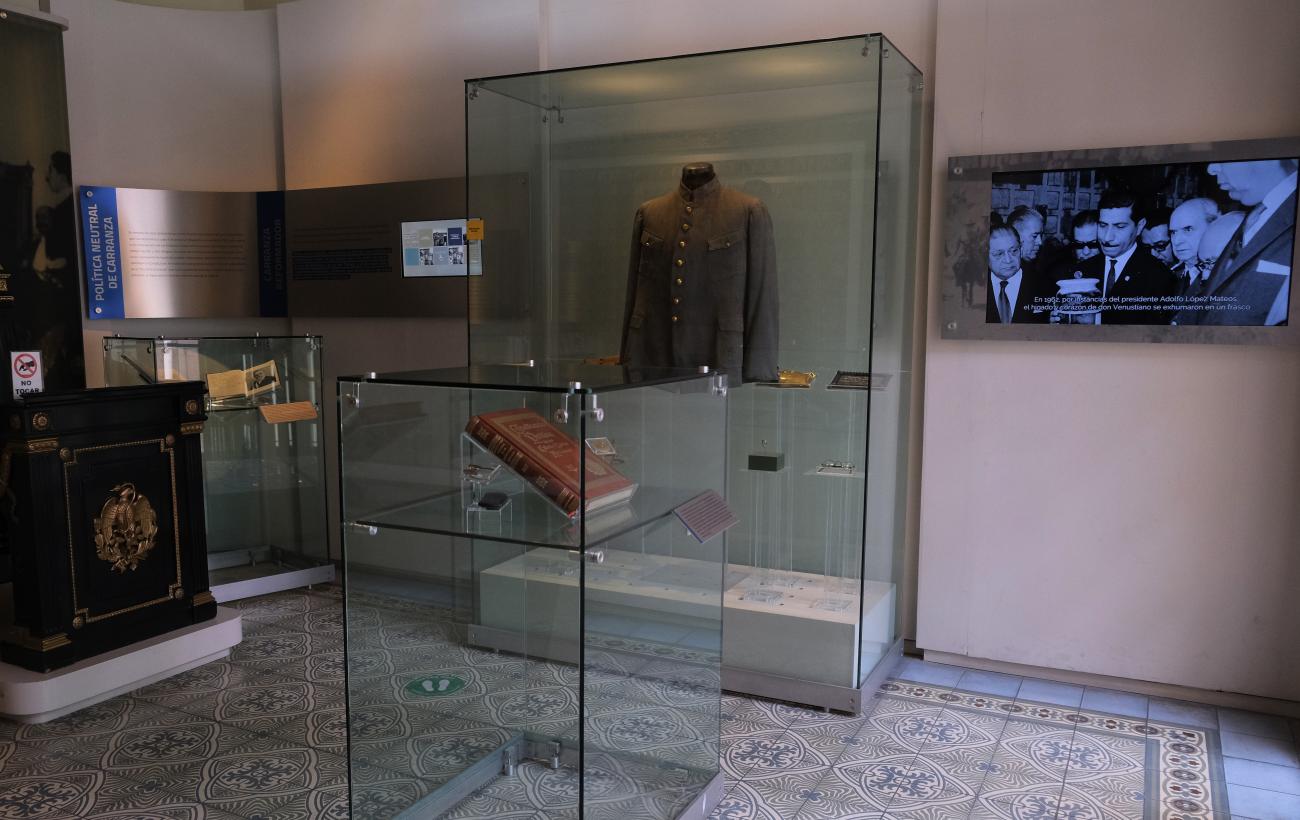
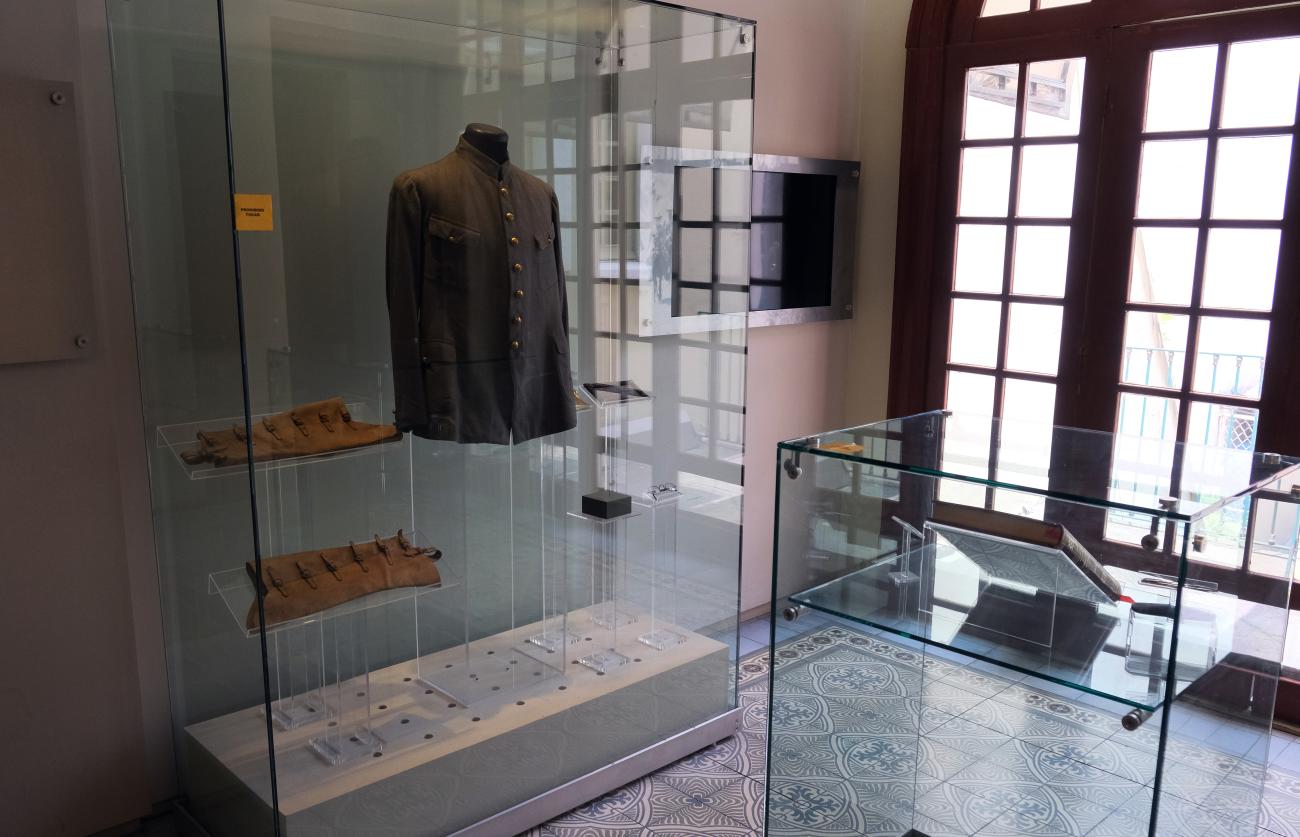
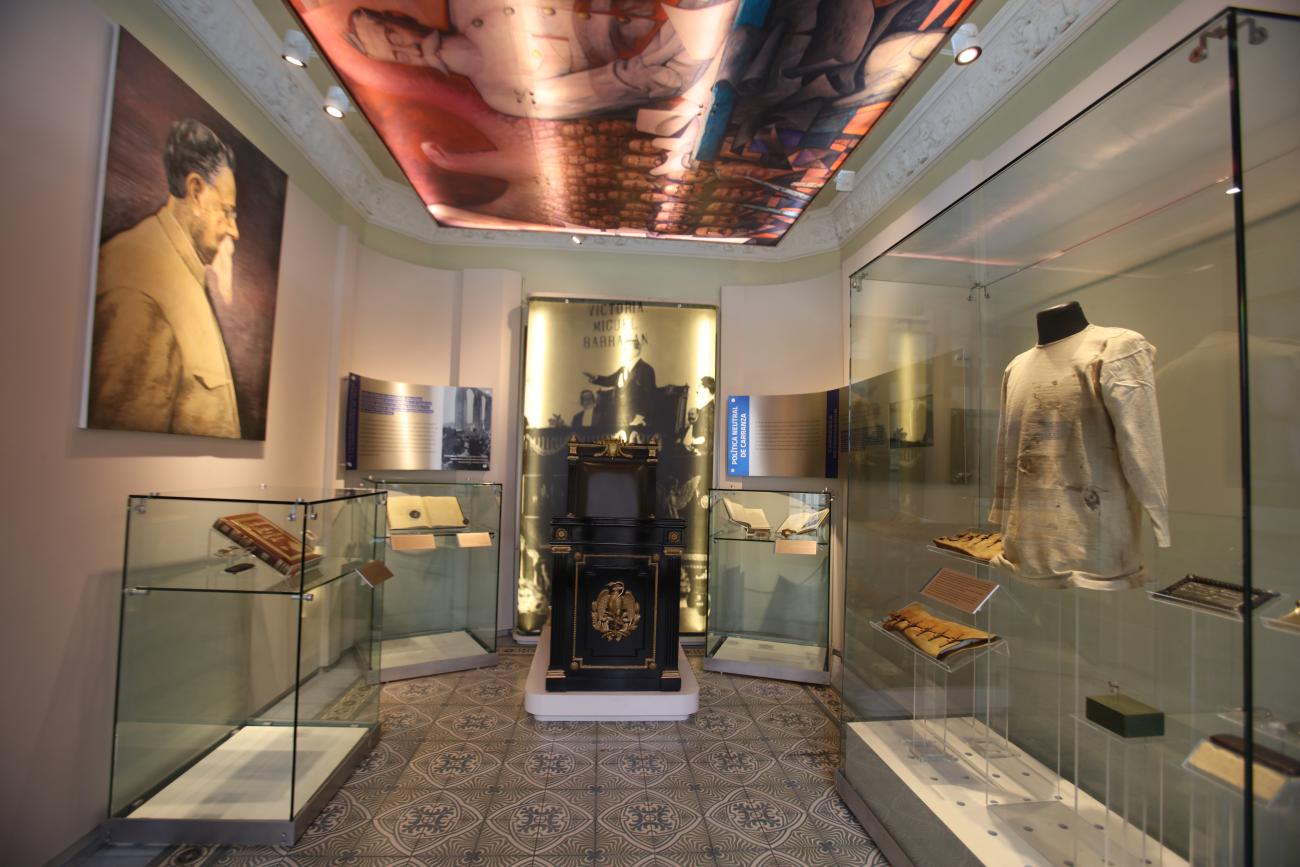
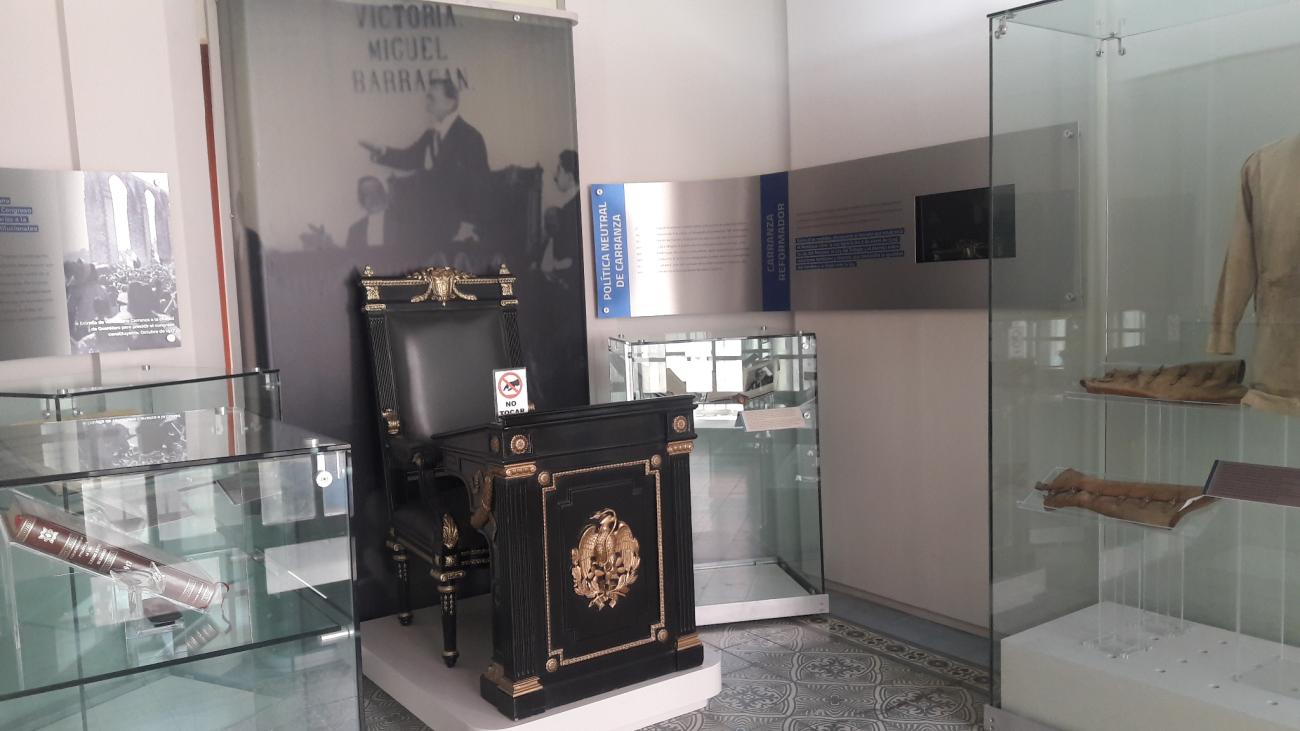
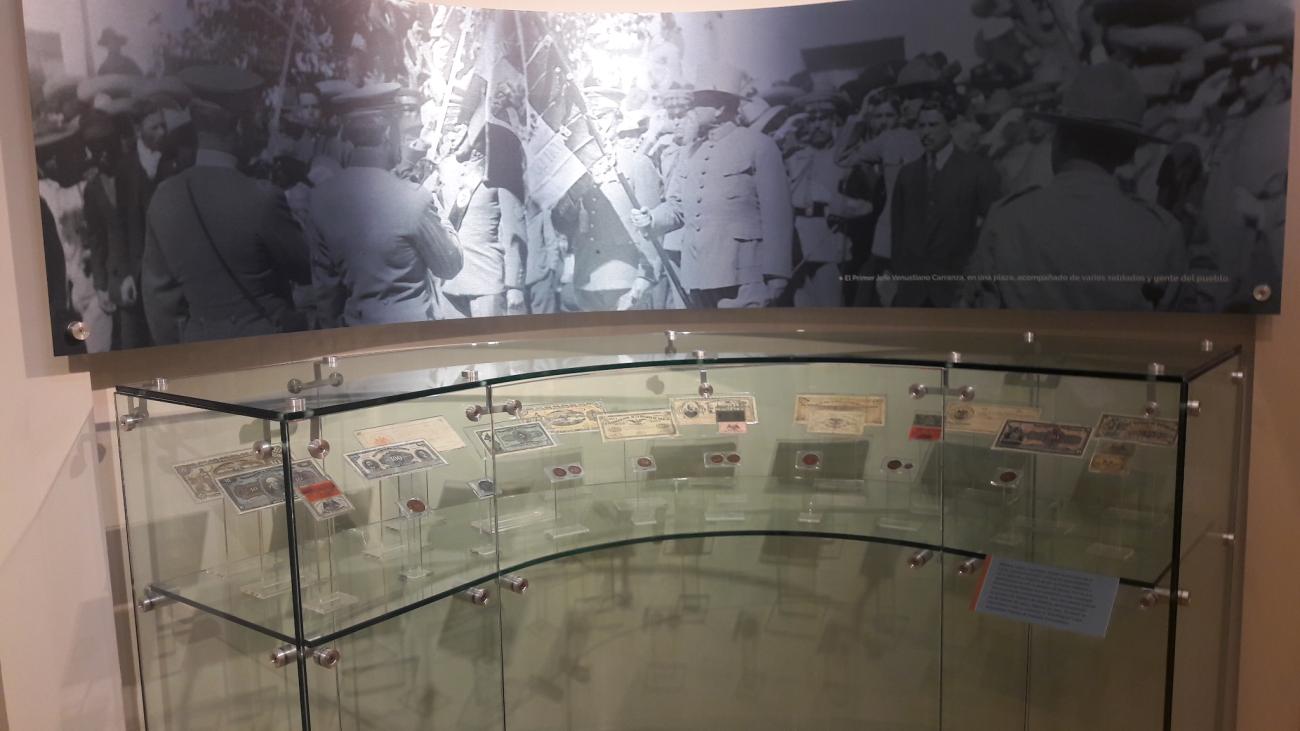
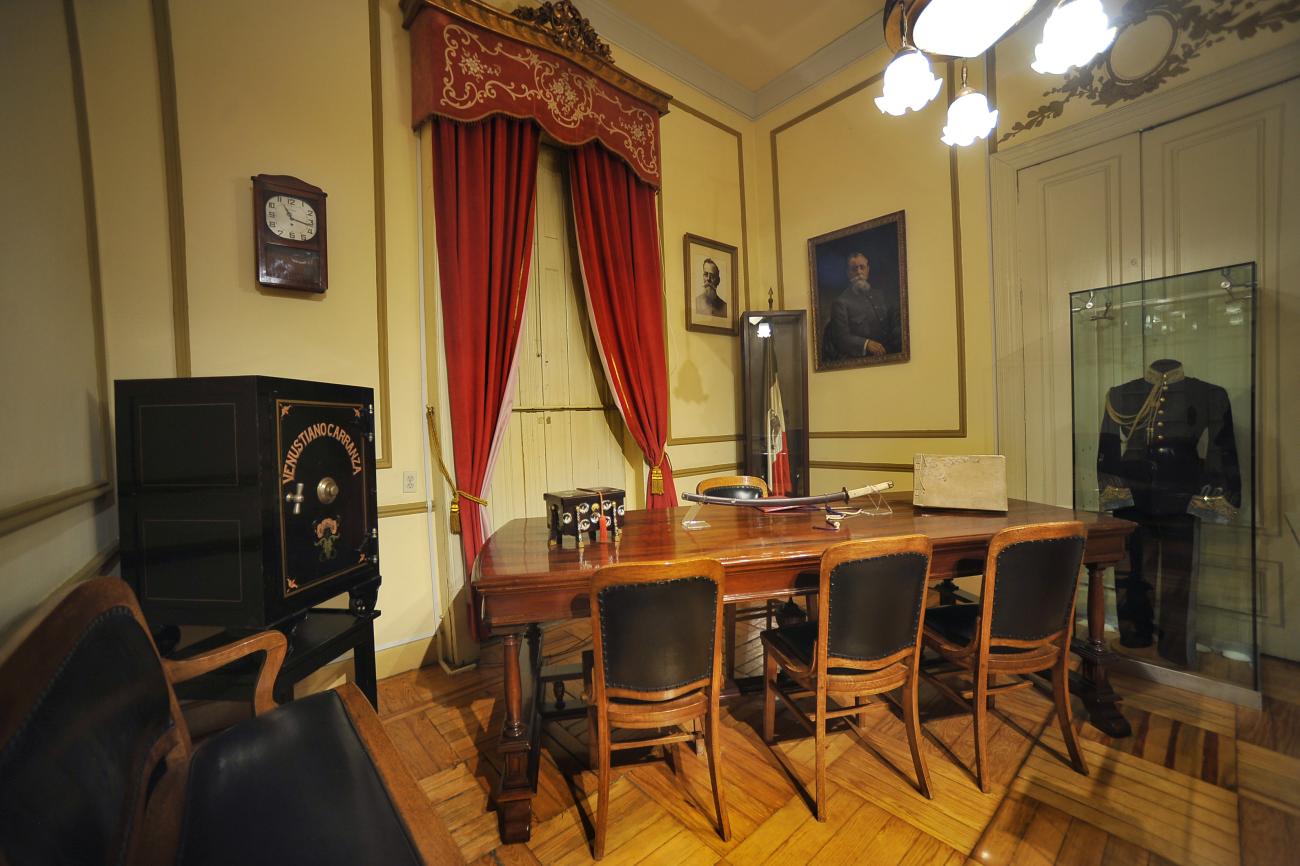
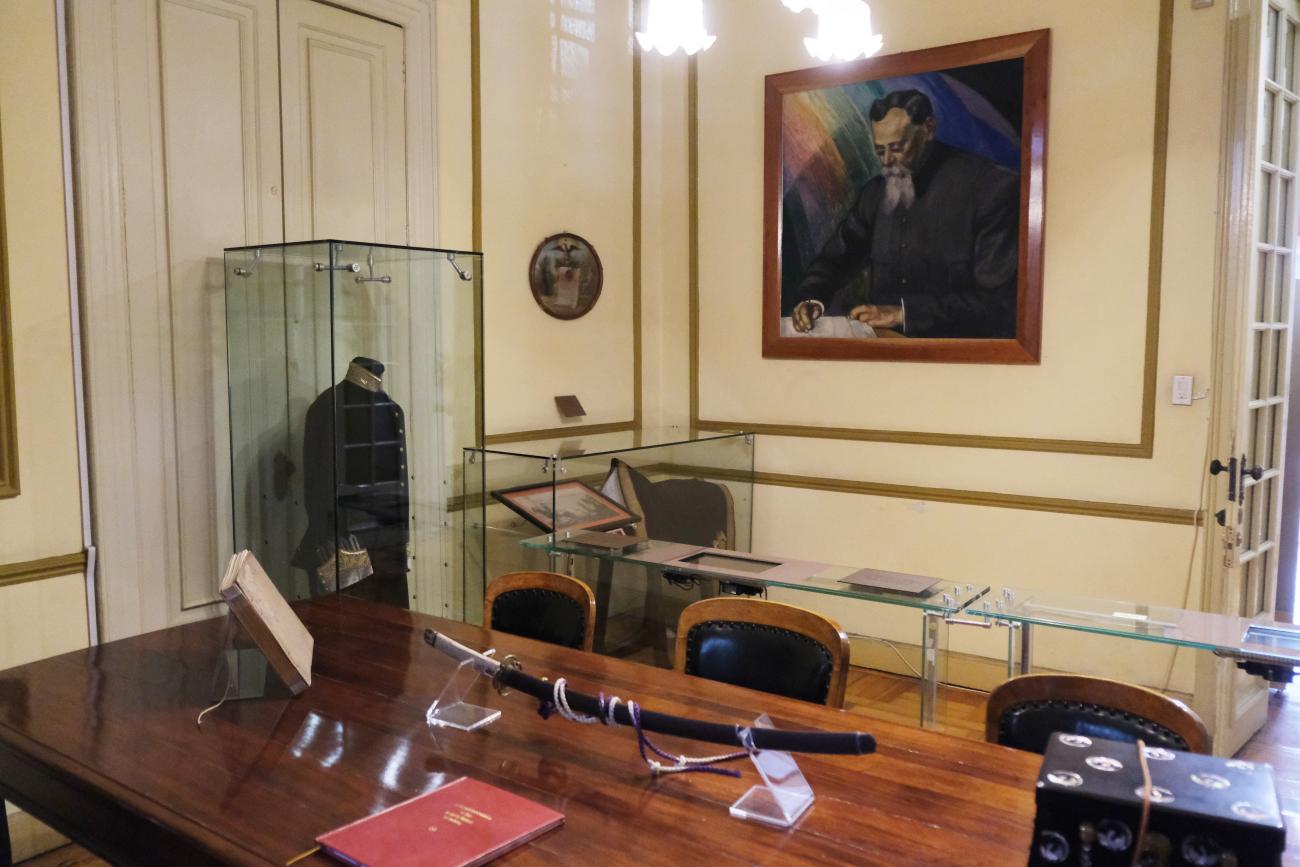
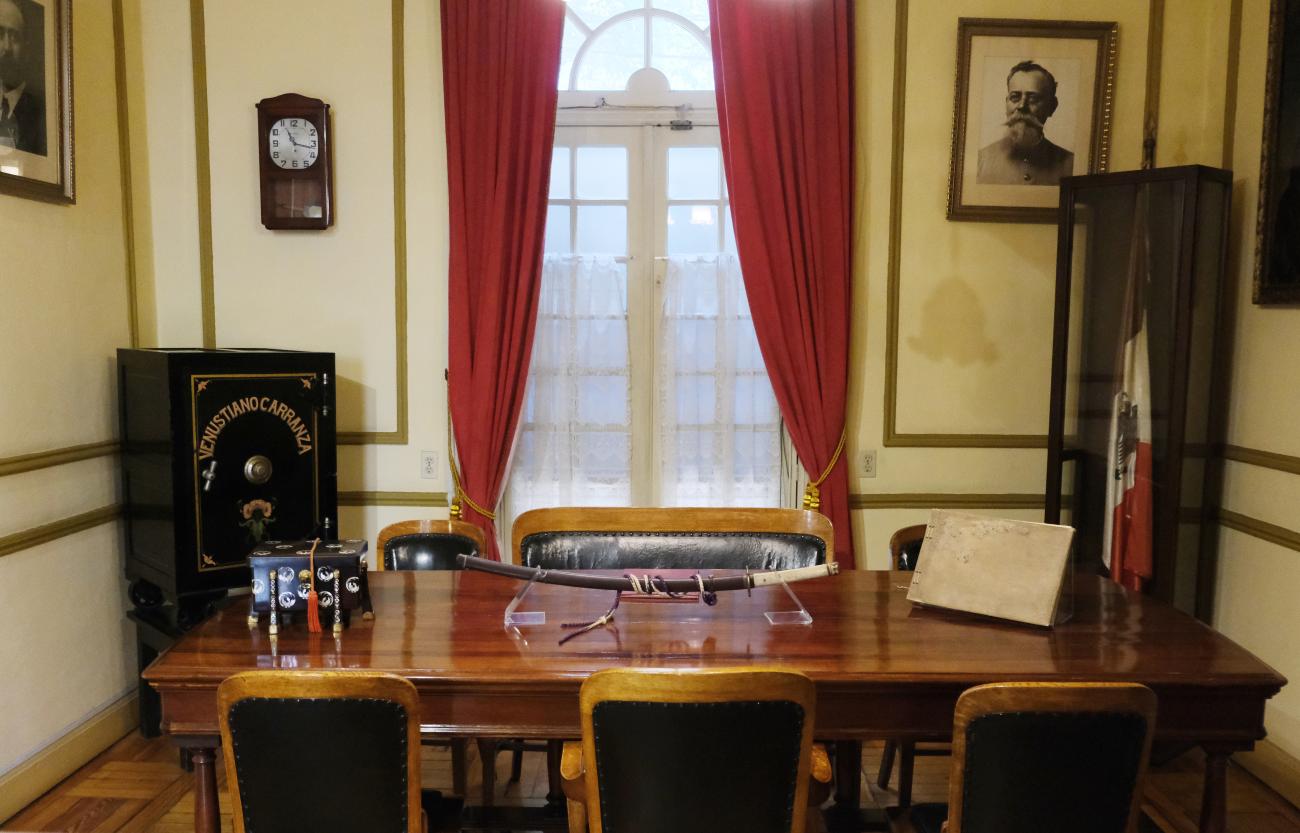
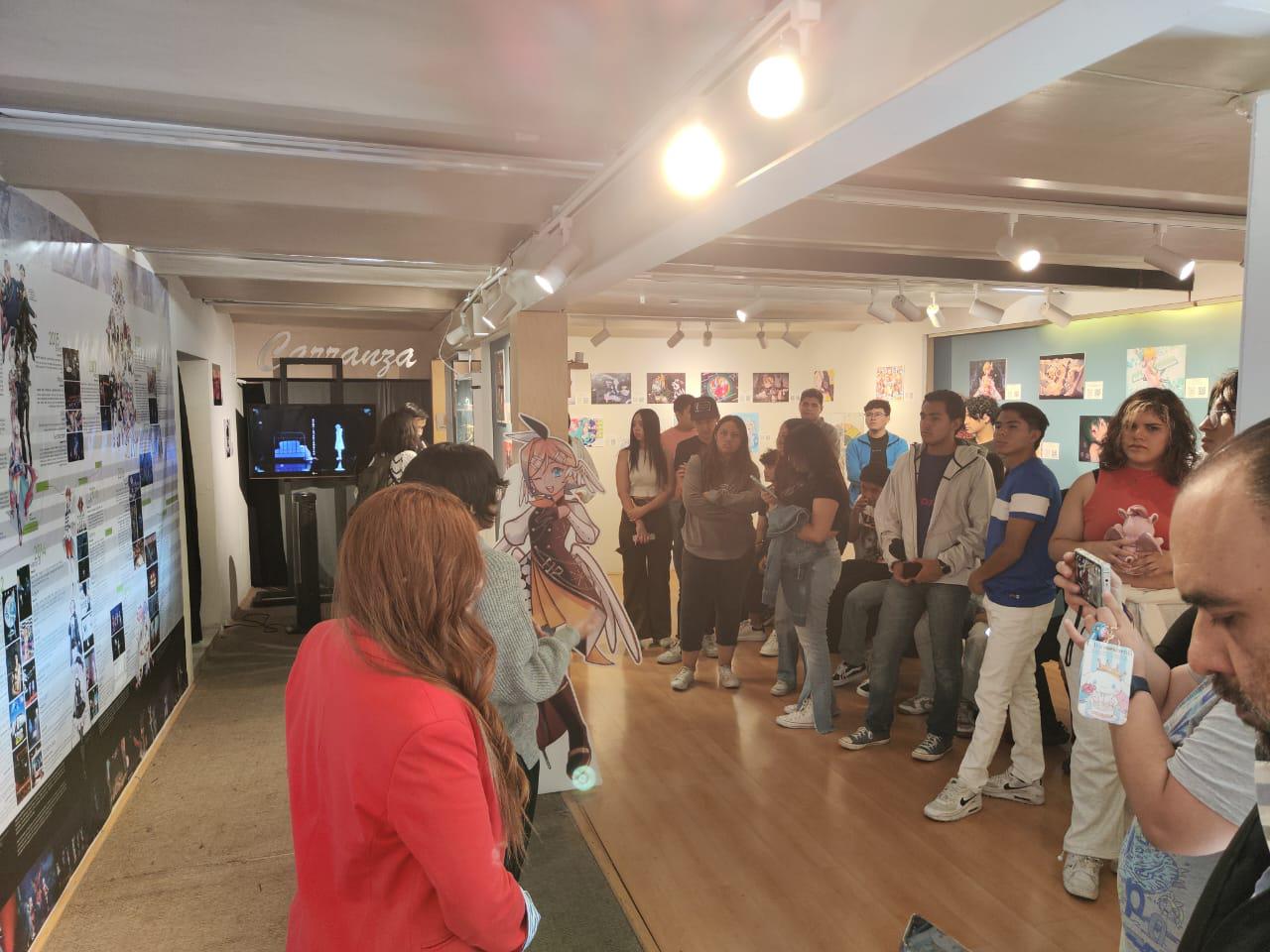
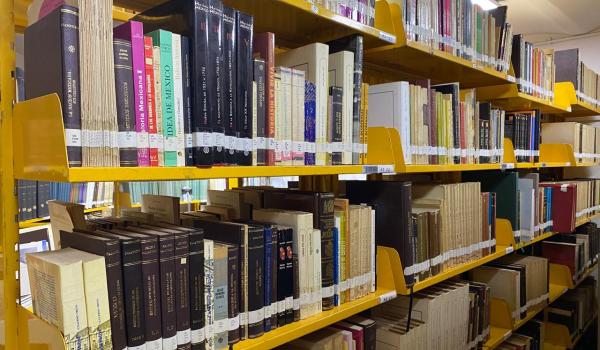
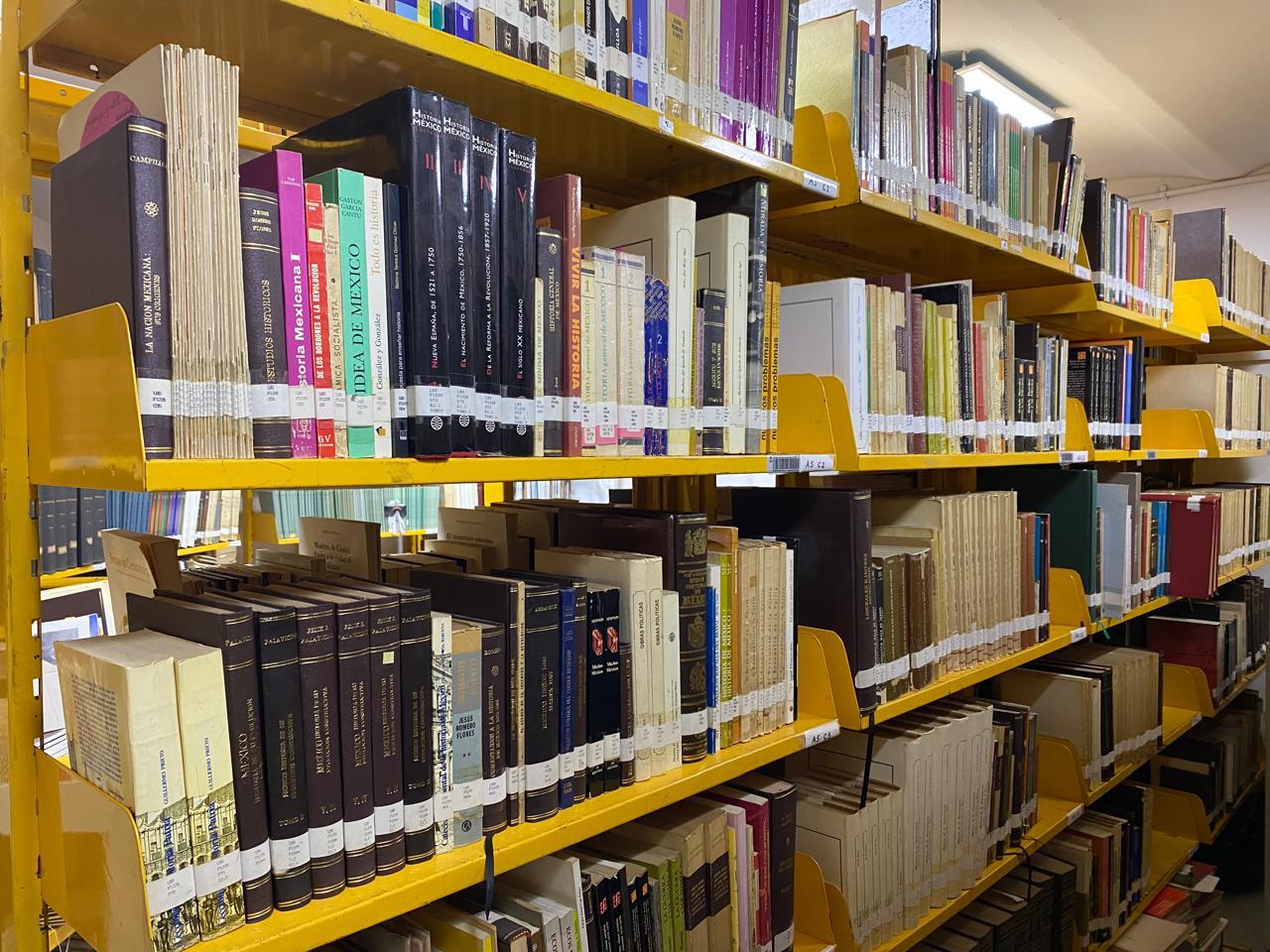
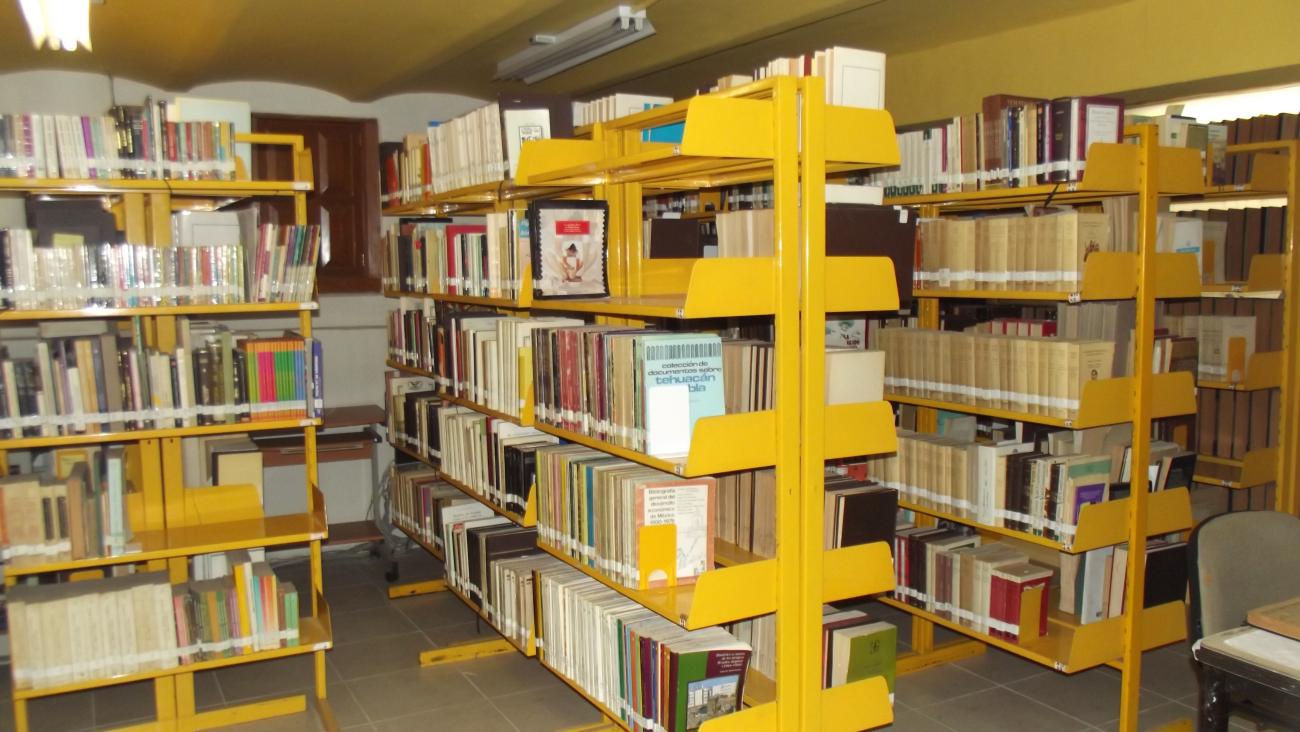
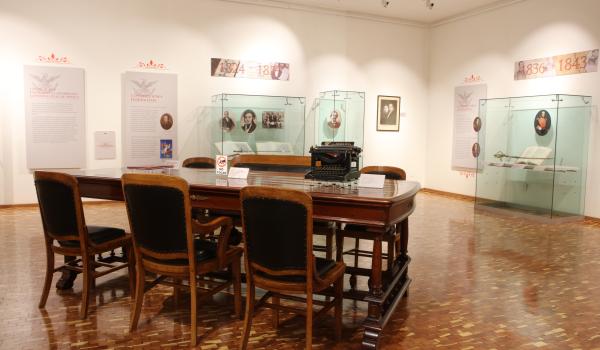
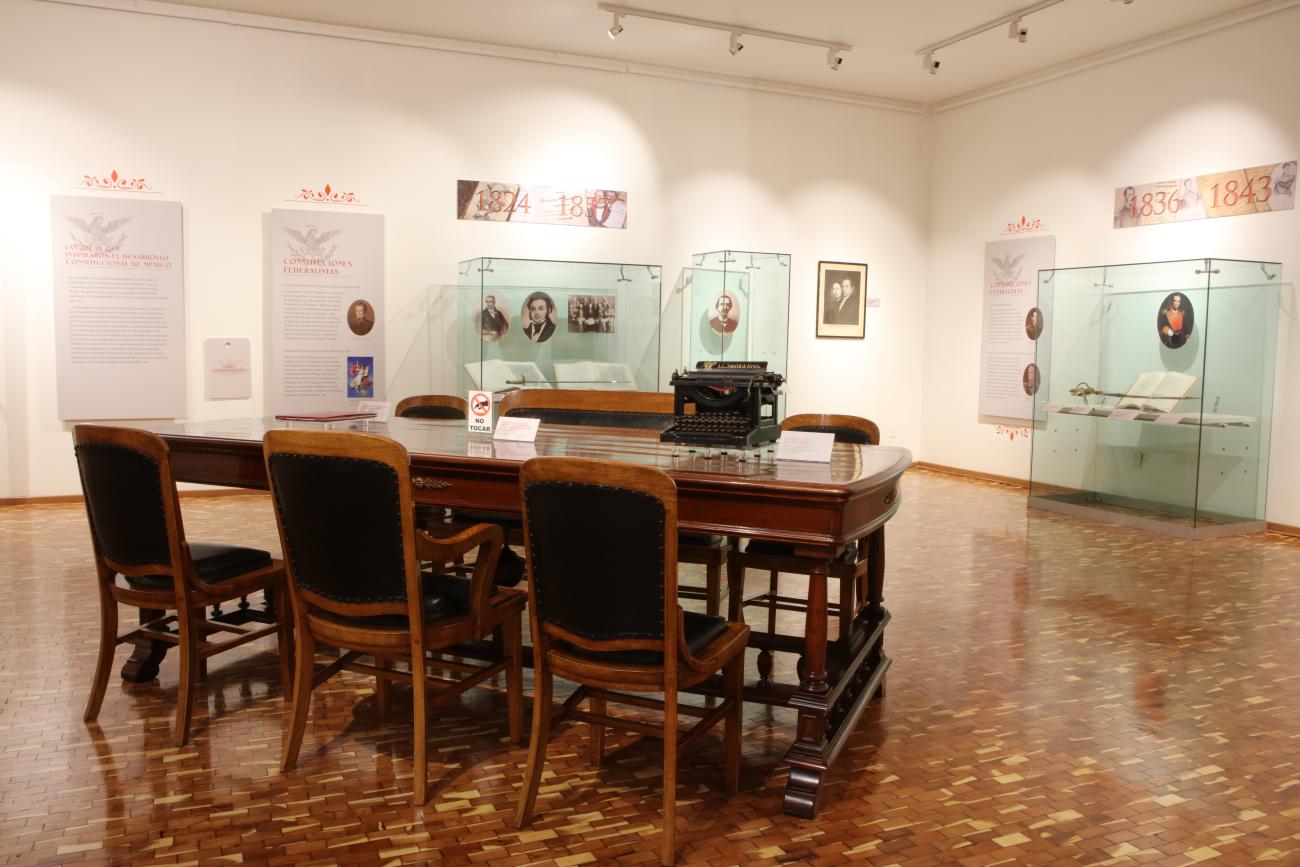
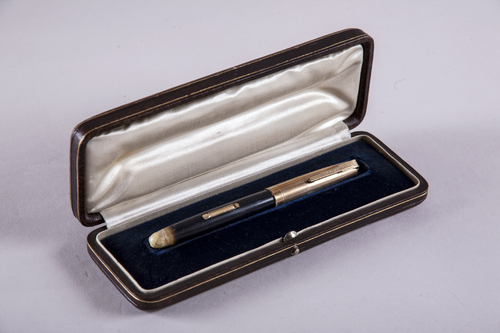
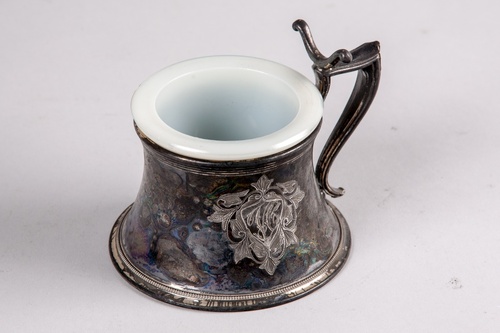
In the museum's thirteen rooms with permanent exhibitions, visitors can admire a collection of 3,400 objects, including items such as books, photographs, period furniture, and personal effects belonging to the “Baron of Cuatro Ciénegas.” The rooms on the ground floor, arranged as galleries, include the lobby, the antechamber, the living room (where the dignitary's wake was held), the dining room, and the kitchen, as well as a gallery with oil paintings by Gerardo Murillo “Dr. Atl,” Salvador R. Guzmán, and Jorge González Camarena. On the upper floor, visitors can explore the bedrooms, personal library, and historical rooms containing information about Carranza's family life and political career, with special emphasis on his greatest legacy: the promulgation of the 1917 Constitution.
Every corner of the house seems to tell a crucial part of Mexico's history, especially during the tumultuous years of the Mexican Revolution. This place has witnessed not only the political conflicts of the time, but also the historical moments of the country and the lives of illustrious figures and revolutionary leaders.
The house itself has symbolic significance, not only because of Carranza, but also because of the different historical moments it witnessed. The fact that it was the scene of fighting between factions, Huerta's betrayal, and then the place where Carranza spent his last days, makes this house a direct witness to the transformations that defined modern Mexico.
Its connection to embassies and foreign policy, as well as its subsequent use as the headquarters of the Association of Constitutionalist Deputies, reflects the importance of the place as a symbol of constitutionalism and the values that drove the Revolution. In addition, architectural details such as the original wooden floors, dome, and stained-glass windows not only speak to the taste and opulence of the era, but also to how the house has managed to preserve its essence despite the political and social changes it has undergone.
The permanent exhibition of Carranza's personal belongings, his effects, period furniture, and paintings by artists give a very human touch to history, helping visitors connect not only with major historical events, but also with the daily lives and personal experiences of those involved. In addition, it is the space that houses the largest and most important collection of Carranza's belongings and pieces that are so significant to the country's history, such as the Plan de Guadalupe.