• Museo Casa de Carranza

  • Museo Casa de Carranza

    Museo Casa de Carranza

    Museo Casa de Carranza
    Acervo fotográfico del Museo Casa de Carranza / INAH-Museo Casa de Carranza
  • Museo Casa de Carranza

    Museo Casa de Carranza

    Museo Casa de Carranza
    Acervo fotográfico del Museo Casa de Carranza / INAH-Museo Casa de Carranza
  • Museo Casa de Carranza

    Museo Casa de Carranza

    Museo Casa de Carranza
    Héctor Montaño Morales / INAH-Dirección de Medios de Comunicación
  • Museo Casa de Carranza

    Museo Casa de Carranza

    Museo Casa de Carranza
    Acervo fotográfico del Museo Casa de Carranza / INAH-Museo Casa de Carranza
  • Museo Casa de Carranza

    Museo Casa de Carranza

    Vestíbulo
    Héctor Montaño Morales / INAH-Dirección de Medios de Comunicación
  • Galería exterior

    Museo Casa de Carranza

    Galería exterior
    Acervo fotográfico del Museo Casa de Carranza / INAH-Museo Casa de Carranza
  • Museo Casa de Carranza

    Museo Casa de Carranza

    Museo Casa de Carranza
    Acervo fotográfico del Museo Casa de Carranza / INAH-Museo Casa de Carranza
  • Museo Casa de Carranza

    Museo Casa de Carranza

    Museo Casa de Carranza
    INAH-Dirección de Medios de Comunicación
  • Galería Manuel Stampa

    Museo Casa de Carranza

    Galería Manuel Stampa
    Acervo fotográfico del Museo Casa de Carranza / INAH-Museo Casa de Carranza
  • Museo Casa de Carranza

    Museo Casa de Carranza

    Museo Casa de Carranza
    Acervo fotográfico del Museo Casa de Carranza / INAH-Museo Casa de Carranza
  • Museo Casa de Carranza

    Museo Casa de Carranza

    Museo Casa de Carranza
    Acervo fotográfico del Museo Casa de Carranza / INAH-Museo Casa de Carranza
  • Museo Casa de Carranza

    Museo Casa de Carranza

    Museo Casa de Carranza
    Acervo fotográfico del Museo Casa de Carranza / INAH-Museo Casa de Carranza
  • Museo Casa de Carranza

    Museo Casa de Carranza

    Museo Casa de Carranza
    INAH-Dirección de Medios de Comunicación
  • Museo Casa de Carranza

    Museo Casa de Carranza

    Museo Casa de Carranza
    Acervo fotográfico del Museo Casa de Carranza / INAH-Museo Casa de Carranza
  • Museo Casa de Carranza

    Museo Casa de Carranza

    Museo Casa de Carranza
    INAH-Dirección de Medios de Comunicación
  • Galería Julia Carranza

    Museo Casa de Carranza

    Galería Julia Carranza
    Acervo fotográfico del Museo Casa de Carranza / INAH-Museo Casa de Carranza
  • Museo Casa de Carranza

    Museo Casa de Carranza

    Museo Casa de Carranza
    Acervo fotográfico del Museo Casa de Carranza / INAH-Museo Casa de Carranza
  • Museo Casa de Carranza

    Museo Casa de Carranza

    Museo Casa de Carranza
    INAH-Dirección de Medios de Comunicación
  • Auditorio Hermila Galindo

    Museo Casa de Carranza

    Auditorio Hermila Galindo
    Acervo fotográfico del Museo Casa de Carranza / INAH-Museo Casa de Carranza
  • Museo Casa de Carranza

    Museo Casa de Carranza

    Museo Casa de Carranza
    Acervo fotográfico del Museo Casa de Carranza / INAH-Museo Casa de Carranza
  • Museo Casa de Carranza

    Museo Casa de Carranza

    Biblioteca personal
    INAH-Dirección de Medios de Comunicación
  • Museo Casa de Carranza

    Museo Casa de Carranza

    Museo Casa de Carranza
    Acervo fotográfico del Museo Casa de Carranza / INAH-Museo Casa de Carranza

Visit us

Museo Casa de Carranza

Opening hours
Tuesday to Sunday from 10:00 to 17:00 h
Fee
$75.00
Adress

Río Lerma No. 35
Cuauhtémoc neighborhood, Zip Code 06500
Mexico City, Mexico

Access

Nearest Metro stations: Insurgentes and Hidalgo; Metrobús: Hamburg and Reforma

Services
Accessibility
Library
Lockers
Boosktore
Toilets
Guided tours
Important
  • Sundays free for mexican citizens
  • Free entrance for Mexicans under 13 years old
  • Free entrance for Mexican students and teachers
  • Free entrance for Mexican senior citizens
  • No smoking
  • No entry with food
  • Pets not allowed

Museo Casa de Carranza

Museo Casa de Carranza

Museo Casa Carranza
Museo Casa de Carranza

The Casa de Carranza Museum is distinguished both for its history and its architecture. The residence not only preserves the memory of Venustiano Carranza, but also offers a window into early 20th-century Mexico, when politics, culture, and social change were in full swing. It is interesting how the house reflects the contrast between the heyday of the Porfiriato, with its luxury and European sophistication, and the historical context of the Mexican Revolution, which broke with that established order.

The transition of the place from a private residence to a museum dedicated to constitutional laws and constituent deputies shows how the importance of the 1917 Constitution and Carranza's legacy in Mexico's political history has been recognized. This process not only has symbolic value, but also offers a space for reflection on the issues that marked that era, such as social rights, land, and education.

Audio file

VISÍTANOS

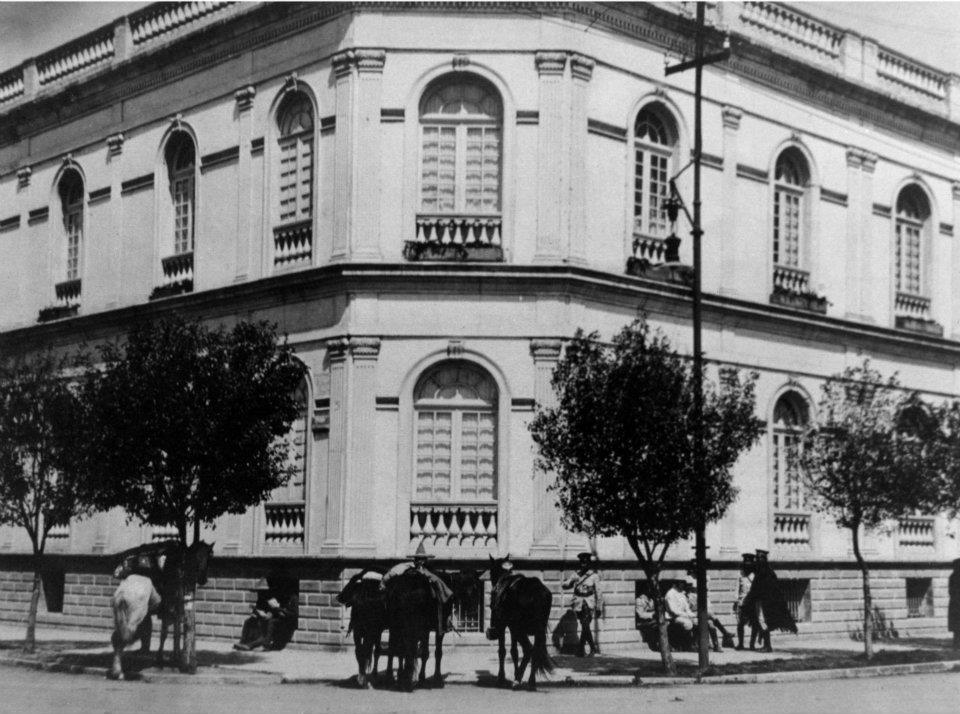
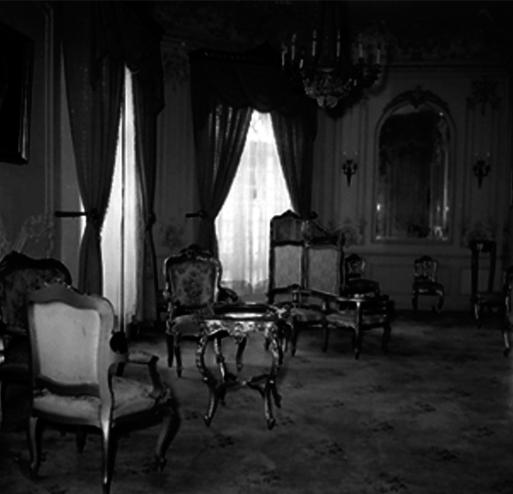
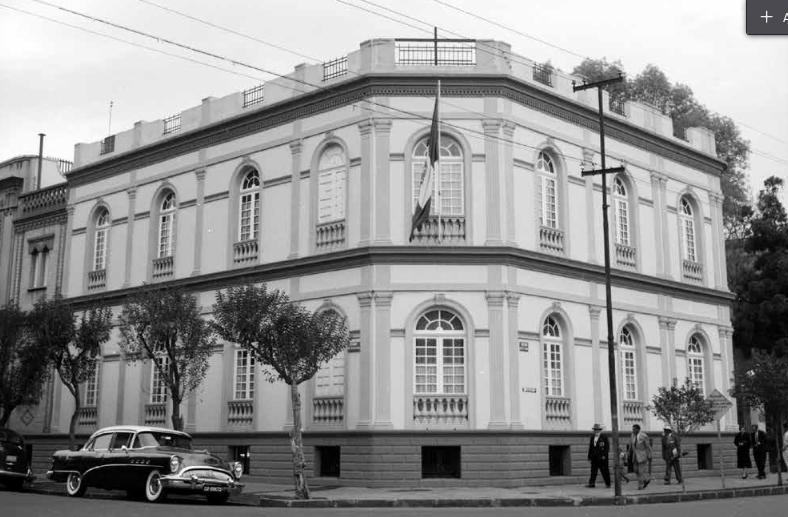
In 1908, engineer Manuel Stampa built his family home, with all the luxuries and comforts of the upper class during the Porfiriato era. In 1913, as a result of the Decena Trágica (Tragic Ten Days), the family was forced to abandon it, and it was occupied by General Felipe Ángeles as headquarters for the federal troops under his command, due to its proximity to the Colonia train station and with the idea that he would defend President Madero from the rebellion of Bernardo Reyes, Félix Díaz, Manuel Mondragón, and Victoriano Huerta.

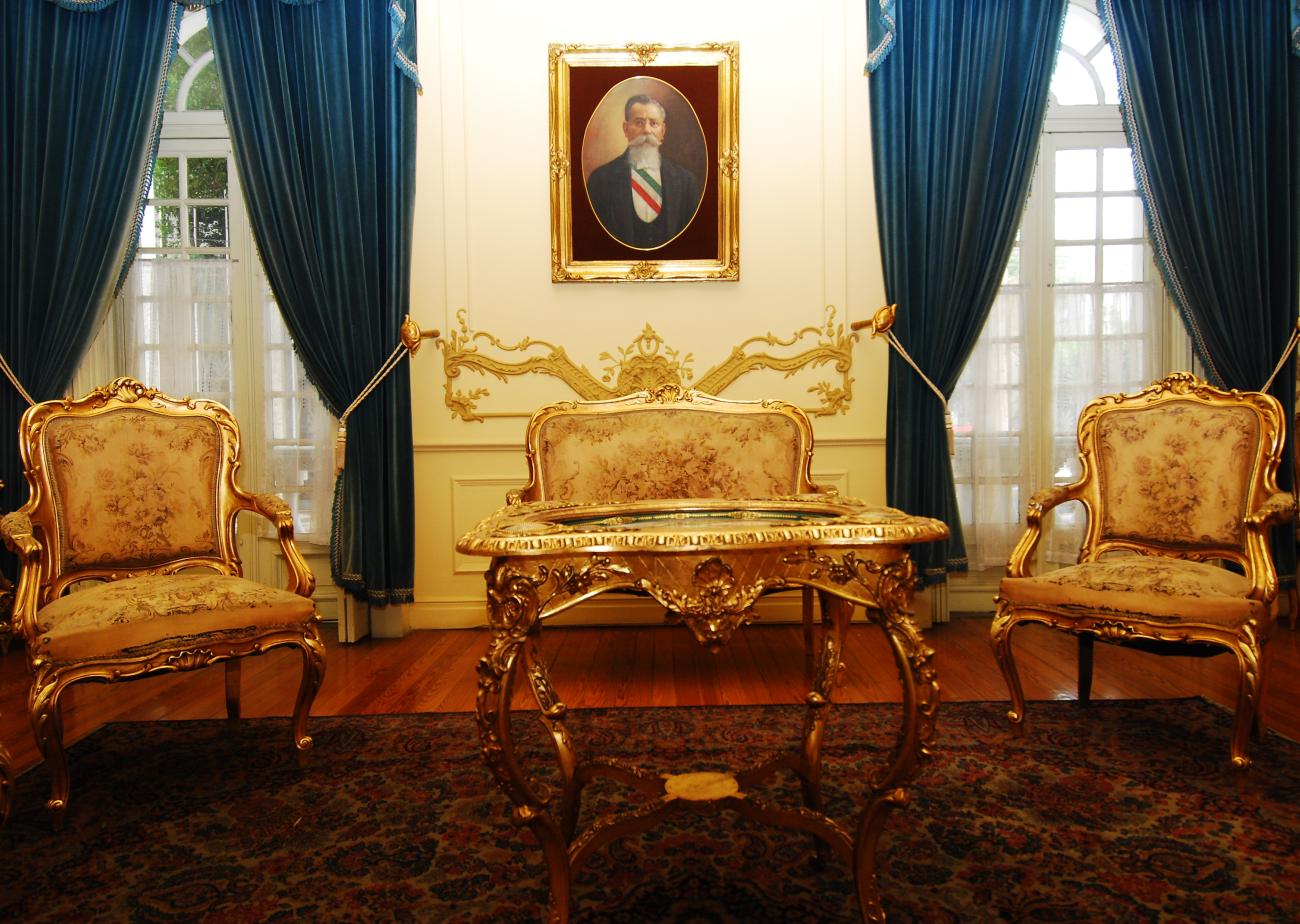
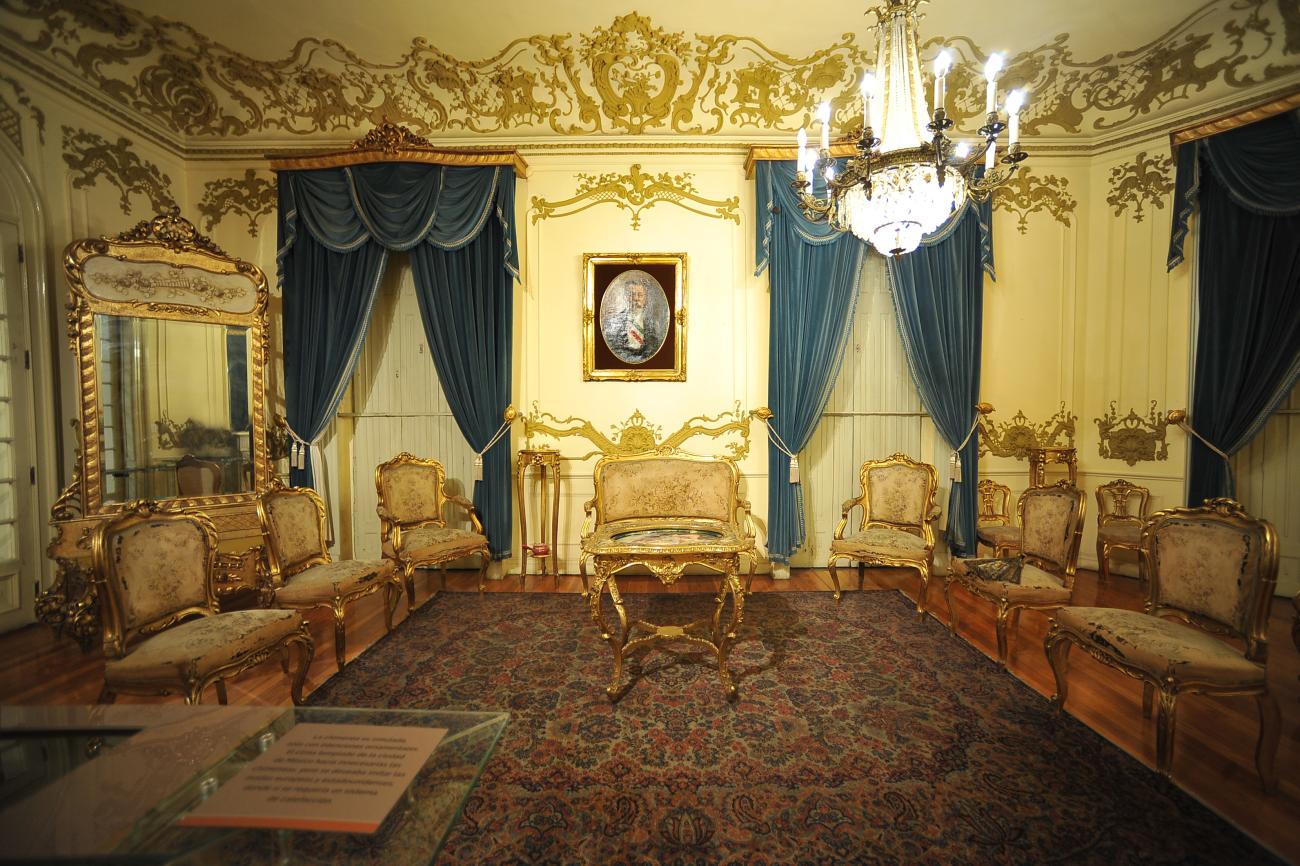
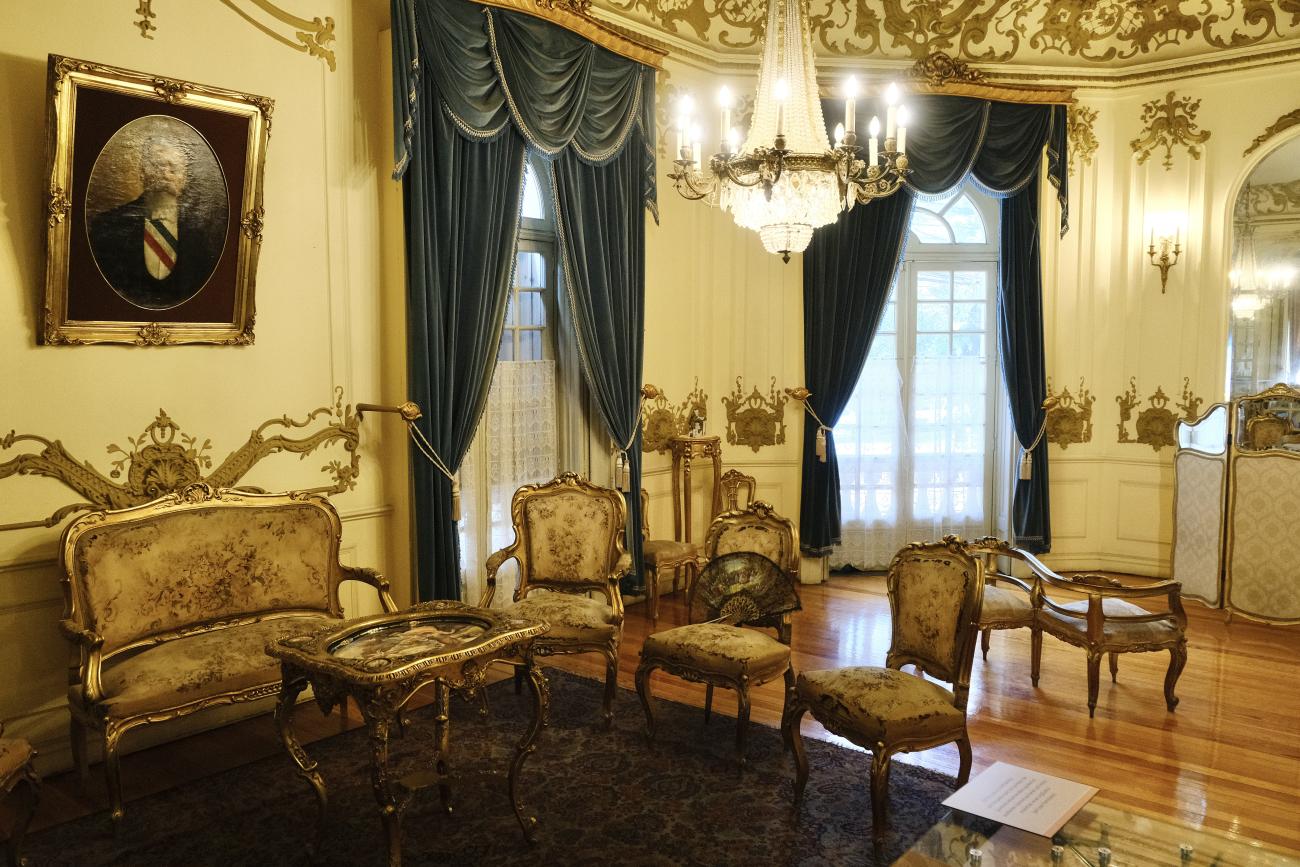
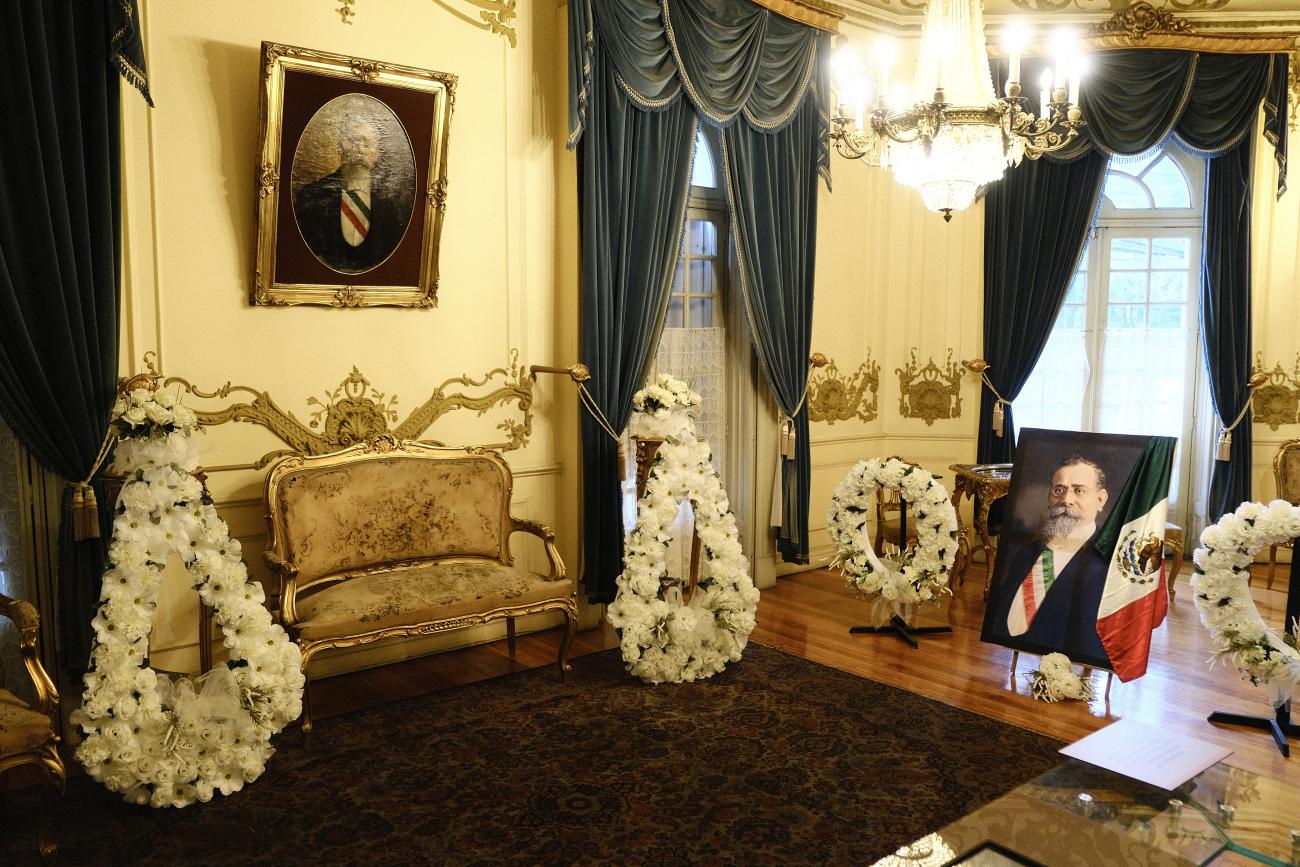
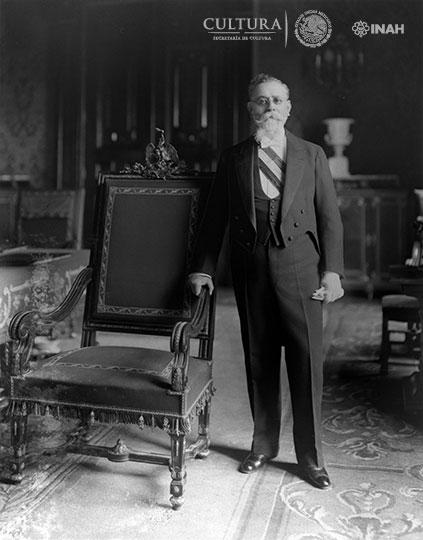
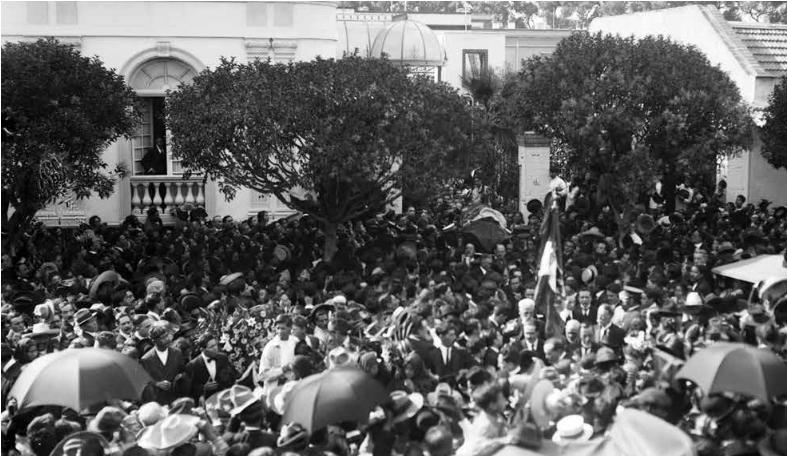
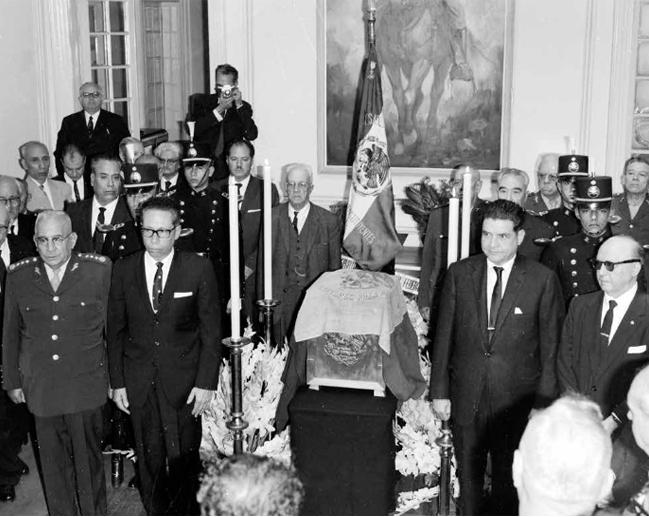
By 1915, after the Villostas and Zapatistas were evicted from the capital, the Stampa family returned to the house and lived there until 1918. The following year, President Venustiano Carranza rented it and lived on the property before leaving Mexico City to establish the provisional government in Veracruz after the Agua Prieta rebellion led by Plutarco Elías Calles, Adolfo de la Huerta, and Álvaro Obregón. However, he was assassinated in Tlaxcalantongo on May 21, 1920. Carranza's body was taken to the house a few days later, where it was laid in state in the living room before being taken to the Dolores Cemetery.

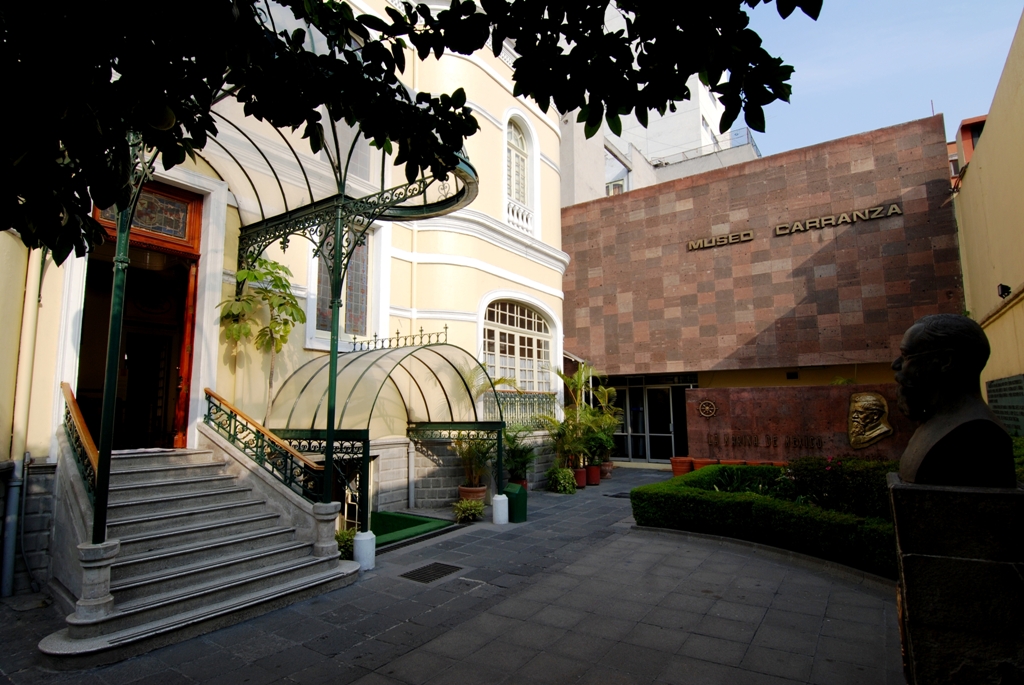
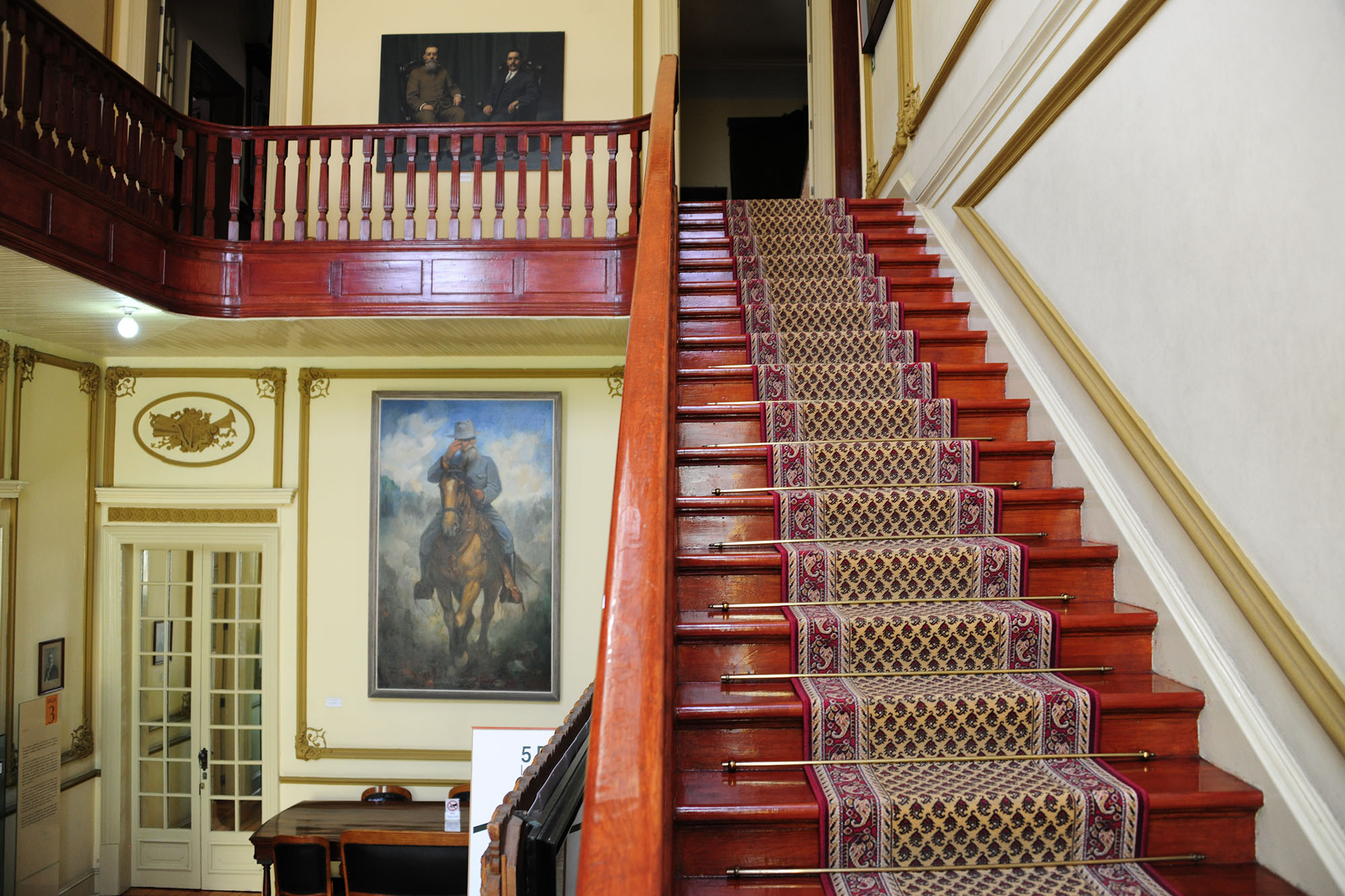
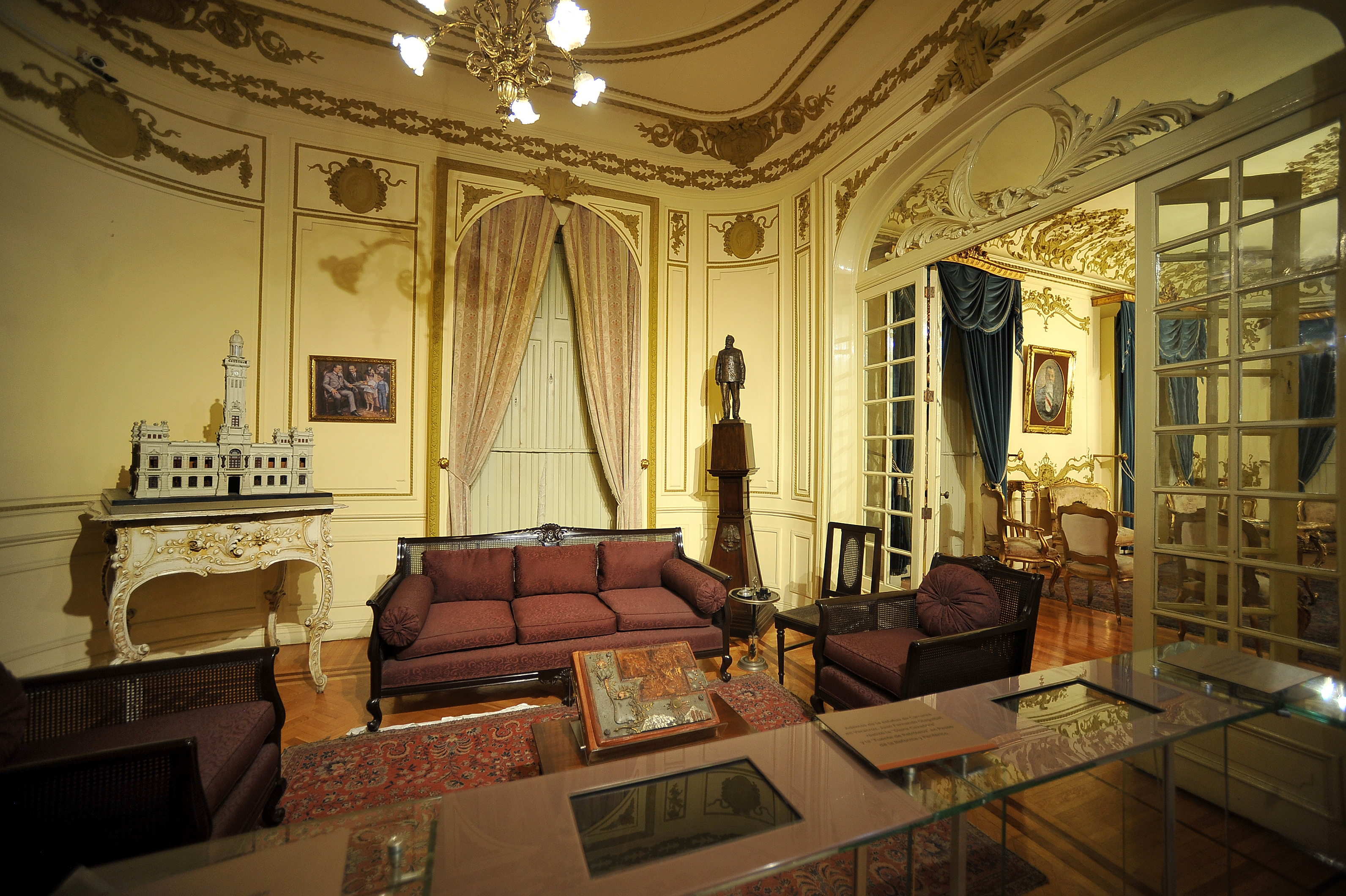
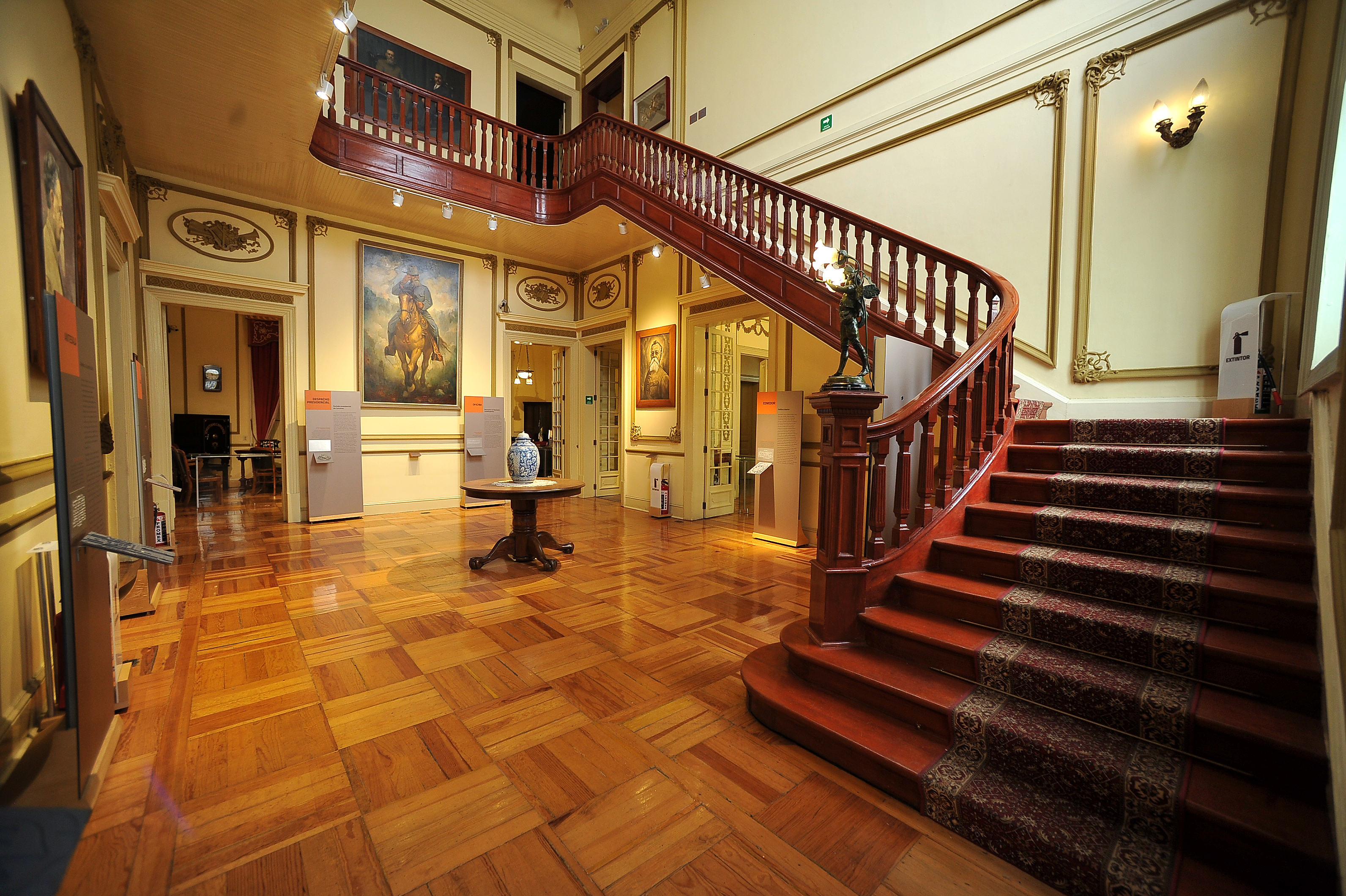
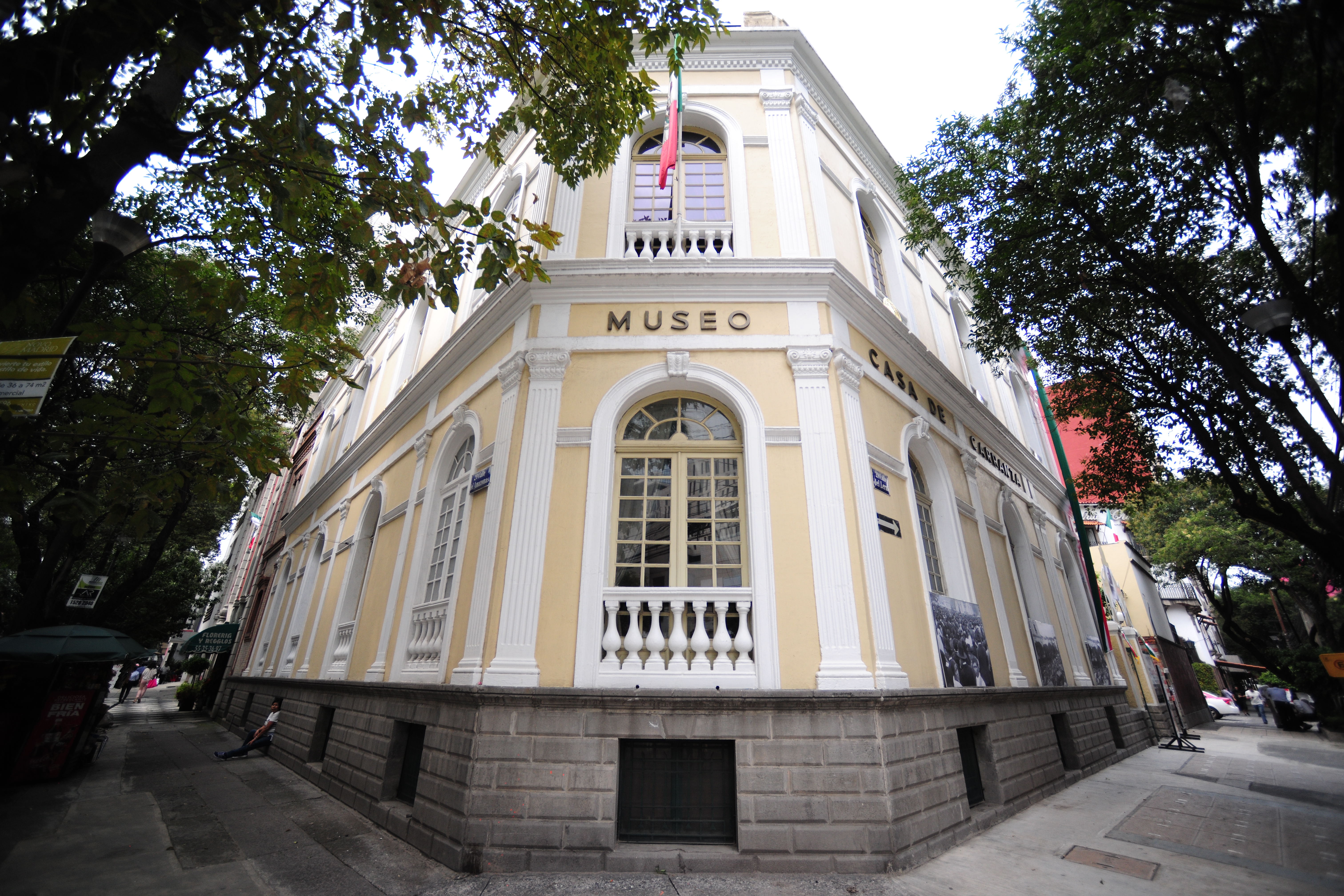
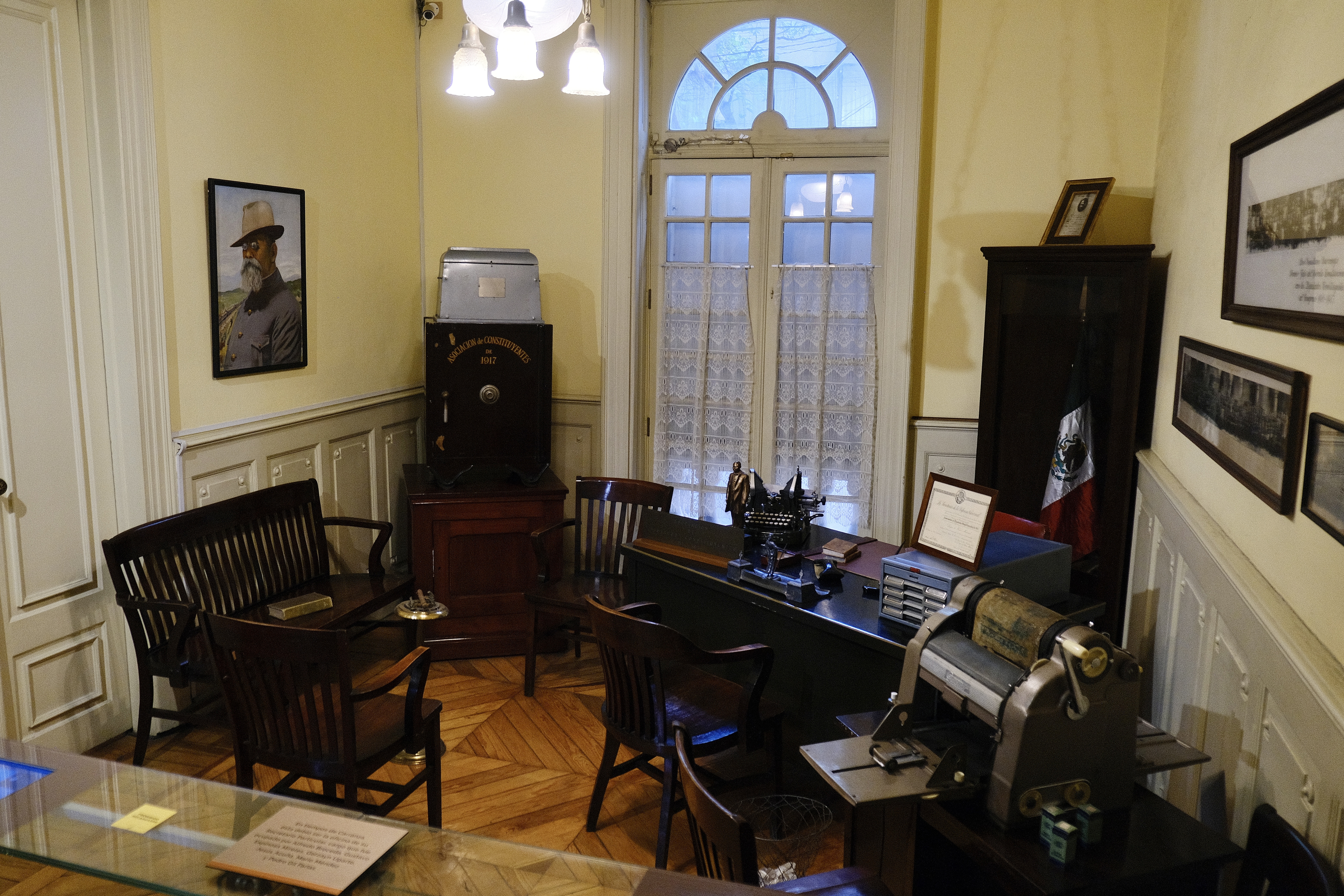
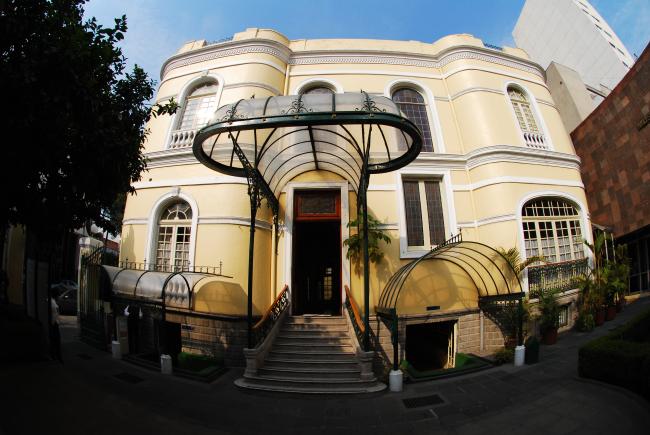
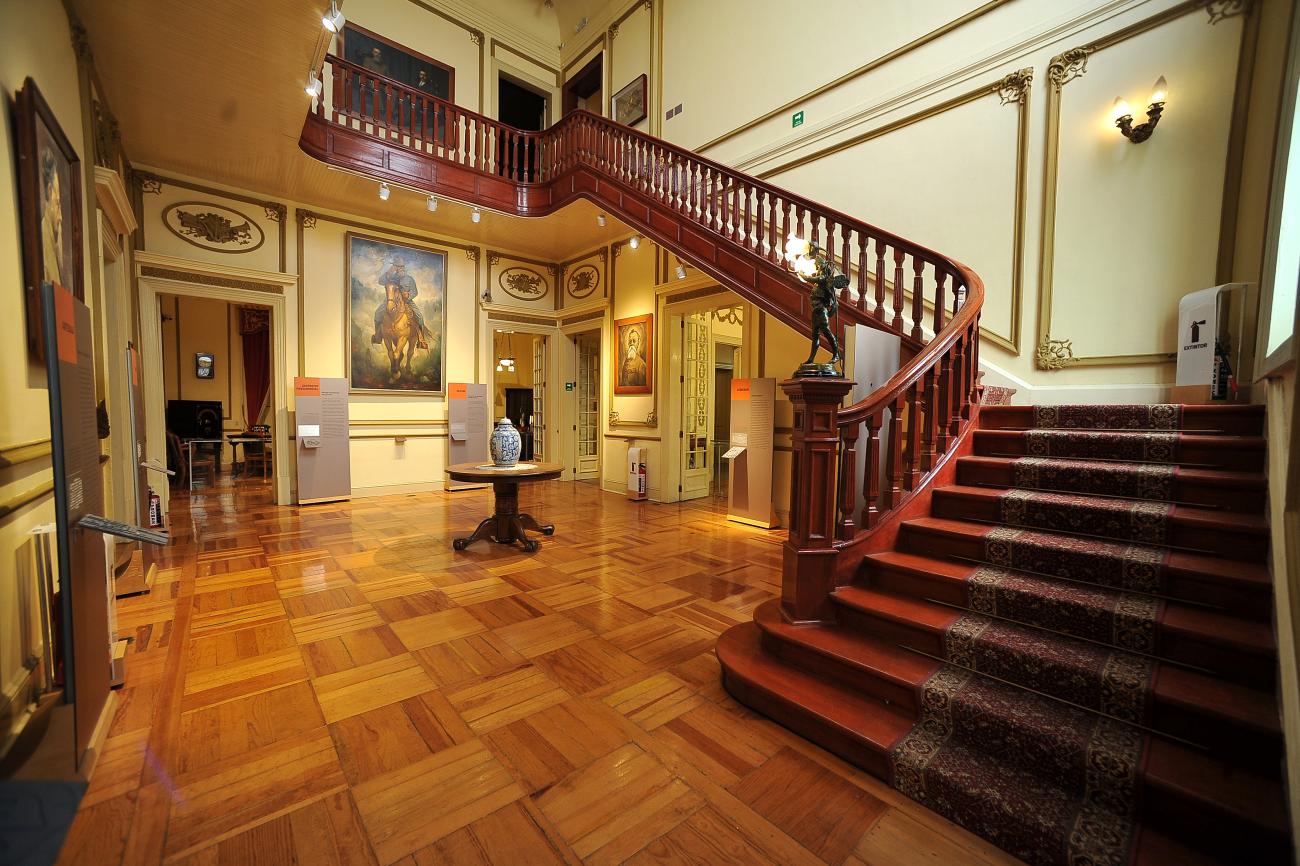
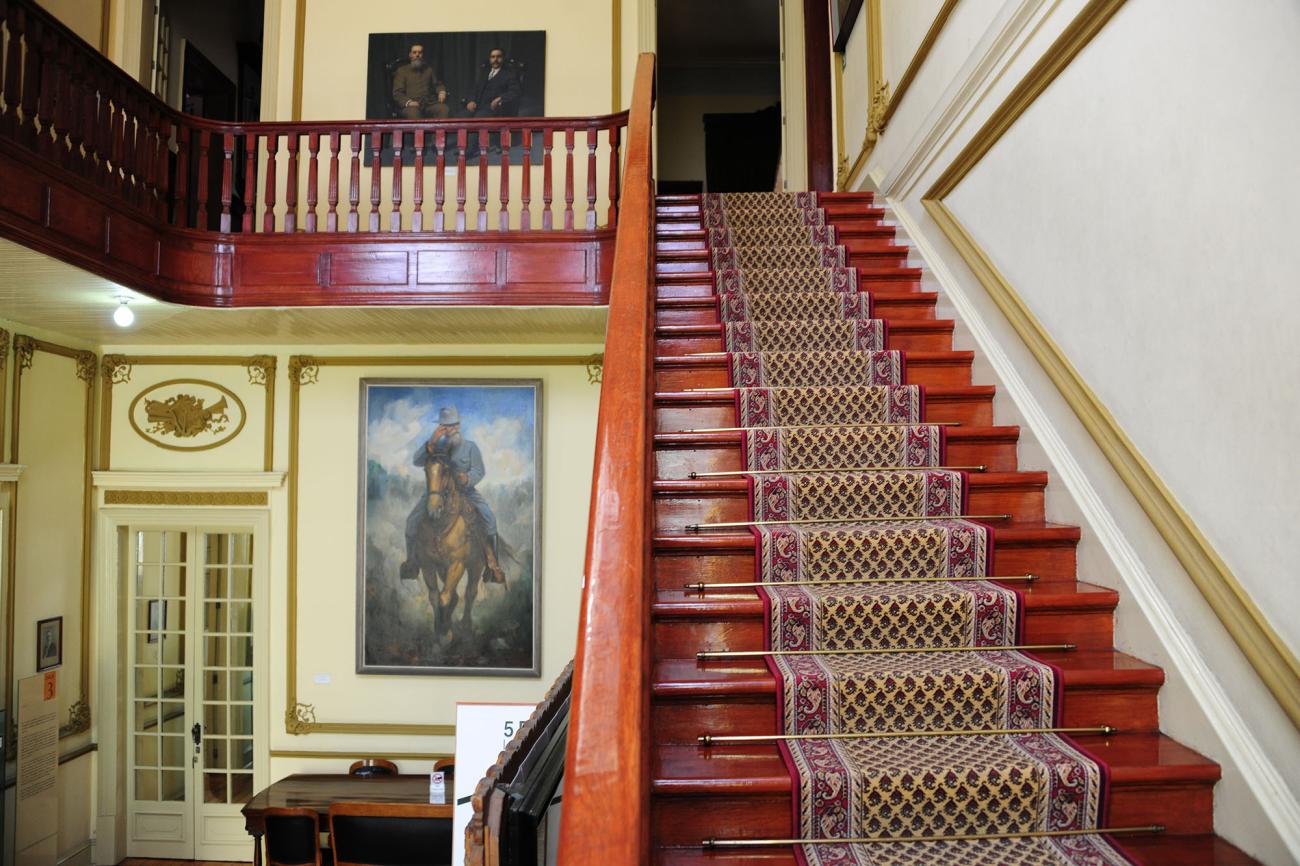
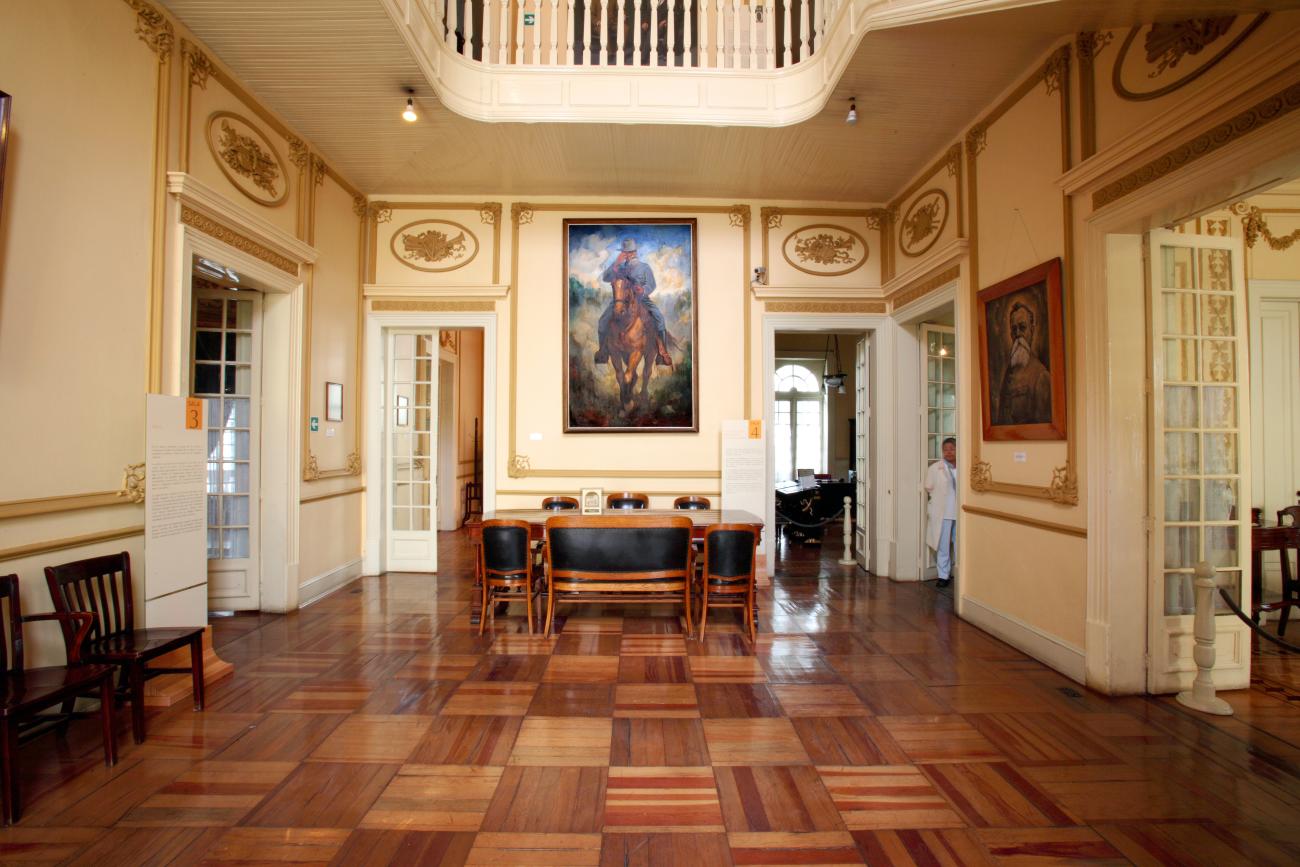
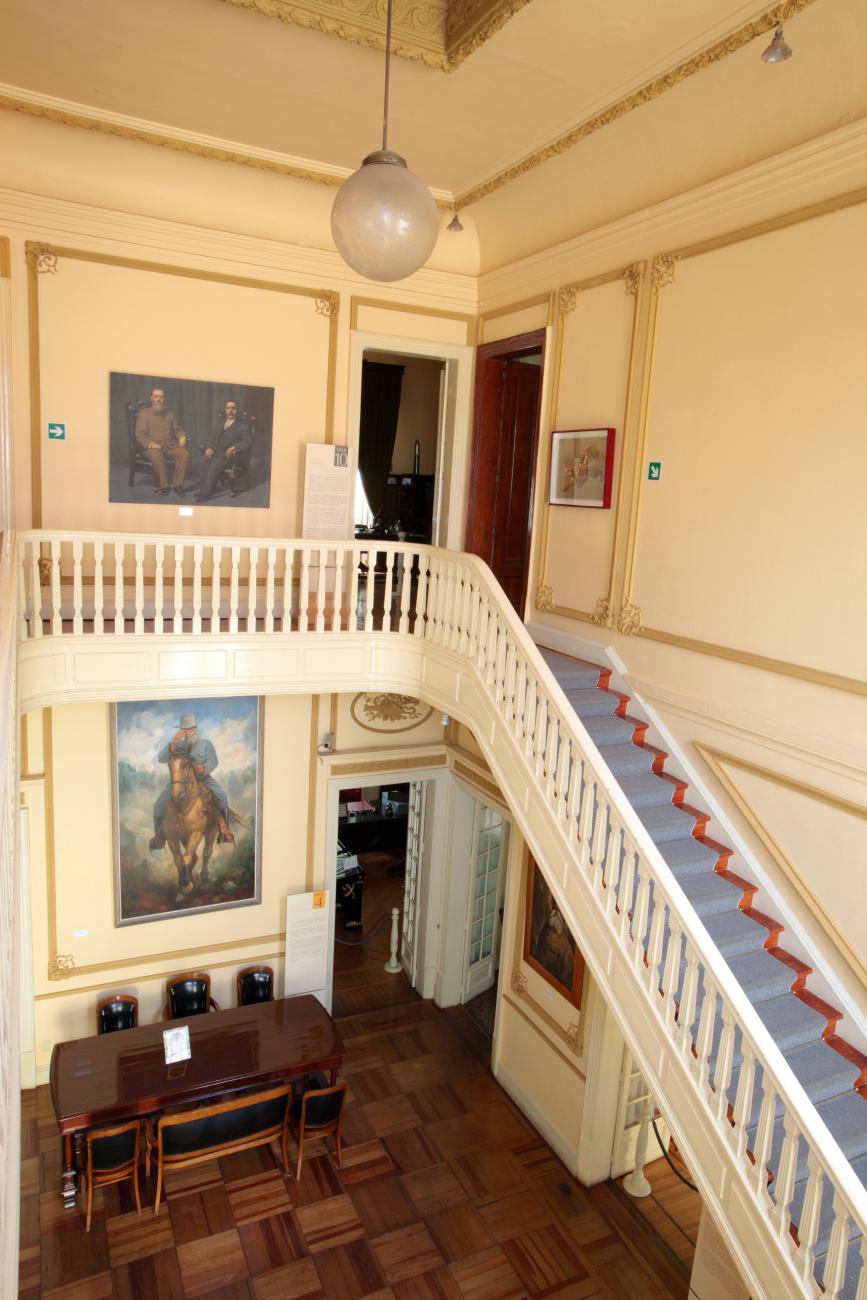
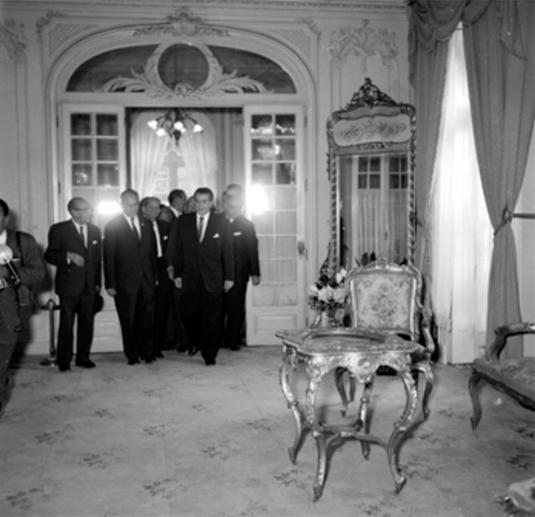
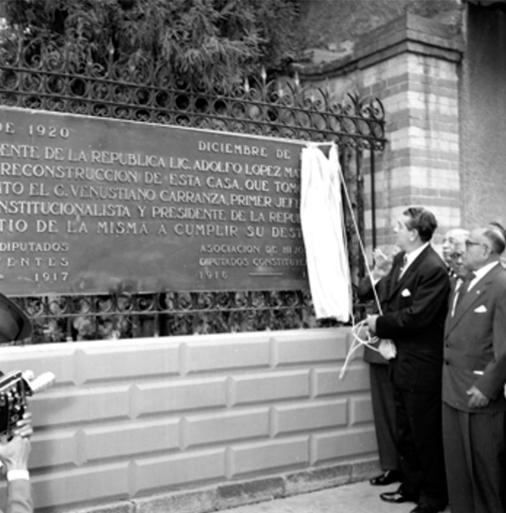
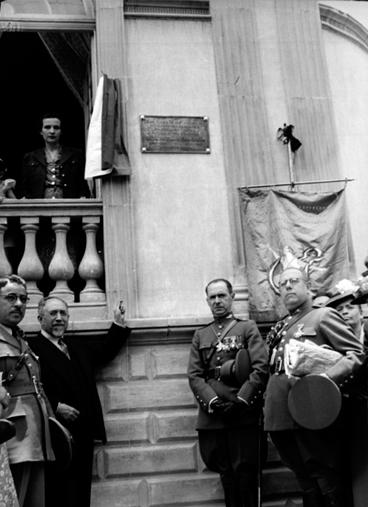
In later years, the house was rented to the embassies of France and El Salvador. In the early 1940s, it was remodeled to become the Historical Museum of the Constitution and Constitutional Laws and the headquarters of the Association of Constitutionalist Deputies in 1917, Library, and Newspaper Library. Finally, in 1961, it became the Carranza House Museum, dedicated to the private and public life of the leader of the Revolution. The building is also listed as a historical monument, as it retains its original features such as wooden floors, domes, hand-painted leaded glass windows, molded friezes, and a beautiful flying buttress in the middle of the lobby, among other elements. In February 1993, it joined the network of museums of the National Institute of Anthropology and History.

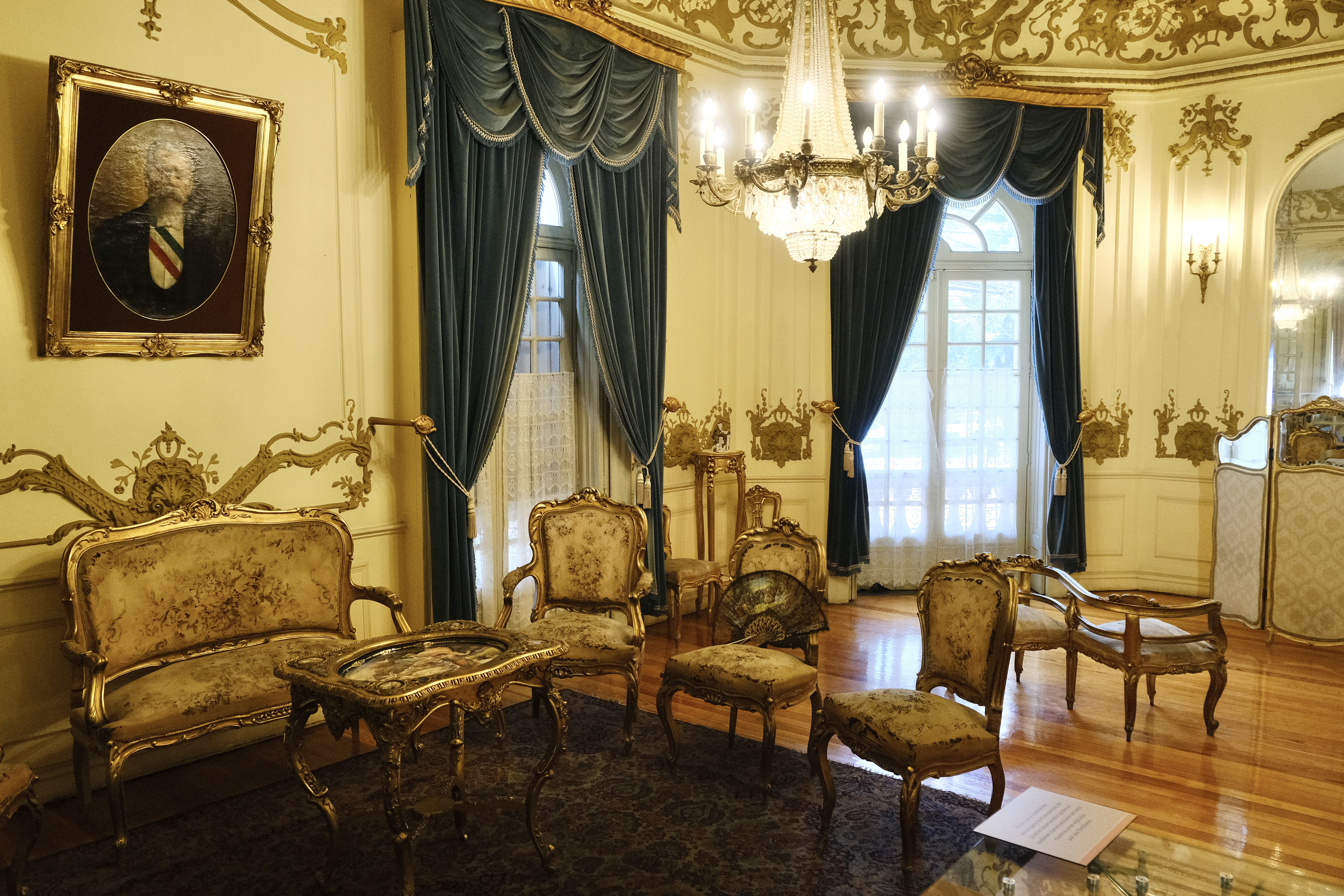
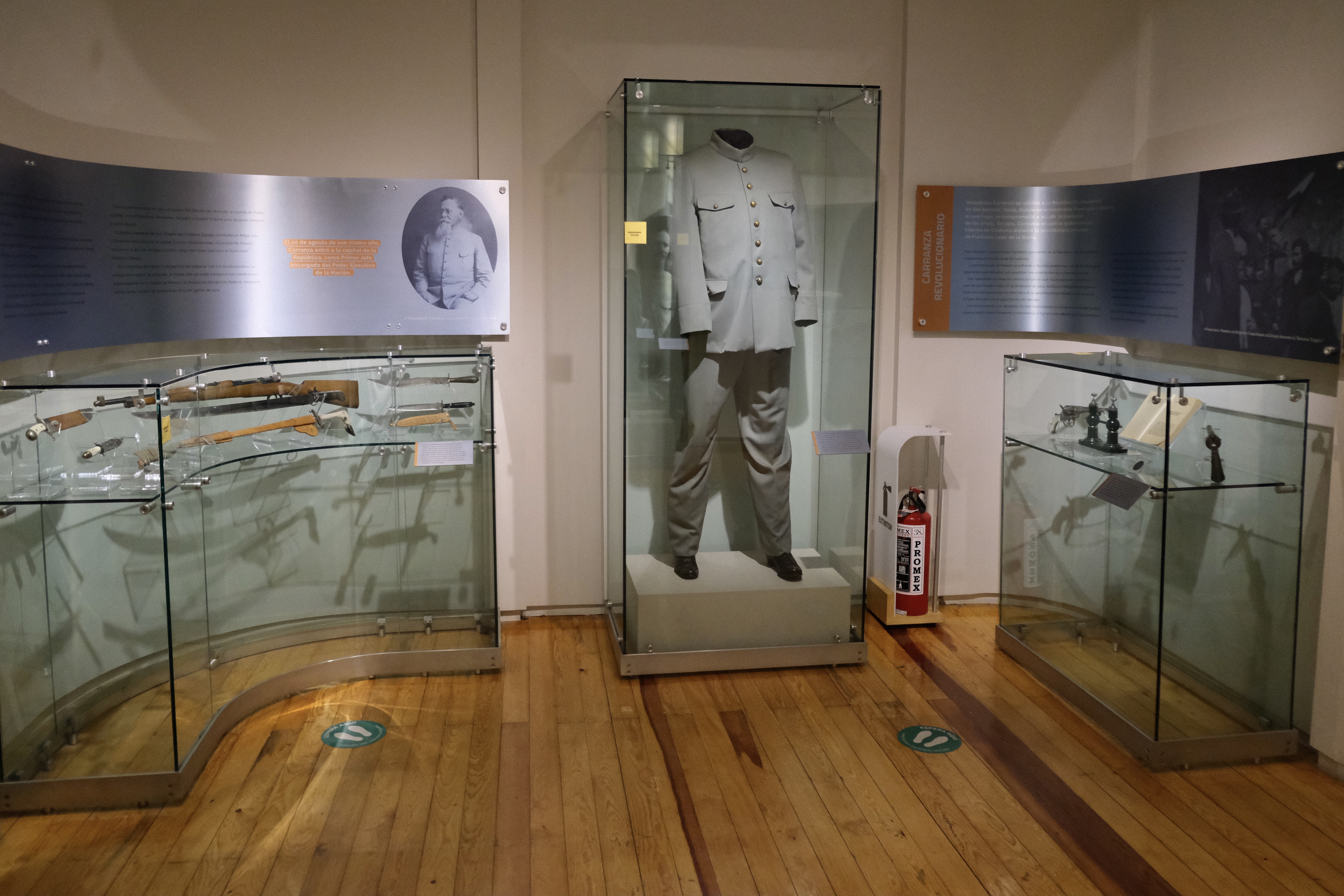
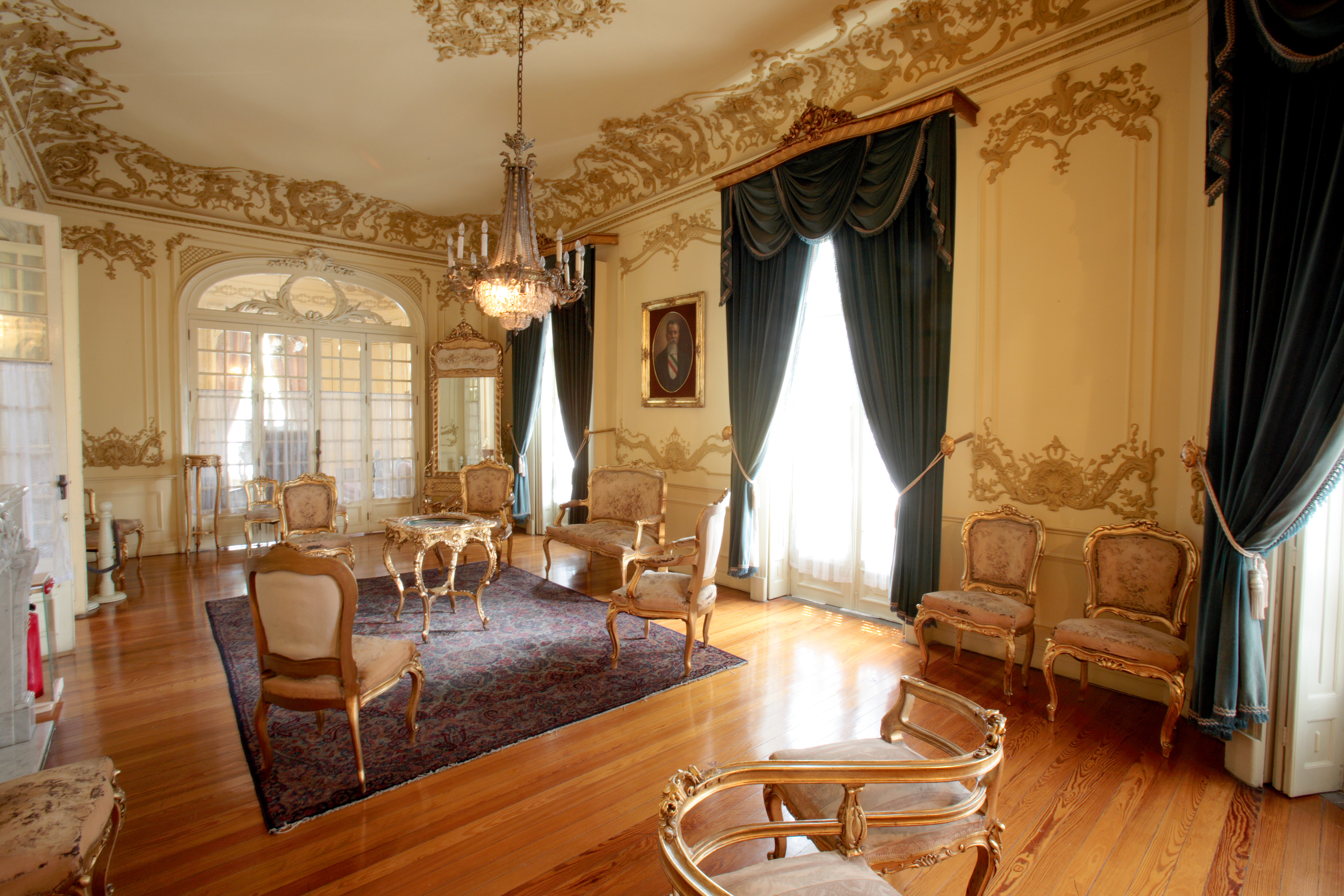
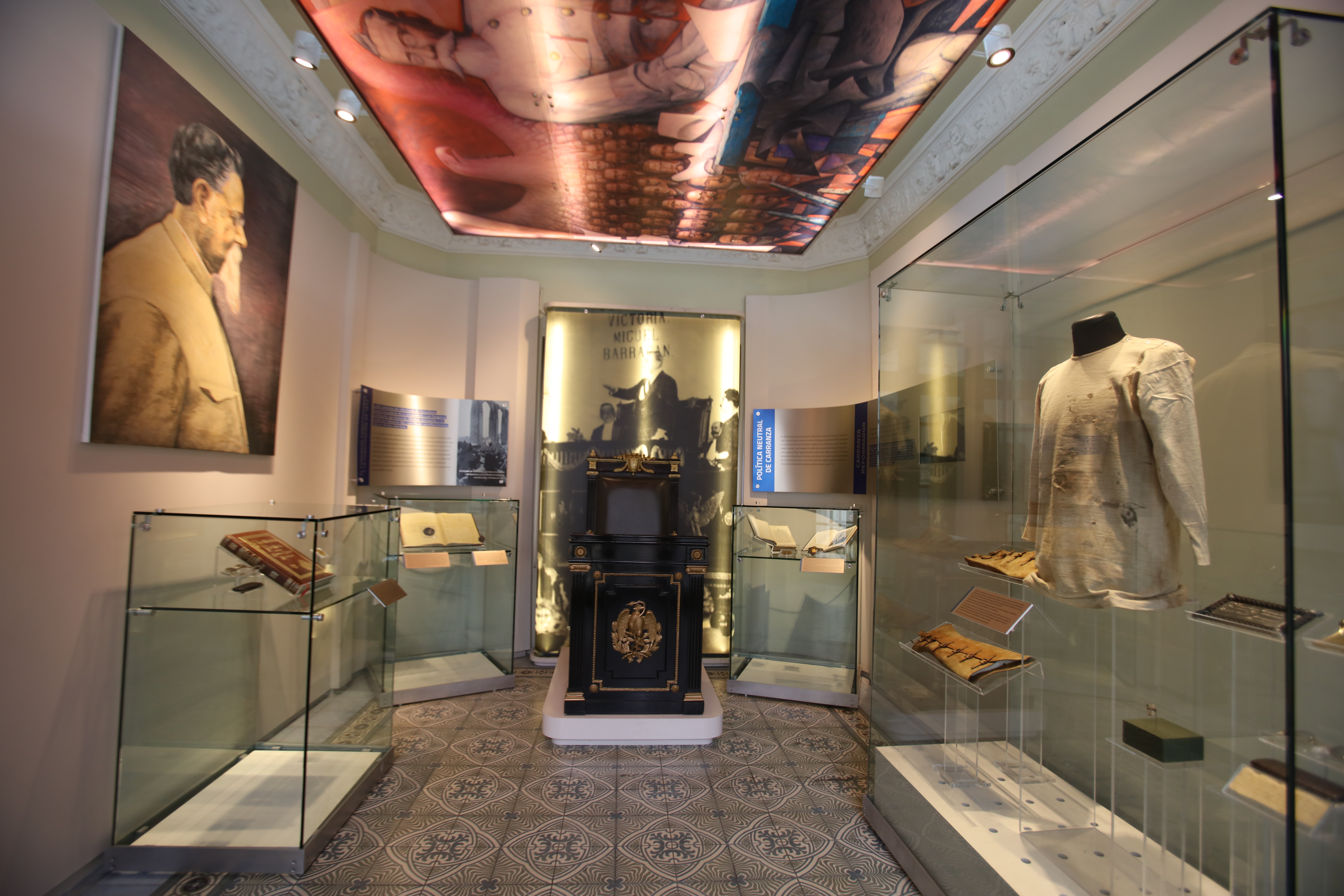
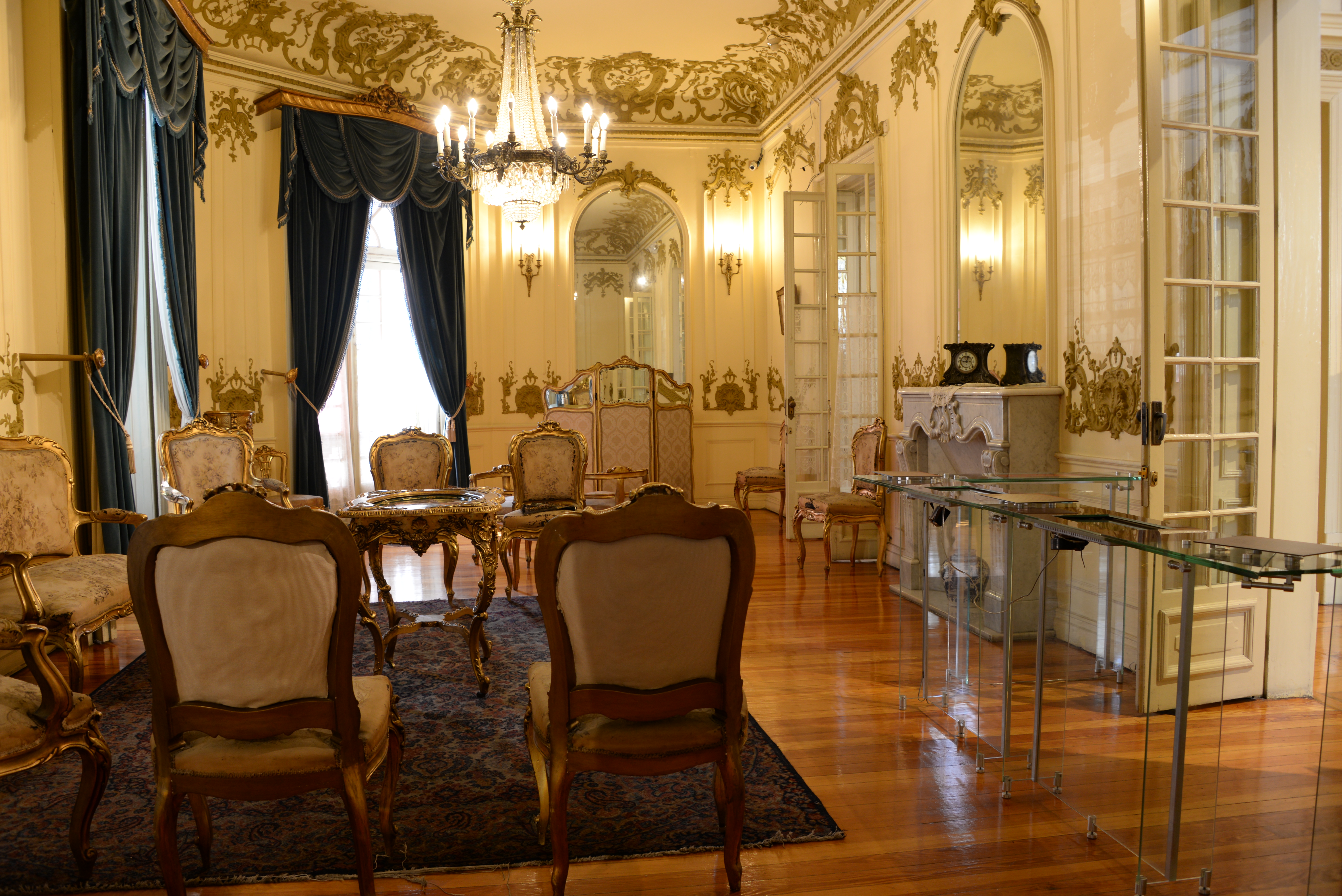
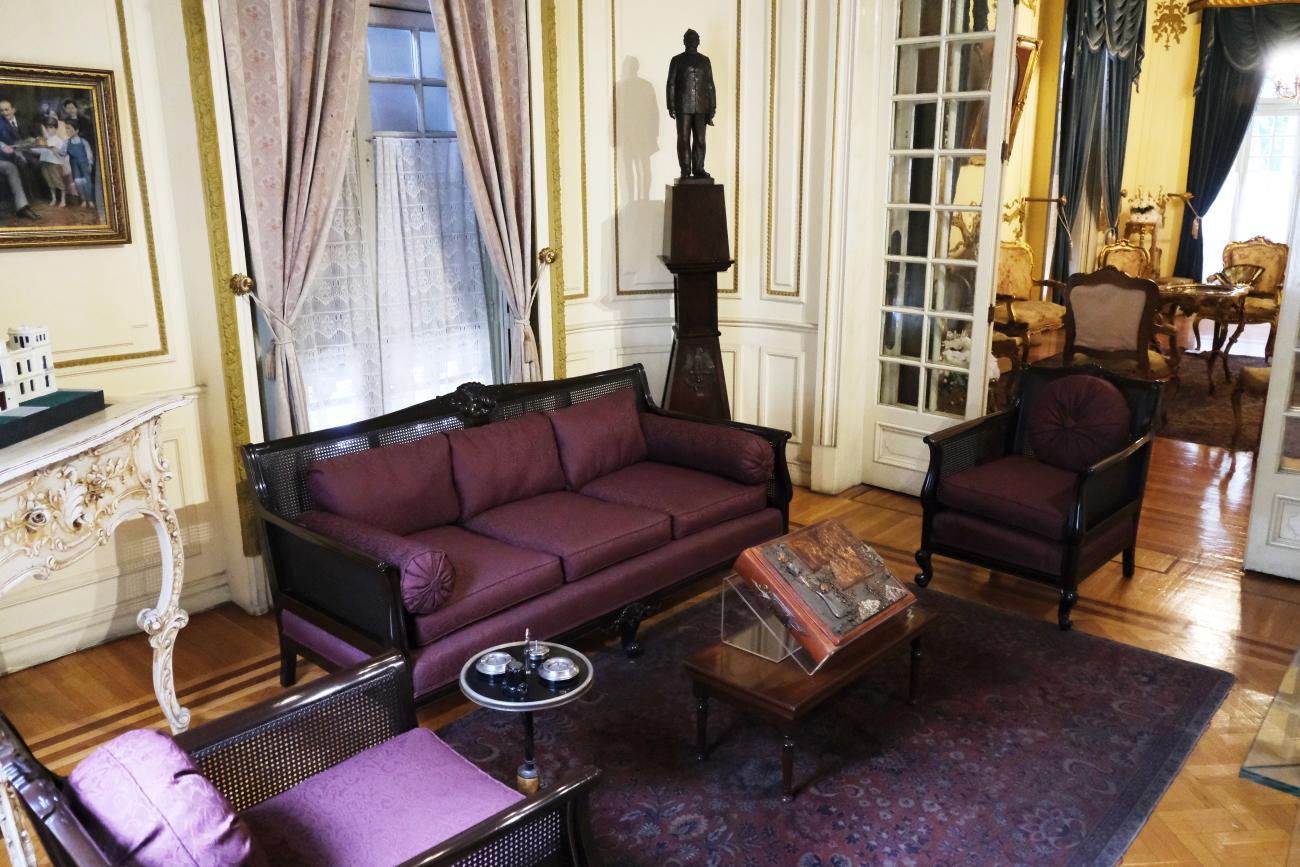
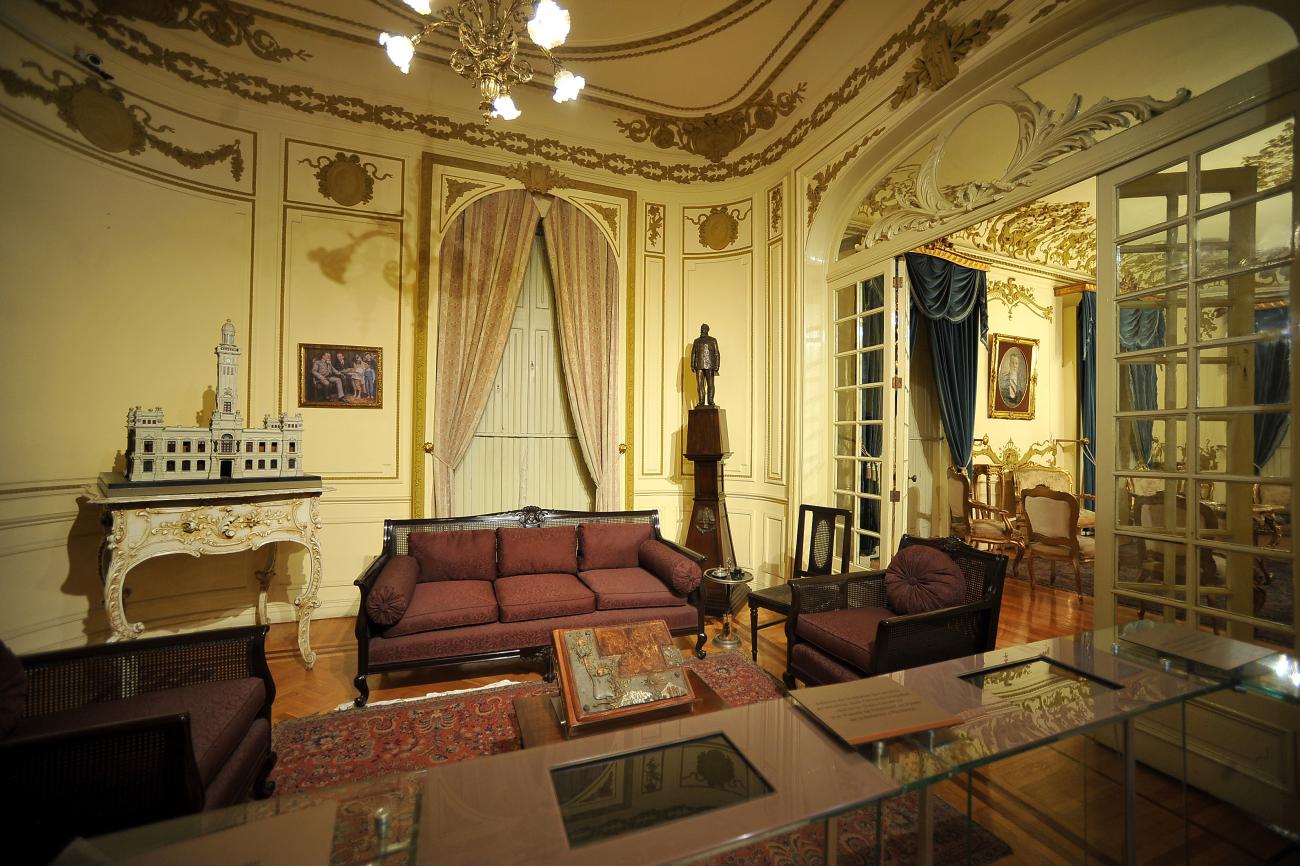
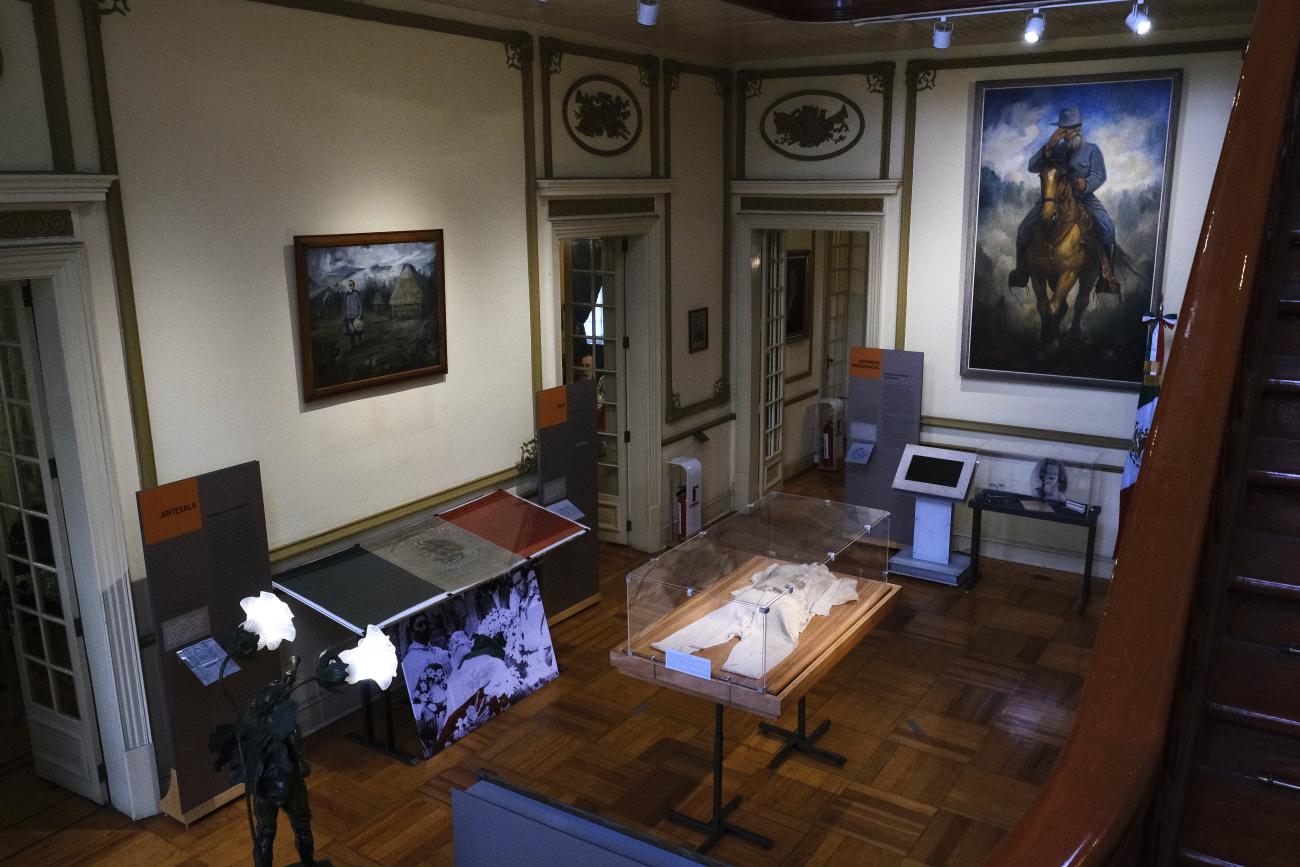
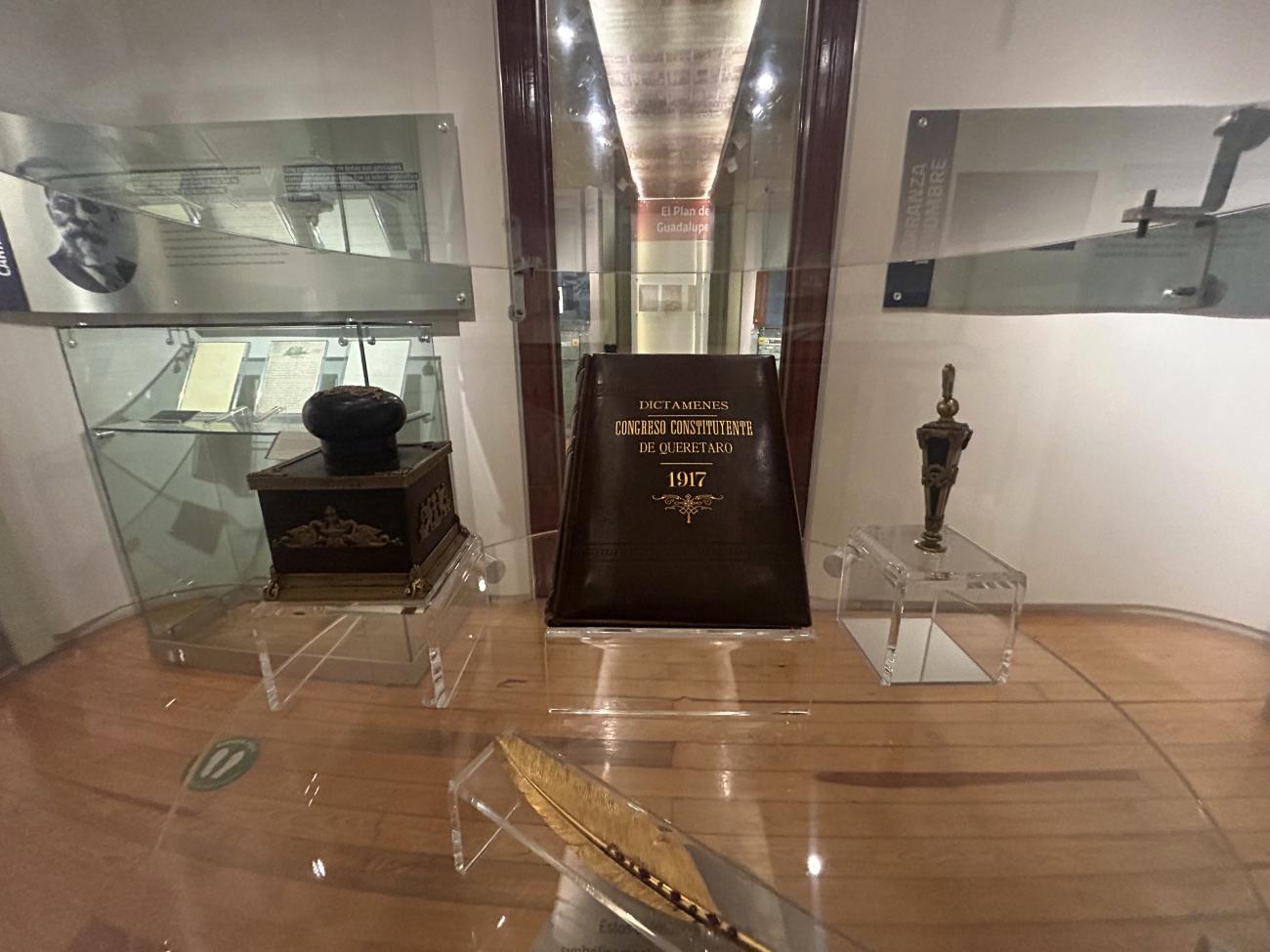
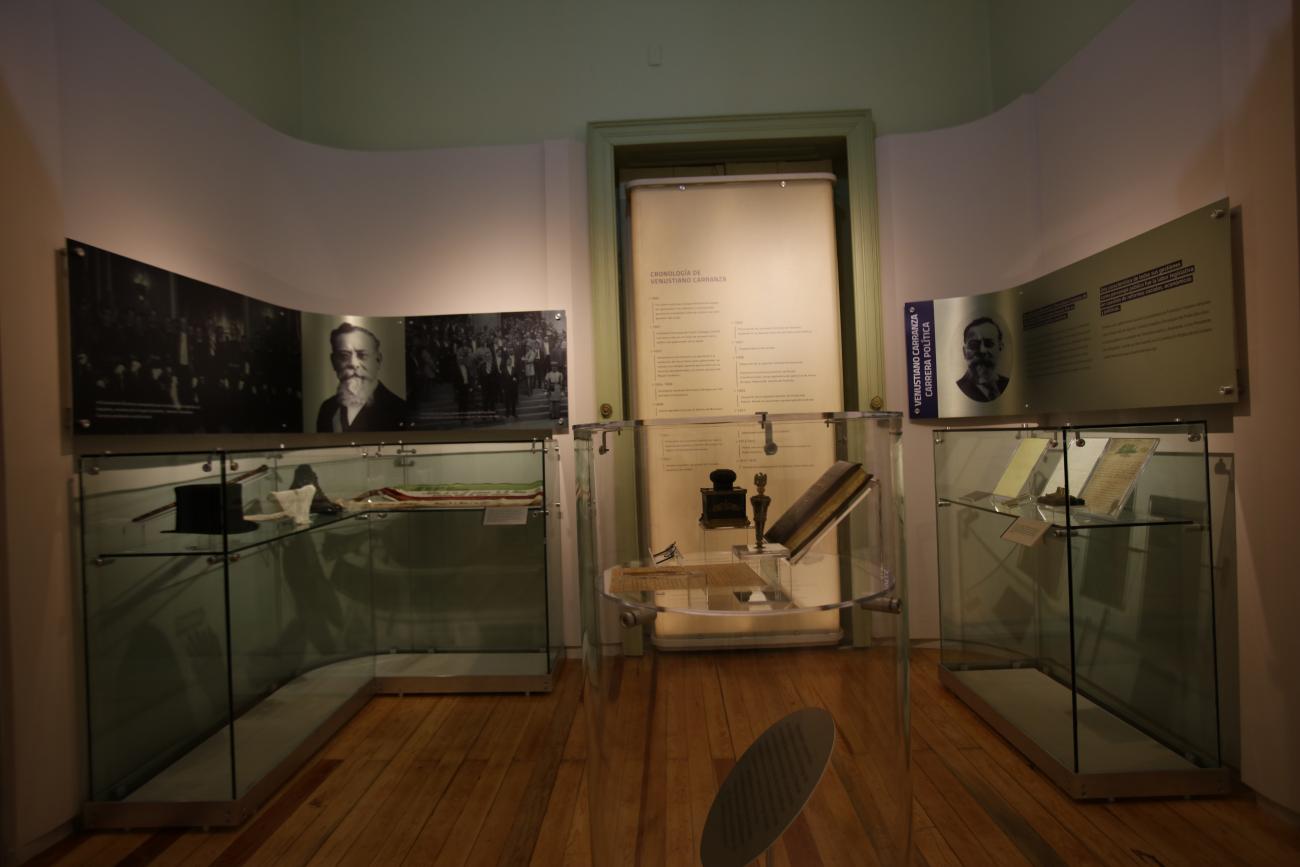
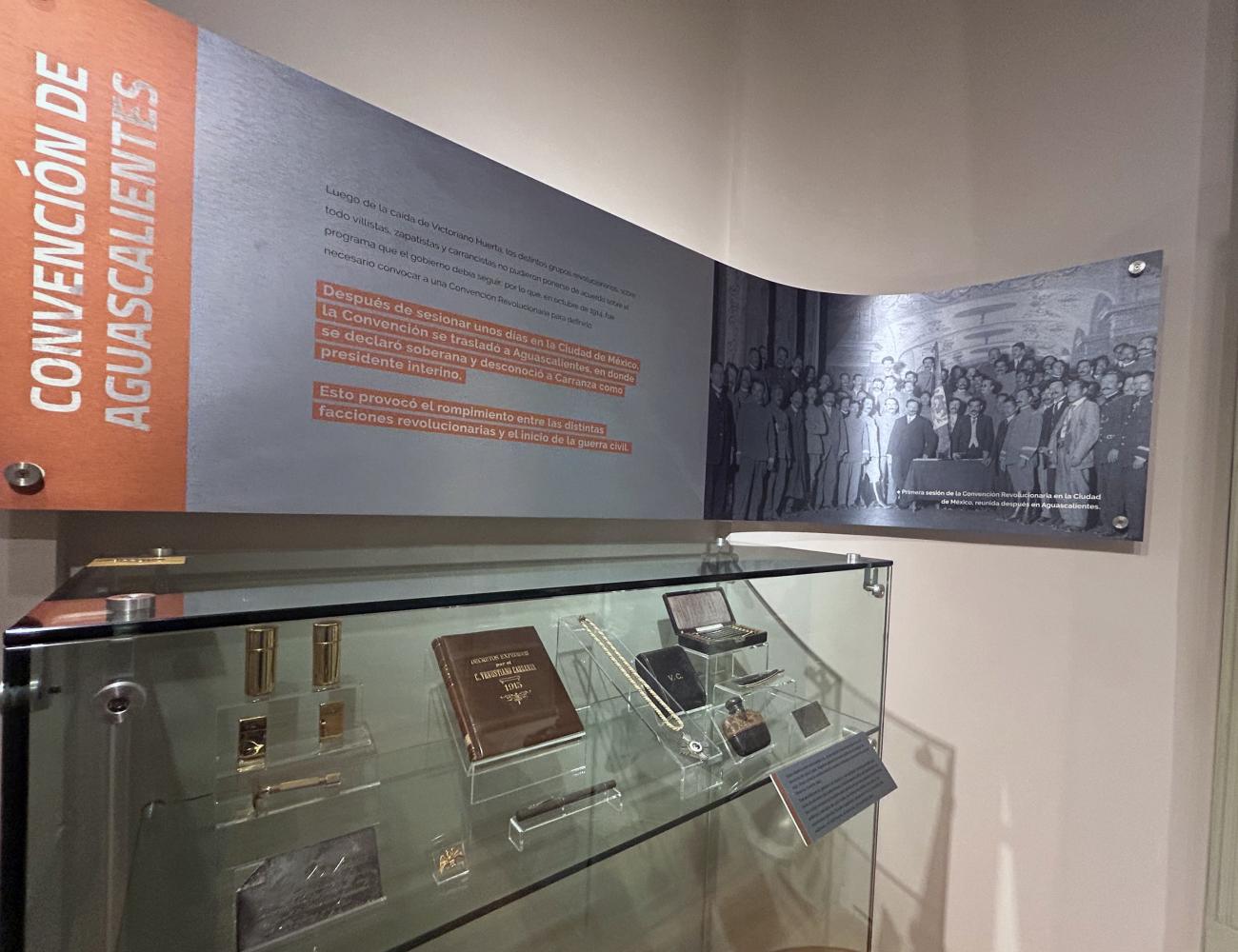
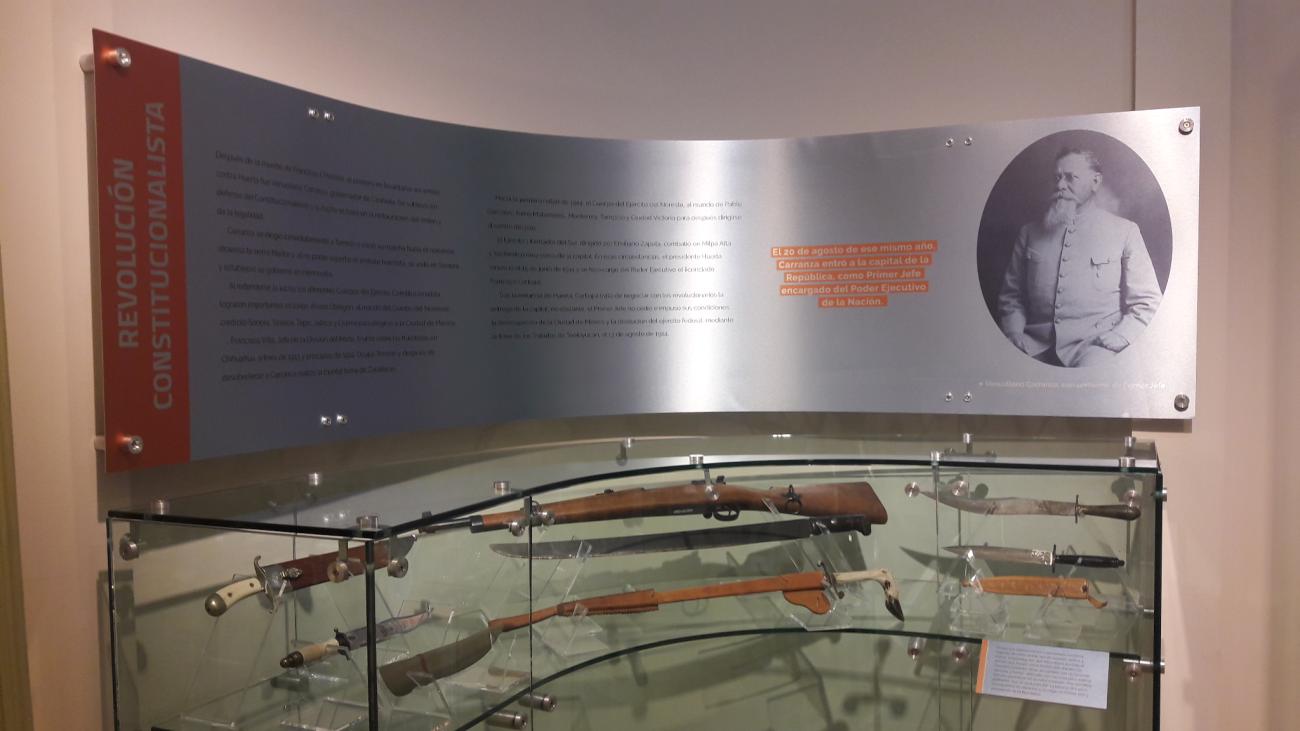
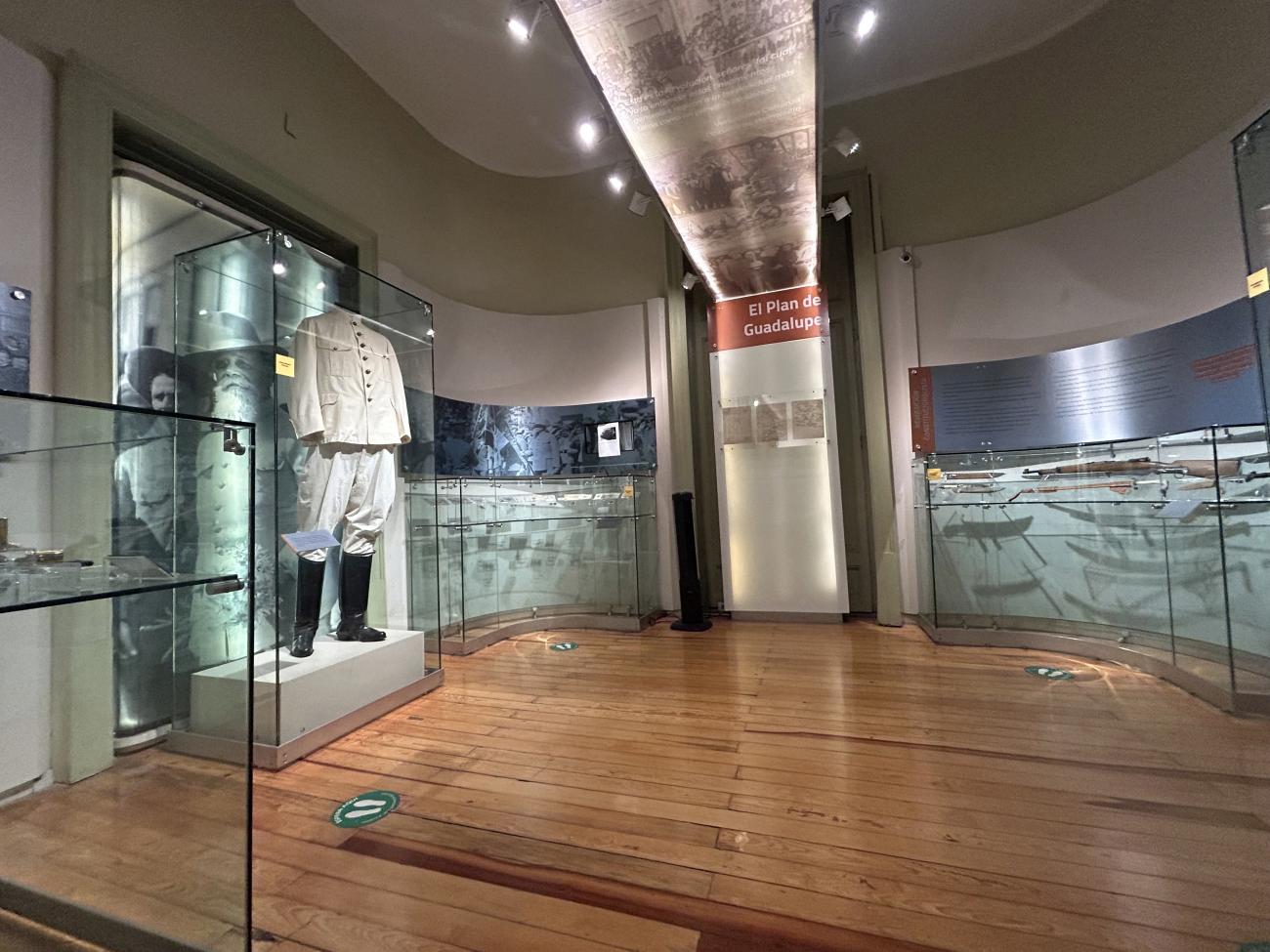
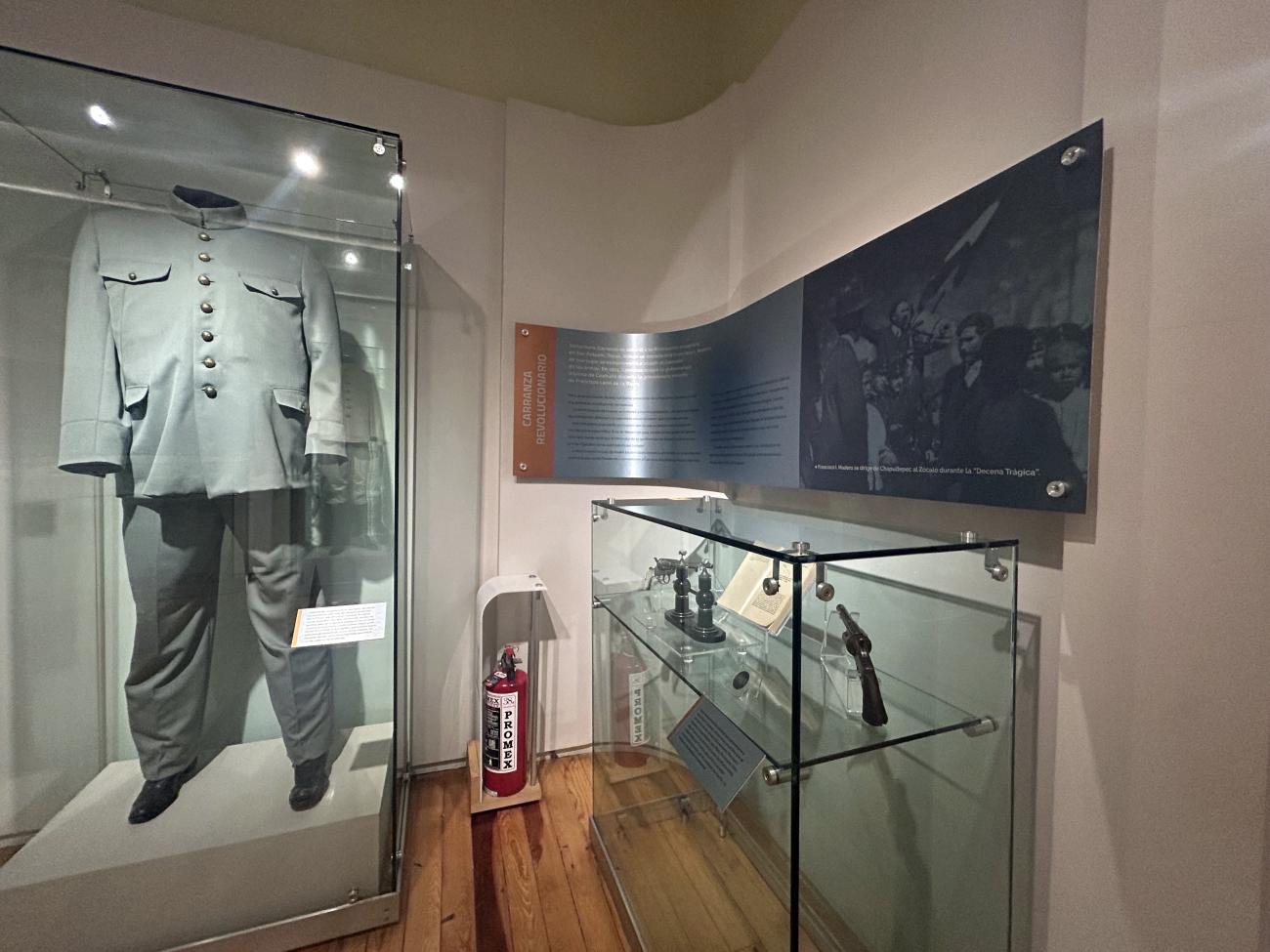
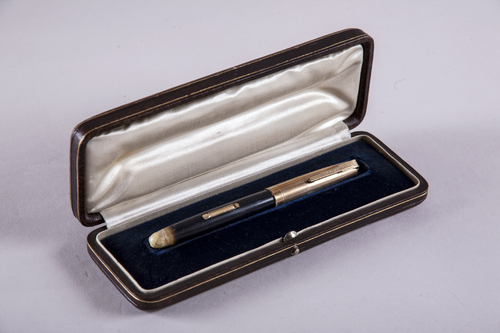
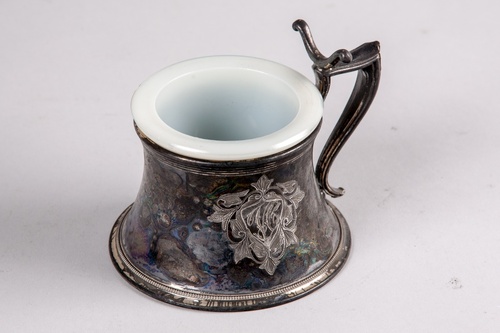
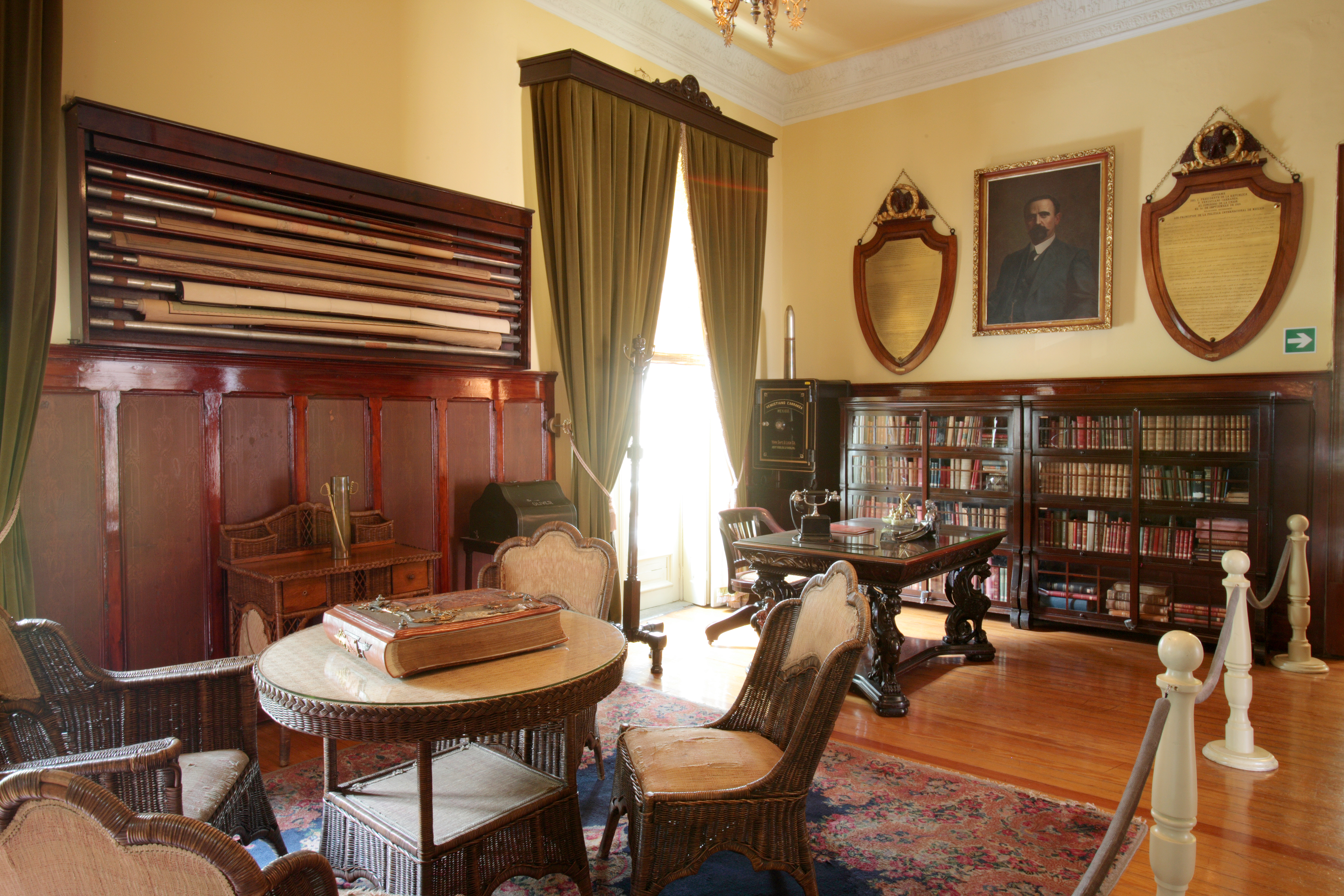
In the museum's thirteen rooms with permanent exhibitions, visitors can admire a collection of 3,400 objects, including items such as books, photographs, period furniture, and personal effects belonging to the “Baron of Cuatro Ciénegas.” The rooms on the ground floor, arranged as galleries, include the lobby, the antechamber, the living room (where the dignitary's wake was held), the dining room, and the kitchen, as well as a gallery with oil paintings by Gerardo Murillo “Dr. Atl,” Salvador R. Guzmán, and Jorge González Camarena. On the upper floor, visitors can explore the bedrooms, personal library, and historical rooms containing information about Carranza's family life and political career, with special emphasis on his greatest legacy: the promulgation of the 1917 Constitution.

Every corner of the house seems to tell a crucial part of Mexico's history, especially during the tumultuous years of the Mexican Revolution. This place has witnessed not only the political conflicts of the time, but also the historical moments of the country and the lives of illustrious figures and revolutionary leaders.

The house itself has symbolic significance, not only because of Carranza, but also because of the different historical moments it witnessed. The fact that it was the scene of fighting between factions, Huerta's betrayal, and then the place where Carranza spent his last days, makes this house a direct witness to the transformations that defined modern Mexico.

Its connection to embassies and foreign policy, as well as its subsequent use as the headquarters of the Association of Constitutionalist Deputies, reflects the importance of the place as a symbol of constitutionalism and the values that drove the Revolution. In addition, architectural details such as the original wooden floors, dome, and stained-glass windows not only speak to the taste and opulence of the era, but also to how the house has managed to preserve its essence despite the political and social changes it has undergone.

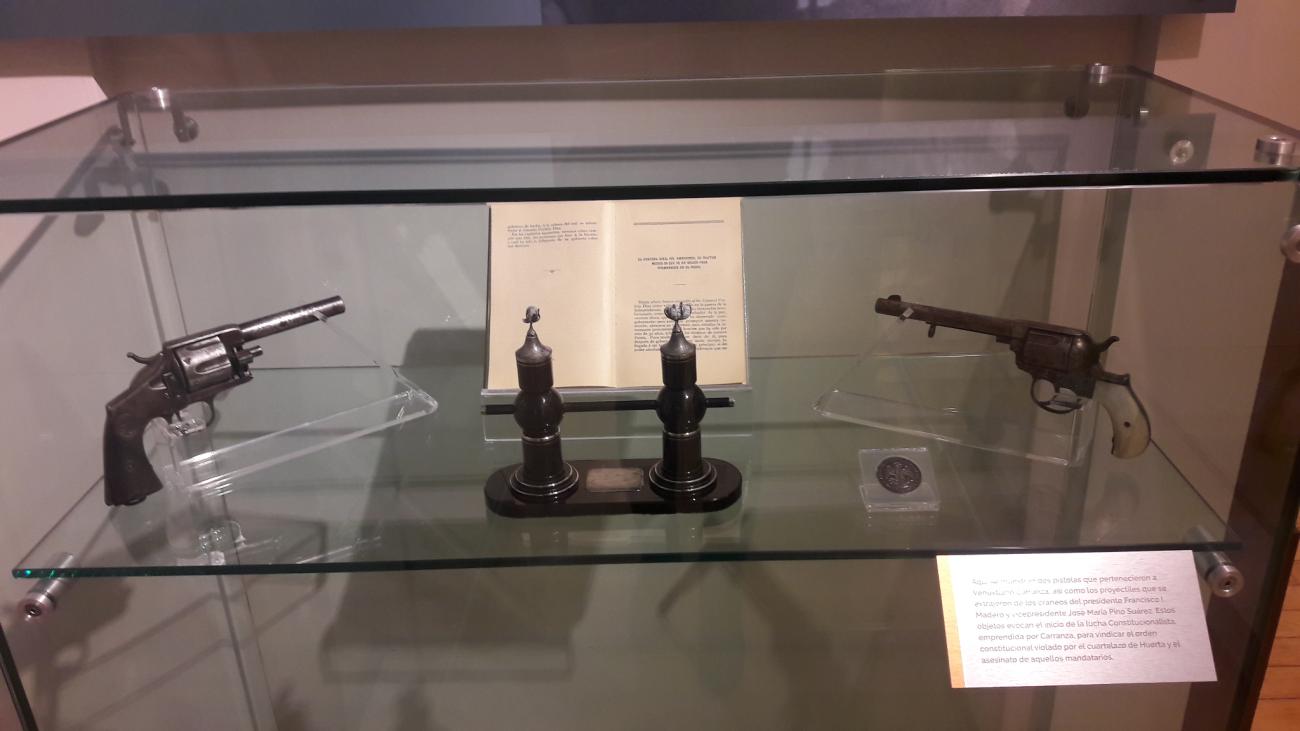
The permanent exhibition of Carranza's personal belongings, his effects, period furniture, and paintings by artists give a very human touch to history, helping visitors connect not only with major historical events, but also with the daily lives and personal experiences of those involved. In addition, it is the space that houses the largest and most important collection of Carranza's belongings and pieces that are so significant to the country's history, such as the Plan de Guadalupe.

 

Document
Document
  • Dirección
    Karla Jaqueline Peniche Romero
    karla_peniche@inah.gob.mx
    +52 (55) 55466494 Ext. 414100


    Administración
    Gladys Olivia Tenango Salgado
    gladys_salgado@inah.gob.mx
    +52 (55) 55466494 Ext. 414101


    Investigación
    Leopoldo Trejo Barrientos
    leopoldo_trejo@inah.gob.mx
    +52 (55) 55466494 Ext. 414104


    Museografía
    Laura Patricia De León González
    laura_deleon@inah.gob.mx
    +52 (55) 55466494 Ext. 414102


    Comunicación Educativa
    Patricia Alfaro Hernández
    patricia_alfaro@inah.gob.mx
    +52 (55) 55466494 Ext. 414106


    Biblioteca
    Rocio Araceli Sánchez Hernández
    rocio_sanchez@inah.gob.mx
    +52 (55) 55466494 Ext. 414109


    Seguridad
    Cristina López Llaveros
    cristina_lopez@inah.gob.mx
    +52 (55) 55466494 Ext. 414107


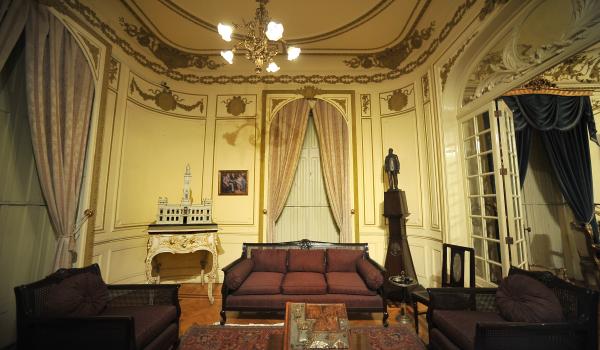
Antesala

Anteroom

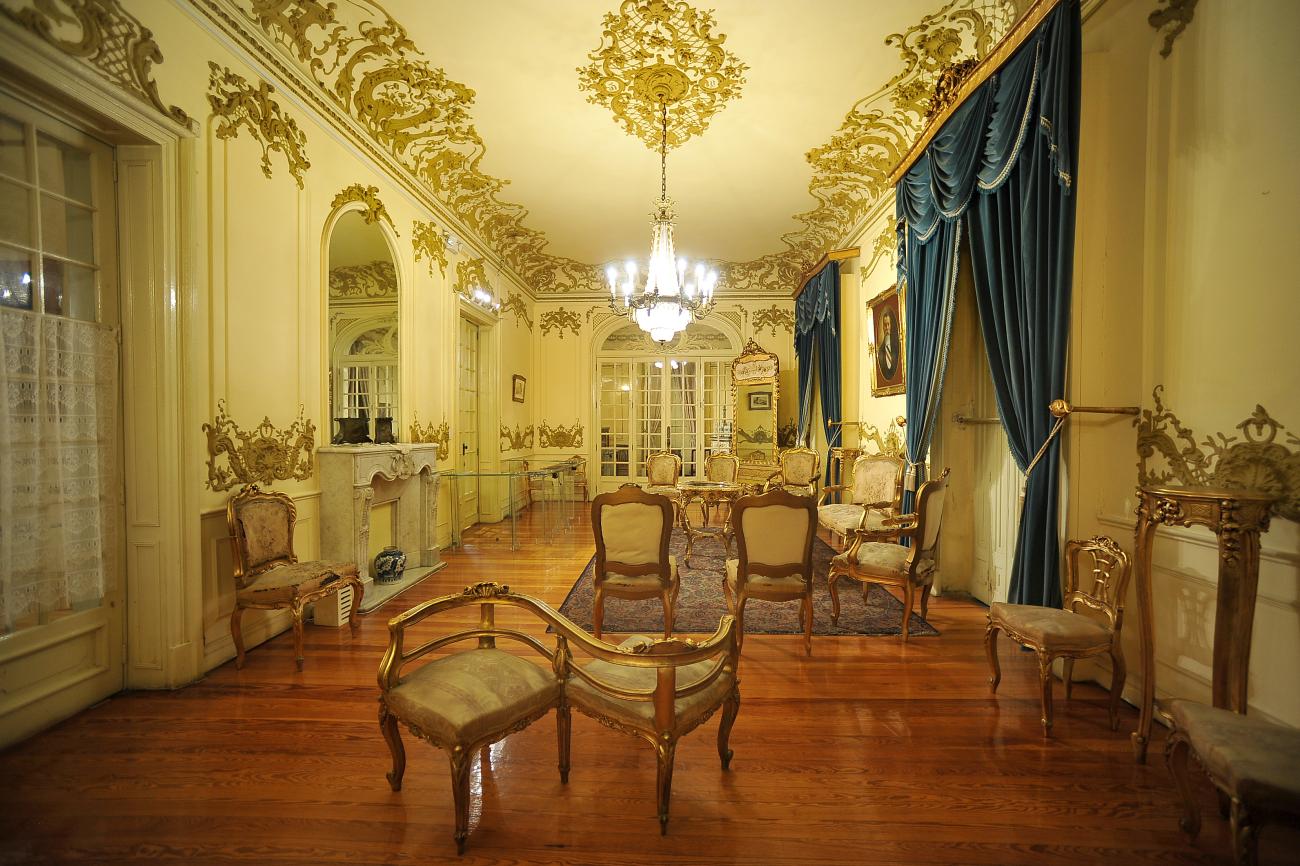
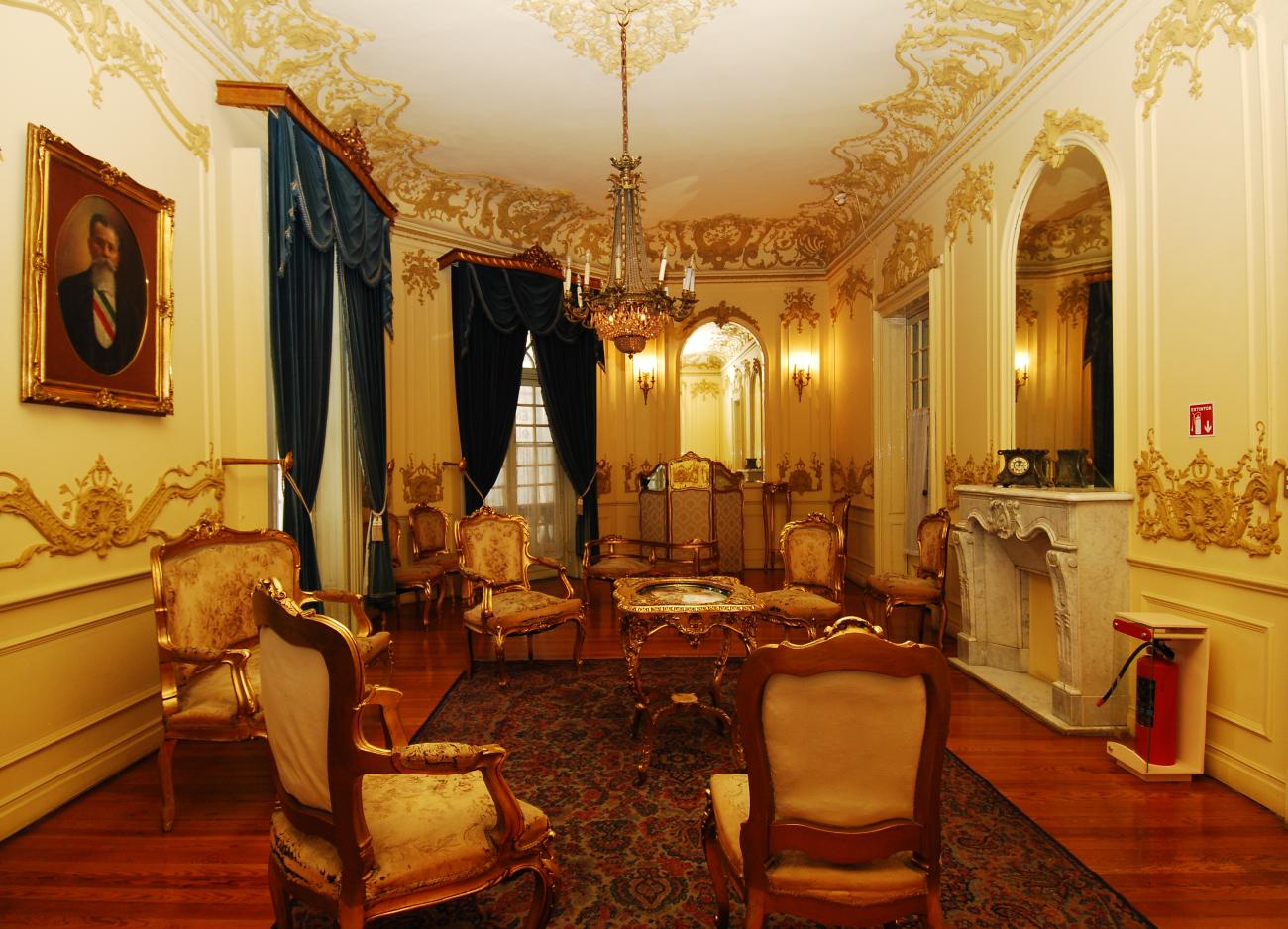
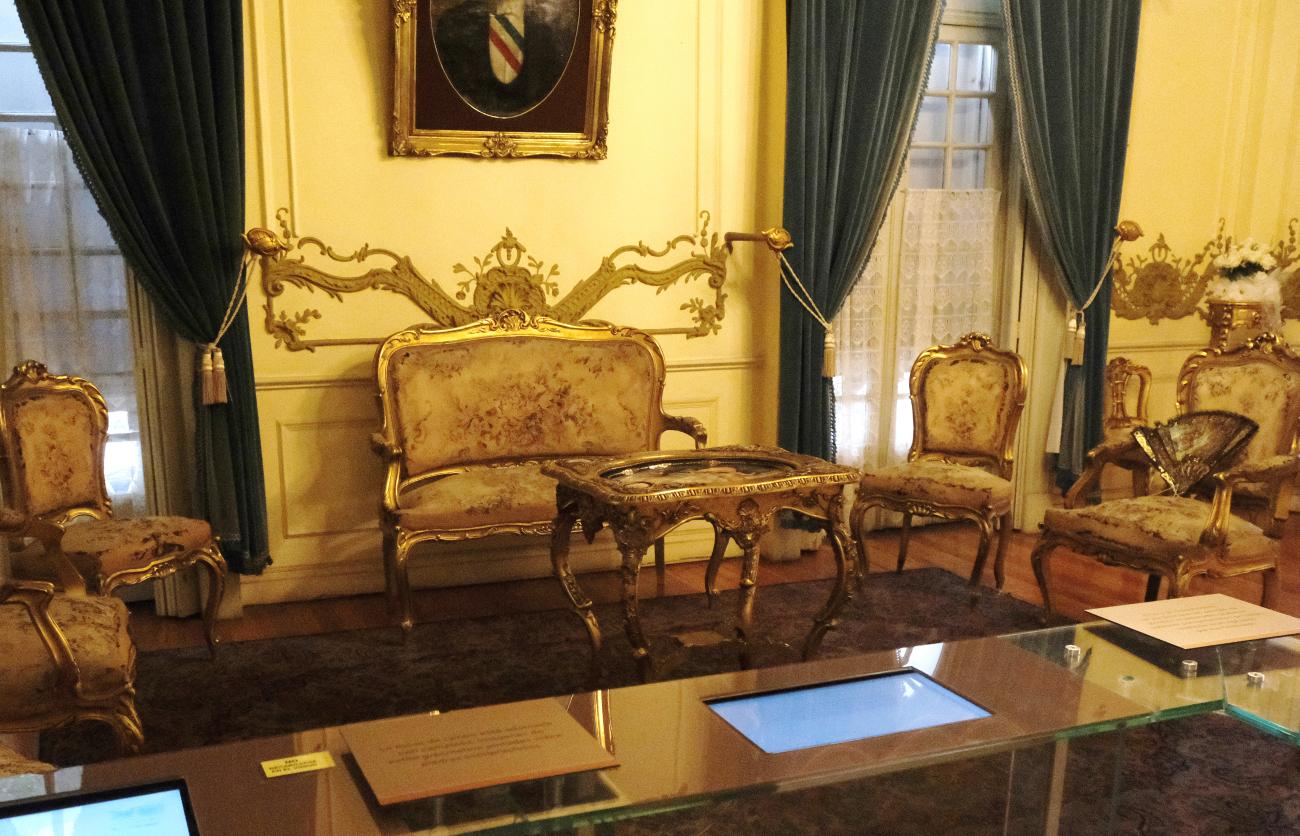
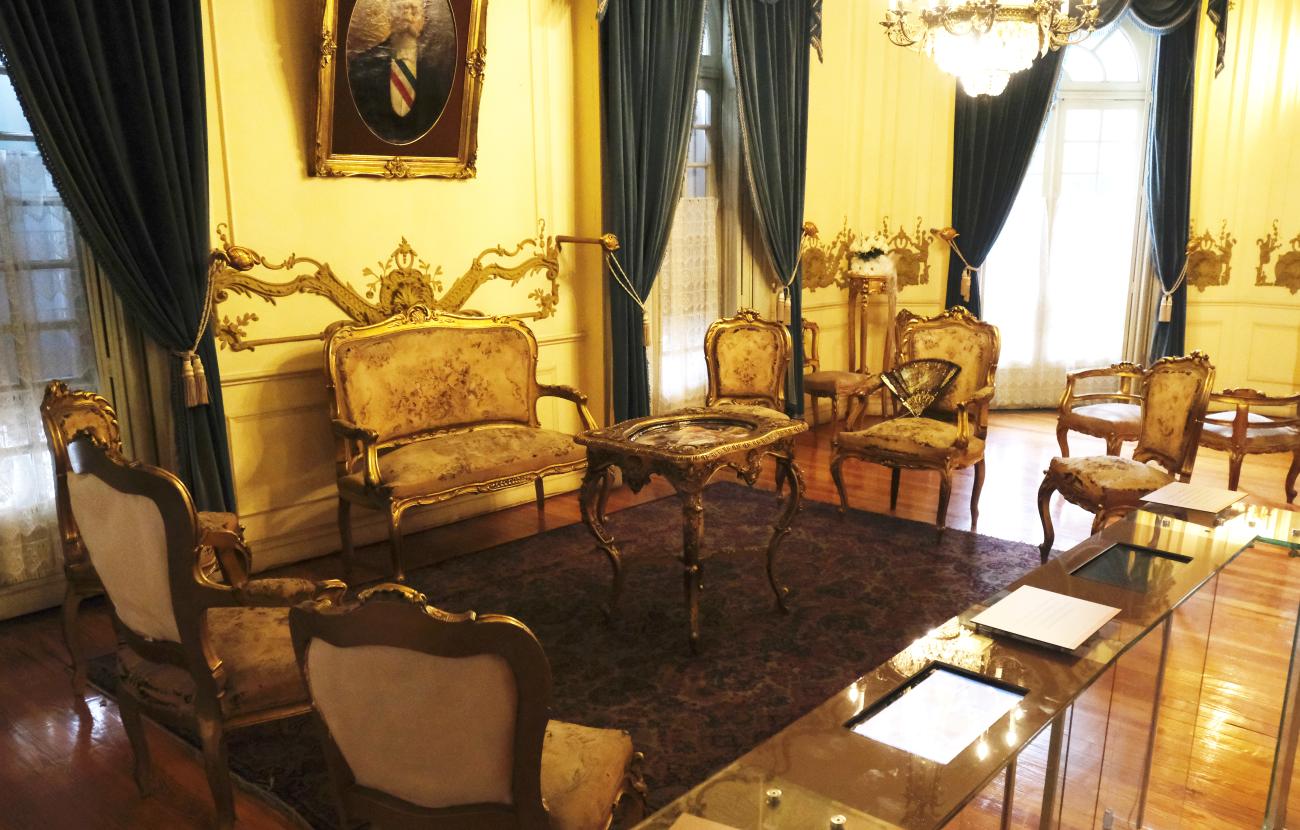
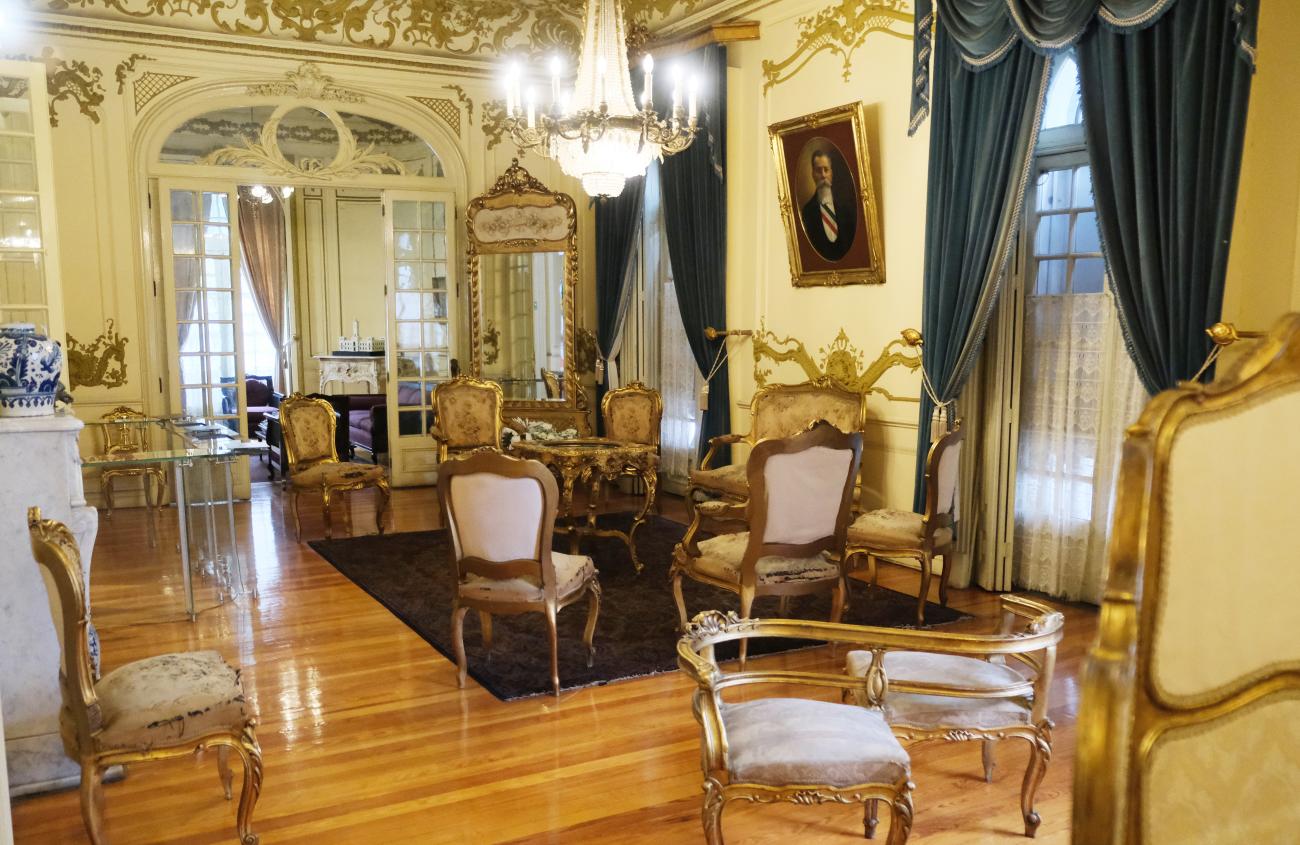
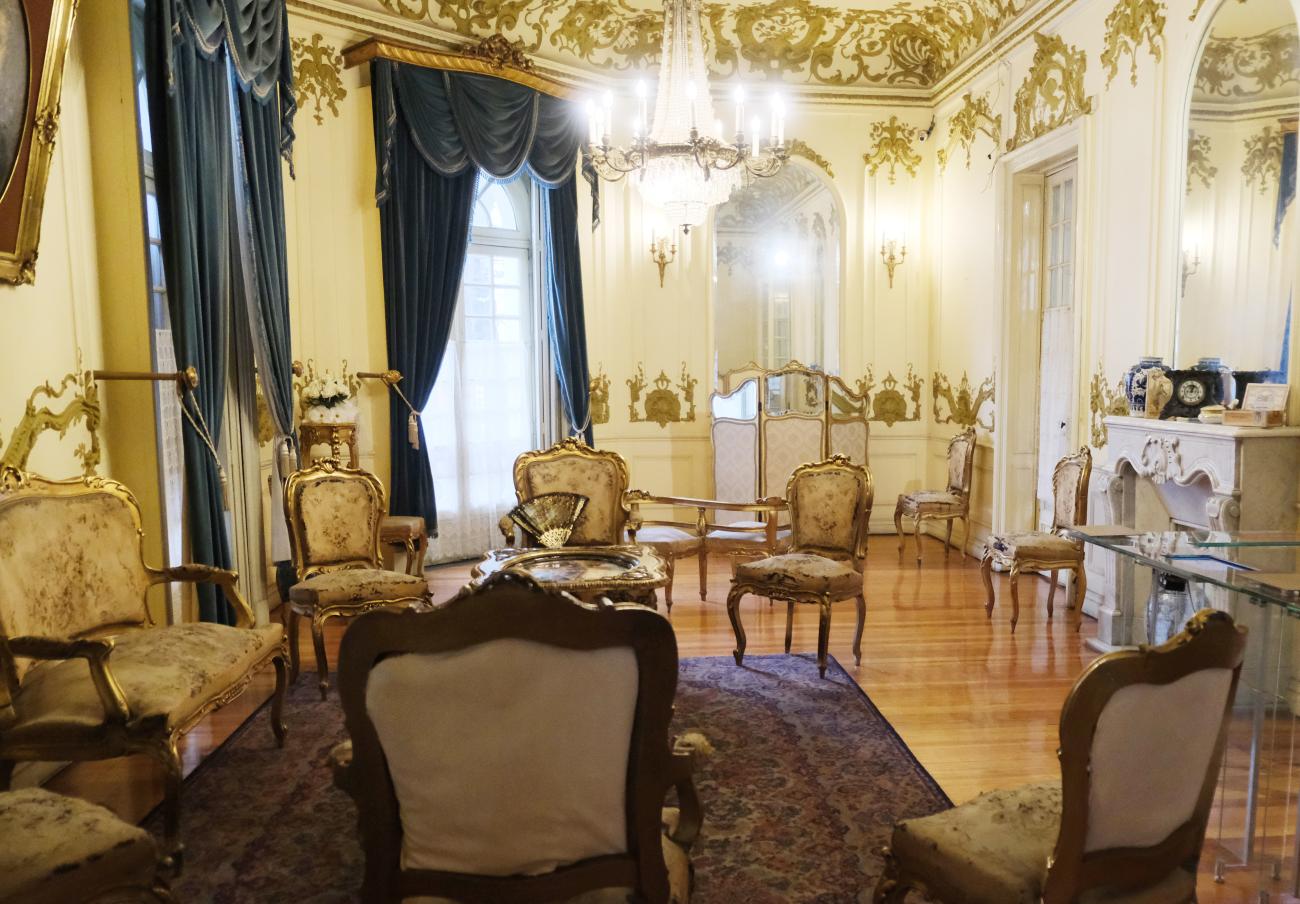
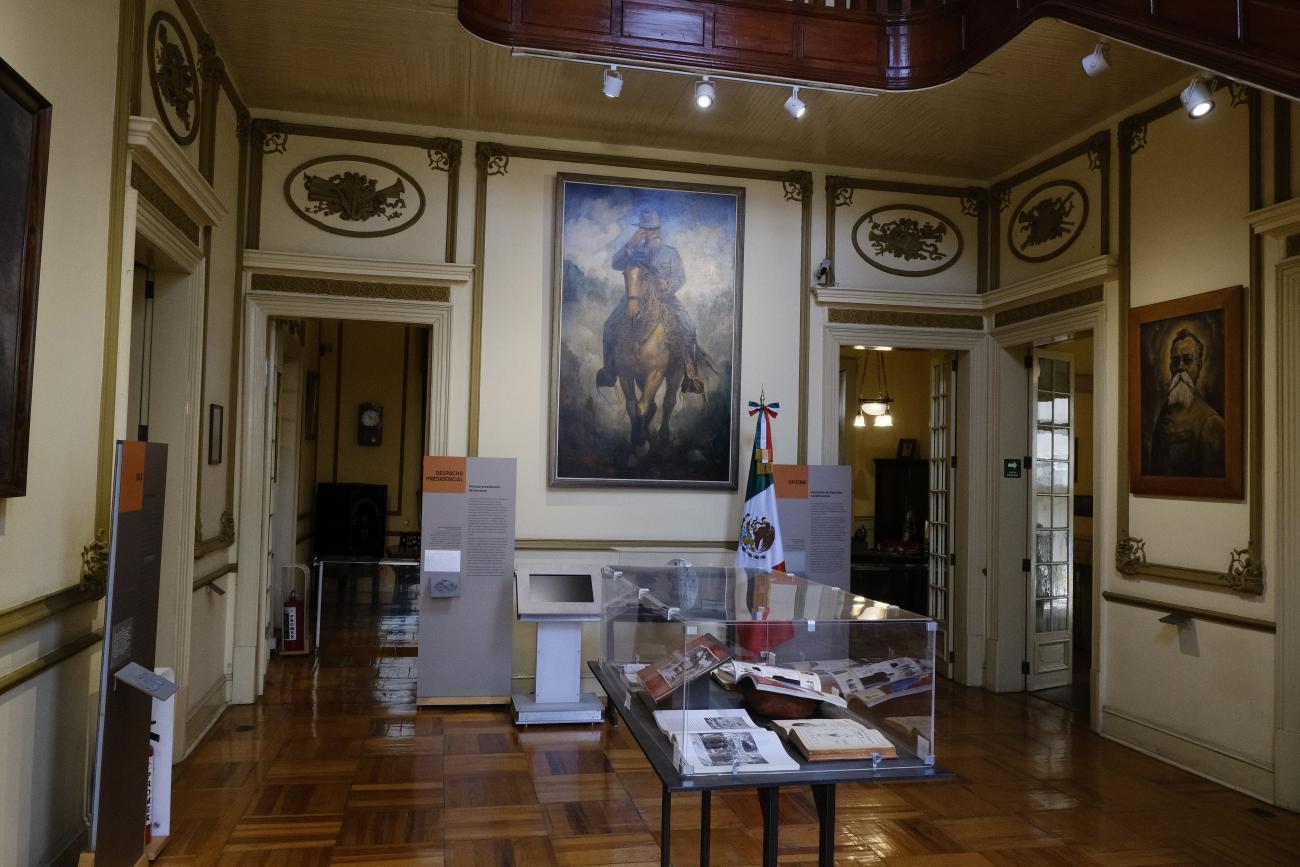
The antechamber served as a waiting and meeting area before entering the main areas of the house and was used to receive people outside the family, especially those who had business dealings with the owner of the house.
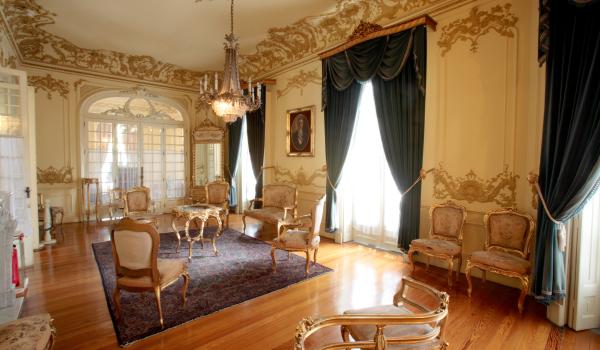
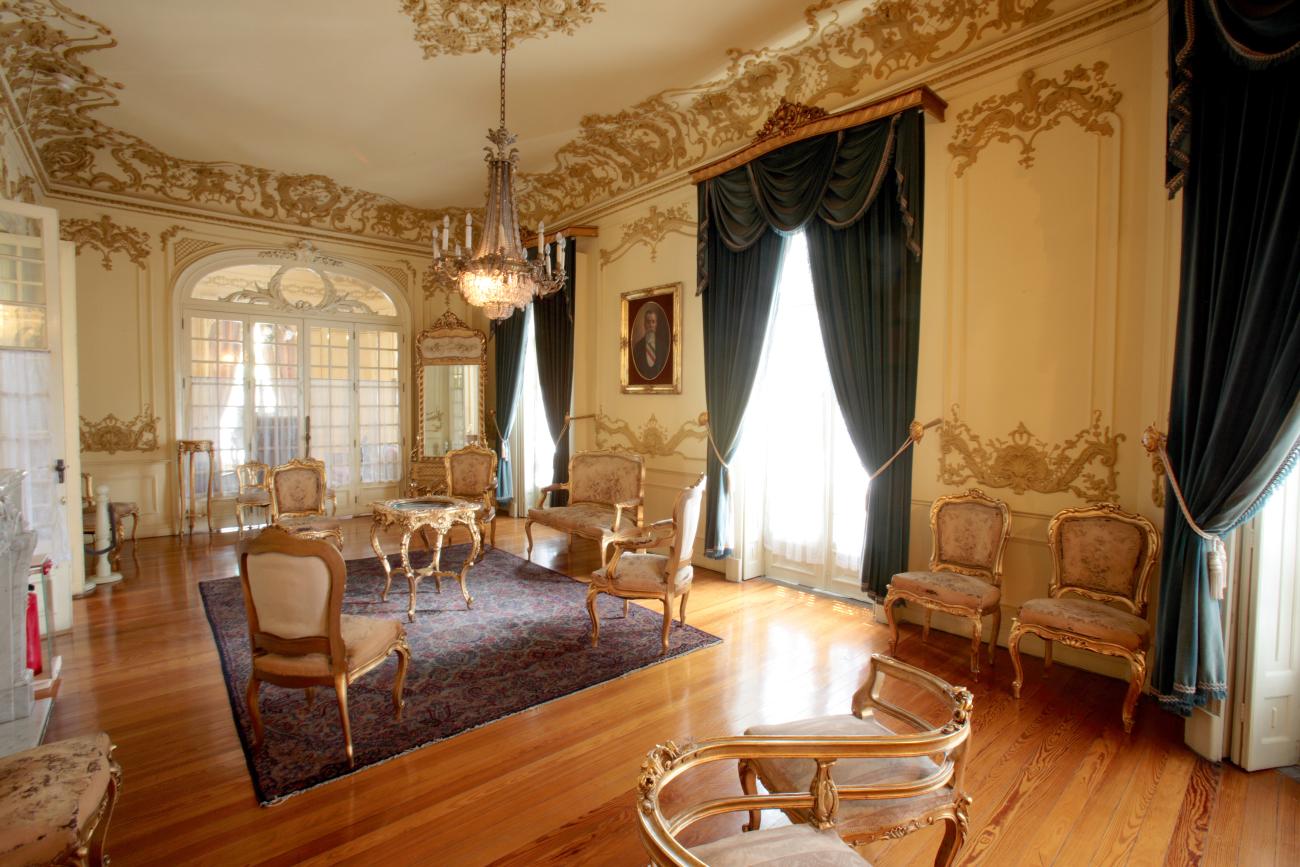
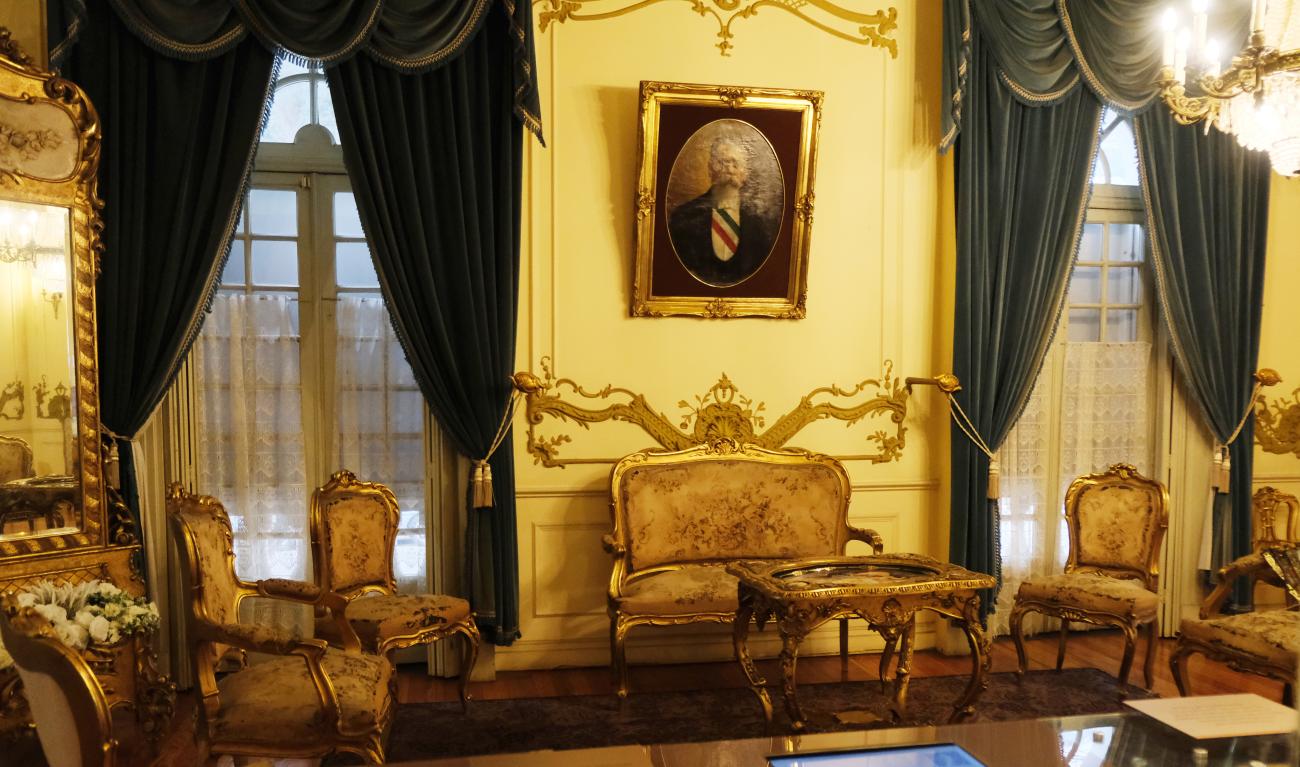
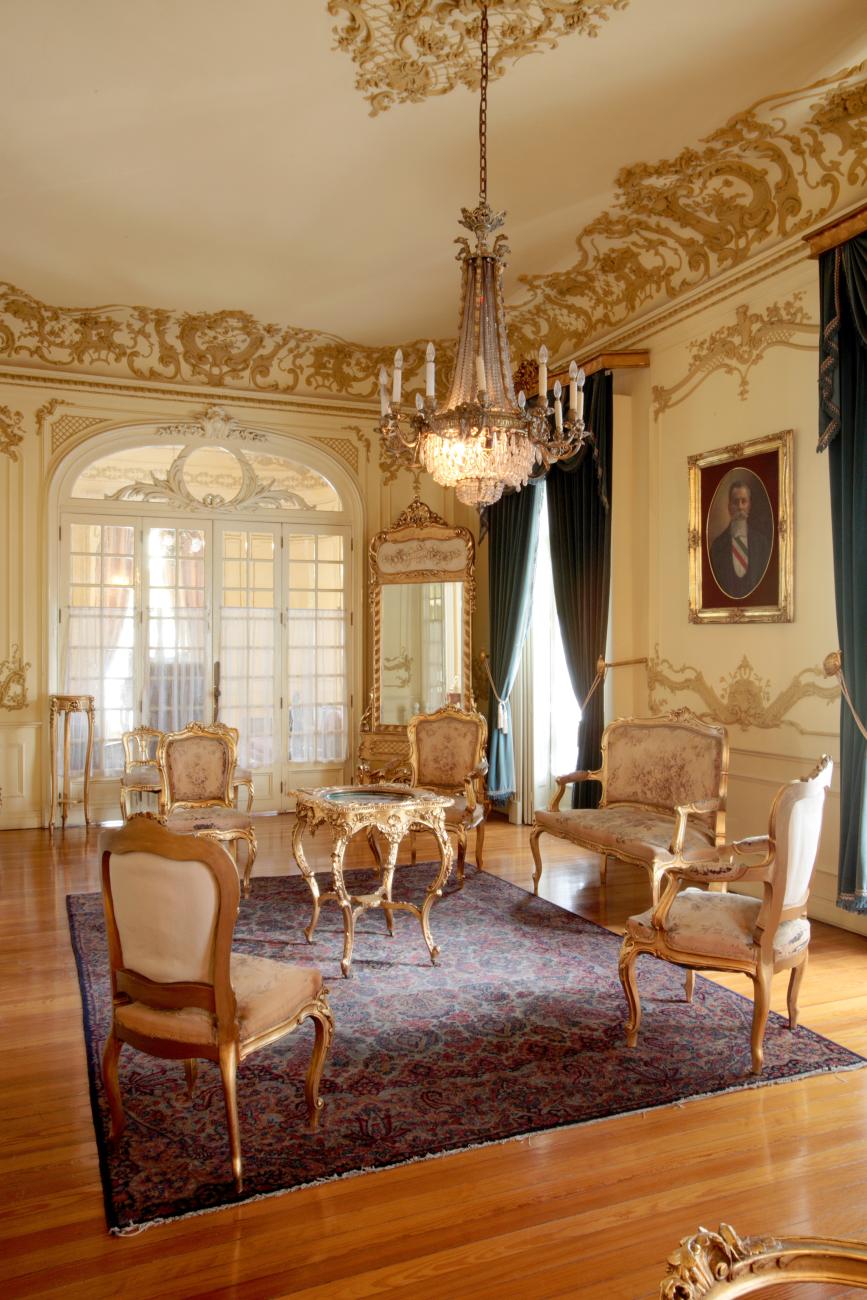
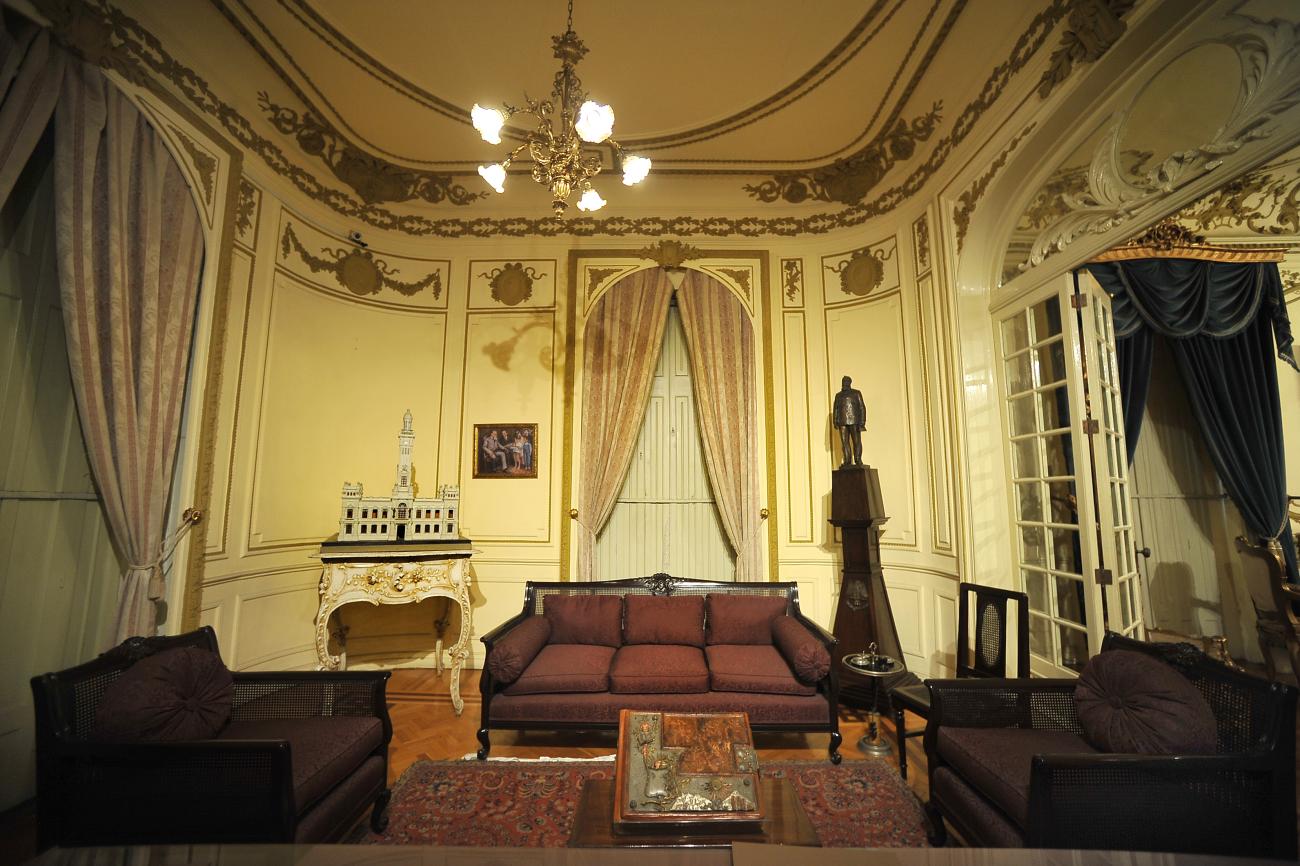
Sala

Room

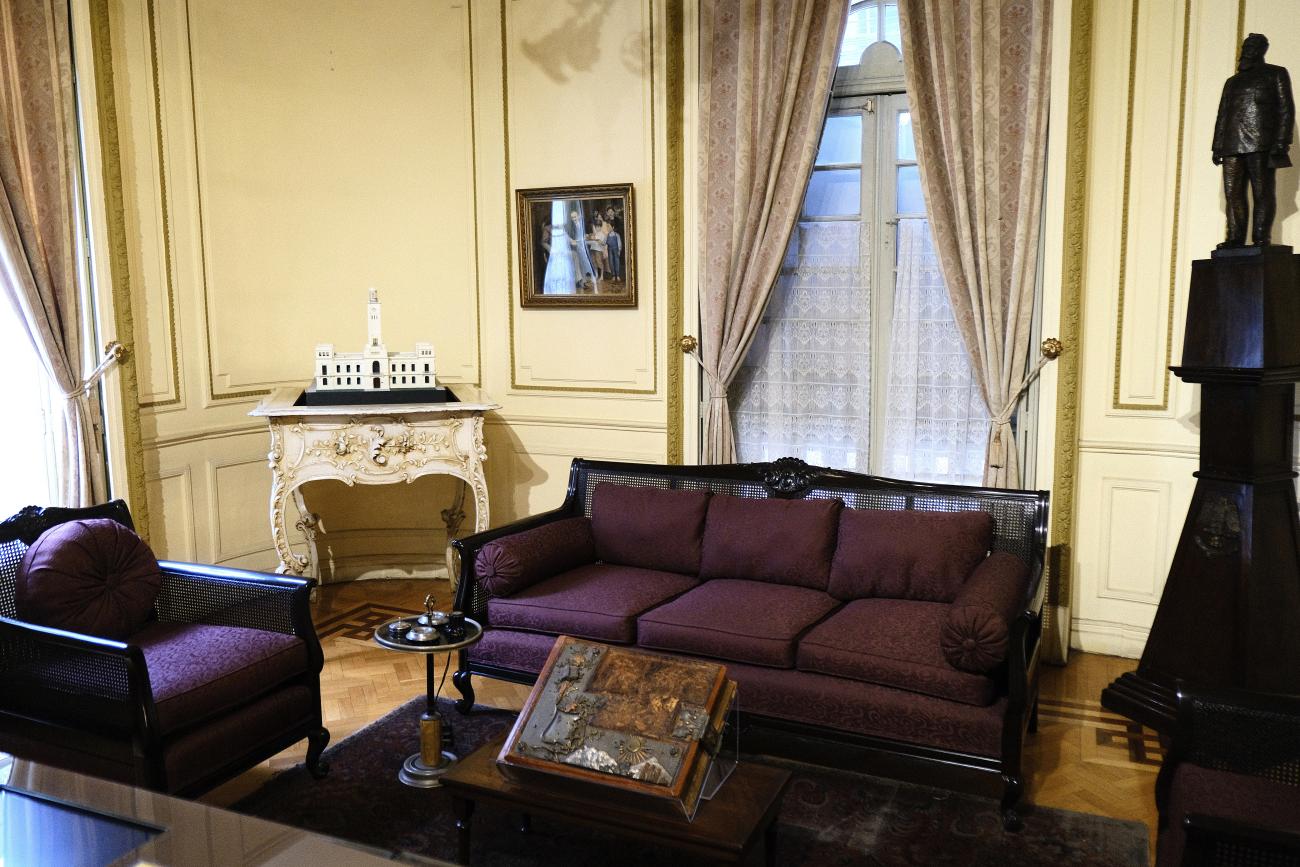
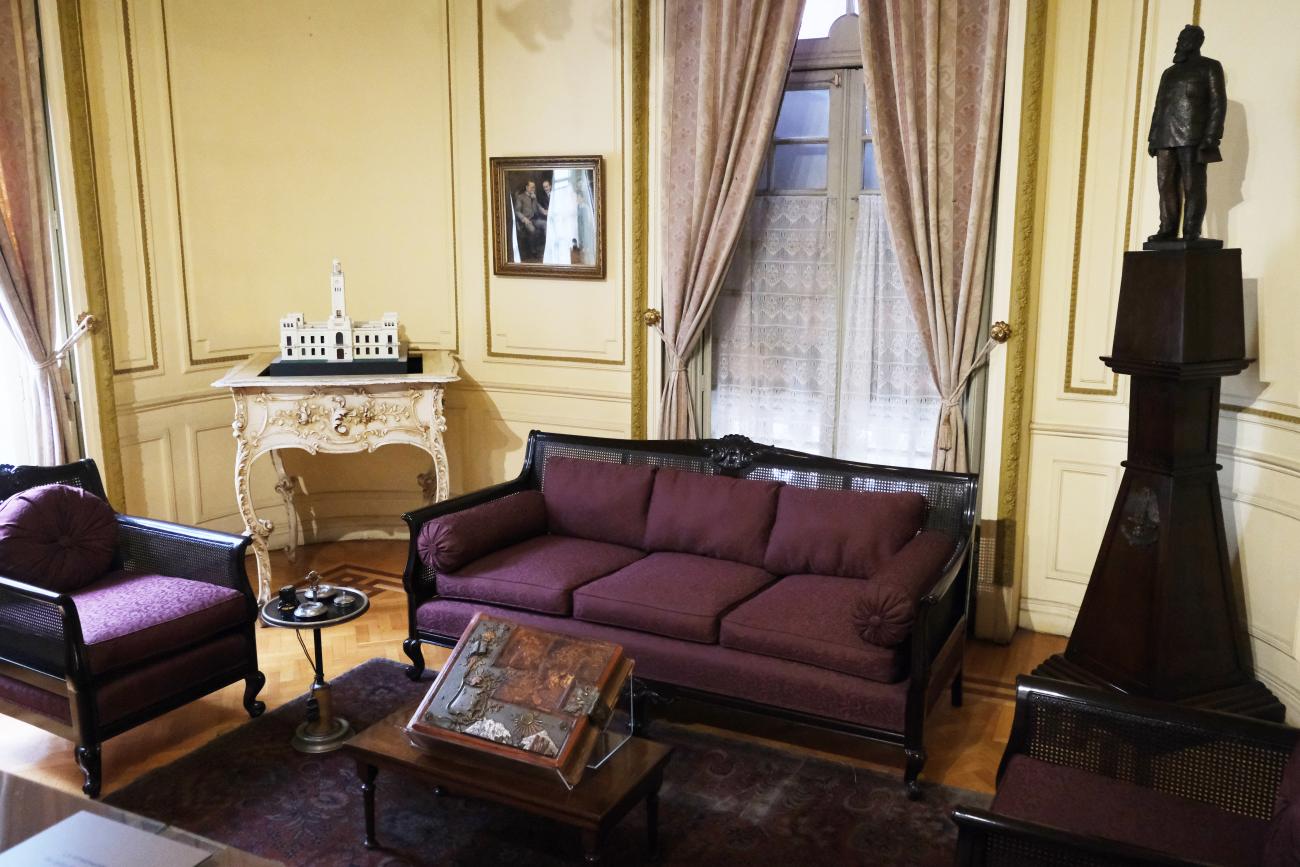
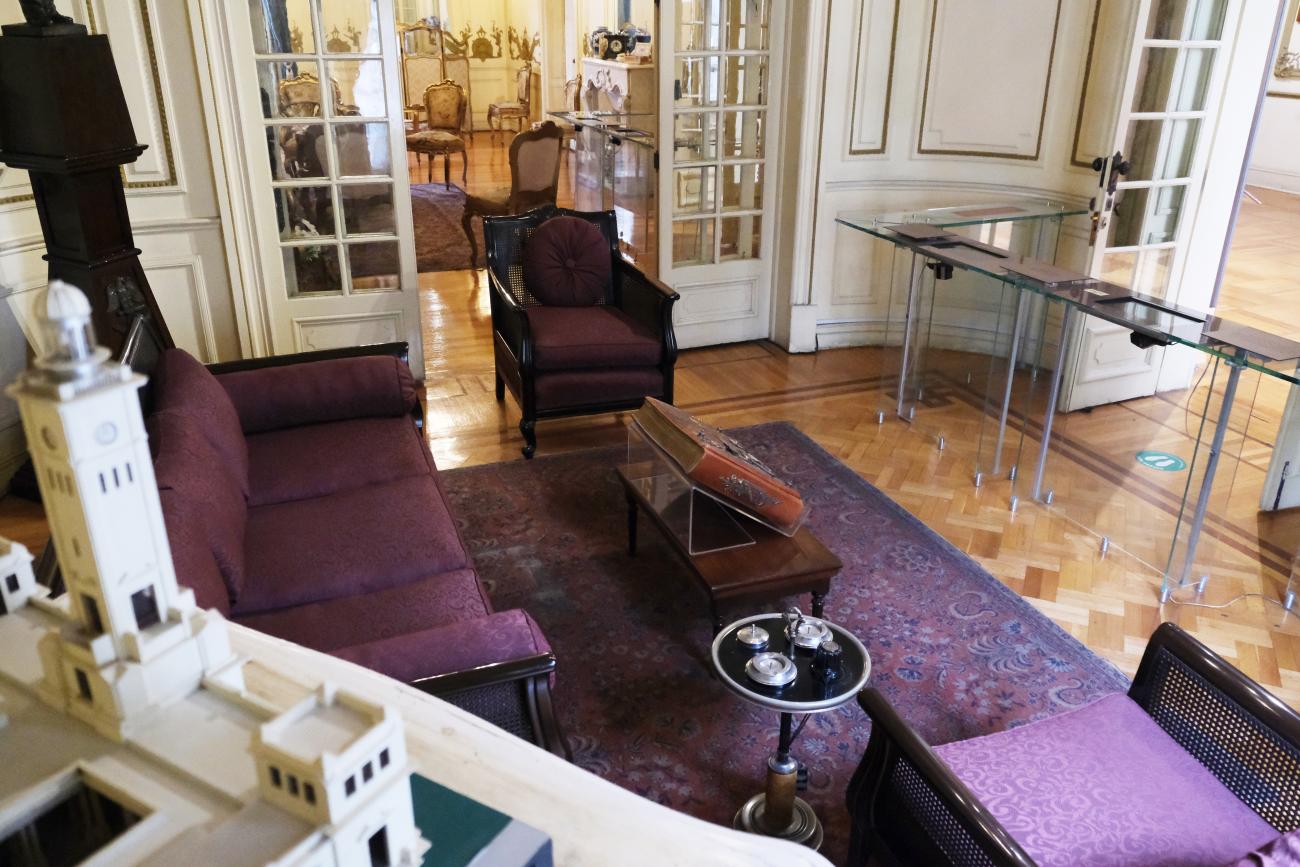
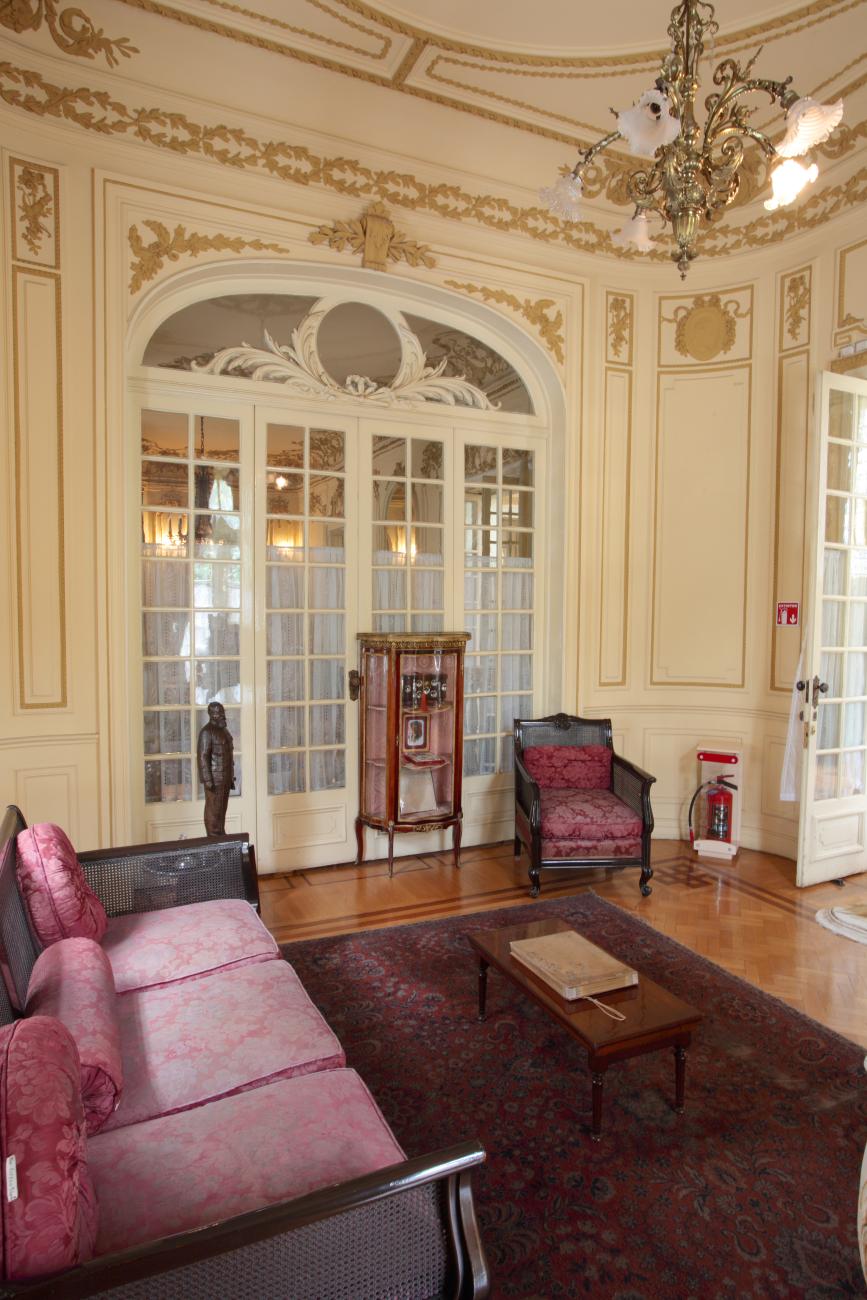
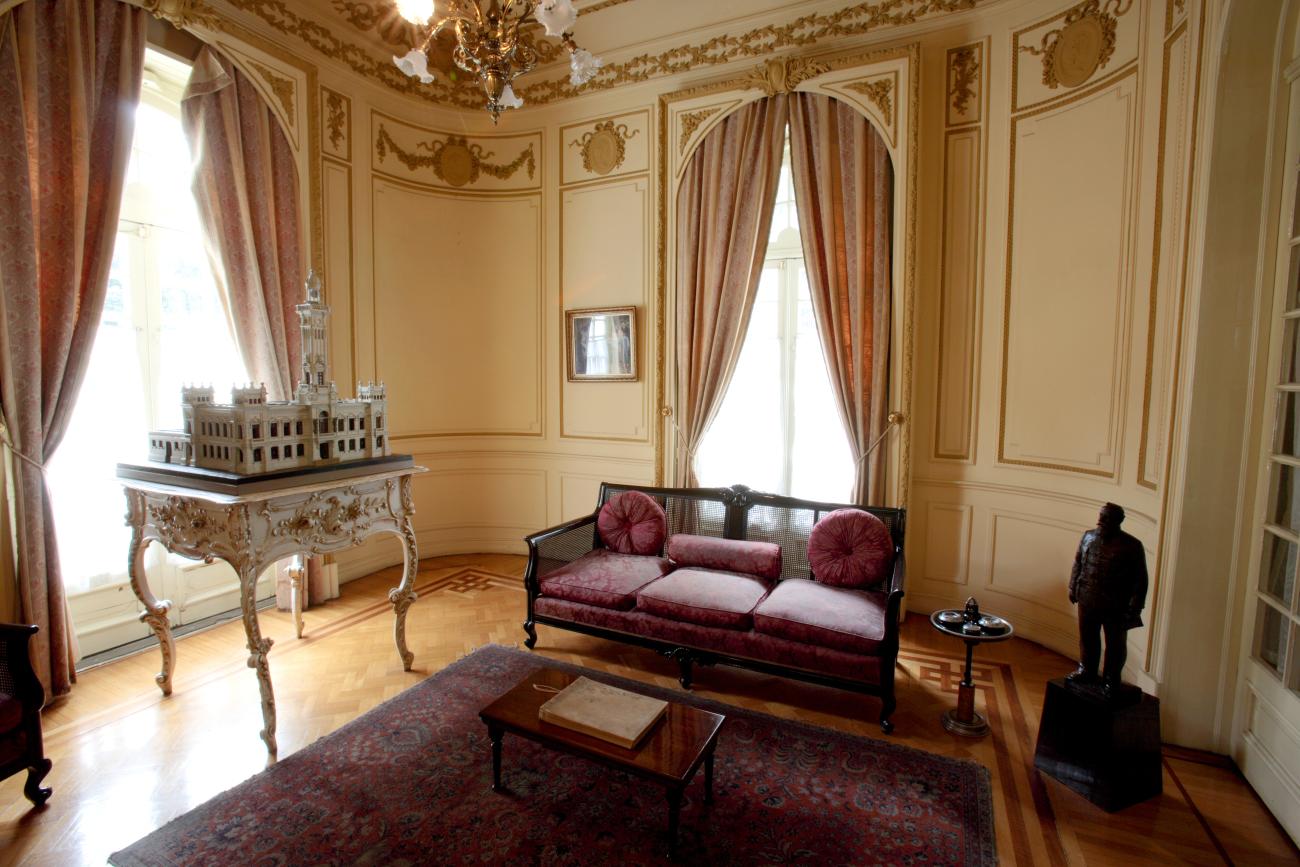
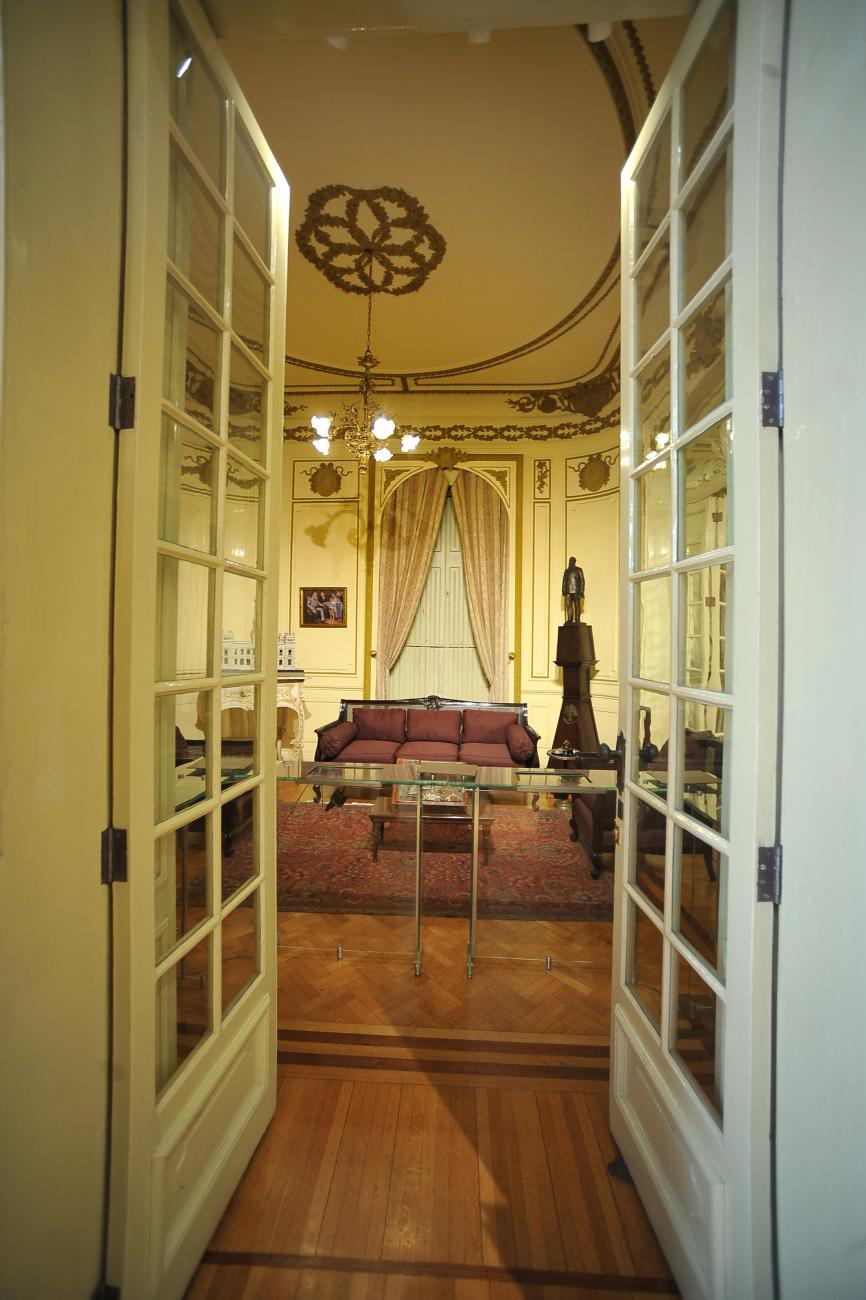
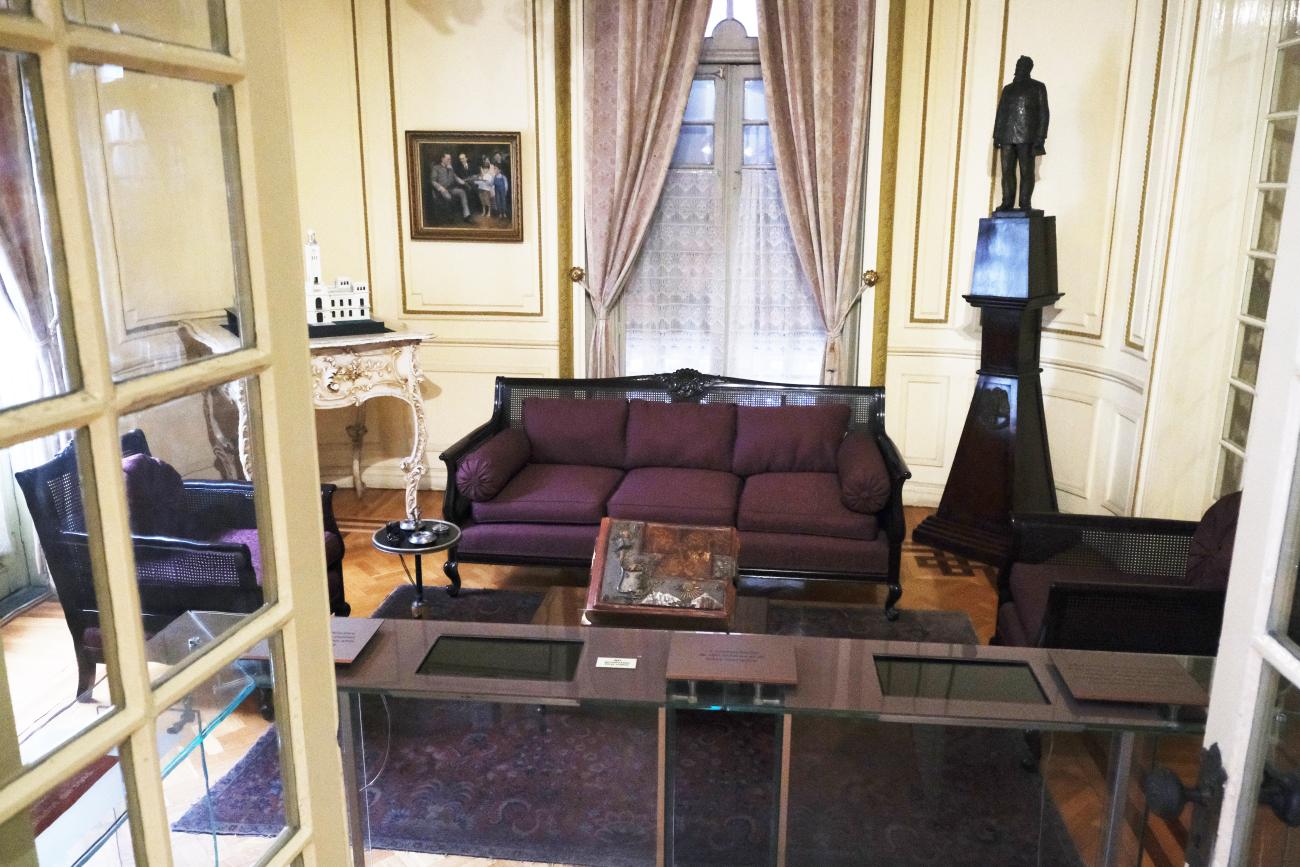
The living room was the main space for socializing and receiving acquaintances, friends, and family. It was connected to the antechamber to expand the area during receptions or parties.
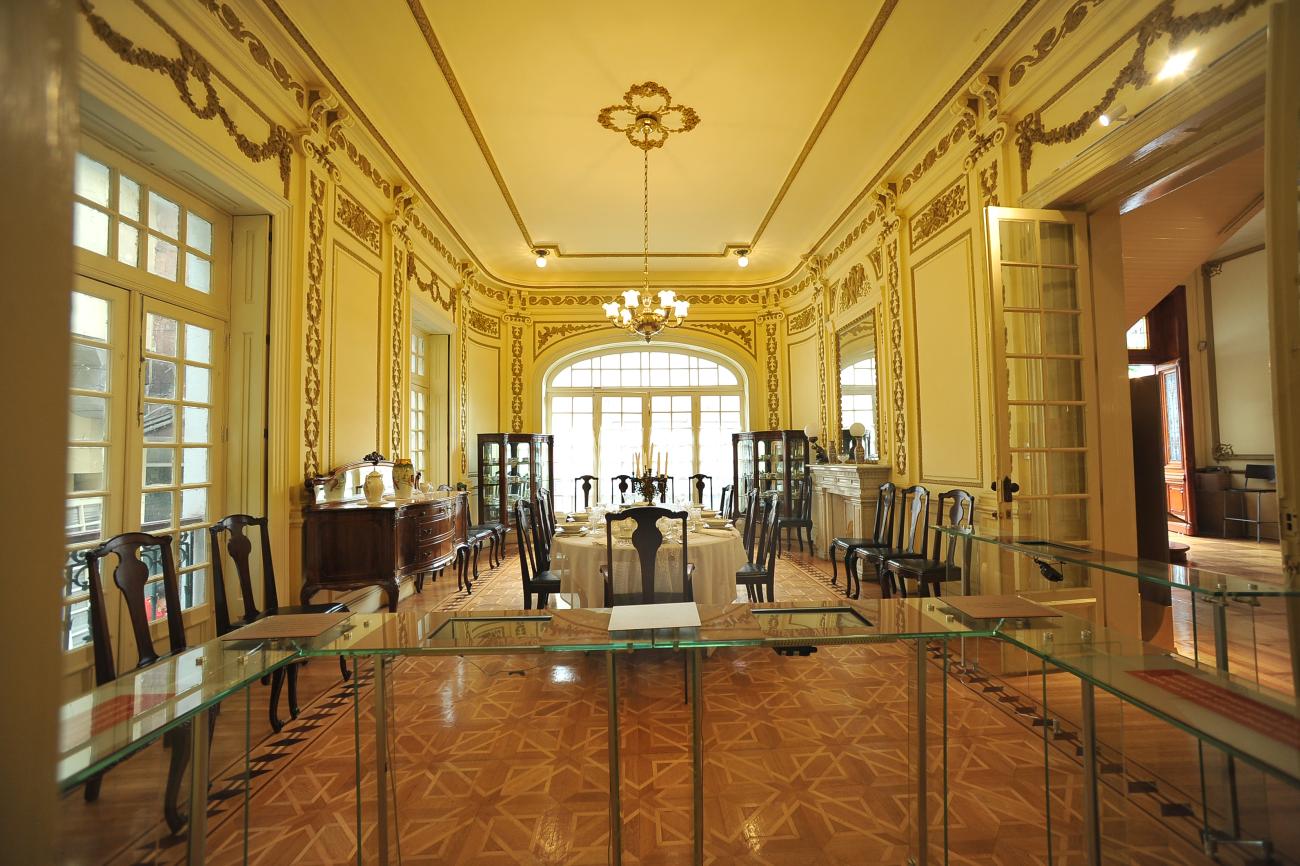
Comedor

Dining room

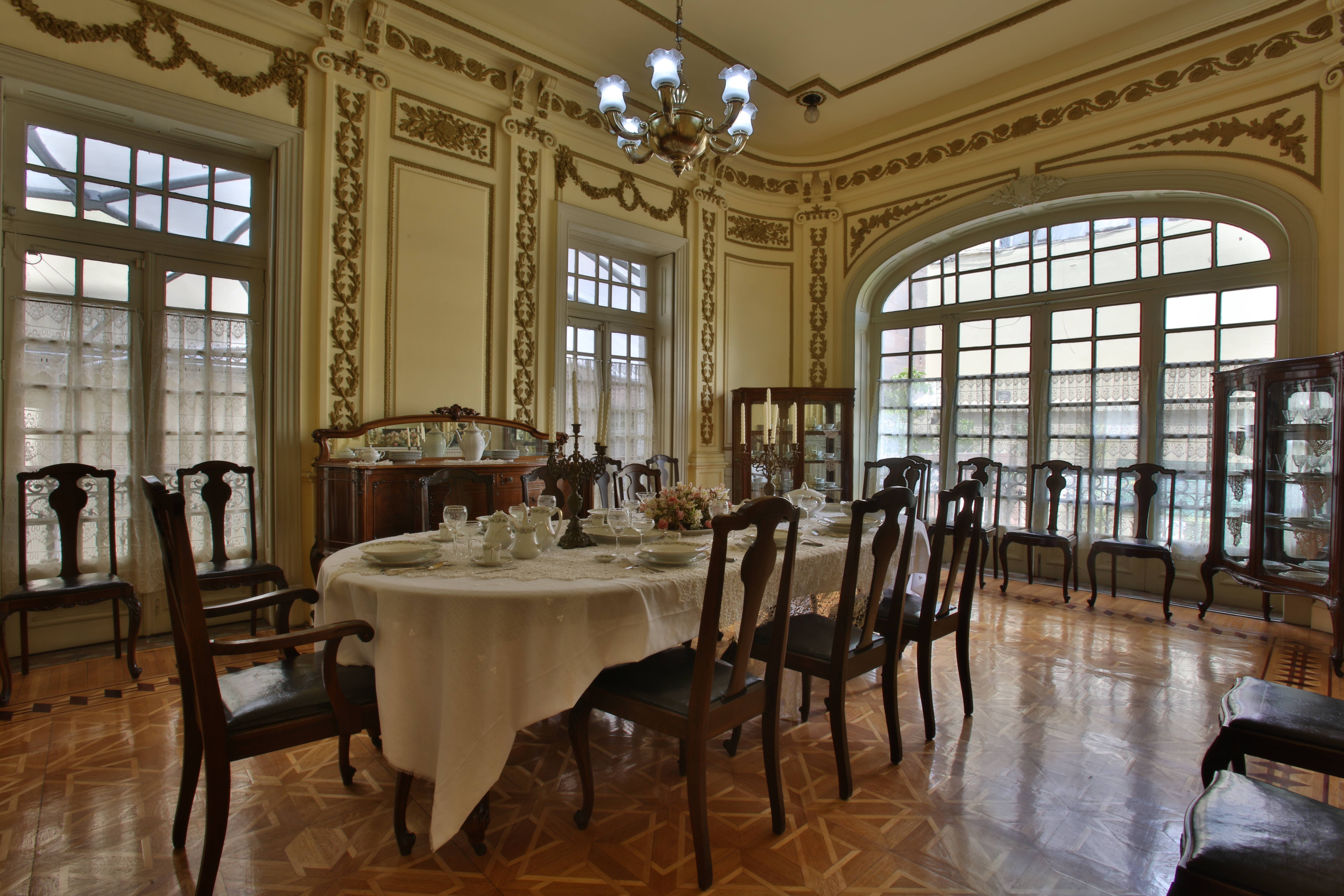
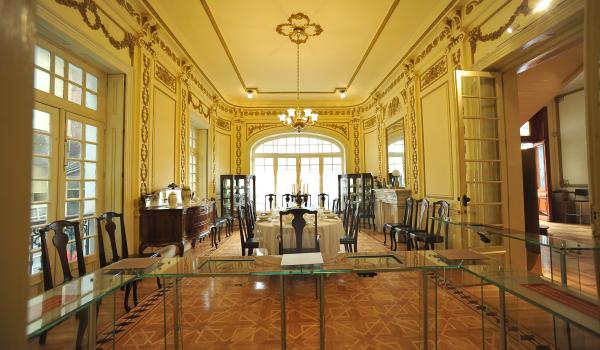
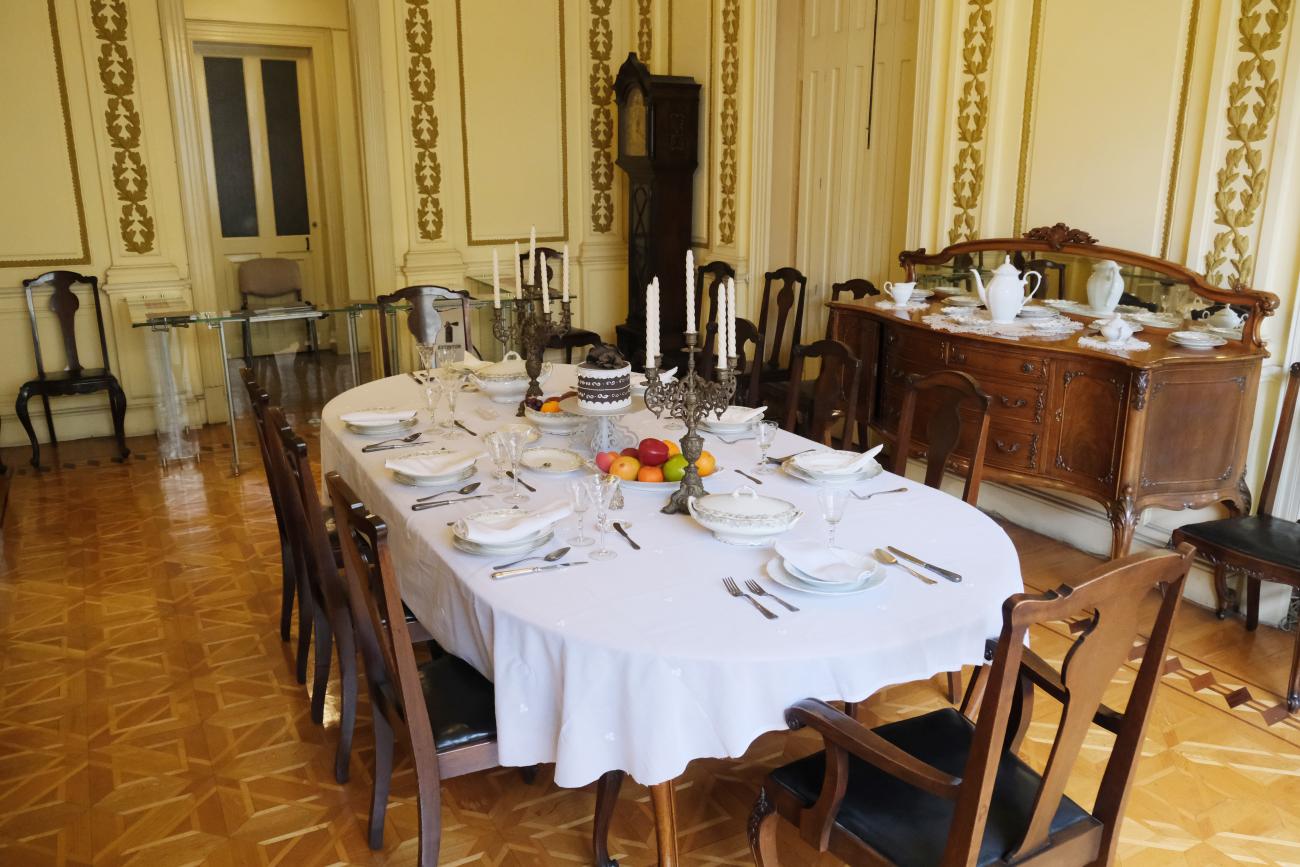
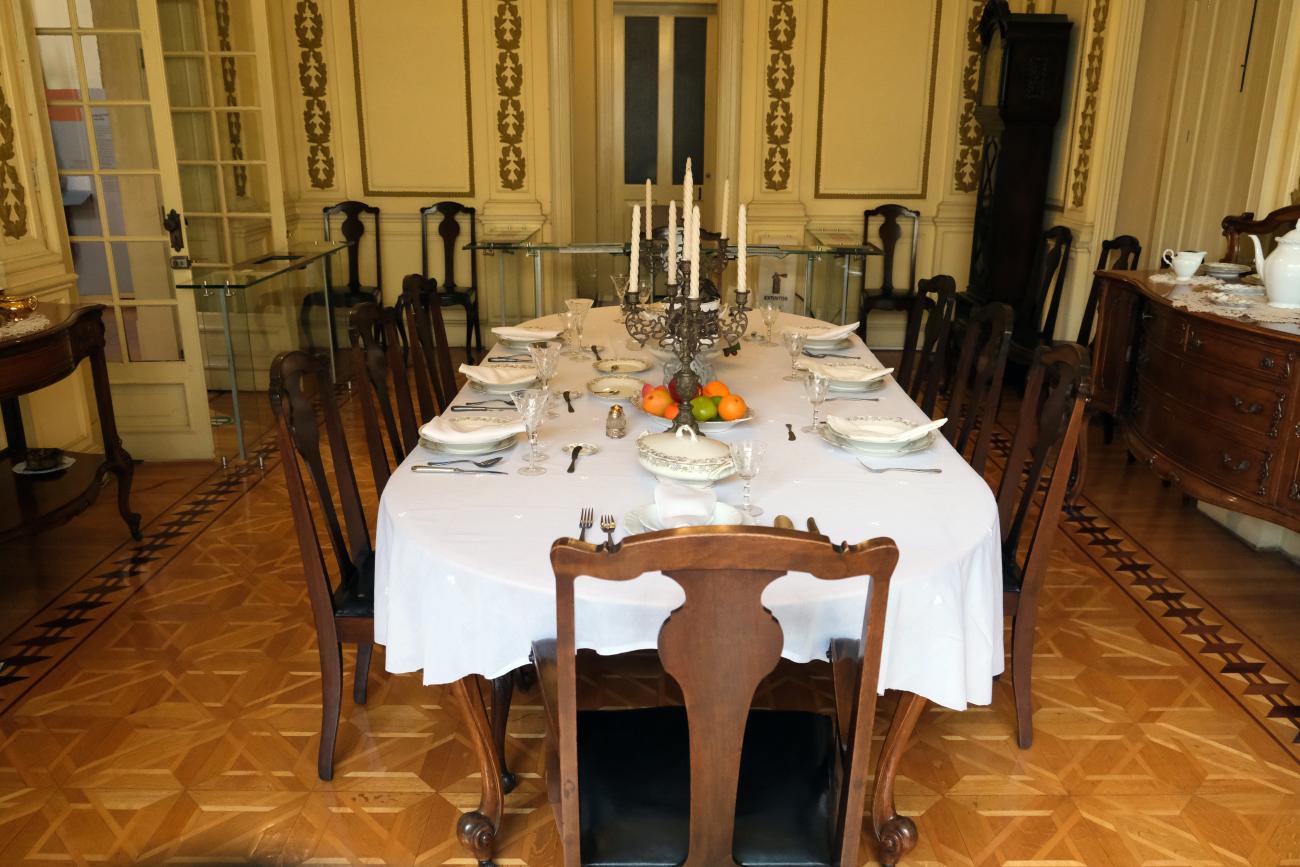
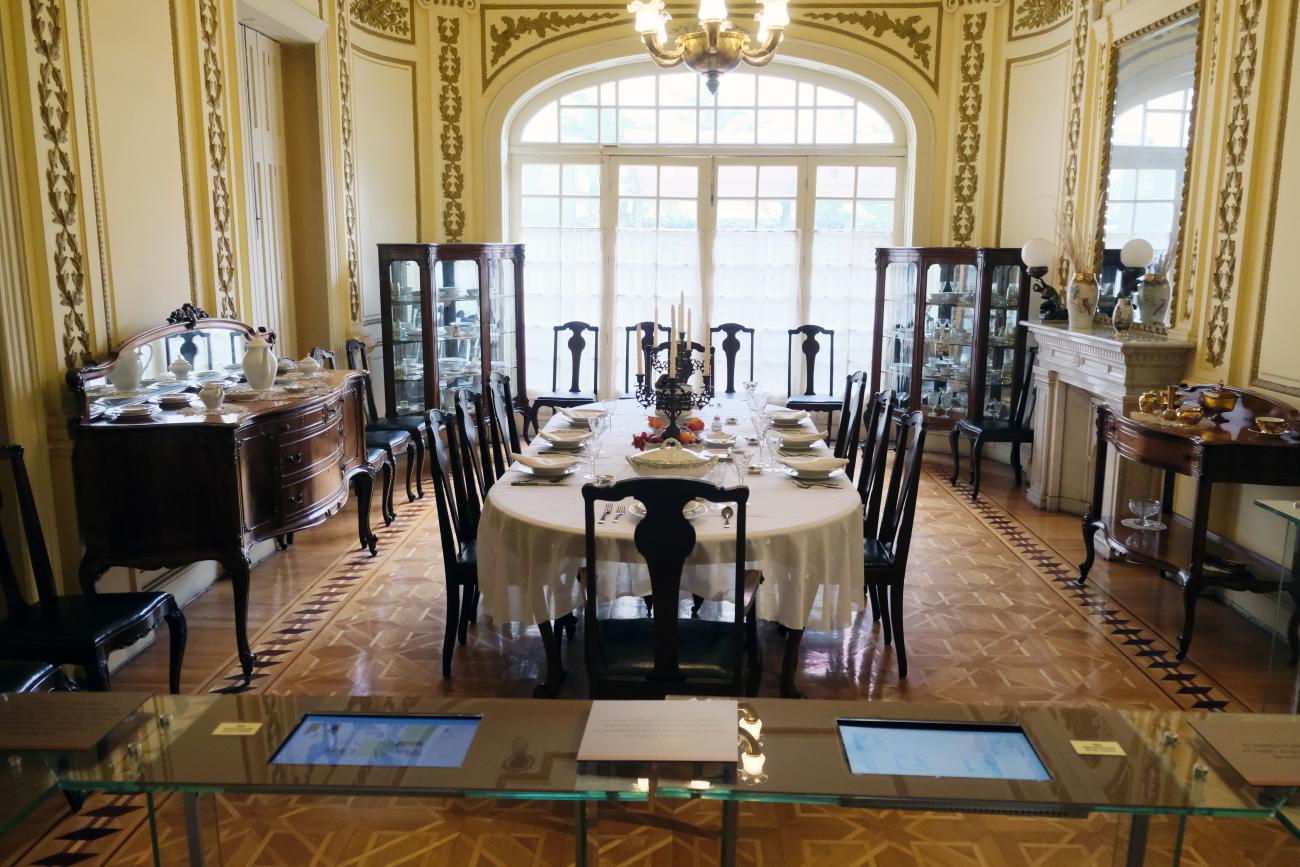
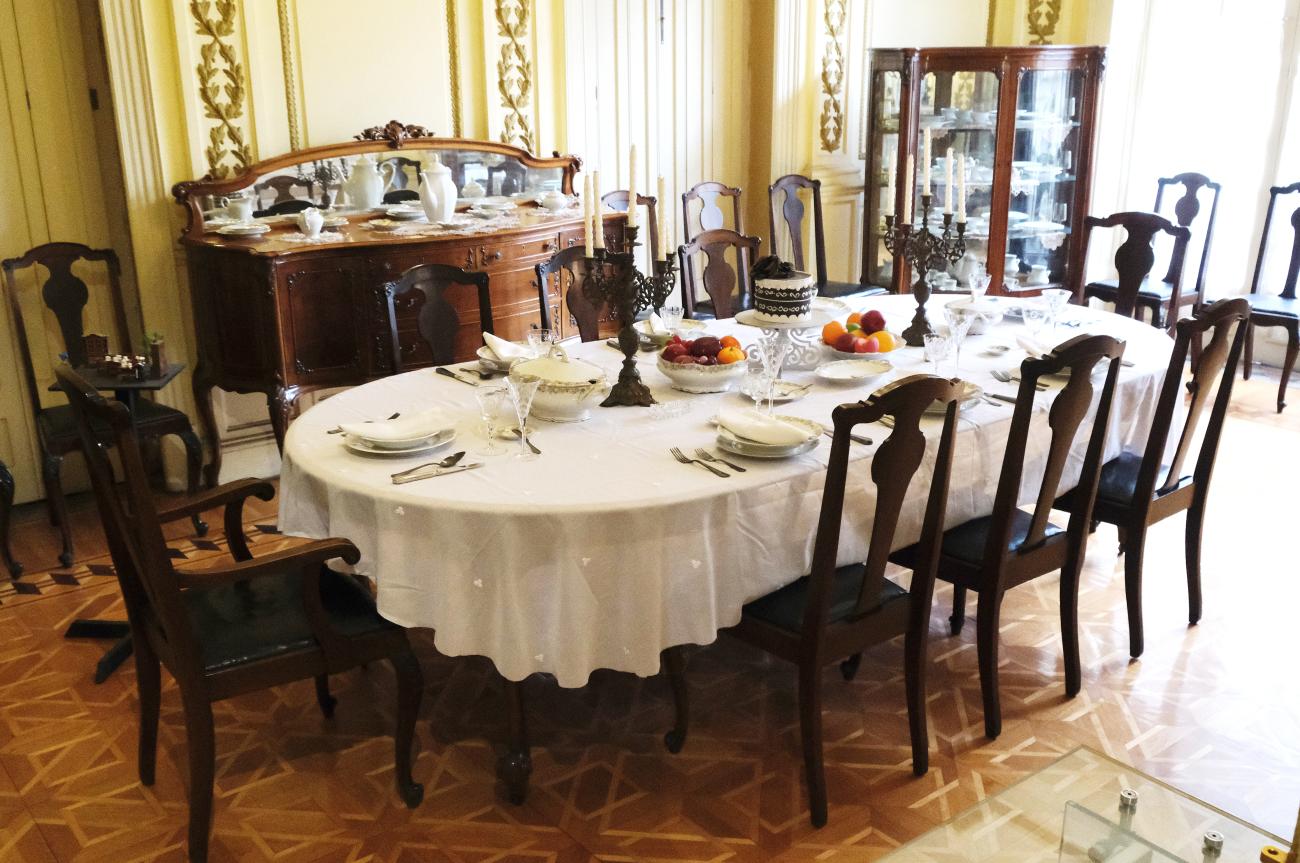
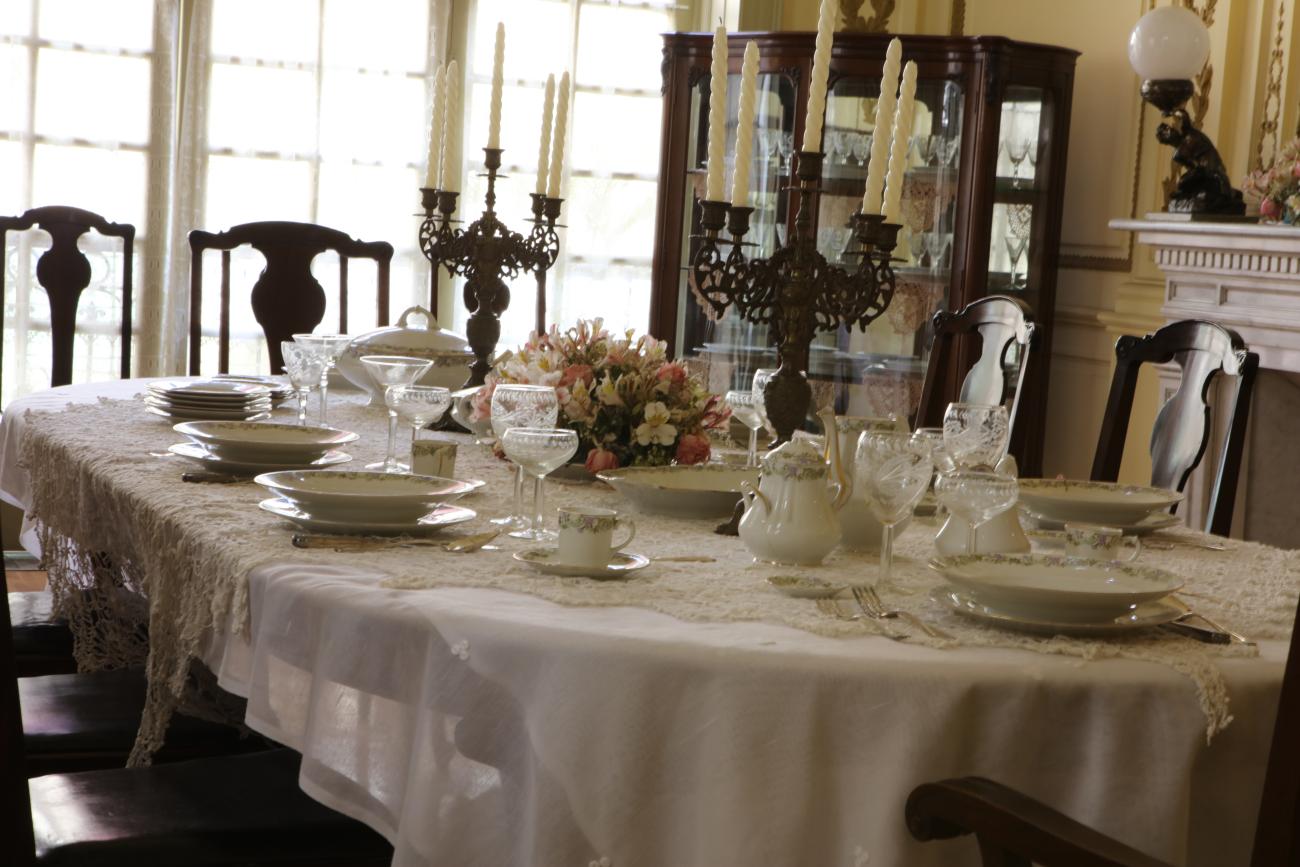
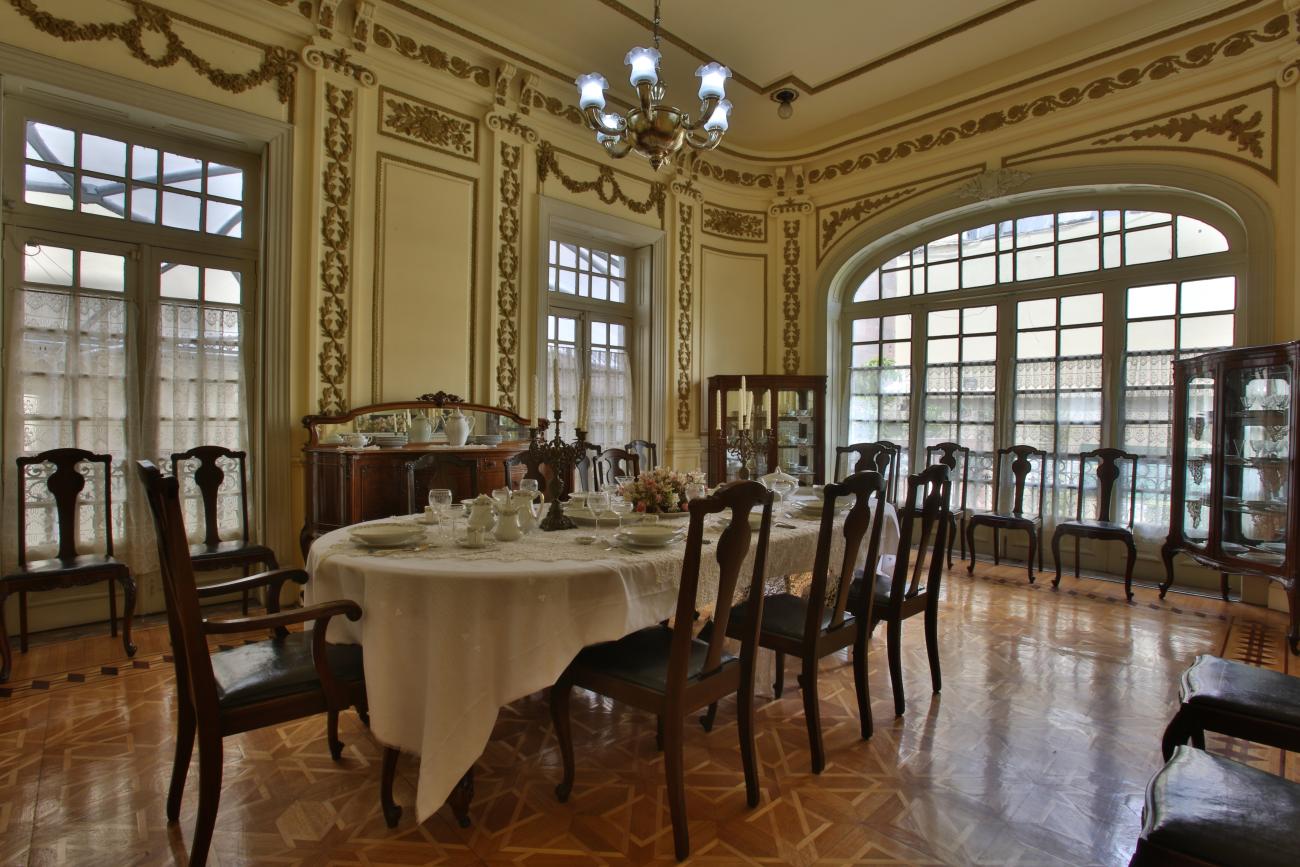
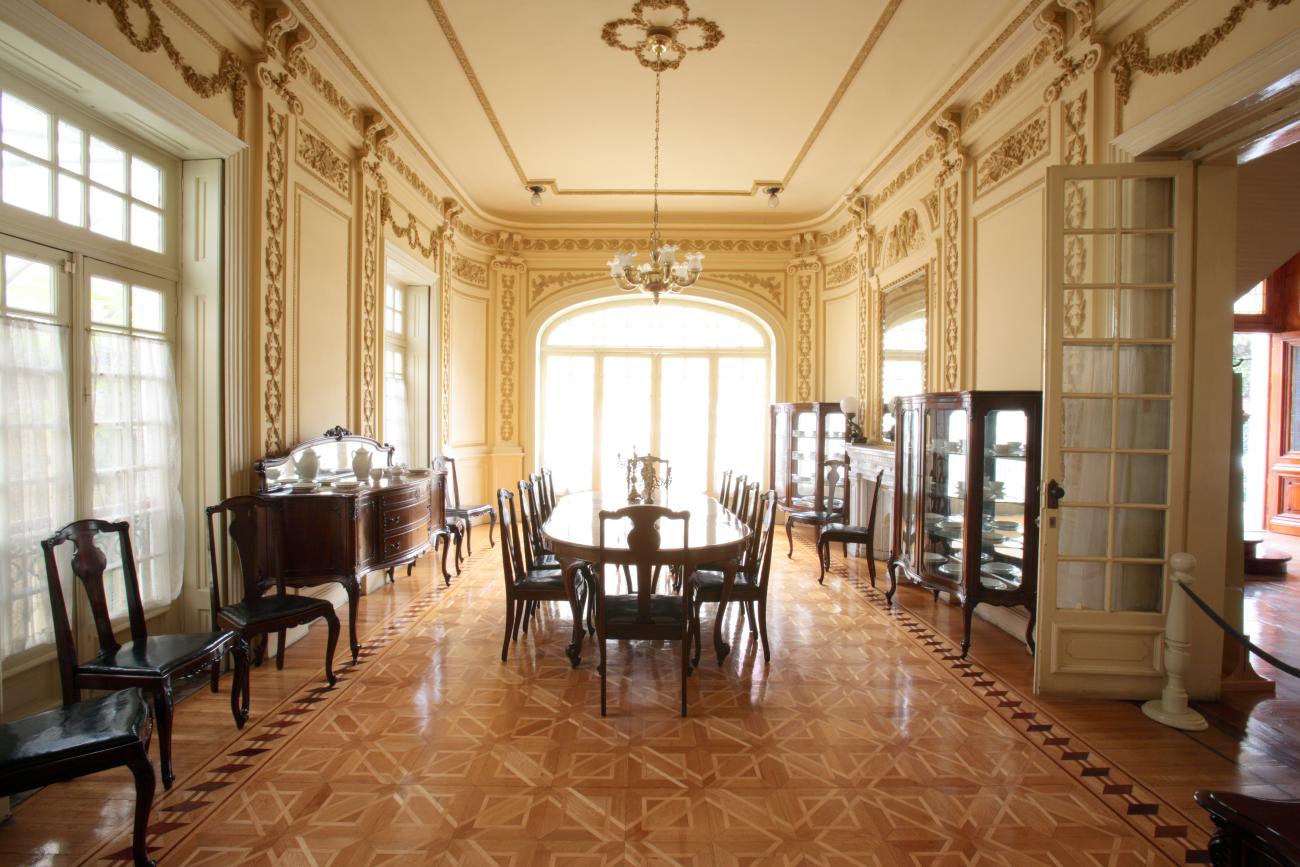
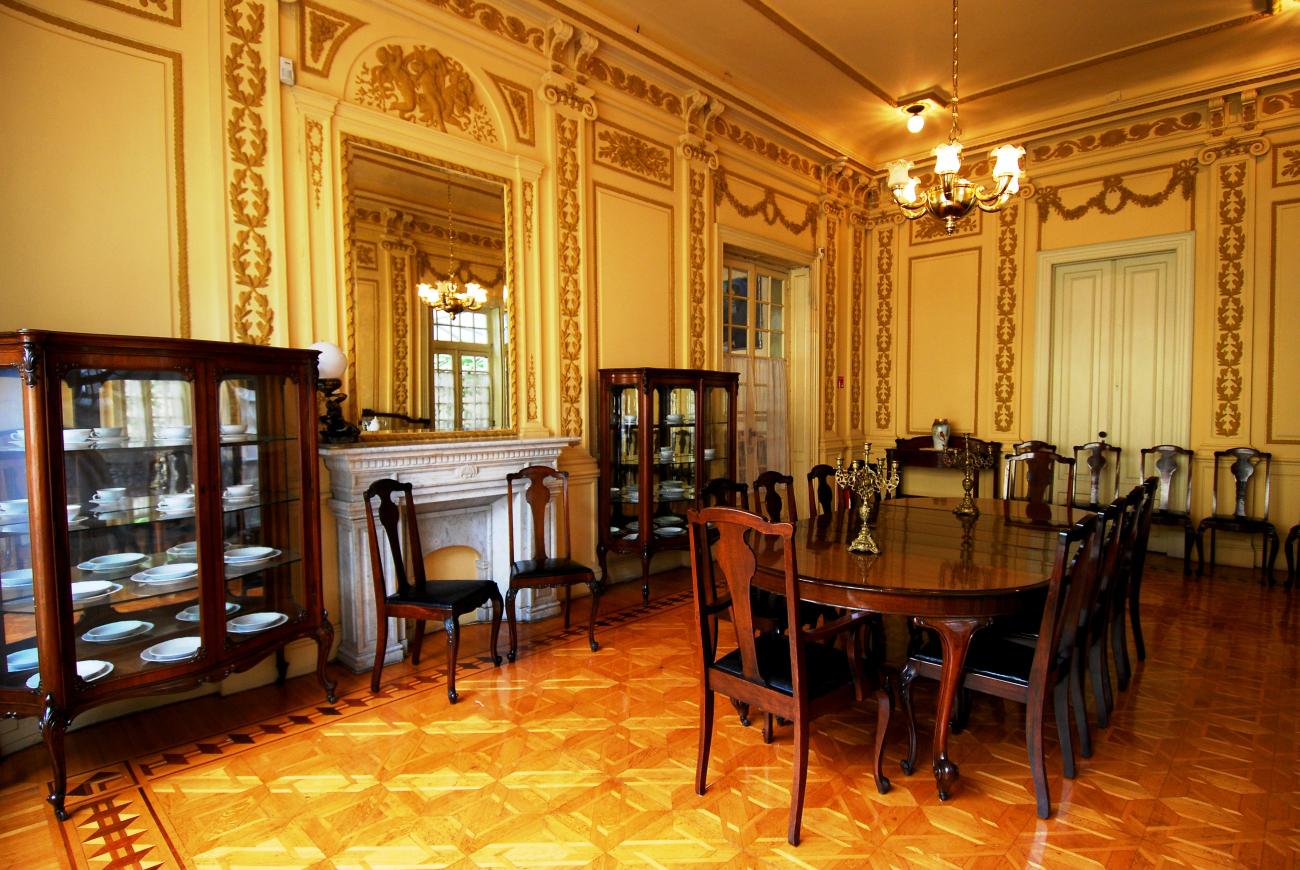
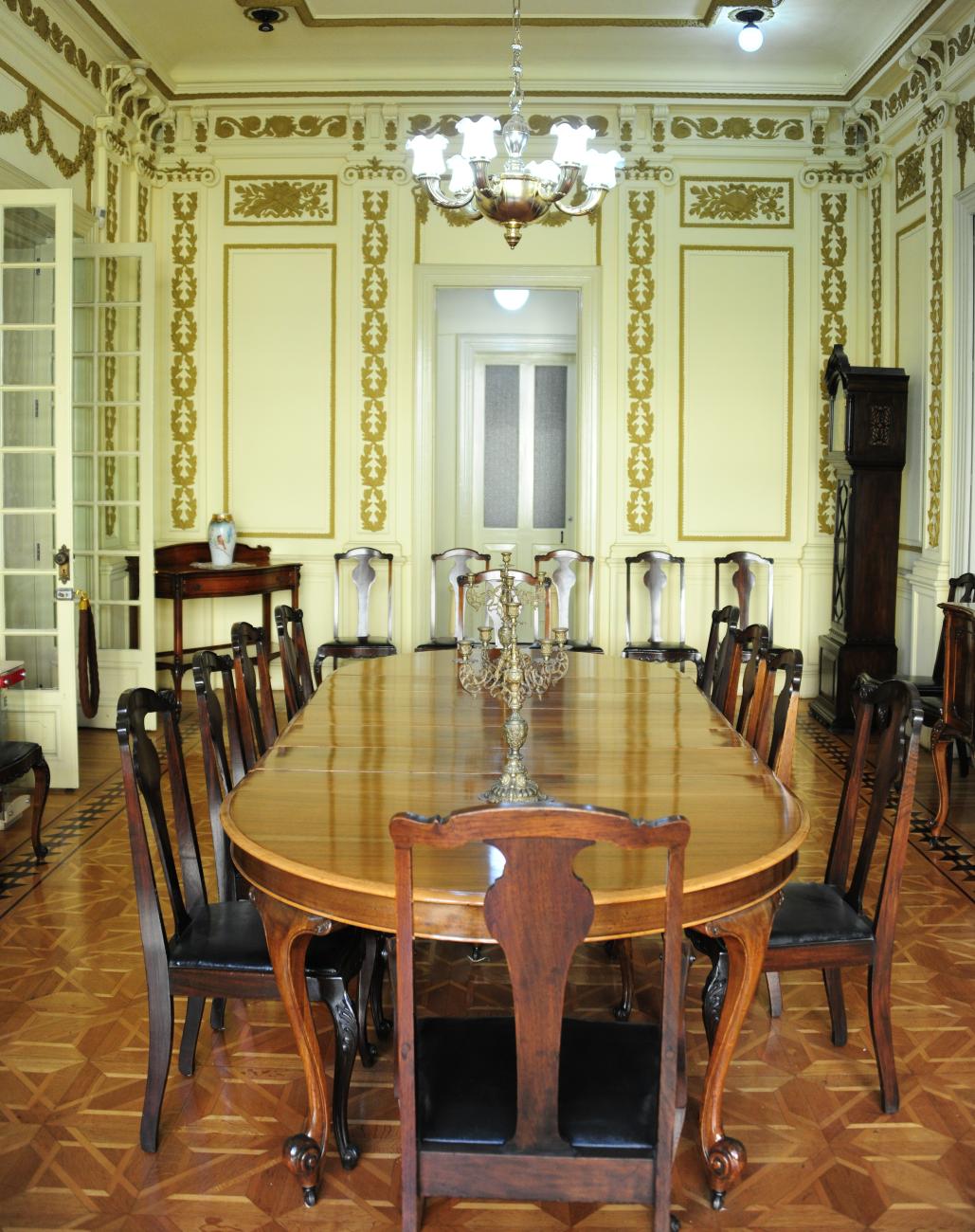
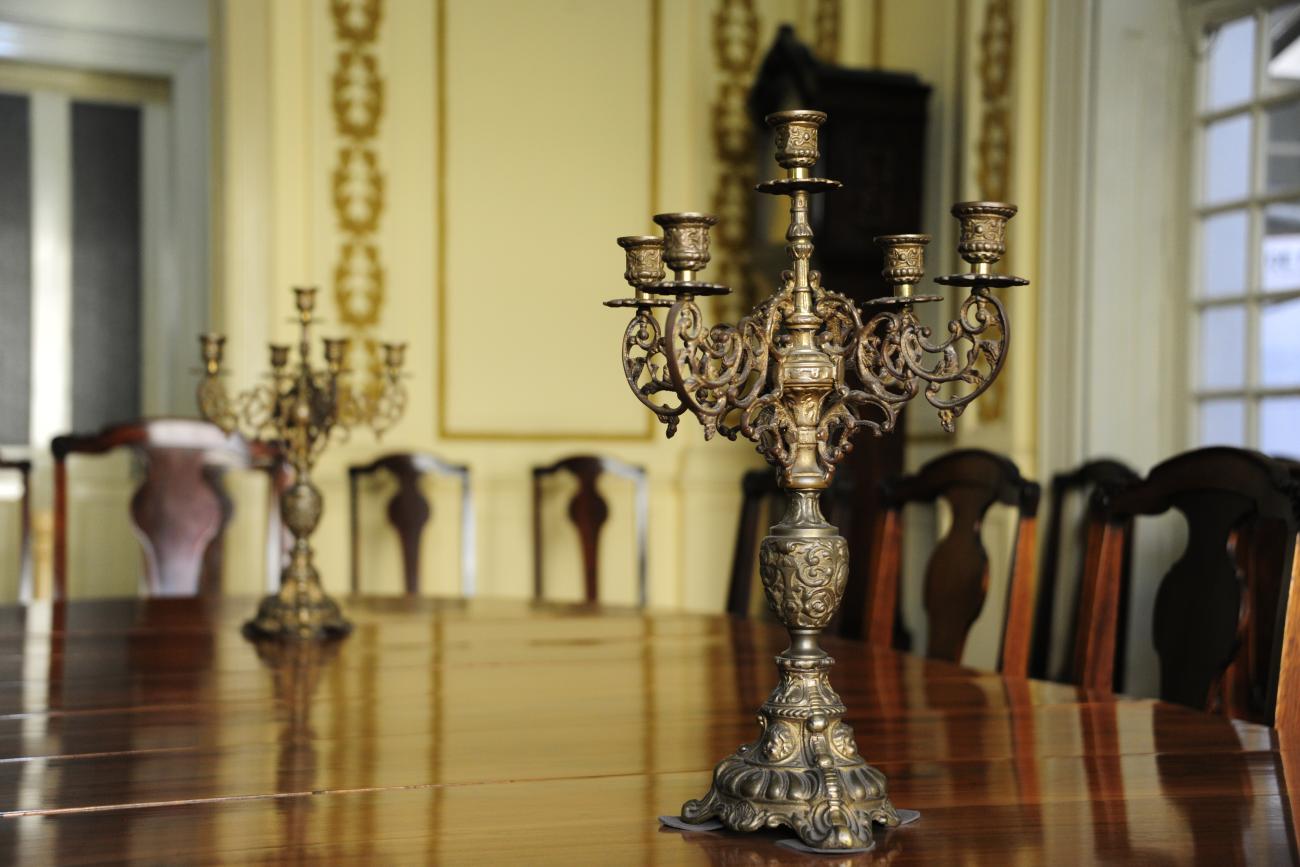
The dining room was used for special lunches and dinners for the Carranza family, while everyday meals were eaten in the kitchen. It still has its original early 20th-century hardwood floors and furniture, reflecting the elegance and taste for European style of Porfirian residences.

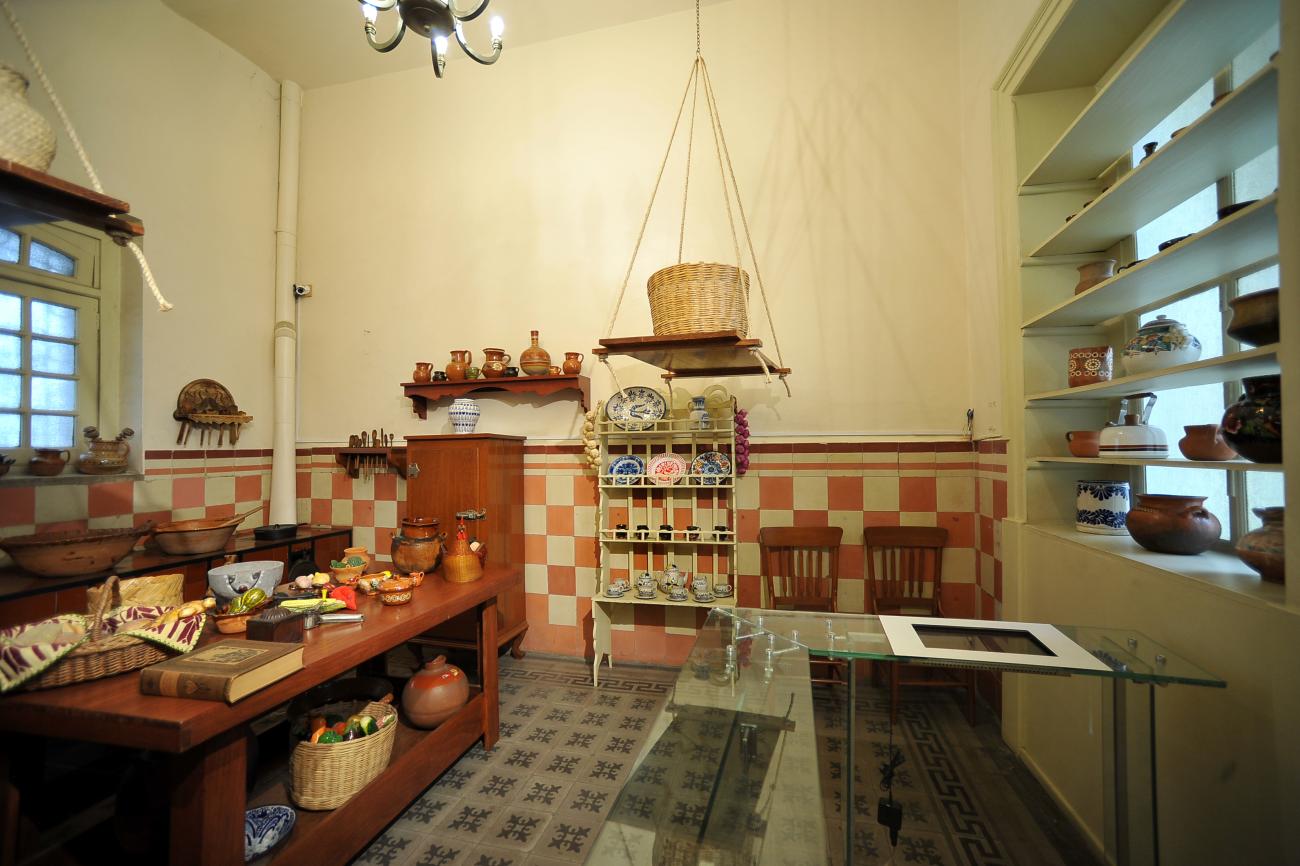
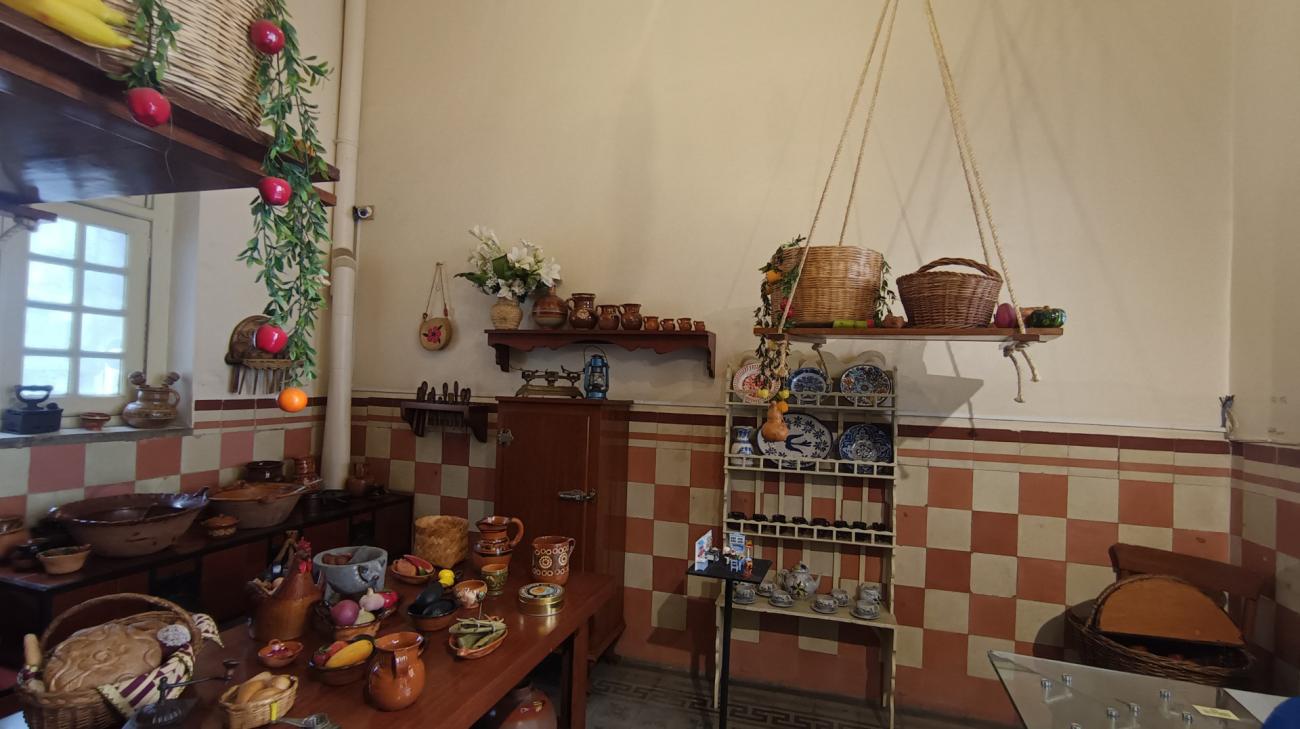
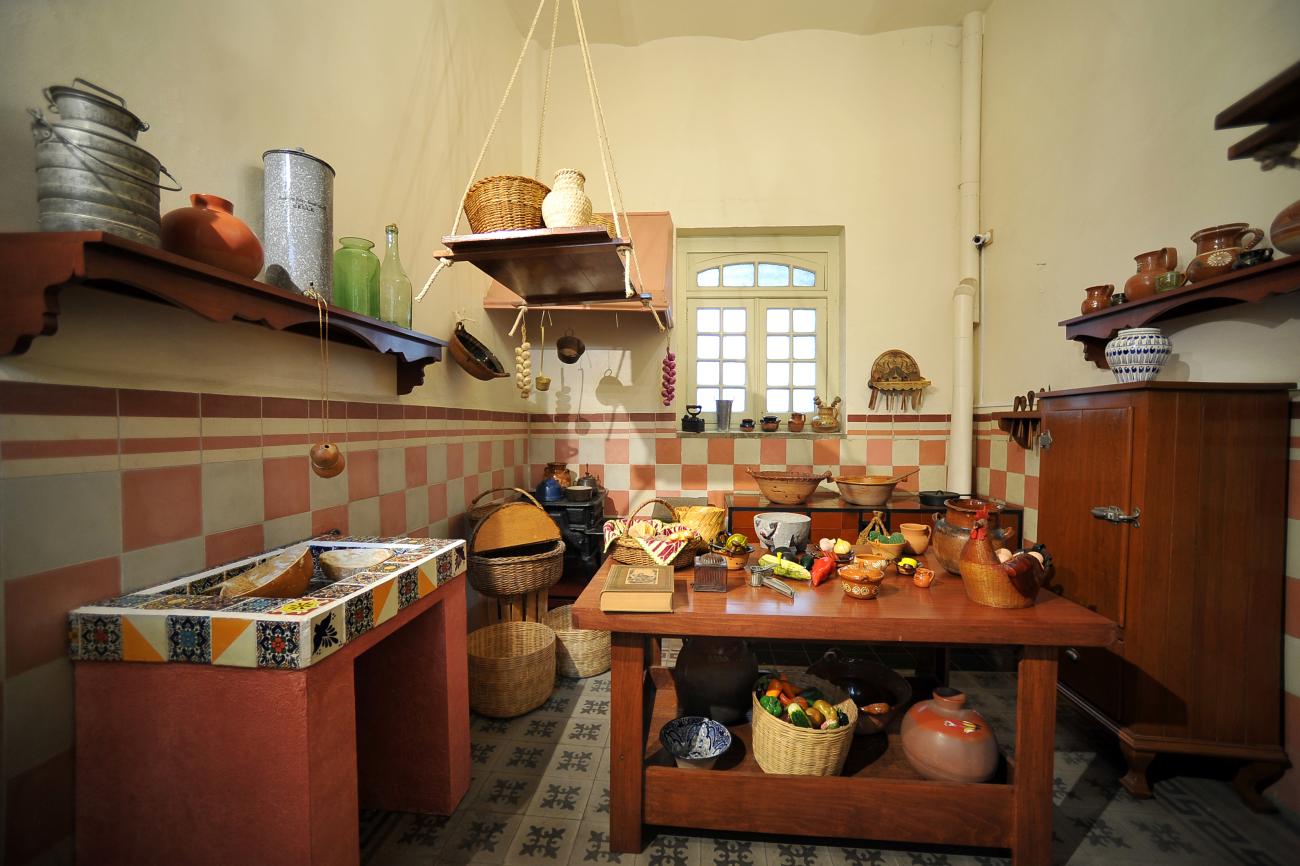
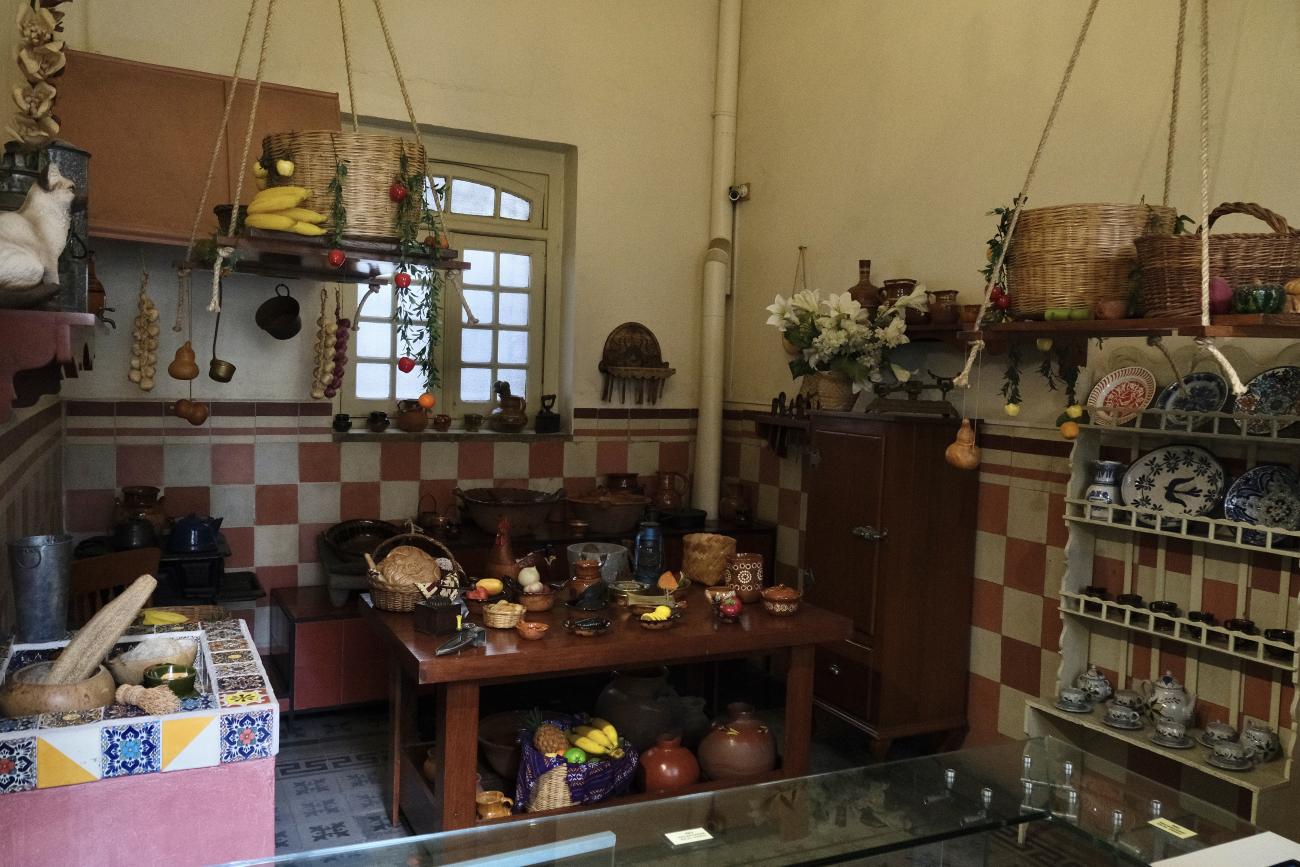
Cocina

Kitchen

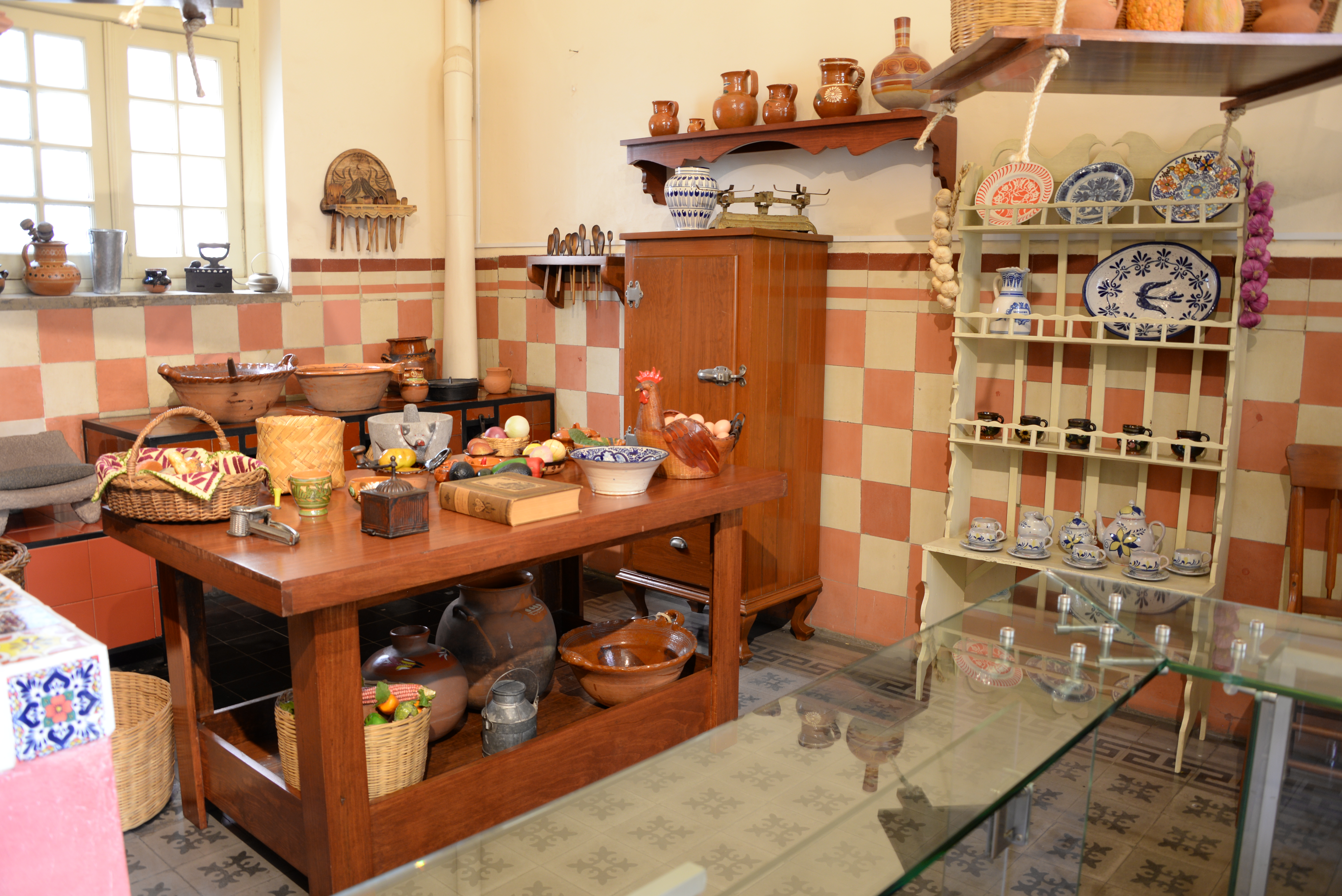
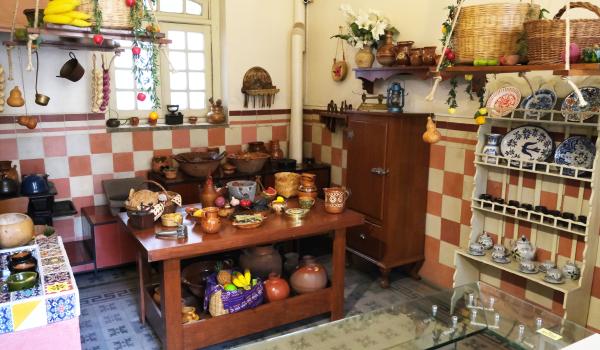
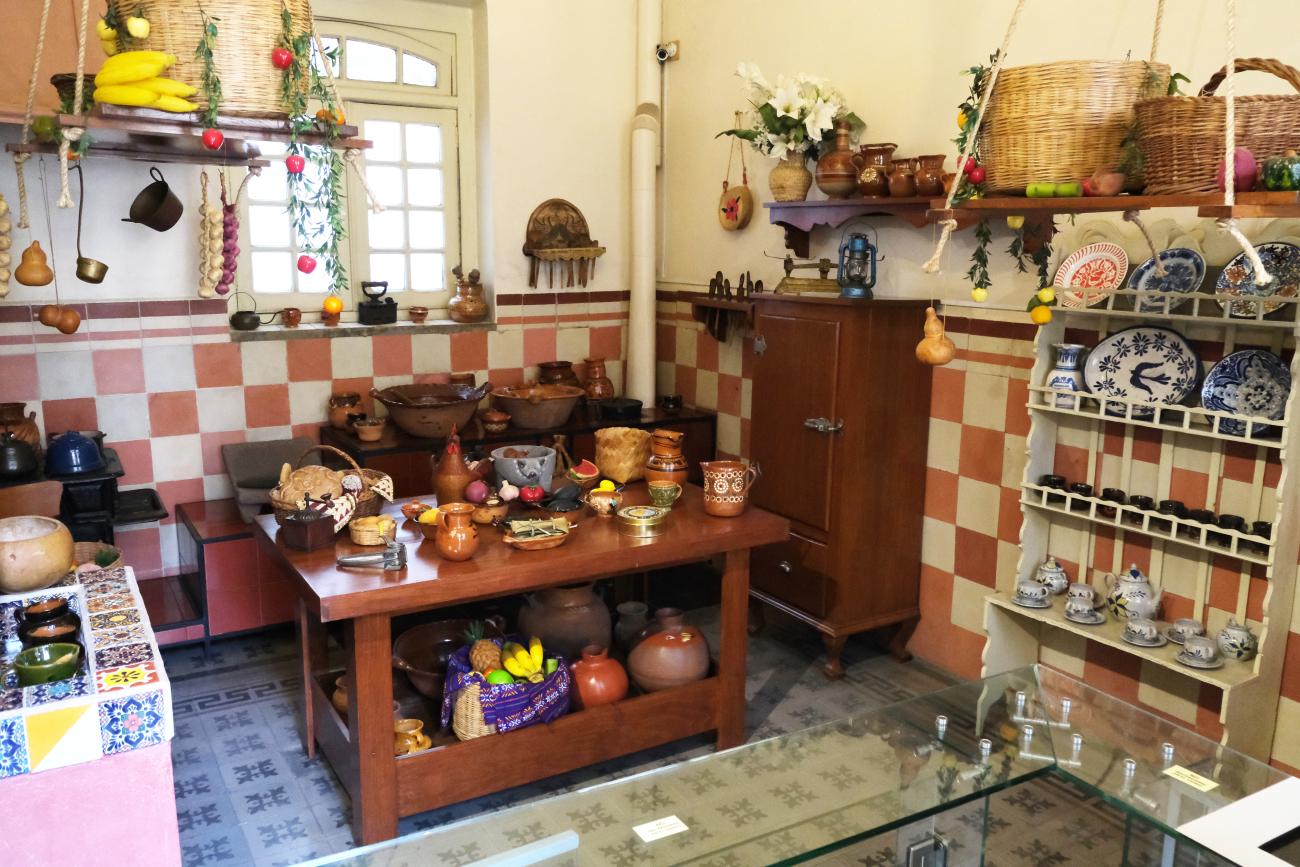
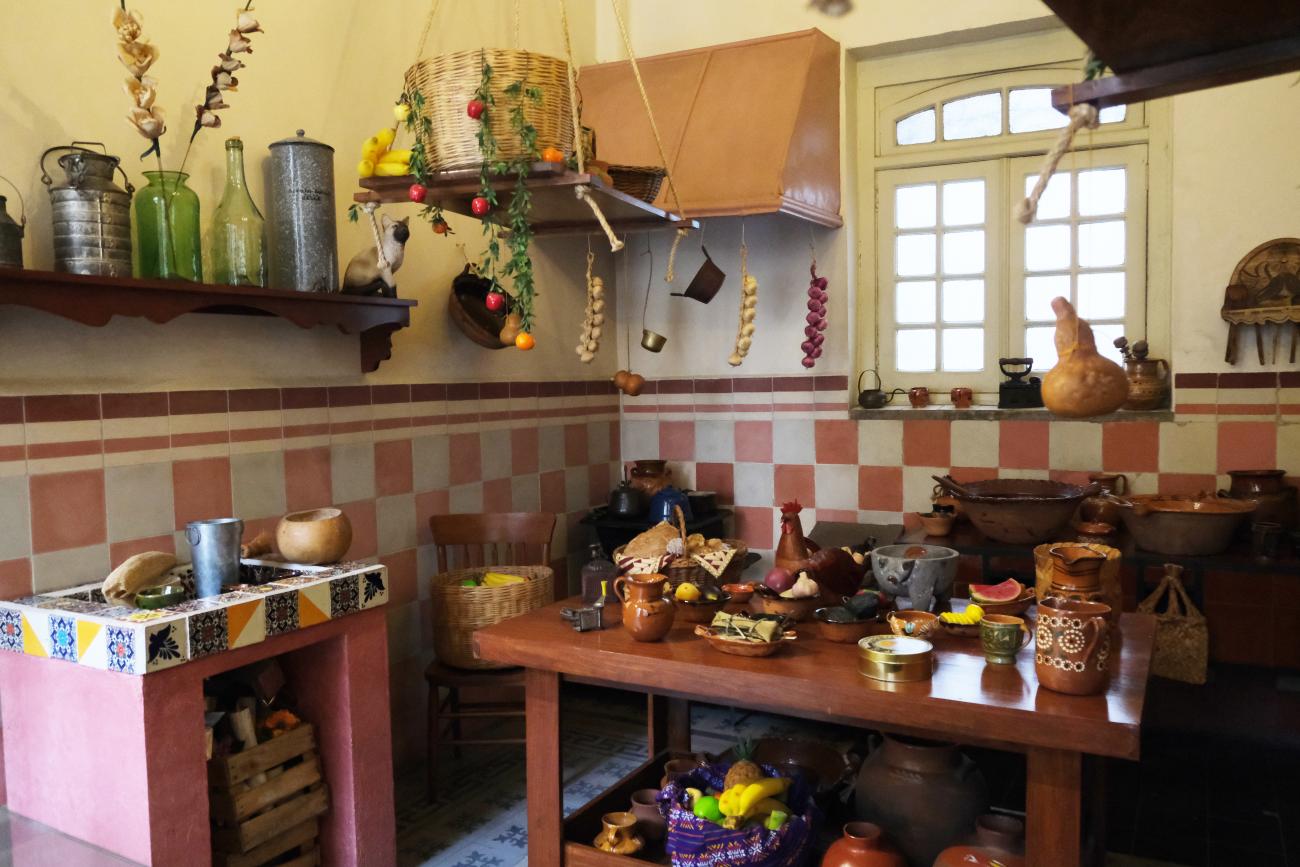
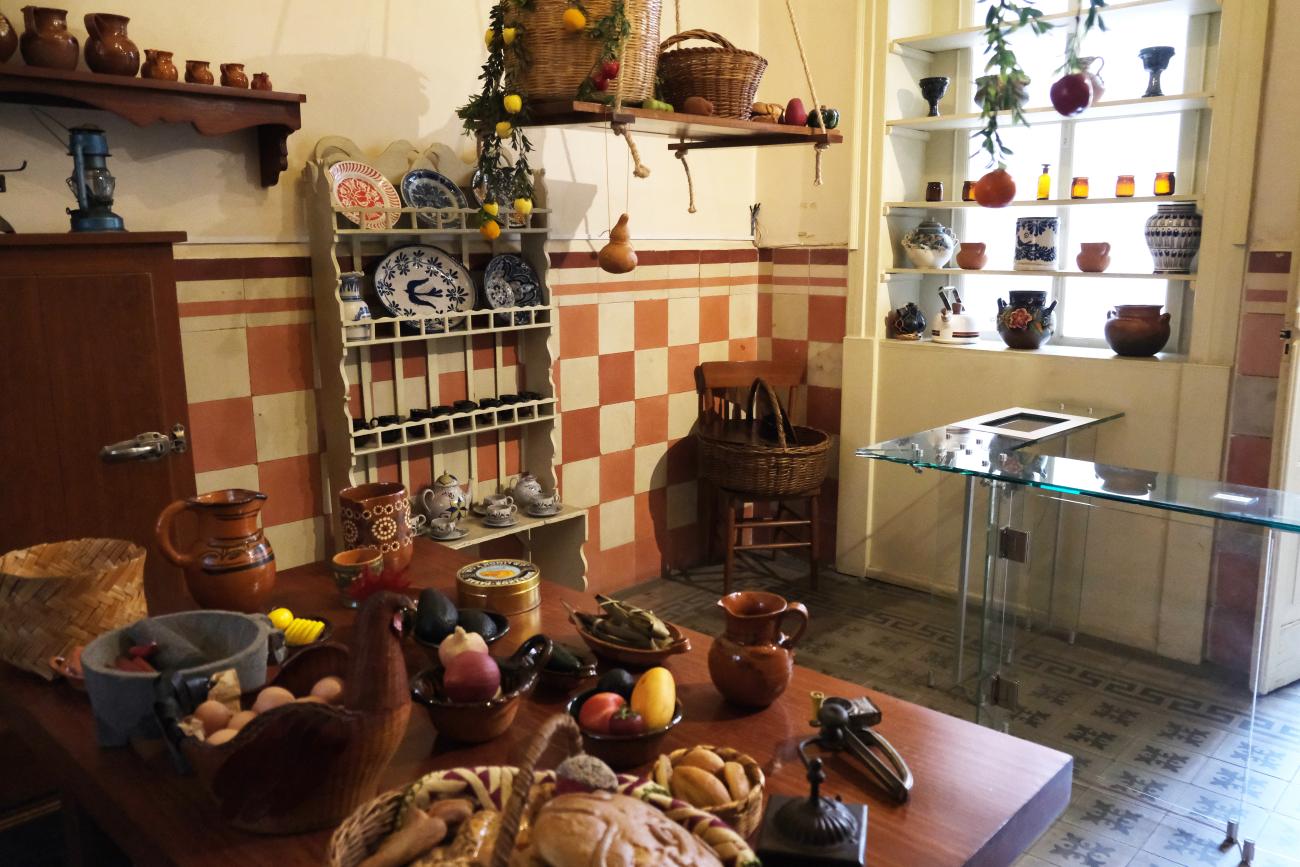
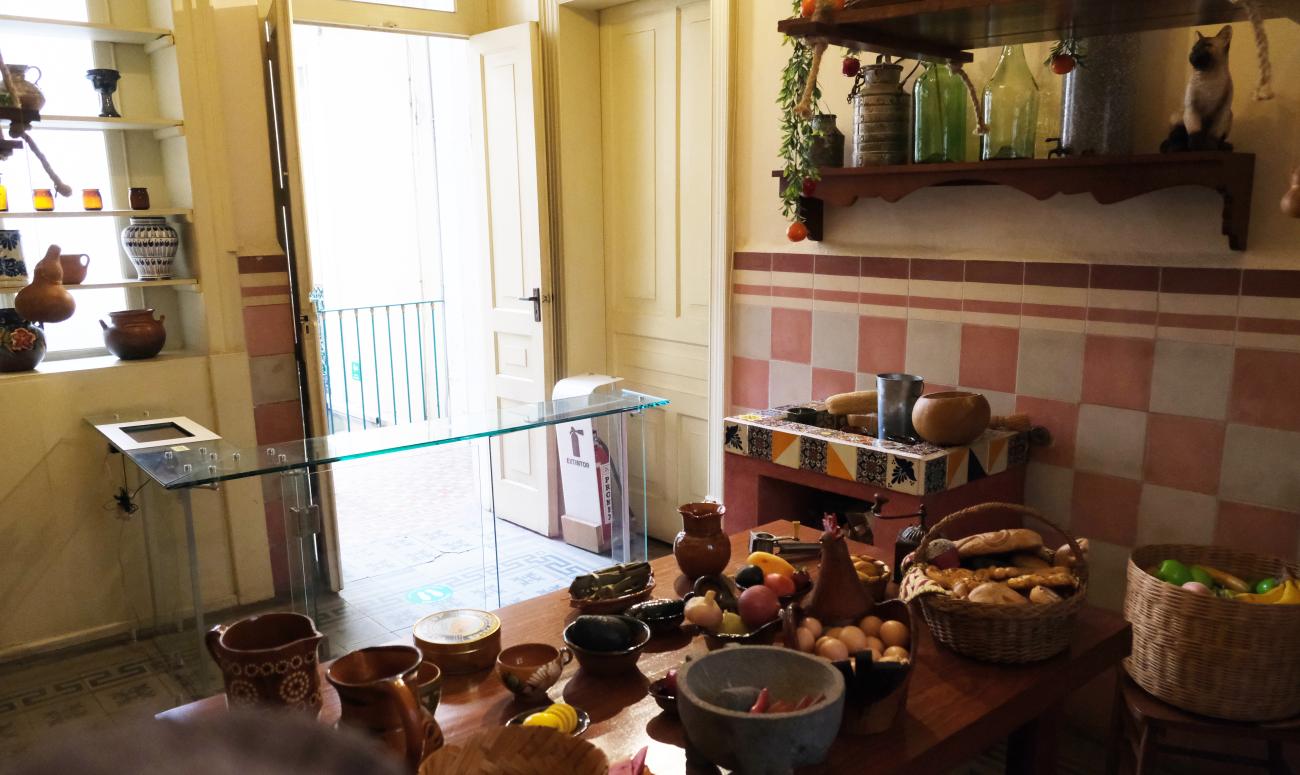
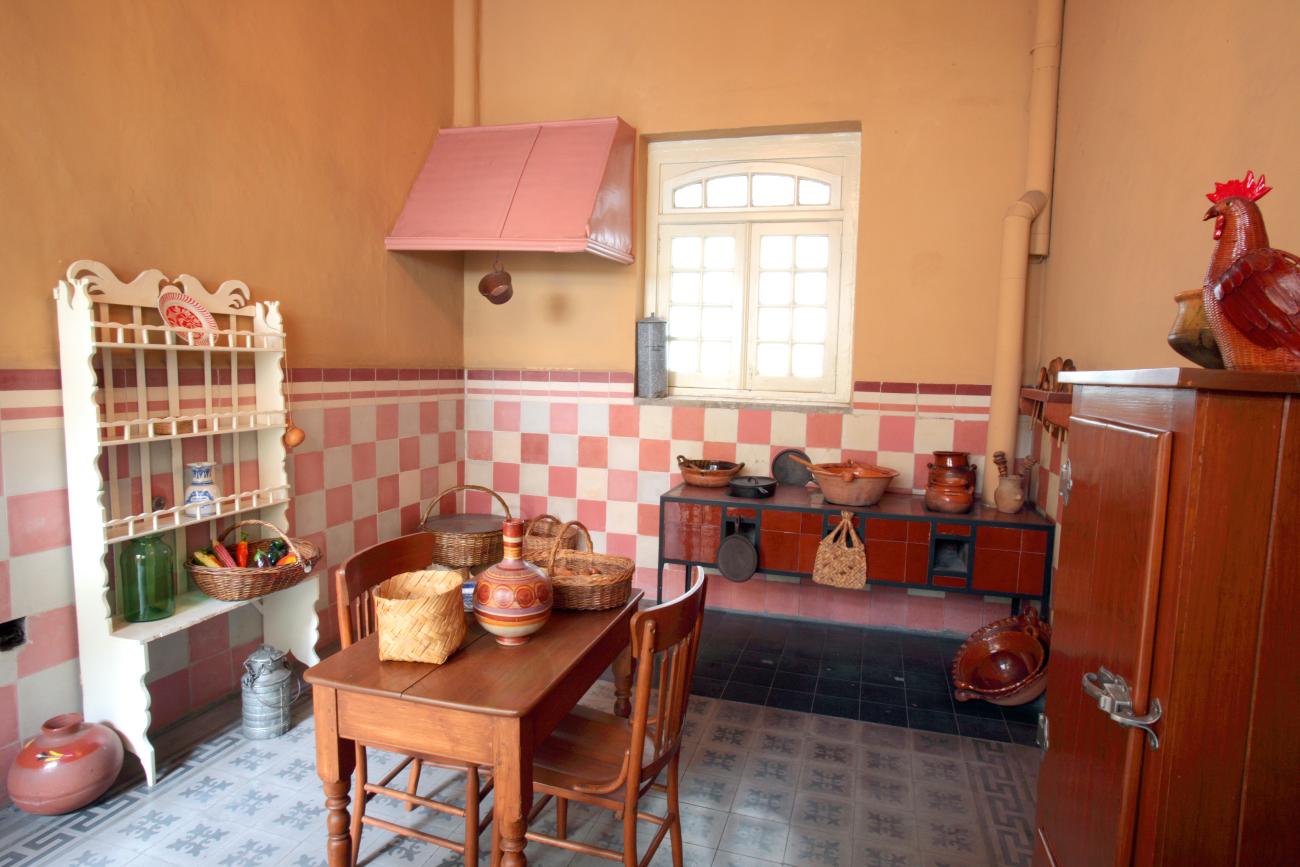
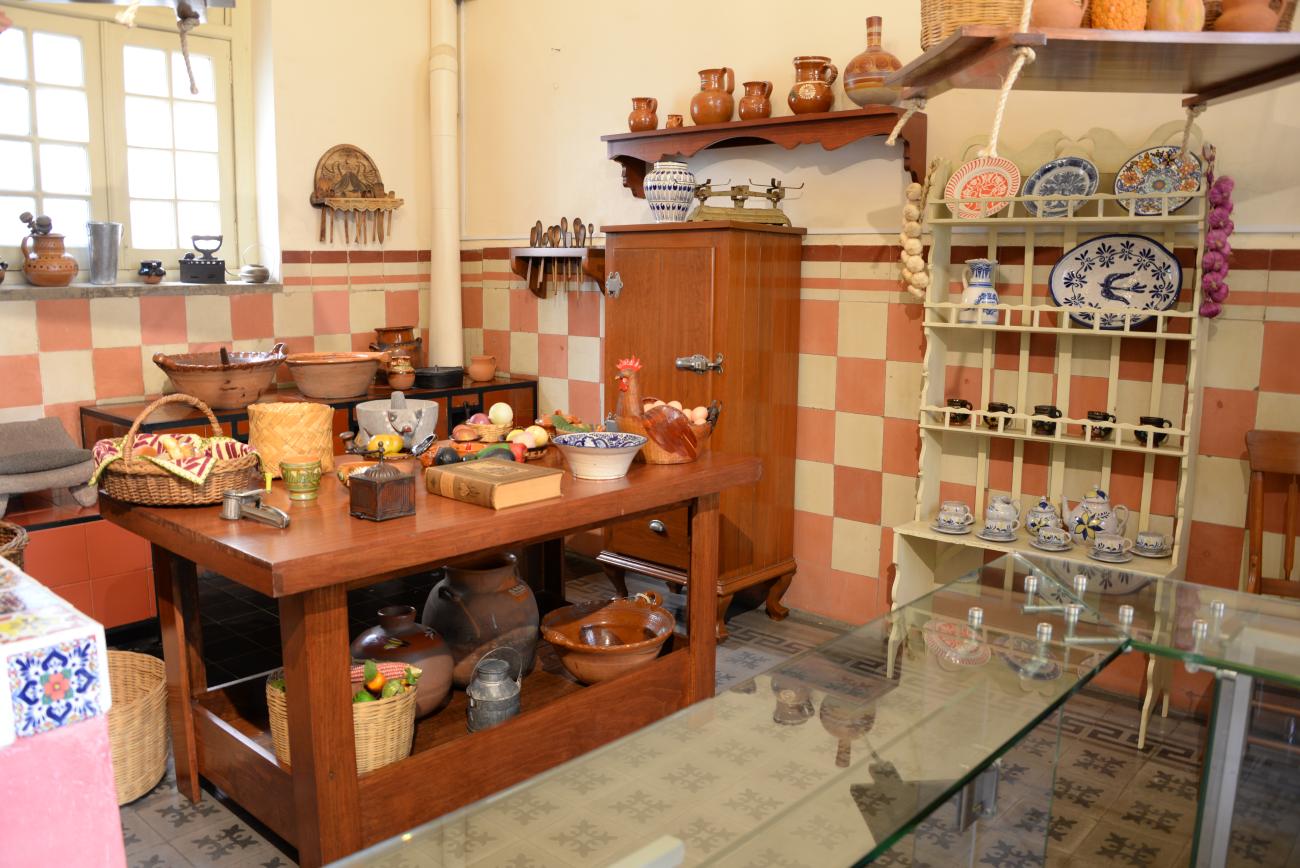
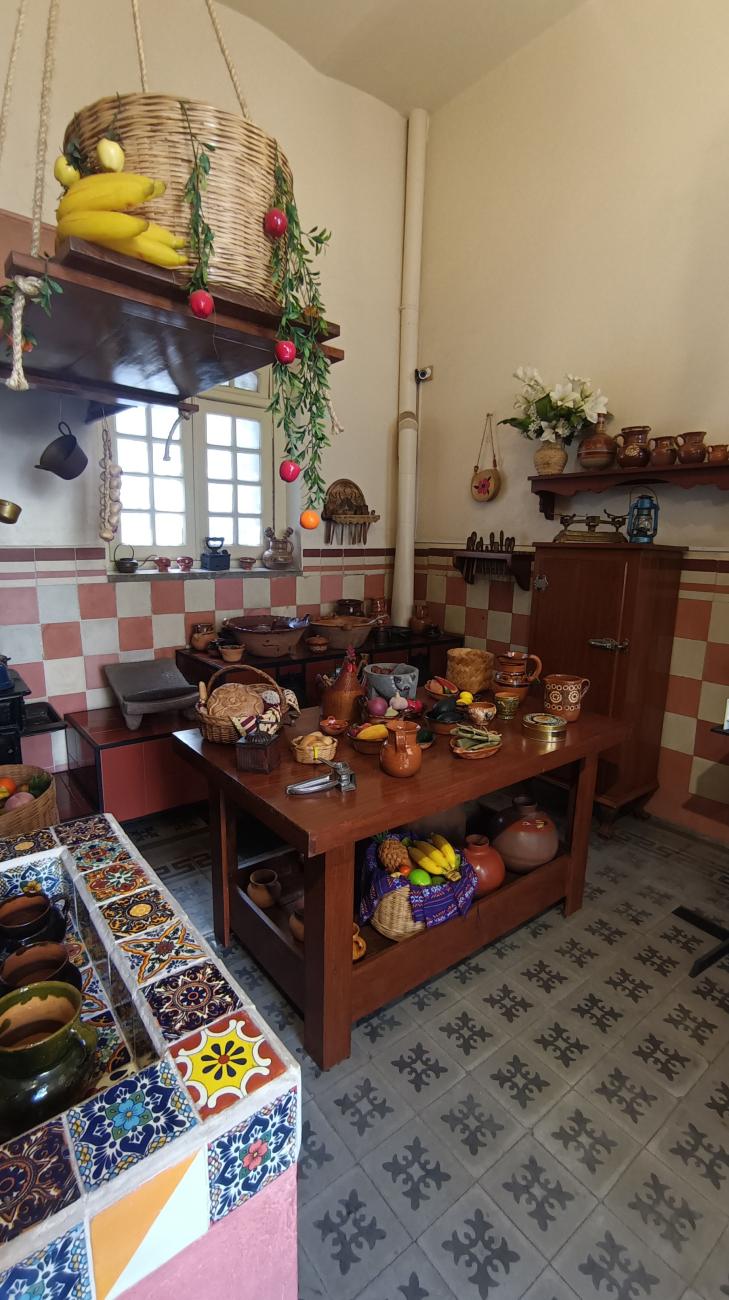
The kitchen seeks to recreate its original appearance during the Carranza family's residence, showcasing everyday life and domestic practices in the early 20th century.

Vestíbulo

Lobby

The lobby welcomes visitors with an elegant early 20th-century design, characterized by wooden floors and decorative stained glass windows.

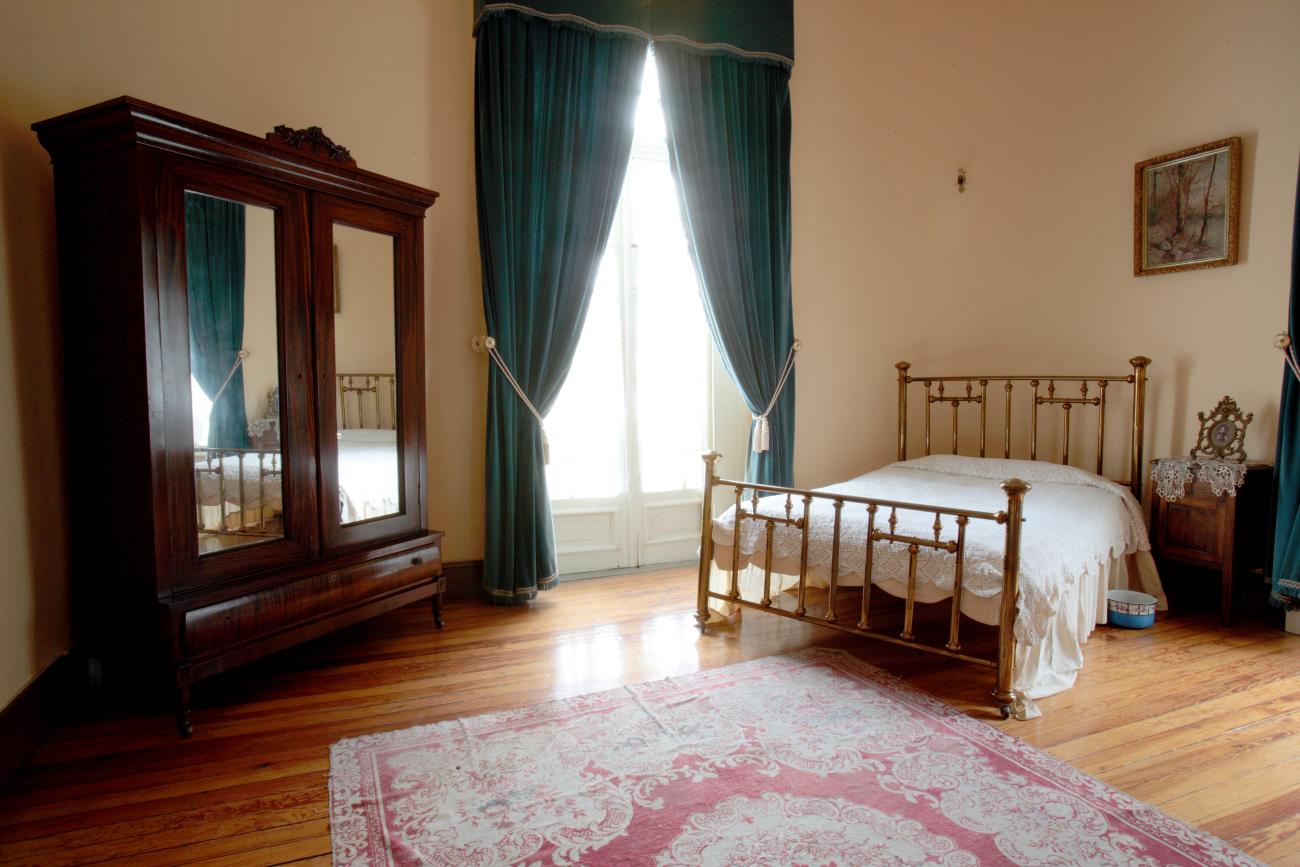
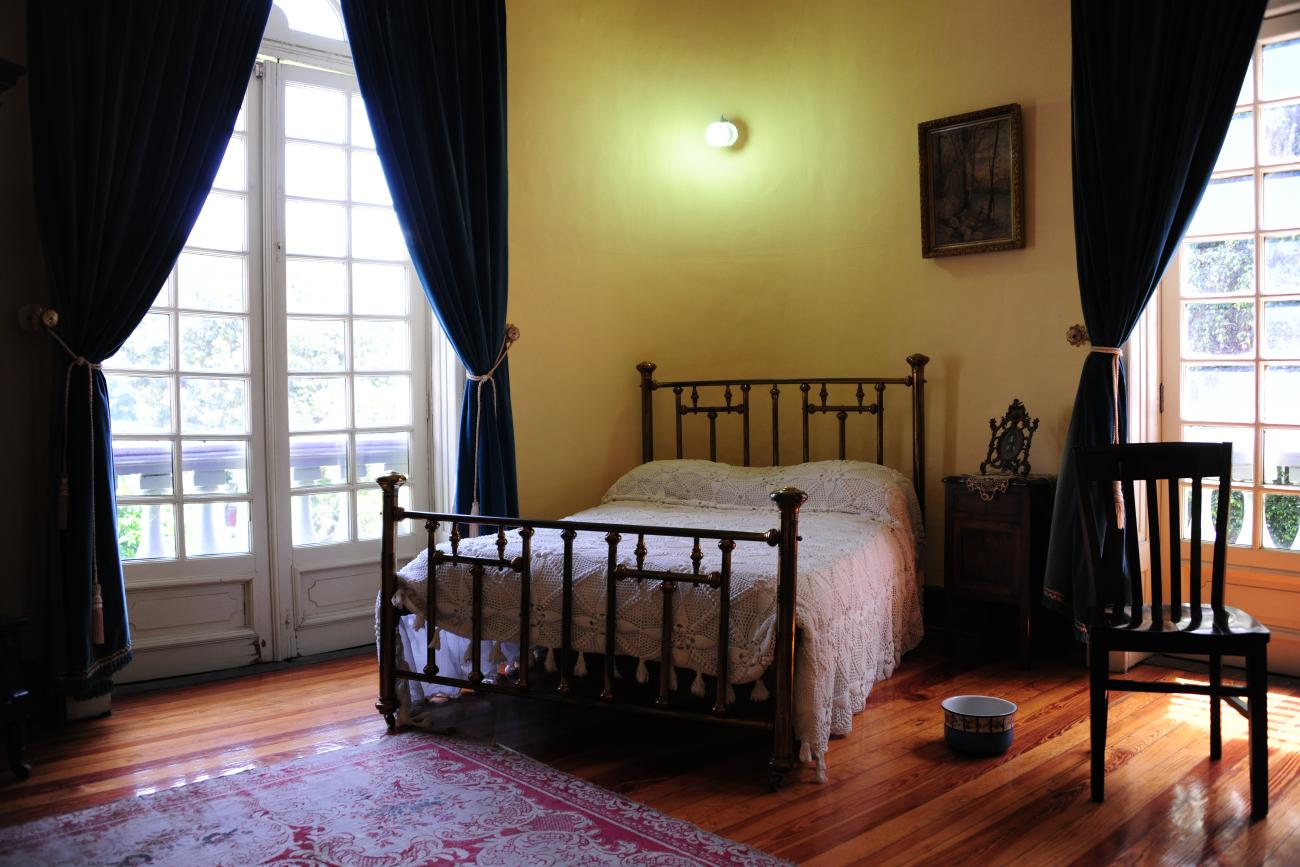
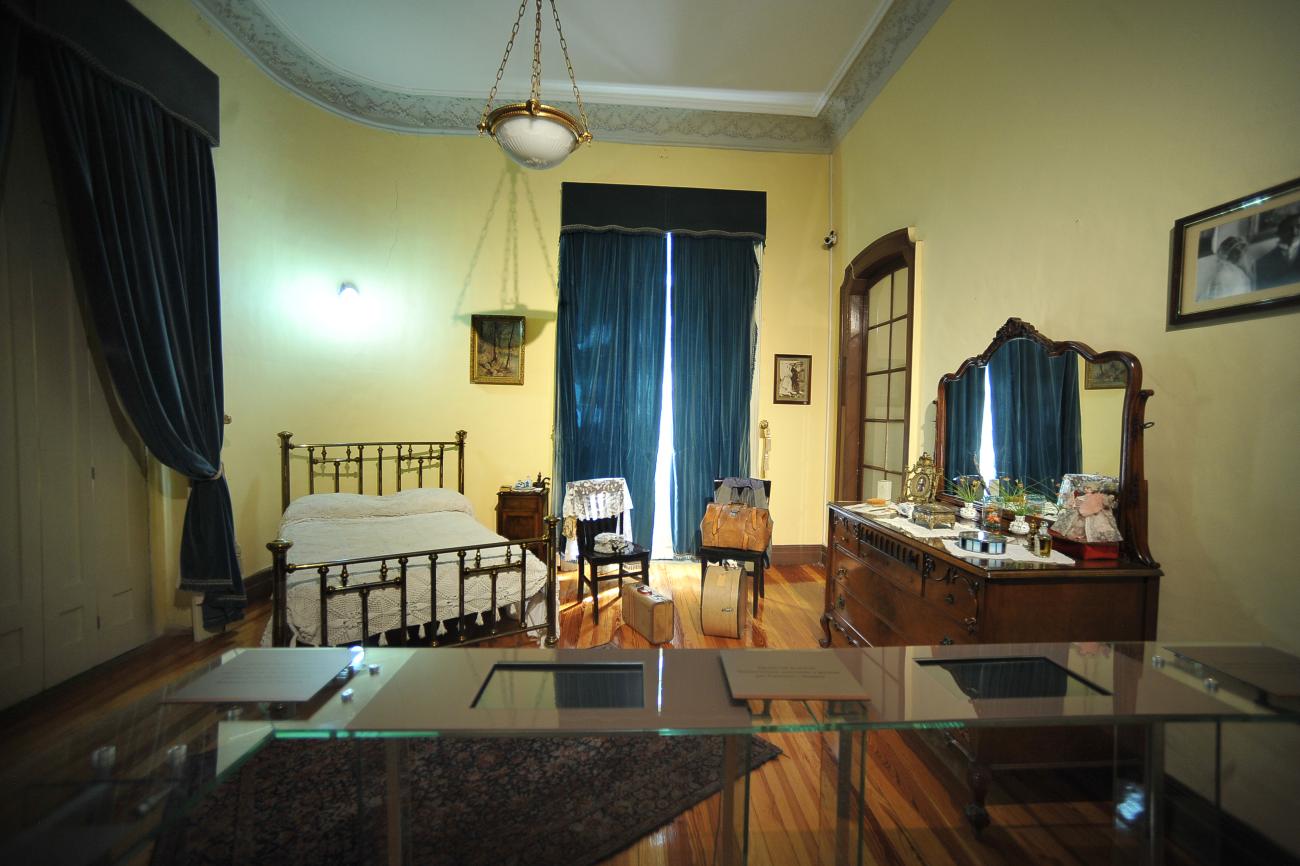
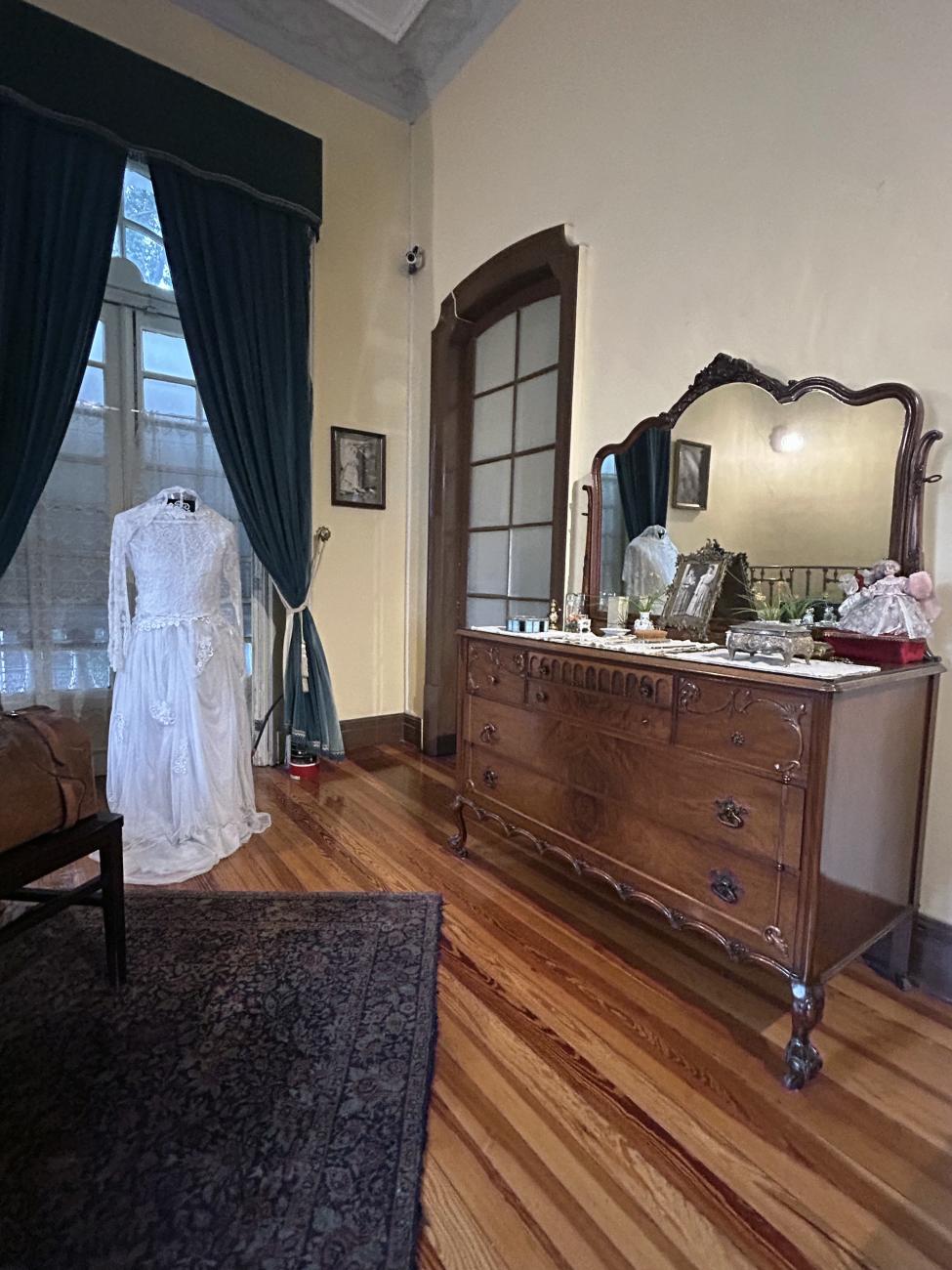
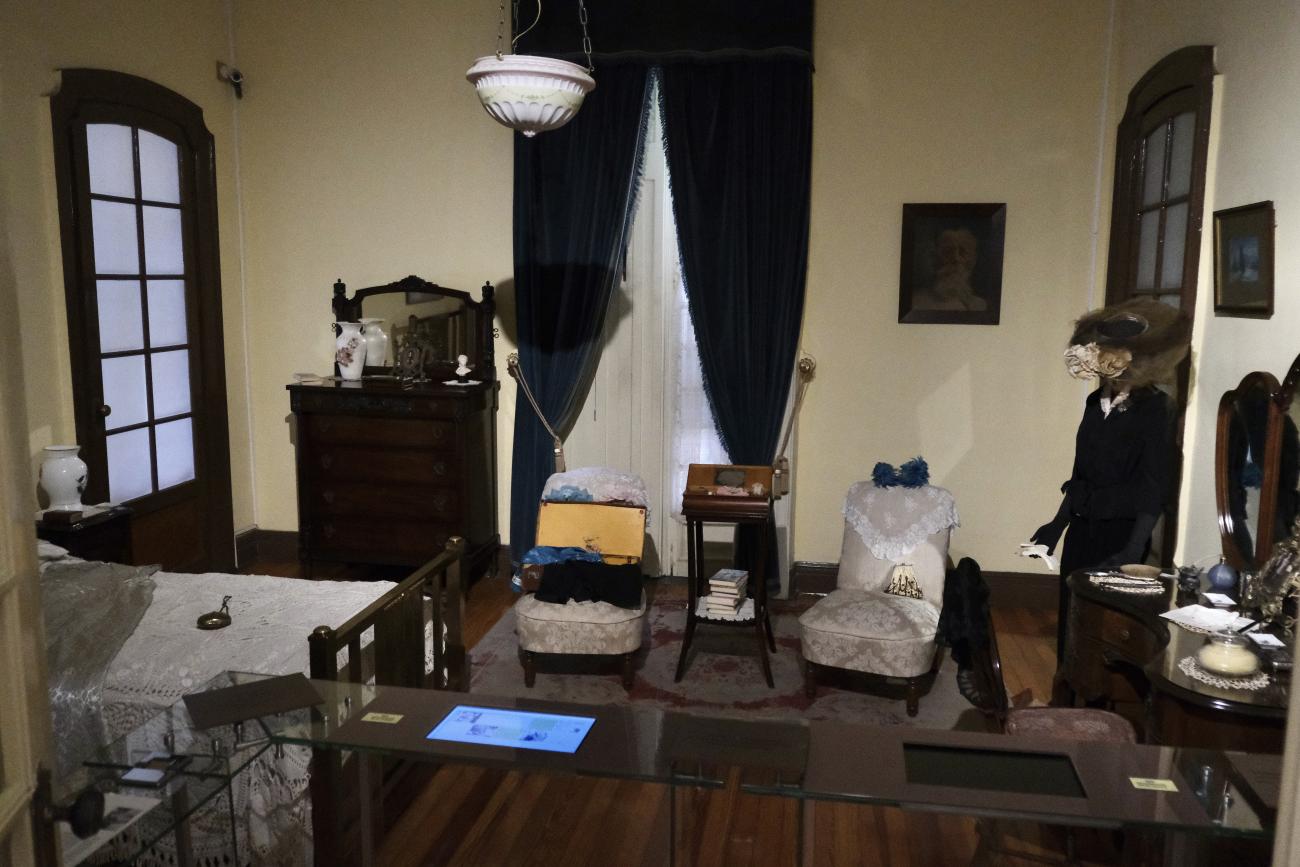
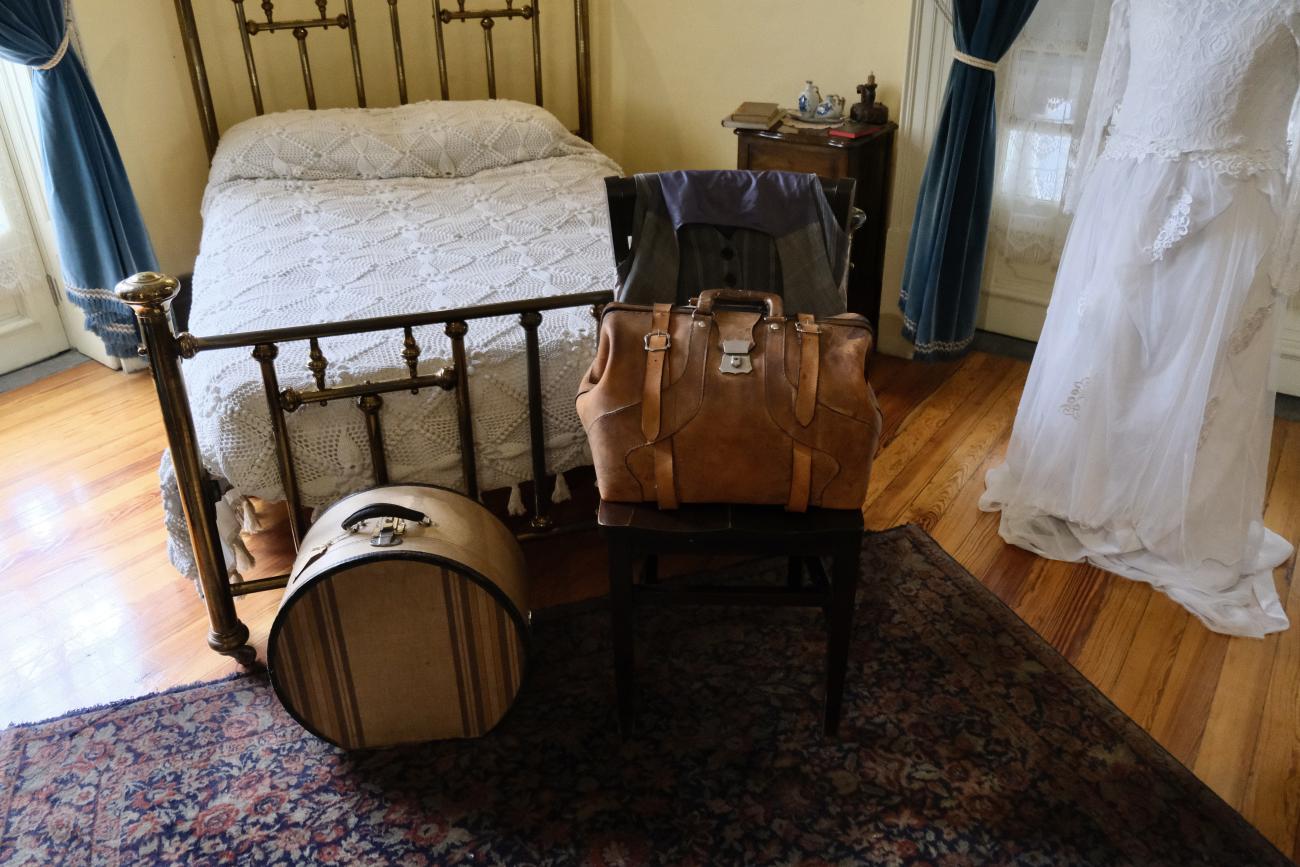
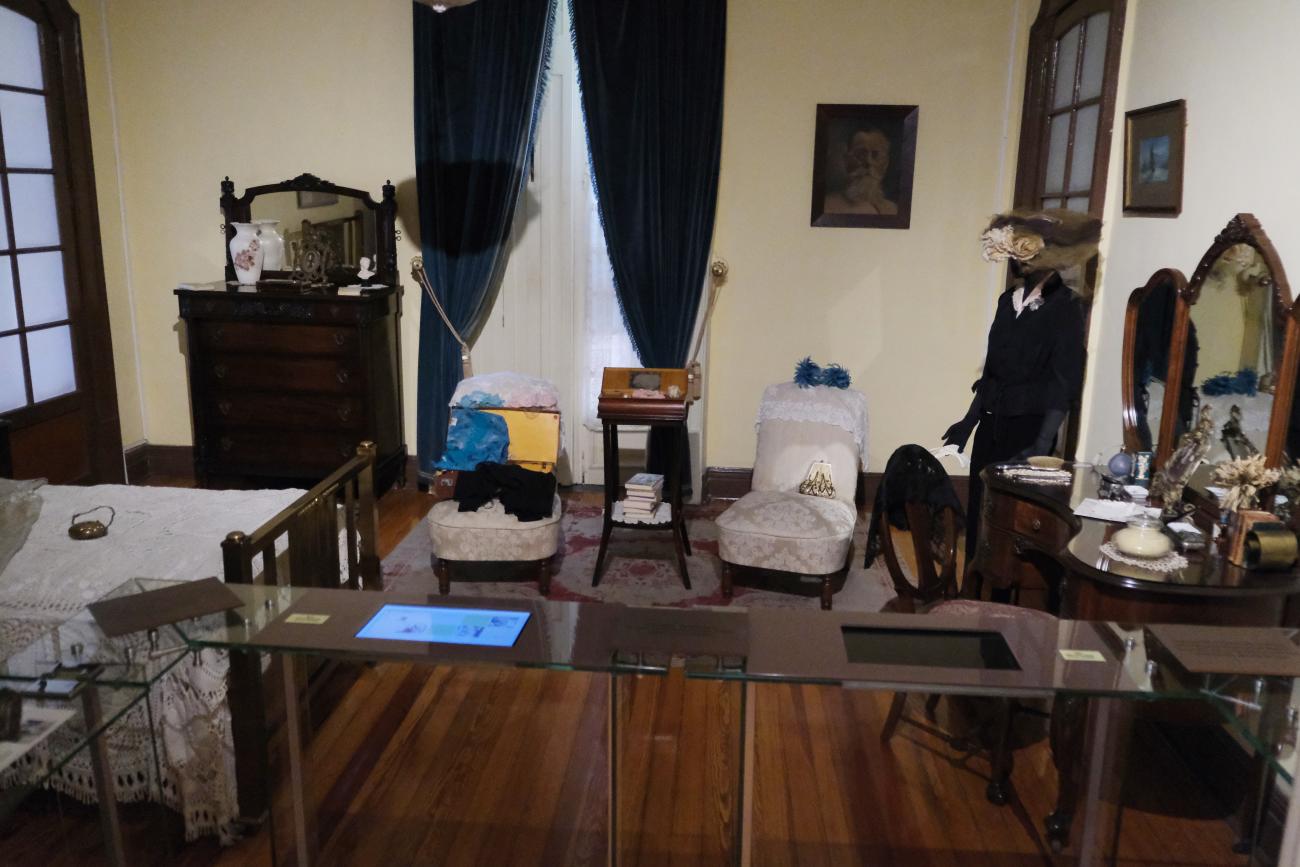
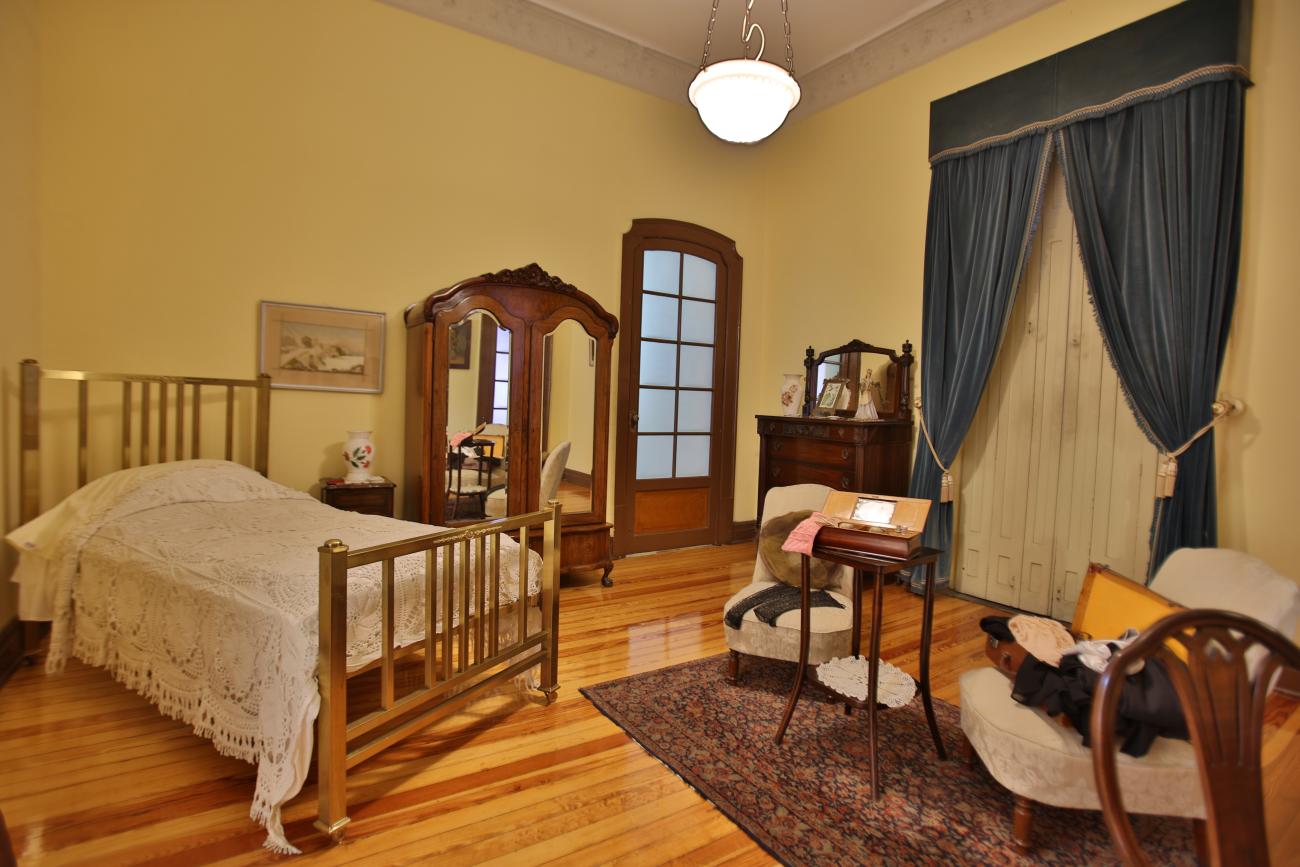
Recámara del matrimonio Aguilar-Carranza

Bedroom of the Aguilar-Carranza couple

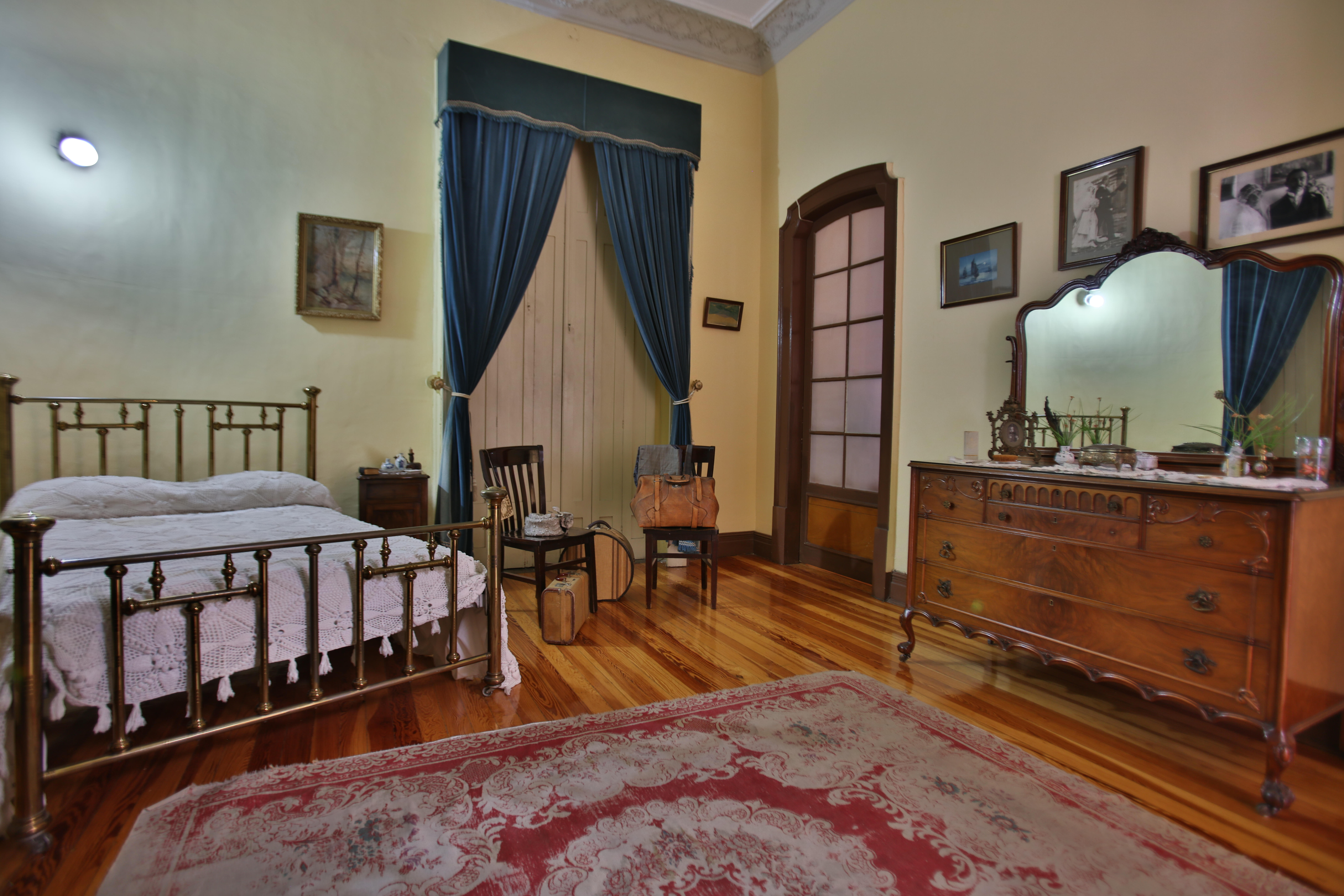
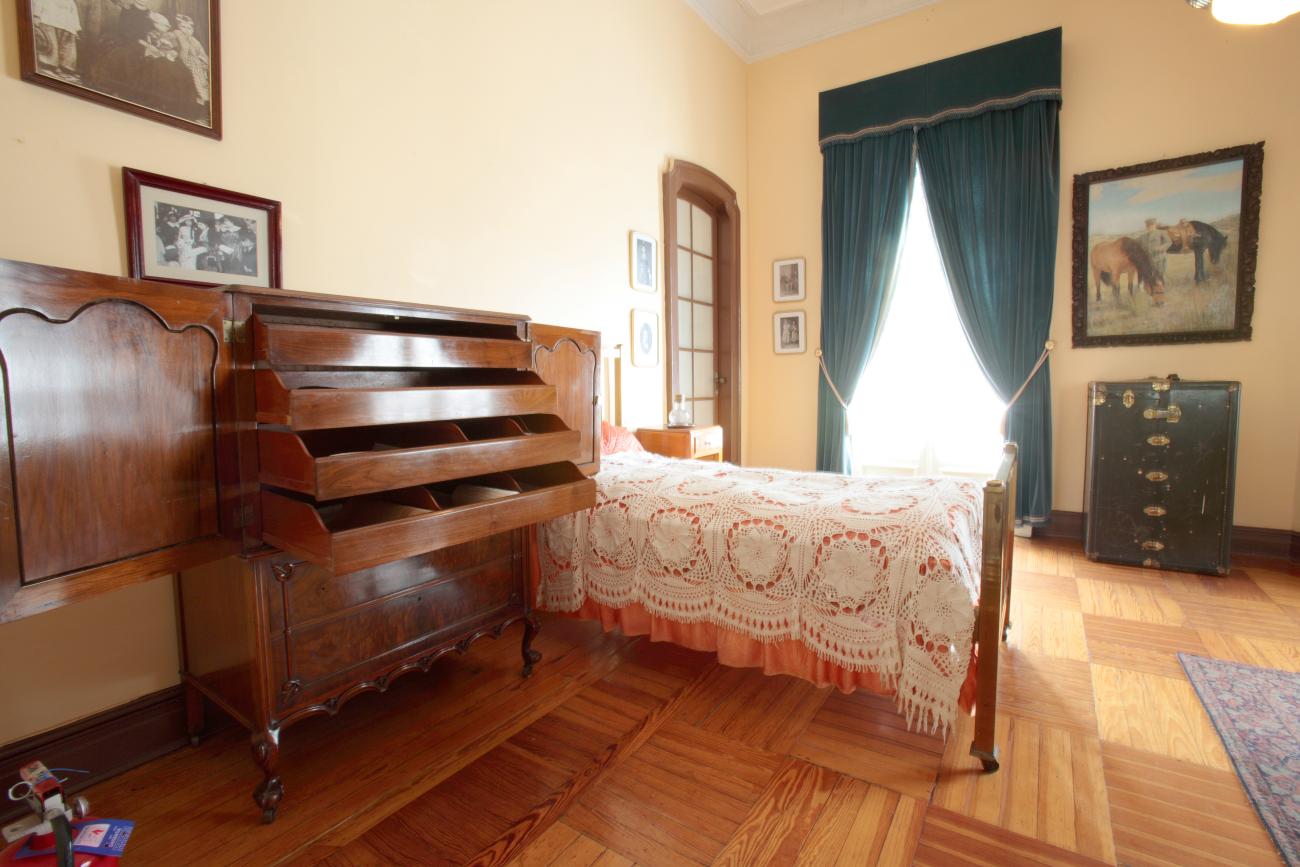
The bedroom was occupied by General Cándido Aguilar and Virginia Carranza Salinas, who shared this space during their visits to the family residence.
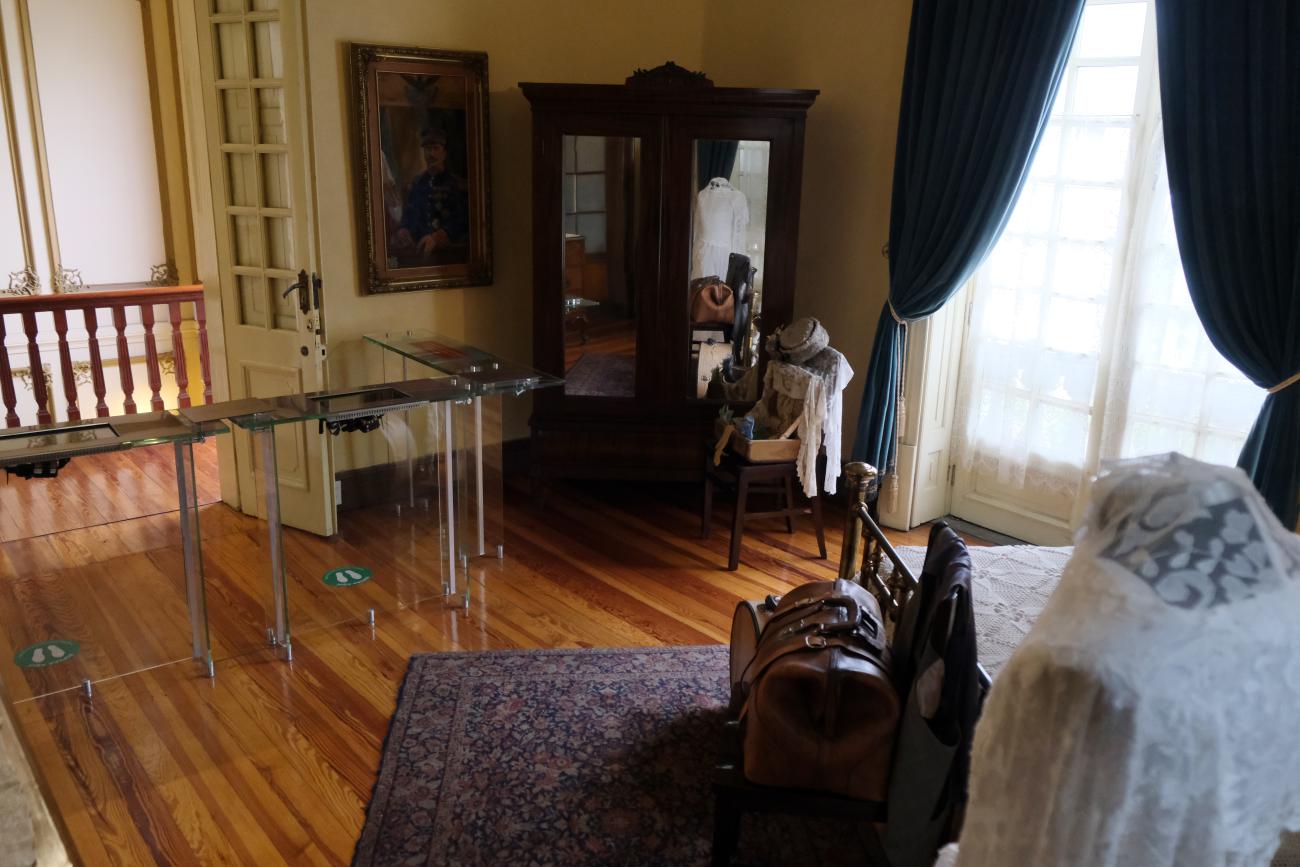
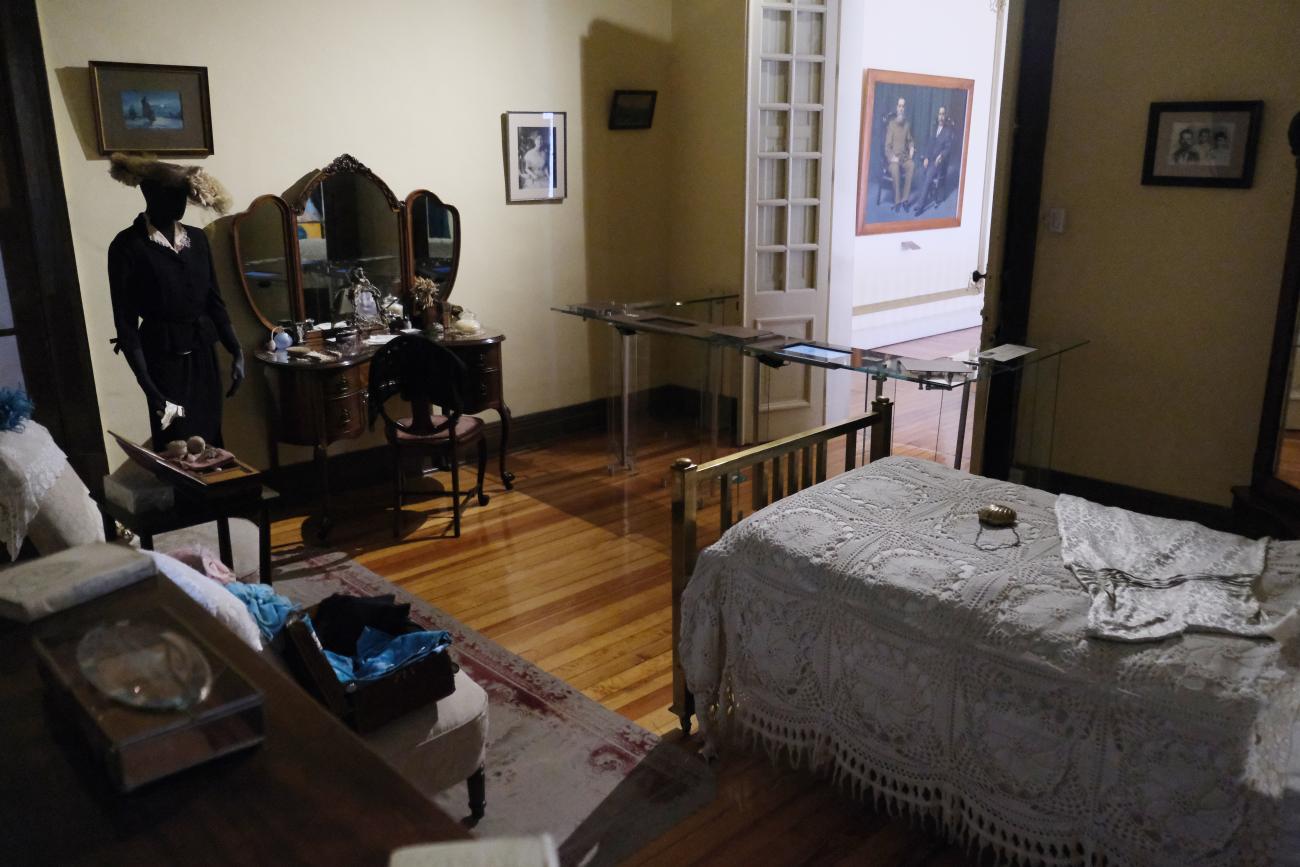
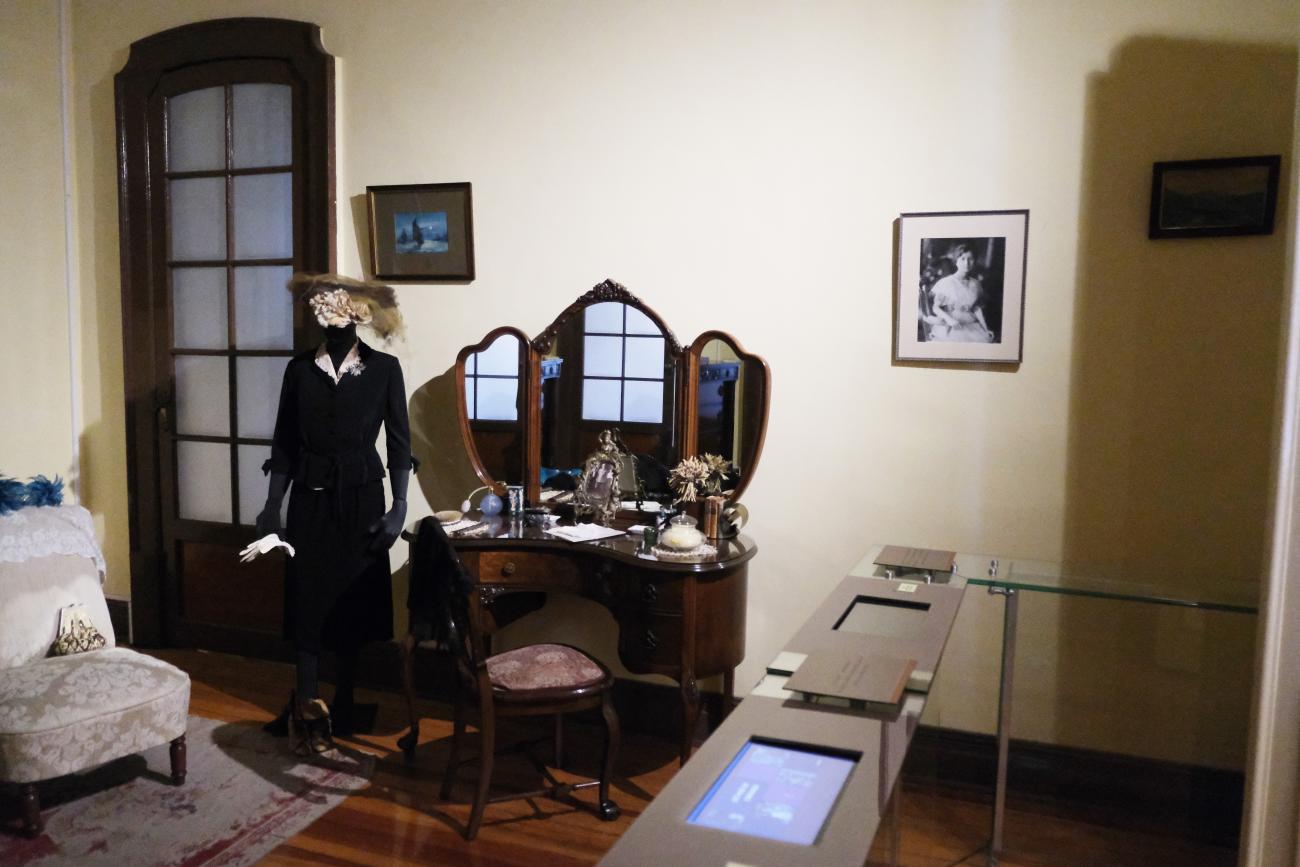
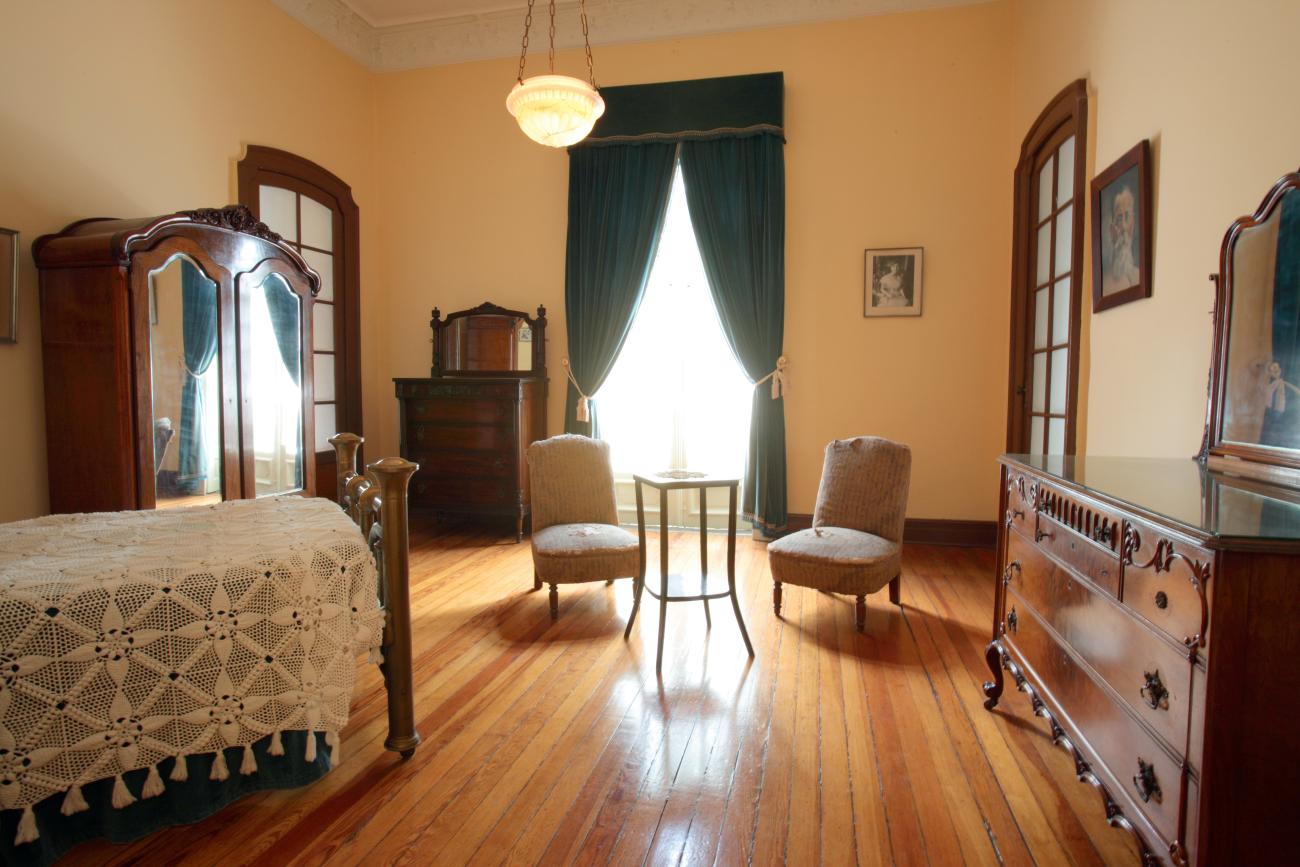
Recámara de Julia Carranza

Julia Carranza's bedroom

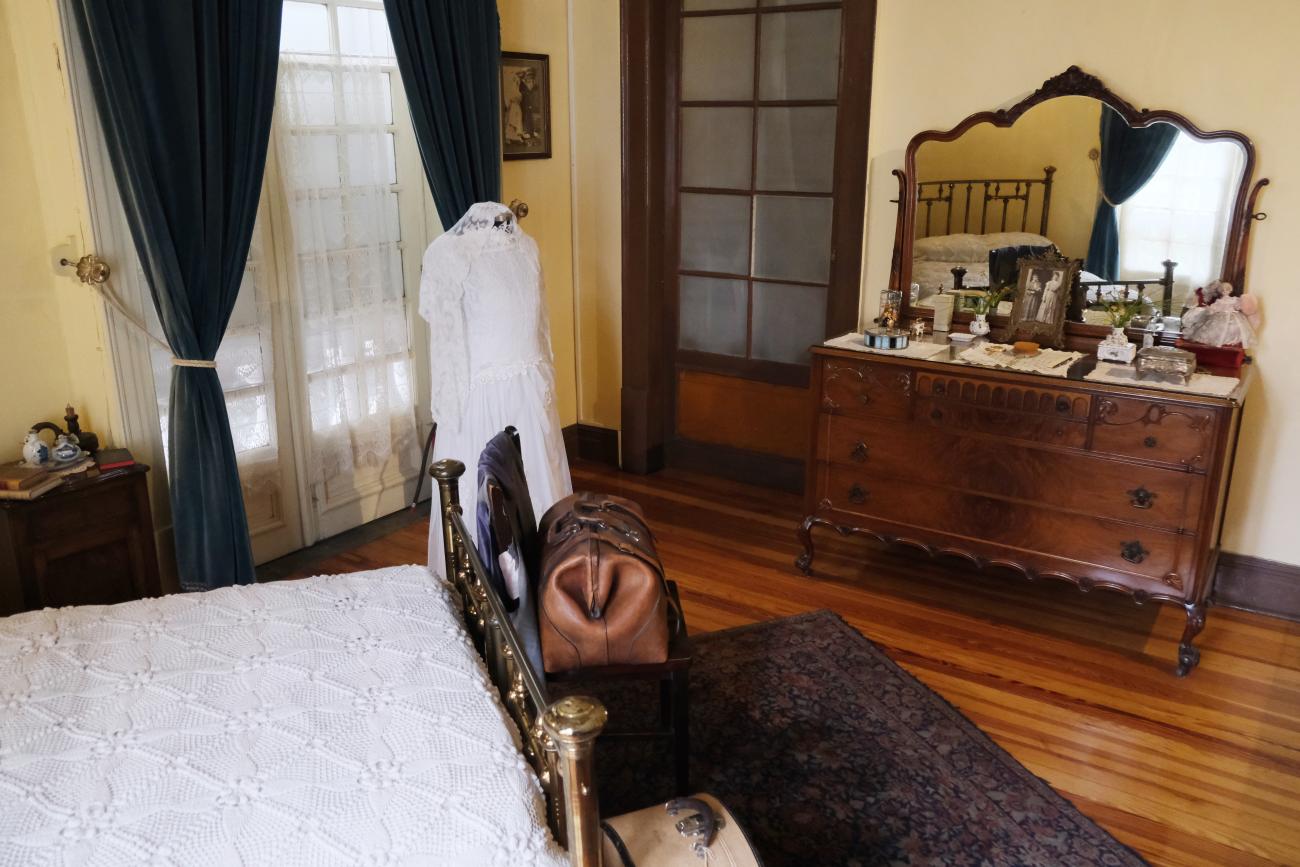
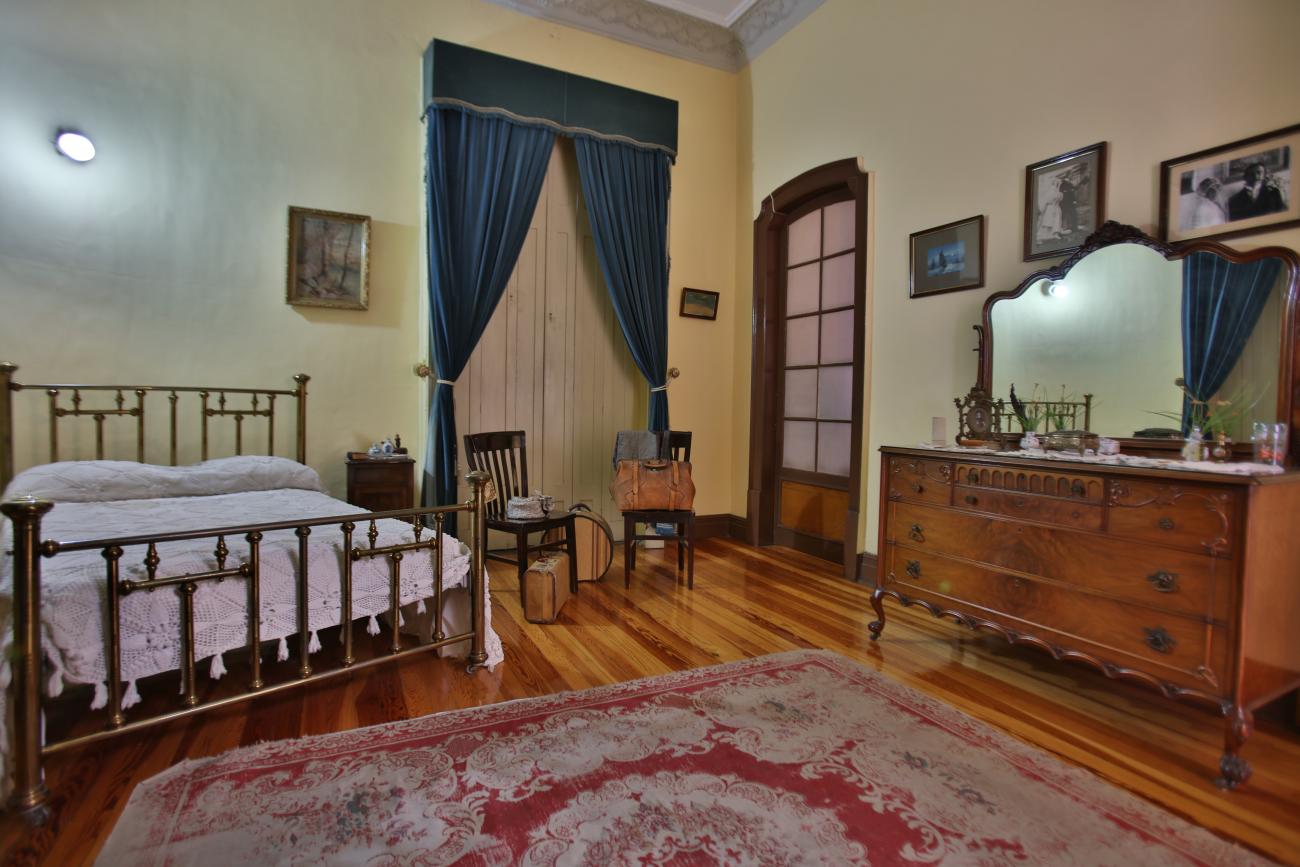
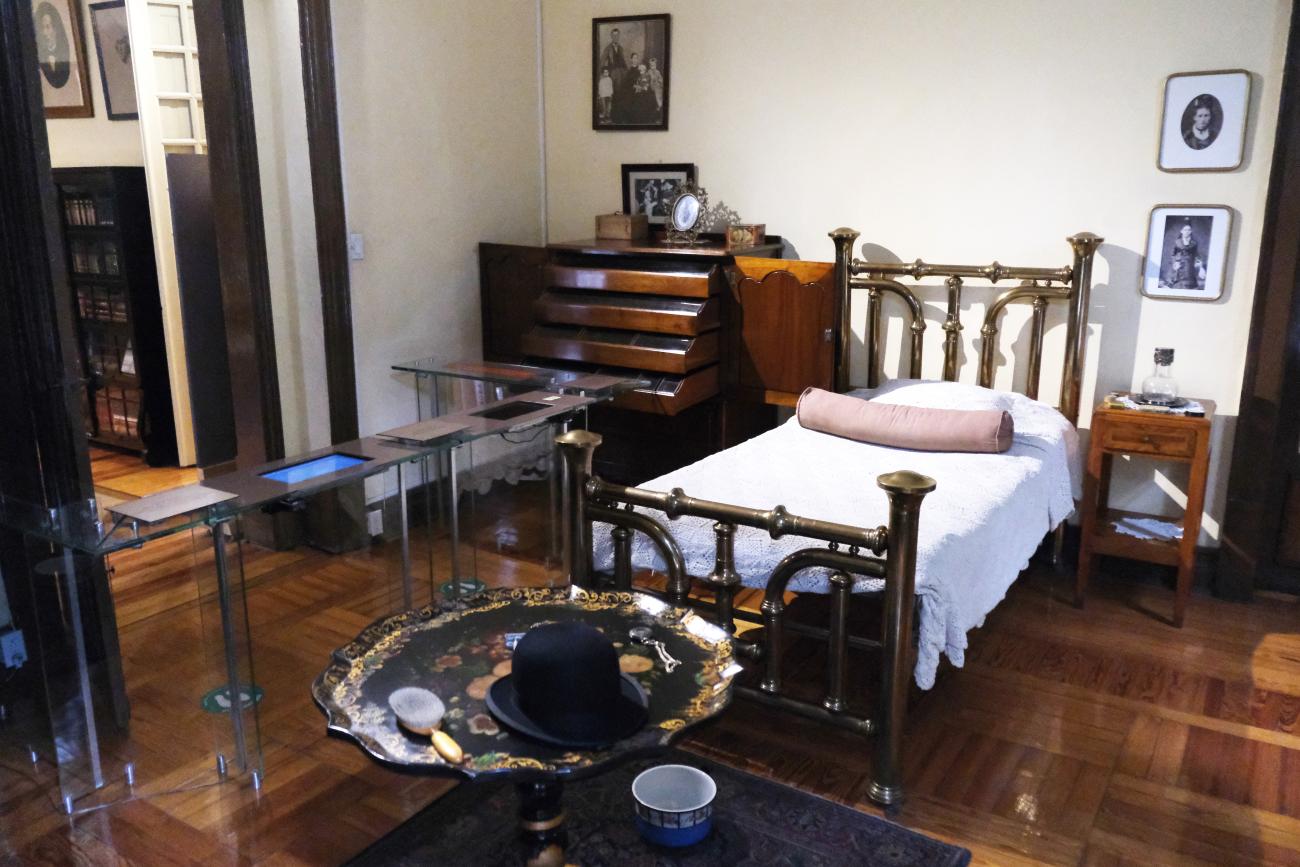
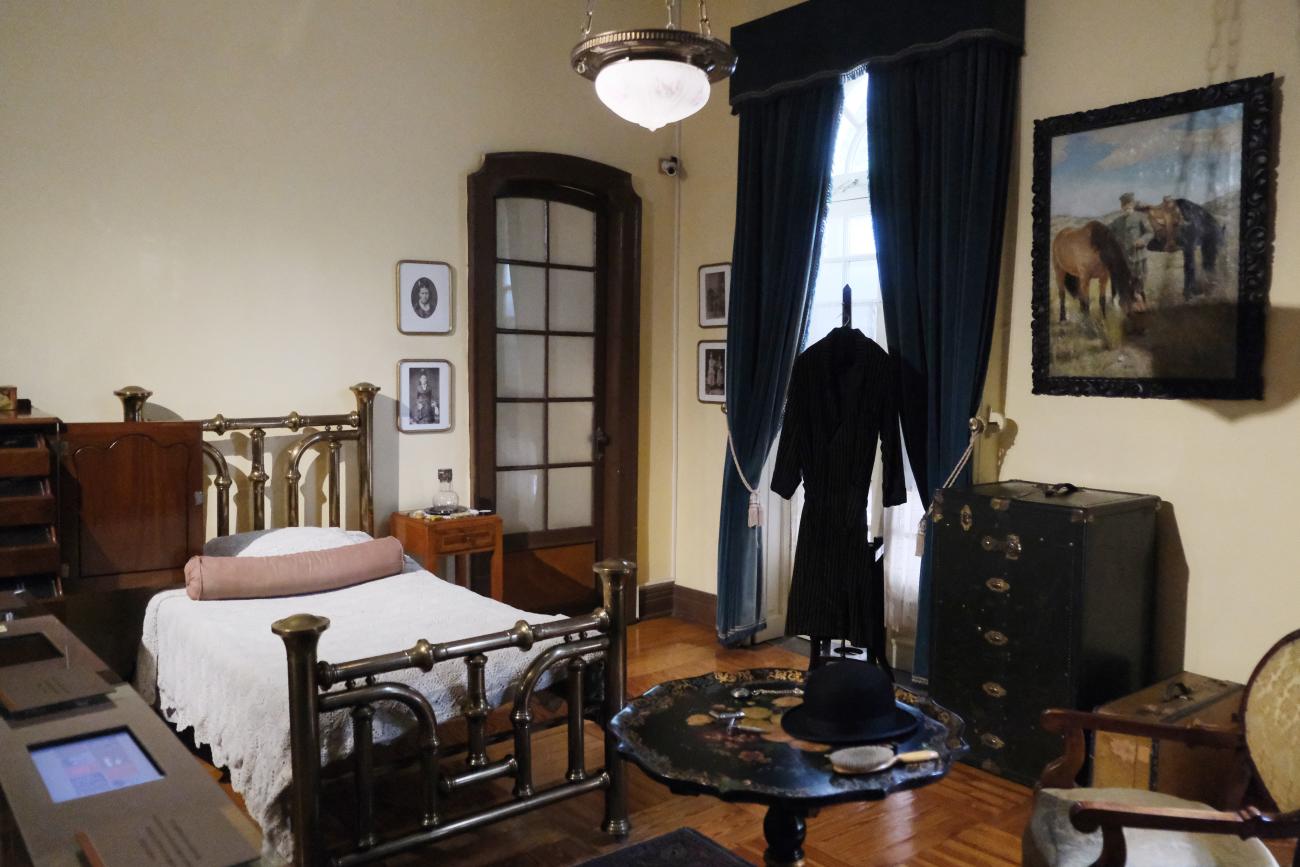
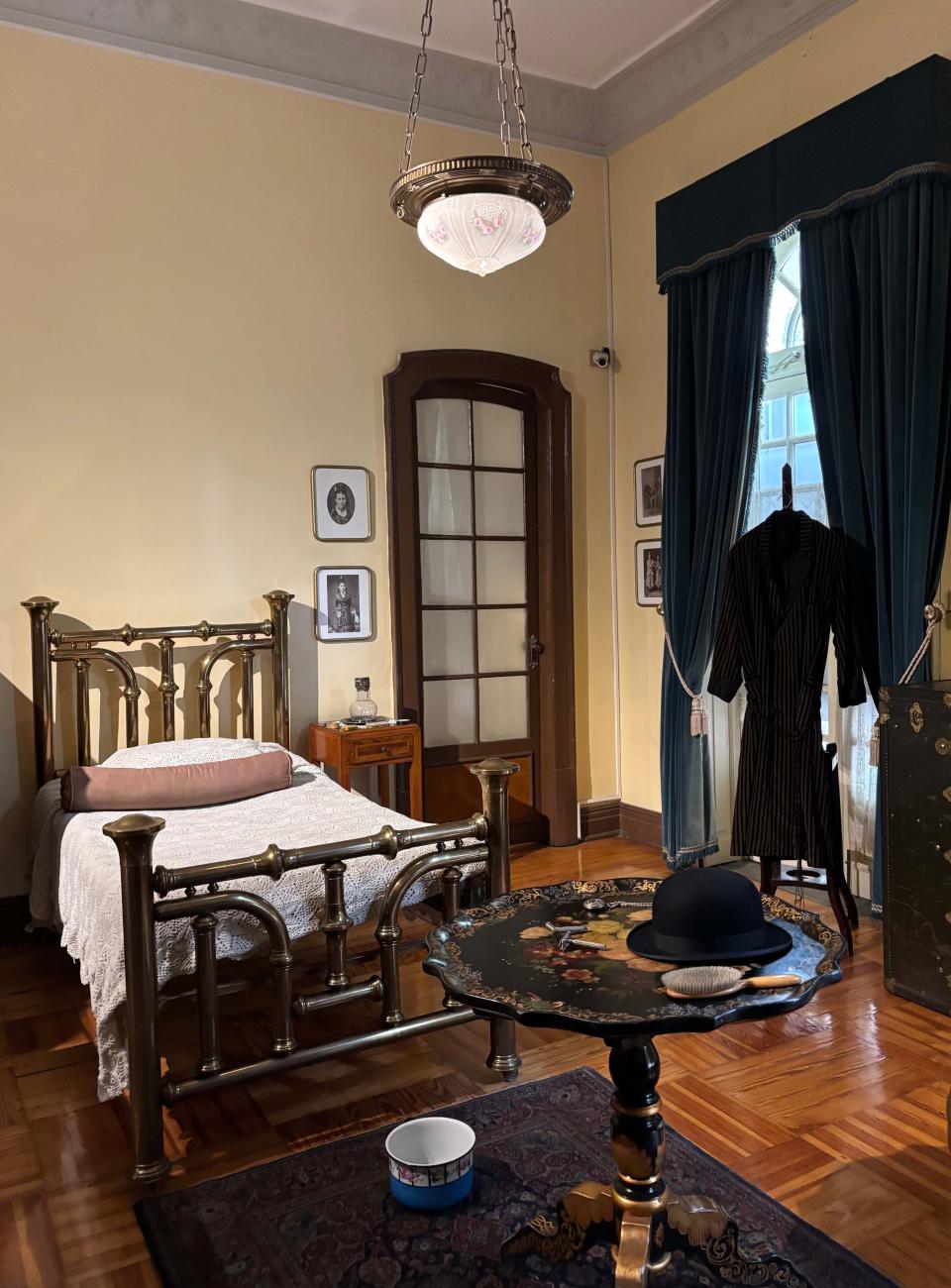
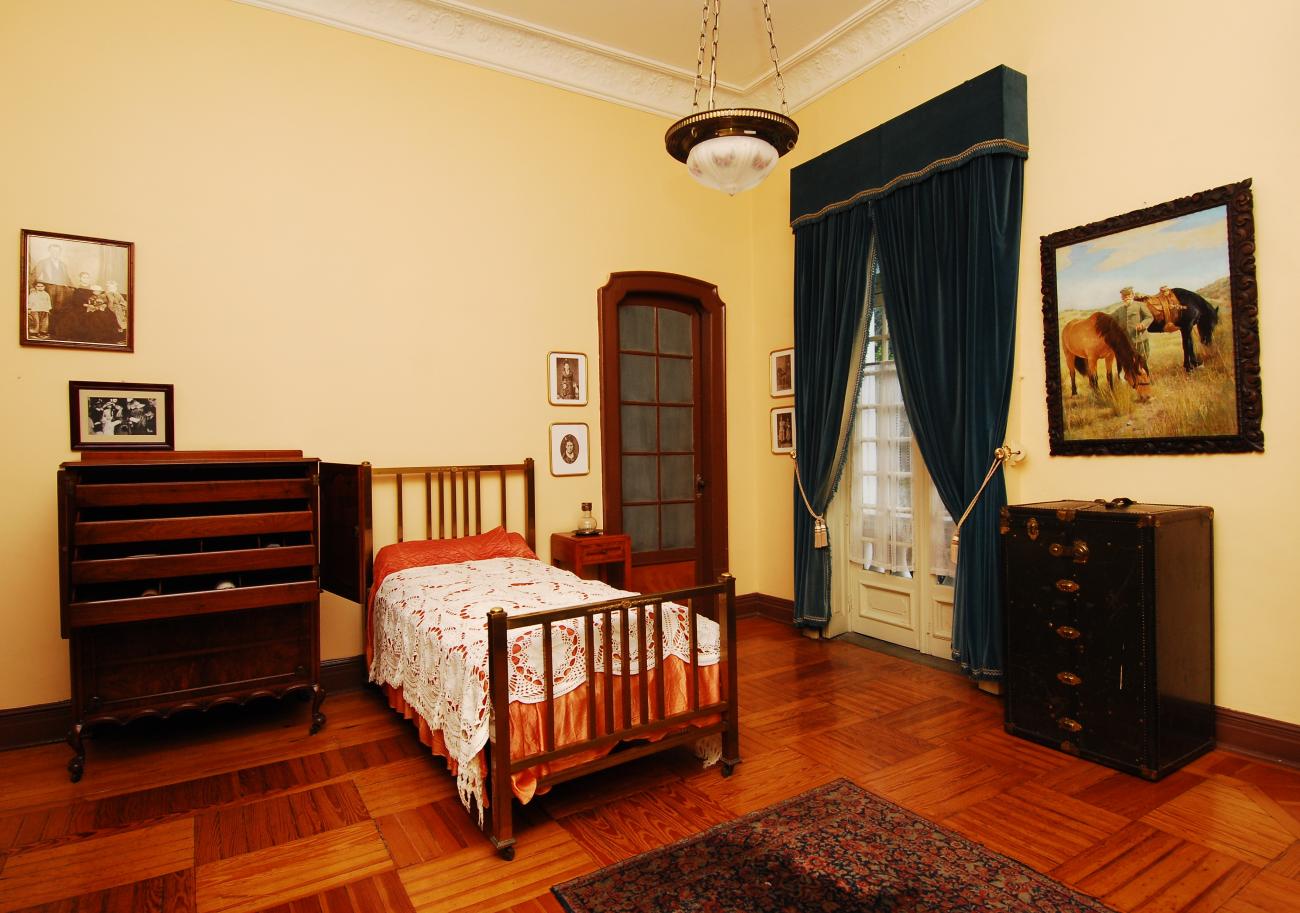
The second bedroom was occupied by Julia Carranza, Venustiano Carranza's eldest unmarried daughter. This space reflects Julia's private life, preserving furniture, personal objects, and details that reveal her routine and tastes.
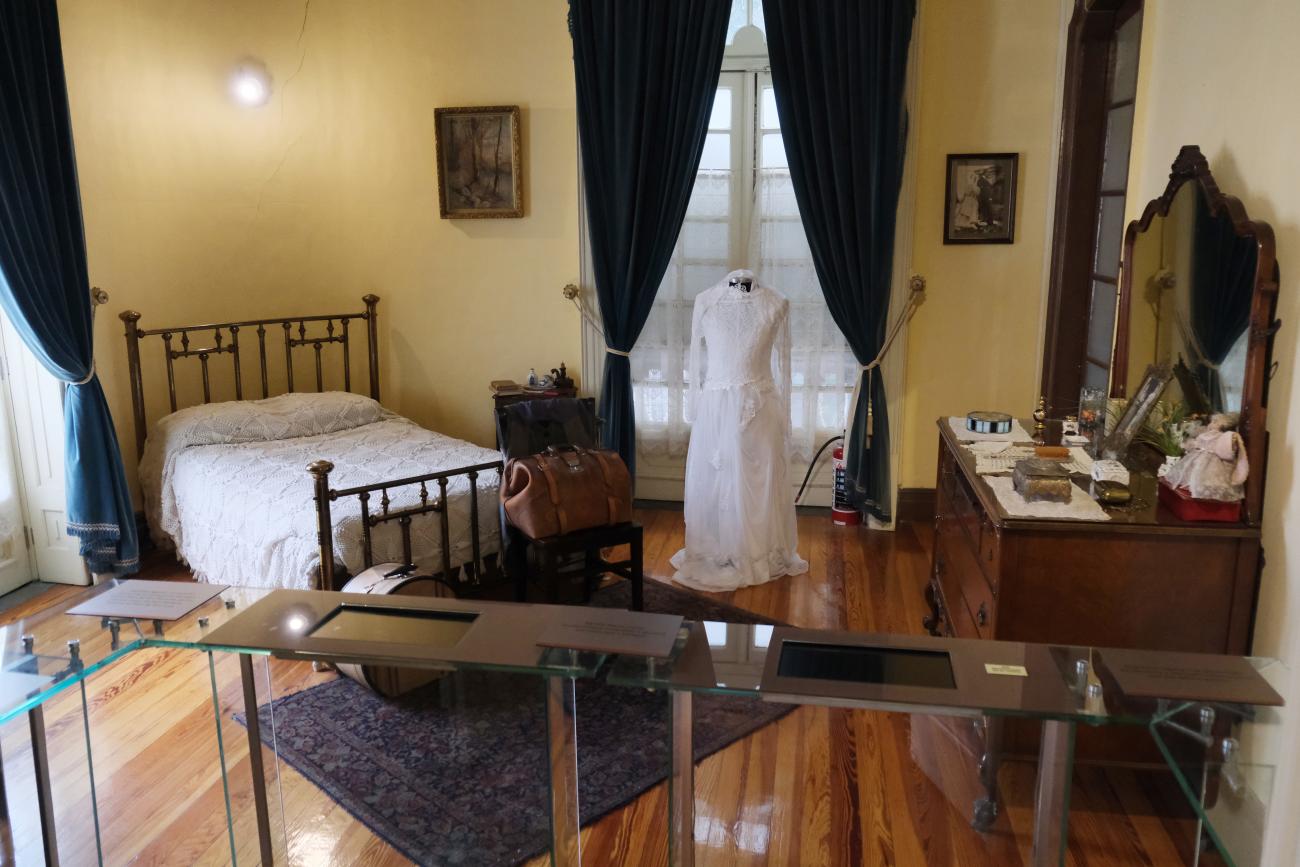
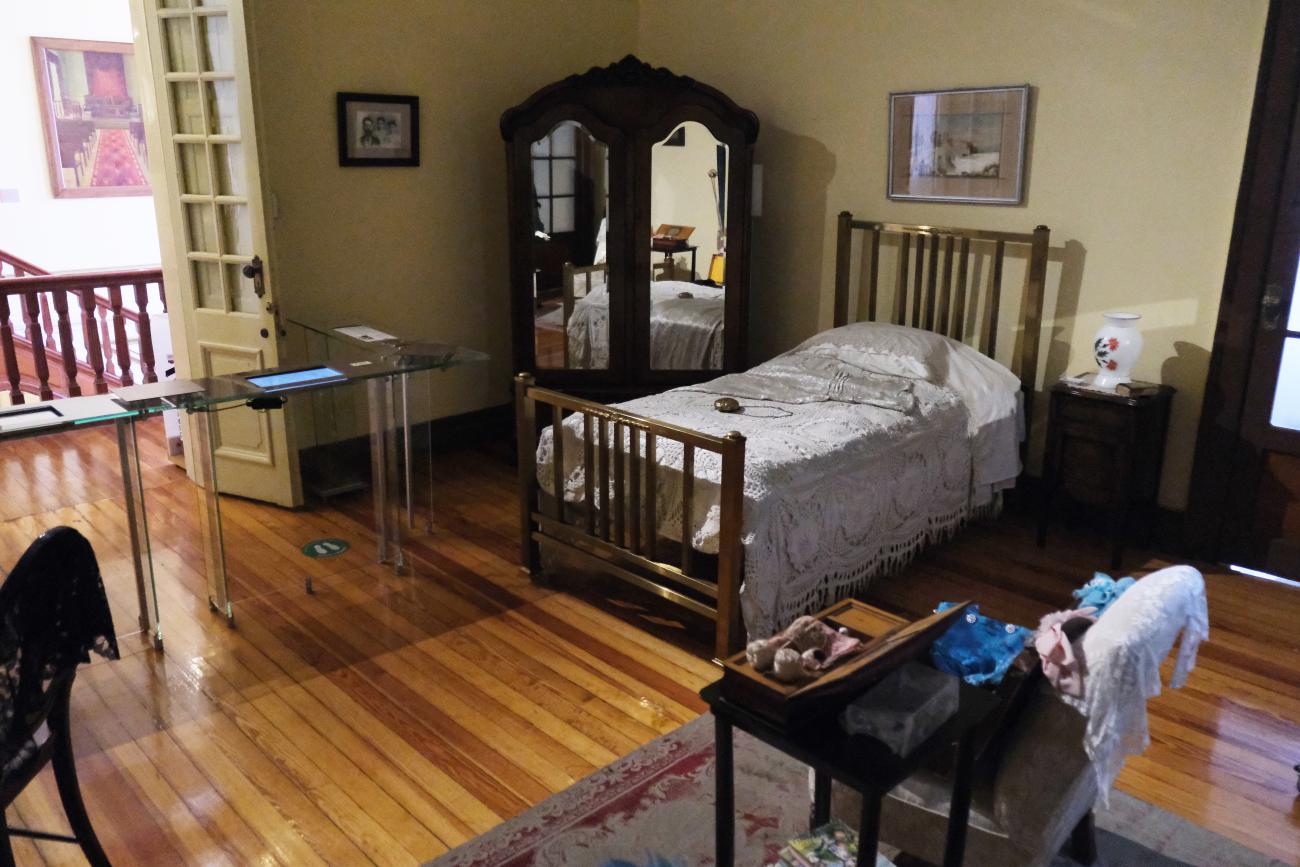
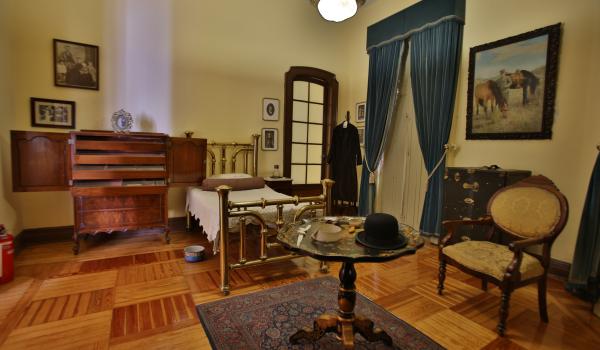
Recámara de Venustiano Carranza

Venustiano Carranza's bedroom

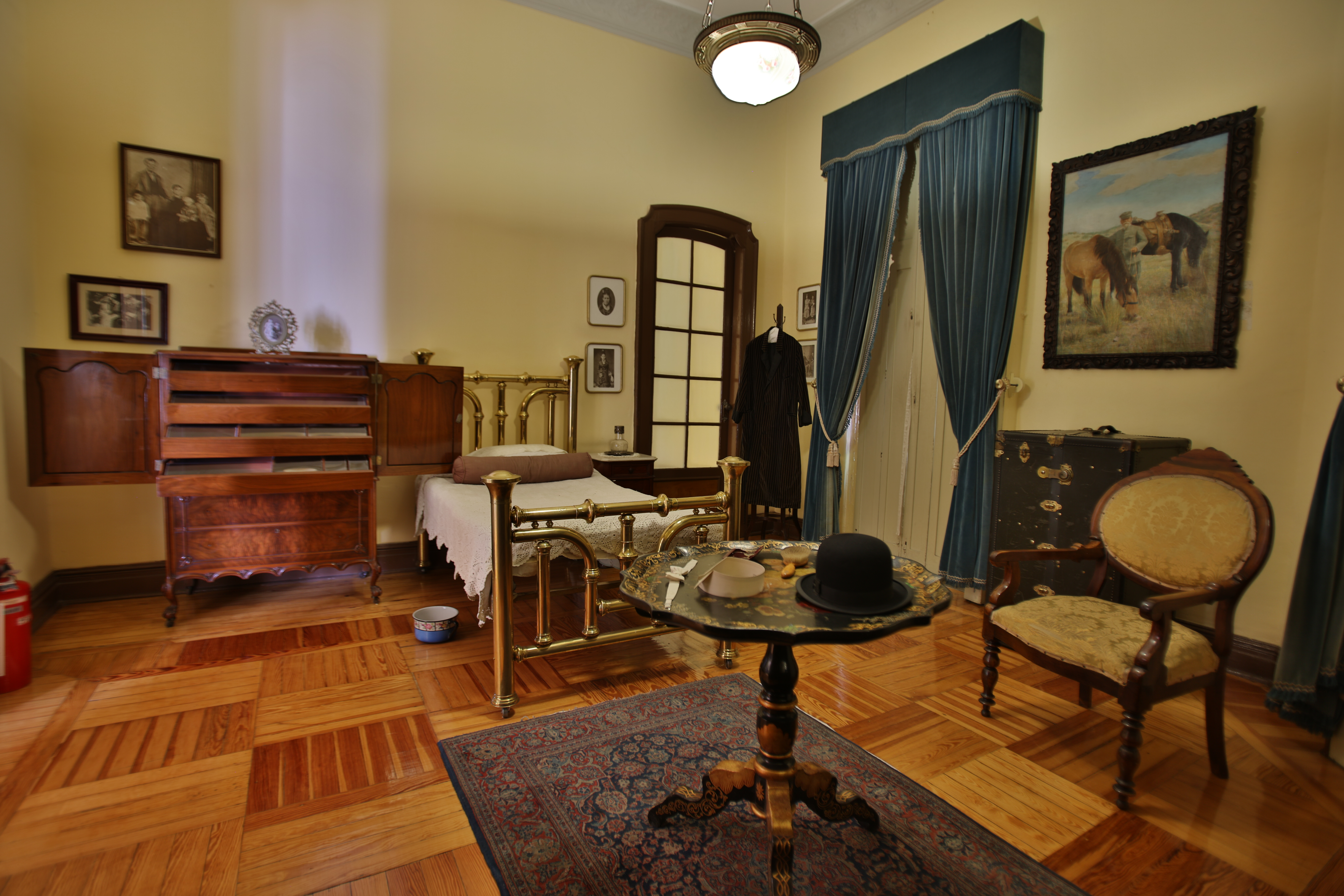
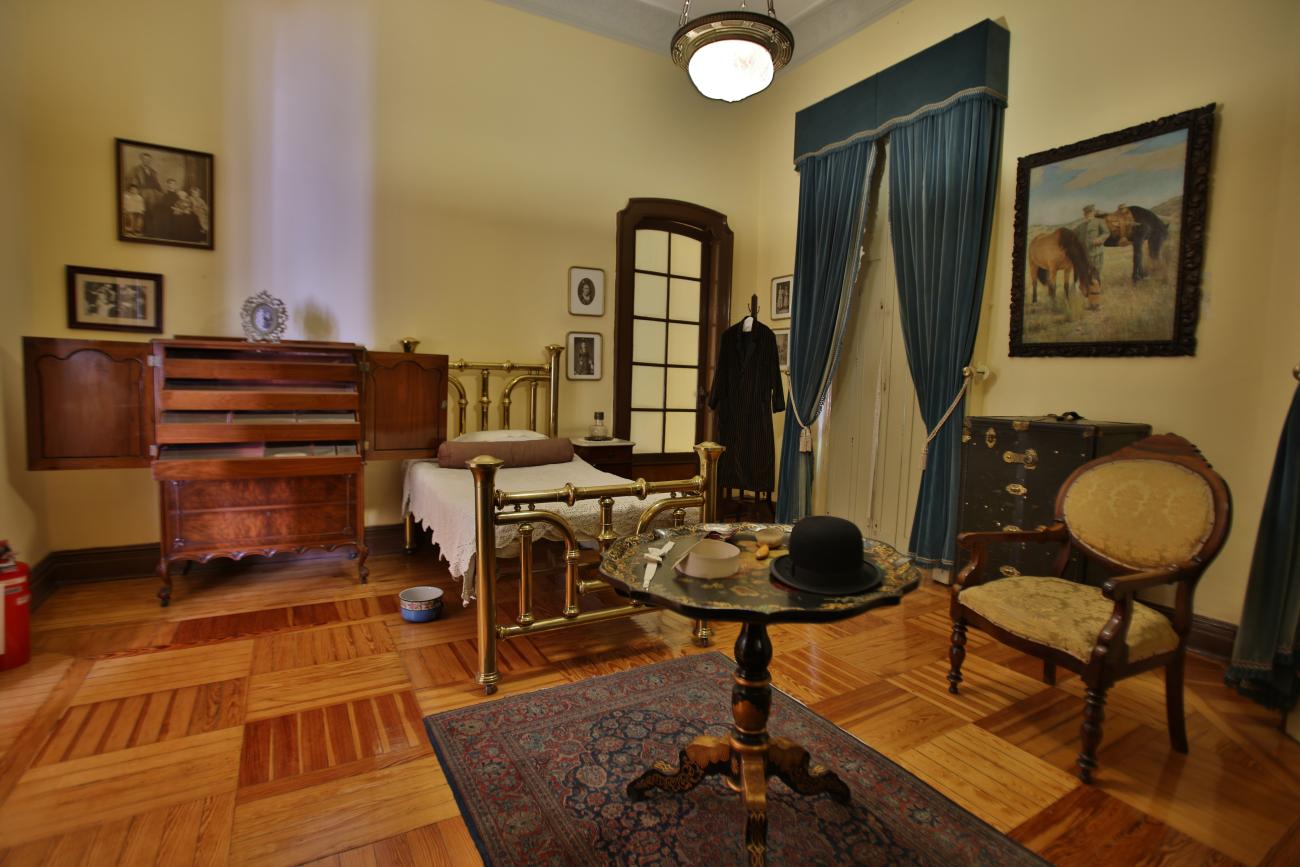
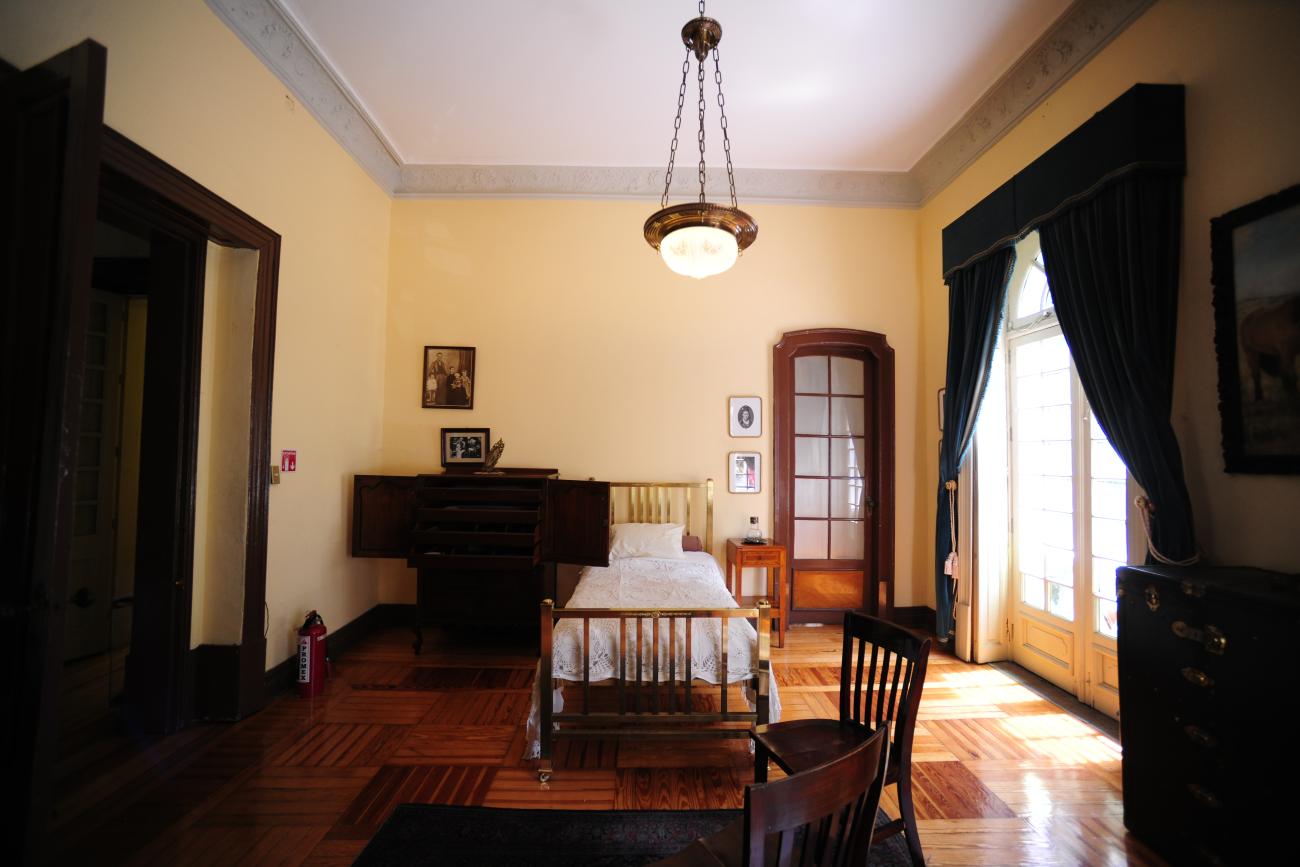
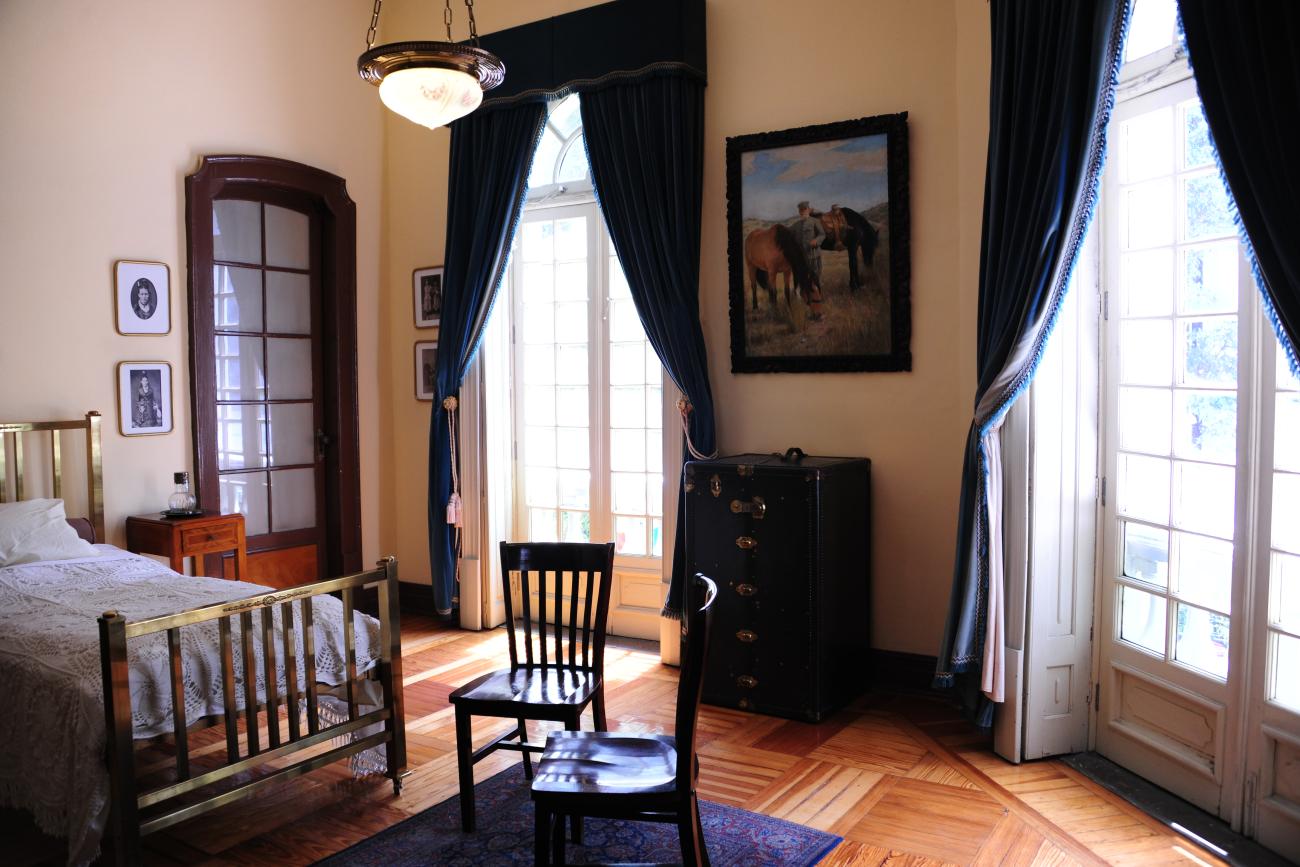
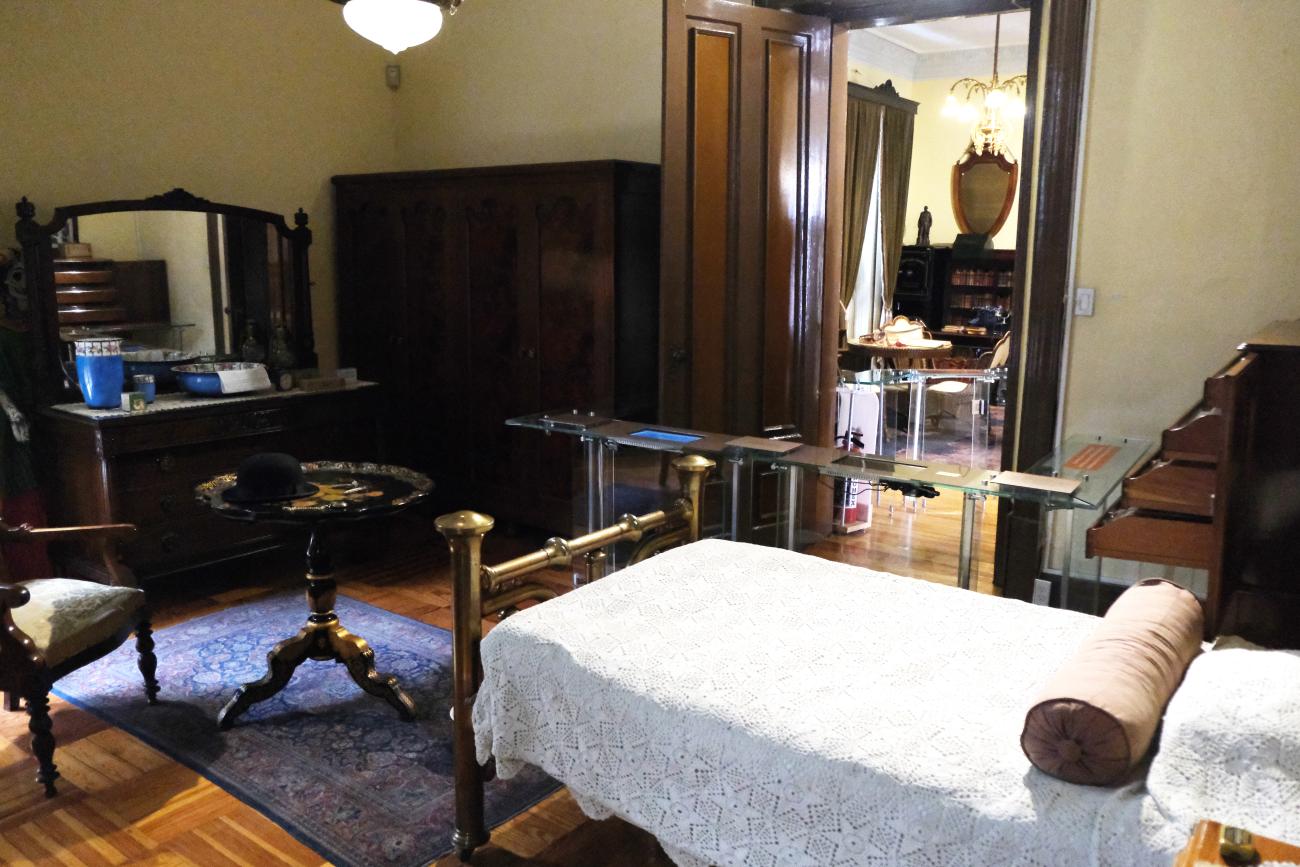
The third bedroom was occupied by Venustiano Carranza and still contains the furniture and personal items that give us a glimpse into his private life.

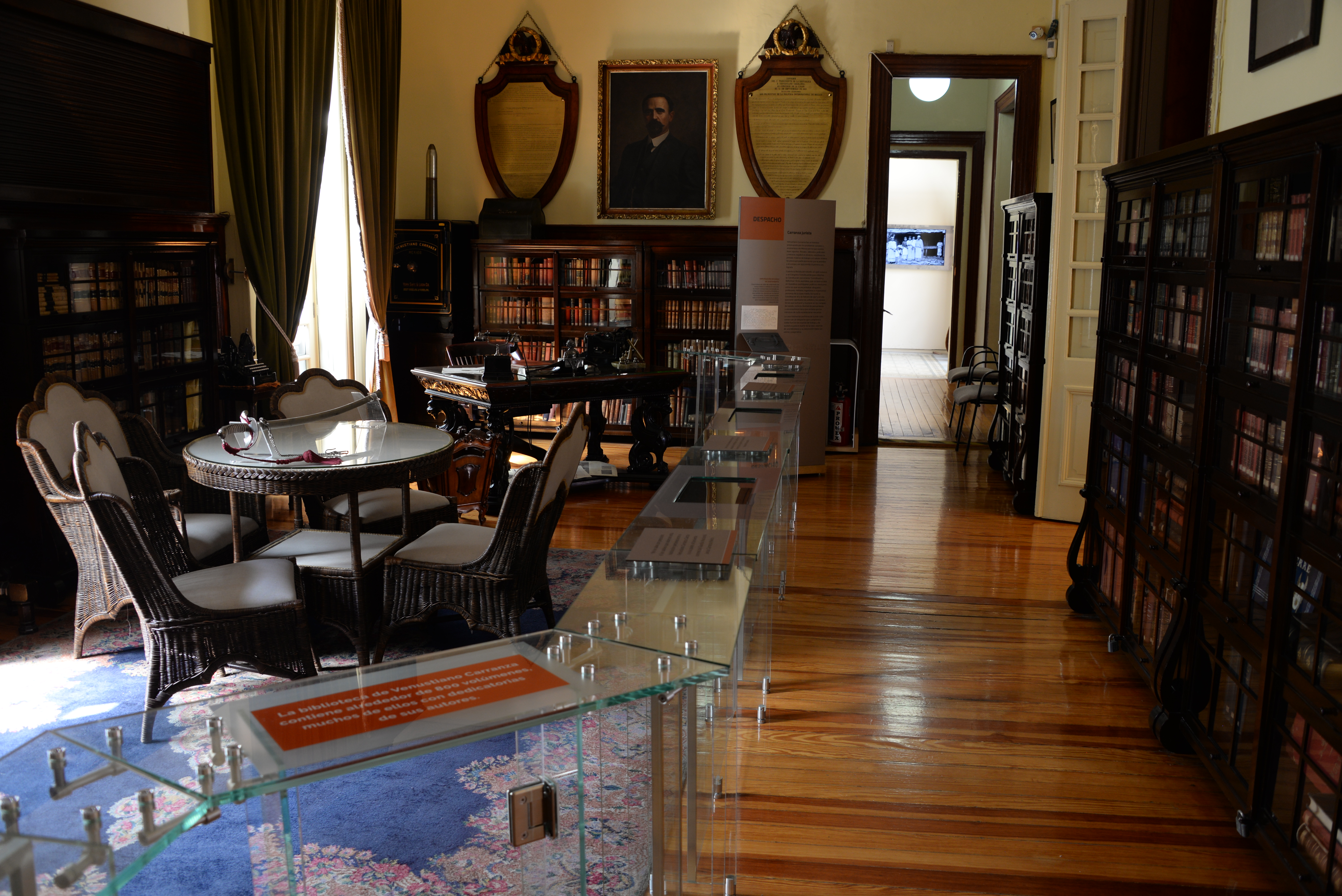
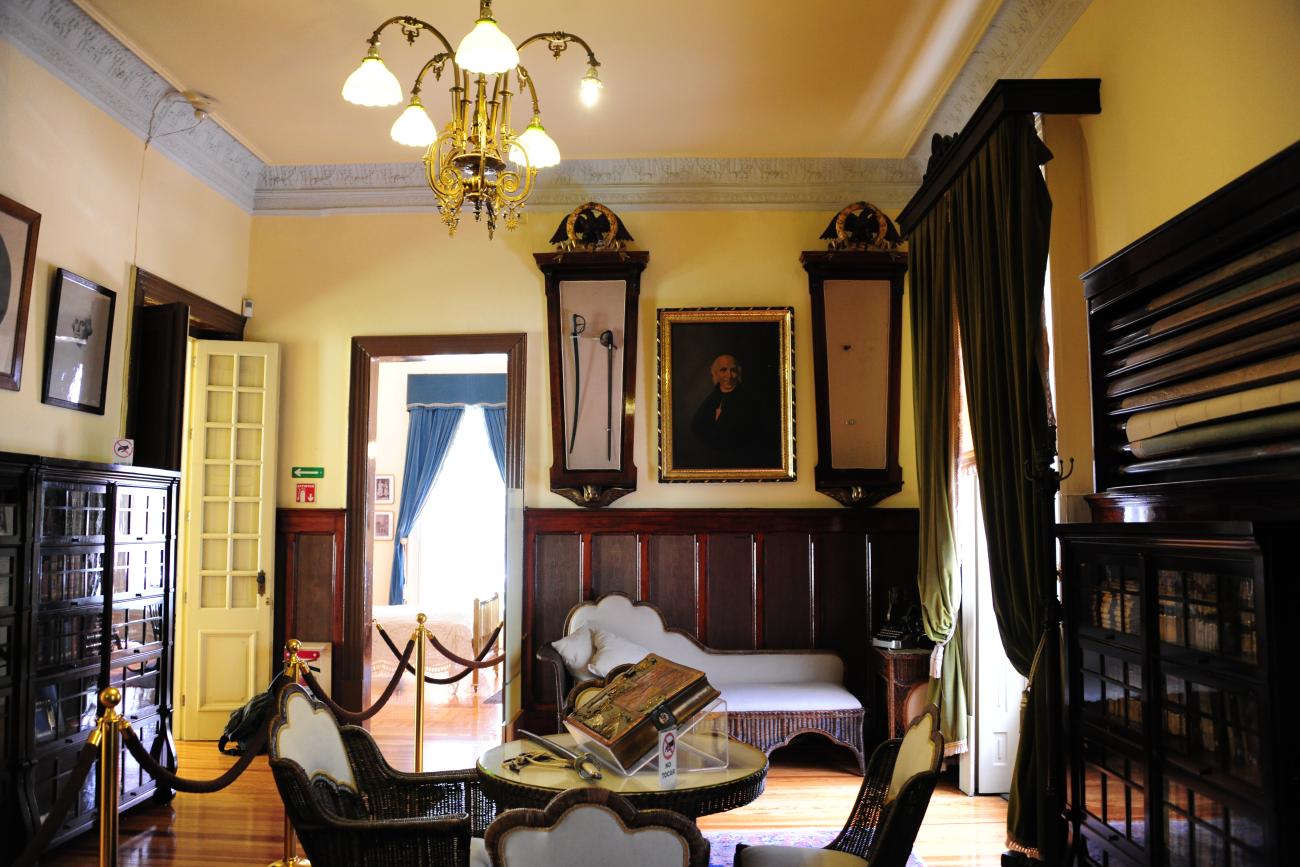
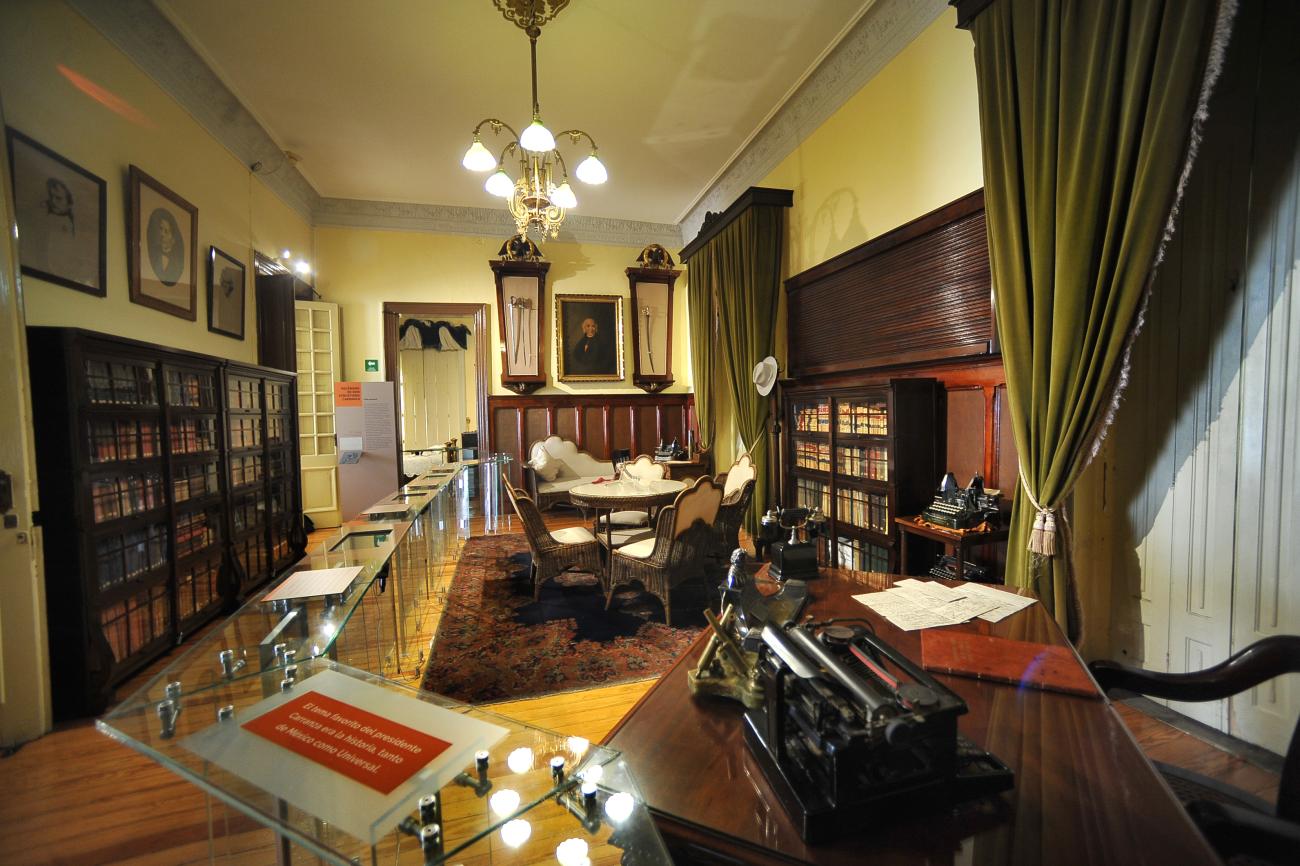
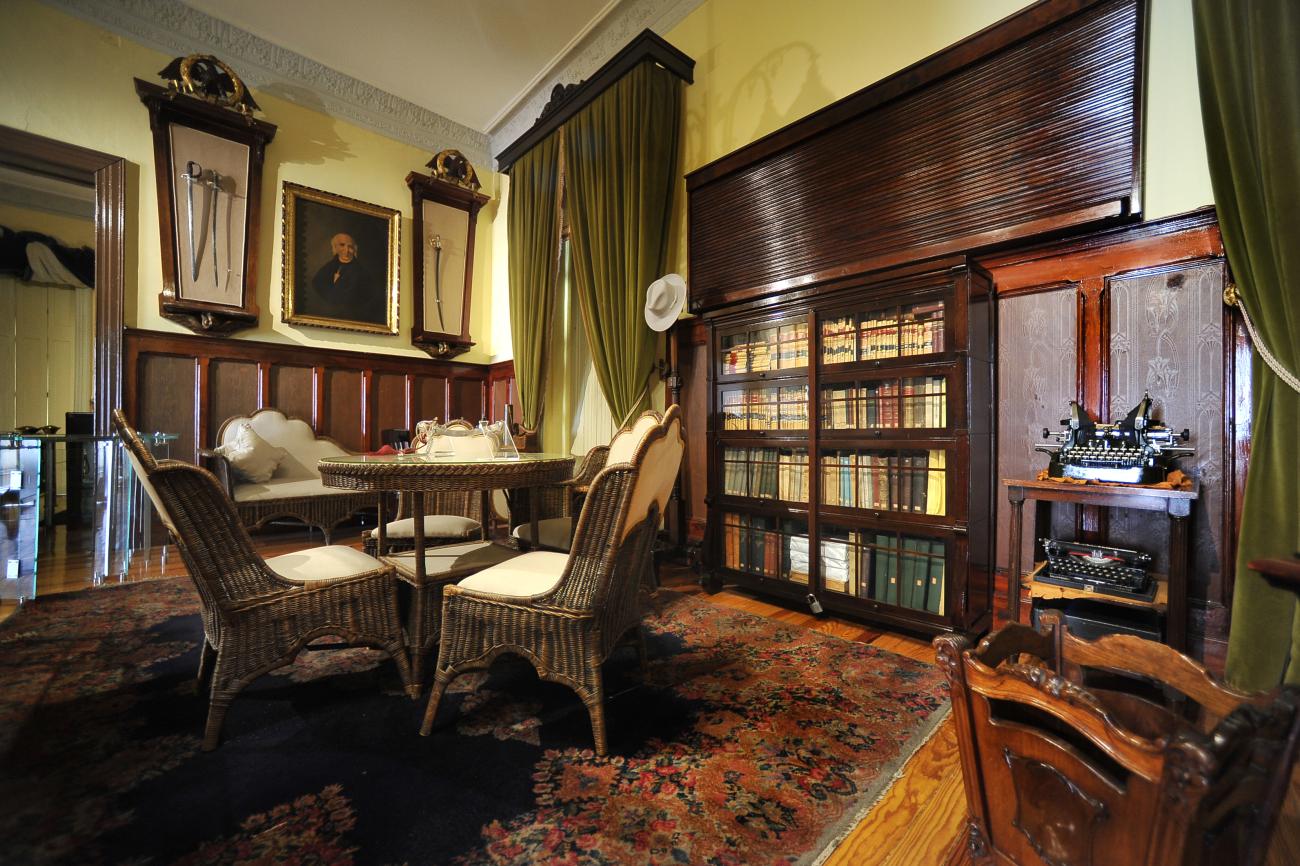
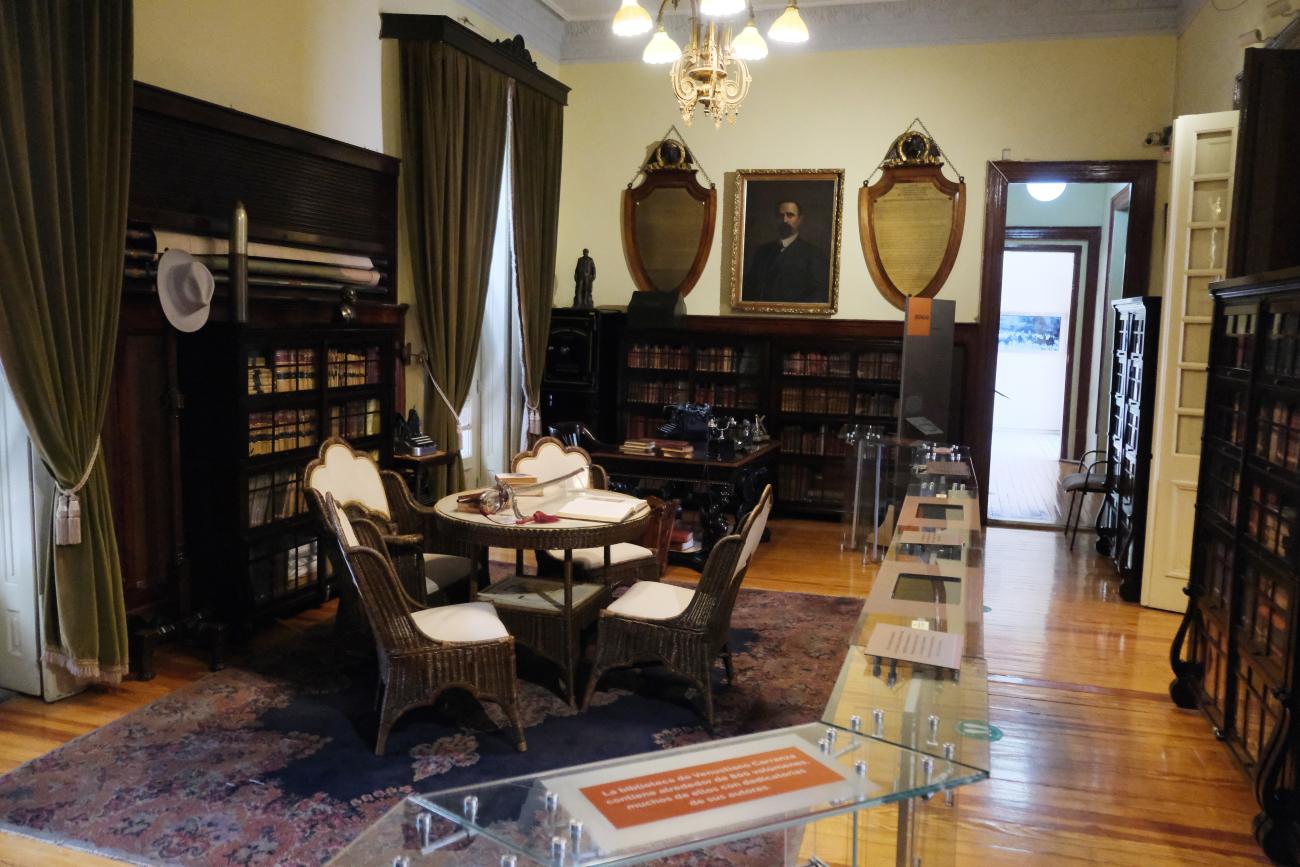
Biblioteca personal

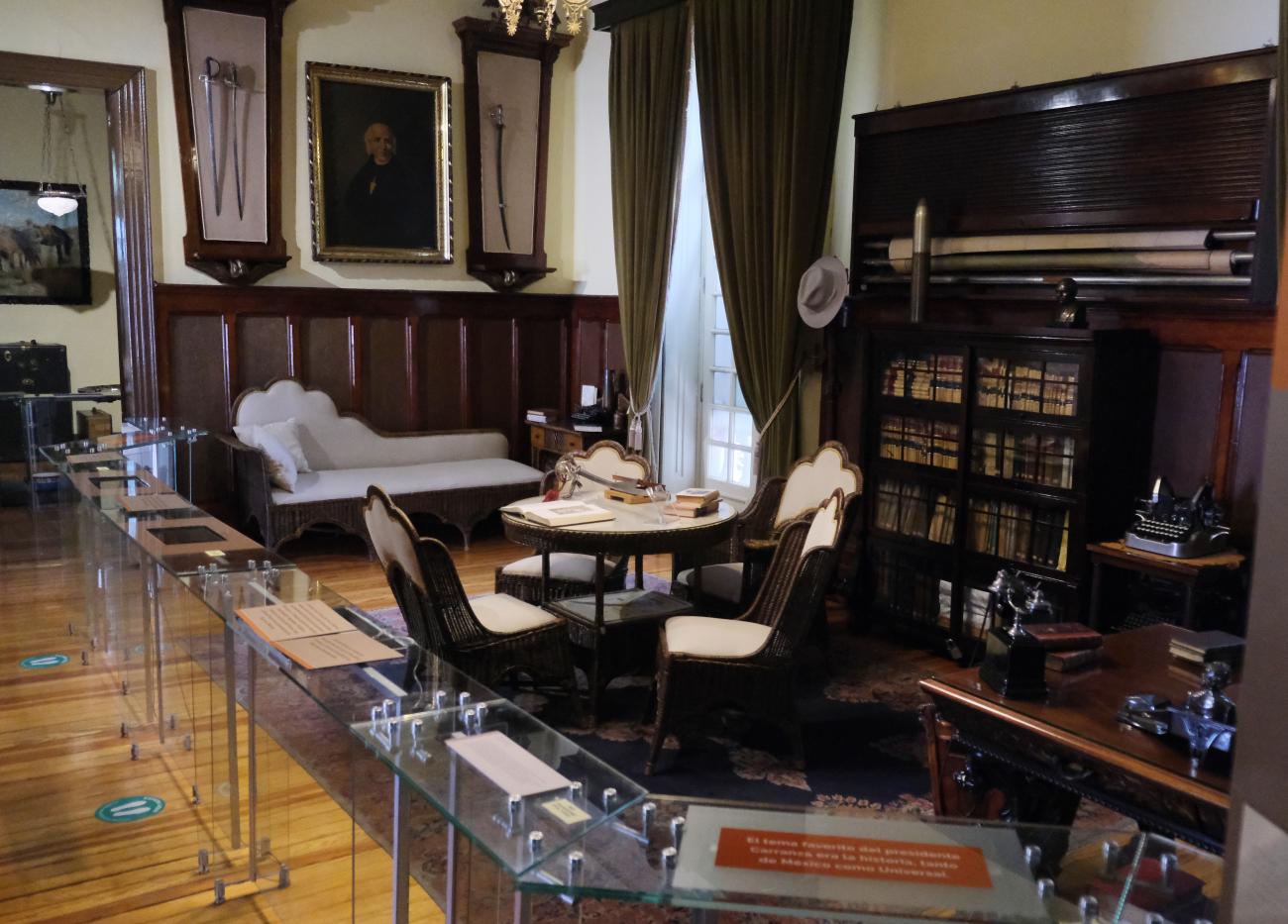
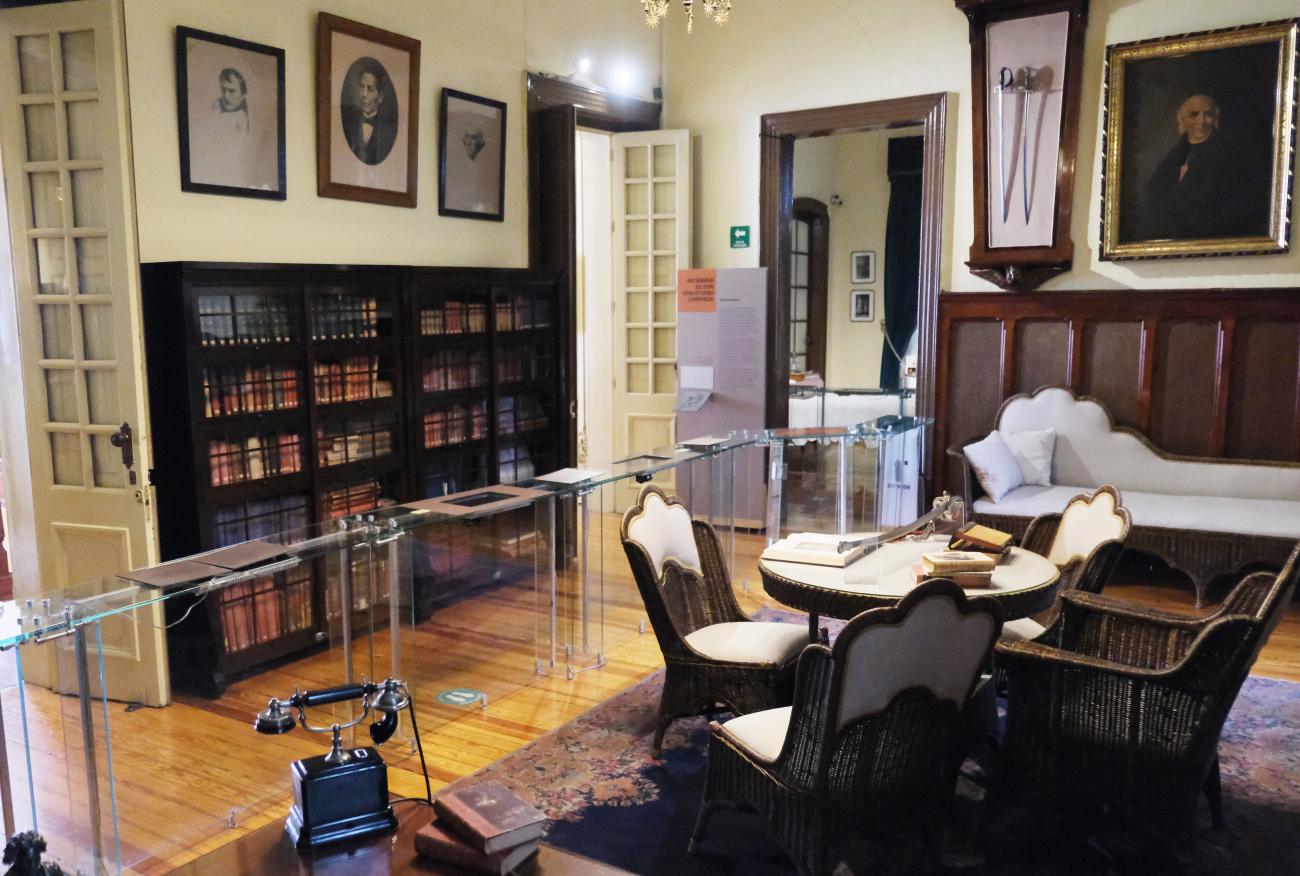
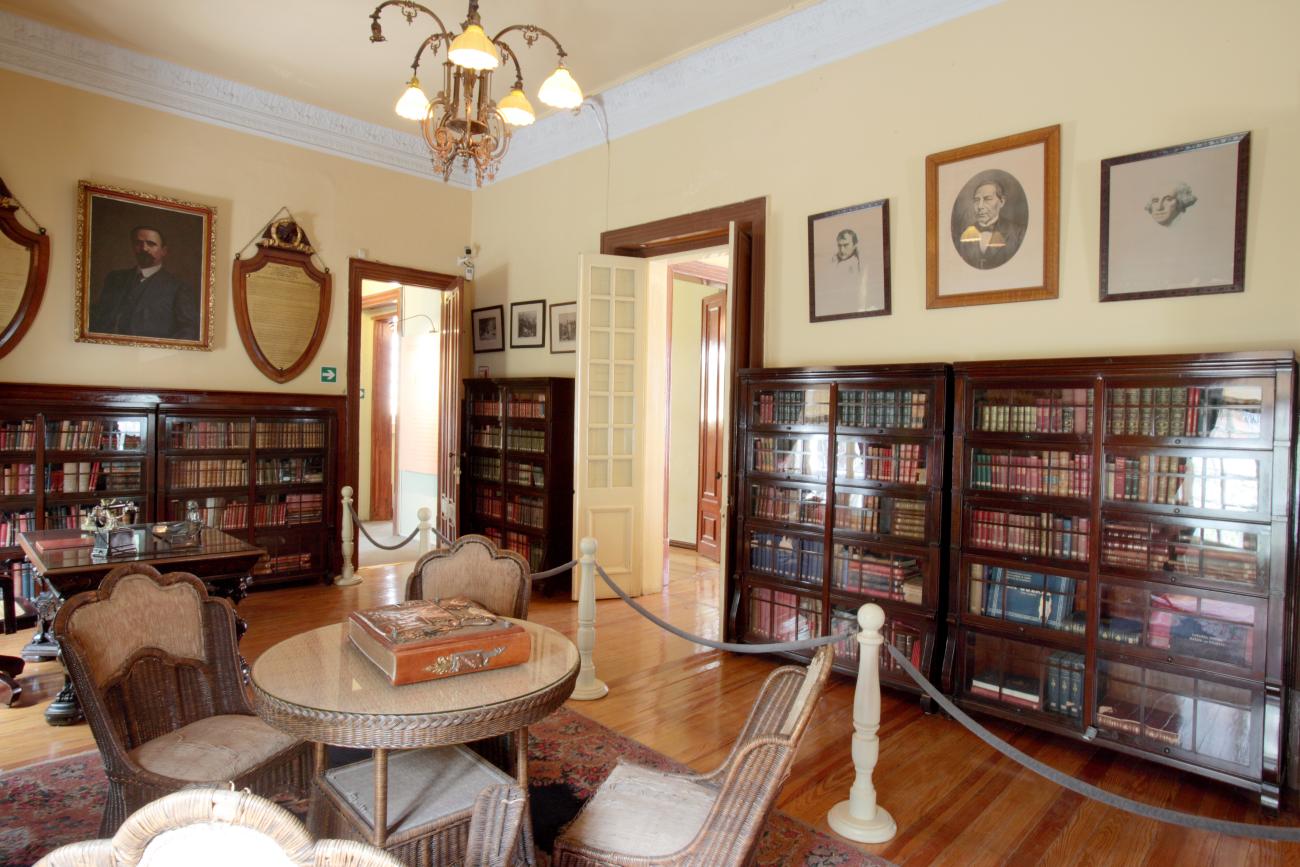
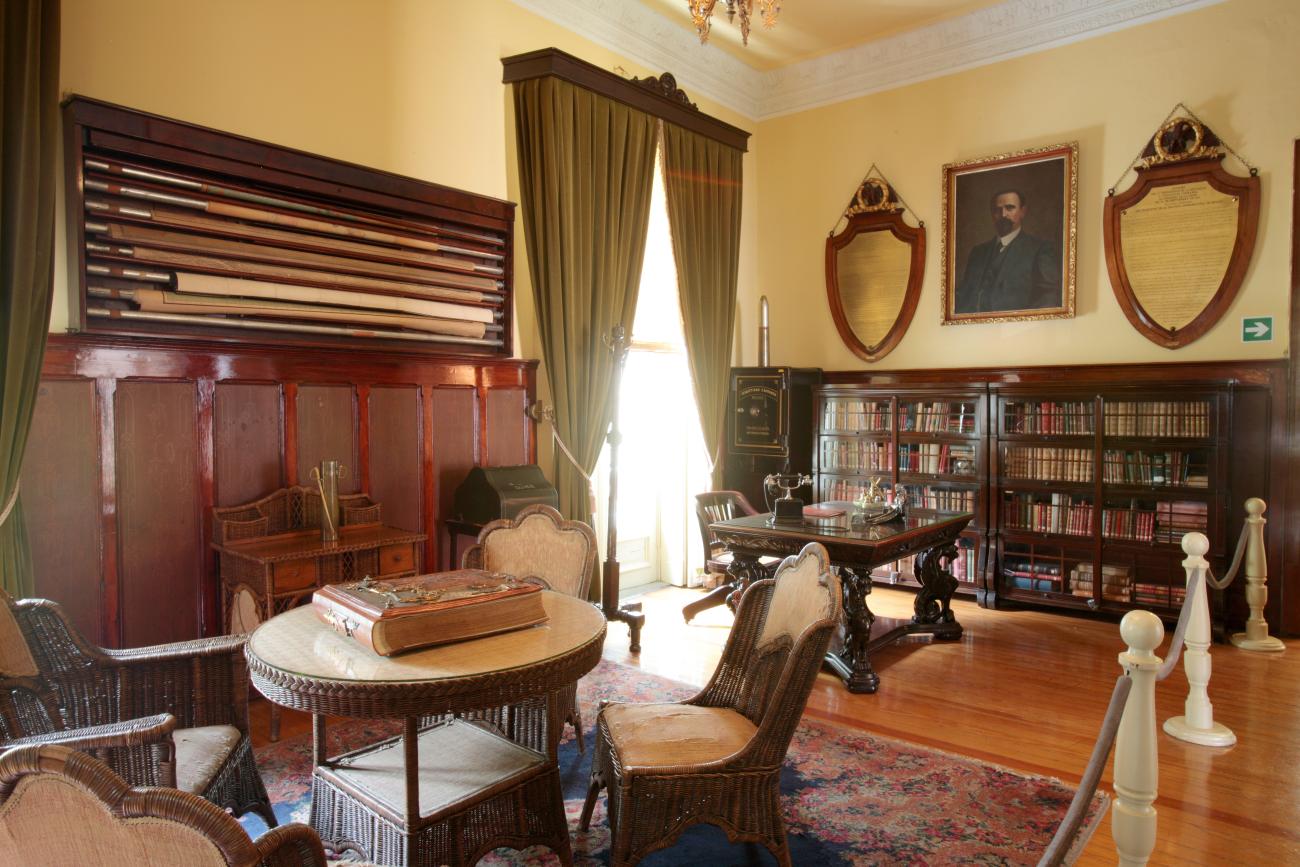
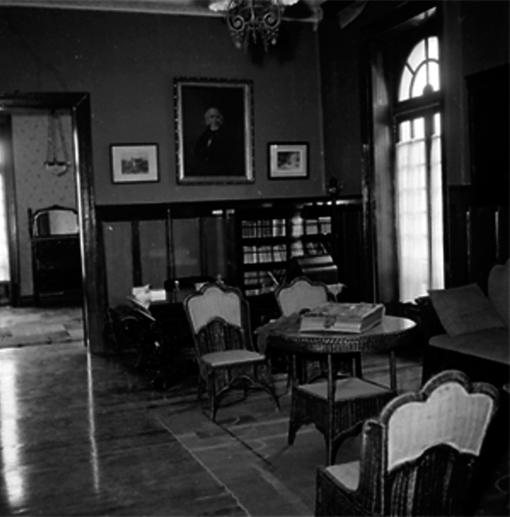
Personal library

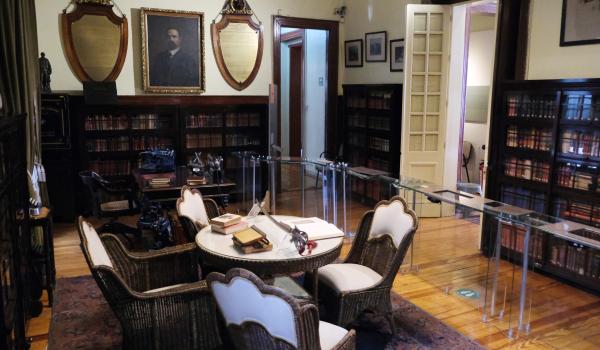
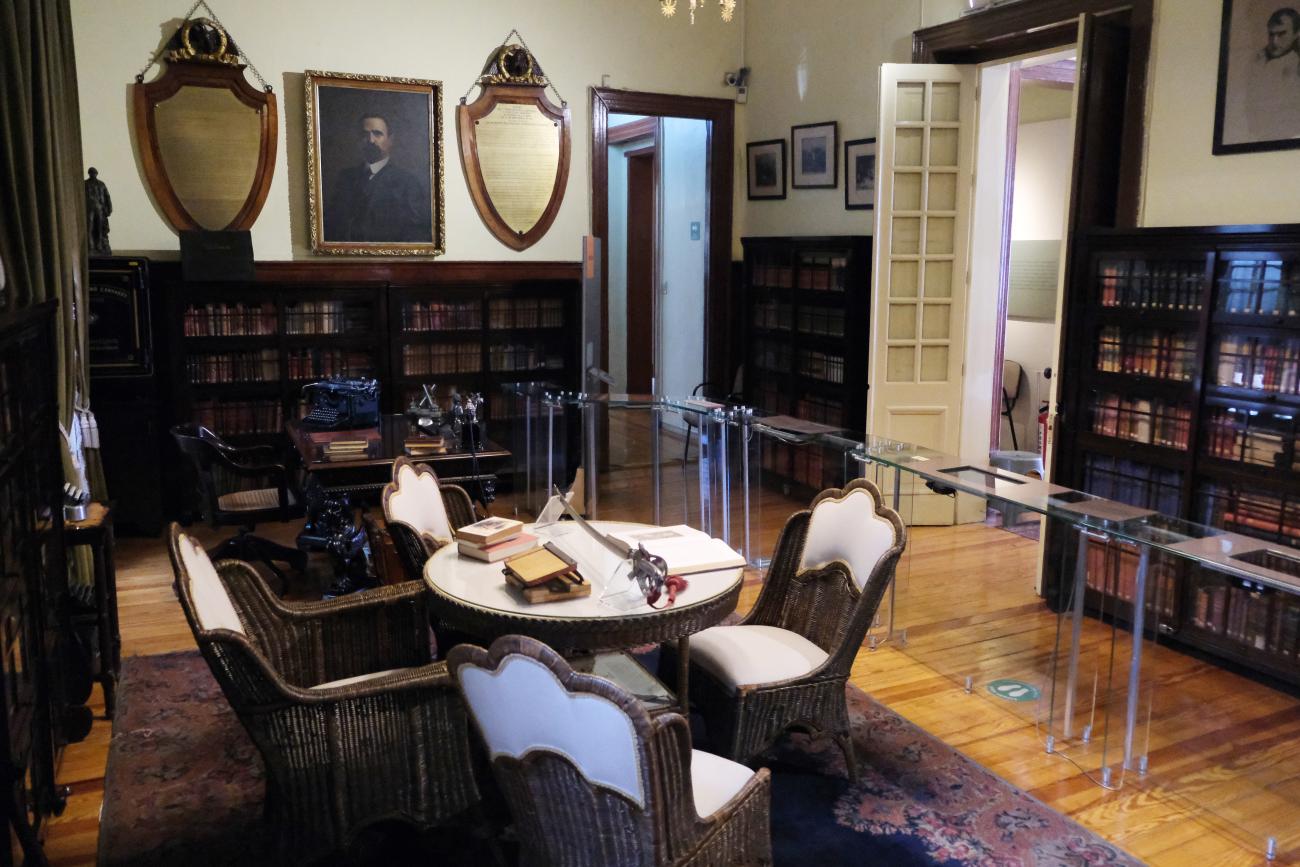
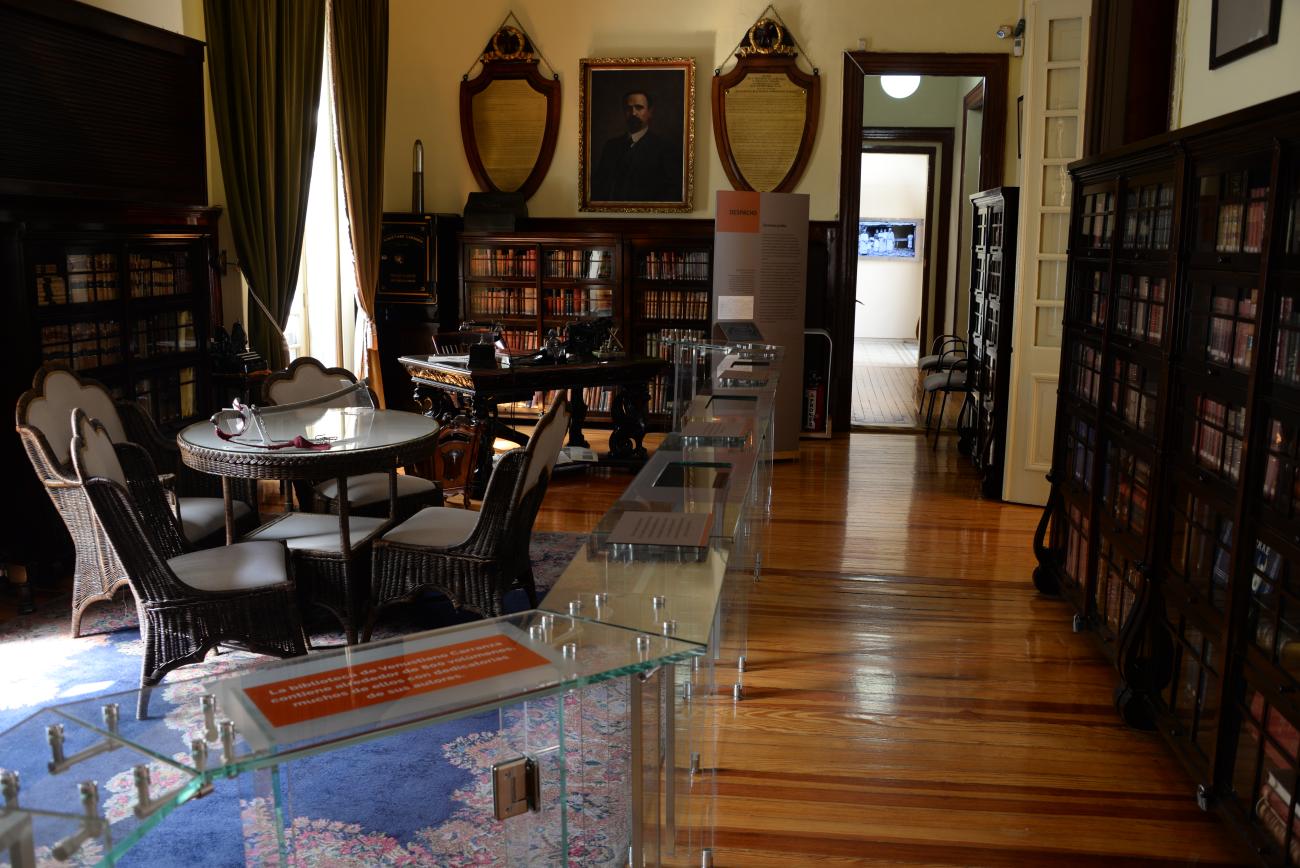
The office-library was where Venustiano Carranza spent most of his time attending to government affairs, studying, and reading. It houses his 833 personal books, many of them bearing his initials “V.

Baño familiar

Family bathroom

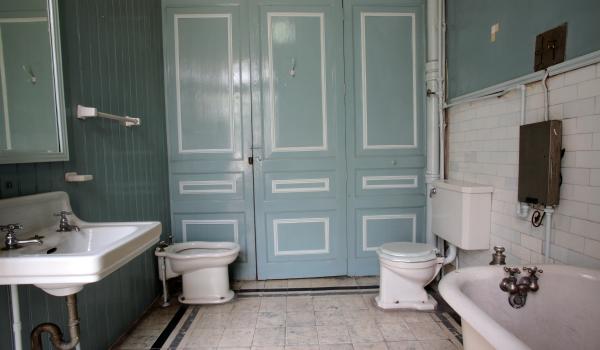
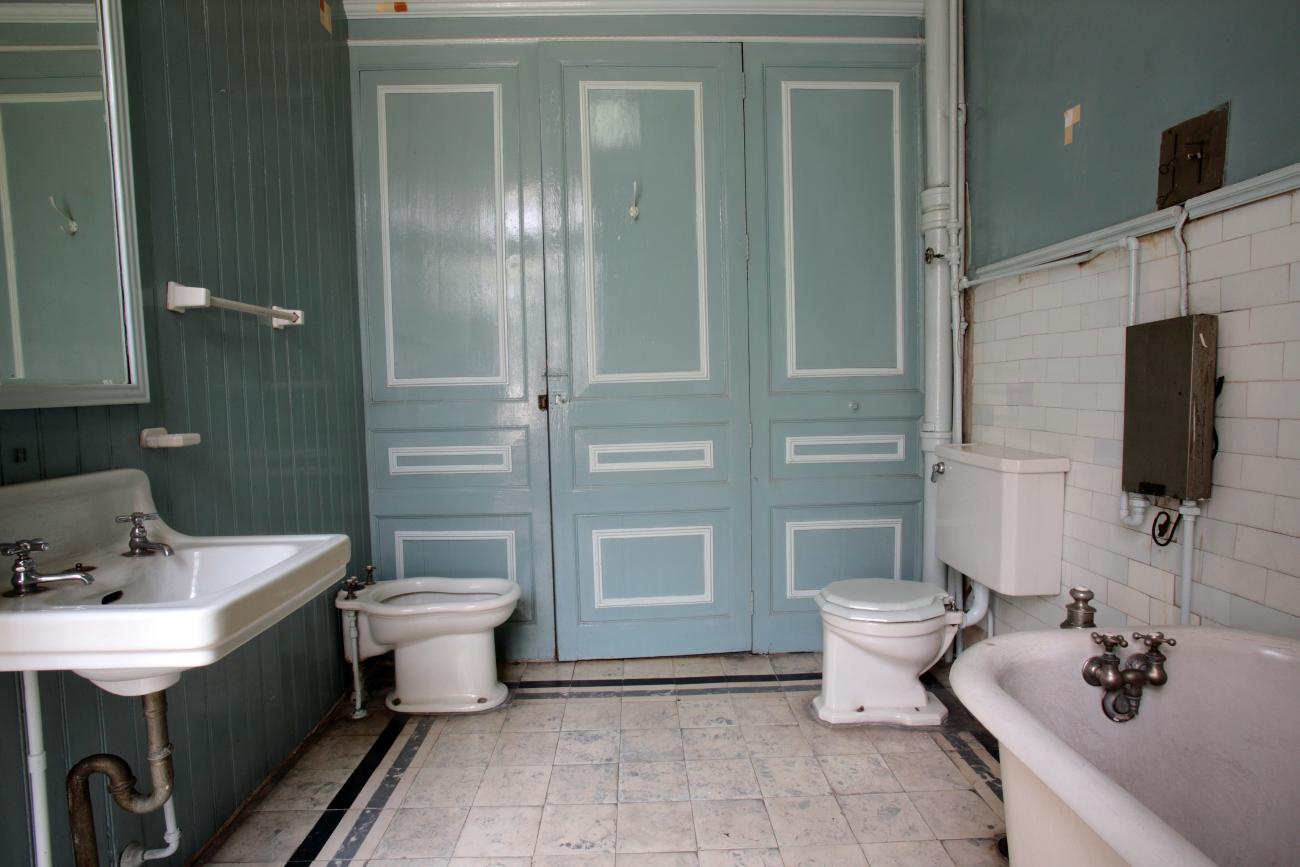
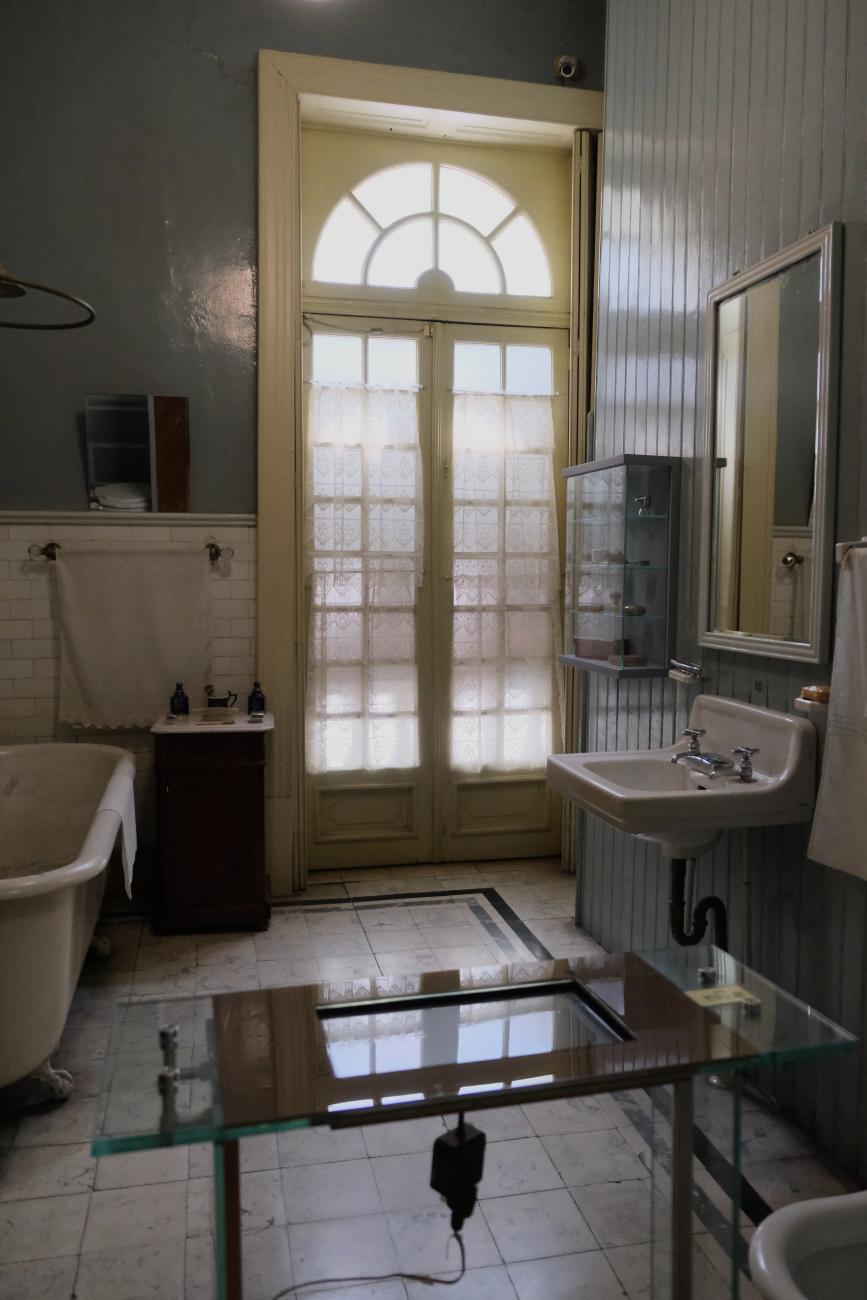
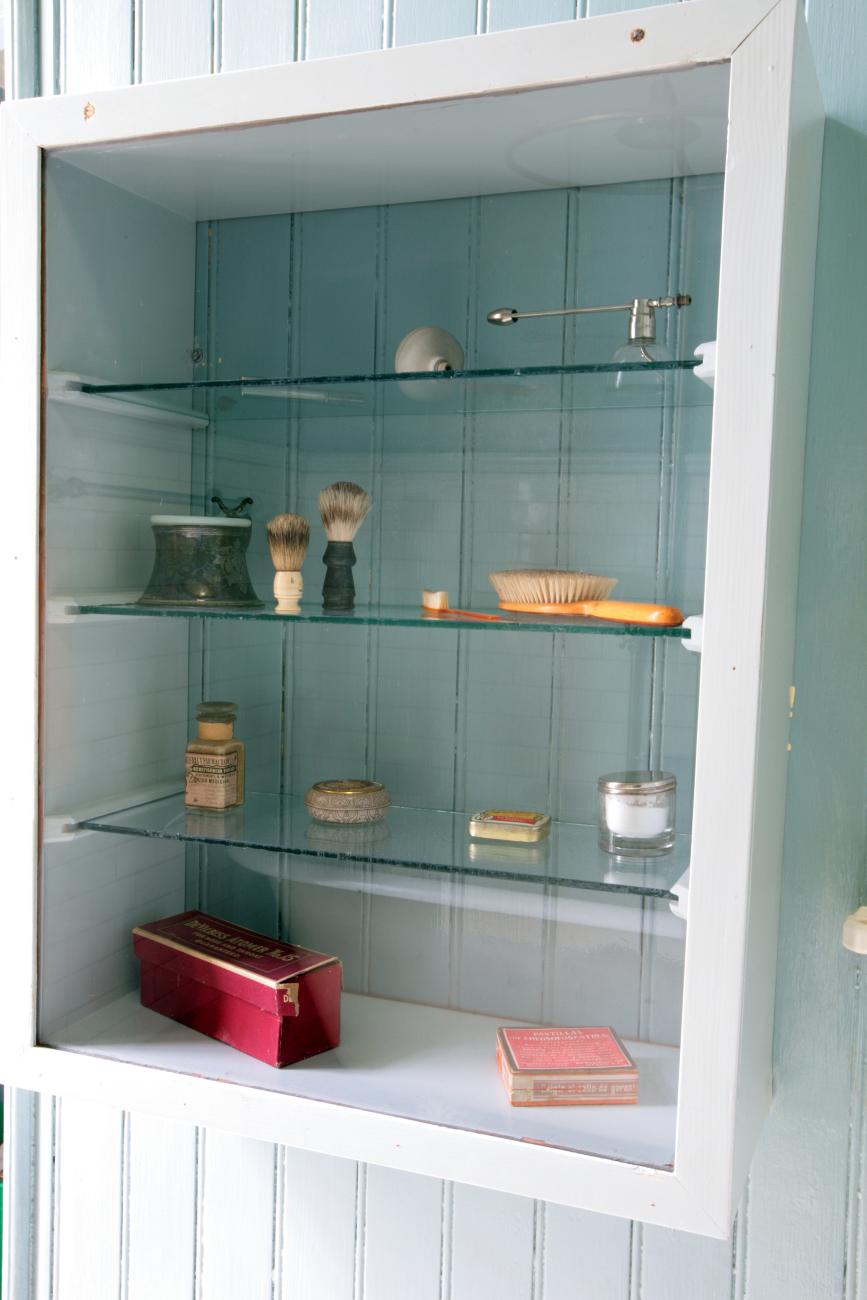
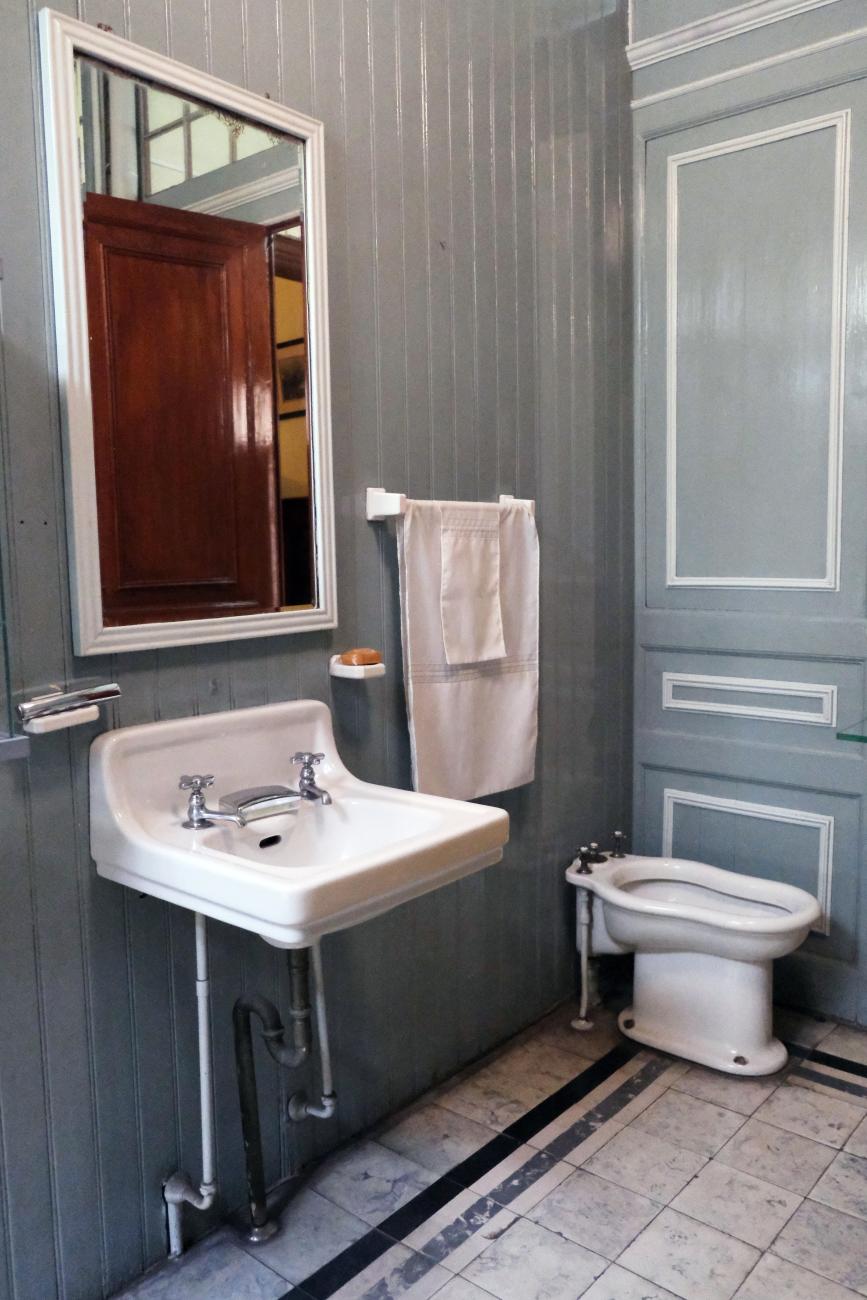
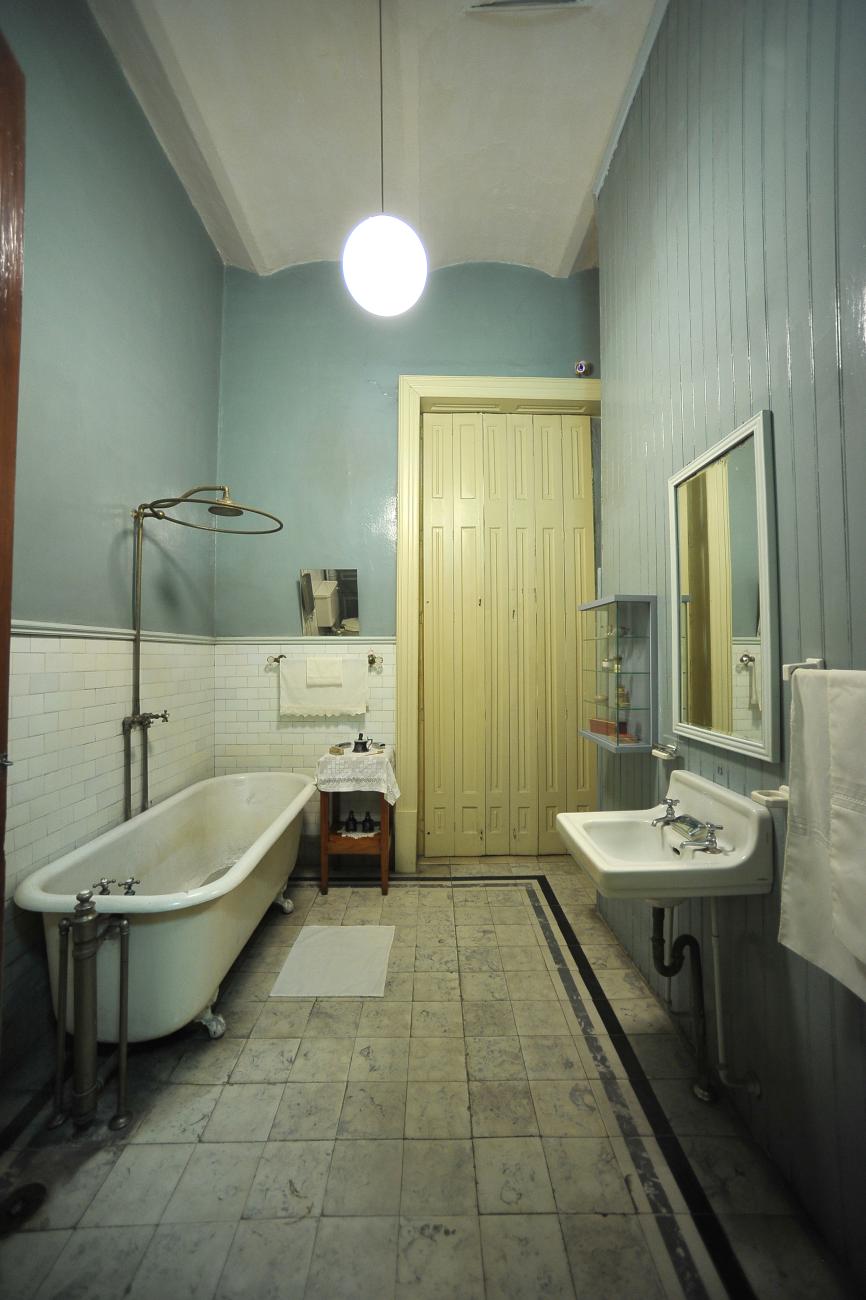
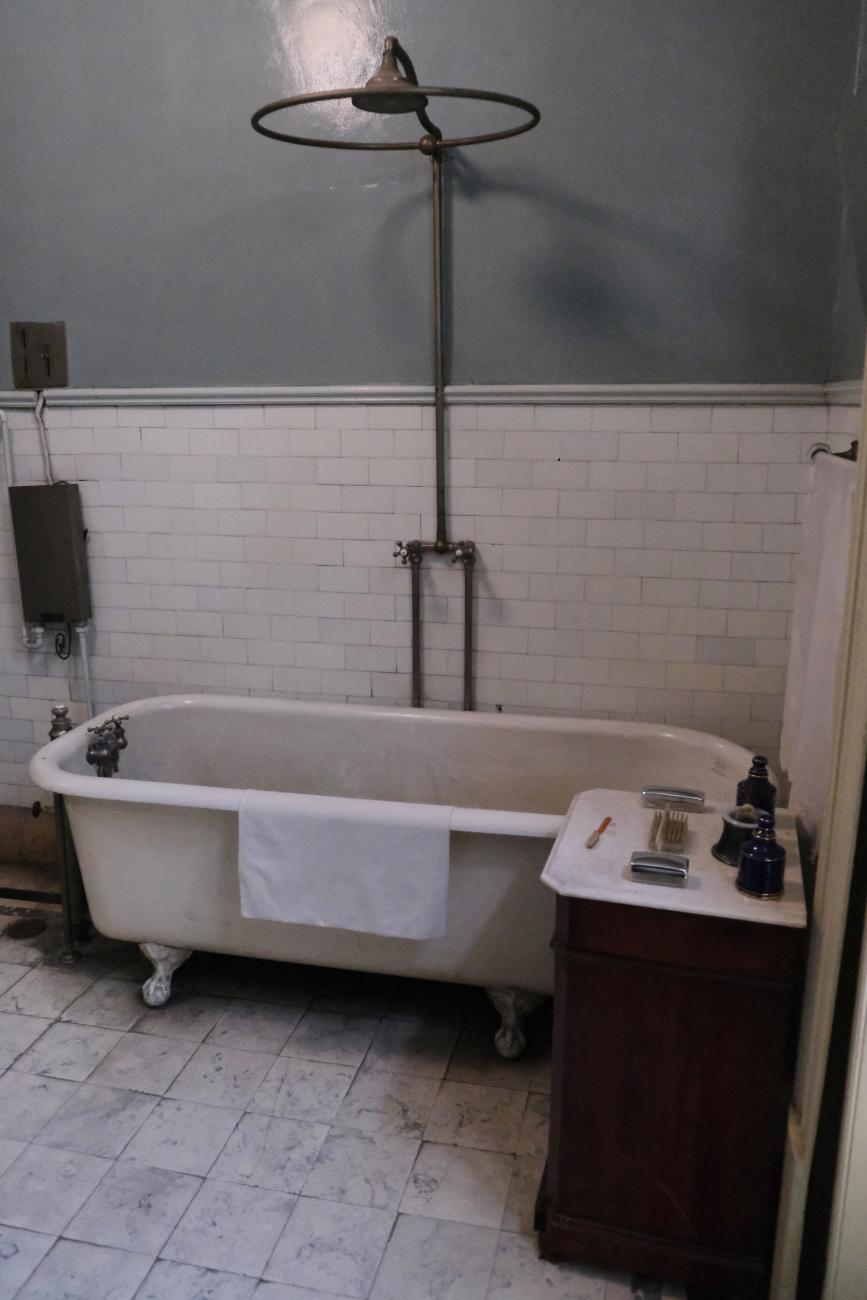
The historic bathroom retains its original features: sink, faucets, and decorative tiles. Here you can see the sanitary innovations of the early 20th century and appreciate what an old bathroom with a bathtub and shower looked like, with different options for daily hygiene.

Sala 1

Family

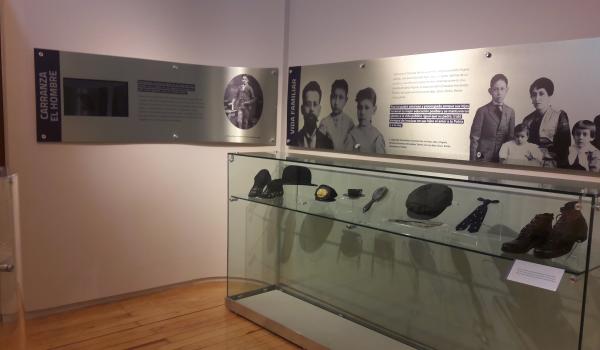
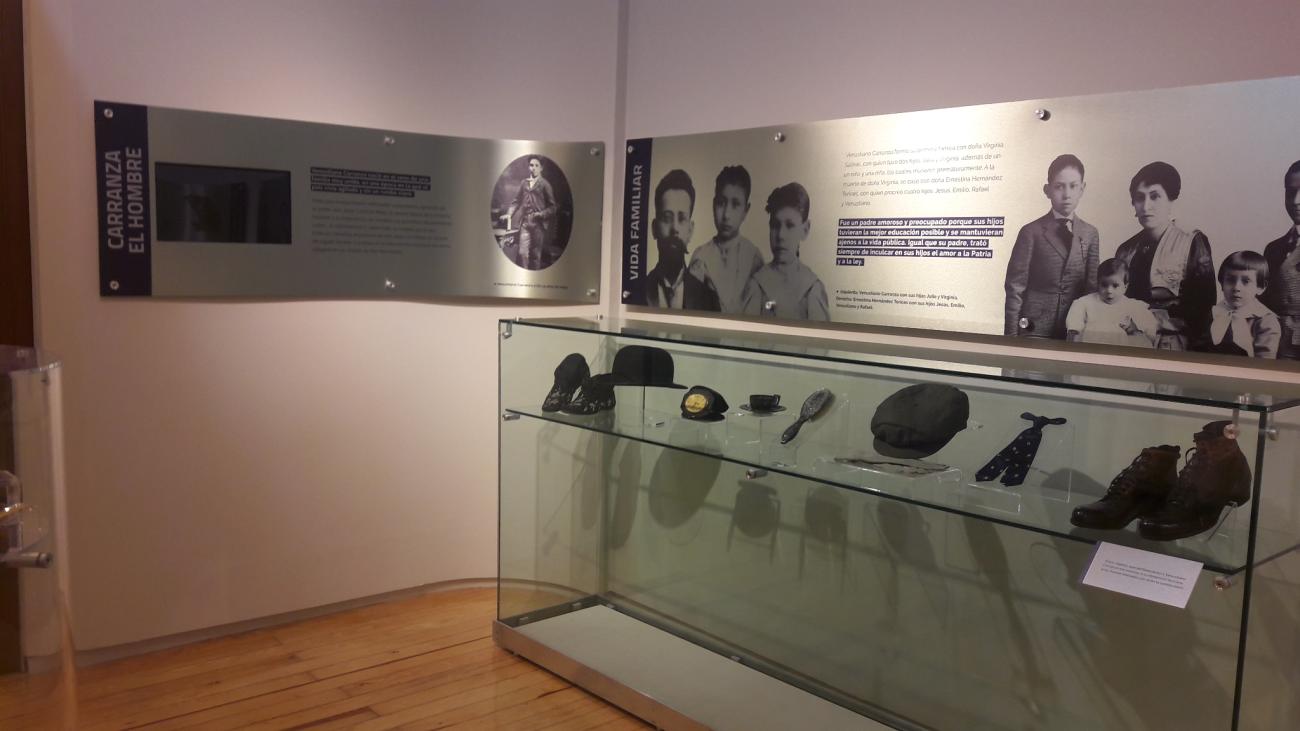
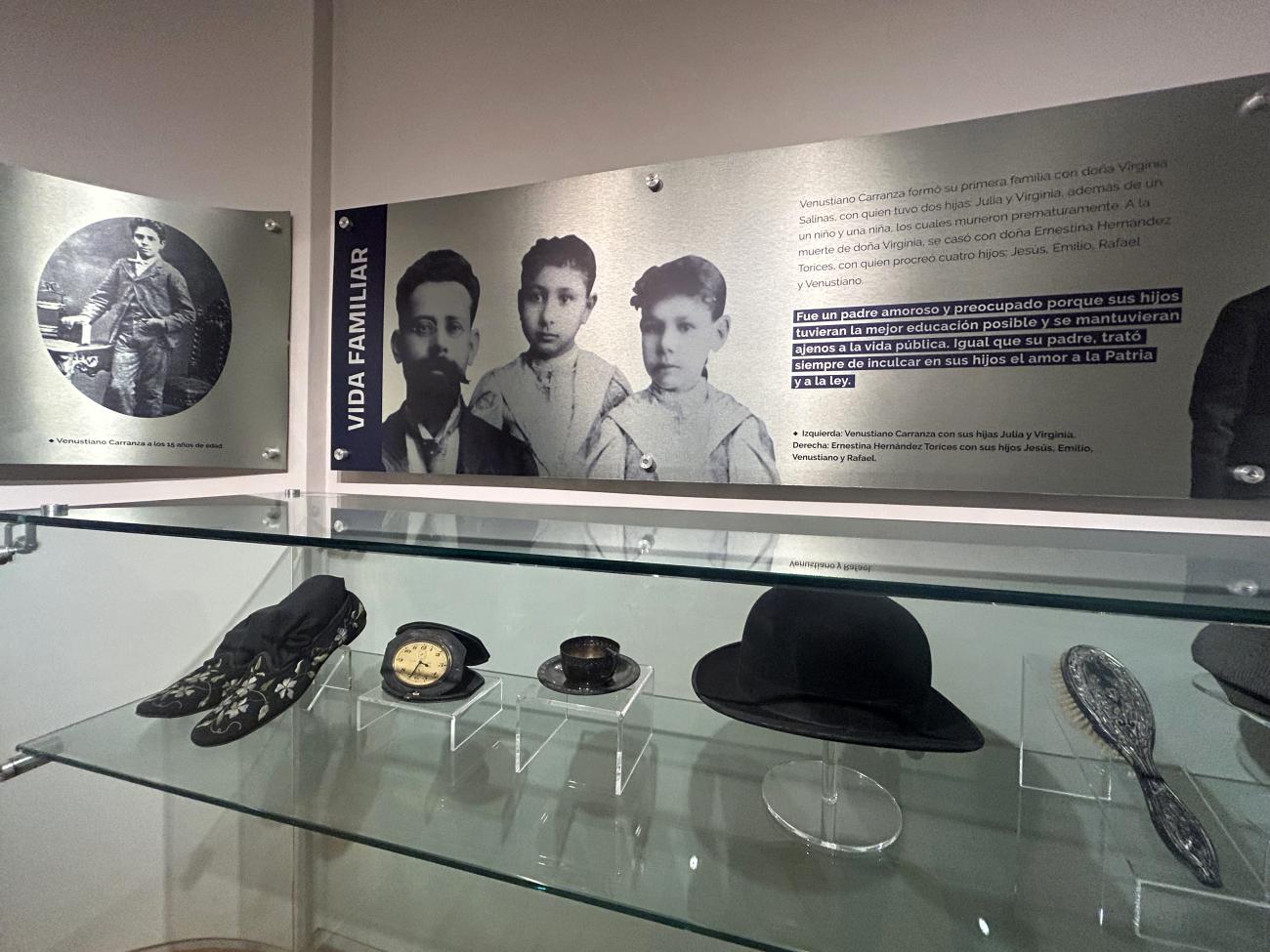
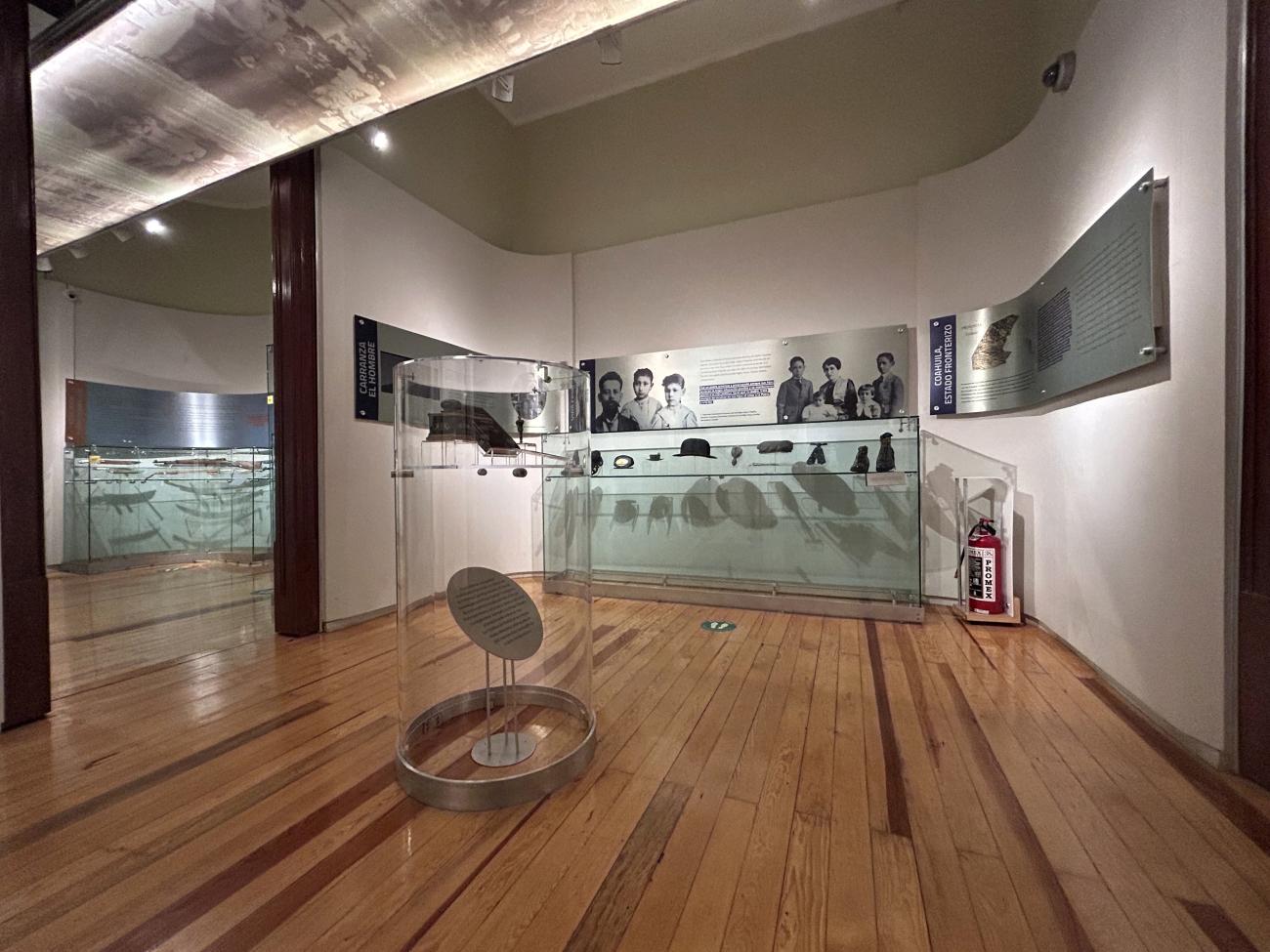
The Carranza, el hombre historical room offers visitors an intimate glimpse into the personal and family life of the First Chief of the Constitutionalist Army and President of Mexico.

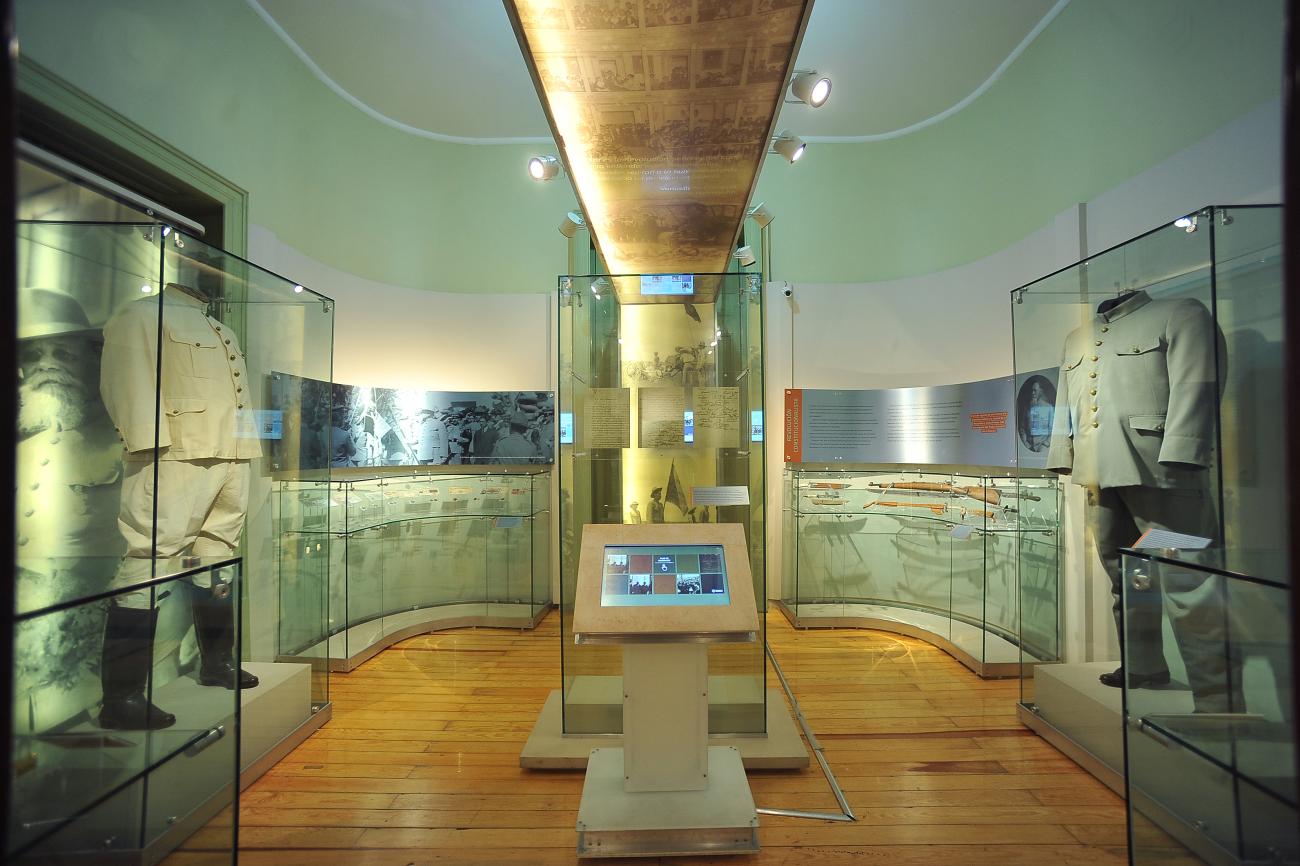
Revolución

Revolution

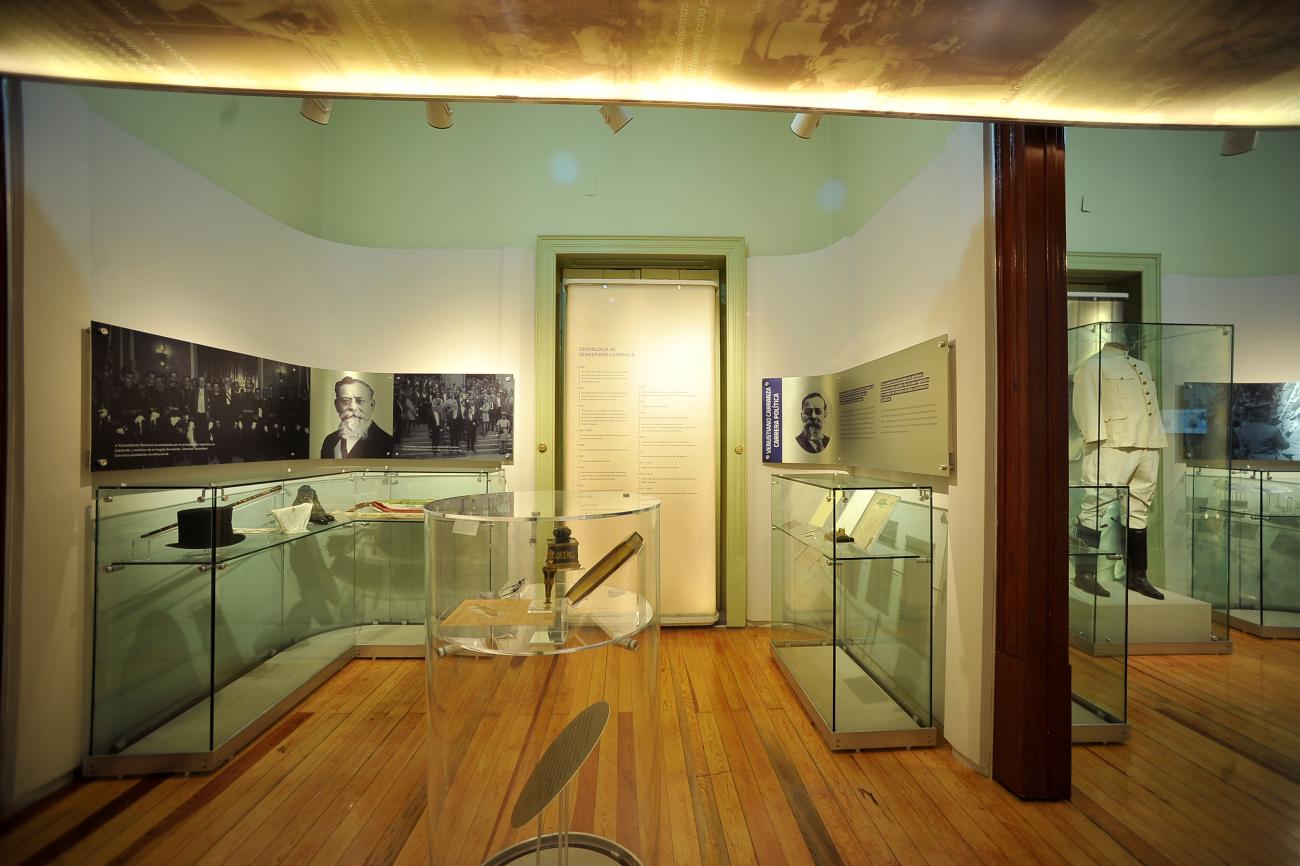
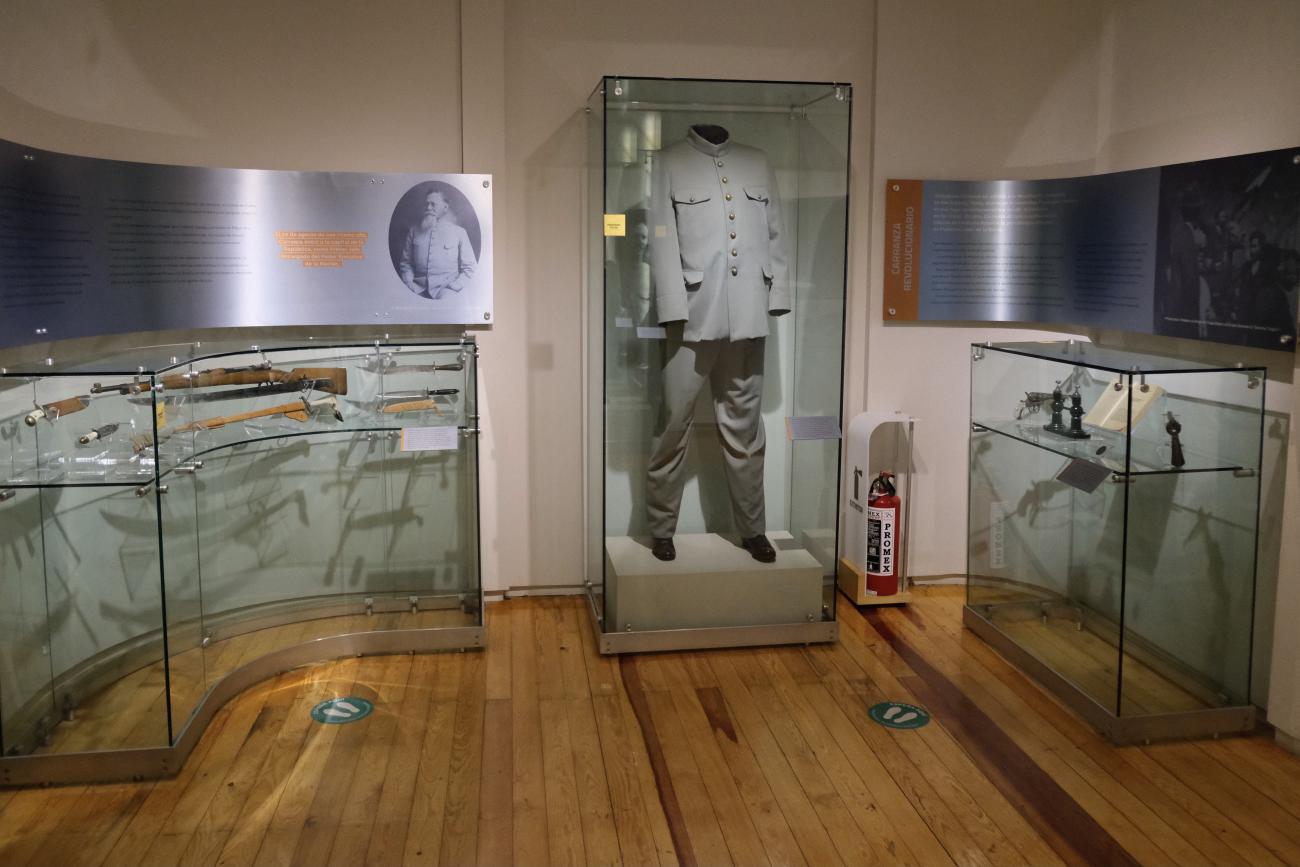
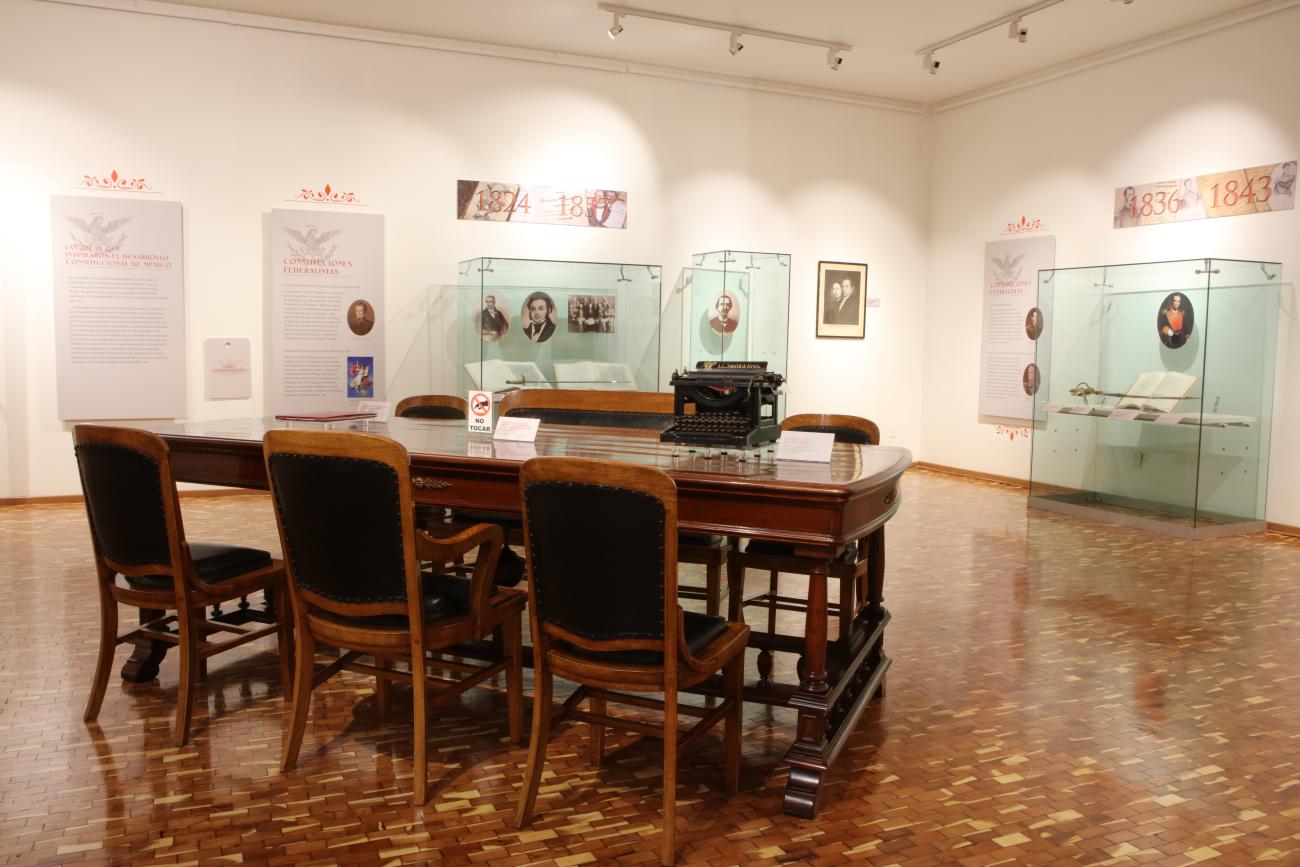
The Carranza, Revolutionary historical room is dedicated to showcasing the career of the First Chief of the Constitutionalist Army in the context of the Mexican Revolution.

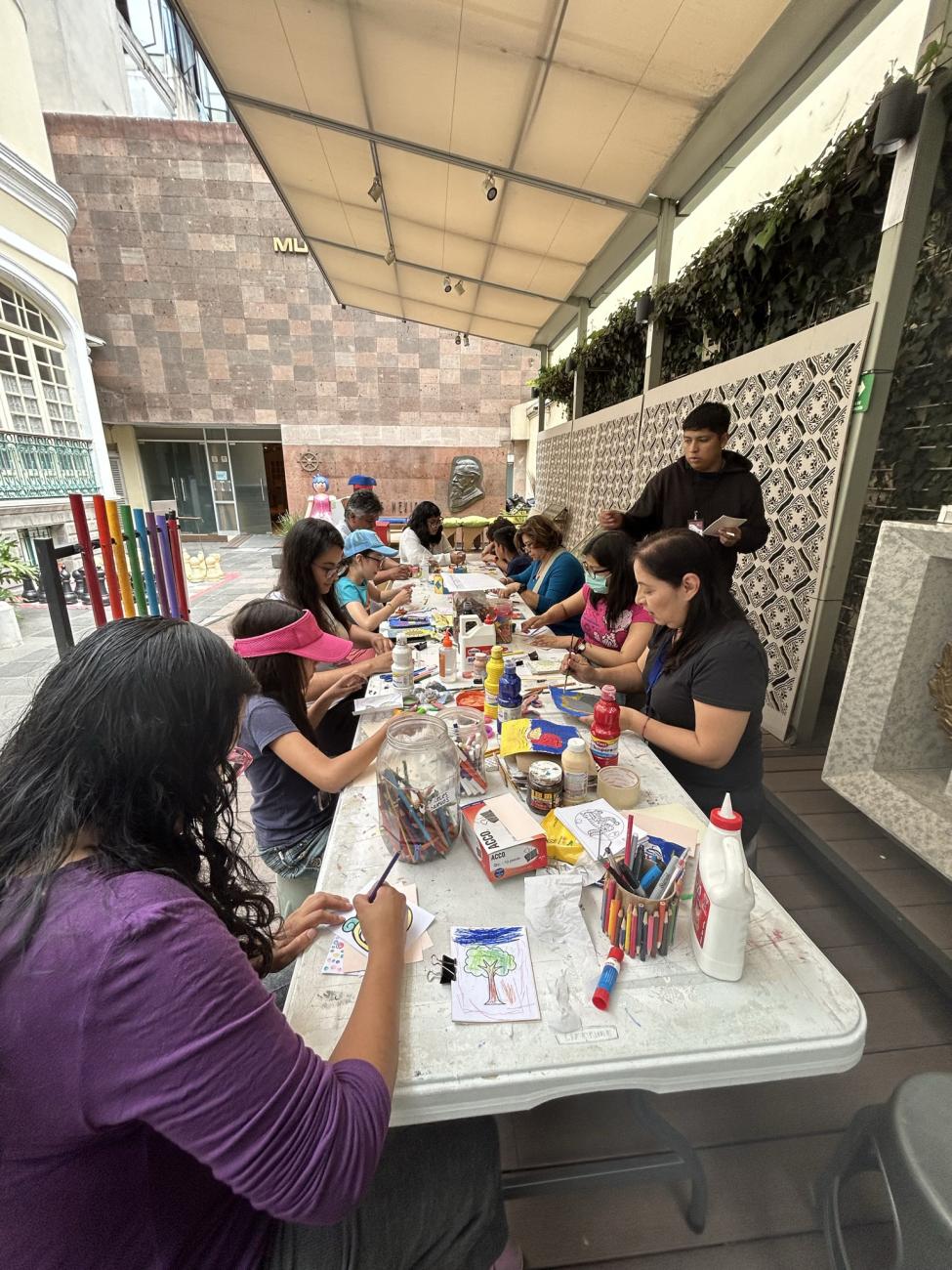
Área de talleres

Workshop Area

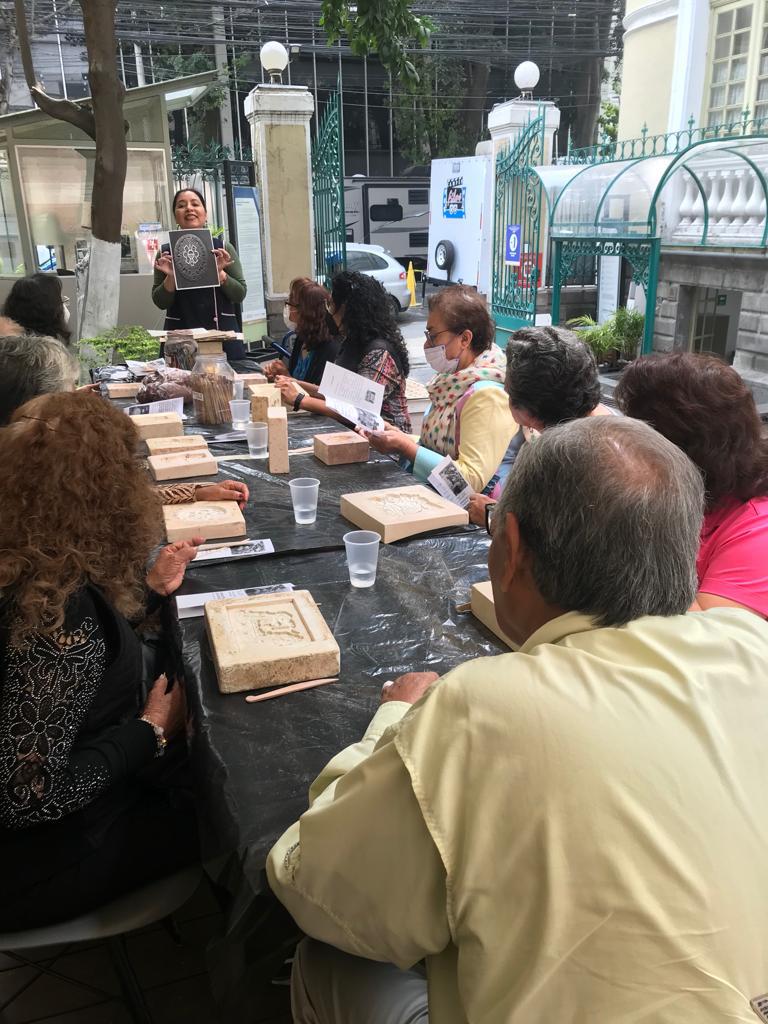
The workshop space at the Casa de Carranza Museum is a place dedicated to creation, learning, and community participation.

Galería Manuel Stampa

Manuel Stampa Gallery

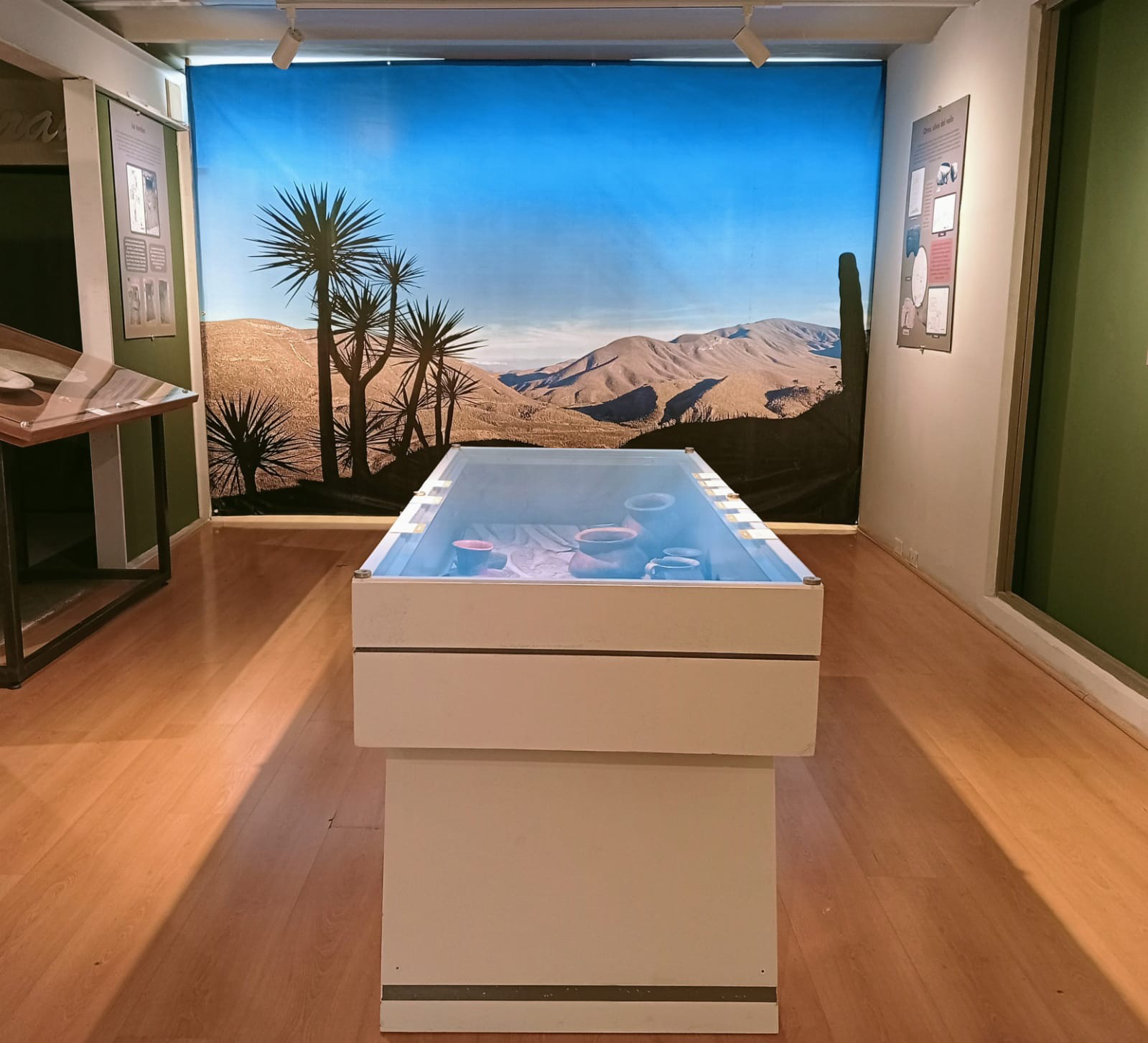
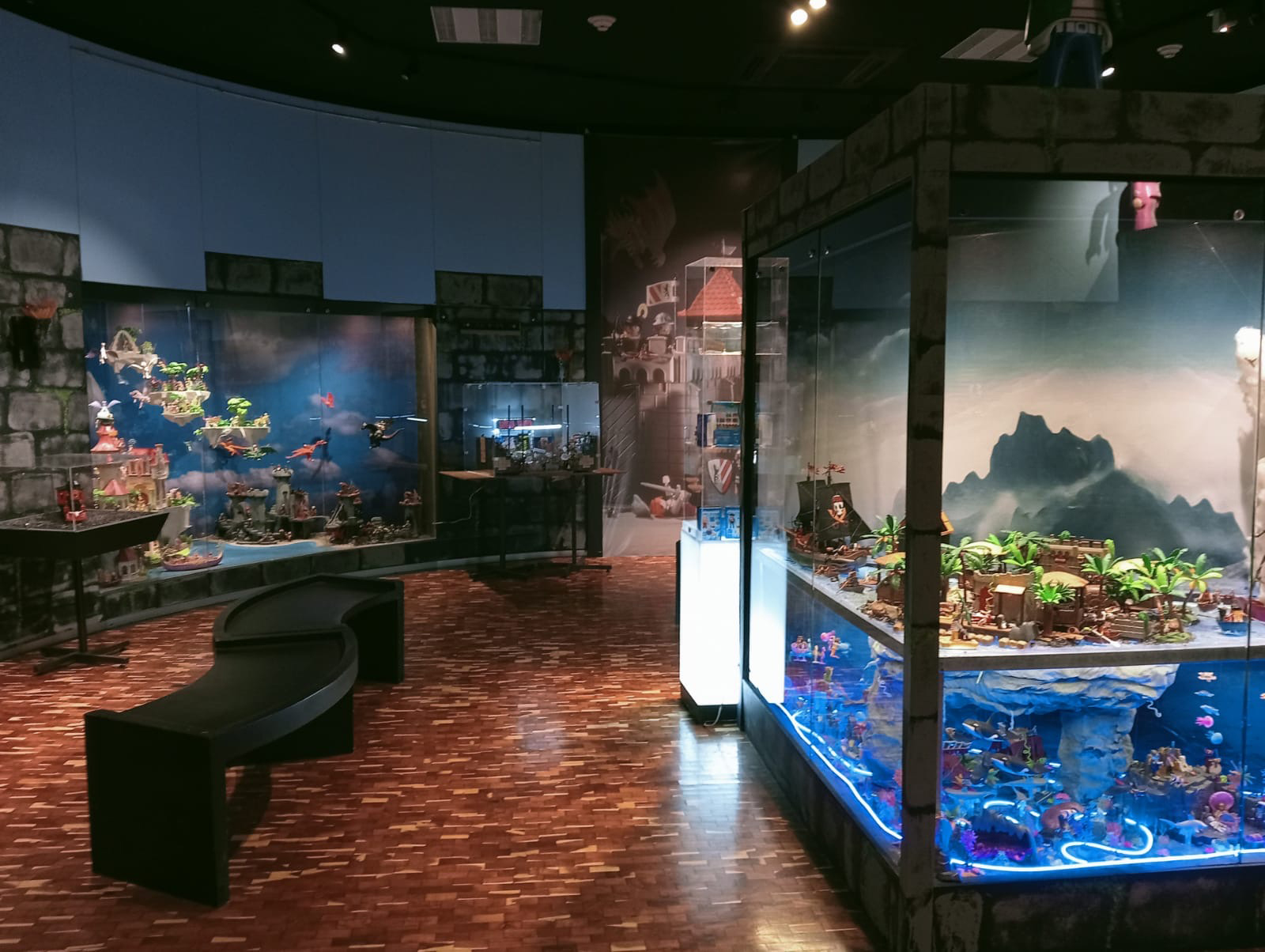
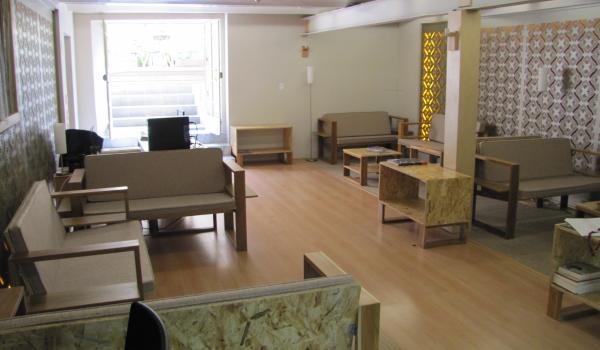
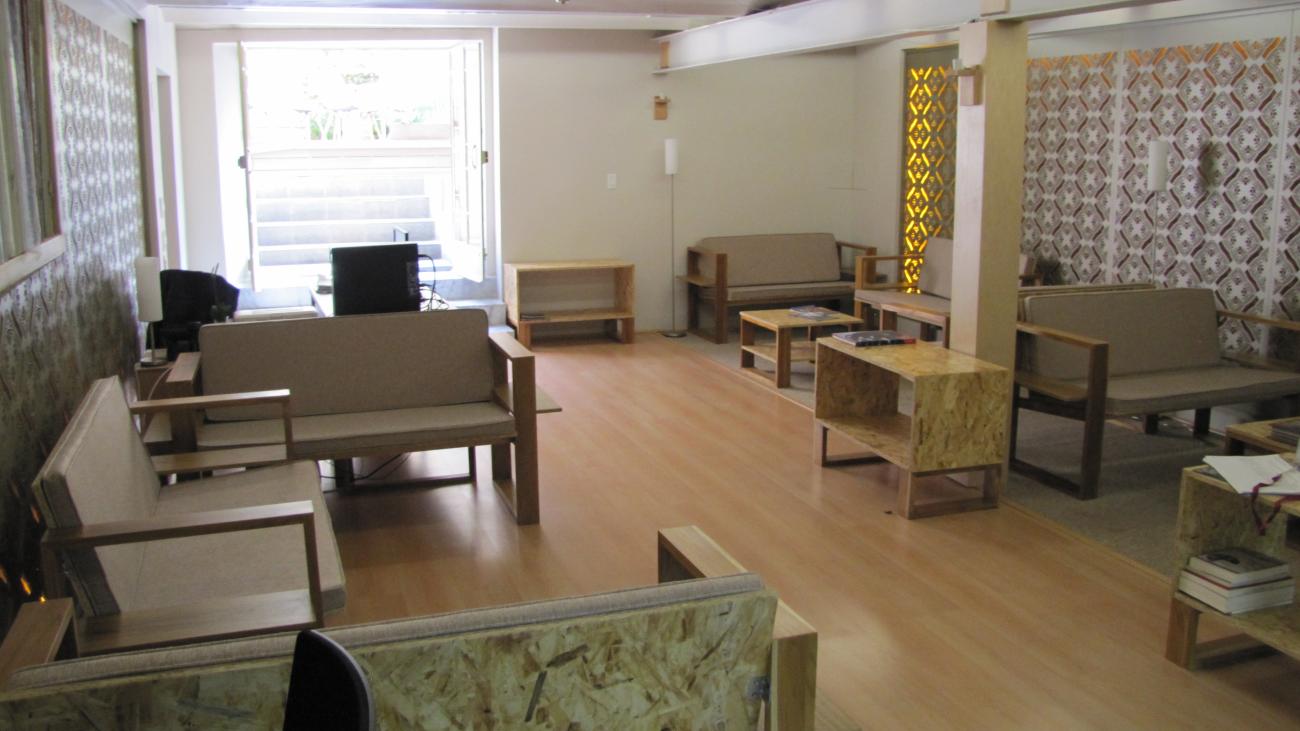
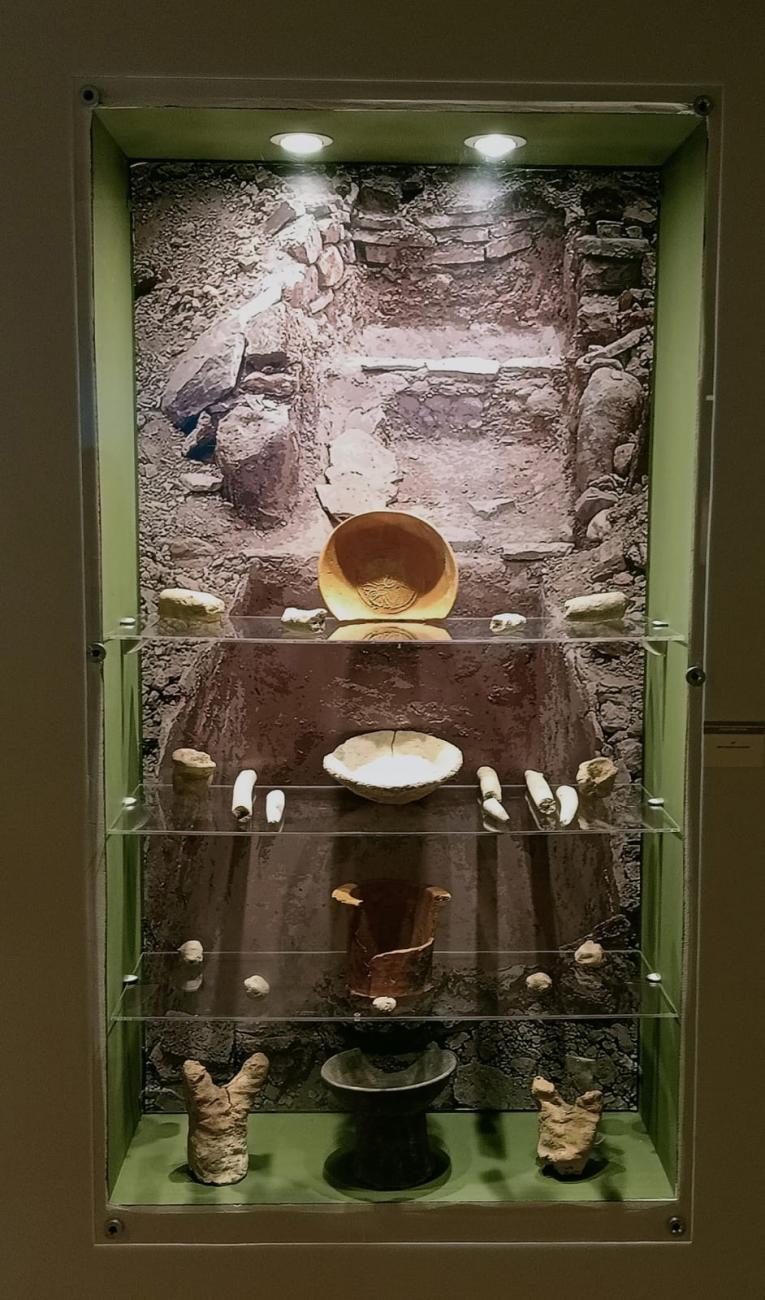
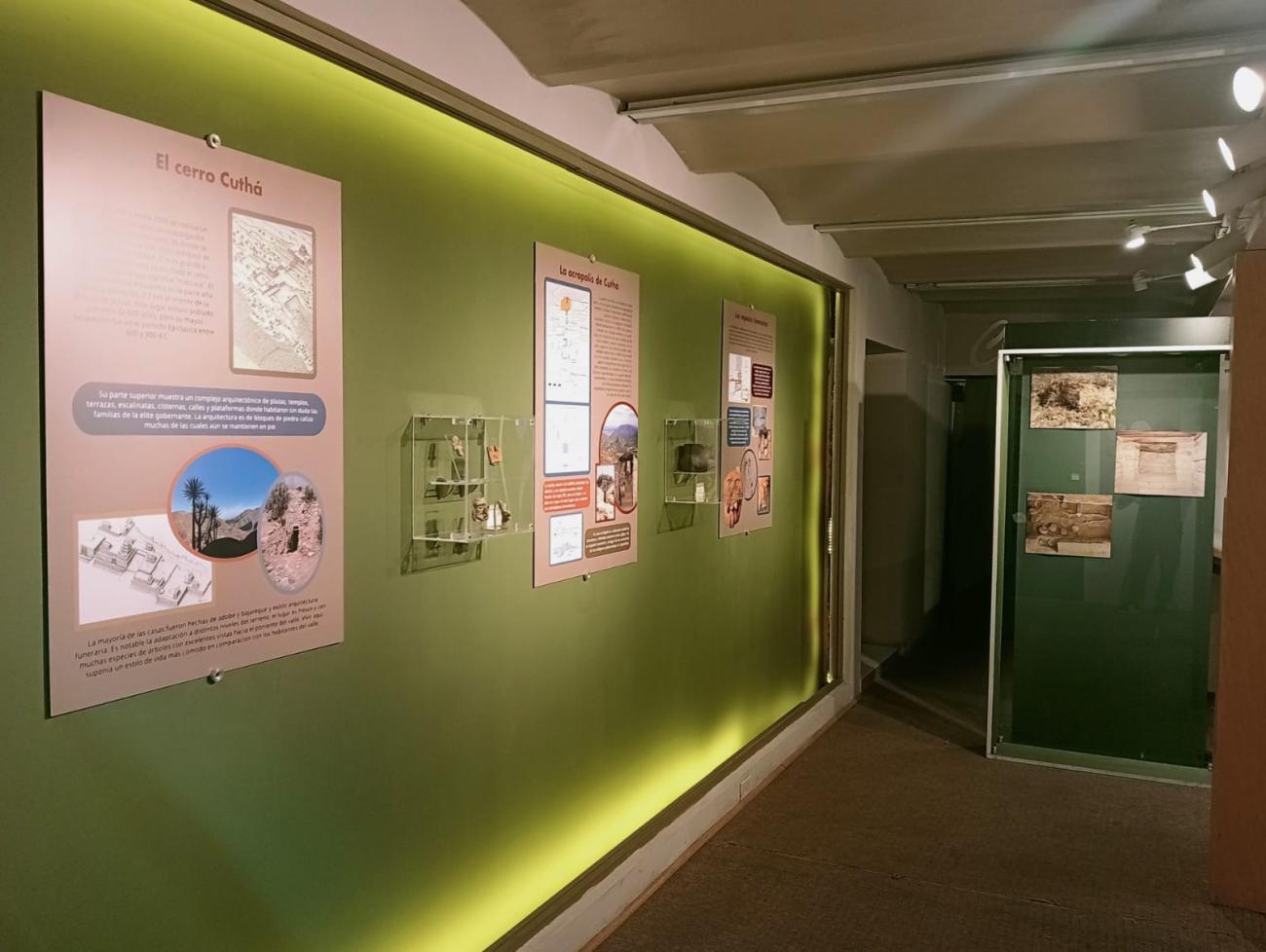
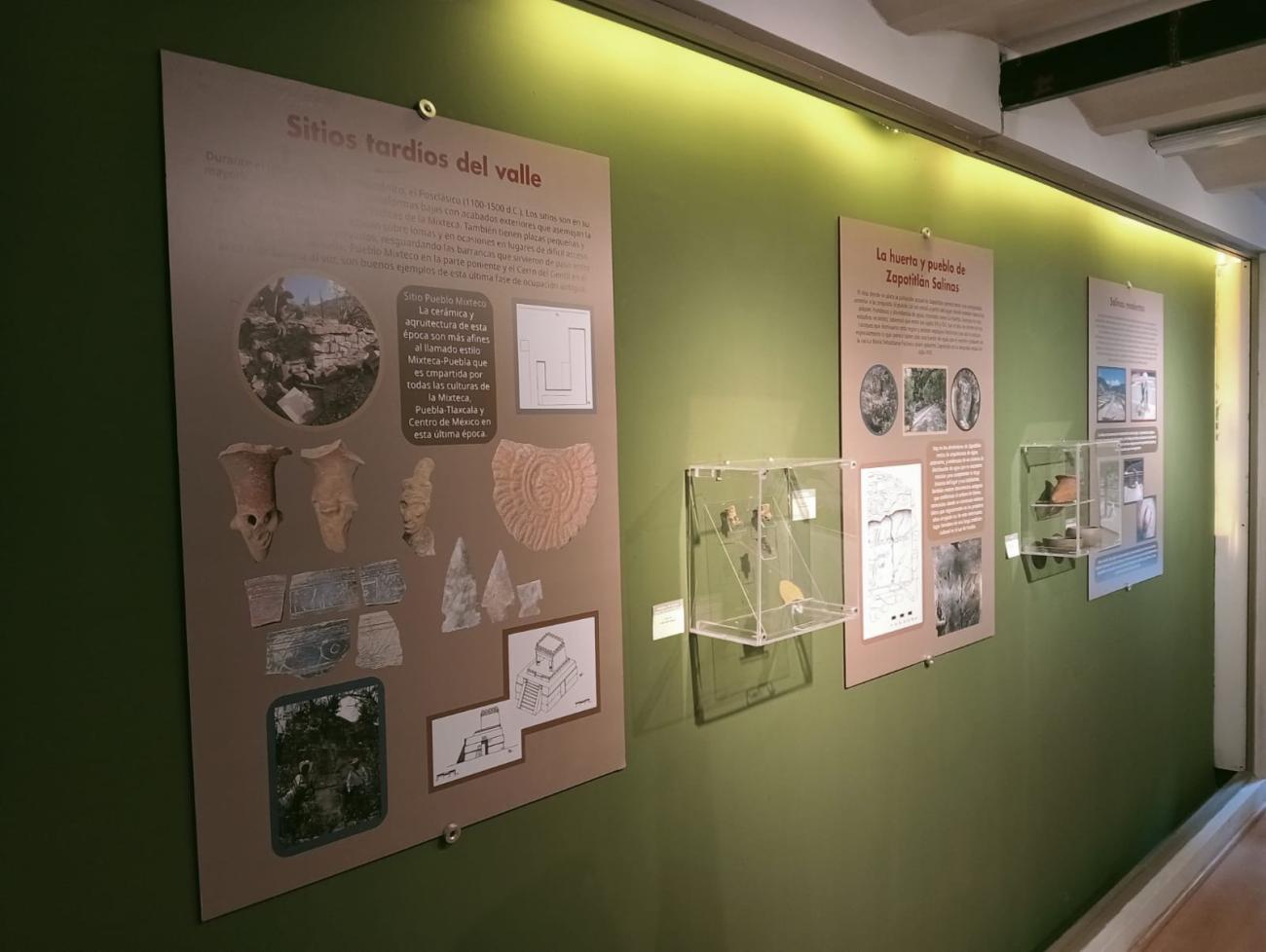
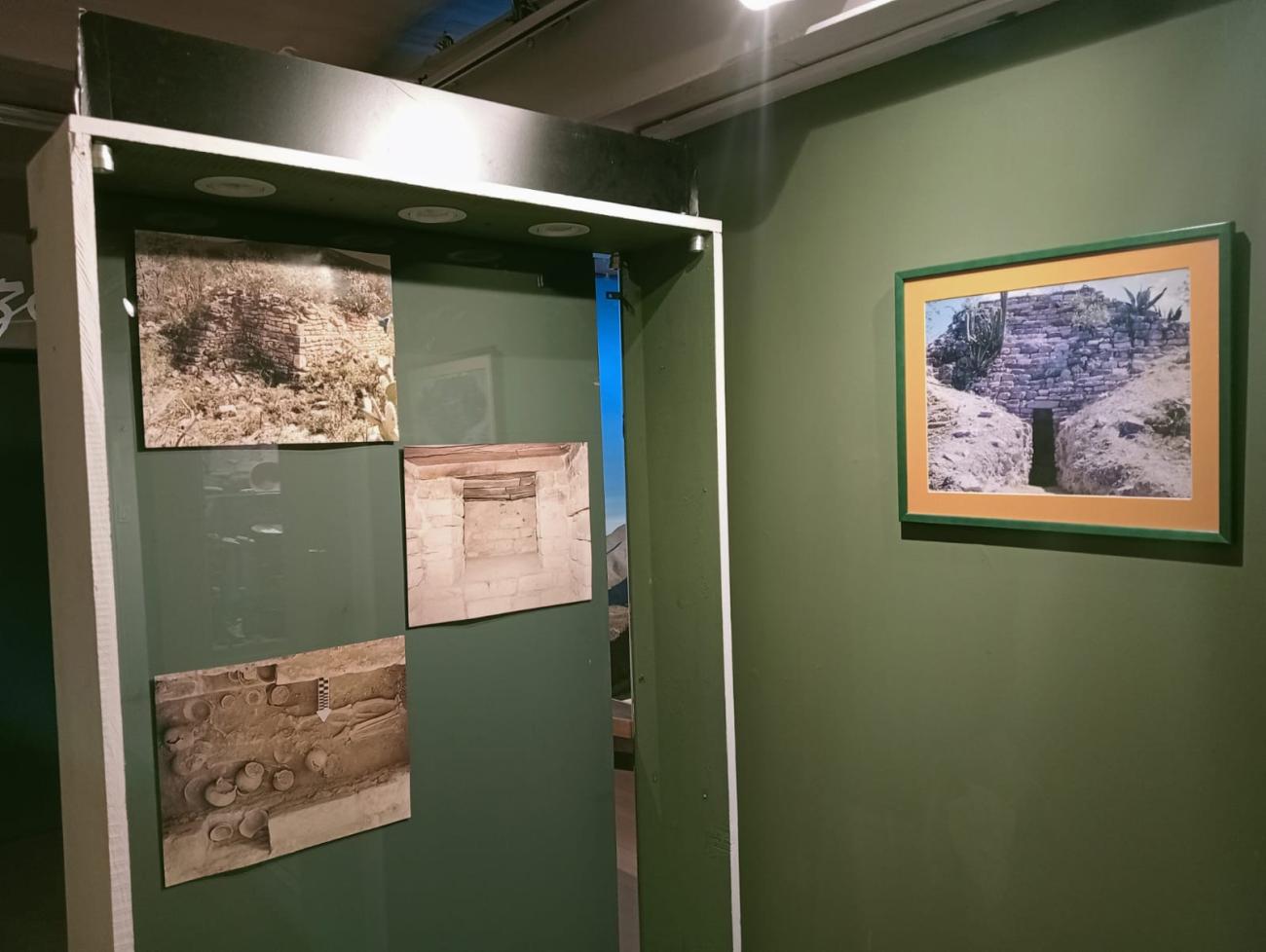
Located in the basement of the museum, this space is dedicated to cultural dissemination and engagement with different audiences. Its architecture is designed to host small temporary exhibitions.

Biblioteca Constituyentes de 1917

Constituent Assembly of 1917 Library

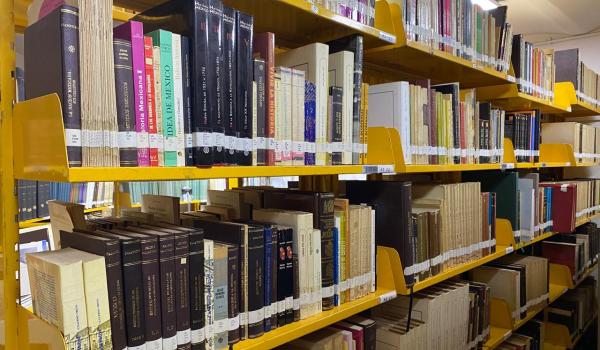
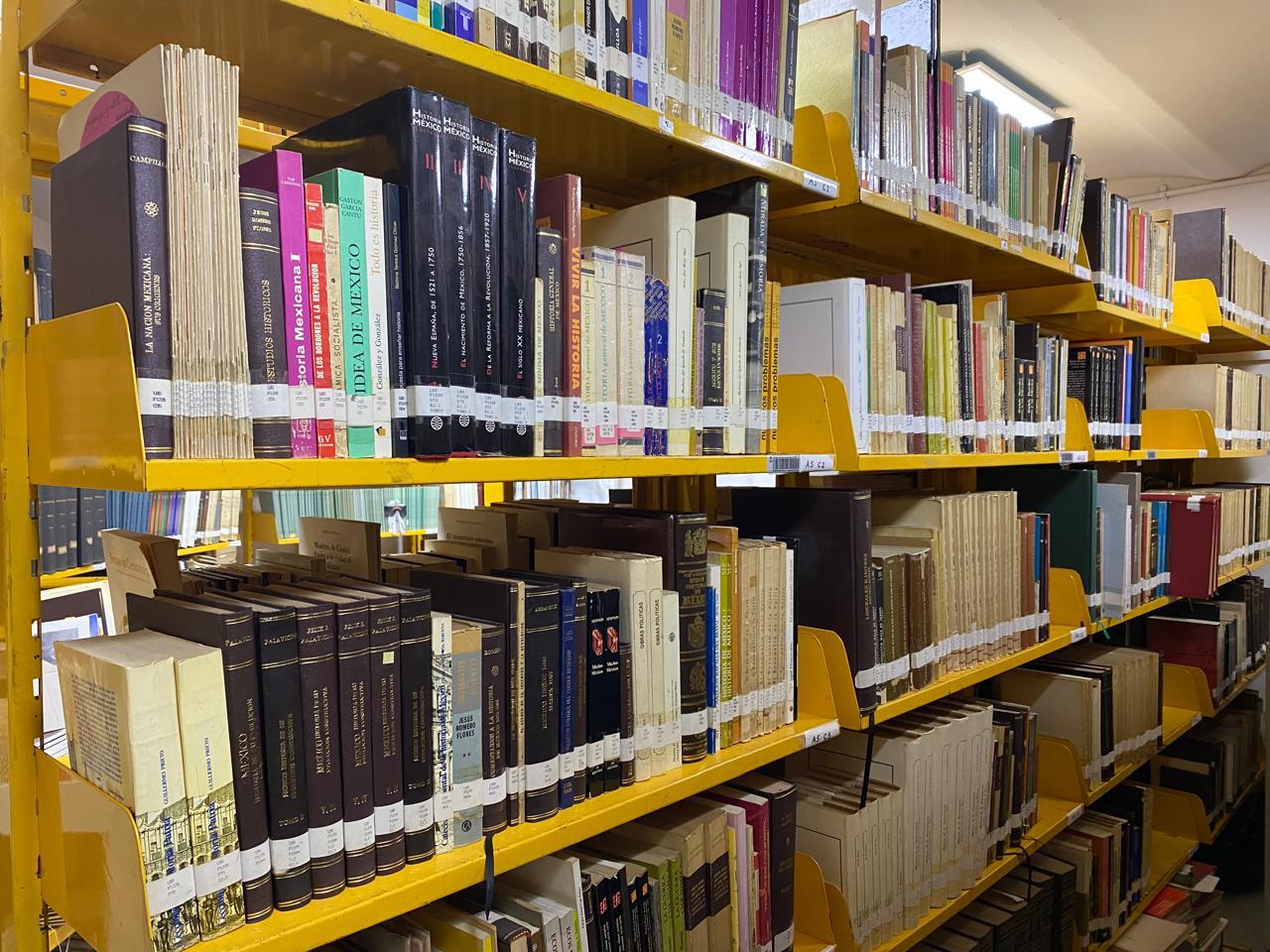
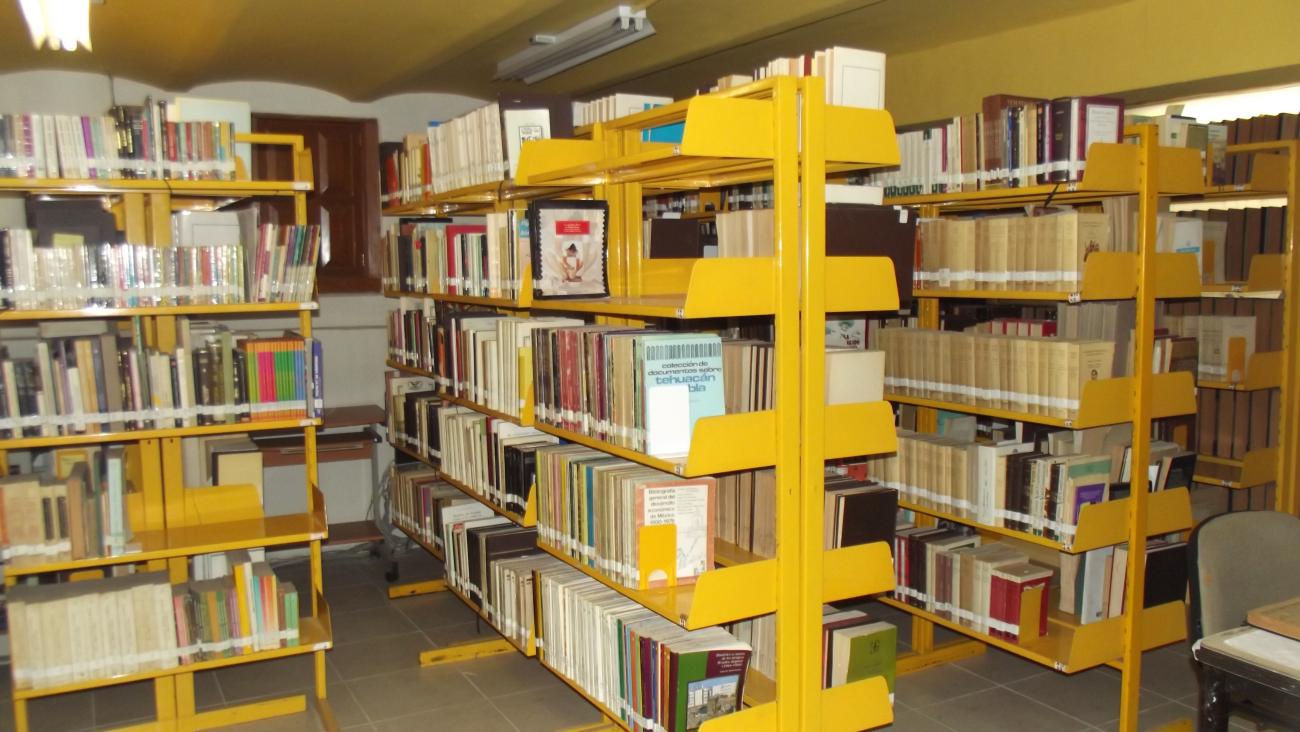
The Specialized Library is a space dedicated to preserving, studying, and disseminating written records of the Mexican Revolution, the life of Venustiano Carranza, and the Constituent Congress of 1916-1917.

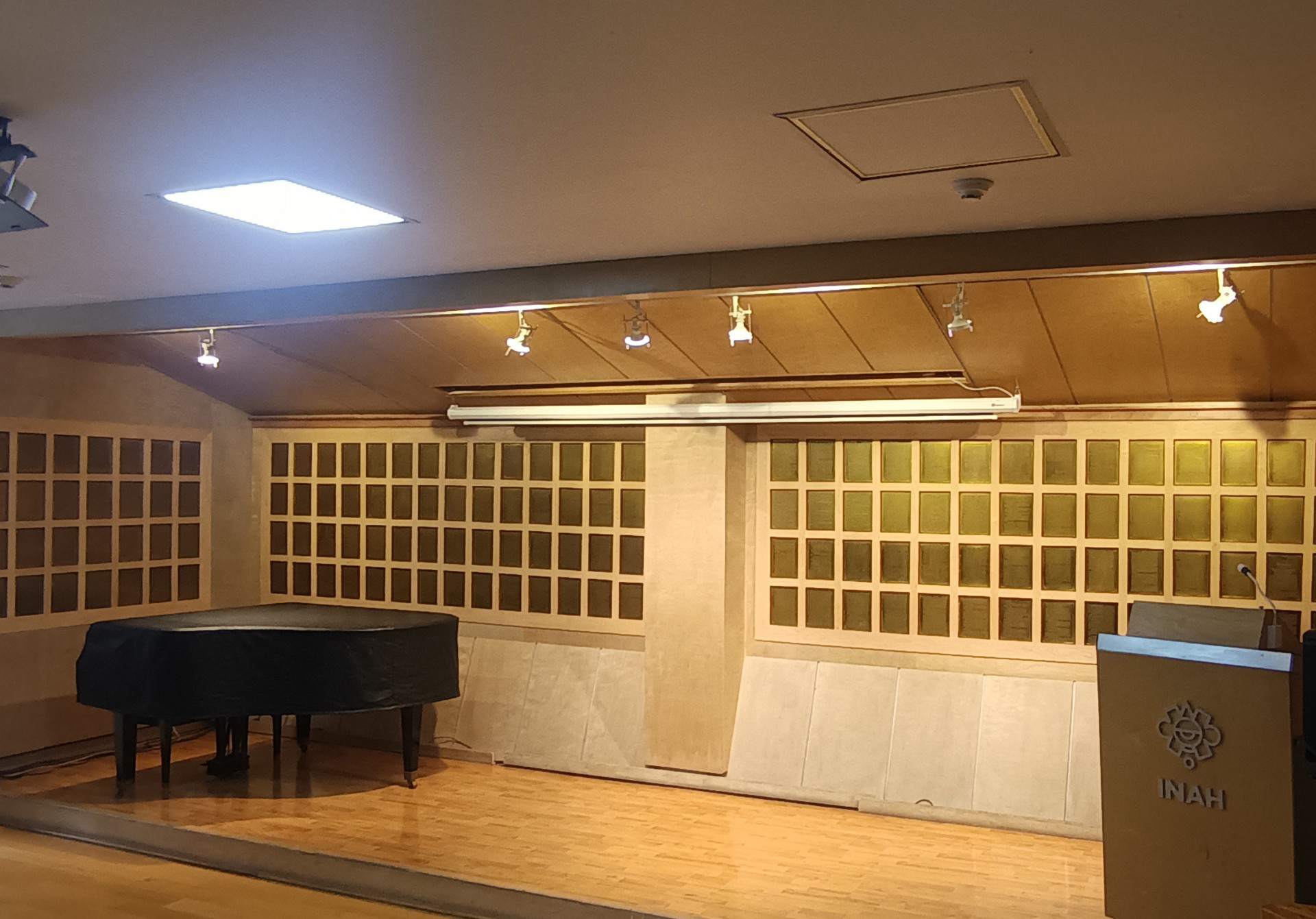
Auditorio Hermila Galindo

Hermila Galindo Auditorium

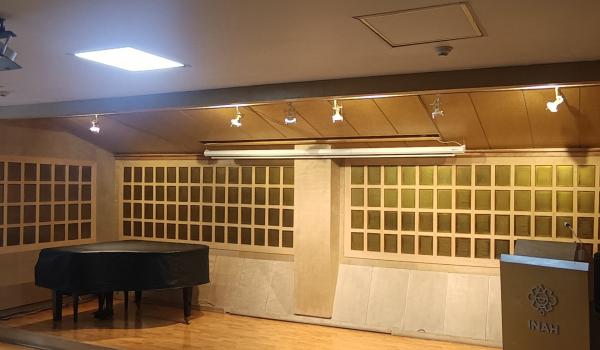
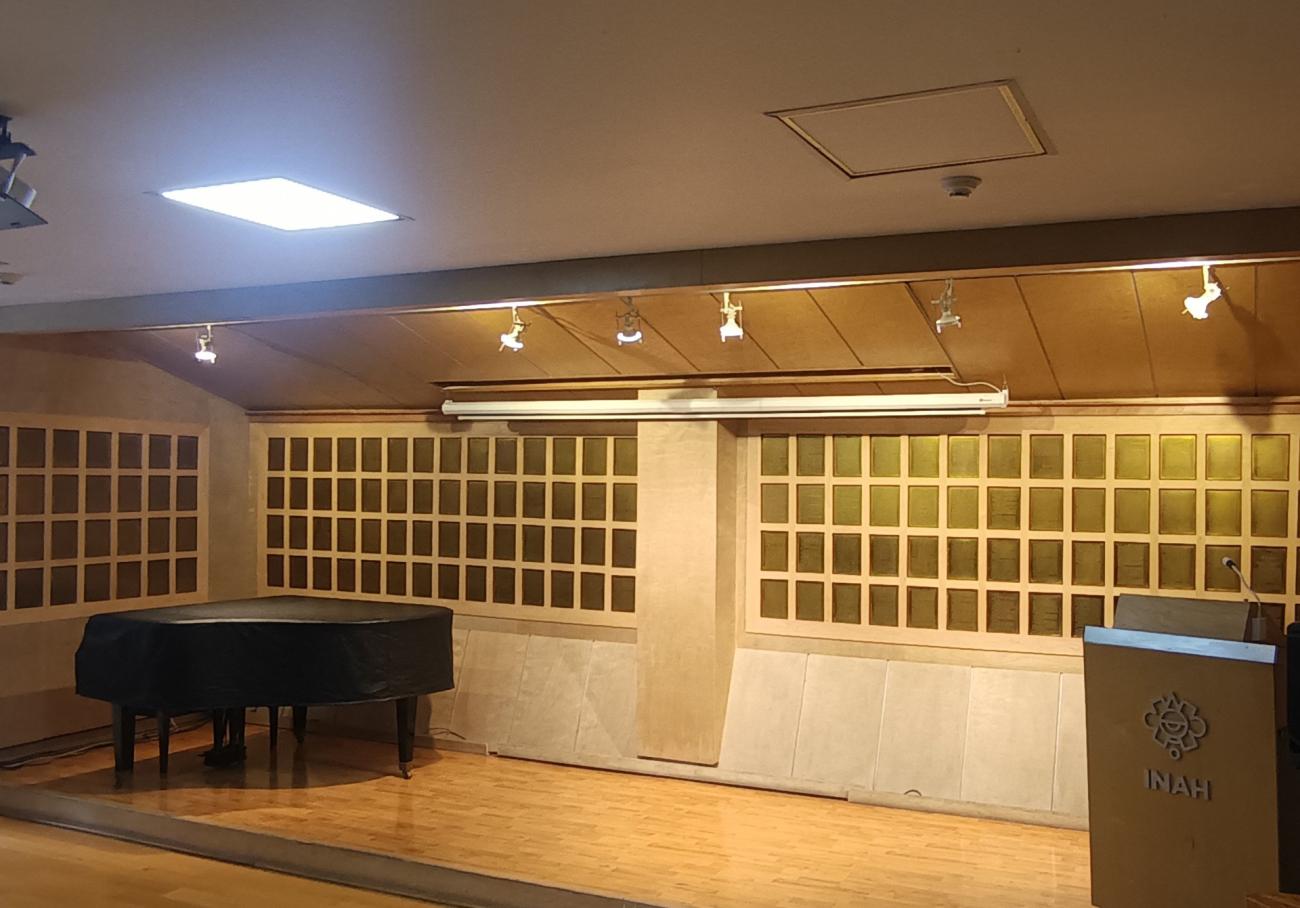
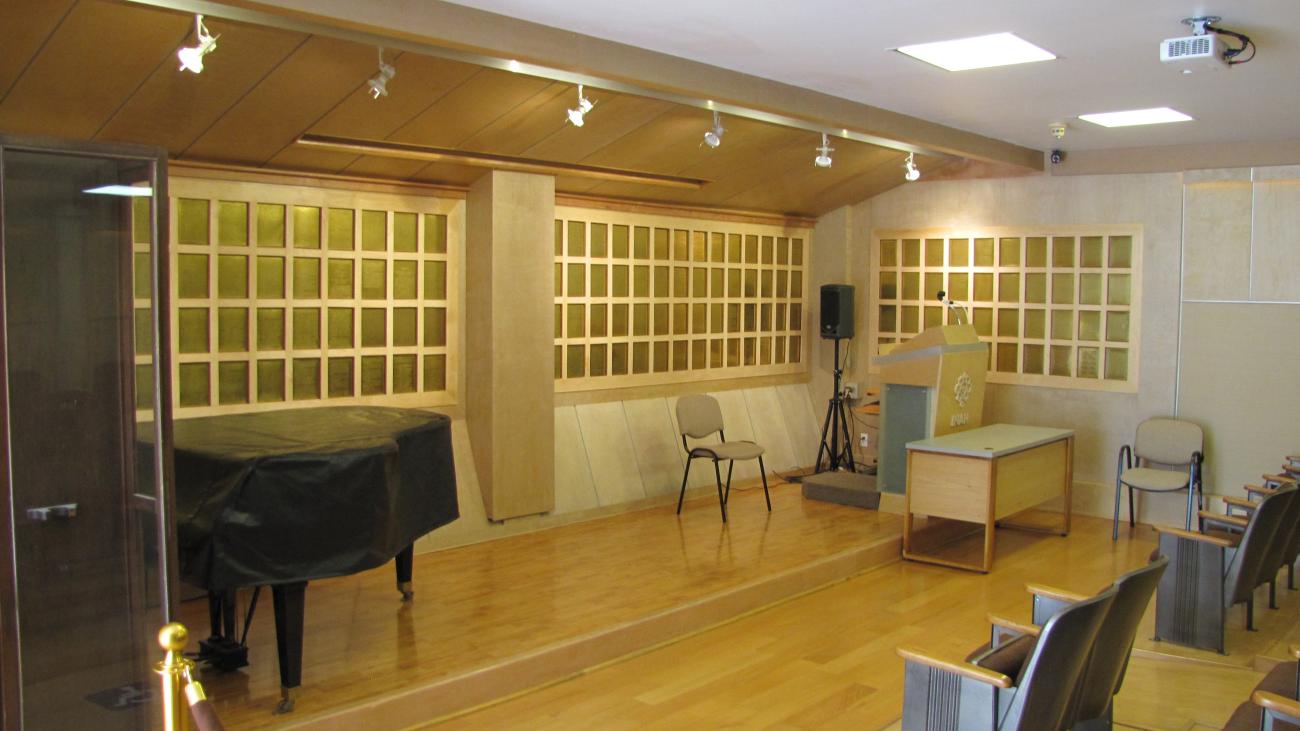
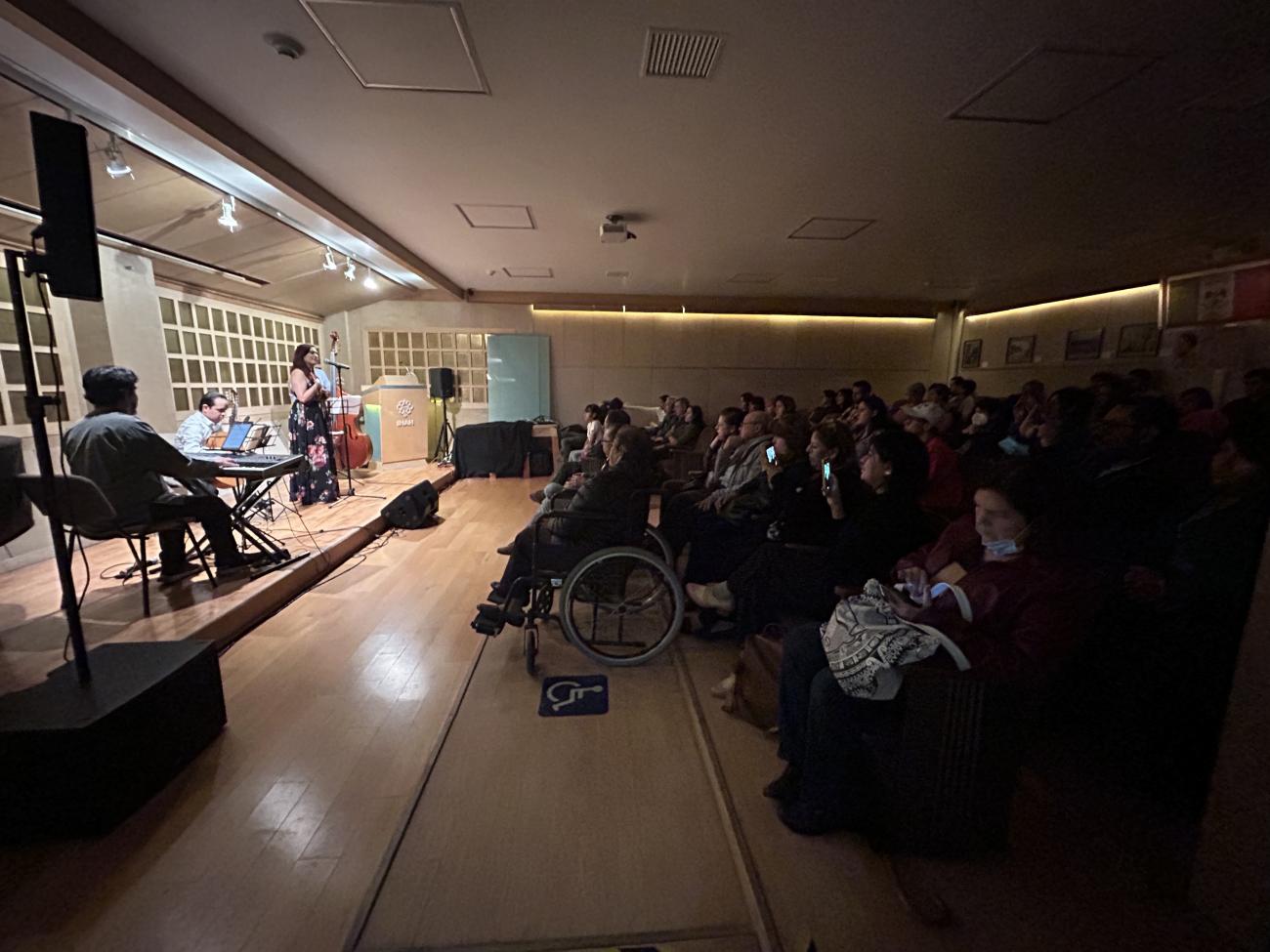
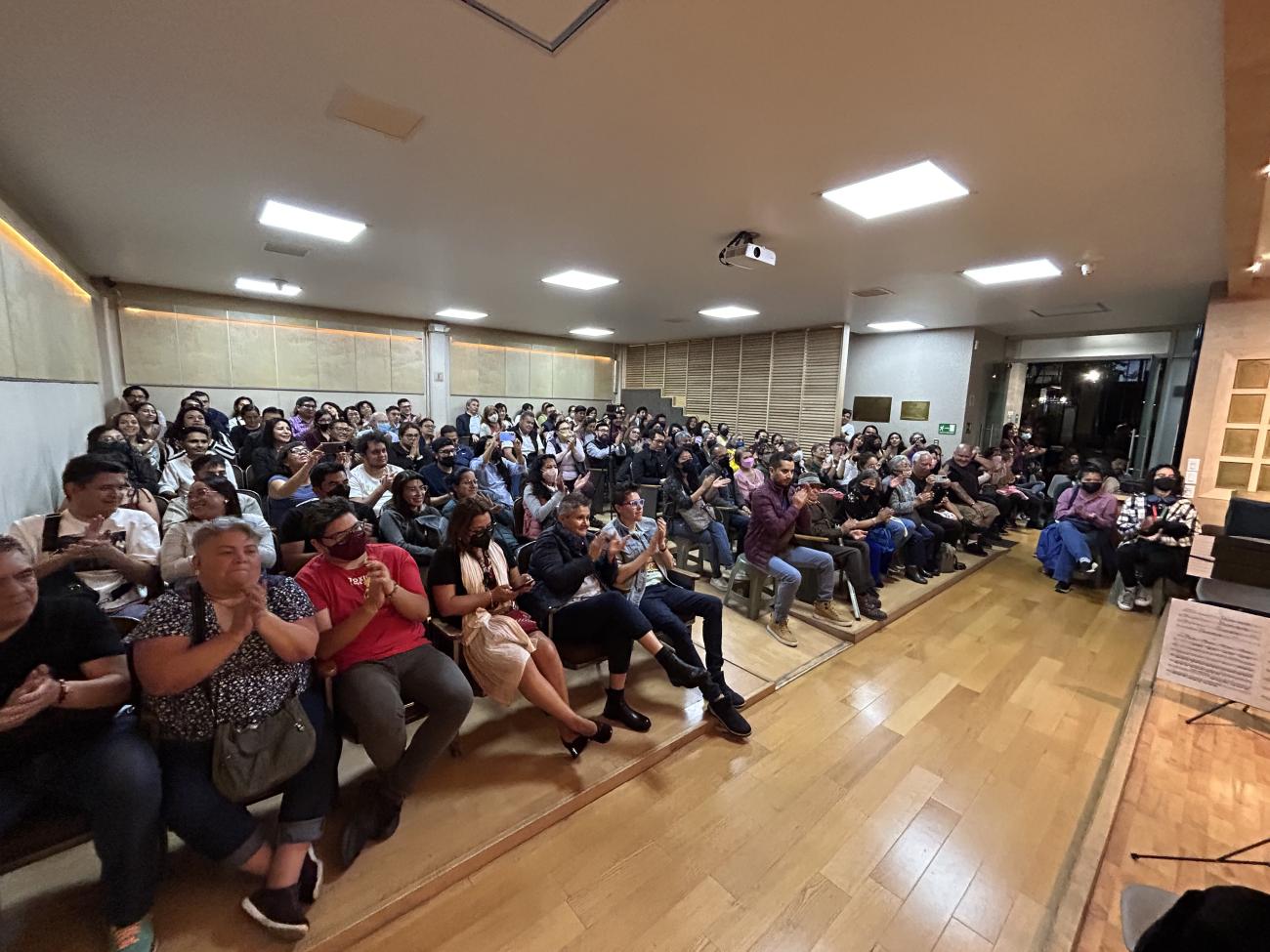
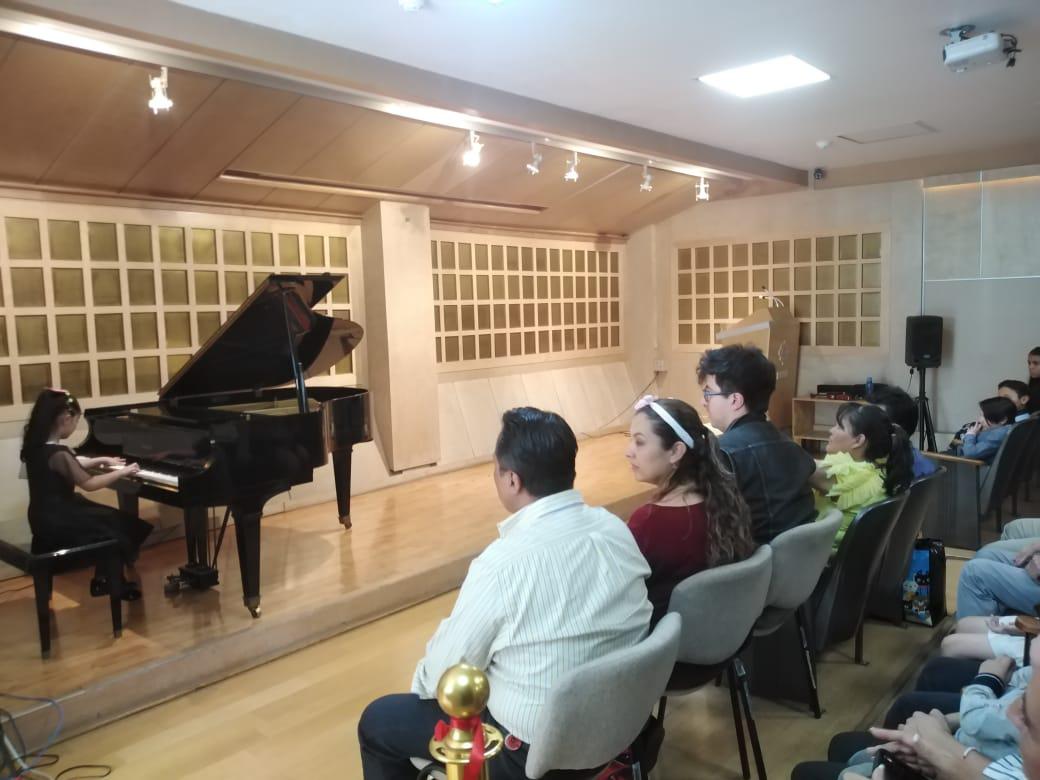
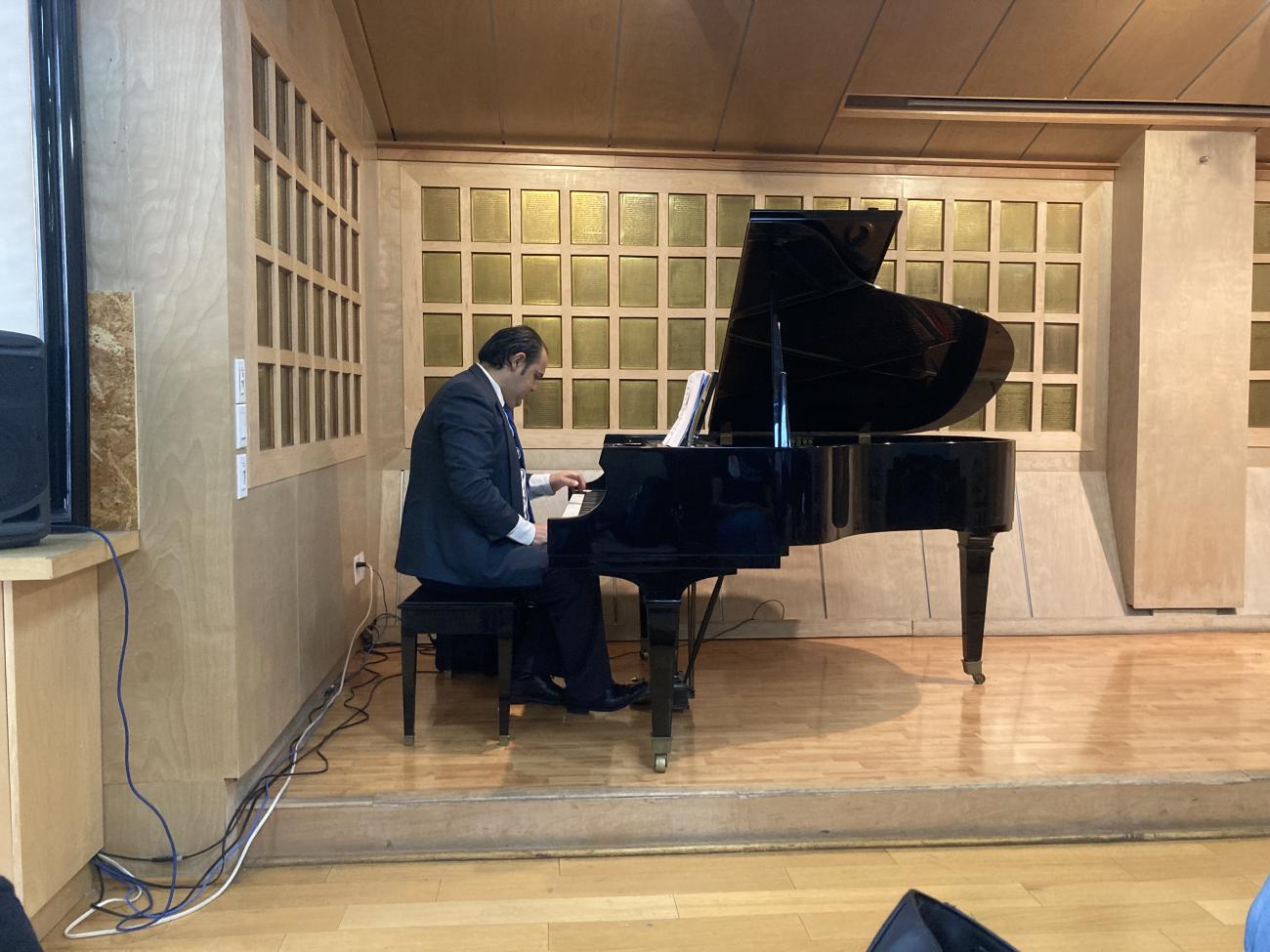
The Auditorium of the Casa de Carranza Museum, located on the ground floor of the residence, where the superintendent's house, the stables, and the garage were located, is a space dedicated to cultural and academic dissemination.

Galería Julia Carranza

Julia Carranza Gallery

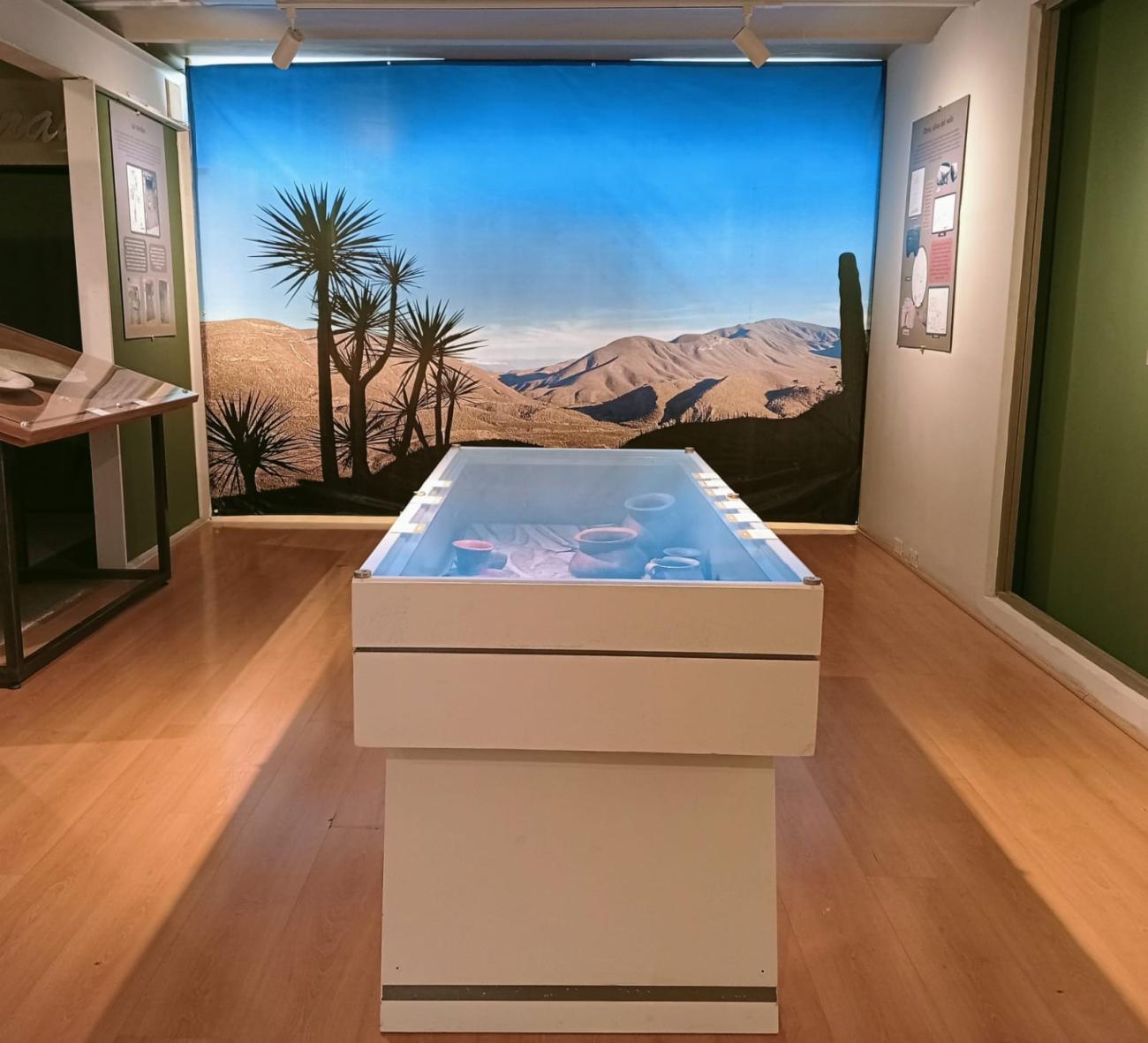
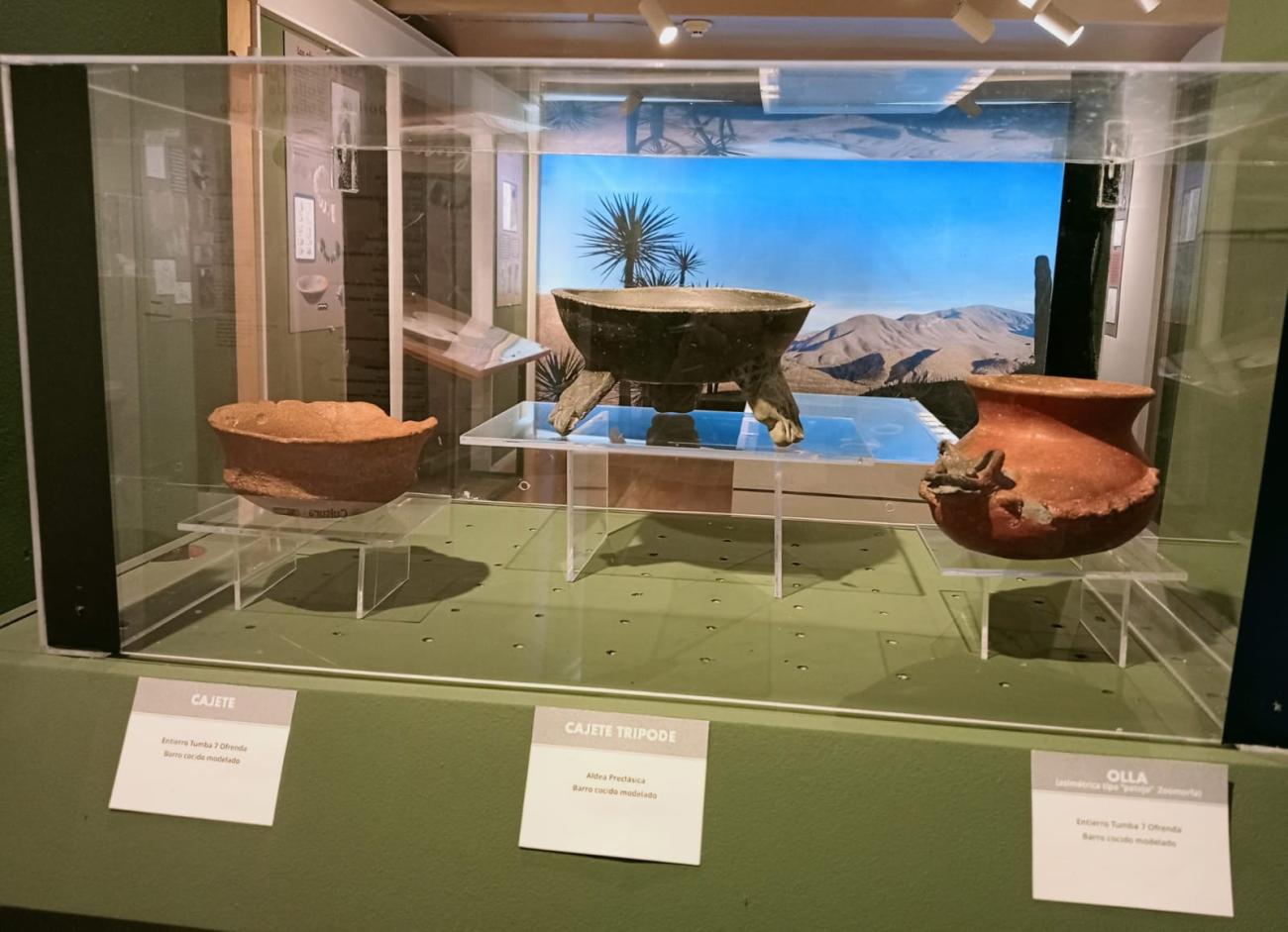
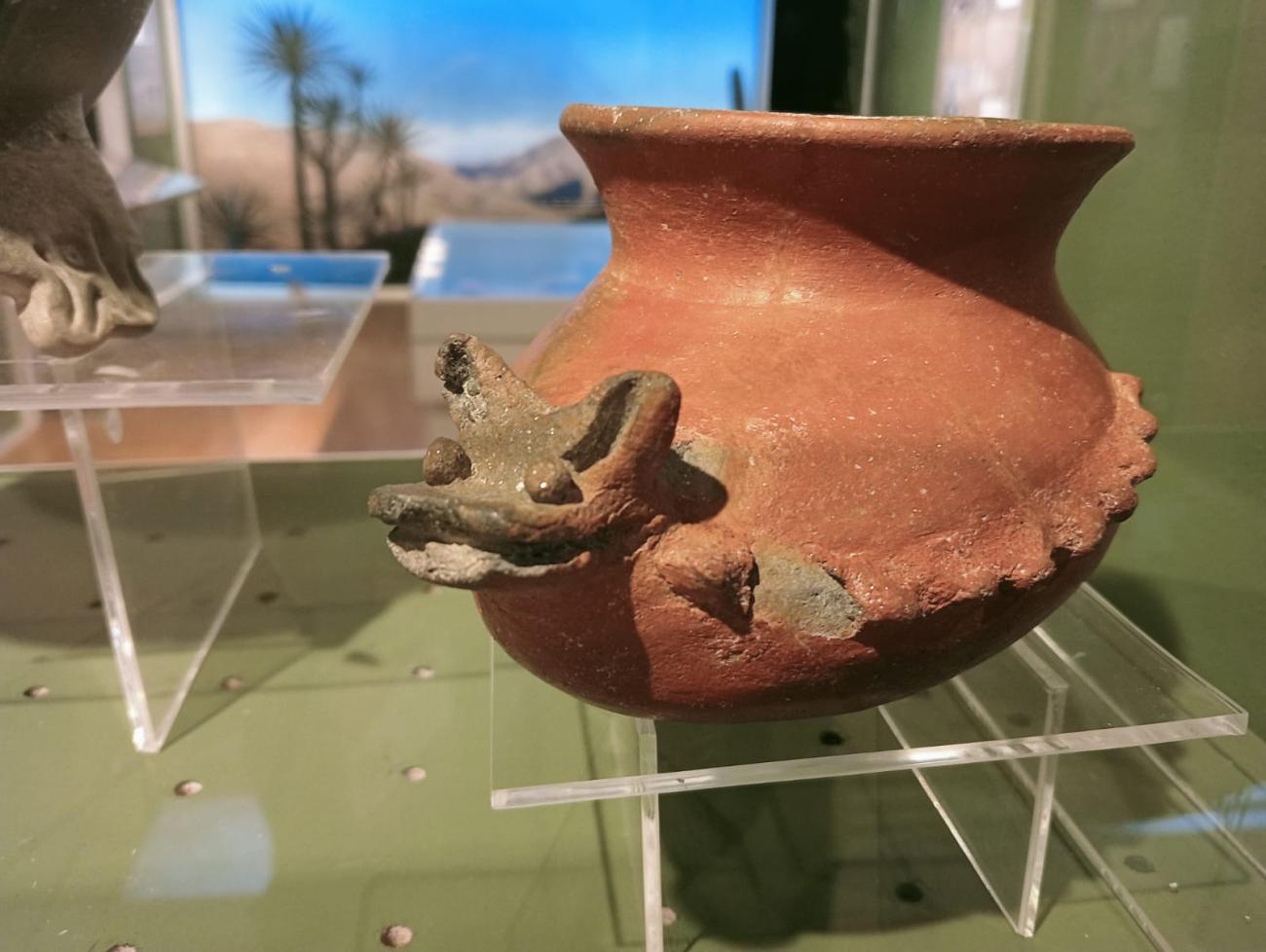
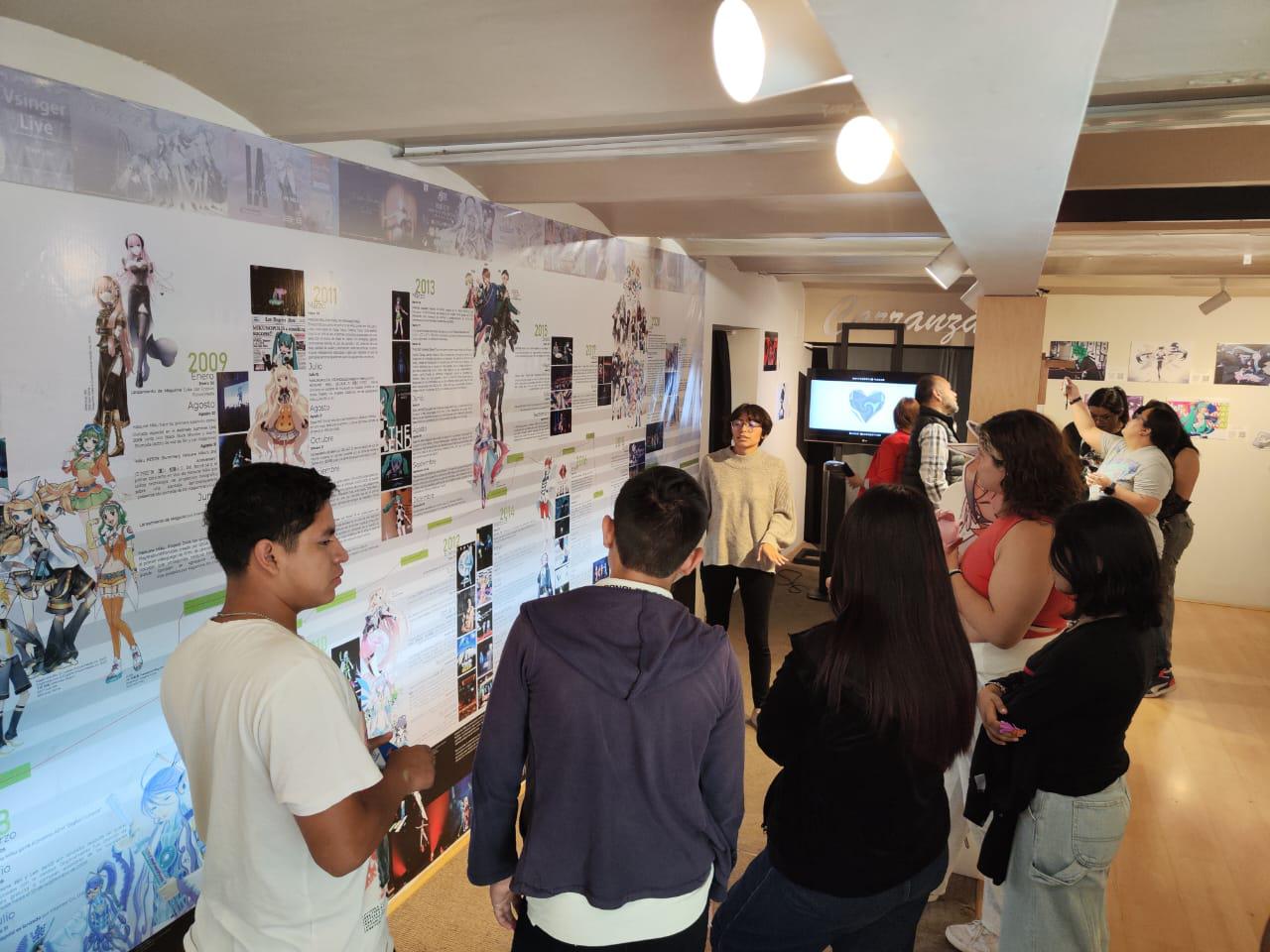
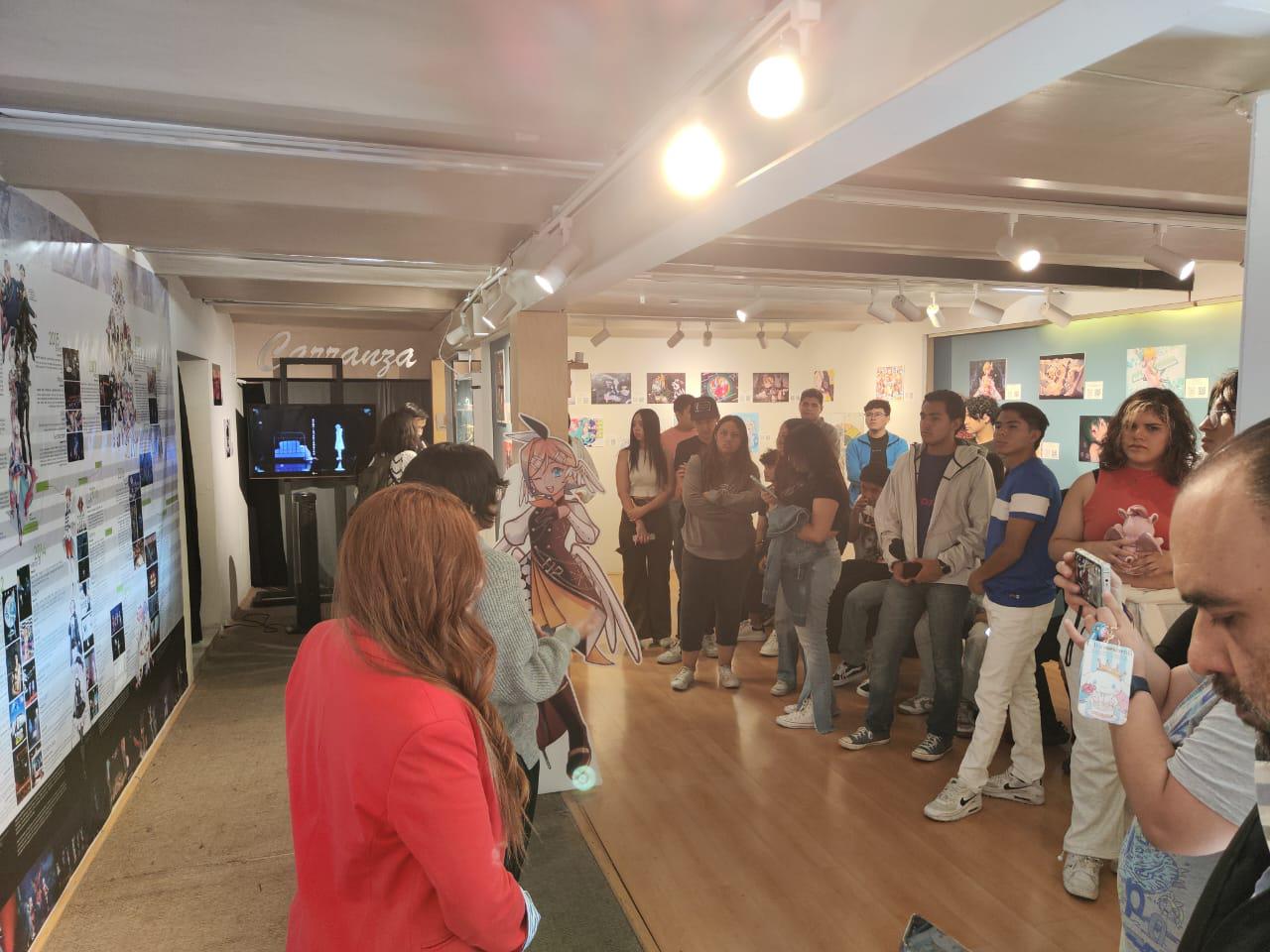
Located on the upper floor of the Auditorium, this space is dedicated to cultural dissemination and outreach to different audiences. Its architecture was designed to host temporary exhibitions related to the anthropological work of the INAH.

Galería exterior

Exterior gallery

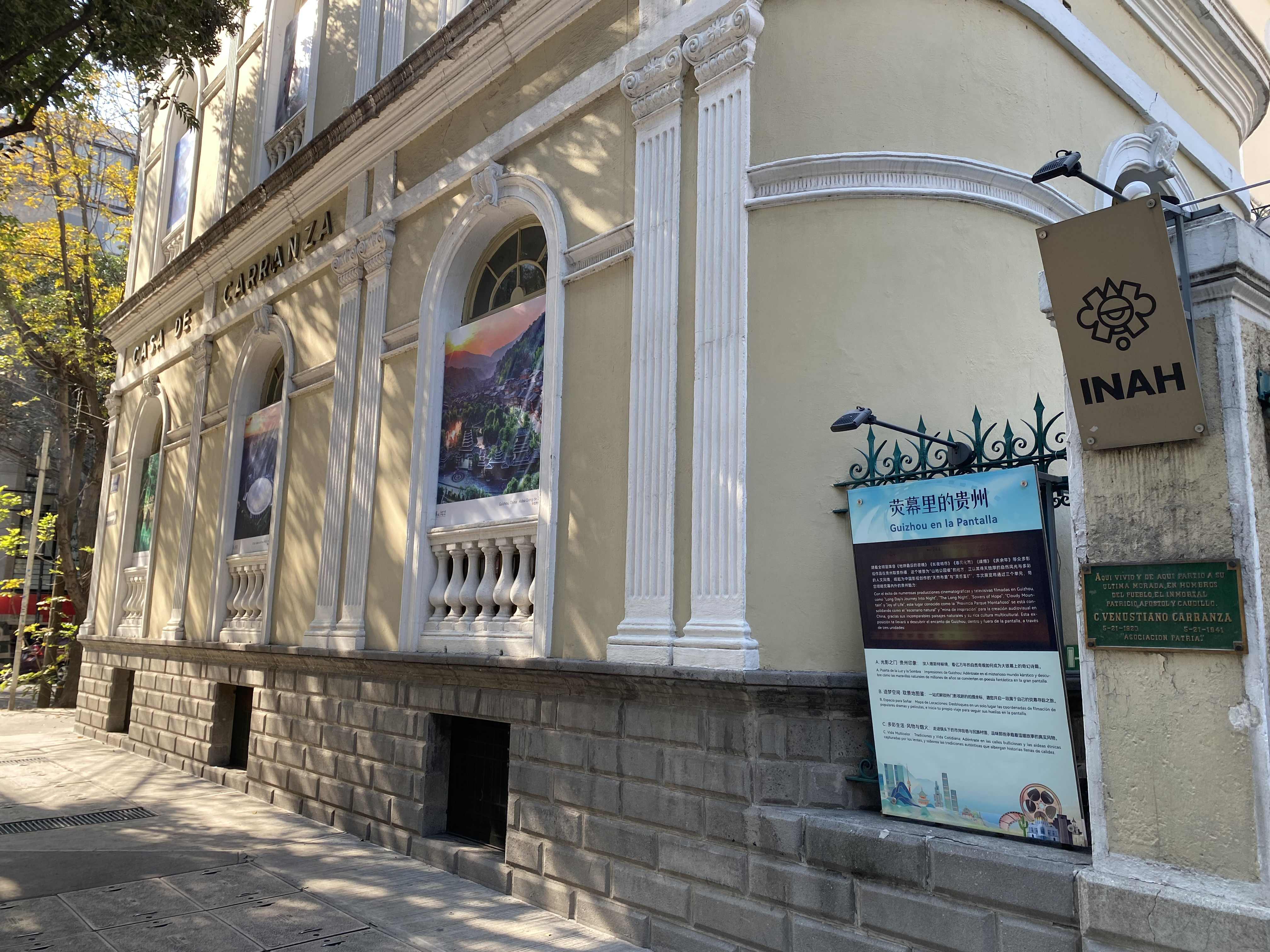
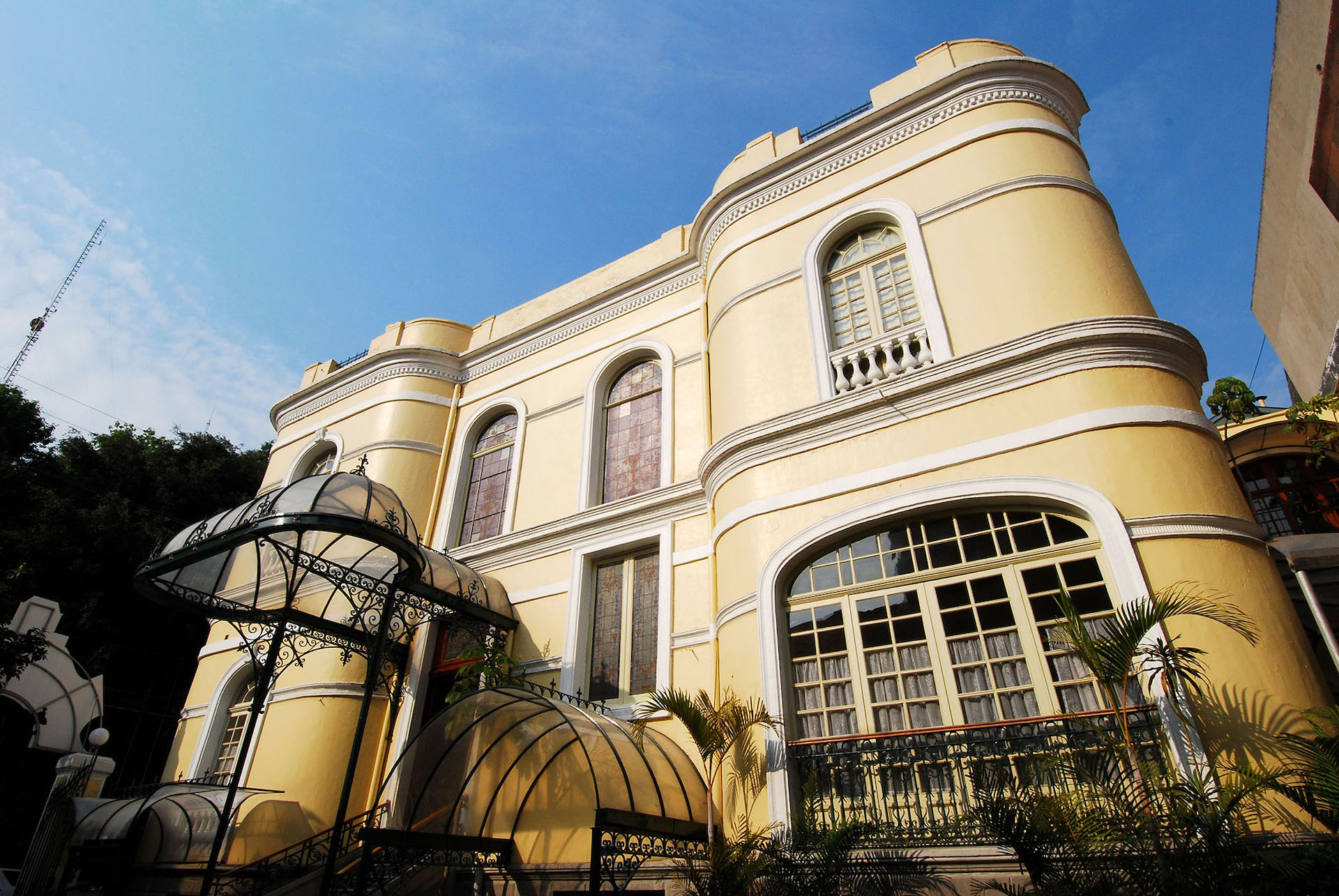
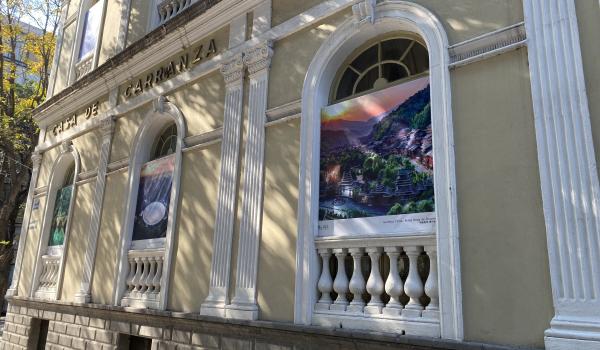
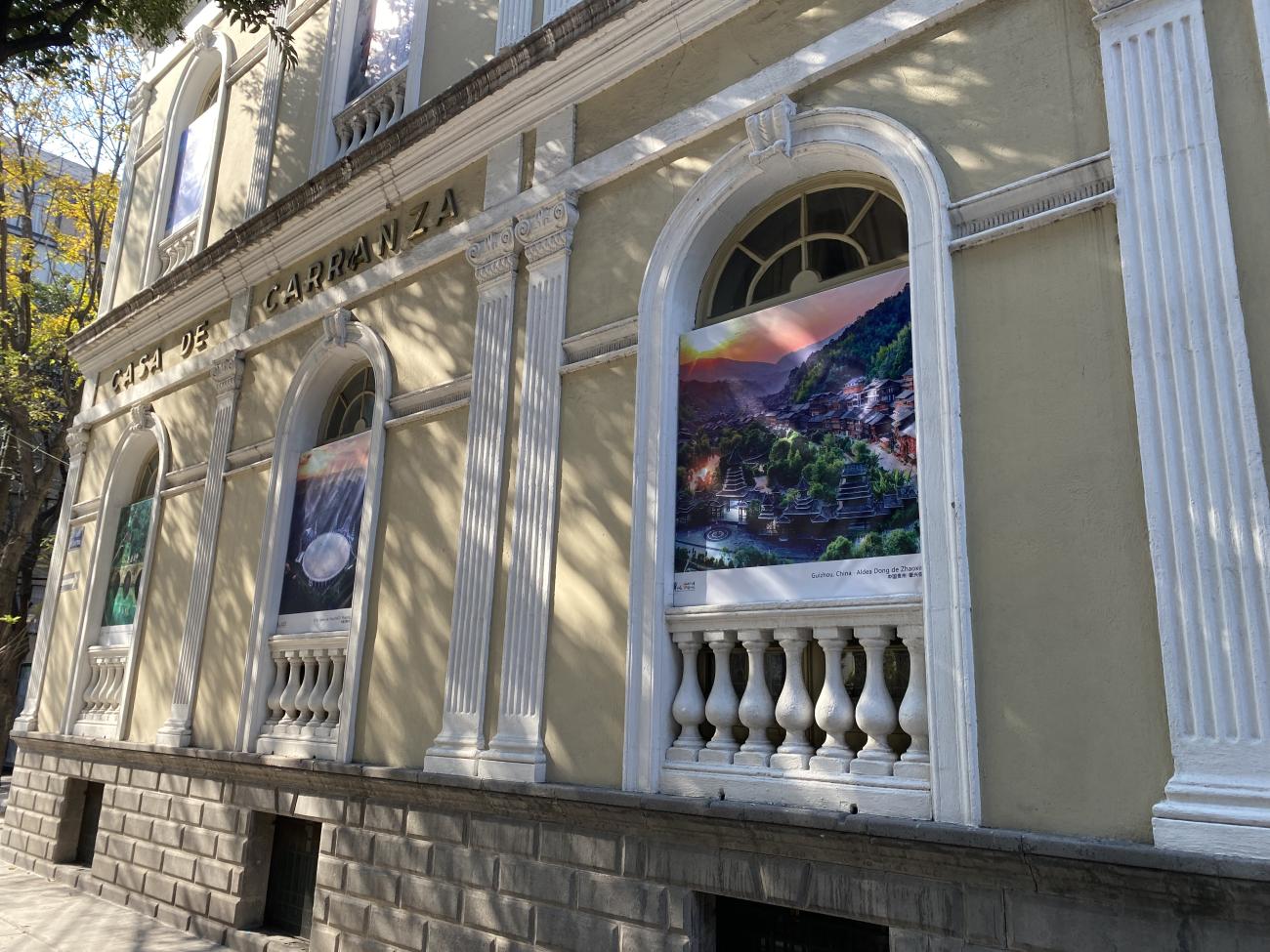
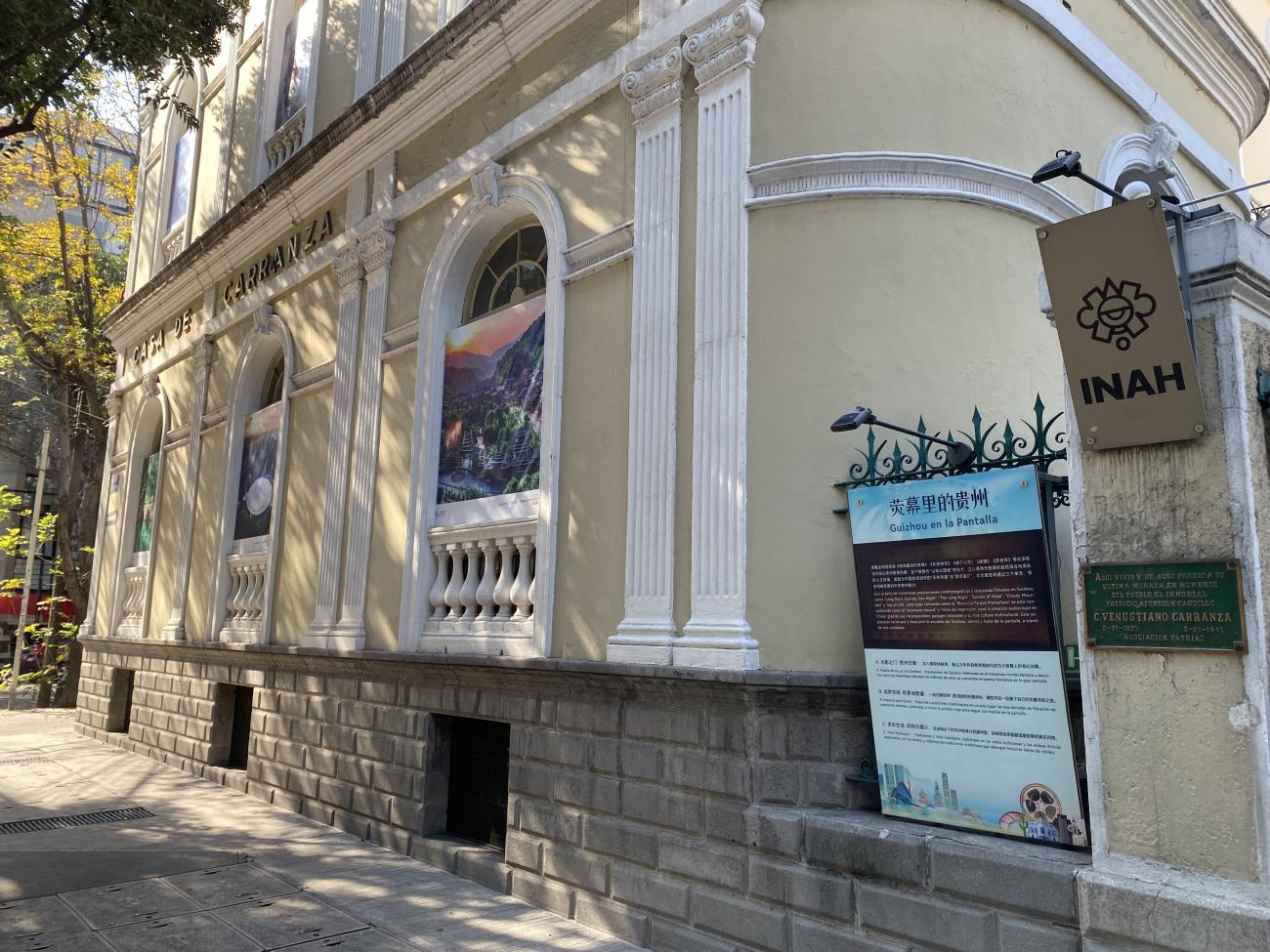
The façade of the Casa de Carranza Museum is not only the elegant face of this Porfirian mansion: it is also a living space that is constantly changing.

Contacto

dir_casacarranza@inah.gob.mx
+52 (55) 46 6494
Twitter

Lugares INAH cercanos