






Zacatecas
Historical Monuments Zone
Abstract
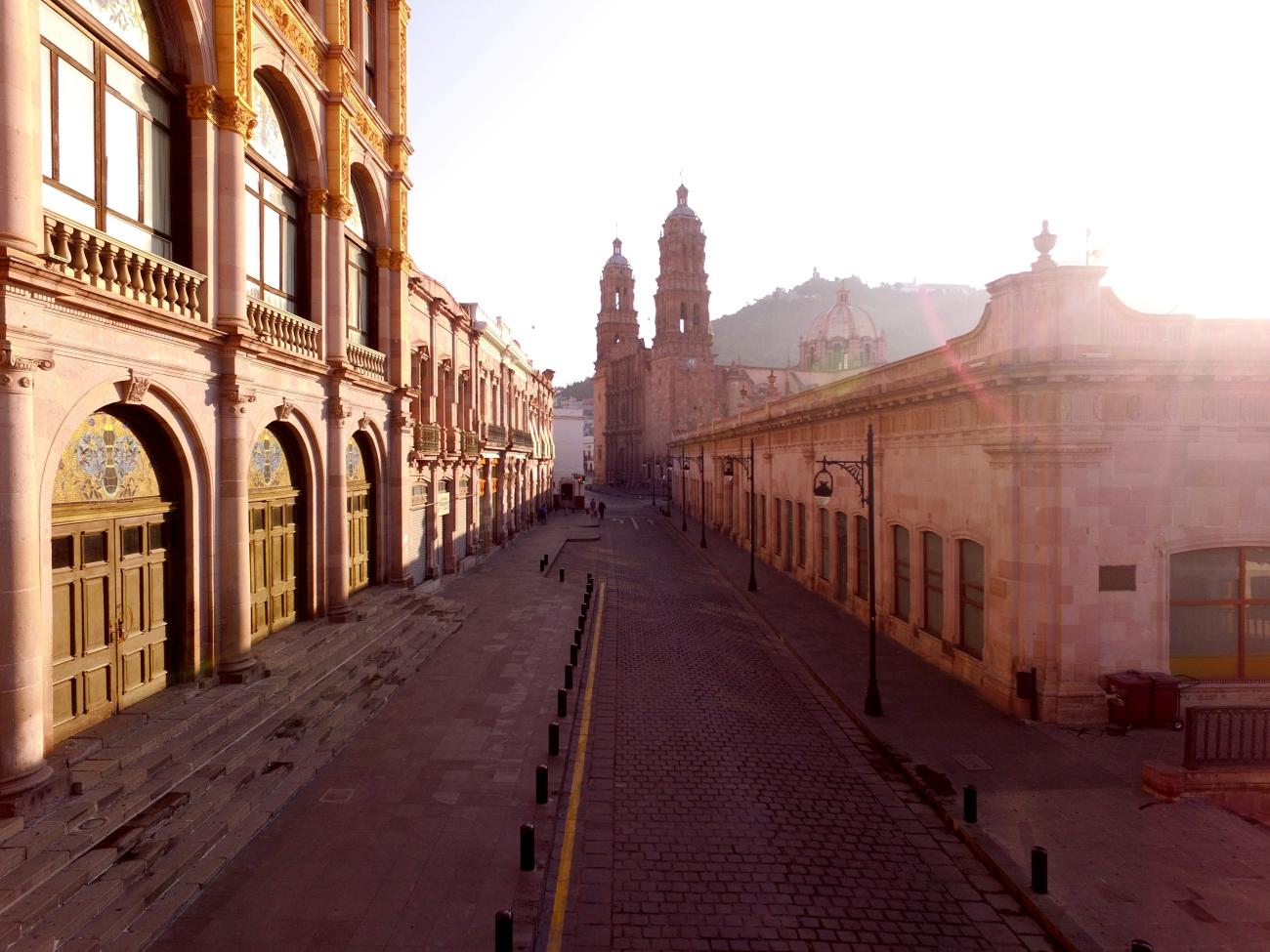
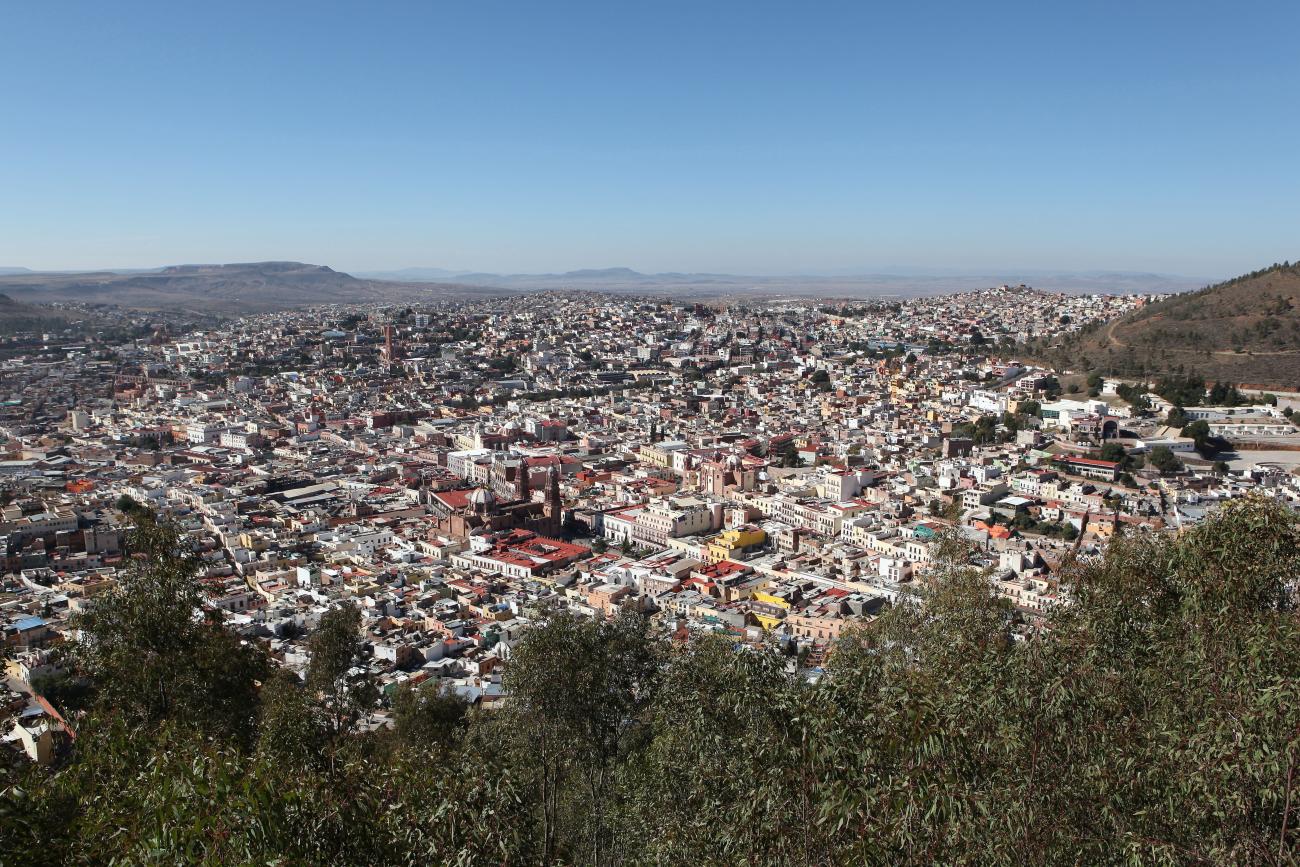
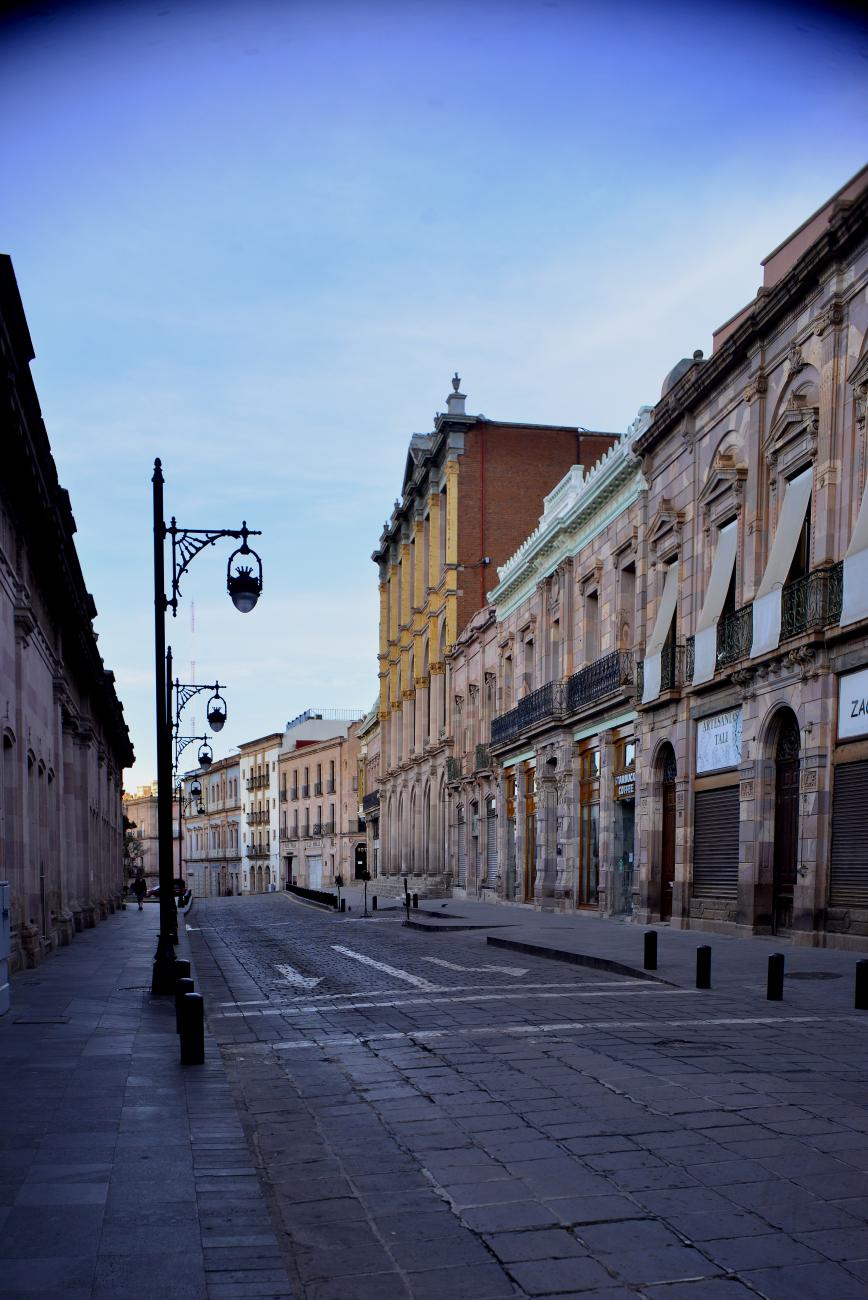
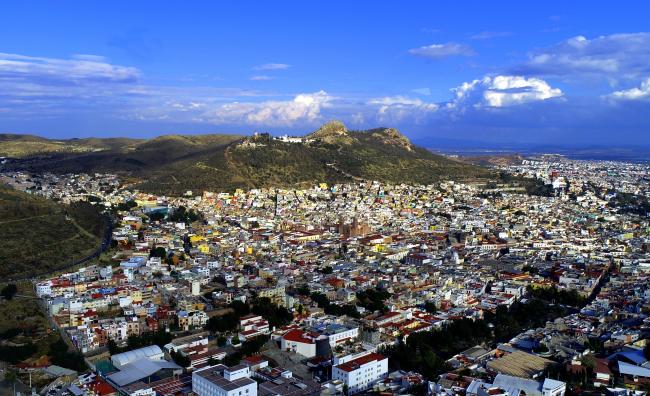
This city preserves architectural features typical of the Bajío region and is closely linked to significant historical events that took place during the War of Independence, the Second French Intervention, and the Mexican Revolution.
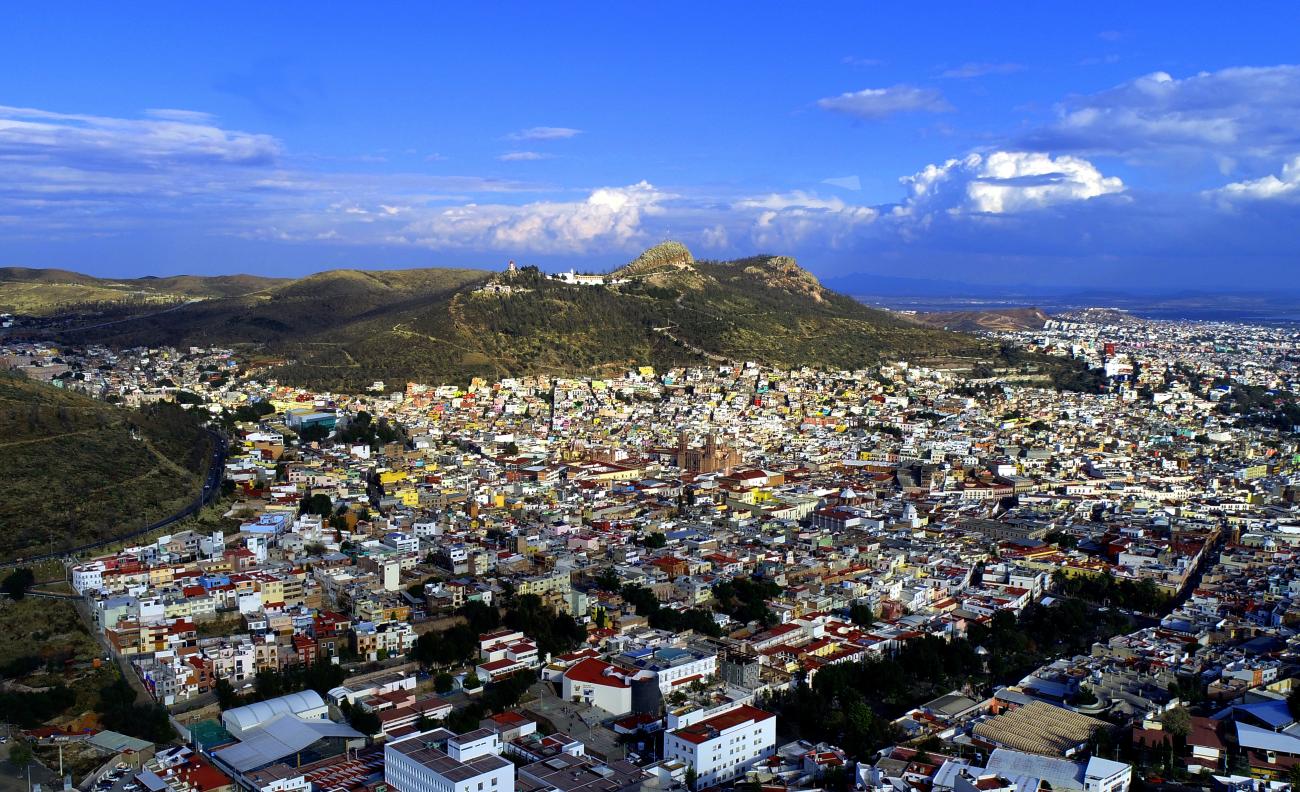
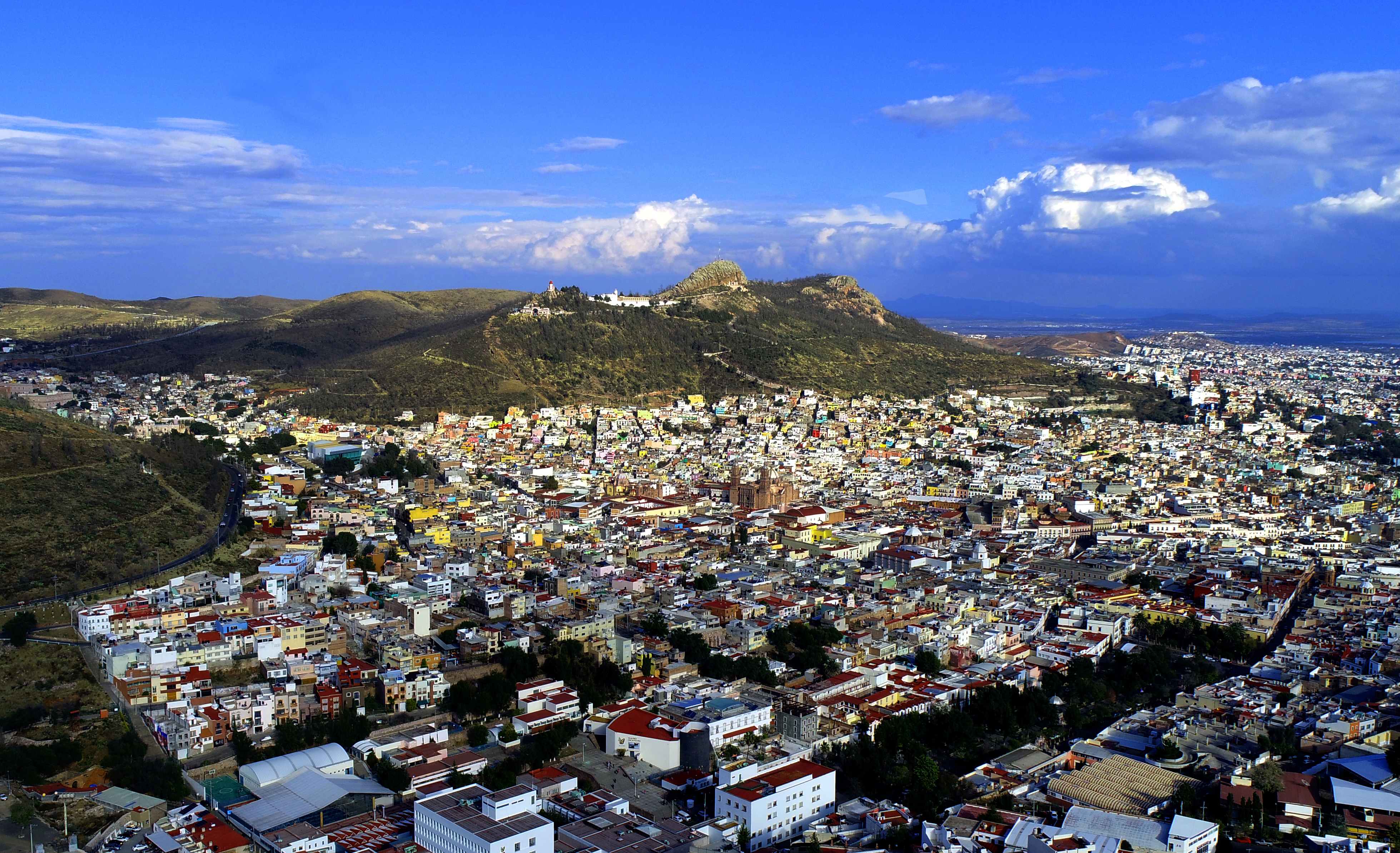
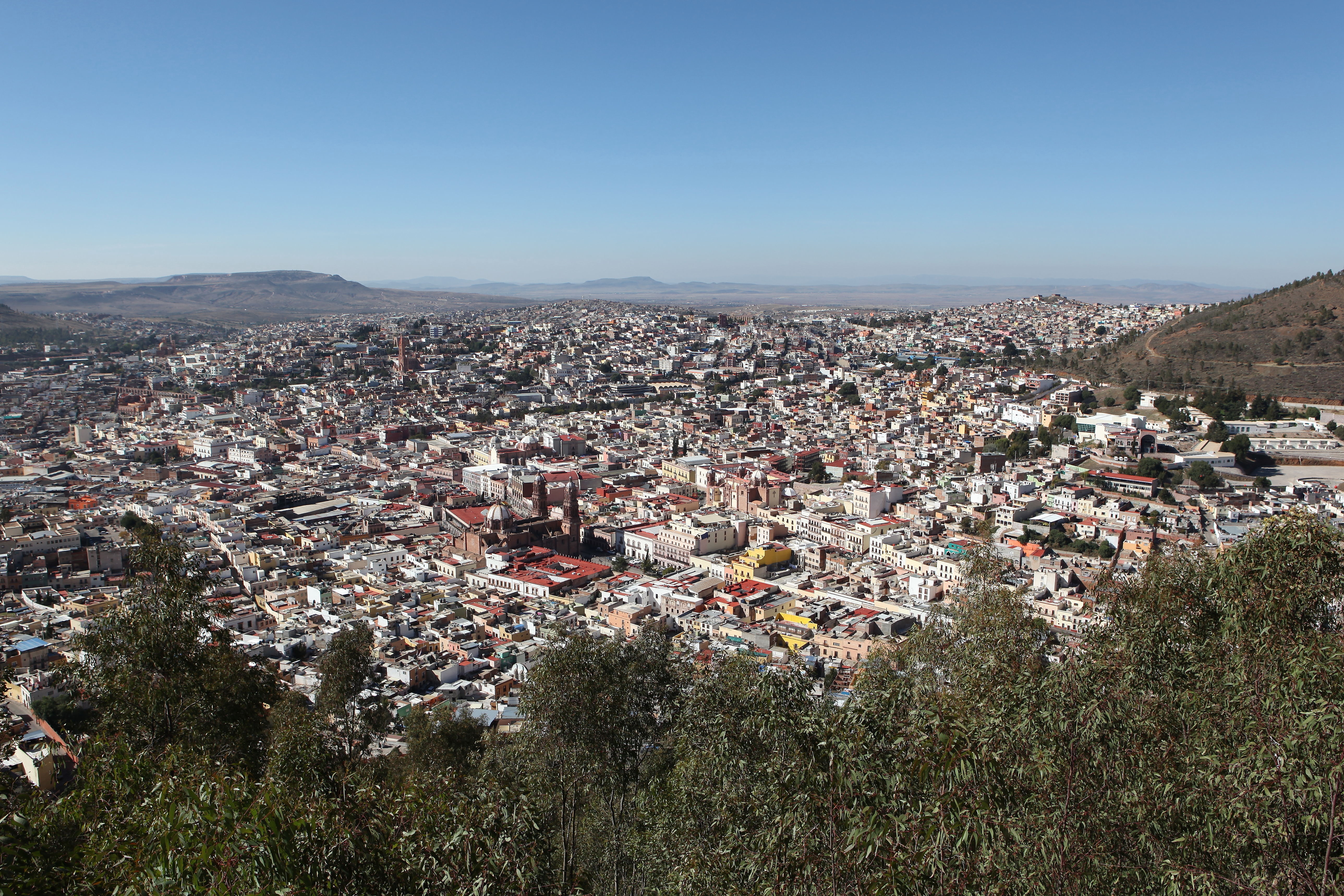
The city originated along a ravine carved by the flow of the Arroyo de la Plata stream, at the foothills of Cerro de la Bufa. Its name comes from the Nahuatl words zacatl (grass or hay) and tlan (place).
Spanish presence in Zacatecas began on September 8, 1546, when an expedition from Guadalajara, Nueva Galicia, led by Juan de Tolosa, discovered rich silver deposits. This discovery triggered the first wave of migration, which soon faced threats from a climate of violence and insecurity. In 1550, the Chichimeca War broke out—a long, continuous, and devastating frontier conflict.
By the mid-16th century, settlements were established with populations coming from central Mexico. King Philip II granted the city its official status on October 17, 1585; in 1588, it was awarded the title “very noble and loyal” and received a coat of arms.
Its economic influence spurred the development of roads connecting Zacatecas to Mexico City, where silver was minted. This route linked to the port of Veracruz and, driven by demand from the mines and surrounding towns, gave rise to a communication network crossing the heart of New Spain known as the Camino Real de Tierra Adentro.
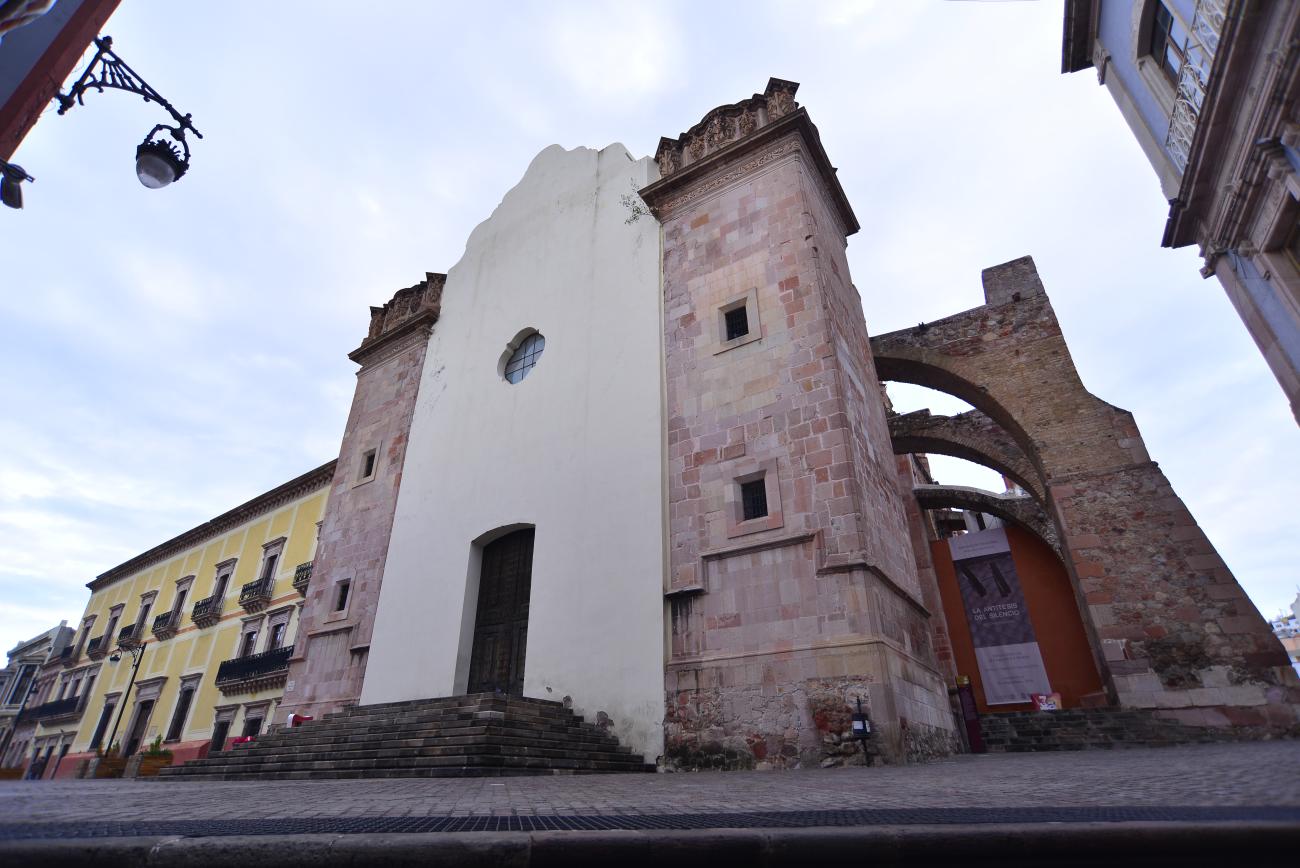
The city also hosted several religious orders: the Franciscans established a convent in 1567, the Augustinians in 1576, the Dominicans in 1604, the Juaninos in 1610, the Mercedarians in 1702, and the Jesuits founded their college in 1616.
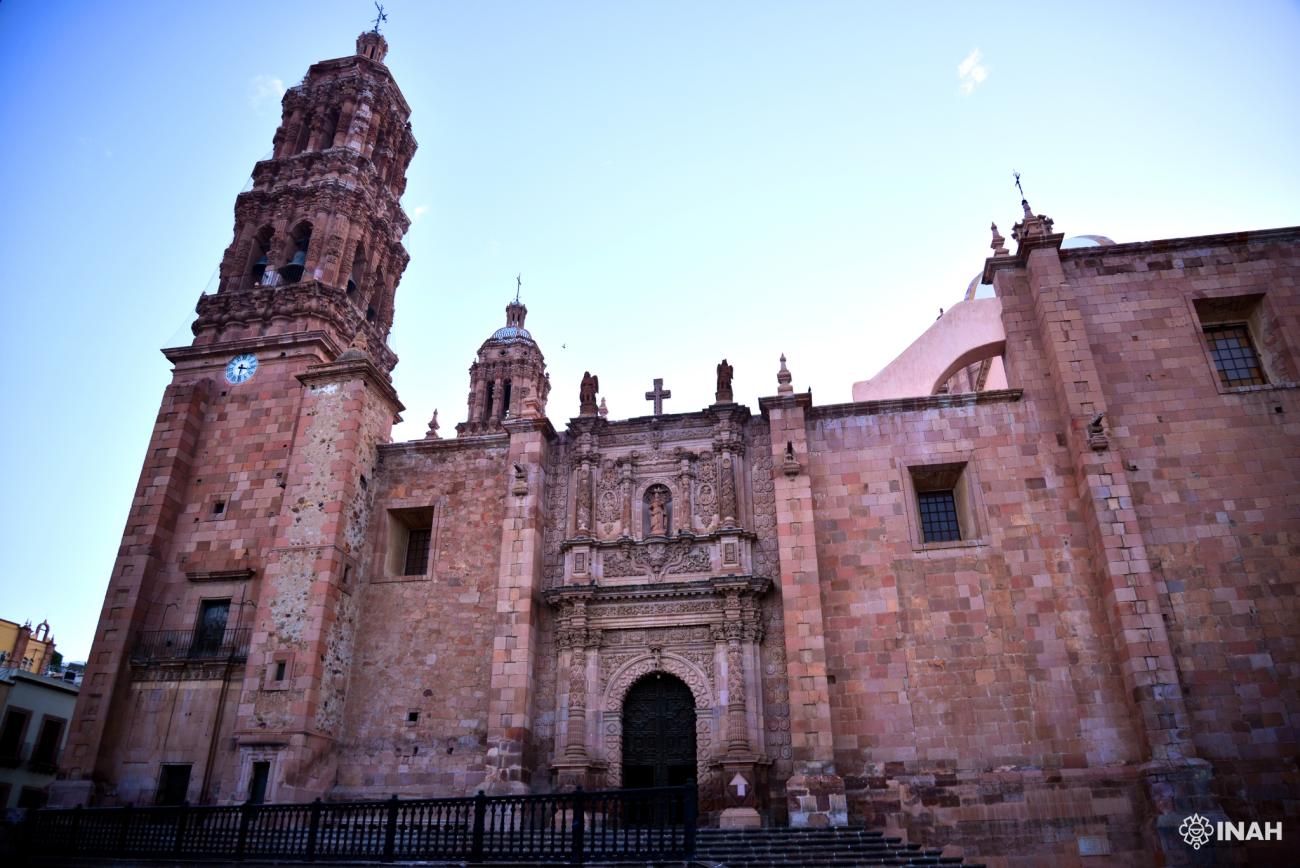
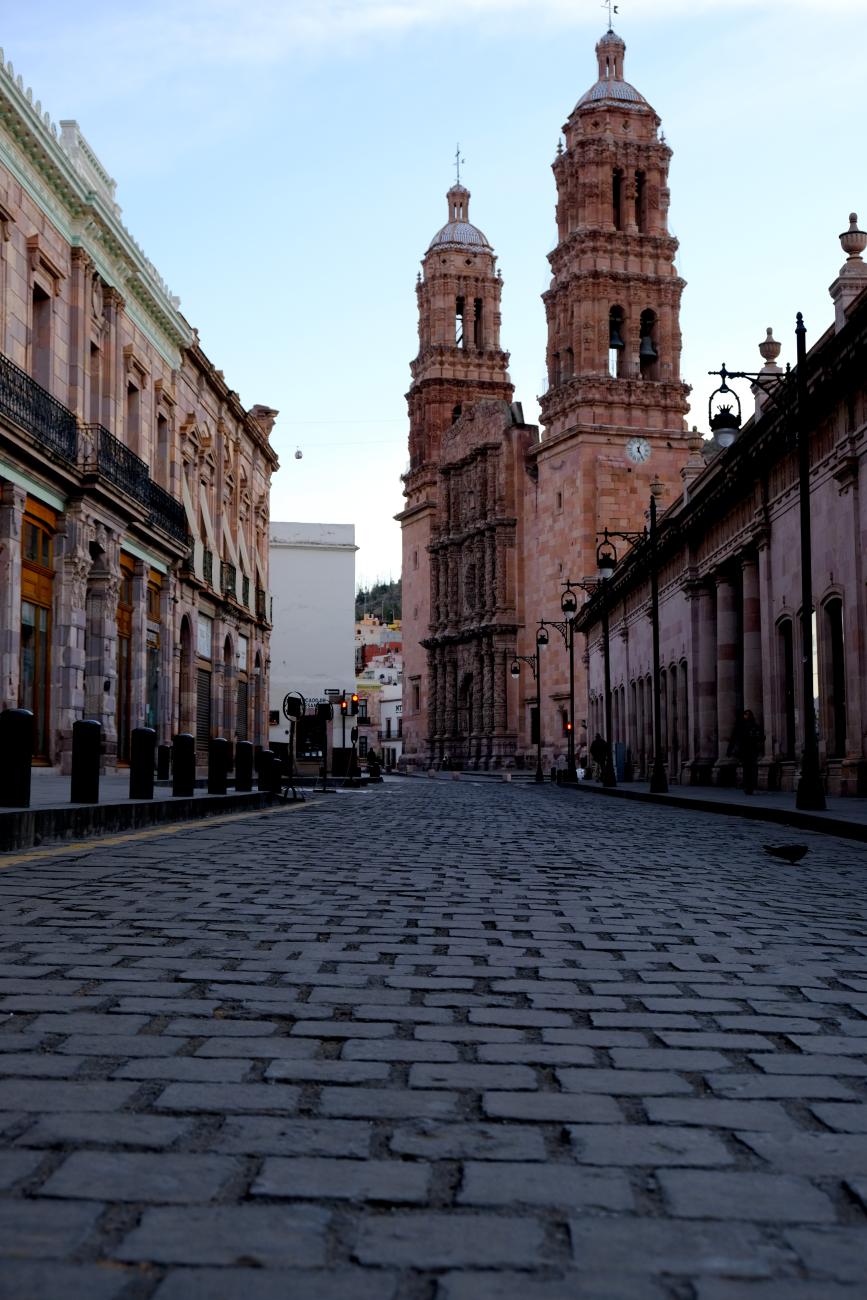
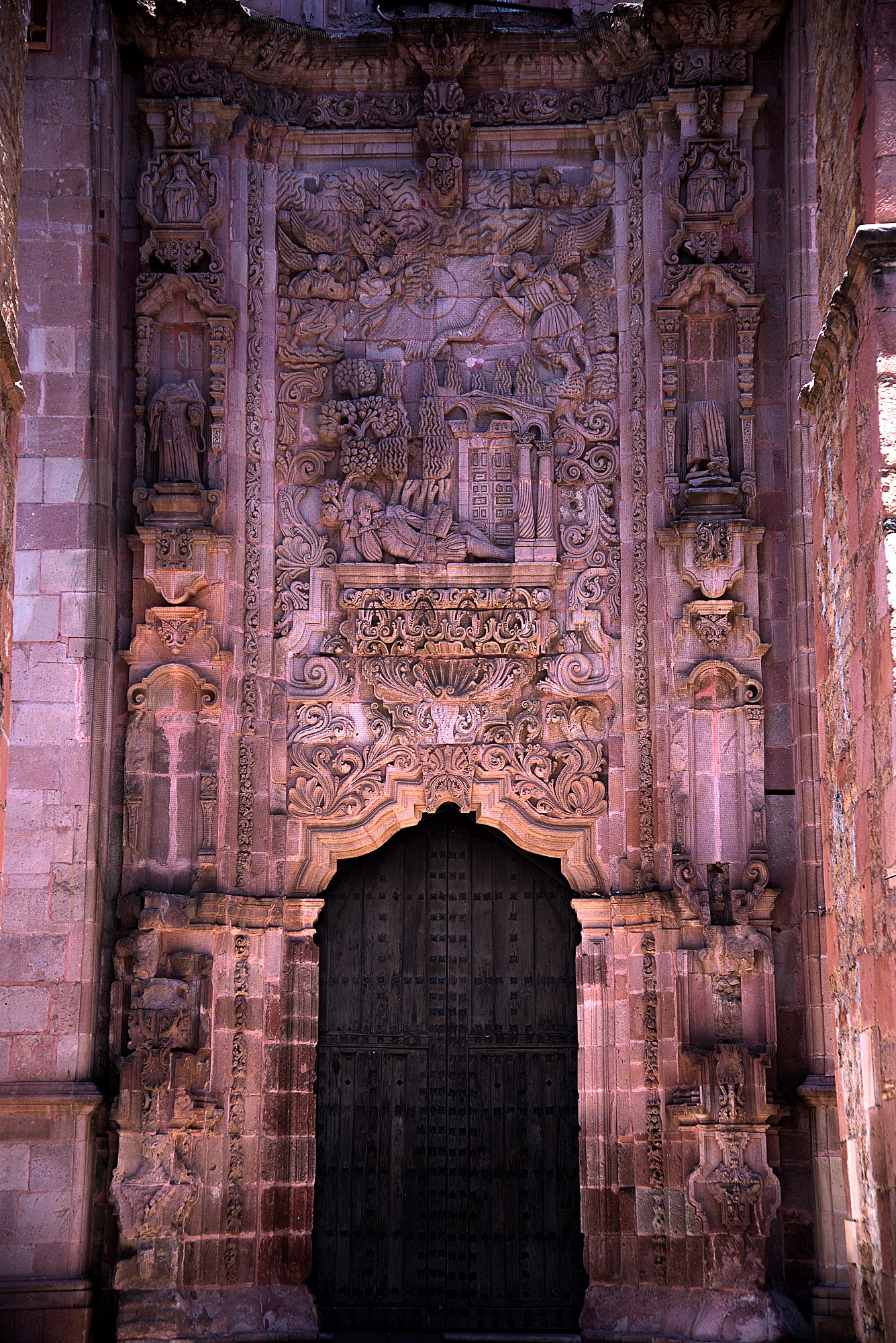
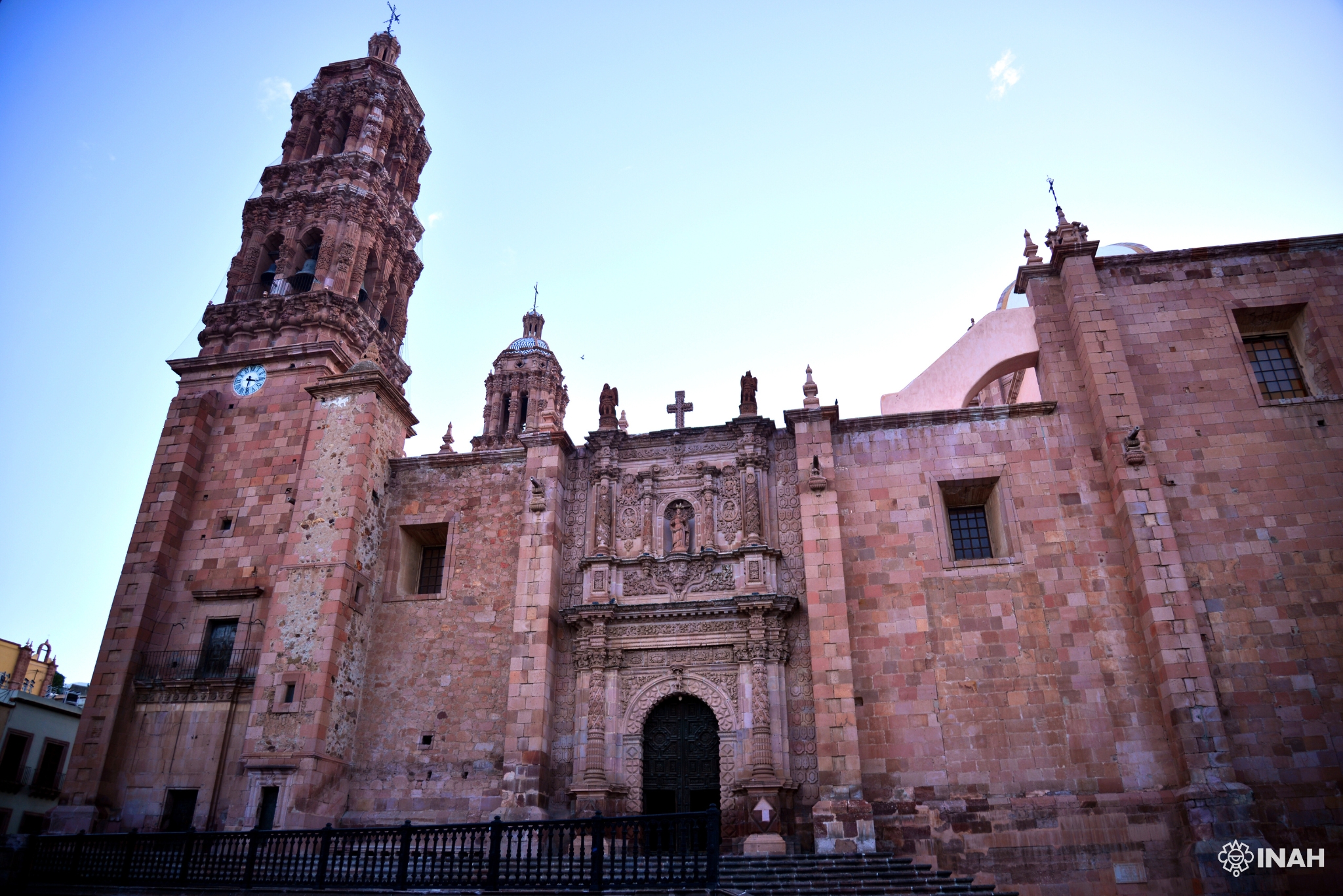
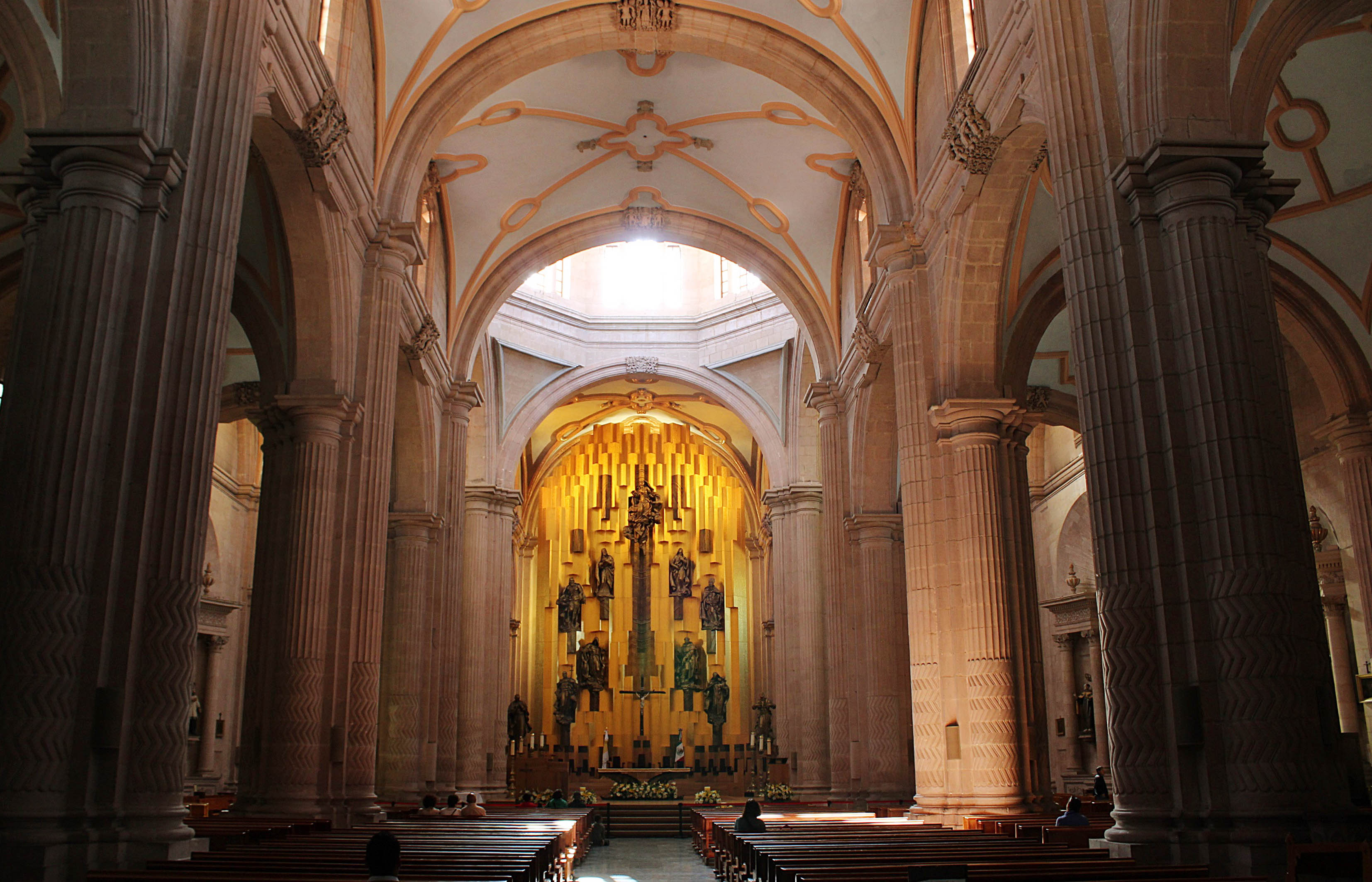
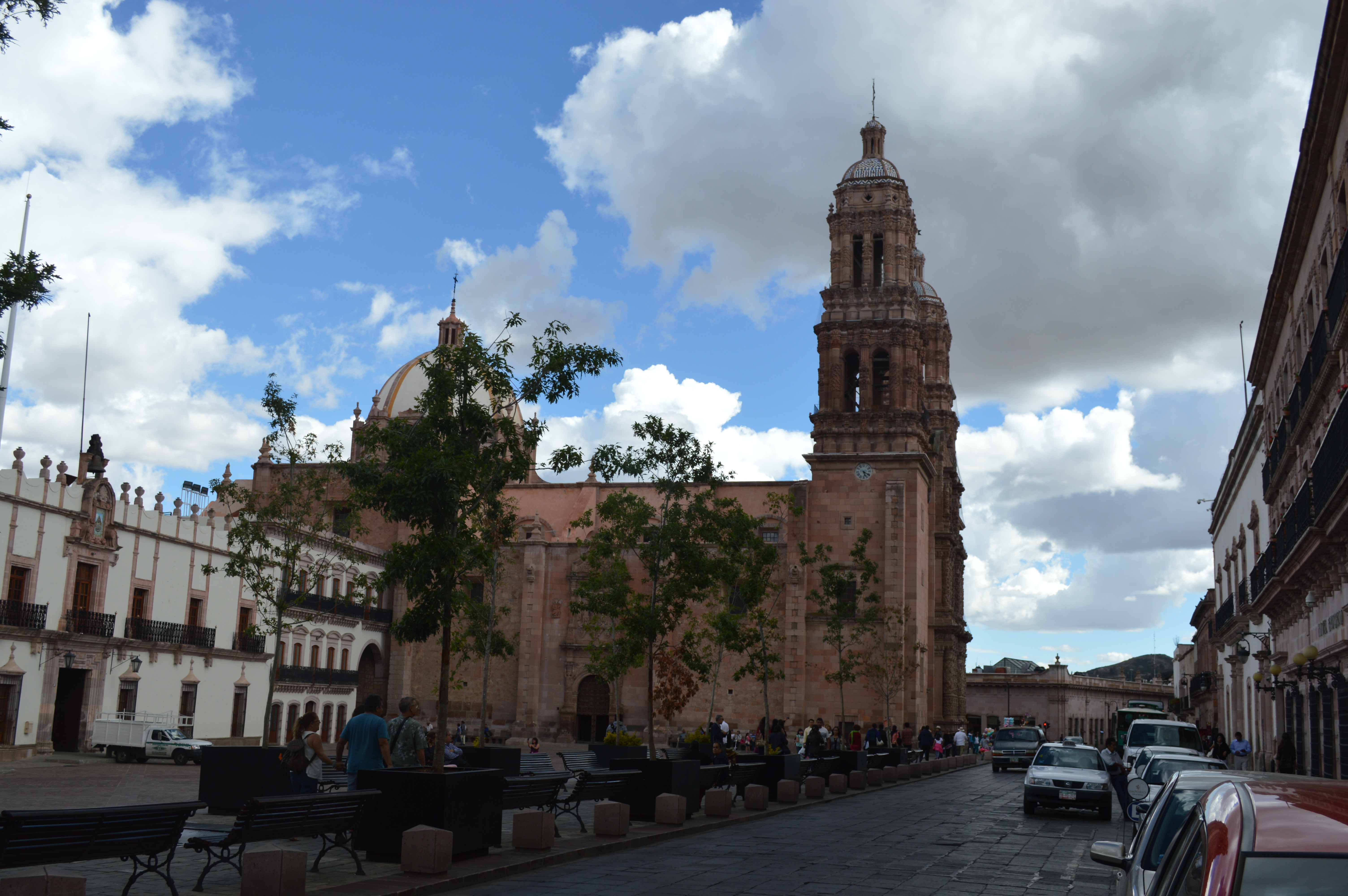
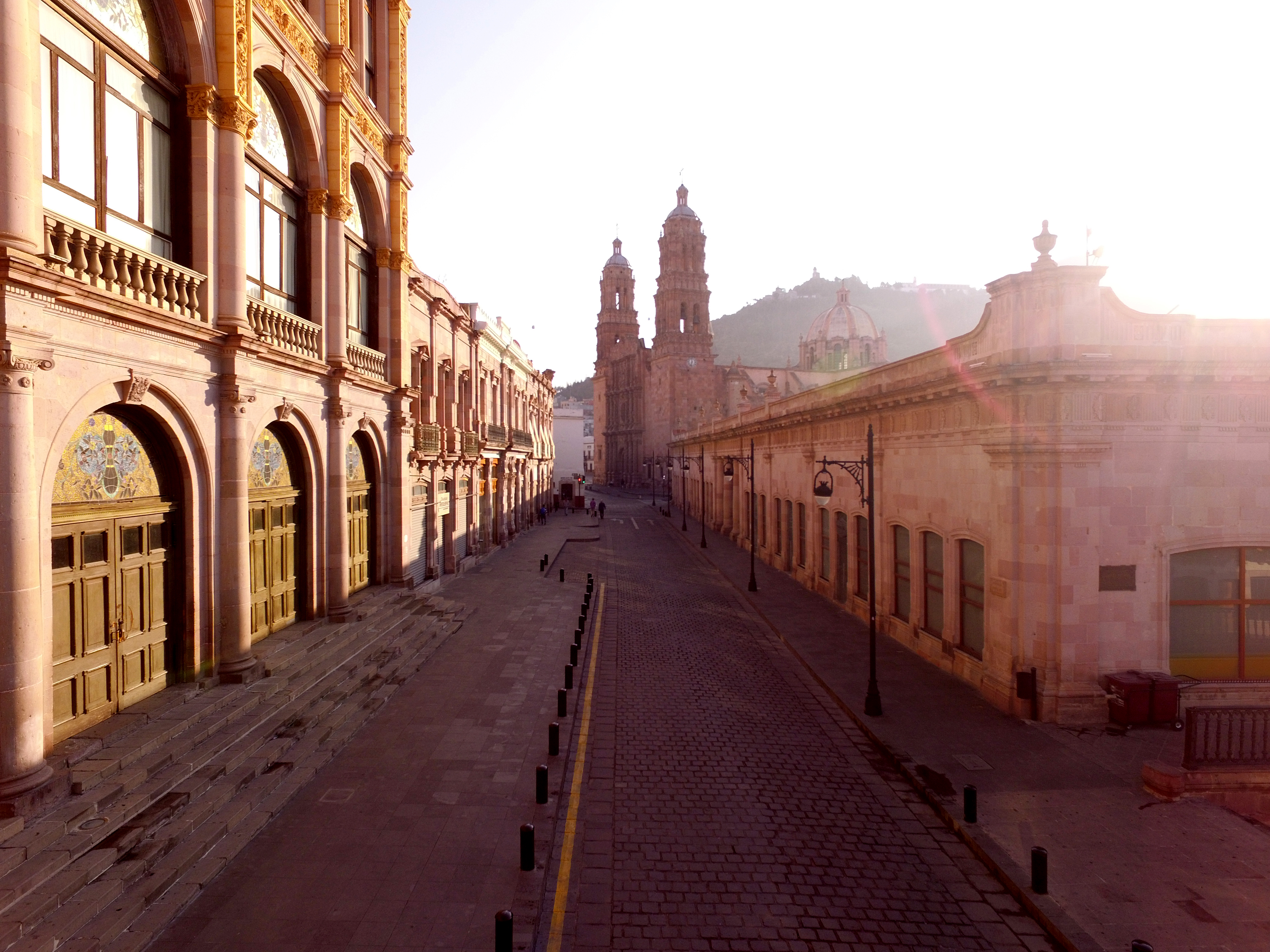
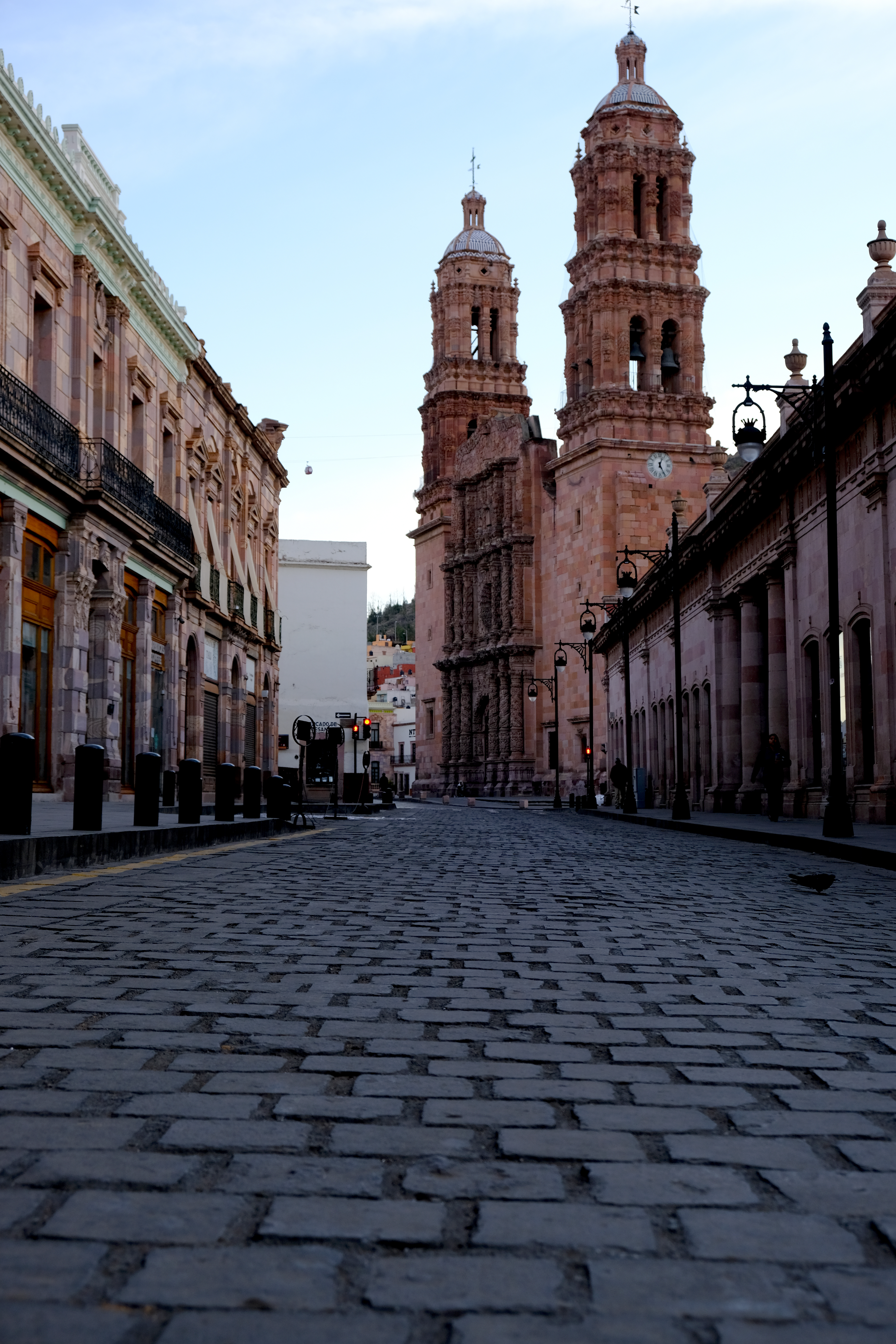
During the 18th century, mine owners built a number of monumental structures that have become iconic landmarks, including the parish church (today the Cathedral Basilica), the Sanctuary of La Bufa, and the historic churches of San Francisco and San Agustín.
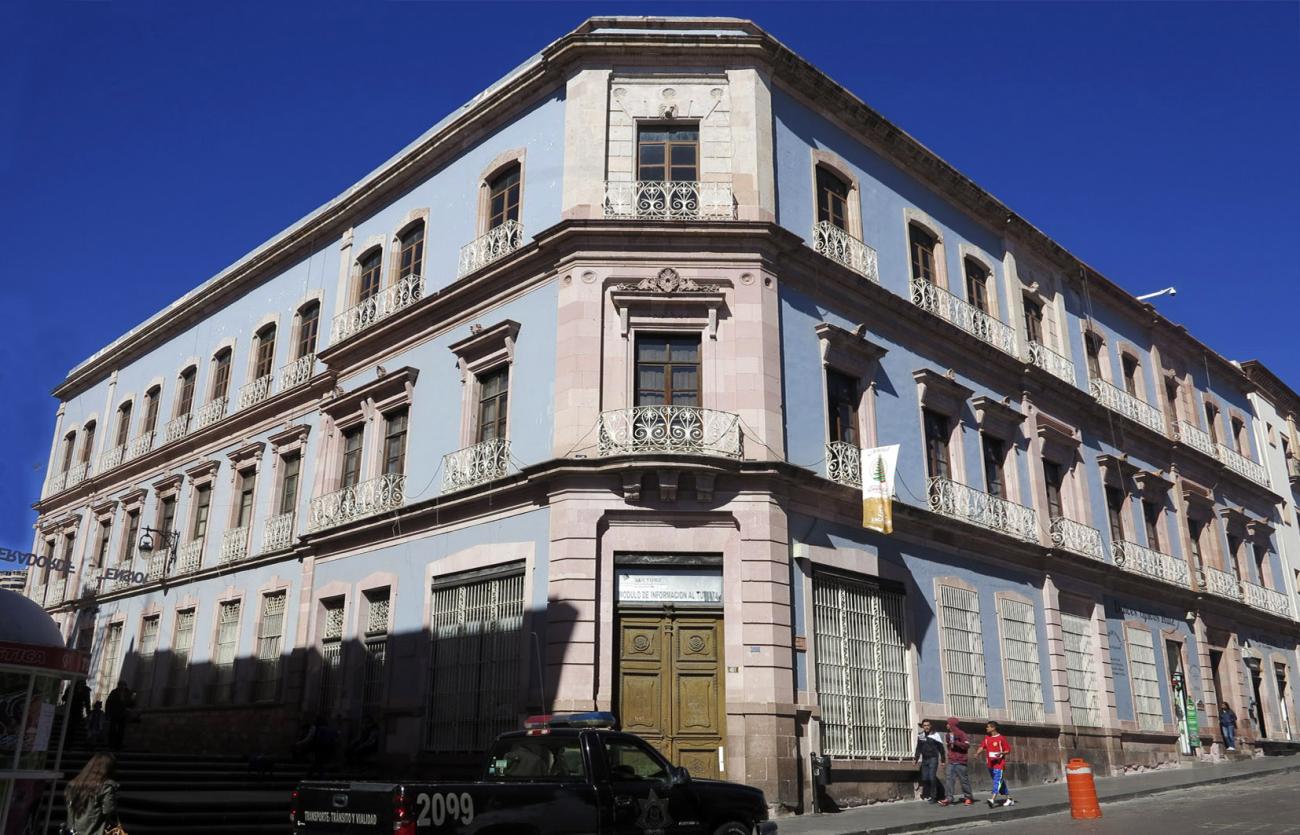
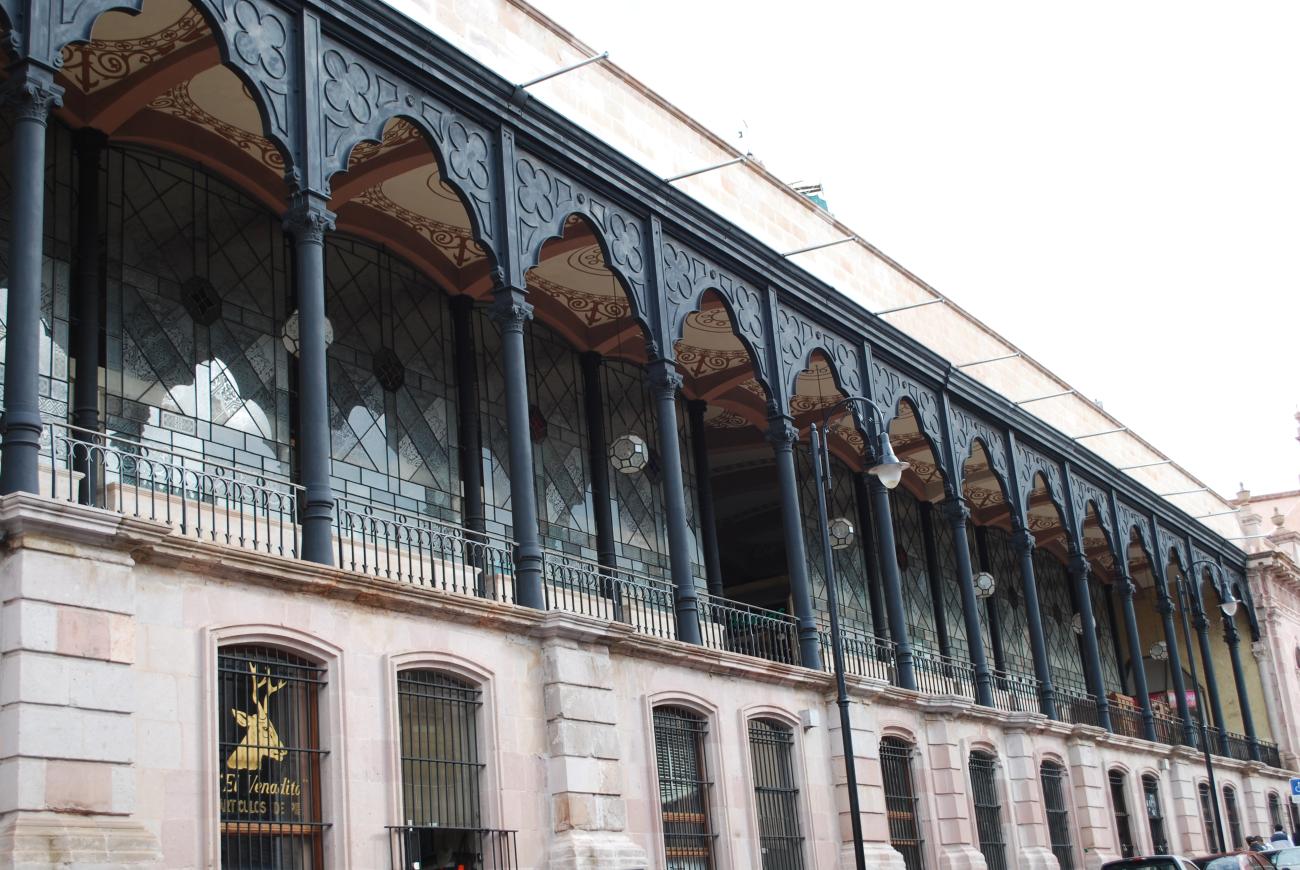
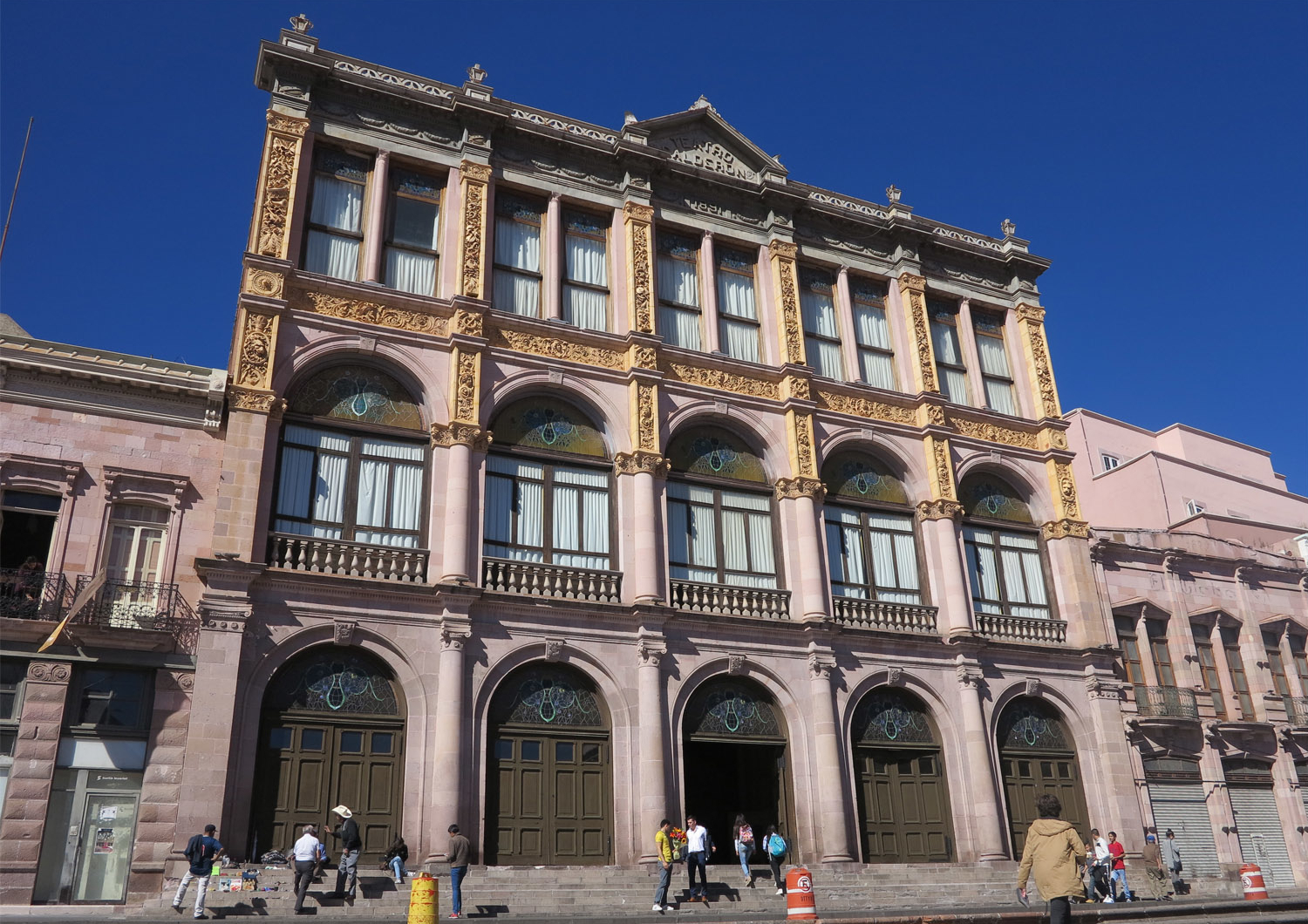
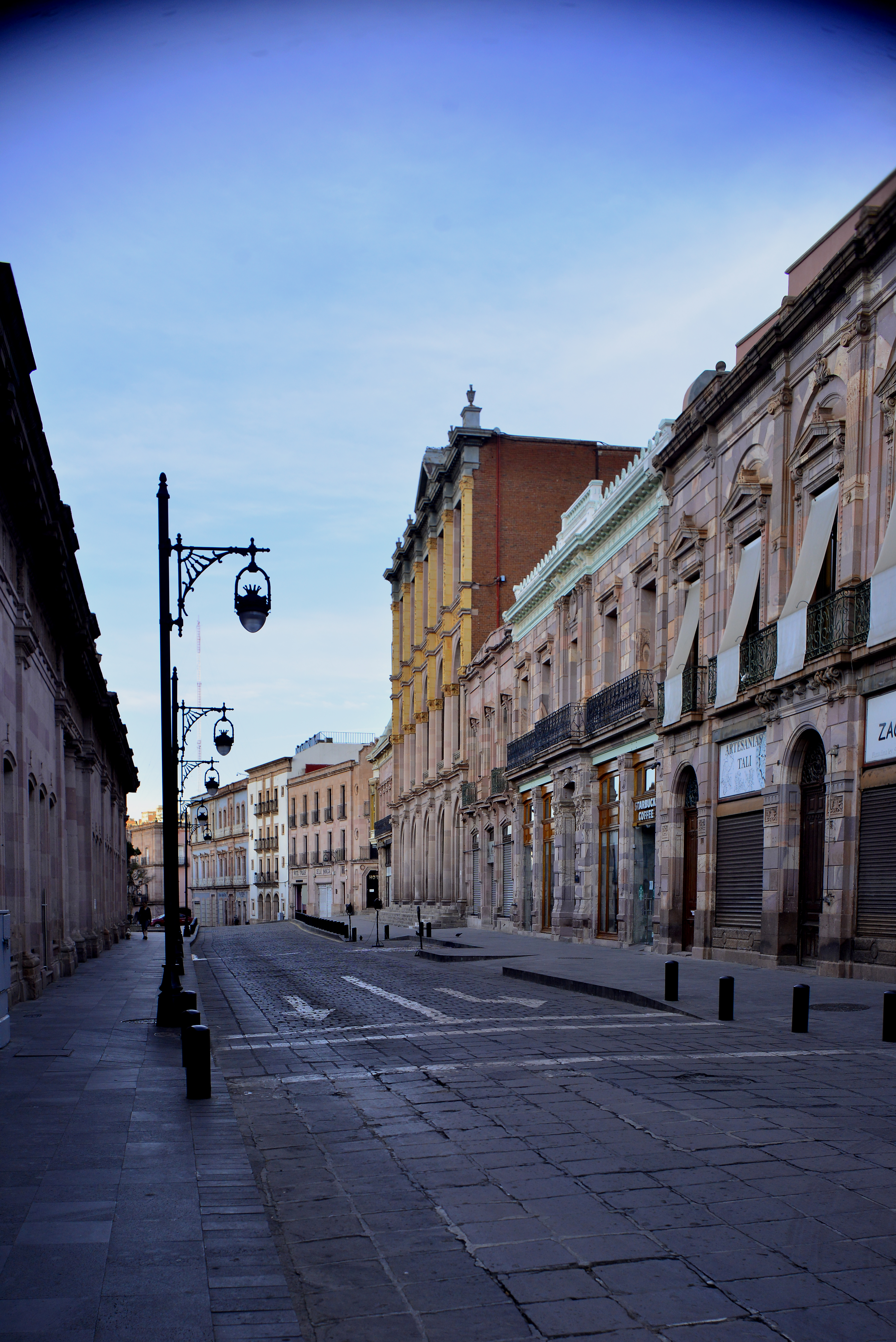
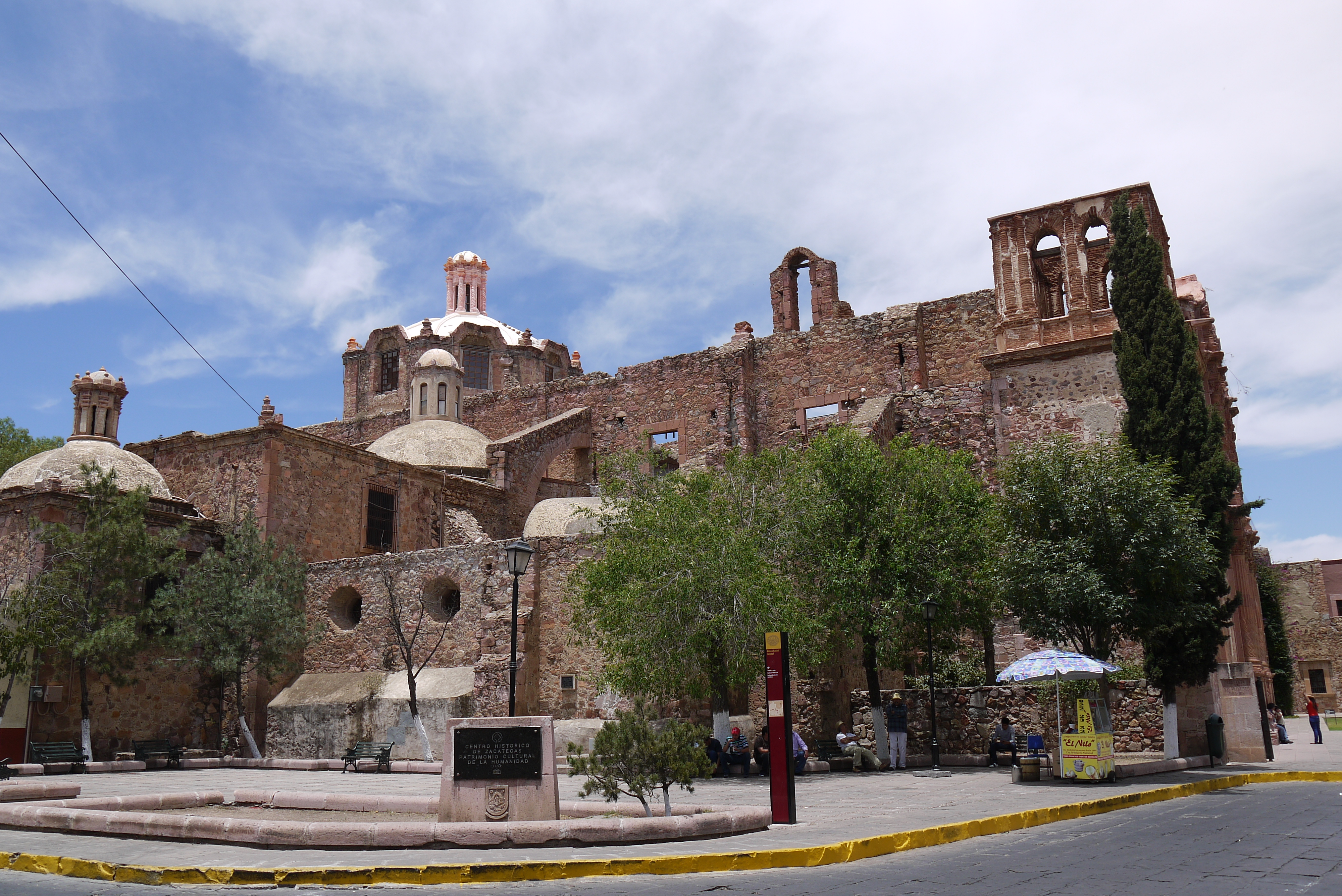
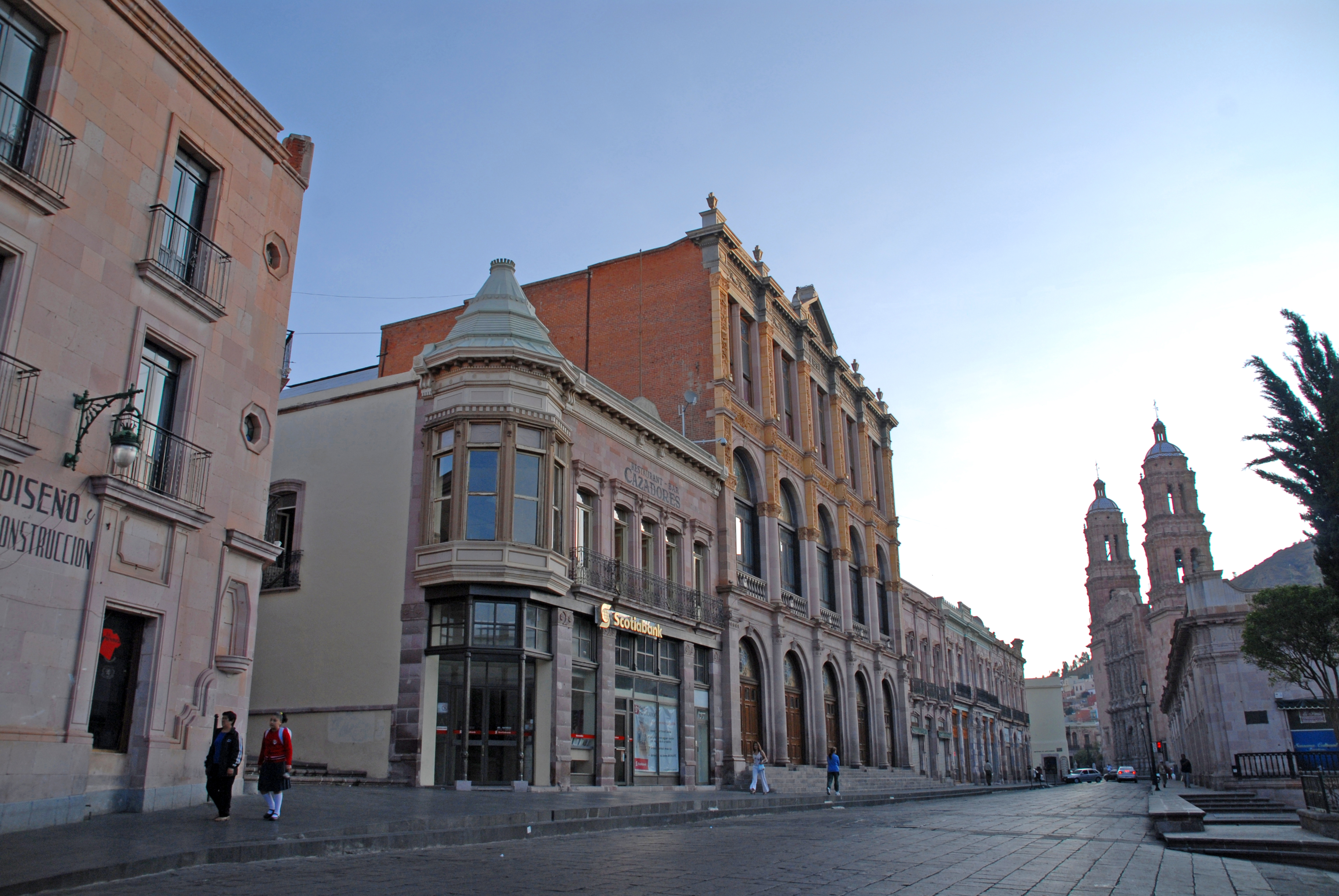
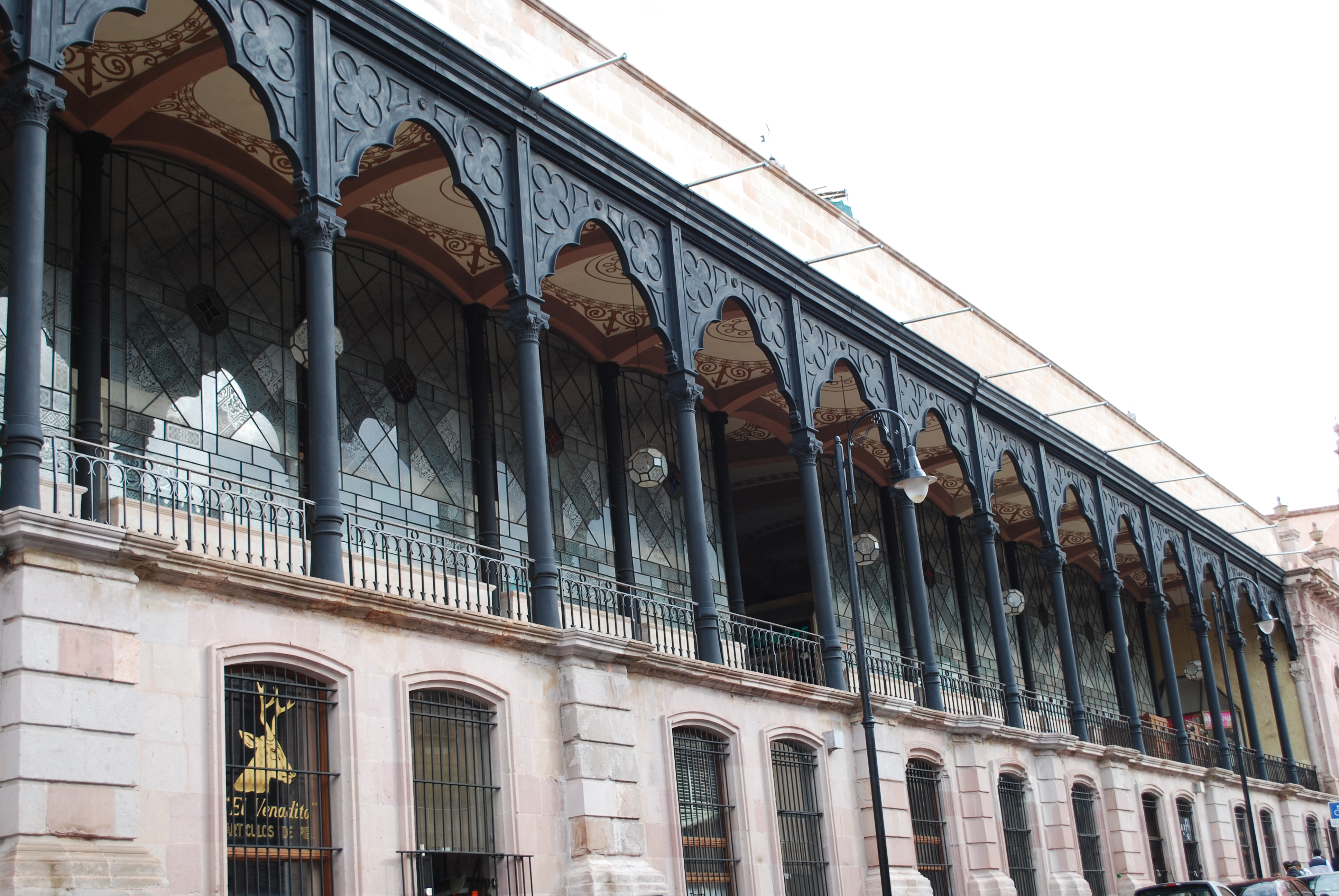
The Historic Monuments Zone comprises 169 blocks containing 827 historically valuable buildings, constructed between the 16th and 19th centuries.
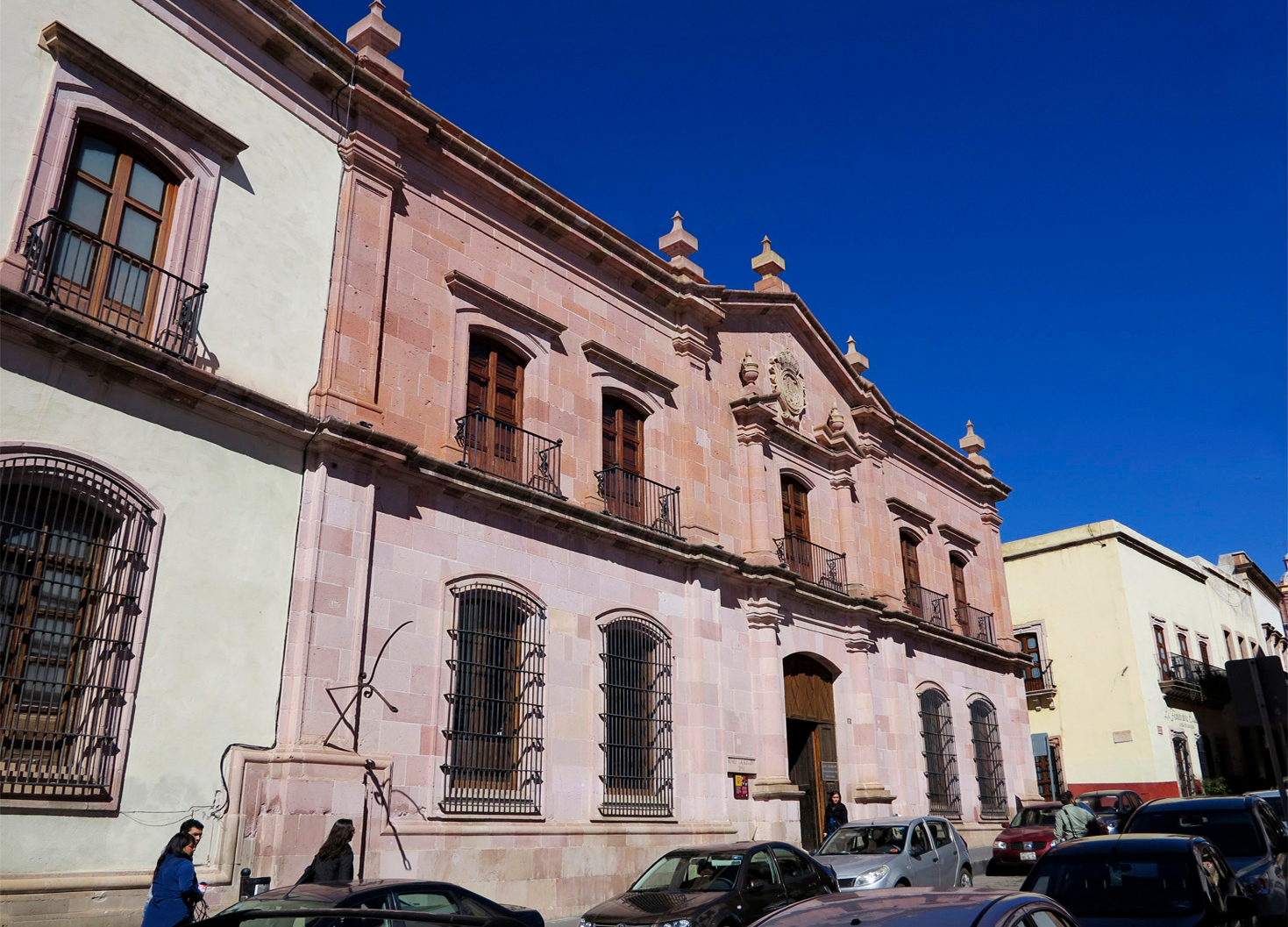
Pedro Coronel Museum
This 17th-century building is part of the former religious complex established by the Society of Jesus. The Jesuits arrived in the city during the last decade of the 16th century and founded a college dedicated to teaching Christian doctrine and providing basic education to children and youth,…
Pedro Coronel Museum
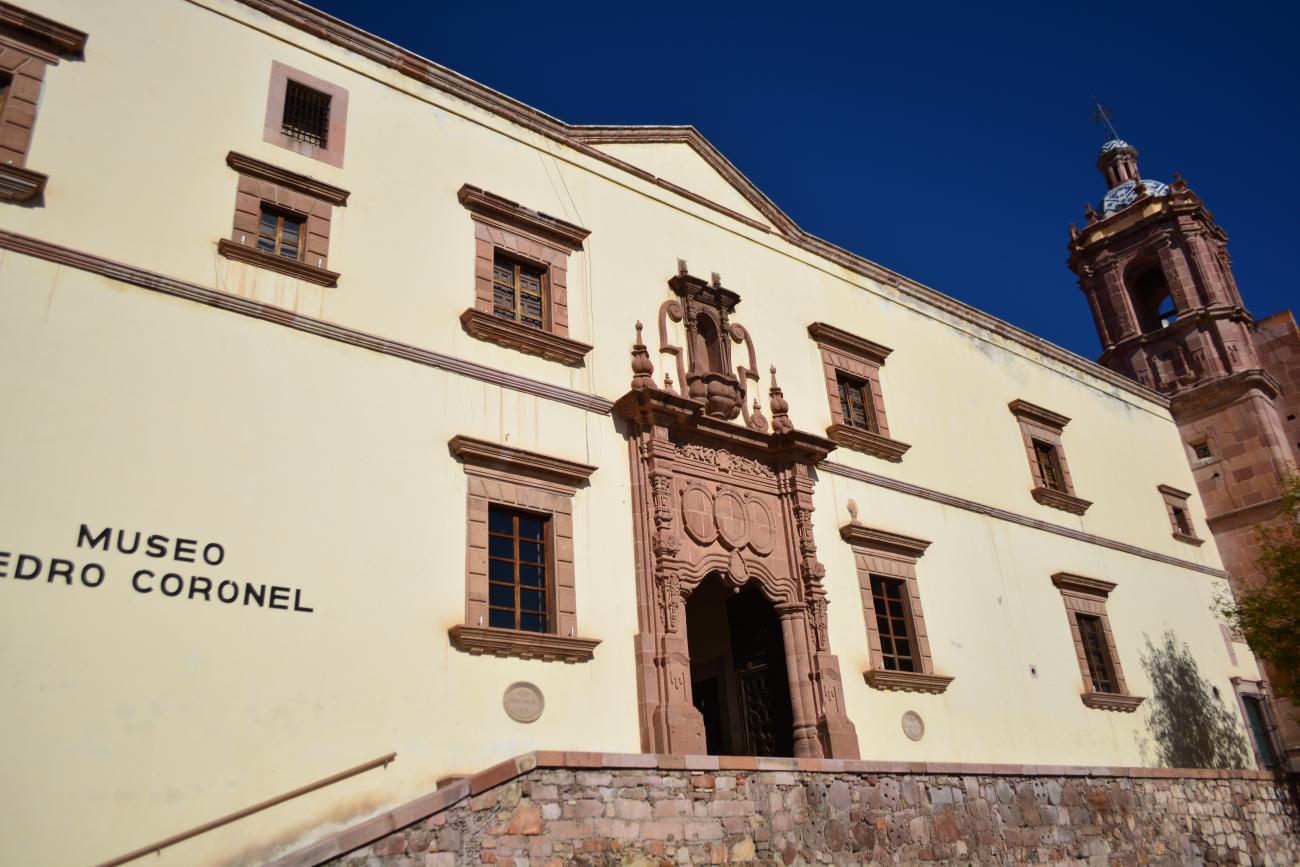
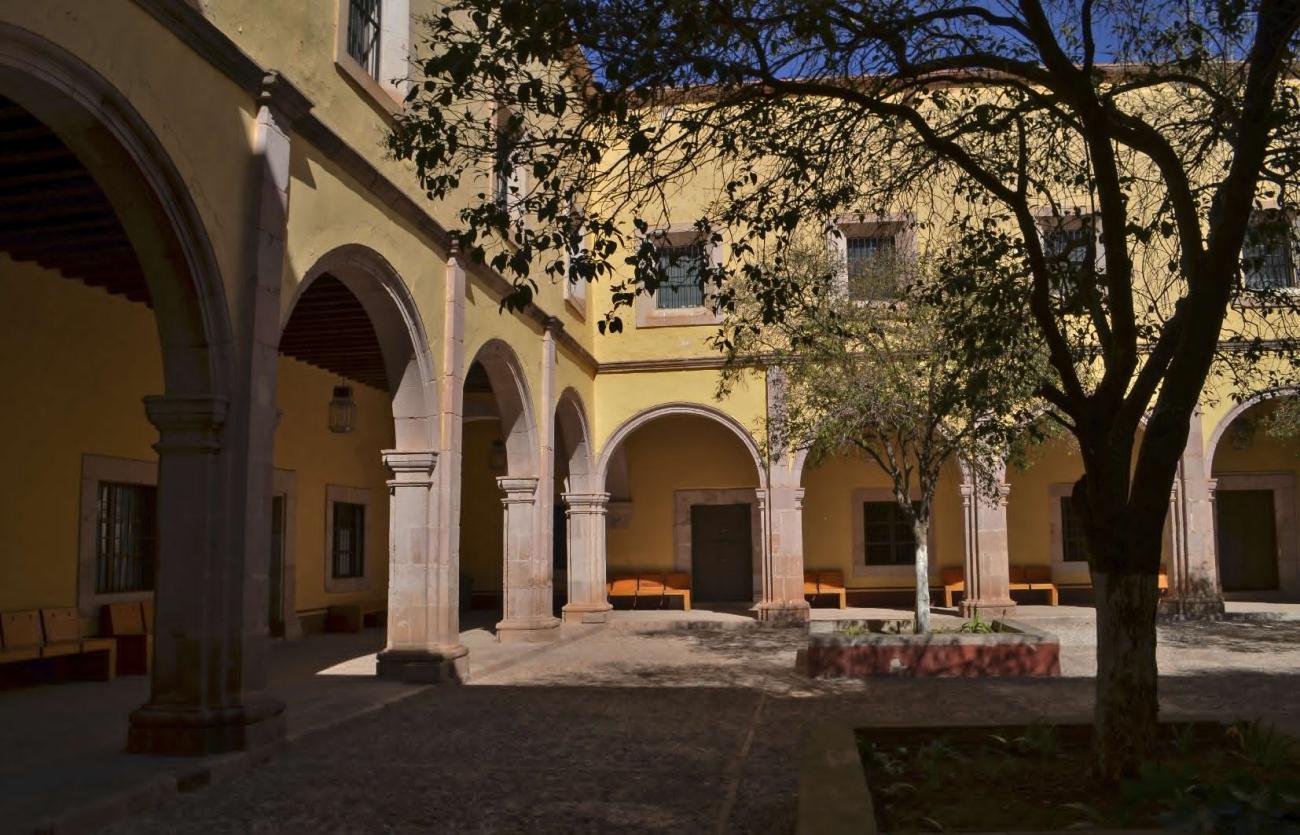
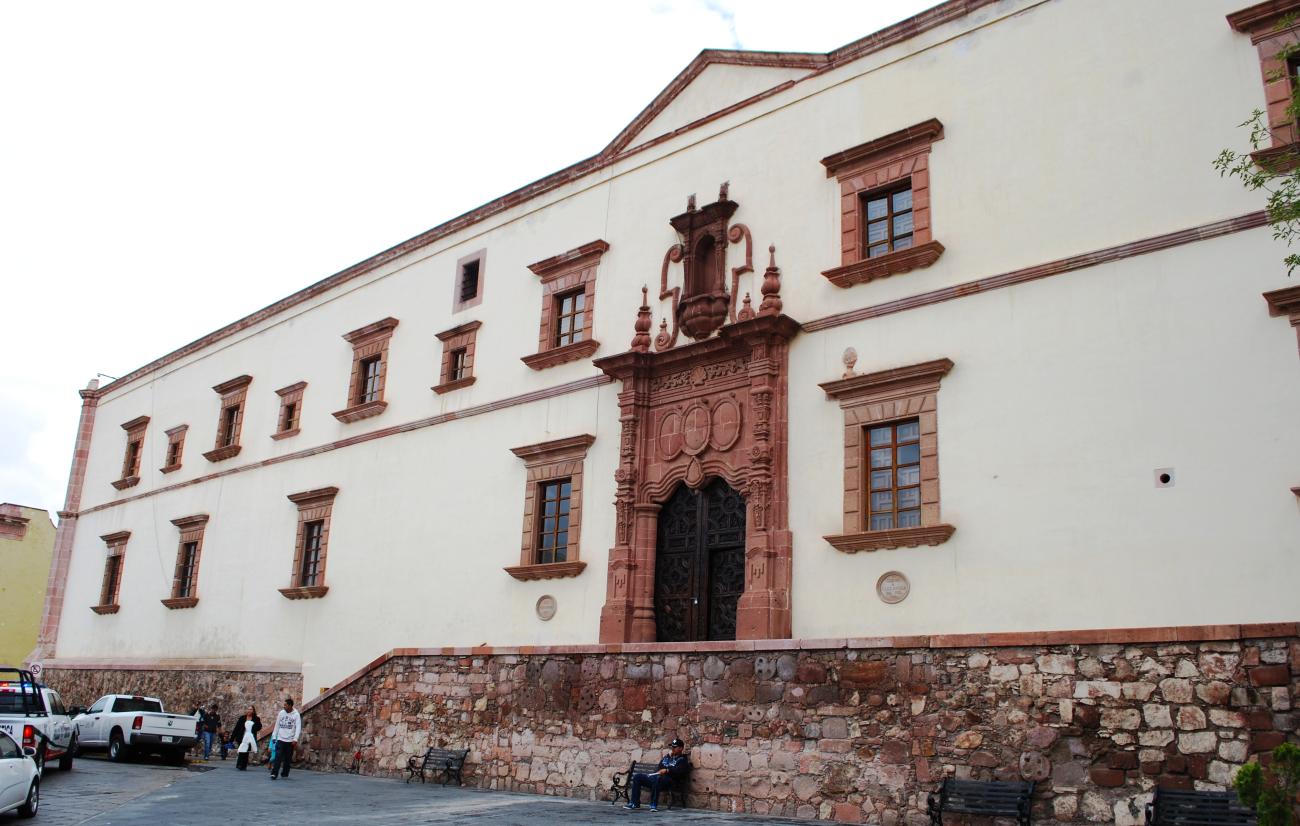
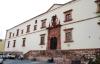
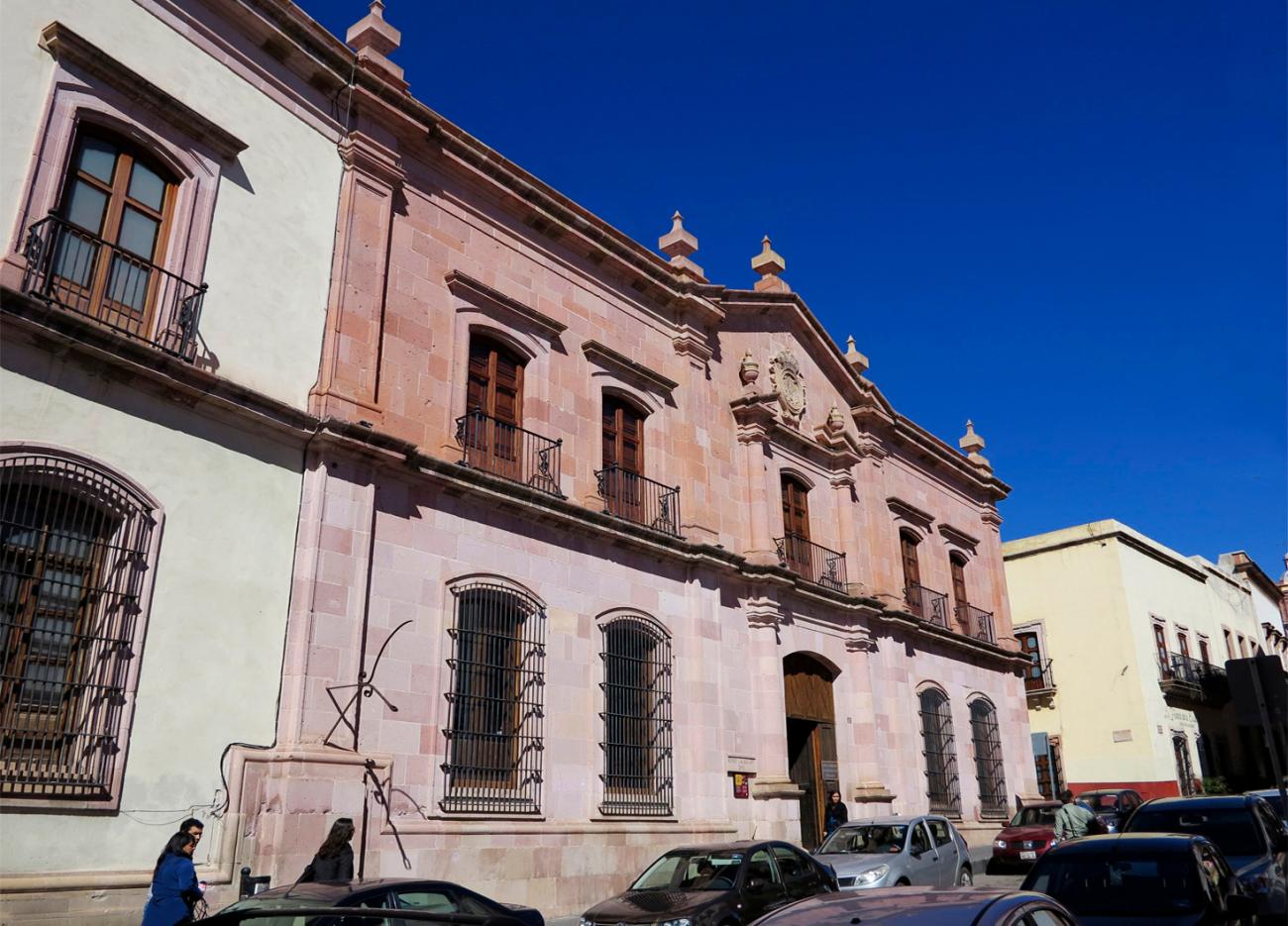
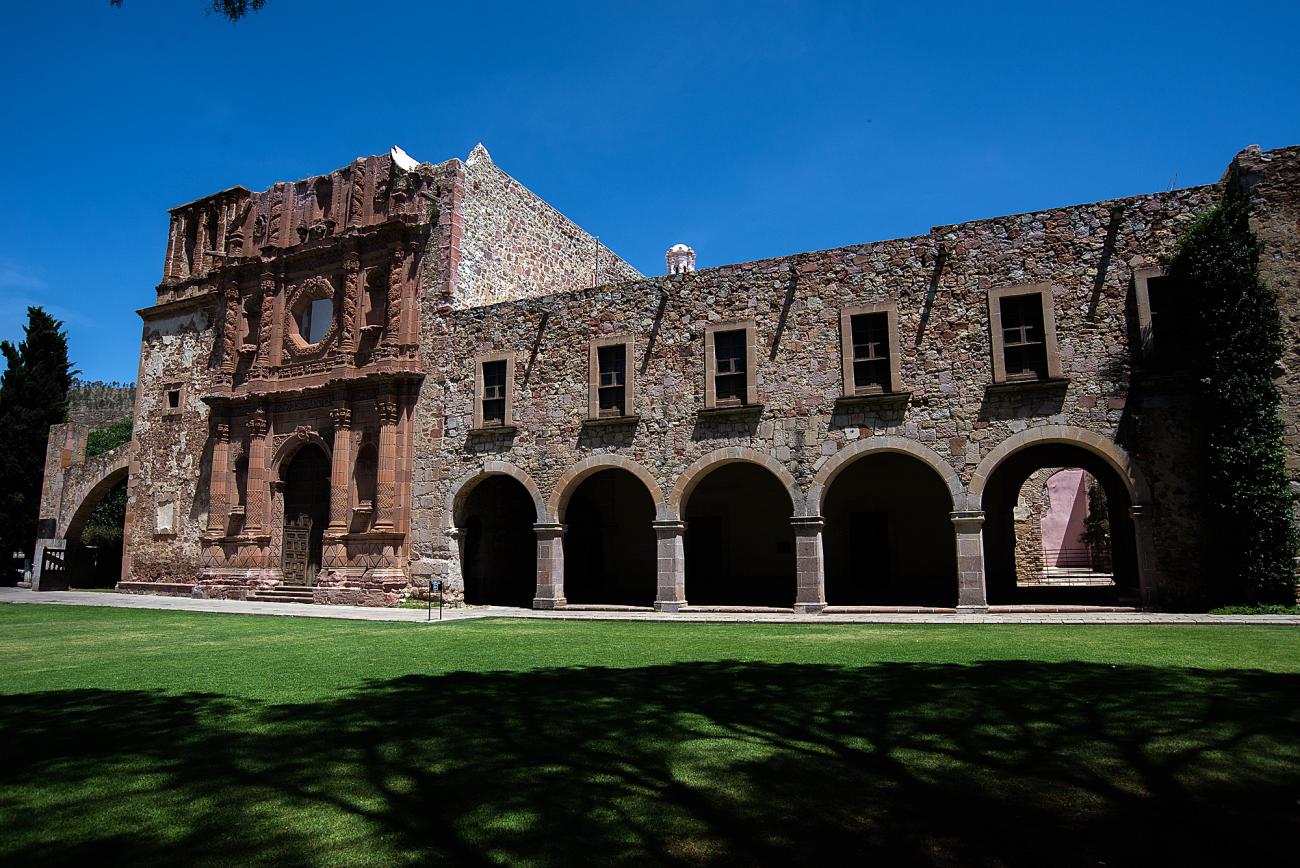
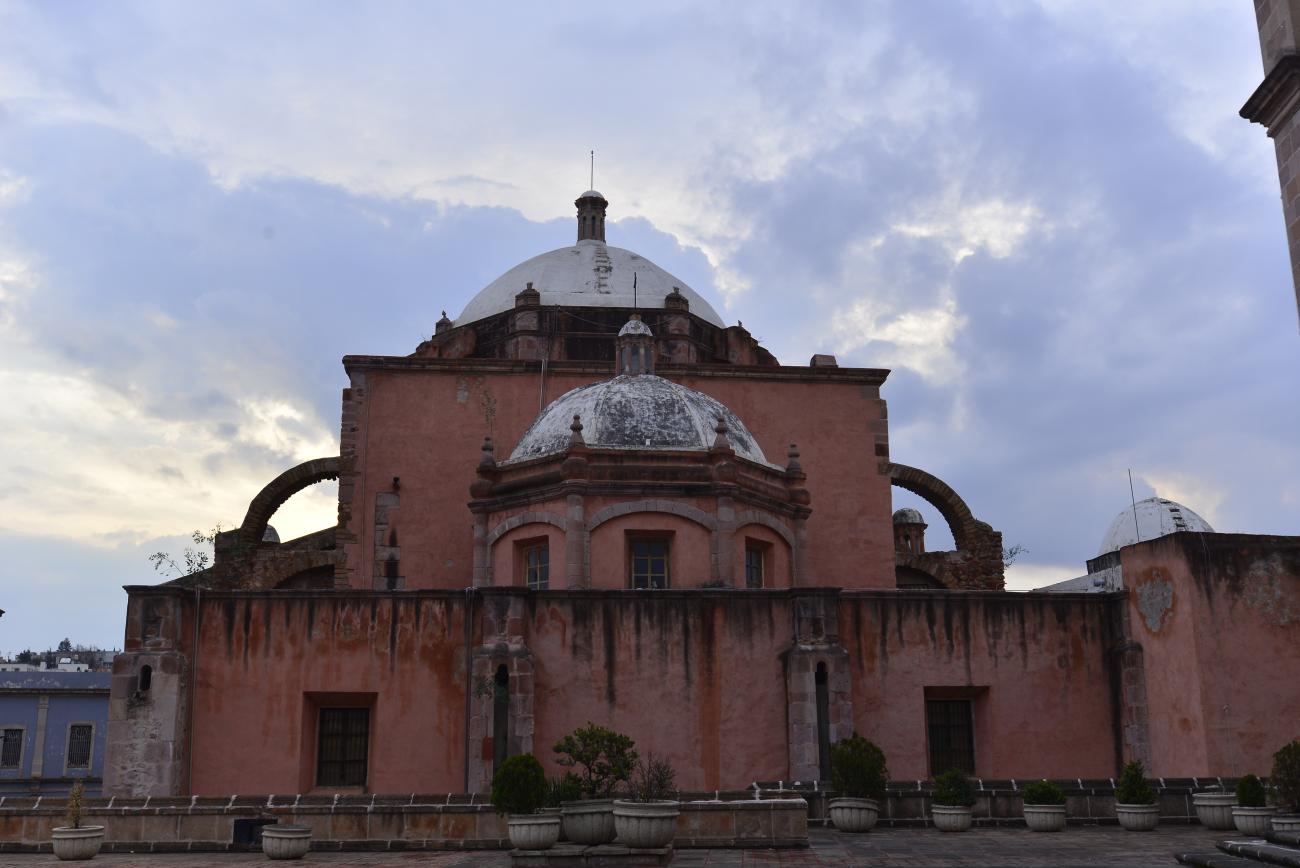
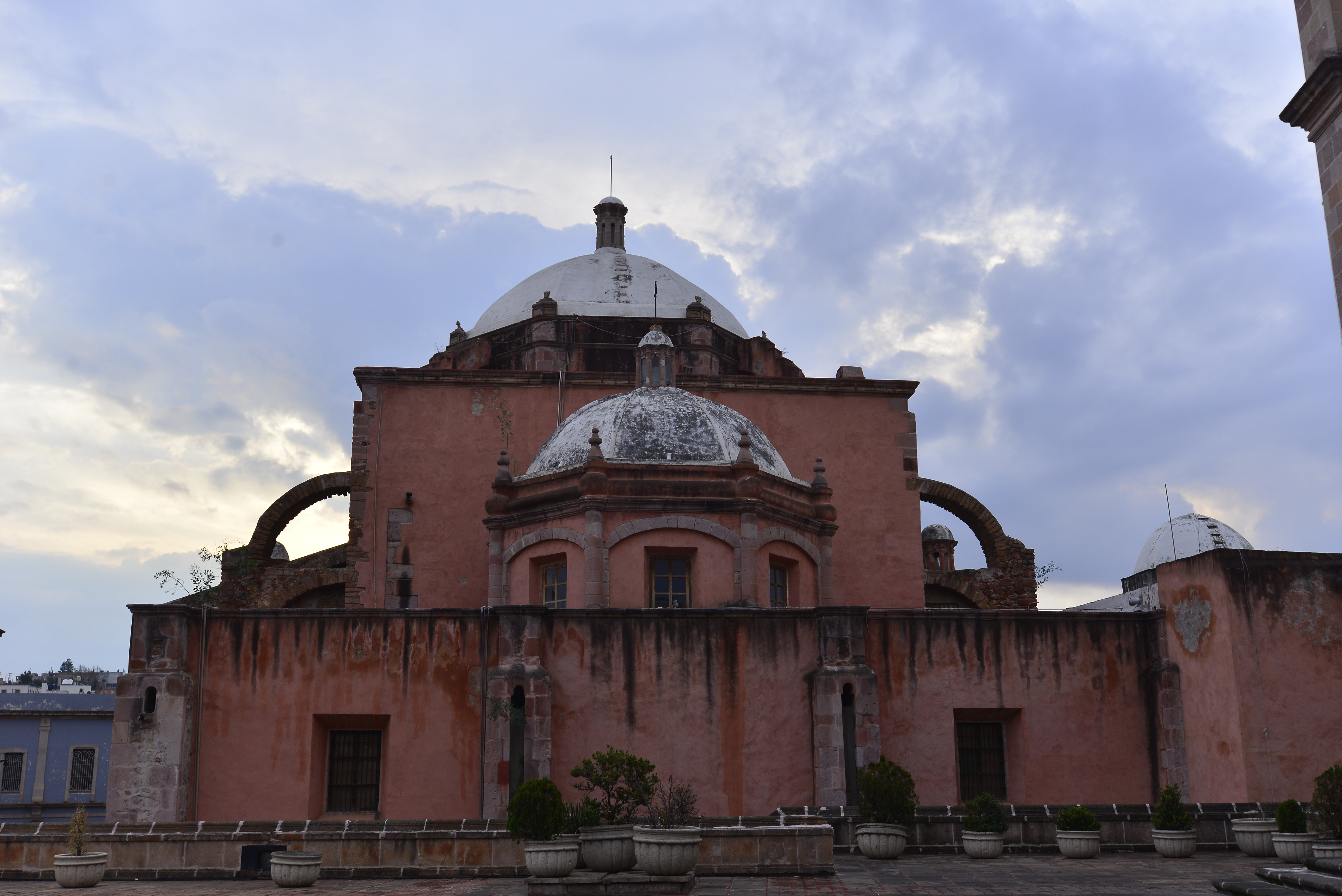
This 17th-century building is part of the former religious complex established by the Society of Jesus. The Jesuits arrived in the city during the last decade of the 16th century and founded a college dedicated to teaching Christian doctrine and providing basic education to children and youth, regardless of their background.
For over twenty years, the Jesuits operated in a modest building until 1616, when Vicente Saldívar, maestre de campo, and his wife Ana Tremiño donated the cloister and the college.
The original institution—known as the College of the Immaculate Conception, the Jesuit College, or the “Colegio Grande”—offered instruction in literacy, grammar, rhetoric, and philosophy. It remained the city's main educational center until 1767, when the Jesuits were expelled from New Spain. On January 24, 1785, the Dominicans took over the property. While the temple continued to function for worship, the college was converted into a Dominican convent.
In the second half of the 19th century, the Dominicans left the complex, and the city government repurposed it as a prison. After a full restoration in 1983, it was reopened as a museum to house the art collection of Zacatecan painter Pedro Coronel.
Old San Pedro Bullring
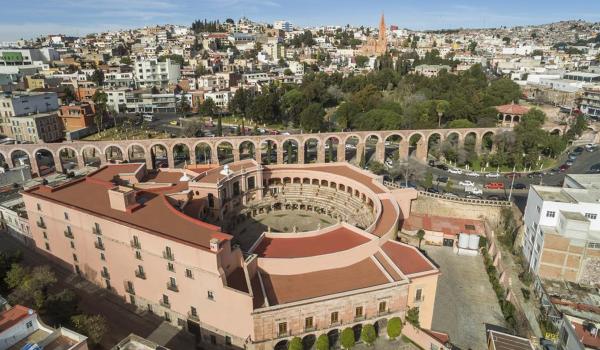
This 19th-century structure was inaugurated in 1866. In 1908, the bullring became the property of Luis G. del Valle, who undertook a reconstruction project to increase its spectator capacity. He added eight tiers of masonry seating and crowned the structure with twenty-two boxes separated by iron…
Old San Pedro Bullring
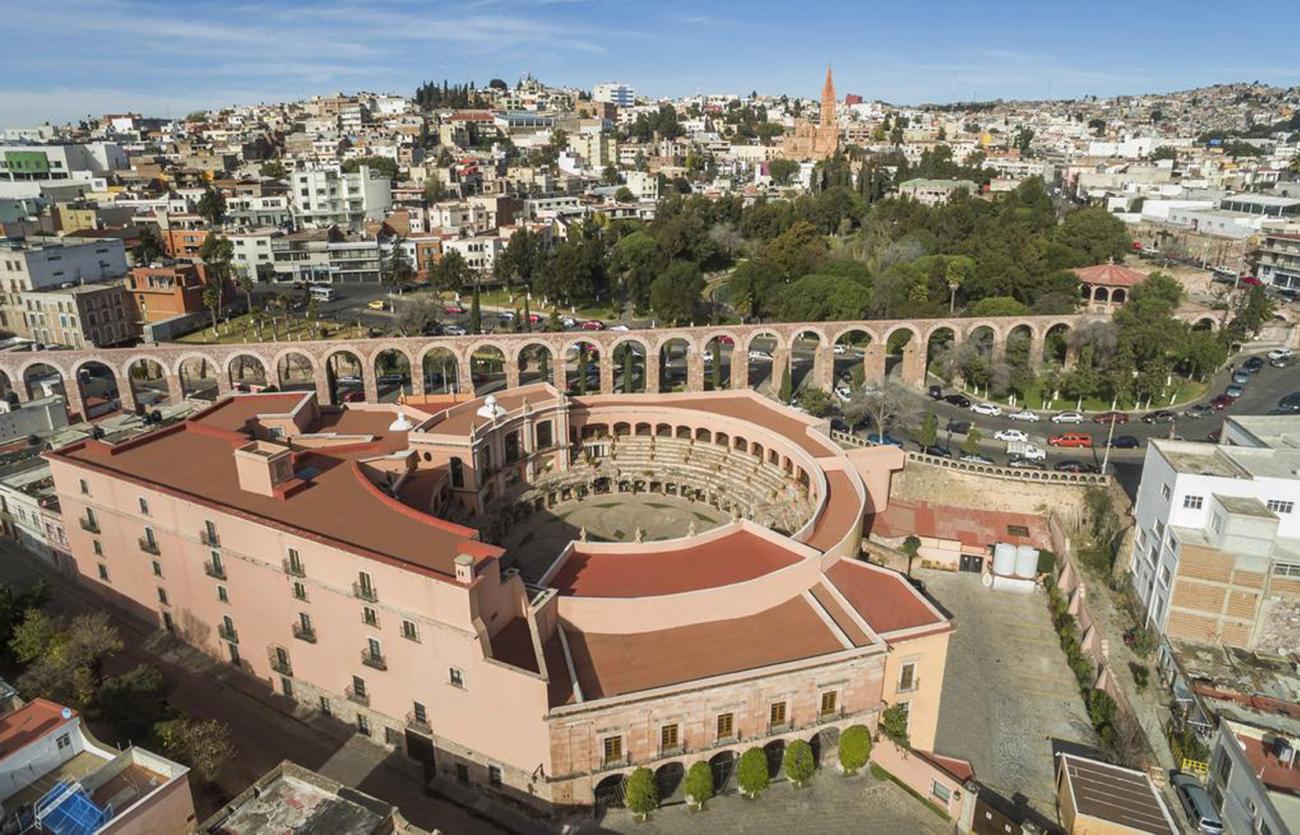
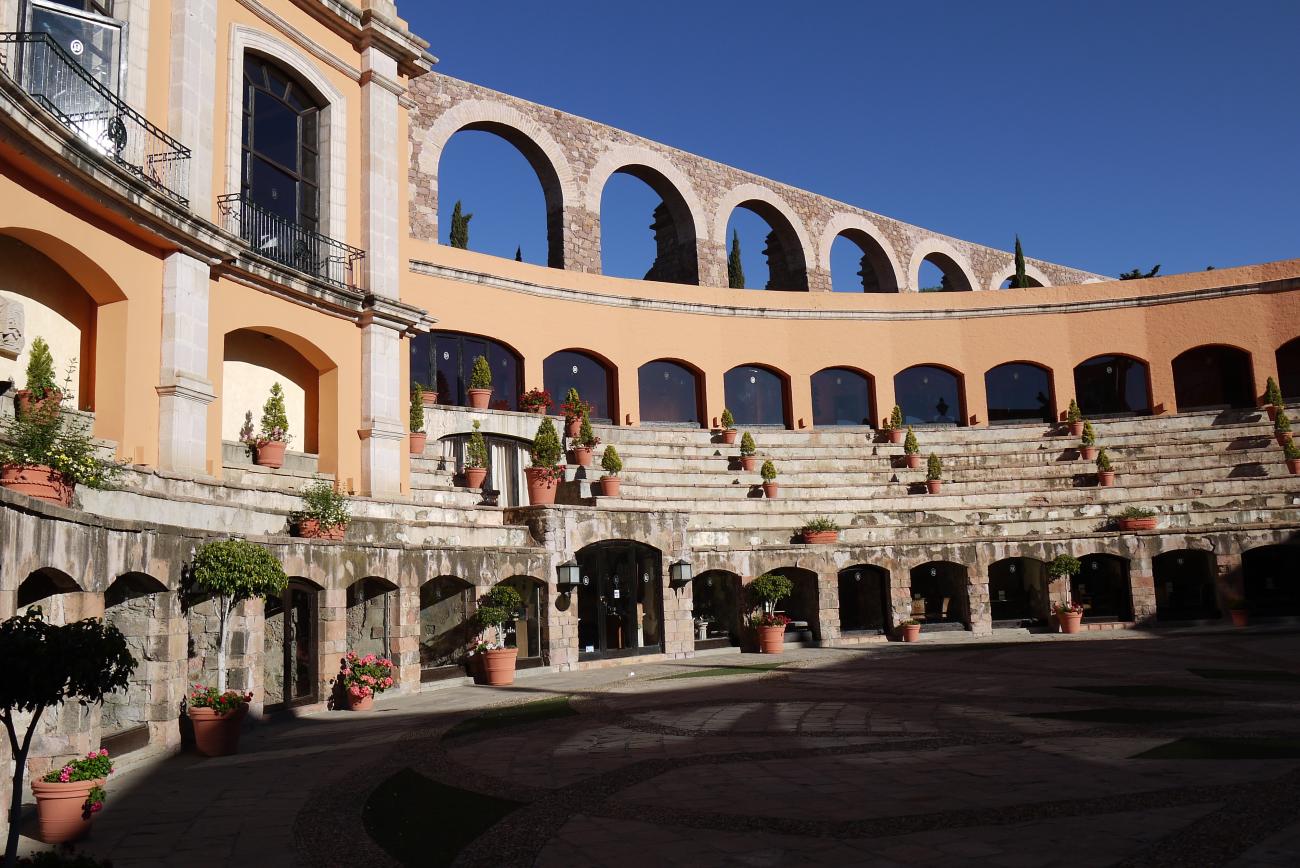
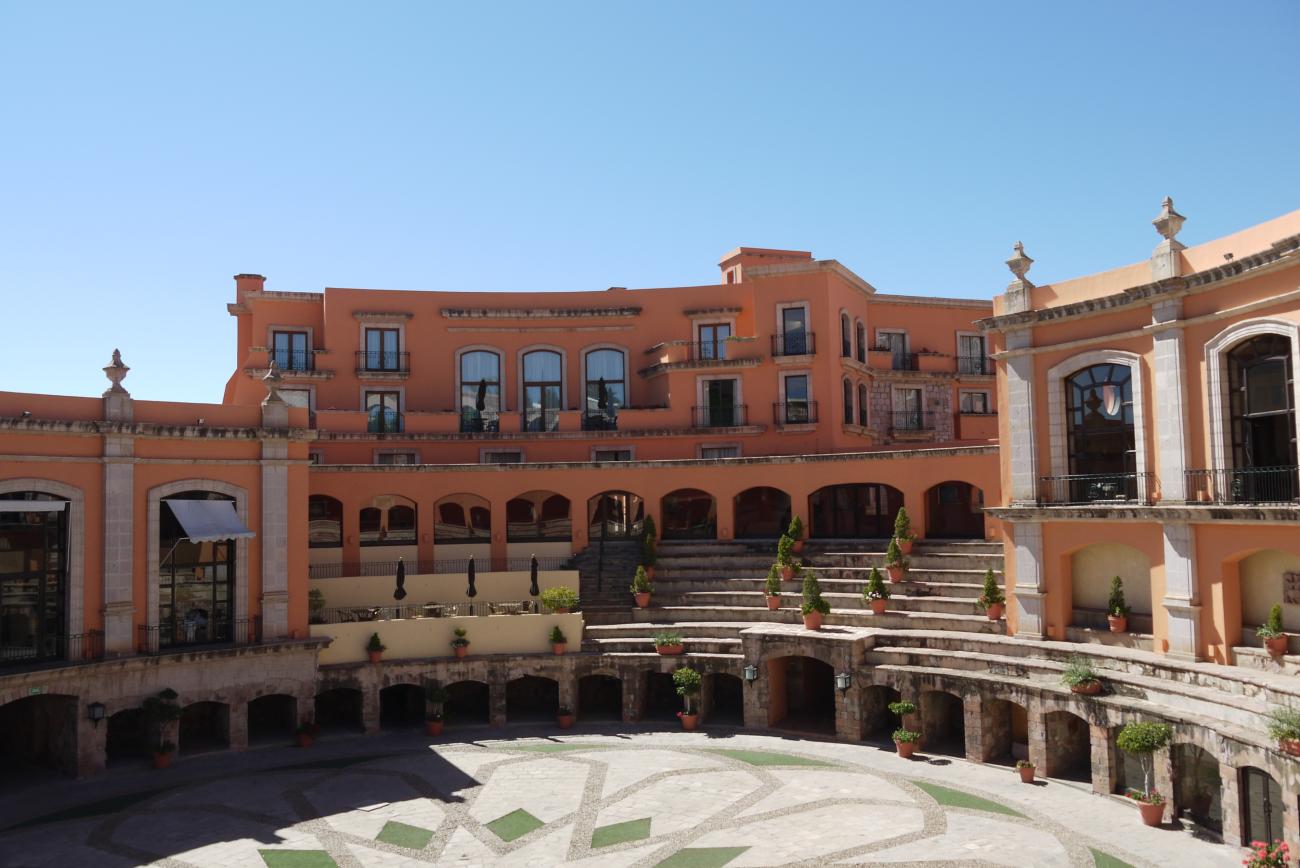
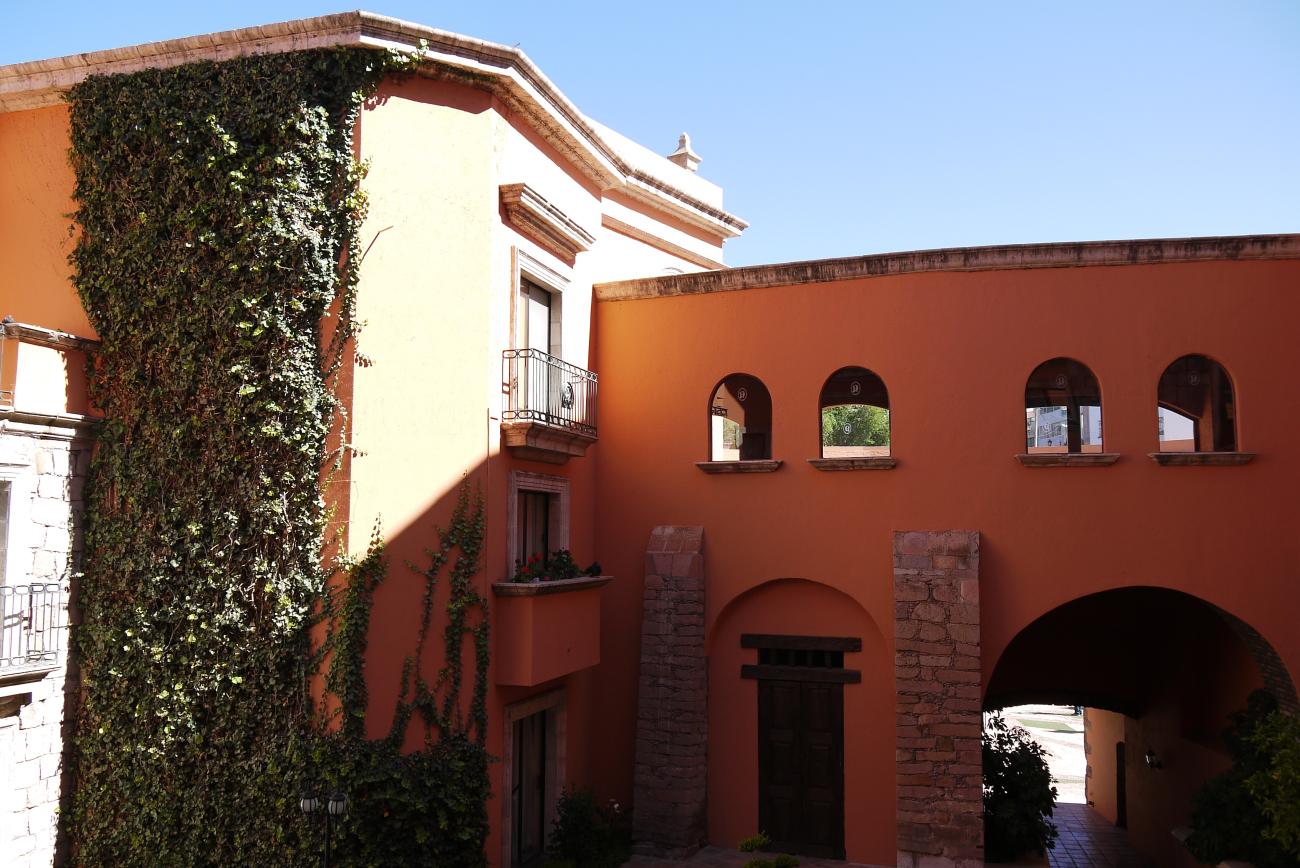
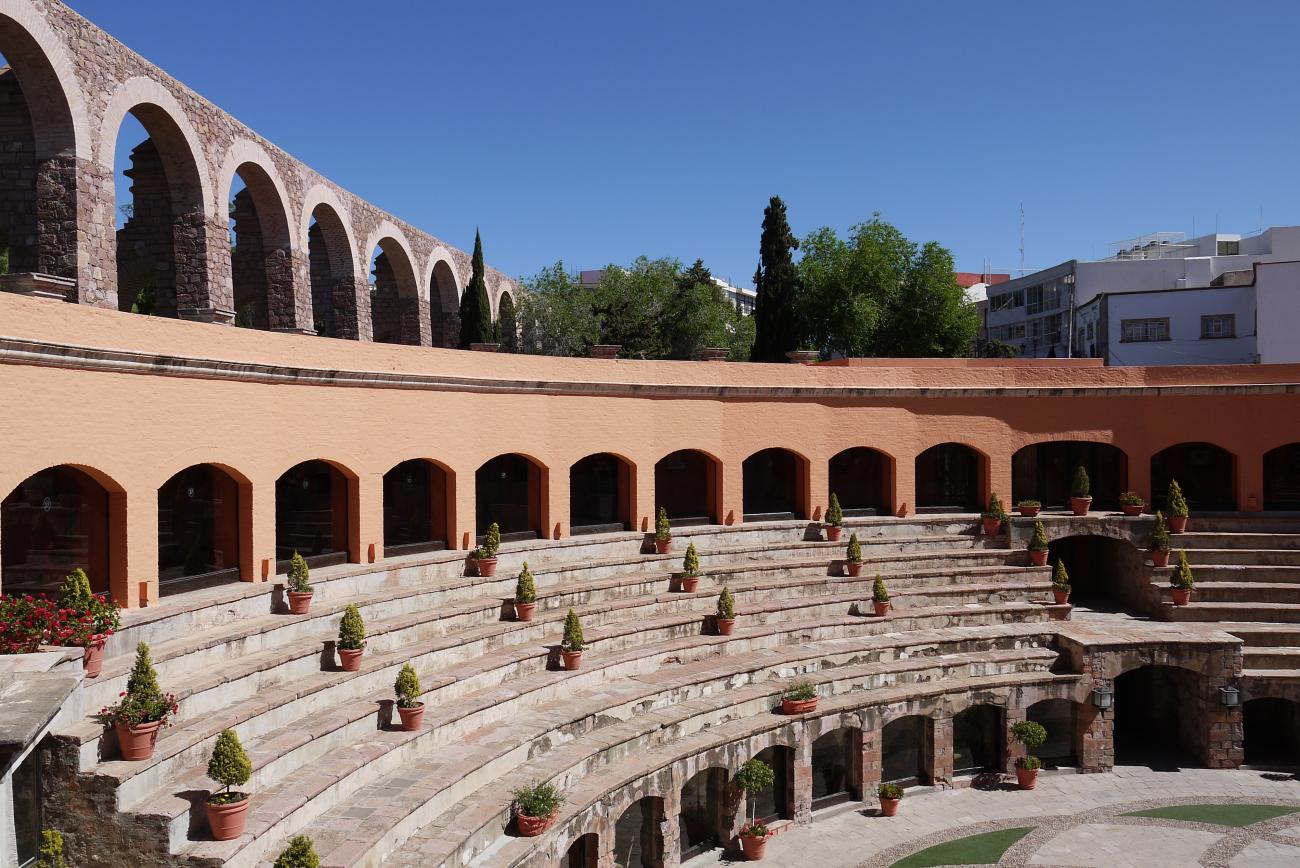
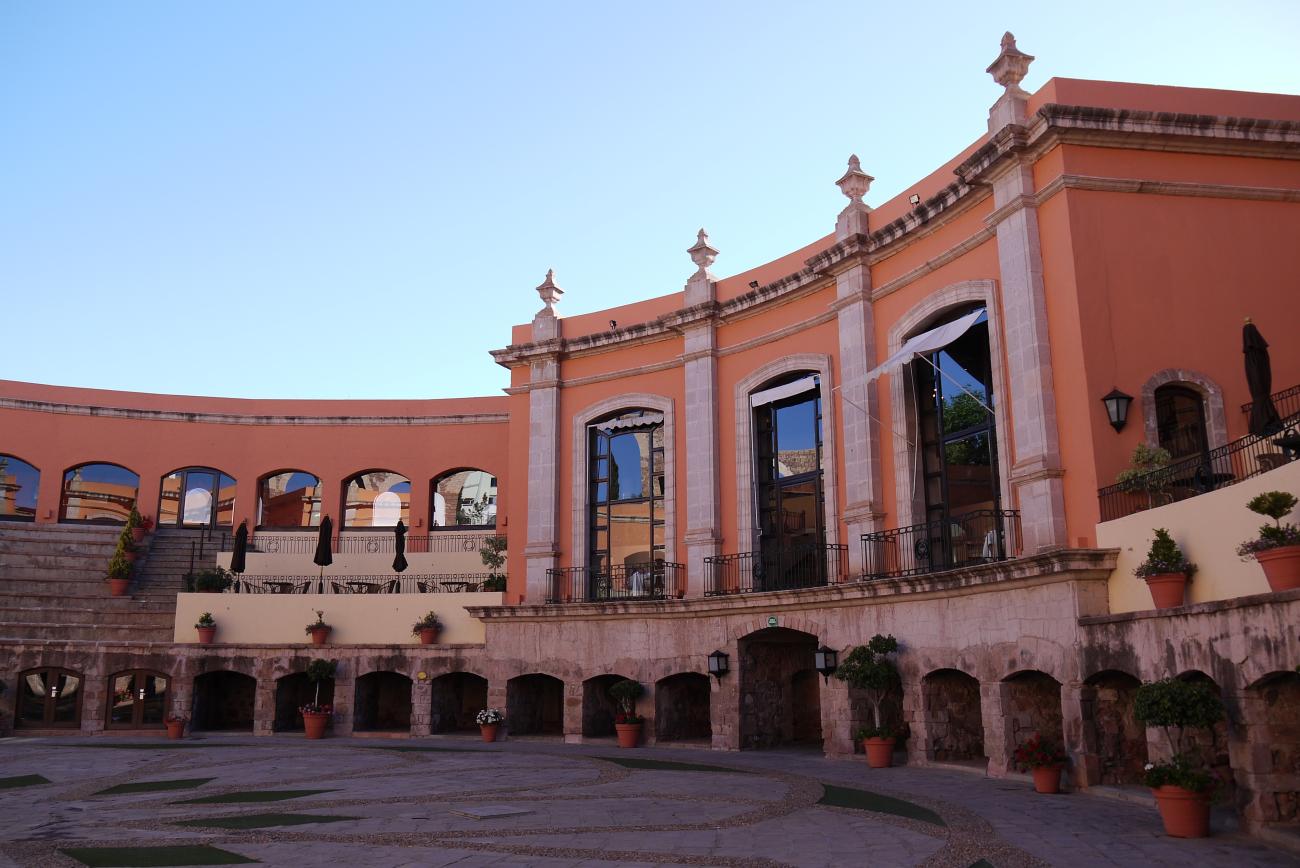
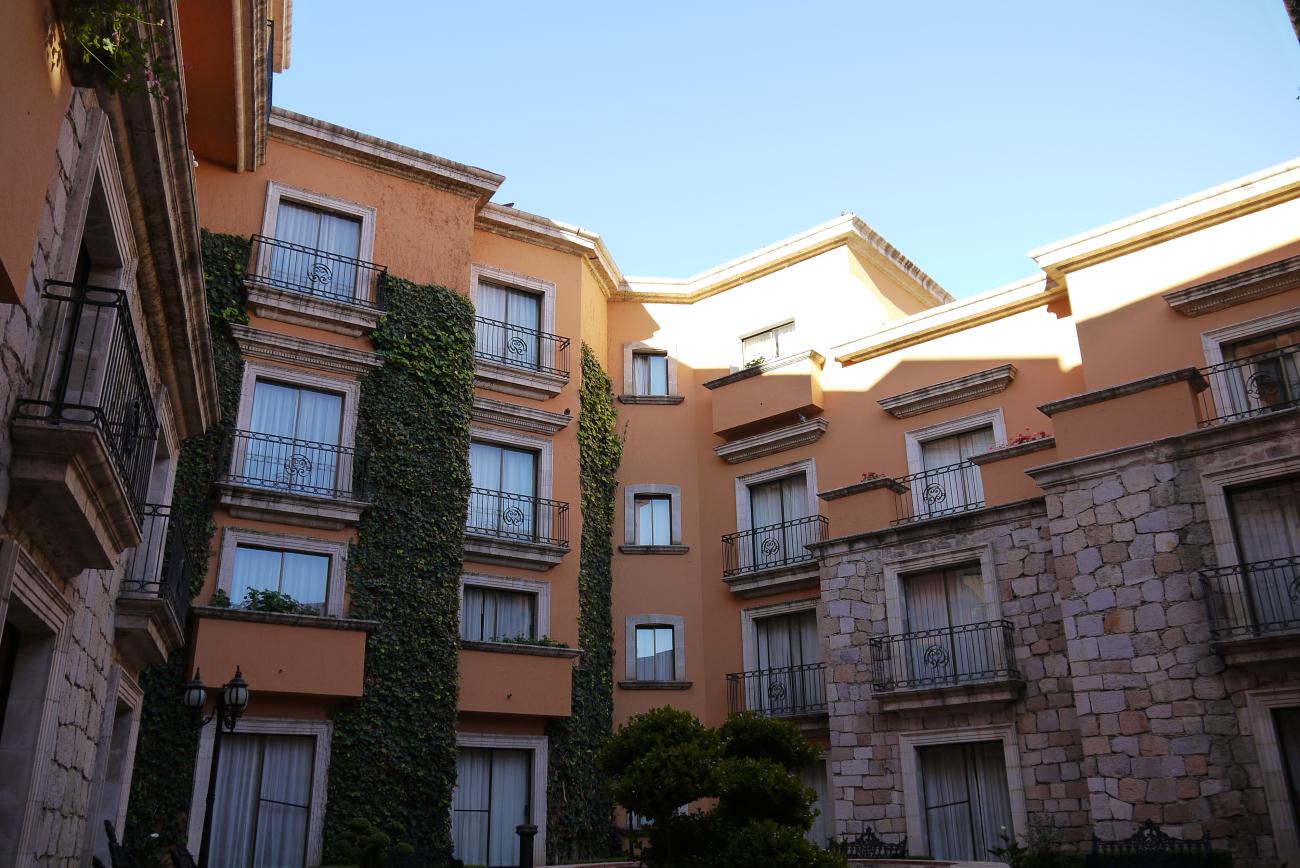
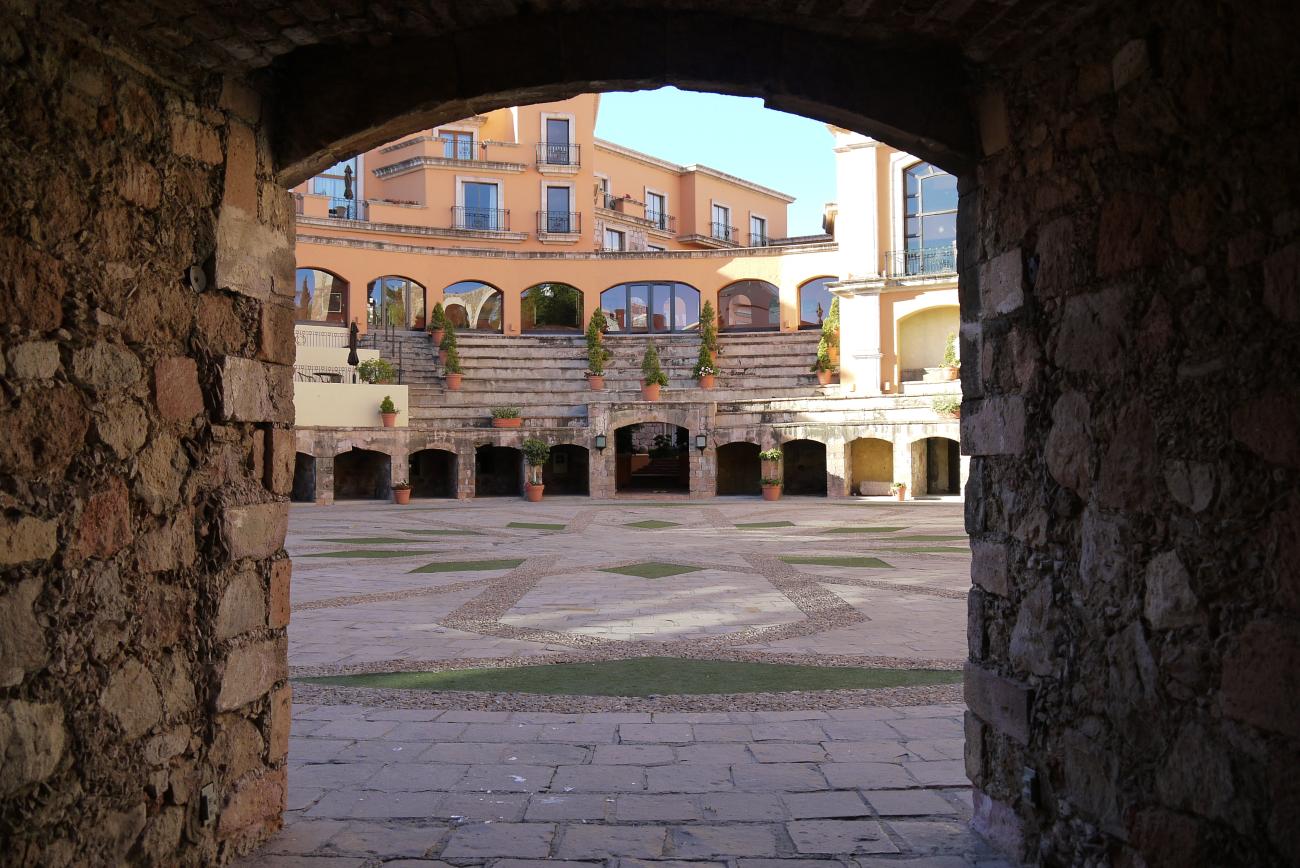
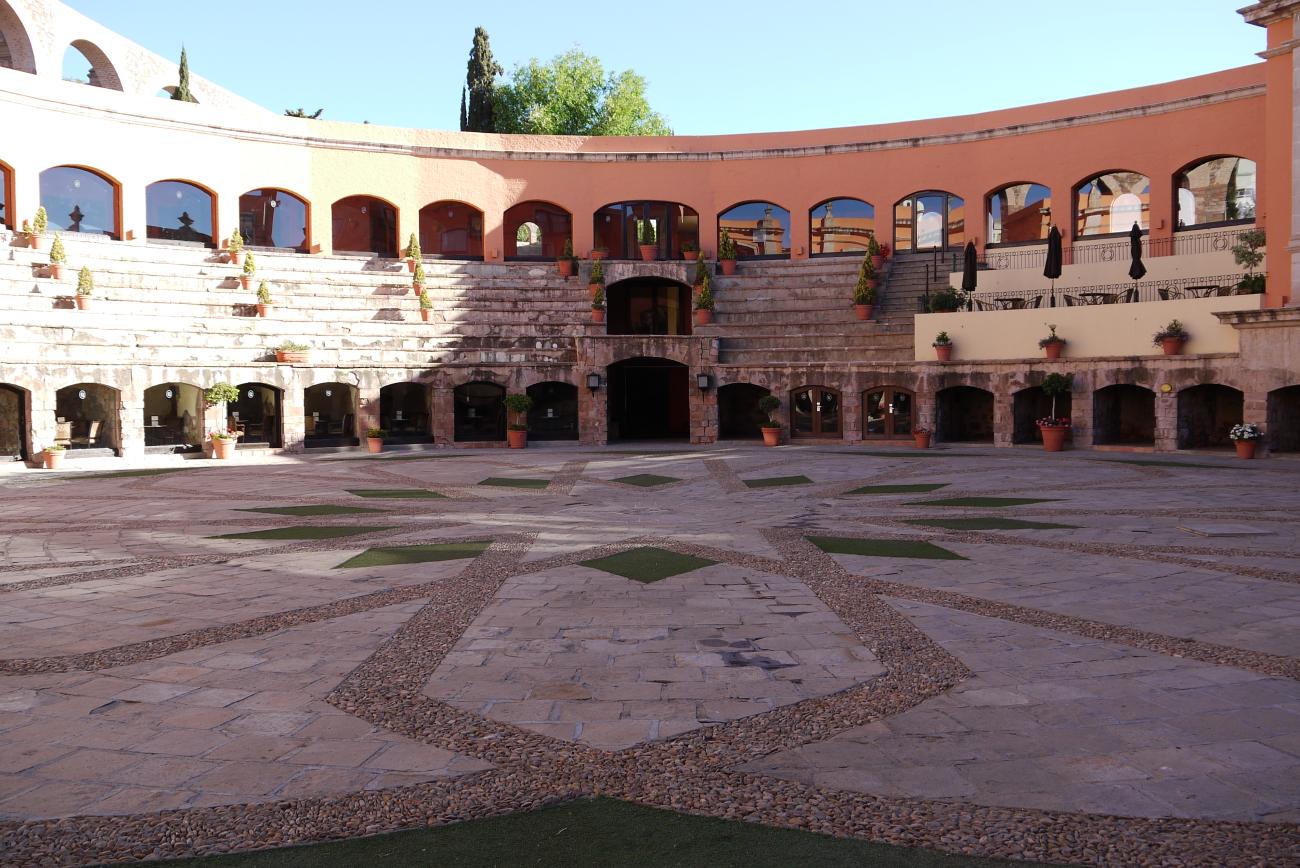
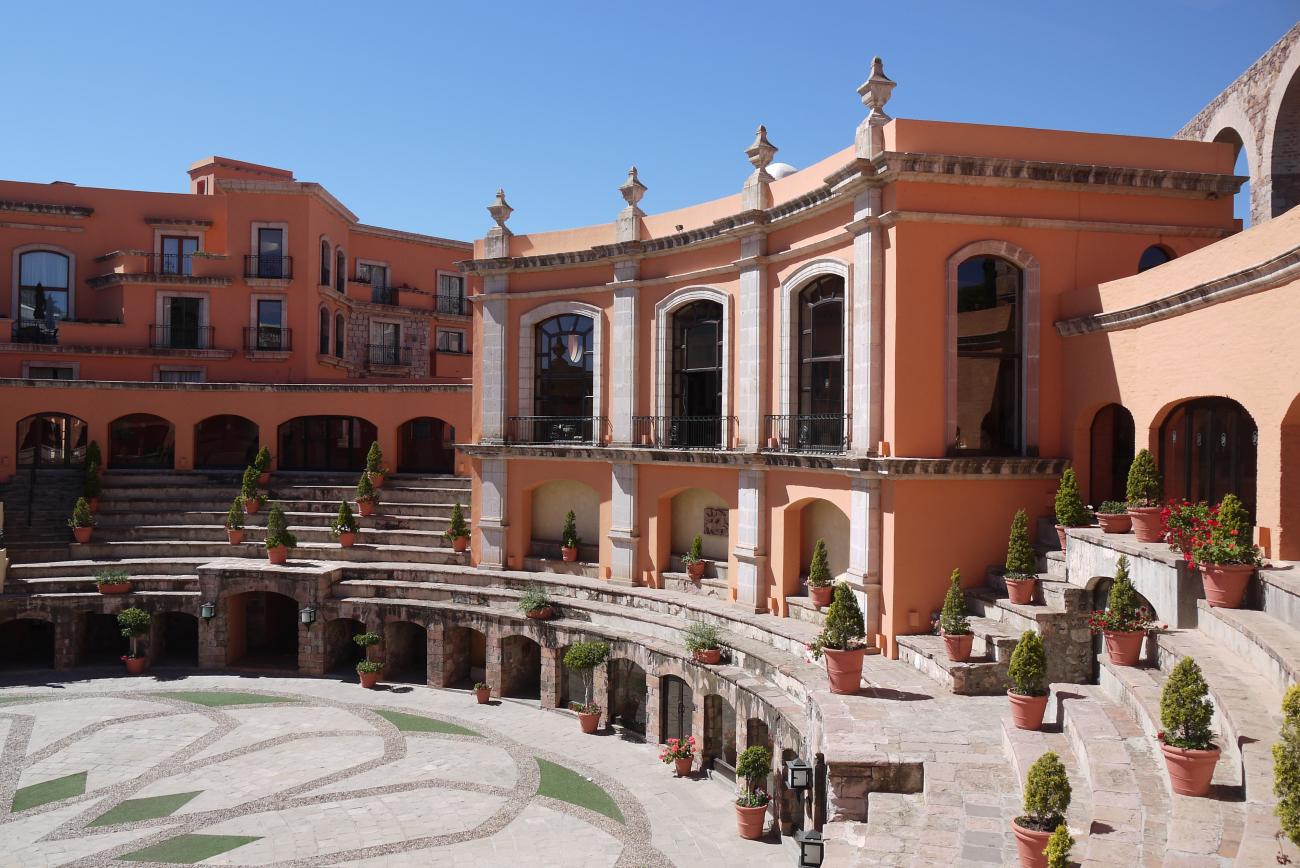
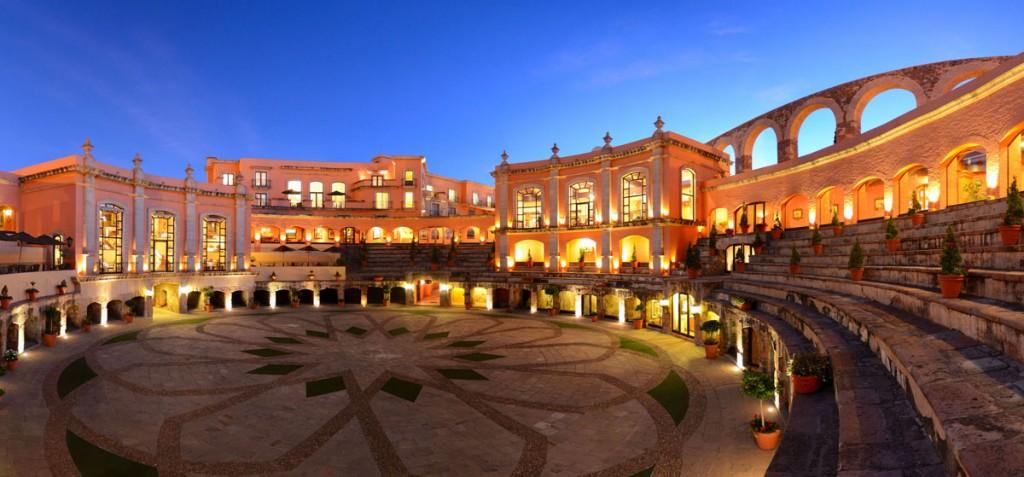
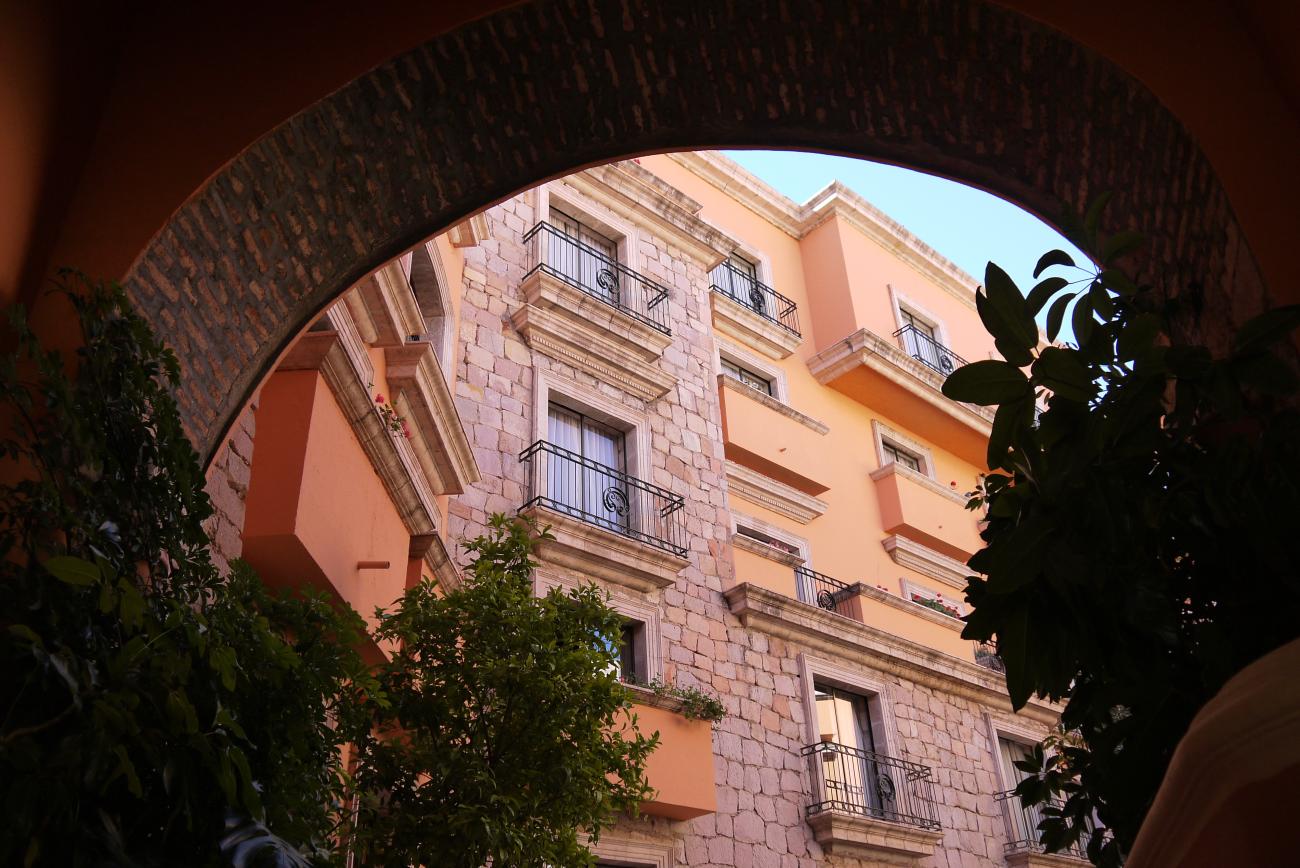
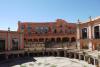

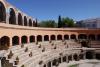
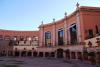

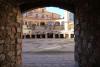
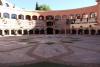
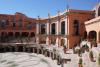


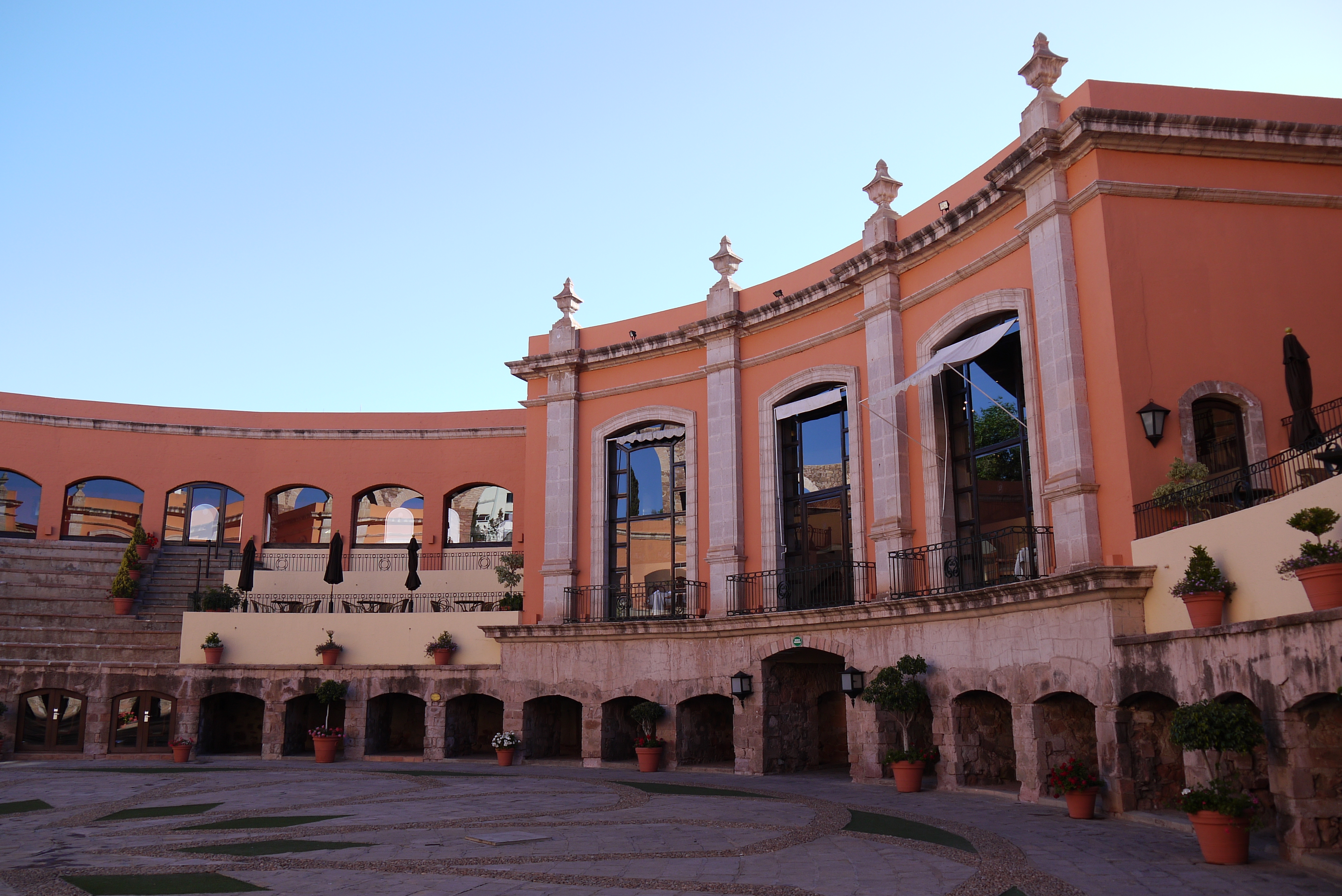
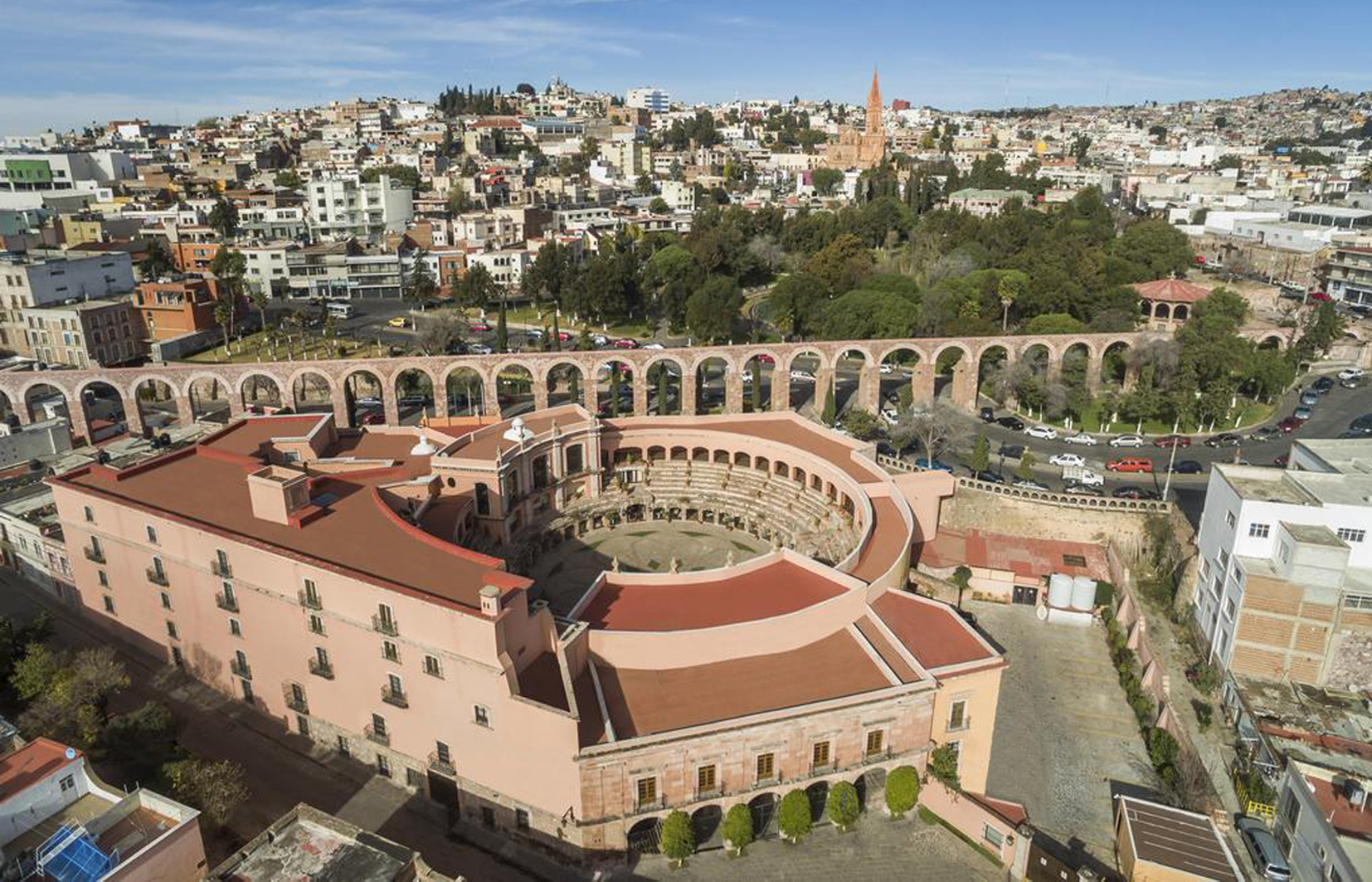
This 19th-century structure was inaugurated in 1866. In 1908, the bullring became the property of Luis G. del Valle, who undertook a reconstruction project to increase its spectator capacity. He added eight tiers of masonry seating and crowned the structure with twenty-two boxes separated by iron columns and railings.
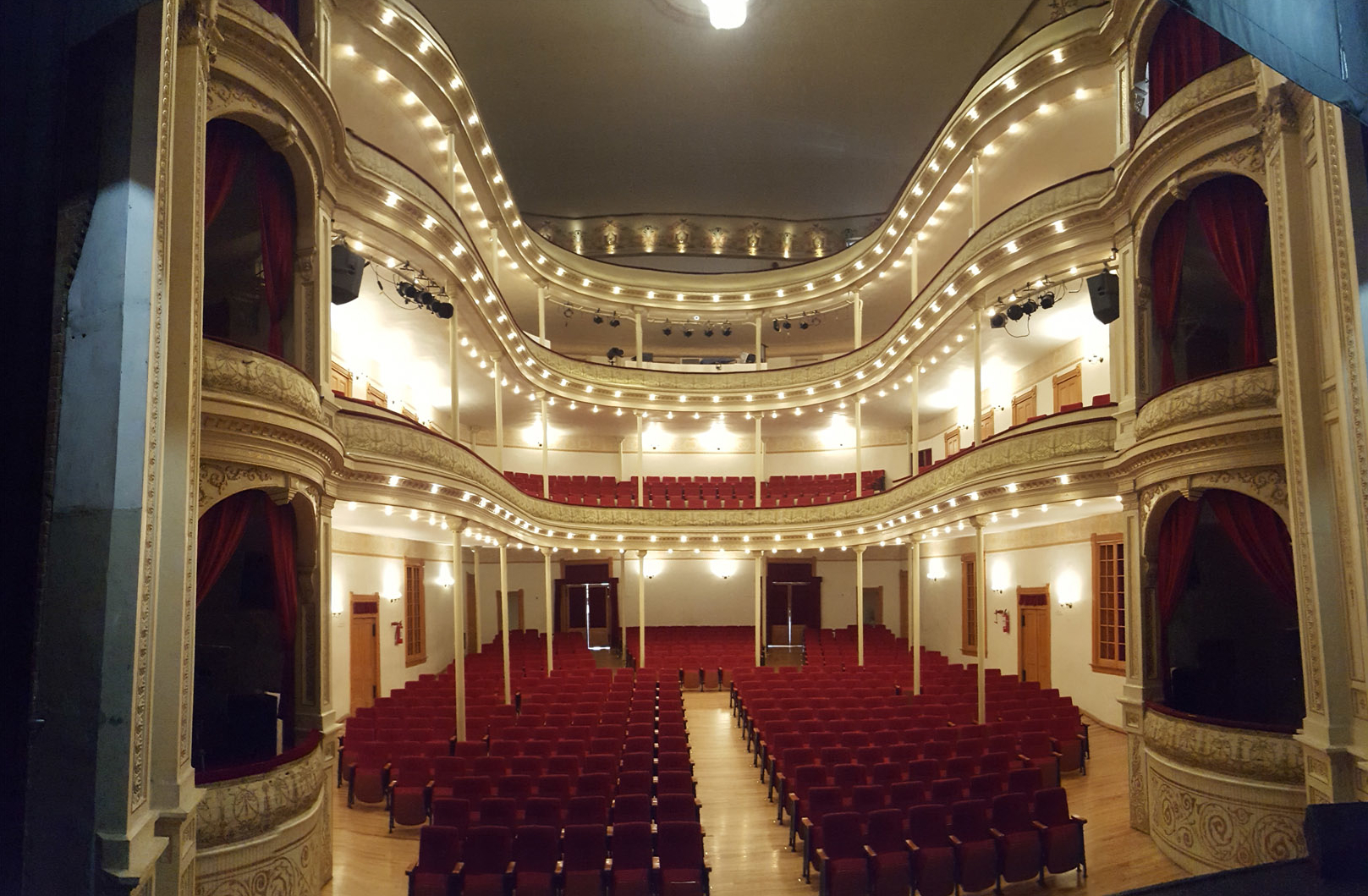
Today, the former bullring houses a luxury hotel operated by the "Quinta Real" chain in Mexico. The site now includes a restaurant, bar, and performing arts venue, blending historical architecture with modern hospitality.
Francisco Goitia Museum
This 20th-century building was constructed in the 1940s at the request of the state governor, who commissioned architect Máximo Pedraja to design an official residence for the governors. The building was inaugurated in 1948. Starting in 1962, it housed distinguished visitors and some areas were…
n>
Francisco Goitia Museum
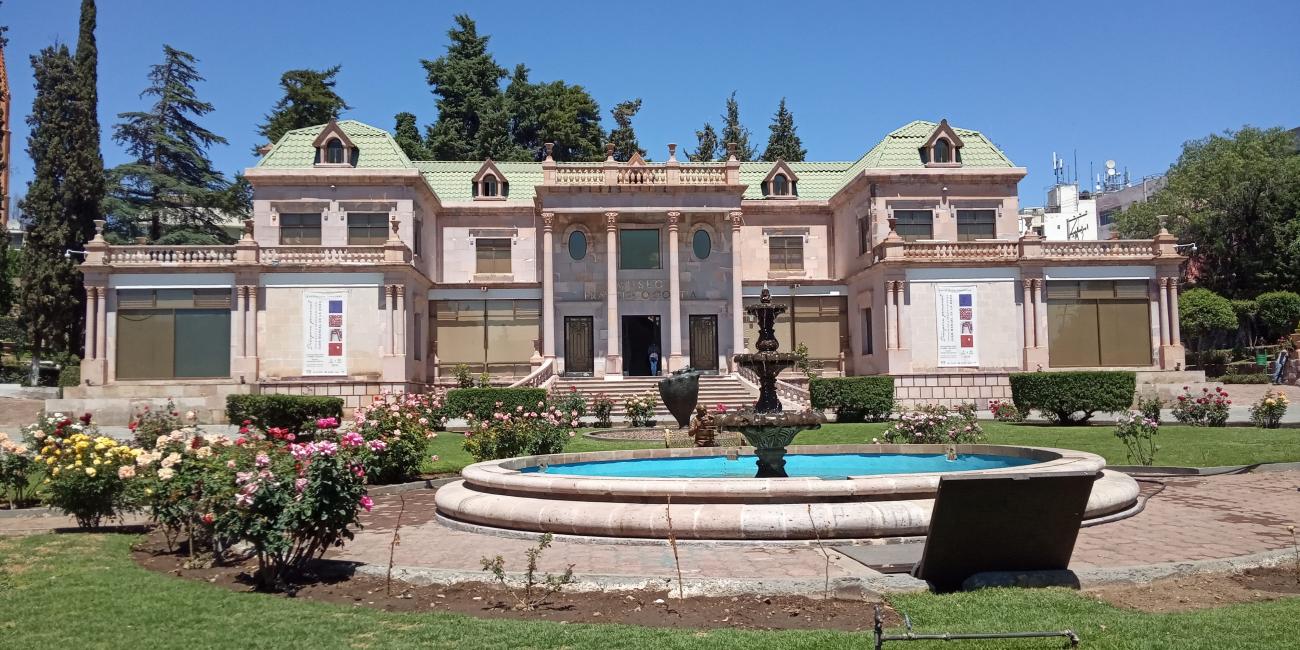
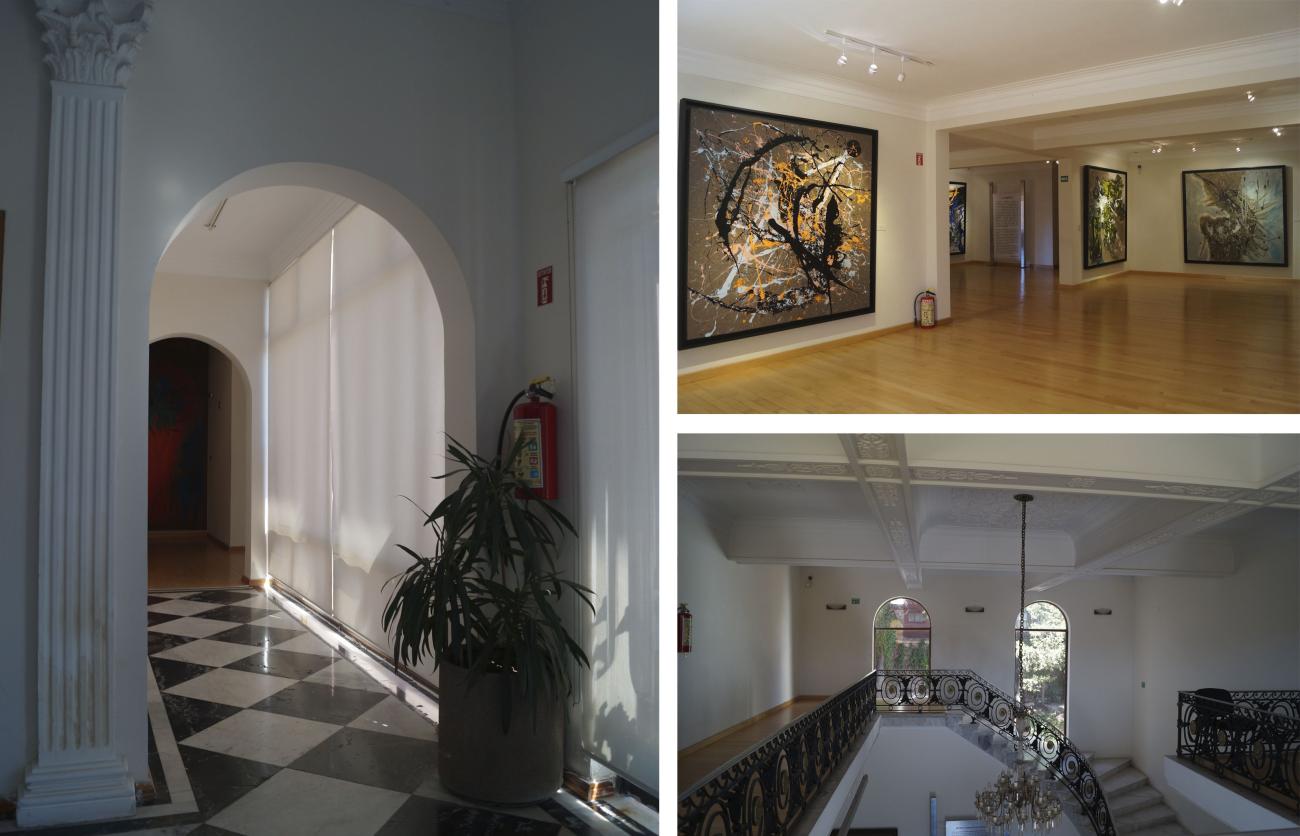
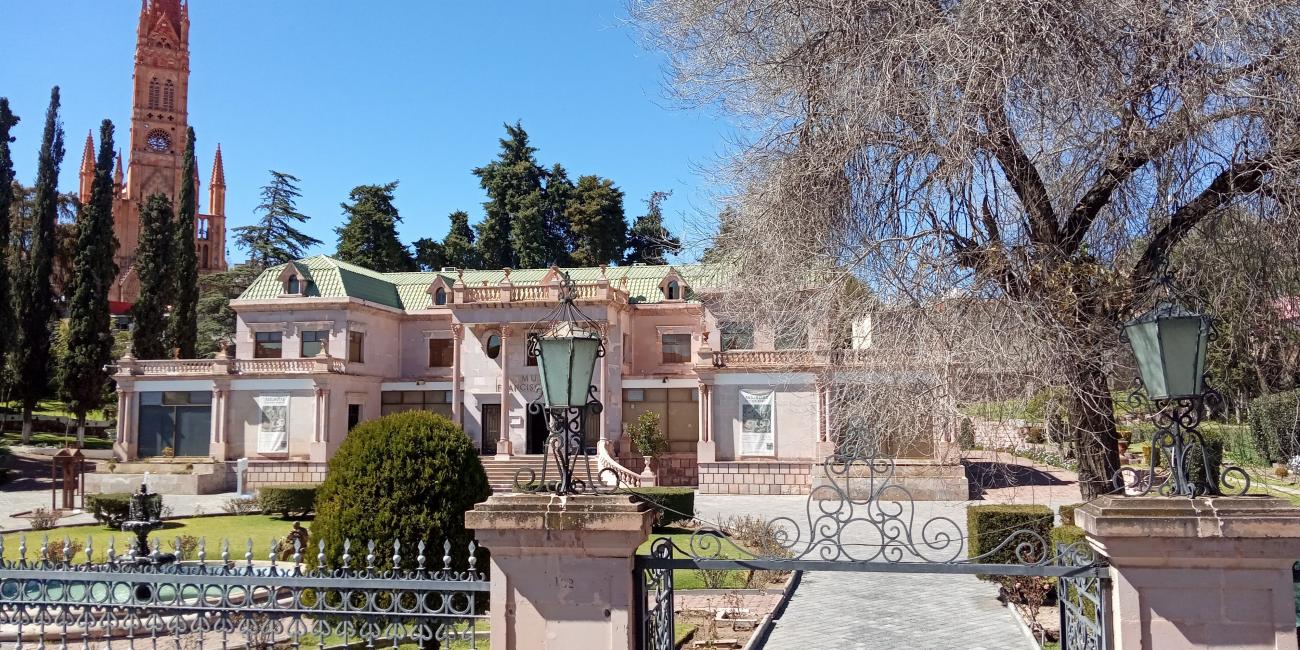
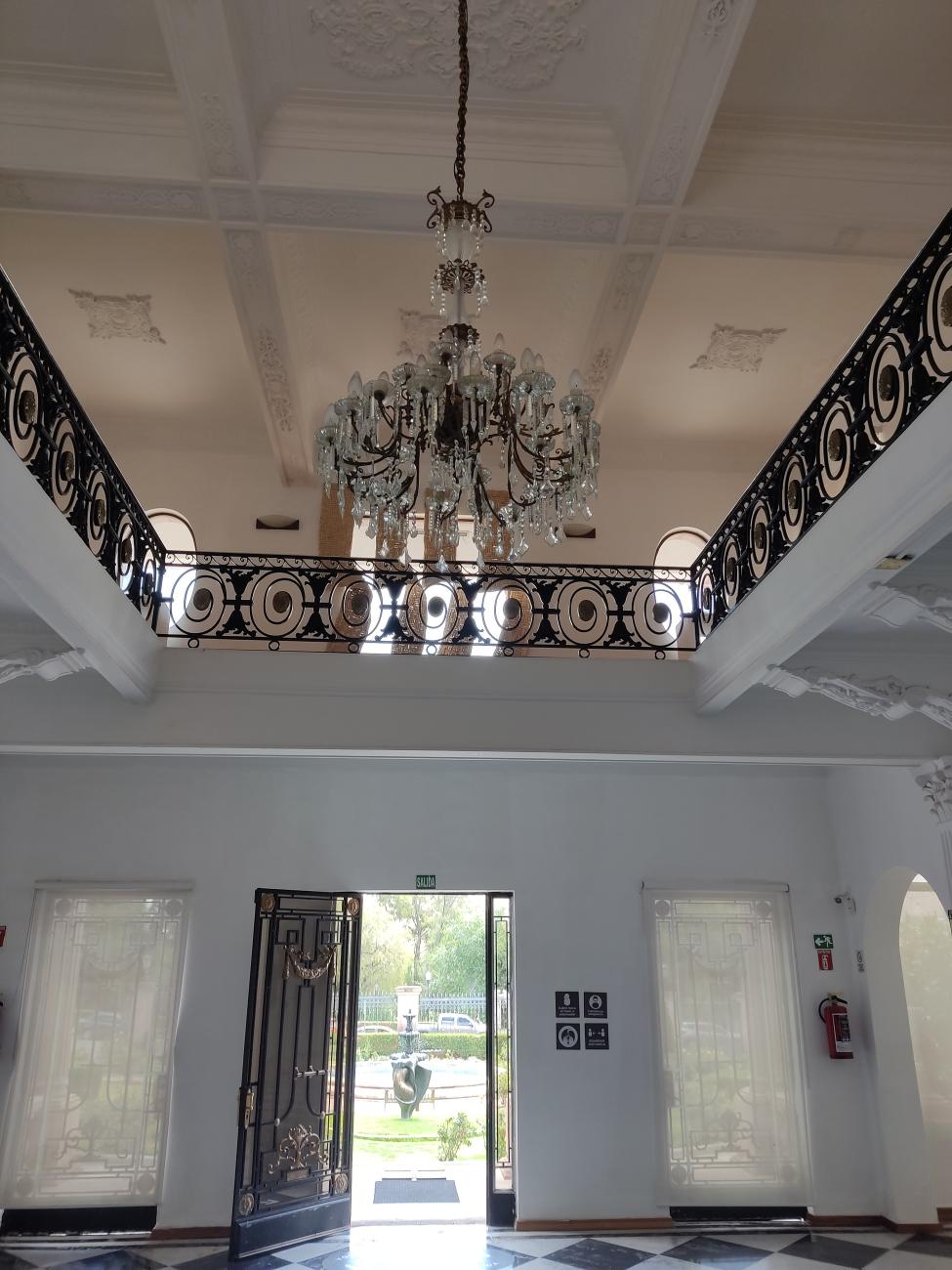
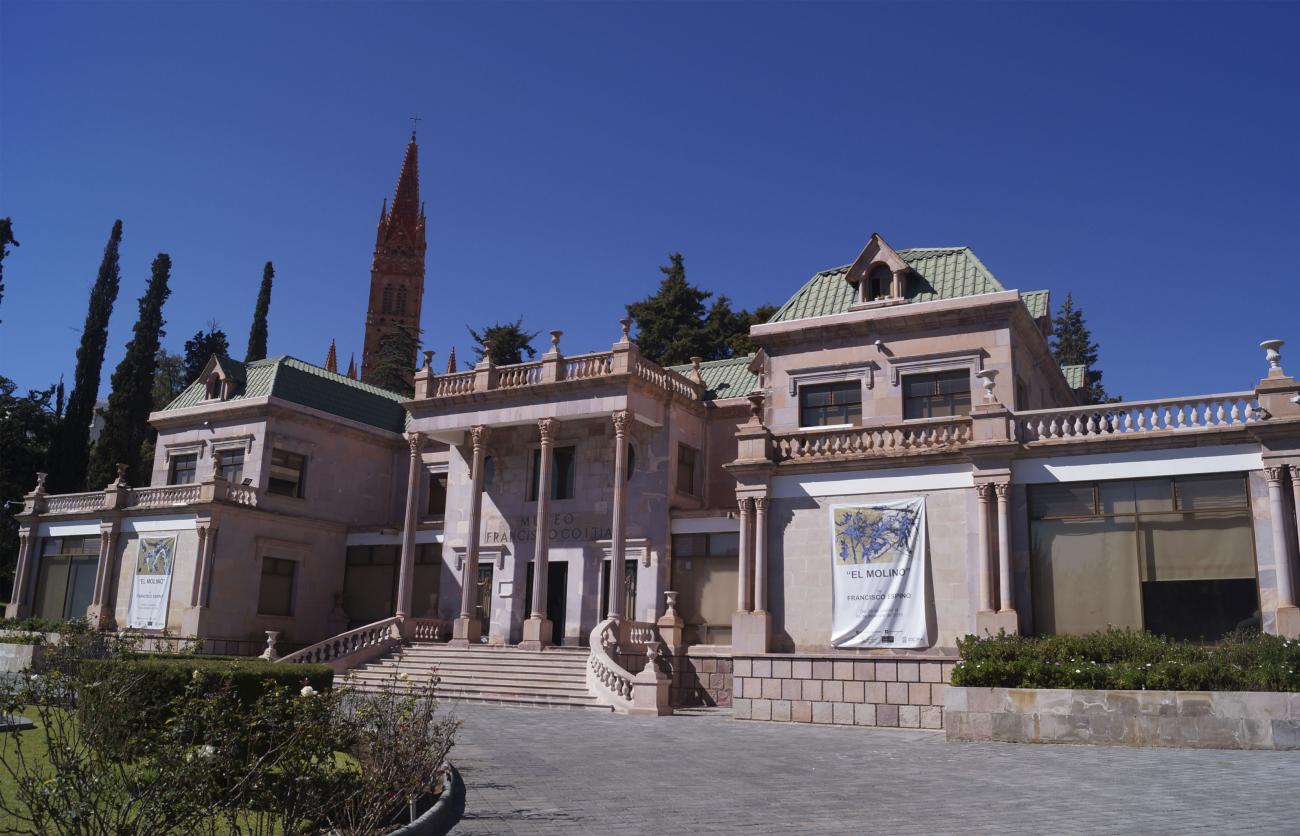
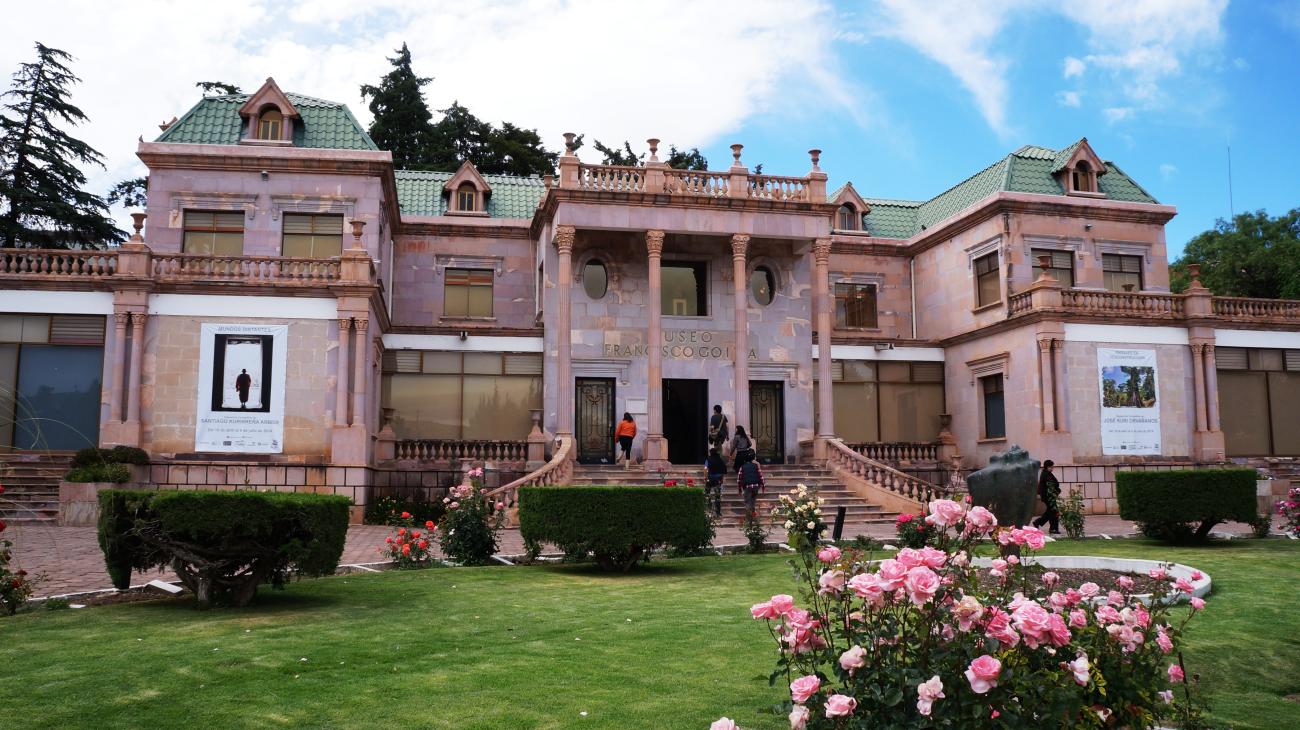
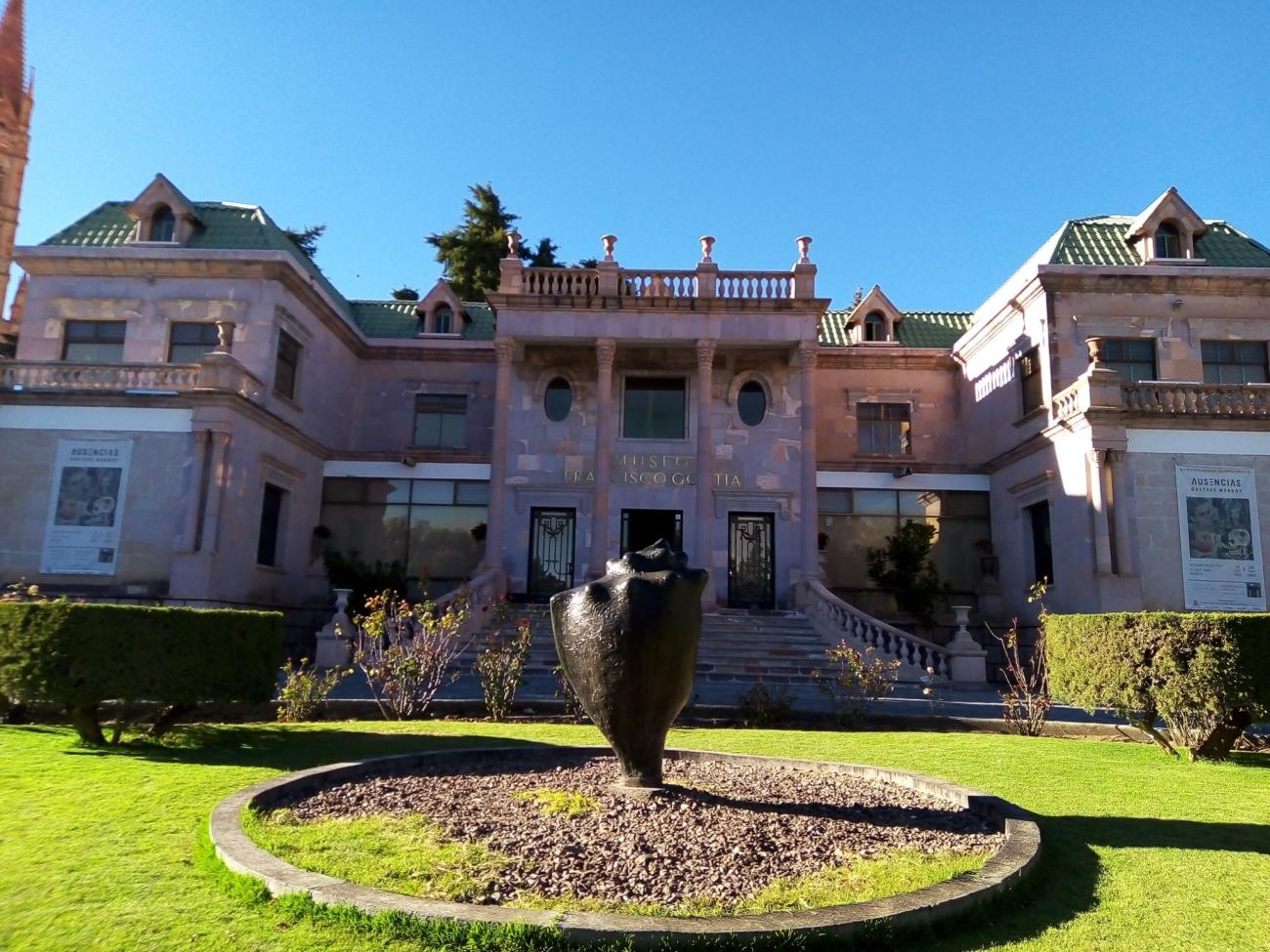
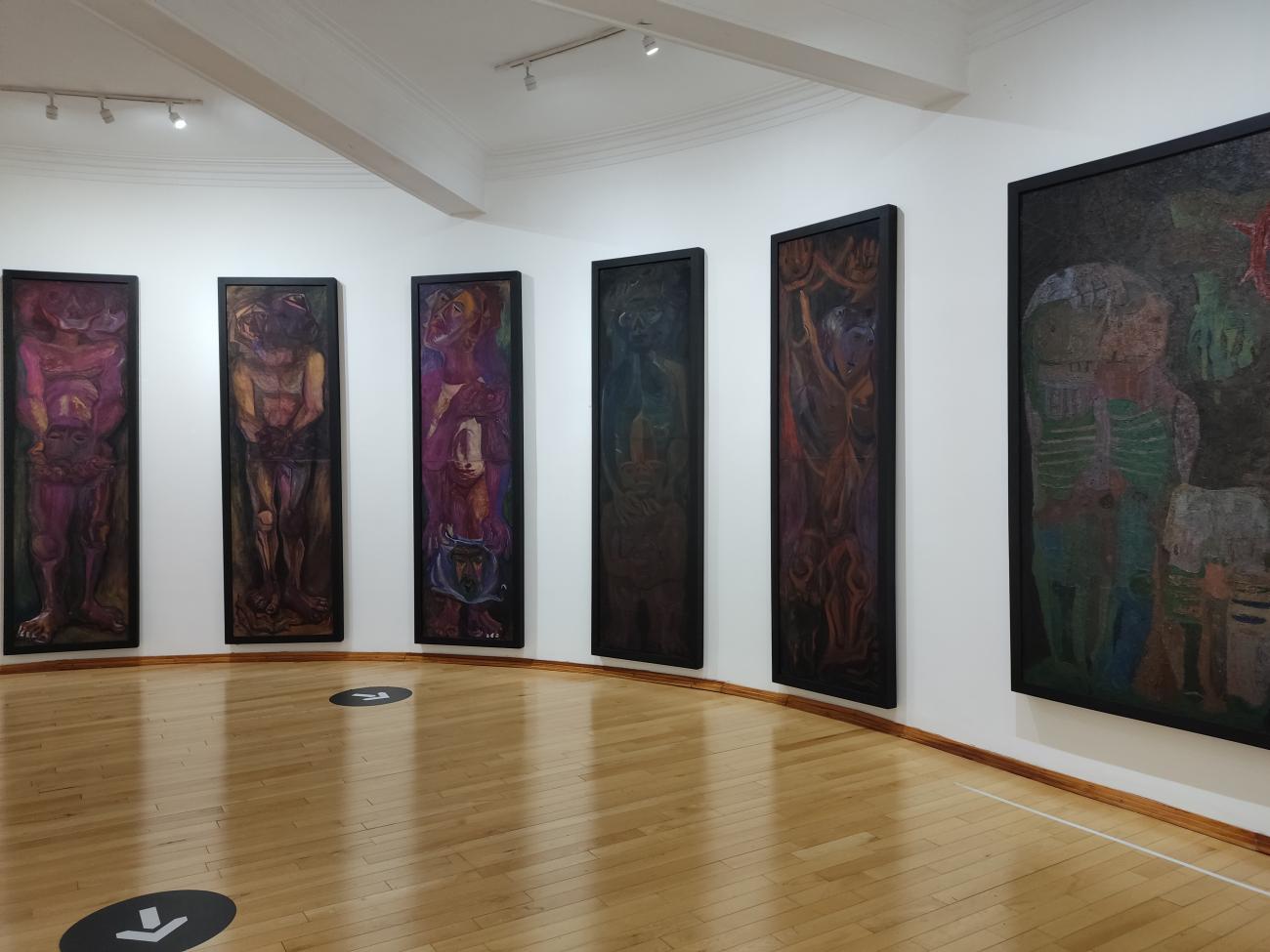
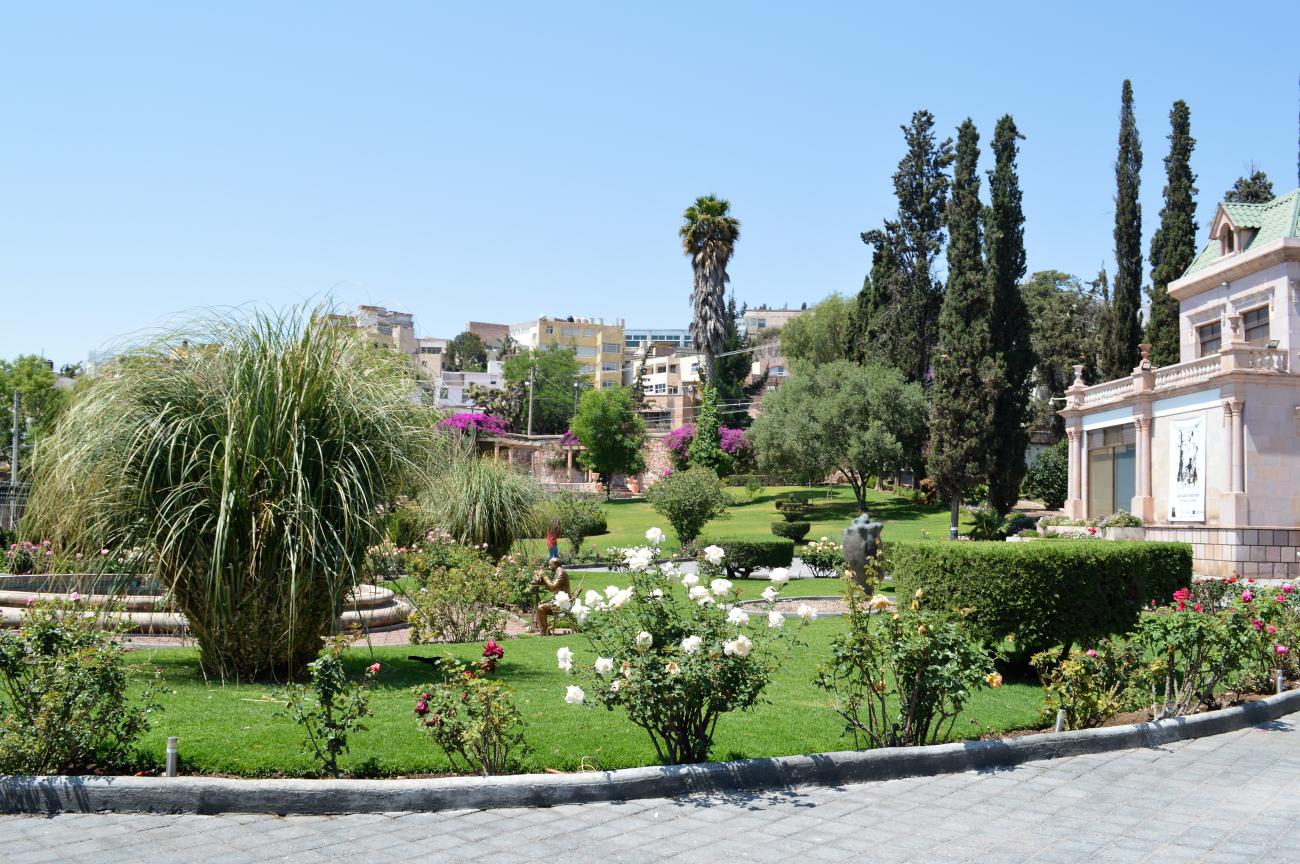
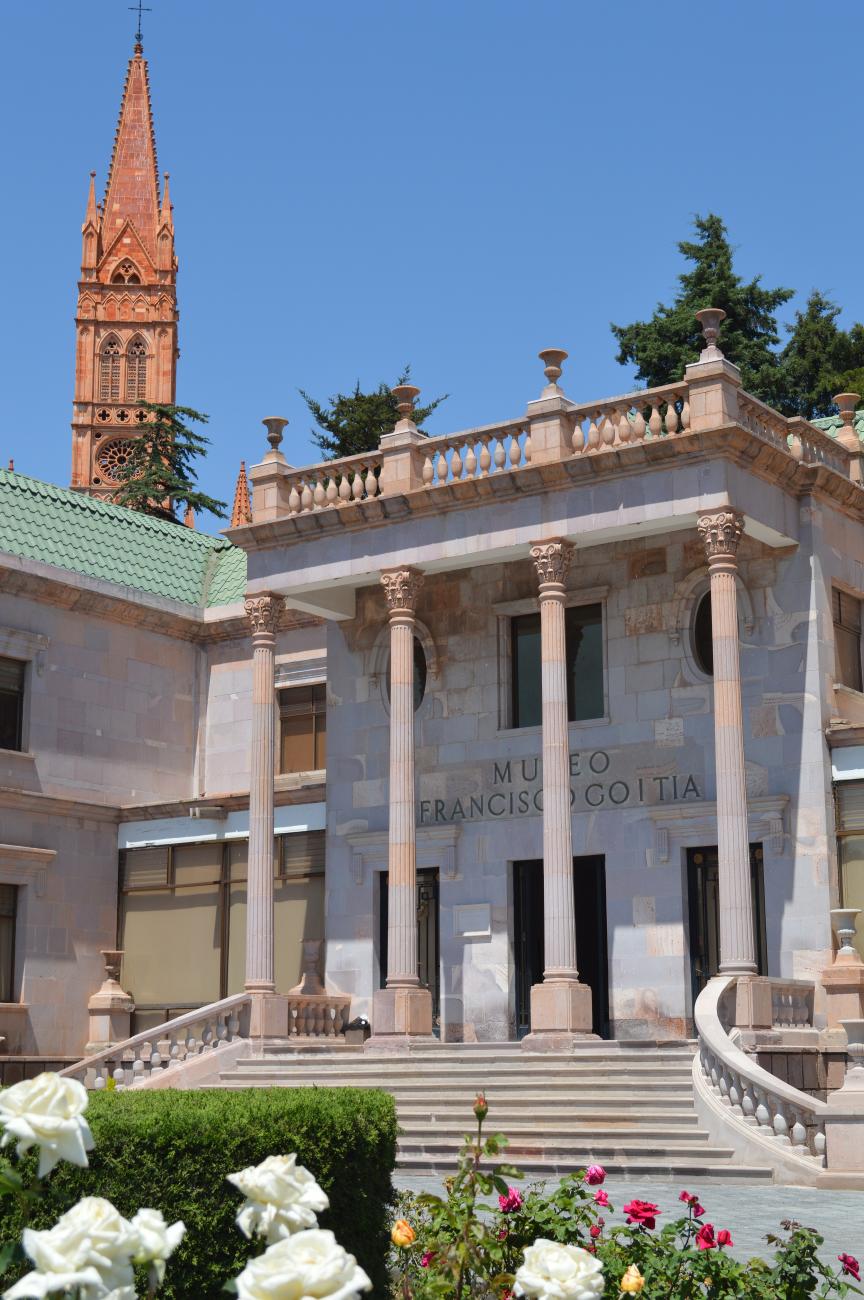
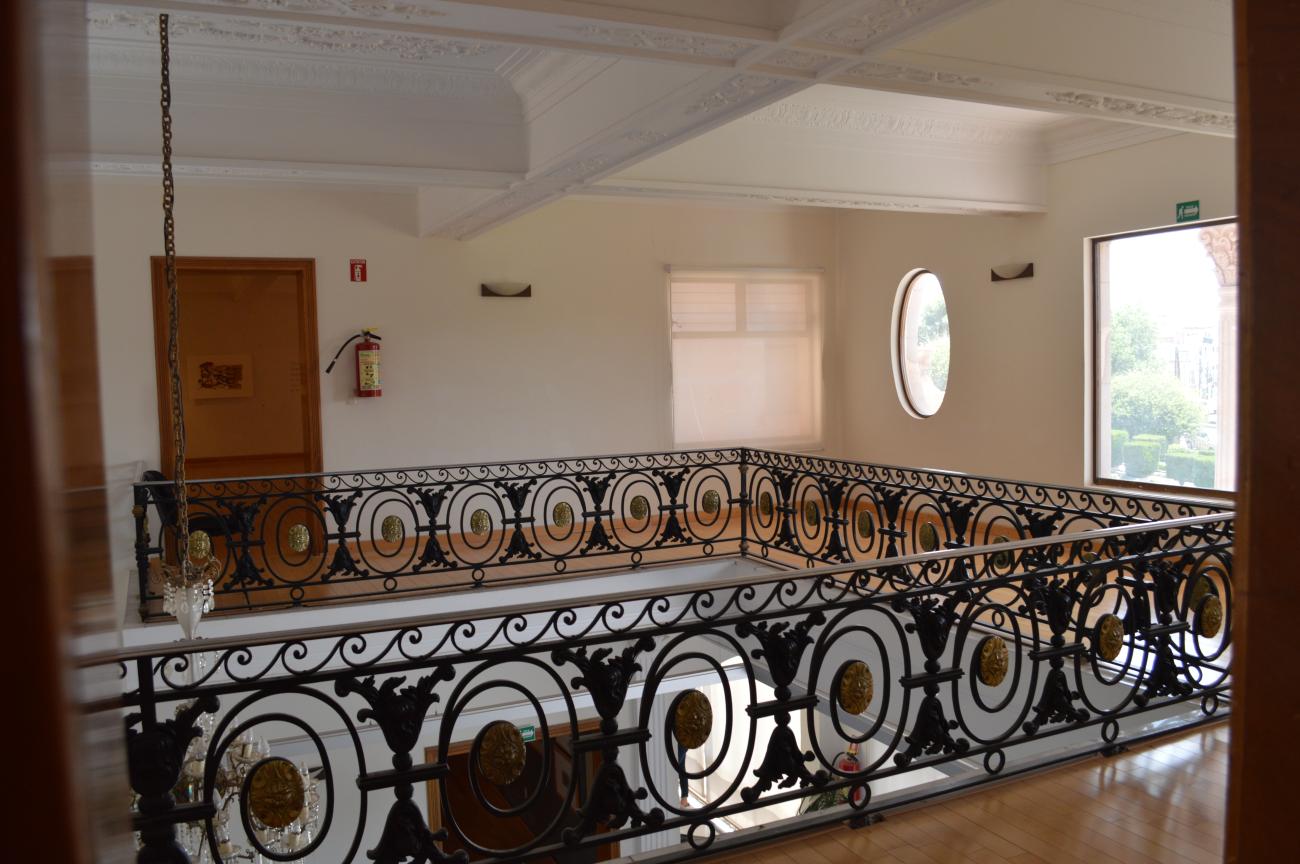



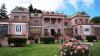


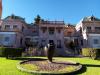

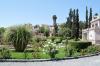
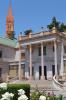

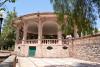
This 20th-century building was constructed in the 1940s at the request of the state governor, who commissioned architect Máximo Pedraja to design an official residence for the governors. The building was inaugurated in 1948. Starting in 1962, it housed distinguished visitors and some areas were repurposed as public offices, earning it the name Casa del Pueblo (House of the People).
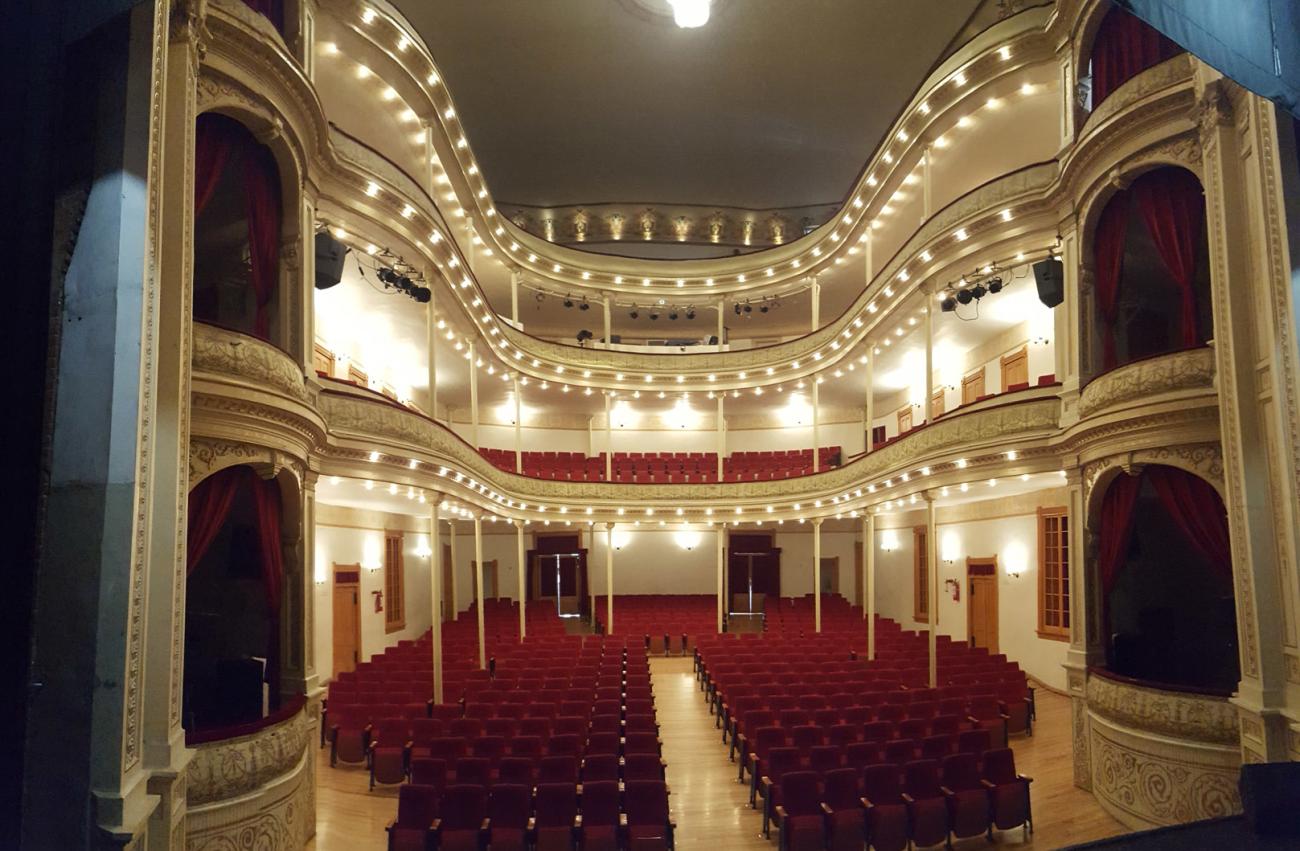
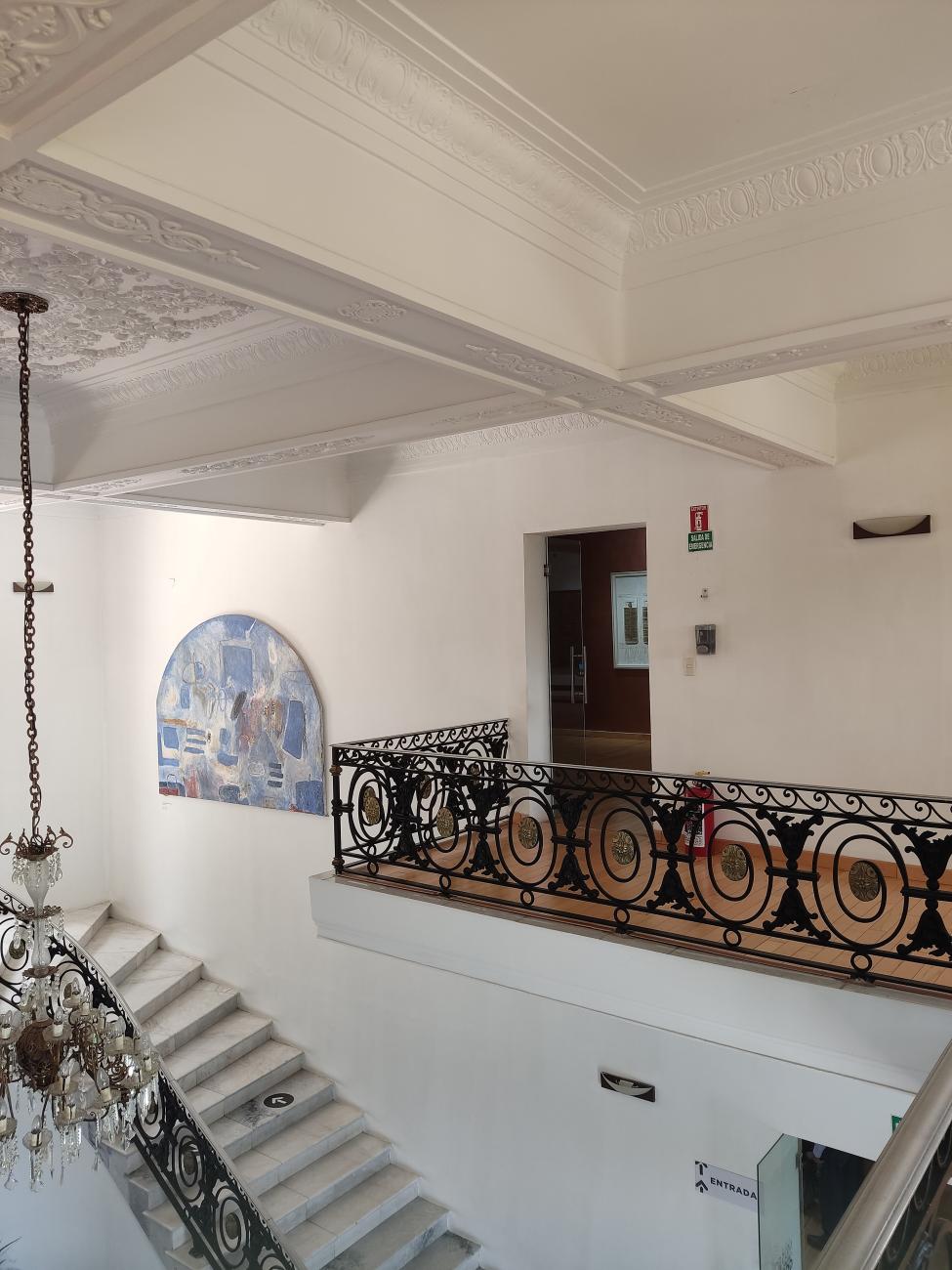
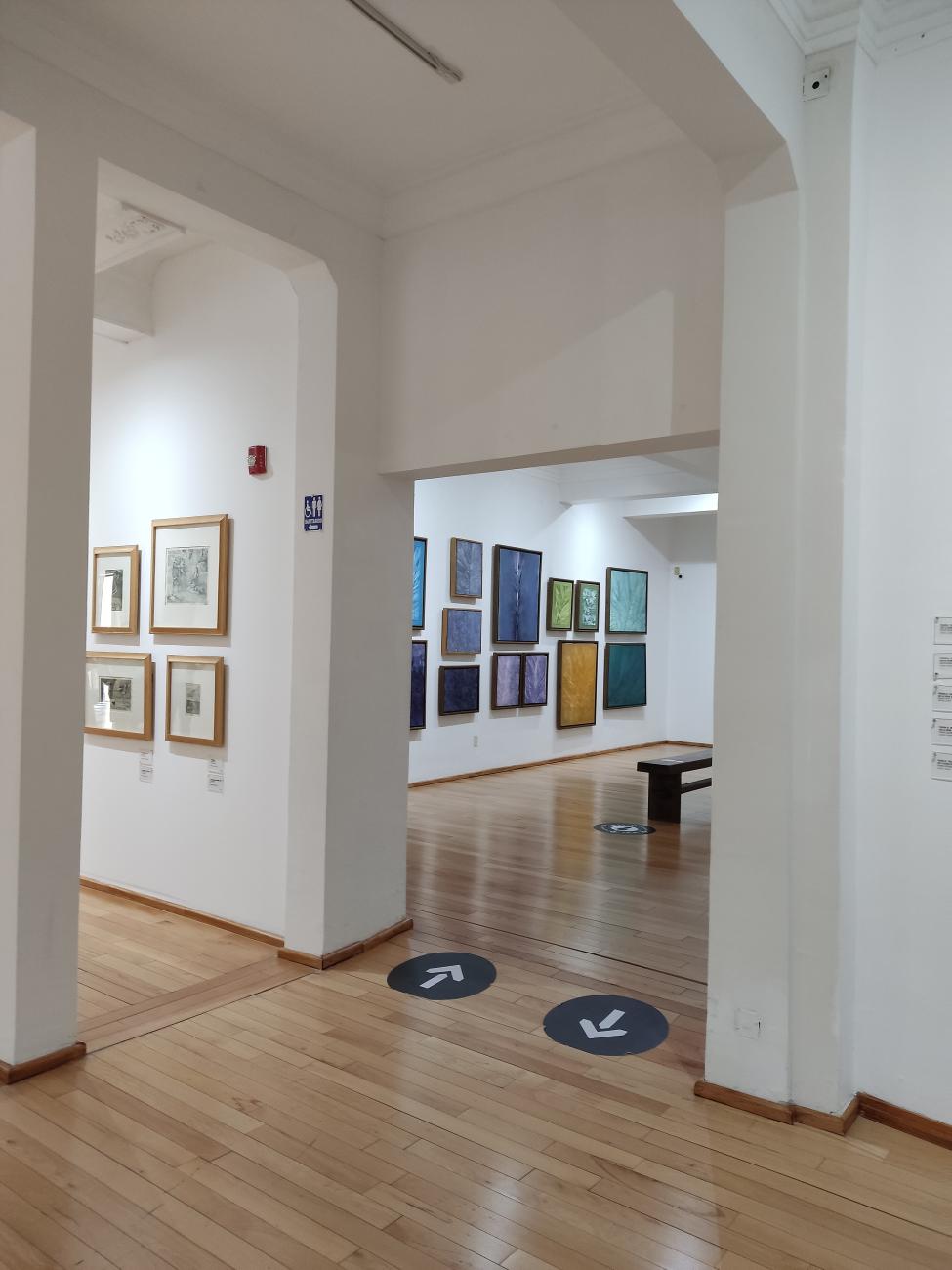
In 1978, the Government of Zacatecas and the National Institute of Fine Arts (INBA) transformed the building into a museum dedicated to showcasing Zacatecan art, naming it after the painter Francisco Goitia.
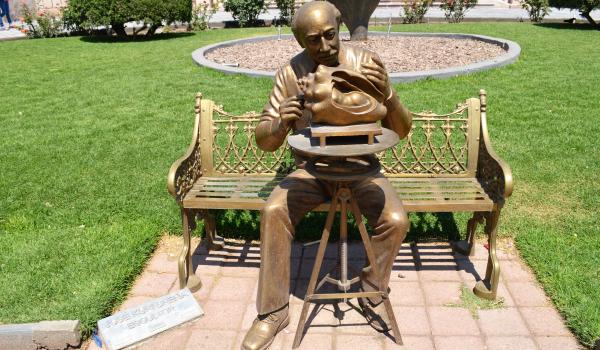
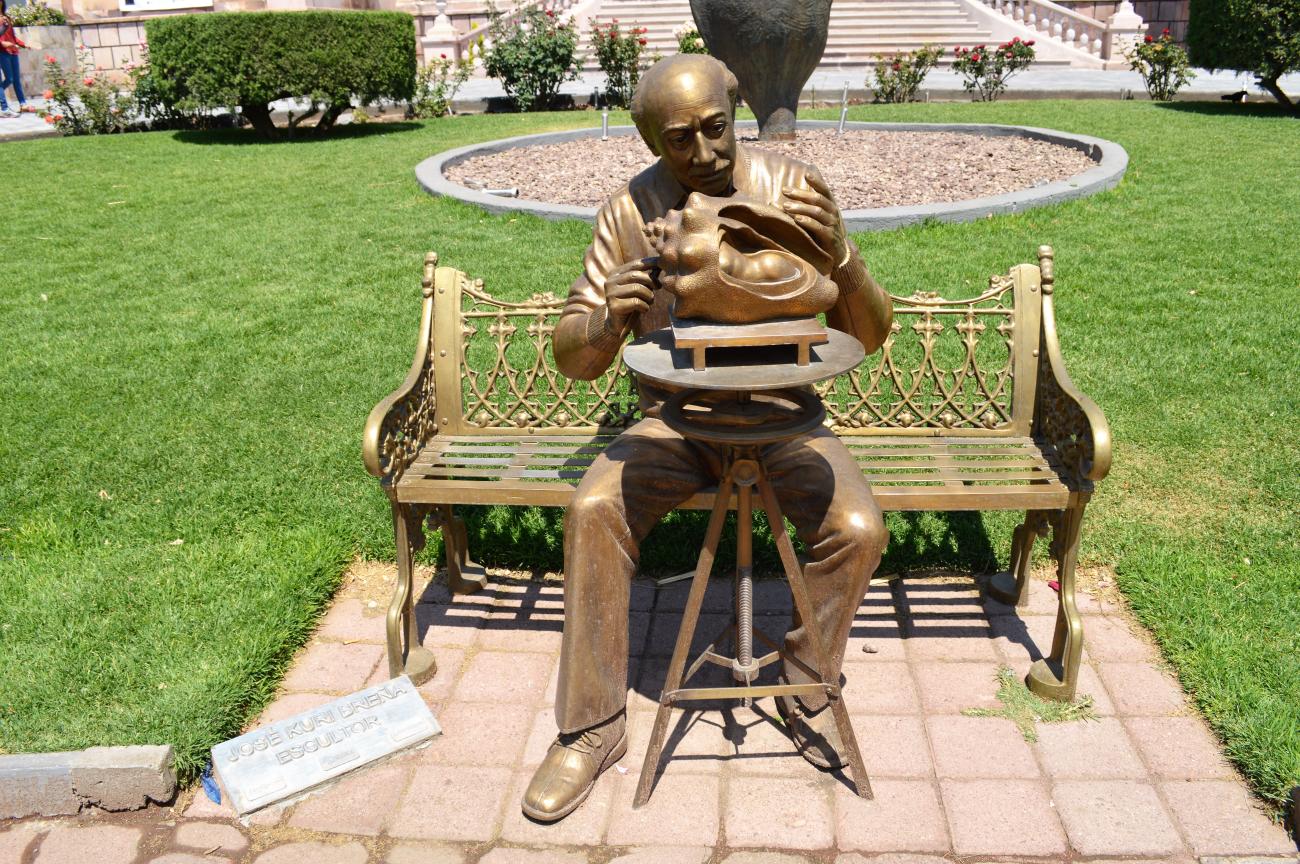
The museum exhibits works by prominent Zacatecan artists such as José Kuri Breña, Rafael Coronel, Manuel Felguérez, Pedro Coronel, and Francisco Goitia.


Plaza de Santo Domingo
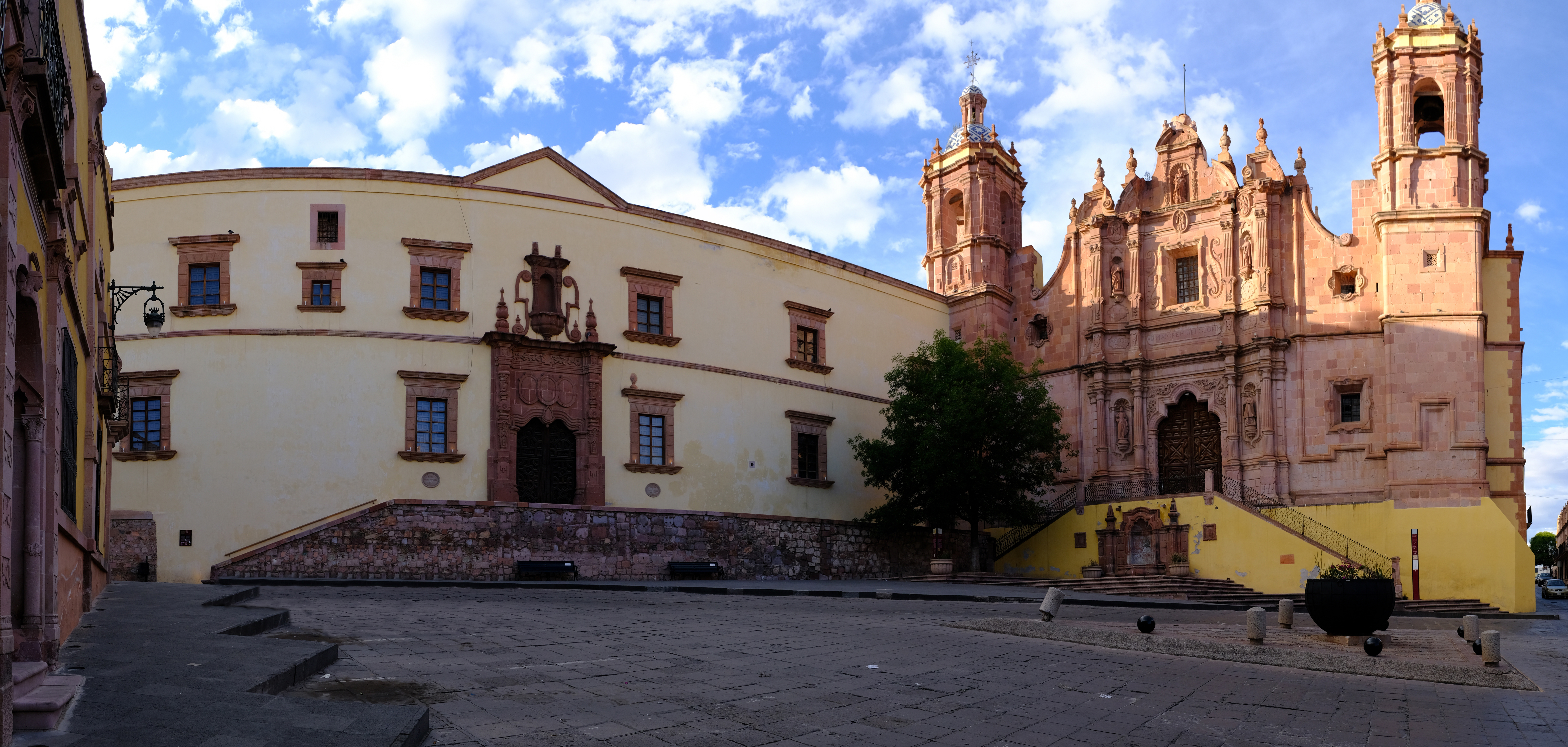
The houses located in front of the Jesuit temple and college had fallen into ruin. Doña Isabel Rosa Catarina Ceballos Villegas, Countess of San Mateo, exchanged one of her own properties in order to donate the land to the Jesuits. After the Jesuits were expelled from New Spain in 1767, the…
Plaza de Santo Domingo
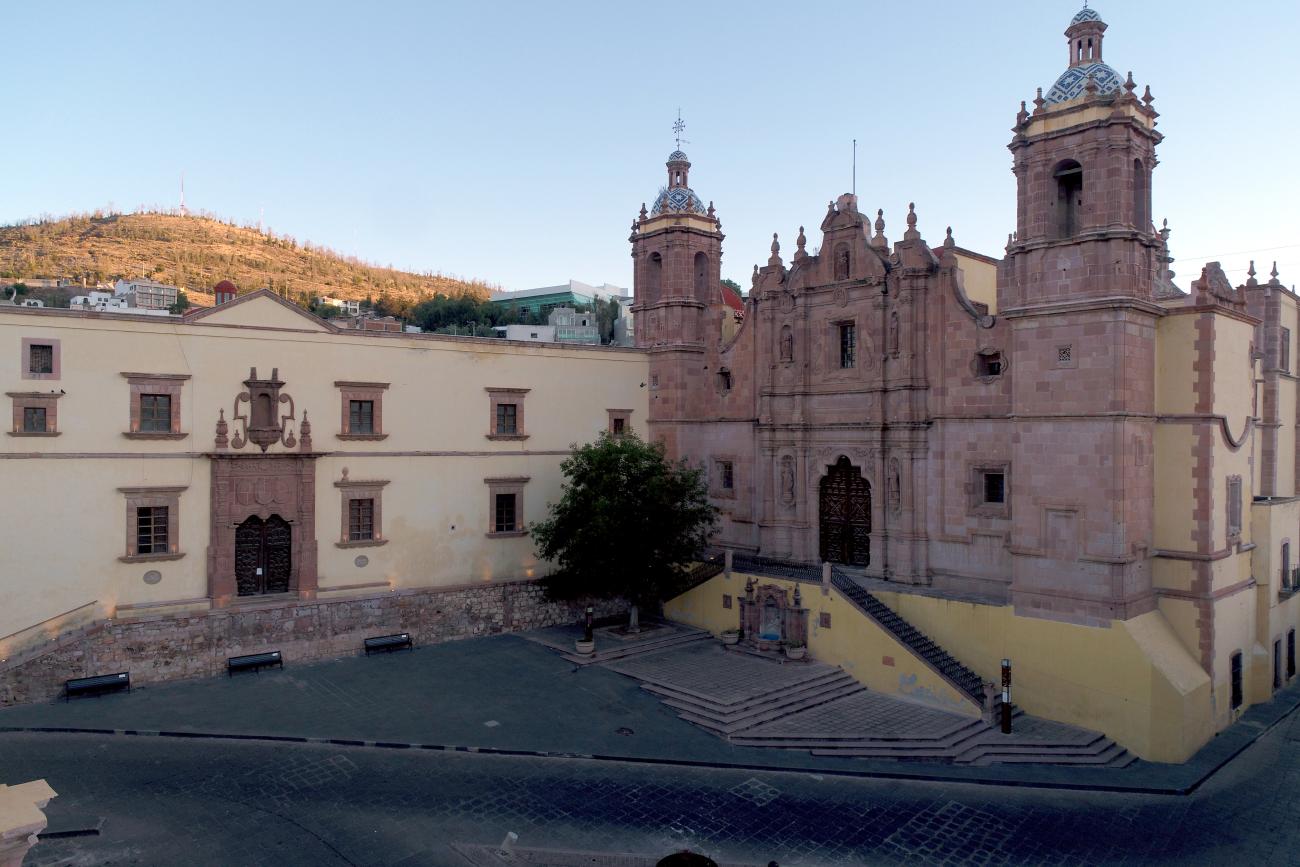
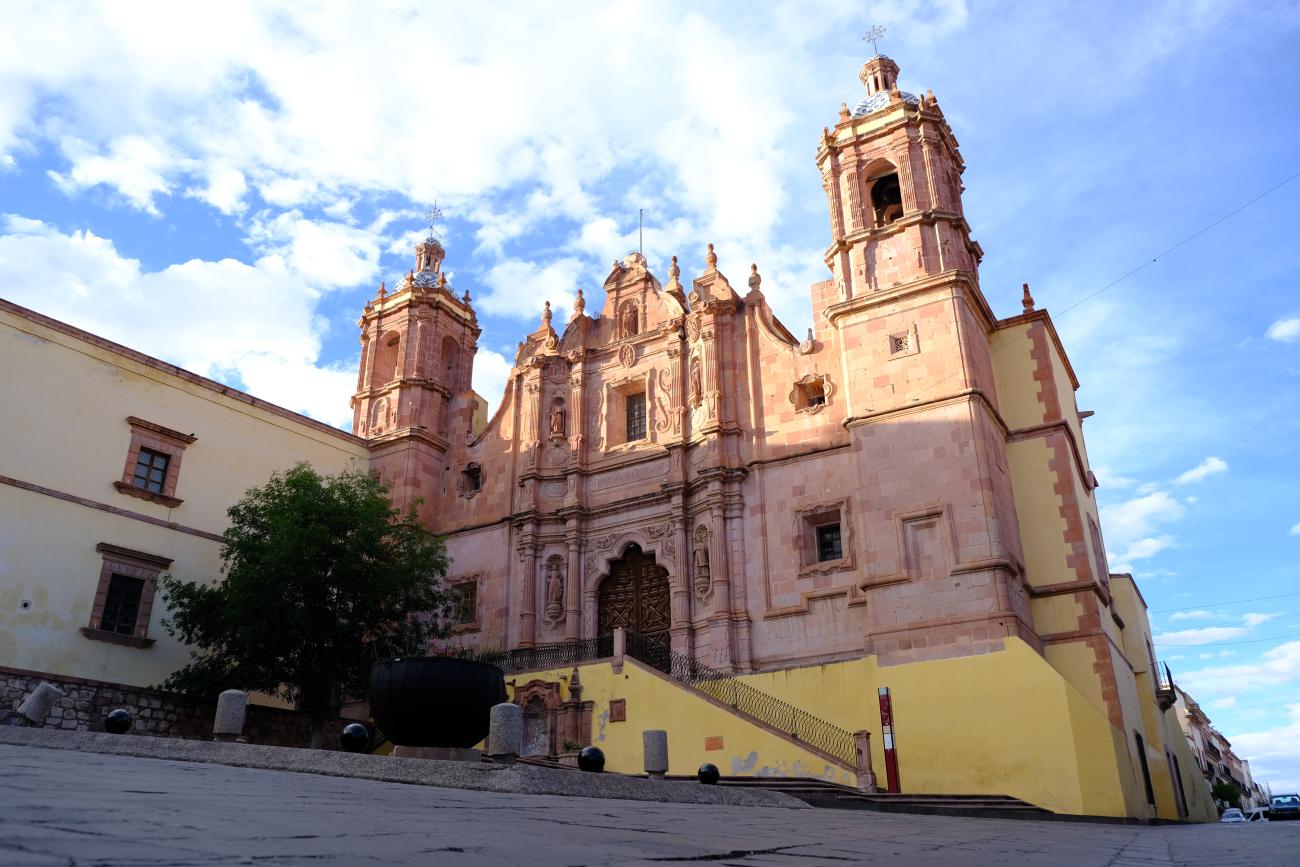
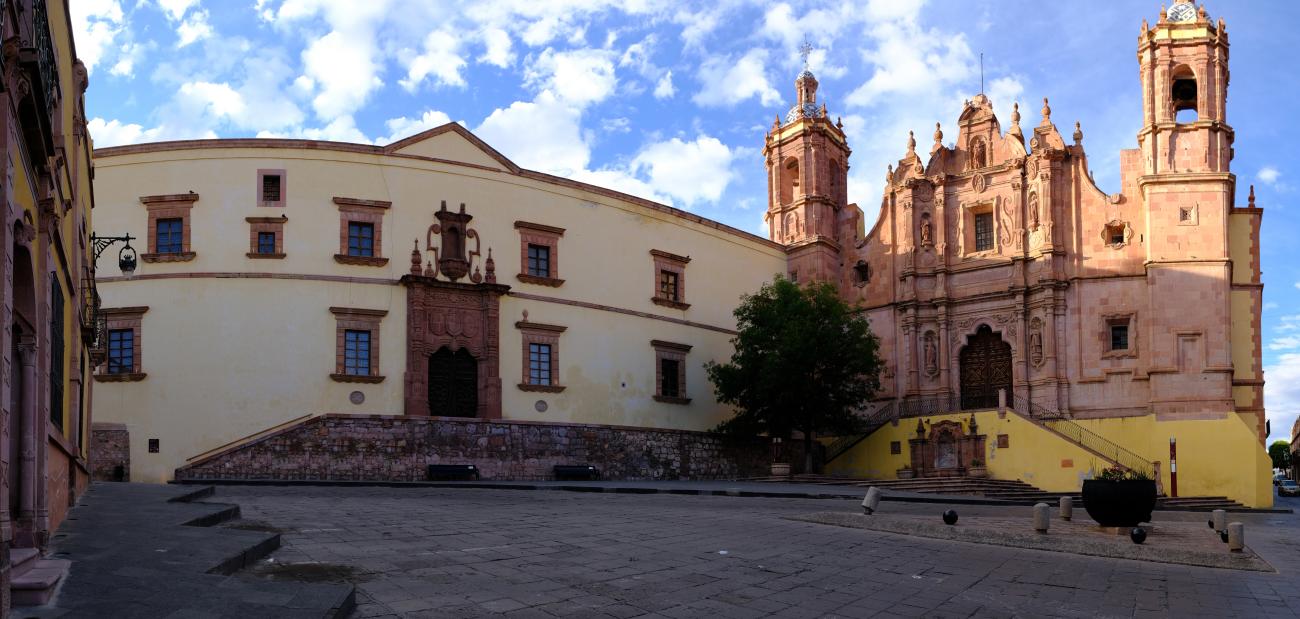
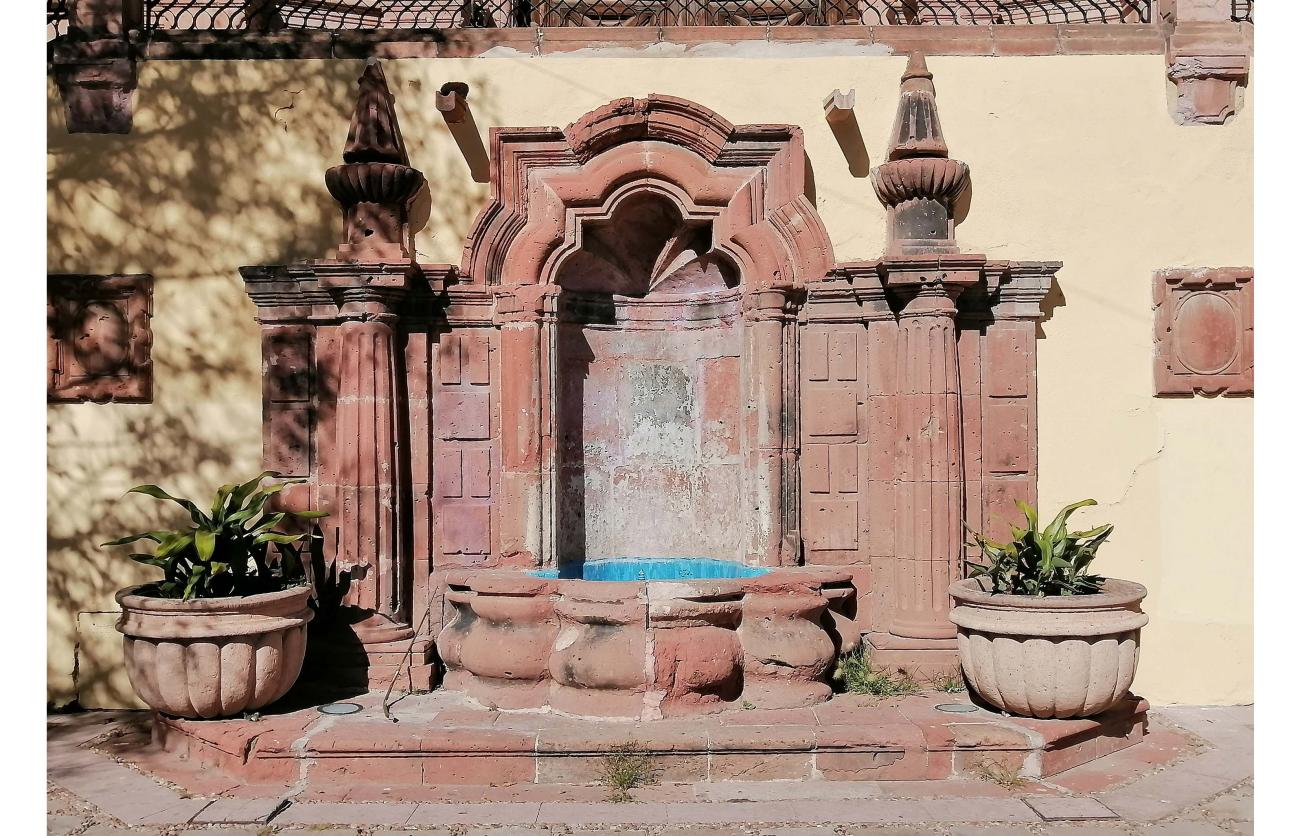

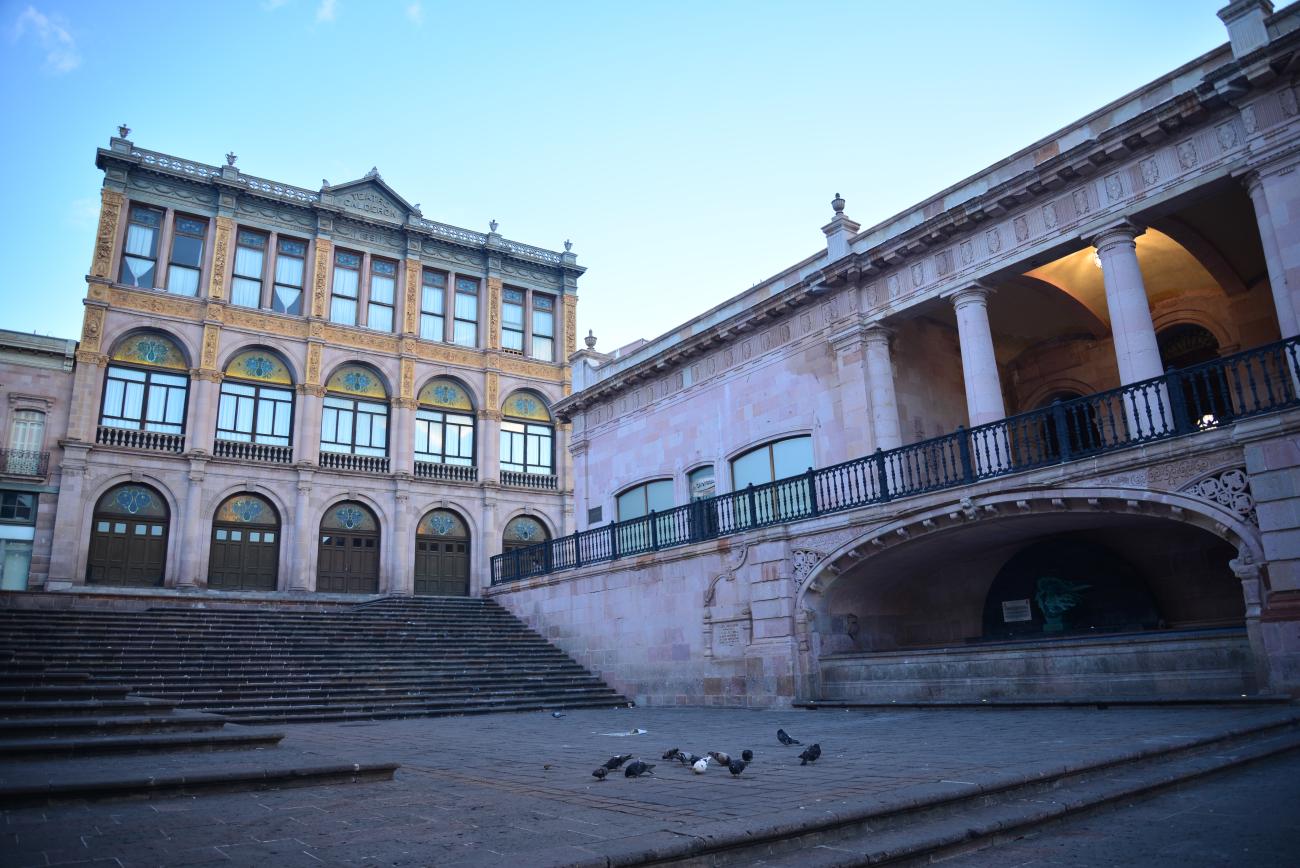
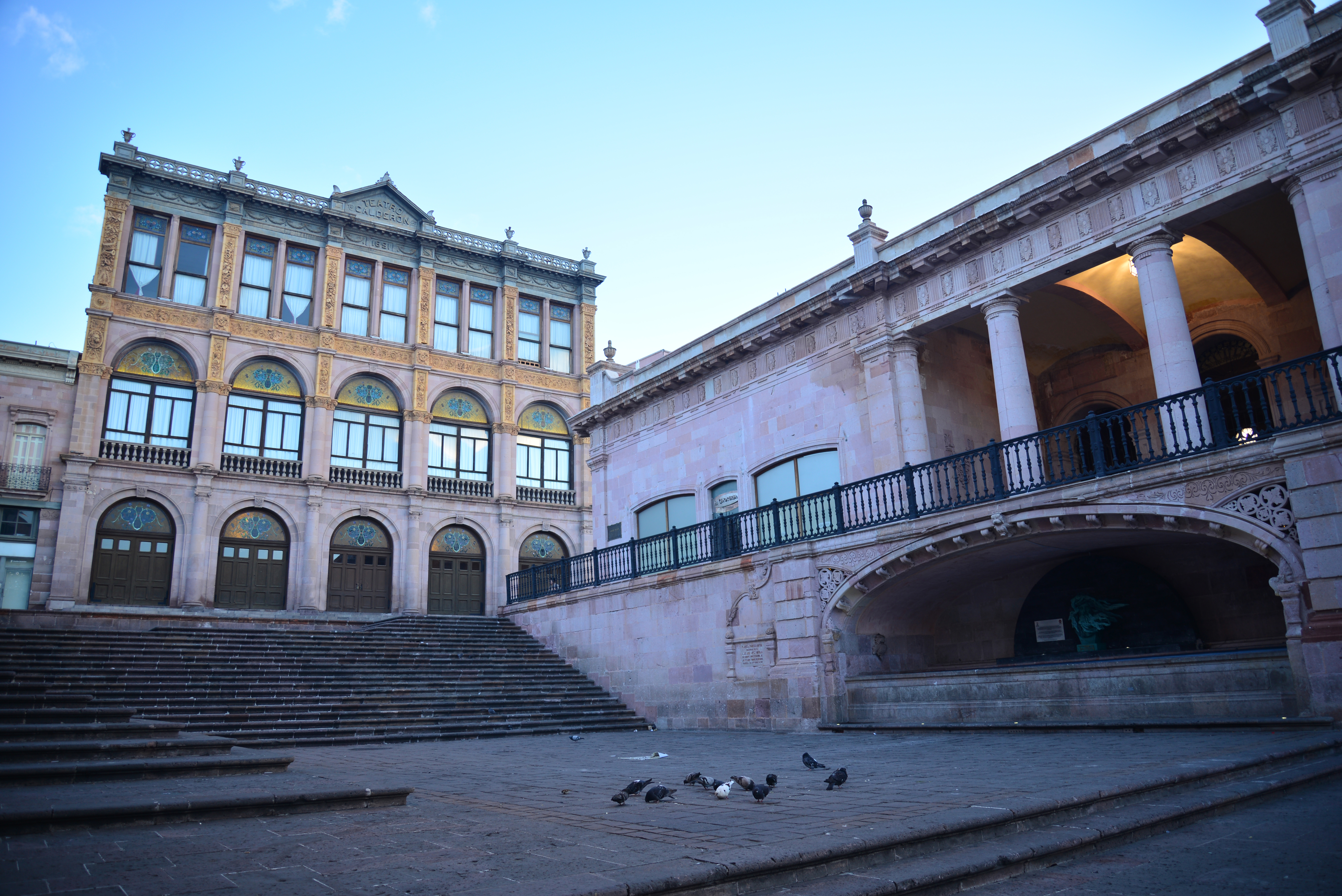
The houses located in front of the Jesuit temple and college had fallen into ruin. Doña Isabel Rosa Catarina Ceballos Villegas, Countess of San Mateo, exchanged one of her own properties in order to donate the land to the Jesuits. After the Jesuits were expelled from New Spain in 1767, the Dominicans took over the complex, and the area became a public square named Plaza de Santo Domingo in reference to their presence.

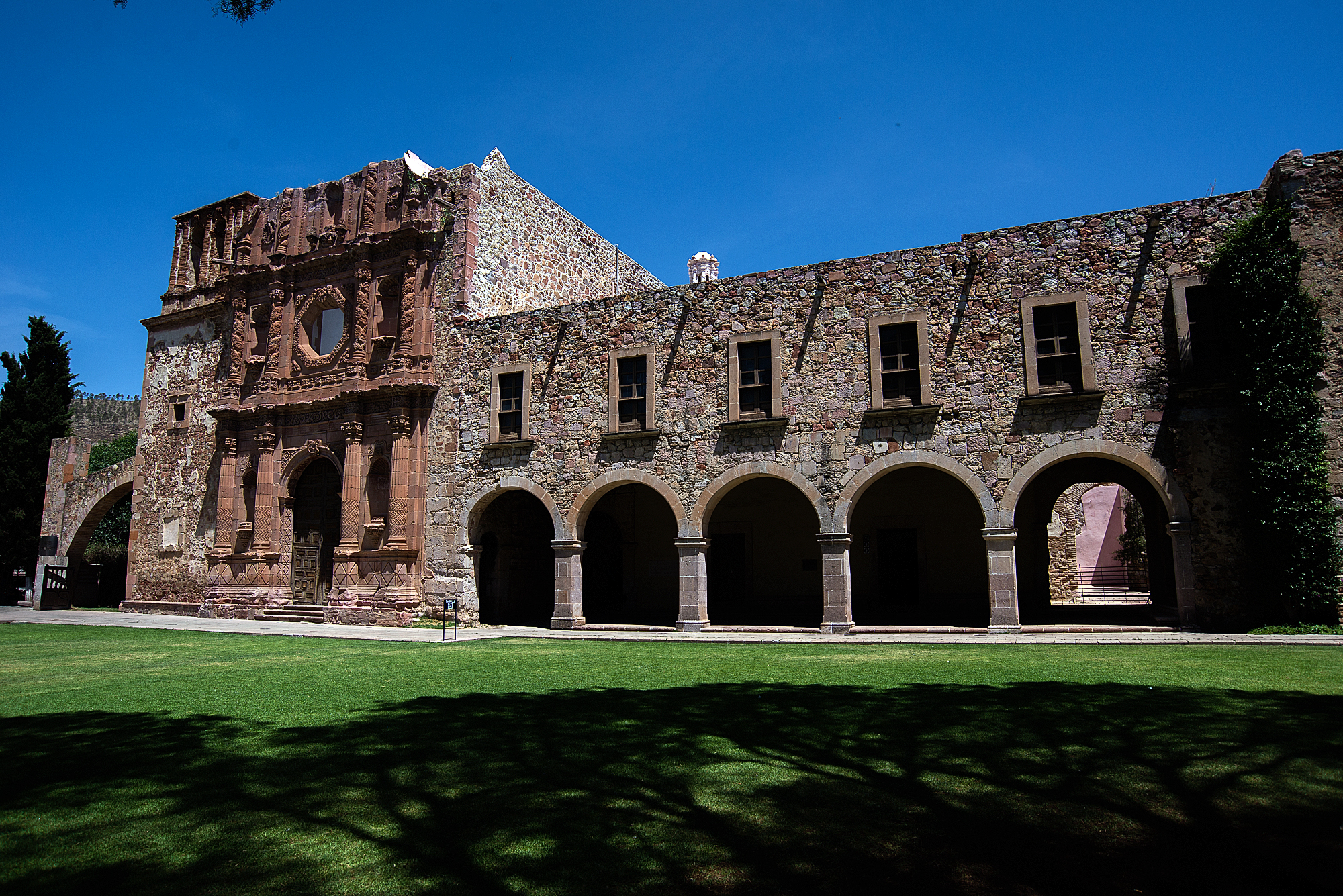
Former Franciscan Convent Complex of San Francisco – Rafael Coronel Museum
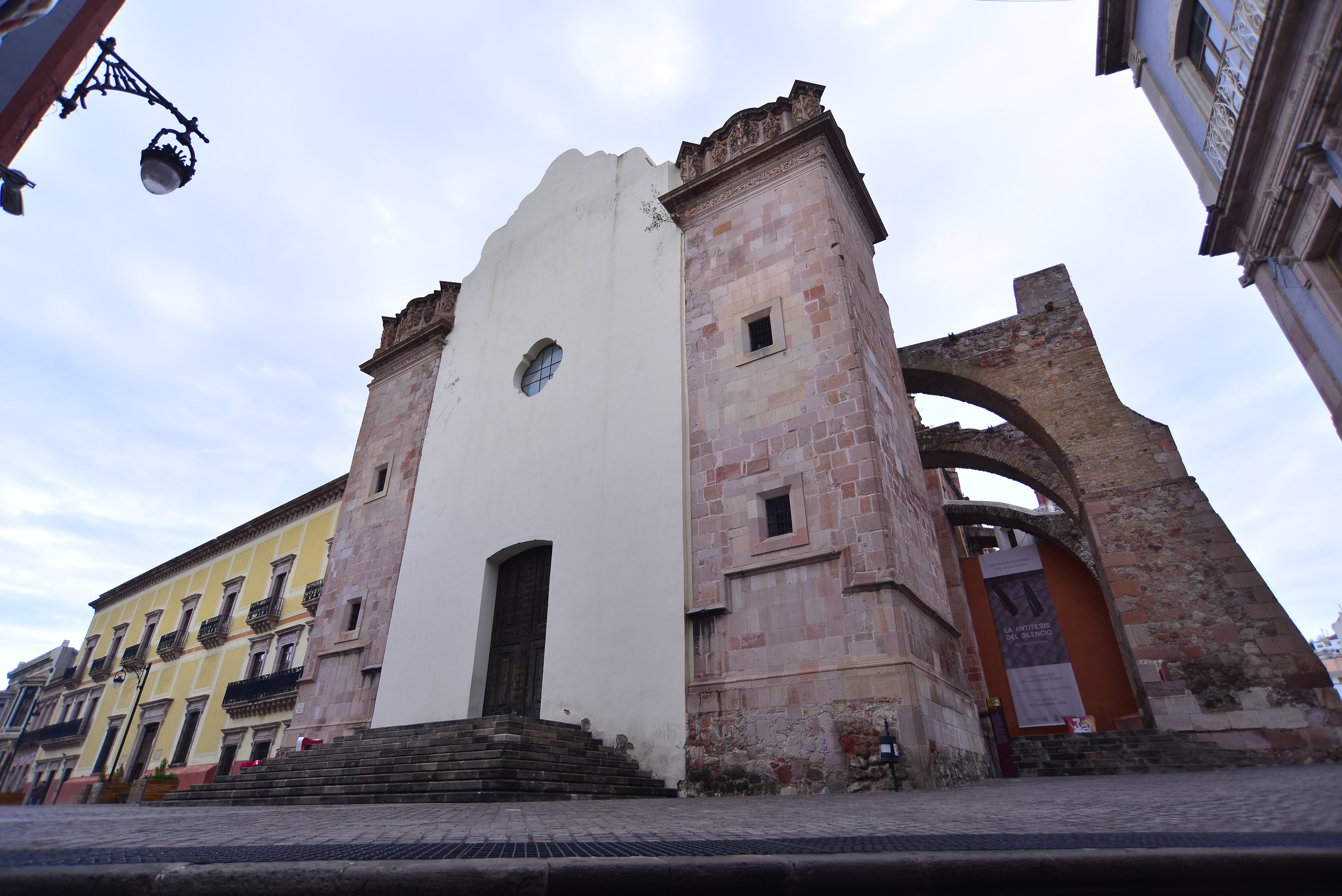
This 16th-century Franciscan complex was one of the earliest religious centers established to evangelize the native populations and support missions to the northern territories of New Spain. The Franciscans arrived in the region under commission from Viceroy Luis de Velasco to carry out…
Former Franciscan Convent Complex of San Francisco – Rafael Coronel Museum
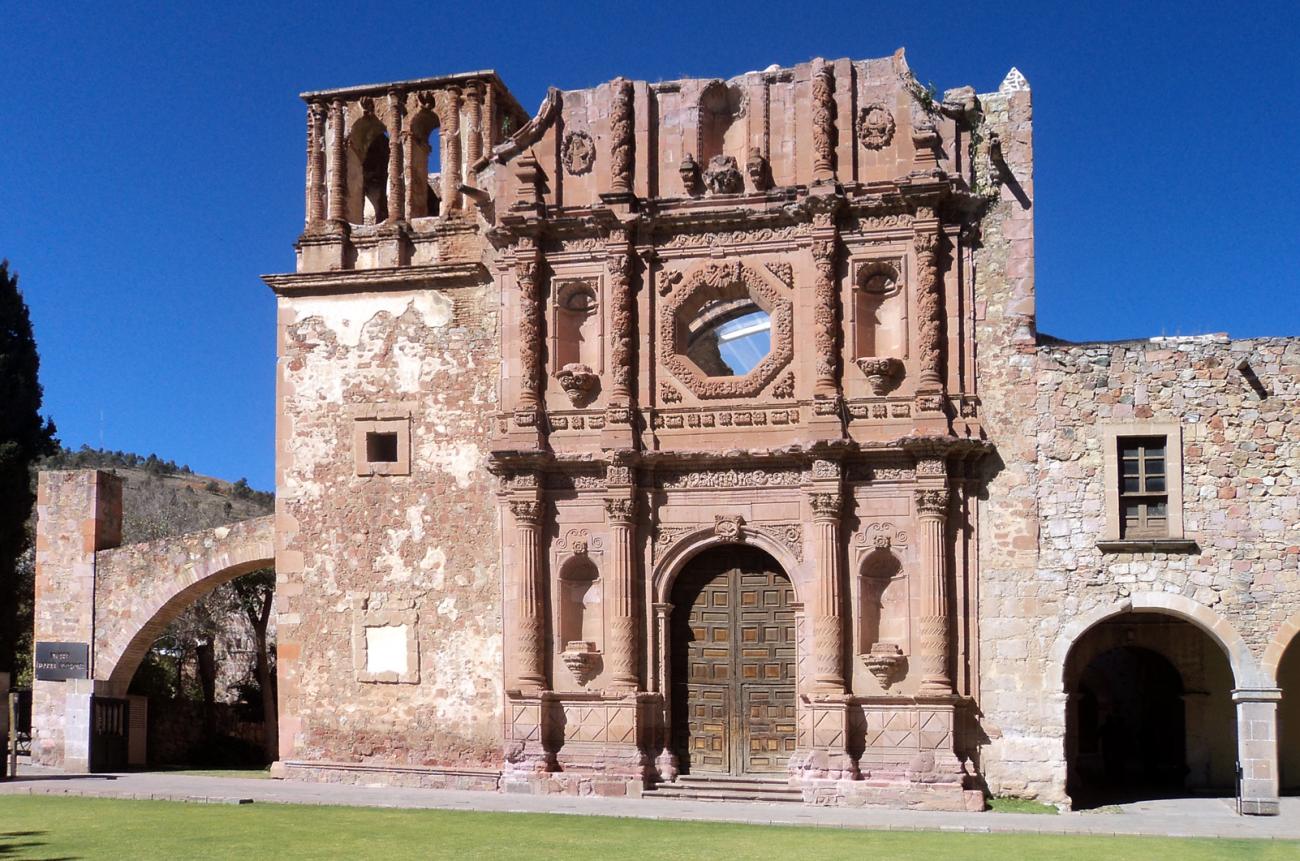
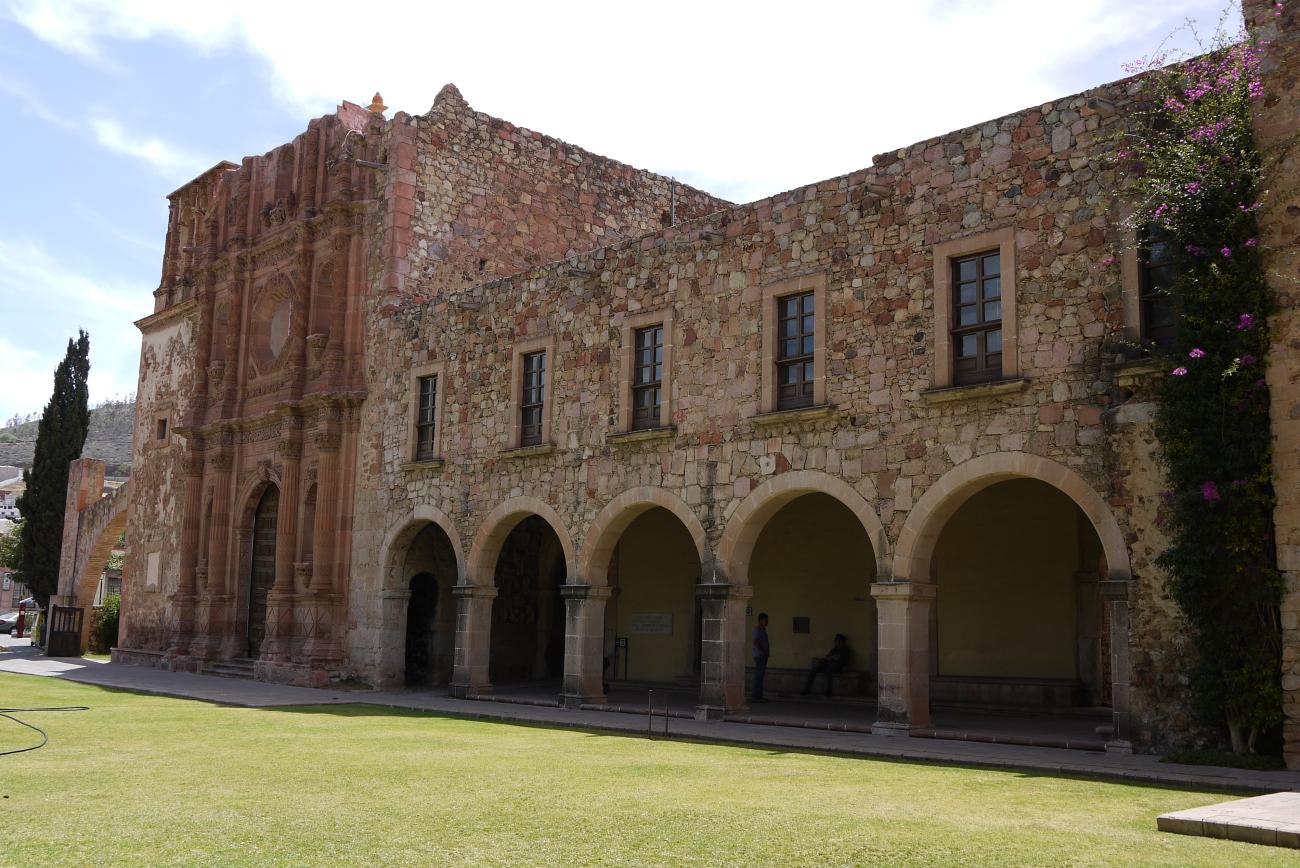
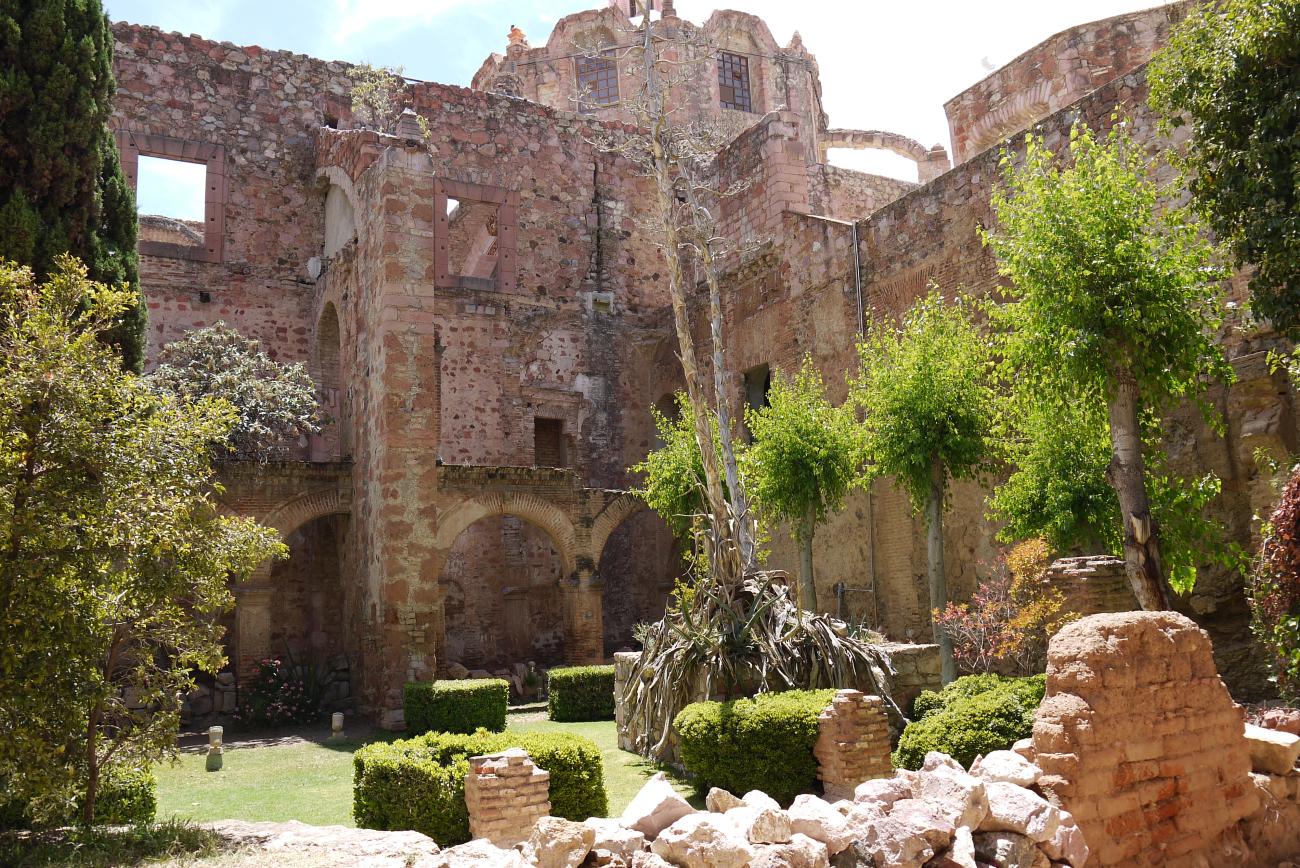
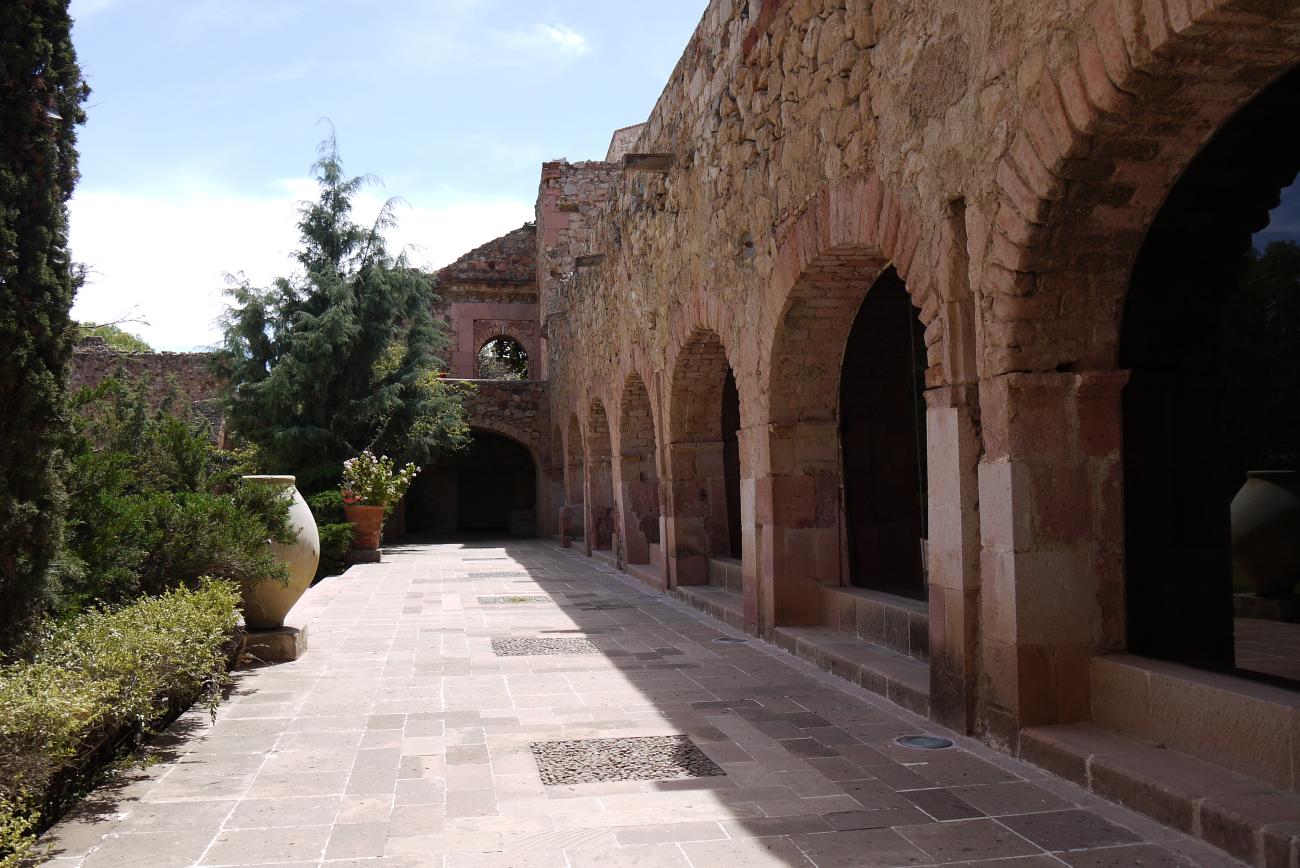
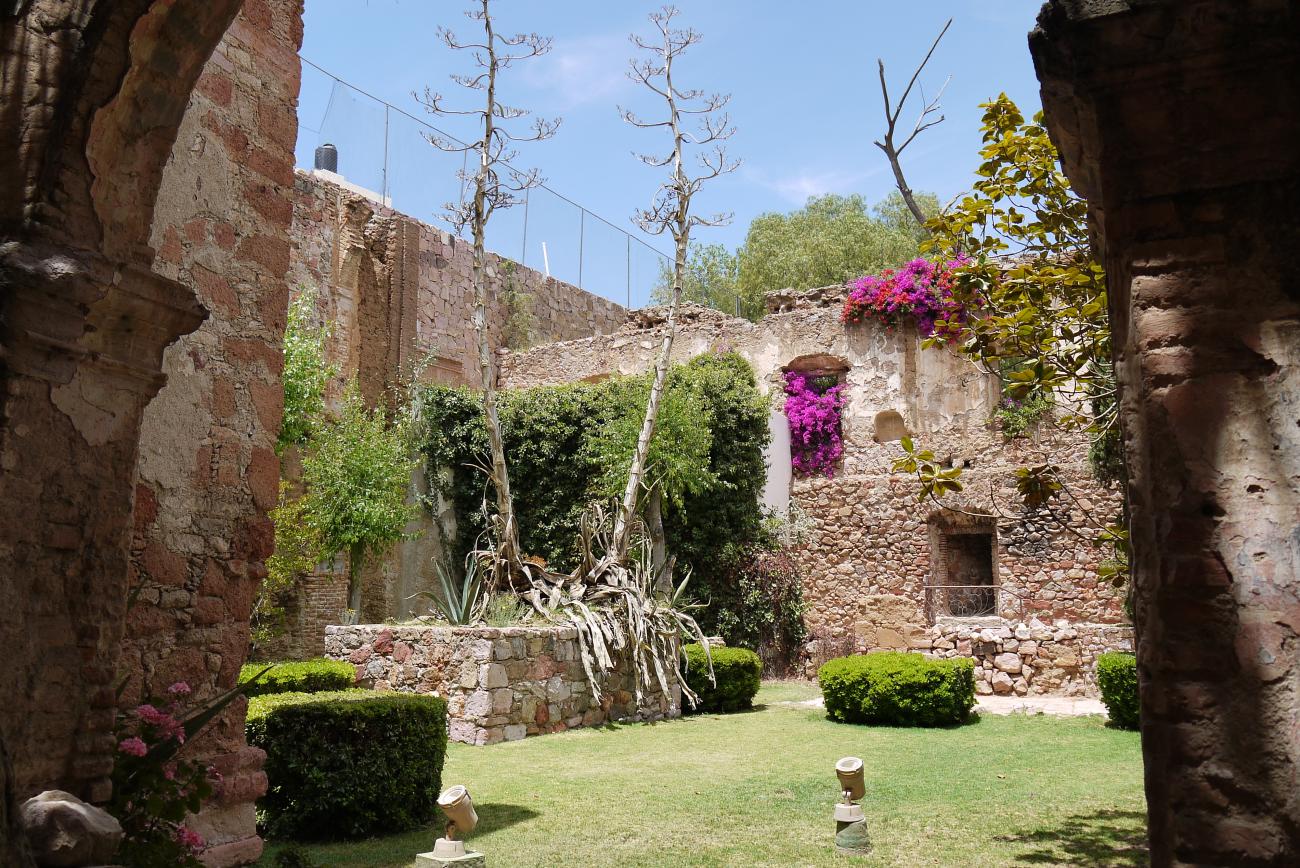
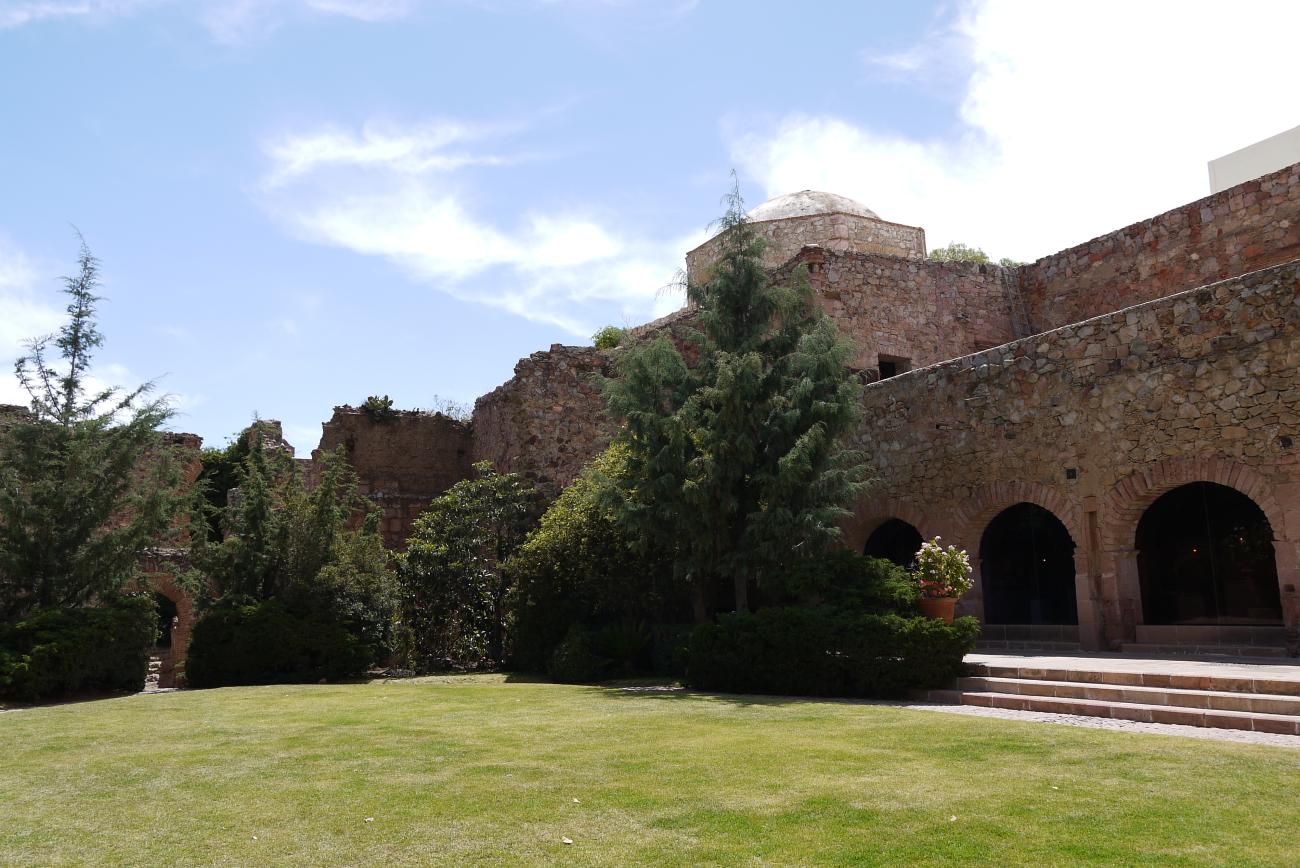
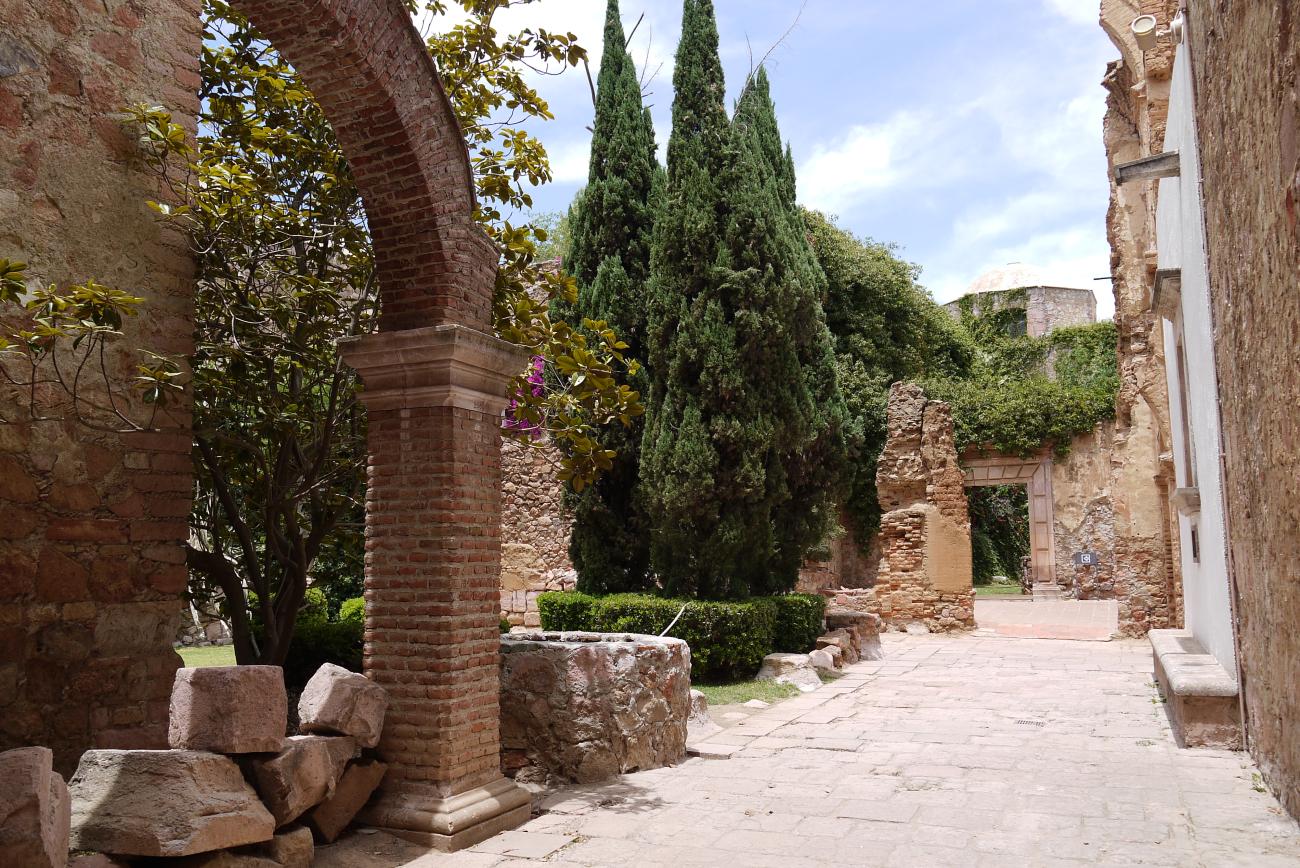
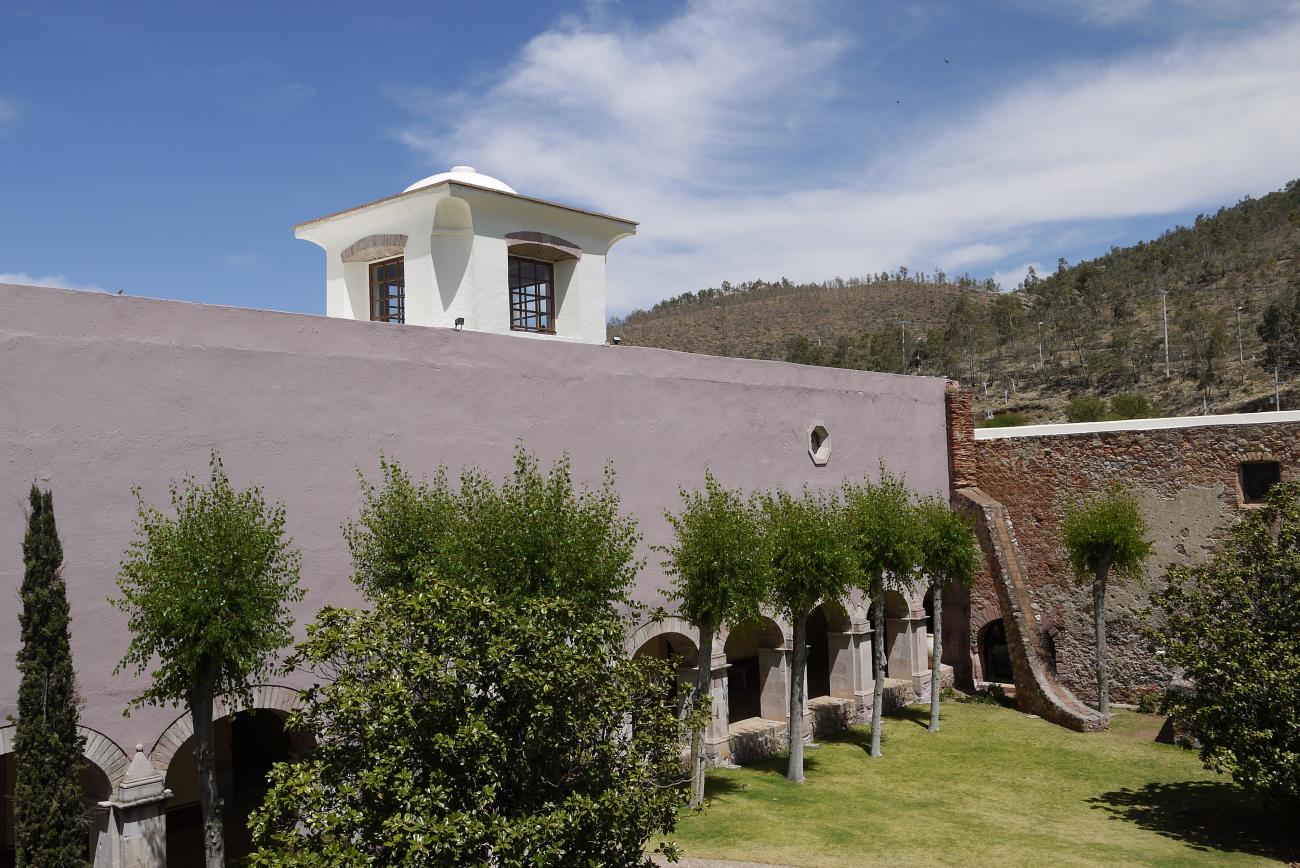
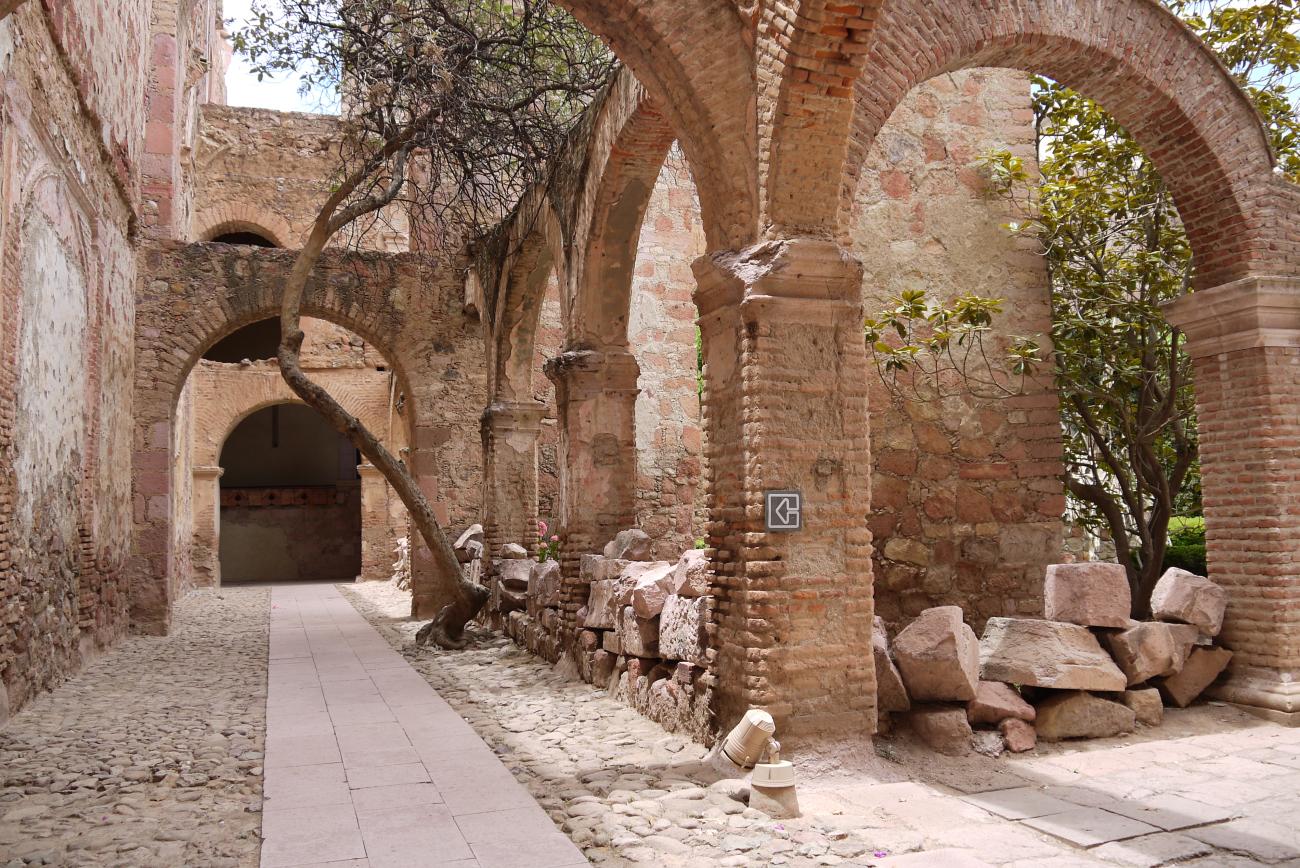
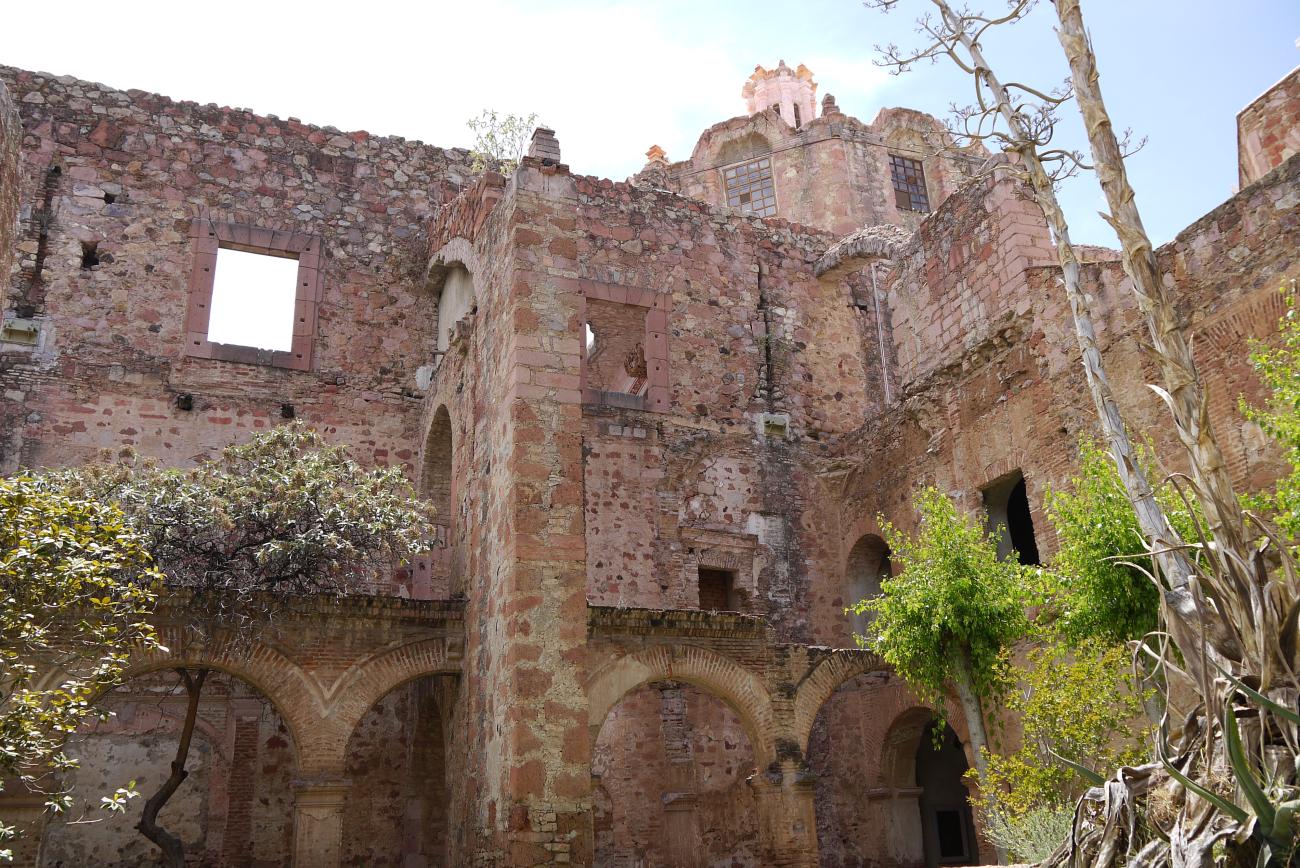
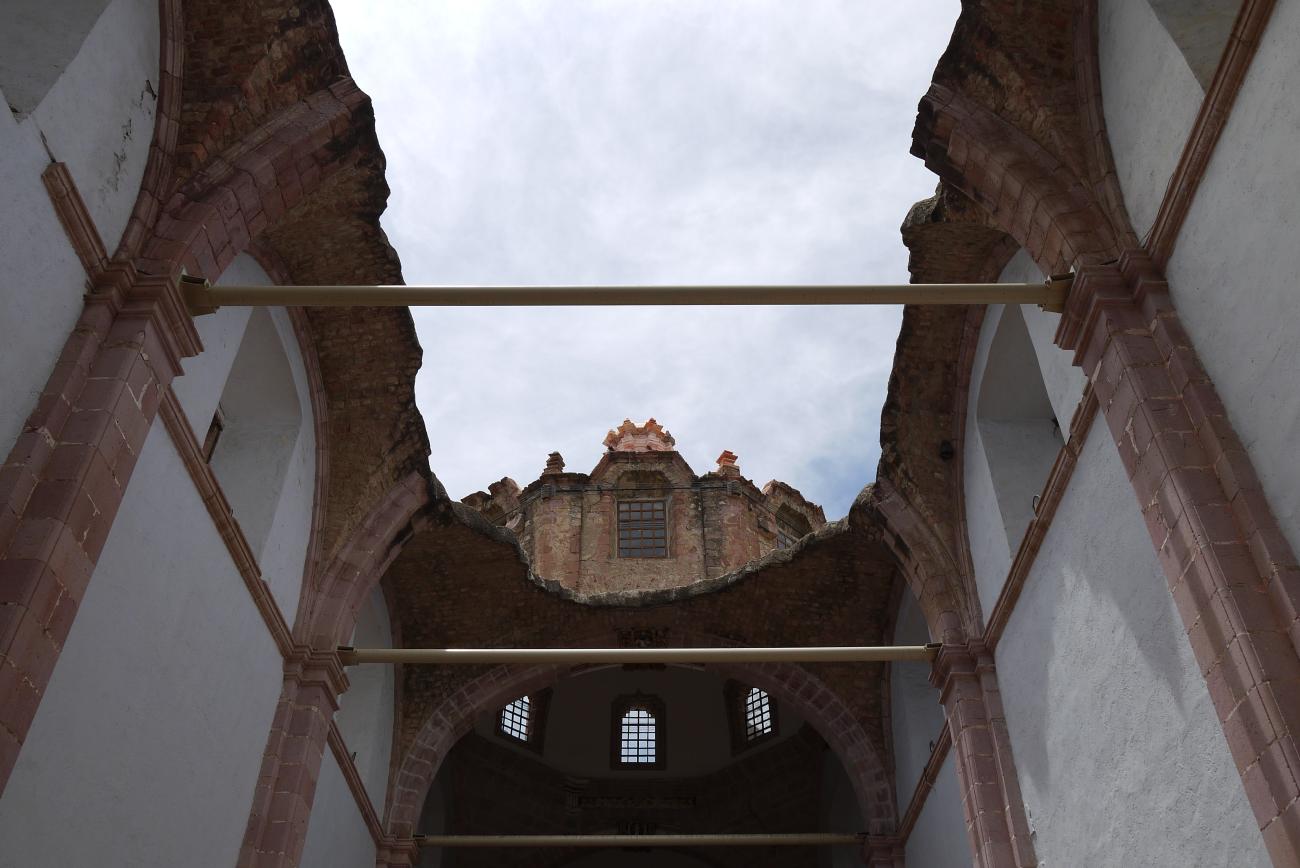
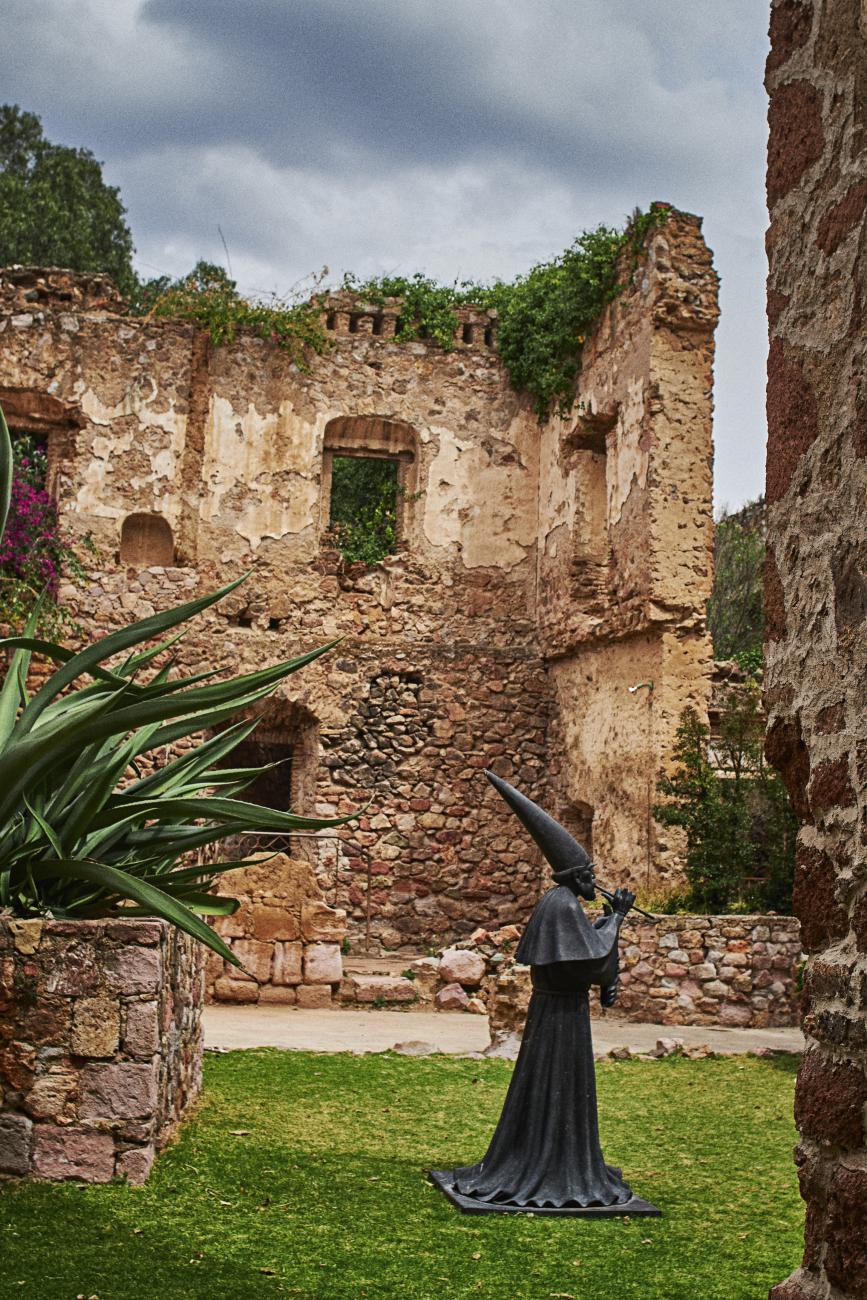
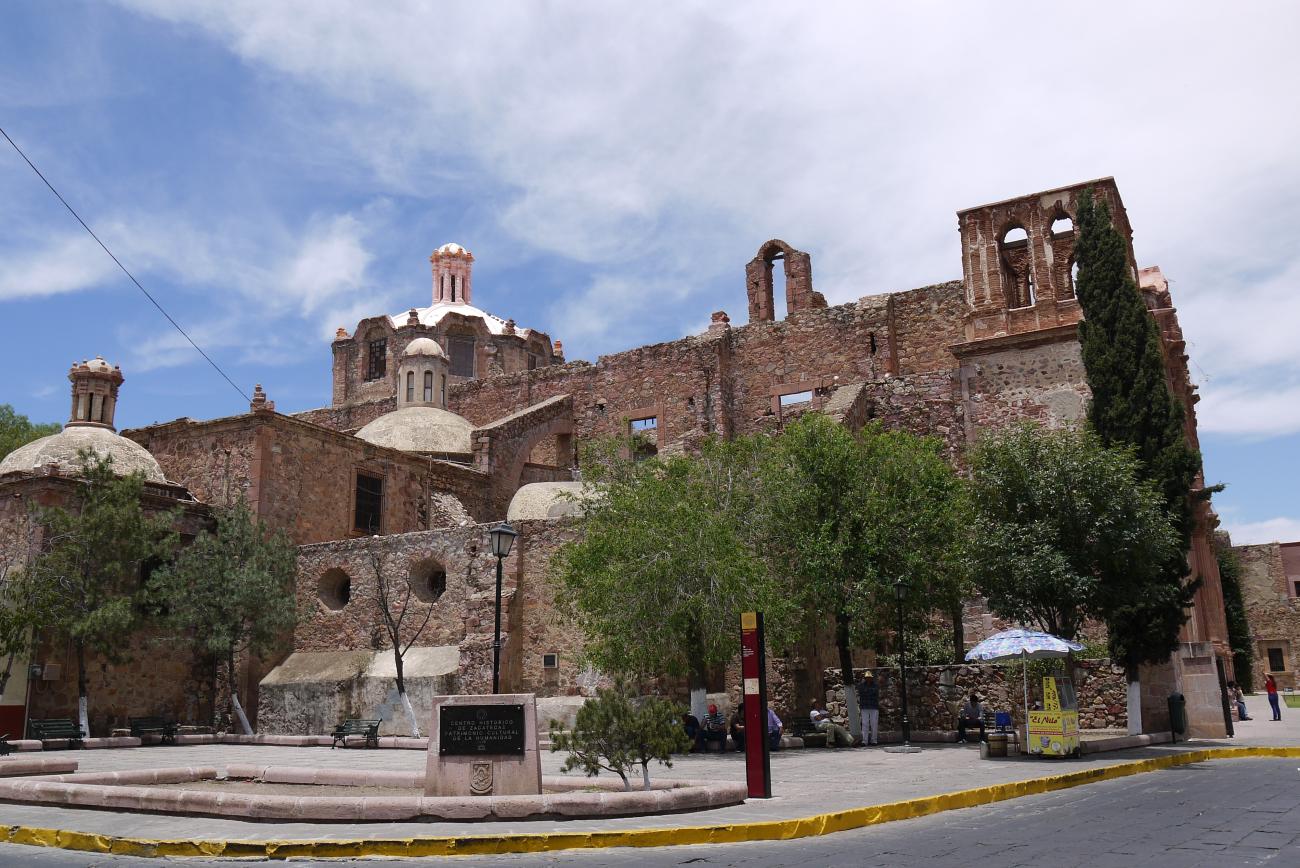


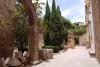

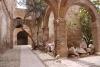


This 16th-century Franciscan complex was one of the earliest religious centers established to evangelize the native populations and support missions to the northern territories of New Spain. The Franciscans arrived in the region under commission from Viceroy Luis de Velasco to carry out evangelization in the areas of Zacatecas and Durango. Their first convent was located where the Bishop’s Palace of Zacatecas now stands.
In 1567, the new complex was built and dedicated to the Immaculate Conception of the Blessed Virgin Mary. At the time, the Franciscan community consisted of fewer than forty friars. On December 7, 1648, the temple was devastated by a fire that left it in ruins and destroyed numerous altars and religious ornaments. Reconstruction began on March 10 of the following year, led by Fray Domingo de Arteaga. In the second half of the 18th century, Father Antonio de Mendigutia rebuilt the church, expanded the Chapel of Saint Anthony with an additional section, and added a dressing room for the image.
In 1856, the Law of Nationalization of Ecclesiastical Properties brought an end to the Franciscan mission. The temple remained in use until 1924, when part of the vaults in the nave collapsed.
In 1987, historian Federico Sescosse led a restoration effort that recovered the original dome, presbytery vault, and sacristy. Following its restoration, the complex was transformed into a museum, which opened on July 5, 1990. In 2010, the museum was expanded in both facilities and collection. Today, it houses over 5,000 traditional Mexican masks.
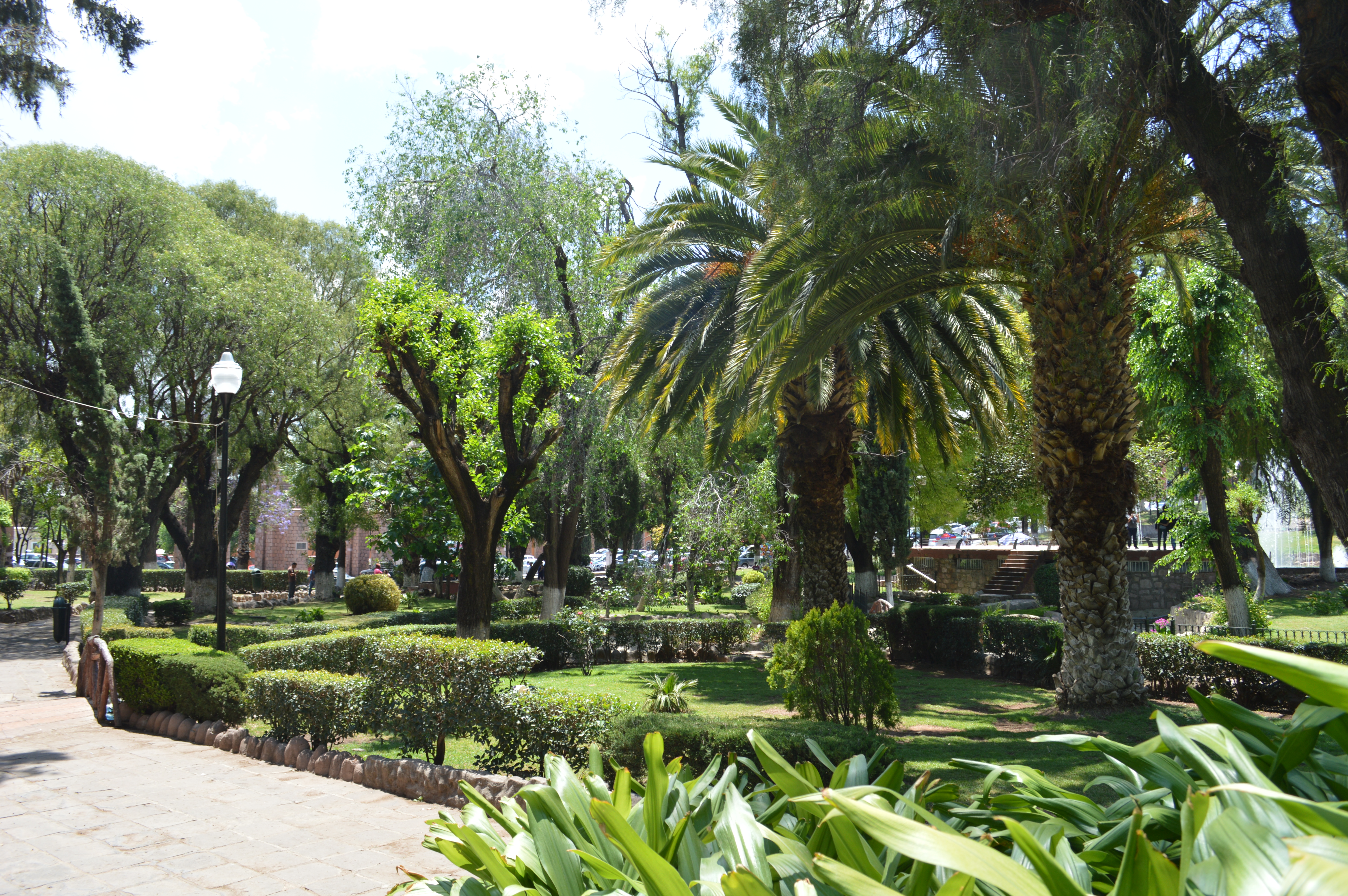
Alameda Trinidad García de la Cadena
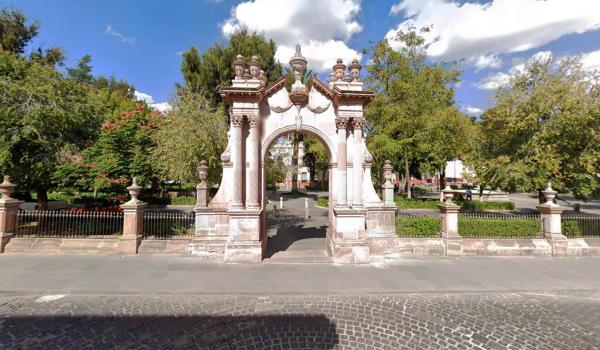
This alameda has long been regarded as a majestic site, a promoter of family values and civic unity. Its origins date back to 1781, when the construction of a promenade in Zacatecas began, transforming it into a popular Sunday gathering spot. In 1789, a group of merchants and miners planted poplars…
Alameda Trinidad García de la Cadena
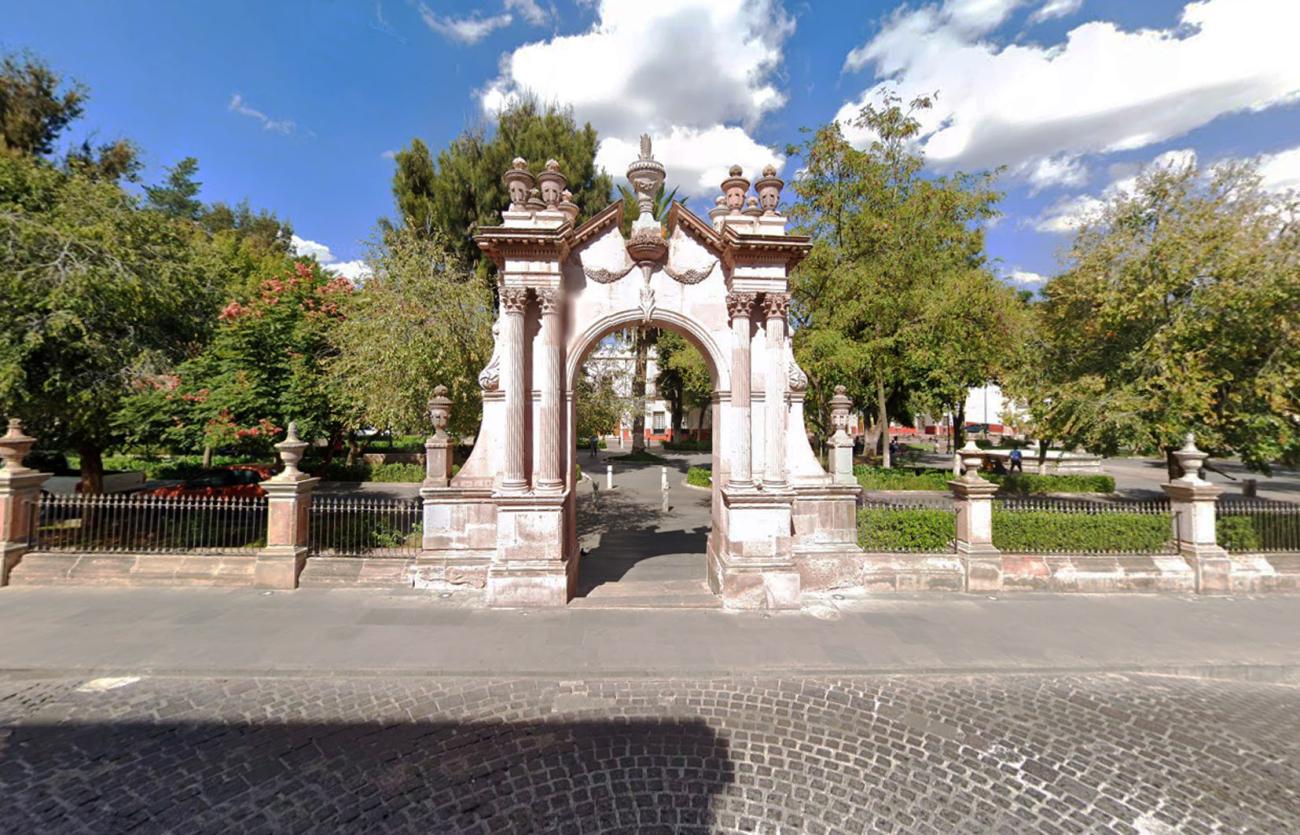

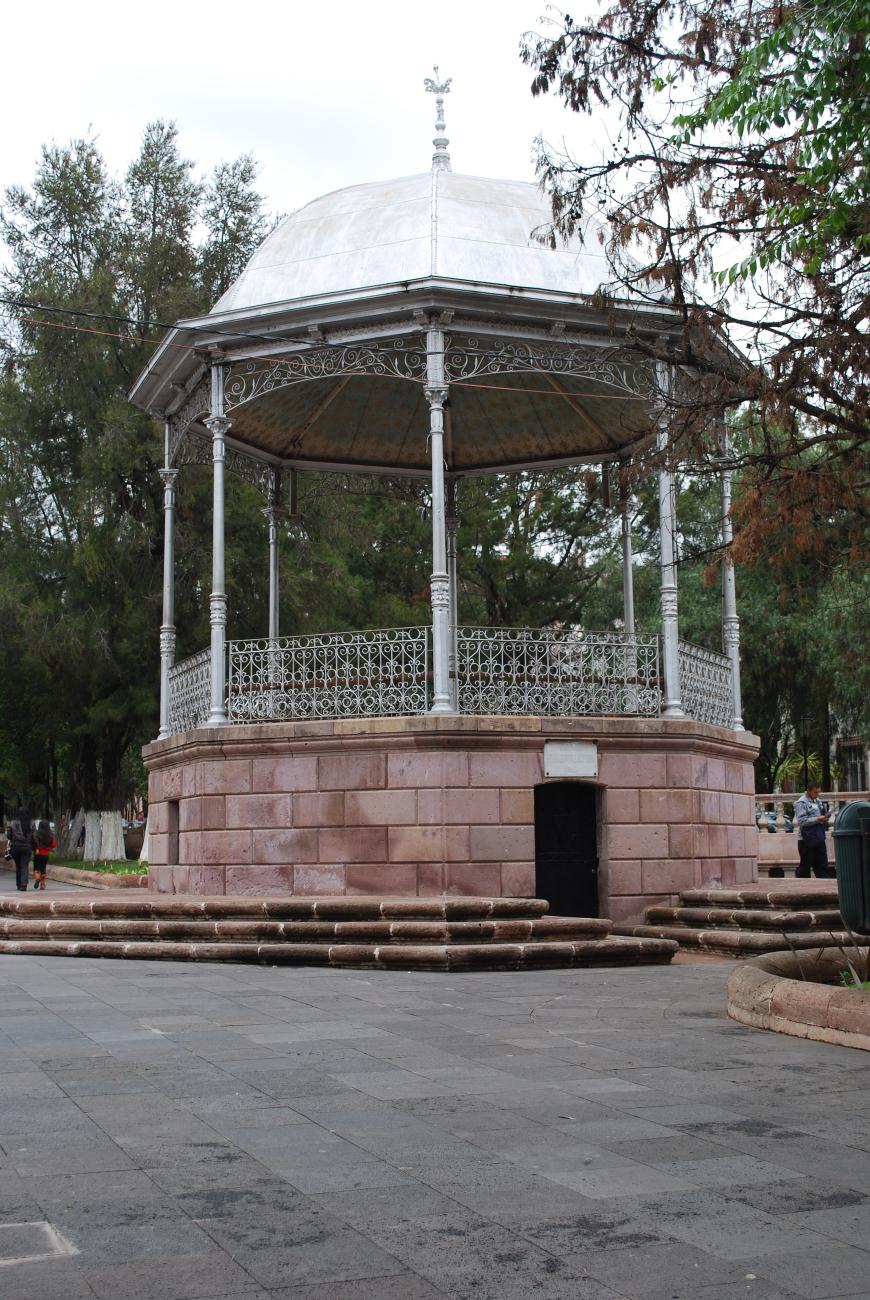
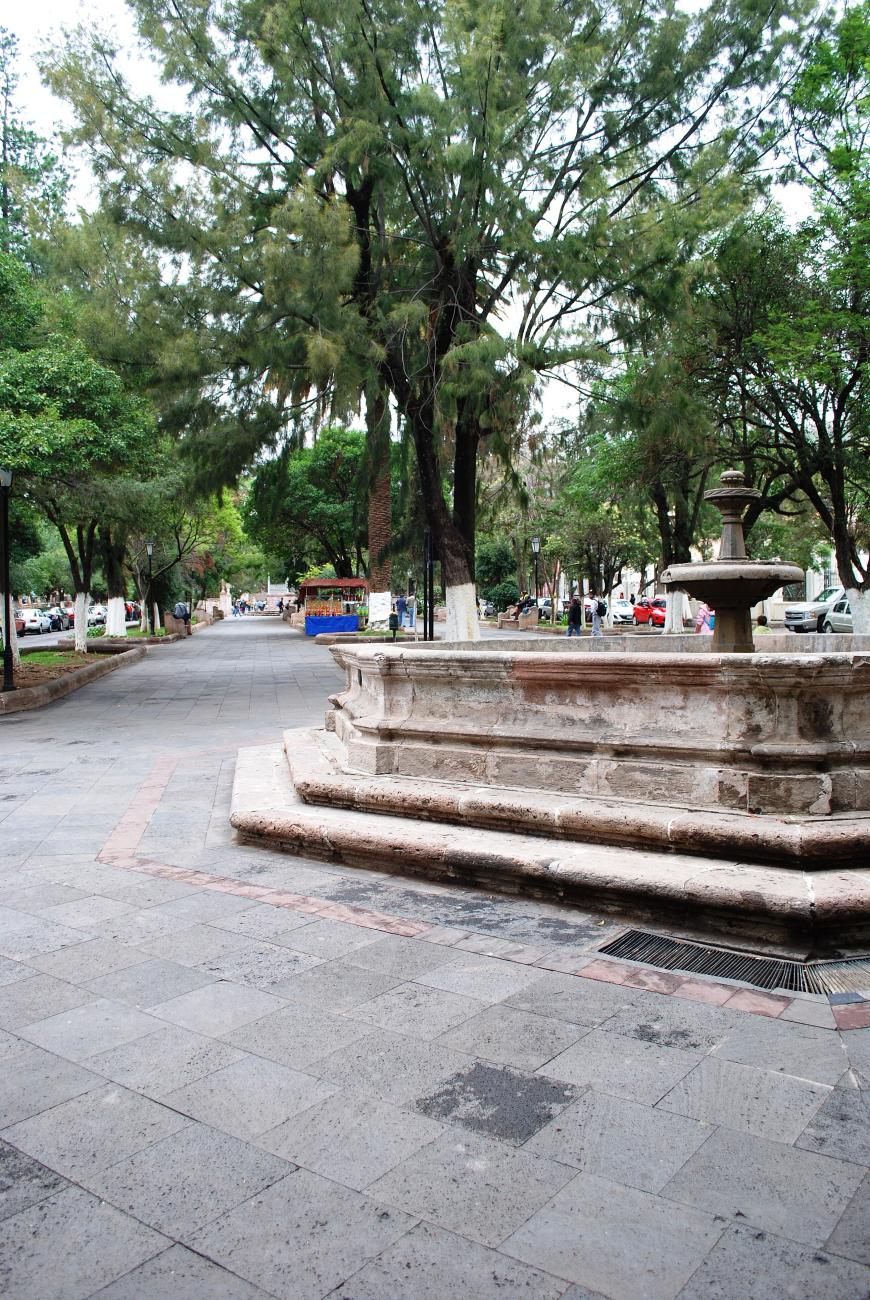
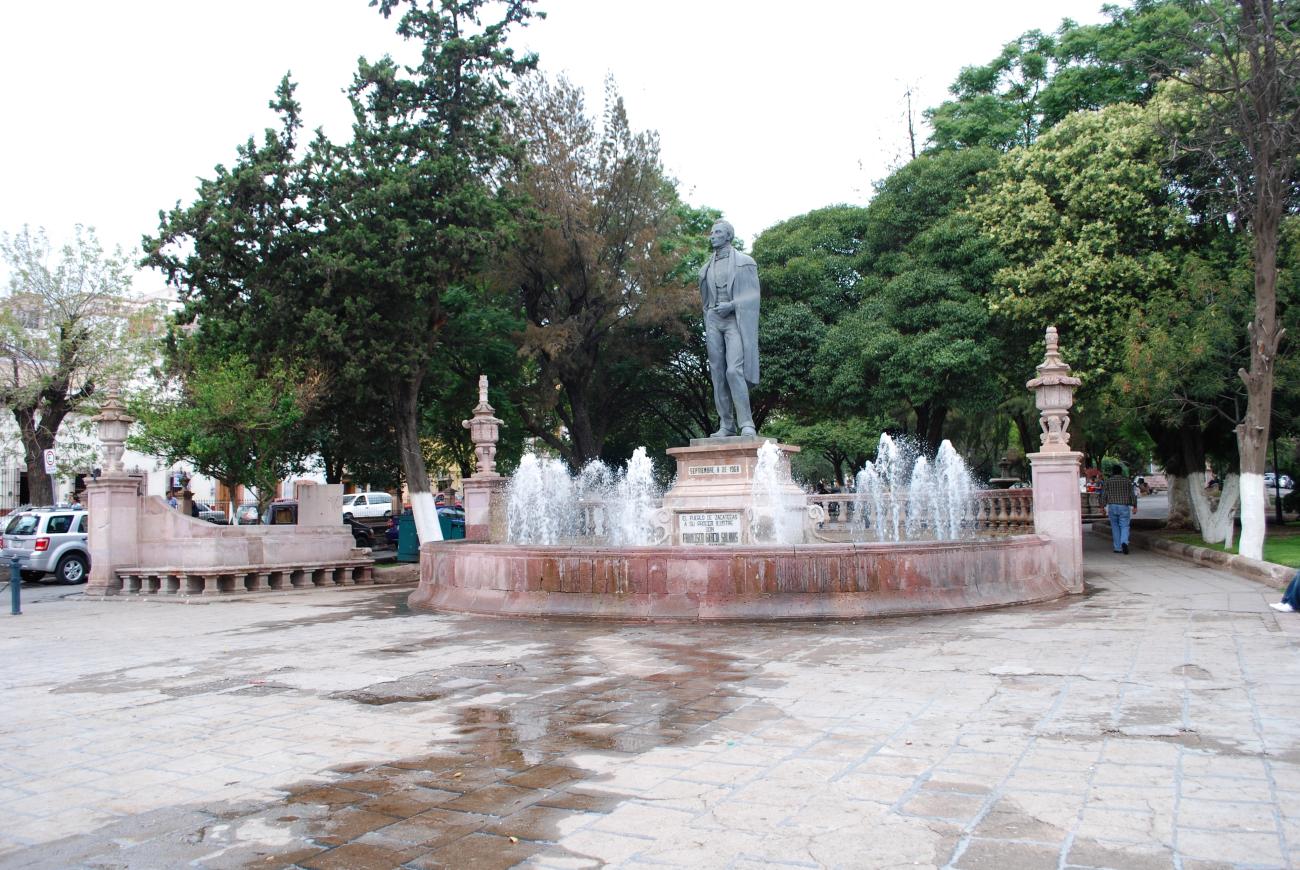
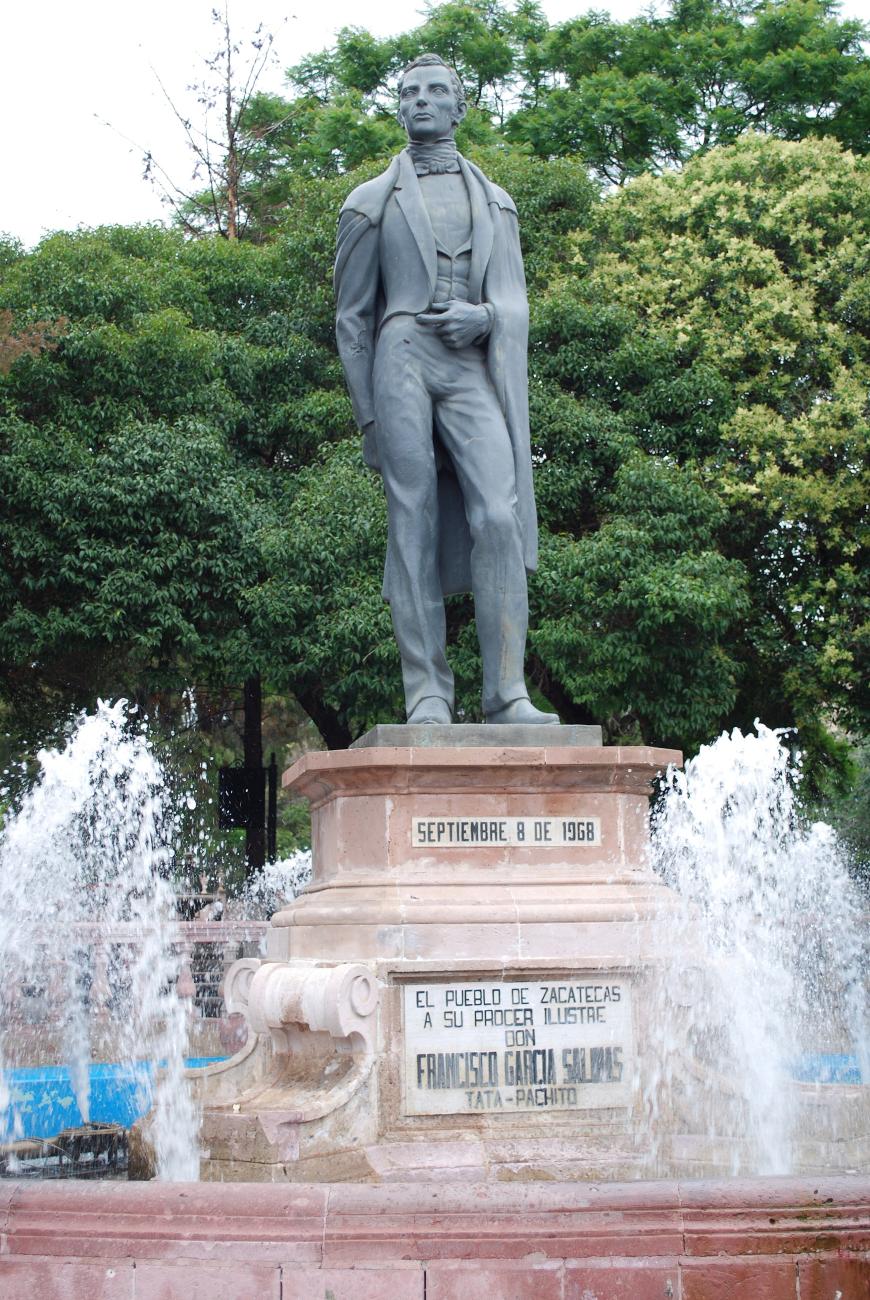
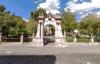

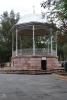
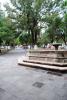
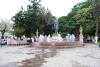
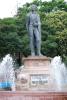
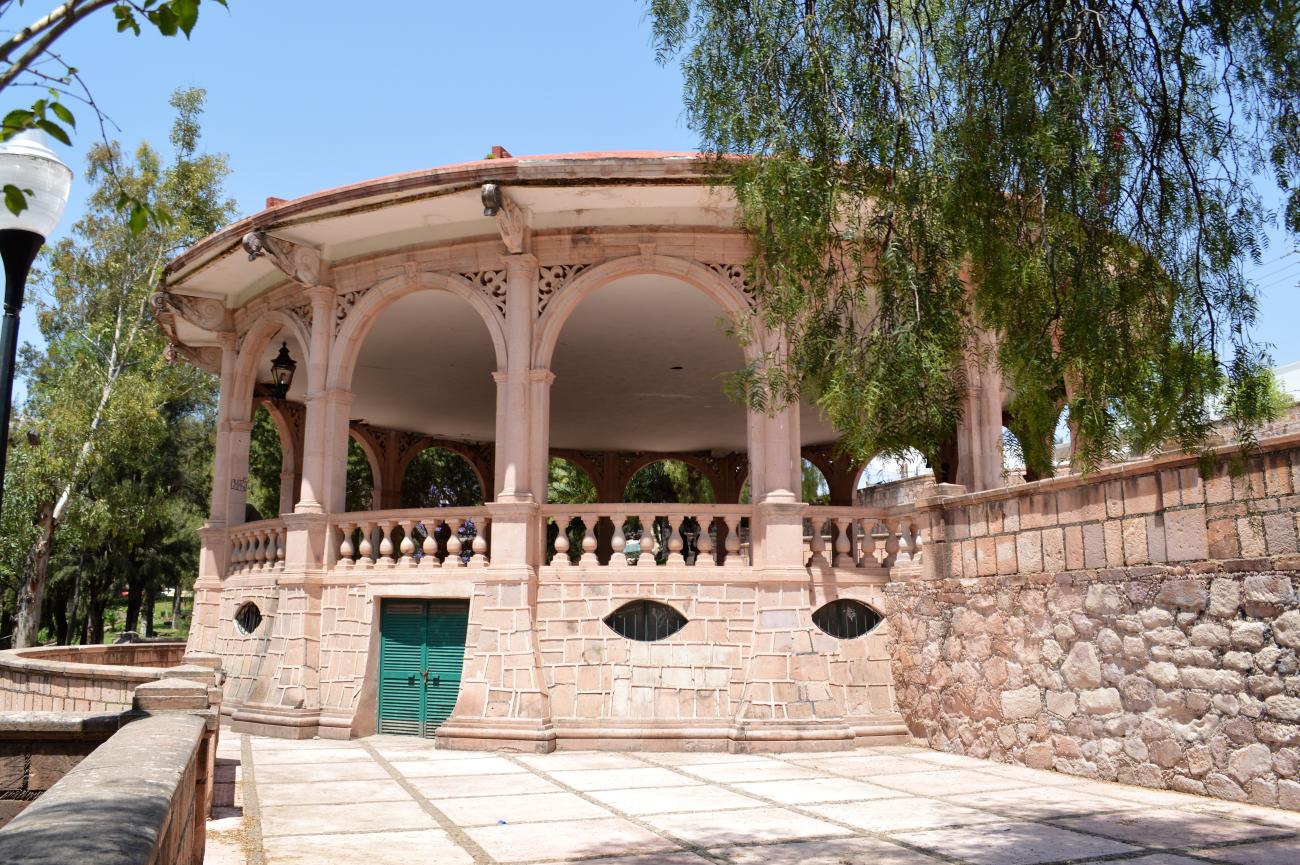
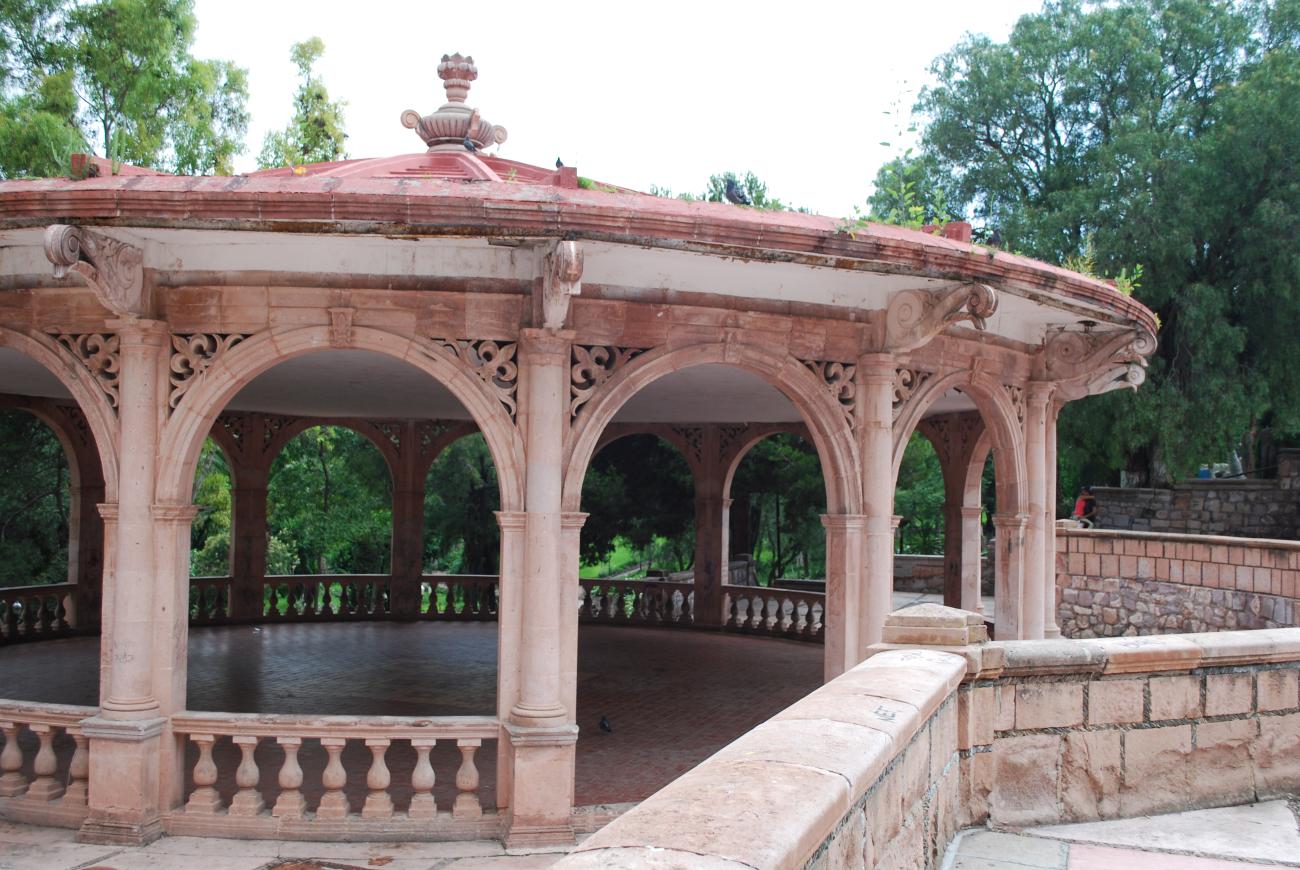
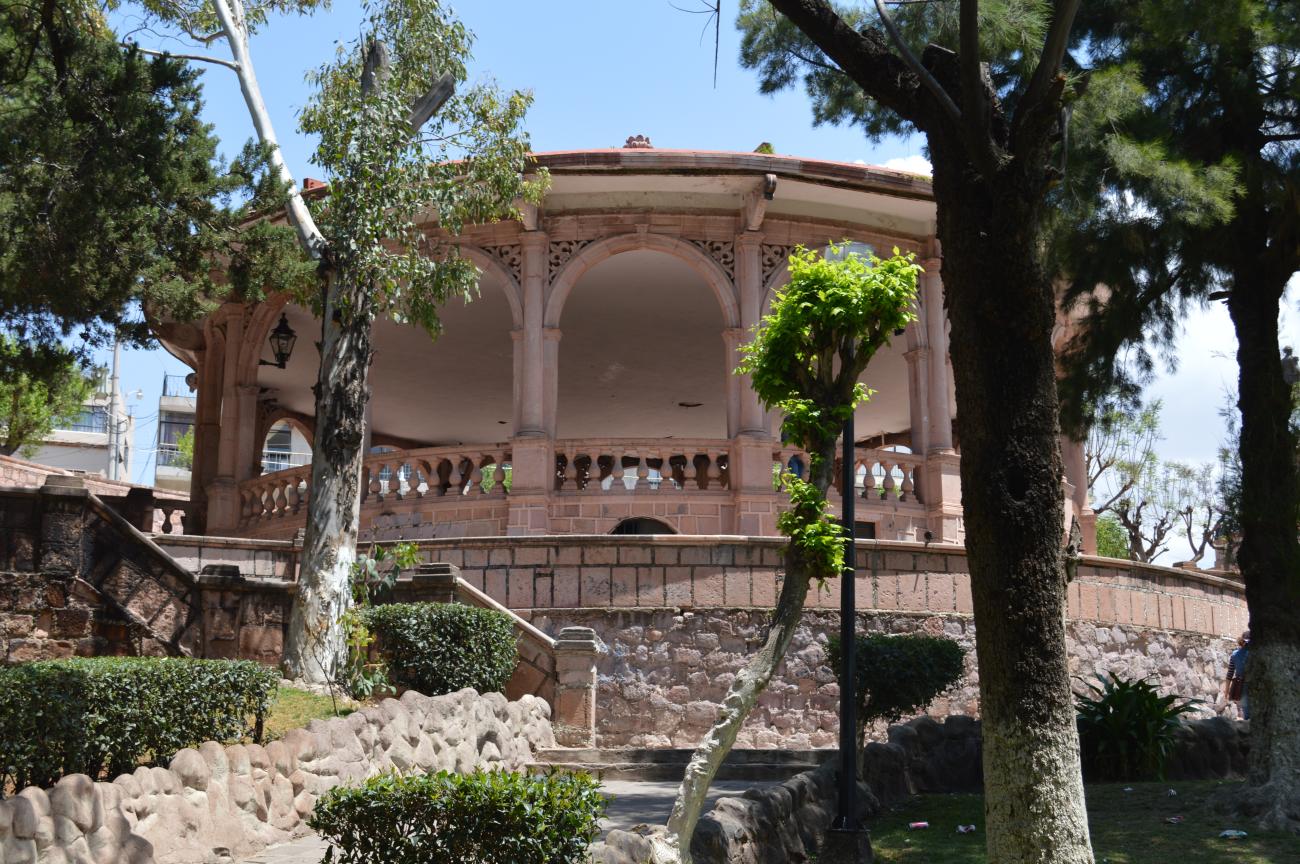
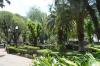
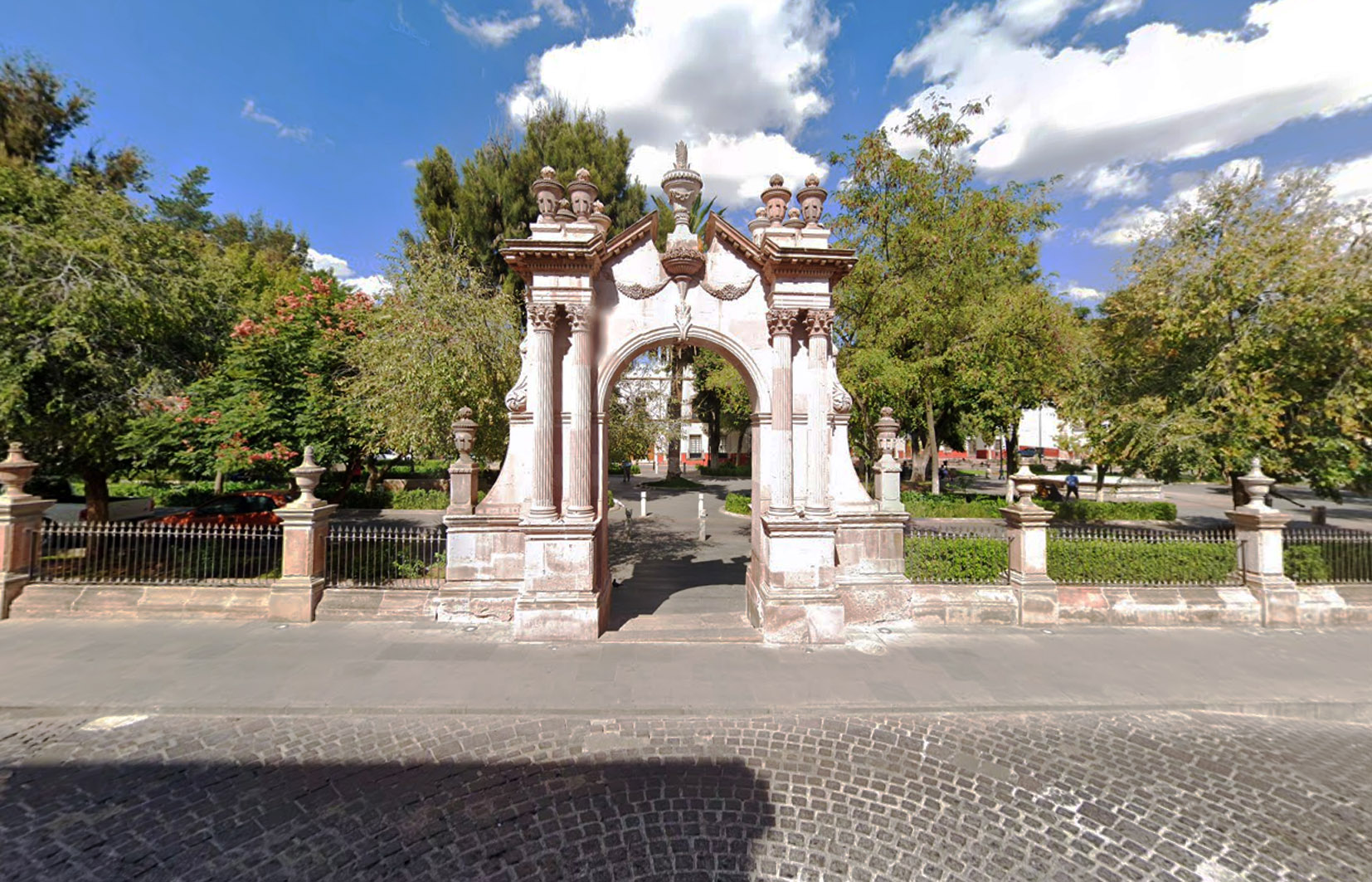
This alameda has long been regarded as a majestic site, a promoter of family values and civic unity. Its origins date back to 1781, when the construction of a promenade in Zacatecas began, transforming it into a popular Sunday gathering spot. In 1789, a group of merchants and miners planted poplars, willows, and mulberry trees, and installed a protective fence around the area.
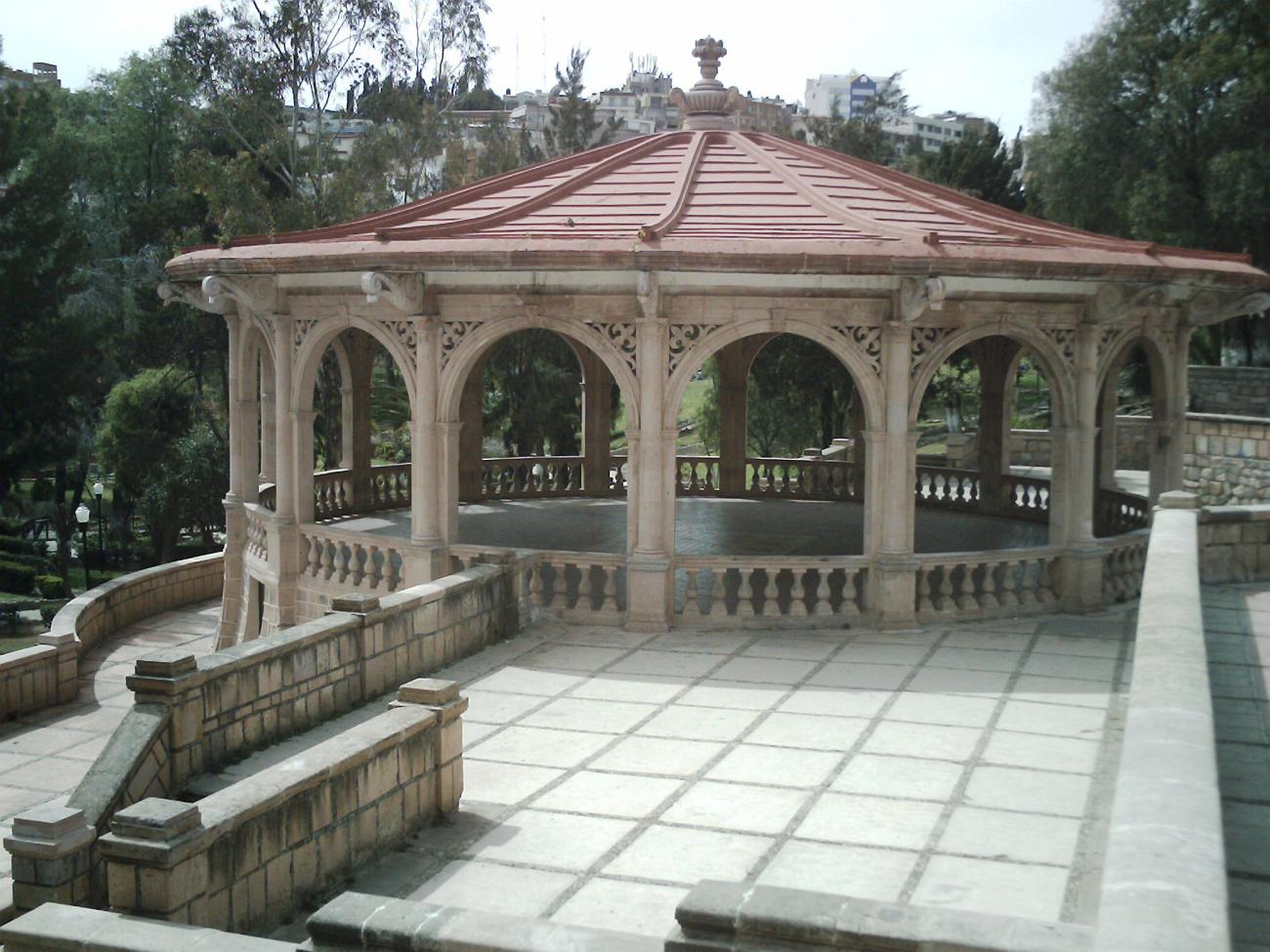
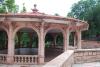
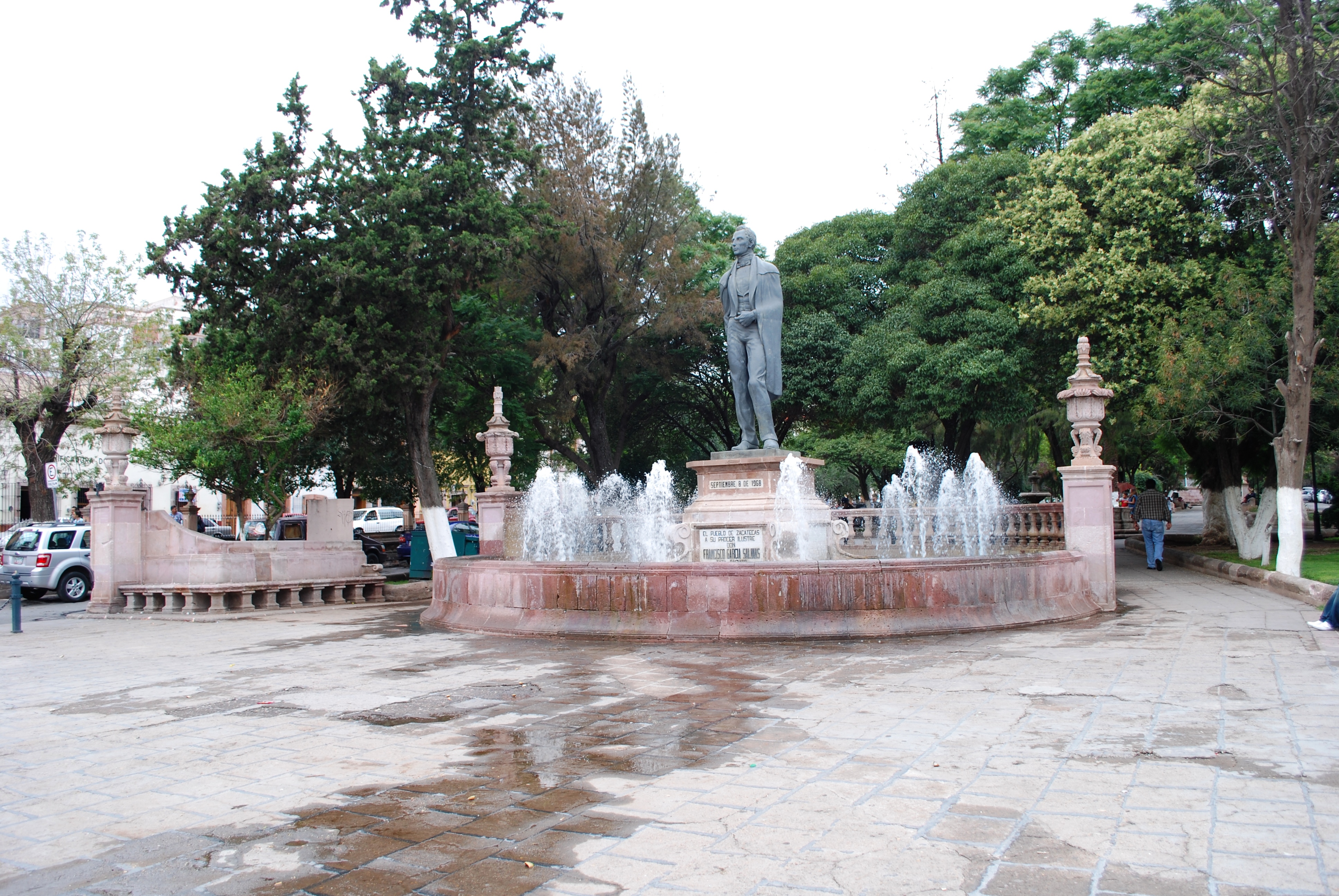
In 1831, it was officially designated as an alameda, and its territory was expanded. A fountain was built in 1835. Following the death of Francisco García Salinas in 1841, a mausoleum was erected to house his remains. On the northwest side of the alameda, a water reservoir was constructed, fed by the Socavón de la Esperanza from the El Edén mine. In 1902, the original fountains and kiosk were replaced.
The space also inspired Genaro Codina, who composed the "Marcha Aréchiga," also known as the "Marcha de Zacatecas," regarded as Mexico’s second national anthem.
A complete renovation took place in 1940 under the direction of architect Roberto Álvarez Espinosa.
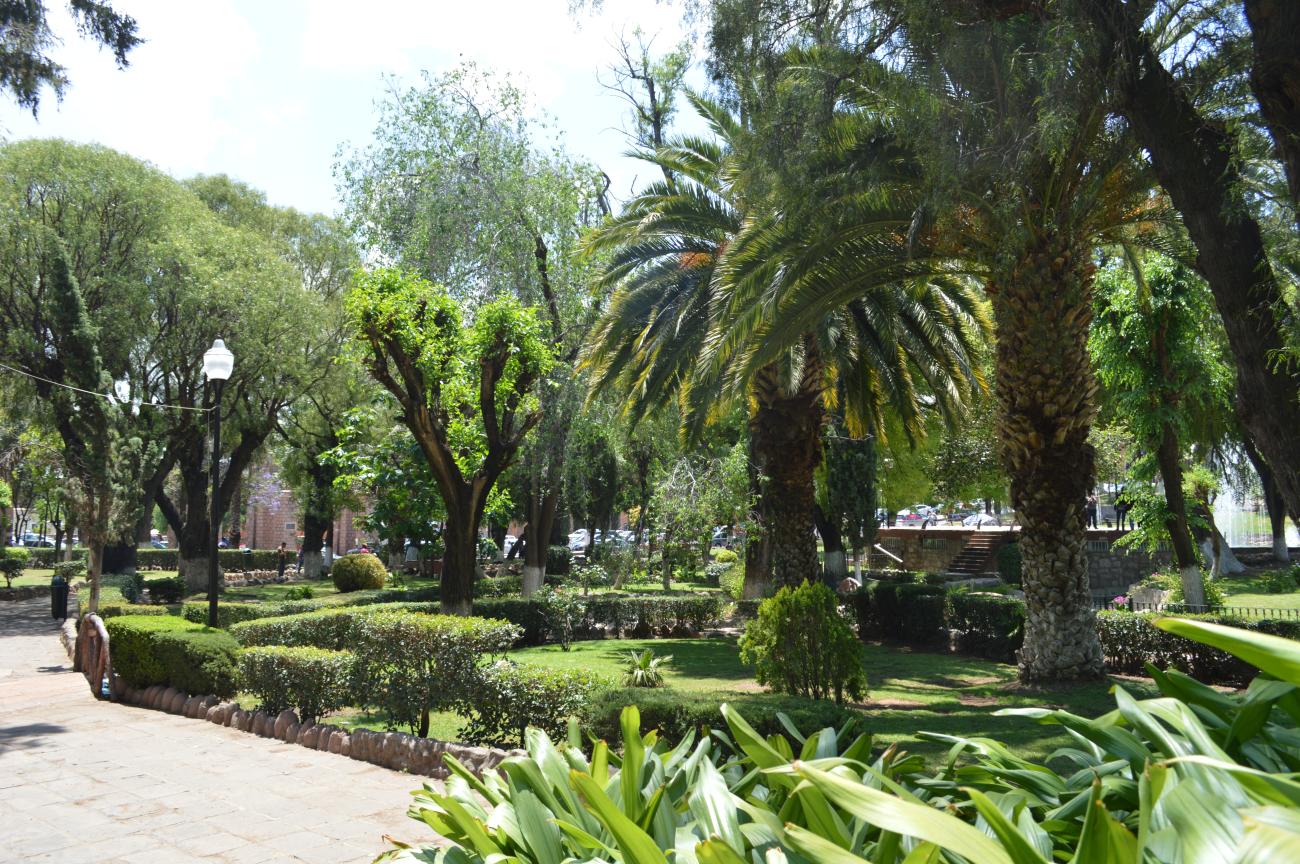
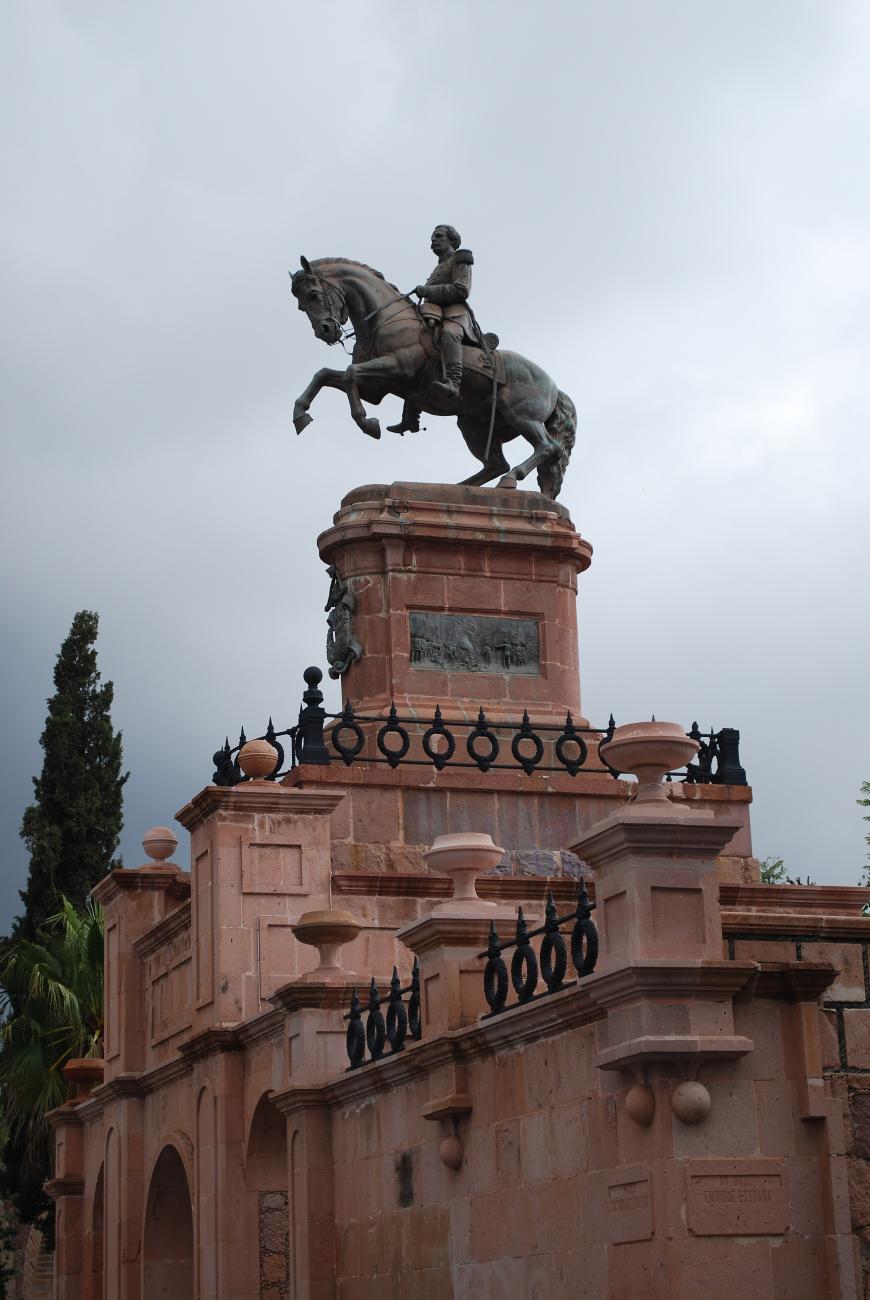
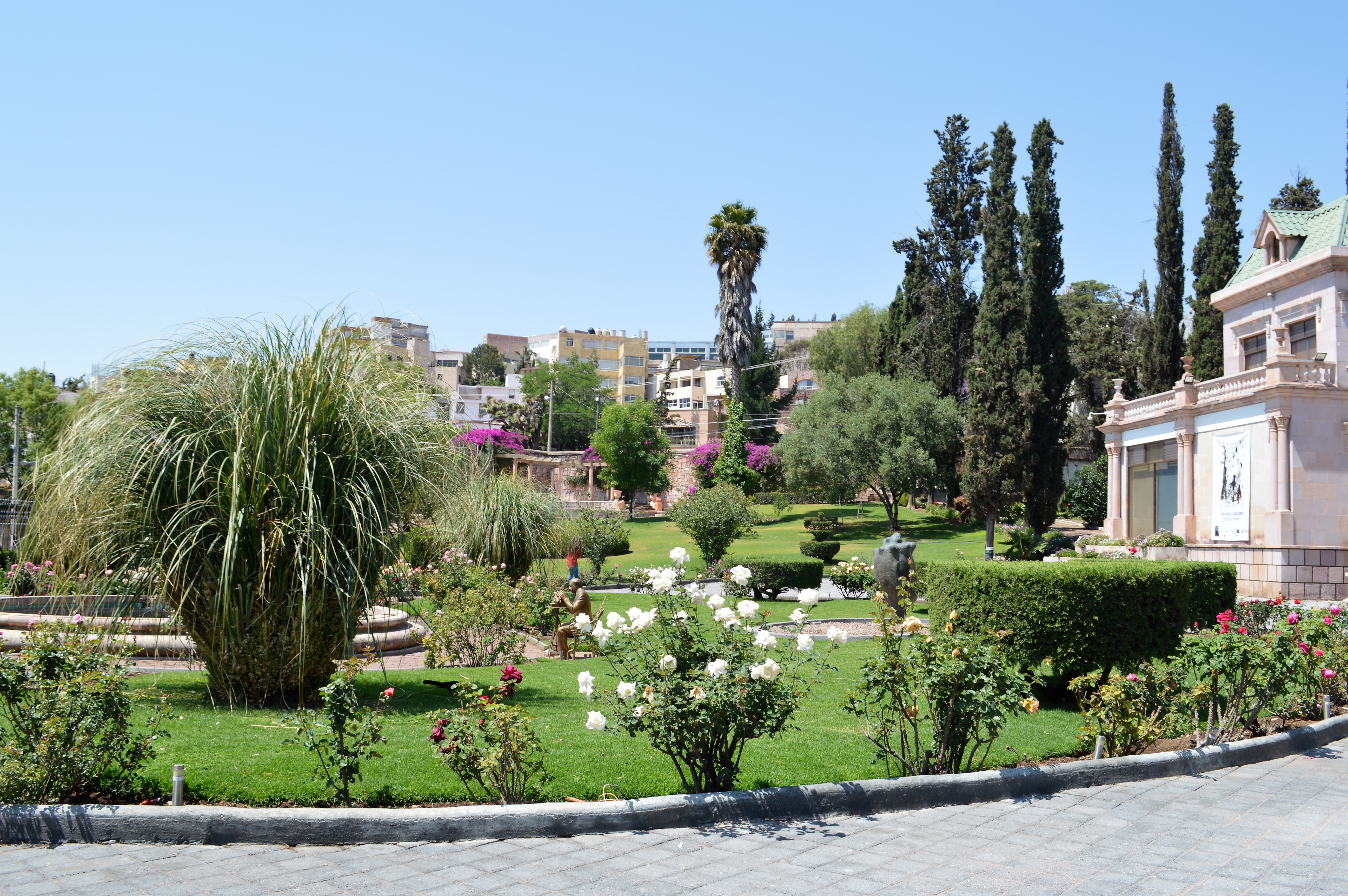
Enrique Estrada Park
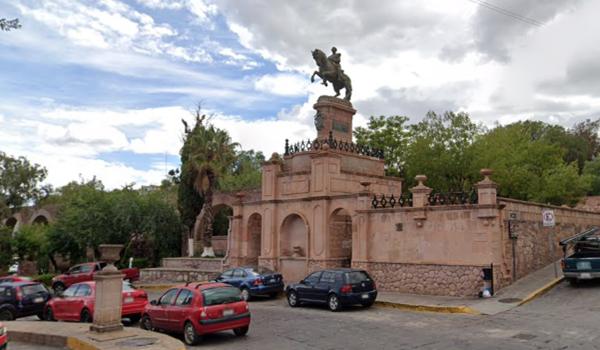
A 19th-century green space, by 1894 it covered approximately 77,000 square meters. It was officially developed into a park during the 1950s, with the project led by master builder Juan José Martínez Calvillo.