





Salvatierra
Historical Monuments Zone
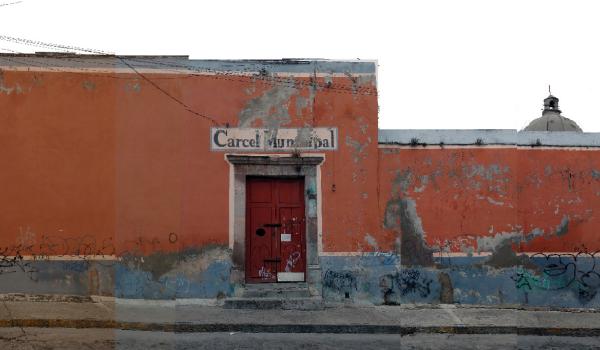
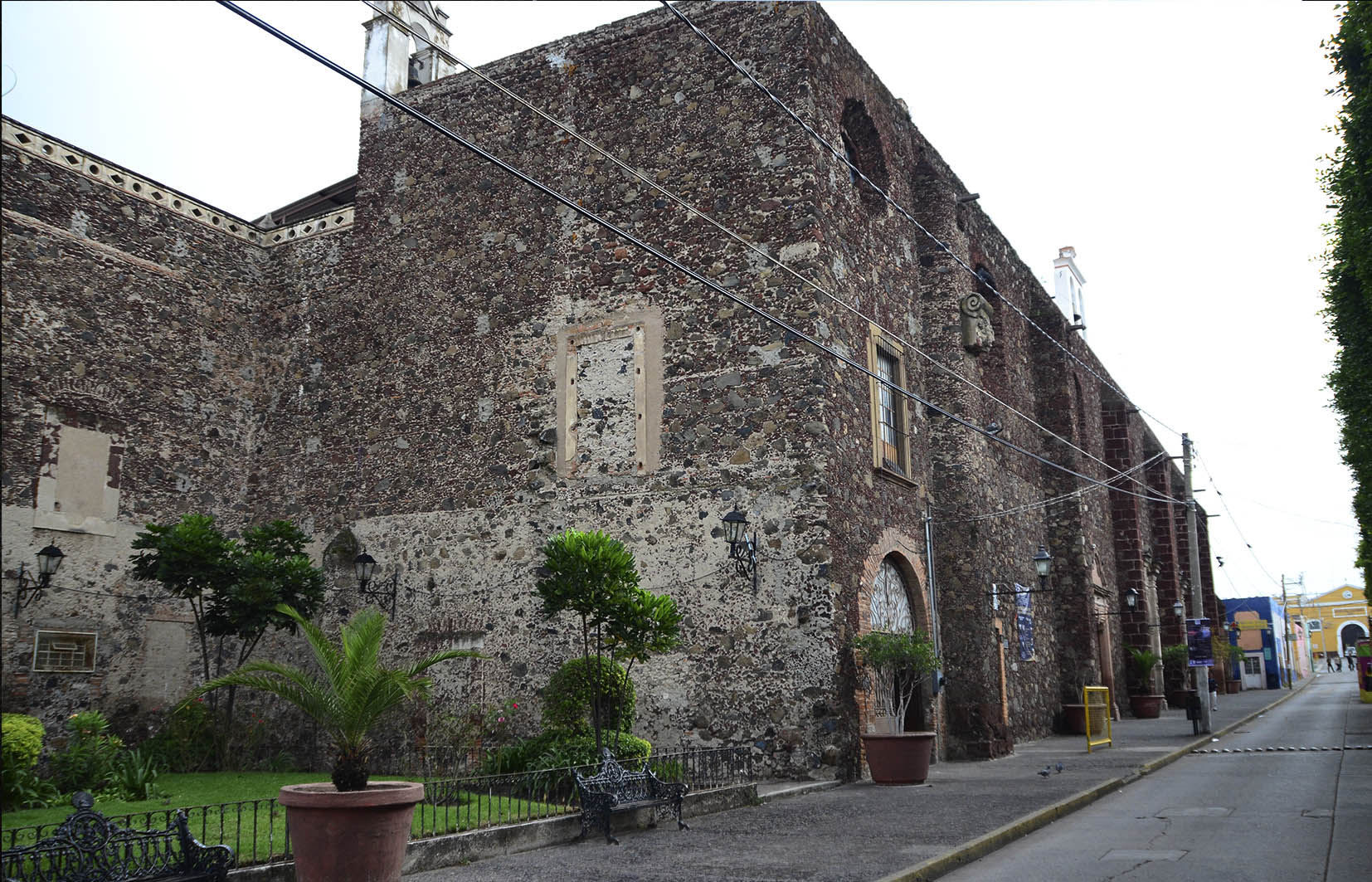
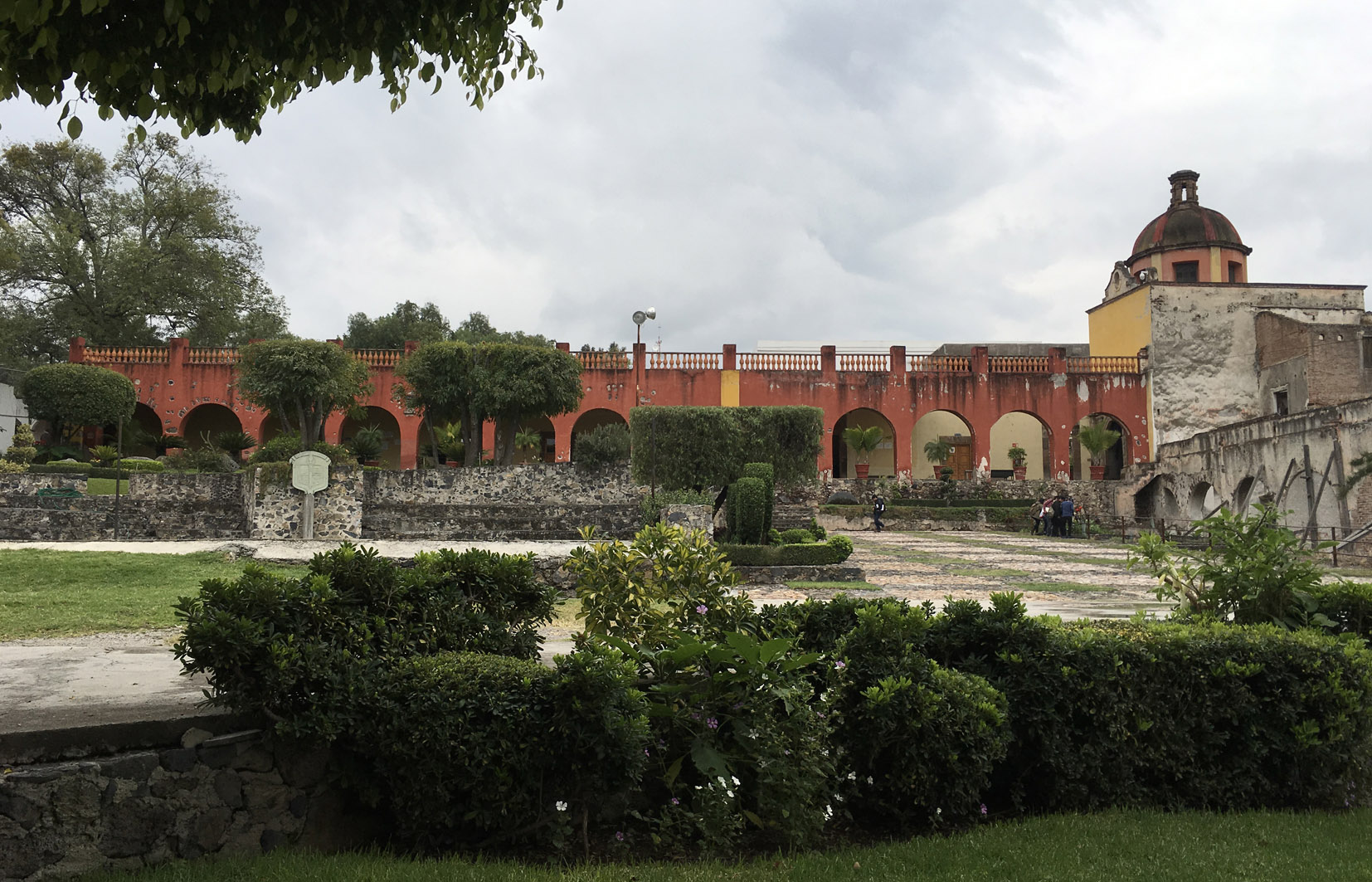
Municipal Jail
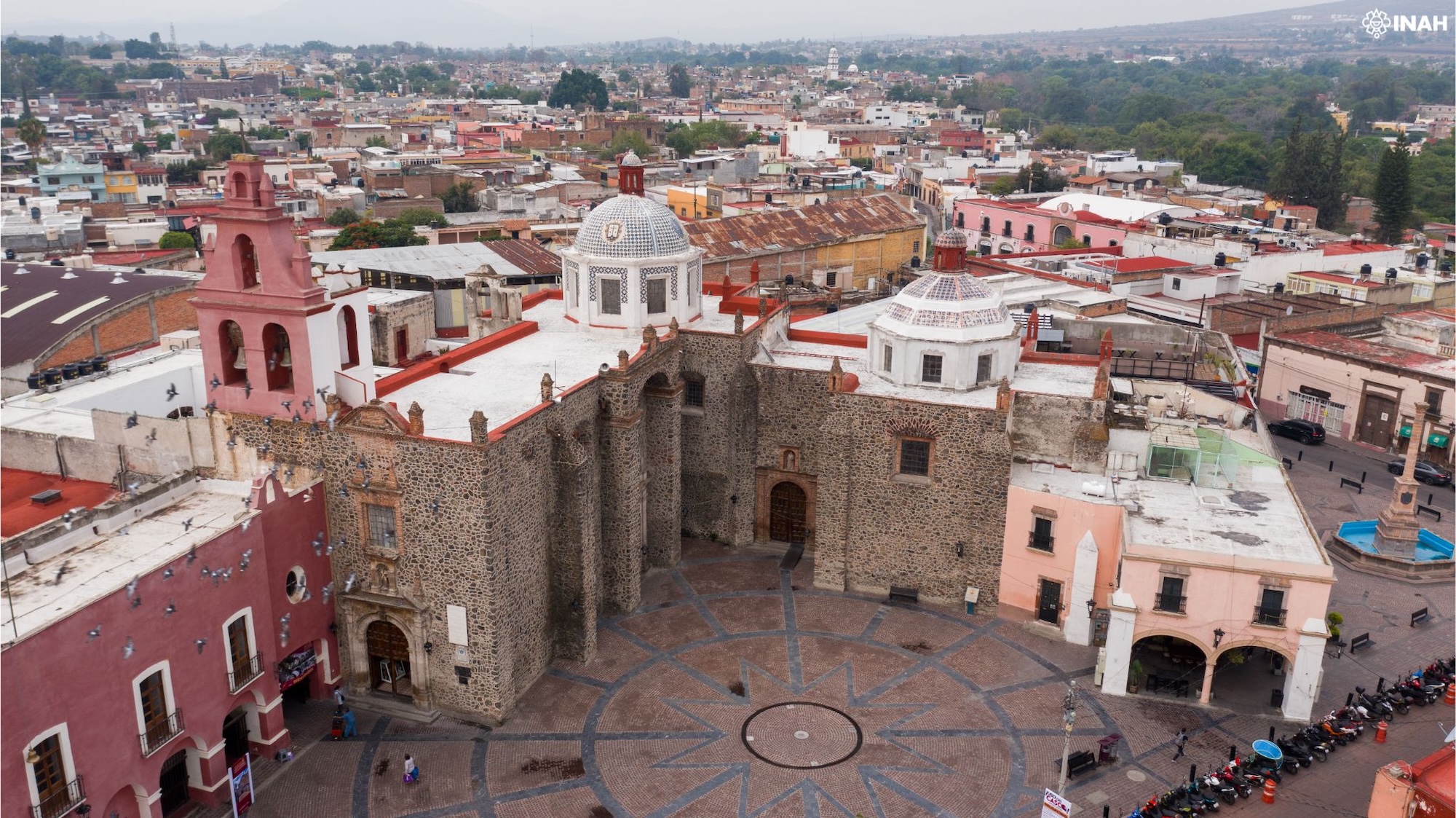
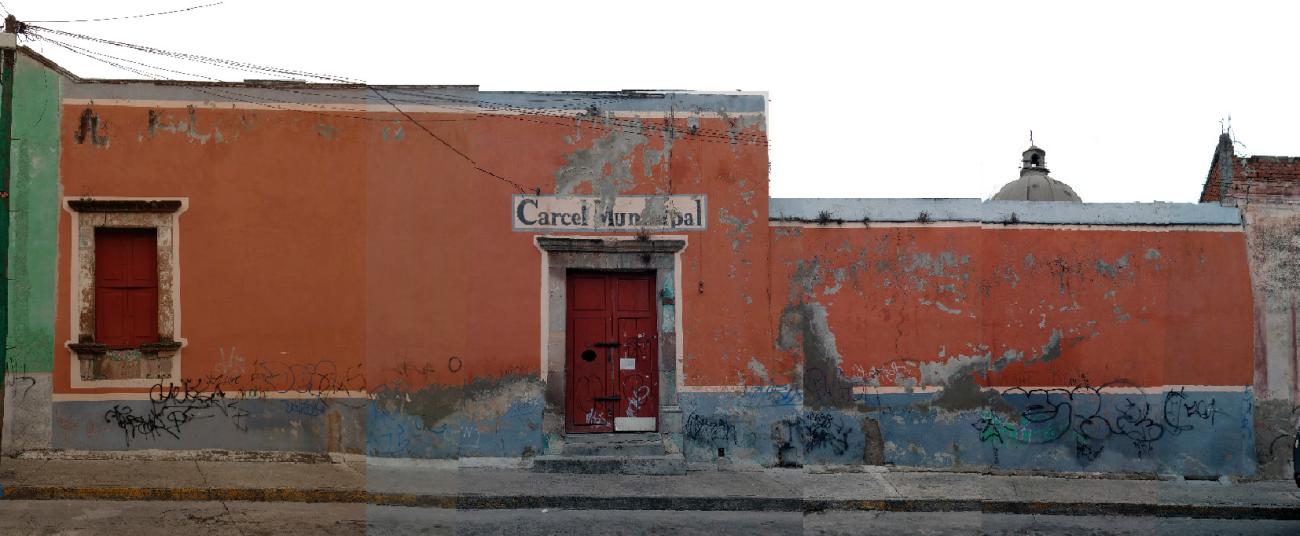
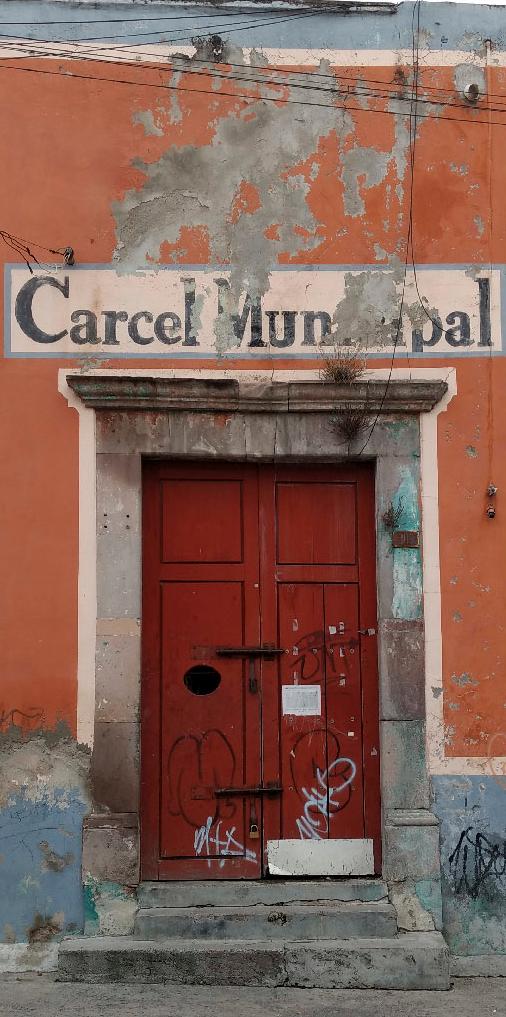
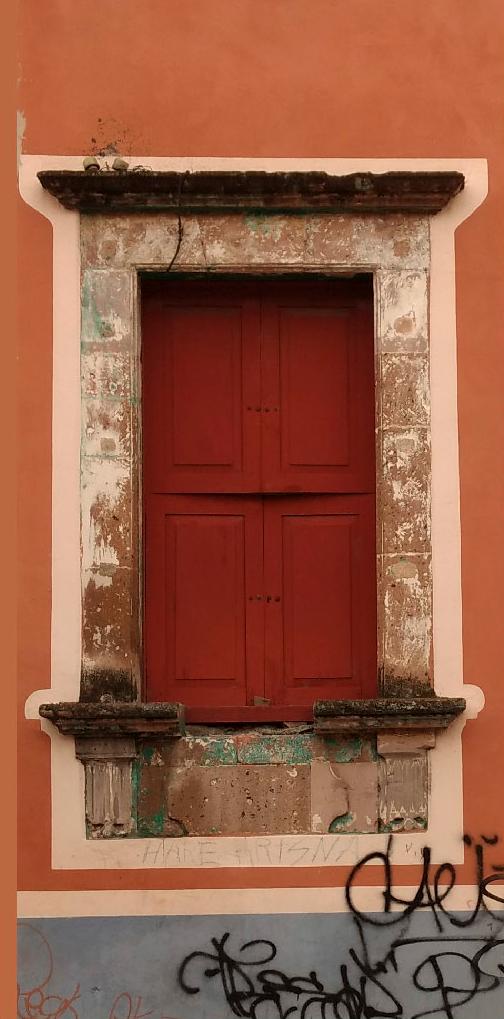
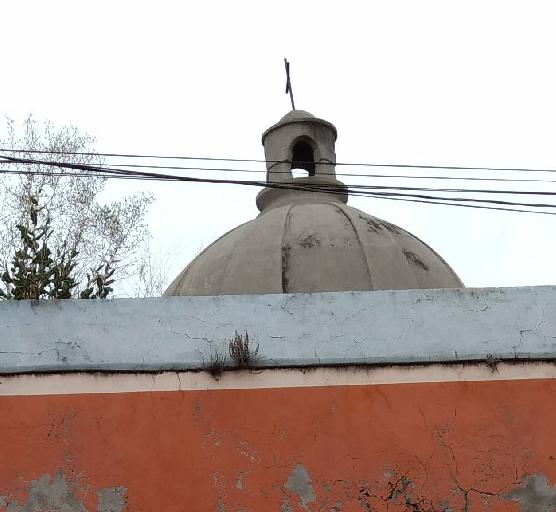
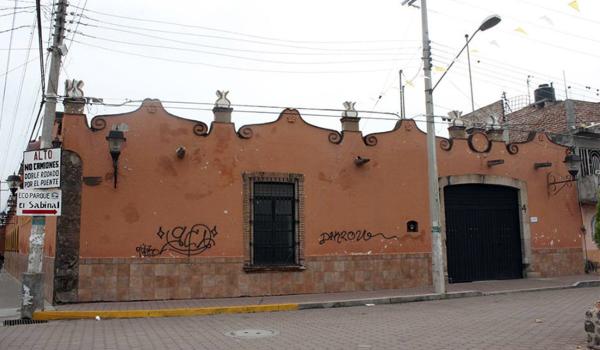
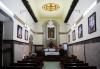
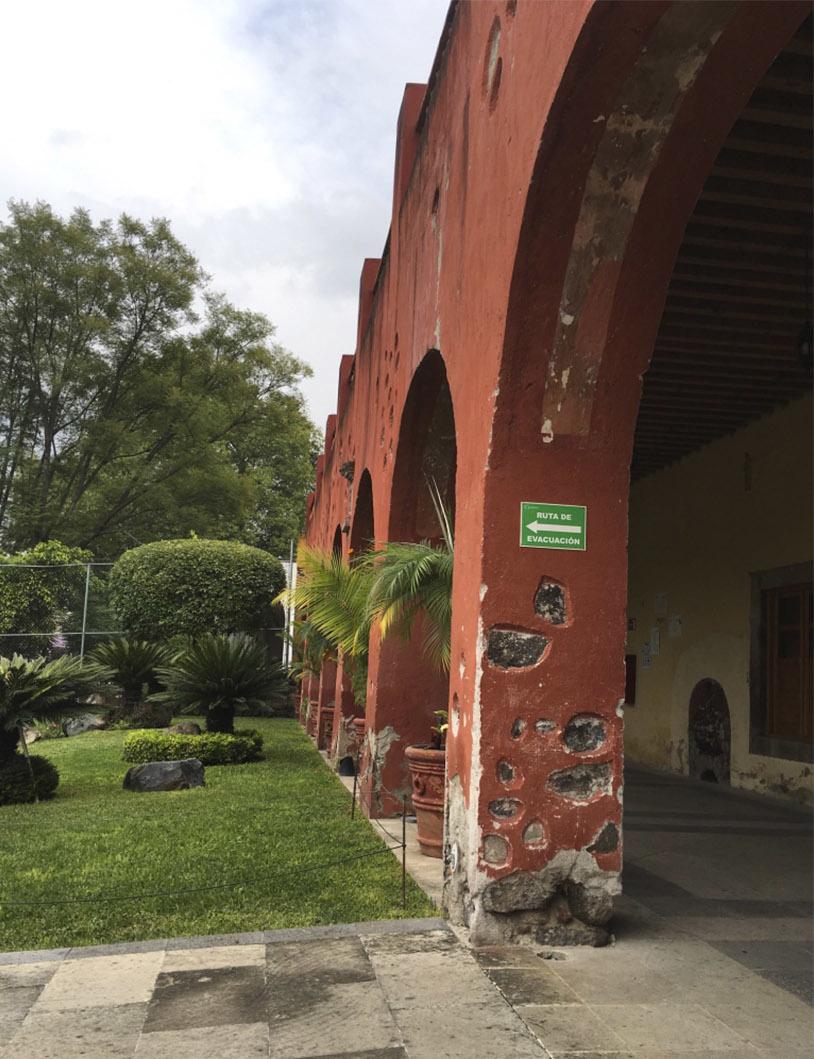
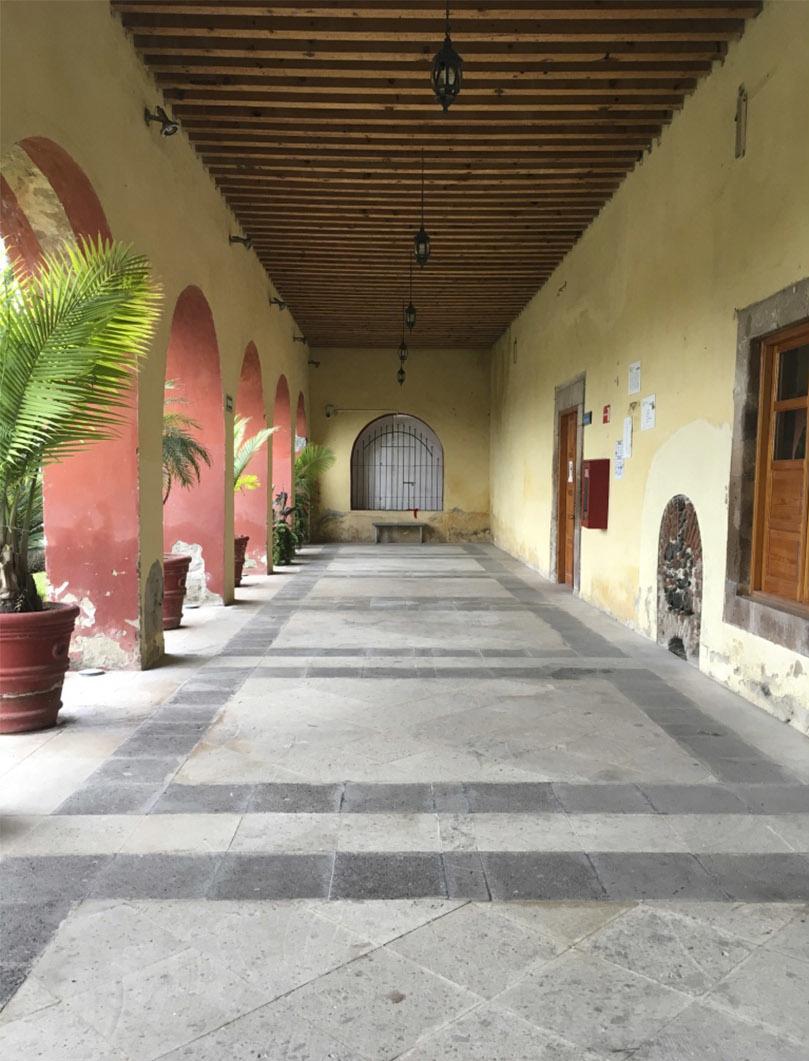
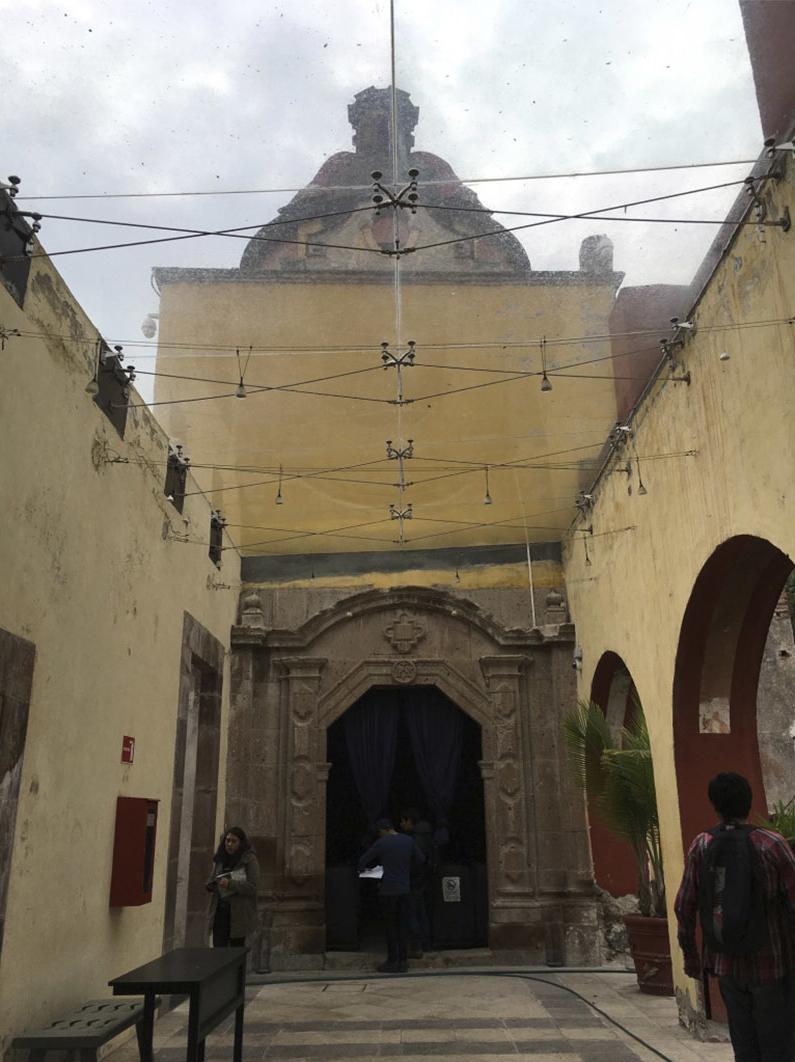
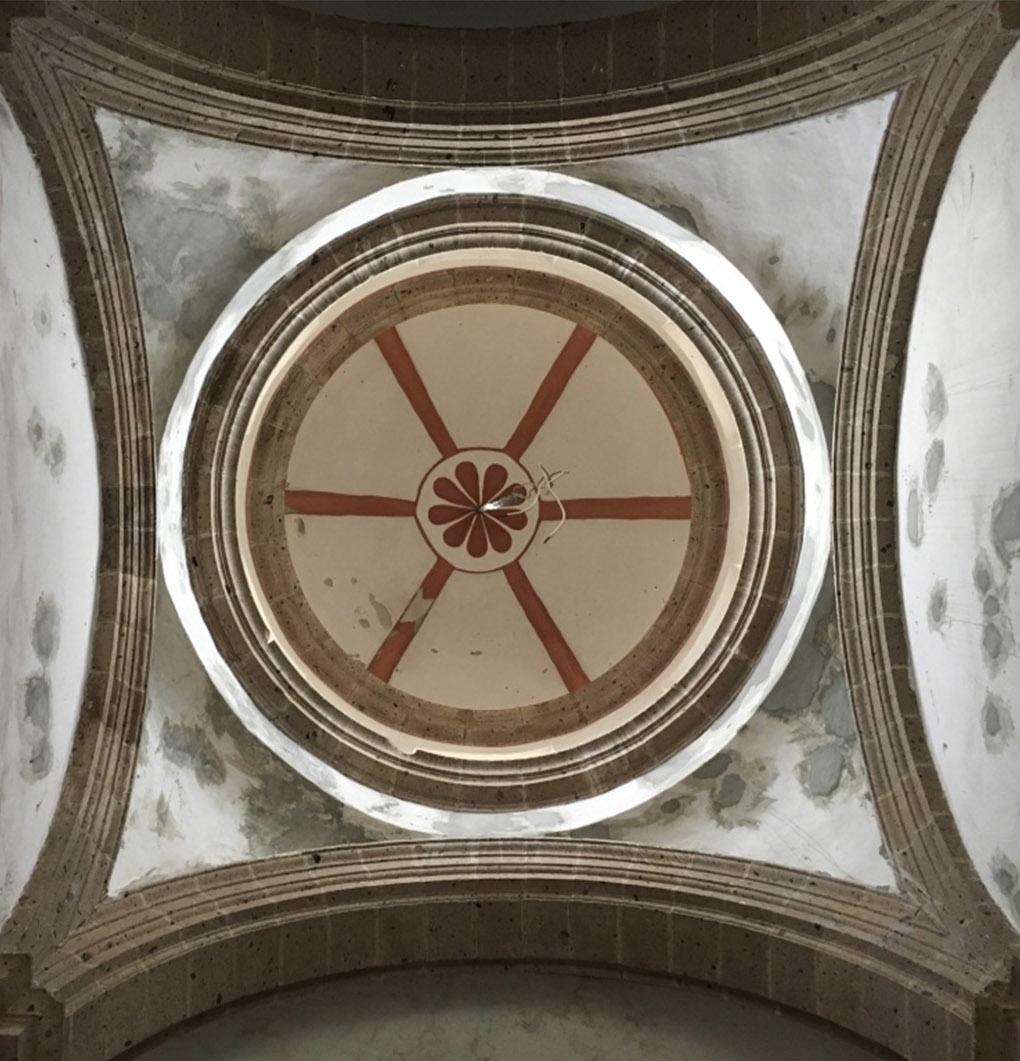
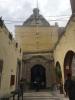
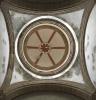
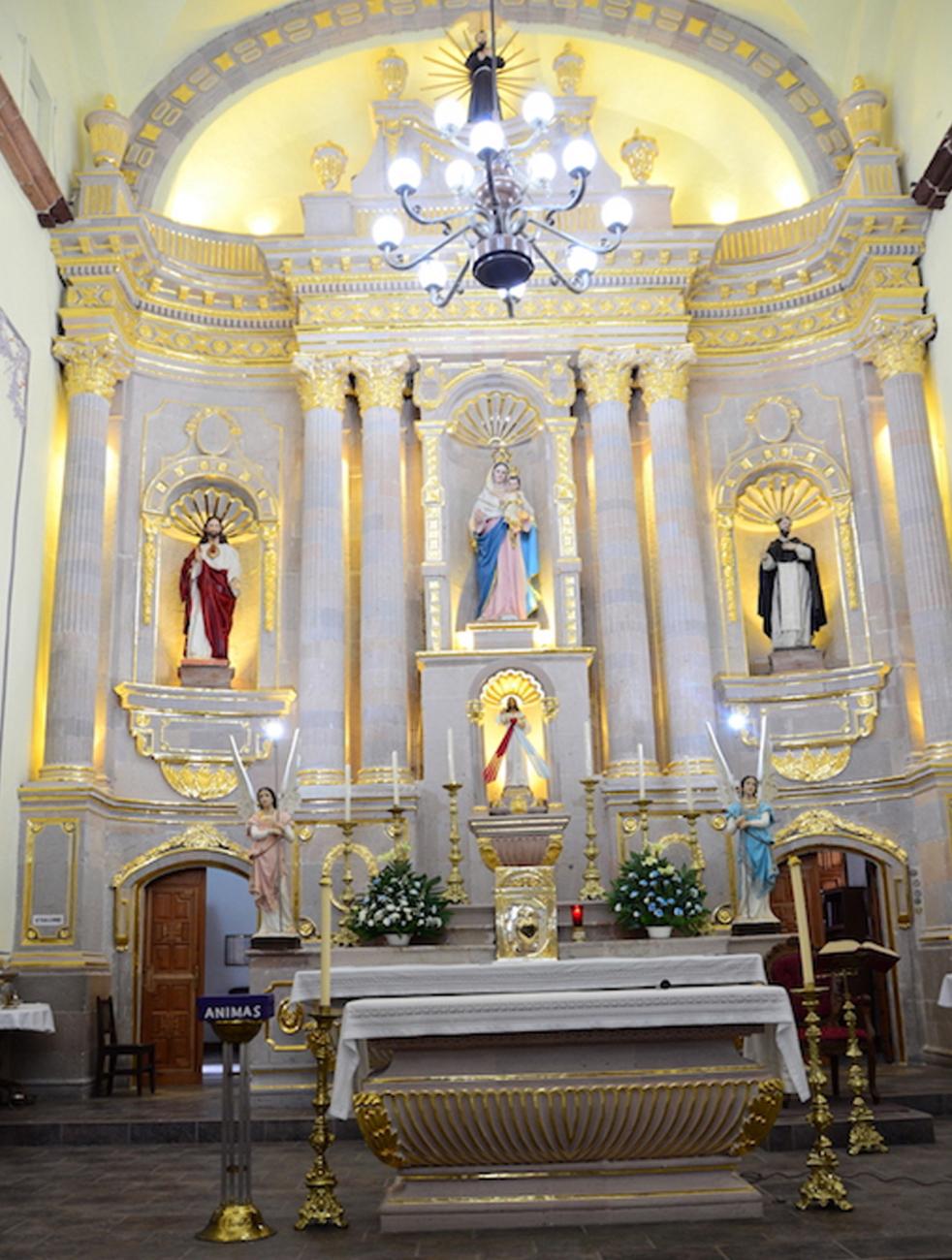
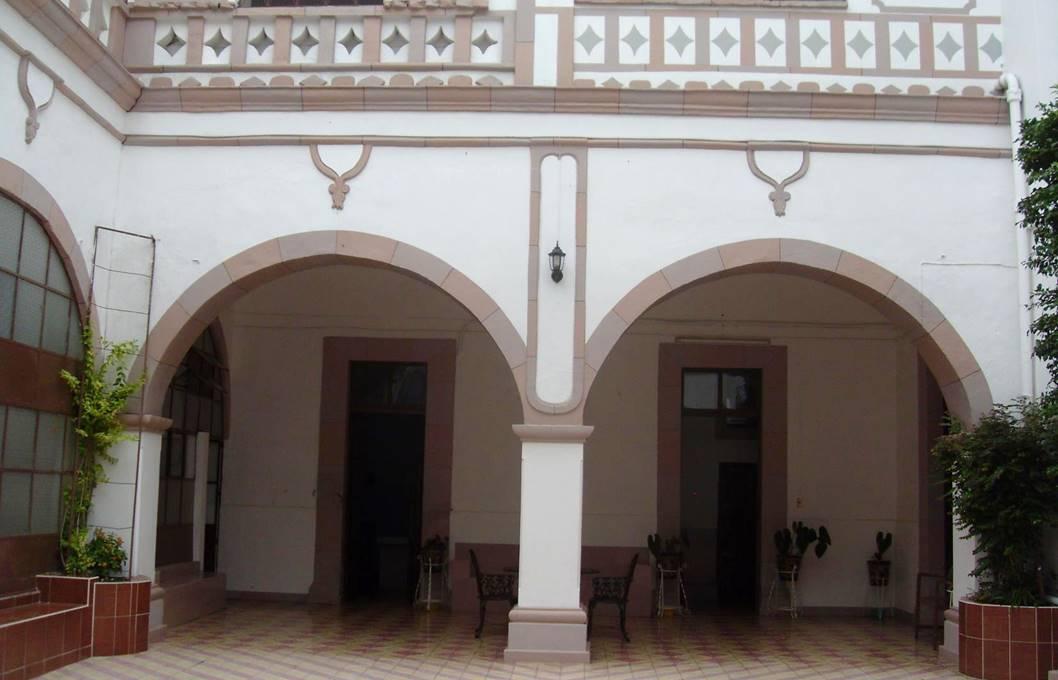
This 18th-century building was originally part of the San Francisco convent and later served as a women’s prison. Today, it functions as the municipal jail. On the west side of the courtyard stands a private chapel featuring a stone altarpiece with Neoclassical decoration and a domed ceiling.
Municipal Jail



Old Batanes Mill
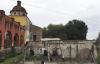
This 19th-century building stands beside the Batanes Bridge, a historical witness to the battle fought at the beginning of the War of Independence between the royalist army led by Agustín de Iturbide and the insurgent forces of Ramón Rayón.
Old San Isidro Batanes Factory
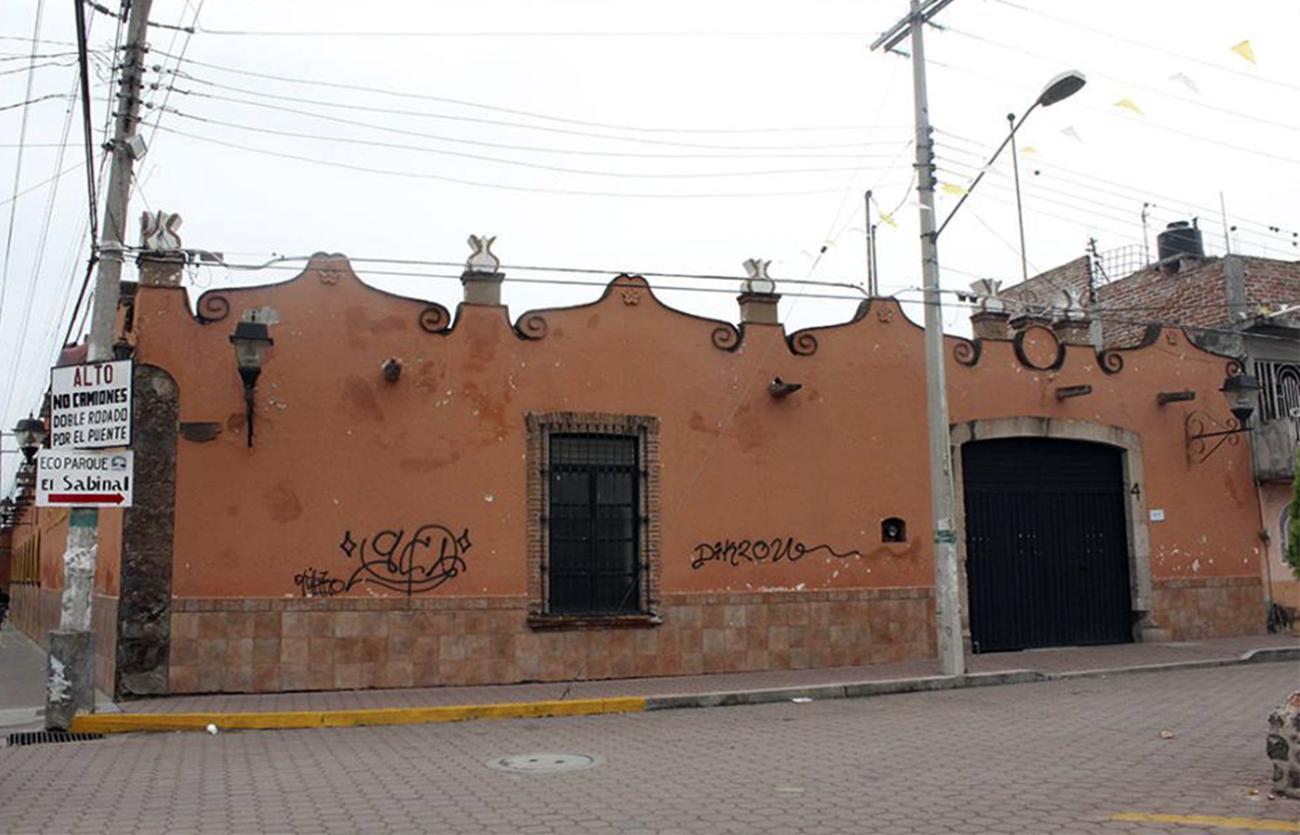
This 19th-century building was established in 1870 by Juan Argomedo as the San Isidro textile workshop, also known as the Batanes Factory, where cotton cloth known as camballas was produced.
Old San Isidro Batanes Factory
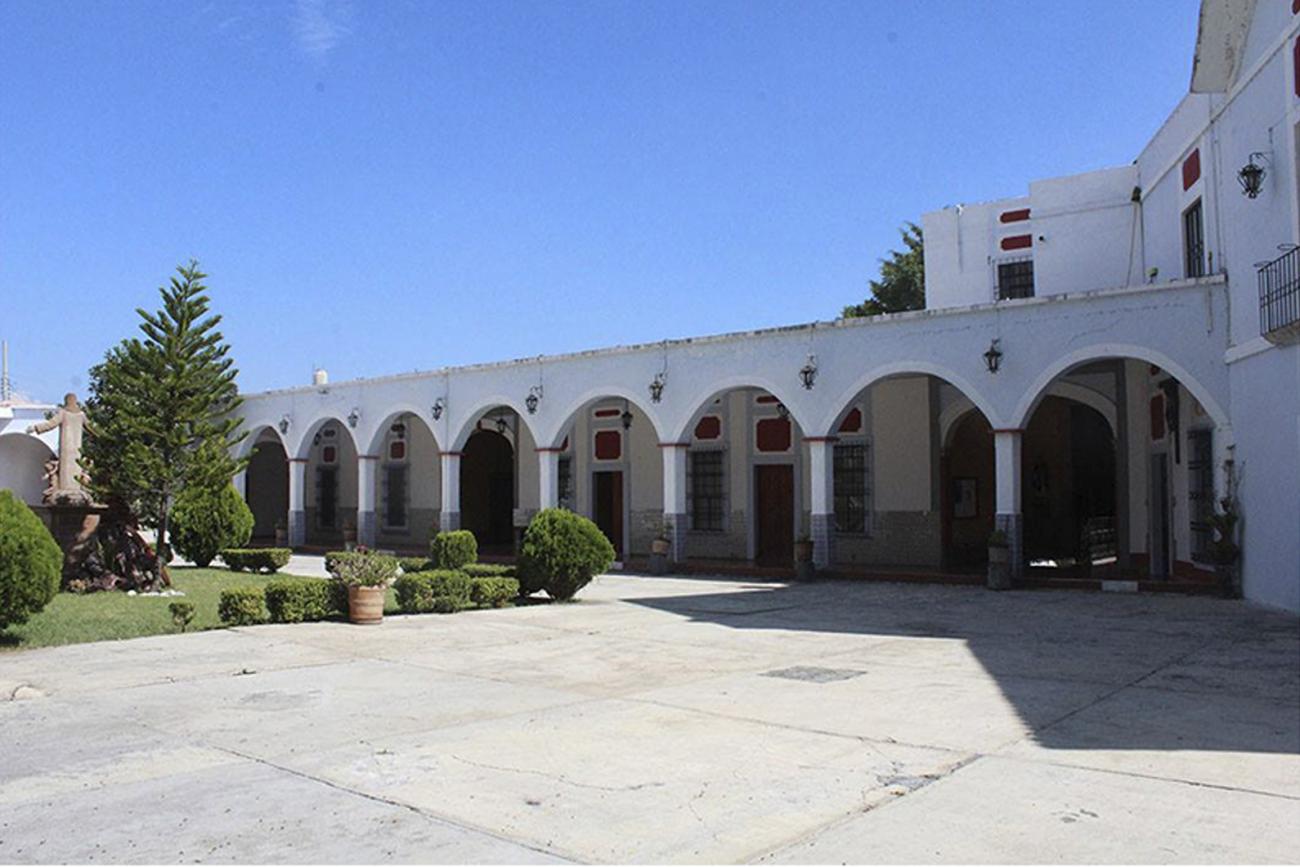
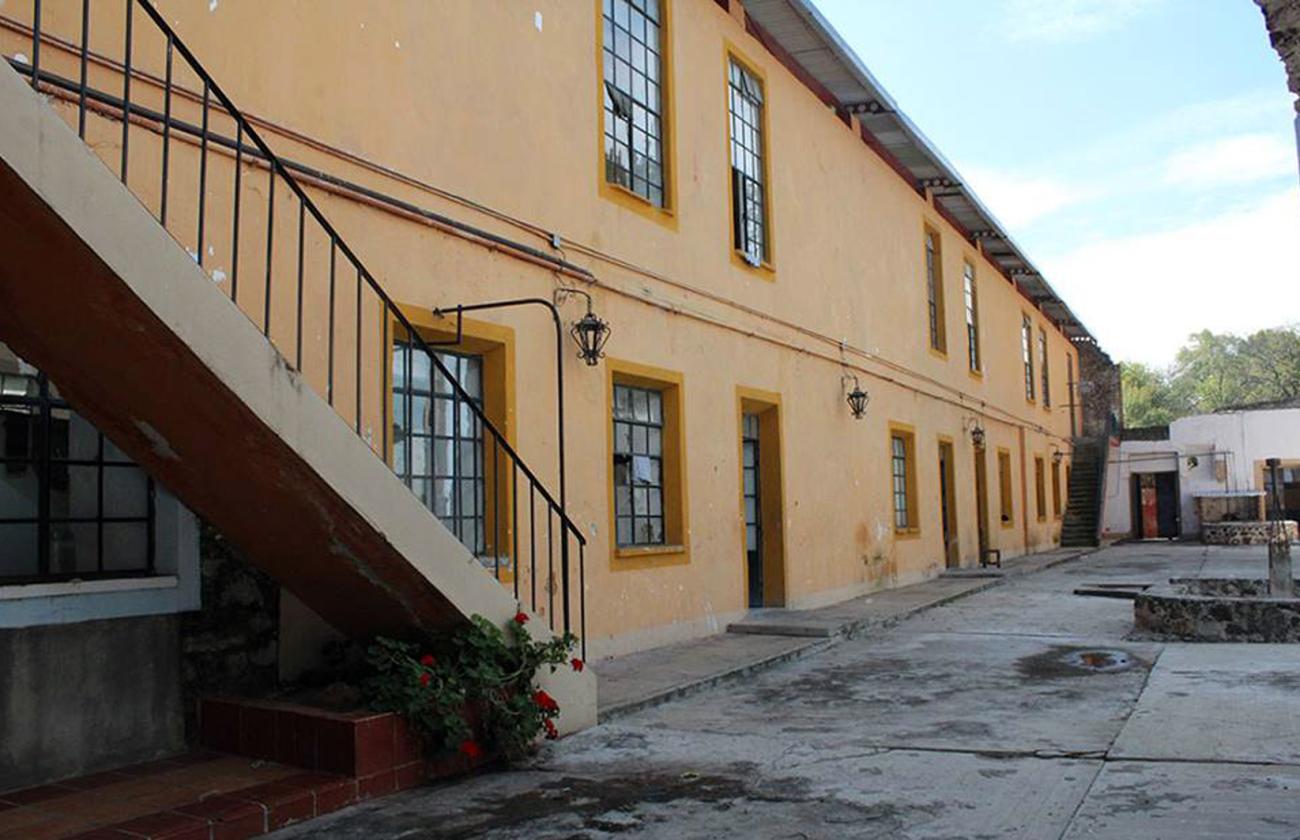
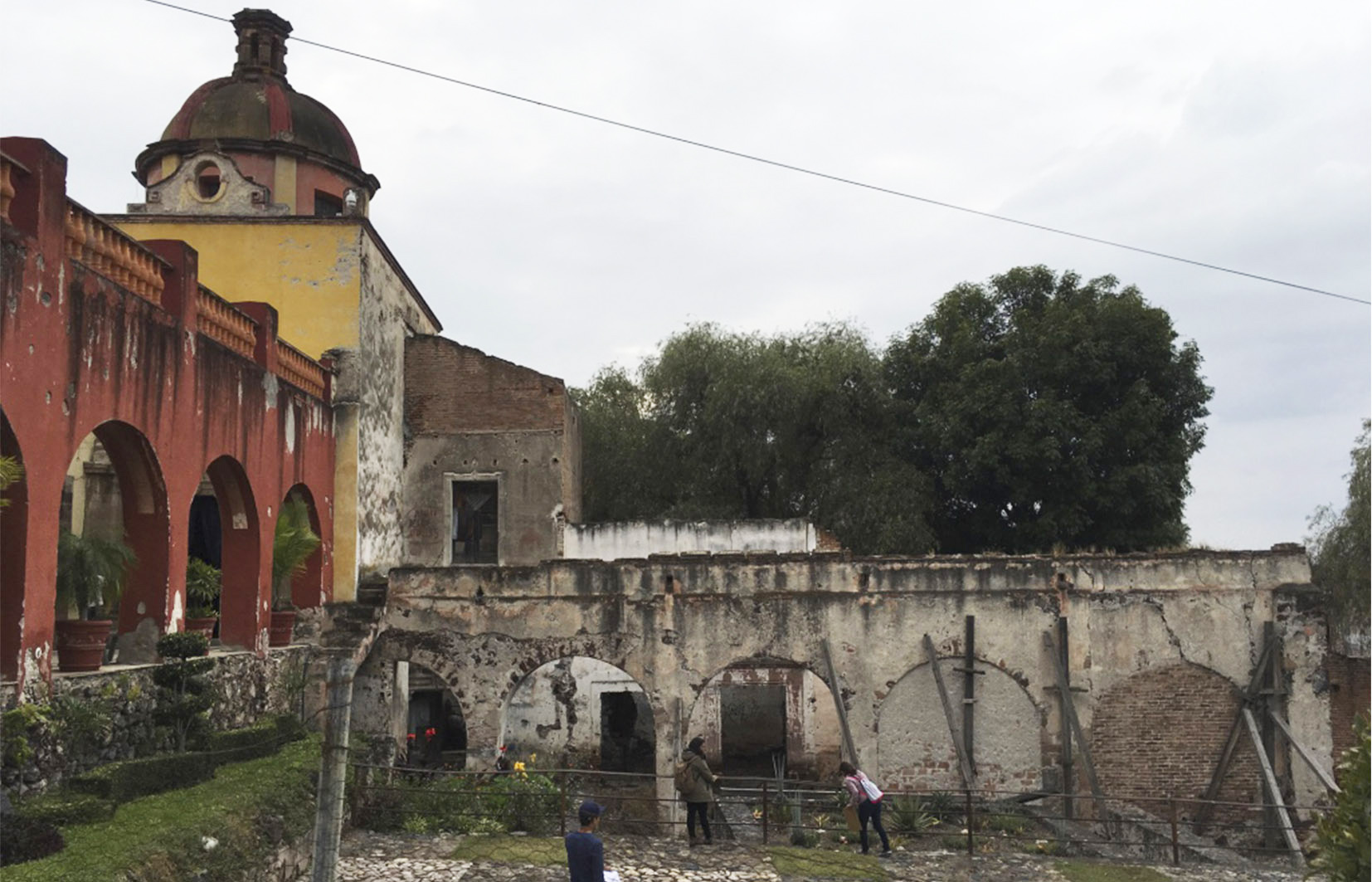
This 19th-century building was established in 1870 by Juan Argomedo as the San Isidro textile workshop, also known as the Batanes Factory, where cotton cloth known as camballas was produced. After a period of decline, abandonment, and eventual sale, the building was repurposed into living quarters for the seminarians of Cristo Rey Seminary, founded in the 1970s by Father Enrique Medina.
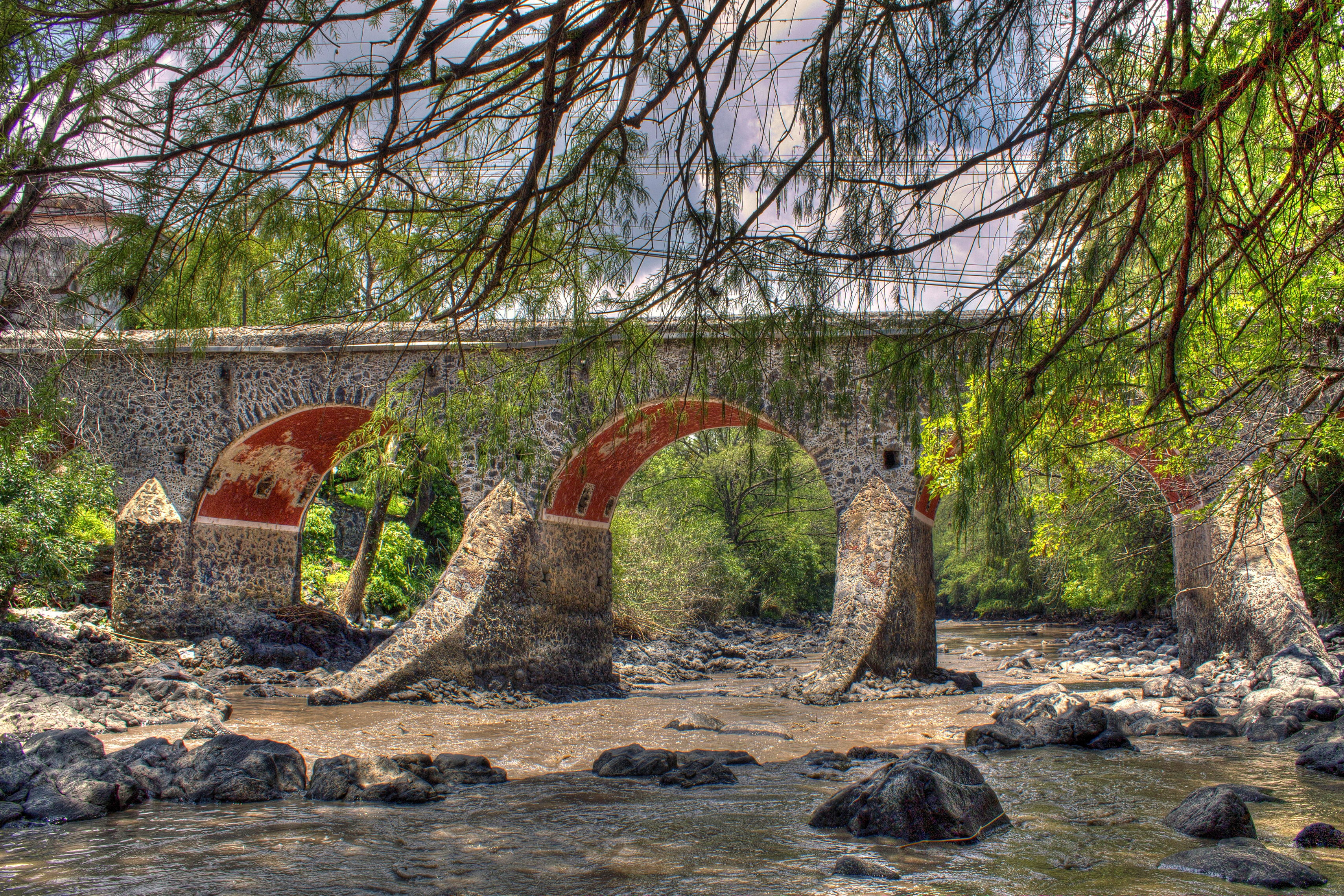
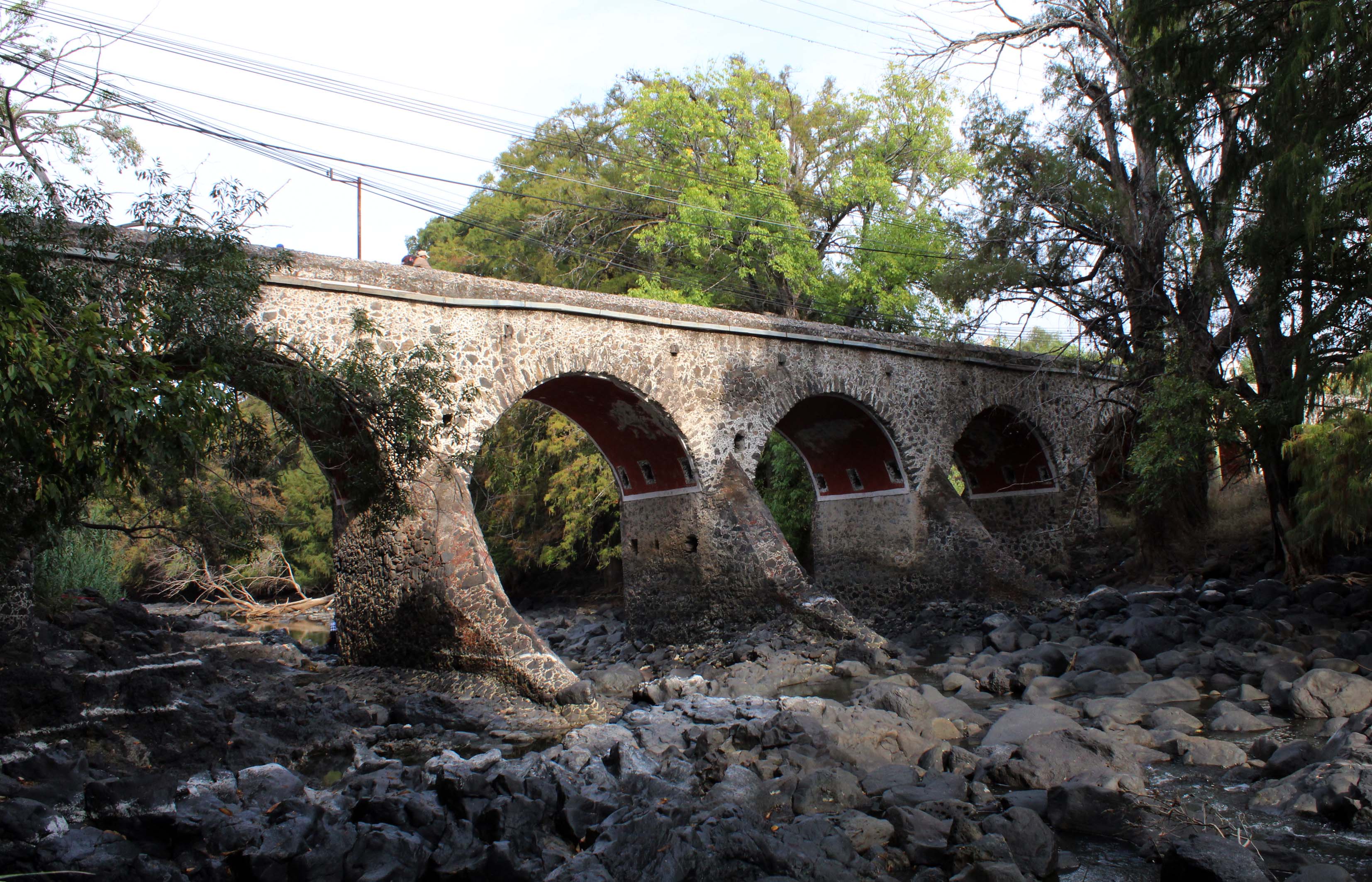
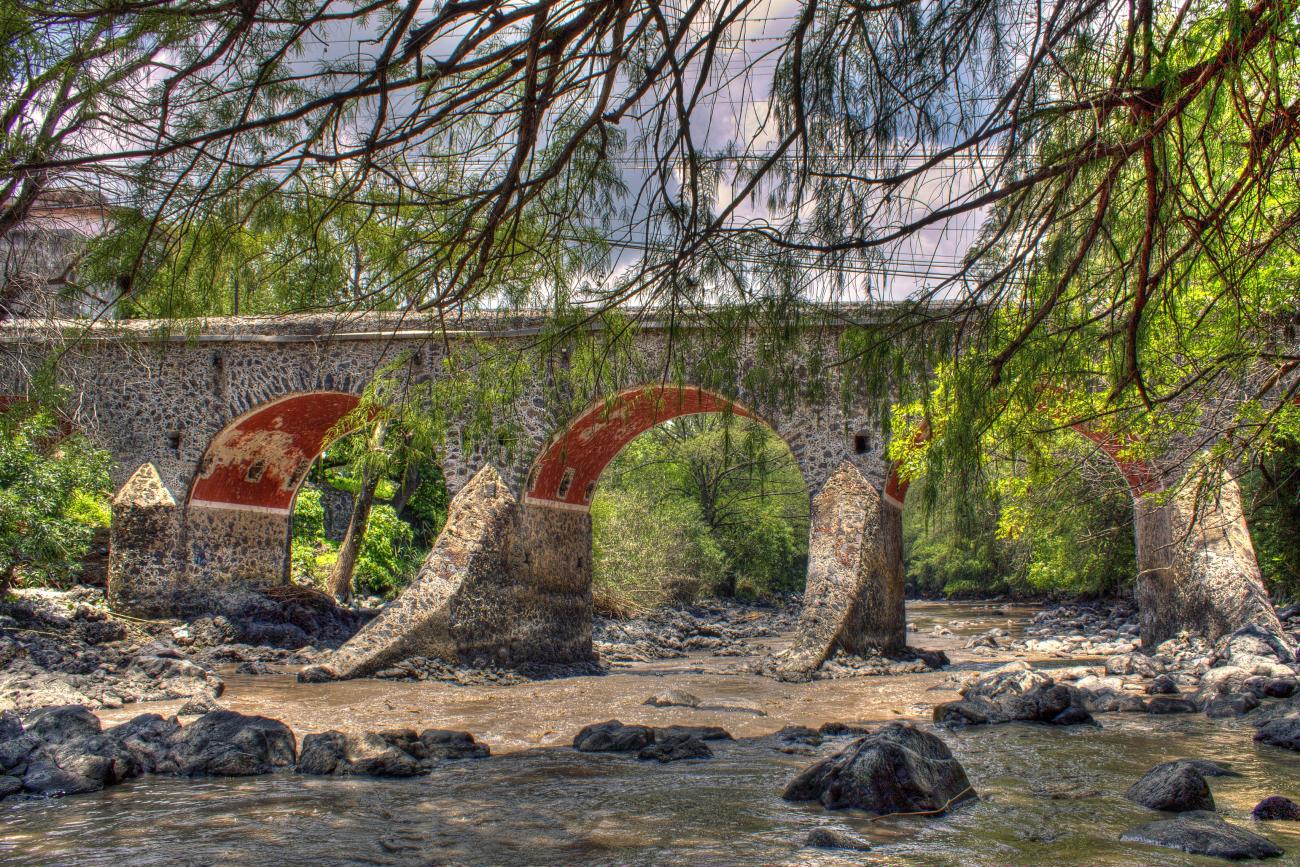
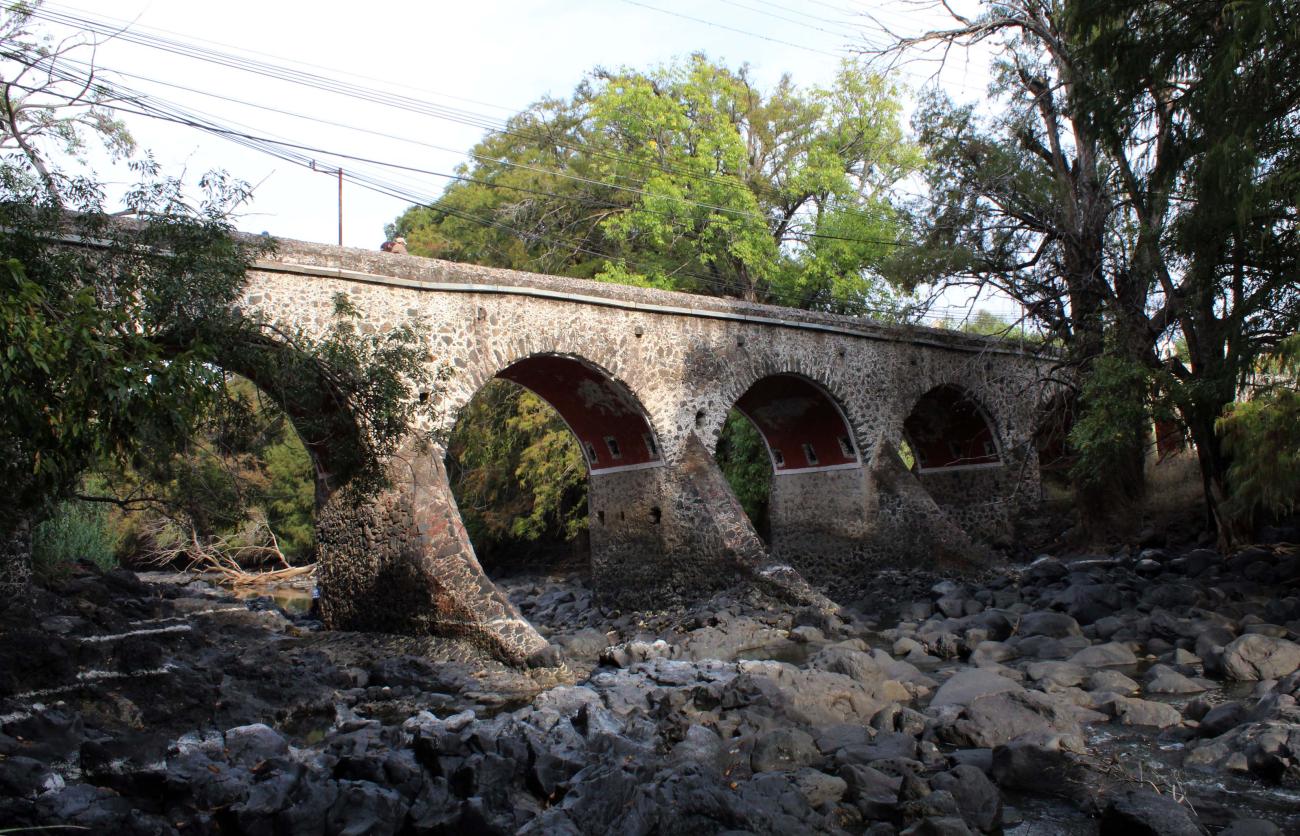
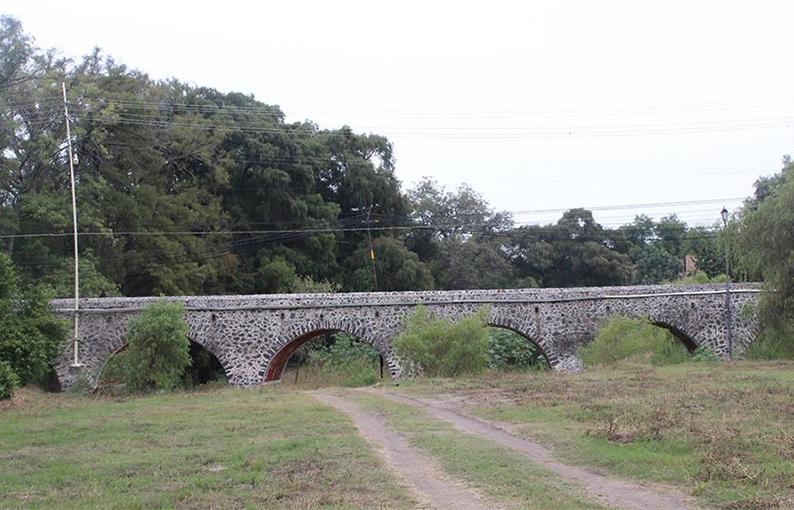
Batanes Bridge
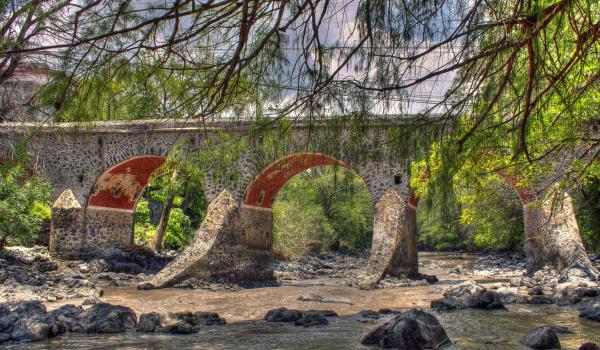
An 18th-century monument built over the Río Grande at the request of the city council, deemed necessary for facilitating commerce and the administration of justice. Construction began on July 23, 1649, and was completed in just over 180 days.
Batanes Bridge
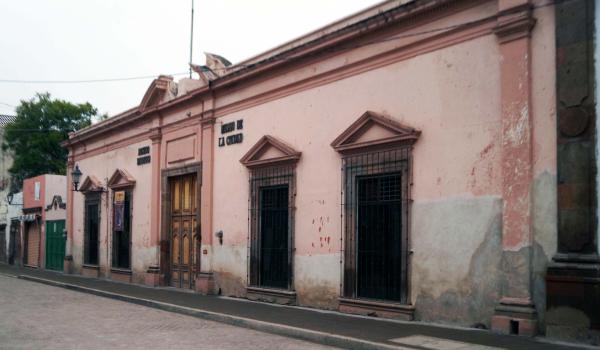
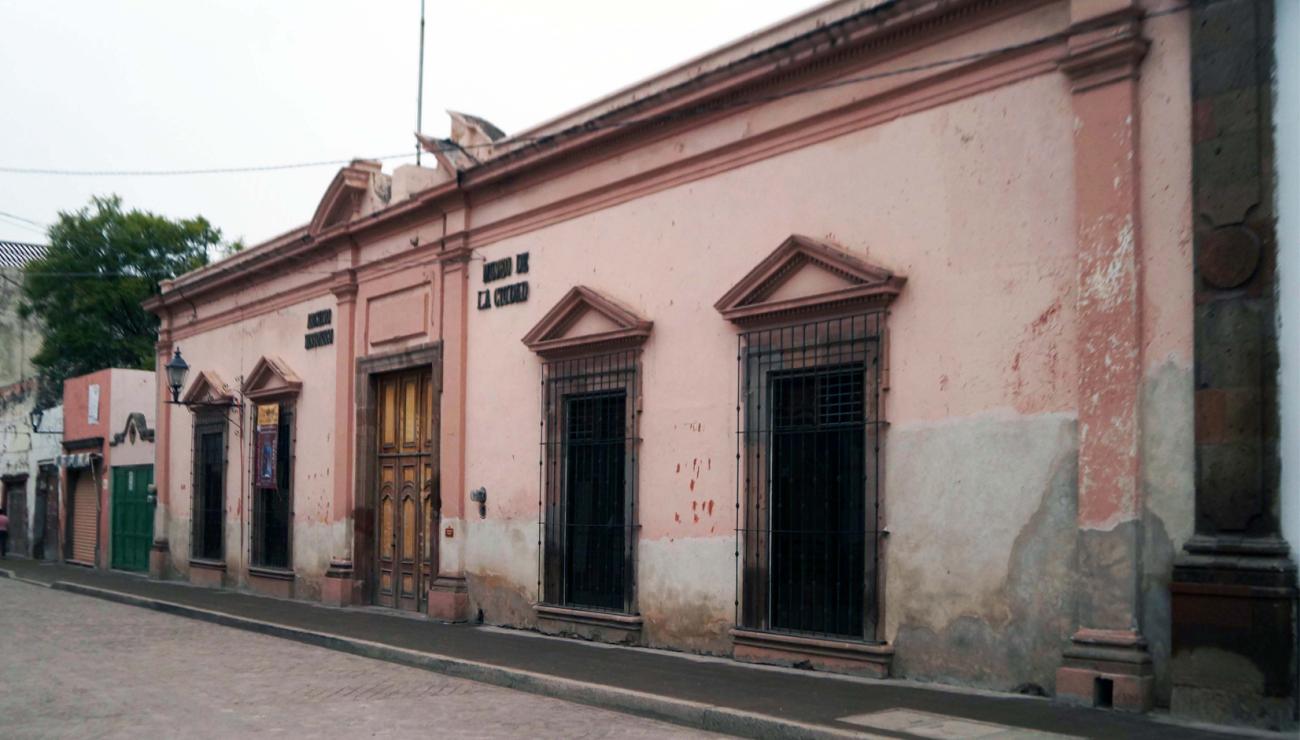
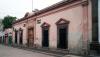
Former Tithe House / City Museum and Municipal Historical Archive of Salvatierra
This 19th-century building originally served as the Tithe House. Later, it was used as a residence and housed government offices. In 2002, it was repurposed as the City Museum. A second floor was added to accommodate the Municipal Historical Archive of Salvatierra.
Former Tithe House / City Museum and Municipal Historical Archive of Salvatierra
Municipal Palace of Salvatierra
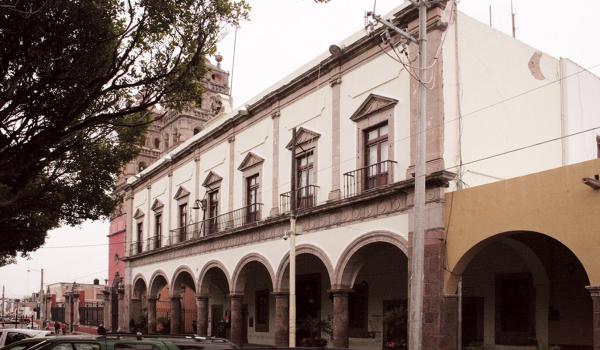
This 18th-century building has its origins in 1744, when the construction of the main church began alongside the founding of a beaterio (a religious school and residence) for Carmelite nuns.
Municipal Palace of Salvatierra
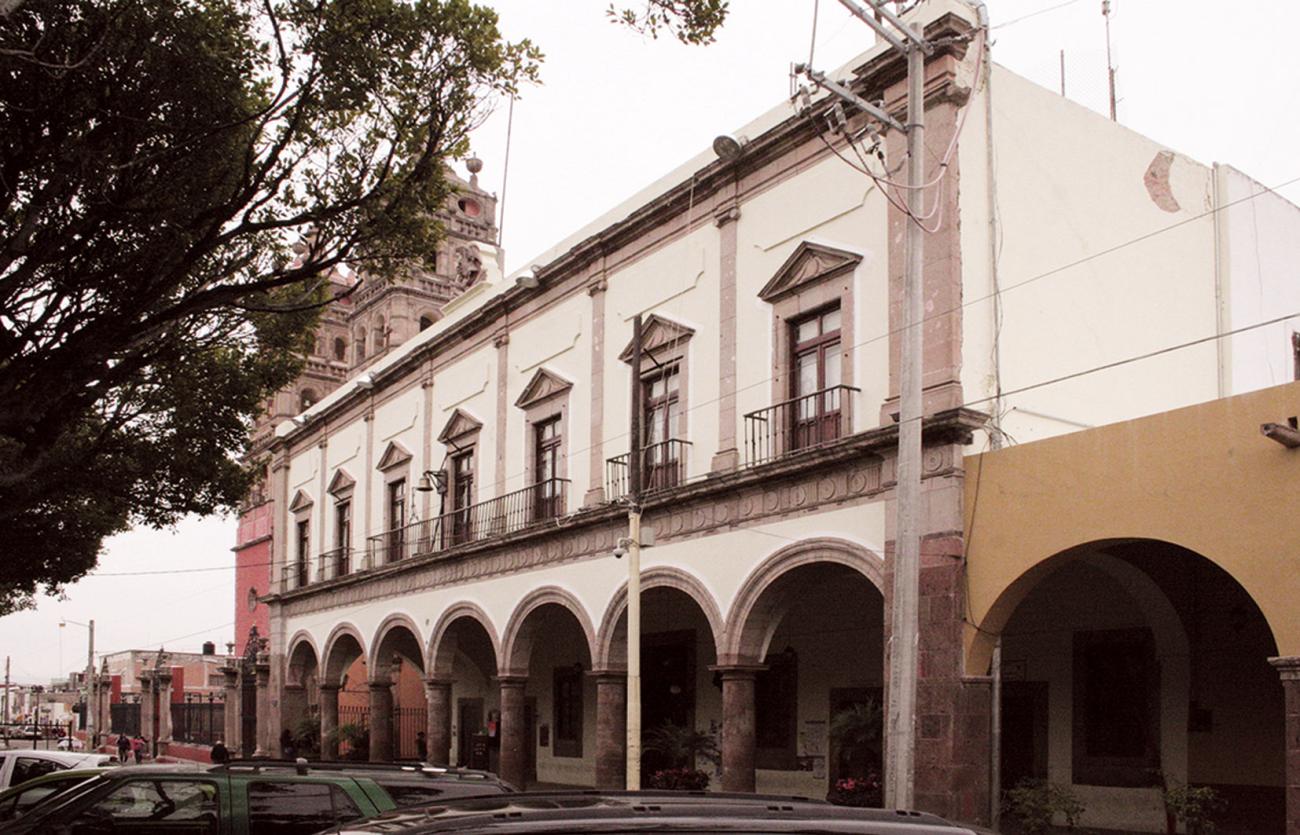
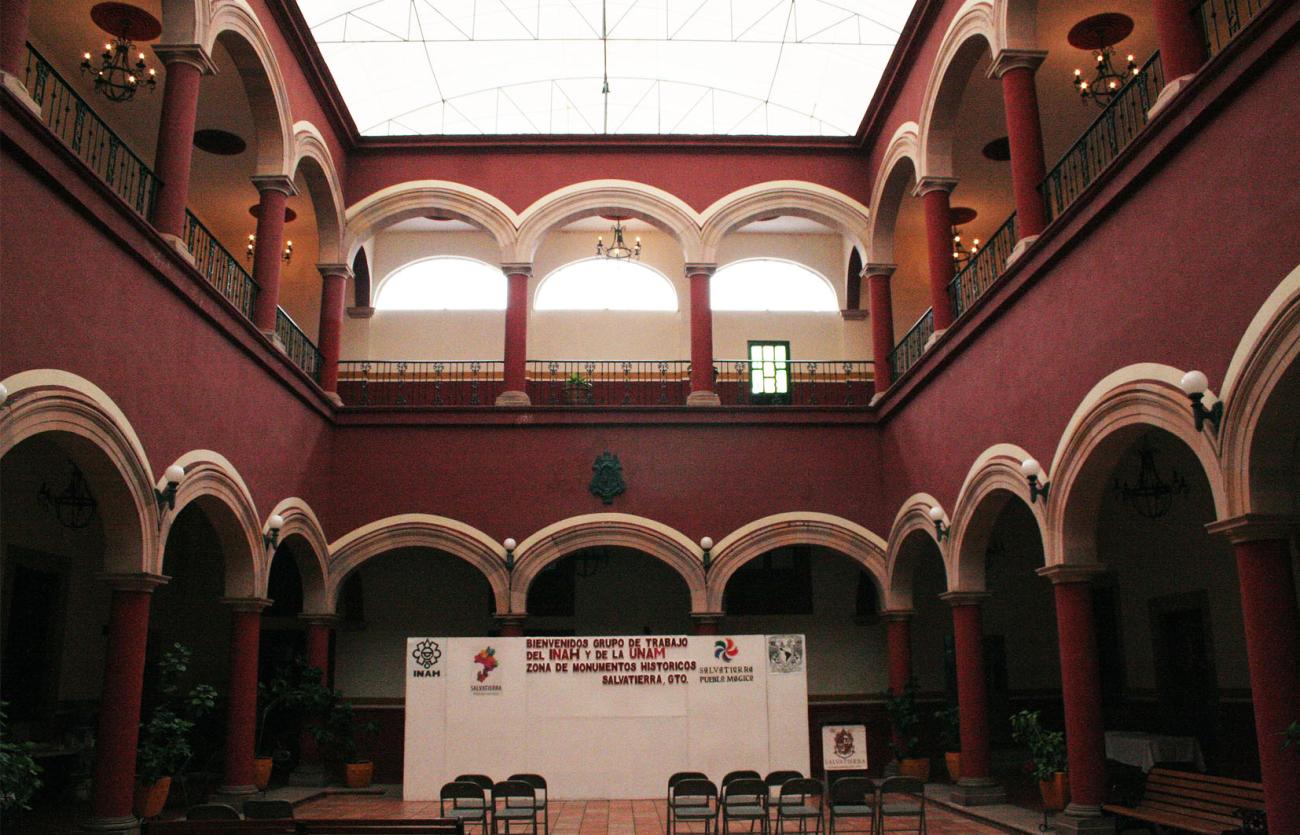
This 18th-century building has its origins in 1744, when the construction of the main church began alongside the founding of a beaterio (a religious school and residence) for Carmelite nuns. The beaterio offered classes aimed at training “virtuous maidens” according to the colonial-era model known as Casa de Amiga. By 1822, only one woman remained in the community of beatas.
The building was abandoned for several years until, following numerous disputes and legal battles, in 1841 the City Council claimed the site to construct the Municipal Palace, after compensating the clergy.
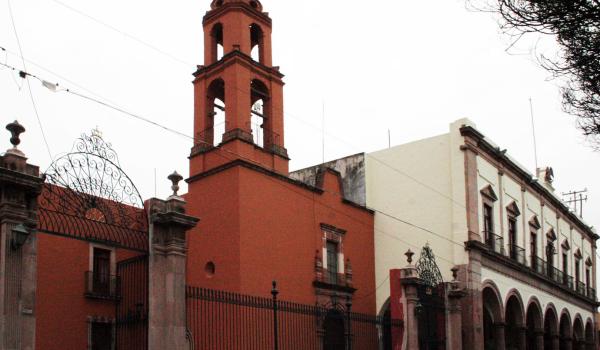
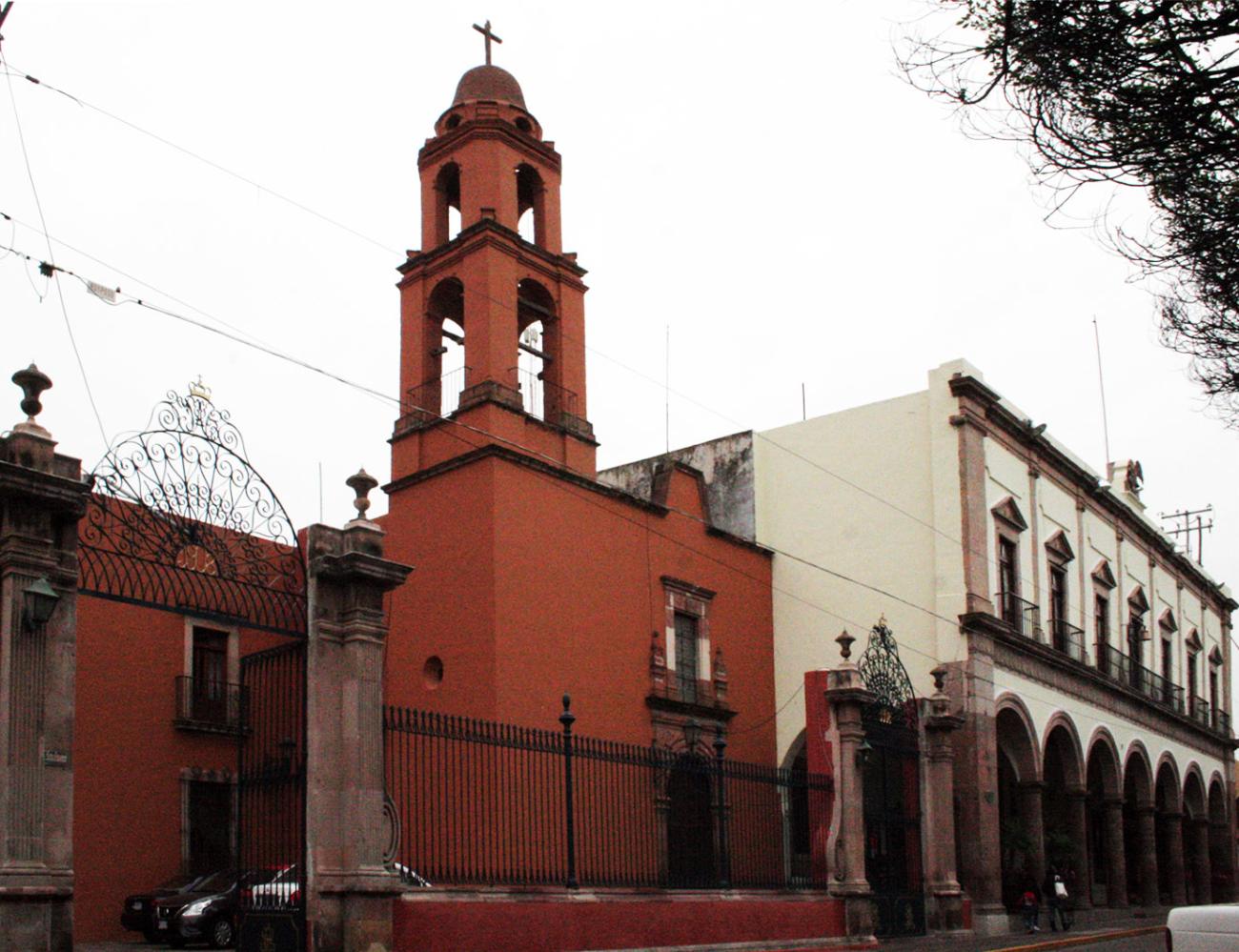
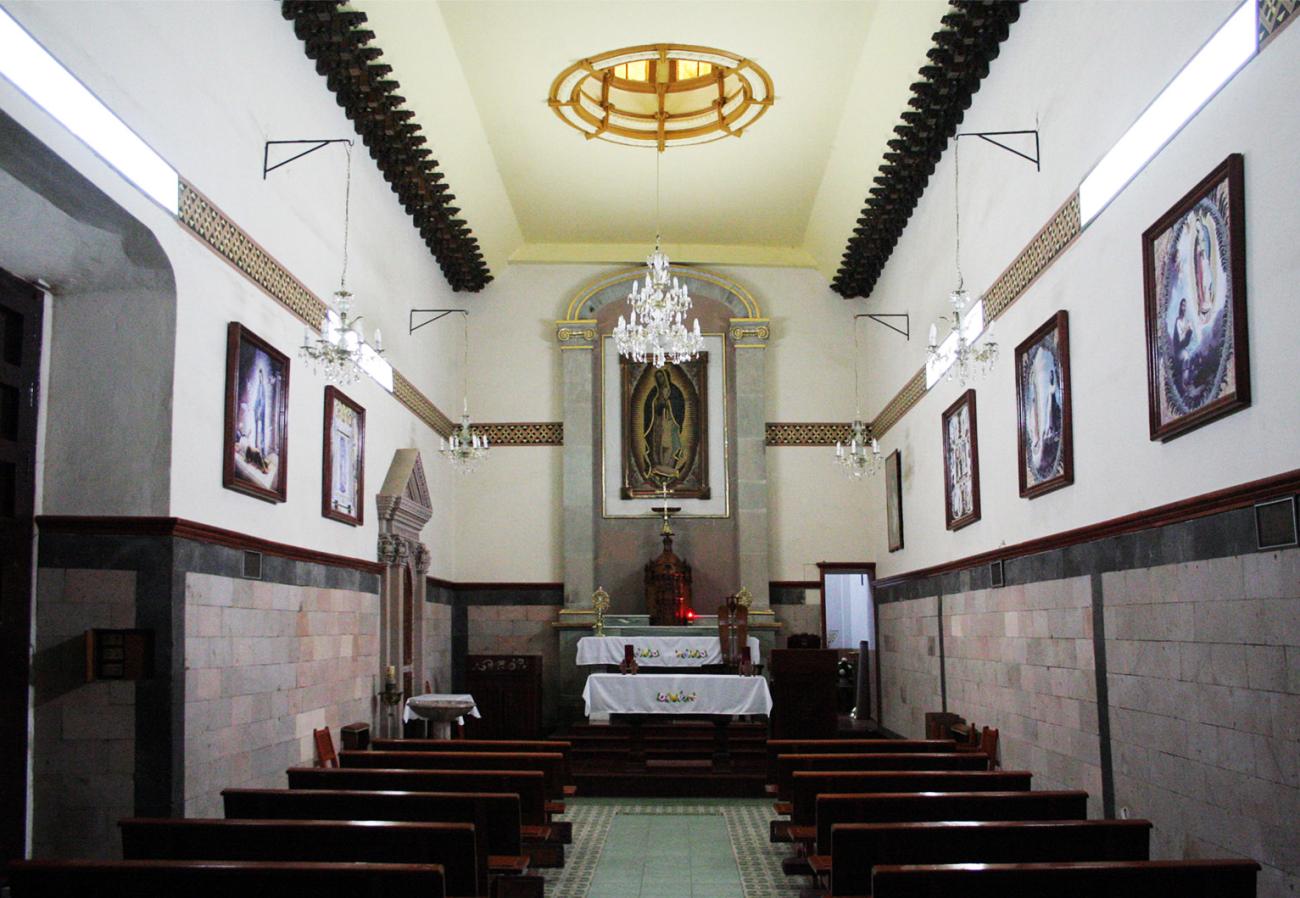
Chapel of the Virgin of Guadalupe
This 18th-century building has undergone various restorations, including repairs following a fire in 2002.
La Macarena Bullring
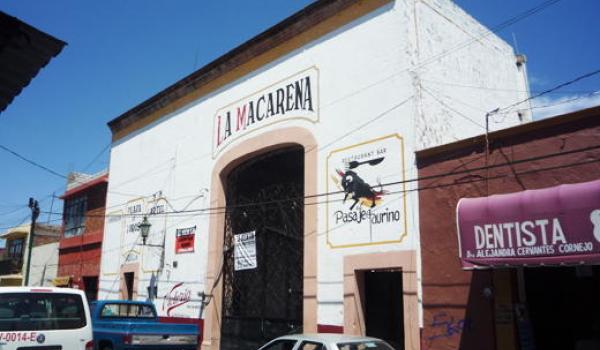
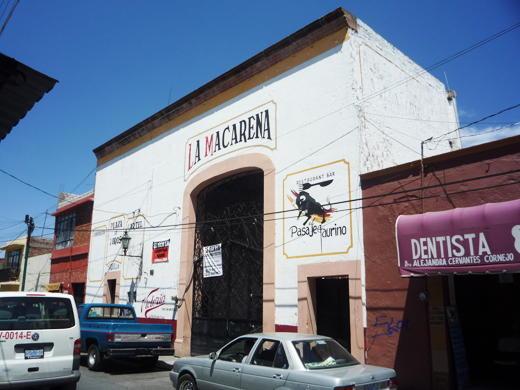
This 19th-century structure was built at the initiative of J. Jesús Villagómez, a landowner from Yuriria, Guanajuato, during the second half of the 19th century. Besides bullfights, the plaza was also used for theatrical performances.

Temple of San Juan Bautista or Buen Socorro
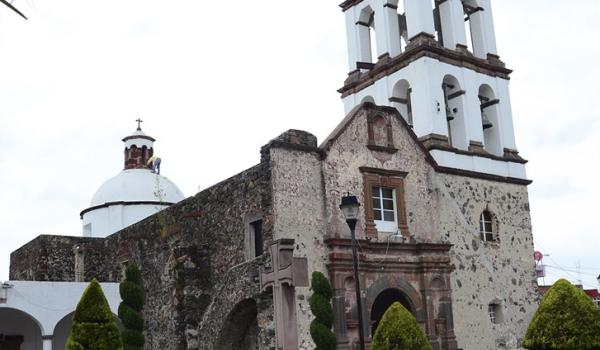
This 18th-century building began construction in 1667, when the Bishop of Michoacán, Friar Marcos Ramírez de Prado, granted permission to build a chapel dedicated to Saint John the Baptist, the patron saint of the neighborhood. The current church was completed in 1735.
Temple of San Juan Bautista or Buen Socorro
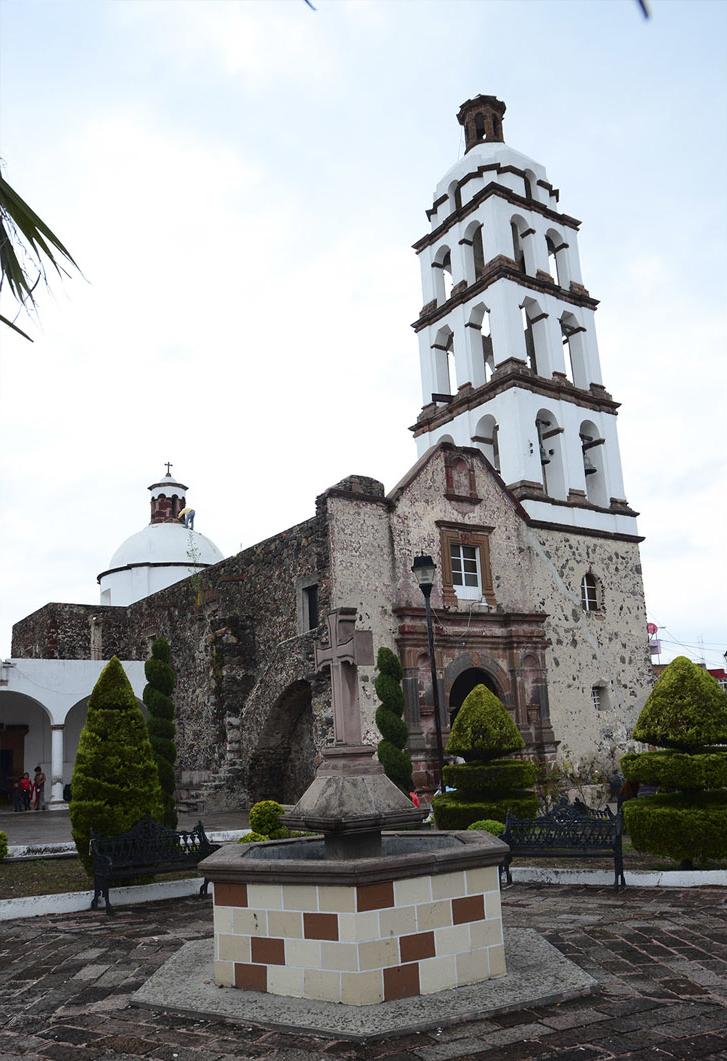
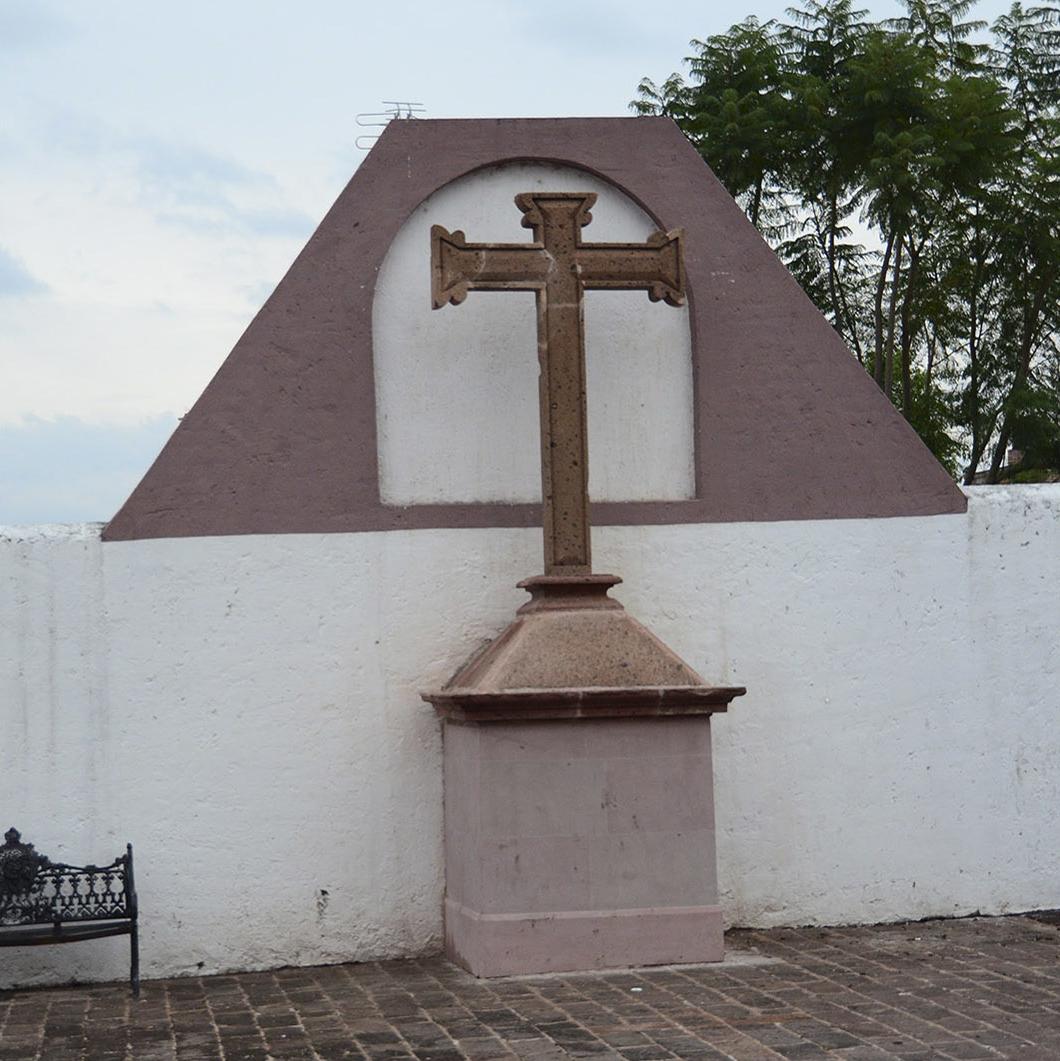
This 18th-century building began construction in 1667, when the Bishop of Michoacán, Friar Marcos Ramírez de Prado, granted permission to build a chapel dedicated to Saint John the Baptist, the patron saint of the neighborhood. The current church was completed in 1735. Some walls of the original chapel were incorporated into the present transept and sacristy.
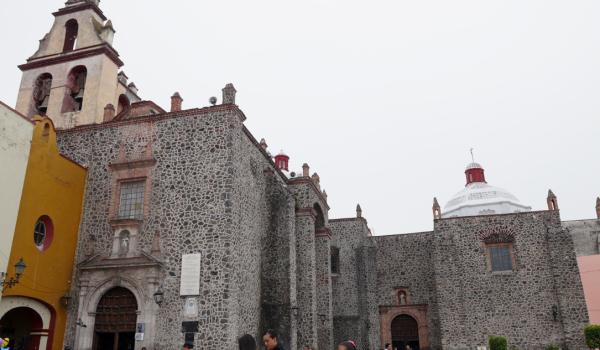
Temple of El Carmen
This 17th-century building began with the construction of a provisional chapel in 1644, the same year the land was assigned and the founding of the convent authorized. It is believed that the Carmelites held their first solemn Mass inside.
Temple of El Carmen
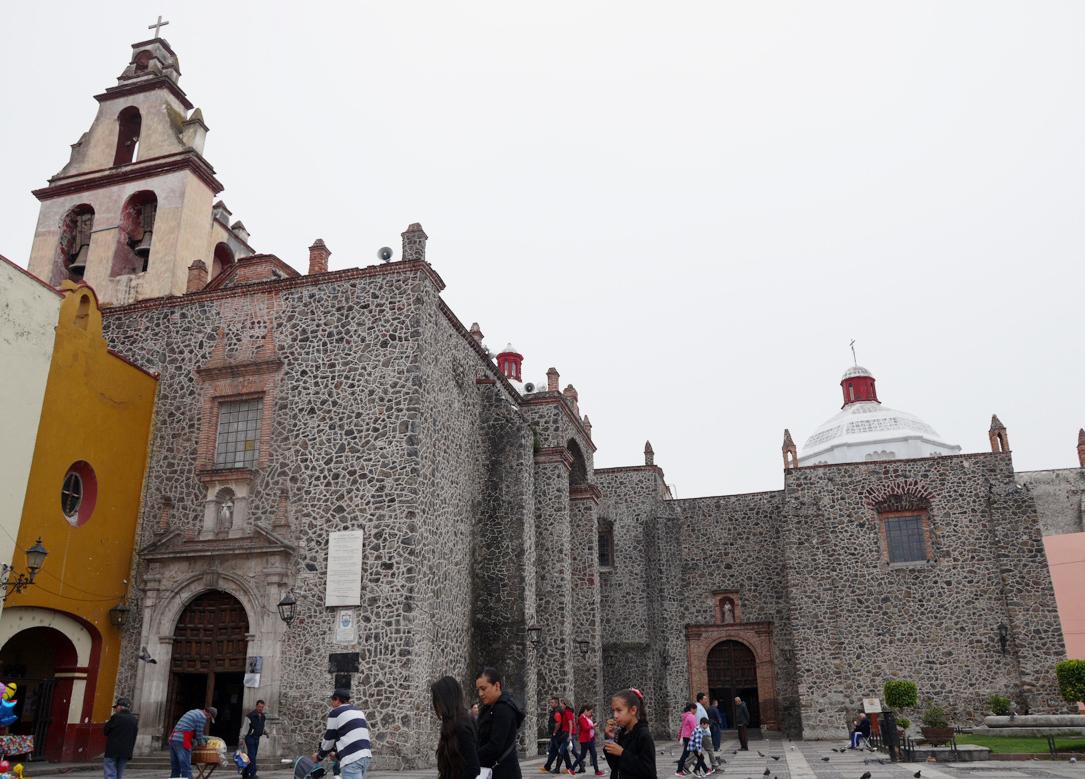
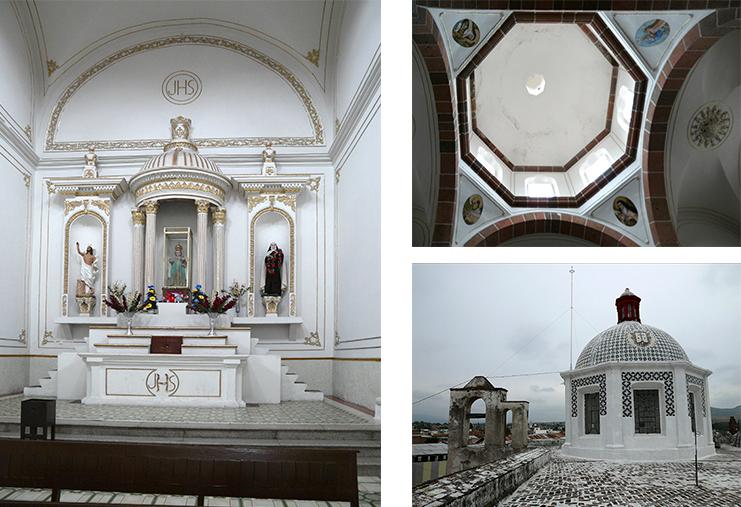
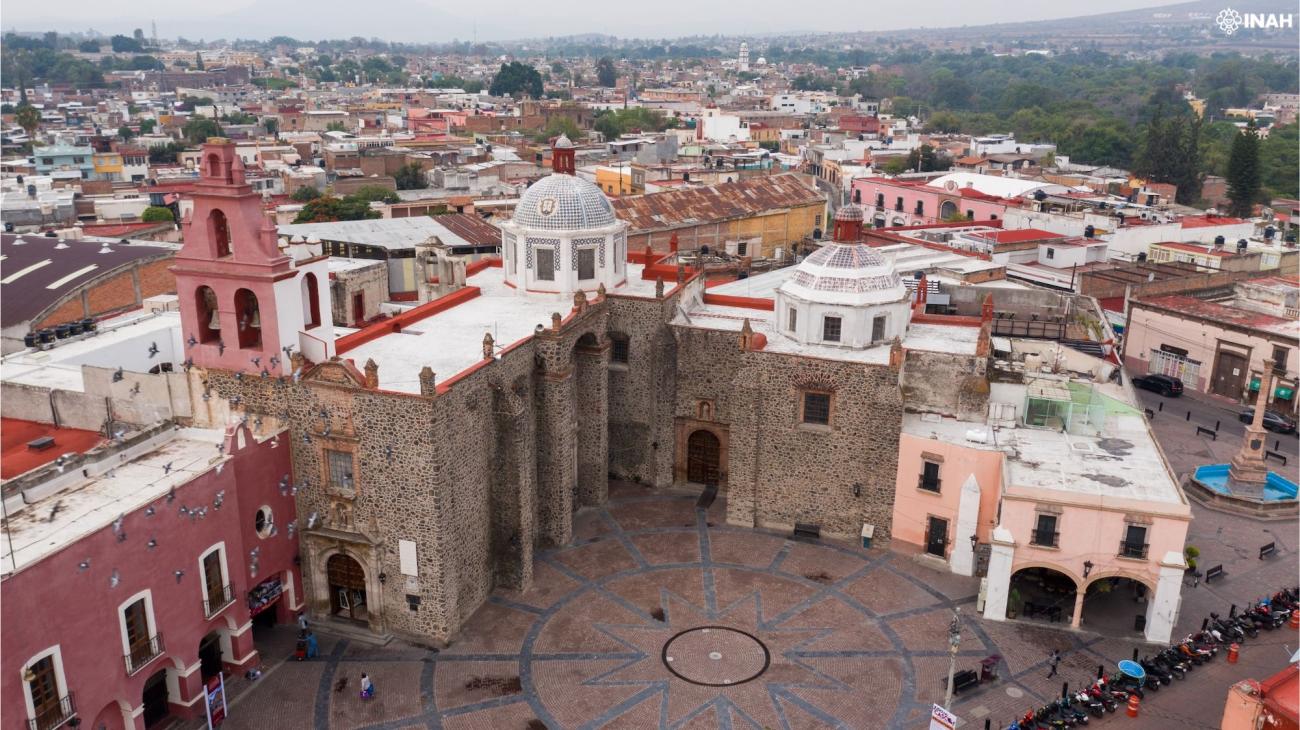
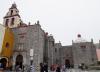
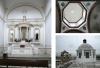
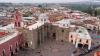
This 17th-century building began with the construction of a provisional chapel in 1644, the same year the land was assigned and the founding of the convent authorized. It is believed that the Carmelites held their first solemn Mass inside. The project was designed and overseen by Friar Andrés de San Miguel, a Carmelite who was also an architect, engineer, and hydrographer. Completed in 1655, the temple became one of the richest and most important religious sites in New Spain.
Former Convent of El Carmen
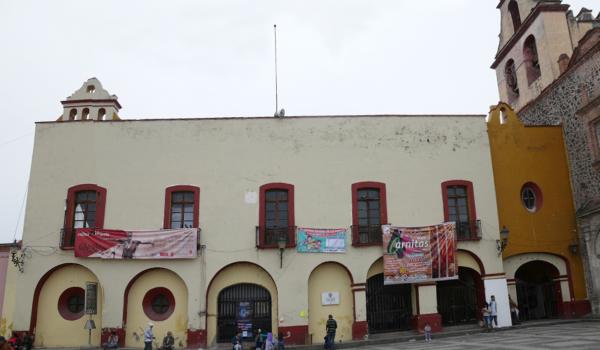
This 17th-century building originally held the status of a vicariate but was elevated to a priory on November 2, 1648. Due to the Reform Laws, it ceased to function as a convent and was abandoned for a time. After the Revolution, it was repurposed as a prison until 1955.
Former Convent of El Carmen
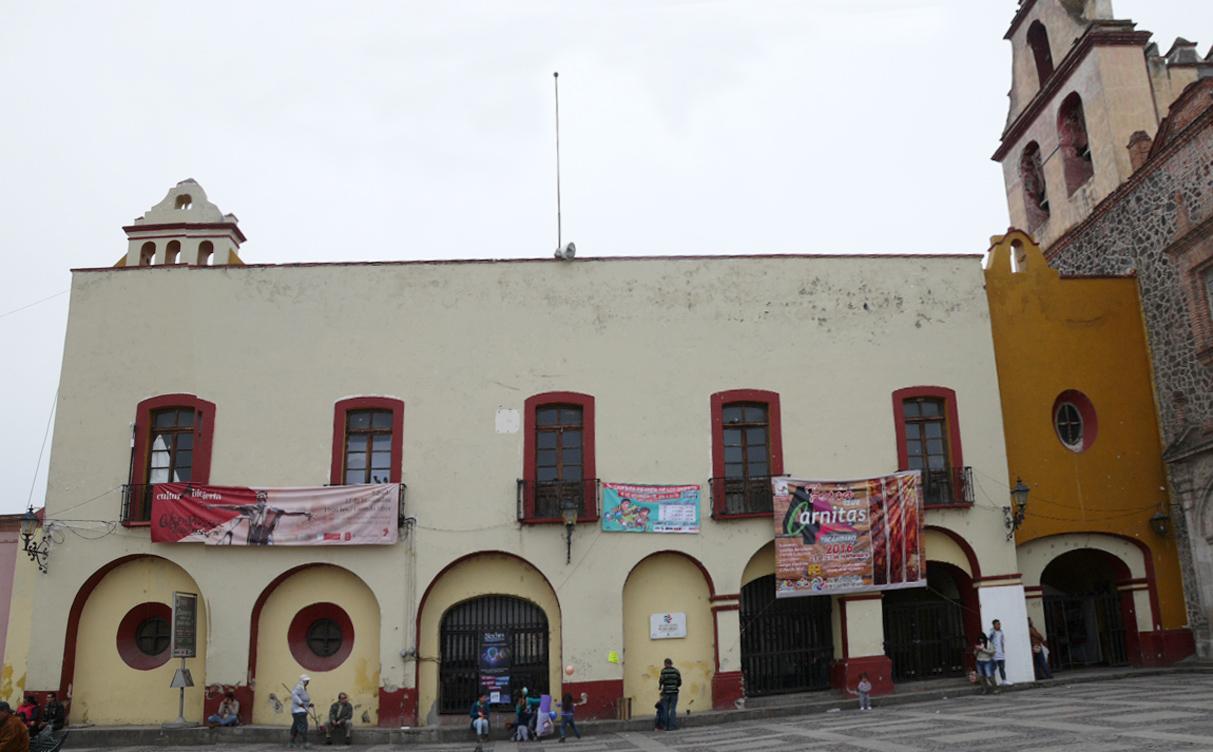
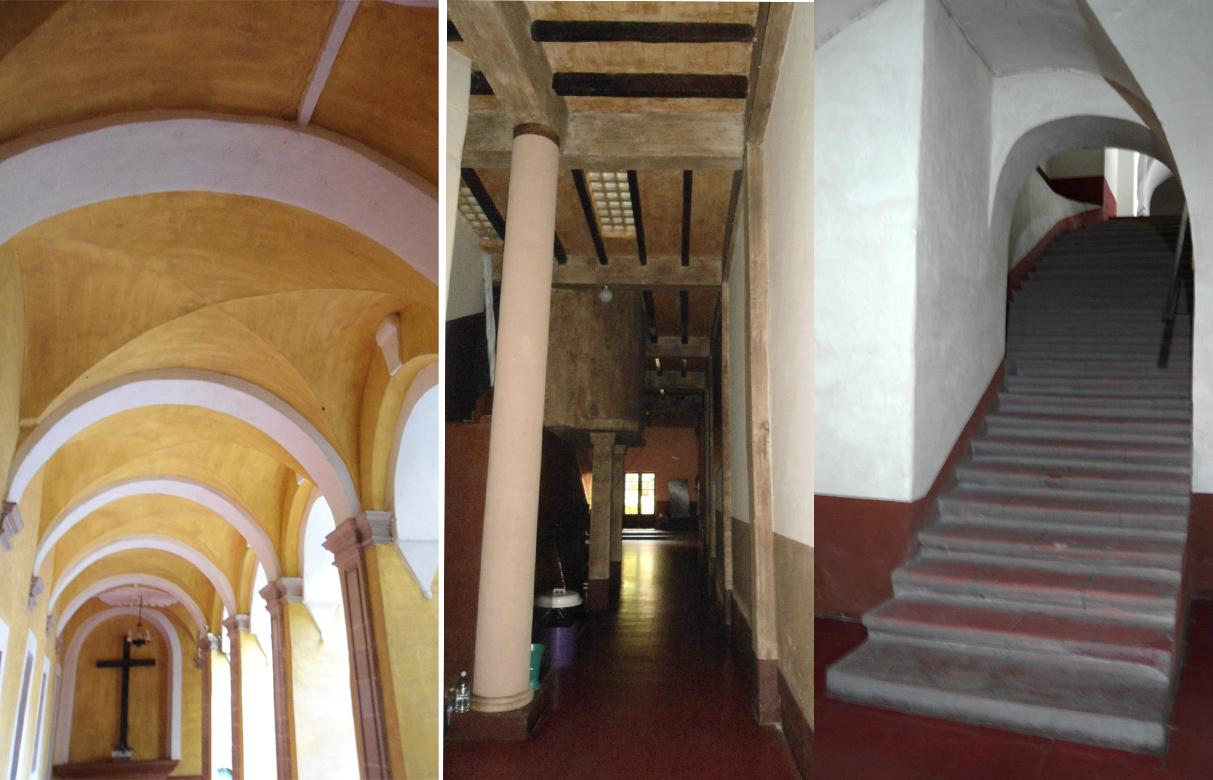

This 17th-century building originally held the status of a vicariate but was elevated to a priory on November 2, 1648. Due to the Reform Laws, it ceased to function as a convent and was abandoned for a time. After the Revolution, it was repurposed as a prison until 1955. Subsequently, the property passed to the Order of Augustinians before returning to the Carmelites. Over the years, it has been adapted for various public uses, including as a library, school, telegraph office, Secretariat of Public Education office, and even a basketball court. A section with a small cloister remains in use by the Carmelites.
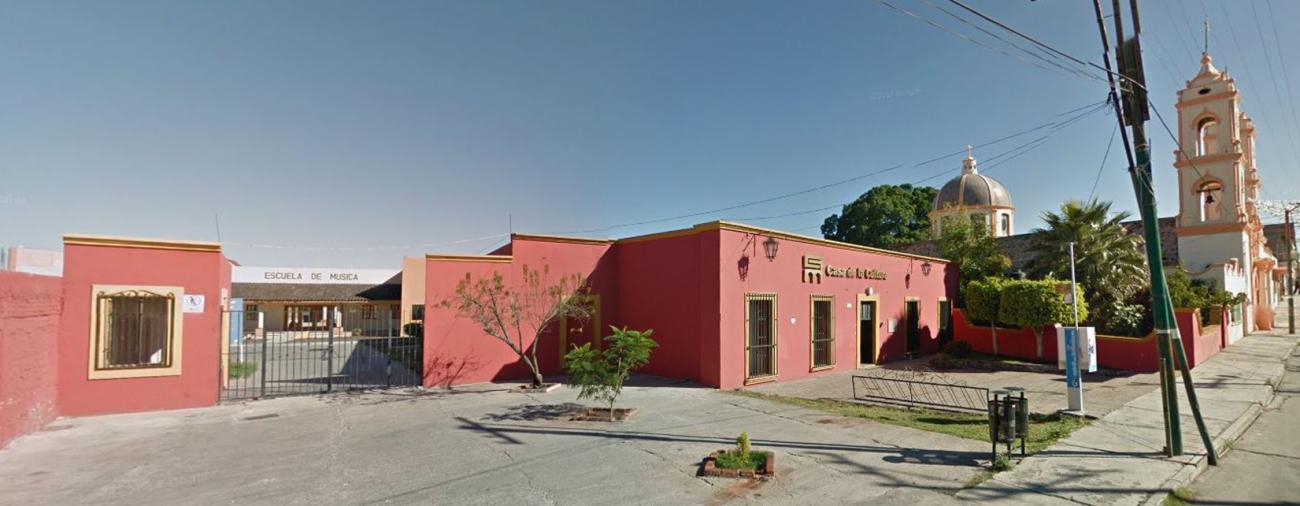
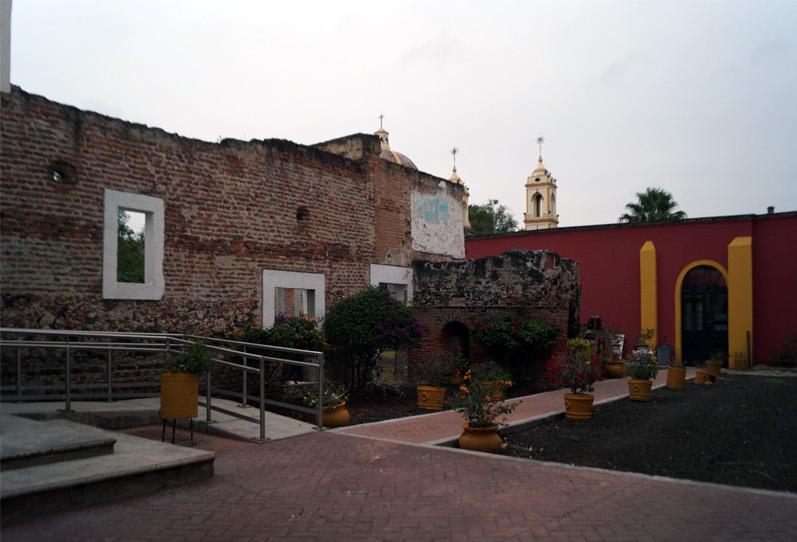
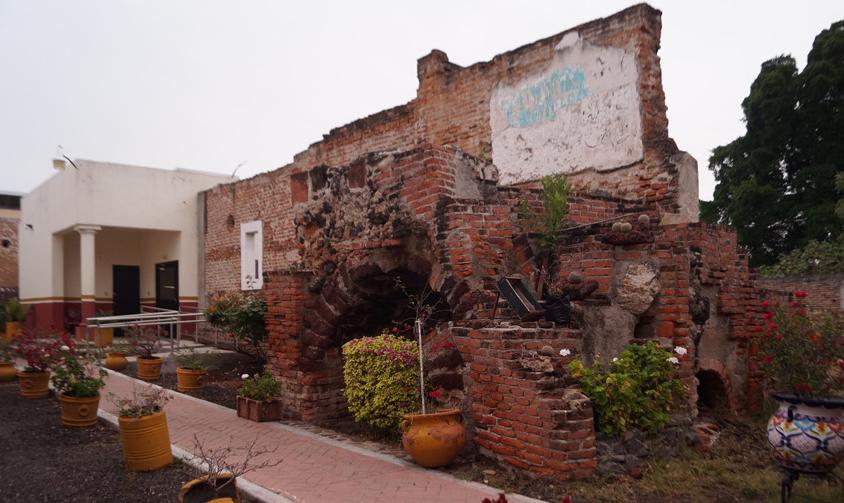
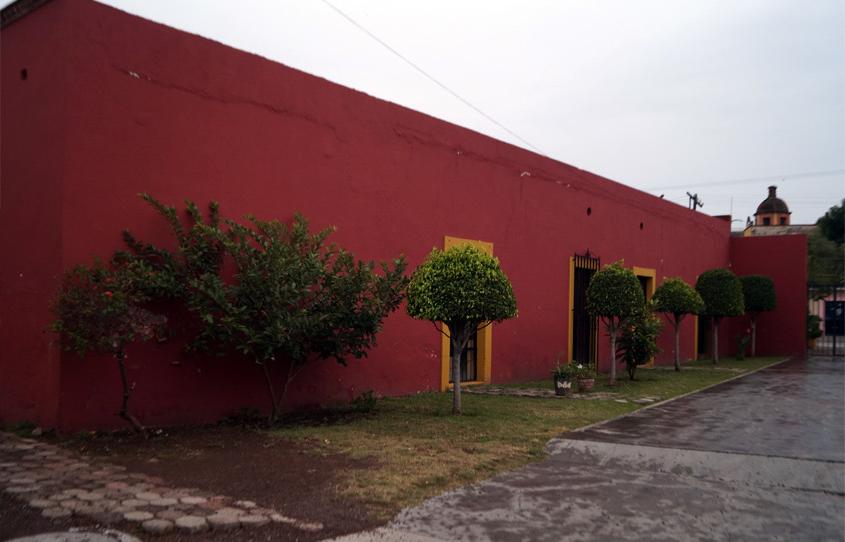
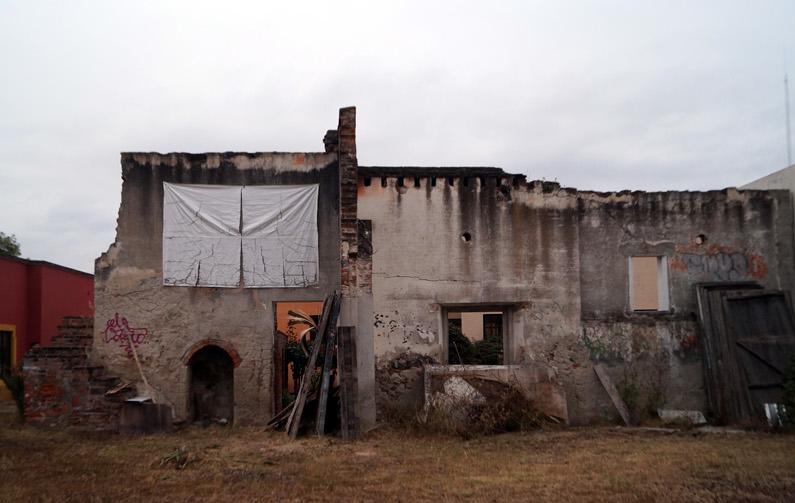
House of Culture of Salvatierra
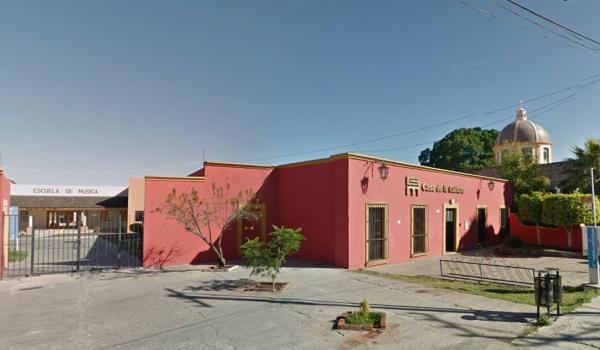
This 19th-century building originally operated as a flour and pasta factory. Later, on January 1, 1989, it was inaugurated as a cultural center. The original wheat mill wheel and a traditional sugarcane press (trapiche) used for making piloncillo (unrefined cane sugar) are still preserved.
House of Culture of Salvatierra

Hidalgo Market
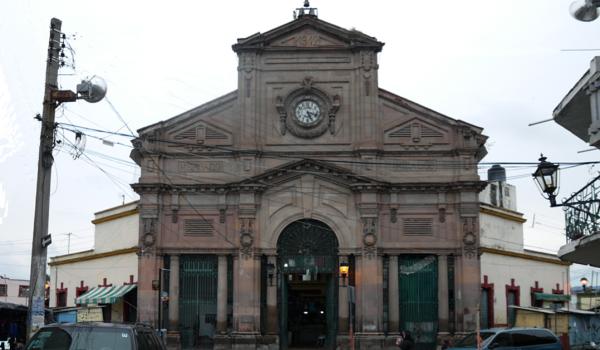
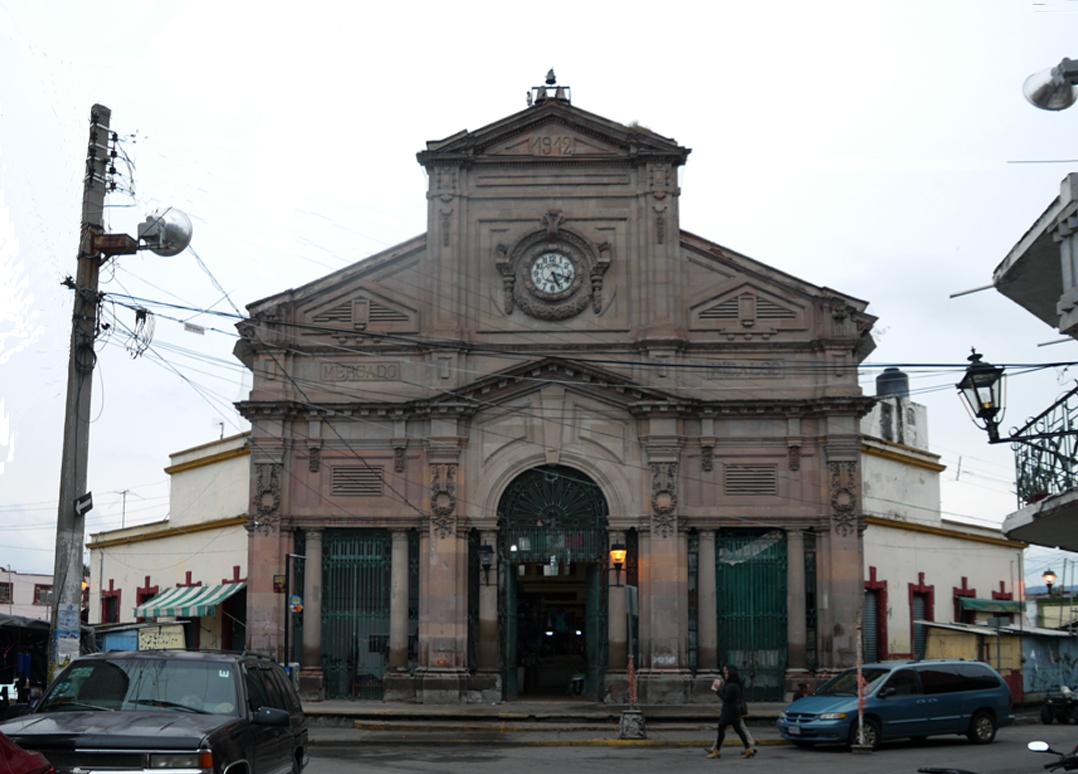
This 20th-century building began construction on March 8, 1909, on part of the land formerly occupied by the Carmelite convent. The project was initiated by political chief Enrique Montenegro and was completed in 1912. The market was designed by engineer Guillermo de Alva.
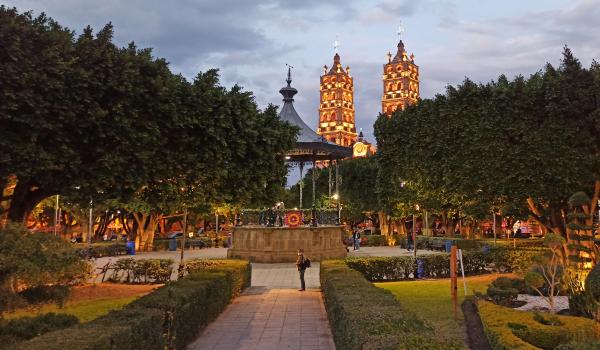
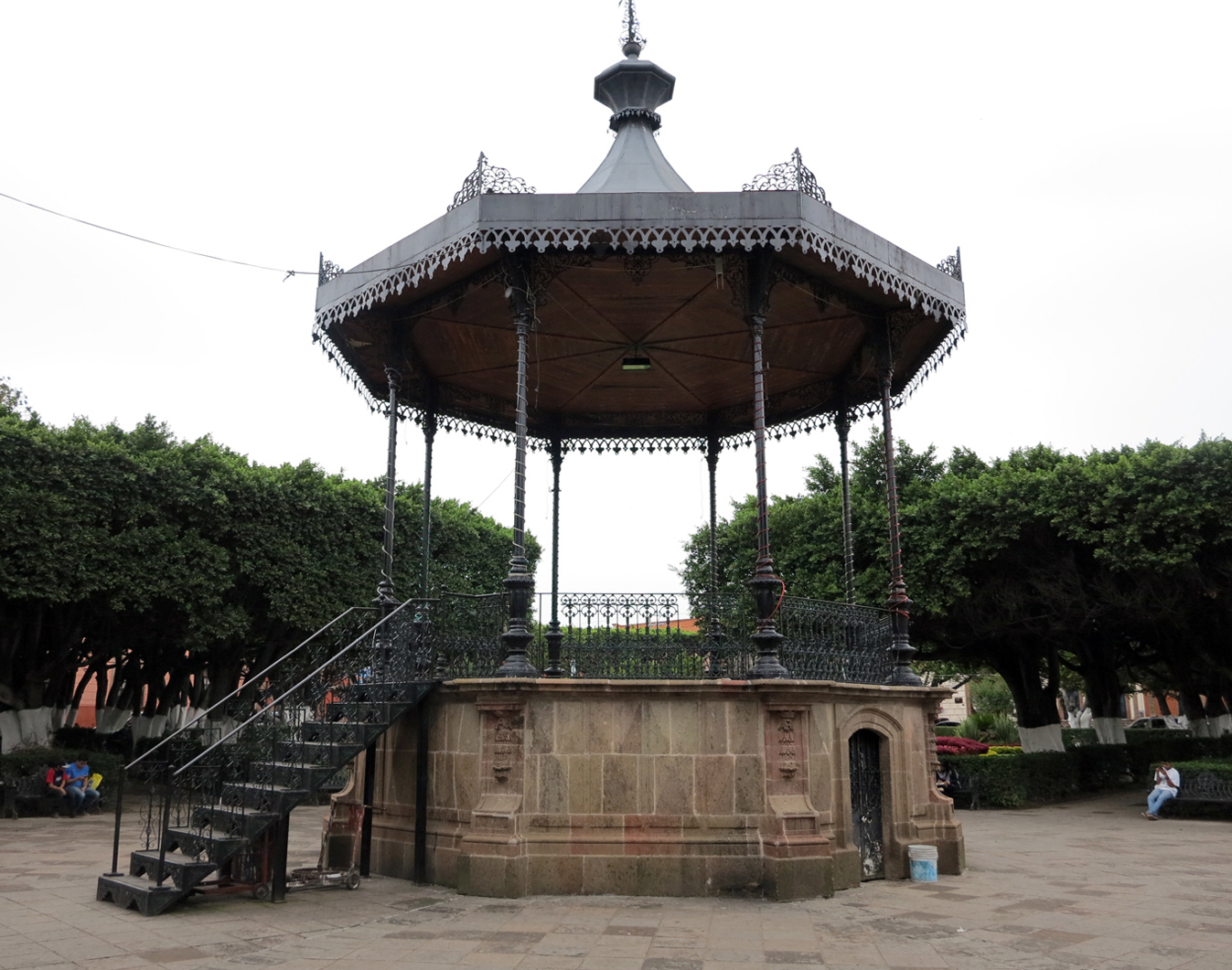
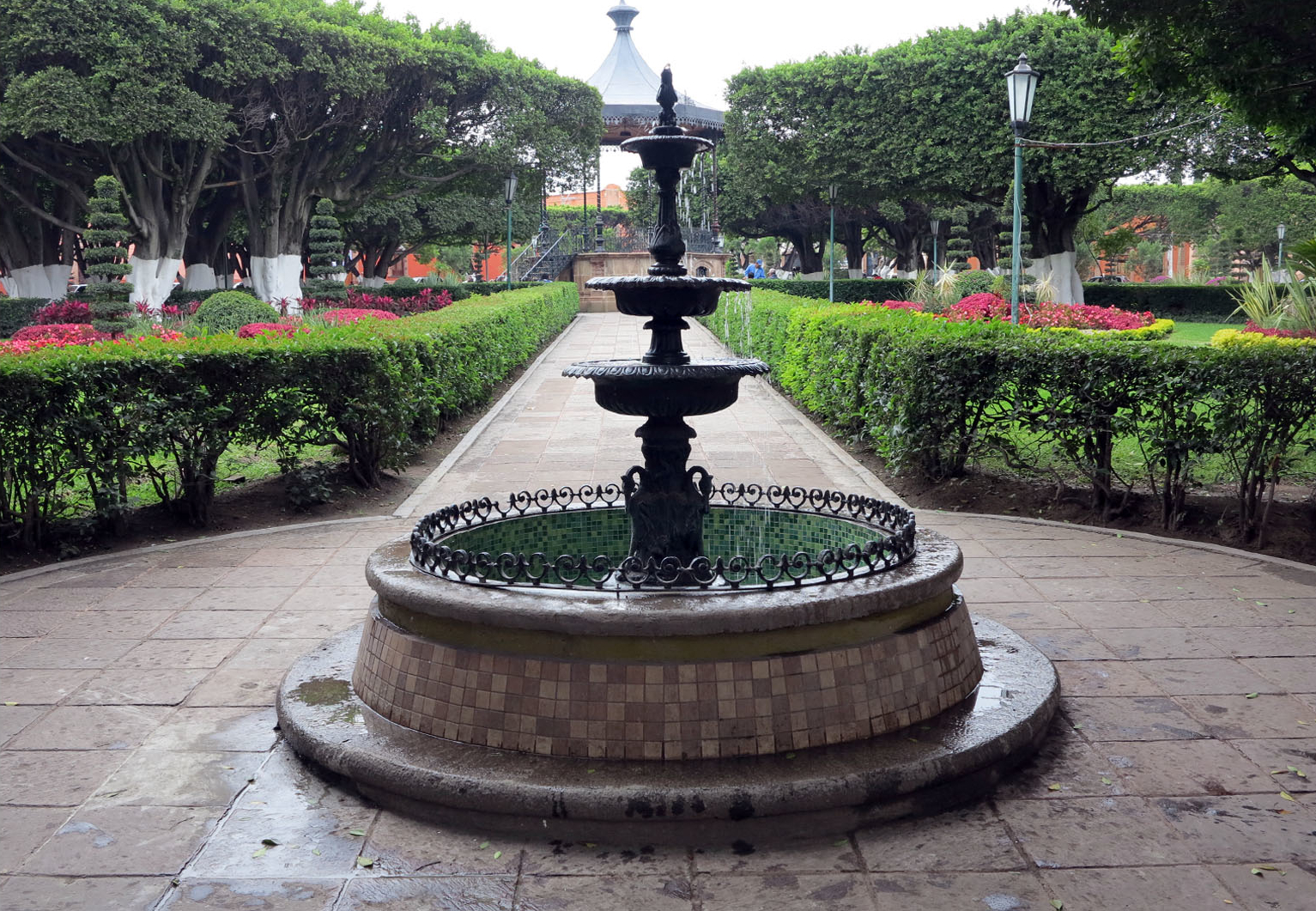
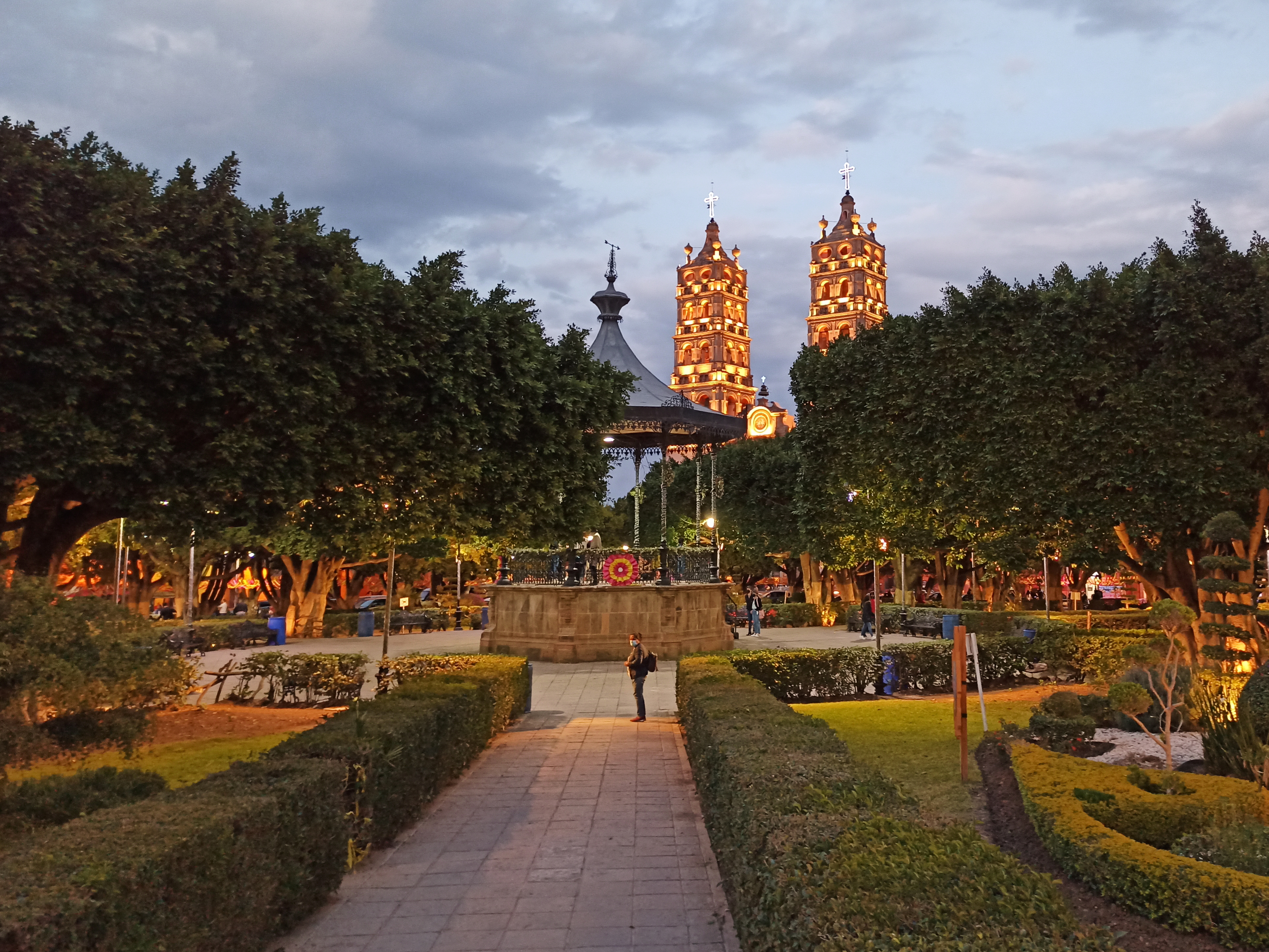
Plaza de la Constitución or Main Garden
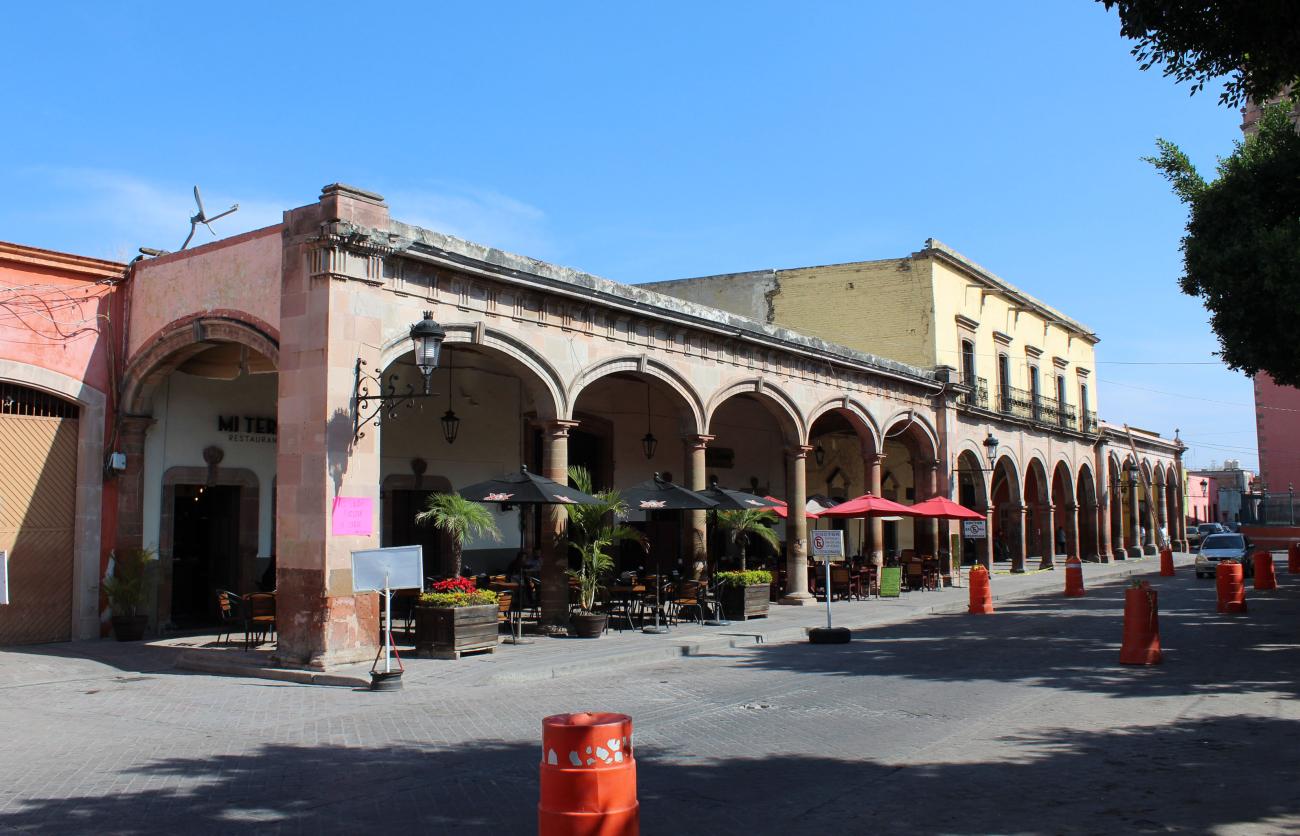
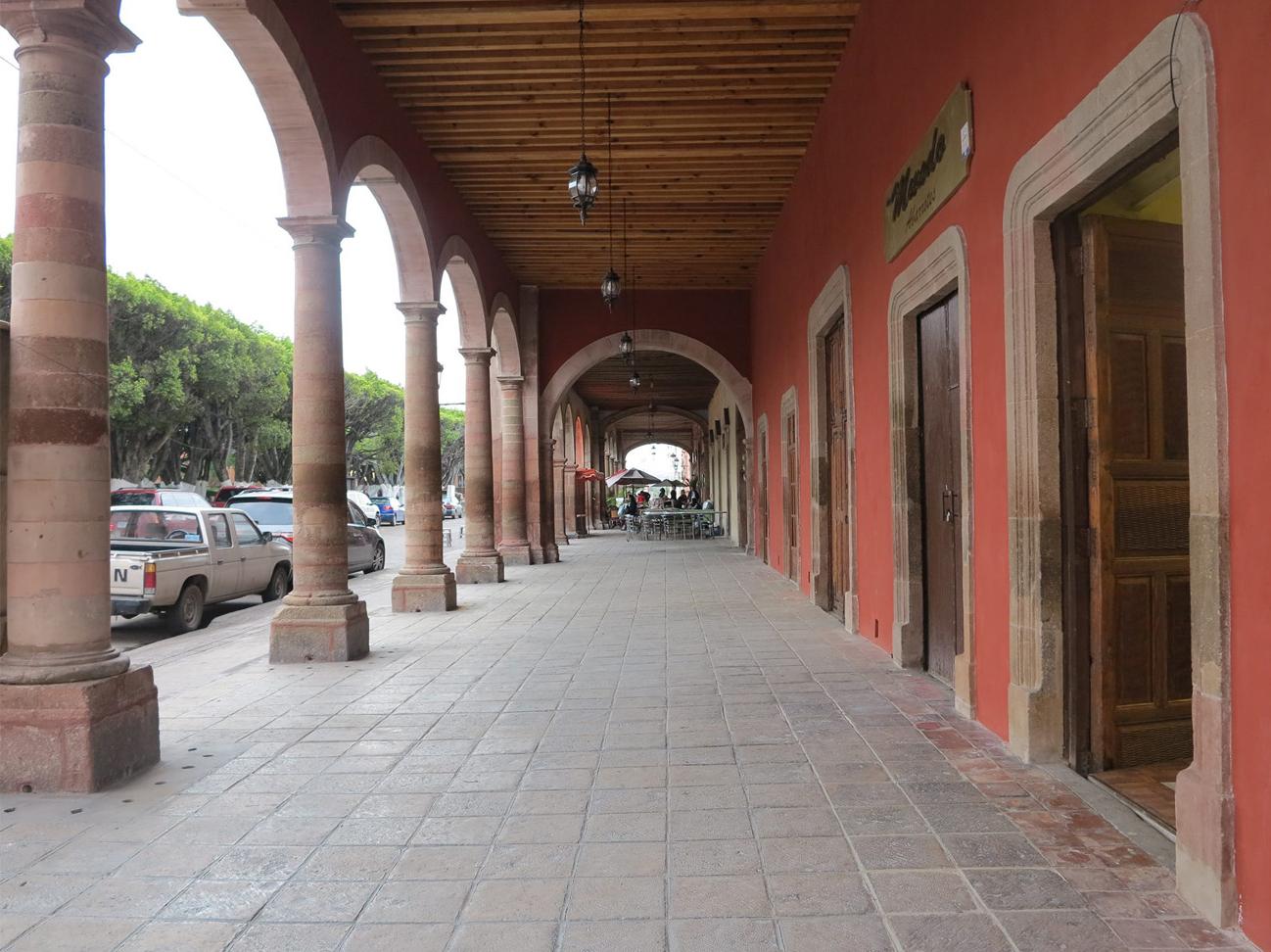
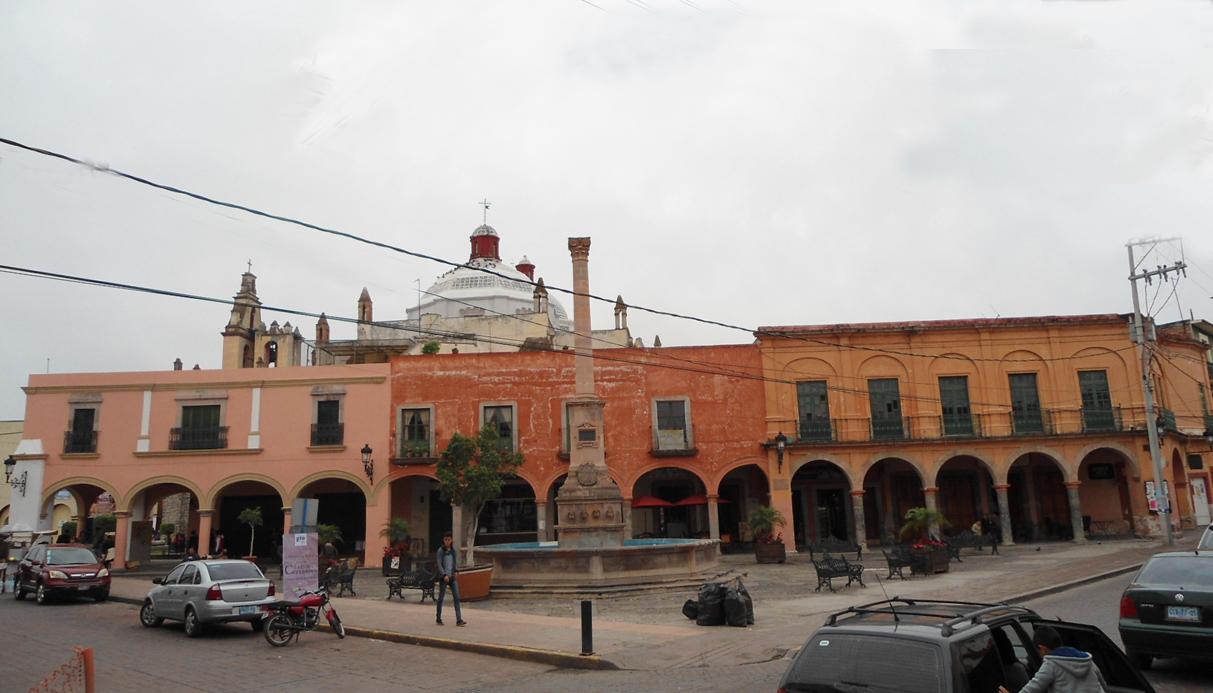
The Main Garden was laid out at the time of the city’s founding.
Plaza de la Constitución or Main Garden
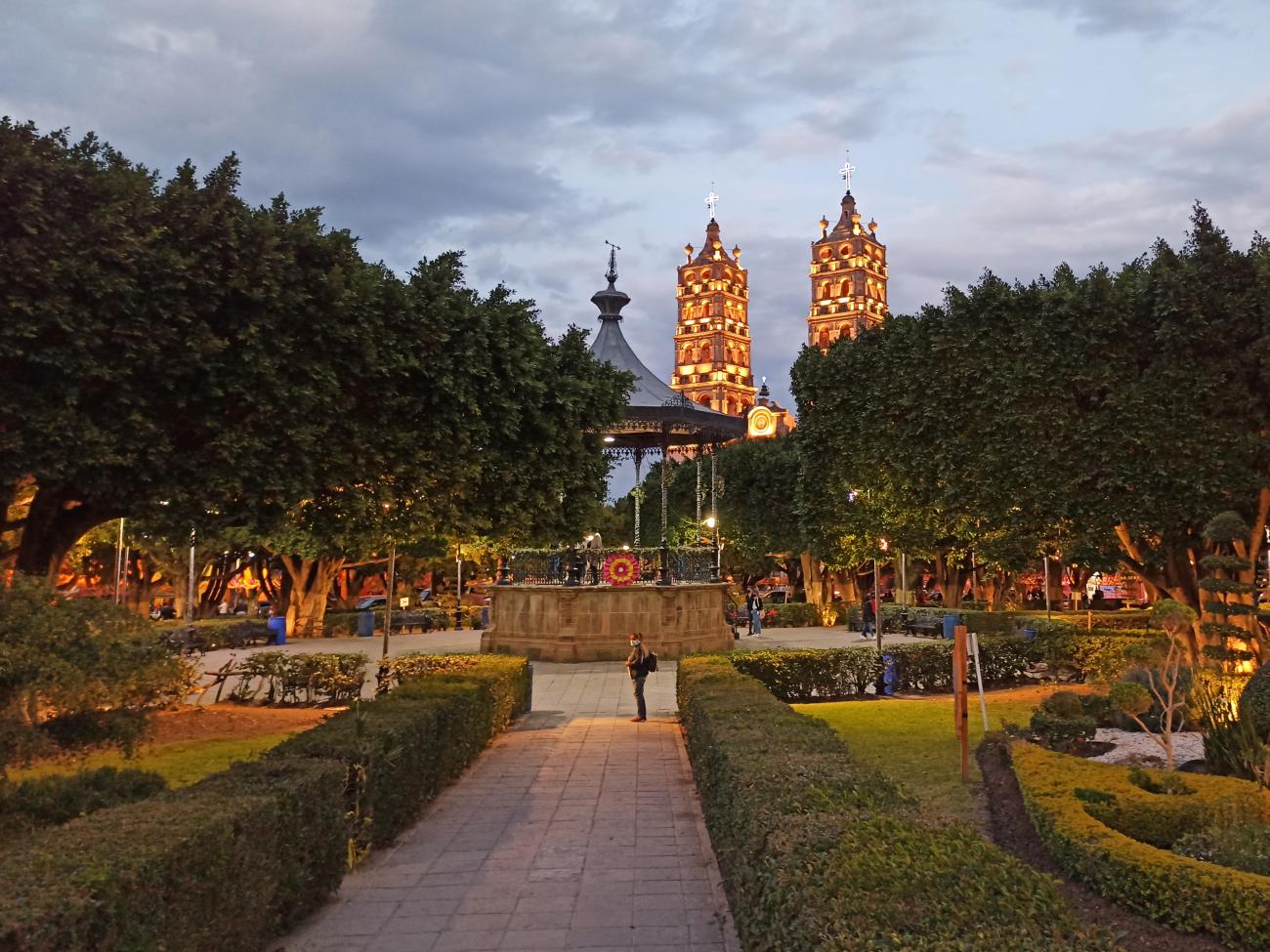
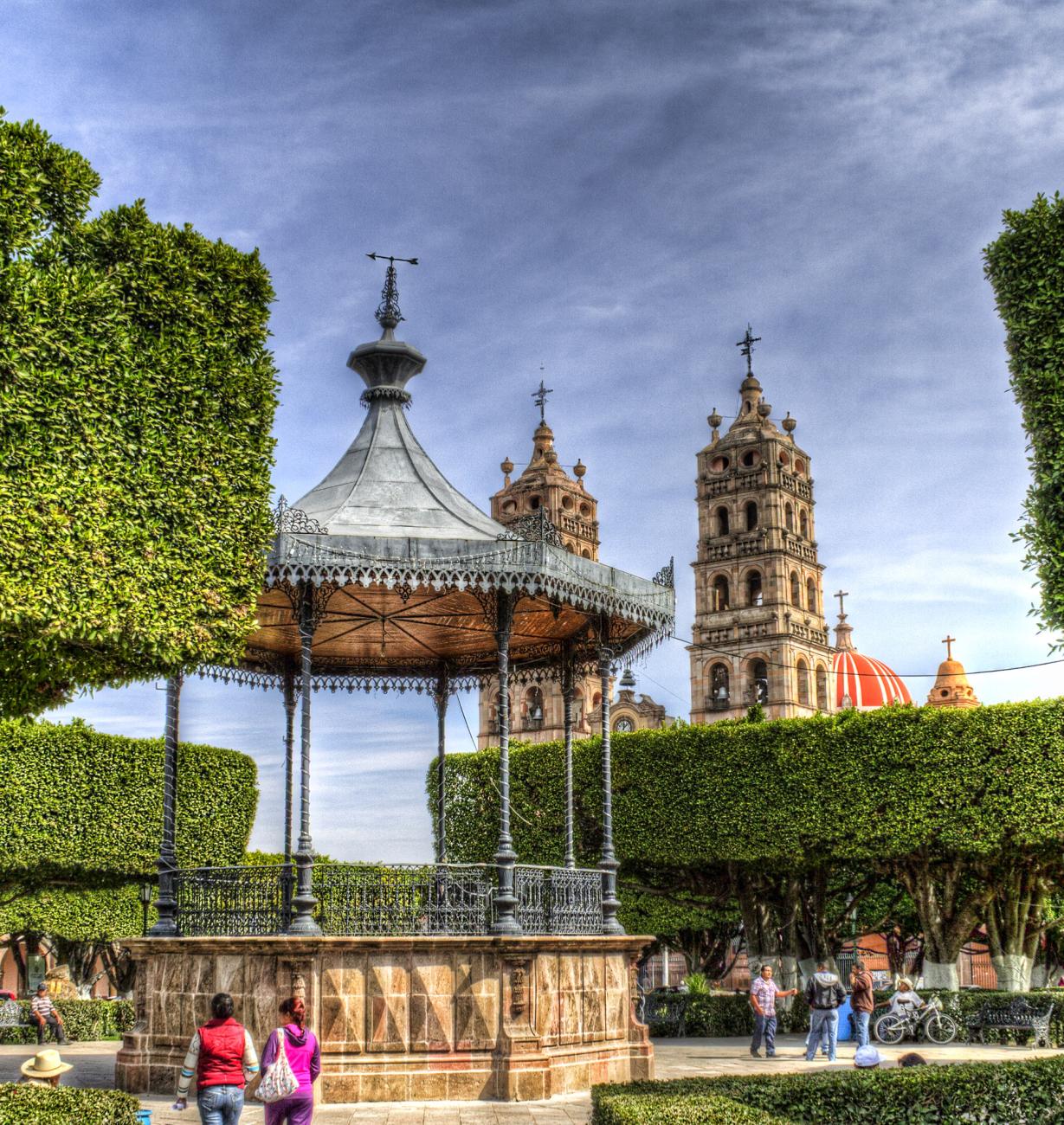
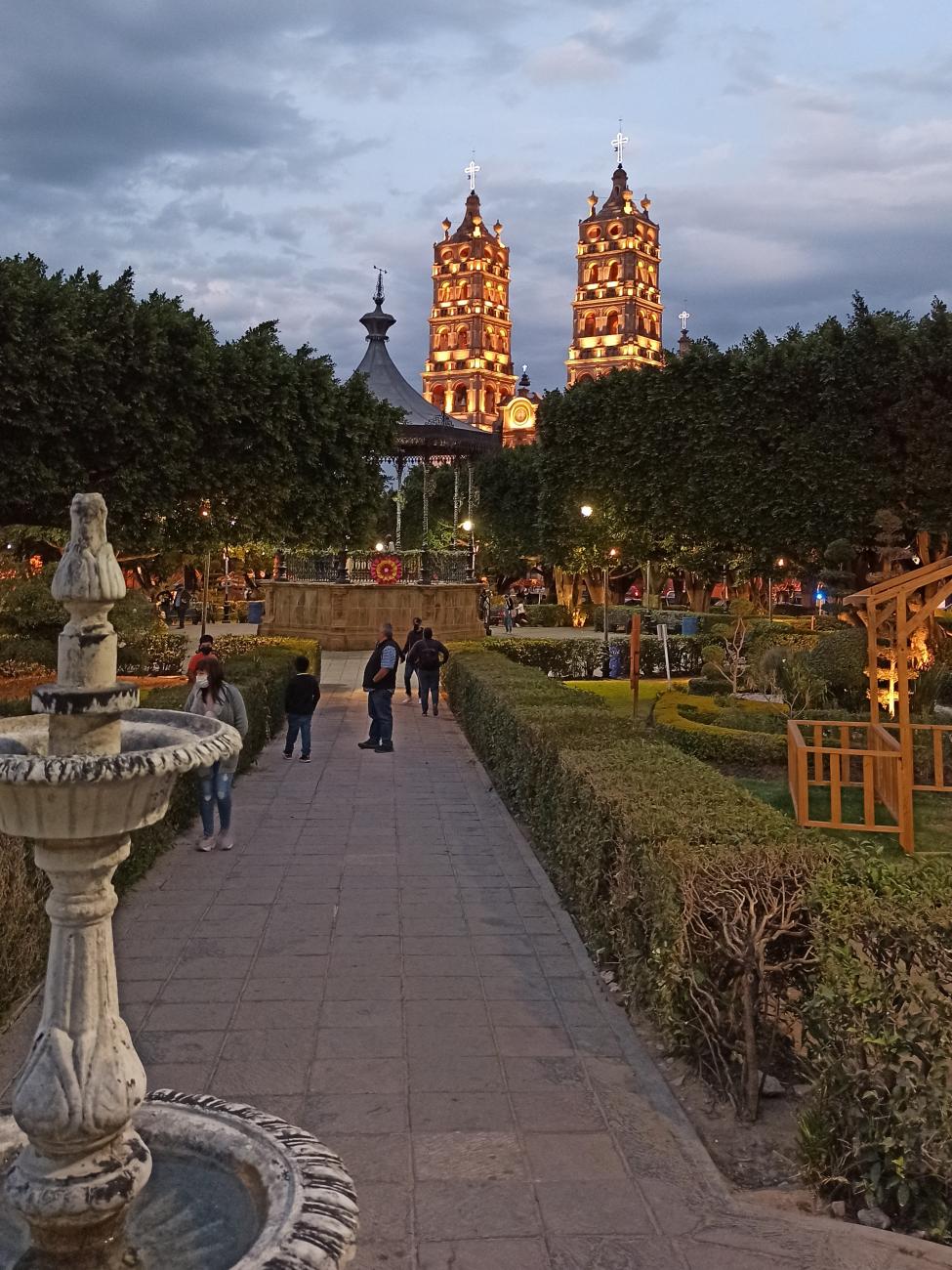
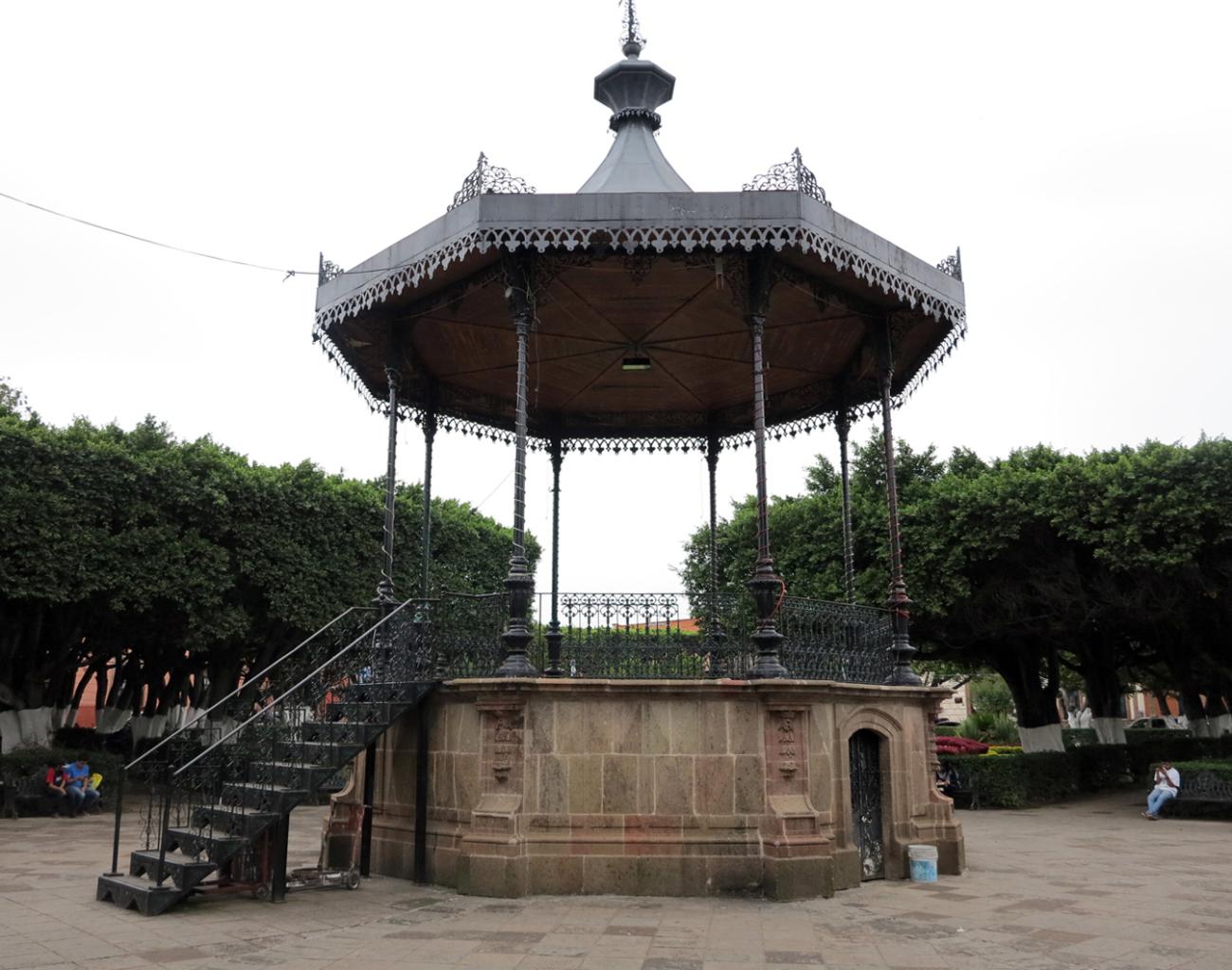
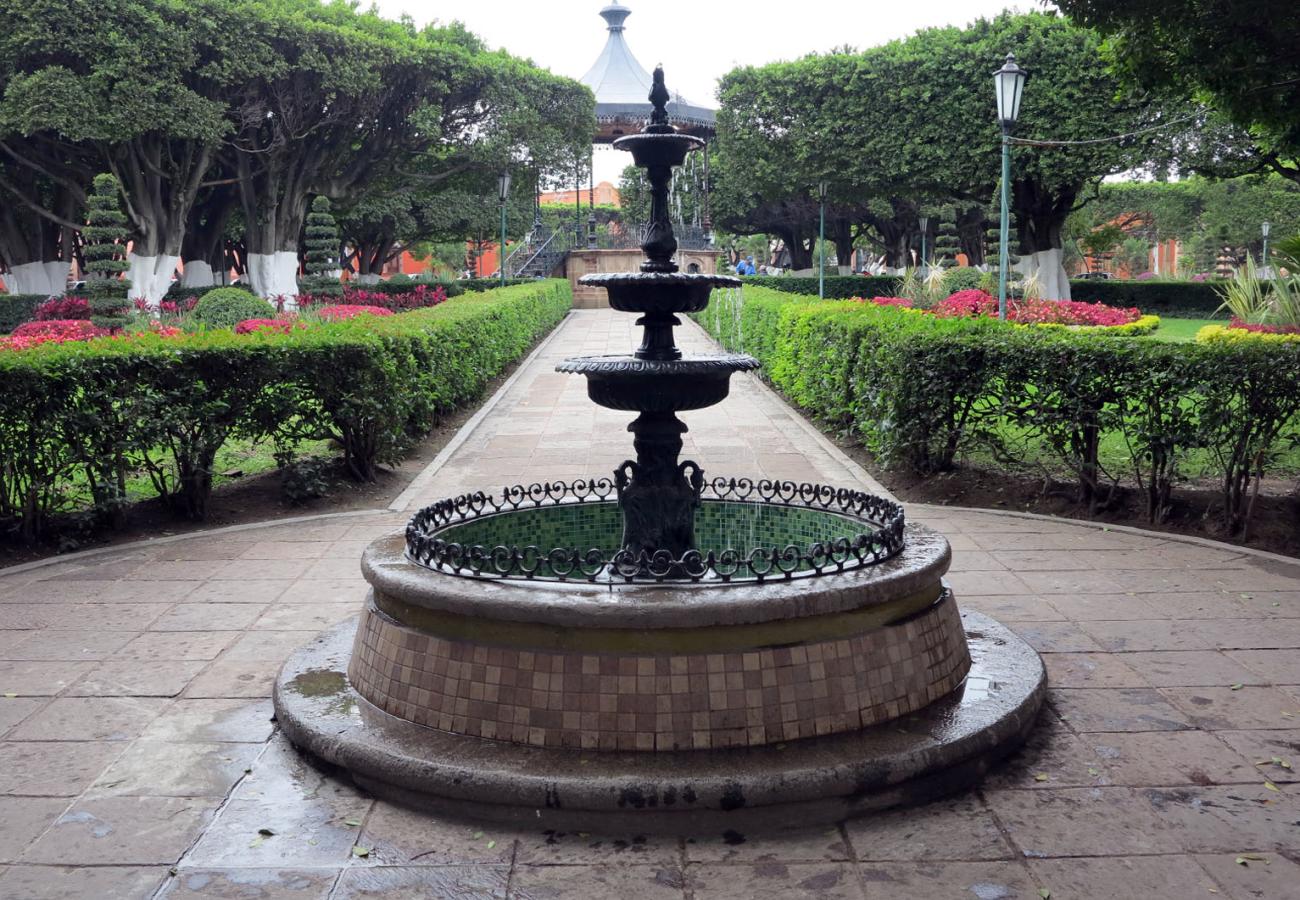
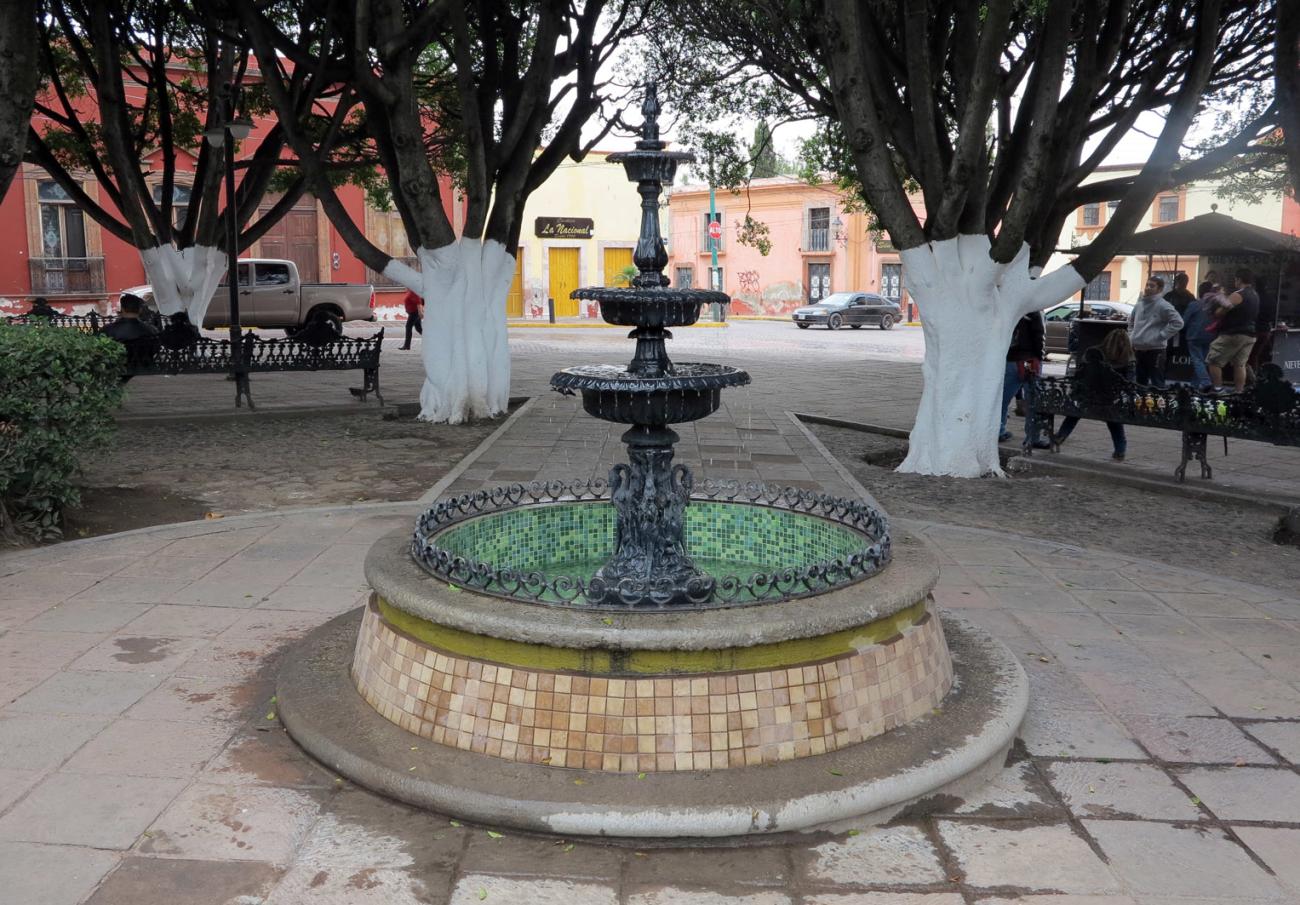
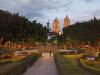

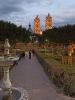
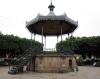
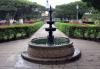
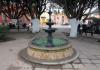
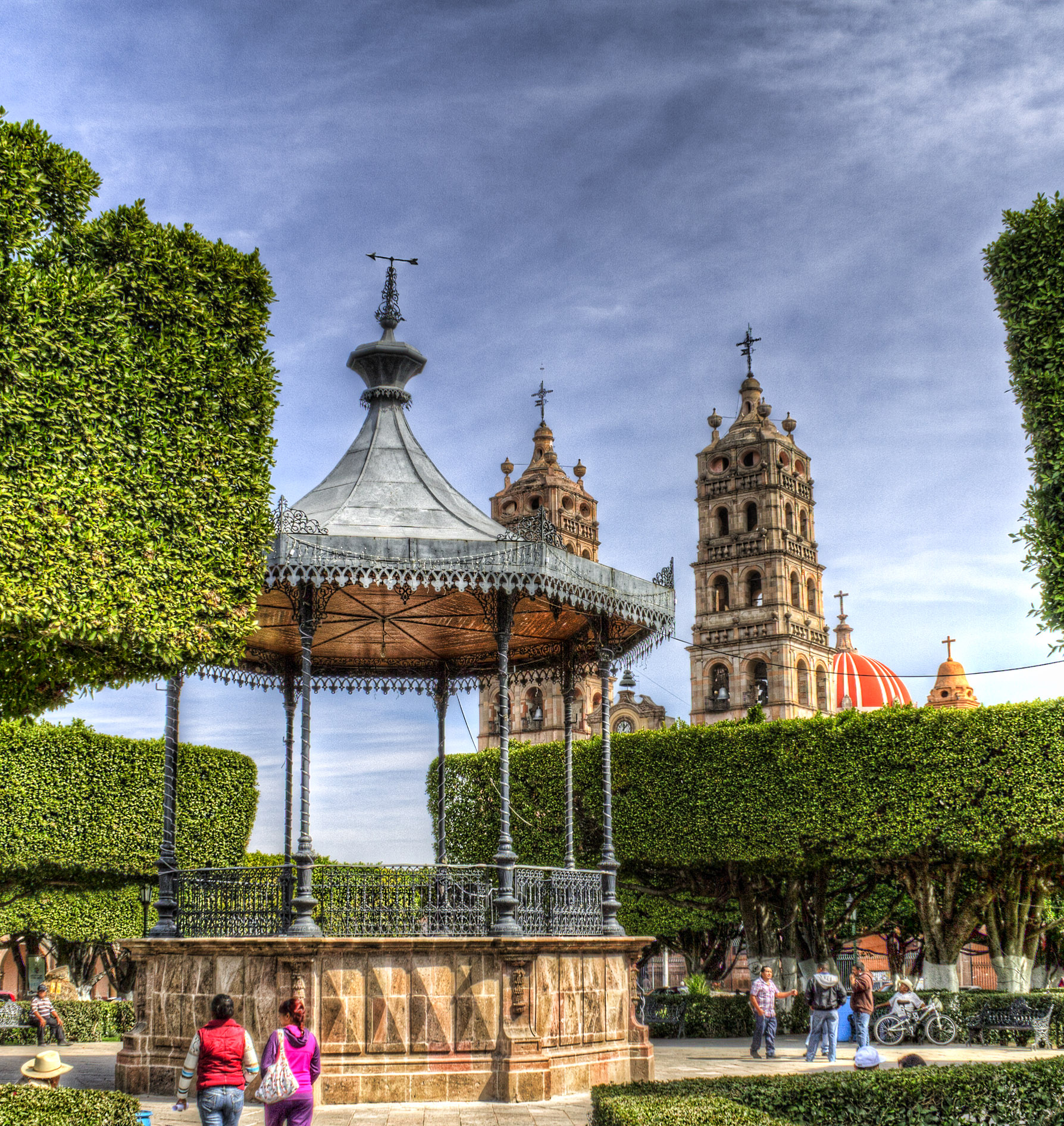
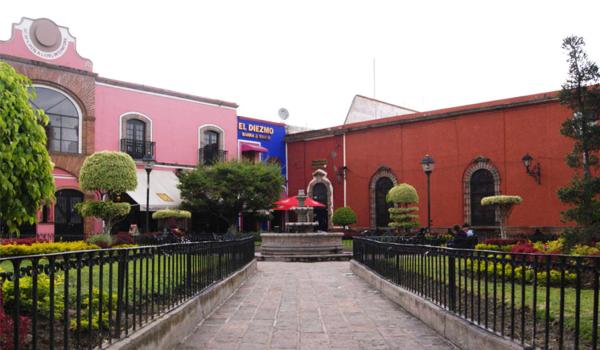
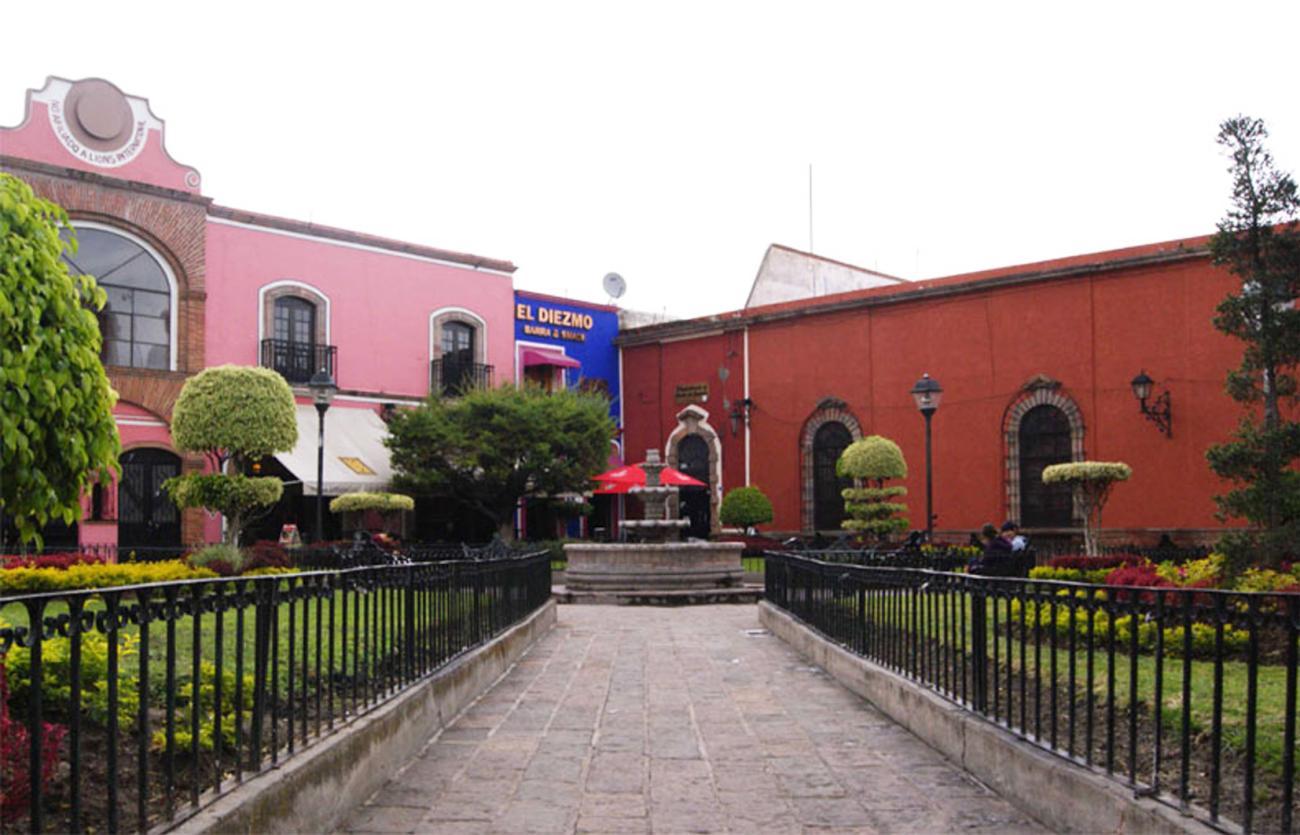
The Main Garden was laid out at the time of the city’s founding. During the colonial period, it was known as the Plaza Maior; in the era of independence, it became the Plaza de Armas; and since 1917, it has been called Plaza de la Constitución.
At the end of the 19th century, Ramón Dávalos built a central fountain, leveled and paved the ground, and created the garden beds in the layout still preserved today. In 1907, Benito Soriano Filiberto introduced electric lighting to the plaza.
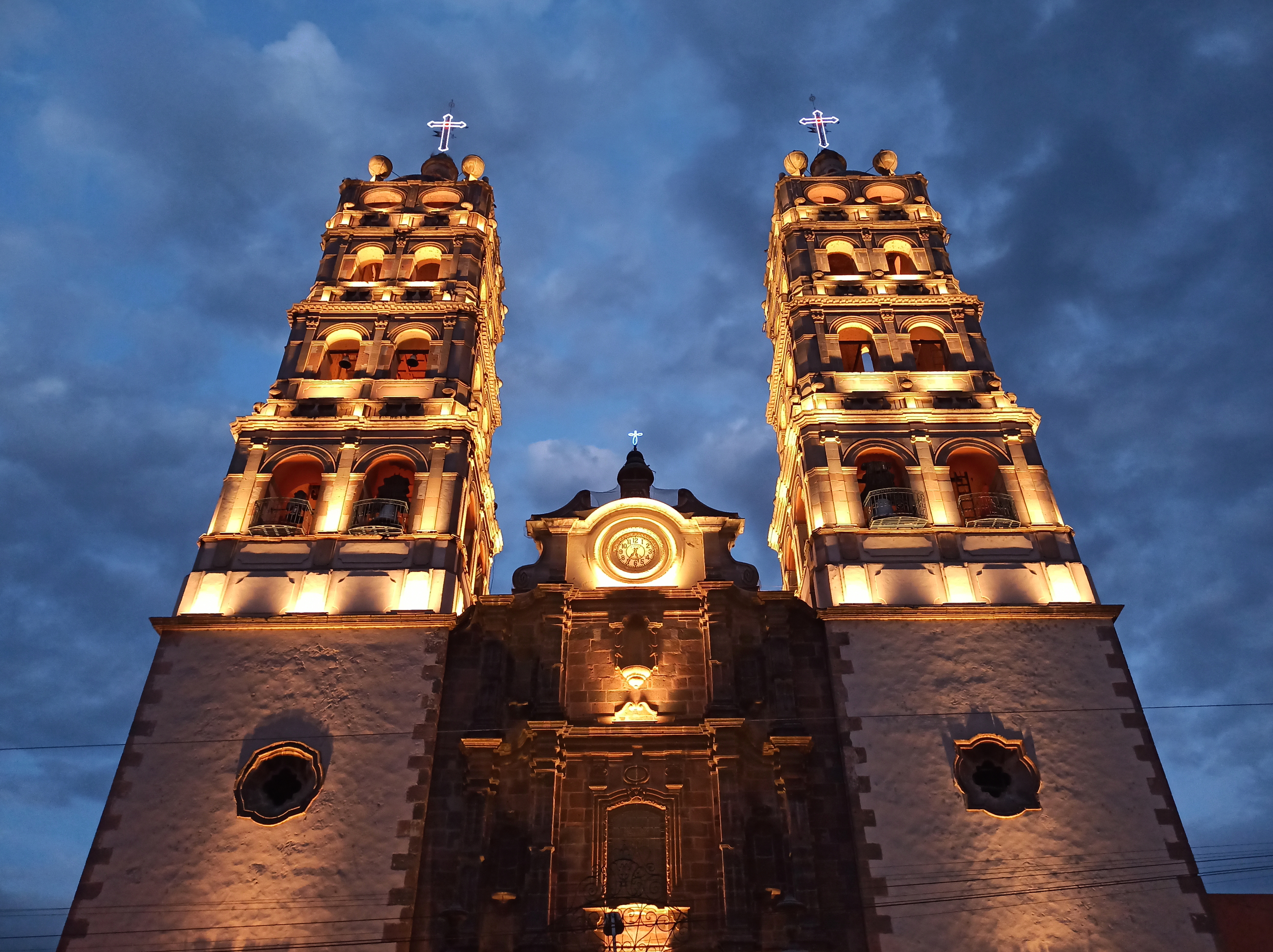
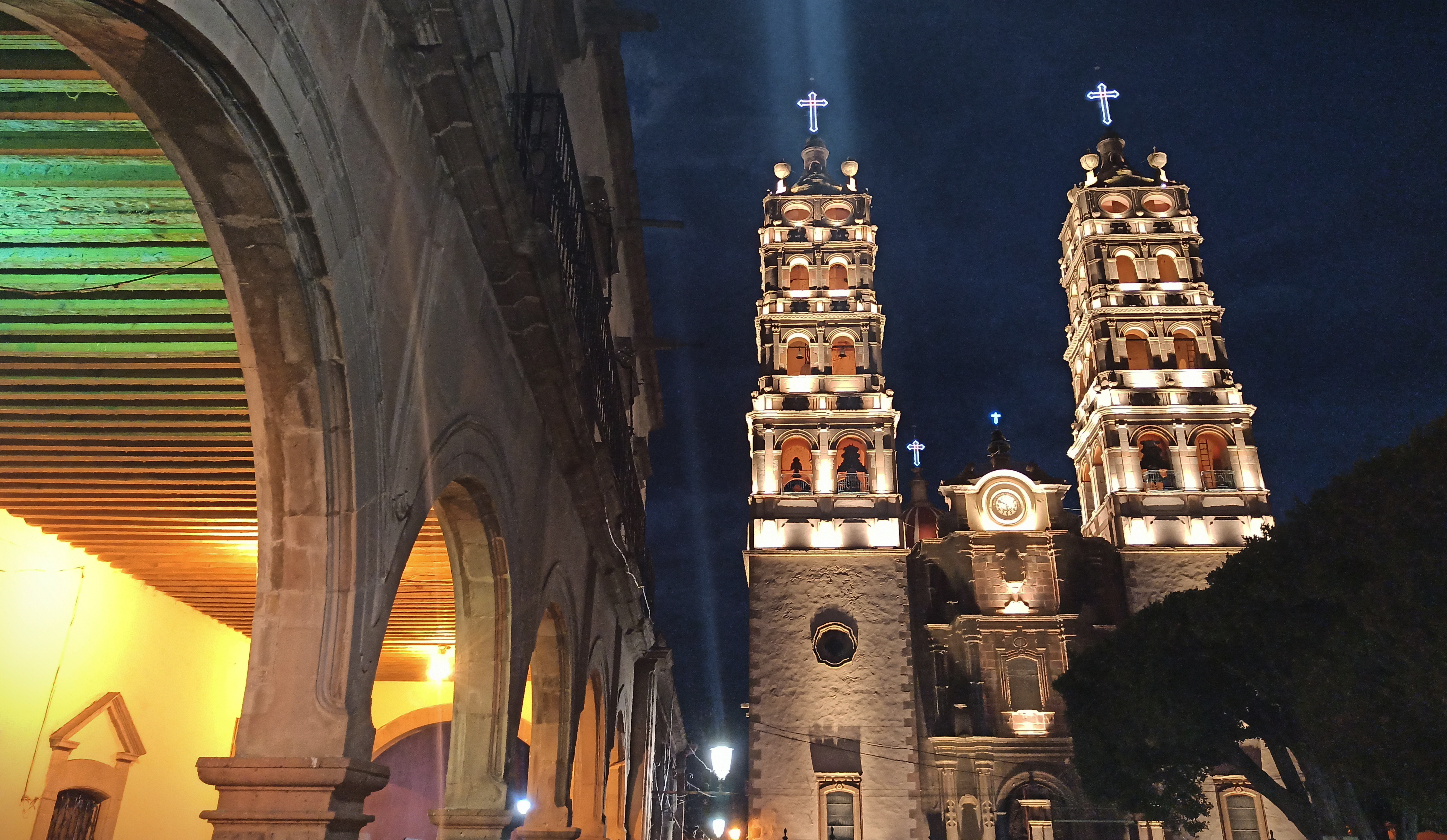
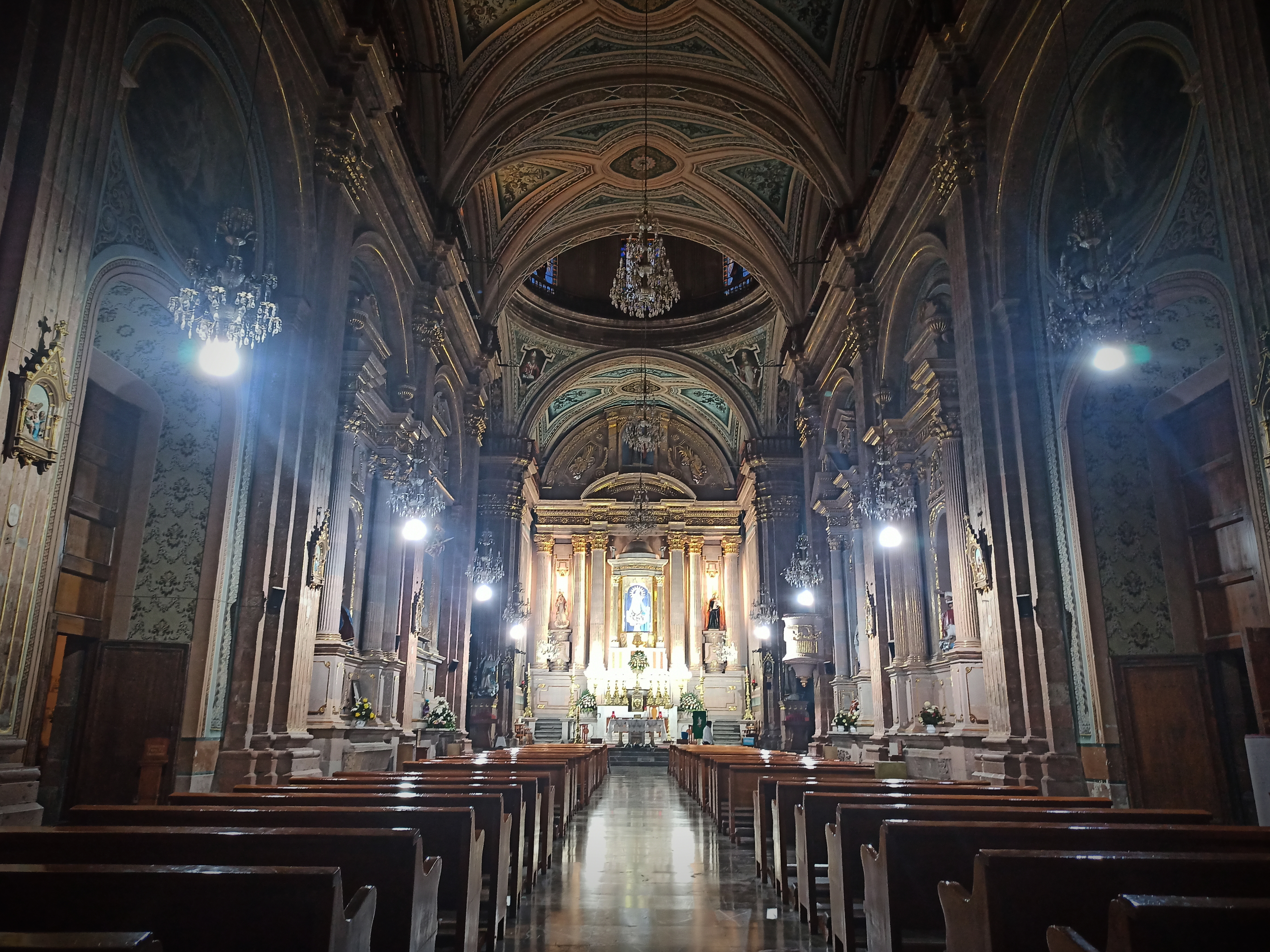
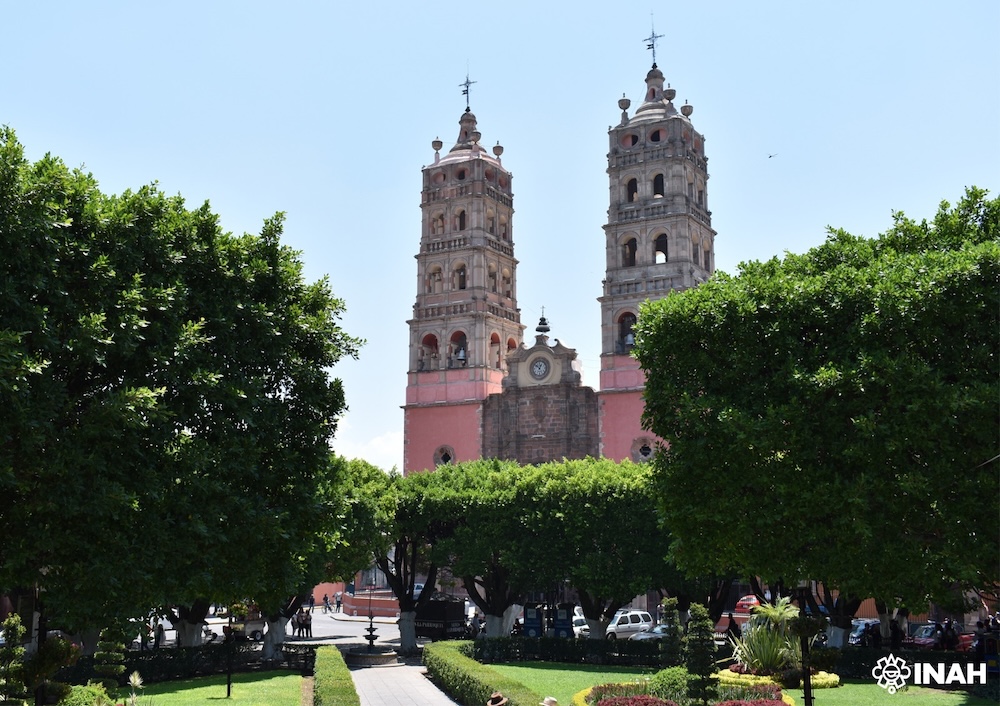
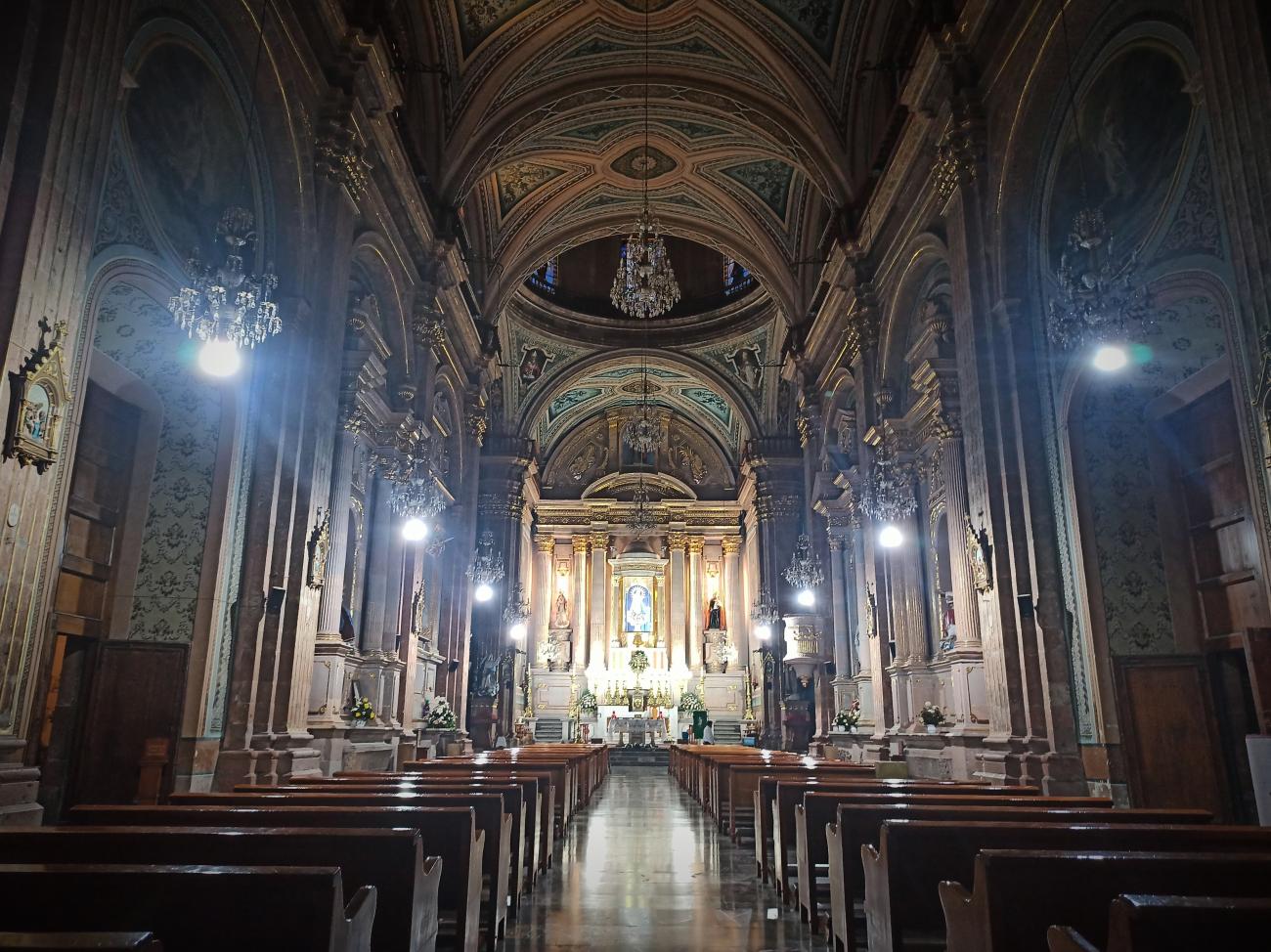
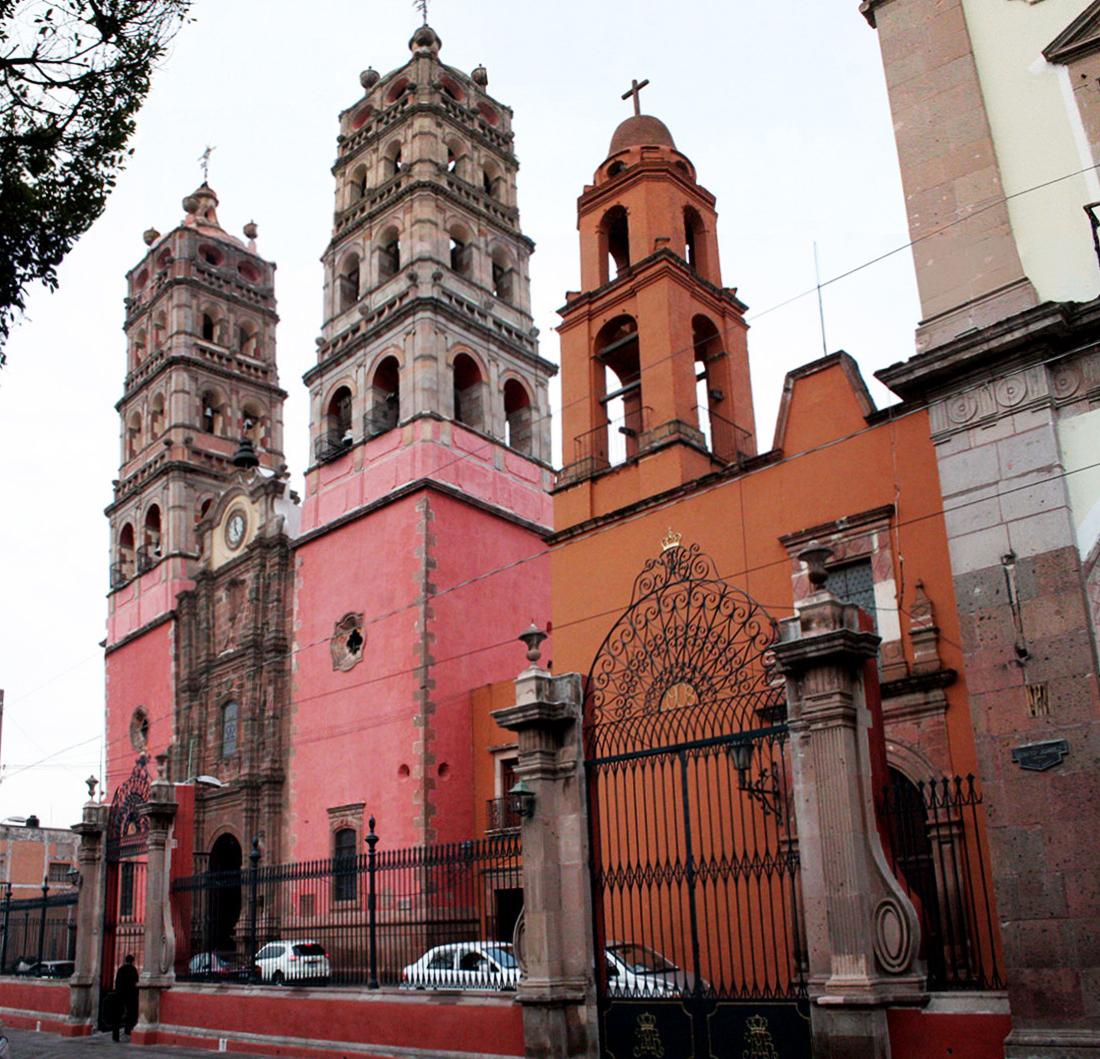
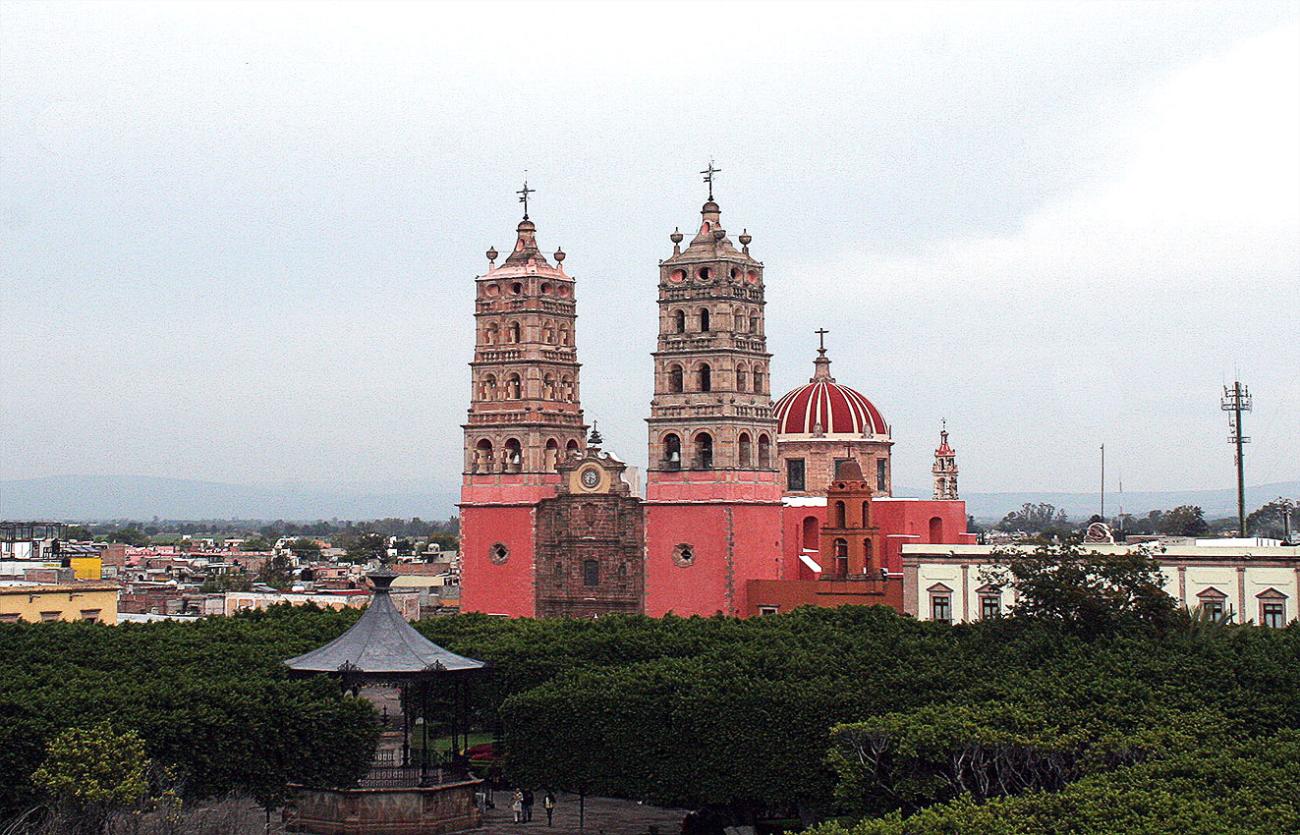
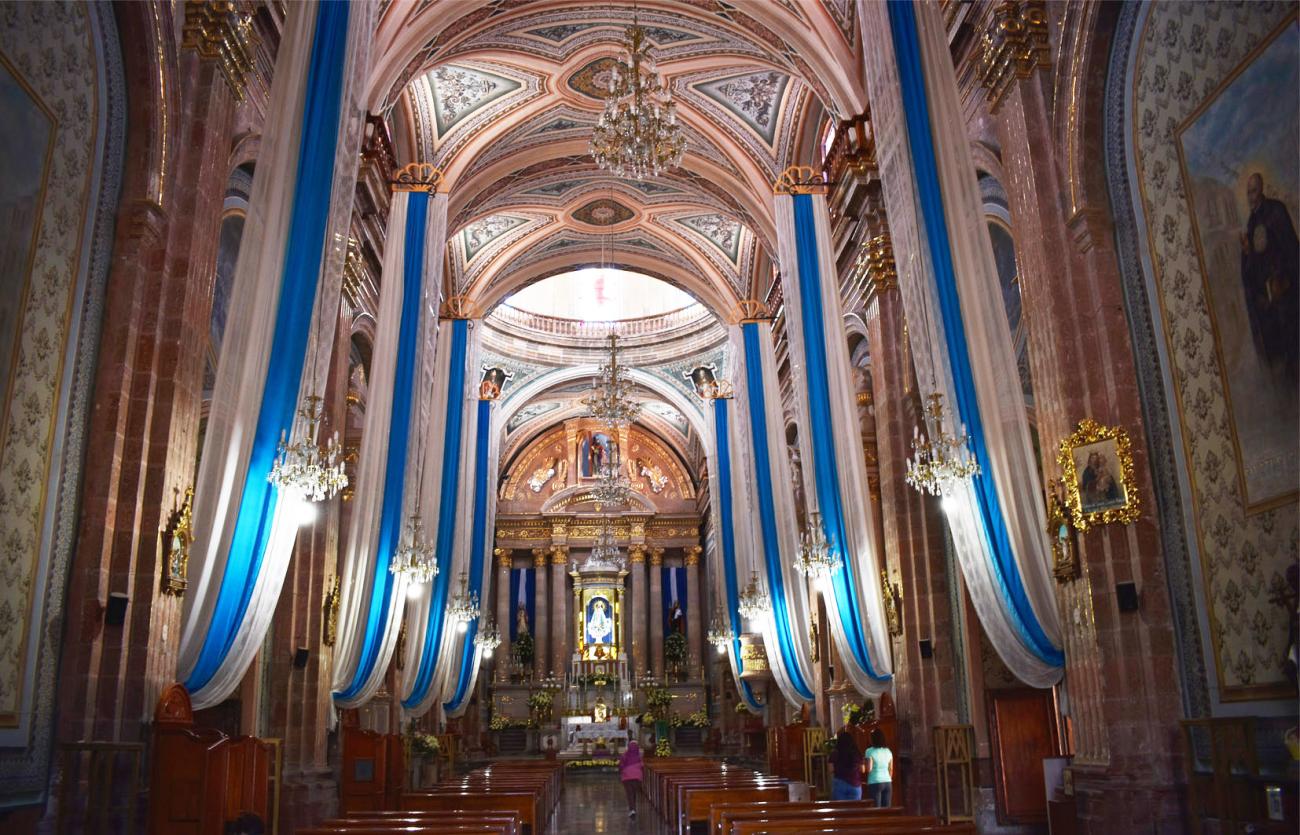
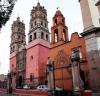
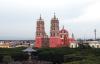
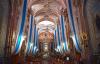
Diocesan Sanctuary of Our Lady of the Light
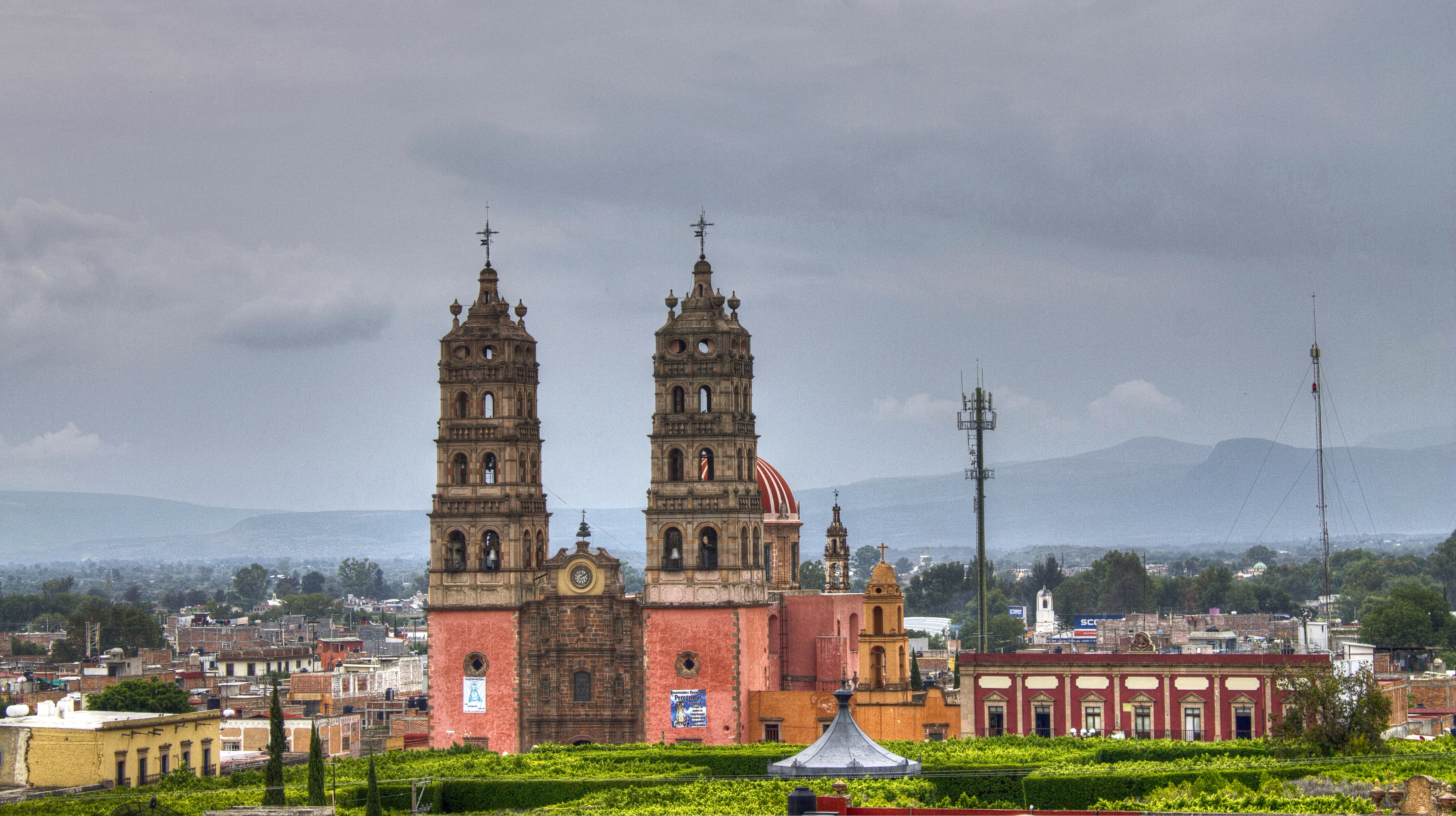
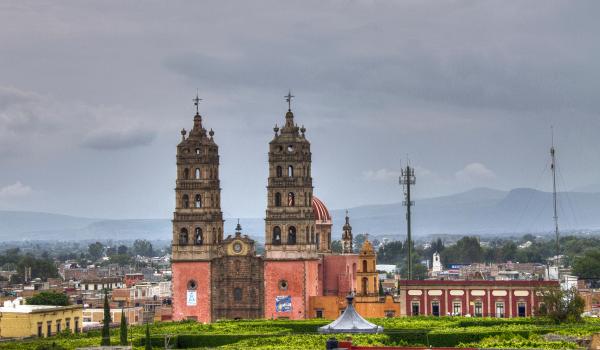
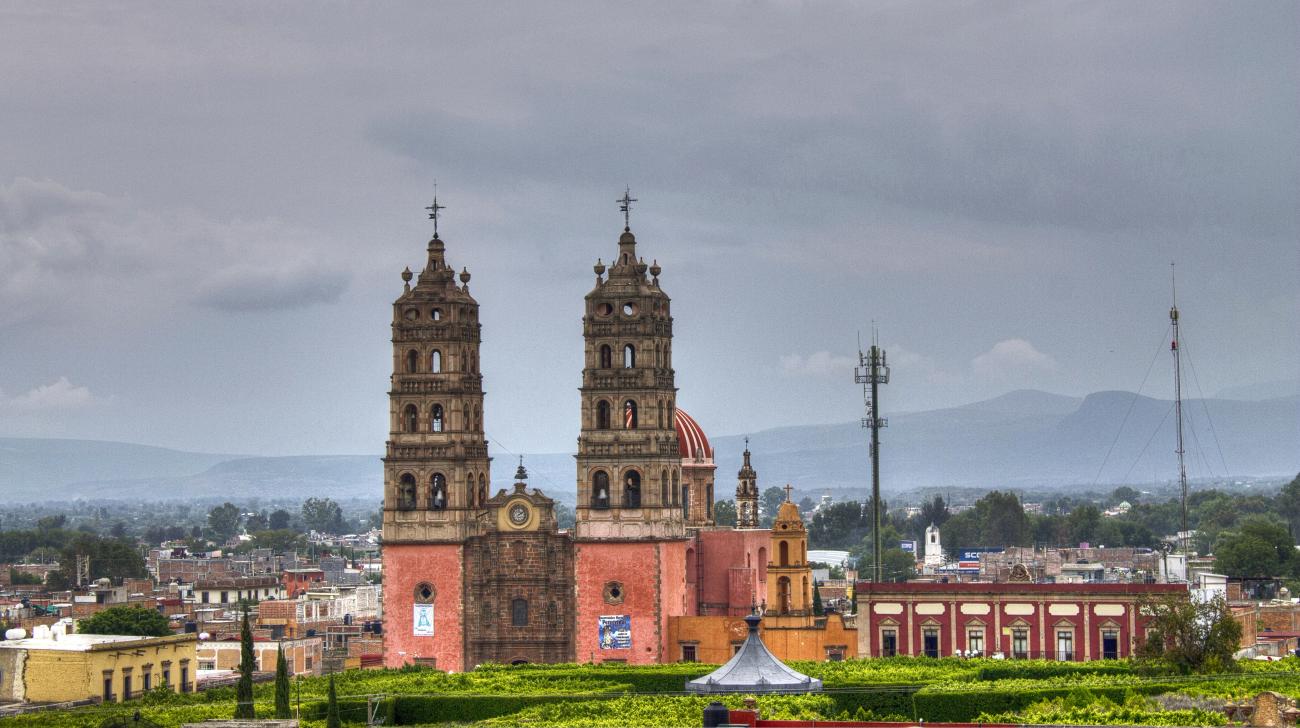
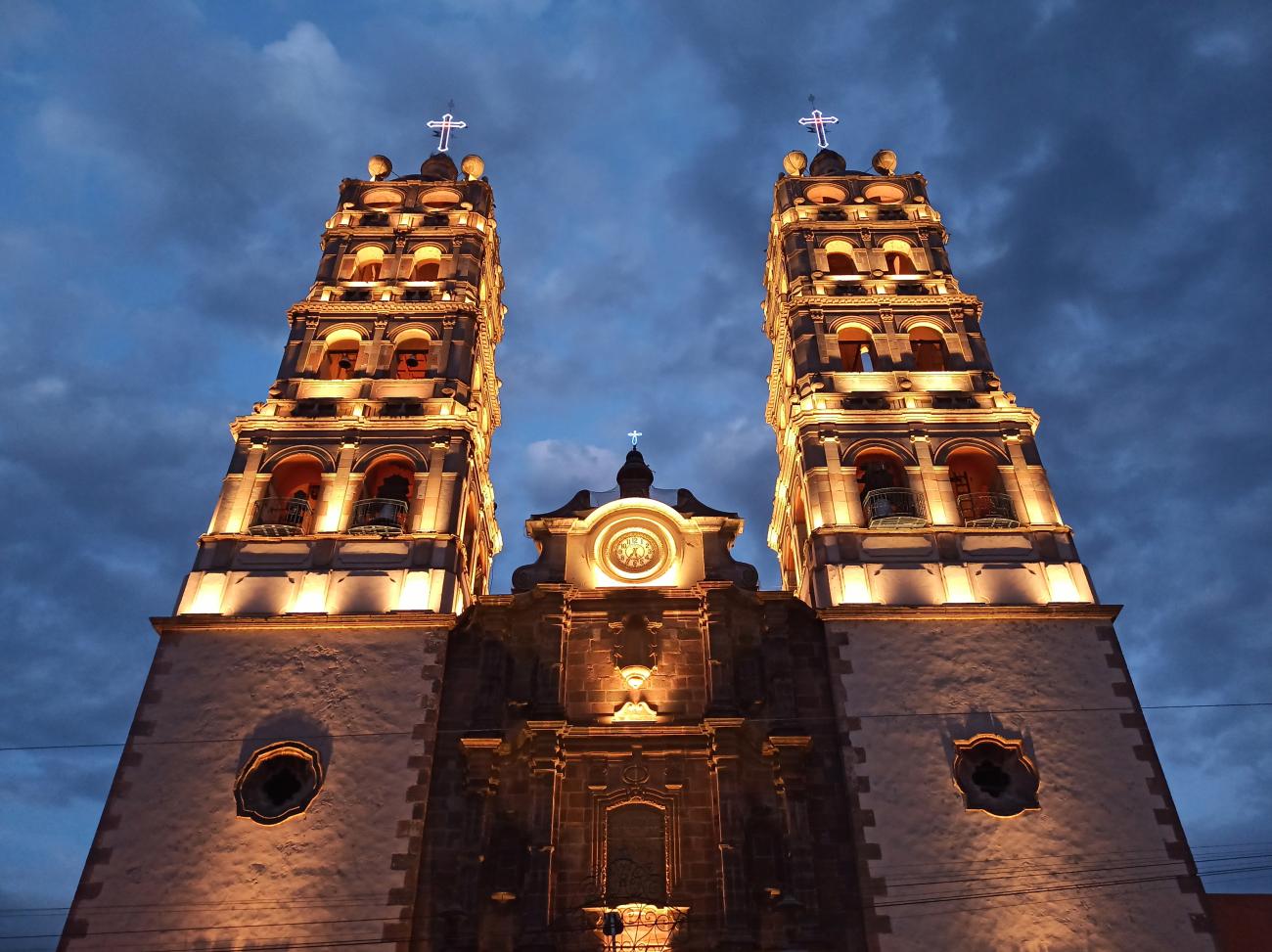
This 18th-century religious building was constructed to house the image of Our Lady of the Light. The cornerstone was laid on May 3, 1743, and on September 22, 1766, the Bishop of Michoacán, Pedro Anselmo Sánchez de Tagle, declared her Patroness and Protector of Salvatierra.
Diocesan Sanctuary of Our Lady of the Light


La Carolina and La Reforma Factory
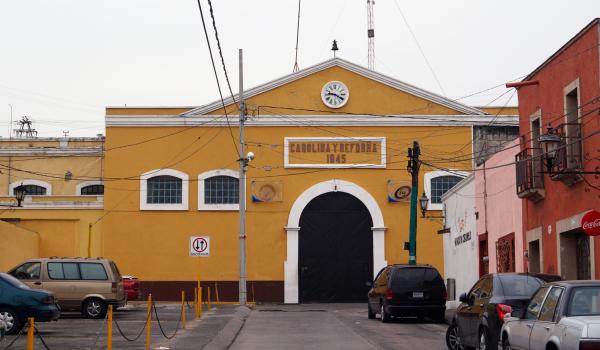
This 19th-century building originally housed a textile factory founded by Patricio Valencia, a native of Salamanca and son of Spanish parents.
La Carolina and La Reforma Factory
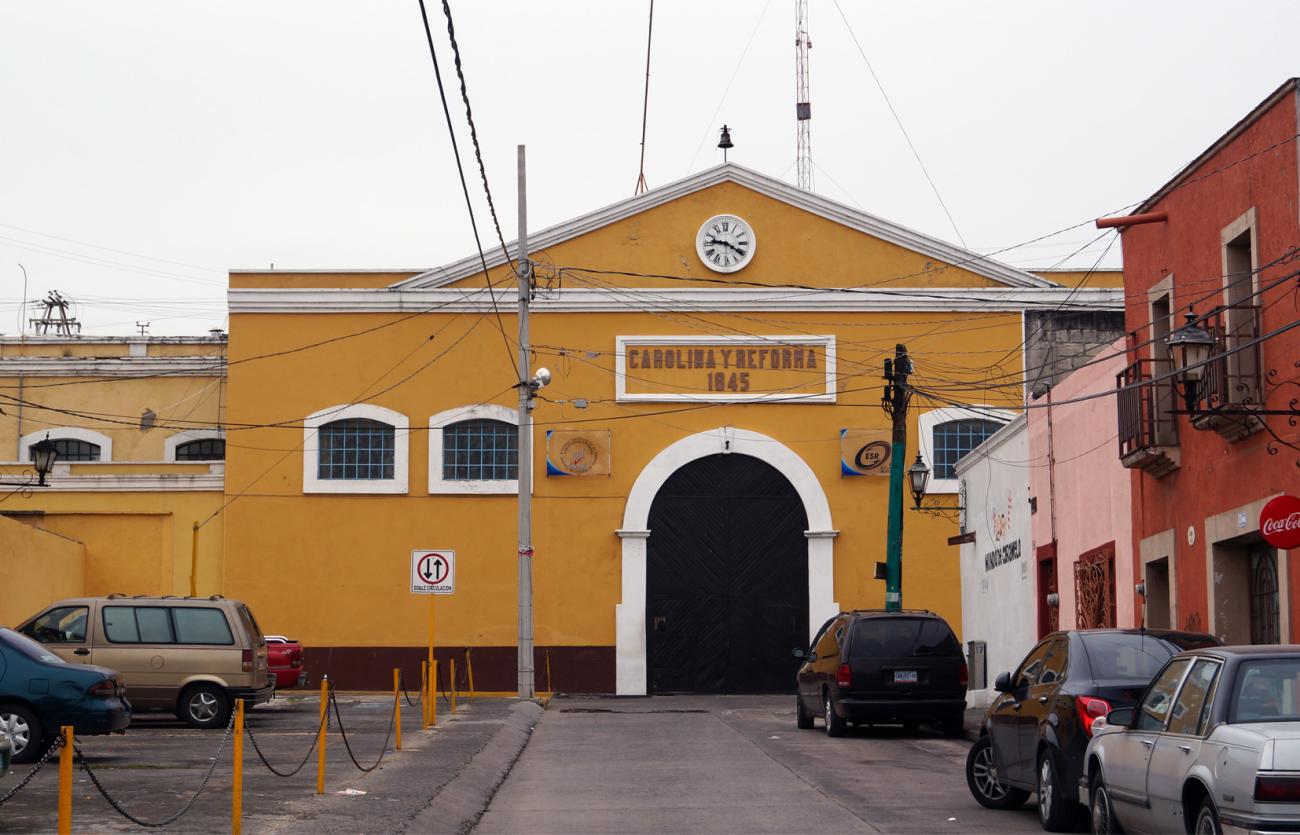
This 19th-century building originally housed a textile factory founded by Patricio Valencia, a native of Salamanca and son of Spanish parents. He named the facility La Perla and used the site of the former Molino de la Esperanza, taking advantage of its ample land and the abundant water supply from river-fed canals, to produce cotton fabrics such as mantas, camballas, and cotones. When his son-in-law Eusebio González took over management, he renamed the factory La Reforma, in support of the national progress championed by President Benito Juárez.
On April 13, 1913, a fire caused by a short circuit destroyed the factory. A new company was formed on April 21, 1917, to restart operations. In 1929, the property was purchased from the Negociación Fabril de la Reforma, and by May 1932, the production systems were fully reinstalled. The factory officially resumed operations on December 15 of that same year.

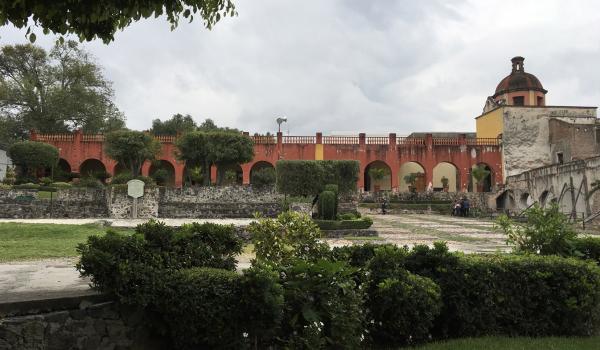
Former Marquisate of Salvatierra
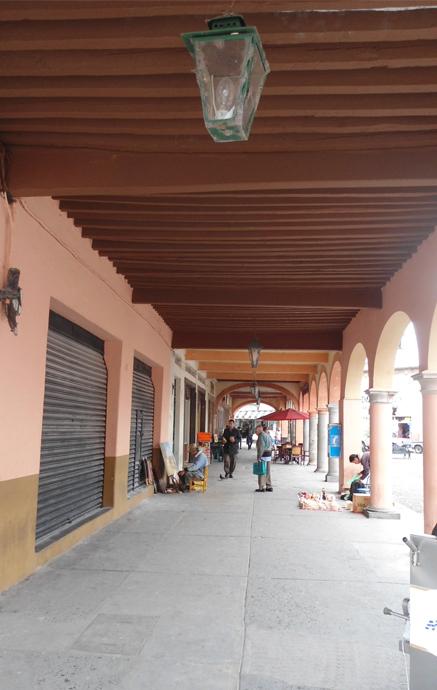
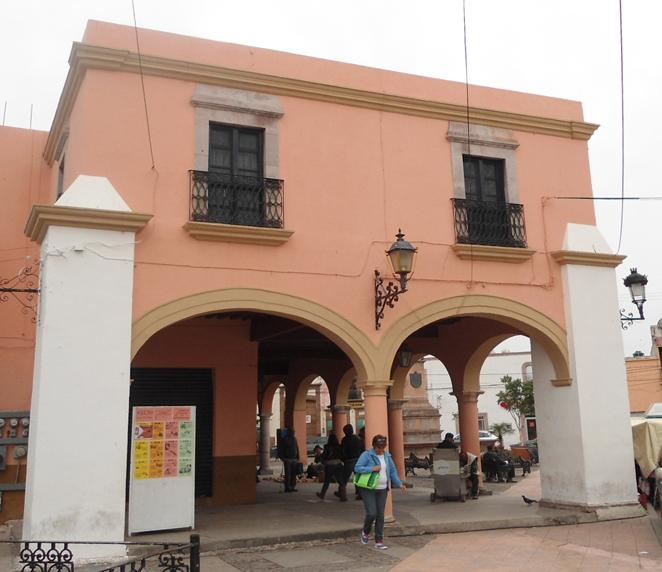
On May 16, 1618, Diego Fernández de Córdoba, Marquis of Guadalcázar and Viceroy of New Spain, granted Gabriel López de Peralta a mill.
Former Marquisate of Salvatierra
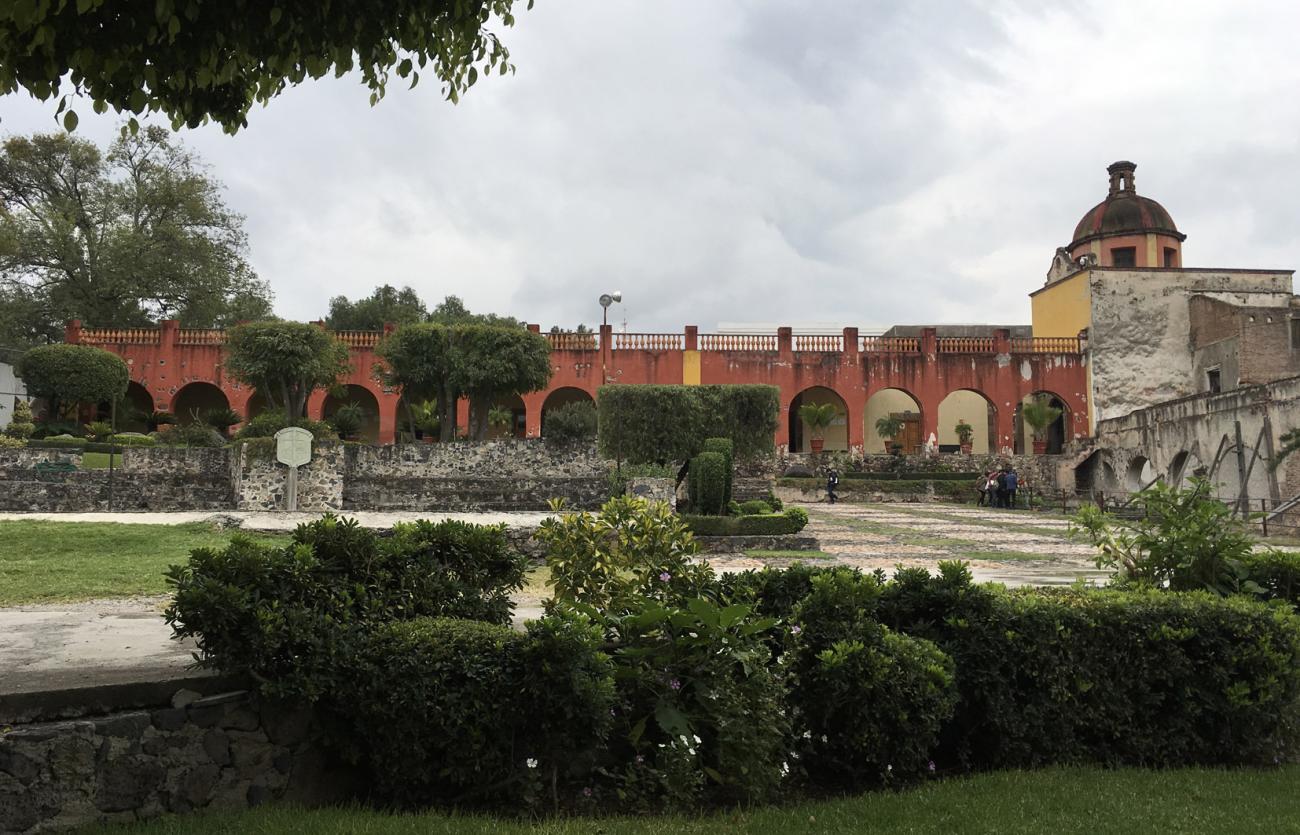
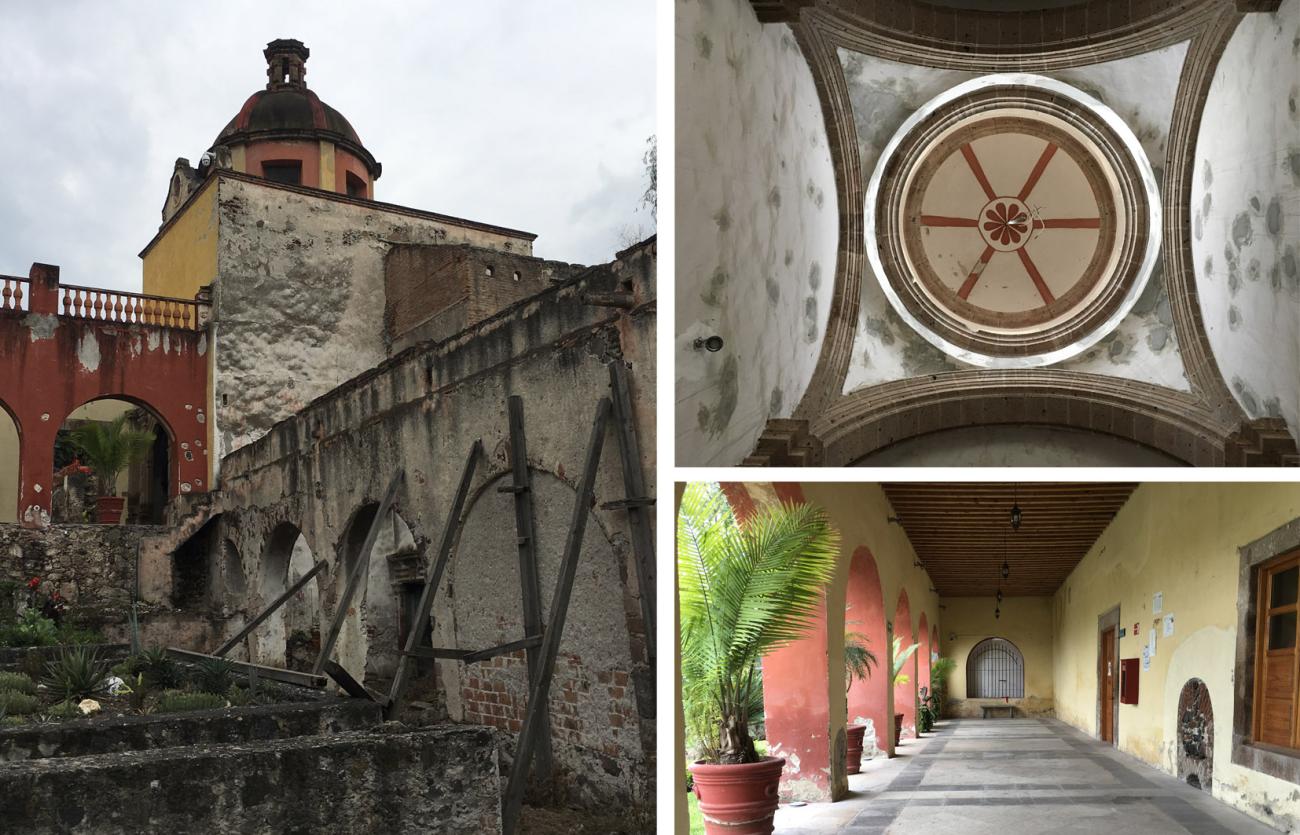
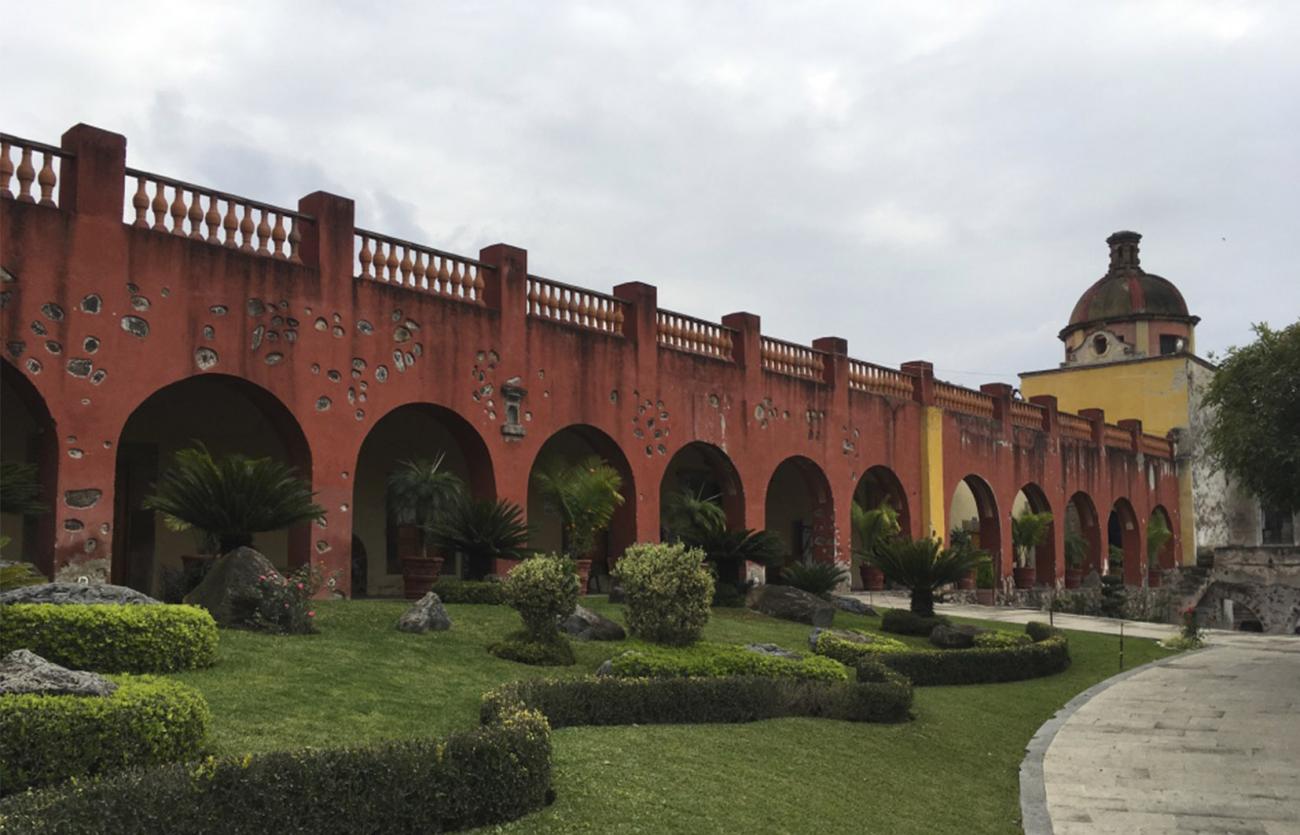
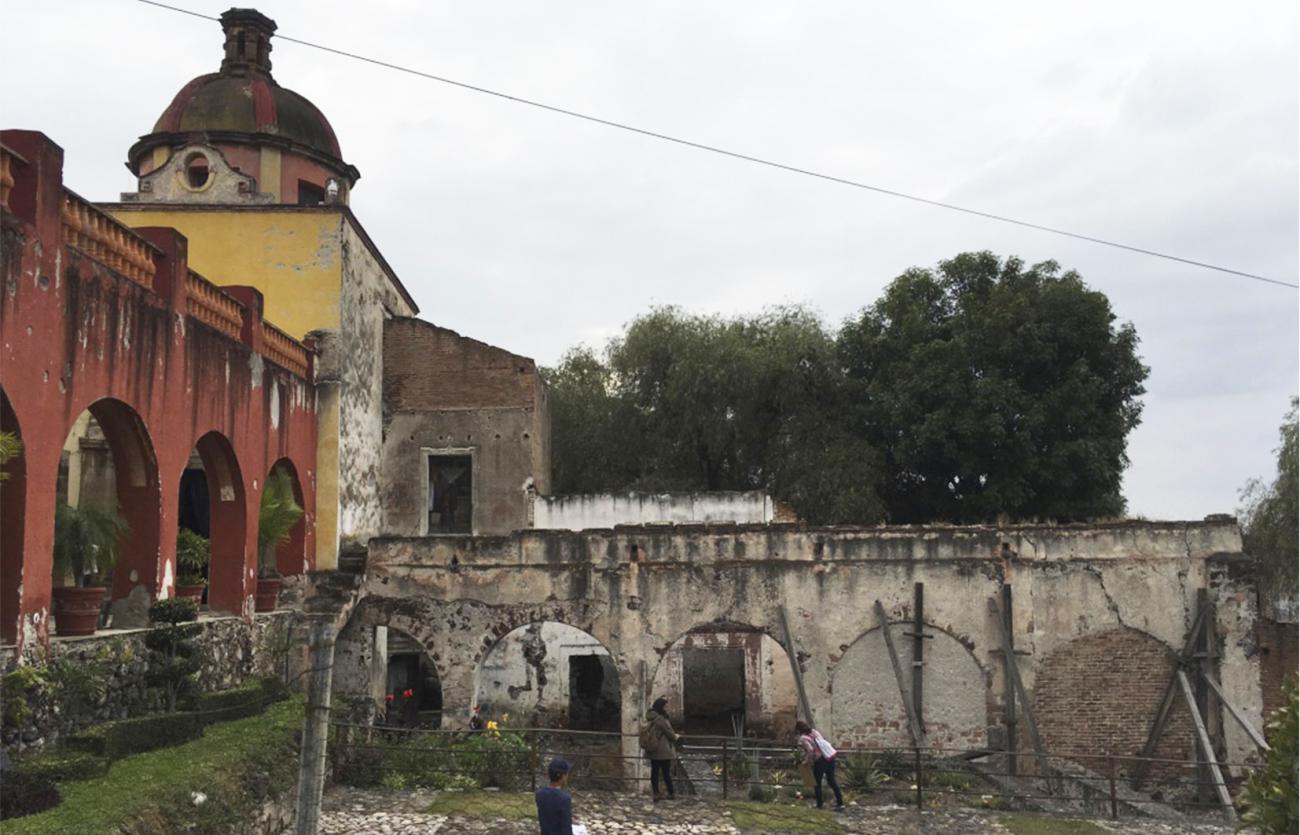
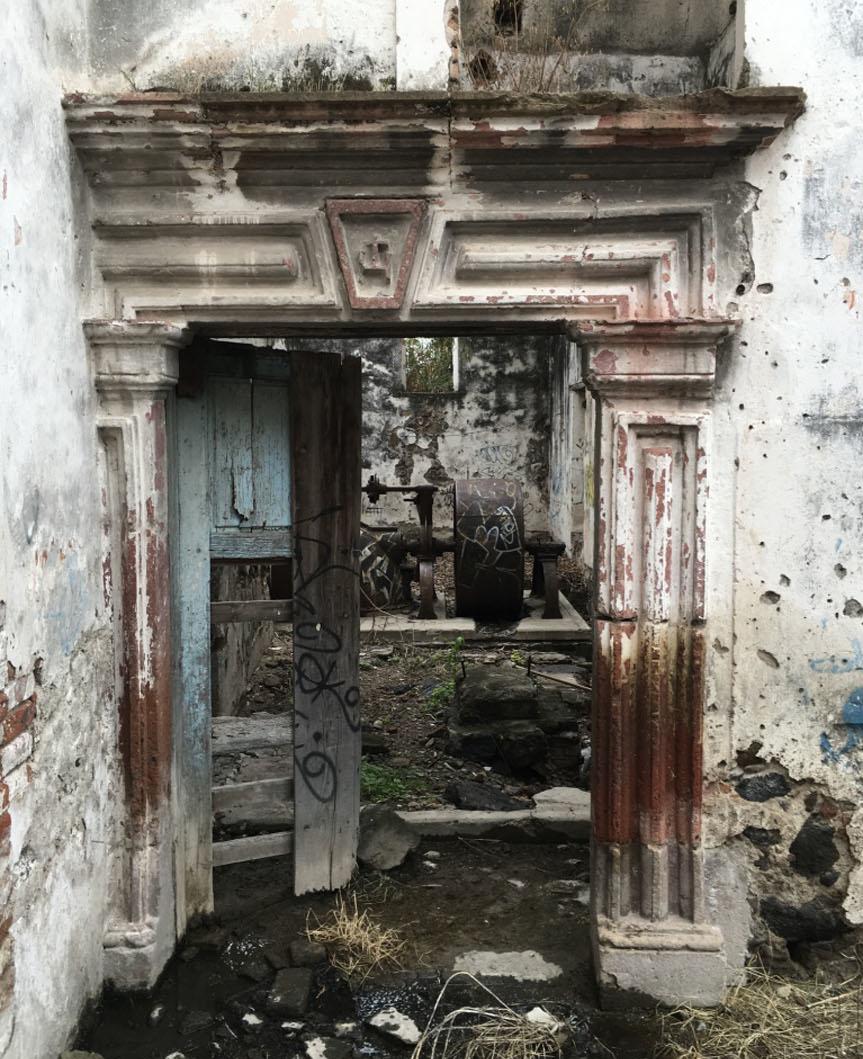
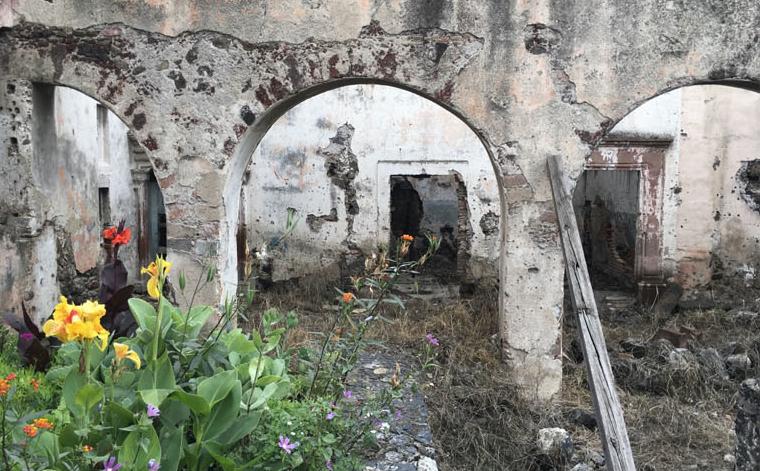
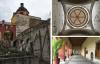
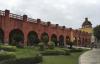
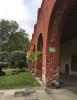
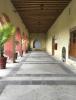
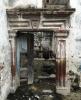

On May 16, 1618, Diego Fernández de Córdoba, Marquis of Guadalcázar and Viceroy of New Spain, granted Gabriel López de Peralta a mill. In 1643, Gabriel offered lands for livestock and cavalry for the founding of the city, on the condition that he be recognized as the founder and granted a hereditary title. This title was eventually bestowed upon his great-granddaughter, Francisca Catalina Jerónima López de Peralta Sámano Turcios Luyando y Bermeo.
The marquises later chose to build the Marquisate on the lands of the former entailed estate, preserving only the original mill.
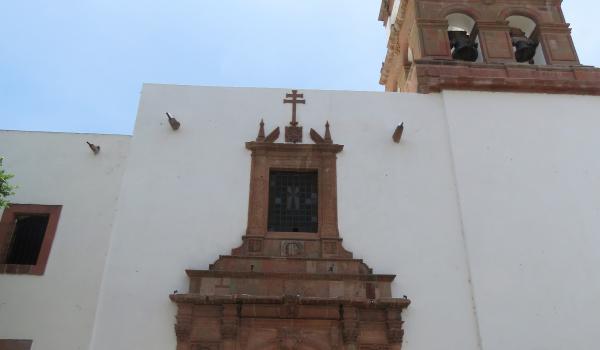
Religious Complex of San Francisco
On June 13, 1638, Juan Gómez Bermejo donated a hall measuring 28 varas (about 23 meters) in length, located in front of an old Franciscan chapel, and on December 28 of the same year, it was established as a parish.
Religious Complex of San Francisco
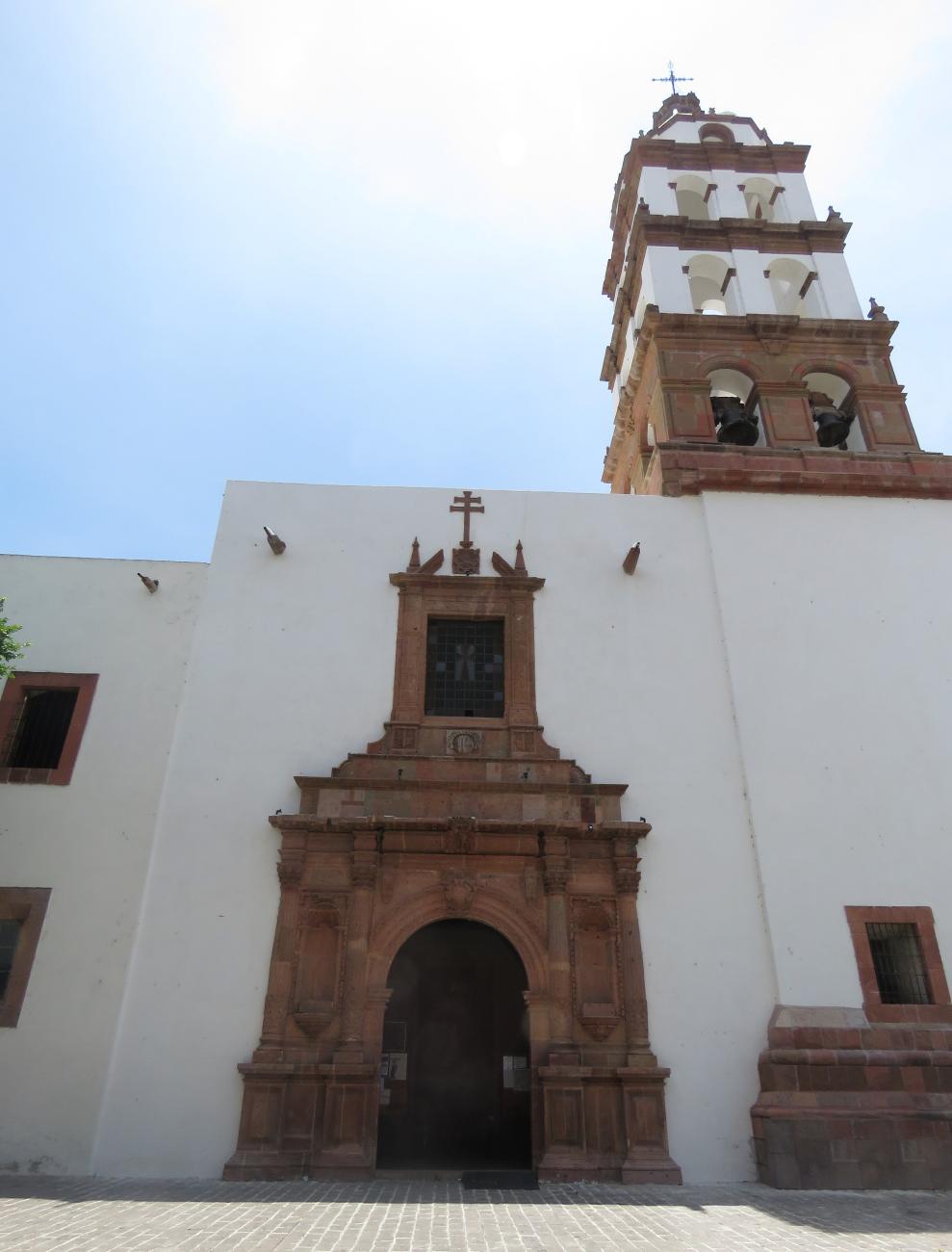
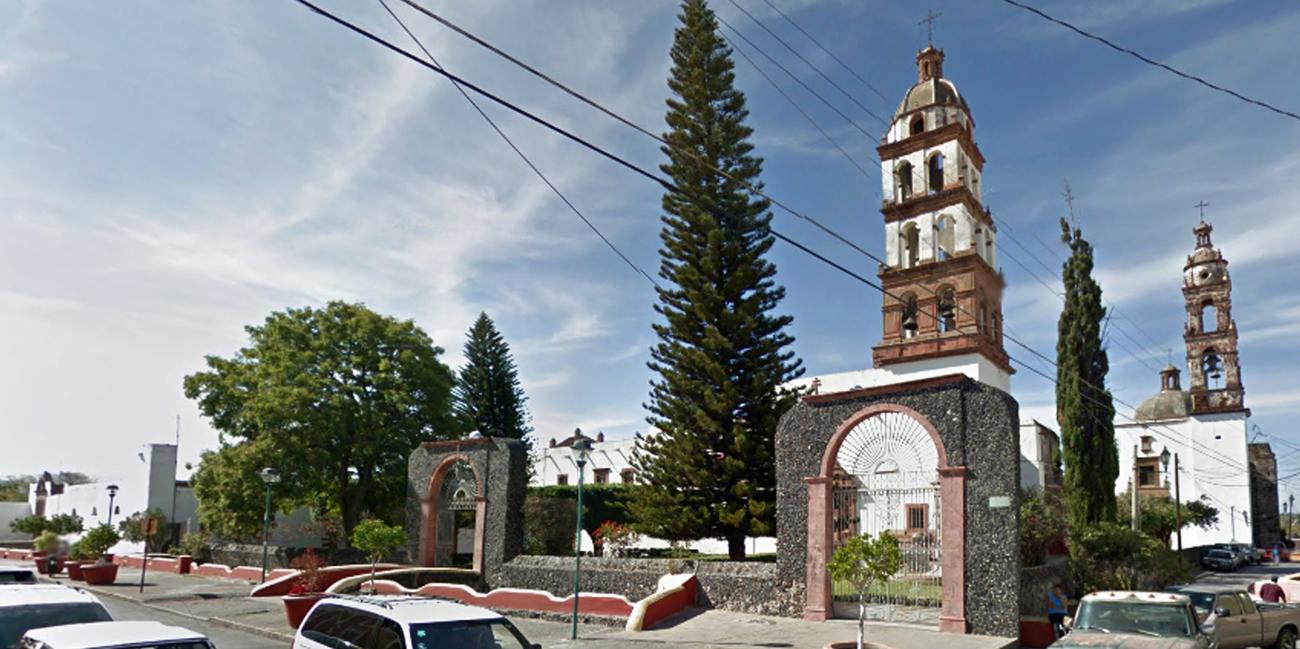
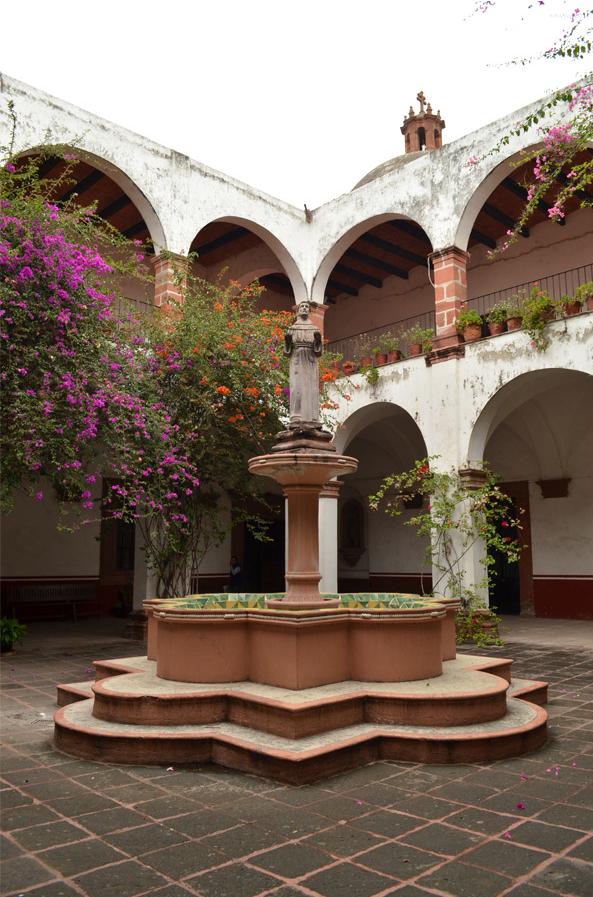
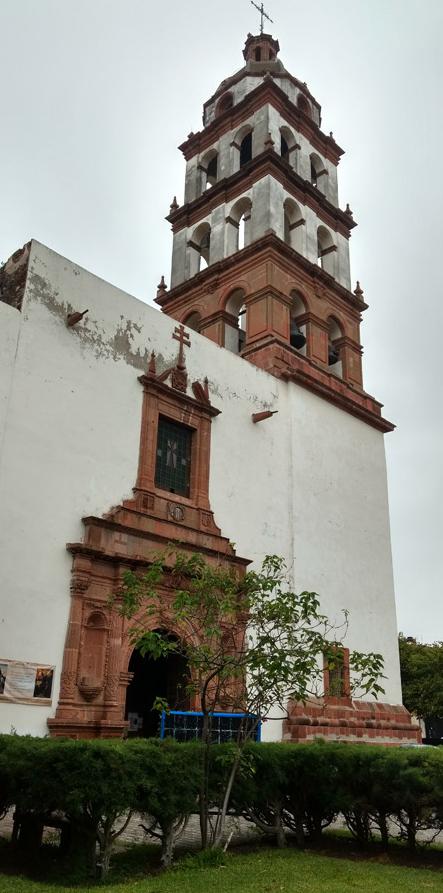
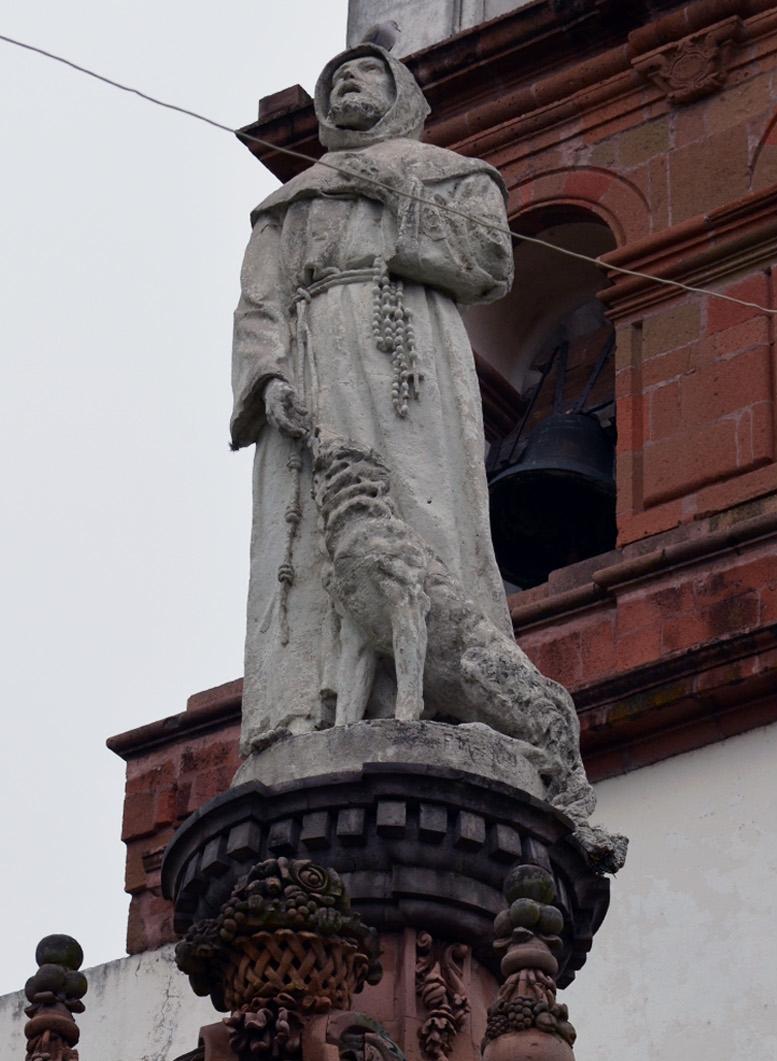
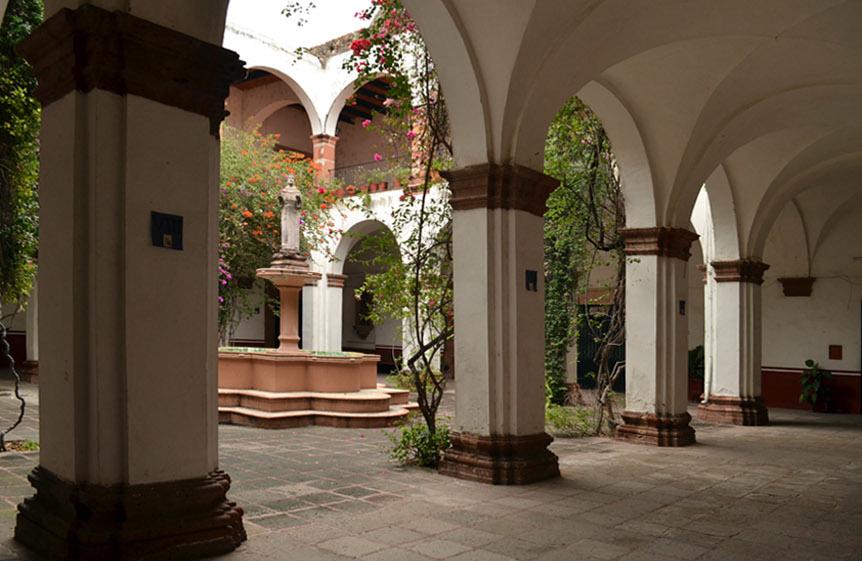
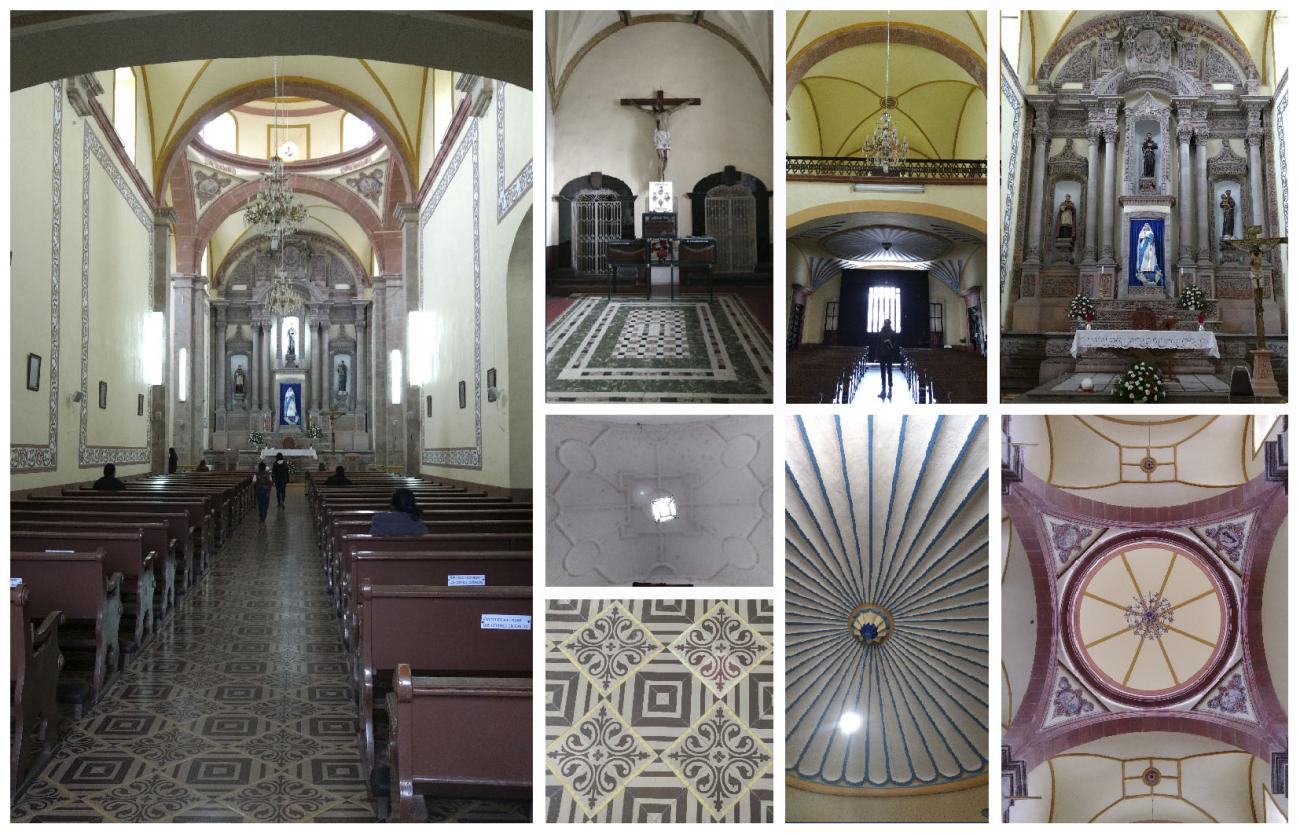
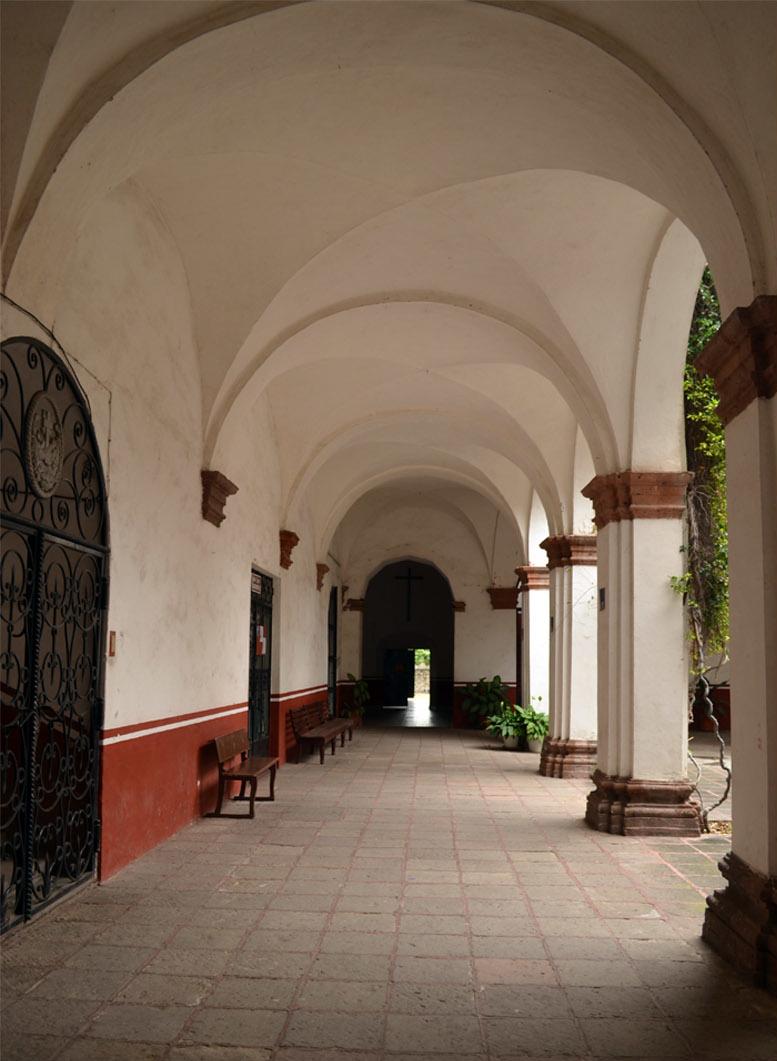
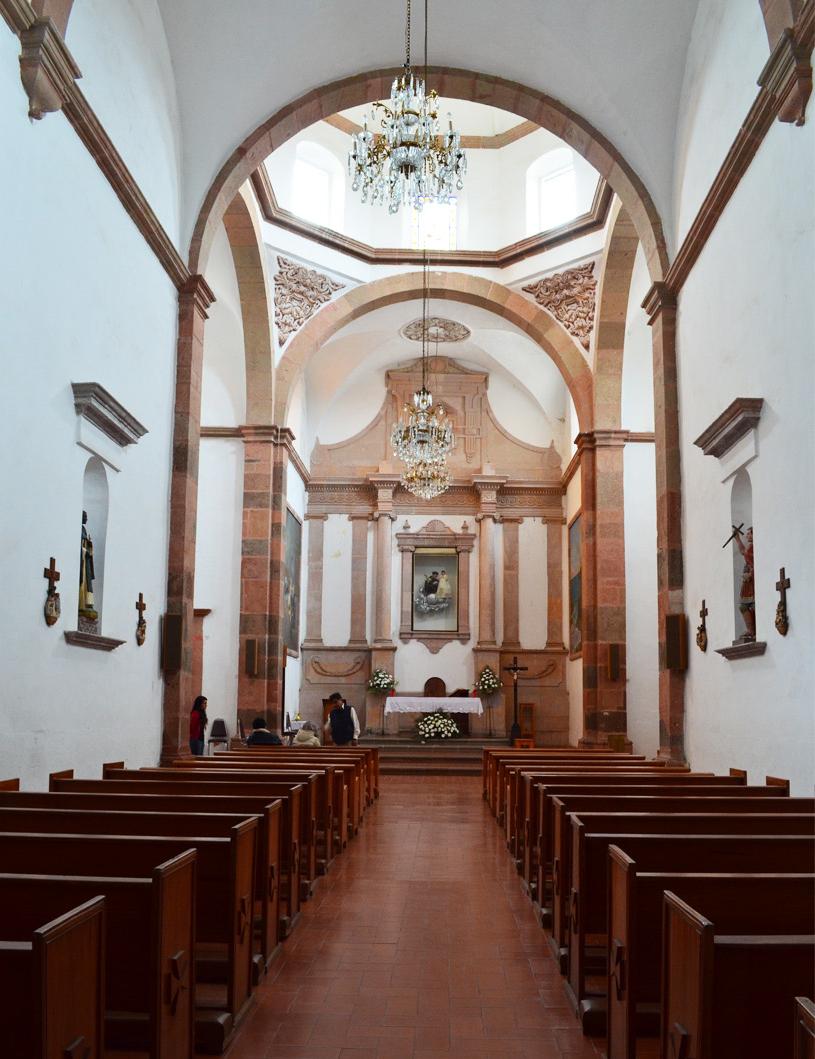
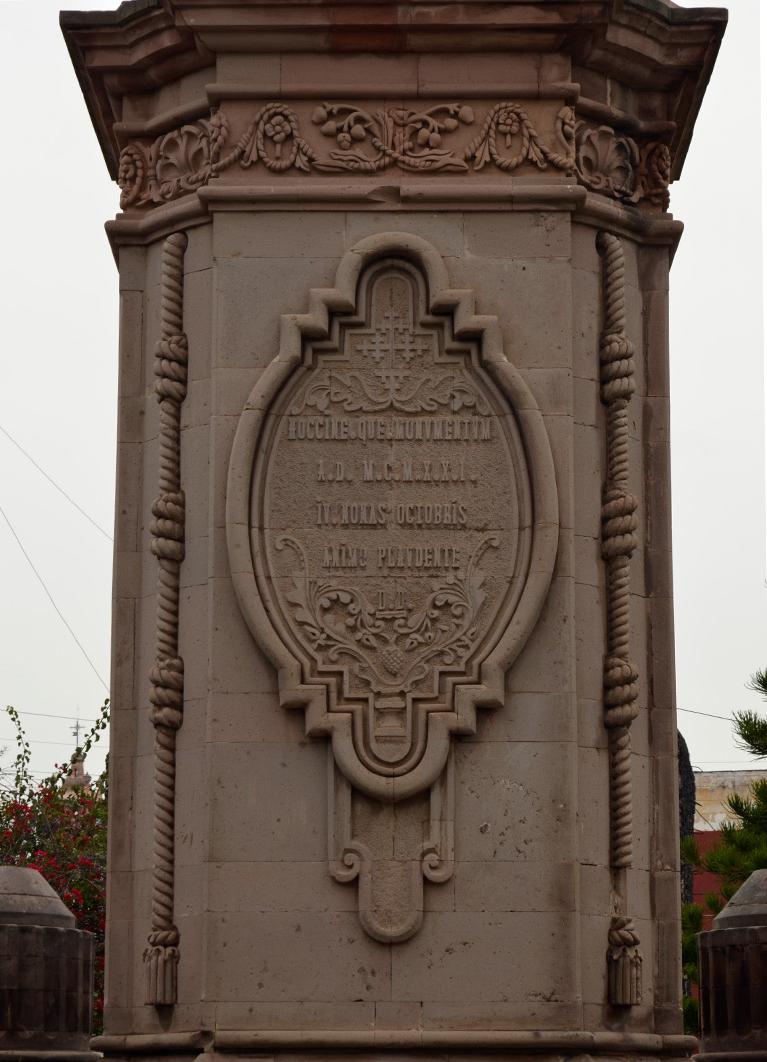
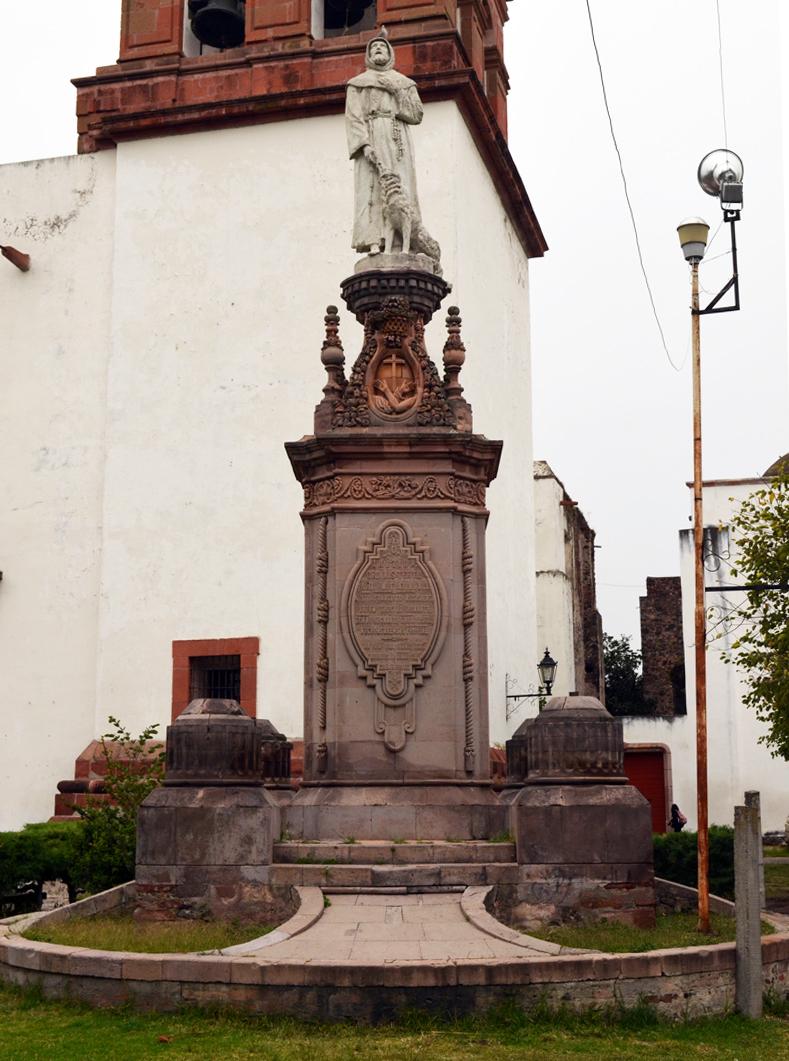
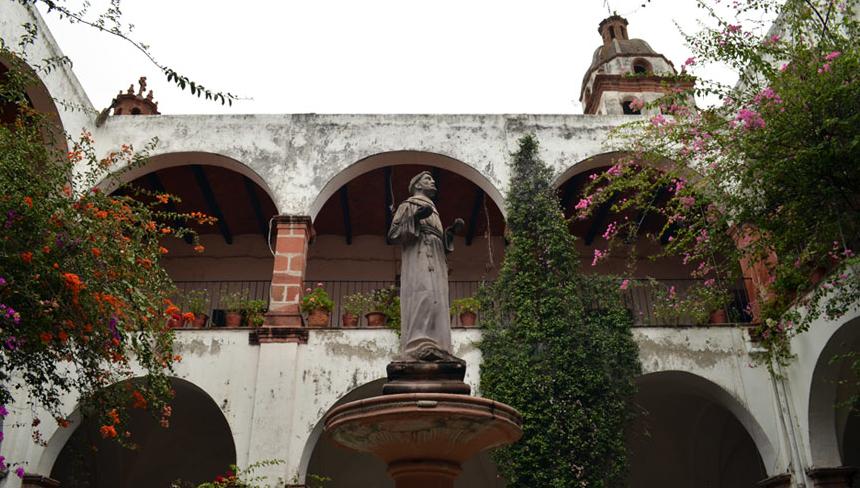
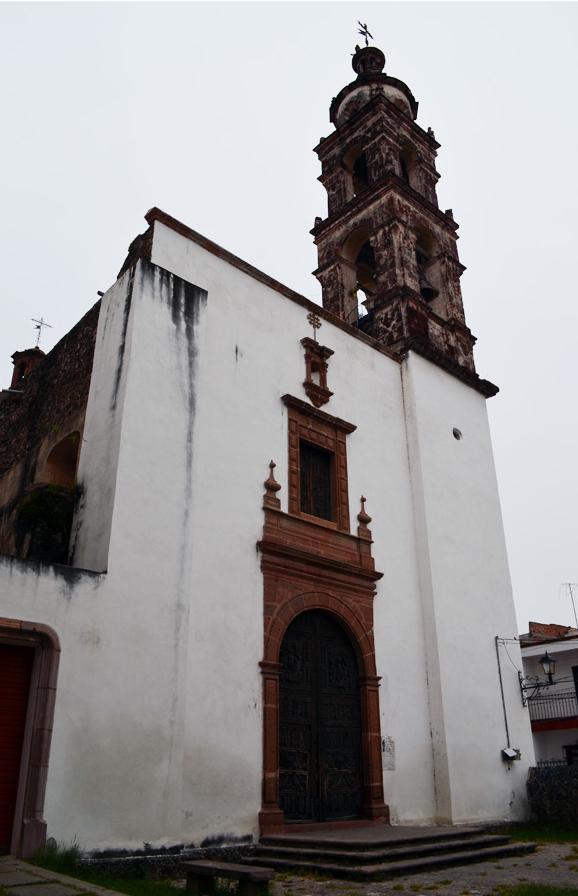

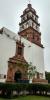

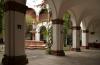
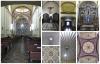
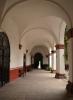
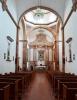
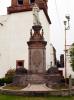
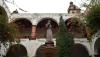
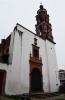
On June 13, 1638, Juan Gómez Bermejo donated a hall measuring 28 varas (about 23 meters) in length, located in front of an old Franciscan chapel, and on December 28 of the same year, it was established as a parish. The church was dedicated shortly before, on November 30, 1638.
Some years later, the Franciscans sold the site to the Brothers of the Third Order, who built the present-day Church of San Antonio. On February 2, 1643, the Bishop of Michoacán, Marcos Ramírez de Prado, formally established the parish.
The current church and convent of San Buenaventura were built on land donated by Juan Izquierdo, the alcalde mayor of Chochones.
During the Reform period, the convent was vacated and its roof dismantled; it remained abandoned for forty years. For a time, it was known as “The Ruins of San Francisco.” However, when the Franciscan friars returned, they undertook a gradual reconstruction of the complex, giving it the appearance it has today.
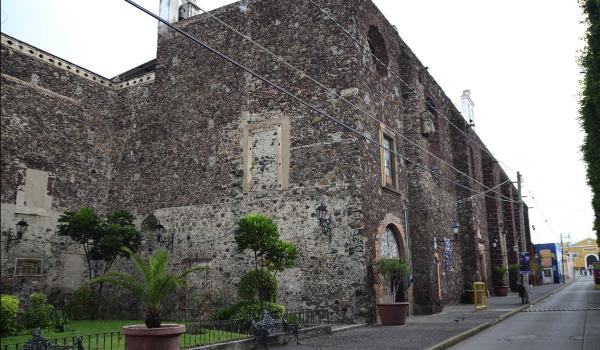
Parish of Our Lady of the Rosary and Convent of the Capuchin Nuns
This 18th-century building traces its origins to José Ignacio de Polanco, who arrived in Salvatierra with plans to purchase several haciendas and establish an entailed estate protected by a royal decree.
Parish of Our Lady of the Rosary and Convent of the Capuchin Nuns
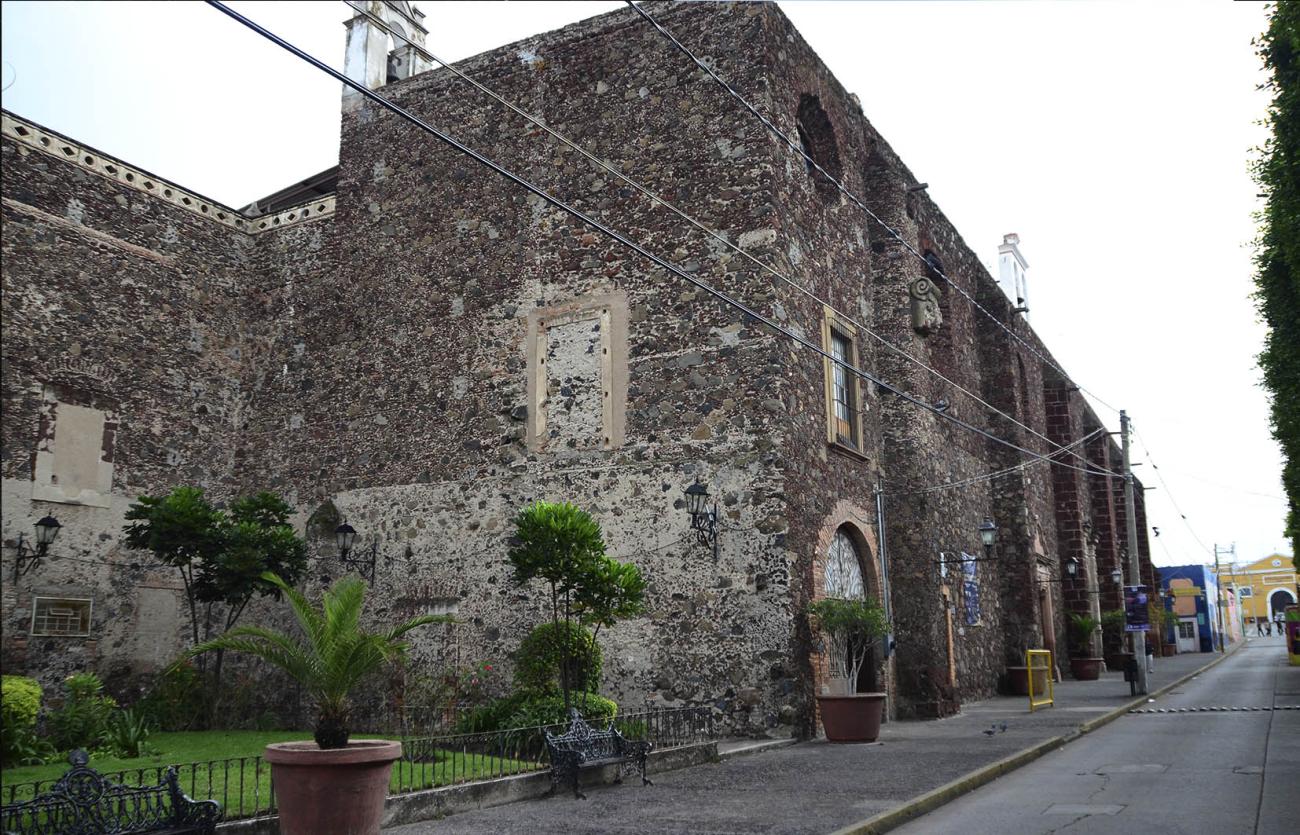
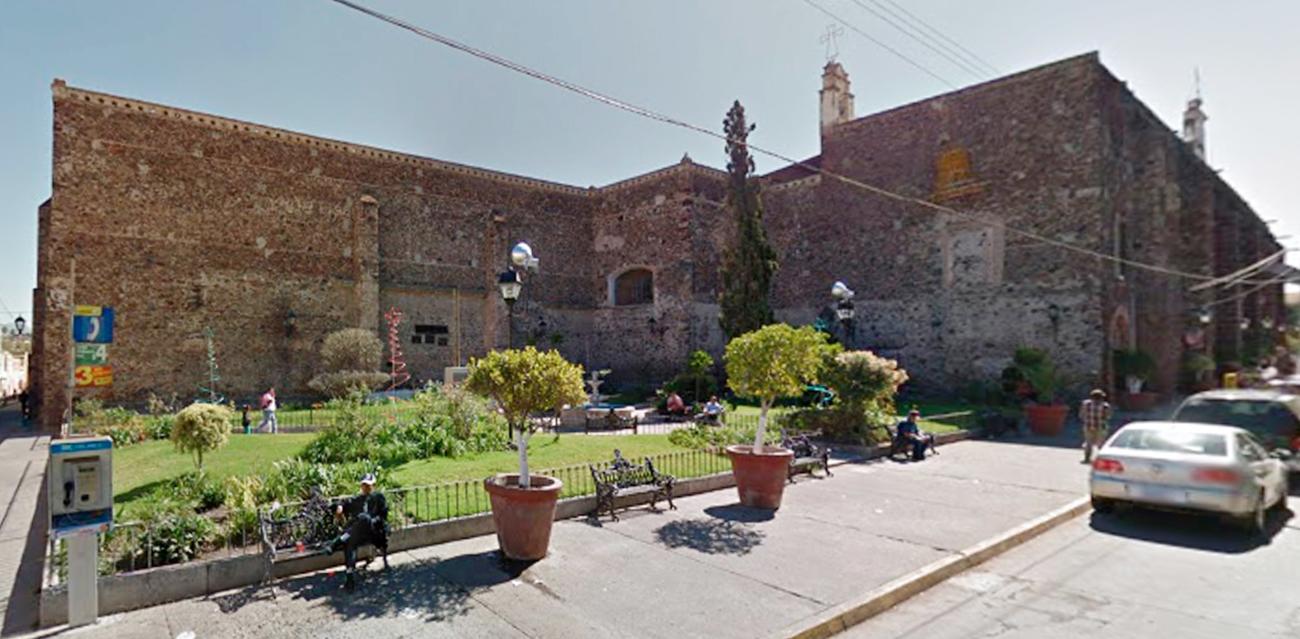
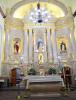
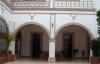
This 18th-century building traces its origins to José Ignacio de Polanco, who arrived in Salvatierra with plans to purchase several haciendas and establish an entailed estate protected by a royal decree. After his death, his sole heir, Petra de Polanco, was unable to retain her considerable inheritance because she had taken vows of poverty under the name Sister María Inés at the Capuchin Poor Clares convent in Santiago de Querétaro. In honor of her father, she founded a convent of her order in Salvatierra.
King Carlos III granted permission for the foundation on October 11, 1767. The original design was created by Joaquín de Heredia but was later modified to reflect the regional Baroque style of Querétaro. On the morning of June 11, 1798, the first seven nuns left Querétaro to establish the new convent. The monastery was dedicated to the Immaculate Conception, and the church to the Seraphic Father Saint Francis. Construction was completed in the first half of the 19th century.
In 1862, the orchards of the former convent were ceded to the City Council, and in 1886, an agreement was made to convert the building into the Manuel González Civil Hospital. Later, the municipal slaughterhouse was installed in the old orchards.
After the hospital was vacated in 1946, a parish school for children was established there, later renamed José María Morelos. Between 1961 and 1963, the chaplain’s house was demolished to create the Hermandad Plaza.
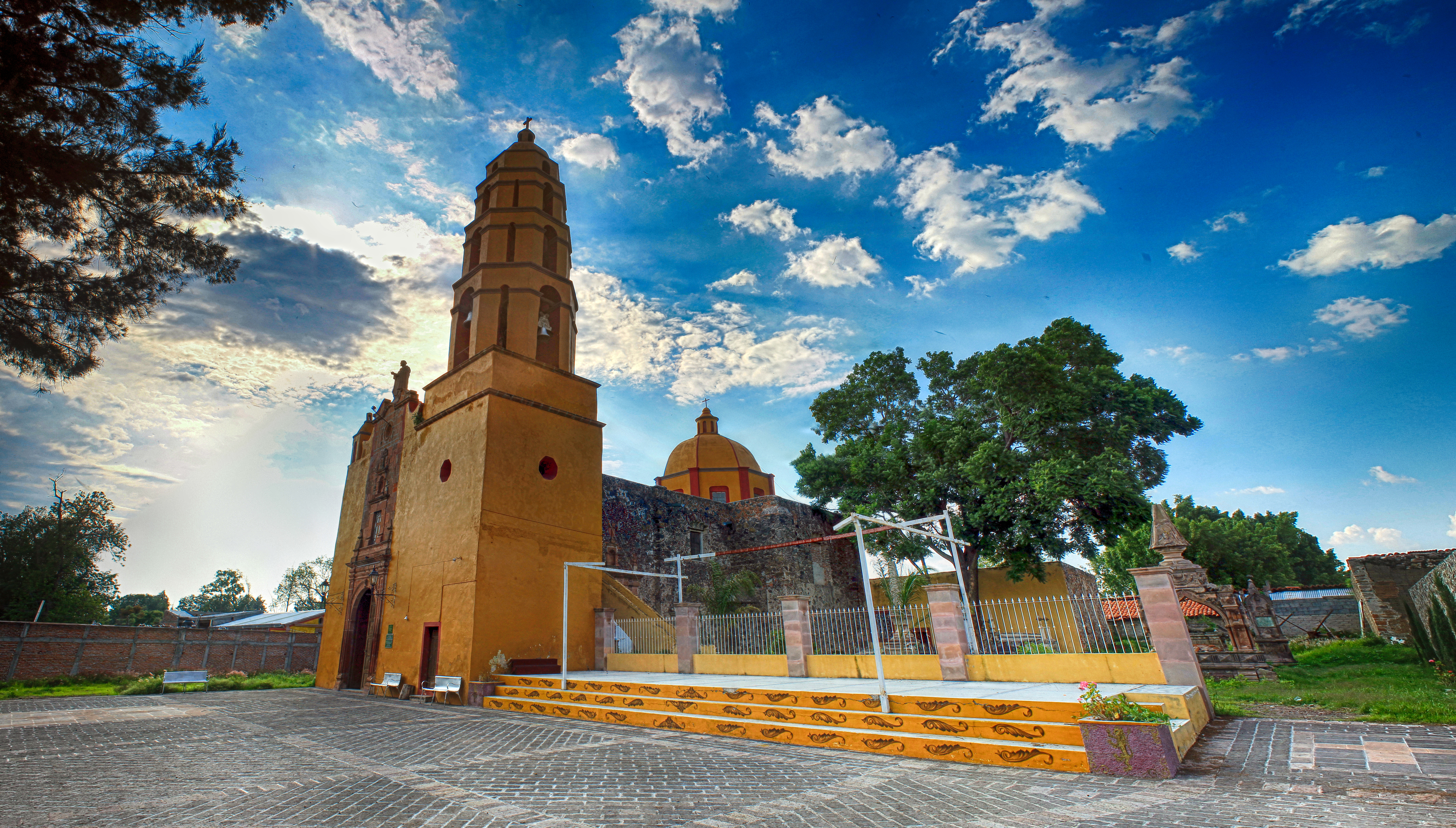
Religious Complex of Santo Domingo
This 18th-century building began with the construction of a stone chapel in 1737, using stone quarried from the riverbed. This chapel now serves as the annex to the current church.
Religious Complex of Santo Domingo
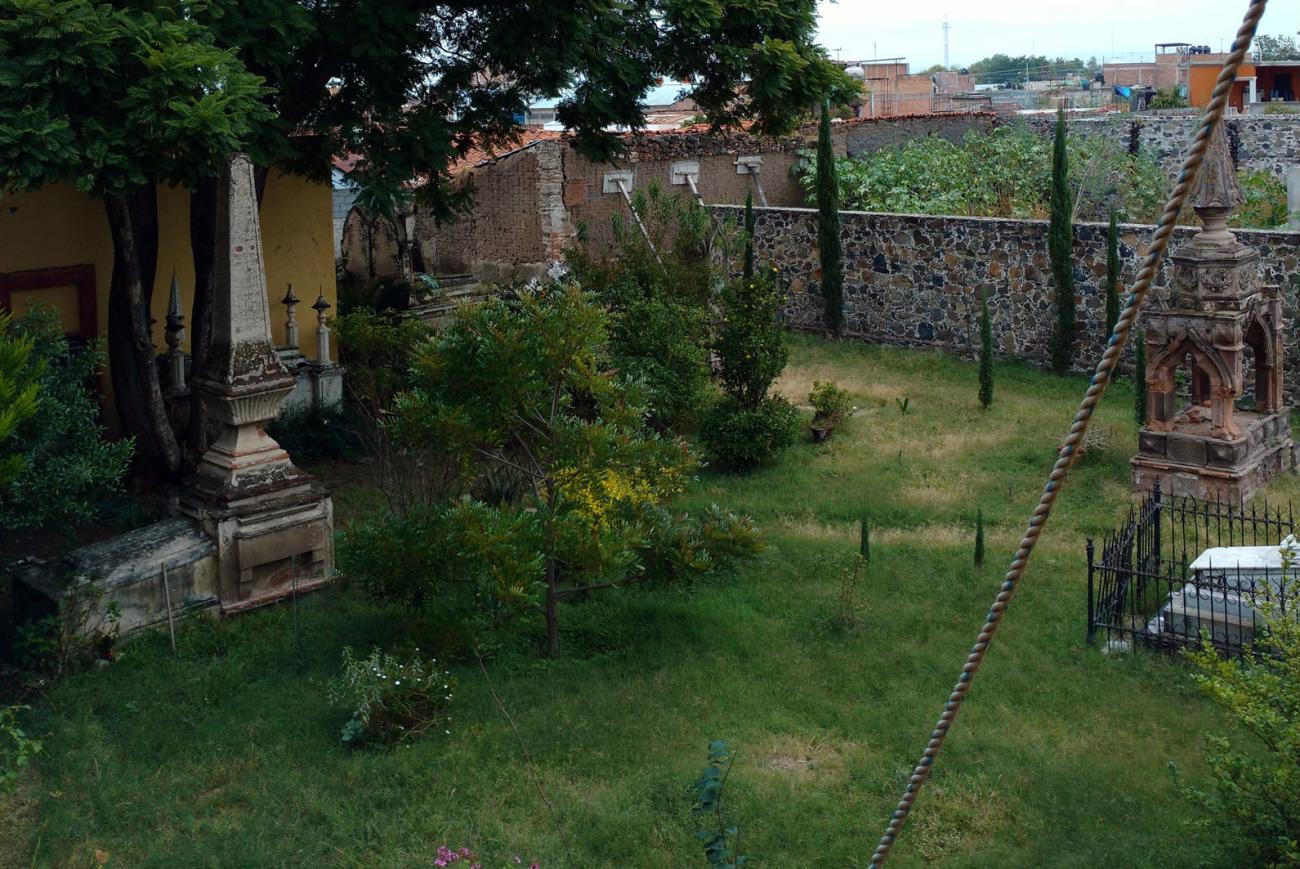
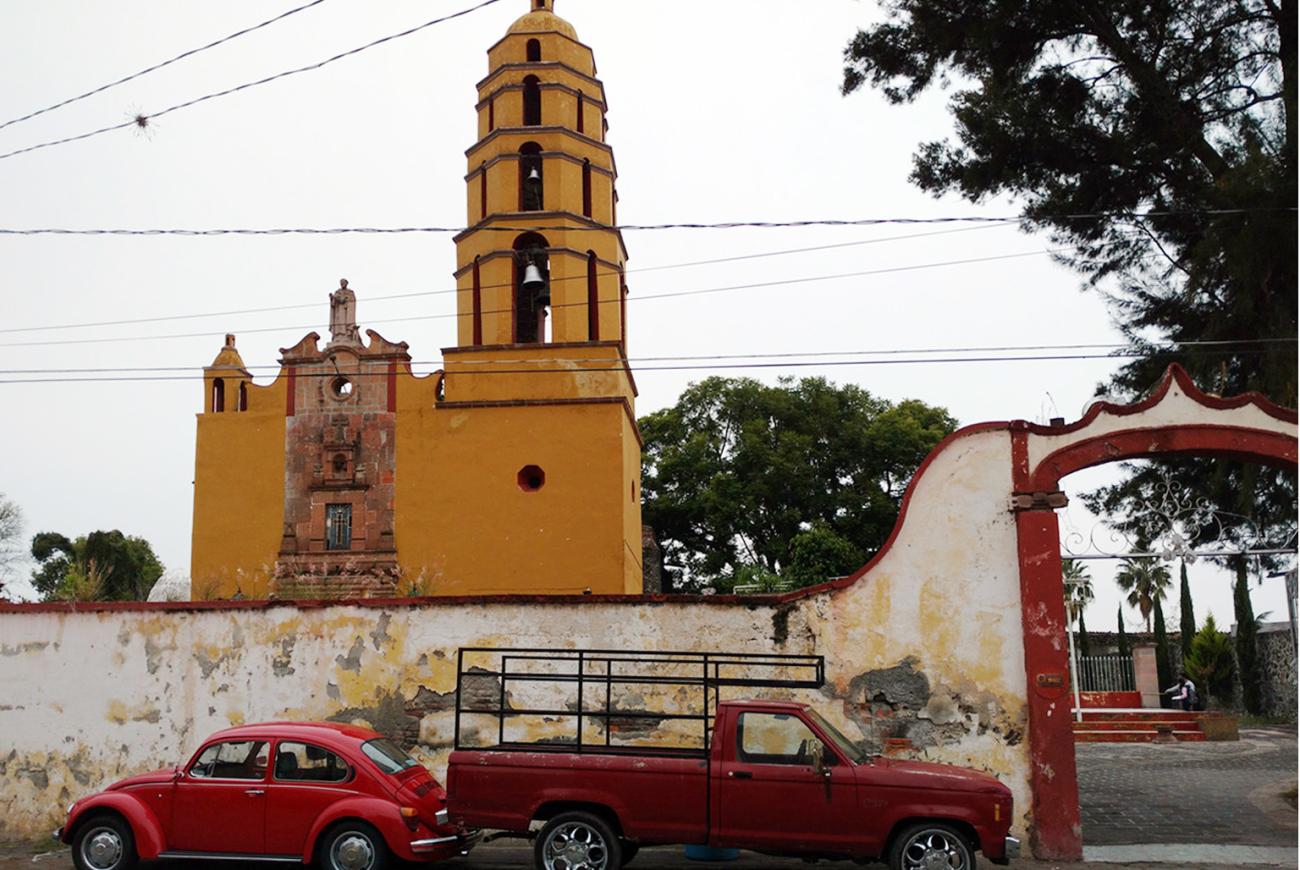
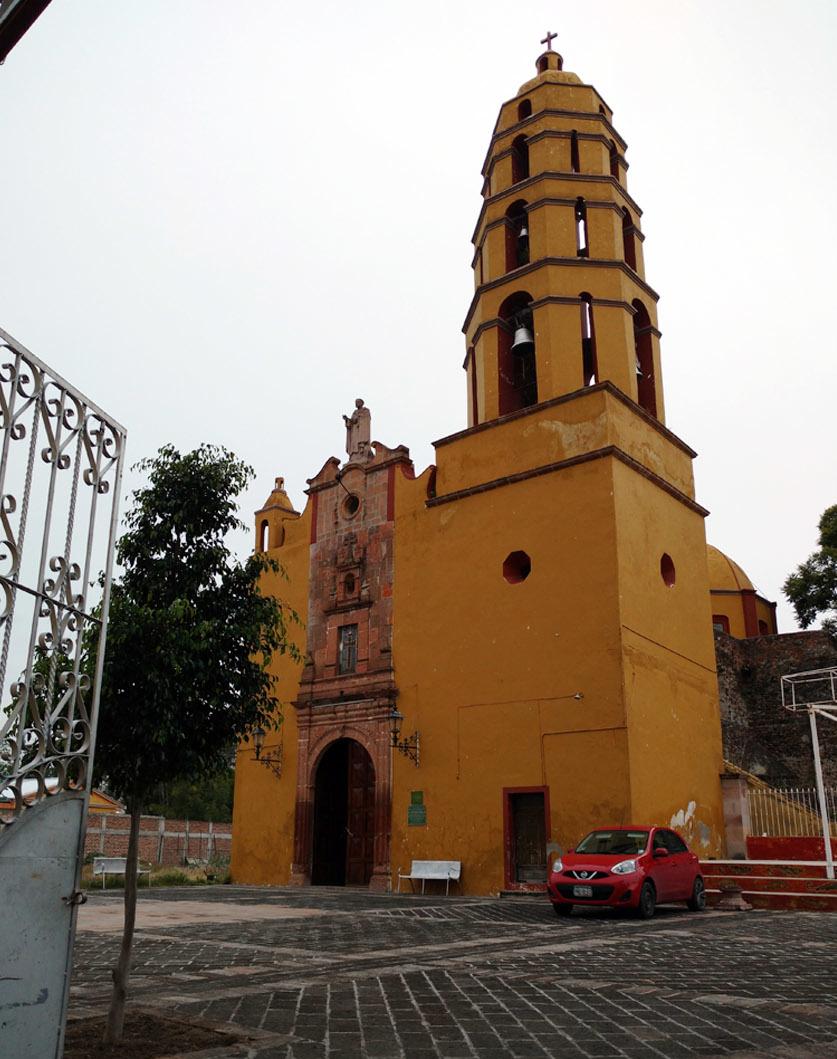
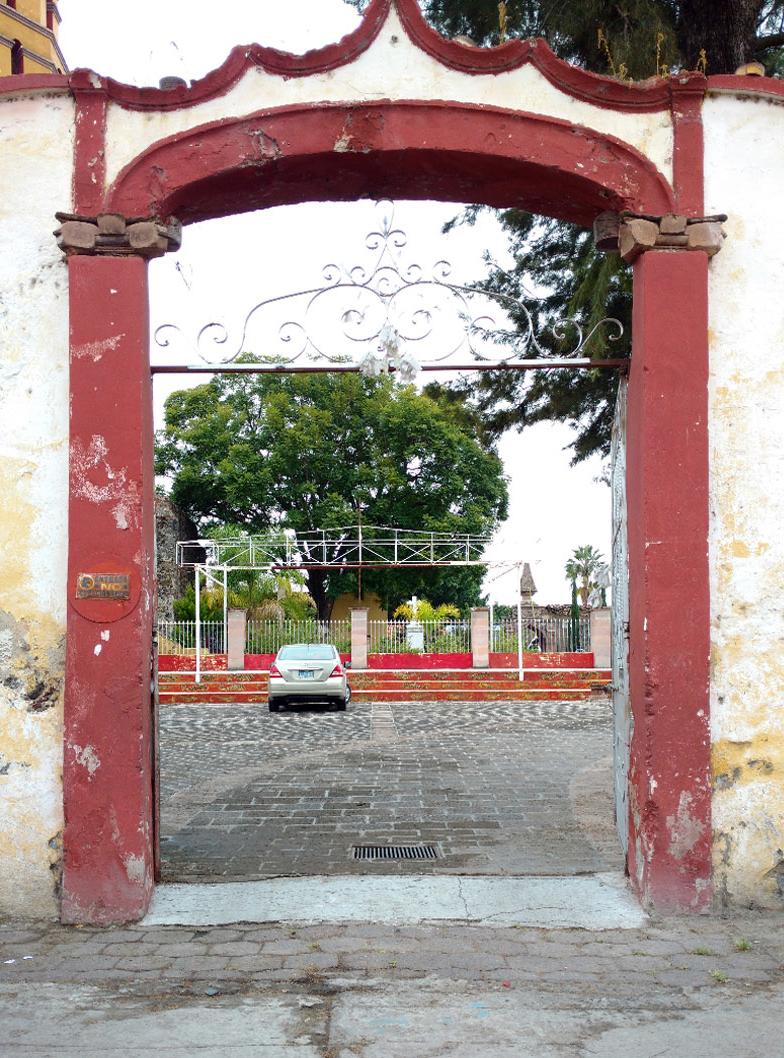
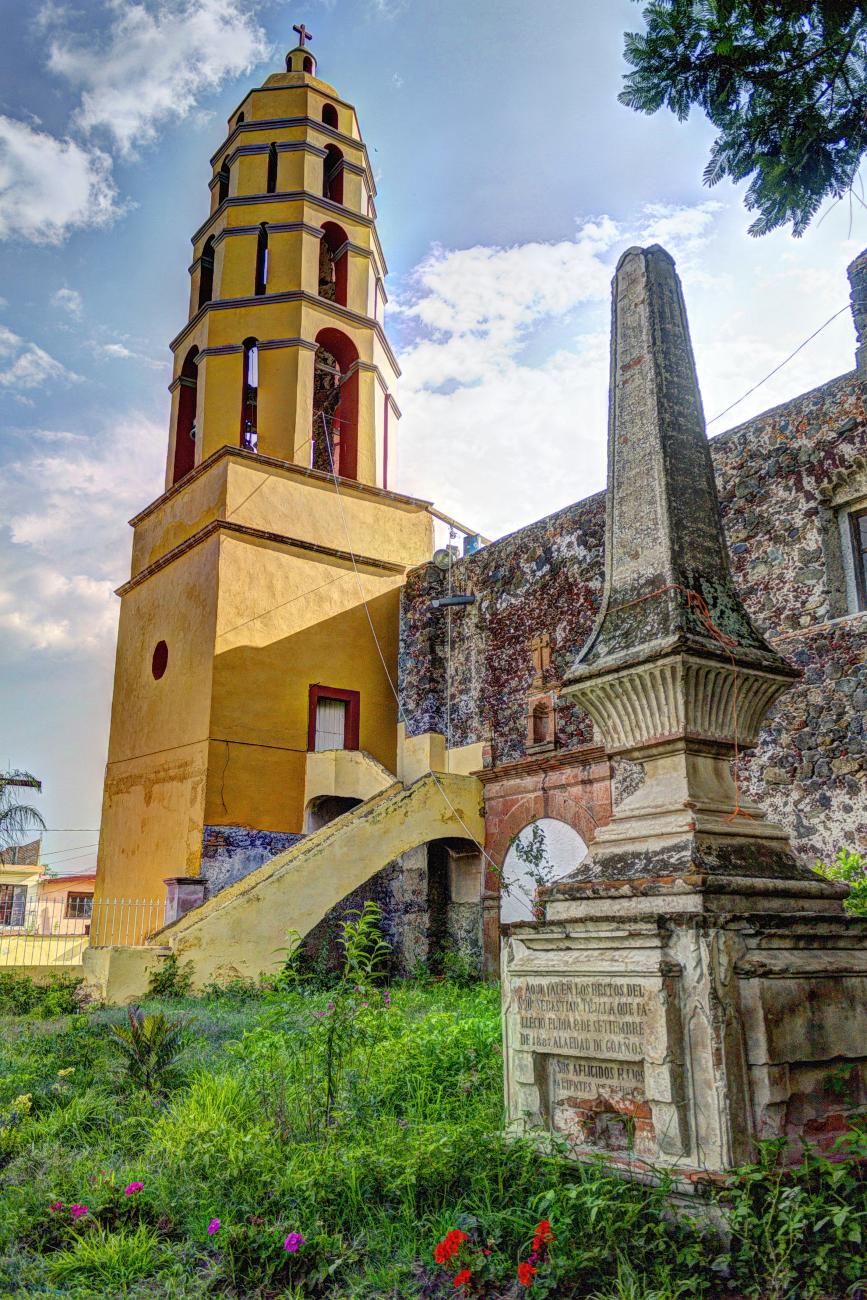
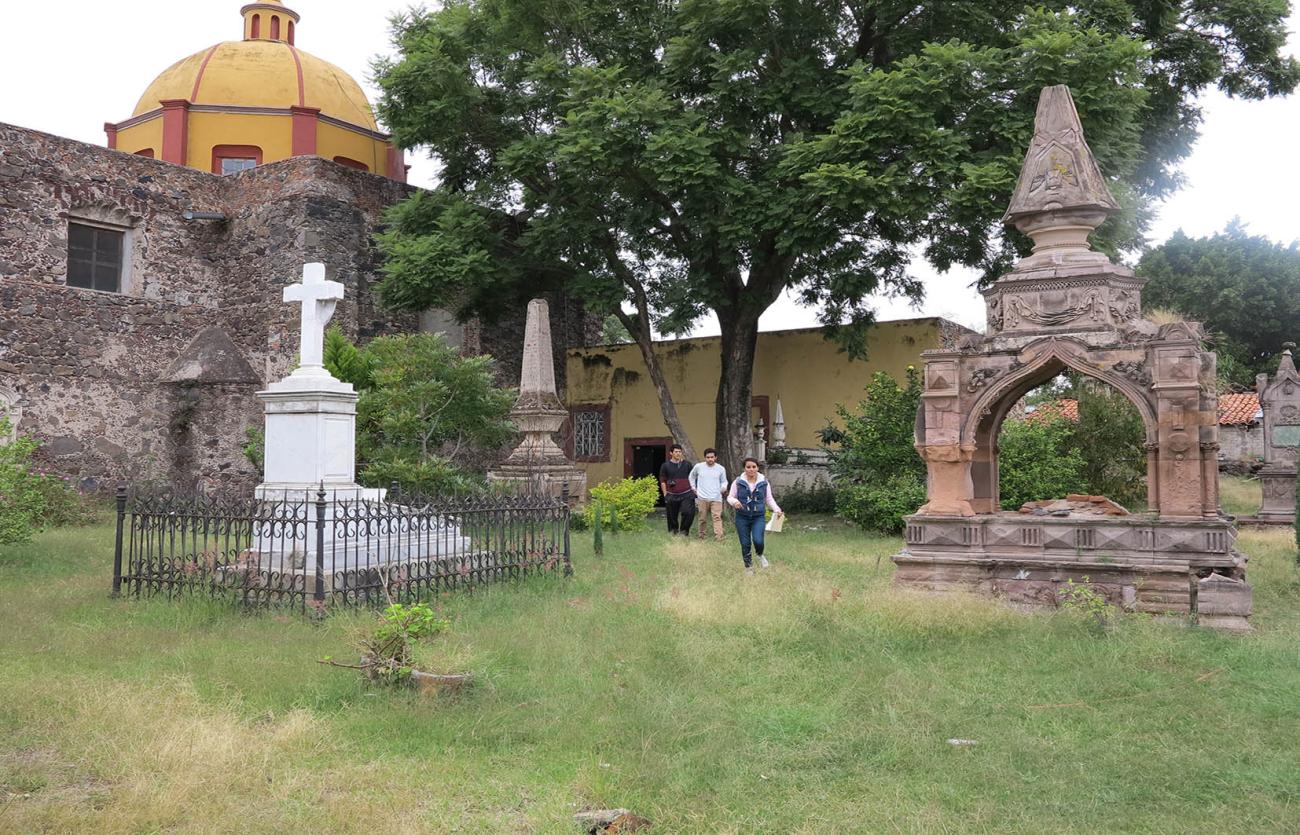
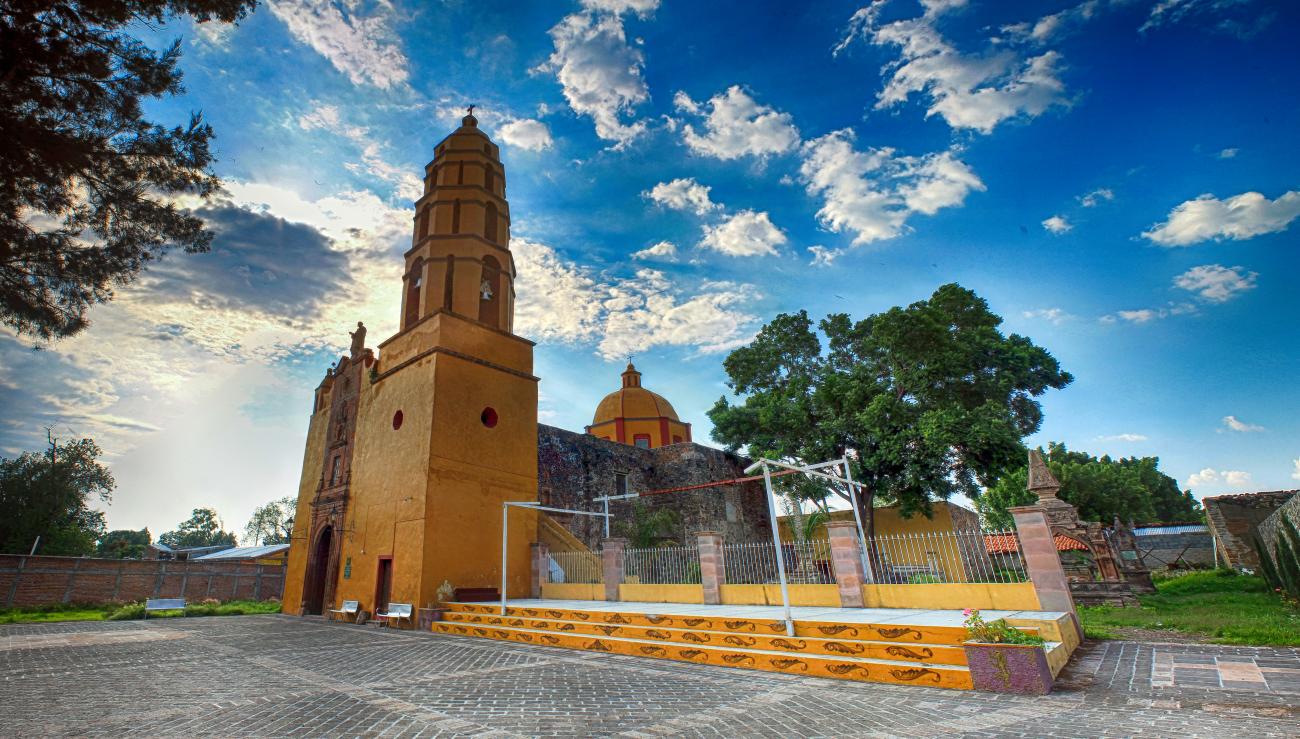
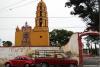
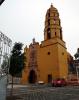

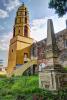
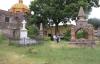
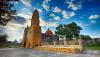
This 18th-century building began with the construction of a stone chapel in 1737, using stone quarried from the riverbed. This chapel now serves as the annex to the current church. Between 1750 and 1753, the choir vault, main façade, and side portals were built, with the entire complex completed on August 3, 1793.
In 1767, Friar José Morales of the Order of Preachers (Dominicans) arrived to request the founding of a hospice. During its establishment, a building was constructed next to the Chapel of Christ, known as the Lord of Clemency.
Municipal Cemetery of Salvatierra
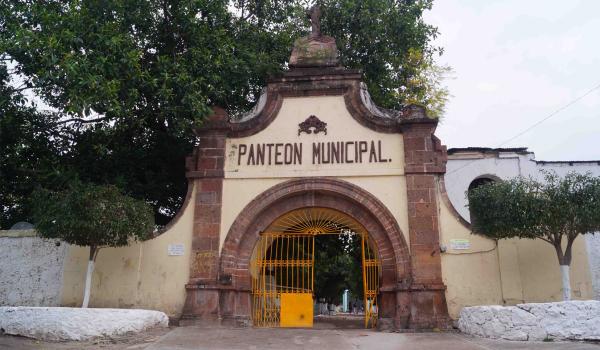
This 19th-century site traces its origins back to November 7, 1653, when the city council requested land from the Carmelite religious order at the San Elías pasture, where the municipal cemetery was established. During the Porfiriato era, from 1879 to 1886, the San Elías cemetery was renovated.
Municipal Cemetery of Salvatierra
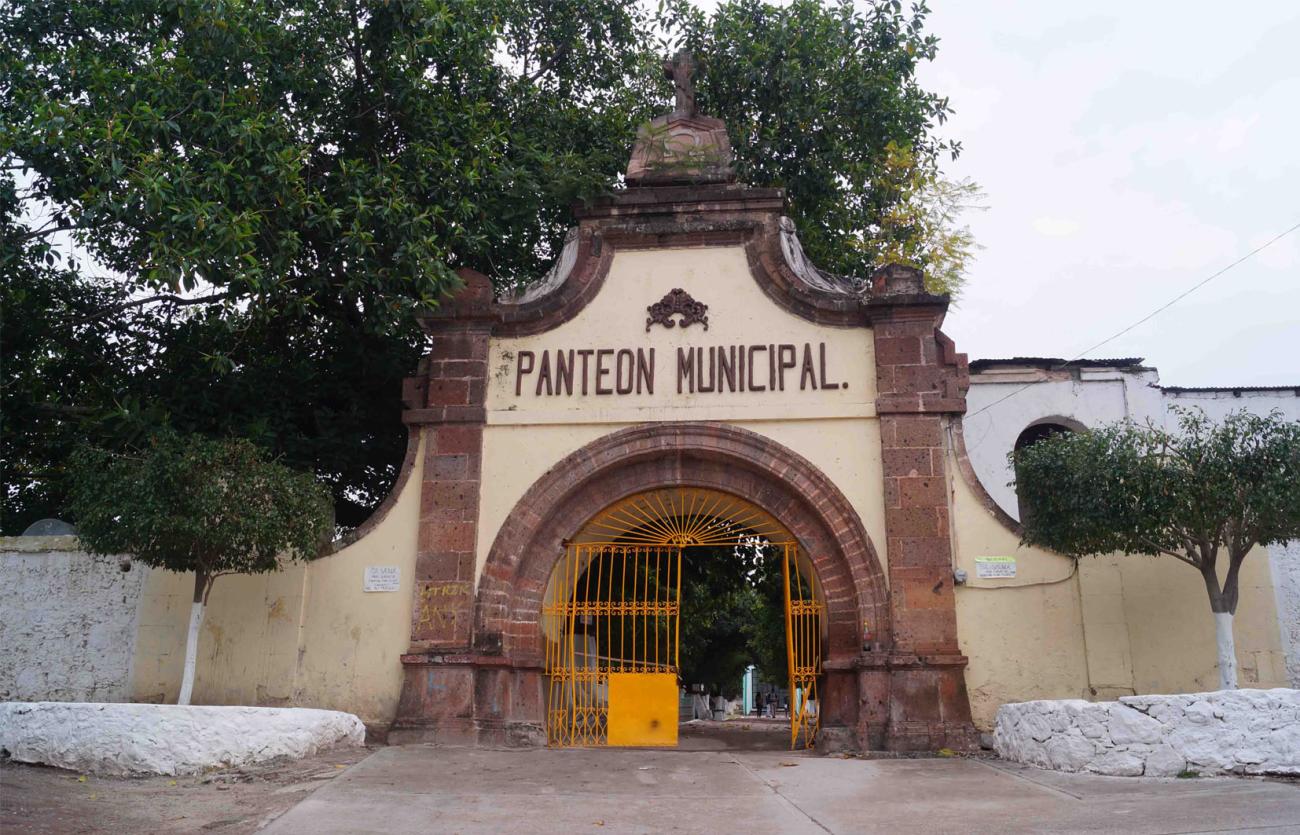
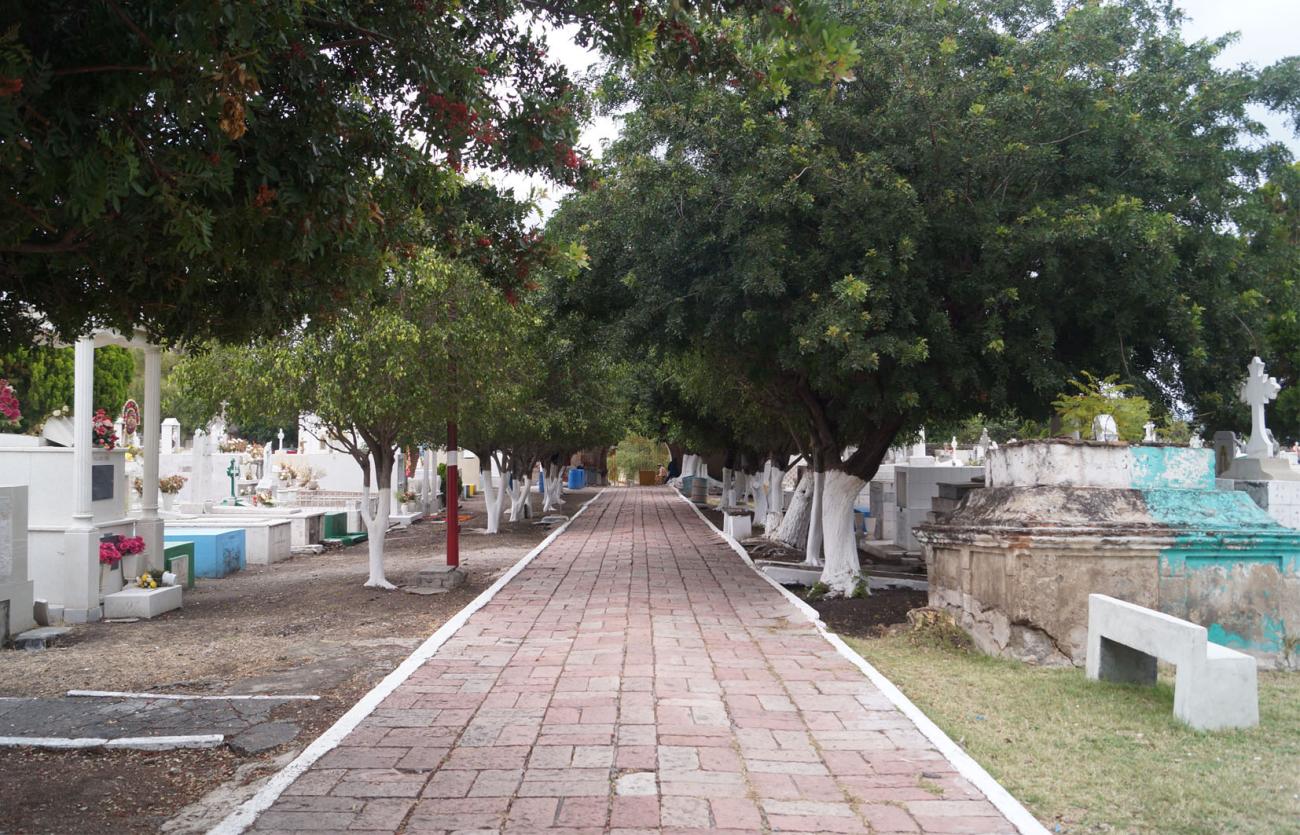
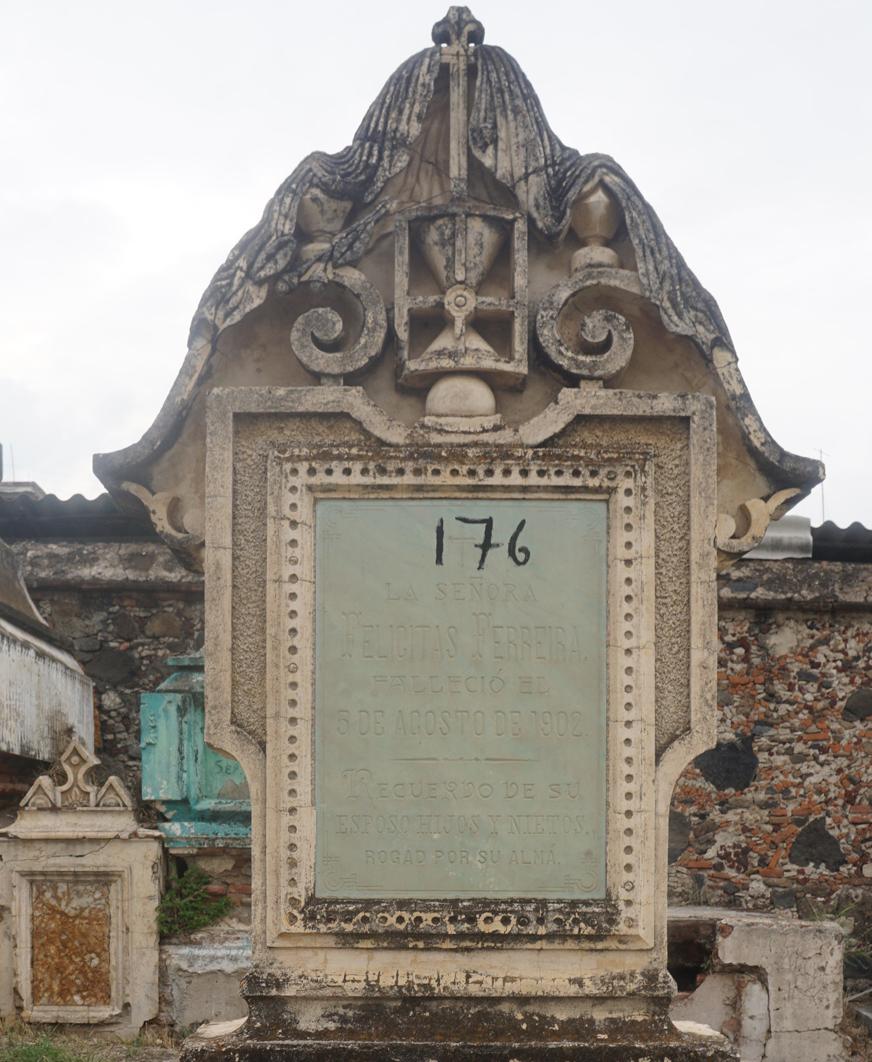
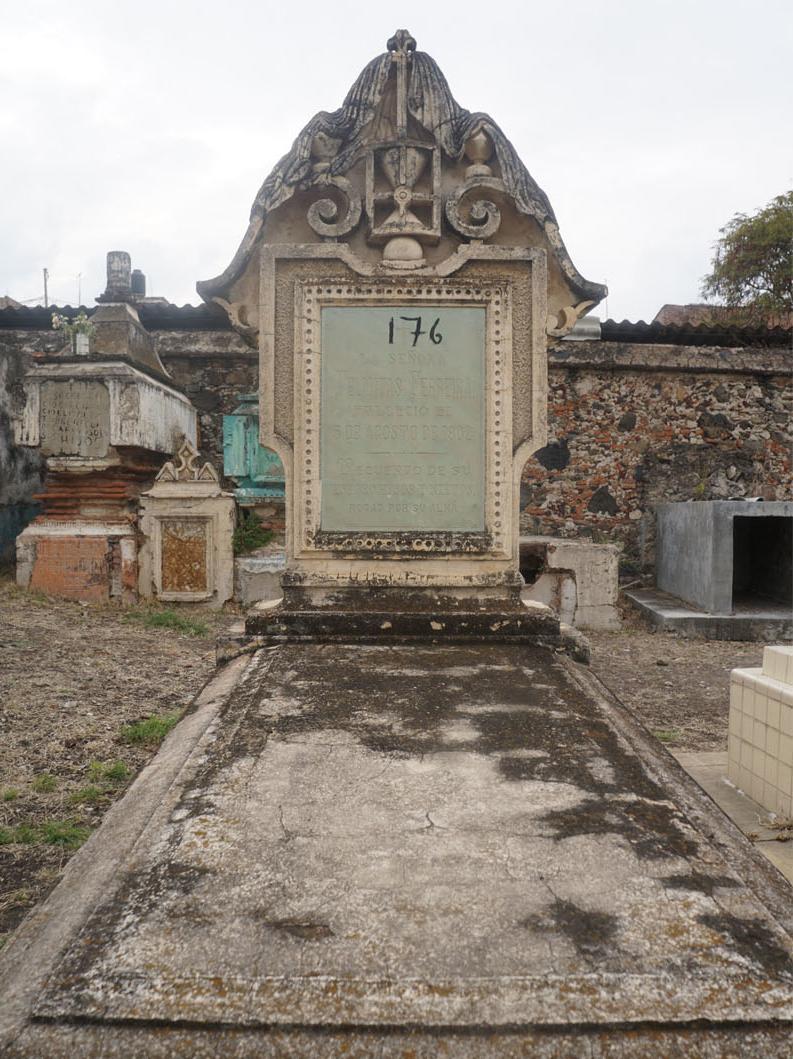
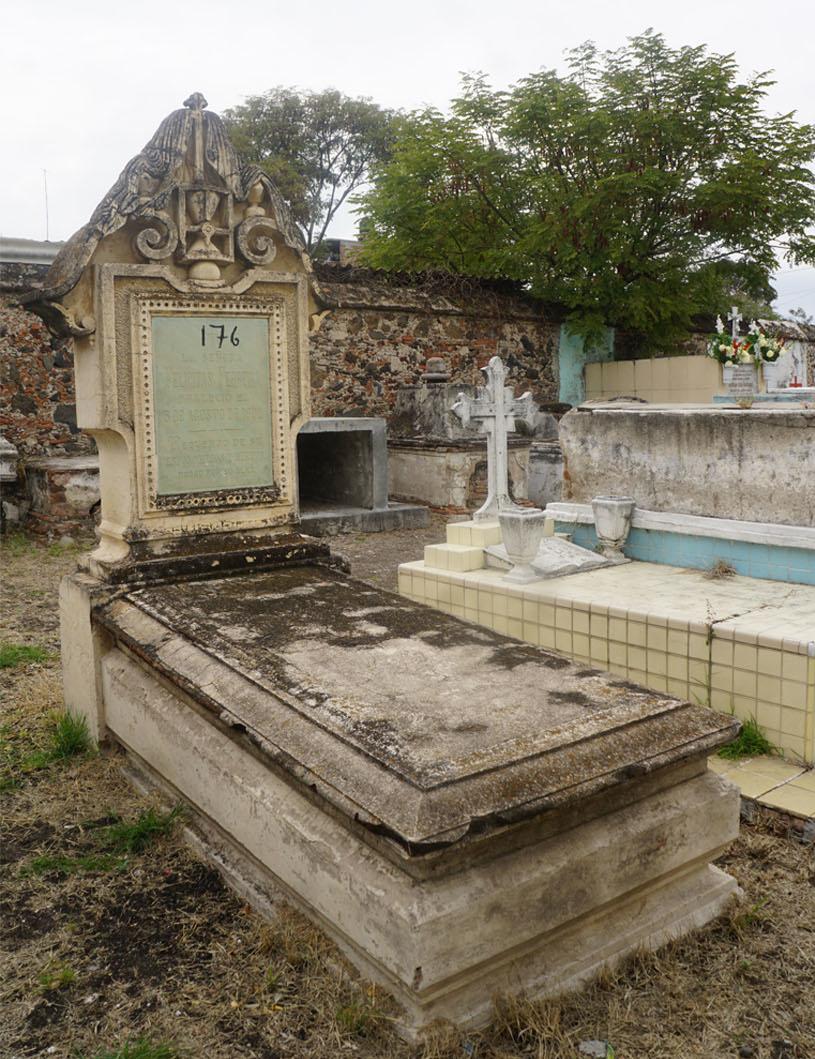
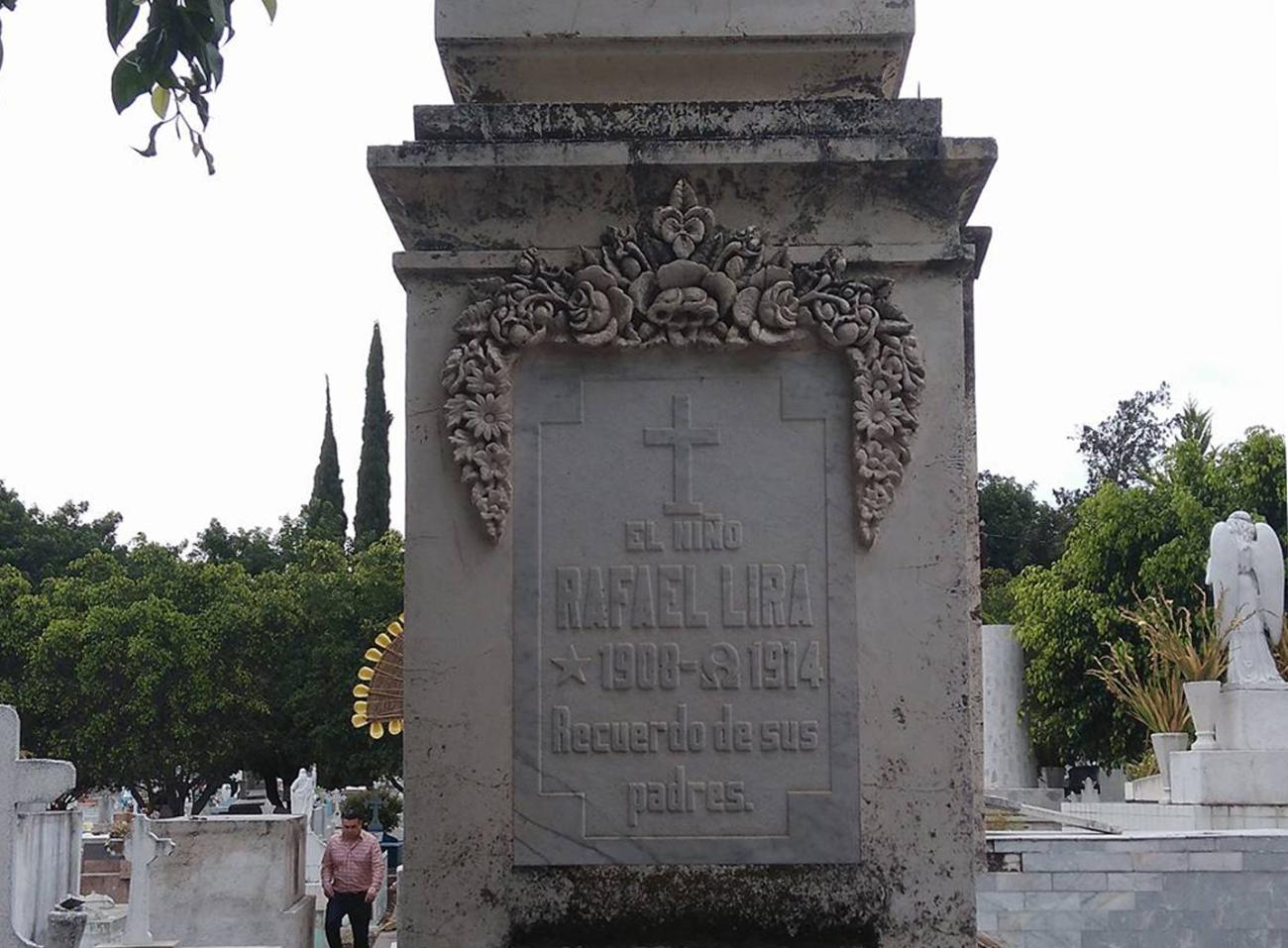
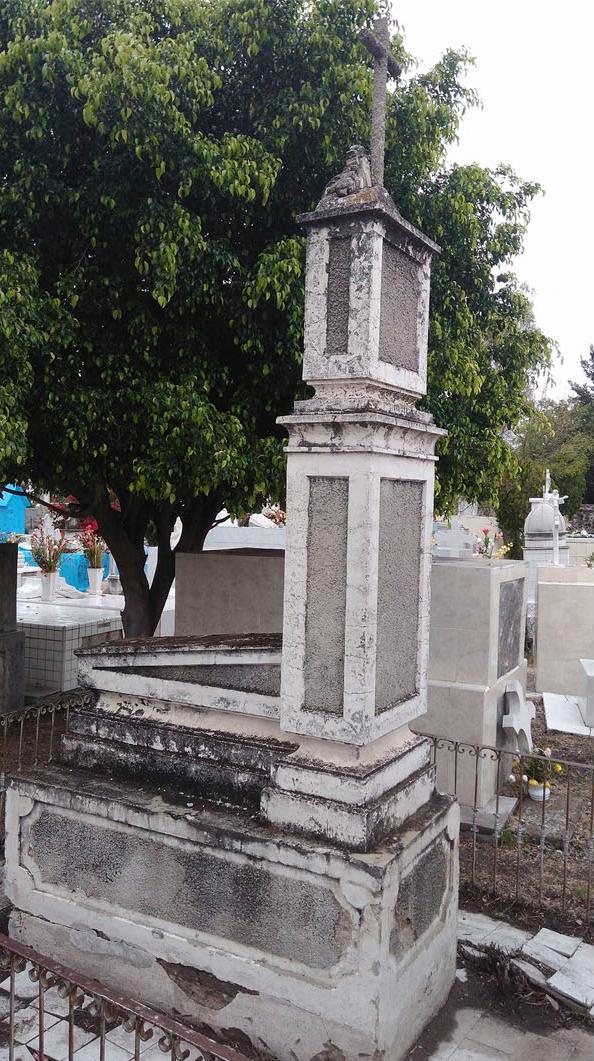
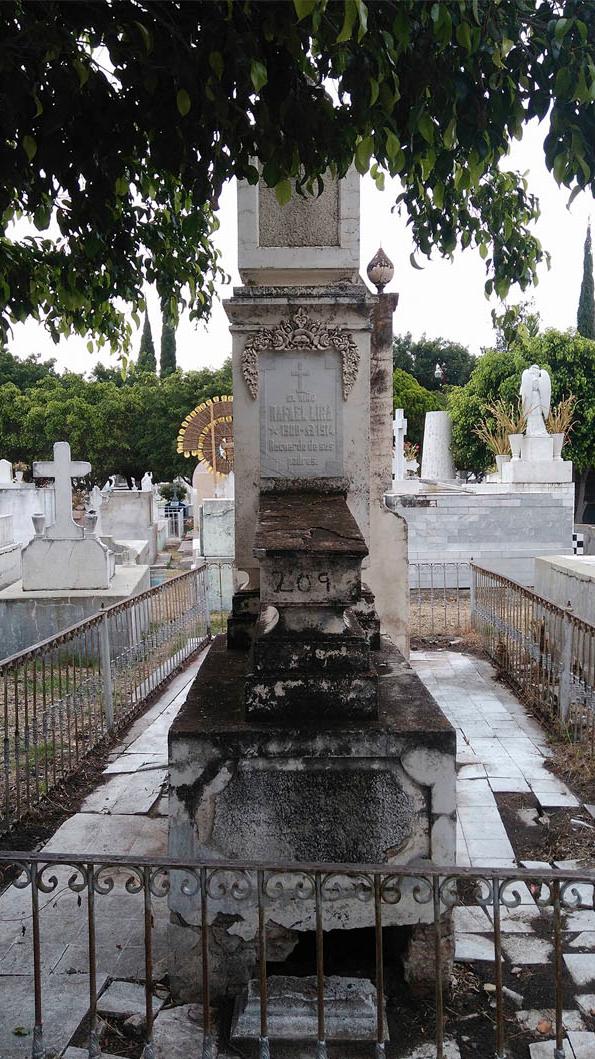
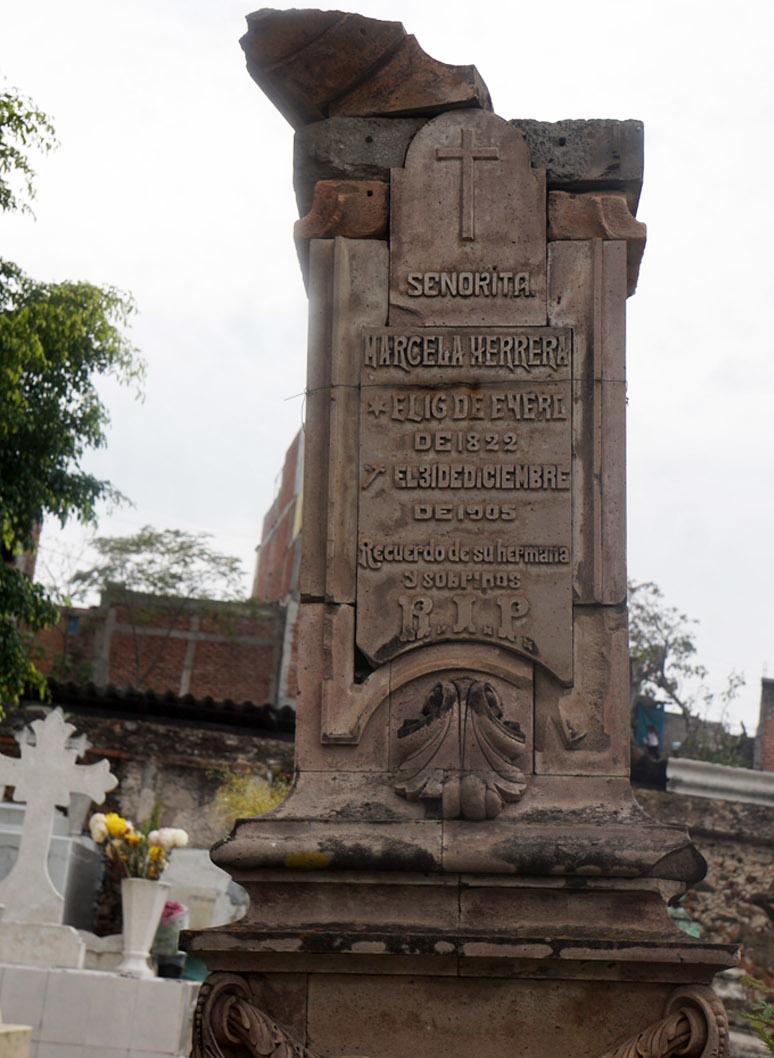
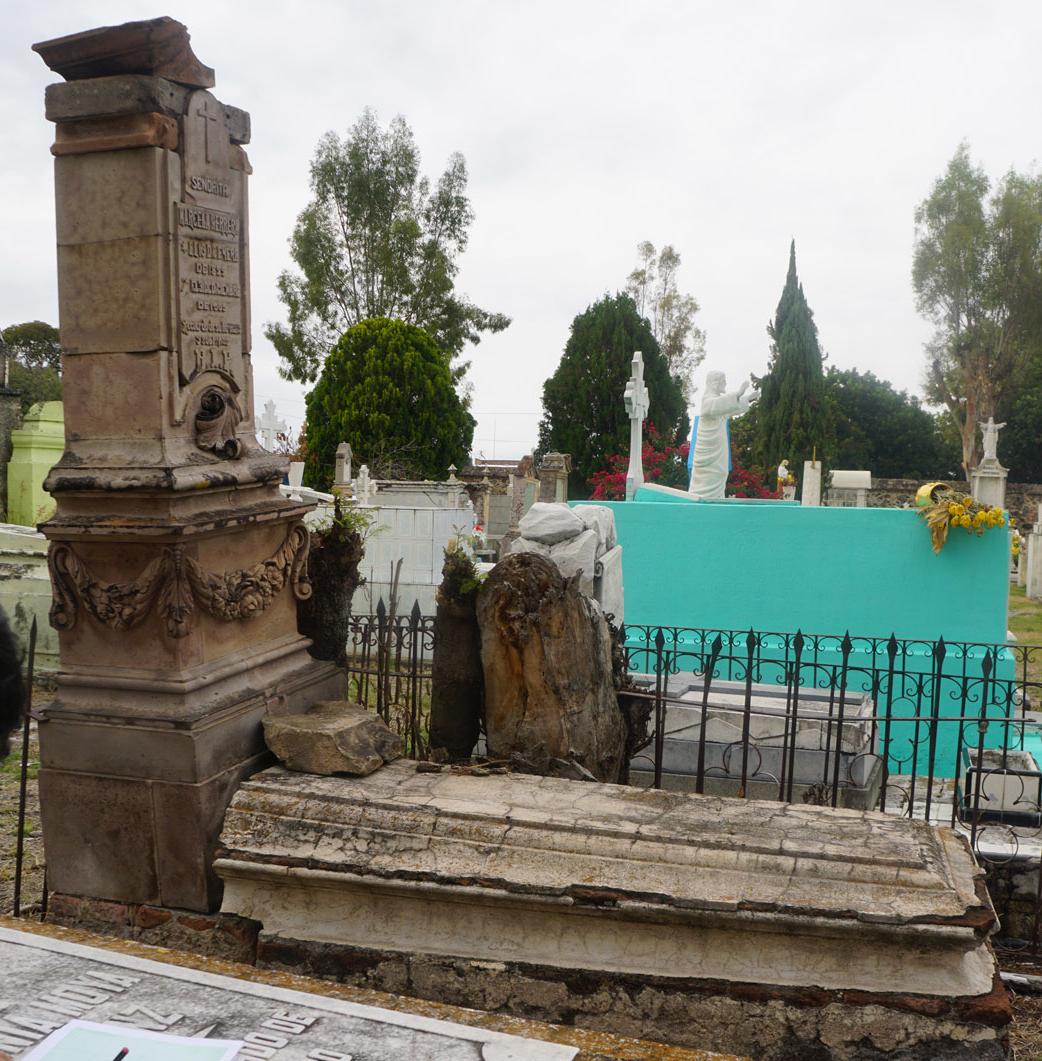
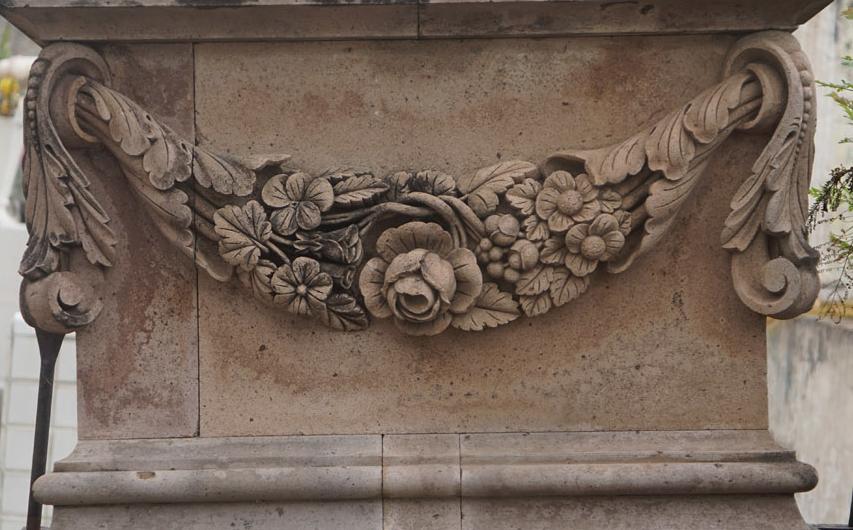
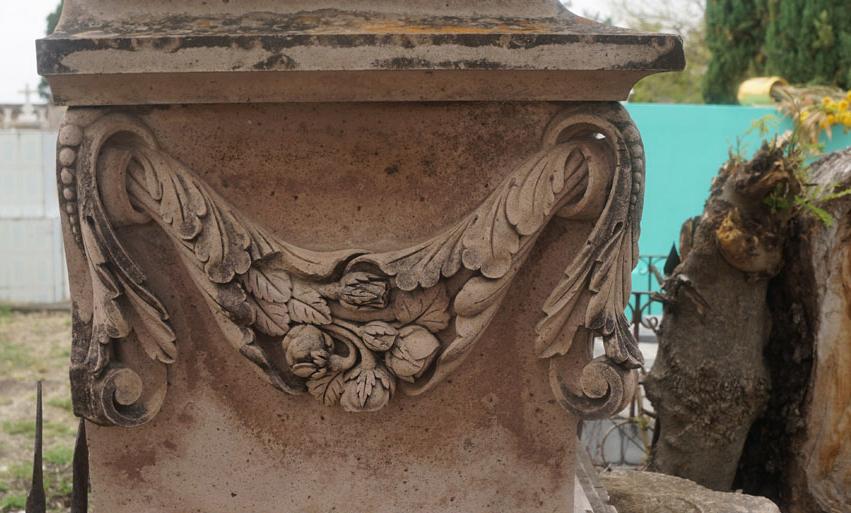
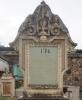
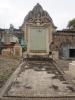
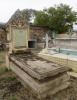
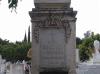
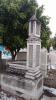
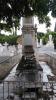
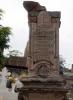
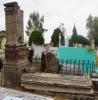
This 19th-century site traces its origins back to November 7, 1653, when the city council requested land from the Carmelite religious order at the San Elías pasture, where the municipal cemetery was established. During the Porfiriato era, from 1879 to 1886, the San Elías cemetery was renovated. In 1893, a typhus epidemic devastated the population, prompting health authorities to build a mortuary chapel within the cemetery so that the deceased would no longer be mourned at home. In 1966, thanks to the initiative of Luis Ferreira, a new chapel was constructed to replace the one built at the end of the 19th century.