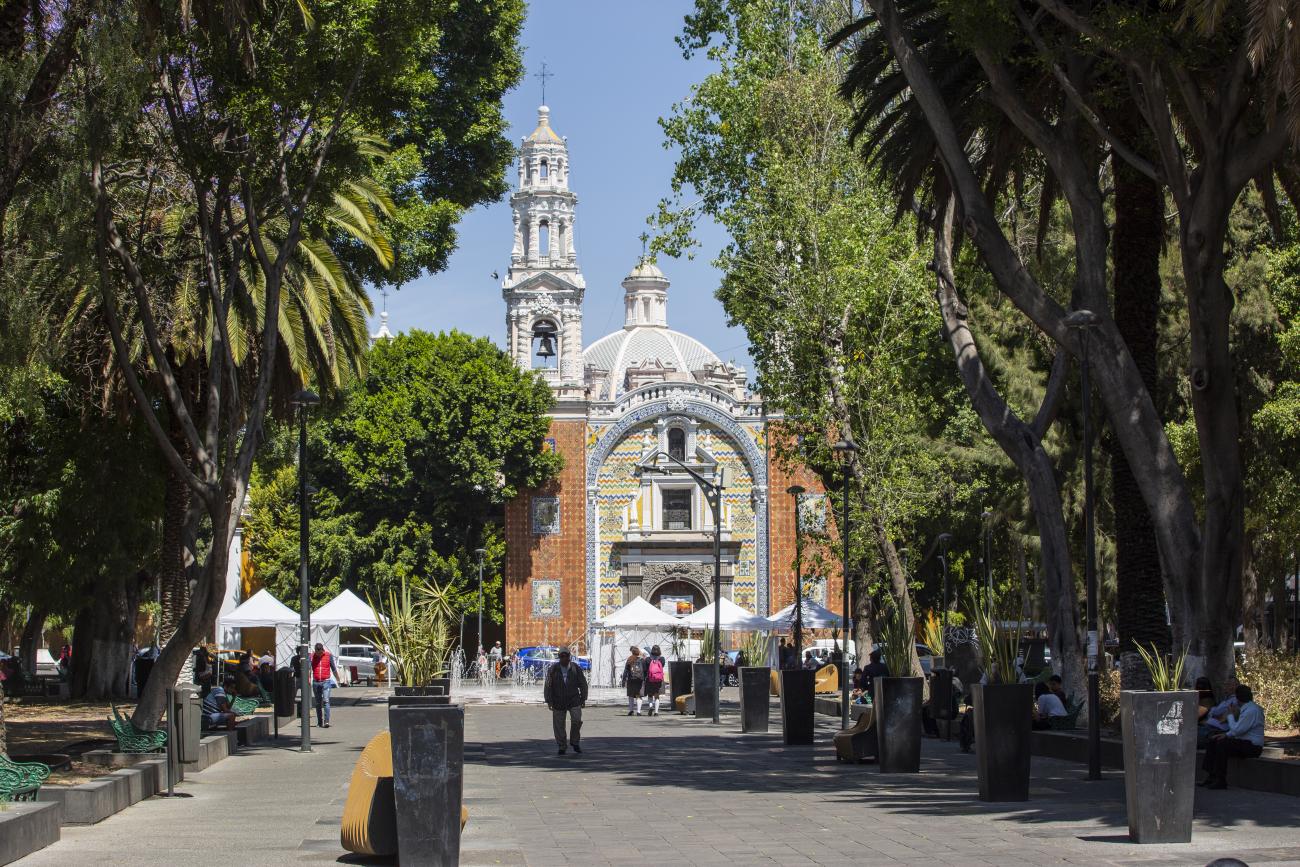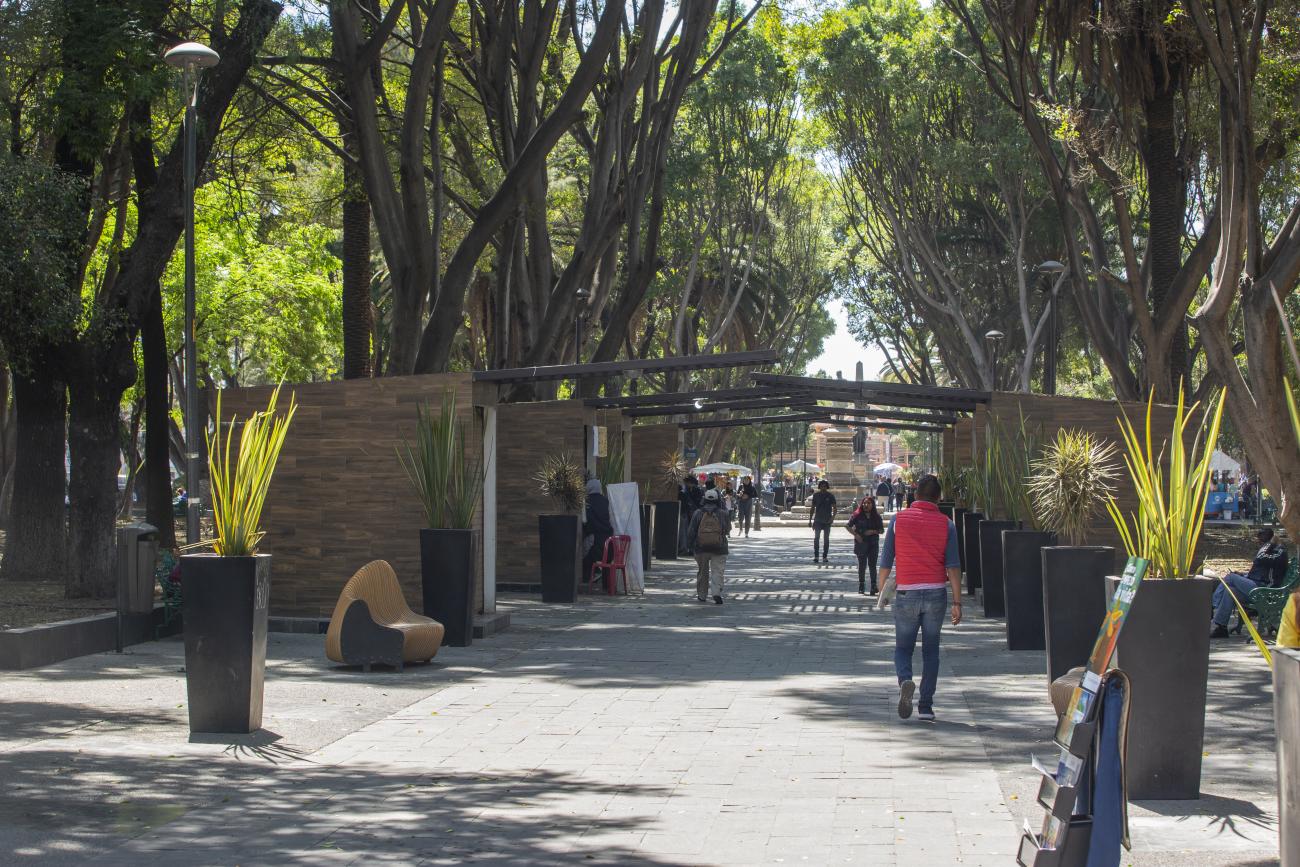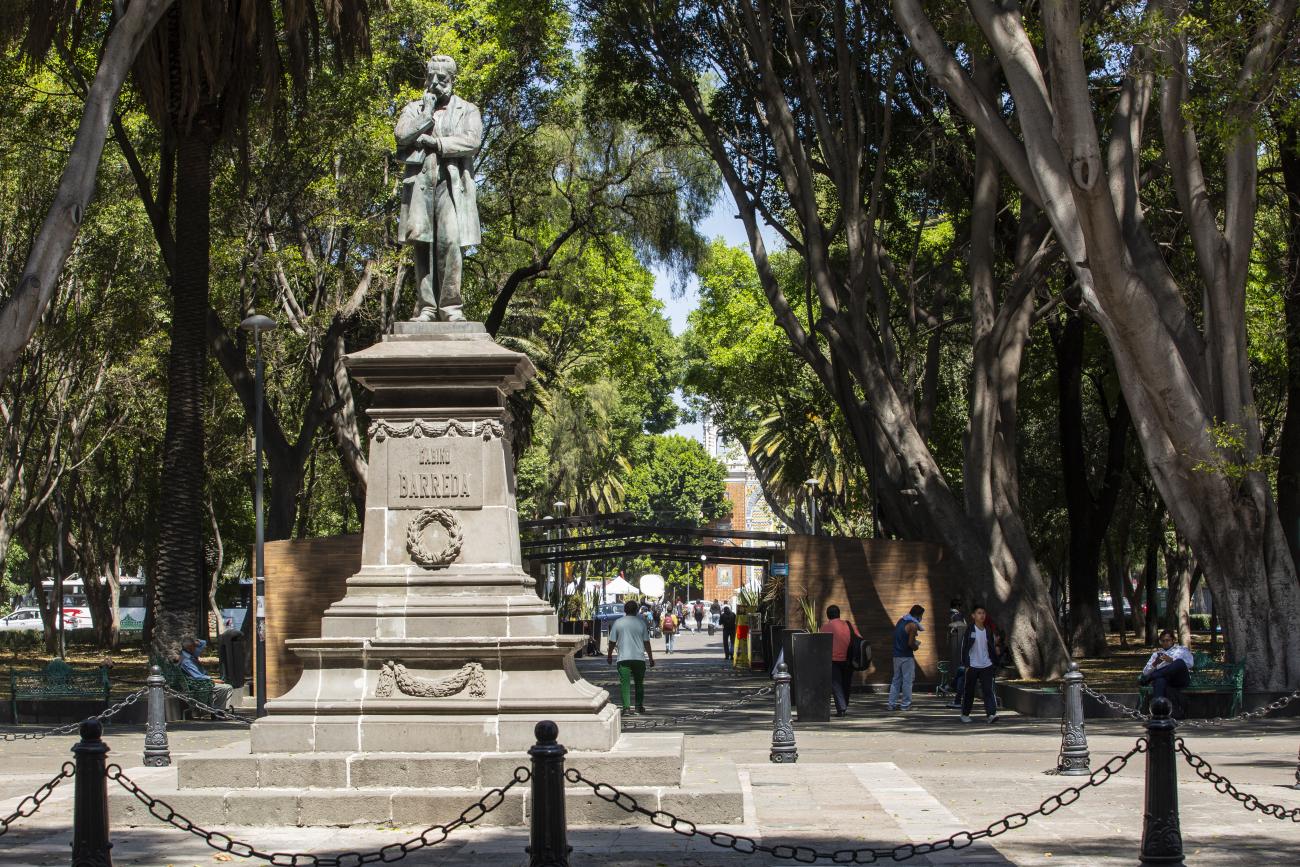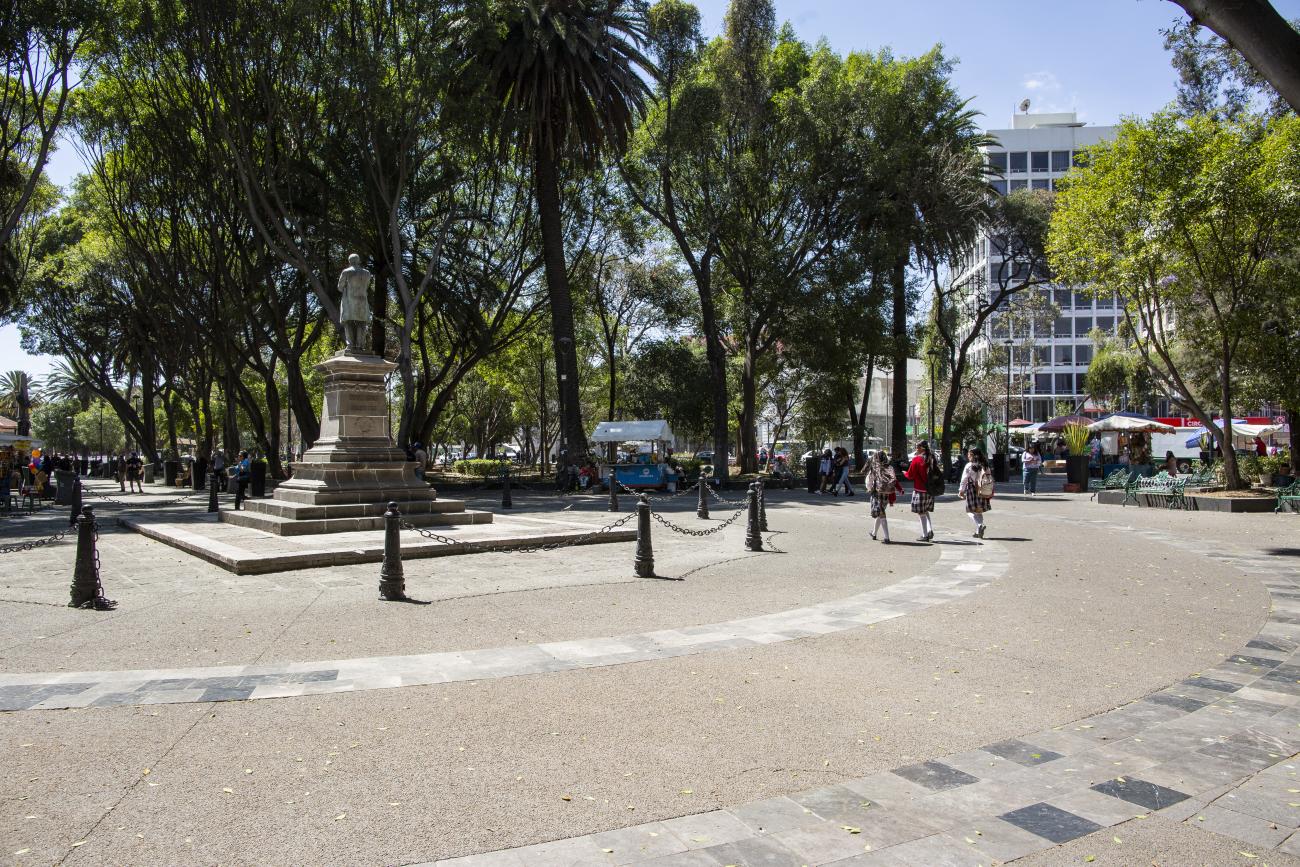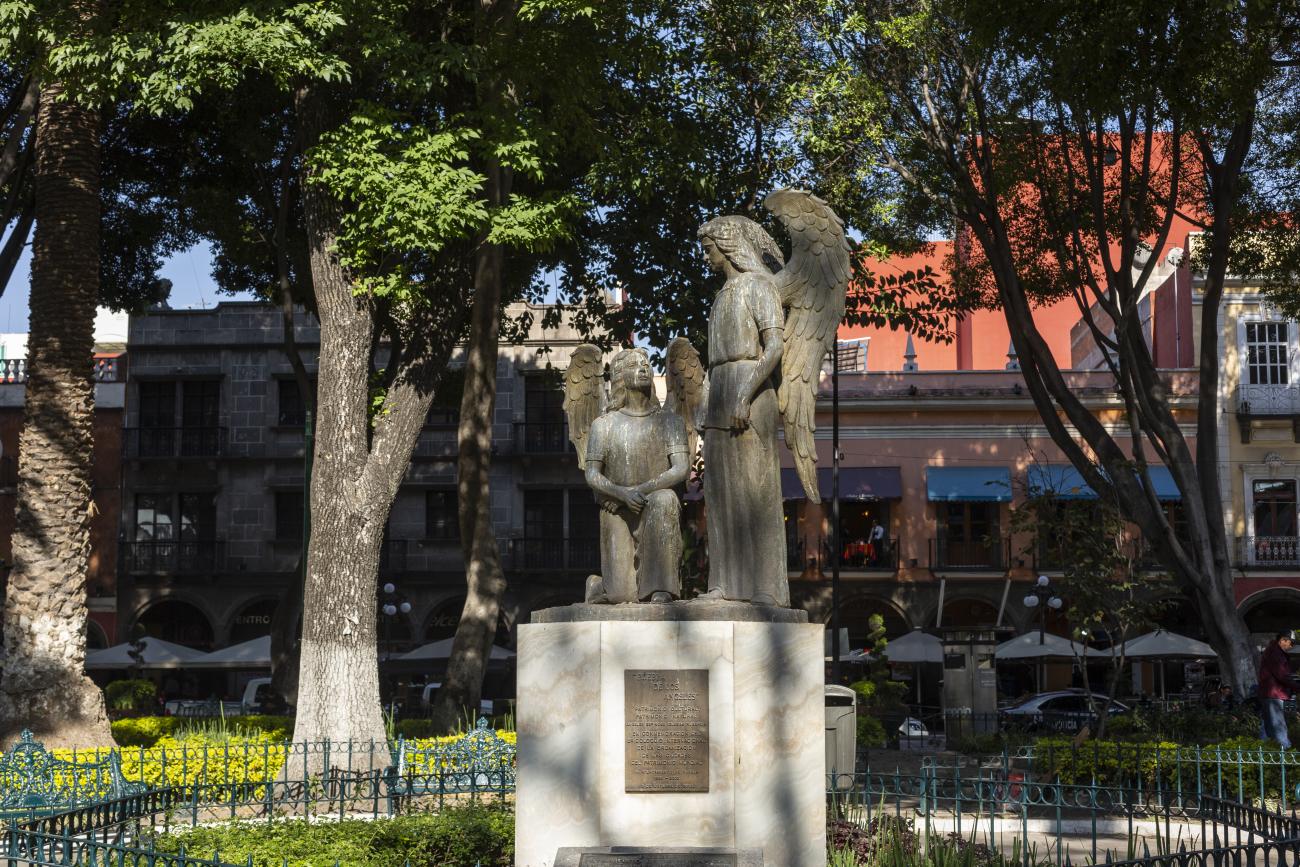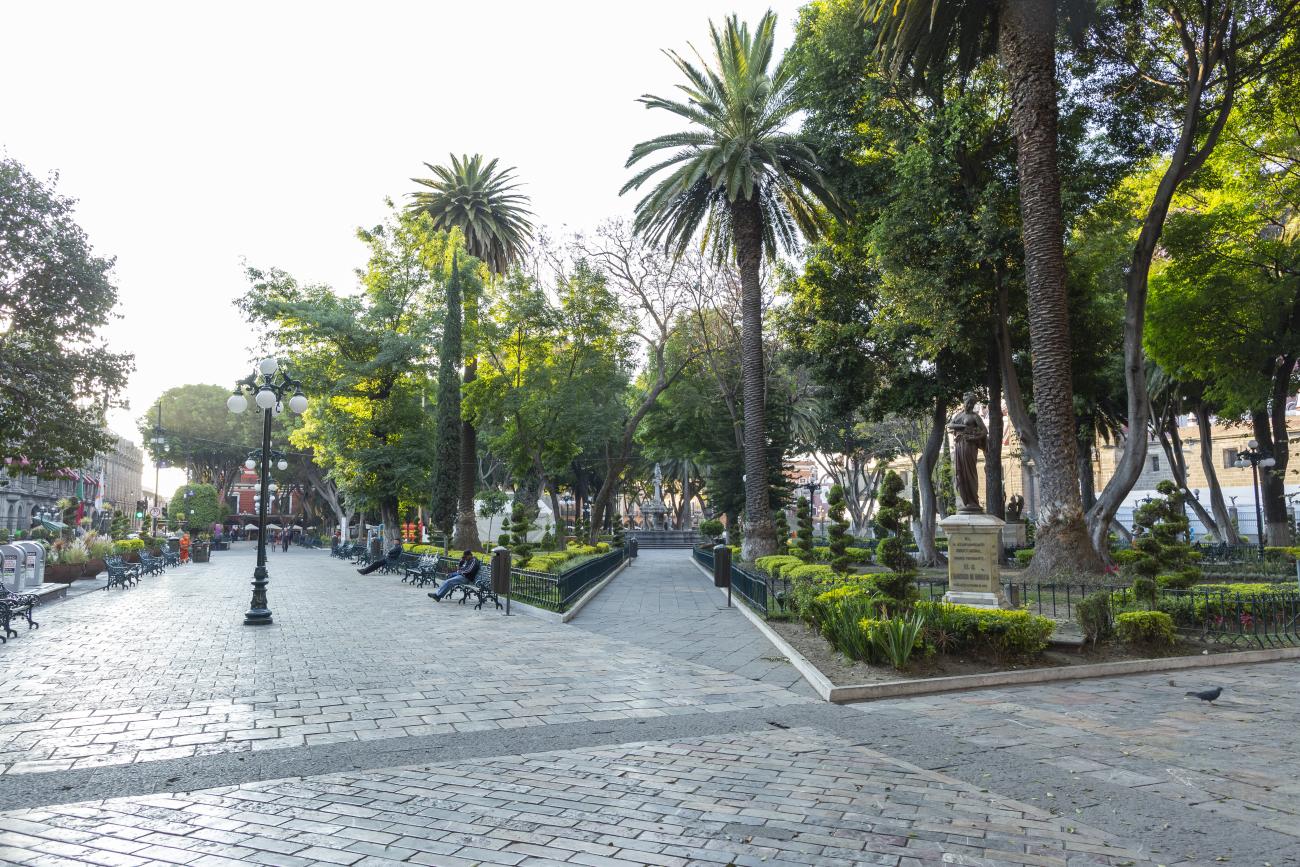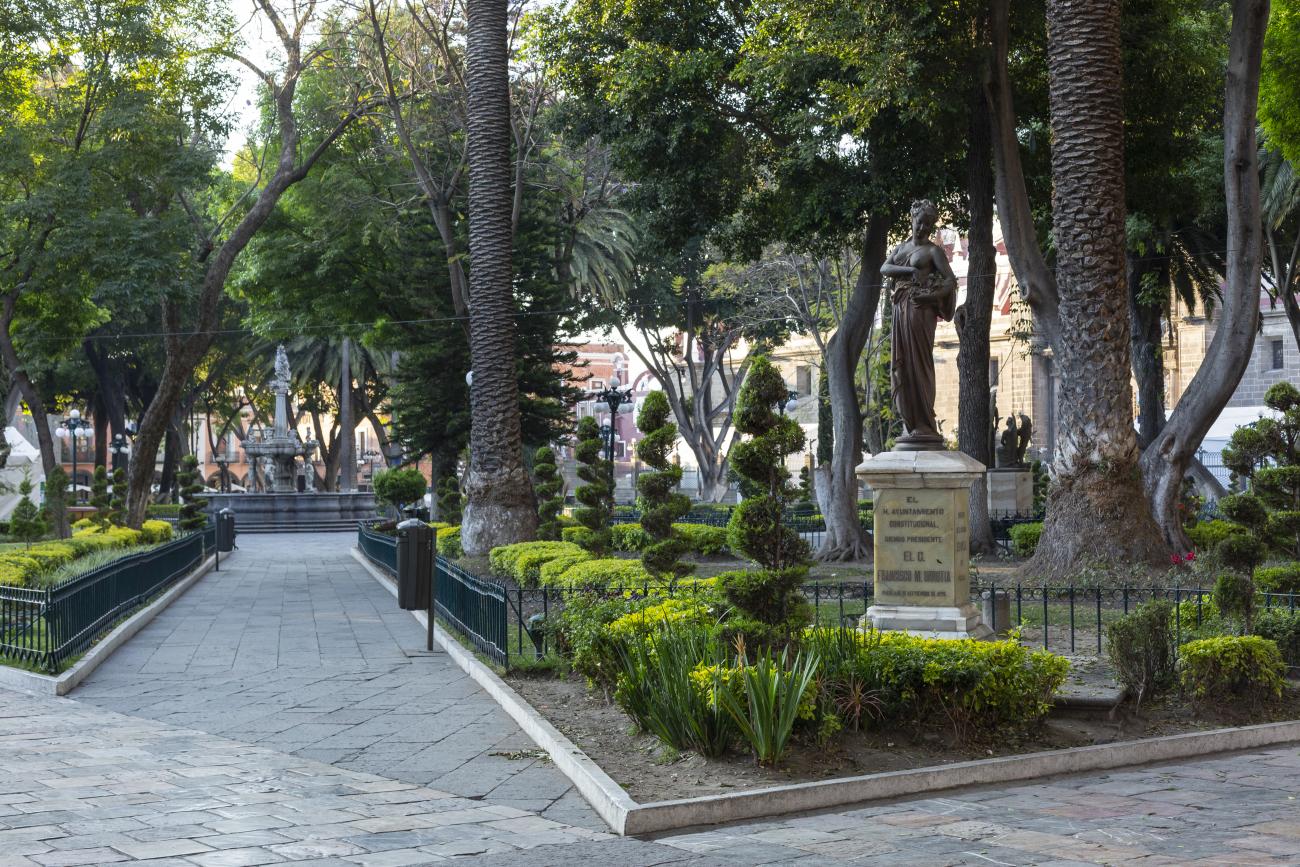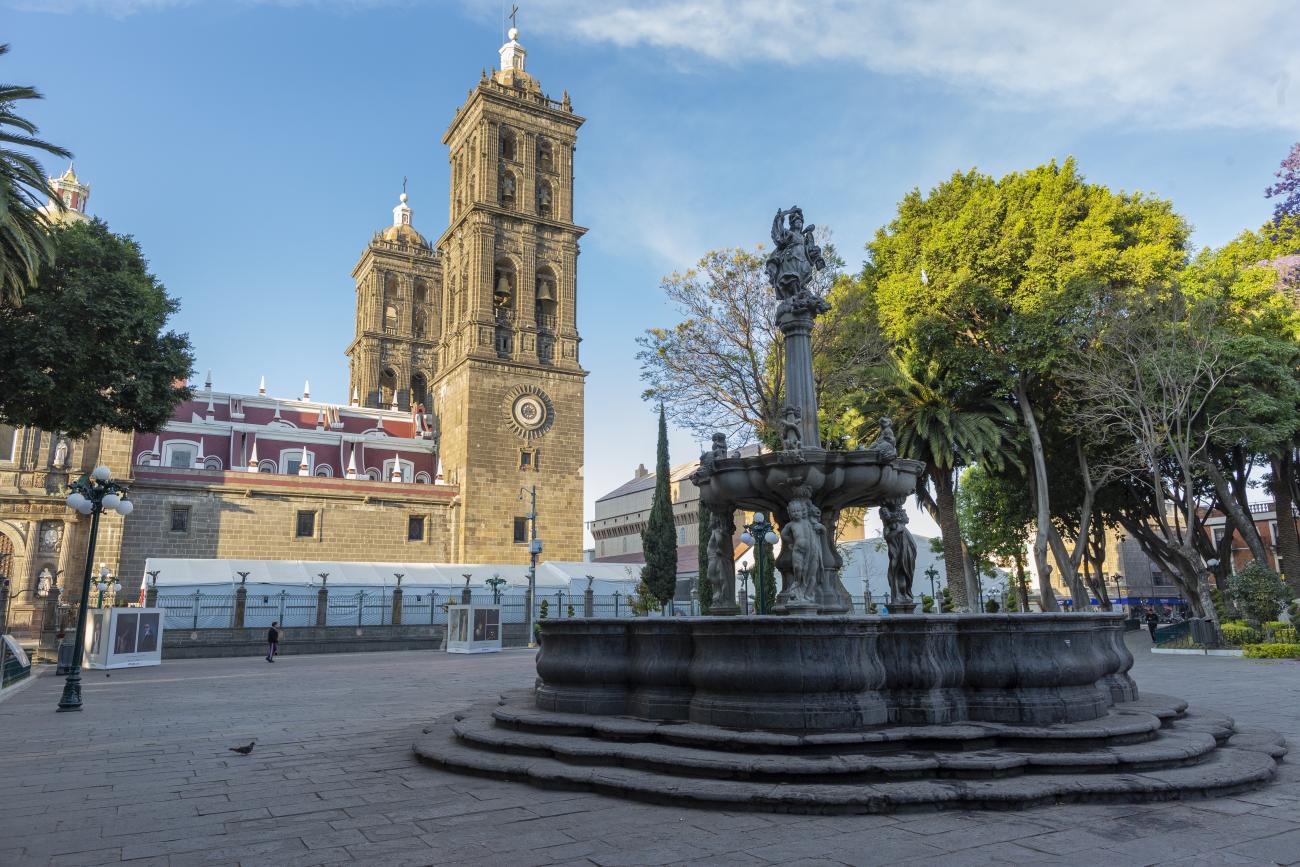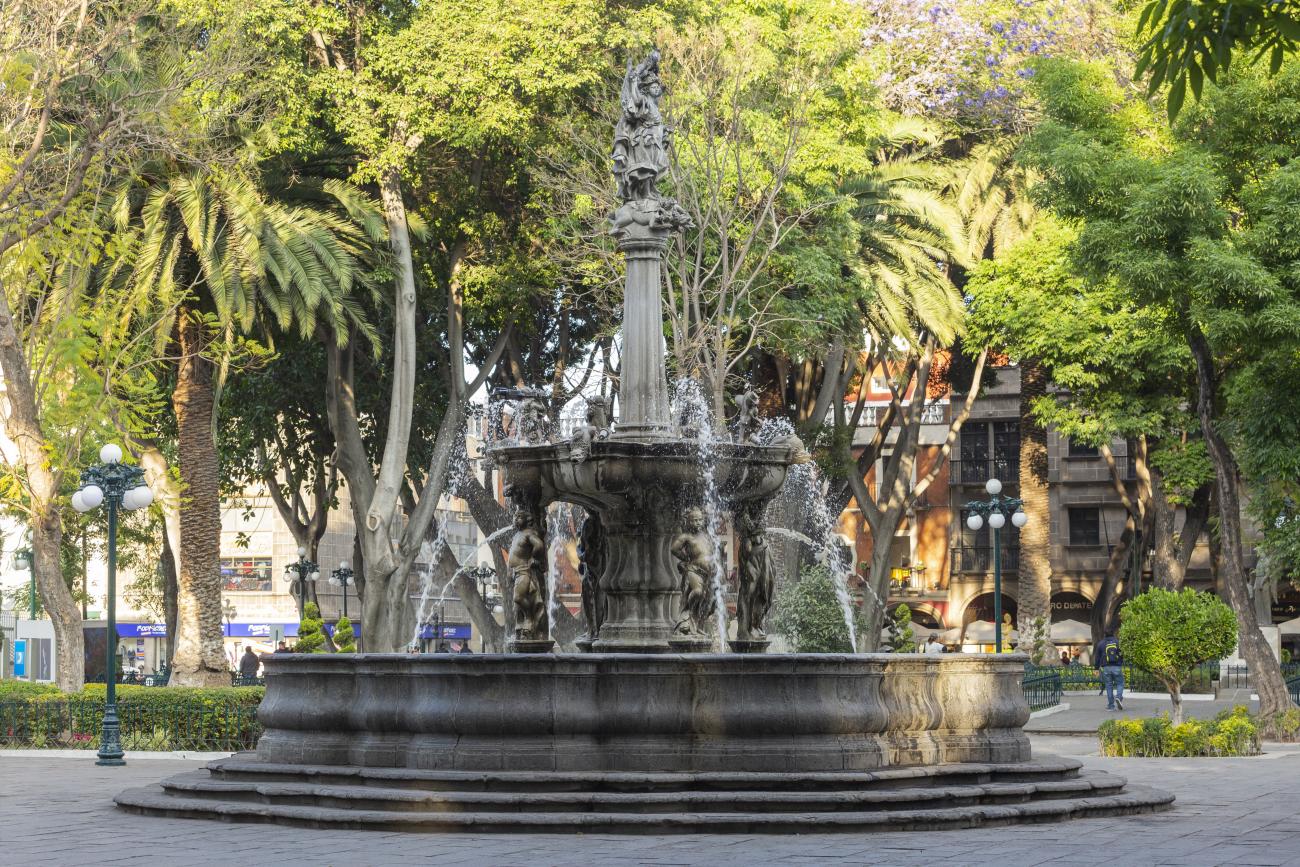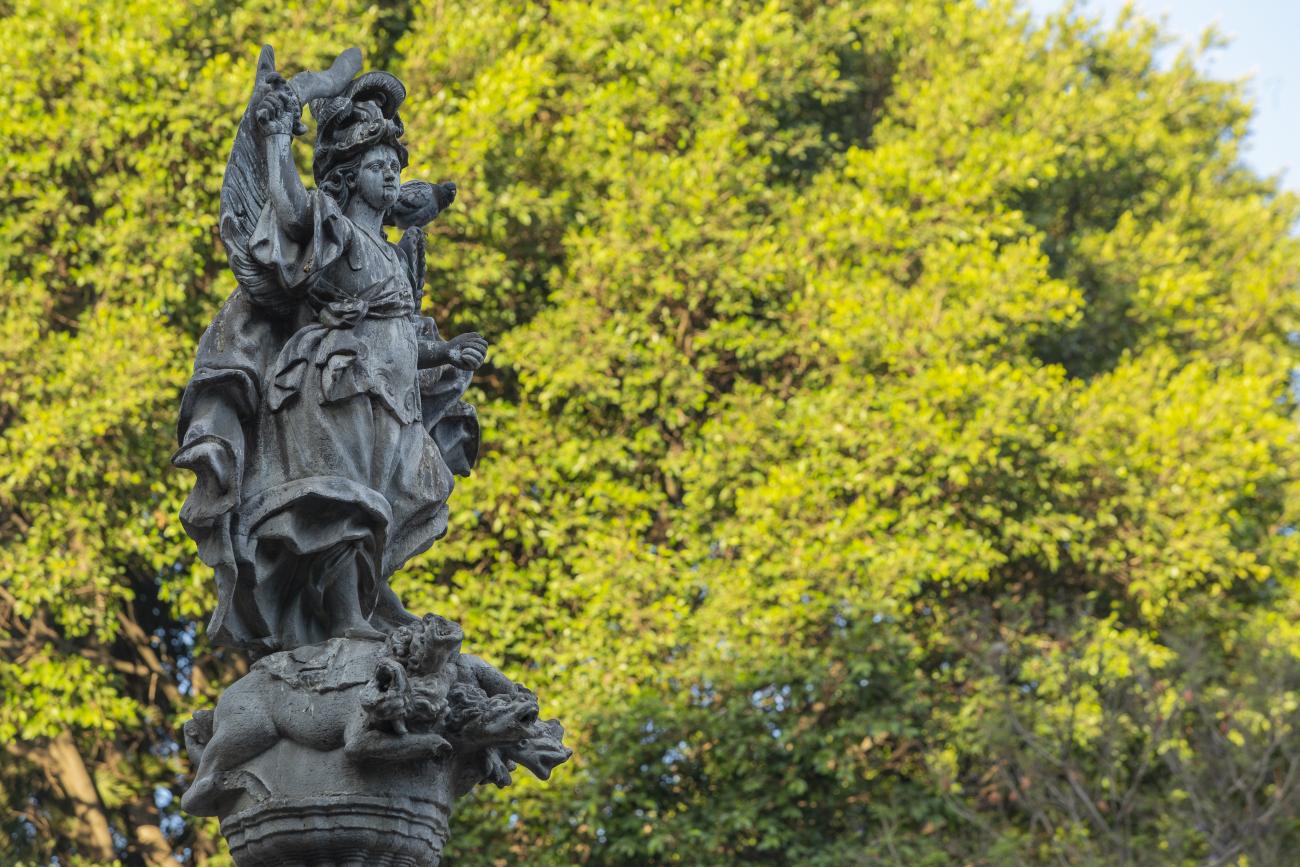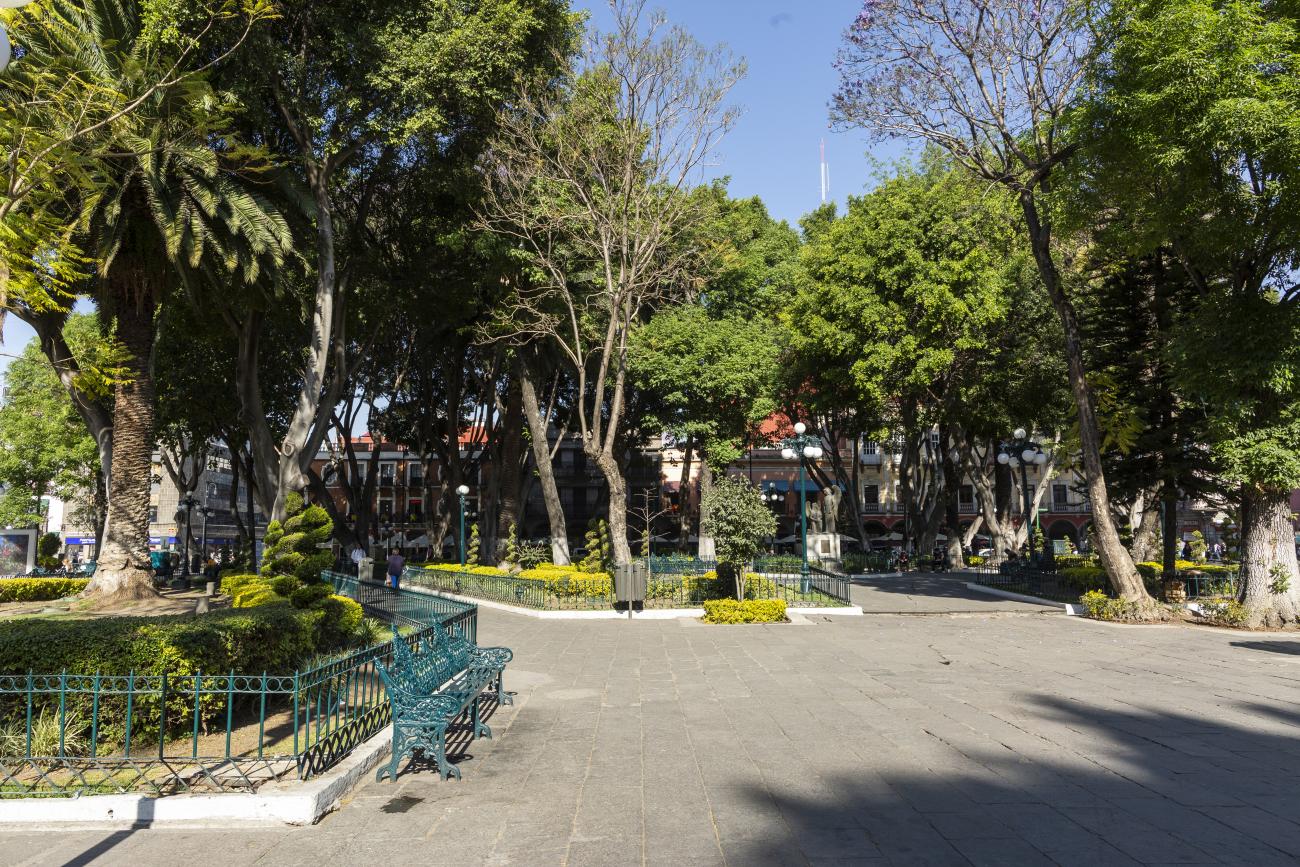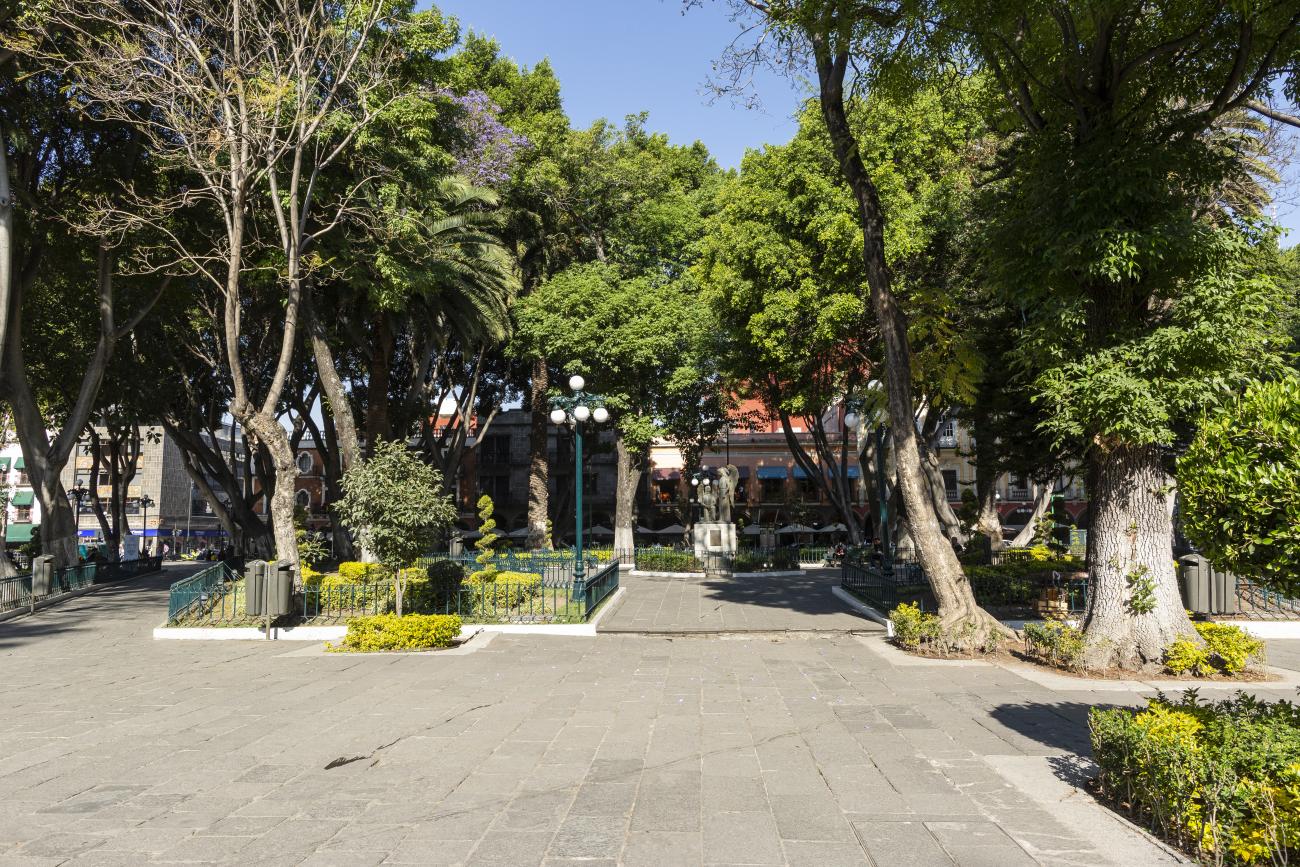





Puebla de Zaragoza
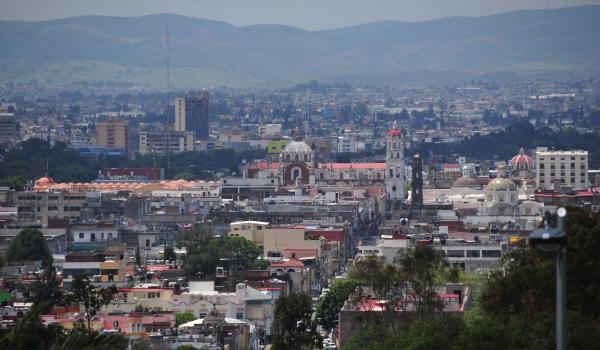
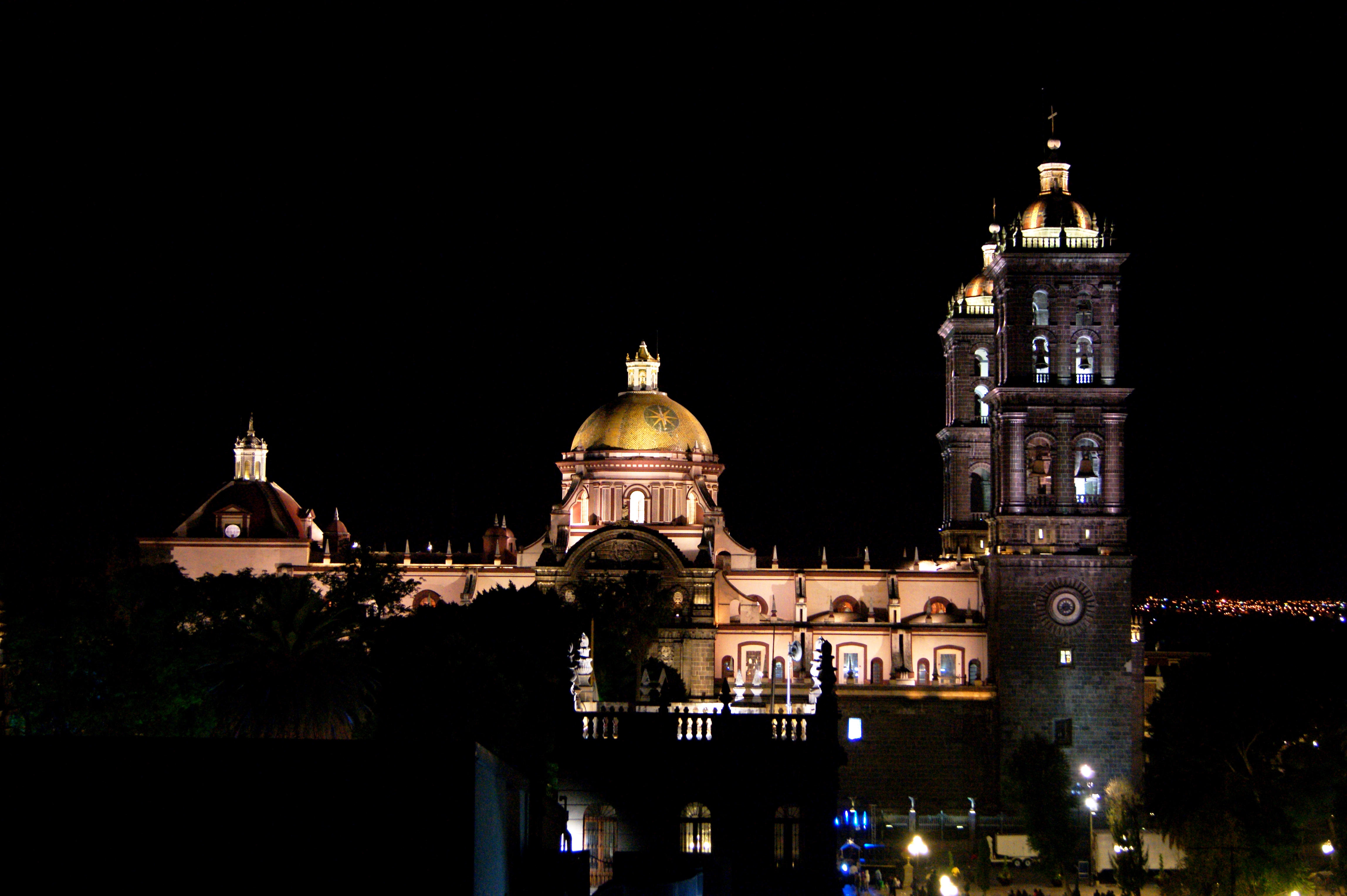
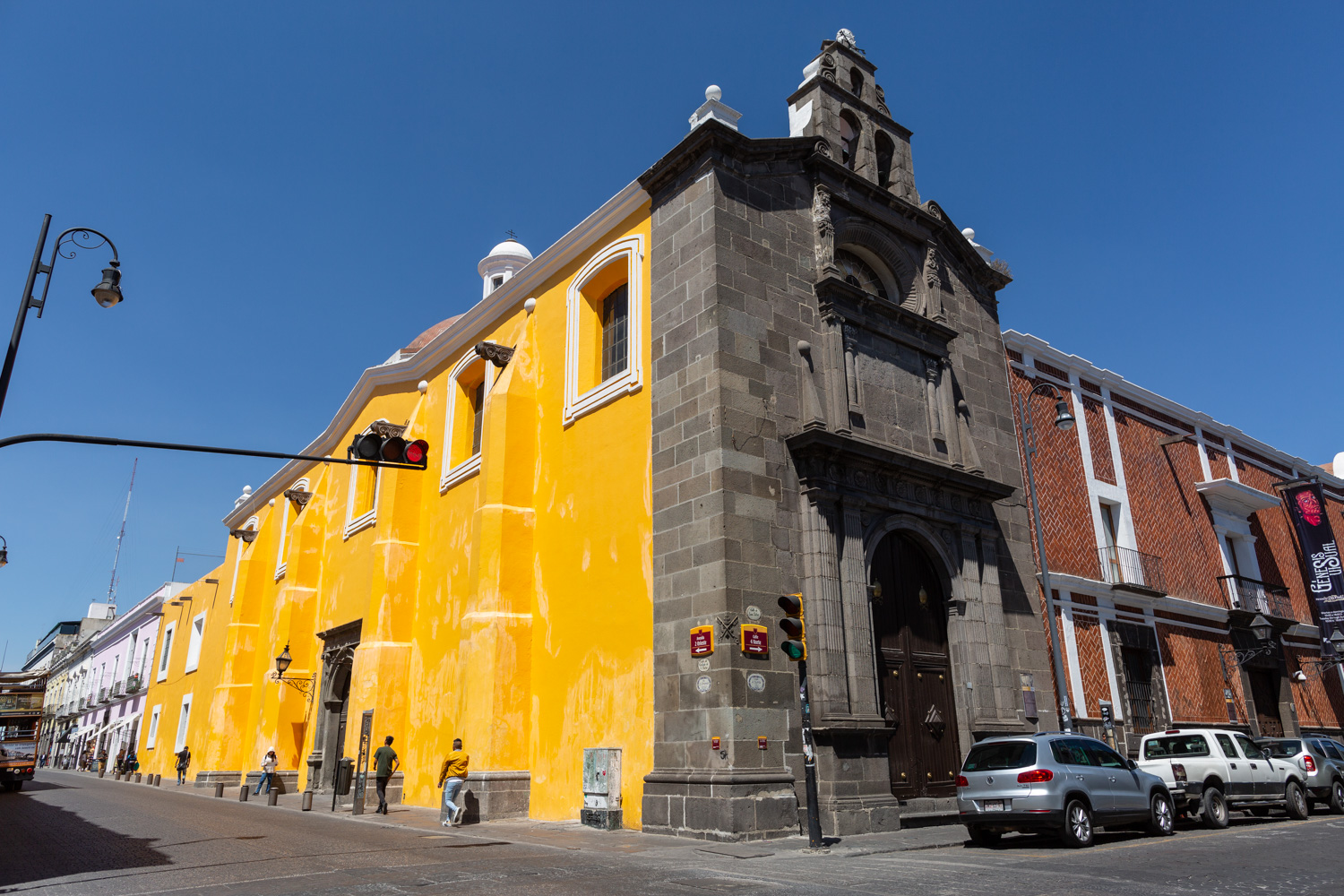
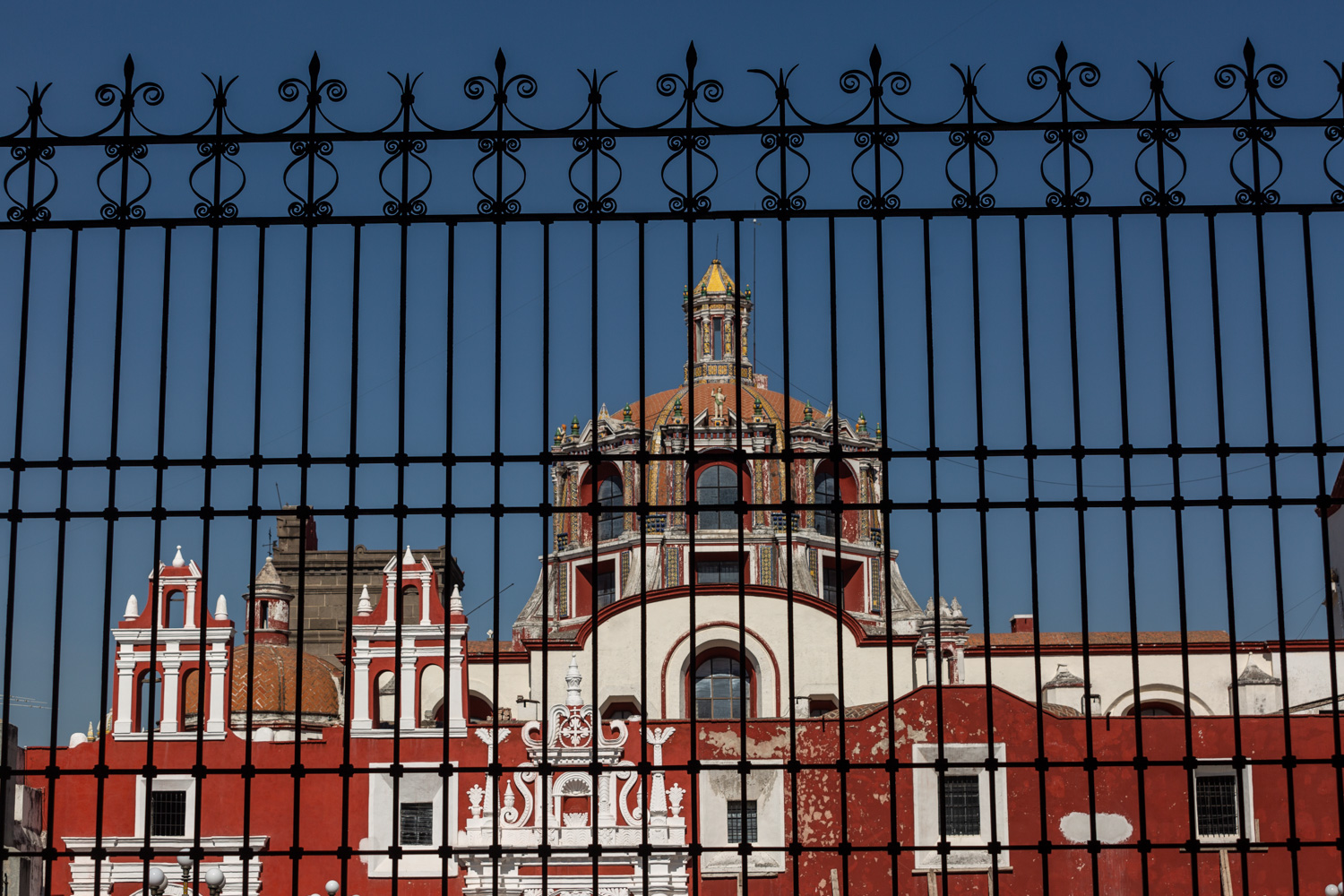
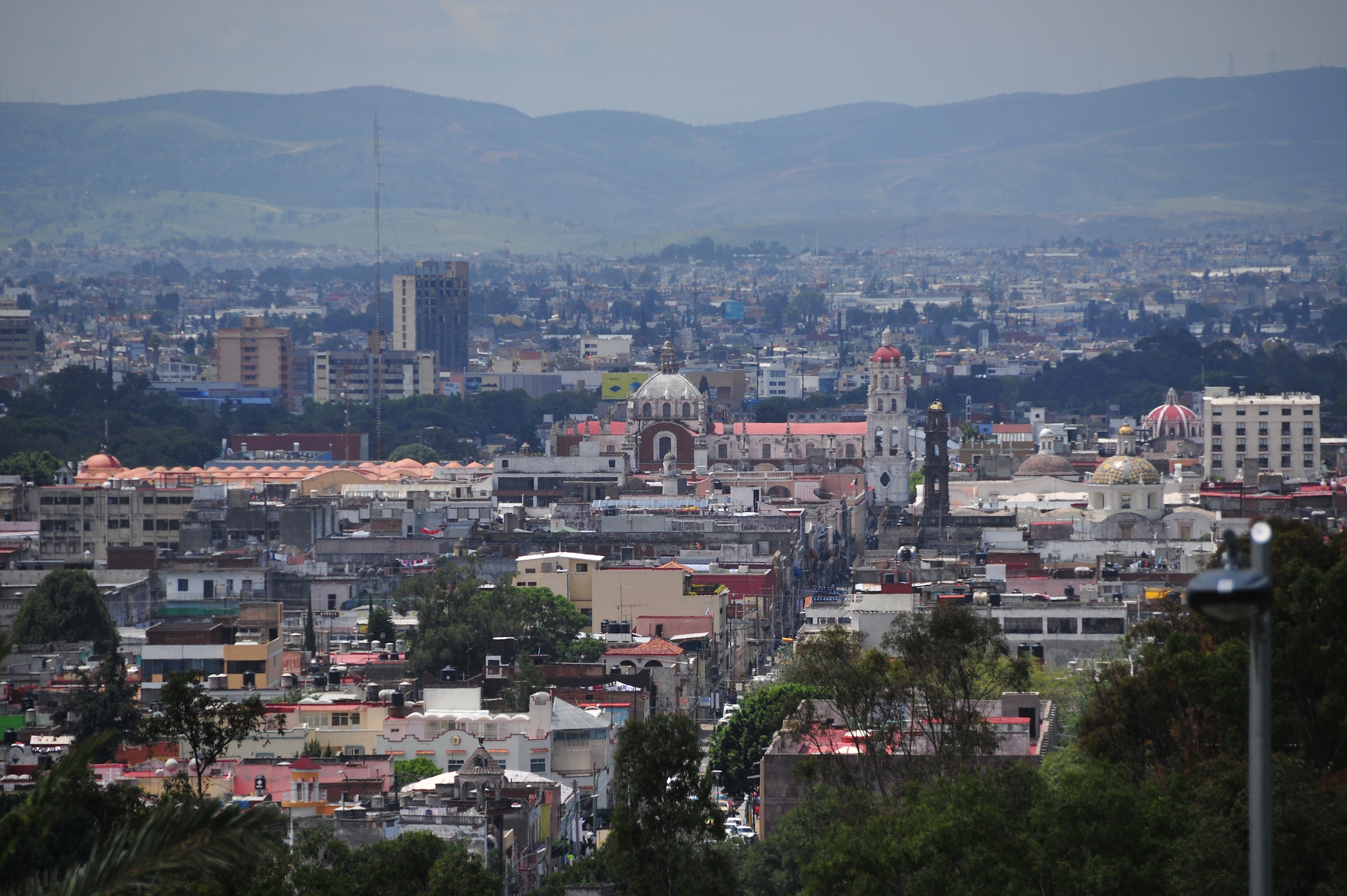
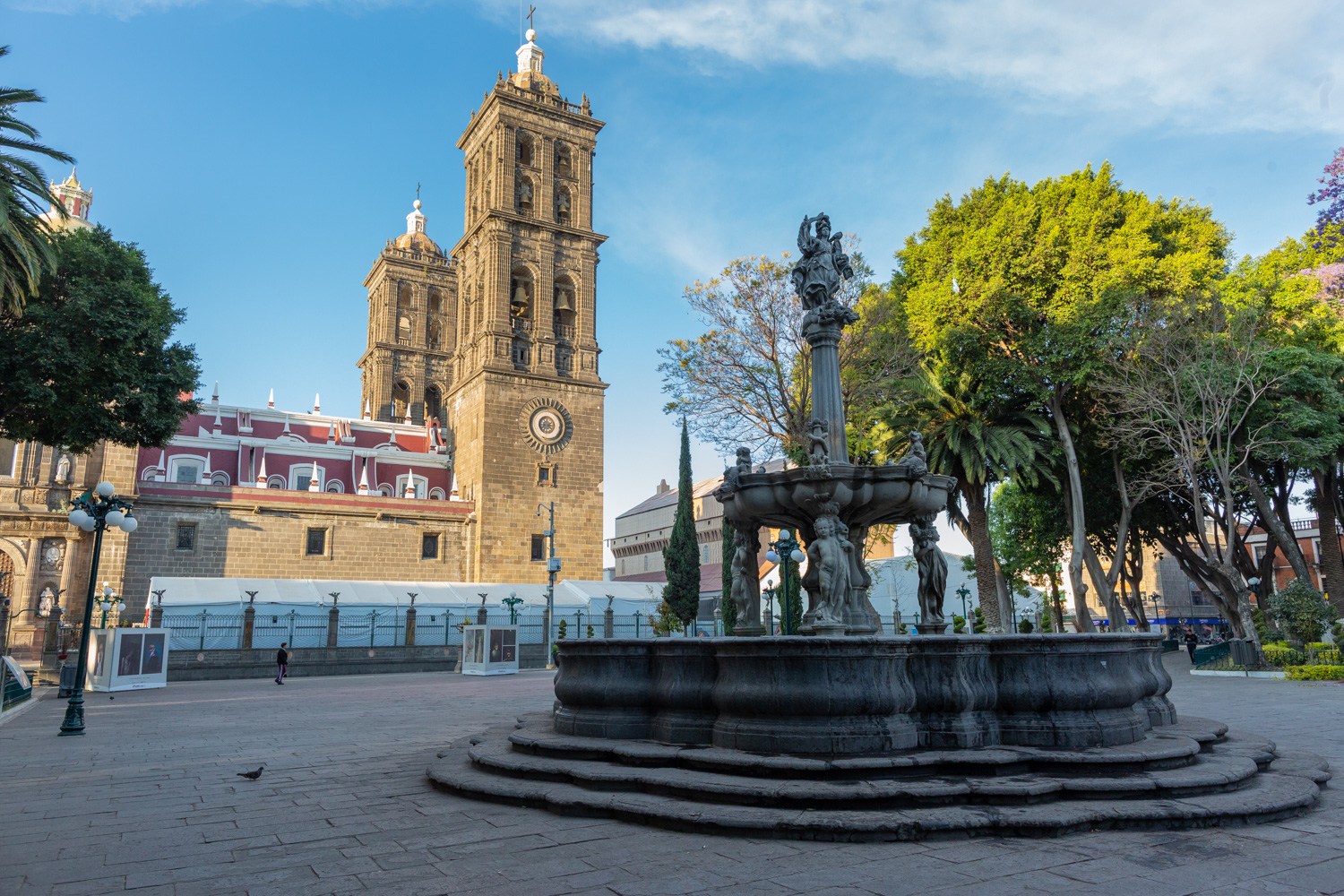
A city of great Baroque tradition and a site where some of the principal struggles in the national history of Mexico took place. The city stands out for its religious traditions and the great beauty of its buildings.
24_EN_626_ZMH_Puebla_PueblaDeZaragoza.wav
The city of Puebla was founded on the eastern bank of the San Francisco River but was relocated to the west side, on a fertile, previously unexploited valley, naturally irrigated by streams. The founding of the city is attributed to Fray Toribio de Benavente (Motolinia), on April 16, 1531, although it was formalized on September 29, 1531. The place was known as Cuetlaxcoapan, a settlement that belonged to the communities of the Yaotlalli Valley.
Puebla was created as a city for Spaniards who did not have a fixed residence and roamed the country, as well as a site that could potentially serve as a place of safety for other Spaniards in the event of an indigenous rebellion. This initiative was quickly supported and encouraged by the Crown through various distinctions and privileges, for example, its inhabitants were exempted from paying the alcabala and pechero taxes for thirty years. In 1532 Isabella of Portugal awarded it the title “City of Angels,” by means of a Royal Certificate and on September 11, 1862, the full name of Puebla de Zaragoza was designated in honor of General Ignacio Zaragoza.
Puebla has been an important political and economic center since the Viceroyalty period and remains so to the present day. It is the largest urban nucleus east of Mexico City and was the fiscal and administrative capital city of a huge governorate that spanned from the Gulf of Mexico to the Pacific. It was also an obligatory point of passage on the land route between the main port of New Spain, Veracruz, and Mexico City.
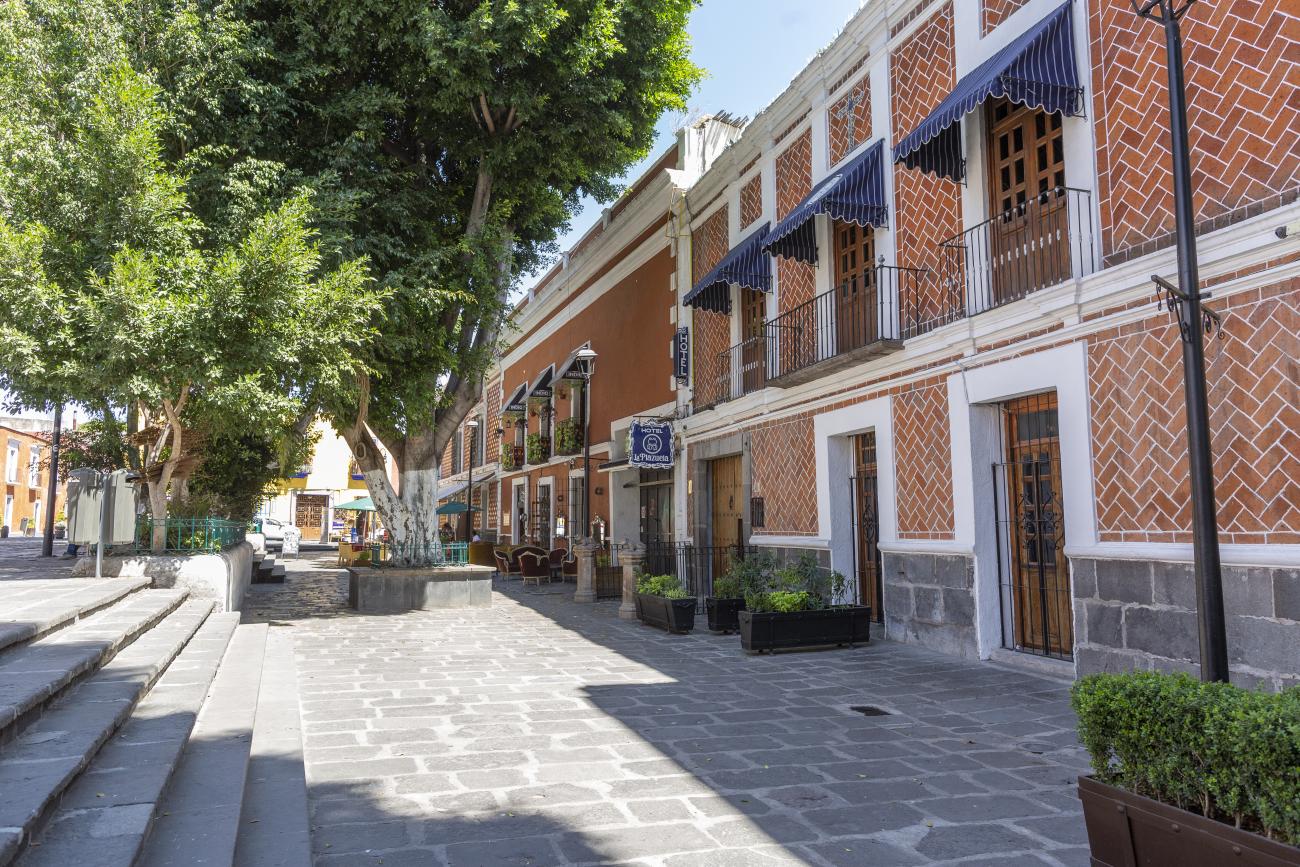
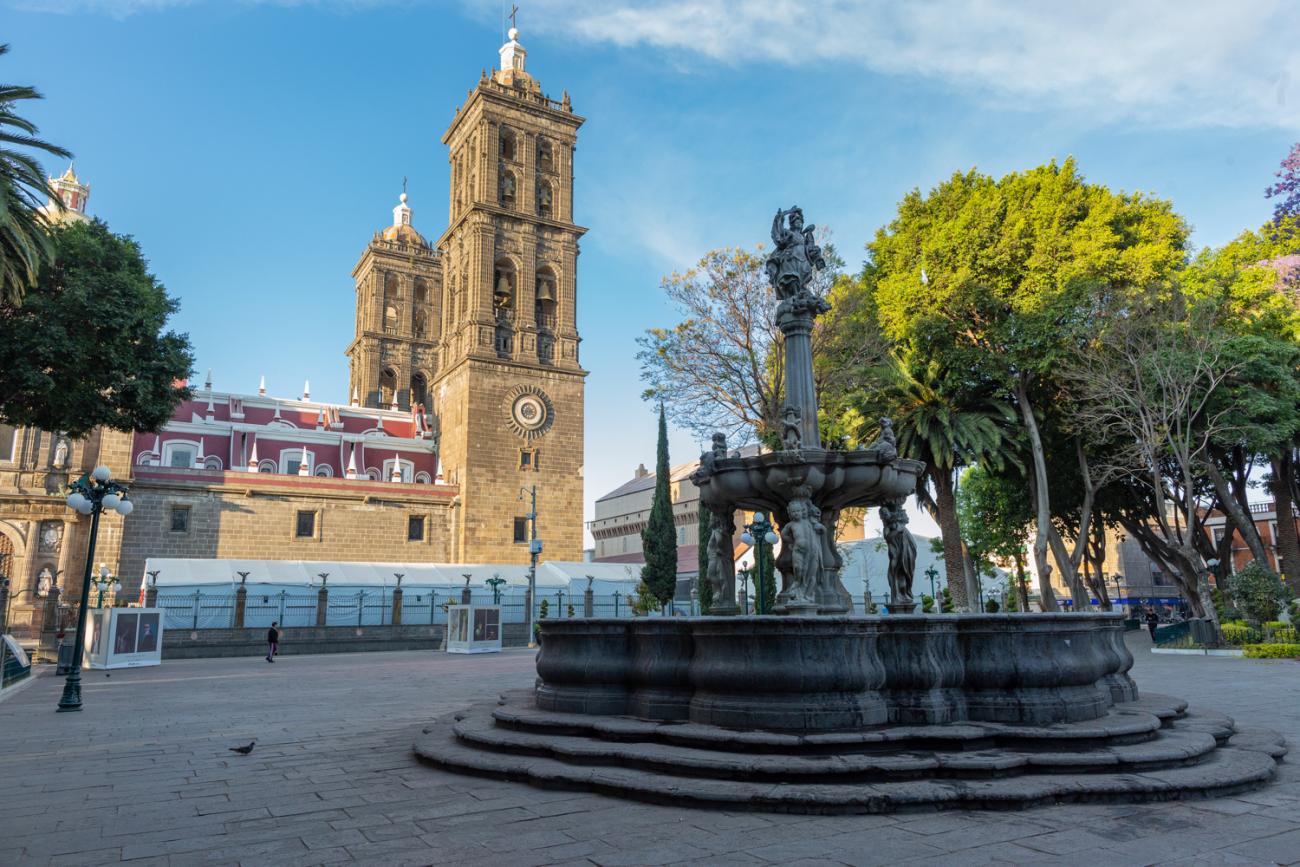
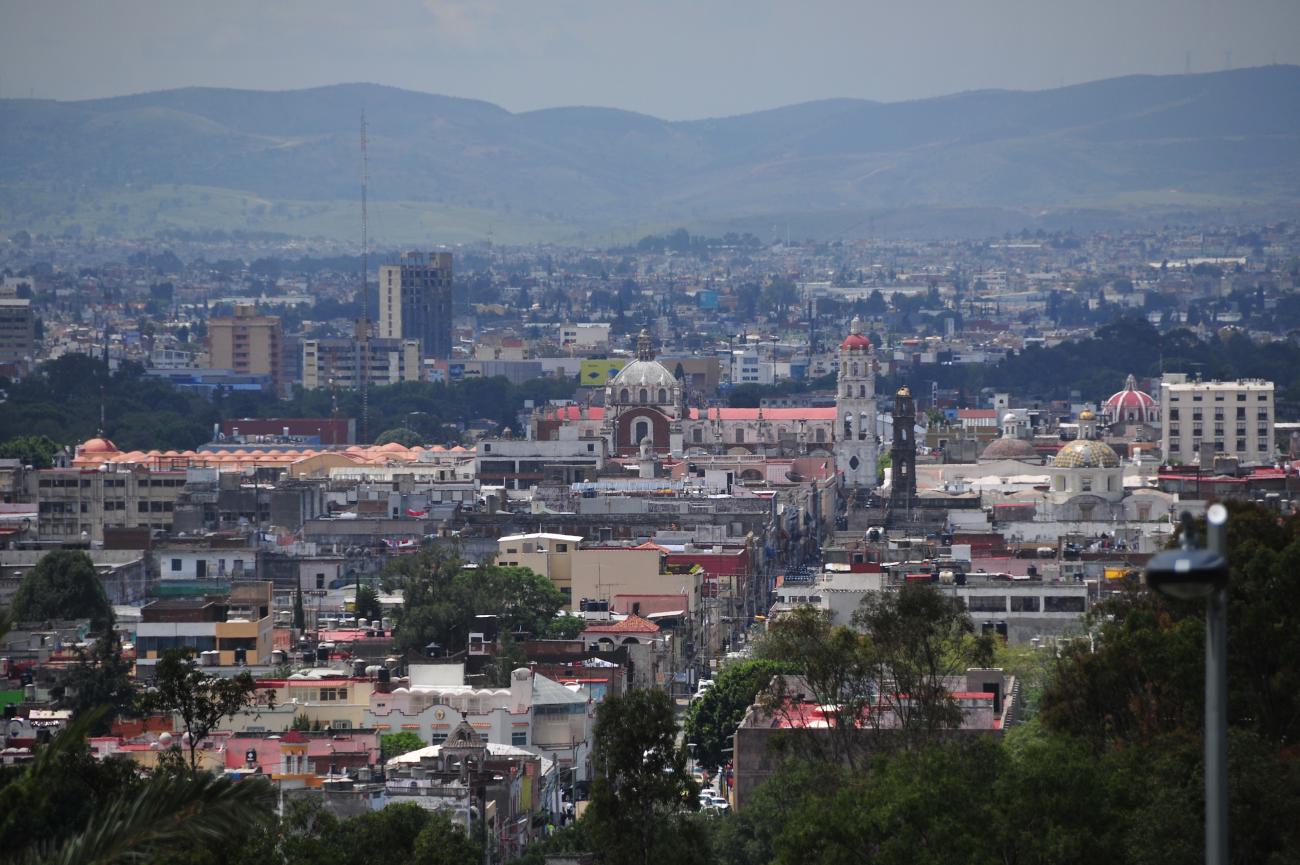
The Zone of Historical Monuments has an area of 6.99 km2 and is made up of 391 blocks that comprise several buildings with historical value built between the 16th and 19th centuries. The streets within the Zone form a geometric, uniform and regular alignment that maintains the original checkerboard-shaped plan that was laid out in 1531. At the center of this plan is the Plaza Mayor which occupies an entire city block and constitutes the heart of the city, around which are arranged the Cathedral and the City Hall to the north, while the other three sides are adorned with colonnades and the houses of prominent families.
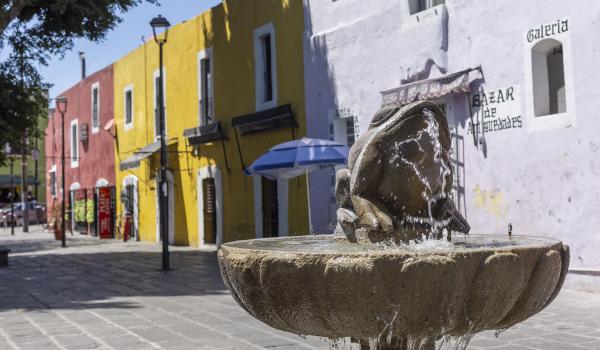
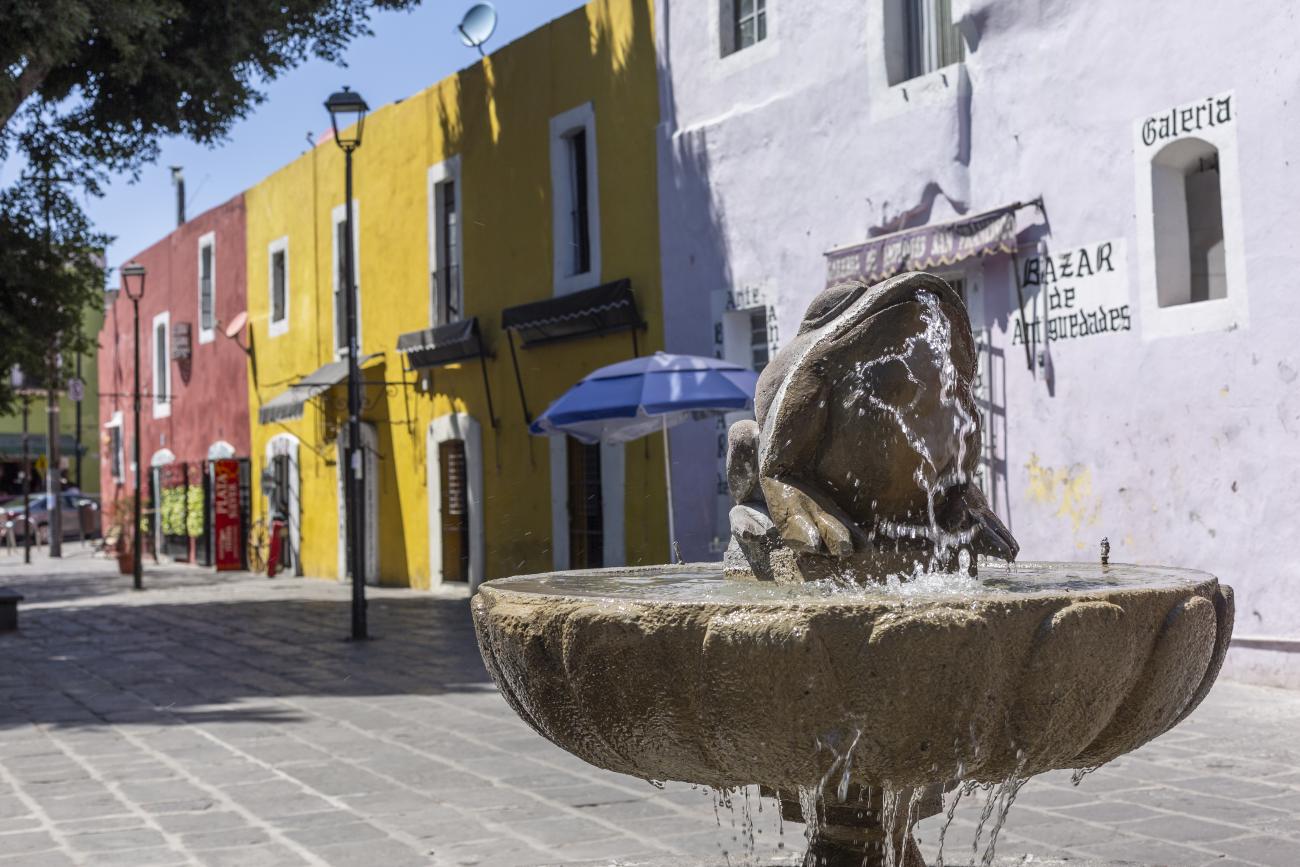
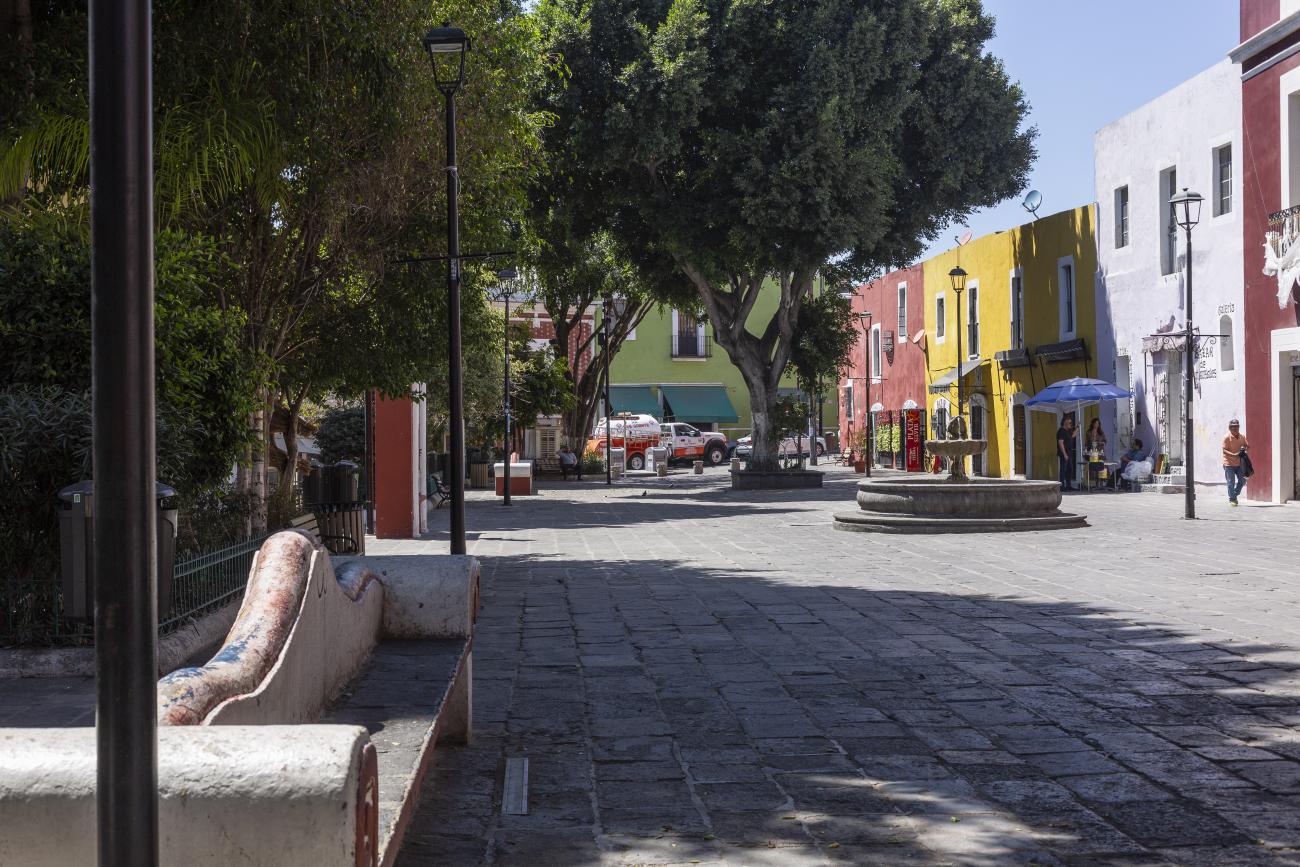
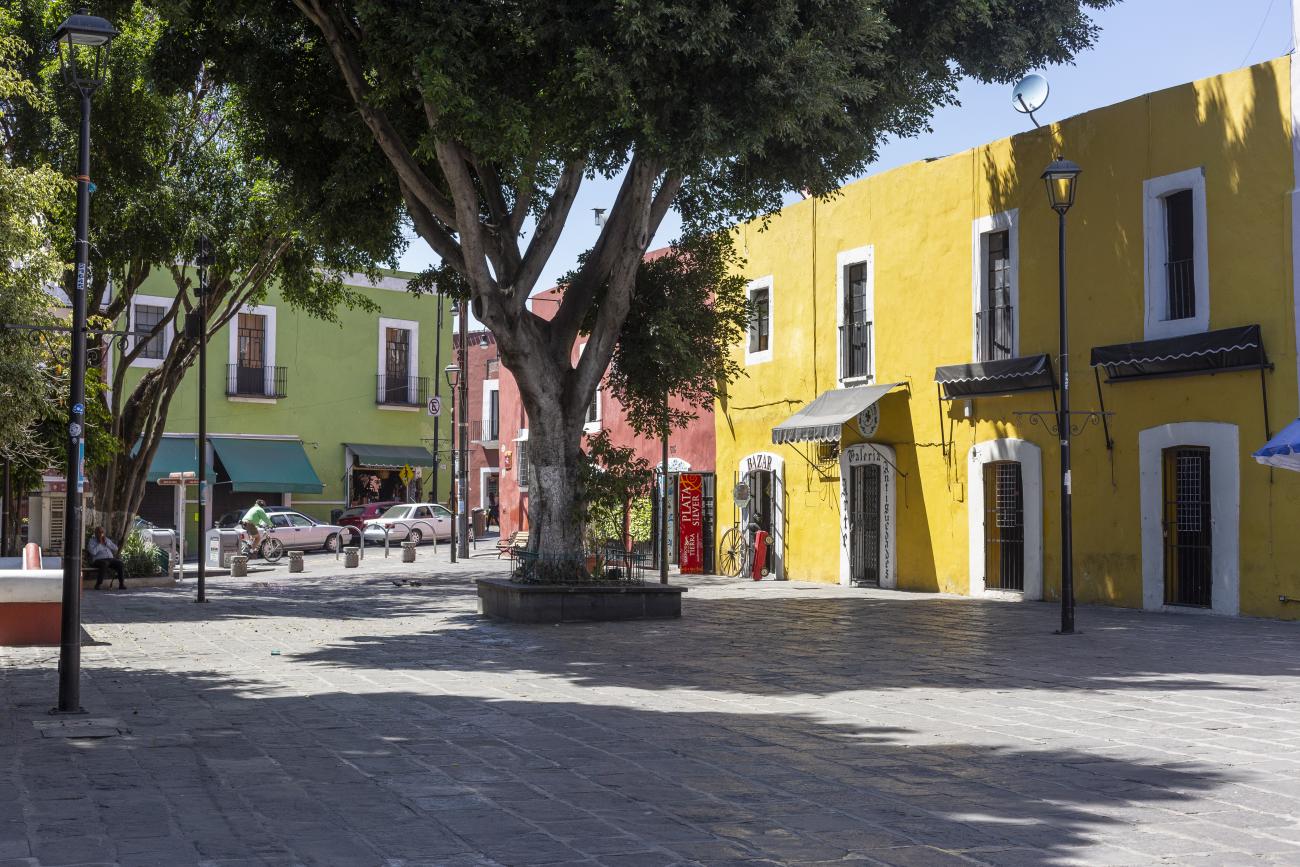
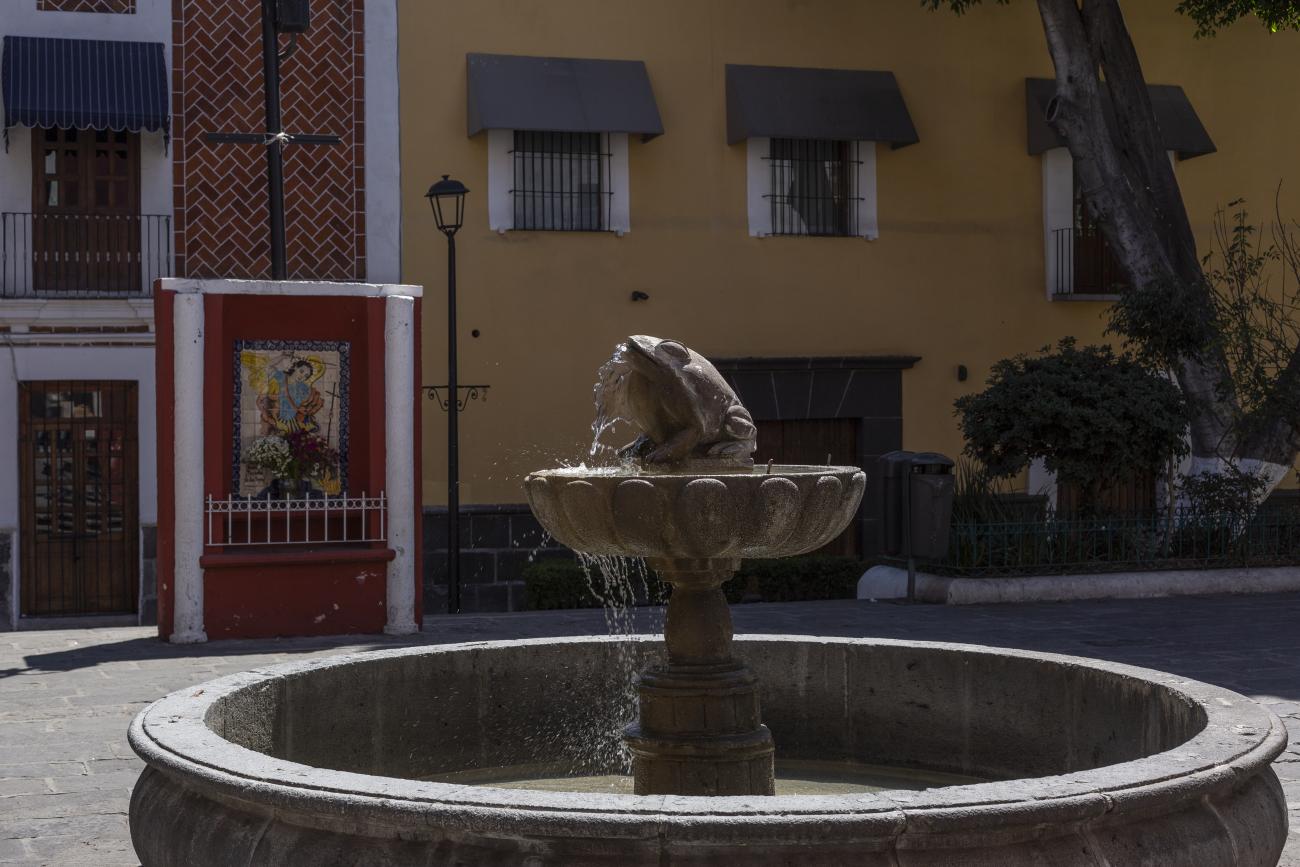
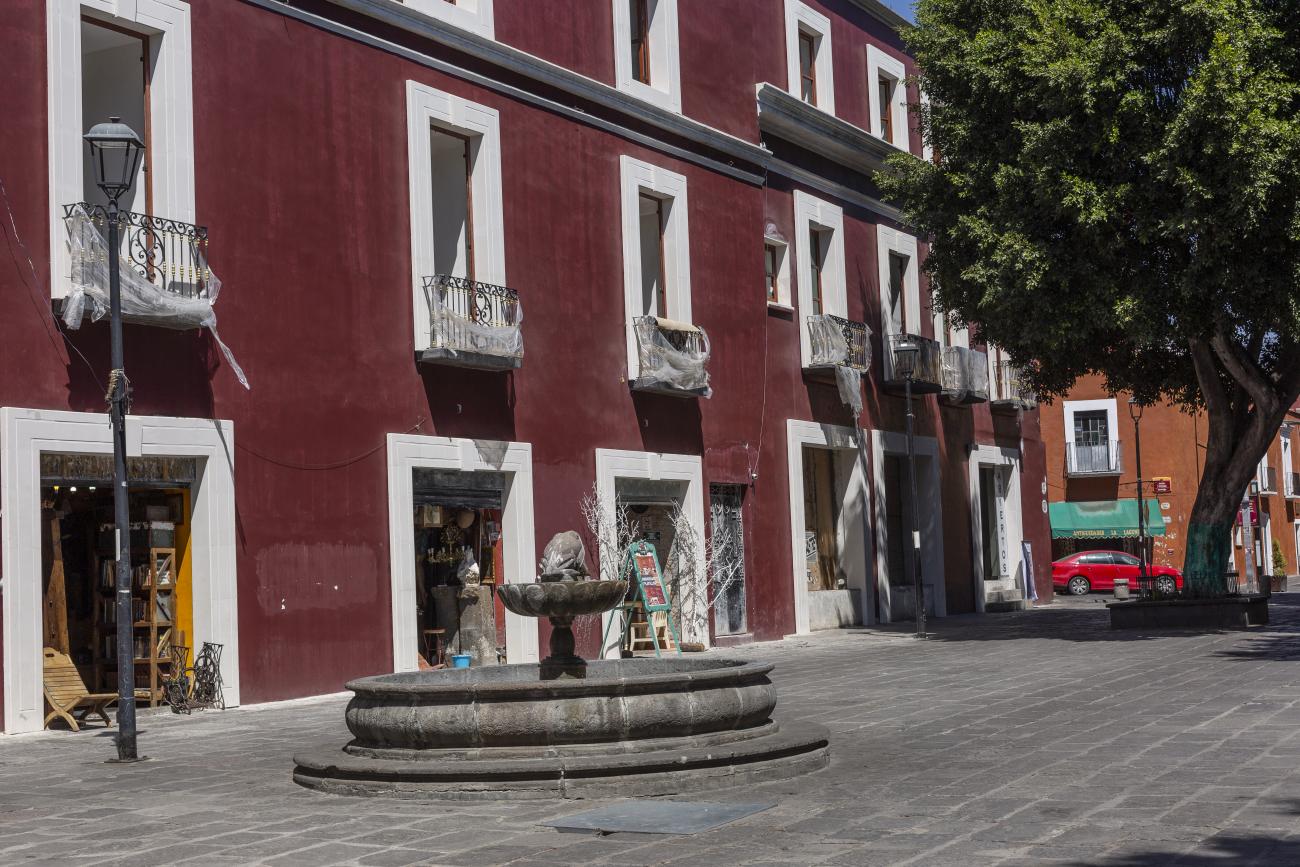
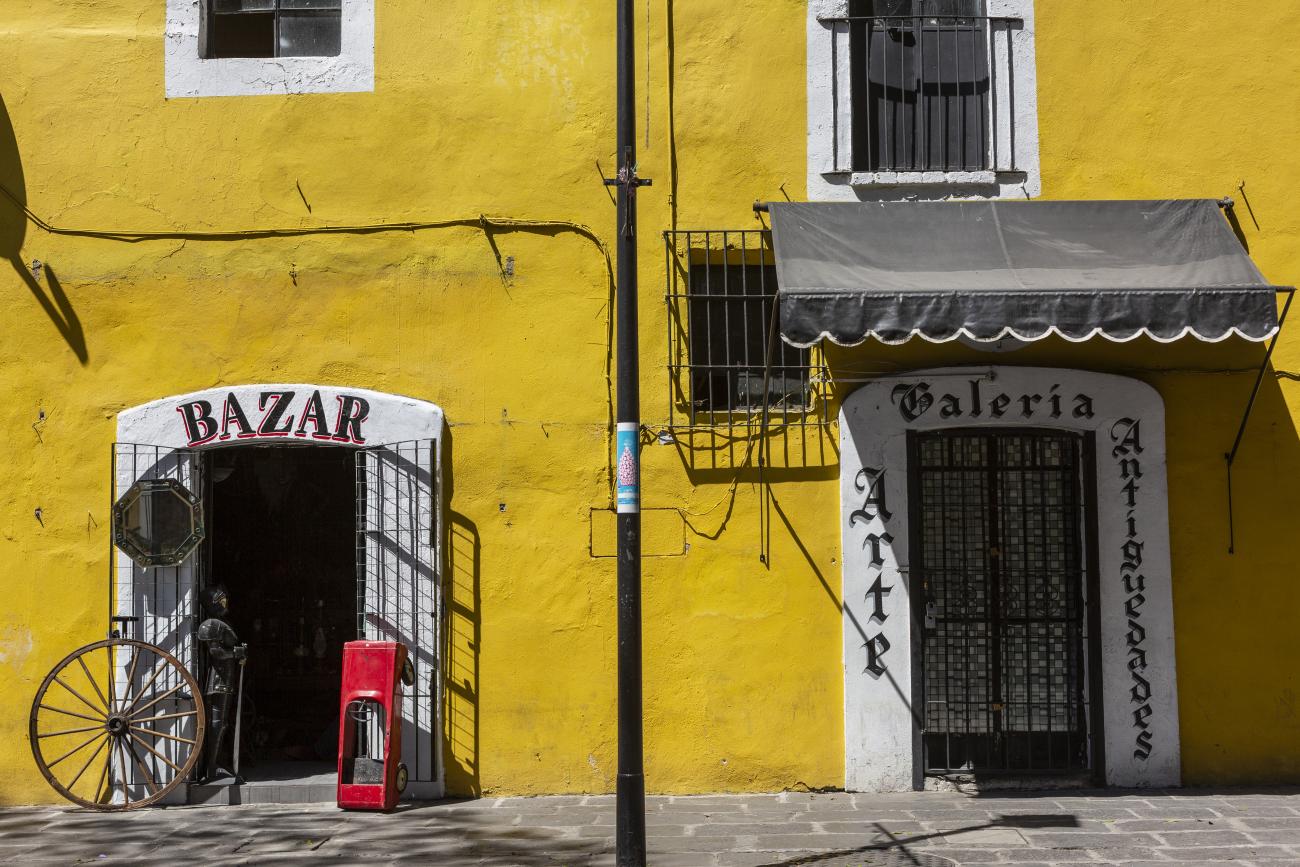
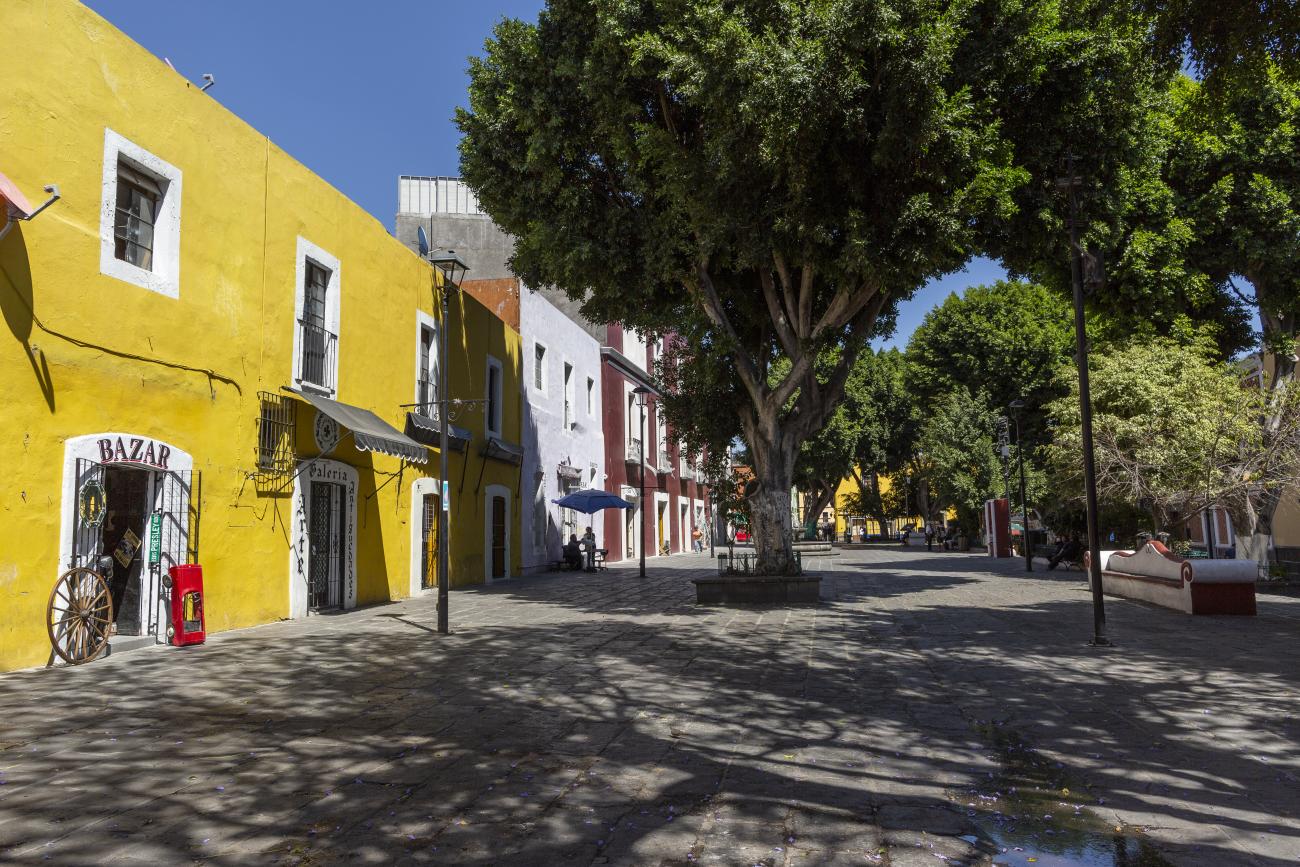
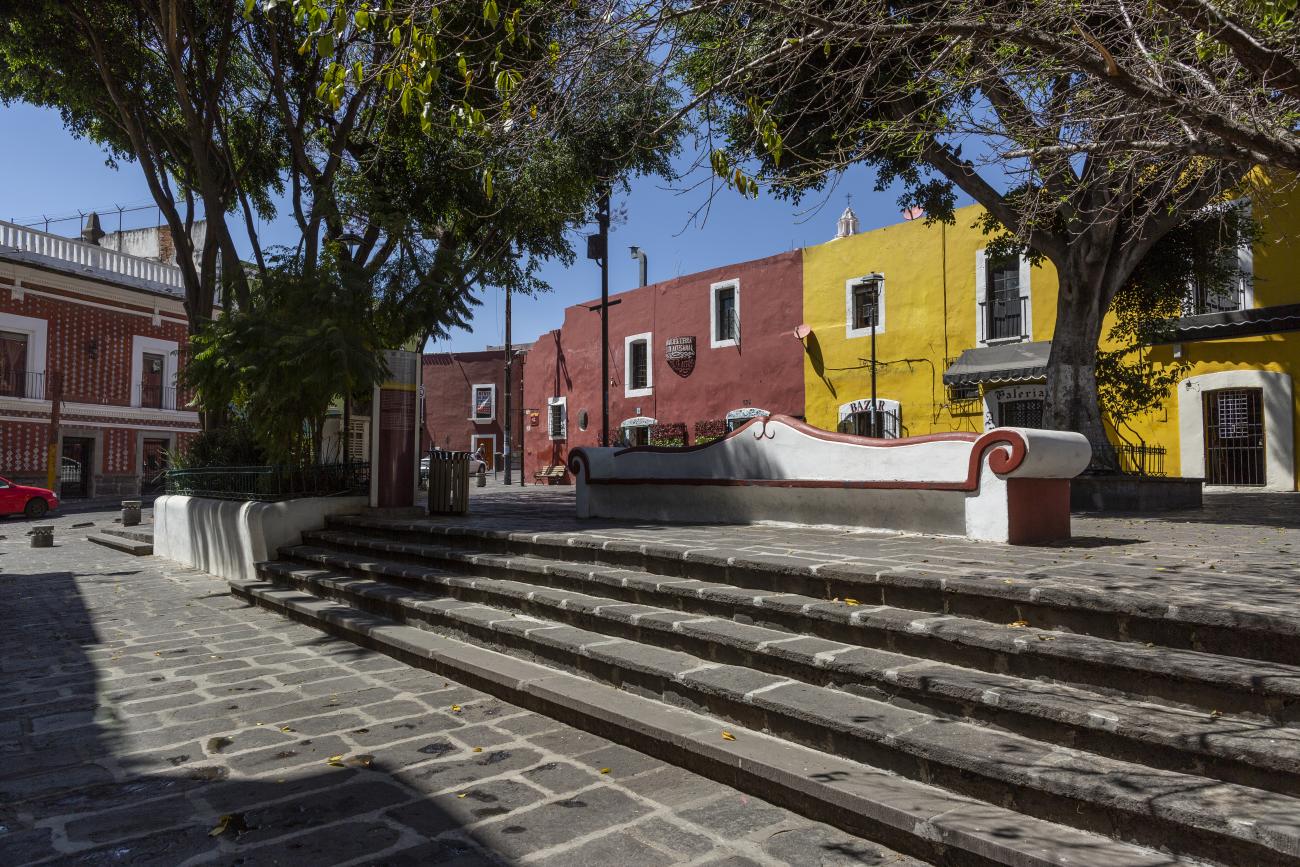
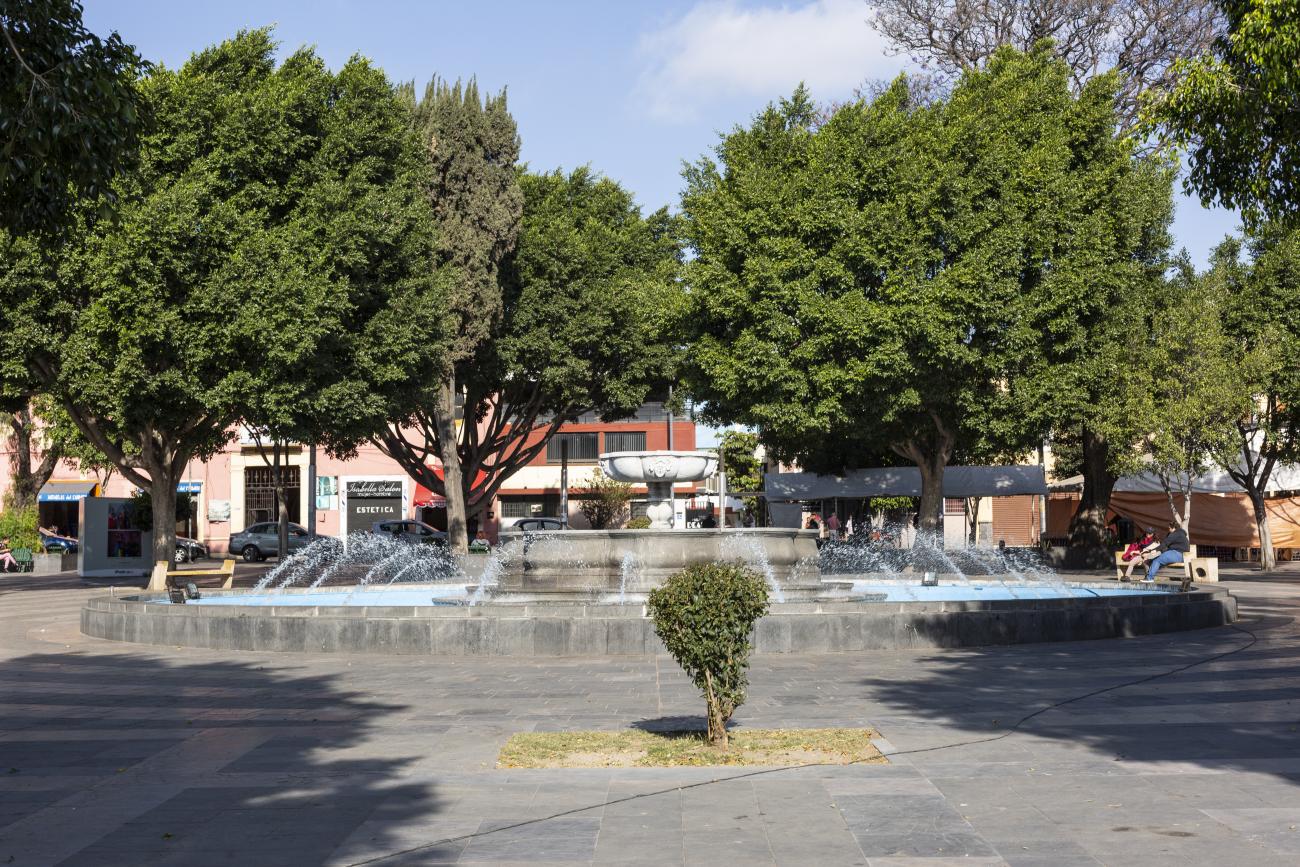
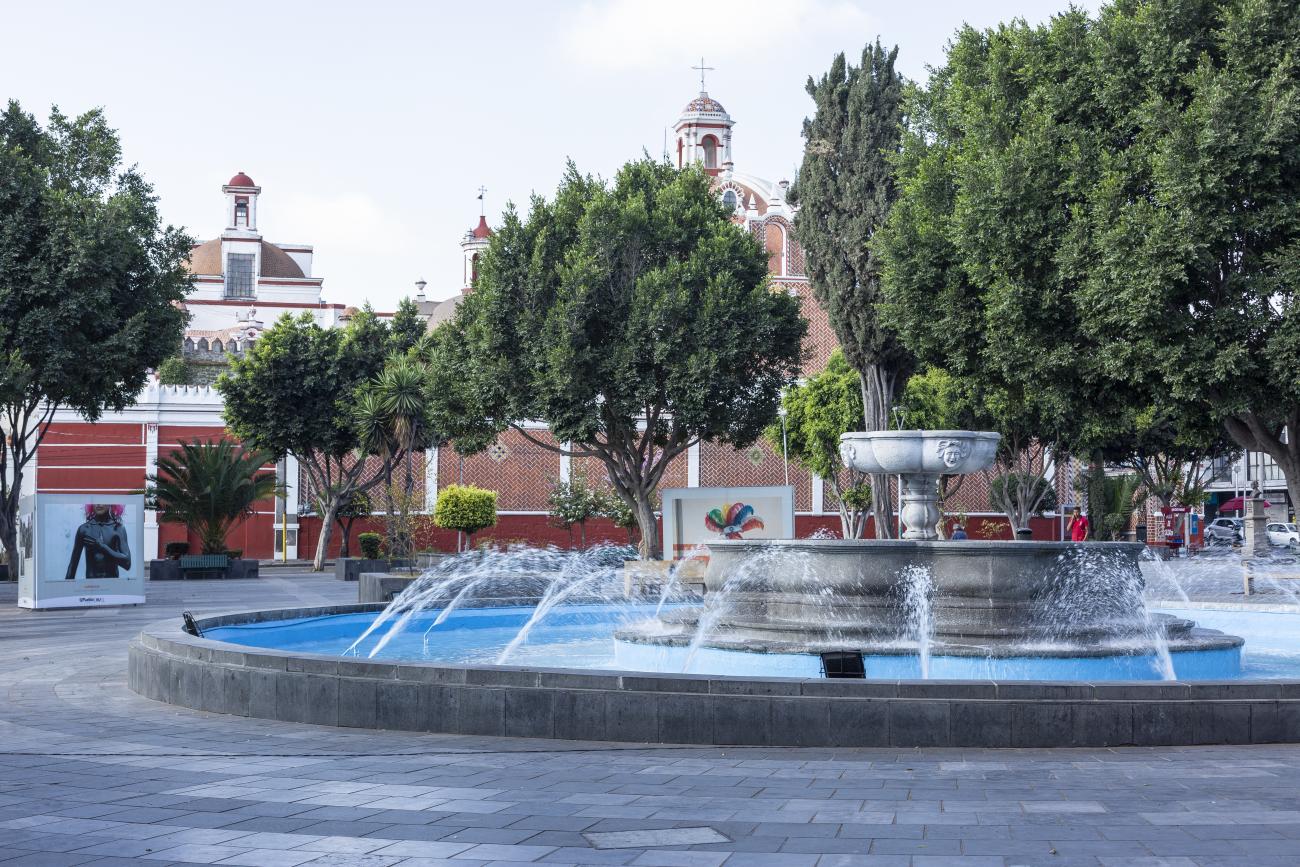
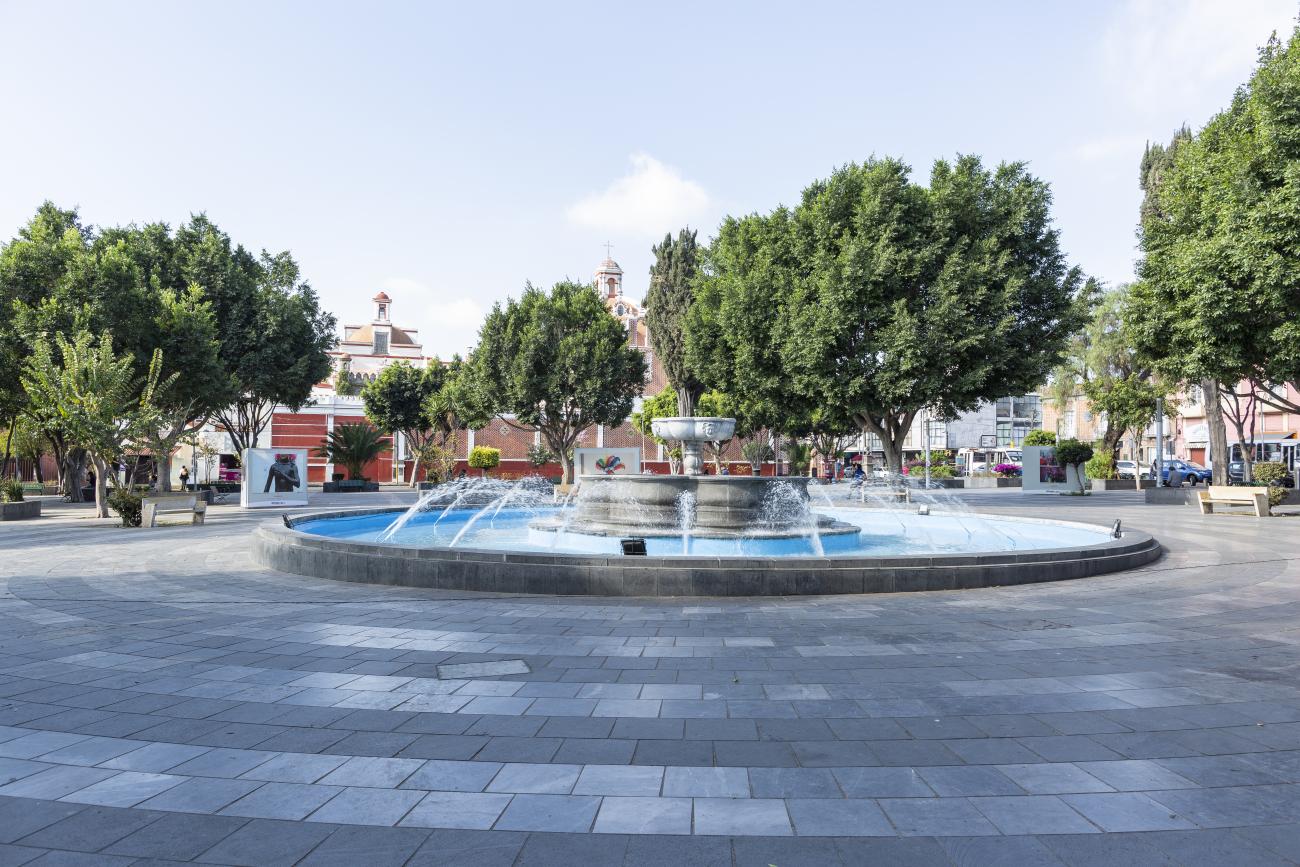
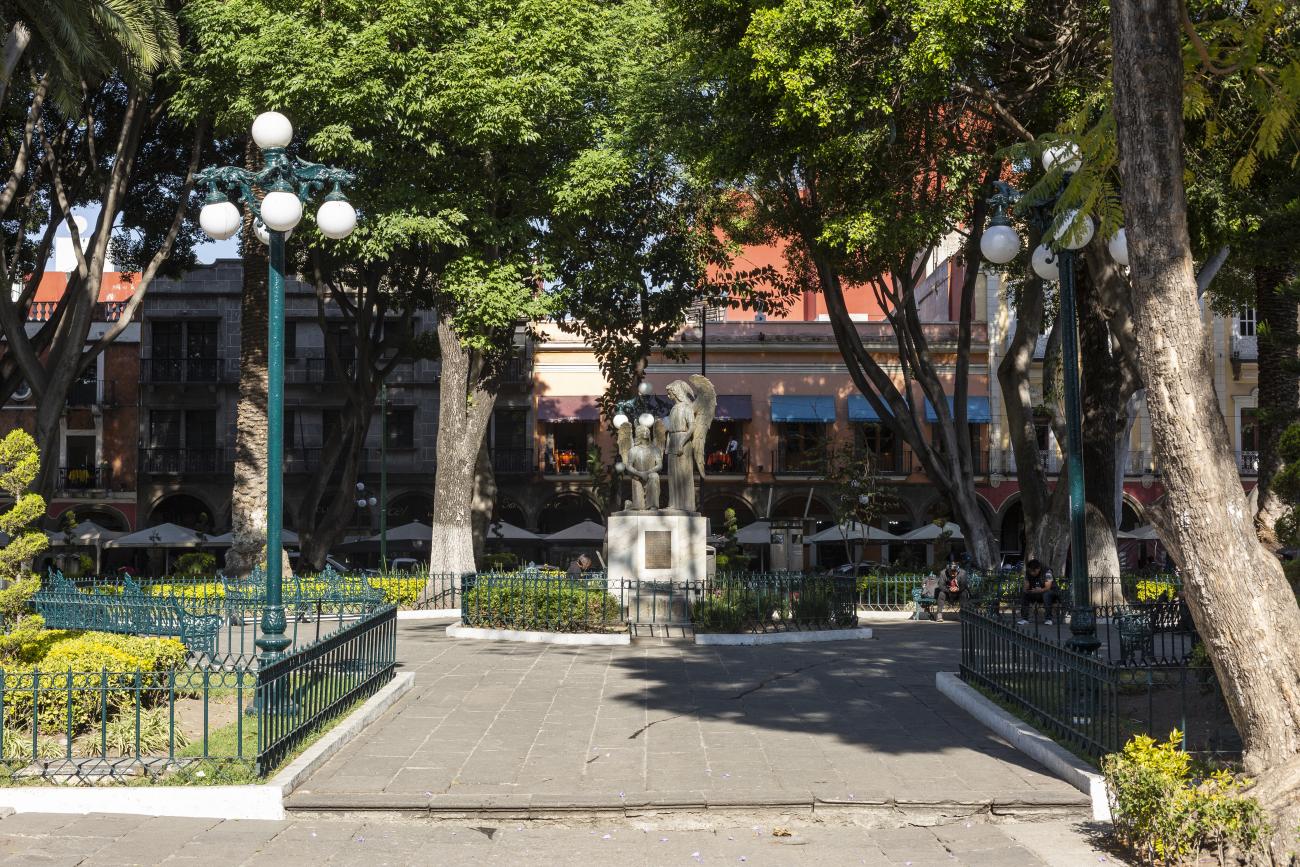
From the outset the city boasted open spaces such as plazas, gardens and streets. Between 1531 and 1810 a total of 18 plazas were created. These included the main plaza, in a Renaissance style, and the smaller squares located in the indigenous neighborhoods, as well as a number of small plazas in the Spanish city. The traditional area known as Los Sapos is one of the best-known squares. The Plazuela de los Sapos dates from 1780, becoming the Alameda de los Sapos in 1785. Later, in 1816 it was decreed that one day a week a market would be held here in order to reduce the pressure on the main plaza.
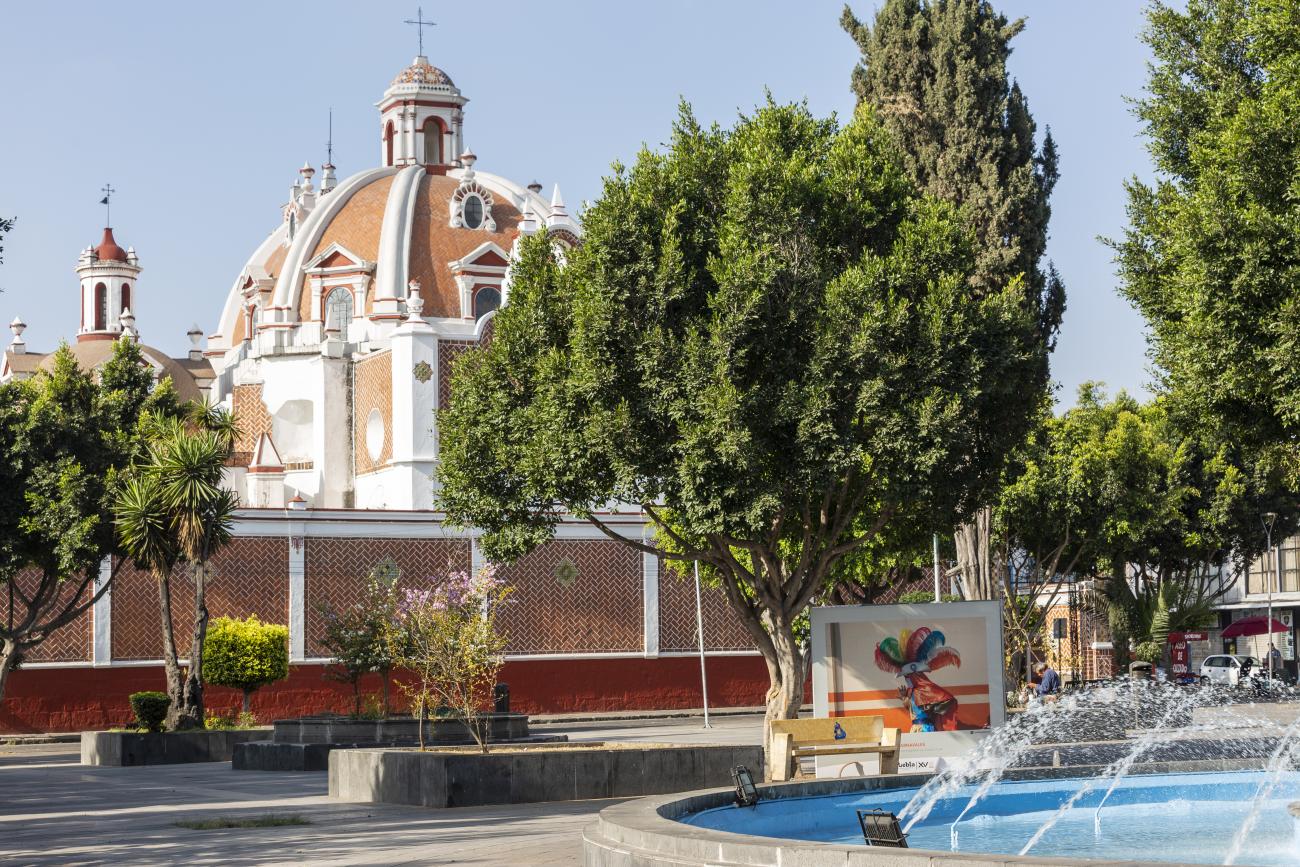
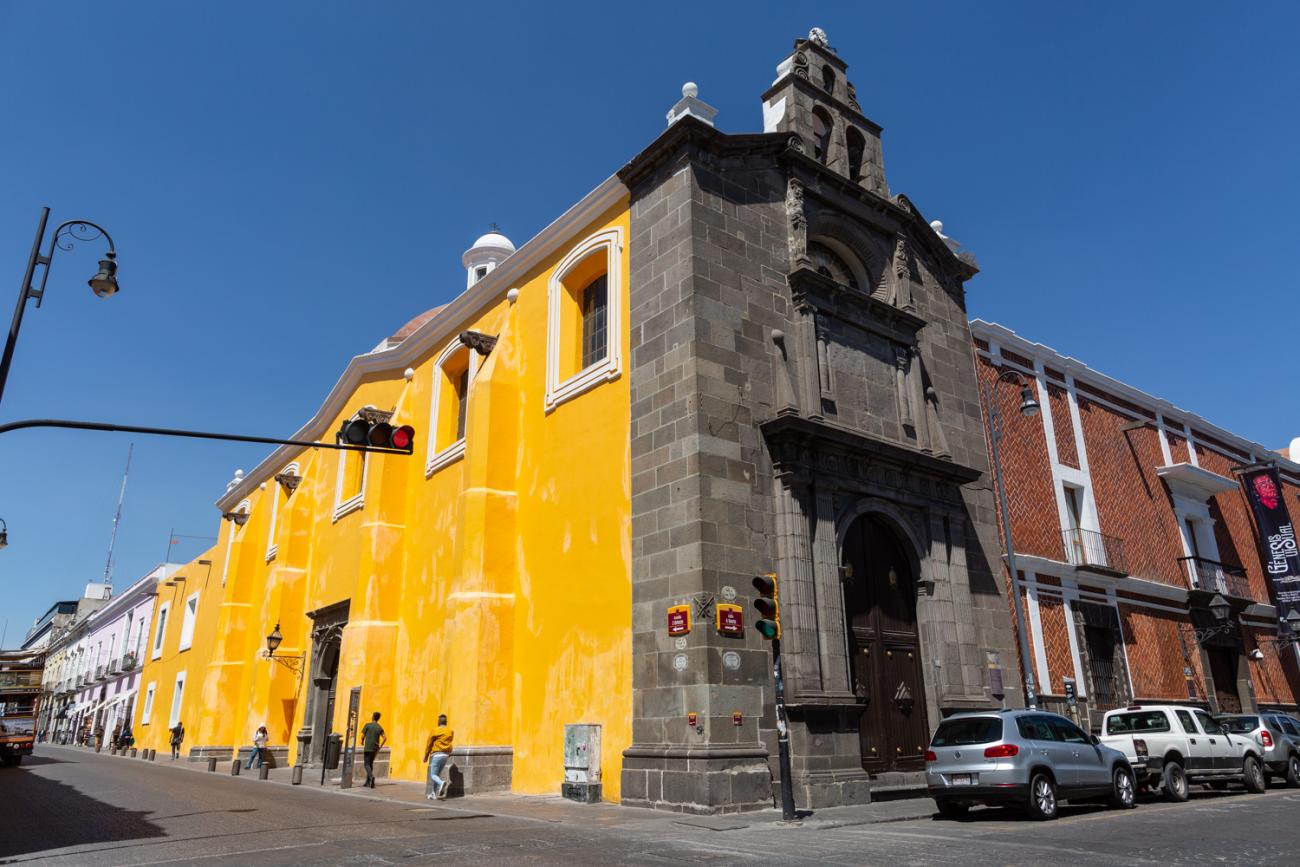
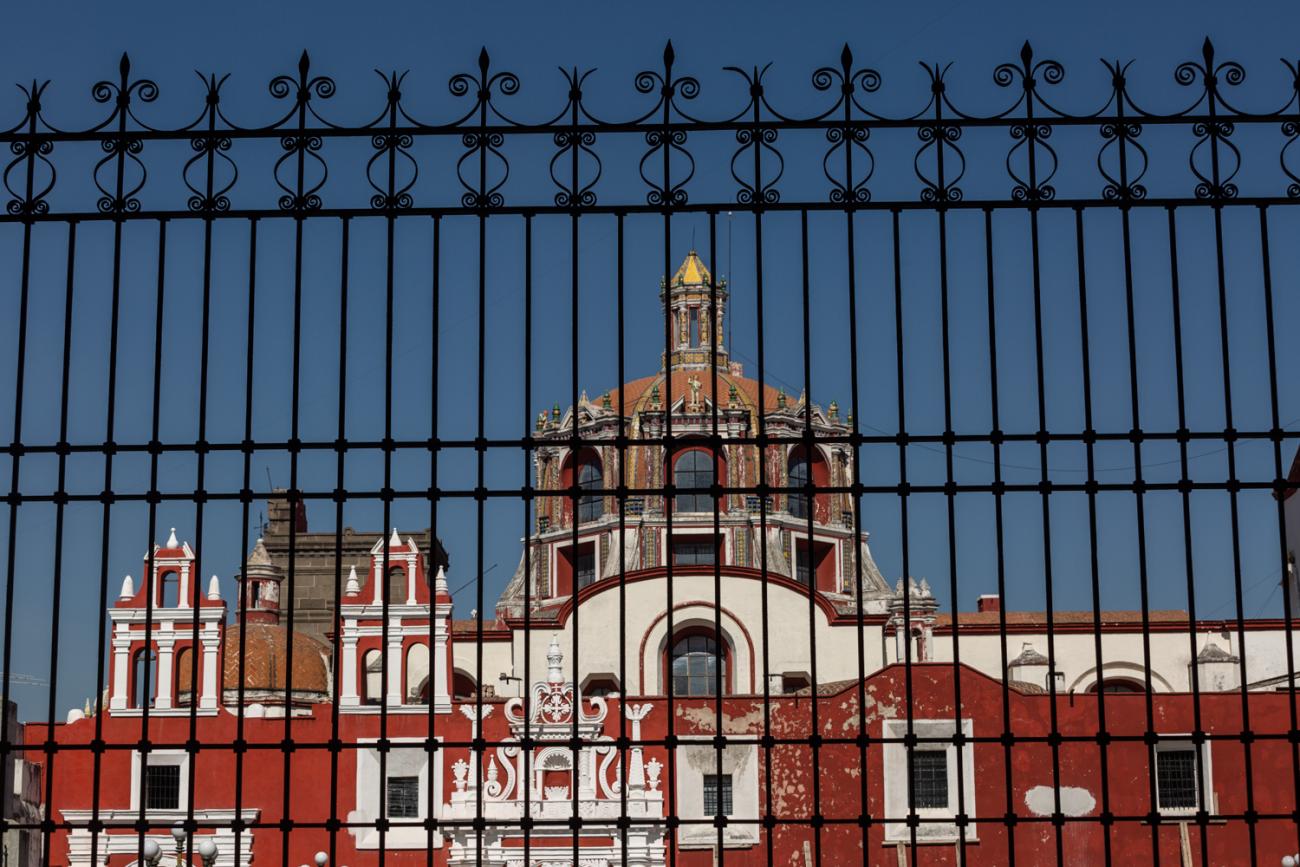
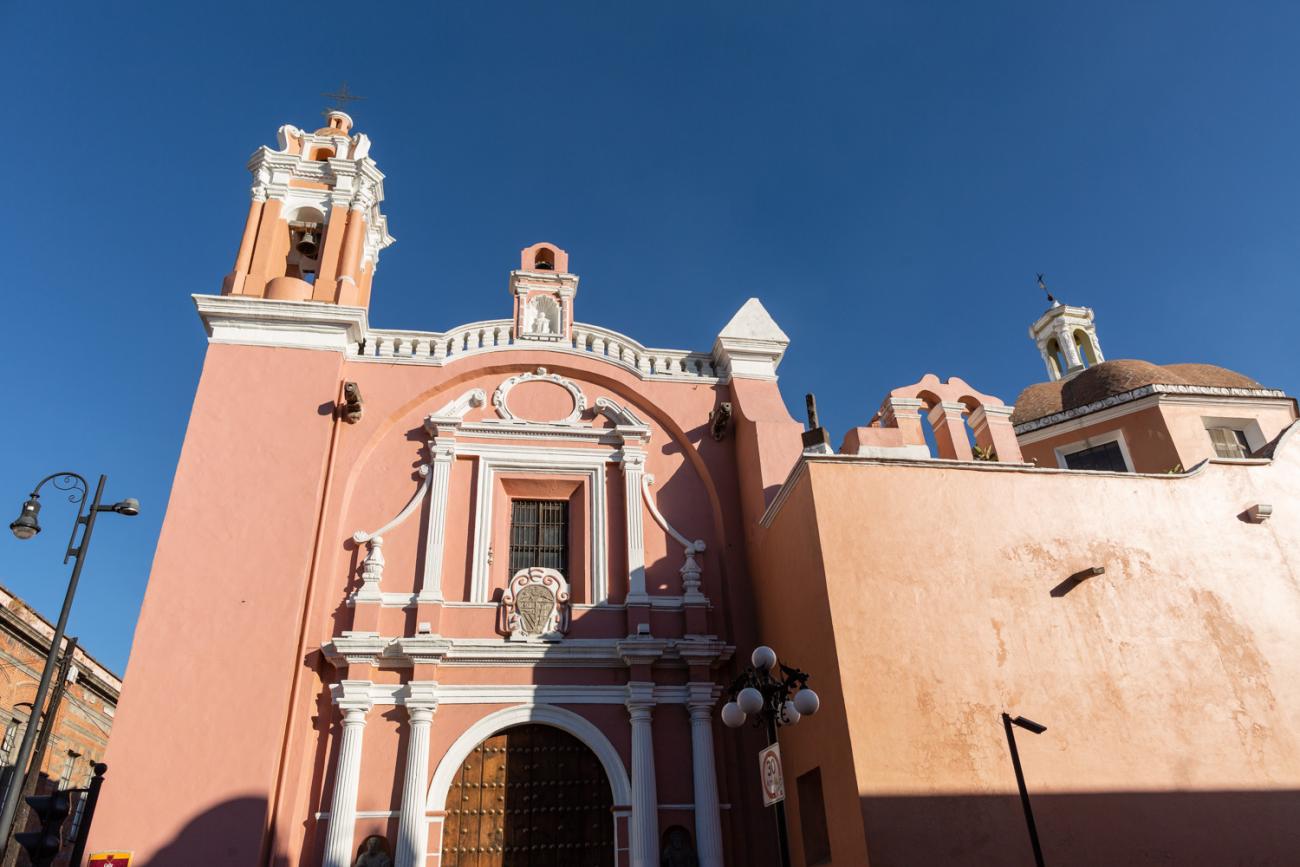
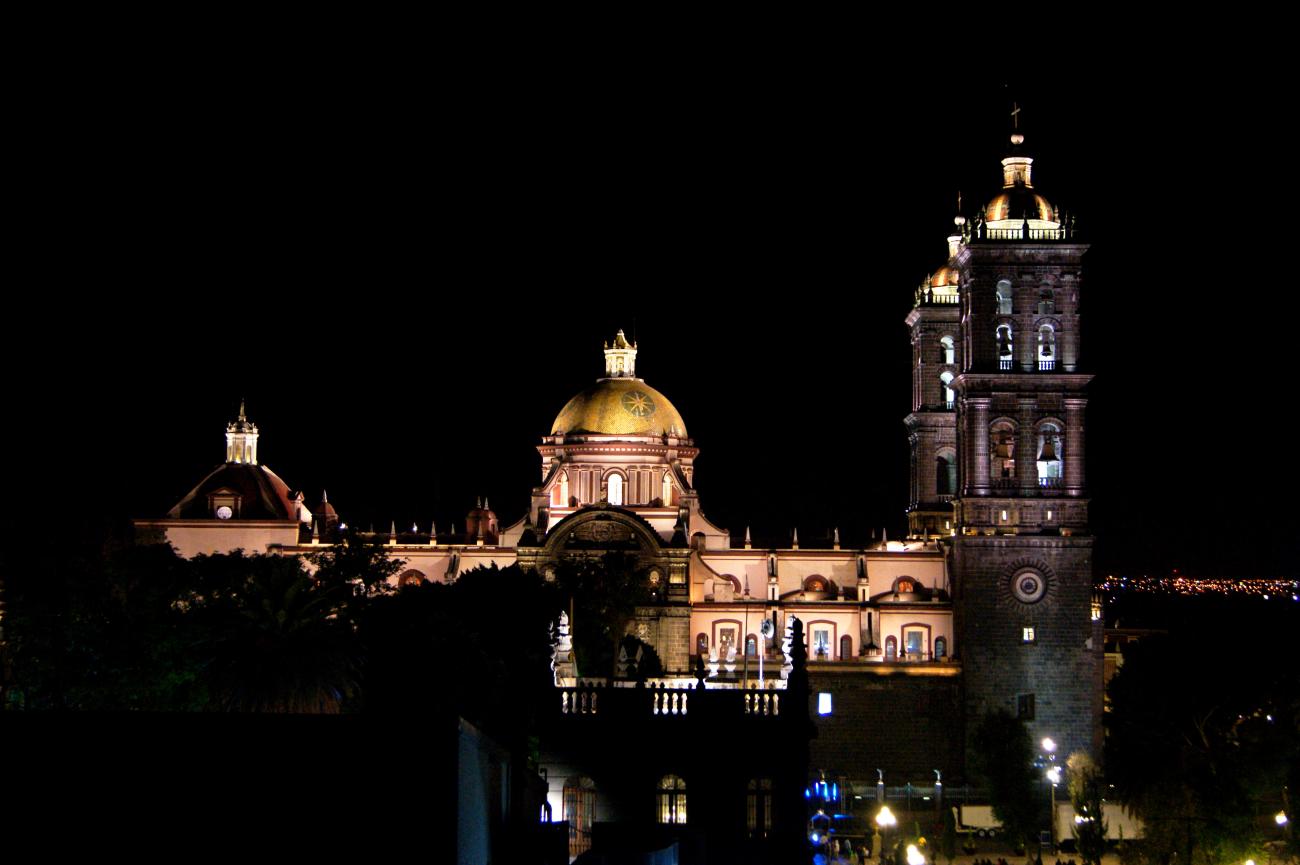
The city of Puebla is renowned for its buildings dedicated to religious worship, with 61 buildings destined at different times for this purpose. Among them, the Cathedral of the Lady of the Immaculate Conception stands out as an architectural icon of the city, built in 1536. In addition to the cathedral, there are the monastery complexes of San Francisco, Santo Domingo, San Agustín, El Carmen, Santa Bárbara, San Antonio, the Society of Jesus, Santa Teresa, Santa Clara, La Santísima Trinidad, Santa Rosa, Santa Inés and Santa Mónica, and the churches of Guadalupe de San Pablo, San José, San Marcos, Analco, de la Luz and de la Santa Cruz.
There are also 71 buildings that have been used for educational purposes and welfare services, such as La Casa de las Bóvedas of the Benemérita Universidad Autónoma de Puebla and the former Penitentiary, today the State Institute of Culture. Another type of buildings in the Zone of Monuments are civil edifices for private use. All these date from the 16th to the 19th centuries as established by the law on historical buildings. However, 20th century buildings that were classified as “relevant” due to their Art Deco and Art Nouveau styles were also included.
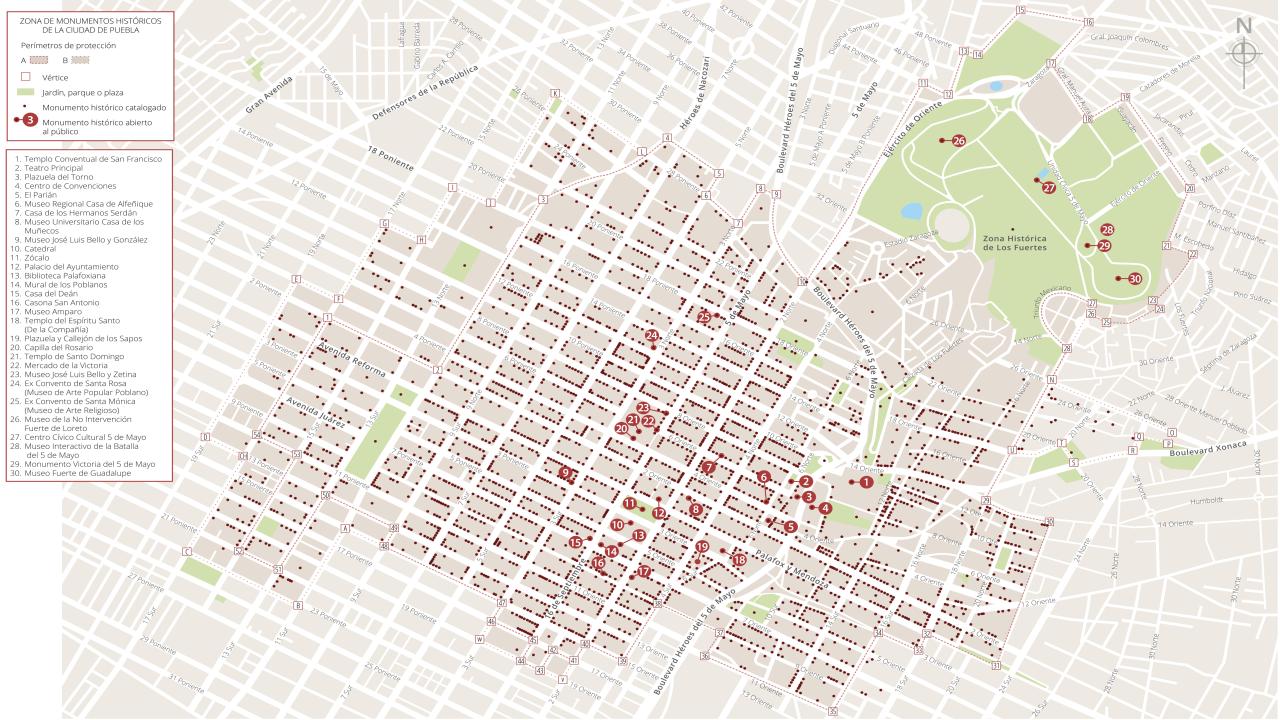
The considerations for the declaration of a Zone of Historical Monuments were that the city has been the site of important events throughout the history of the country, as the scene of the armed struggles for national independence and sovereignty, as well as the Mexican Revolution. In 1821 Nicolás Bravo and Don José Joaquín Herrera besieged the city, an event that marks the final stage of the struggle for the independence of Mexico. Antonio López de Santa Ana occupied it between 1834 and 1845. After having signed the Treaty of Soledad by the plenipotentiary ministers of the United Kingdom, Spain and France, they withdrew their troops from Mexico, with the exception of the French who advanced to the interior of the country, on April 27, 1862. The hills of Loreto and Guadalupe were the setting of the battle of May 5, 1862, led by General Ignacio Zaragoza, General Miguel Negrete and General Porfirio Díaz.
Puebla was also host of the first meeting of the Anti-reelection Club against the government of Porfirio Díaz, presided over by Aquiles Serdán, on July 19, 1909, and surveillance of his family by the state government began. The four Serdán siblings, Aquiles, Máximo, Carmen and Natalia, followed Francisco I. Madero's call to overthrow Porfirio Díaz on November 18, 1910, an action that started the Mexican Revolution.
The Zone of Historical Monuments of Puebla was decreed on November 18, 1977 and is considered the largest in all of Latin America. It was inscribed by UNESCO on the World Heritage List on December 11, 1987.
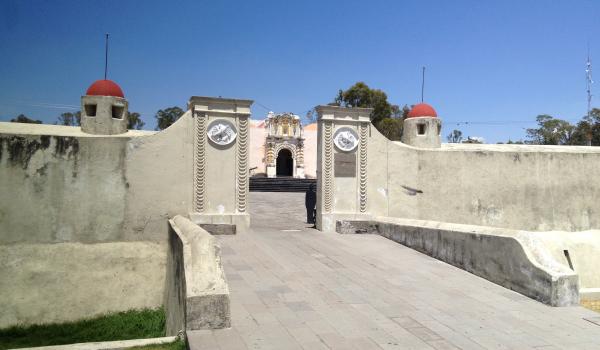
Museo de la No Intervención, Fuerte de Loreto
Construction of the building began in the mid-17th century as a chapel dedicated to the Virgin of Loreto (an Italian patron saint of family protection), with the support of lay people and the secular clergy.
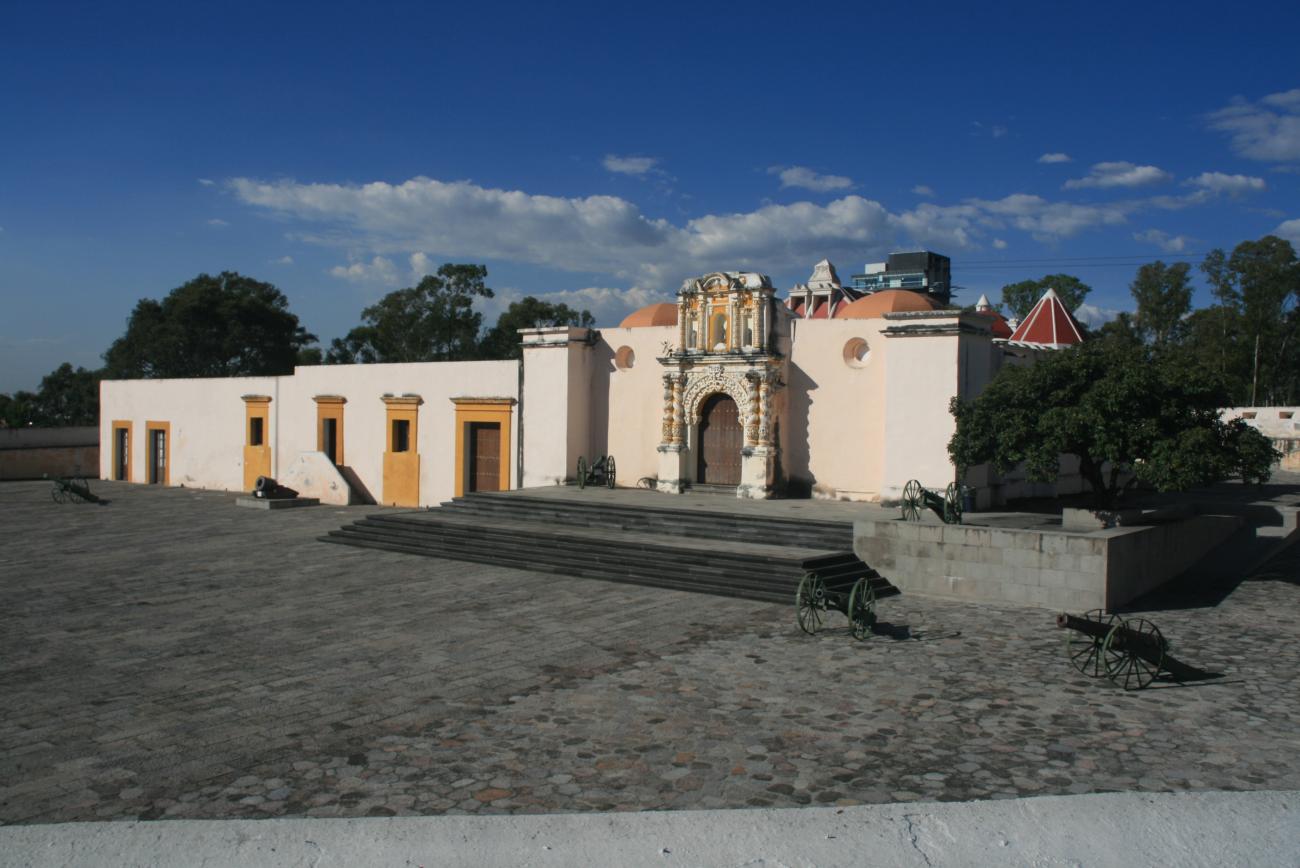
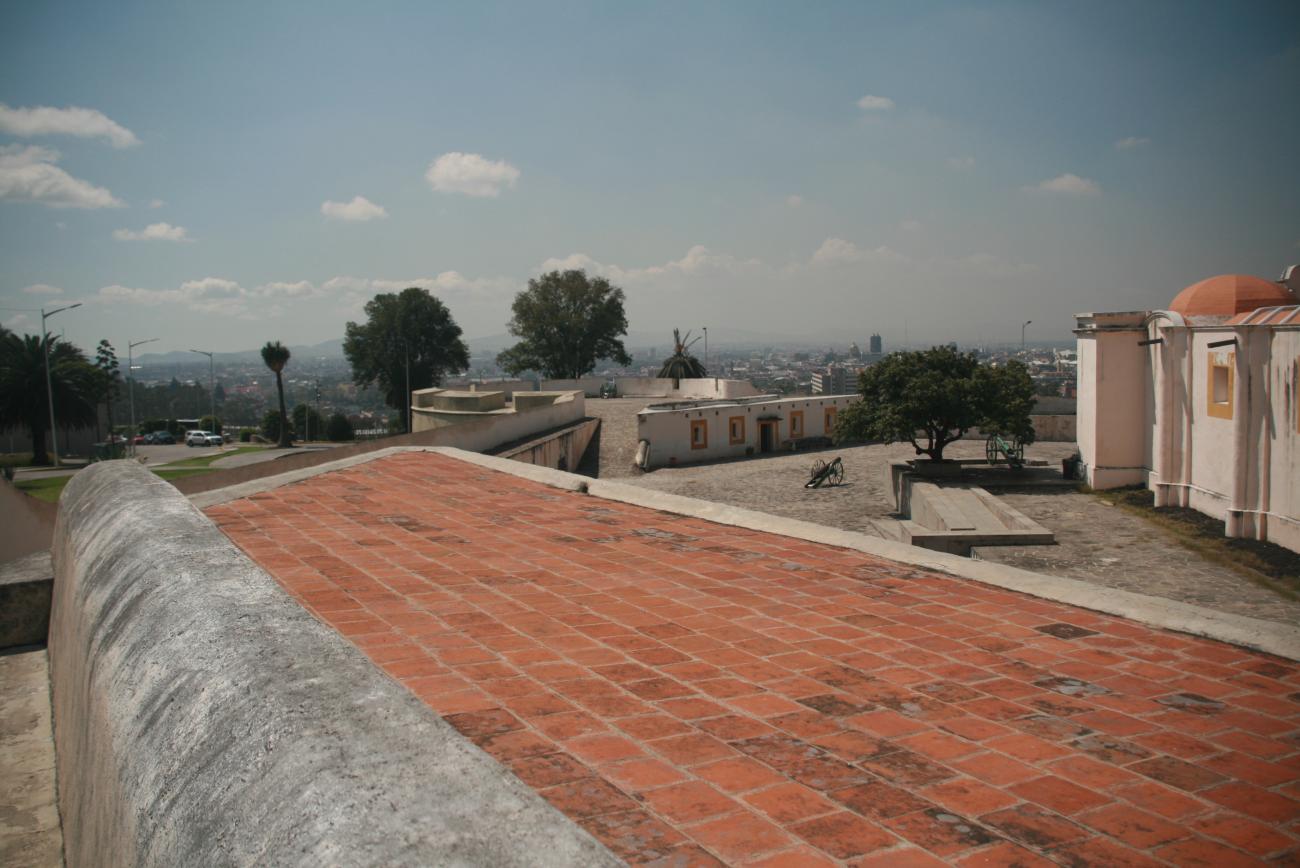
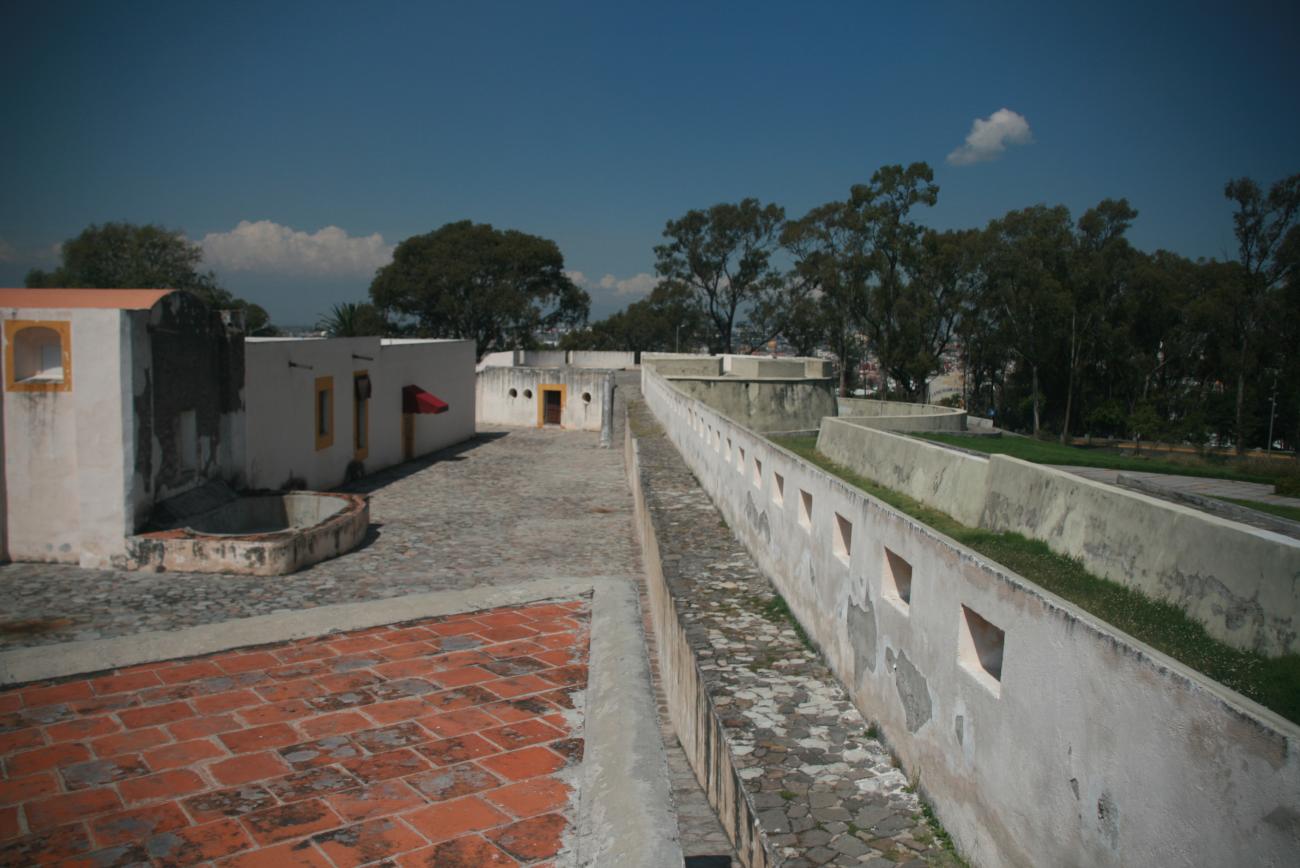
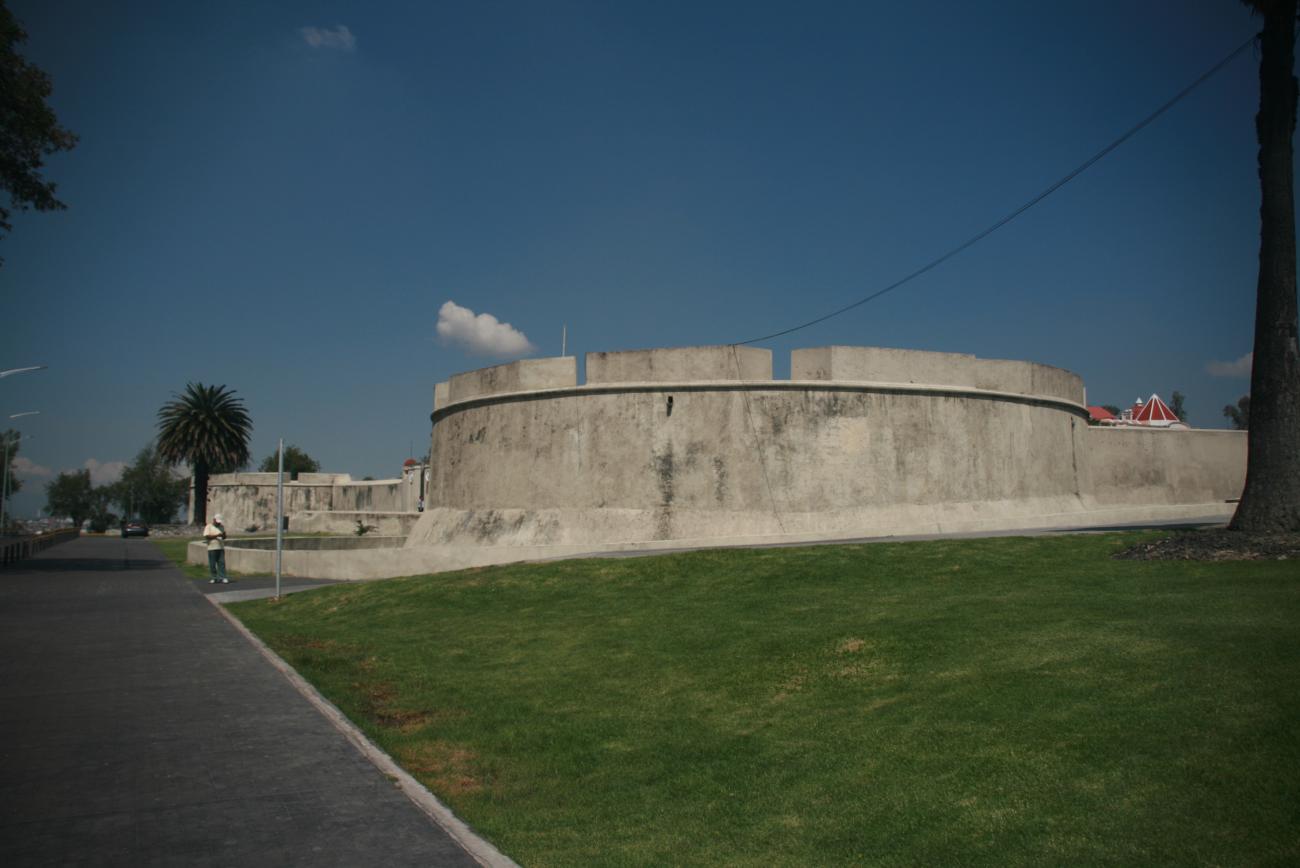
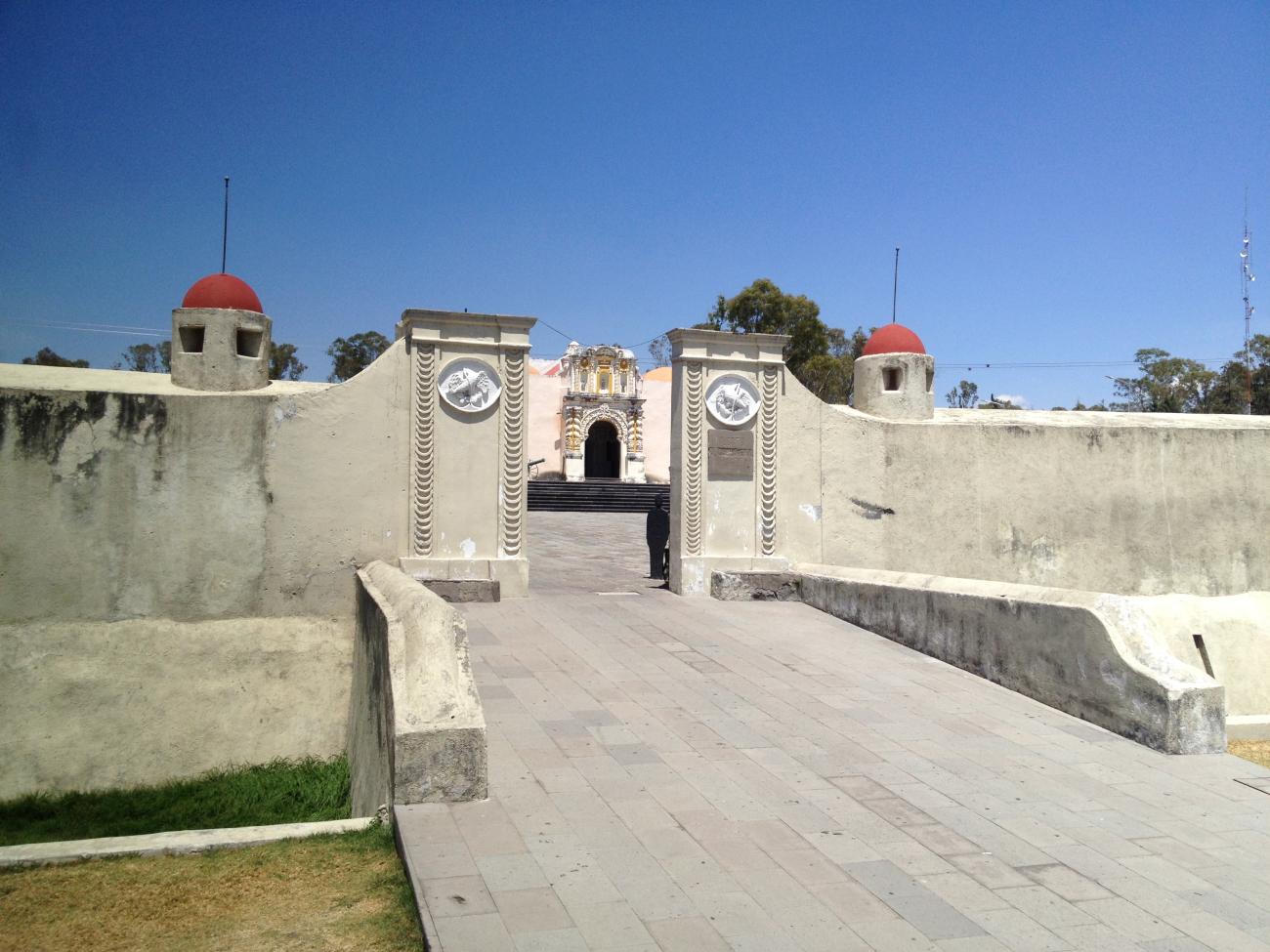
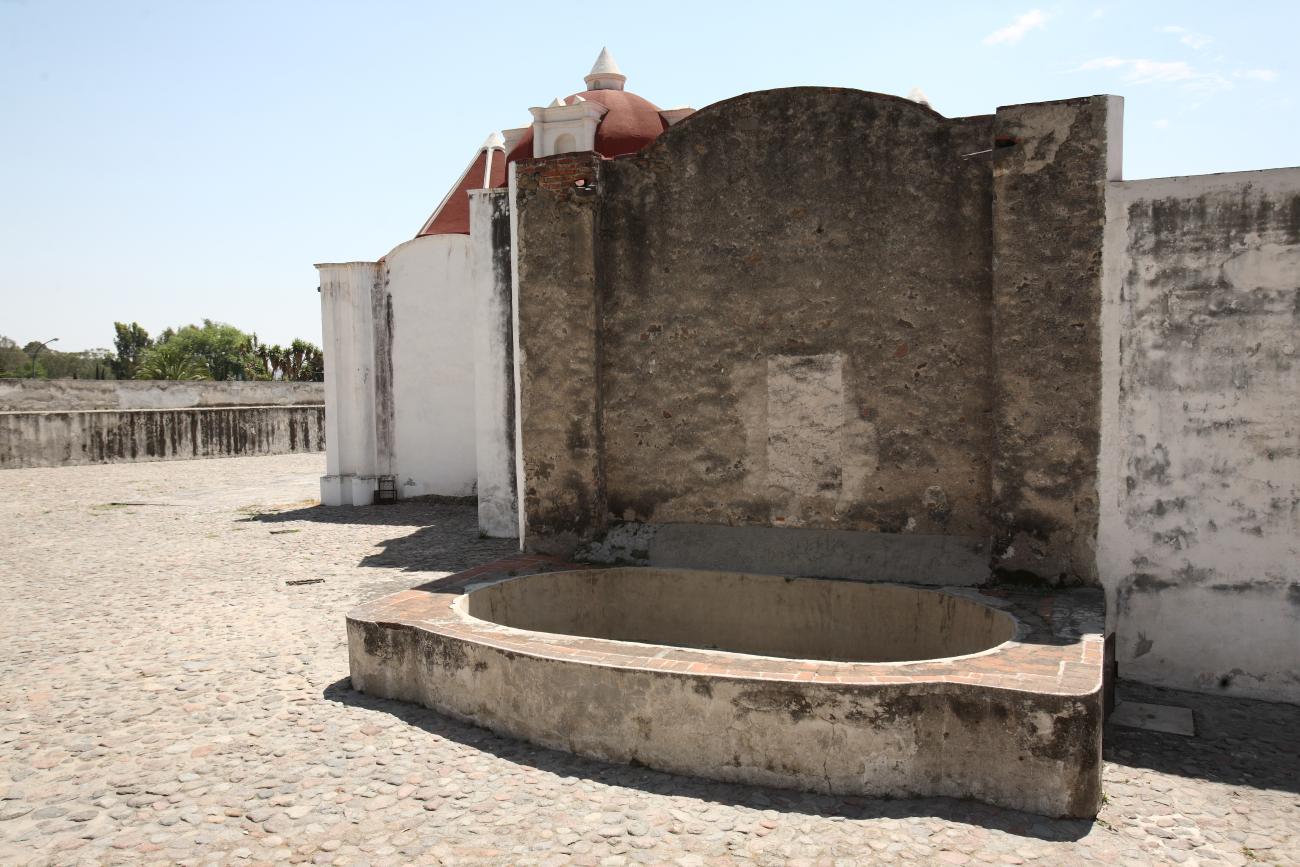


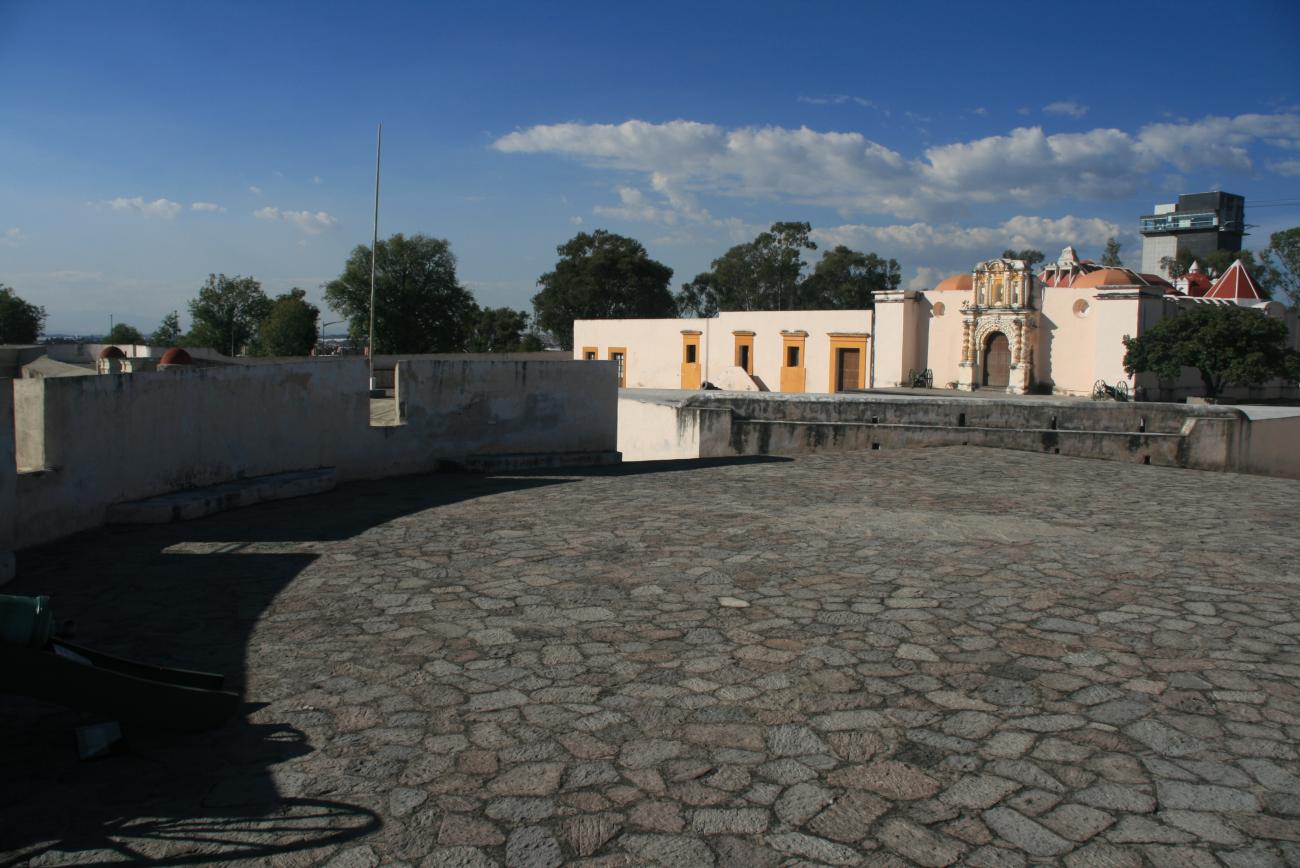


Construction of the building began in the mid-17th century as a chapel dedicated to the Virgin of Loreto (an Italian patron saint of family protection), with the support of lay people and the secular clergy. The chapel was built at the request of a devotee of the Virgin of Loreto, José de la Cruz Sarmiento, who wanted to thank the Virgin for saving his life after he was struck by lightning in 1655. The chapel was built with the same dimensions as the Holy House of Loreto in Italy, a design that was preserved until the 18th century when the chapel was rebuilt to give it a more sumptuous appearance. In 1813, during the War of Independence, the viceregal authorities in Puebla proposed moving the city's powder magazine—the explosives depot—there, and in 1815 construction began on the fort itself, which was completed in 1817.
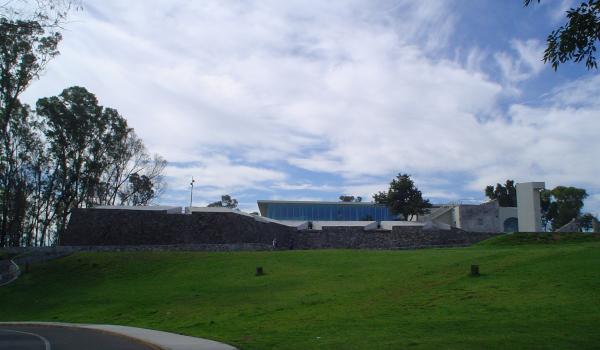
Museo Fuerte de Guadalupe
The hill where the Guadalupe Fort is located was called “Acueyametepec” (hill covered with maguey plants and abundant frogs) by the pre-Hispanic inhabitants. In 1537, the Franciscans, led by Fray Toribio de Benavente, built a chapel dedicated to Saint Christopher.
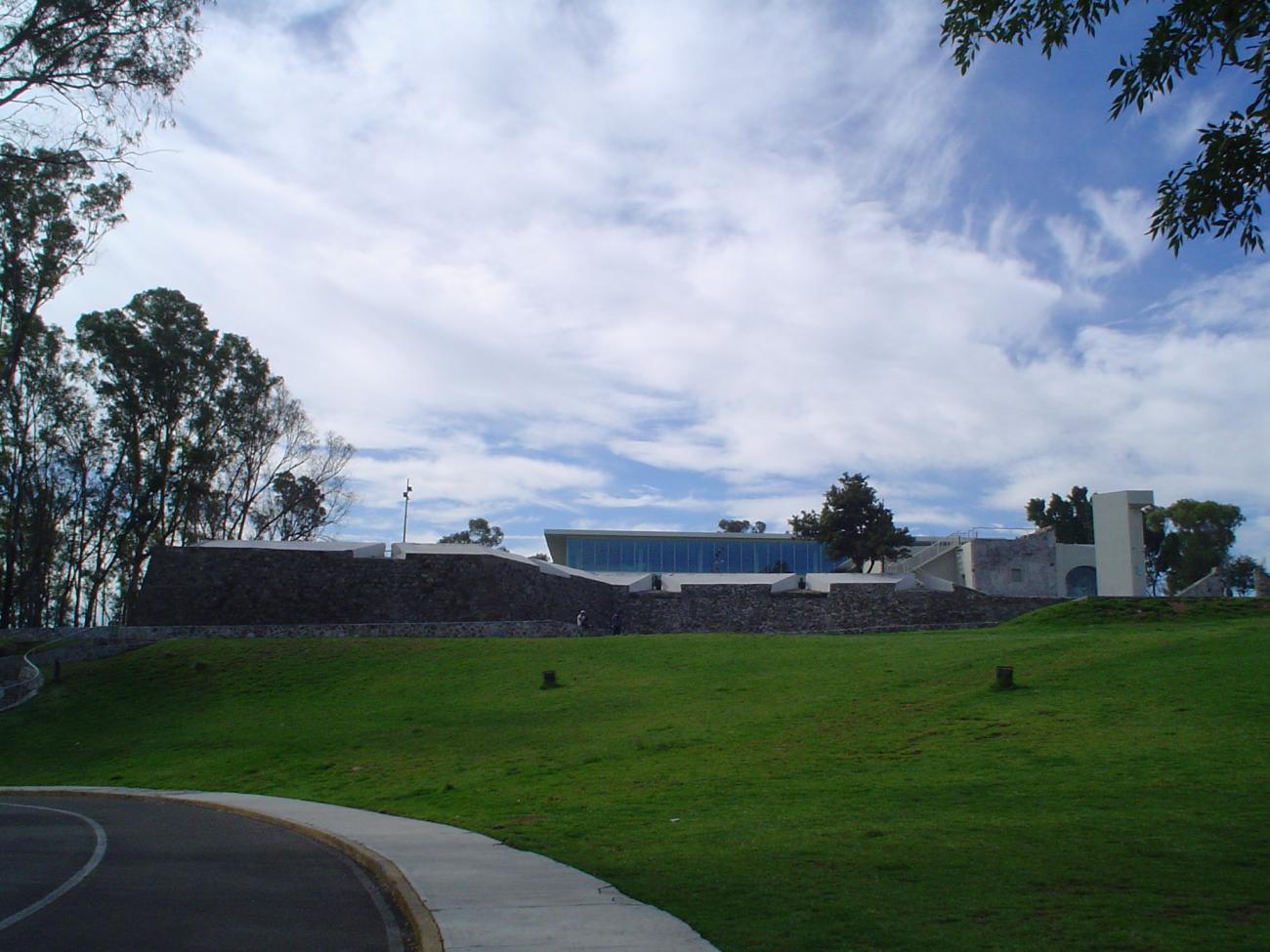
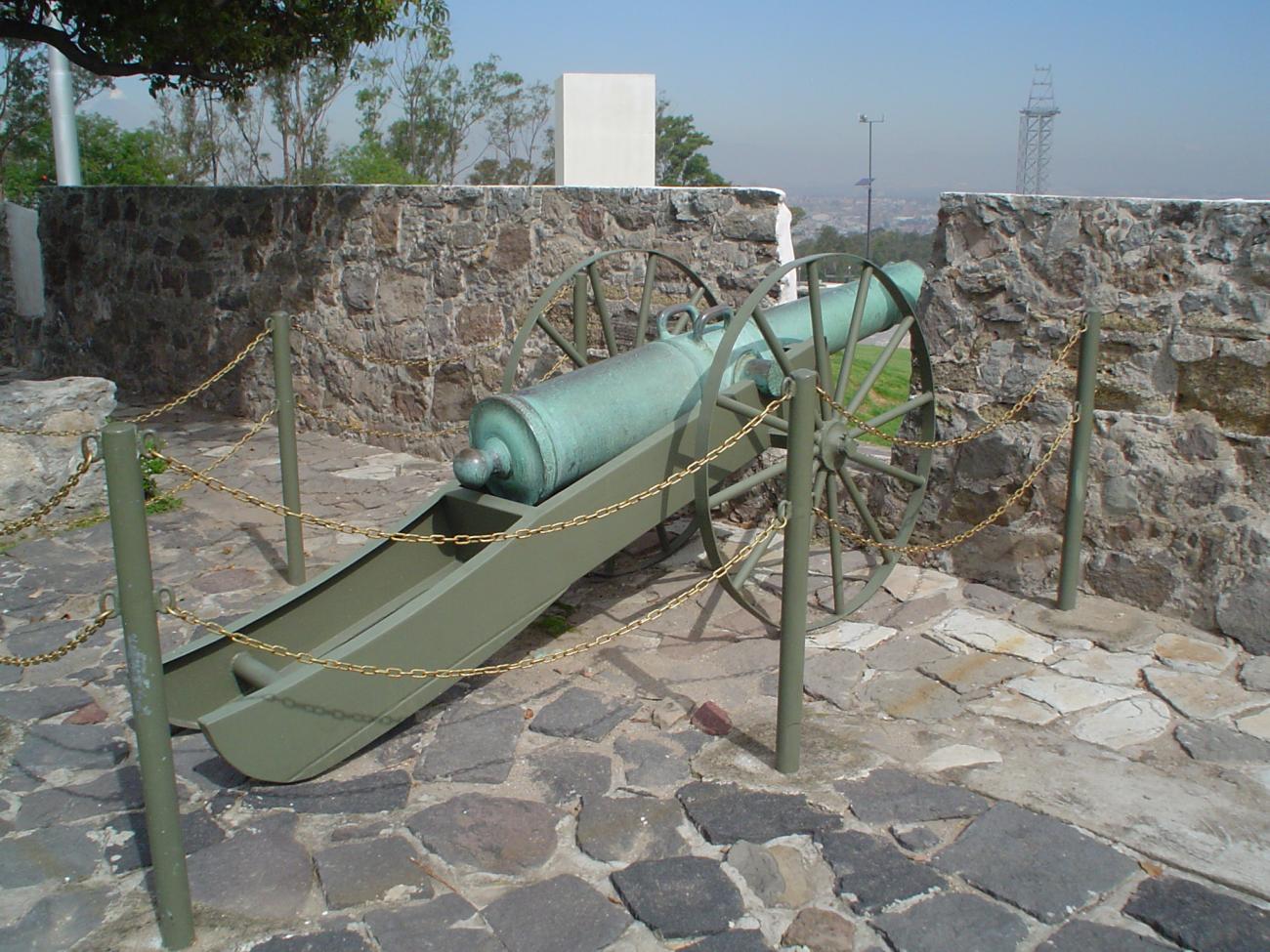
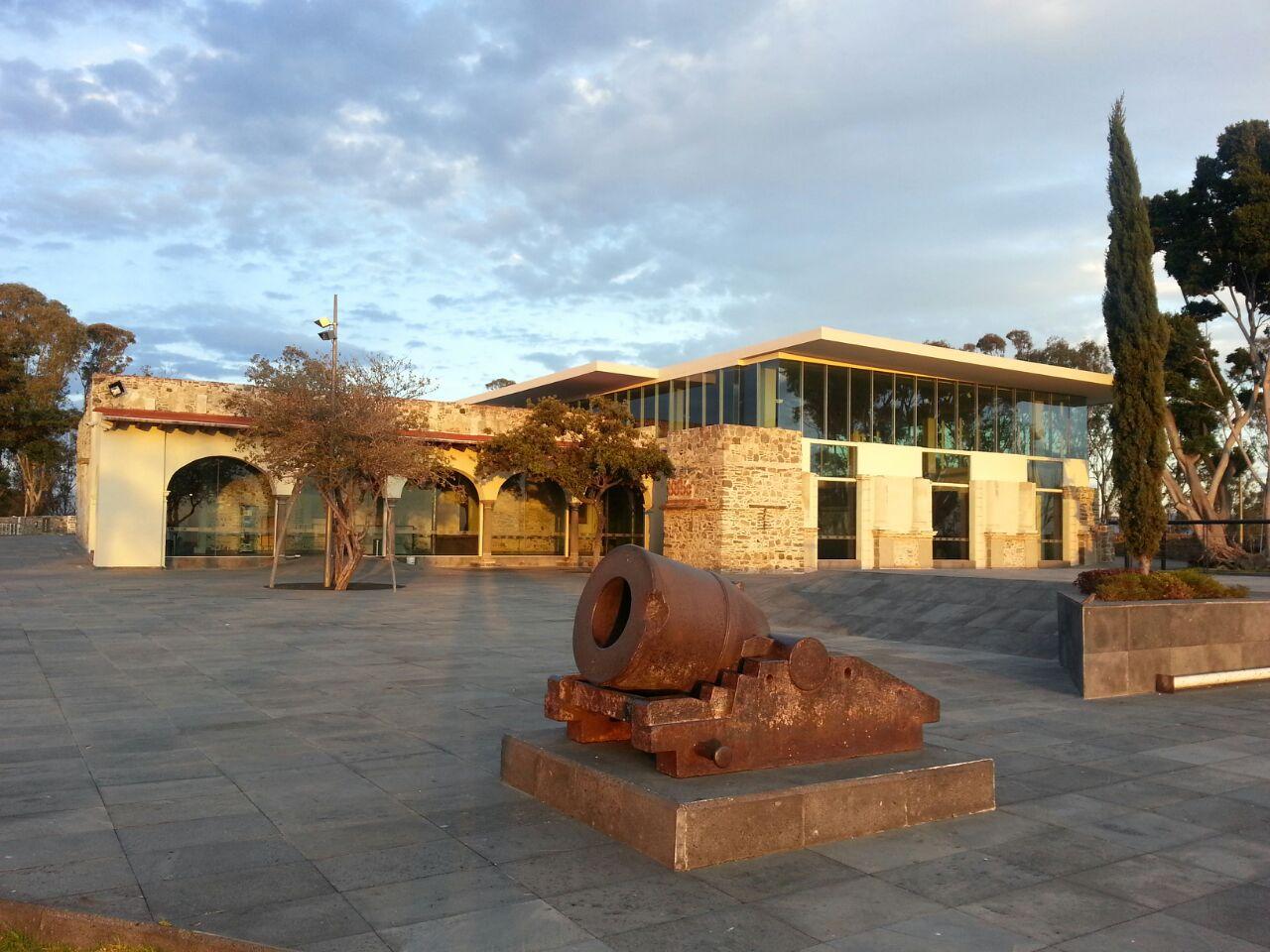
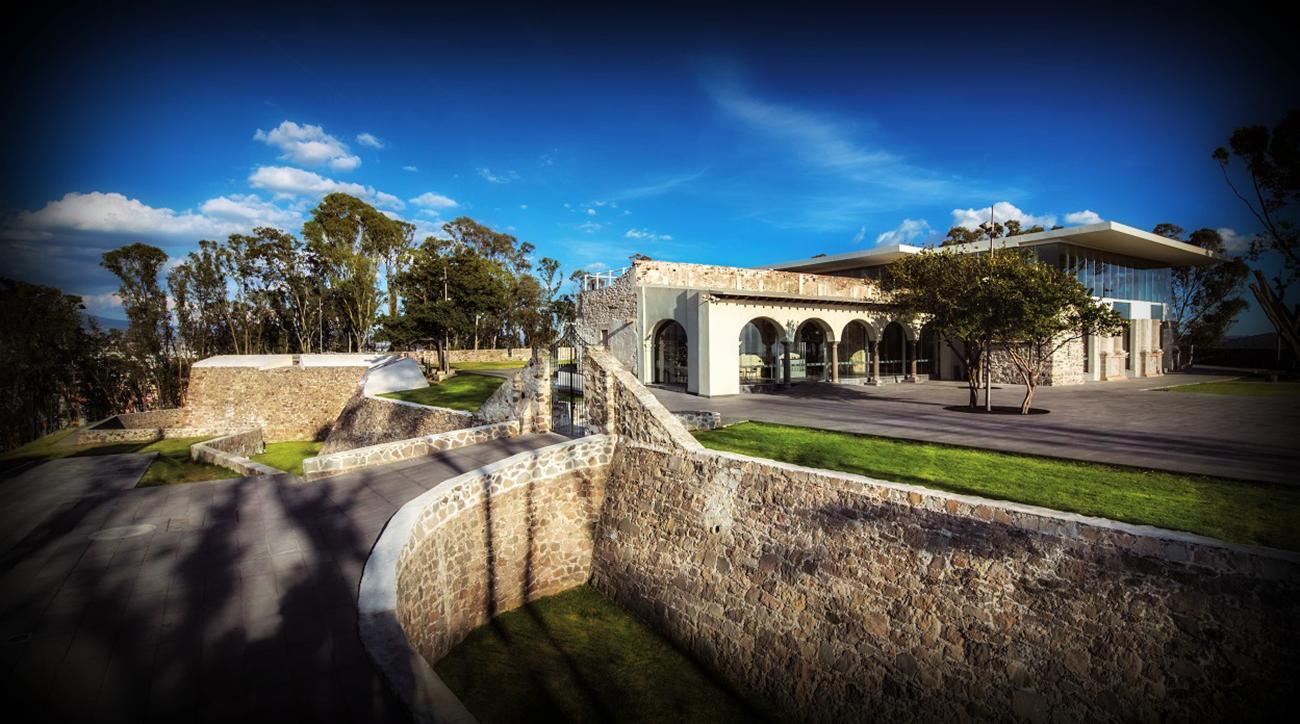
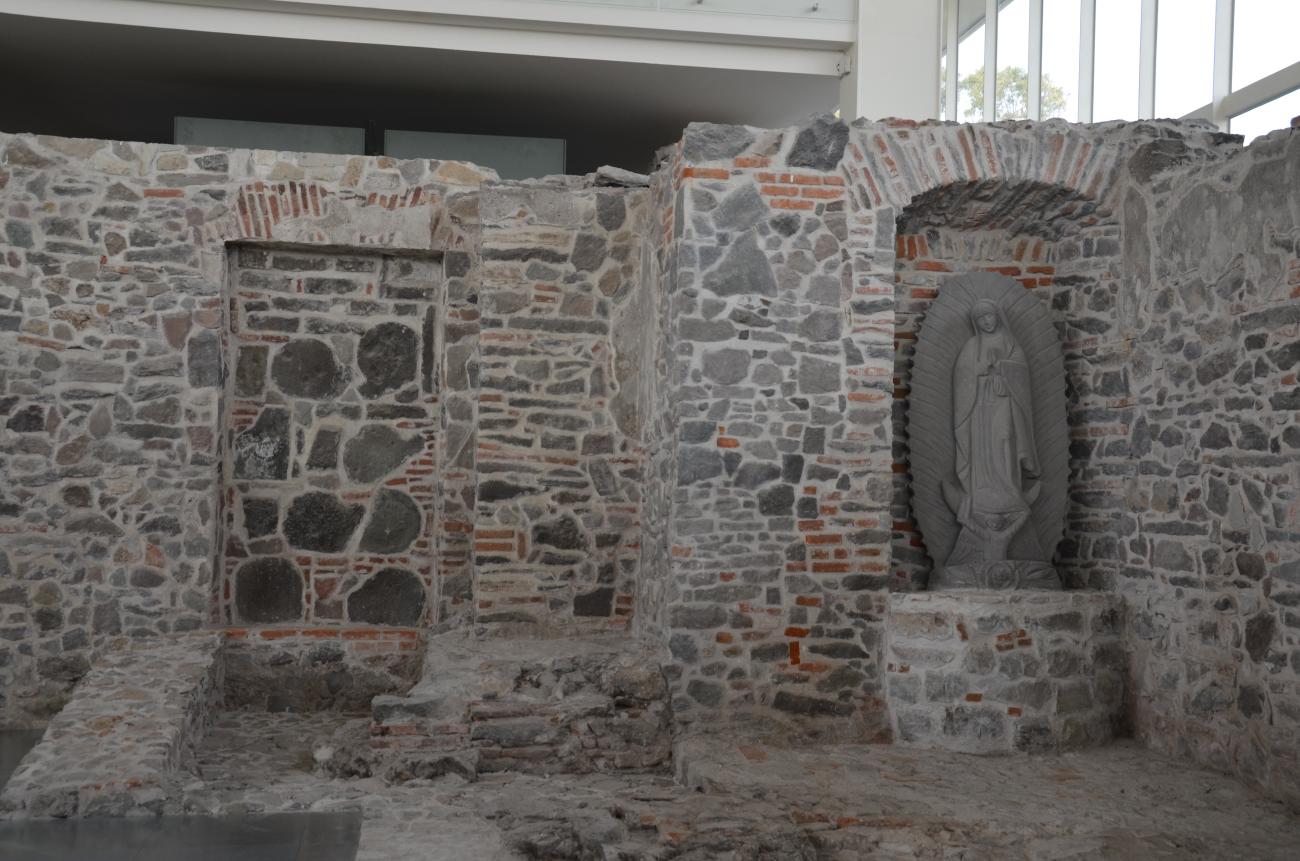
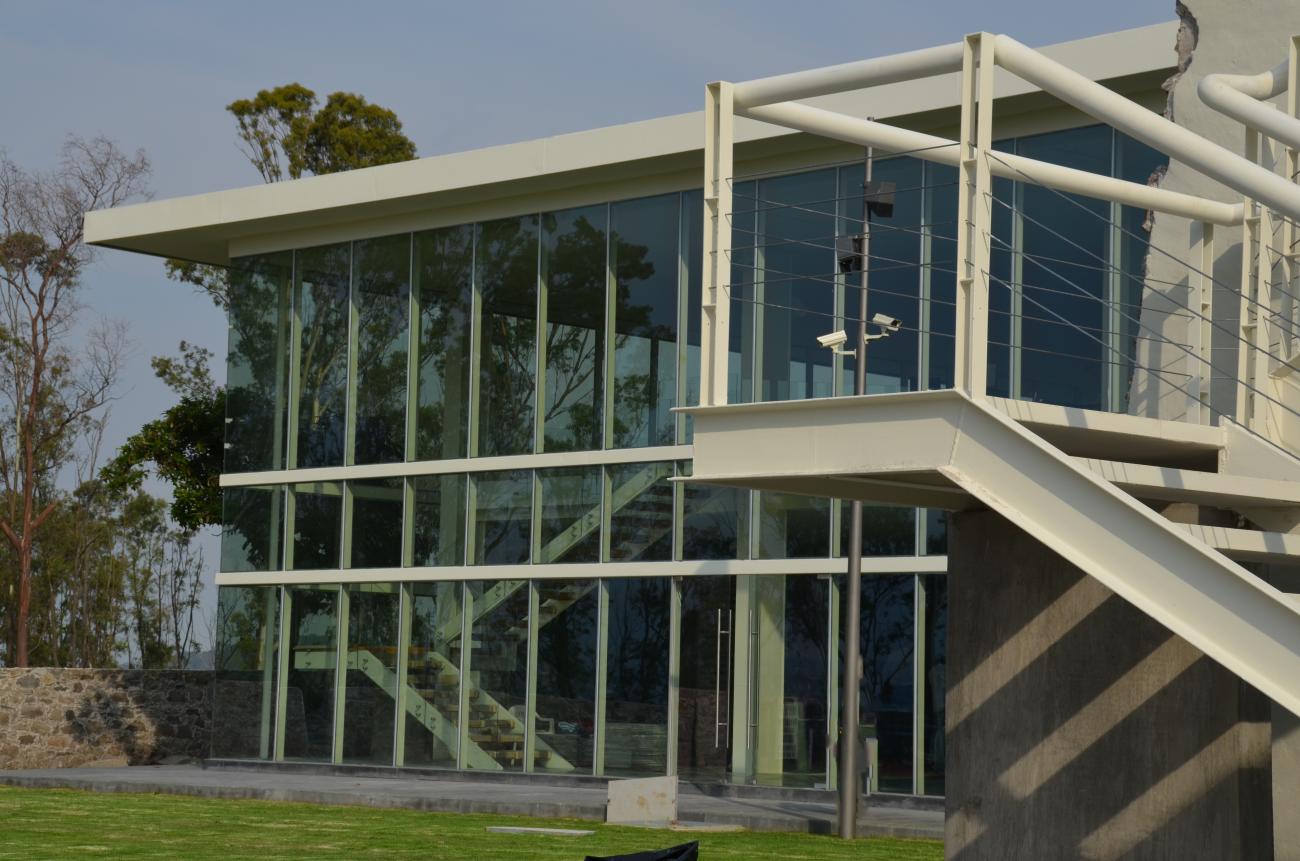


The hill where the Guadalupe Fort is located was called “Acueyametepec” (hill covered with maguey plants and abundant frogs) by the pre-Hispanic inhabitants. In 1537, the Franciscans, led by Fray Toribio de Benavente, built a chapel dedicated to Saint Christopher. In the 17th century, the Bethlehemite friars arrived at the sanctuary and added a hospital to the complex; from then on, the temple began to be called “de Belem.” In 1756, a storm damaged the building, which had to be rebuilt and reopened in 1758, under the patronage of Guadalupe. In the mid-18th century, the church had to be demolished and, in December 1816, rebuilt. Being on high ground, the church served to guard and protect the entrance to the city, so in 1816 work began on fortifying the temple. The church was surrounded by a fortification that served to protect the city. In 1862, faced with the threat of French invasion, engineer Joaquín Colombres set about upgrading the fortification: he improved the moats and took advantage of the steepness of the hill to create a natural defense. On and in front of it—as well as in front of the Fort of Loreto—the famous battle of May 5, 1862, was fought, with the victory of the Mexican Republican forces of the Army of the East, commanded by General Ignacio Zaragoza.
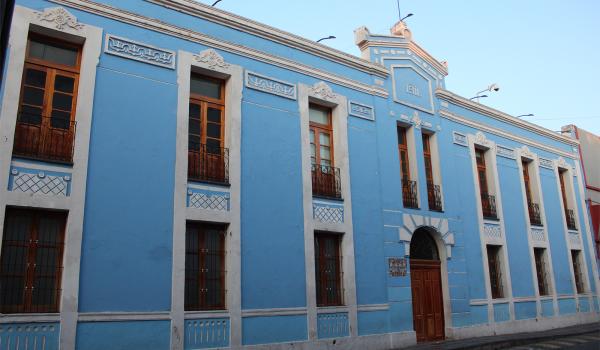
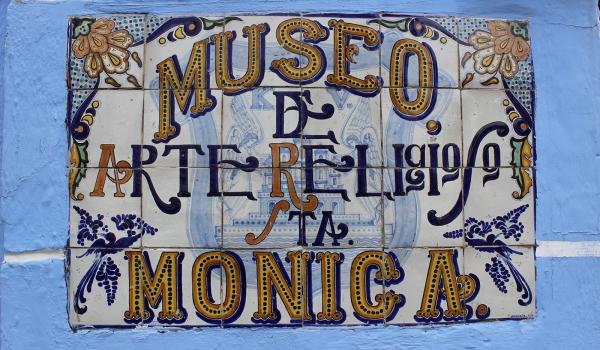
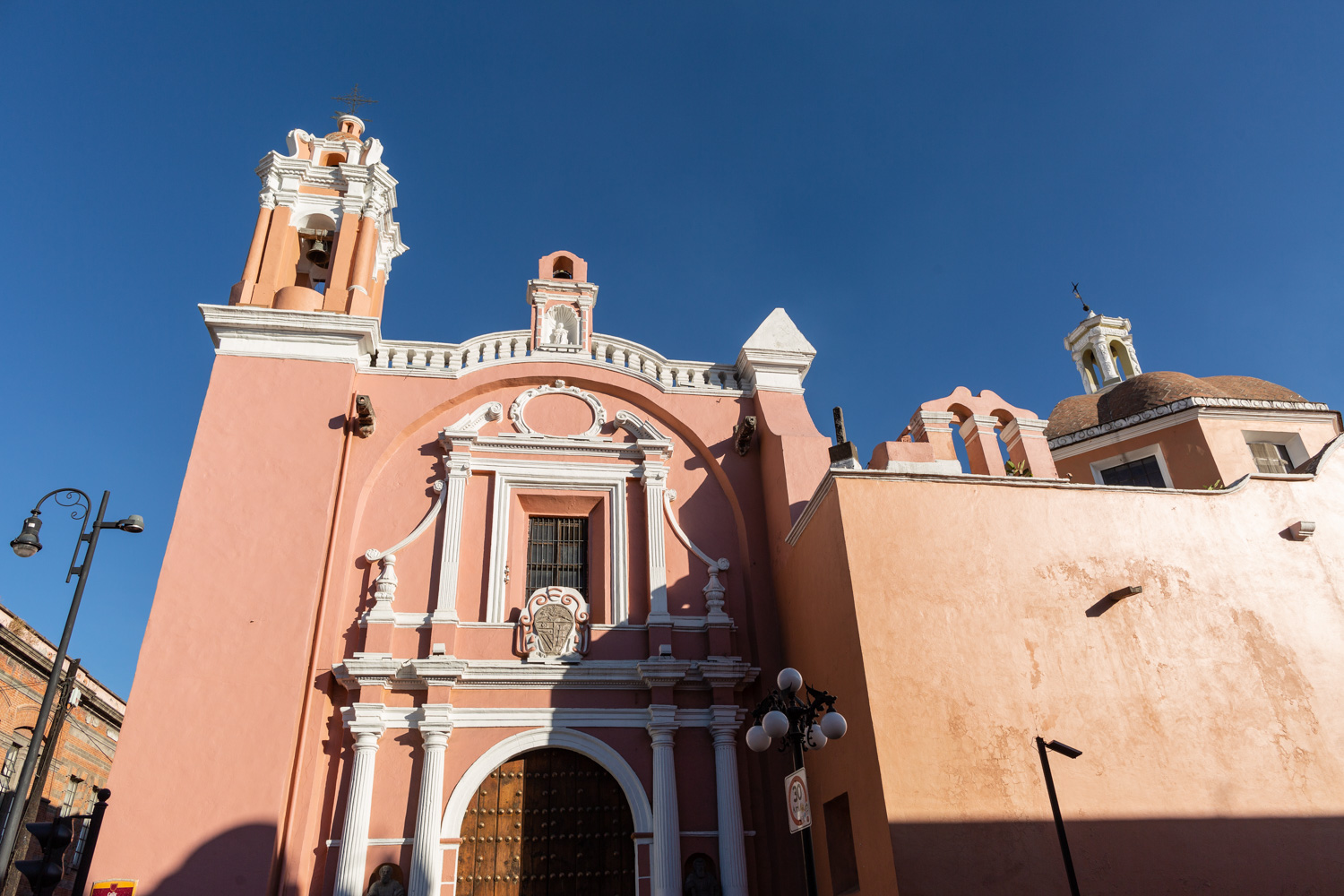
Museo de Arte Religioso de Santa Mónica
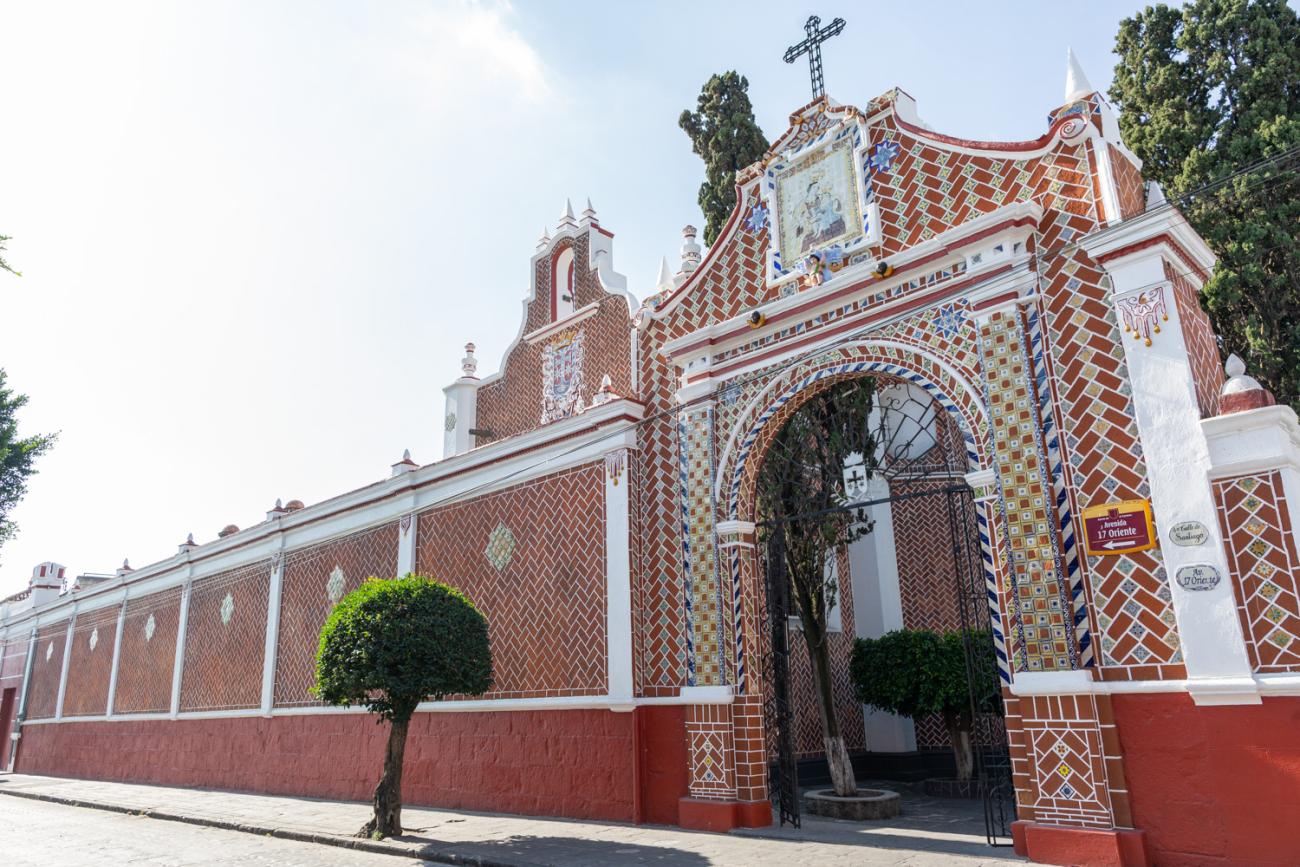
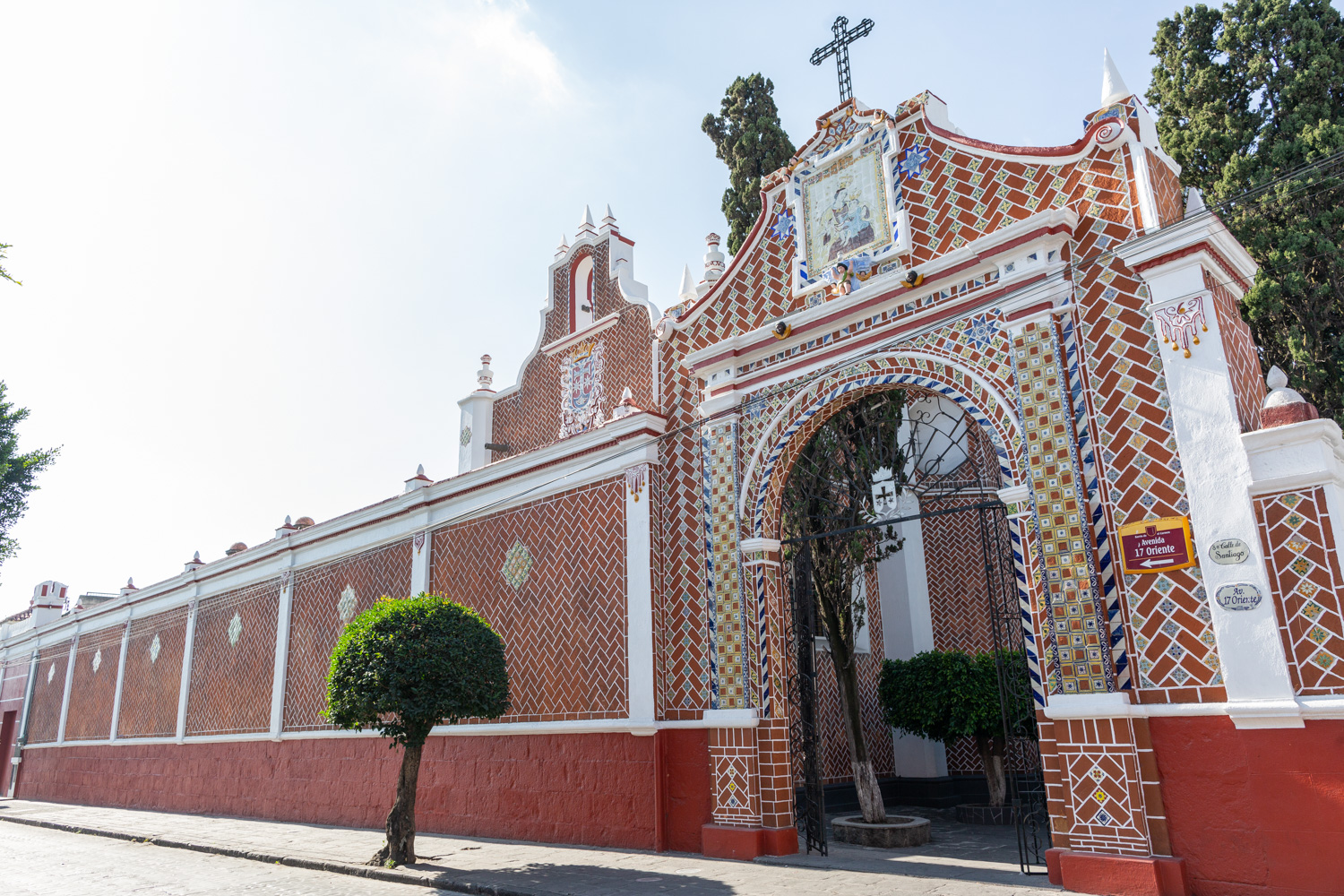
This 17th-century building was modified in later centuries, predominantly in the Puebla Baroque style, which can be seen above all in the façades of the Patio de Profesas, covered with Talavera tiles and petatillo (bricks laid at an angle, like the seams of a mat).
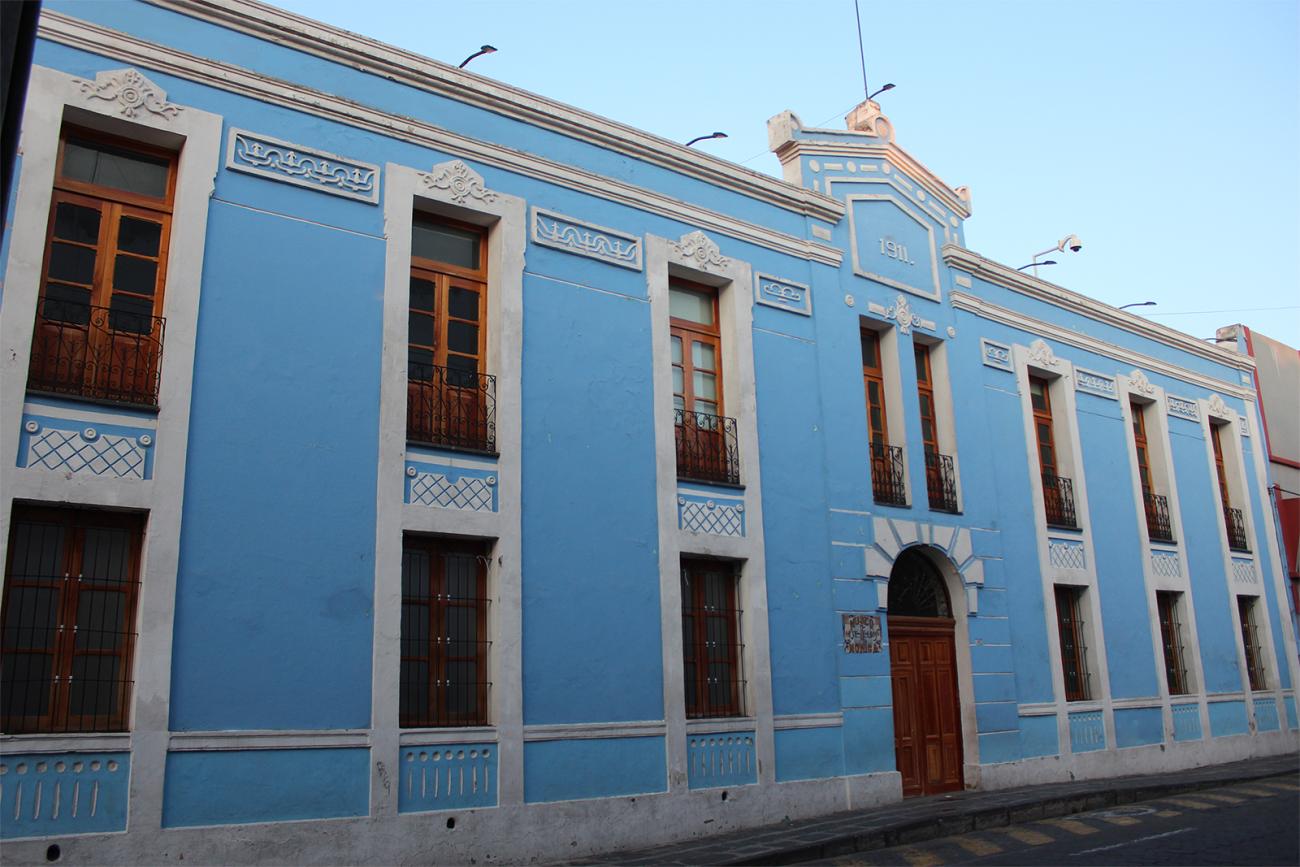

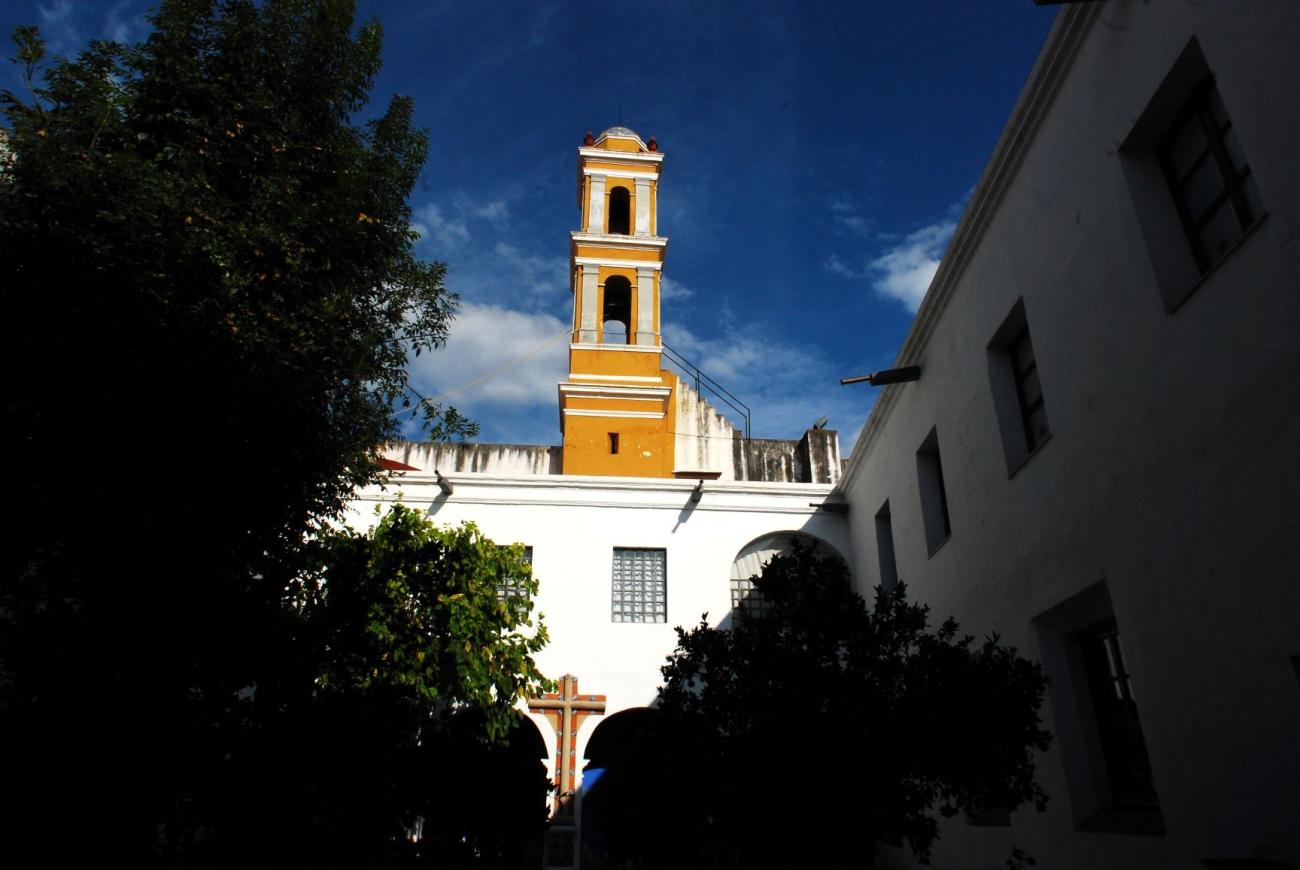
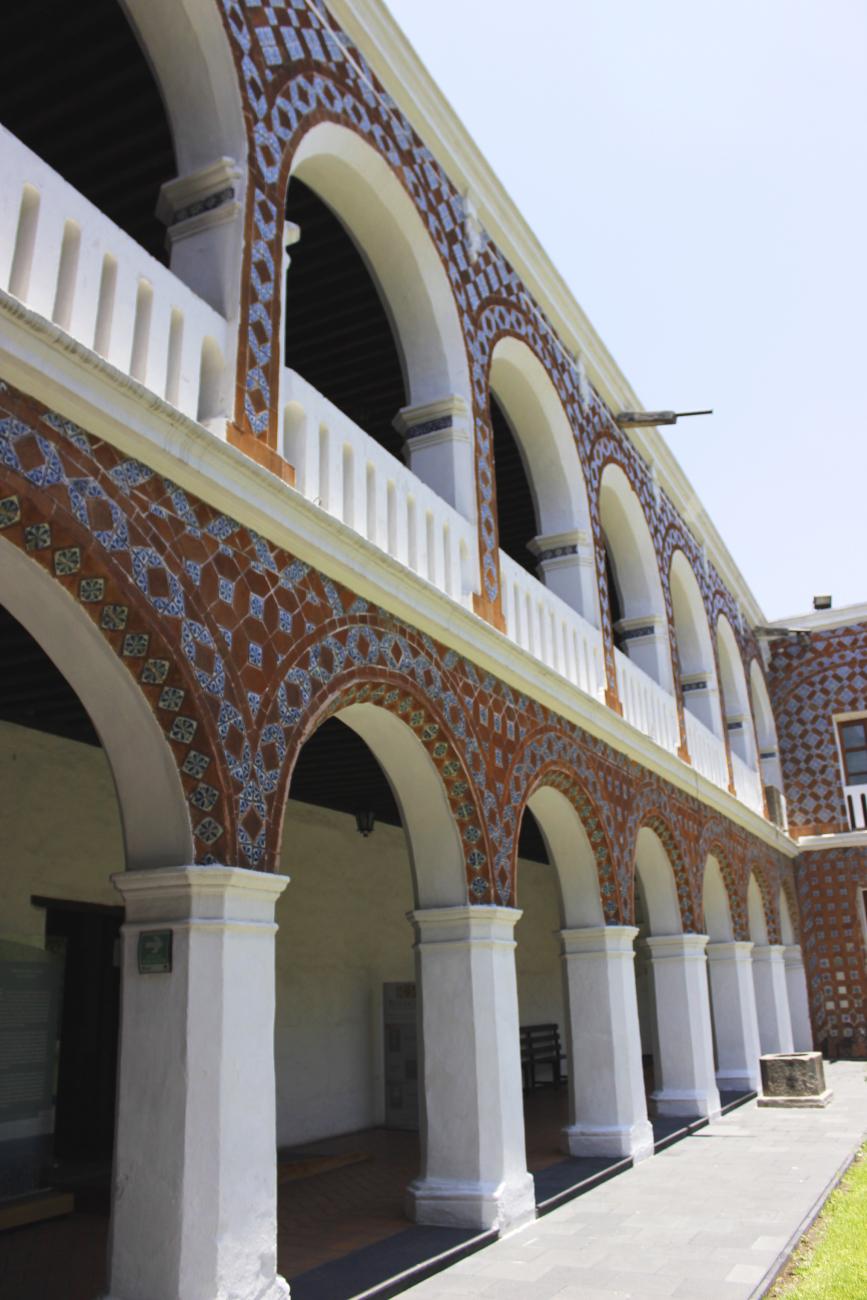
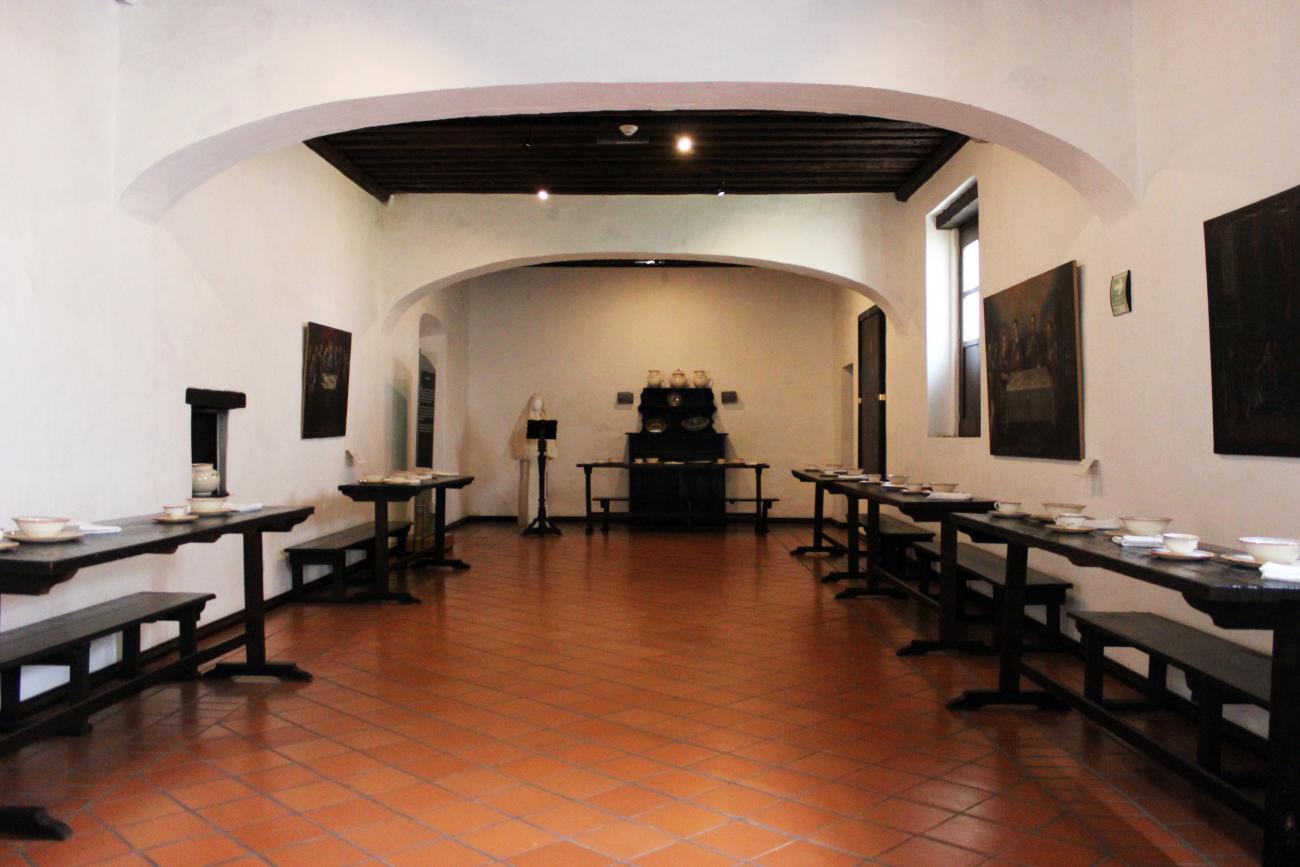
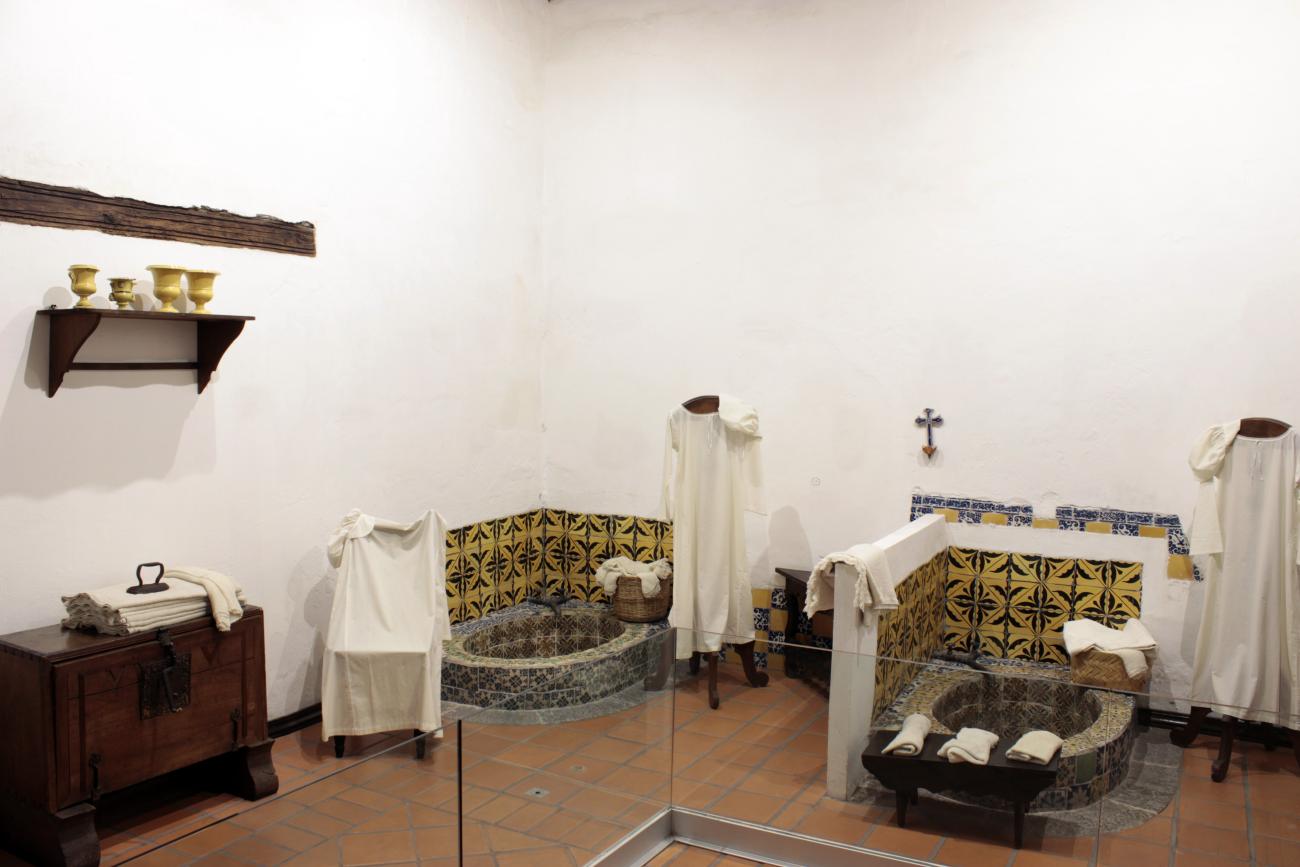
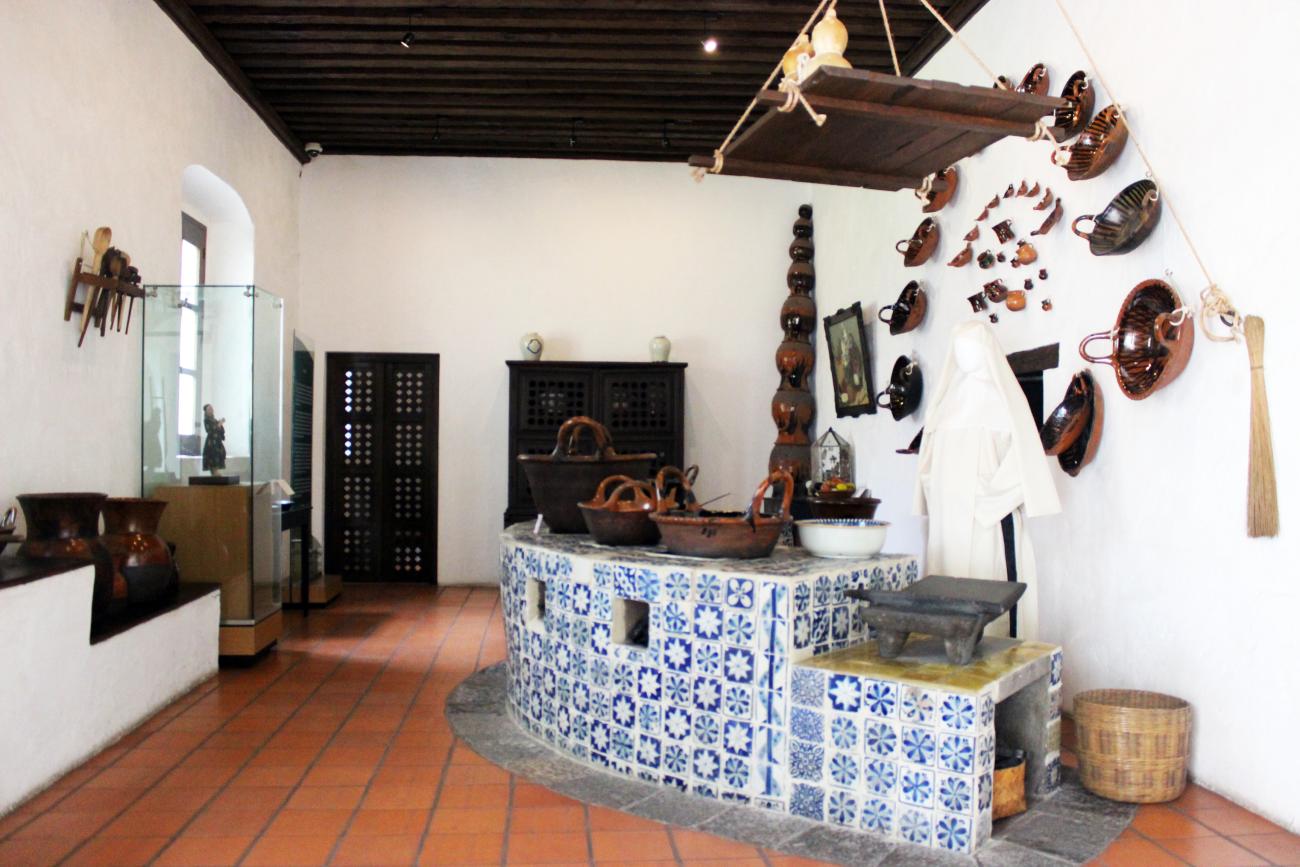
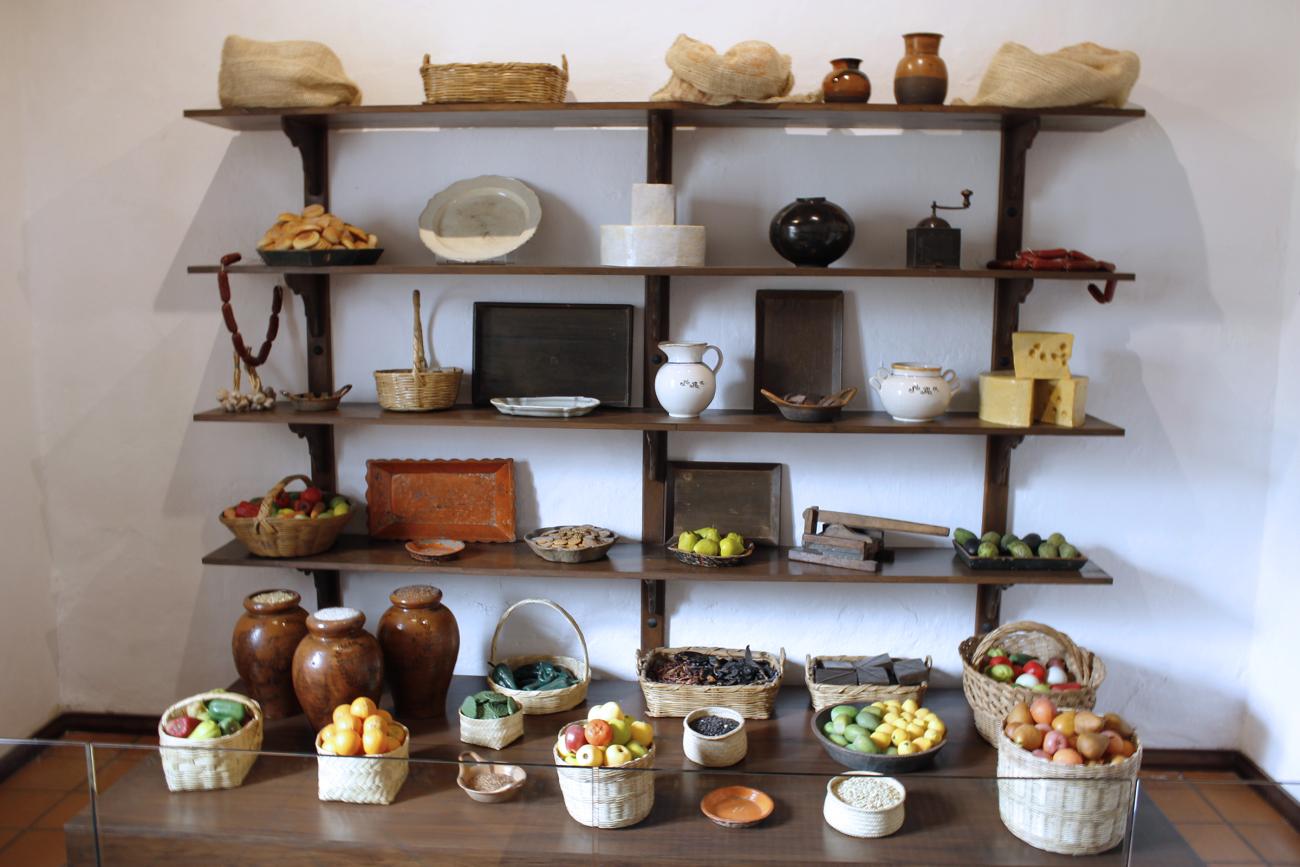
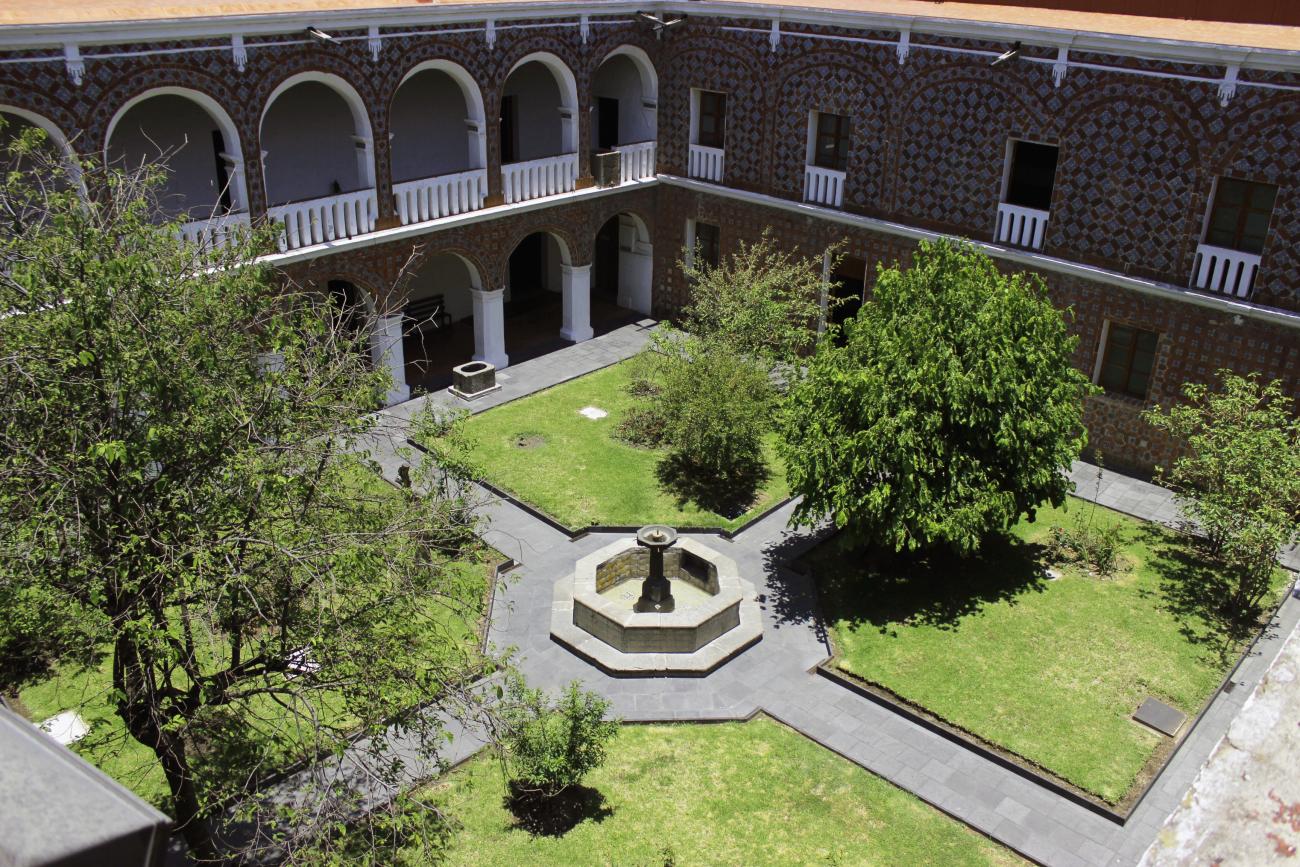
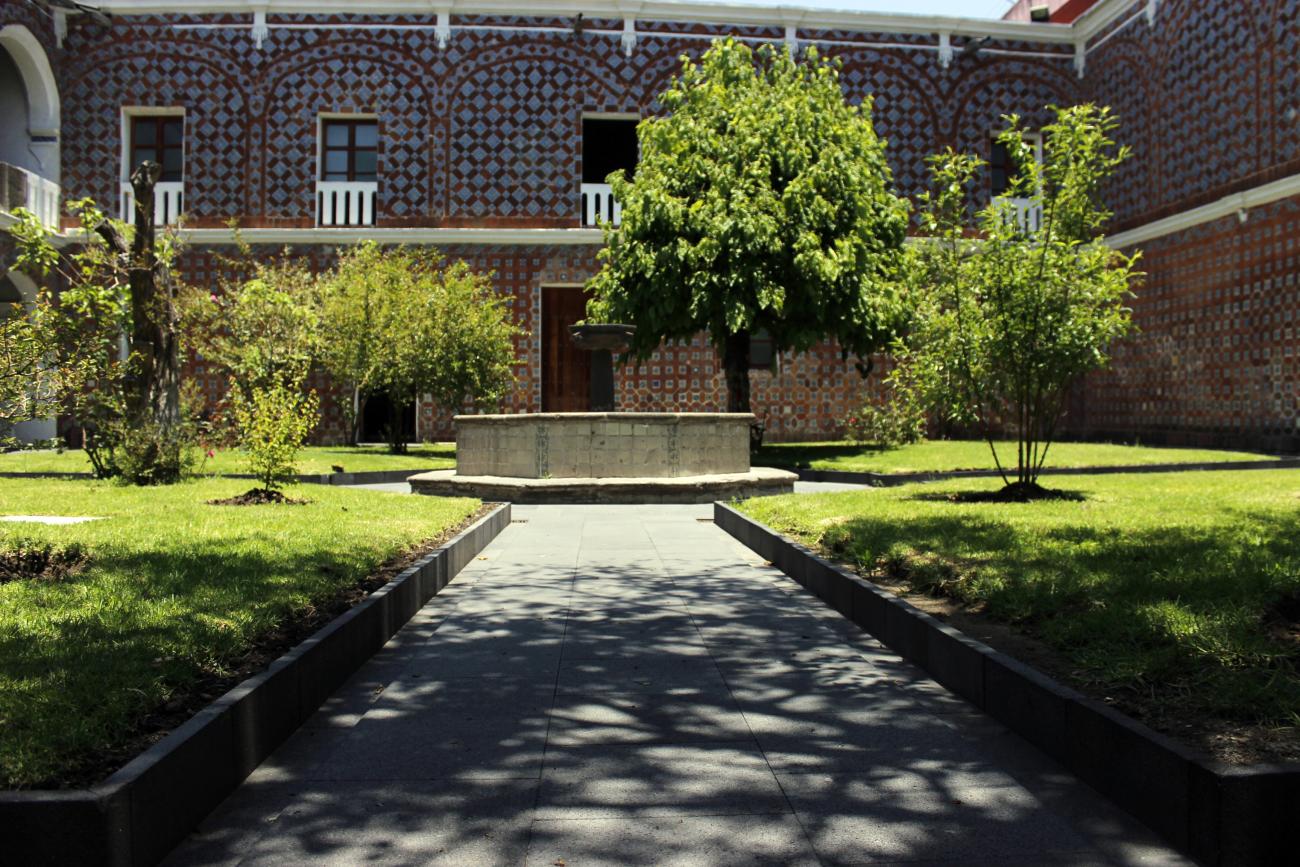
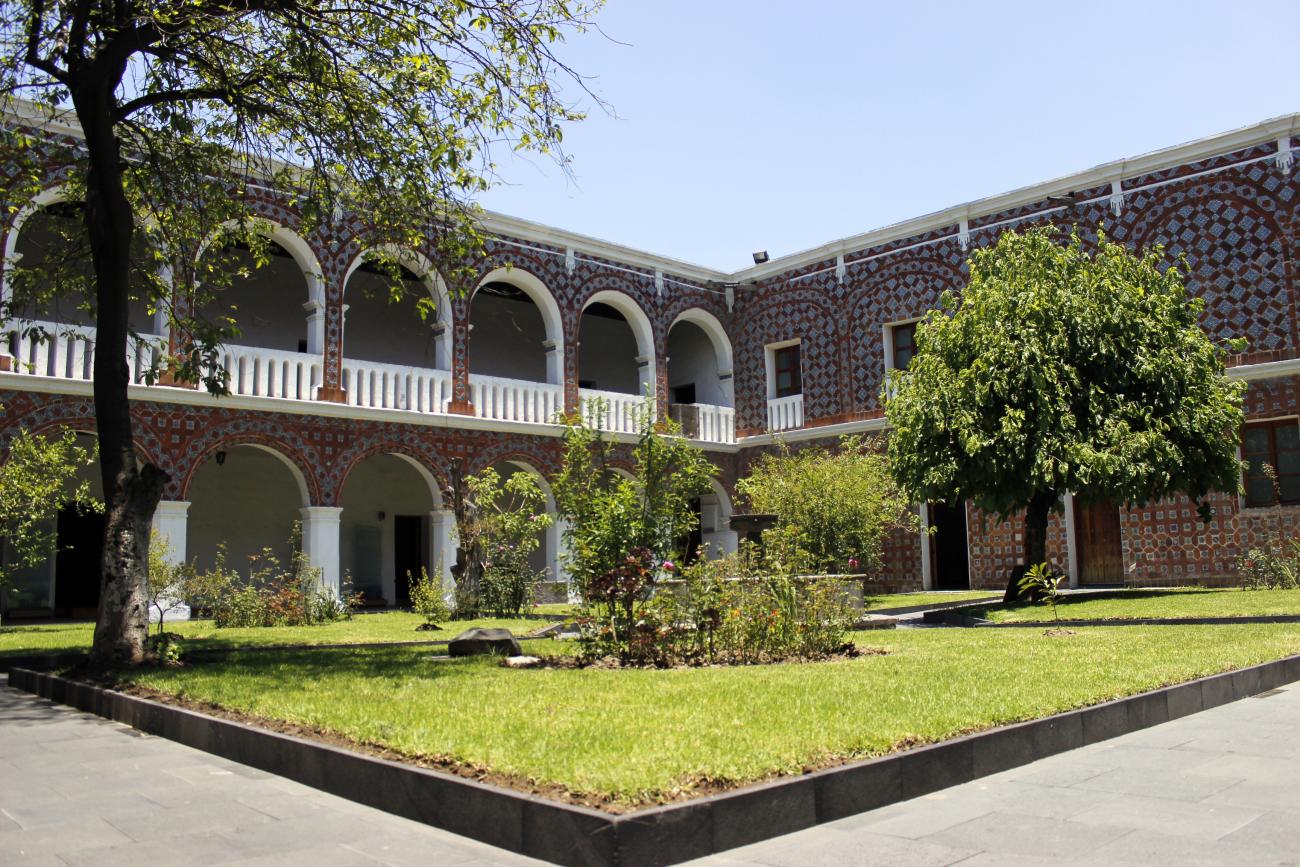
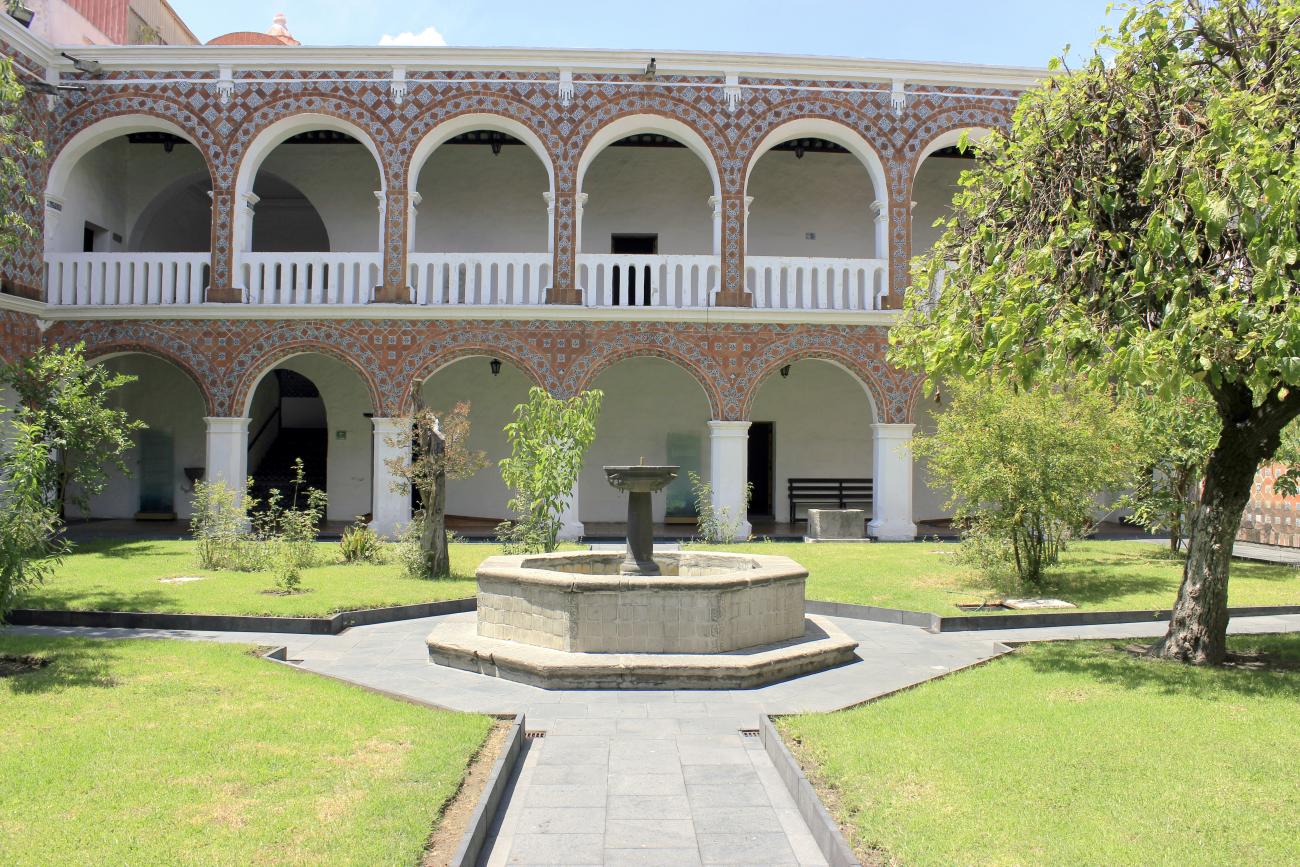
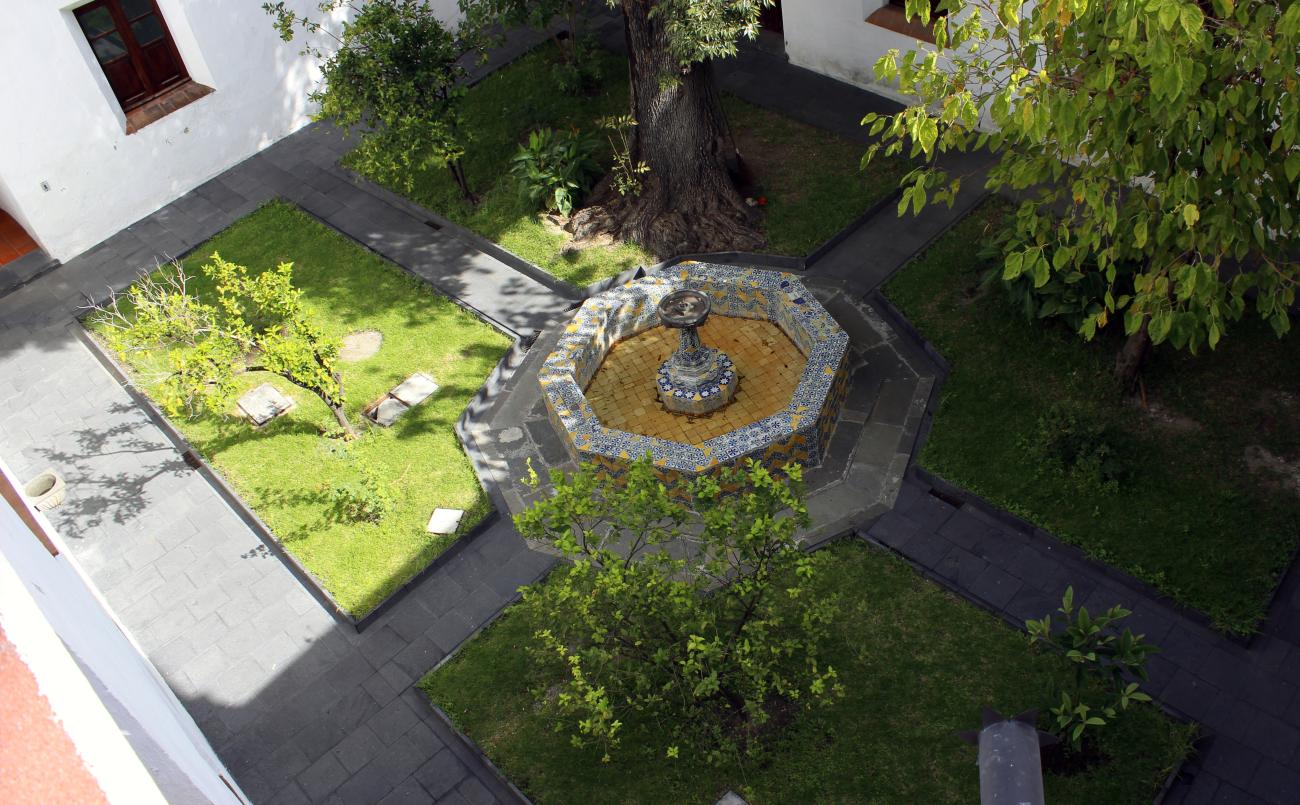
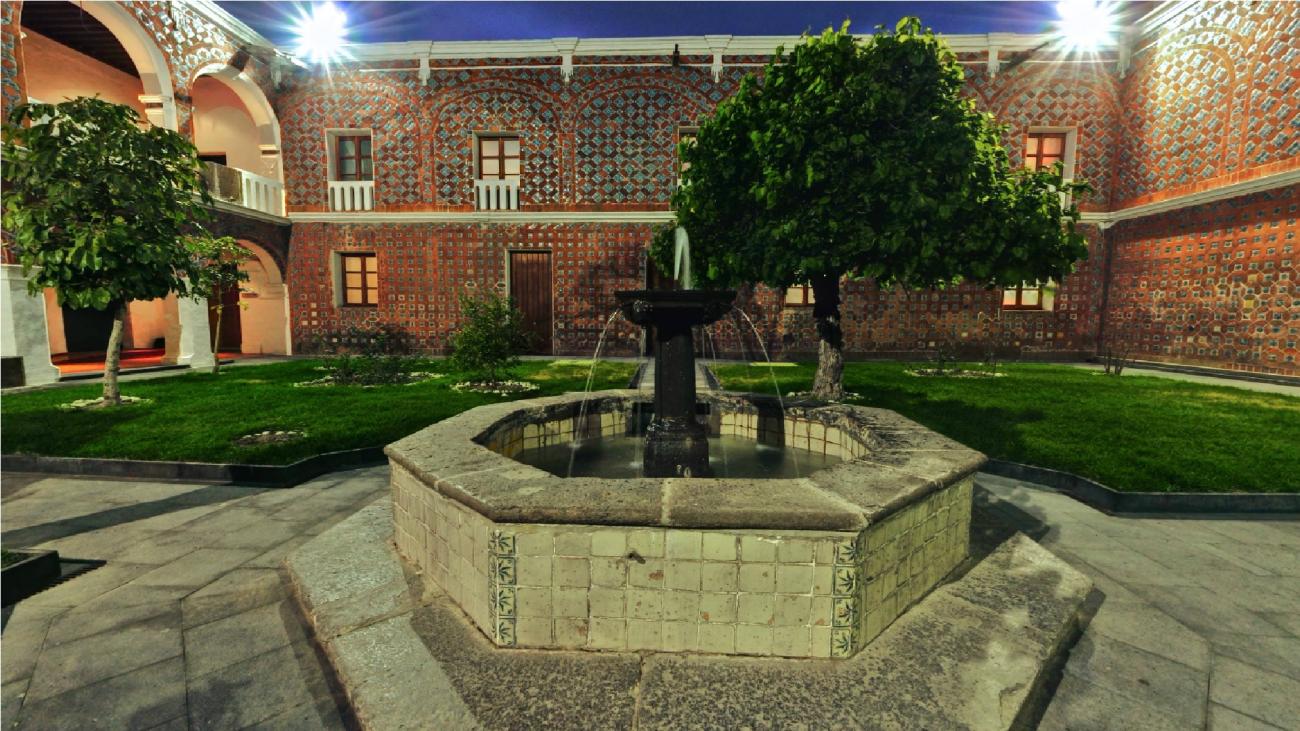
This 17th-century building was modified in later centuries, predominantly in the Puebla Baroque style, which can be seen above all in the façades of the Patio de Profesas, covered with Talavera tiles and petatillo (bricks laid at an angle, like the seams of a mat). However, the main façade on Calle 18 Poniente is in the Neoclassical style. The convent was founded in 1606 by Canon Francisco de Reynoso and Rationer Julián López, who intended to build a retreat for repentant women. In 1676, Bishop Manuel Fernández de Santa Cruz decided to transform it into a school for girls. The monastery was founded in 1685, and the church was consecrated in 1688. In 1934, following the definitive secularization of the Augustinian Recollect nuns of the Convent of Santa Monica in Puebla—in accordance with the Reform Laws incorporated into the Constitutions of 1857 and 1917—the building became Mexico's first Museum of Sacred Art, dedicated to women's religious life.

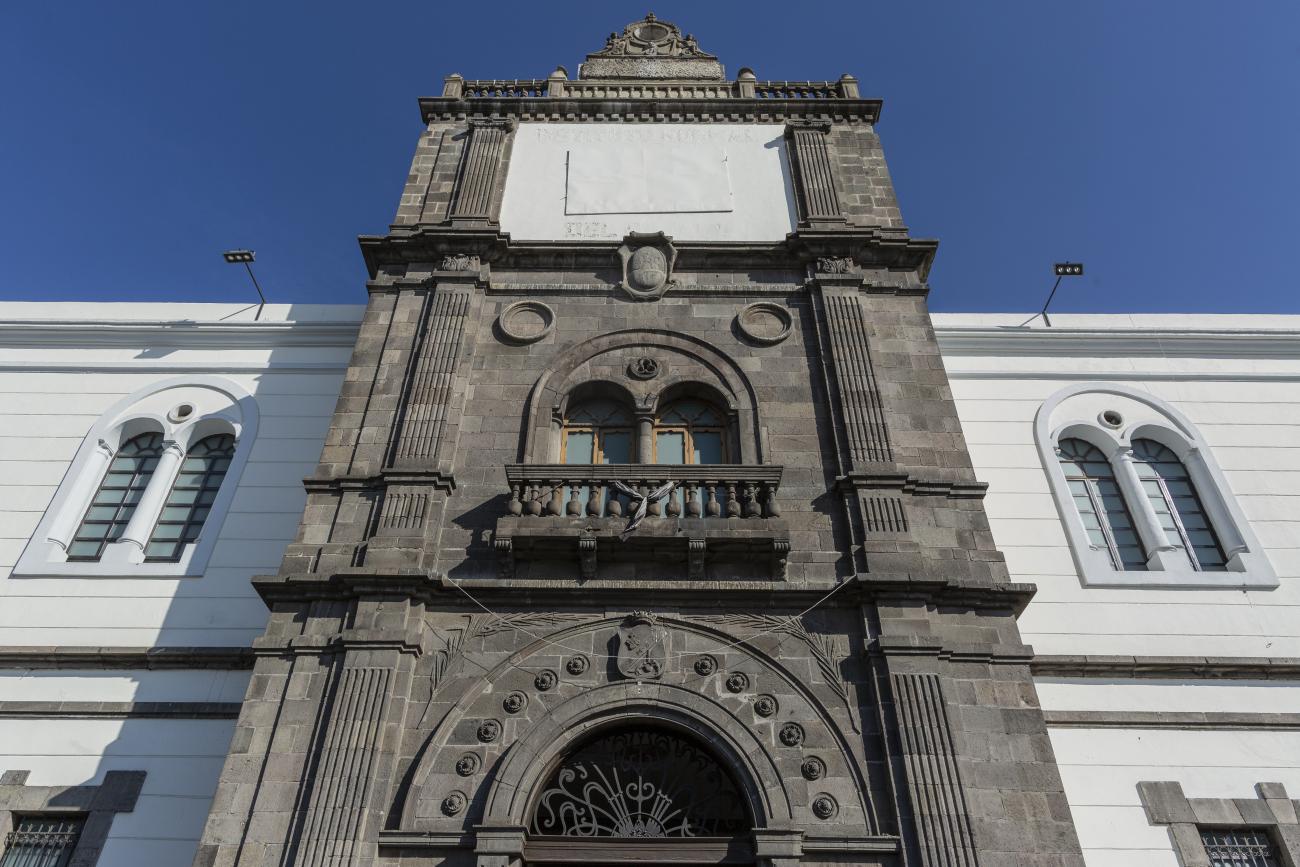
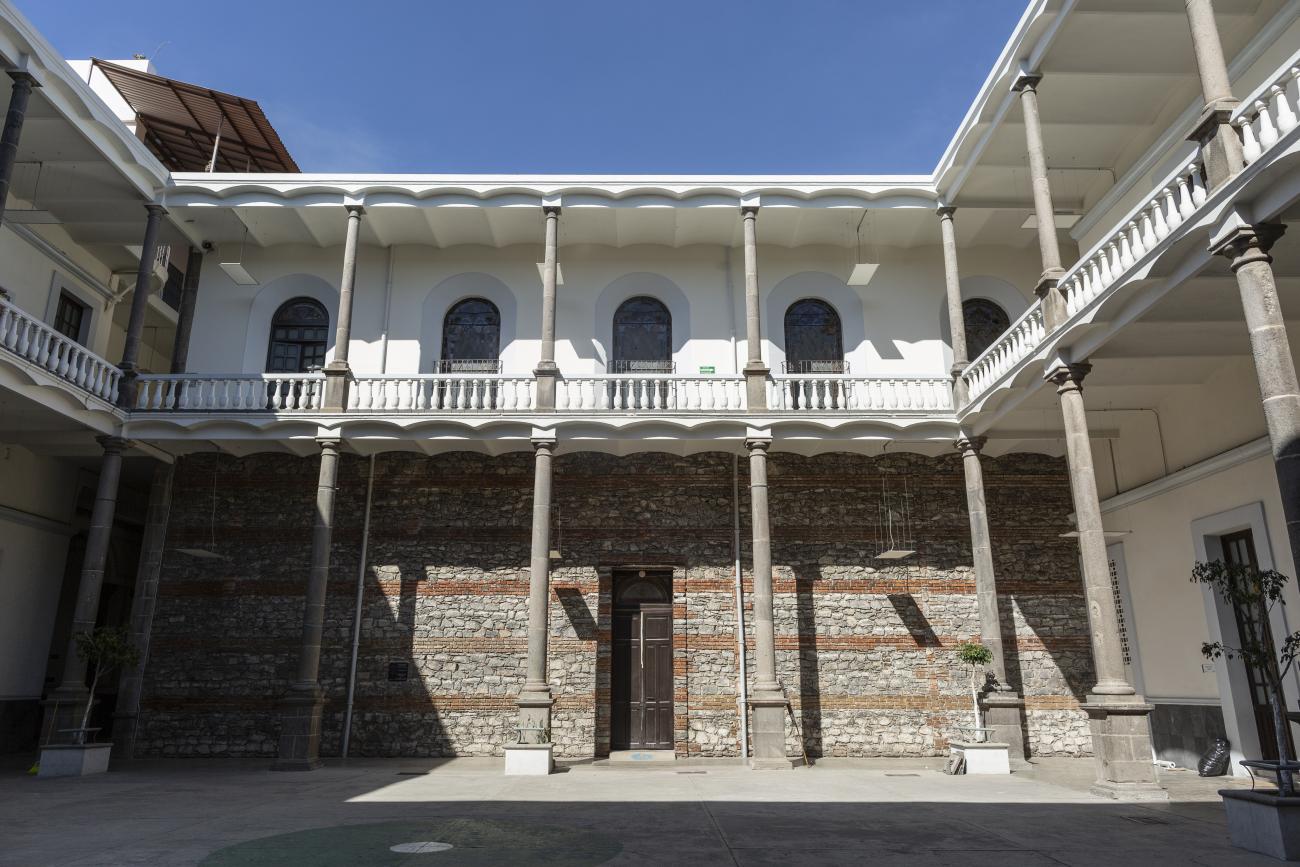
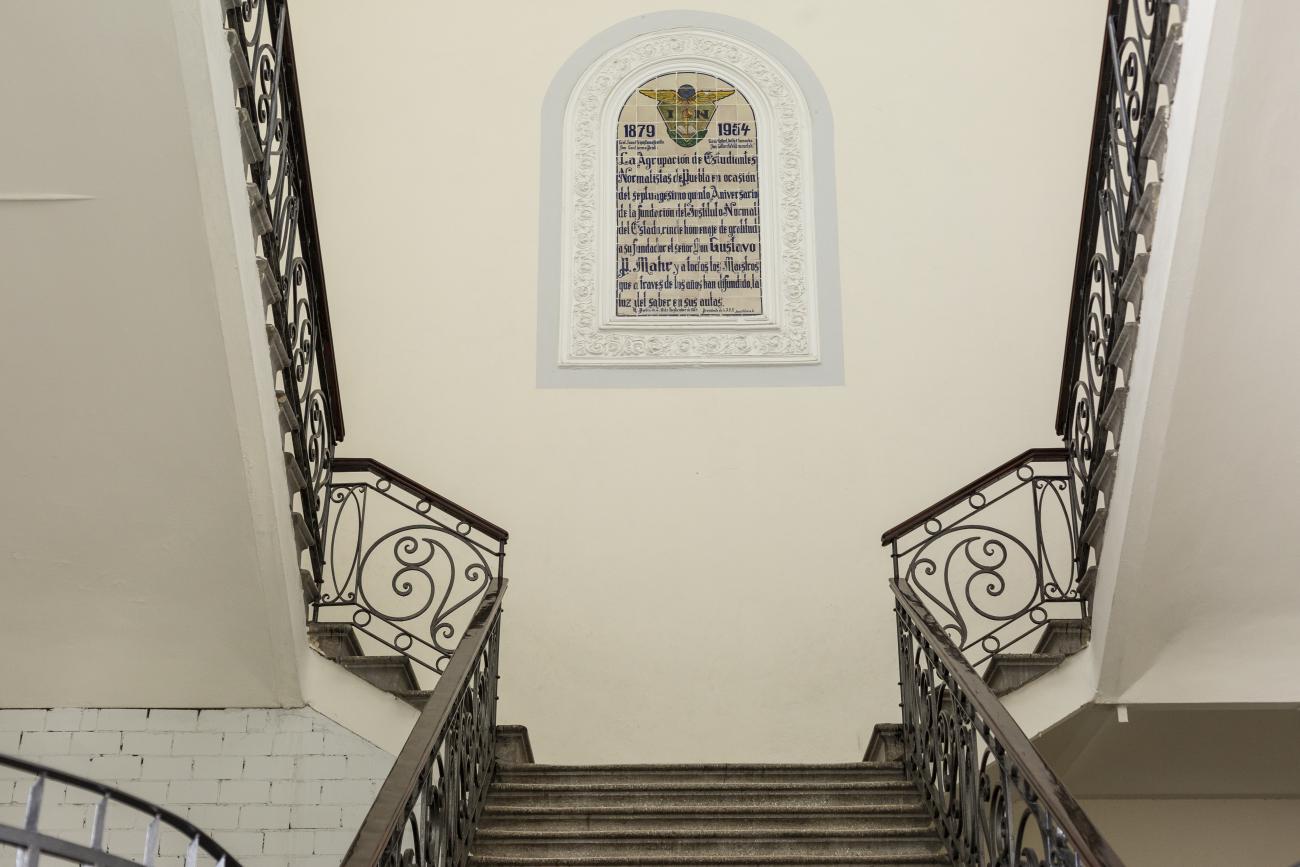
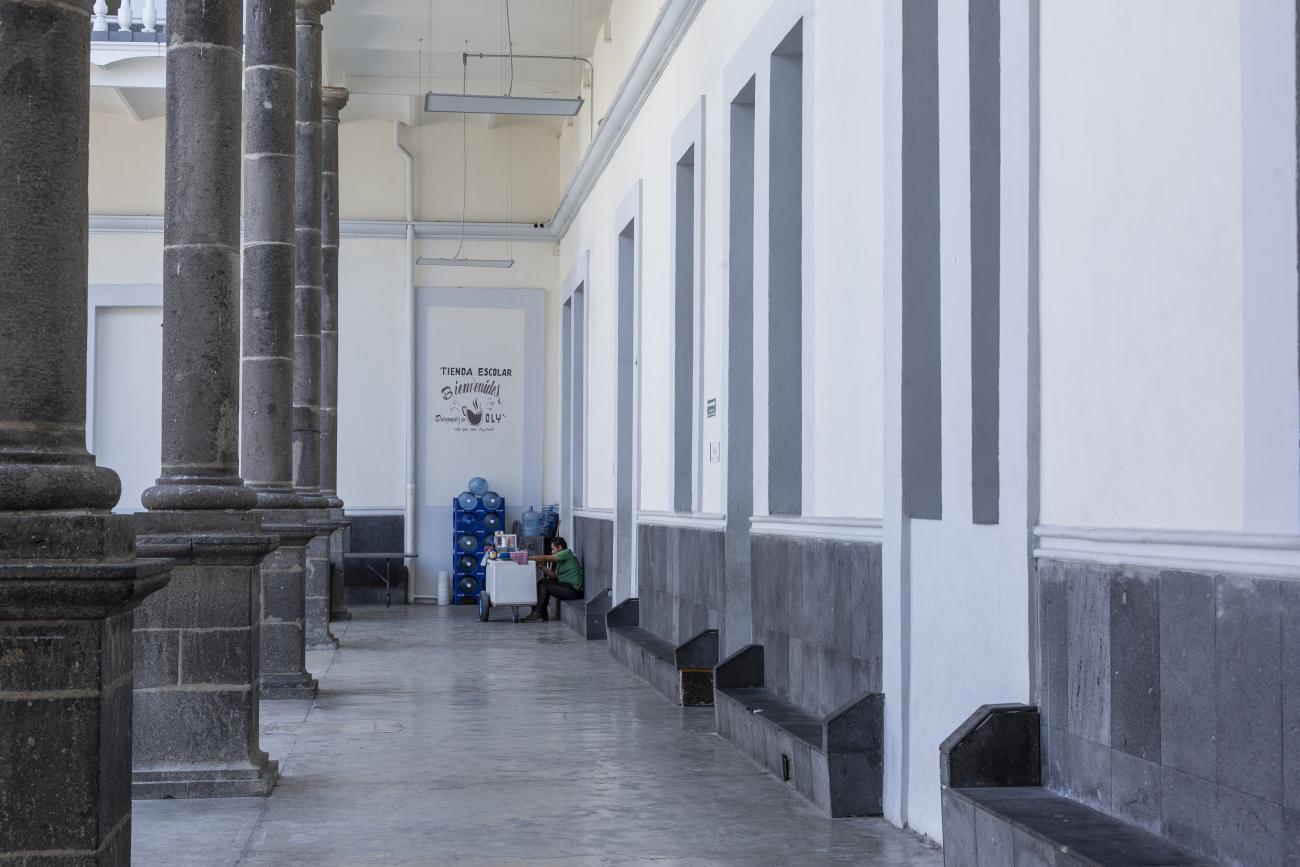
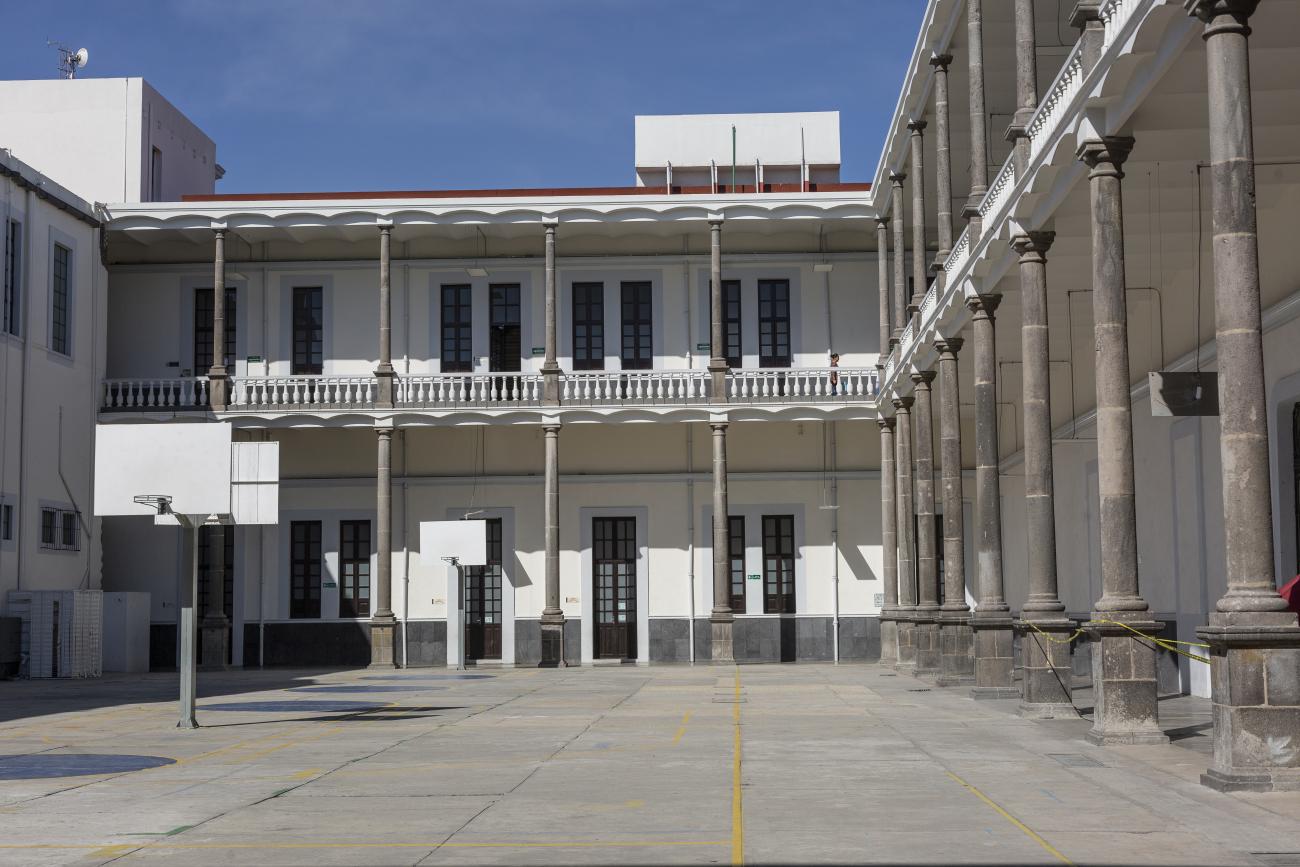
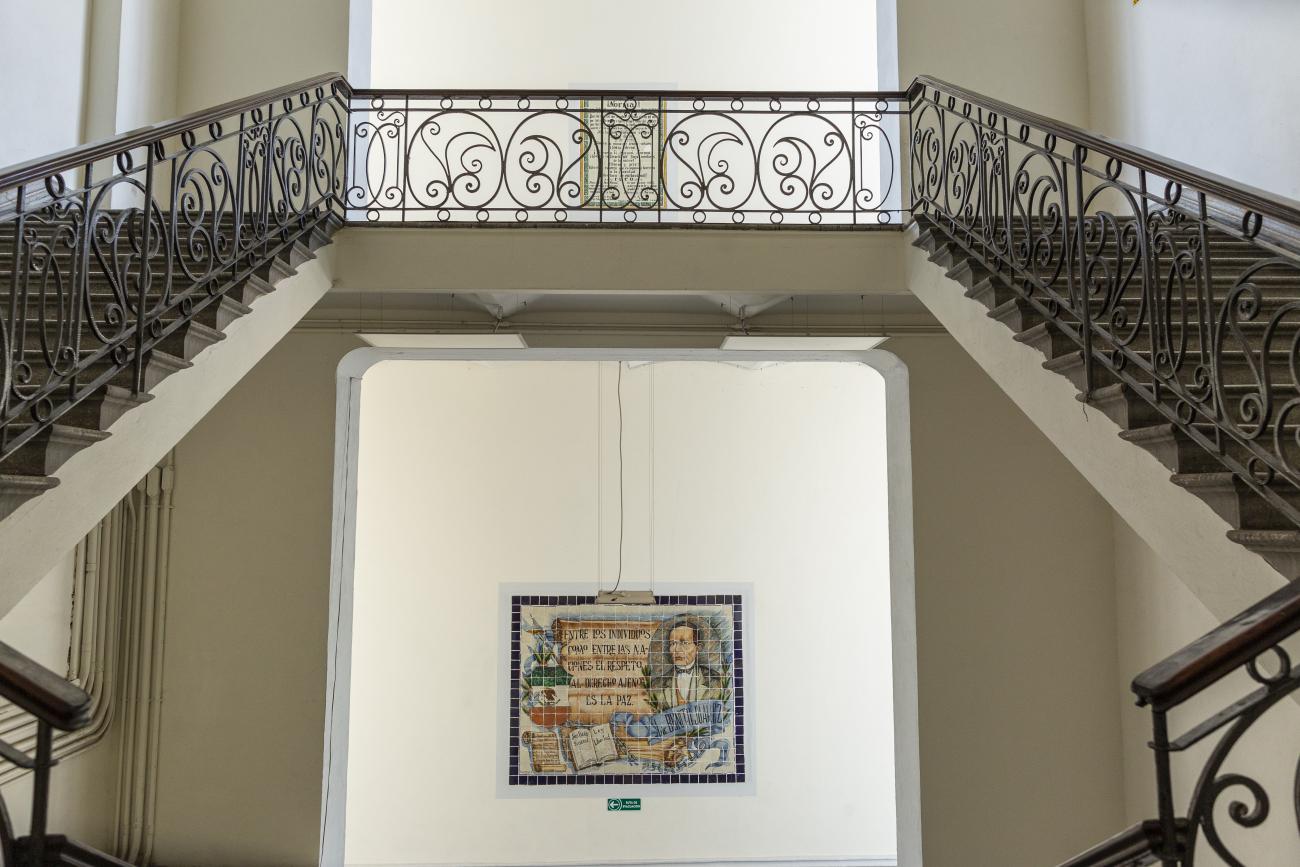
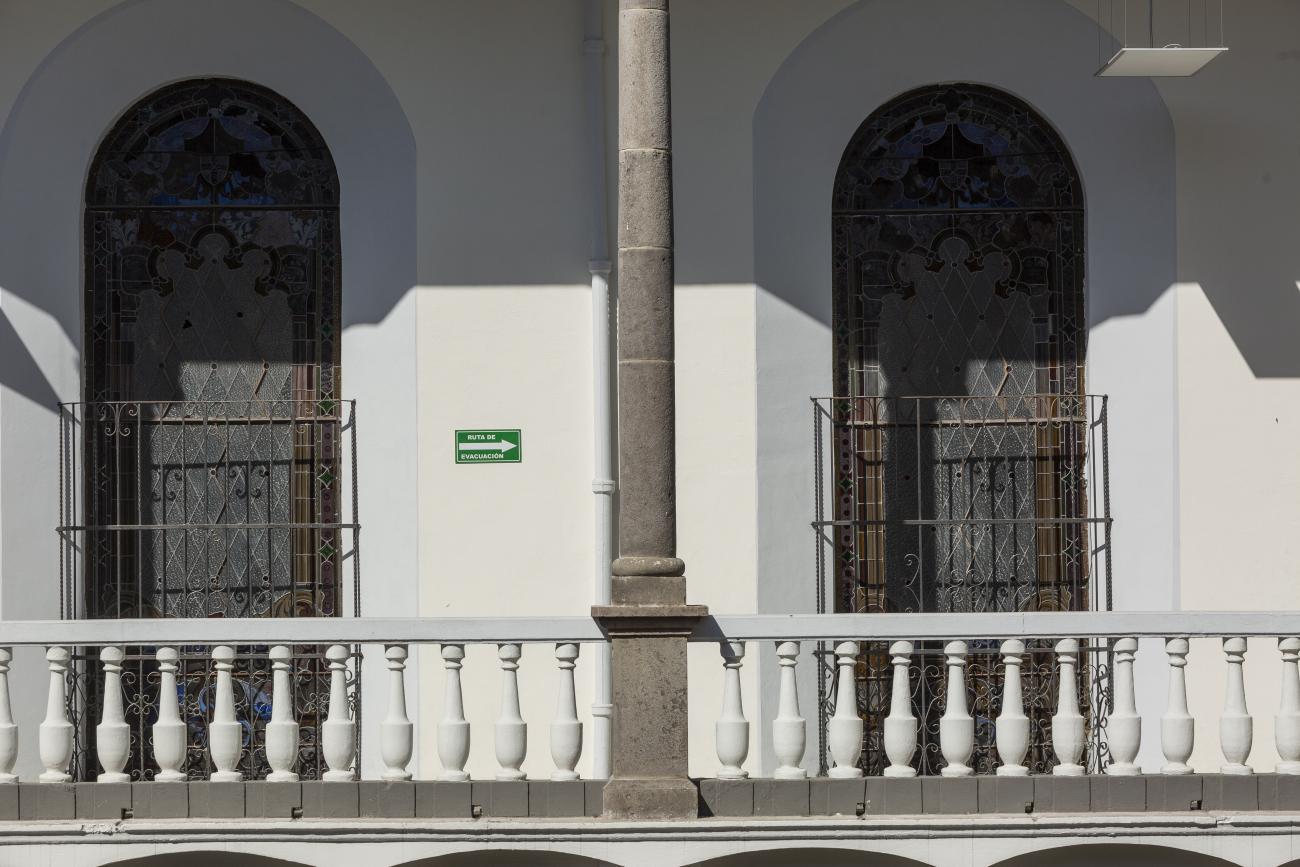
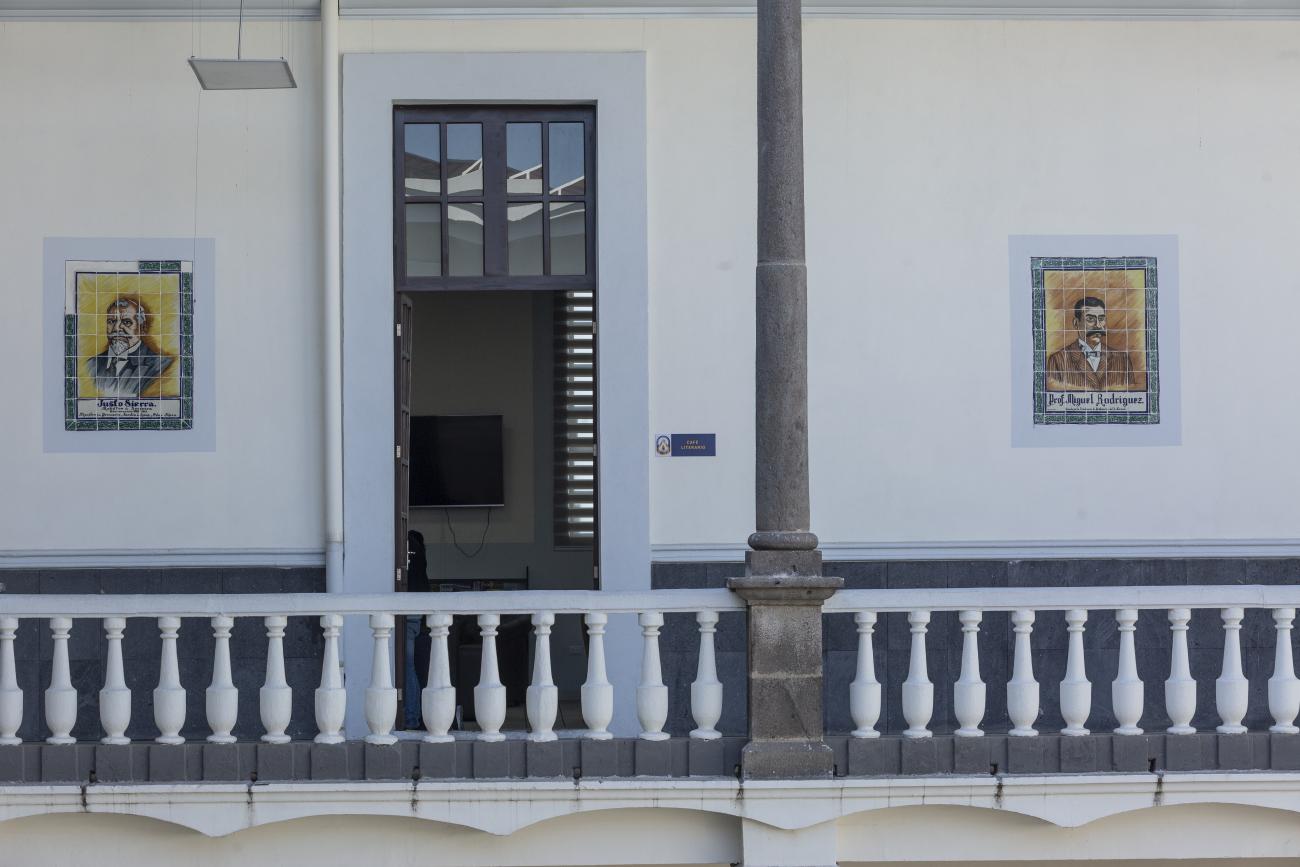
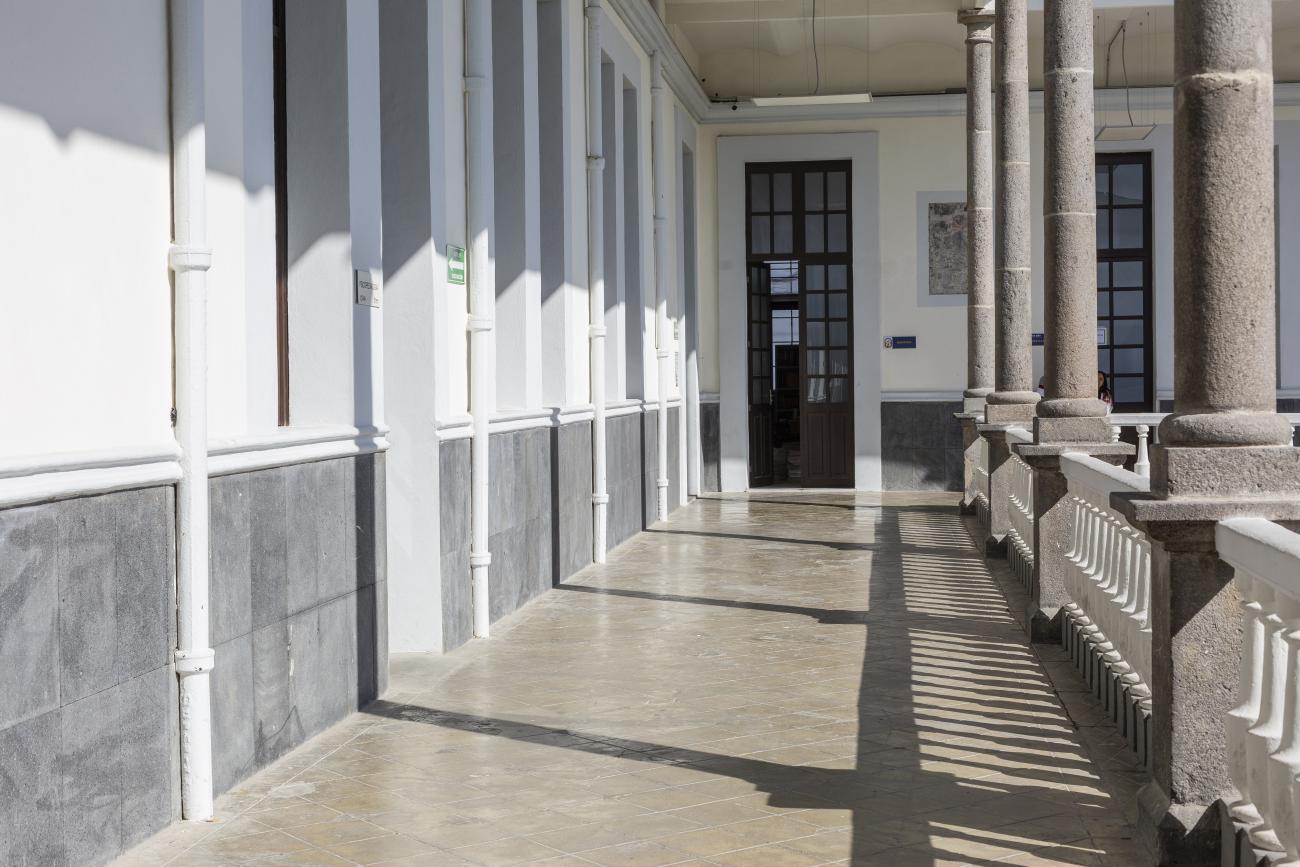
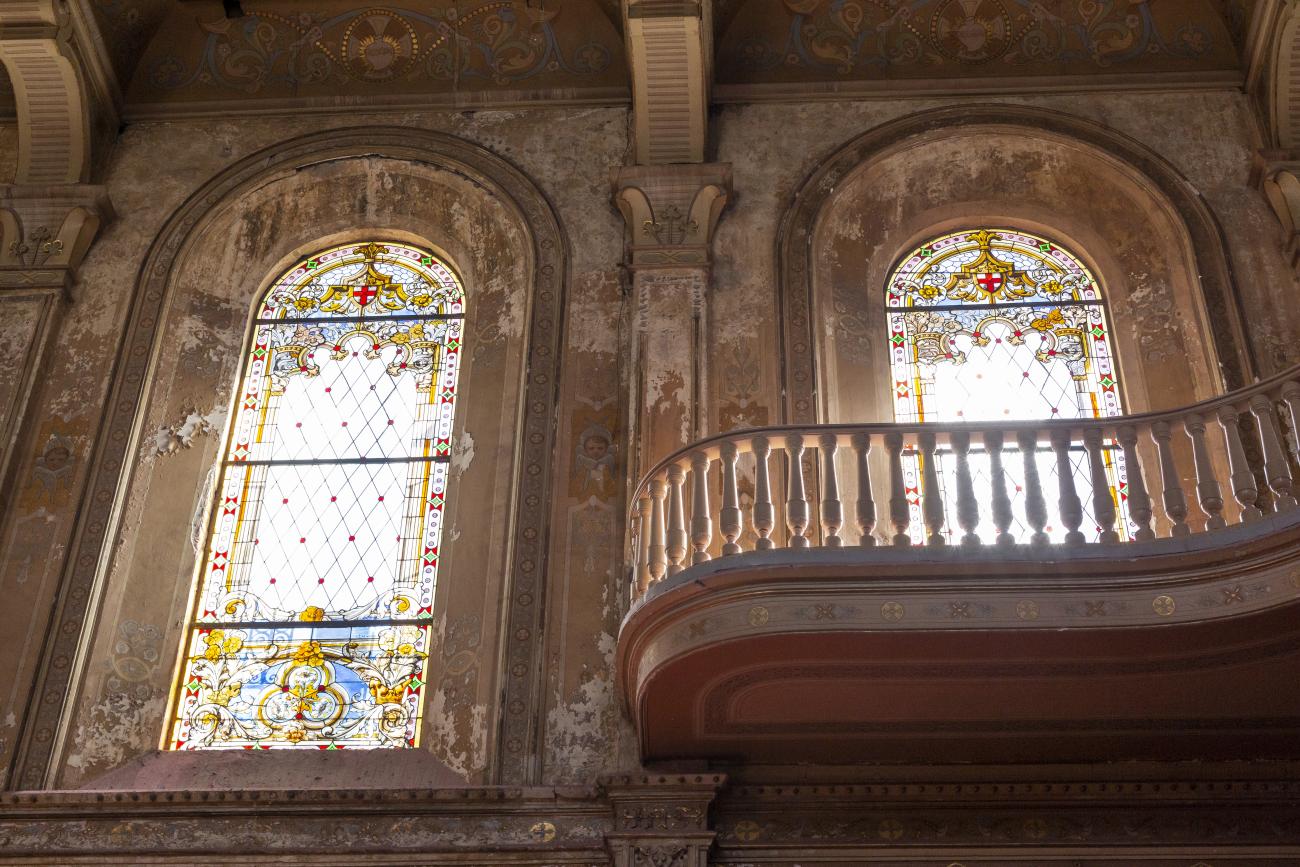
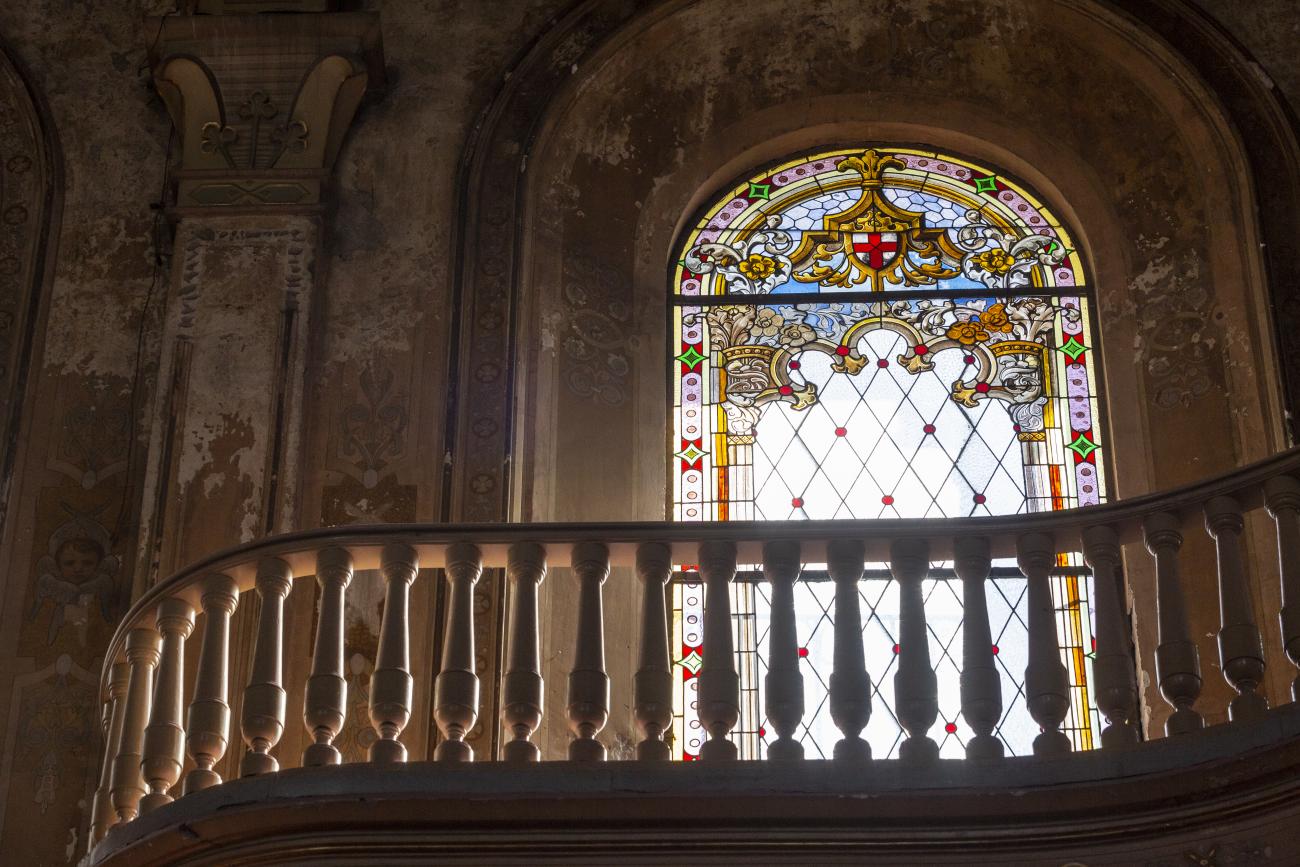
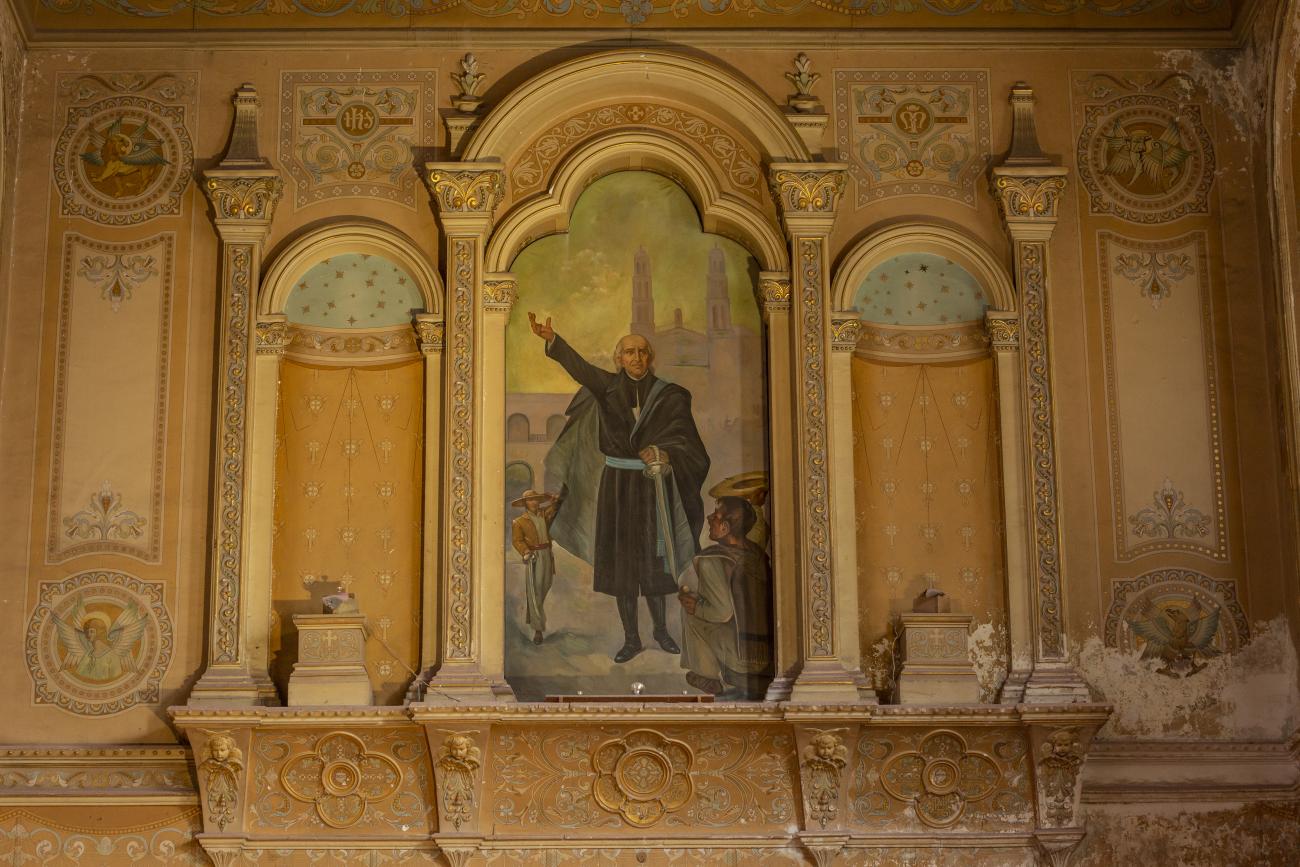
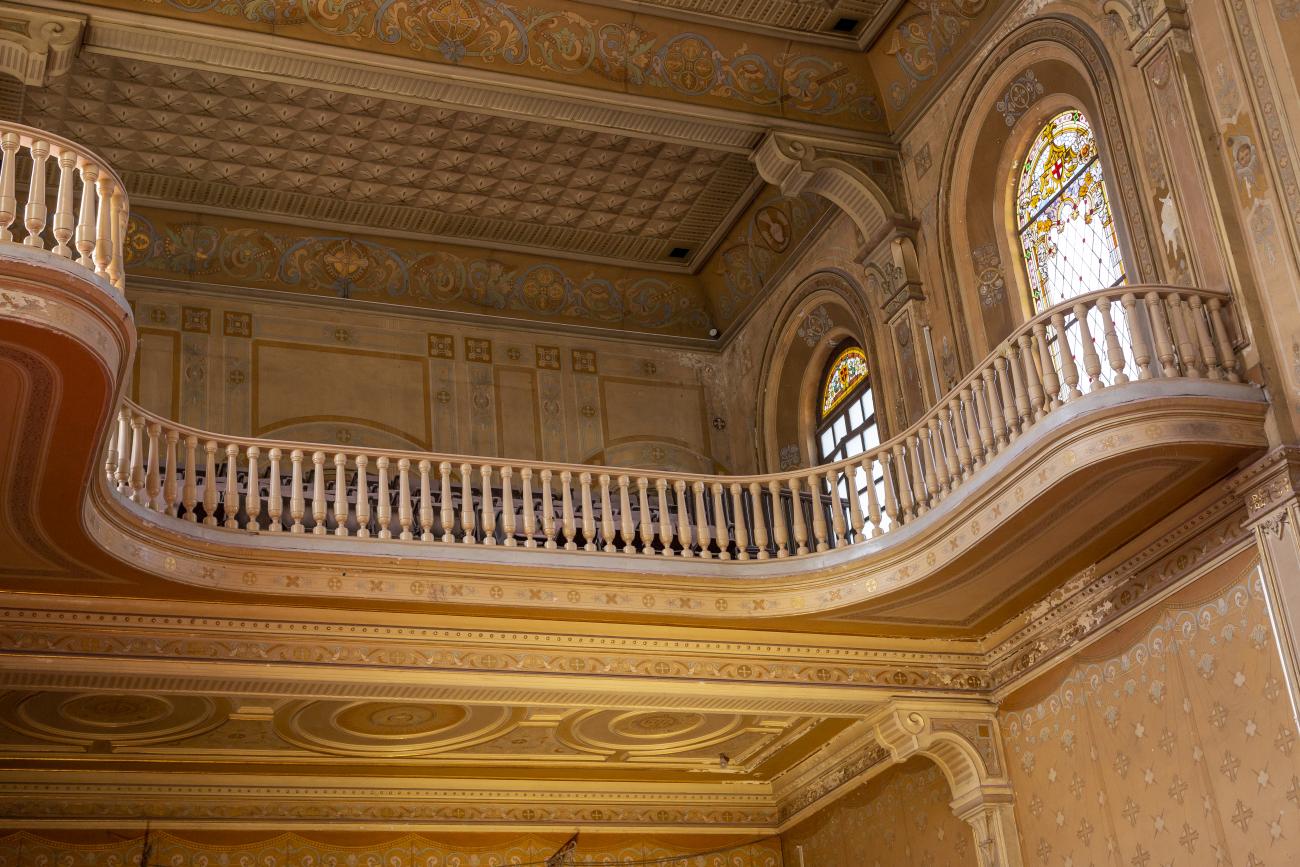
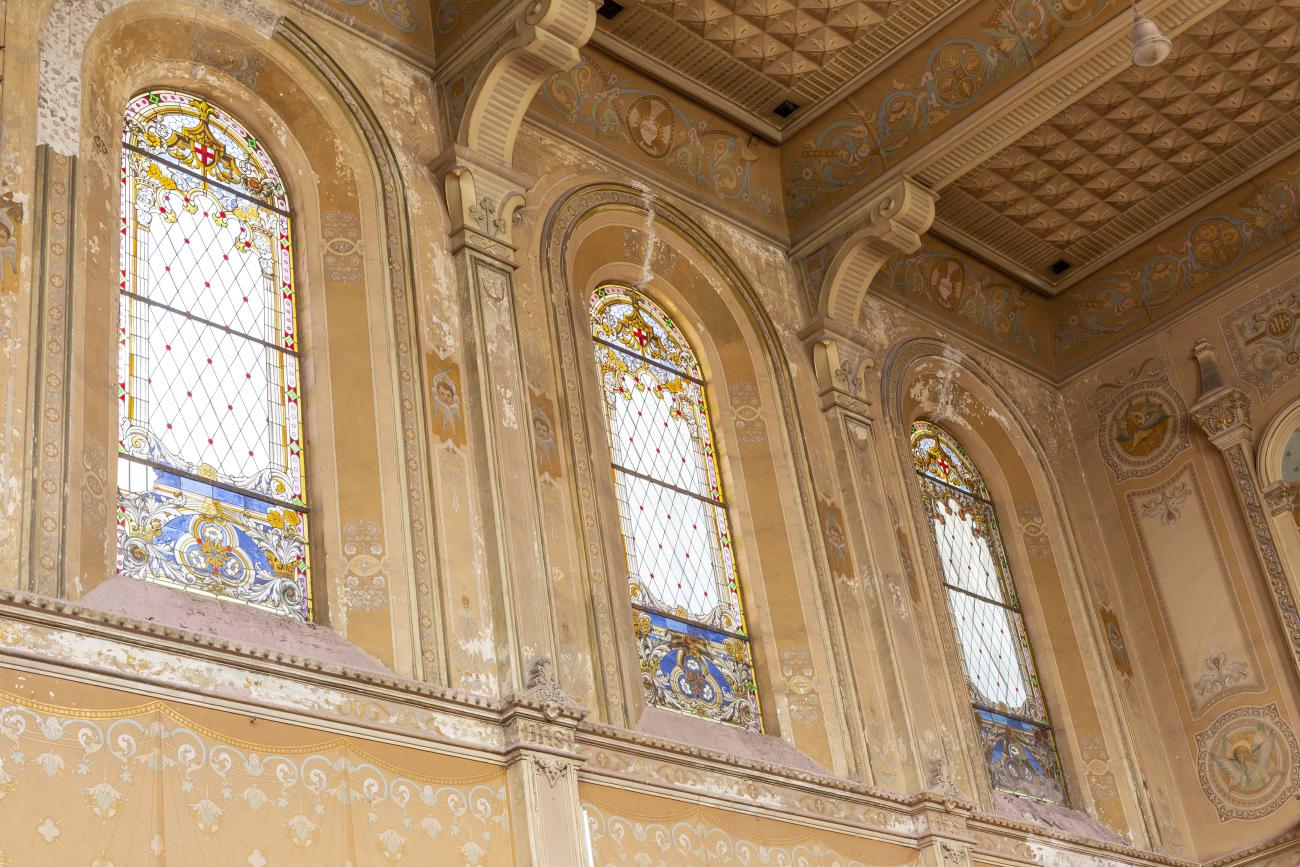
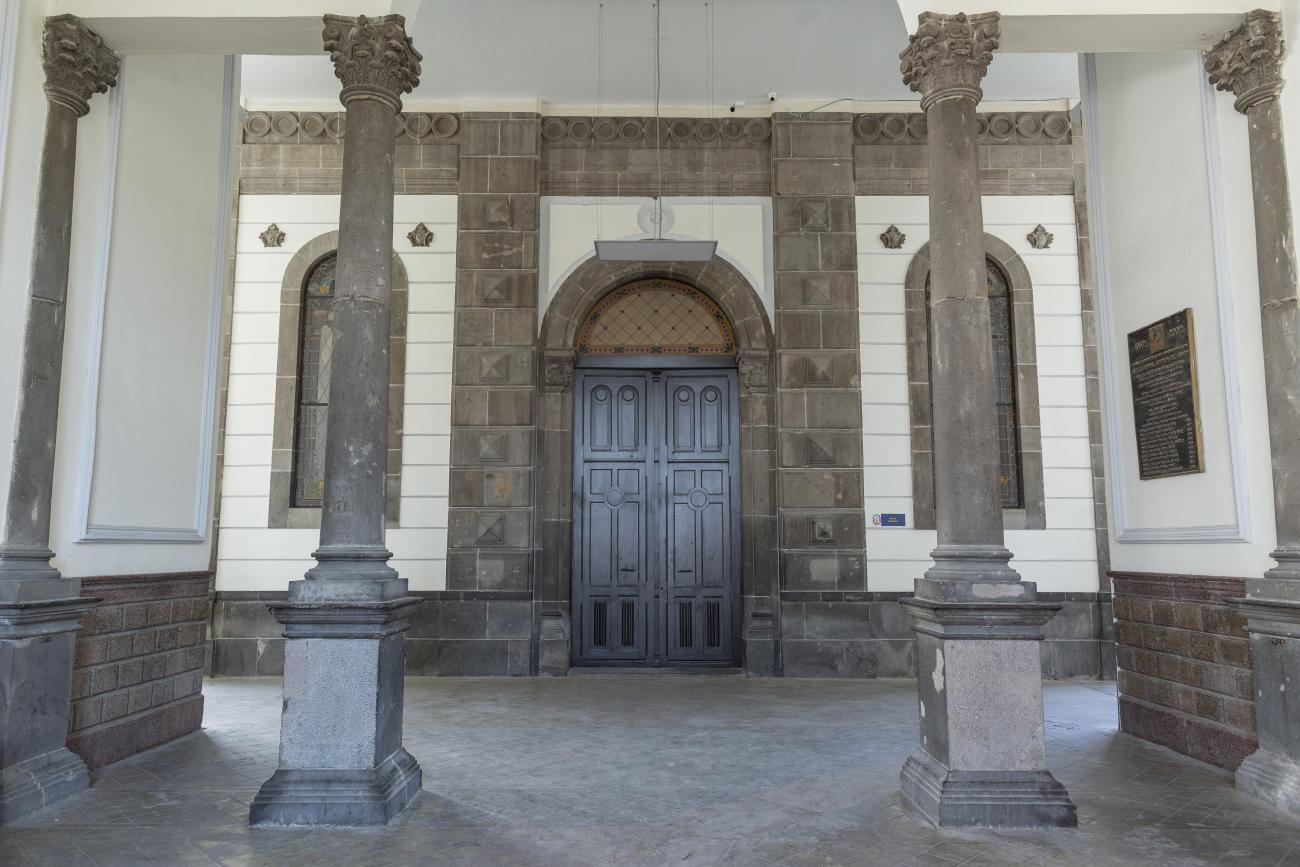
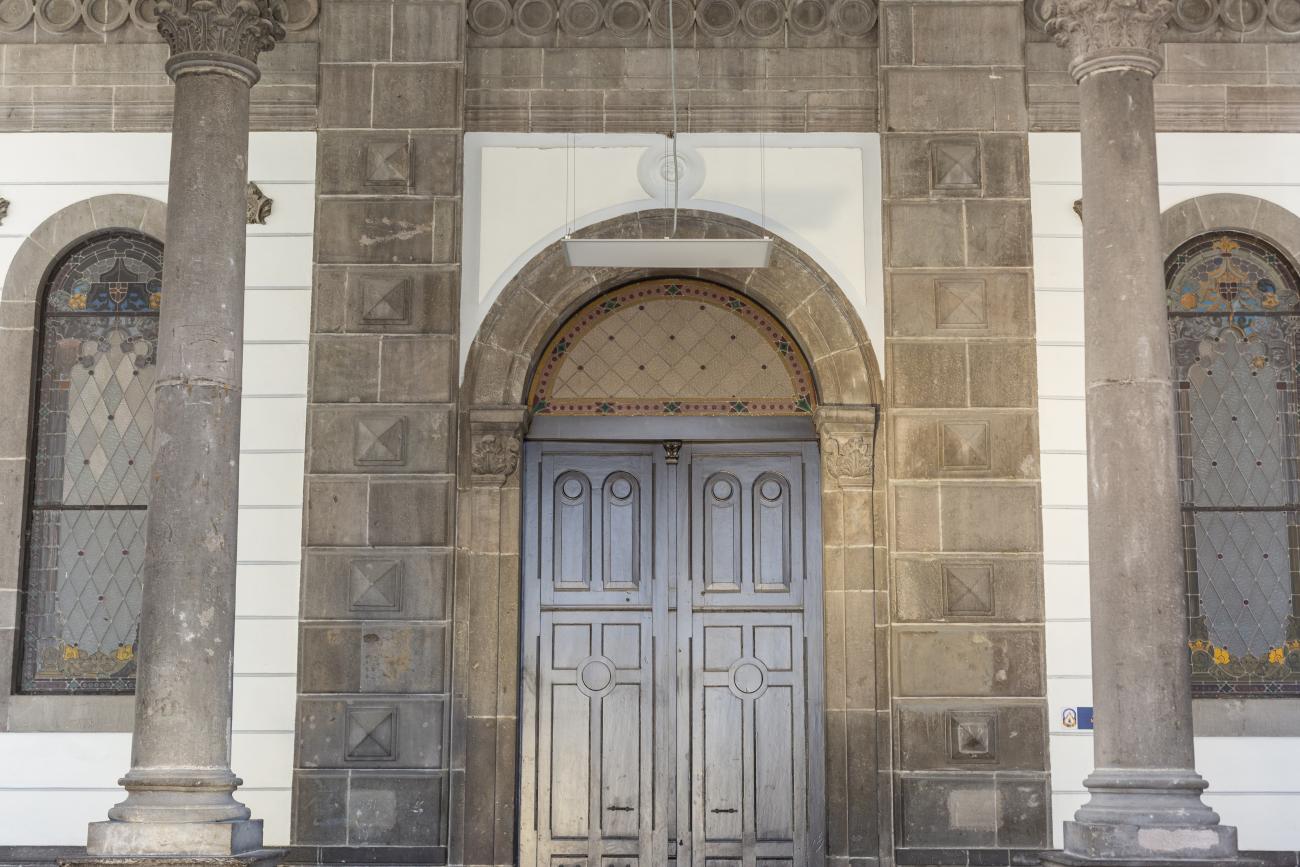
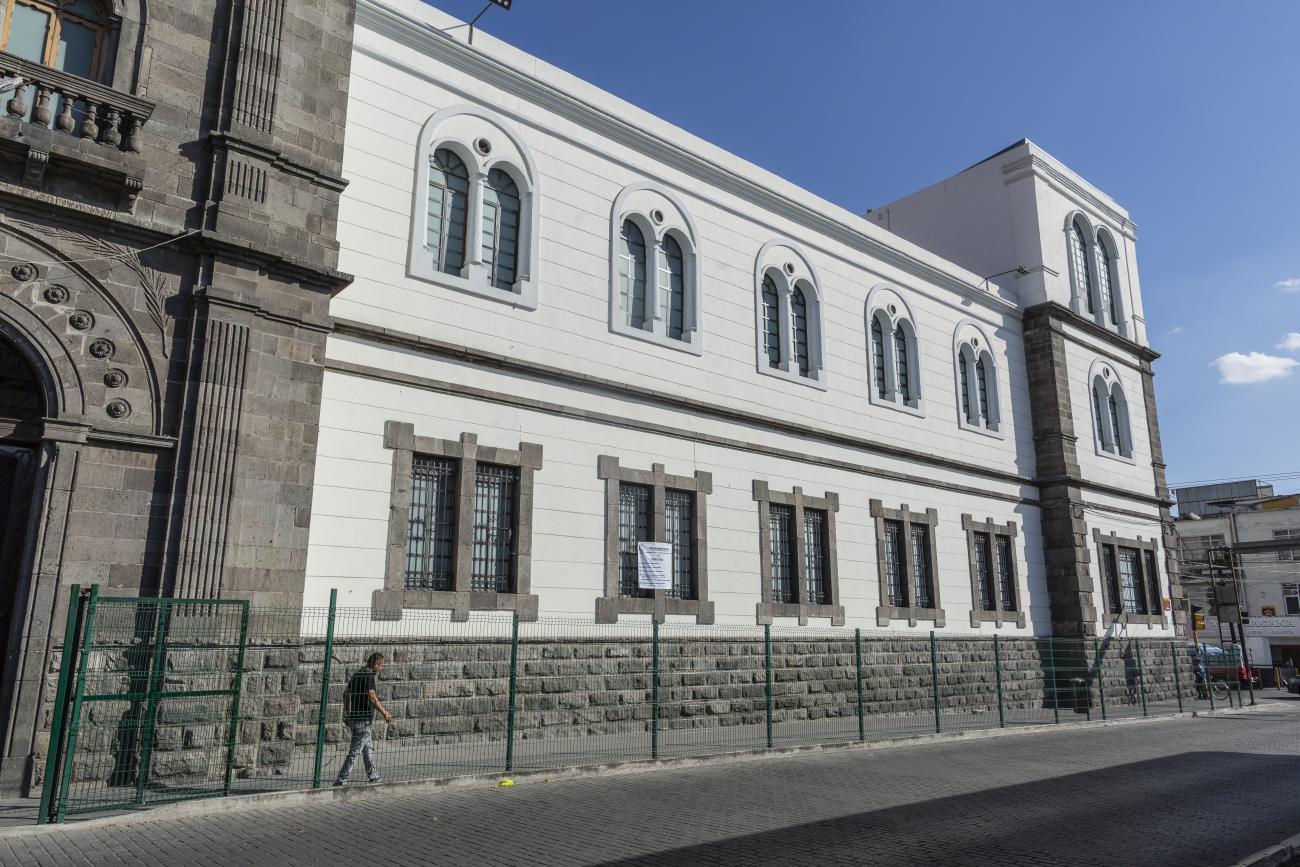
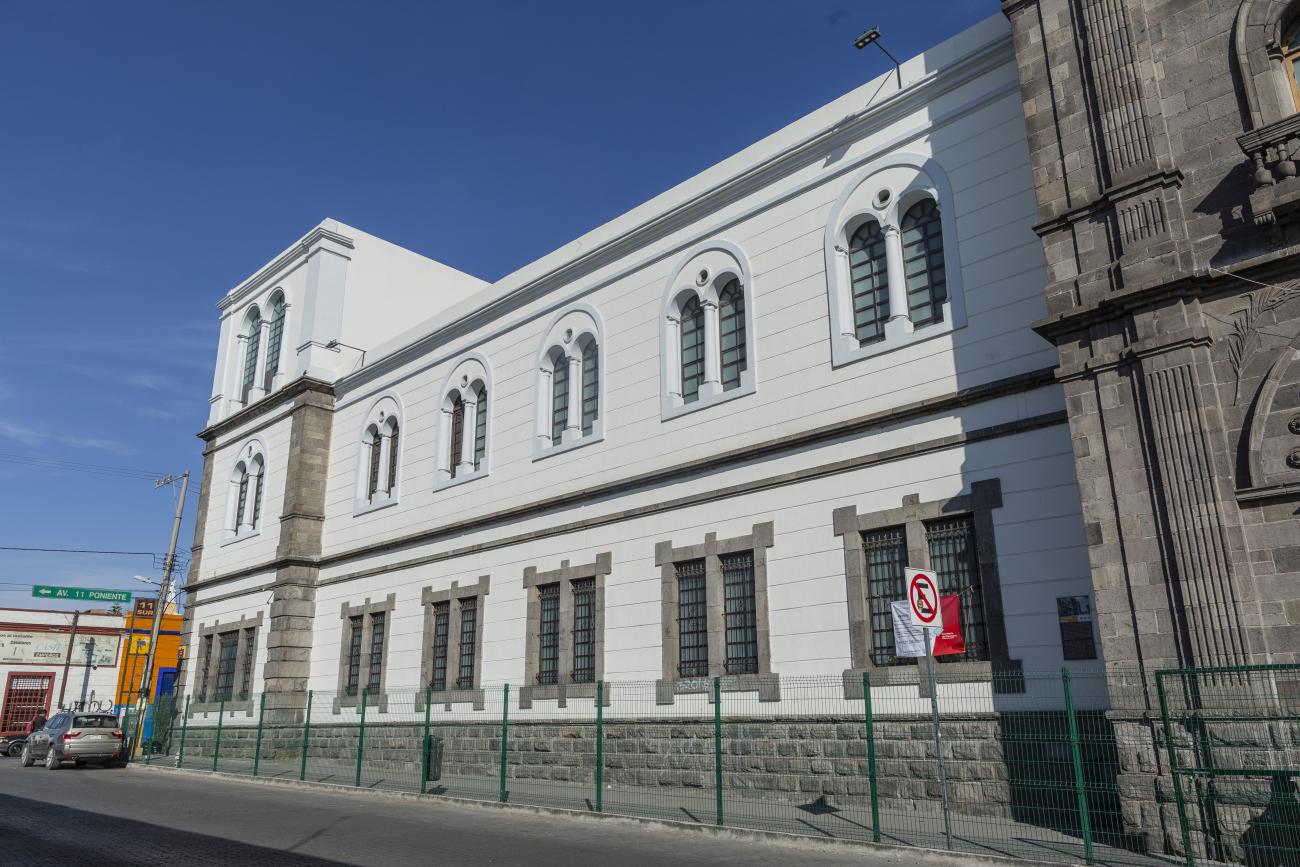
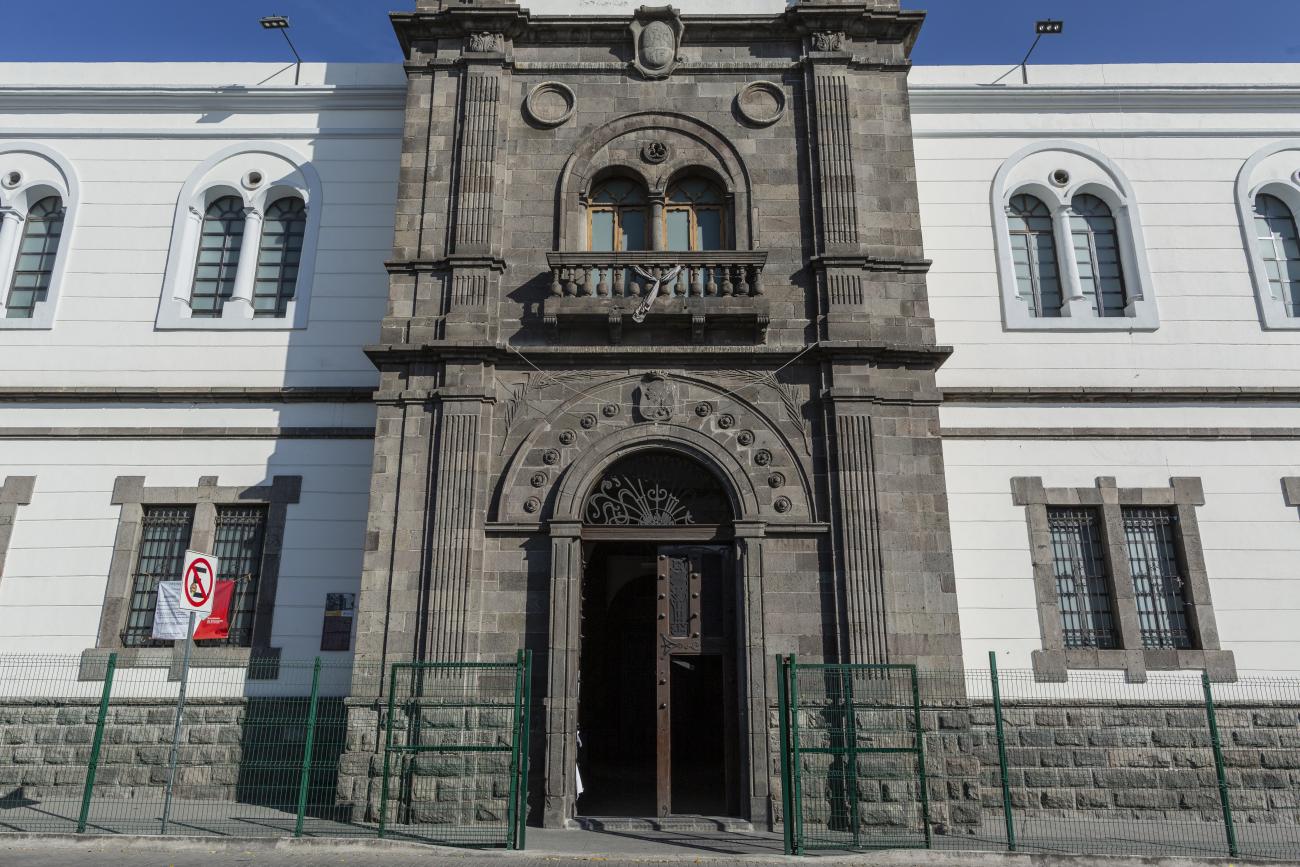
Escuela Normal Superior del Estado de Puebla
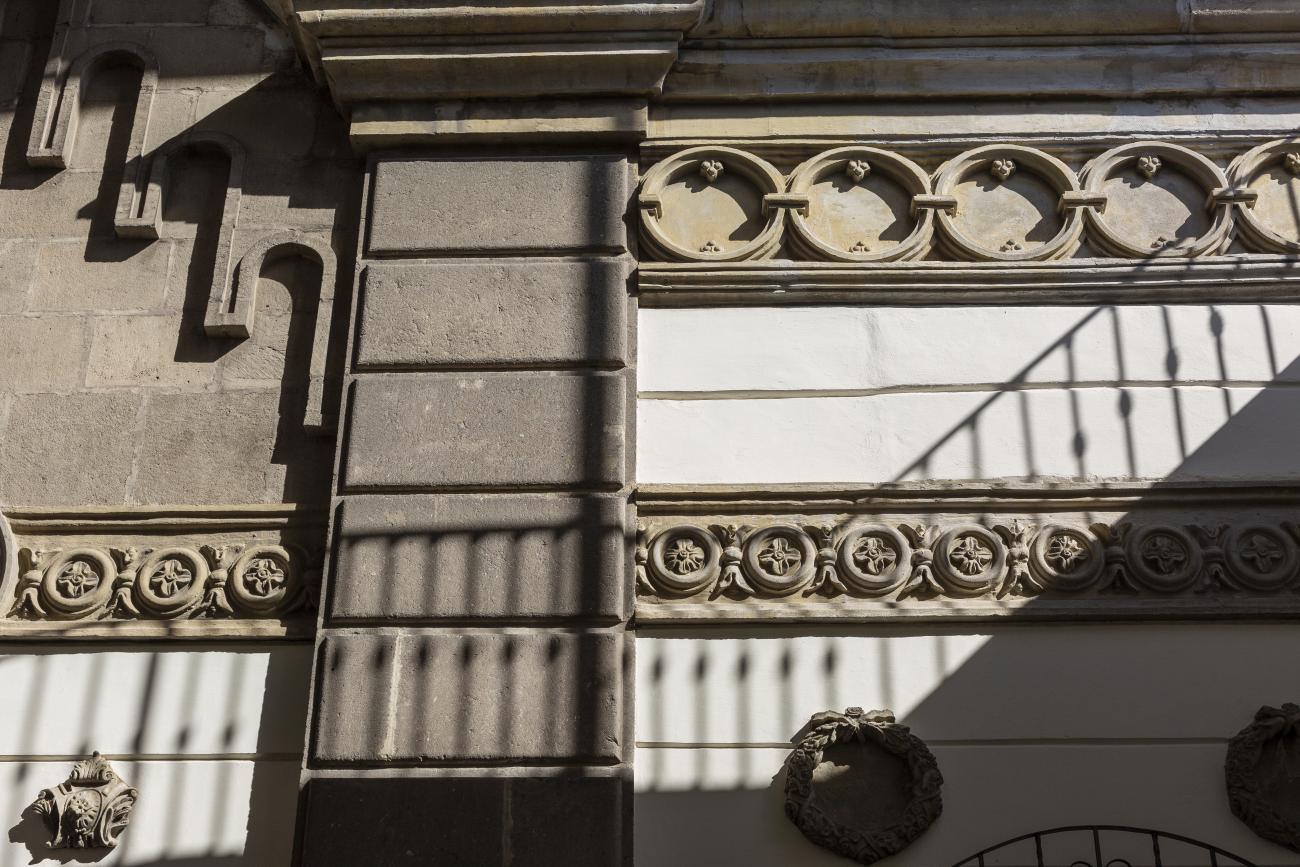
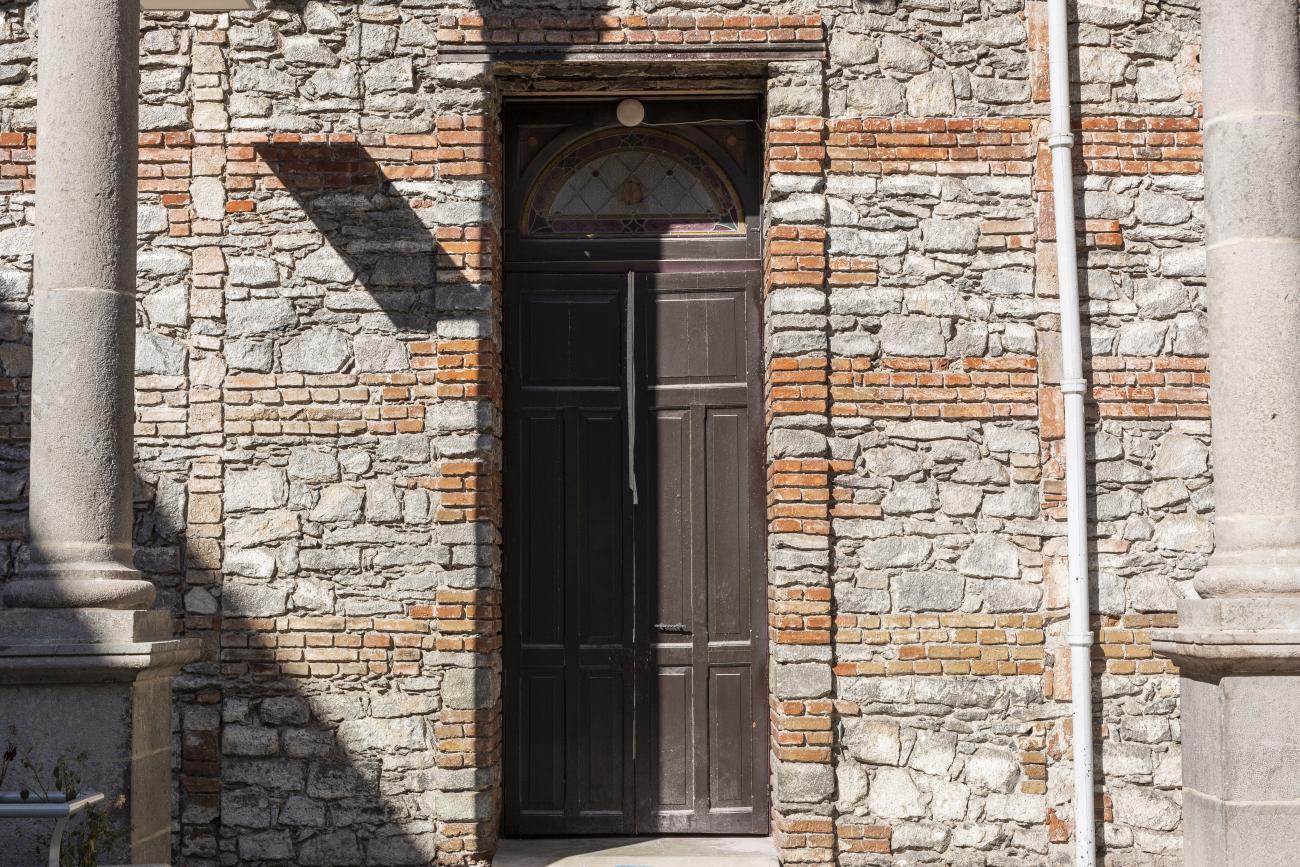
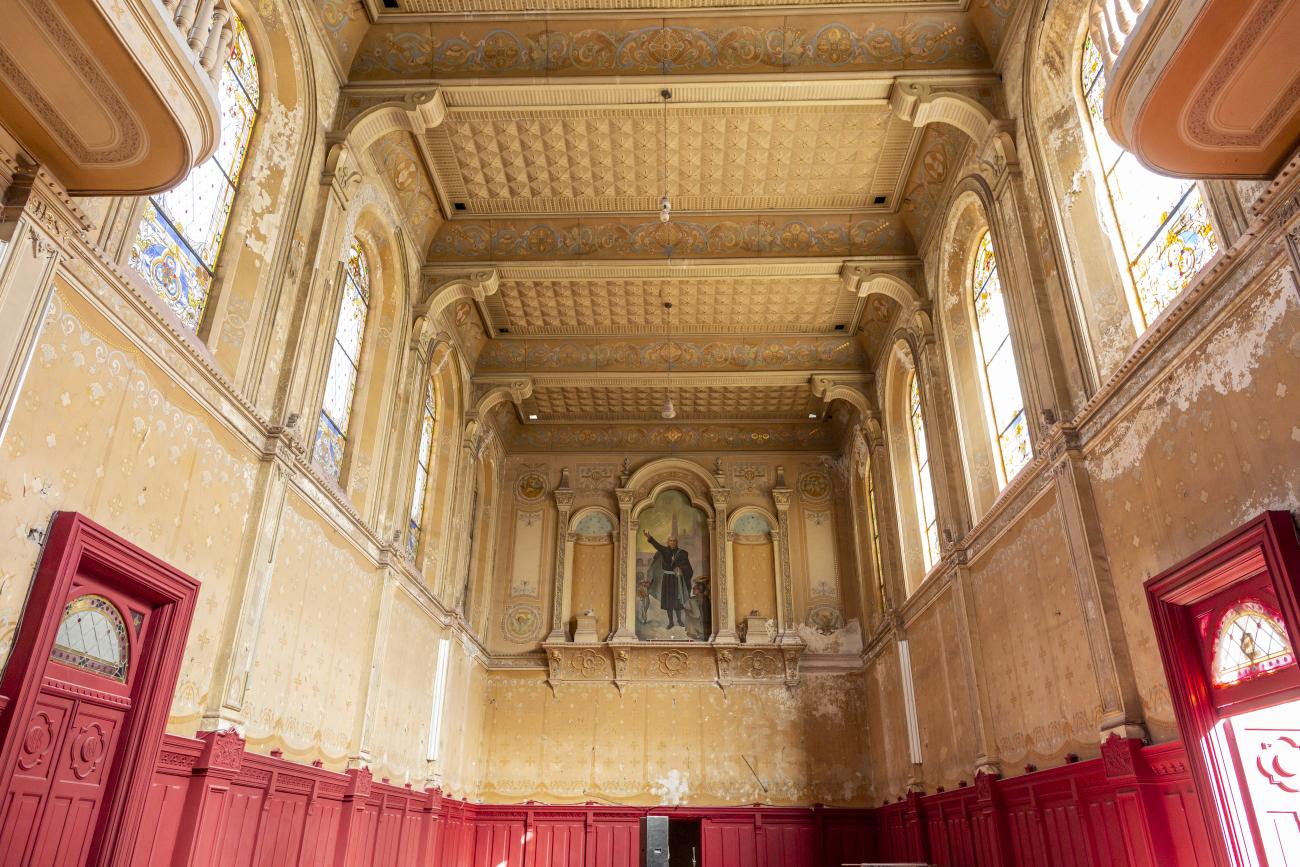
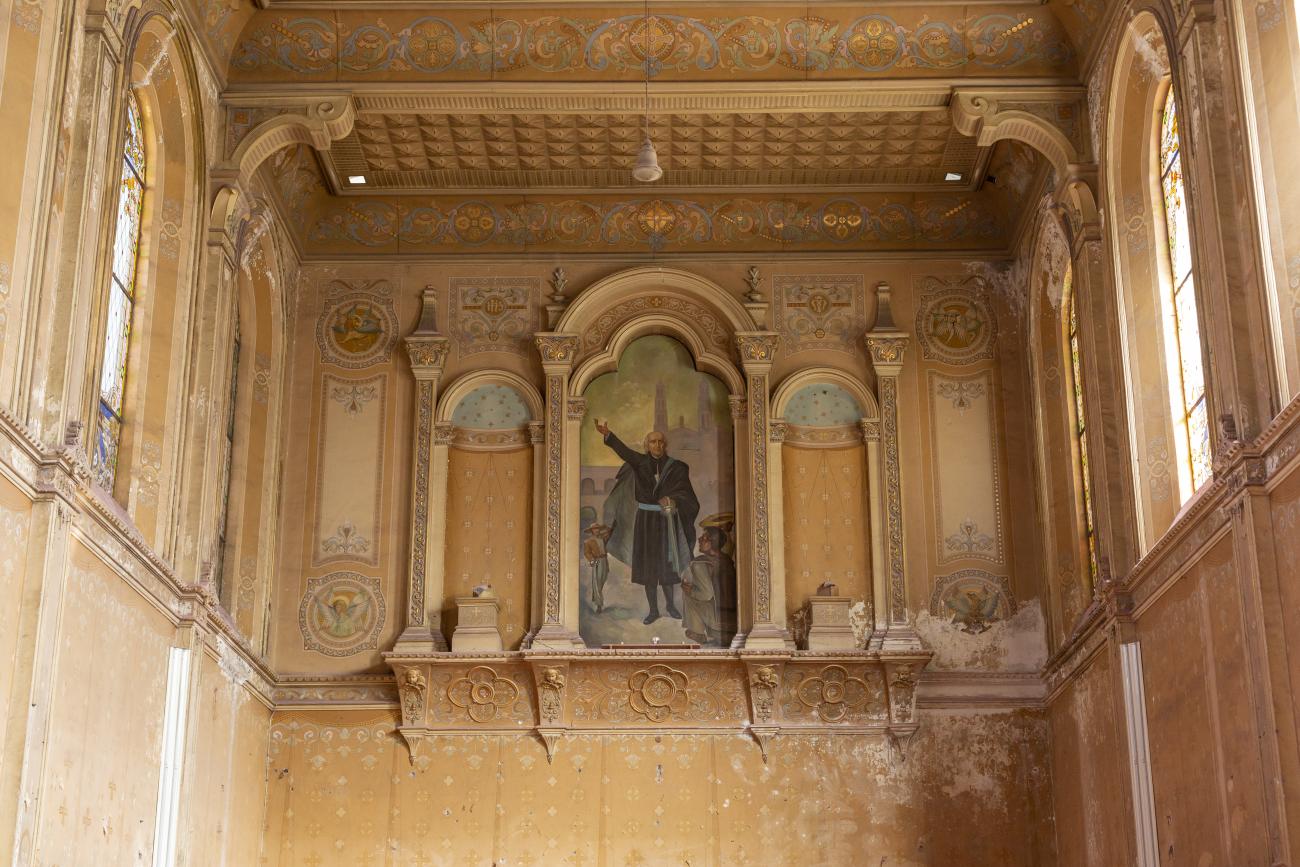
The building was constructed after 1914, when the Jesuits abandoned their school and church. The Spina School was founded there, which in 1929 became the Normal Institute.
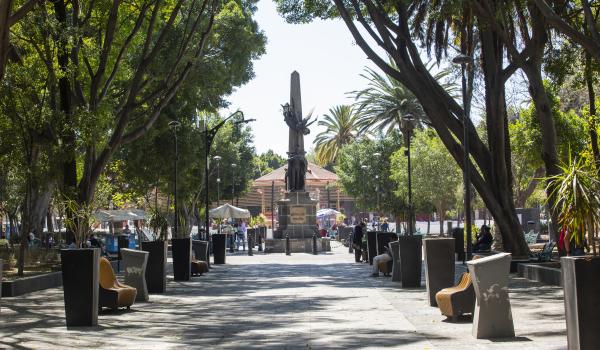
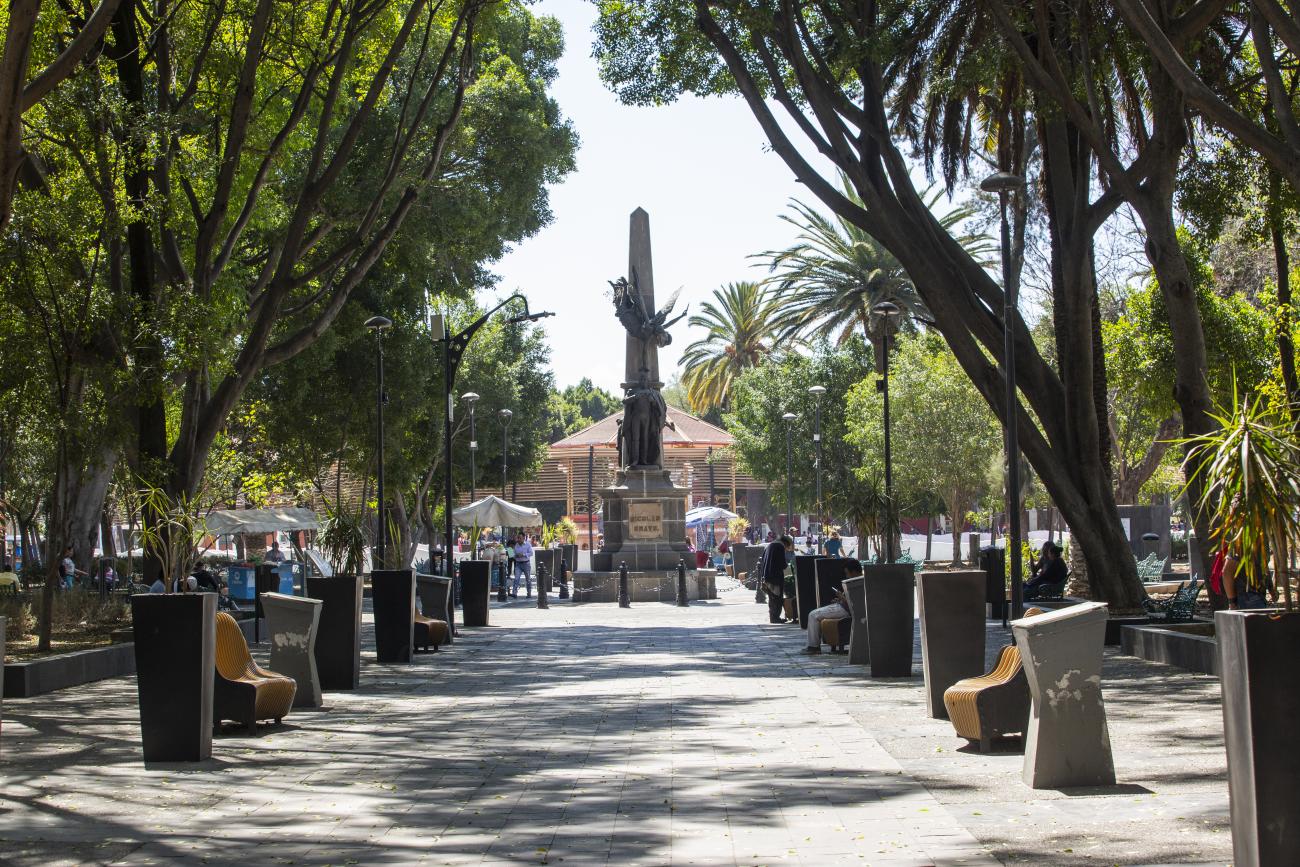
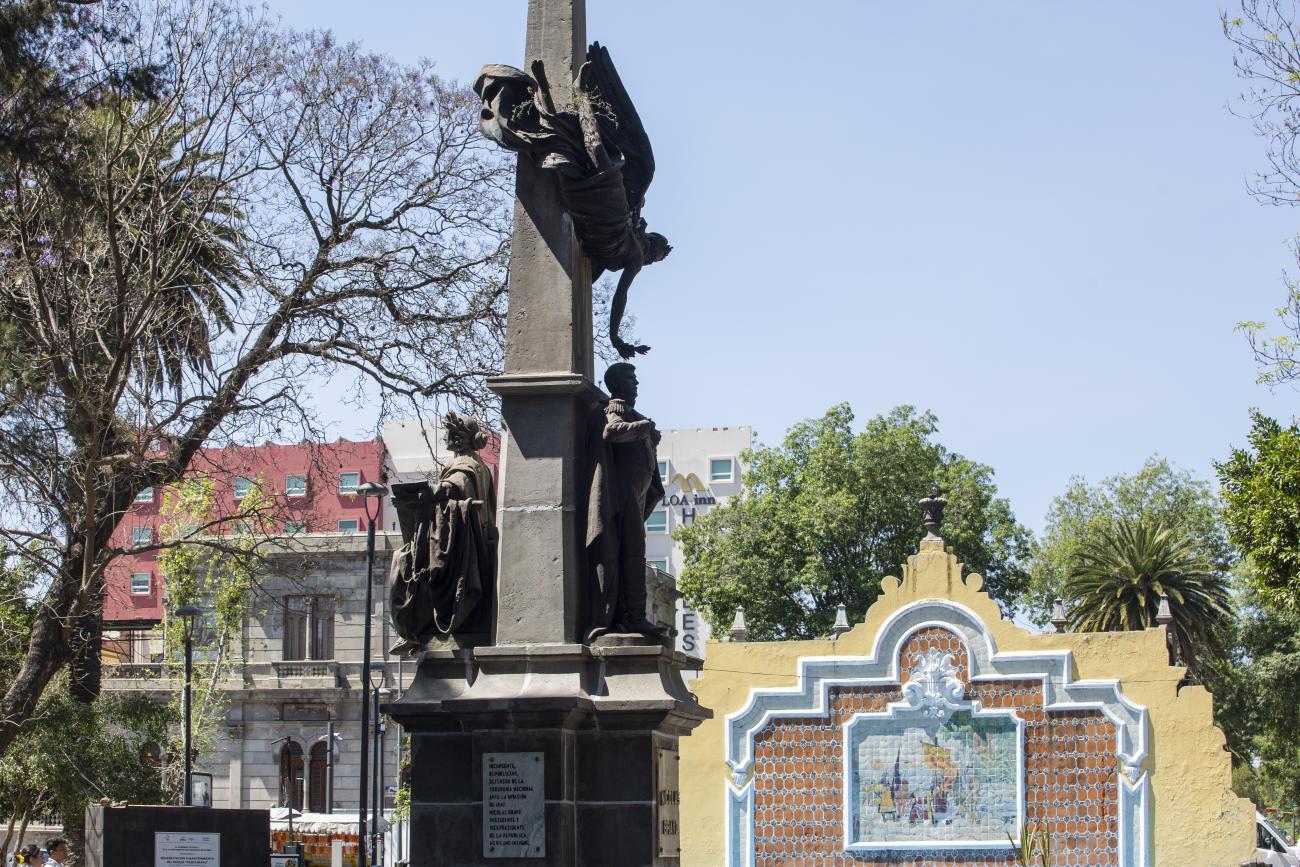
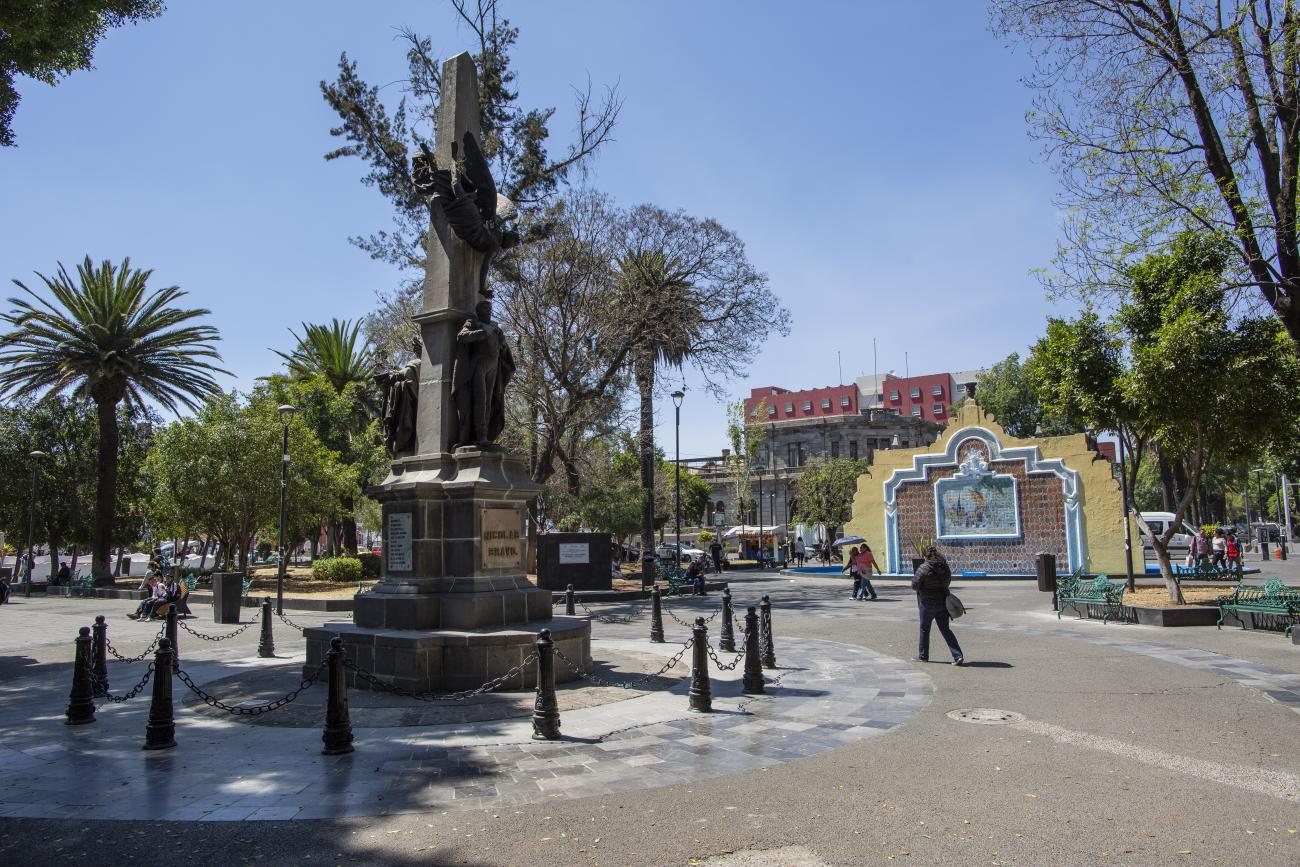
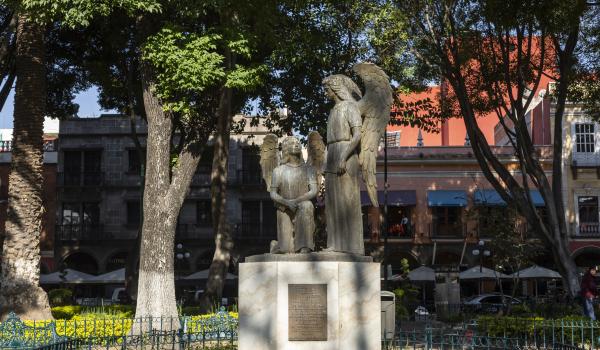
Monumento al General Nicolás Bravo y a los Héroes de la Independencia
This monument was erected in 1896, and in 1898 a statue representing History was added.