




Lagos de Moreno
Historical Monuments Zone
Abstract
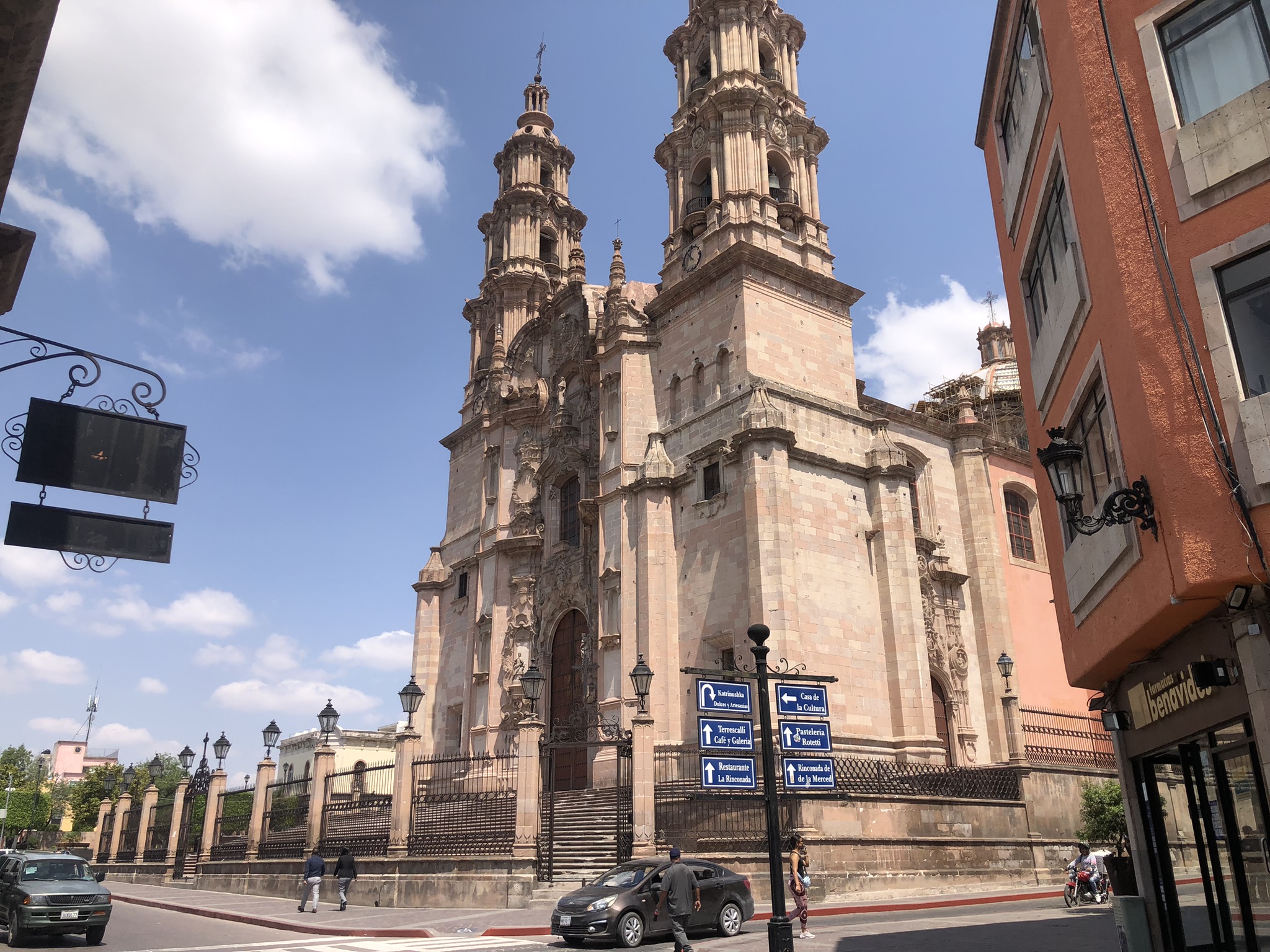
Of great historical importance for the development of the provinces in northern Mexico, forms a part of the Royal Inland Road and is recognized as World Heritage Site by UNESCO. The two parts of its name come respectively from the river Lagos, which it abuts, and the hero of Mexican Independence Pedro Moreno. It is also the birthplace of the prominent writer Mariano Azuela (1873-1952).
14_EN_615_ZMH_Jalisco_LagosDeMoreno.wav
It was founded in 1563 as a frontier settlement to contain the advance of the Chichimec tribes and protect the silver being sent back from the mines of Zacatecas. In the 17th and 18th centuries, due to its strategic situation and its agricultural potential, it was an important center for the production and distribution of goods destined for the mining population and the colonists occupying the northern provinces.
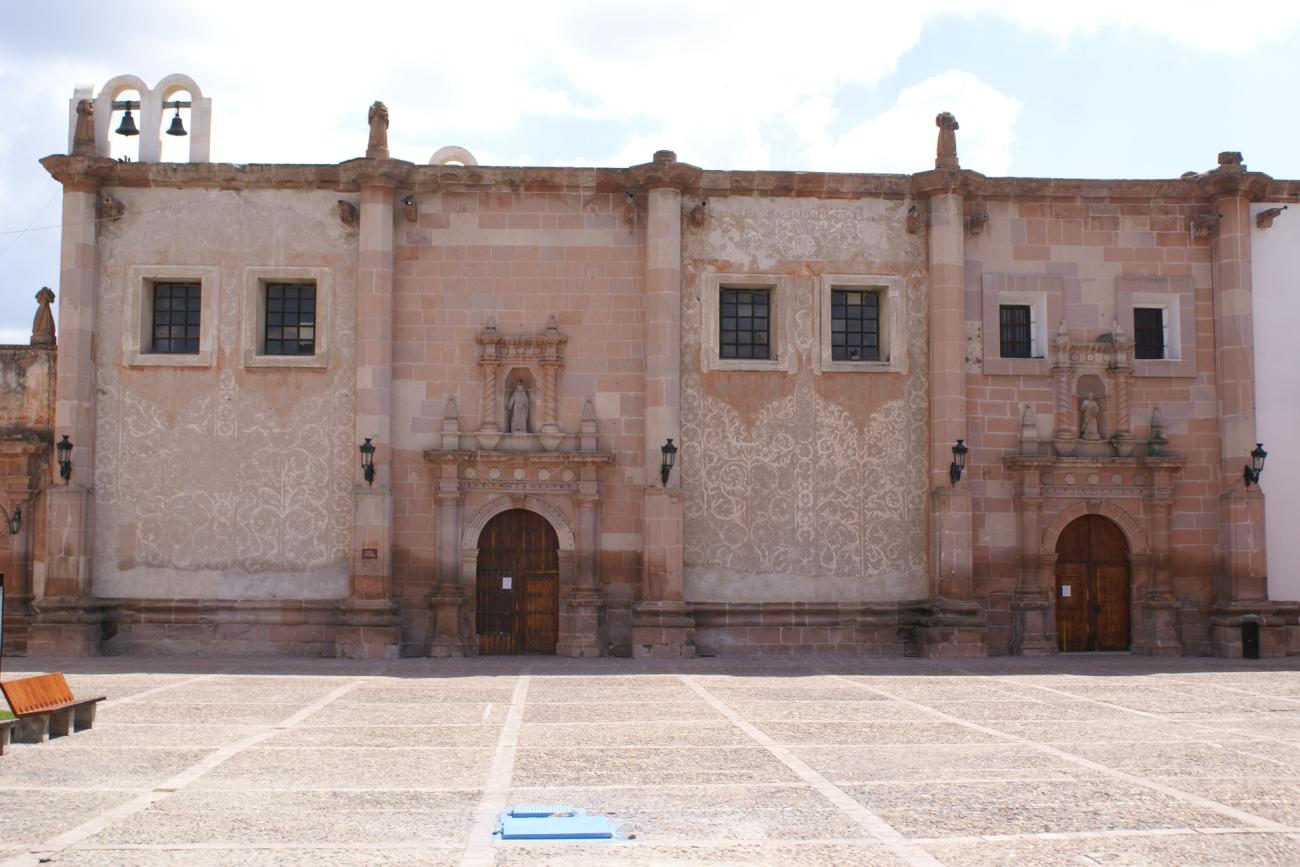
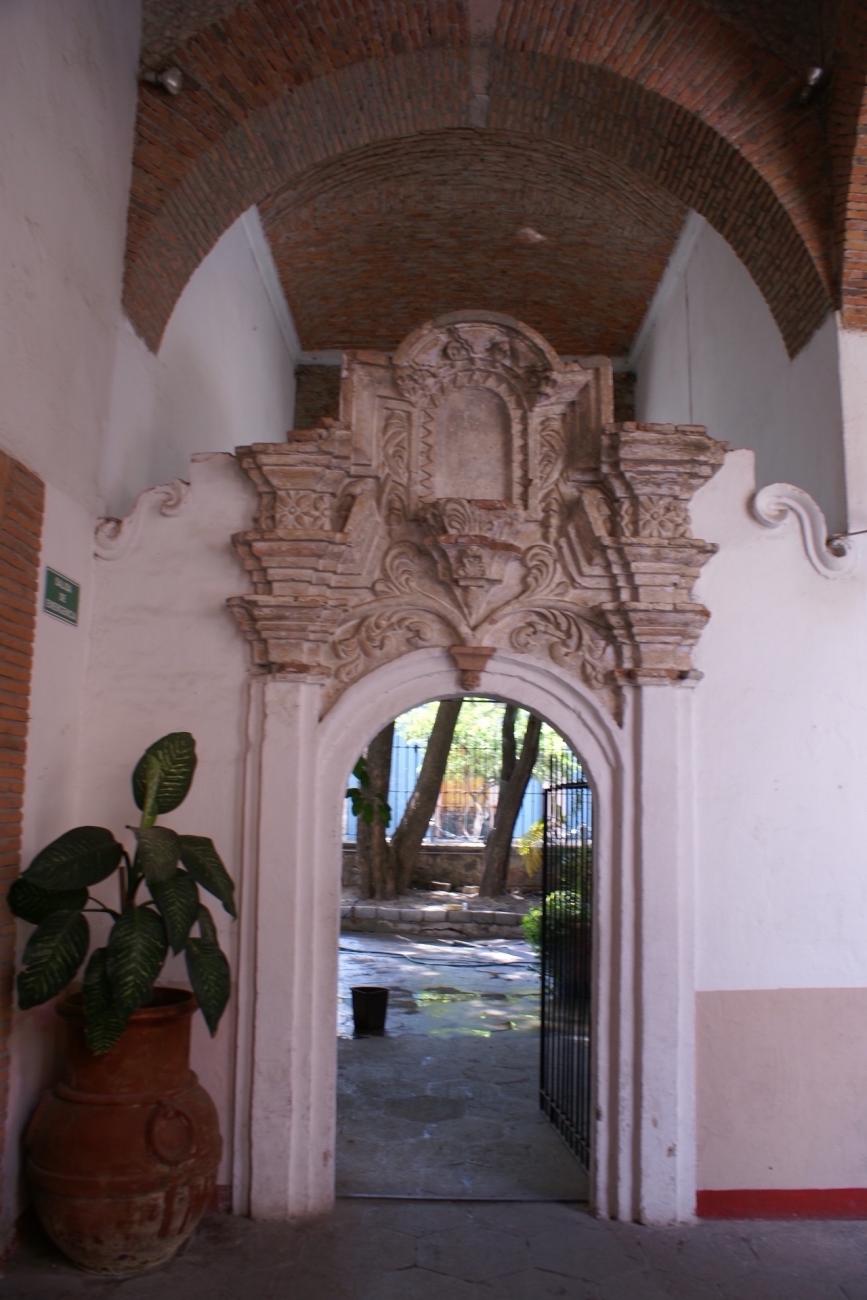
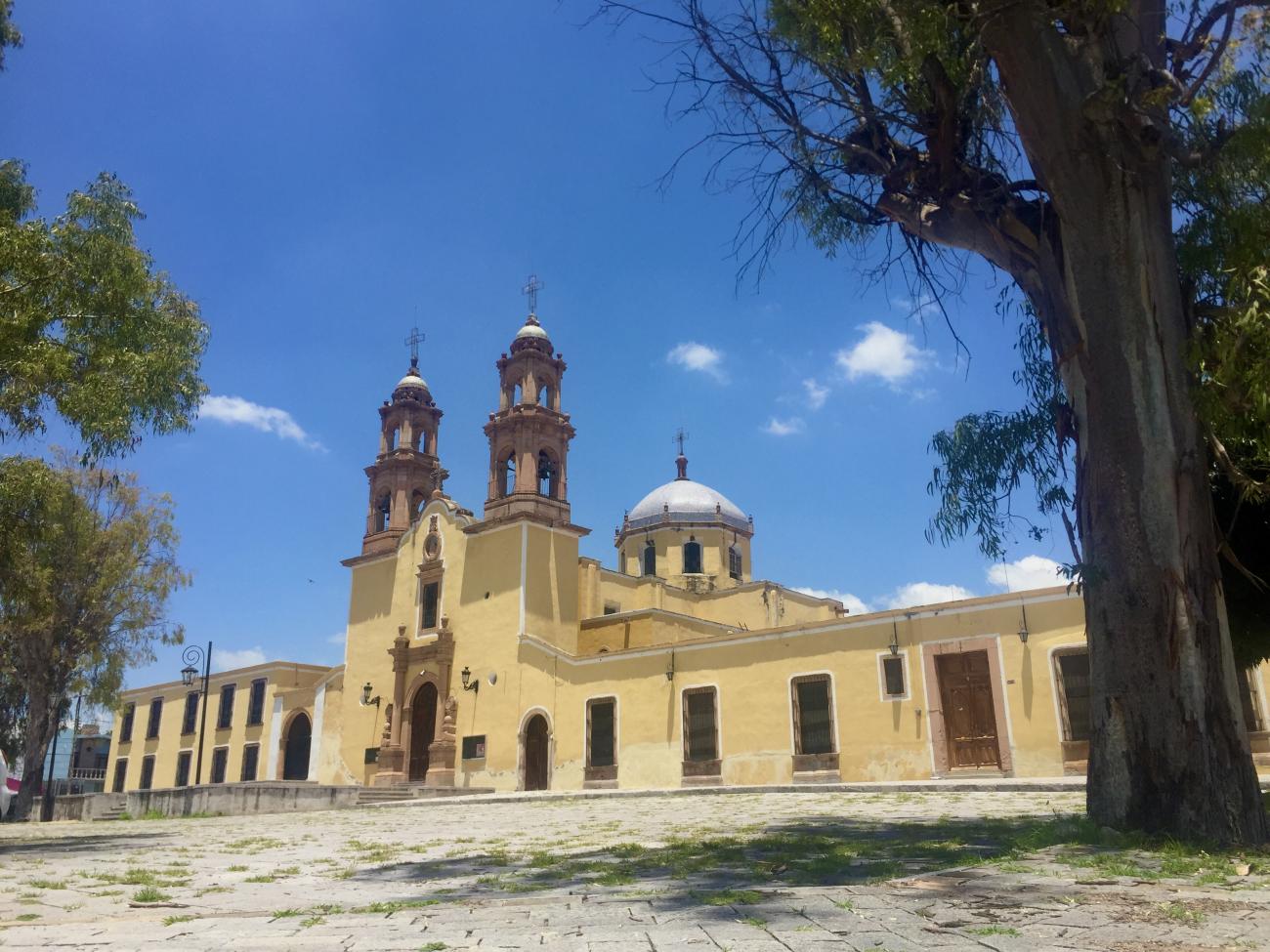
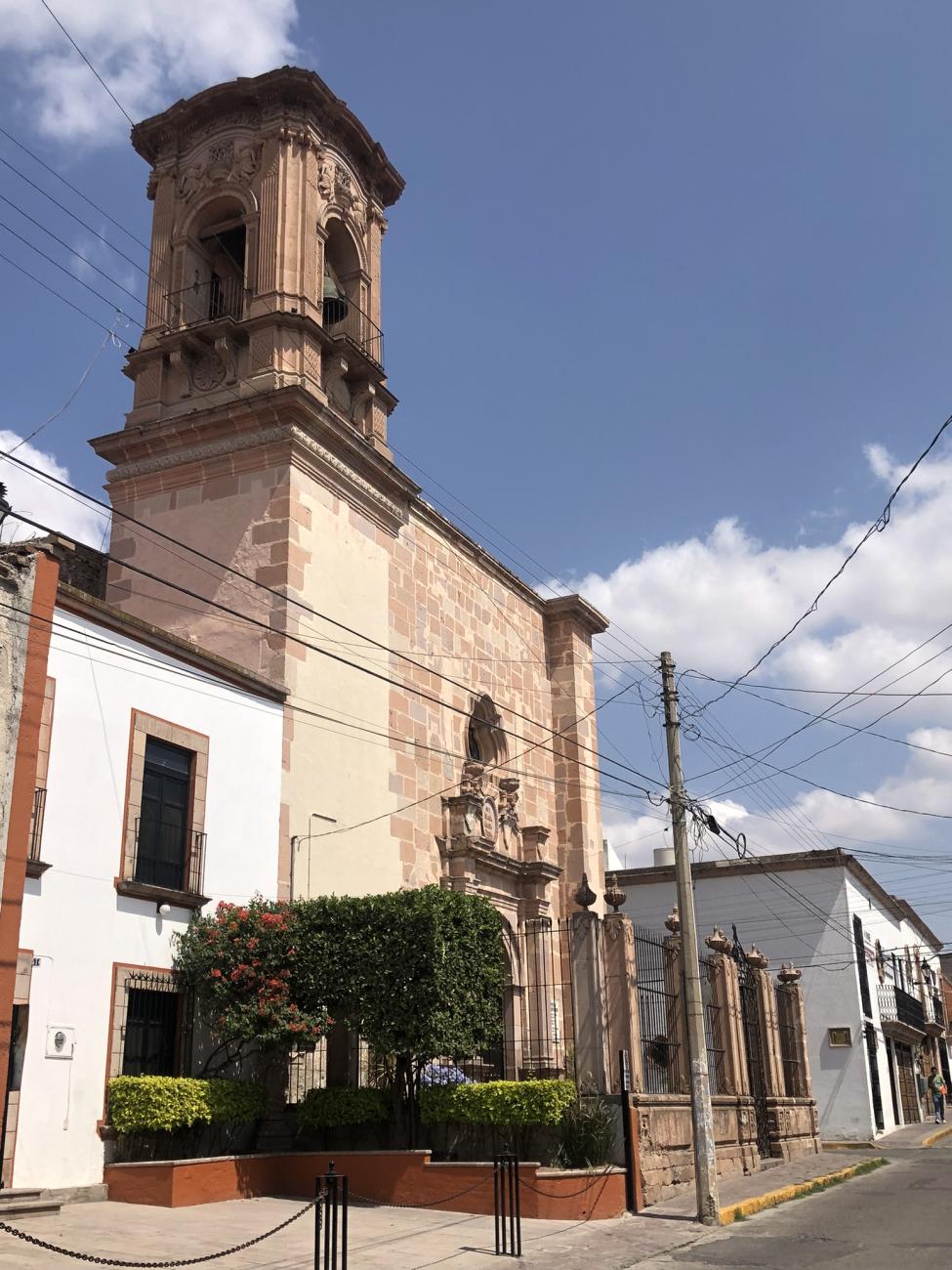
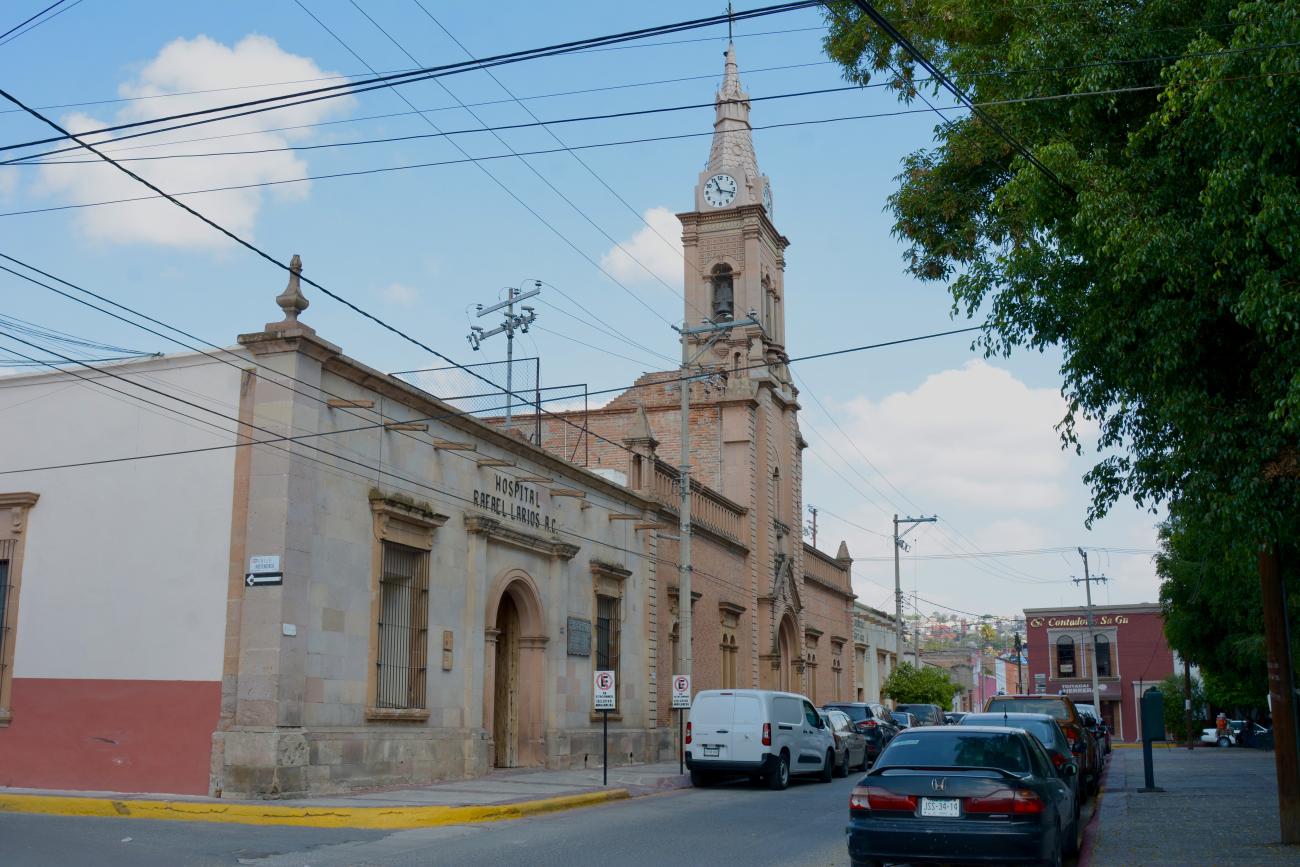
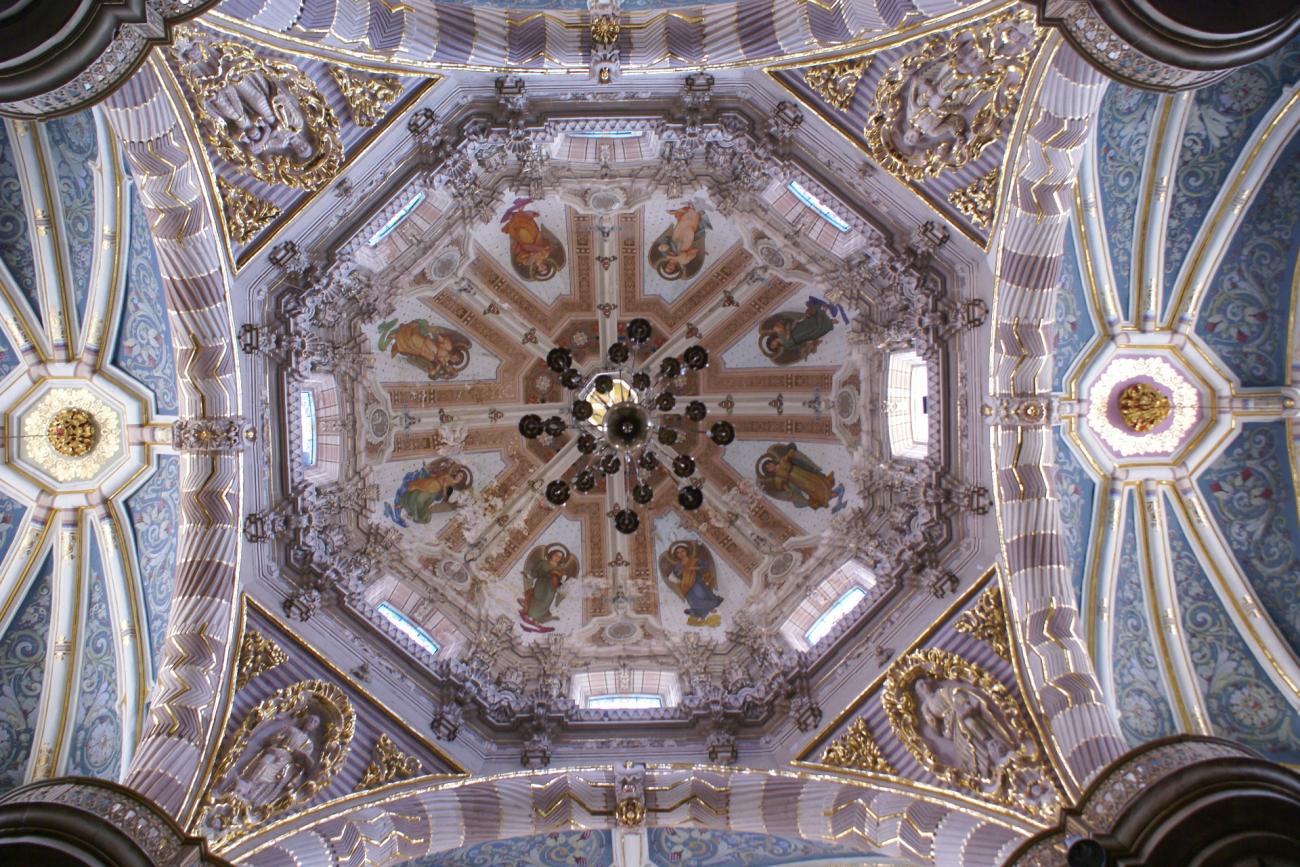
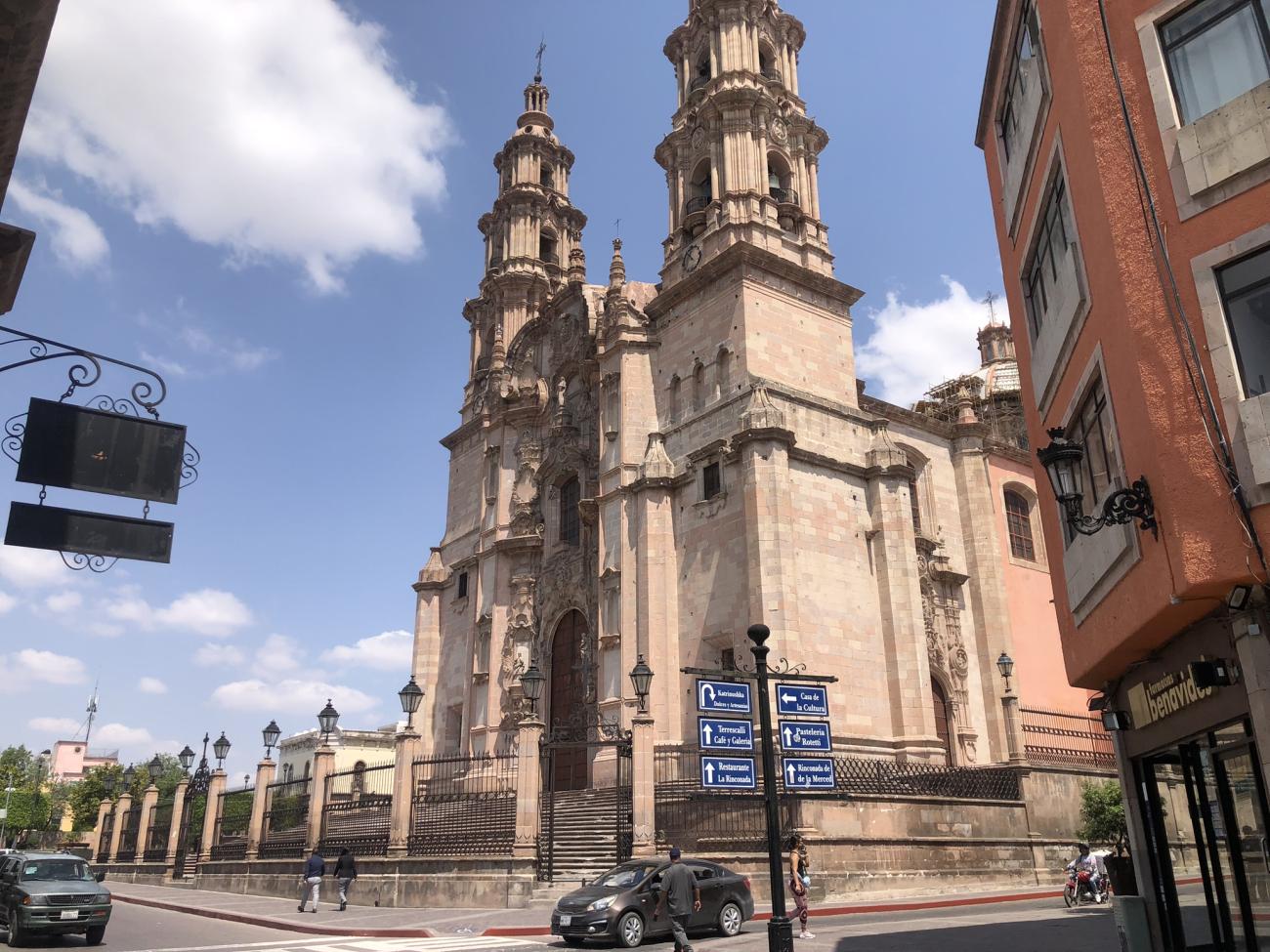
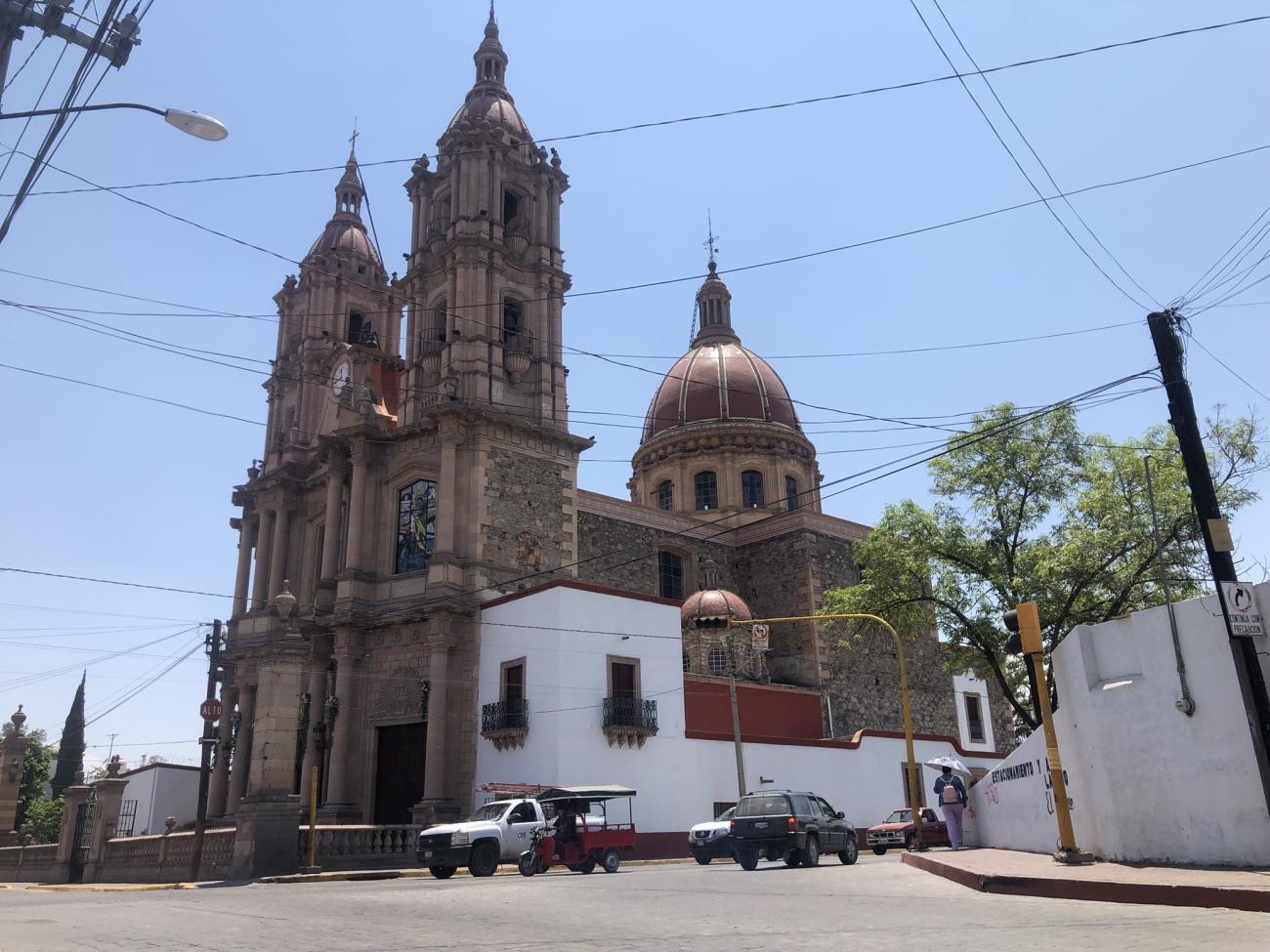
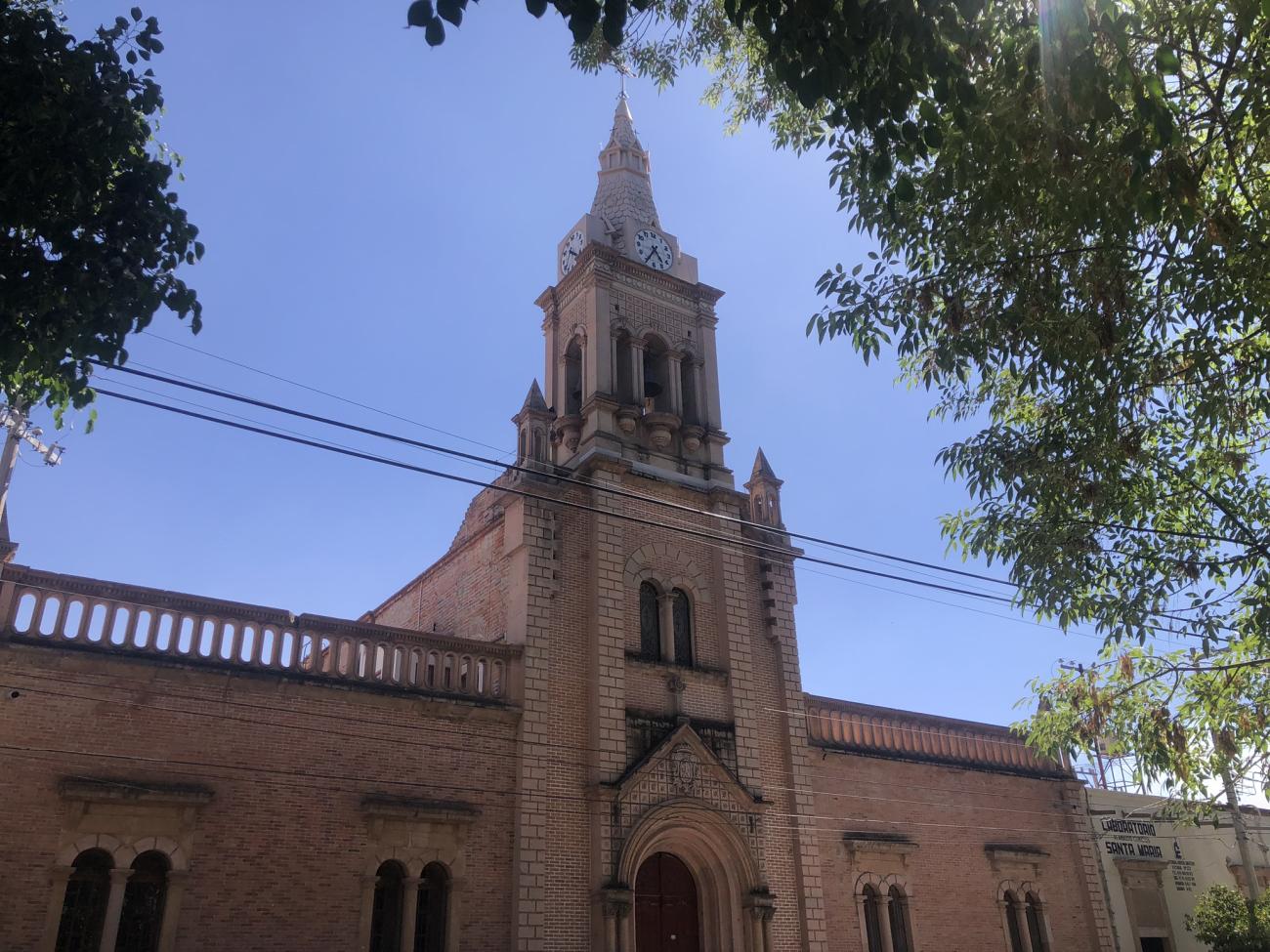
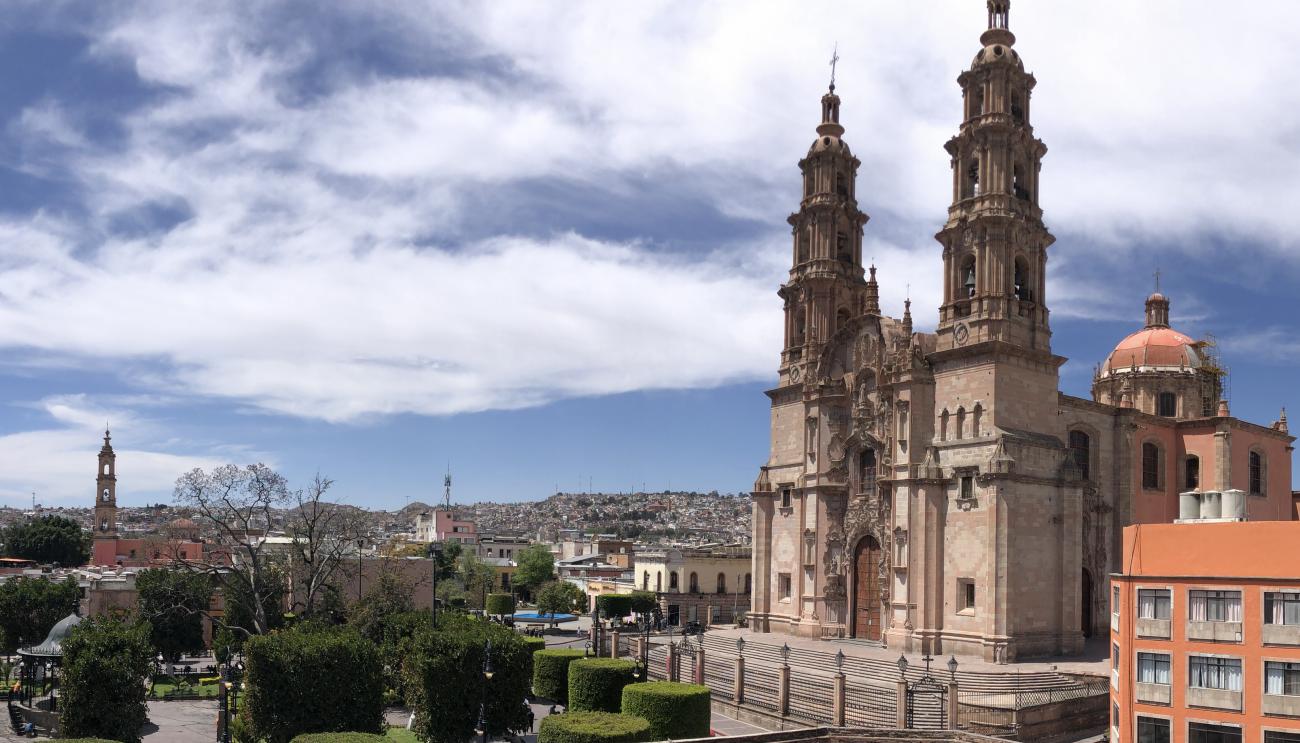
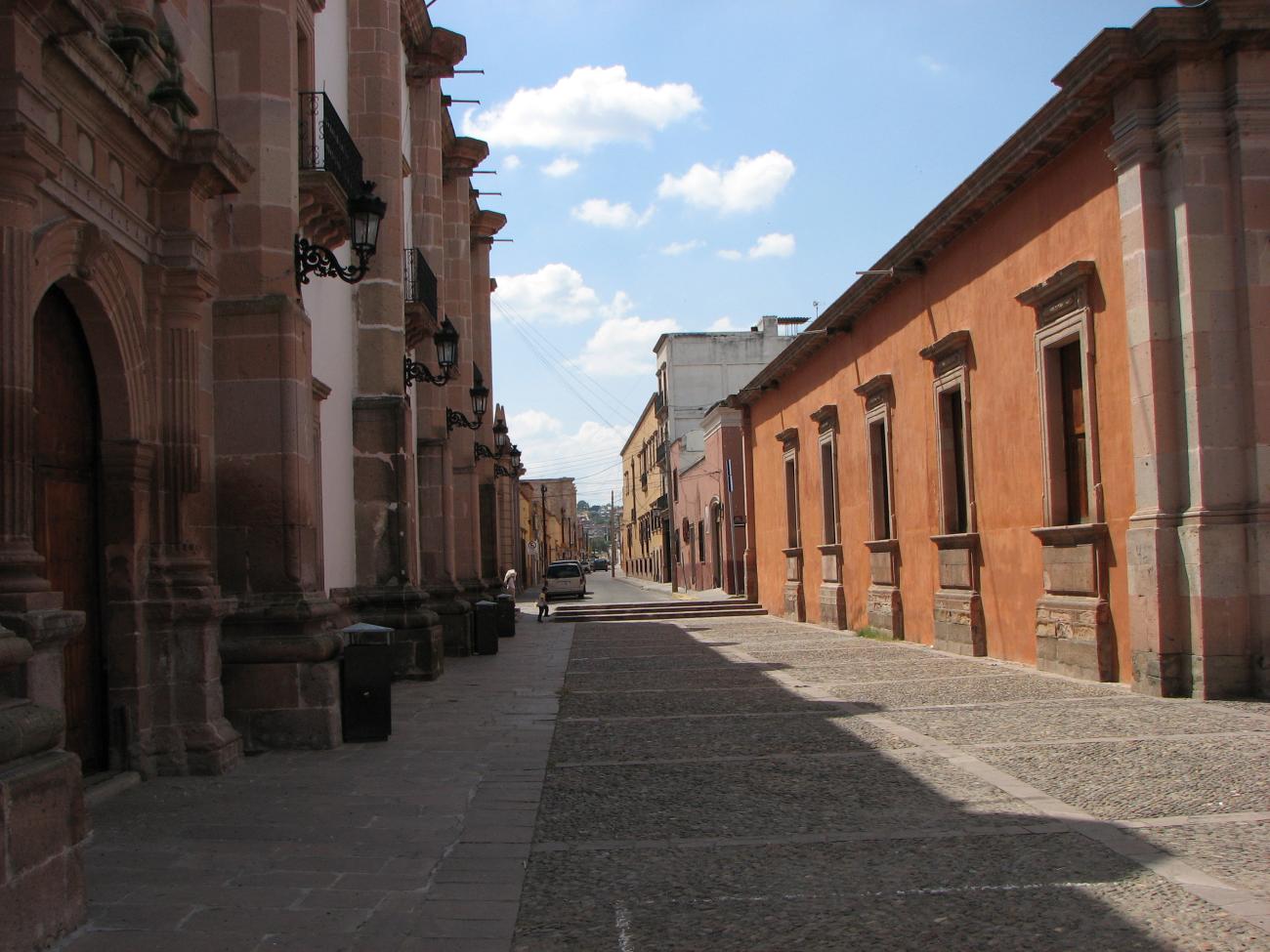
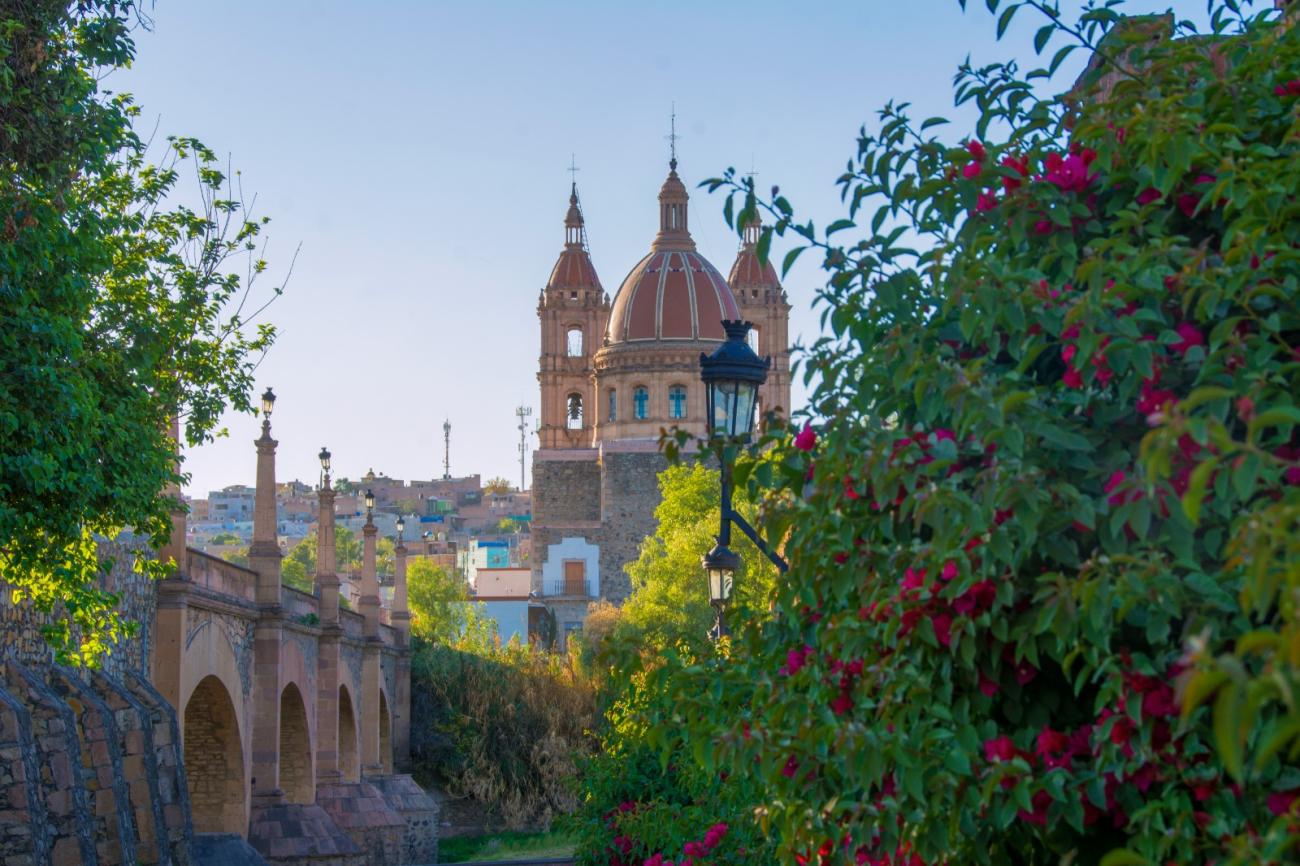
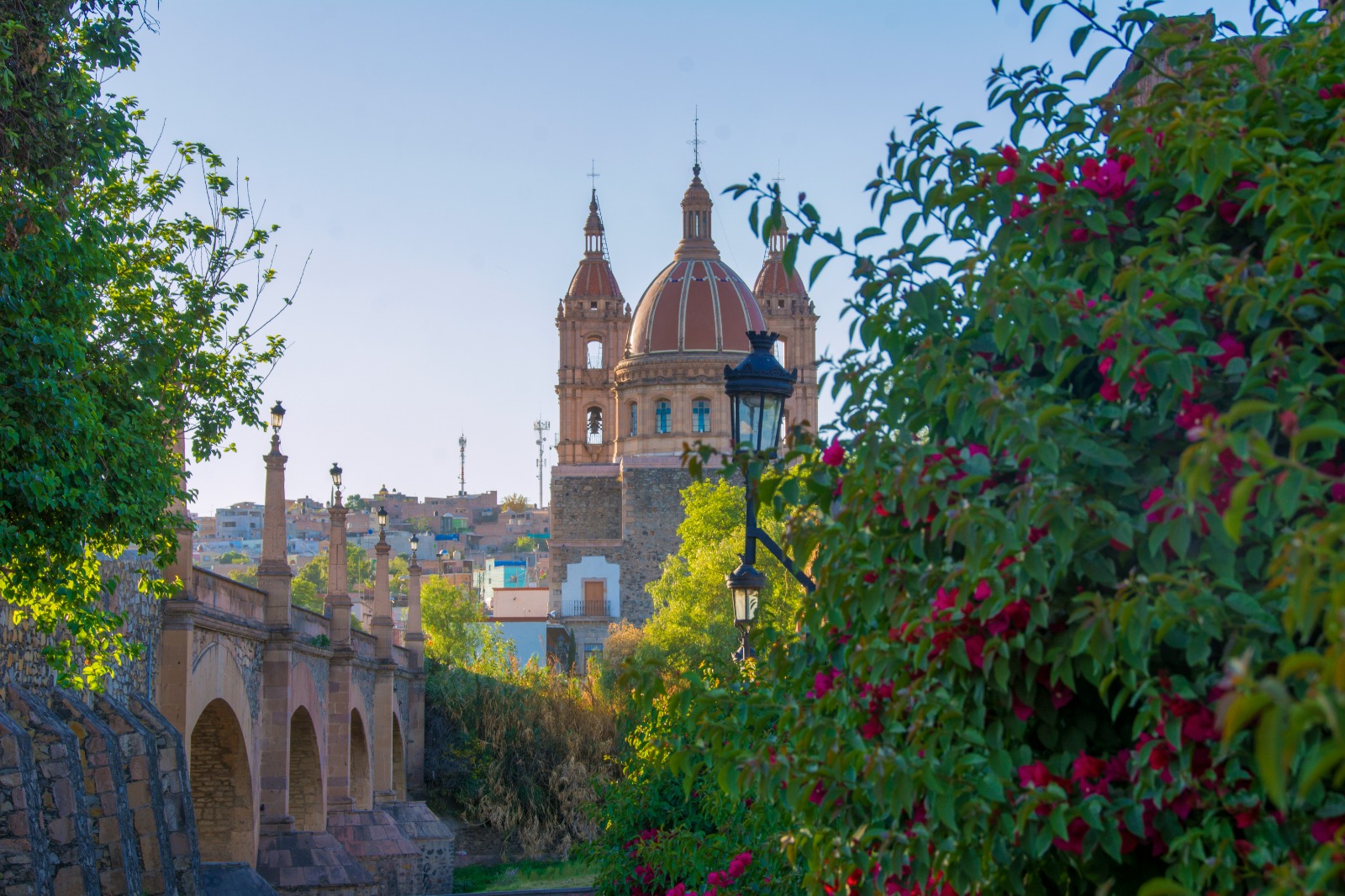
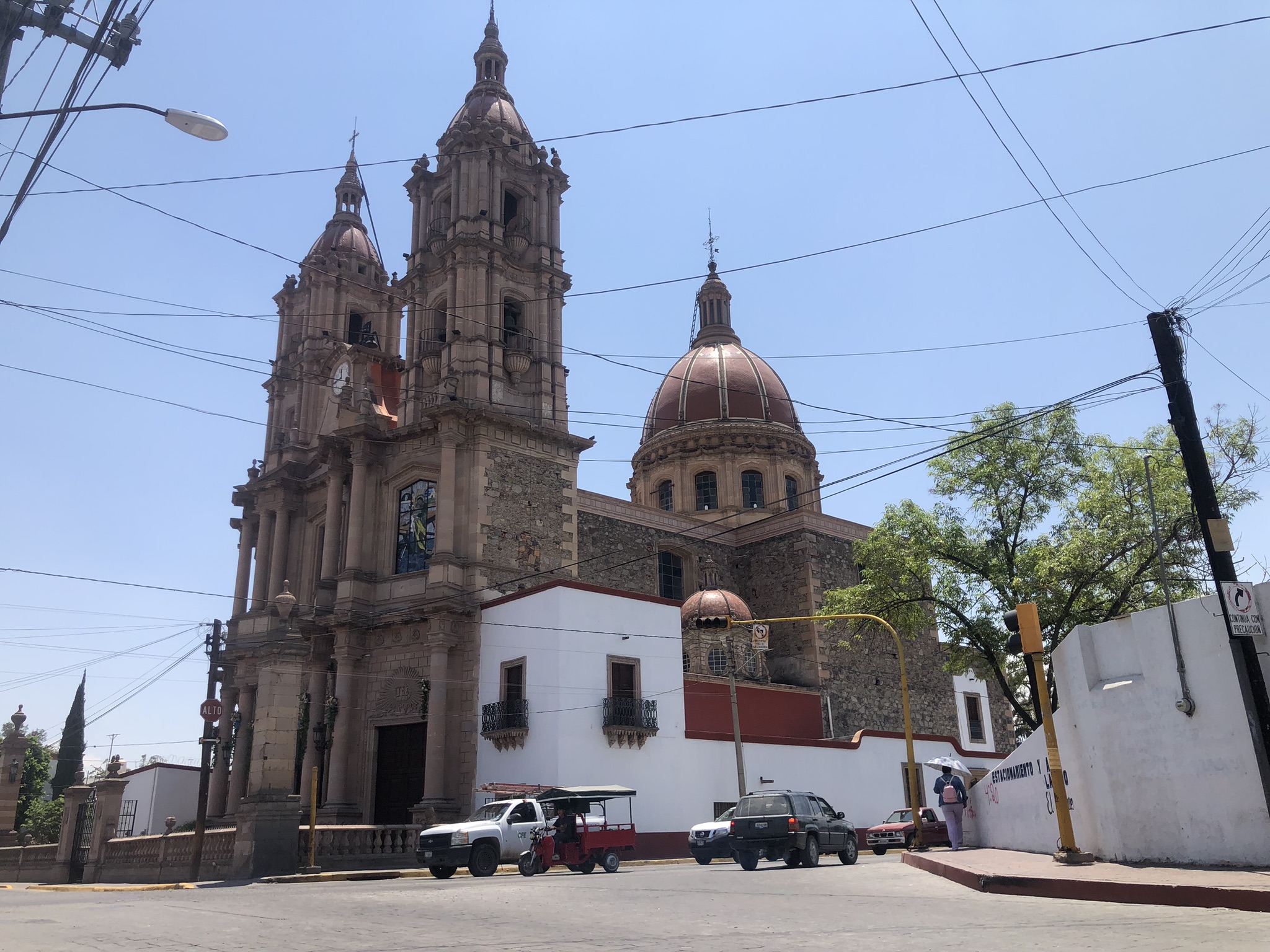
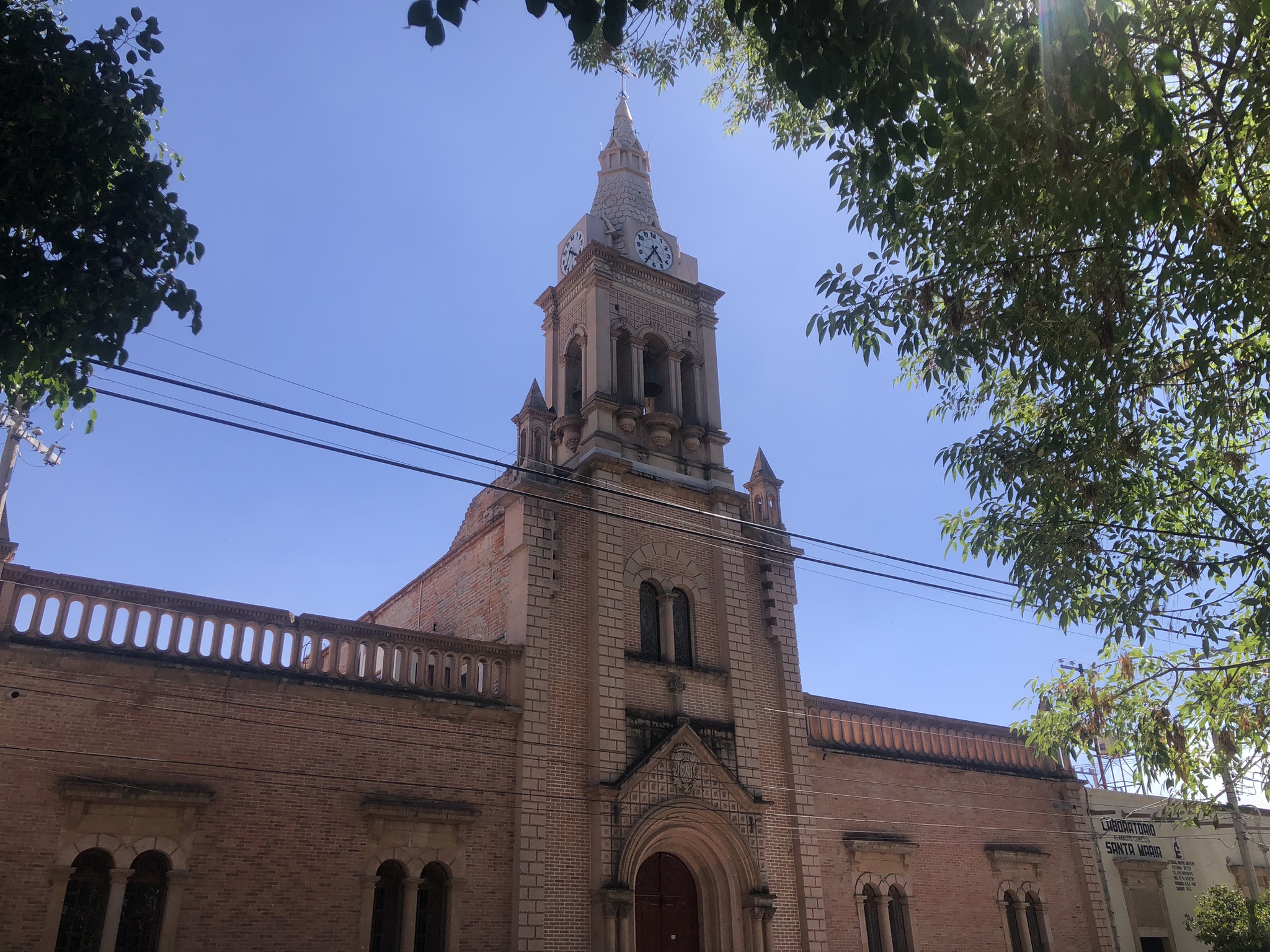
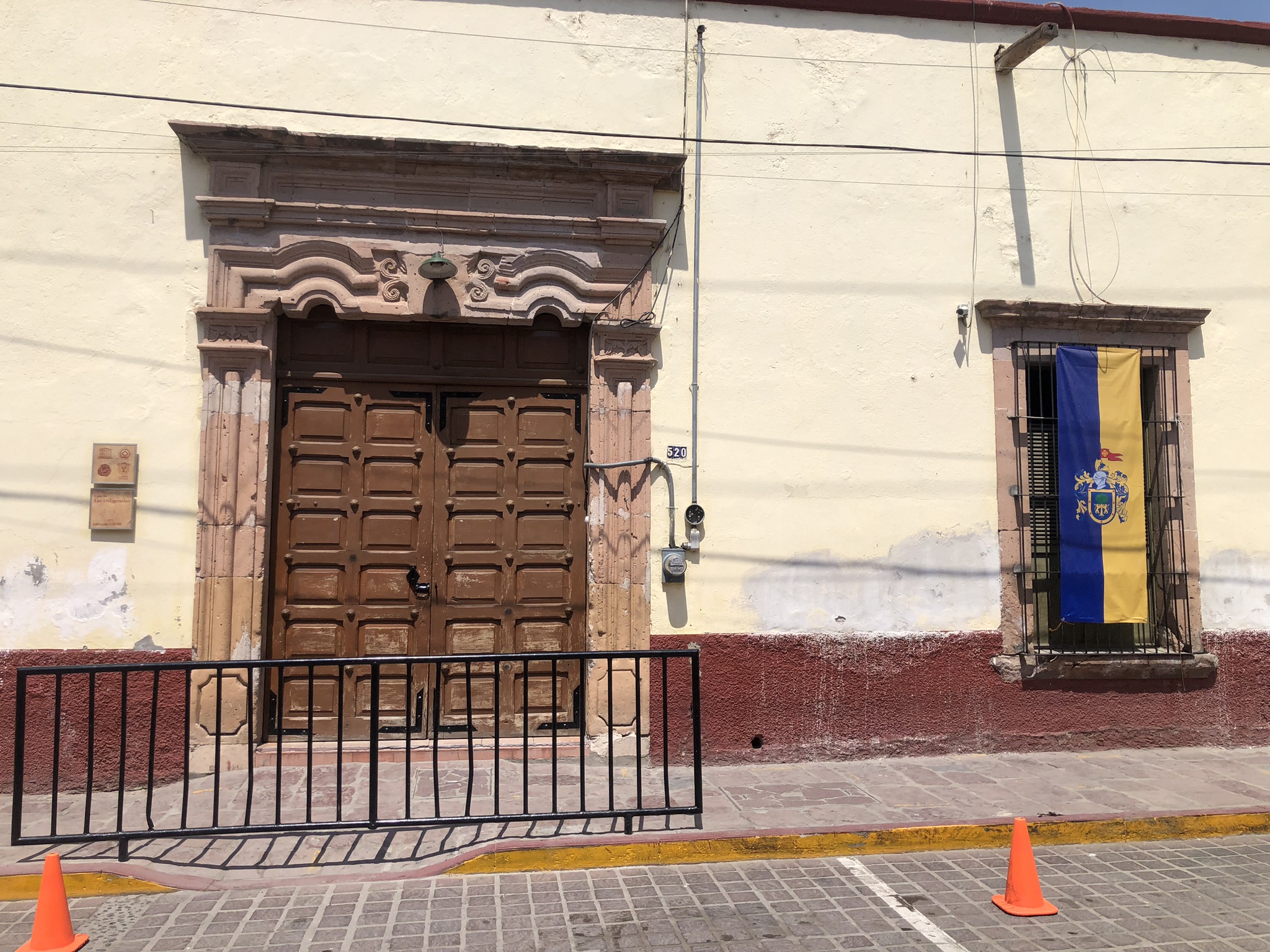
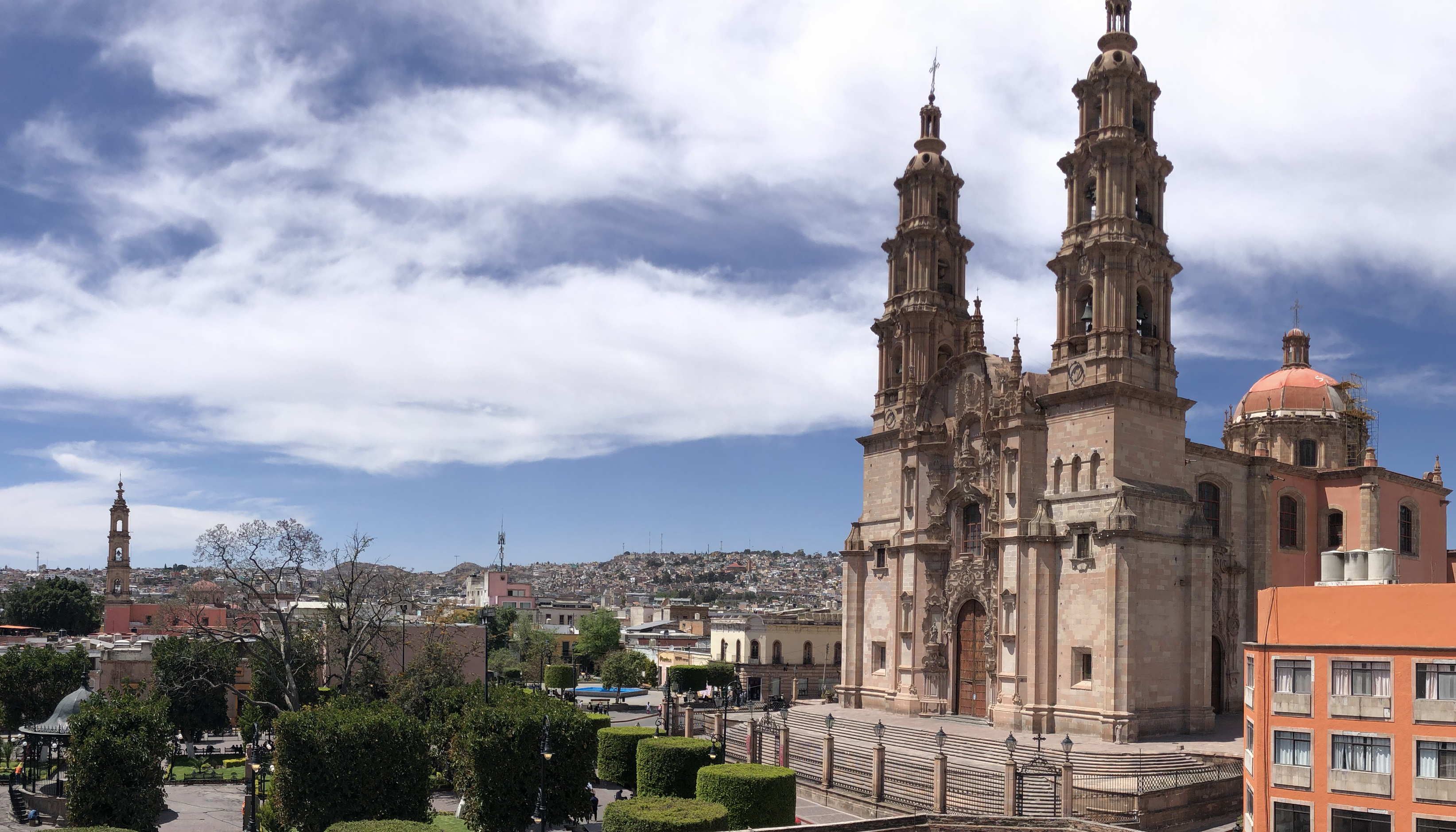
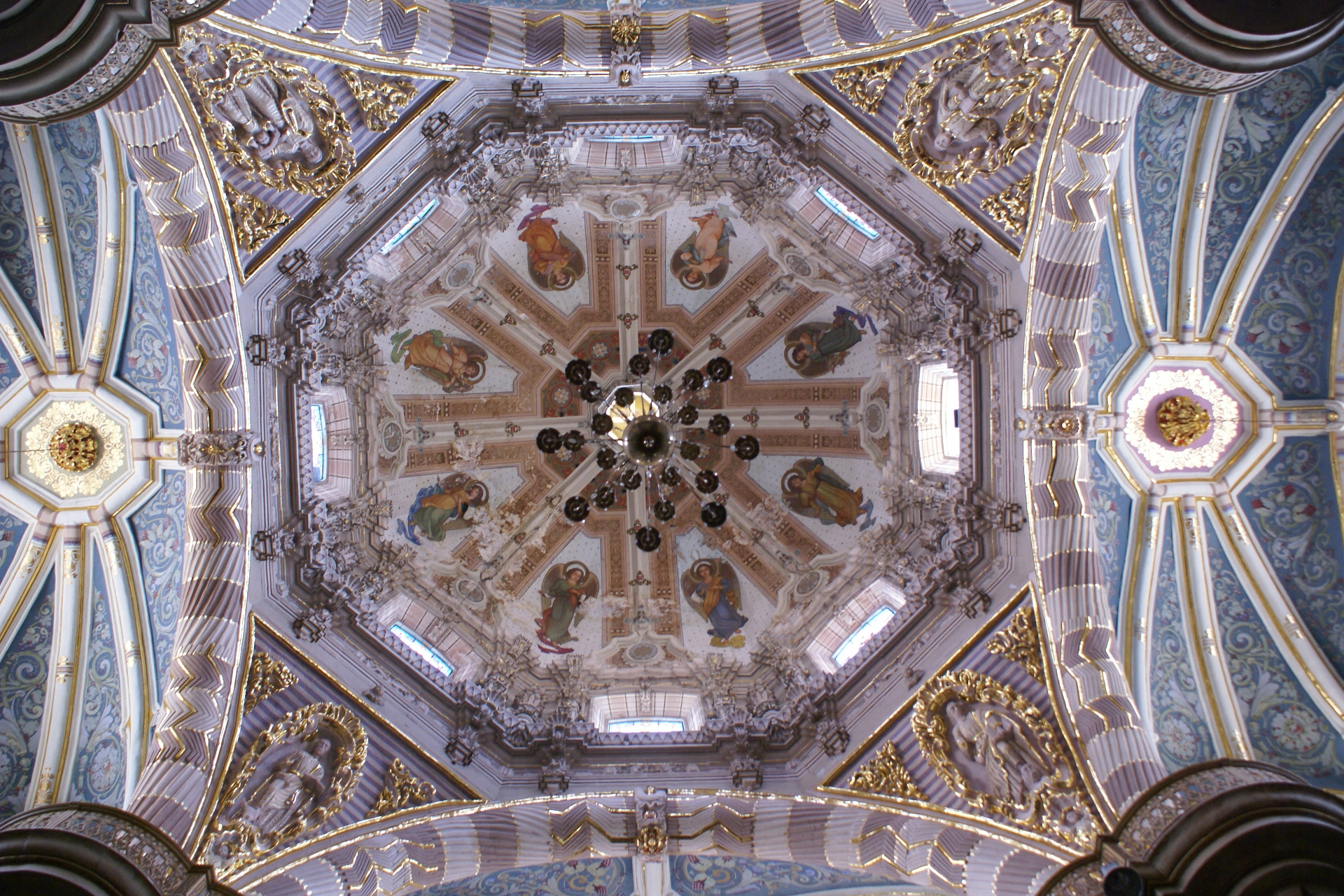
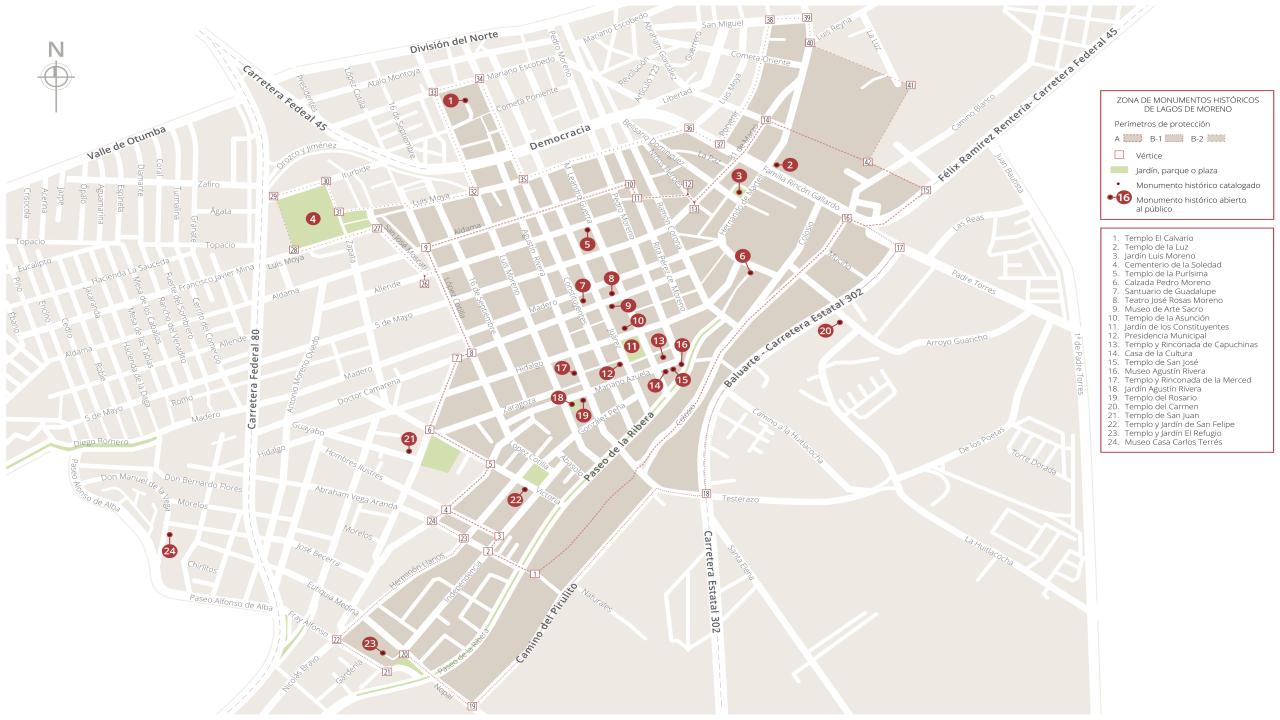
Due to the formal characteristics of its buildings, the harmony of its spaces and its urban layout, the city of Lagos de Moreno was declared a Zone of Historical Monuments in 1989. The zone encompasses an area of 1.55 km2 and comprises 149 city blocks that include 356 buildings of historical value constructed between the 17th and 19th centuries, which display the styles of successive epochs. Eleven buildings had religious purposes at some point in history: the monastery complexes of El Refugio, La Merced and Capuchinas, the churches of the Parroquia de Nuestra Señora de la Asunción, San Felipe de Jesús, Rosario, Santuario de Guadalupe, Nuestra Señora de la Luz, Calvario and the chapels of Purísima and Señor de la Misericordia.
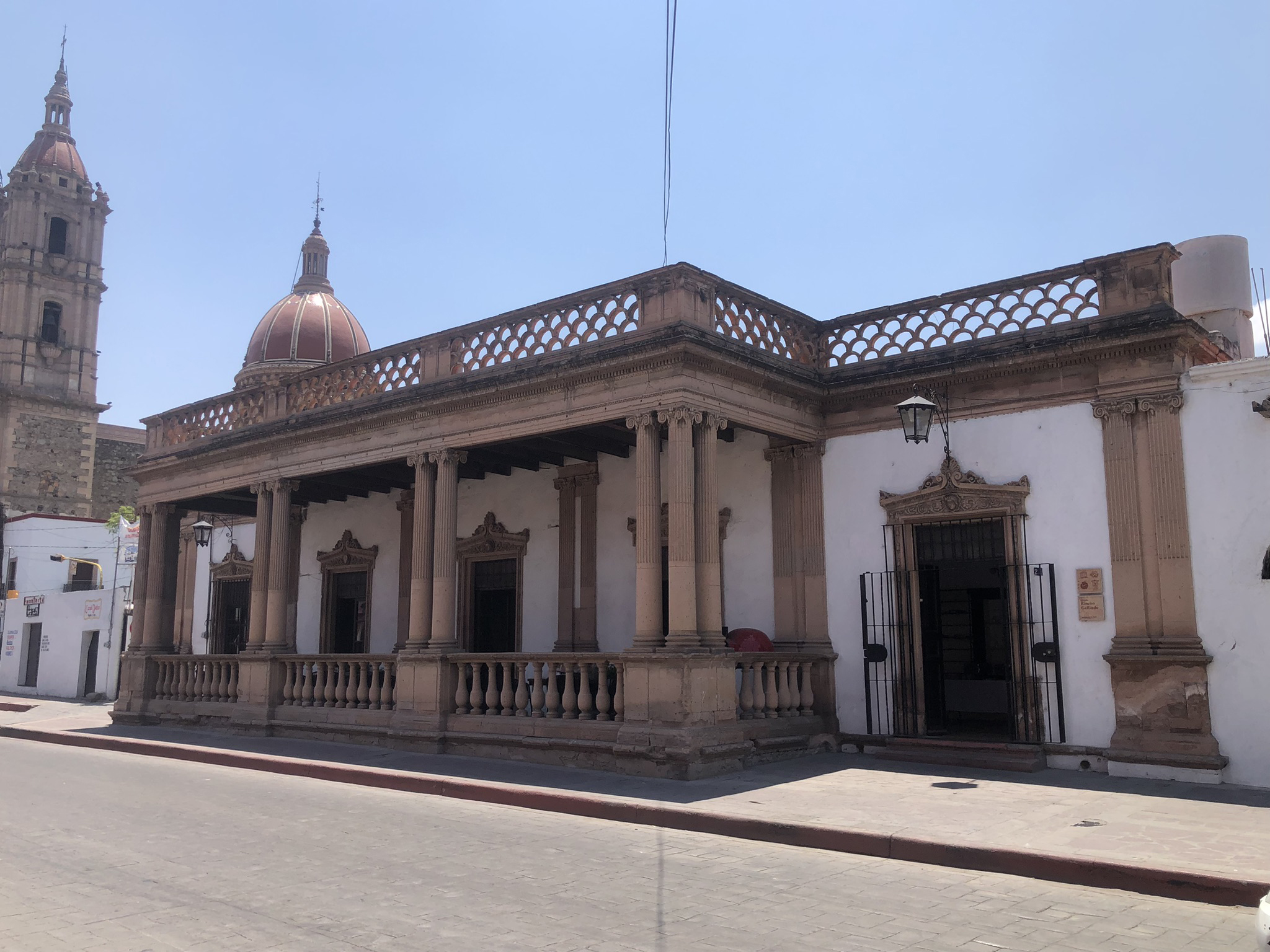
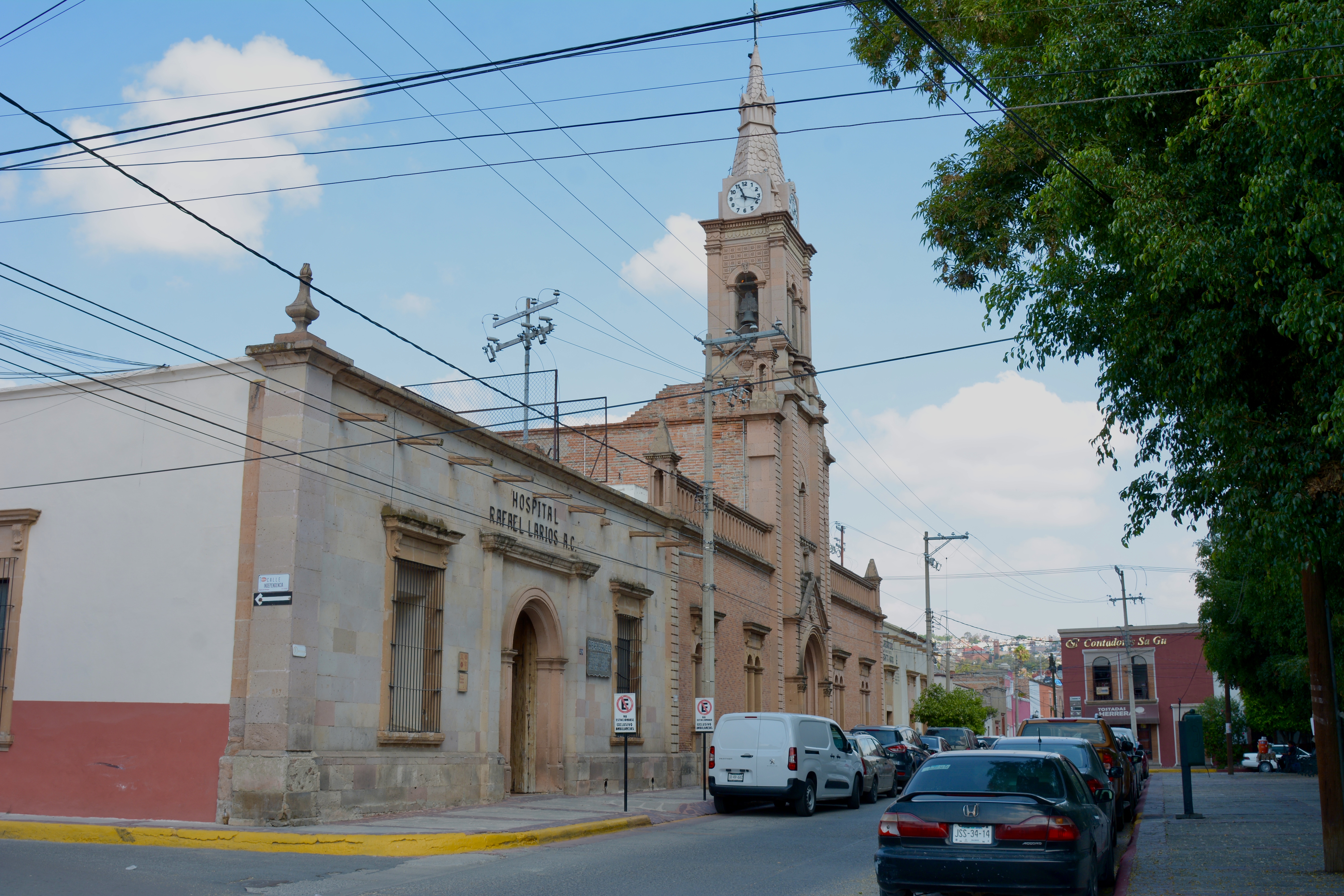
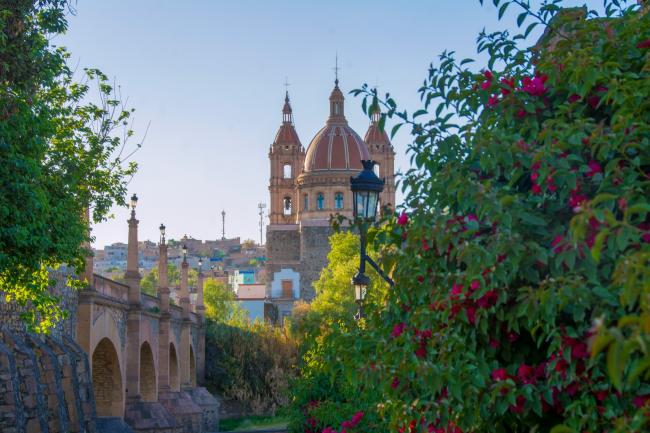
Other buildings were intended for educational and welfare purposes, as well as for the use of civil and military authorities, including: the Rafael Larios Hospital and asylum, the Rosas Moreno Theater, the Mesón de Jesús María, the bridge over the river Lagos, the School of Arts and Trades, the Miguel Leandro Guerra School and Rincón Gallardo.
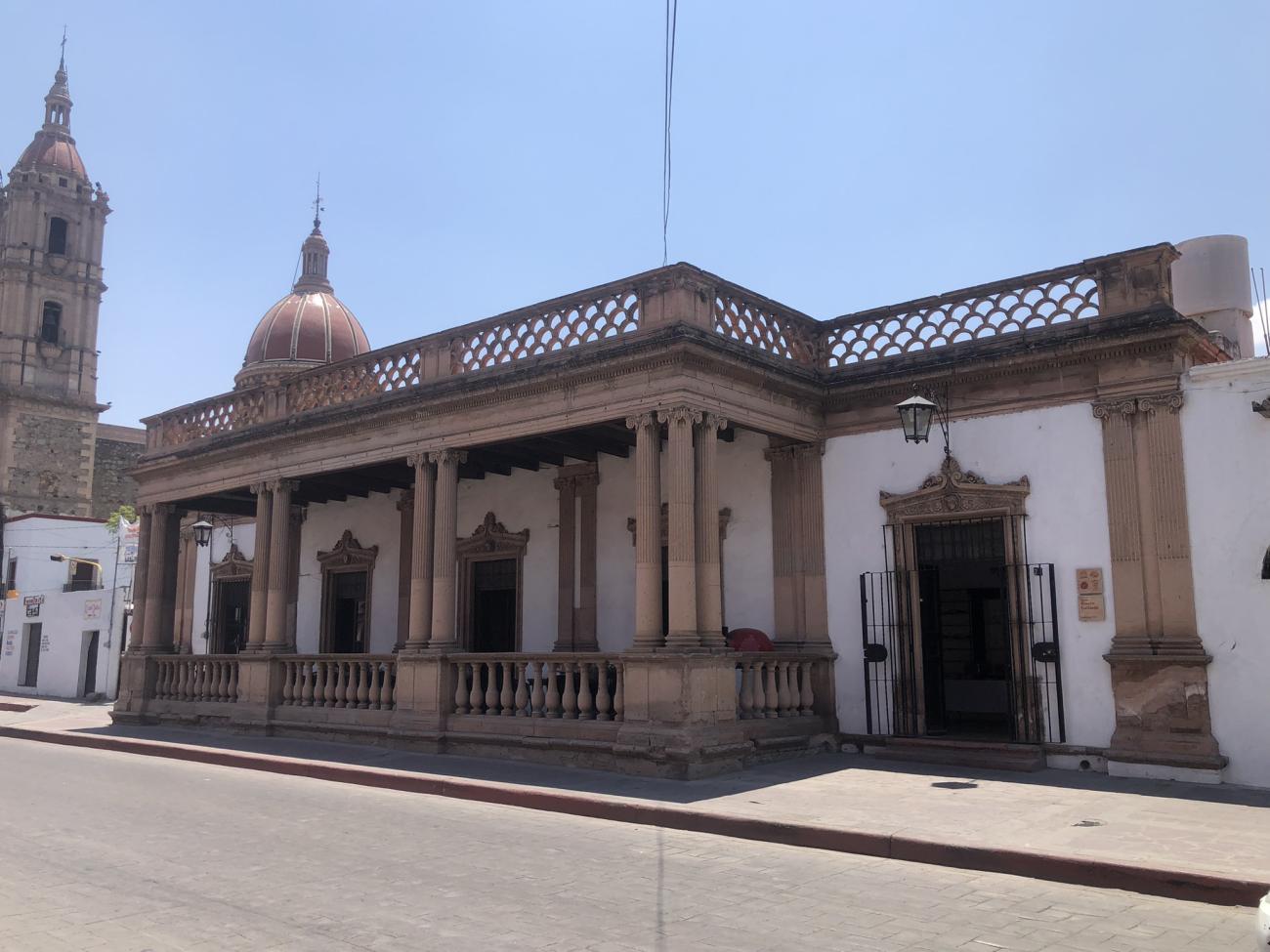
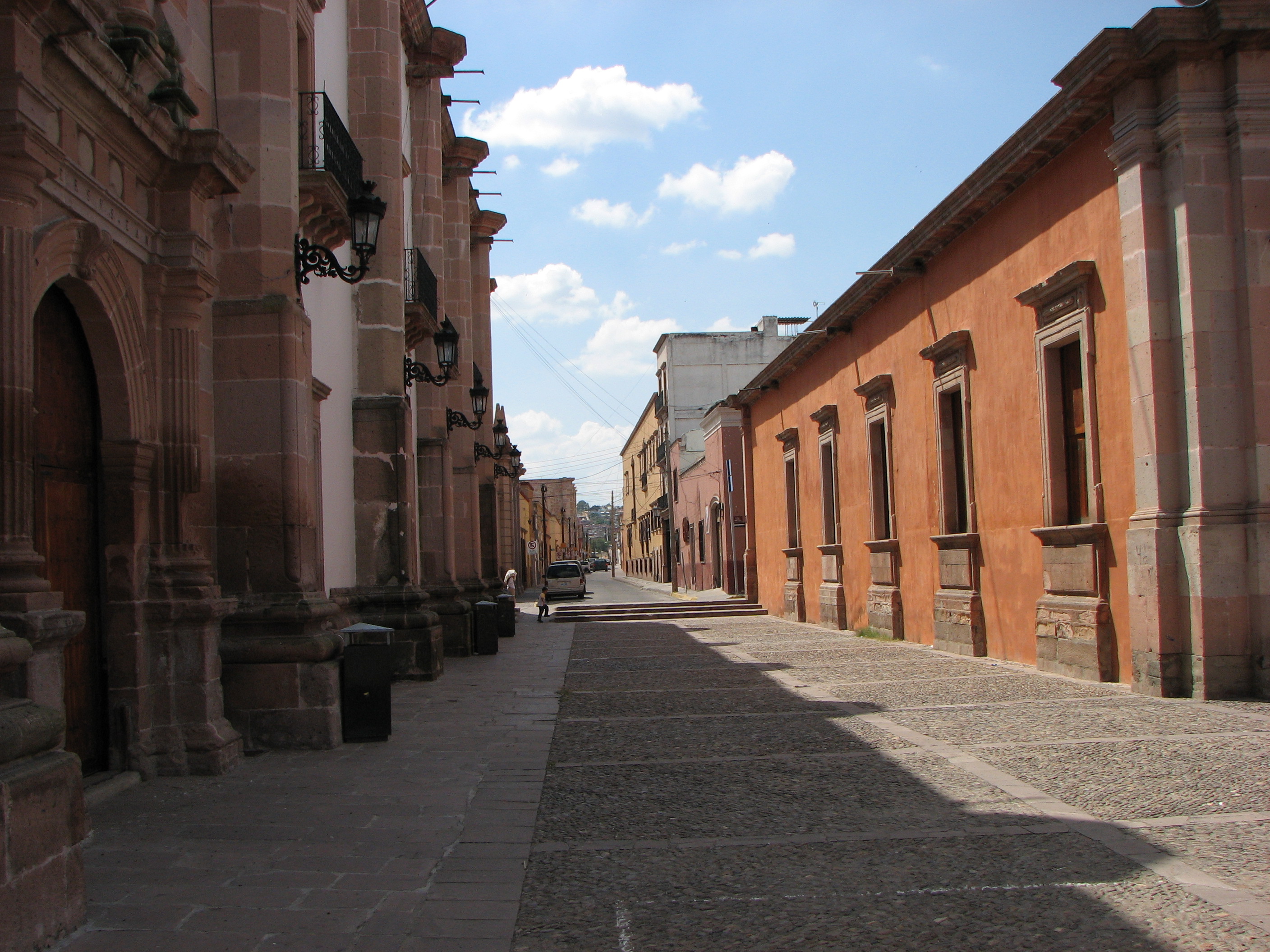
The remaining constructions are private civilian buildings and their architecture, formal elements and overall urban physiognomy reflect the Baroque and above all the Neoclassical periods
Lagos de Moreno became a UNESCO World Heritage Site as an integral part of the Royal Inland Road cultural route in 2010.
Categoria
Lagos de Moreno_Portada
Adscripción
Créditos
INAH-Mediateca INAH
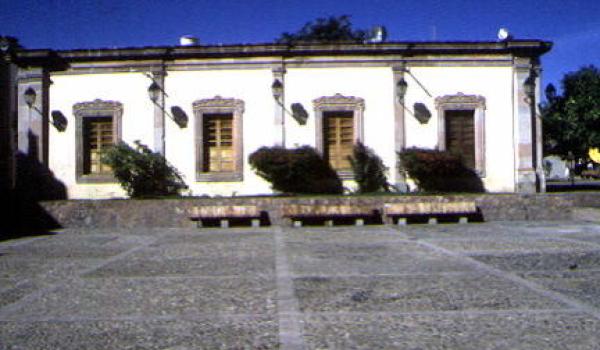
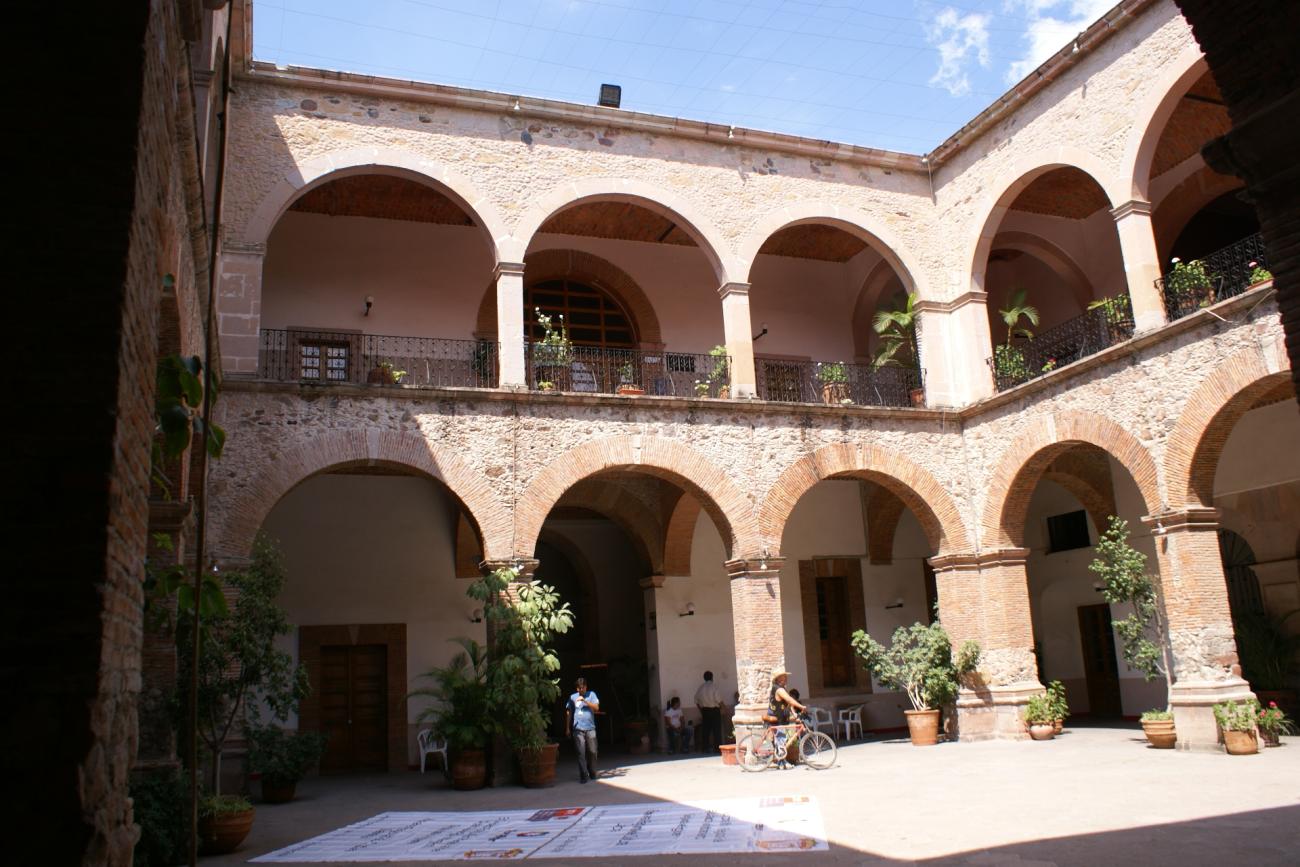
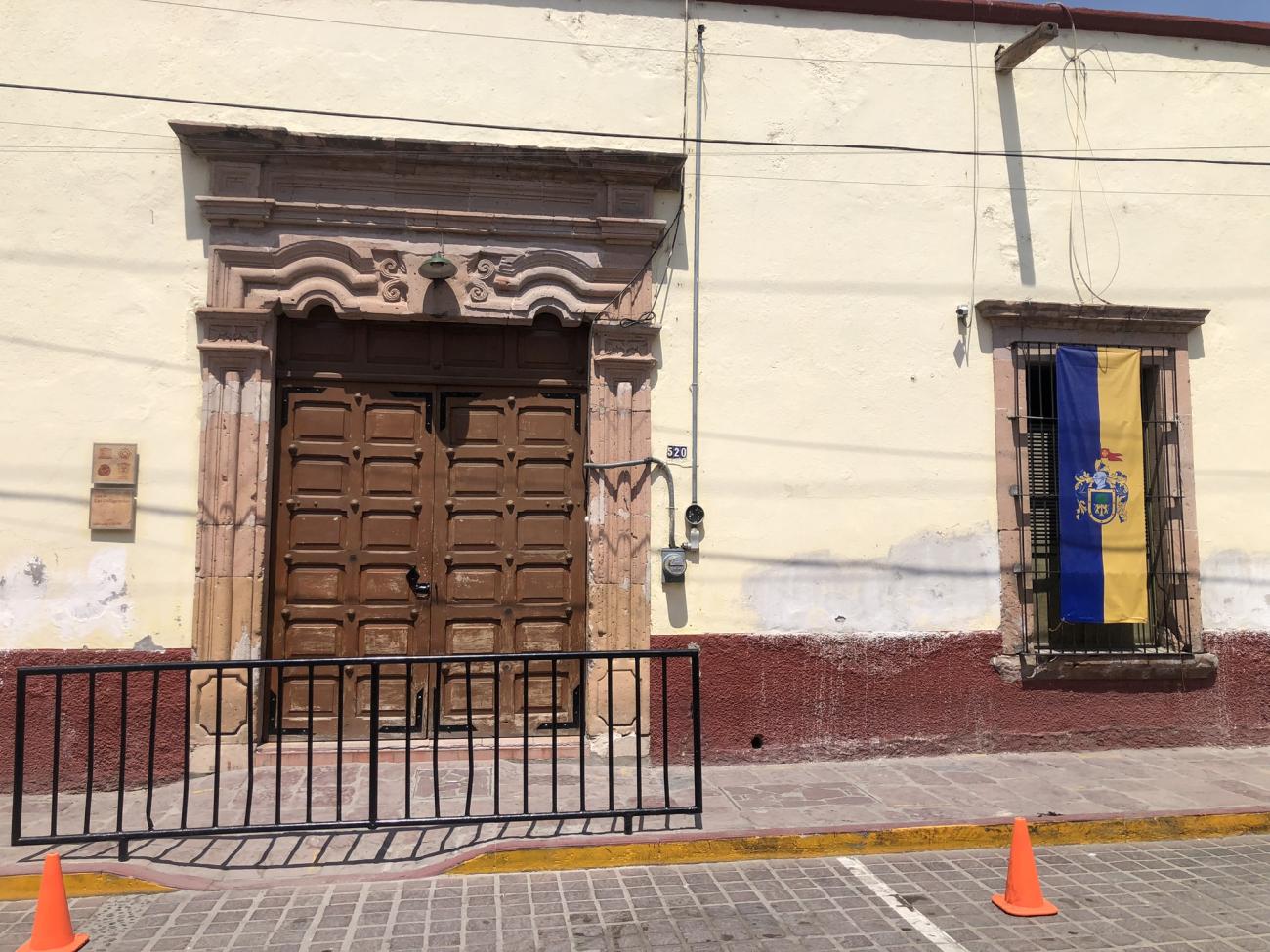
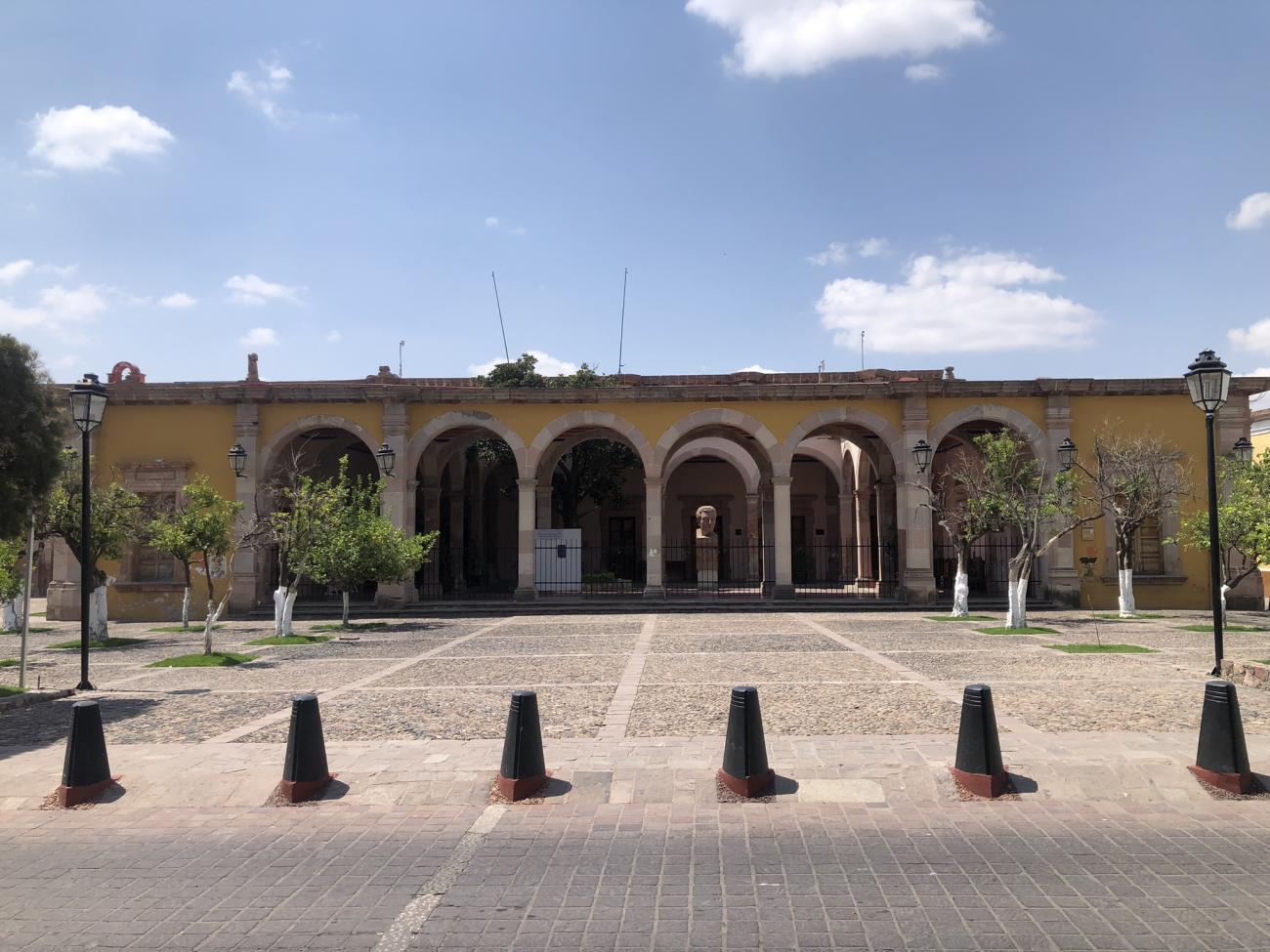
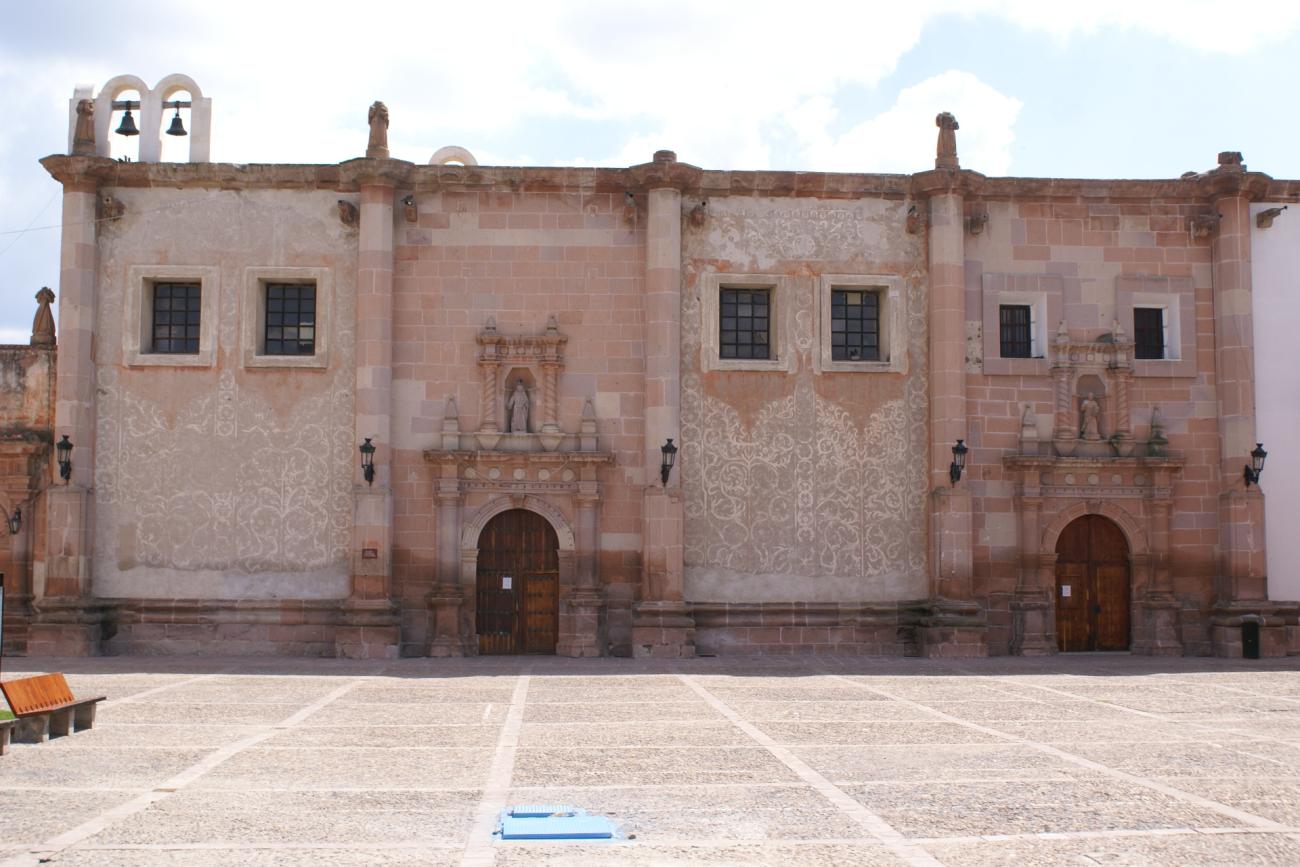
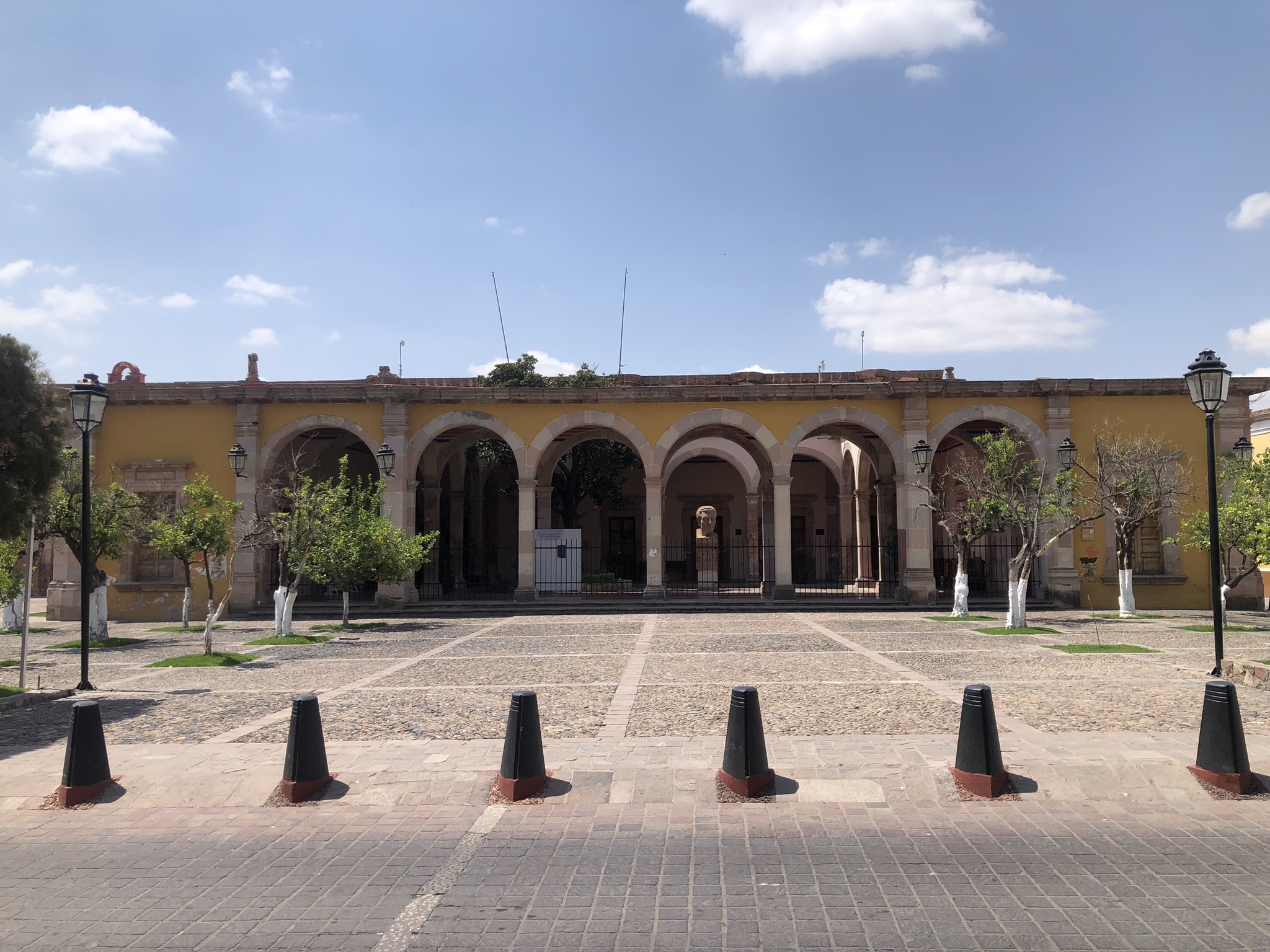
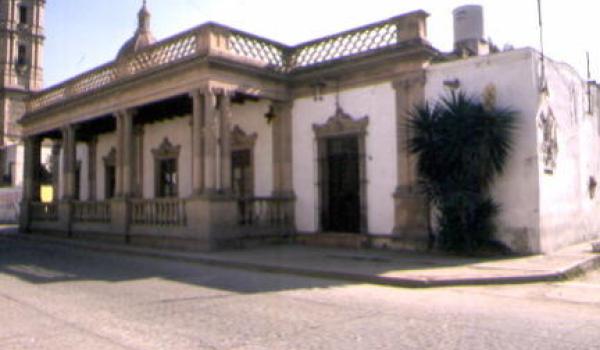
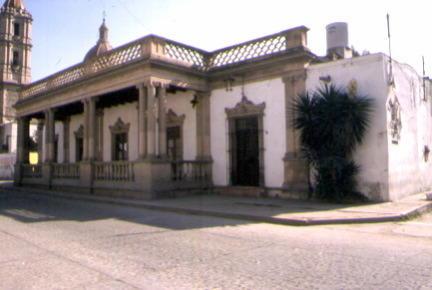
Escuela de Artes y Oficios " Miguel Leandro Guerra"
19th-century property. In 1843, Miguel Leandro Guerra arranged for his estate to be used to promote education, leading to the establishment of a primary school for girls. From 1963 onwards, it has housed the current School of Arts and Crafts.
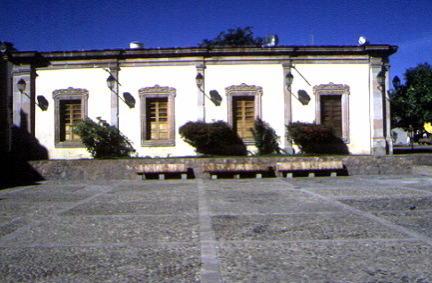
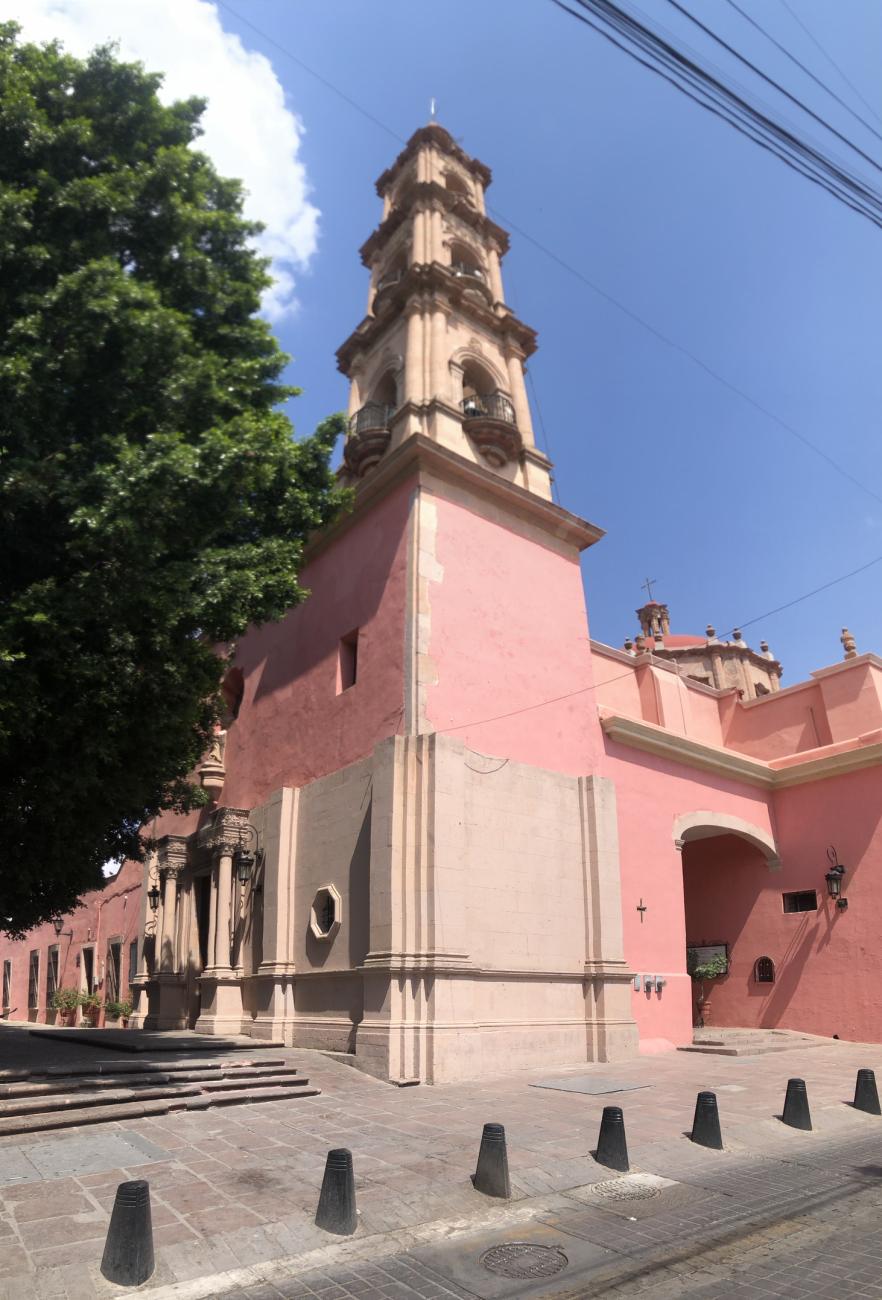
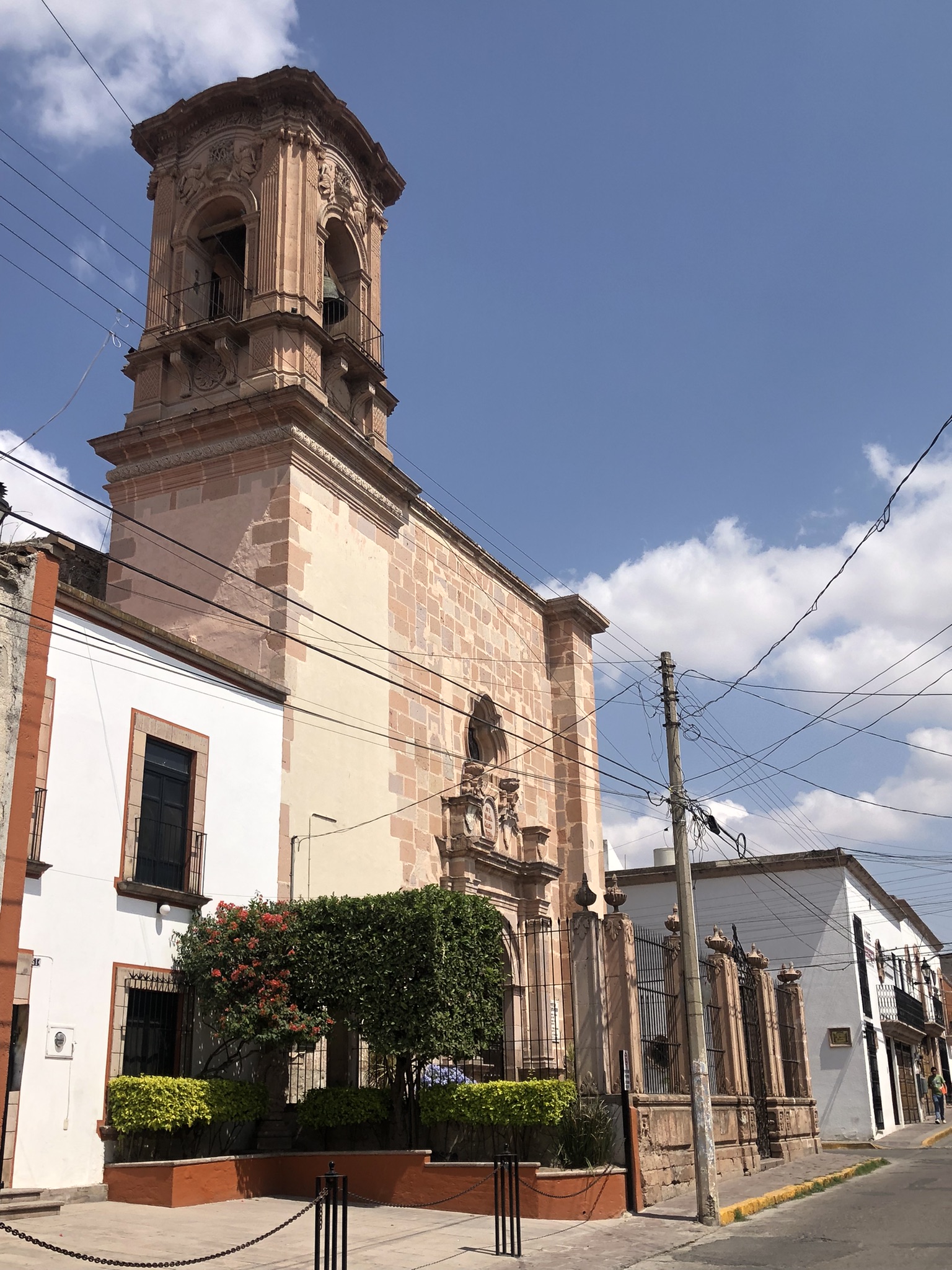
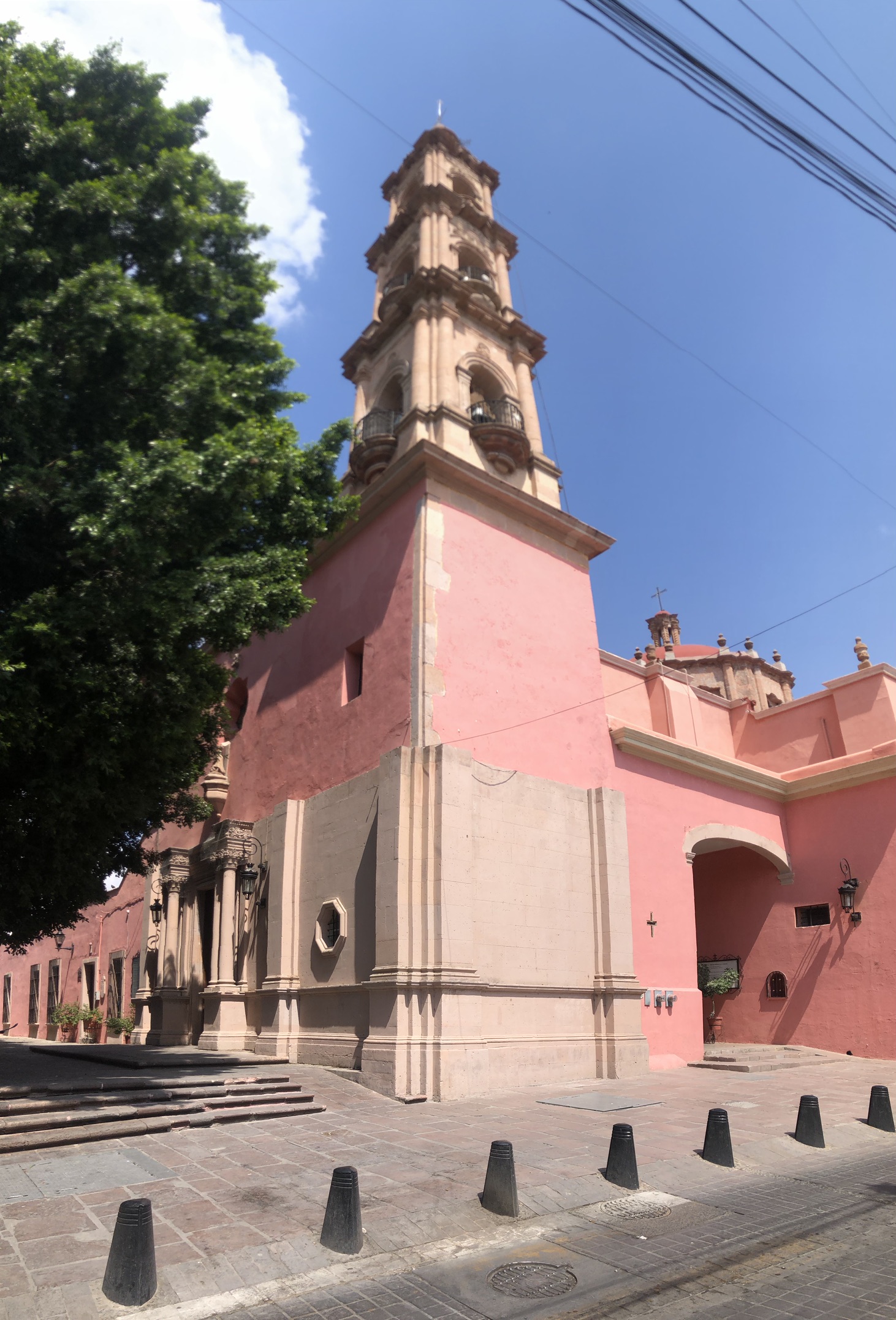
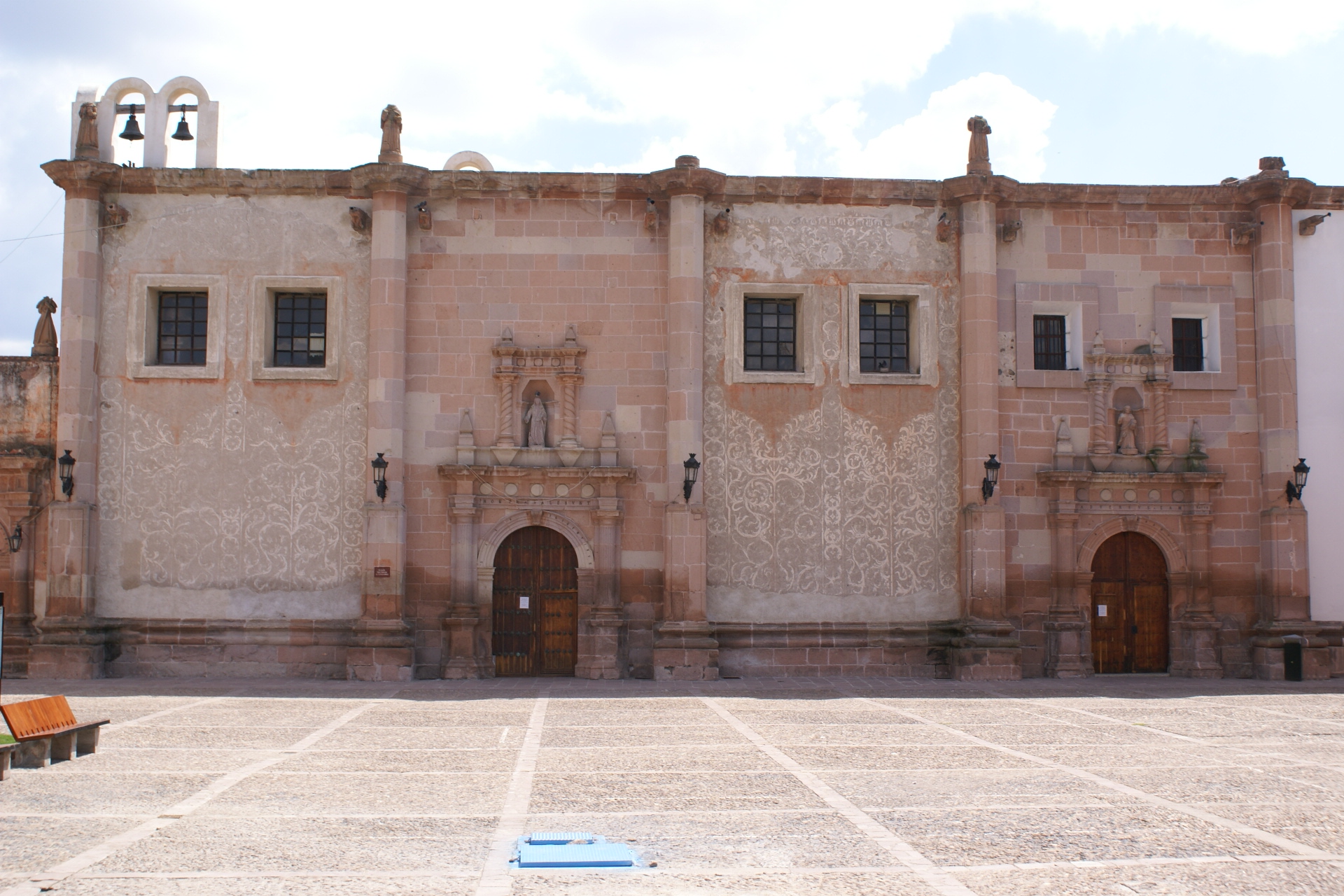
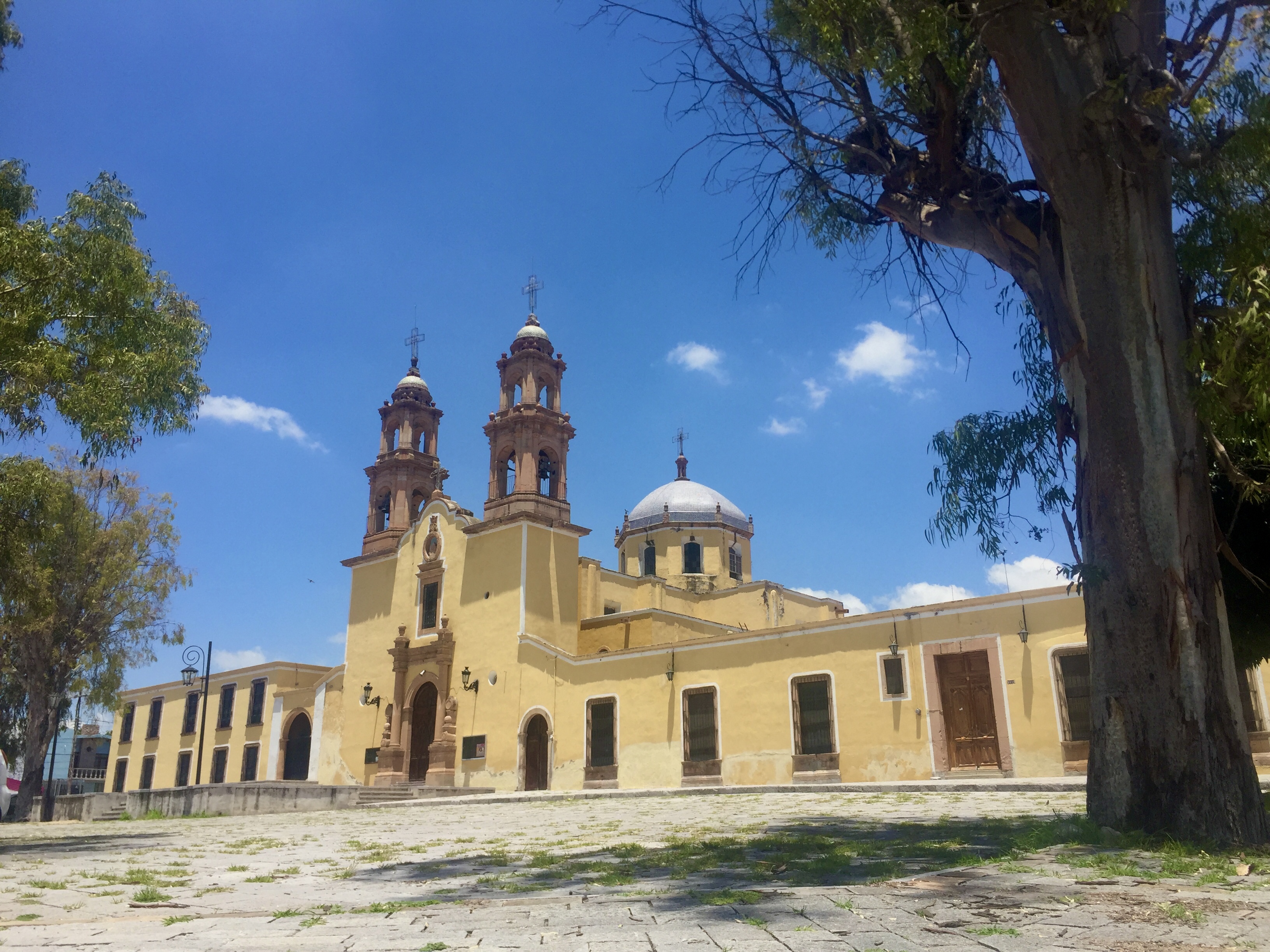
Templo de las Capuchinas
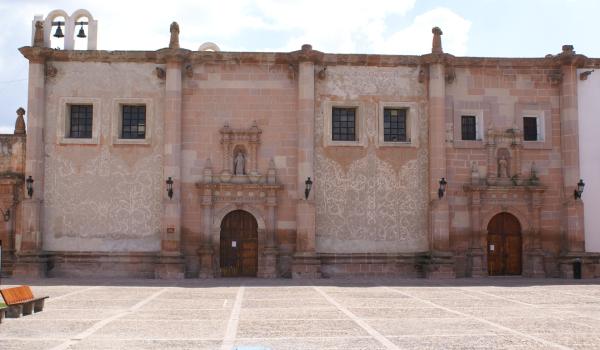
In 1741, the Franciscan priest Cervantes began the construction of a beaterio on the property of the young ladies Francisca and Teresa Manso de Zúñiga y Gallardo. In 1743, permission was granted for it to become a beaterio under the Capuchin Rule, which opened its doors to seven maidens.
Templo de las Capuchinas