
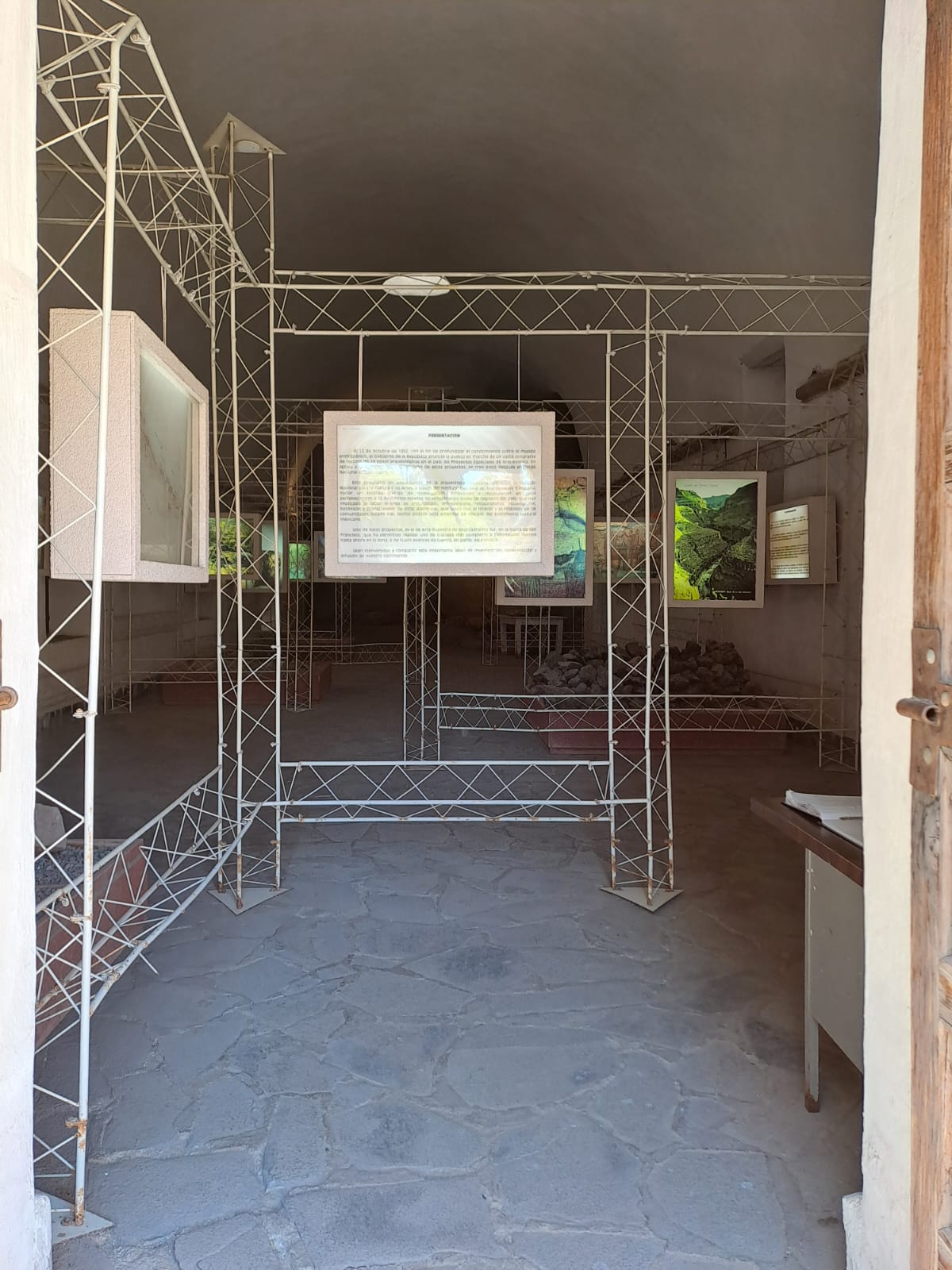
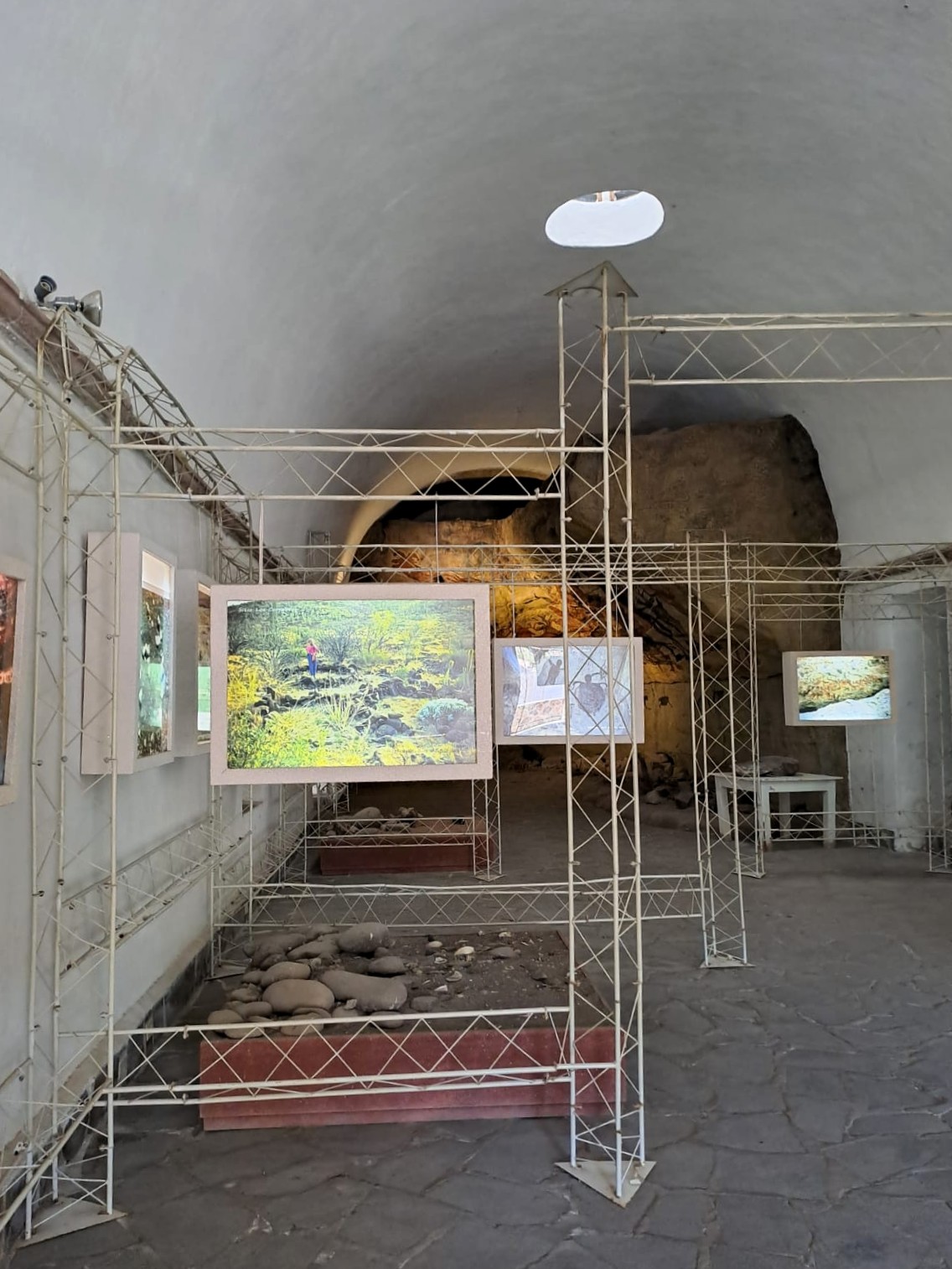
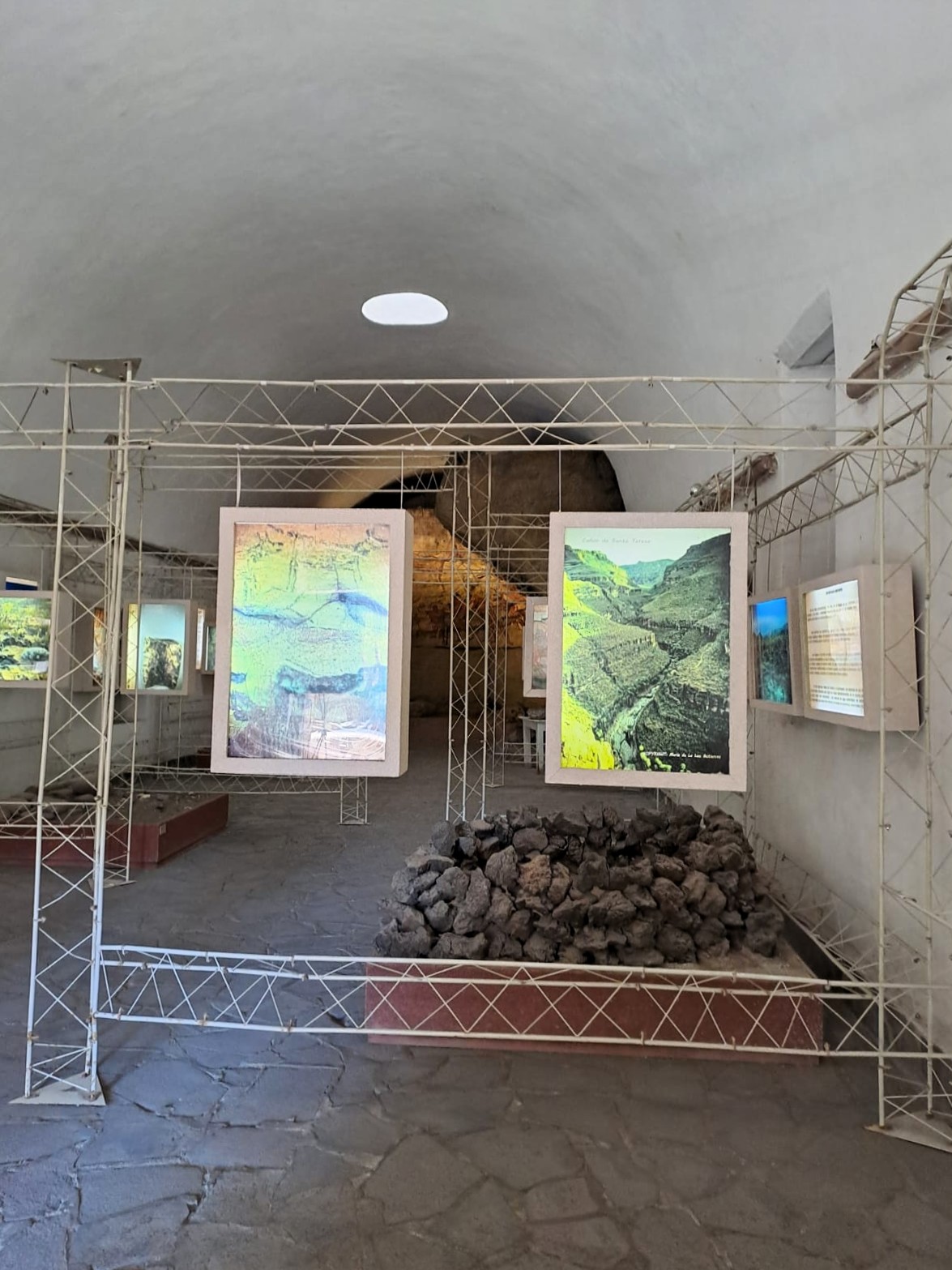






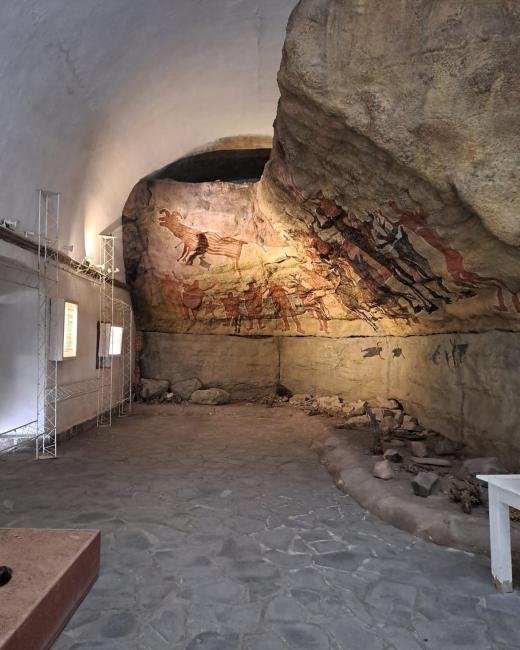


Sala Introductoria a la Zona Arqueológica de Sierra de San Francisco
It explains the geological evolution of the mountain range, its flora and fauna, as well as the characteristics of the groups of people who created these works of art. It also highlights the Great Mural Tradition, the techniques used to create the paintings, and the steps necessary for their preservation.
The Introduction Hall to the Sierra de San Francisco Archaeological Zone offers visitors a comprehensive overview of the natural, historical, and cultural heritage that characterizes this important region of the state of Baja California Sur. Through an accessible and educational museum experience, the space provides the knowledge necessary to understand the significance of the cave paintings before visitors embark on a tour of the various archaeological sites scattered throughout the mountain range.
One of the main themes addressed in the exhibition is the geological evolution of the Sierra de San Francisco. Through maps, illustrations, photographs, and informational materials, the exhibition explains how geological processes that occurred over millions of years gave rise to the canyons, plateaus, ravines, and rock formations that currently make up the landscape. It also describes the characteristics of the desert climate, the composition of the soils, and the environmental factors that have contributed to the extraordinary preservation of the cave paintings. The dry environment, low humidity, sparse precipitation, and the natural protection provided by the rock shelters have allowed these works of art to remain virtually intact over thousands of years.
The exhibition hall also devotes significant space to information about the region’s flora and fauna. It showcases the main plant species adapted to the extreme conditions of the desert, such as cardon cacti, cirio cacti, biznaga cacti, yucca plants, and various shrubs, as well as the region’s characteristic wildlife, including bighorn sheep, mule deer, pumas, coyotes, foxes, reptiles, and a wide variety of birds. The information highlights the close relationship that existed between these natural resources and the ancient communities that inhabited the mountains, as they depended on them for food, raw materials, shelter, and items used in their daily and ceremonial activities.
Another central theme of the exhibition focuses on the societies that created the cave paintings. Although questions remain about their identity and social organization, the gallery presents the main theories developed by archaeologists and anthropologists regarding the hunter-gatherer groups that inhabited the Baja California Peninsula for thousands of years. It explains their nomadic or semi-nomadic way of life, based on the seasonal use of natural resources, as well as their periodic movements between different ecosystems to ensure access to water, plants, and animals. It also describes their subsistence strategies, which included hunting deer, bighorn sheep, hares, and other species, as well as gathering seeds, fruits, roots, and various plant resources.
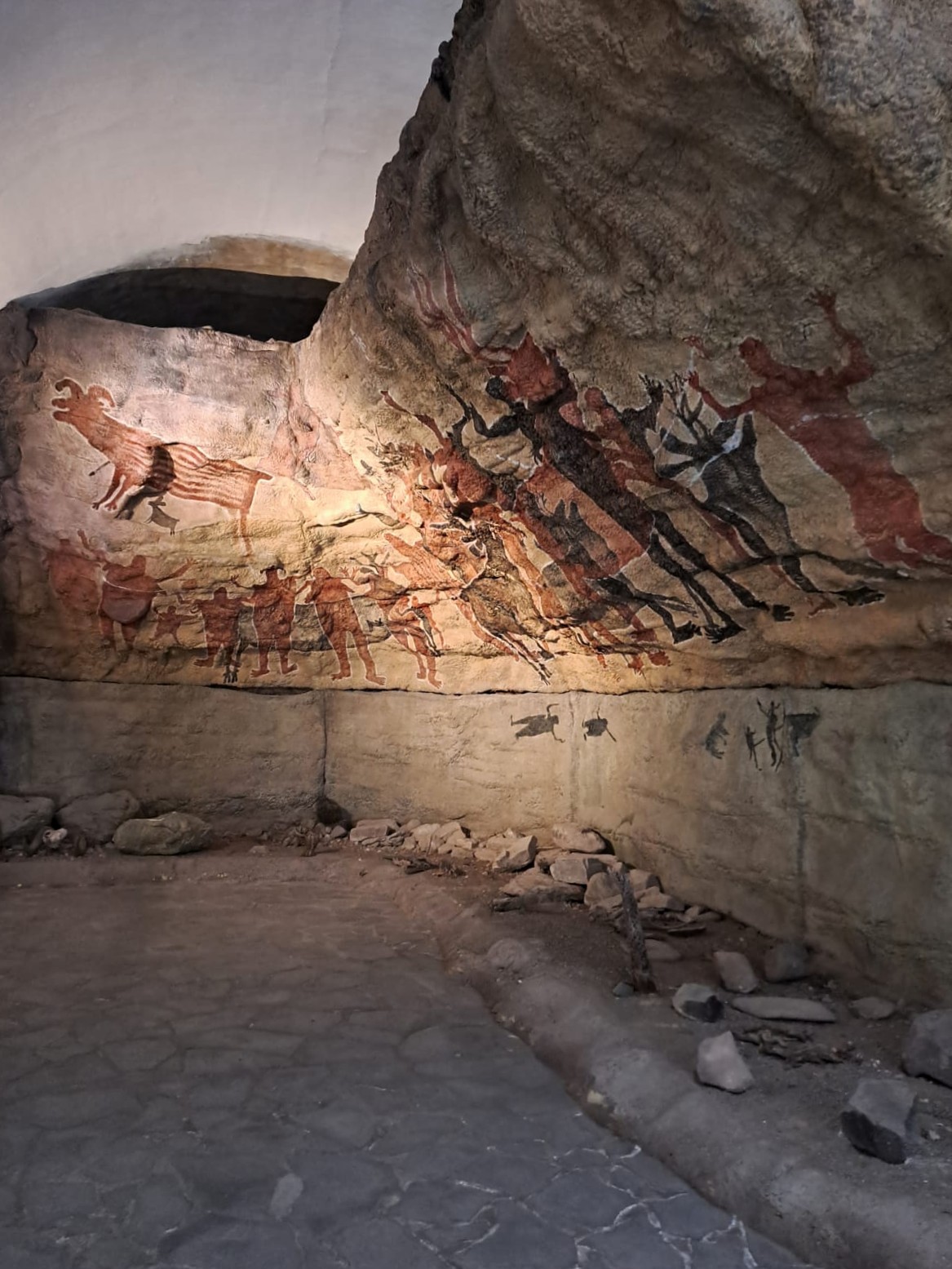
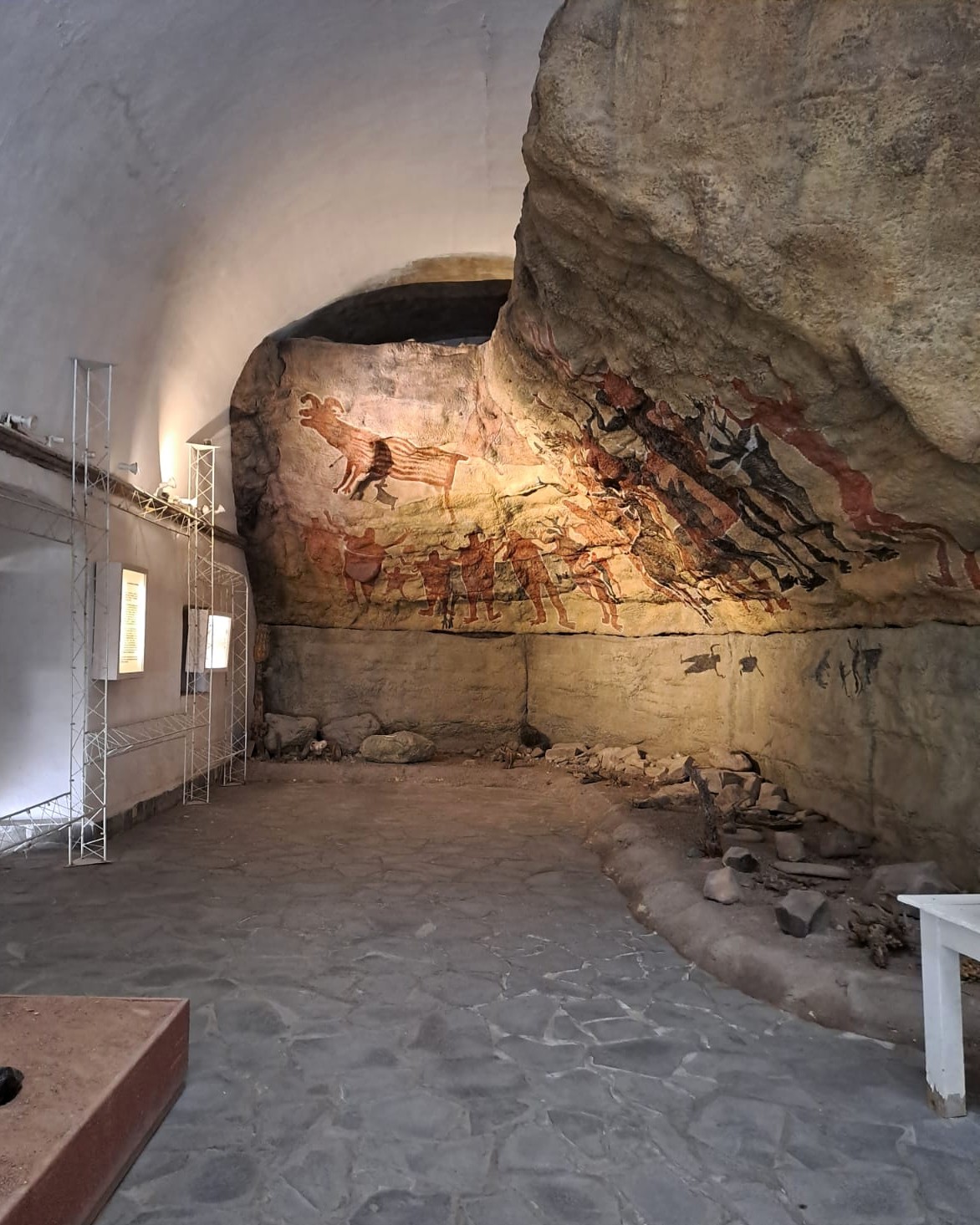
Special attention is given to the explanation of the so-called Great Mural Tradition, considered one of the most outstanding artistic expressions of American rock art. This concept encompasses a broad collection of monumental paintings distributed across various mountain ranges in the central part of the Baja California Peninsula, with the Sierra de San Francisco serving as its prime example. The works are distinguished by the large size of their figures—some several meters tall—as well as by the complexity of their compositions and the remarkable technical quality of their execution. They predominantly feature depictions of humans, deer, bighorn sheep, pumas, birds, fish, and other animals, rendered using red, black, white, and yellow mineral pigments that still retain a striking chromatic intensity.
The exhibition provides a detailed explanation of the techniques used to create these paintings. It describes how ancient artists obtained pigments from minerals found in the region, which were ground and mixed with various natural binders to produce paints resistant to environmental conditions. It also presents the possible tools used to apply the paint to the rock, as well as hypotheses about the meaning of the images, which may have been related to religious ceremonies, fertility rituals, hunting activities, shamanic practices, or forms of symbolic communication among different communities.
In addition to its archaeological content, the Introductory Gallery encourages deep reflection on the importance of preserving both the cultural and natural heritage of the El Vizcaíno Biosphere Reserve, a protected natural area that is home to a significant number of sites with cave paintings. The exhibition explains that the conservation of this environment is essential to ensuring the preservation of the archaeological remains and the ecosystem that provides their context. For this reason, a culture of respect is fostered through recommendations for visitors, such as avoiding touching the paintings, refraining from making graffiti or inscriptions on the rocks, staying on authorized trails, not removing natural materials, and following the instructions of specialized guides throughout the tour.
Another key aspect addressed in the gallery concerns the research, documentation, and conservation work carried out by INAH specialists. The exhibition presents the methods used to record the paintings through high-resolution photography, topographic surveys, georeferencing systems, digital models, and other technological tools that make it possible to document their state of preservation. It also describes the ongoing monitoring programs designed to identify deterioration processes caused by natural erosion, temperature fluctuations, occasional humidity, the growth of microorganisms, and human activities. This information helps visitors understand the enormous complexity involved in protecting archaeological heritage located in remote and hard-to-reach areas.
Finally, the Introduction Hall serves an important function as an orientation center for those who wish to explore the caves and rock shelters where the paintings are located. This space provides information on authorized trails, terrain conditions, the duration of the hikes, requirements for entering the various areas, the need to hire certified guides, and the safety measures that must be observed throughout the visit. Because many of the sites can only be reached by long hikes or mule rides across rugged terrain, the information provided allows visitors to properly plan their experience and understand the importance of undertaking the journey responsibly, safely, and with respect for the cultural and natural heritage preserved by the Sierra de San Francisco.
- Dirección del Centro INAHAlfredo Feria Cuevasalfredo_feria@inah.gob.mx+52 (612) 122 7389Delegado Centro INAHMaría de la Luz Gutiérrez Martínezluz_gutierrez@inah.gob.mx+52 (612) 123 0399


