








Museo Histórico Casa de Allende
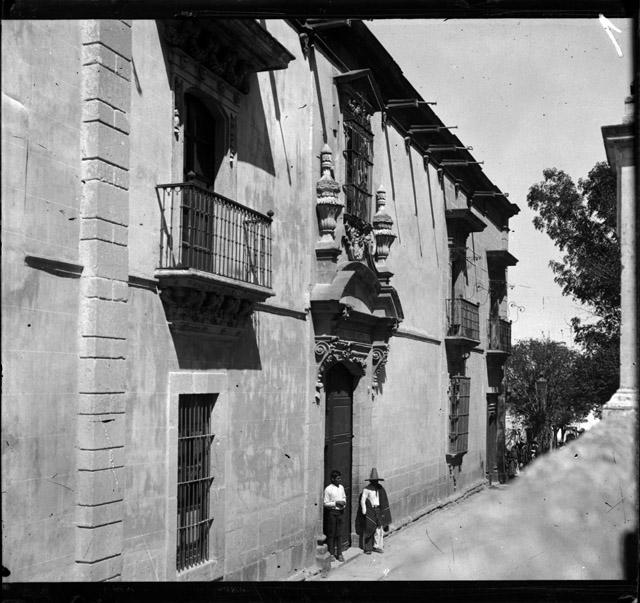
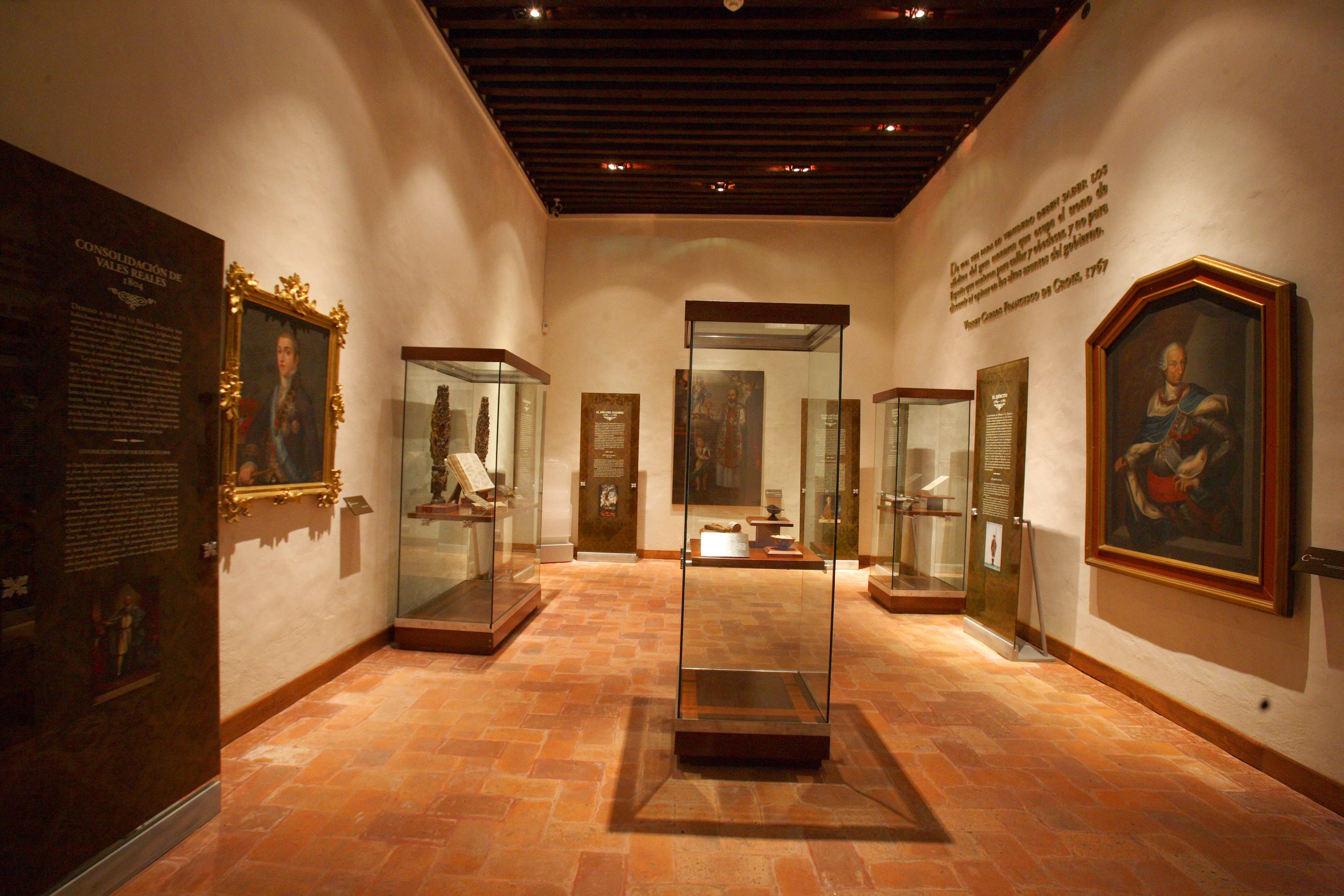
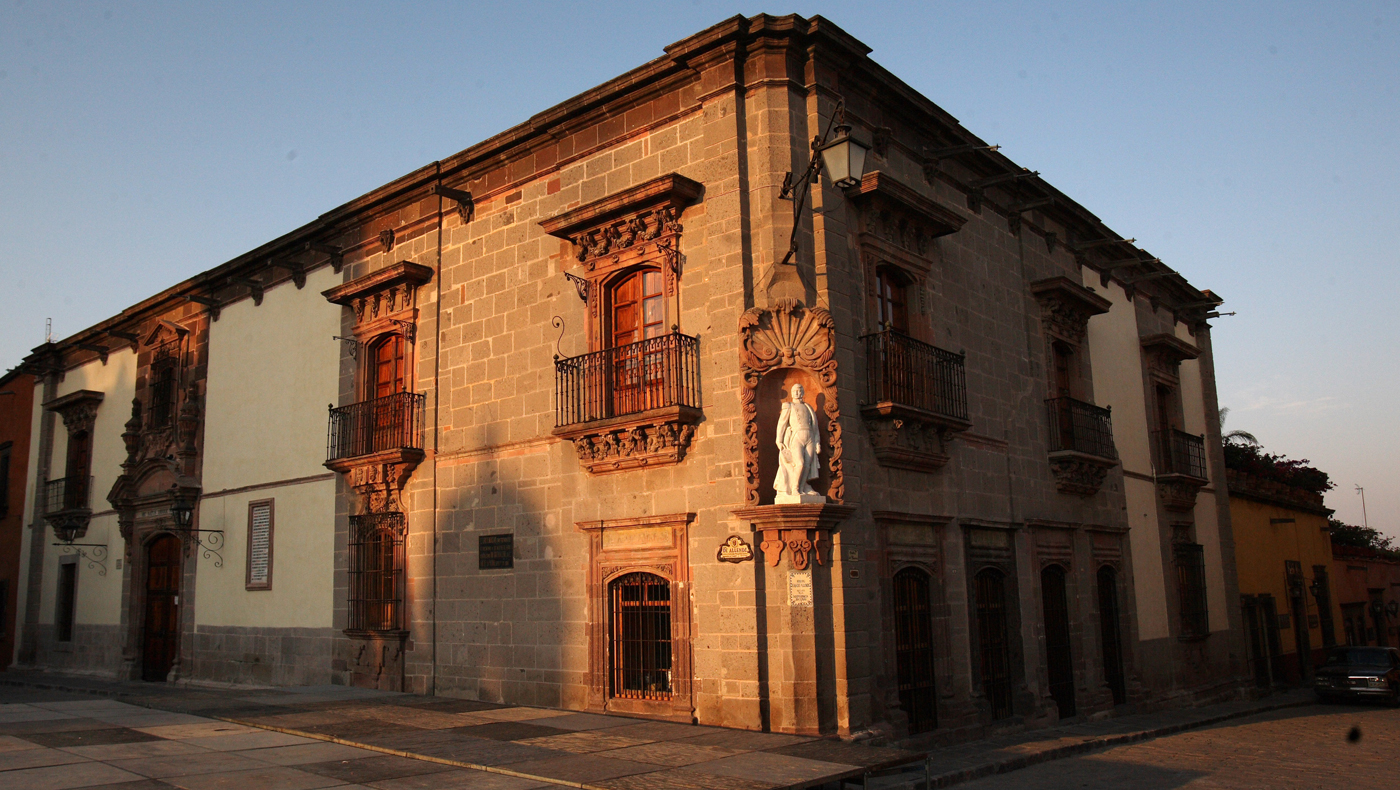
This museum occupies the former residence of Don Ignacio Allende and his parents: a prosperous family at the end of the viceregal period. With its collection of original items, loans from major museums from around Mexico, and a modern design, this space offers a comprehensive overview of this important figure and the history of the War of Independence.
The museum pays tribute to Don Ignacio Allende y Unzaga, the hero of Mexico’s independence movement, within the context of the town of San Miguel el Grande and the viceregal period. Inaugurated in February 1990, the museum is housed in the former residence of one of the major players in the first stage of the War of Independence. It was the first museum to be restructured by the National Institute of Anthropology and History (INAH) as part of the celebrations marking the Bicentenary of Independence in 2010.
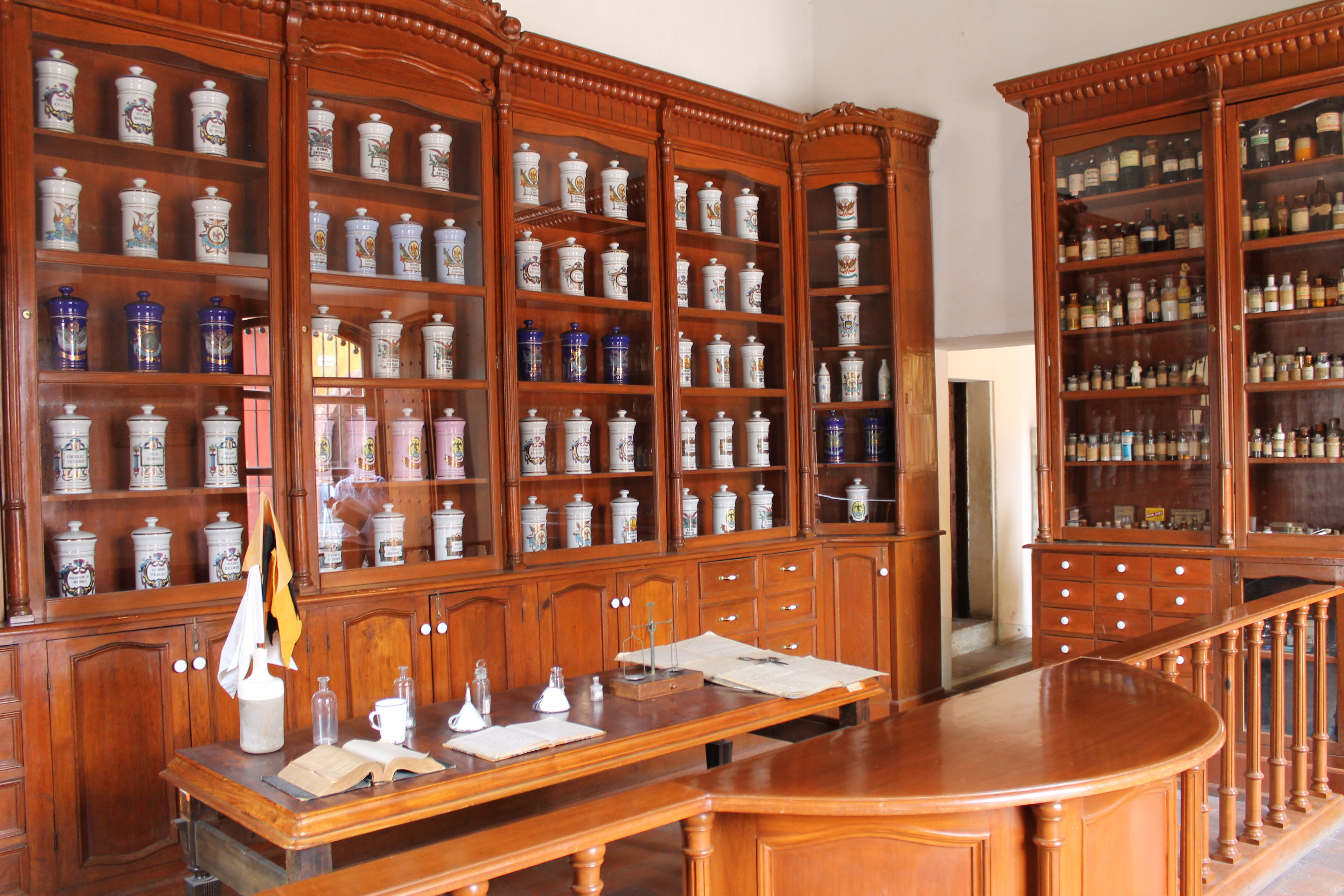
Visitors to this museum will learn about the history of the town of San Miguel el Grande during the sixteenth, seventeenth and eighteenth centuries, with exhibition designs including a “pulpería”—the name given to food stores two centuries ago—and the Botica del Sagrado Corazón, a pharmacy that was still open on the same site until 1979. Emphasis is also placed on the Bourbon Reforms, whose excessive and unfair taxes stoked generalized unrest among the population of New Spain as a prelude to the great struggle for freedom; some spaces in the house have been recreated as they would have been used on a daily basis during Allende’s life (rooms, bedrooms, prayer chamber, kitchen and stables), to give a sense of how a wealthy Criollo family lived in the early nineteenth century. The life of Ignacio Allende himself is described with information about his birth, family, descendants, the start of the War of Independence when the plans were discovered, the disagreements with Don Miguel Hidalgo, and Allende’s eventual capture, trial and execution.
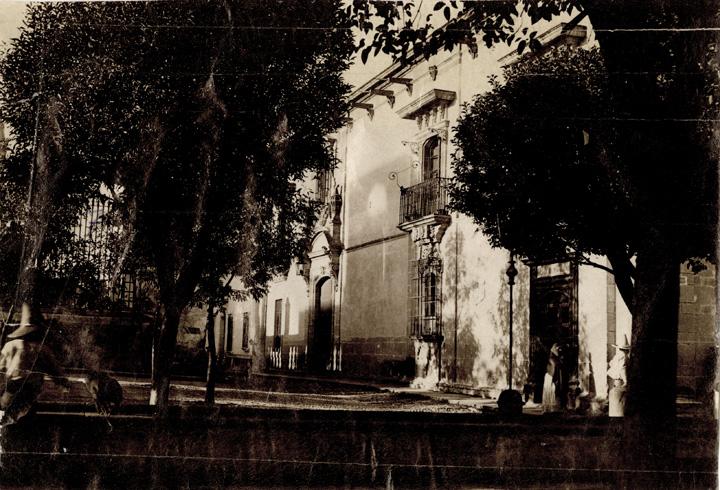
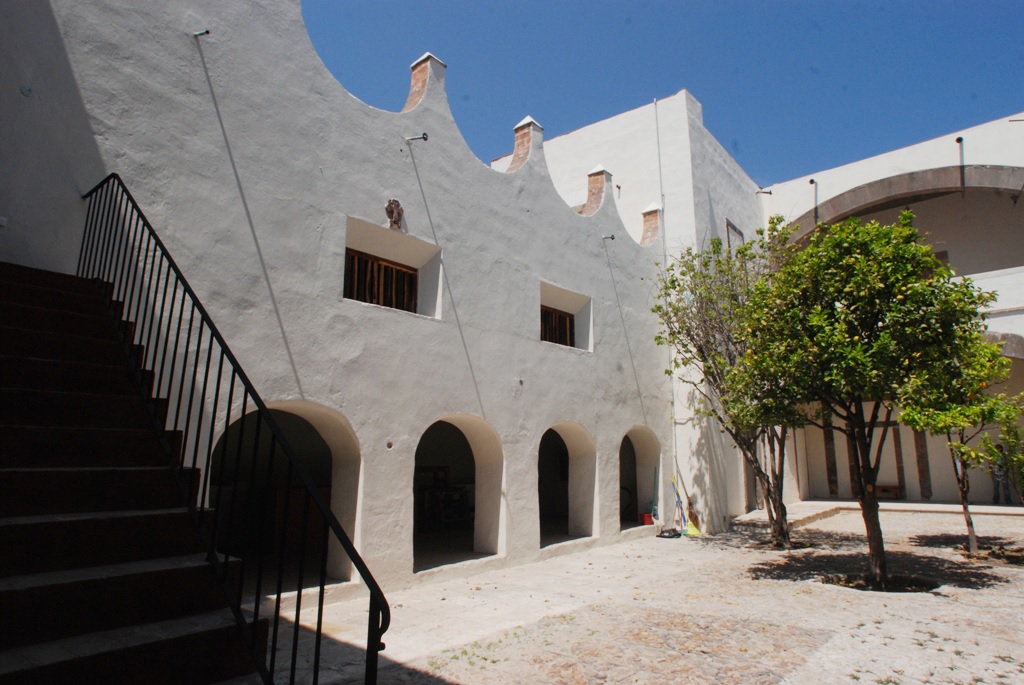
The independence hero’s father, Domingo Narciso de Allende, ordered the construction of this residence in 1769 as a wedding gift for his wife María Ana Unzaga and the house was probably finished in 1785. During the War of Independence, the house was confiscated by the viceregal government, but at the end of the conflict it was returned to its owners, before it was later sold to new private owners. In 1976 it was acquired by the Guanajuato state government, which in turn ceded it to the INAH in 1984 to turn it into a historical museum. A process of architectural restoration and a new exhibition design began in 2008.
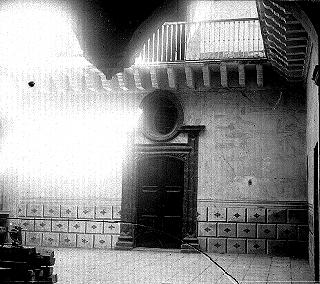
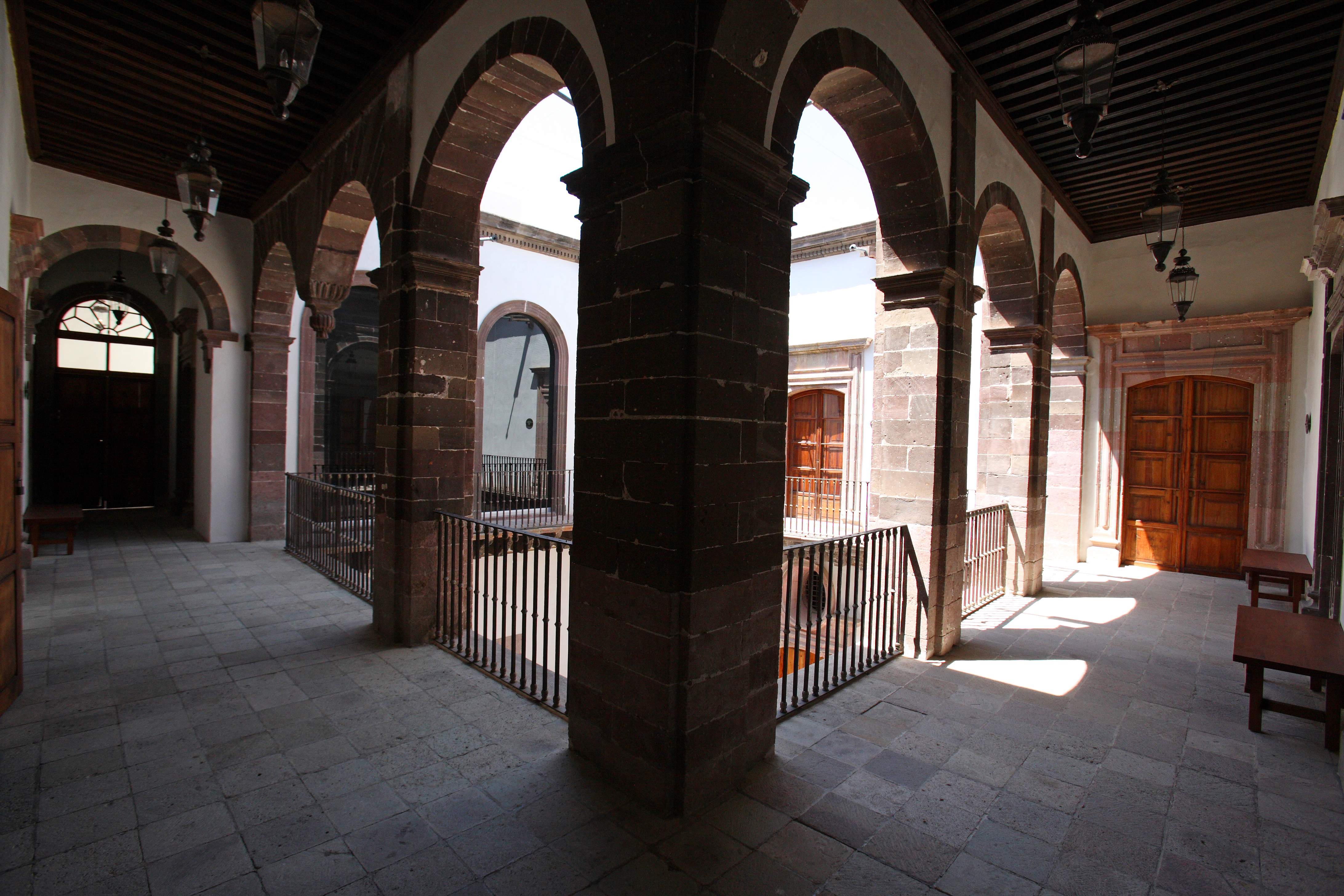
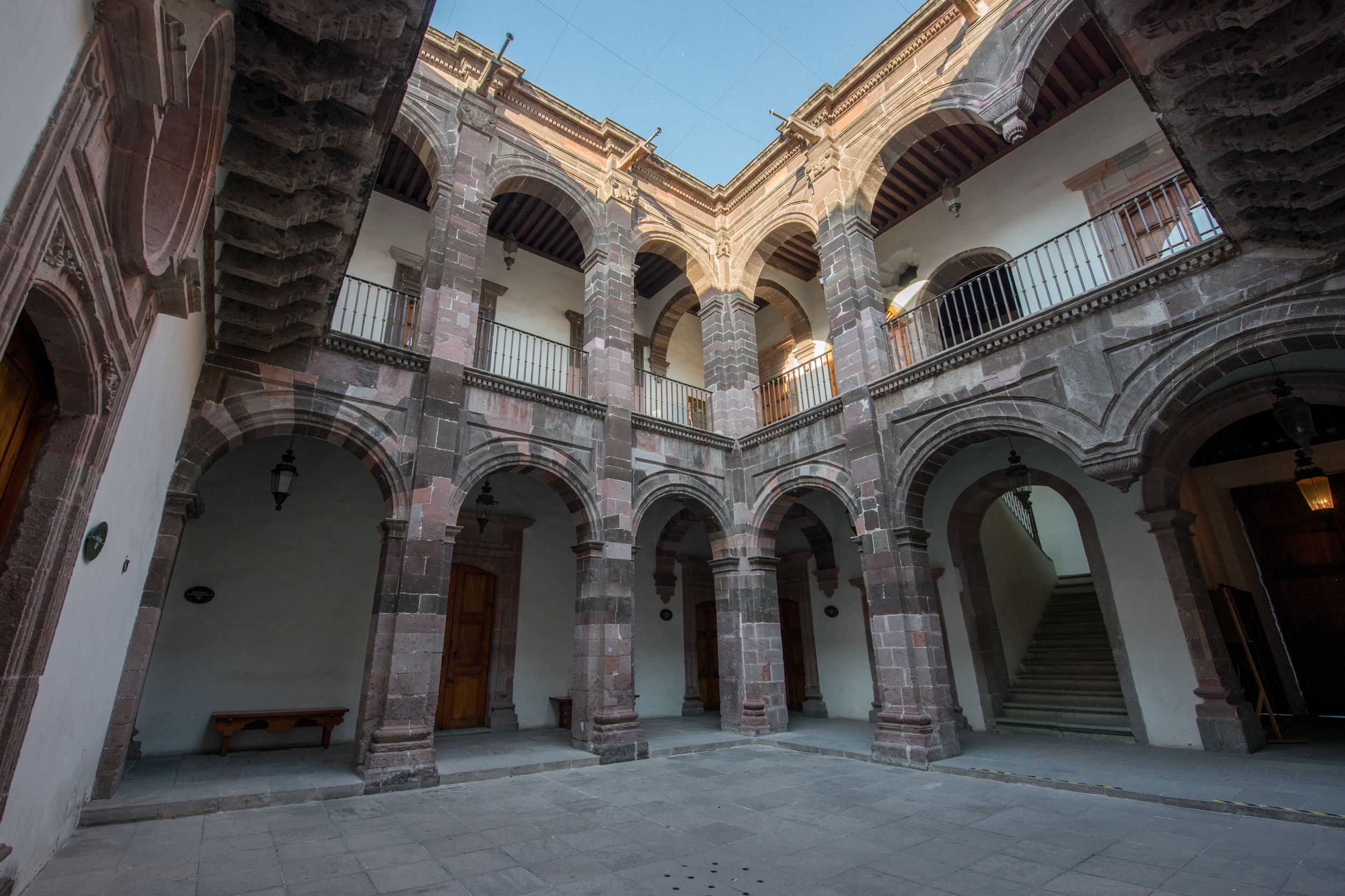
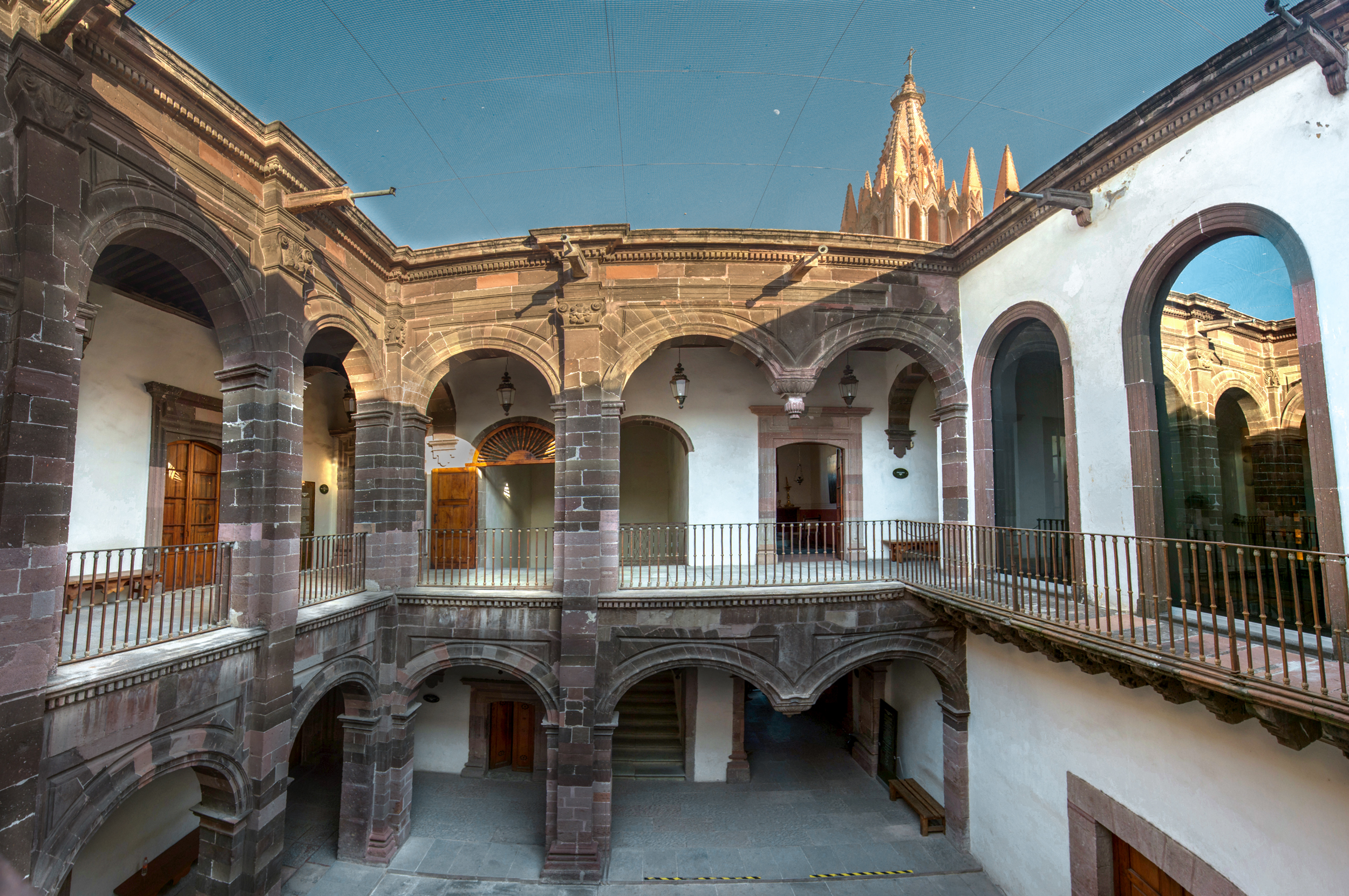
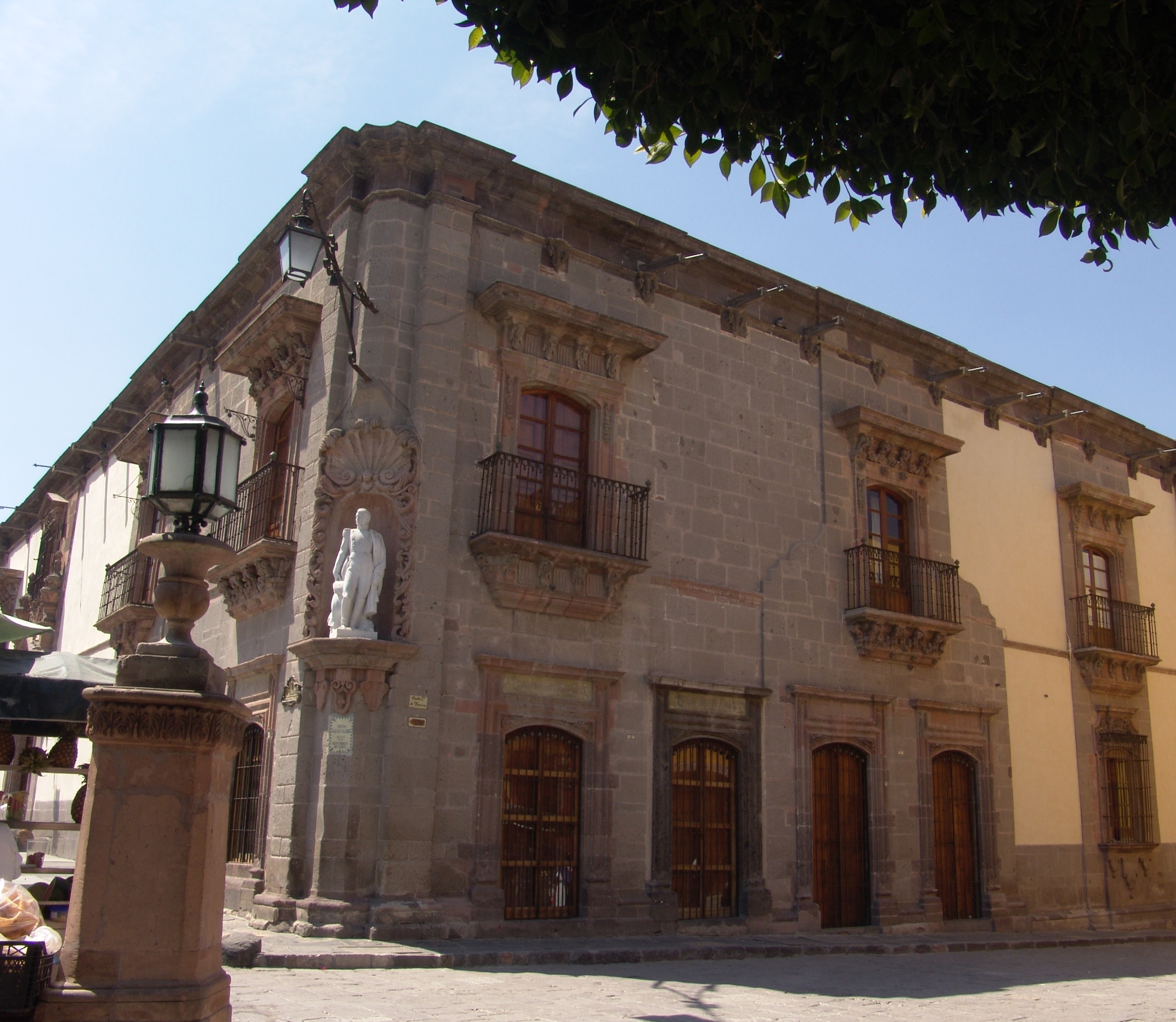
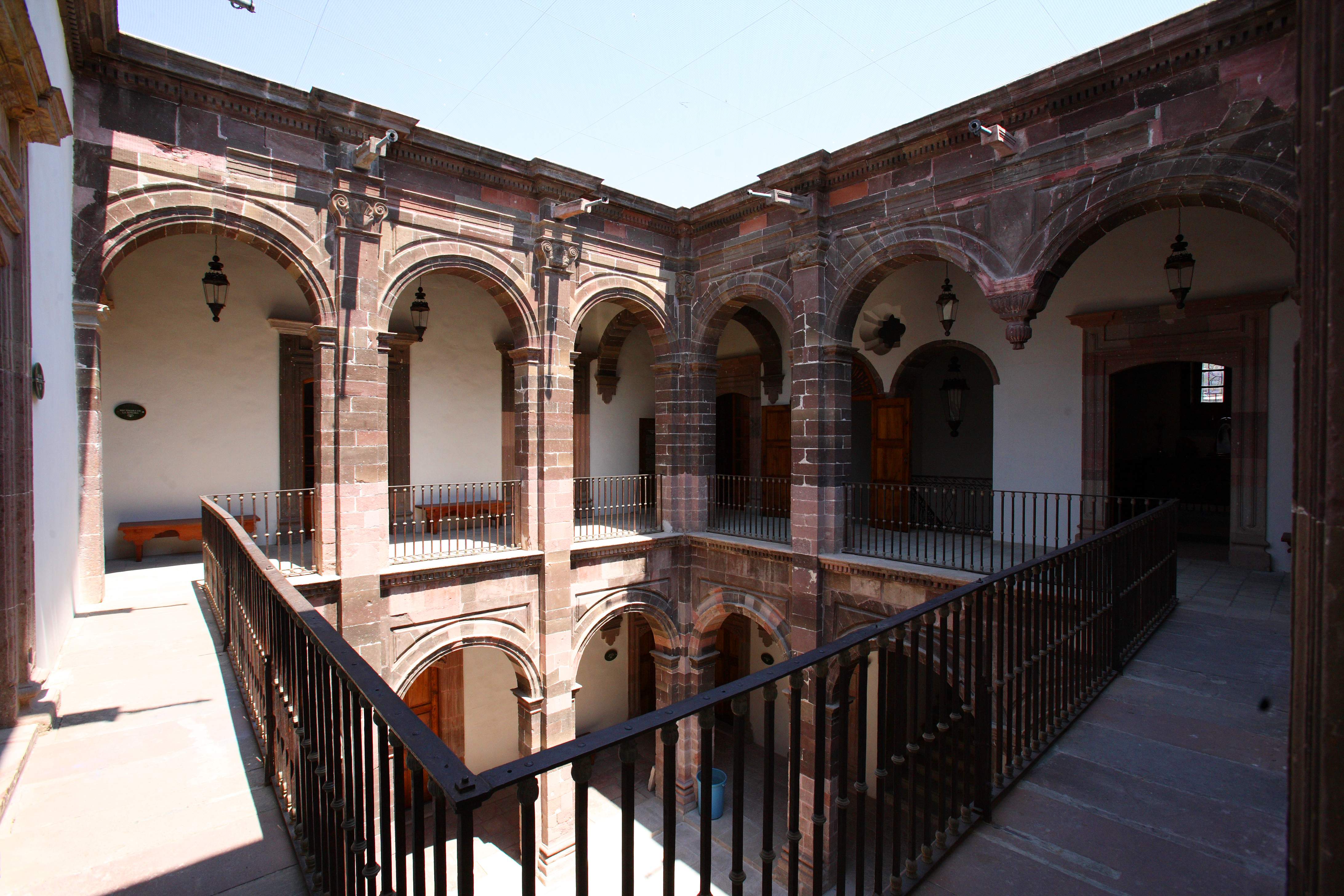
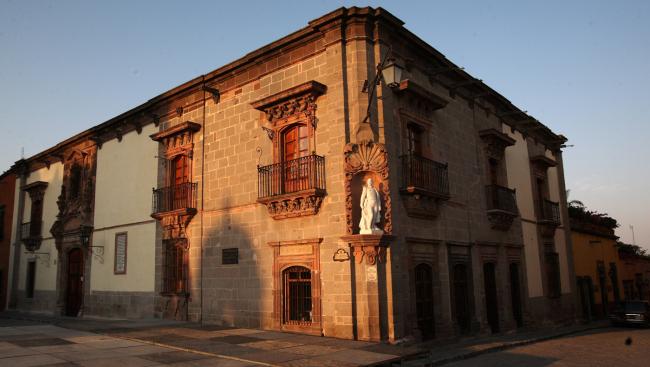
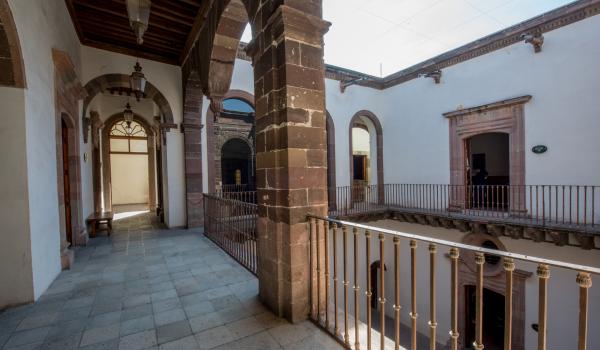
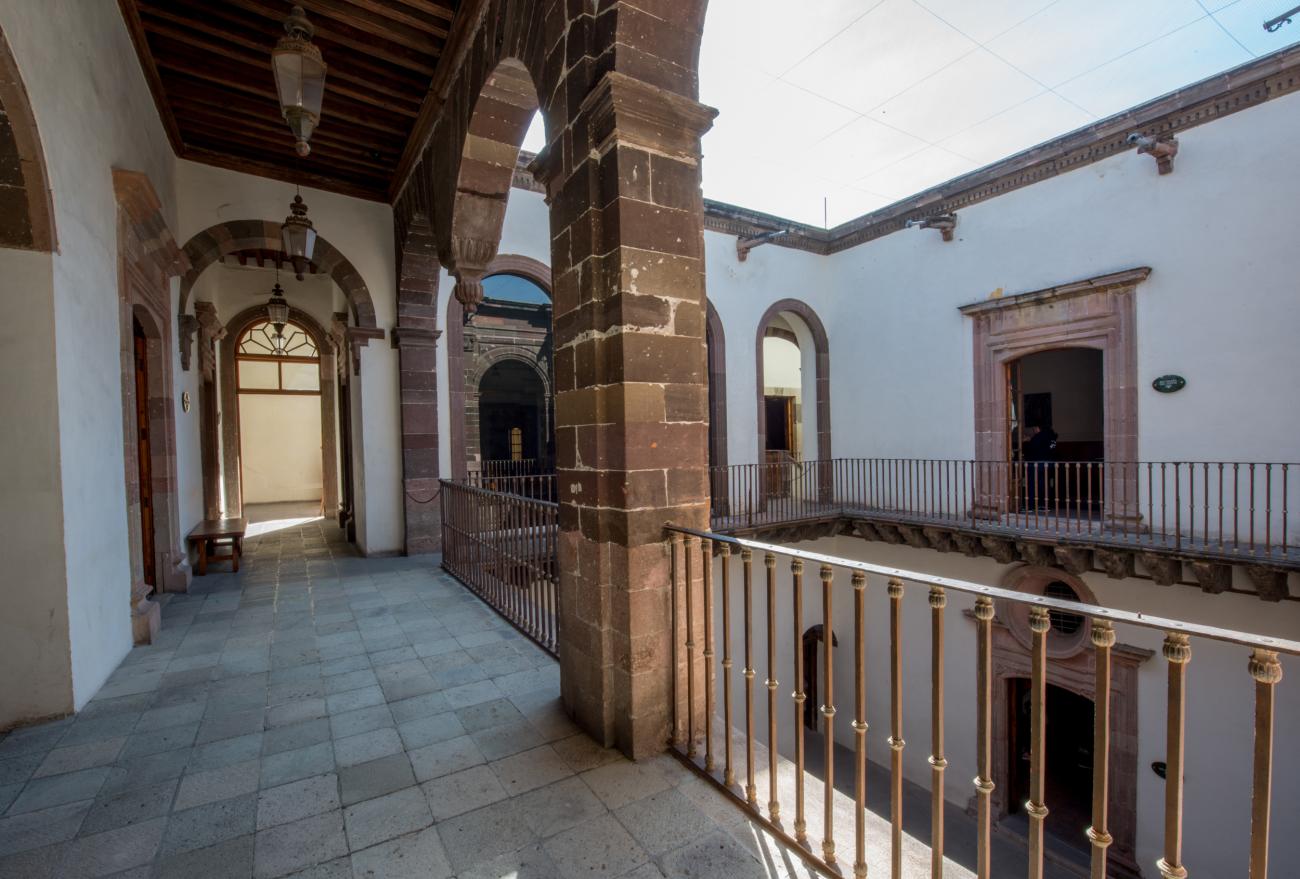
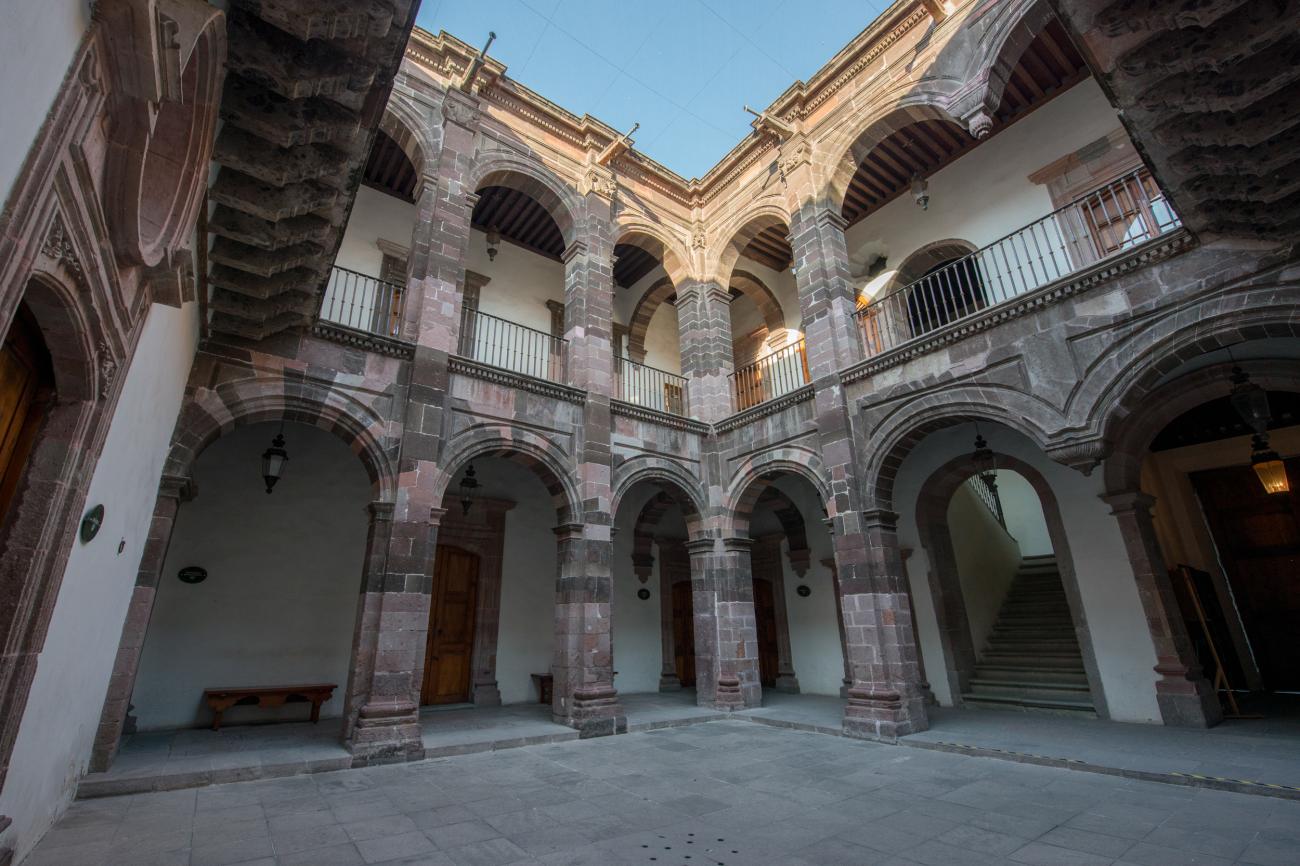
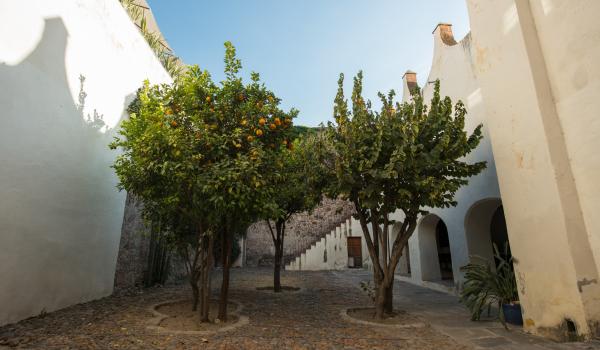
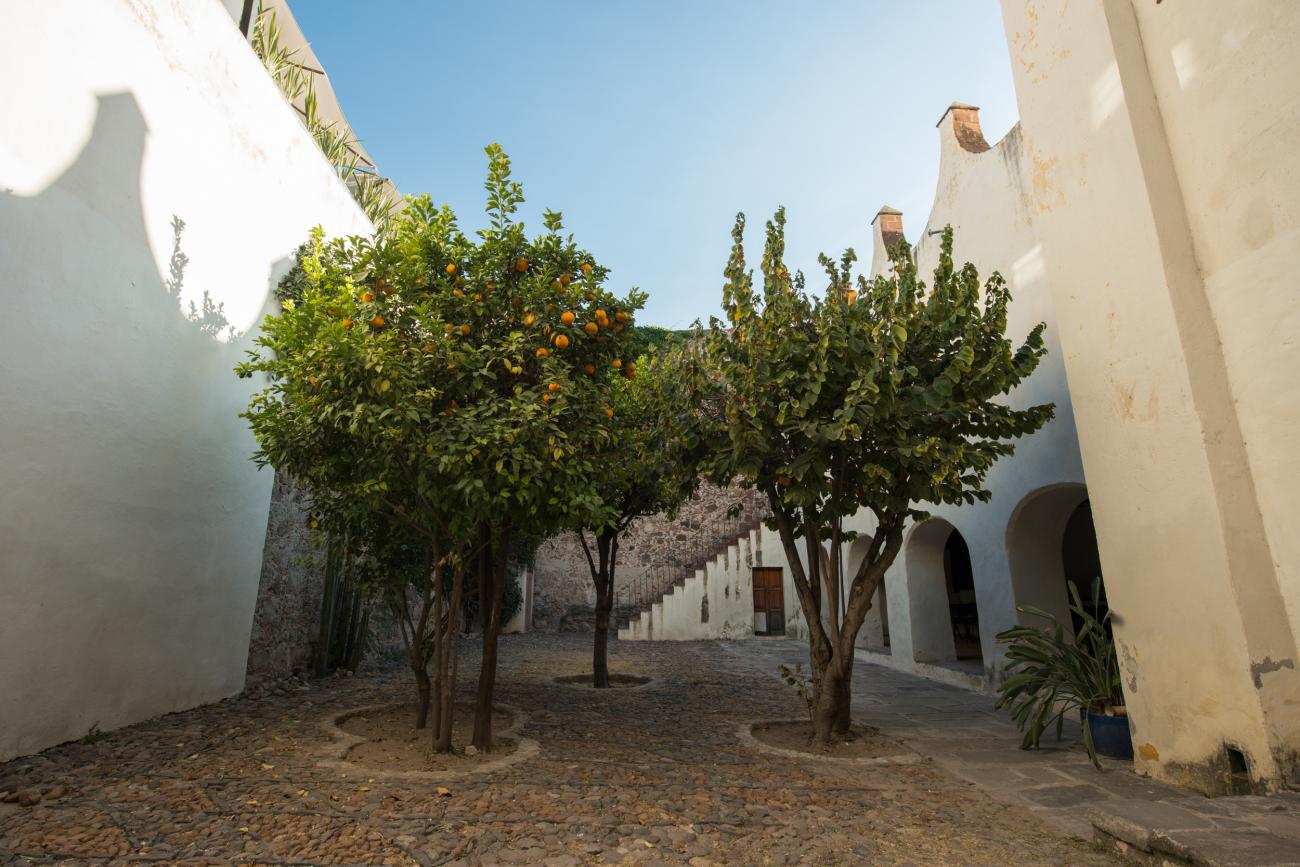
This mid-eighteenth-century residence of New Spain is a harmonious blend of Baroque and Neoclassical architecture, revealing the beauty of period civil architecture of the period and the fleeting years of prosperity enjoyed in New Spain during the final decades of the 1700s. The facade, mainly built of gray “cantera” stone, contrasts with the pink cantera frames of its Baroque balconies, each one different and lavishly decorated. The arcade on the main patio stands out for an arch which is missing a column, giving the impression that it is floating; this is not only an aesthetically interesting feature but also served the practical purpose of allowing carriages to pass underneath.
The museum holds 1,047 items, and most of this collection was created with the new restoration work and consists of originals and reproductions of easel paintings, documents, sculptures, domestic objects, decorative art work, silverwork, textiles, horse-riding accessories for the sport of “charrería,” products related to the "estanco" stores operated as a state monopoly by the viceregal government, religious artefacts, flags, furniture, musical instruments, table linens, toys and weapons. This array of objects comes from Mexico’s national archives (Archivo General de la Nación), the historical archives of the Casa de Morelos in Morelia, the INAH’s National Viceregal Museum, the National Museum of Anthropology and other museums and collections.
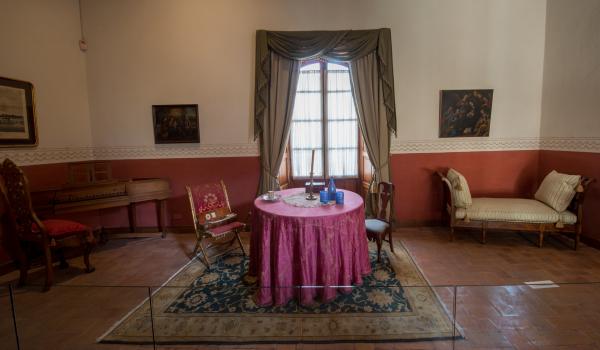
Assistance Room
This was the space for informal gatherings with friends and relatives, where afternoons unfolded for families in New Spain. Mothers and daughters would embroider and perhaps decorate a miniature house resembling their own.
Assistance Room
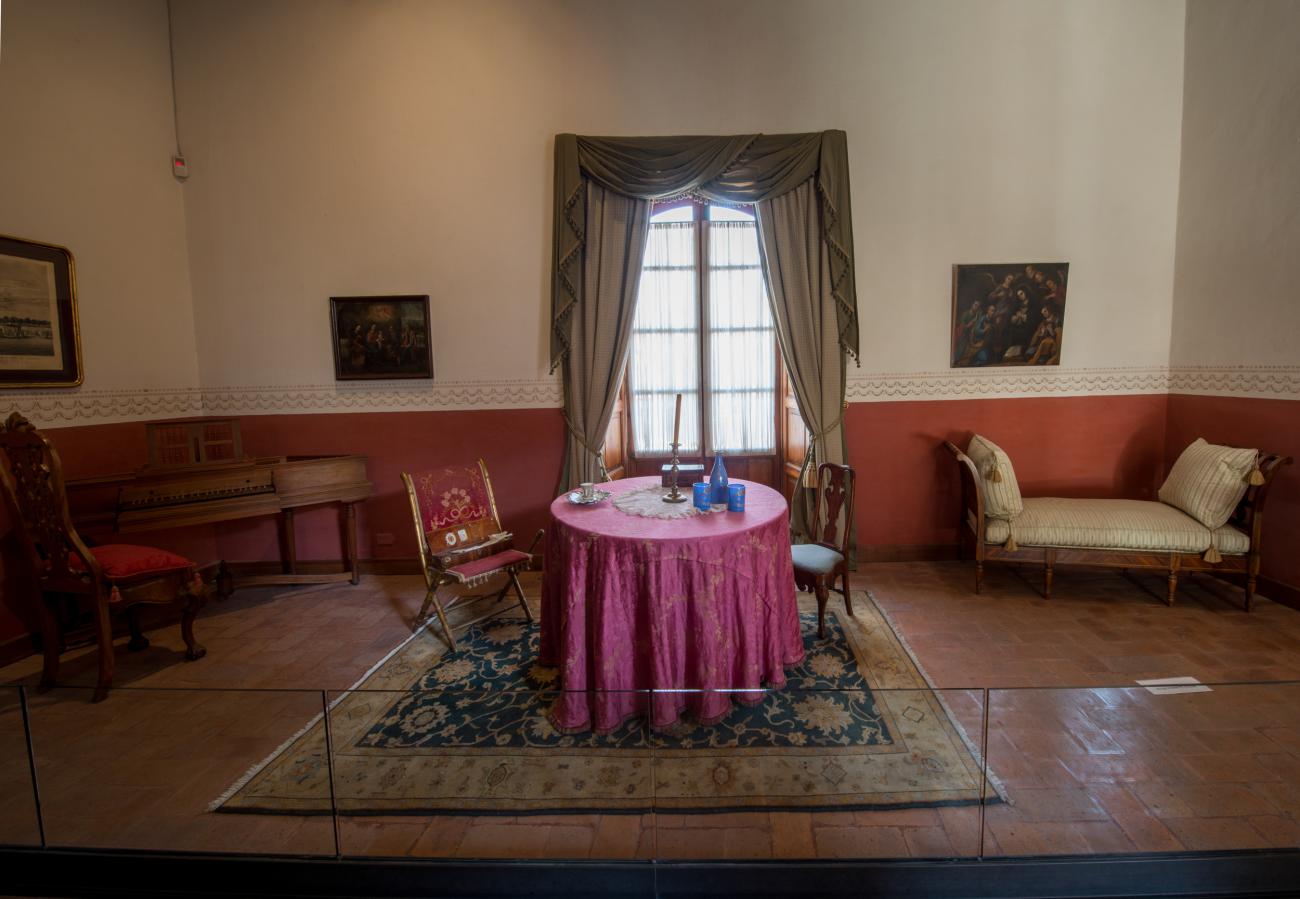
This was the space for informal gatherings with friends and relatives, where afternoons unfolded for families in New Spain. Mothers and daughters would embroider and perhaps decorate a miniature house resembling their own. As a pastime, they might play the guitar, vihuela, mandolin, or harpsichord, read aloud, and engage in the art of conversation.
Estrado Room
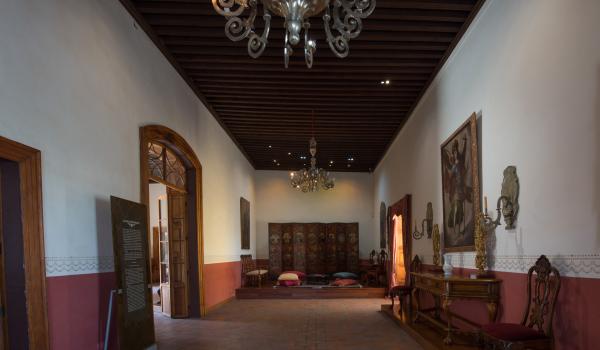
This was the most luxurious room in the house, where the most distinguished guests were welcomed and honored. Its name comes from the wooden platforms—estrados—that were placed on the floor.
Estrado Room
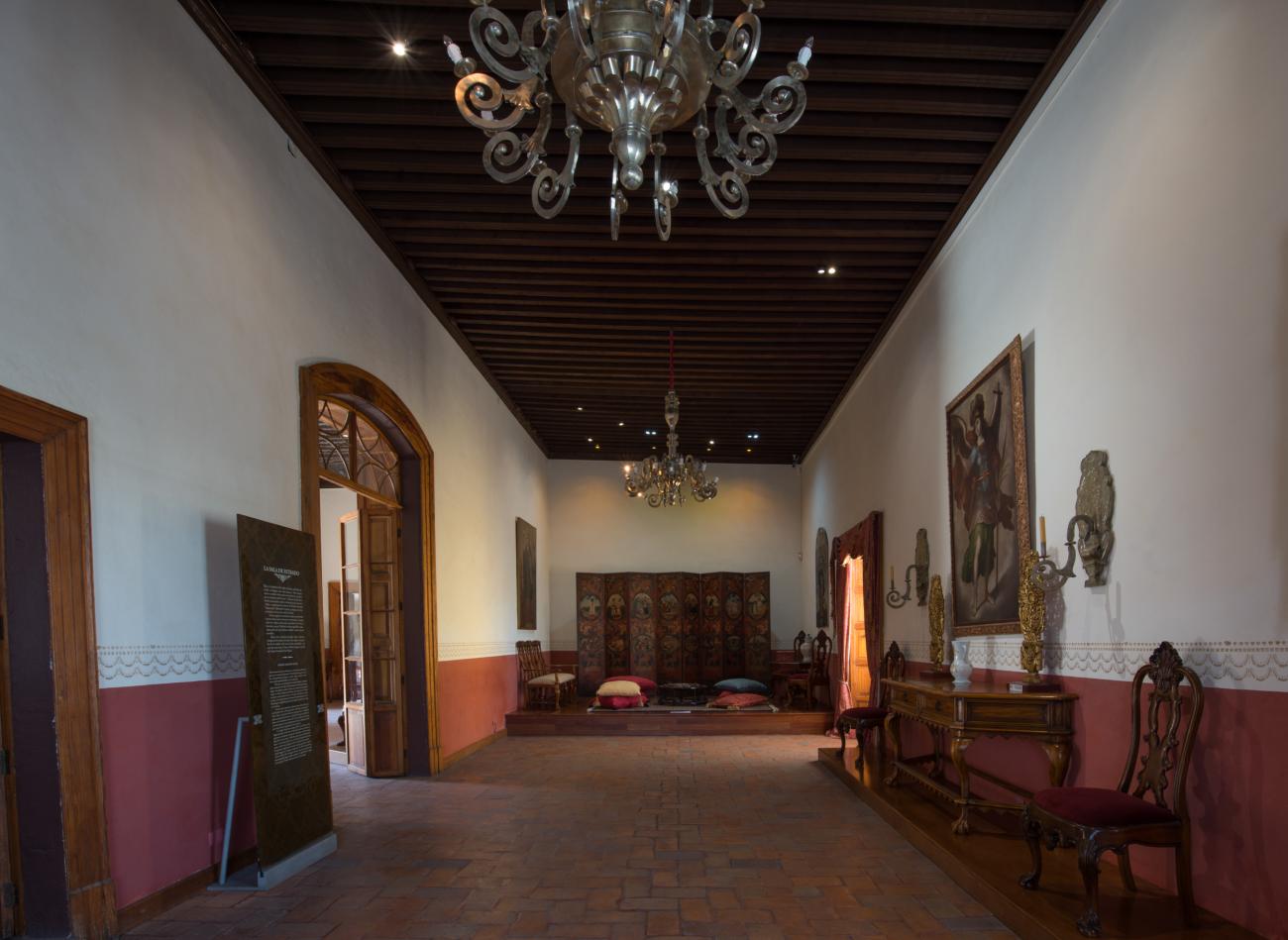
This was the most luxurious room in the house, where the most distinguished guests were welcomed and honored. Its name comes from the wooden platforms—estrados—that were placed on the floor.
Women would gather here to embroider and enjoy chocolate, while men entertained themselves with card games, accompanied by snacks, aguardiente, and cigars. It was in a room like this where a meeting of the secret junta of San Miguel is believed to have taken place.
Antechamber
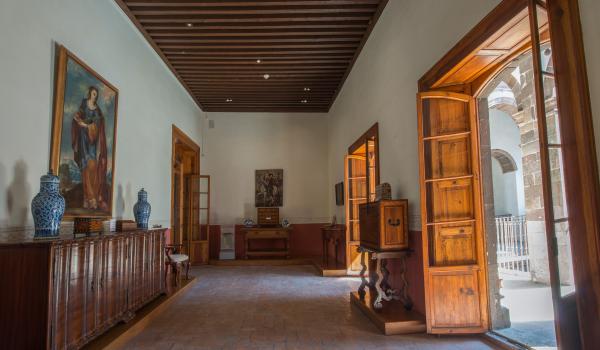
In 18th-century New Spain, few homes had a designated dining room. Meals were typically shared in the kitchen, bedrooms, antechamber, or any other convenient space in the house.
Antechamber
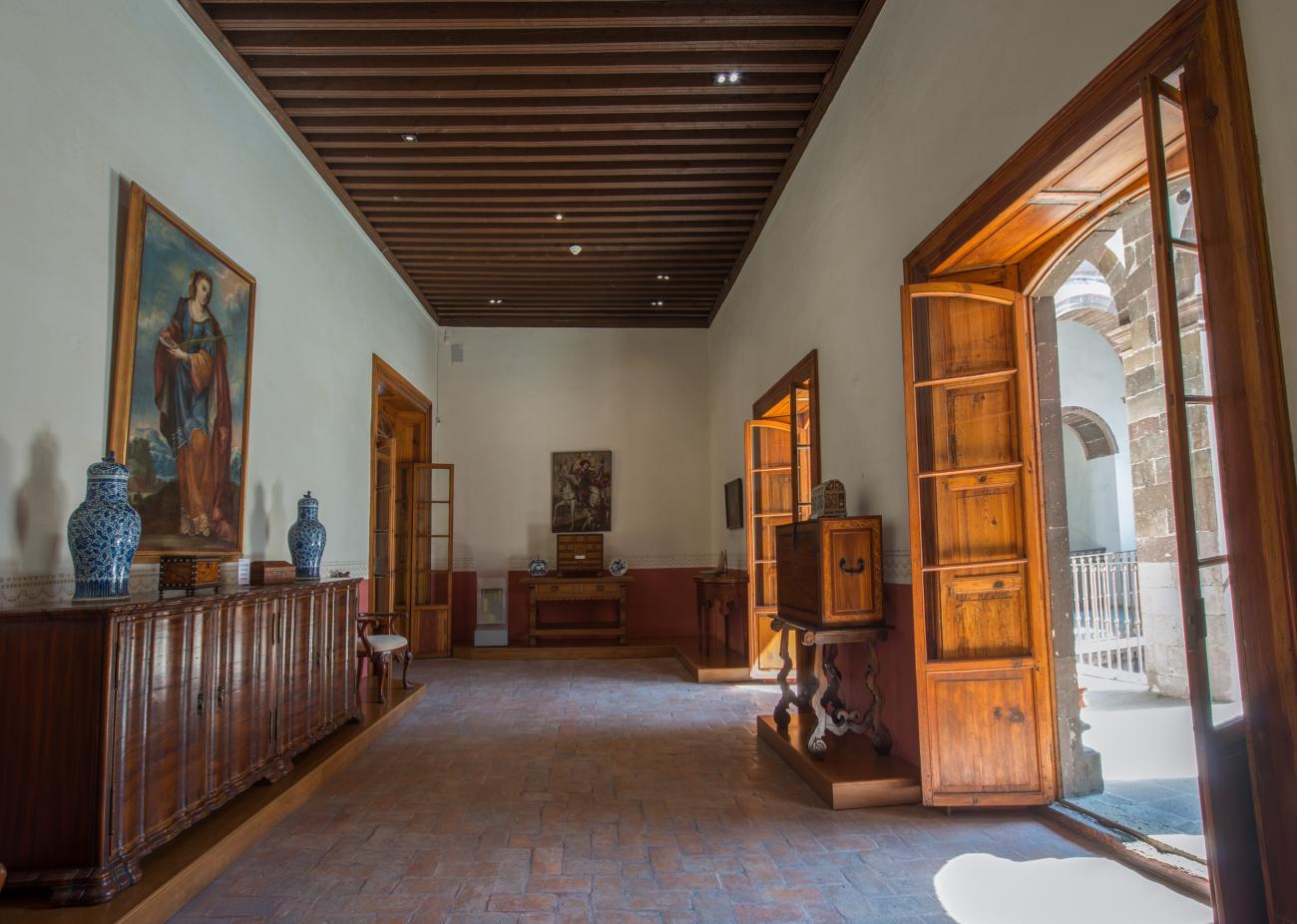
In 18th-century New Spain, few homes had a designated dining room. Meals were typically shared in the kitchen, bedrooms, antechamber, or any other convenient space in the house.
It wasn’t until the 1740s that a specific dining area became common. The Allende family’s antechamber may have hosted folding tables where meals were served during festive occasions and social gatherings. The fare could include dishes like chickens stuffed with almonds and fruits, roasted lamb, pork loin, olives, cheeses, empanadas, baked fruits, "huevos reales", pine nut paste, and flavored ices, accompanied by lemon or guava waters, Bordeaux wines, and other liquors.
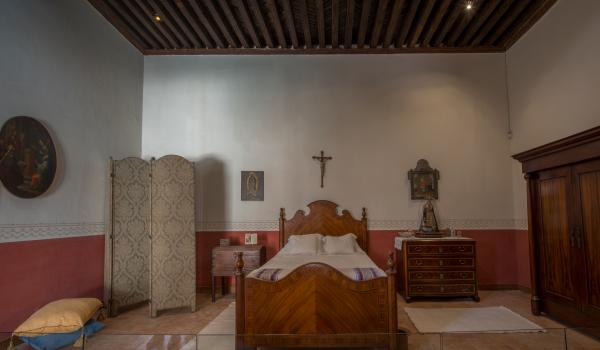
Lady’s Bedroom
Custom dictated that children were born in this room, which is why the bed was topped with a canopy that would be closed during childbirth and opened once the baby was born.
Cradles for the children and a bed for the nursemaid or nanny were also part of the furnishings.
Lady’s Bedroom
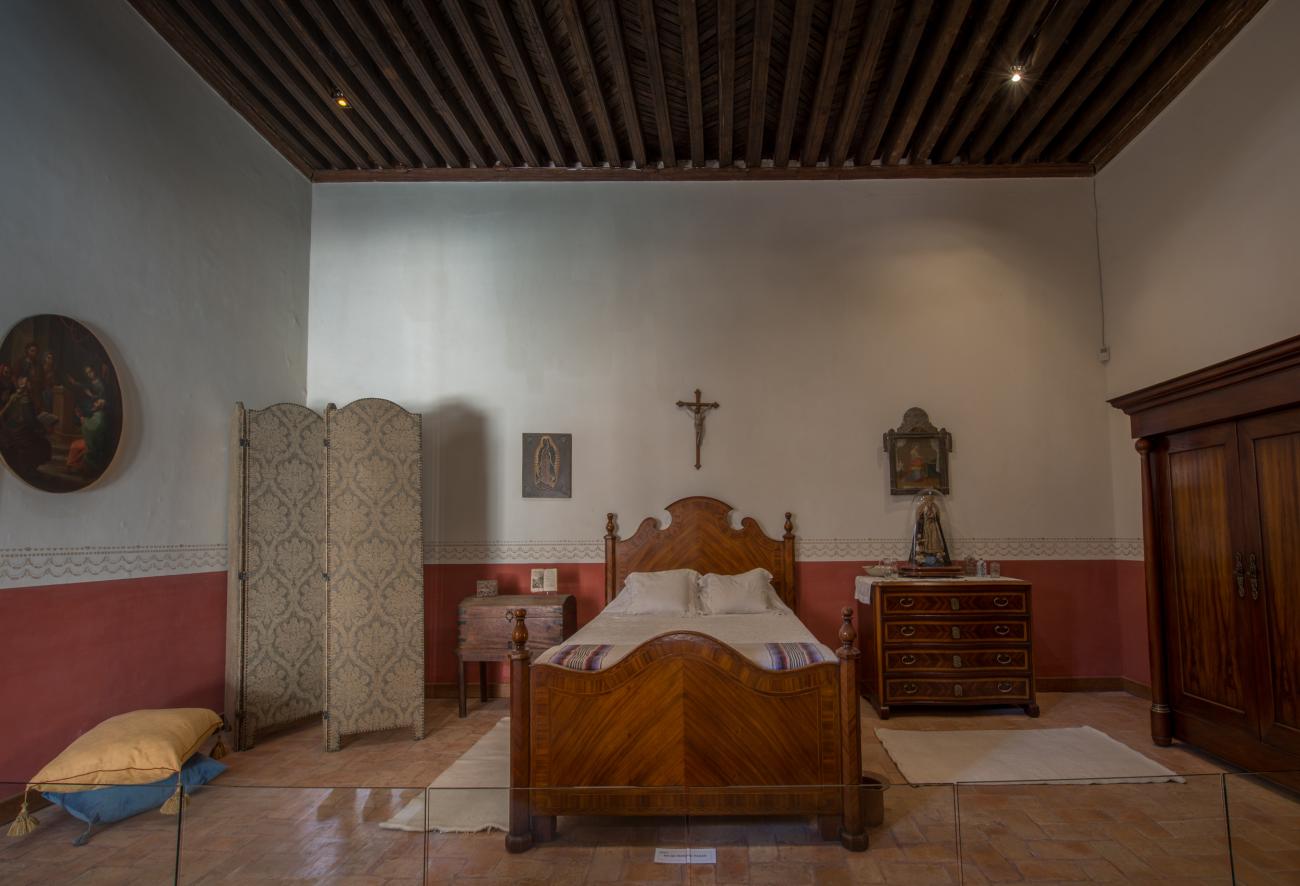
Custom dictated that children were born in this room, which is why the bed was topped with a canopy that would be closed during childbirth and opened once the baby was born.
Cradles for the children and a bed for the nursemaid or nanny were also part of the furnishings.
Due to its location in the house, this room is likely to have been the bedroom of Doña María Ana Josefa de Unzaga, where she may have given birth to six of her children. As there are no parish records of her death in San Miguel nor a baptismal record for Mariana, the youngest of the Allende children, it is believed that Doña María Ana may have died in 1771 or 1772 in a nearby town, during or shortly after childbirth.
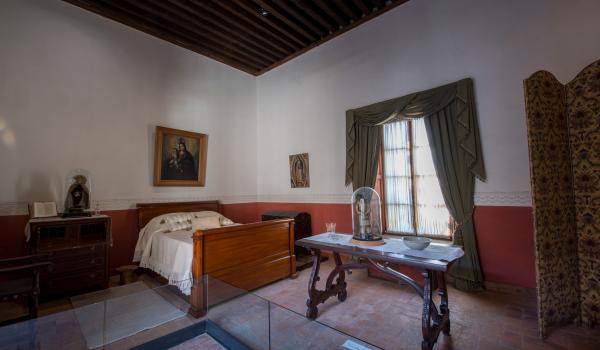
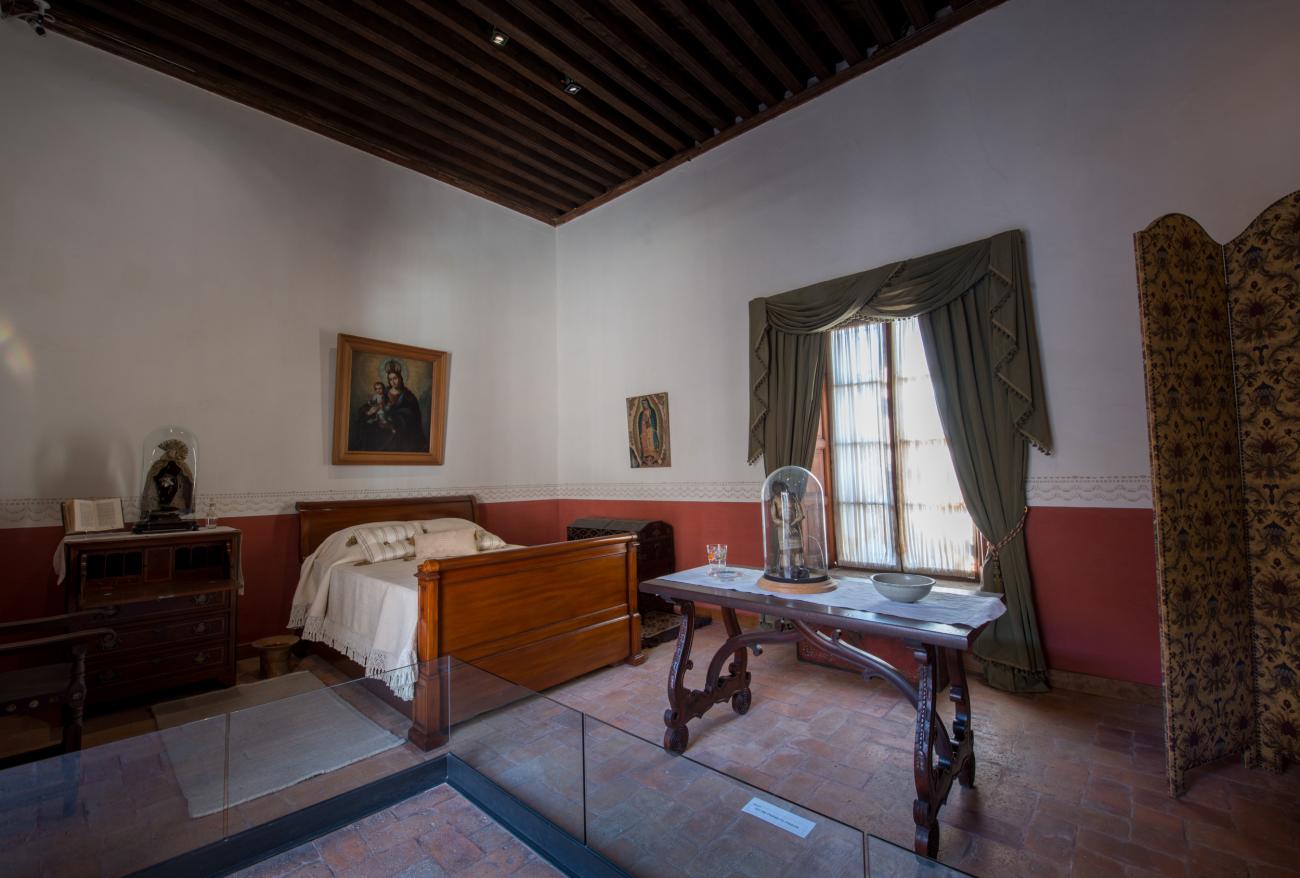
Master Bedroom
This room was most likely that of the head of the household, as it overlooks the central patio, the main entrance gate, and the principal staircase. As in the other bedrooms, the furnishings were limited to the essentials.
Kitchen
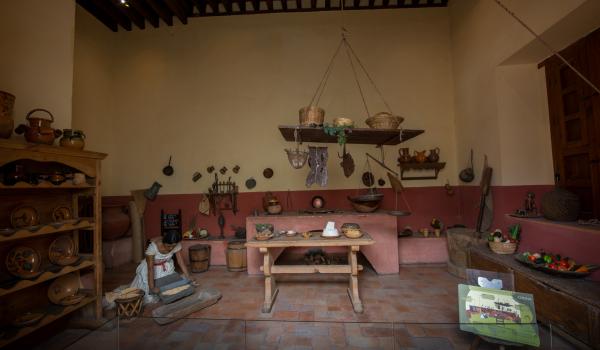
Unlike the kitchens in modest homes—where cooking was done over a hearth in the only room or out in the courtyard—the Allende household had a separate kitchen.
Kitchen
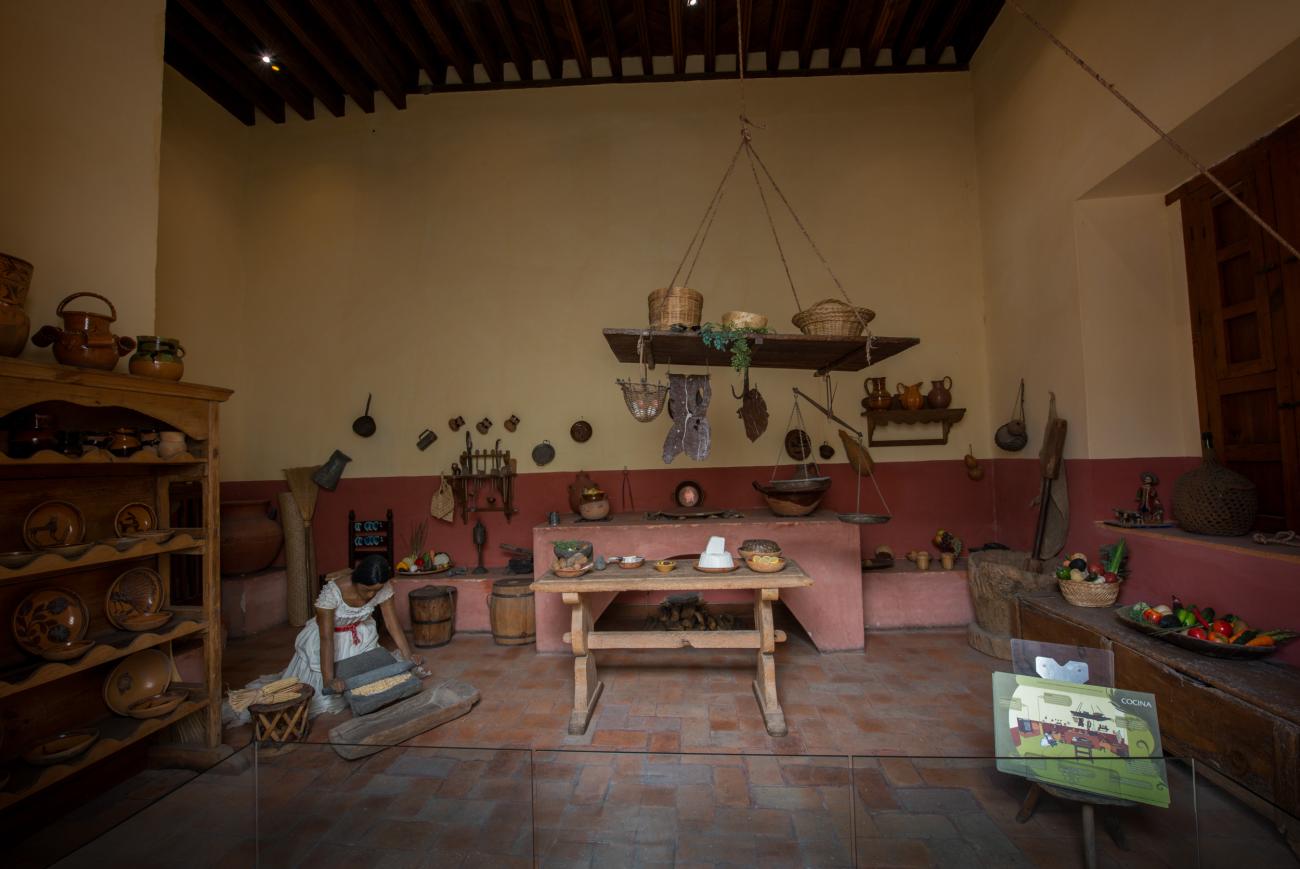
Unlike the kitchens in modest homes—where cooking was done over a hearth in the only room or out in the courtyard—the Allende household had a separate kitchen.
Here, the family enjoyed exquisite dishes such as "guisado prieto", Portuguese-style hens, or "turco" made from heirloom corn (cacahuazintle), along with countless sweets savored by Don Domingo, Doña María Ana, and their children.
The workday began at dawn, when servants cleaned the hearth and discarded the ashes. Duties of cooks, maids, and kitchen helpers included stoking the fire and filling clay pitchers or copper pots with water for the day’s cooking.
For a chicken stew, a hen would be selected from the house’s own coop, a cauldron used for butchering would be brought out, and small knives would be used to pluck the feathers. Ingredients for sauces and stews were ground using "metates", mortars, and "molcajetes". Aromatic cloves, spicy cinnamon, or exotic saffron were blended with cacao, chile, and tomatoes in delicate or daring combinations.
In the afternoon, chocolate was prepared and served with sweet breads and pastries arranged on serving trays.
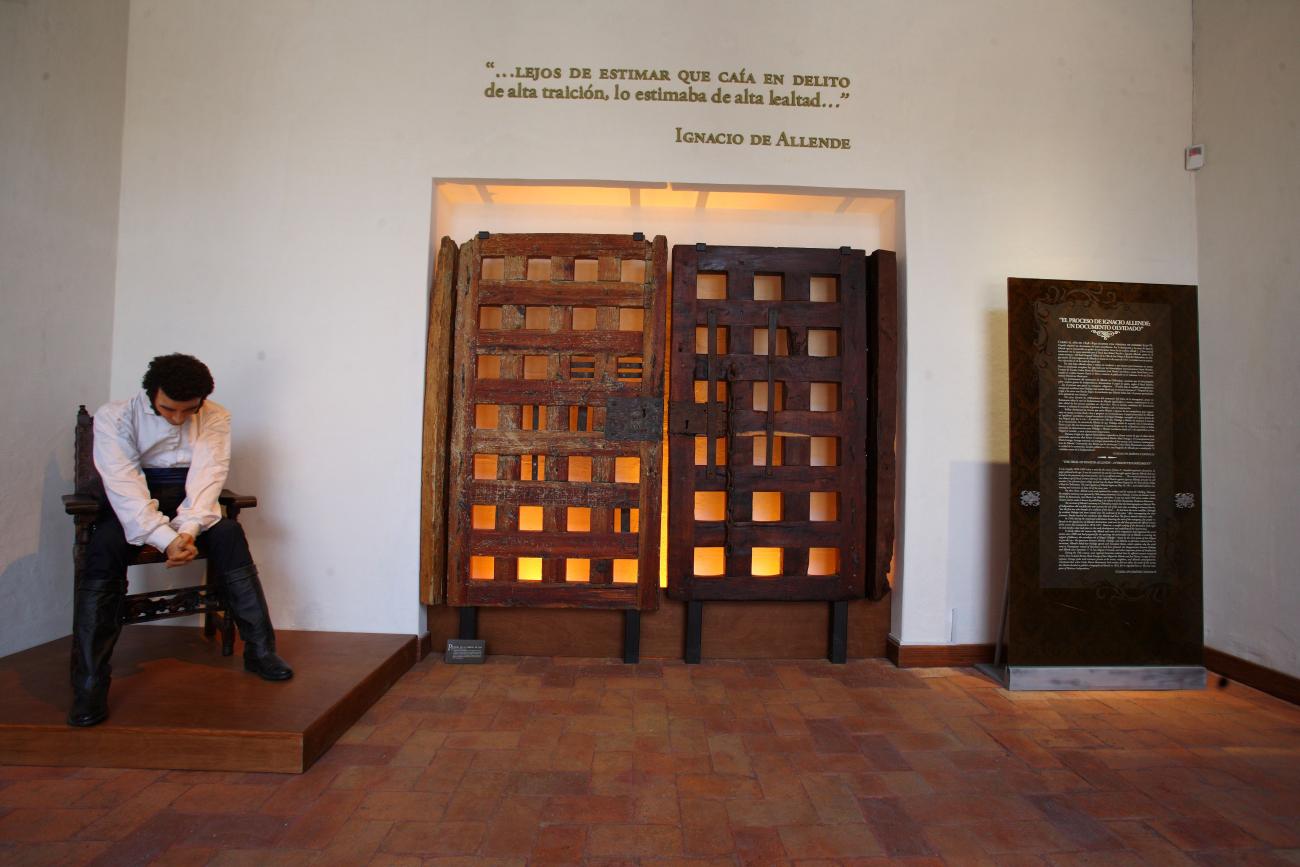
Process and Death
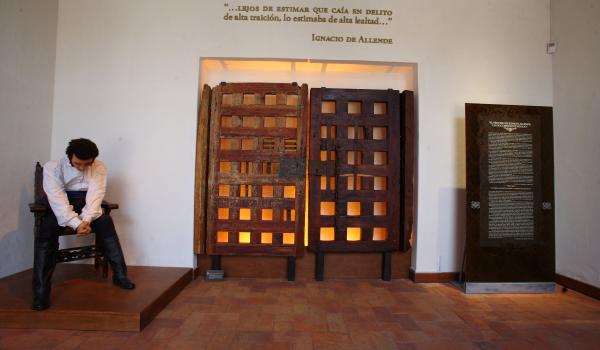
This section explains the reasons why Allende and his allies began organizing secret meetings as early as 1809 and planning an armed uprising. It highlights Allende’s central role in the early stages of the War of Independence.
Regional Archaeology: "Izcuinapan"
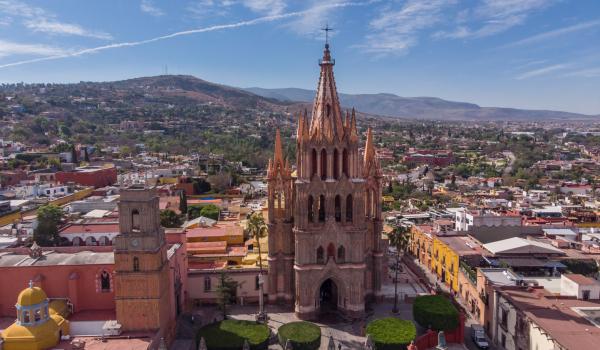
This gallery presents a collection of pre-Hispanic objects that reveal the ancient history of San Miguel de Allende. Its name comes from the Nahuatl word "Izcuinapan", meaning "water of dogs," the name given to the area’s first Indigenous settlement in the 16th century.
Regional Archaeology: "Izcuinapan"
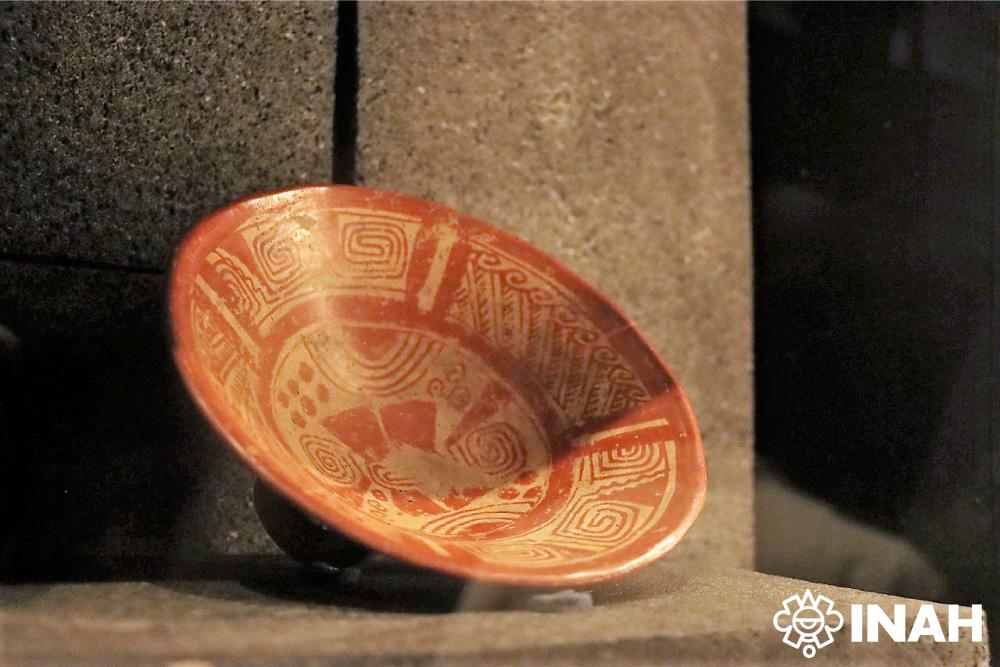
This gallery presents a collection of pre-Hispanic objects that reveal the ancient history of San Miguel de Allende. Its name comes from the Nahuatl word "Izcuinapan", meaning "water of dogs," the name given to the area’s first Indigenous settlement in the 16th century.
The exhibit includes 135 pieces—luxury items, hunting tools, and everyday objects—dating from 600 BCE to 1050 CE. This permanent exhibition offers insight into the daily life and cultural evolution of the groups that inhabited the Laja River basin, a crossroads for exchange among different ethnic groups in the Bajío region.
Among the pieces are ceramic objects, obsidian and green-blue stone tools, shell necklaces, and hunting instruments from archaeological sites such as Cruz del Palmar, Tierra Blanca, and Cañada de la Virgen. Two thousand artifacts were recovered by the Museo Histórico Casa de Allende, collected by local cultural promoter Miguel Malo Zozaya.
The gallery's curatorial script was developed by archaeologist Gabriela Zepeda García-Moreno of the INAH Guanajuato Center, and historian Alberto Aveleyra Talamantres. Exhibition design was by Marco Barrera Bassols, with support from the National Coordination of Museums and Exhibitions of INAH.
Document
Document
- DirecciónMartha Patricia Guerra Vallejomartha_guerra@inah.gob.mx+52 (415) 152 2499