











Las Labradas
Archeological site
Las Labradas
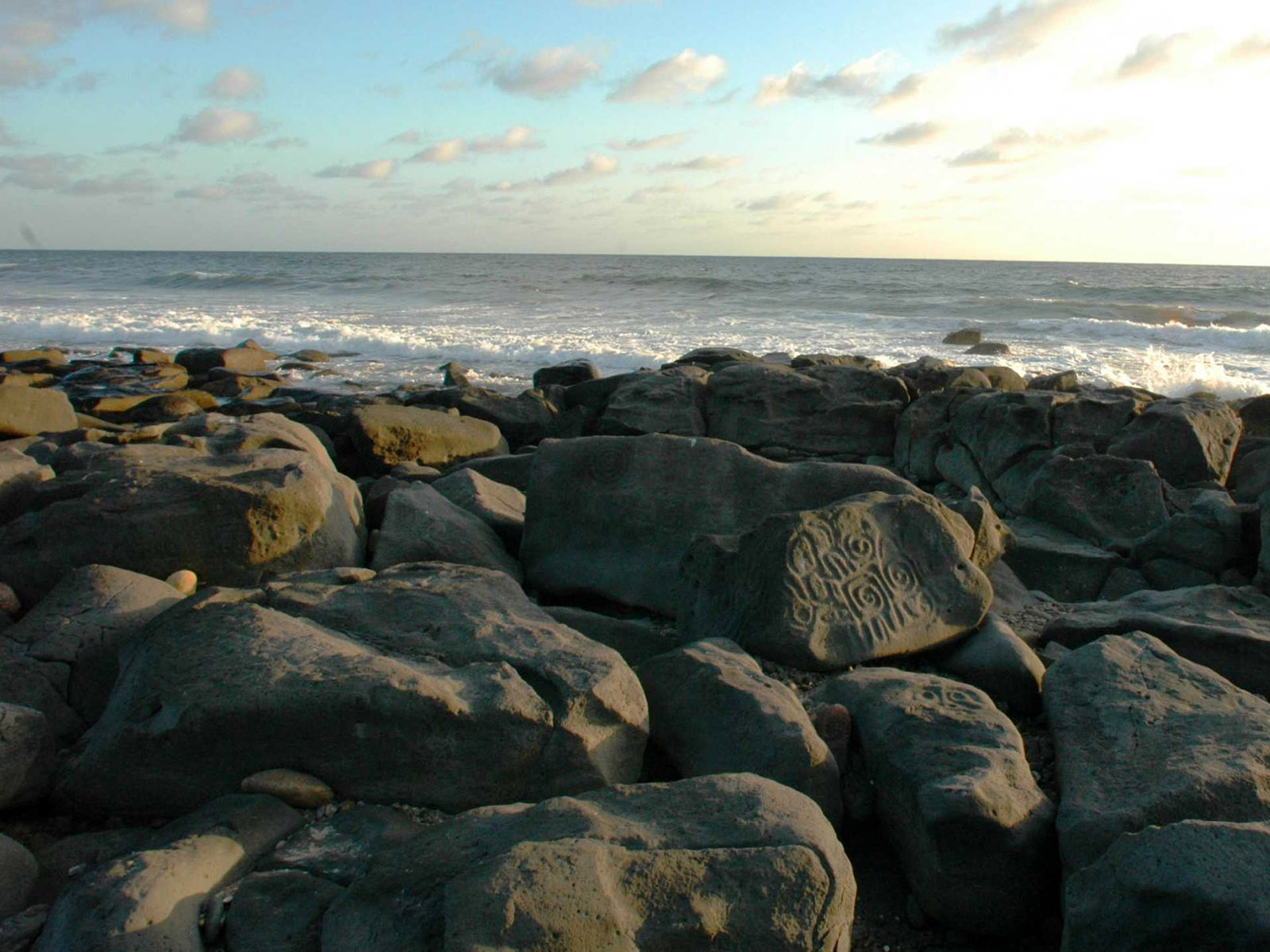
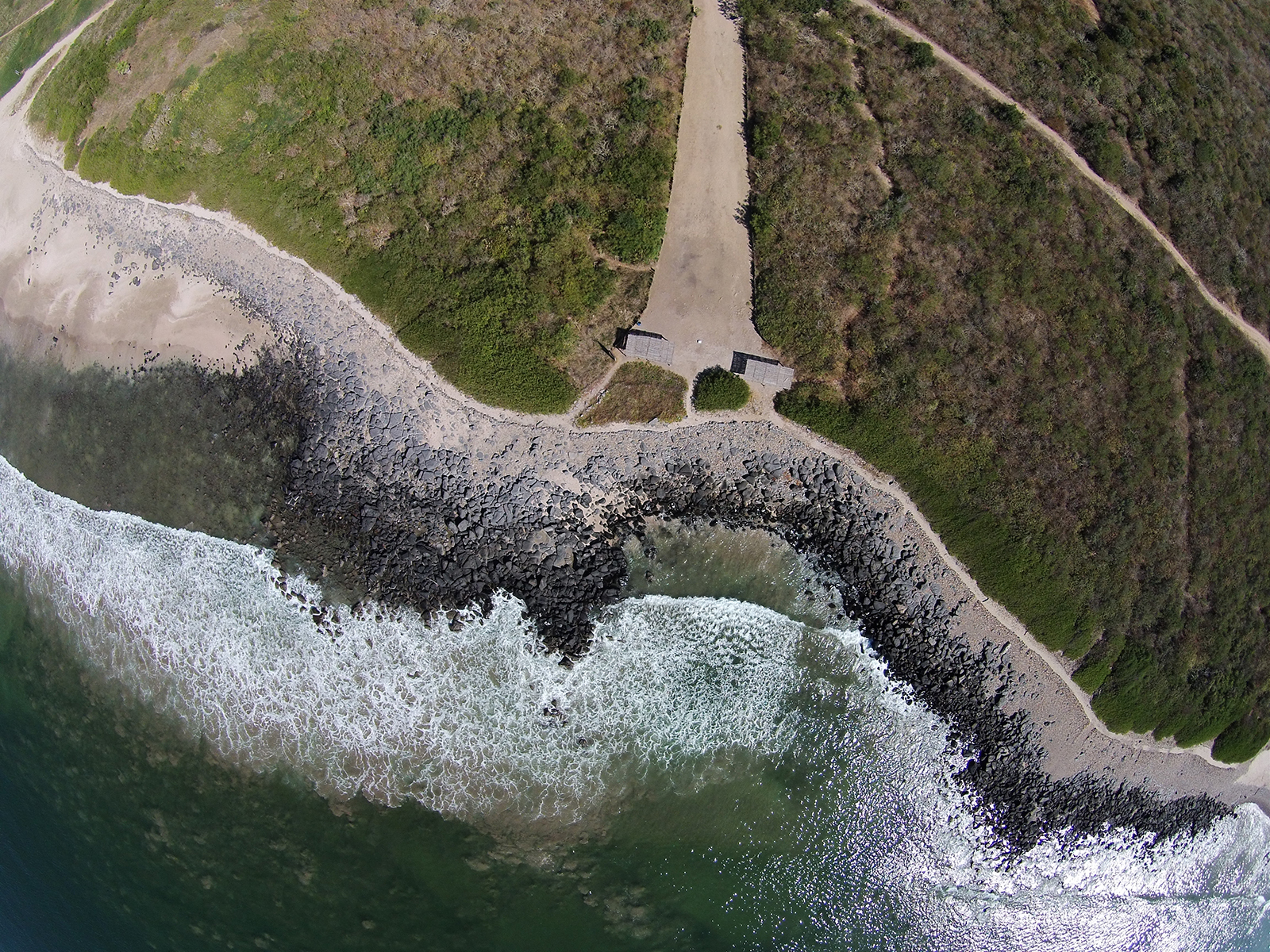
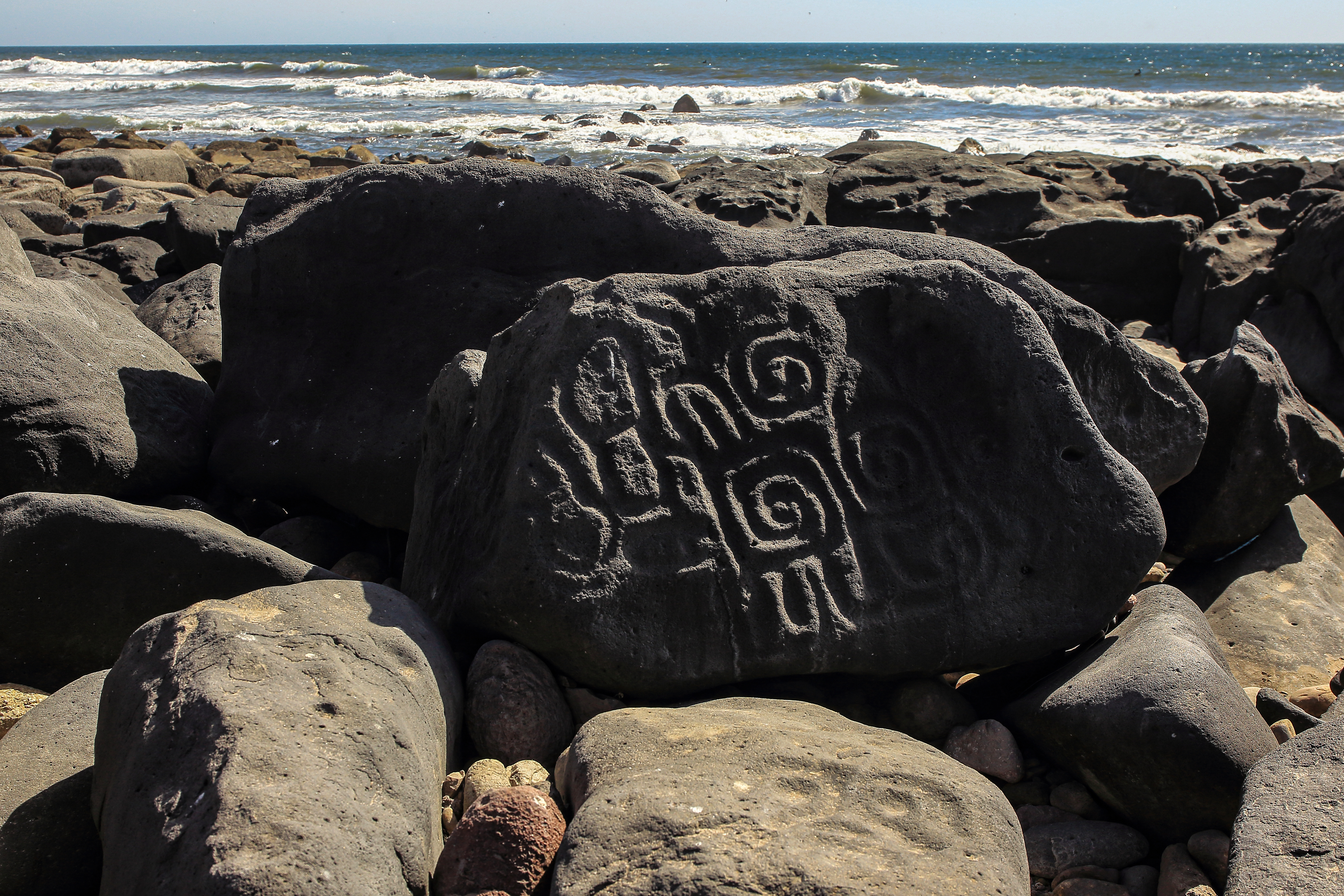
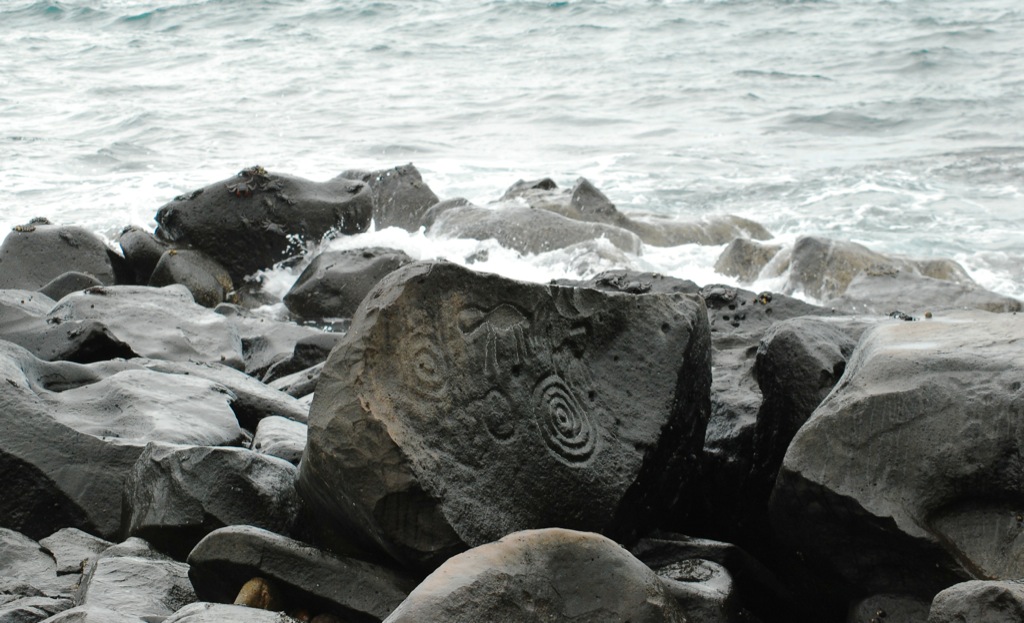
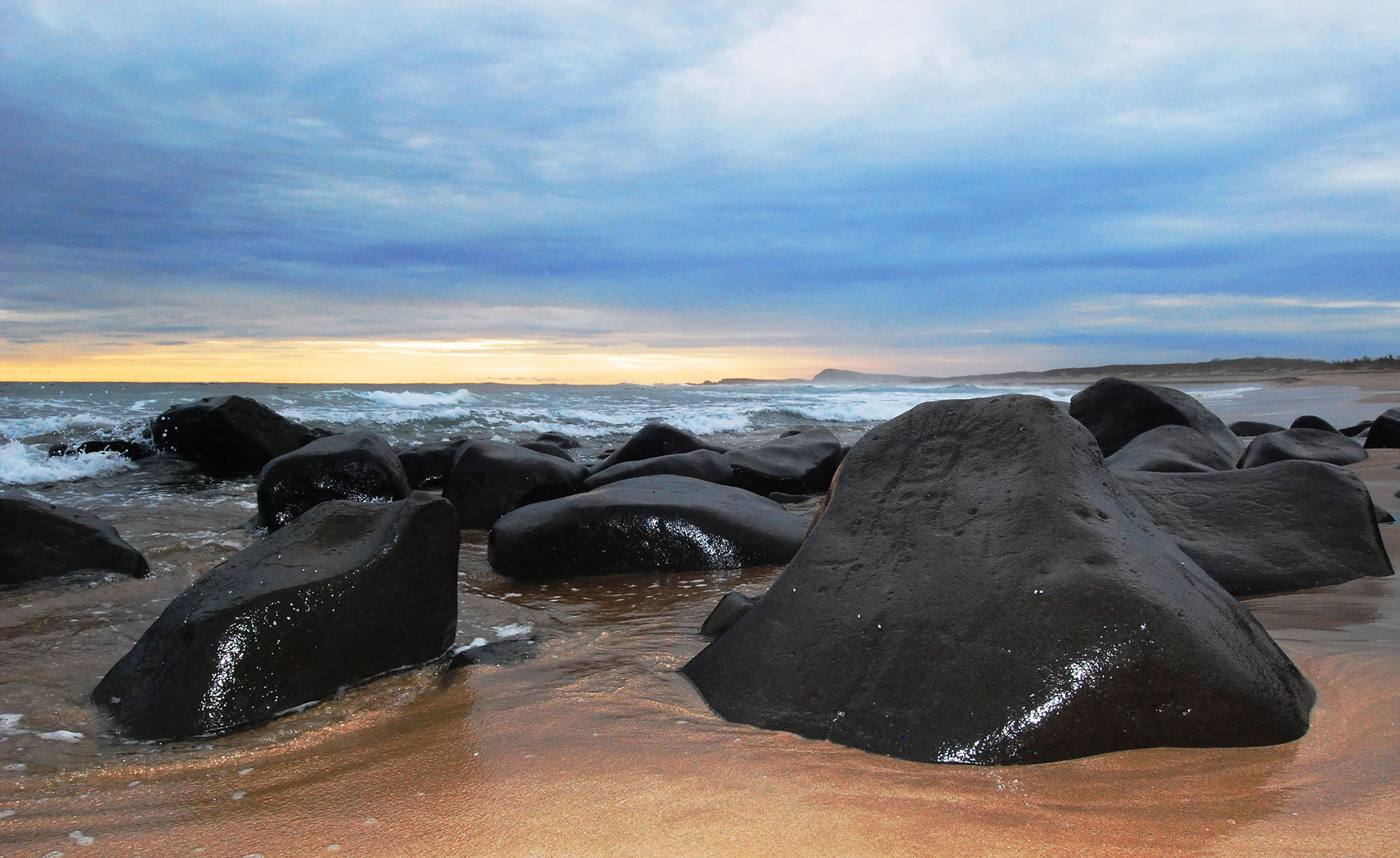
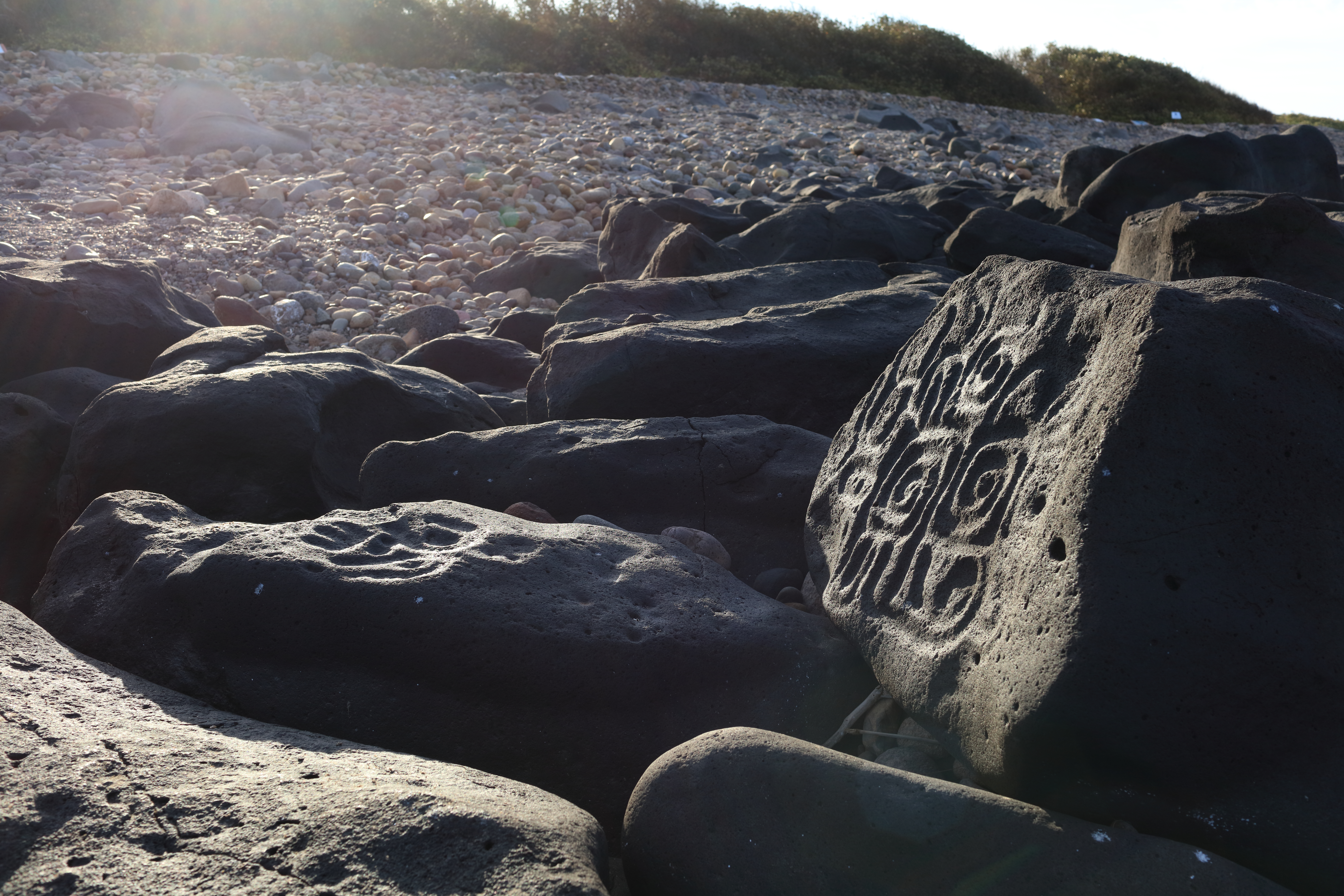
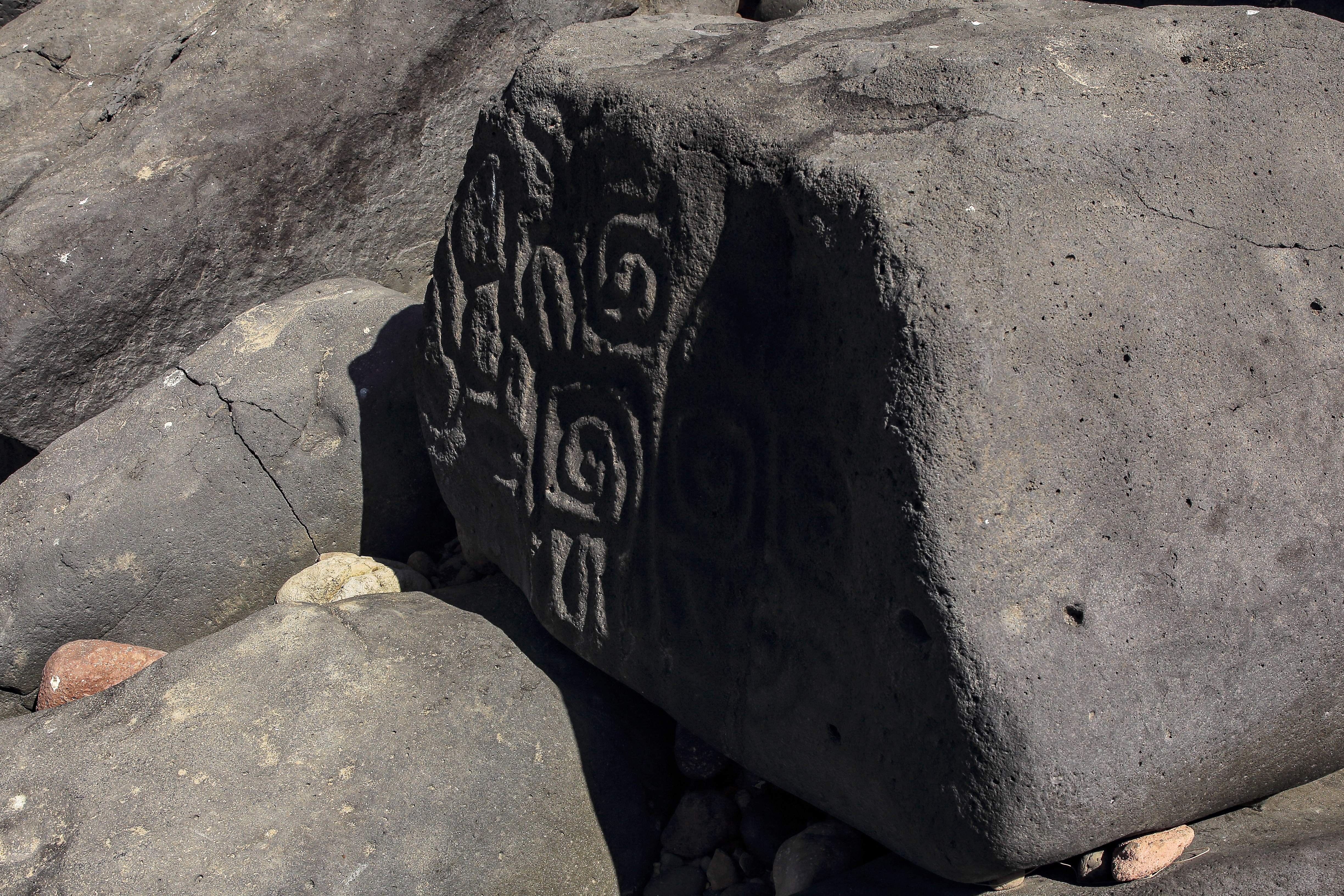
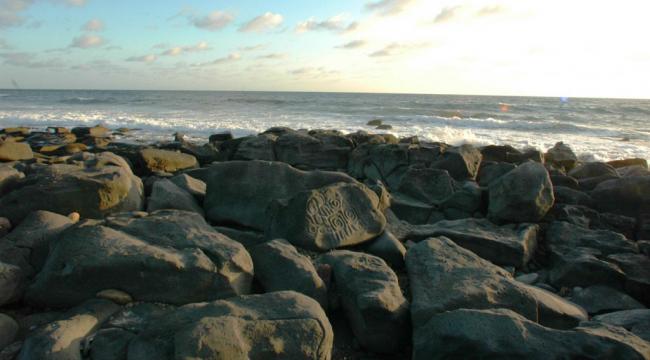
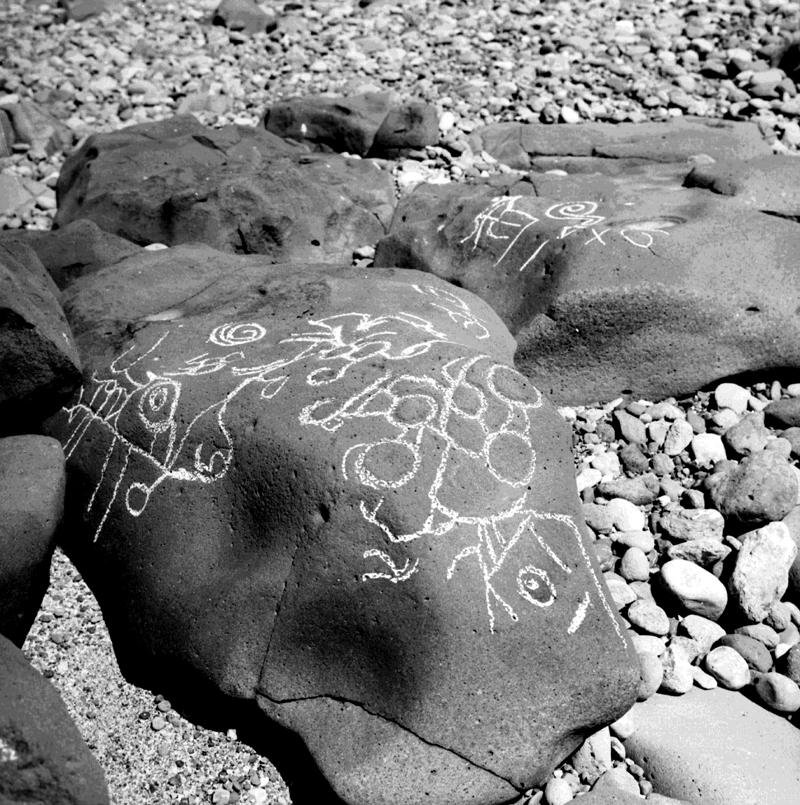
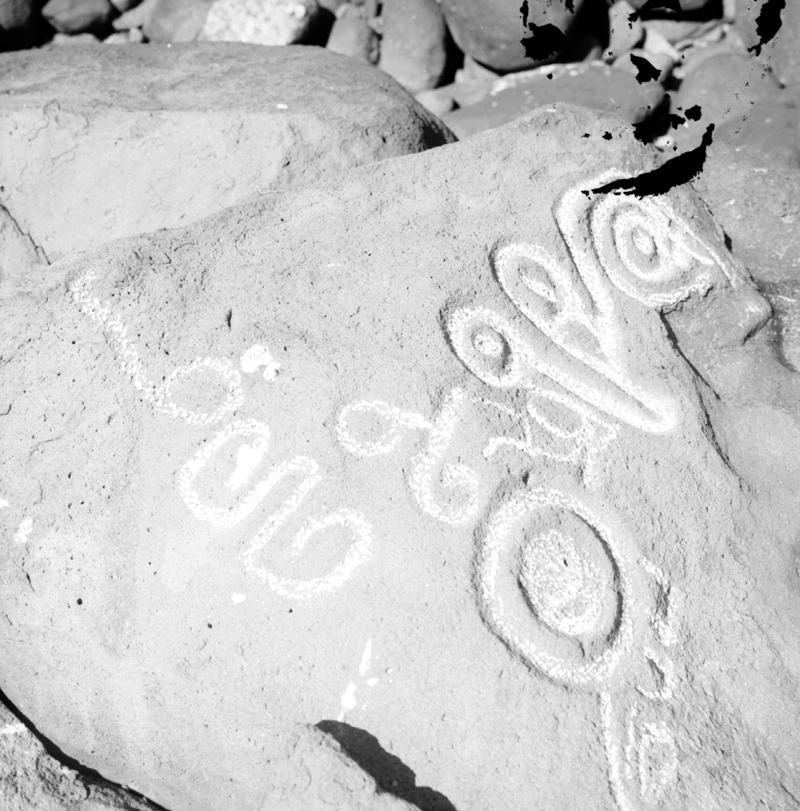
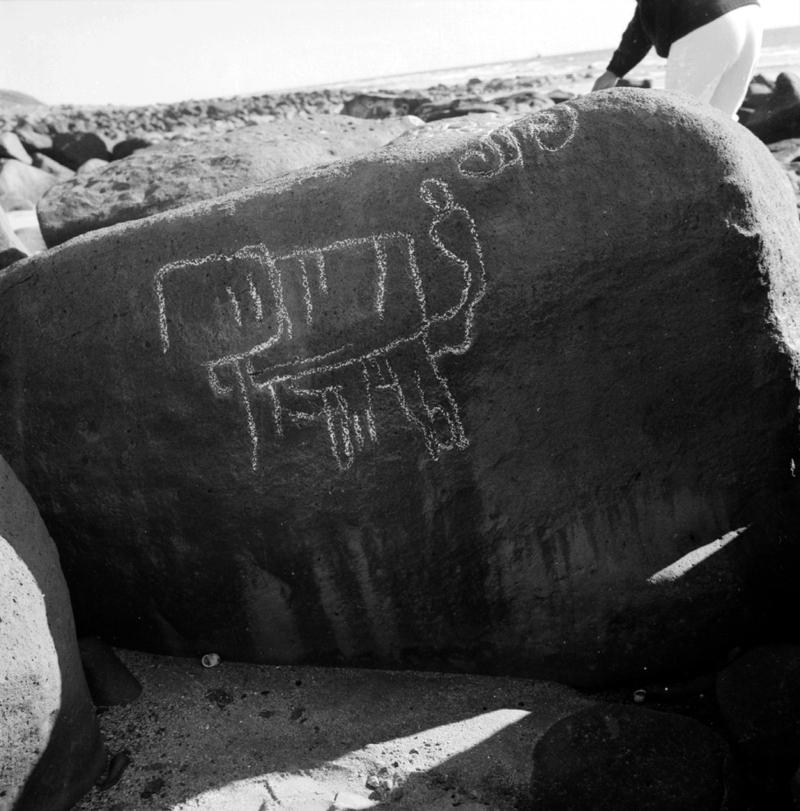
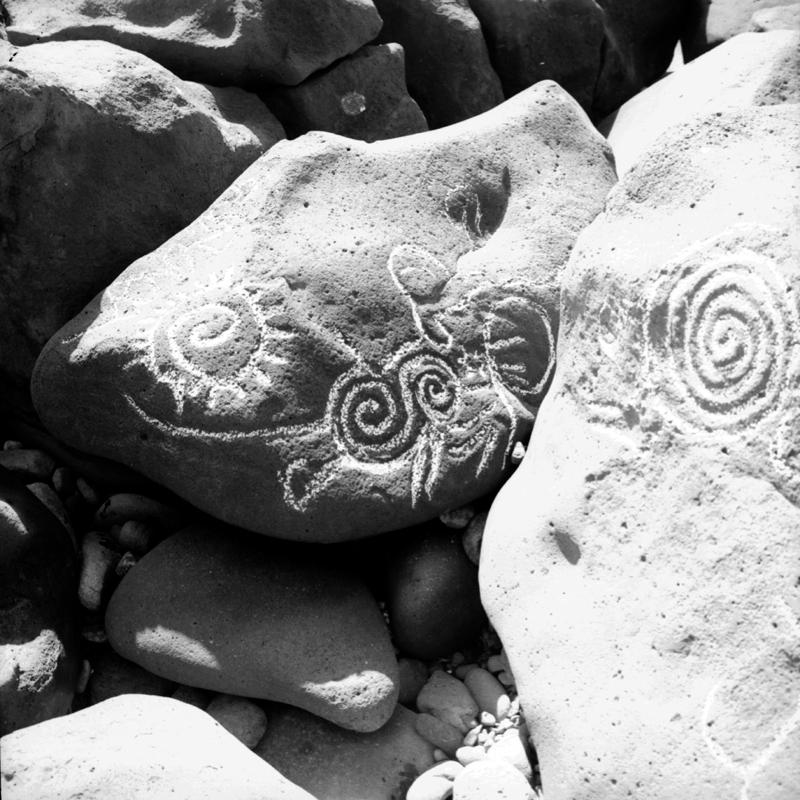
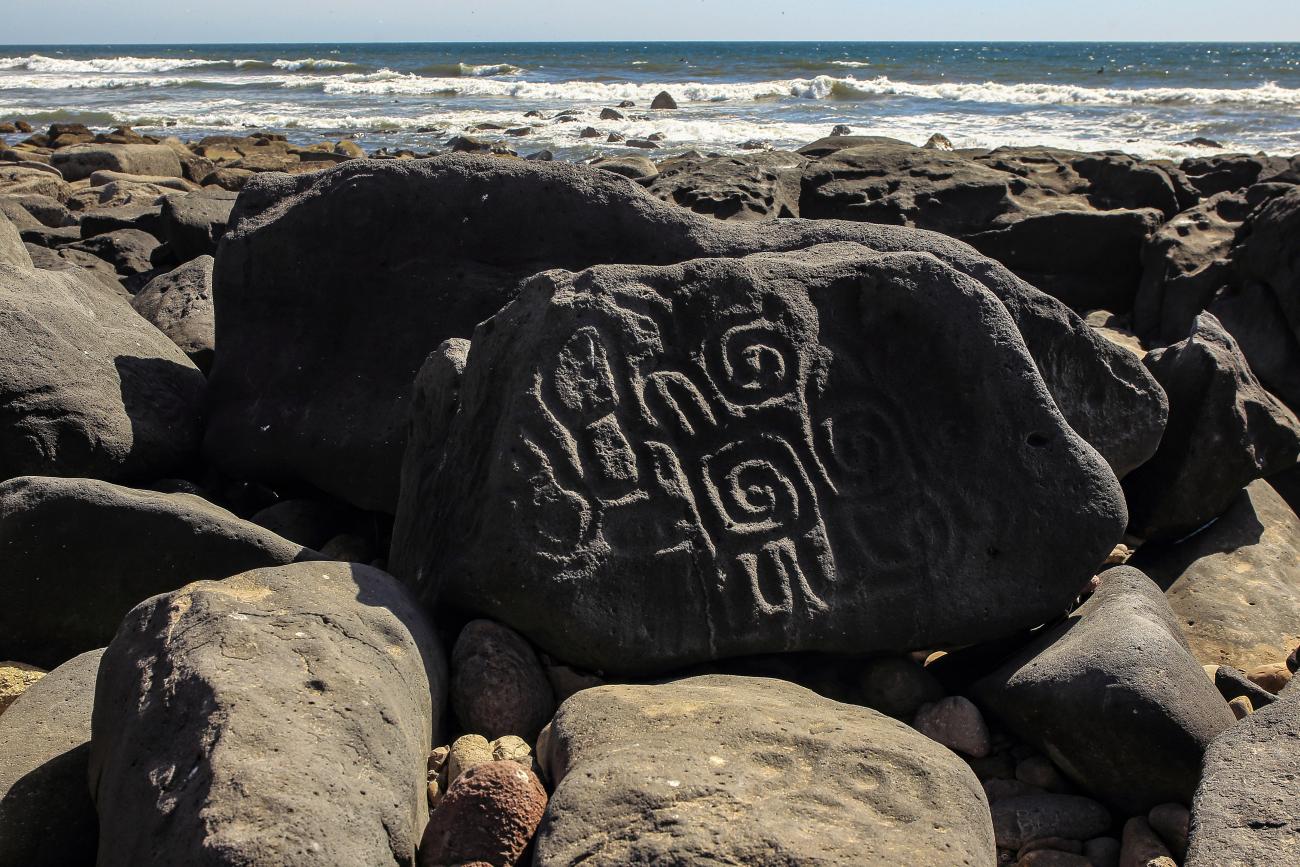
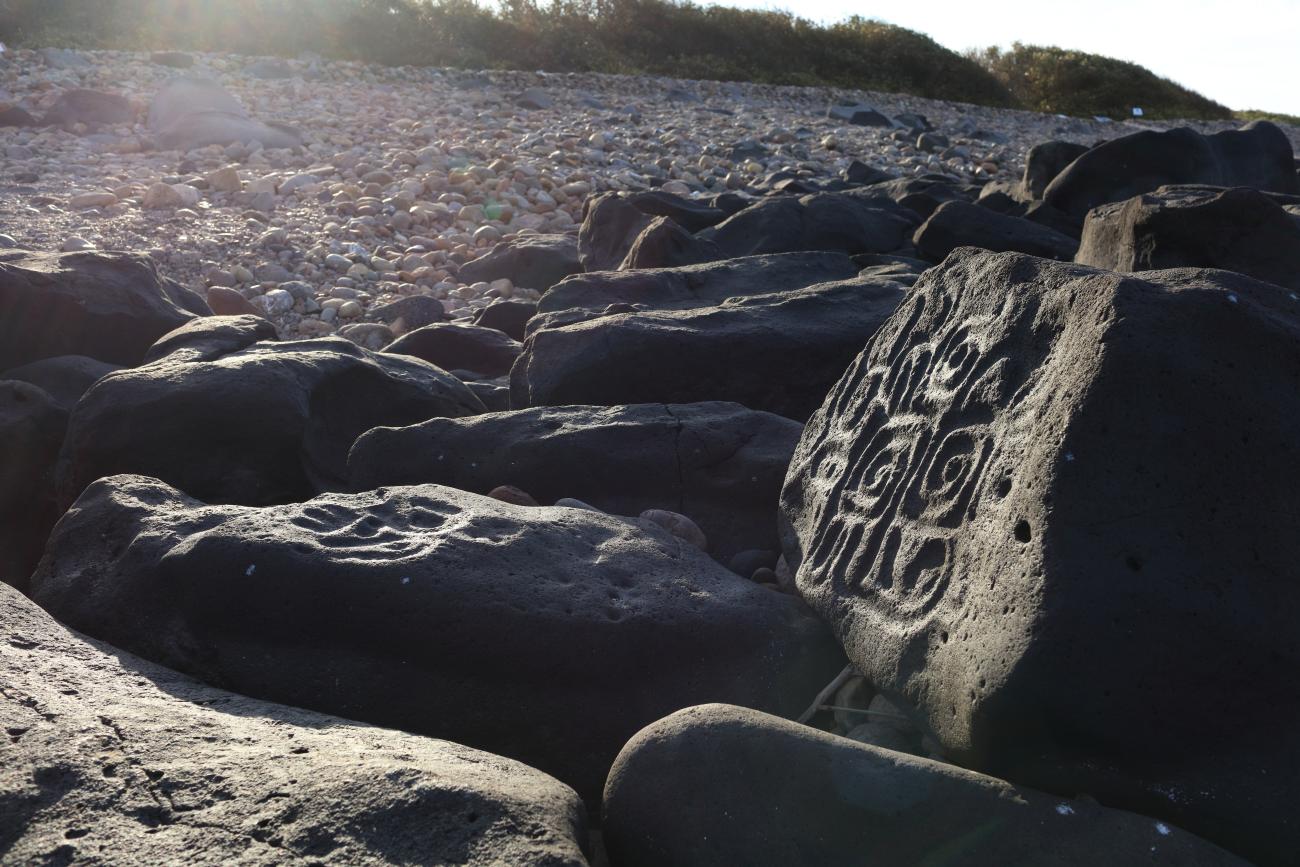
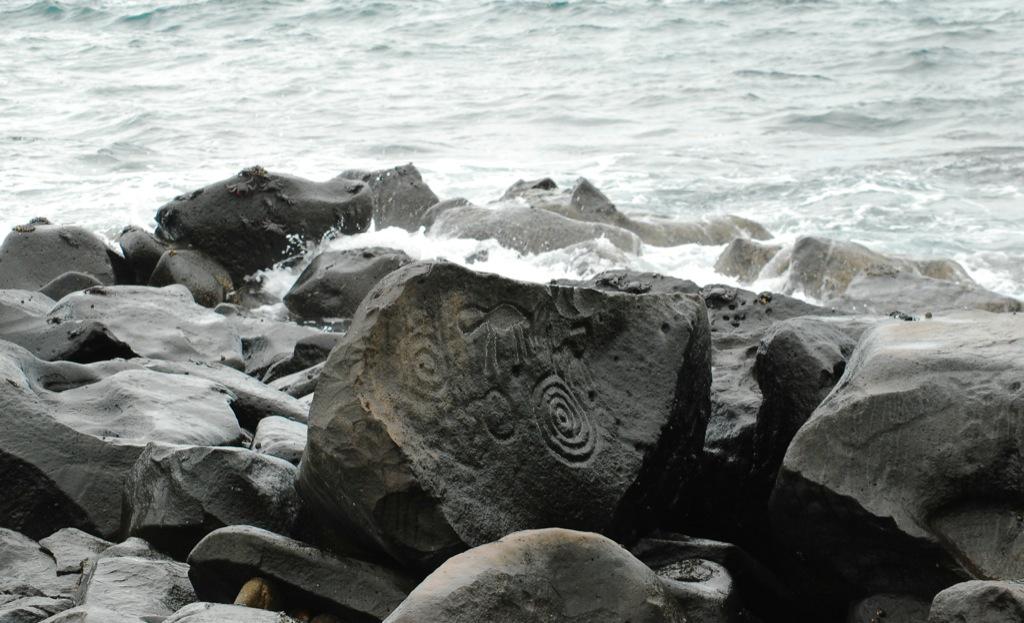
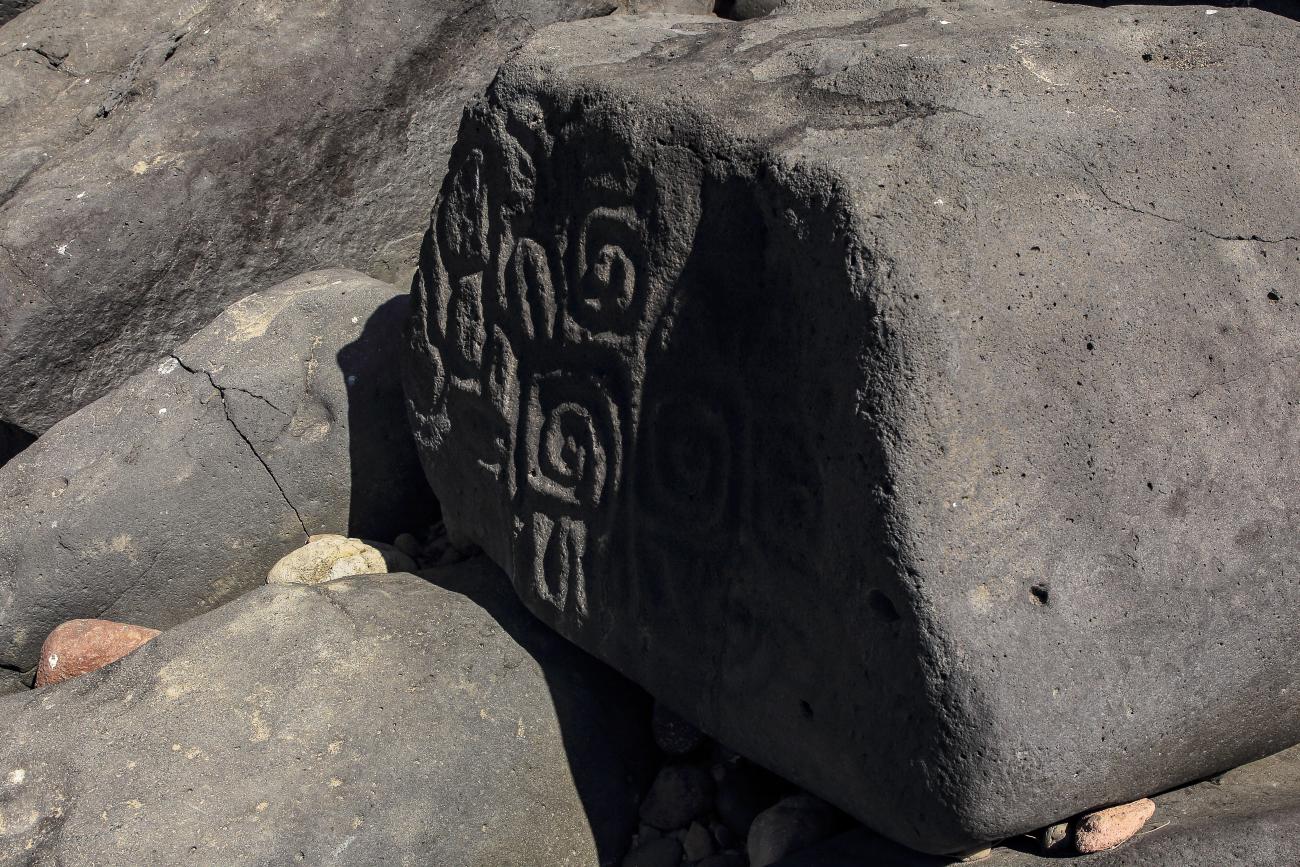
An extraordinary testimony to the ancient inhabitants, unique not only because of the beach location, but because of the more than 700 rock carvings on volcanic boulders. The motifs of plants, flowers, animals and geometric figures are undamaged by the sea.
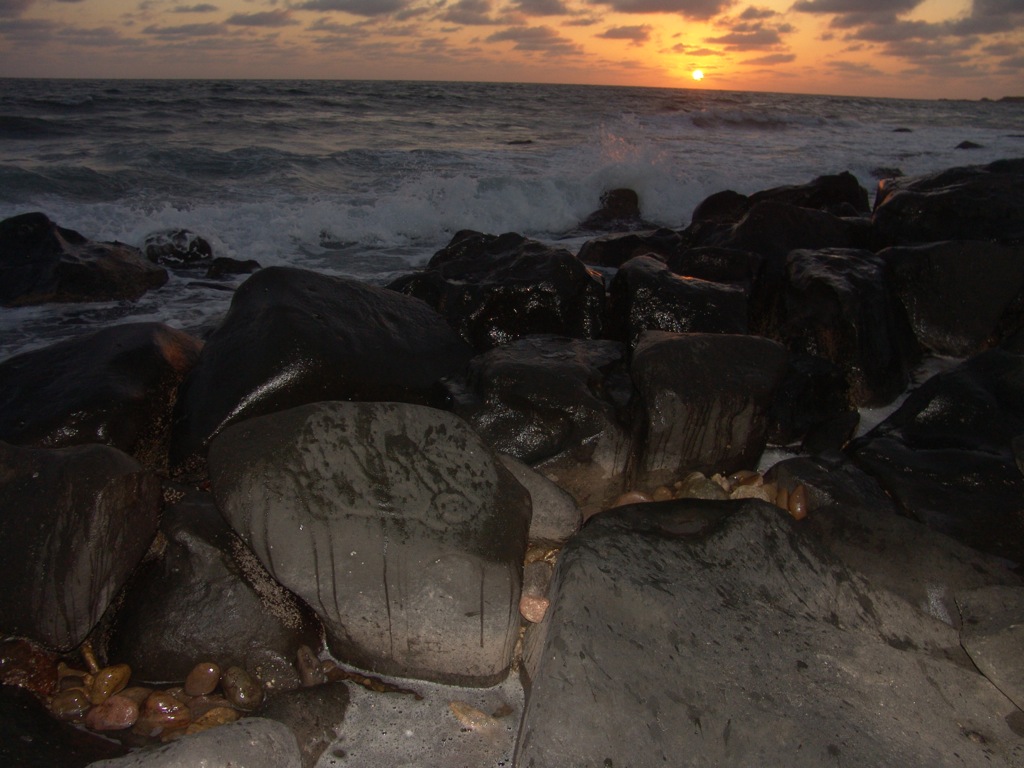
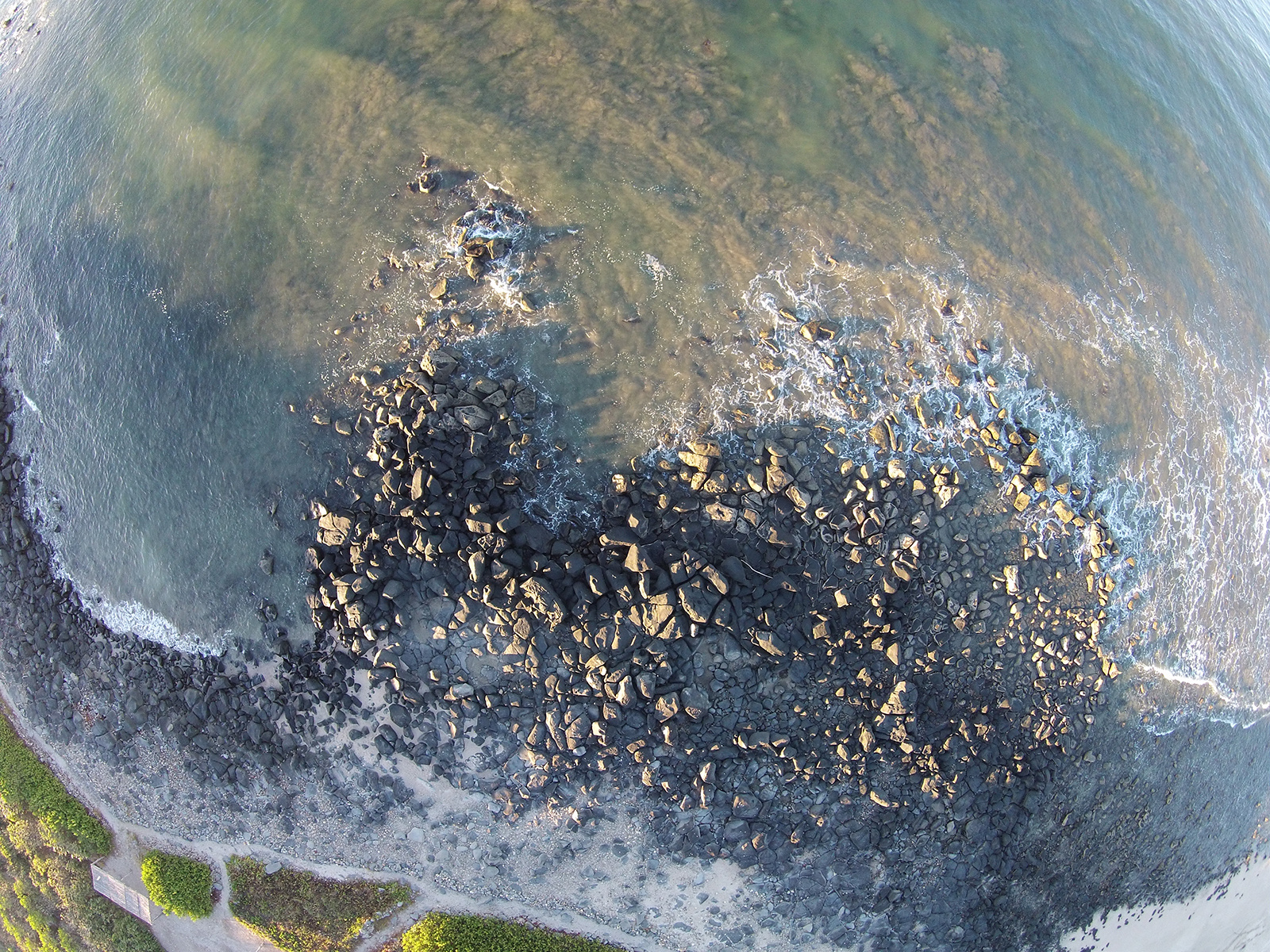
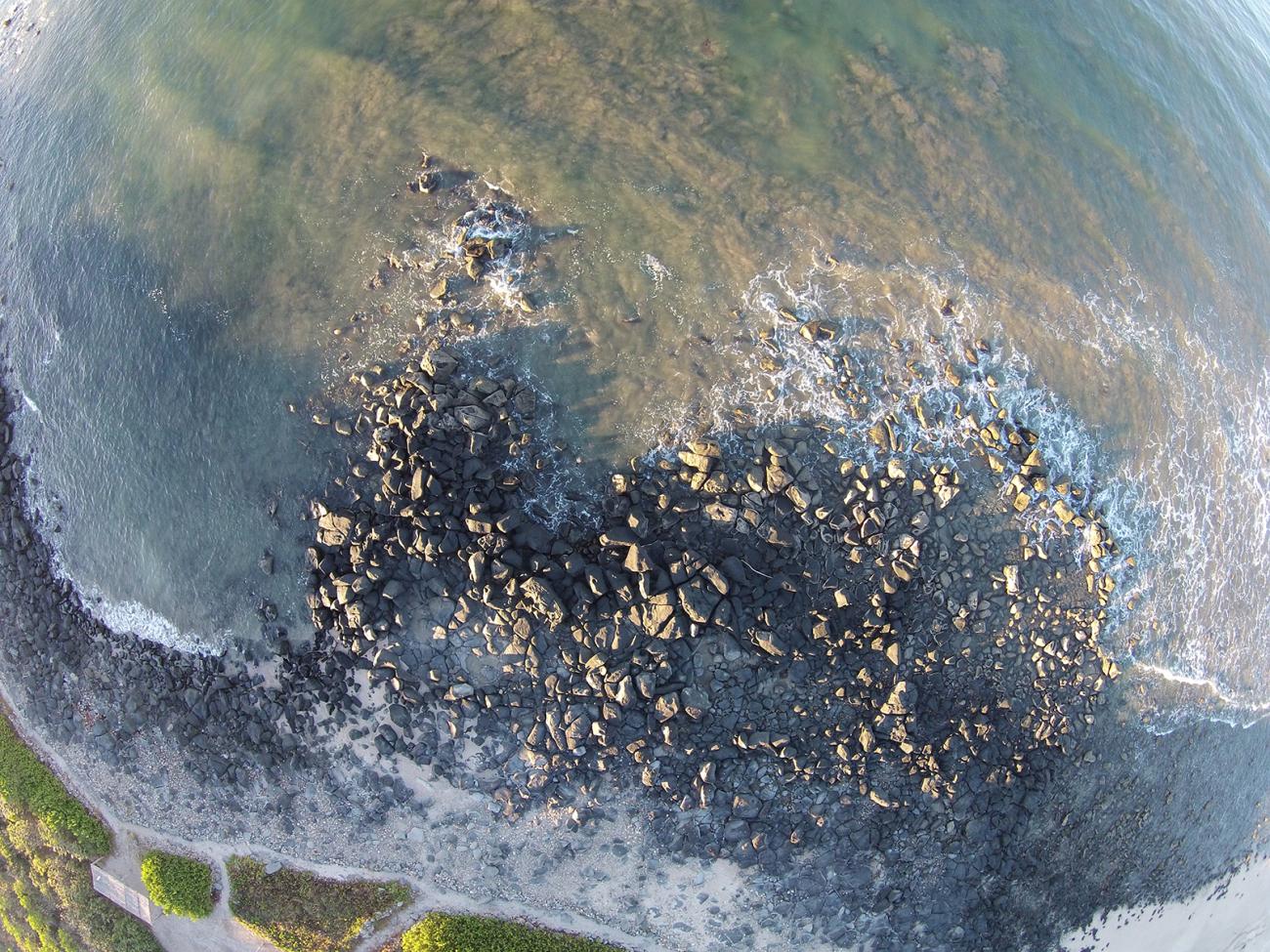
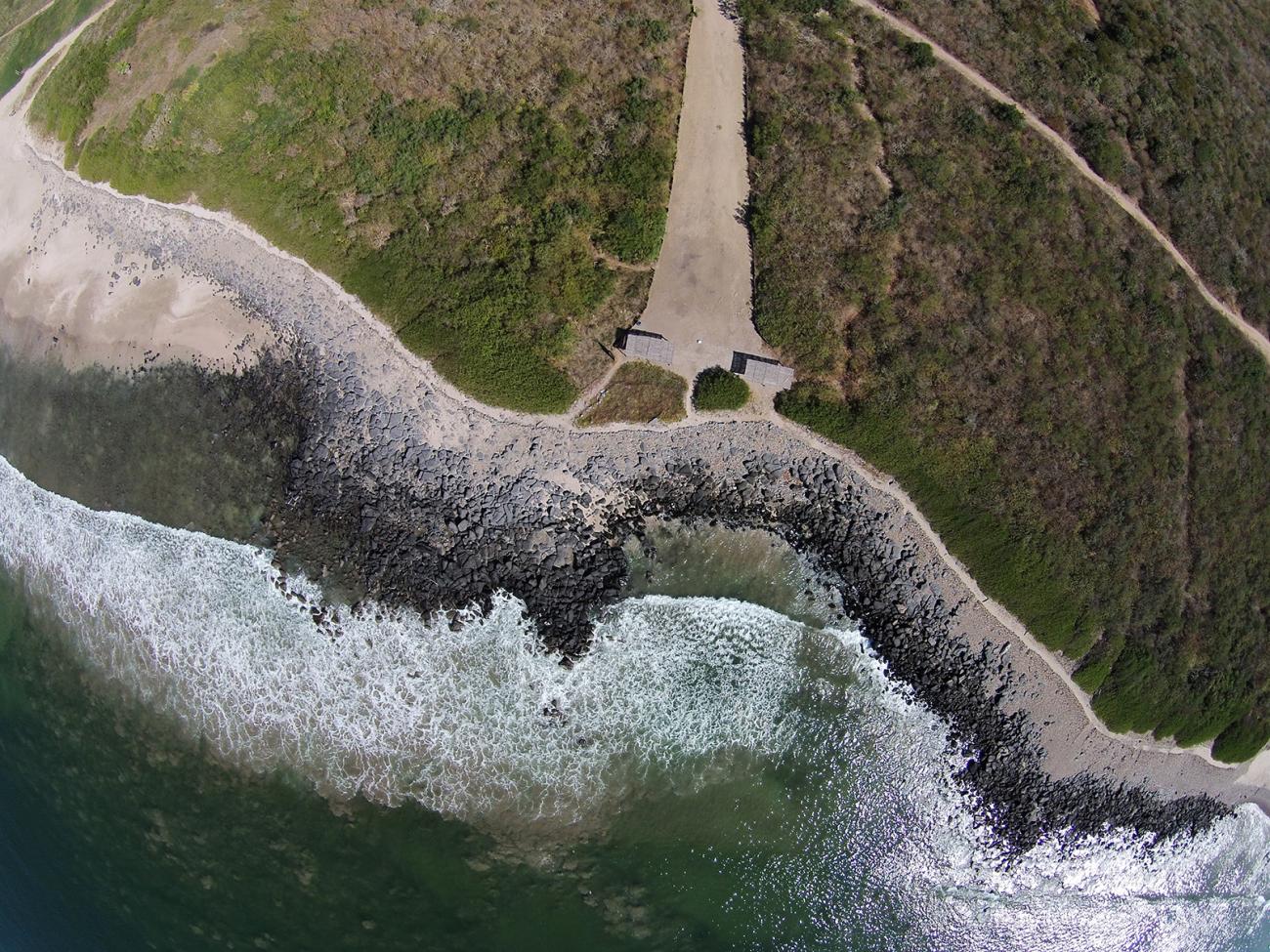
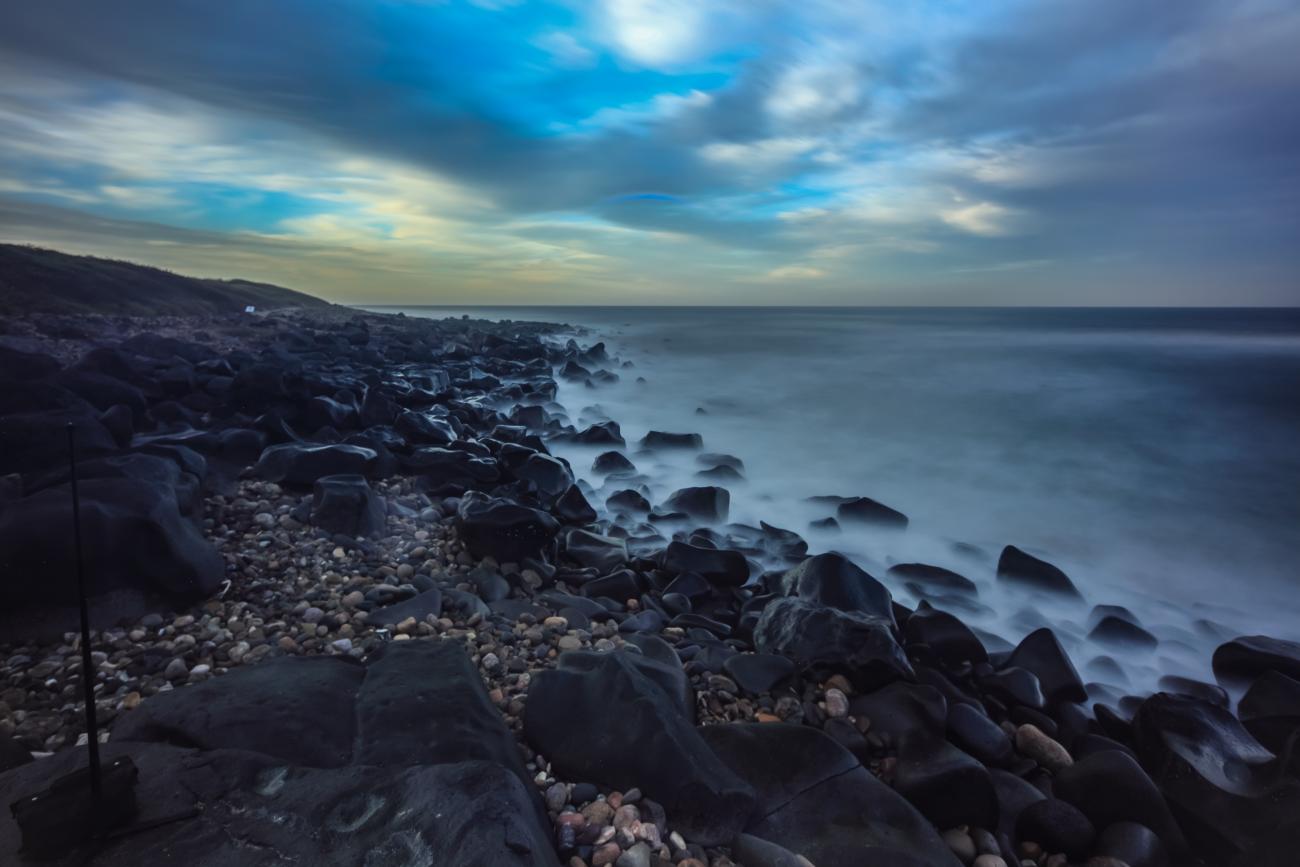
This archeological site, bordered by dense mangrove trees, is located on an area of the beach containing basaltic rocks of volcanic origin. More than 700 carvings have been made here, depicting humans, animals, plants and geometric figures.
Since 2009, the INAH has been carrying out continuous research into the engravings and the cultures which settled in the region during the pre-Hispanic era. More than 20 settlements have been identified thanks to the archeological studies carried out in the surrounding areas. In principle, the existence of a pre-ceramic occupation (7000-5500 BC) was discovered. This arose before farming began on the American continent and is characterized by a stoneworking industry in which leaf-shaped arrowheads are found (Lerma style). Another settlement was established much later, with the presence of ceramic and other archeological materials corresponding to a sedentary culture (Chicayota culture) linked to the Aztatlán tradition (750-1250).
Las Labradas is the first archeological settlement open to the public in Sinaloa. It was declared a zone of archeological monuments on November 30, 2012. Its engravings are found on the surface of the rocks as individual figures or as panels (of two or more figures). Furthermore, they are not distributed in a defined pattern. Some of them are concentrated in groups or sets and others are isolated, although the cause of this distribution is mostly due to the physical characteristics of this same grouping.
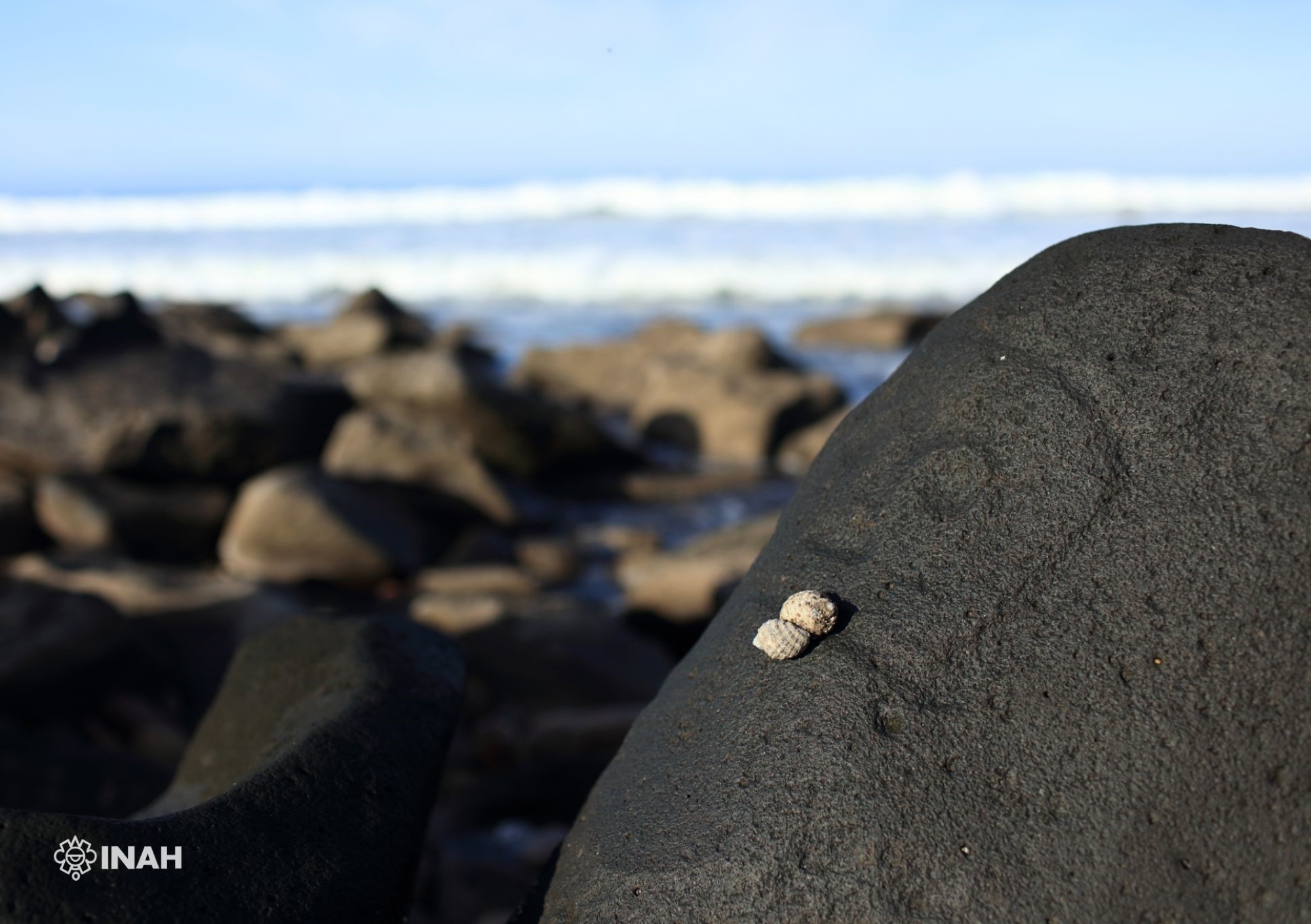
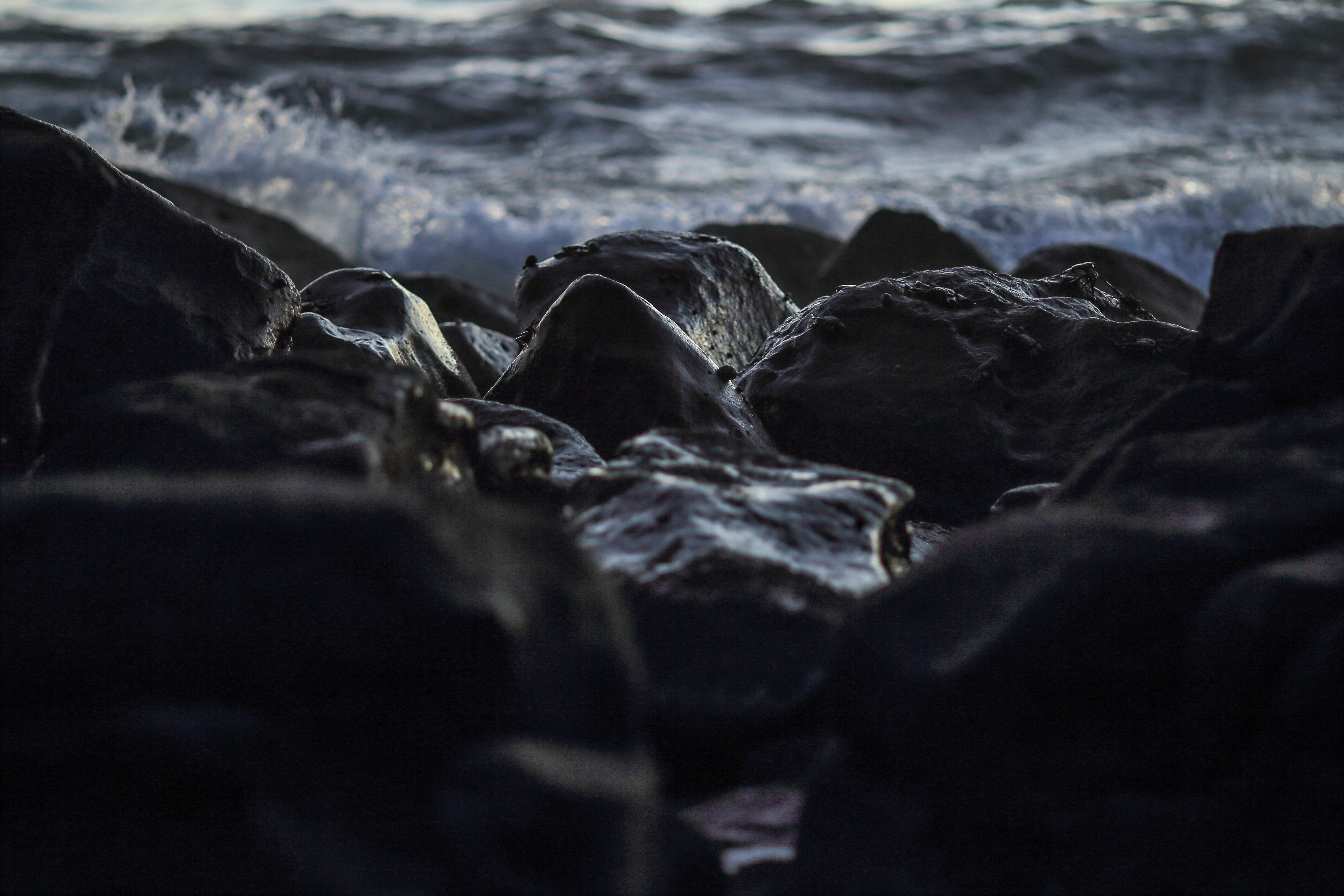
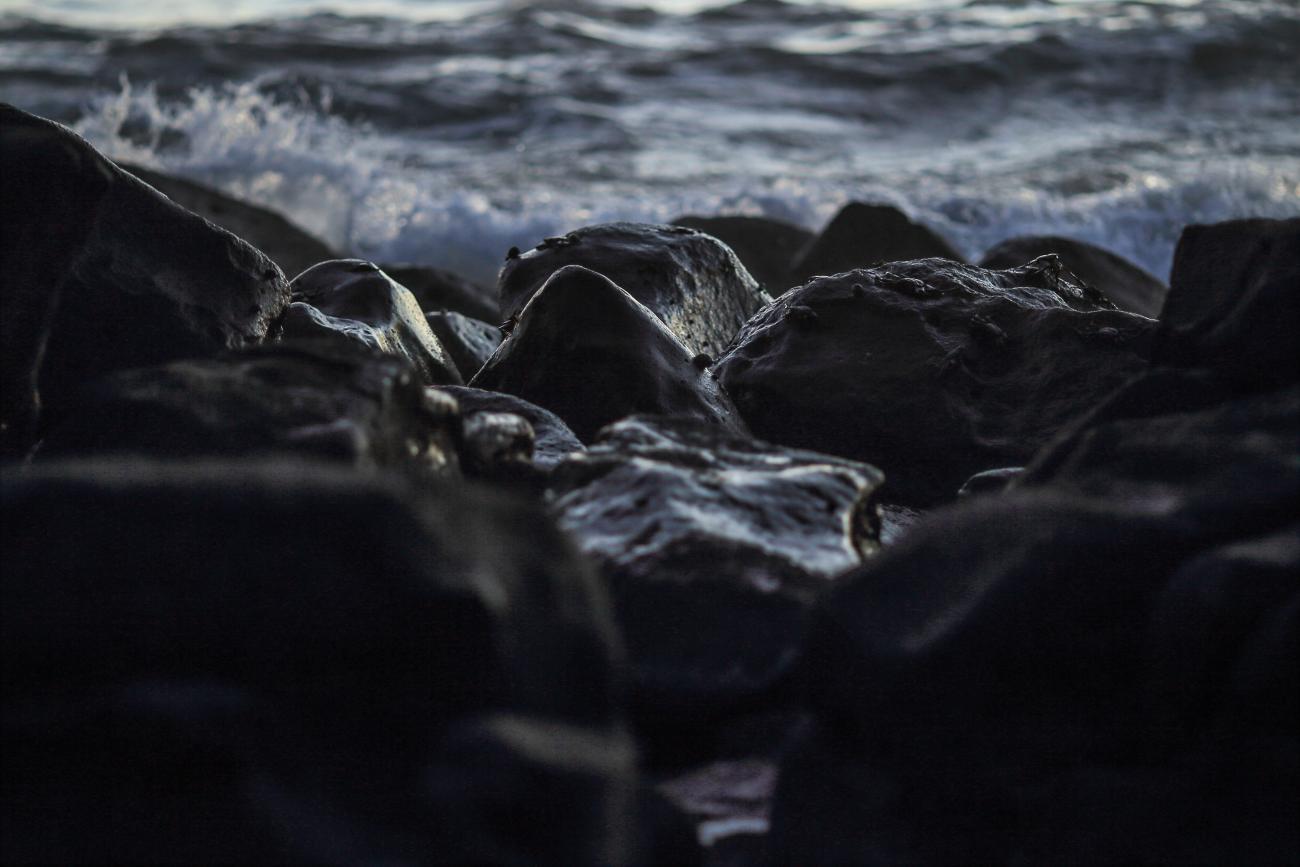
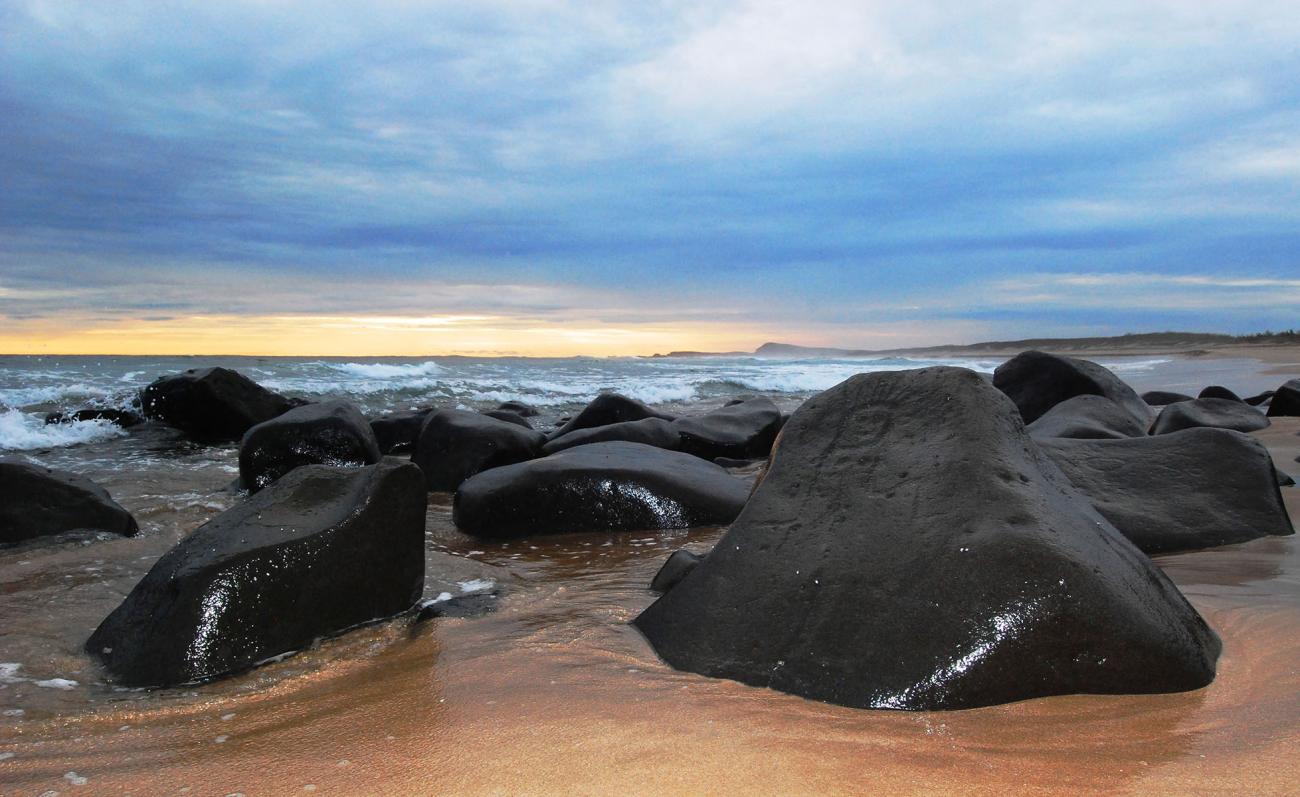
Manufacturing techniques include abrasion and percussion. Low-relief and high-relief motifs are frequent, together with the simple removal of the upper layer of the rocks. These are of many different sizes and are distinguished by their smooth and polished surface, rounded by the sea. They also have a dark and opaque color, presenting various different tones of grey over the course of the day. Additionally, large quantities of pebbles are present, the products of a geological event which took place thousands of years ago.
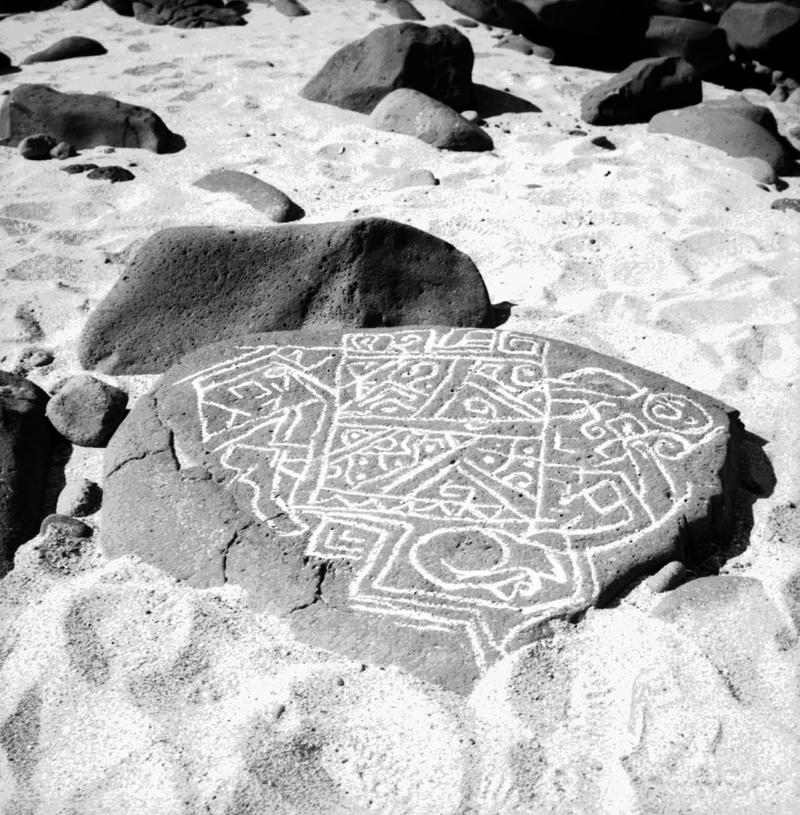
At least nine rock engravings exist which have some sort of spatial and, in some cases, numerical connection. These are related to the four cardinal points, the solar elements and the proximity to the imaginary line of the Tropic of Cancer. This is the case with one of the largest rocks at the start of the path from the entrance to the archeological site. A double contoured cross inside a rectangle can be seen on it, which represents the four directions or cardinal points.
Similarly, a celebration of the summer solstice seems to be symbolically represented in Las Labradas. The solar elements depicted in the geometric figures and in the majority of the human characters suggest the presence of an ancient pre-Hispanic world view. In the majority of the engravings, the sun is replicated as the center, origin and point of convergence (in its spatial and geometric aspect), as light, fire, heat and wave movement (in its natural aspect) and as an object of contemplation, worship, exaltation and transformation (in its metaphysical aspect).
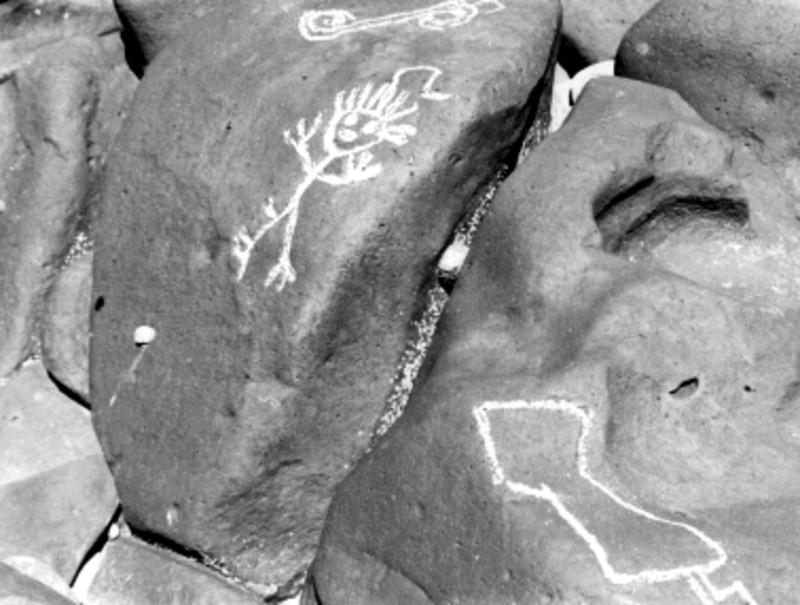
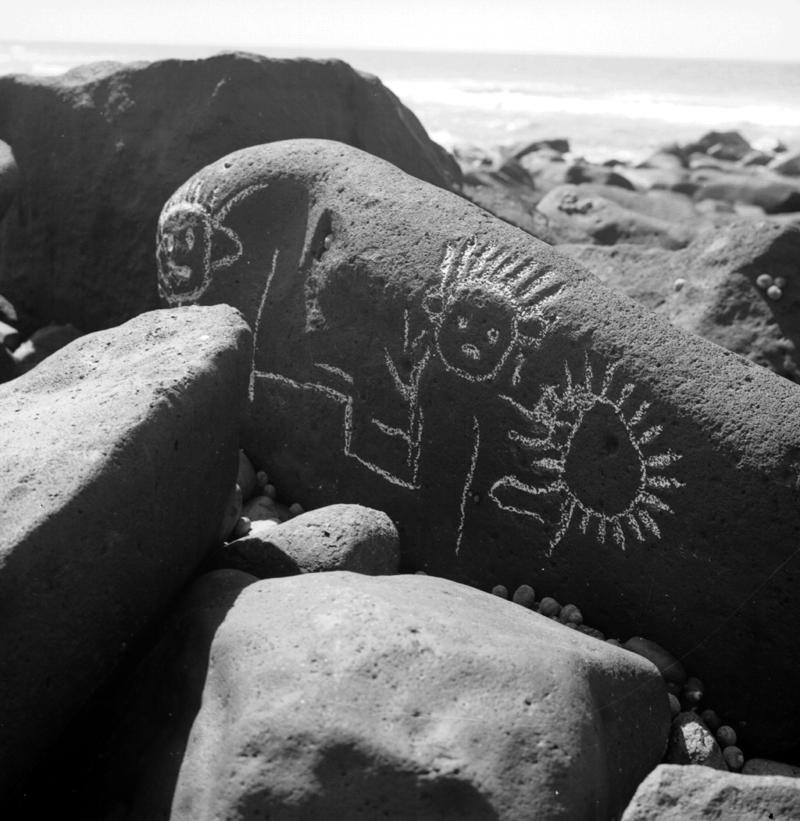
It is also possible to observe various petroglyphs along the route which represent characters with circular and triangular heads, open or raised arms and completed or half-completed bodies. There are also some showing only a face. Some figures have no hair and others have a range of spiked hairstyles. Sometimes, there is a small line for a mouth, while the nose is represented in only very few cases.
La roca horadada y el pelícano
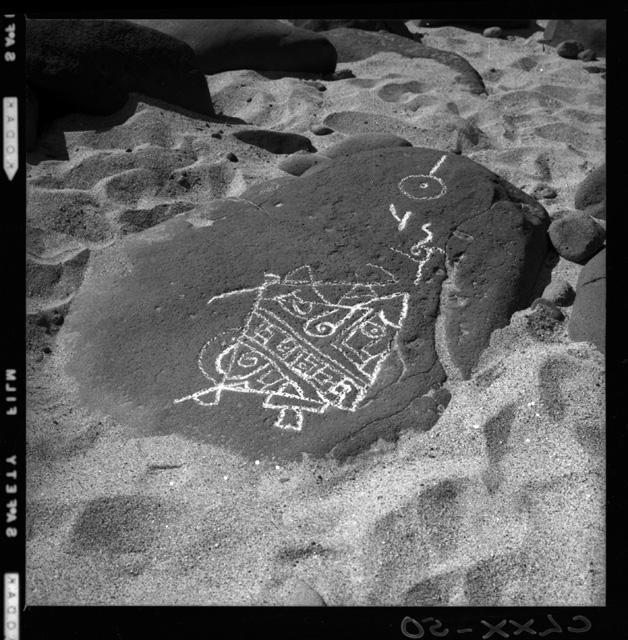
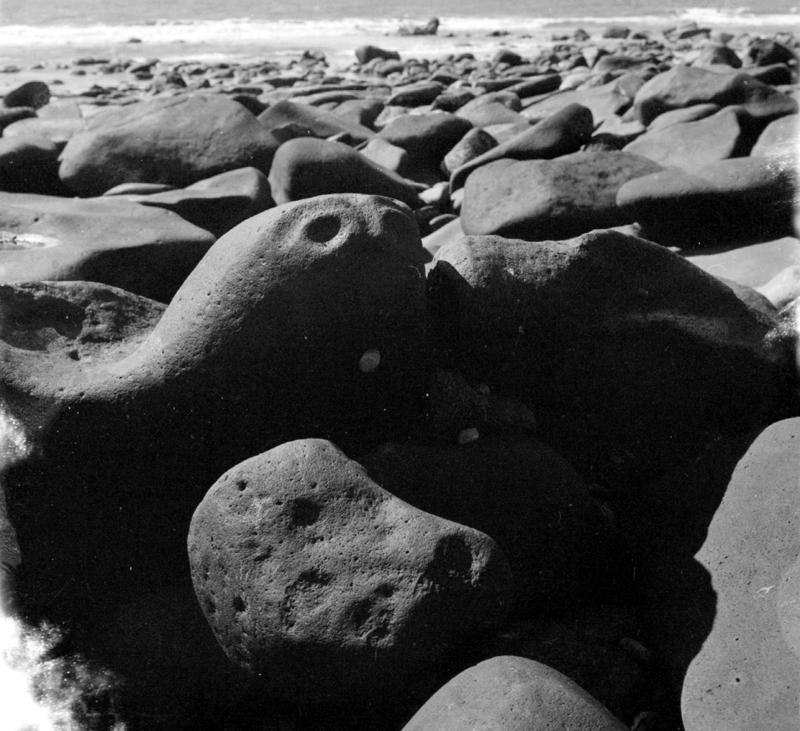
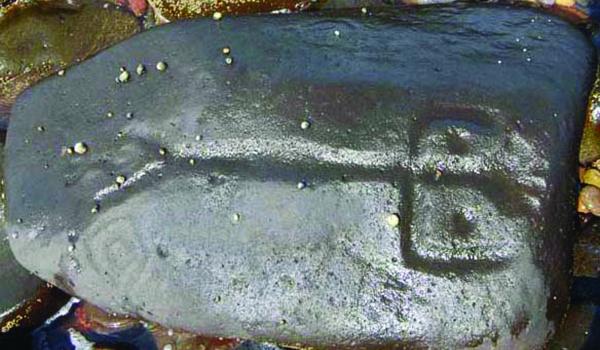
In this area there is a group called the perforated rock, because there is a large stone with a central cavity in the front. At its right end, there is a cross inscribed in a rectangle called cartouche.
La roca horadada y el pelícano
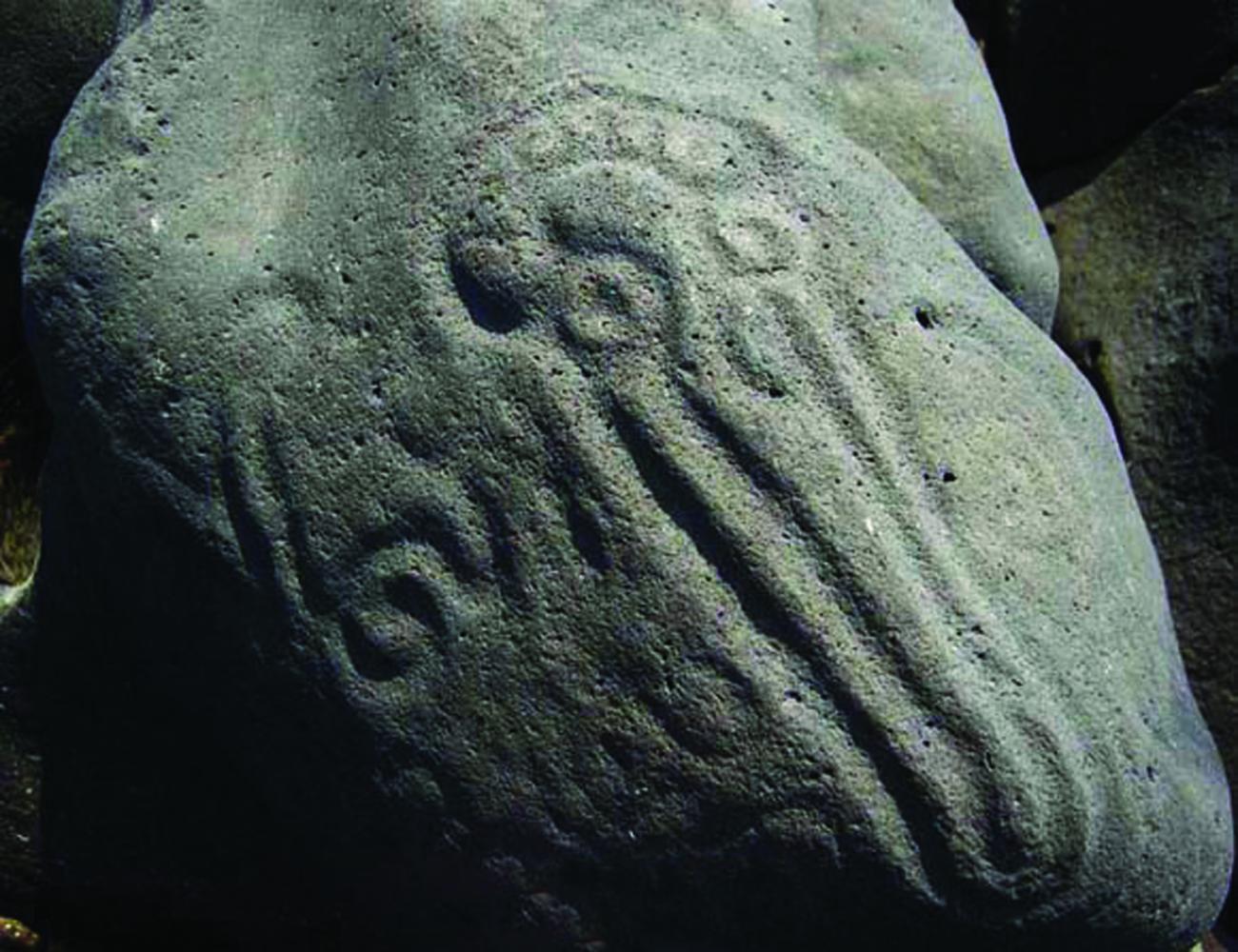
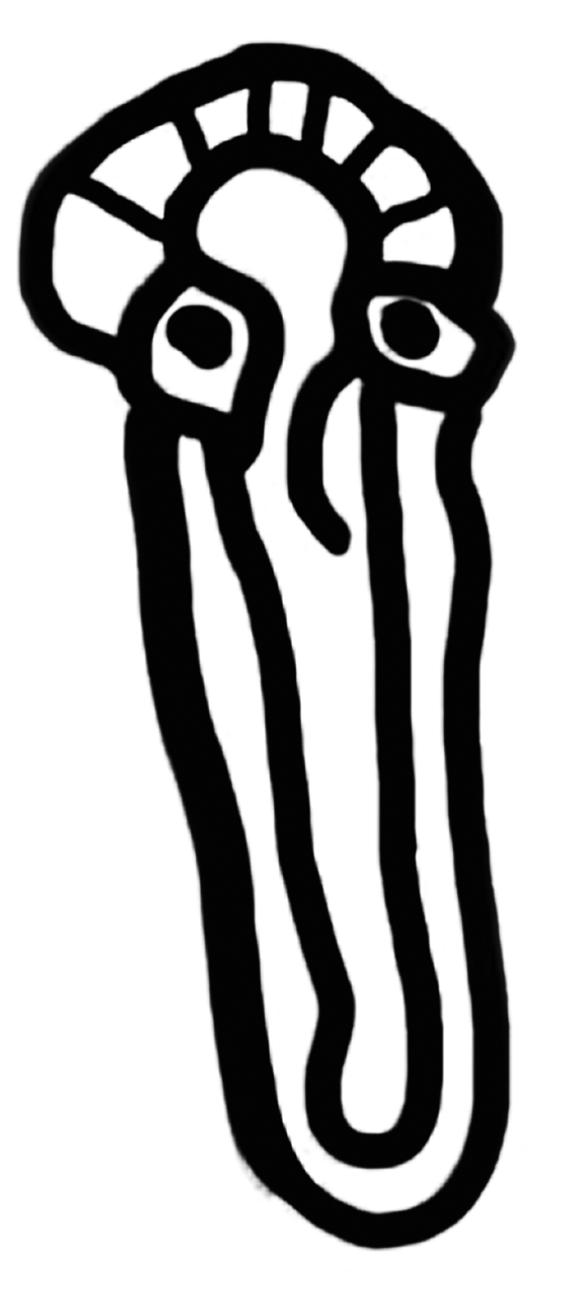
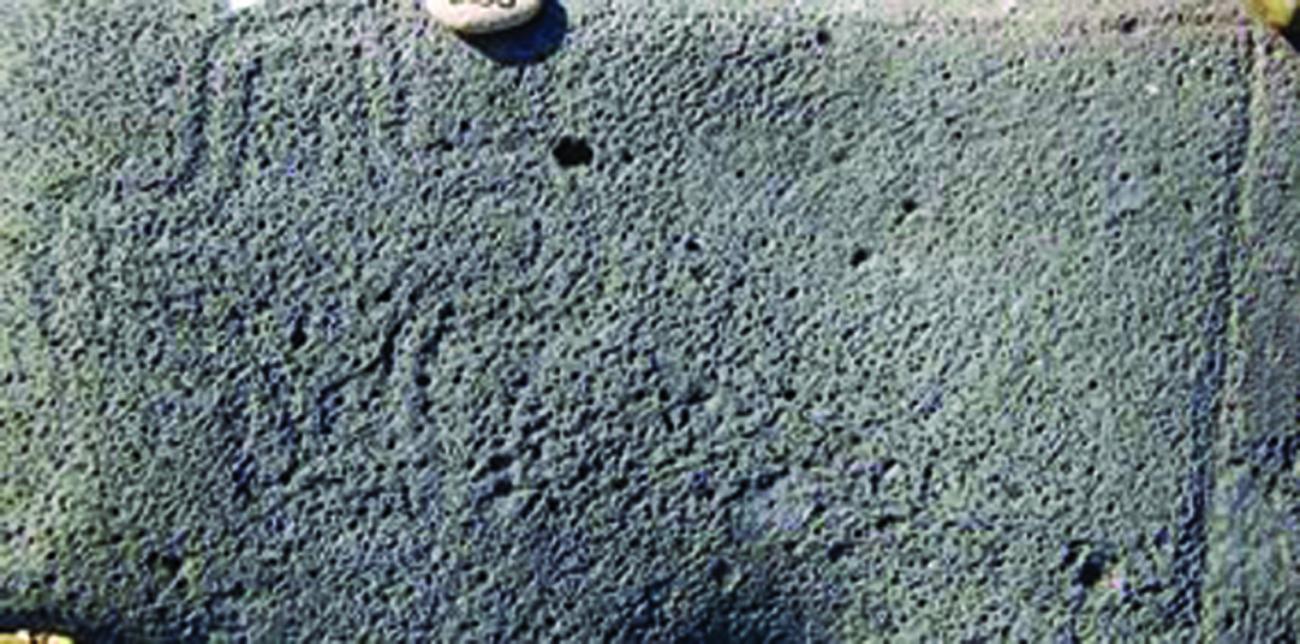
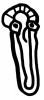
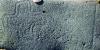
In this area there is a group called the perforated rock, because there is a large stone with a central cavity in the front. At its right end, there is a cross inscribed in a rectangle called cartouche. At the other end of the rock, the left one, there is what looks like the face of a bird, perhaps a pelican, represented by the elongation of its face, which would correspond to the beak, it has the eyes separated and on the head, several framed lines simulate feathers.
El personaje extático cenital y la mantarraya
In the final part of the route there are five more sets, of which two rocks that are almost always in contact with the sea stand out: The figure in ecstasy and the manta ray.
El personaje extático cenital y la mantarraya
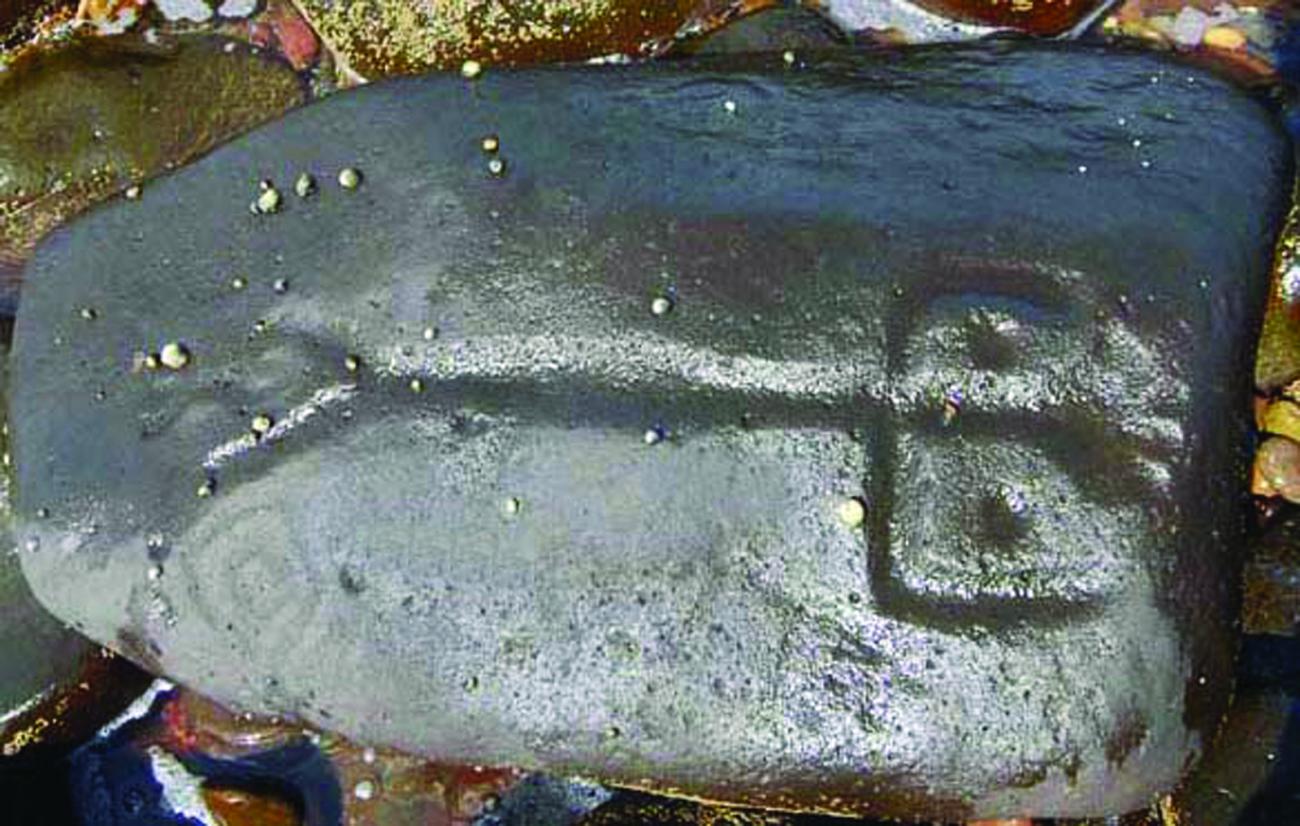
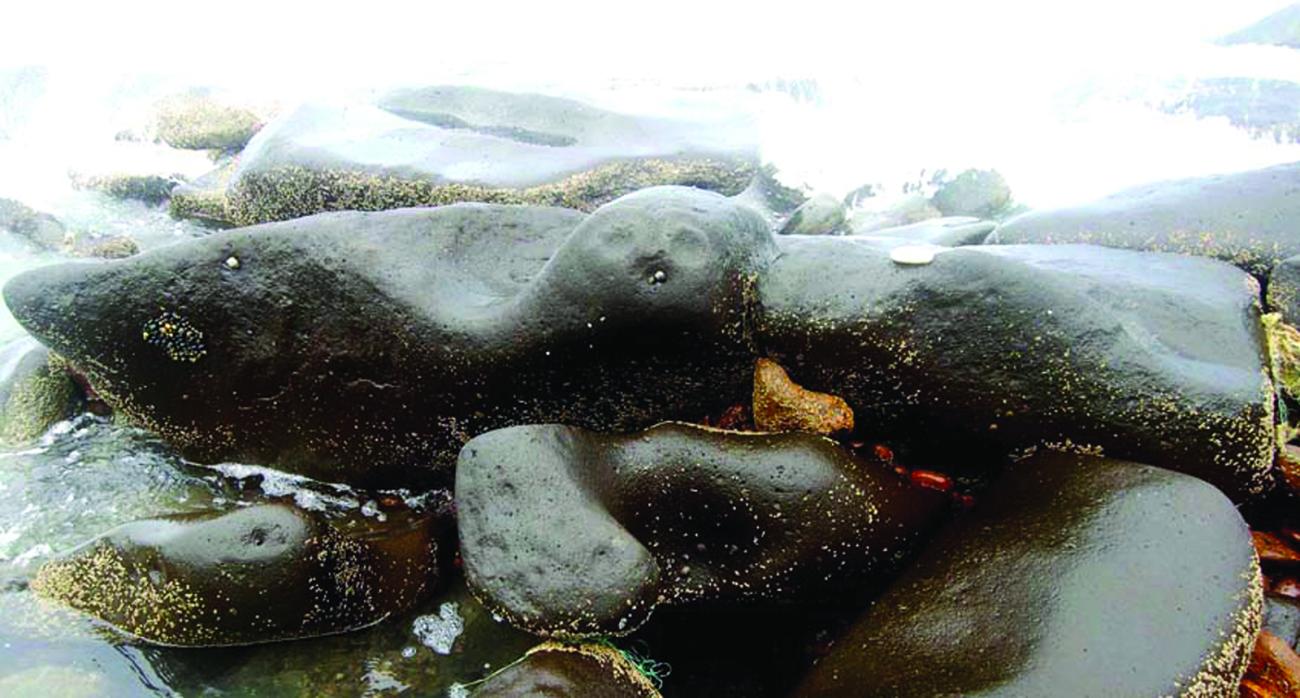
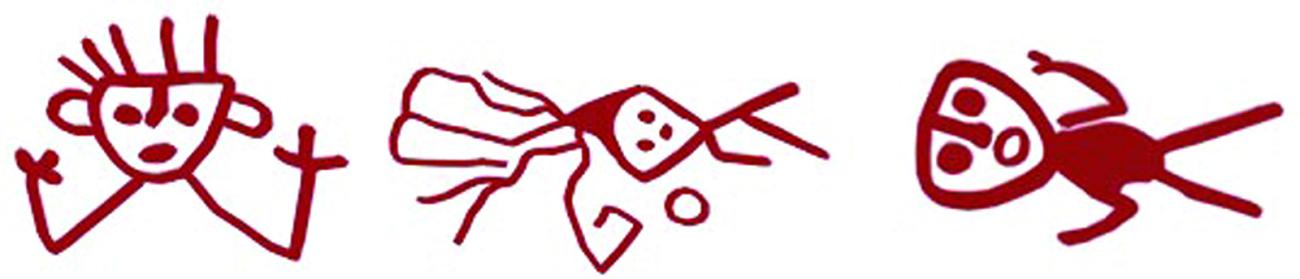
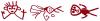
In the final part of the route there are five more sets, of which two rocks that are almost always in contact with the sea stand out: The figure in ecstasy and the manta ray. On the horizontal surface of an elongated rock there is a human figure with an elongated body, a small head, no face and spiky hair; his arms are open and raised square, while in the space between his neck and arms there is an engraved dot. The legs of the personage are short, the extremities of feet and hands do not have fingers, it is the petrogravure known as The ecstatic zenithal personage. Very near is a flat rock of great dimensions, in whose end was engraved the figure of a face; the whole rock seems to represent its body, for that reason it has been denominated as The Stingray.
El cartucho con flecos y la espiral
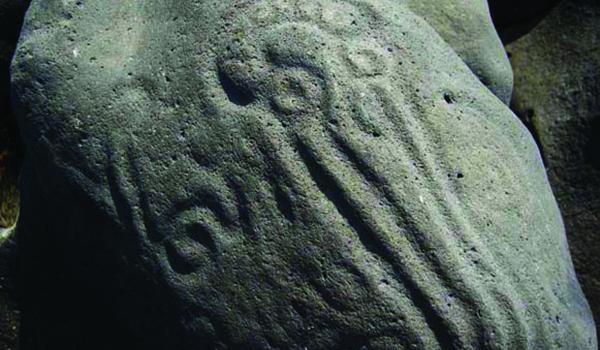
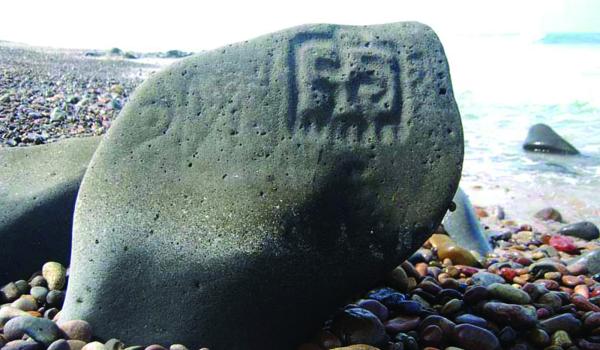
The last rock engravings located at the end of the southeast sector are a double spiral and a cartouche with fringe, both engravings mark the end of the route.




Contact
- Dirección del Centro INAHServando Rojo Quinteroservando_rojo@inah.gob.mx+52 (667) 752 1541ResponsableLeonardo Palazuelos Osoriosleonardo_palazuelos@inah.gob.mx+52 (667) 752 1541