






Yautepec
Archeological site
Yautepec
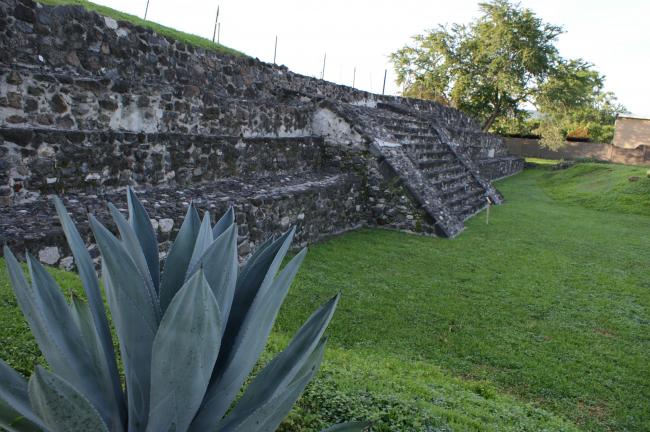
The settlement’s development was influenced by Teotihuacan, the Toltecs and the Nahua. When it was occupied by the Tlahuica, who spoke Nahuatl, it dominated. Once the Triple Alliance was formed the Mexica conquered Yautepec and forced it to pay tribute. A beautiful pyramid has been preserved.
Yautepec’s first settlers arrived at the start of the Preclassic (1200 BC-150 AD). Fired clay objects have been found from this period including earthenware dishes, pots and pans and other types of vessels used in everyday food preparation. Anthropomorphic clay figures were also made in the same way, giving us an idea of the appearance of the inhabitants of the day with details such as clothes, headdresses and other ornaments.
The people of Yautepec came under the influence of the Toltecs to a certain extent during the Early Postclassic (900-1200). At this time the city of Tula ruled over an empire based in the present-day state of Hidalgo. According to Fray Diego Durán, the Tlahuica took Cuaunahuac as their capital, extending their influence to Yautepec, Huaxtepec, Yecapichtlan and Tlaquiltenango.
The city was famous for cotton production in the final centuries of the pre-Hispanic era. Cotton was traded with other towns in various forms: raw, woven into canvas blankets or brightly colored embroidered huipils (a traditional tunic worn by women). The fame and quality of these products was the envy of the valley of Mexico. Over the years conflicts arose between these groups and Yautepec was subjugated by the Mexica who received tribute in cotton products.
It is very possible that when the Spanish arrived they found a magnificent complex with palaces inhabited by the governors, alongside various pyramidal platforms with temples on top, residential units and separate houses. It is interesting to note that in 1519 Yautepec was one of the seven provinces in the present-day state of Morelos.
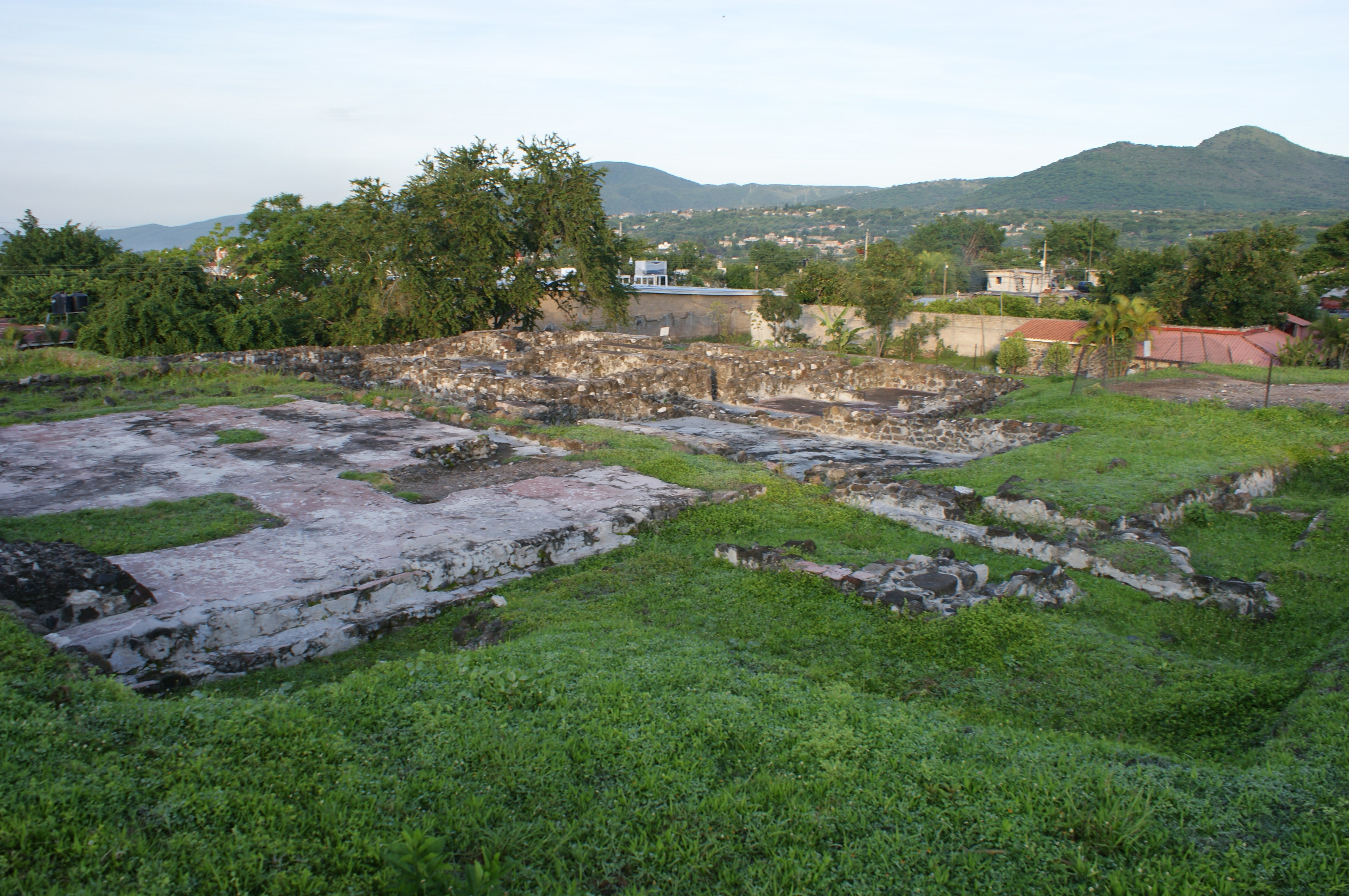
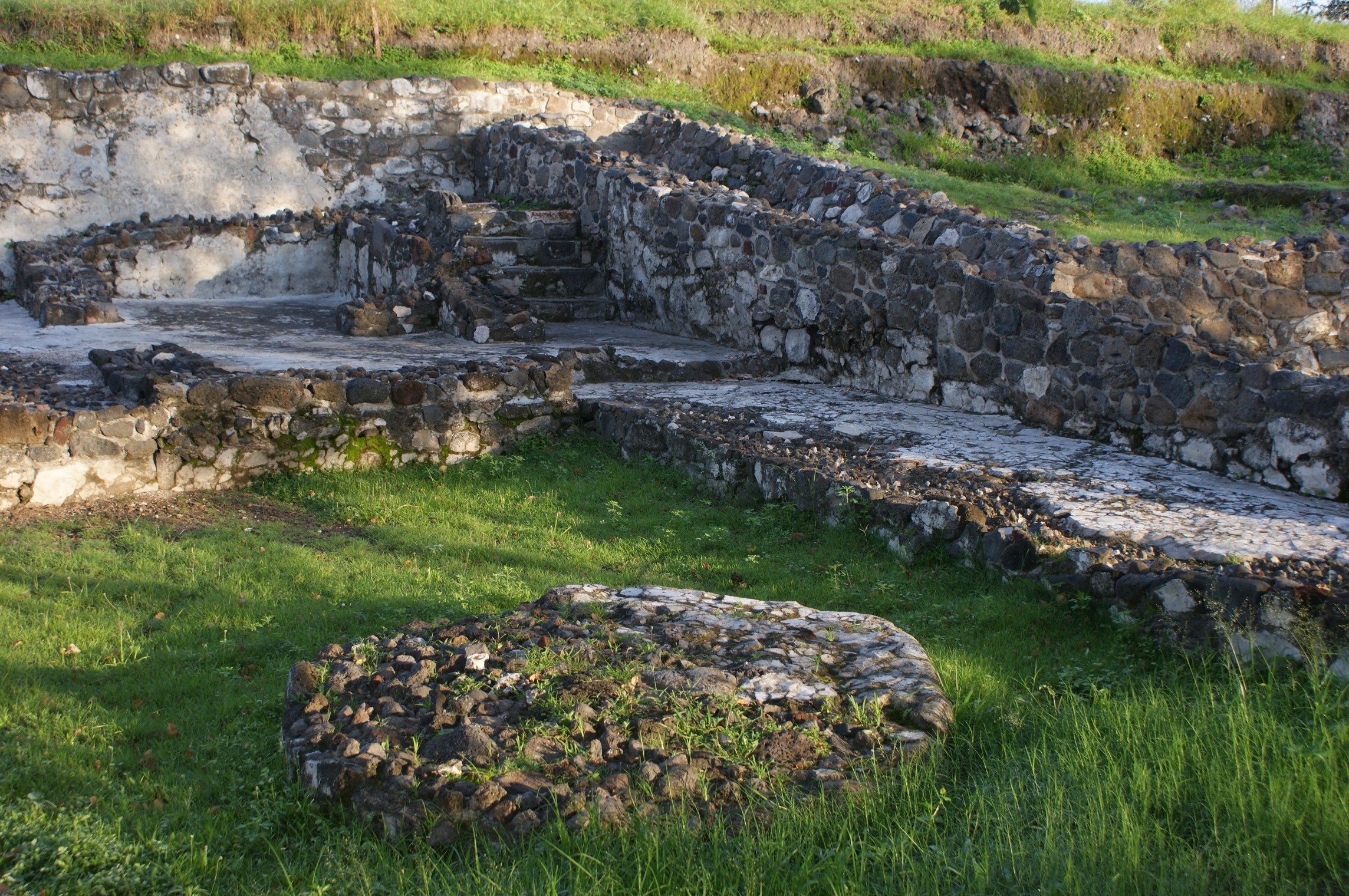
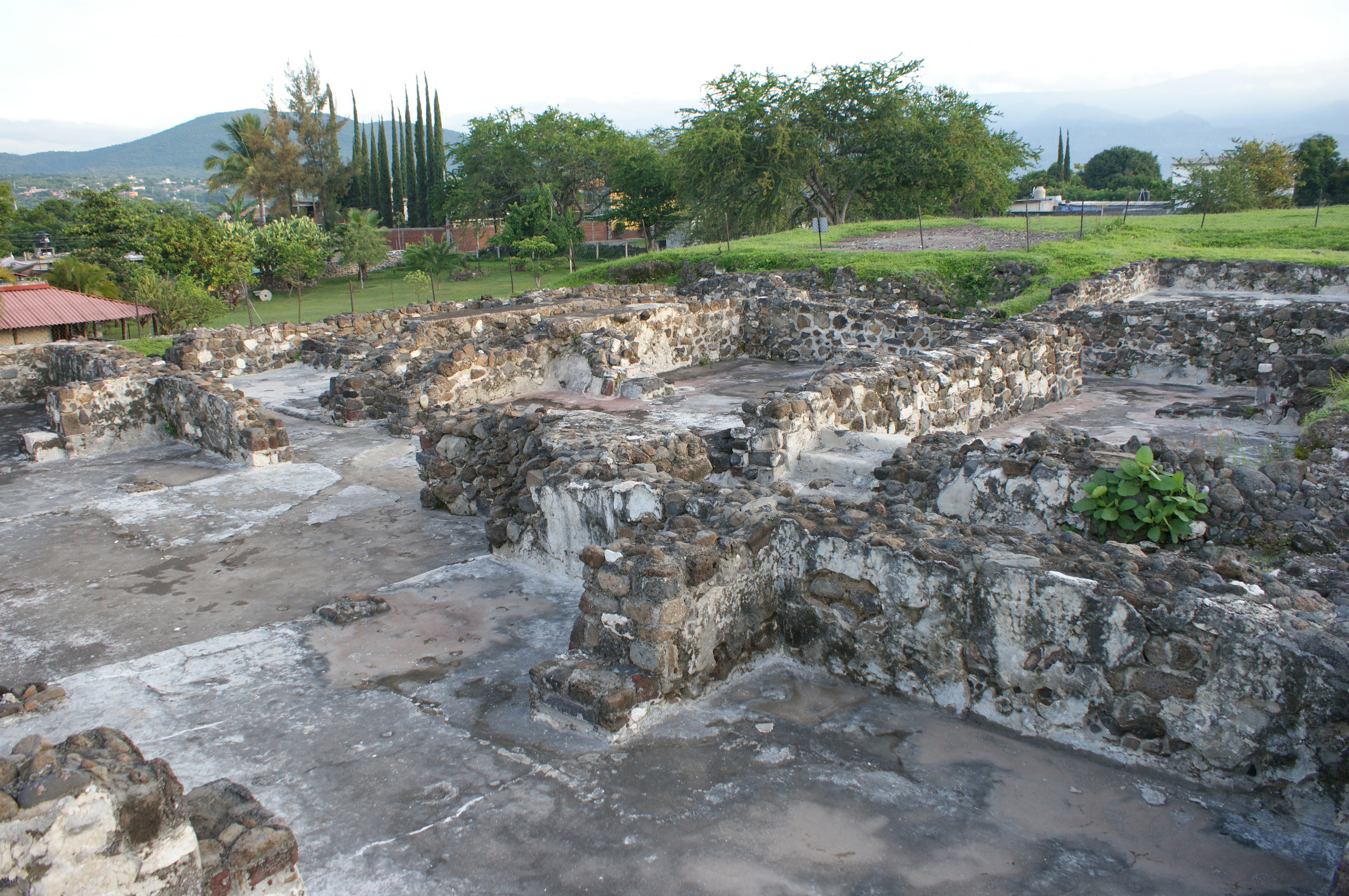
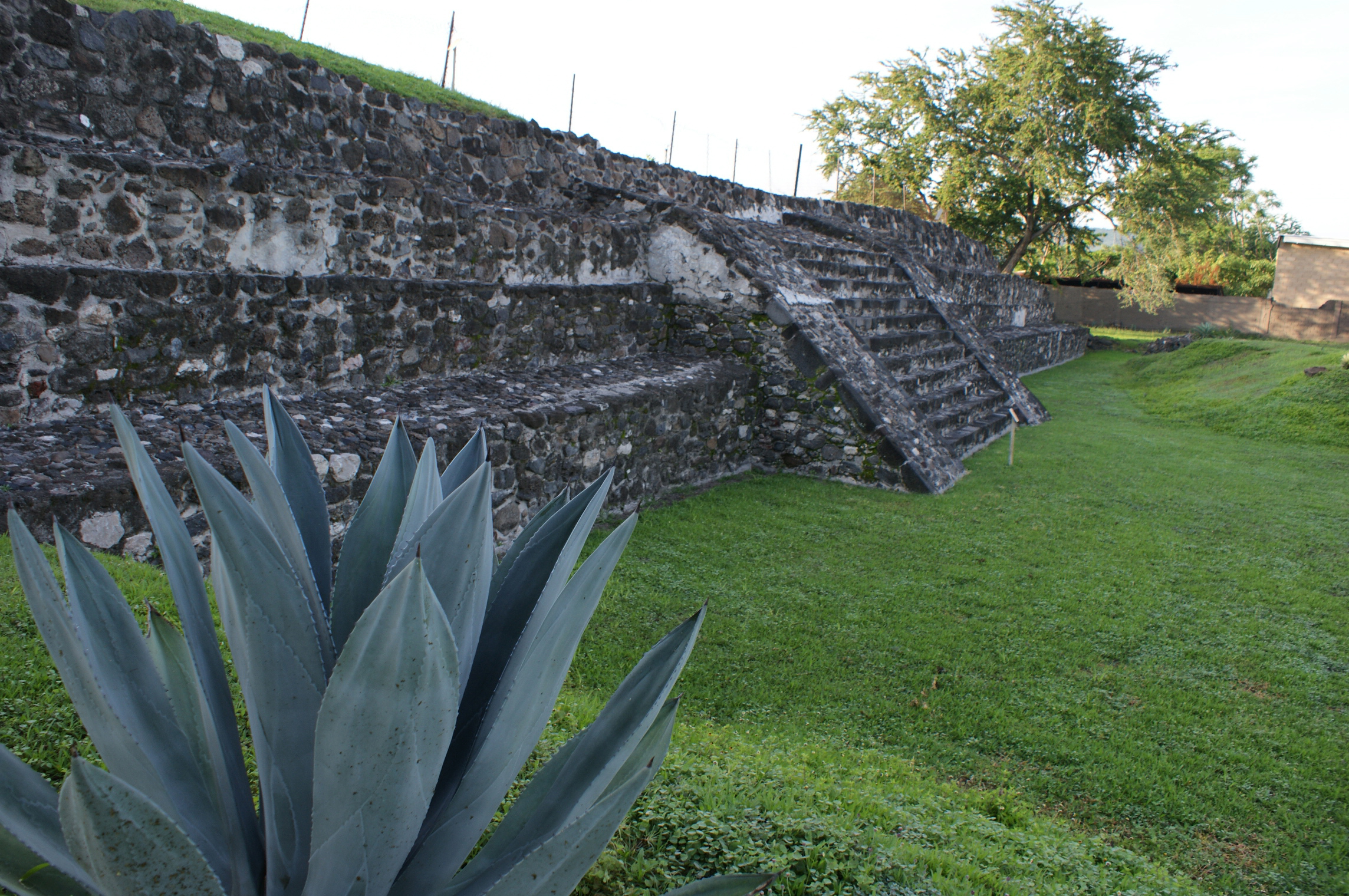
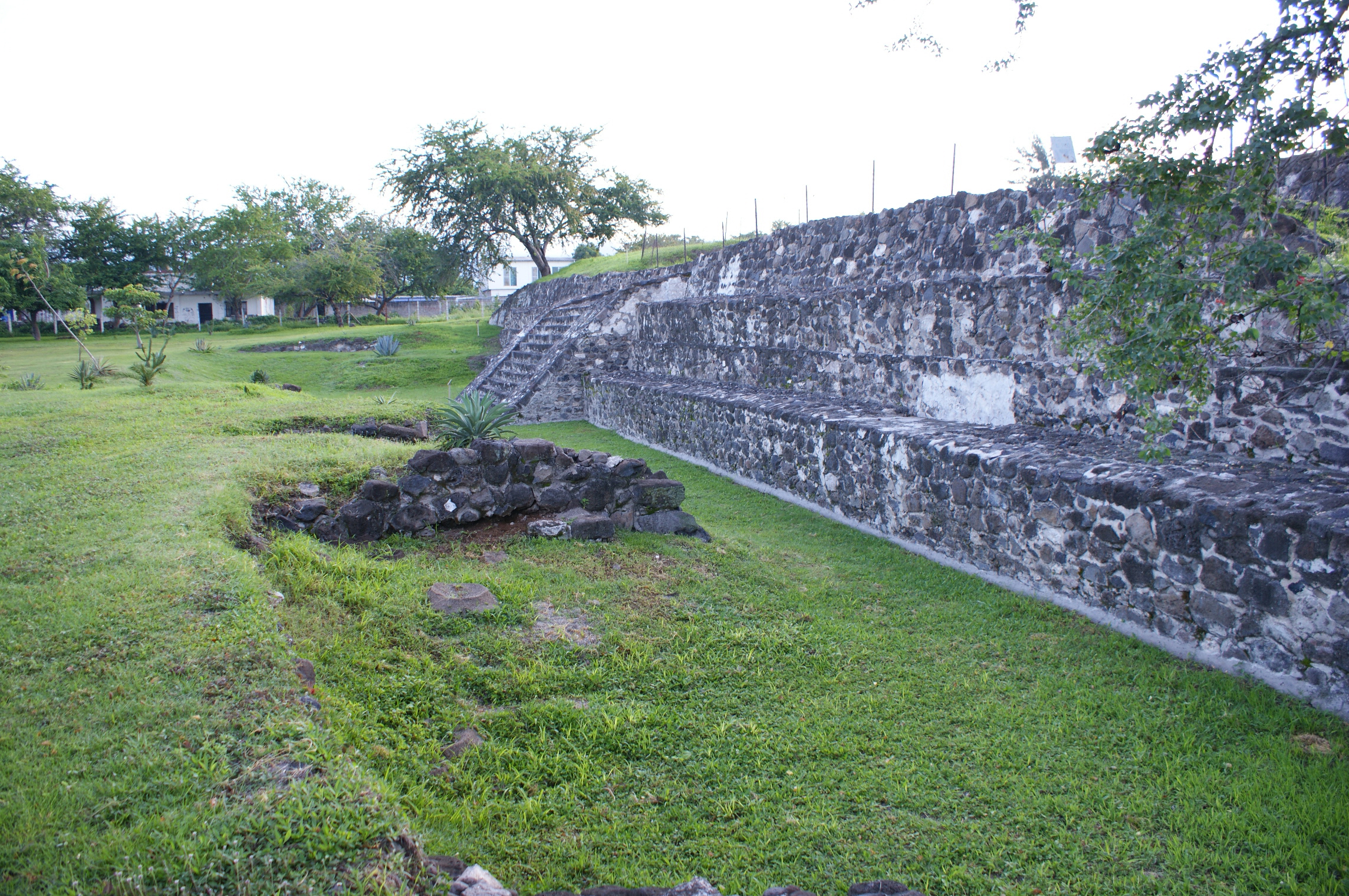
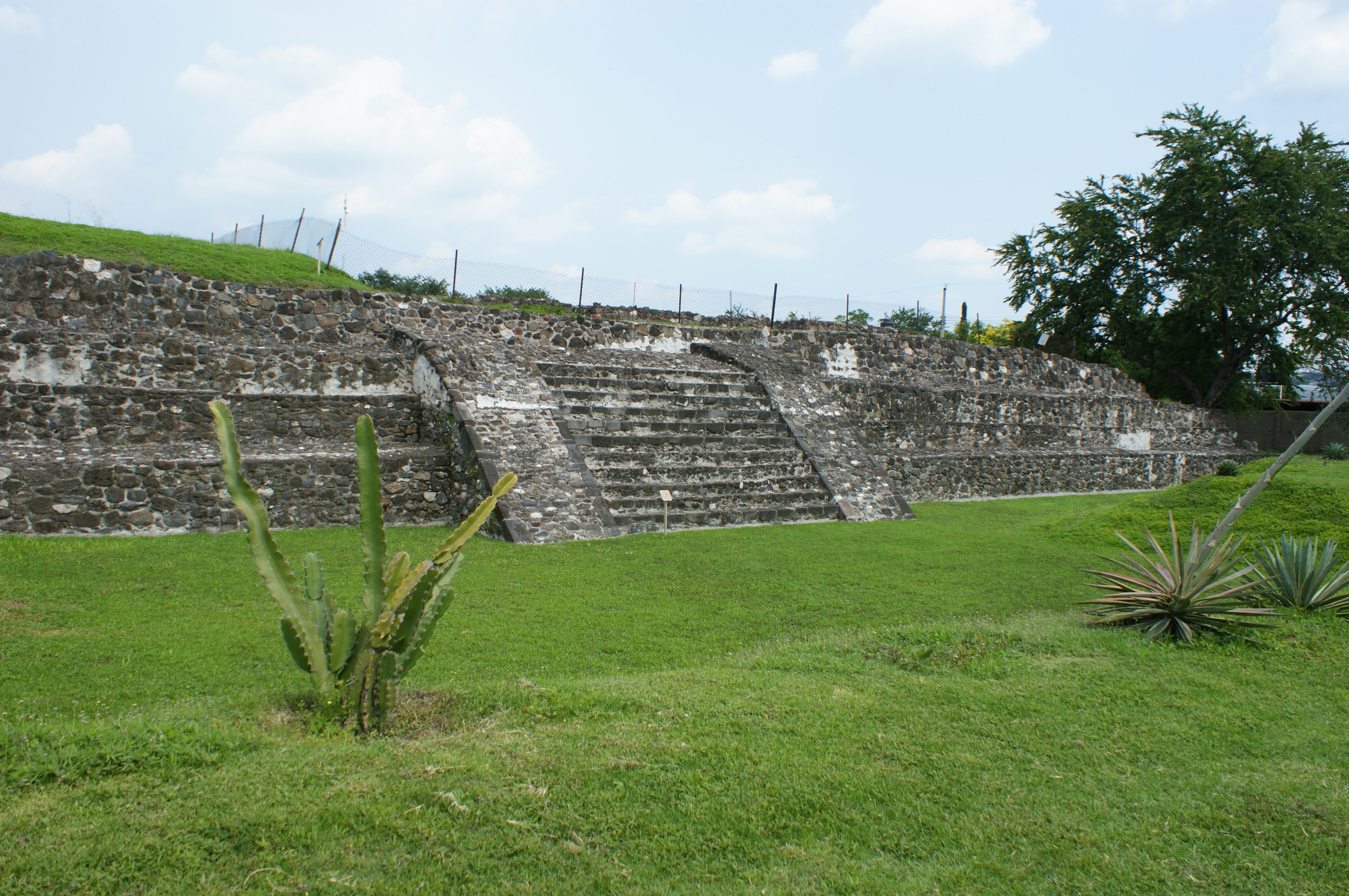
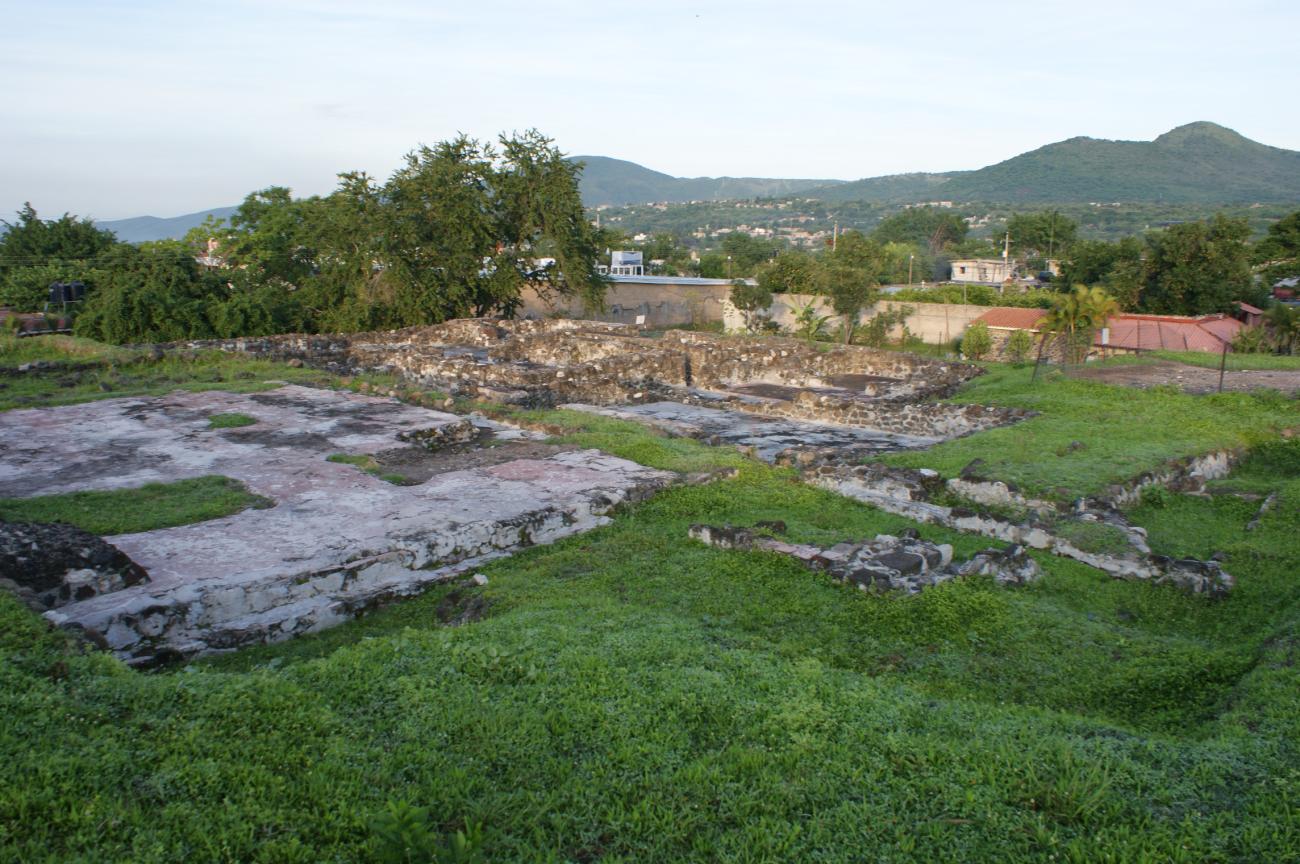
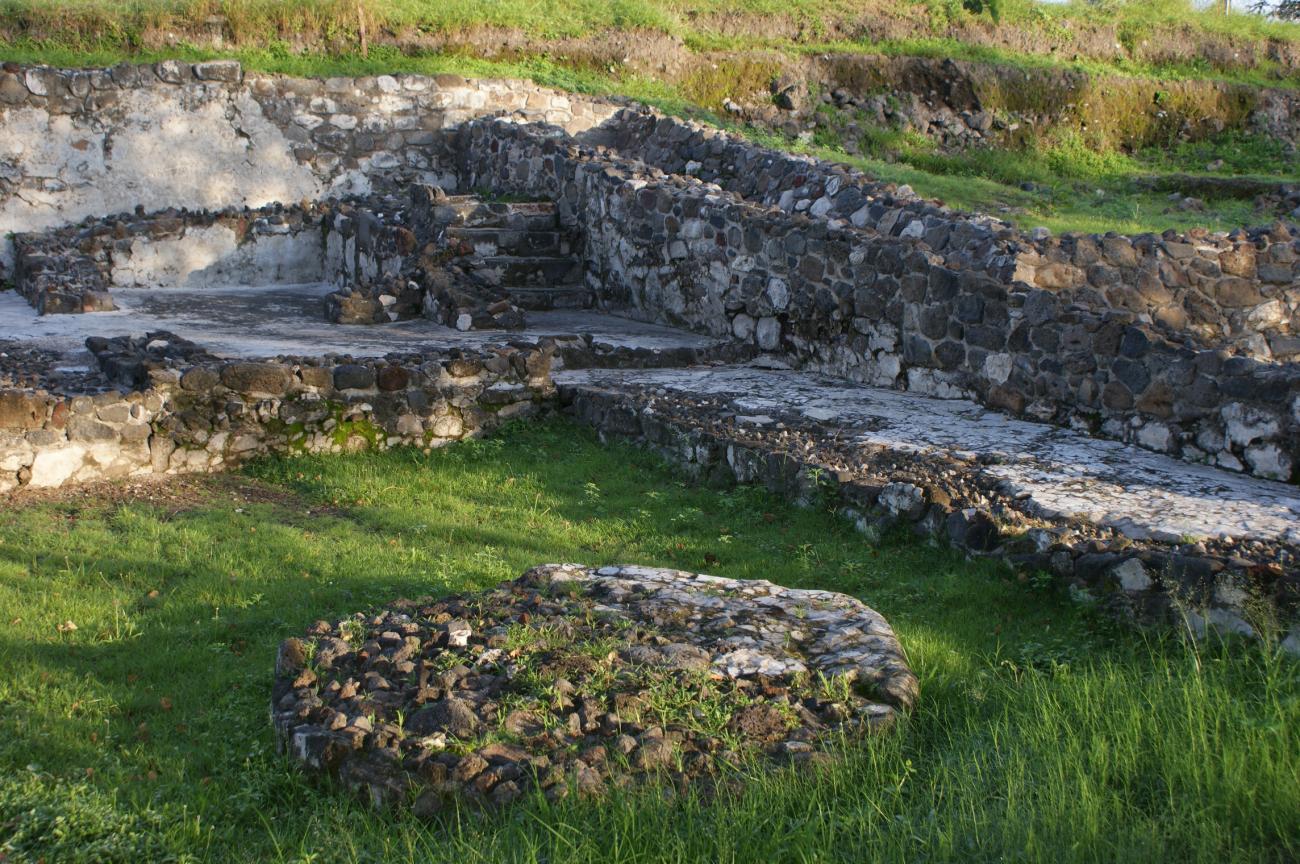
A palace (tecpan) is the only building of the ancient pre-Hispanic city preserved today. It has been cared for by INAH since 1989.
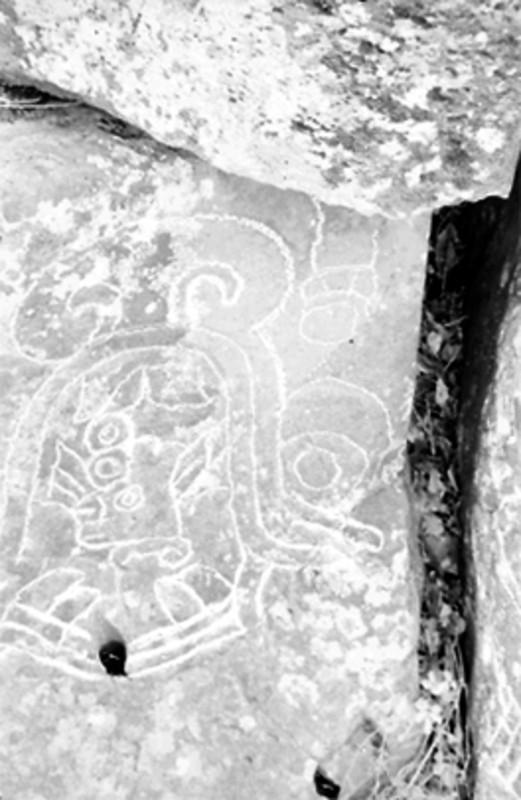
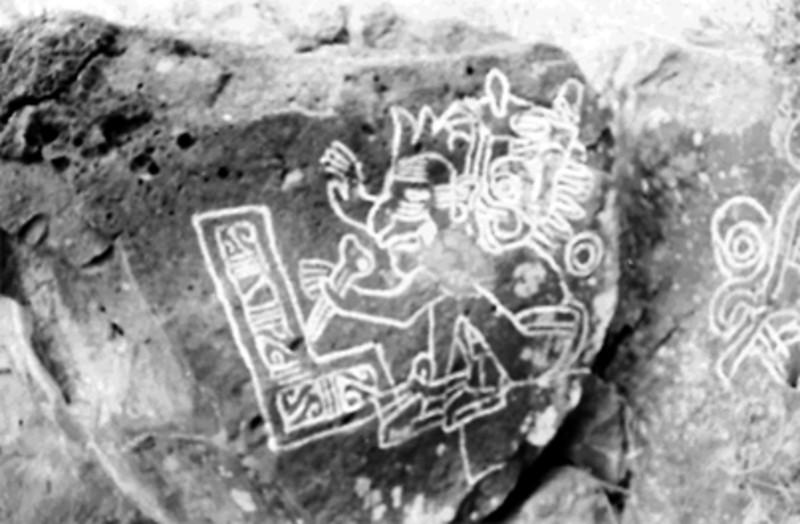

El Palacio o Tecpan
It was built on one of the highest points in the city, a hill 1,220 m above sea level. The dimensions of the building and the strategic selection of its location are no coincidence. On the contrary, from this place its residents could have exercised greater political and social control over the…
El Palacio o Tecpan
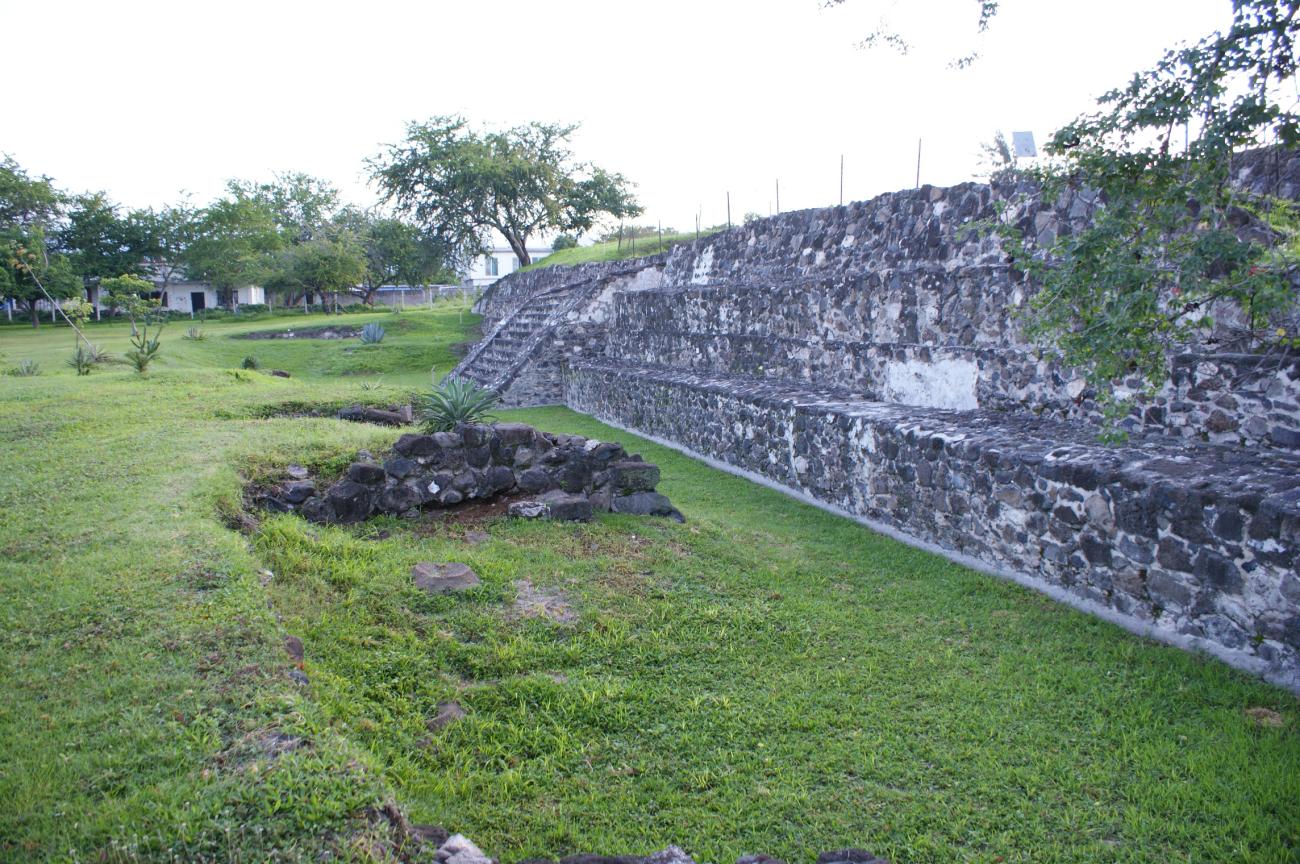
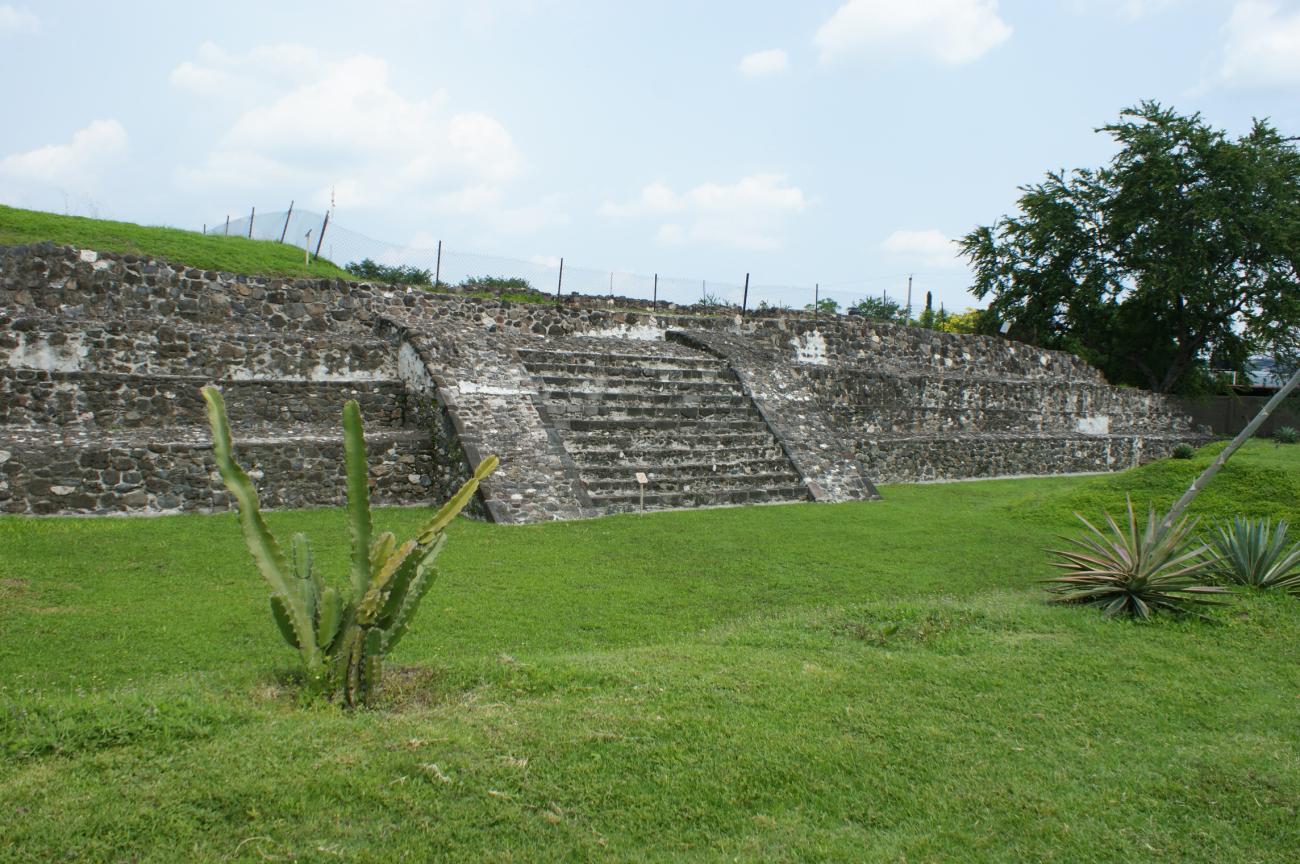
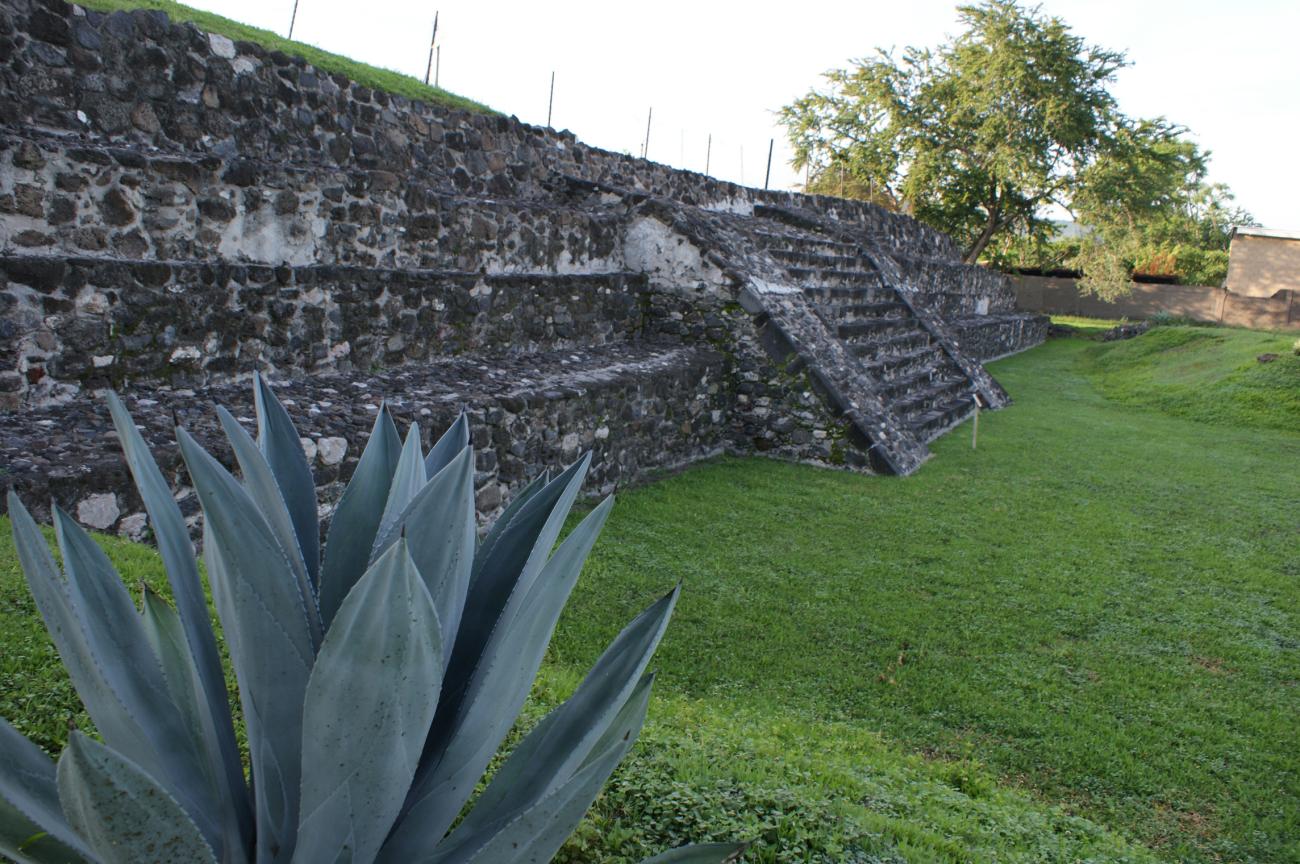
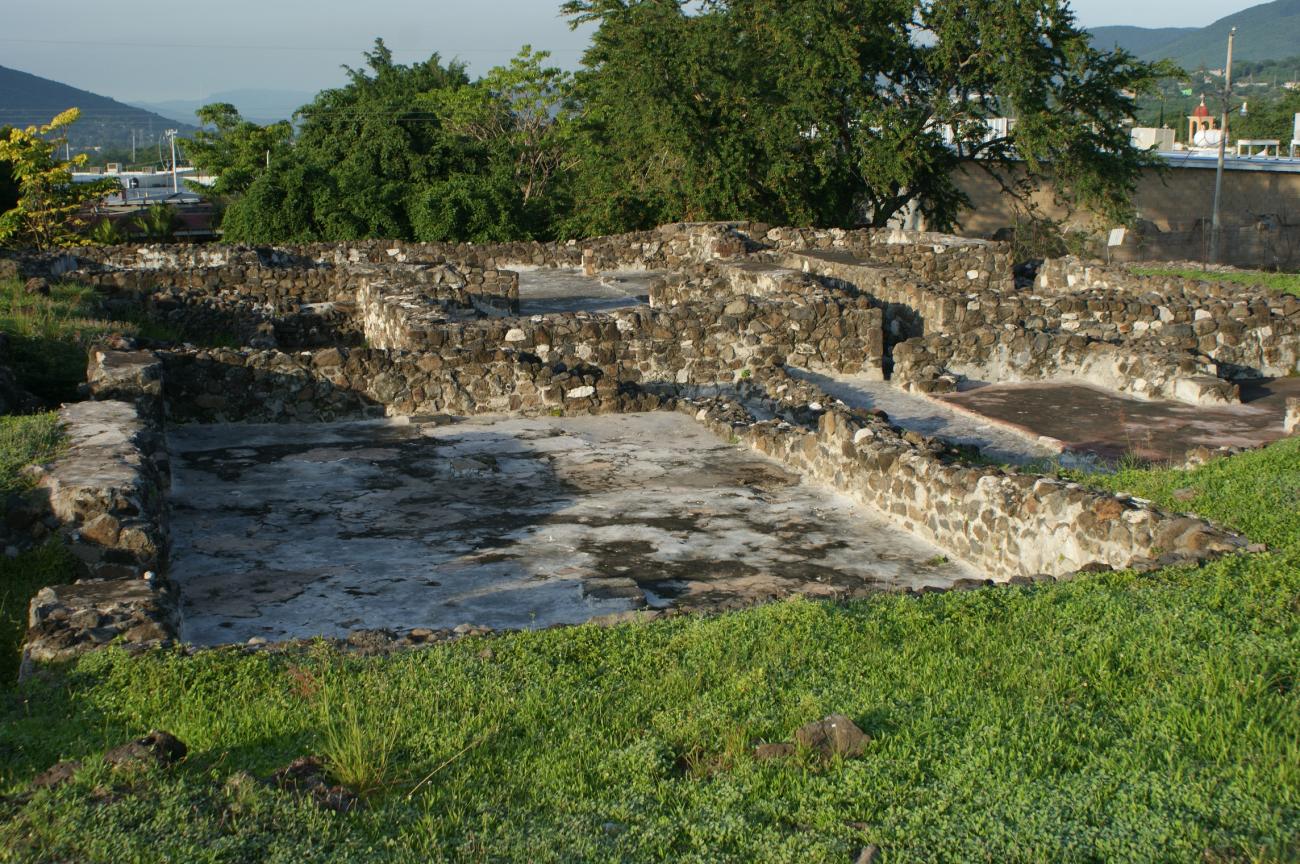
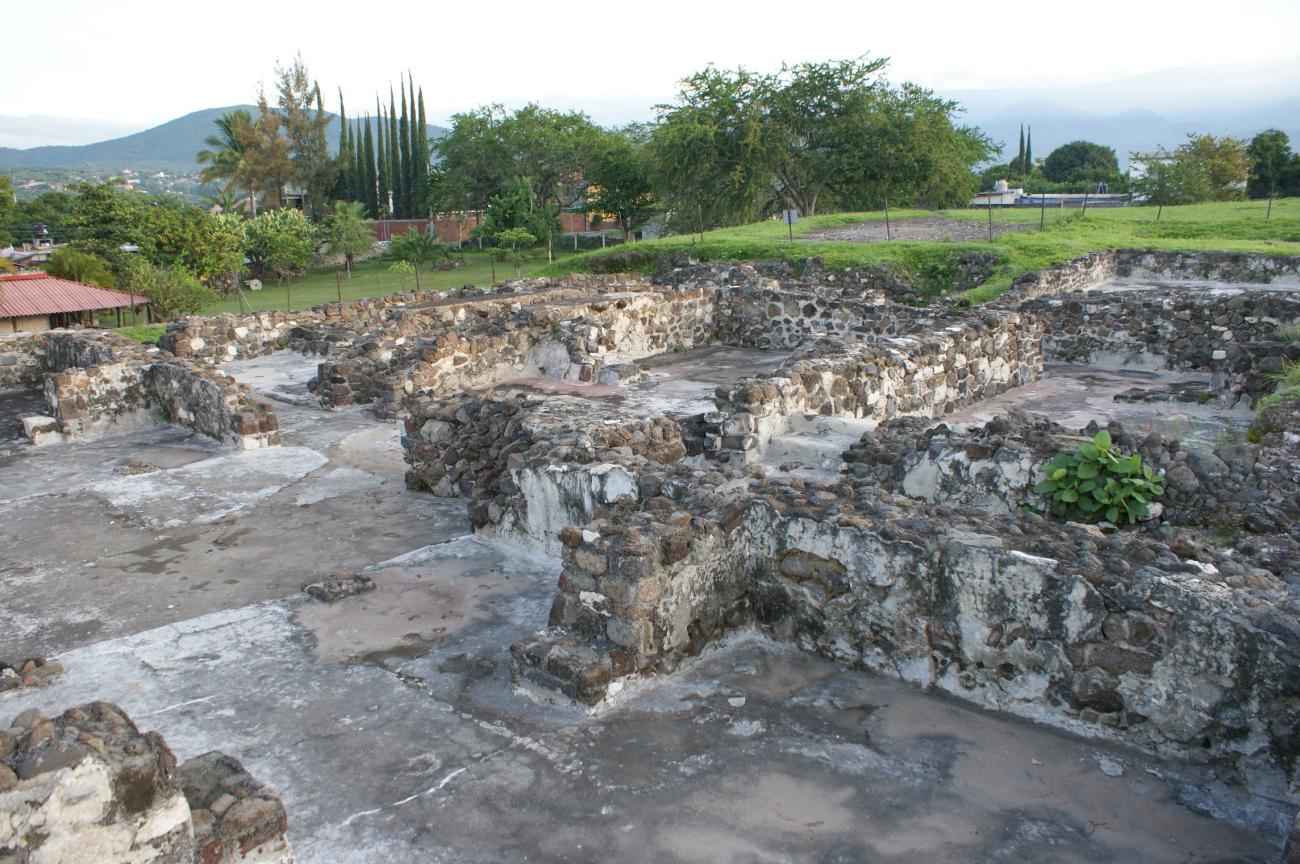
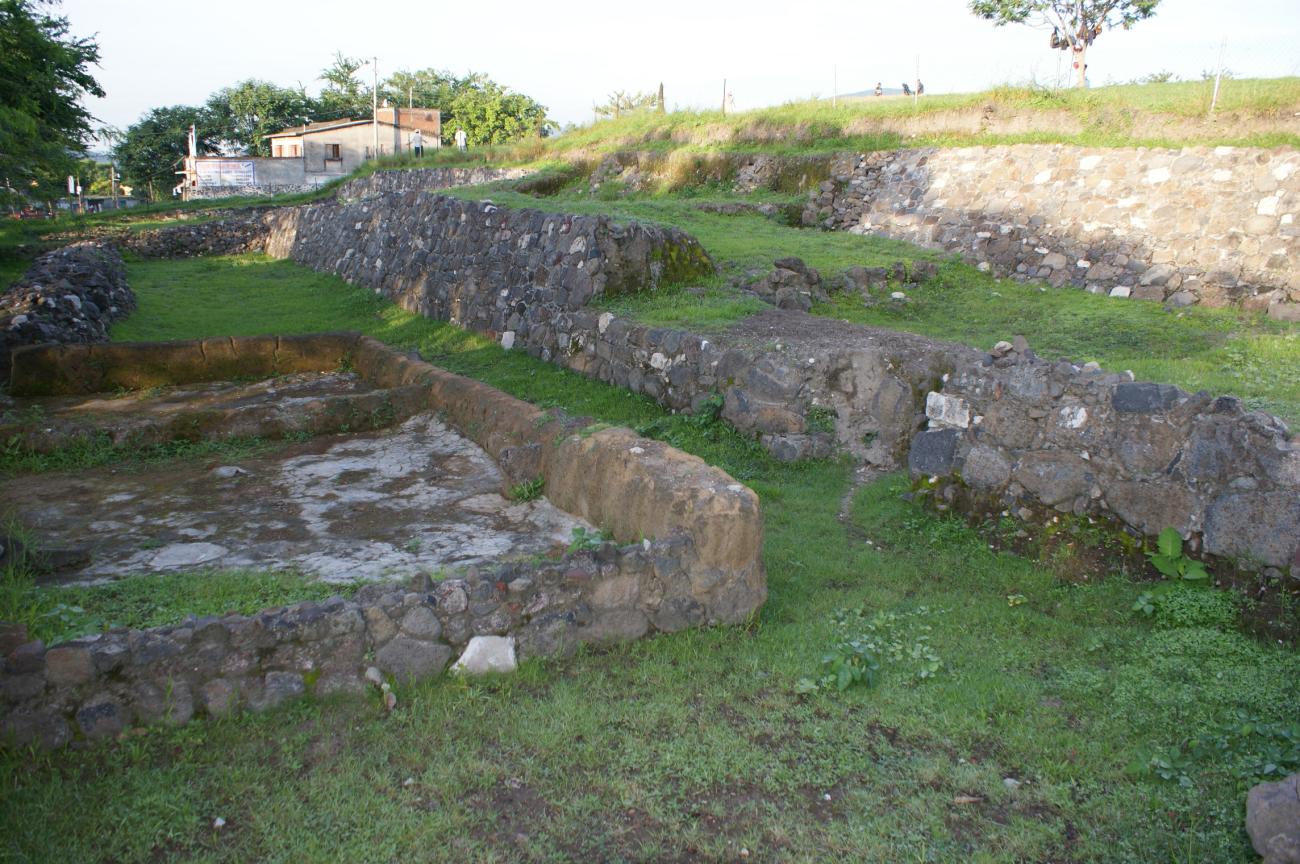
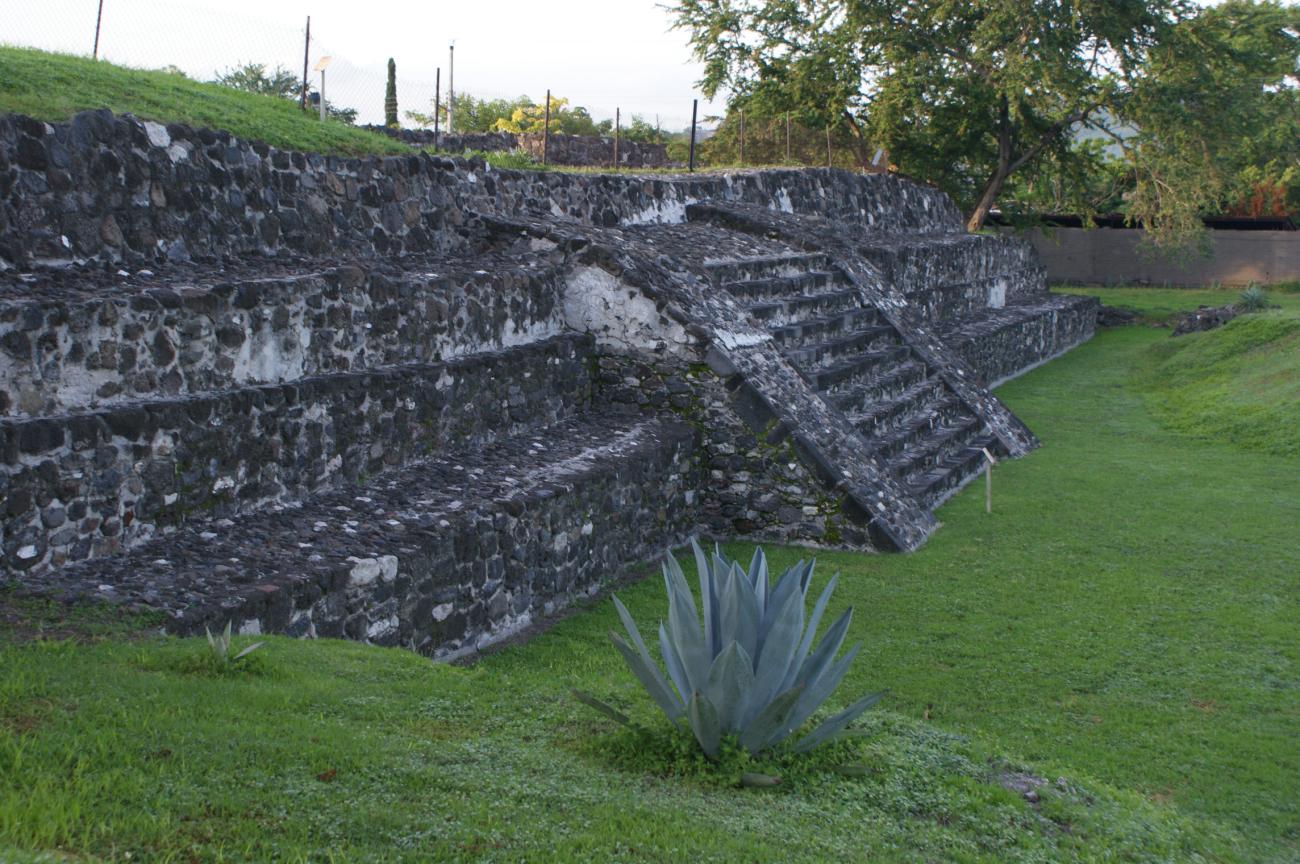
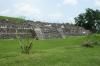
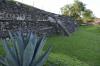
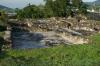
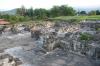
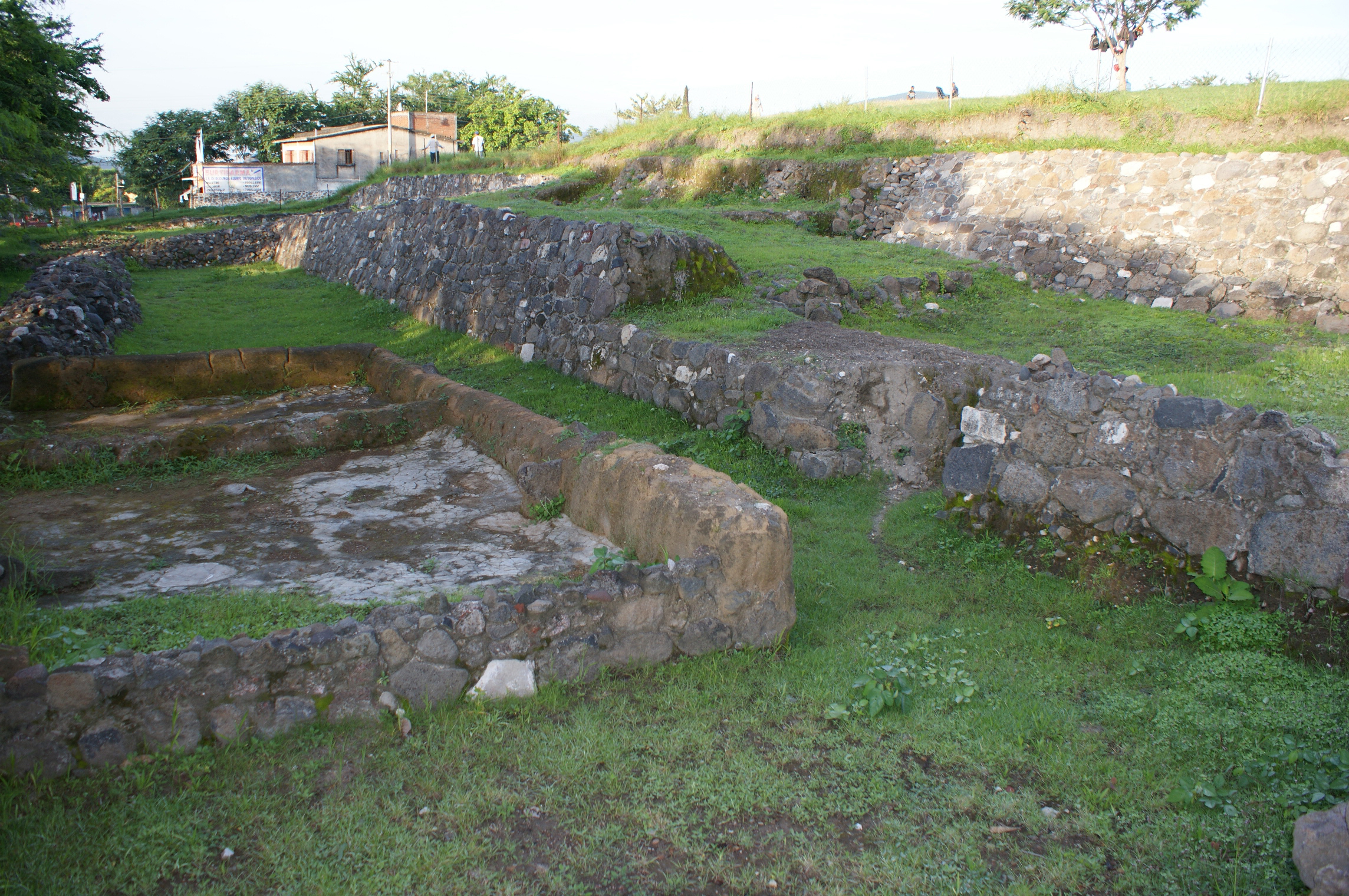
It was built on one of the highest points in the city, a hill 1,220 m above sea level. The dimensions of the building and the strategic selection of its location are no coincidence. On the contrary, from this place its residents could have exercised greater political and social control over the common population, taking advantage of the visual impact of the structure itself, to reinforce their stay in power. The architectural design of the palace consists of a platform with a regular plan, whose major axis is 100 m long; the minor axis measures 65 m.
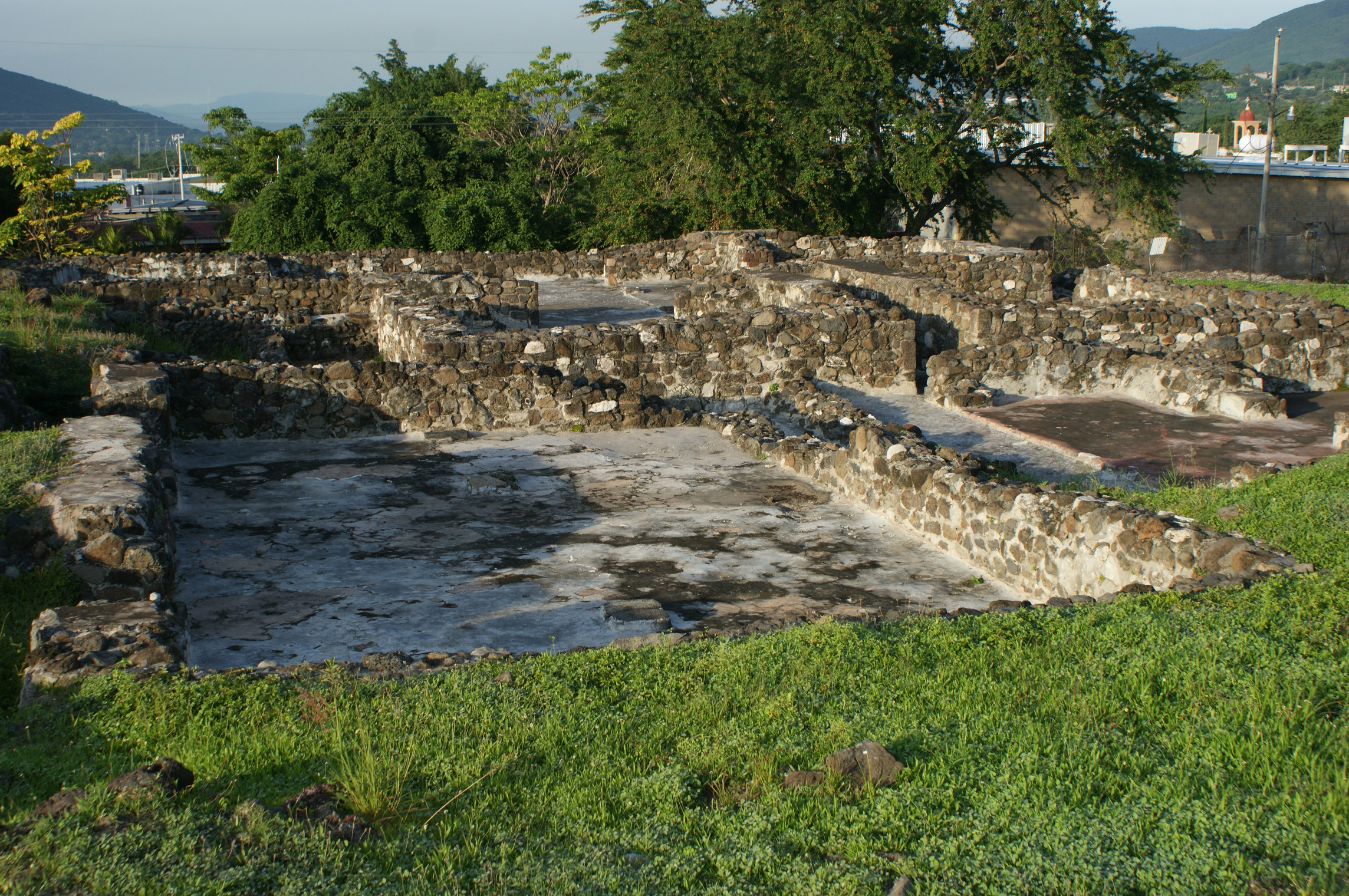
Originally, the tecpan of Yautepec must have been more than 10 m high. However, the rooms built on top during the last moment of occupation were razed almost to their foundations in the middle of the last century, mainly due to the adaptation of the area for planting. At present, the maximum height of the building is only 7 m (23 ft).


Contact
- Dirección del Centro INAHVíctor Hugo Valencia Valeravictor_valencia@inah.gob.mx+52 (777) 314 4048Administración del Centro INAHSalvador Castro Gómezsalvador_castro@inah.gob.mx+52 (777) 312 3108, ext. 25801
