Pedro Coronel Museum
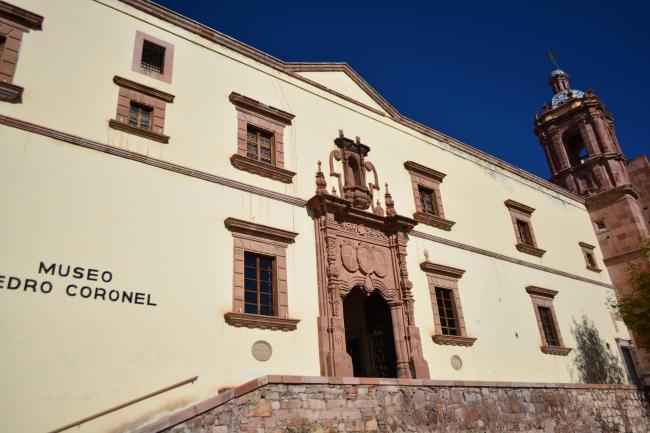
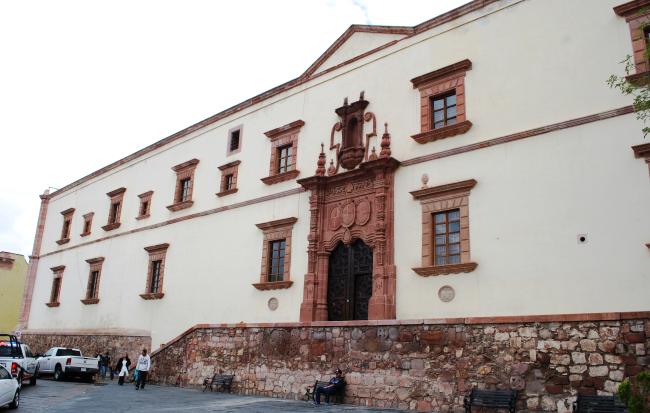
This 17th-century building is part of the former religious complex established by the Society of Jesus. The Jesuits arrived in the city during the last decade of the 16th century and founded a college dedicated to teaching Christian doctrine and providing basic education to children and youth, regardless of their background.
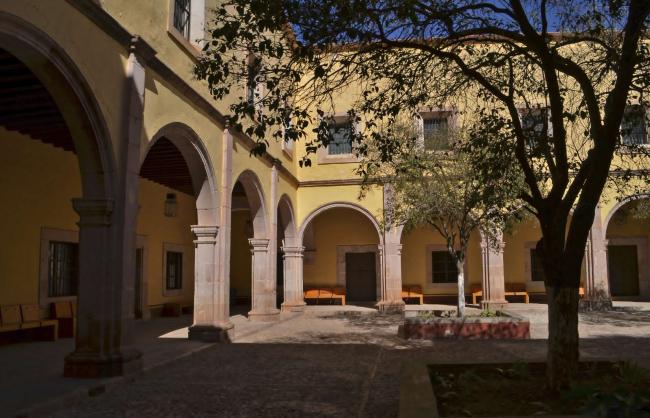
For over twenty years, the Jesuits operated in a modest building until 1616, when Vicente Saldívar, maestre de campo, and his wife Ana Tremiño donated the cloister and the college.
The original institution—known as the College of the Immaculate Conception, the Jesuit College, or the “Colegio Grande”—offered instruction in literacy, grammar, rhetoric, and philosophy. It remained the city's main educational center until 1767, when the Jesuits were expelled from New Spain. On January 24, 1785, the Dominicans took over the property. While the temple continued to function for worship, the college was converted into a Dominican convent.
In the second half of the 19th century, the Dominicans left the complex, and the city government repurposed it as a prison. After a full restoration in 1983, it was reopened as a museum to house the art collection of Zacatecan painter Pedro Coronel.