-
Convento de San Agustín
-
Convento de San Agustín
-
Convento de San Agustín
-
Convento de San Agustín
-
Convento de San Agustín
-
Convento de San Agustín
-
Convento de San Agustín
-
Convento de San Agustín
-
Convento de San Agustín
-
Convento de San Agustín
-
Convento de San Agustín
-
Convento de San Agustín
-
Convento de San Agustín
-
Convento de San Agustín
-
Convento de San Agustín
-
Convento de San Agustín
-
Convento de San Agustín
-
Convento de San Agustín
-
Convento de San Agustín
-
Convento de San Agustín
-
Convento de San Agustín
-
Convento de San Agustín

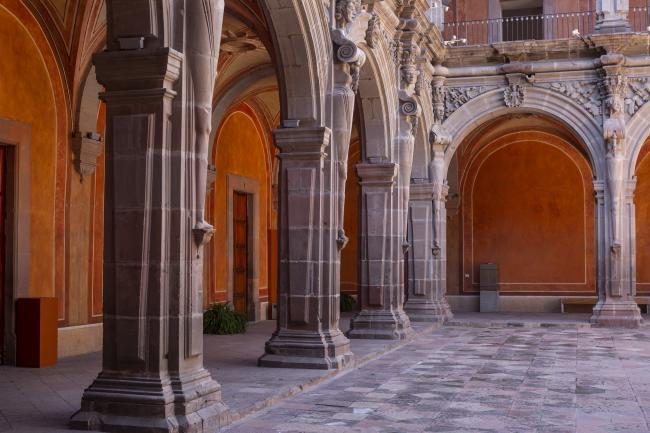
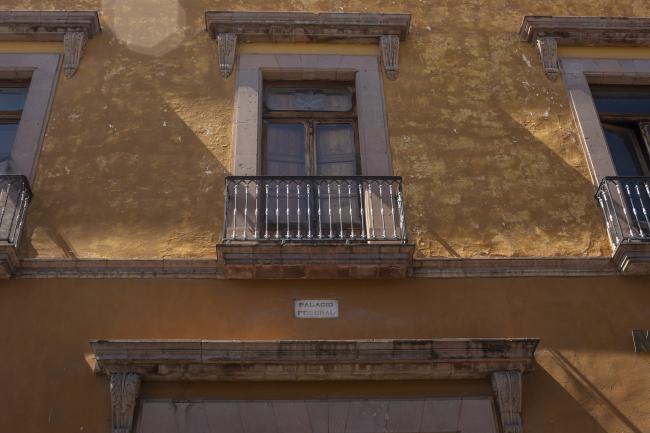
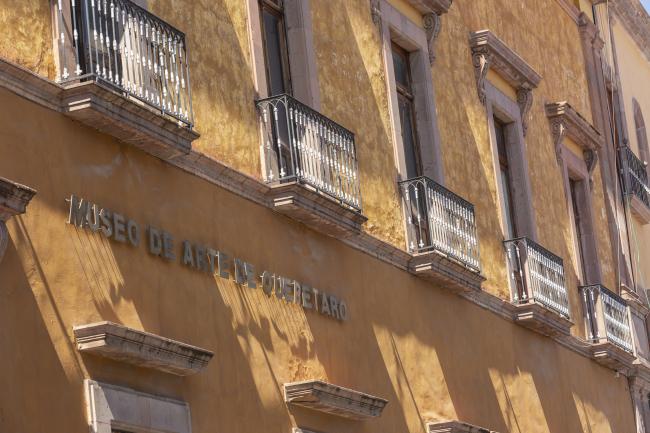
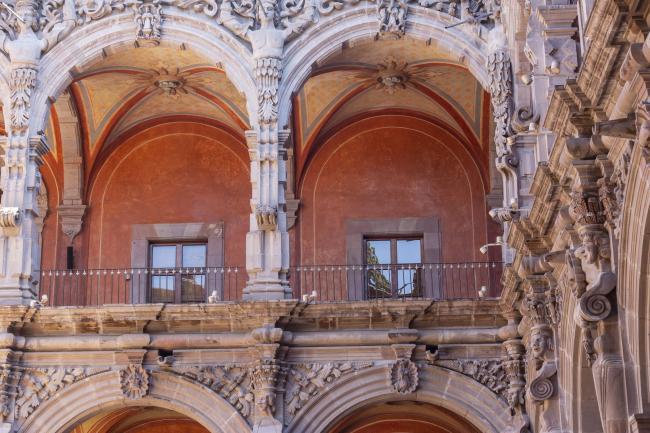
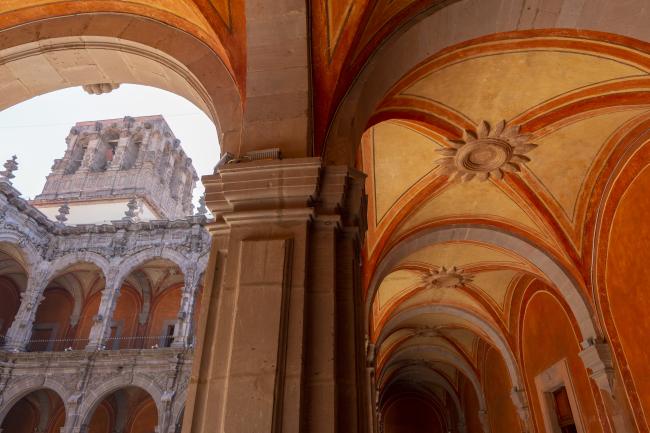
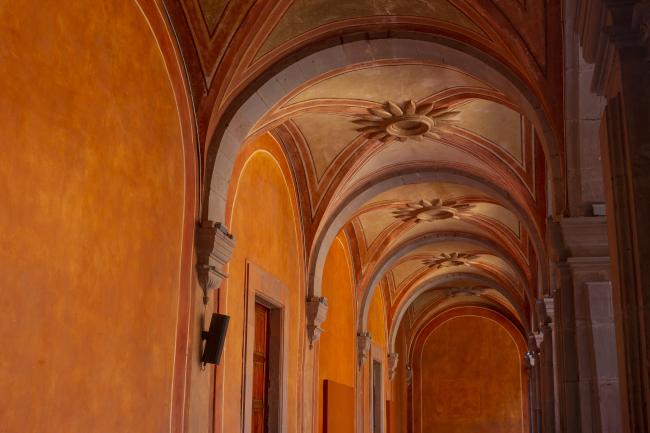
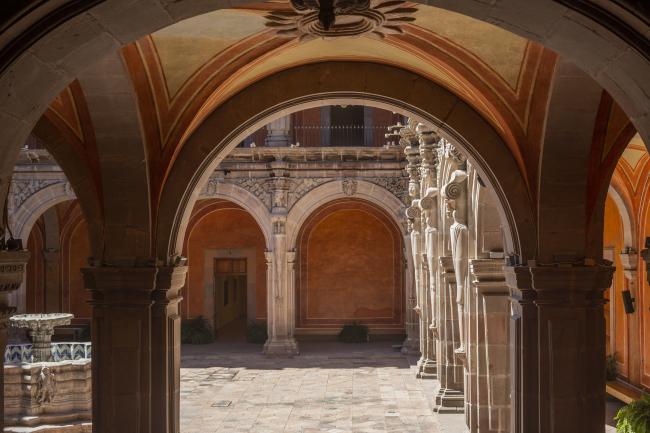
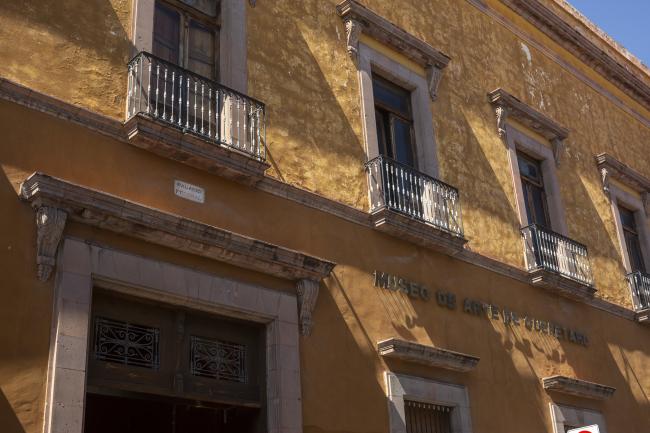
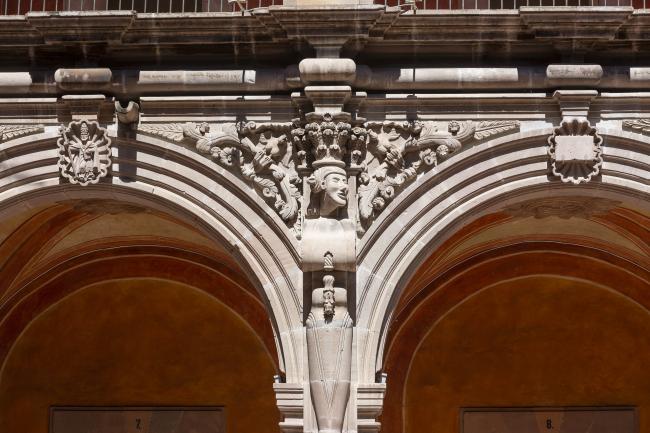
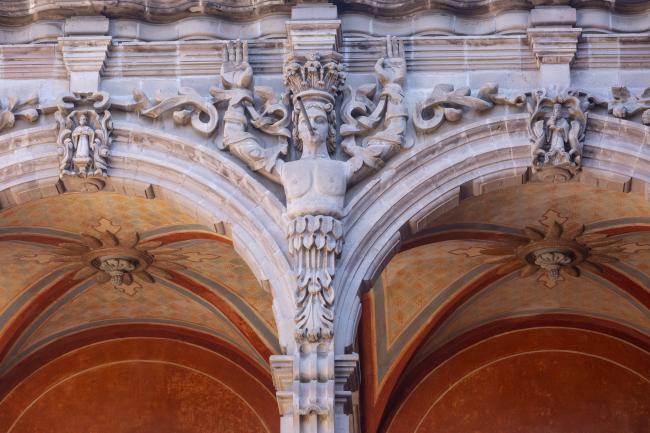
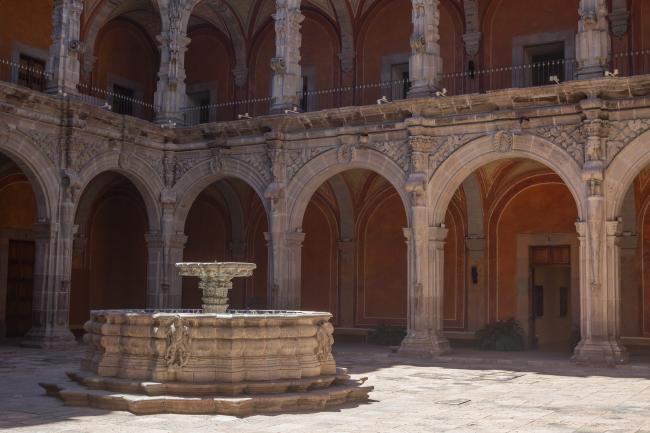
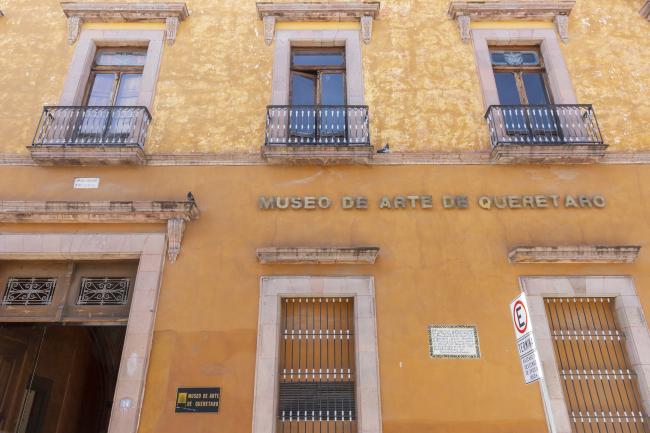
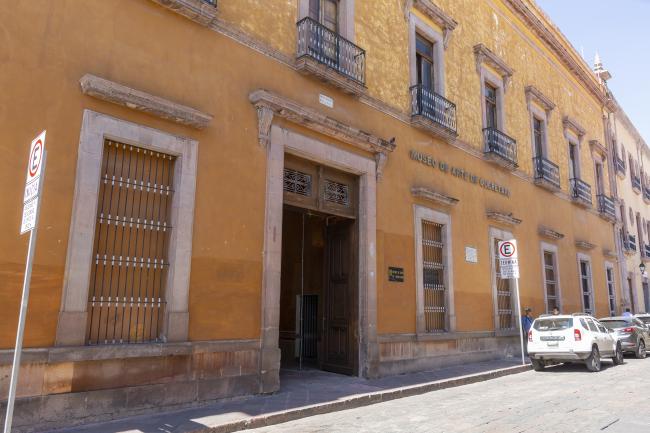
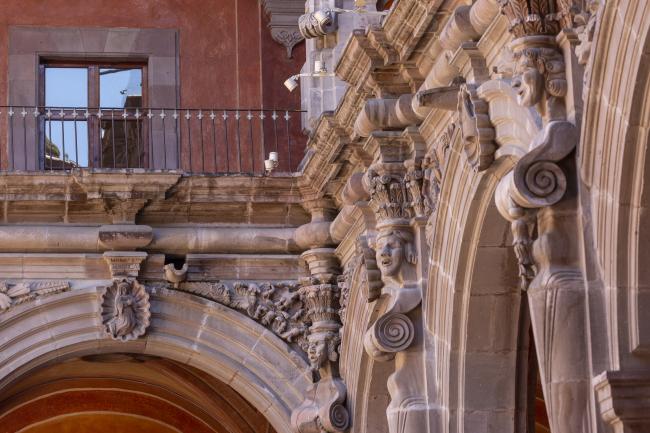
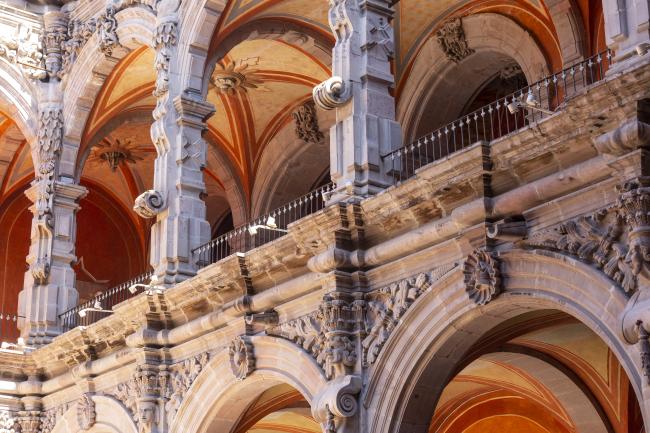
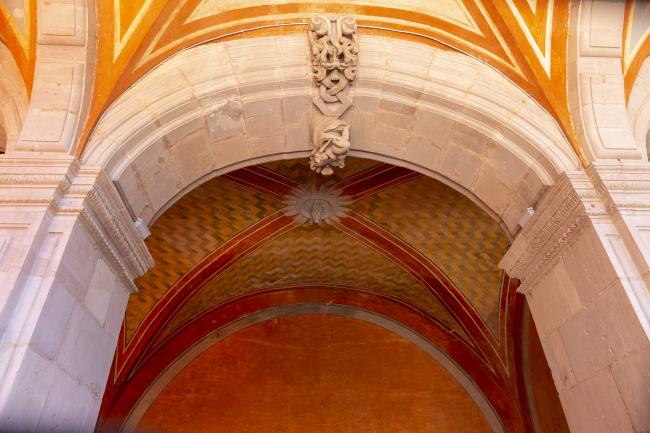
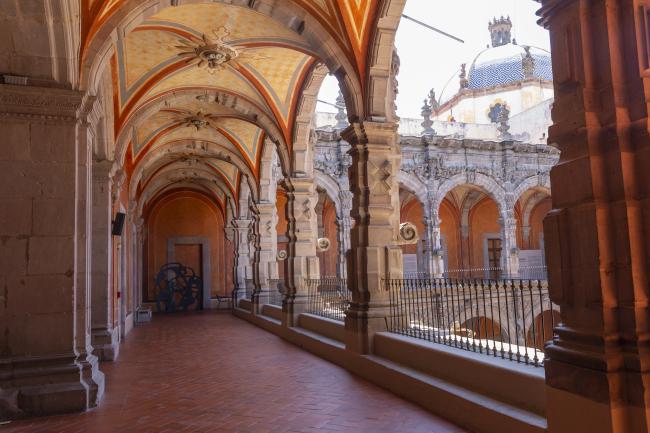
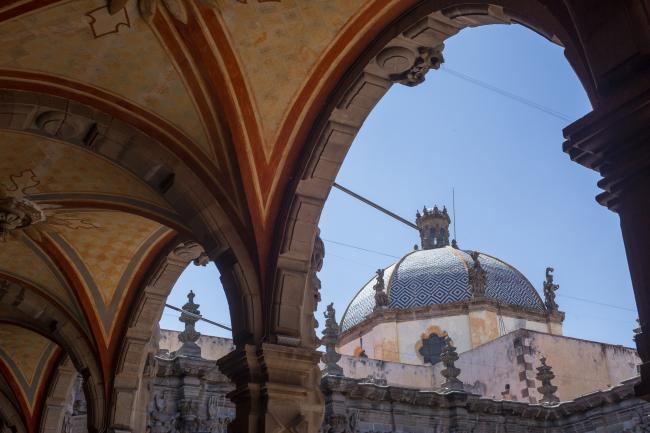
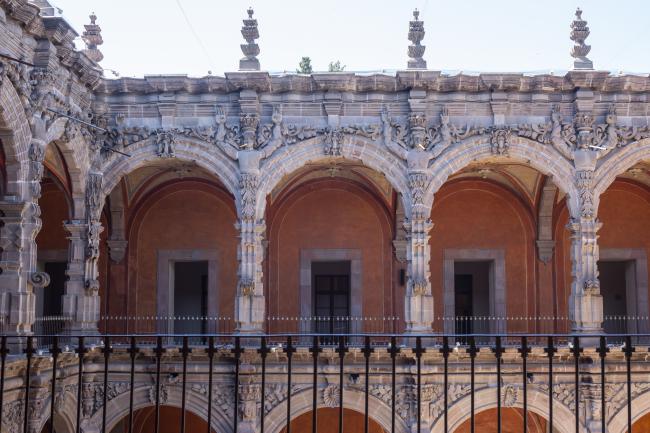
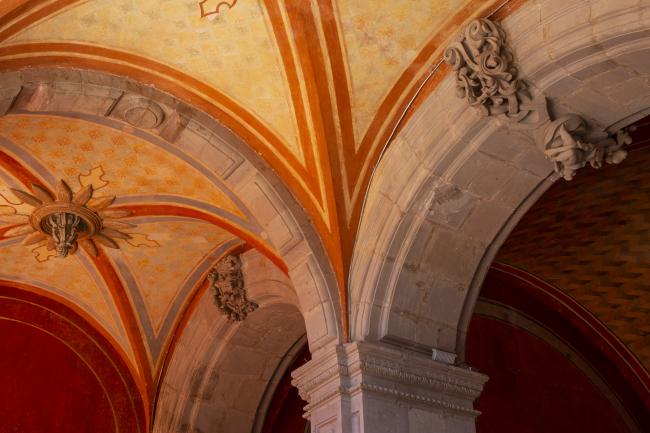
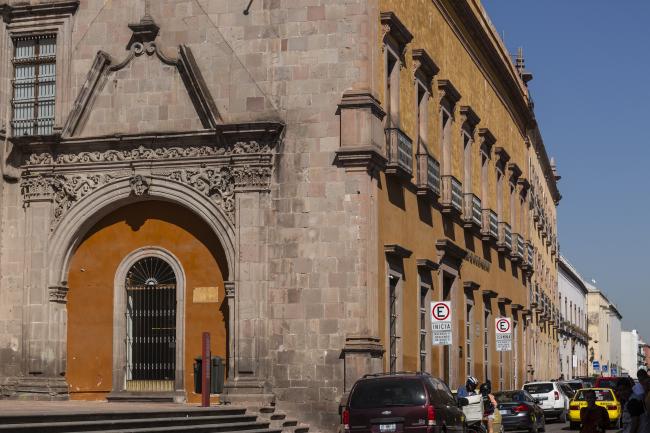
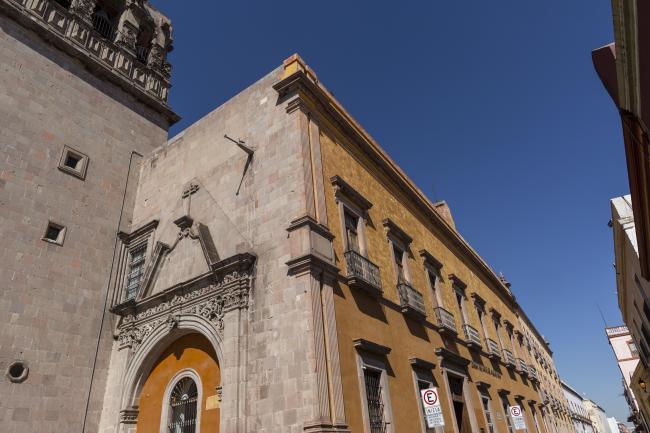
In 1724 and 1726, the need to establish an Augustinian convent in the province of San Nicolás de Tolentino de Michoacán was considered, and on February 8, 1728, the license for its foundation was granted. The residence of Captain Juan Fernández de los Ríos was purchased and adapted for the construction of the convent. On November 28 of the same year, the chapel-oratory was dedicated and opened to the public. The convent was inaugurated on October 2, 1743, and its gatehouse was located where the entrance to the Art Museum is now. The current 19th-century façade was the result of a remodeling to house the Federal Palace. The two-story Baroque cloister is the most spectacular in New Spain; four semicircular arches run around the perimeter of both floors, it has beautiful cornices and pillars with attached herms (on the north and south sides there are Pegasus, lion cubs, elephants, and other zoomorphic figures), and on the keystones of the arches there are scallop shells with the attributes of St. Augustine (pen and inkwell, staff, closed book, open book, heart pierced by two arrows, doctor's cap, mitre, and cardinal's hat) and others with figures from the order's calendar of saints. The spandrels feature Augustinian eagles, the vertical axes are topped with pinnacles, and the keystones of the arches display the sculpted faces of saints from the order. In the center there is a stone fountain with two figures of Roman soldiers. Fray Luis Martínez Lucio was the mastermind behind the iconological and iconographic program, and the executors were the architect Juan Manuel Villagómez together with Indian, mestizo, and Spanish stonemasons, sculptors, and carvers.