
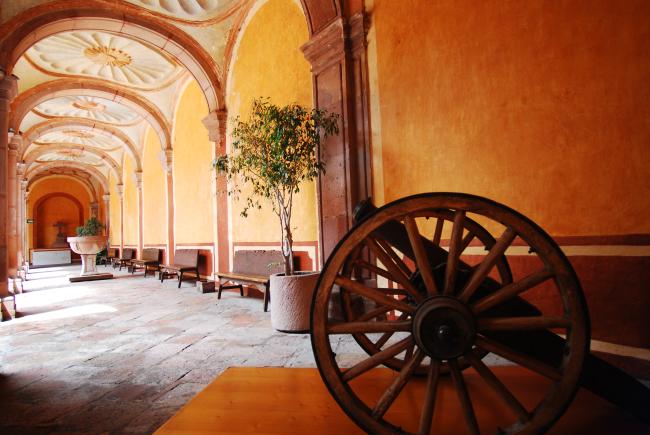
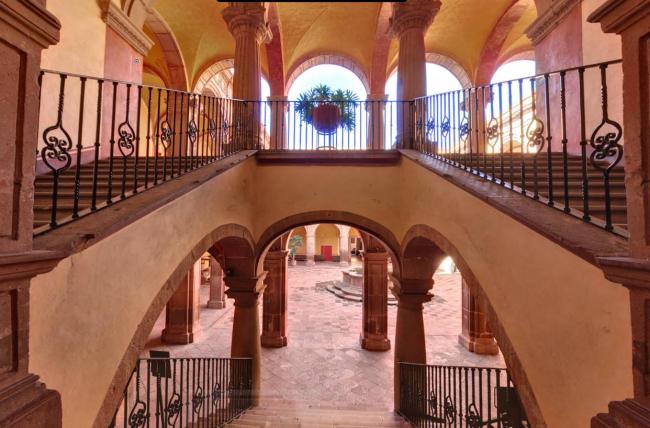
Museo Regional de Querétaro
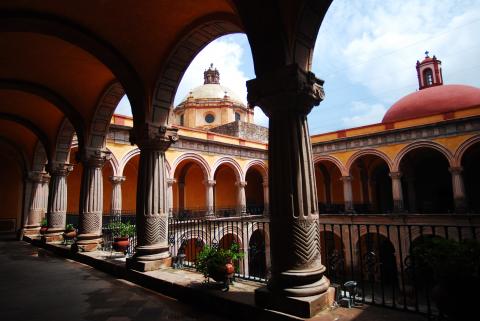
Museum

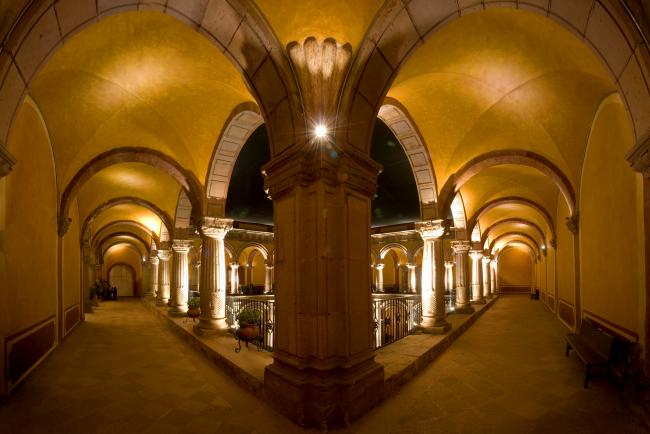
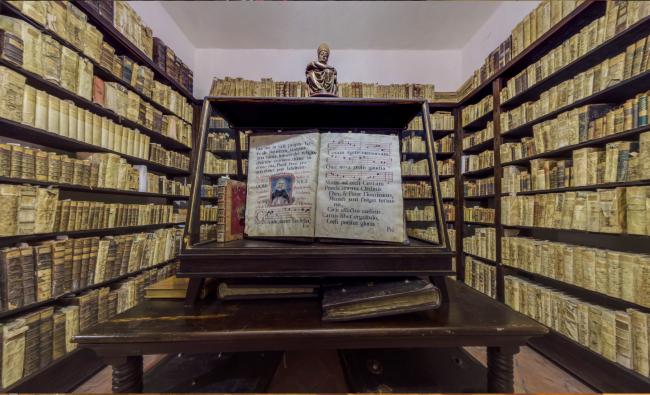
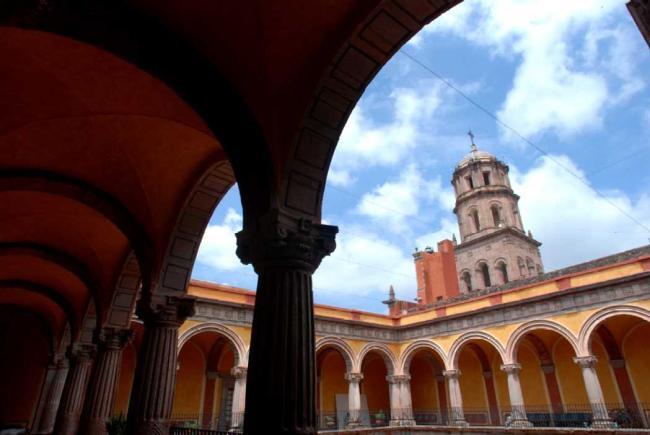
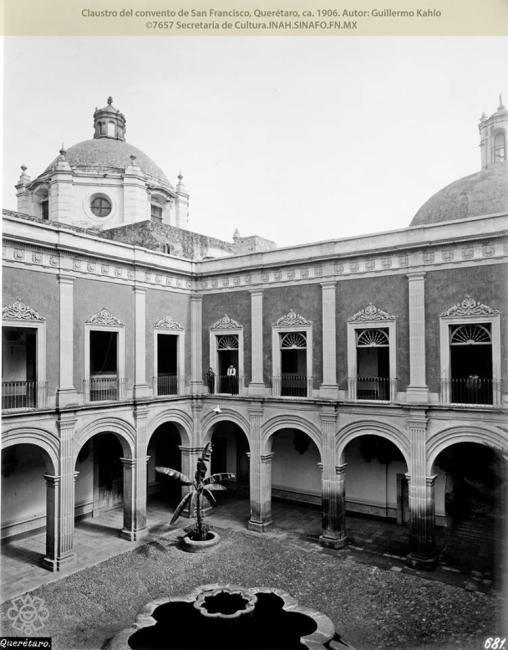
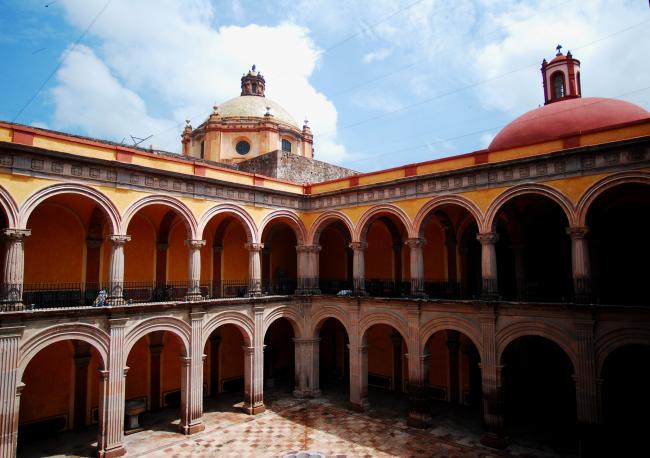
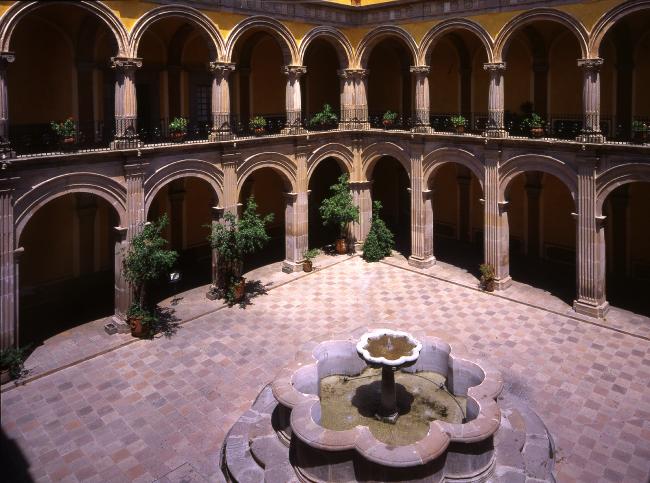
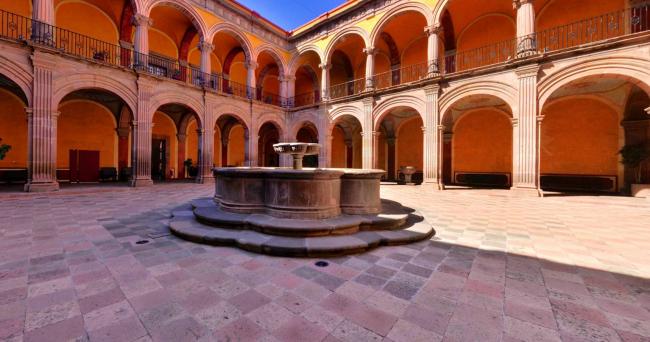
Since the 16th century, the former Franciscan Convent of Santiago was a huge religious complex that played a role in the daily life of the city's inhabitants and was the seat of the Province of San Pedro and San Pablo de Michoacán. Throughout the 17th century, the convent underwent intense construction activity and became a religious complex. It reached a total area of approximately 28,000 m², transforming it into a self-sustaining micro-city that, until 1803, trained novices and taught poor children to read and write. After many historical vicissitudes and various uses, such as barracks in armed conflicts during and after the Wars of Reform, as well as some civil and commercial uses, on December 4, 1928, the property was handed over to the state government to establish a Museum of Colonial Religious Art and a School of Arts and Crafts. In 1935, it was handed over to the Ministry of Public Education. In November 1936, the Querétaro Regional Museum was formally handed over to Mr. Patiño, its first director.
