







Teteles de Santo Nombre
Archeological site
Teteles de Santo Nombre
The site is thought to have been a key settlement of the pre-Hispanic period in terms of its interactions with the central area, the Gulf and Oaxaca. The site is in the south of Puebla and has architectural features similar to Teotihuacan, as well as sharing cultural traits with Tehuacan and the Mixtec region.
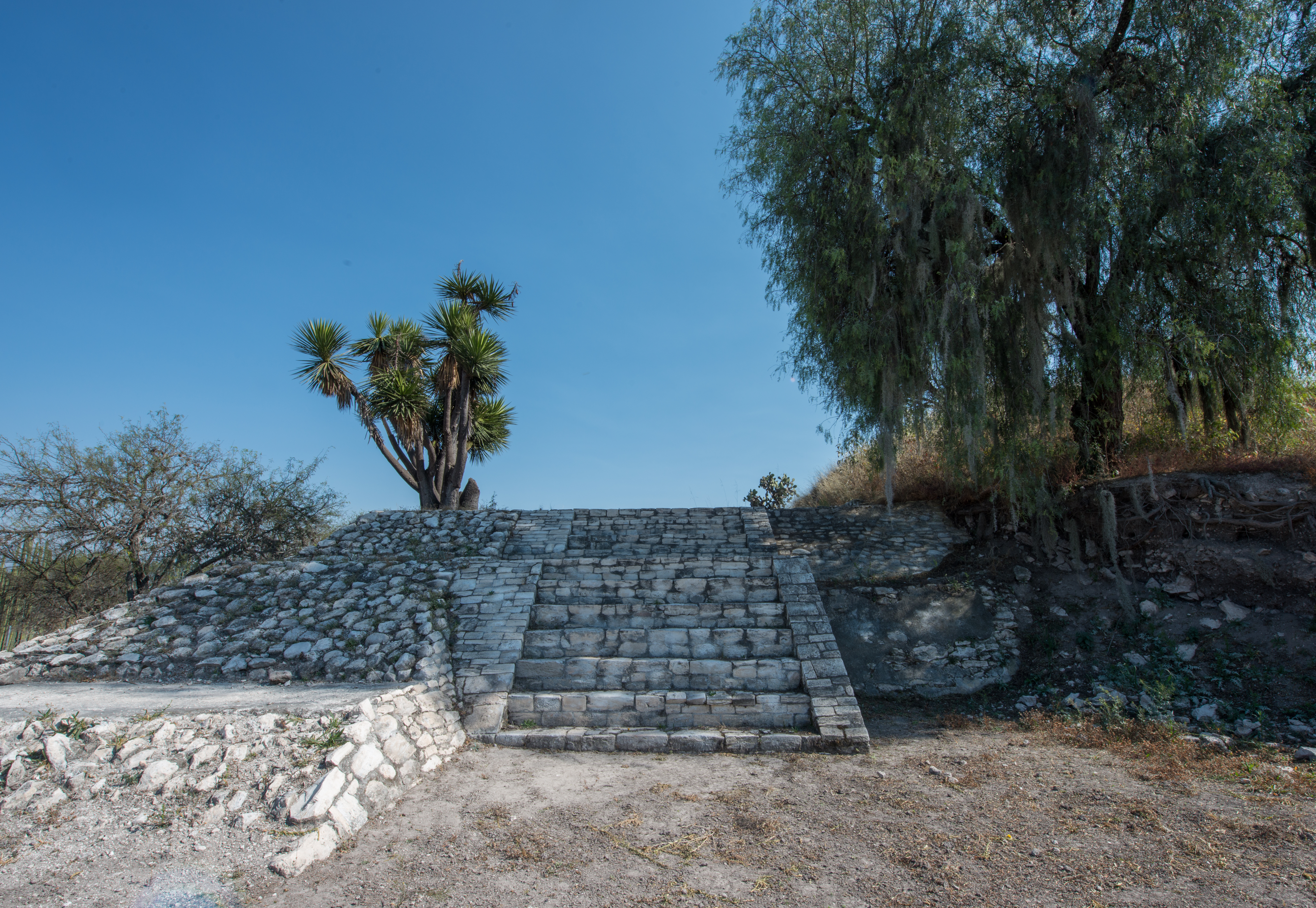
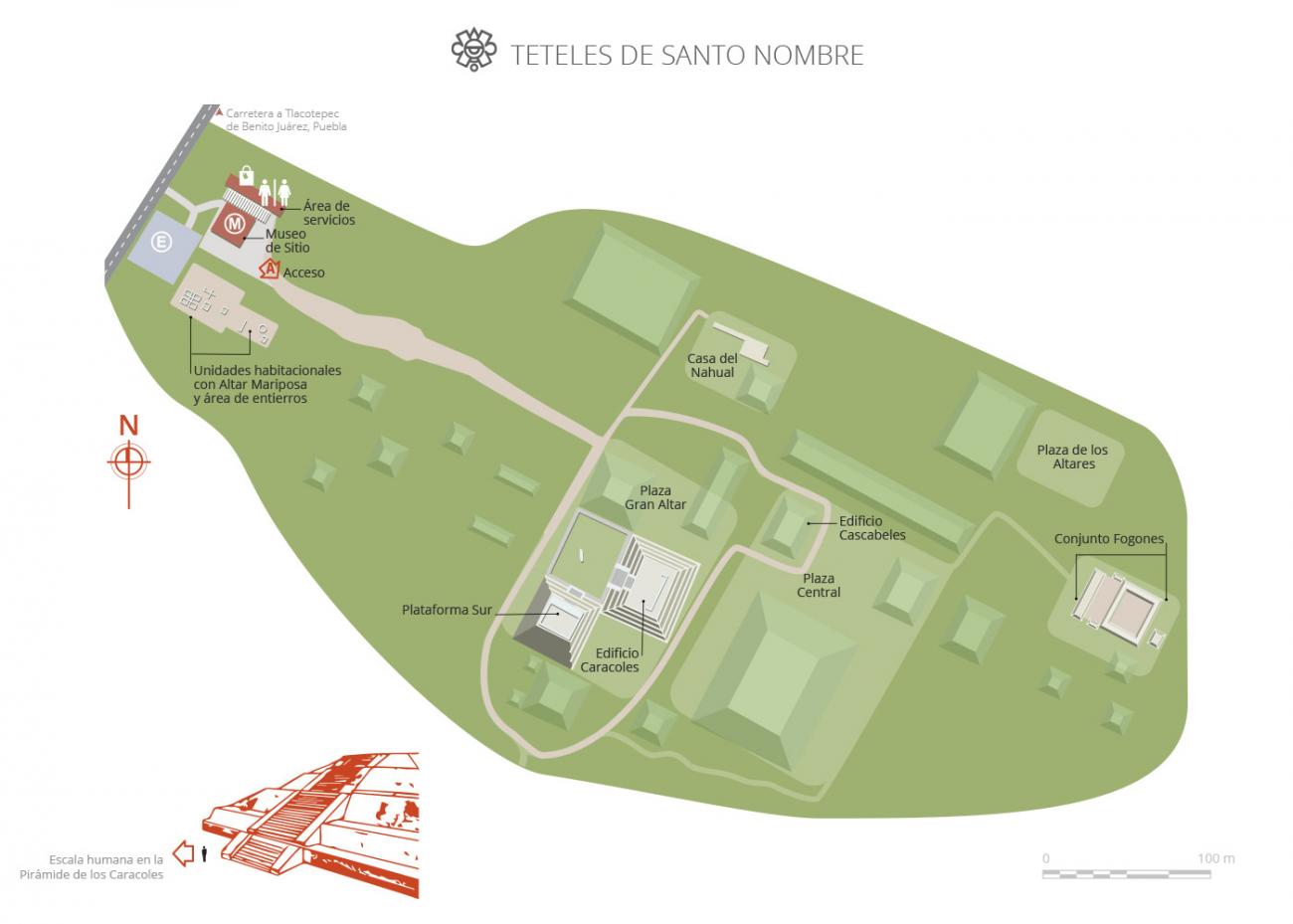
The name Teteles in Nahuatl means “mound of stones.” It is located to the southeast of Tlacotepec de Benito Juárez, between the towns of Xochitlán Todos Santos and Santa María Alta in the state of Puebla.
Investigations have shown that the building of this complex began around 400 BC and that modifications and extensions continued to be made until approximately 650 AD, reaching the end of the Terminal Preclassic and continuing into the Early and Middle Classic. It is important to note that the spaces opened up by the excavations show that the buildings had been closed intentionally.
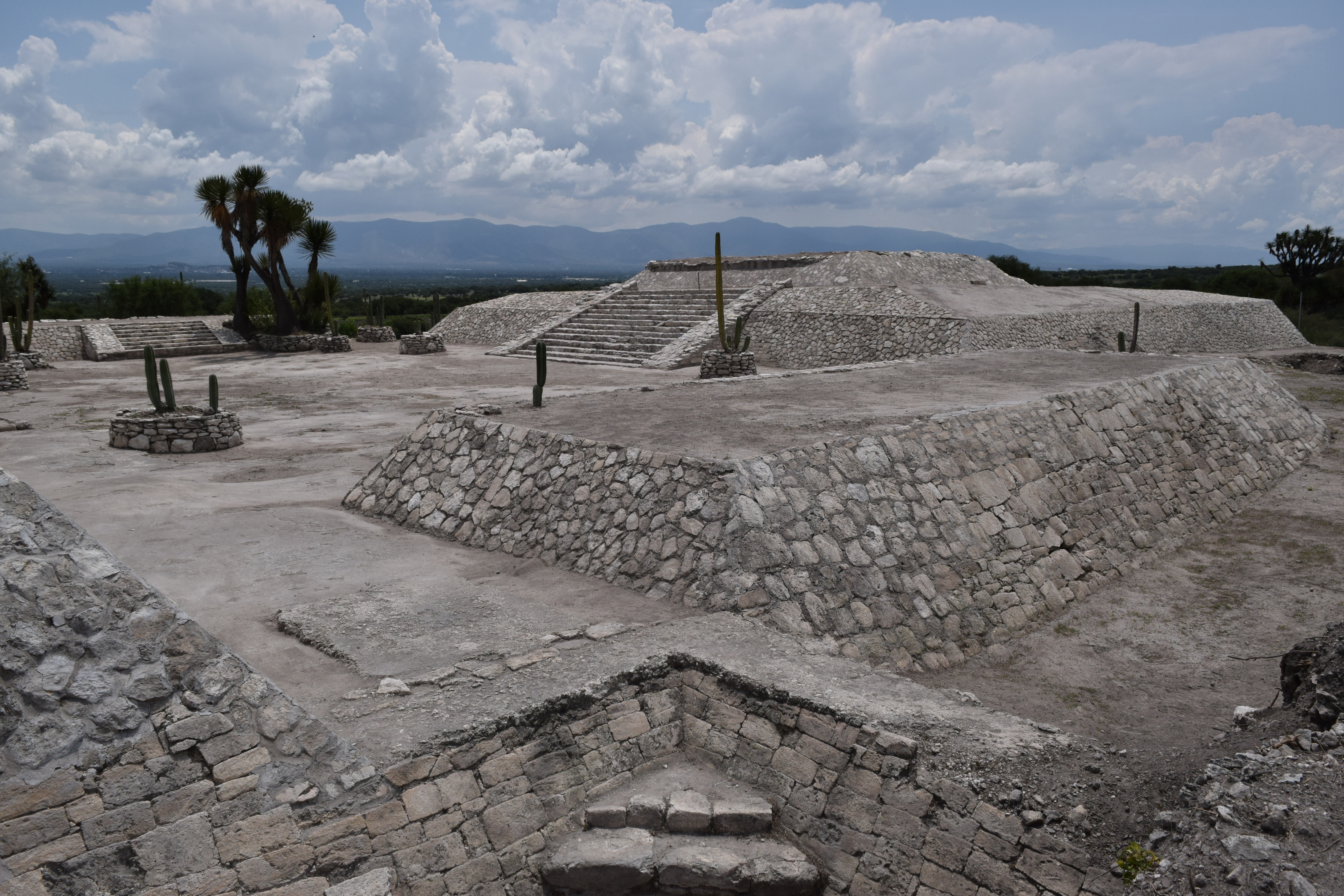
All the indications are that the many architectural complexes covering an area of more than 150 acres are plazas, platforms, temples and a few rooms used for domestic and ritual purposes, limited to members of the governing elite who were responsible for the buildings.
The majority of the population lived in houses made from perishable materials, principally mud and branches, in the area surrounding the monuments of the civic center, which was undoubtedly the seat of regional political power during this period.
Conjunto Fogones
It is a group of three temples and an access platform, a characteristic architectural pattern of the Teteles de Santo Nombre. It is a ritual and habitational space, surely of groups of priests and rulers: its name is due to the fact that in the exploration the remains of three hearths were…
Conjunto Fogones
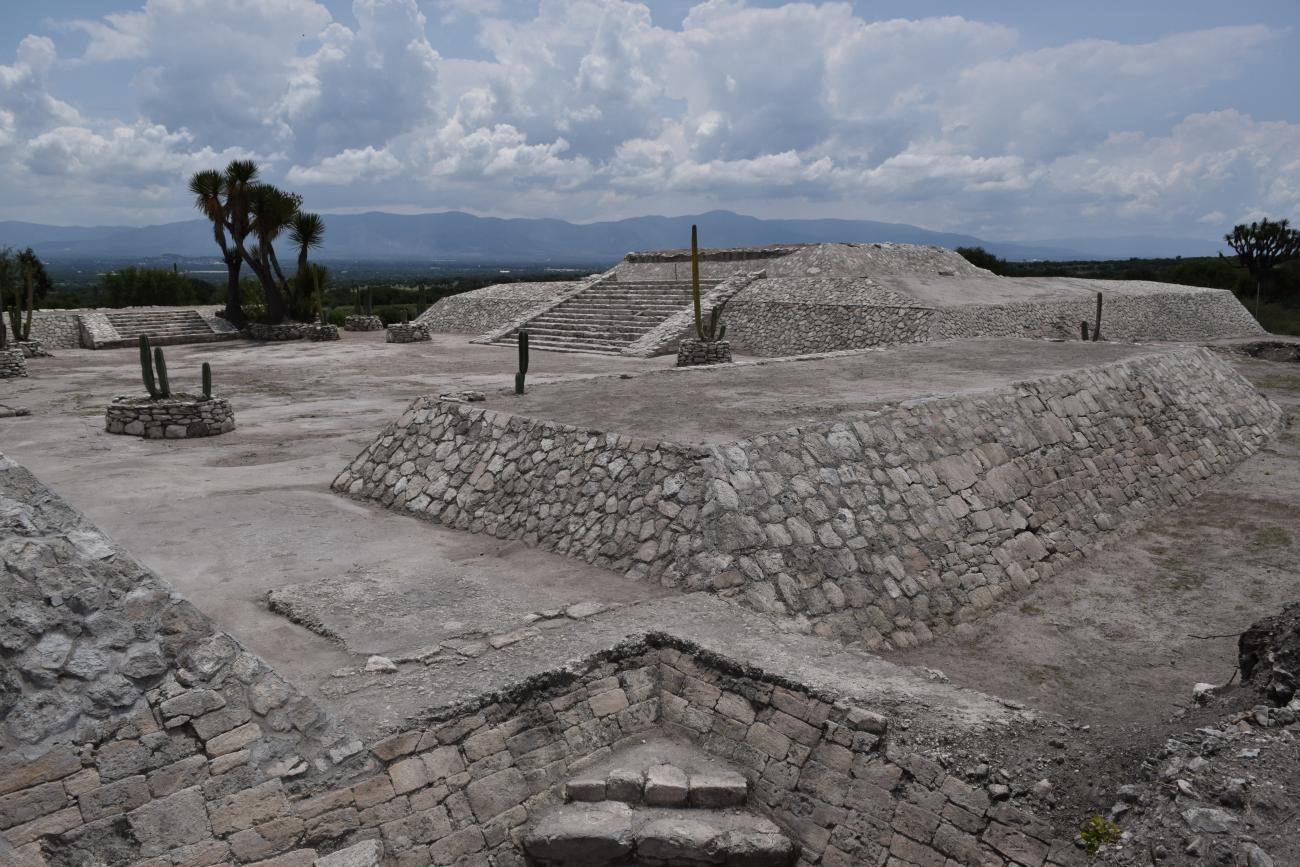
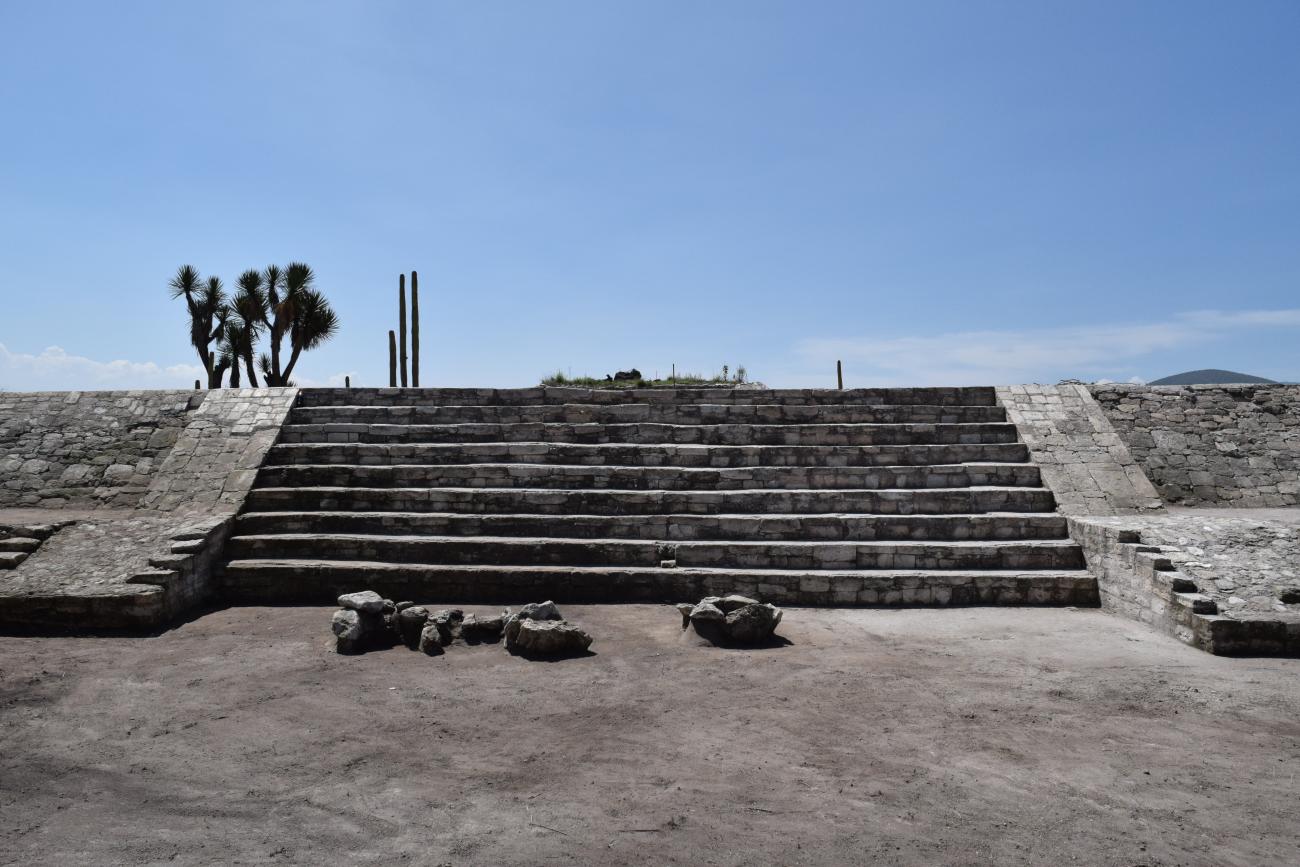
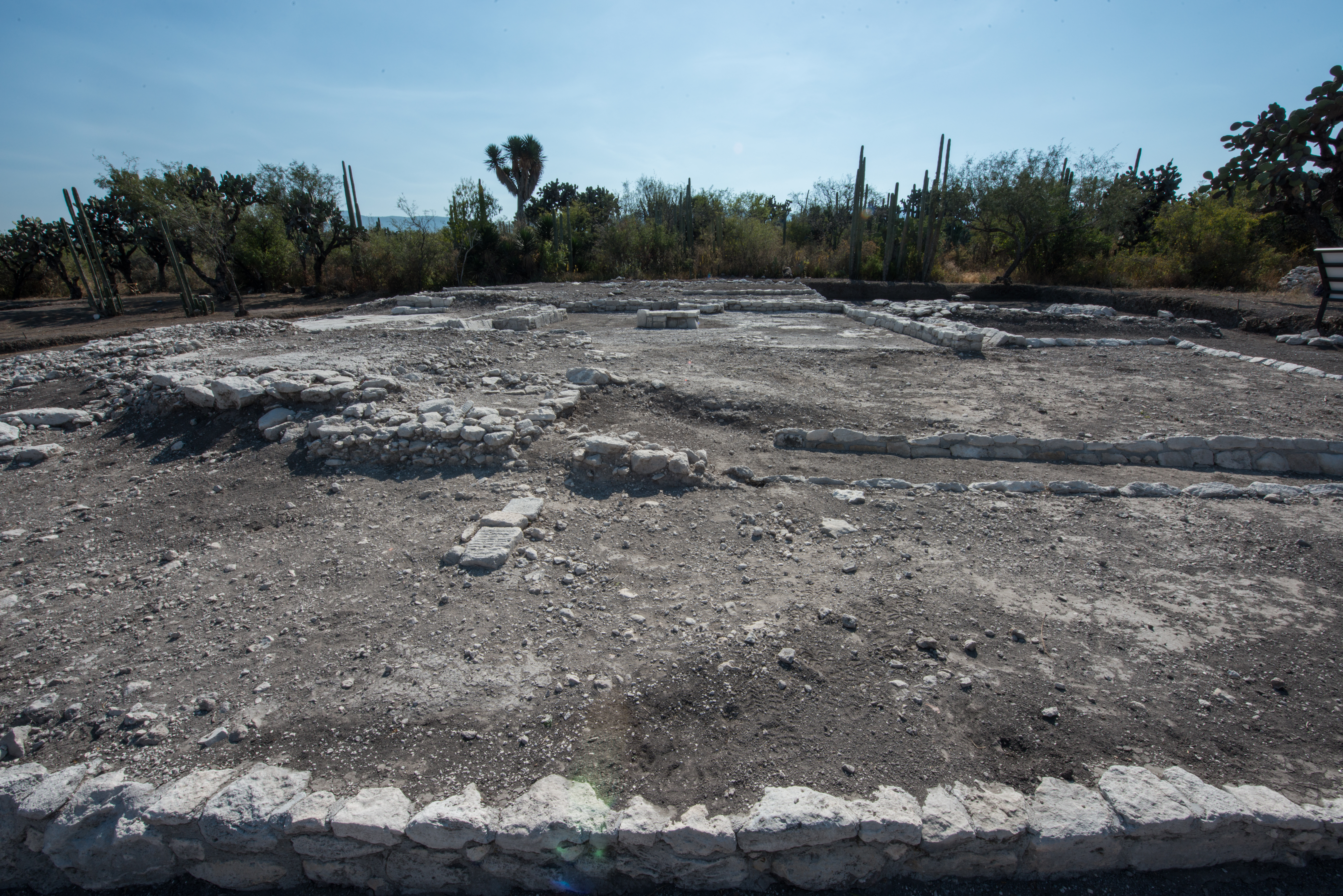
It is a group of three temples and an access platform, a characteristic architectural pattern of the Teteles de Santo Nombre. It is a ritual and habitational space, surely of groups of priests and rulers: its name is due to the fact that in the exploration the remains of three hearths were discovered in the access to this space.
Fogones: Thanks to its discovery, this structure was given the name Conjunto de los Fogones. In these hearths charcoal, ash, remains of corn and carbonized cactus trunk were found.
Plaza Gran Altar
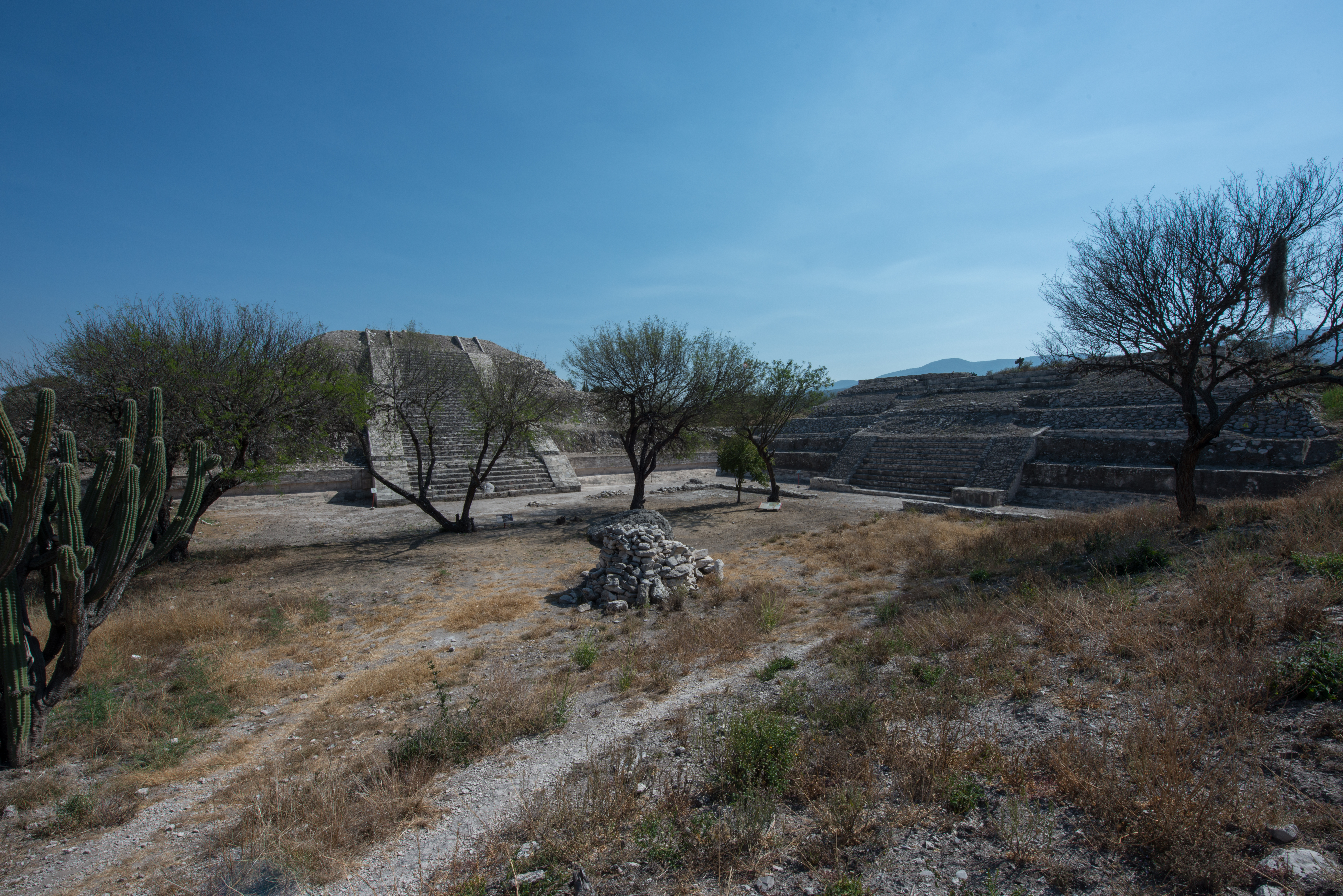
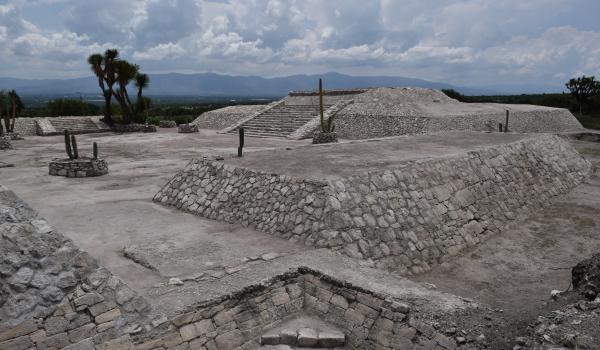
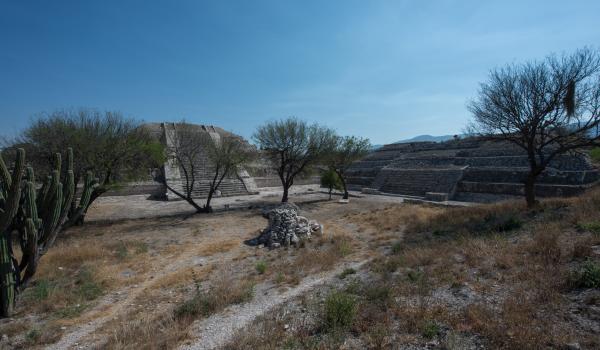
It is an architectural complex composed of three large pyramidal structures and an access platform, being the Caracoles Building, South Platform, North Building and Access Platform. The settlement pattern of this religious space is that of three temples and an access platform. In the center there…
Plaza Gran Altar
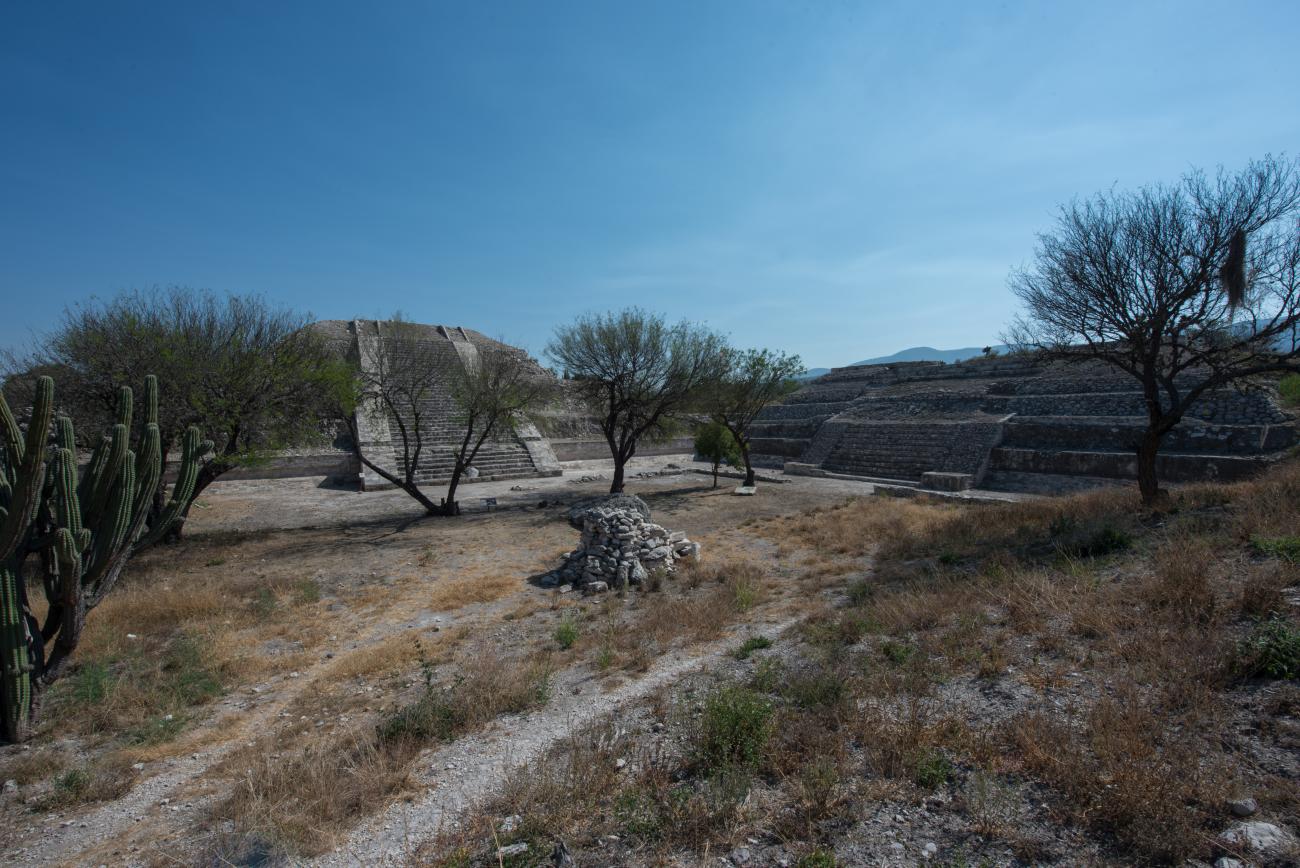
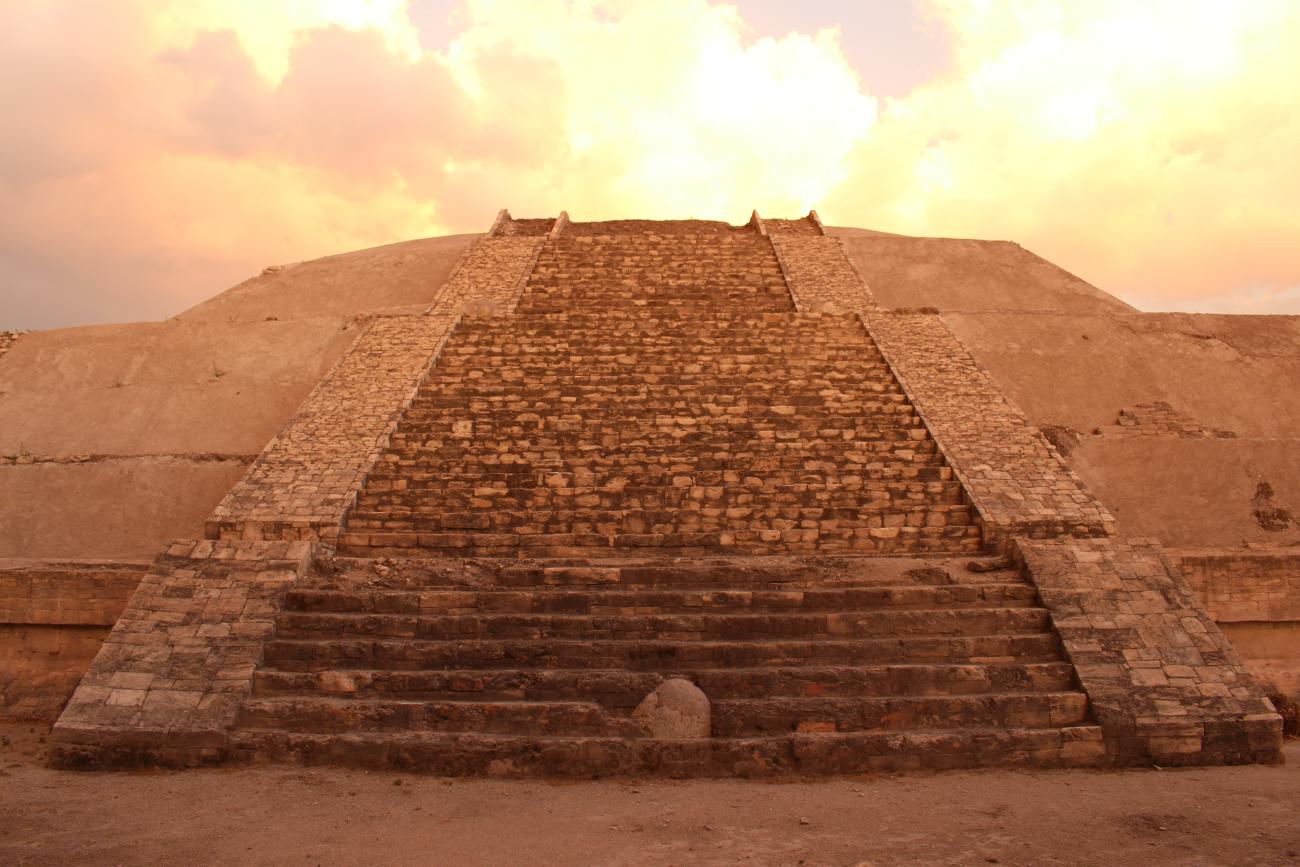
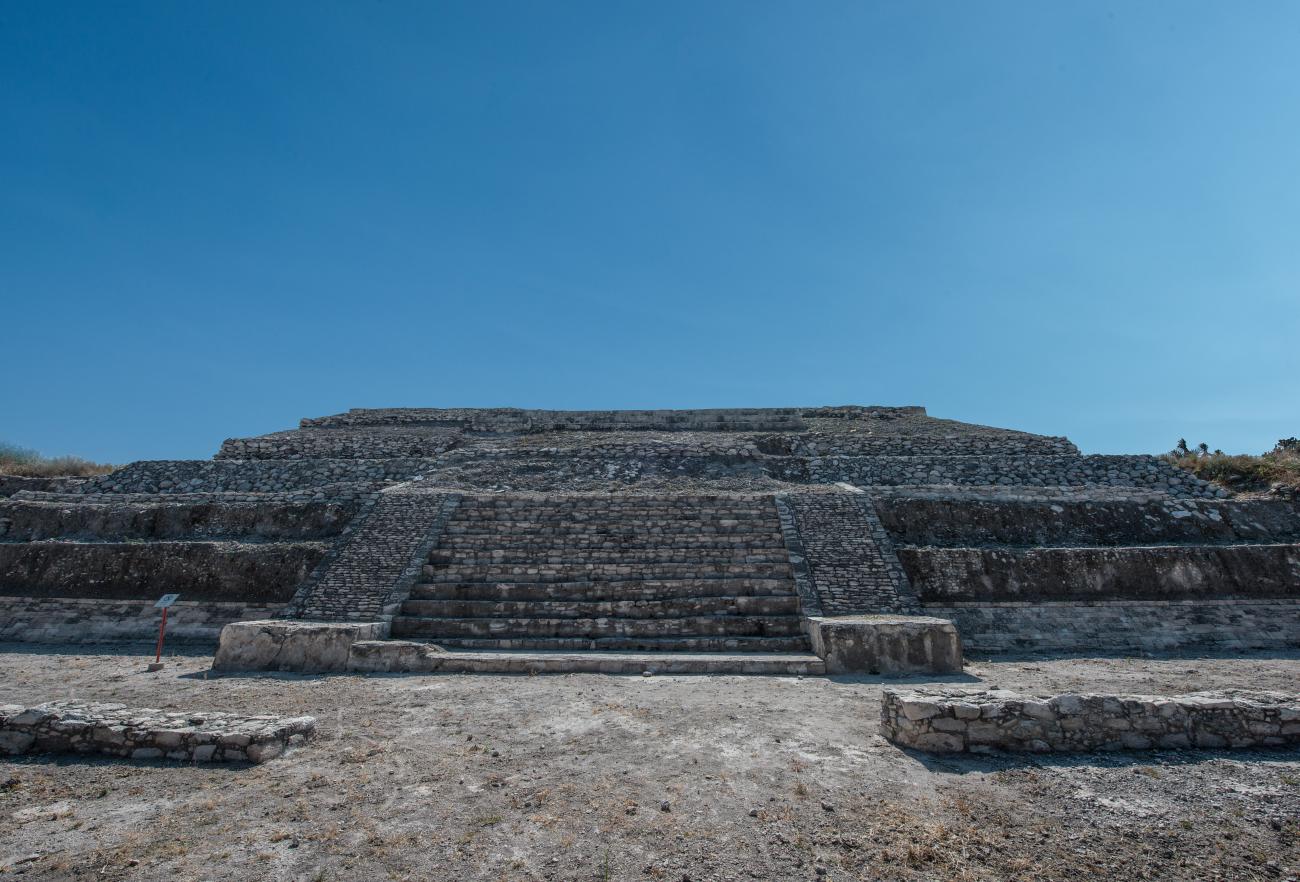
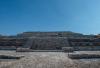
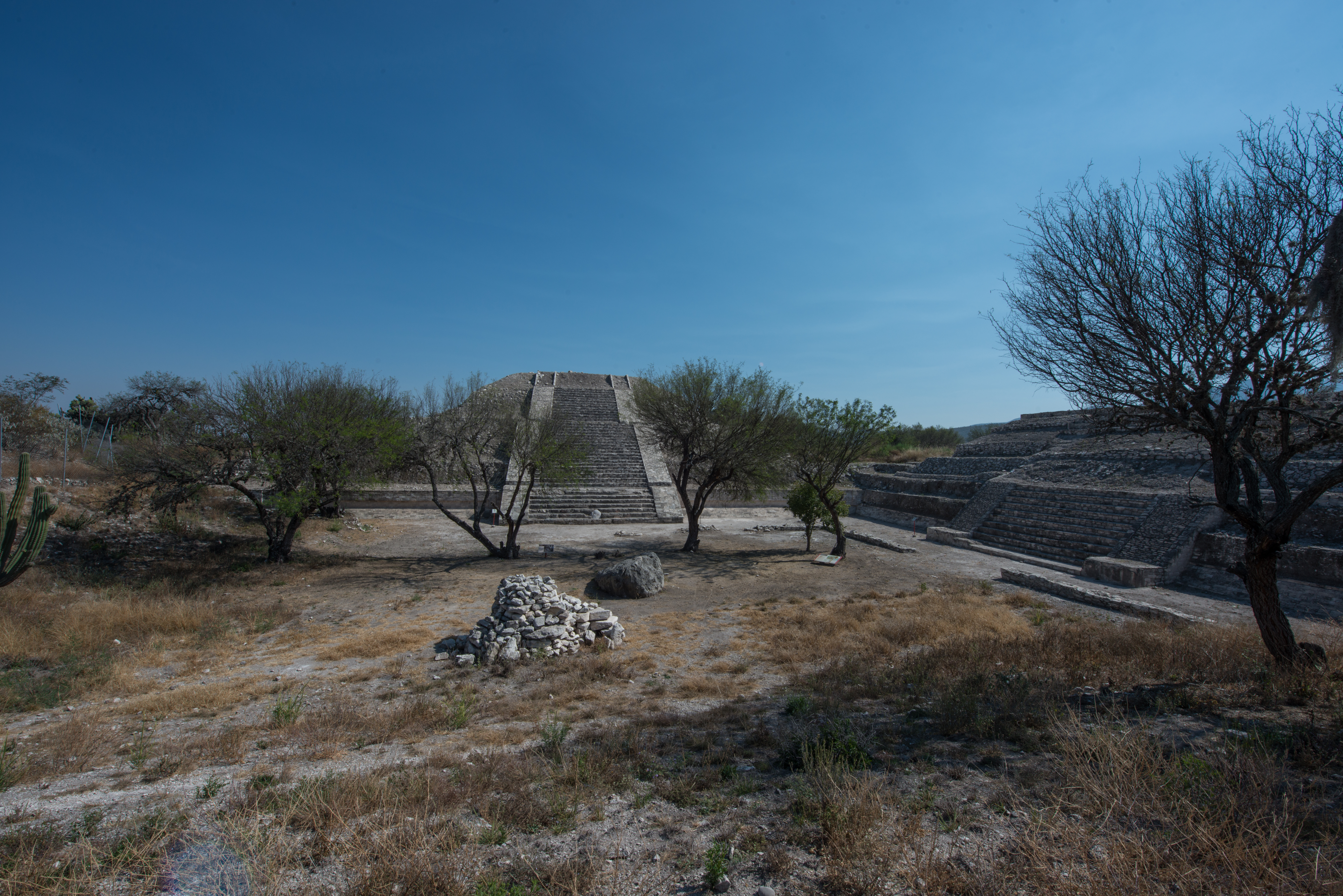
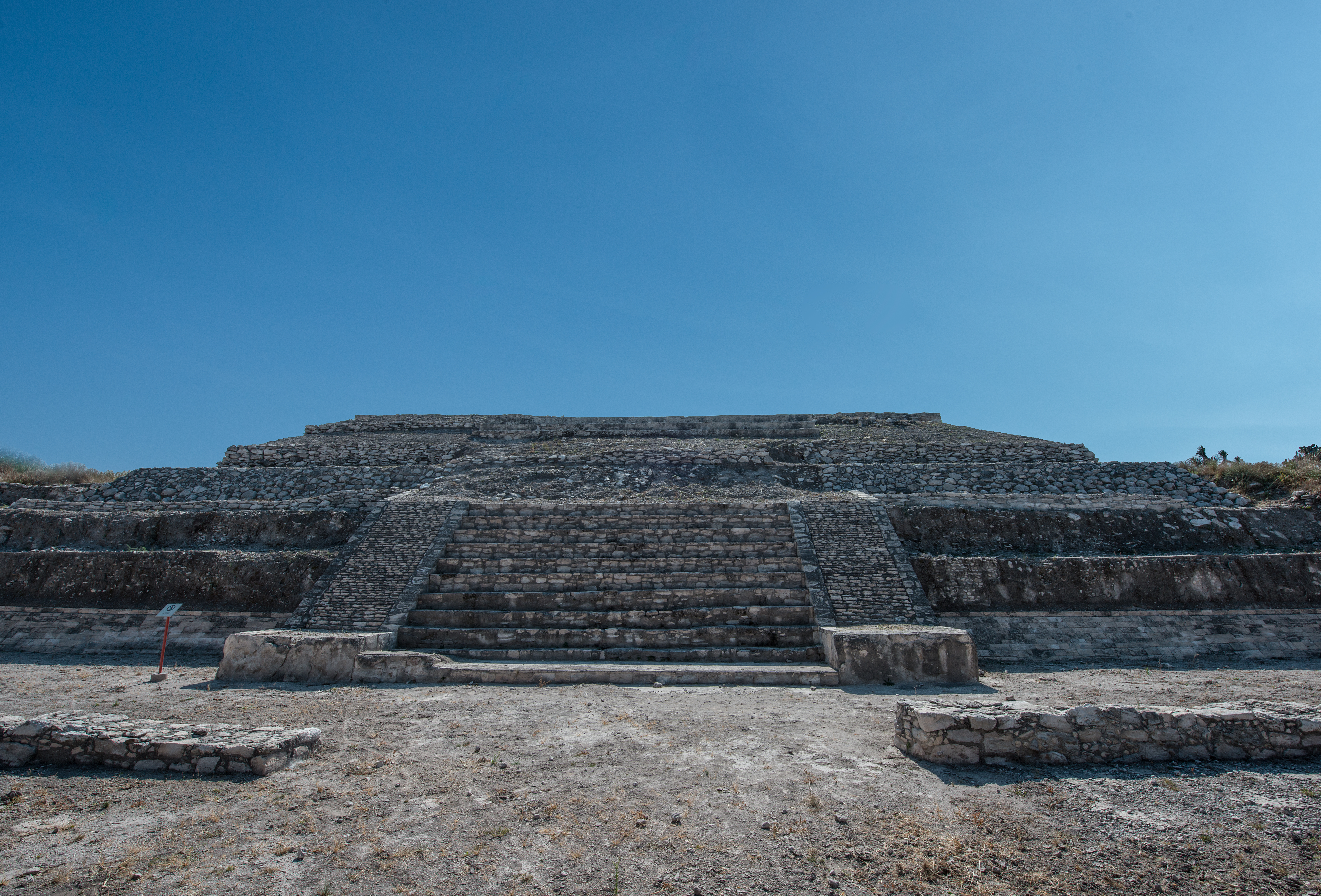
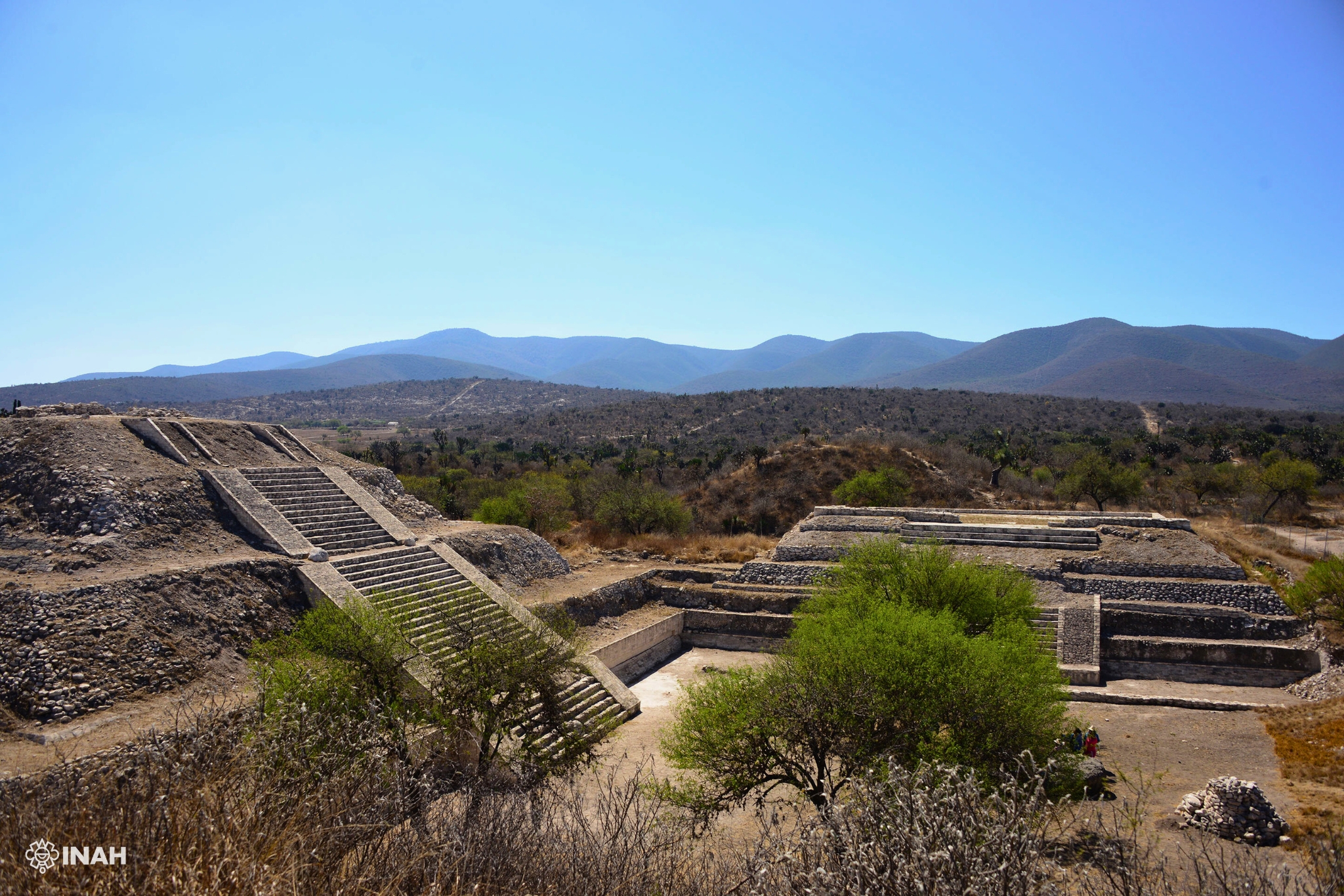
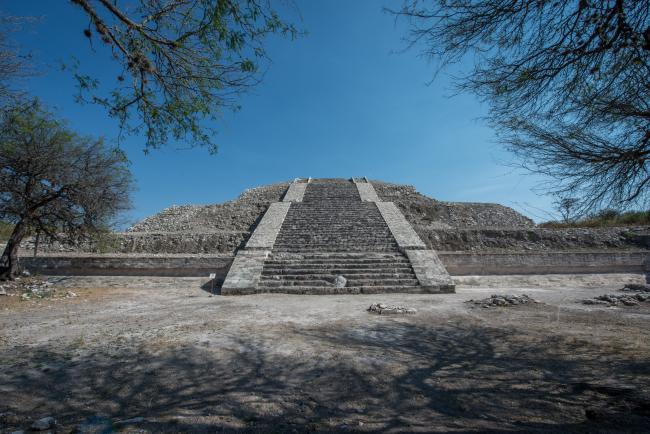
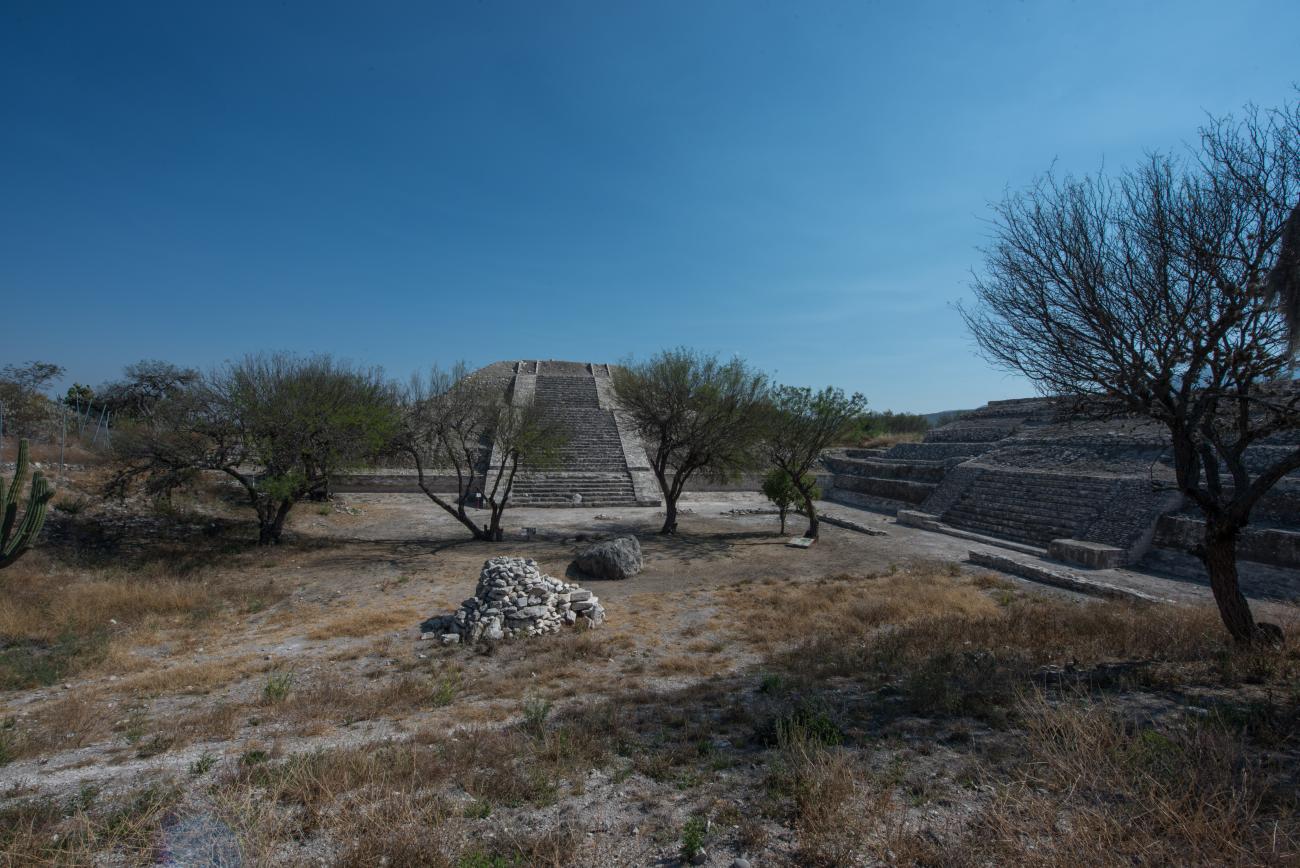
It is an architectural complex composed of three large pyramidal structures and an access platform, being the Caracoles Building, South Platform, North Building and Access Platform. The settlement pattern of this religious space is that of three temples and an access platform. In the center there is a rock of several tons of weight, and more than 5 m long, known as “stone of the bull”: surely it was an altar or religious monument placed vertically. The “Caracoles” building, 14 m high, is the largest. The exploration of the Gran Altar Plaza was developed in the 2009 and 2011 seasons, by the PATSN team.
Caracoles Building: The Caracoles Building, 14 meters high and with five bodies, is the most important building in the Gran Altar Plaza. It presents an architecture where the slopes - boards, alfardas and staircases stand out; remains of mural painting are observed in the first body, as well as in some steps of the same one. This structure was probably the scene of religious and political activities. During its exploration, in the fifth body, 3 trumpet shells were found, placed at the time of the closing of the building and the plaza around 600 A.D. Architectural witnesses are observed that evidence different constructive stages, which has allowed inferring a constant social and economic growth of the site Teteles de Santo Nombre.
South Platform: It presents a height of 8 meters, highlighting the slopes-tableros and alfardas, as well as a sunken patio in the last body. The excavation of this one threw valuable information on the constructive processes in Teteles de Santo Nombre; as in the Caracoles Building a series of extensions and modifications can be appreciated, in different chronological moments. At floor level and in the center, an important offering was located whose archaeological context and radiocarbon dating show evidence of a closing ceremony or ritual death where ceramic objects and sculptures were burned intentionally and in a controlled manner.
Casa del Nahual
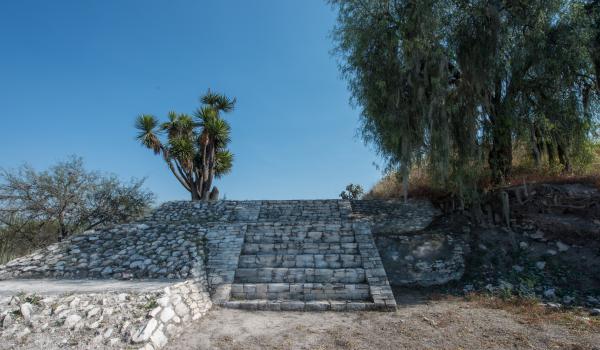
It is a terrace attached to the north of a larger building, built to contain a dwelling house. It presents a small patio, in whose center, a sunken space was found to collect rainwater. As in the Plaza Gran Altar, different constructive stages are observed.
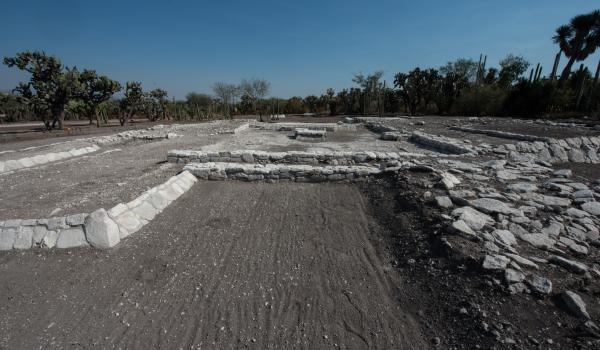
Unidad Habitacional con Altar Mariposa
This is a housing unit explored in 2016. Composed of platforms, stucco floors and remains of walls, this space corresponds to houses - habitation of high status groups within the site's society. By excavating this space, it was possible to know the way of life of its inhabitants, particularly…
Unidad Habitacional con Altar Mariposa
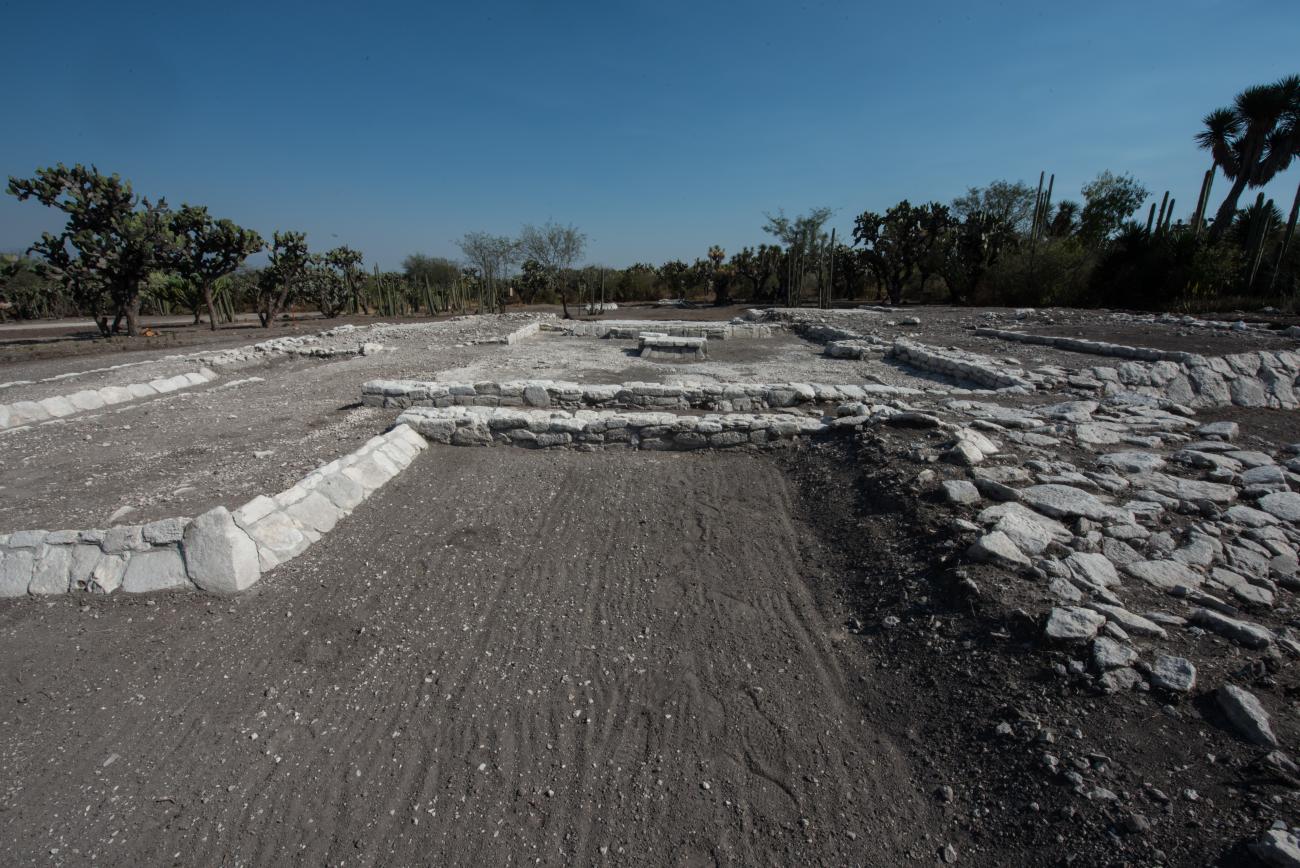
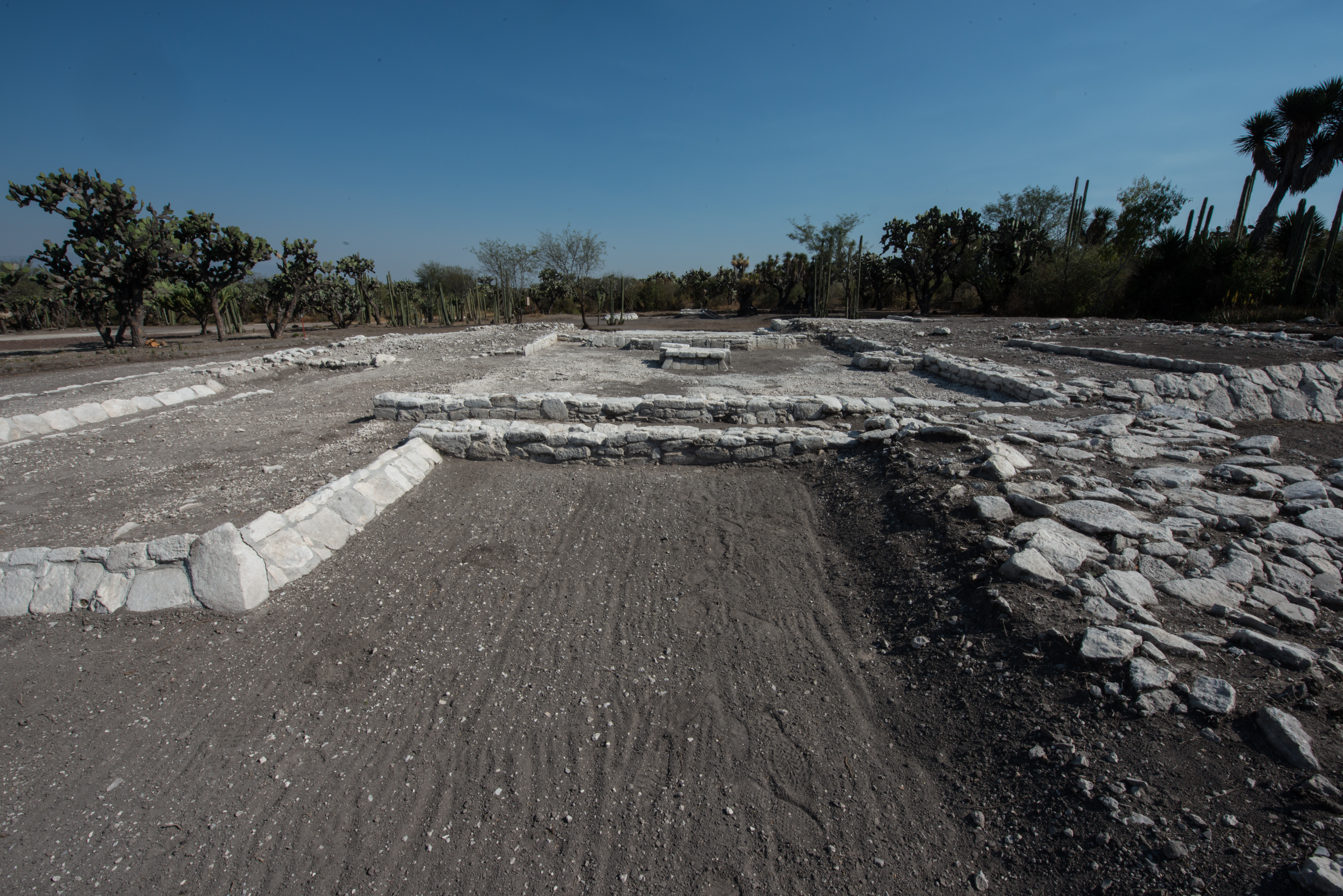
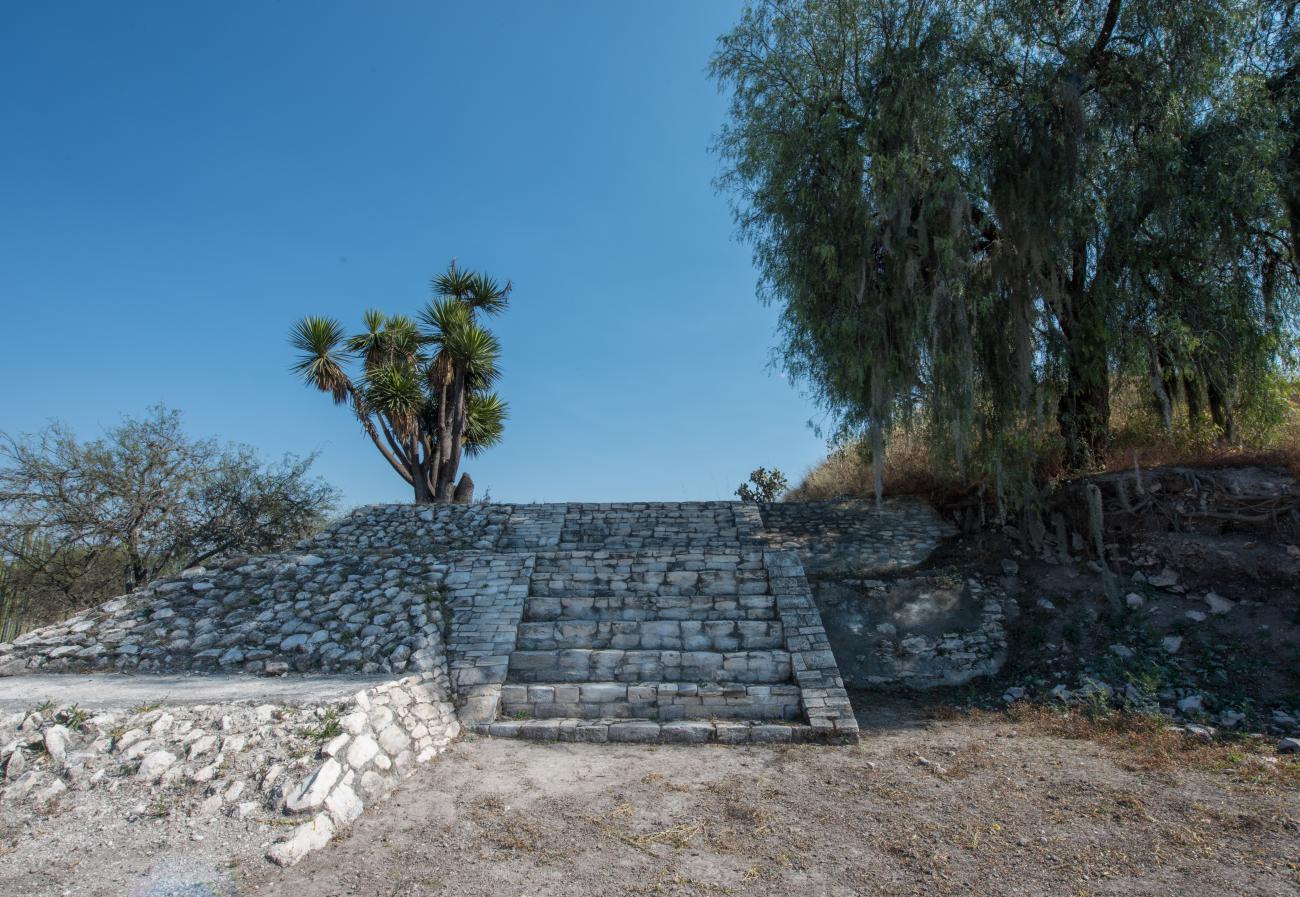
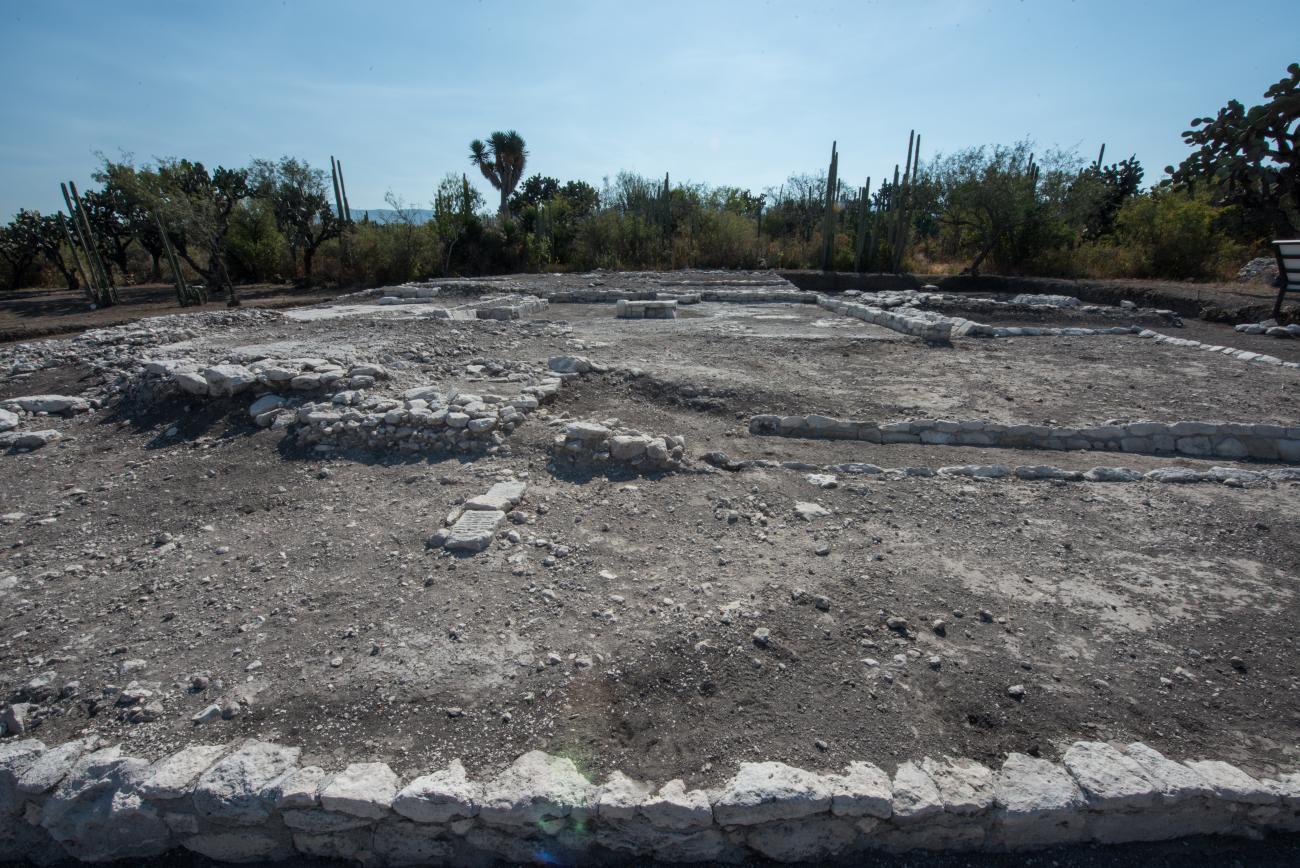
This is a housing unit explored in 2016. Composed of platforms, stucco floors and remains of walls, this space corresponds to houses - habitation of high status groups within the site's society. By excavating this space, it was possible to know the way of life of its inhabitants, particularly between the years 100 - 650, chronology corresponding to the Classic (100-800). A burial with a ceramic offering was identified, which provides important information about the funerary customs of the societies of Pre-Hispanic Mexico. In this housing unit there is a Butterfly Altar in the center of a patio, being this scenario where offerings to some deities were constantly deposited.
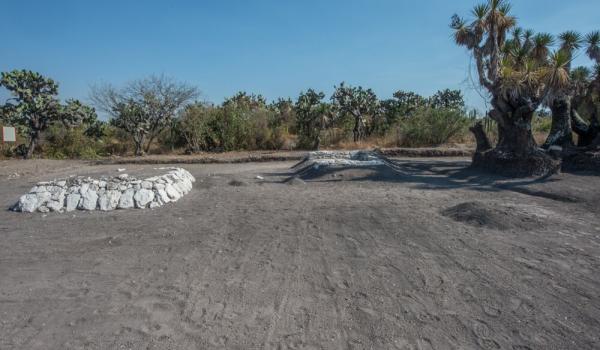
Zona de enterramientos
This space was excavated in 2016, recording the presence of three human burials with ceramic offerings. Two altars are observed, so it is likely that the burials are associated with them. The archaeological data and the contexts allow us to generate knowledge about the religious activities carried…
Zona de enterramientos
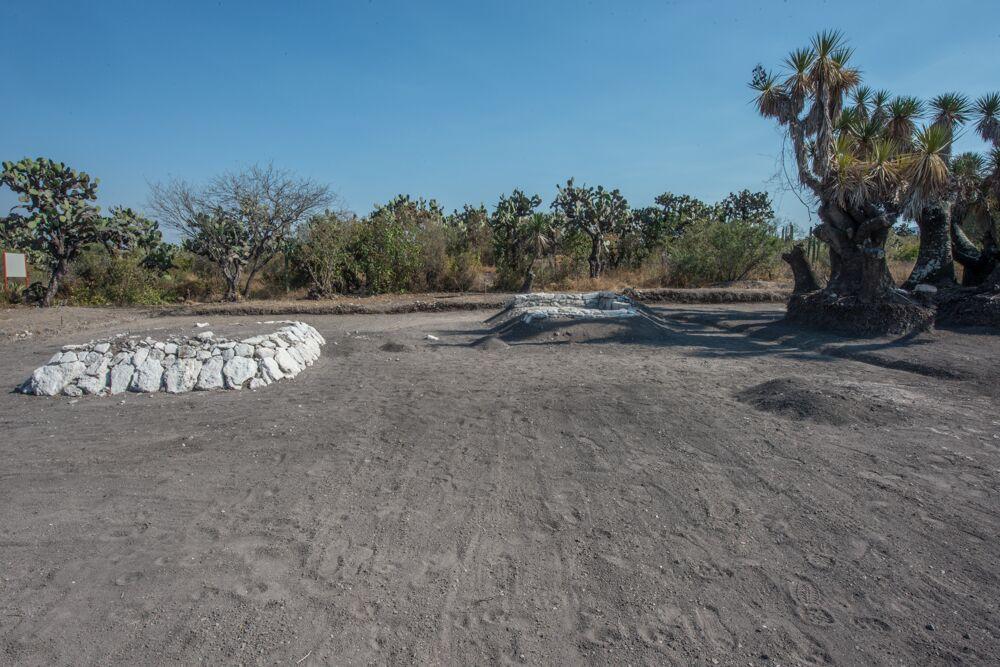
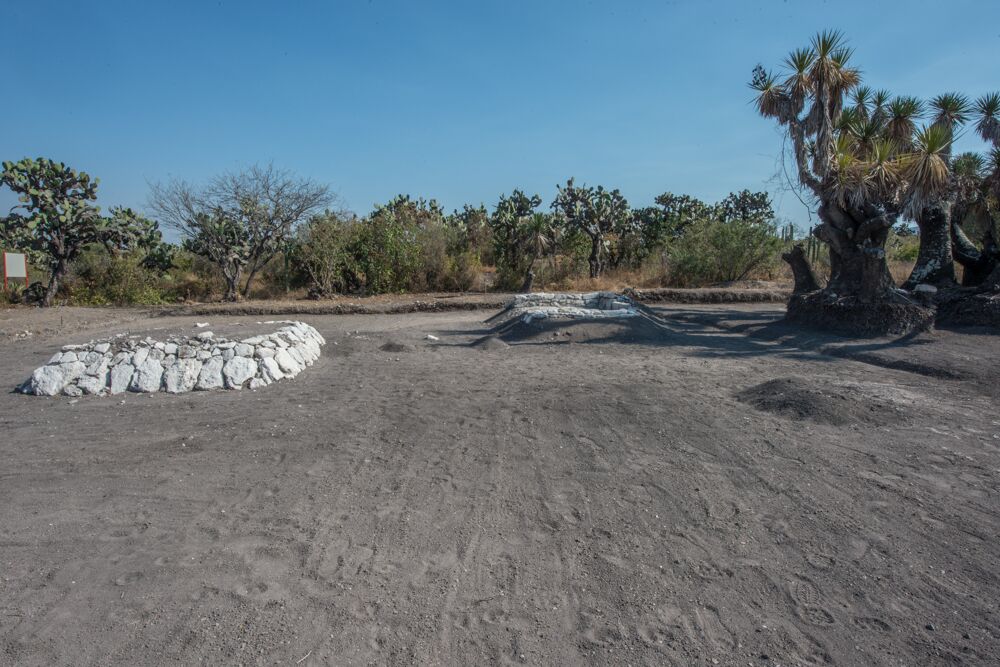
This space was excavated in 2016, recording the presence of three human burials with ceramic offerings. Two altars are observed, so it is likely that the burials are associated with them. The archaeological data and the contexts allow us to generate knowledge about the religious activities carried out by the inhabitants of the site Teteles de Santo Nombre between the years 100 - 650.


Contact
- Dirección de la Zona Arqueológica y Museo de SitioGerardo Navarro Valenciagerardo_navarro@inah.gob.mx+52 (222) 213 7390