
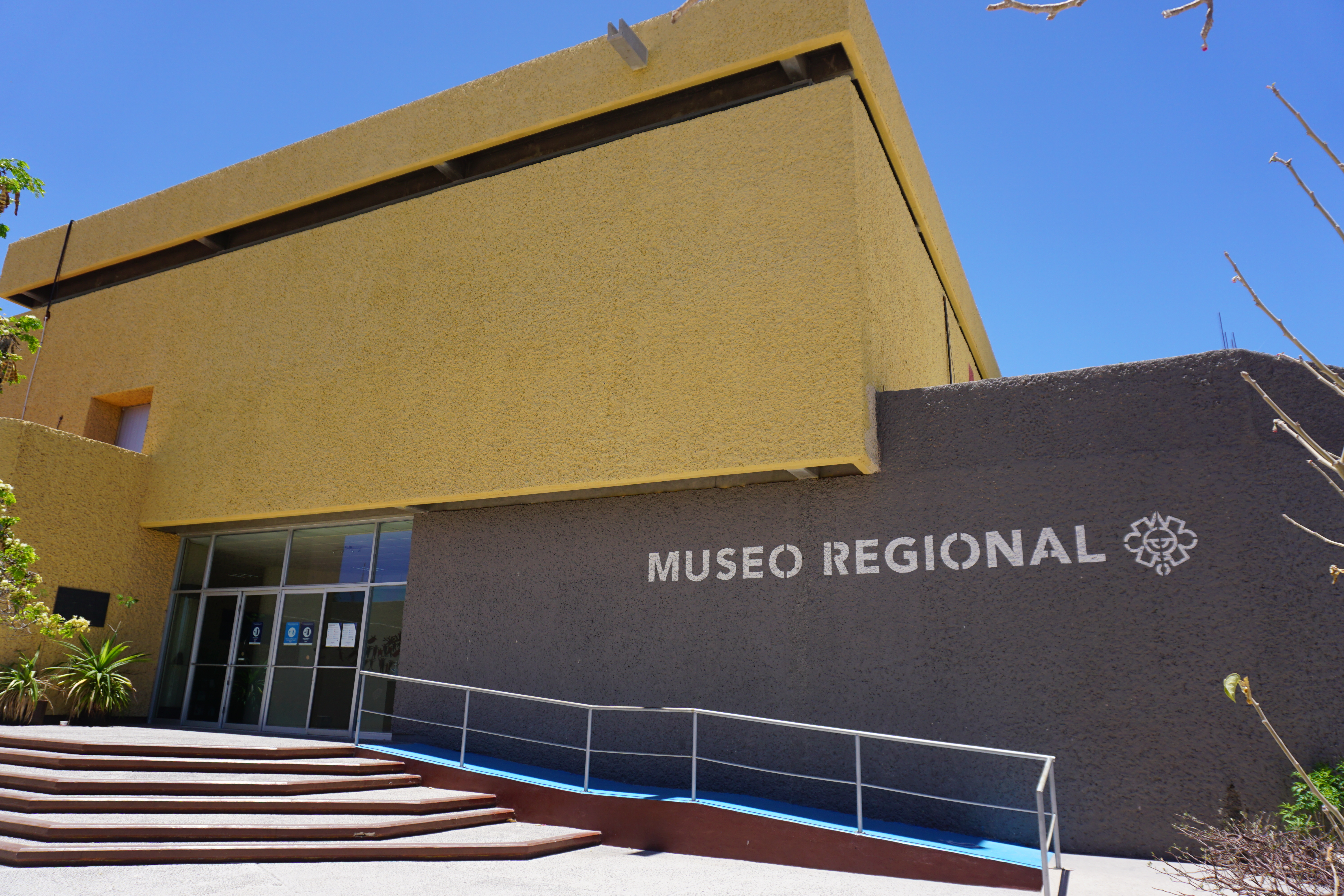









Museo Regional de Antropología e Historia de Baja California Sur
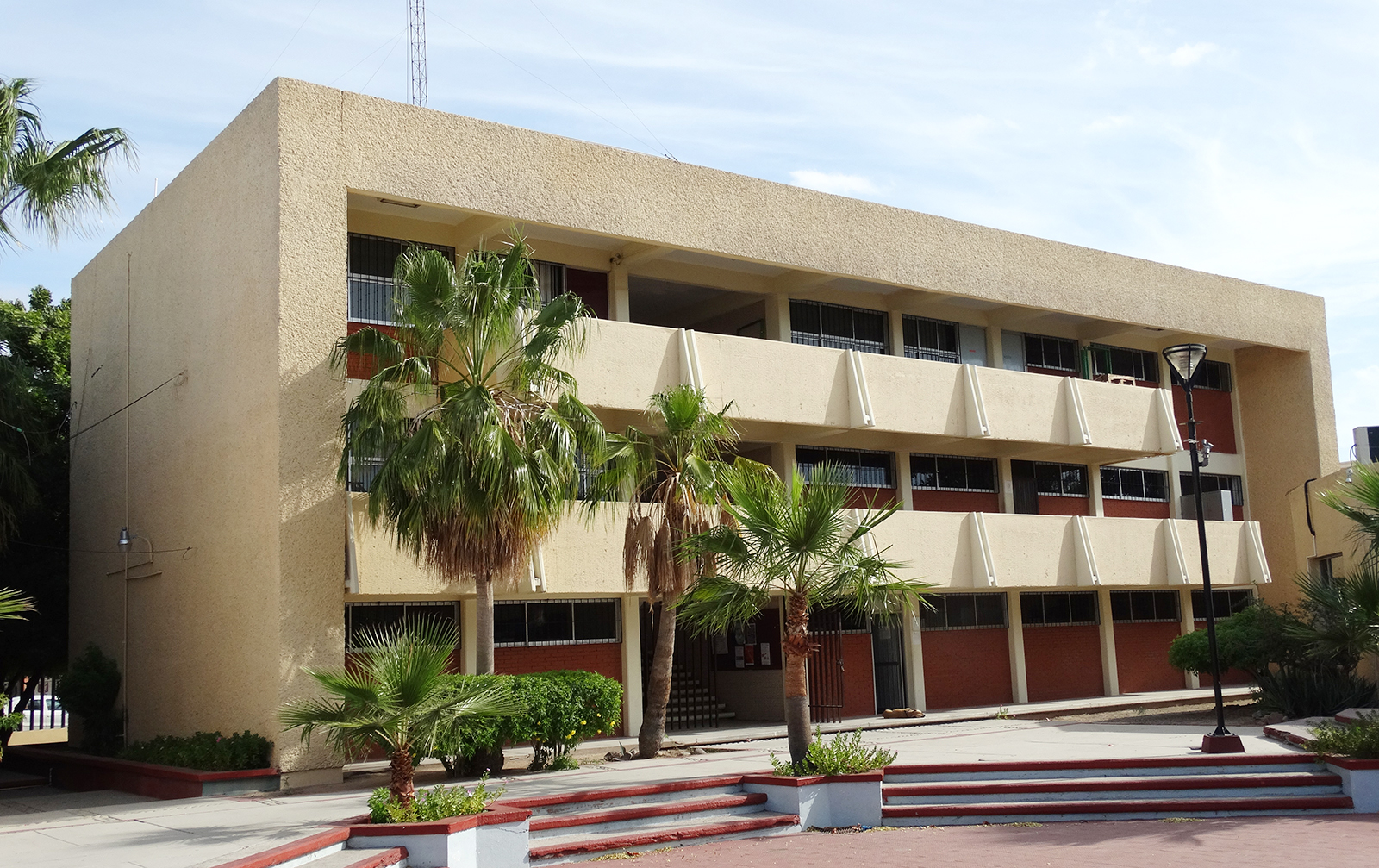
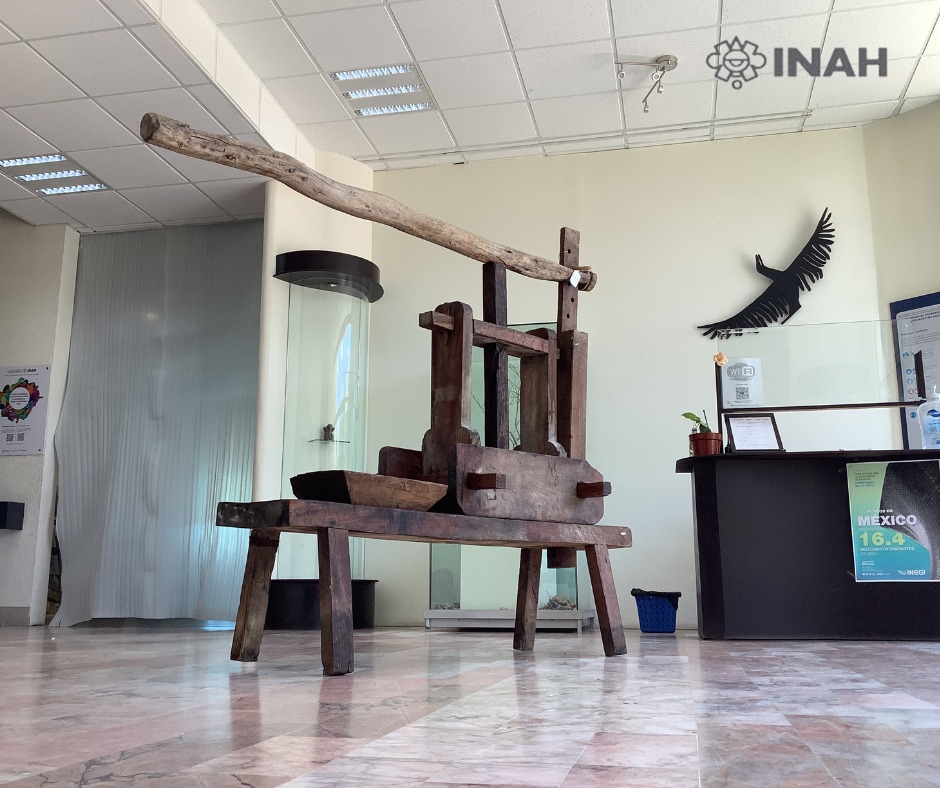
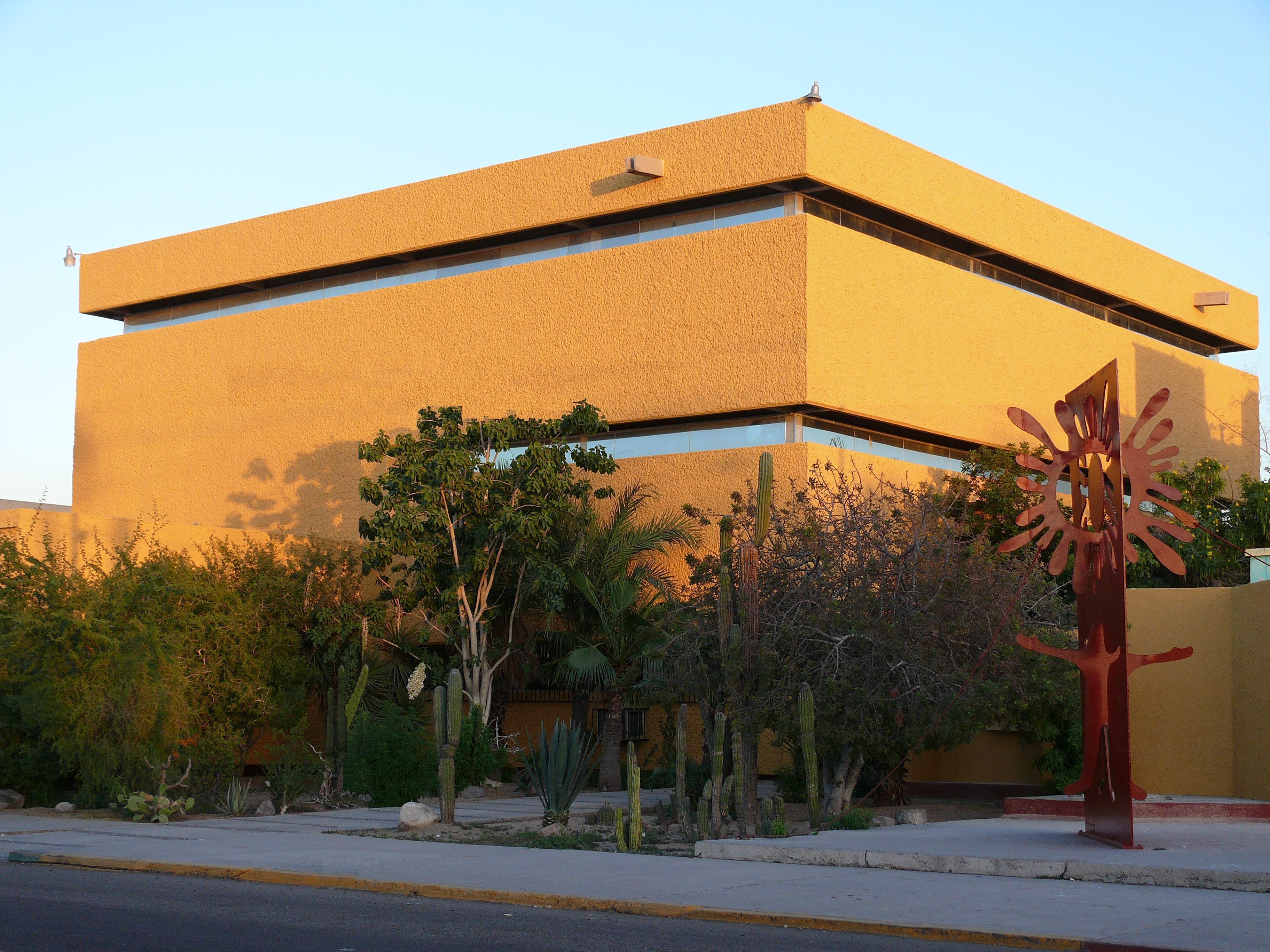
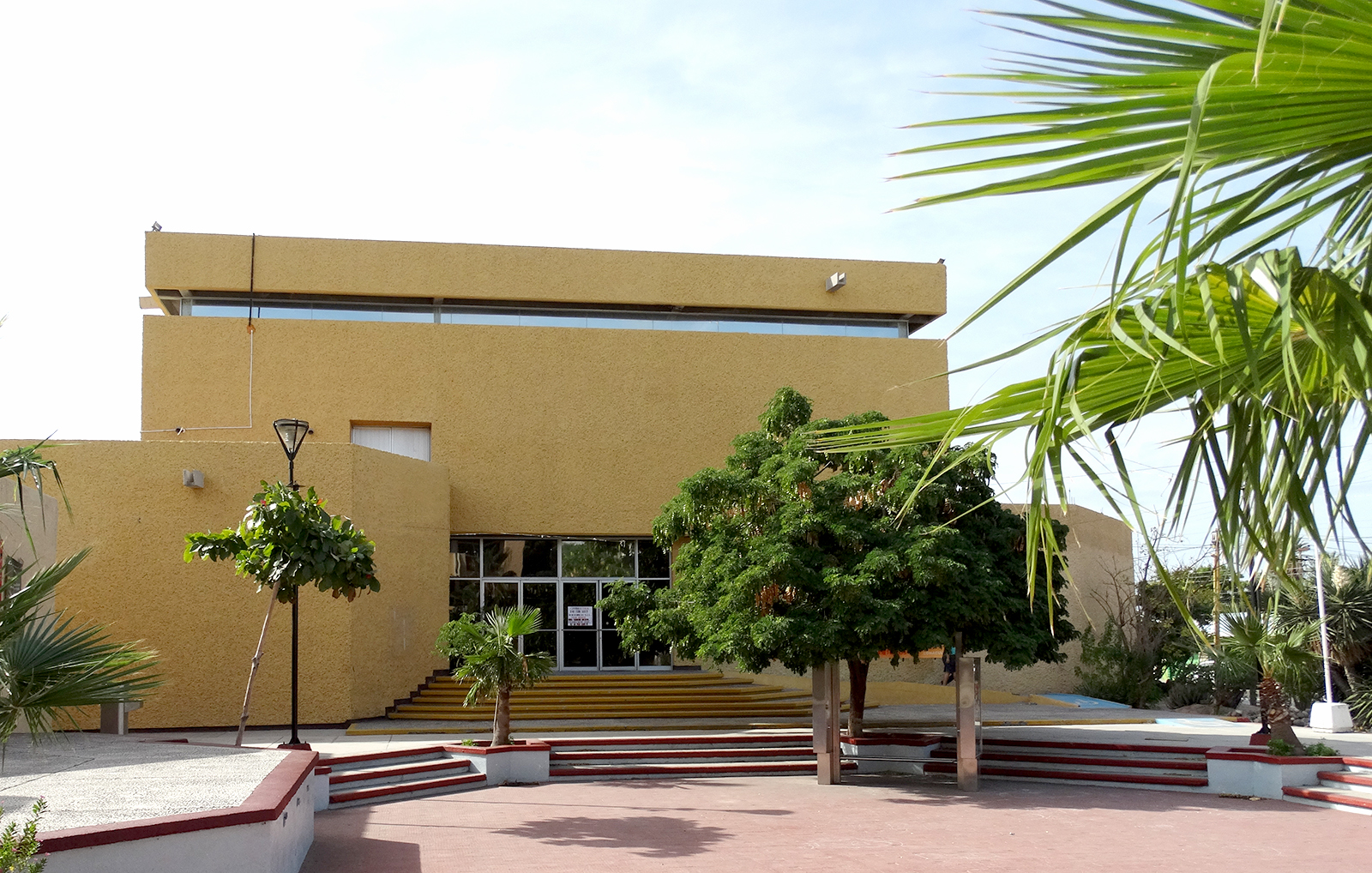
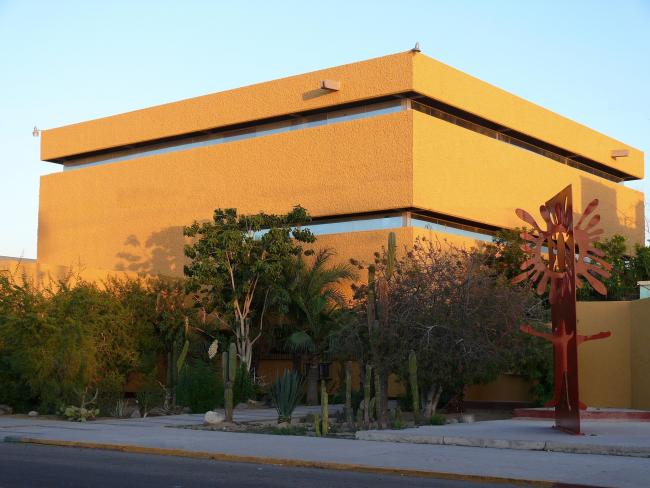
A modern building houses some thousand-year old remains of human life in the state. The museum shows the geology of the peninsula, fossils, its unique natural environment, the life of early settlers and their extraordinary cave paintings, the Jesuit Missions, and ethnology.
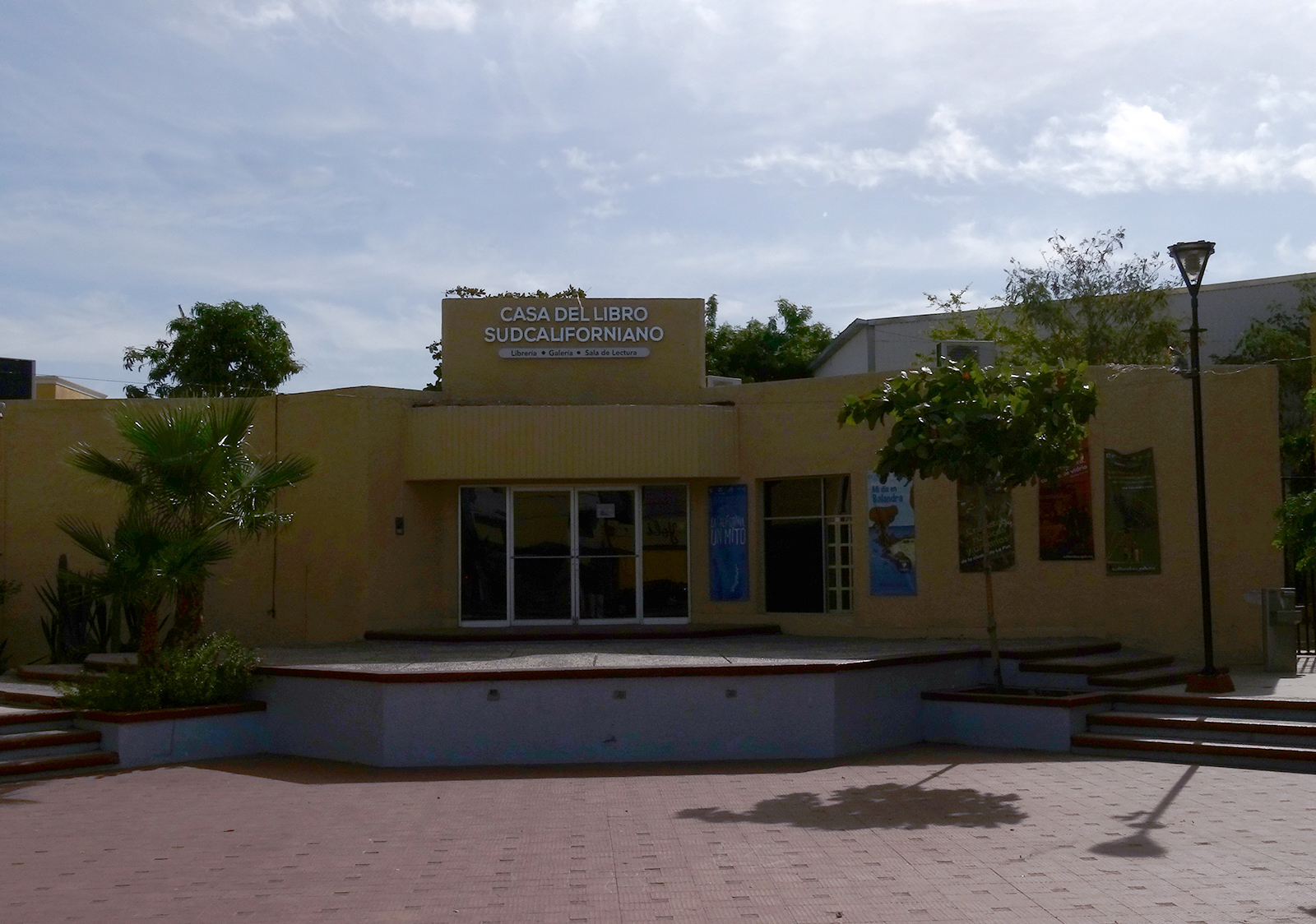
The museum opened in March 1981 in the historical center of La Paz, with the aim of preserving and exhibiting the cultural heritage of Southern Baja California. The museum building was constructed in the twentieth century by the architect José Figueroa Vázquez, and houses an extraordinary collection which ranges from the remote past of Baja California Sur up until the time when it became a free and sovereign state.
The objects, finds, explanations and works of art exhibited here reflect universal values, such as the cave paintings of the Sierra de San Francisco, which are a World Heritage Site. The space also reflects the world view of a people who were forged in a desert peninsula, far from the main centers of population in Mexico, endowing them with a unique culture that endures to this day. Within the permanent galleries, this singularity is reflected in the careful curating and the museum displays, as well as the outstanding and fascinating paleontological, archeological, ethnographic and historical collections.
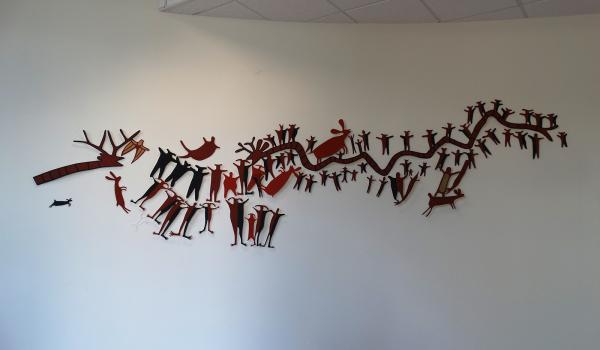
Introductory Hall
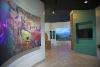
Visitors are welcomed through murals, collections, and a narrative that conveys the idea of Baja California Sur as everyone's home: for those who arrive and for those who live here.
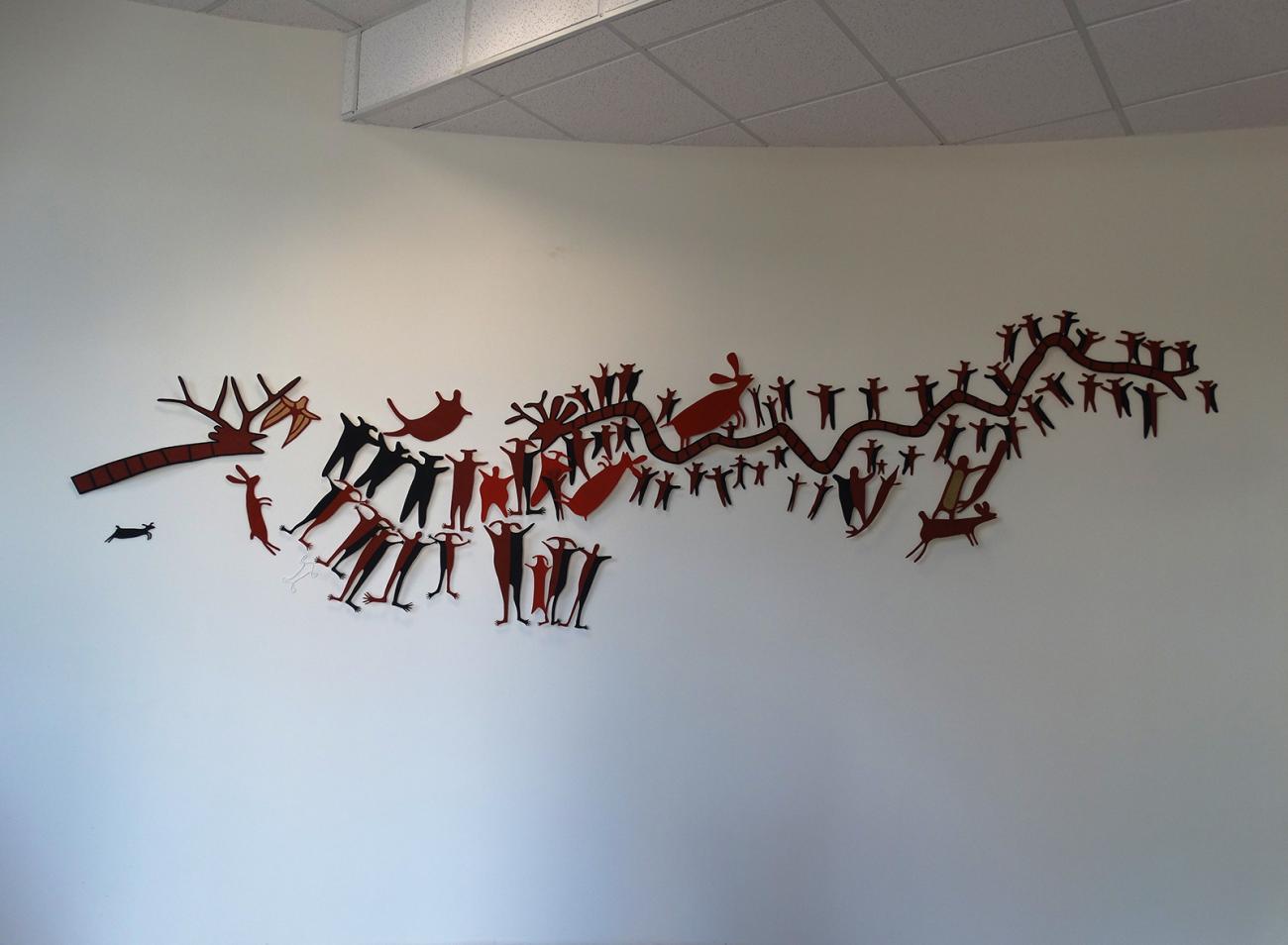
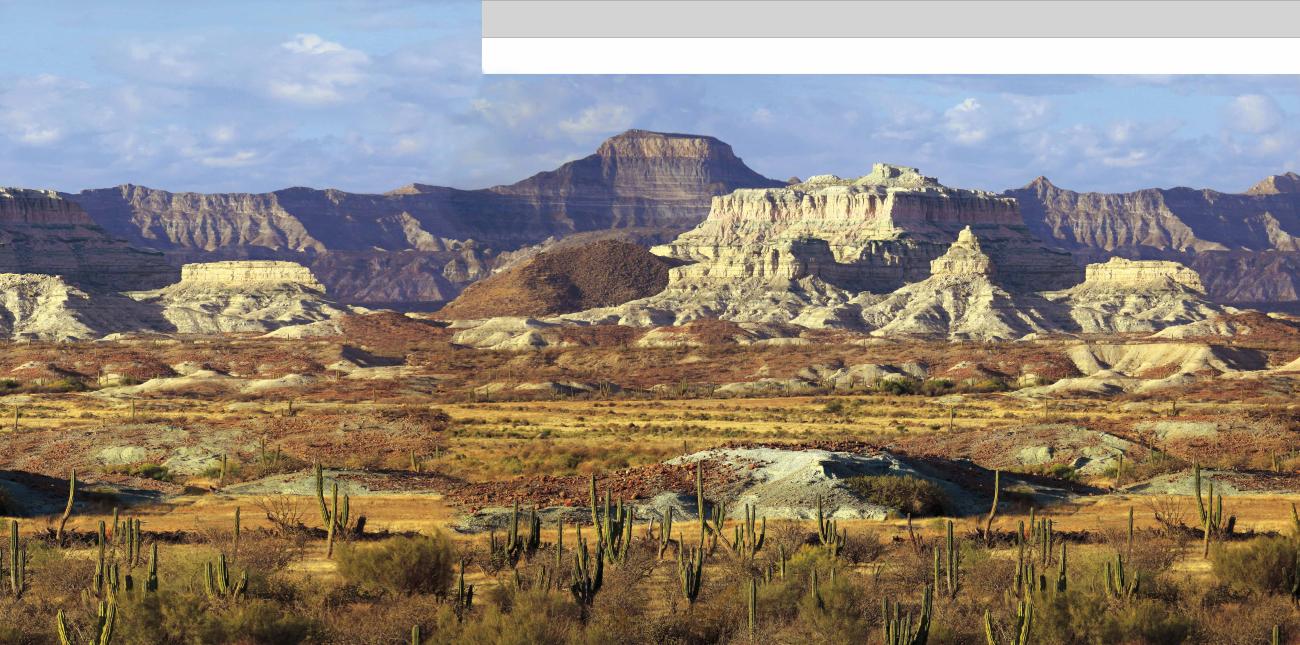

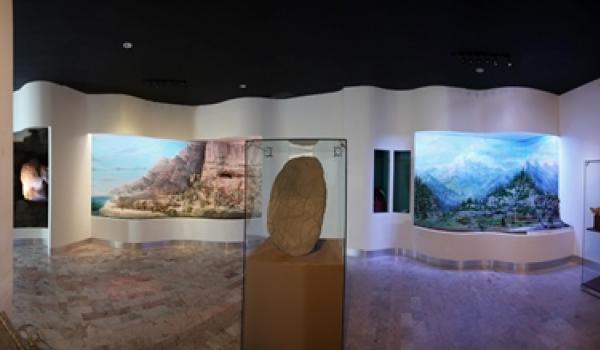
Archaeology
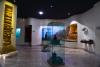
This section offers an in-depth explanation of the culture of the peninsula’s early peoples, featuring striking recreations, interactive displays, and a significant collection of objects that shed light on the prehistoric processes of northern Mexico.


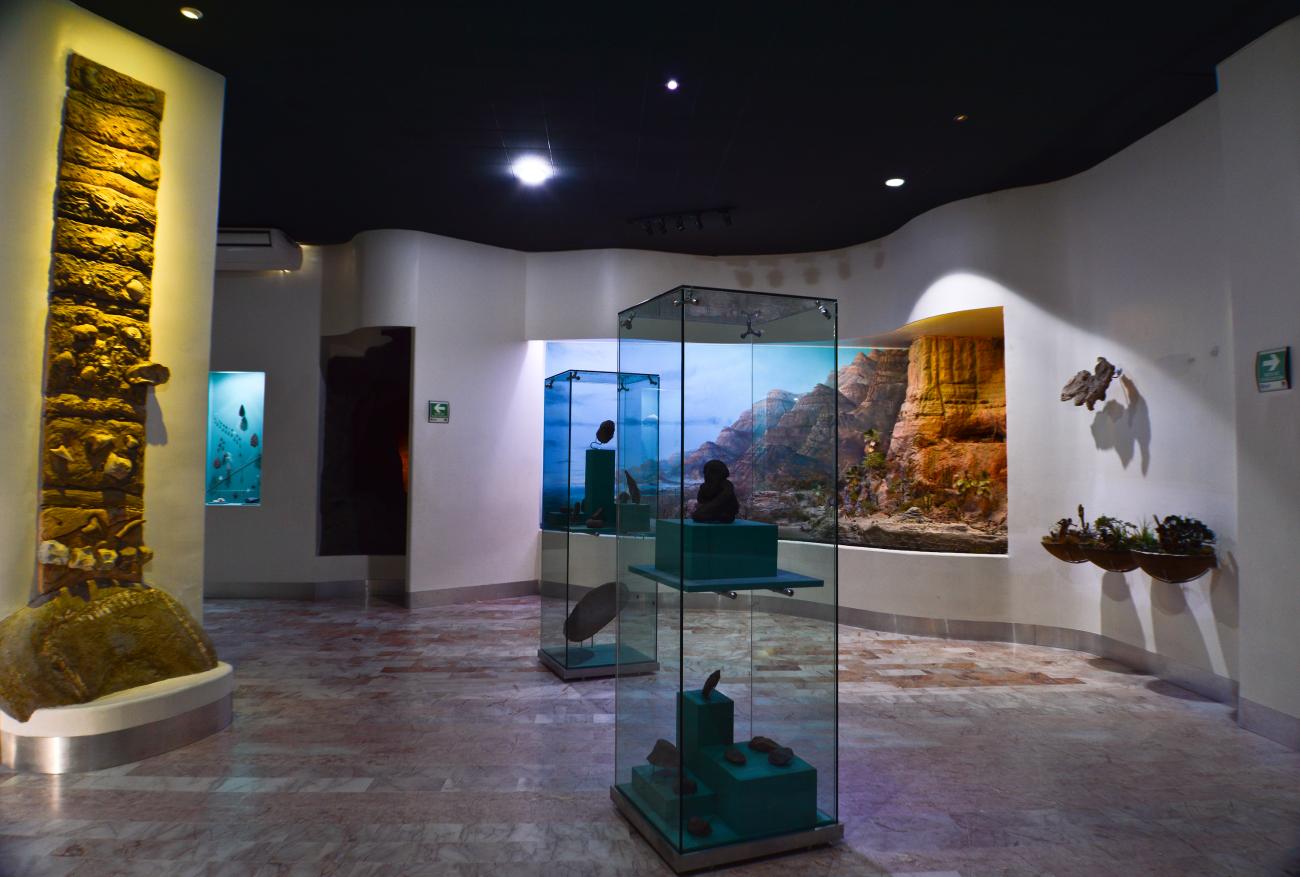

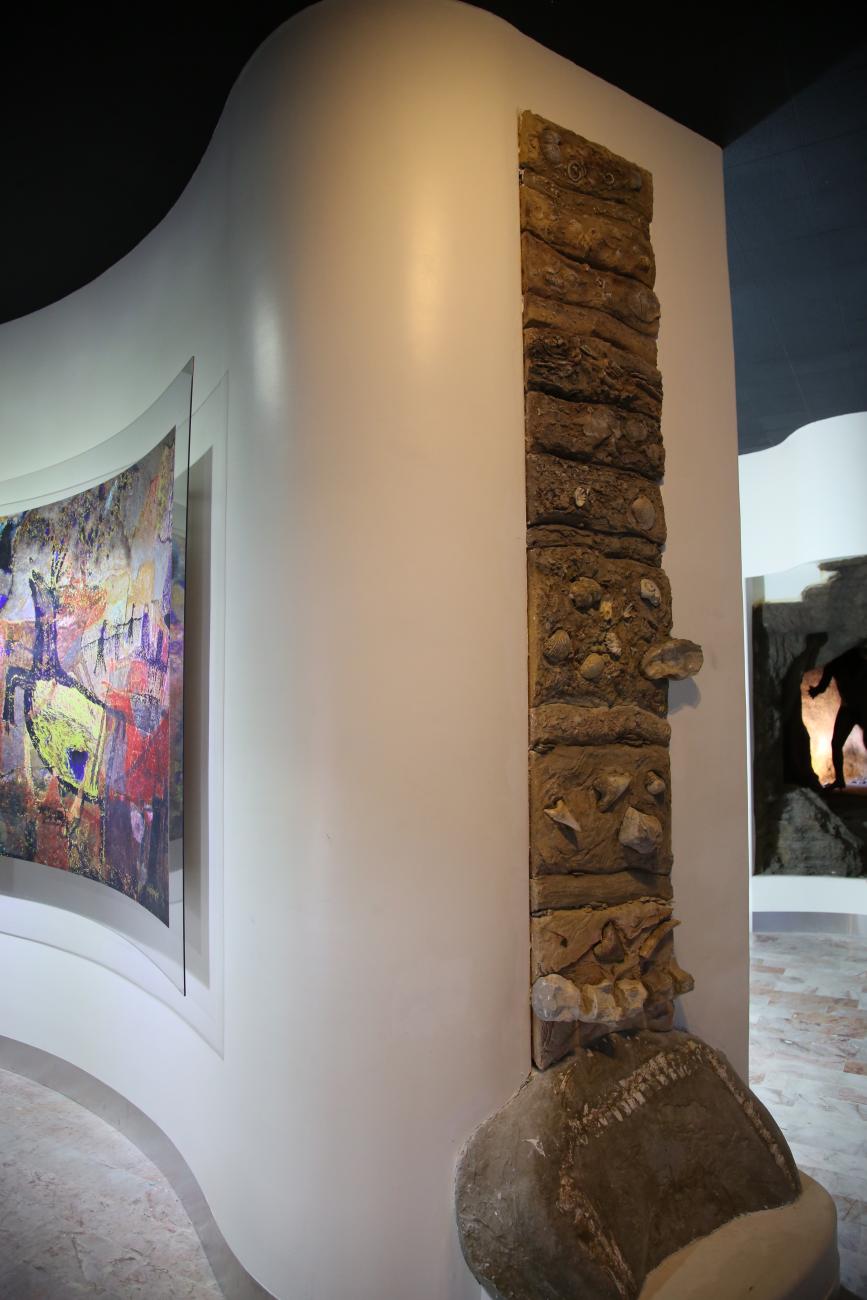
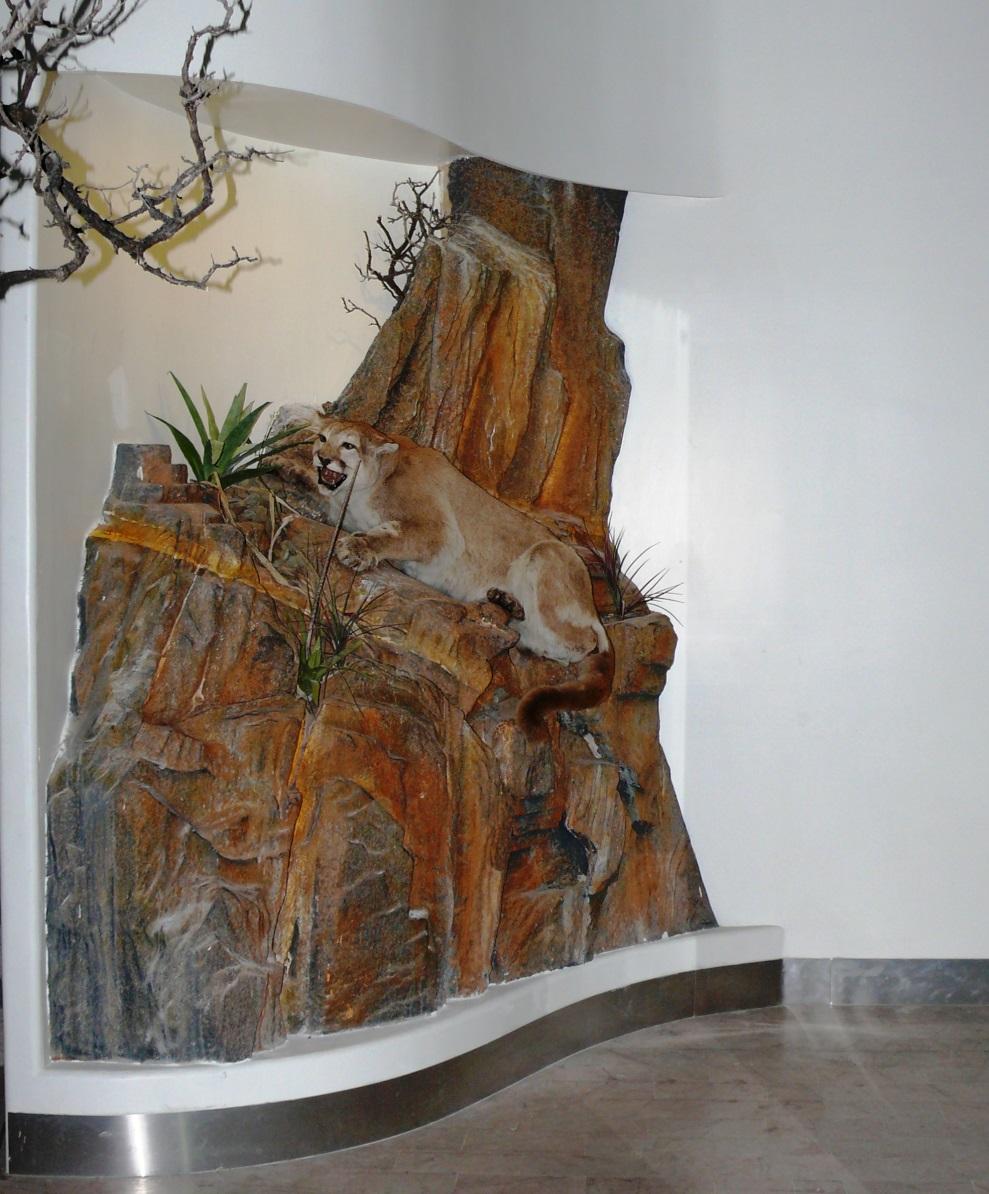



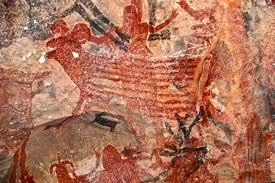
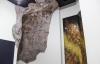
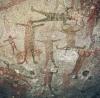
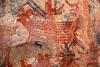
Rock Paintings
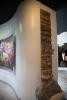
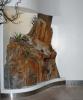
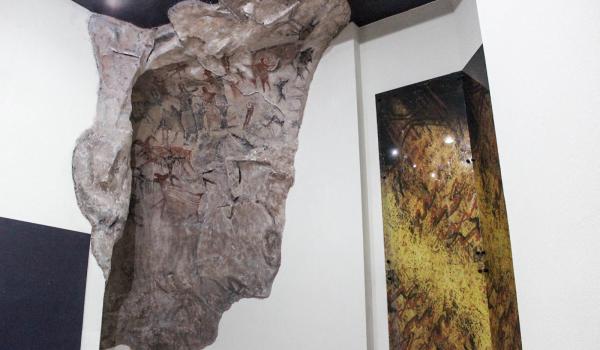
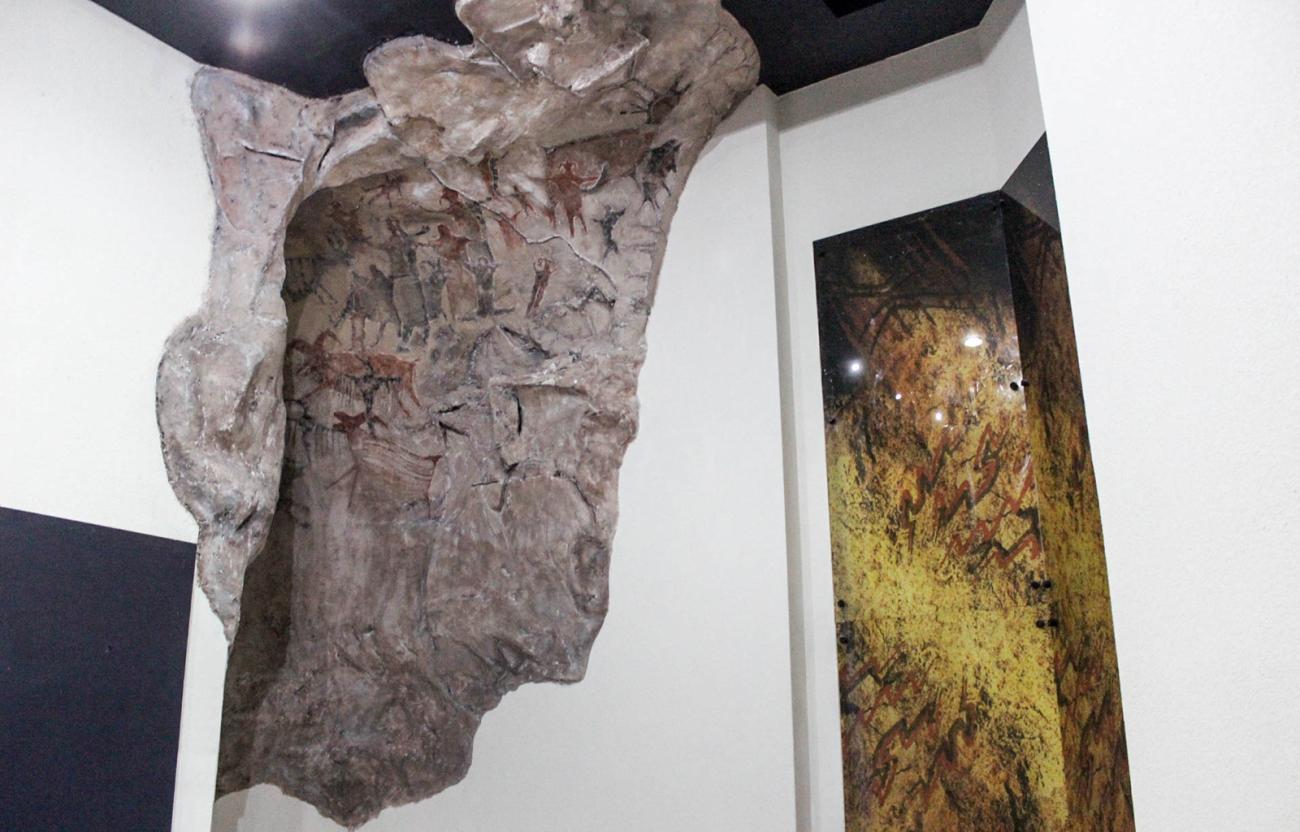
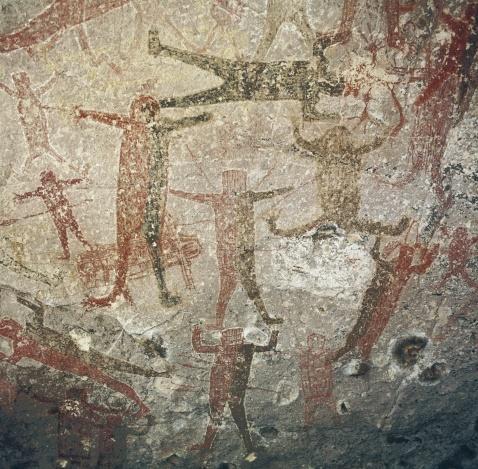
This exhibit presents a highly detailed museographic display of the most important studied and dated sites in Baja California, including San Borjita Cave—the oldest in the Americas, dated to 9,000 years before present.
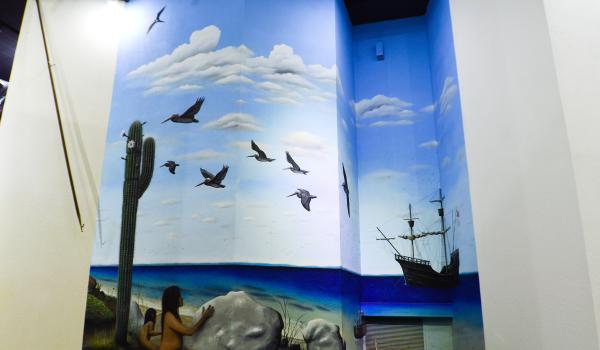
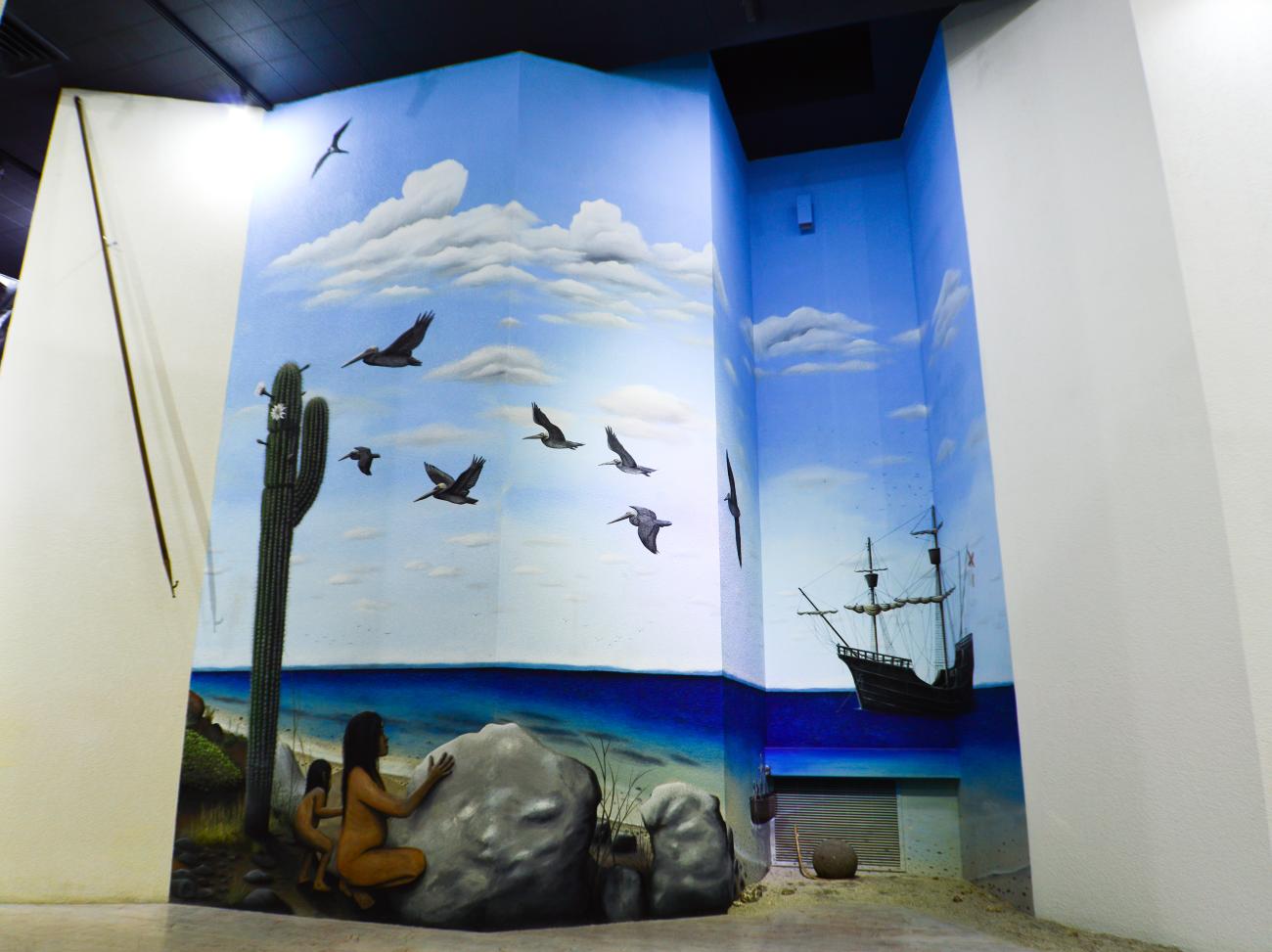
The Colonial Period
This section explains the discovery of the California peninsula, the missionary process, and the establishment of the first civilian settlements.
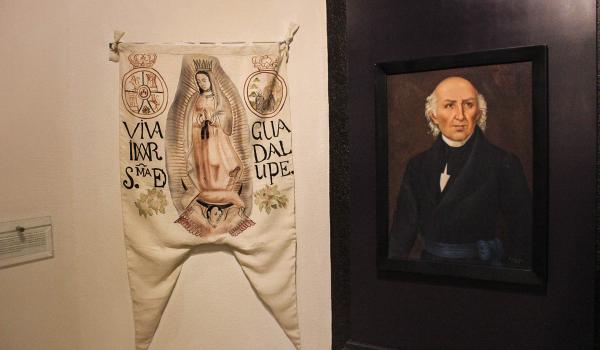
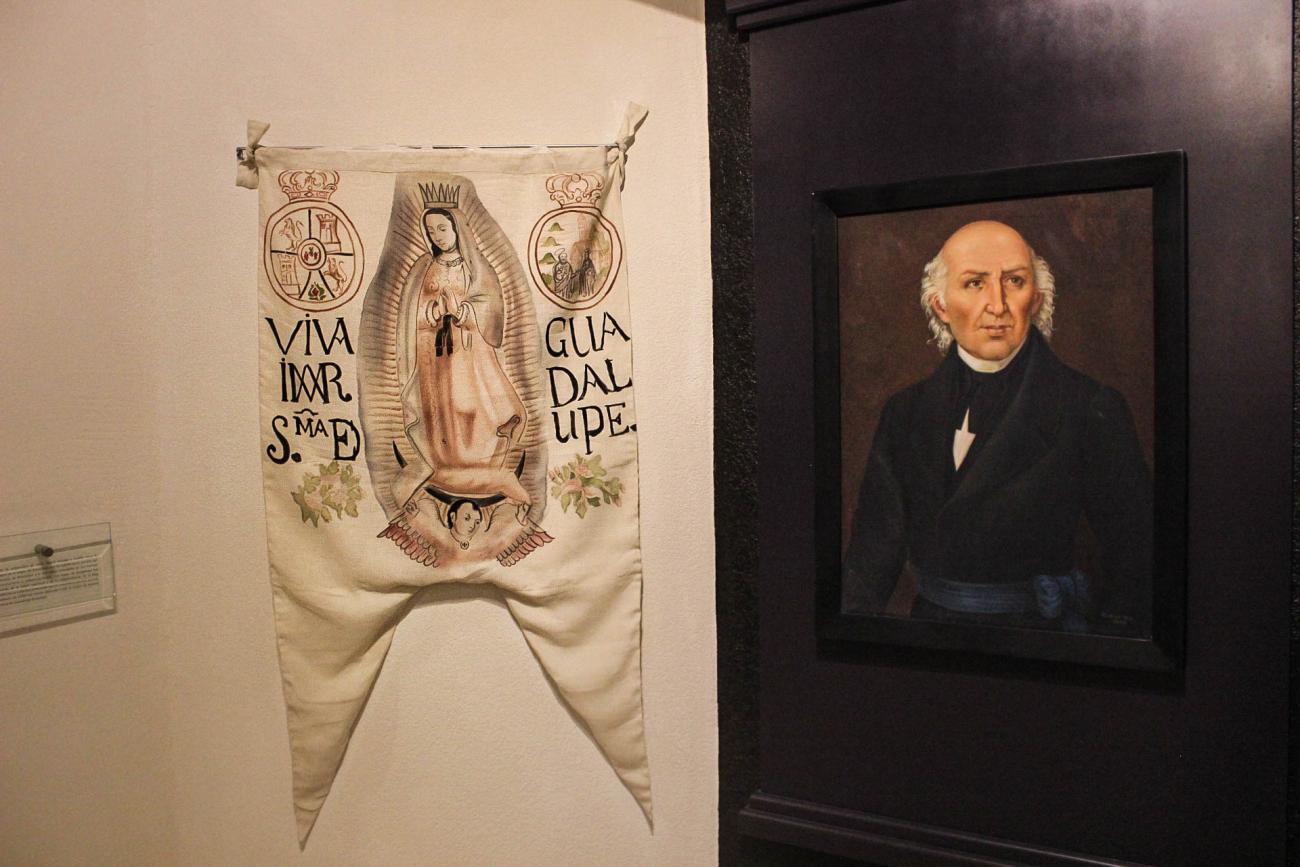
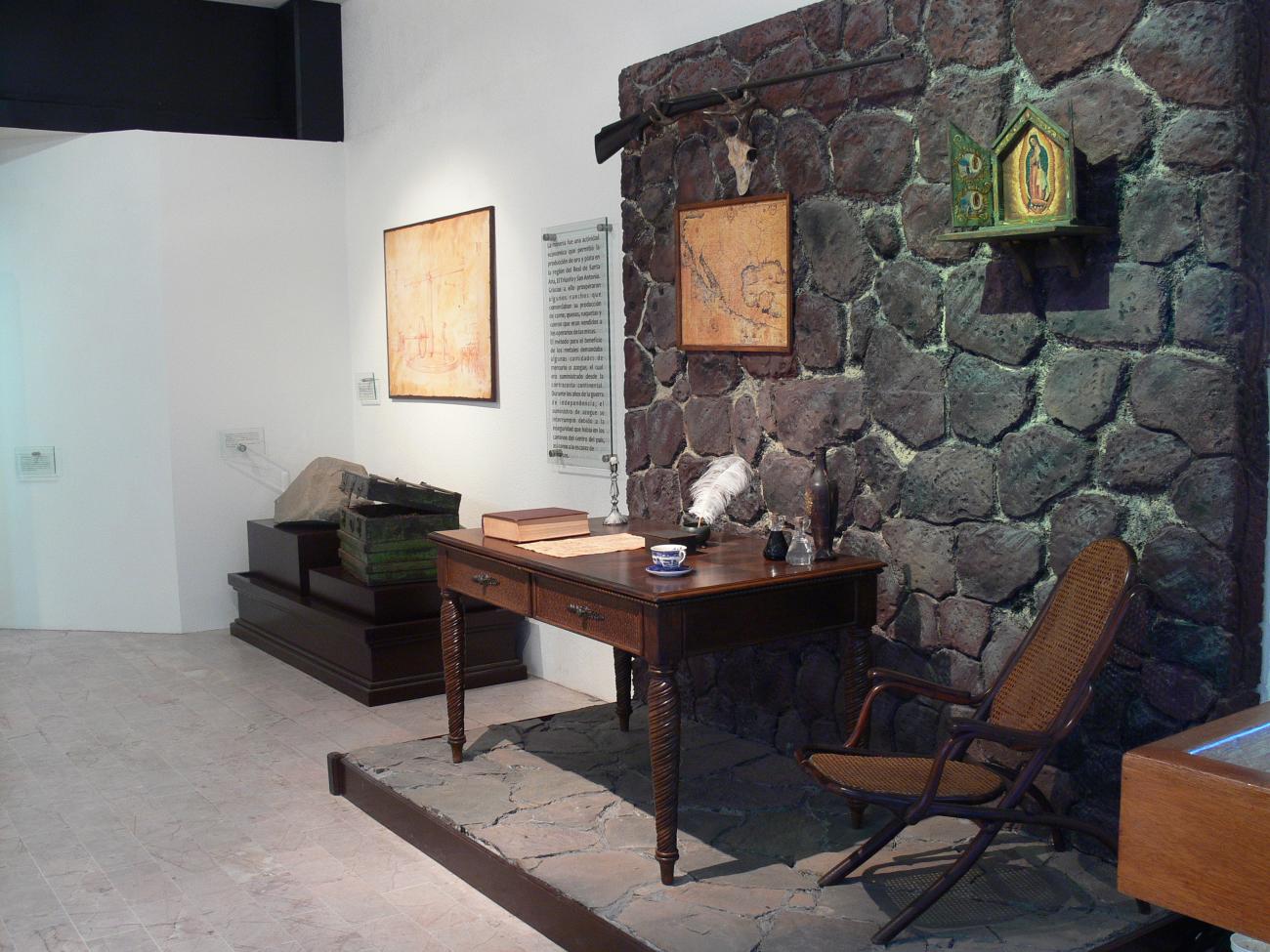
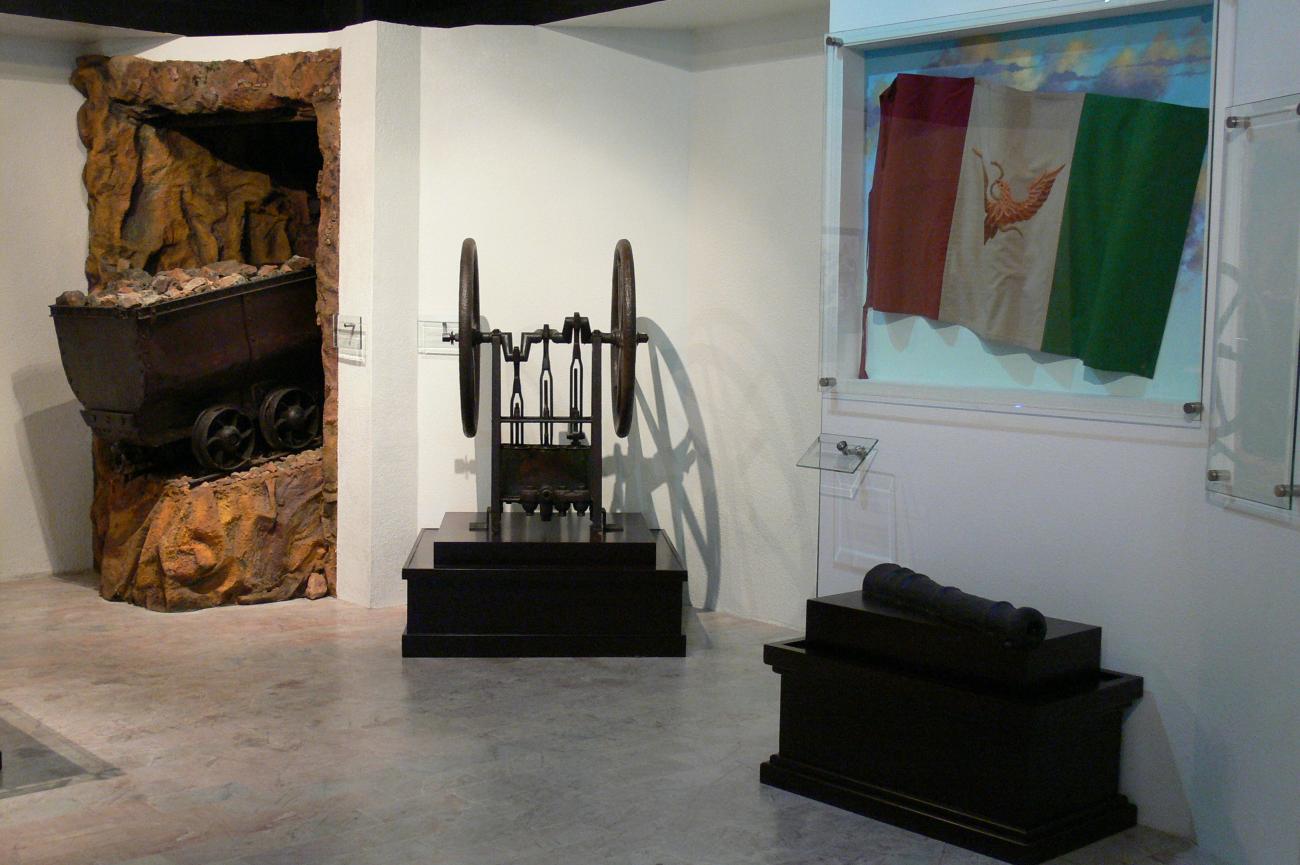
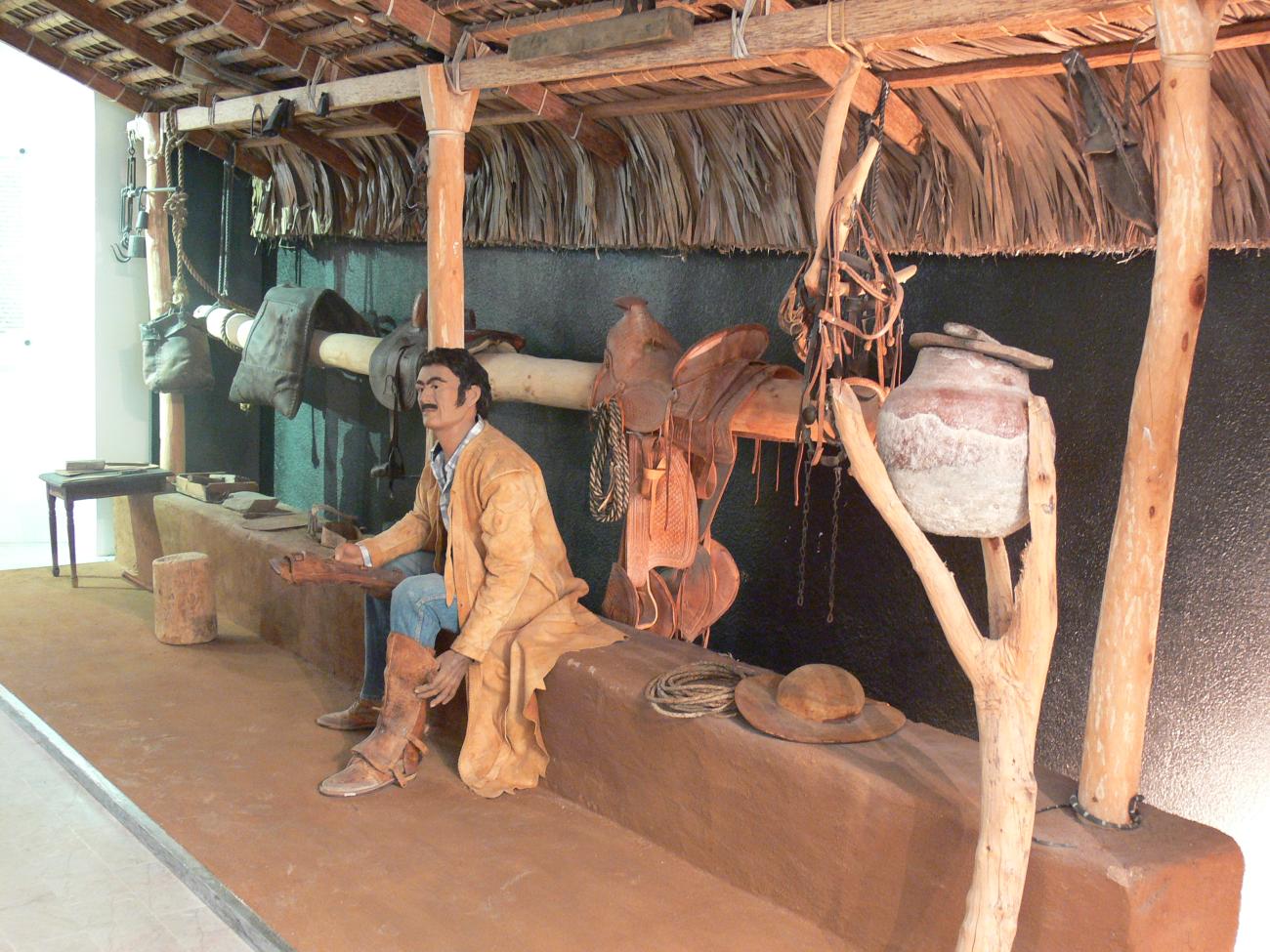
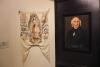
Independence, Revolution, and the 20th Century
Highlights the key elements that shape and give identity to local society.







Document
Document
- DirecciónAlberto Calderón Vegaalberto_calderon@inah.gob.mx+52 (612) 125 64 24Comunicación CulturalZuleth Guadalupe Vargas Cosiozuleth_vargas@inah.gob.mx+52 (612) 122 01 62


