








Iglesia Vieja
Archeological site
Iglesia Vieja
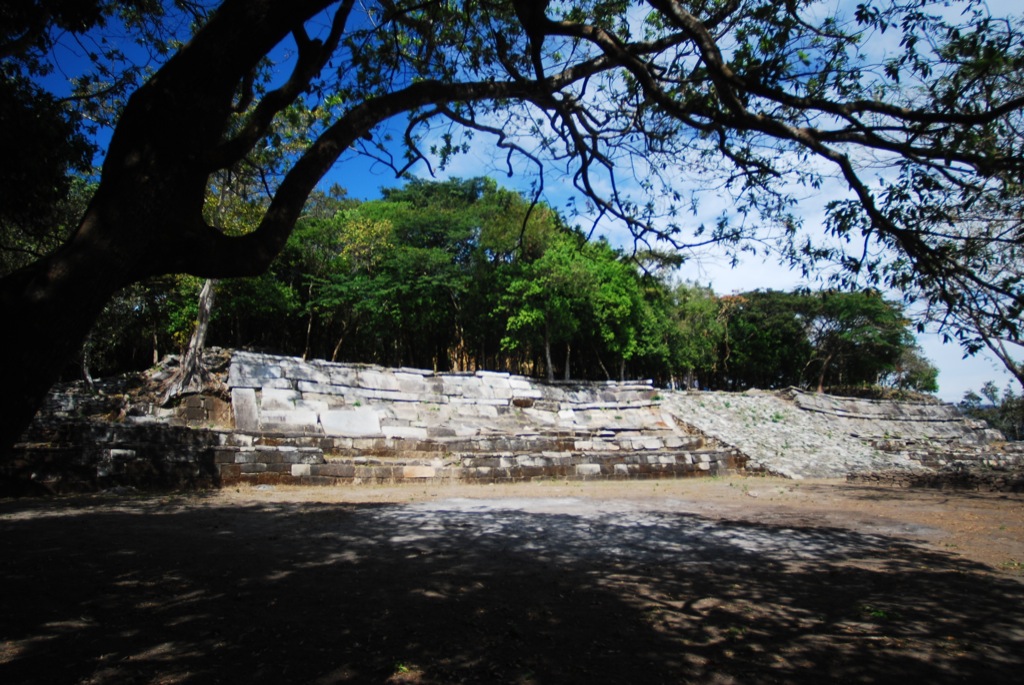
Its strategic position on the Pacific coast was of great importance for communicating the Altiplano (high plateau) with the south of Veracruz and the area of the Isthmus. Its monolithic architecture of blocks of stone—some weighing almost two tons—is surprising, as well as its altars, stelae and beautifully carved sculptures.
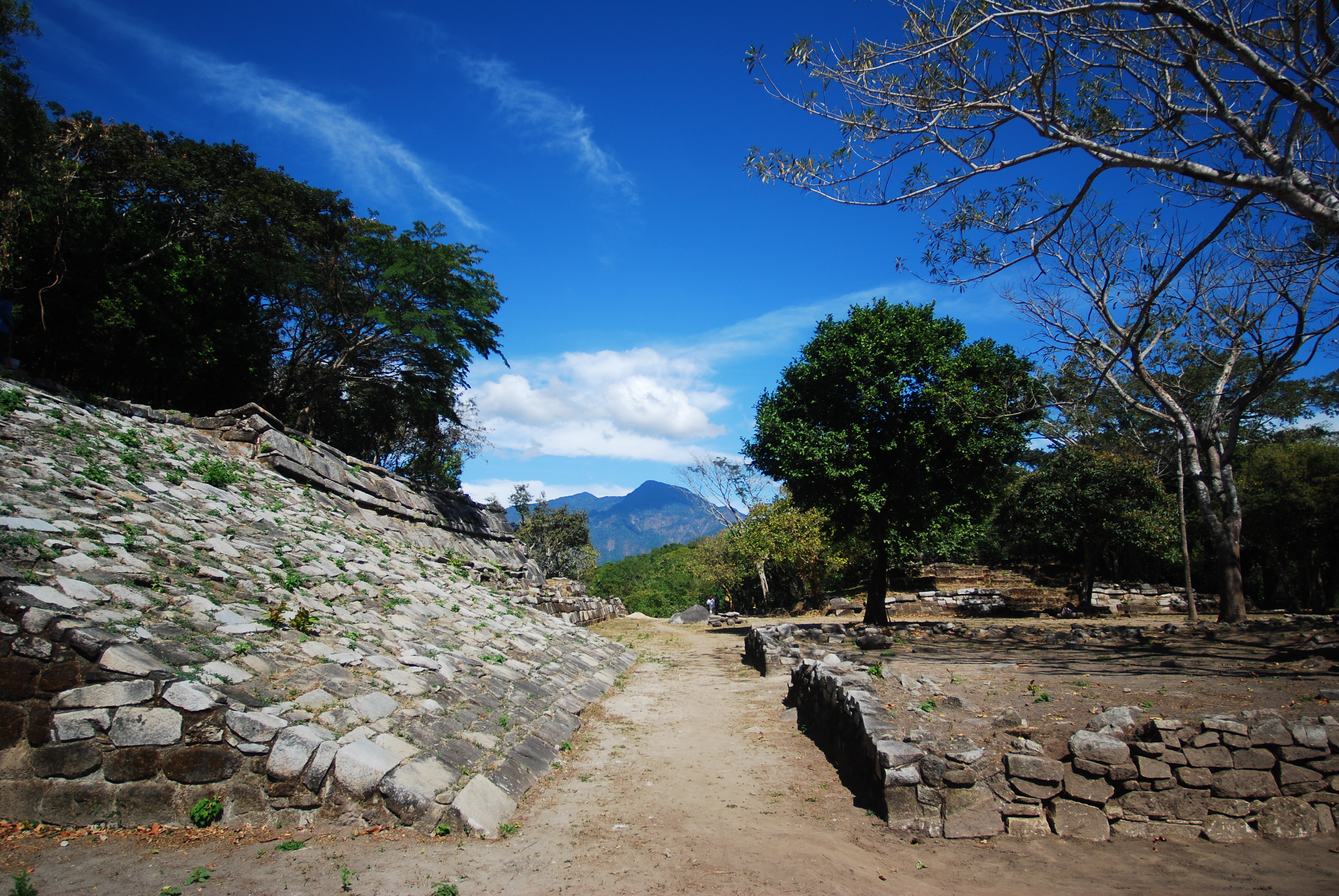
Covering three plateaus over 2300 feet in height in the Sierra Madre of Chiapas, the archeological zone of Iglesia Vieja is located 2.5 miles to the north of the city of Tonalá. Its story can be traced from the Late Preclassic (600 to 100 BC) to the Late Classic (600 to 900 AD), reaching a peak of building activity in the Early Classic (250 to 600 AD). The people of Iglesia Vieja made the most of the area's geology, which is of volcanic origin and abundant in granite, an igneous rock, for construction. They made use of the shape of the land in a similar manner, since the plateaus, divided by a series of streams, were the site of more than 80 structures divided into five architectural groups consisting of large and medium-sized platforms, plinths and temples, as well as plazas and points of access.
Iglesia Vieja covered an area of 148 acres. However the core area with monuments covers 77 acres. This impressive site was visited by various travelers and scholars in the early twentieth century, most notably by the German ethnologist Caecilie Seler-Sachs (1900) and the archeologists Enrique Juan Palacios (1928), Philip Drucker (1948) and Edwin Ferdon (1953). The latter was responsible for a map and descriptions of the main structures, whose choice of names is still in use today. Nevertheless, after the visit by the archeologist Carlos Navarrete in 1958, it remained forgotten until 1998 when a site inspection was made.
Practically unknown until then, and due to the importance of the archeological site, INAH carried out a survey to set the boundaries for the site's protection and the state government of Chiapas built a dirt road in 2000 enabling the field work to be carried out. Focusing on architectural groups B and C, nine field seasons of excavation and consolidation were held from 2003 to 2004 and from 2009 to 2016.
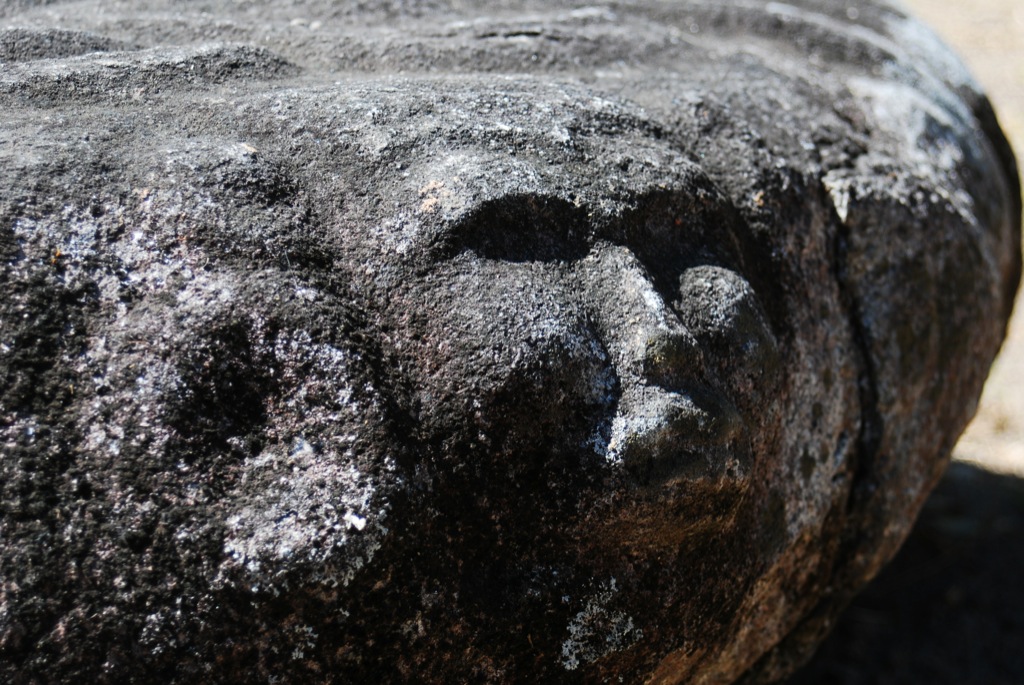
Architectural Group B is situated in the far northwest and highest part of the site. It has a great plaza formed by three large structures, known as B-1, B-2 and B-3, measuring about 230 by 260 feet. B-1, B-2 y B-3. Group C is to the south of Group B and the two are linked by a series of ramps on the land's natural slopes. Close to 30 sculptural monuments have been found at Group C, such as Altar 1 in front of Structure C-3, which has one zoomorphic and three anthropomorphic faces. A variety of other lesser sculptures were found, such as an eagle, once embedded as an architectural feature.
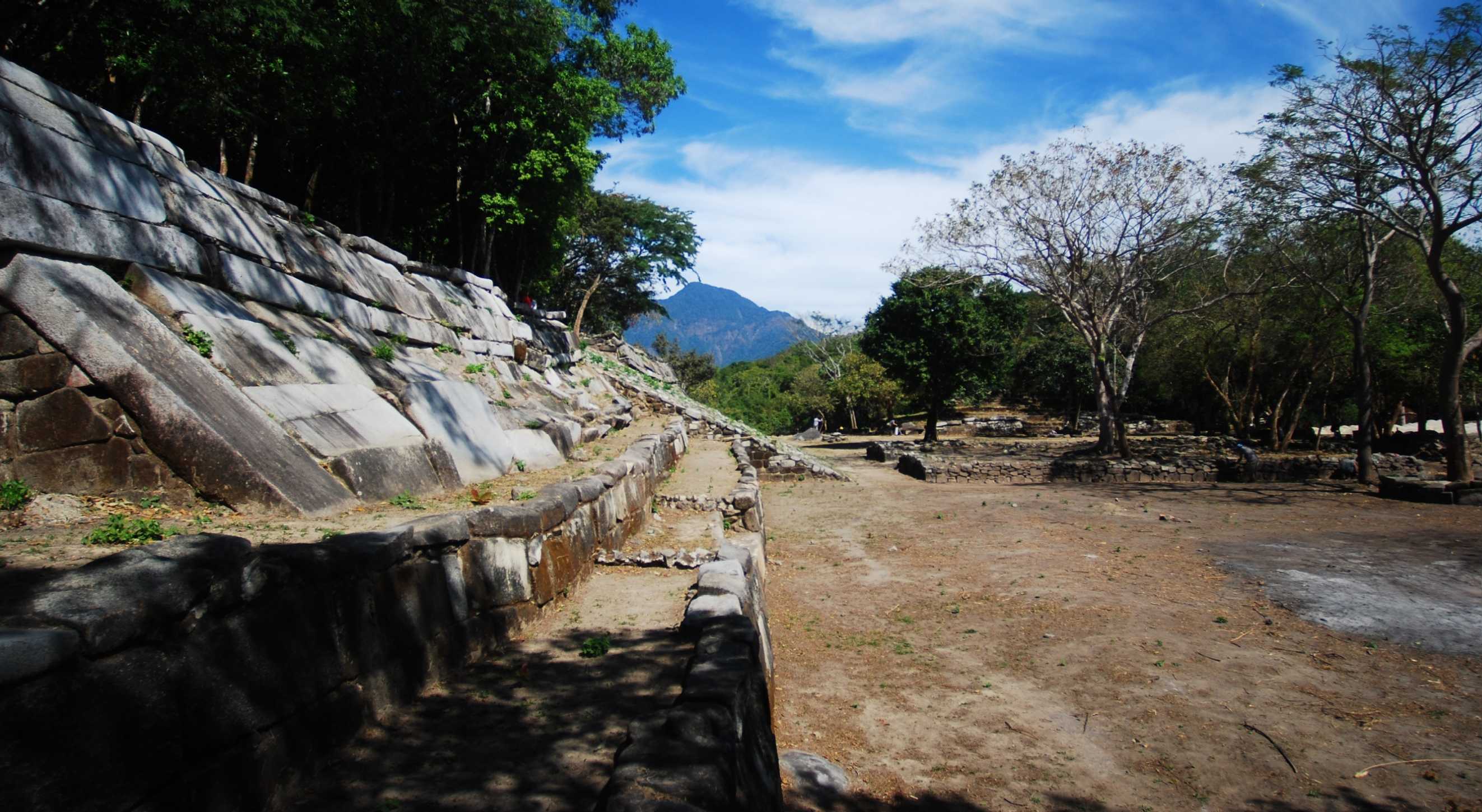
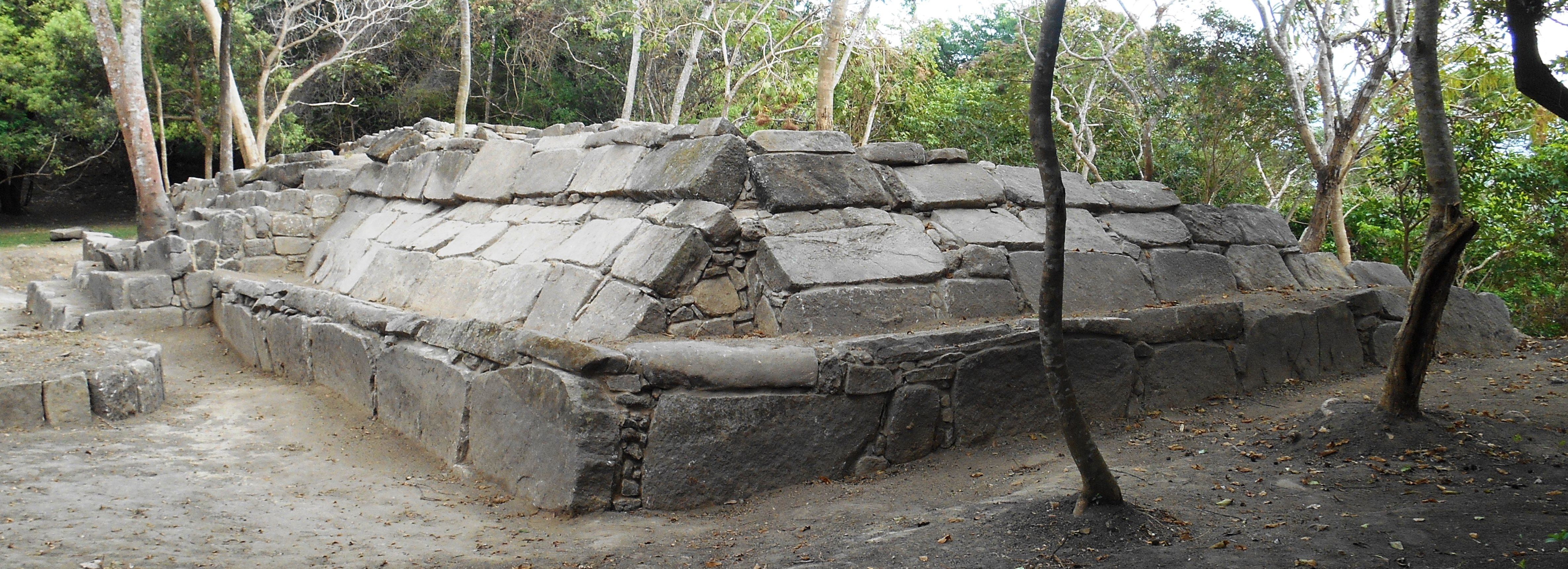
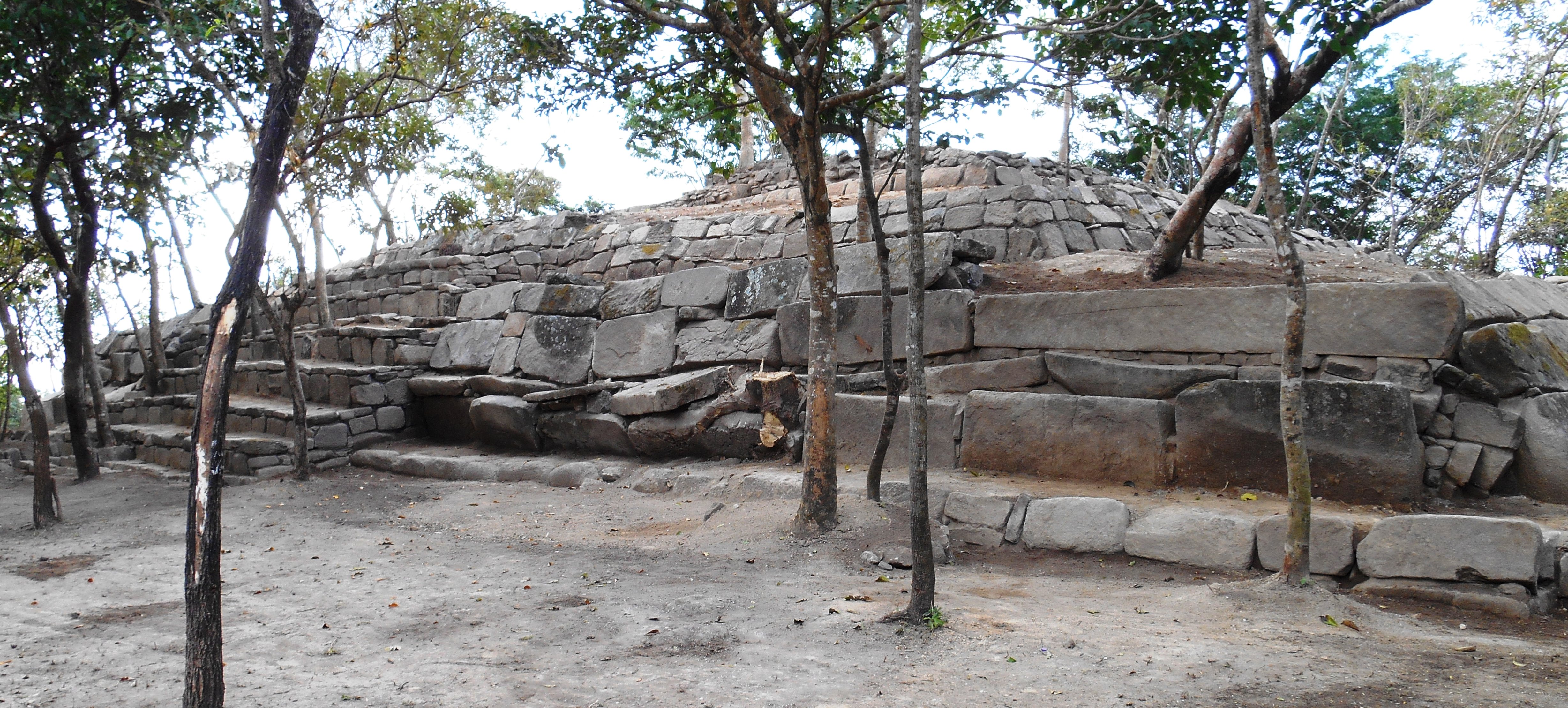
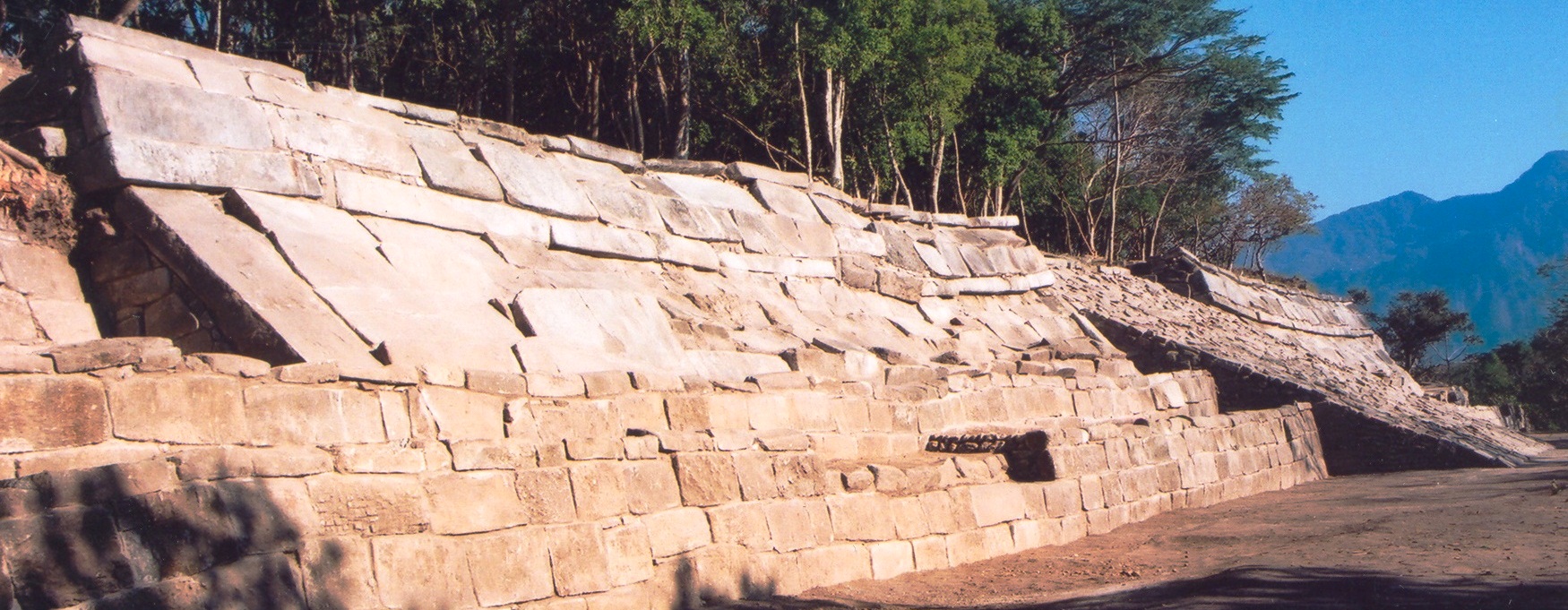
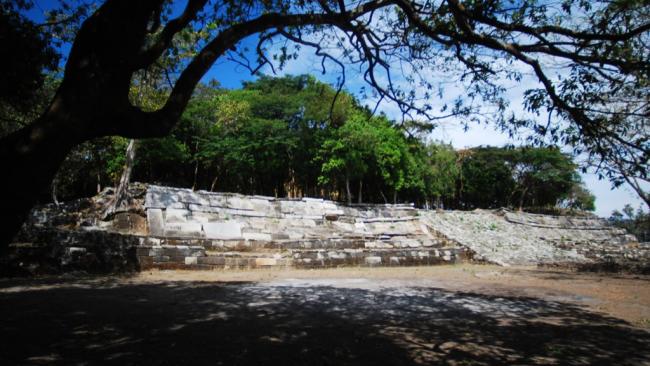
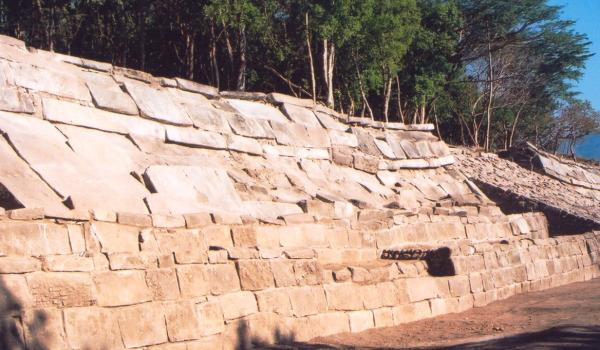
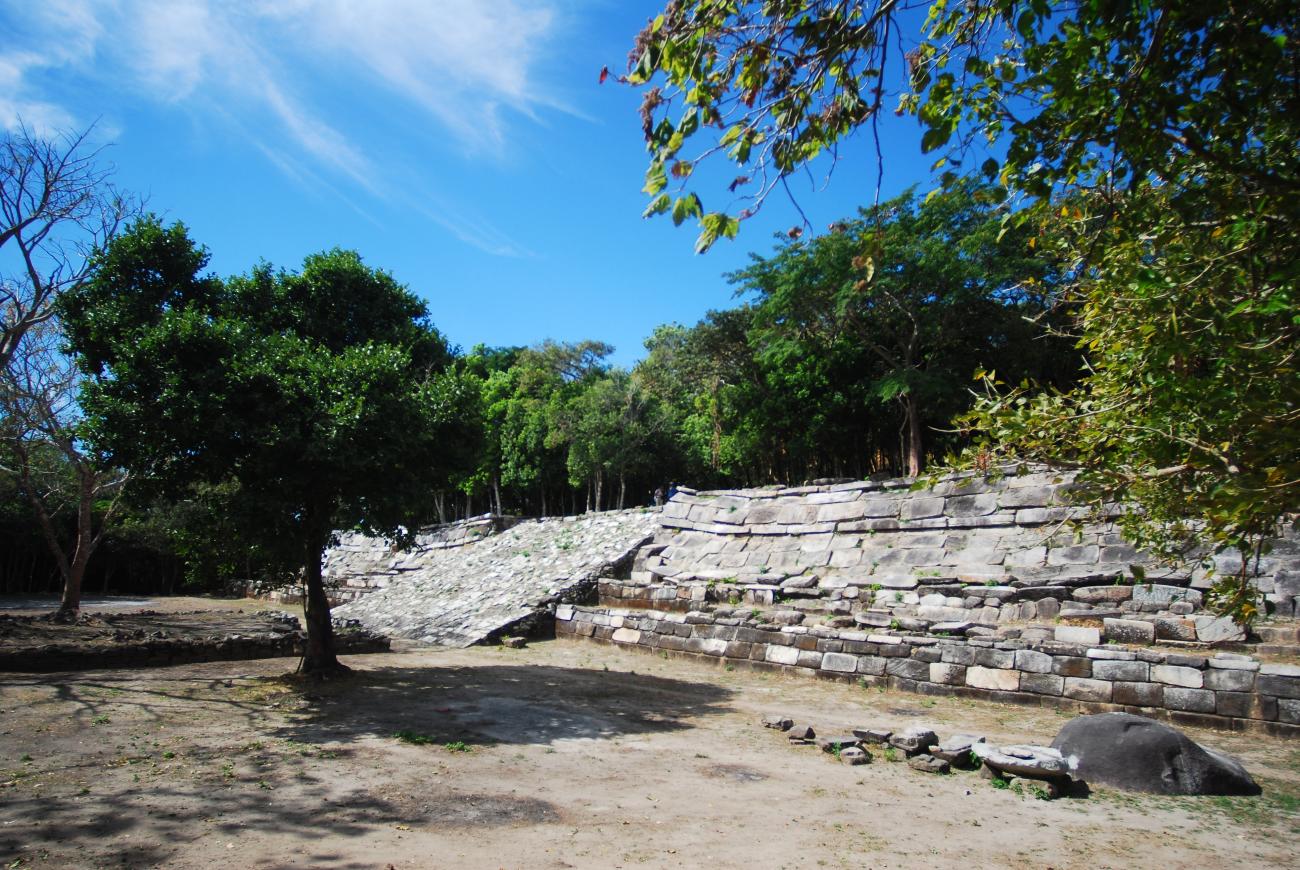
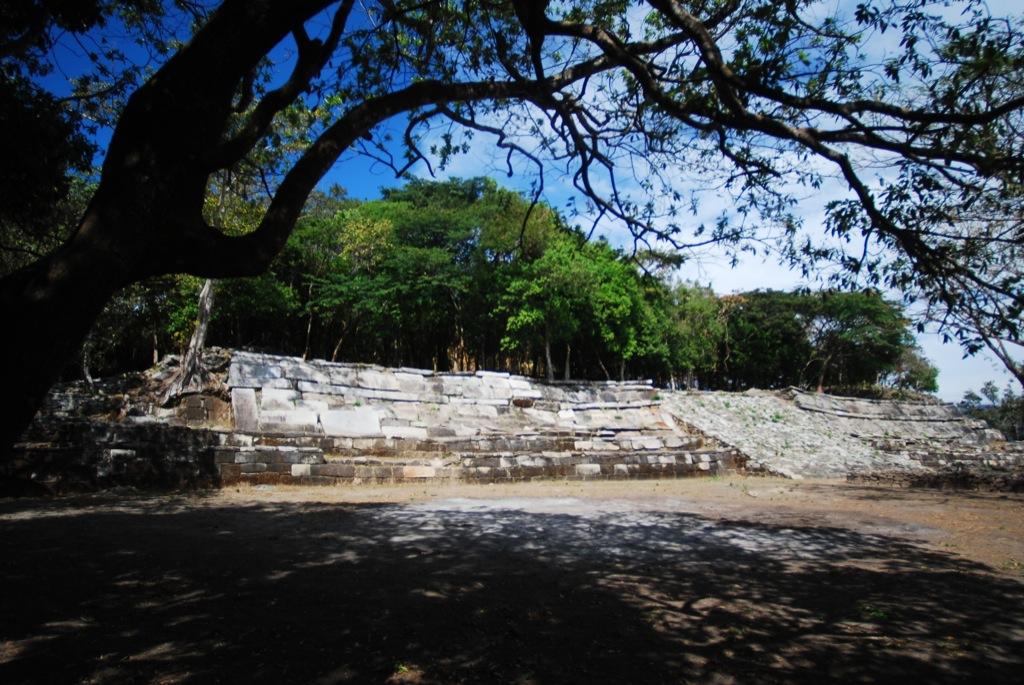
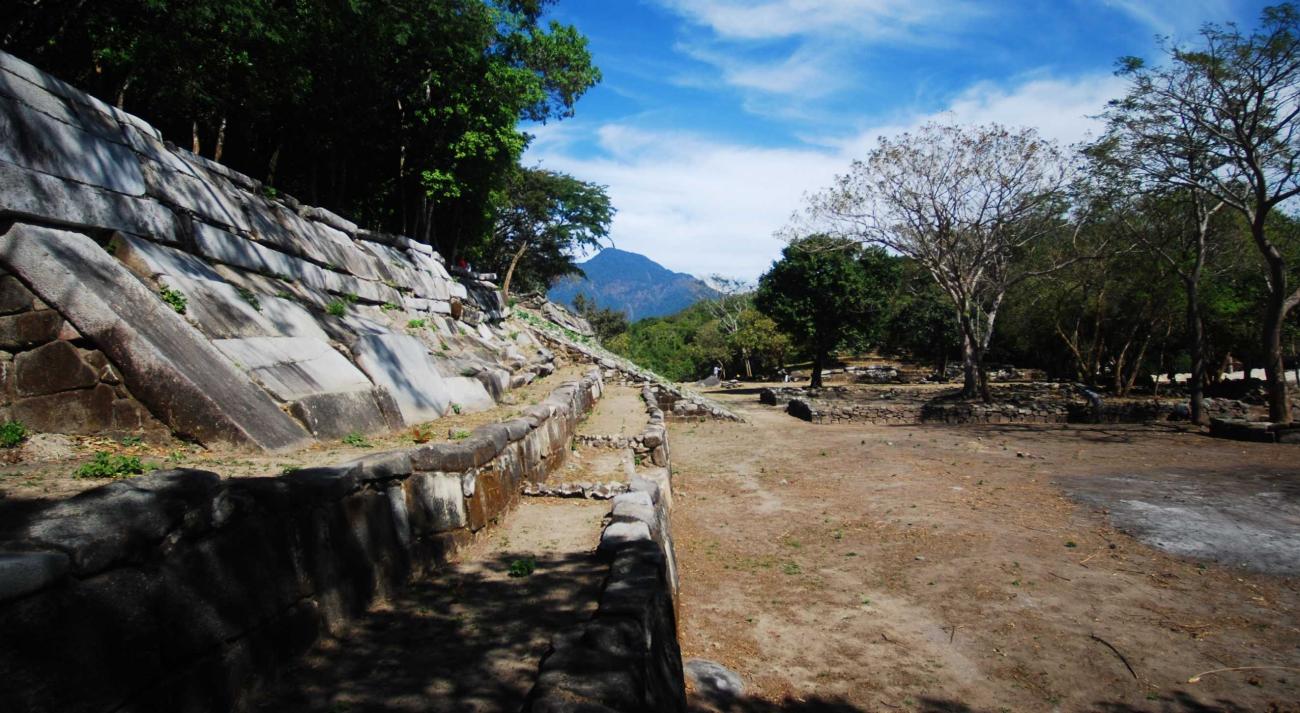
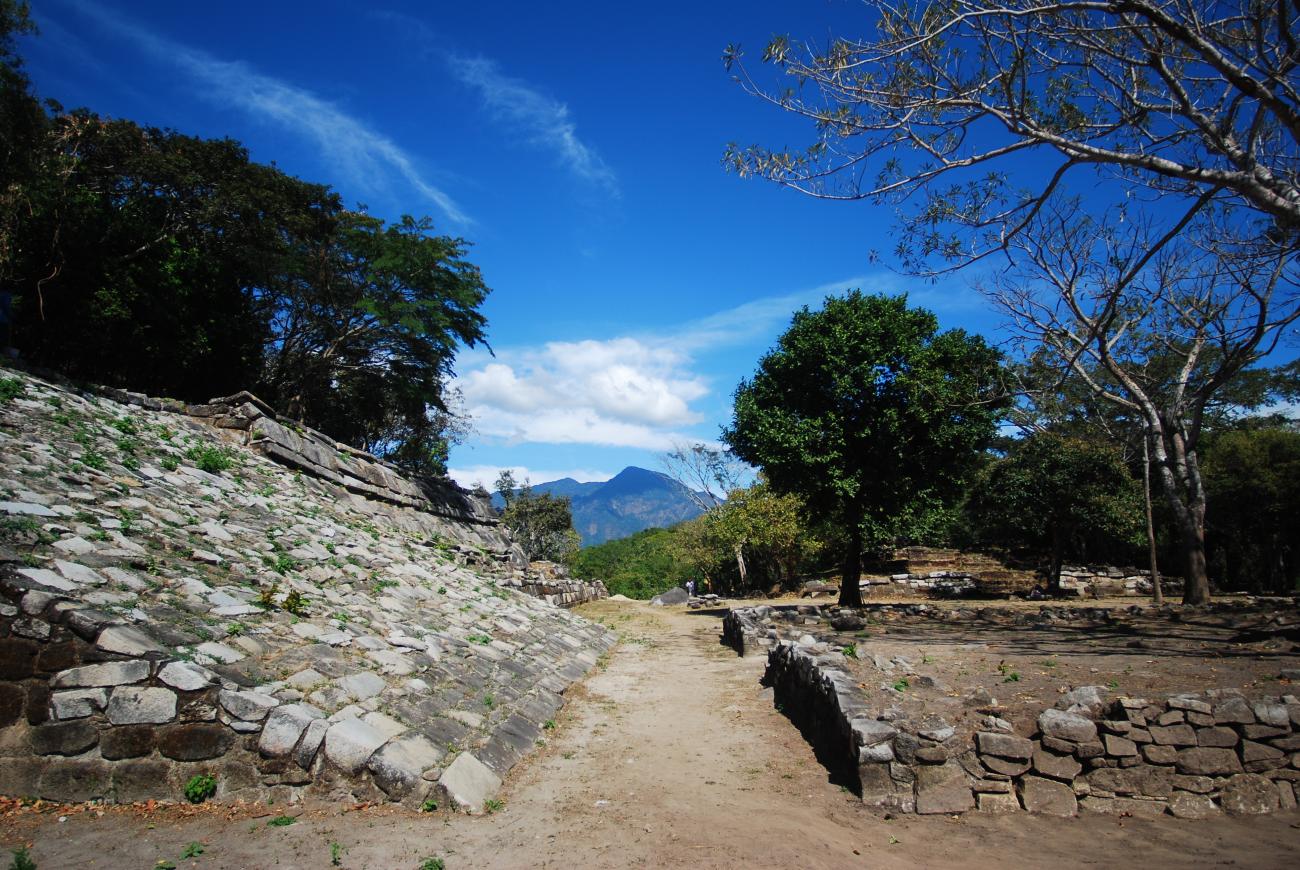
The architecture of Iglesia Vieja is typified by the use of monolithic granite cladding, slopes with cornices, recessed corners and ramps. Without a doubt its most notable architectural feature is the use of monolithic stones: extraordinarily large blocks or slabs, some of which are more than 10 feet long and weigh over 2 tons. Large stones were used at Aké and Izamal in Yucatán, El Mirador in Guatemala, Yohualichán in Puebla and at Chimalacatlán in Morelos. However it was very rare for the all of the structures to be made with monolithic blocks, as they were at Iglesia Vieja, breaking with the traditions of building technologies in Mesoamerica.
The political units which emerged in the Tonalá region, probably inhabited by proto-Zoque speakers, played a very important role owing to their strategic location in the cultural and natural corridor between the east and west of Mesoamerica. The monolithic city of Iglesia Vieja operated as a proto-Zoque capital in the Isthmus region, from the Gulf to the Pacific, on account of its position midway between Maya and Zapotec groups. It also played an important political role in terms of territorial dominance in Classic-period Mesoamerica, on a par with well-known classical cities such as Teotihuacan, Monte Albán and Tikal.
Grupo B
This architectural complex is located in the highest part of the site. It has a large plaza and consists of three large structures.Structure B-1: It is the largest of the entire archaeological zone. The monumental base is 95 m long and 7 m high and is composed of three staggered bodies covered by…
Grupo B
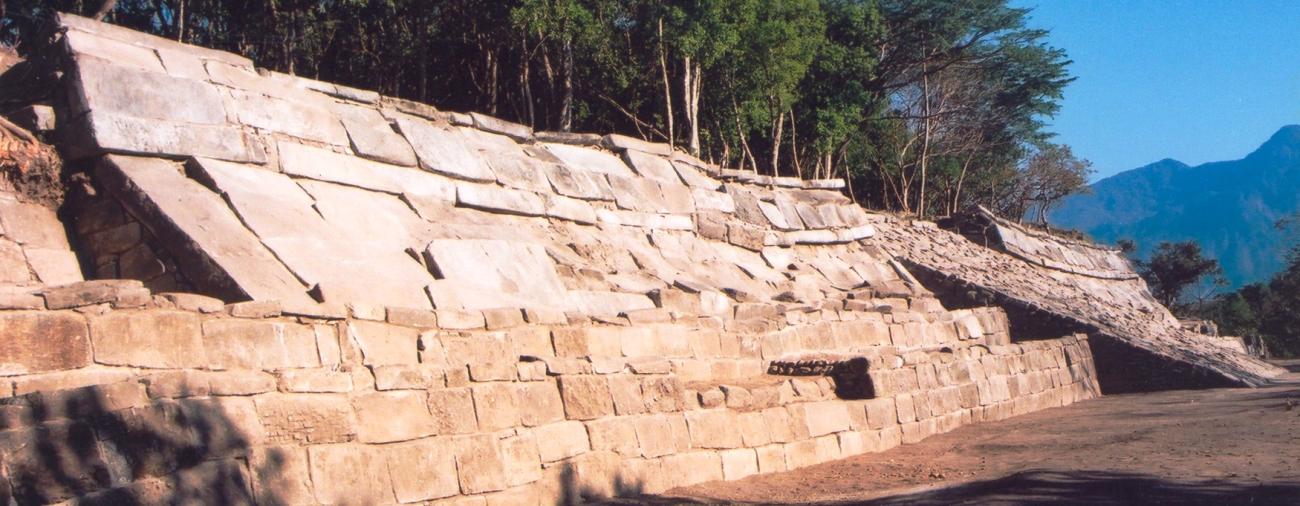
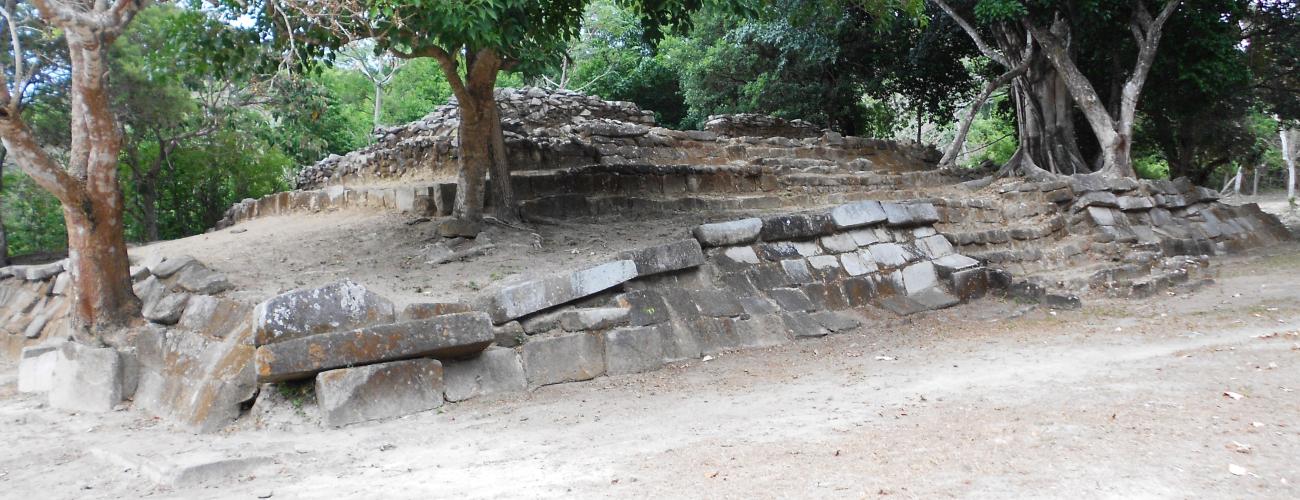
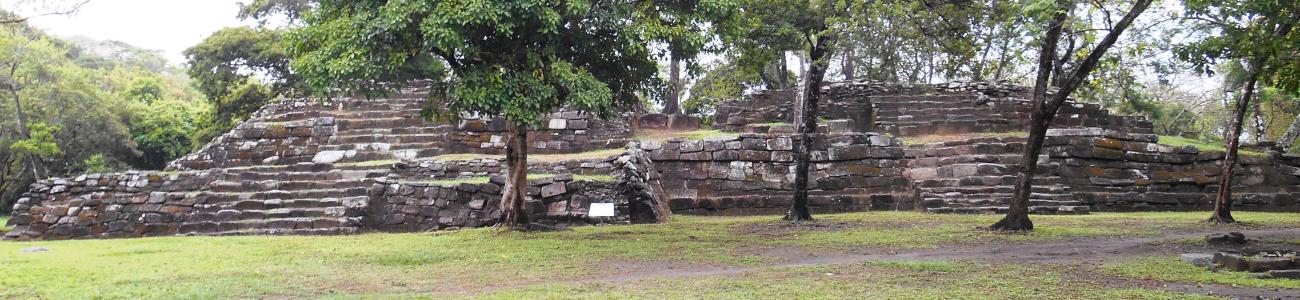
This architectural complex is located in the highest part of the site. It has a large plaza and consists of three large structures.
Structure B-1: It is the largest of the entire archaeological zone. The monumental base is 95 m long and 7 m high and is composed of three staggered bodies covered by blocks of megalithic rectangular stones. To access the upper part, two types of access were built: a 15 m wide ramp in the center of the structure and a series of small stairs that are preserved in intact condition in the north corner. On top of the basement there is a rectangular courtyard measuring 65 m by 50 m with a rectangular temple in the middle. During the 2011 season, a large concentration of ceramics was discovered on the main façade of this temple, which is in the process of analysis.
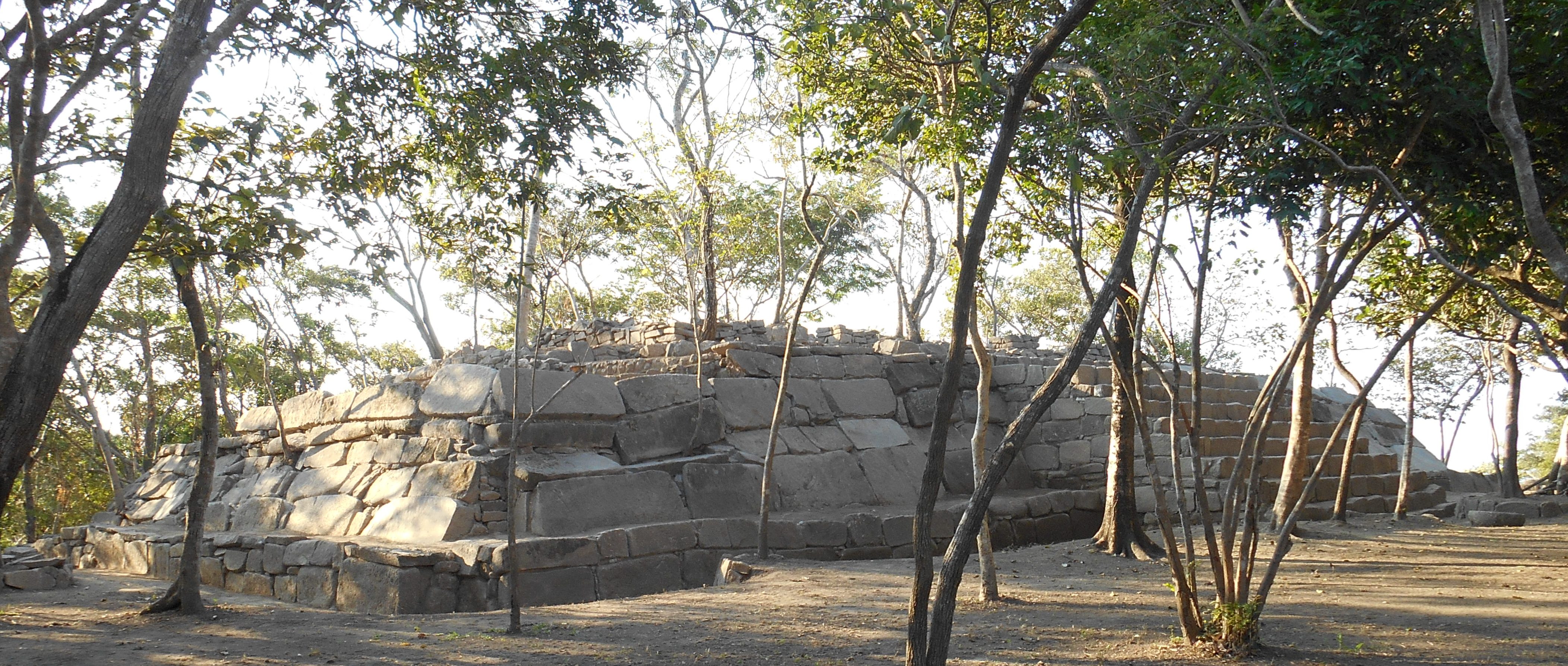
Structure B-2: The building flanks B-1 on its left side. It is a foundation of 24 m by 18 m and 3.4 m high. It has three bodies with a central stairway and an upper temple divided into four internal spaces, in whose central enclosure there is a throne or altar with spherical supports. The charcoal samples in the test pit provided the tentative chronology of 250 to 400.
Structure B-3: It is the only twin temple of the site and sits on the southeast edge of the plaza. The total platform measures 40 m by 27 m, and on it stand two temples with independent fronts and entrances.

Grupo C
The group has three plazas, is located to the south of Group B and is connected to it by ramps distributed on the slopes of the terrain. In the first plaza is located structure C-3, with Altar 1, and the smaller structures C-4, C-5 and C-6. In the middle plaza is located structure C-10 and, to the…
Grupo C
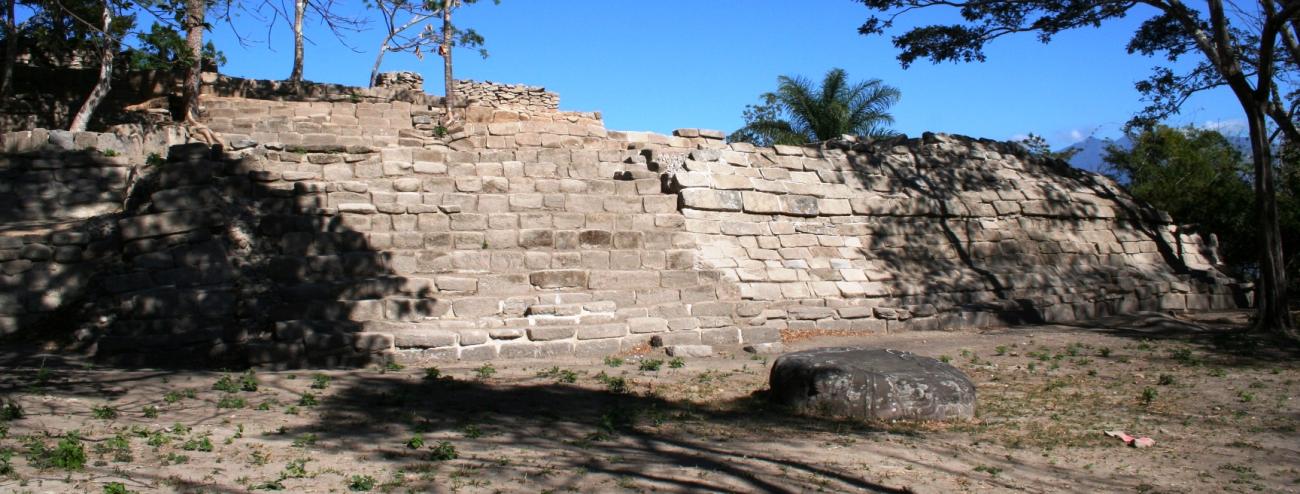
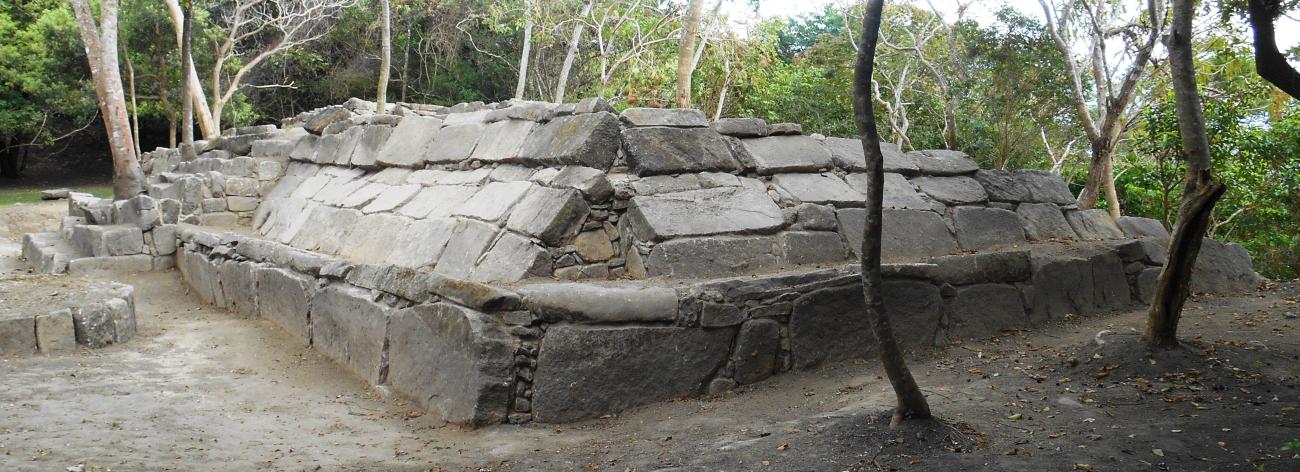
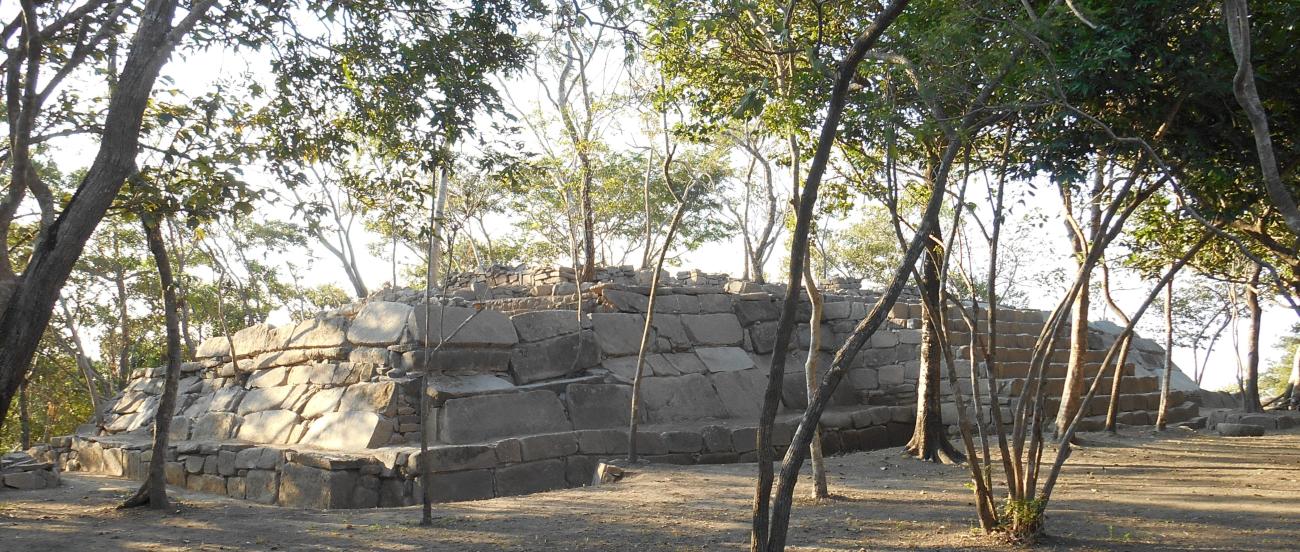

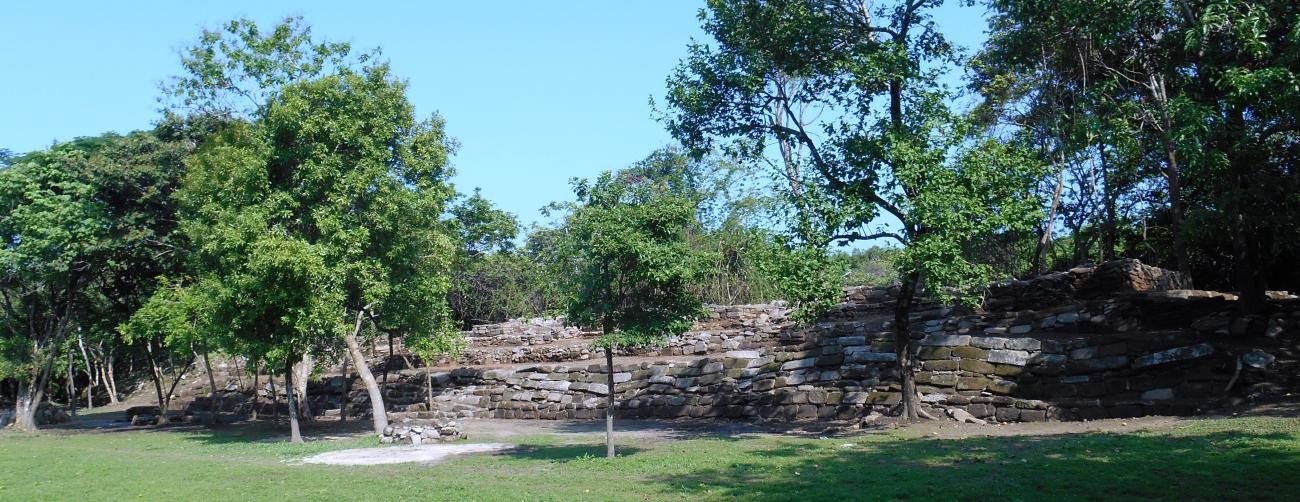
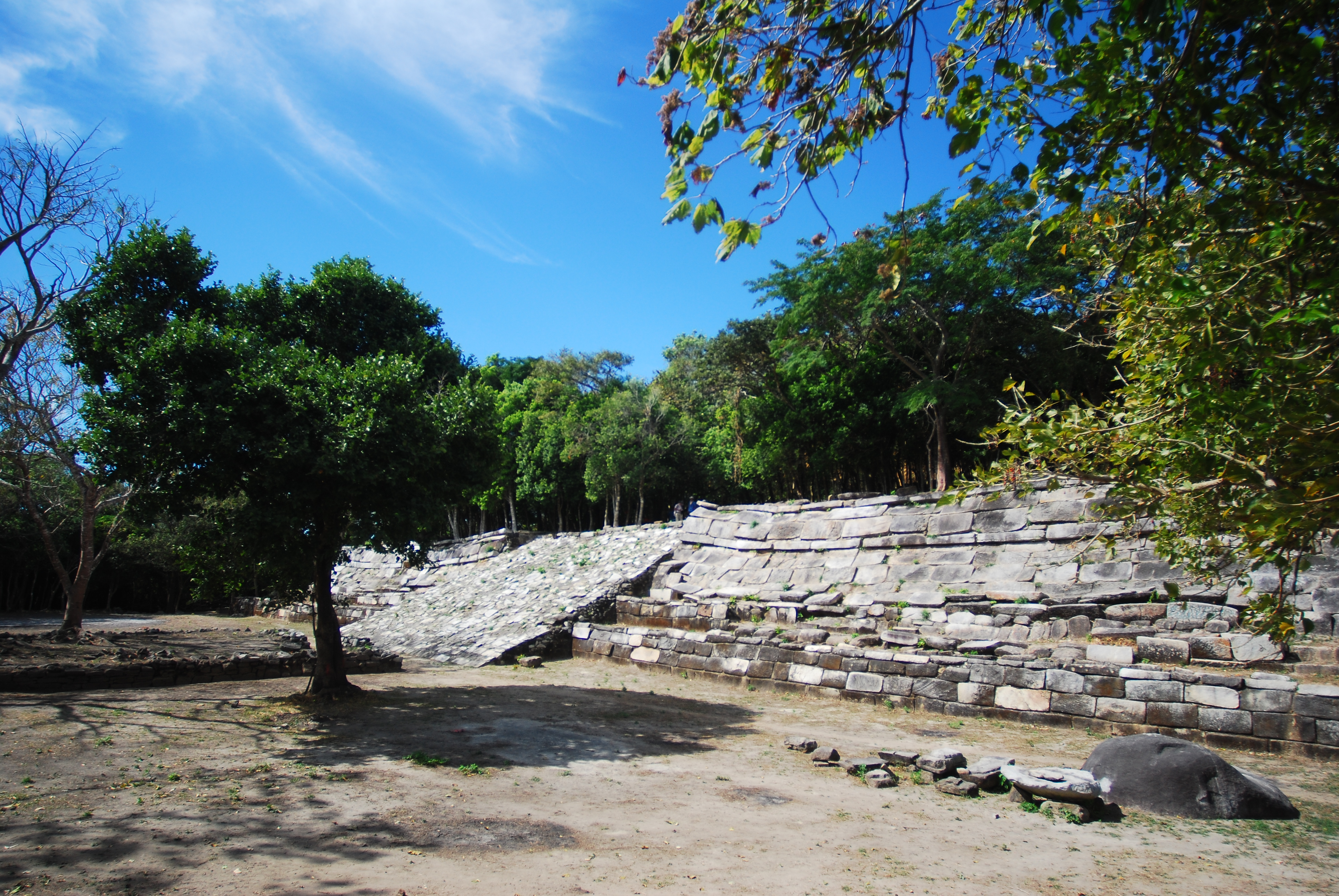
The group has three plazas, is located to the south of Group B and is connected to it by ramps distributed on the slopes of the terrain. In the first plaza is located structure C-3, with Altar 1, and the smaller structures C-4, C-5 and C-6. In the middle plaza is located structure C-10 and, to the south, a large ramp leads to a huge rectangular plaza 100 meters long by 50 meters wide, surrounded by structures C-11, C-12, C-13 and C-14. Structures C-11, C-12 and C-14 have not yet been excavated.
Structure C-3. Temple of Ceiba: The left part of the basement was collapsed by the generations of the ceiba in many years and currently grows a ceiba as a great-granddaughter or great-great-granddaughter. In front of C-3 is Altar 1 which represents a fantastic animal with three human faces. Therefore, the locals also call it “Tres Caras” (Three Faces) and possibly the prototype was a turtle.
Structure C-11. Mocho Building: This structure lost the back part, since it was built on a fragile filling and only the main façade and both incomplete sides are preserved.
Structure C-12: It has a stairway formed with large or megalithic stones, to the northeast there is a stela box where Altar 2 and Stela 4 are located, as well as 4 more smooth stelae found in the exploration.
Structure C-13. Mirador: It is located at the south end of the Plaza de la Piedra de Sacrificio. From this place, a panoramic view of the city of Tonalá can be appreciated. Behind this structure, there is a space called “Flintstones Room” for visitors to rest.
Structure C-14. Palace of eight columns: It is the longest sculpture of the archaeological zone with 54 m long and C-14a and C-14b are located at both ends, so in sum more than 100 m long.




Contact
- Dirección del Centro INAHLeobardo Daniel Pacheco Ariasleobardo_pacheco@inah.gob.mx+52 (961) 612 2824Administración de la Zona Arqueológico y Museo de SitioFrancisco Roger López Calzadafranciscoroger_lopez@inah.gob.mx+52 (961) 612 2824, exts. 1680

