







El Conde
Archeological site
El Conde
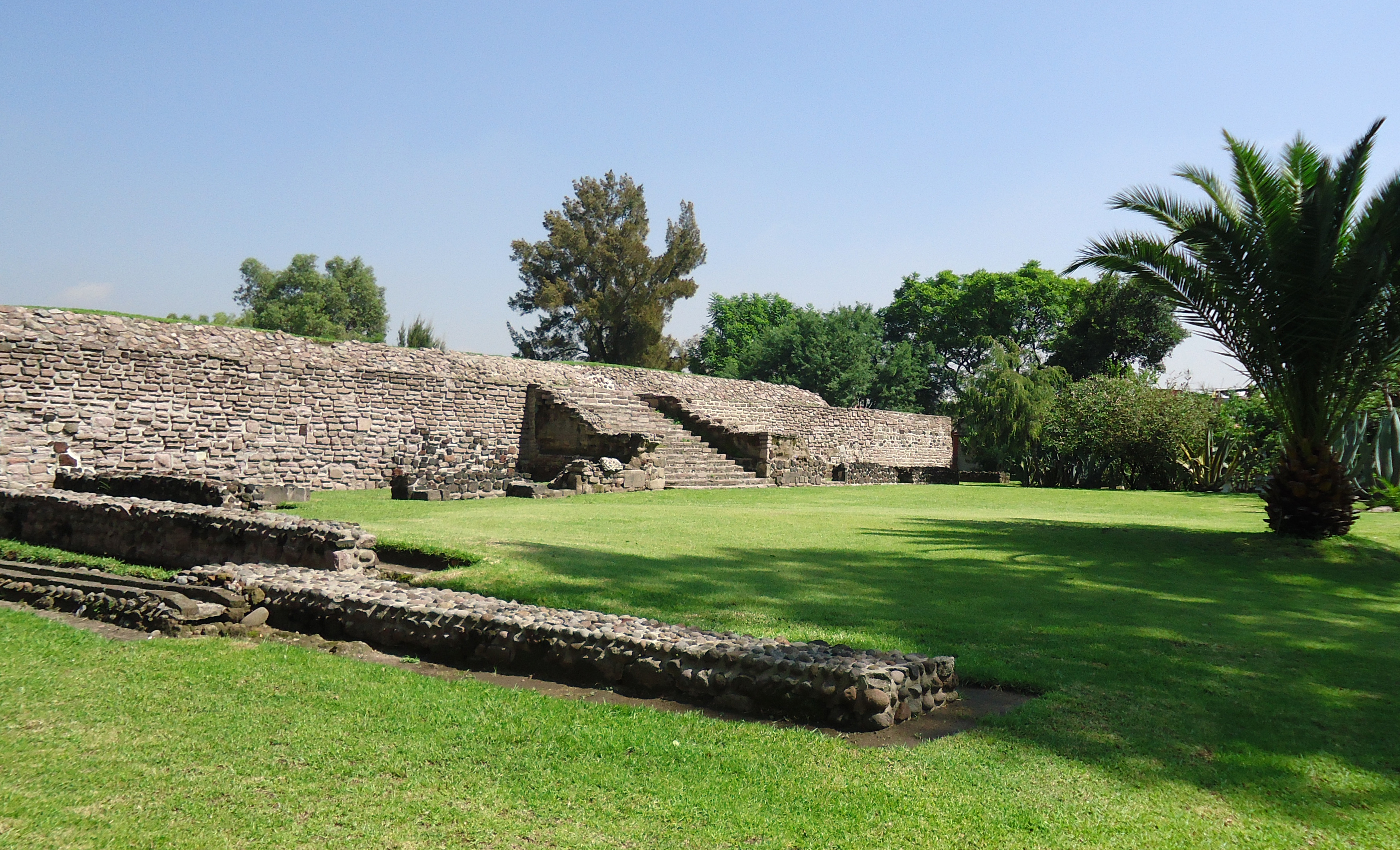
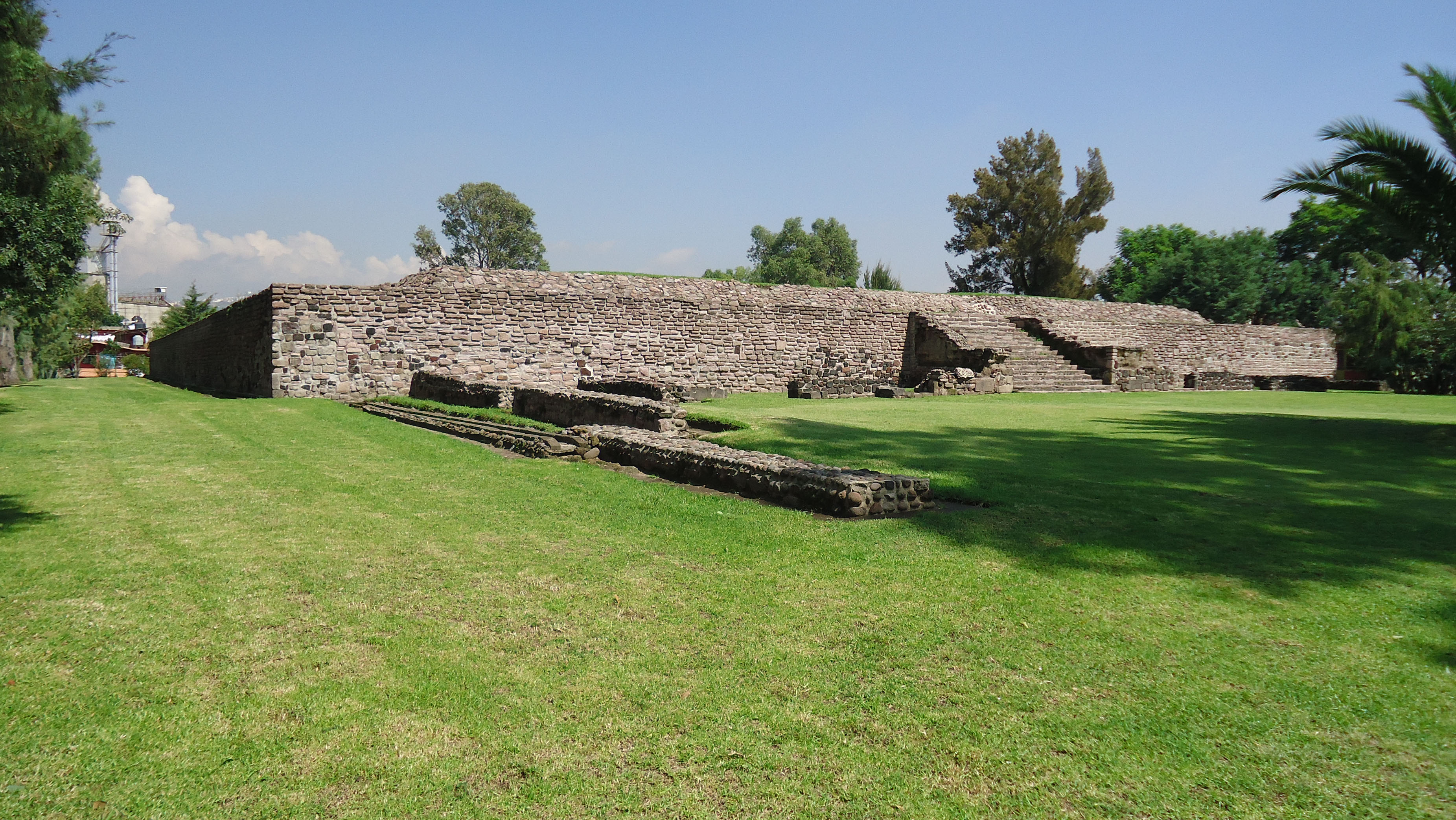
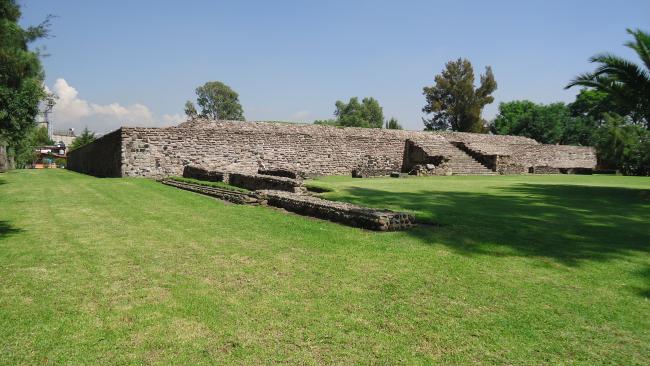
Located in Naucalpan de Juárez, not far from the Periférico Norte (highway) in the northern suburbs of Mexico City, this site offers something unusual, a palace belonging to the fifteenth century pre-Hispanic nobility, one of the few examples of the civic architecture of the period.
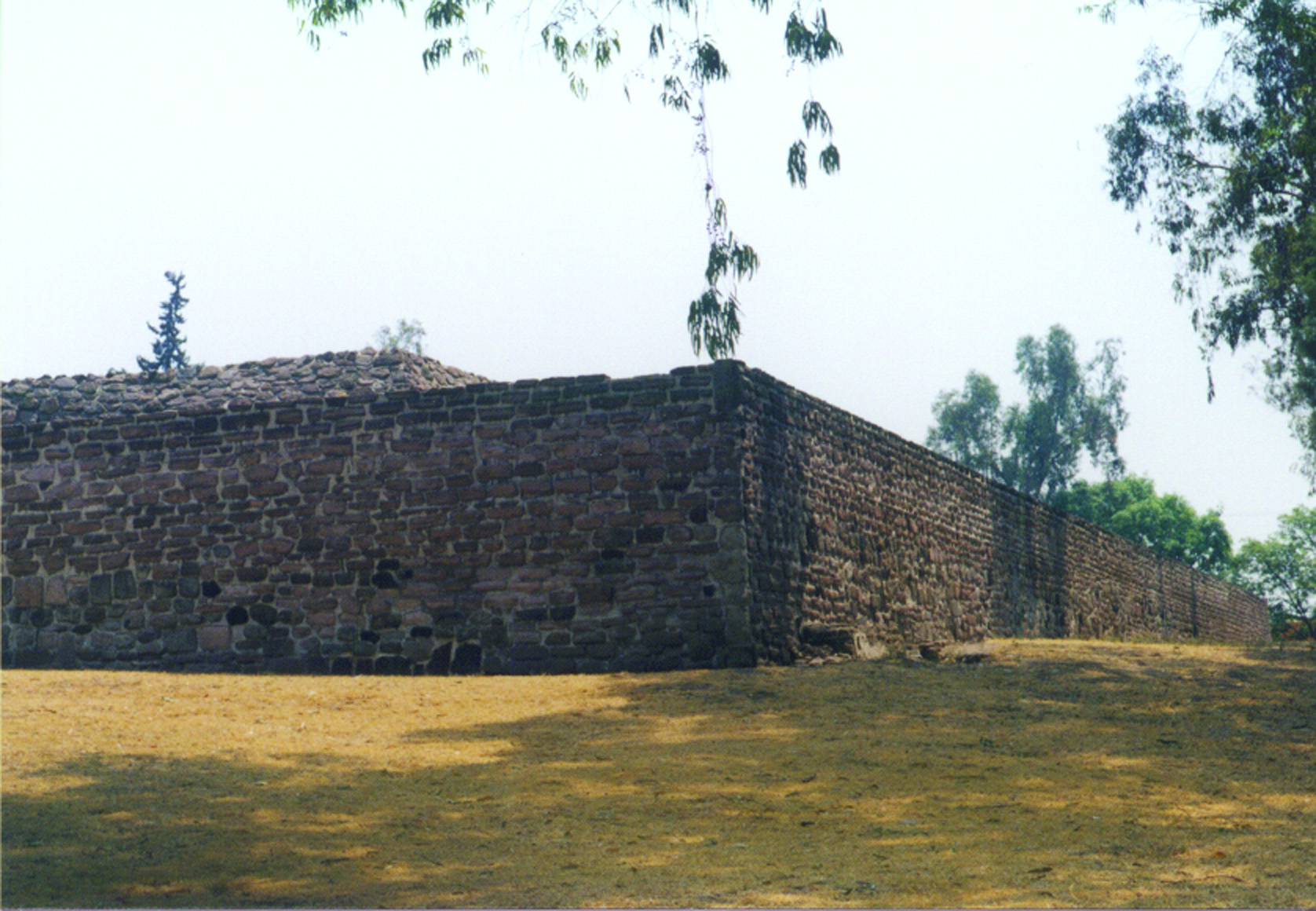
The El Conde archeological site in the district and municipality of Naucalpan de Juárez presents a large square platform. The history of the settlement goes back to the final stage of Teotihuacan (600-800), since fragments of ceramic material have been found from this period. Remains from the Toltec period (800-1100) and Early Postclassic (1200-1430) have also been found.
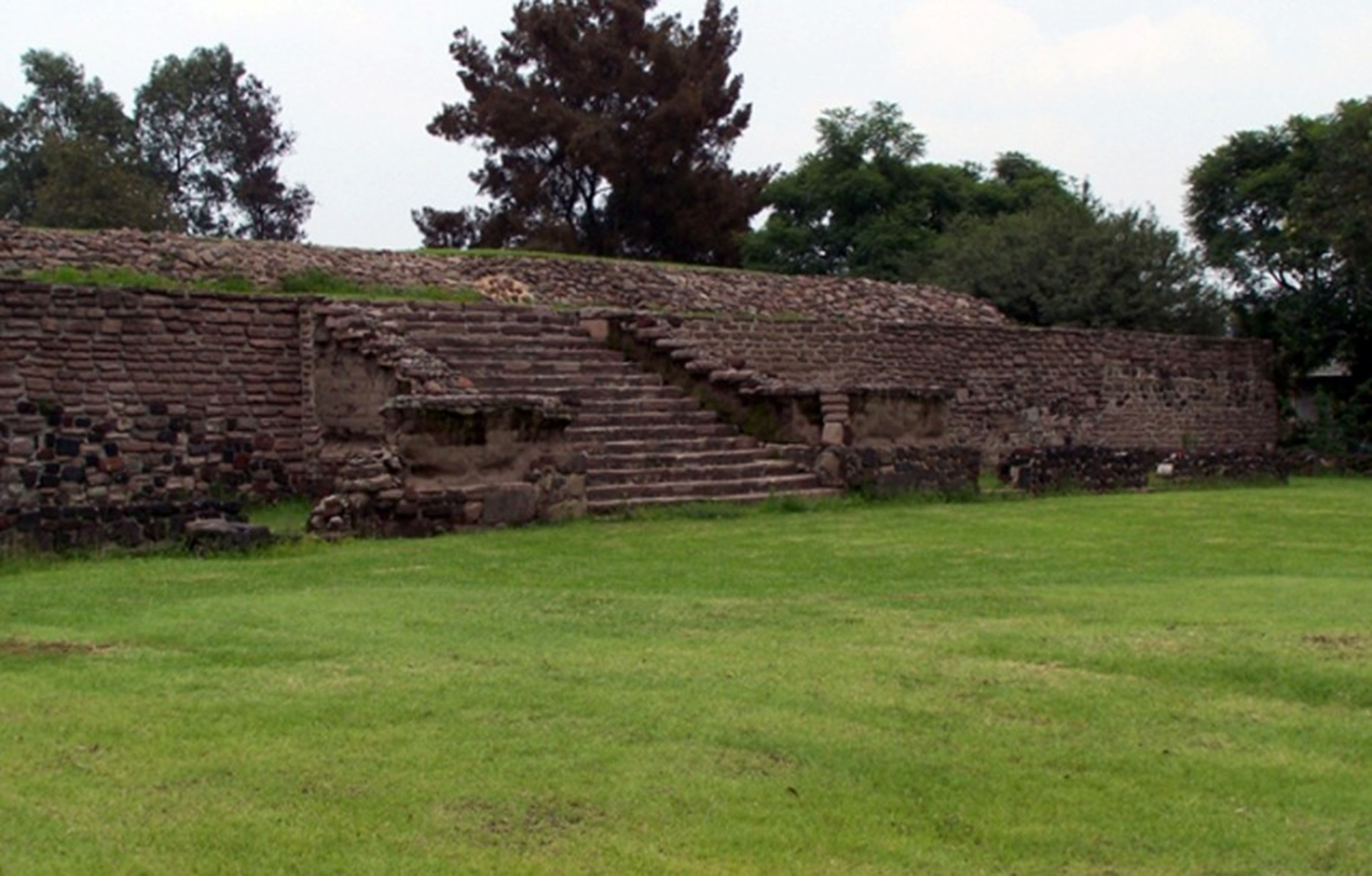
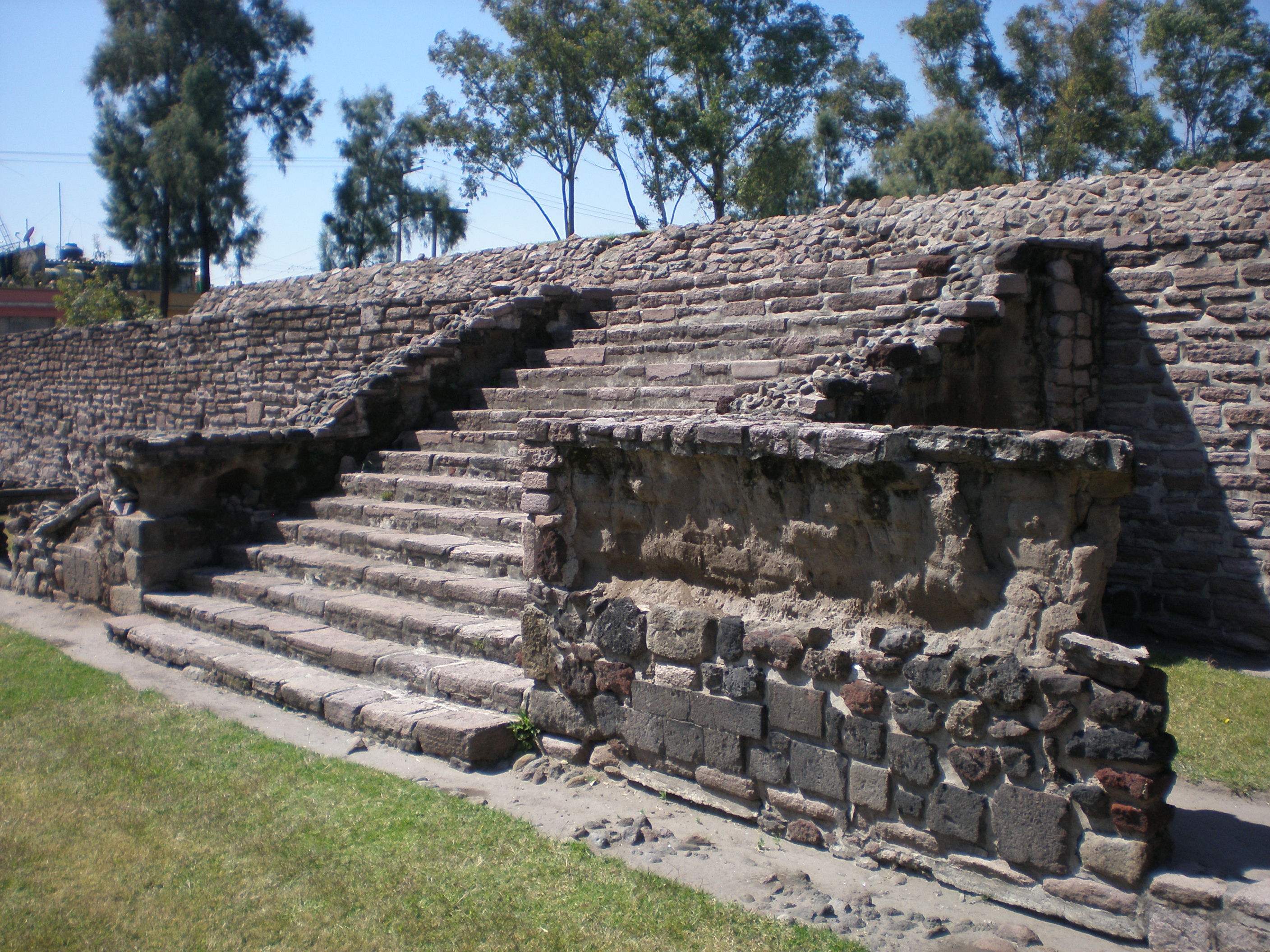
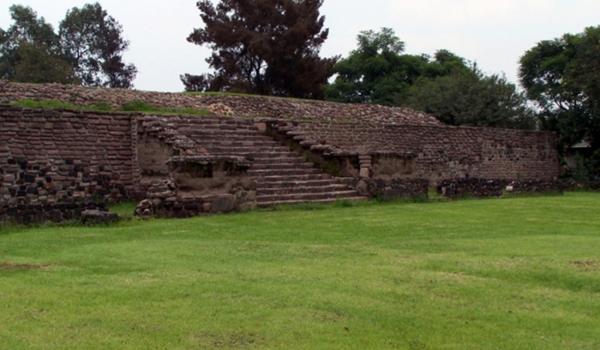
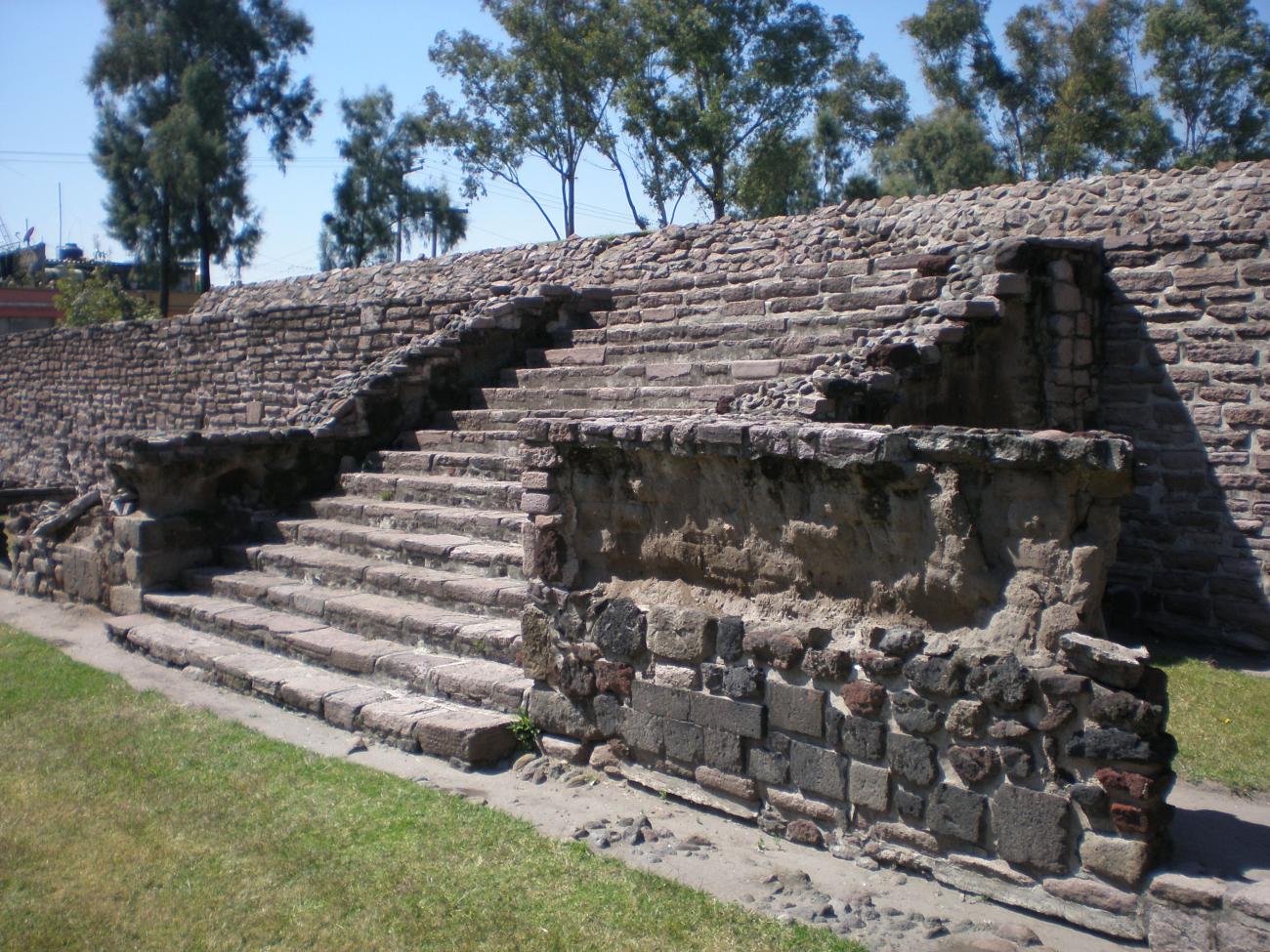
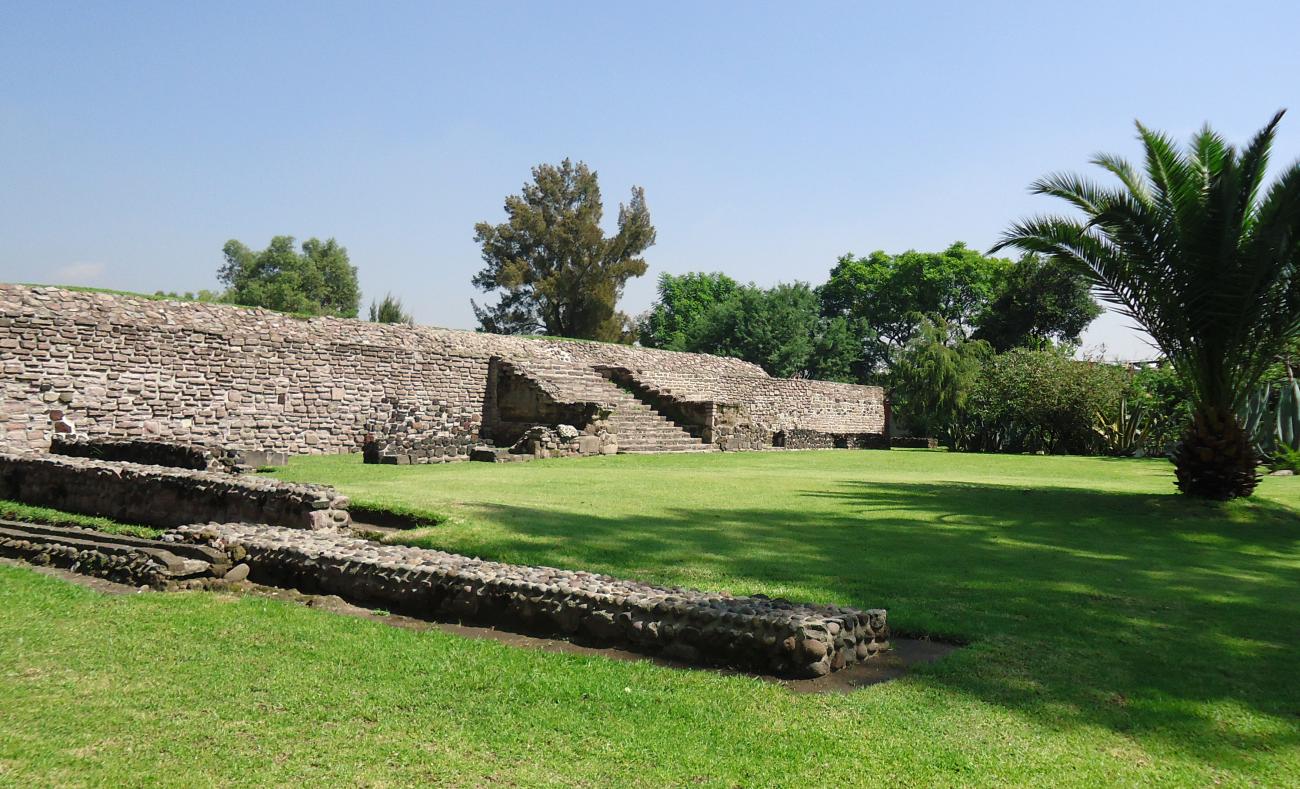
This great platform might also have been the site of a palace or tecpan because there is an east-west oriented access stairway, on both sides of which rooms were appended, a very common feature for this type of construction. The architectural shape of the platform is typical of the palaces found in the Valley of Mexico in the Late Postclassic, as can also be seen in several pre-Hispanic and colonial codices, including the Quinantzin Codex.
Palacio o tecpan
It is conformed by a rectangular platform and has a main axis of east-west orientation; it measures approximately 62 m long and 39 m wide. It has a unique access: the stairway in the eastern part of the building, flanked by two alfardas in which, strangely, adobe bricks were used for its…
Palacio o tecpan

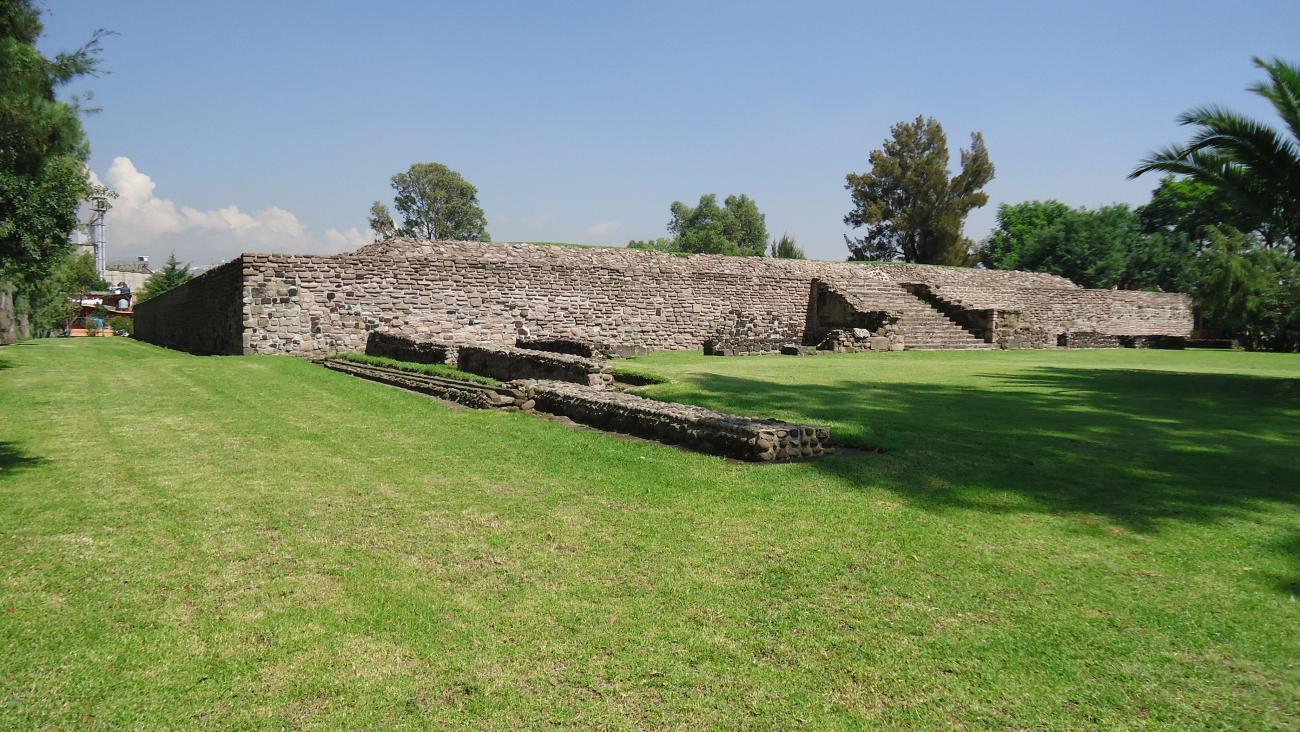

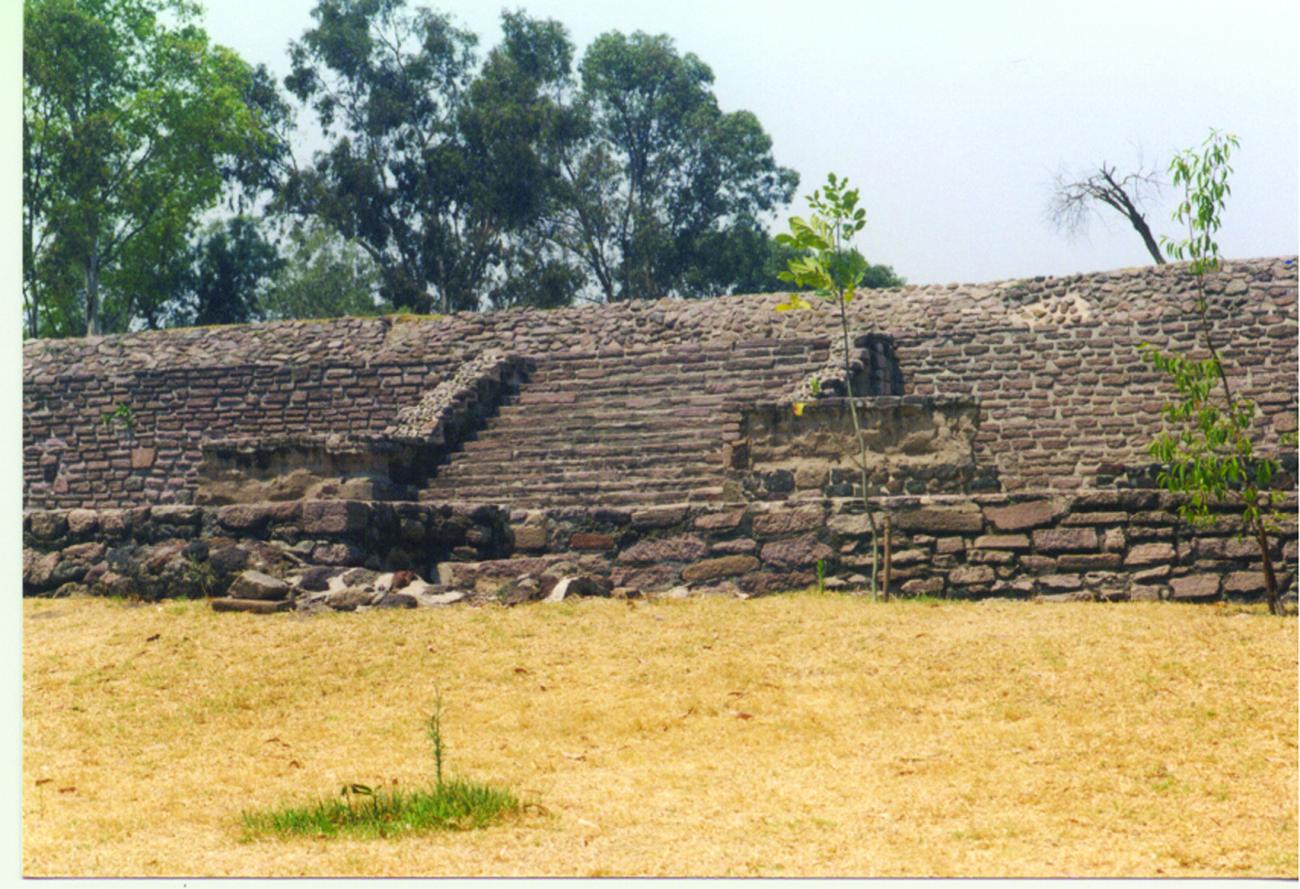



It is conformed by a rectangular platform and has a main axis of east-west orientation; it measures approximately 62 m long and 39 m wide. It has a unique access: the stairway in the eastern part of the building, flanked by two alfardas in which, strangely, adobe bricks were used for its construction. On both sides of the stairway there are some adjoining rooms.


Contact
- Dirección del Centro INAHNahúm de Jesús Noguera Riconahum_noguera@inah.gob.mx+52 (722) 215 7080ResponsableSonia Georgina Sosa Chávezsonia_sosa@inah.gob.mx+52 (722) 213 9581
