












Museo de las Culturas de Oaxaca

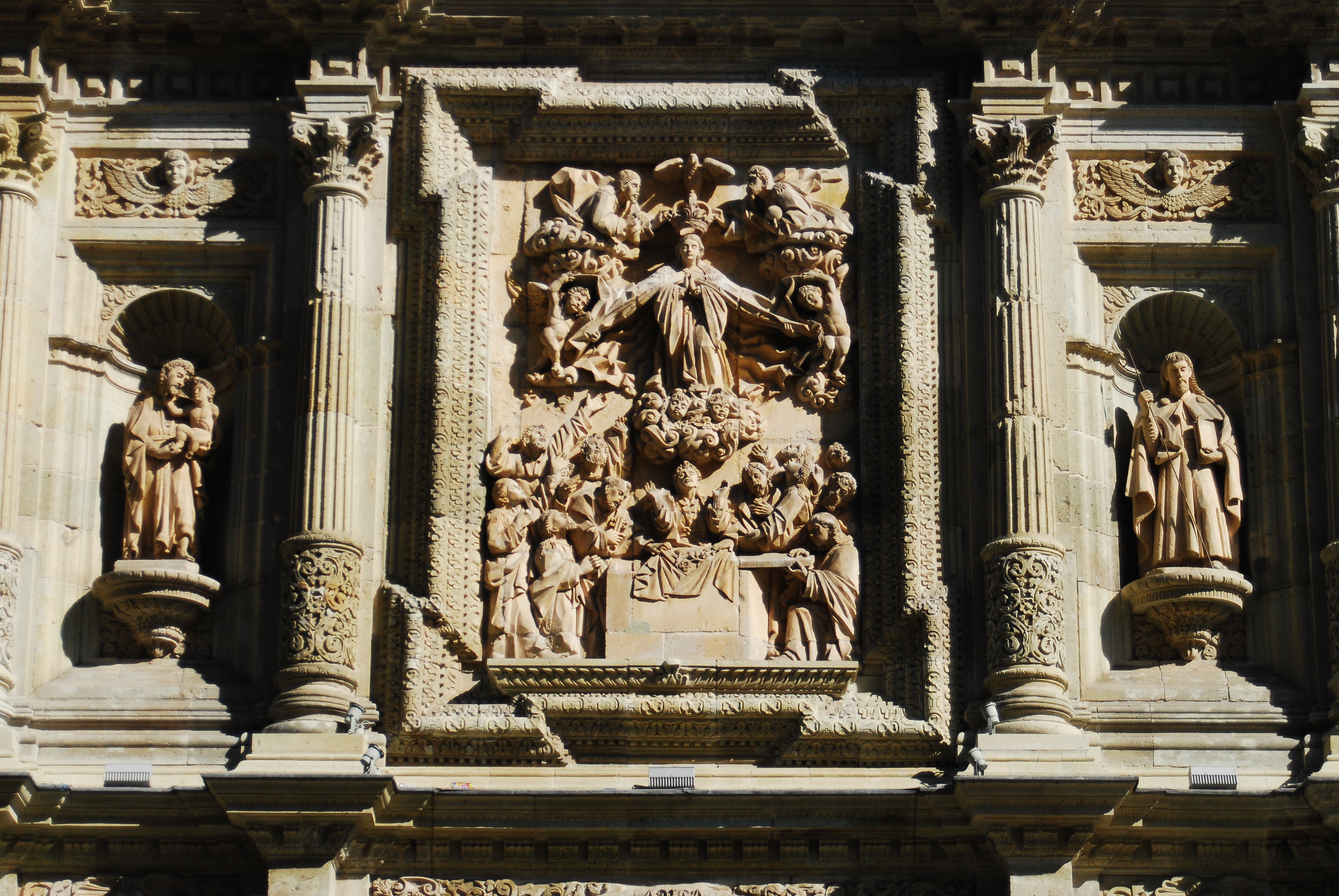
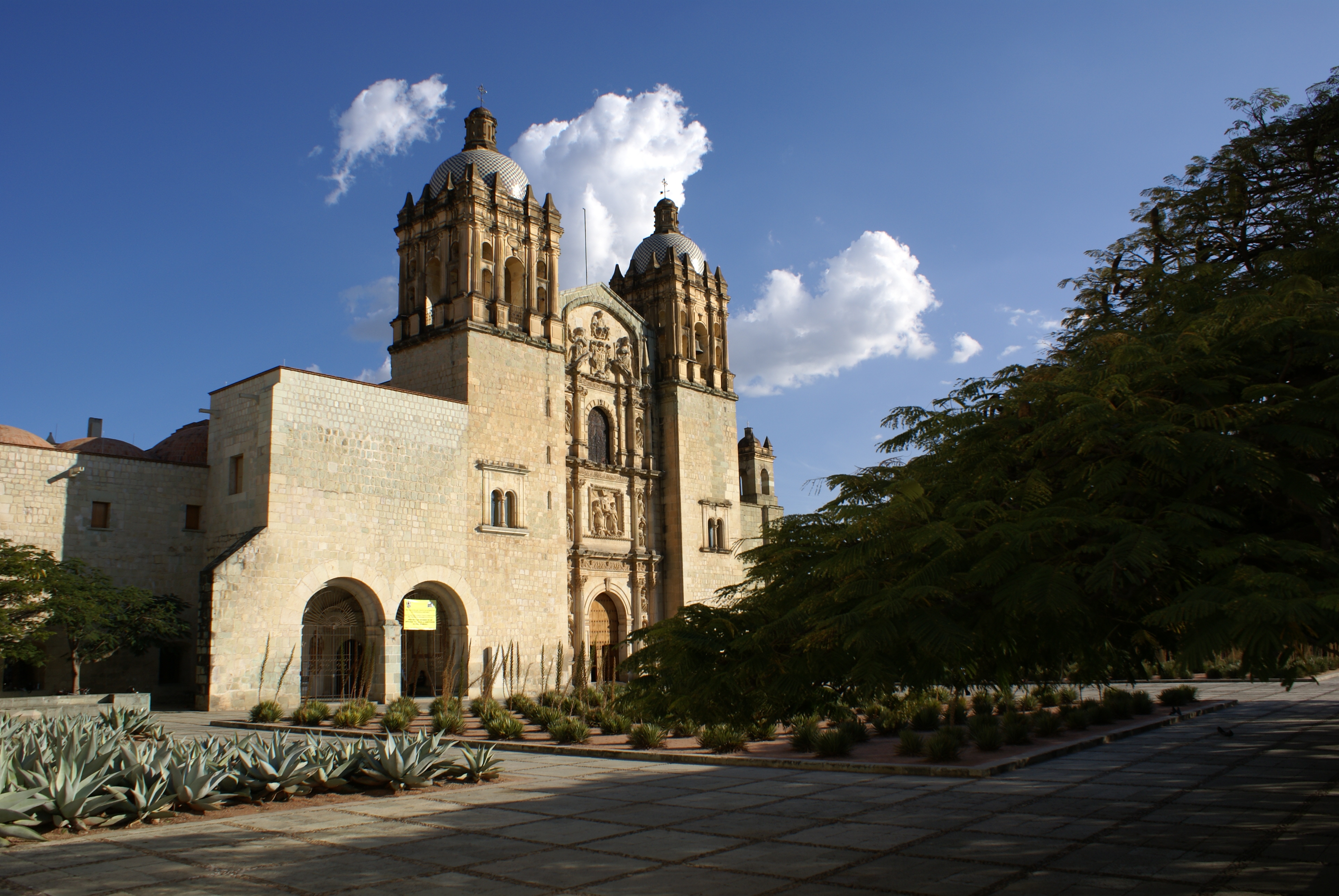
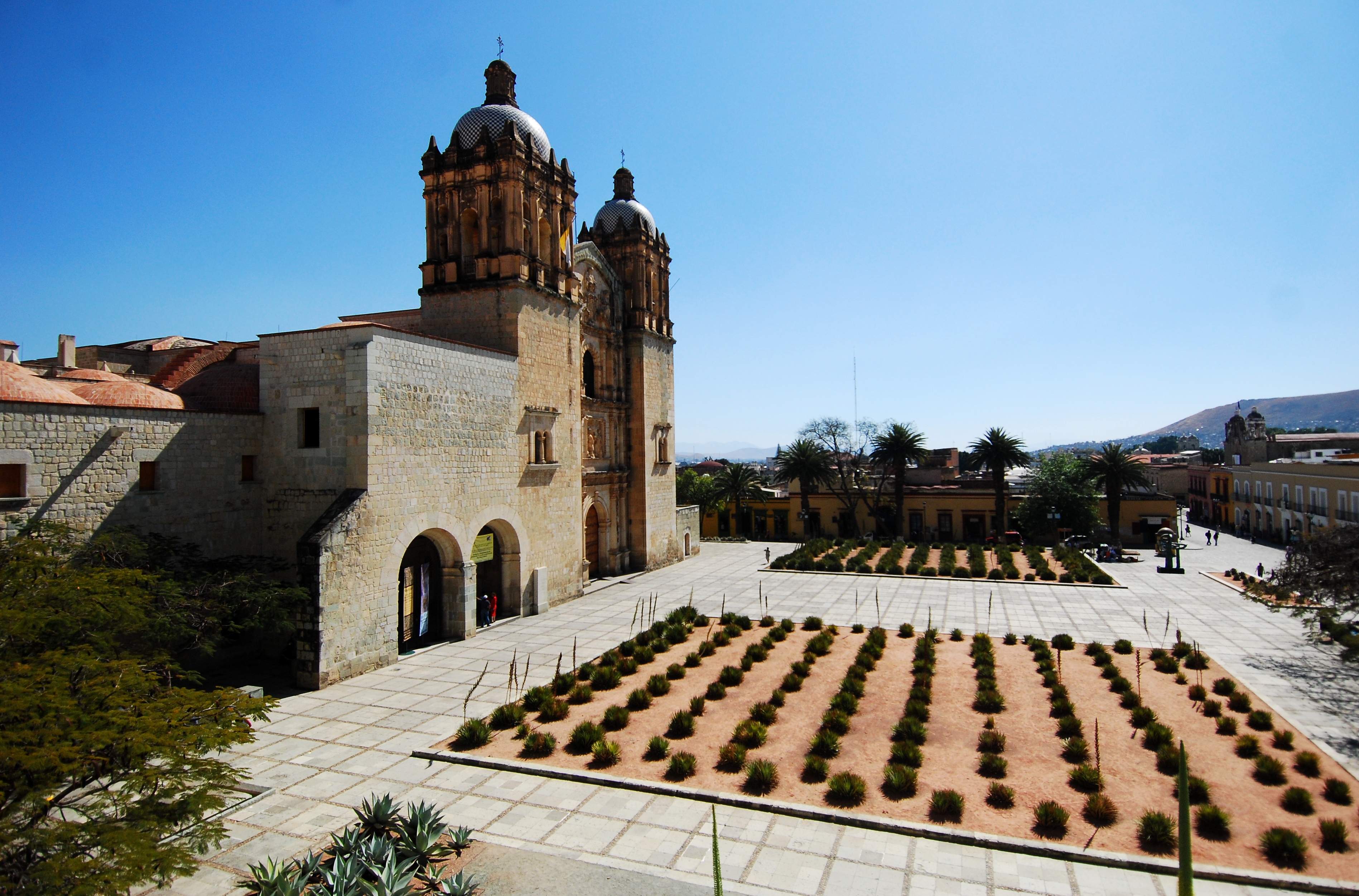
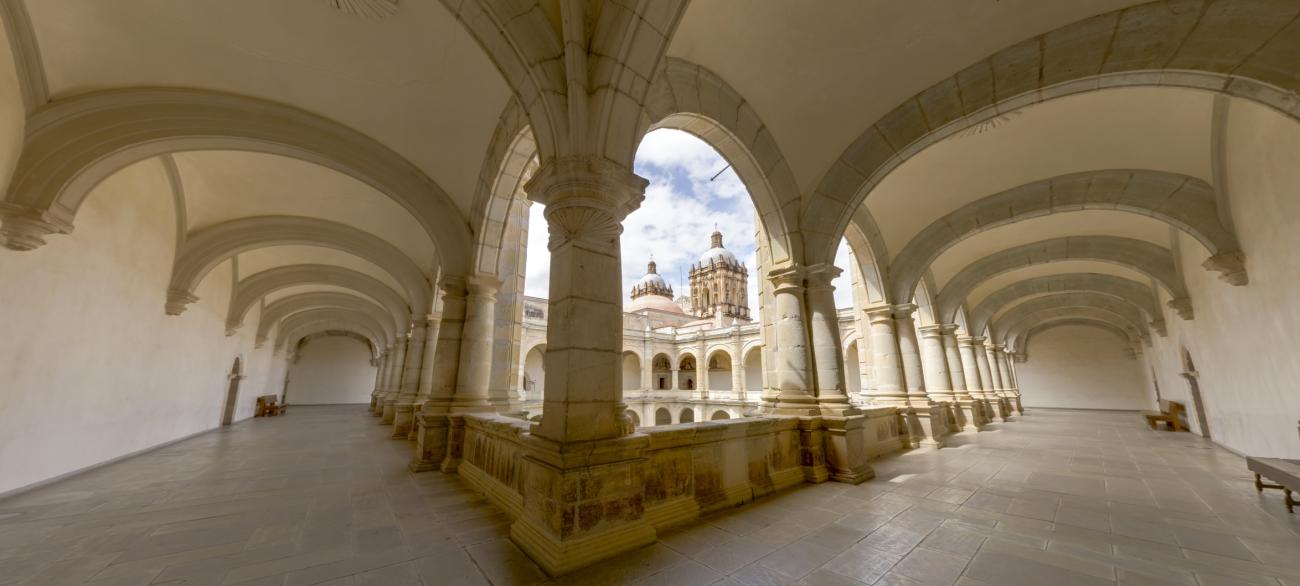
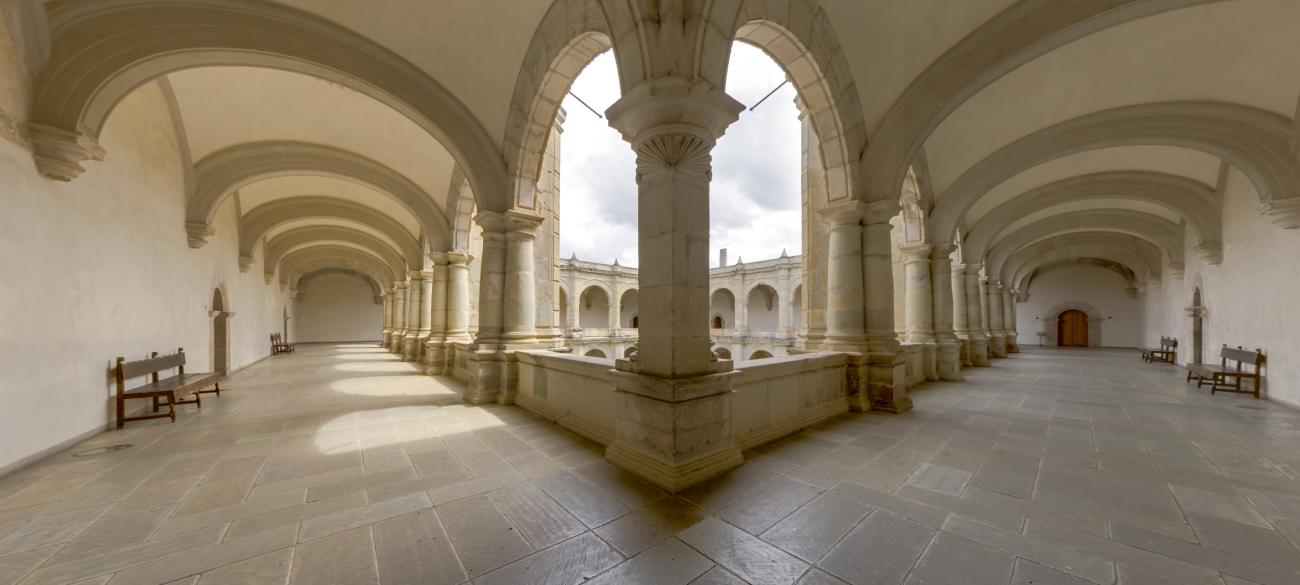
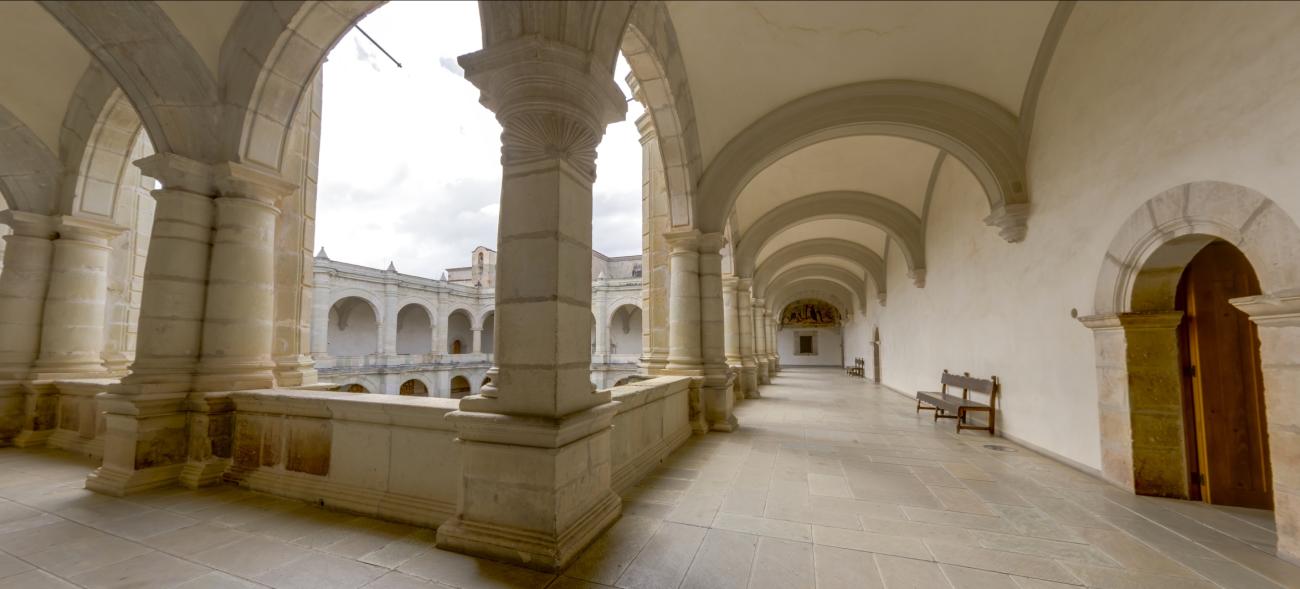
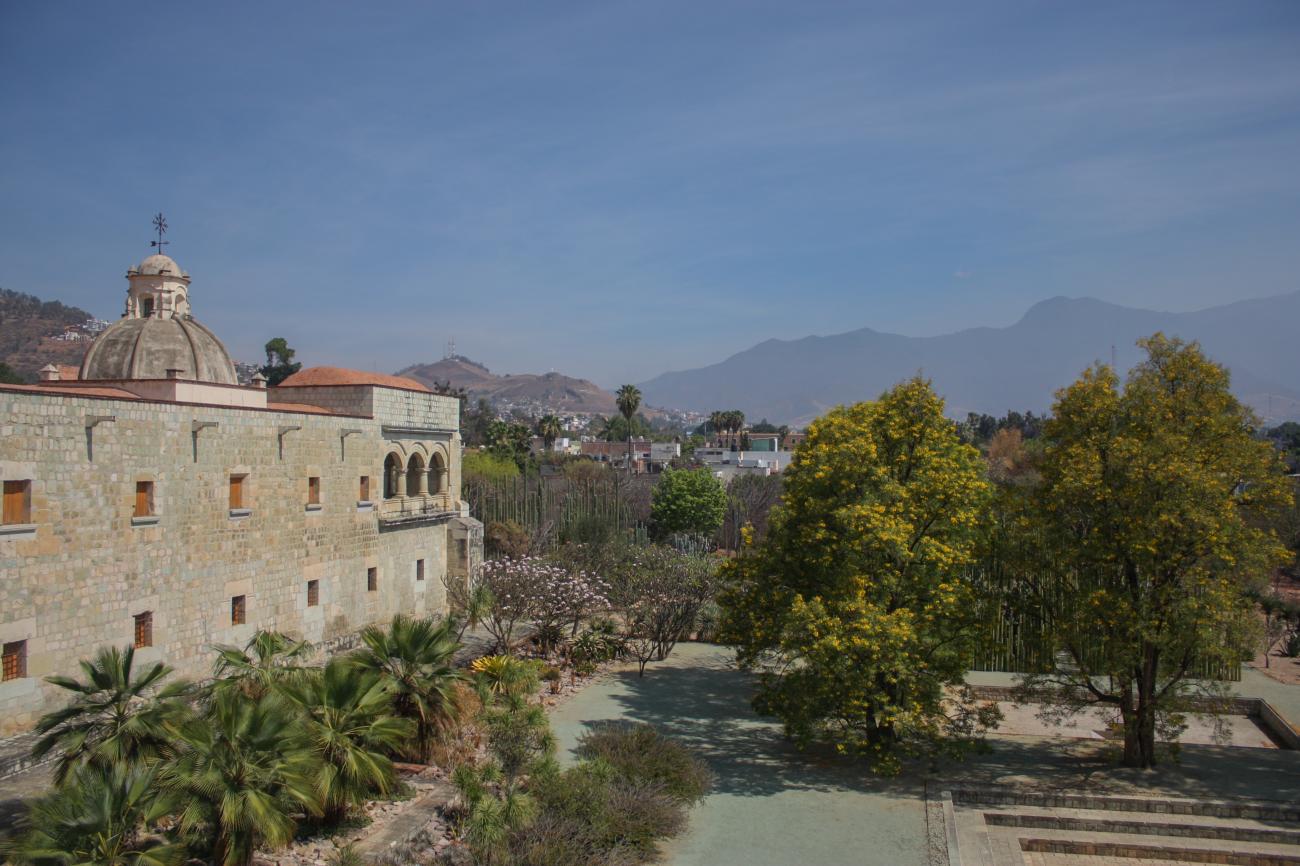
With its adjoining monastery, the church is considered one of the finest Baroque gems of the viceregal period. Both were built by the Dominicans with indigenous labor during the sixteenth and seventeenth centuries. The museum has fine examples of the pre-Hispanic, religious, romantic and contemporary art of Oaxaca. There is also an important ethnobotanical garden, an old library and a newspaper and periodicals library.
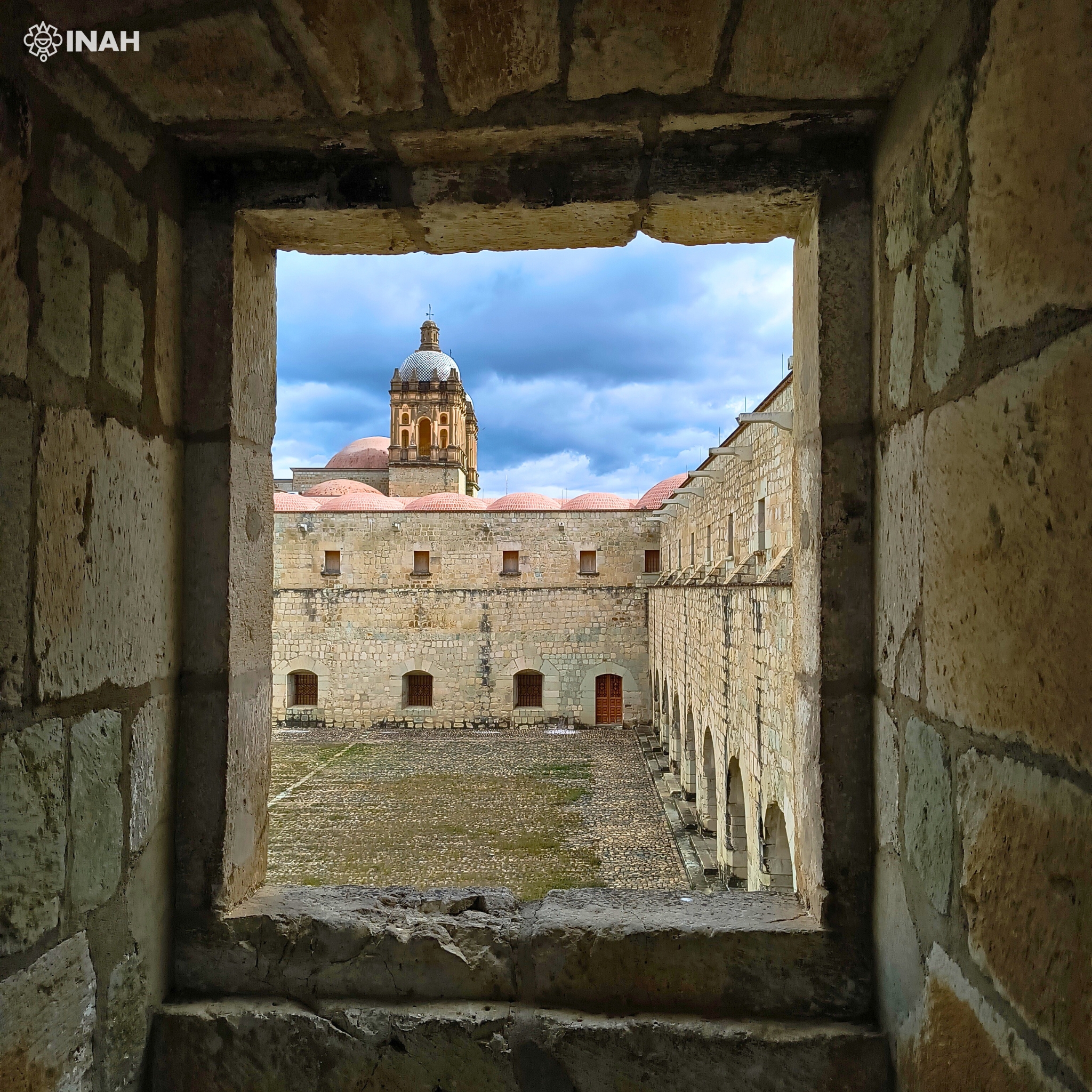
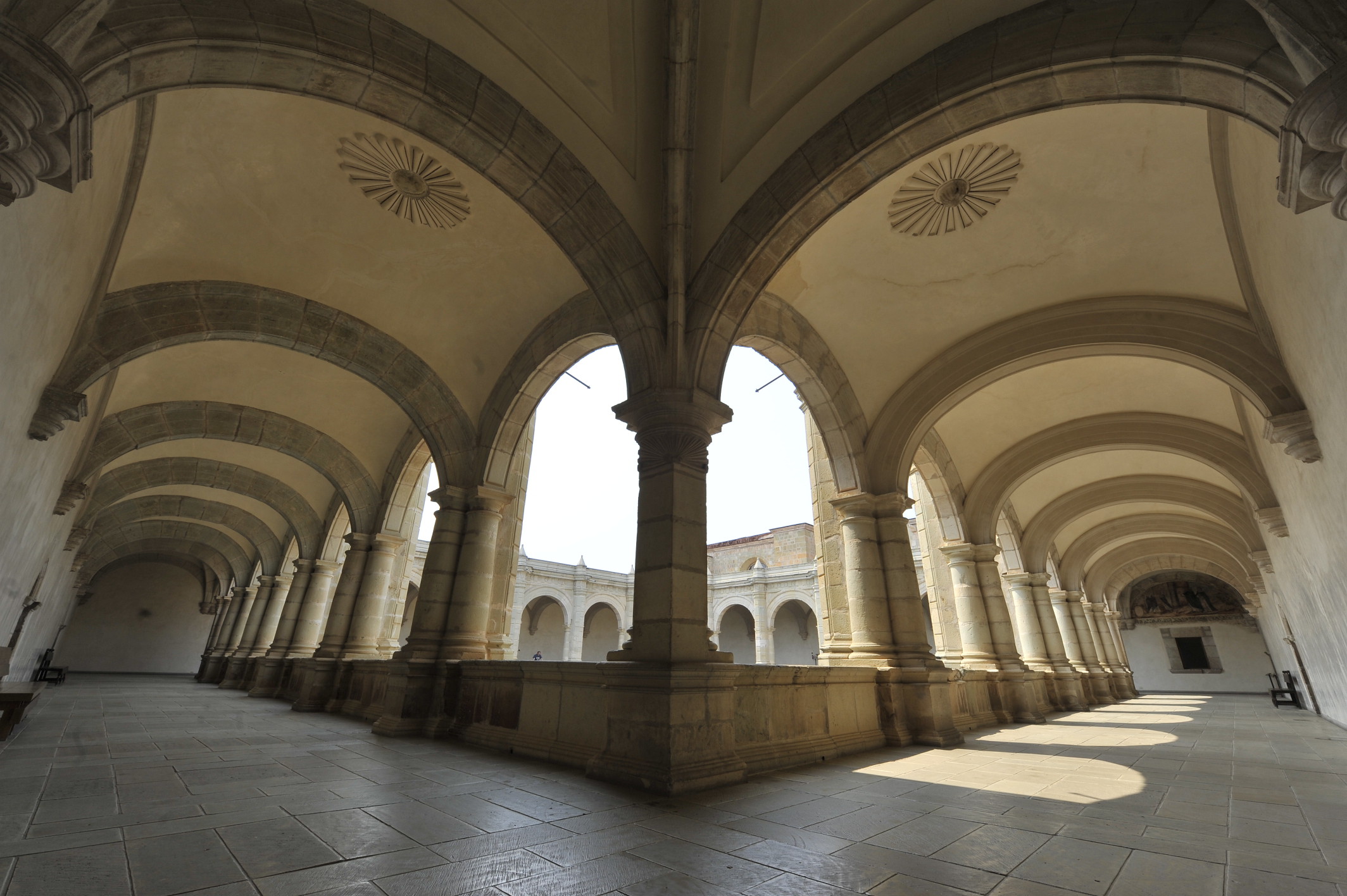
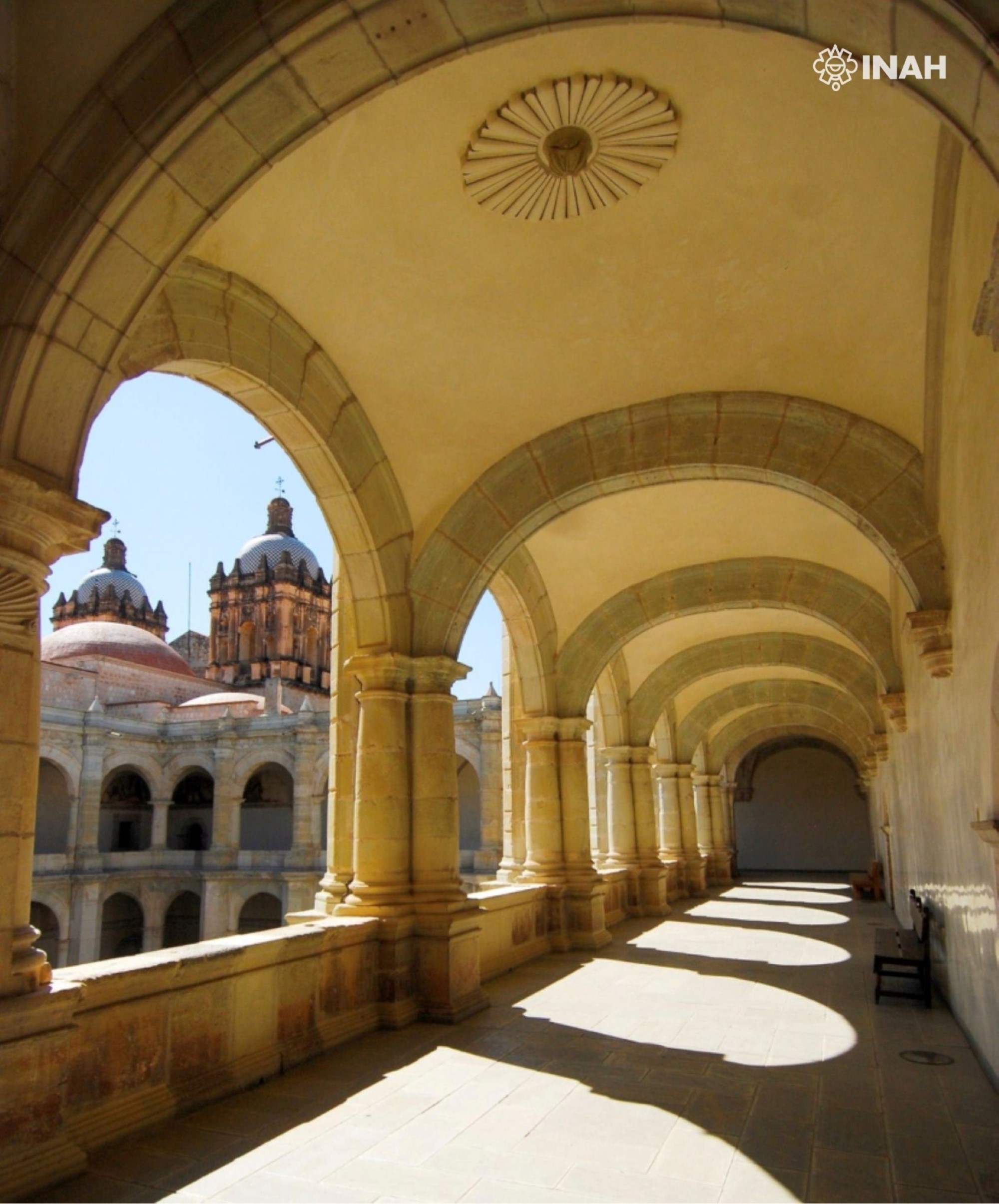
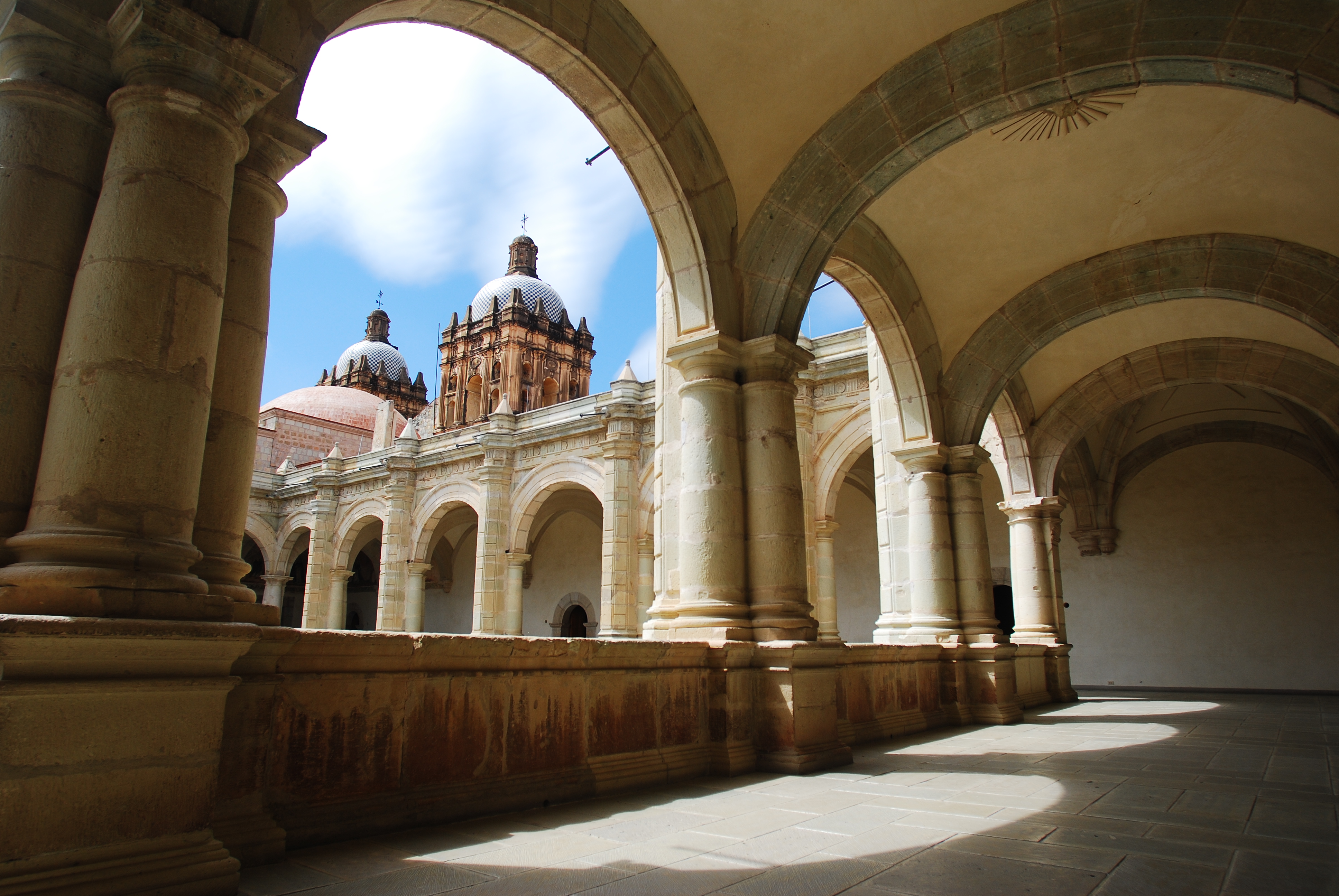
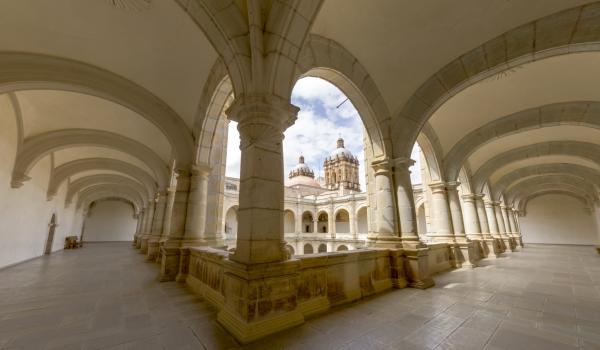
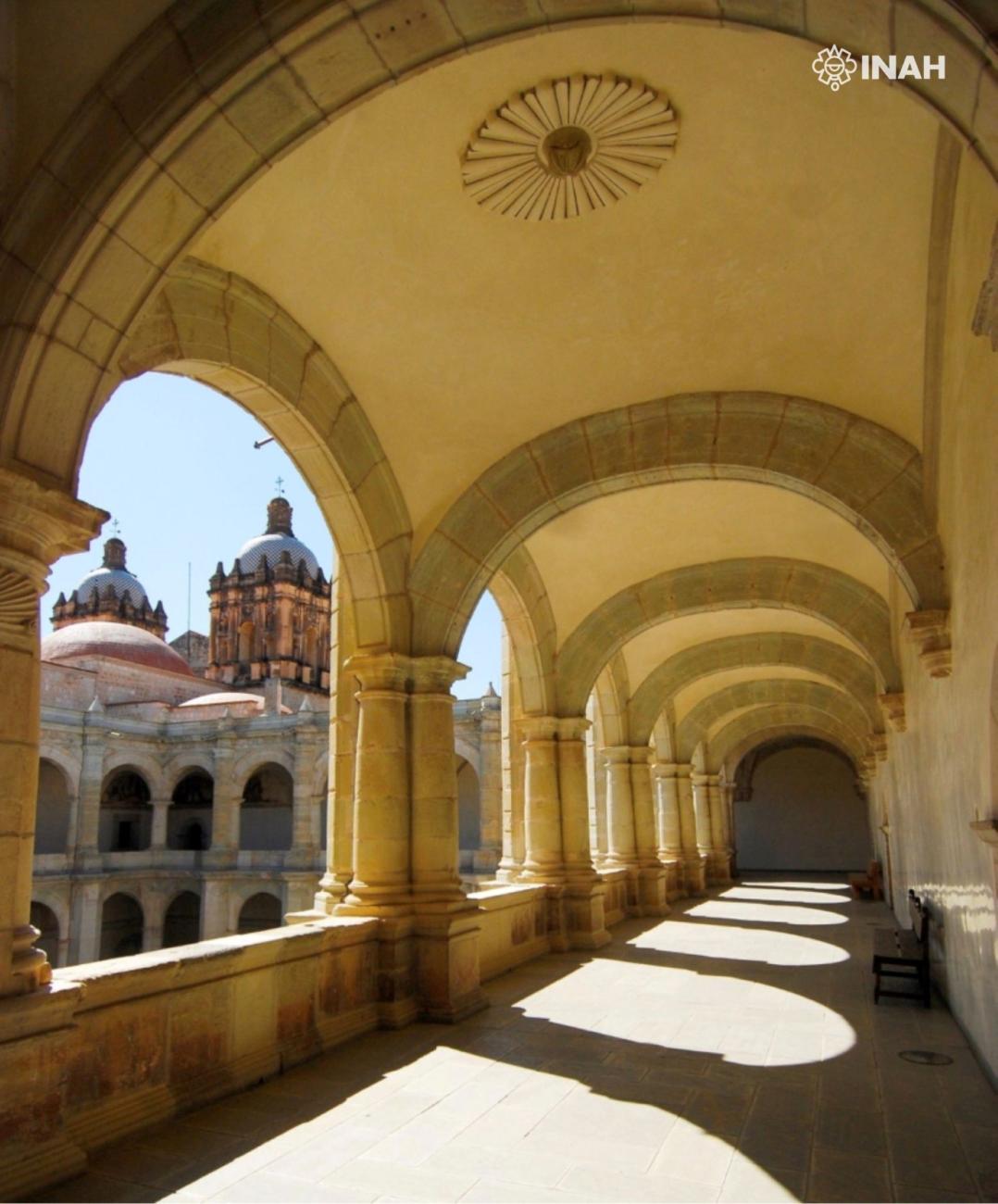
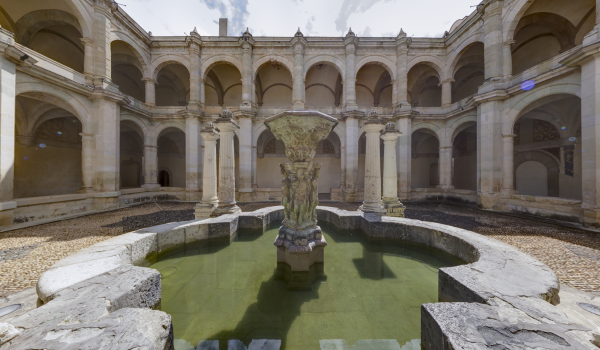
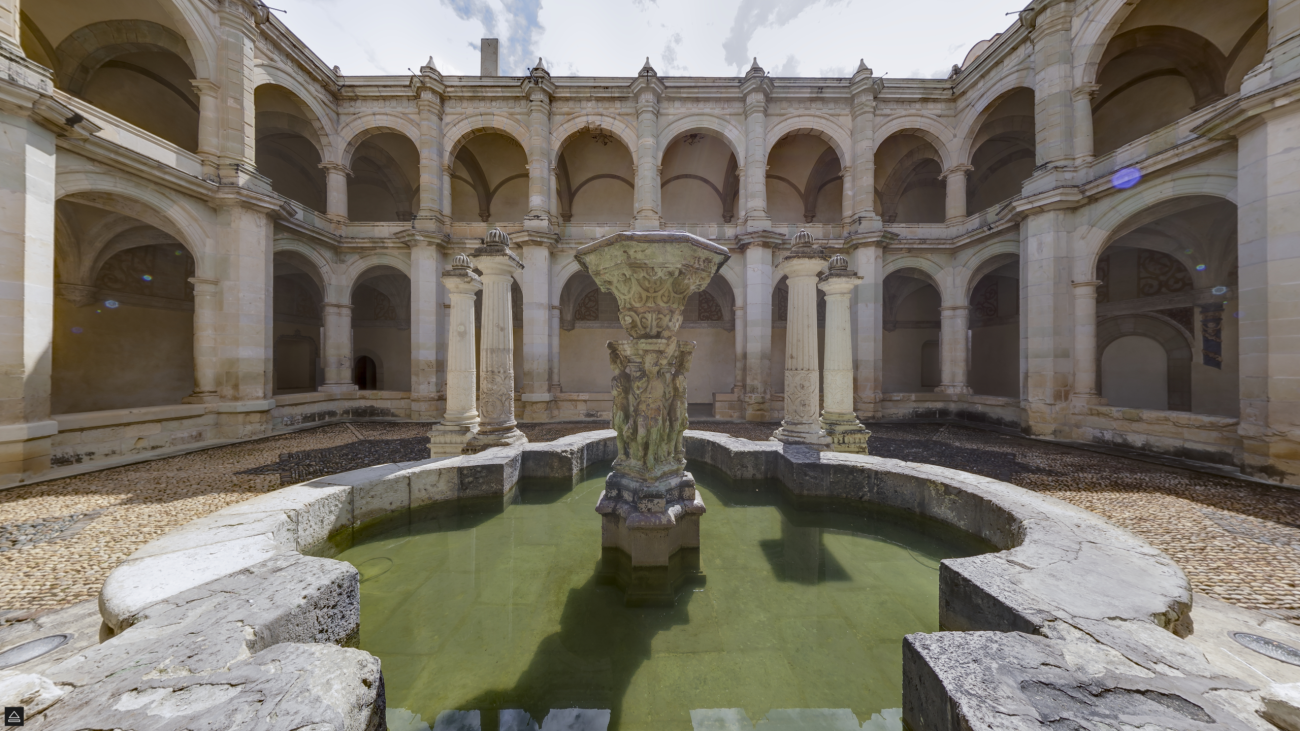
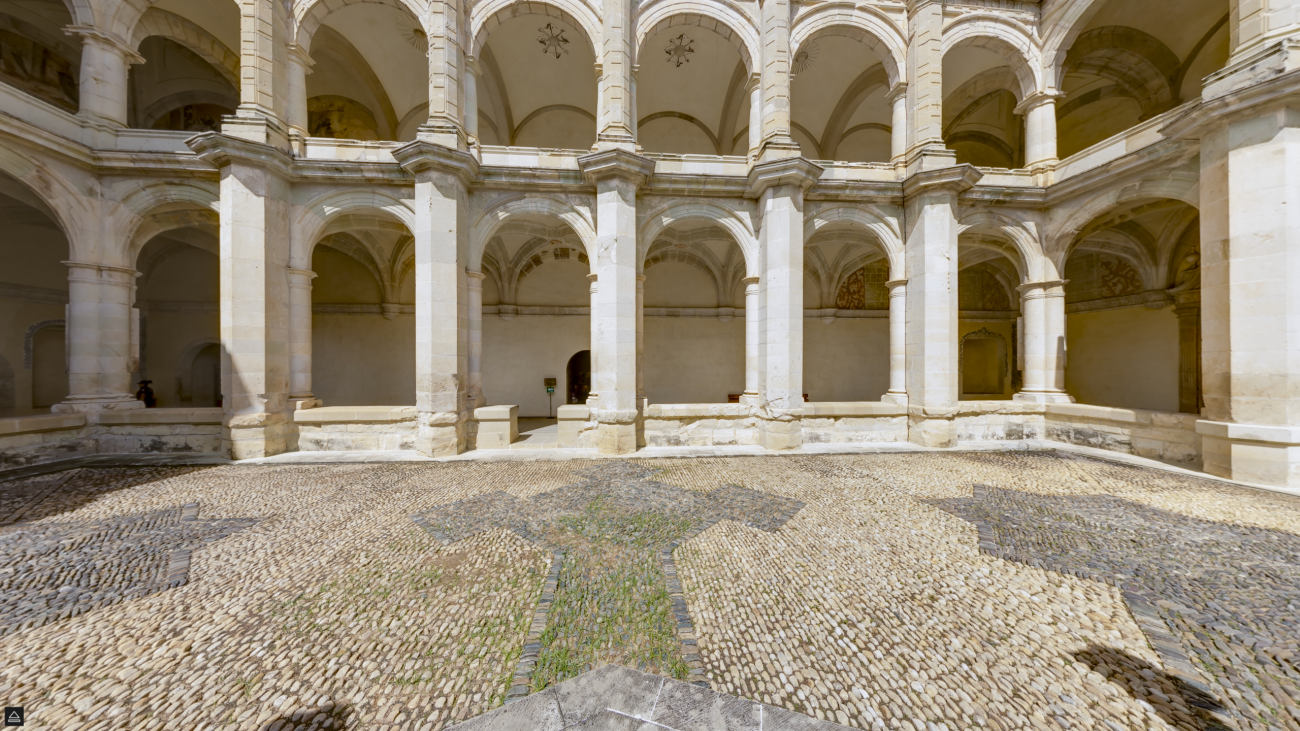
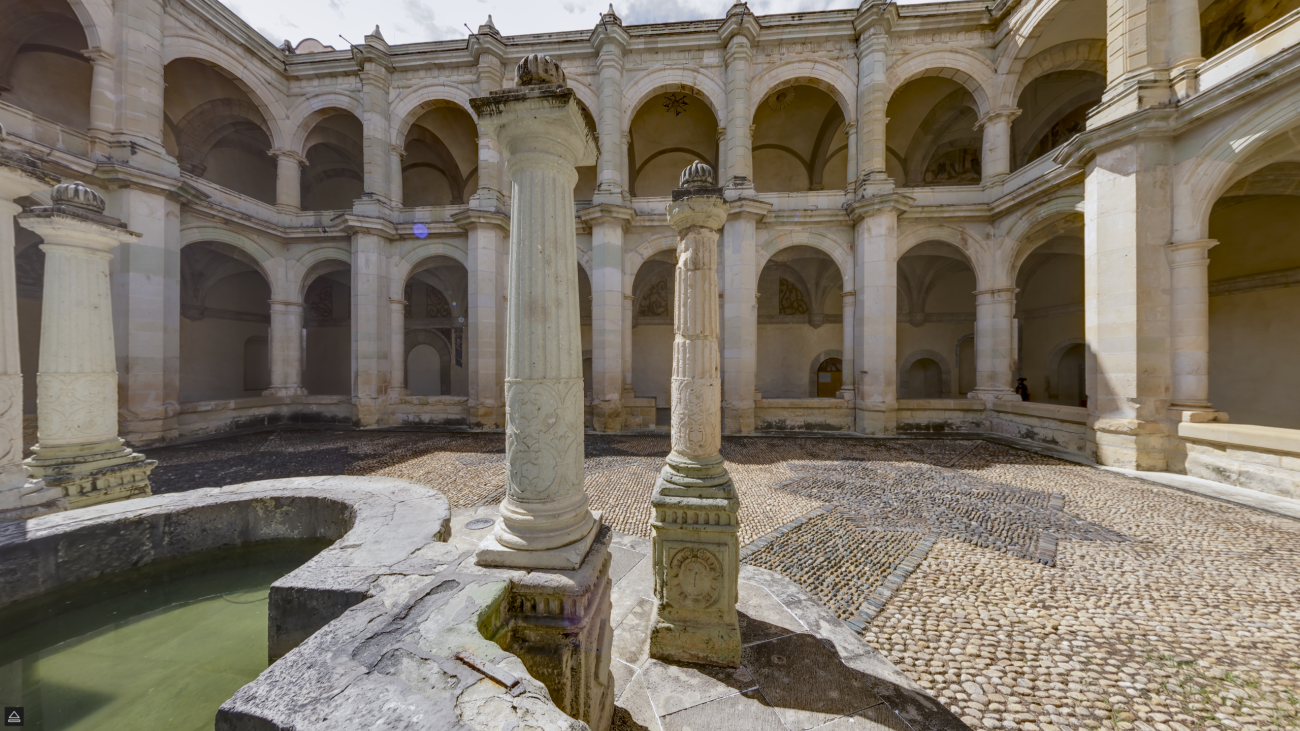
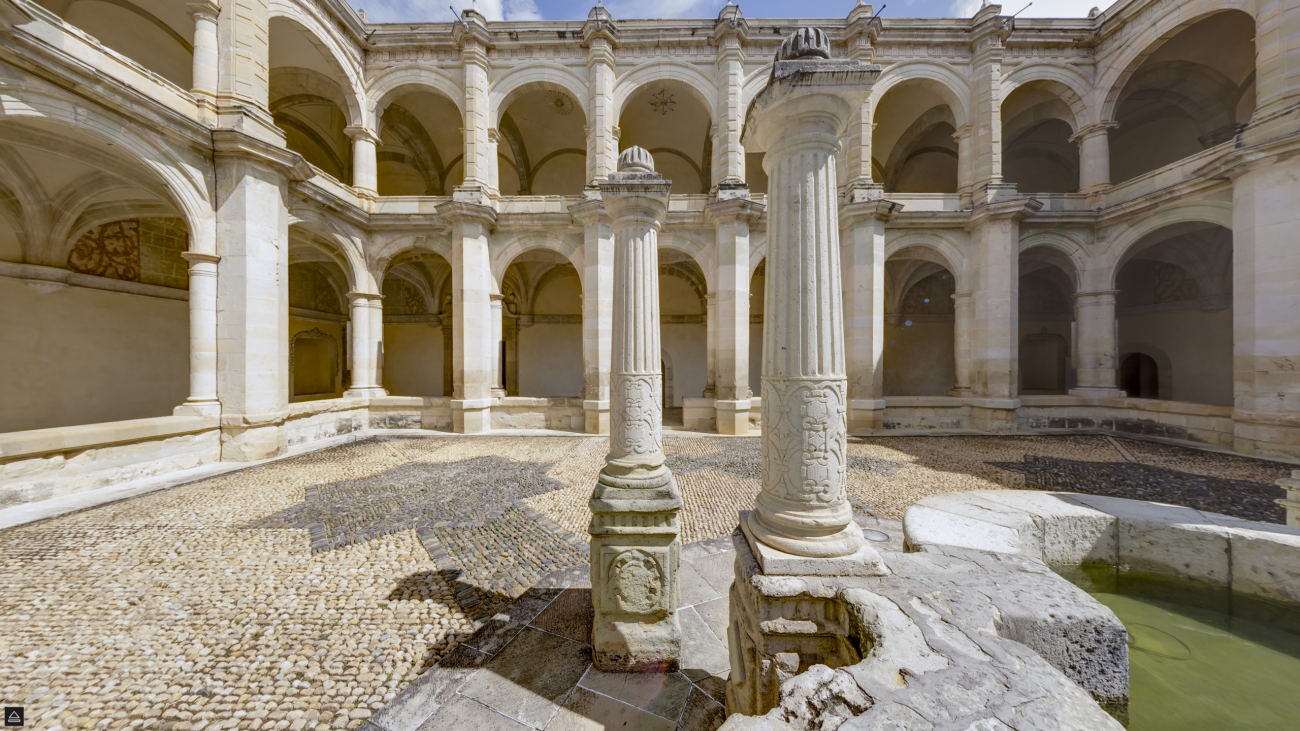
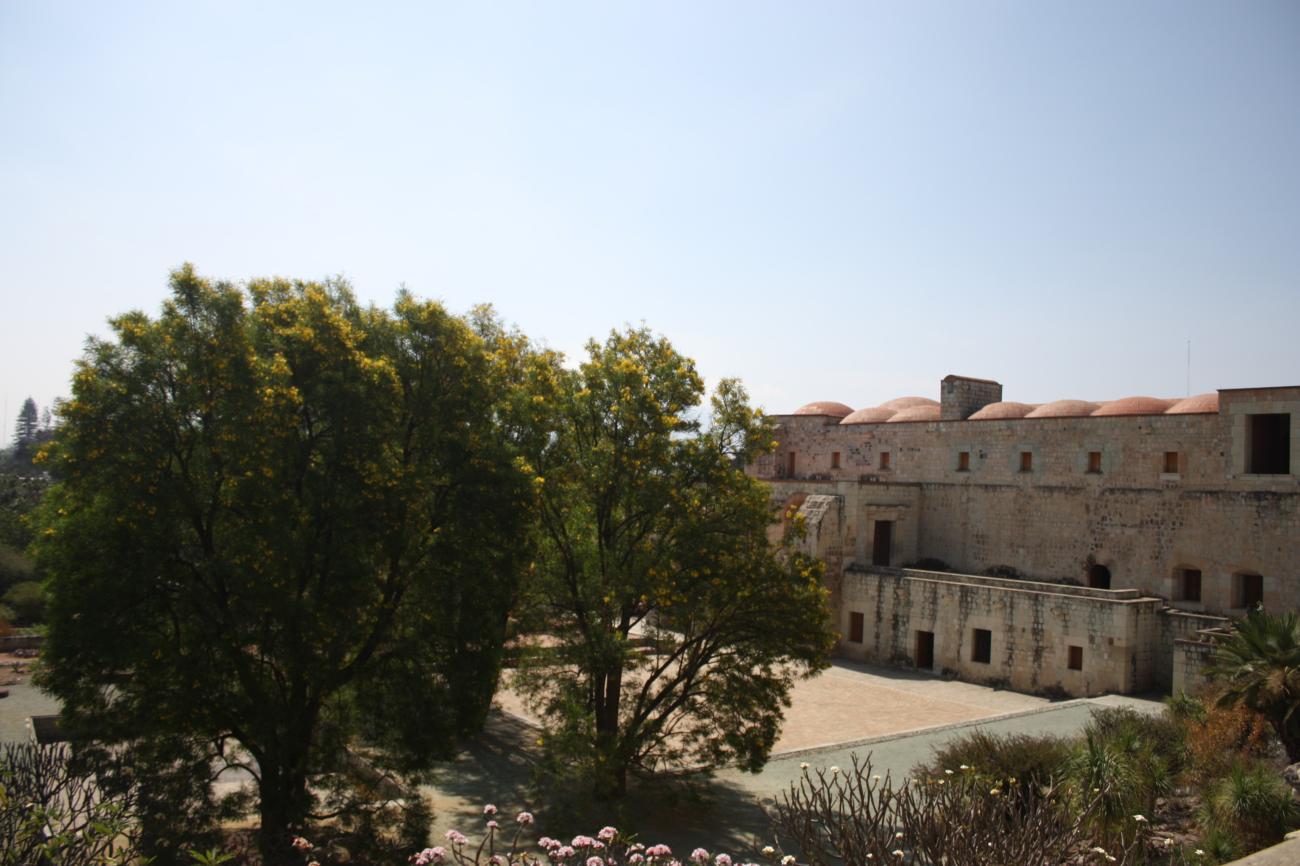
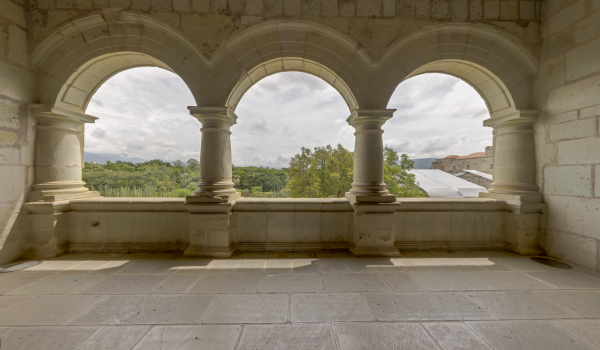
Known previously as the Oaxaca Regional Museum, the Cultures of Oaxaca Museum is housed in the magnificent former Monastery of Santo Domingo de Guzmán, built by the Dominican order in the sixteenth century. Construction began in 1575 and the final stage was completed in 1731. This is a splendid monument exemplary of the viceregal period of architecture. It has 14 permanent galleries covering archeology, history and ethnography, with nine thematic galleries and three temporary exhibition galleries. The majority of the archeological artifacts on display were found during the excavation works carried out by INAH in Oaxaca.
Before it was established in this building, Oaxaca Museum went through various stages. It was founded on September 21, 1831 initially in a classroom of the Institute of Arts and Sciences of the State of Oaxaca, and it remained there until 1930 when the state government granted it space in the Girl’s Academy, which is today the Museum of Oaxacan Painters. It was officially launched as the Regional History and Archeology Museum of Oaxaca on November 23, 1933.
It moved again in December 1972, this time to its current location, as Oaxaca Regional Museum. The huge restoration and conservation project on the complex of the Monastery of Santo Domingo de Guzmán began in 1994, winning the Queen Sofia International Prize for the best restoration. This also implied the renovation of the museum, which was relaunched in 1998 under its current name, the Cultures of Oaxaca Museum.
Today the Cultures of Oaxaca Museum shares this space with other cultural and educational institutions: the Francisco de Burgoa Library, the Historical Ethnobotanical Garden and the Néstor Sánchez Public Newspaper and Periodicals Library. It also has multipurpose spaces where important academic and cultural events are held.

XIII. Defending Memory
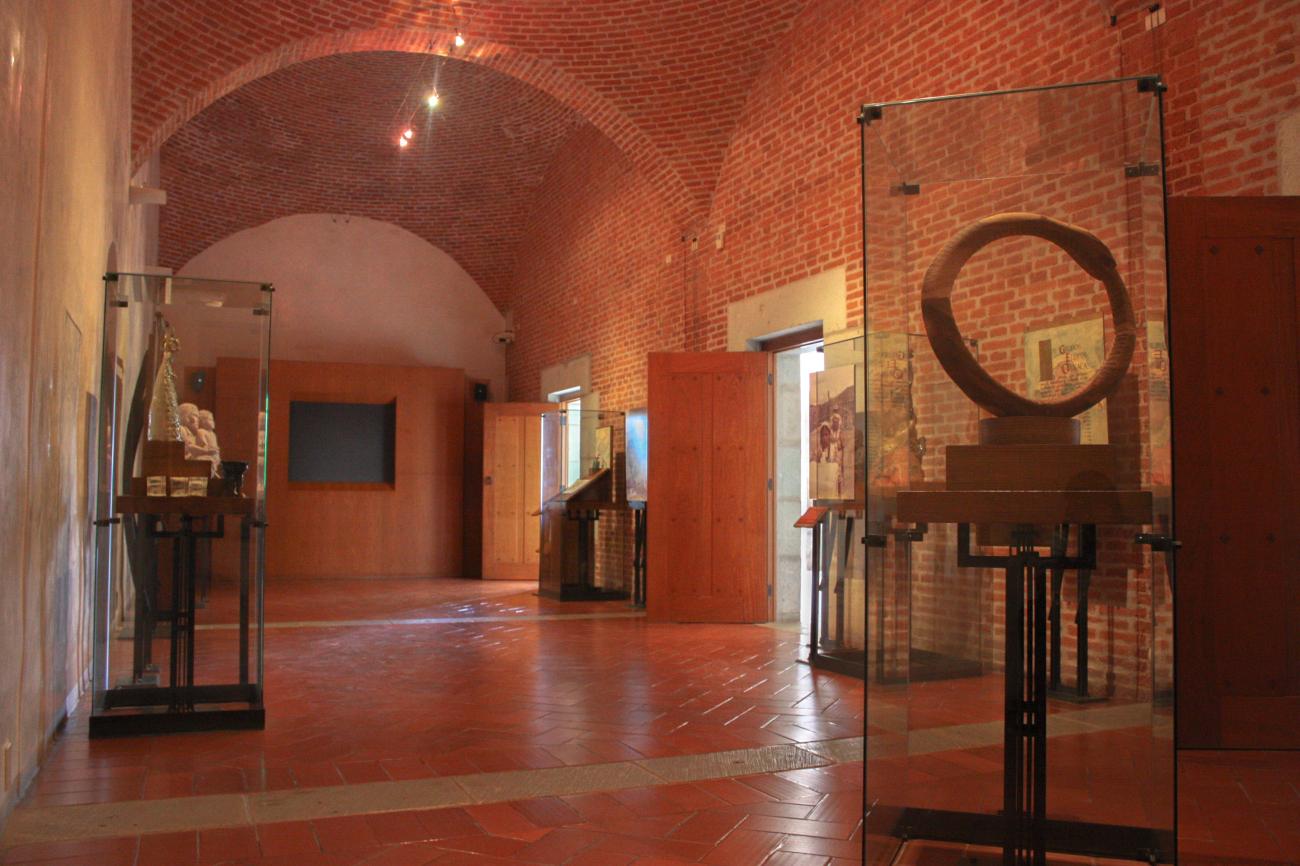
This gallery explores aspects of social organization, traditions, beliefs, and ritual practices of various communities in Oaxaca. It offers a contemporary view of Indigenous languages and the grassroots efforts to defend cultural identity and ancestral traditions.
XIV. Santo Domingo: History and Discoveries (16th–20th Century)
This gallery highlights the ceramic techniques introduced by Dominican friars to local potters in Oaxaca, which led to the development of glazed pottery. It also offers a glimpse into the daily lives of the friars through domestic objects and archaeological findings uncovered during research at the…
XIV. Santo Domingo: History and Discoveries (16th–20th Century)
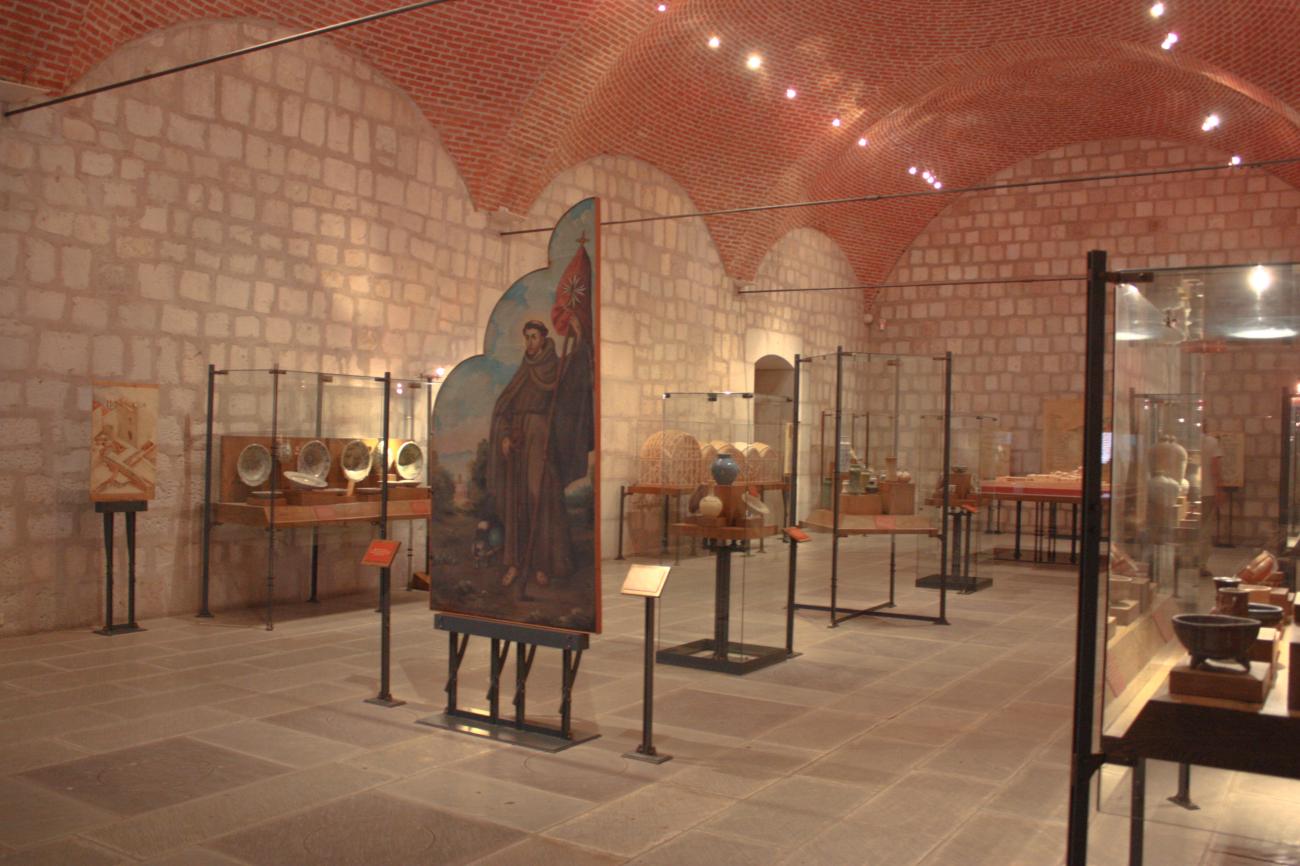
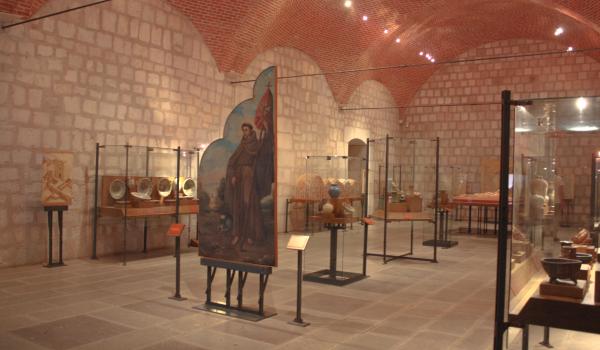
This gallery highlights the ceramic techniques introduced by Dominican friars to local potters in Oaxaca, which led to the development of glazed pottery. It also offers a glimpse into the daily lives of the friars through domestic objects and archaeological findings uncovered during research at the site.
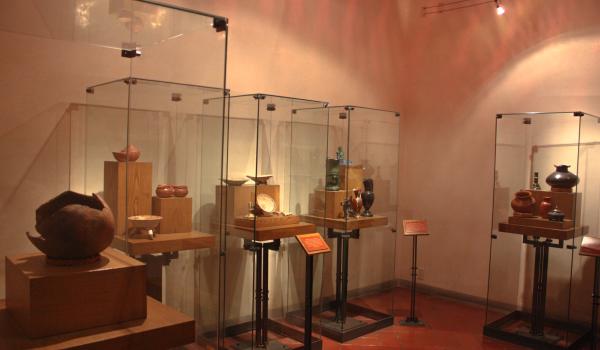
Ceramics
This area features a variety of ceramic objects created using different decorative and stylistic techniques. These attributes help identify the specific ethnic groups—past and present—that produced them.
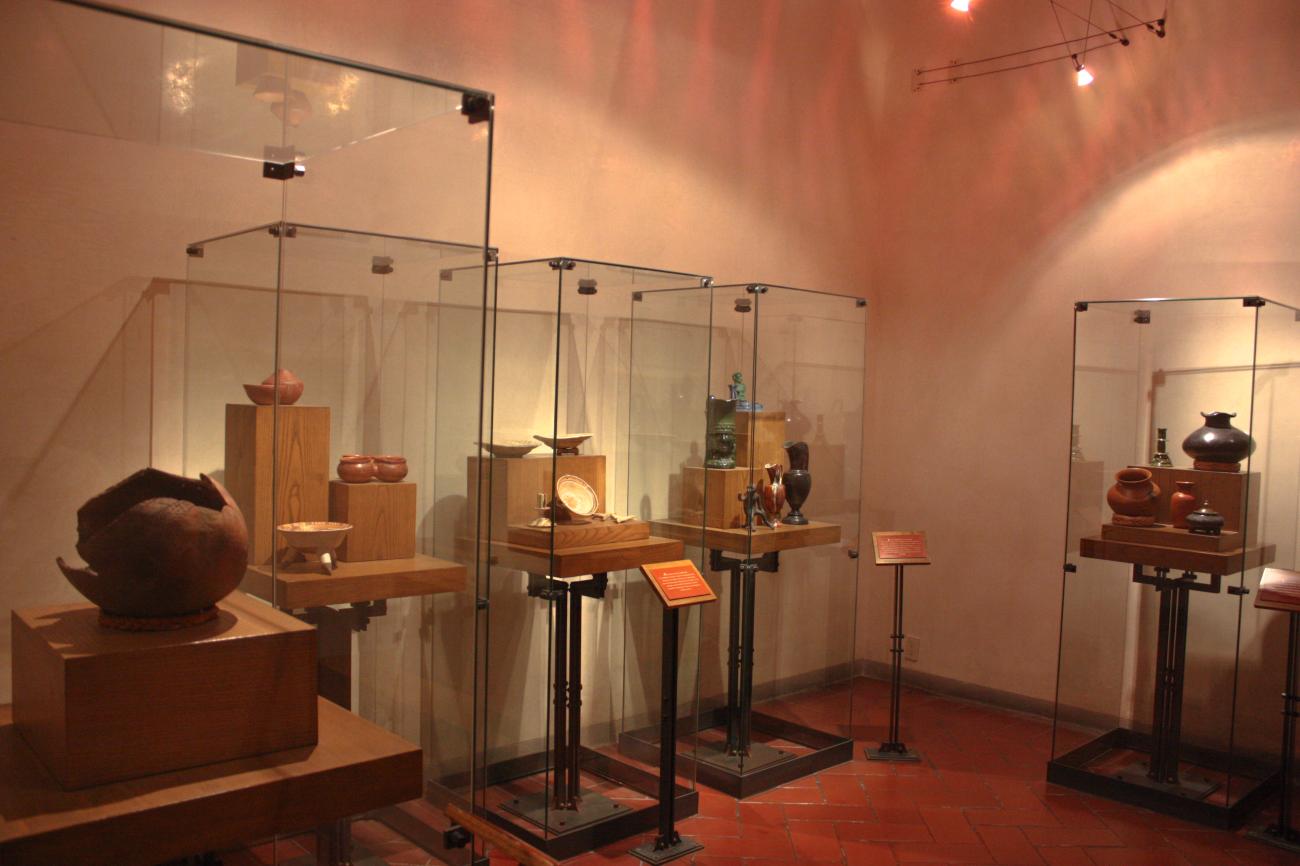
Jewelry
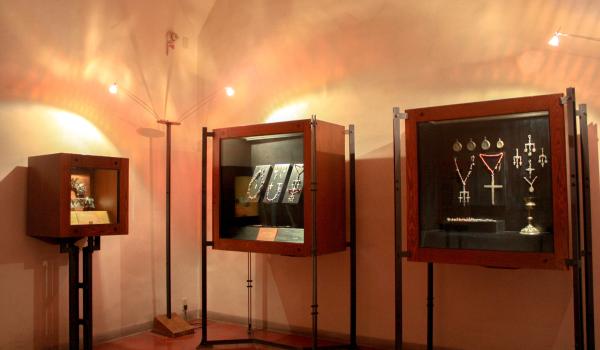
This section showcases jewelry made in different parts of Oaxaca, including the capital city, Yalalag, Juquila, Tlacolula, Choapan, and San Pedro Jicayán, among others.
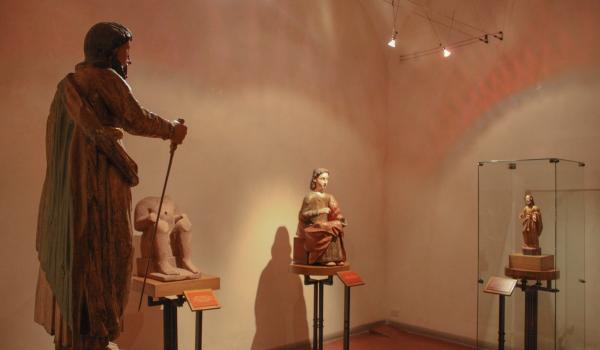
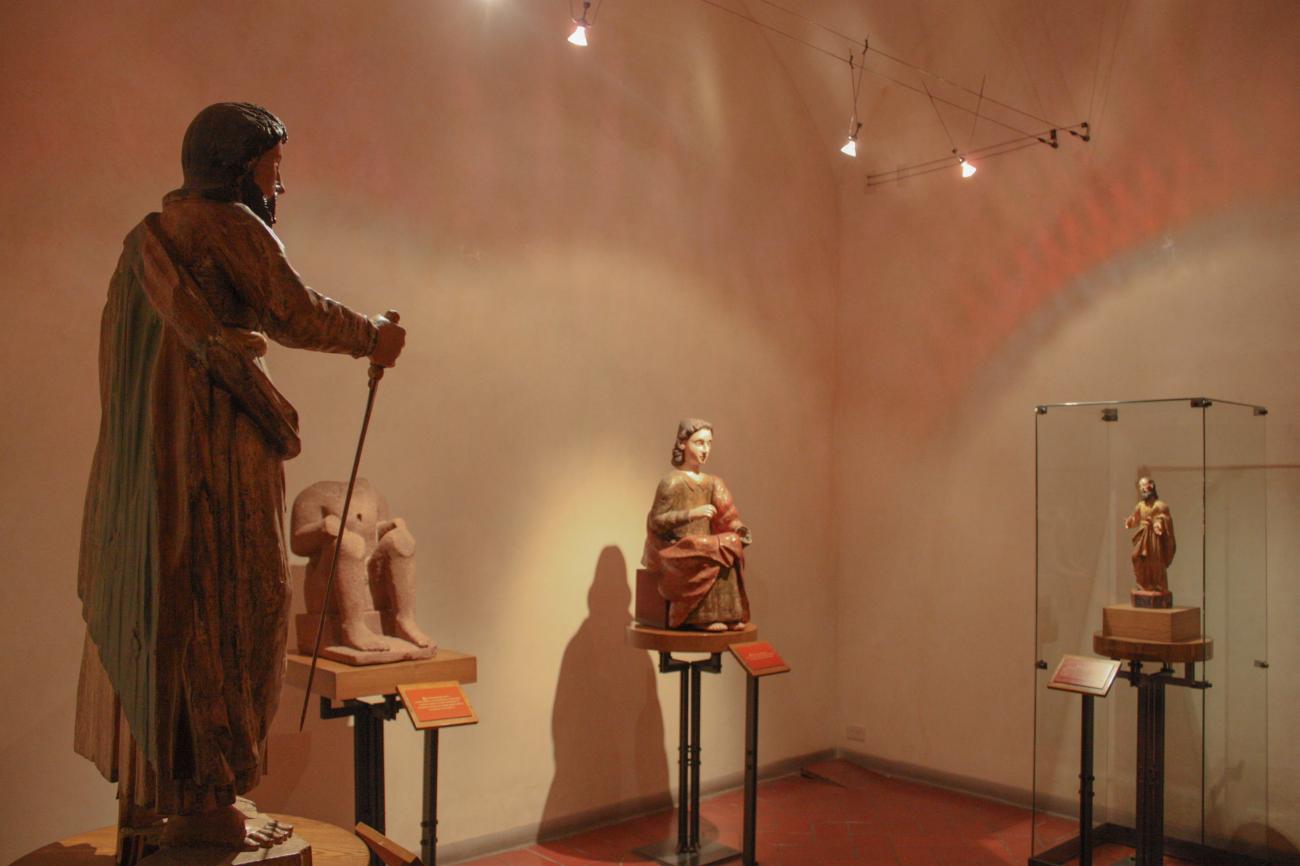
Wood Carvings
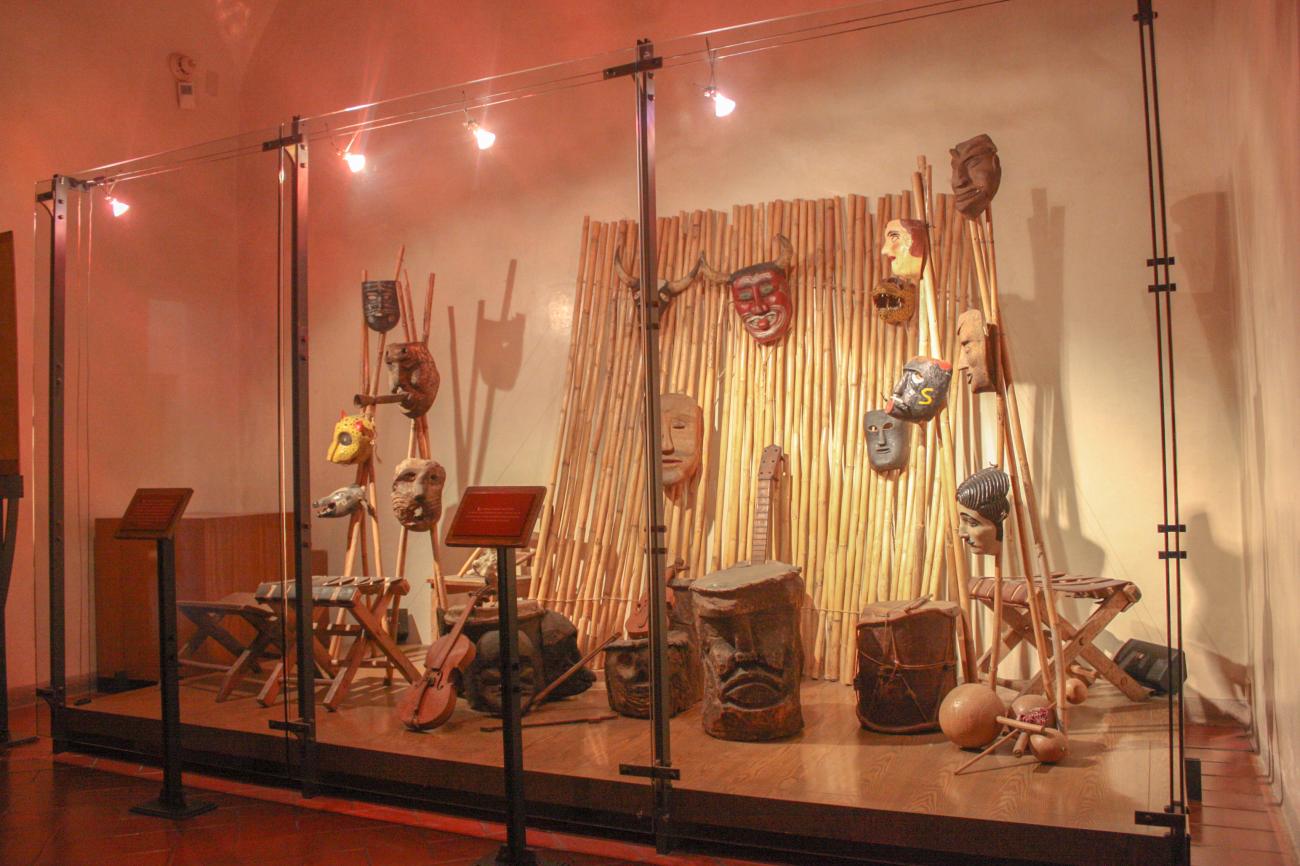
Here you’ll find a selection of carved wooden sculptures, many of them gilded and polychrome, as well as a pre-Hispanic stone sculpture.
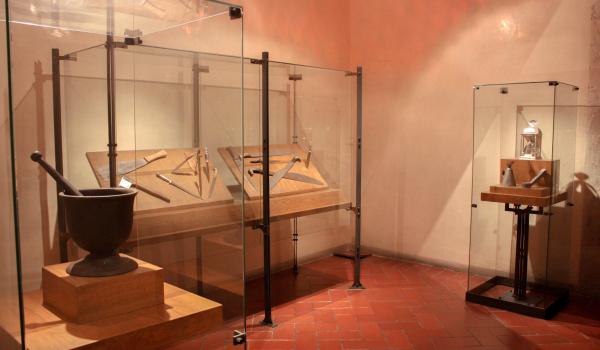
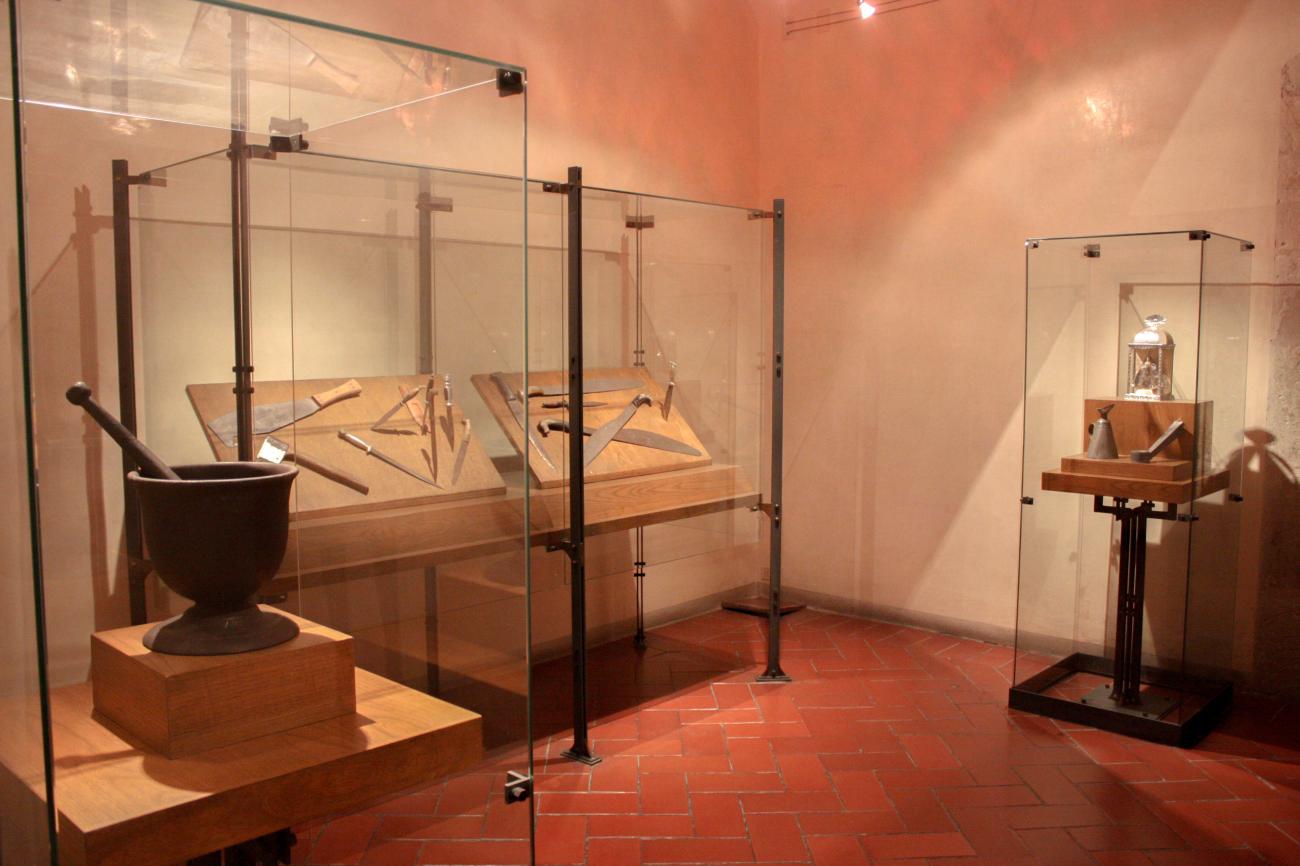
Tinwork, Blacksmithing, and Bladesmithing
This display features various tools and weapons such as swords, daggers, and knives.
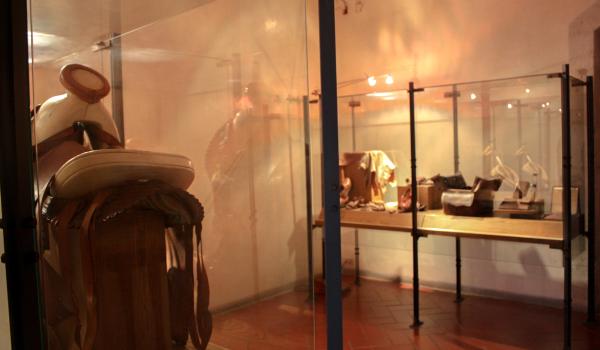
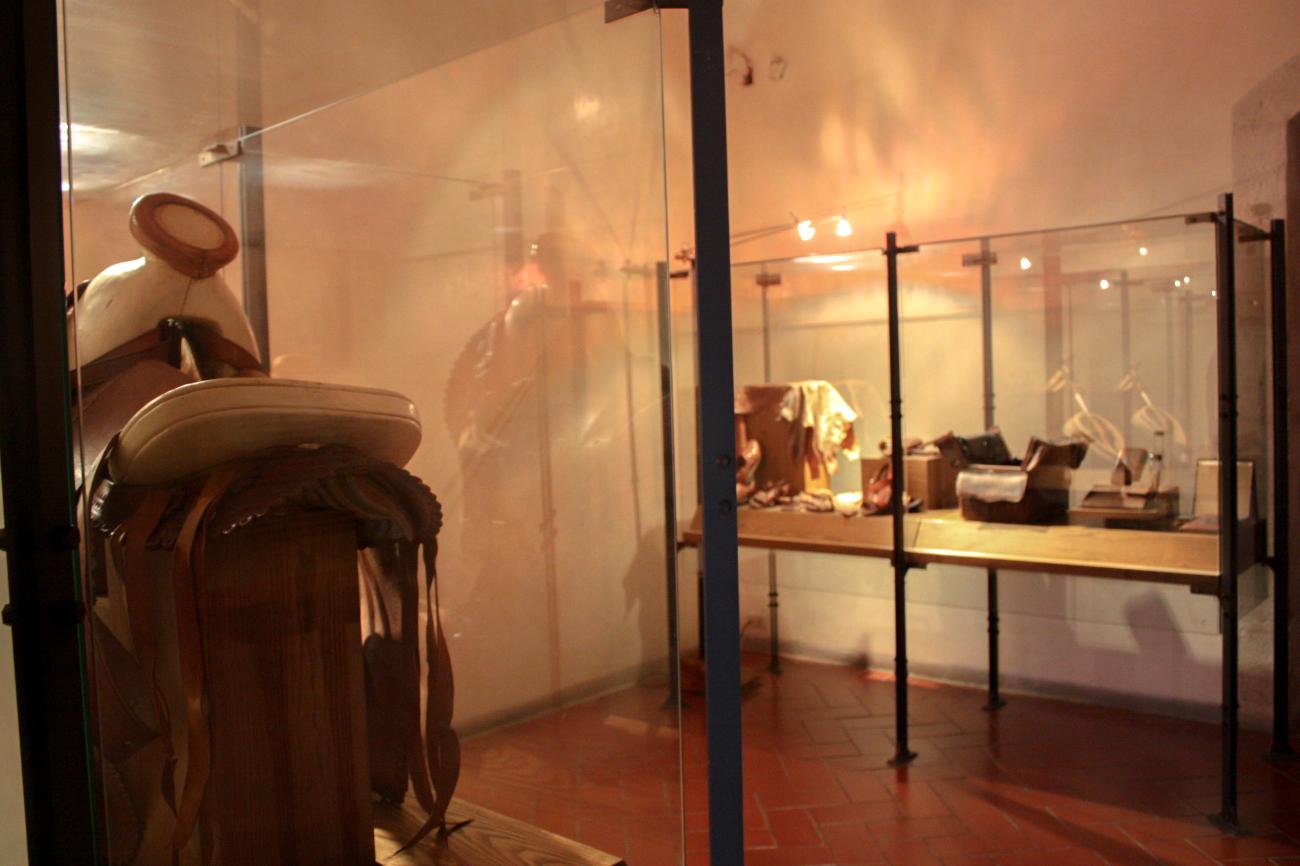
Leatherwork
This section presents objects made from leather and hide, including saddles, belts, huaraches (traditional sandals), and more.

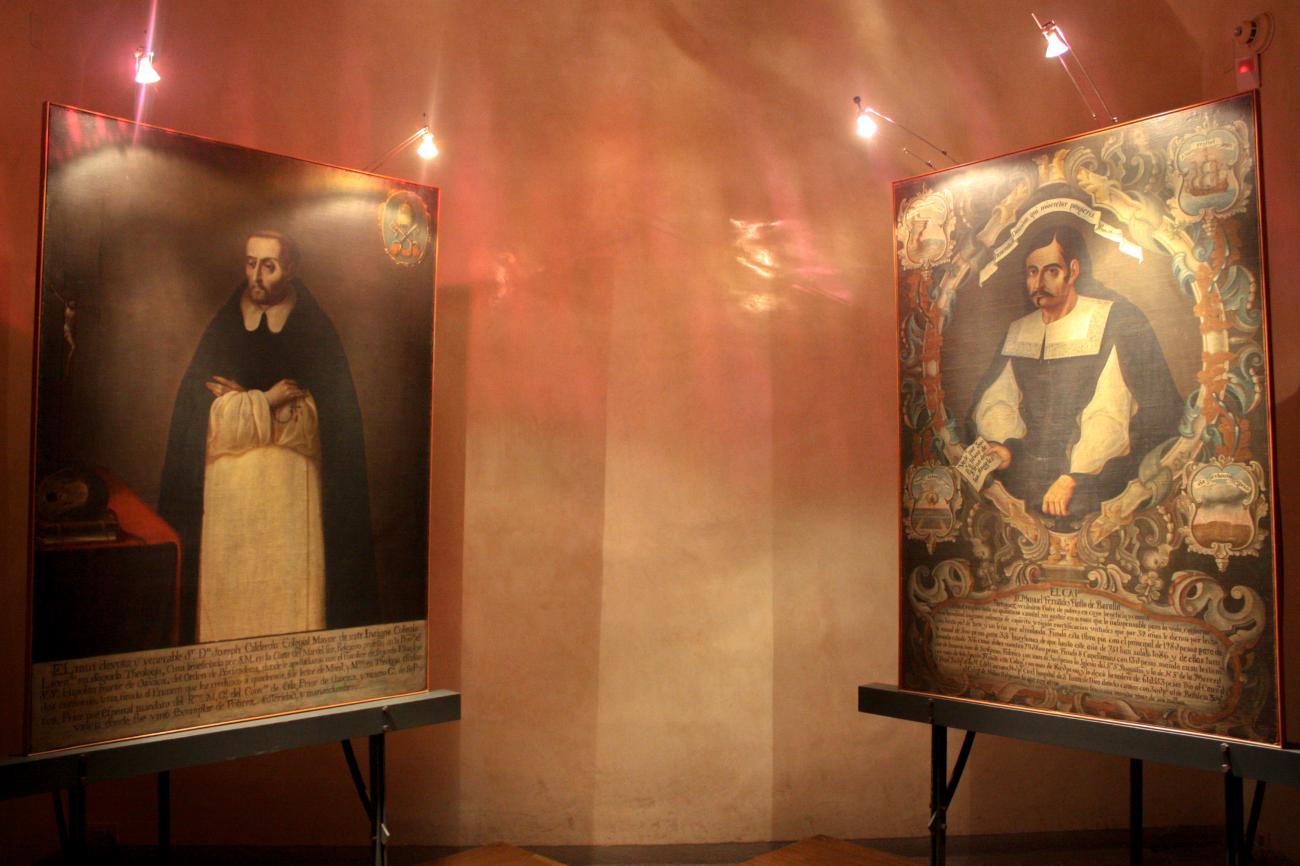
Visual Arts
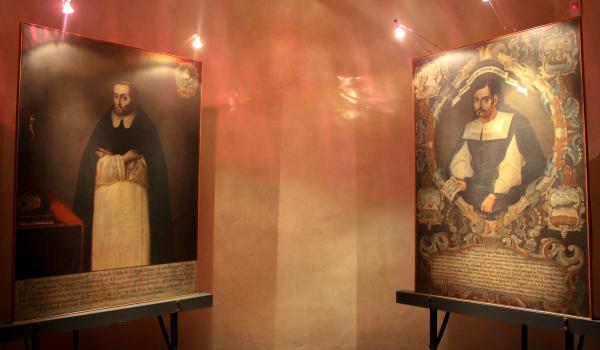
This gallery features two important 18th-century paintings, offering insight into the artistic expressions of the colonial period.
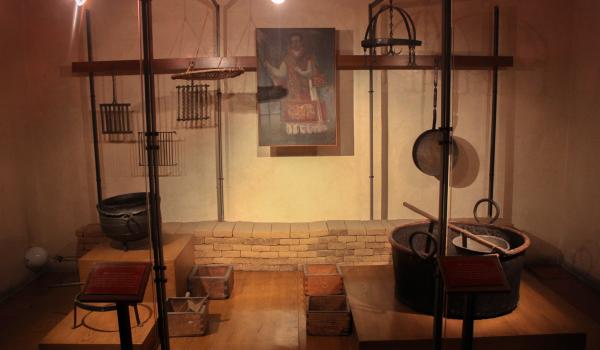
Gastronomy
This area showcases traditional utensils used in Oaxacan cooking—some of which are no longer in common use—such as the "garabato" (hooked wooden stirring stick) and a metal ring with hooks.


Beverage Production
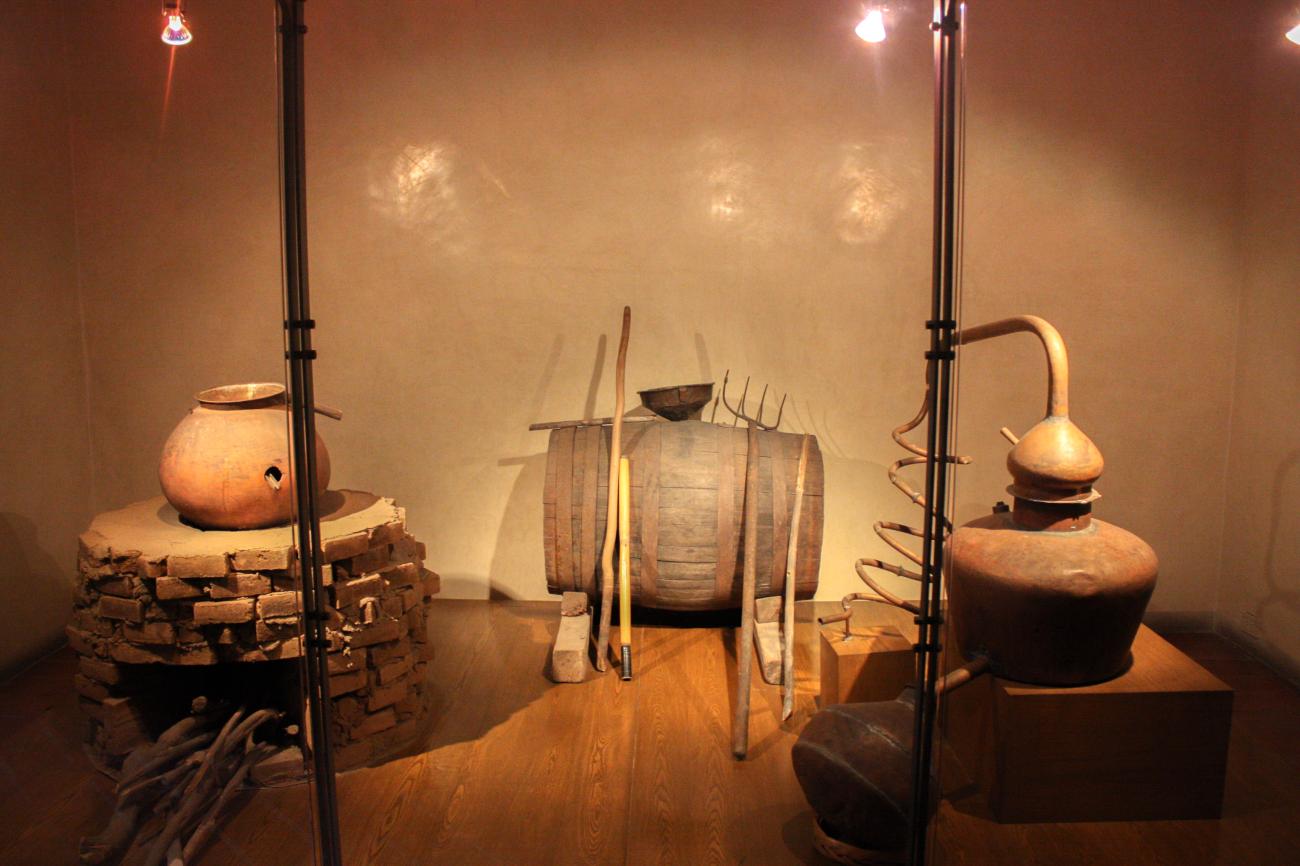
This gallery displays tools and implements used in the preparation of traditional Oaxacan beverages, including the distillation of mezcal.

Alfonso Caso Auditorium
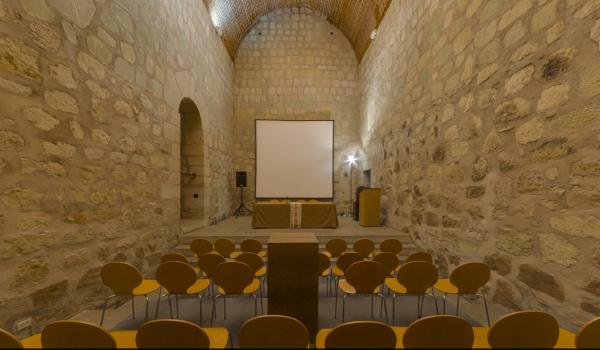
This venue hosts lectures, international conferences, book presentations, academic talks, symposia, and a wide range of cultural events.
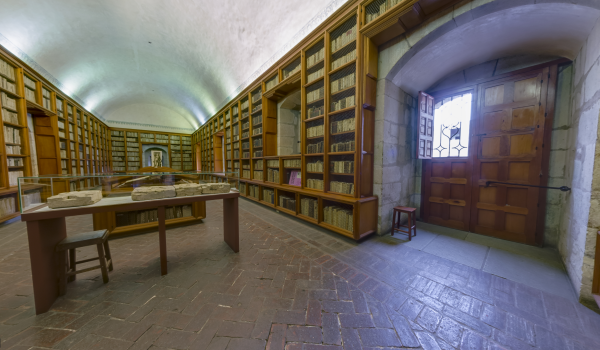
Francisco de Burgoa Library
Located within the former convent, the Francisco de Burgoa Library was founded on January 15, 1994, and is named in honor of Friar Francisco de Burgoa, who documented many of the customs and traditions of Oaxaca’s Indigenous peoples. Its collection, housed by the Benito Juárez Autonomous University…
Francisco de Burgoa Library
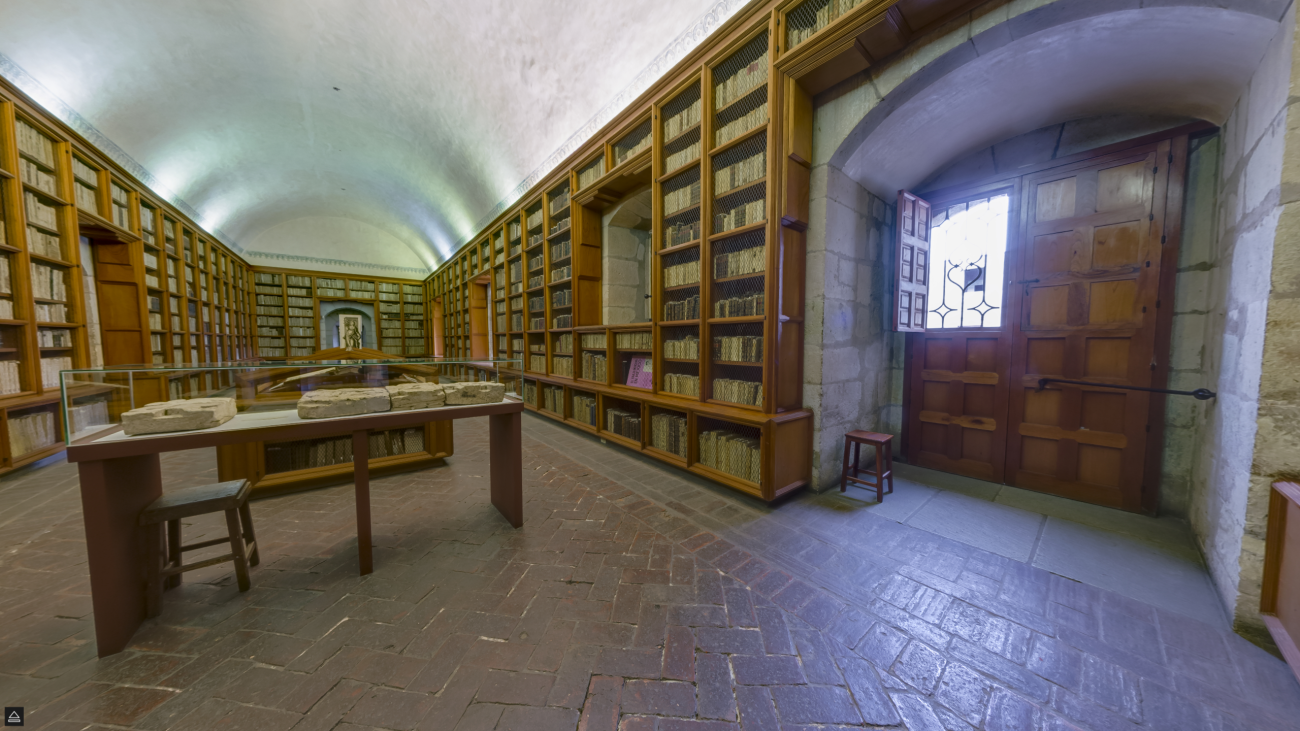
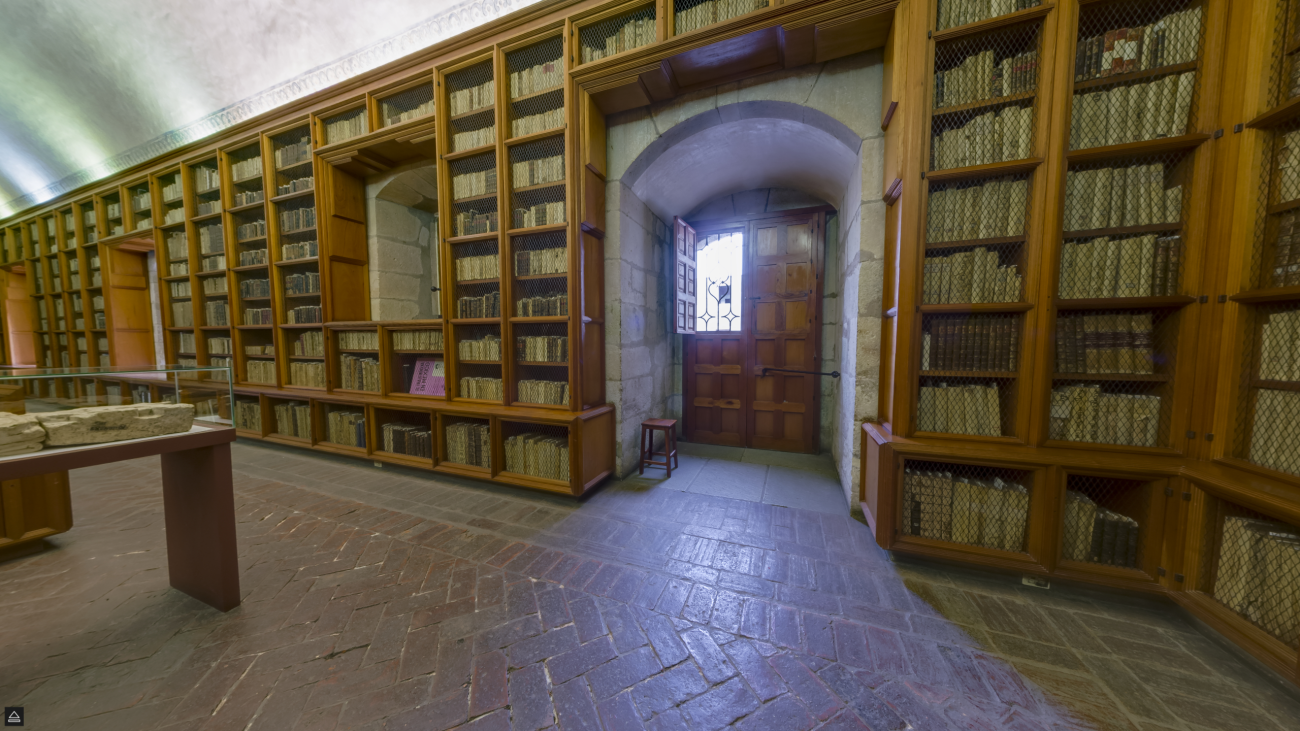
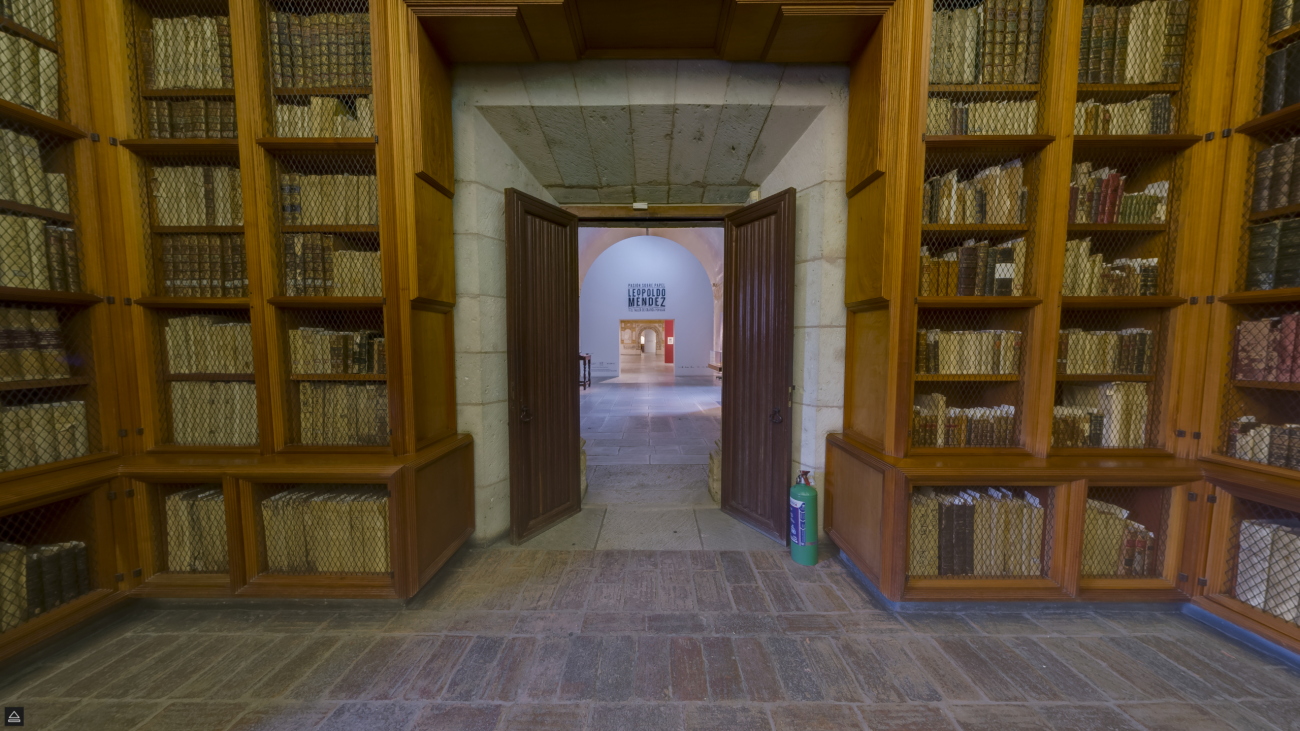
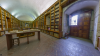
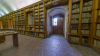
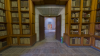
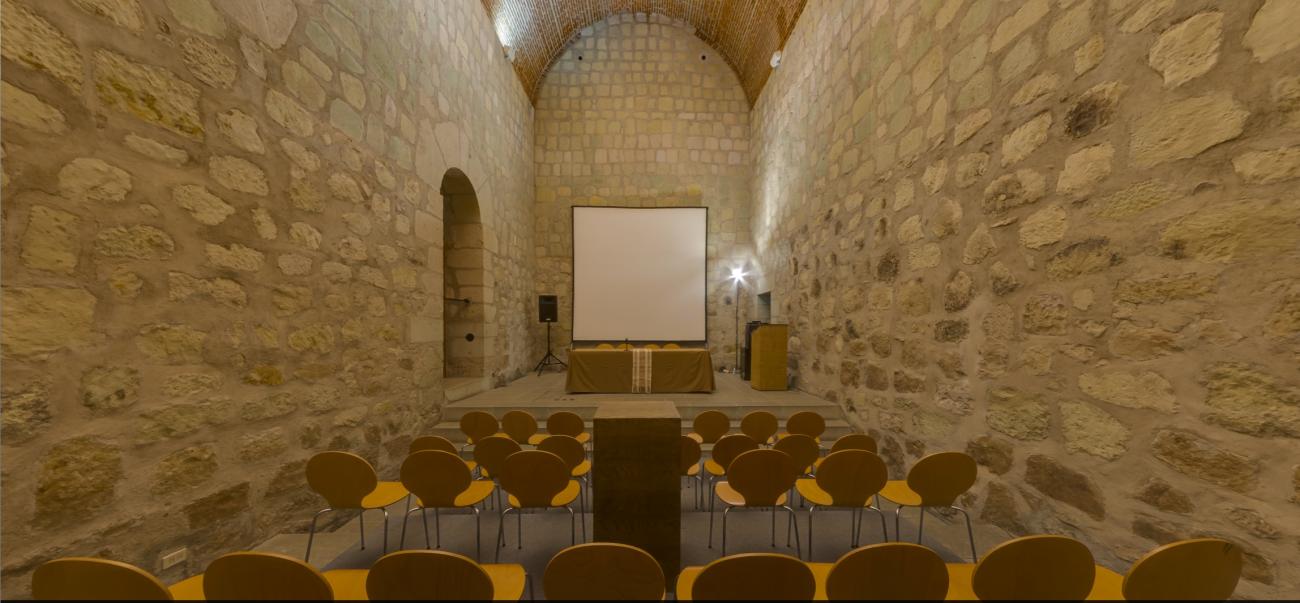
Located within the former convent, the Francisco de Burgoa Library was founded on January 15, 1994, and is named in honor of Friar Francisco de Burgoa, who documented many of the customs and traditions of Oaxaca’s Indigenous peoples. Its collection, housed by the Benito Juárez Autonomous University of Oaxaca, holds nearly 30,000 volumes published between 1472 and 1940. Most of the materials originally belonged to religious orders and were seized during the Reform Laws of the 19th century.

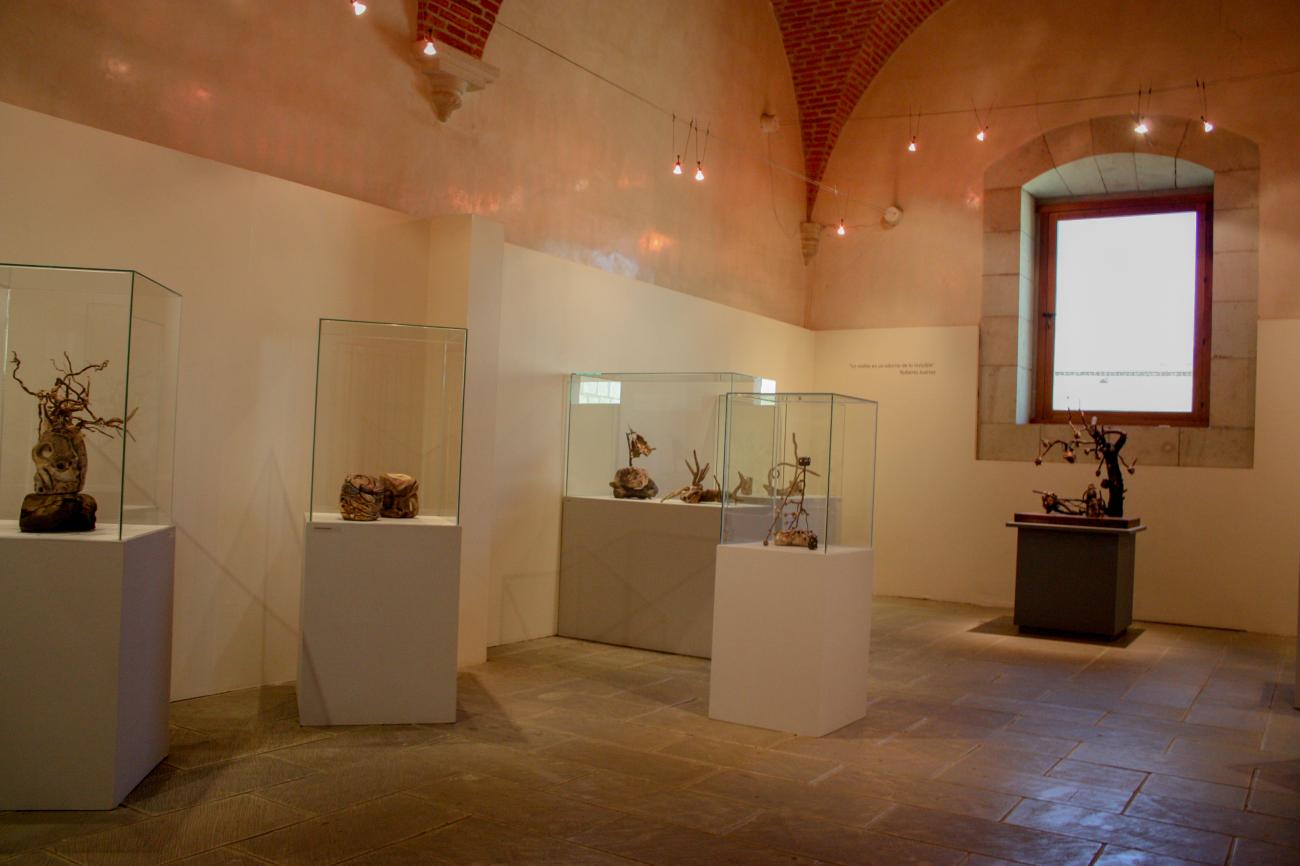
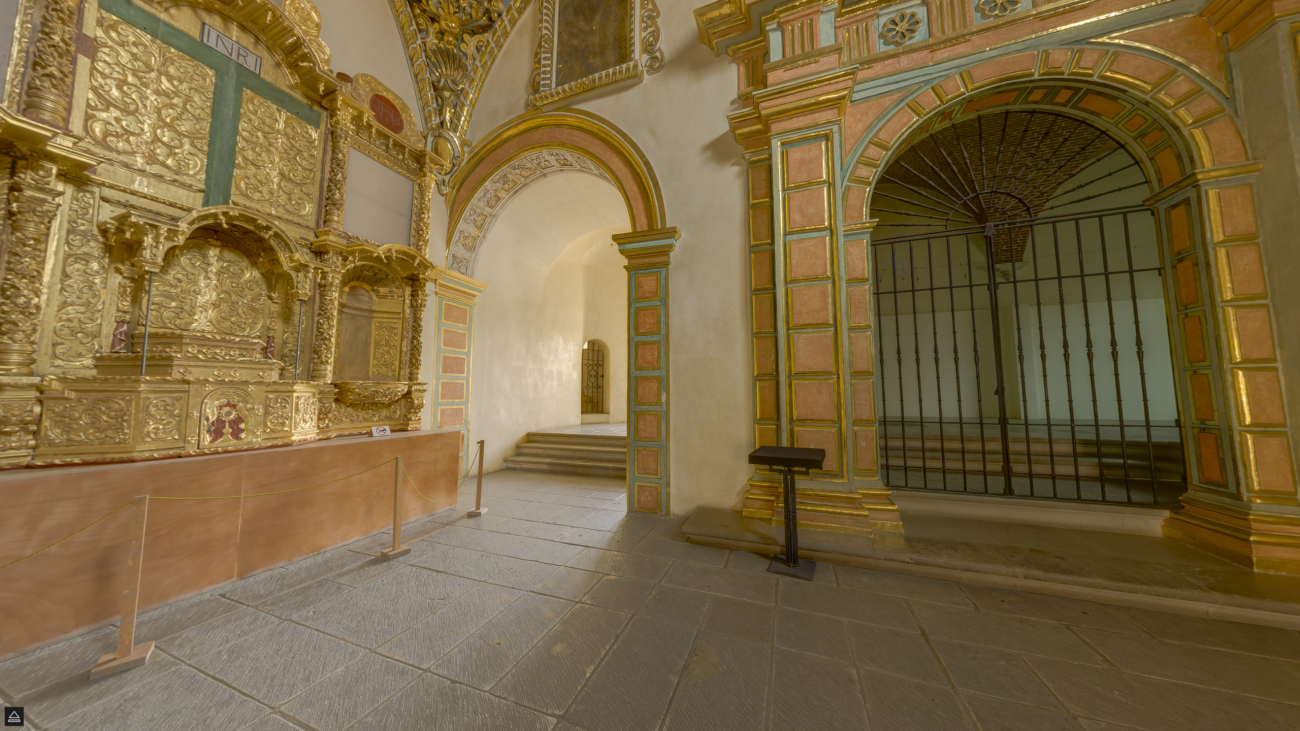
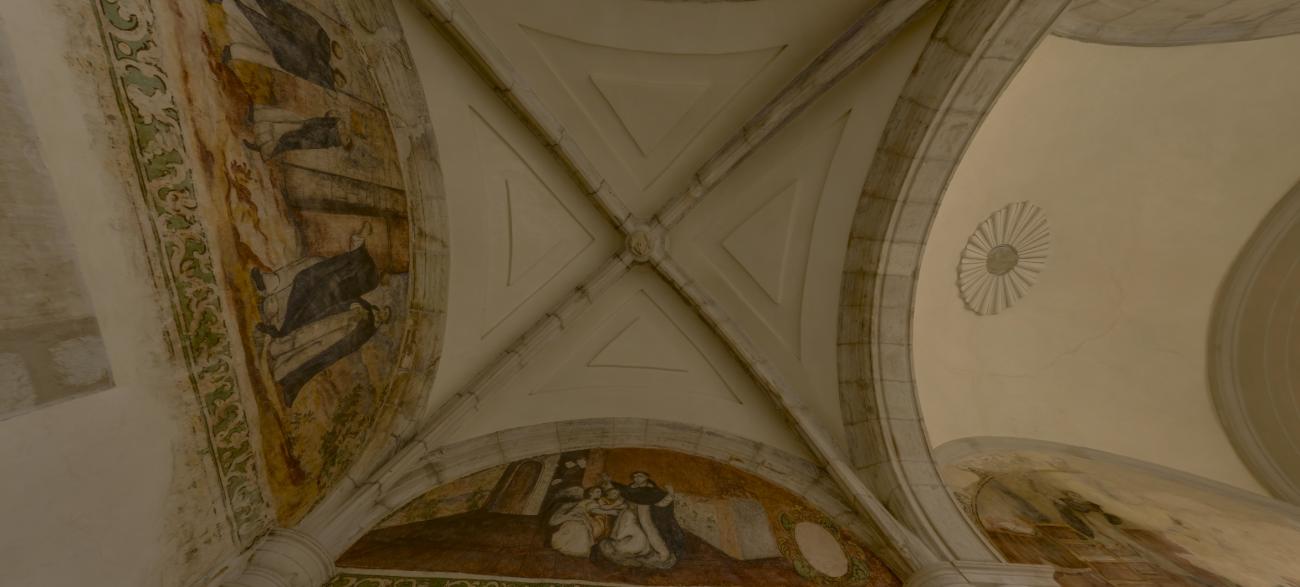

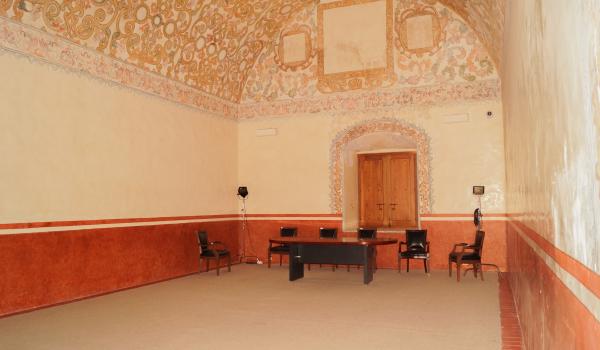
Dining Hall (Decorated)
This space is closed to the general public and is reserved for special cultural events.

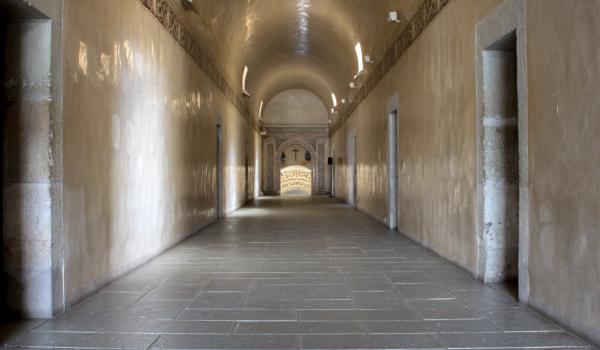

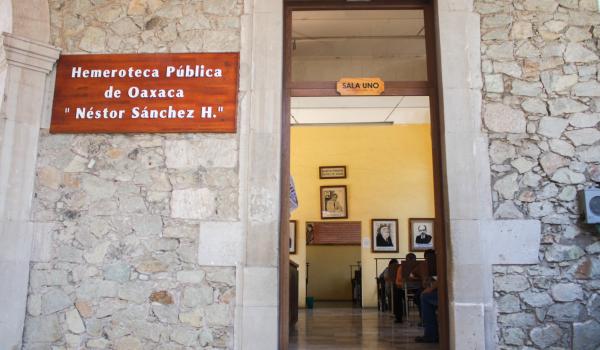
Oaxaca Public Newspaper Library “Néstor Sánchez”
Historic public newspaper archive and reading room.
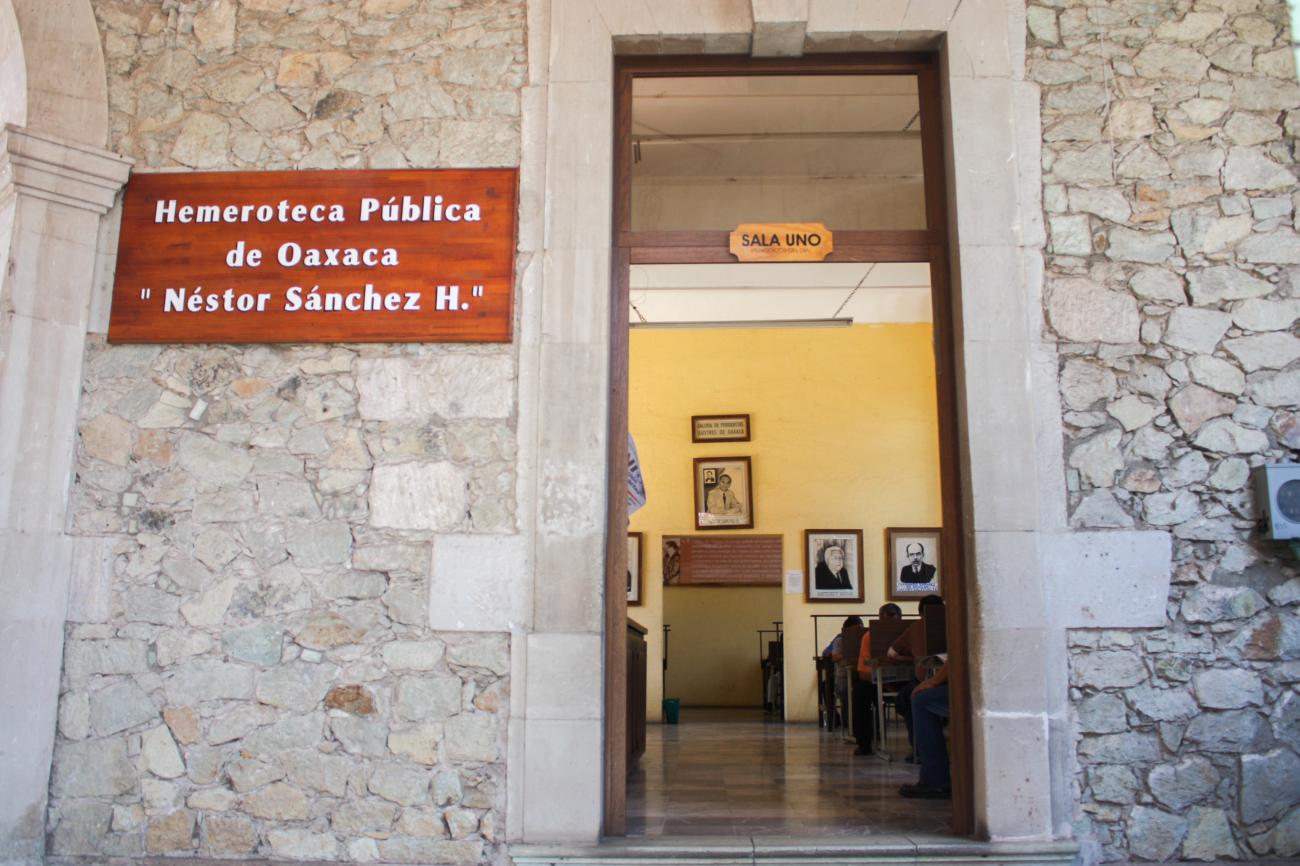
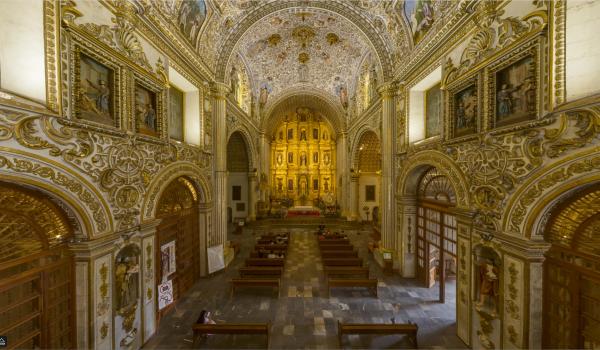
Interior of the Church of Santo Domingo de Guzmán
The first Dominican friars arrived in Oaxaca in 1529, naming the city Nueva Antequera due to its resemblance to Antequera in Andalusia, Spain. Friars Gonzalo Lucero and Bernardino de Minaya were among the first to arrive. Their initial monastery, San Pablo, was abandoned after a series of…
Interior of the Church of Santo Domingo de Guzmán
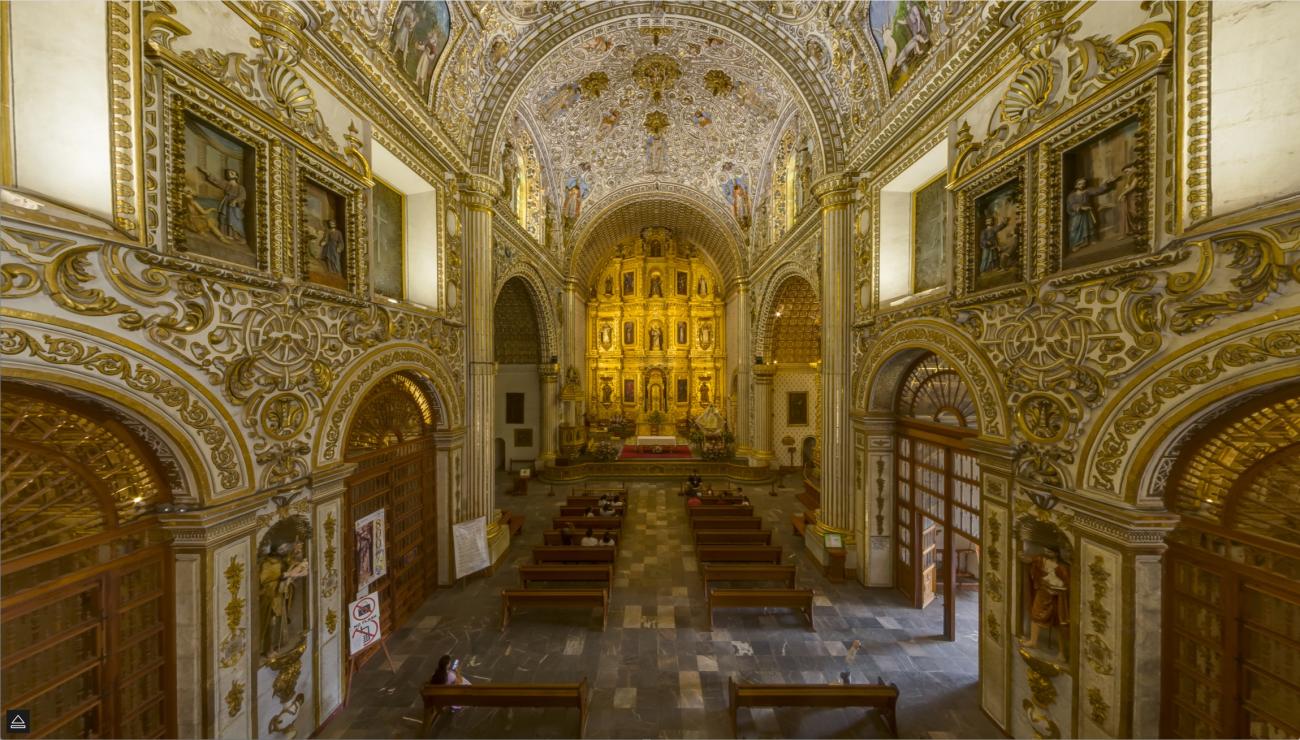
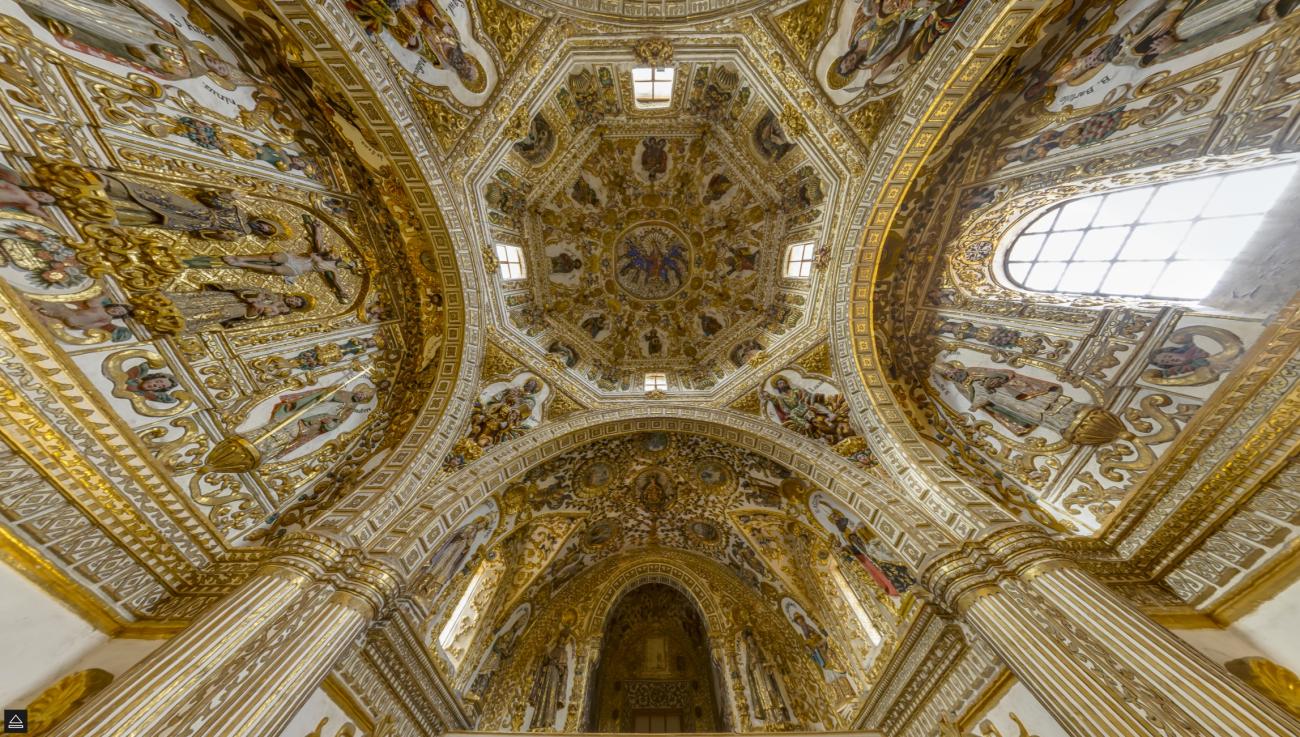
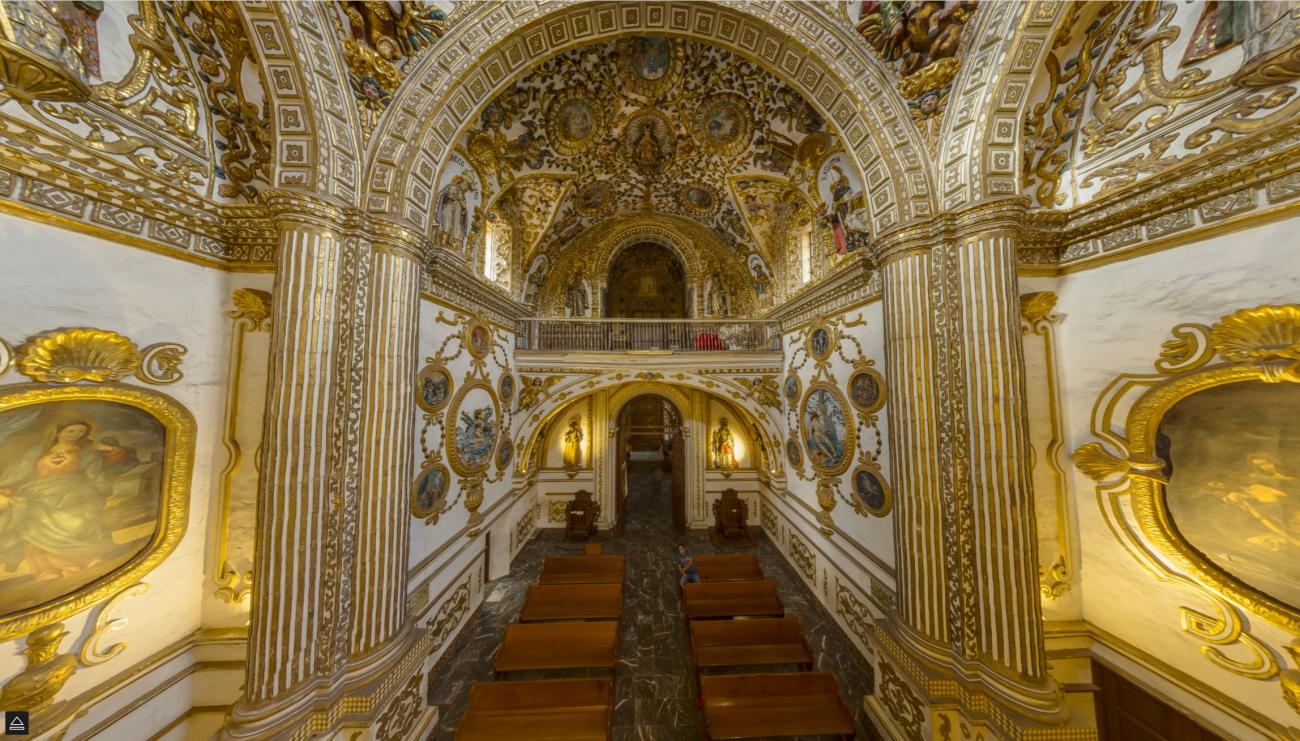
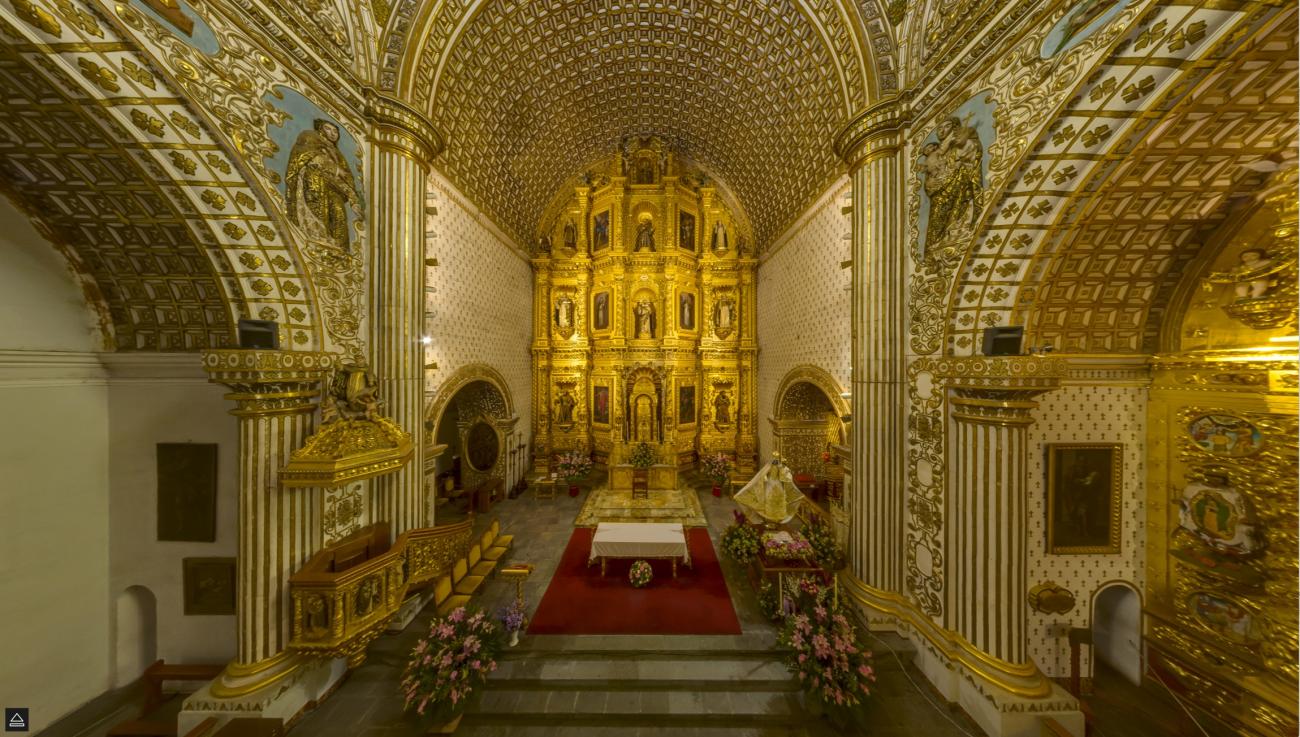
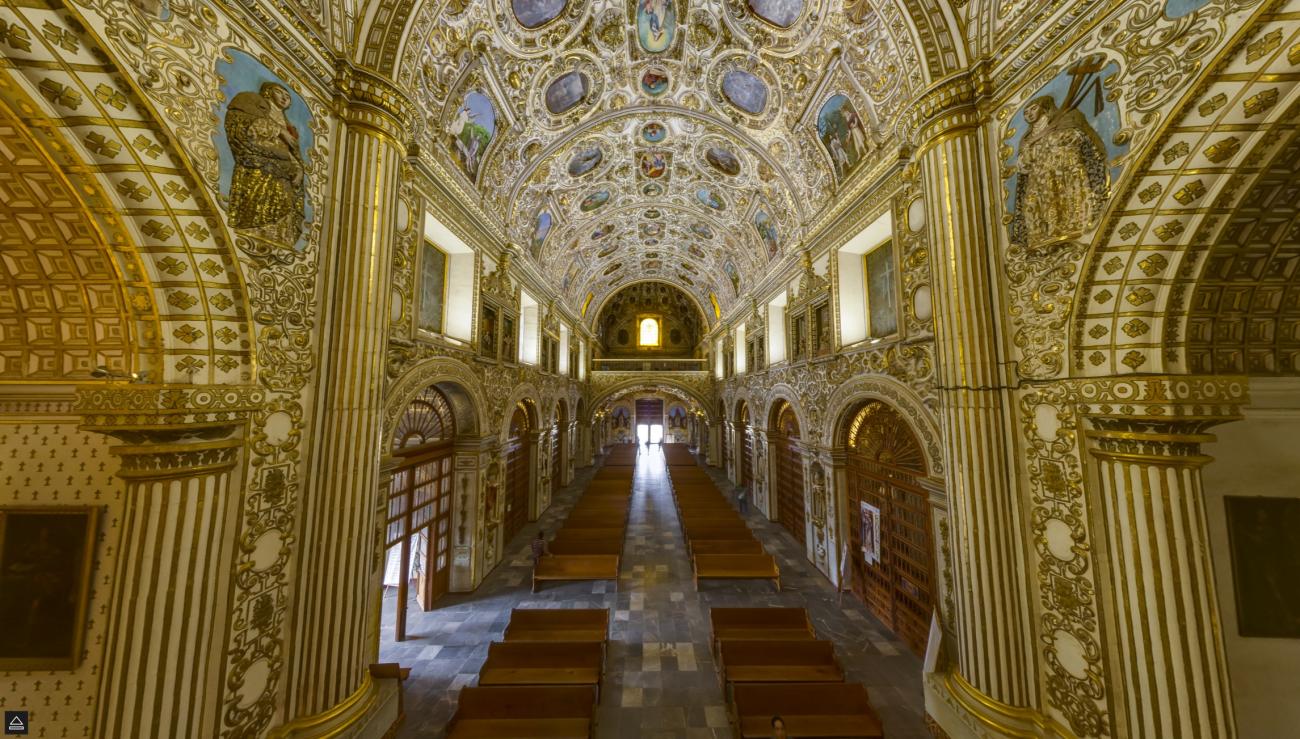
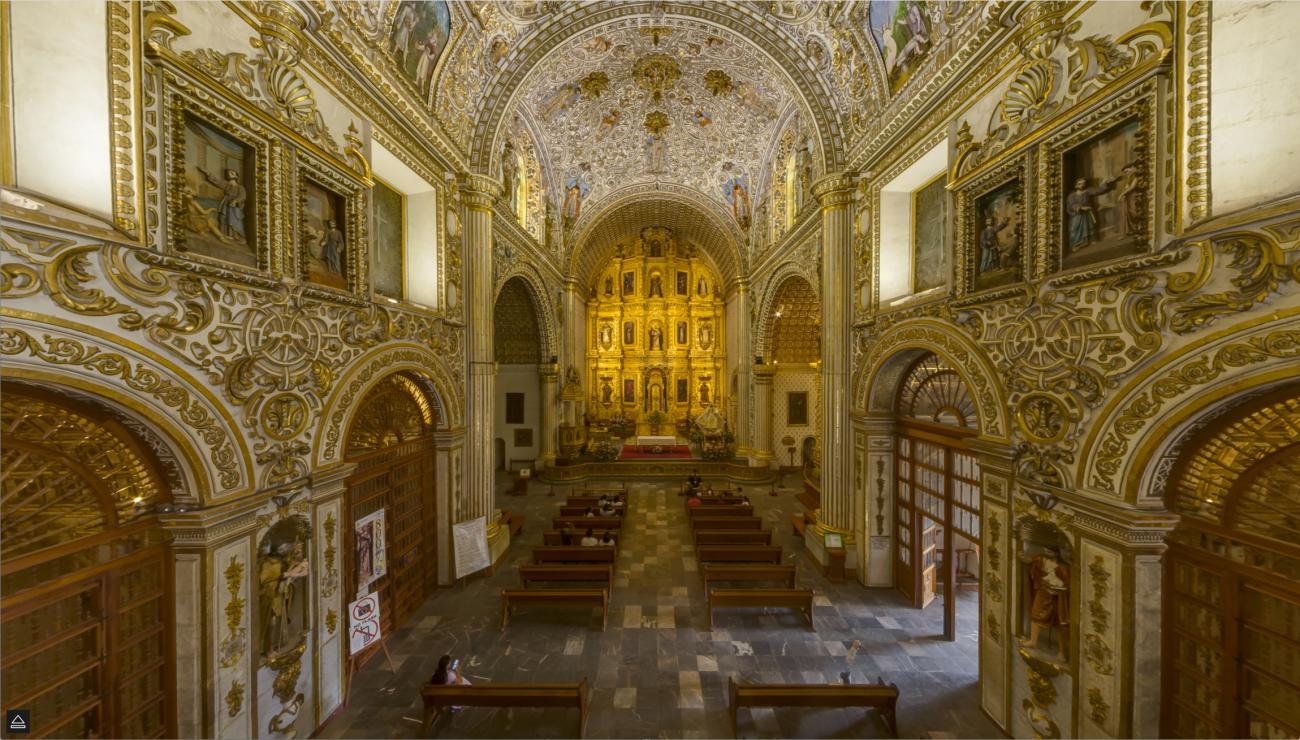
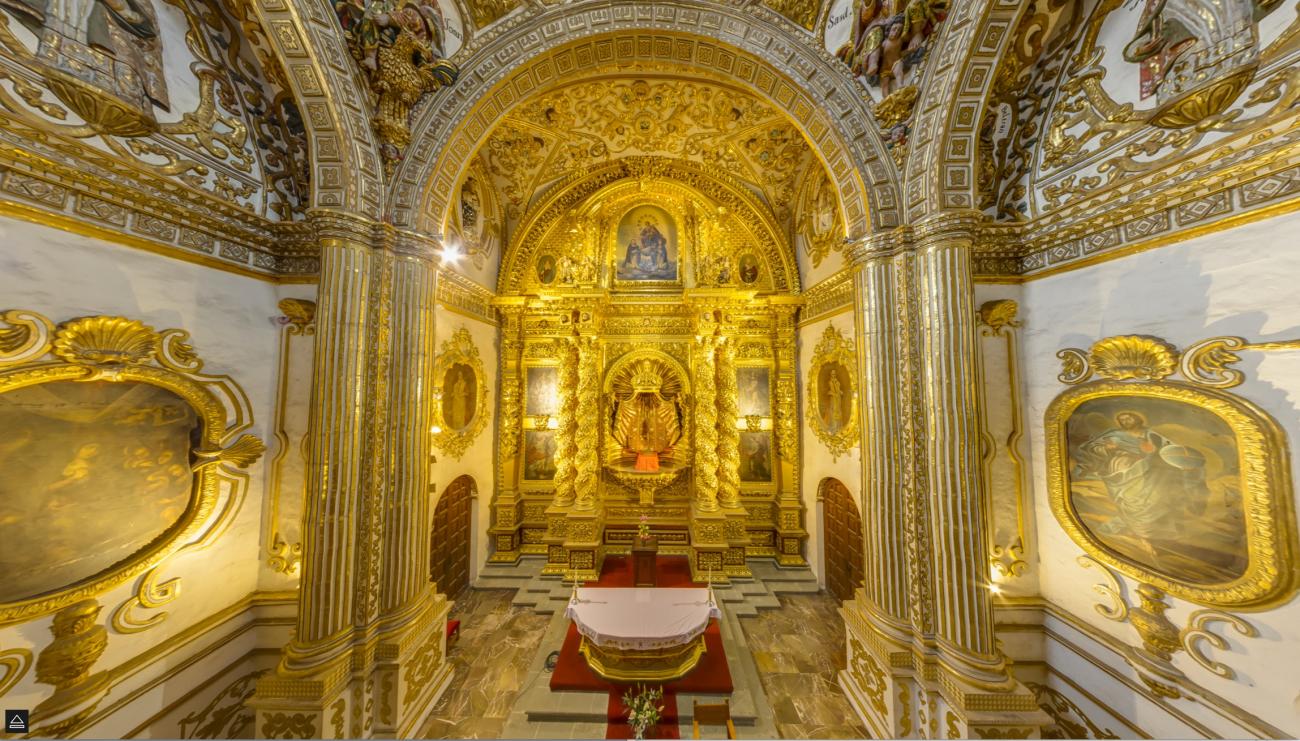
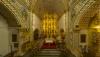
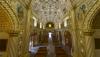
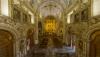
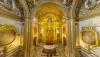
The first Dominican friars arrived in Oaxaca in 1529, naming the city Nueva Antequera due to its resemblance to Antequera in Andalusia, Spain. Friars Gonzalo Lucero and Bernardino de Minaya were among the first to arrive. Their initial monastery, San Pablo, was abandoned after a series of earthquakes. They then relocated to this site, where they were granted 14 lots to build the current church of Santo Domingo de Guzmán.
On September 4, 1548, the construction of the convent was authorized by royal decree issued in Salamanca in 1551. The first prior, who later became bishop of Oaxaca, was Friar Bernardo de Albuquerque. The church’s interior features baroque decoration created by New Spanish artisans and leading architects from Spain. Construction began in 1575 and concluded by the end of the century. The church was consecrated in 1611.
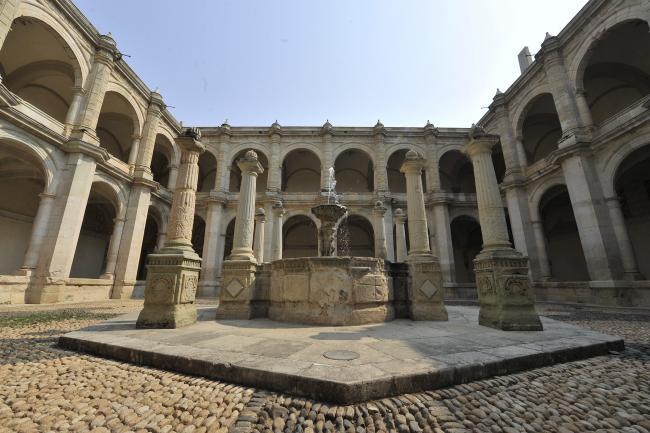
During the War of Independence and the Reform period, the cloister was used as military barracks by various factions, which caused significant damage. Independence leader Vicente Guerrero was once imprisoned in one of its cells.
From 1860 to 1901, the convent remained closed until, on November 2, 1902, Bishop Eulogio Gillow successfully reopened it for worship after the army vacated the premises. Since 1972, this magnificent cloister has housed the state’s regional museum.
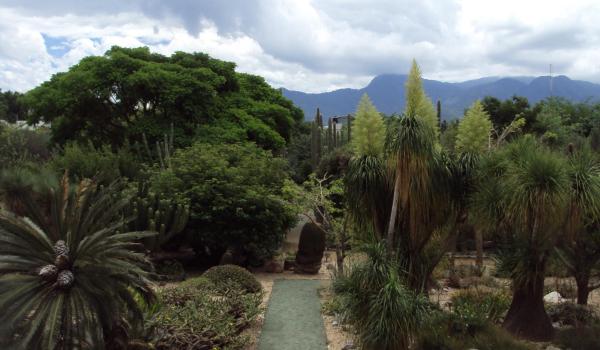
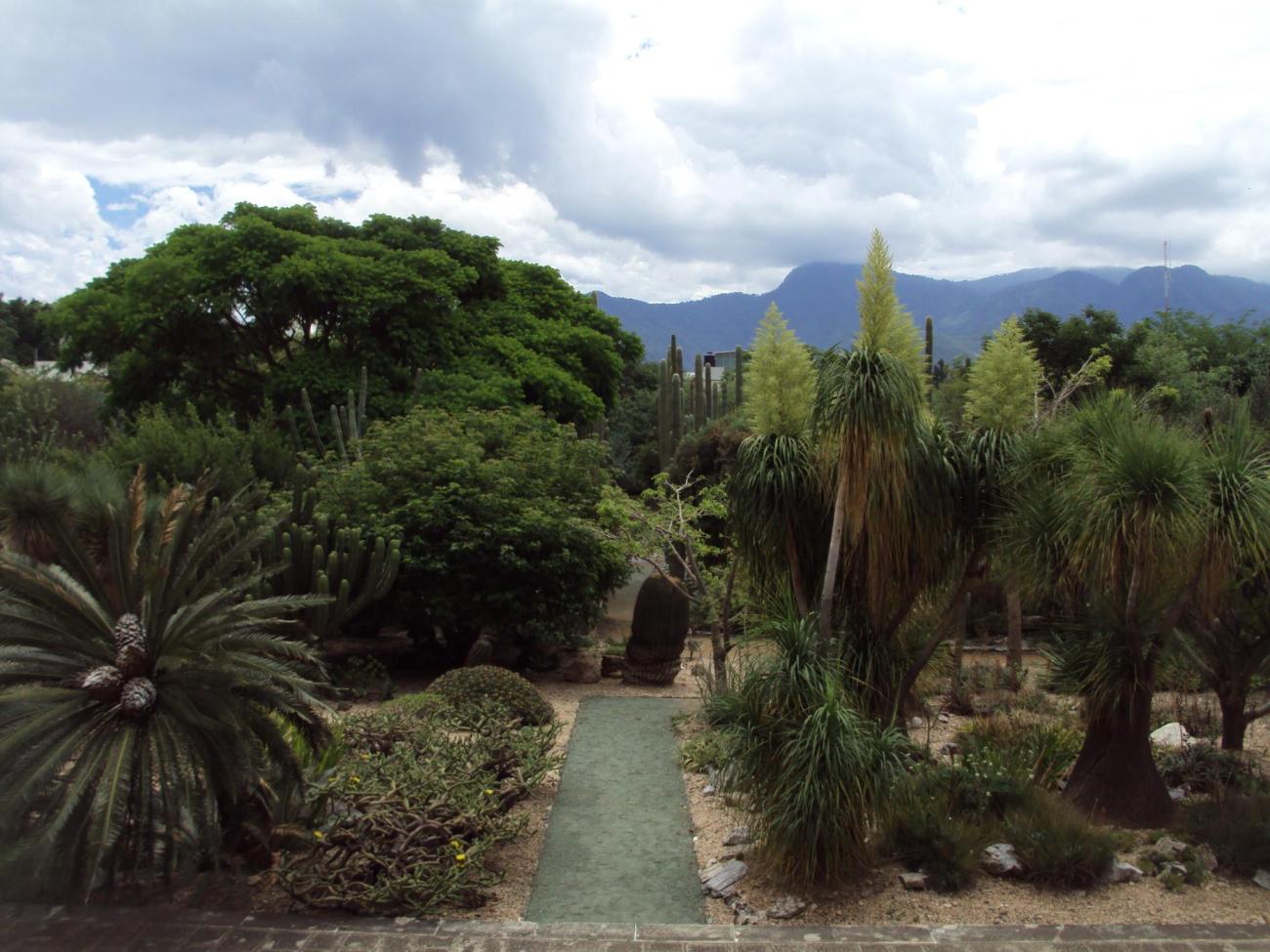
Historic Ethnobotanical Garden of Oaxaca
A space dedicated to the preservation and interpretation of Oaxaca’s diverse plant heritage and traditional knowledge.
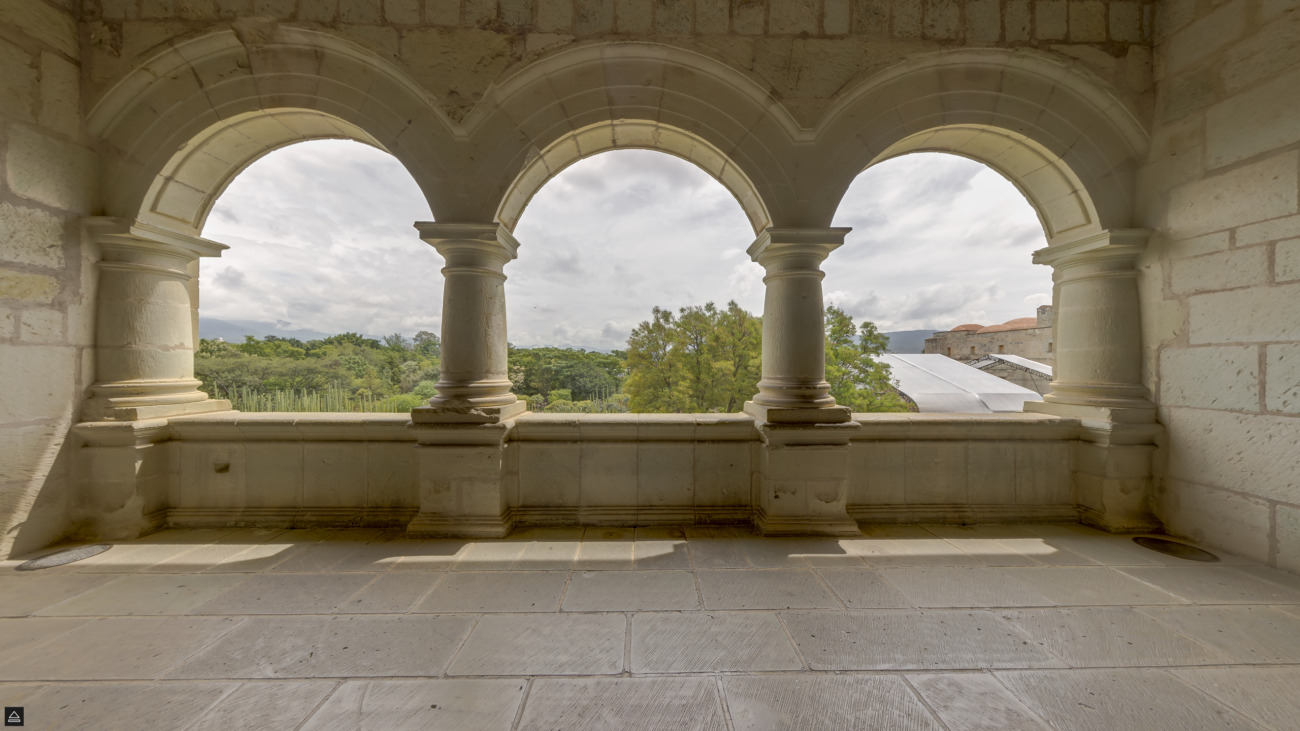
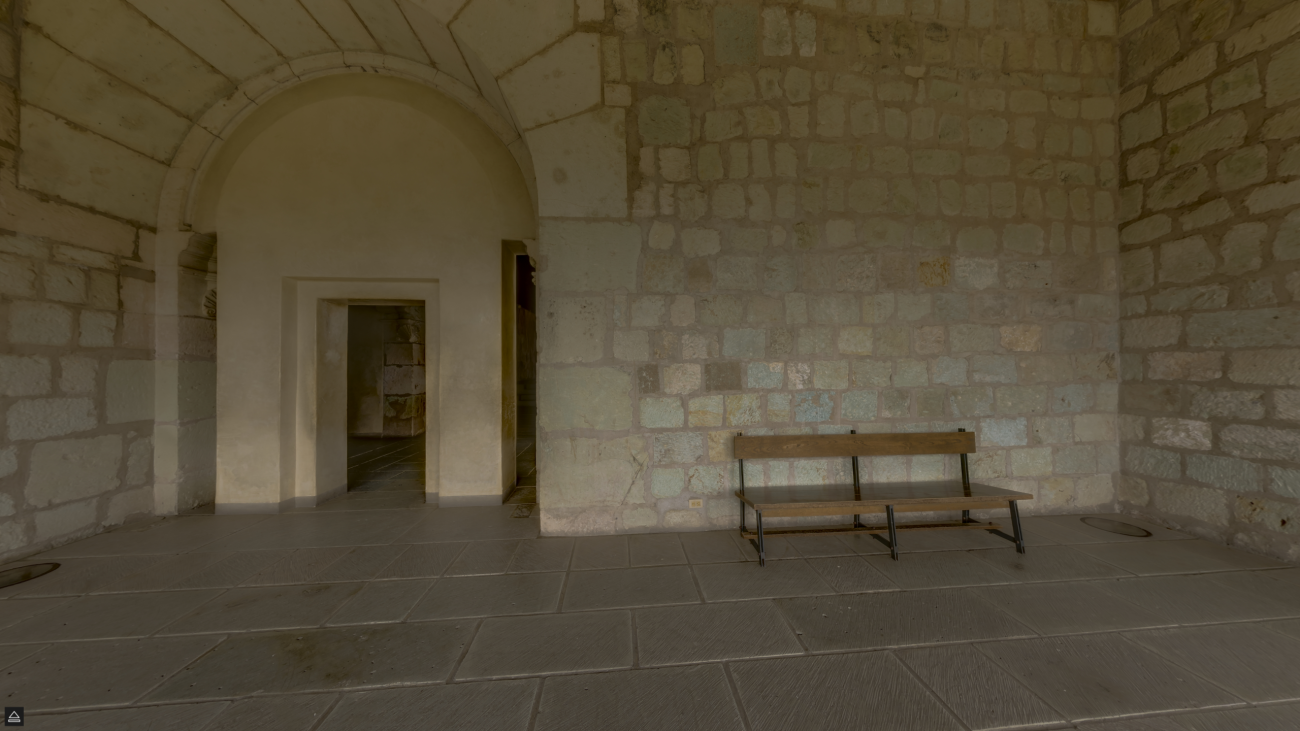
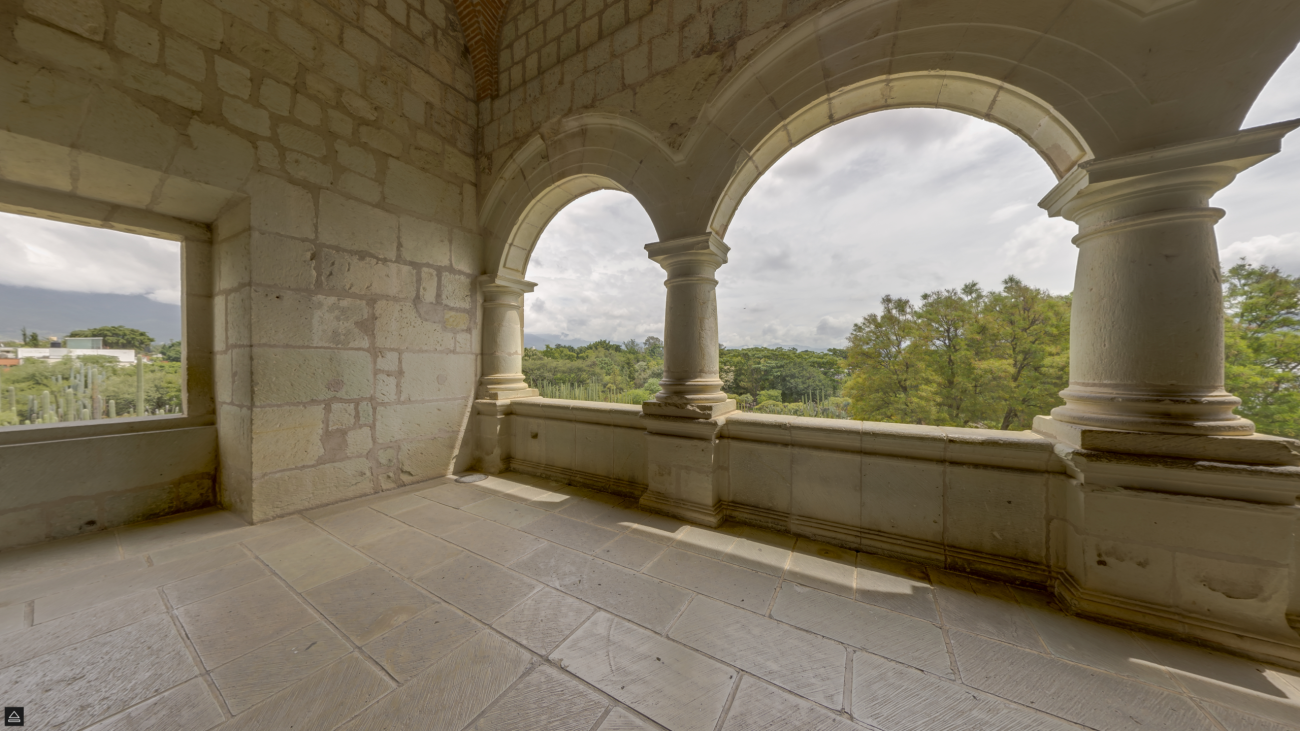
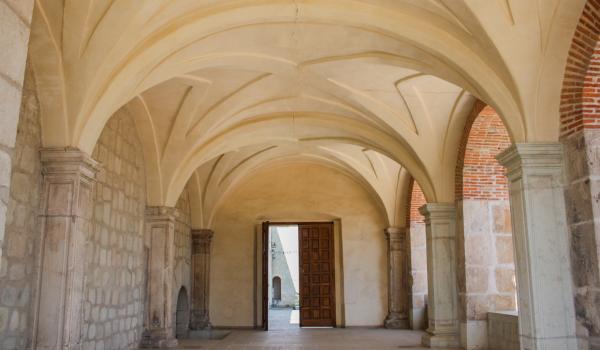
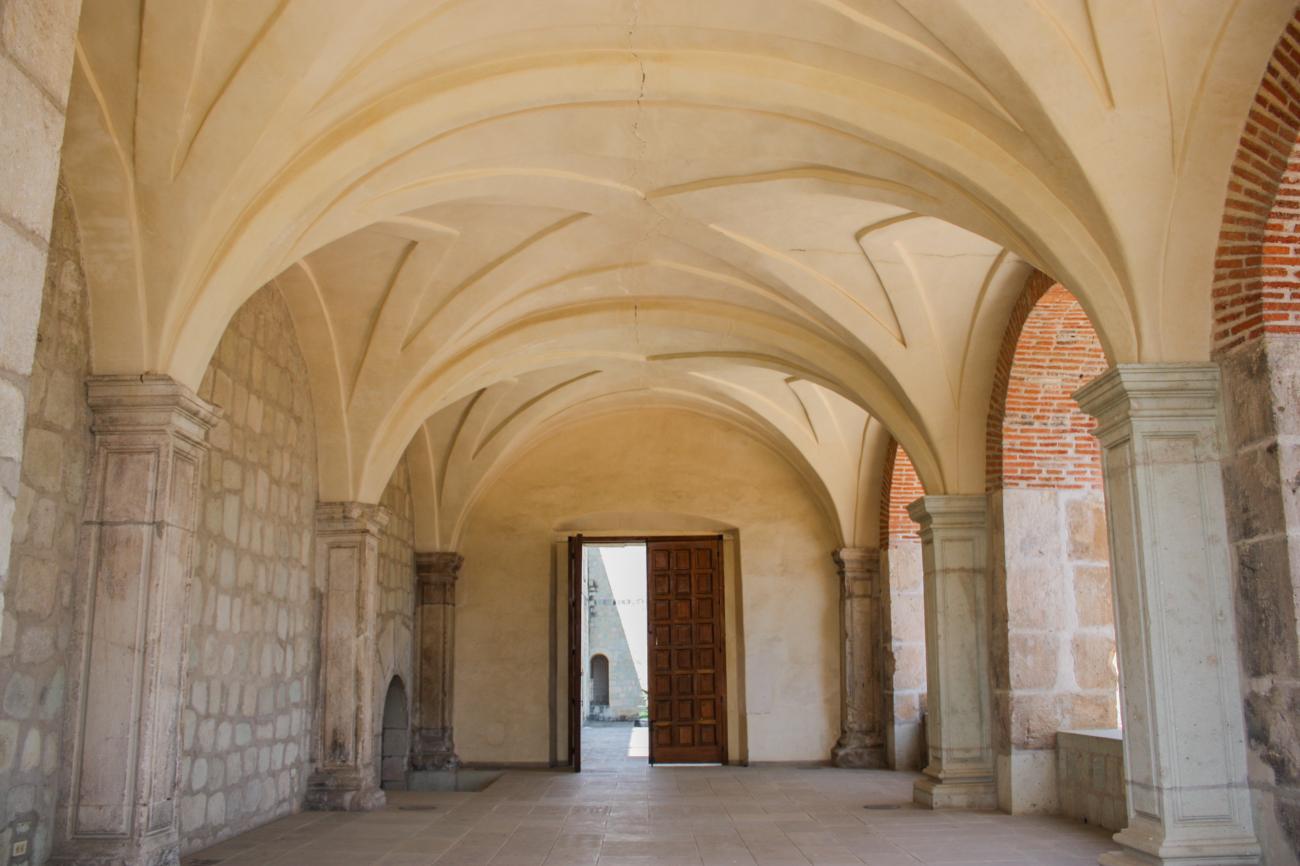
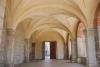

A brief overview of the treasures of the museum’s archeological collection.
Document
- DirecciónJosé Luis Noria Sánchezjoseluis_noria@inah.gob.mx+52 (951) 516 29 91, ext. 2AdministraciónEdith Mercedes Sánchez Sosaedith_sanchez@inah.gob.mx+52 (951) 516 29 91, ext. 4SeguridadRaúl Miguel García Hernándezraulmiguel_garcia@inah.gob.mx+52 (951) 516 29 91, ext. 5Comunicación Educativaasesoreseducativosmuco@inah.gob.mx+52 (951) 516 29 91, ext. 3