







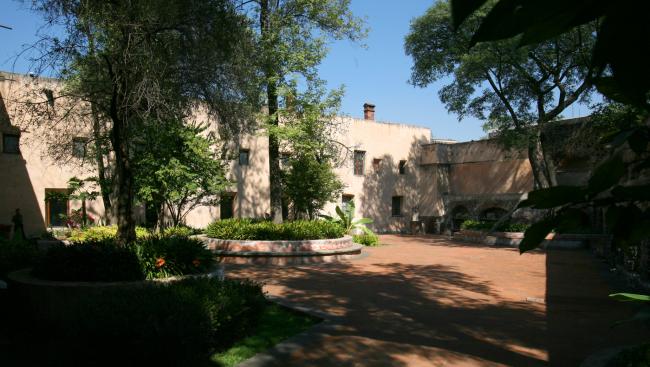


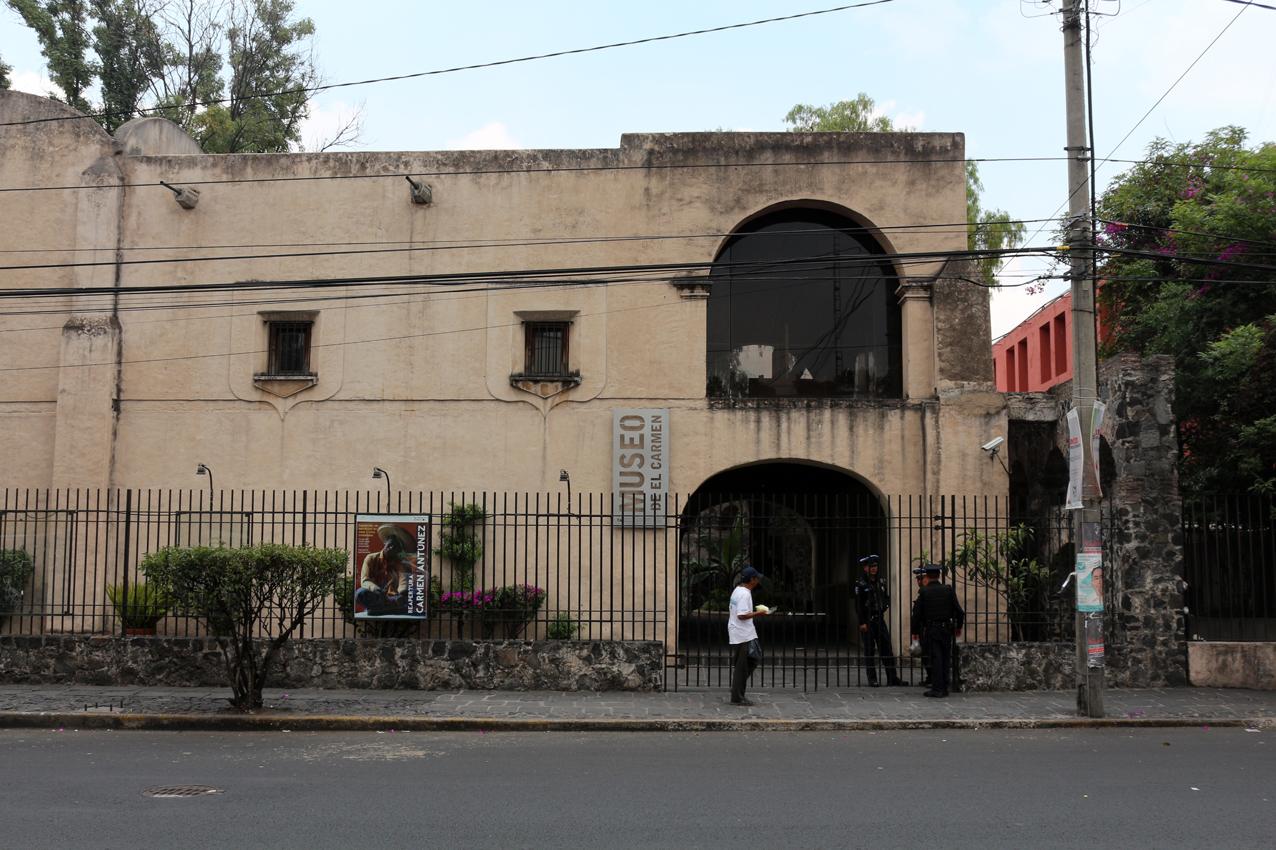
Museo de El Carmen

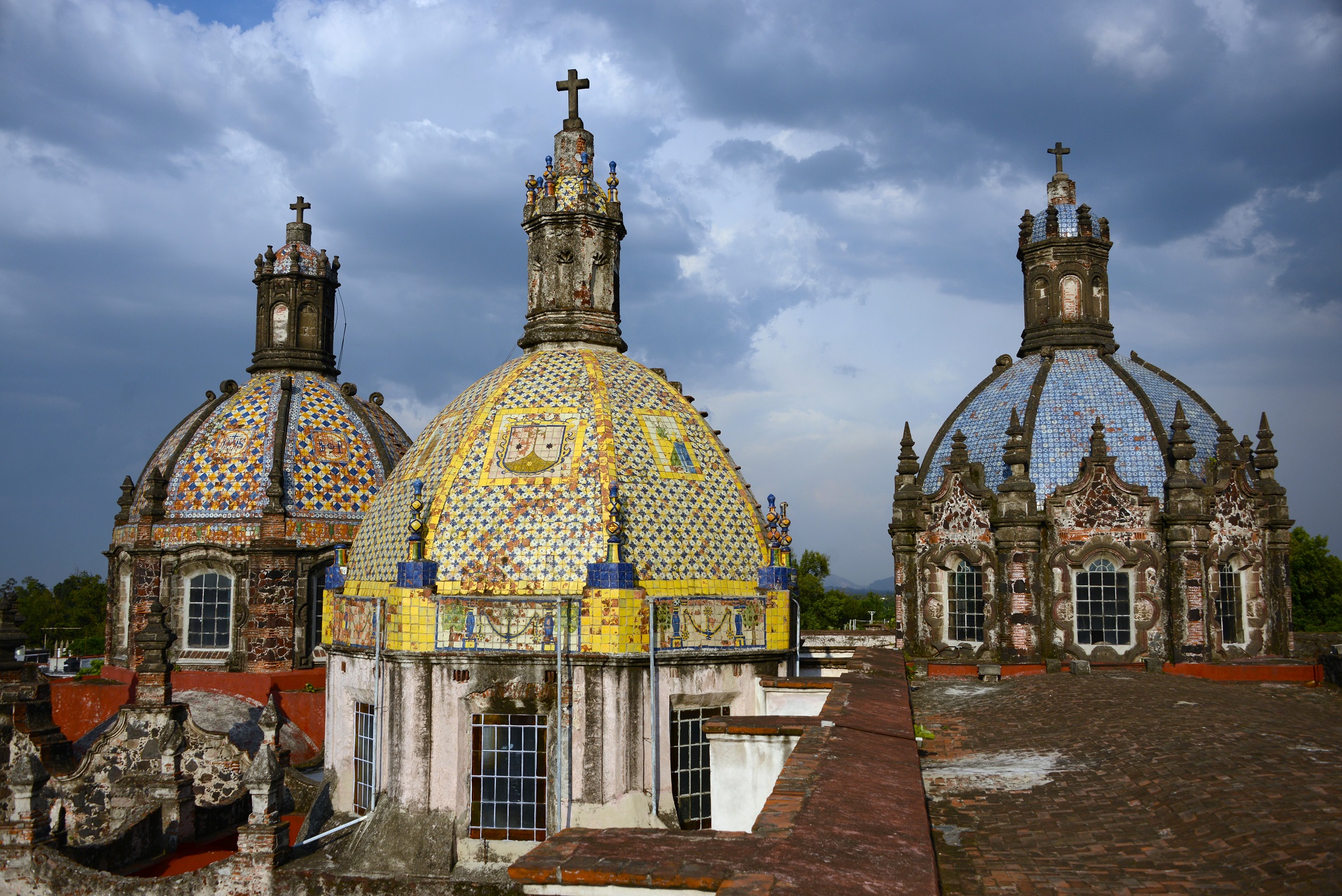
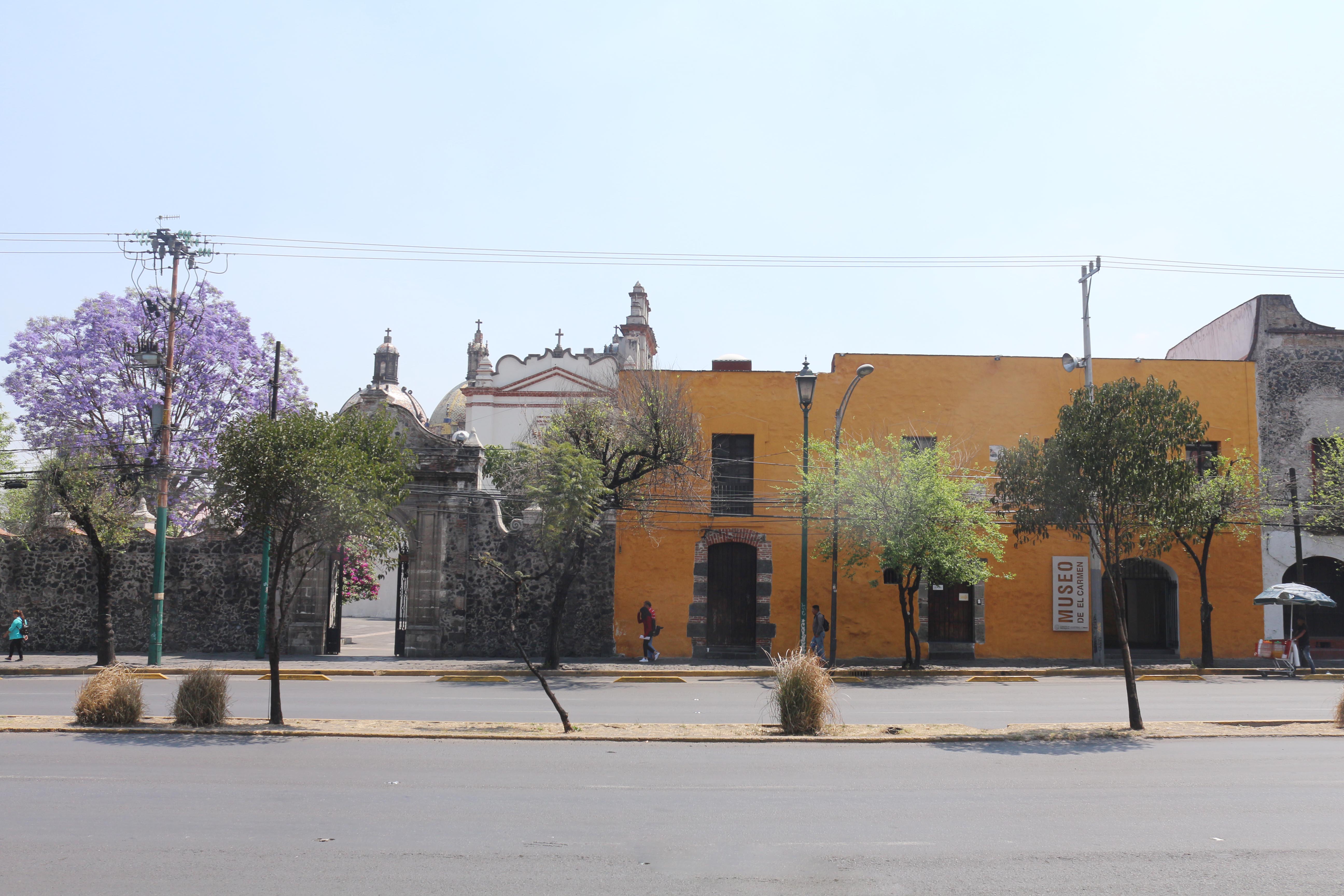
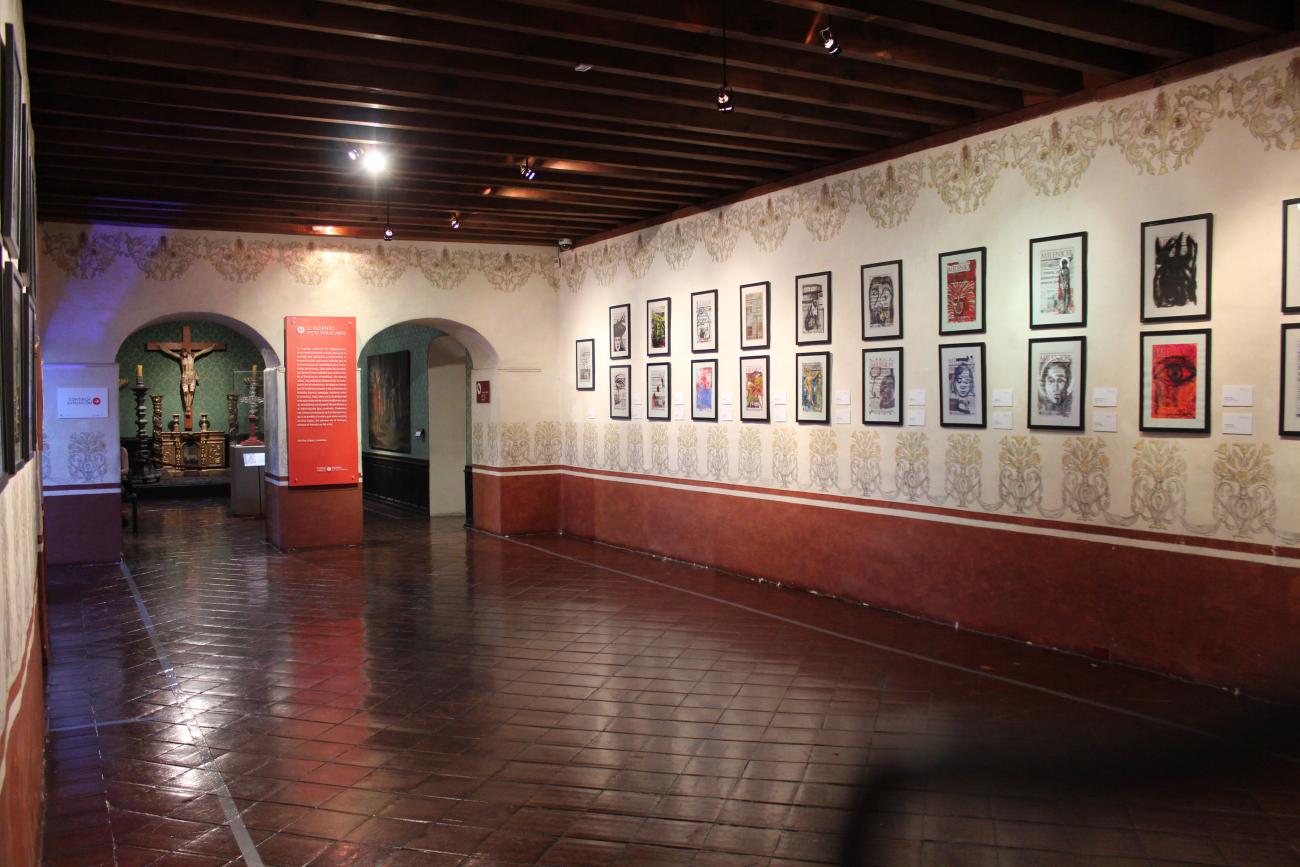
College of San Ángel and temple of the Order of Discalced Carmelites from the 17th century is the work of a notable architect of the viceroyalty. It has a collection of New Spanish painting and sculpture, 12 mummified bodies, as well as a collection of wax dances, the work of the cultural manager and sculptor of the 20th century, Carmen Carrillo Martínez.
El Carmen Museum -built in the 17th century by the Order of Discalced Carmelites- is an exceptional site, of viceroyalty art, physical anthropology, 20th century wax sculpture and biocultural heritage. The old College of Saint Angel has a very strong historical, social and emotional value in the surrounding communities. First for having given the area its name and then for being the center of social life. Both the building and the New Spain collection are relevant to urban history, art history and aesthetic appreciation due to its outstanding Renaissance architecture, its Baroque interiors, as well as exceptional New Spain artists and works in painting and sculpture. The ethnographic collection of ceriesculture of the cultural manager Carmen Carrillo Martínez of Mexican dances also stands out.
The College and its very productive garden were the center of the neighboring community of the San Ángel neighborhood, the Pitiquinto neighborhood and the town of Tizapán, at least, whose populations attended religious services, creating a sense of community that the museum would inherit, and that today transcends the religious.
The Carmelite college and the museum remained the center of the cultural life of the community with their own and very relevant expressions such as the Offerings of the Dead season, Holy Week and the Sorrowful Virgin Shrines, the tradition of the Mexicans Nativity Scenes and the San Ángel Flower Fair, a festivity declared Intangible Heritage of Mexico City.
The construction was built between 1615 and 1617, under the direction of Fray Andrés de San Miguel. As it is a 17th century building, it has a well-known importance in the social, cultural and economic evolution of the area. After the establishment of the Reform Laws, it ceased to function as a convent; it split up and lost a large part of its land that extended to the Chimalistac area. Over time, it was a jail, warehouse and military barracks.
Since the secularization in 1861, the museum became part to the Municipality of San Ángel and, at least until 1921, it was a “community museum”. In 1921, the museum was incorporated into the Ministry of Public Education, and in 1926, the San Ángel Open Air Painting School (EPAL) was inaugurated within its perimeter, which functioned until 1929. The year, in which it acquired the status of a Historical Museum, and in 1939, it joined the INAH as the El Carmen Museum, consolidating its character as the nodal center of the community's identity and its cultural roots.
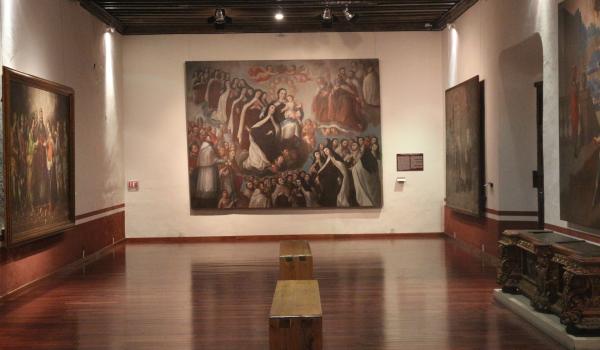
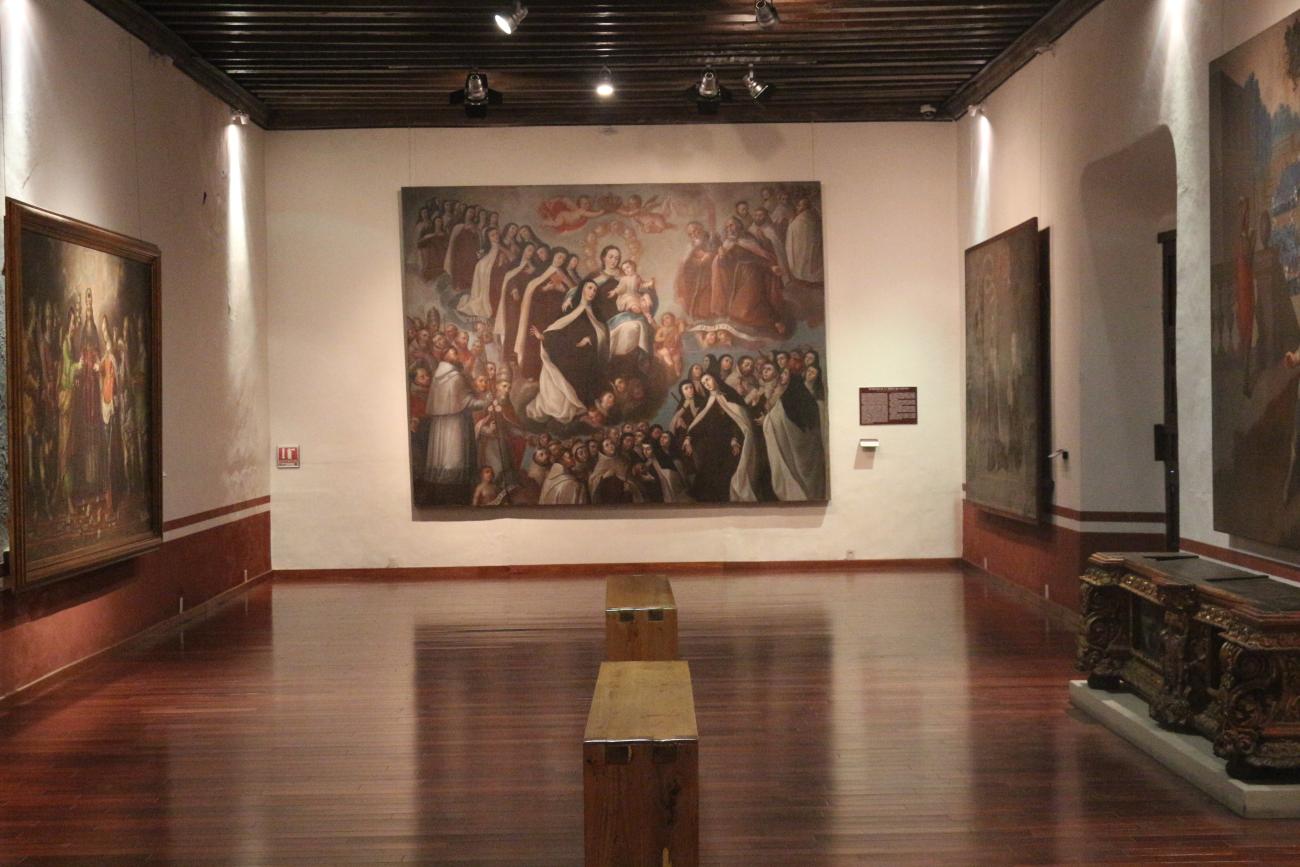
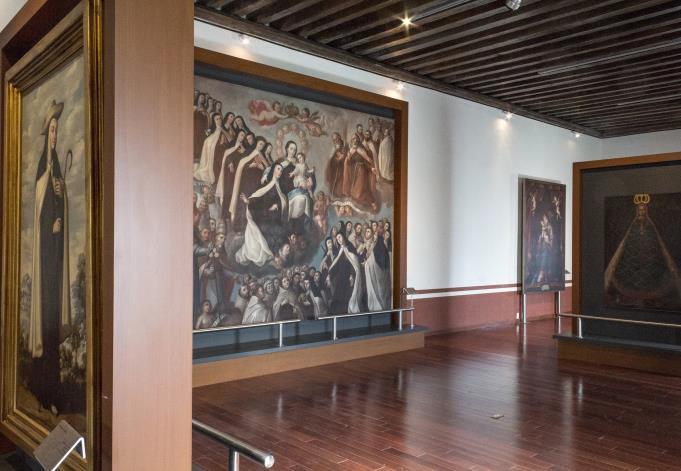
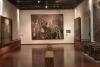
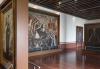
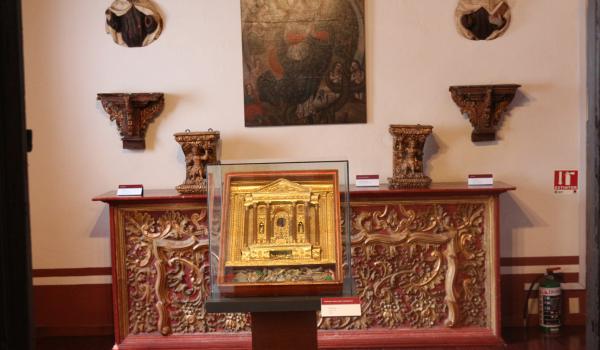
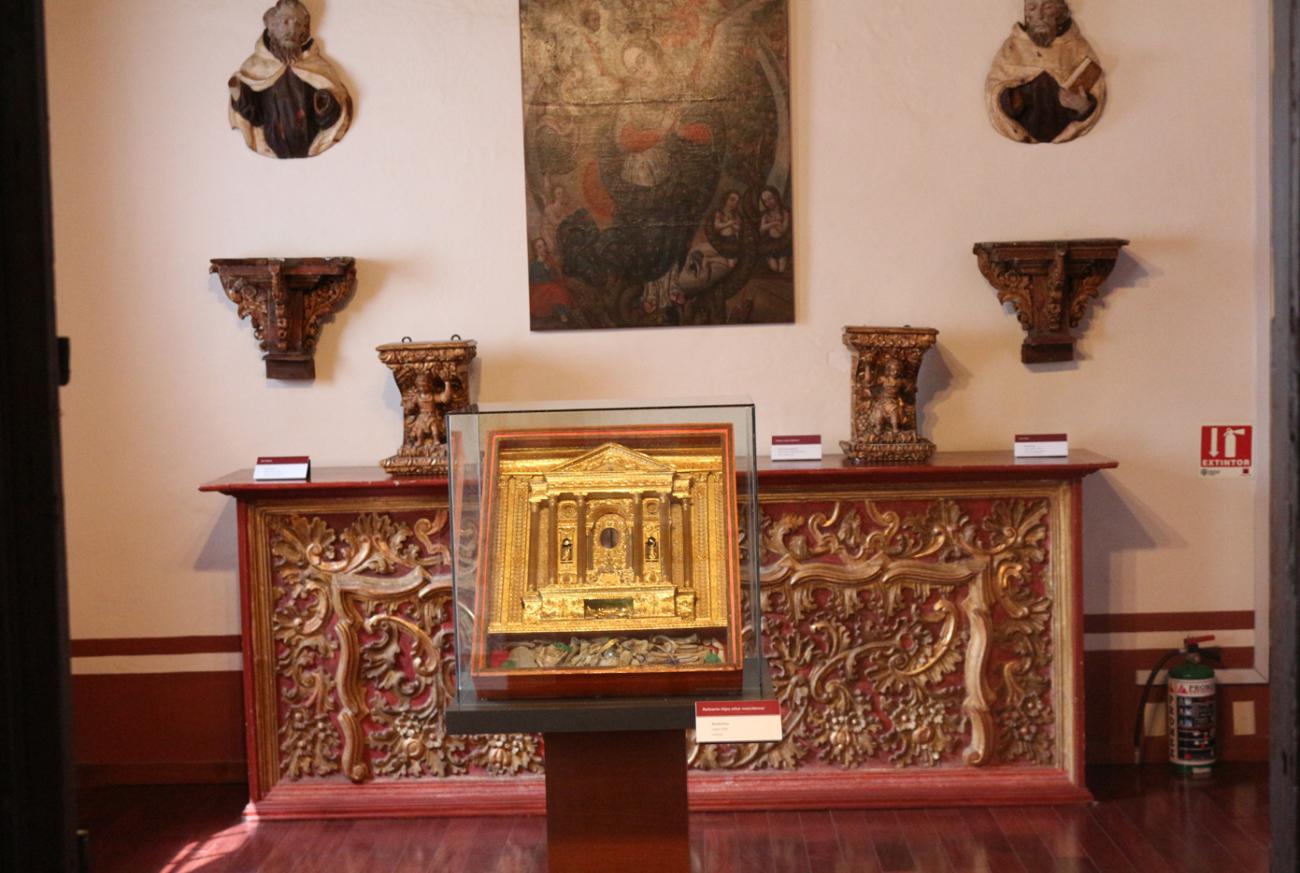
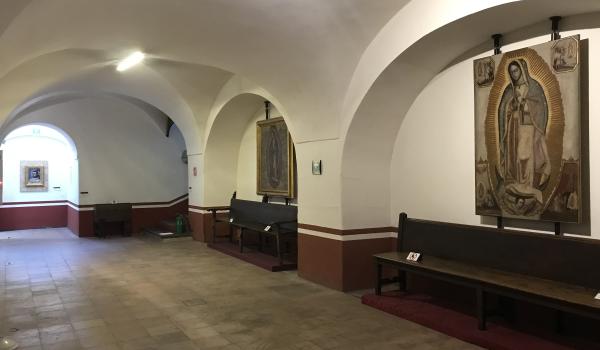
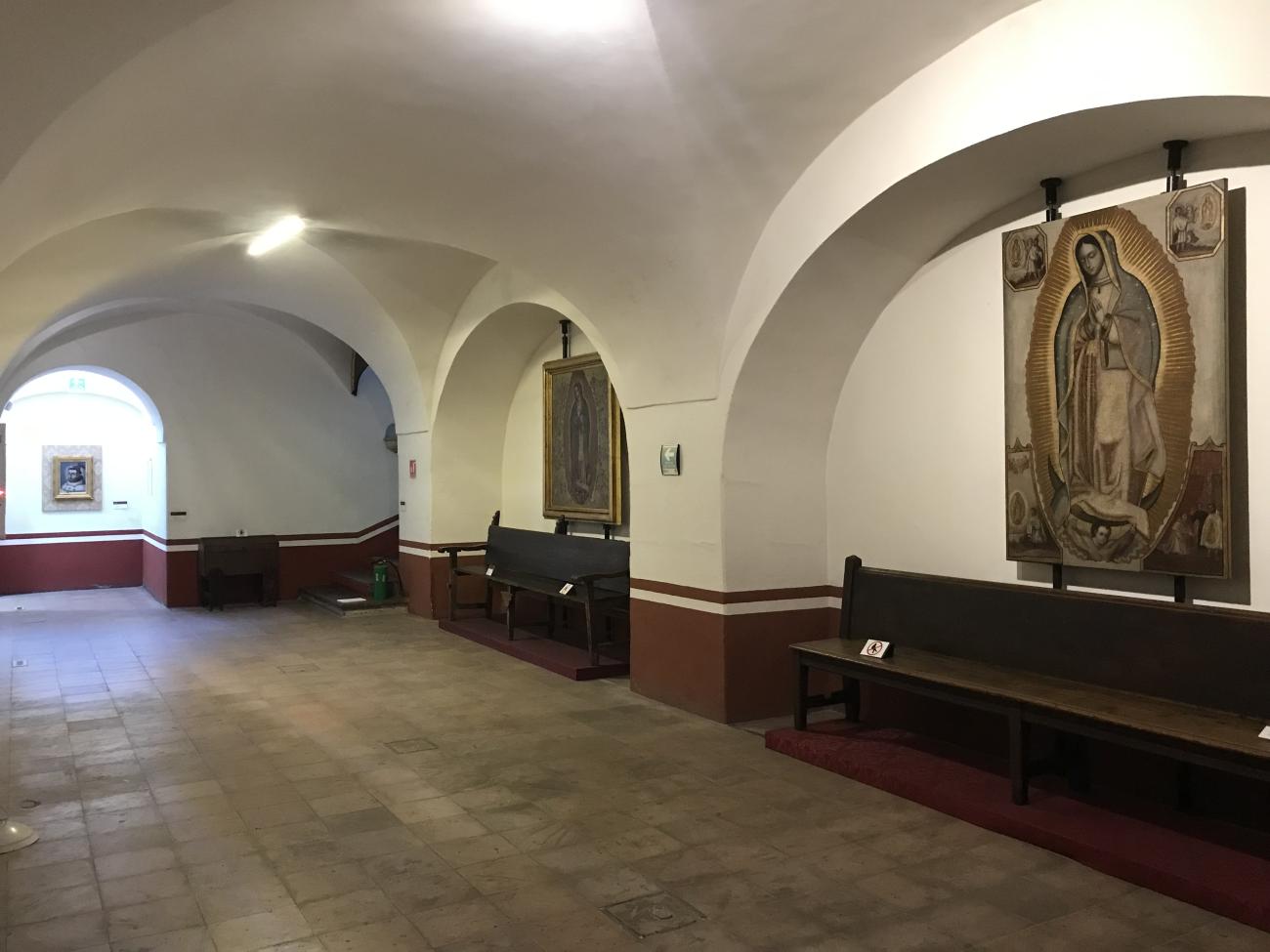
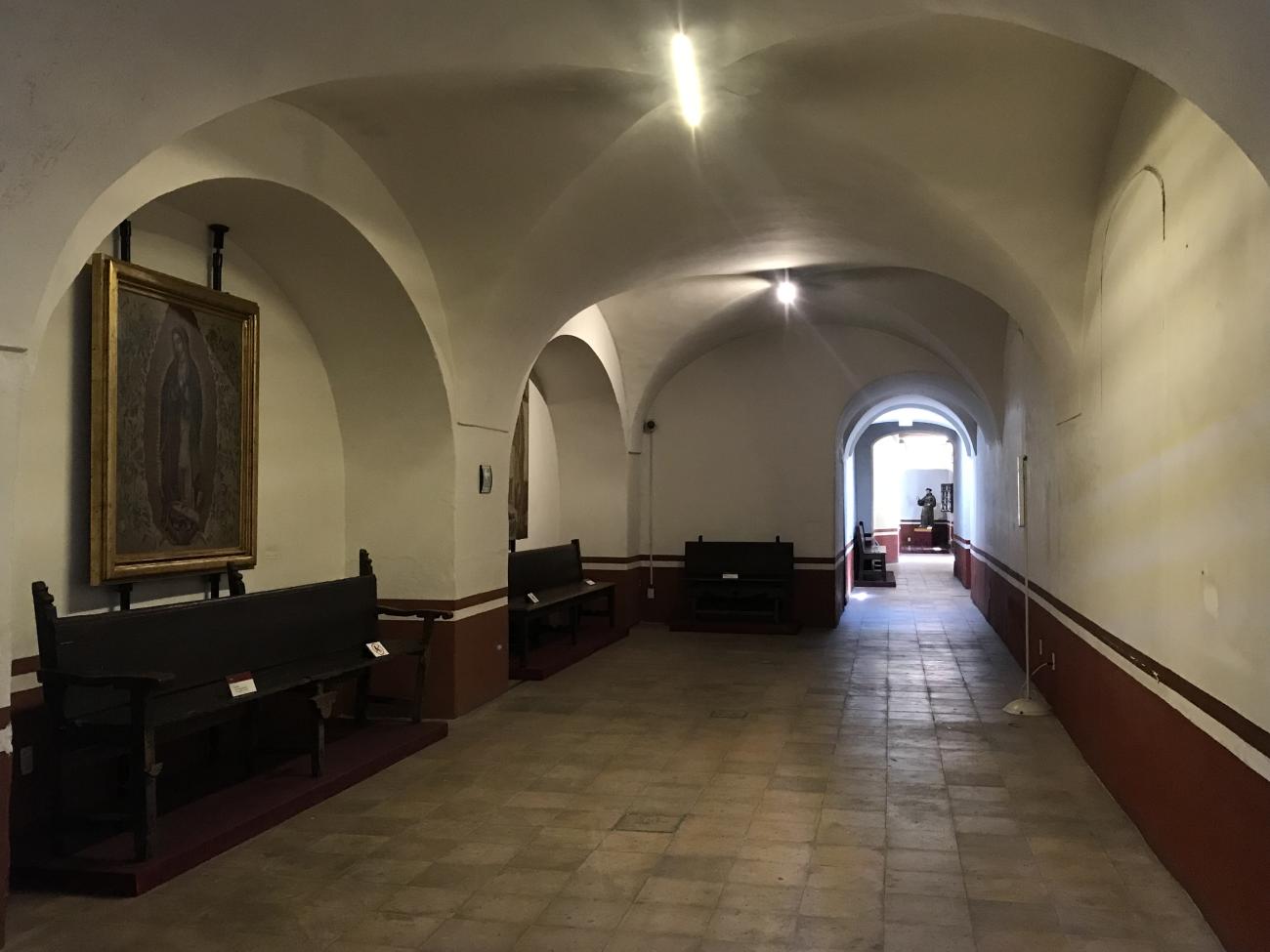
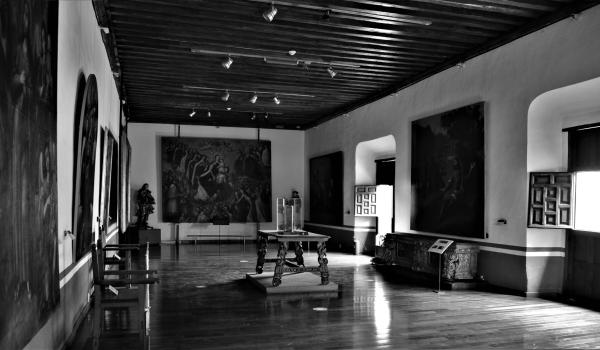
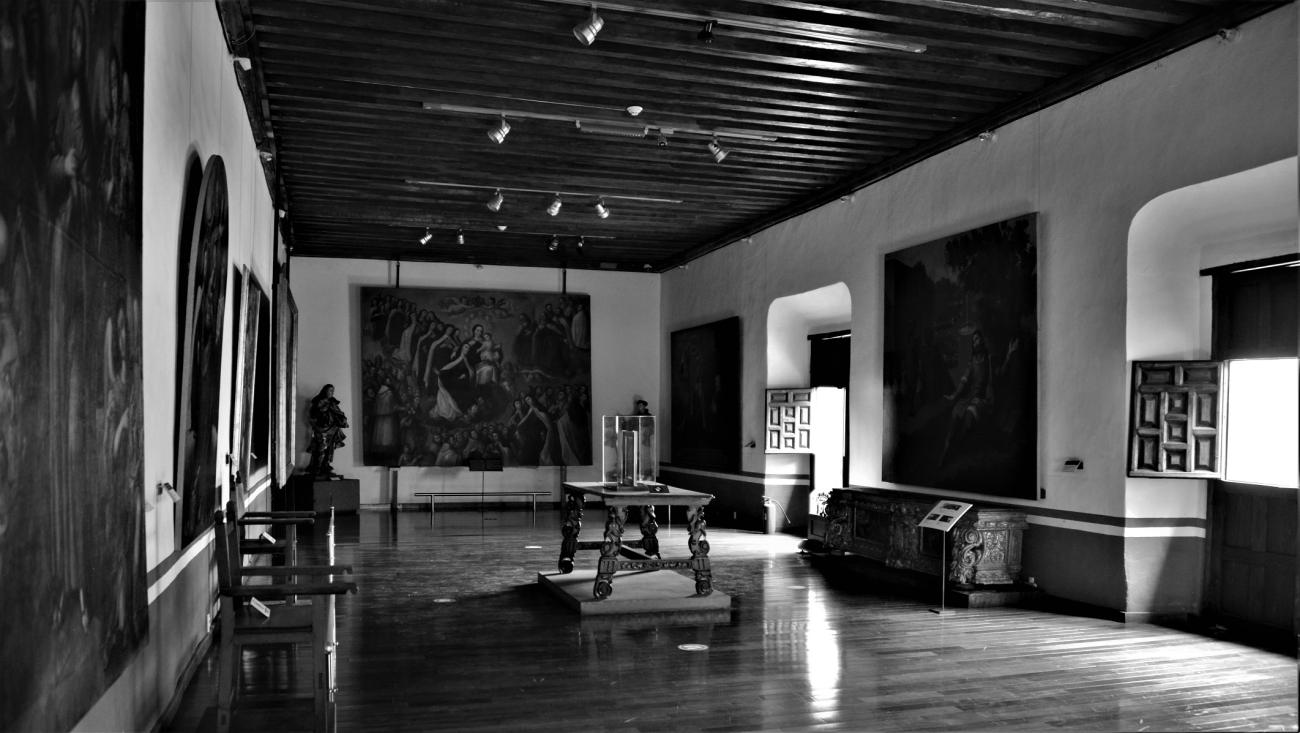
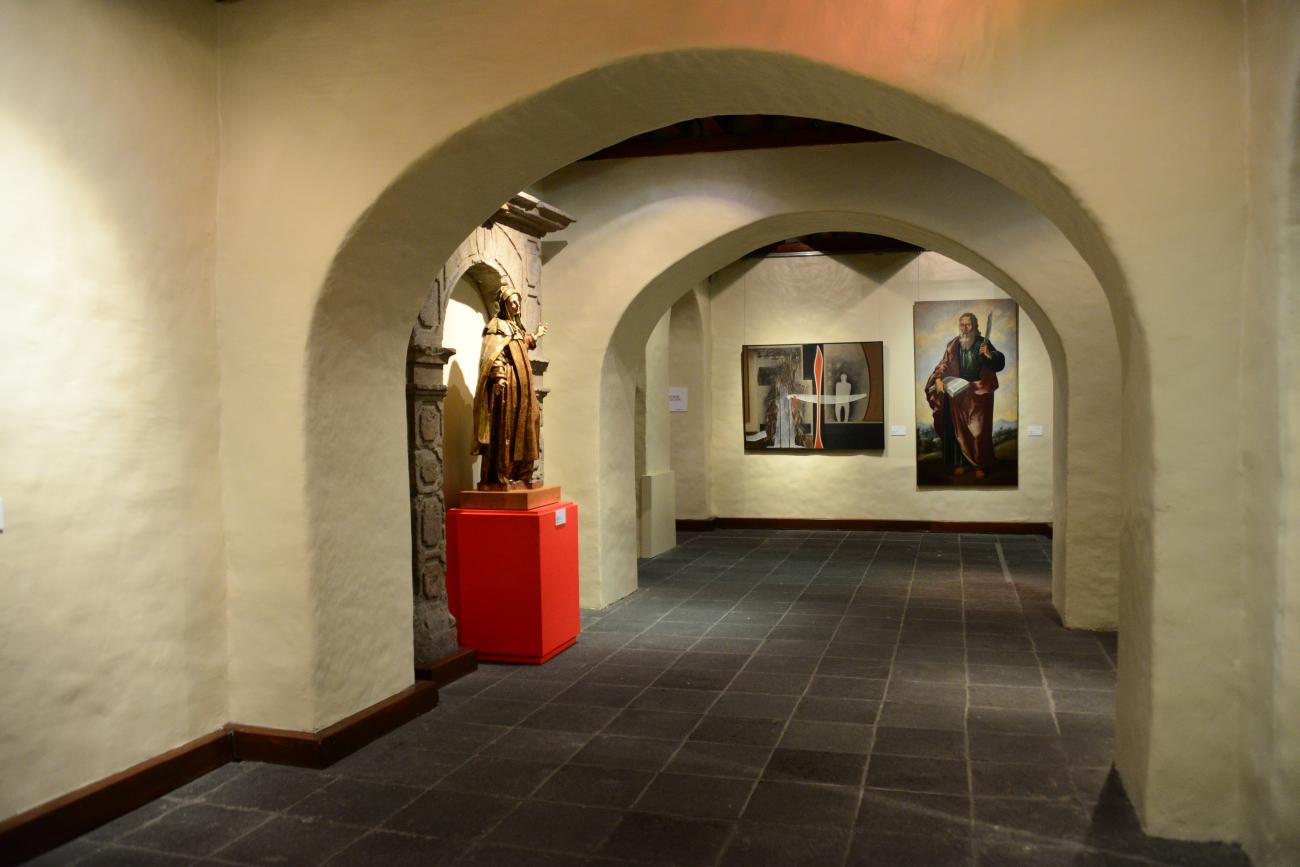
The museum exhibits around 300 pieces -of the 700 that make up its collection- among which New Spain paintings by great New Spain artists such as Cristóbal de Villalpando, Miguel Cabrera, Juan Becerra and Juan Correa stand out, as well as unidentified painters. The original paintings, sculptures and furniture of the school, which give an account of the history and daily life of the Carmelites —such as portraits, altarpieces, patronages, reliquaries, handicrafts, documents, choir books, engravings and remains of mural painting— notable pieces of diverse origin have been added (Dominican, Augustinian, Franciscan, etc.). Others from museums such as the Chapultepec Castle, the National Museum of Interventions and the Museum of Religious Art of Santa Mónica, and finally, pieces that were part of donations and confiscations that have enriched the collection.
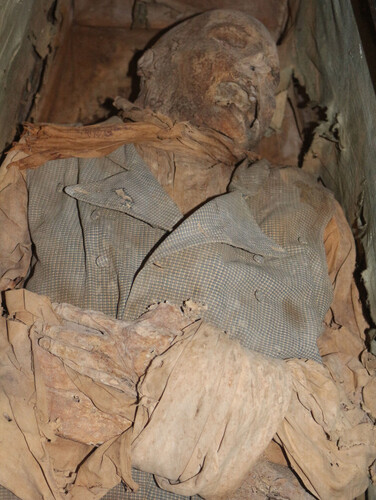
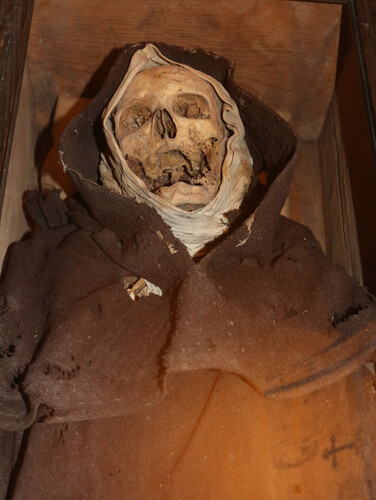
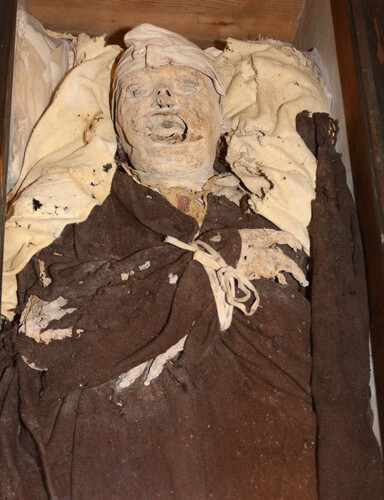
Another collection of relevant importance both for our community and for INAH is that of 12 mummified bodies, which is part of one of the substantive areas of the Institute: physical anthropology. Since 1916, when the prized "mummified bodies of San Ángel" were found in the building, once abandoned by the Zapatista armies during the Mexican Revolution, they have become a must-see since they were protected by the inhabitants of the area. Today they are part of cinematographic and popular culture since their insertion into the cult cinema of wrestlers from the 1970s and Mexican horror films.
The wax sculptures of indigenous dances made in the second half of the 20th century by the cultural manager and sculptor Carmen Carrillo Martínez moved from the Museum of Ethnography to the Museum of El Carmen in the eighties.
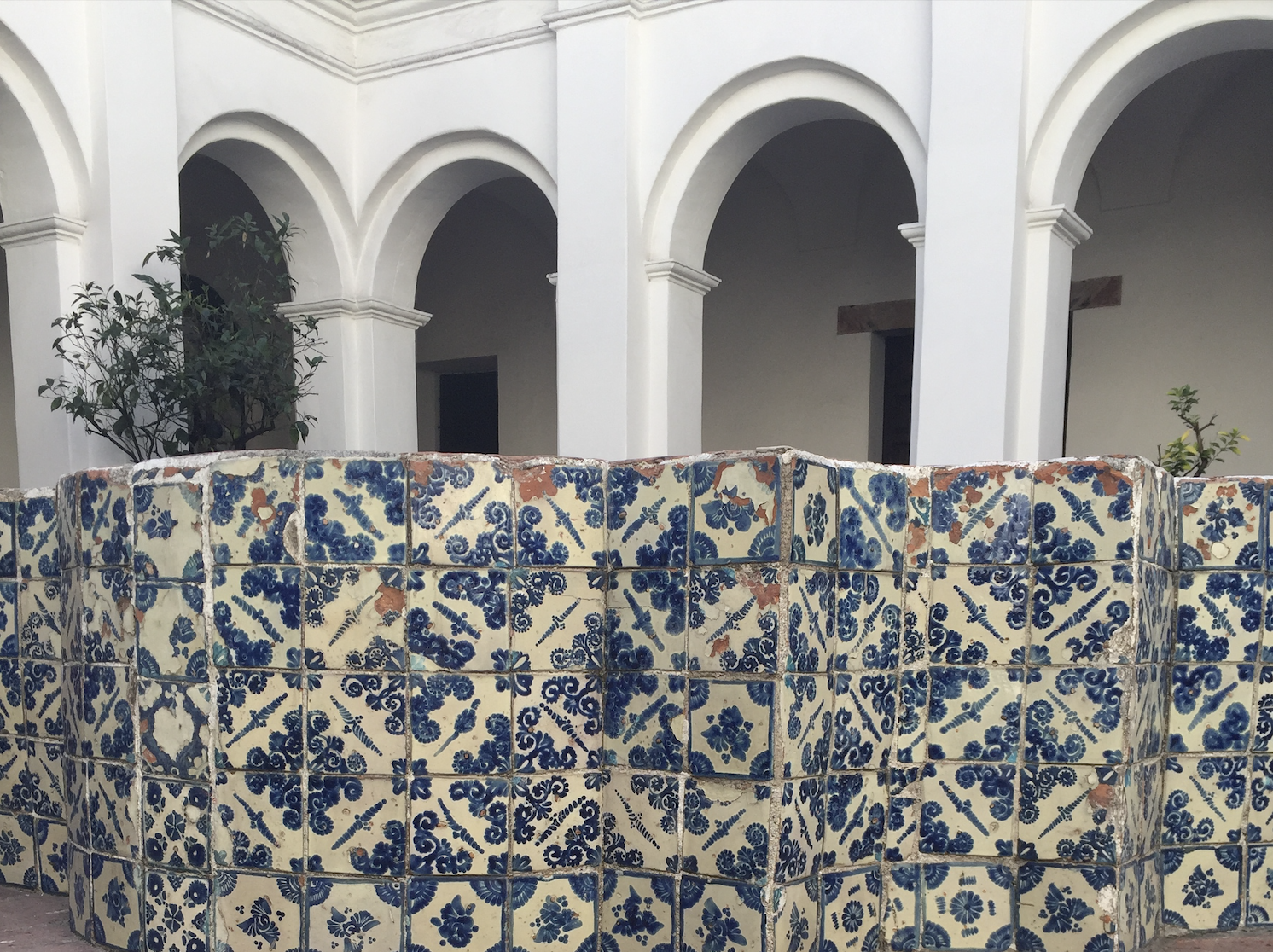
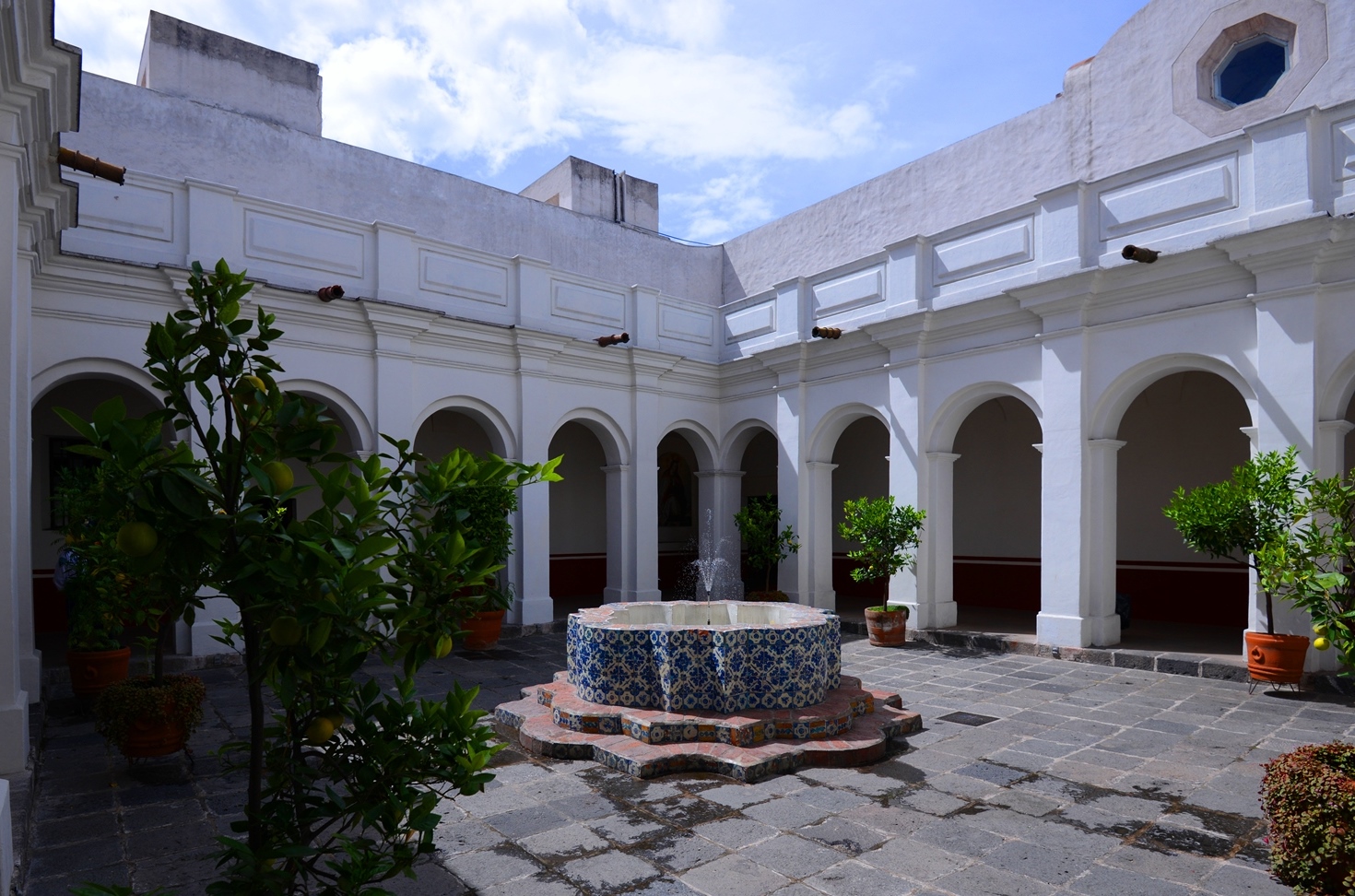
The Carmelite architecture of the San Ángel convent and college was initially austere, reflecting the rigorous demands proclaimed by the order at its inception. Other styles that were integrated over time was the Baroque that decorated the Lavabo, covered with blue and white tin pottery from Puebla, and in other places, it comes from Spain, in the case of the Sacristy, the Crypt and the Domestic Chapel.
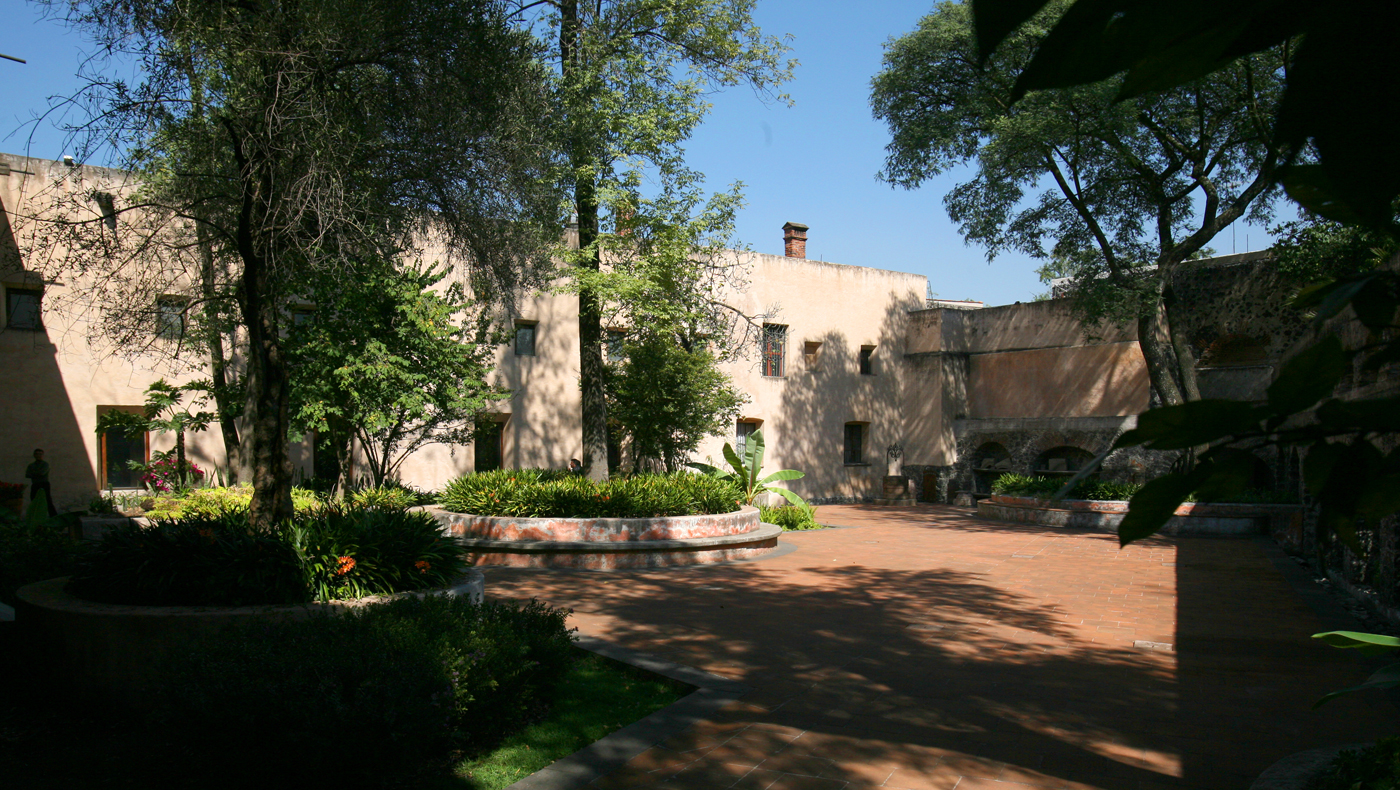
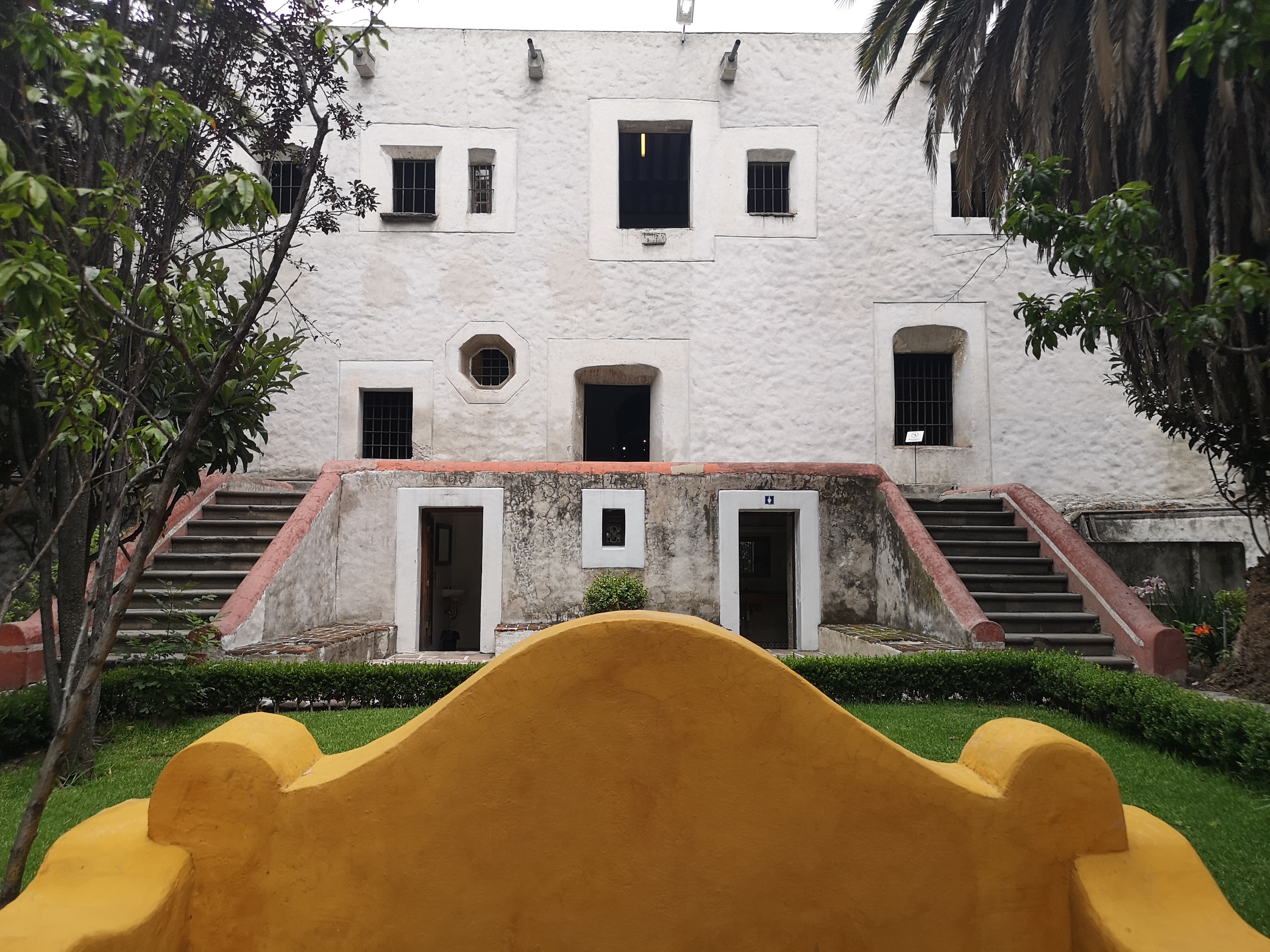
What remains of the 40 hectares of the famous orchard of the old Carmelite school are gardens abundant in fruit trees and shade trees that make us an oasis, in the middle of the urban sprawl. Our green meadows and the shade of immense trees and other floral species offer rest to our visitors. We have the center of the garden, as an exceptional guard, «the old man from the water», a young ahuehuete, national tree, who presides over the garden.
El Carmen is a living museum whose activities are available on our social networks: MuseoDeElCarmen, Facebook, Twitter and Instagram.
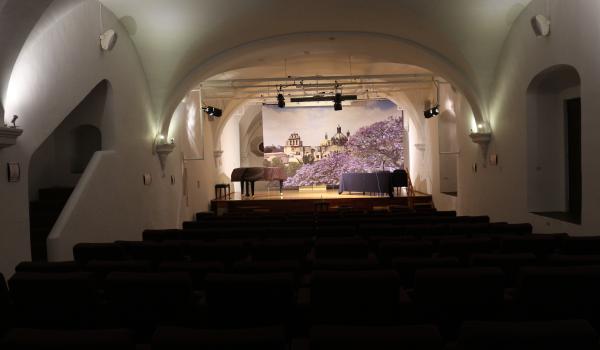
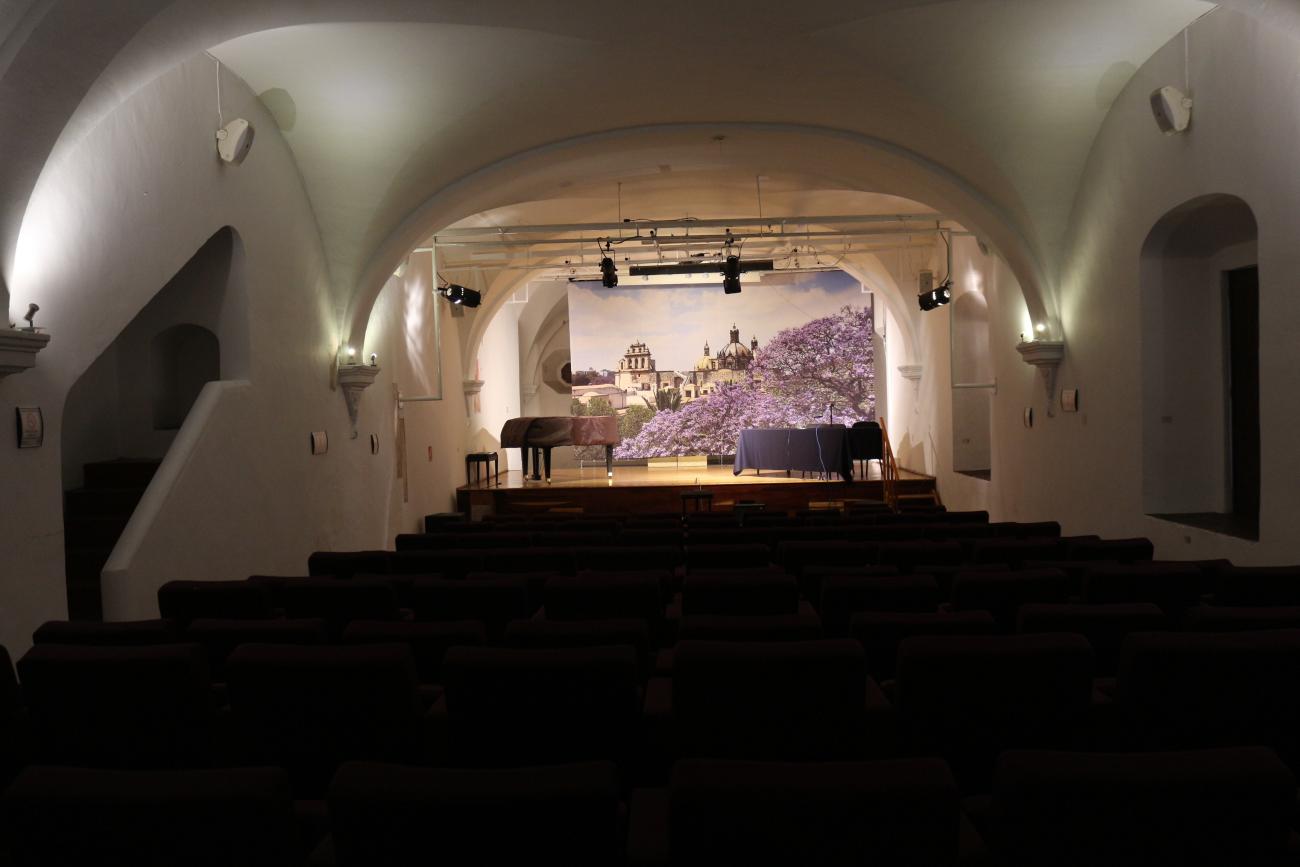
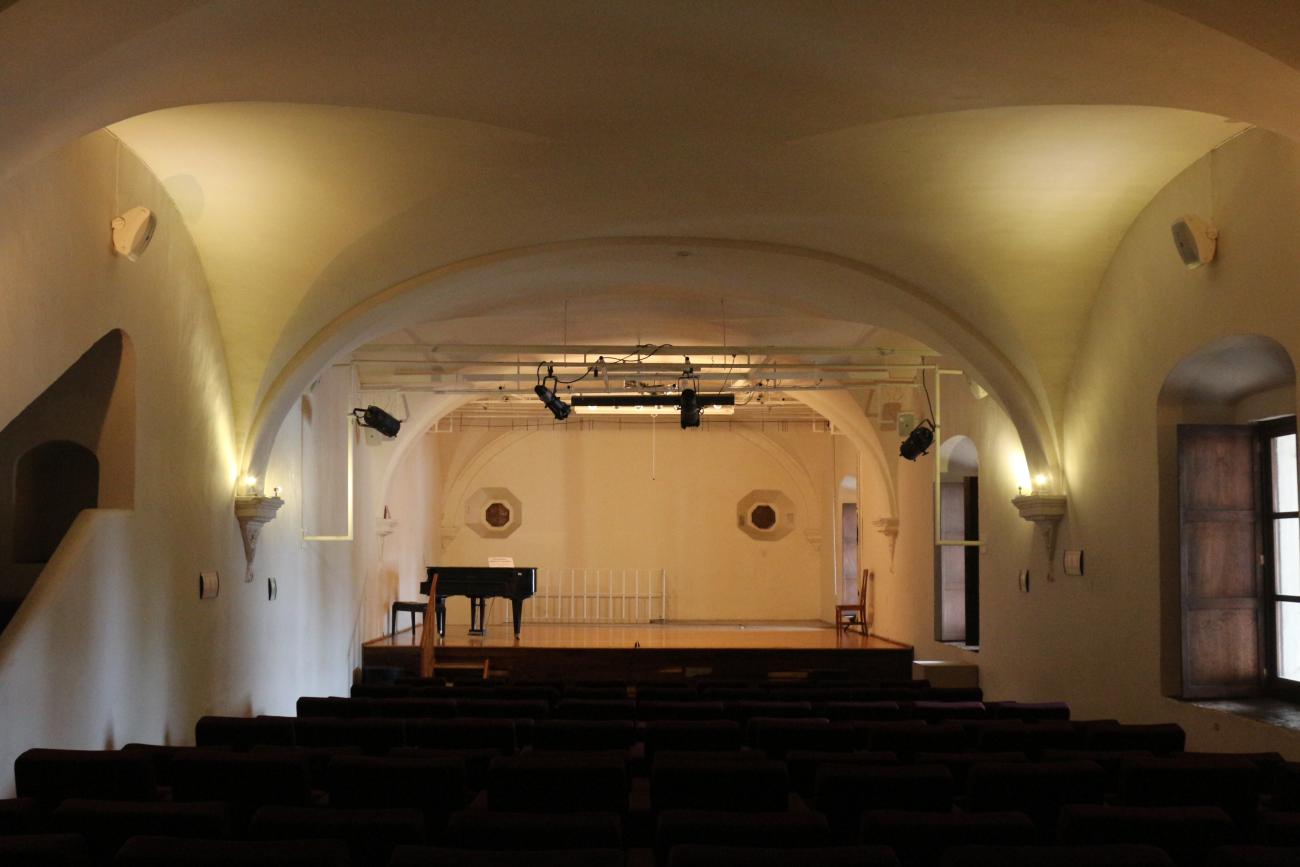
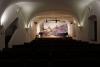
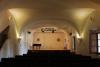
Fray Andrés de San Miguel Auditorium
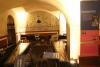
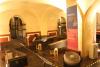
In ancient times, this space served as the chapter room of the order. It is now used as a venue for courses, recitals, plays, conferences, concerts, and countless other performances.
Crypts
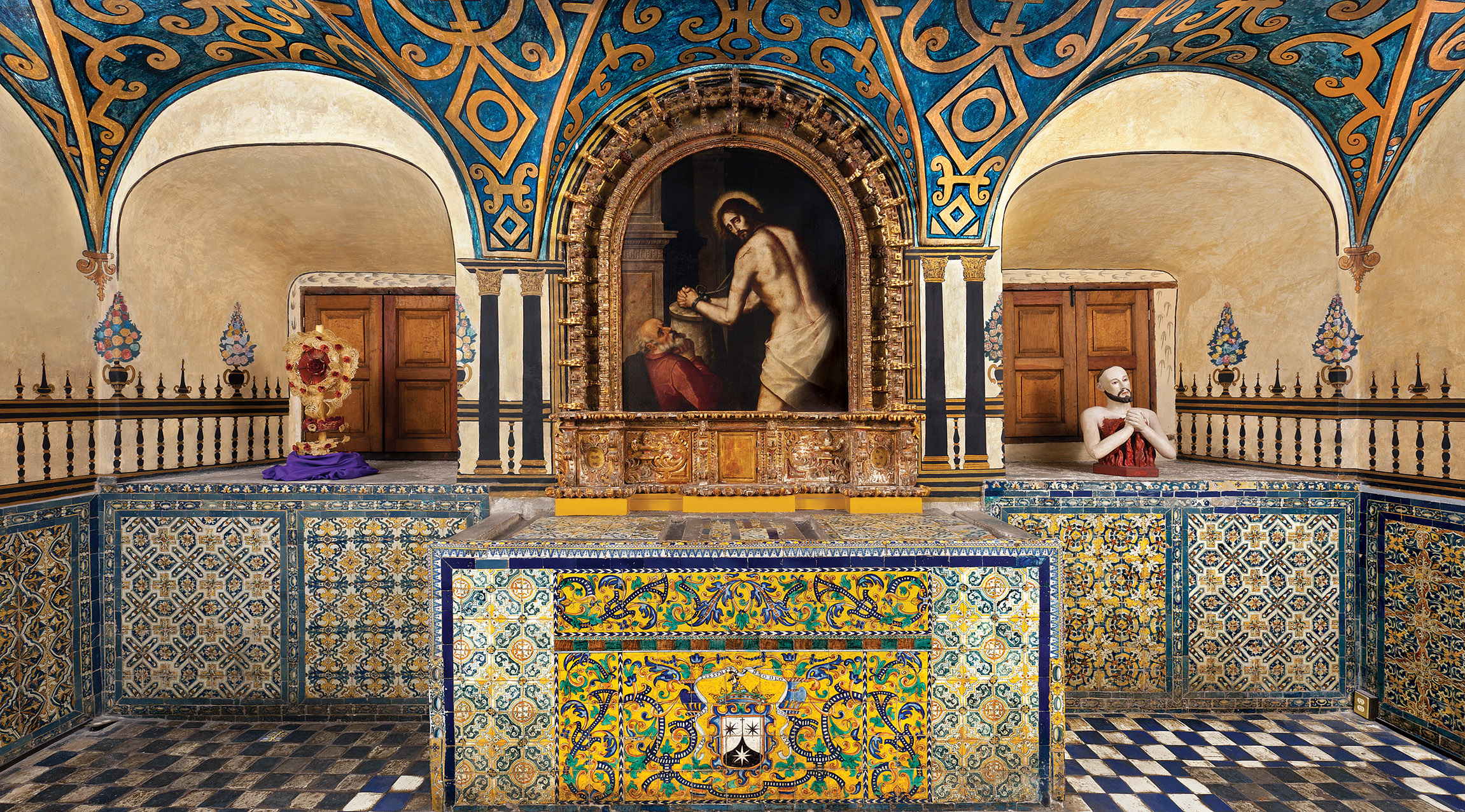
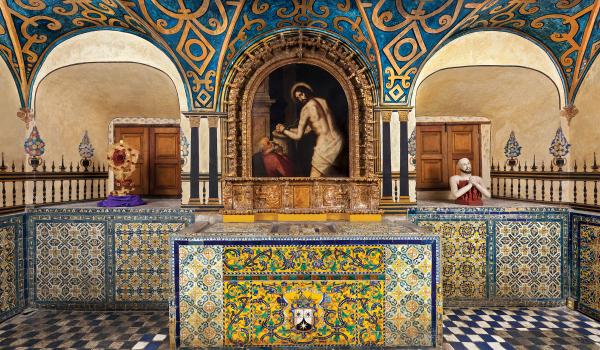
Located just beneath the presbytery of the church, this space is of immense aesthetic and architectural value and is one of the best-preserved areas among the ancient convents of New Spain.
Crypts
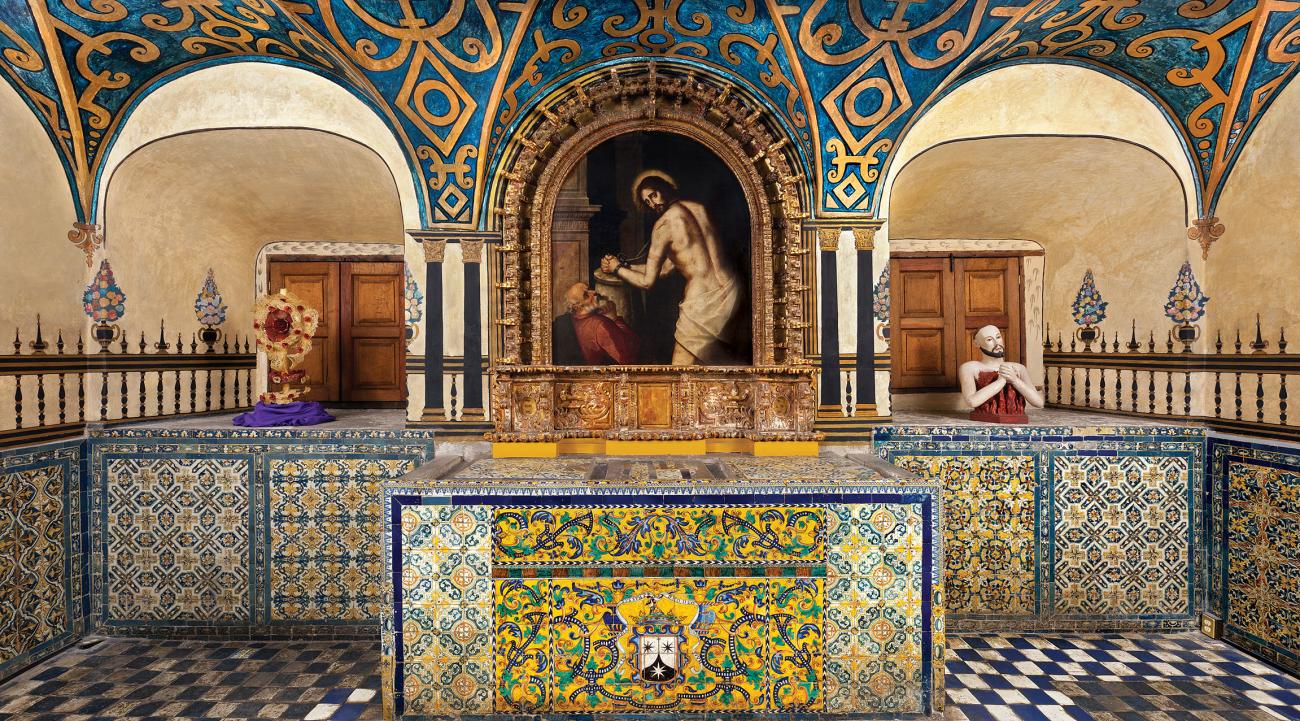
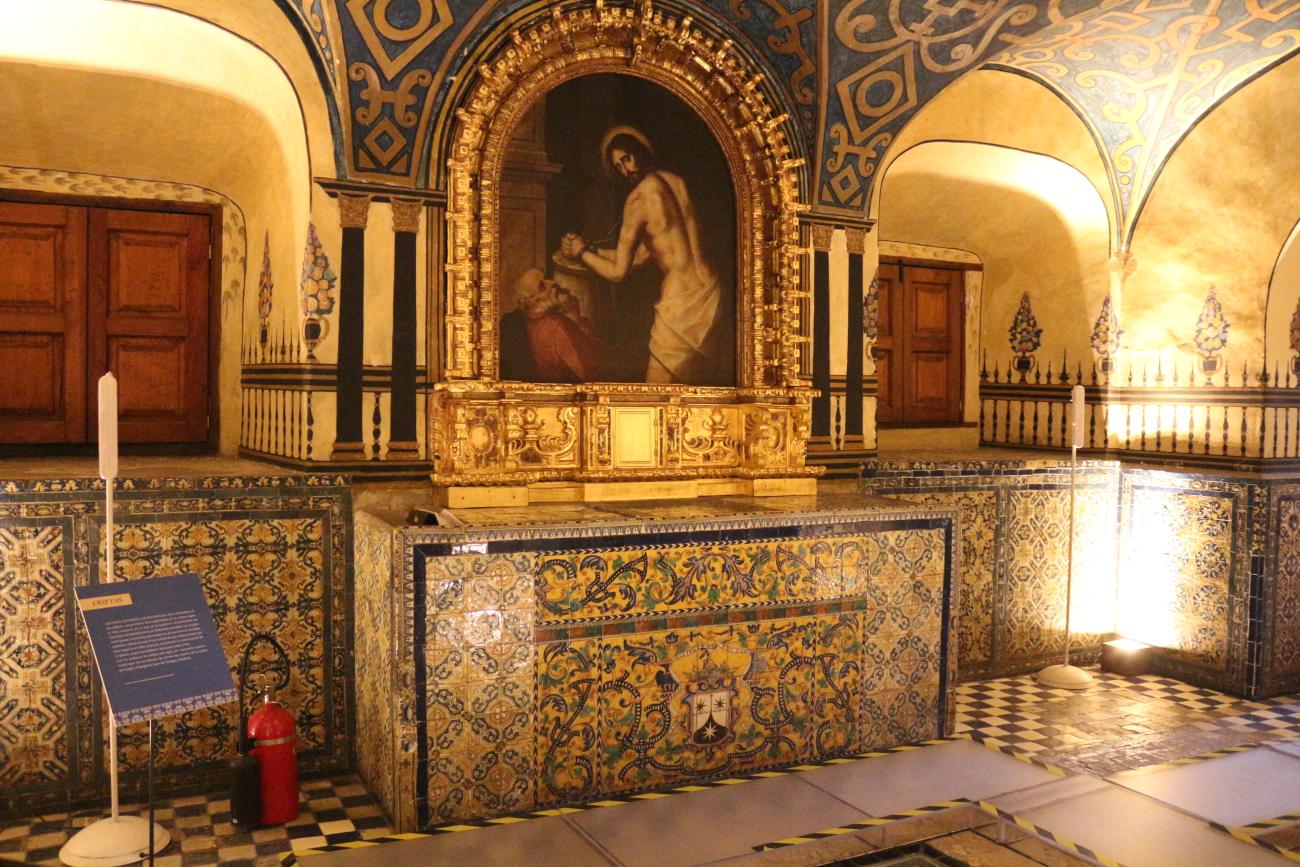
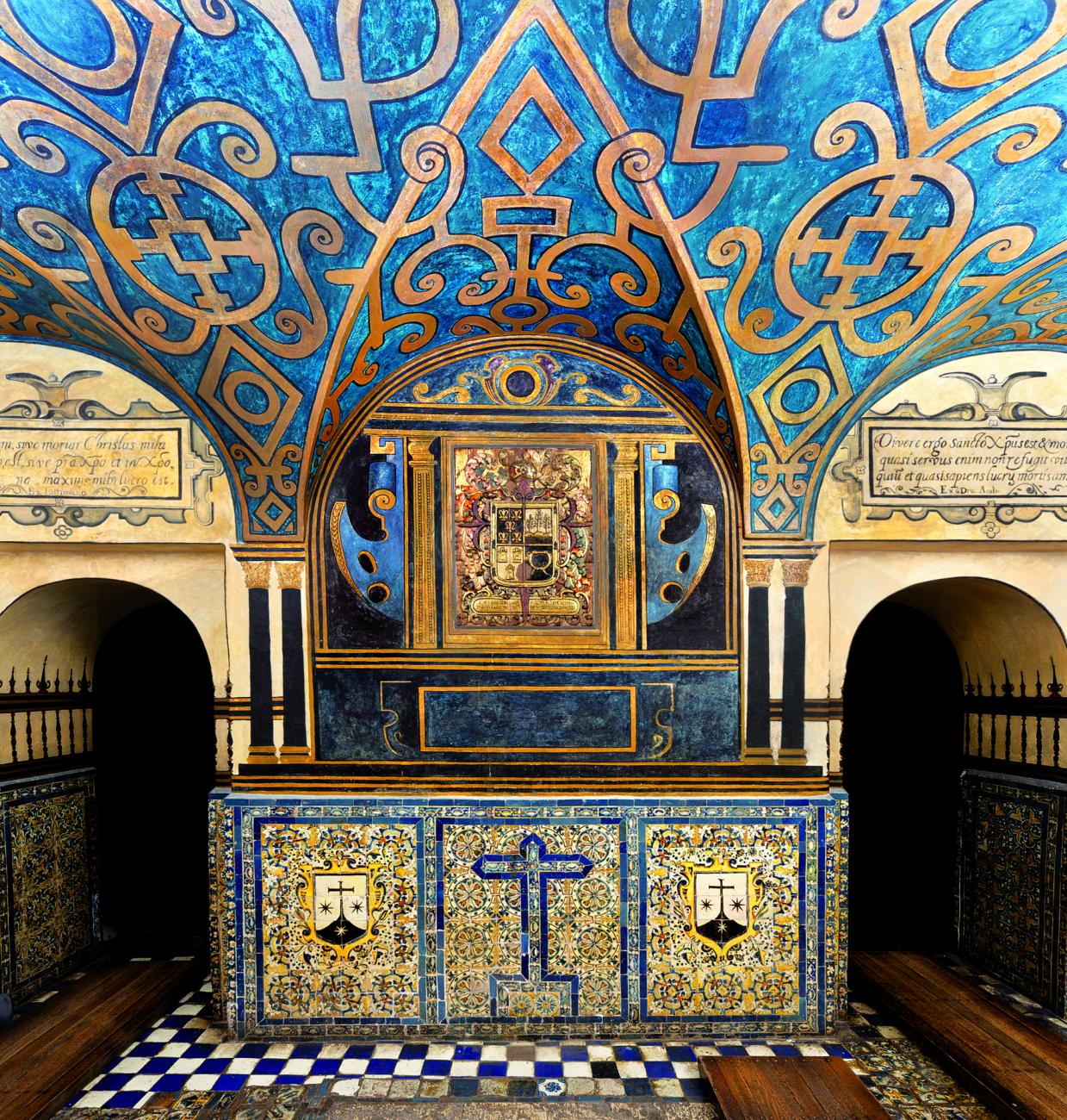
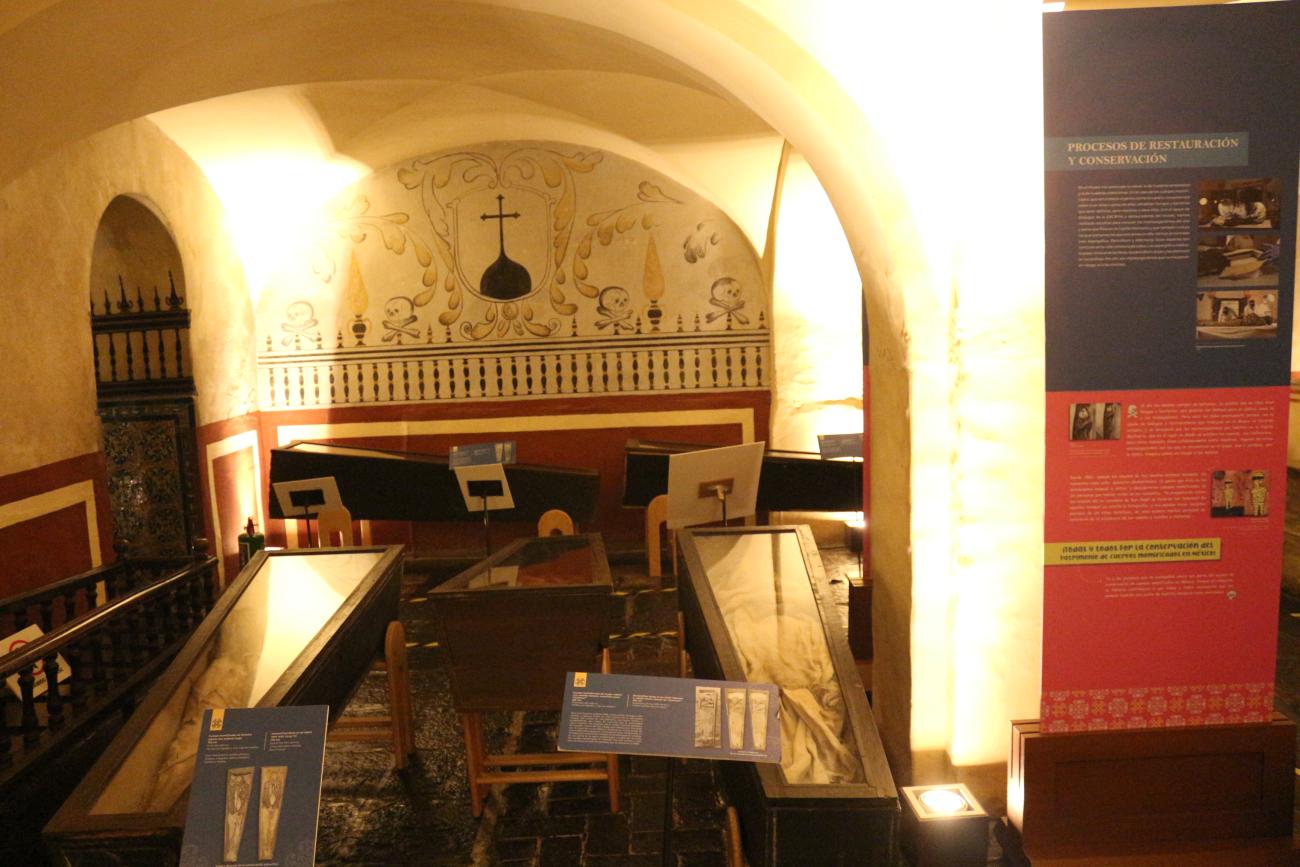
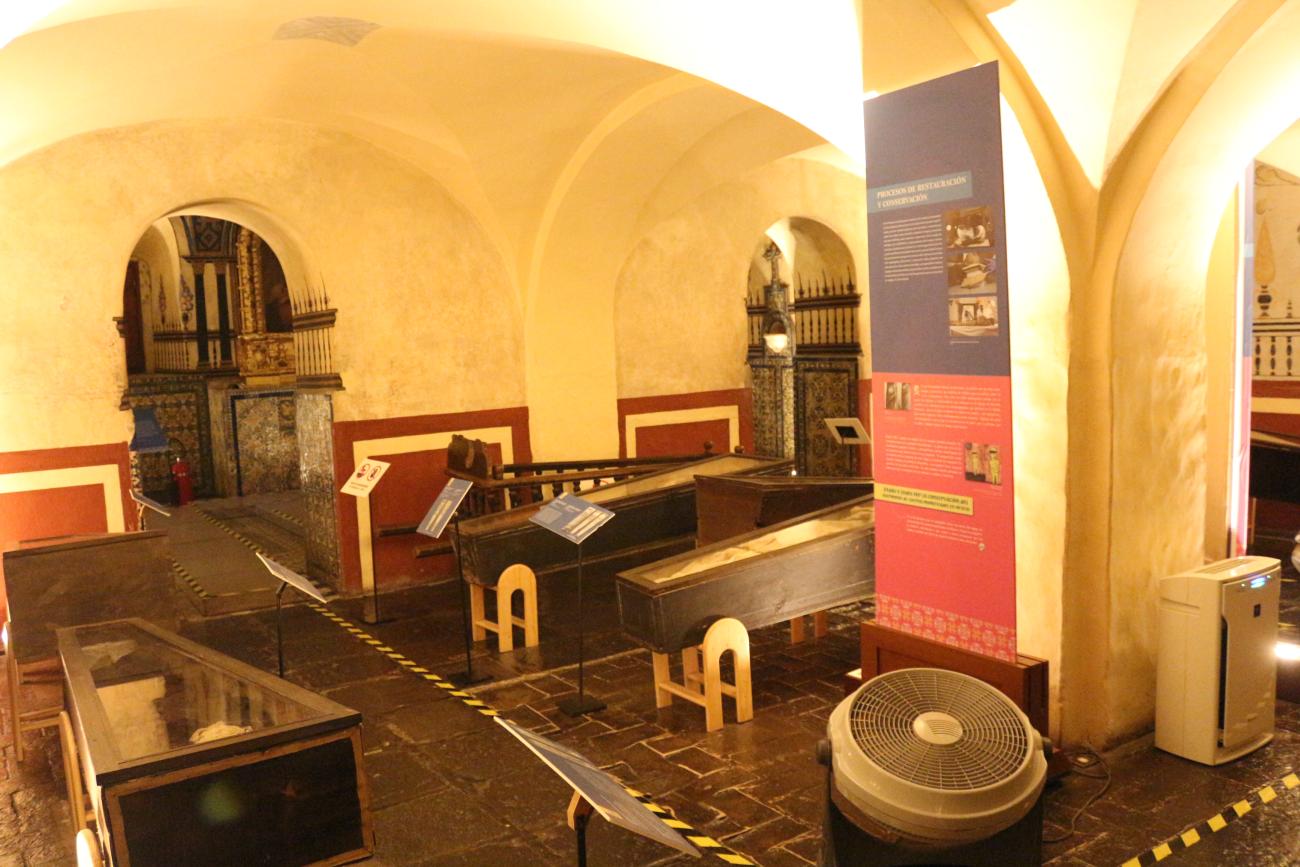
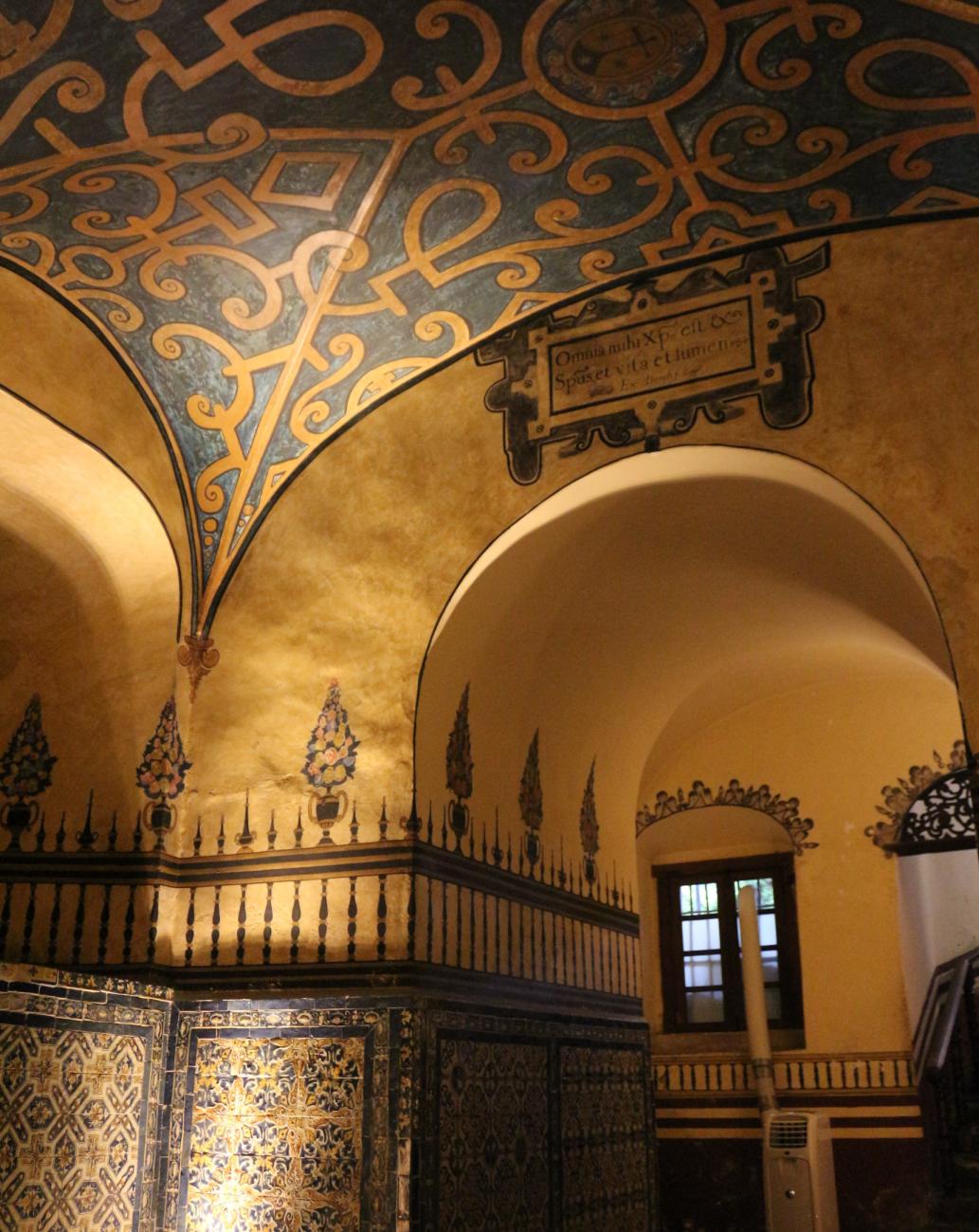
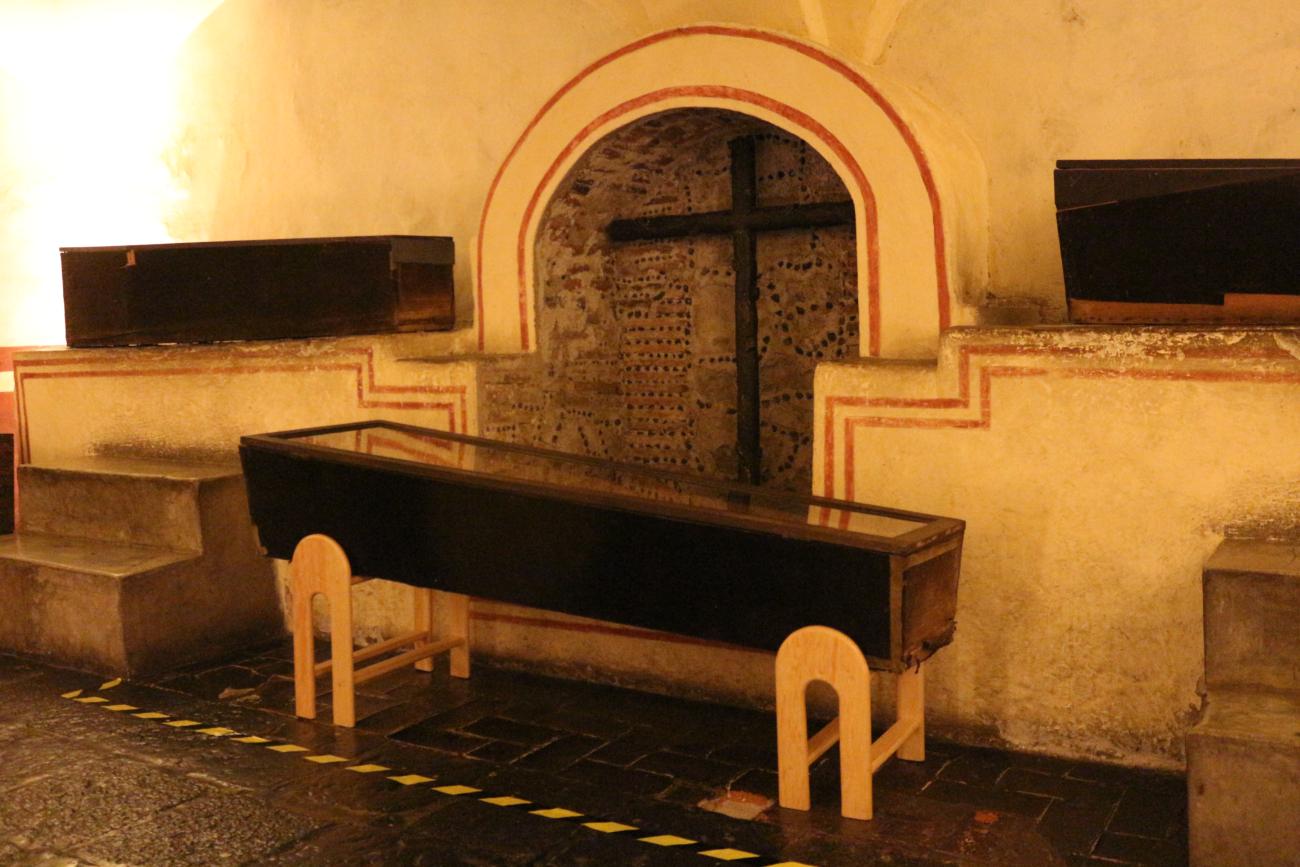
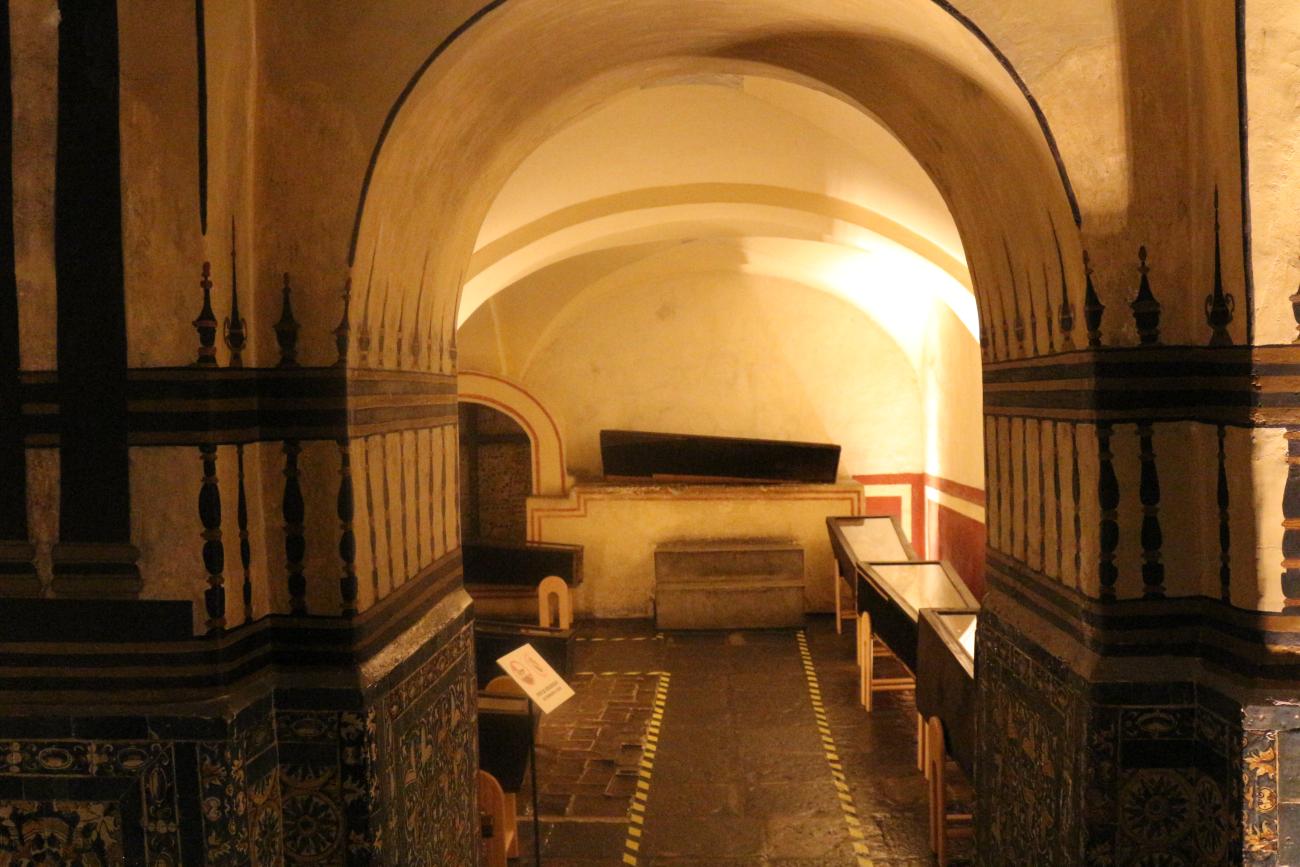
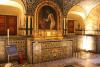
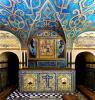
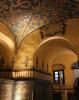
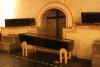
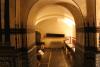
Located just beneath the presbytery of the church, this space is of immense aesthetic and architectural value and is one of the best-preserved areas among the ancient convents of New Spain. Here, the friars and their benefactors were buried, which explains its luxurious decoration, also based on tile work and mural painting. The coat of arms of Sargento Mayor Juan de Ortega y Valdivia shows that he was the owner of the most luxurious chamber. This space was restored in 1990. The small central altarpiece is, along with the one in the domestic chapel, the only original one that has survived. It frames the 17th-century painting "The Lord of the Column", which inspired Villalpando in one of his sacristy paintings. Miraculously, it remains in place, as there are photographic records of works of art that once decorated this space but have since disappeared. With mannerist influences, the painting is attributed by Manuel Toussaint to Baltasar de Echave Orio, one of the pillars of Novohispanic art. It was here, in 1916, that Zapatista troops excavated in search of legendary treasures; to their surprise, they only found twelve mummified corpses due to the nature of the underground.
The discovery of the mummies was a major event in the community, to the point that when a friar tried to bury them, he faced strong opposition from the locals who had already adopted them as part of their community.
Orchard
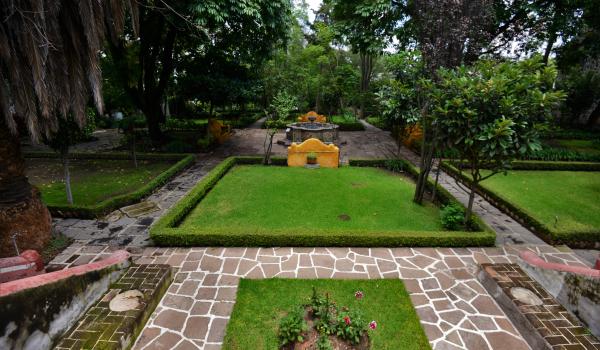
The beautiful garden at the back of the museum nostalgically evokes the historic Carmelite orchard, which undoubtedly was the catalyst for the prosperity of the college, thanks to the abundant rents generated by the sale of its products.
Orchard
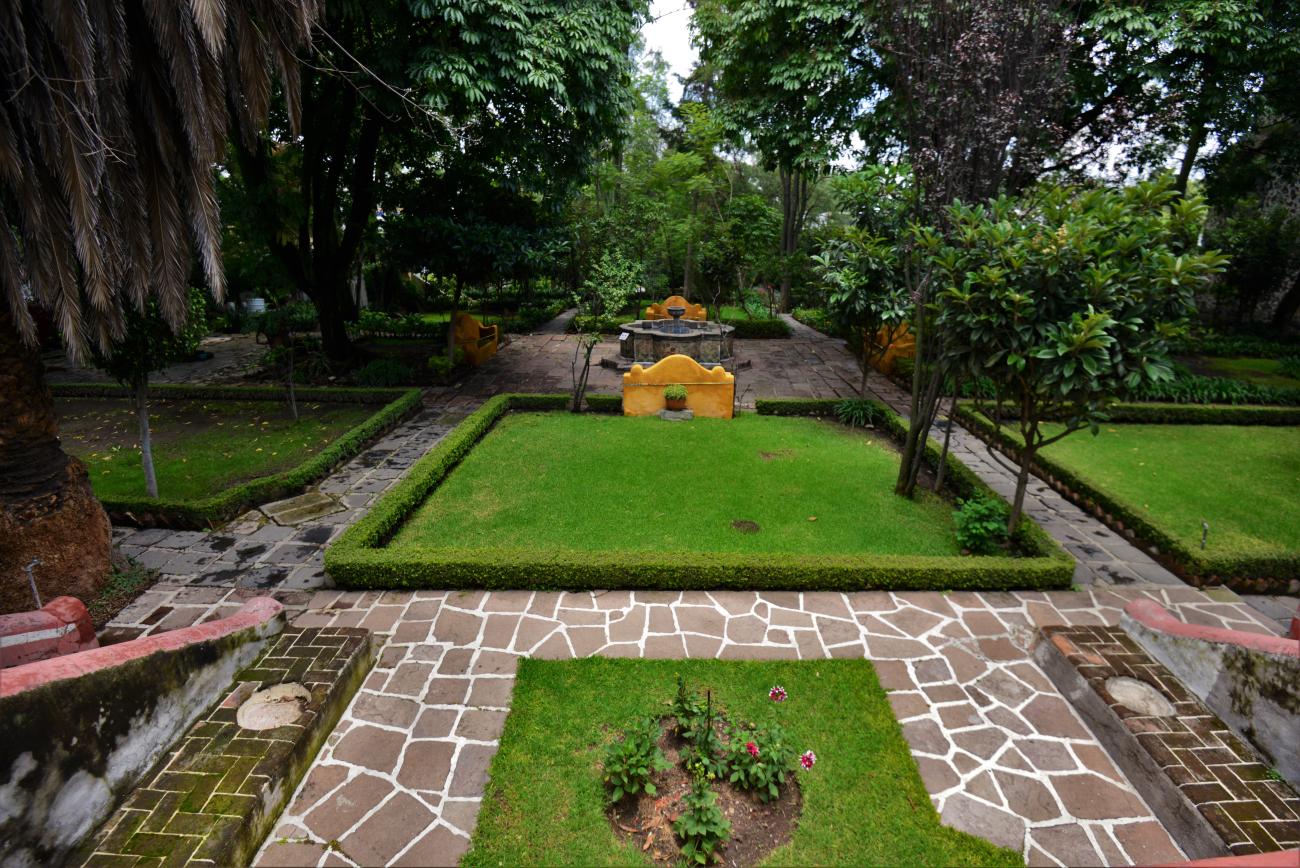
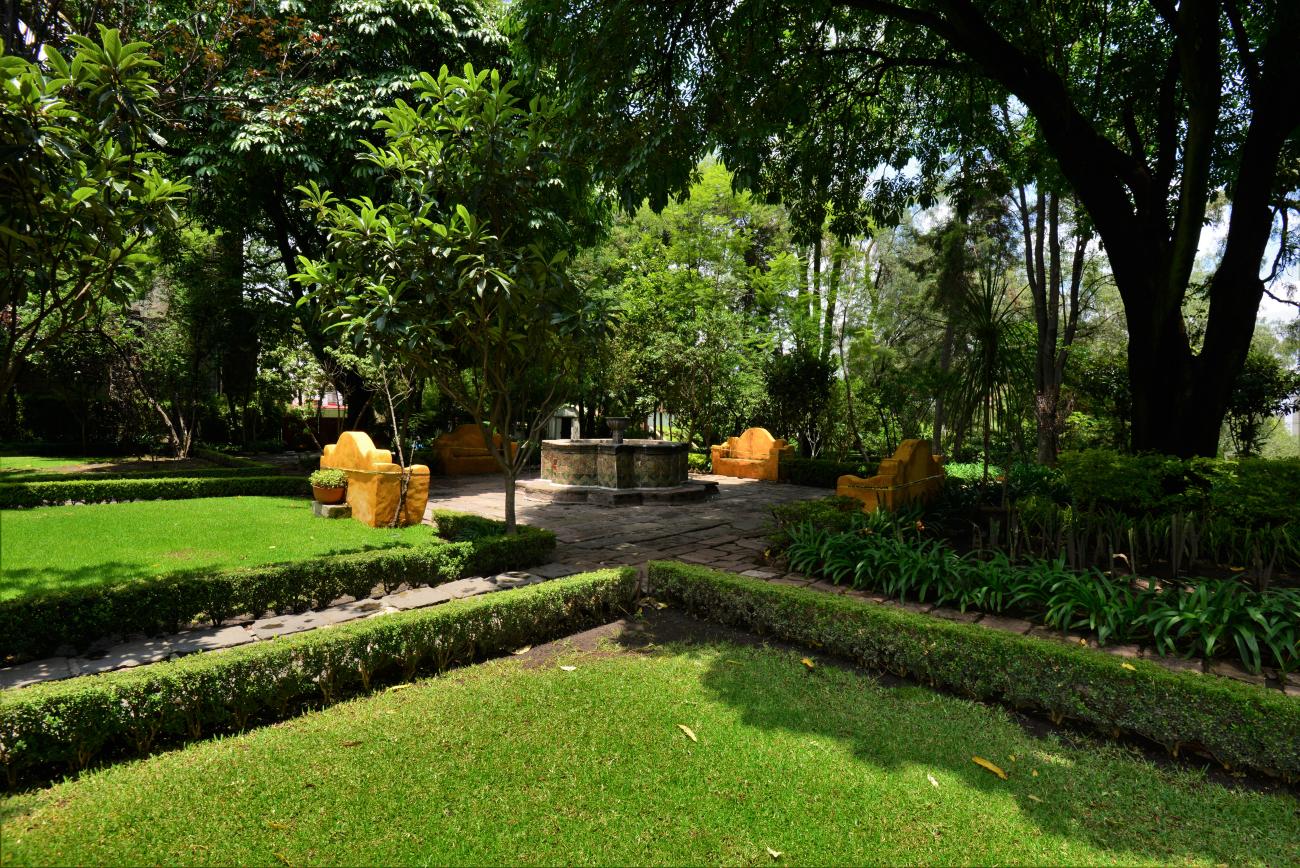
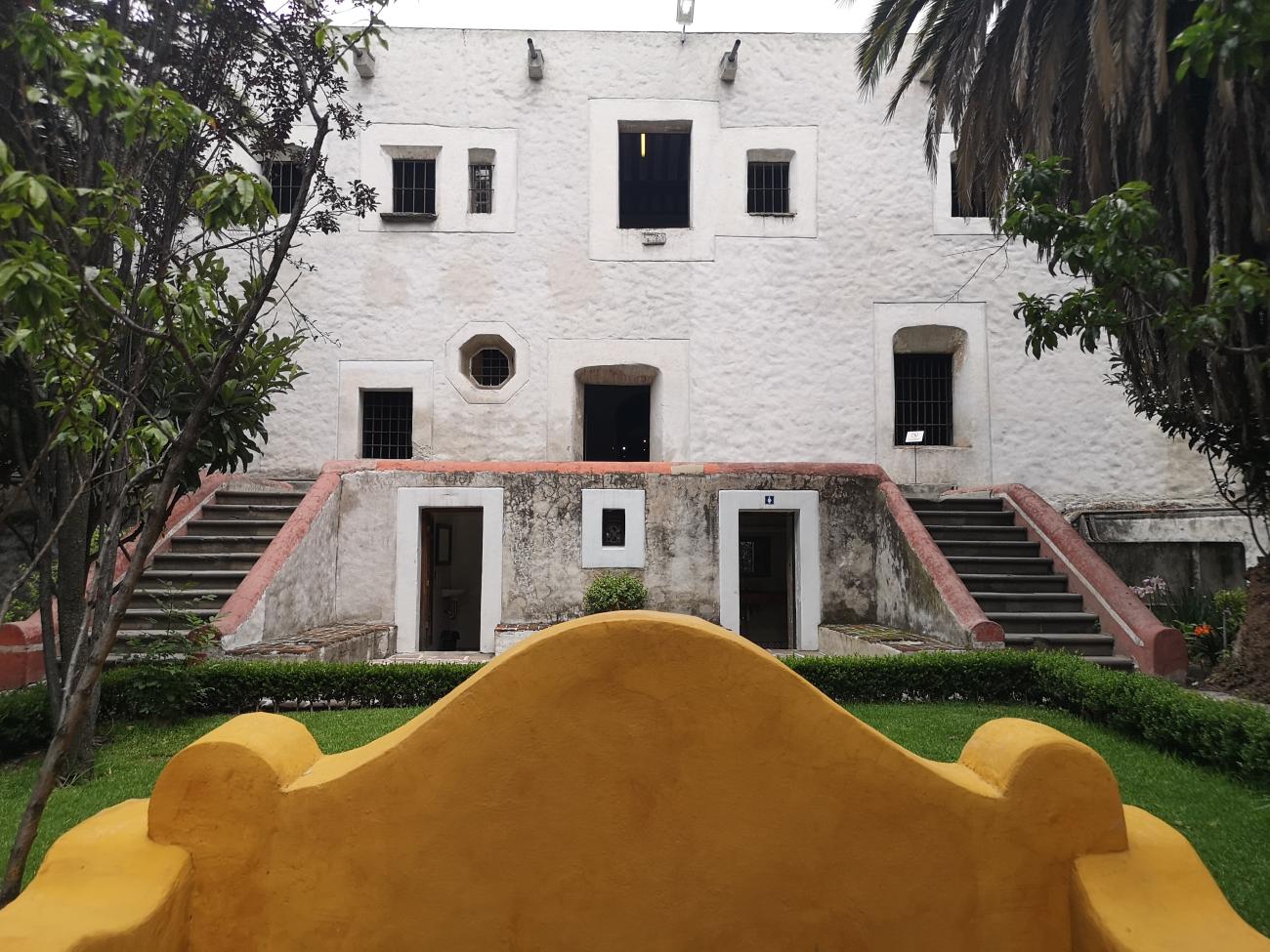
The beautiful garden at the back of the museum nostalgically evokes the historic Carmelite orchard, which undoubtedly was the catalyst for the prosperity of the college, thanks to the abundant rents generated by the sale of its products. This orchard was surrounded by a thick volcanic stone wall from the Pedregal, which protected the solitude and cloister of the college. A census from the time shows that the vast orchard allowed for the planting of over 13,000 fruit trees, including pears, peaches, apples, and vegetables, as well as hermitages, bridges, ponds, the Magdalena River, streams, irrigation channels, and walkways that facilitated the collection of fruits and the daily recreation of the friars.
Ossuary
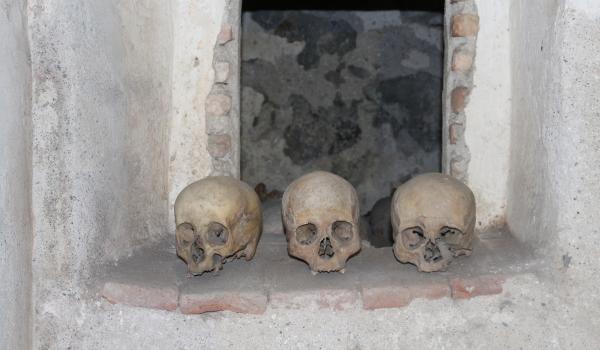
Downstairs from the Lavabo Room is the ossuary, where the bones of the friars who were exhumed after seven years in the crypts are still stored today.
Ossuary
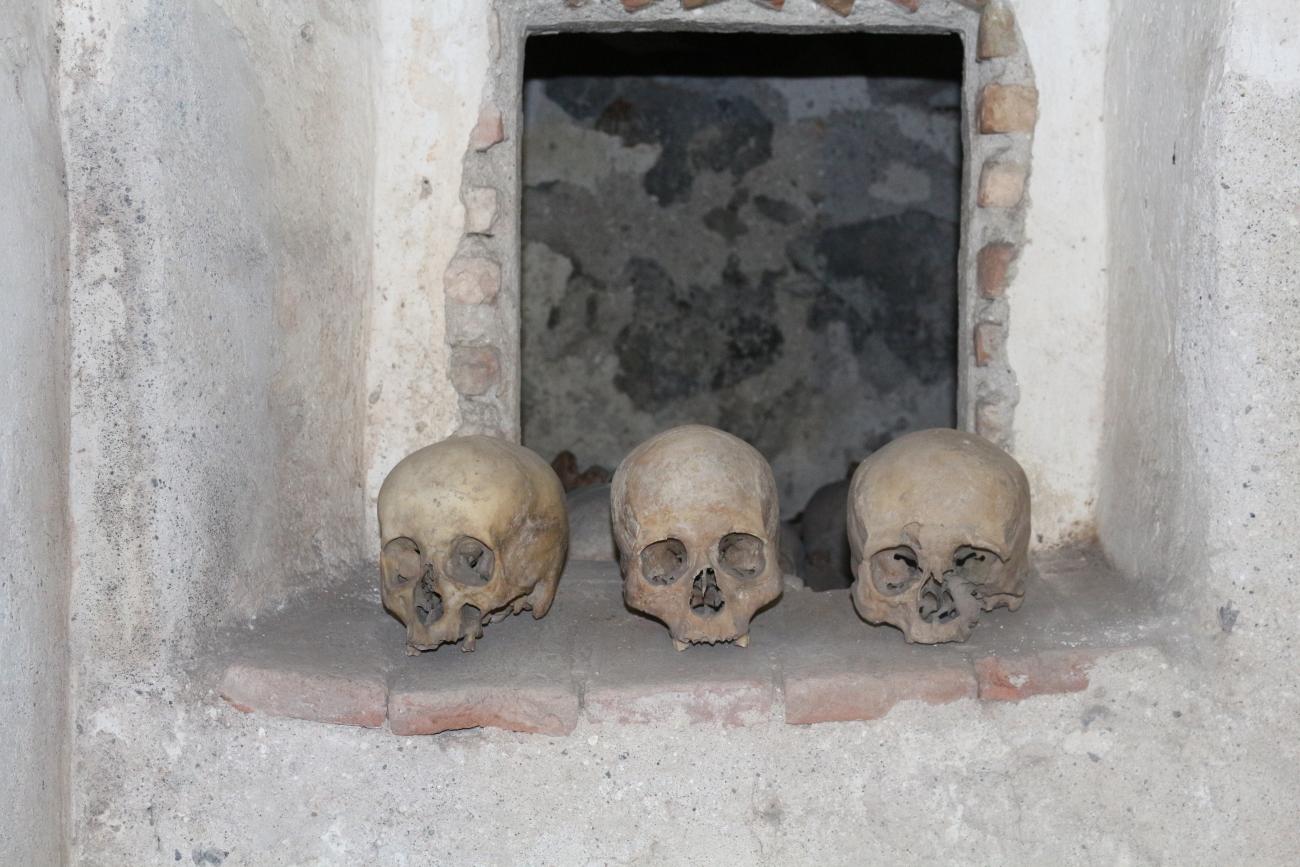
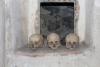
Downstairs from the Lavabo Room is the ossuary, where the bones of the friars who were exhumed after seven years in the crypts are still stored today. This space, consisting of four chambers, is located directly beneath the presbytery of the church and was intended for the burial of the friars and their benefactors.
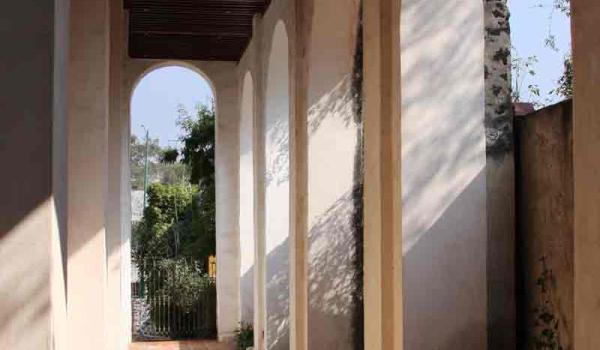
Arcade Patio
A semi-open corridor with a double-height arcade consisting of five arches facing south and one facing east, toward the current Insurgentes Avenue. This space was constructed in the 18th century as part of the college's expansion and the construction of its new chapter room and refectory.
Arcade Patio
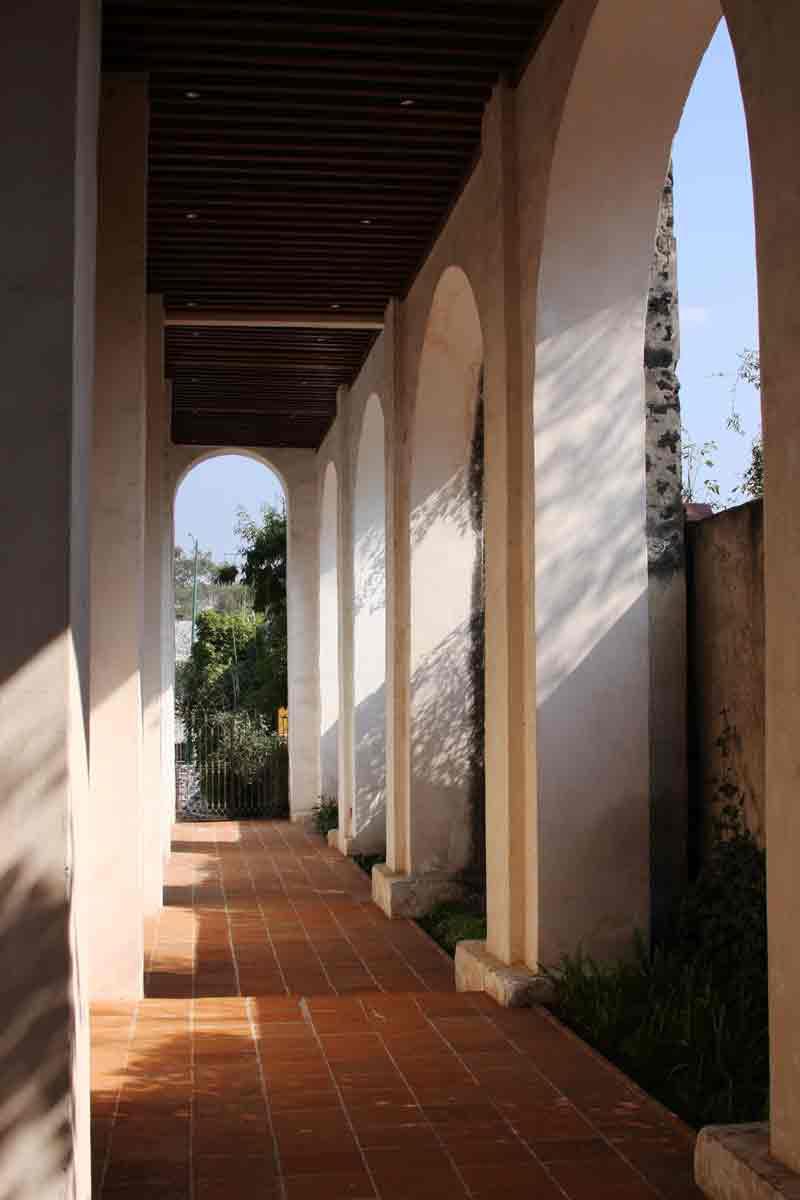
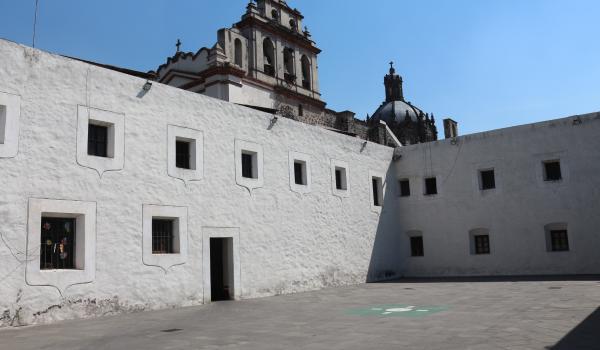
Student Patio
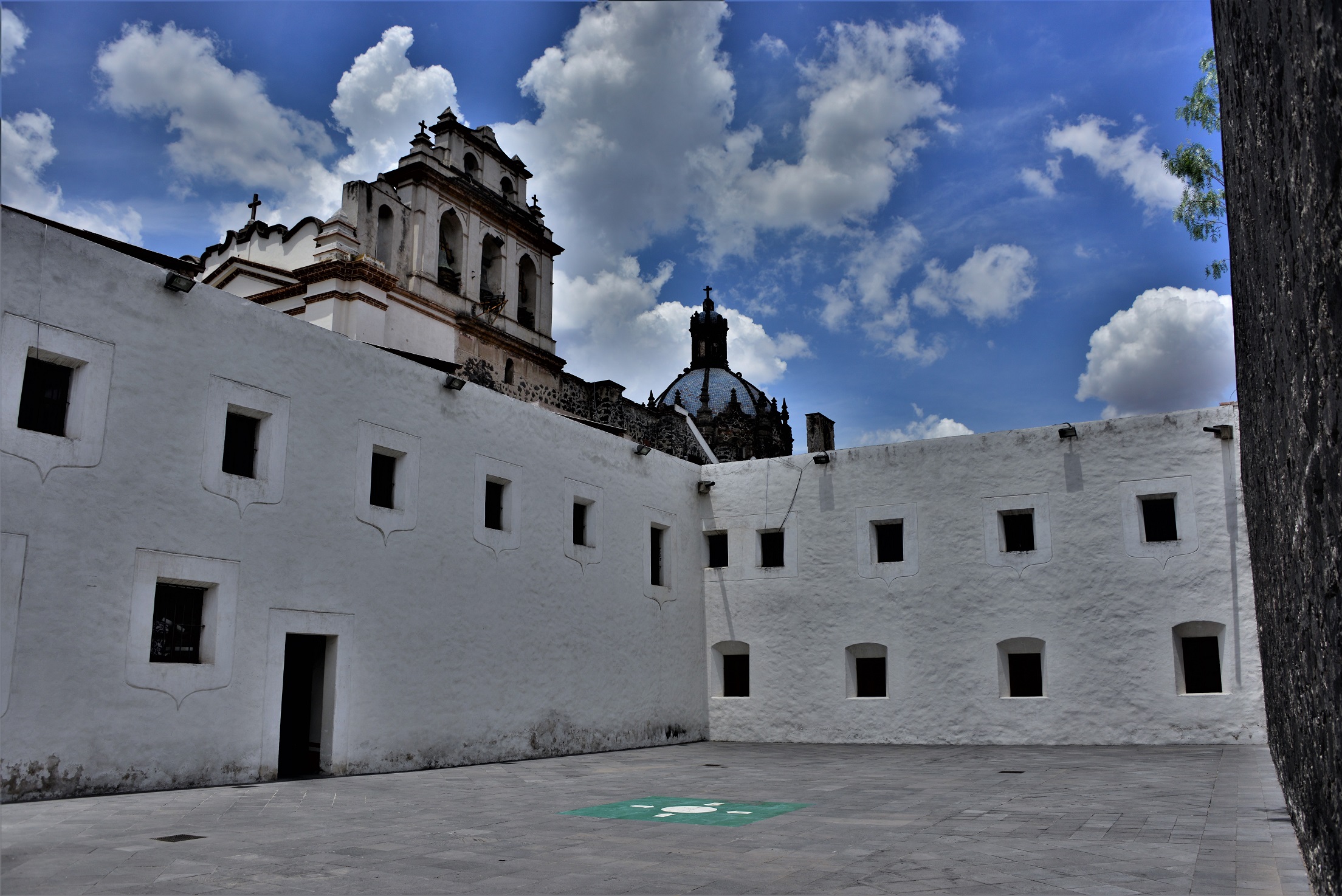
This was the resting area for the students of the College of the Discalced Carmelites.
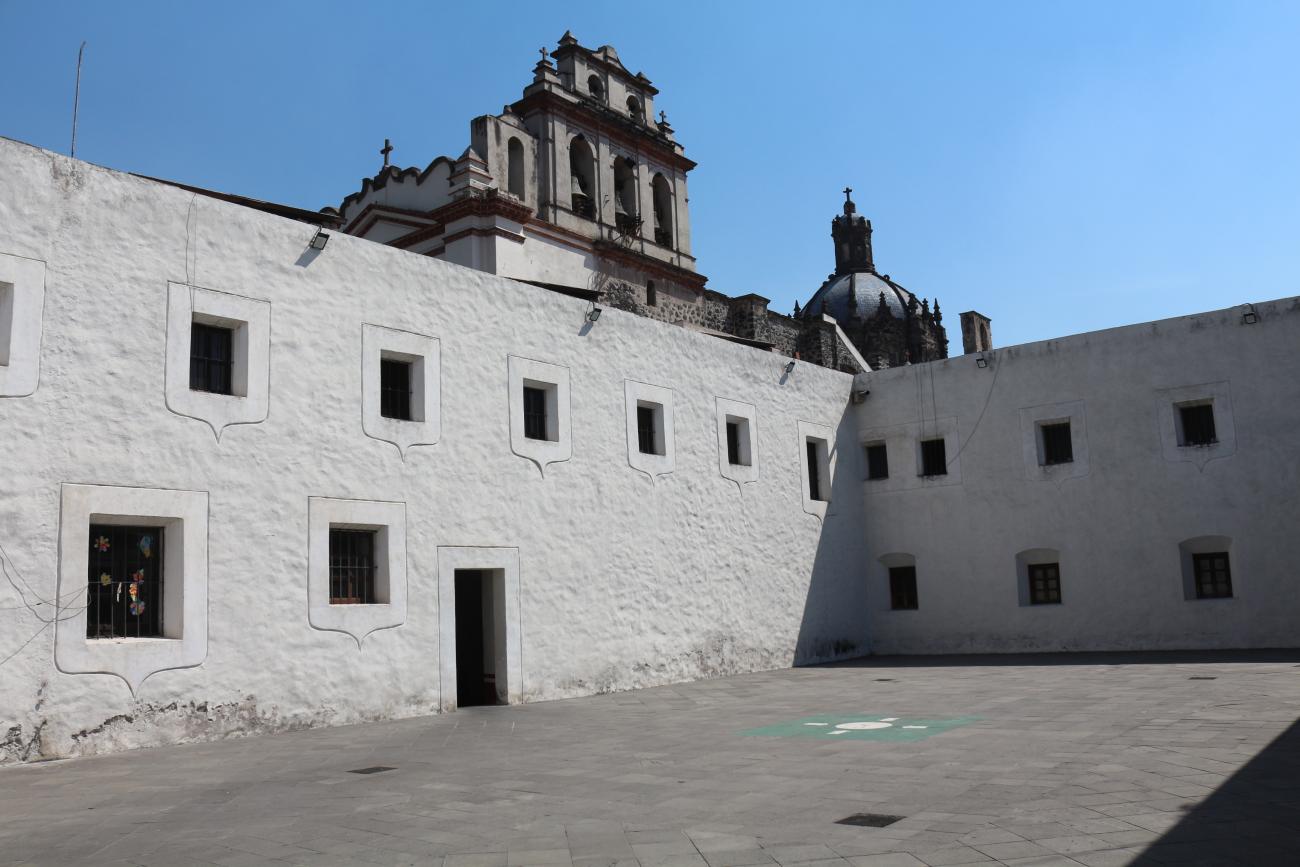
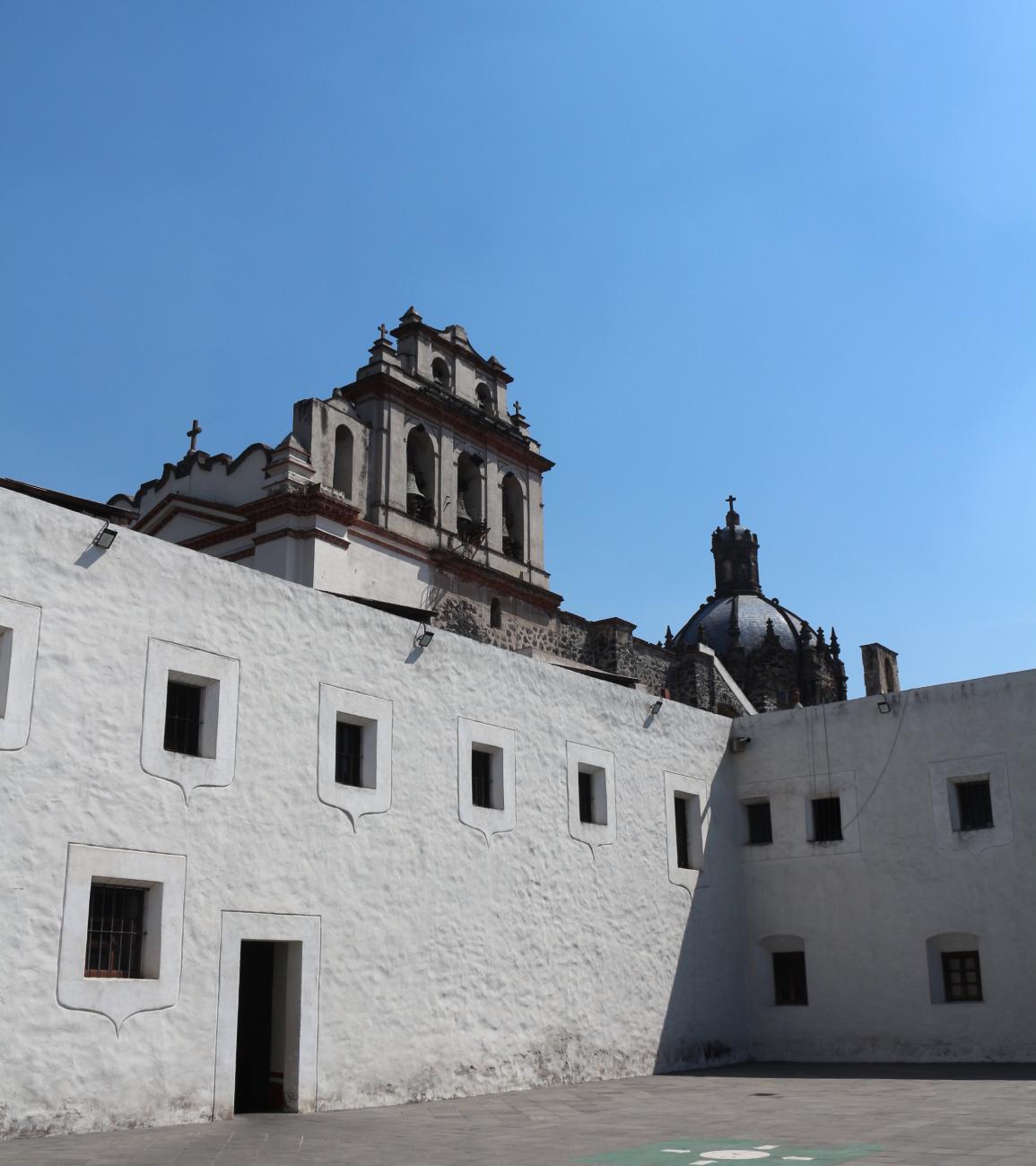
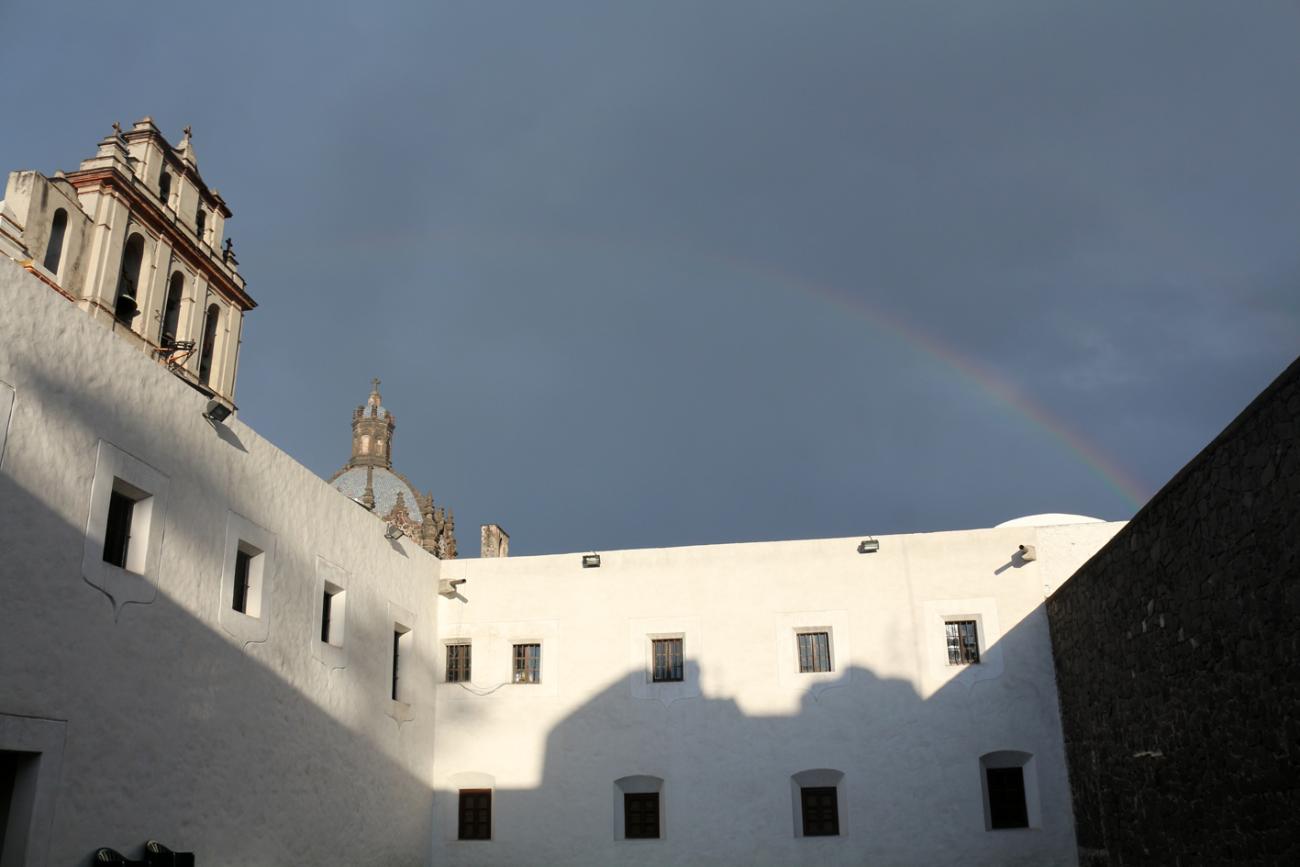
Aqueduct Patio
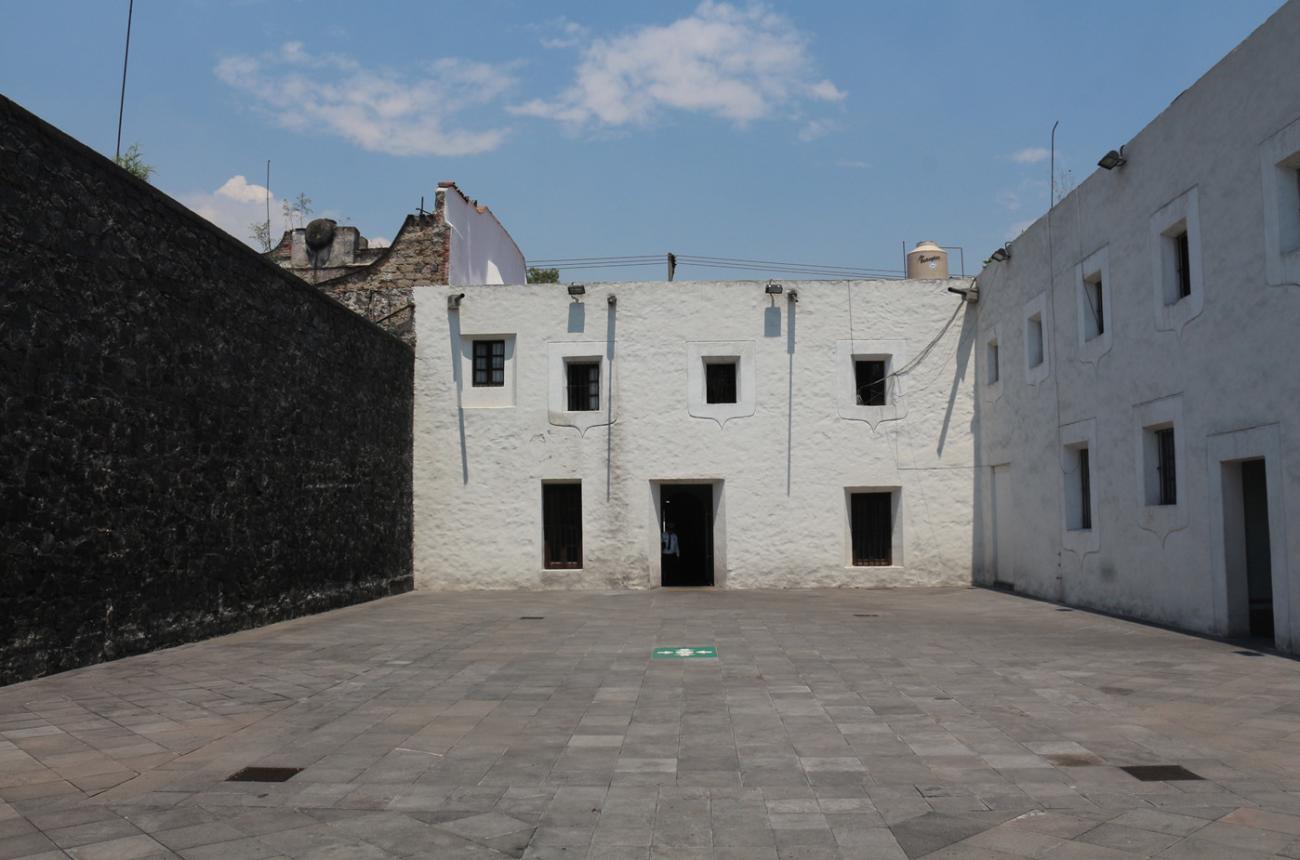
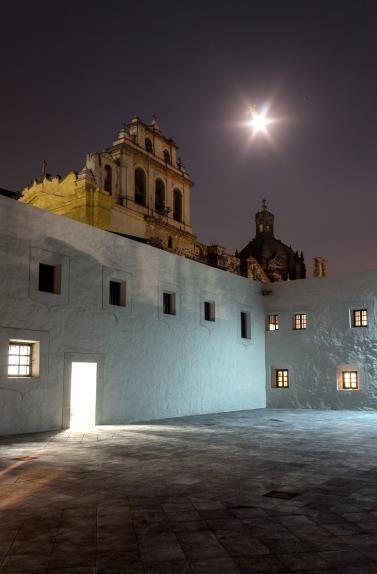
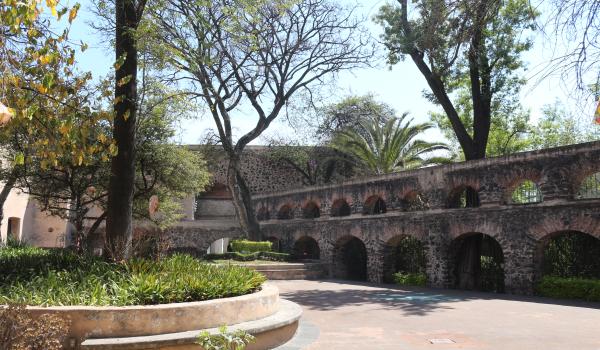
Framing the Novohispanic House or House of the Aqueduct, is the construction that gives this space its name. The double-arched aqueduct from the 17th century supplied water to the ponds, lavabos, kitchen, and the “secret room” or latrines, all fed by springs from San Bartolomé Ameyalco.
Aqueduct Patio
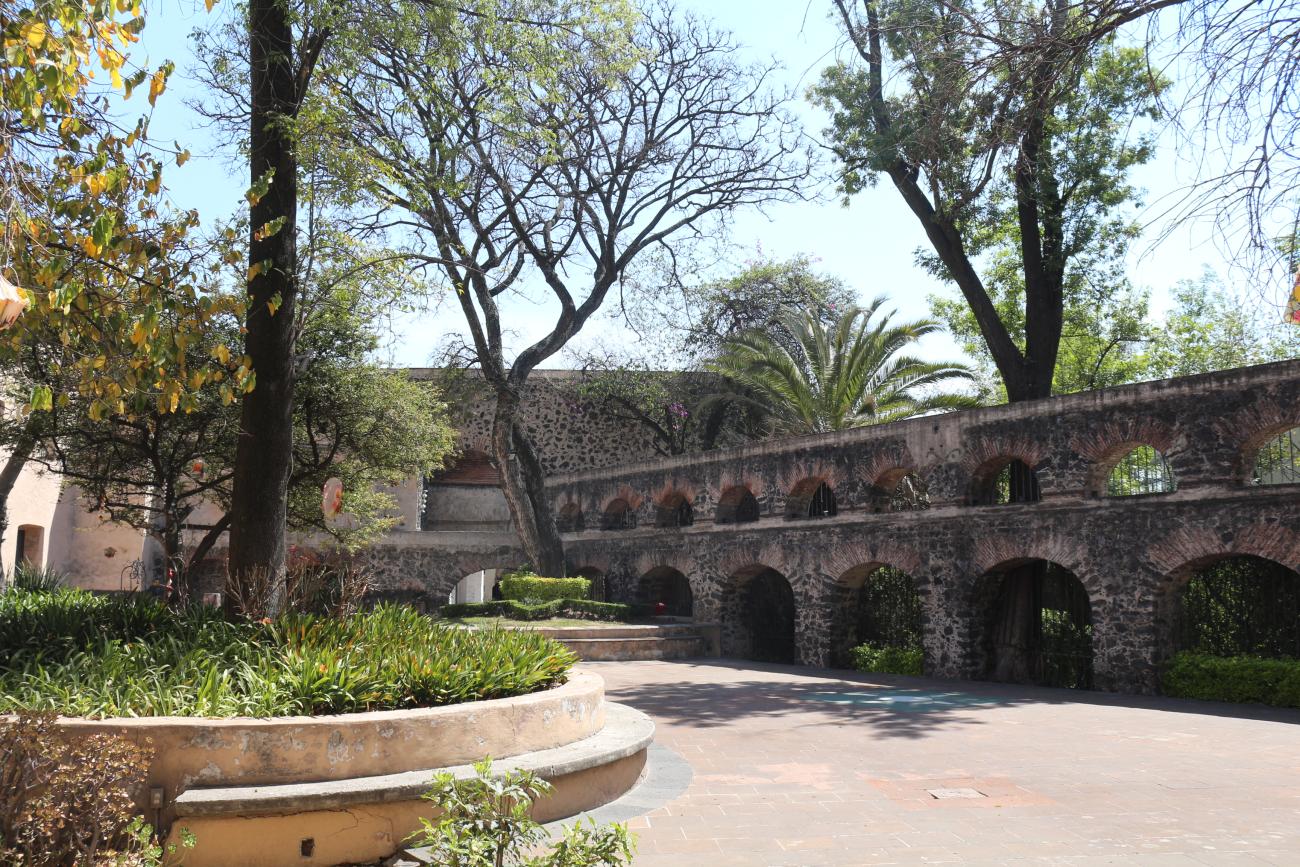
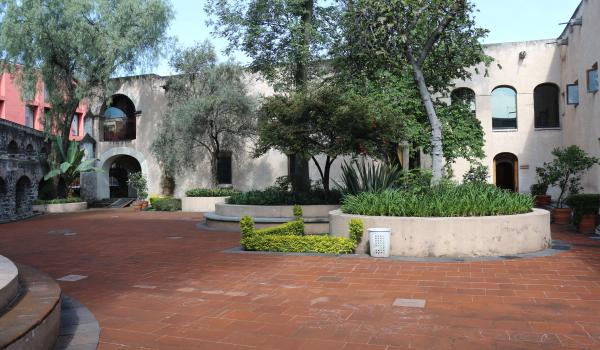
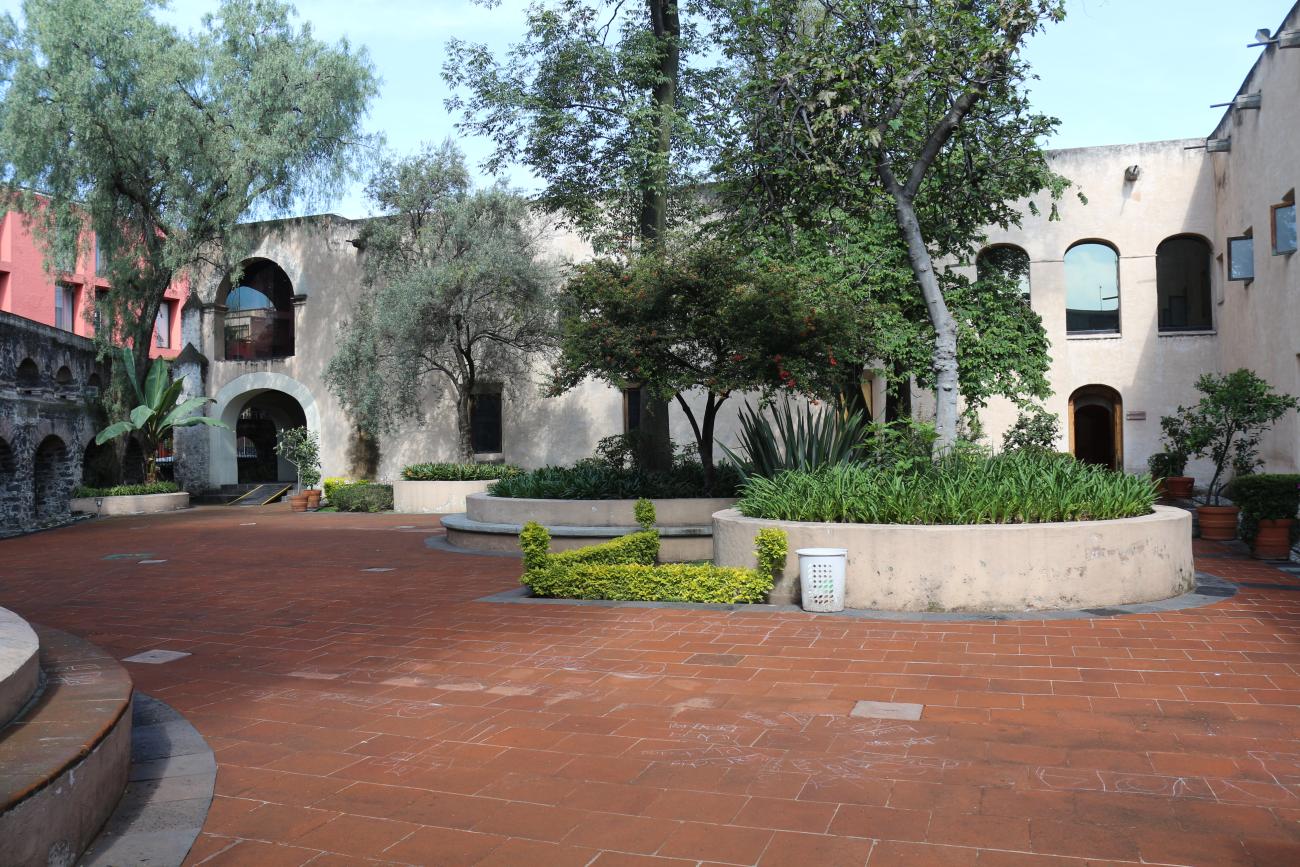
Framing the Novohispanic House or House of the Aqueduct, is the construction that gives this space its name. The double-arched aqueduct from the 17th century supplied water to the ponds, lavabos, kitchen, and the “secret room” or latrines, all fed by springs from San Bartolomé Ameyalco. The water from the Magdalena River was only used for irrigating the orchard, as it was somewhat contaminated due to passing through the mills, fulling mills, and factories upstream.
Document
Document
- DirecciónMaría Amparo Clausell Arroyomariamparo_clausell@inah.gob.mx