











Museo Nacional del Virreinato

The finest examples of the visual arts from New Spain over the three centuries of its existence, exhibited in a splendid building from this period: the Jesuit College in Tepotzotlán, which provides a brilliant, detailed journey through the viceregal period.
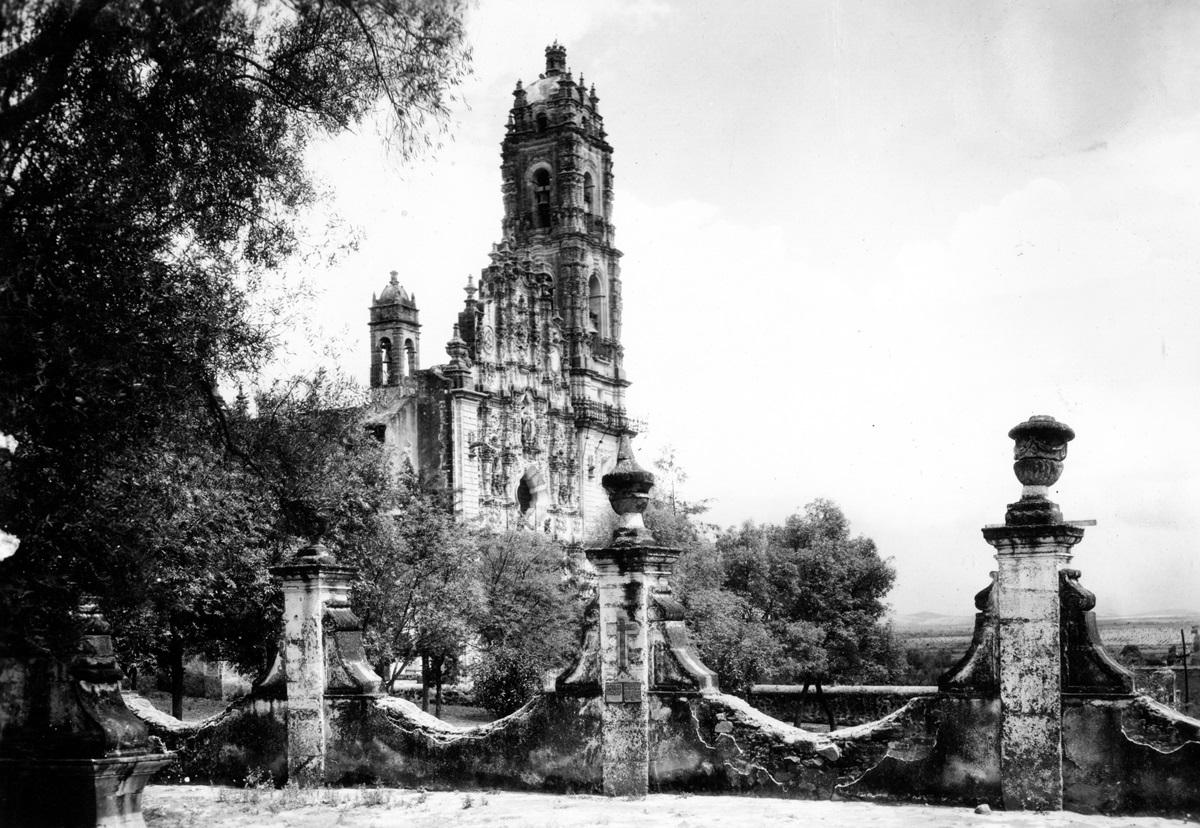
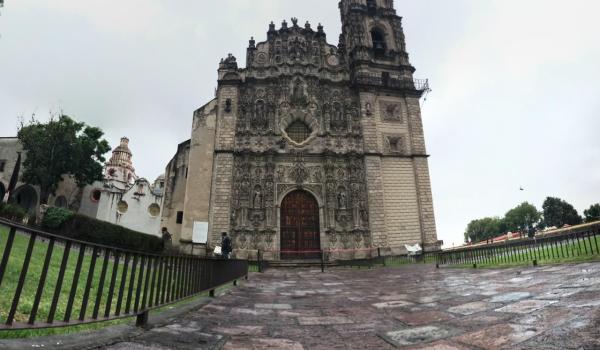
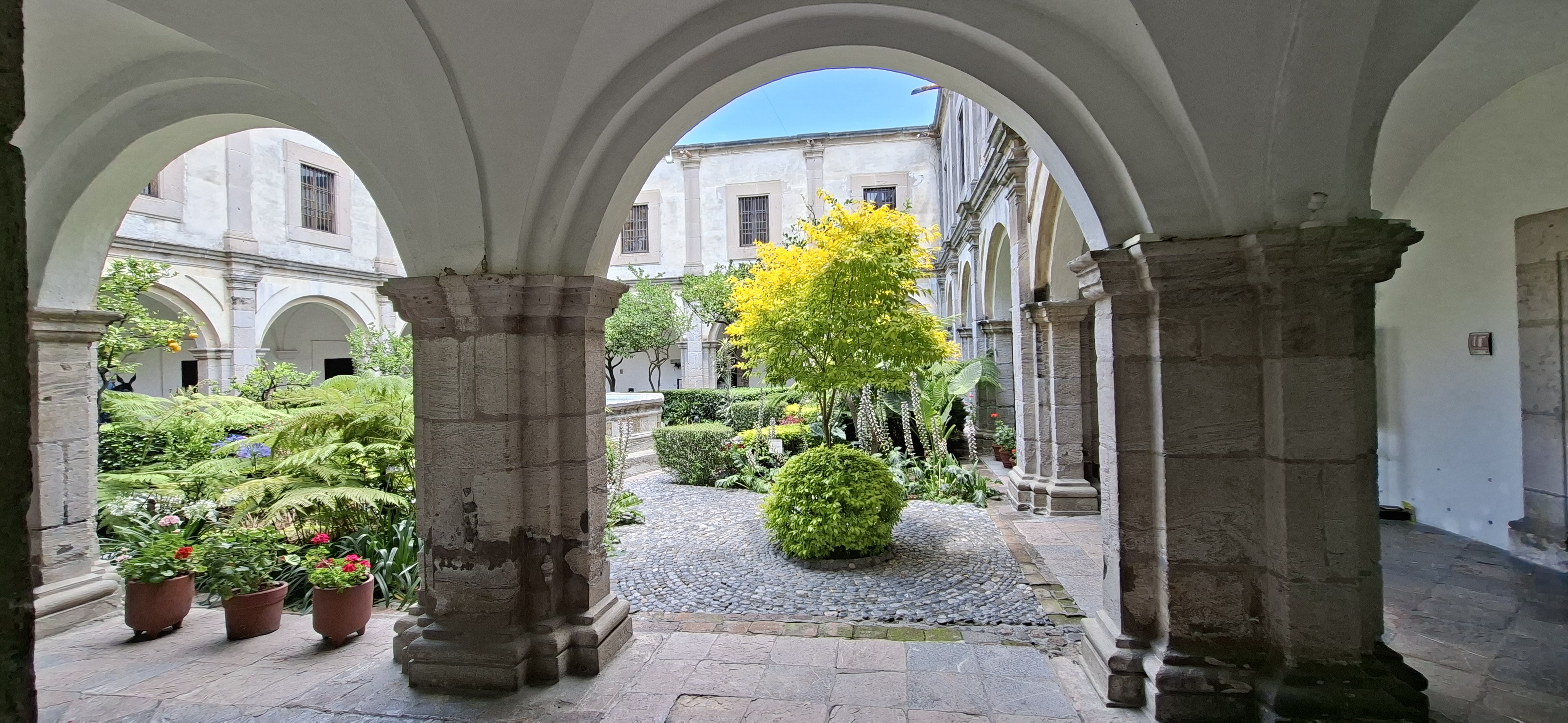
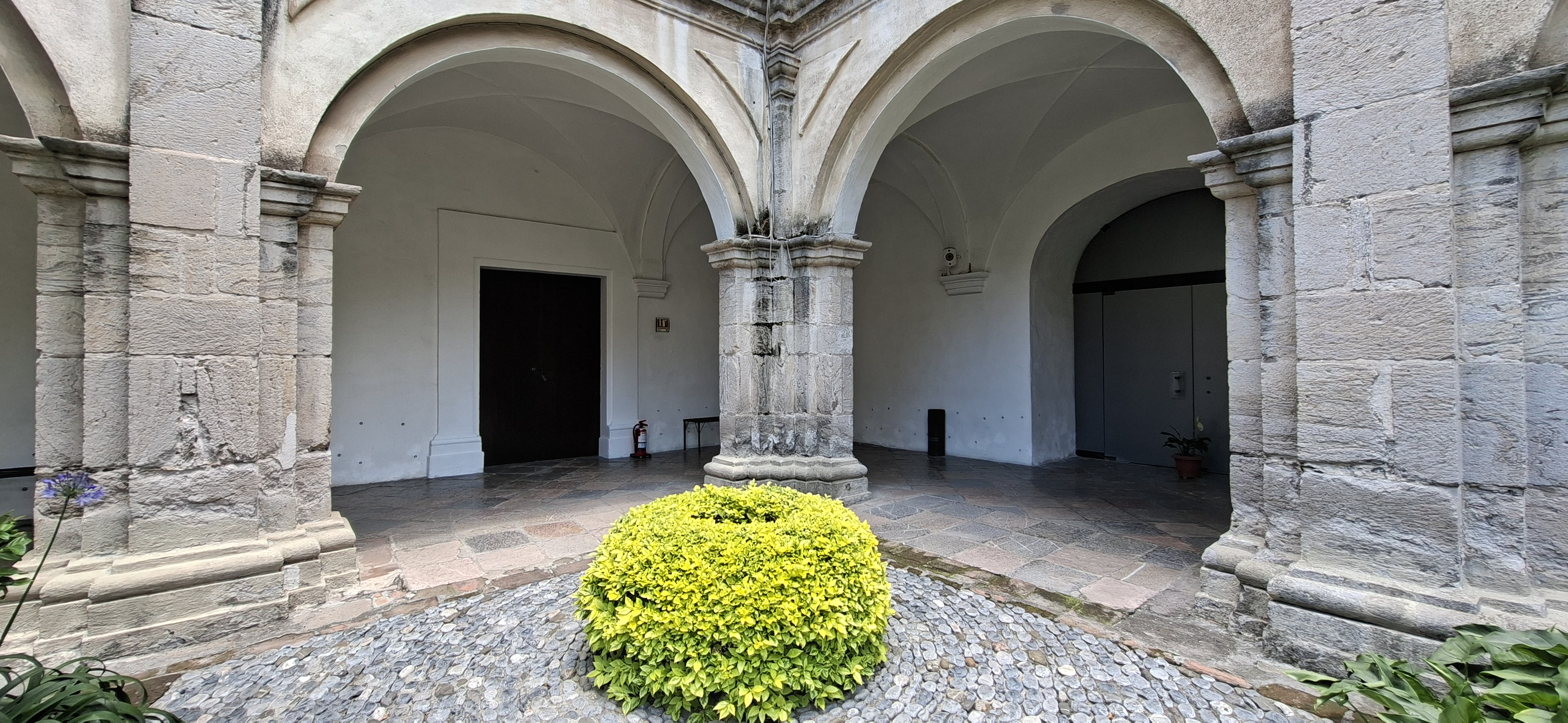
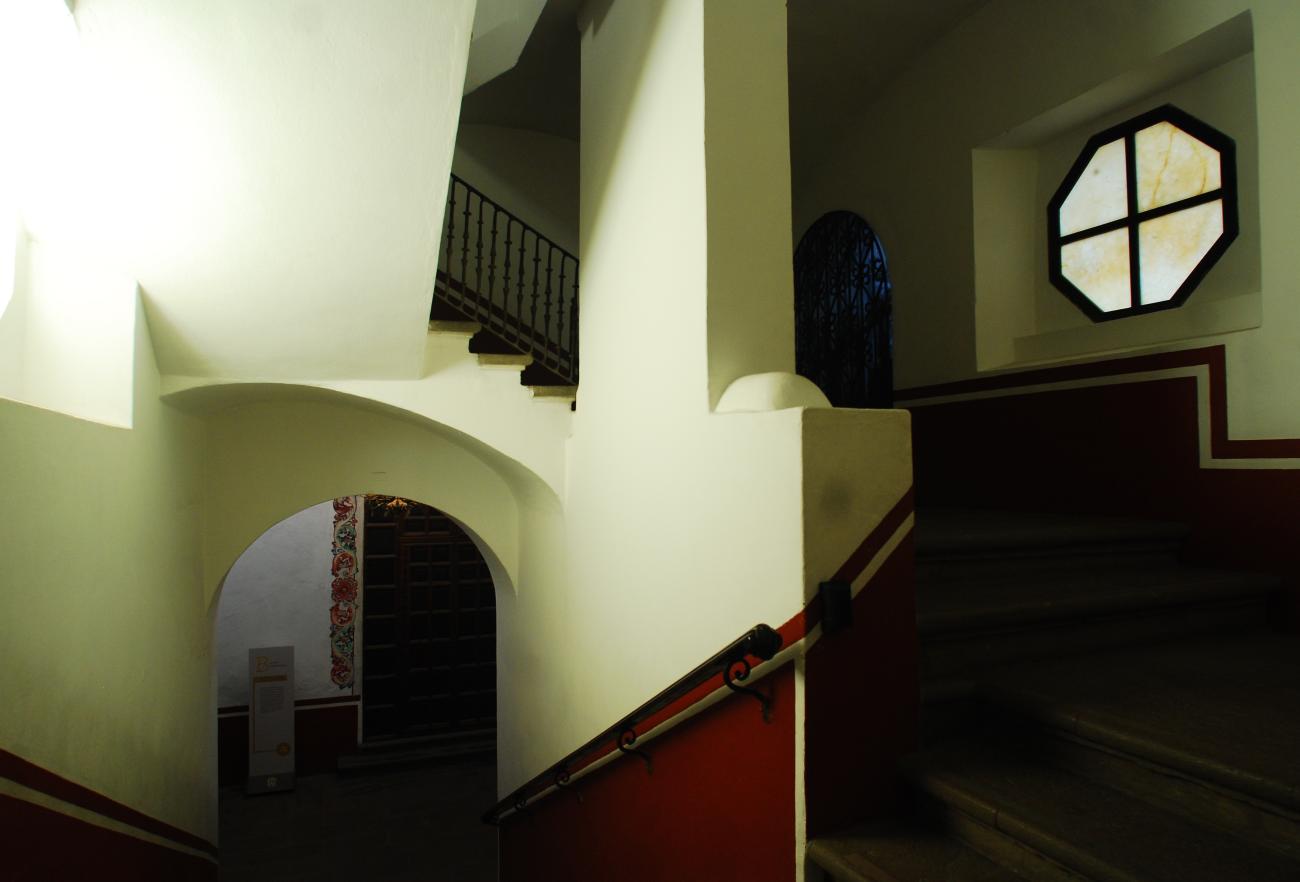
This museum displays different aspects of colonial culture, as well as the culture of the original occupants of the building it is installed in. The venue is the former Jesuit College of San Francisco Javier (Saint Francis Xavier) in Tepotzotlán, in what is now the State of Mexico. It opened on September 19, 1964, with the aim of offering an extensive overview of life under Spanish rule, as there was no museum in Mexico at the time which covered the 300 years this period lasted (1521-1821). The building itself is a marvel. Thoroughly restored, it preserves the original premises, which were built and decorated between 1606 and 1767. It includes the church with its vestry and chapel; two two-story cloisters, that of Aljibes (Wells) and Naranjos (Orange Trees), with their respective cells; the domestic chapel (of Saint Peter the Apostle), the library, the refectory and the kitchen. Teachers, students and college workers lived, studied, prayed and rested here. The building is encircled by its atrium and orchard. Adjoining the Aljibes Cloister was the guest courtyard and its stables. The cloister obliged potential guests to lodge in this zone because it was outside the restricted area. Currently, this place operates as the College’s restaurant and lodging house.
Passing through each of these spaces, some of which are decorated as they might have been in the times Jesuit novices were here, offers visitors a view of the daily lives of the people who inhabited them, as well as the opportunity to appreciate the splendid examples of baroque art found here.
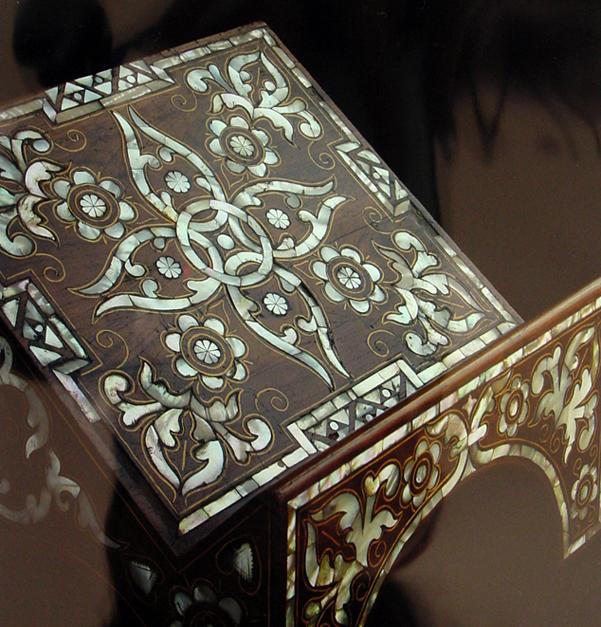
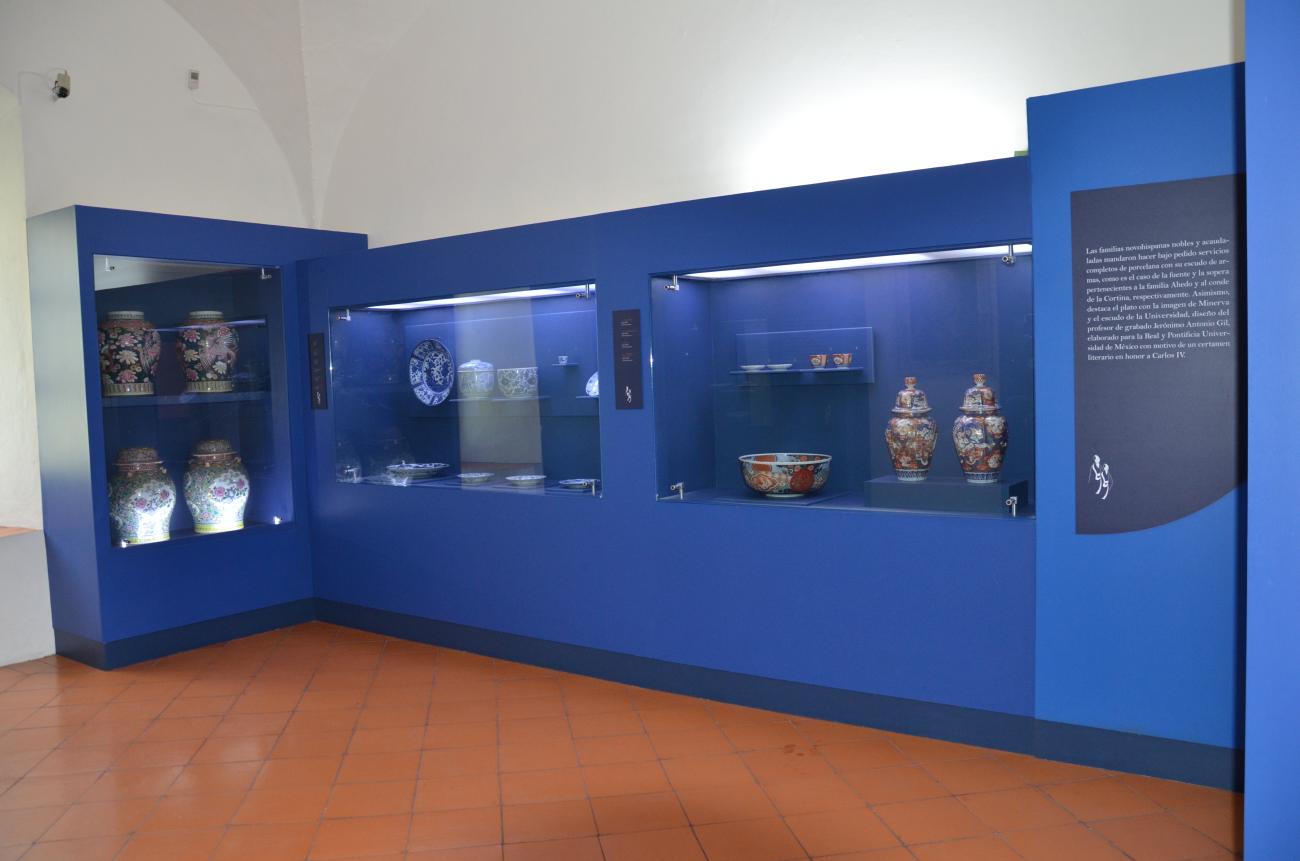
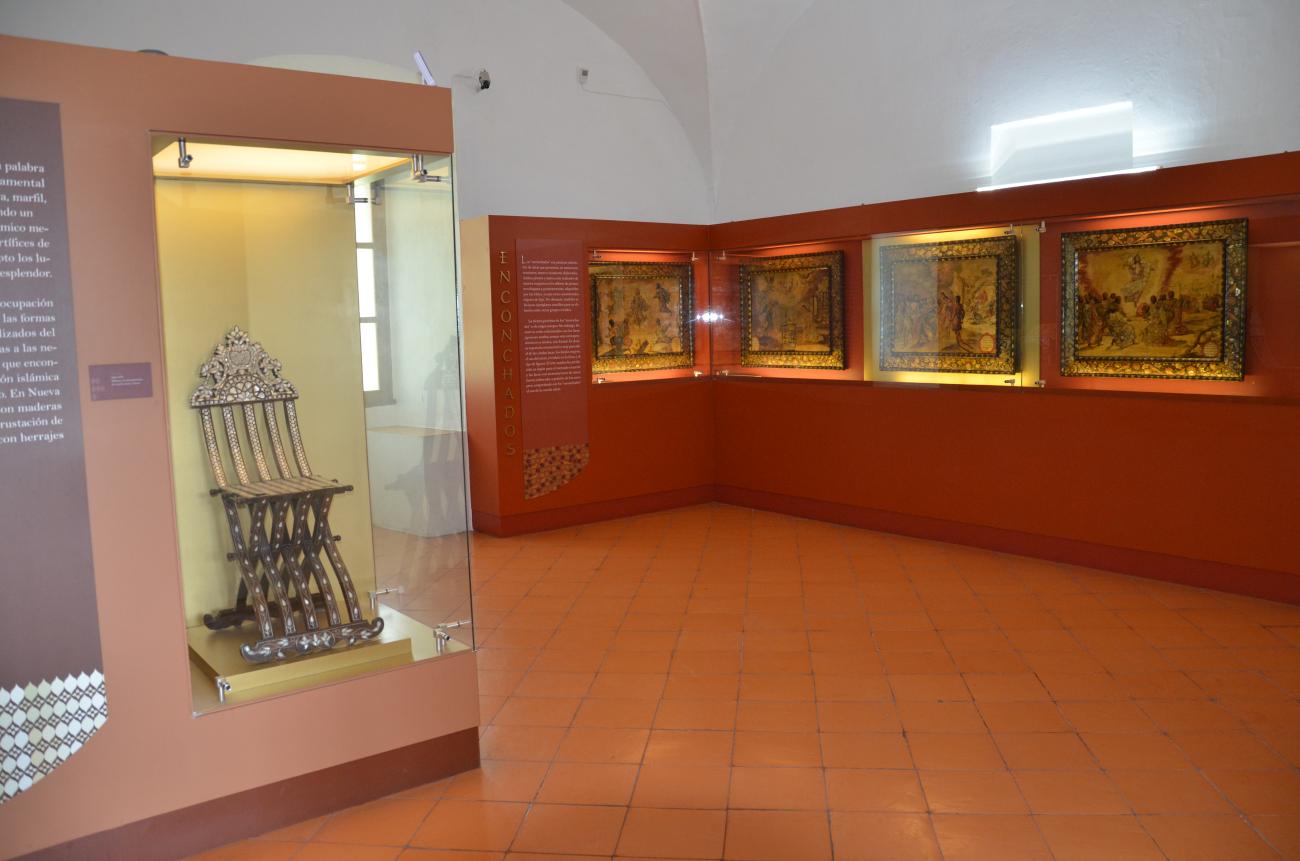
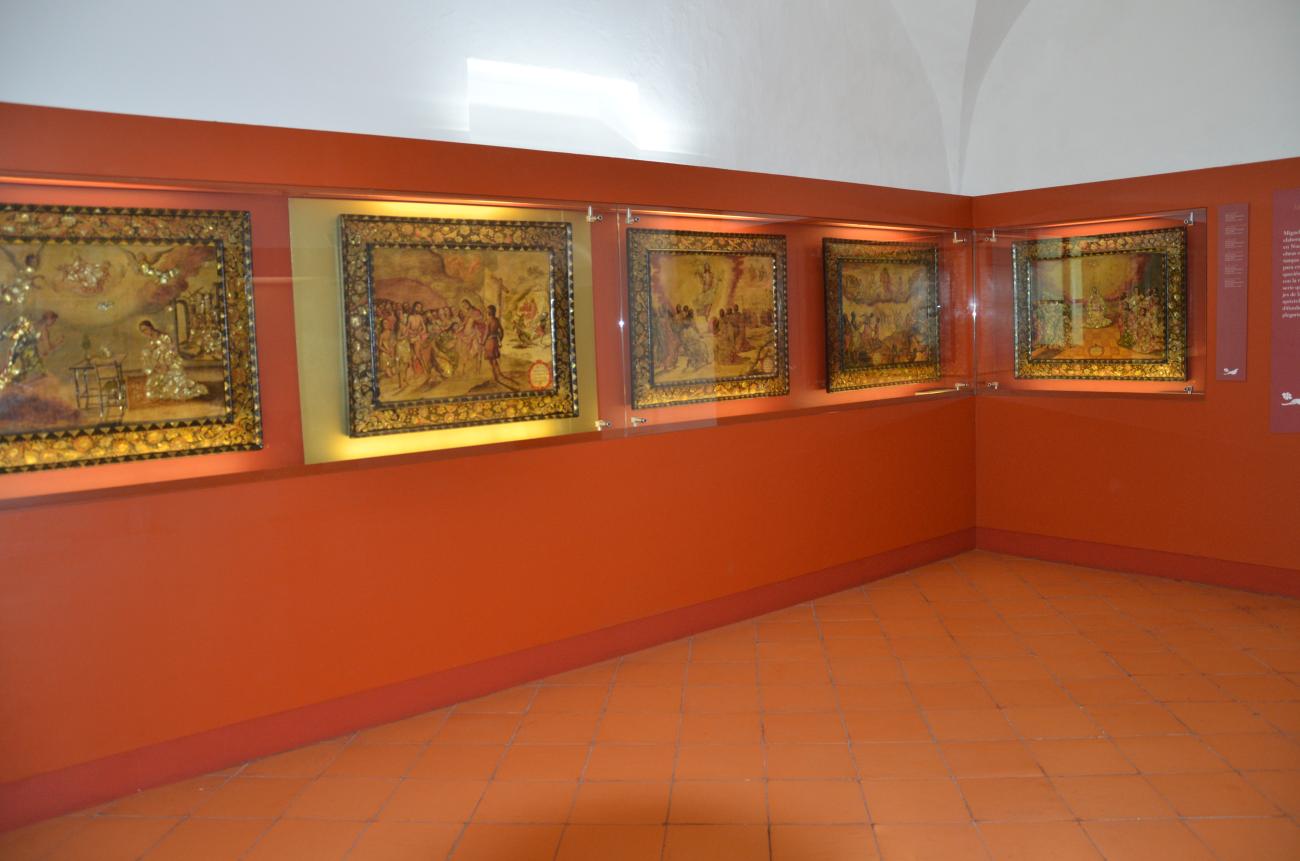
The National Museum of the Vice-Regal Period ranges in time from the background to the Conquest of Mexico in 1519-1521 to the first causes of social unrest that led to the Independence movement of 1810. It consists of 22 rooms located in both the lower part of the Aljibes Cloister and the upper part of the Naranjos Cloister, and displays objects as diverse as paintings, sculpture, pottery and textiles. It also deals with female convent life in the vice-regal period, with a collection of more than 20 portraits of crowned nuns. Due to the number of portraits and their artistic and historical relevance, this is the most important one of its kind in Latin America. It also addresses the arts and crafts of New Spain, as well as the commercial and cultural exchange it held with the Orient, with its collections of ivory, porcelain, marquetry and “enconchados” (oil paintings inlaid with mother-of-pearl).
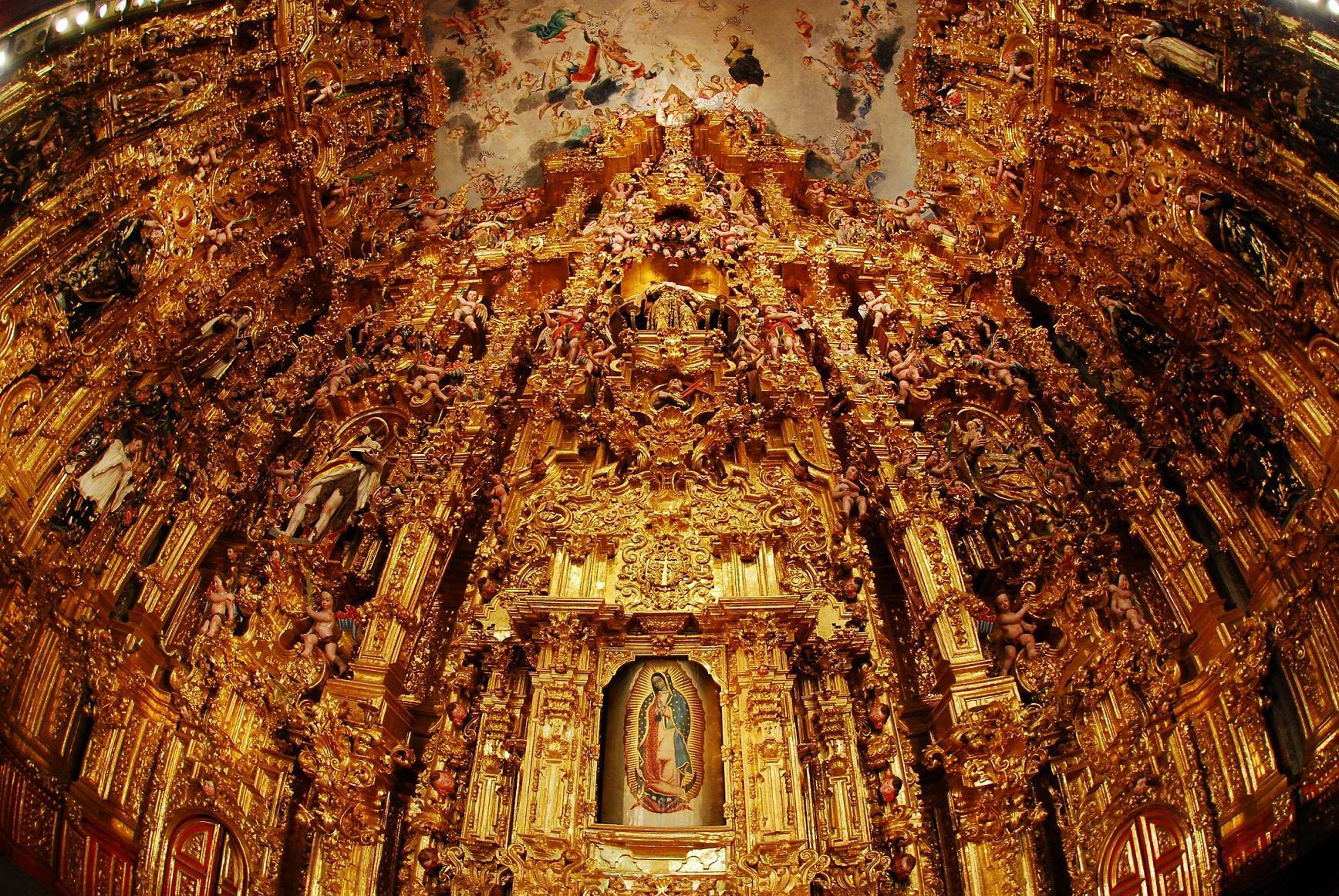
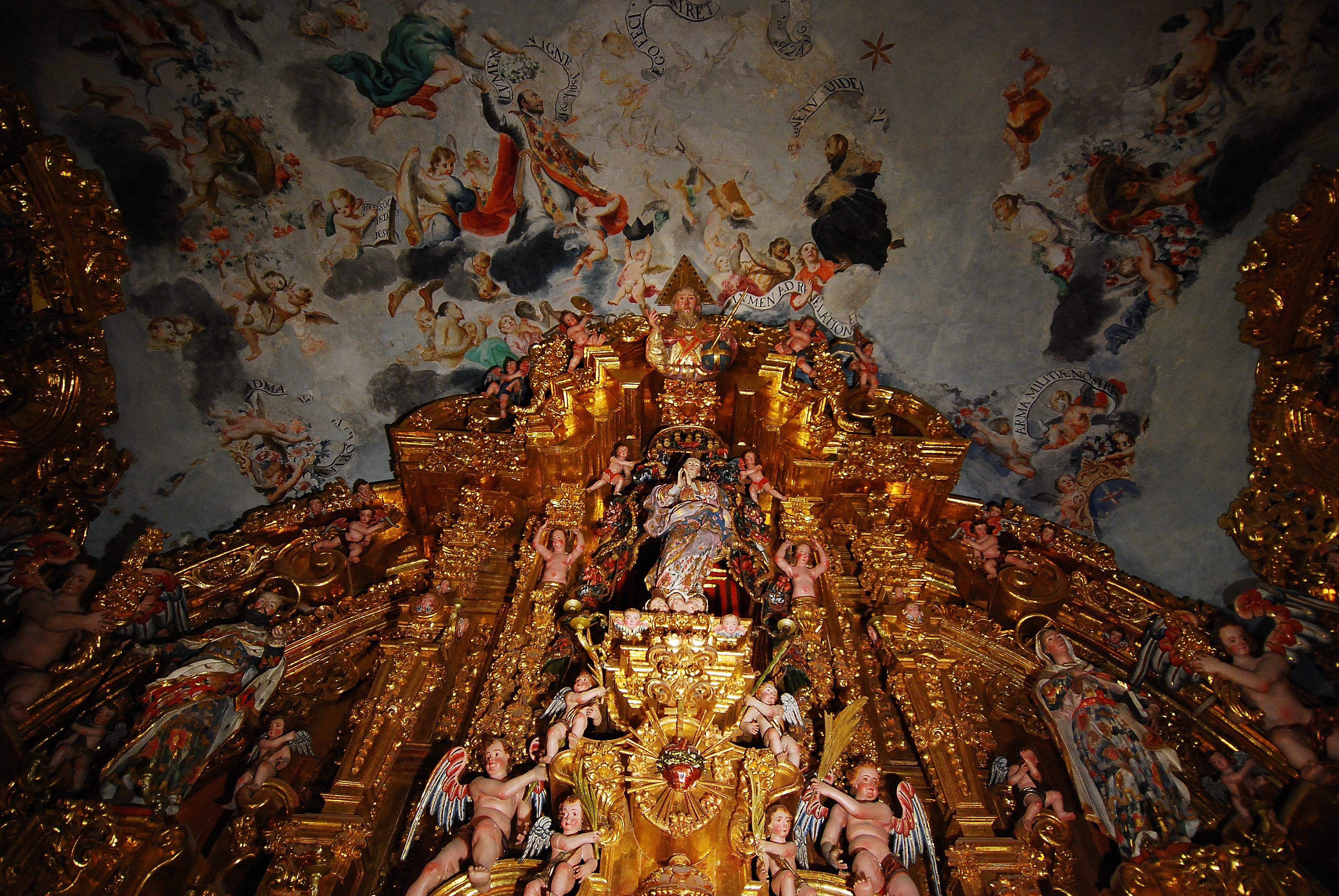
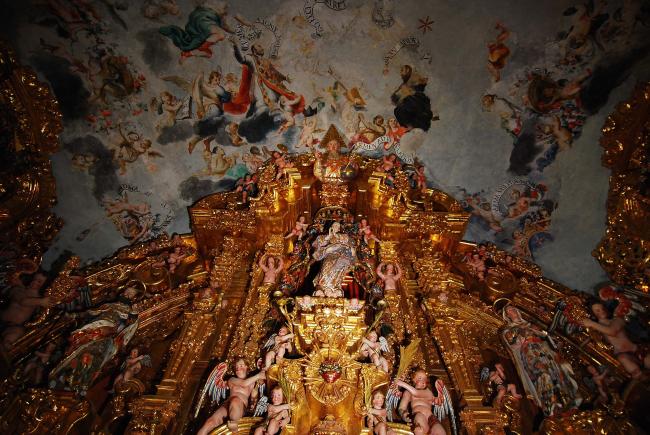
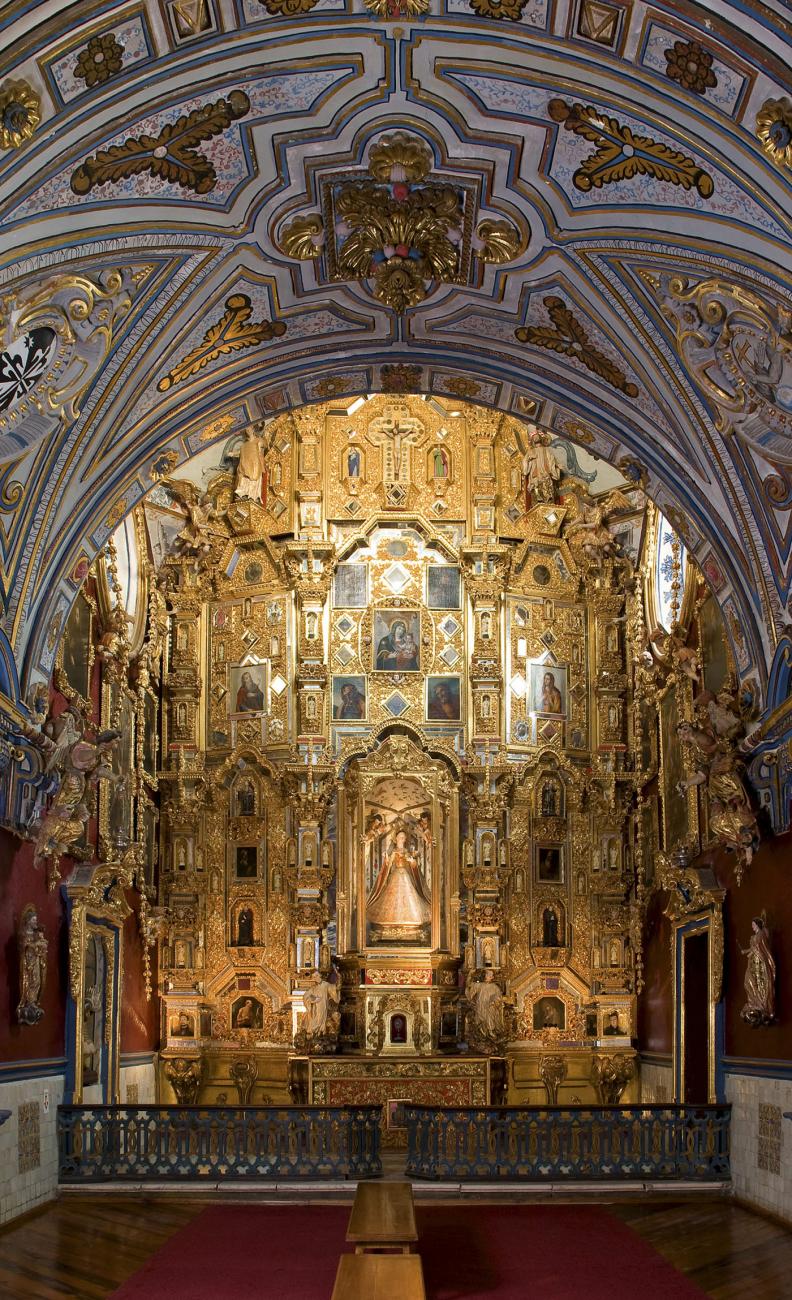
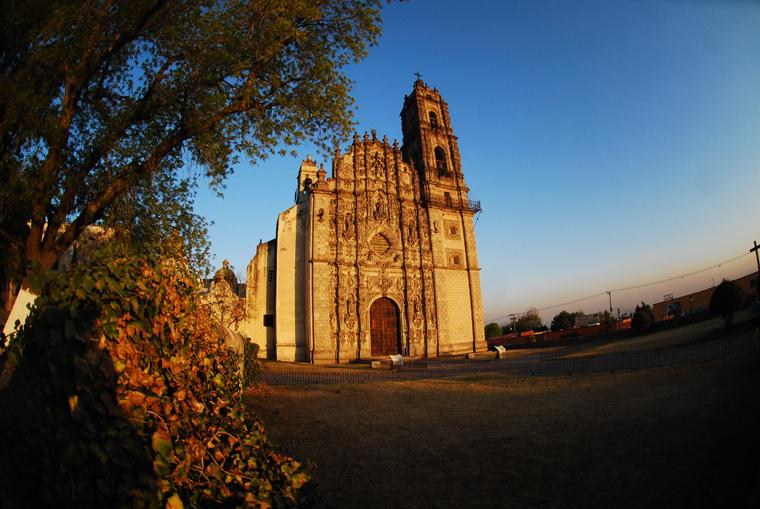
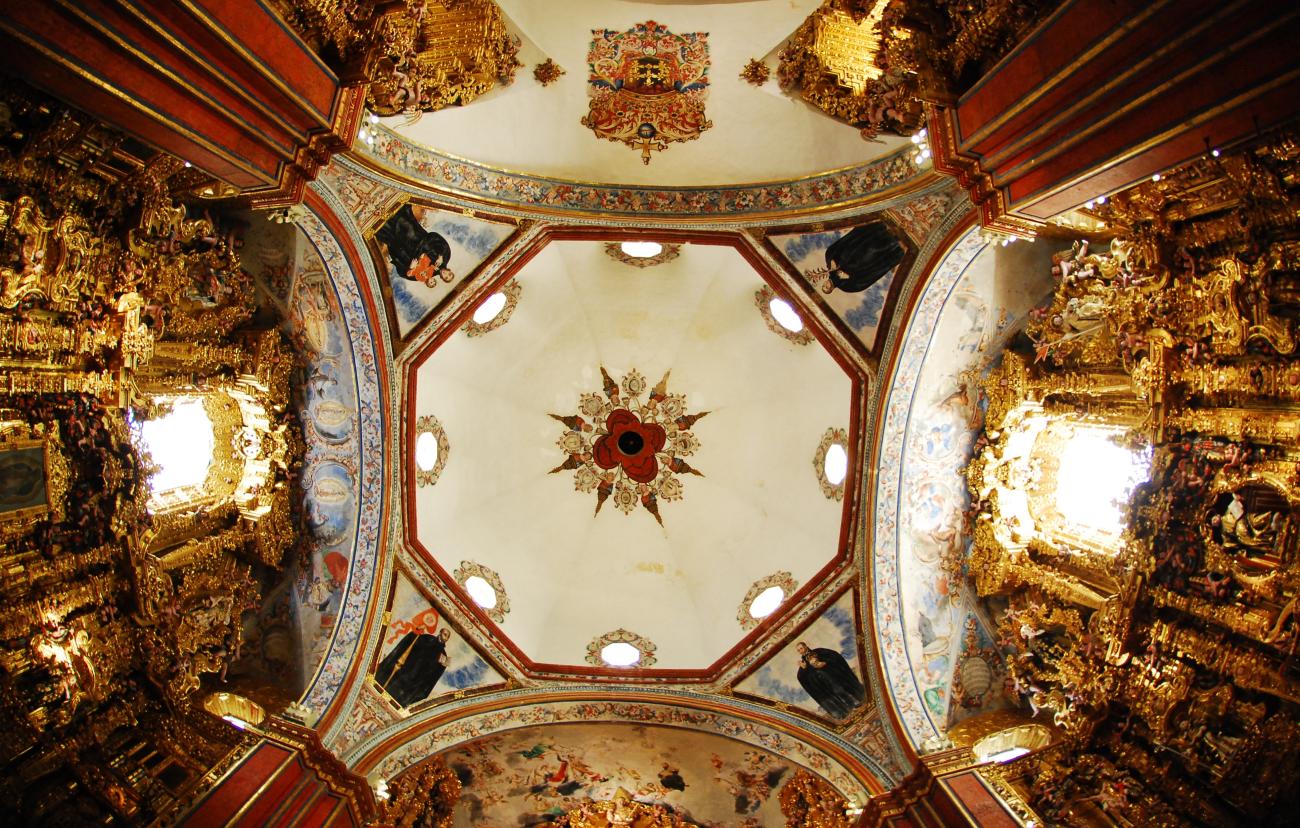
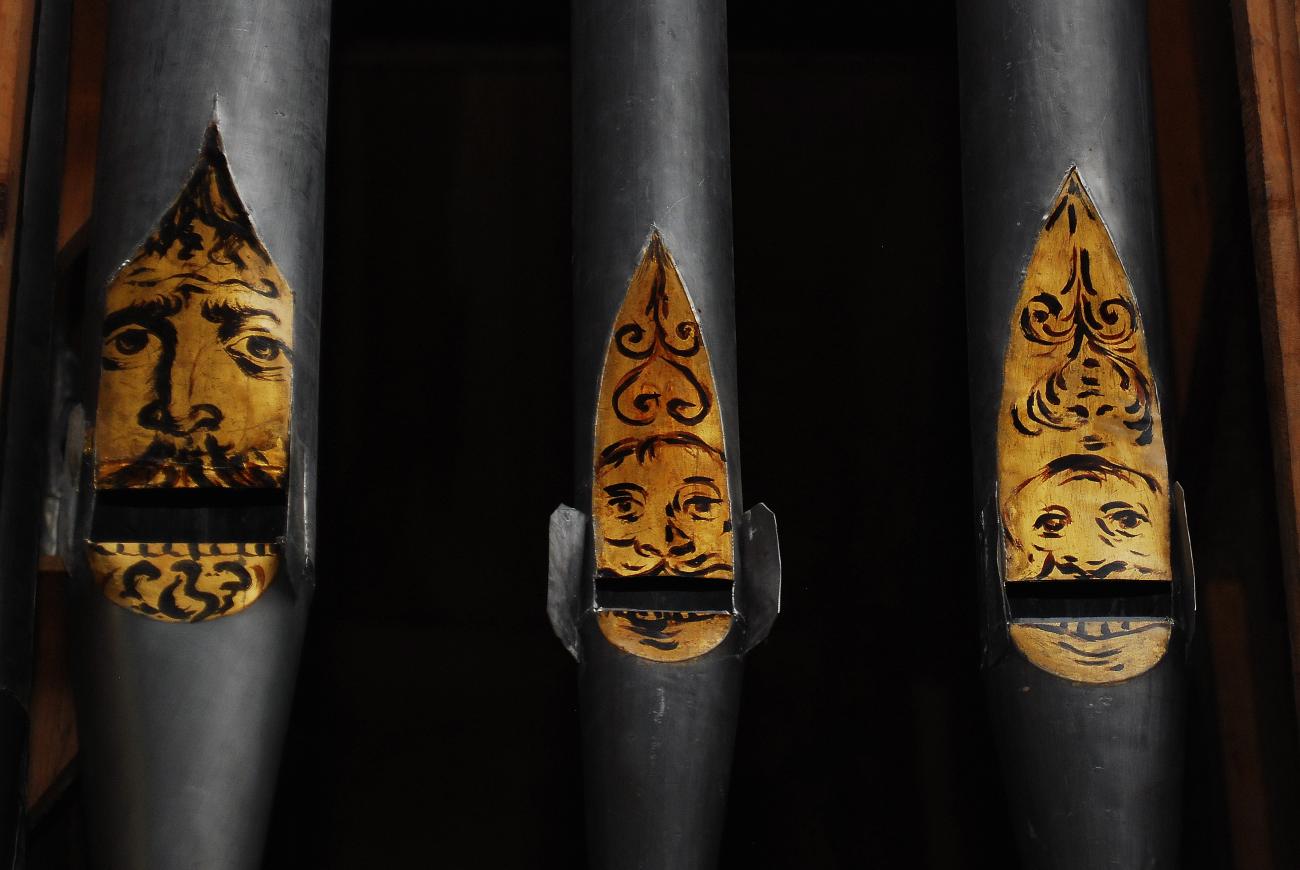
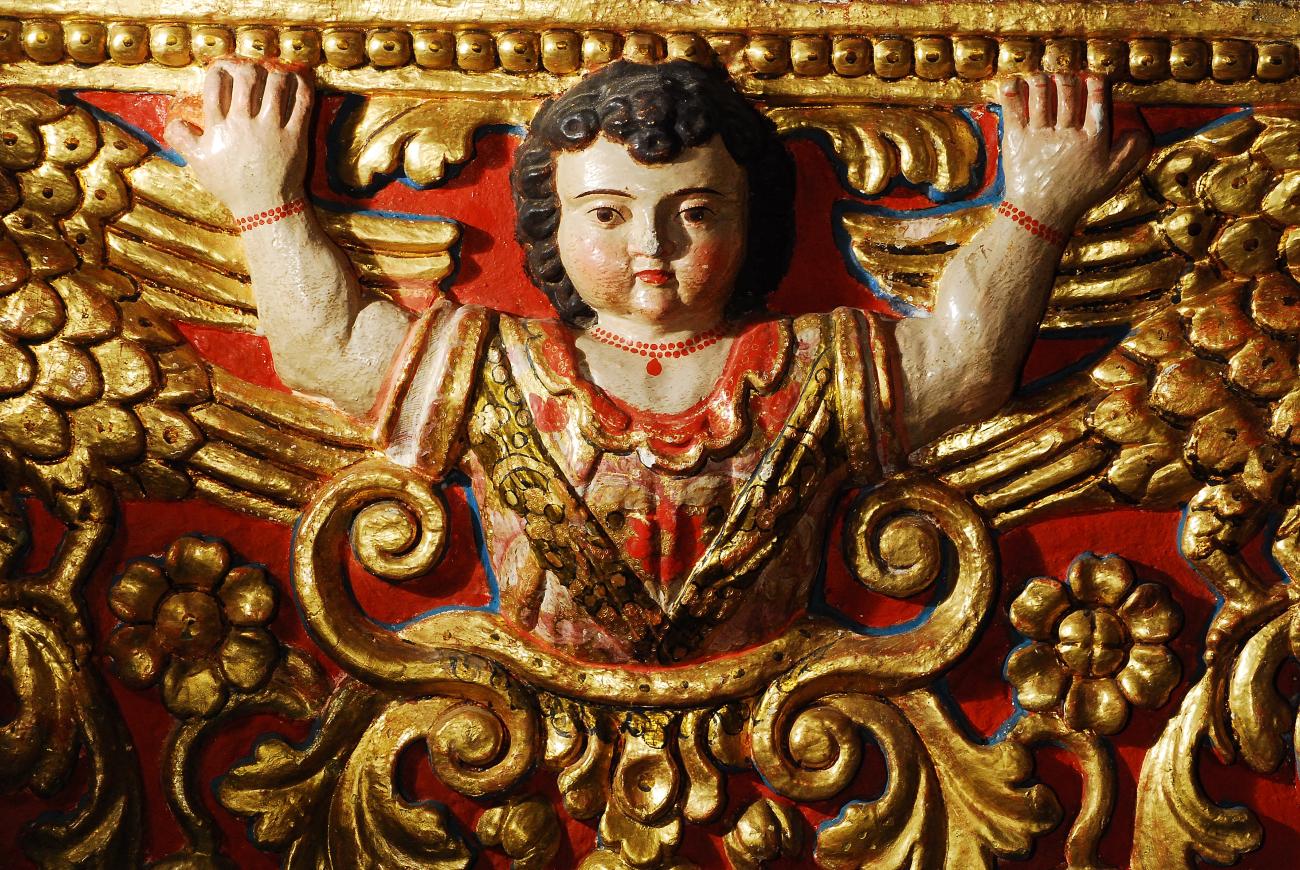
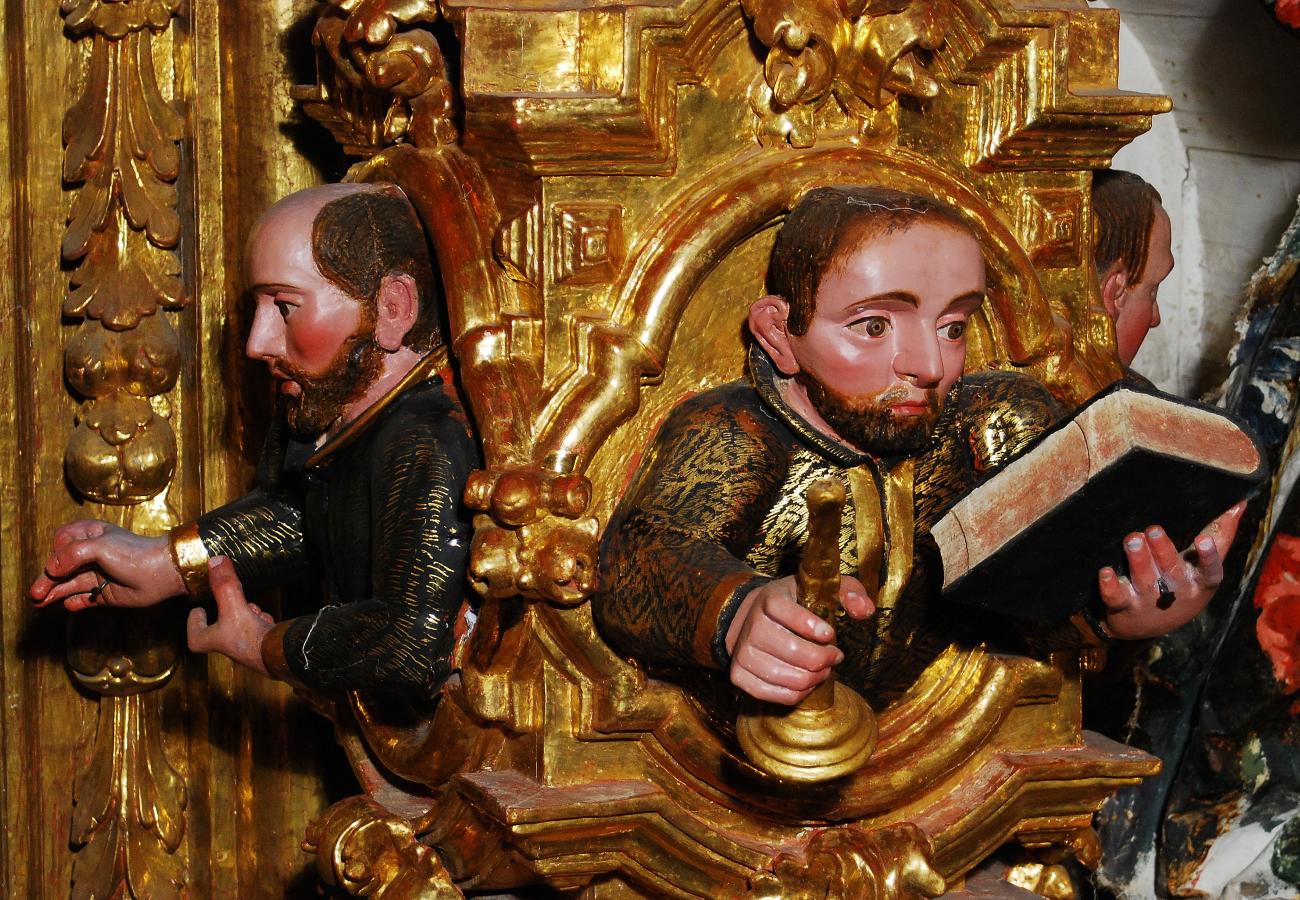
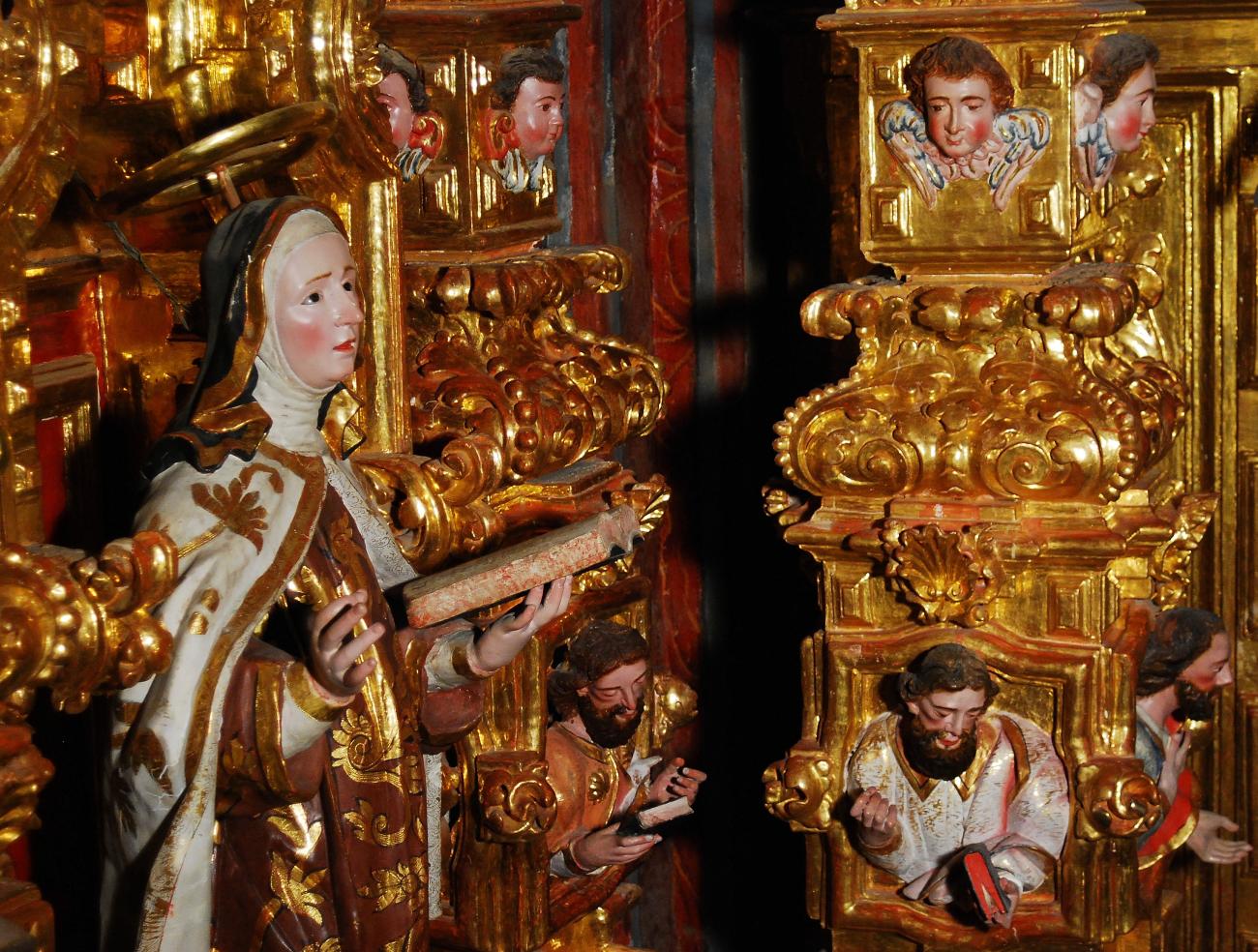
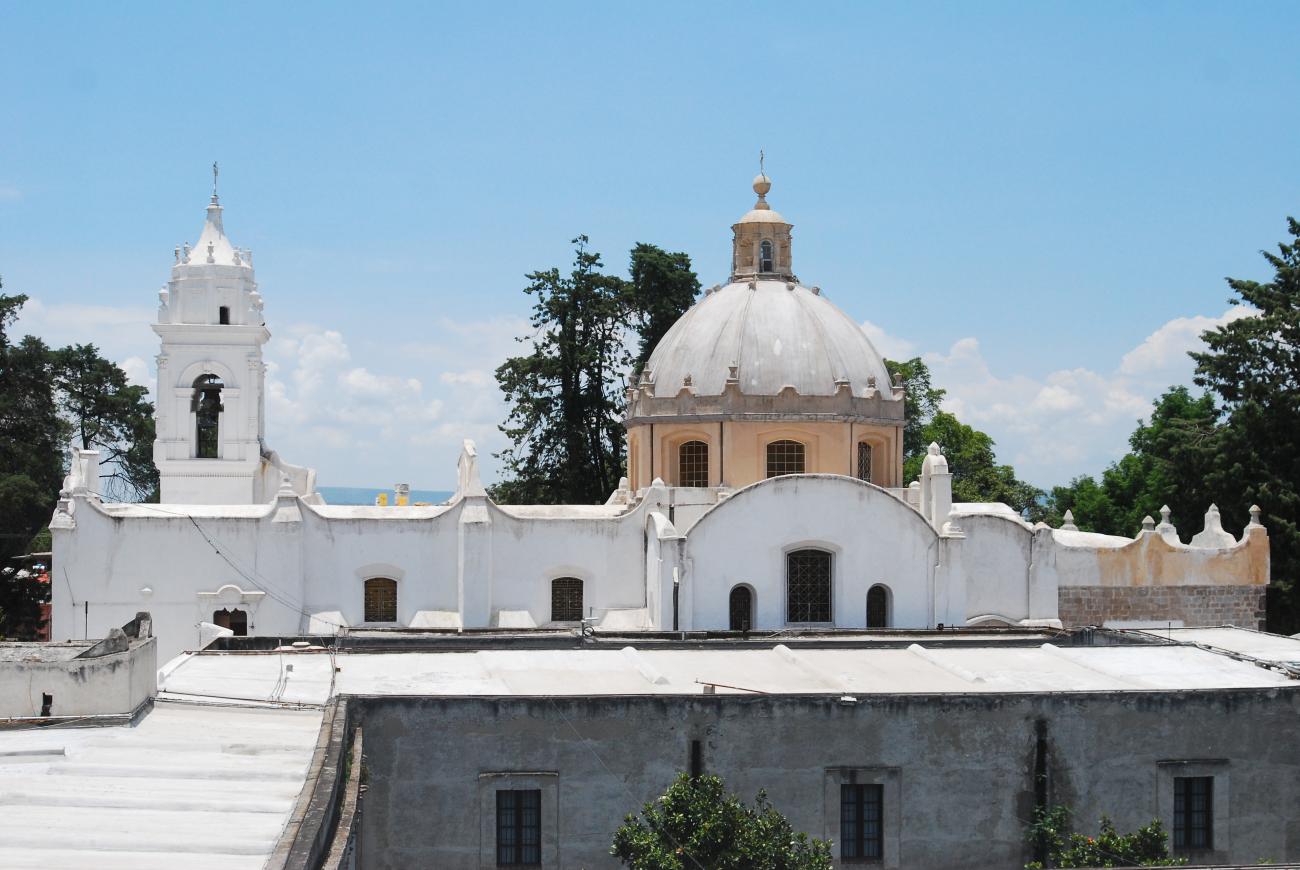
Visiting the church of San Francisco Javier is a must. It is one of the few baroque churches in Mexico that still preserves its originally characteristics. The altarpieces were designed and created by Miguel Cabrera e Higinio de Chávez in the mid-eighteenth century.
The Jesuits began to build their San Francisco Javier monastery and college of Tepotzotlán in 1606. They intended to open one school for indigenous children, another for Society of Jesus novices and one more so that novices and already-ordained Jesuits could learn the indigenous languages of New Spain. The church of San Francisco Javier was built between 1670 and 1682. Charles III of Spain “and the Spanish Indies” expelled the Jesuits from his empire in 1767, which was much lamented by many inhabitants of New Spain. The Jesuit foundation of Tepotzotlán was left totally abandoned for eight years, until the Archbishop of Mexico gave it to the secular clergy, who turned into a retreat for elderly and infirm priests, and a place of penitence for censured priests. Pope Clement XIV abolished the Society of Jesus in 1773 to curry favor with the three kings who had expelled the Jesuits from their realms (Portugal, France and Spain). When it was reestablished by Pope Pius VII in 1814, some Jesuits came back years later (possibly in 1819). A few old men of the many who had been expelled returned to New Spain and Tepotzotlán.
Owing to the Reform Laws, the College became national property in 1859, although mass was still held in the church of San Francisco Javier. There were attempts to convert the premises into a jail, but the local community would not allow it. Later on, President Porfirio Díaz considered turning the structure into a jail as well, also without success. The school for children, on the other hand, remained. During the Mexican Revolution, the pro-Carranza (and subsequently anti-Carranza) General Francisco Coss Ramos took a dislike to the teachers of Tepotzotlán, especially to Father Gonzalo Carrasco, the dean. As the dean was also a painter, the general ordered him to paint a portrait of Venustiano Carranza and told him and his colleagues to take off their religious habit. The teacher refused, so the general sent him to the Teoloyucan jail whilst he and his soldiers sacked the school and the former monastery. The Jesuits abandoned Tepotzotlán once again. From time to time, rumors arose that there was treasure buried on the premises. The floor was opened and excavations were made in the church and other parts of the building to search for it in 1928, 1931, 1932 and 1934, without anything ever being found, although some damage was done to the architecture.
The Jesuit churches and other structures of Tepotzotlán were declared a national monument in 1933. Systematic restoration work was eventually begun by the INAH in 1964, with the splendid results that President Adolfo López Mateos inaugurated in 1964. The valuable collection that the new National Museum of the Vice-Regal Period was then provided with came from the Metropolitan Cathedral’s Museum of Religious Art, the National History Museum, and donations from private collectors.

Arts and Crafts of New Spain
This exhibition explores various aspects of labor organization and artistic production in New Spain, through themes such as guilds, ordinances, workshops, stores, and religious brotherhoods.
Arts and Crafts of New Spain
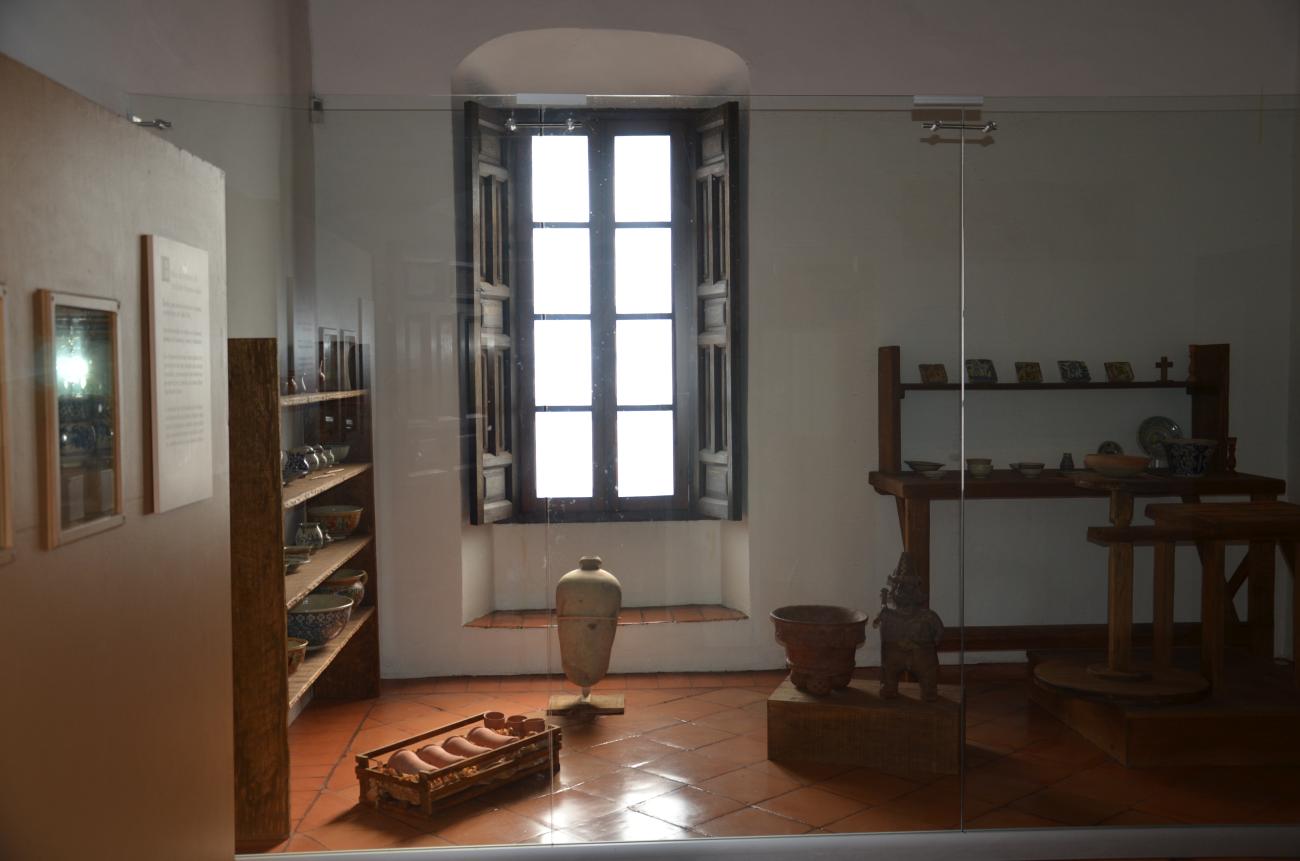
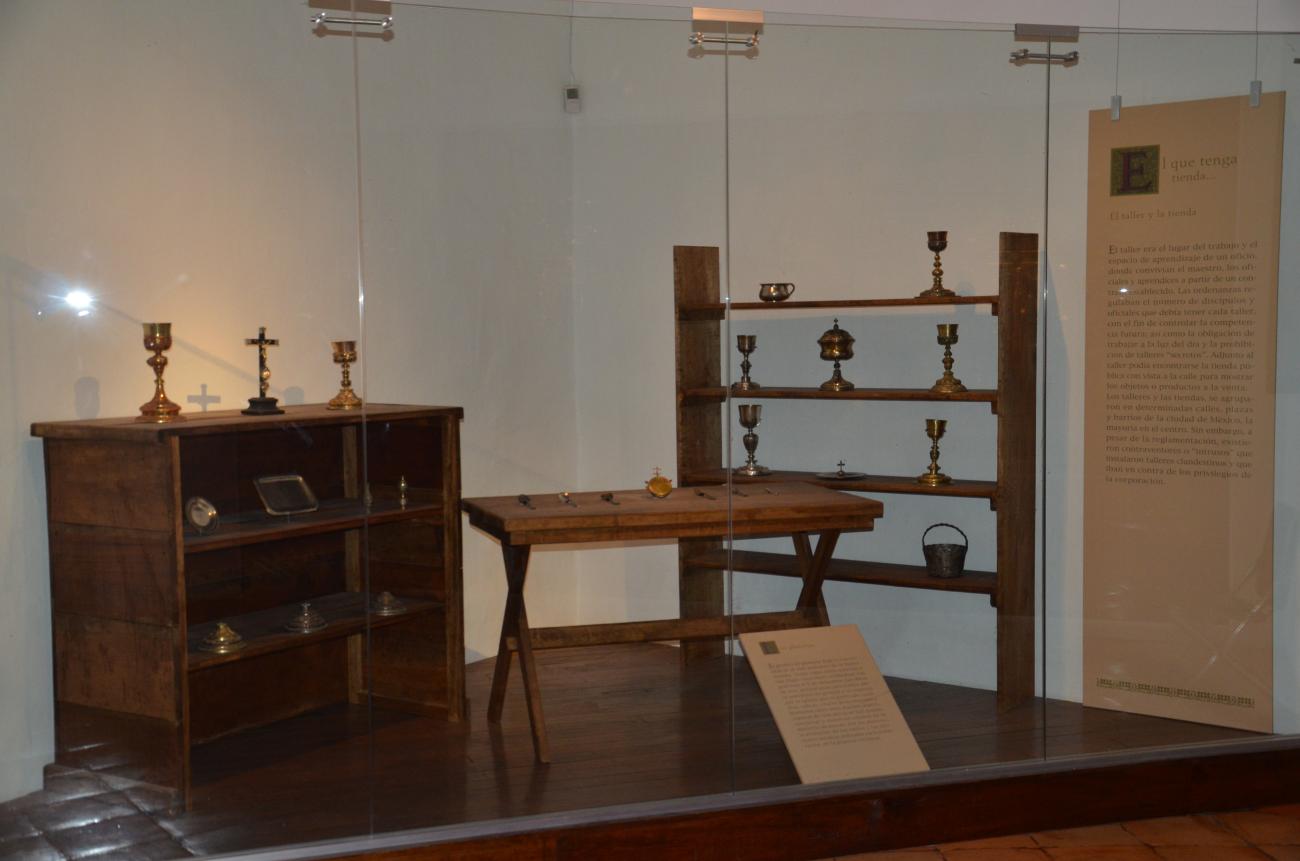
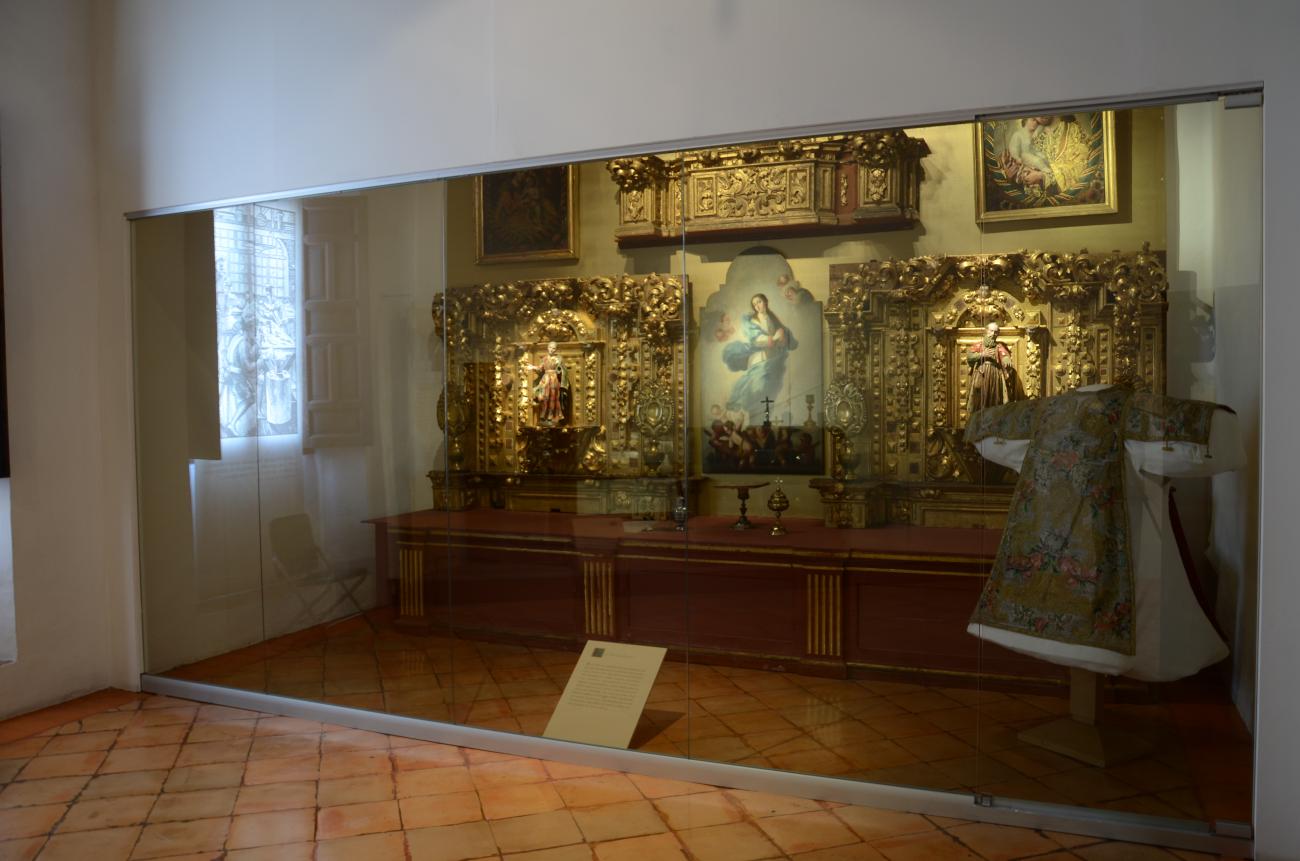
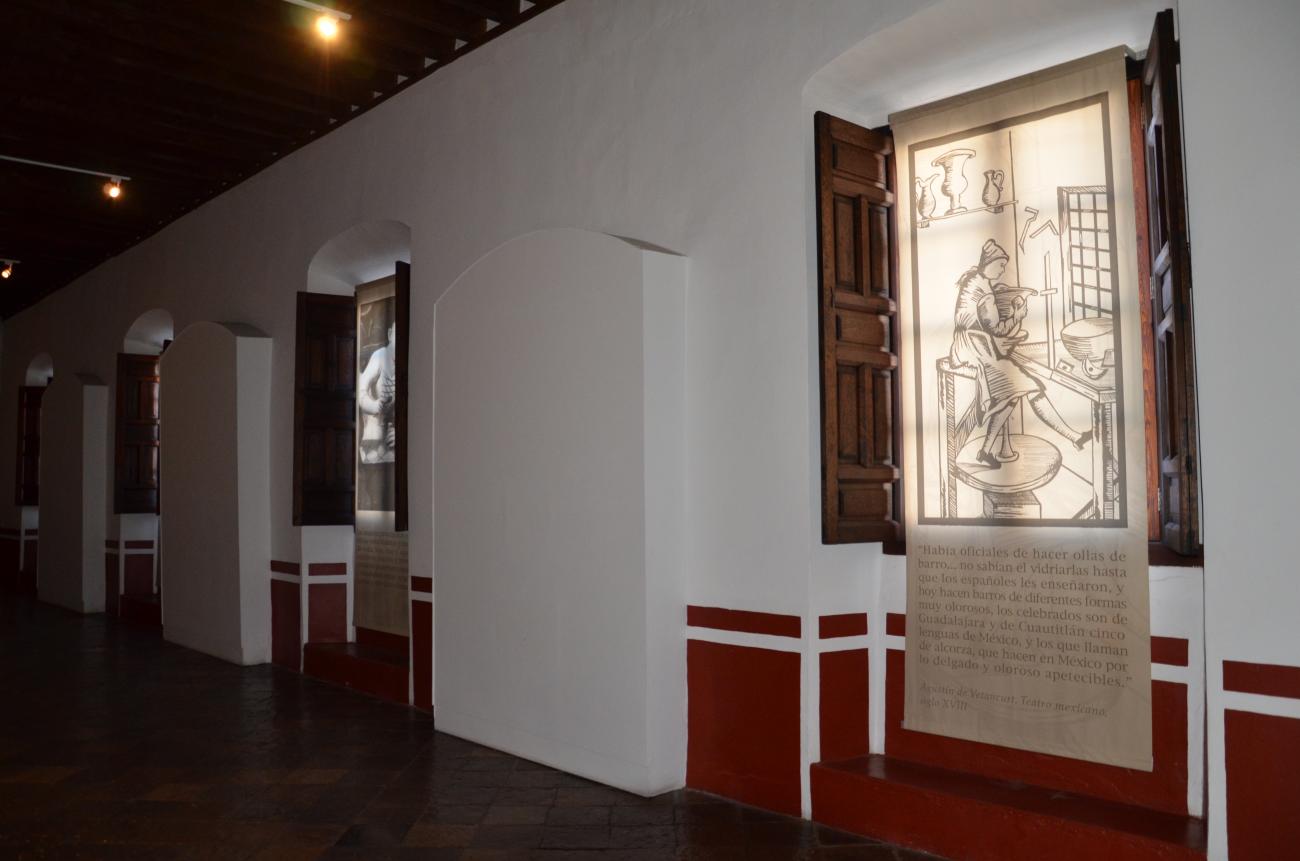
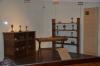
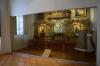
This exhibition explores various aspects of labor organization and artistic production in New Spain, through themes such as guilds, ordinances, workshops, stores, and religious brotherhoods. It features works made by blacksmiths, carpenters, embroiderers, painters, gilders, potters, printers, sculptors, and woodcarvers.

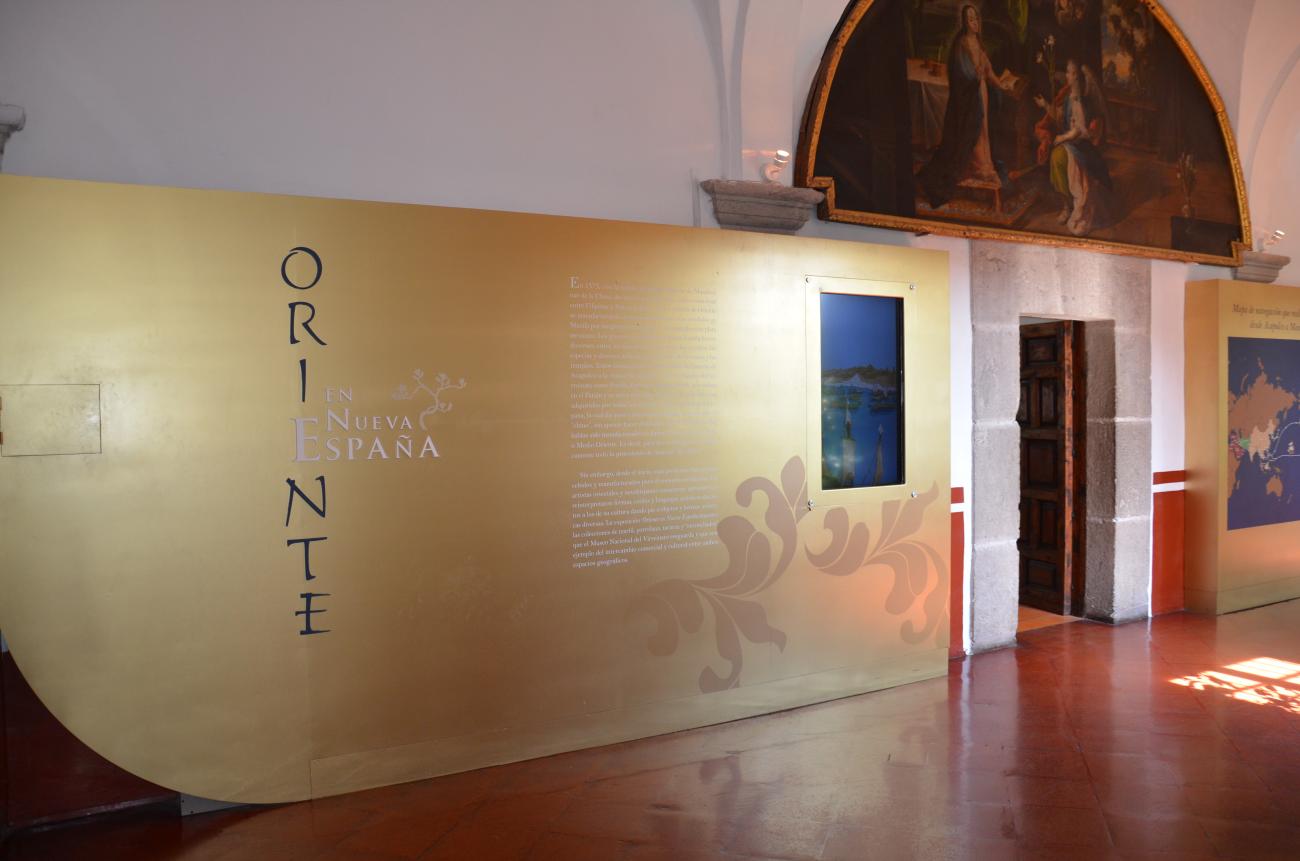
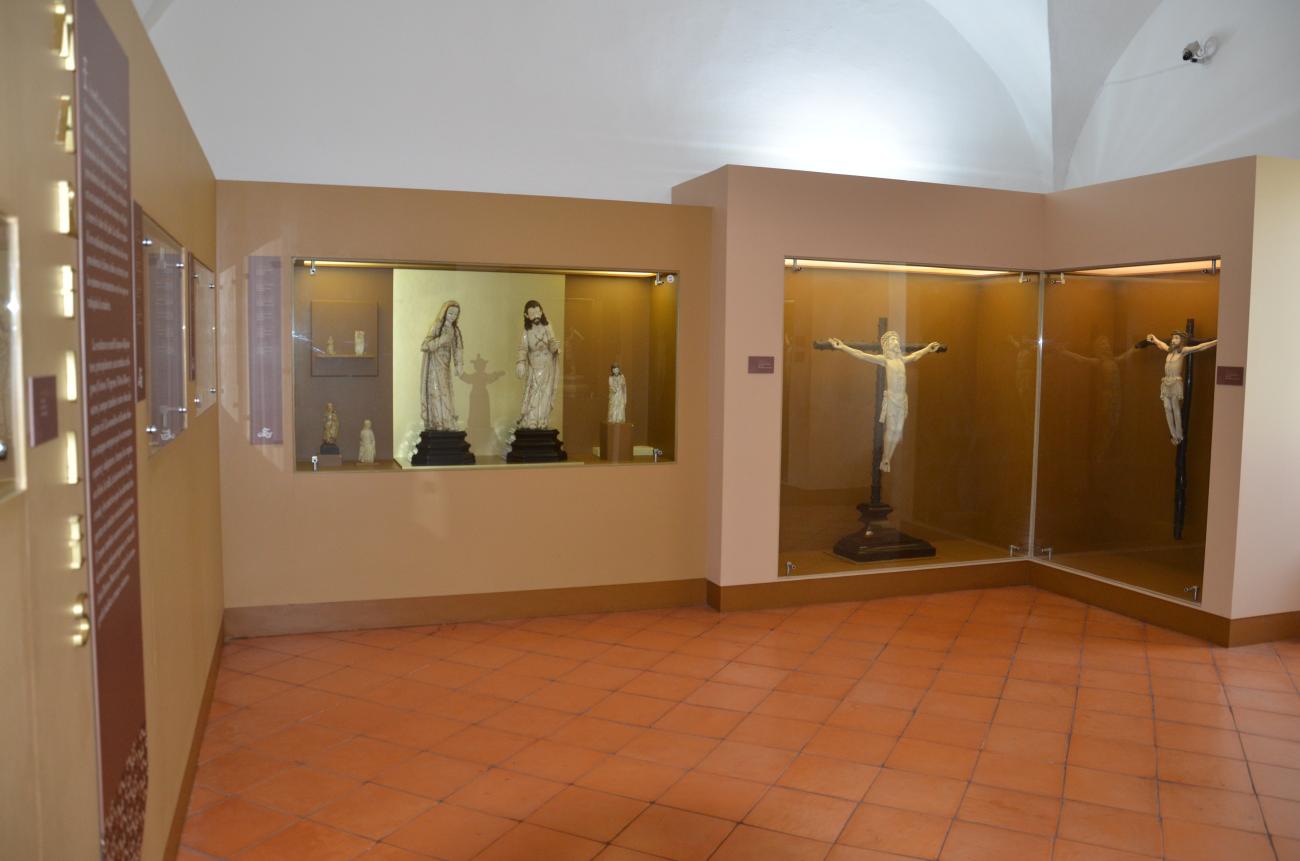
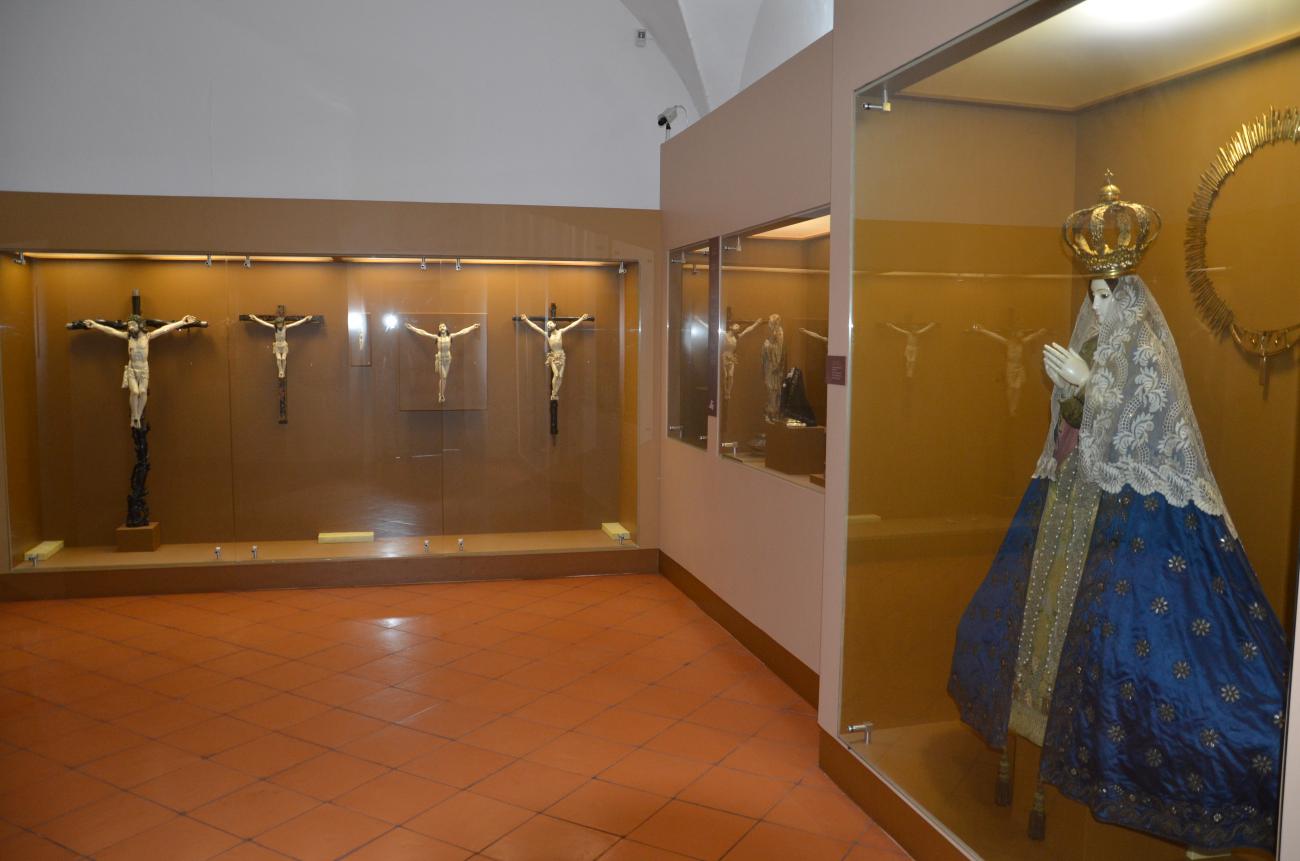
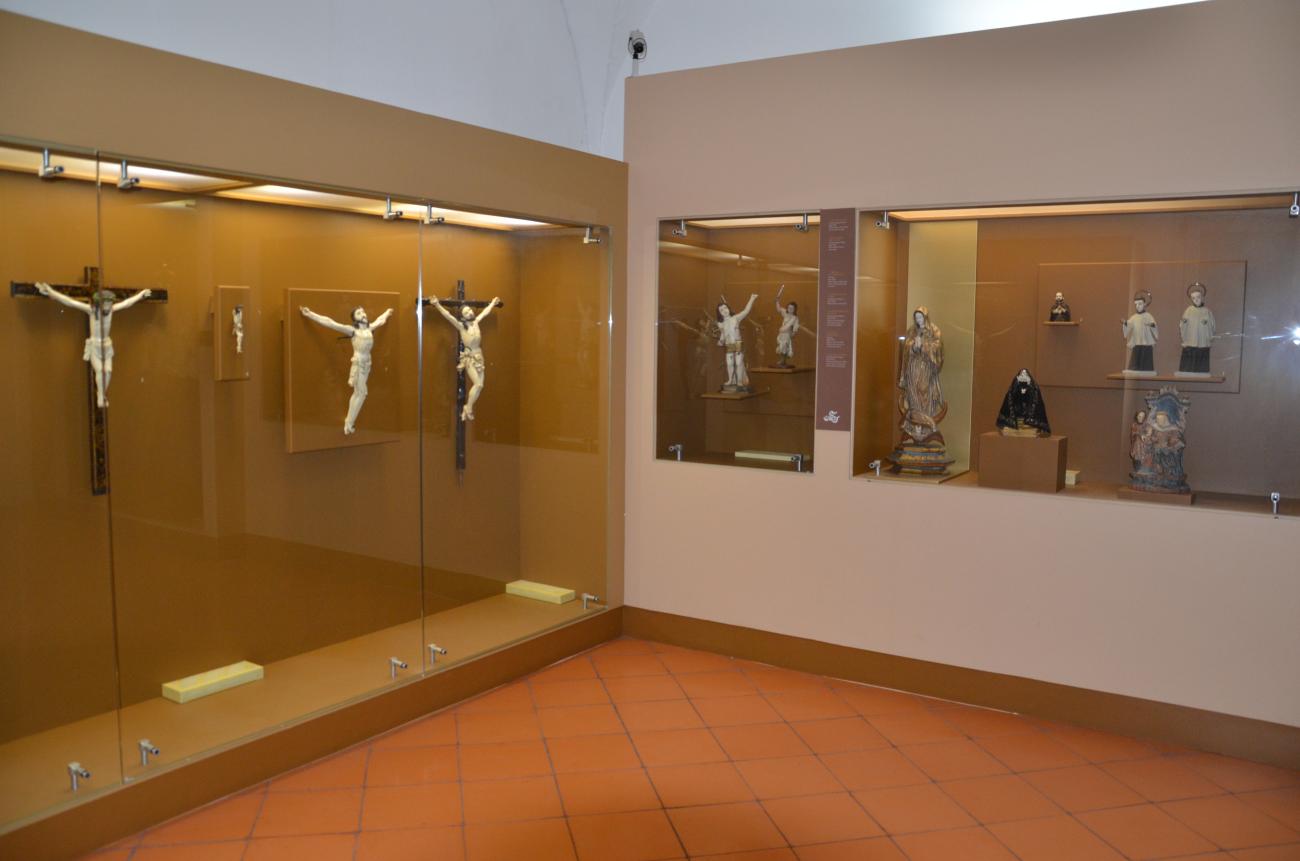
The East in New Spain
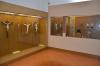
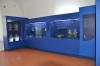
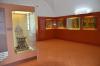
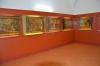
This permanent exhibition, located on the upper floor of the Cloister of the Orange Trees, showcases the museum’s collection of ivory, porcelain, marquetry, and "enconchados" (mother-of-pearl inlays).
The East in New Spain


Notable Figures of New Spain
Aside from religious imagery, portraiture was the most important genre in colonial painting. Most of the subjects portrayed as nobles belonged to one of three key sectors in viceregal society: ecclesiastical, social, and intellectual.
Notable Figures of New Spain

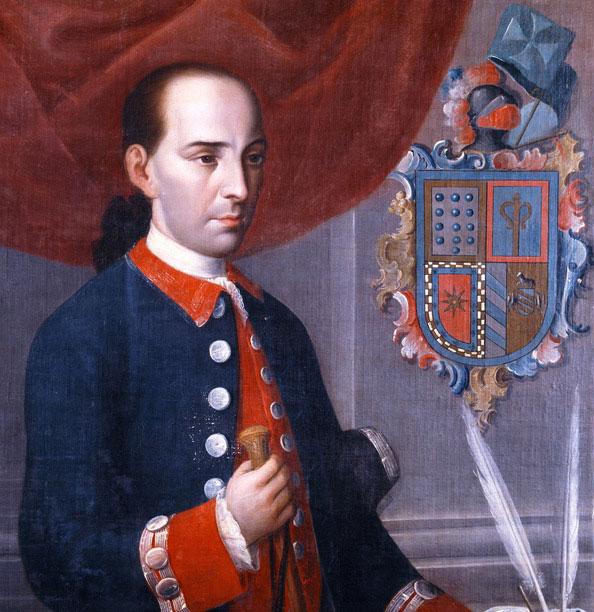
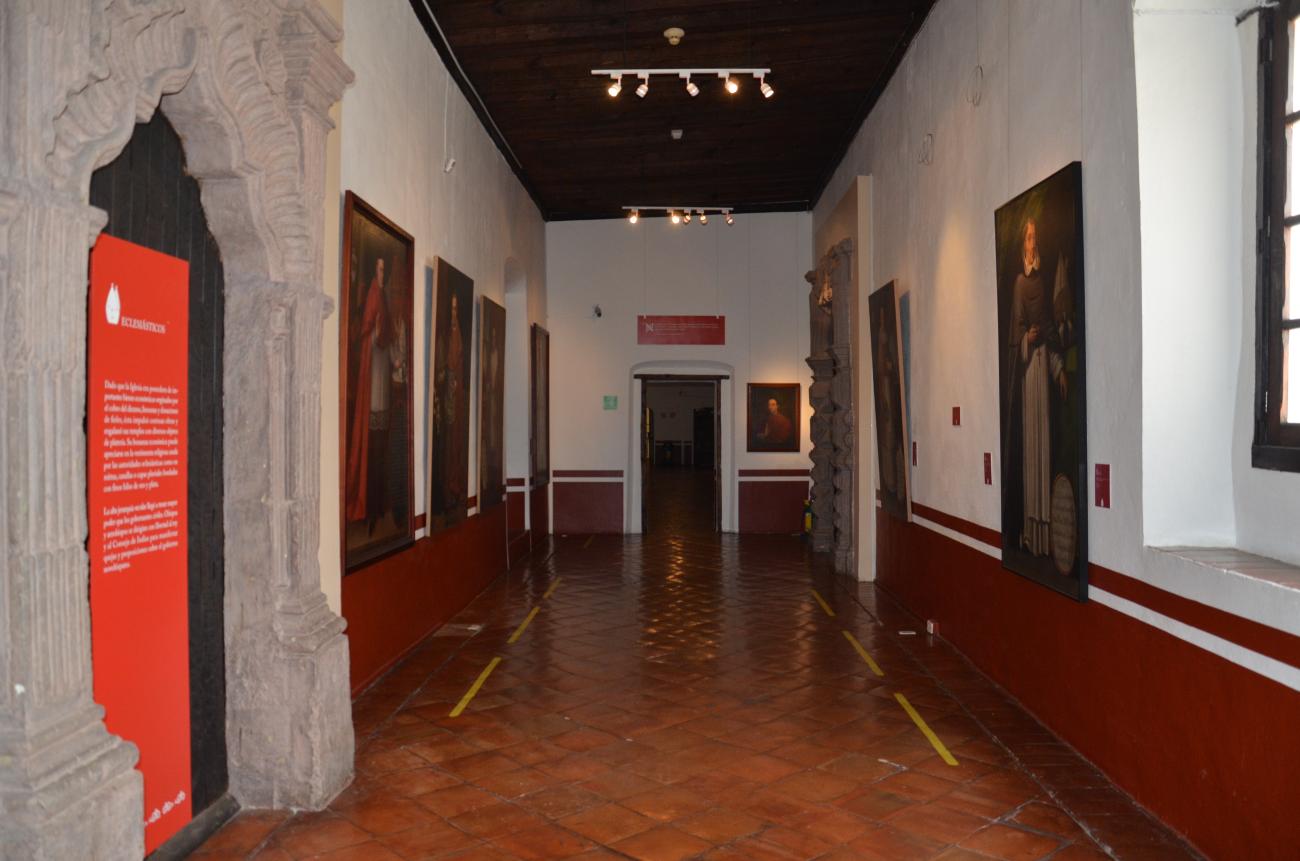
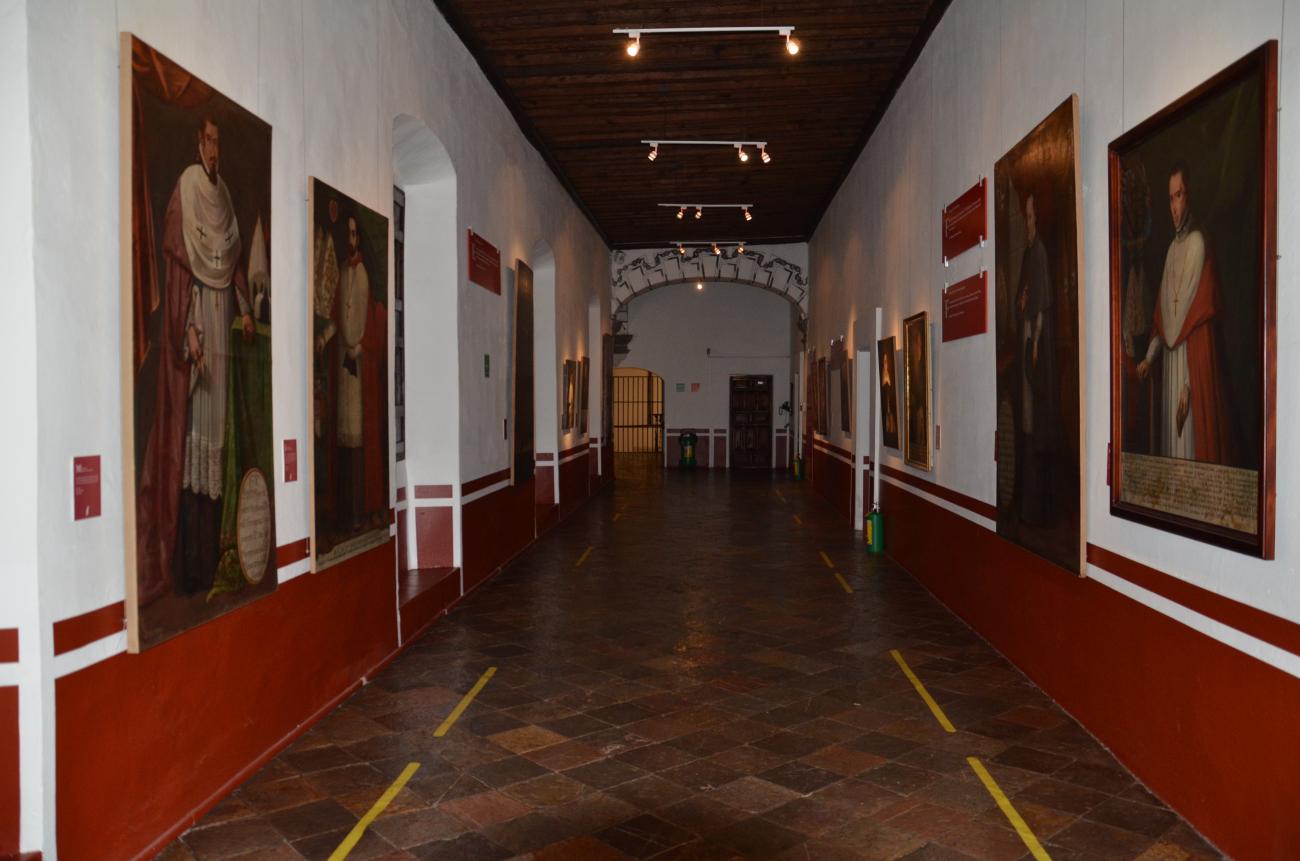
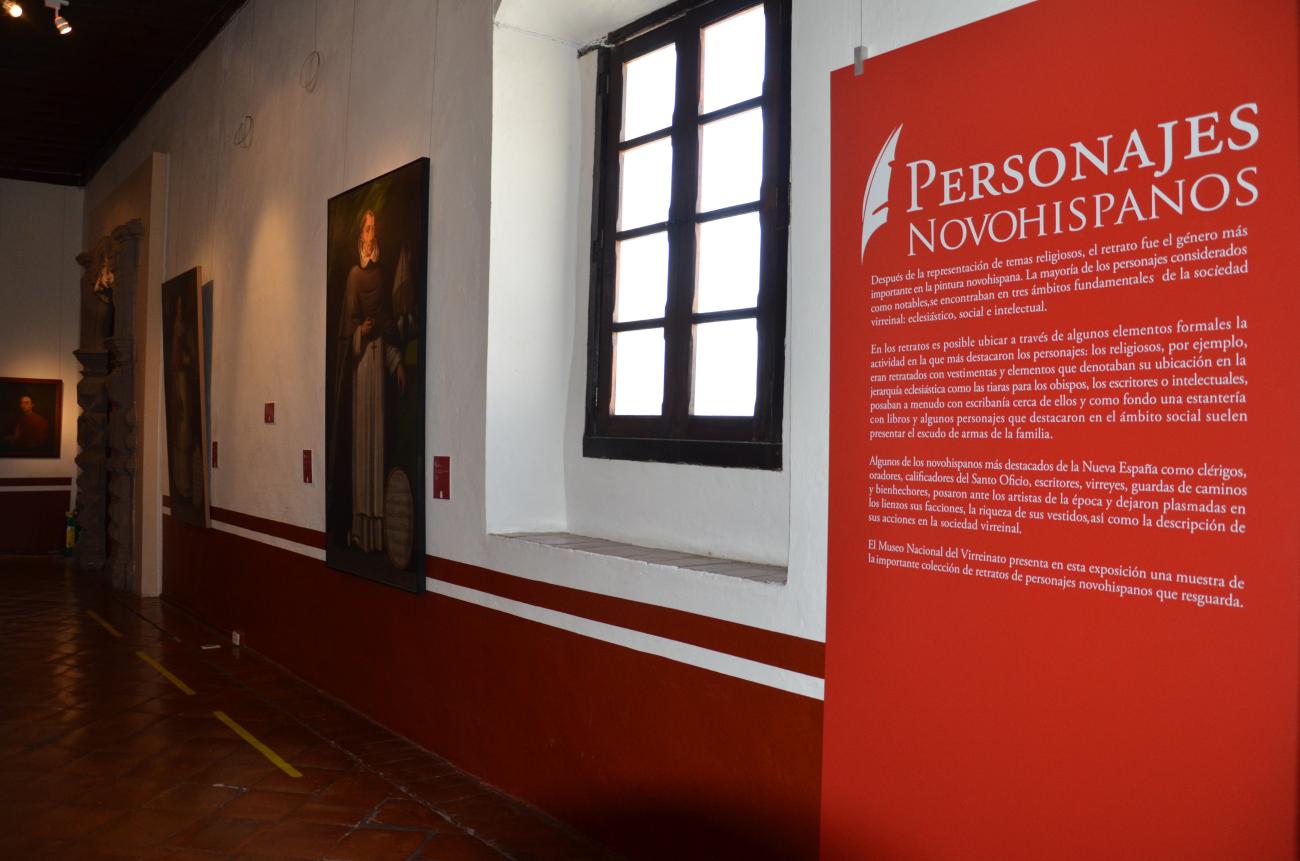
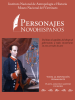
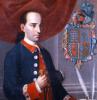
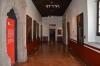
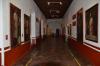

Aside from religious imagery, portraiture was the most important genre in colonial painting. Most of the subjects portrayed as nobles belonged to one of three key sectors in viceregal society: ecclesiastical, social, and intellectual.
Their activities are often indicated by symbolic elements: religious figures are shown with garments and items denoting their clerical rank—such as episcopal stoles—while writers and intellectuals are often depicted with inkwells and bookshelves. Social elites sometimes appear with their family coats of arms.
Prominent figures of New Spain—including clergymen, preachers, inquisitors, writers, viceroys, road wardens, and benefactors—sat for artists of the period, leaving behind portraits that capture not only their imagined likenesses and sumptuous garments but also their roles and contributions to viceregal society.
This exhibition presents a selection of colonial portraits from the museum’s significant collection.
Domestic or Novices’ Chapel
Historical Description
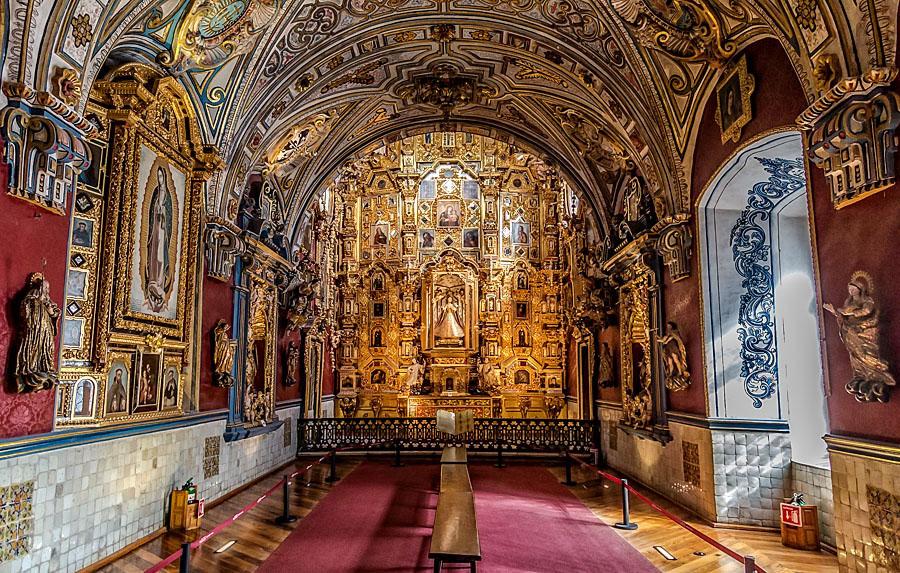
Also known as the Novices’ Chapel, this space was shared by young Jesuit students and priests. Here, novices took part in religious services. The presbytery is adorned with paintings depicting saints whose lives served as moral examples for them.
Domestic or Novices’ Chapel

Historical Description
Also known as the Novices’ Chapel, this space was shared by young Jesuit students and priests. Here, novices took part in religious services. The presbytery is adorned with paintings depicting saints whose lives served as moral examples for them.
Aesthetic Description
Built in the early 17th century, the chapel has a single nave with a vaulted ceiling richly decorated with polychrome stuccowork. Framed by plant and geometric motifs are the coats of arms of the six major religious orders that evangelized New Spain.

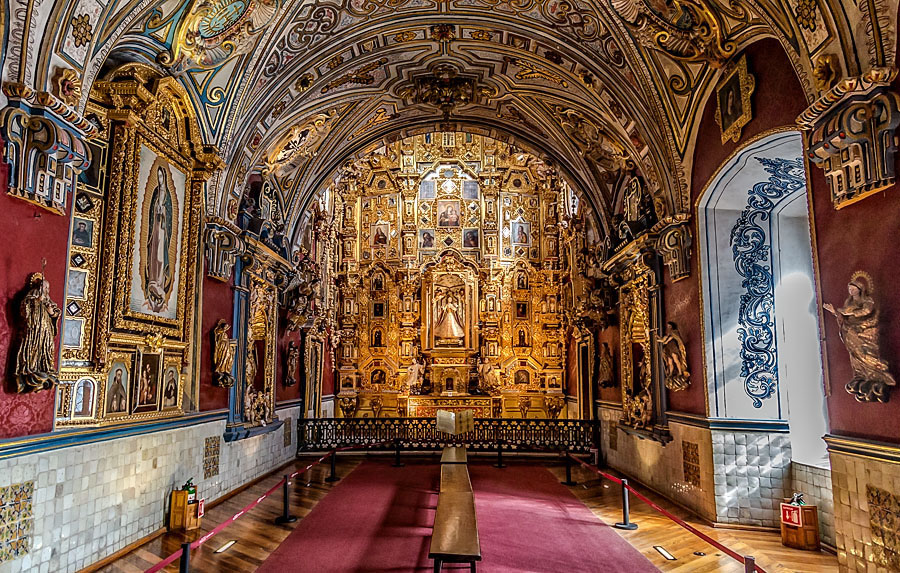
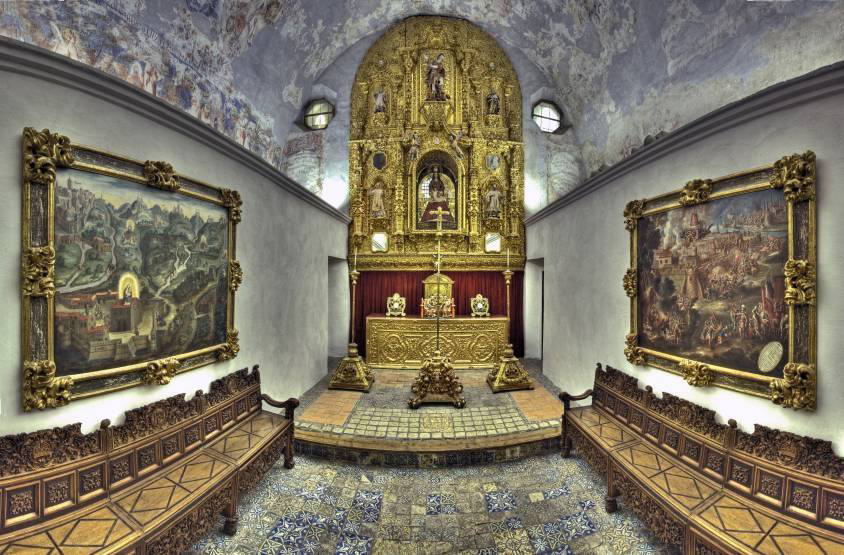
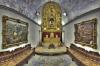
House of Loreto


Historical Description
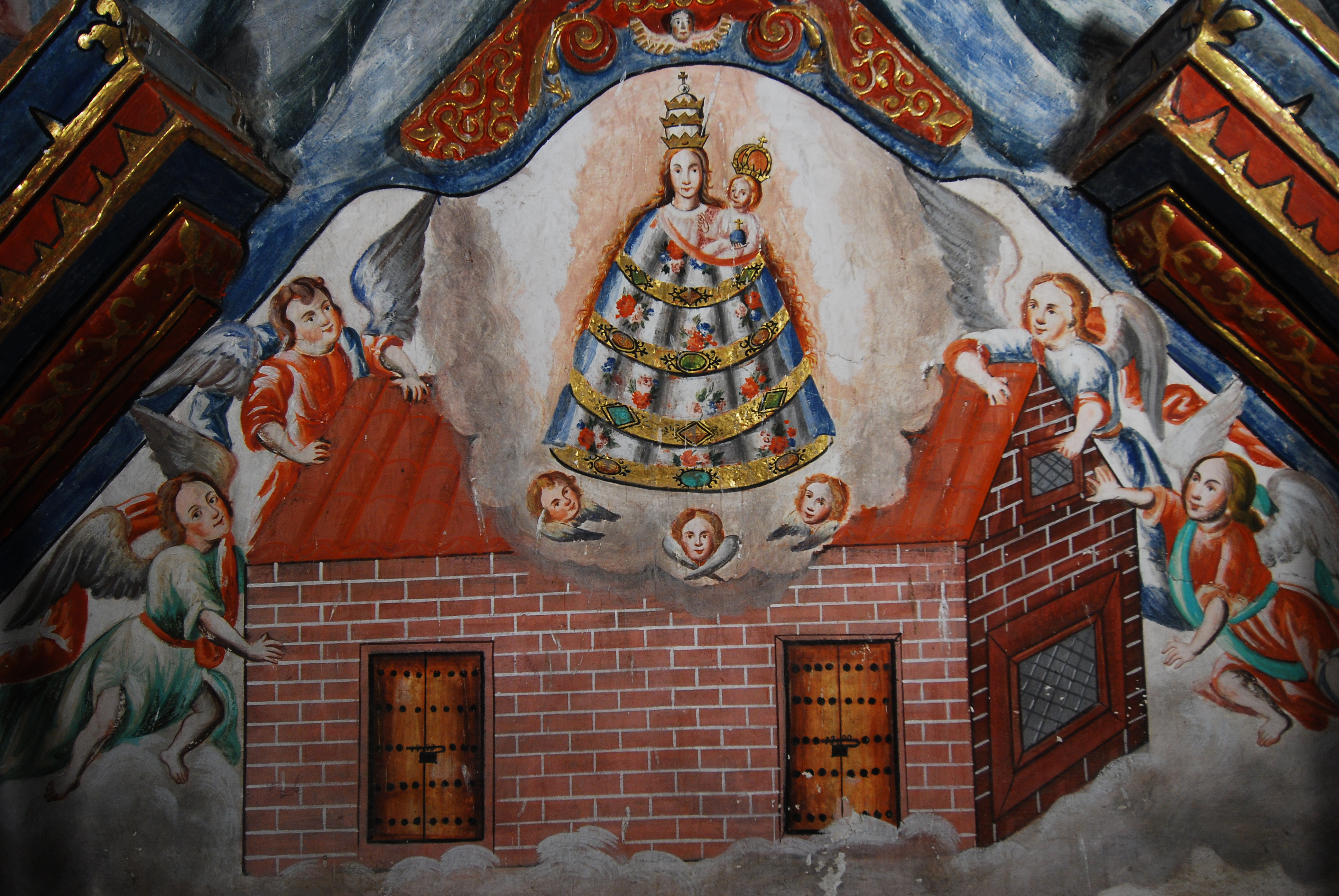
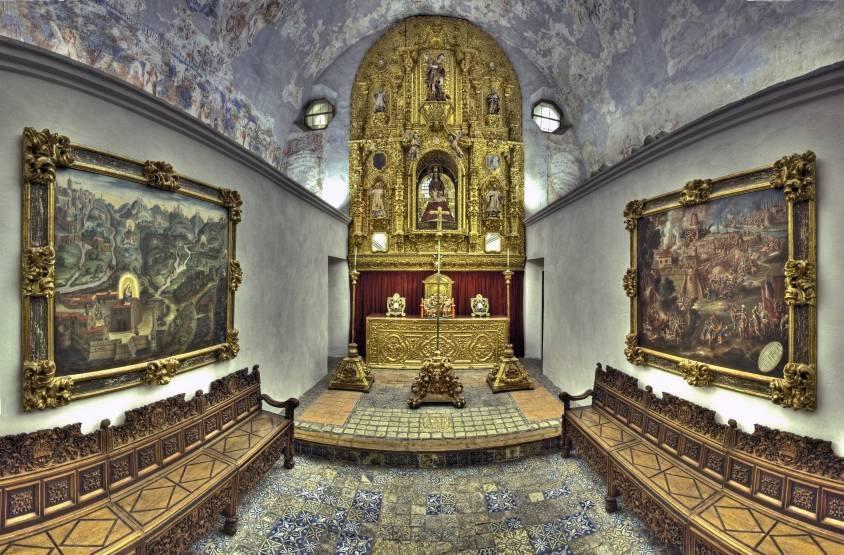
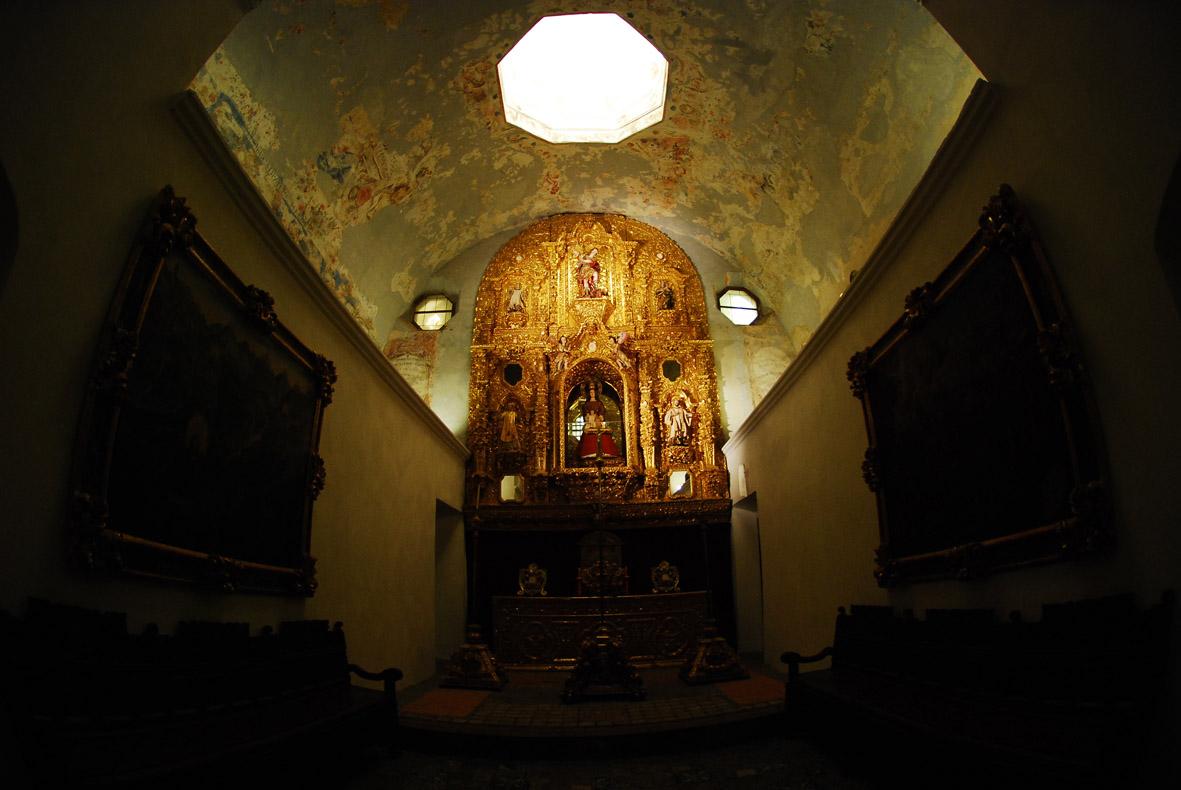
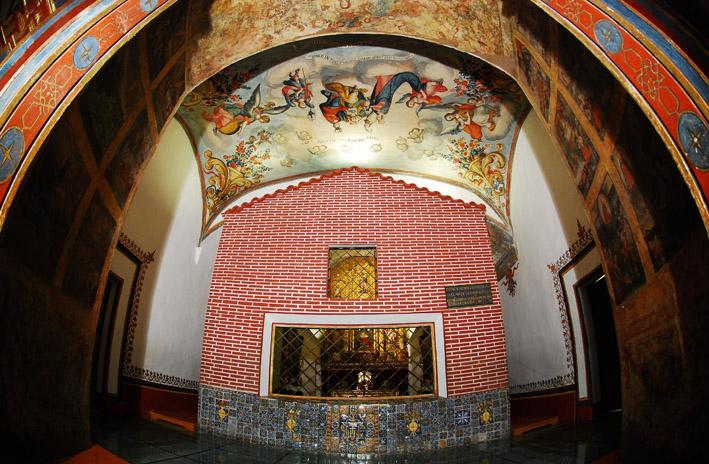
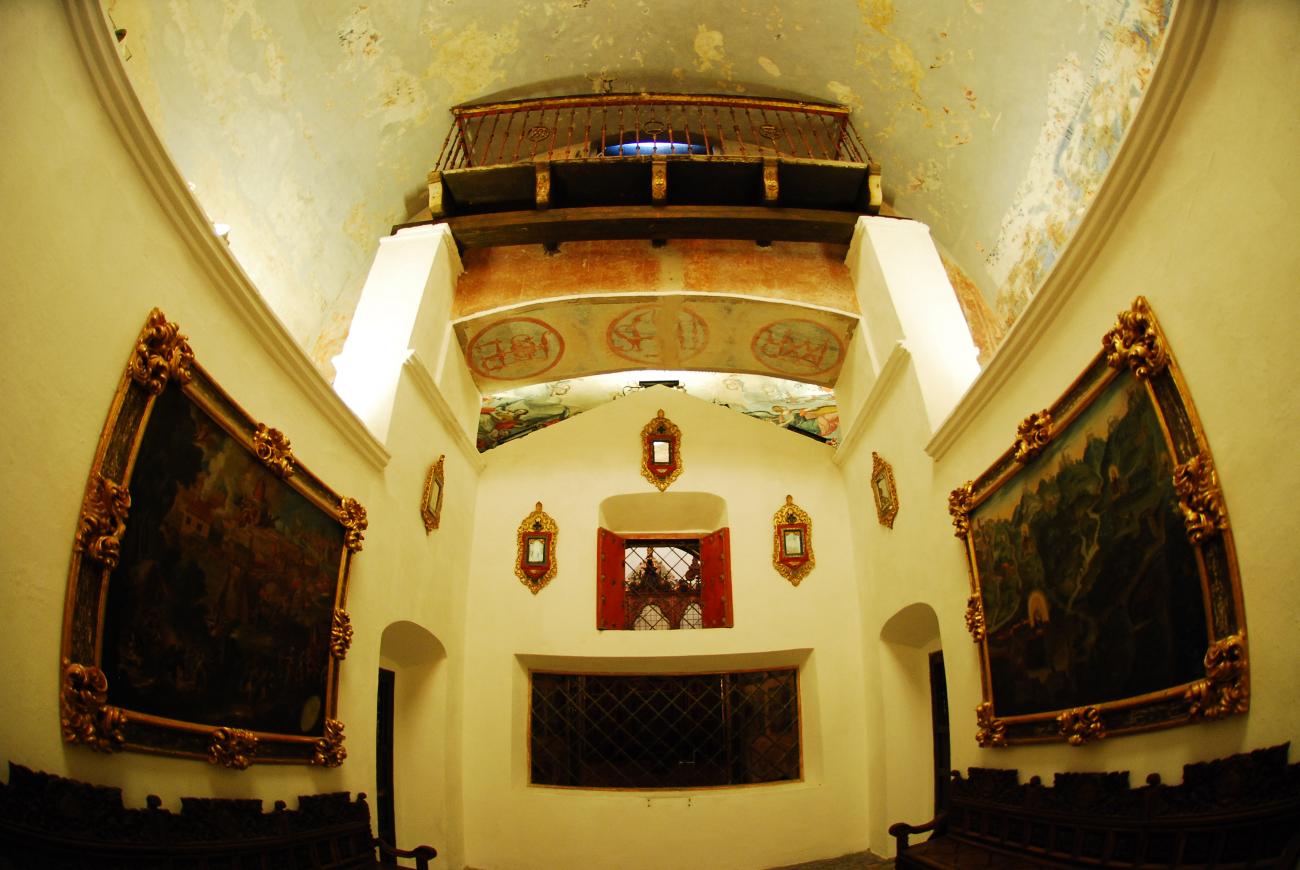
Devotion to the Virgin of Loreto was introduced to New Spain in the 17th century by Father Juan Bautista Zappa. This small chapel is a reproduction of the house where, according to Catholic tradition, the Virgin Mary lived in the city of Ephesus. Legend holds that when the Turks were about to invade the city, angels carried the house to Loreto, Italy.
Aesthetic Description
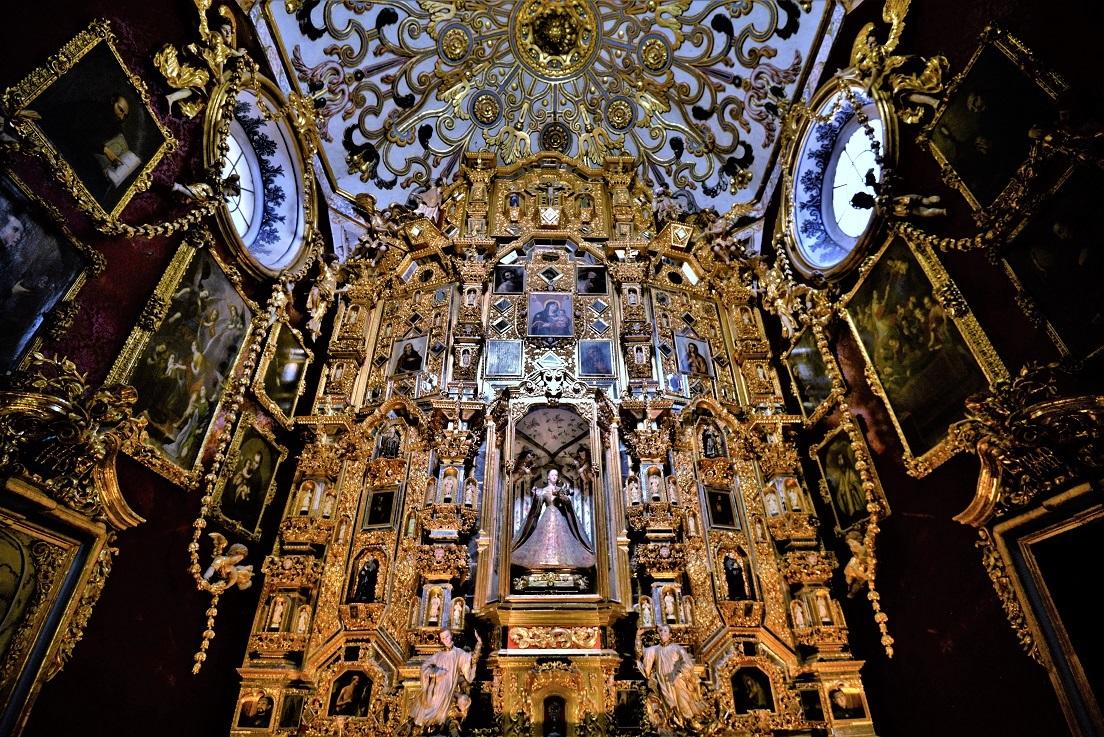
The altarpiece in the House of Loreto was created in the 18th century. In its central niche stands a sculpture of the Virgin of Loreto, brought from Europe in the 17th century. The oil paintings on canvas displayed on the house’s walls, by unknown artists, depict the miraculous transportation of the Virgin Mary’s house by angels from Ephesus to Loreto.
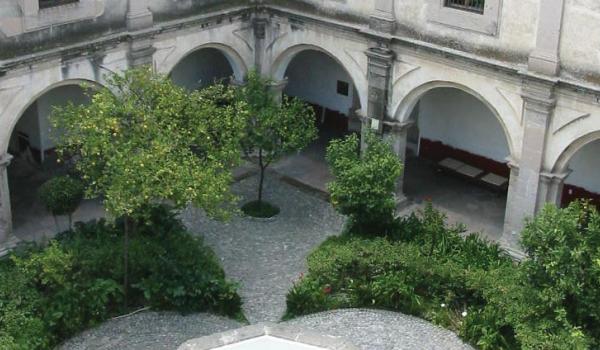
Upper Cloister of the Orange Trees
This area was designated for the study and lodging of novices. For this reason, the corridors on this floor, built in the 18th century, are enclosed, with windows overlooking the courtyard.
Upper Cloister of the Orange Trees
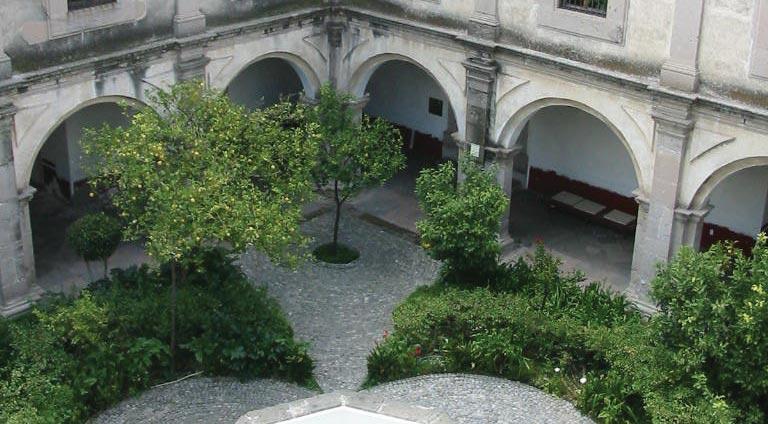

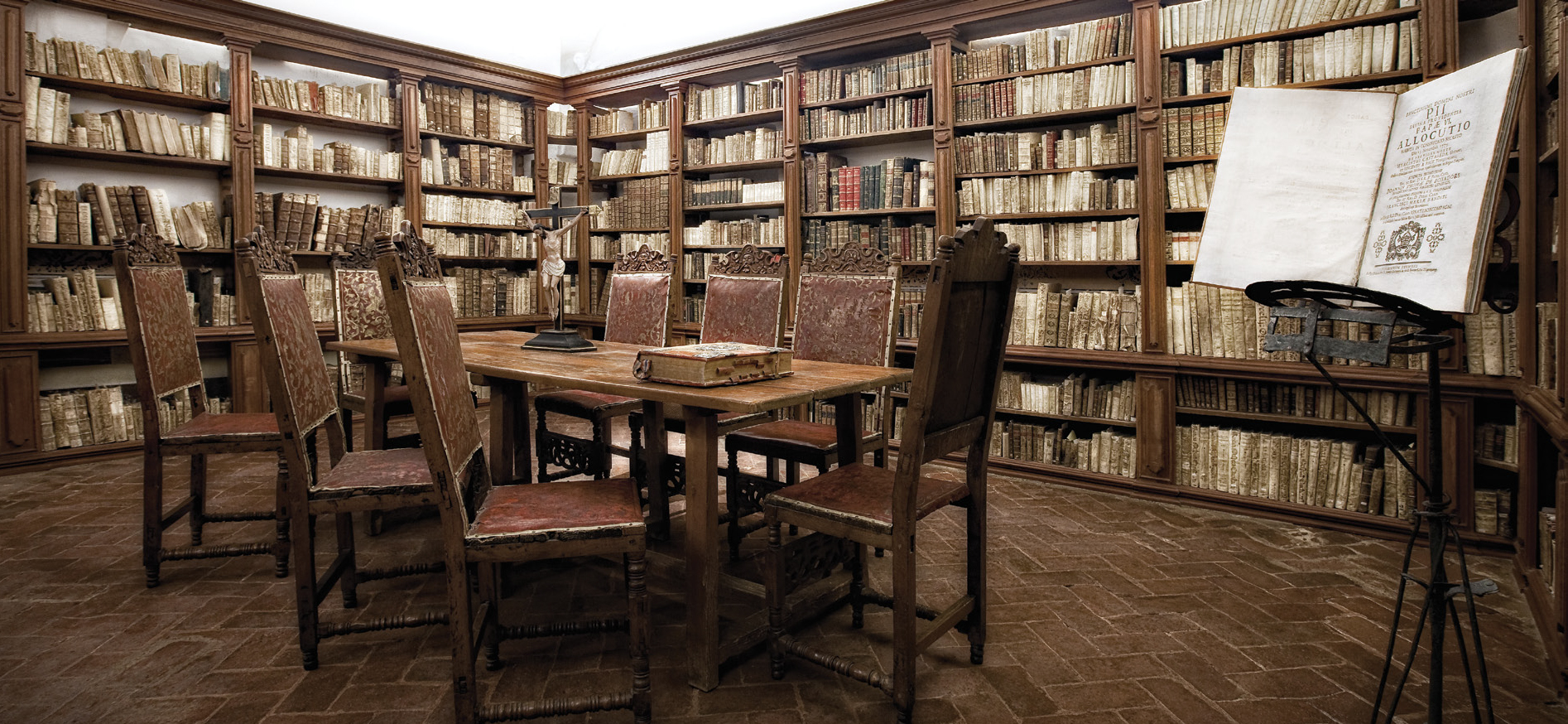
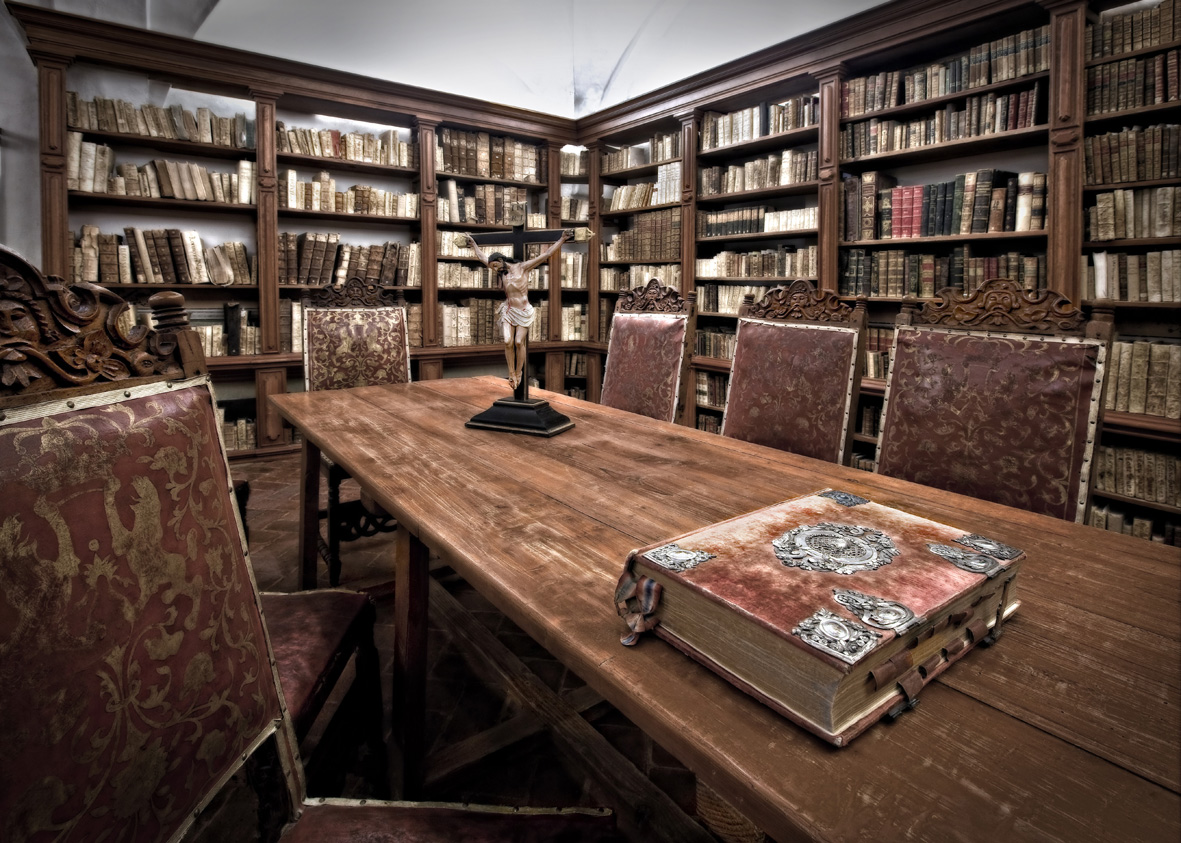
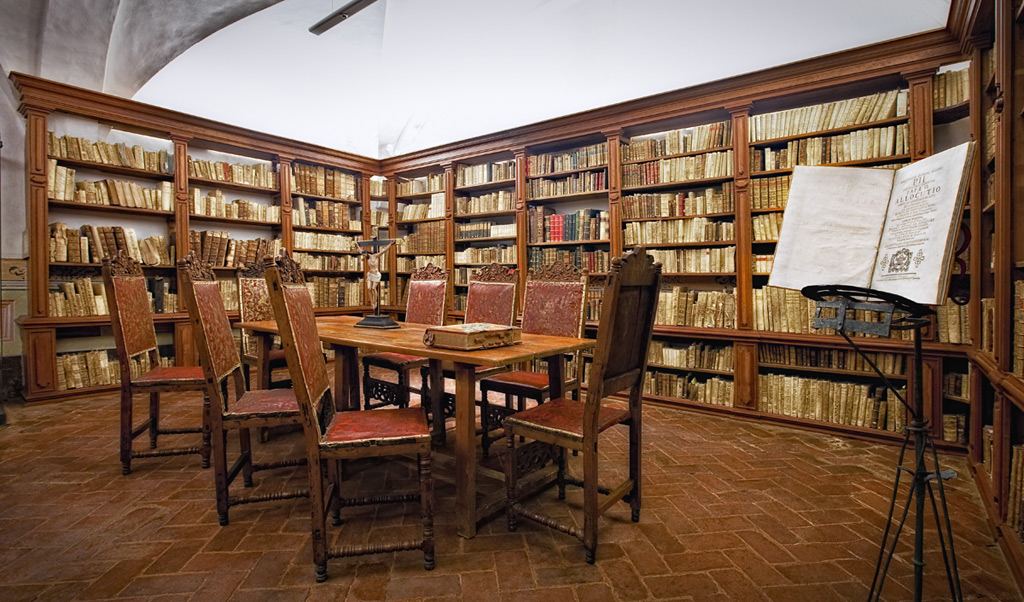
This area was designated for the study and lodging of novices. For this reason, the corridors on this floor, built in the 18th century, are enclosed, with windows overlooking the courtyard. This space houses the library and several rooms, which were reportedly used by two or four novices each.
Permanent exhibitions in this area include:
- "Pedro Reales" Library
- Father Carrasco’s Room
- Late Colonial Mexico (final rooms)
- Ivories
- Porcelains
- Marquetry
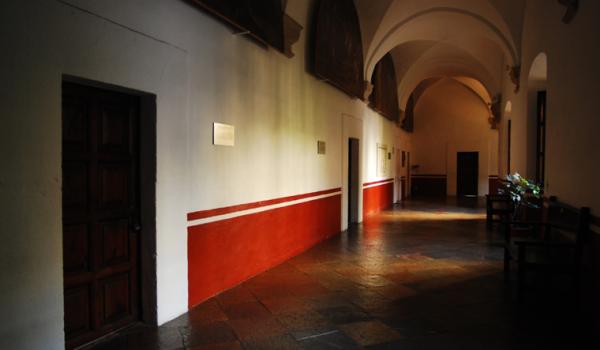
Lower Cloister of the Cisterns
This space was assigned to the school for Indigenous children and also housed the pharmacy or infirmary. The walls of the corridors feature two series of paintings depicting the lives of two Jesuit saints: Saint Ignatius of Loyola, founder of the Society of Jesus, and Saint Stanislaus Kostka.
Lower Cloister of the Cisterns
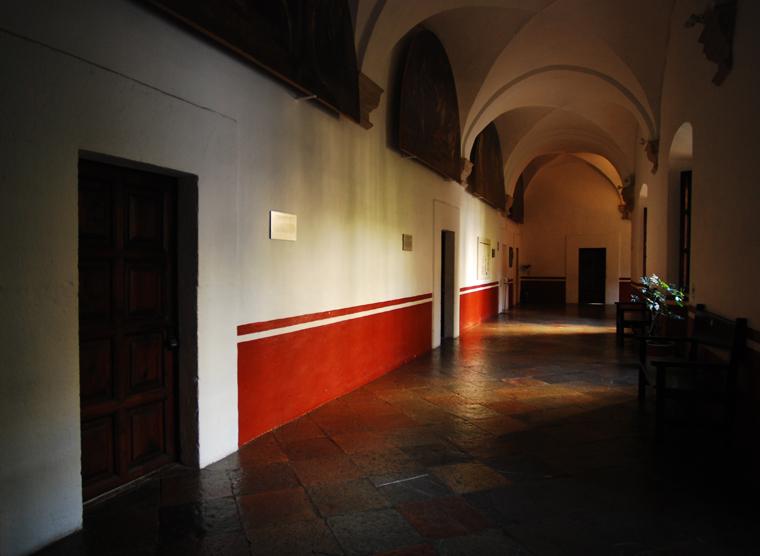
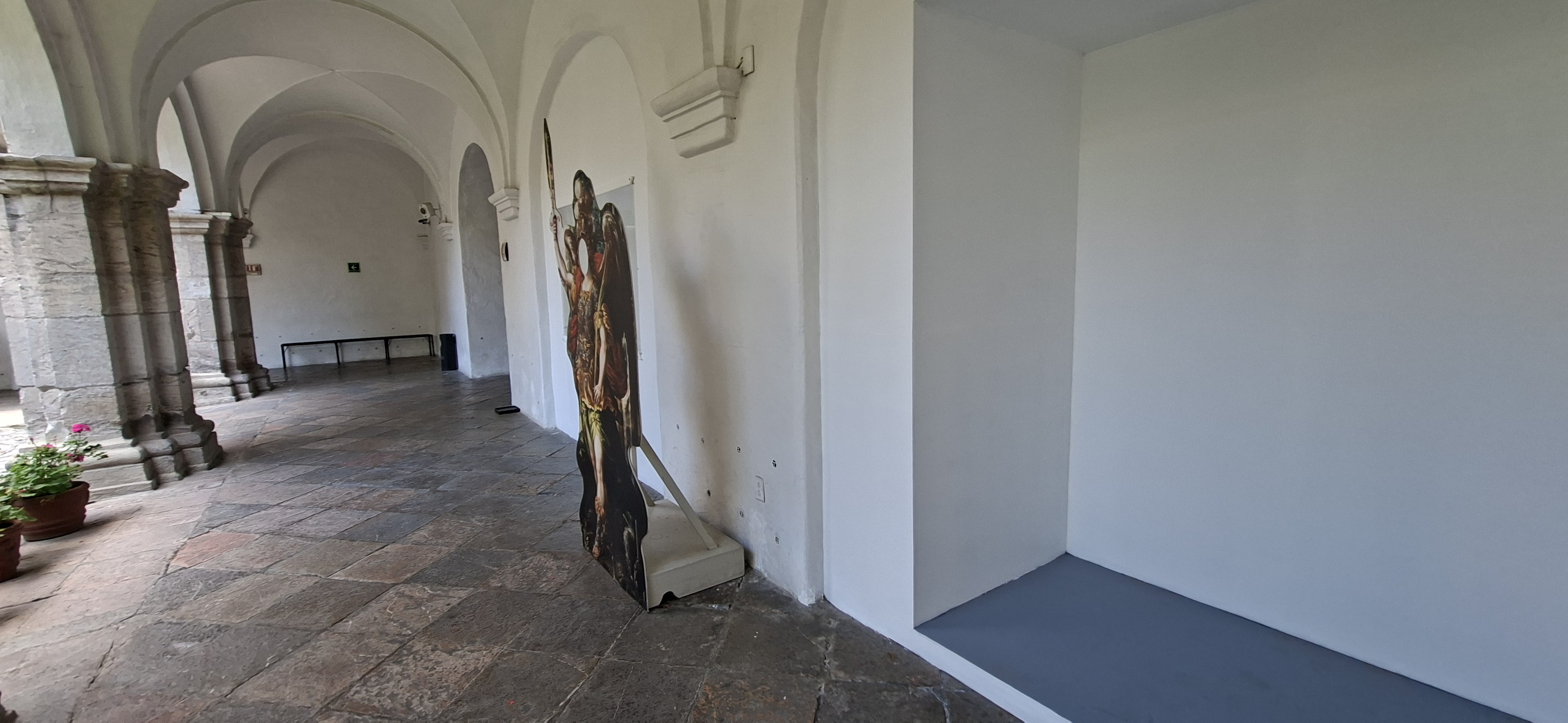
This space was assigned to the school for Indigenous children and also housed the pharmacy or infirmary. The walls of the corridors feature two series of paintings depicting the lives of two Jesuit saints: Saint Ignatius of Loyola, founder of the Society of Jesus, and Saint Stanislaus Kostka.
Permanent exhibitions in this area include:
- Colonial Mexico
- Theme of the Month
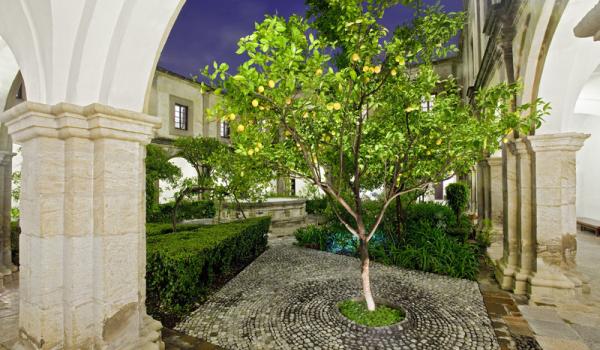
Cloister of the Orange Trees
In the 18th century, this space was intended for the recreation and rest of the novices.
Cloister of the Orange Trees
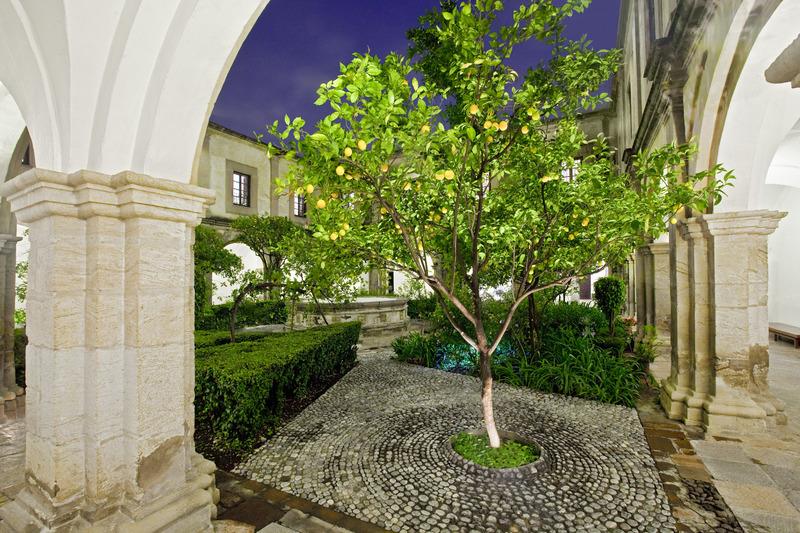

In the 18th century, this space was intended for the recreation and rest of the novices. In the early 20th century, it is known that a billiard table and a bowling alley were set up here, along with a tailor’s workshop where garments for the priests, novices, and servants were made throughout the year. Today, the area is used for temporary exhibitions.
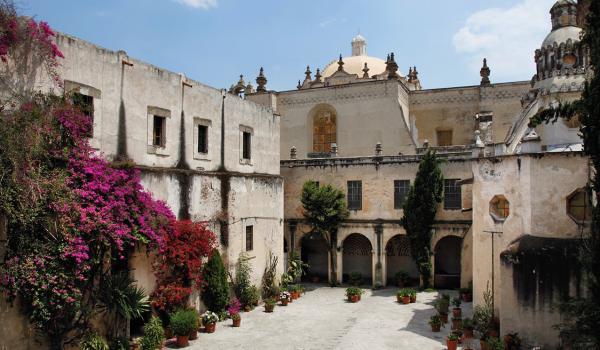
Guesthouse and Stables
Adjacent to the Cloister of the Cisterns is the guesthouse courtyard with its stables. Due to strict cloister regulations, visitors were required to stay in rooms located outside the restricted area.
Guesthouse and Stables
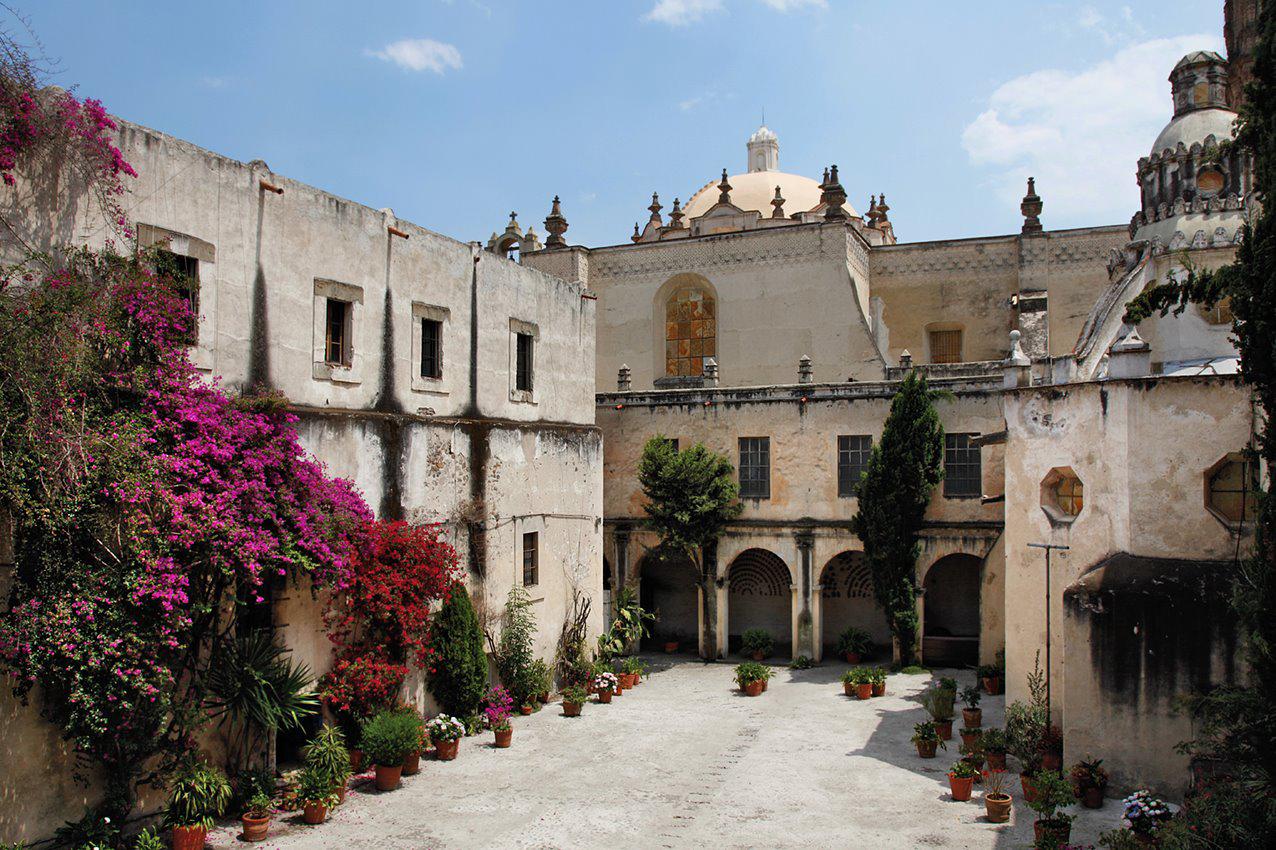
Adjacent to the Cloister of the Cisterns is the guesthouse courtyard with its stables. Due to strict cloister regulations, visitors were required to stay in rooms located outside the restricted area. This courtyard also served as a work yard and included the stables and an entrance connected to the fields.
Today, this space functions as the convent’s restaurant or inn.
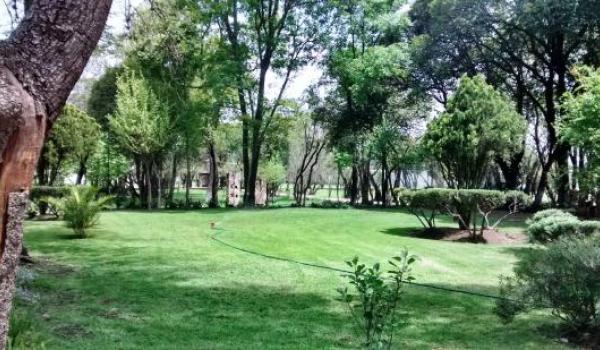
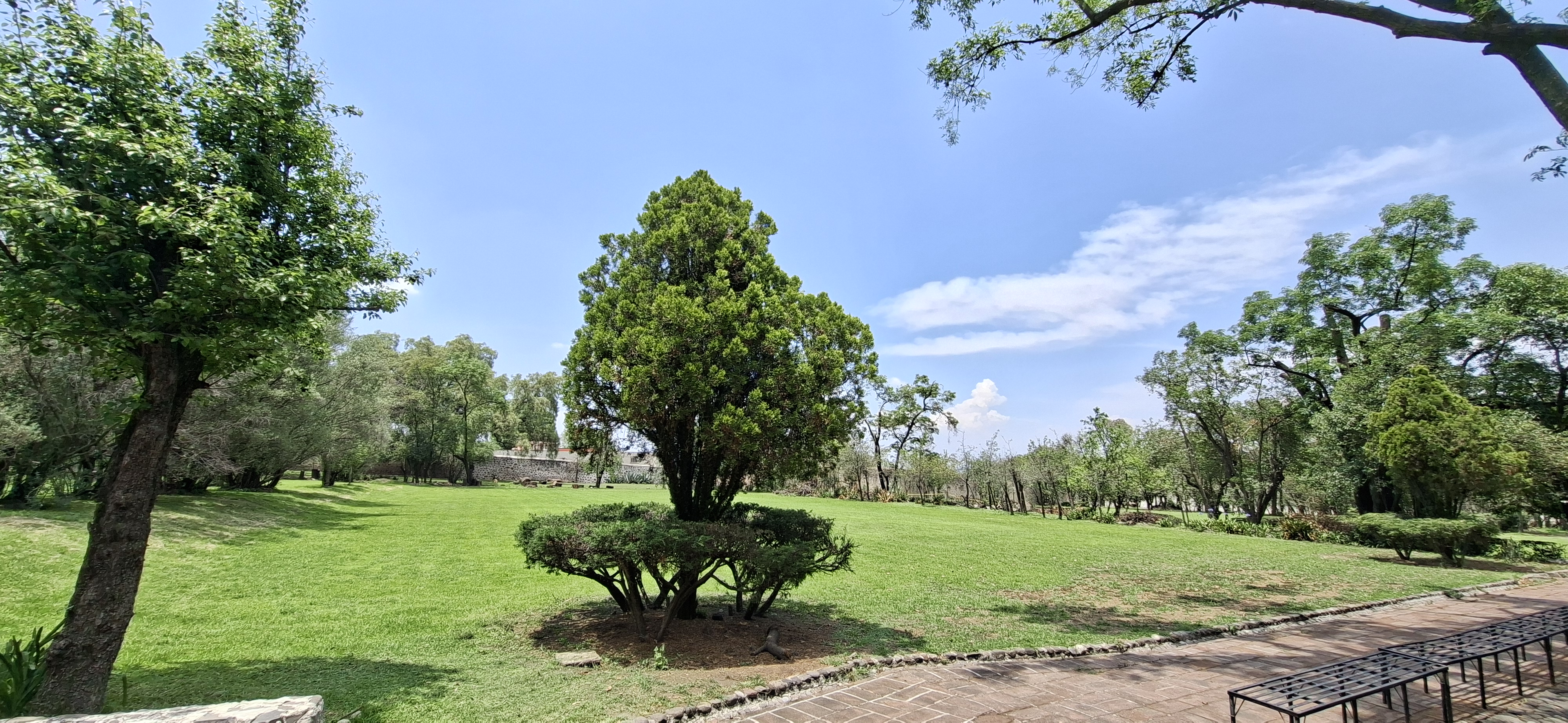
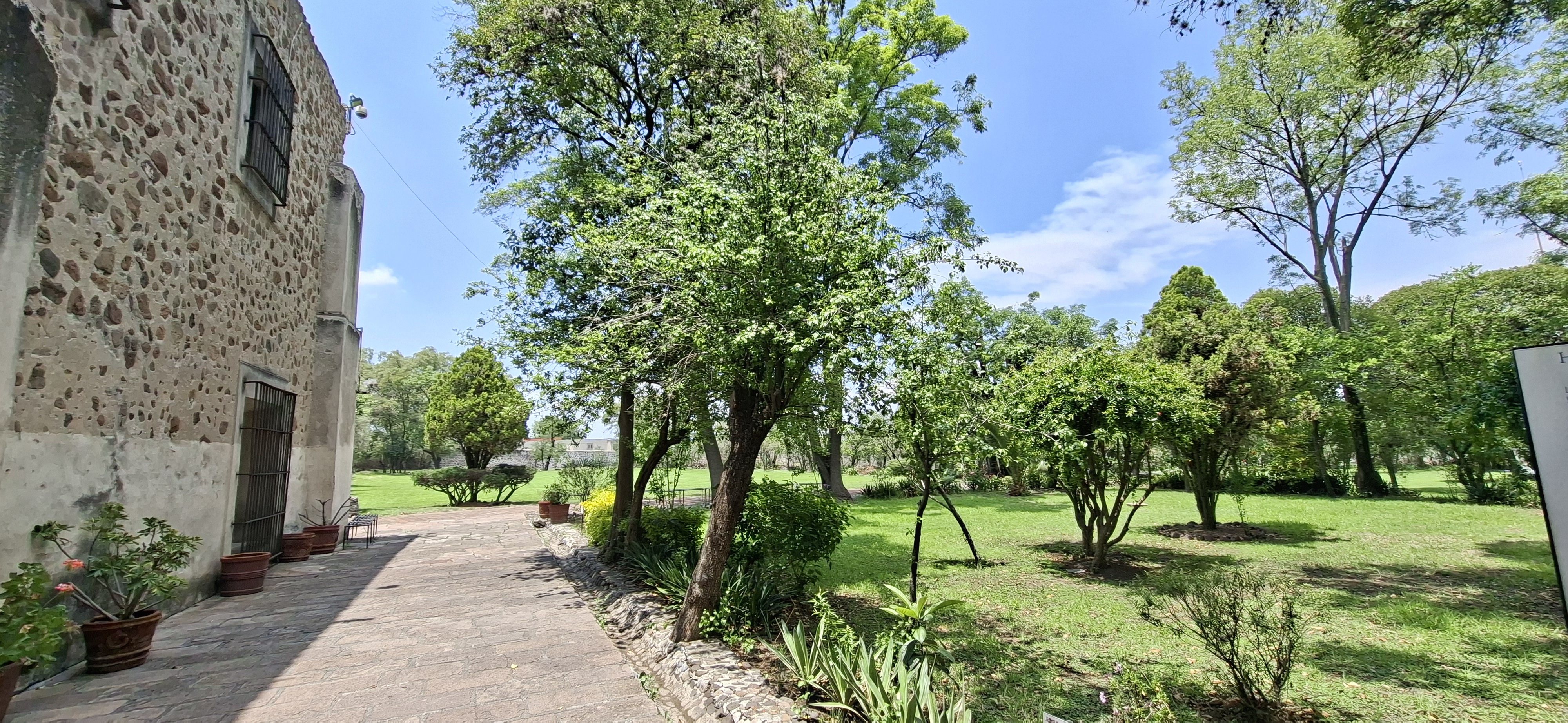
Orchard
To the east of the Cloister of the Orange Trees lies the exit to the old orchard, which spans three hectares. Fruit trees were cultivated here for the college’s own consumption.
Orchard
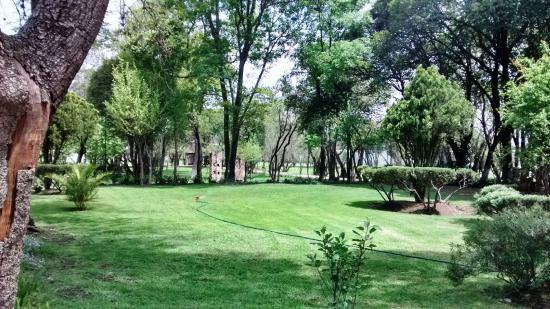
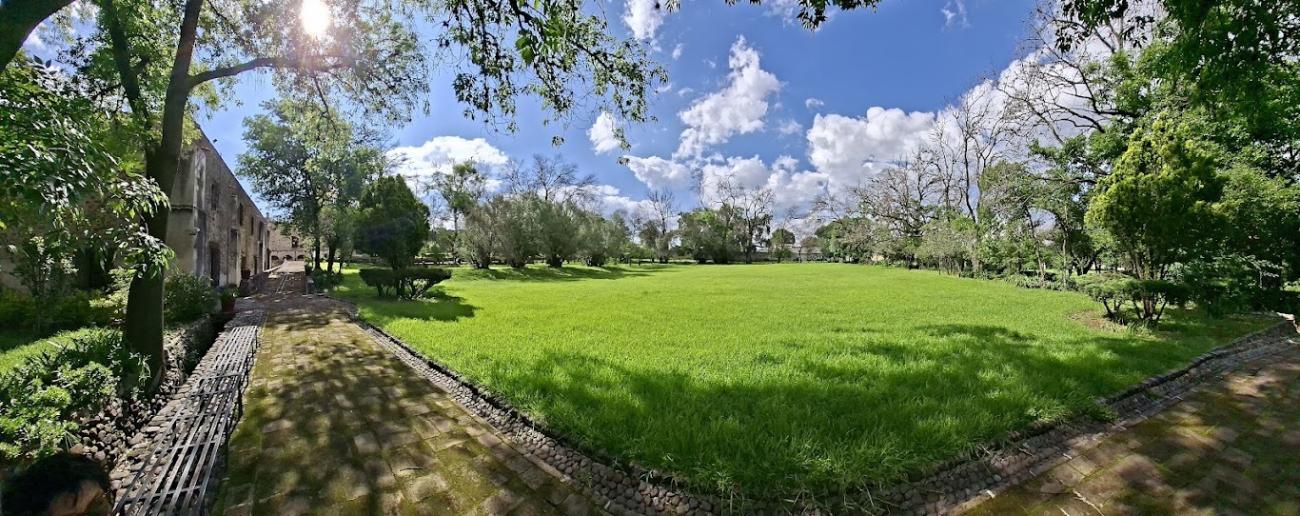
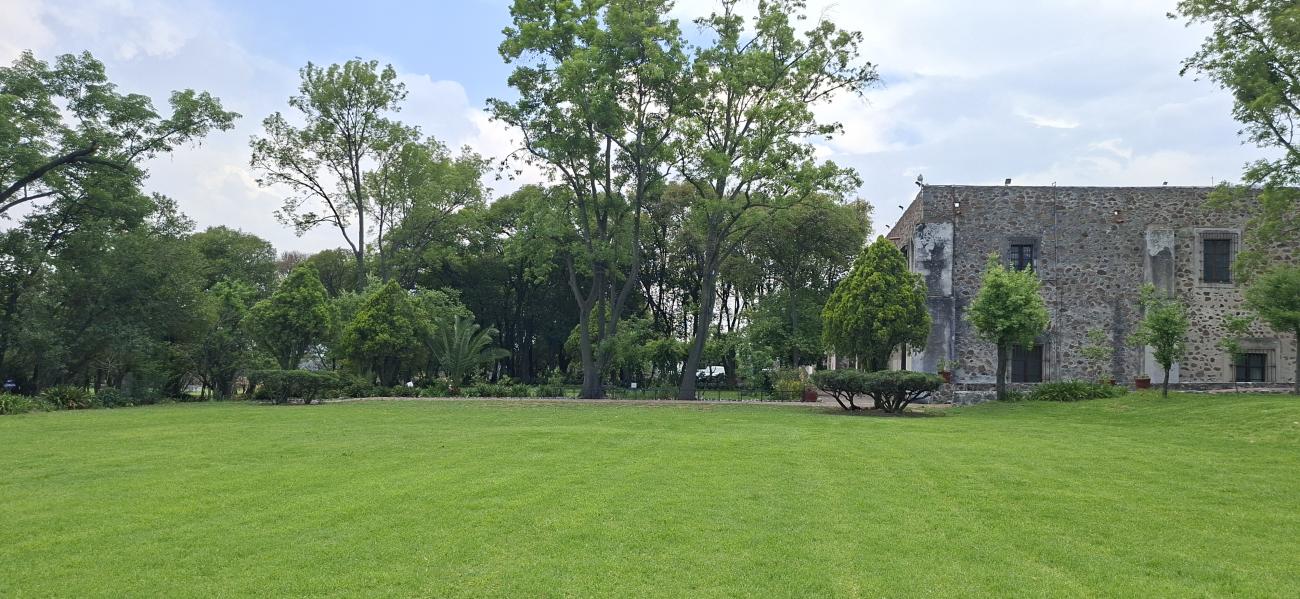
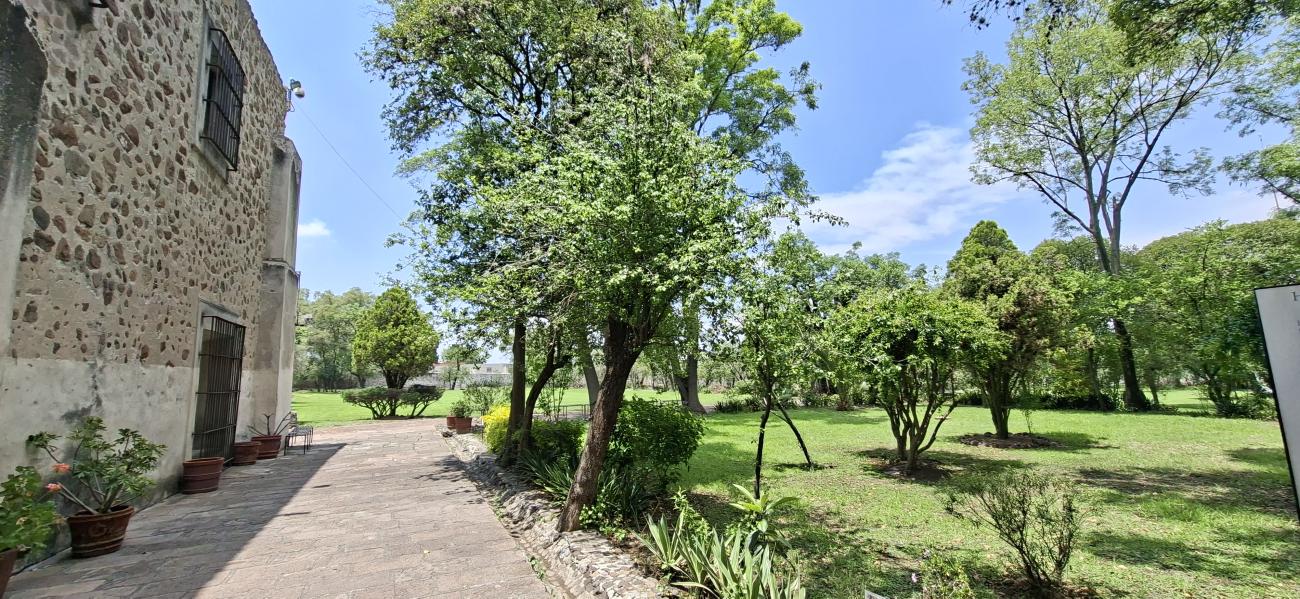
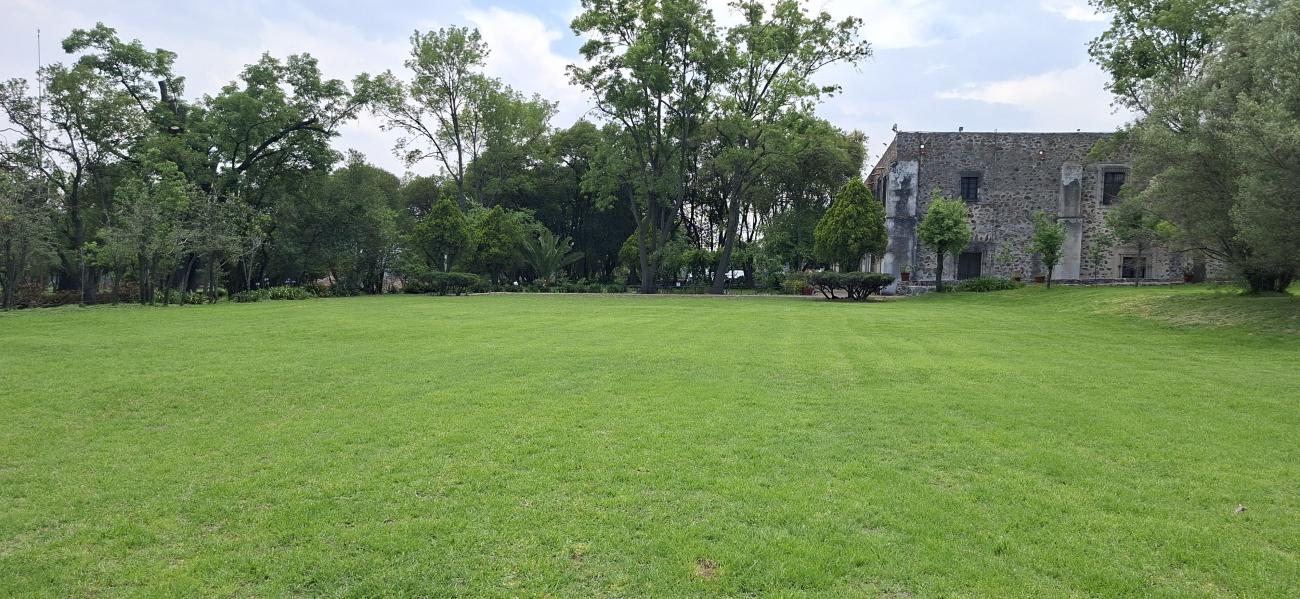
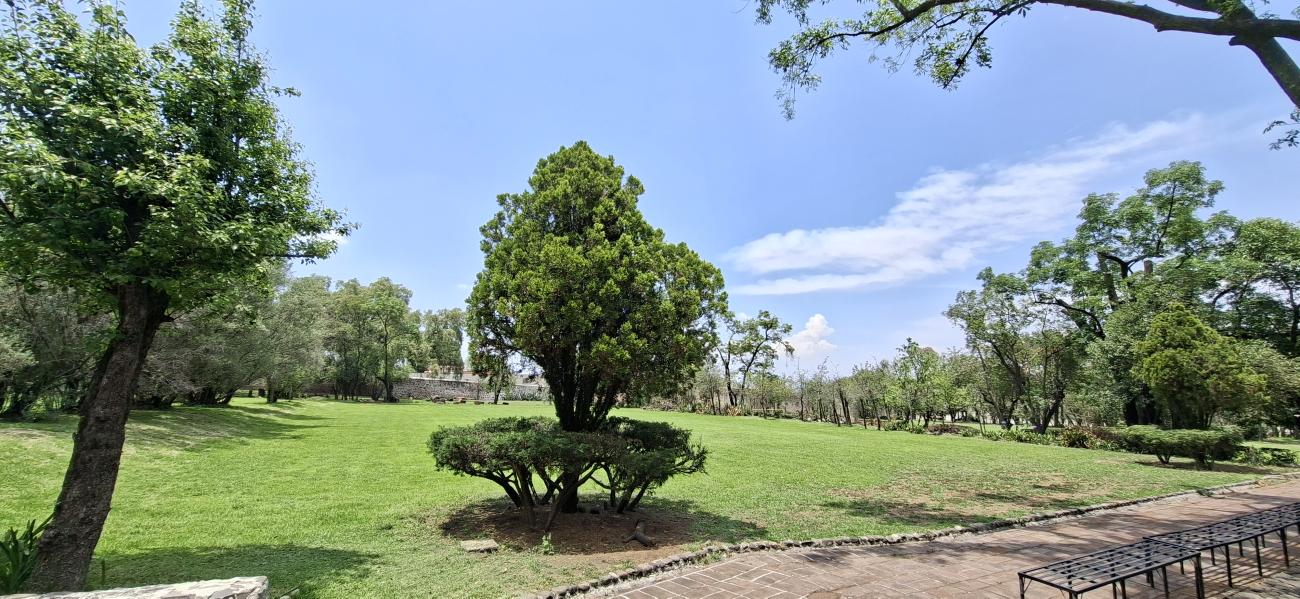


To the east of the Cloister of the Orange Trees lies the exit to the old orchard, which spans three hectares. Fruit trees were cultivated here for the college’s own consumption. At the far end of the orchard stands a small octagonal chapel built in the 18th century, dedicated to Our Lady of the Snows.
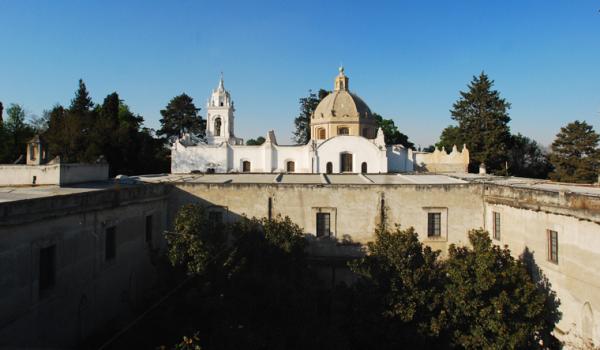
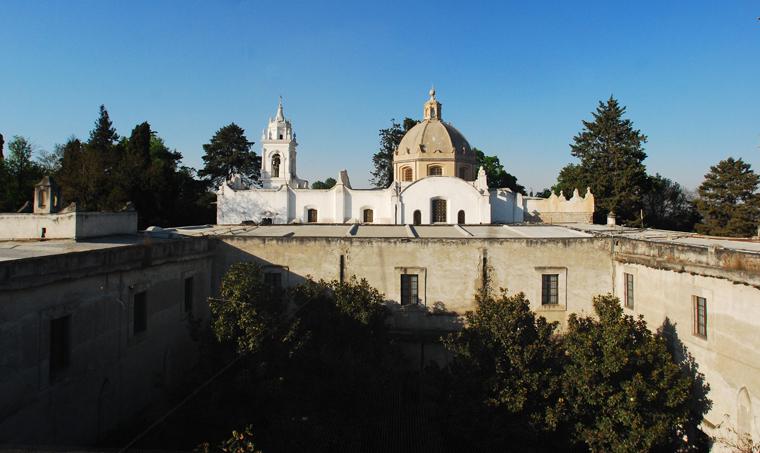
Cisterns Courtyard
This courtyard is named for the two large underground cisterns located at its center. Even today, water is directed through small rooftop sluices into channels along the walls, which carry the water into the cisterns.
Cisterns Courtyard
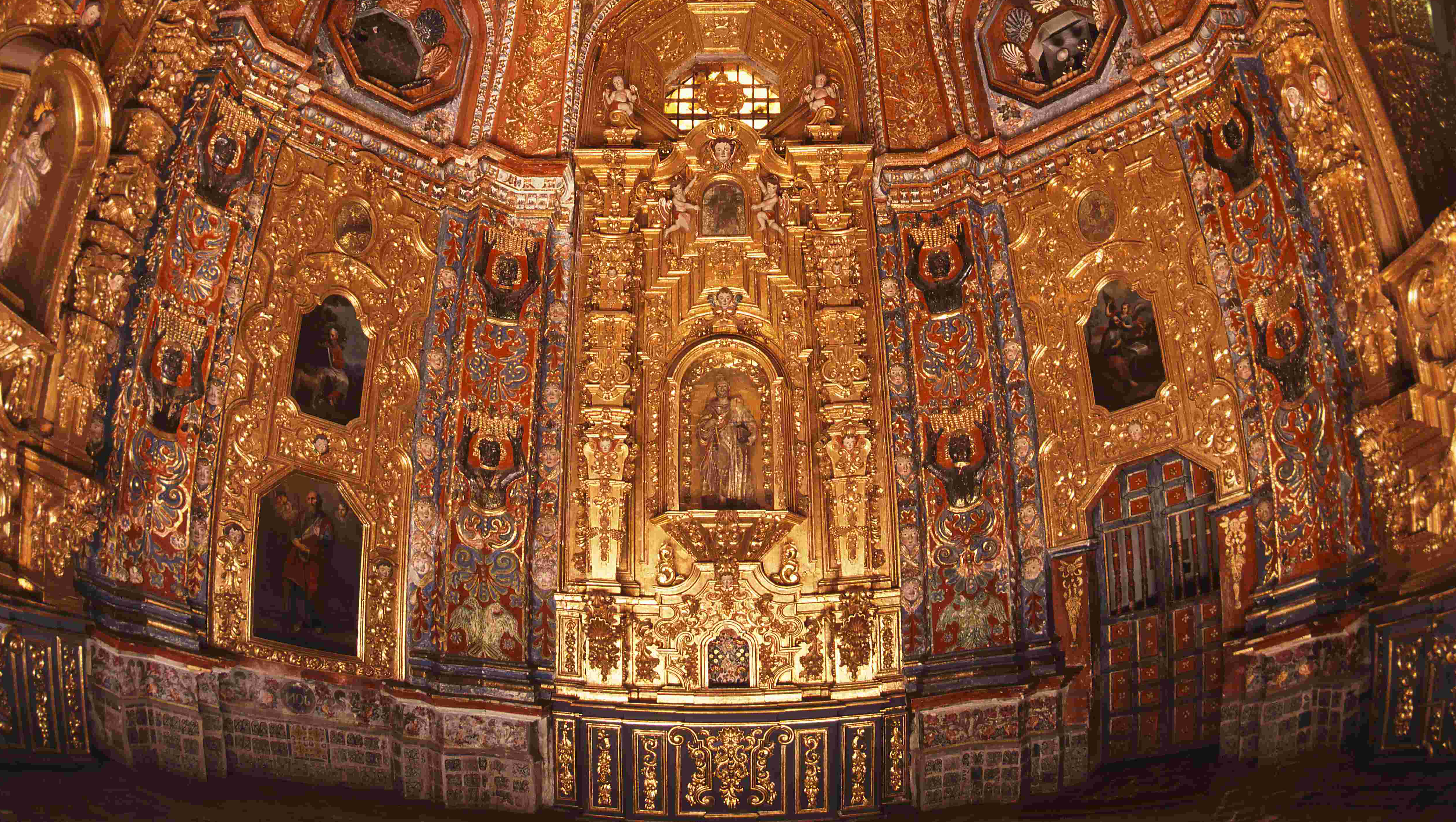
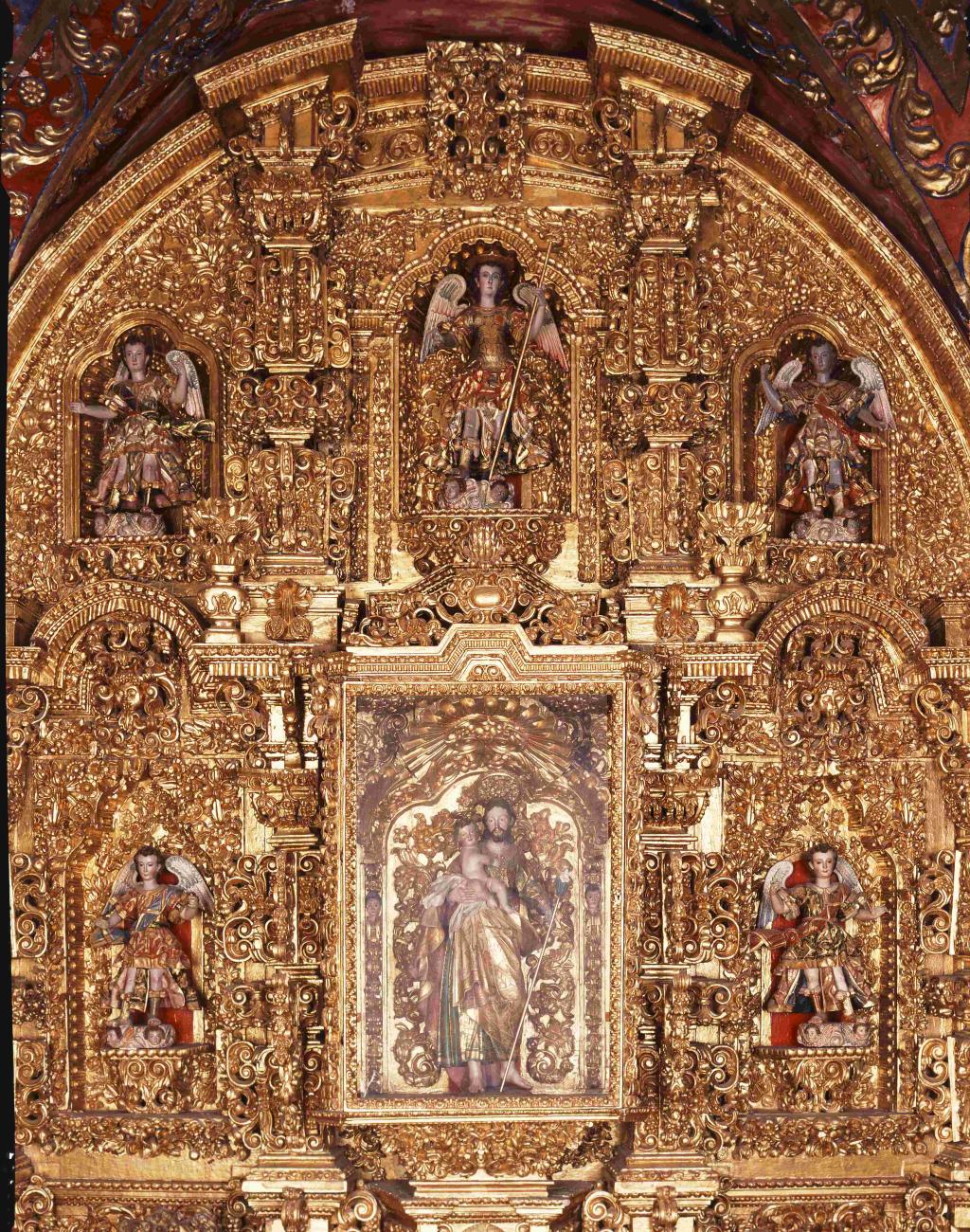
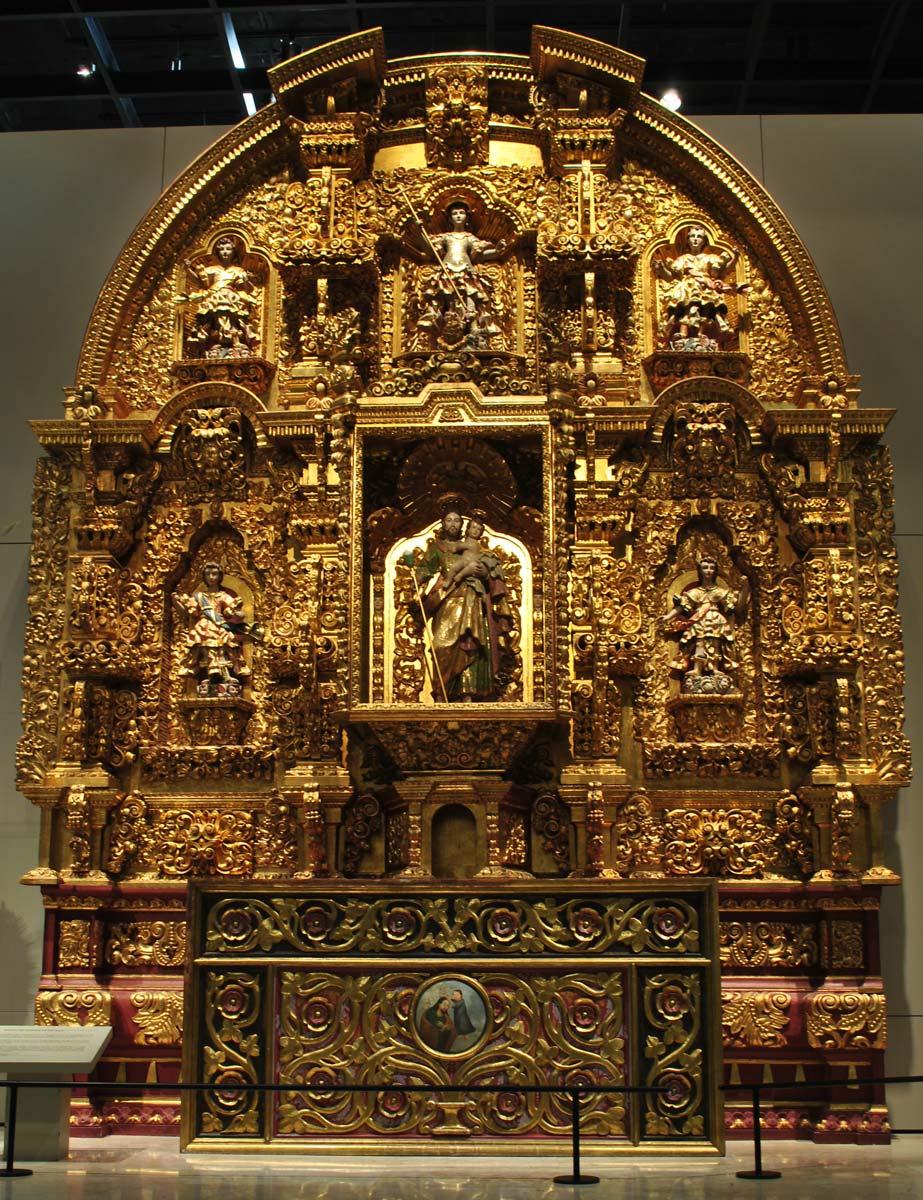
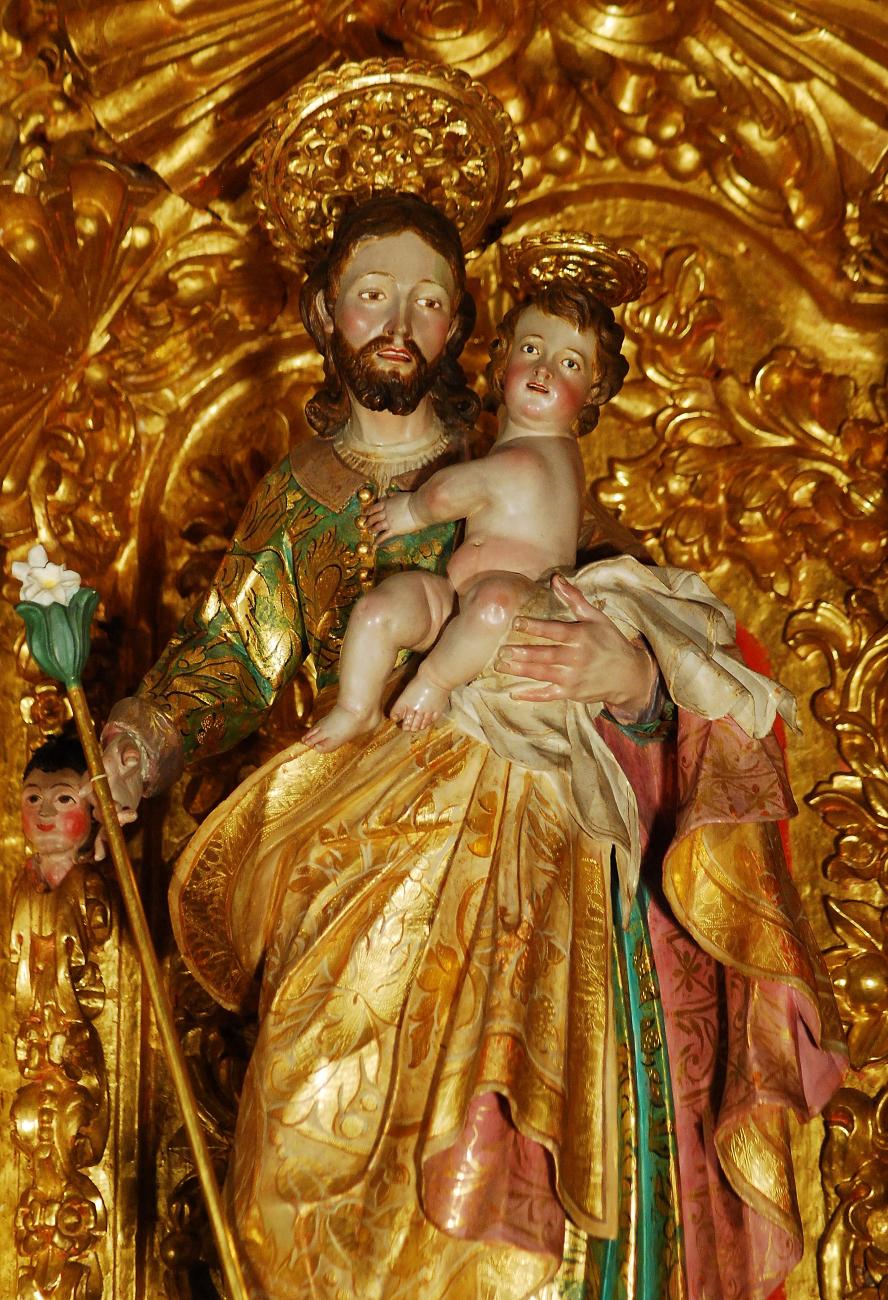
Reliquary of Saint Joseph


Historical Description
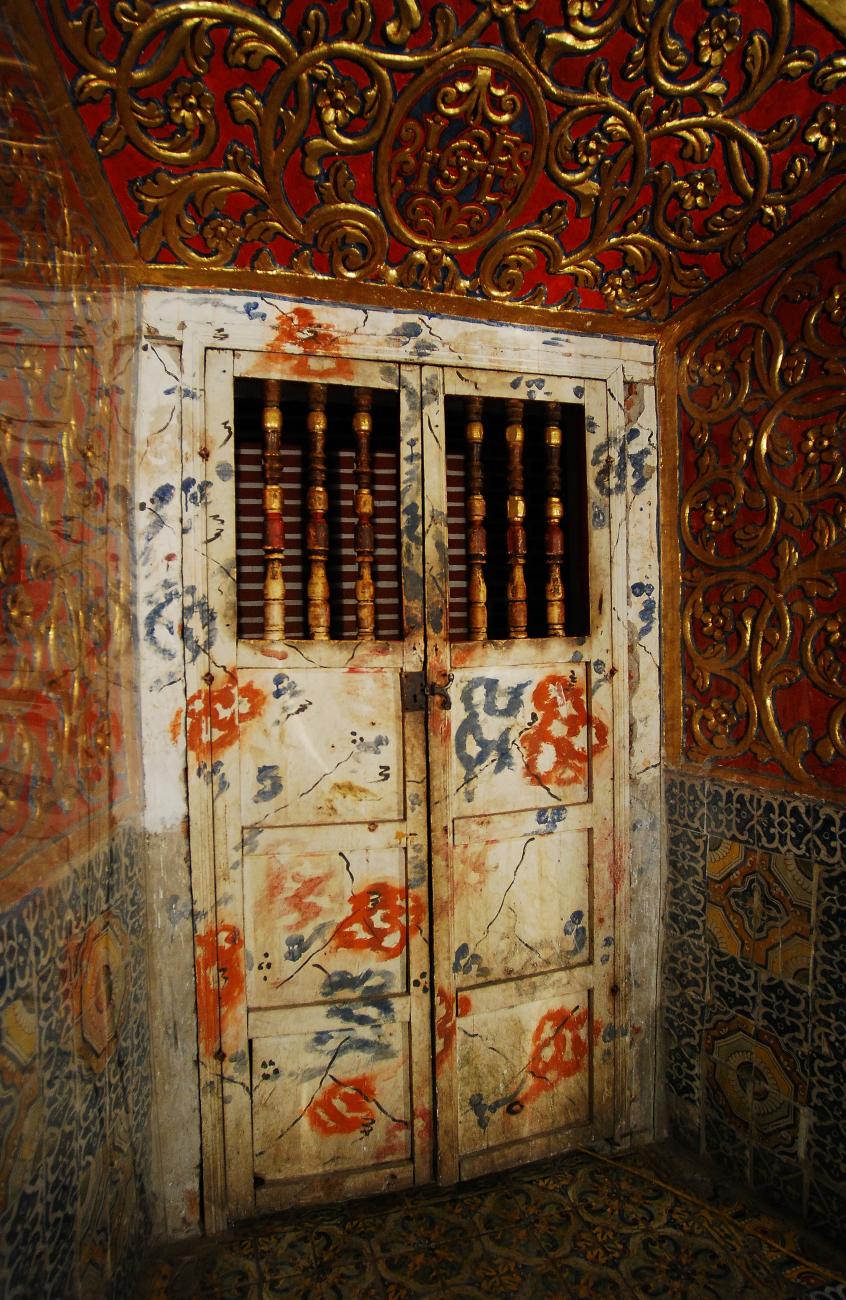
This small chapel, built in the 18th century, is adjacent to the Chapel of the Virgin of Loreto. It was a space intended for meditation on a good death and on the chastity of Saint Joseph, held up as a model for novices. Alongside the House of Loreto, it symbolizes the protection Saint Joseph offered to the Holy Family and to Christians in general.
Artistic Description
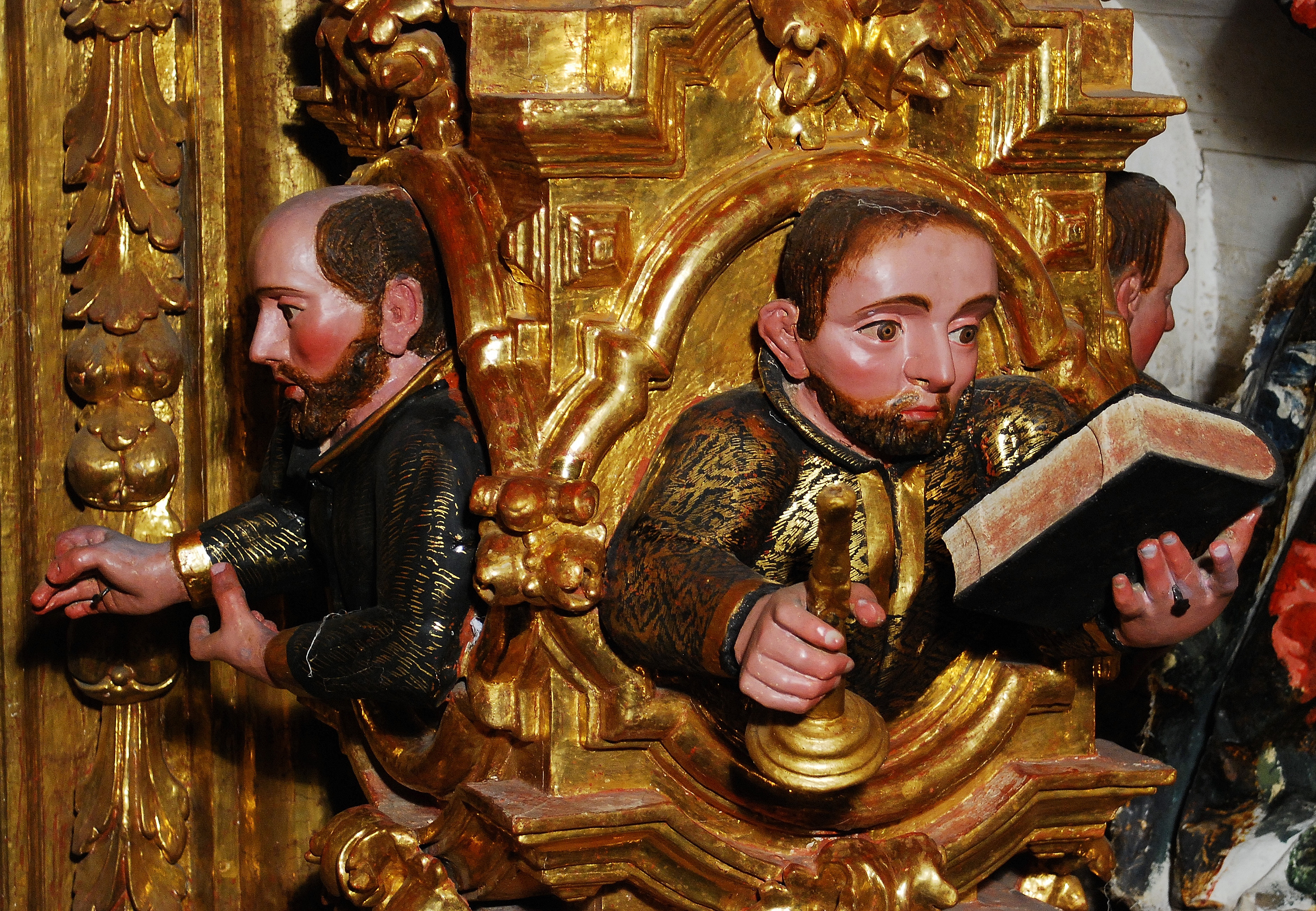
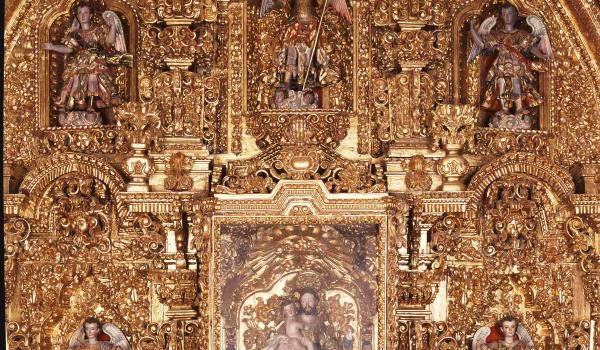
The chapel features a Baroque altarpiece from the 18th century. Its central niche holds a finely crafted wooden sculpture of Saint Joseph, polychromed and gilded. Particularly striking are the polychrome stucco reliefs in which fully Indigenous features can be identified—such as figures wearing shawls and pearl necklaces supporting the frames of the paintings.
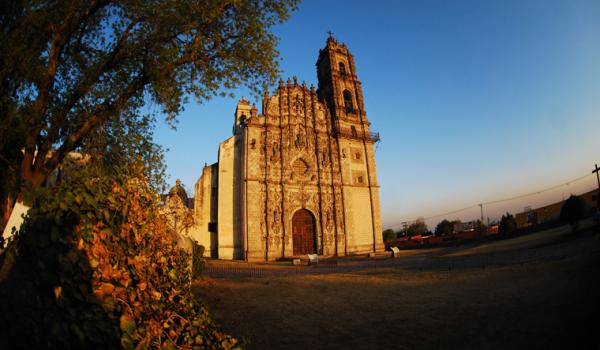
Church of Saint Francis Xavier




Historical Description
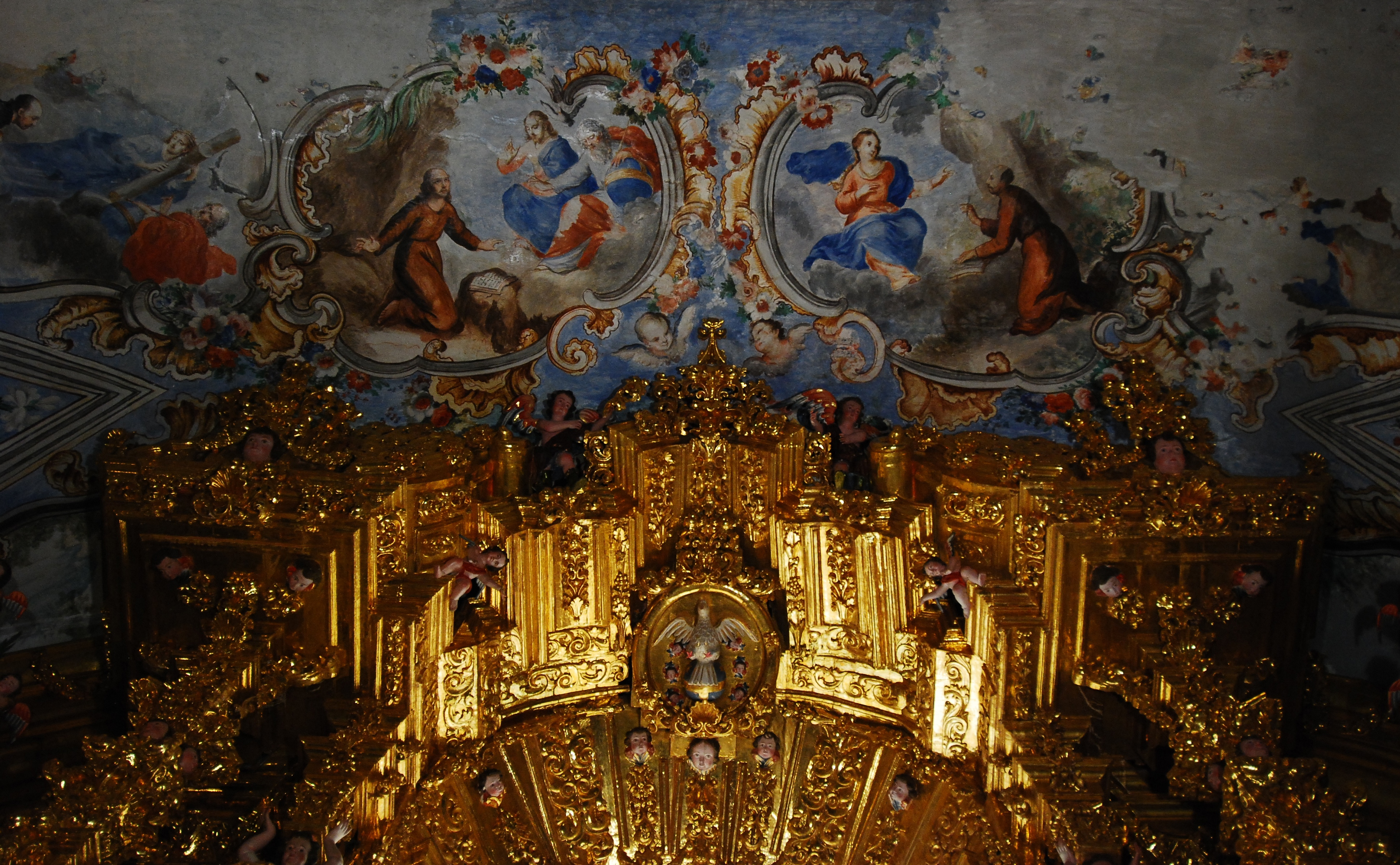
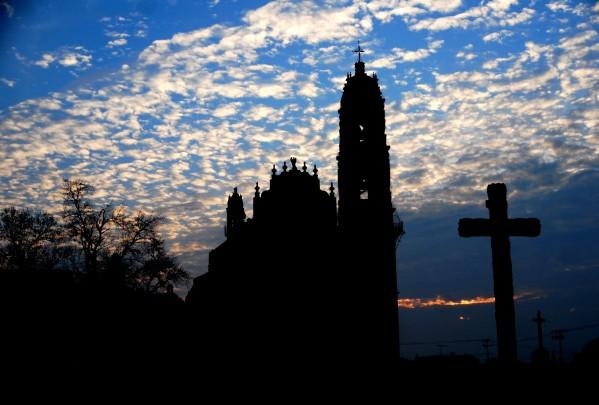
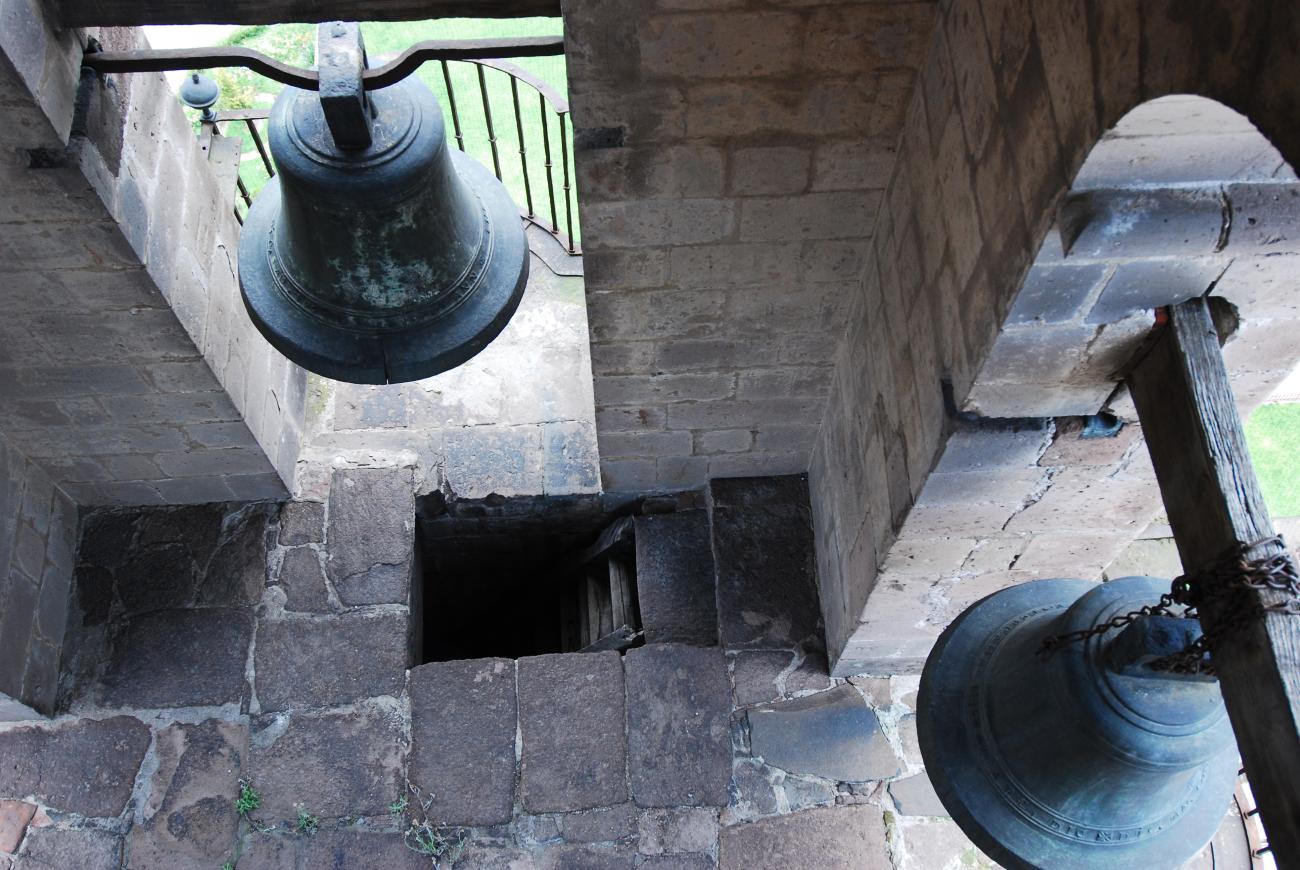
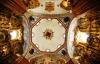
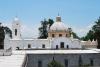
This church is one of the few surviving Baroque churches in Mexico that can still be appreciated much as it was originally conceived and built. The Church of Saint Francis Xavier served the Jesuit novitiate college of Tepotzotlán. Its architectural structure dates to the 17th century, while its interior was remodeled in the mid-18th century.

The Church of San Francisco Javier, Tepotzotlán
Document
Document
- DirecciónEva María Ayala Cansecoeva_ayala@inah.gob.mx+52 (55) 5876 2770SubdirecciónPatricia Zapata Villasanapatricia_zapata@inah.gob.mx+52 (55) 5876 2770 ext. 412821Atención al público y Servicio SocialPedro Rodríguez Ramírezbuzon_mnv@inah.gob.mx+52 (55) 5876 2770 ext. 412829Atención a MediosCristina Gutiérrez Colíncristina_guitierrez@inah.gob.mx+52 (55) 5876 2770