















Museo Nacional de Antropología
Mexico’s most emblematic museum, and one of the world’s finest, contains an astoundingly rich archeological collection from the country’s numerous indigenous communities. A truly priceless treasure.
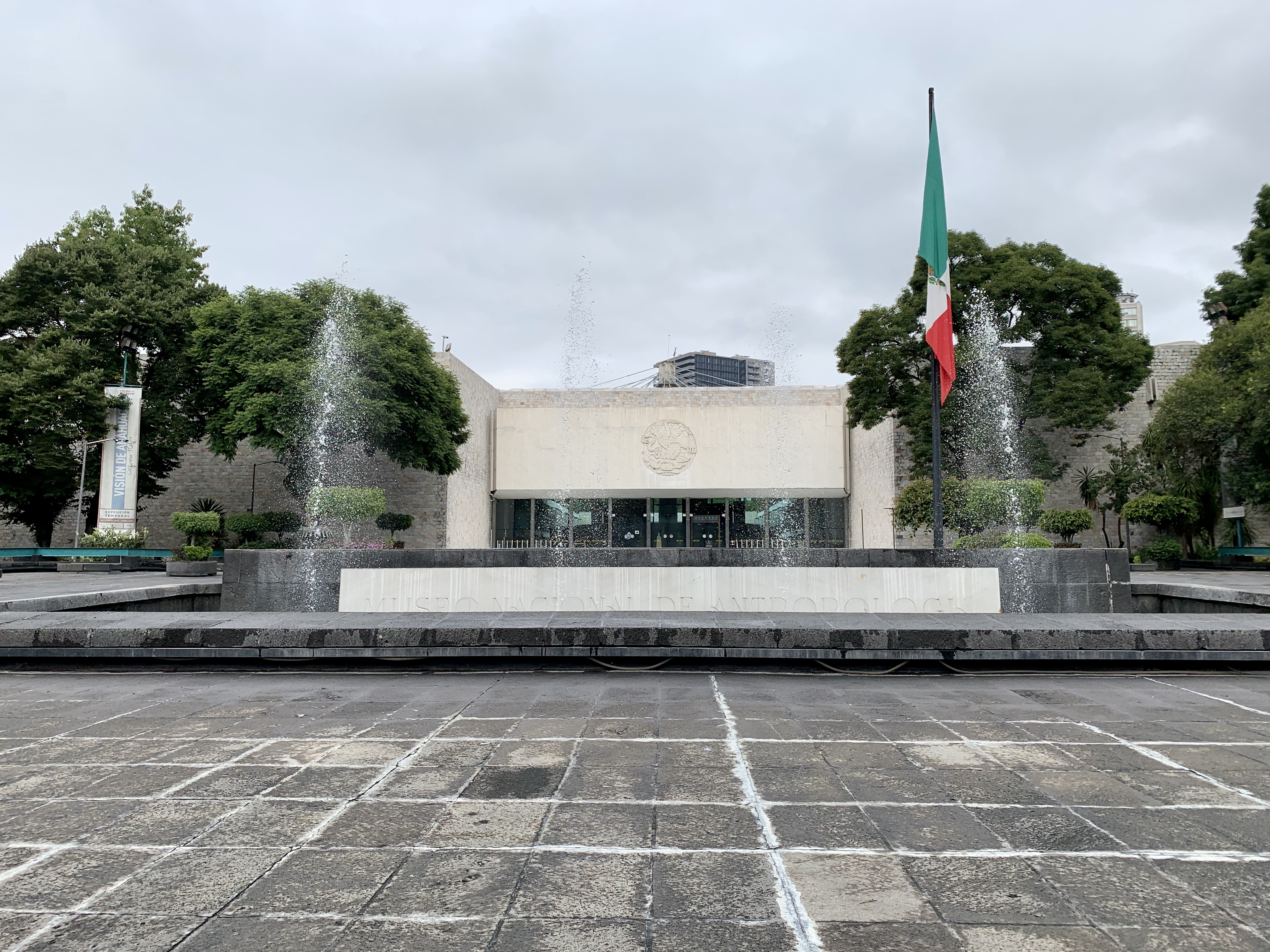
More than 50 years since its inauguration, the National Museum of Anthropology remains one of most important symbols of Mexico’s national identity, and an inspiration for generations of Mexicans seeking to discover their cultural roots. Its architectural design and impressive collections have earned it the reputation as one of the world’s leading museums. On September 17, 1964, President Adolfo López Mateos opened the doors to this museum, which is set in the heart of Chapultepec Park and has a total built area of 70,000 square meters.
The museum was formerly on Moneda Street—a site now occupied by the National Museum of World Cultures—but the premises no longer met the needs for the protection, research and dissemination of the institution’s archeological and ethnographic collections. Since the beginning of the twentieth century and as part of the International Congress of Americanists, Justo Sierra referred to the commitment needed for Mexican governments to open a new museum building. Despite several attempts, this objective was only achieved in the 1960s.
Jaime Torres Bodet was the person responsible for making this museum project possible. As Minister of Public Education, he embarked on a series of policies to promote education in Mexico and drew up the a museum development plan that included the [new] National Museum of Anthropology (as well as the founding of the Museum of History, the Museum of the Viceroyalty, and the Museum of Modern Art).
During the López Mateos administration, Torres Bodet assembled a team to define the overarching concepts for the museum, setting up a board of directors to plan and build the new National Museum of Anthropology, presided by the architect Ignacio Marquina. This group worked with around 40 scientific advisors and began to operate as an independent body expertly coordinated by the National Institute of Anthropology and History (INAH).
Pedro Ramírez Vázquez was commissioned as the architect, and he conceived the project not as a simple collection of artefacts but a part of Mexico’s cultural heritage. Respect was therefore given to the traditions of pre-Hispanic peoples, preserving their enduring cultural values but with new solutions in keeping with contemporary techniques and materials; for example, in order to emulate pre-Hispanic temples, stone was chosen as the basic building material. The 22 permanent galleries and temporary exhibition rooms—measuring a total of 323,000 square feet—were planned around two main themes: pre-Hispanic art and the ethnographic history of Mexico’s different regions. The architect’s studio coordinated archeological and ethnographic explorations, organized the transport of large artefacts from different parts of Mexico, and supervised the transfer of the collection previously held in the museum on Moneda Street.
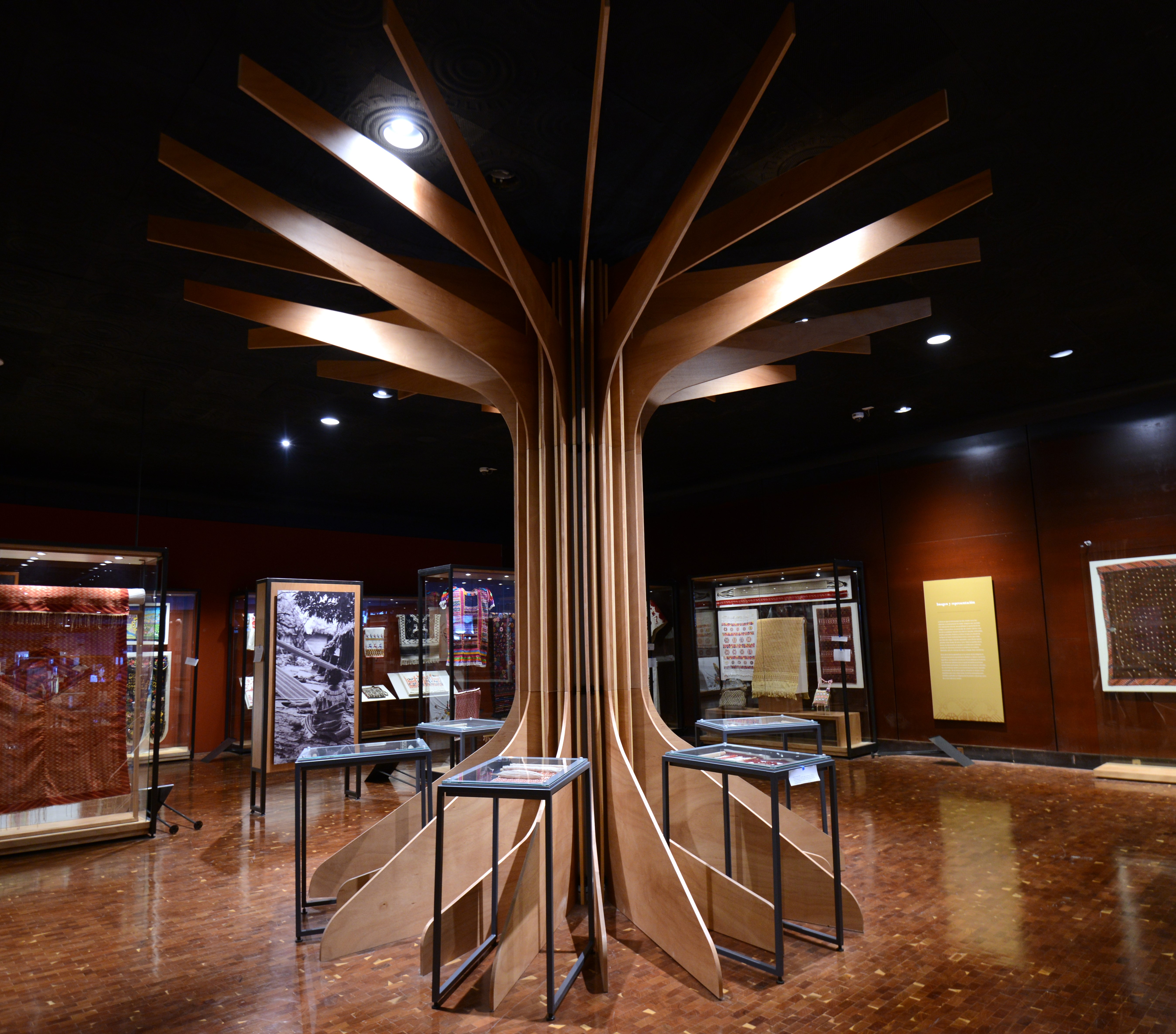
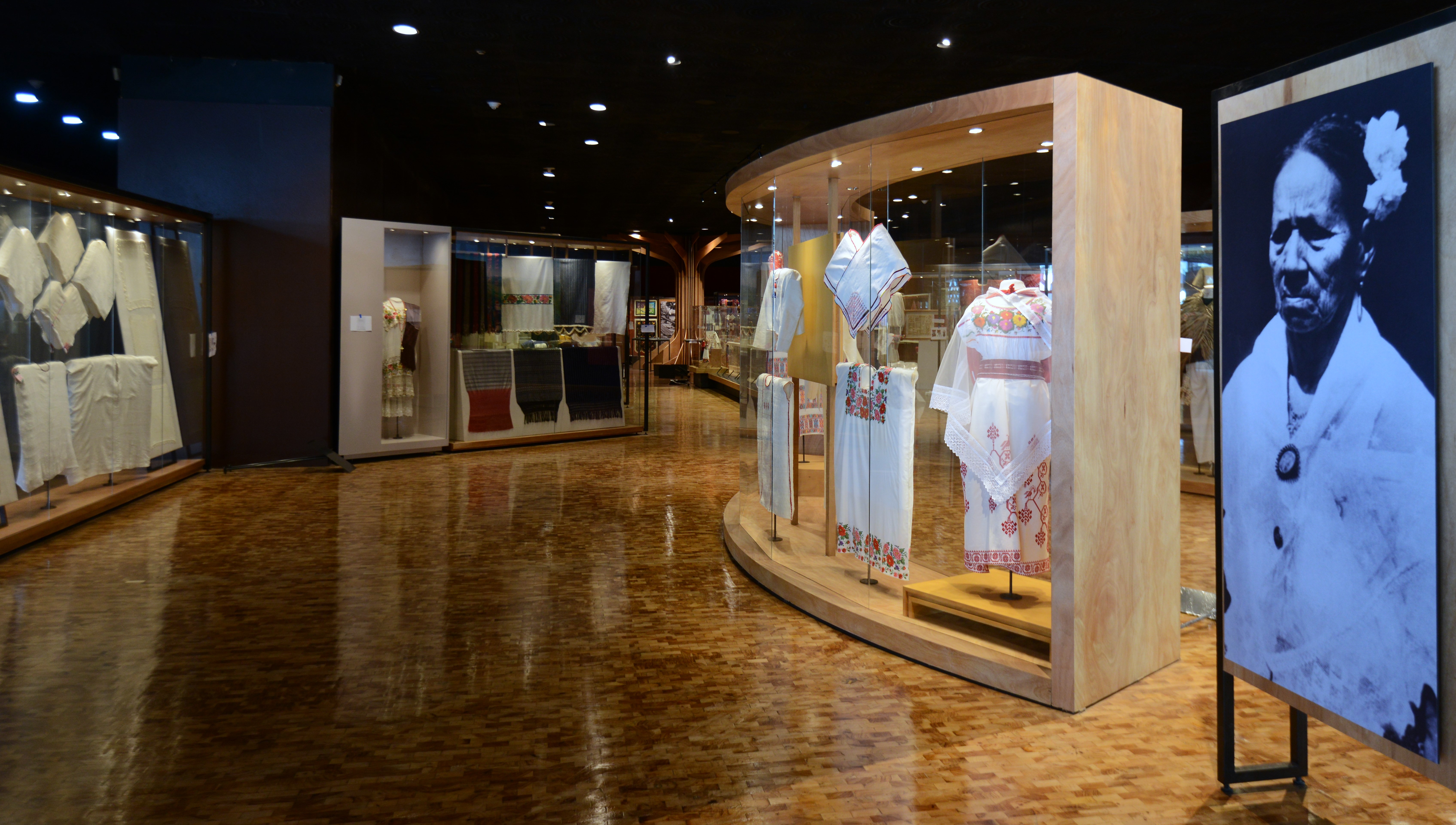
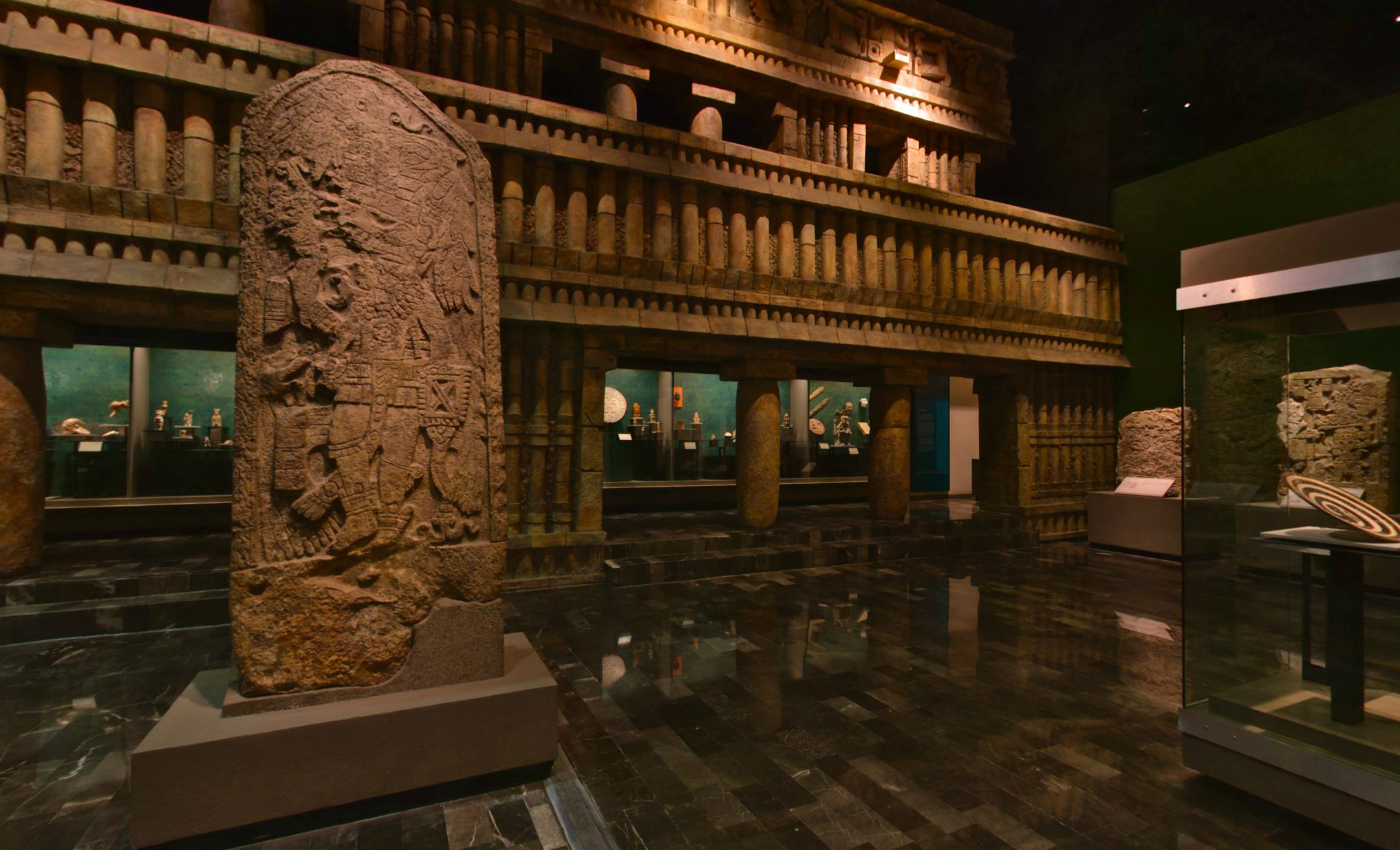
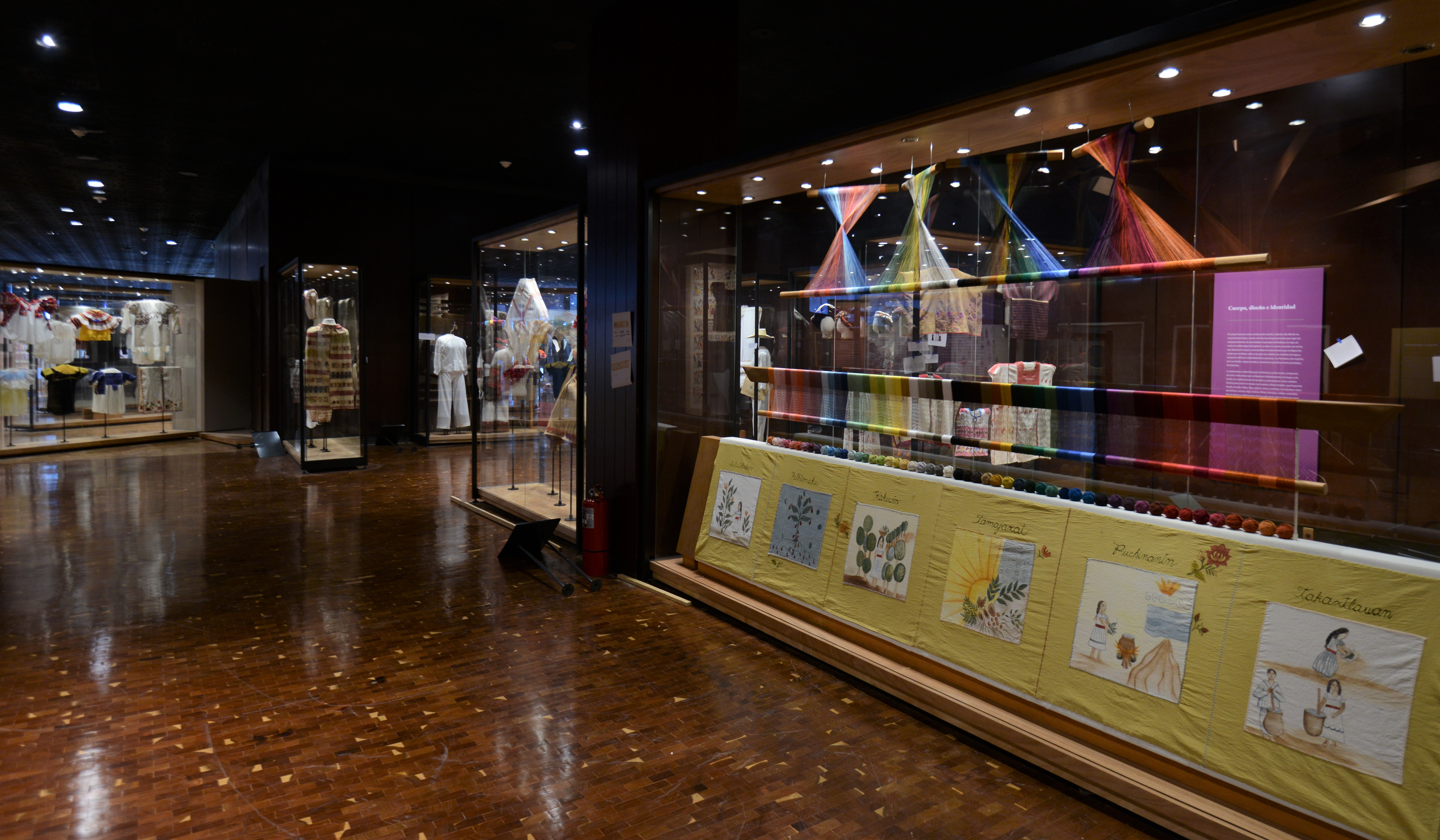
A team of researchers, scriptwriters, exhibition designers, education specialists, and technicians was specially assigned to each gallery. Anthropological, archeological and ethnographic criteria were reconciled to give visitors a coherent and homogeneous experience. On the ground floor, 11 galleries focus on archeology, from the first settlers in the Americas until the Mesoamerican Postclassic era (the Teotihuacan, Toltec, Maya, Mexica, Oaxaca, Gulf Coast, Western, and Northern cultures). These are arranged in chronological order around the central courtyard, starting on the right-hand side and finishing in the Mexica gallery. After the Oaxacan Cultures gallery, the displays are ordered geographically. On the second floor, ethnographic exhibits from the cultures of indigenous peoples still living in Mexico today are displayed in [a further] 11 galleries.
The “Dr. Eusebio Dávalos Hurtado” National Library of Anthropology and History—one of the largest of its kind in Latin America—is another spectacular part of this museum complex. In addition to its many works on history, anthropology, archeology, linguistics, ethnohistory and other related sciences, it is also an archive for codices, original records of the Spanish Inquisition, nineteenth-century journals and books from various religious orders (Franciscans, Dominicans, Augustinians, Jesuits, Carmelites), incunables, specialist magazines, plans, maps, annals, prayer books and engraved testimonies by people who lived during the 1910 Mexican Revolution, as well as recent research papers and theses. Works of art by leading contemporary Mexican painters and sculptors such as Rufino Tamayo, the brothers José and Tomás Chávez Morado, and Manuel Felguérez, make an invaluable addition to the overall exhibition design.
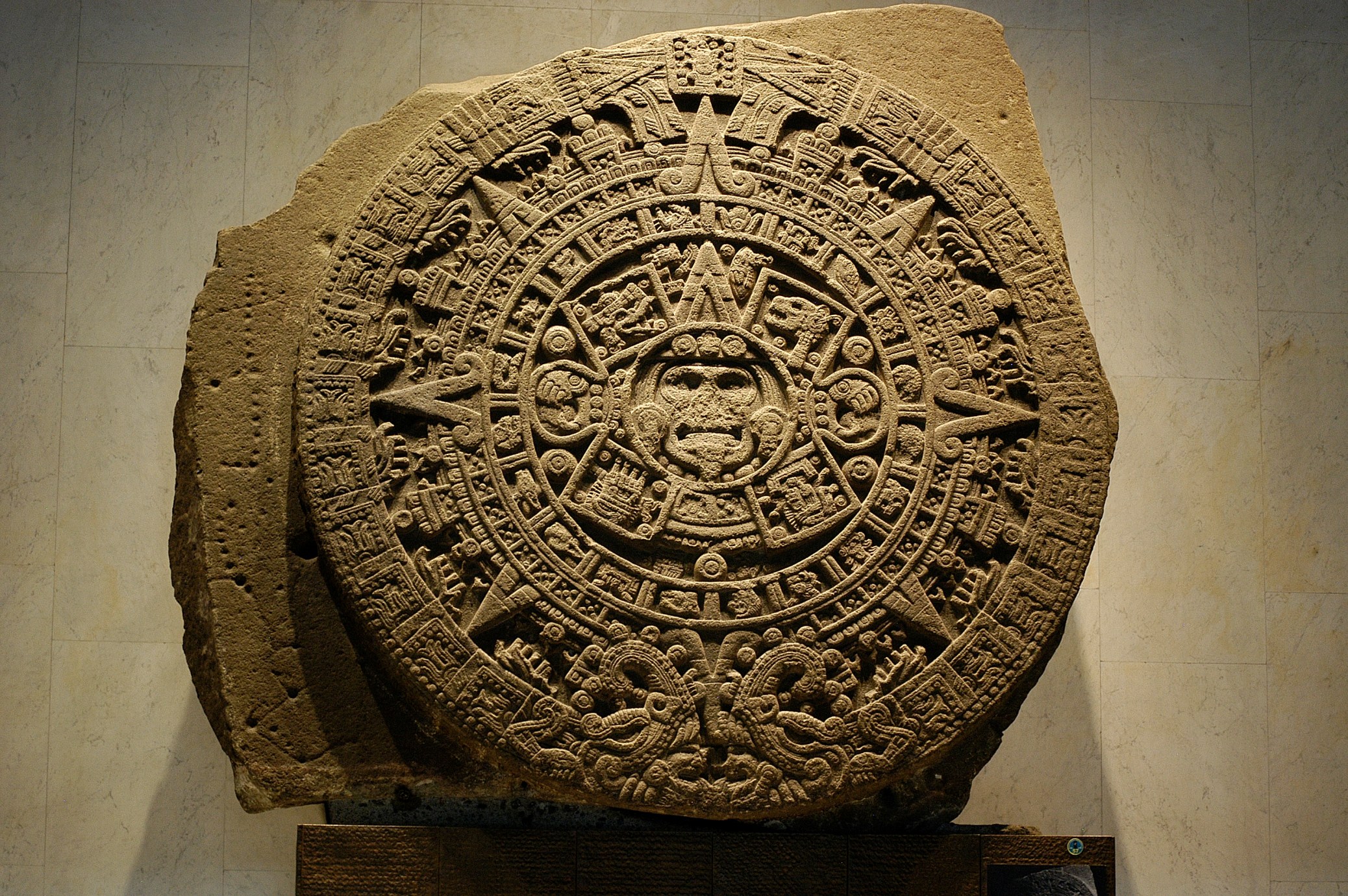
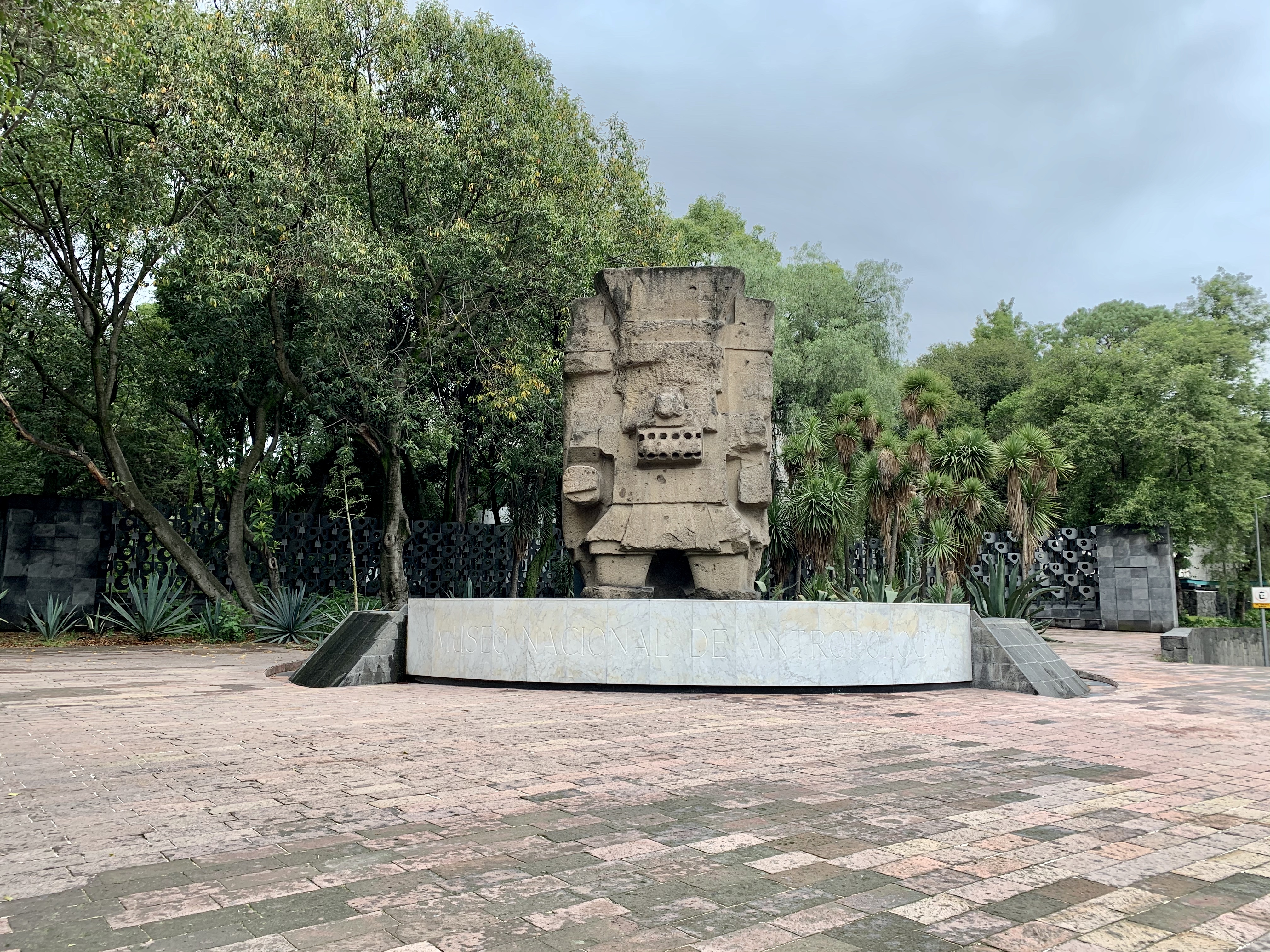
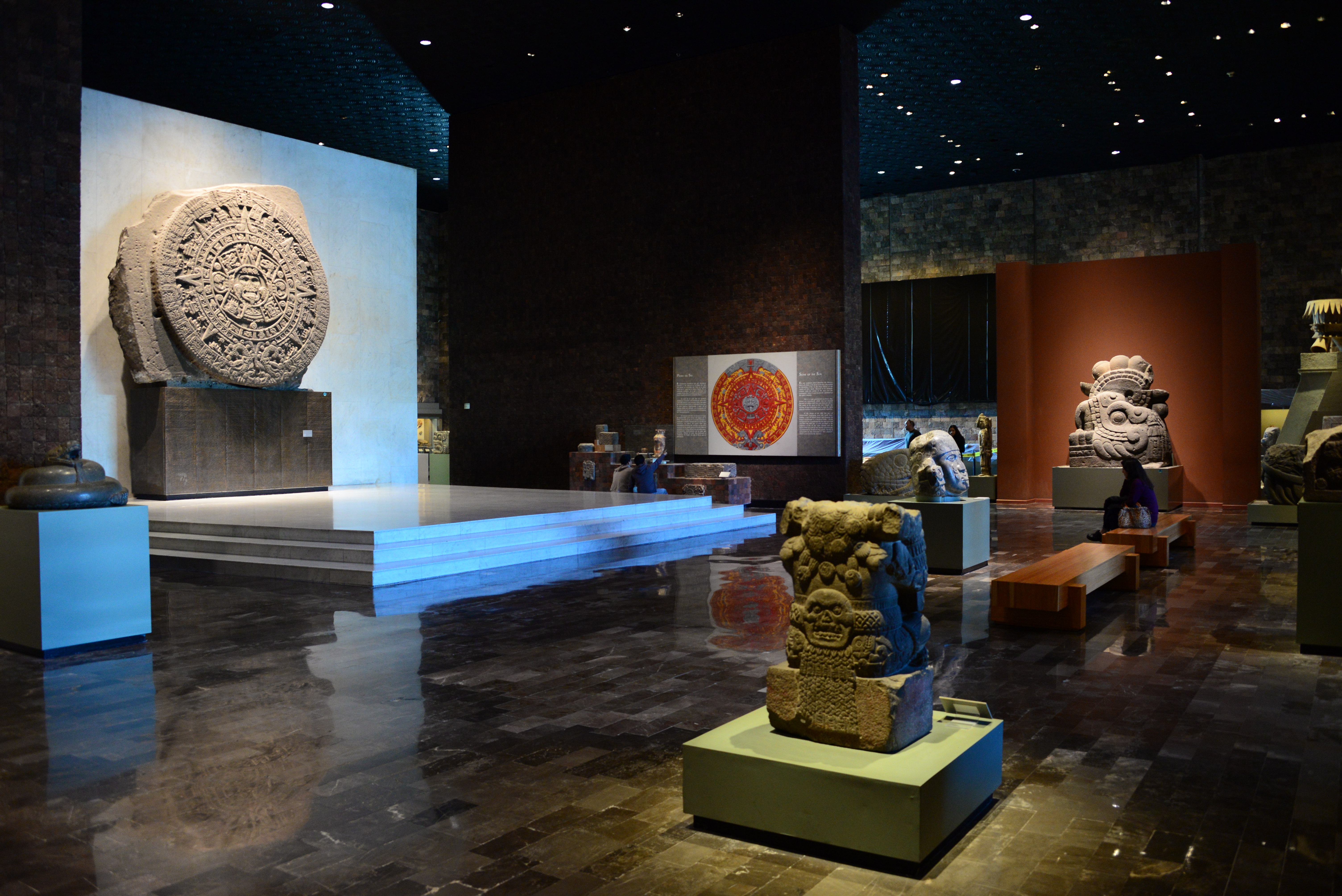
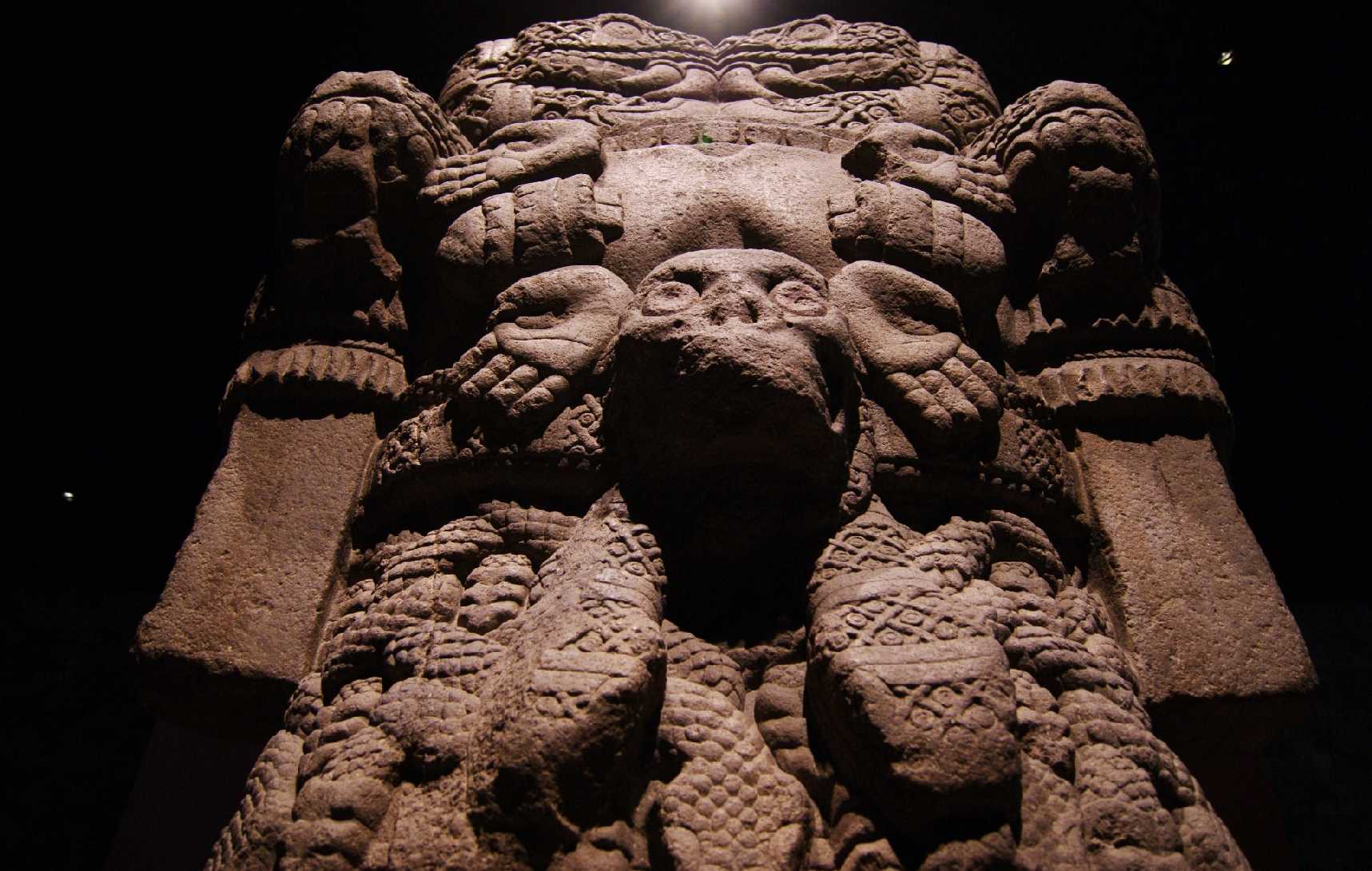
The sheer size of the collection held by the National Museum of Anthropology makes it hard to make a shortlist of artefacts. However, the most representative displays include the Monolito de Tláloc (“Monolith of Tláloc”), standing guard outside the entrance: the Piedra del Sol (“Sun Stone”), a colossal monument with a solar disk caved as a series of concentric rings with various elements; the Piedra de Tízoc (“Tízoc Stone”), a round sculpture with a sculpted image on the top side and a cavity at the center; the Olmec Cabeza Colosal 6 (“Colossal Olmec Head 6”), carved out of volcanic rock; a Chac Mool in his customary position, lying down with his arms and legs bent, and his head turned completely to one side; the Atlante de Tula (“Tula Atlas”), a Toltec column that supported the roof of Pirámide B (“Pyramid B”) of this pre-Hispanic site; the Máscara de Pakal (“Pakal’s Mask”), made out of around 200 jade pieces, some of which were sculpted to form the forehead, cheeks and particularly the nose, eyelids and lips; shell was used for the eyes and obsidian for the iris.
More than 50 years since its inauguration, the National Museum of Anthropology remains Mexico’s most iconic repository of the country’s indigenous legacy, as well being as a world-class museum thanks to the quality of its construction, innovative design, art, and symbolism.
Festivals and rituals
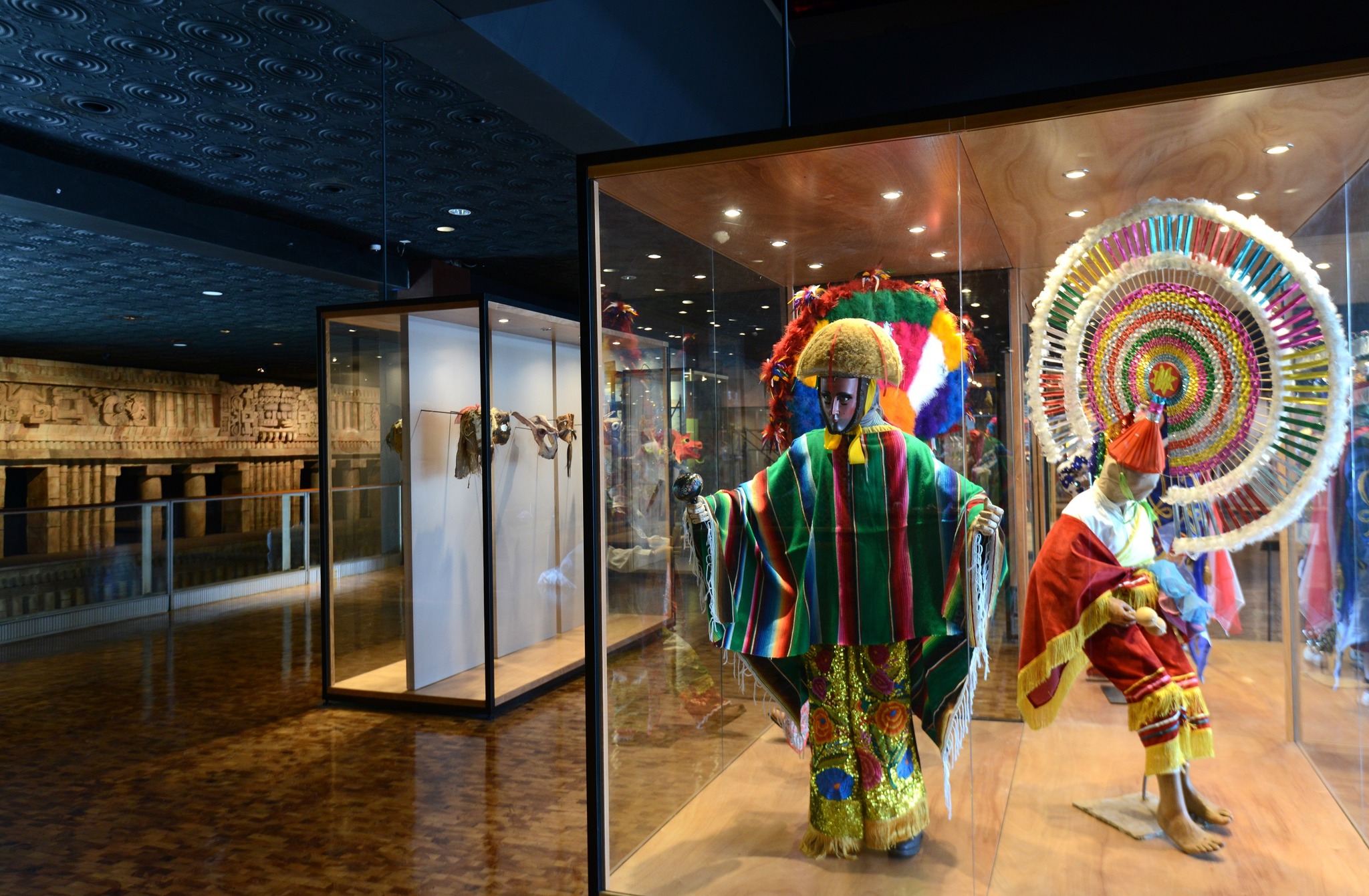
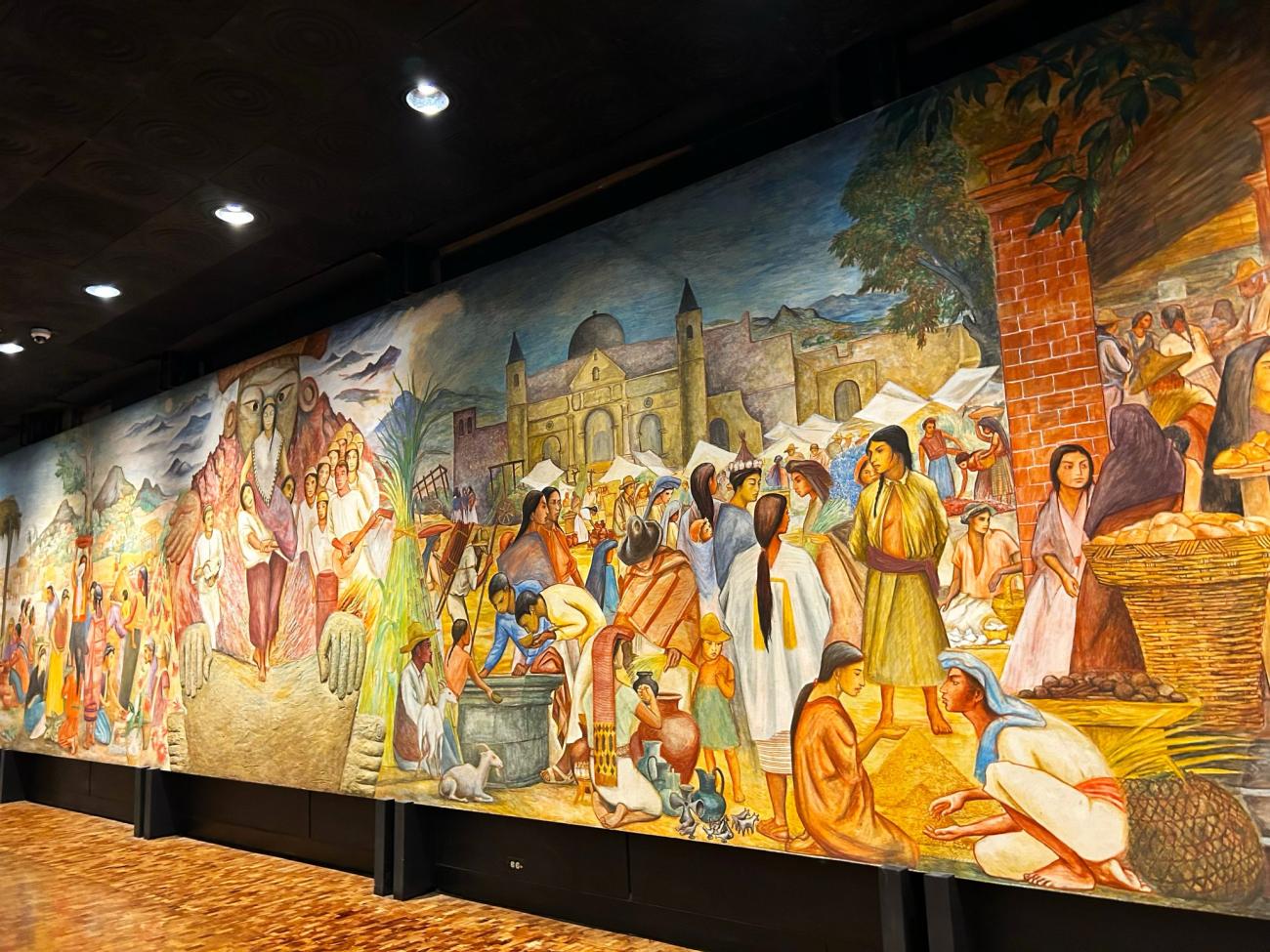
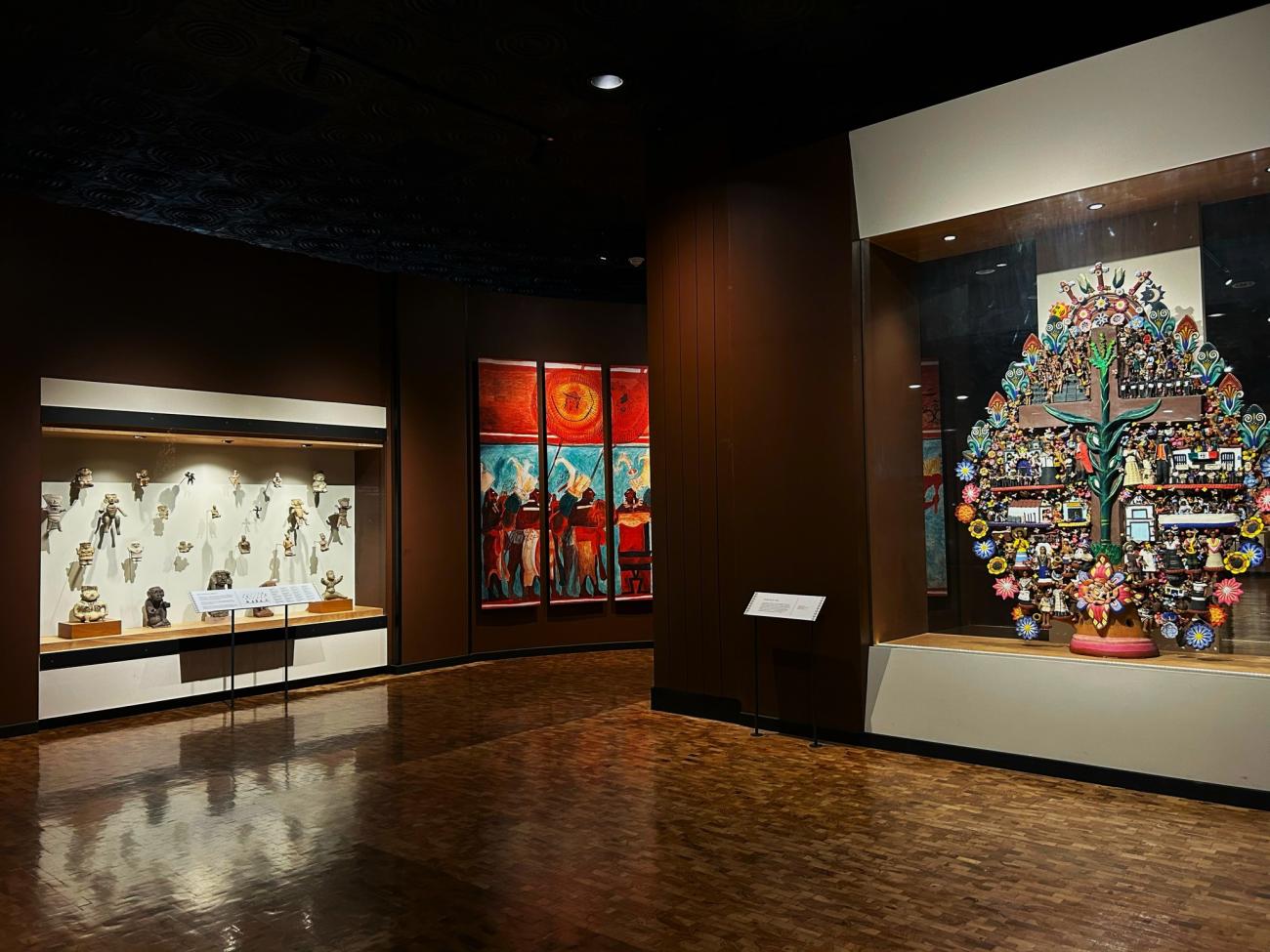
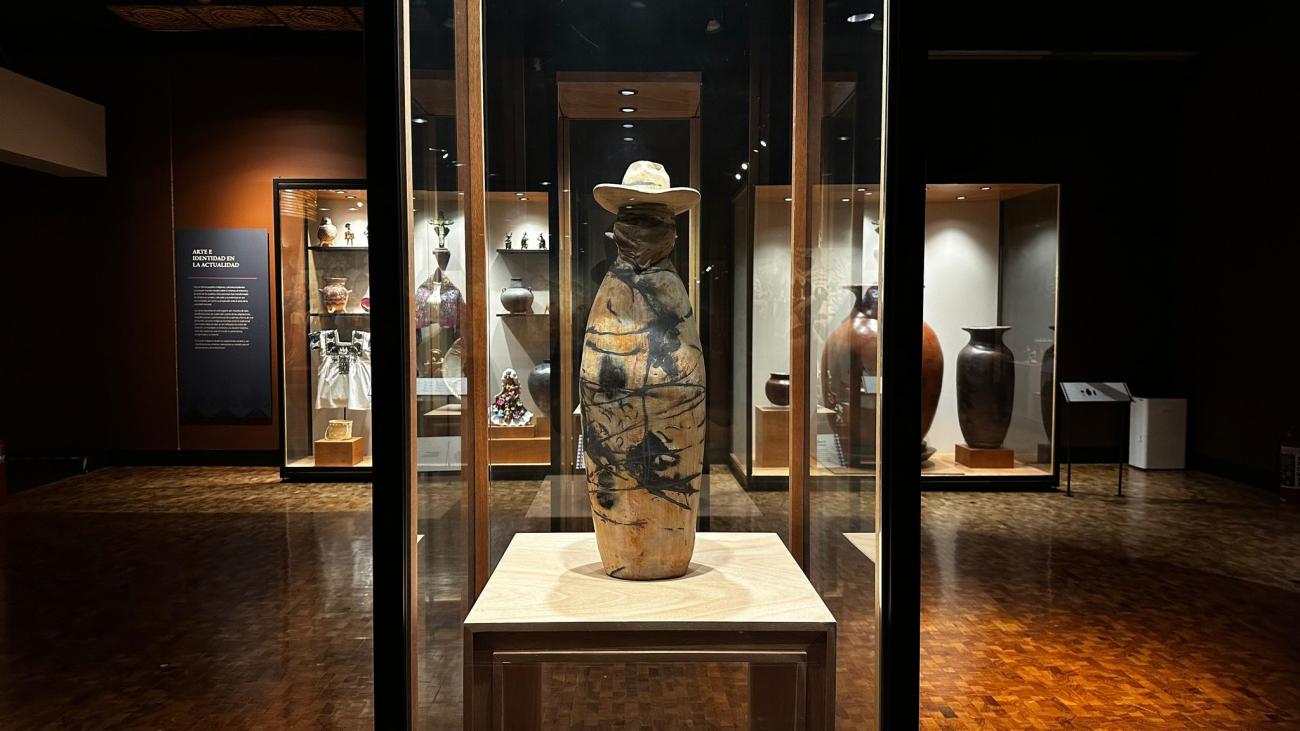
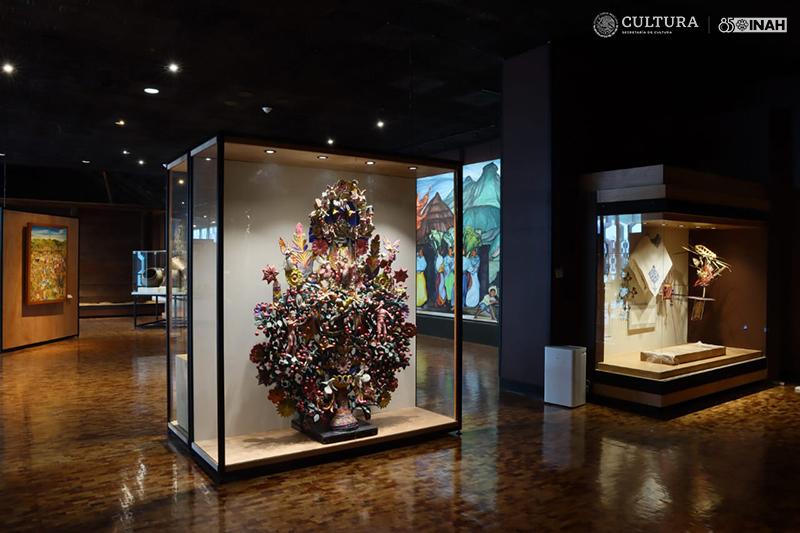
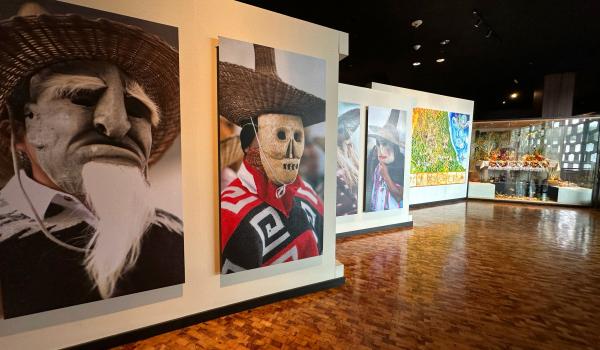
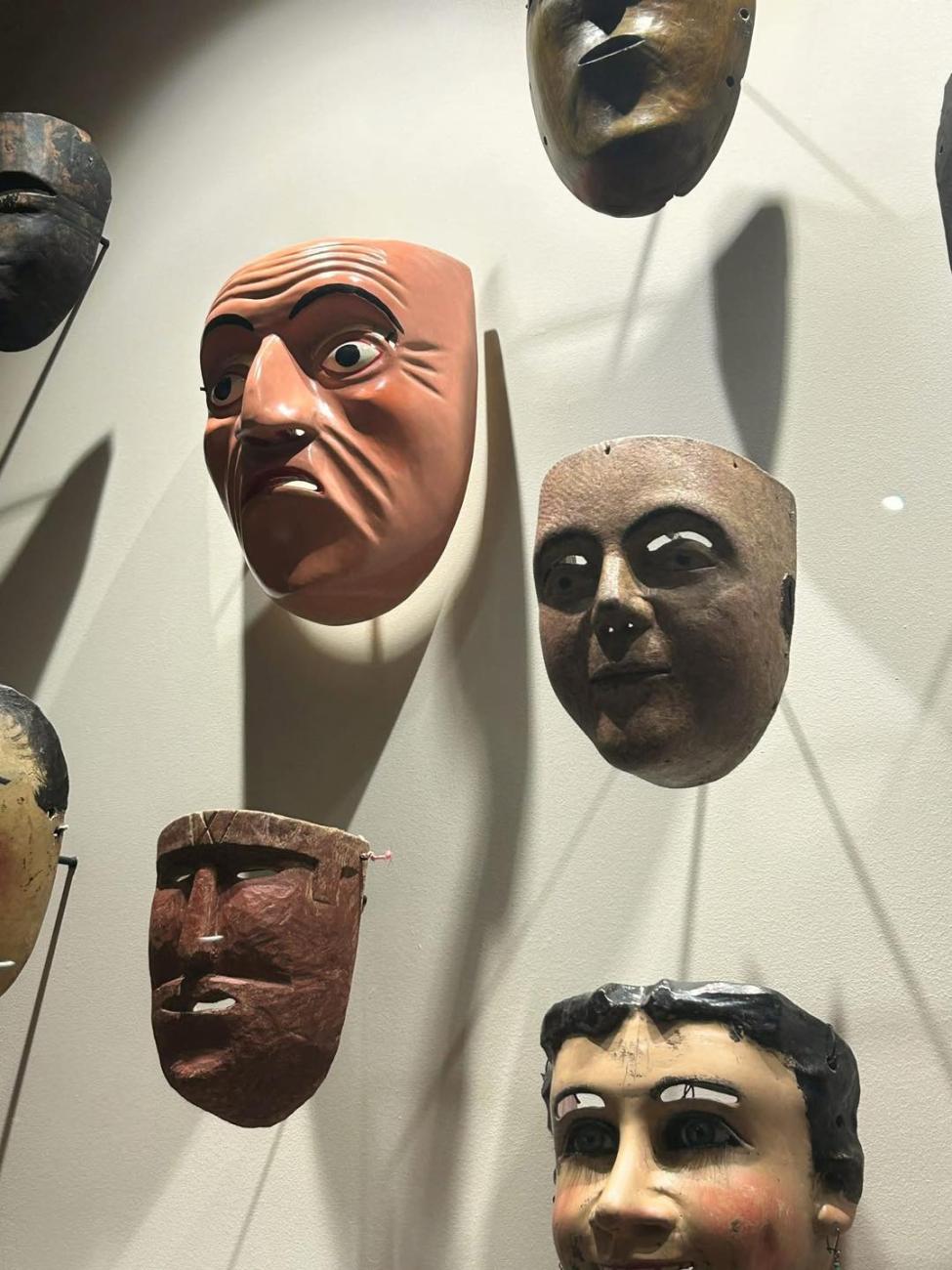
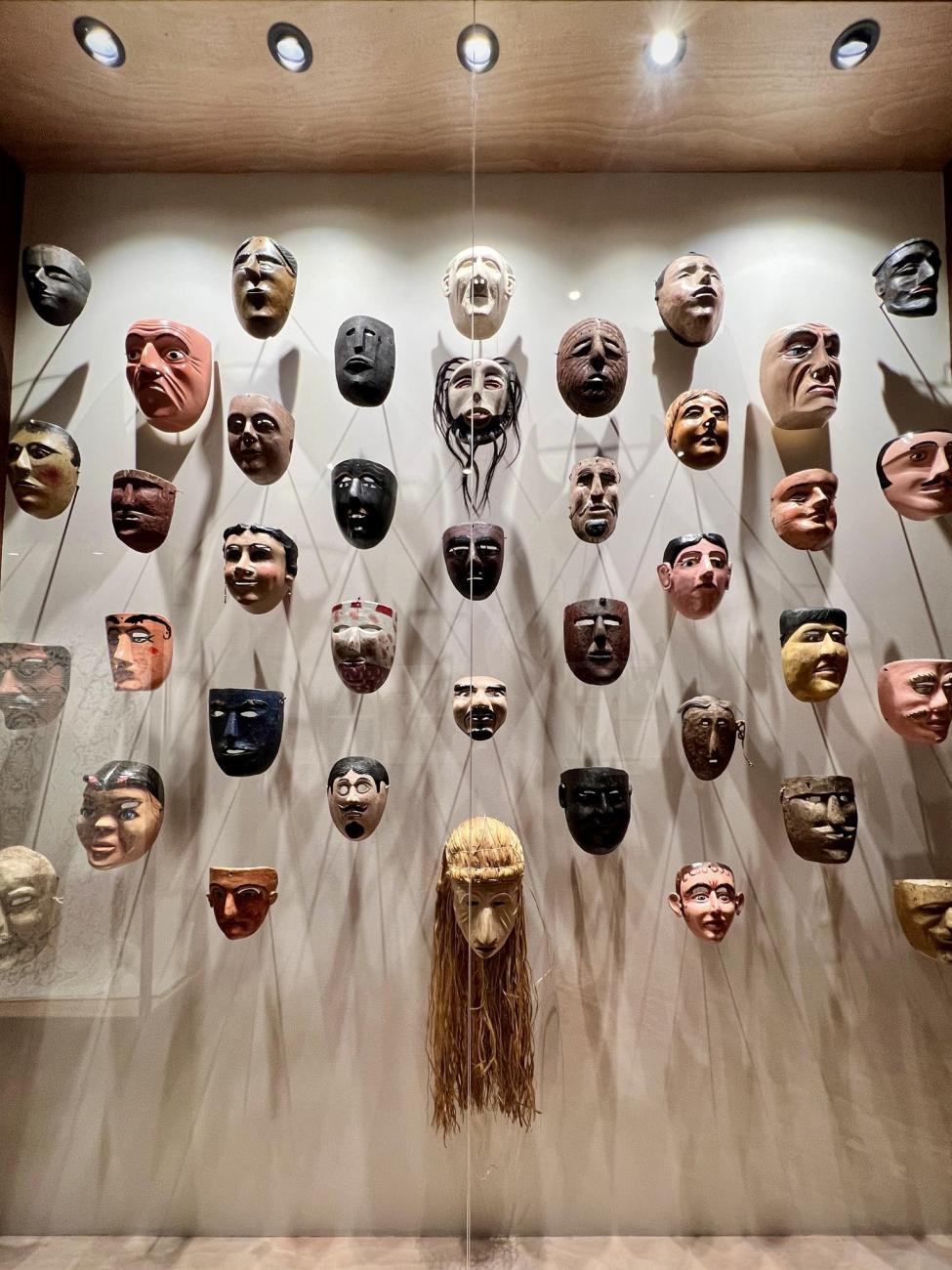
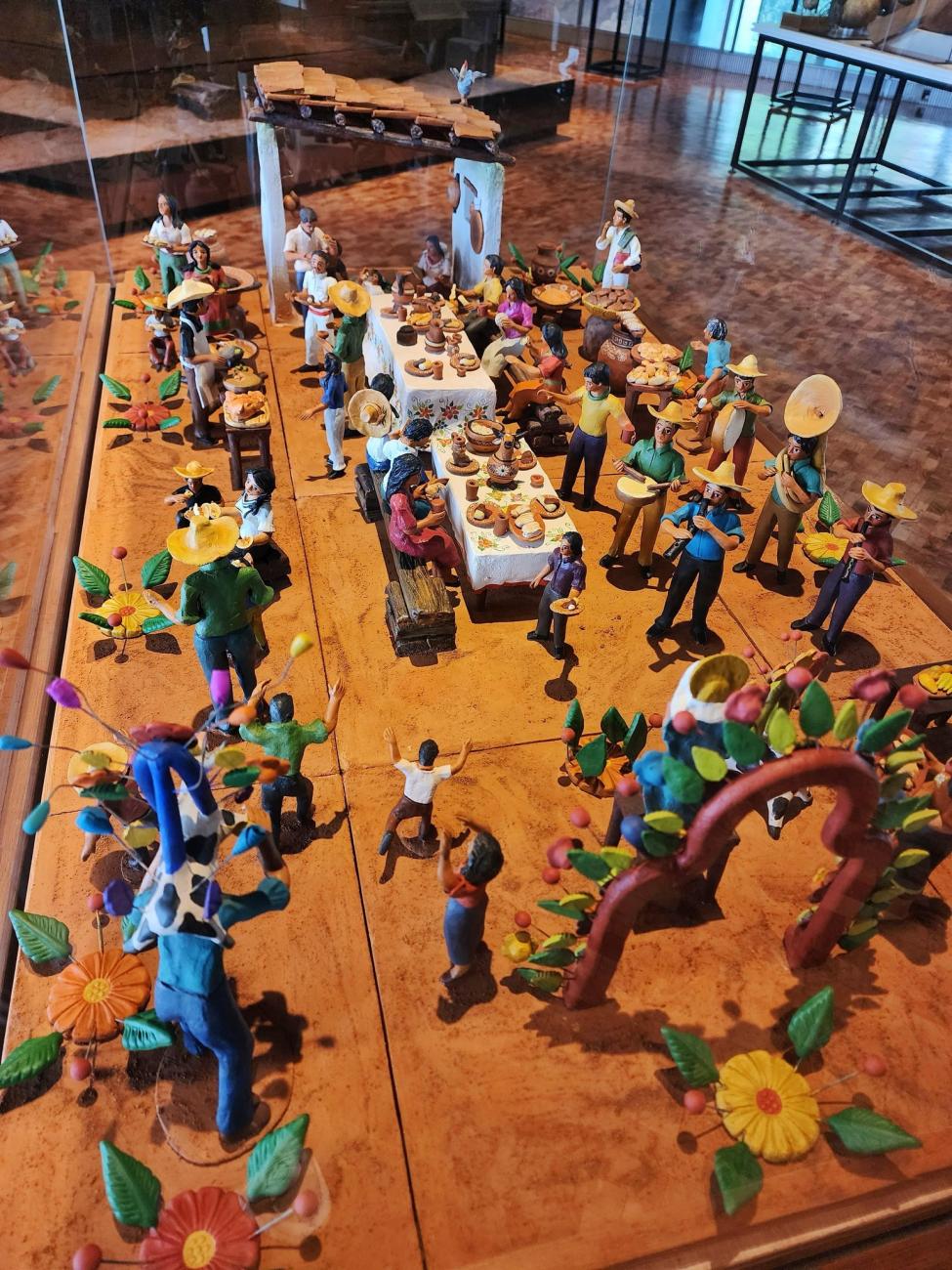
Fiestas consists of 869 cultural objects, distributed across 16 display areas showcasing the elements that make up Mexico's festivities, some of which are related to the agricultural cycle, while others vary between religious and secular expressions and historical representations, such as the dan
Festivals and rituals
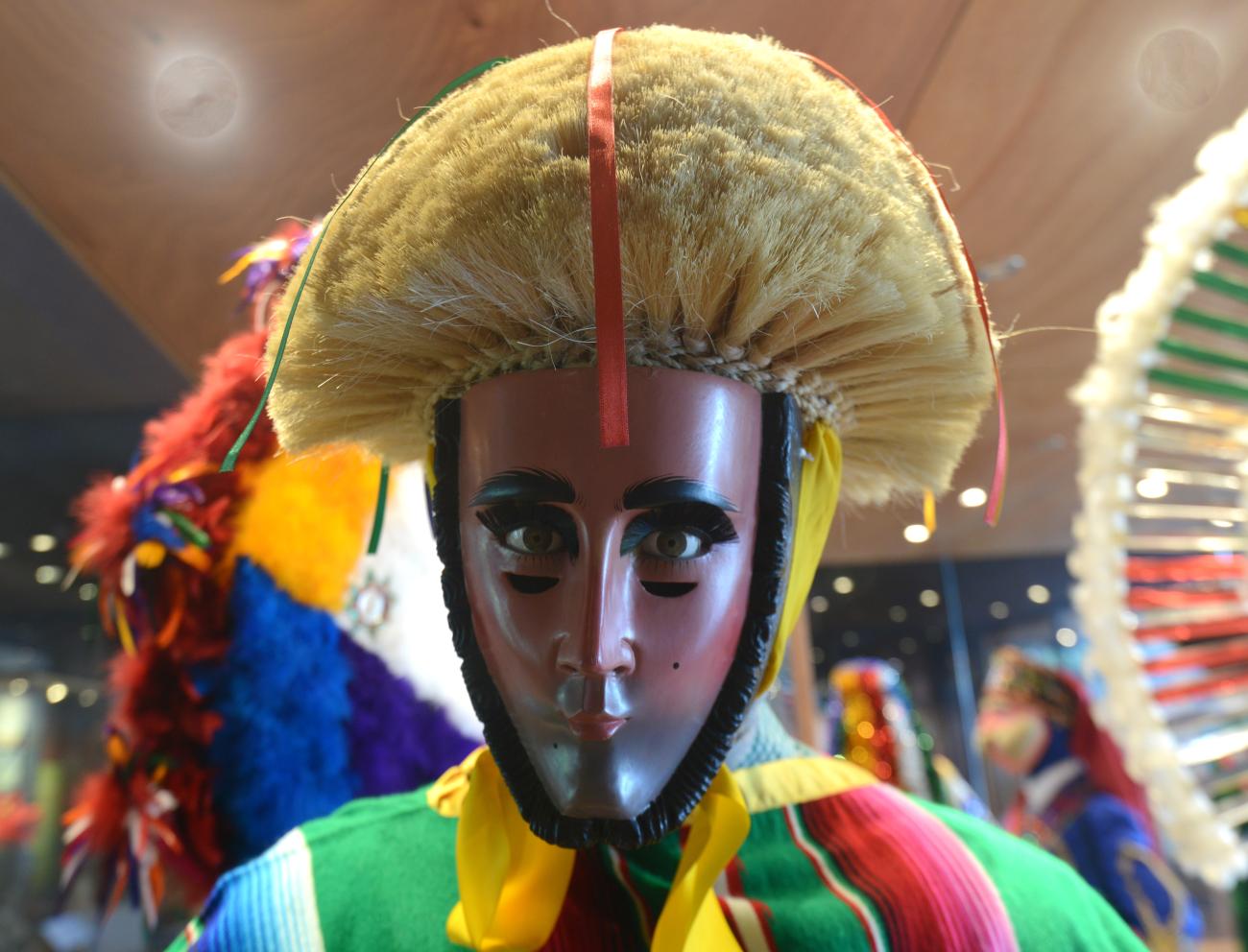
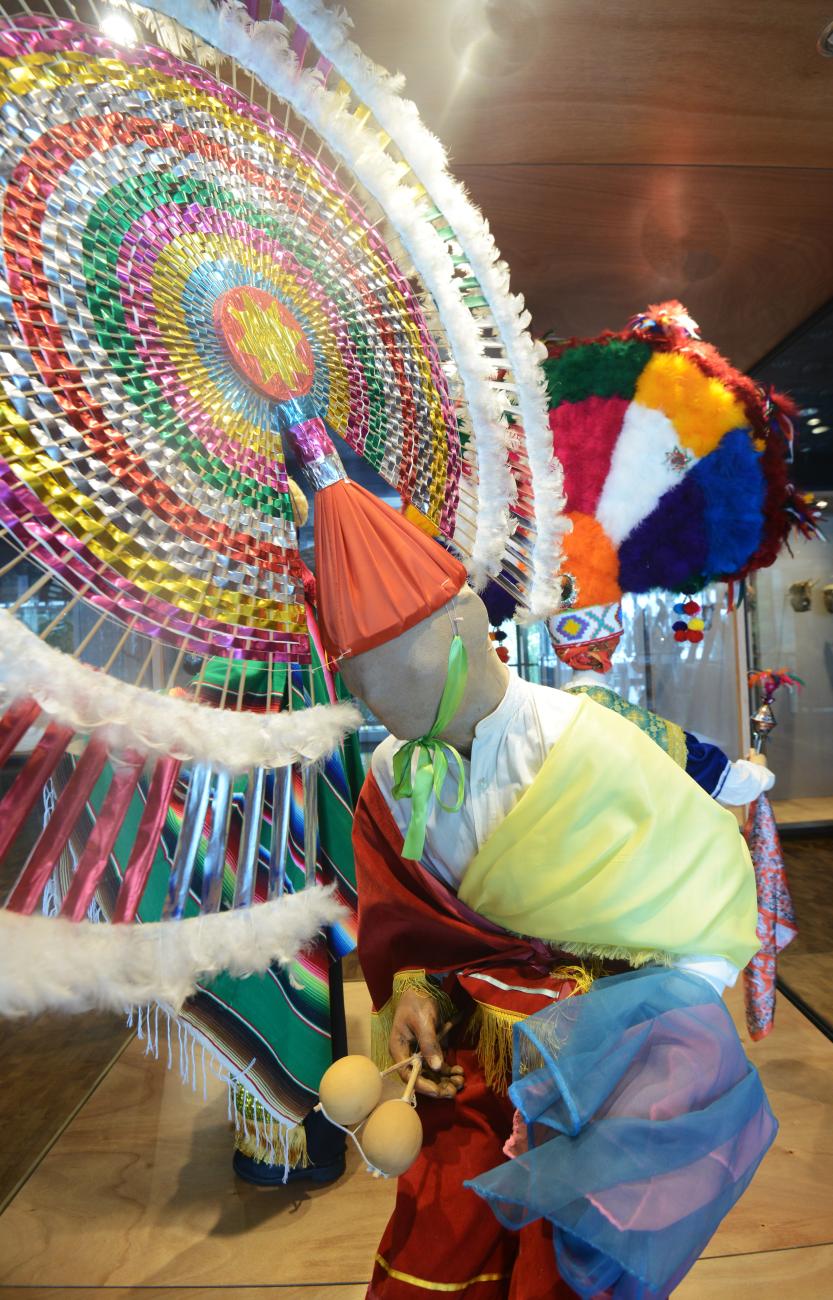
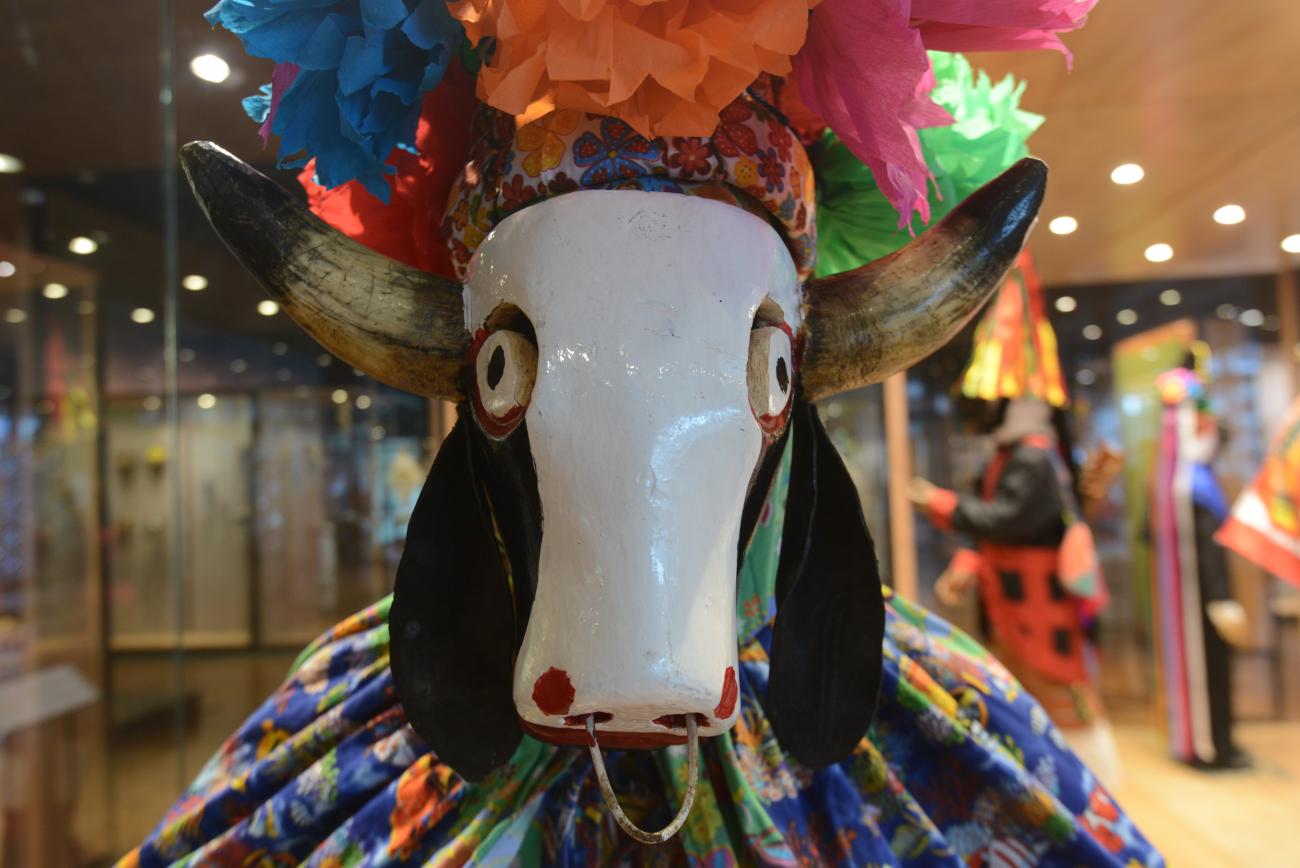
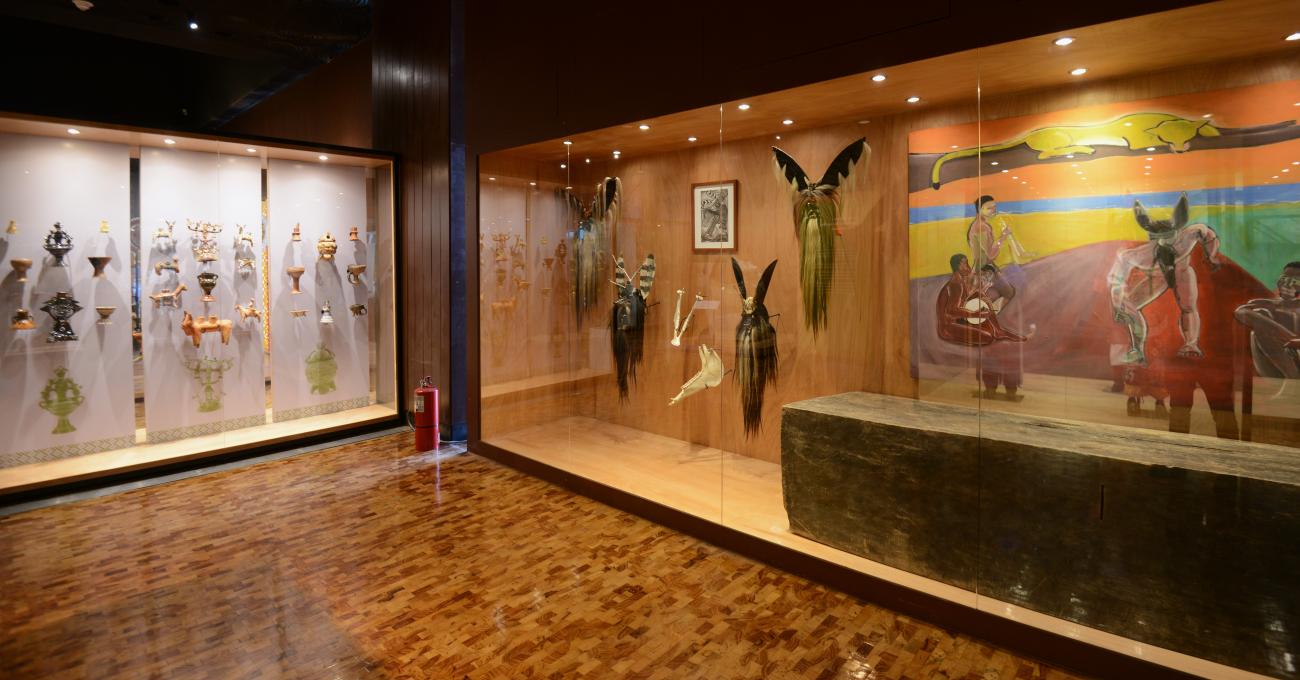

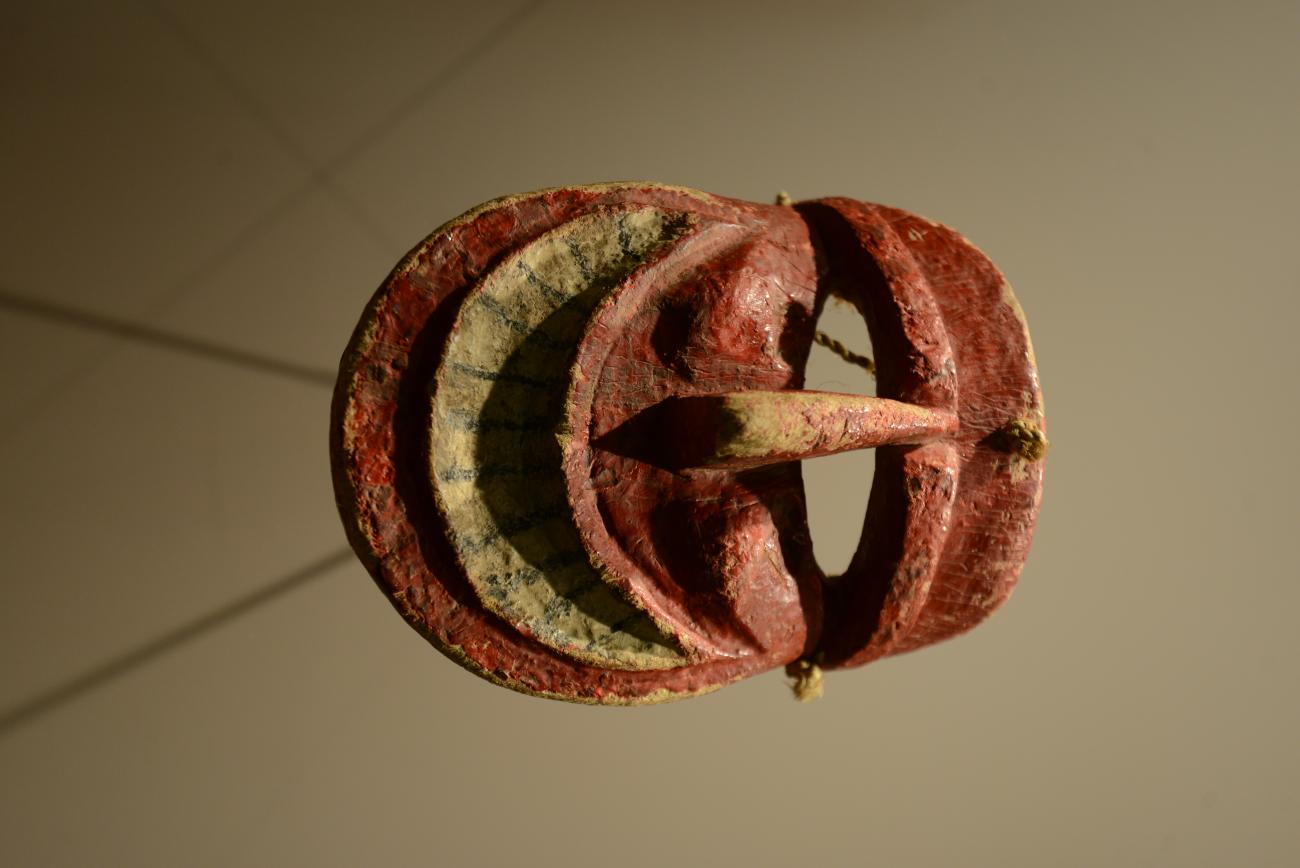

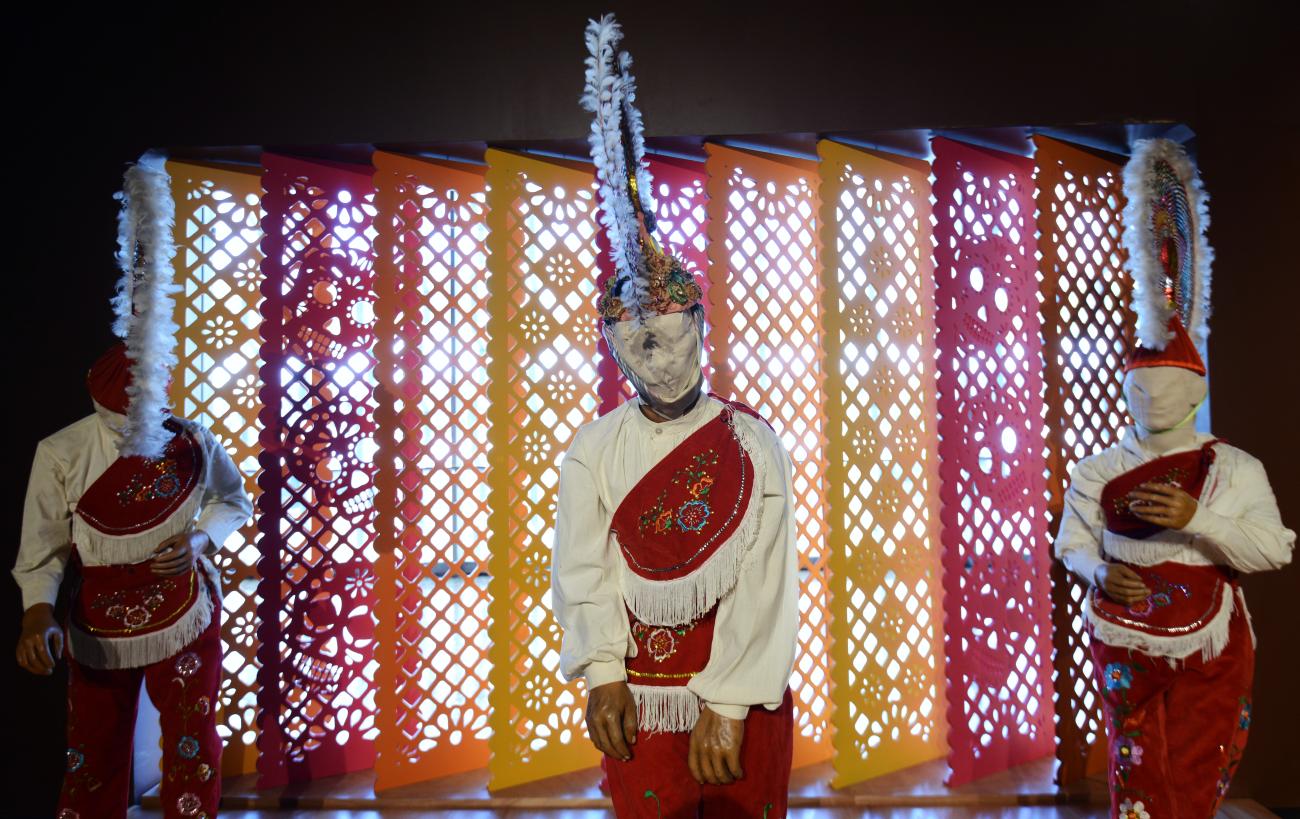
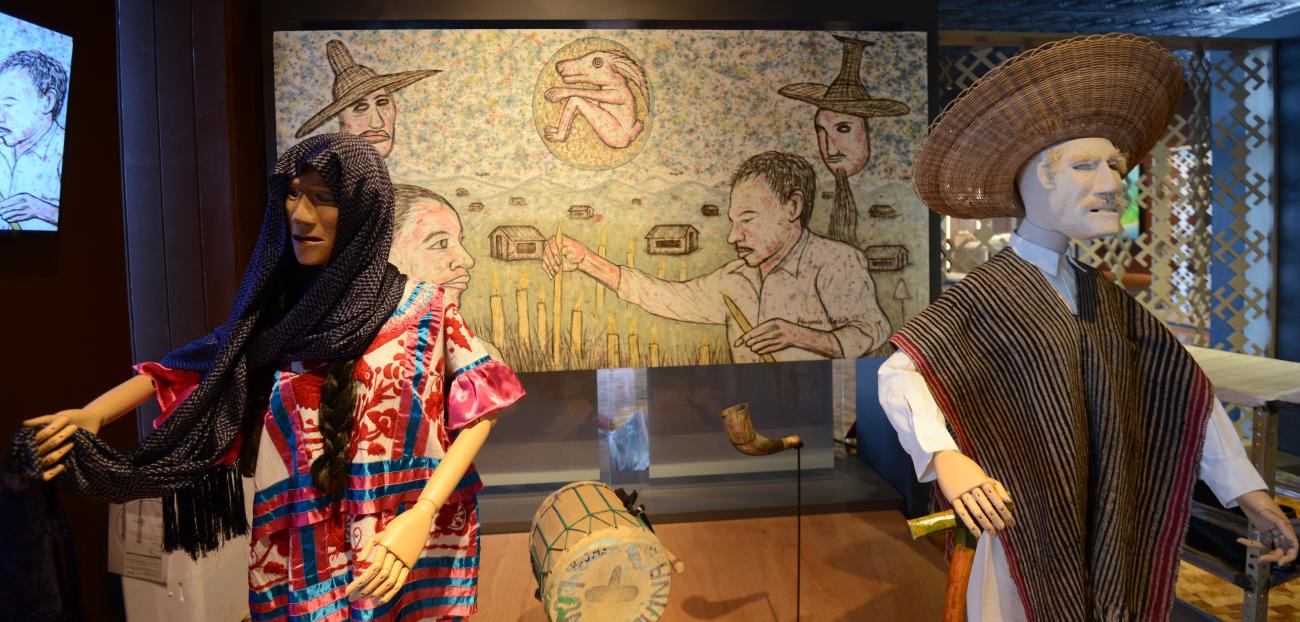
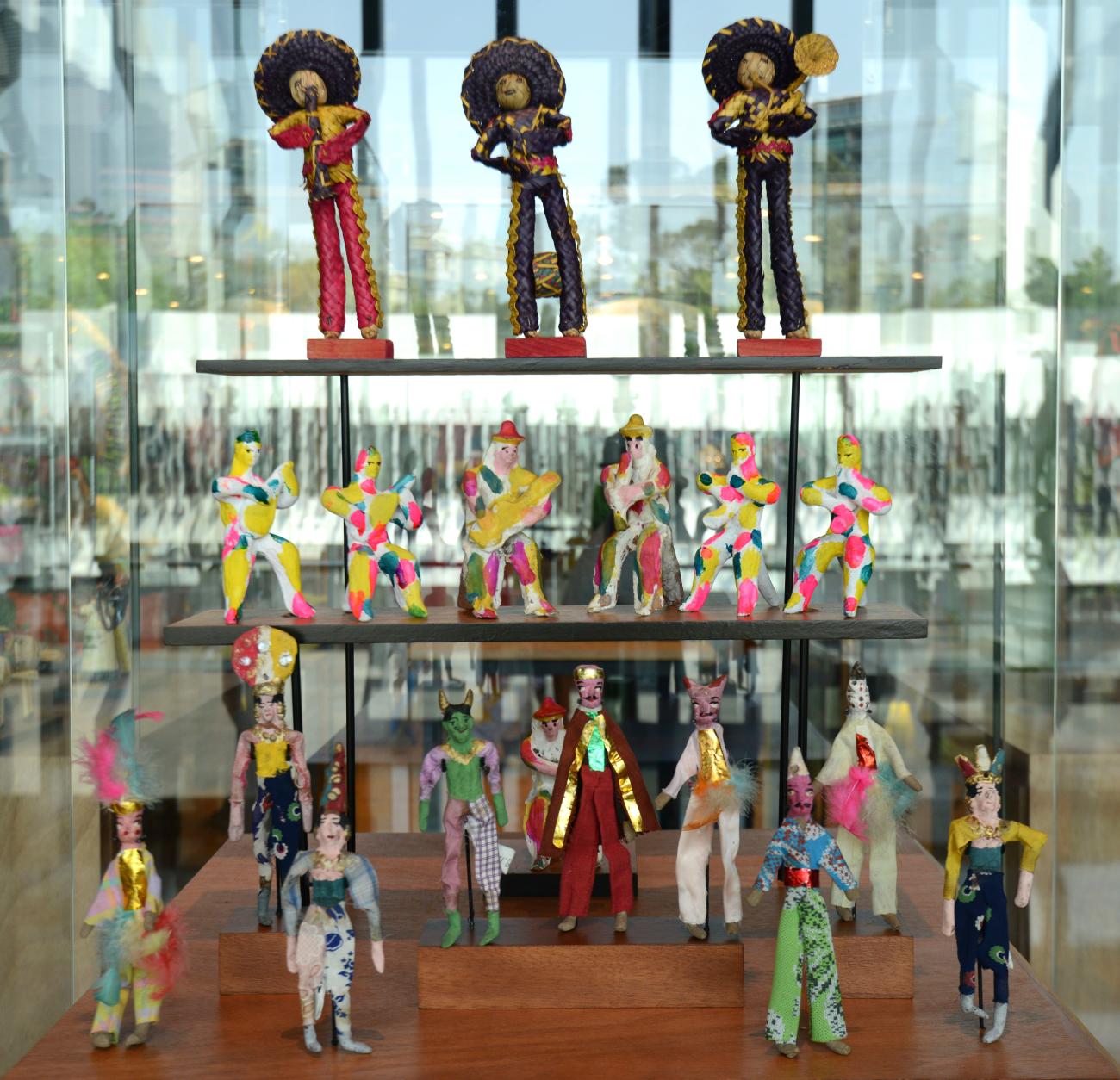
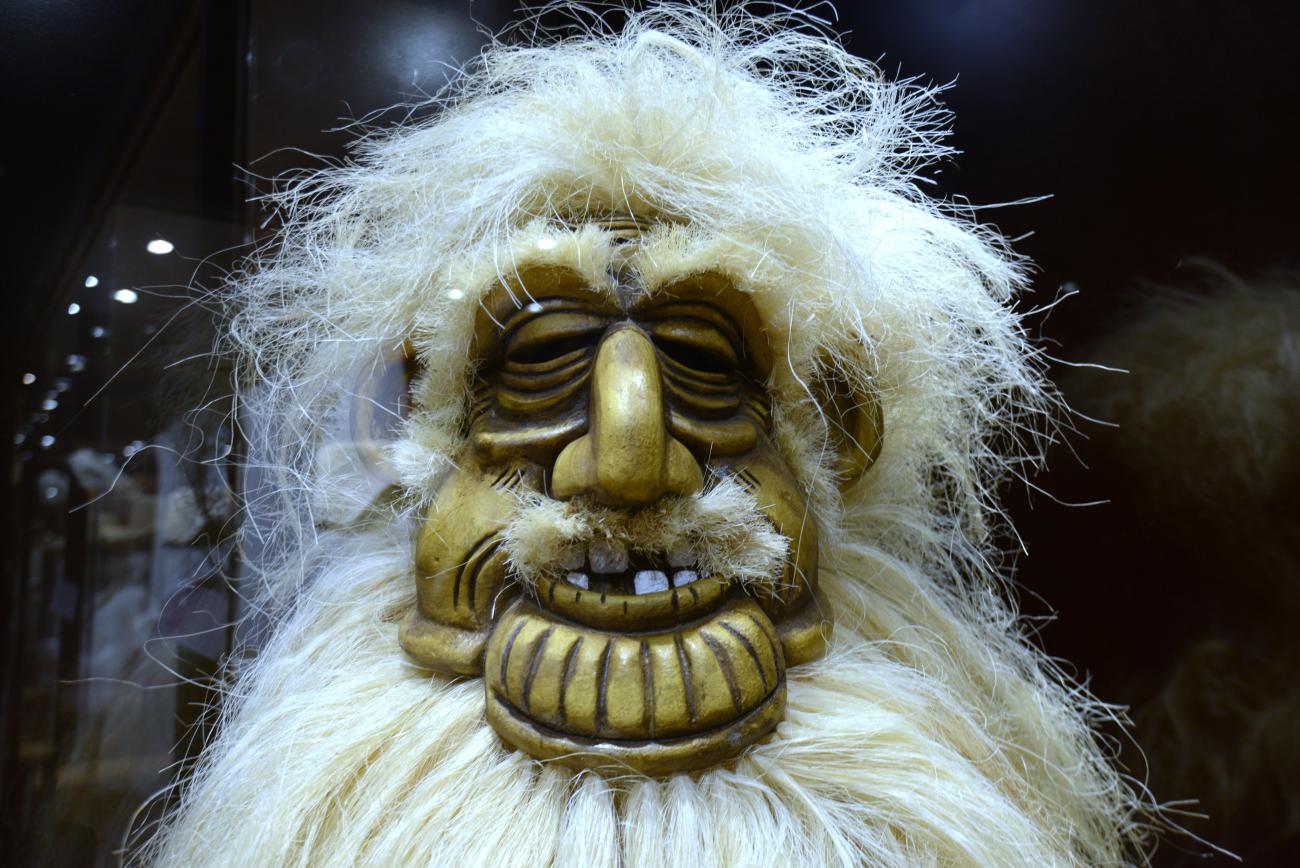
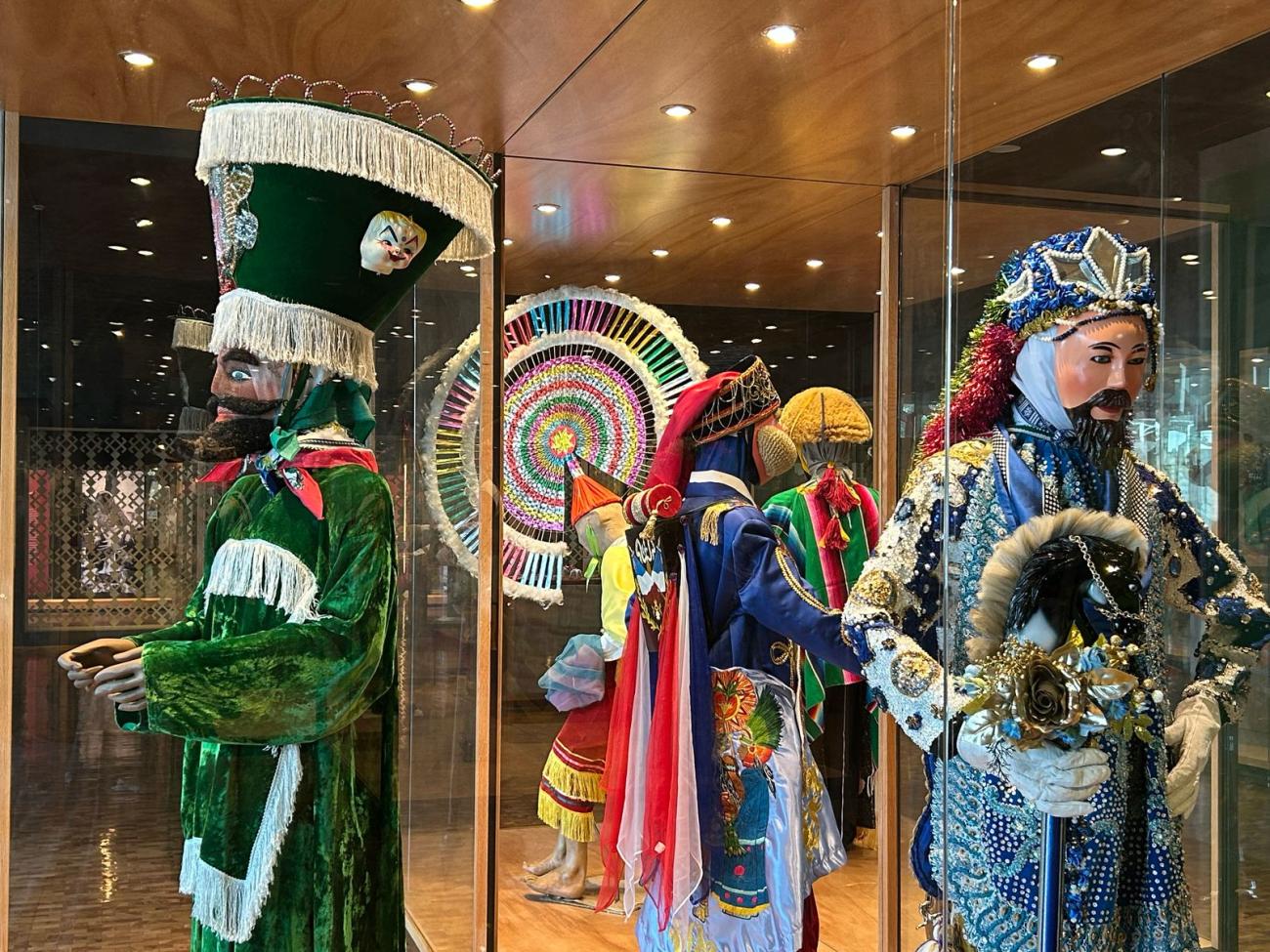
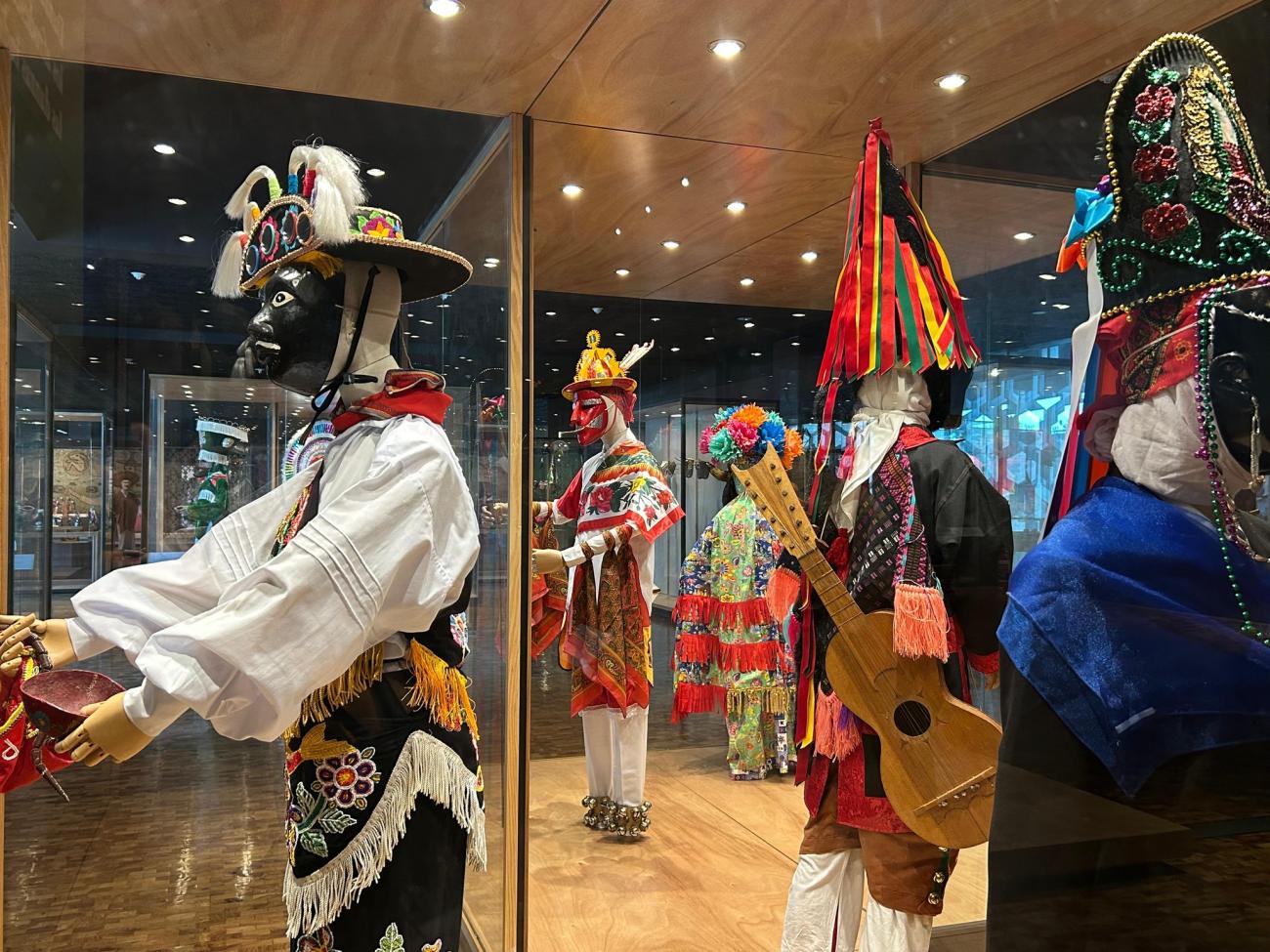
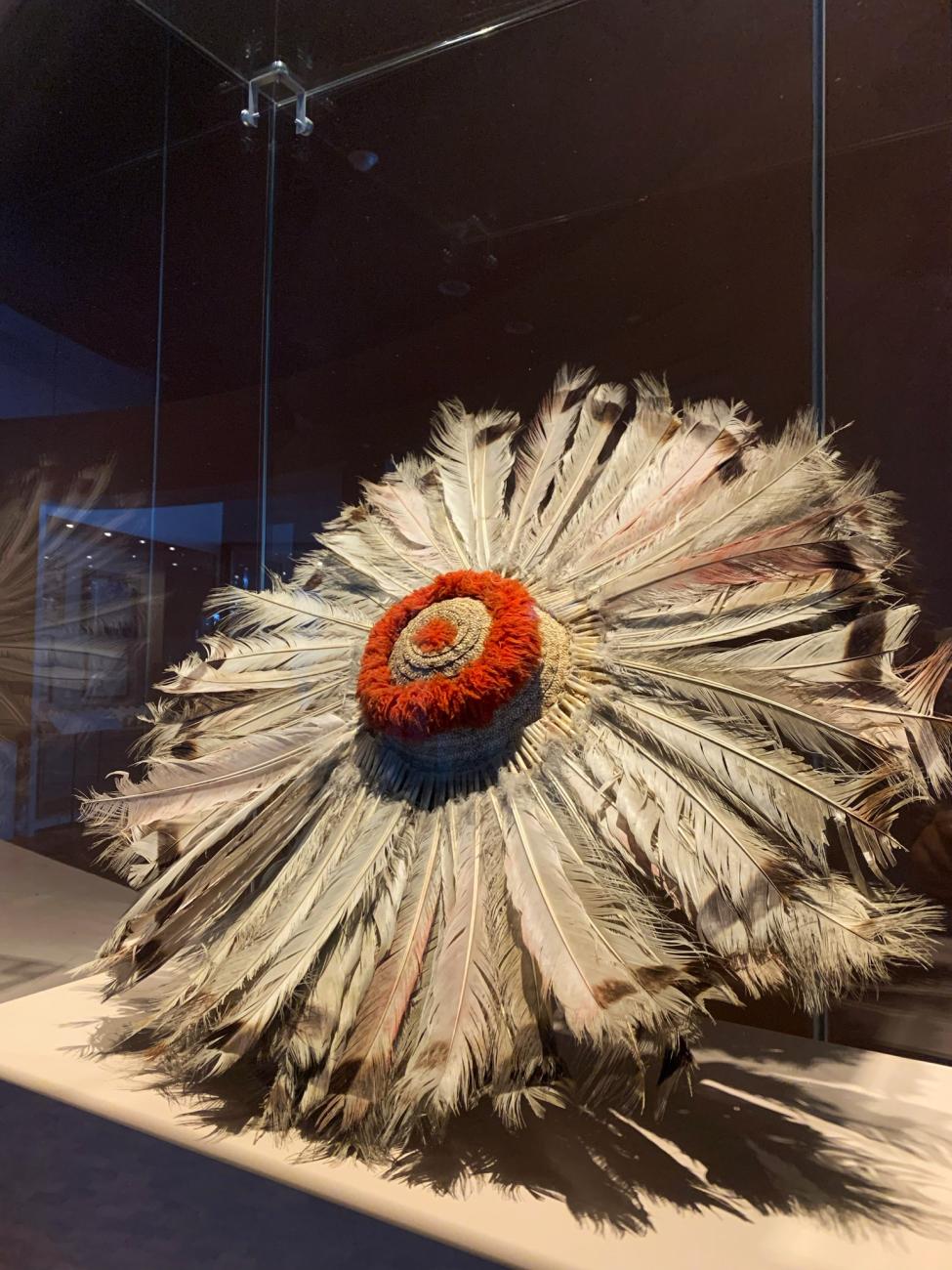
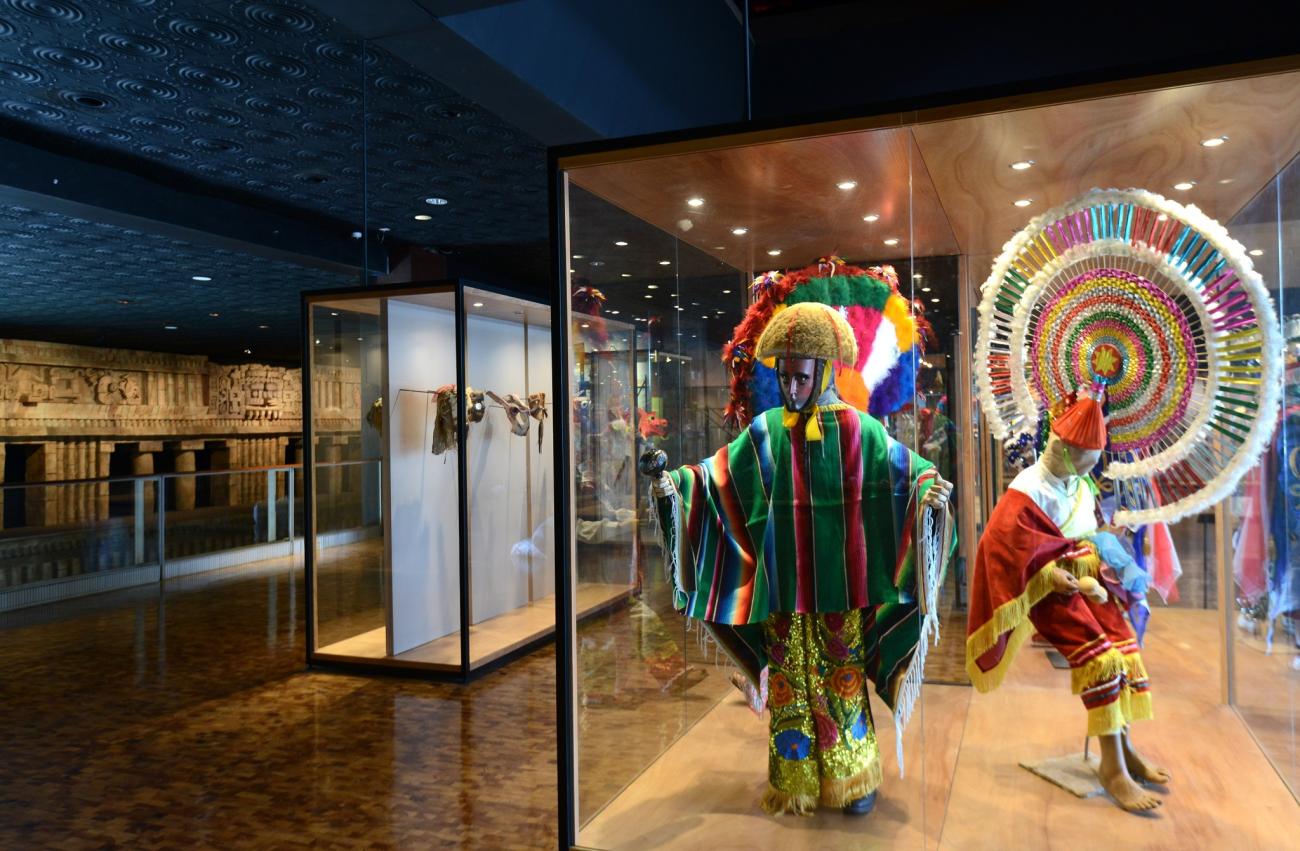
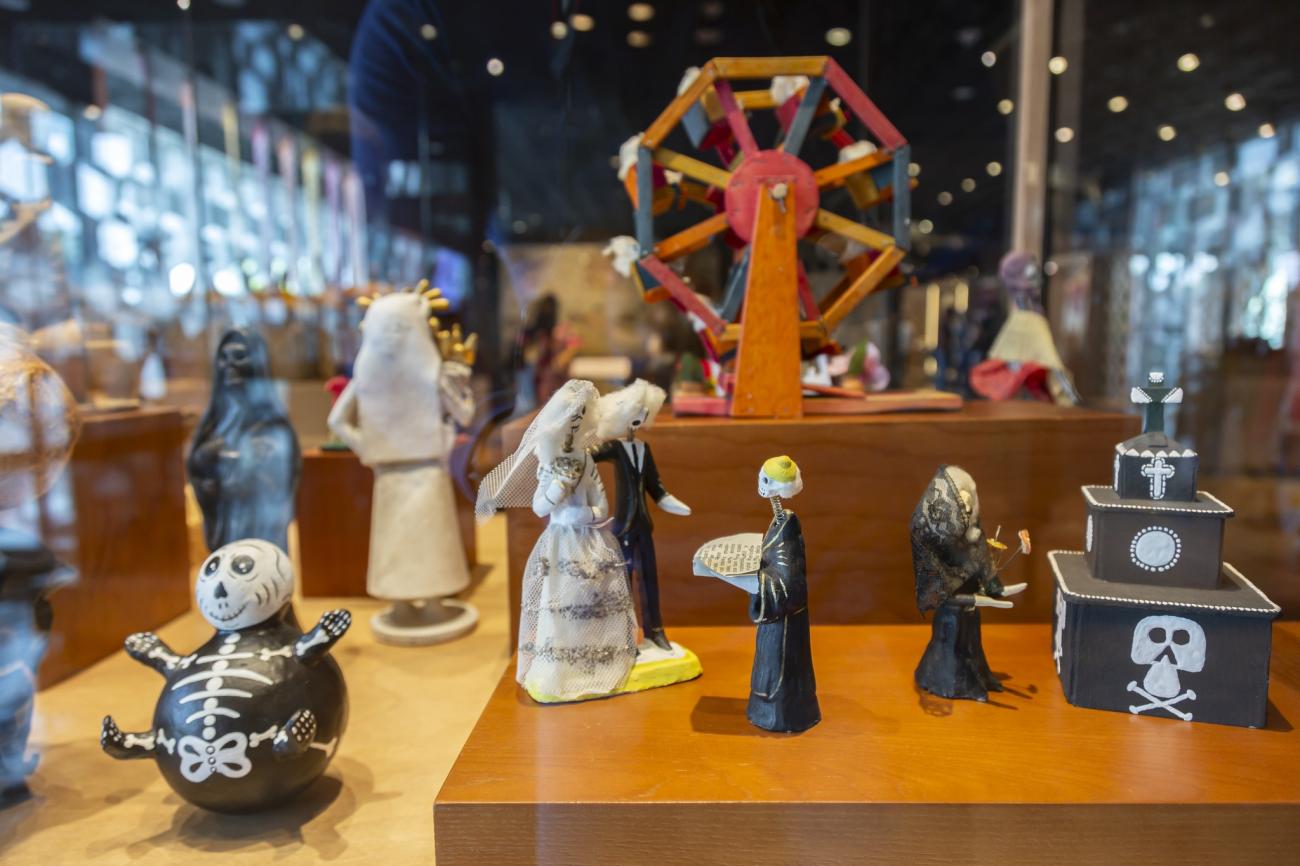
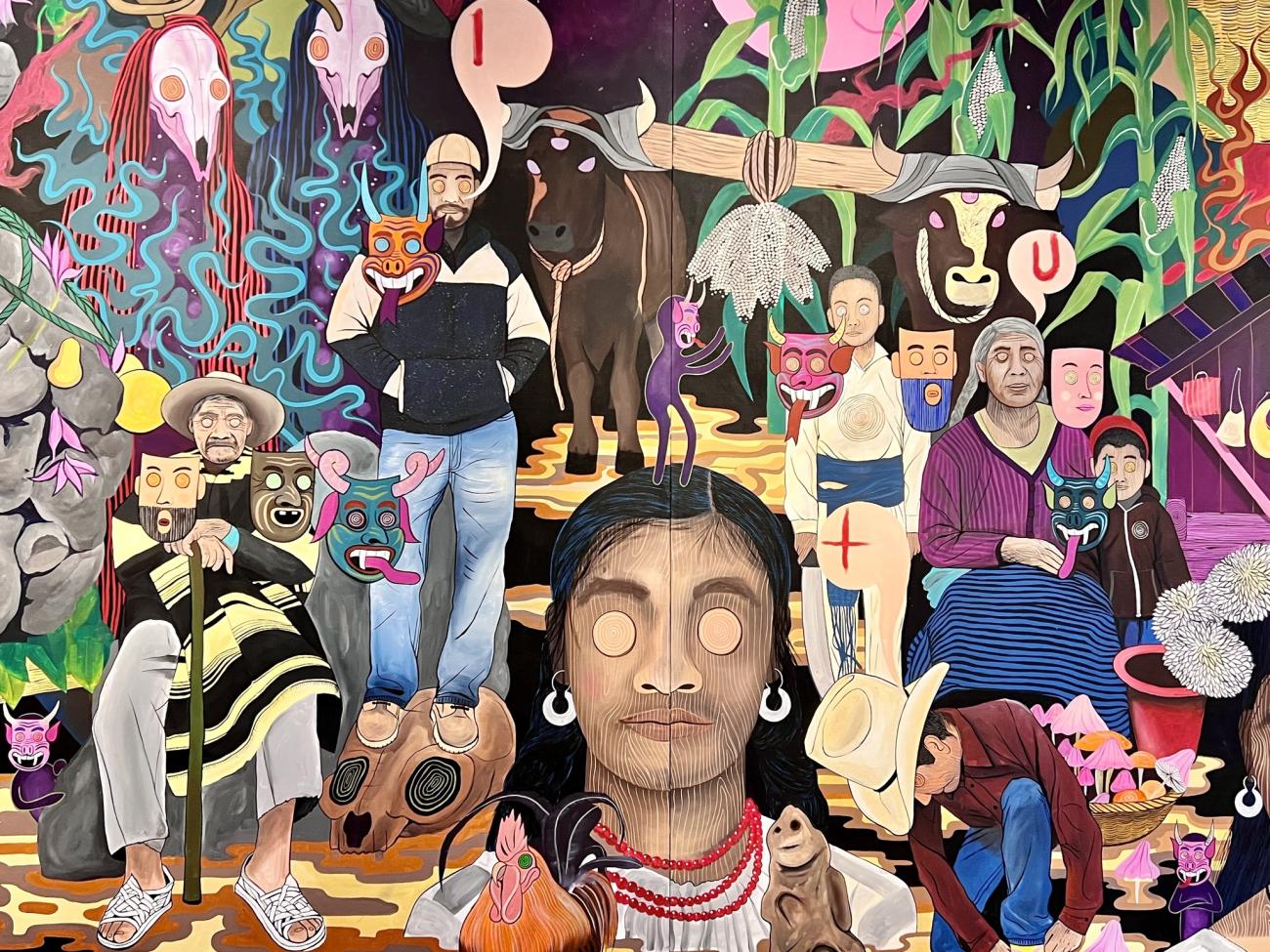
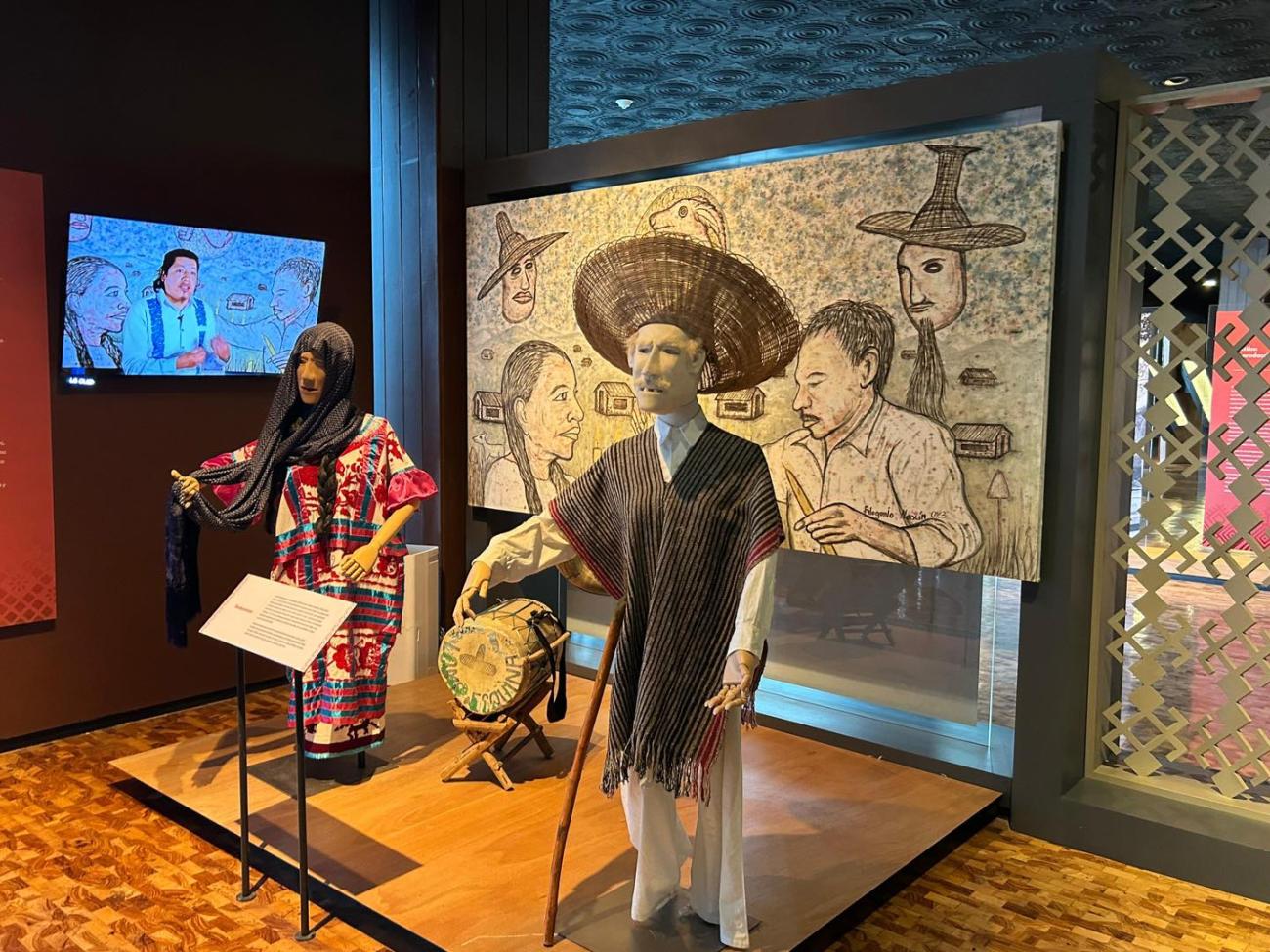






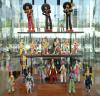


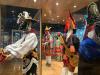

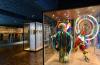

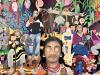
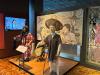
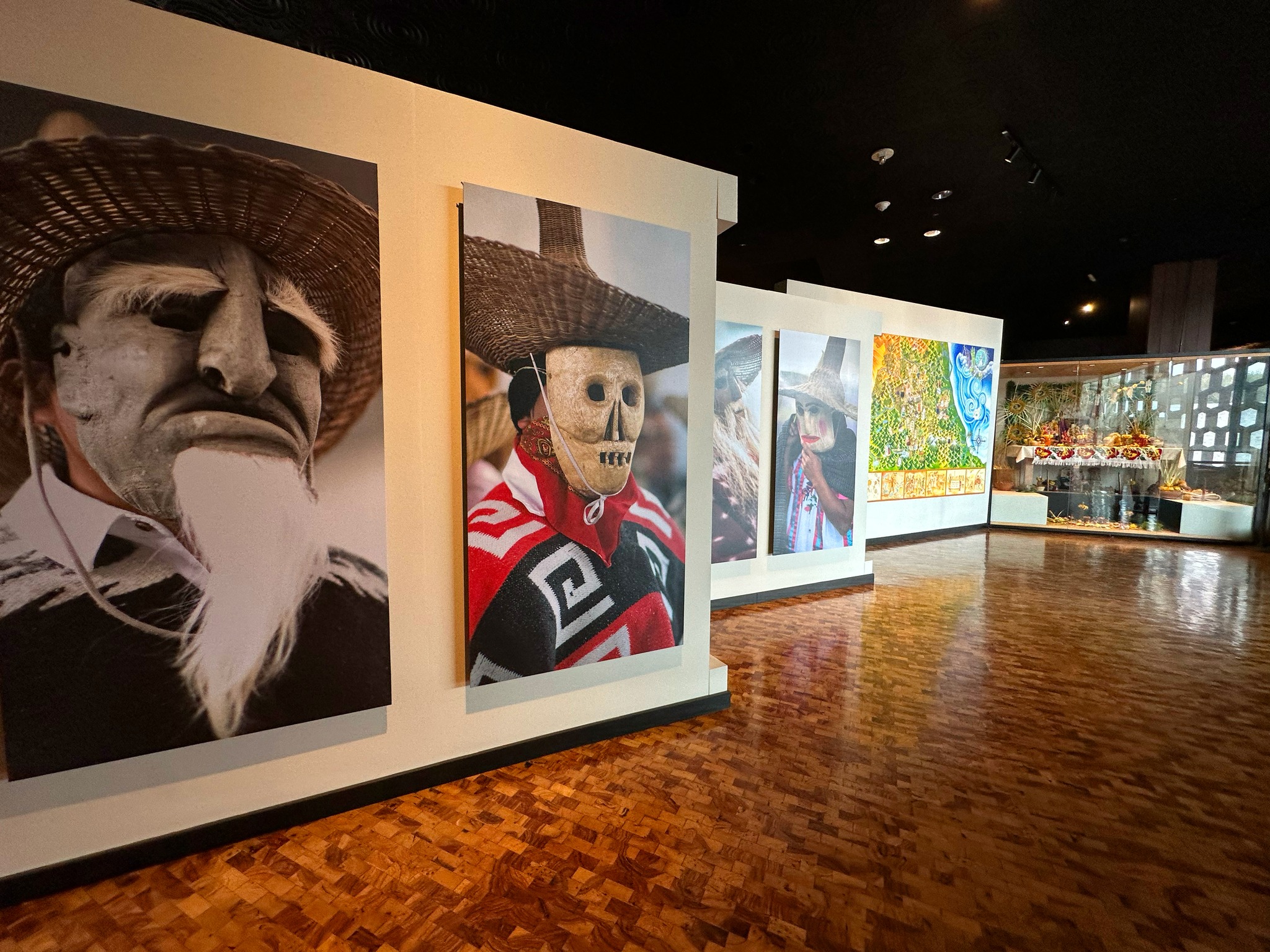
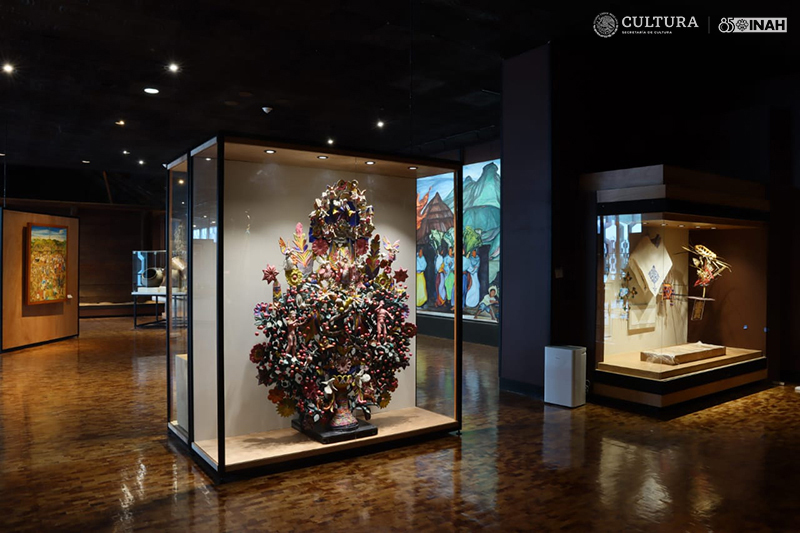
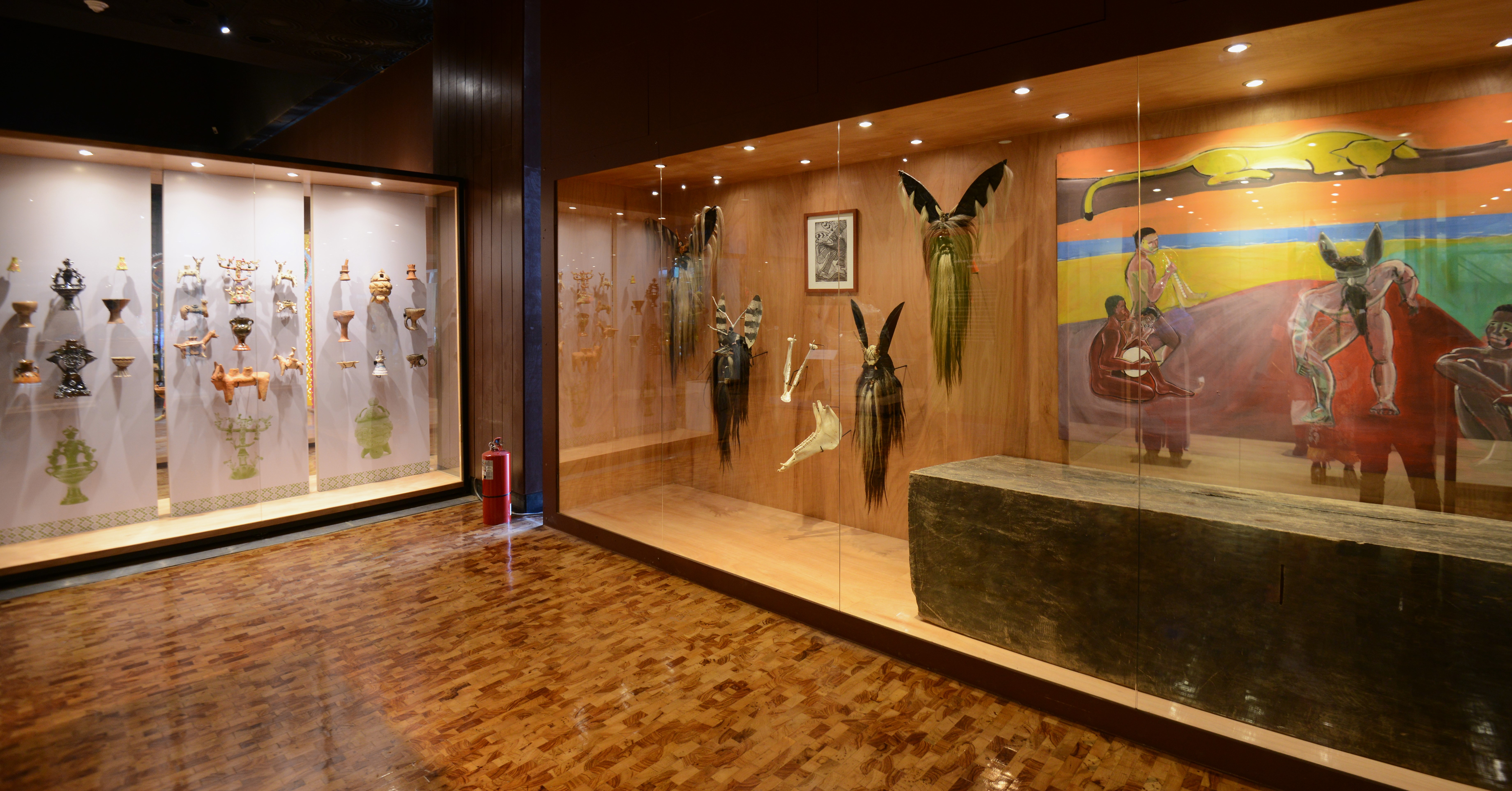
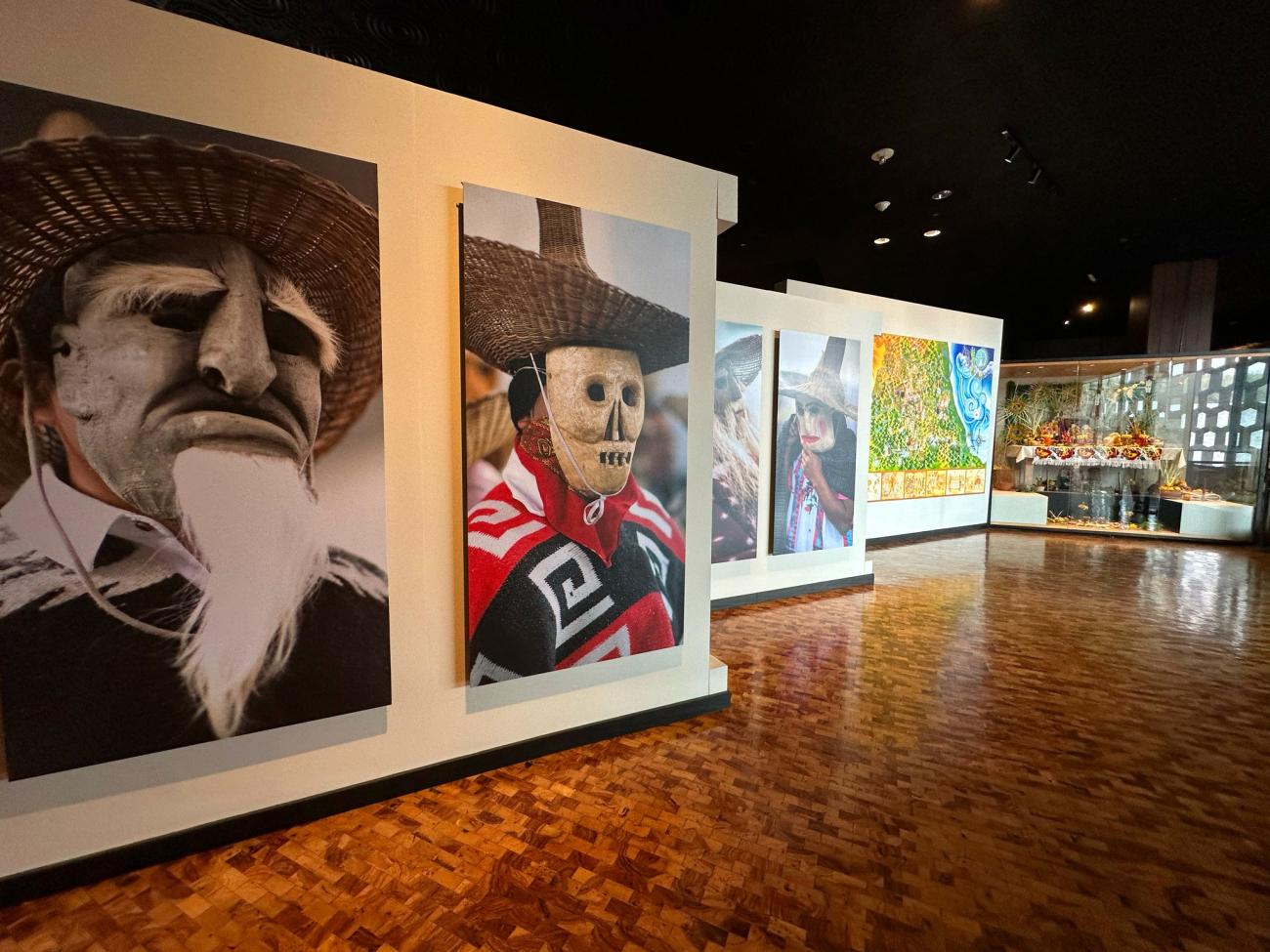
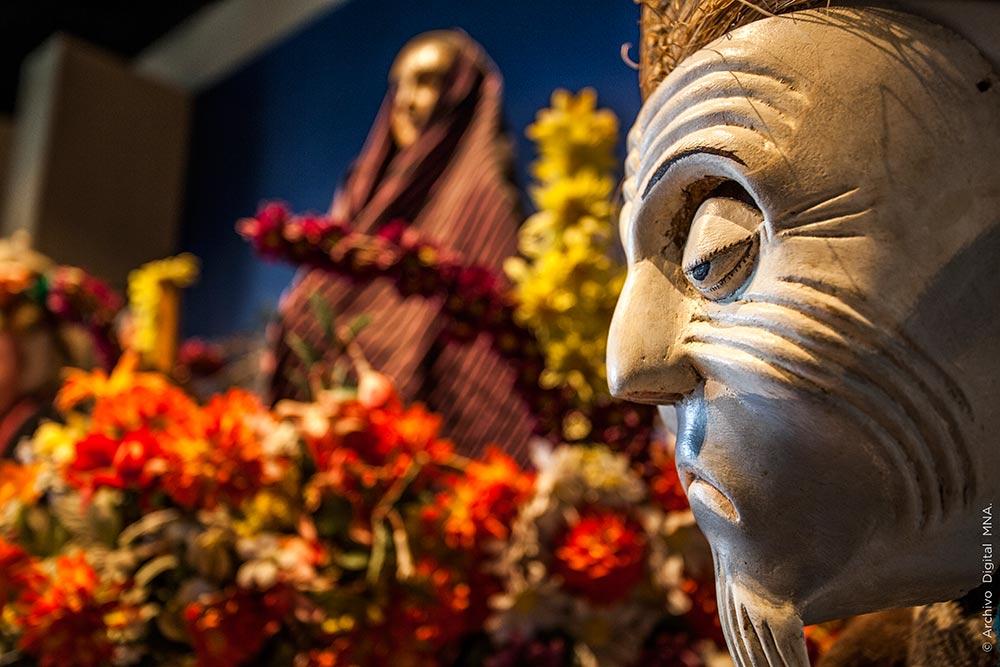
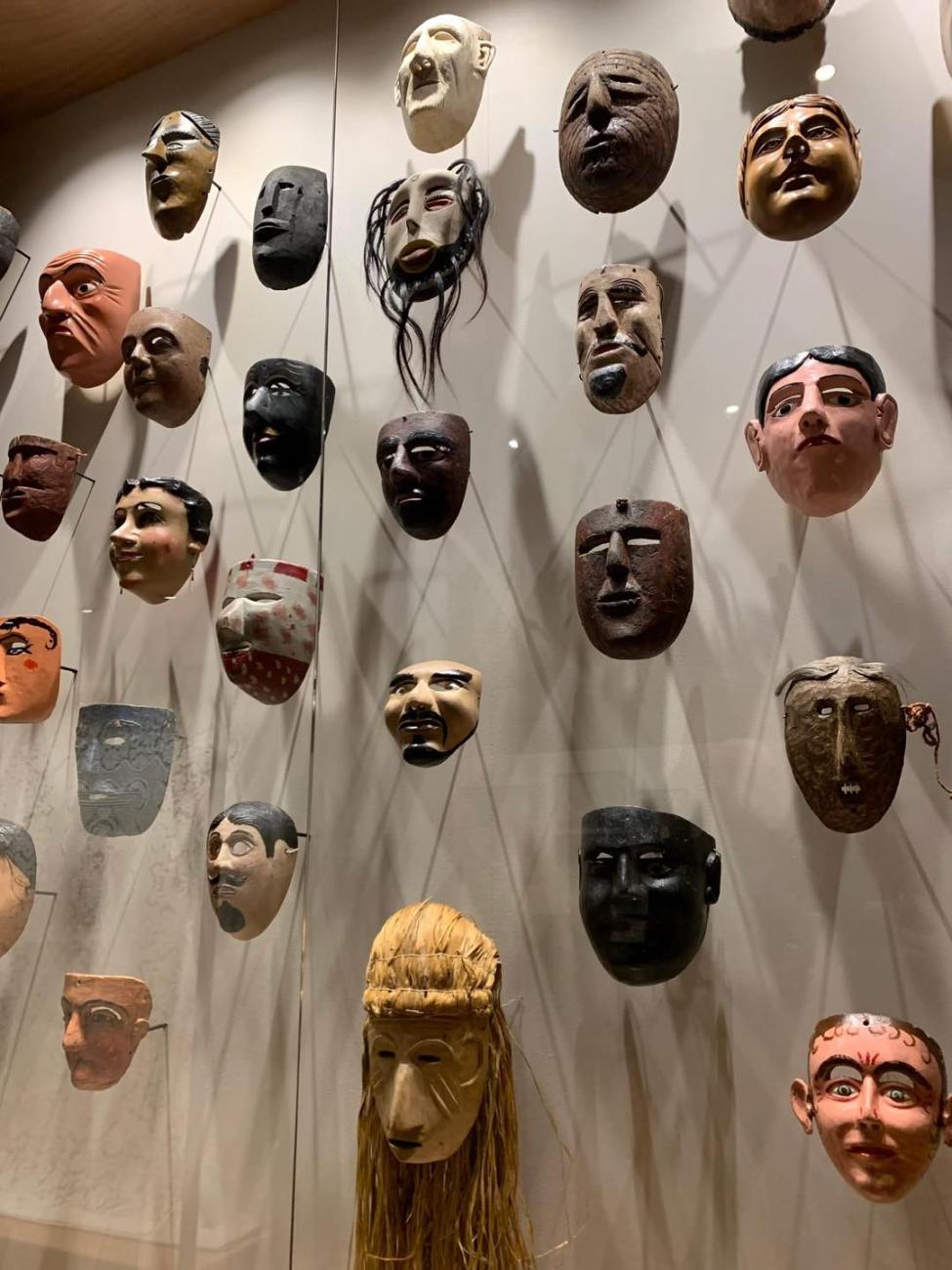
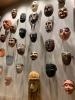
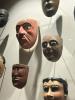
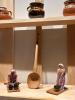
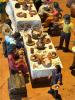
Fiestas consists of 869 cultural objects, distributed across 16 display areas showcasing the elements that make up Mexico's festivities, some of which are related to the agricultural cycle, while others vary between religious and secular expressions and historical representations, such as the dances of the Conquest.
The selection of objects is accompanied by audio tracks. Mazatec painter Filogonio Naxin participates in this room with a painting made with natural dyes. Fiesta de muerto (Feast of the Dead) belongs to a series created at the MNA, where the artist researched and was trained over the course of a year to work in this manner. He applied his pictorial material with a brush, while also splattering it with his hand.
He focuses on the sense of community and how the rituals and traditions of indigenous peoples are constructed.
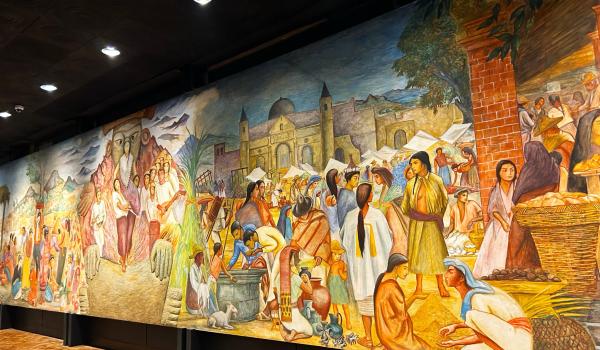
Stories, identities, and resistance
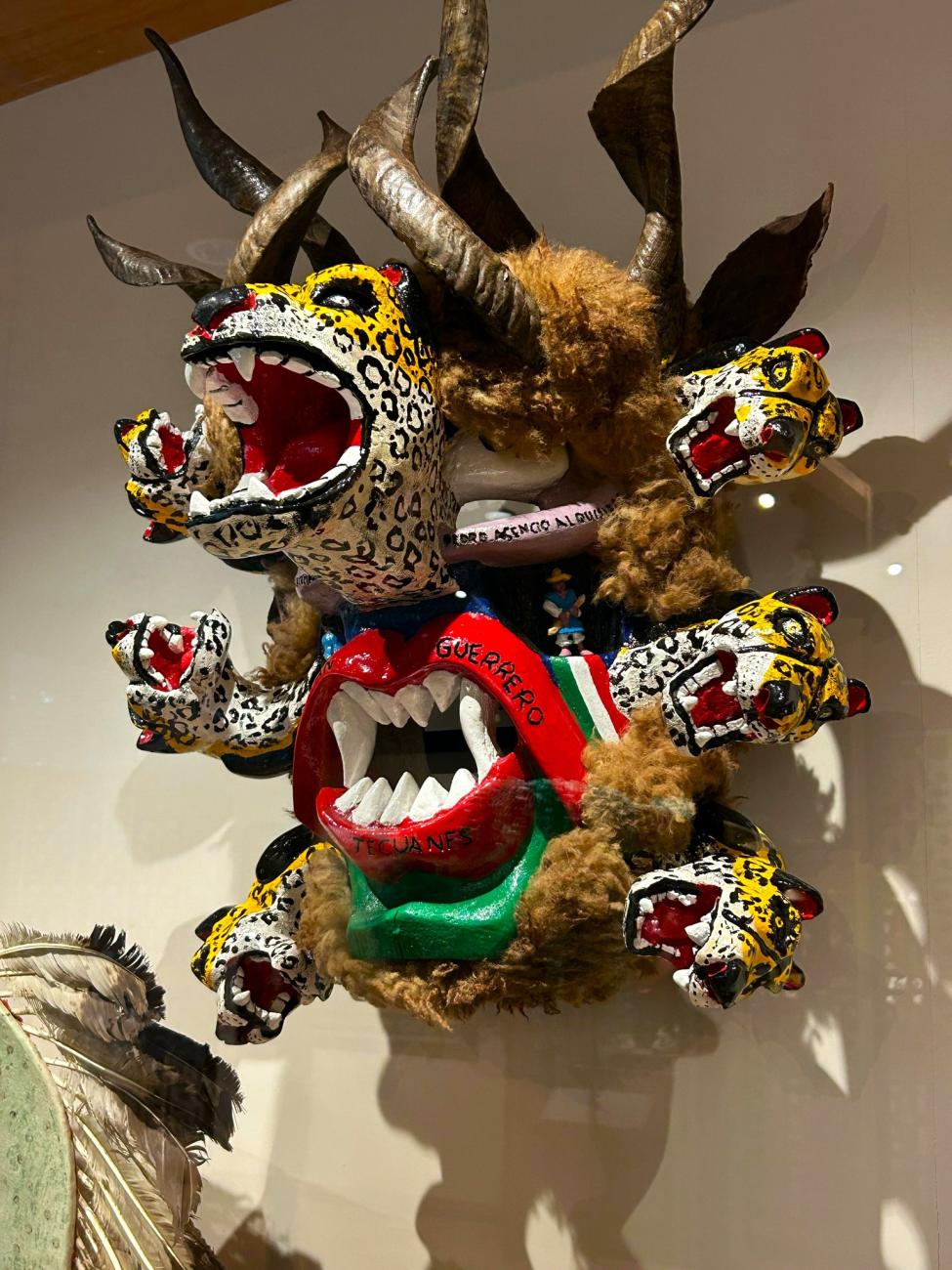
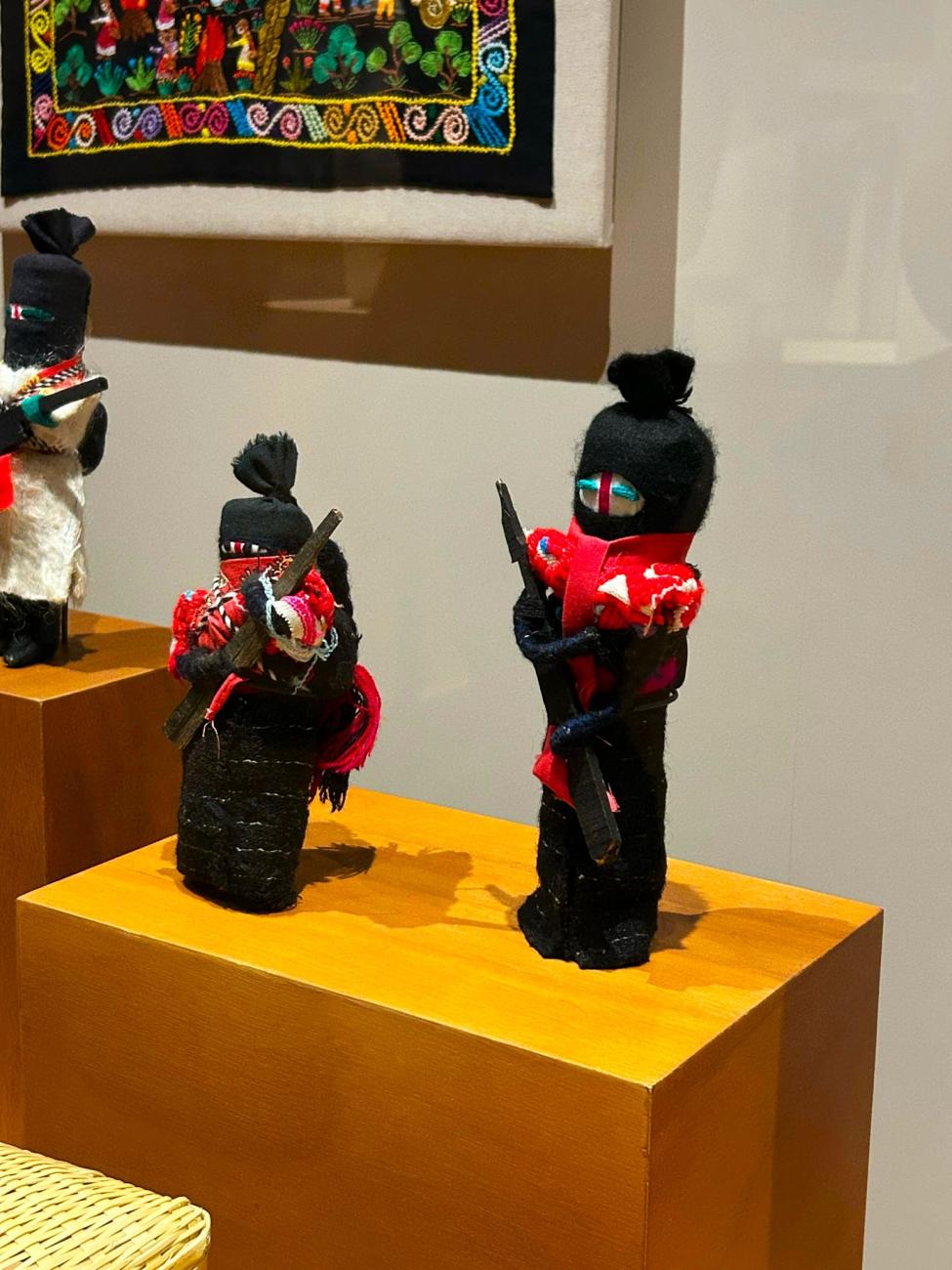
It addresses social accommodation from the 14th century onwards, when a struggle for control of spaces began, along with indigenous rebellions and the emergence of the history of anthropological sciences around the study of culture.
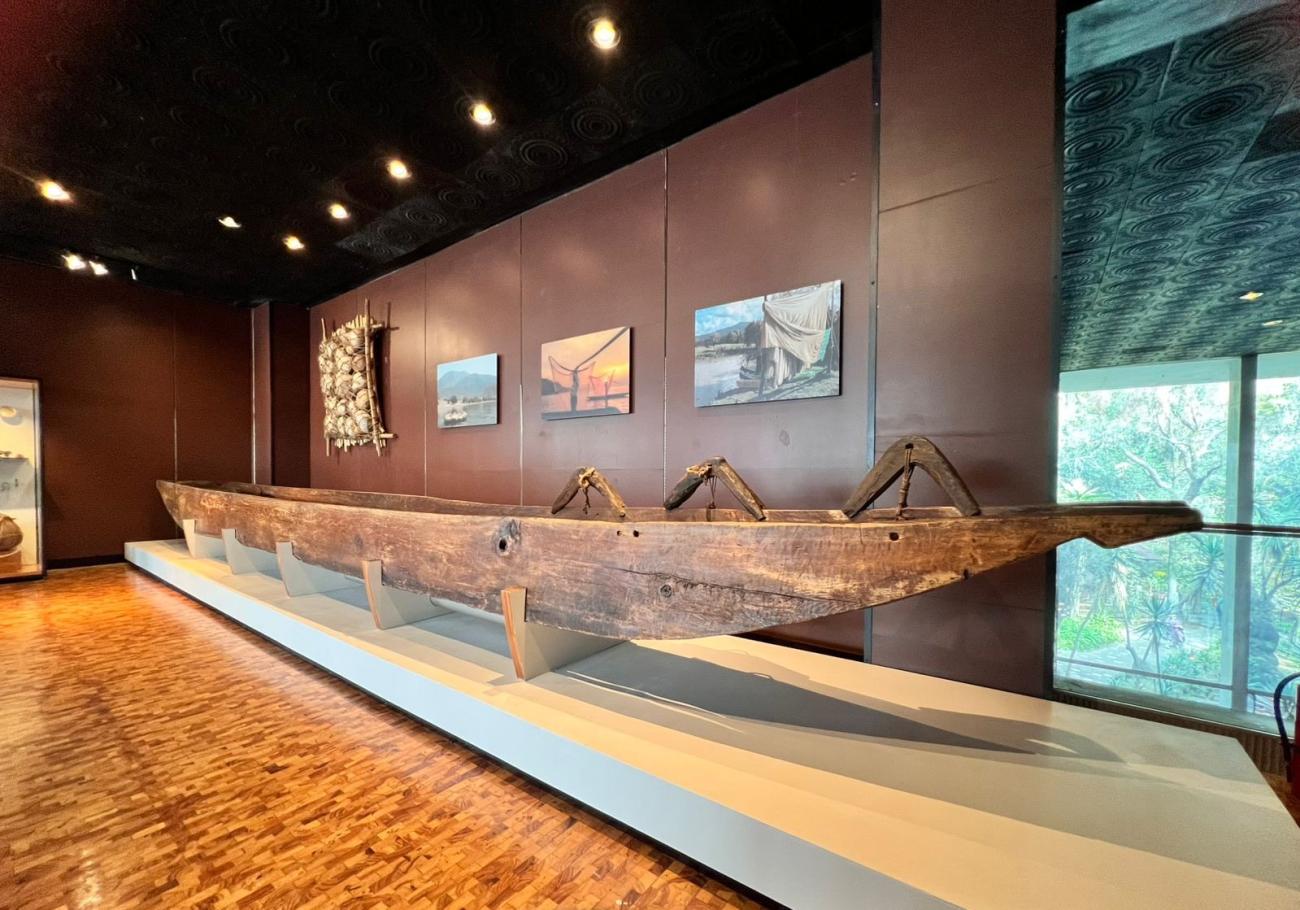
Peoples, languages and territories
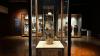
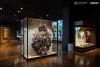
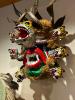
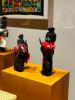
It shows the diversity of the 68 Mexican ethnolinguistic groups, with their derivations, verbal and nonverbal languages, as well as their writing systems.

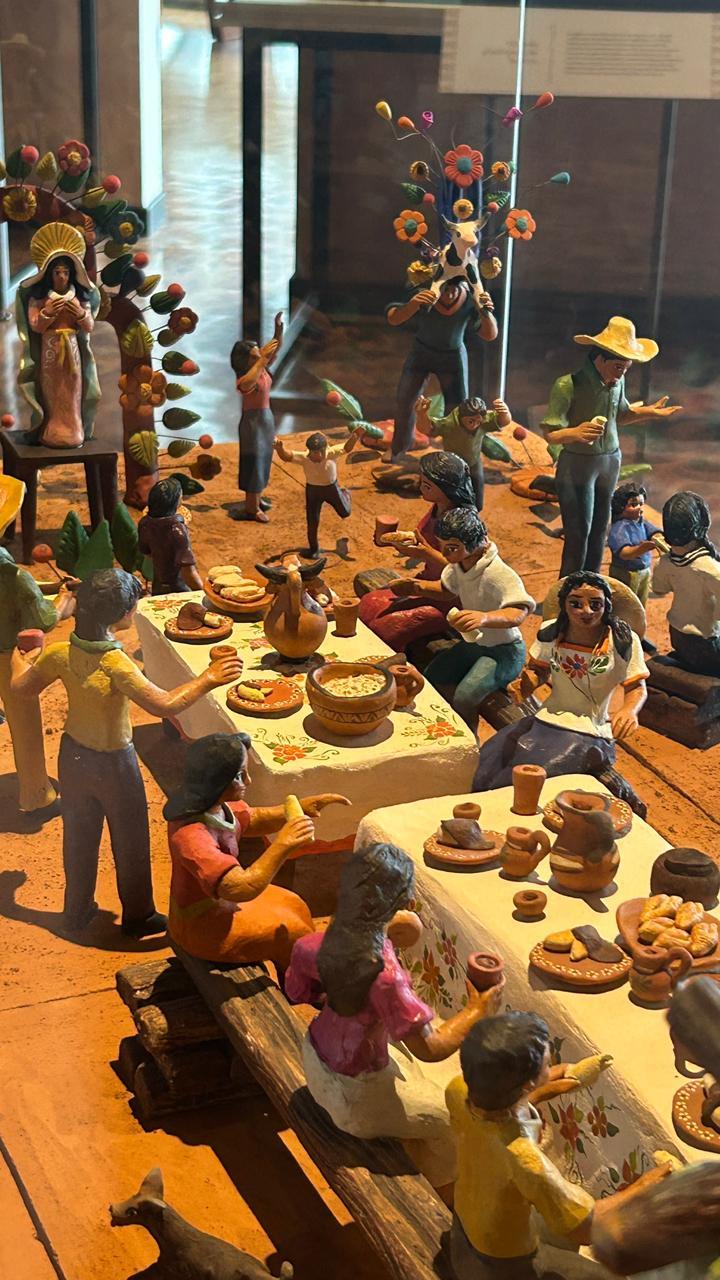
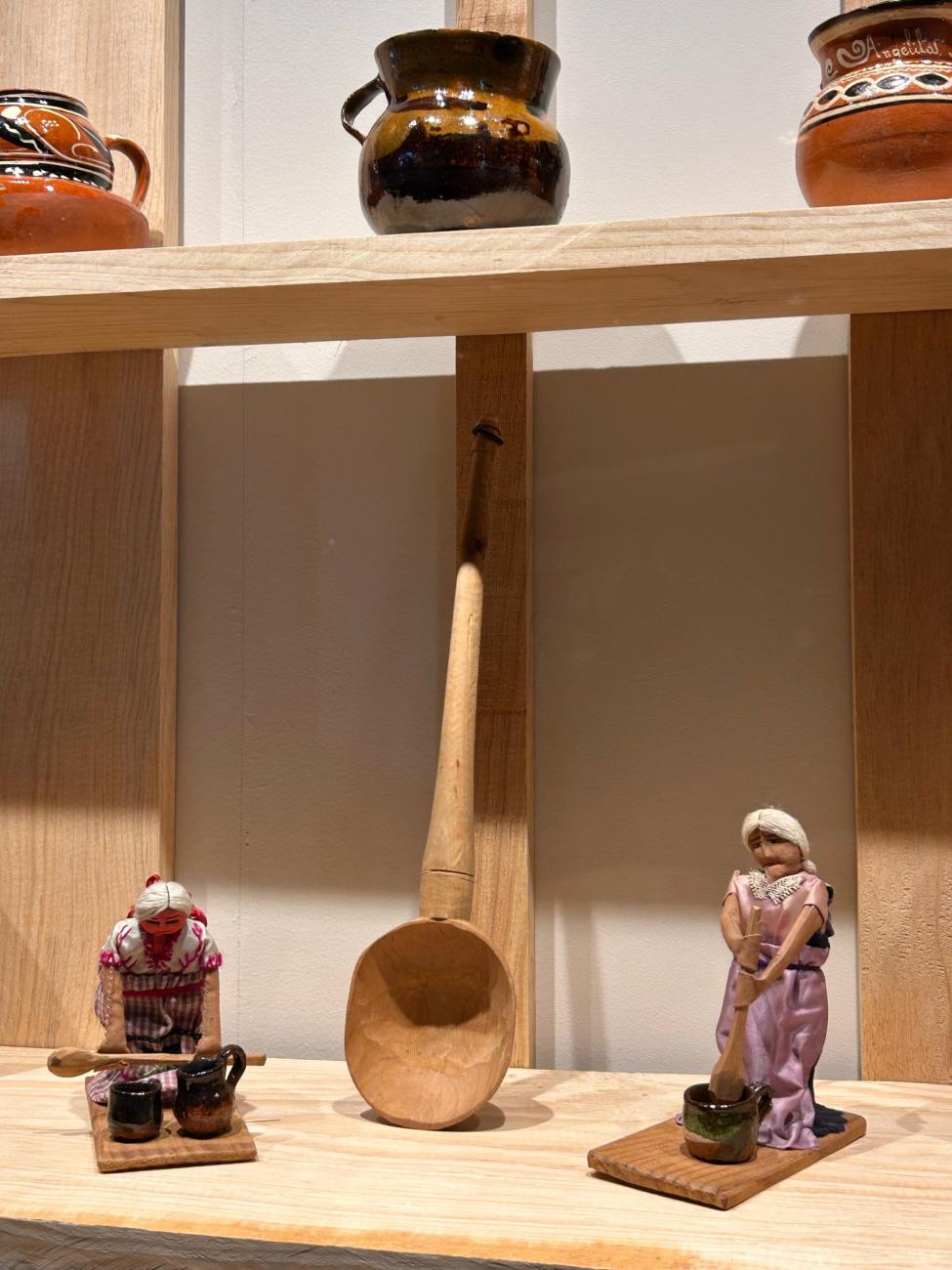
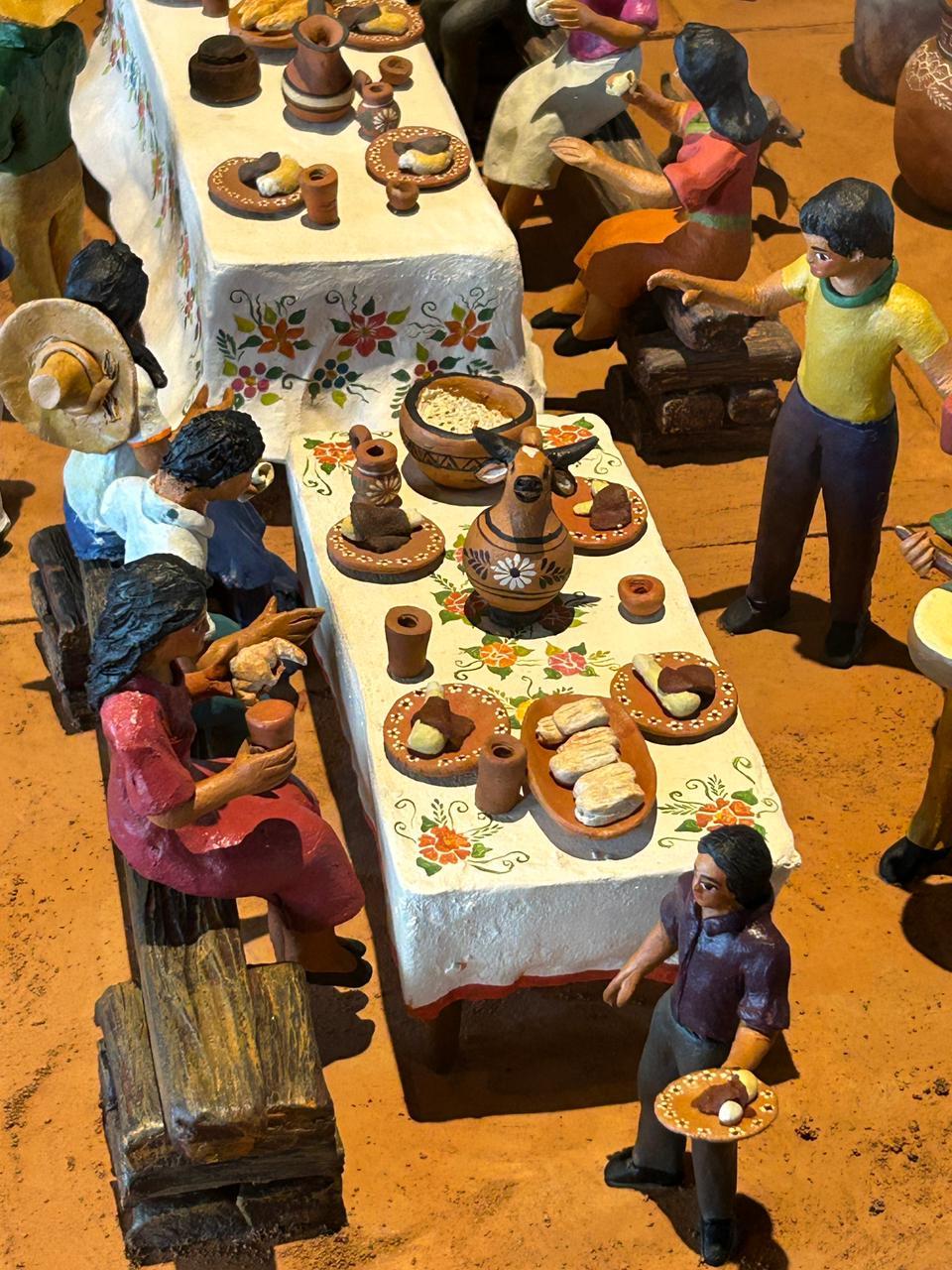
Corn, cornfields, the land and food
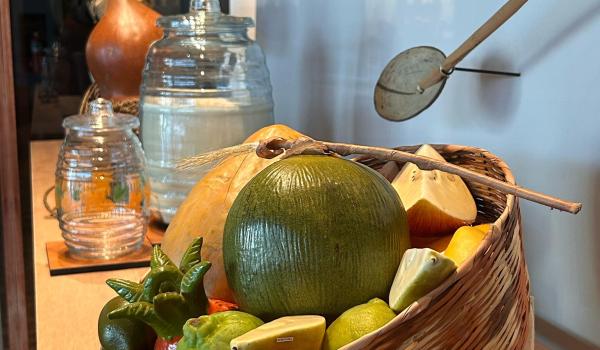
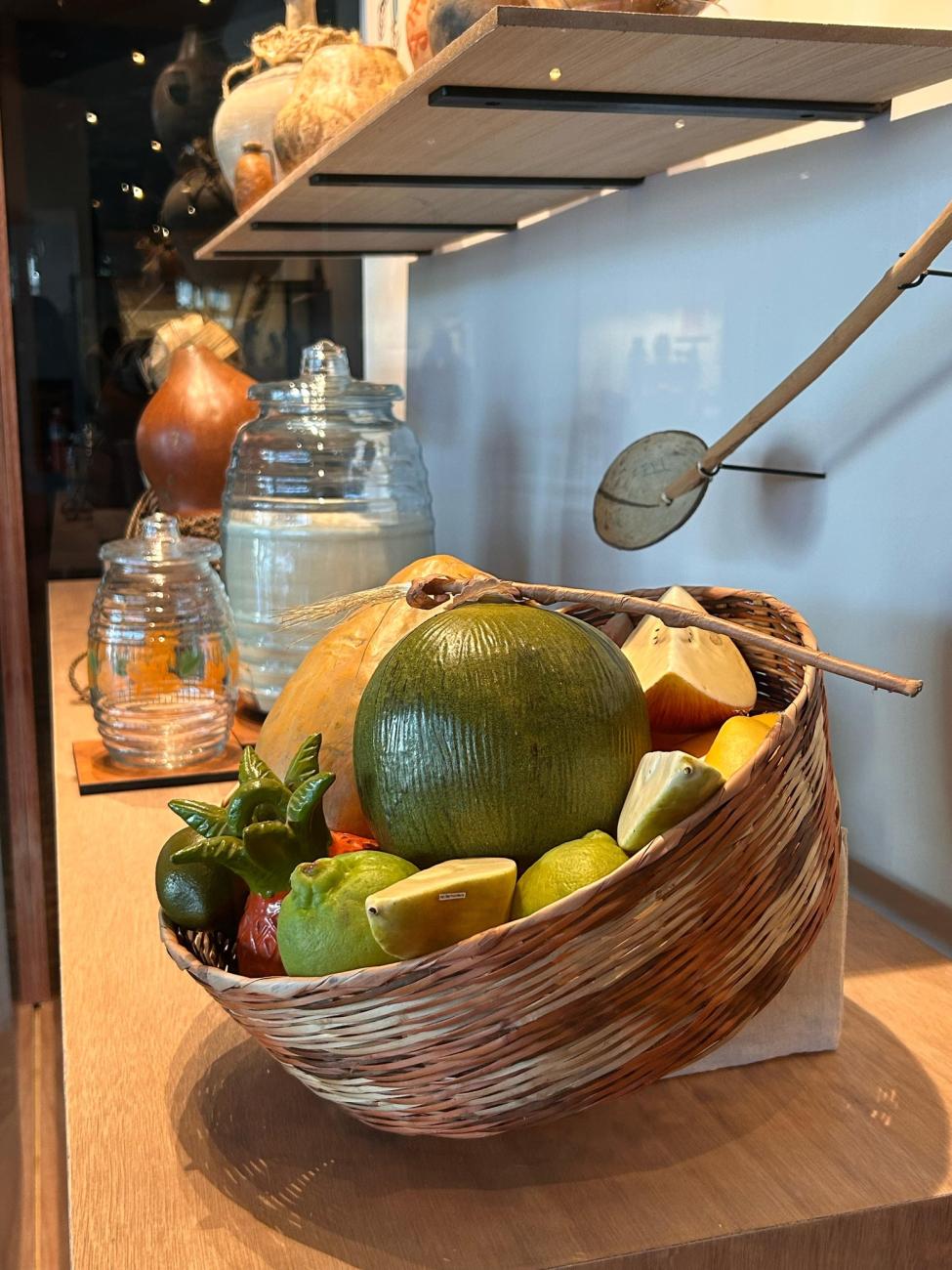
It invites reflection on the family and the home as the core of society, the place where different dishes and ways of preparing food are created.


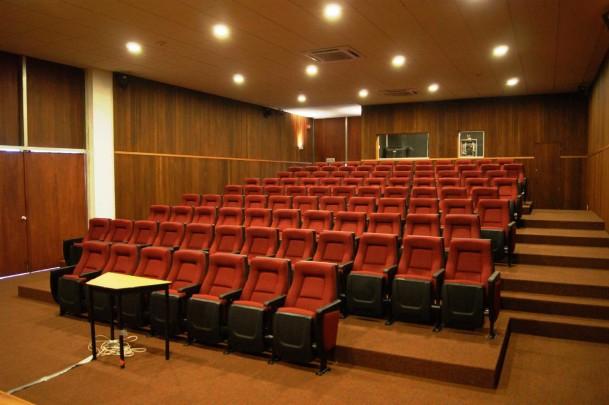
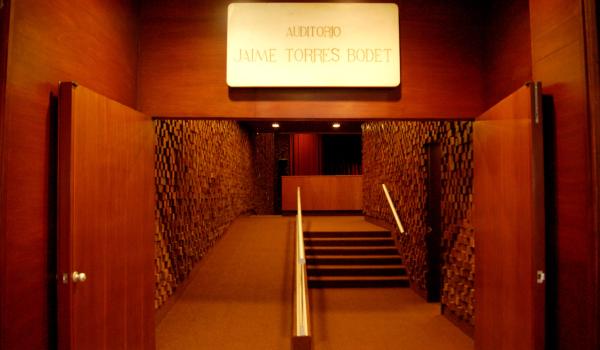
Jaime Torres Bodet Auditorium
Recognized as one of the most important cultural venues in Mexico and worldwide, the National Museum of Anthropology hosts two major auditoriums: the “Jaime Torres Bodet” and the “Fray Bernardino de Sahagún.” These spaces accommodate over 300 academic events each year, both national and internati
Jaime Torres Bodet Auditorium

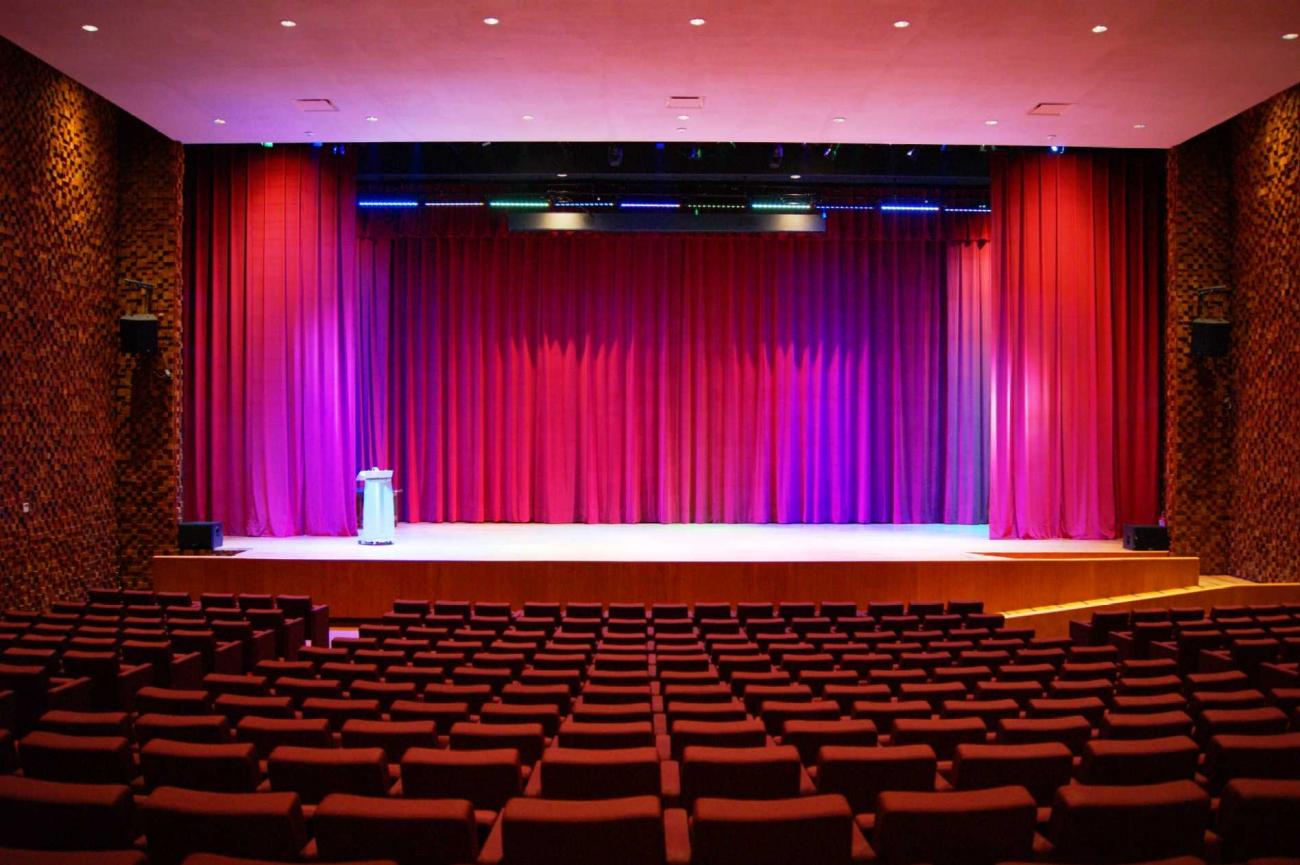
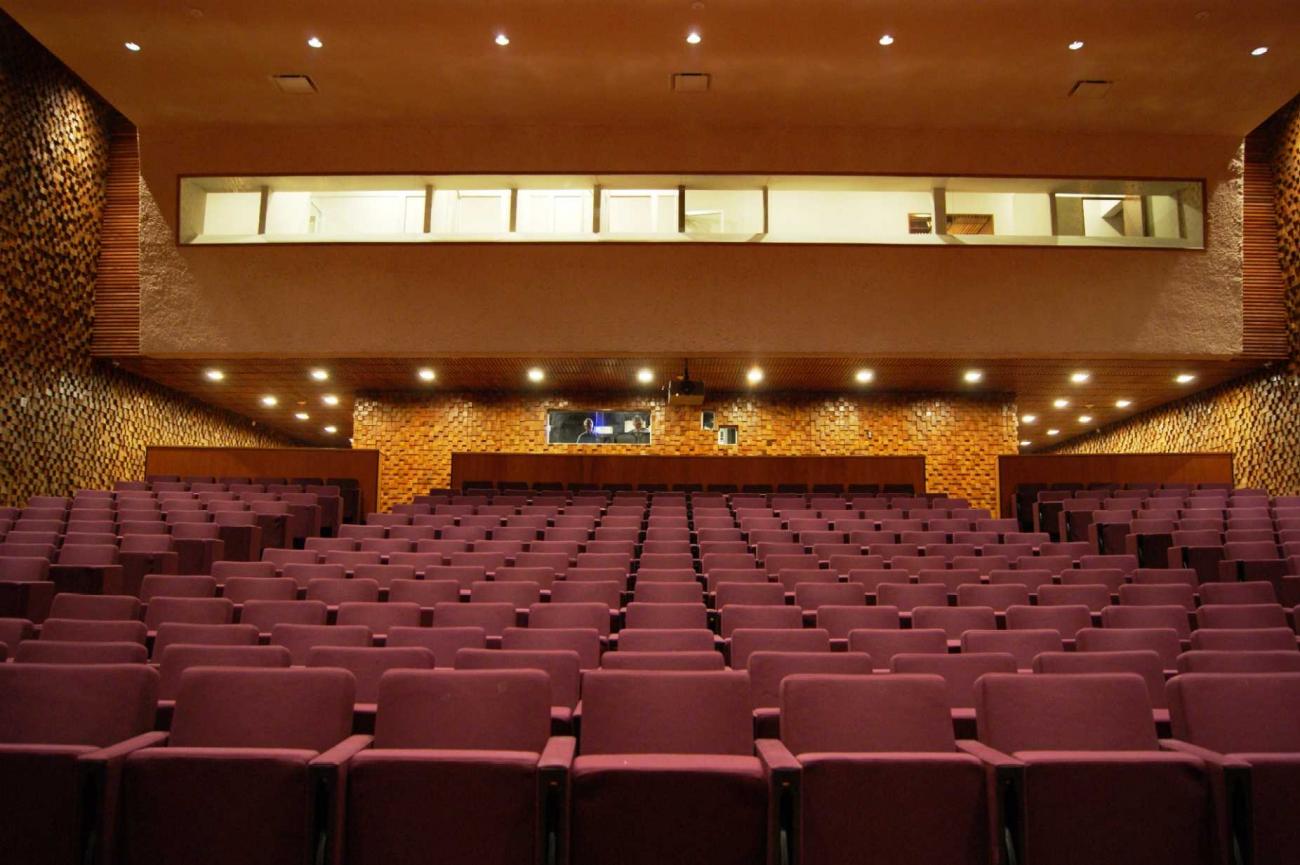
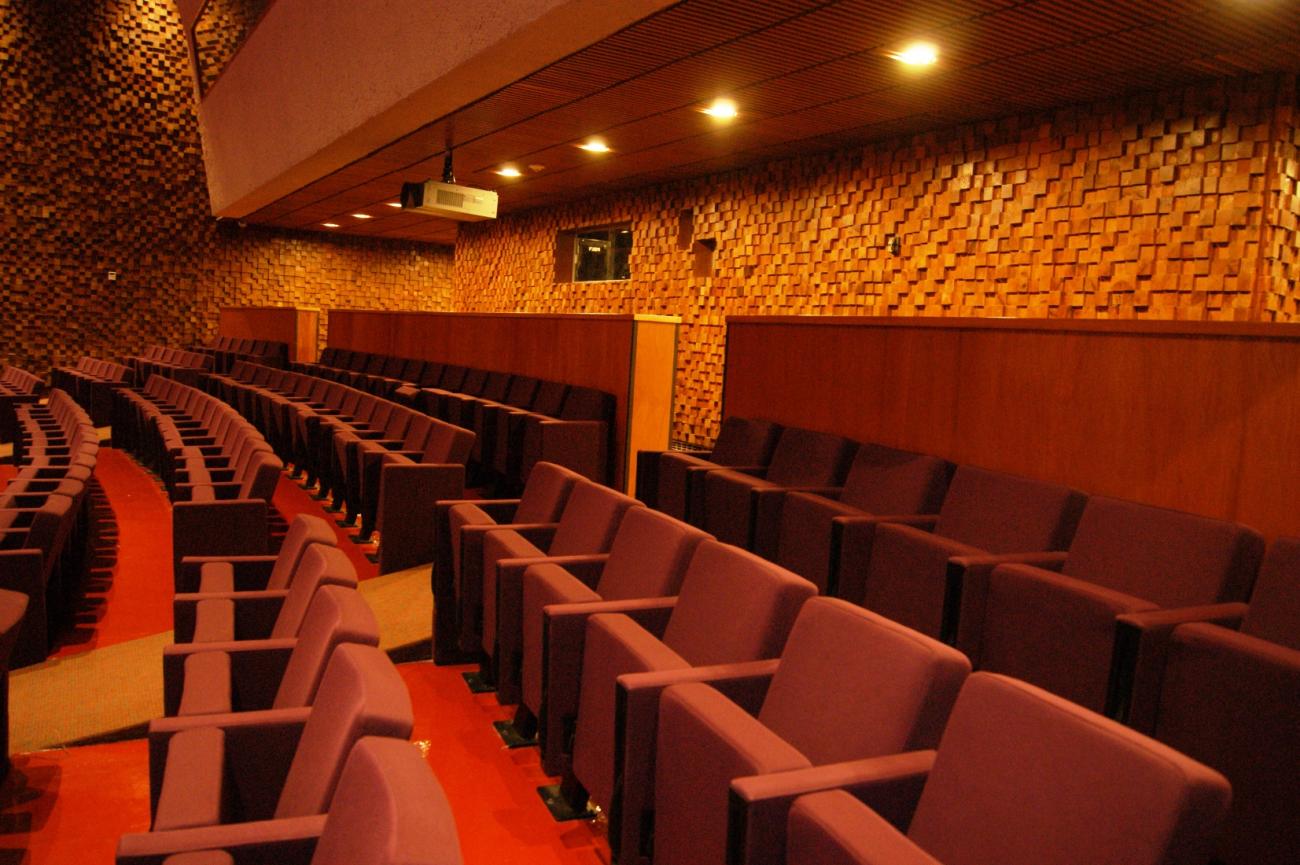
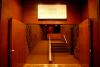
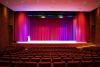
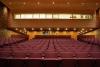
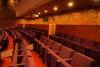
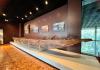
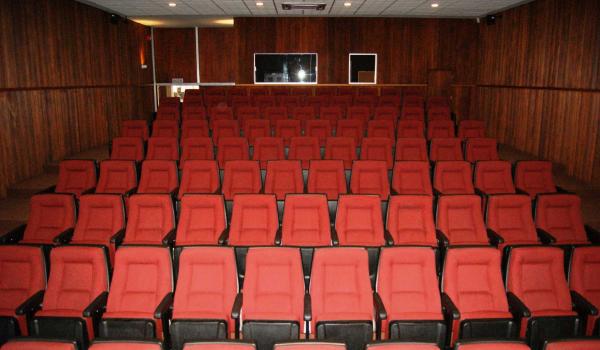
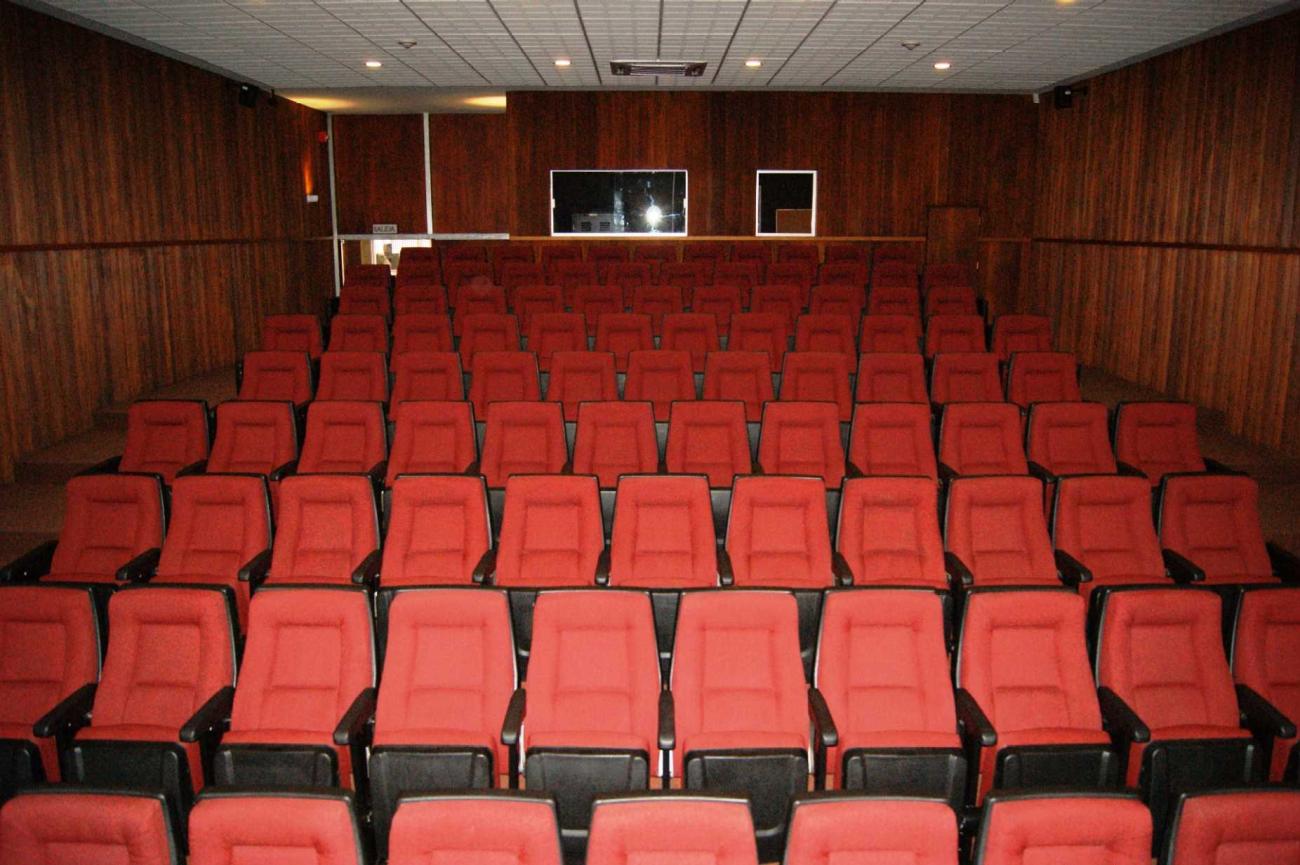
Recognized as one of the most important cultural venues in Mexico and worldwide, the National Museum of Anthropology hosts two major auditoriums: the “Jaime Torres Bodet” and the “Fray Bernardino de Sahagún.” These spaces accommodate over 300 academic events each year, both national and international, attracting more than two million visitors annually.
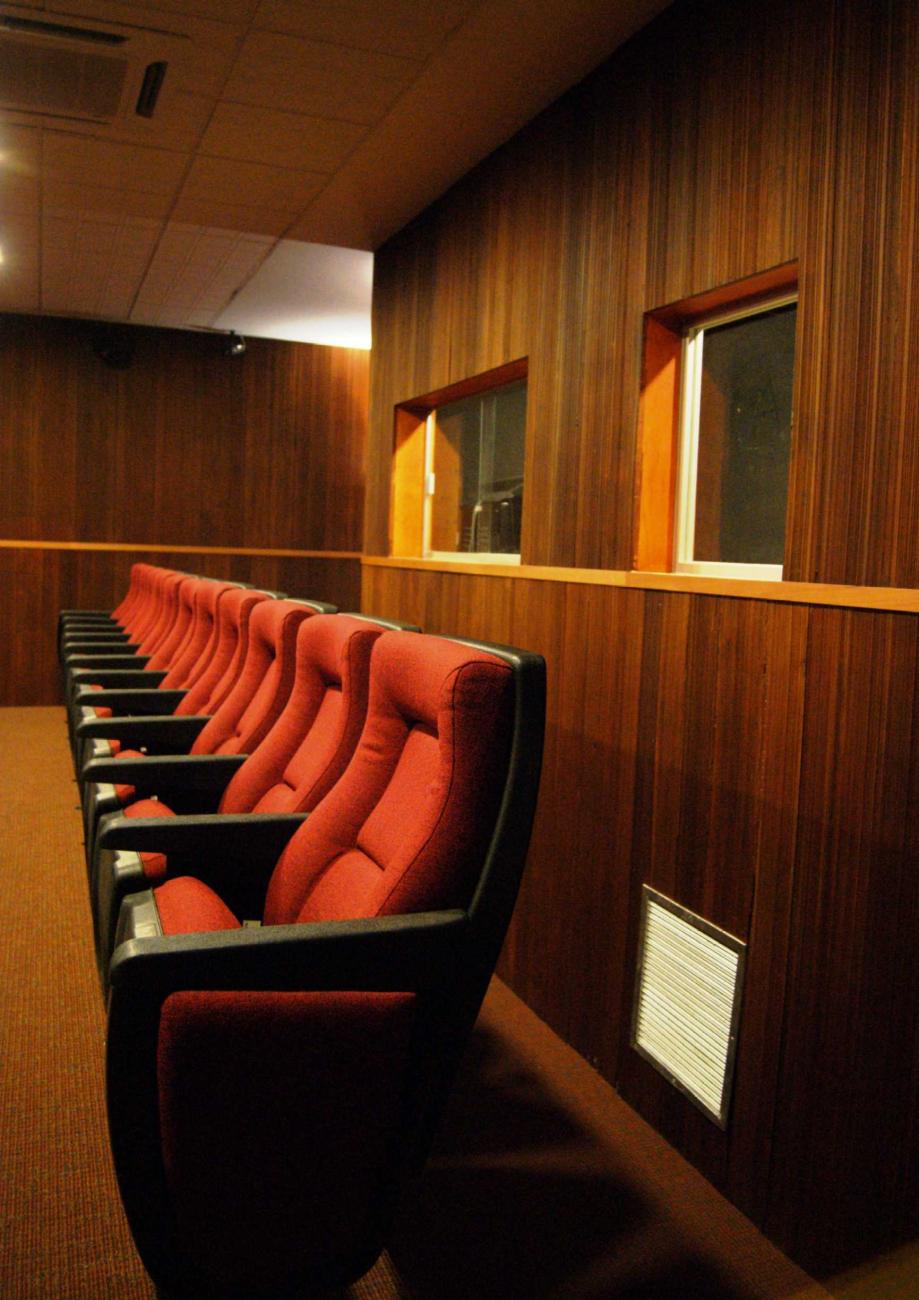
The “Jaime Torres Bodet” Auditorium is the museum’s largest, with 360 seats, audio and video control rooms, and a new screen.
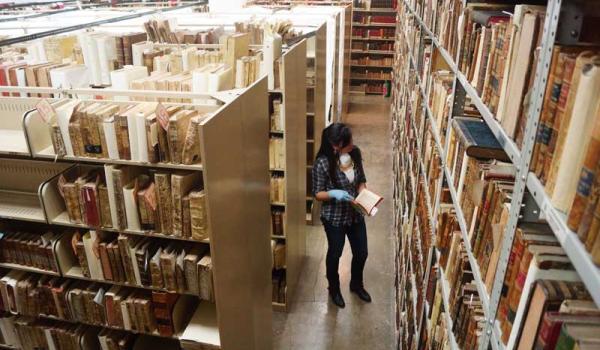
Dr. Eusebio Dávalos Hurtado National Library of Anthropology and History (BNAH)
This institution continually expands the collections it safeguards.
Dr. Eusebio Dávalos Hurtado National Library of Anthropology and History (BNAH)
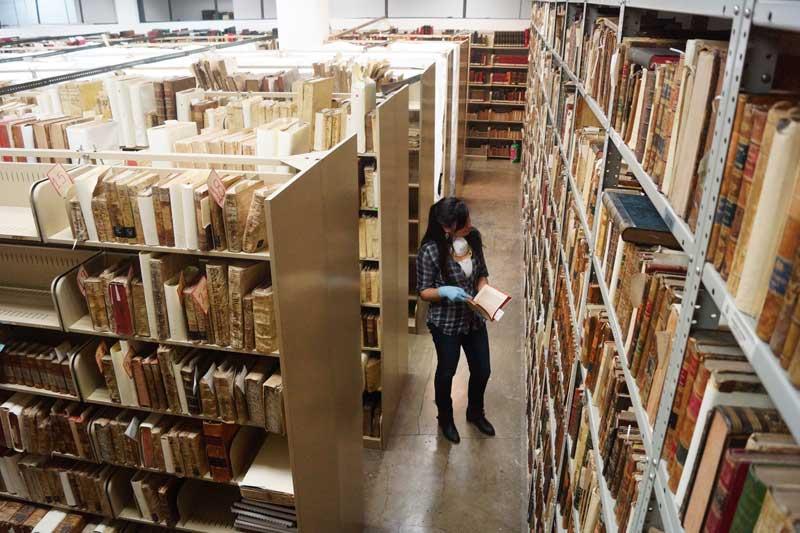

This institution continually expands the collections it safeguards. This task requires an ongoing and intensive process of automation, aimed at offering consultation and information-sharing services to the academic community of the National Institute of Anthropology and History and the general public, serving an average of 25,000 users per year.
One of the Library’s proudest achievements is the inclusion of its codices collection in UNESCO’s Memory of the World Programme in 1997.
Furthermore, in support of the daily work of research, conservation, outreach, and education, the BNAH coordinates the National Library Network, which currently includes 67 information centers across the country.
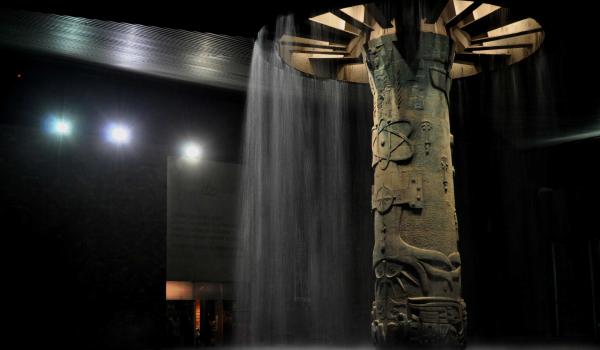
El Paraguas (The Umbrella)
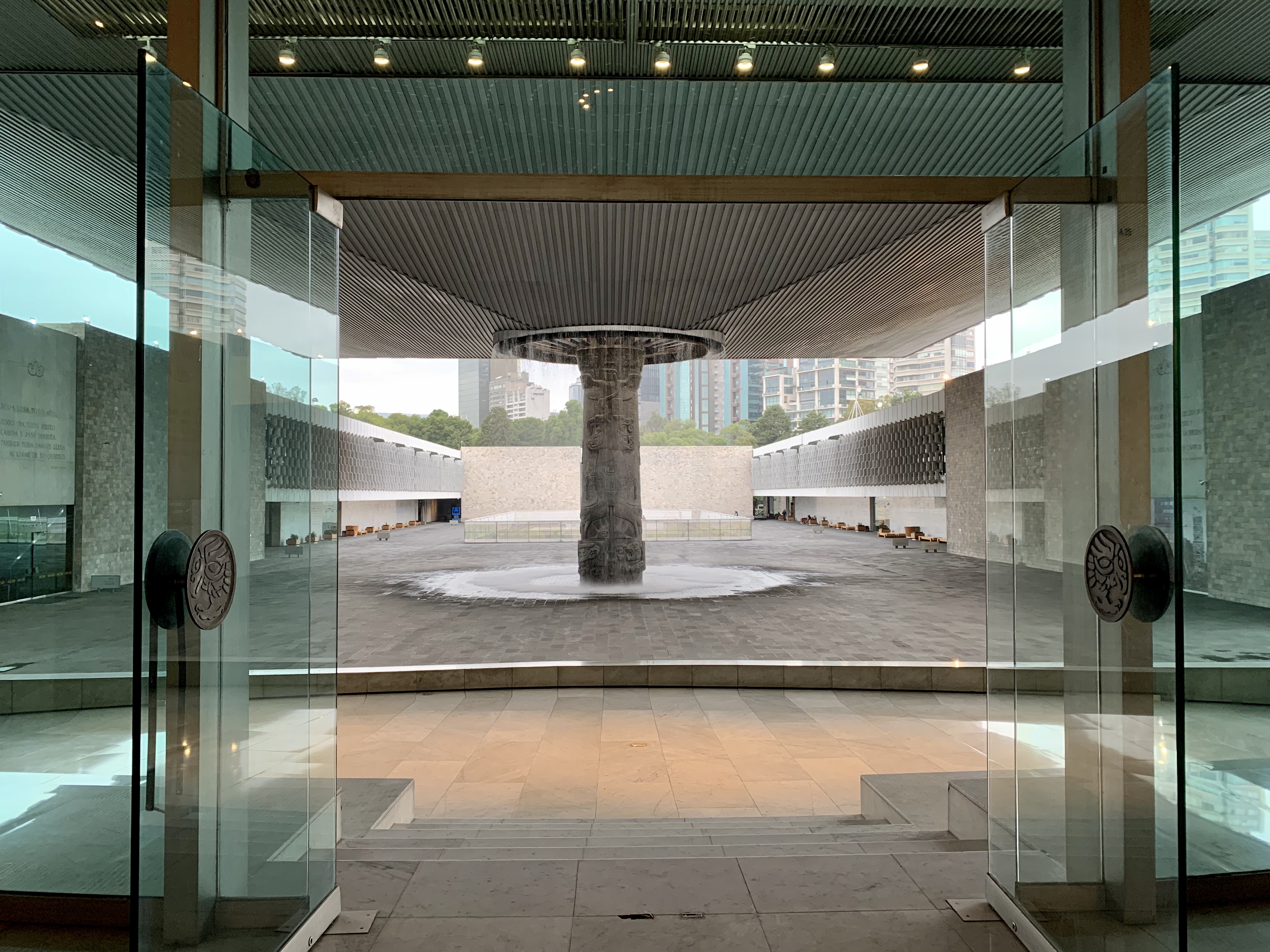
This iconic architectural feature serves both a functional and symbolic role, providing shelter while emphasizing harmony with nature through its cascading water.
El Paraguas (The Umbrella)

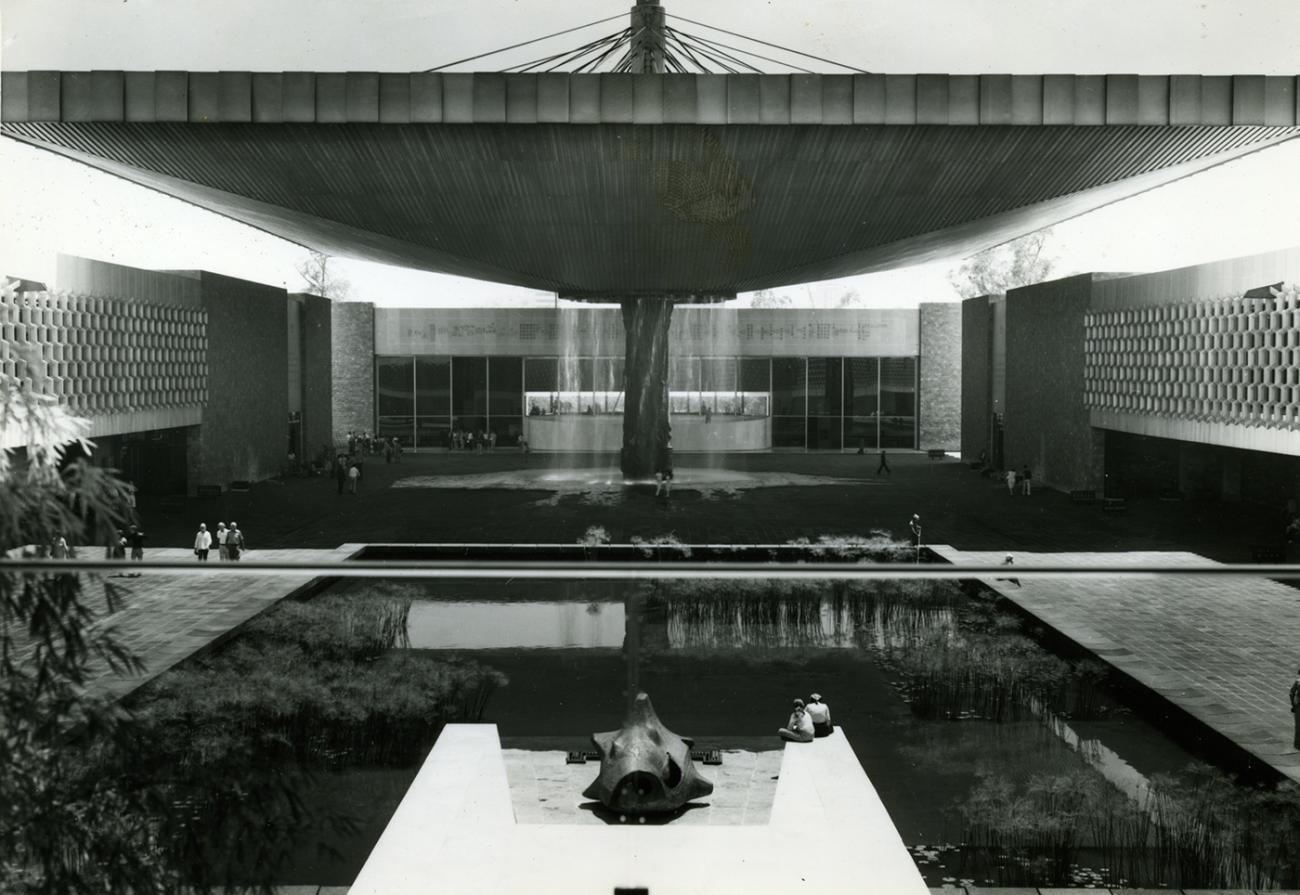
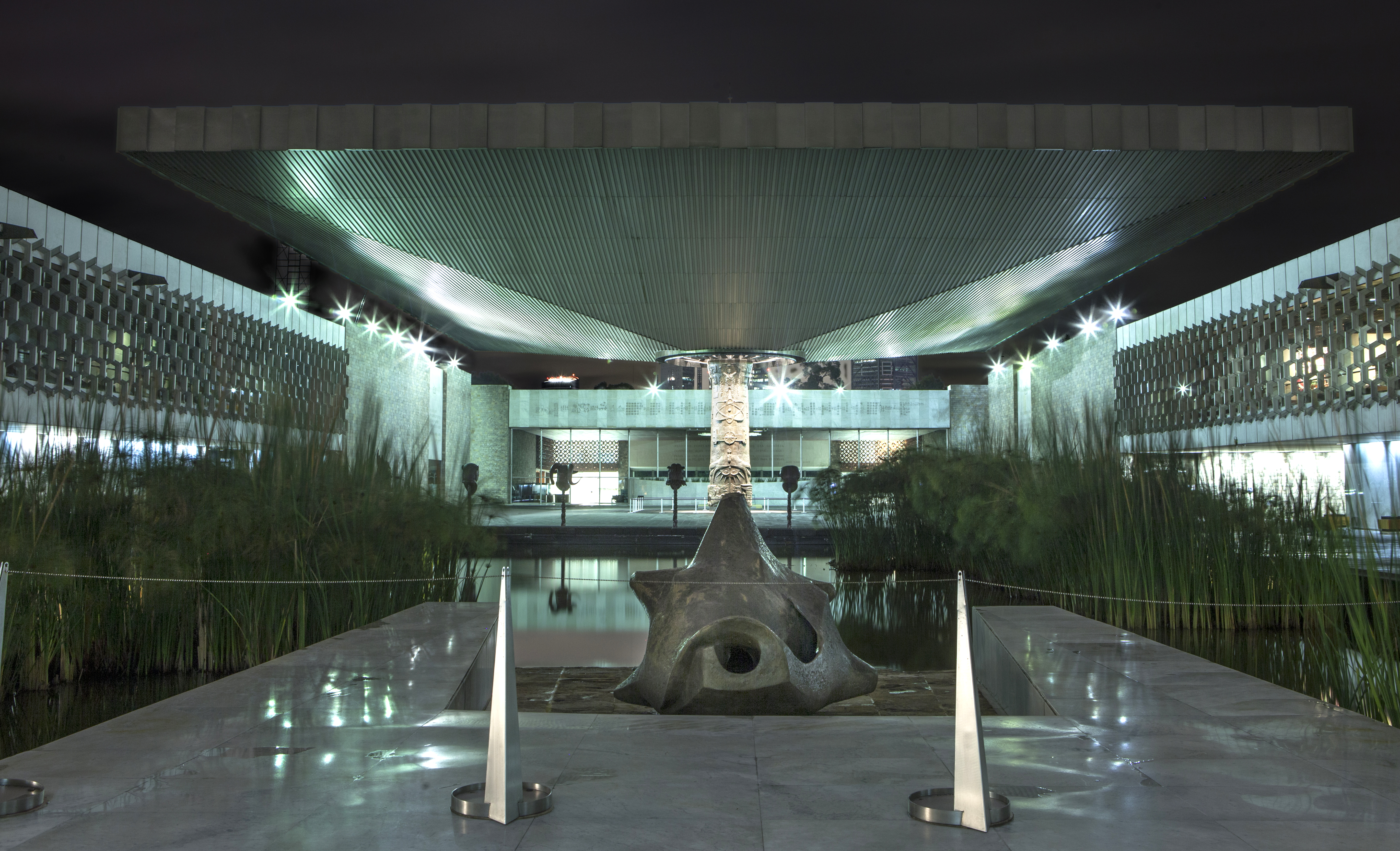
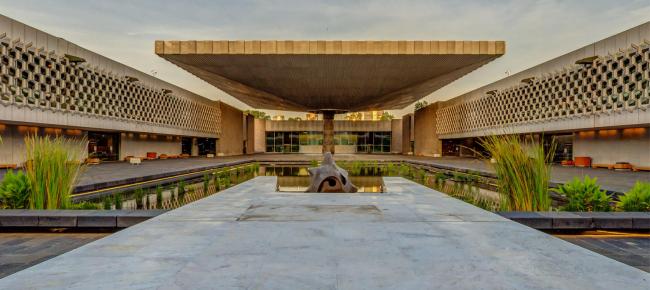
This iconic architectural feature serves both a functional and symbolic role, providing shelter while emphasizing harmony with nature through its cascading water. Its monumental canopy—measuring 82.06 by 54.42 meters—is supported by cables connected to surrounding buildings, making it one of the largest suspended roofs in the world, covering a total area of 4,467.5 square meters.
The central column is clad in bronze and features a sculptural relief created by the Chávez Morado brothers, based on a concept and narrative by Jaime Torres Bodet. The composition is titled "Image of Mexico" and is structured around the four cardinal directions, each interpreted as follows:
- East View – The Integration of Mexico: Spanish ships arrived from the eastern coast. At the base, the pre-Hispanic past is represented by the eagle and jaguar—symbols of day and night. Between them lie the sword of conquest and the rising sun. The sword pierces the roots of a ceiba tree, a Maya symbol of creation, which opens at the top into two faces—one an idol, the other a Spaniard—symbolizing the foundation of Mexican mestizaje. Above them rests the eagle, emblem of modern Mexico.
- West View – Mexico’s Projection: This projection toward the world begins with the expedition to the Philippines. Pre-Hispanic symbols at the base give way to a symbol of nuclear fission on the ceiba. Above, a man with open arms and exposed innards, flanked by olive branches and a dove, offers himself completely to peace.
- North and South Views – The Mexican People's Struggle for Freedom: Three weapons pierce the column—symbolizing Mexico—and represent the country's three formative eras: Independence, the Reform period, and the Agrarian Revolution. The capital is crowned by pre-Hispanic forms symbolizing the sky. The sculpture’s cardinal orientation is echoed by radial steel beams supporting the monumental roof, reinforcing the universal dimension of Mexican culture.
Beneath the courtyard and its structures lies another world: 15,000 square meters of space housing educational services, workshops, offices, labs, research areas, archives, and annexes that have supported the museum’s operations for decades.
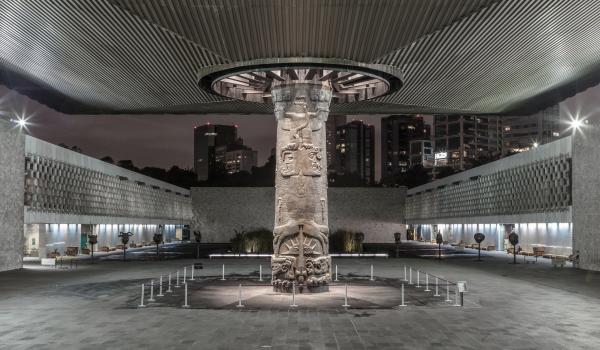
Central Courtyard
To create an experience of open and flowing movement for visitors, the design embraces a blend of interior and exterior open spaces. The layout draws inspiration from Maya architectural concepts—specifically, courtyards enclosed by buildings, like the Nunnery Quadrangle in Uxmal.
Central Courtyard
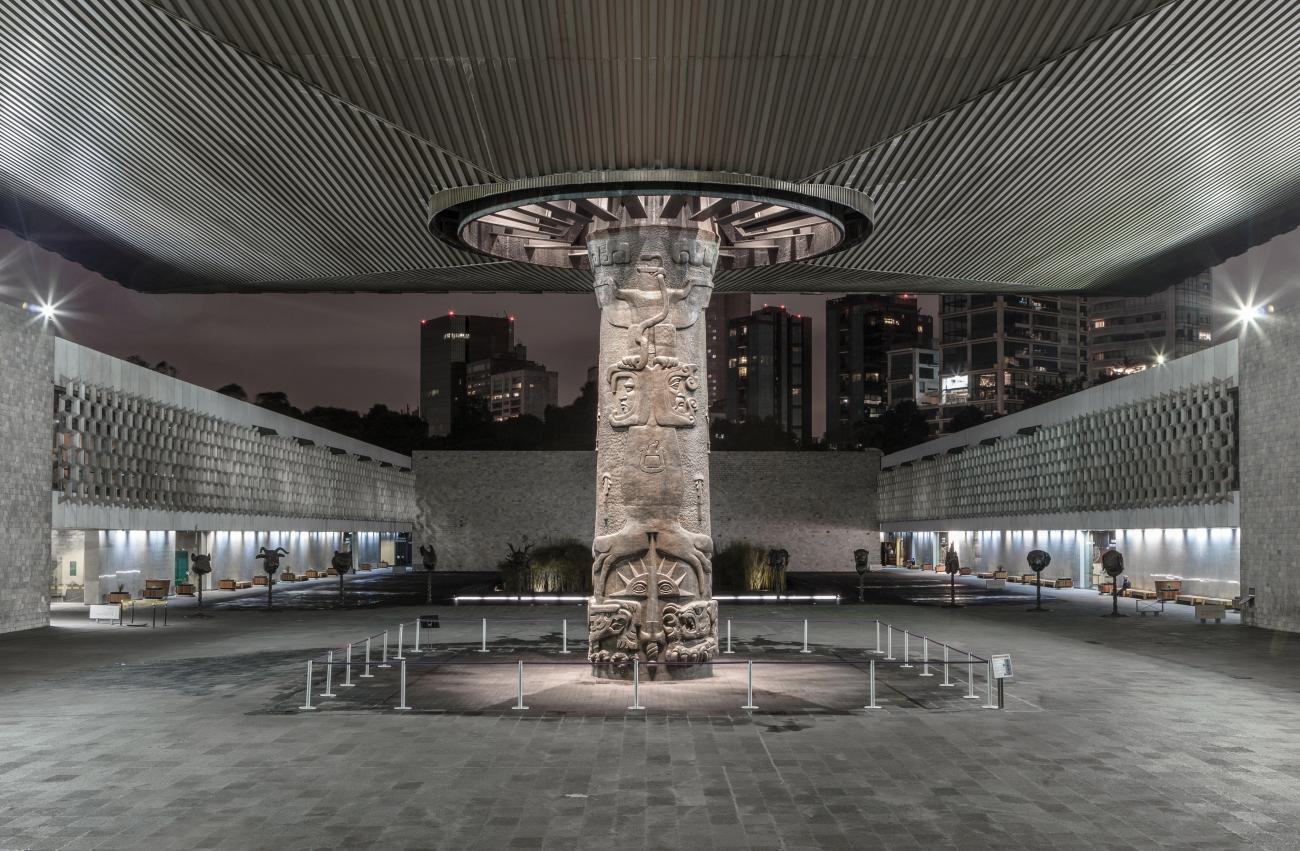
To create an experience of open and flowing movement for visitors, the design embraces a blend of interior and exterior open spaces. The layout draws inspiration from Maya architectural concepts—specifically, courtyards enclosed by buildings, like the Nunnery Quadrangle in Uxmal.
Exhibition halls are arranged around this central nucleus, allowing for either a continuous circuit or selective visits depending on the visitor's interests and time. As with the Maya complexes, the buildings around the courtyard feature open and level lower floors, while the upper floors are adorned with a lattice in the shape of a stylized serpent. Designed by sculptor Manuel Felguérez, this lattice references the symbolic importance of the serpent in pre-Hispanic cultures.
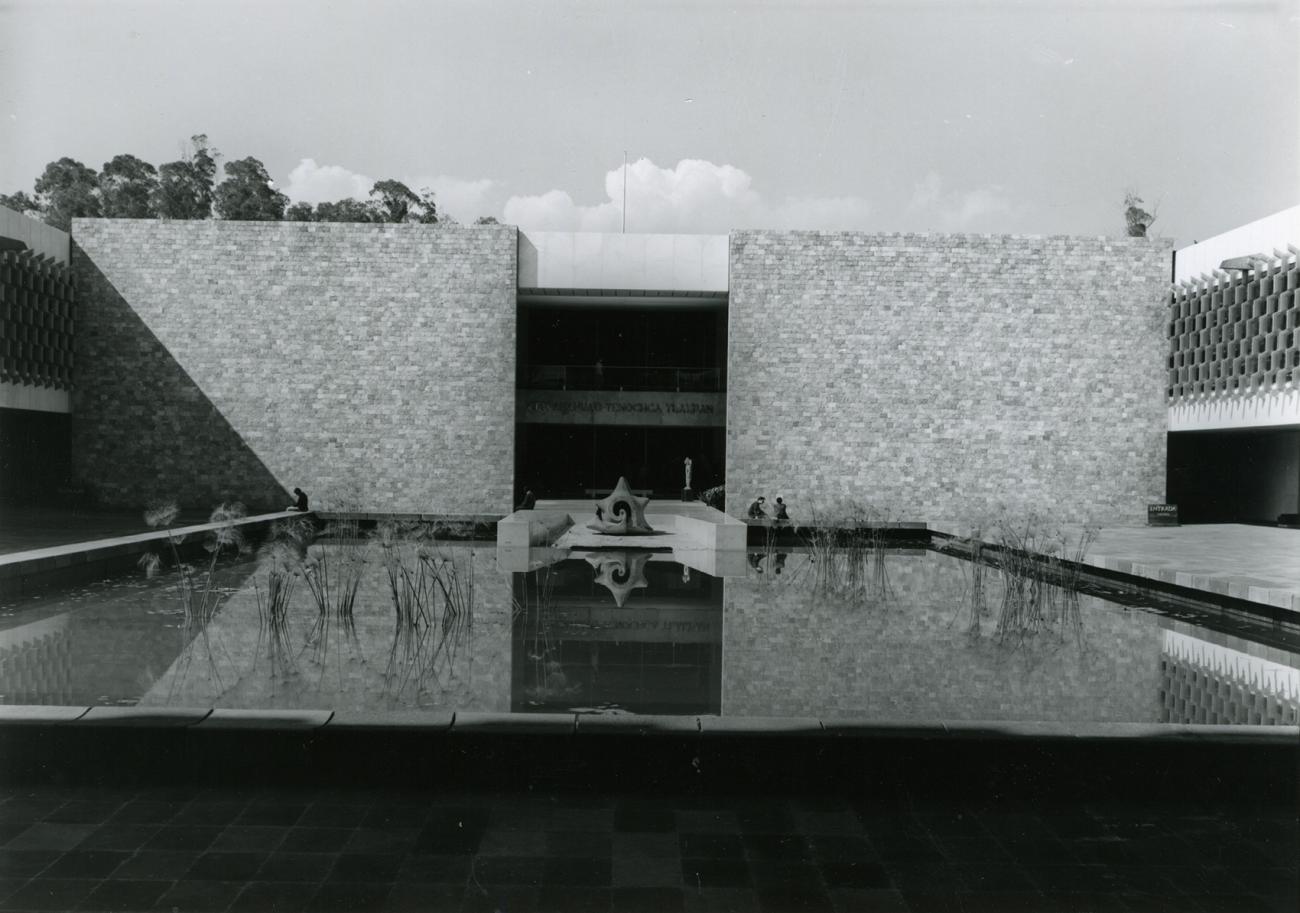
The courtyard is divided into two contrasting zones based on the light they receive. The first is dominated by "El Paraguas" (The Umbrella); the second features a reflecting pool that links to the Mexica Hall and evokes the lake origins of this civilization. Nearby stands a wind conch sculpture titled "The Sun of the Wind", carved by Iker Larrauri, which emits sounds reminiscent of pre-Hispanic instruments.
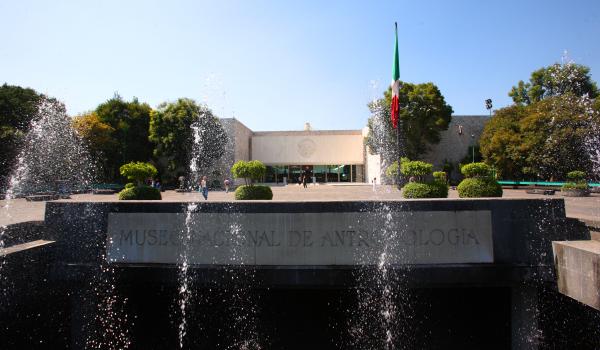
Entrance Plaza and Facade
This vast open plaza, freely accessible and harmonized with the surrounding natural environment, welcomes visitors with a sense of grandeur that hints at the magnitude of what lies ahead.
Entrance Plaza and Facade

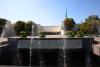
This vast open plaza, freely accessible and harmonized with the surrounding natural environment, welcomes visitors with a sense of grandeur that hints at the magnitude of what lies ahead. Large glass windows invite the public to enter, while the imposing façade is crowned by the national emblem—an eagle and a serpent—sculpted in white marble by Guanajuato-born artist José Chávez Morado, emphasizing the monumental character of the building.
Lobby
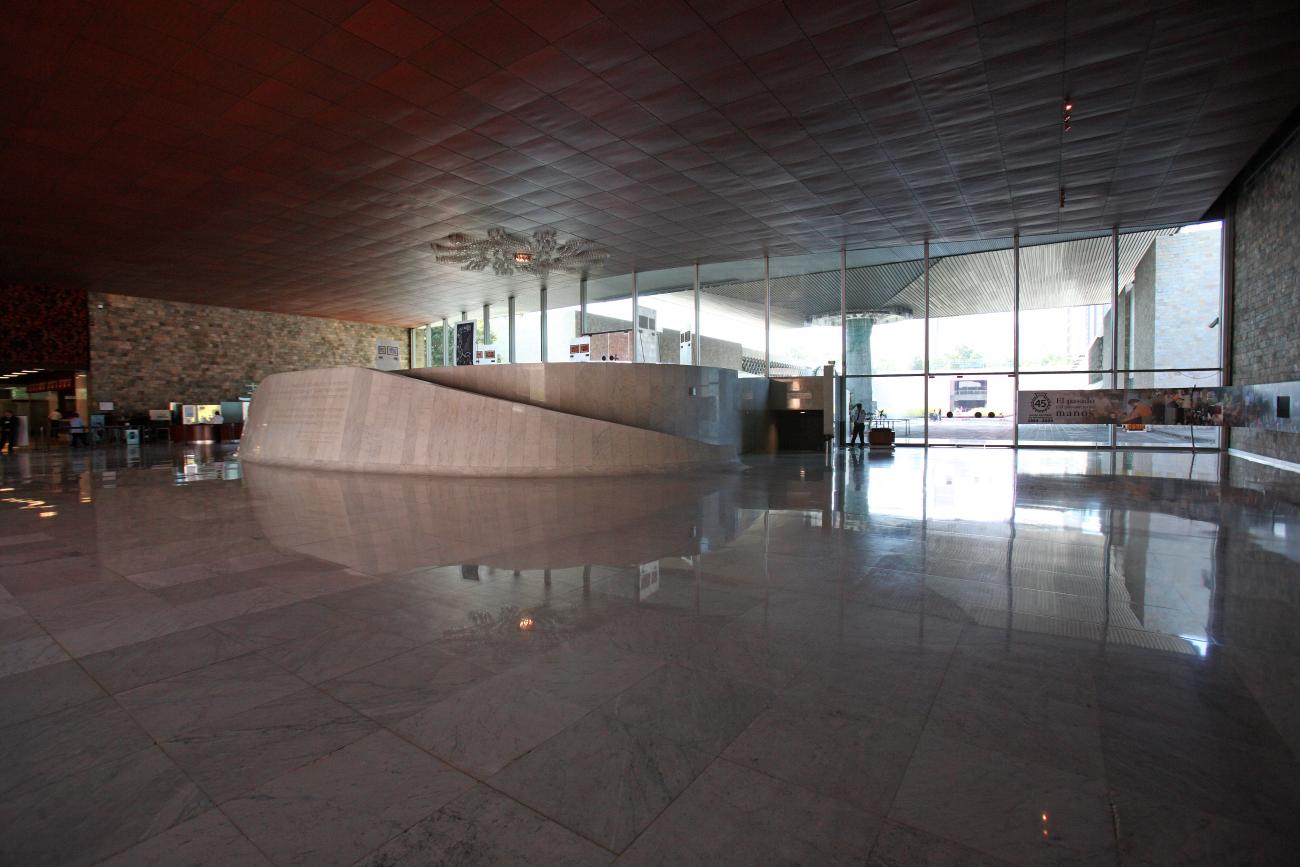
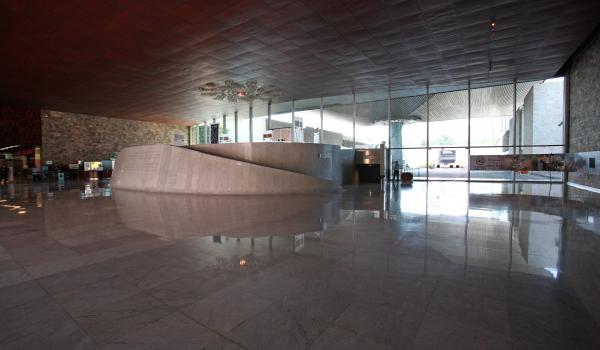
This space was designed to orient and guide visitors. At its center stands a promontory modeled after the Cuicuilco pyramid, originally intended to showcase the museum's “Object of the Month.” Today, it is used for rotating exhibitions of items from the museum's collection or on loan from other institutions.
The upper floor's left wing houses the Library, while the right wing was originally reserved as an academic area. It once hosted the former National School of Anthropology and History, which eventually moved to a new campus in the southern part of Mexico City as it grew.
Document
- DirecciónAntonio Saborit García Peñaantonio_saborit@inah.gob.mx+52 (55) 4040 5300 Ext. 412337Subdirección TécnicaMiguel Zinden Montalvomiguel_zinden@inah.gob.mx+52 (55) 4040 5300 Ext. 412336AdministraciónJuan Martínez Martínezjuan_martinez@inah.gob.mx+52 (55) 4040 5300 Ext. 412380Subdirección de ArqueologíaMartha Margarita Carmona Macíasmartha_carmona@inah.gob.mx+52 (55) 4040 5300 Ext. 412393Subdirección de EtnografíaArturo Gómez Martínezarturo_gomez@inah.gob.mx+52 (55) 4040 5300 Ext. 412408MuseografíaRafael Balverde Preciadorafael_balverde@inah.gob.mx+52 (55) 4040 5300 Ext. 412424Protección y Resguardo de Bienes CulturalesArmando Édgar Arbide Maldonadoaramando_arbide@inah.gob.mx+52 (55) 4040 5300 Ext. 412350Promoción CulturalJorge Arturo Ruvalcaba Salazarjorge_ruvalcaba@inah.gob.mx+52 (55) 4040 53 00 Ext. 41230Recursos HumanosJuan Carlos Morales Osoriocarlos_morales@inah.gob.mx+52 (55) 4040 5300 Ext. 412326Departamento de Control PresupuestalGabriel Victorio Contla Maldonadogabriel_contla@inah.gob.mx+52 (55) 4040 5300 Ext. 412316InformáticaSergio Ángel Torres Rosalessergio_torres@inah.gob.mx+52 (55) 4040 5300 Ext. 412302Departamento de Movimiento de Colecciones ArqueológicasJonathan Enoch Jiménez Delgadojonathan_jimenez@inah.gob.mx+52 (55) 4040 5300 Ext. 412305Actualización y Conservación de Elementos MuseográficosHumberto Valentín Gonzálezhumberto_valentin@inah.gob.mx+52 (55) 4040 5300 Ext. 412326Servicios GeneralesÓscar Ibarra Vegaoscar_ibarra@inah.gob.mx+52 (55) 4040 5300 Ext. 412426Servicios Educativosservs-edu.mna@inah.gob.mx+52 (55) 4040 5300 Ext. 412326