-
Antiguo Colegio Jesuita
-
Antiguo Colegio Jesuita
-
Antiguo Colegio Jesuita
-
Antiguo Colegio Jesuita
-
Antiguo Colegio Jesuita
-
Antiguo Colegio Jesuita
-
Antiguo Colegio Jesuita
-
Antiguo Colegio Jesuita
-
Antiguo Colegio Jesuita
-
Antiguo Colegio Jesuita
-
Antiguo Colegio Jesuita
-
Antiguo Colegio Jesuita
-
Antiguo Colegio Jesuita
-
Antiguo Colegio Jesuita
-
Antiguo Colegio Jesuita
-
Antiguo Colegio Jesuita
-
Antiguo Colegio Jesuita
-
Antiguo Colegio Jesuita
-
Antiguo Colegio Jesuita
-
Antiguo Colegio Jesuita

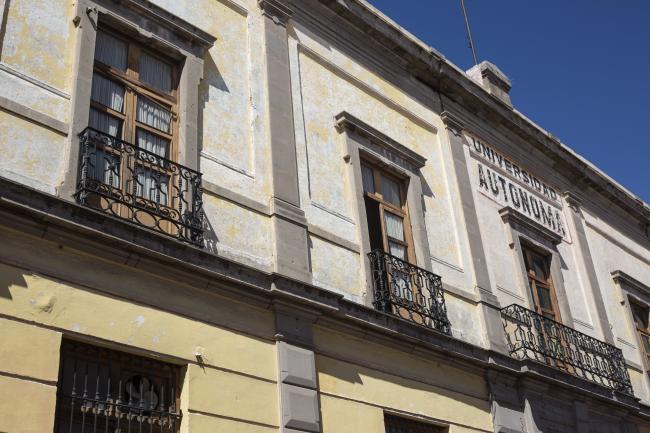
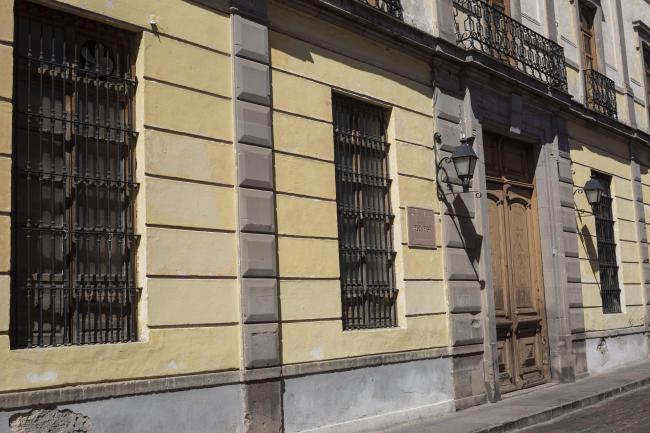
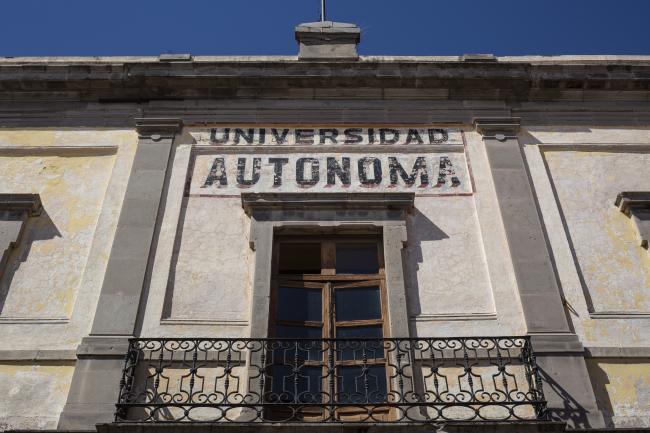
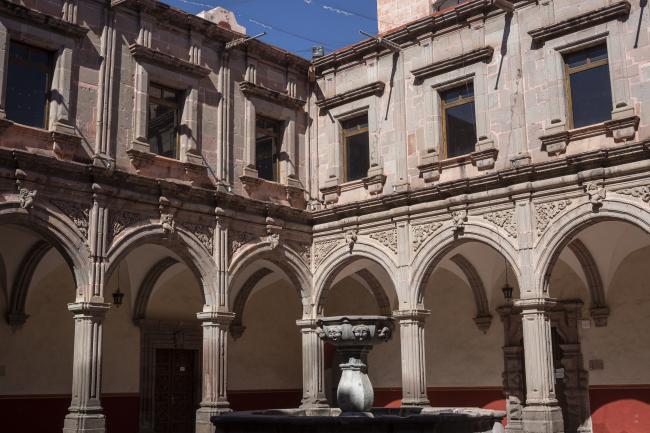
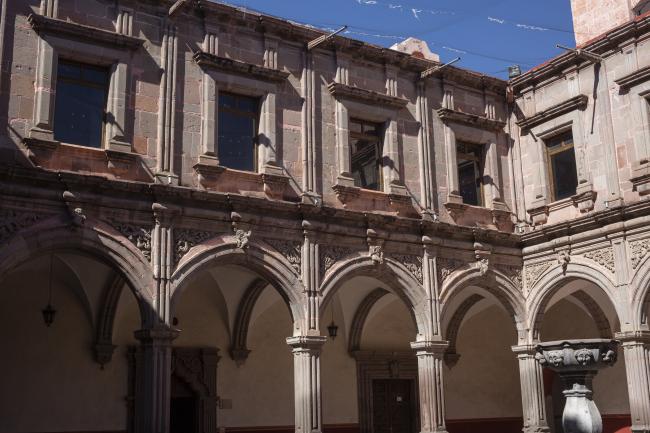
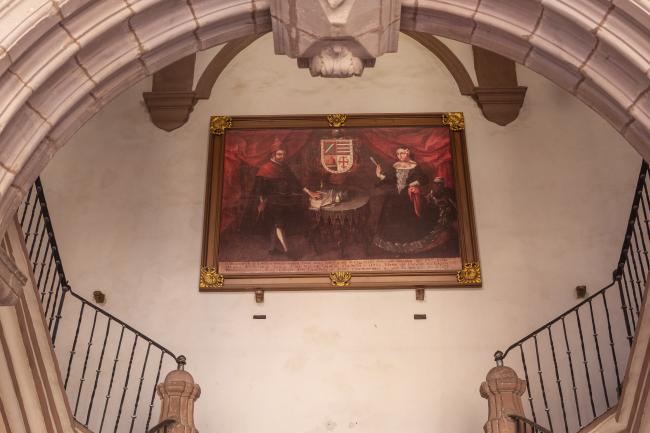
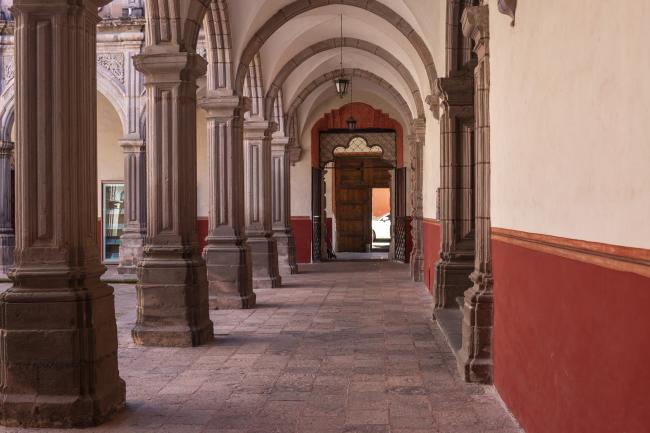
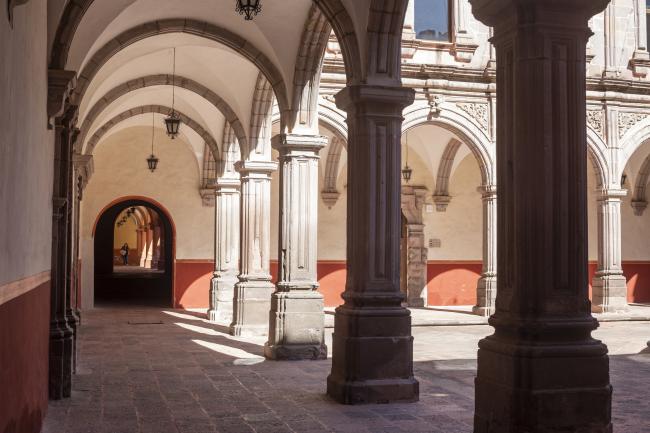
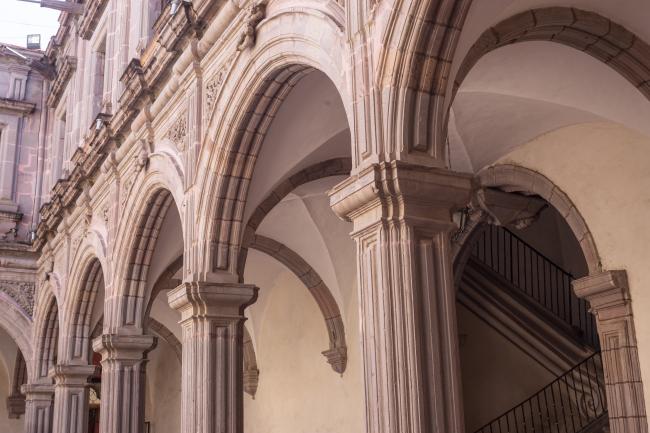
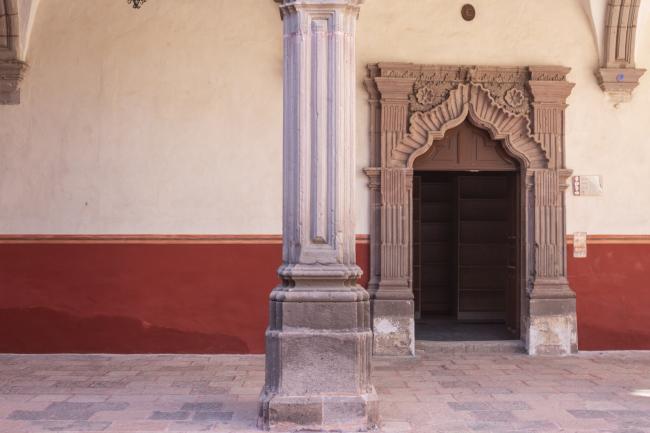
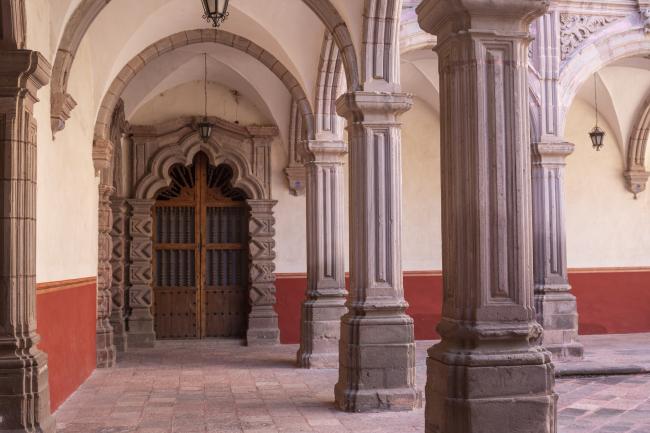
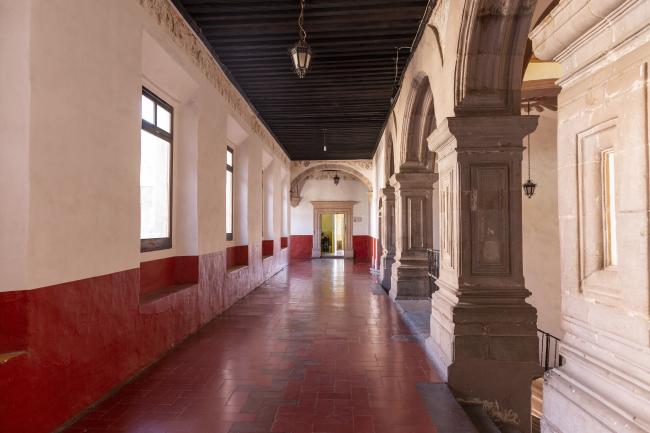
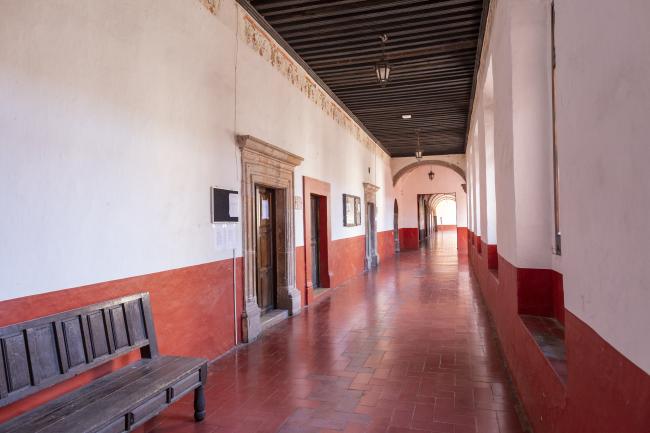
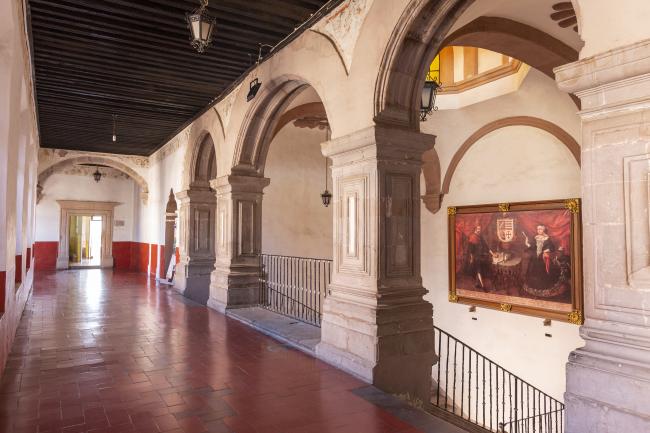
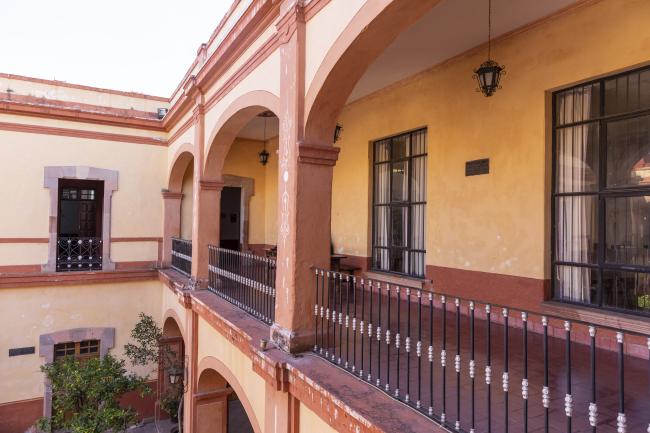
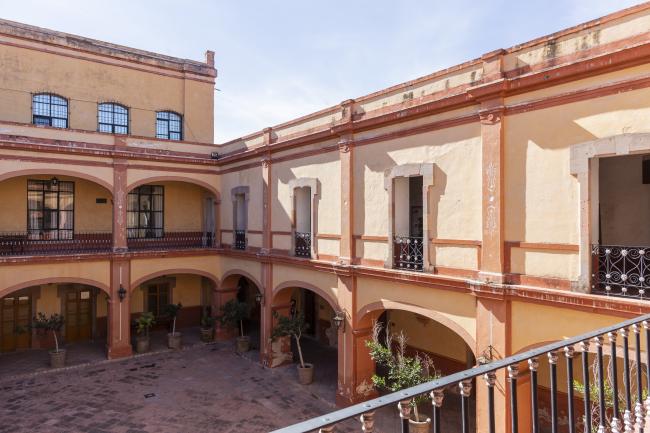
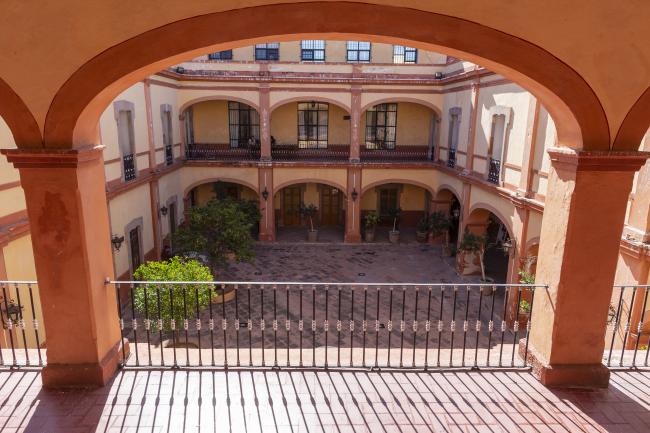
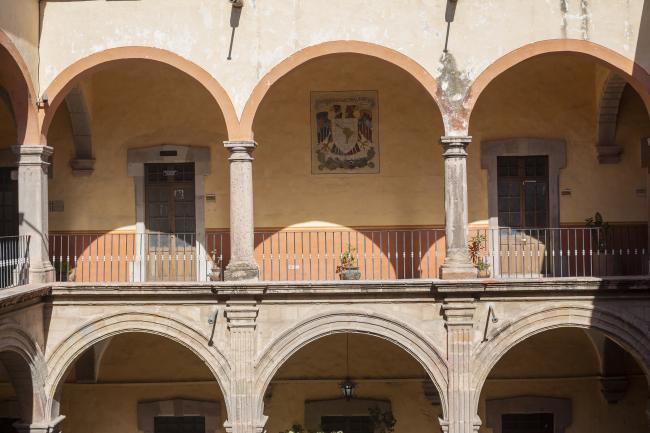
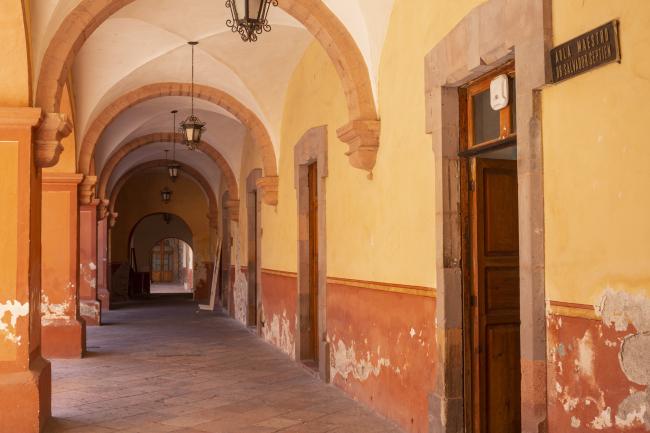
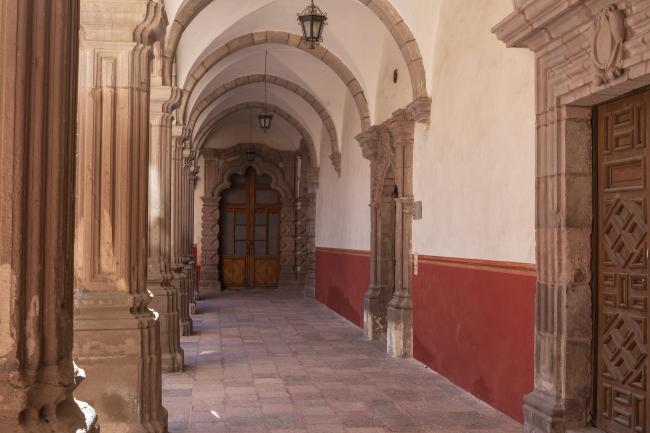
This building was constructed in the 17th century as the first Jesuit school. It was built on top of ruins (burials and remains of stone constructions). The building was constructed by the Otomí indigenous people, a fact that is reflected in the arches, cherubs, and quarry fountain found in the Baroque courtyard. The College of San Ignacio was founded on August 20, 1625, and the Jesuits brought with them the pedagogical current of the Renaissance. After the risk of closure due to lack of resources, in 1680 the College was rebuilt and the College of San Francisco Javier was founded, where philosophy, theology, and Latin were taught and a bachelor's degree in arts was awarded. During the second half of the 18th century, both colleges were incorporated into the Royal and Pontifical University of Mexico. After the expulsion of the Jesuits, the colleges were left in the hands of the provincial militias, who used them as barracks and stables. In 1869, it was decided that the old colleges would be merged into a Civil College, which was closed at the end of 1950. It currently houses the Faculty of Philosophy of the Autonomous University of Mexico. It forms a complex with the Parish Church of Santiago.