
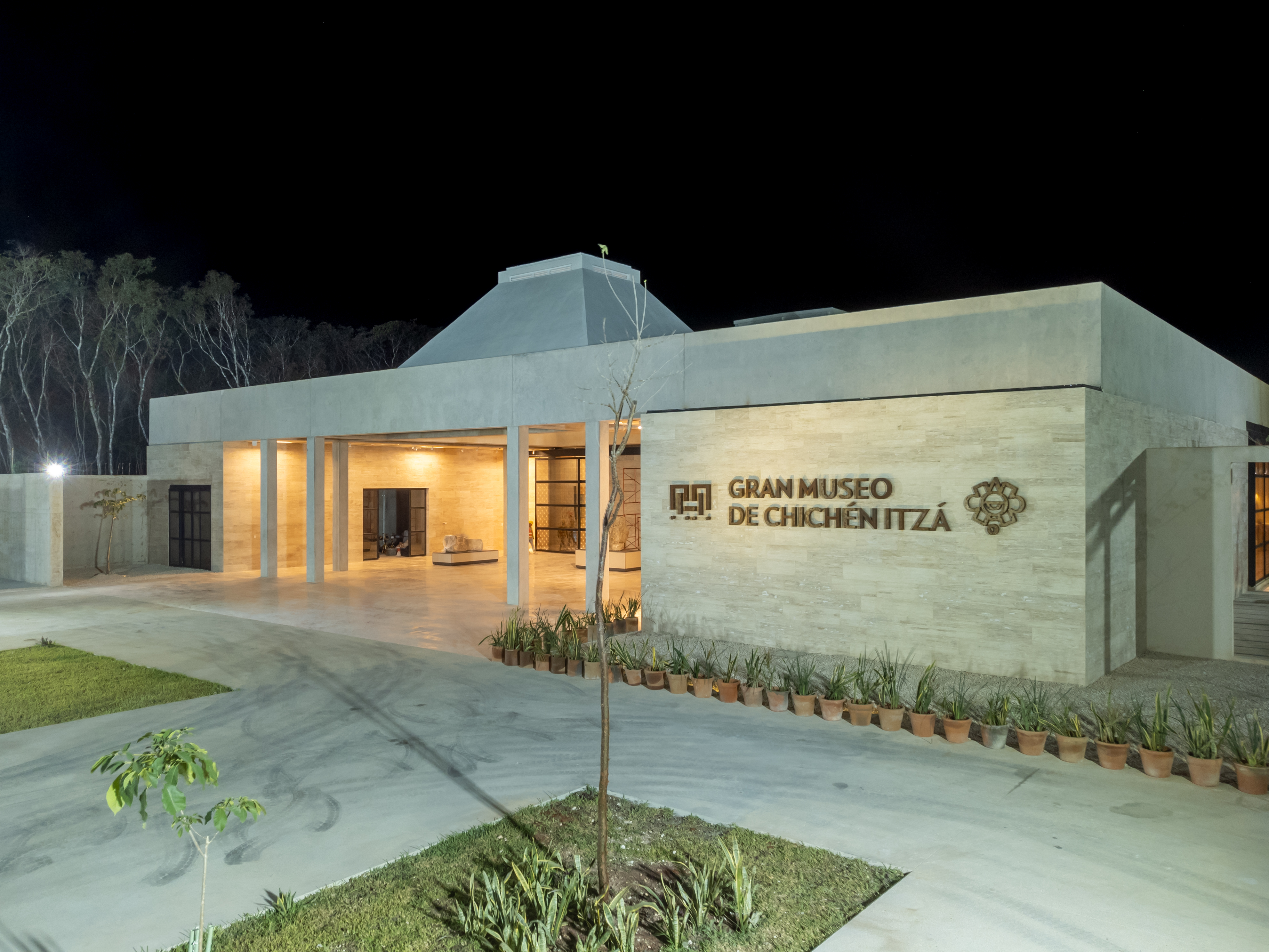

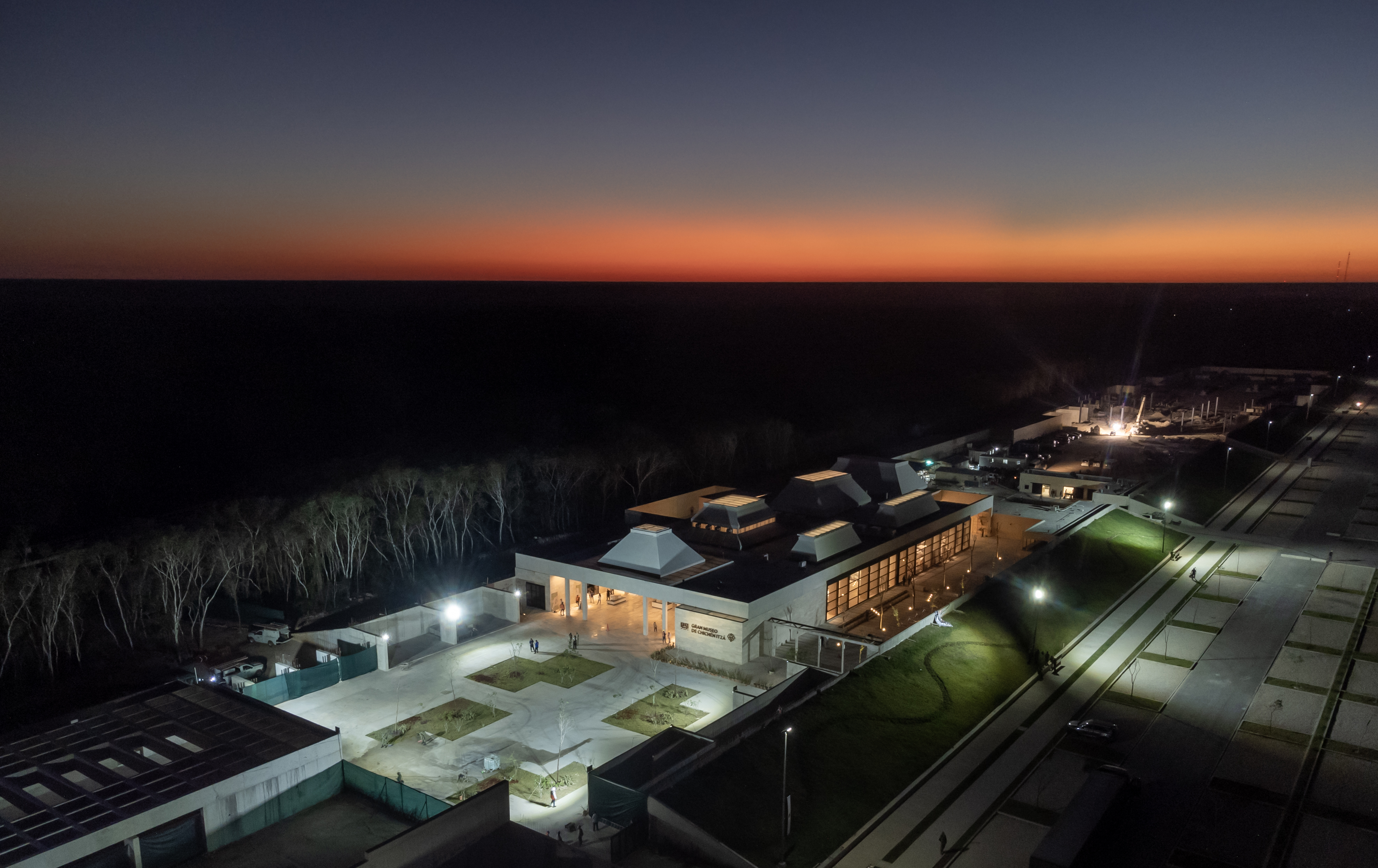










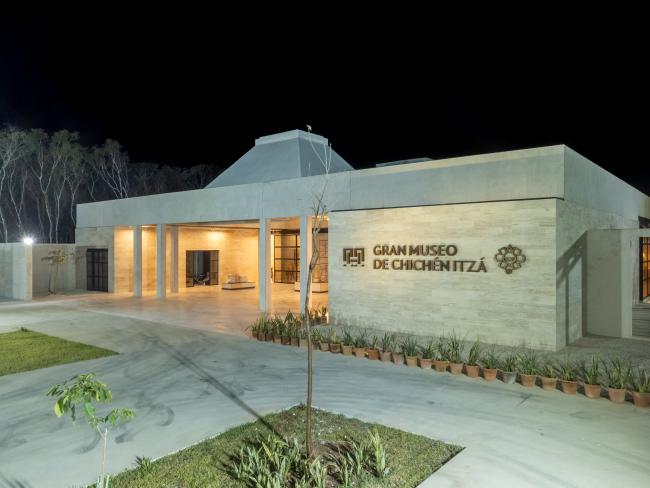

Gran Museo de Chichén Itzá
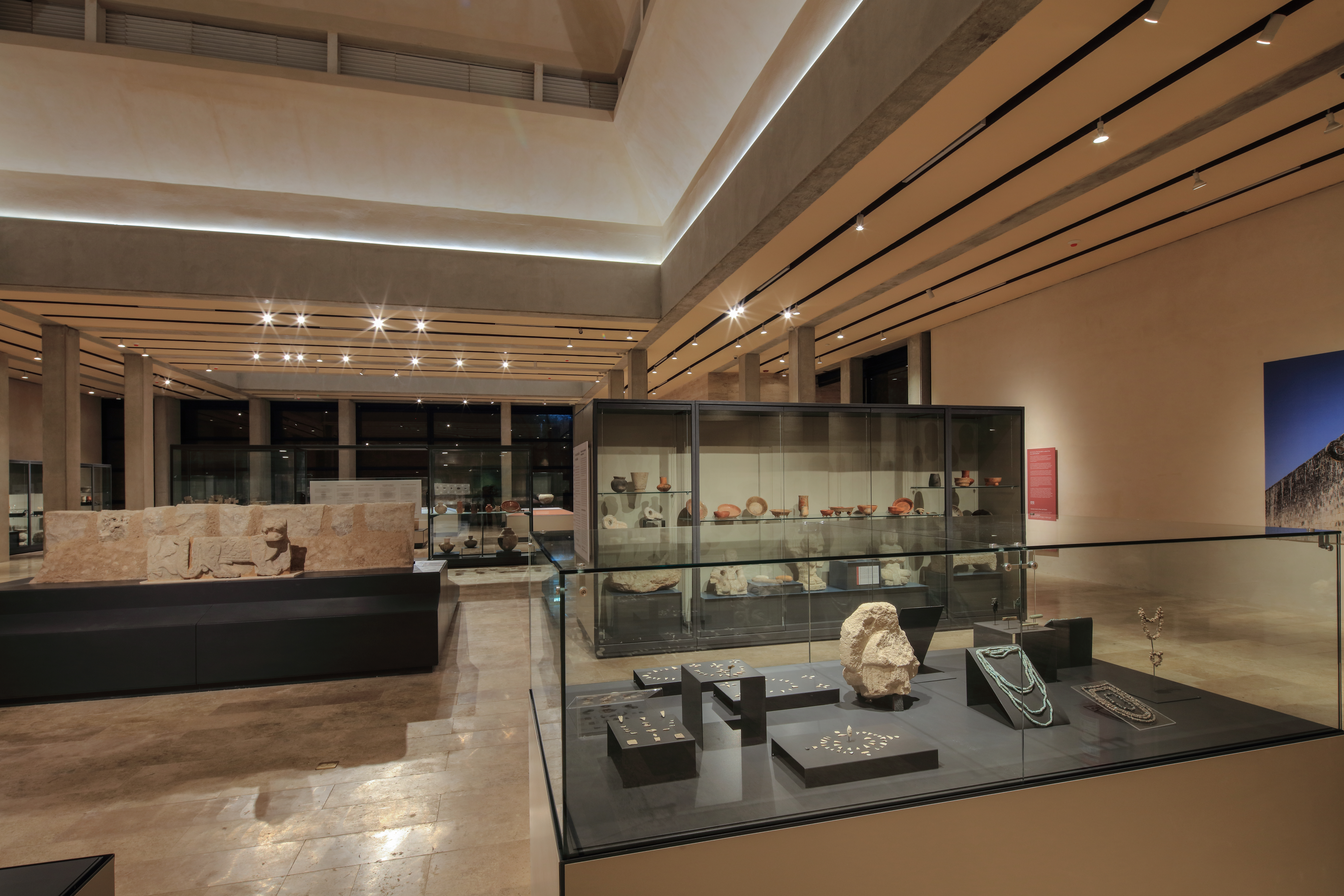
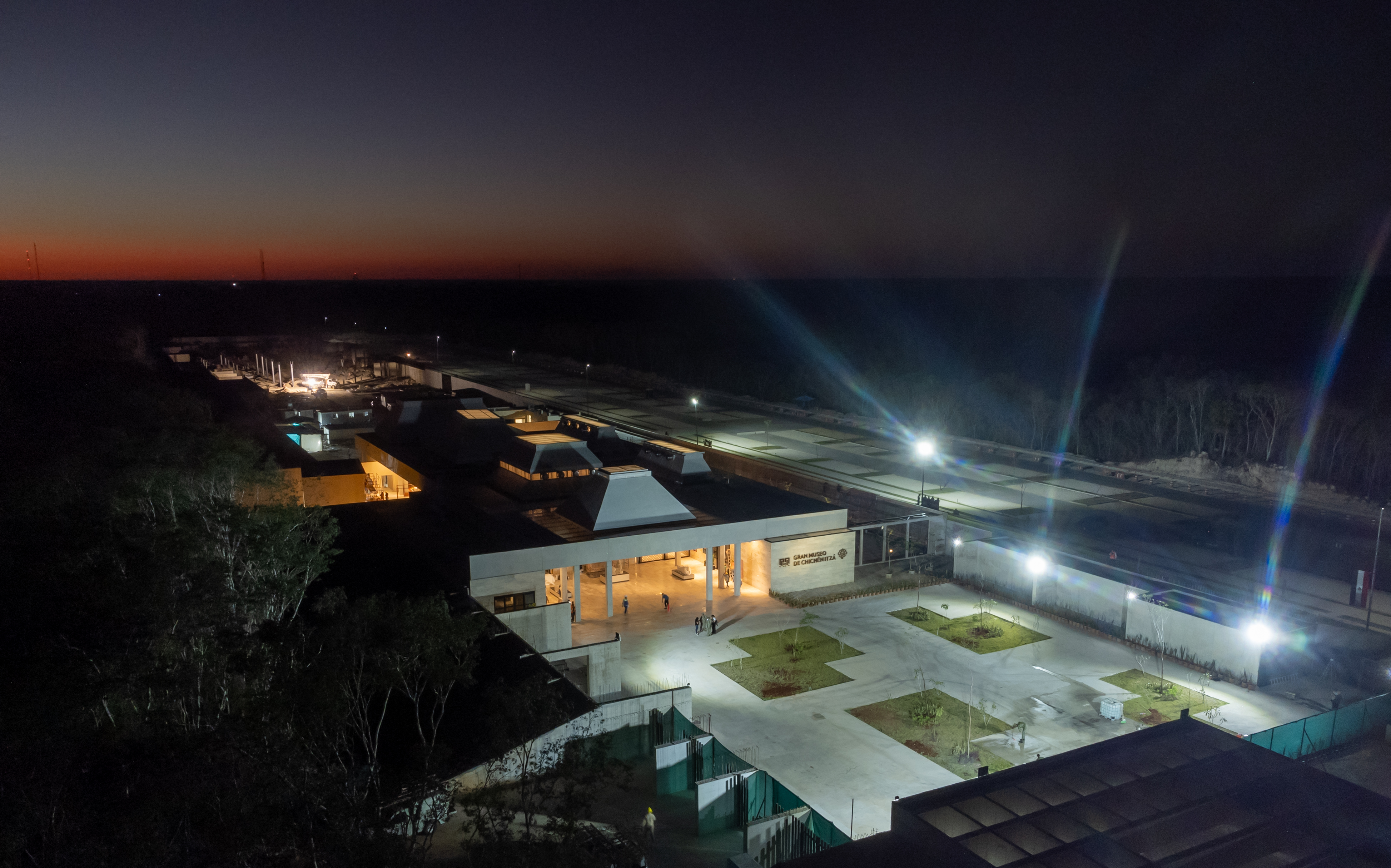
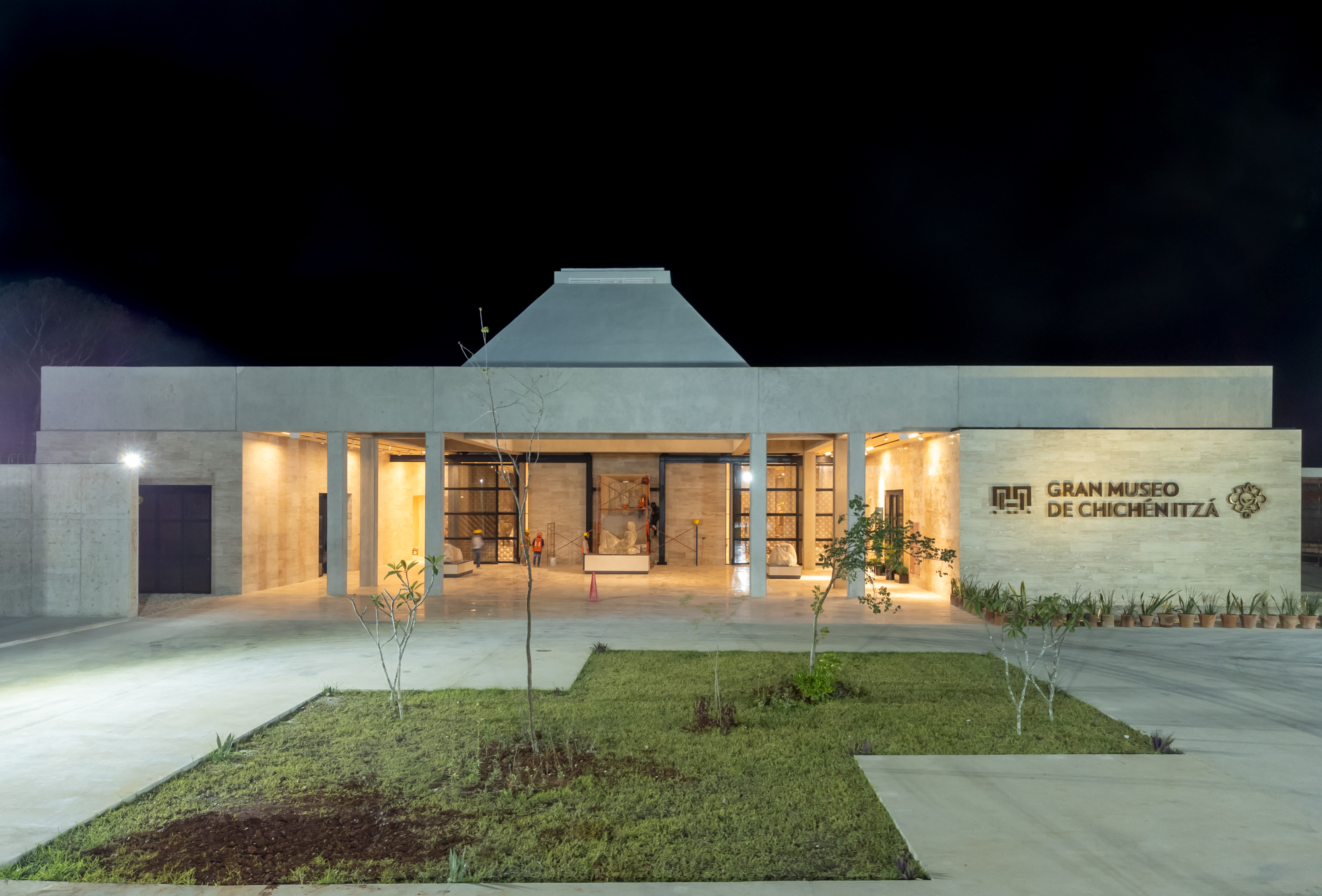
It is a contemporary cultural space that significantly enhances a visit to the archaeological site of Chichén Itzá, one of the most important sites of the Maya civilization and recognized as a UNESCO World Heritage Site. This museum was created with the intention of offering a more complete, in-depth, and educational experience, allowing visitors to understand not only what they see in the ruins but also the historical, scientific, and cultural context that gives them meaning.
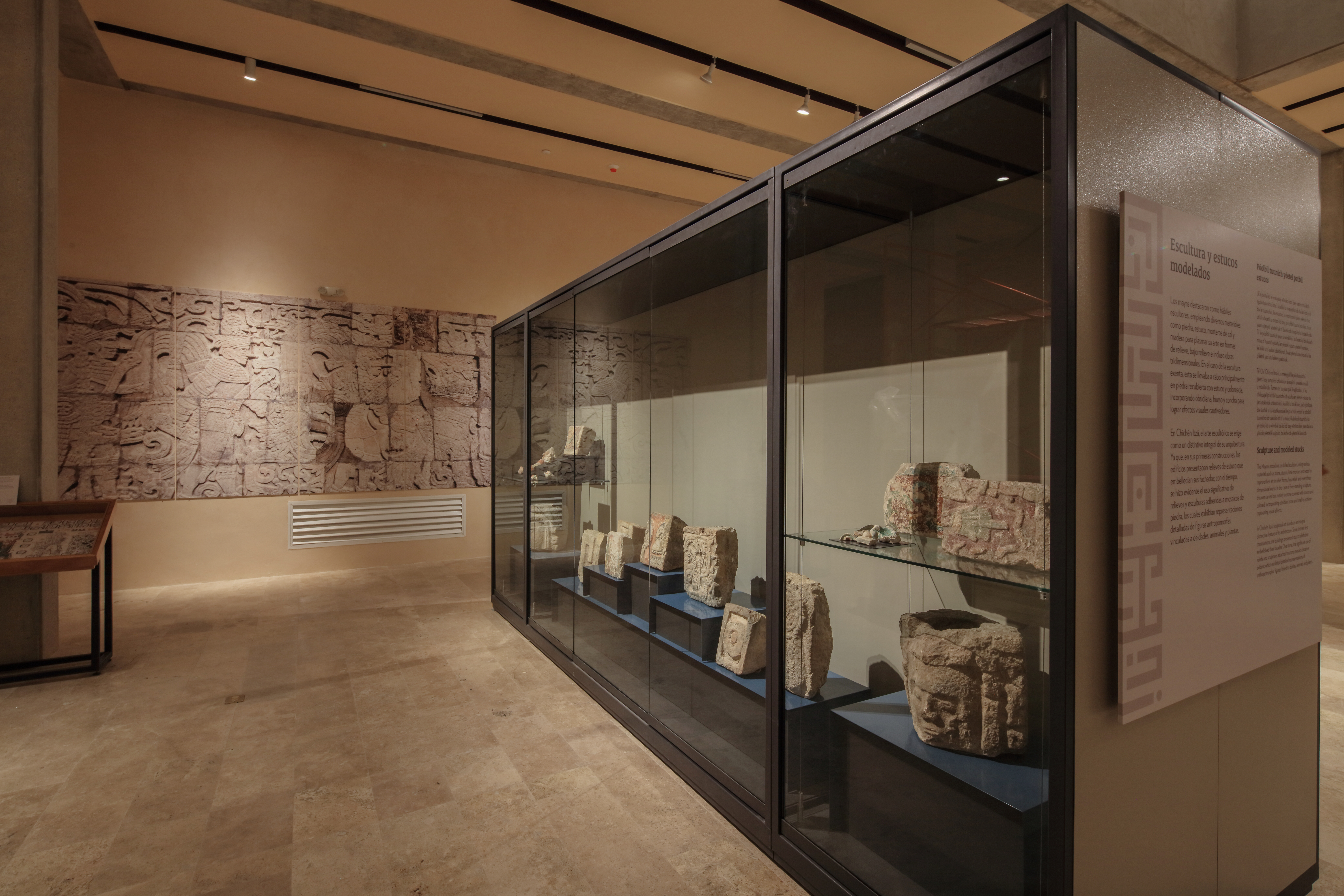
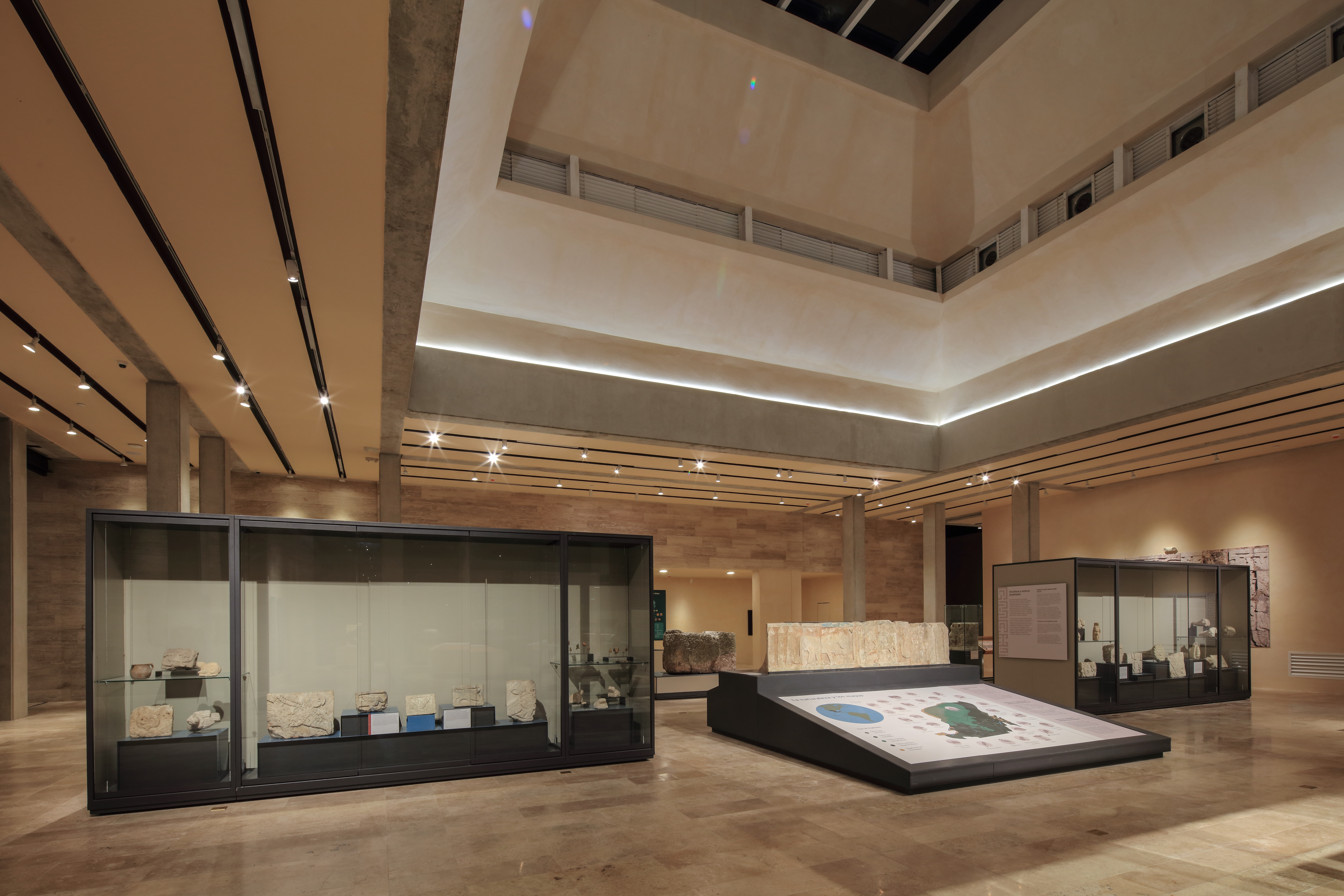
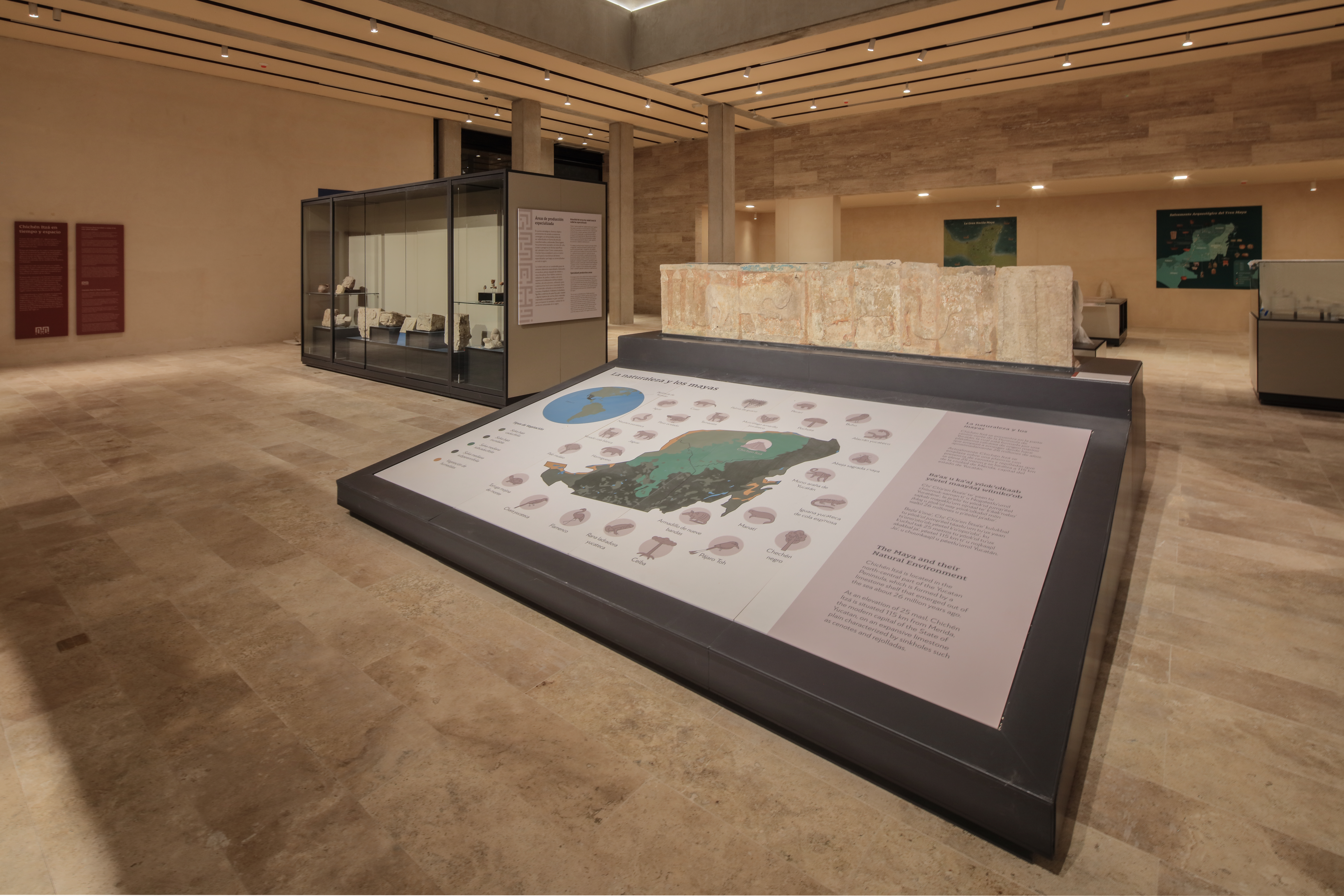
Unlike traditional museums that focus solely on displaying objects, the Gran Museo de Chichén Itzá takes an innovative approach based on interactivity and the use of technology. Through resources such as audiovisual projections, digital recreations, 3D animations, and immersive experiences, visitors can delve into the Mayan world in a more dynamic way. These tools facilitate the understanding of complex topics, such as the Mayan worldview, their astronomical knowledge, and their social organization, making the experience accessible to both specialists and the general public.
The museum tour is organized thematically. One of the first topics addressed is the Mayan worldview—how this civilization understood the universe. The Maya conceived of the world as divided into distinct levels: the underworld, known as Xibalba; the earthly world, where humans dwell; and the heavens, where the gods and celestial bodies resided. This view of the universe was deeply intertwined with their religious beliefs and was reflected in their architecture, rituals, and daily life.
It then provides a detailed account of the history of Chichén Itzá, from its origins to its golden age between the 9th and 13th centuries. The text examines the cultural influences it received, particularly from other Mesoamerican peoples, as well as the factors that contributed to its growth as one of the region’s most important political, economic, and religious centers. It also explores theories regarding its decline and eventual abandonment.
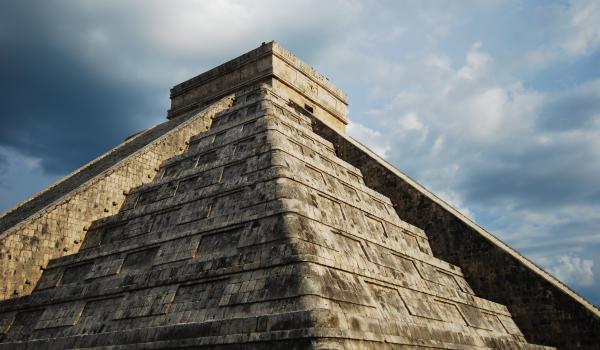
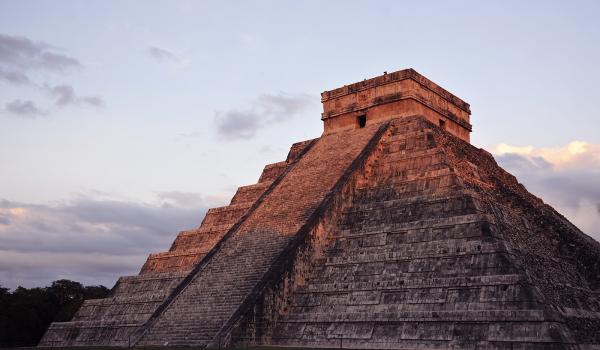
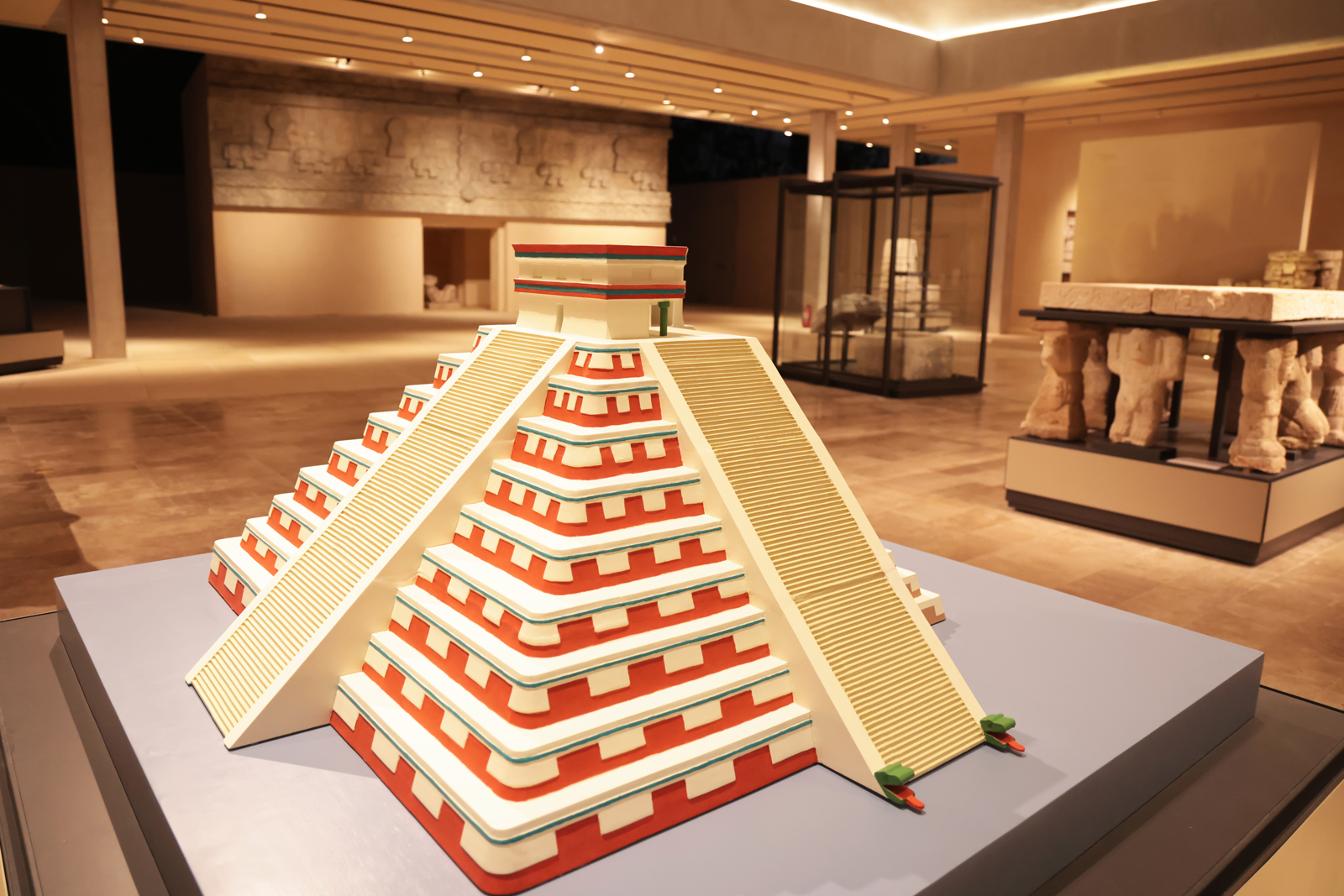
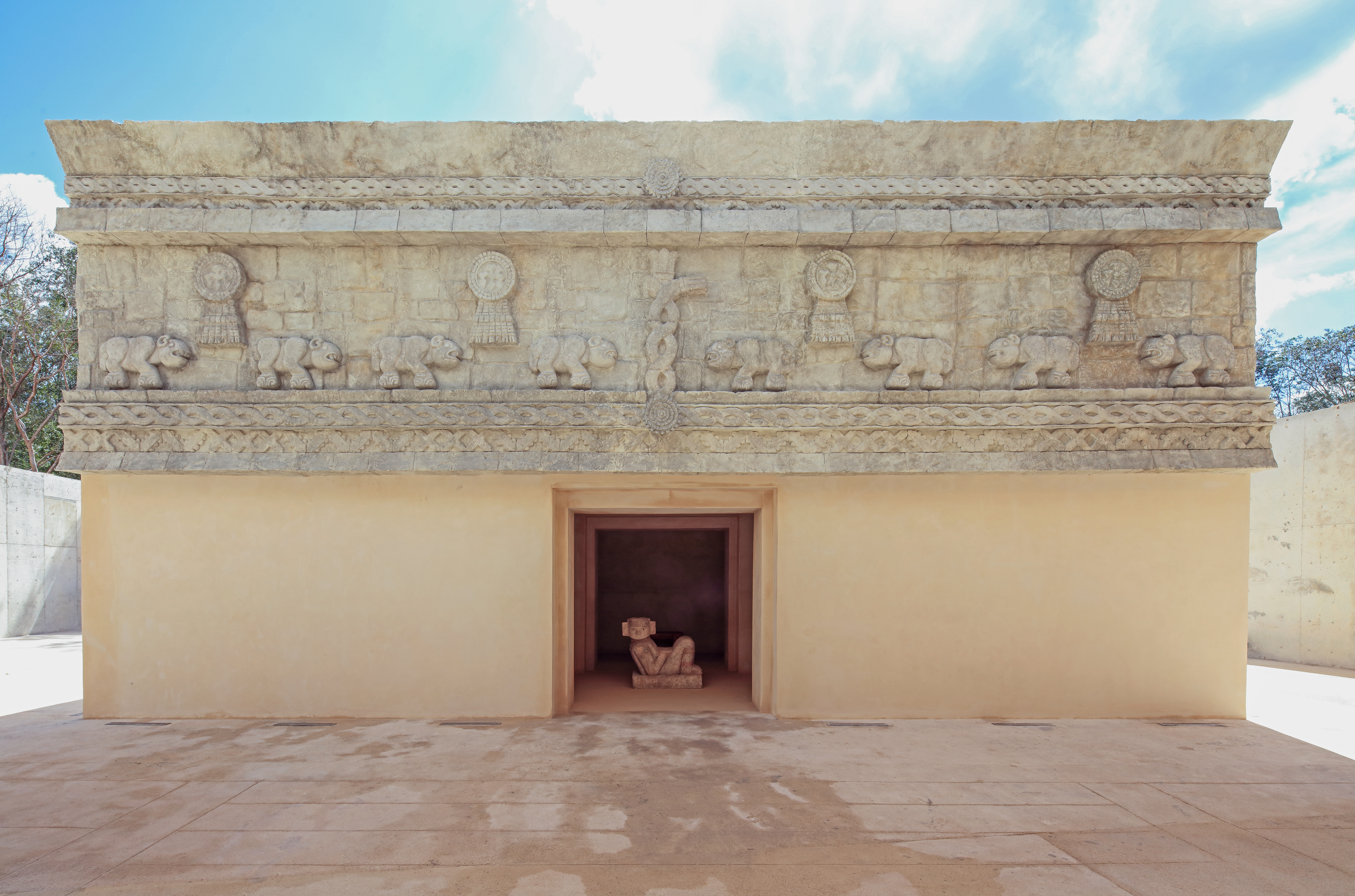
One of the most prominent themes is architecture. It explains how the Maya managed to build monumental structures without the use of metal tools or pack animals, relying solely on their mathematical knowledge, social organization, and available natural resources. It examines iconic structures such as El Castillo, which stands out not only for its grandeur but also for its astronomical precision. During the equinoxes, for example, one can observe the phenomenon of the “serpent of light and shadow,” resulting from the alignment of the sun with the structure, which demonstrates the Maya’s advanced scientific knowledge.
Astronomy is another central focus of the museum. The Maya developed complex calendar systems, such as the Tzolk’in and the Haab’, which allowed them to measure time with great precision. They also made detailed observations of the movements of the sun, the moon, Venus, and other celestial bodies, knowledge they incorporated into their religious life and the planning of their cities. The museum explains how this knowledge was not abstract but had practical applications in agriculture, rituals, and social organization.
The museum also explores the daily life of the inhabitants of Chichén Itzá, highlighting aspects such as diet, clothing, economic activities, and social structure. Ritual practices are also presented, including religious ceremonies and offerings, many of which were connected to the sacred cenote, which played a central role in the city’s spiritual life.
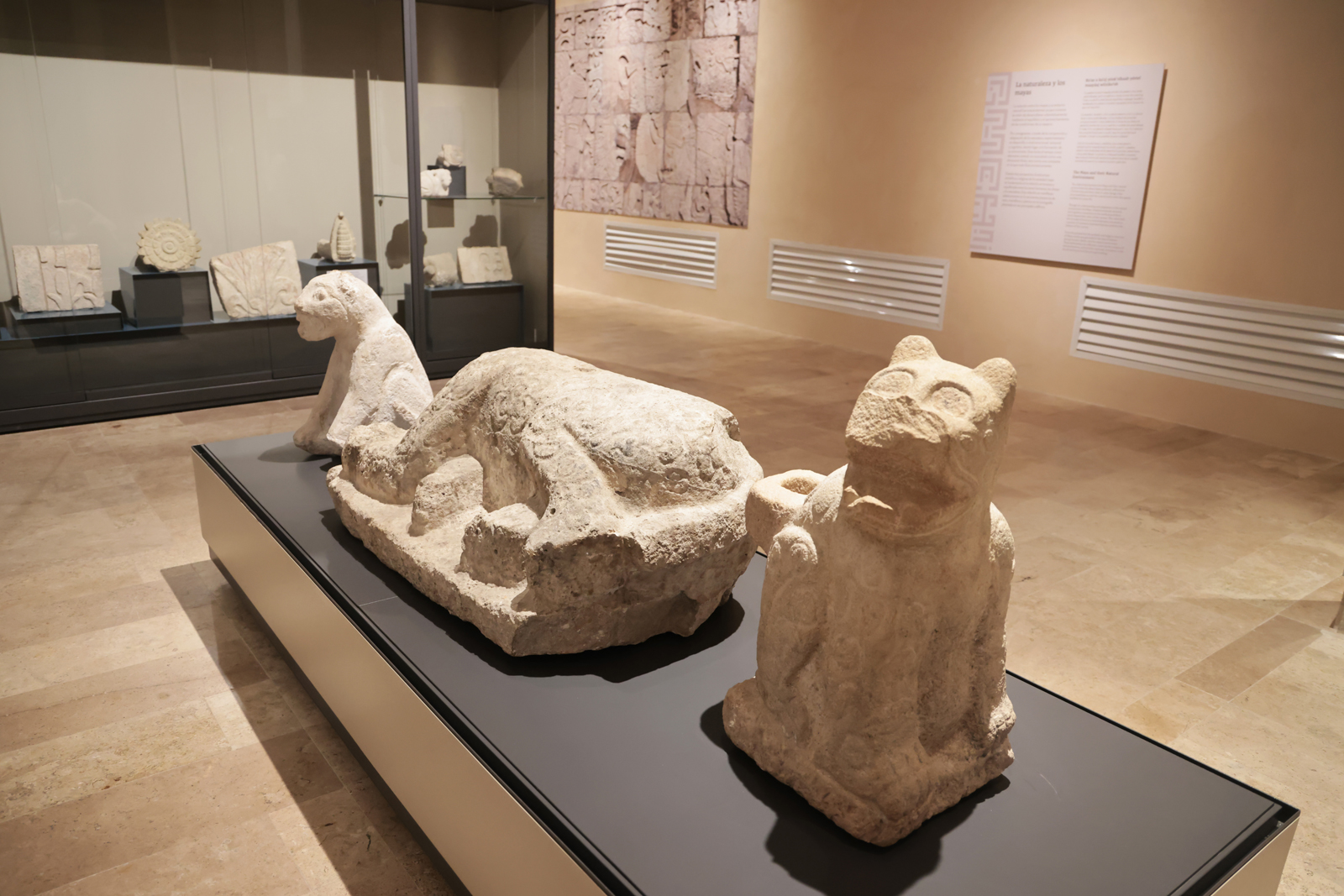
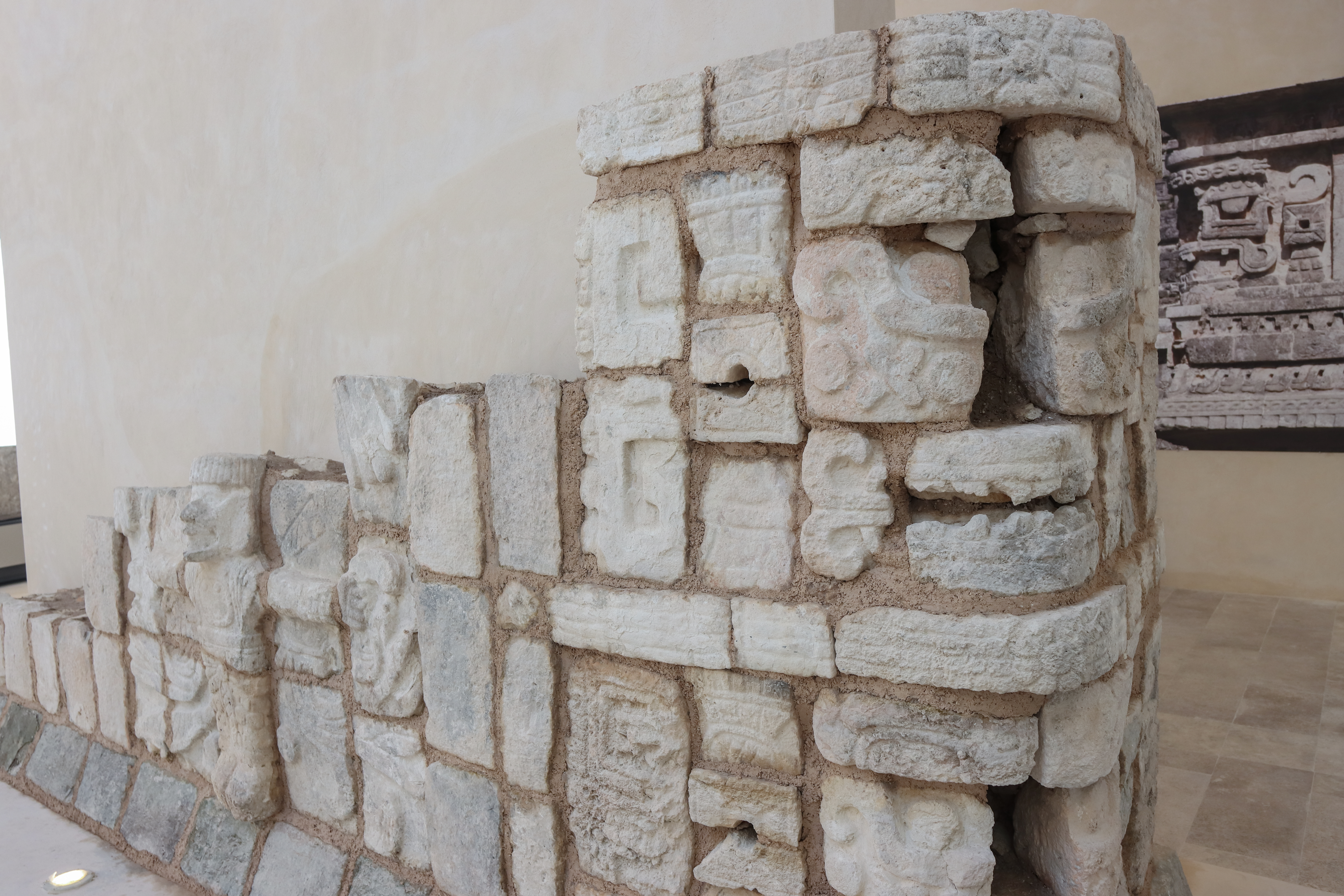
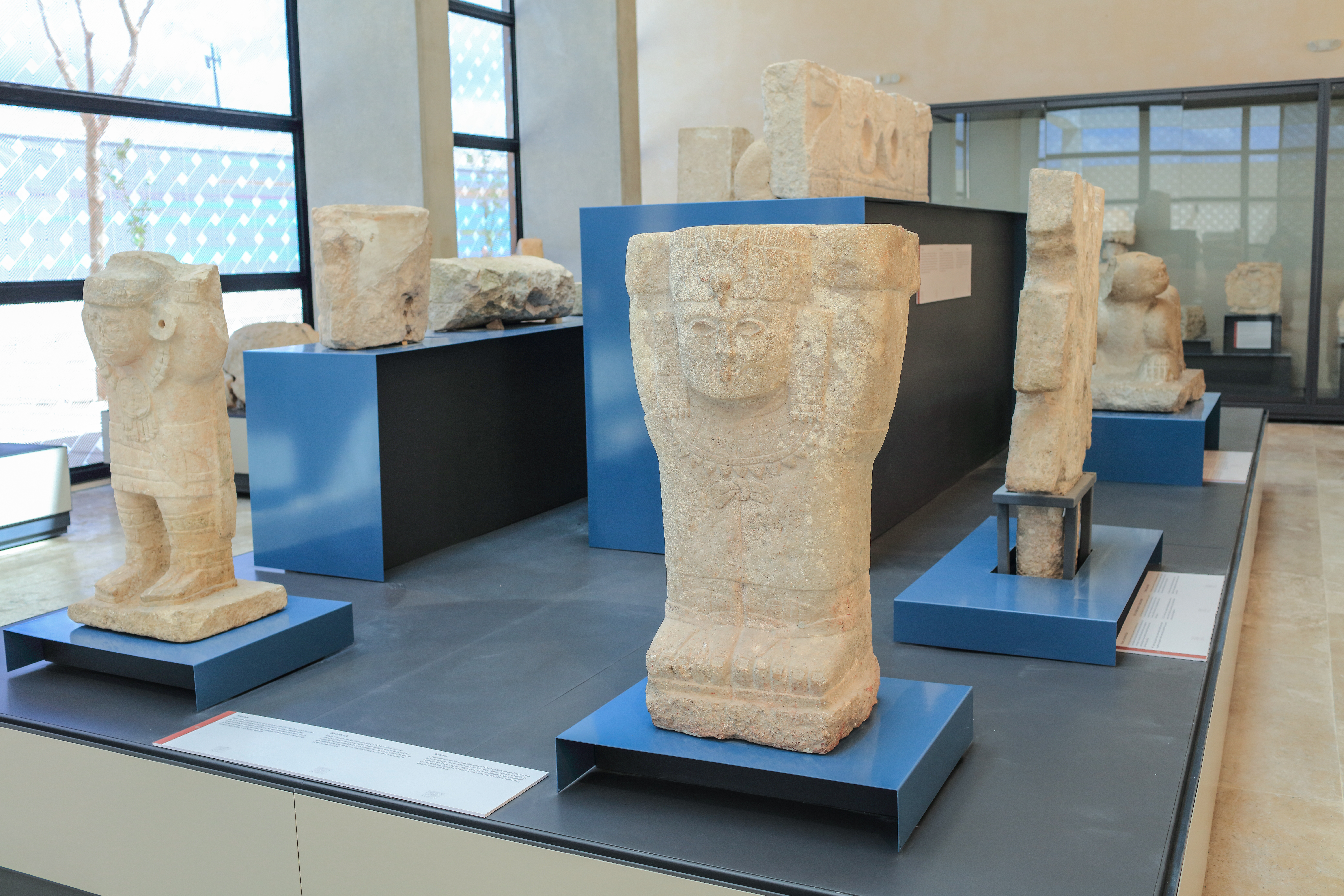
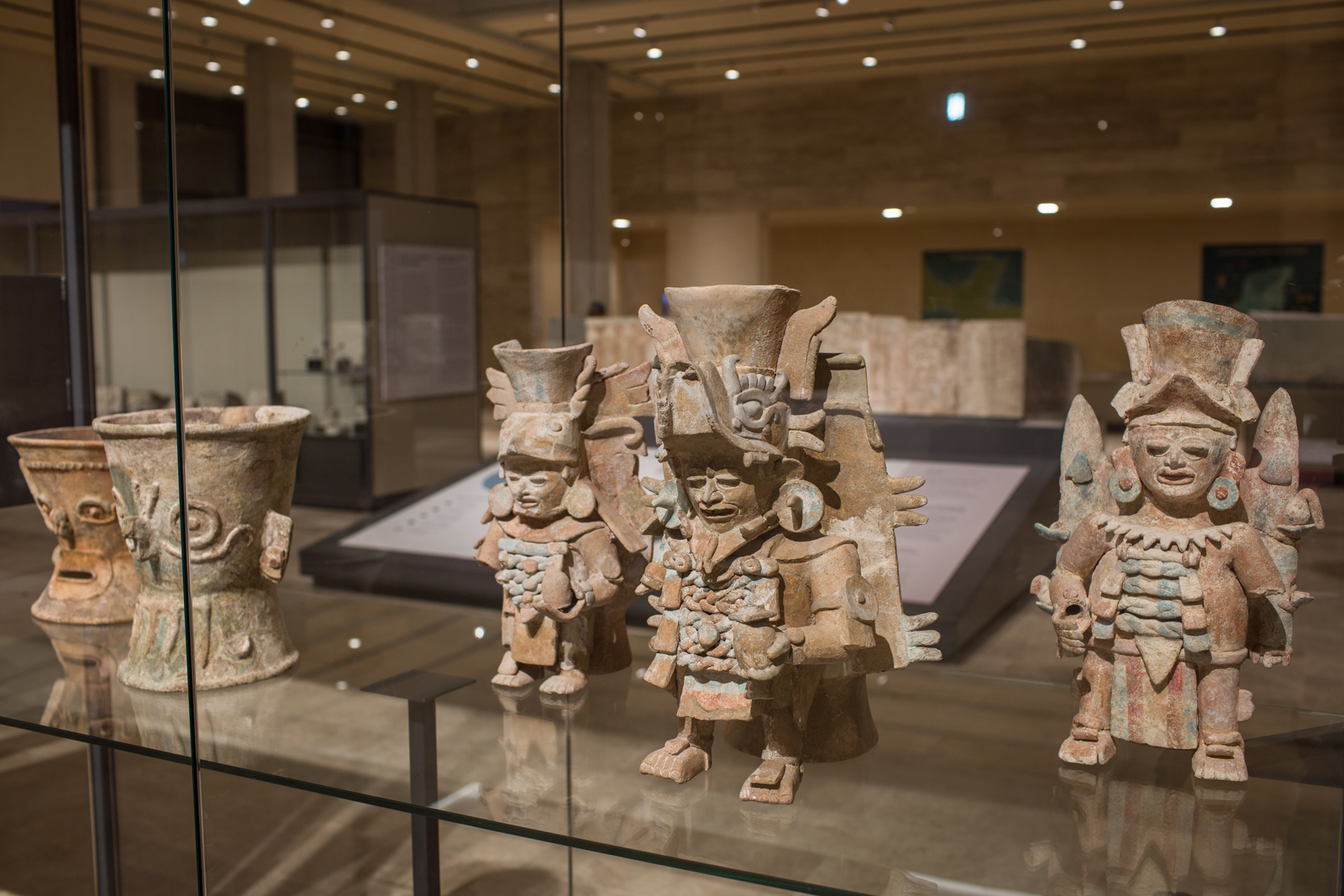
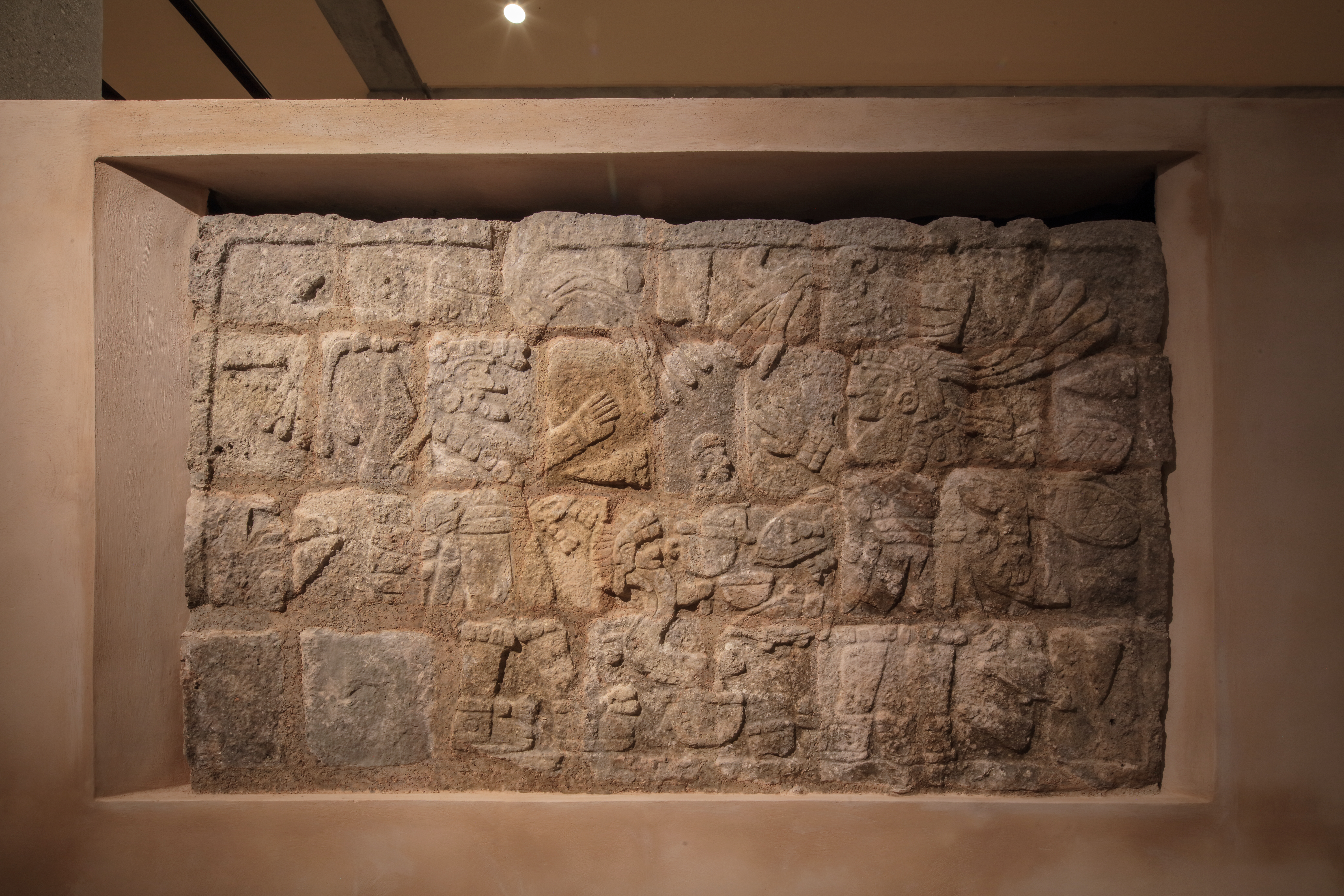
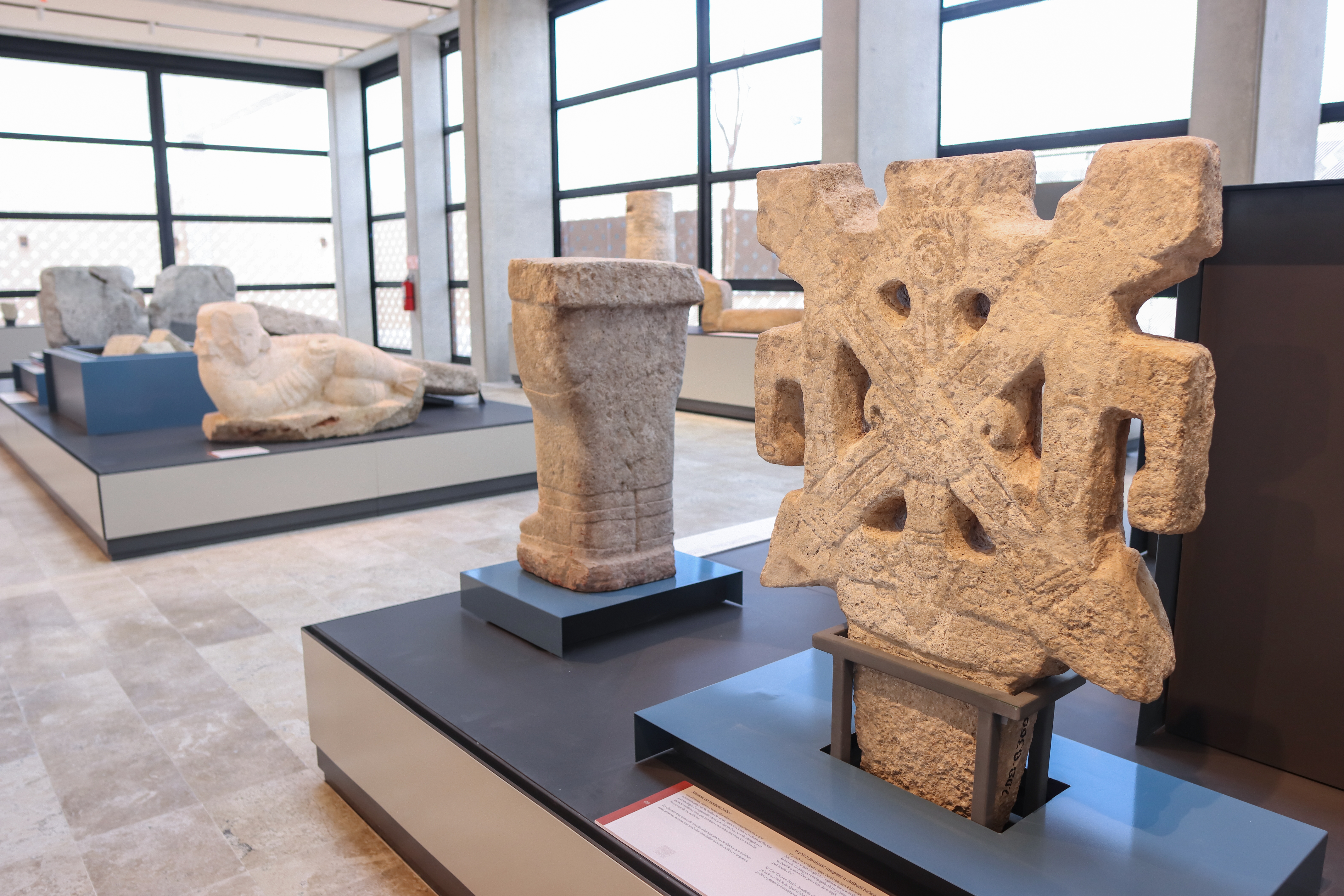
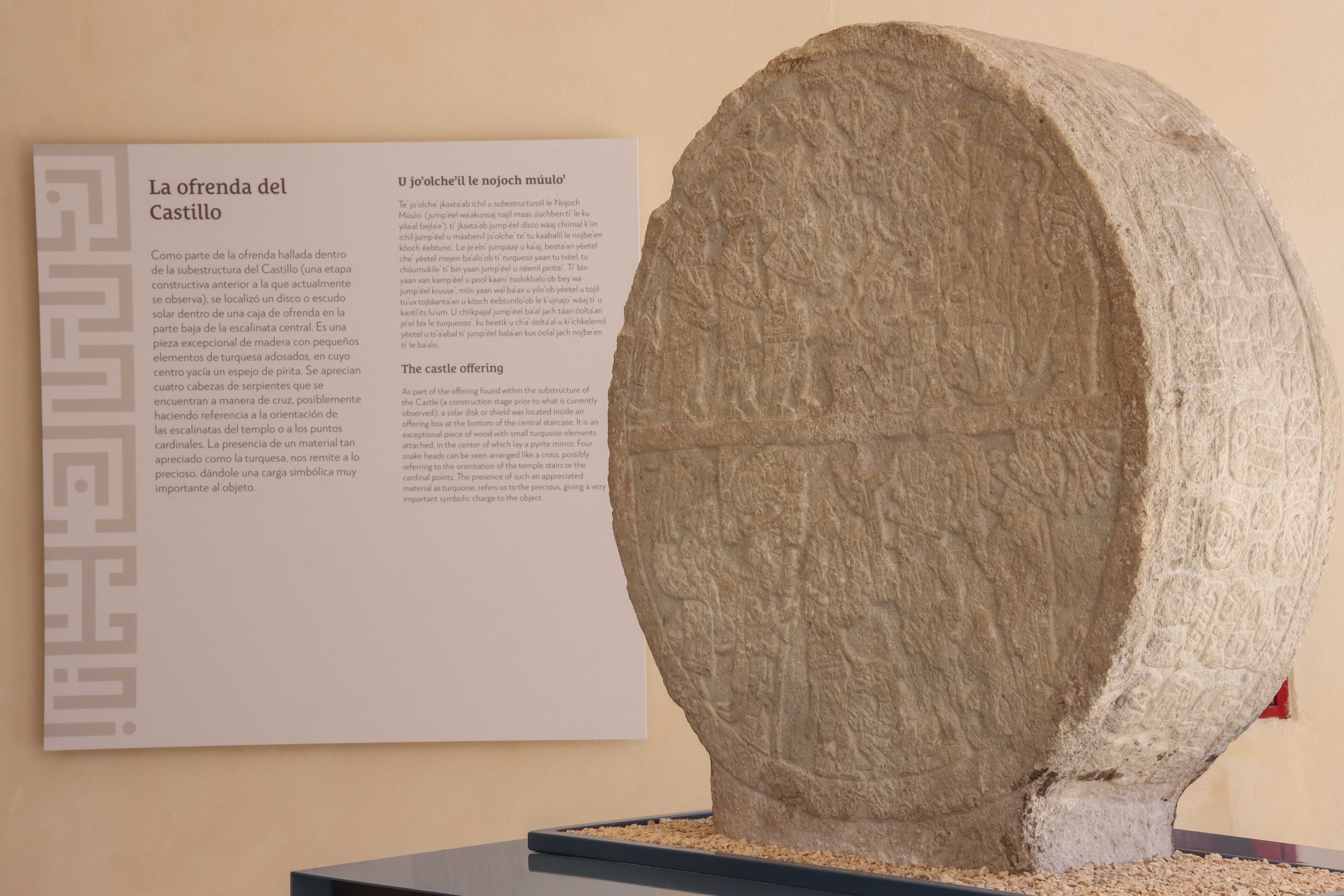
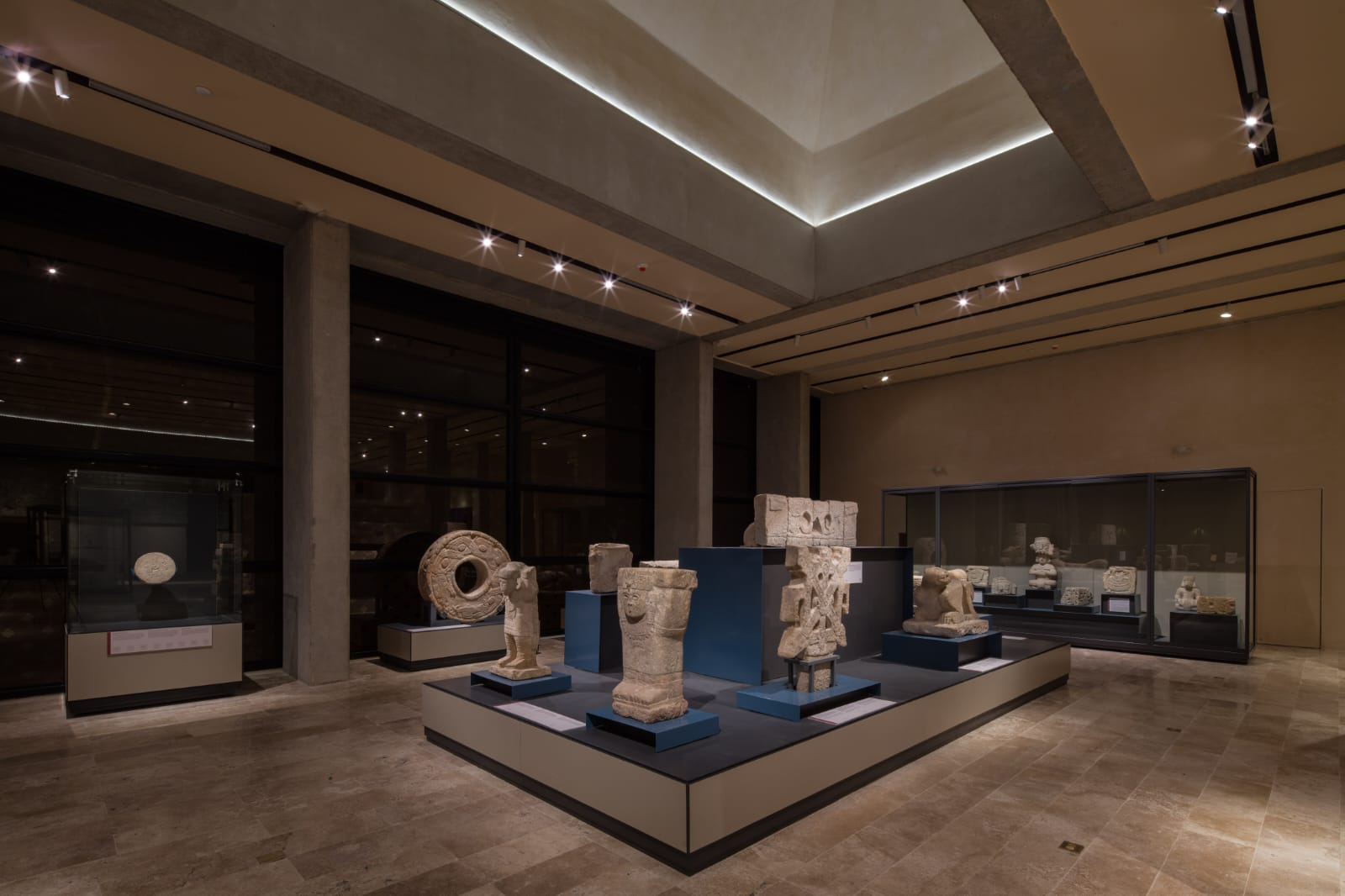
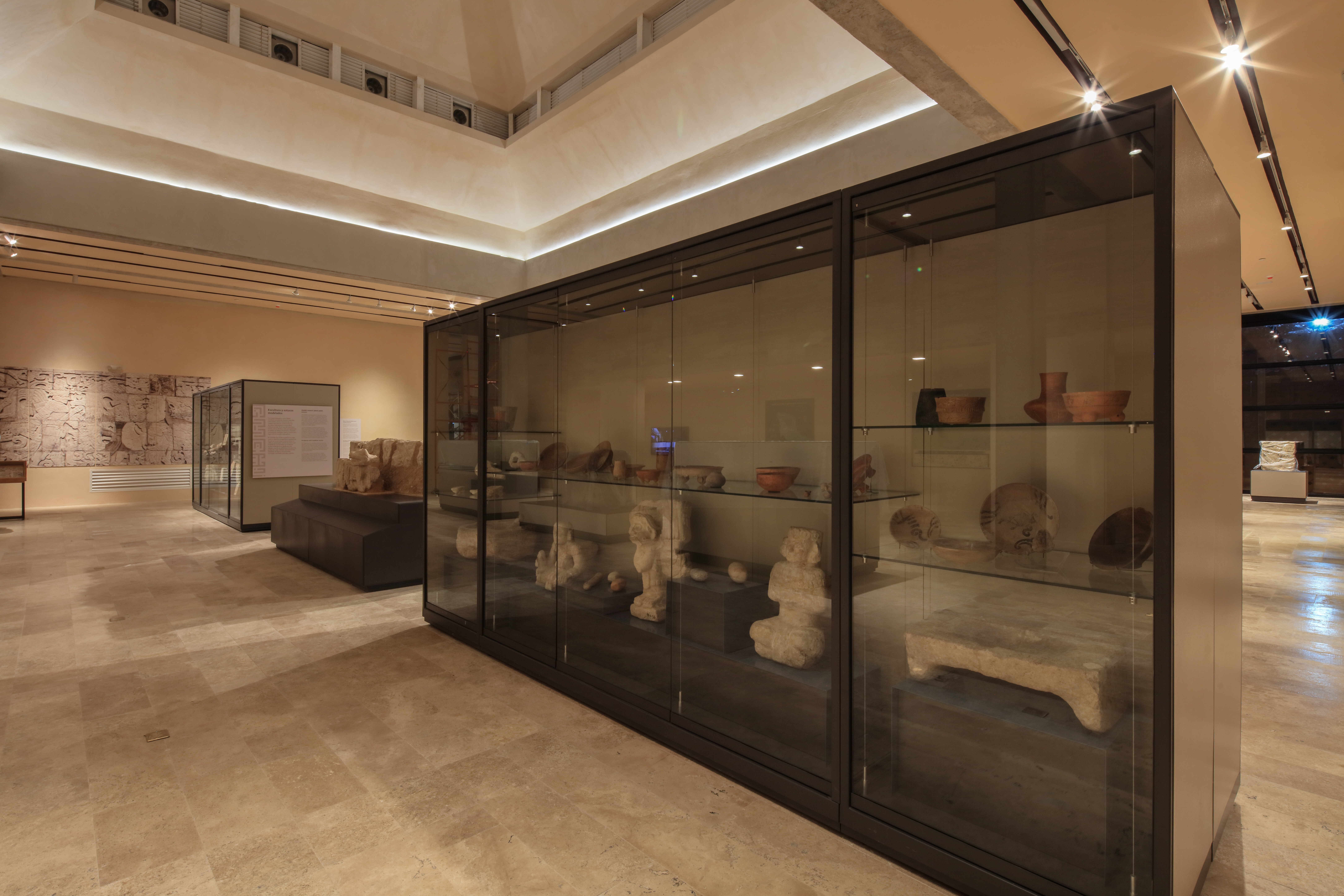
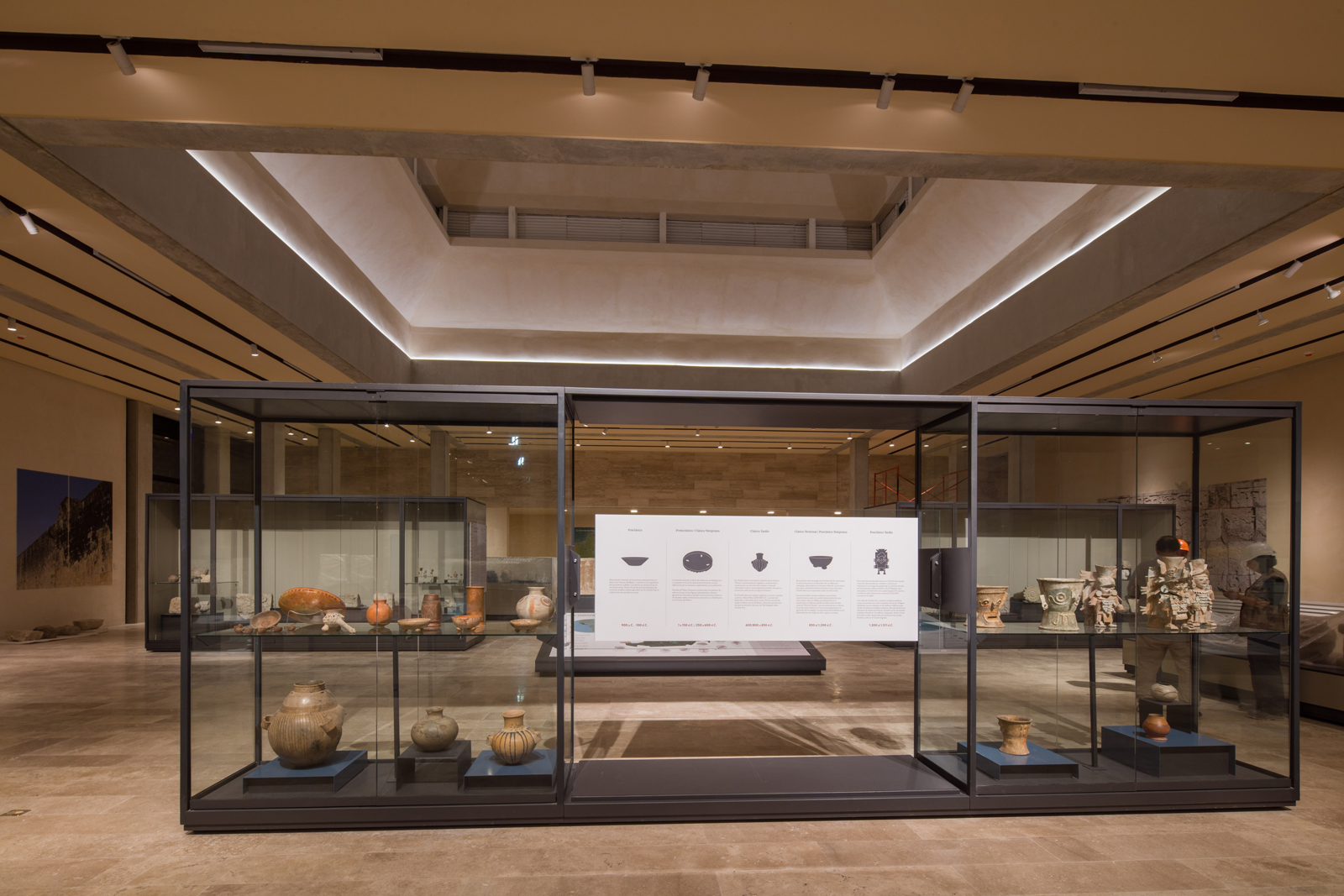
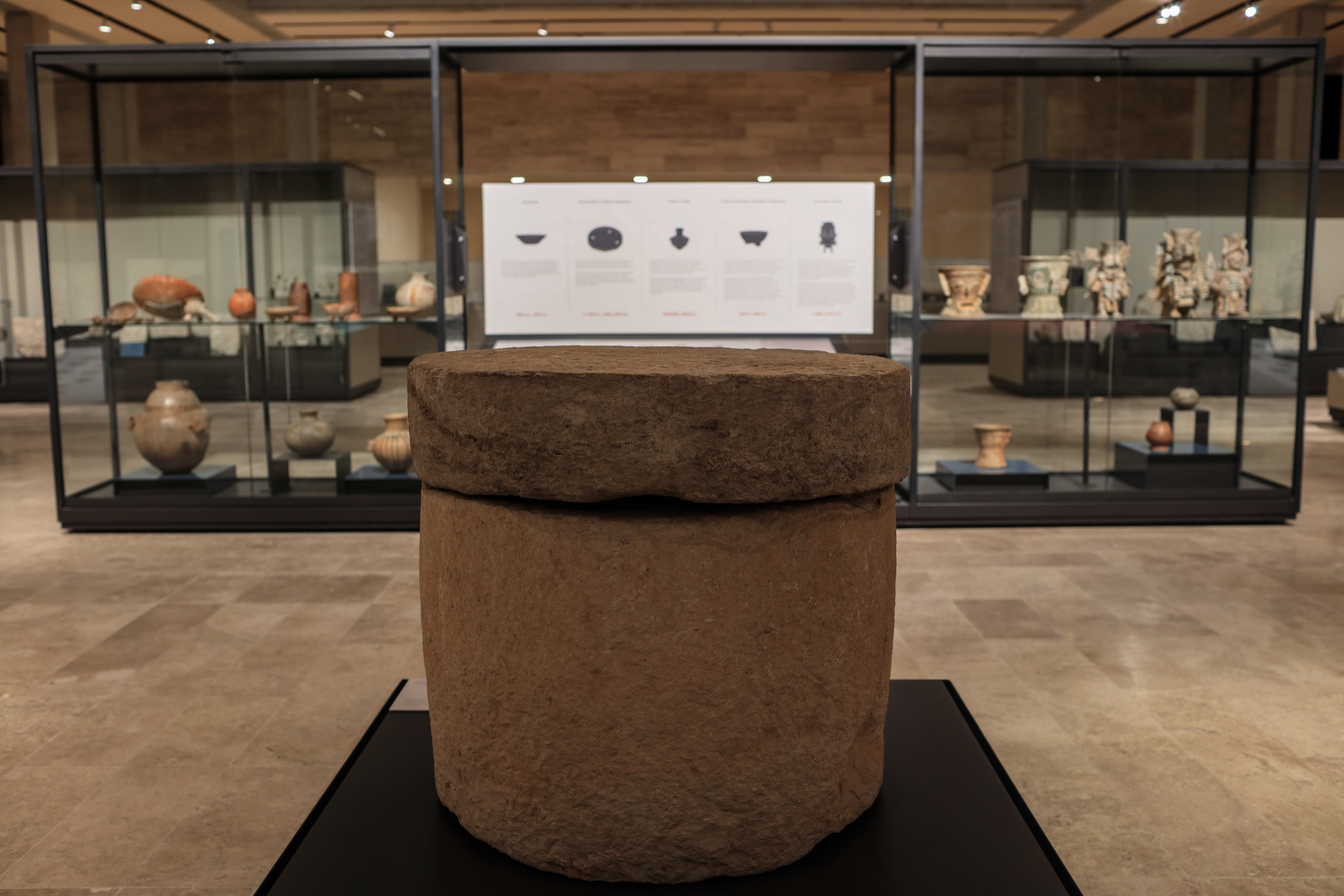
As for the exhibits, the museum combines original archaeological artifacts with replicas, models, and visual aids that help put the information into context. This gives visitors a more complete picture of what life was like in this ancient city and helps them better understand the features they will see at the archaeological site.
- Dirección de la Zona Arqueológica y Museo de SitioMaría Guadalupe Espinosa Rodríguezguadalupe_espinosa@inah.gob.mx+52 (985) 851 0137