








Sala Introductoria a la Zona Arqueológica de Palma Sola
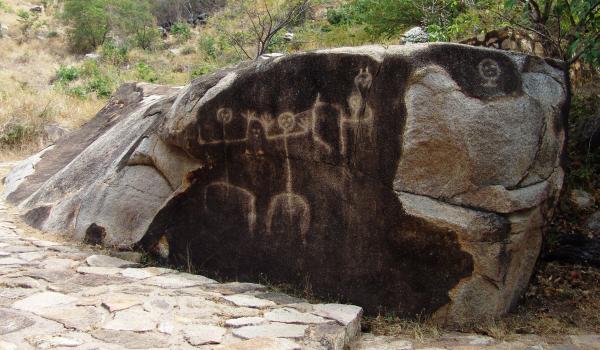
It explains the importance of its pre-Hispanic petroglyphs, which reflect the beliefs, knowledge, and relationship of the ancient inhabitants with their natural environment.
One of the central themes addressed in this gallery is the origin and development of human settlement at Palma Sola. Research indicates that the site was inhabited primarily between the Late Preclassic and the Classic periods, when various groups engaged in intense ceremonial and artistic activity. During this time, the inhabitants utilized the region’s natural resources for agriculture, gathering, hunting, and trade with other populations in Mesoamerica. The information presented helps visitors understand how these communities were part of a broad cultural network that shared technological knowledge, religious beliefs, and artistic expressions.
It also devotes a special section to the petroglyphs, considered the most outstanding feature of the archaeological site. Palma Sola is home to dozens of rocks engraved with depictions of human figures, animals, geometric symbols, and scenes related to ceremonies, fertility, power, and worldview. Each engraving serves as a testament to the symbolic thought of ancient societies, as it reflects how they interpreted the world, nature, and the relationship between human beings and supernatural forces. The exhibit explains the different techniques used to carve the rock, as well as the possible interpretations that specialists have proposed based on archaeological analysis and comparisons with other Mesoamerican sites.
The exhibition explains the natural environment in which Palma Sola is located. The combination of hills, tropical vegetation, and water runoff not only provided essential resources for subsistence but also influenced the choice of the site as a ceremonial space. The landscape is part of the site’s cultural significance, as many of the engravings appear to be related to natural elements considered sacred by ancient communities. The exhibit hall illustrates how geography and the environment played a fundamental role in the development of daily life and ritual practices.
The gallery also presents information on the archaeological research conducted at Palma Sola, highlighting the work of specialists who, through excavations, iconographic studies, and material analysis, have made it possible to reconstruct part of the settlement’s history. It describes the methodologies used in modern archaeology and the importance of the scientific record for understanding the evolution of pre-Hispanic societies in the region.
By the end of the tour of the gallery, visitors have a solid foundation for understanding the significance of the archaeological site. The information they have gained allows them to interpret the rock art with greater depth and to recognize that each engraving represents an expression of the thoughts, beliefs, and daily life of the peoples who inhabited the region more than two thousand years ago.
- Dirección del Centro INAHHéctor Romeo Torres Calderónhector_torres@inah.gob.mx+52 (747) 471 7121