










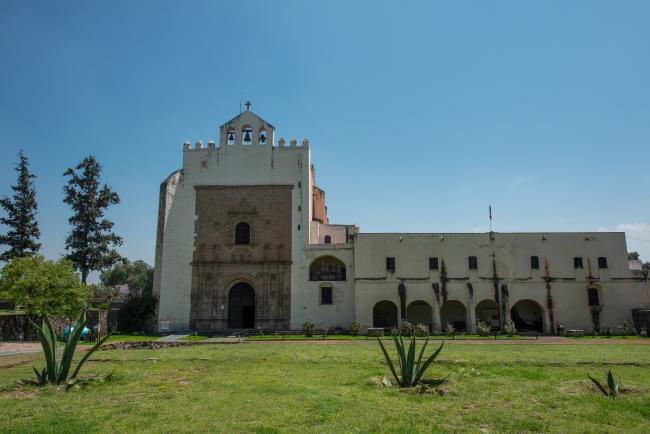


Museo Virreinal, Ex Convento de Acolman
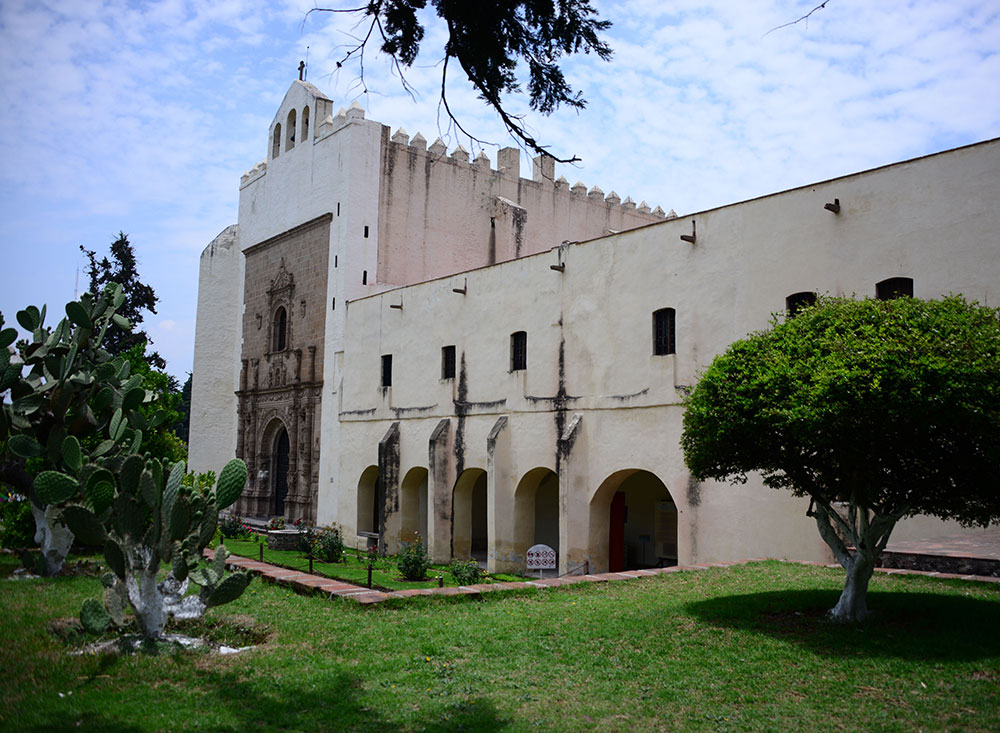
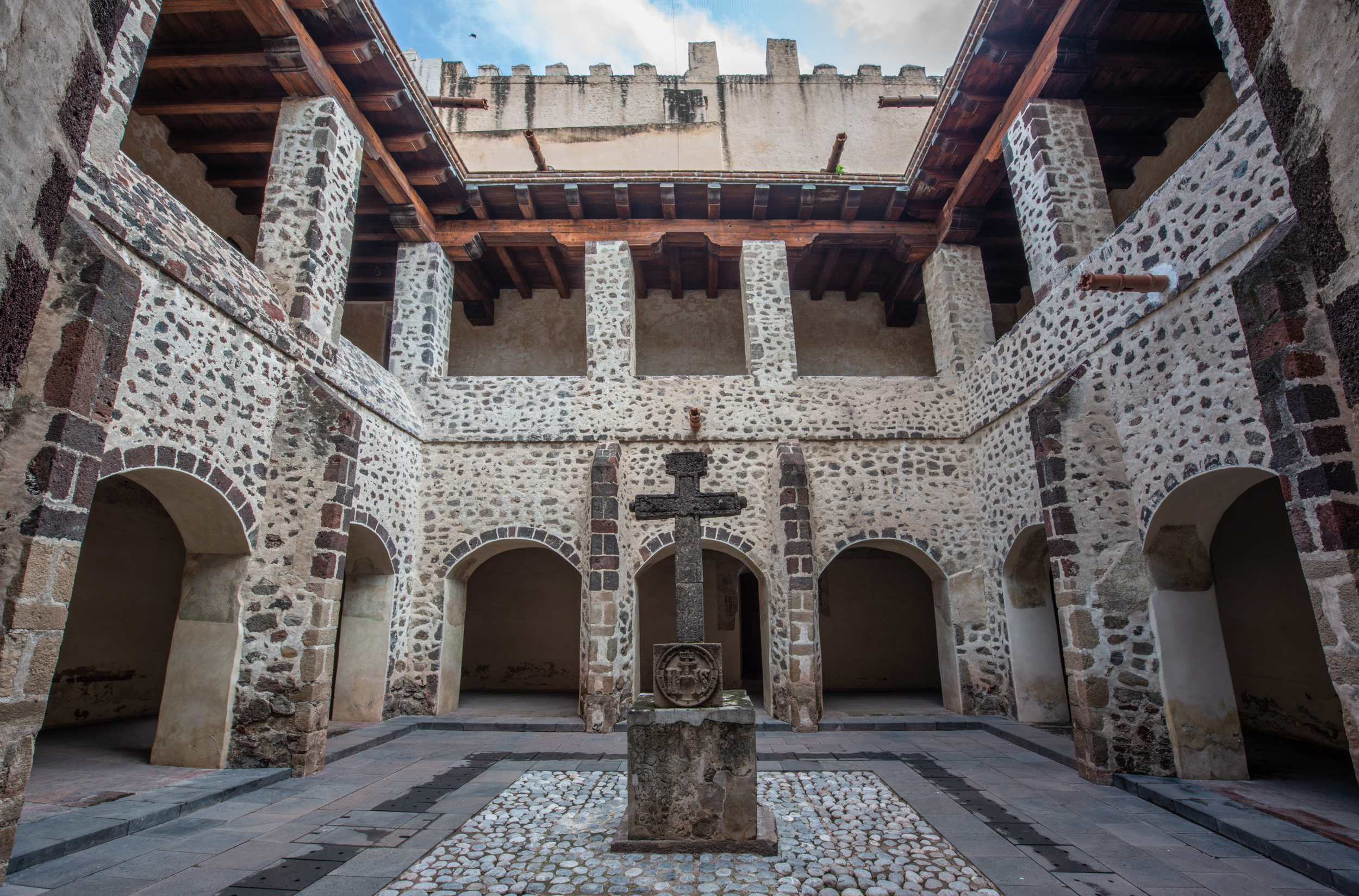
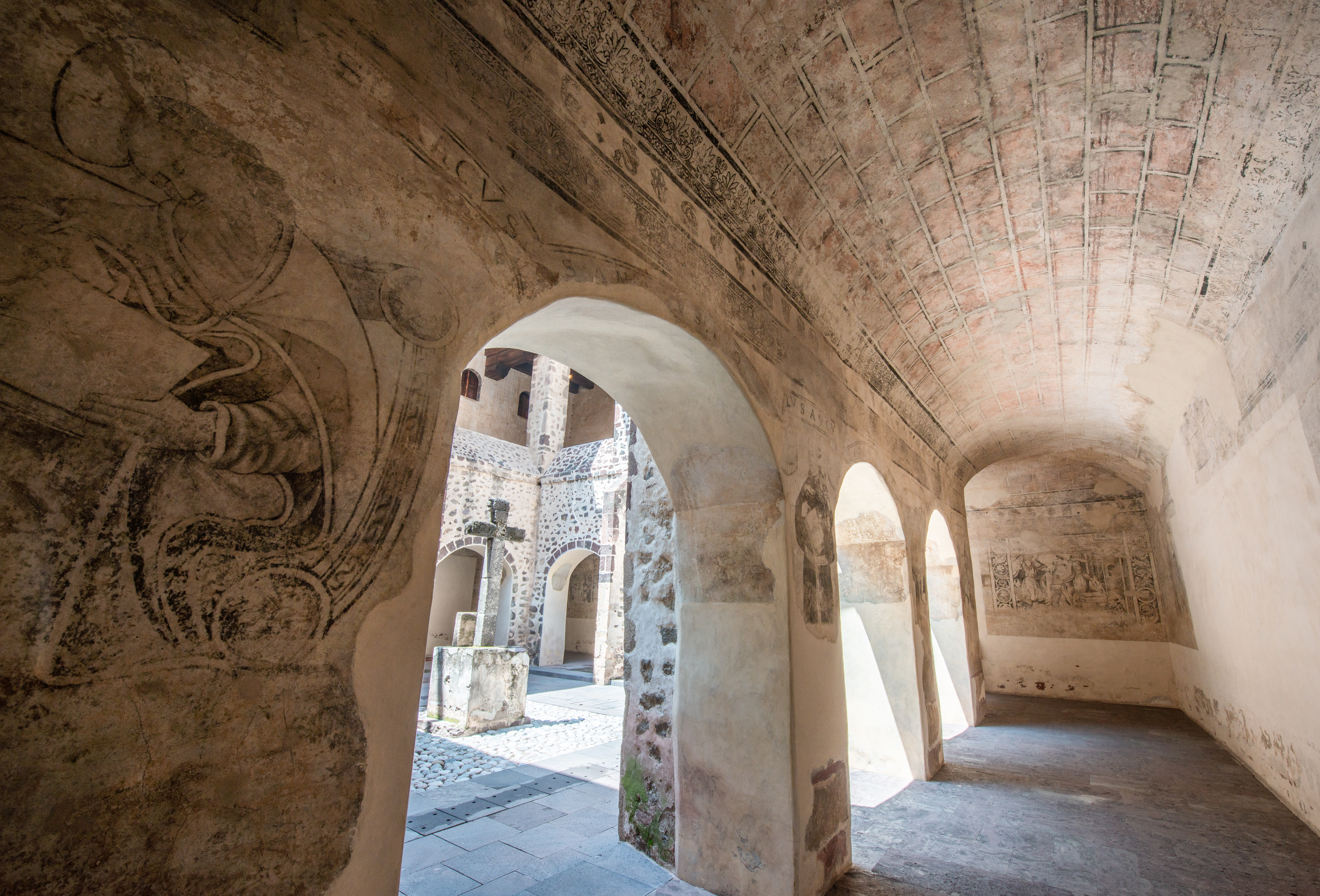
This museum—housed in a large Augustinian construction built near Teotihuacan in a Plateresque and Gothic style, dating back to 1539—has an invaluable set of very early murals and impressive cloisters. The collection includes pre-Hispanic objects, as well as religious paintings and sculptures from the viceregal period.
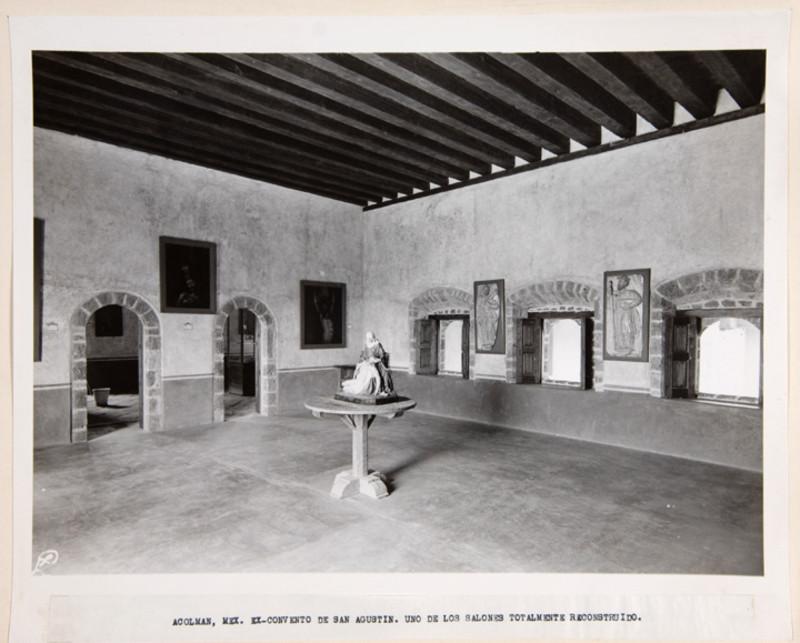
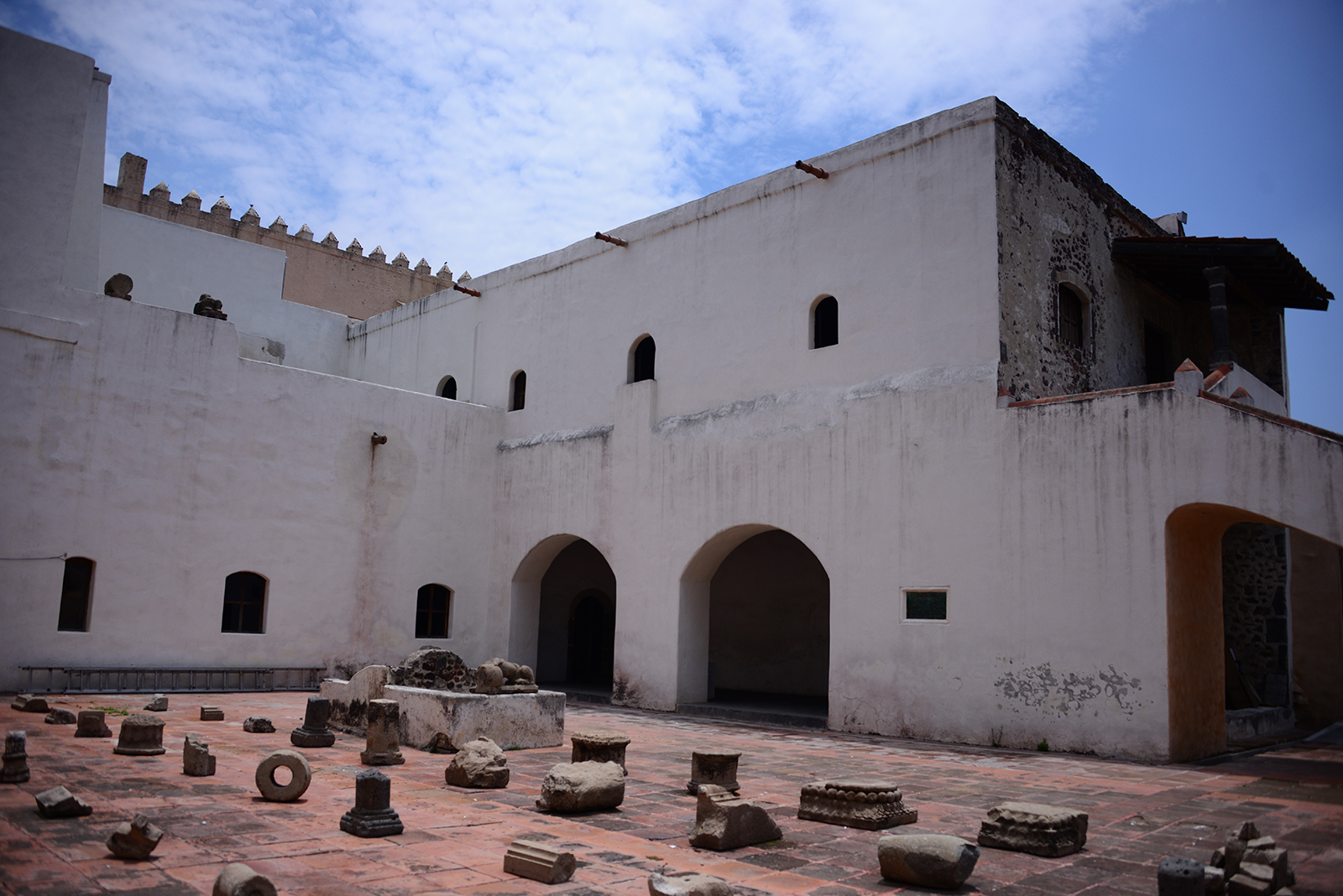
This former Augustinian monastery, where construction began in 1539, is notable for its facade in the finest Plateresque style, as well as for its murals, the earliest to have been painted in Latin America. After painstaking conservation work, the complex was converted into a museum in 1921. Until 1992 it contained sculptures and paintings related to Catholicism, books from the church’s collection, pre-Hispanic objects and architectural features rescued after the building had suffered serious flooding, as well as works taken from other monasteries. In 1992, an exhibition was held on historical and significant works of art in selected areas of the former monastery: in the kitchens, the room adjoining the refectory, and the refectory itself. In 2000, a monk’s cell was included as part of the exhibition design, together with a gallery of notable Augustinians, and 2012 saw the completion of one of the phases of restoration along with a new exhibition brief.
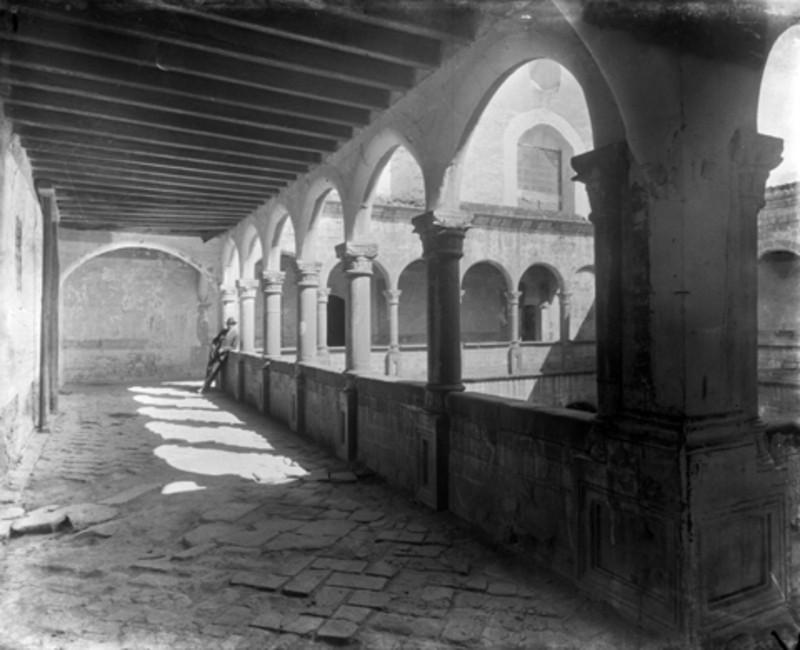
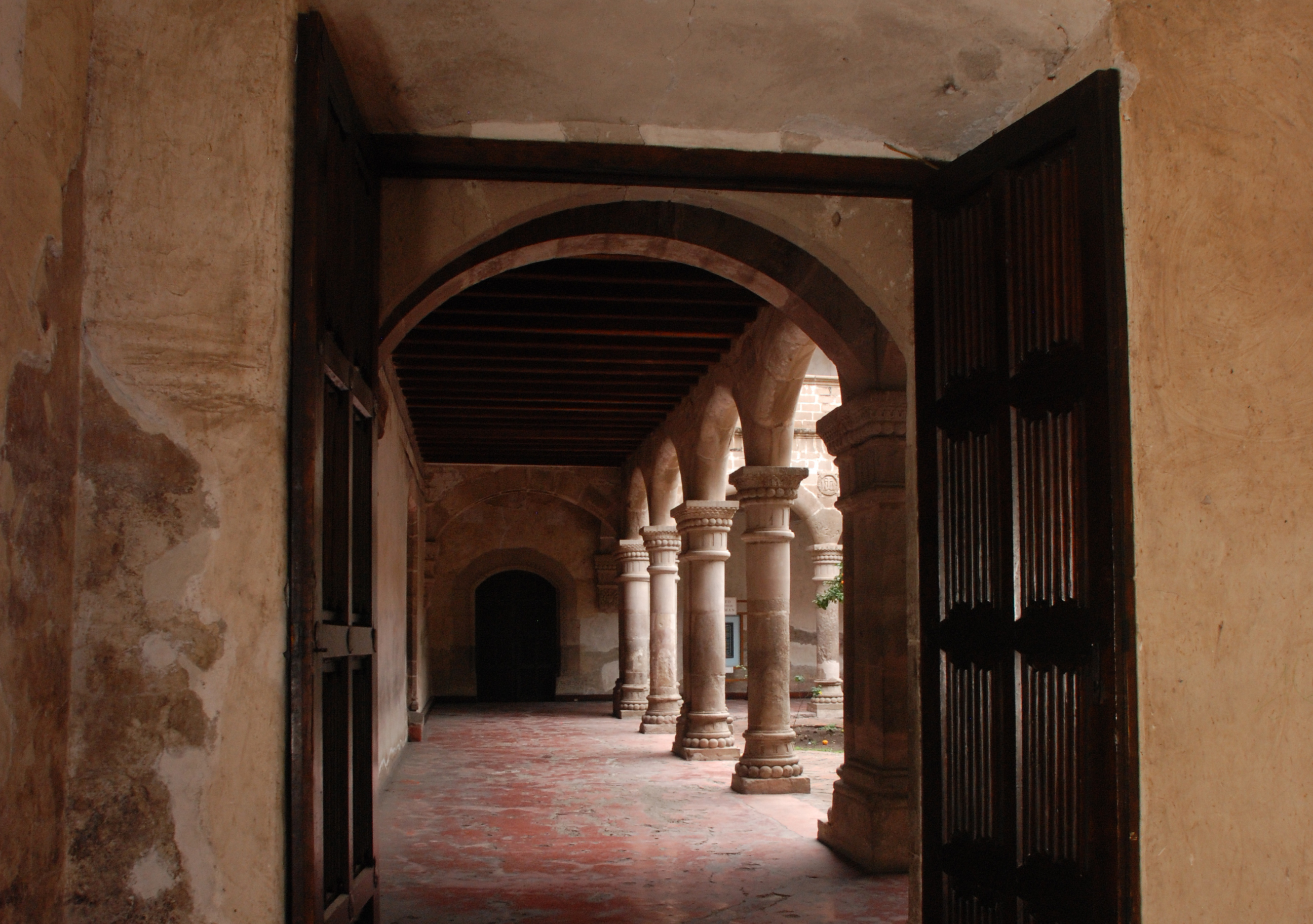
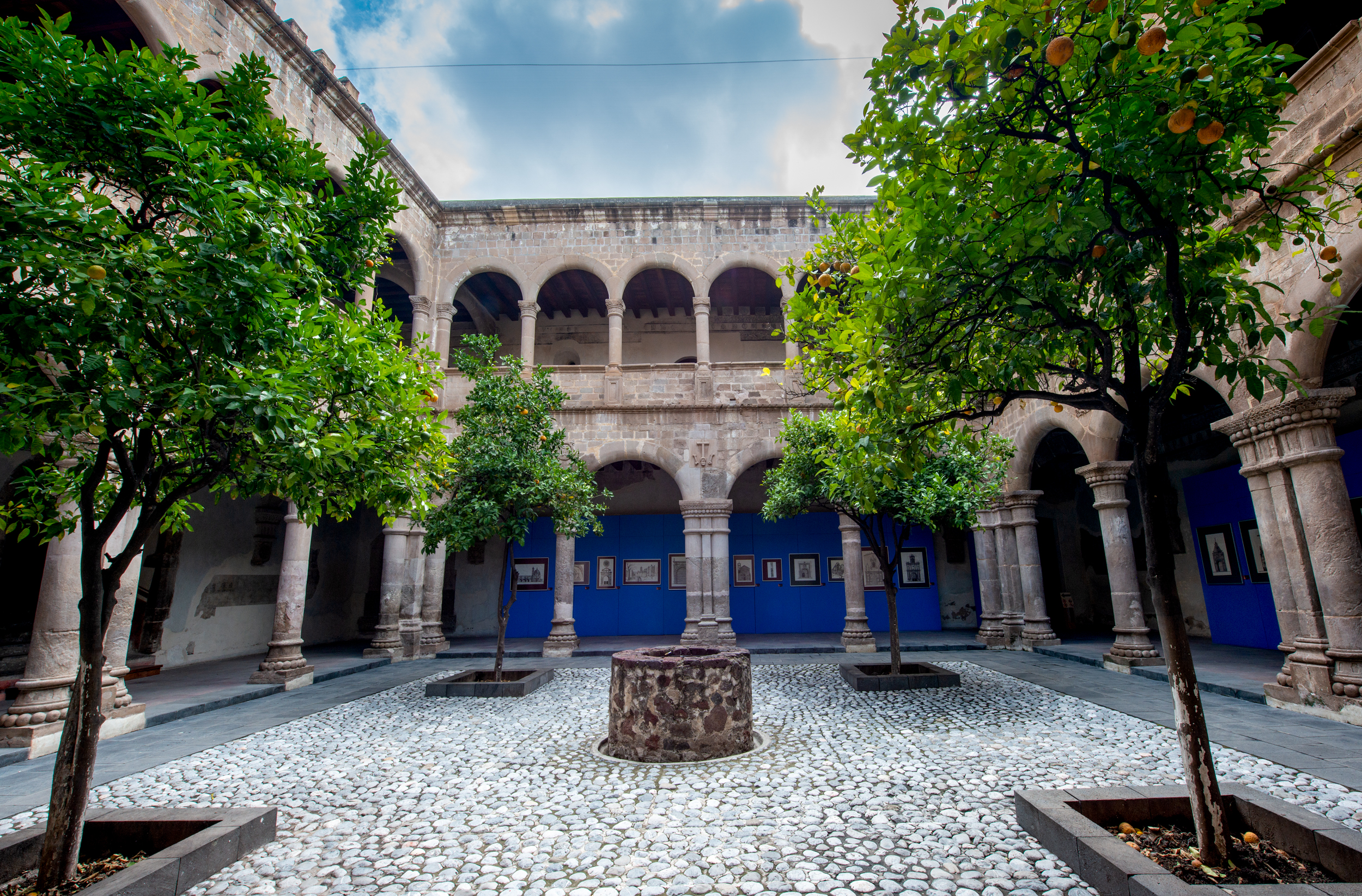
Collections are not yet on show, although visitors can still explore the beautiful building. The ground floor houses the pilgrims’ entrance, gatehouse, kitchen, refectory, room adjoining the refectory, the “De profundis” hall and the large and small cloisters; visitors to the top floor will find areas such as the monks’ cells, the west gallery, the large and small cloisters, the chapter house, the elevated open-air chapel and library.
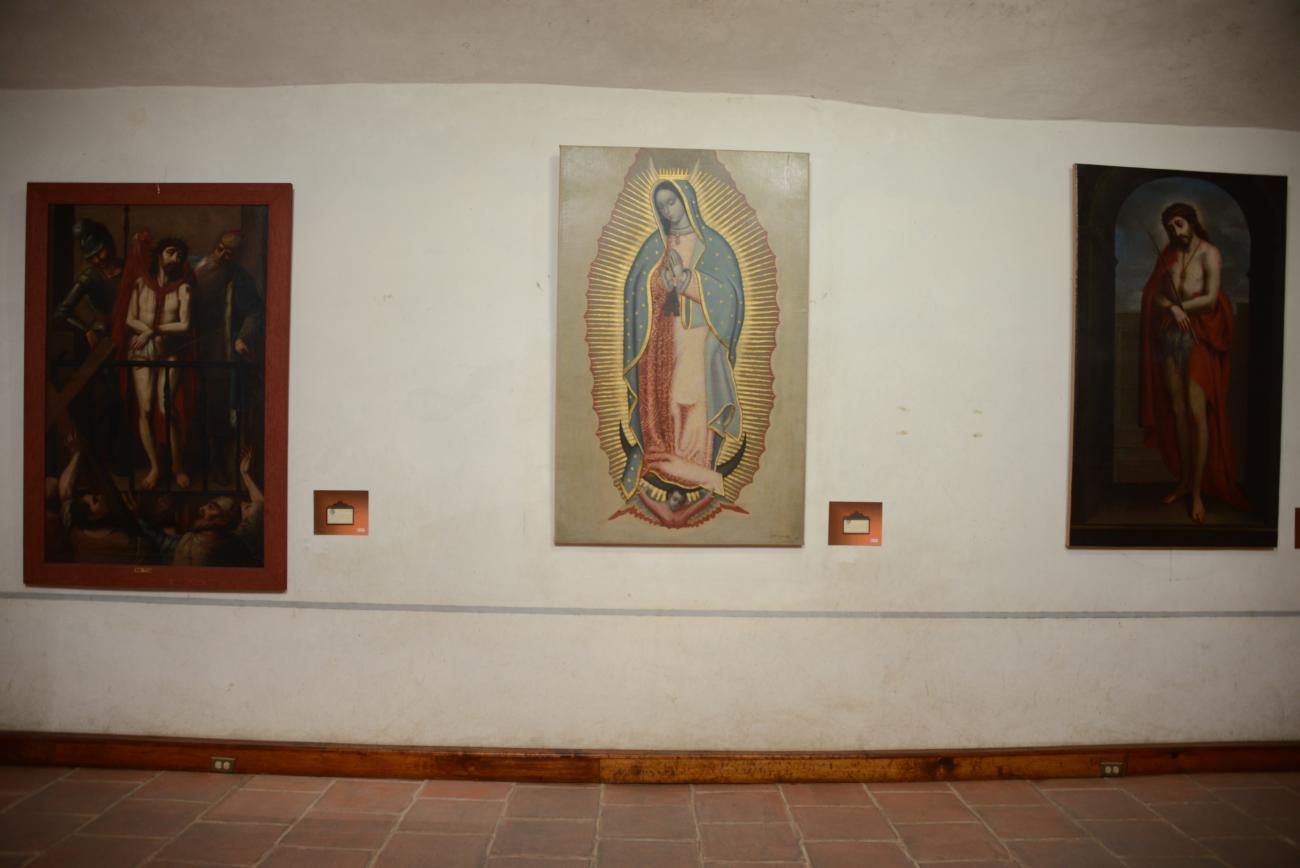
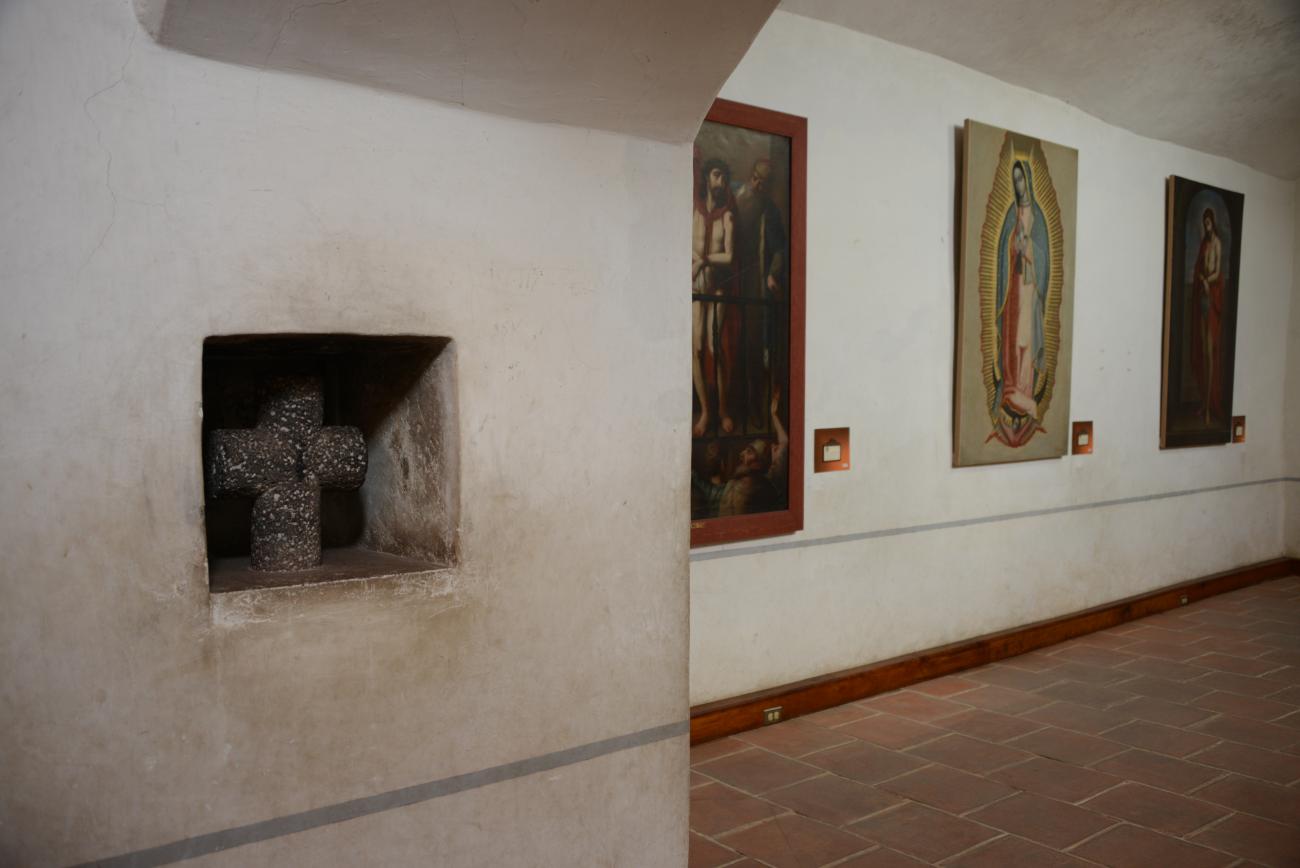
The church—open to worshippers—has an atrial cross carved in the Tequitqui style (a form of Christian art practiced by the indigenous people shortly after the Conquest). Some important figures—bishops, cardinals, friars, as well as Old Testament prophets and saints wearing Augustinian habits—are all represented at the apse, with its Gothic ribbing. Other outstanding features include a Solomonic Baroque, golden, wood-painted altarpiece, depictions of scenes related to the birth of Jesus, an eighteenth-century virgin, scenes from the Passion of Christ, and some remarkable frescos and friezes illustrating psalms and words of Augustinian philosophy.
The former Augustinian monastery has had a tumultuous history. Twice during the seventeenth century and once again in the eighteenth, three storms caused the waters of Lago Texcoco and the Presa del Rey to overflow and flood the church, engulfing the ground floor in water and mud. Following the loss of their religious works and archives, the religious order abandoned the property. However, the secular clergy reoccupied it in the mid-nineteenth century, despite it still lying under a layer of mud.
Mexico’s national heritage monument department (Inspección General de Monumentos Artísticos e Históricos) decided to rescue the building in 1920, and by 1921 it was already being used as a museum. The top floor, having escaped the ravages of the flooding, was in a suitable condition for displaying sculptures.
In the mid-twentieth century, restoration work on the former monastery was completed after the dredging work was finished and some parts of the ruins restored.
Permanent Exhibition
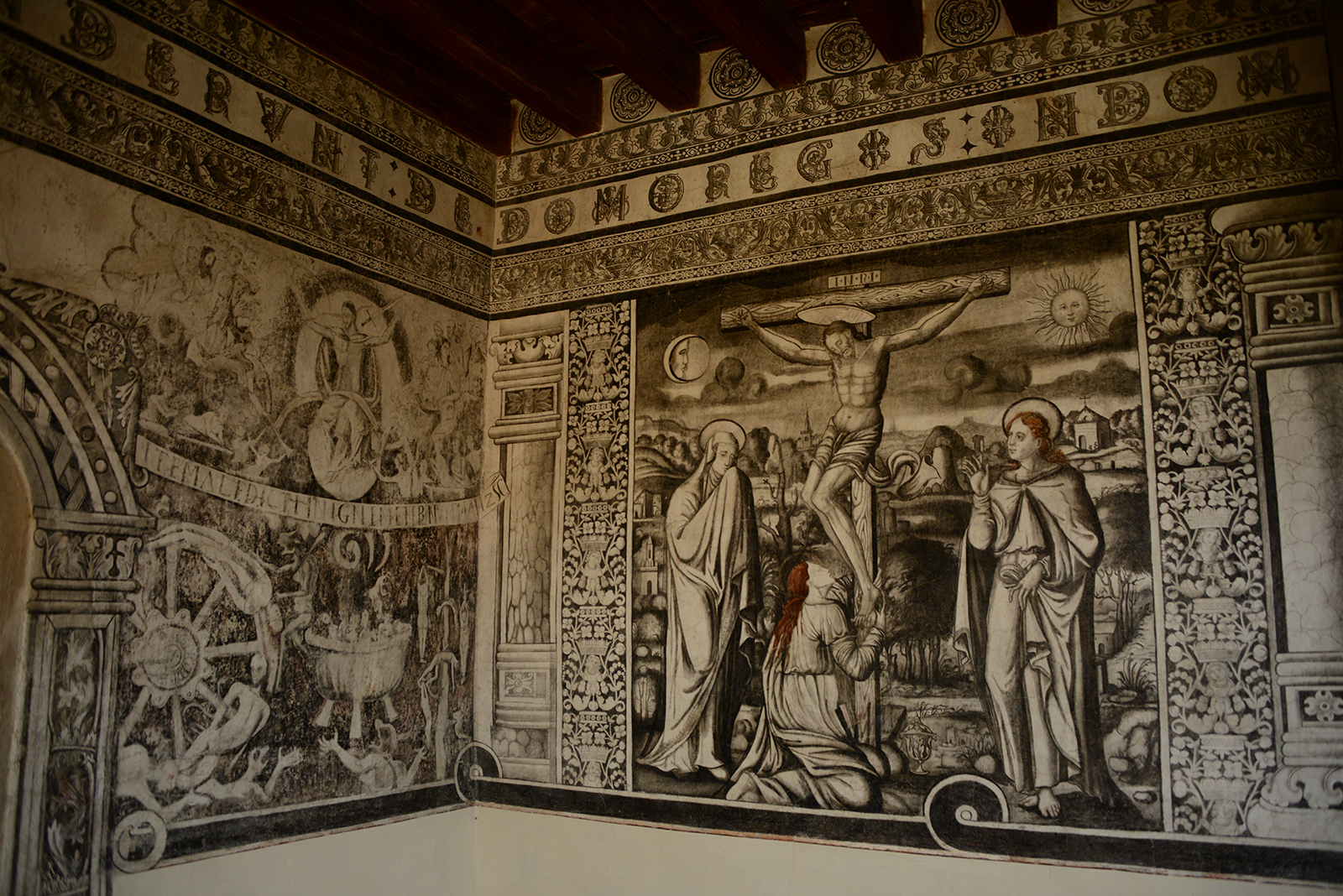
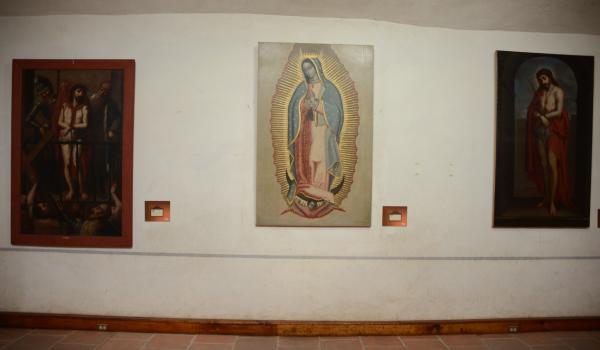
In the anterefectory, the refectory, the chapter rooms, and other museum spaces, visitors can explore recreated settings that evoke life during the colonial period. In the main cloister, the open chapel—or "capilla de indios"—and the refectory, 16th-century mural paintings can be admired, including…
Permanent Exhibition
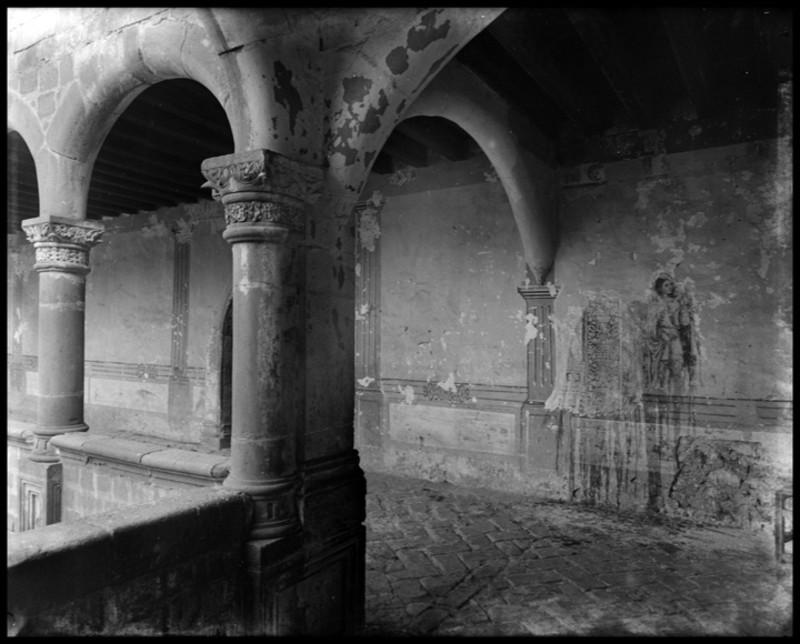
In the anterefectory, the refectory, the chapter rooms, and other museum spaces, visitors can explore recreated settings that evoke life during the colonial period. In the main cloister, the open chapel—or "capilla de indios"—and the refectory, 16th-century mural paintings can be admired, including The Last Judgment and Saint Catherine of Alexandria, created in 1560 by an unknown artist.
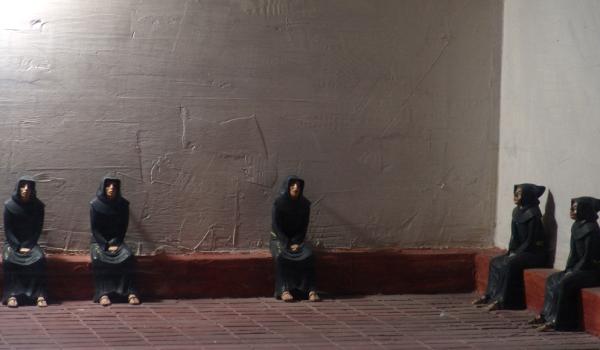
Chapter Room
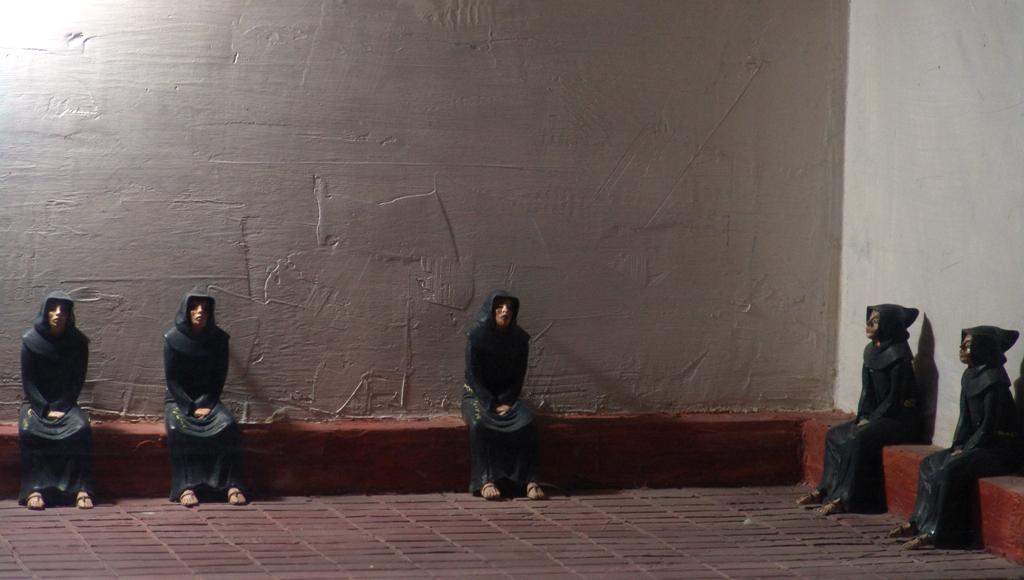
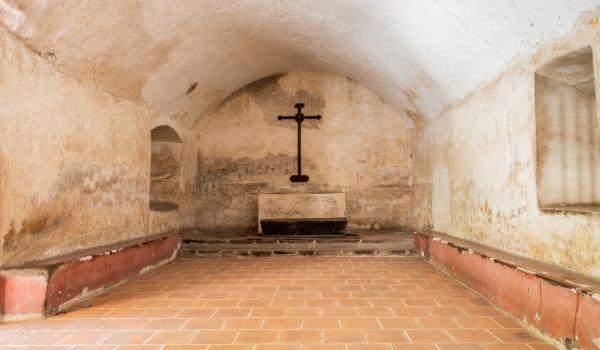
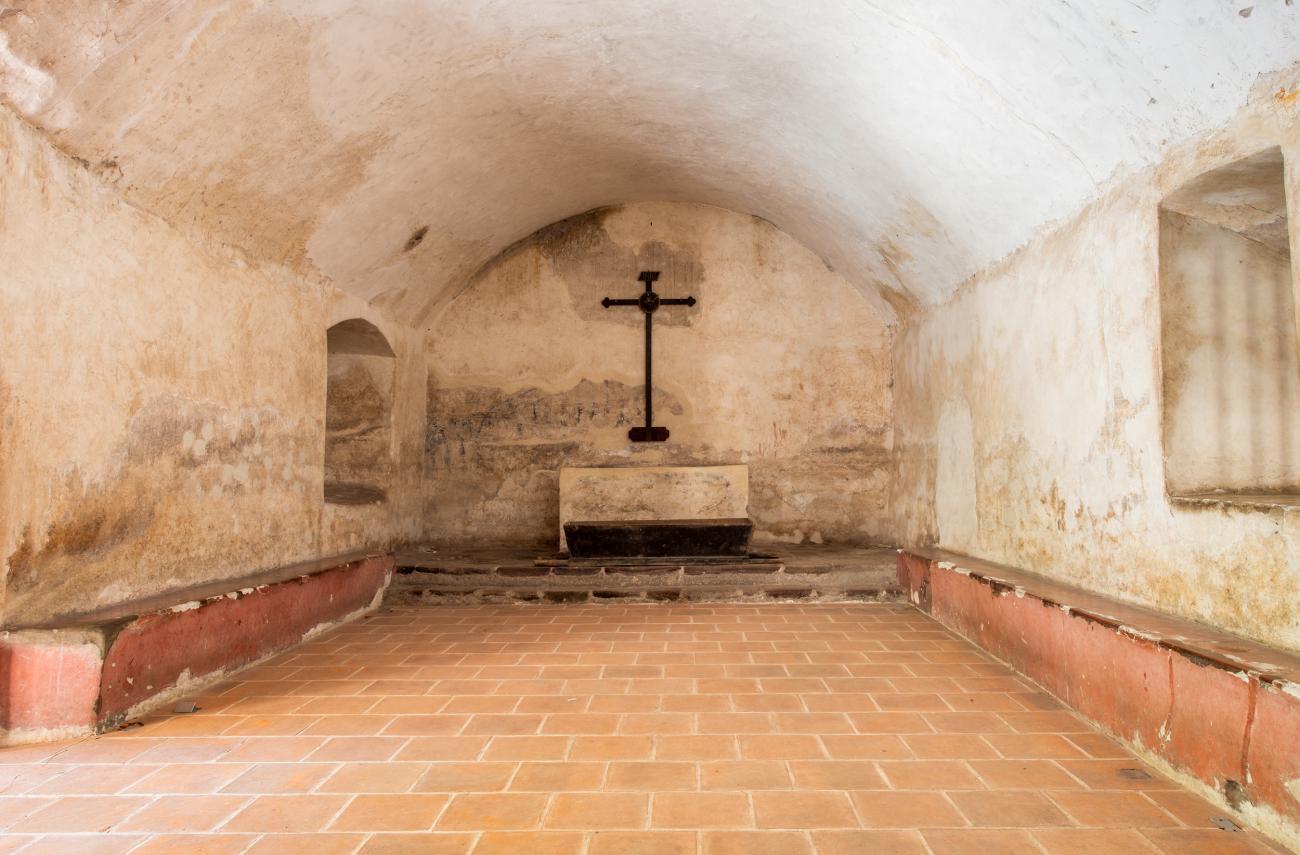
These were spaces where the friars would gather to periodically elect their superior and discuss matters of shared spiritual and evangelizing concern.
Temple
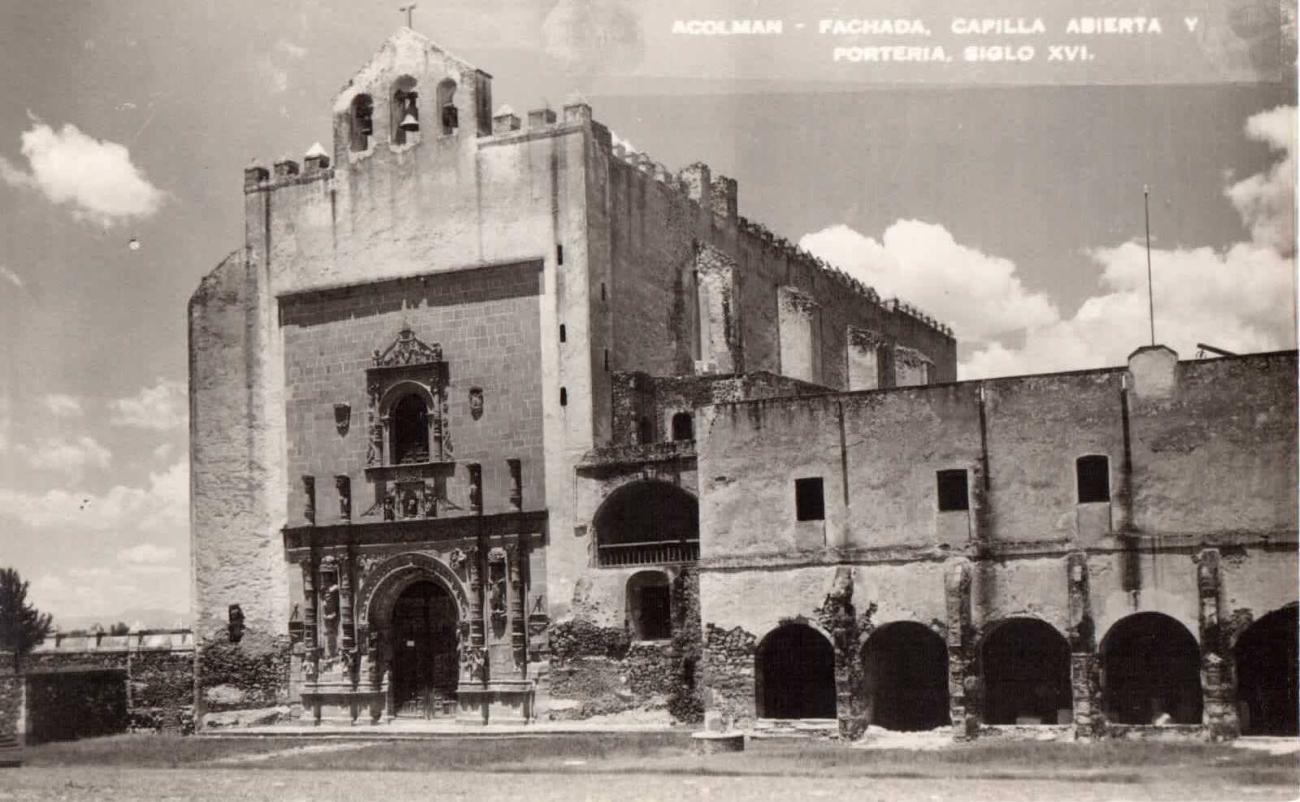
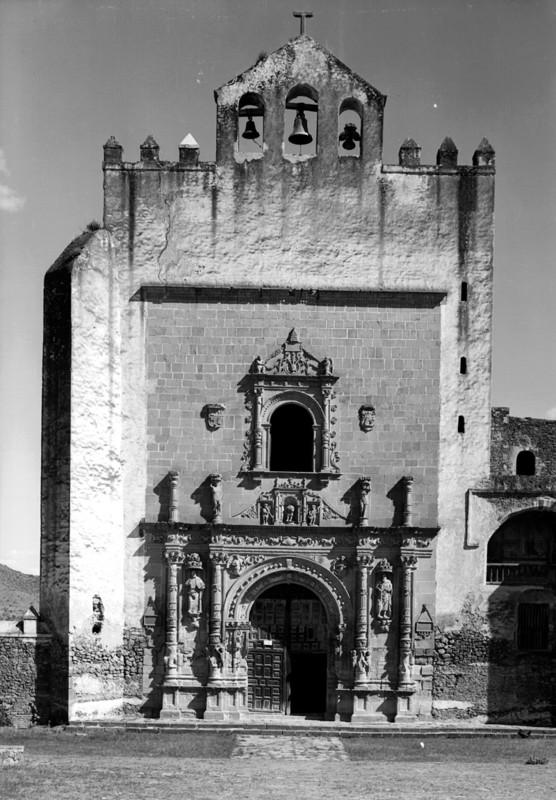
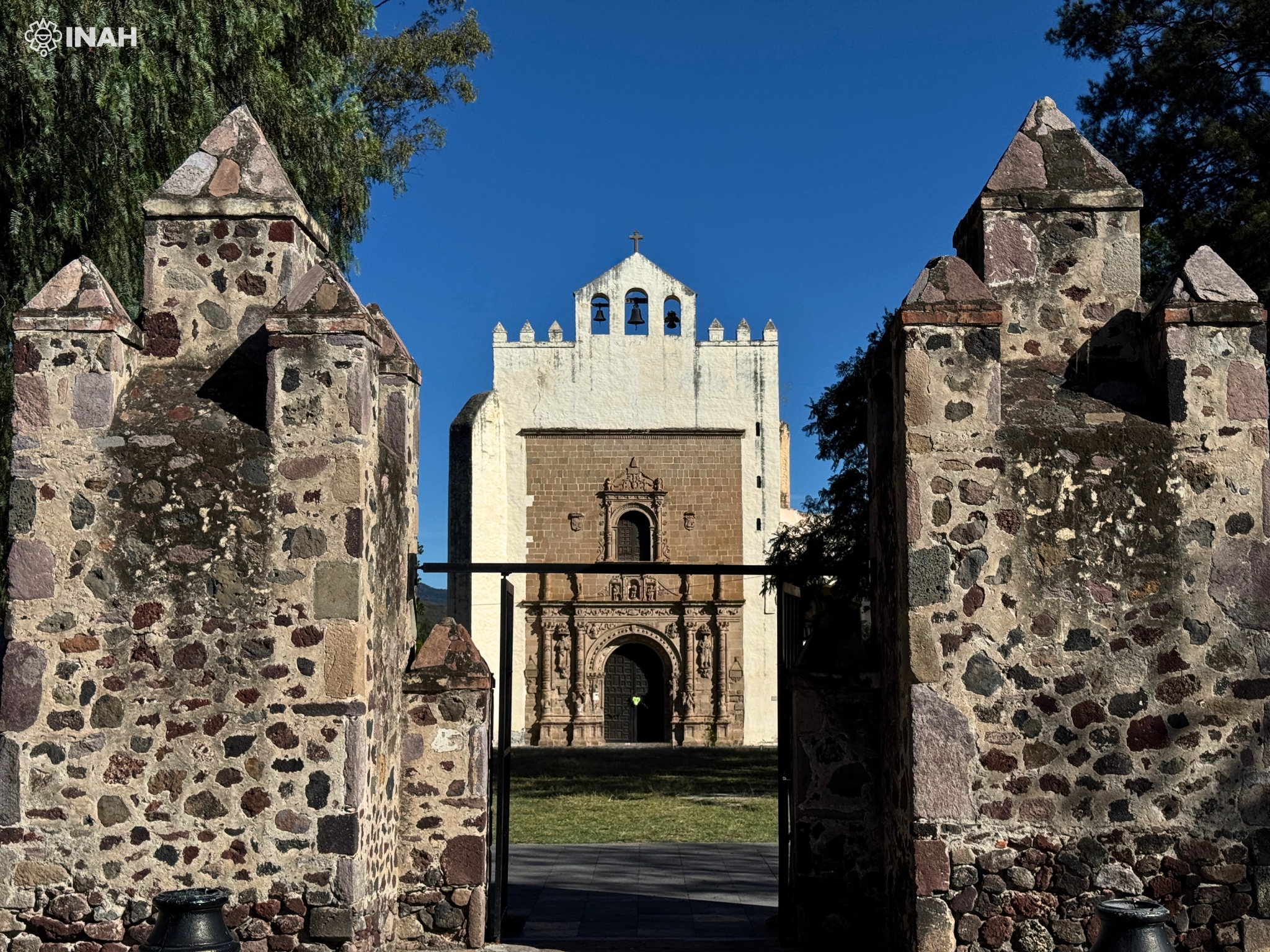
The temple’s façade is crowned by a large bell gable (espadaña) that holds three ancient bells. Below it, a grand Plateresque-style entrance features a semicircular arch with a double archivolt, flanked by two pairs of fluted columns at the top, and angels with garlands at the base.Between the…
Temple
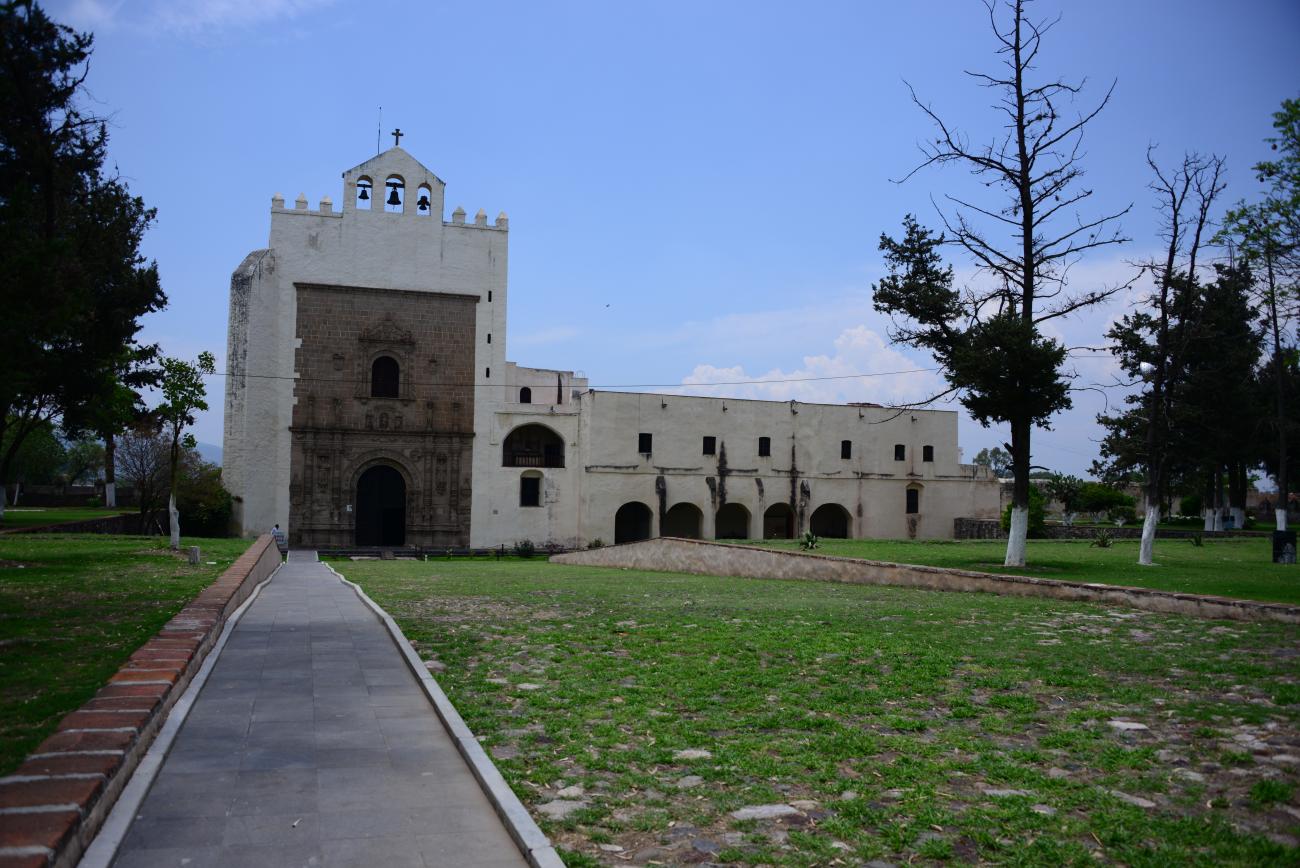
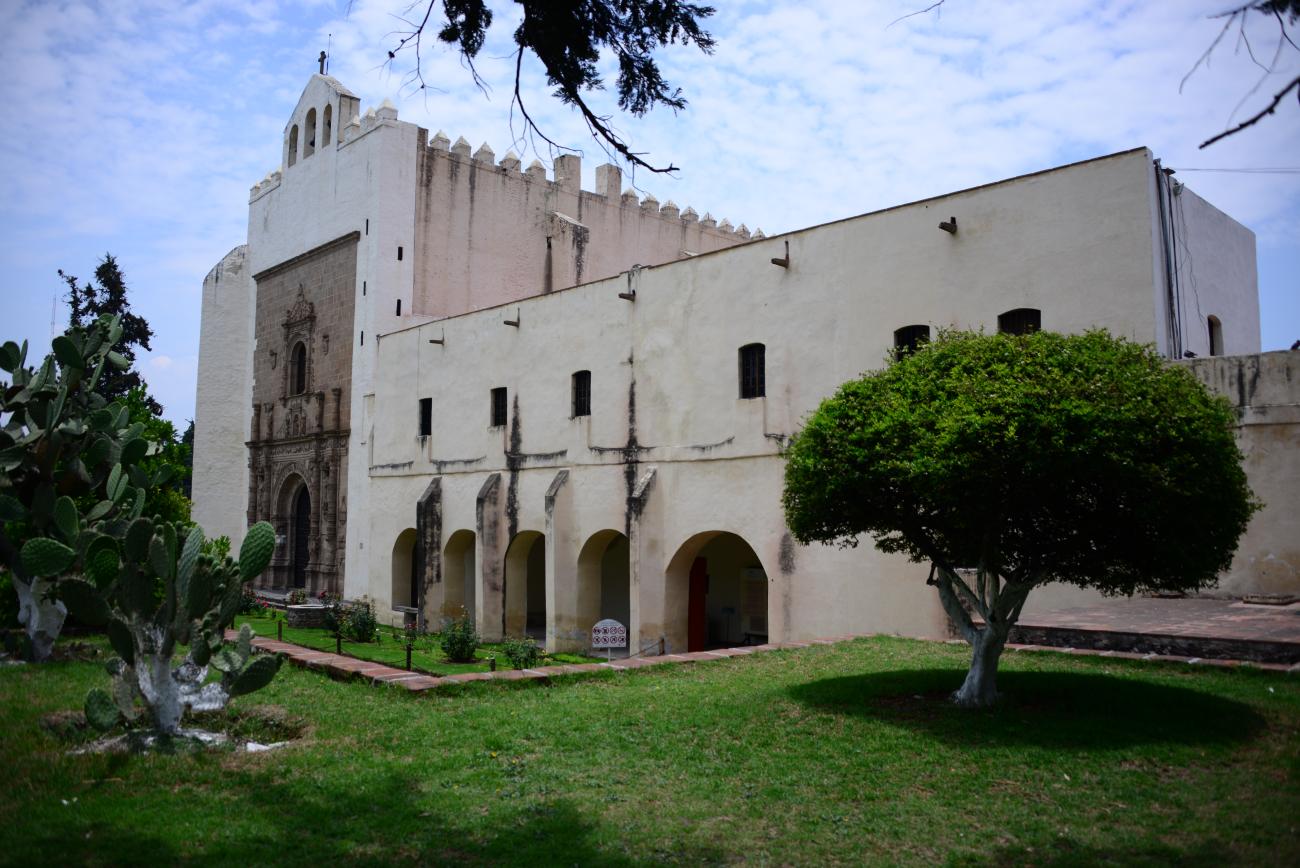
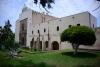
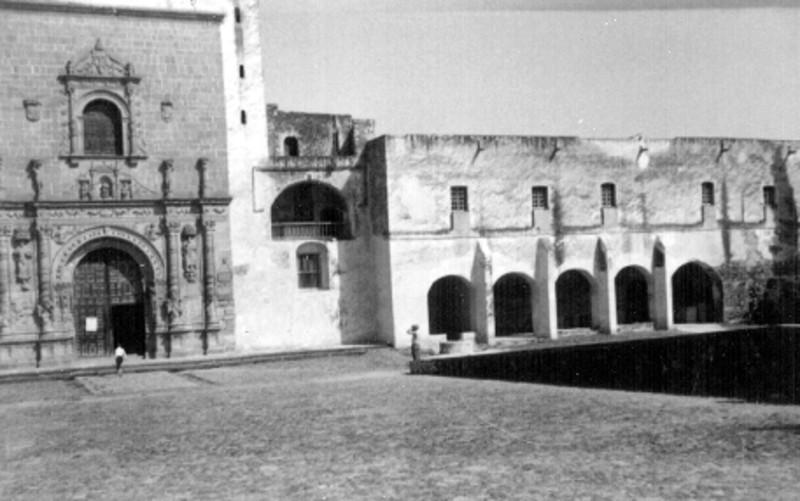
The temple’s façade is crowned by a large bell gable (espadaña) that holds three ancient bells. Below it, a grand Plateresque-style entrance features a semicircular arch with a double archivolt, flanked by two pairs of fluted columns at the top, and angels with garlands at the base.
Between the columns, statues of Saints Peter and Paul stand on either side. The frieze above is adorned with figures of tritons, lion heads, and angels. Topping the cornice, small sculpted rosettes (pericones) mark the ends of the columns, while at the center, men bearing baskets of fruit can be seen. On both sides, angels playing musical instruments complete the scene—an ornamental feature typical of Augustinian churches.

Document
Document
- JefeElena González Colínexconvento.acolman.inah@gmail.com+52 (594) 594 1040 140Gestión del Patrimonio CulturalSara Catalina Carrasco Tovarsara_carrasco@inah.gob.mx+52 (594) 9571 644Comunicación EducativaManuel Arturo Alonso Galiciamanuel_alonso@inah.gob.mx+52 (594) 9571 644Comunicación EducativaGuillermo Mena Mendezguillermo_mena@inah.gob.mx+52 (594) 9571 644Comunicación EducativaGabriel Valencia Valenciagabriel_valencia@inah.gob.mx+52 (594) 9571 644MuseografíaJosé de Jesús Nicolásexconvento.acolman.inah@gmail.com+52 (594) 9571 644


Mesoamérica
2026

Altar de Dolores
2024