






Las Flores
Archeological site
Las Flores
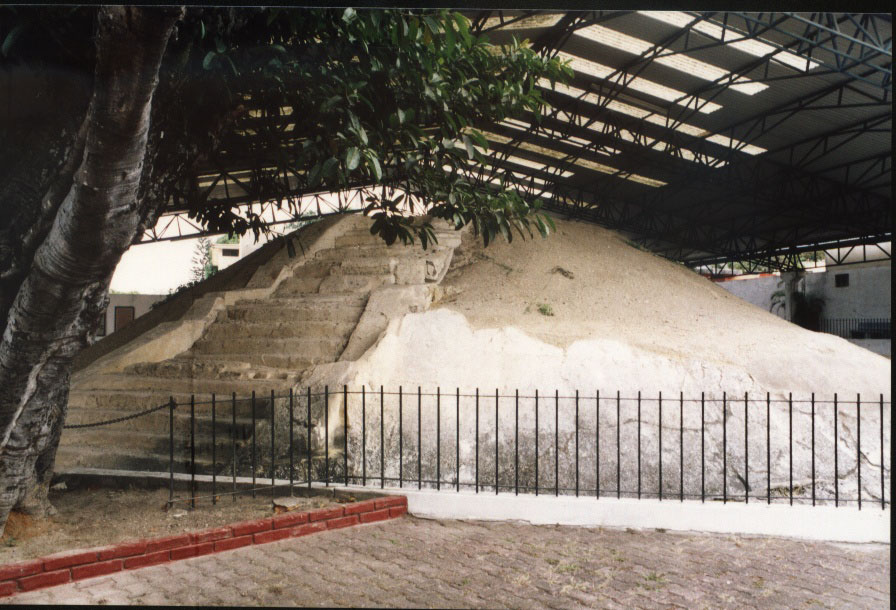
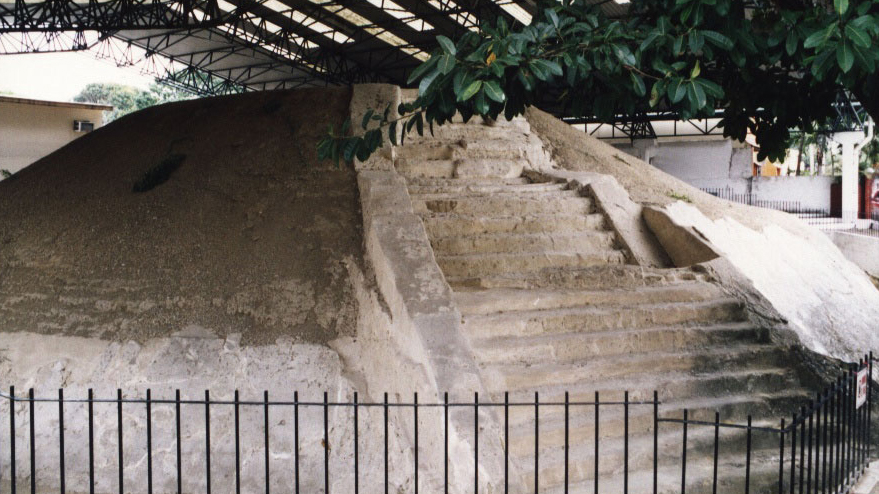
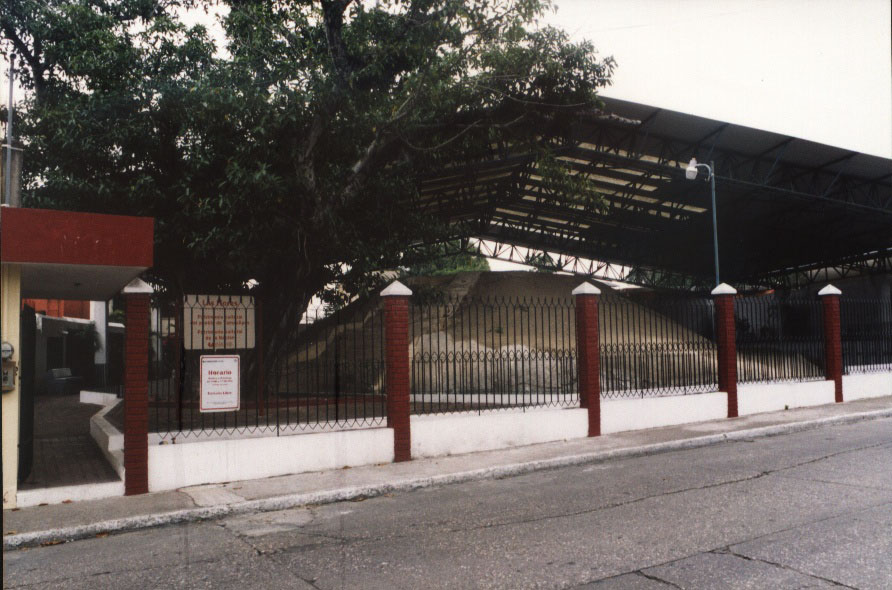
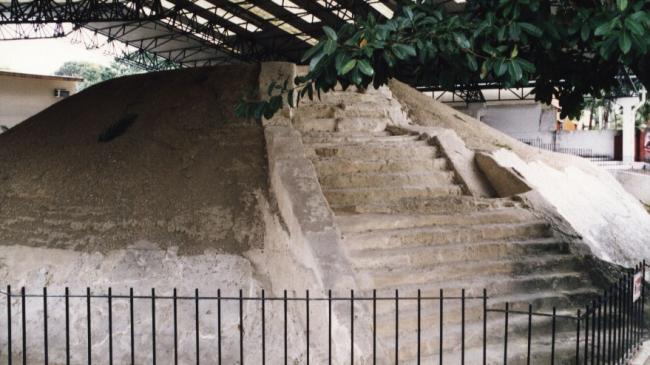
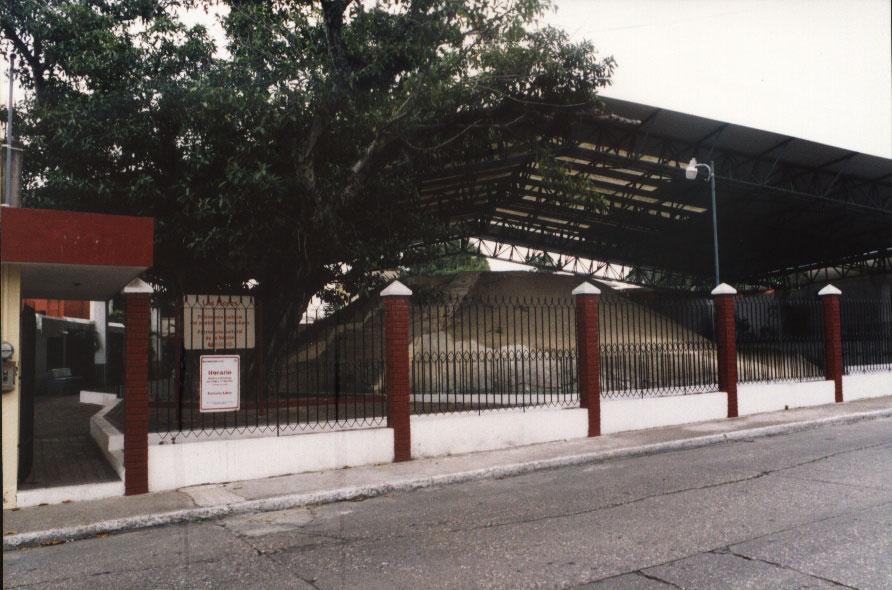
This ancient Huasteca city (1000 – 1250 AD) is situated in the urban area of Tampico, whose growth has destroyed most of the site. However, there still remains the remarkable Pyramid of the Flowers, the study of which has thrown light on this culture.
More than 20 buildings made up this Huastec site on top of raised land to the eastern side of Lake El Chairel. Topographical surveys were carried out in the 1920s by a few people interested in the region’s archeology. Thanks to these, we know that the buildings of Las Flores surrounded a plaza, a space used for the community’s civic, religious and administrative activities, with more buildings heading westwards towards Lake El Chairel. With the passing of time and as the city of Tampico grew, only one ancient temple was left standing, known as Mound A.
Las Flores is a very important site in the Huastec region, embracing the complex of lakes formed between the rivers Pánuco and Tamesí. Its strategic location high on a hill enabled it to dominate other local settlements, which points to the conclusion that it exercised political and religious control. On the other hand Las Flores shows traces of the coexistence of two groups, one clearly related to Huastec culture, as can be seen from archeological finds associated with the goddess Teem, while the other culture displays a foreign style.

Montículo A
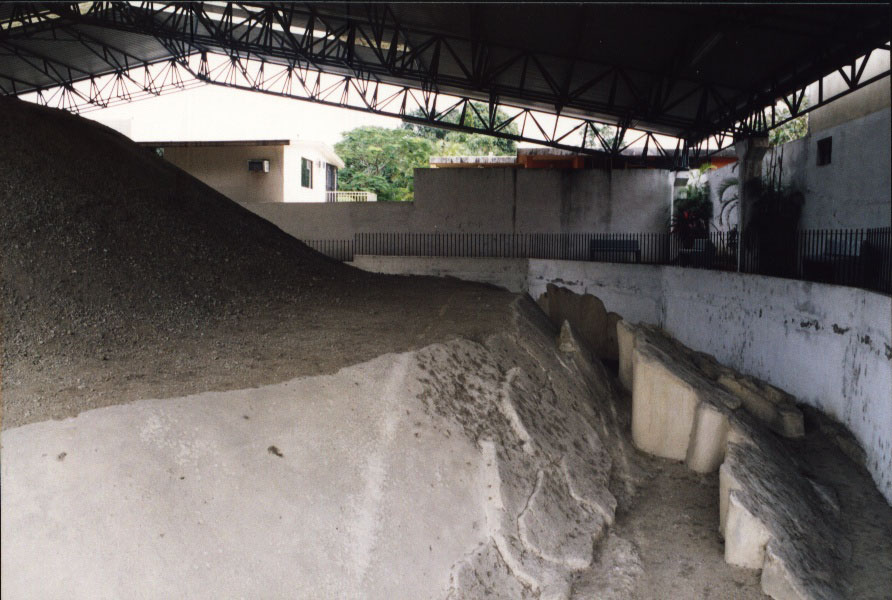
It measures 36 m in diameter at the base and 6 m in height. Inside there are remains of 26 floors and at least six construction phases over 300 years.Lime and shell flattened: This structure shows a construction style based on earth covered with lime flattened, after which a thick layer of crushed…
Montículo A
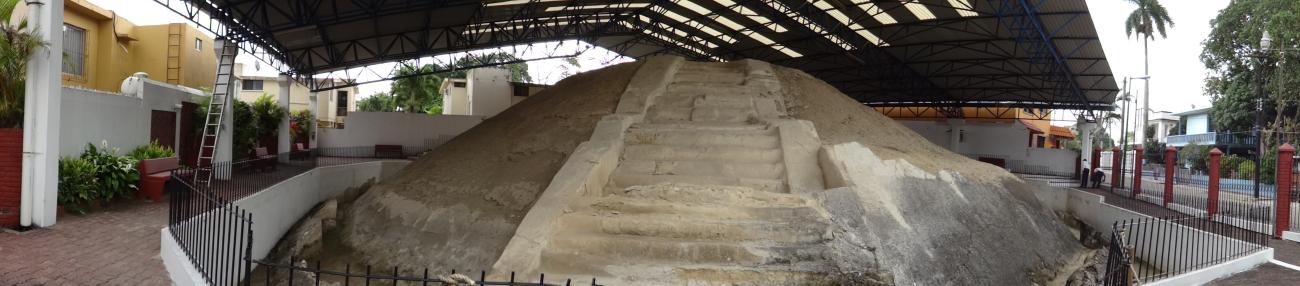
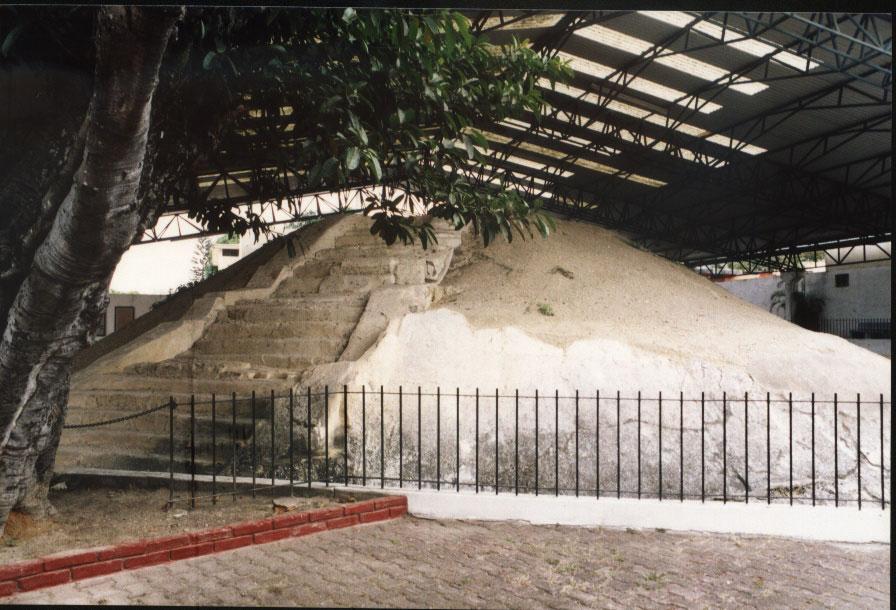
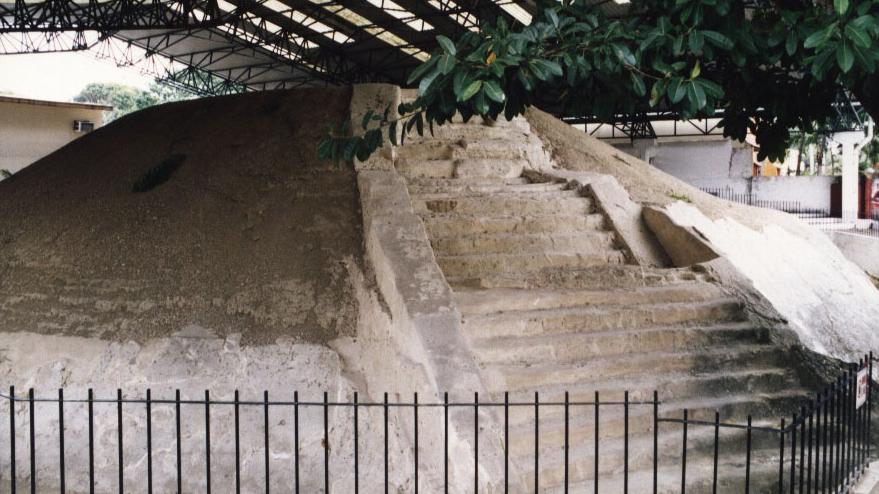
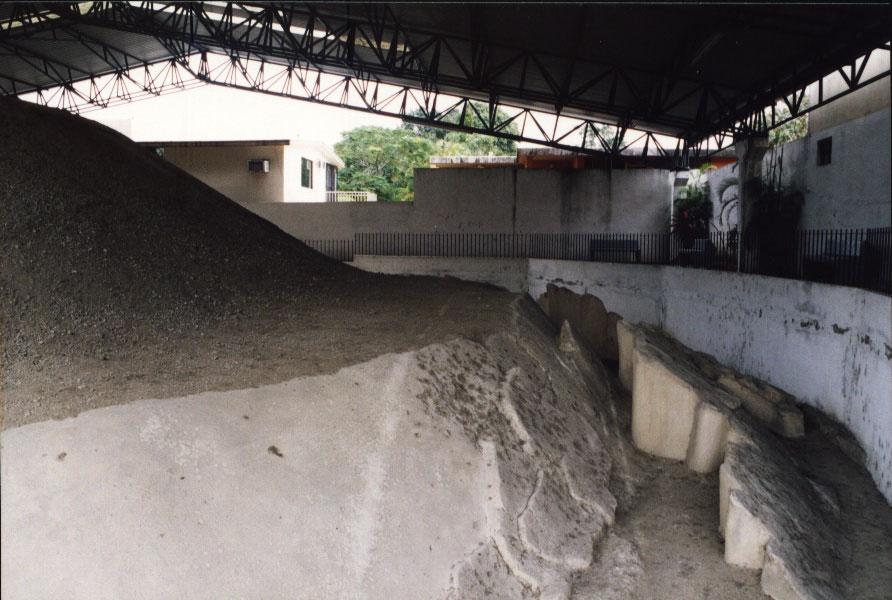
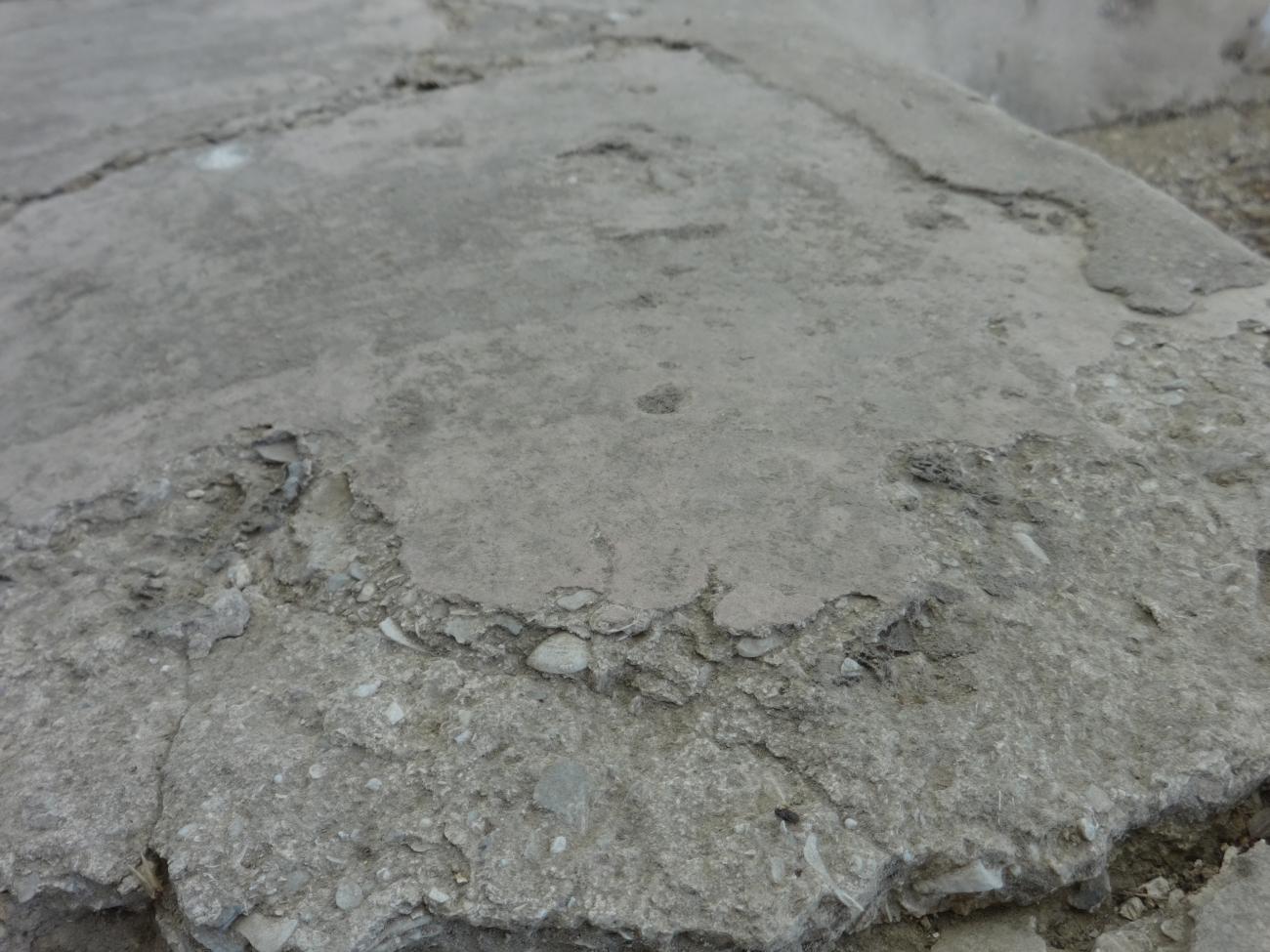



It measures 36 m in diameter at the base and 6 m in height. Inside there are remains of 26 floors and at least six construction phases over 300 years.
Lime and shell flattened: This structure shows a construction style based on earth covered with lime flattened, after which a thick layer of crushed shells in small fragments was placed. Lime in liquid form was poured over this layer, which was polished to obtain a smooth appearance. The polishing was not only decorative; it also served to seal the surface and prevent water from penetrating the earth cores.


Contact
- Dirección del Centro INAHTonantzin Bienbenida Silva Cárdenastonantzin_silva@inah.gob.mx+52 (834) 306 0160, ext.368000Administración del Centro INAHMaría Alicia Palomares Garcíaalicia_palomares@inah.gob.mx+52 (834) 306 0160, ext. 36800
