
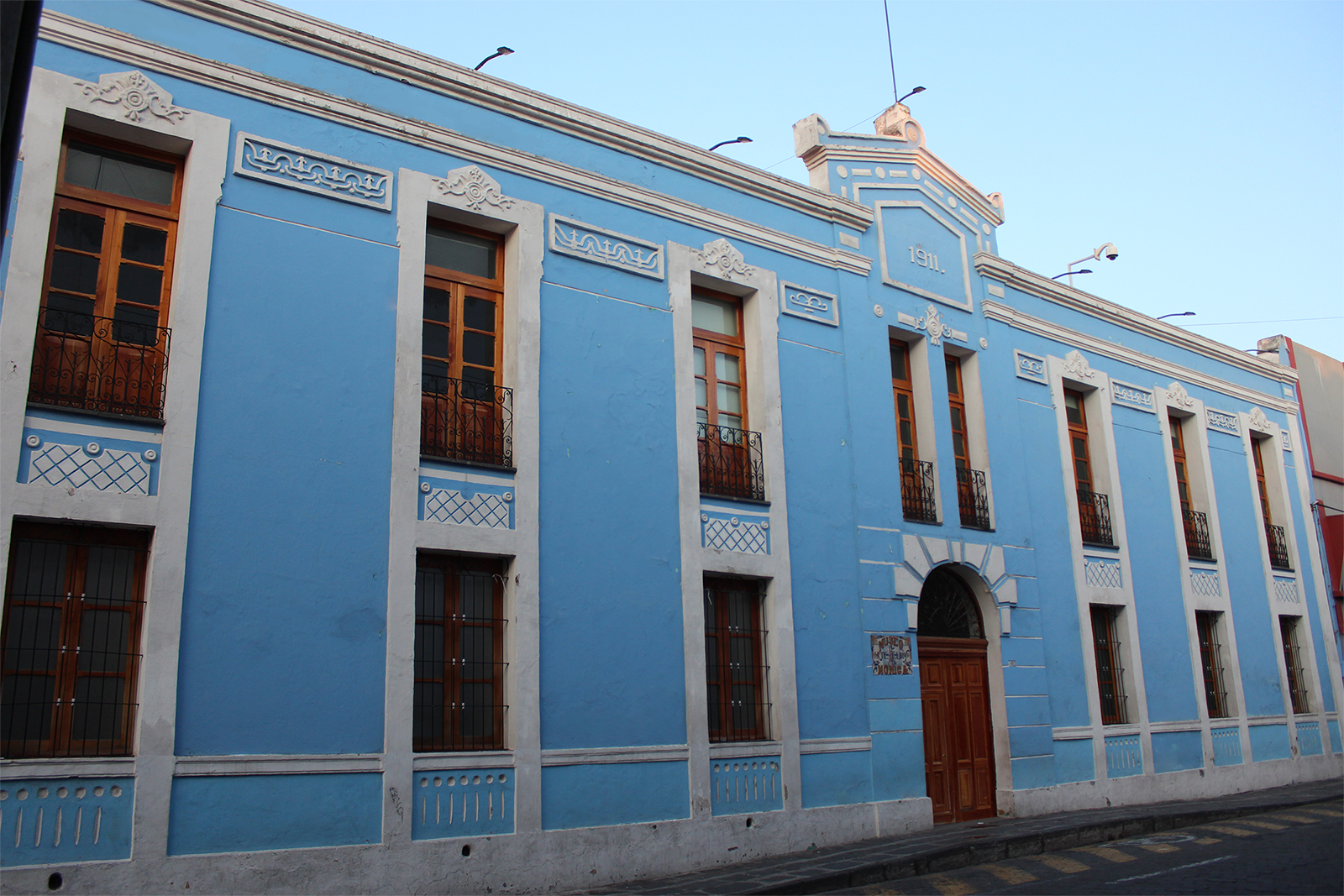











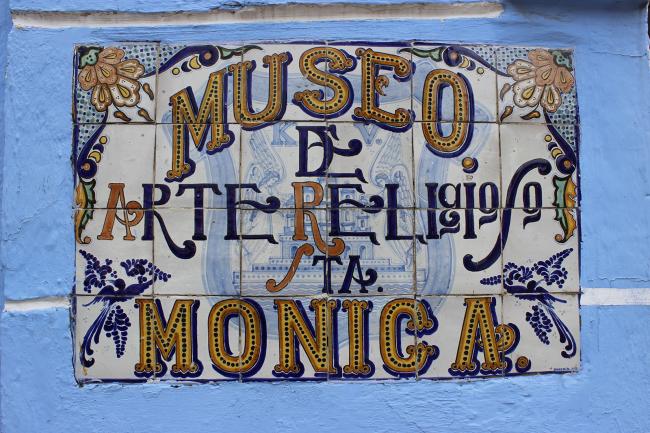


Museo de Arte Religioso Ex Convento de Santa Mónica

The first museum dedicated to female monastic life during the seventeenth to twentieth centuries. The objects in the collection reflect a variety of customs and roles. There is a fine collection of paintings by renowned artists.
After the definitive exclaustration of the Augustinian Recollect Nuns of the Convent of Santa Mónica of Puebla in accordance with the Reform Laws incorporated into the Constitutions of 1857 and 1917, the building was converted into the first Mexican Museum of Sacred Art dedicated to female religious life. It became part of INAH in 1940. It has a collection of sacred art from the sixteenth to the nineteenth centuries, consisting principally of four collections from former convents of the city of Puebla: Santa Mónica (Augustinian Recollects), Santa Catalina (Dominicans), San Joaquín y Santa Ana (Capuchins) and La Soledad (Carmelites).
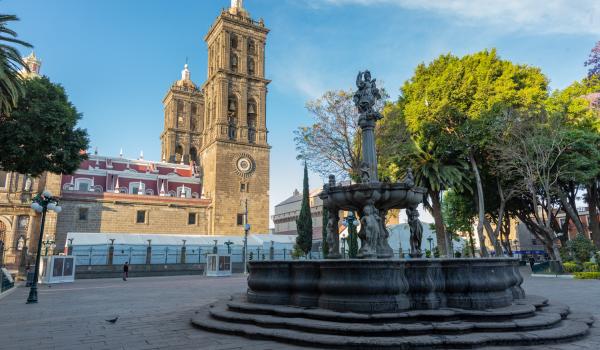
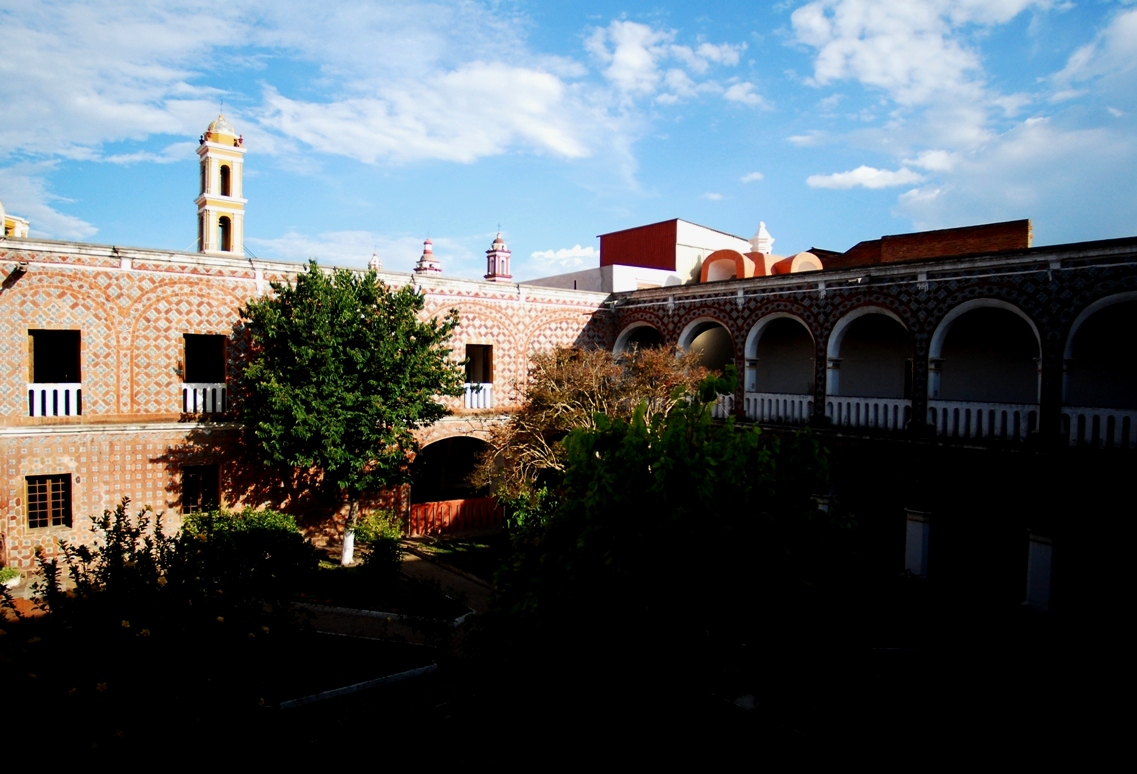
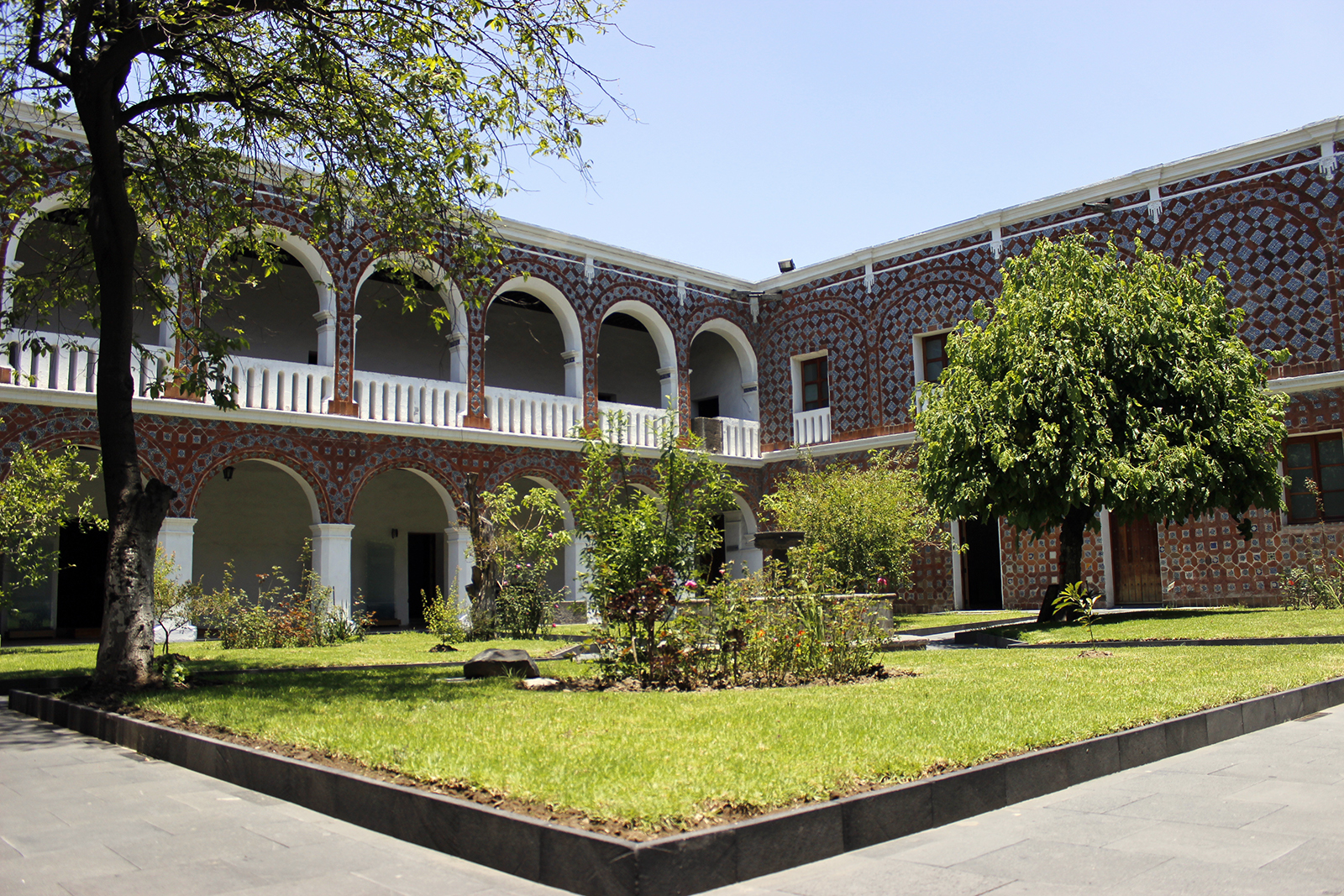
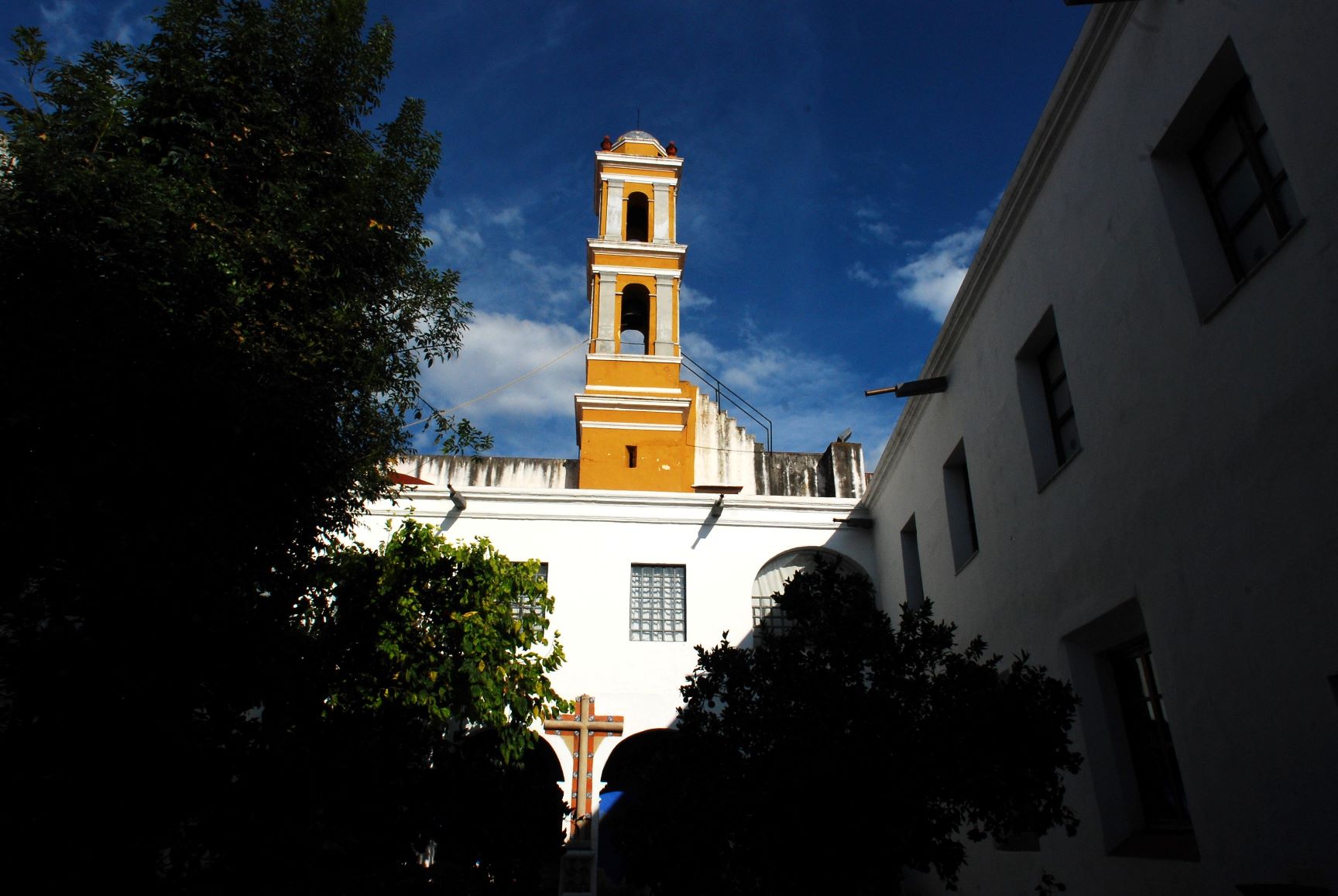
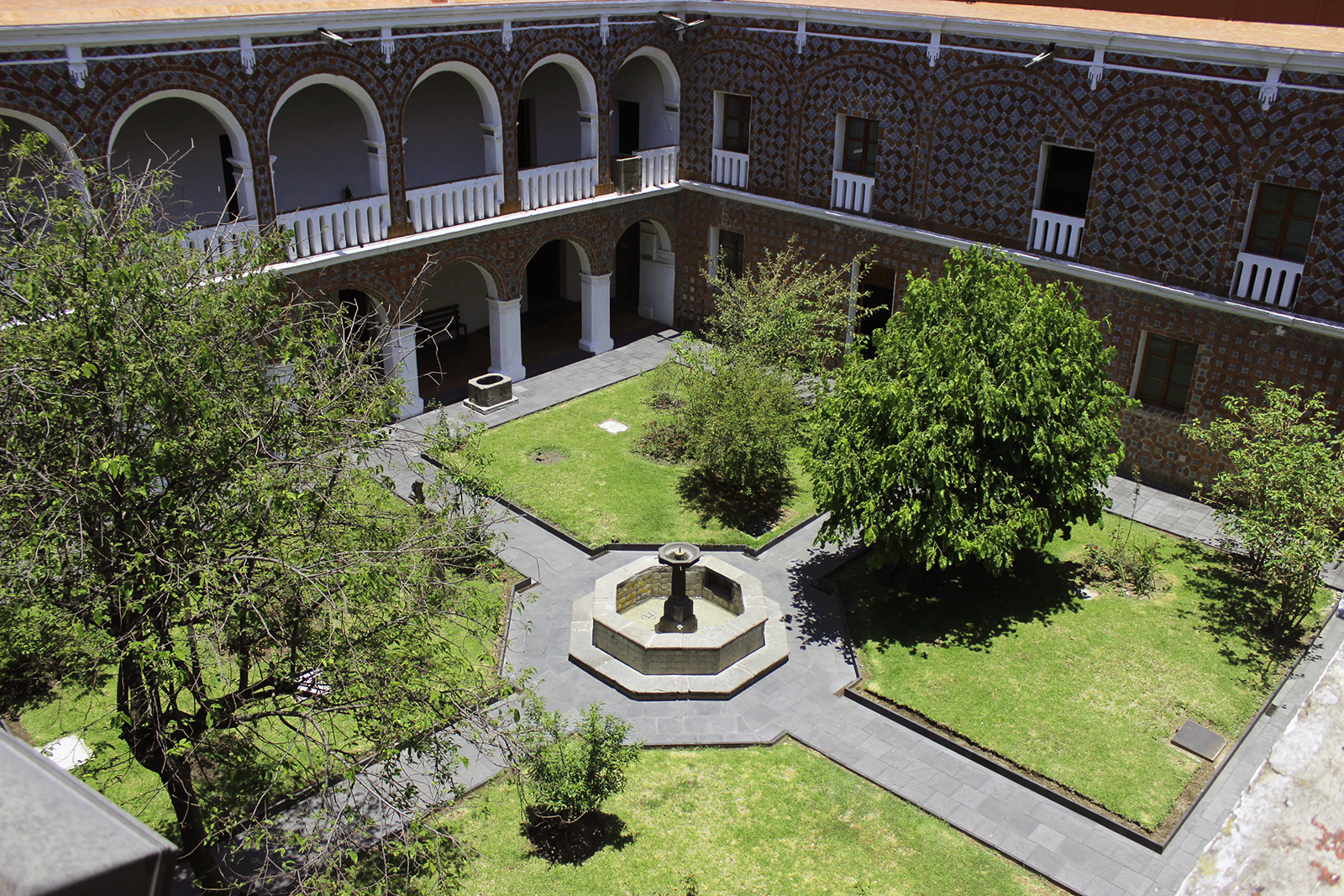
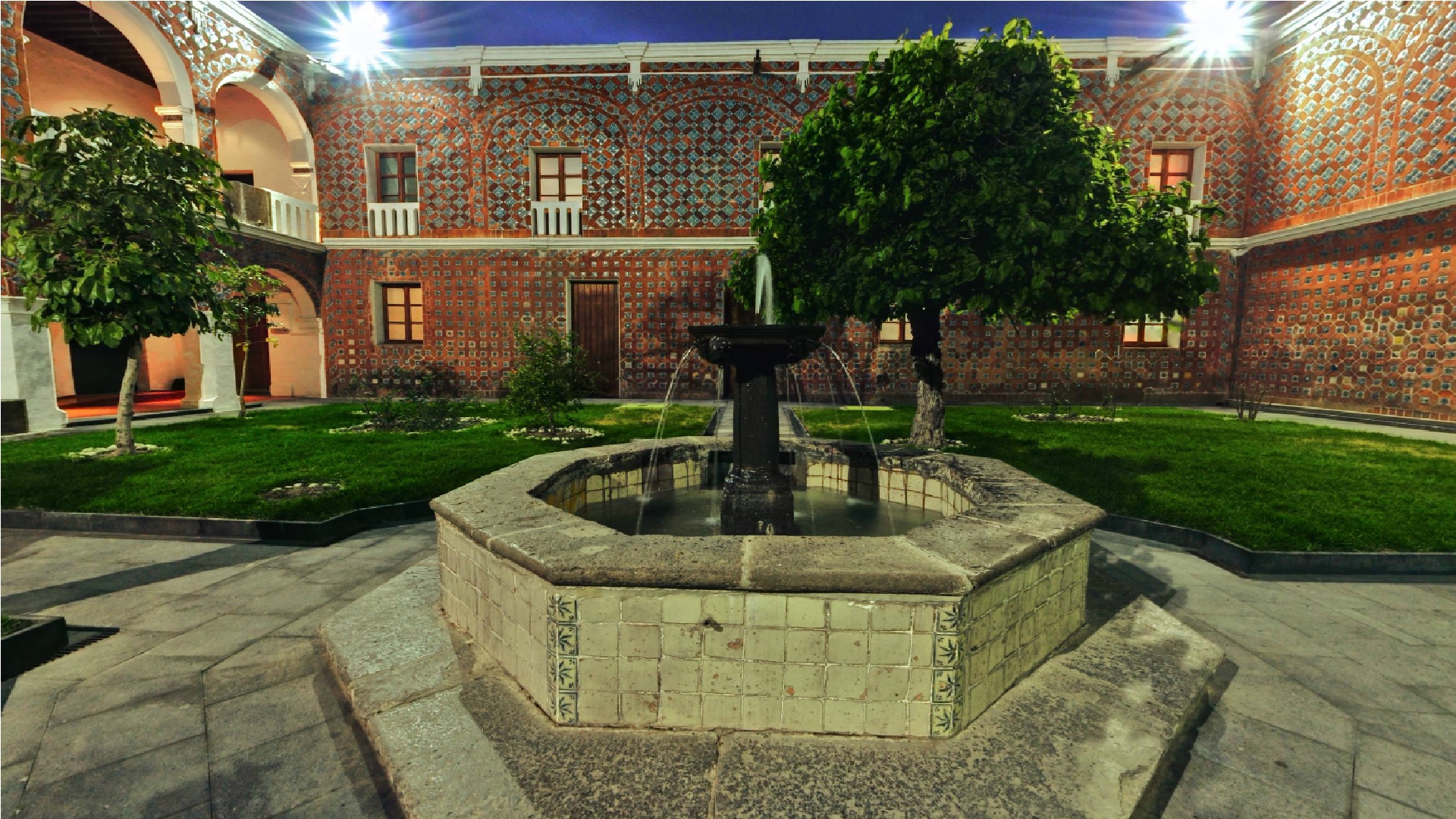
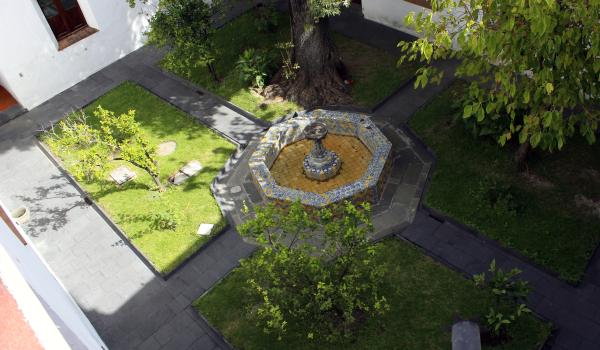
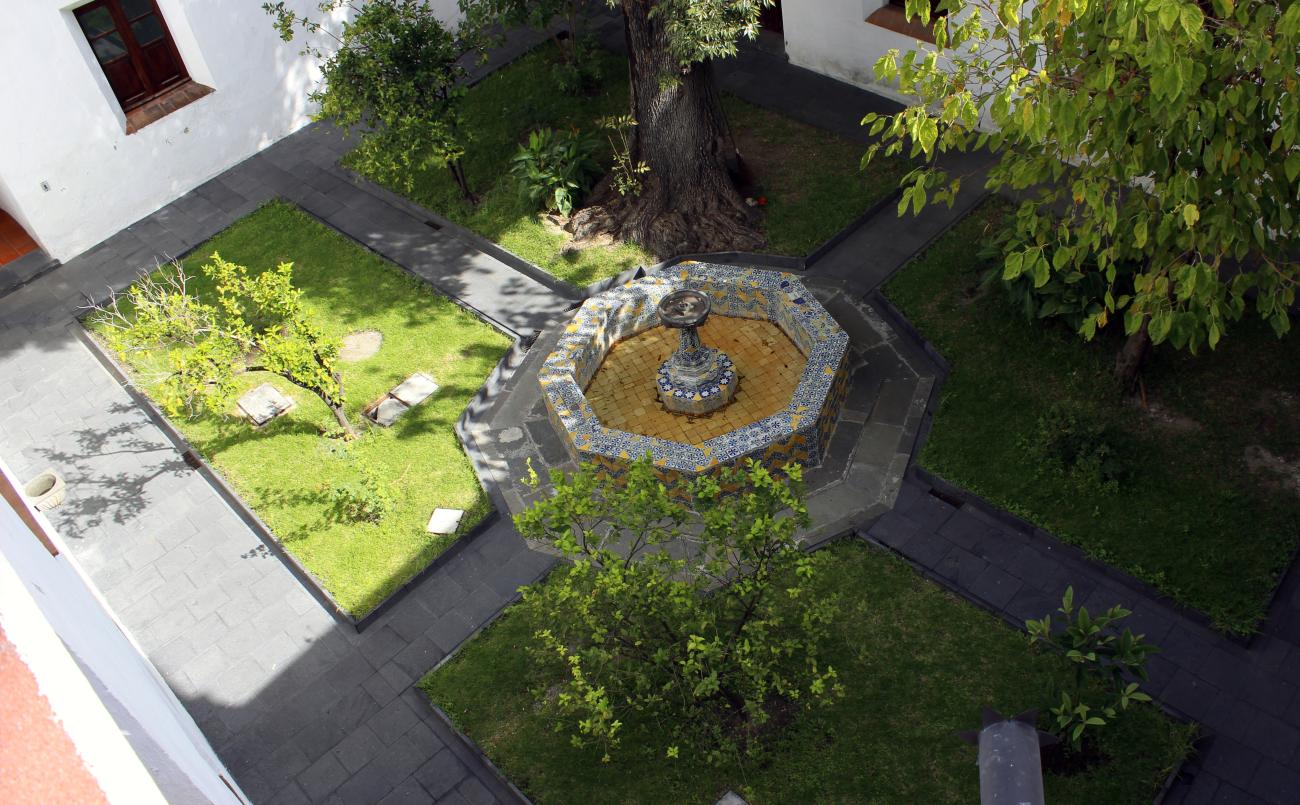
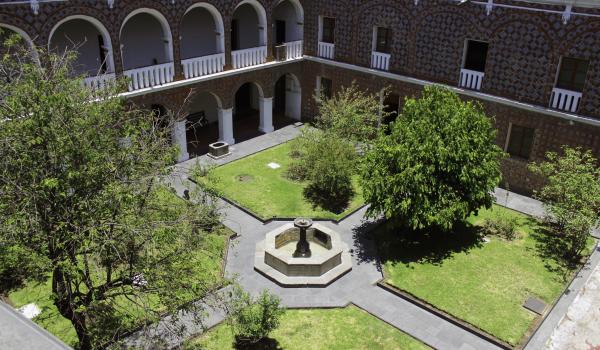
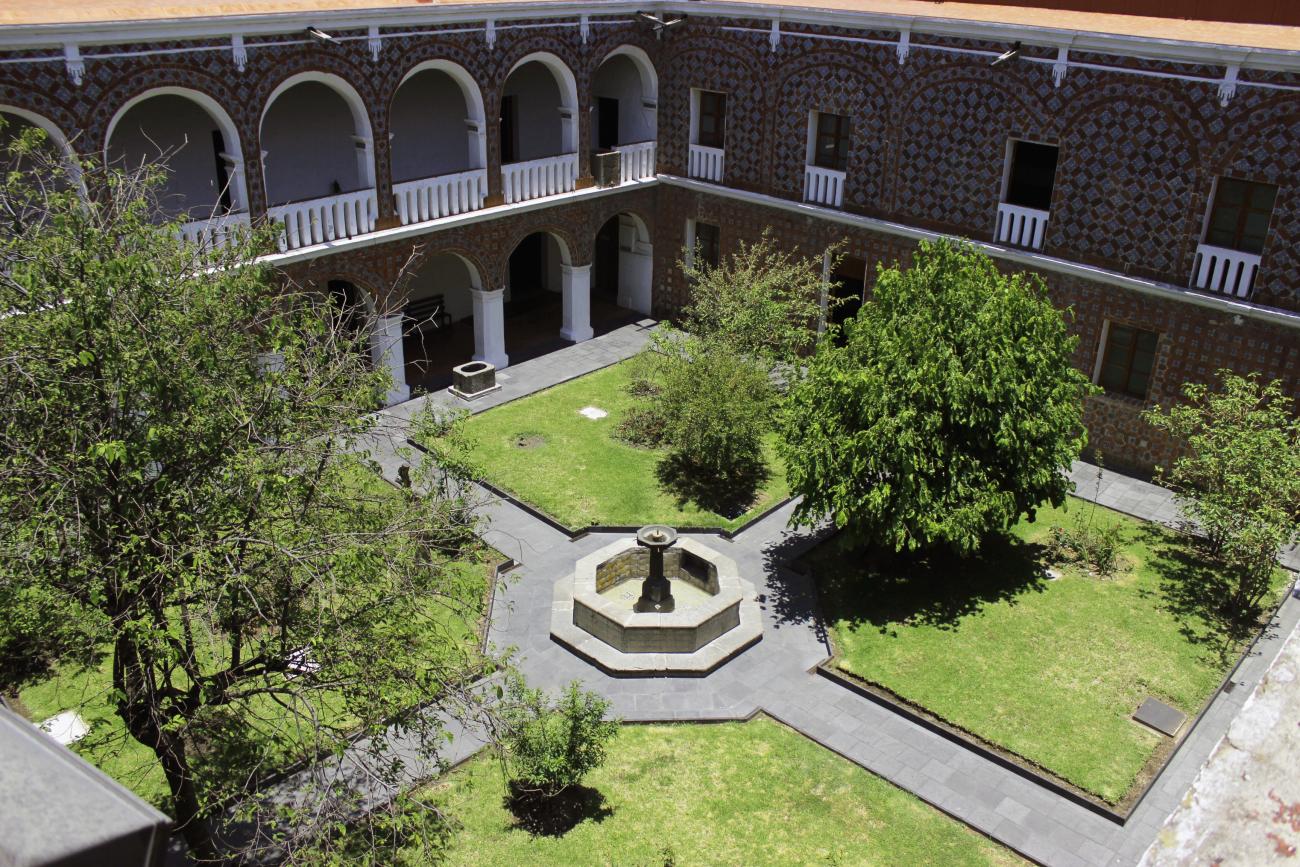
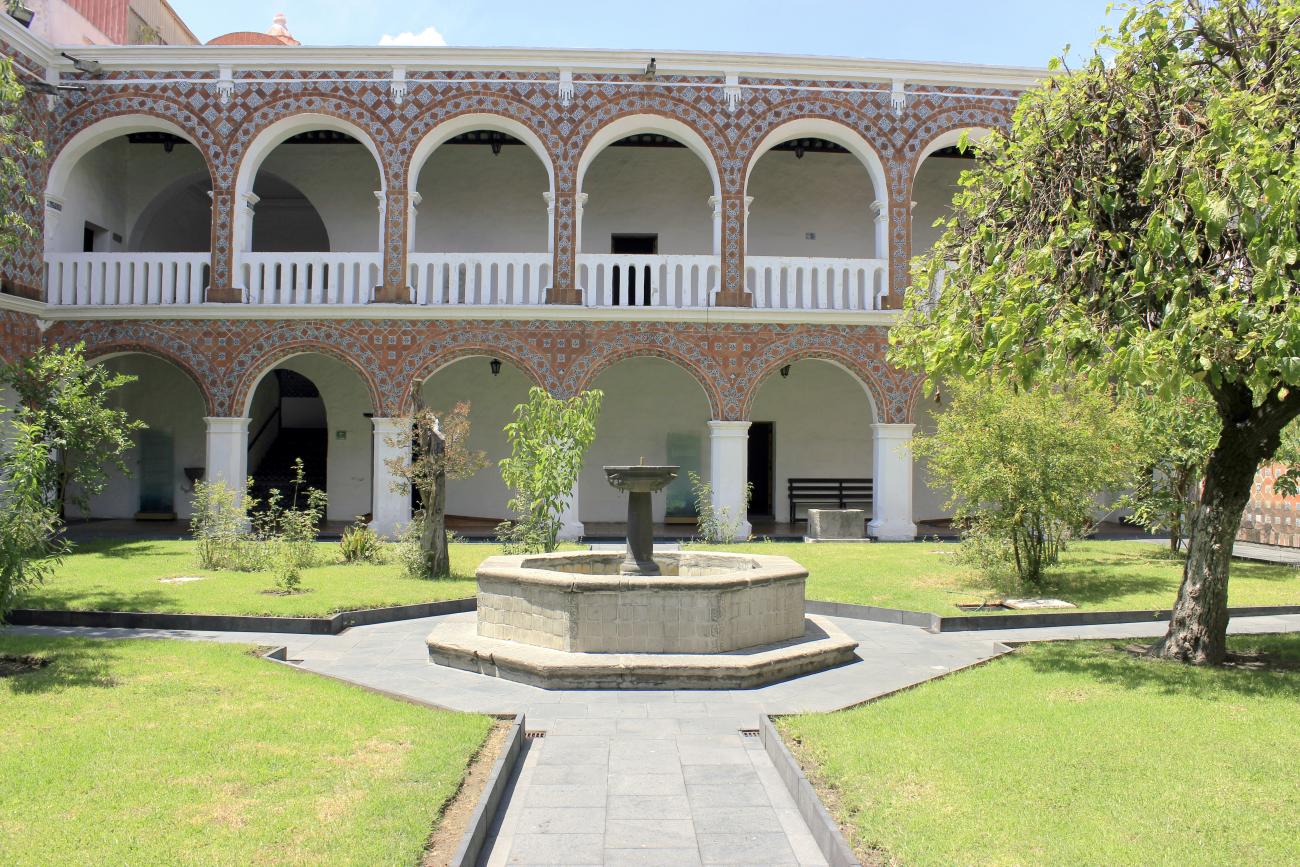
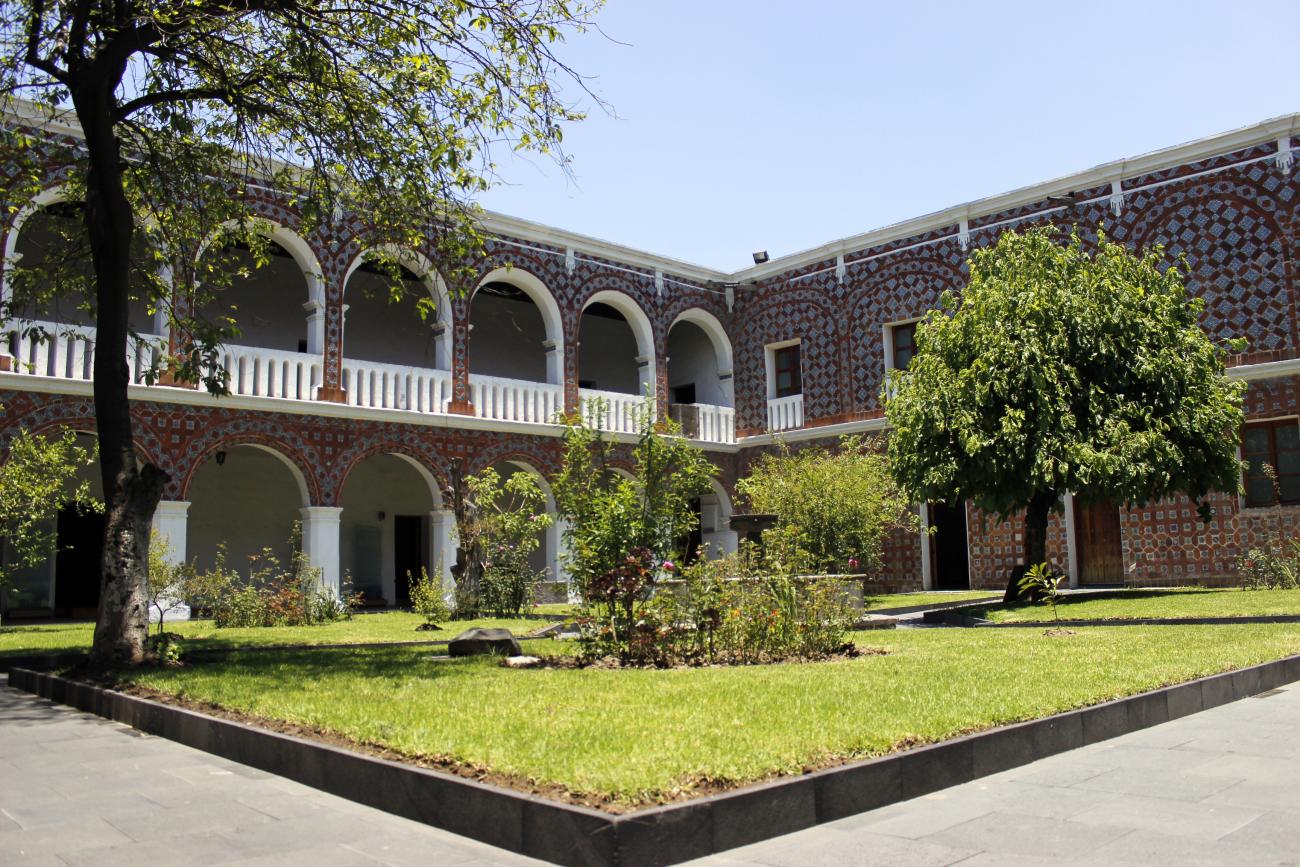
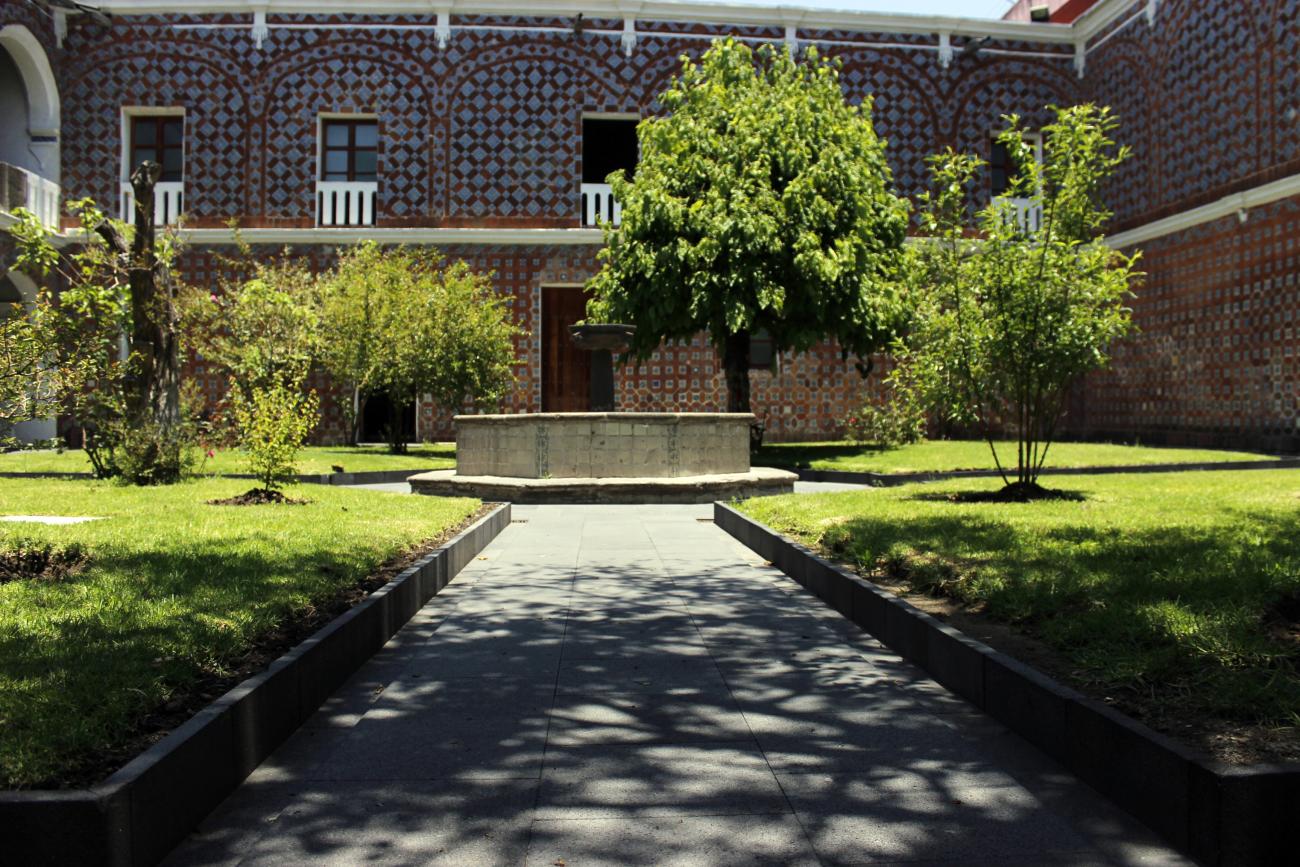
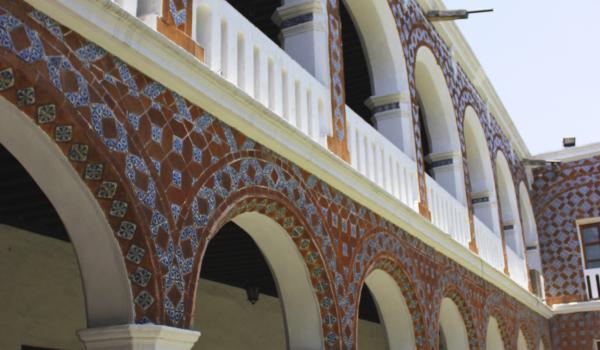
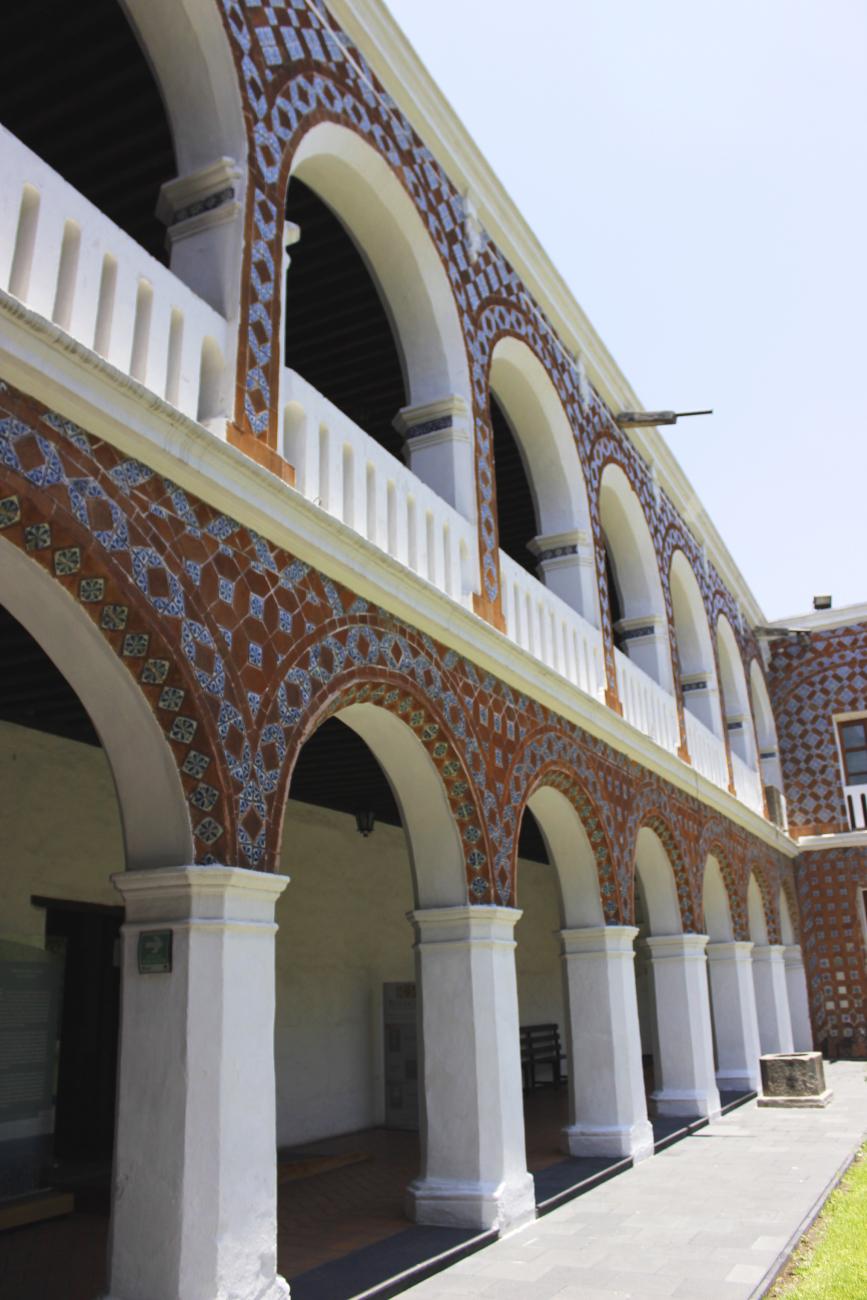
Puebla-style Baroque is evident in the seventeenth-century building of the former Convent of Santa Mónica, particularly in the Patio de Profesas (Courtyard of the Vows), covered in Talavera tiles with angled bricks in a pattern like woven palm straw (petatillo). Nevertheless the main facade of Calle 18 Poniente is in a Neoclassical style.
The museum reconstructs the nuns’ religious life in 23 permanent exhibition galleries and two courtyards, of the Vows and the Novices. The room settings are of particular interest: Pleasures (bathing), Kitchen, Refectory, Upper and Lower Choir and the Prioress’ Office. The thematic galleries are: The Life of St. Augustin, Reliquary, Allegories and Sponsors, Velvet (tapestries) and the Virgin Mary. These spaces display a collection which is unique of its type, consisting of religious paintings by notable artists of the viceregal period such as Juan Correa, Pascual Pérez, Juan de Villalobos, Luis Berrueco, Miguel Cabrera, Nicolás Rodríguez Juárez, Francisco Castillo, Miguel Jerónimo de Zendejas and Rafael Morante. There are also estofado and wax sculptures, a large collection of textiles worked by the nuns; embroidery and altarpieces, as well as the nuns’ library with liturgical books and objects.
In addition to the permanent exhibition, the Santa Mónica Museum currently has temporary exhibitions by guest curators, there are fine art educational workshops, conferences, book launches, concerts, guided tours and other academic and cultural activities.
The city of Puebla was founded on April 16, 1531 because of the need for a “Spanish” city between Mexico City and the port of Veracruz to counter the populous and fully indigenous city of Tlaxcala, which held privileges on account of its support of the Spanish during the conquest. During the colonial period, Puebla became one of New Spain's most important cities, with substantial investment, commerce and circulation of capital, to the extent that it received the title of “most noble and loyal Puebla de los Ángeles.” Eleven convents for women were founded in the city and Santa Mónica was one of these. In 1688 Bishop Manuel Fernández de Santa Cruz took the vows of 24 schoolgirls to become Augustinian Recollects, forming the first convent of this order in the Americas.
The 1857 the Reform Laws sought to wrest power from the Catholic hierarchy, which had been supporting conservative initiatives, although not necessarily the ordinary priests themselves. This led to successive exclaustrations which by the twentieth century forced the nuns to live discreetly in contravention of the law, hidden behind the walls of their convent, which remained active, although with interruptions owing to a series of temporary expulsions and successive occupations up until 1934. In that year the convent was discovered and closed after nearly 250 years of monastic life. This was one of the last monasteries to be closed in Mexico. The nuns were obliged to live in private houses, until they could acquire a new property.
The property was put into the safekeeping of the Ministry of Finance and Public Credit and the Office for National Property in Puebla, which was legally responsible for safeguarding artistic and historical property. The Convent of Santa Mónica became a depository for art objects confiscated mainly from the other four convents of the city, as well as its own. In 1935 it became the first museum of religious art in the Mexican Republic. In the same year a decree by president Lázaro Cárdenas passed responsibility for the building to the Ministry for Public Education, continuing until 1940, when the newly formed National Institute of Anthropology and History took over its management.
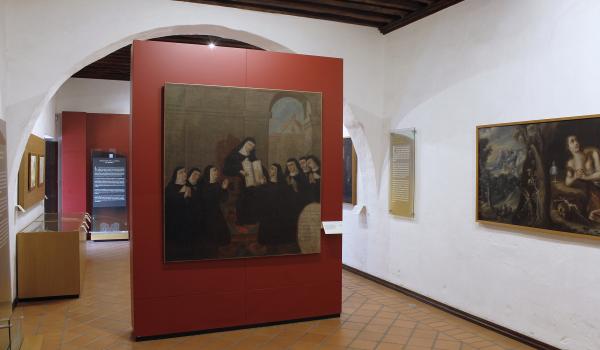
Viceregal
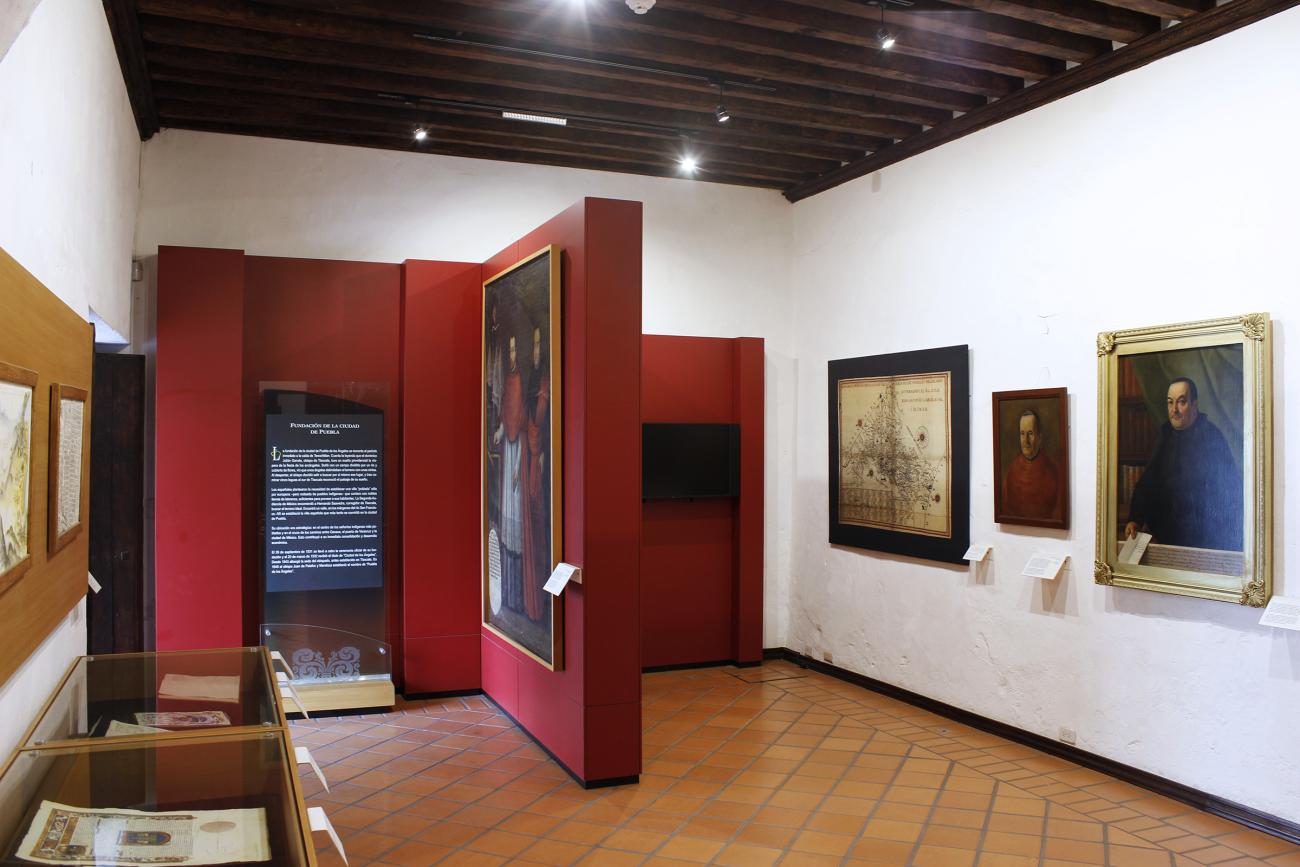
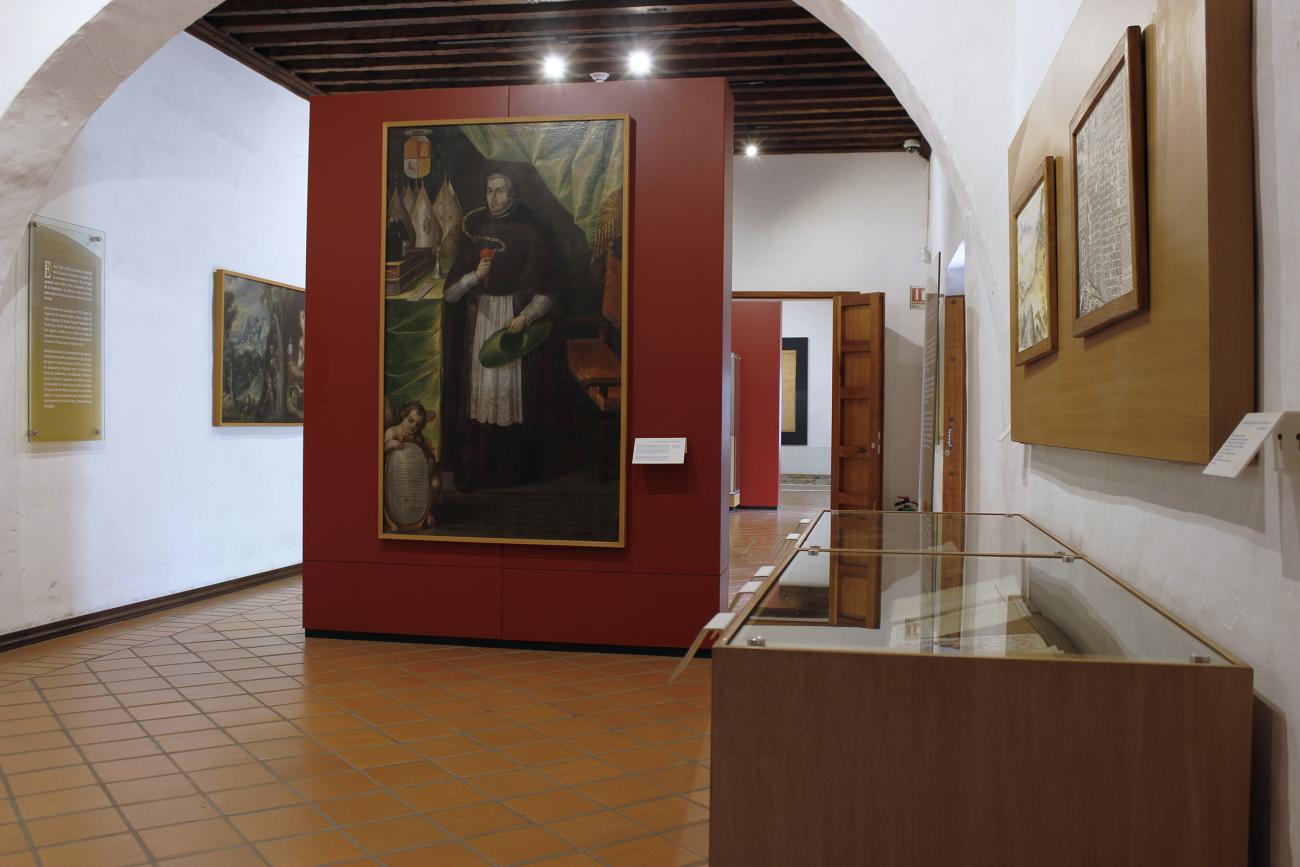
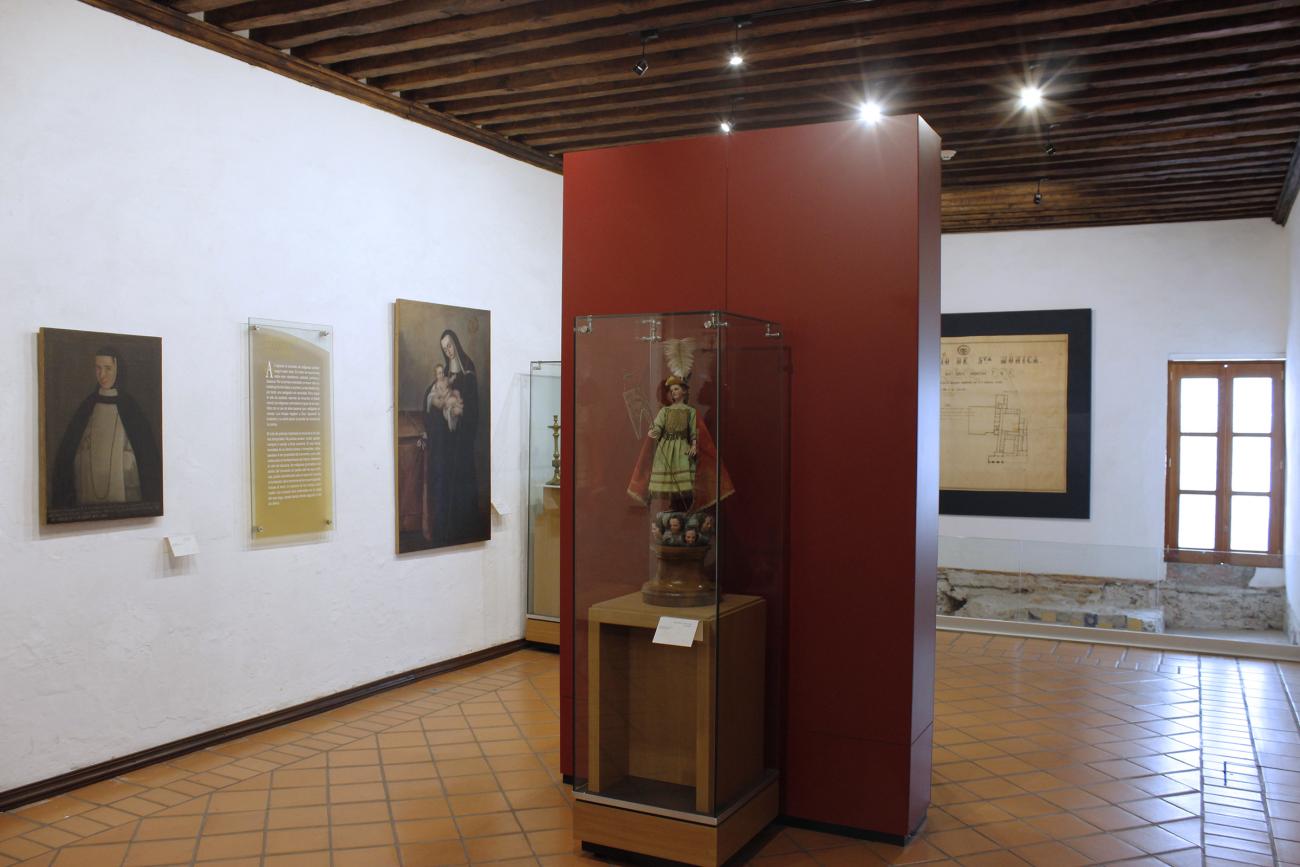
As an introduction, this gallery presents key events related to the founding of the city of Puebla and provides the sociopolitical context in which the creation and heyday of the city's convent complexes took place.
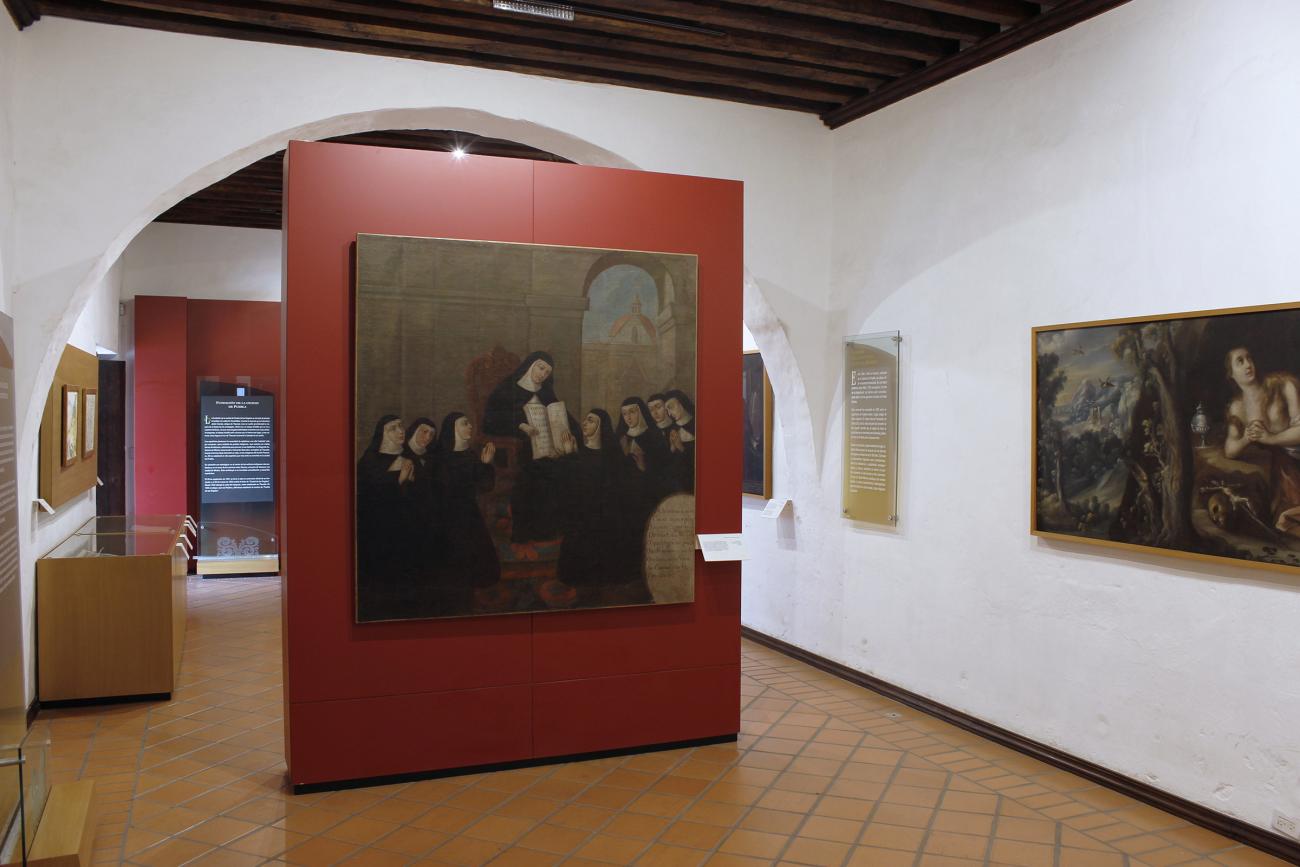
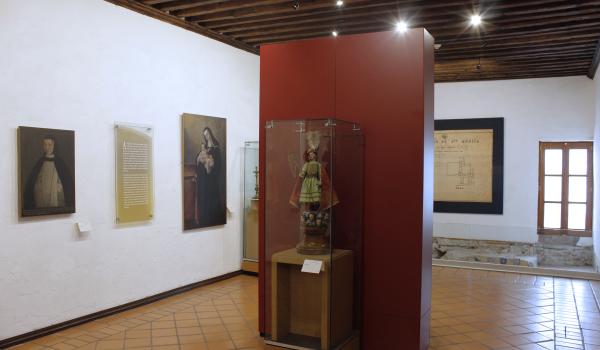
Daily Life
The rapid social acceptance of these religious centers is revealed by the high number of New Spanish women interested in leading a contemplative life of absolute enclosure.
Daily Life
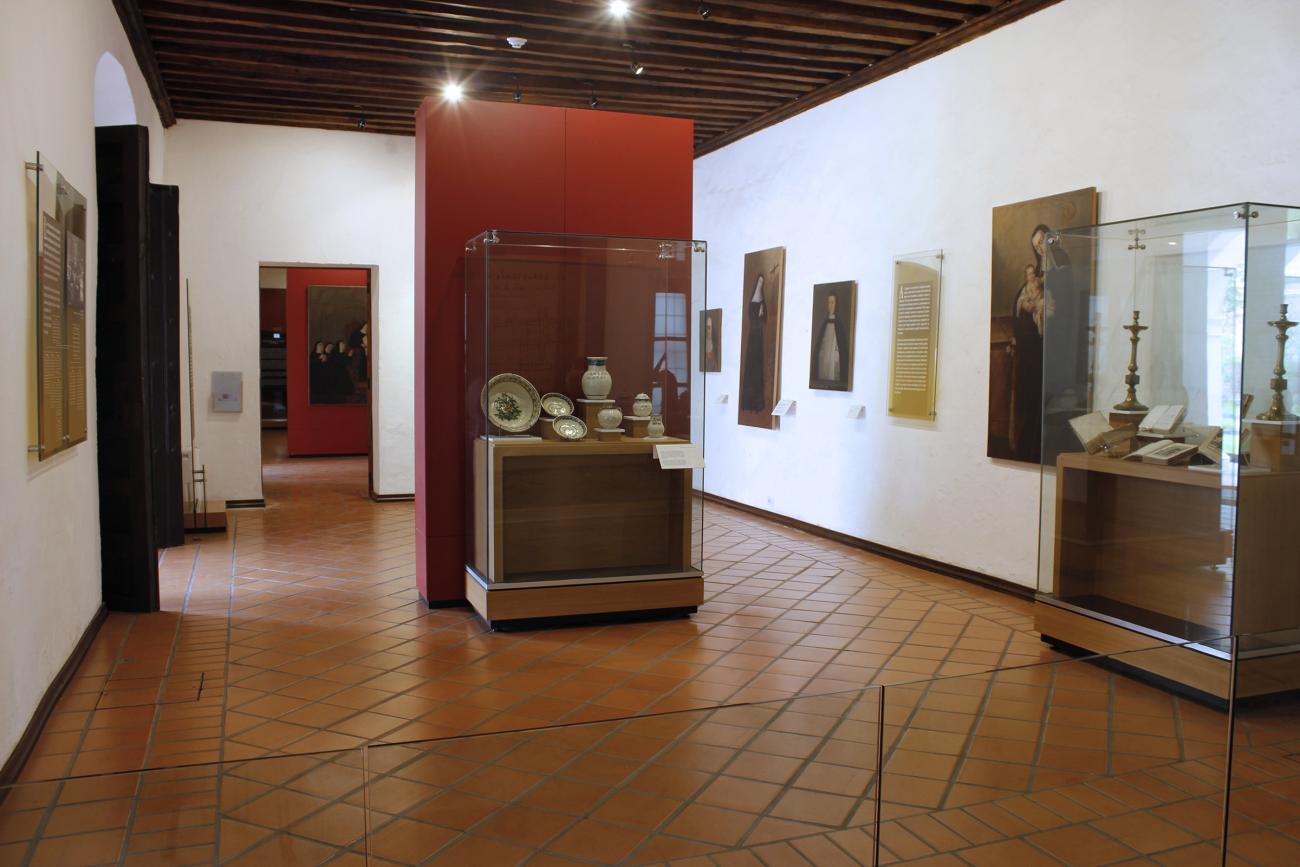
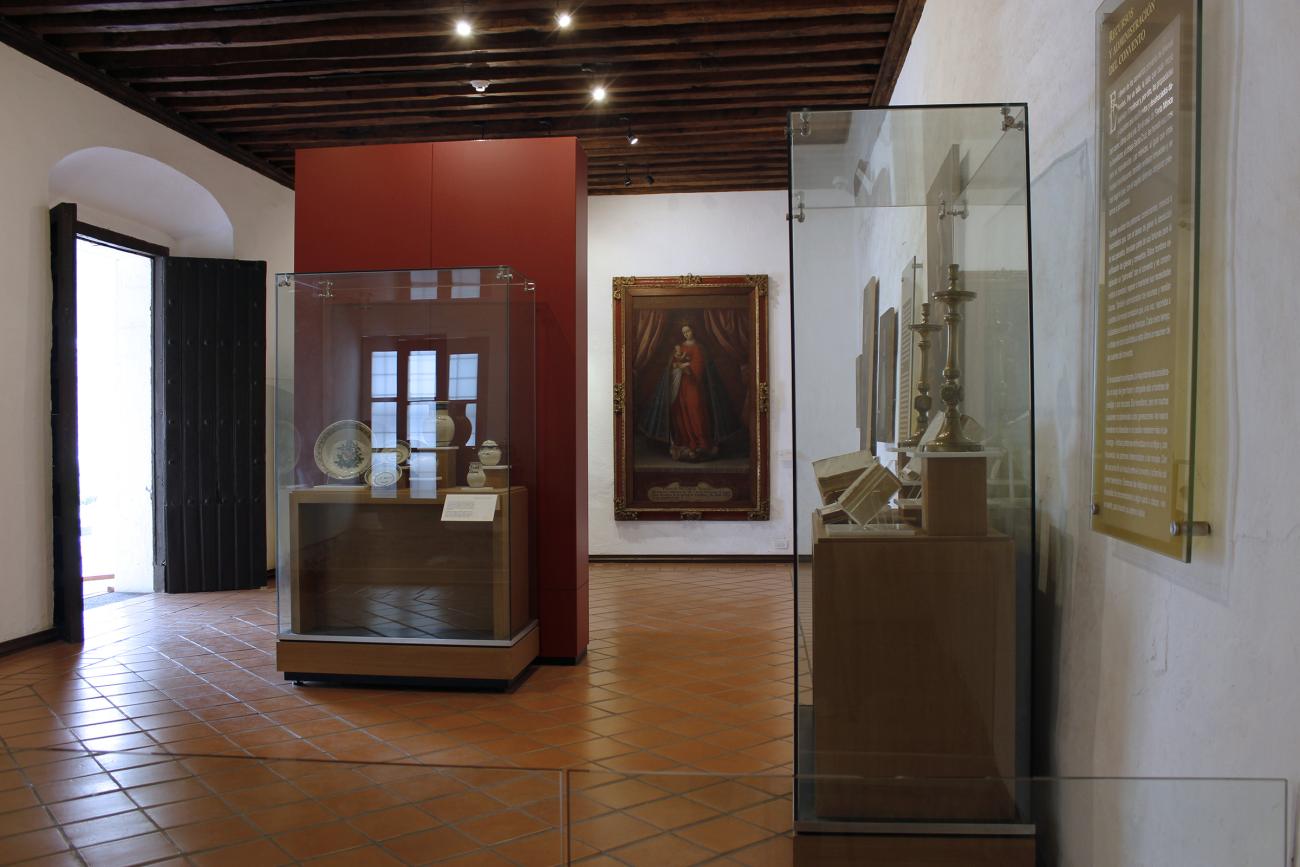
The rapid social acceptance of these religious centers is revealed by the high number of New Spanish women interested in leading a contemplative life of absolute enclosure. Data on their founding, social acceptance, and their implications in daily life and enclosure within the convents of New Spain are shown through graphics that support the work documenting the different religious orders.
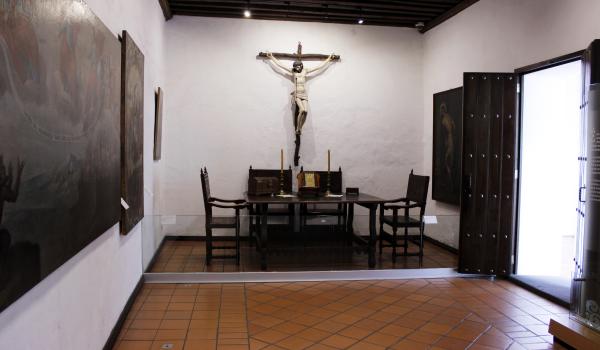
Chapter Room
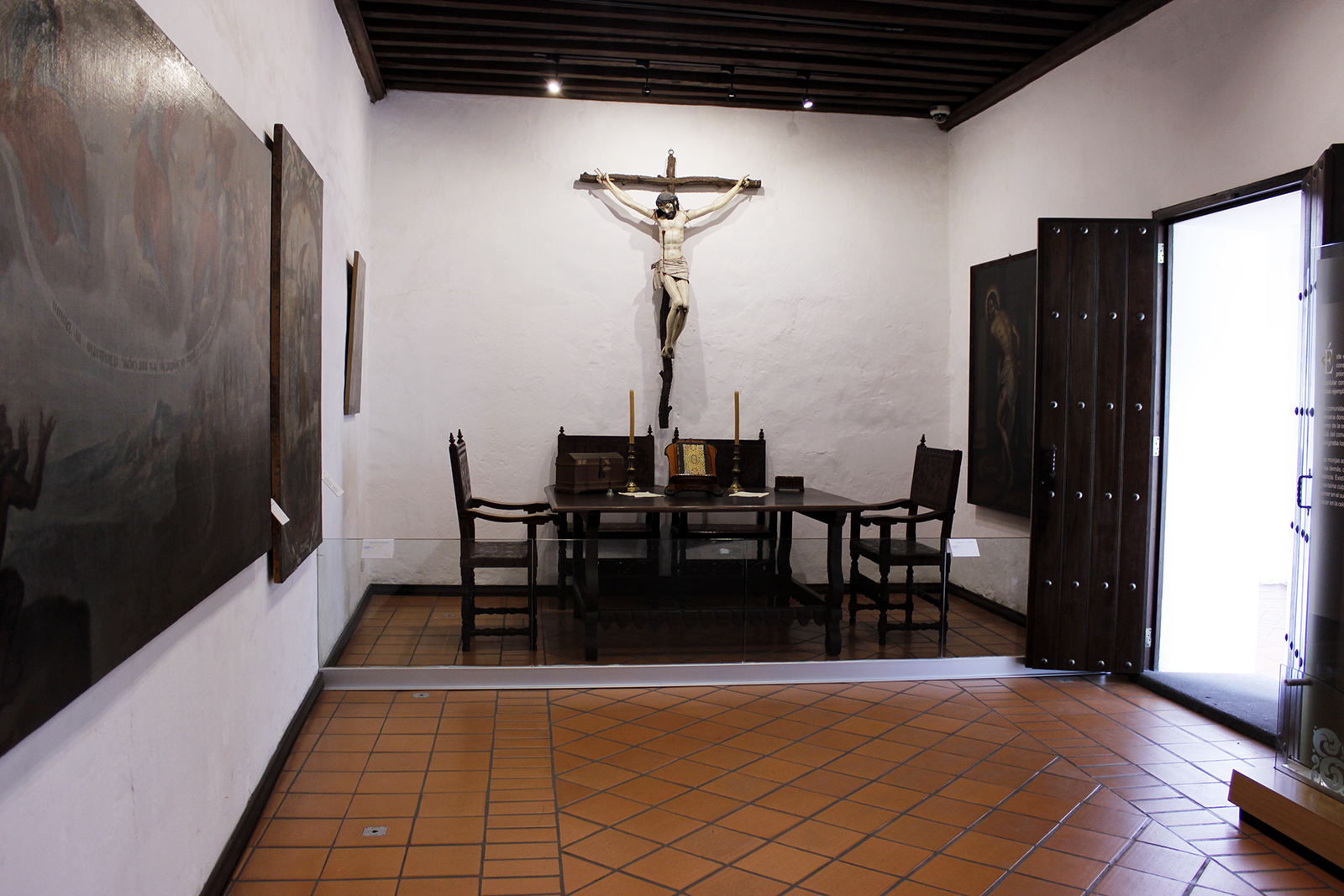
The community of nuns gathered in this room for the "chapter," the plenary meeting where they discussed the functioning and challenges of the convent, as well as the organization of saint festivals.
Chapter Room
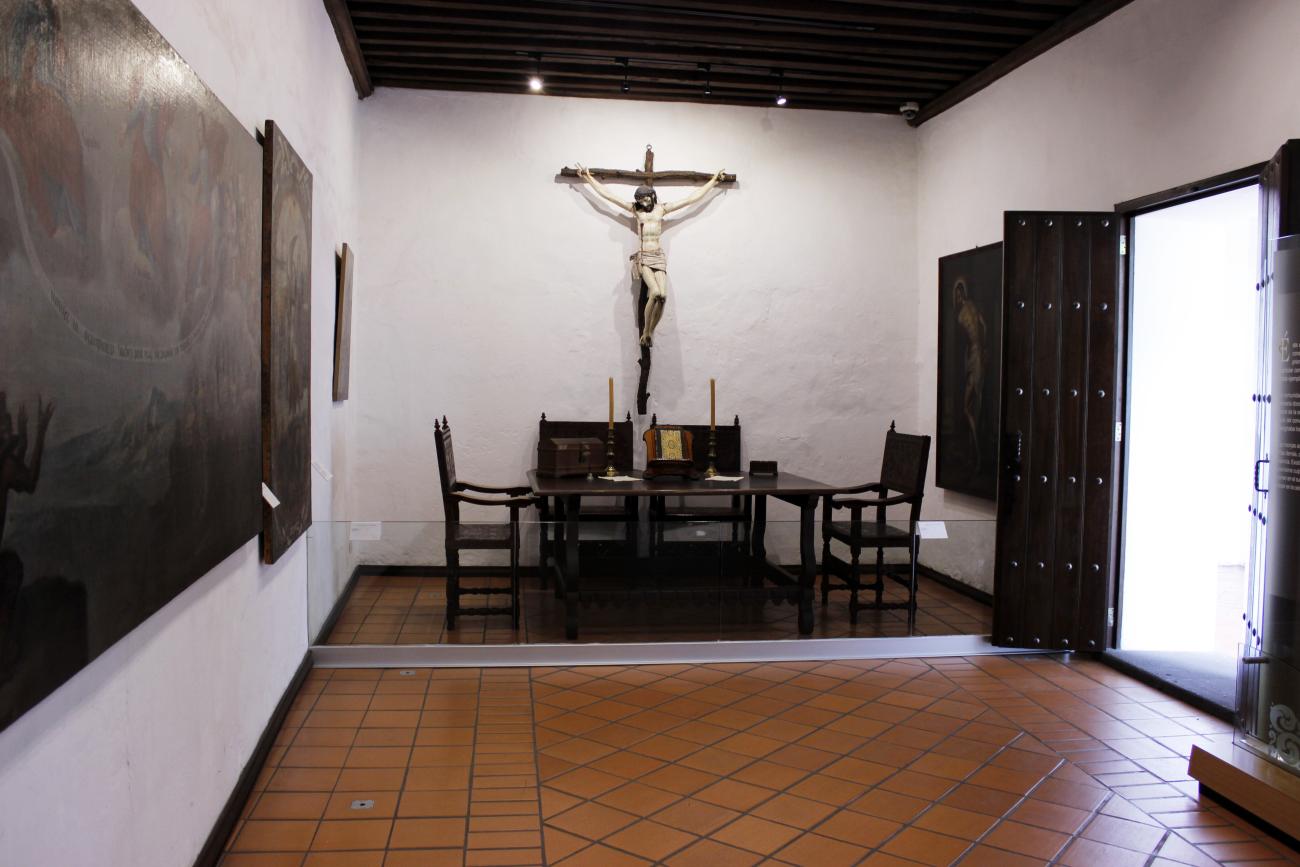
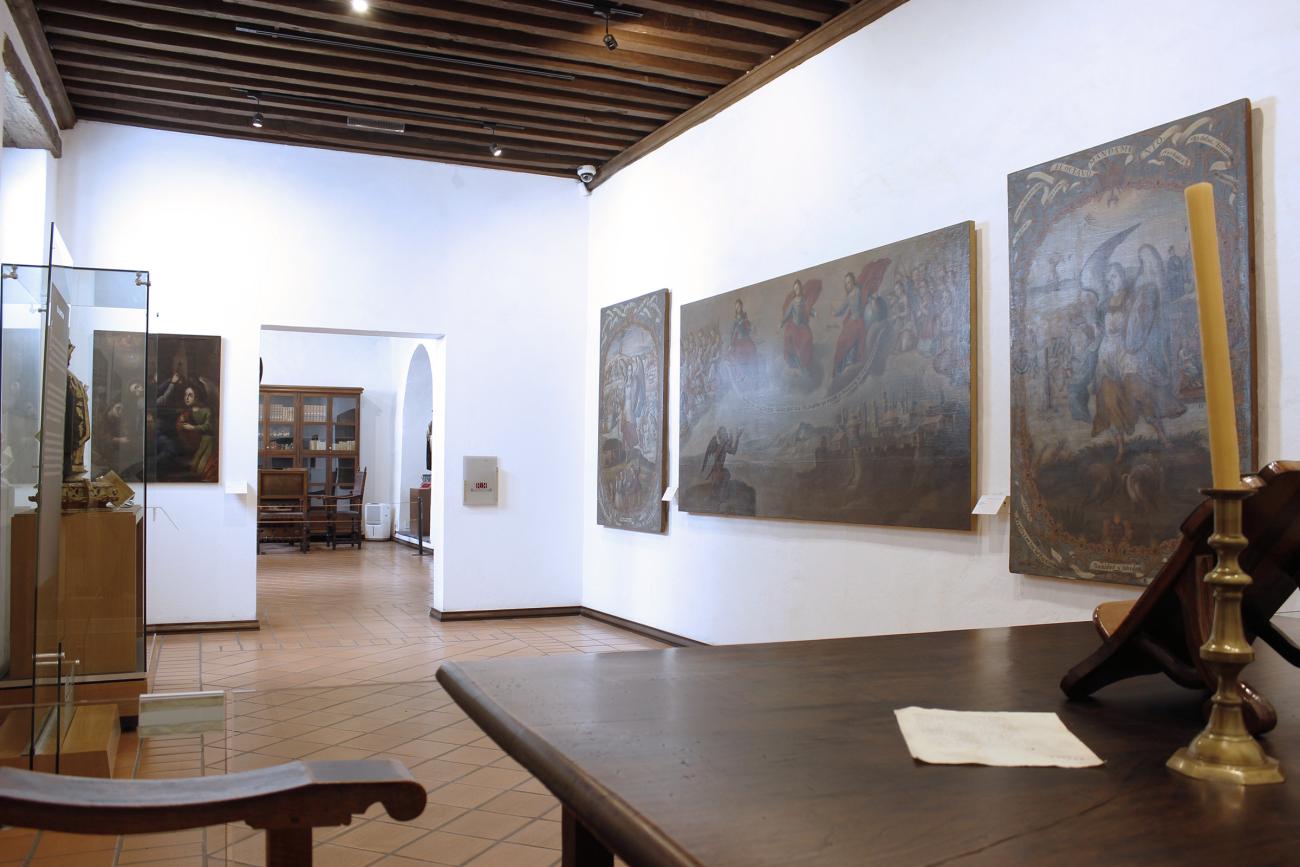
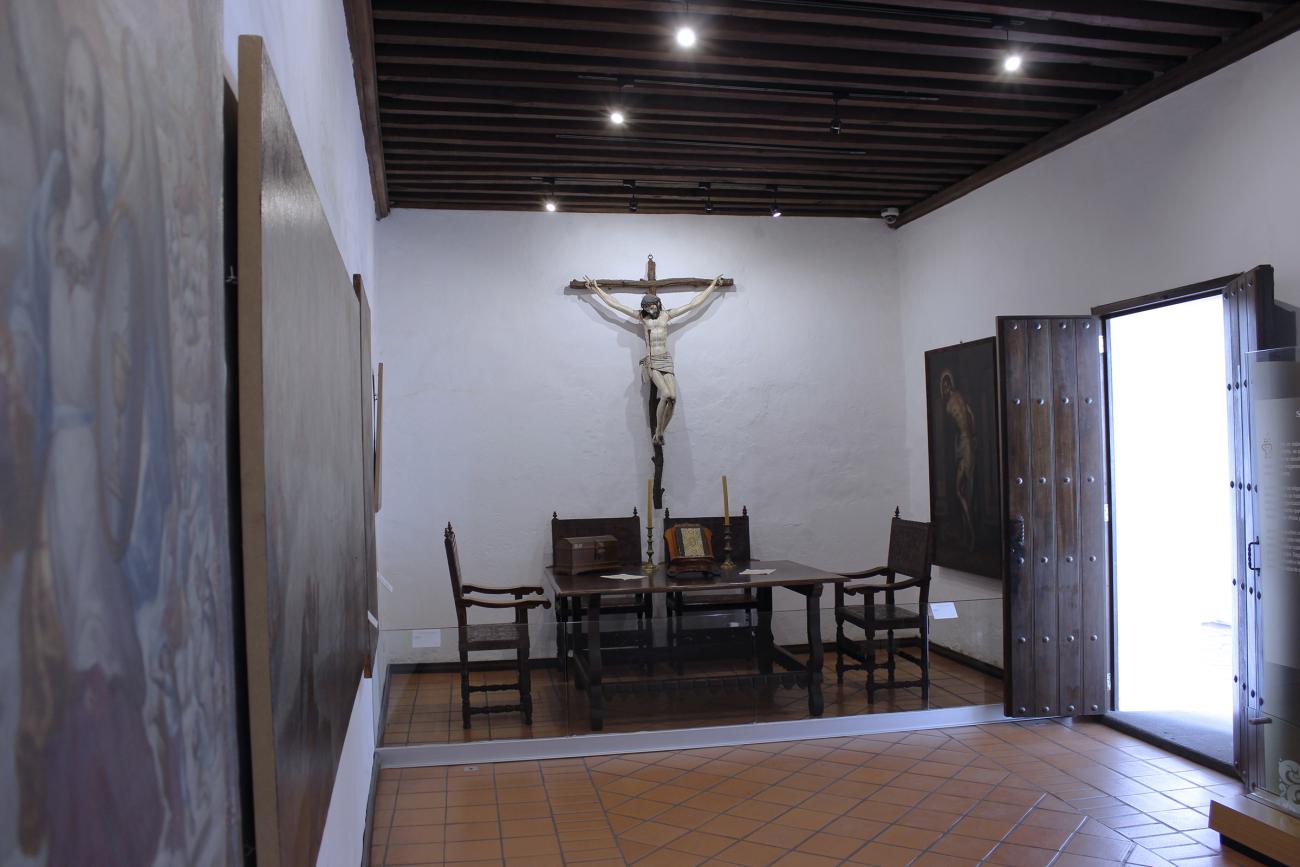
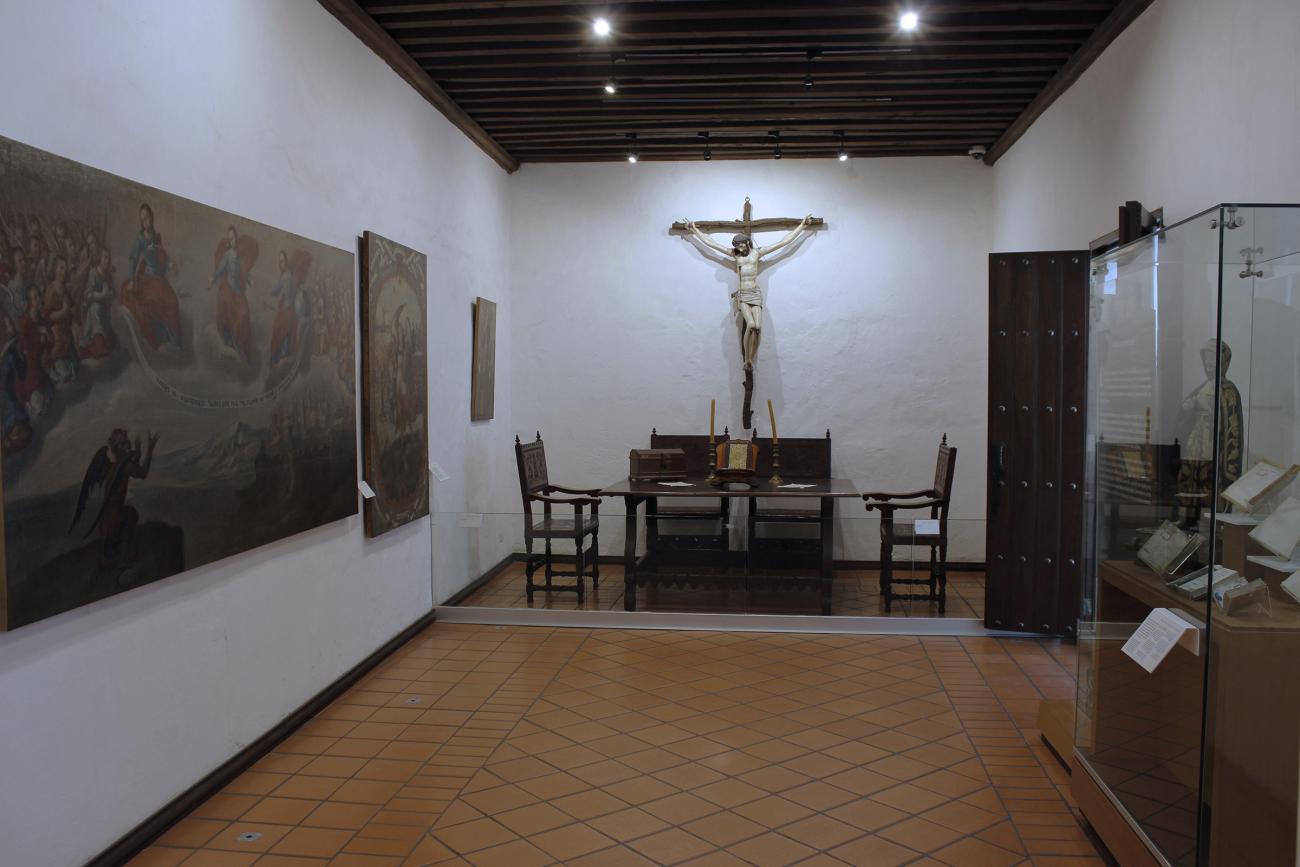
The community of nuns gathered in this room for the "chapter," the plenary meeting where they discussed the functioning and challenges of the convent, as well as the organization of saint festivals. In this meeting, the hierarchy of the convent was revealed: the prioress, or head of the institution, assigned the duties and responsibilities of each nun.
Library
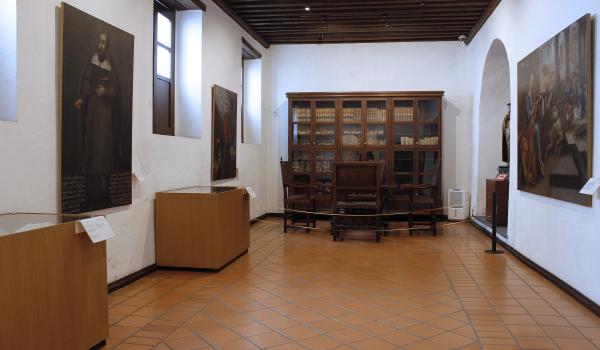
The prioress assigned a nun to be responsible for the library, who, in addition to keeping the books clean and organized, was also in charge of lending them. Nuns would request books to consult in private, either in the courtyard or in their cell.
Library
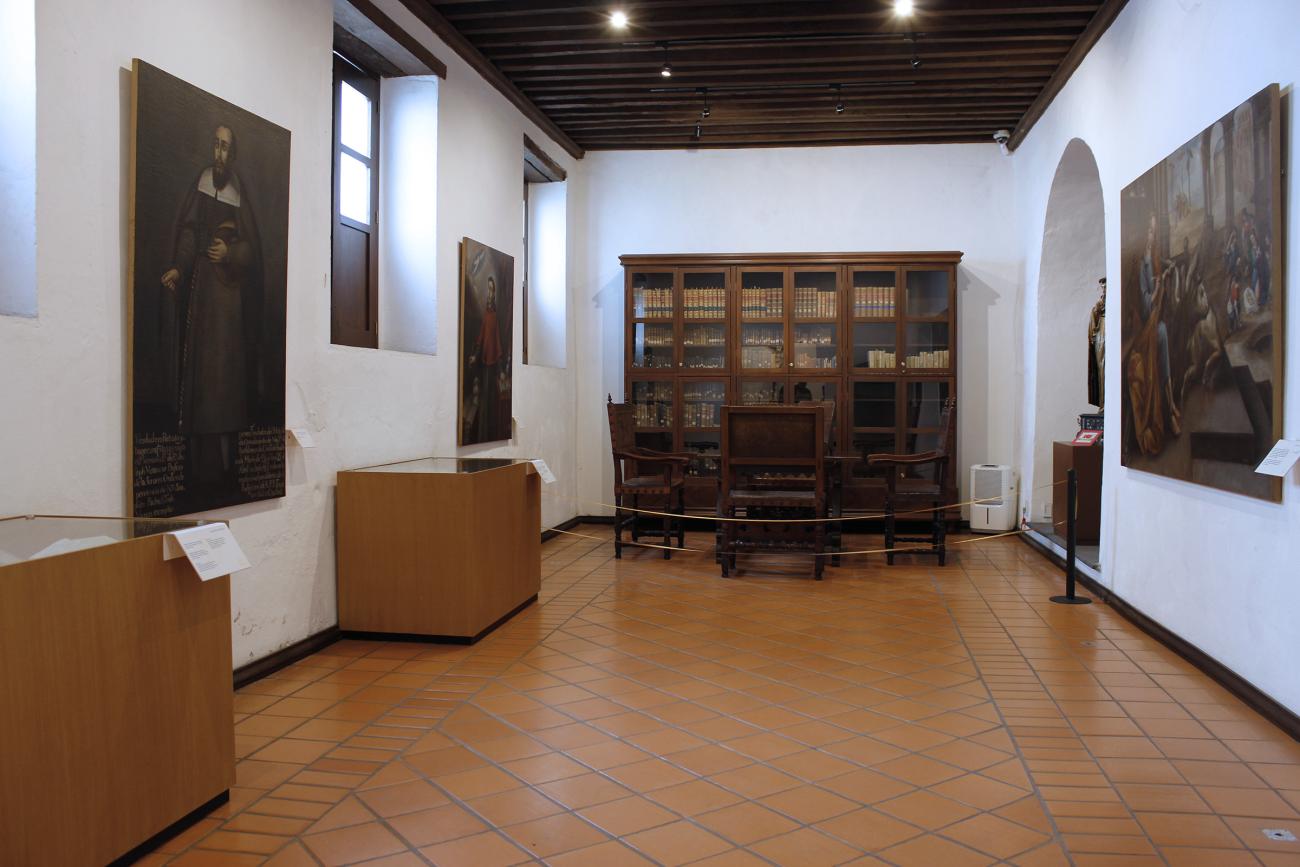
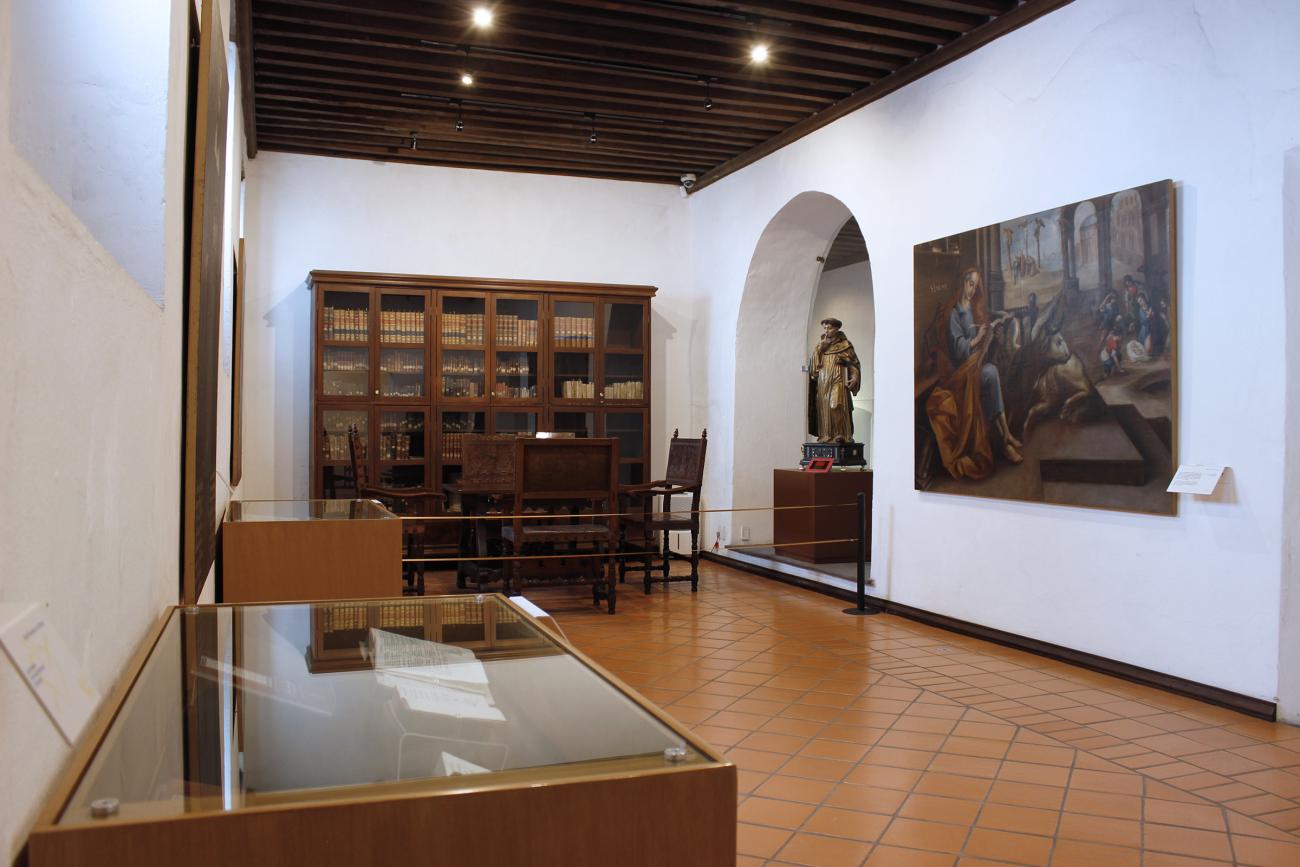
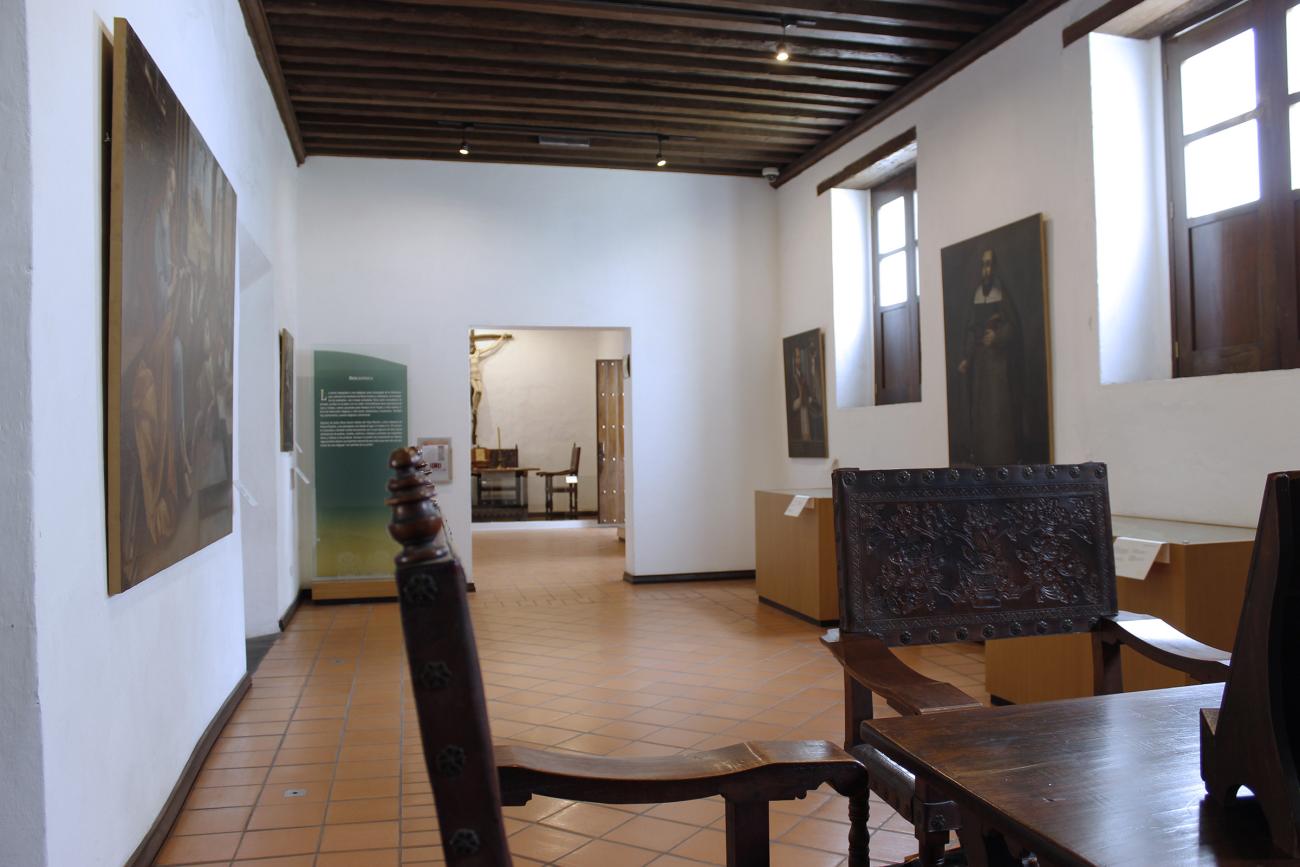

The prioress assigned a nun to be responsible for the library, who, in addition to keeping the books clean and organized, was also in charge of lending them. Nuns would request books to consult in private, either in the courtyard or in their cell. This library contains choir books and music, popular hymns for the Virgin and other saints' festivals, religious and moral instruction books, catechisms, and novenas. There are also sermon books, religious and devotional poetry.
Lower Choir
The convents of New Spain required special architecture that met the needs of the nuns who lived in them, as well as those of the faithful who attended the temple.
Lower Choir

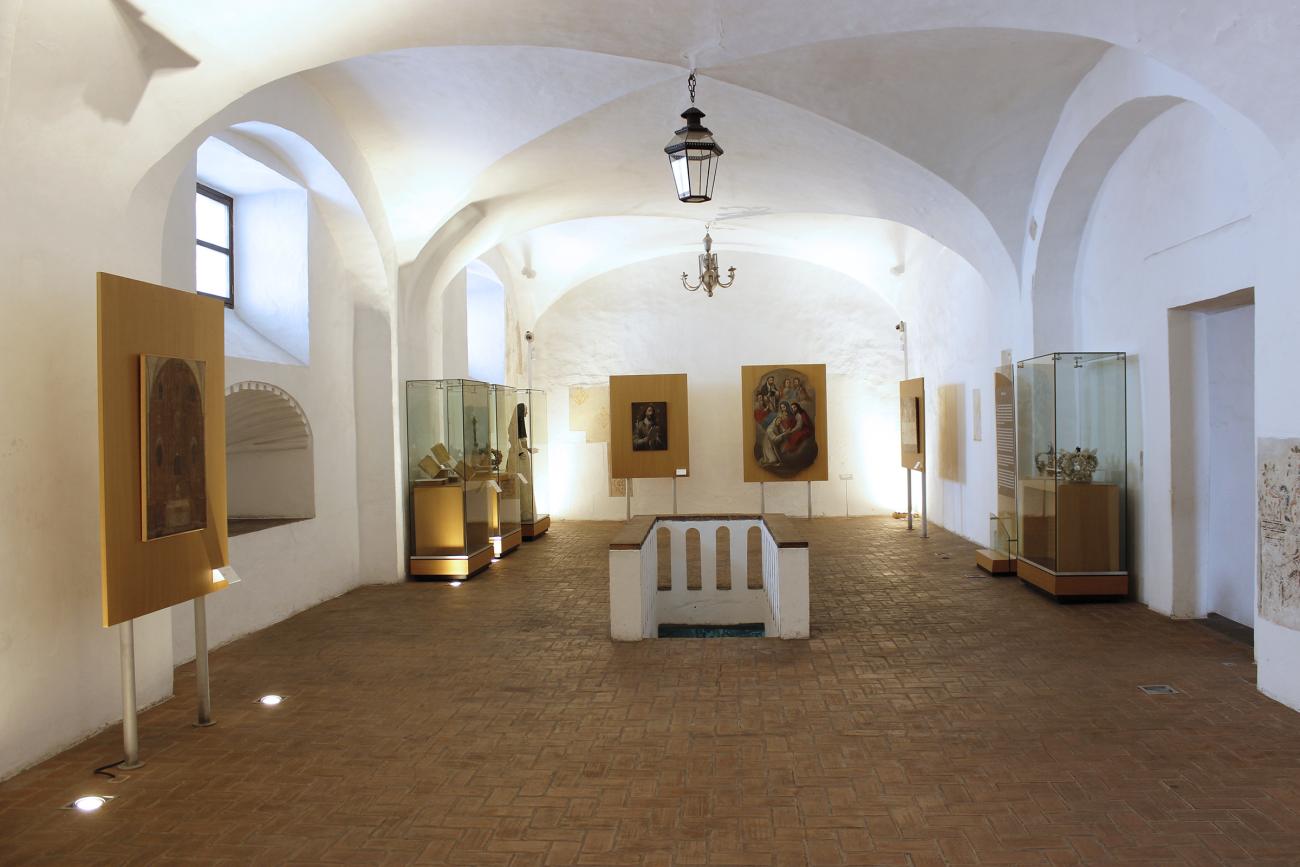
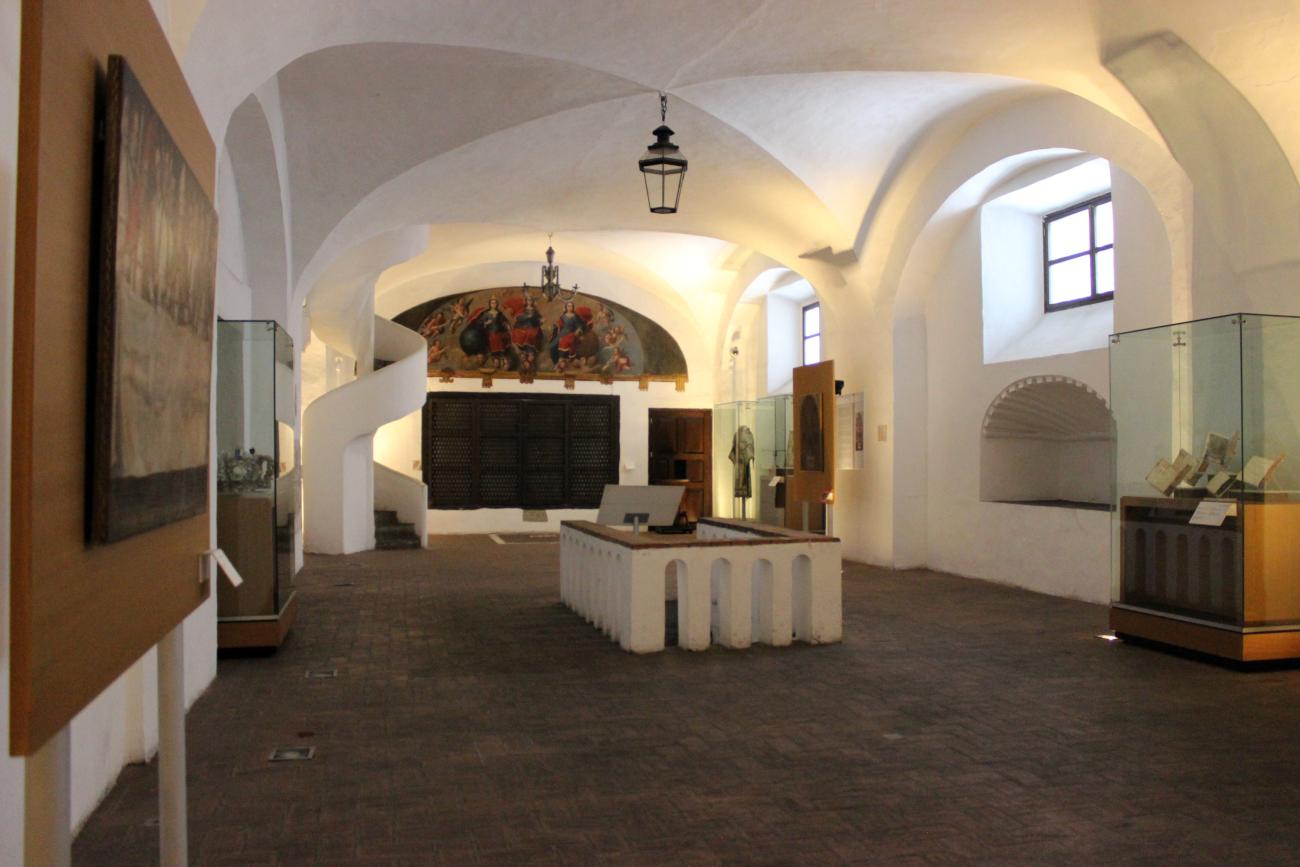
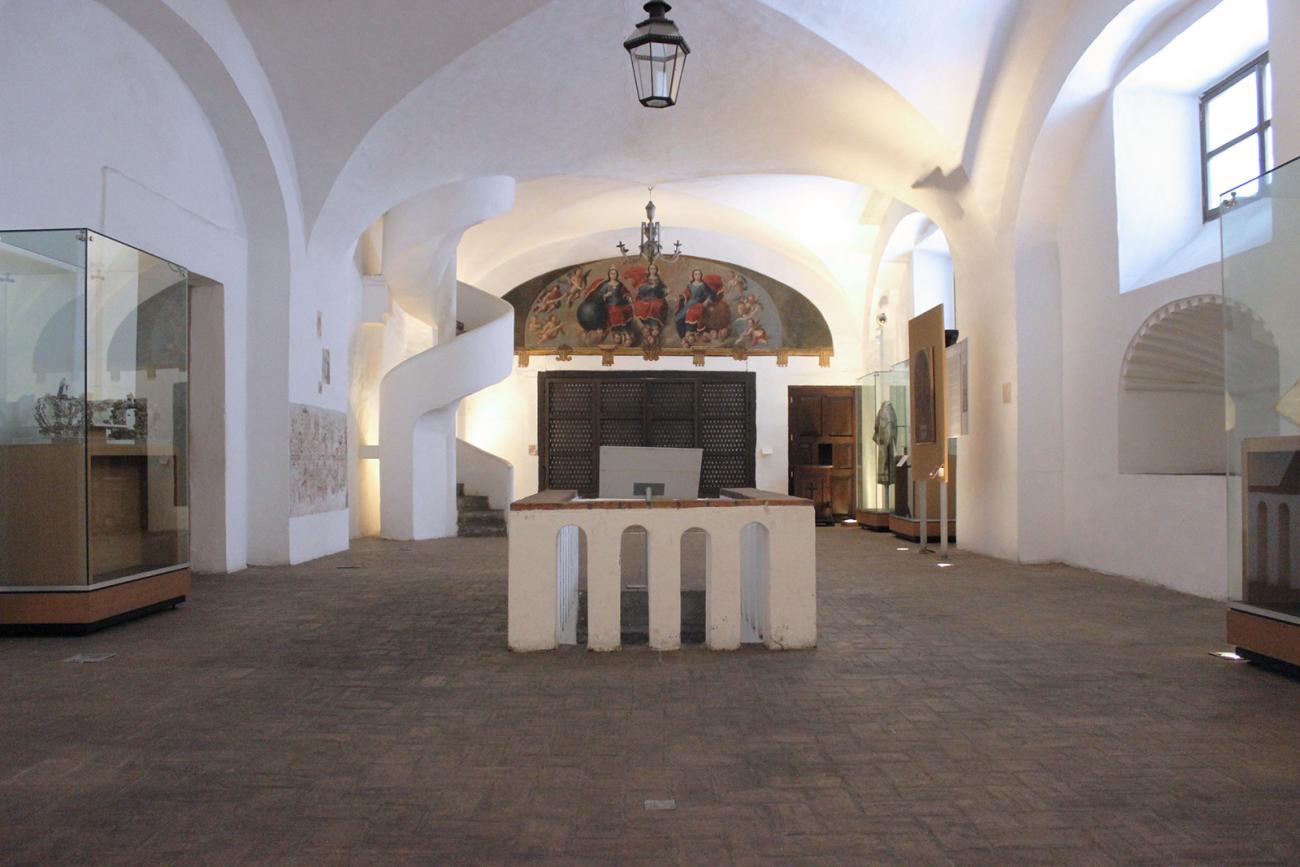
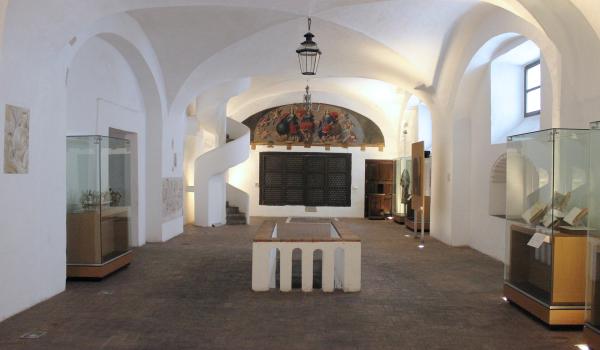
The convents of New Spain required special architecture that met the needs of the nuns who lived in them, as well as those of the faithful who attended the temple. The peculiarity of these buildings lies in the presence of choirs, square-shaped architectural spaces large enough for the nuns to listen to and participate in religious services without being seen by the congregation.
The lower choir represented the threshold for the nuns' lives, as they received the novice habit there. It was also the threshold to their death, as it was home to the crypt and ossuary. Access was through the interior of the main cloister and via the spiral staircase leading to the upper choir. Nuns would go to the lower choir to attend mass after the first hour of the day.
Upper Choir
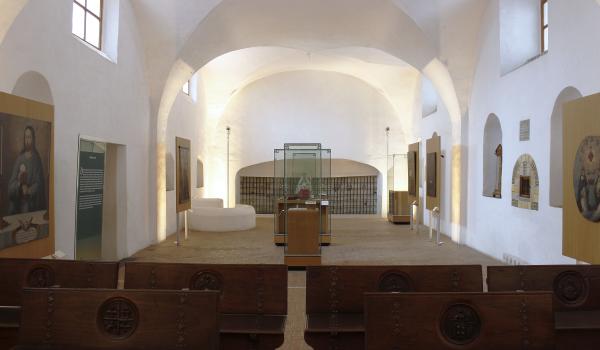
This rectangular-shaped choir features a series of niches for sculptures or reliquaries, and at the back, there is an altar in the neoclassical style.
Upper Choir
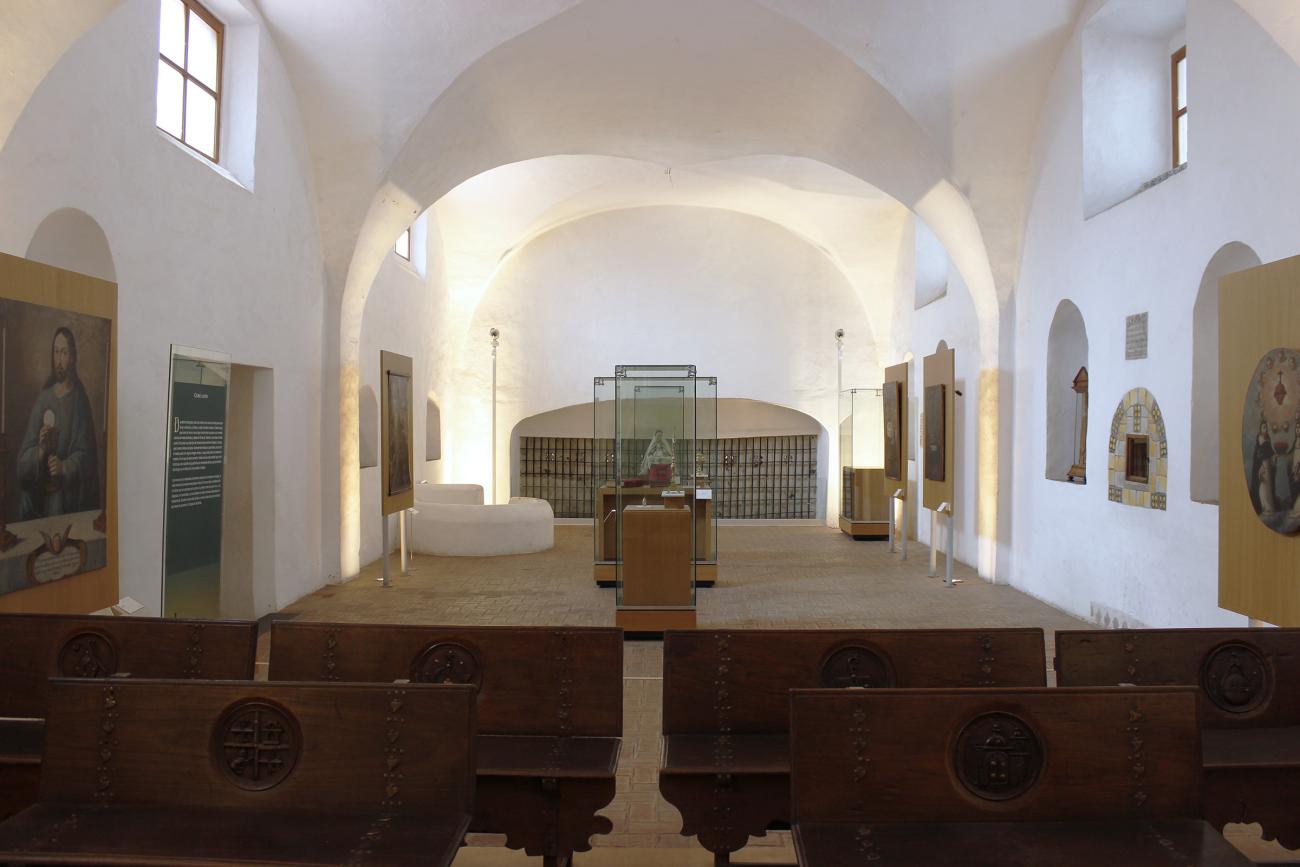
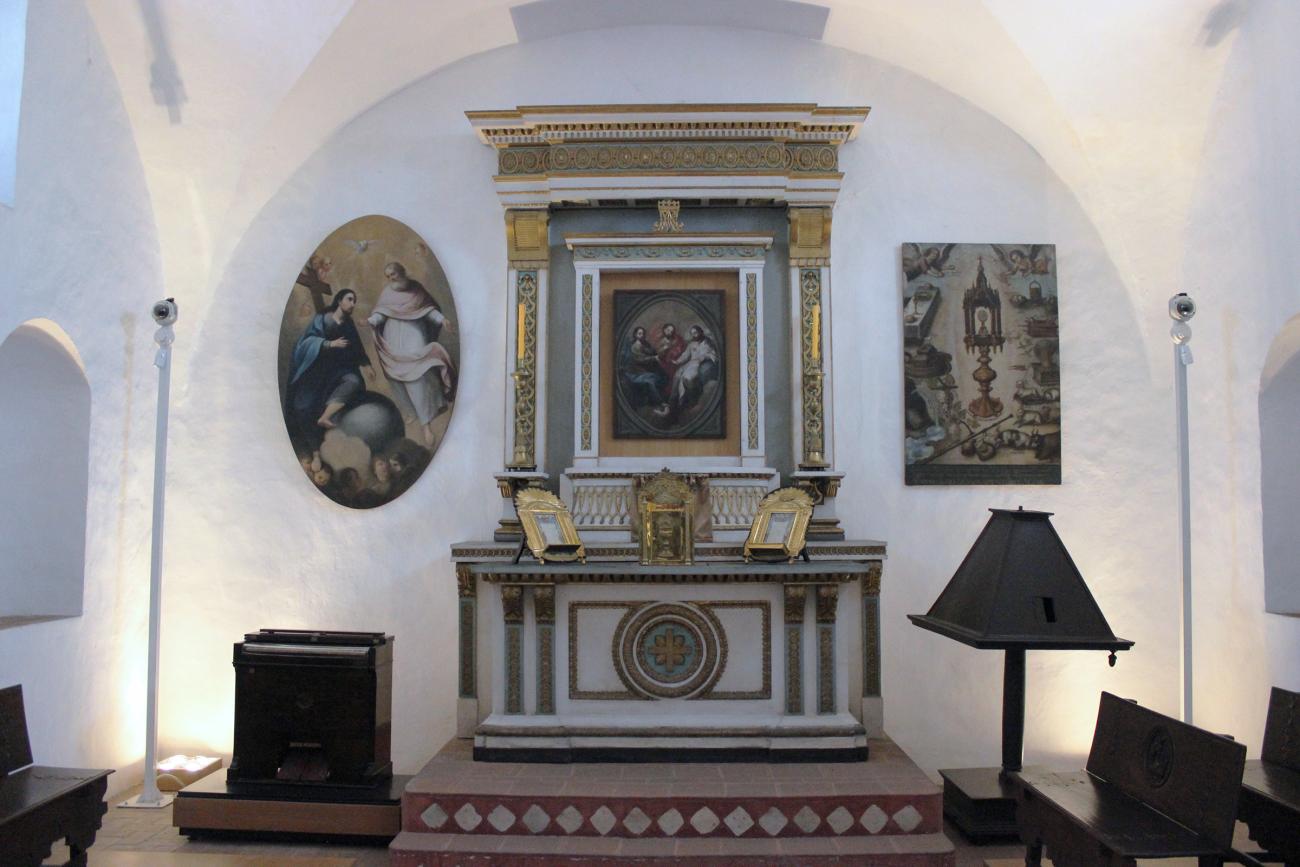
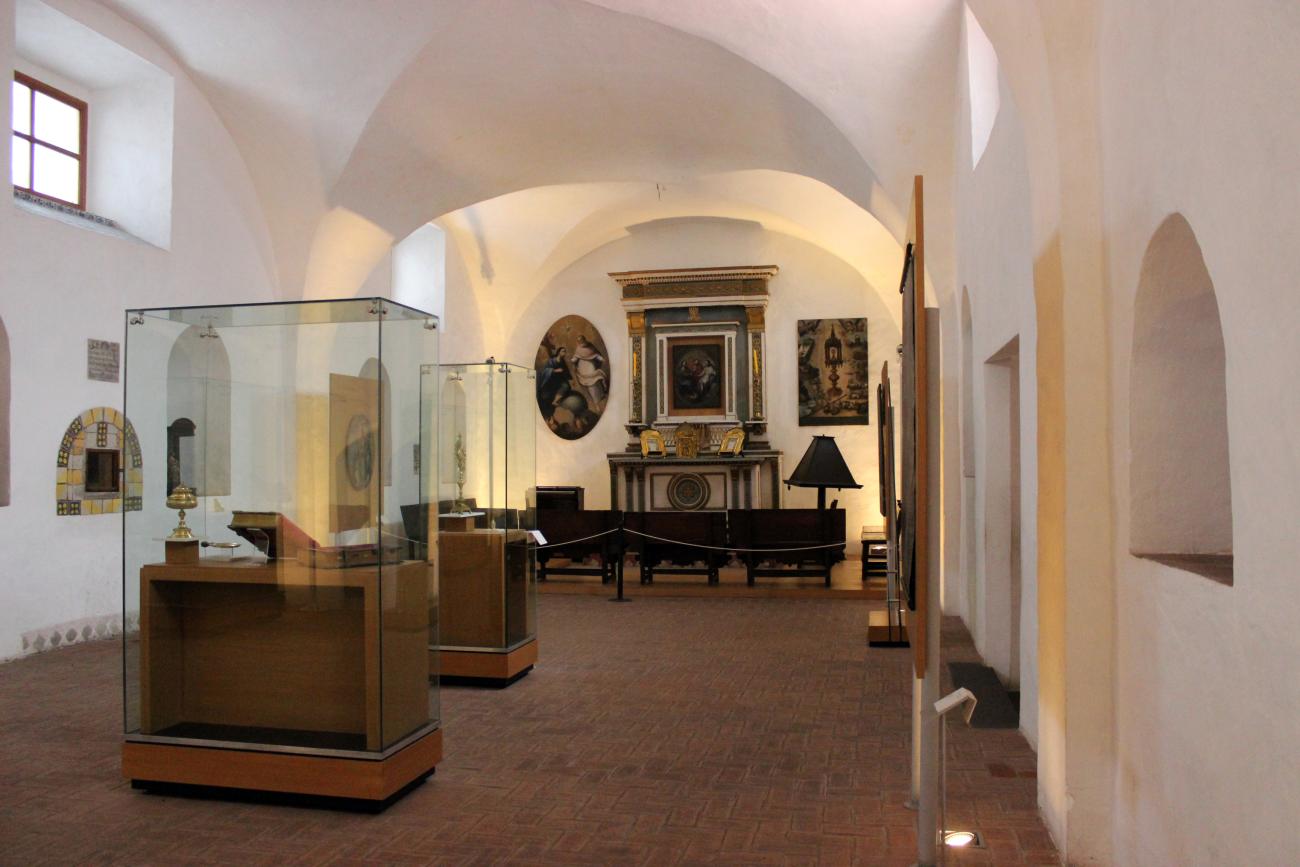
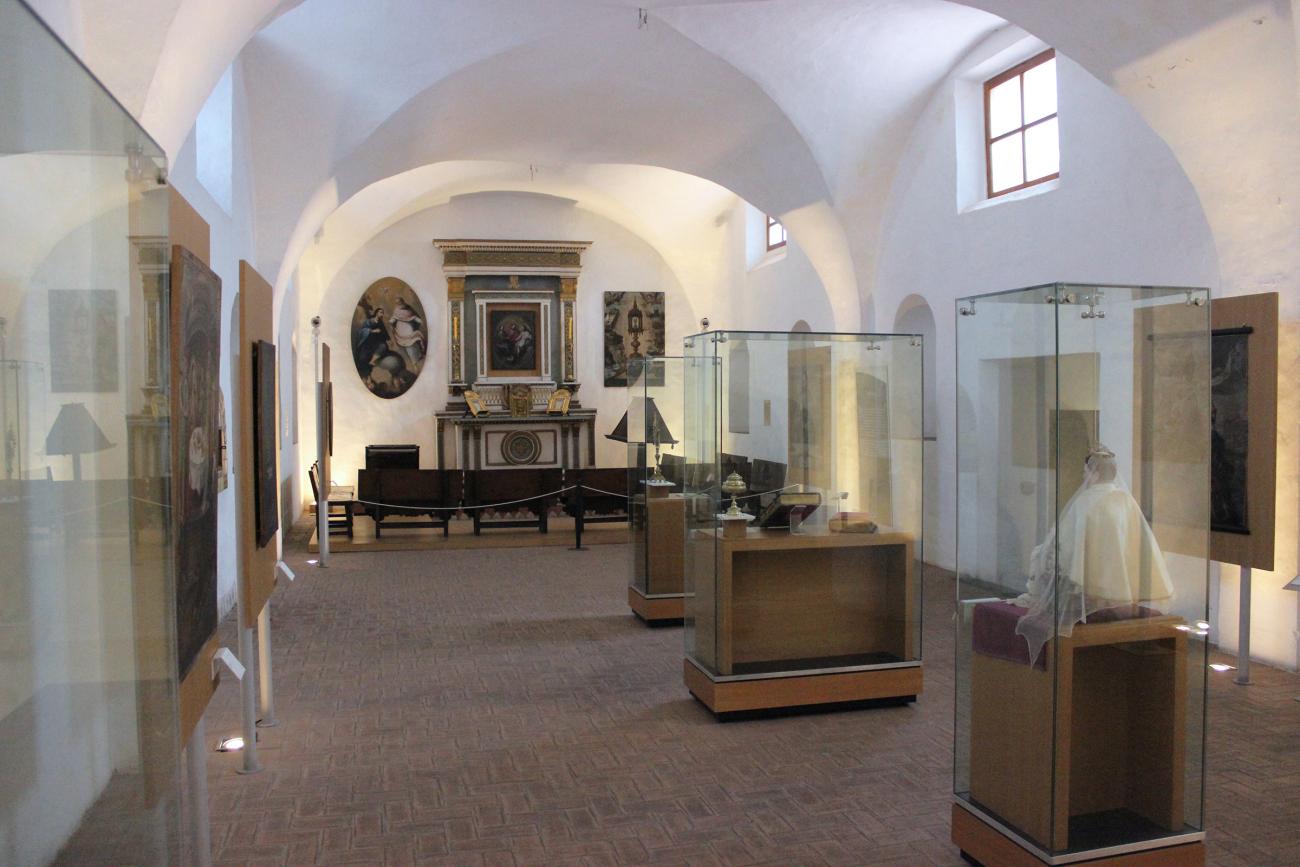
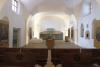
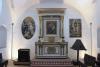
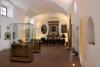
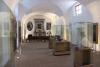
This rectangular-shaped choir features a series of niches for sculptures or reliquaries, and at the back, there is an altar in the neoclassical style. Above the grille, which stretches from wall to wall under the main arch, is a large wooden latticework screen carved in a "fan" shape that fills the half circle. It was common for such lattice screens to be made of wrought iron or even to have silver reliefs. Generally, a large canvas would cover the half circle with an oil painting, with the latticework on either side. In this convent, there was a simpler grille than the one in the lower choir, but it was still covered with fabric panels that allowed the nuns to see the mass from inside.
The choirs were an essential part of the temples of nuns: the convent's very life began in these spaces. The Divine Office was started in the upper choir with prayers at the first hour of the day. The nuns, in community, would arrange themselves in chairs or benches placed around the perimeter. Throughout the day, they would return to this space to continue their prayers in accordance with the liturgy of the hours.
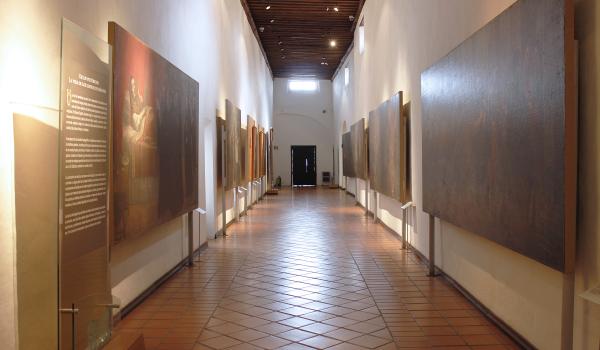
Life of Saint Augustine
This thematic room houses 14 oil paintings illustrating the life and death of Saint Augustine, Bishop of Hippo and Doctor of the Church, whose teachings form the basis of the rules of the order.
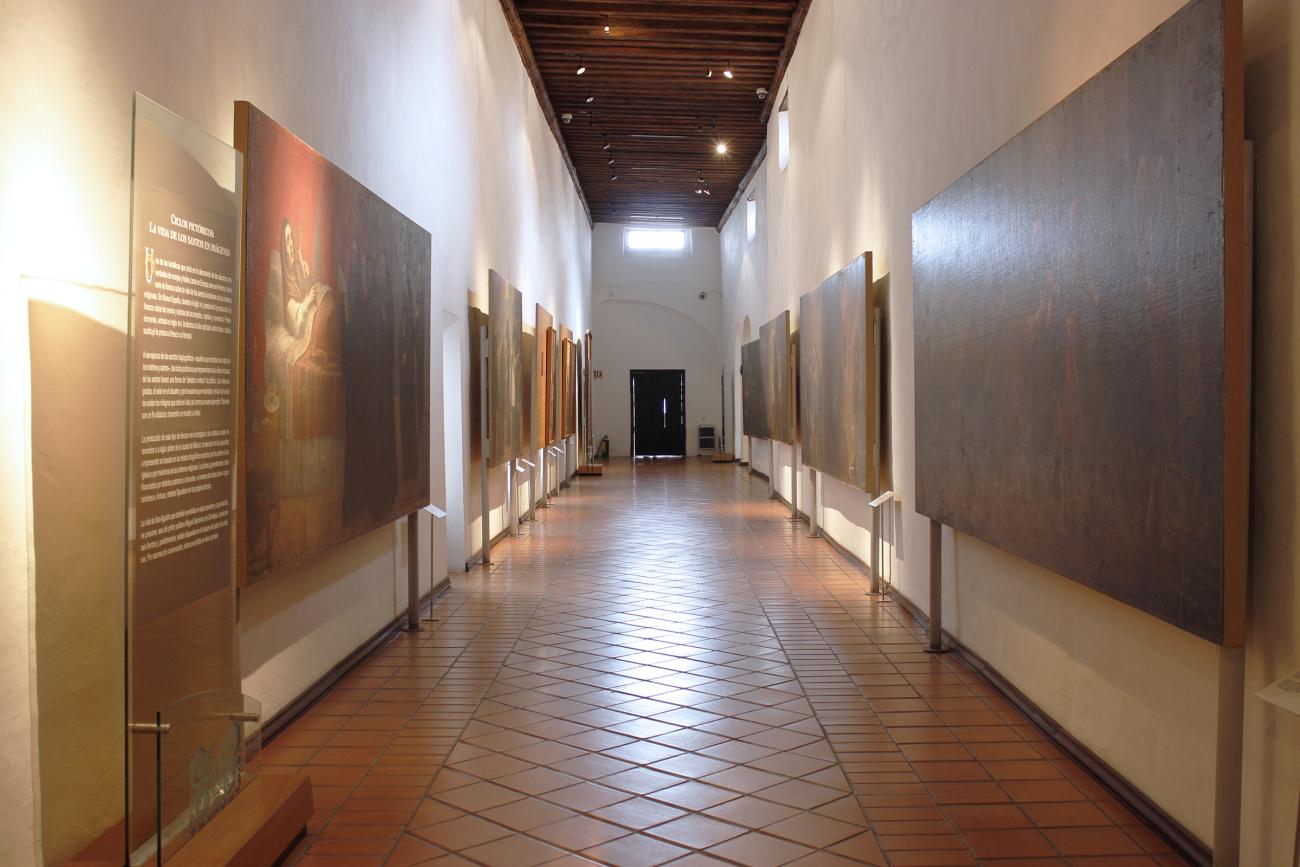
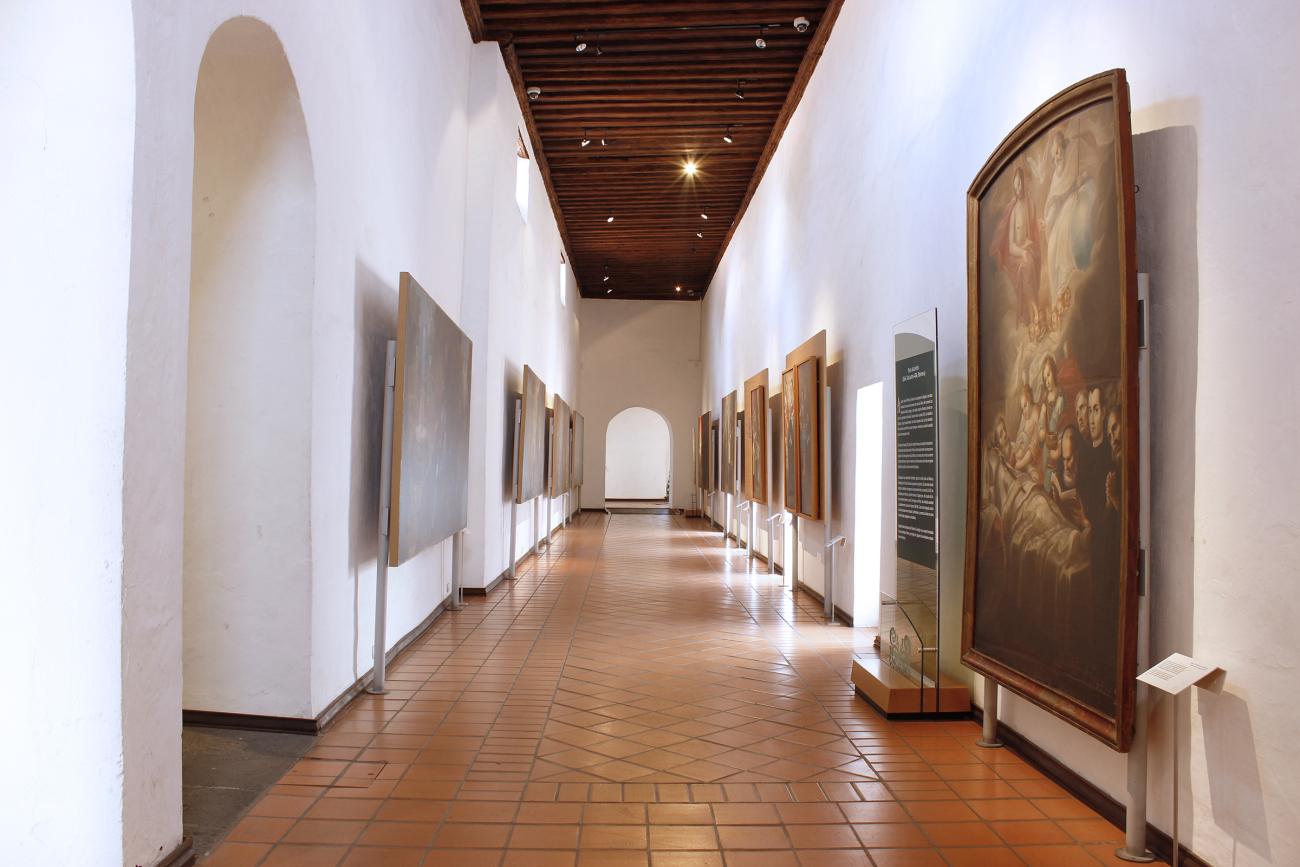

Relics
Due to their "miraculous" nature, relics were and still are considered a protection against evil and a means of seeking the intercession of a saint before God.
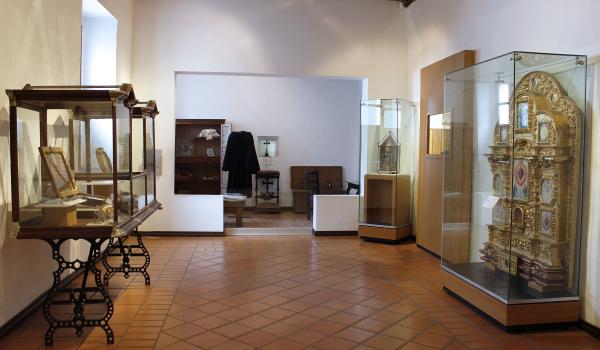
Relics
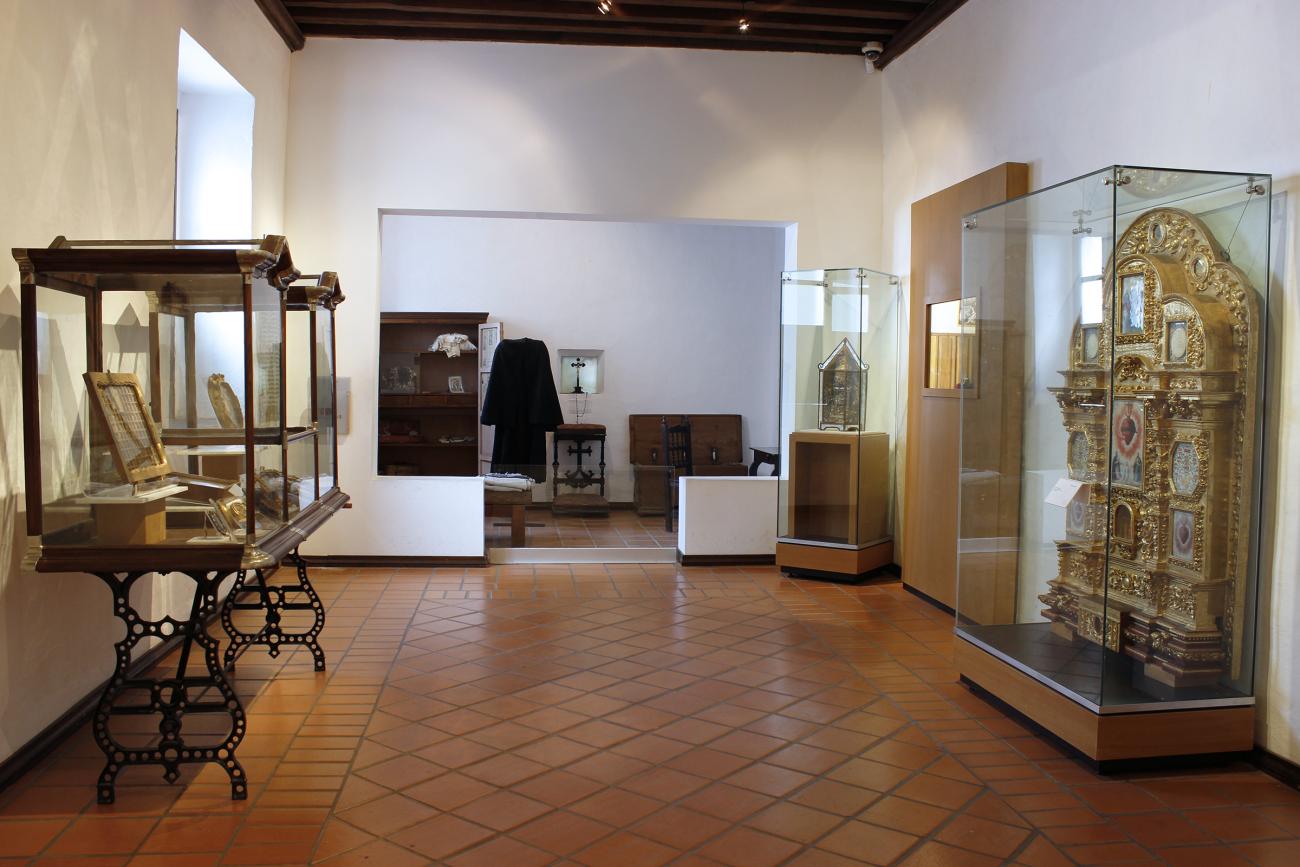
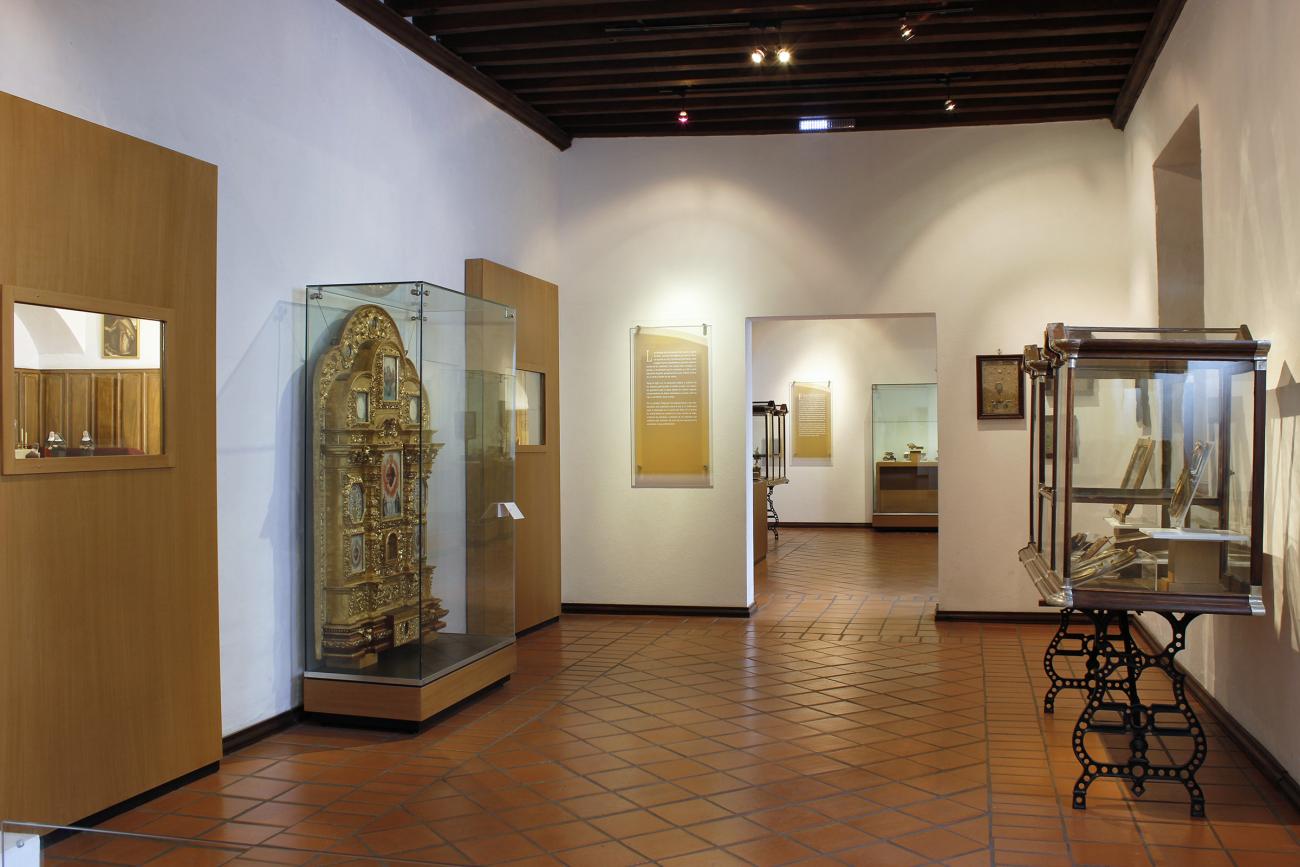
Due to their "miraculous" nature, relics were and still are considered a protection against evil and a means of seeking the intercession of a saint before God. The Santa Mónica collection preserves a number of relics, evidence of the practices and beliefs of the nuns who lived in this convent, as well as of the society to which they belonged.
Hagiography
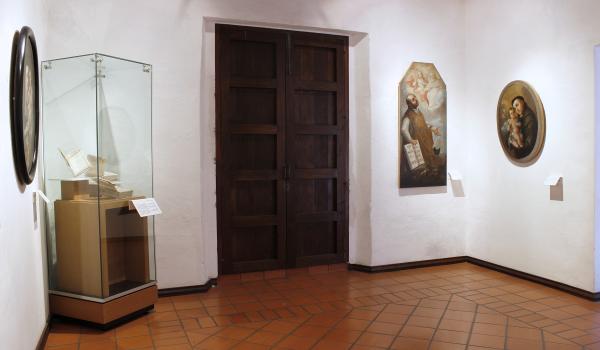
The purpose of this room is to show the close connection, during the colonial period, between literature and imagery. The production of the painted works on display here responded to the Church's need to spread models of exemplary lives for the faithful to imitate.
Hagiography
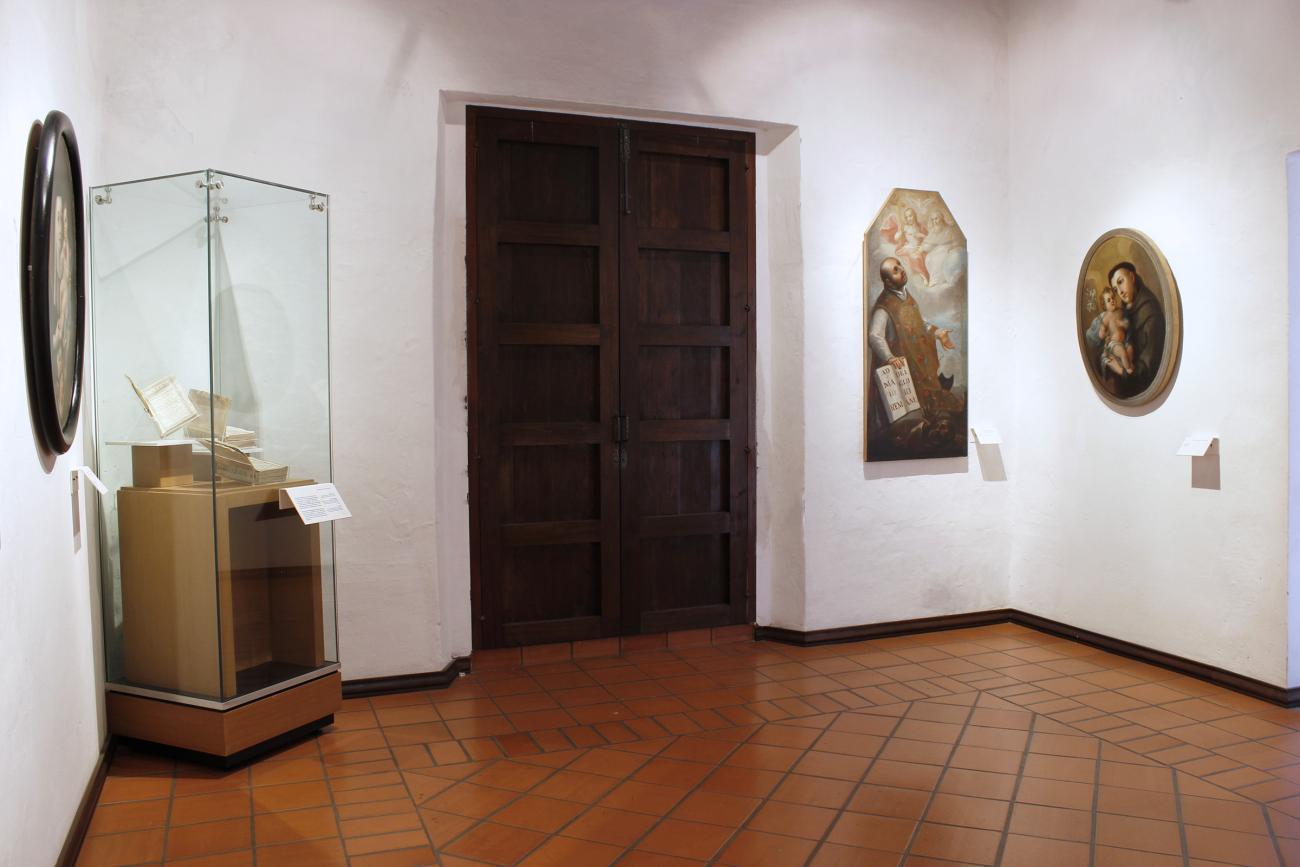
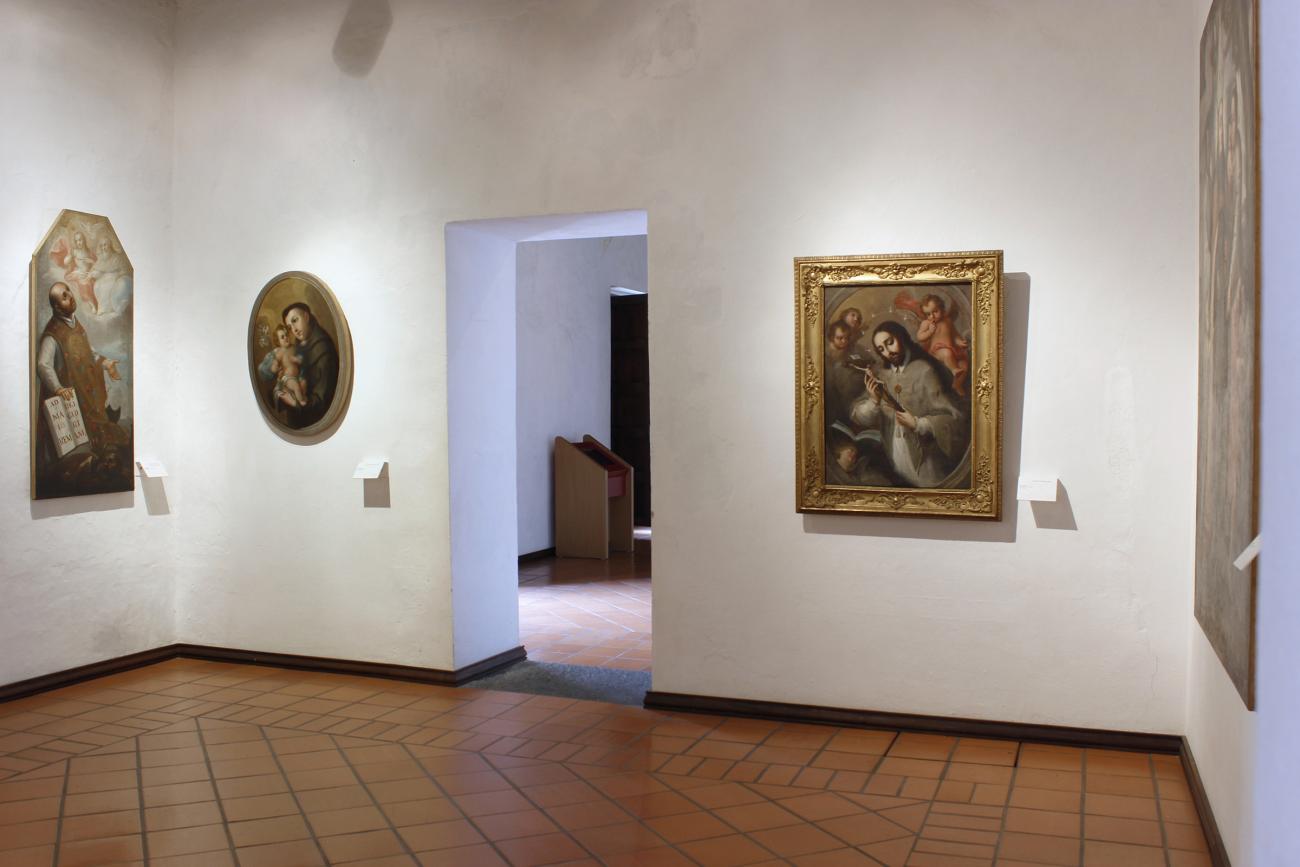
The purpose of this room is to show the close connection, during the colonial period, between literature and imagery. The production of the painted works on display here responded to the Church's need to spread models of exemplary lives for the faithful to imitate. These representations were promoted by both hagiographers—writers of the saints' lives—and by the artists.
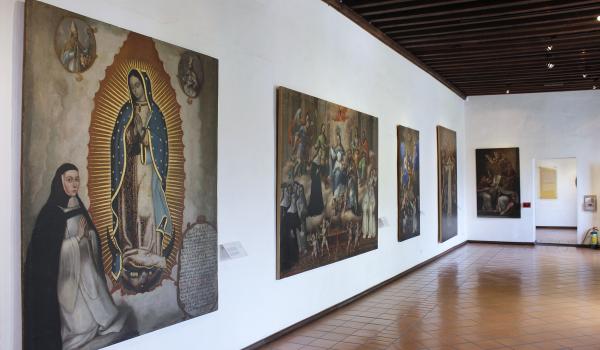
Allegories and Patrons
This gallery displays large paintings that reflect the early artistic development of the city.
Allegories and Patrons
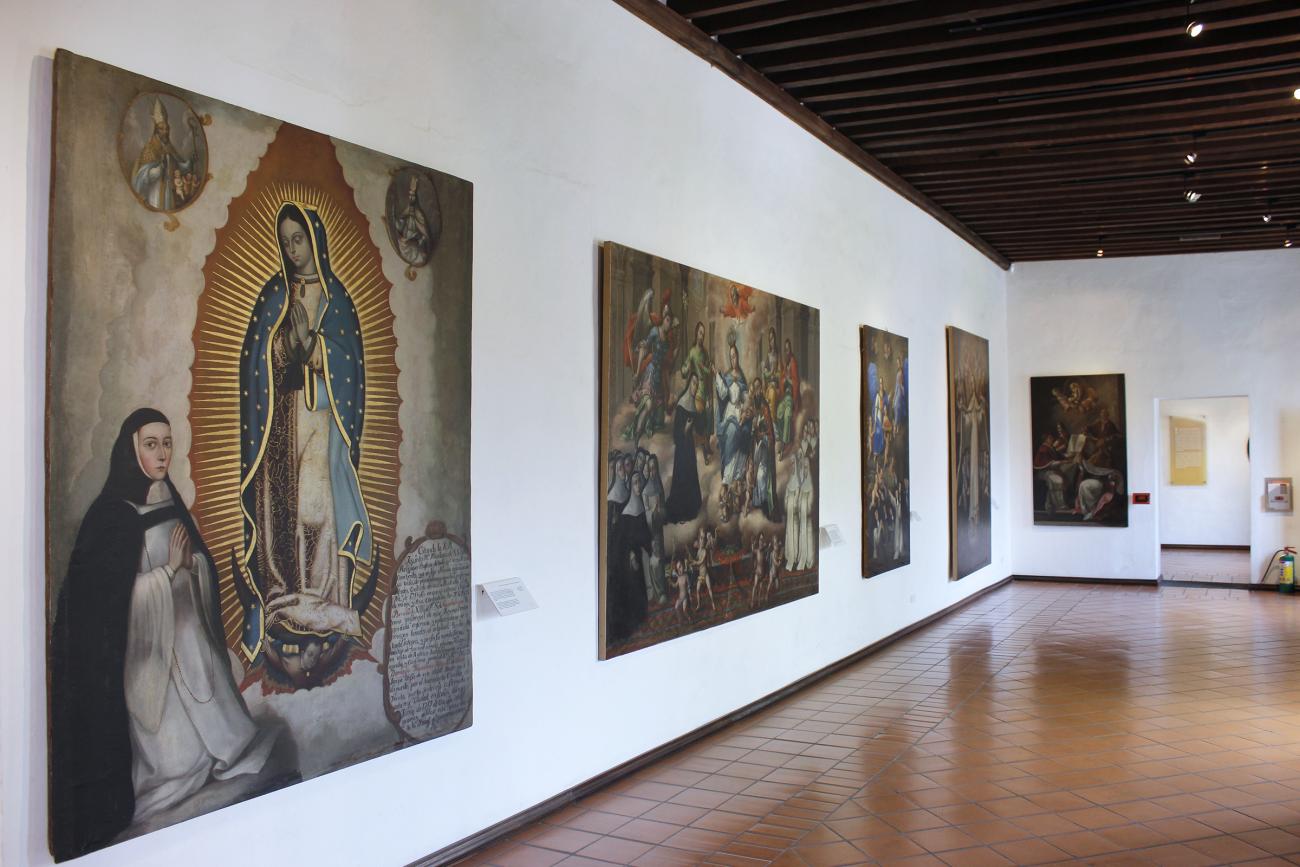
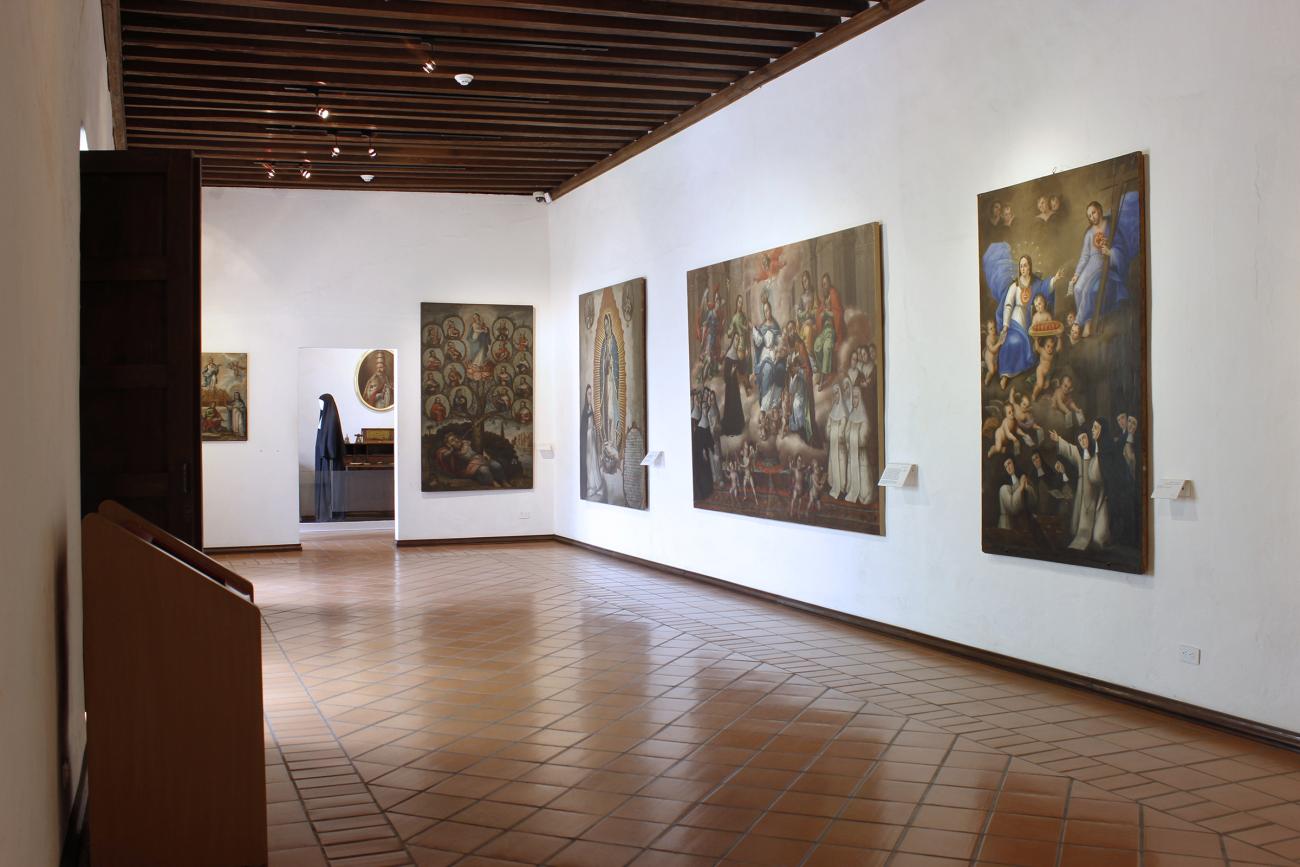
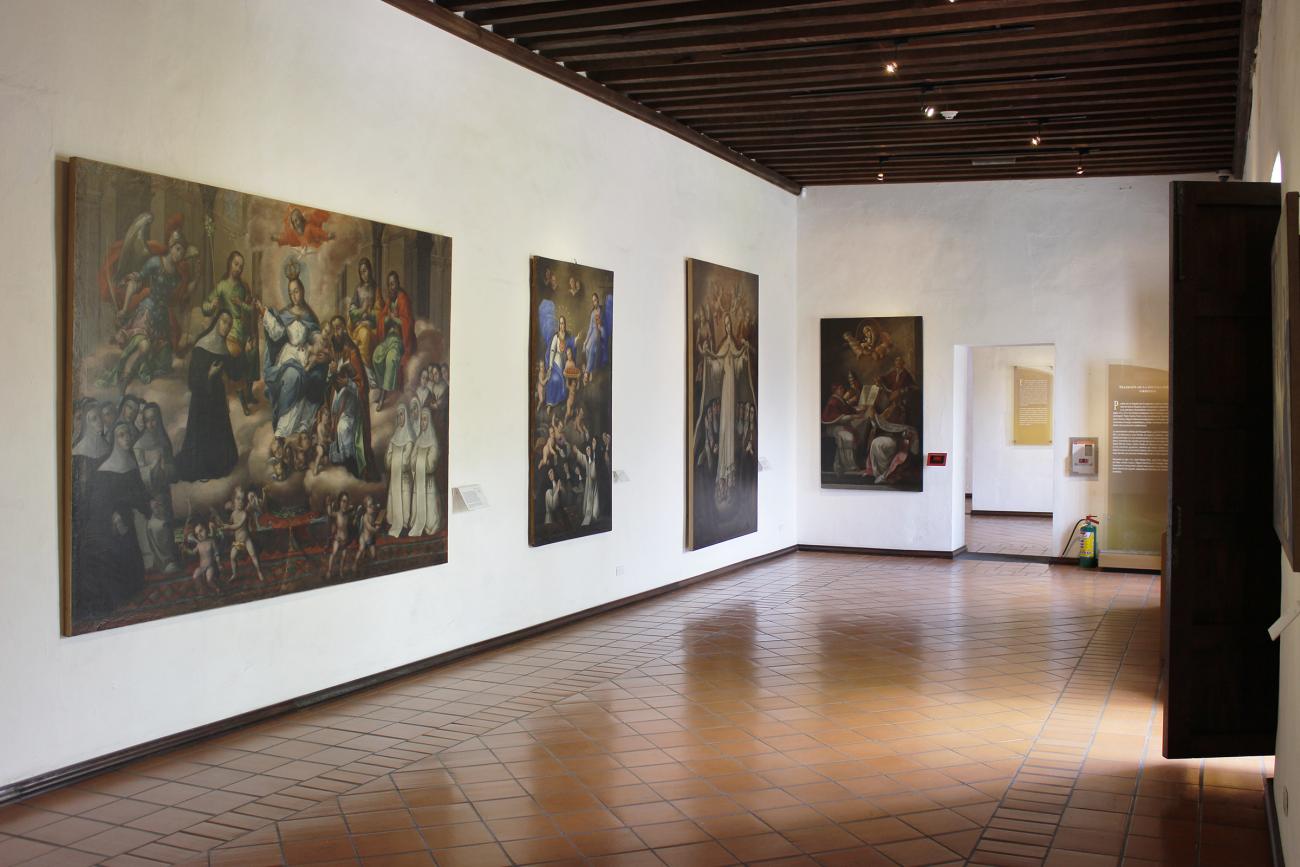
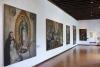
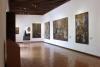
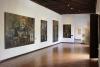
This gallery displays large paintings that reflect the early artistic development of the city. Between the 17th and 18th centuries, foreign painters such as Simón Pereyns, Luis Lagarto, Diego de Borgraf, and Pedro García Ferrer, as well as New Spanish artists Cristóbal de Villalpando, Juan Correa, and Miguel Cabrera, settled in Puebla. Here, they worked on numerous ecclesiastical and civil commissions, marking a trend in the local artistic production.
The artistic consolidation of Pascual Pérez, Juan de Villalobos, José del Castillo, Luis Berrueco, and Juan Correa (most of them from Puebla) marked the end of the 17th and early 18th-century style. These artists painted for temples and convents according to the devotional practices of each order; for instance, images of Saint Rita of Cascia and Saint Thomas of Villanova were commonly seen in Augustinian convents, while Saint Catherine and Saint Thomas Aquinas were typical in those of Santa Catalina.
Advancing into the 18th century, José Patricio Polo, José Ortiz, Miguel Cabrera, José de Páez, Andrés López, and Miguel Jerónimo de Zendejas abandoned the chiaroscuro technique and incorporated softer colors into their compositions. Zendejas' series on the life of Saint Augustine showed this chromatic transition.
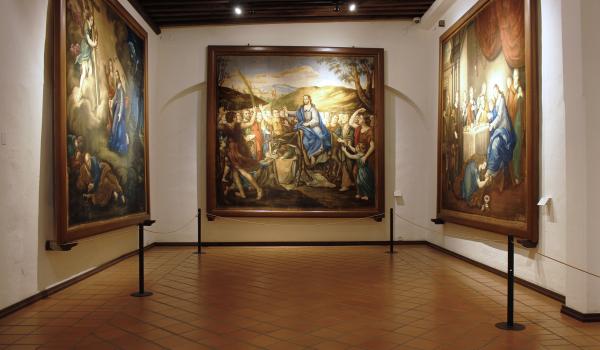
Velvets
In this gallery, there is a series of large paintings from the early 19th century depicting episodes from the life of Christ.
Velvets
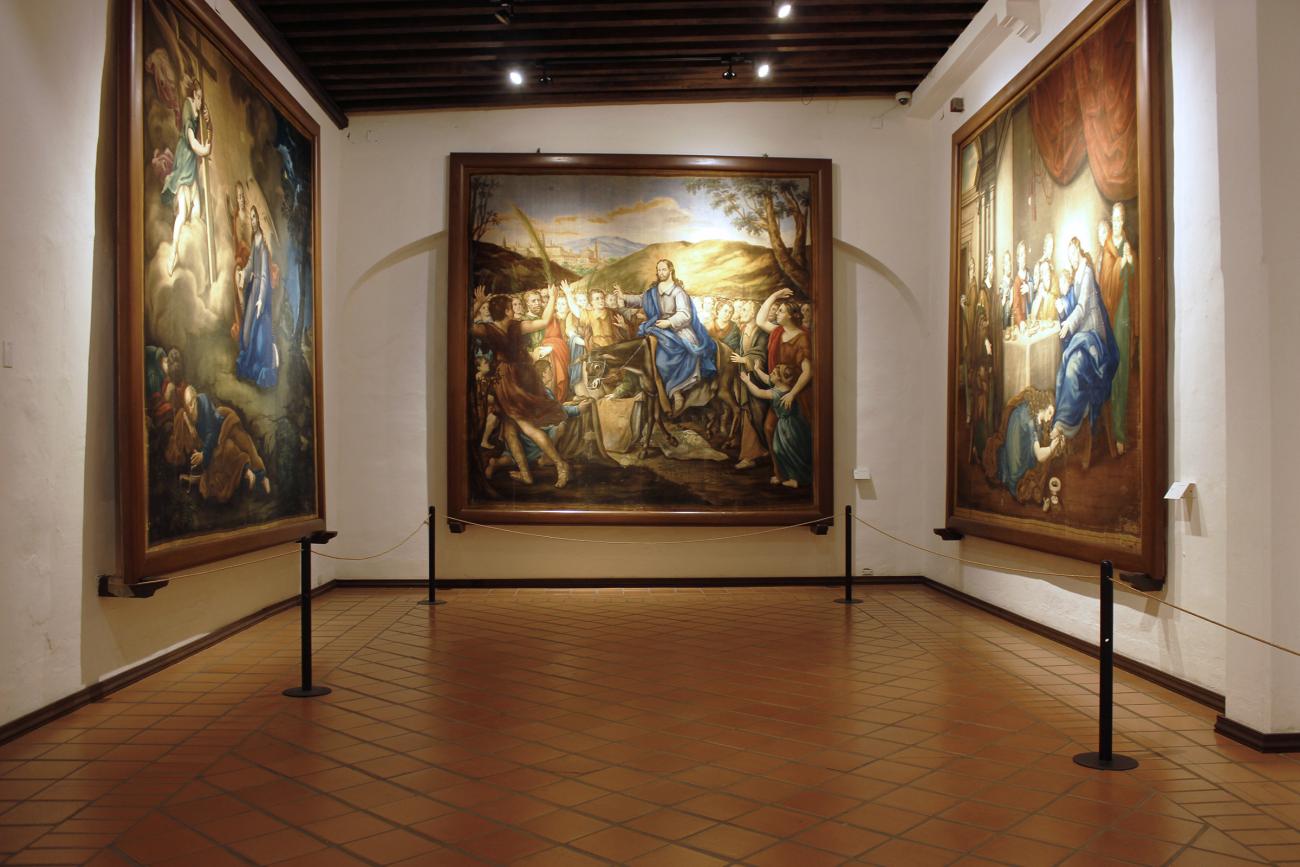
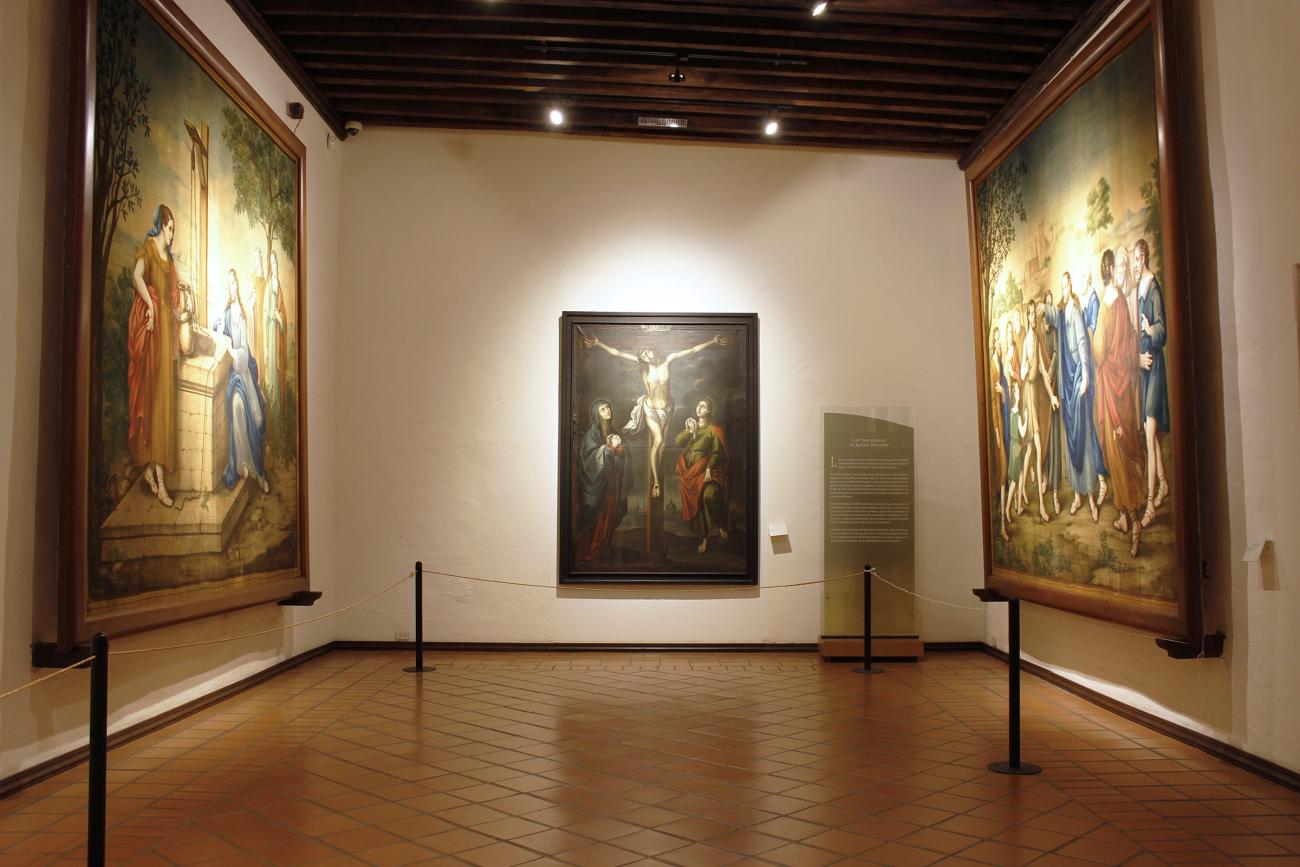
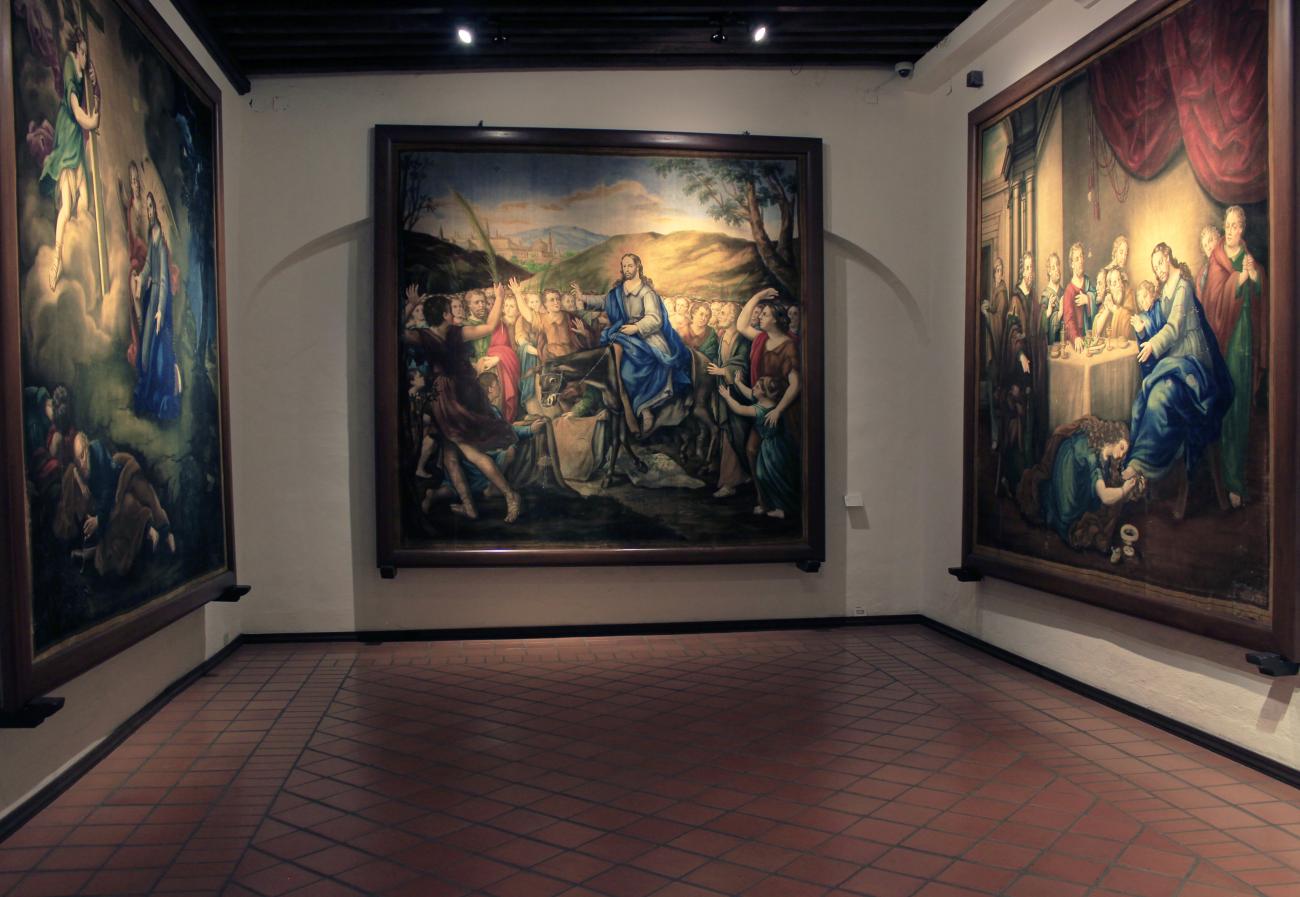
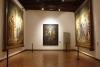
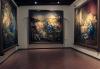
In this gallery, there is a series of large paintings from the early 19th century depicting episodes from the life of Christ. The particularity of these works lies in the technique used by their artist, Rafael Morante, originally from Cholula, who employed oil on velvet to create an effect of movement and perspective.
Marian
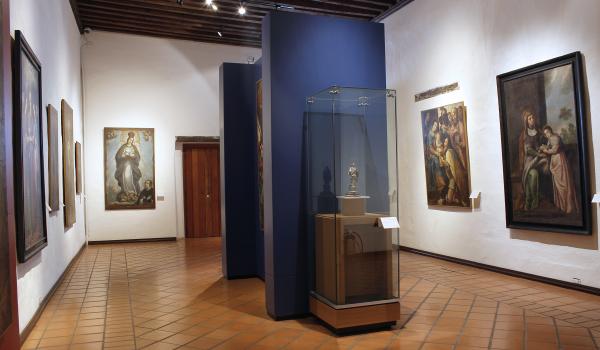
The images displayed in this gallery depict various episodes from the life of the Virgin Mary.
Marian
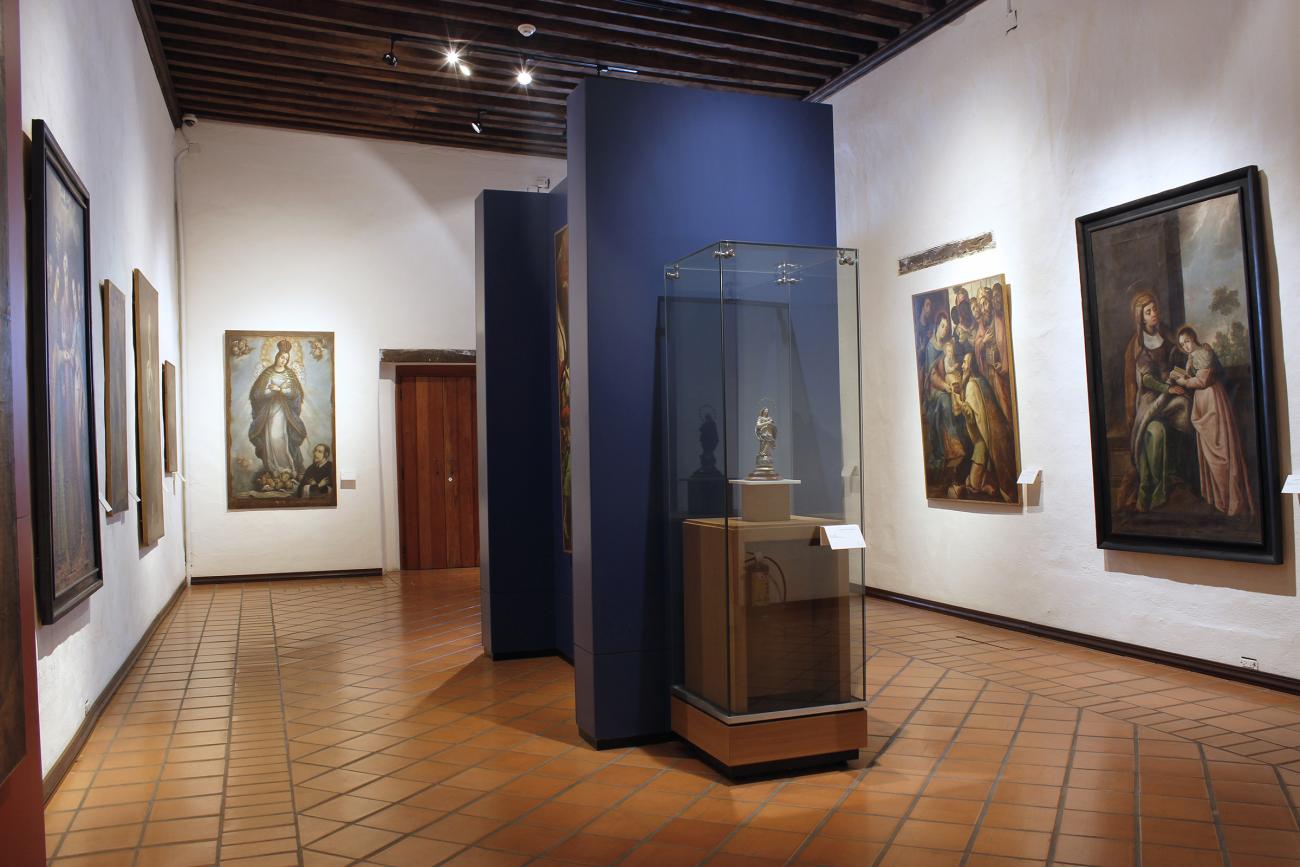
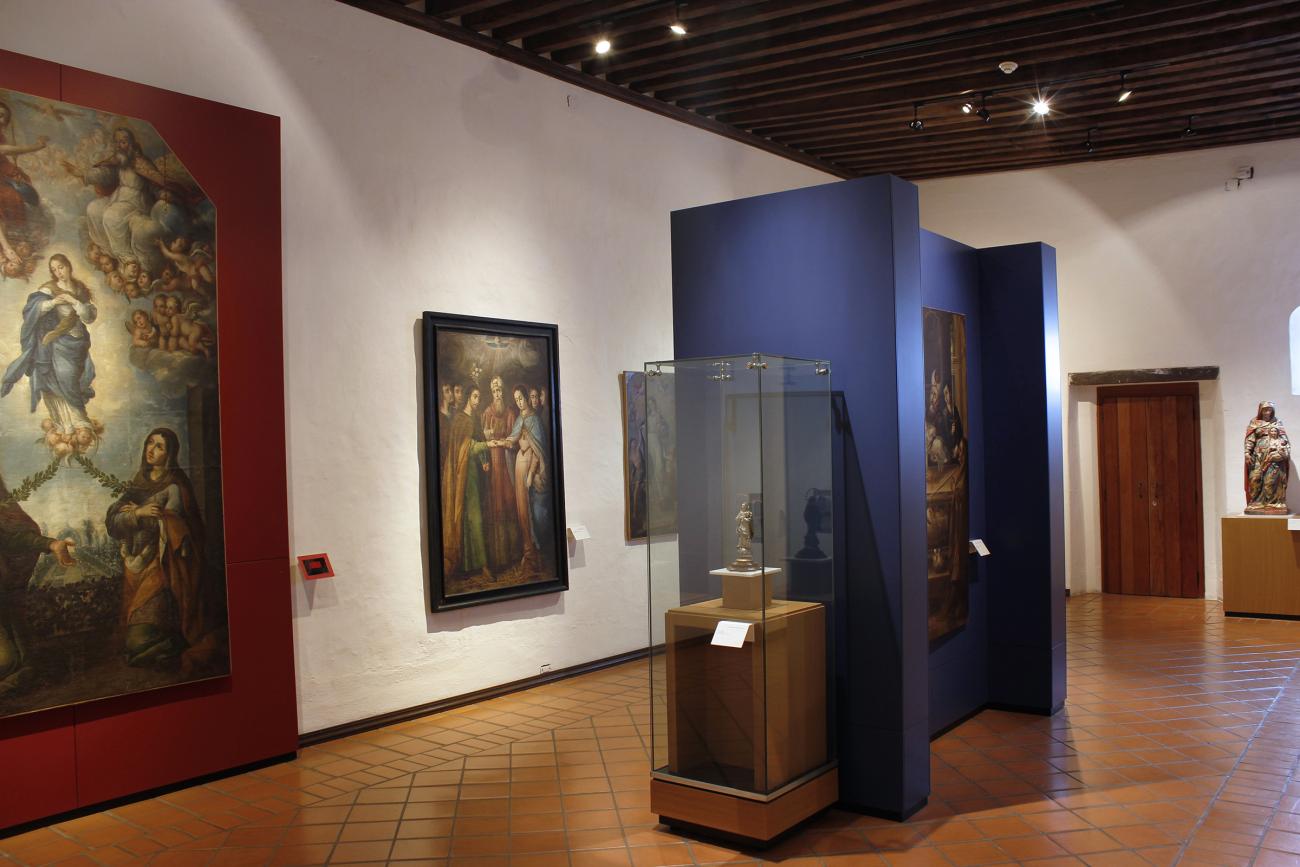
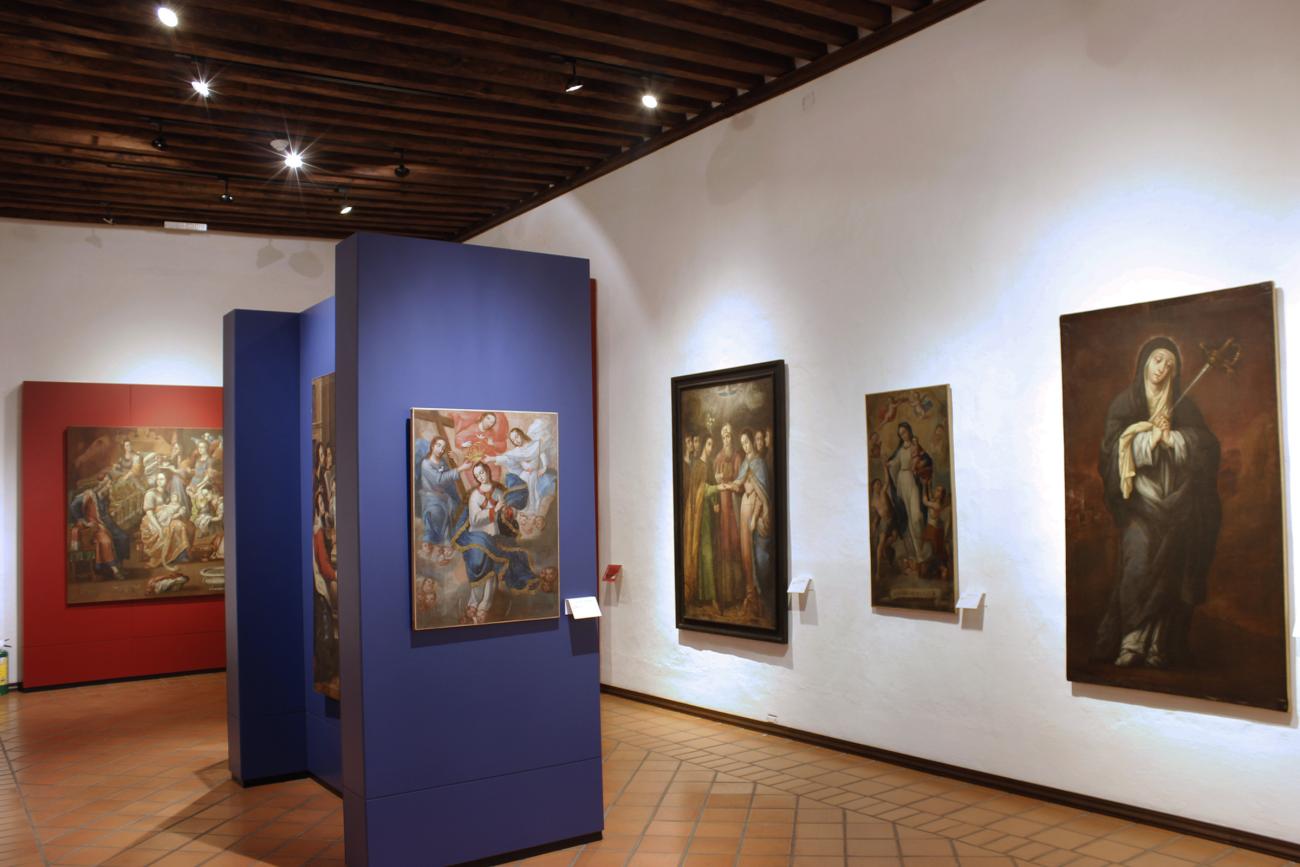
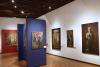
The images displayed in this gallery depict various episodes from the life of the Virgin Mary. These works, primarily painted by local artists, reflect the devotional practices unique to Puebla and are a testament to the pictorial tradition that adorned the walls of churches and convents in the city.
Cell
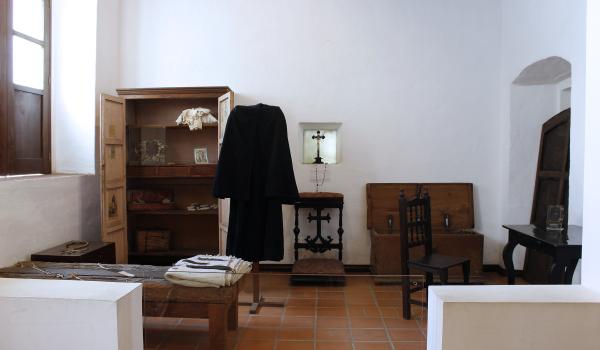
In this modified space, there were once the individual cells of the nuns who lived in the convent.
Cell
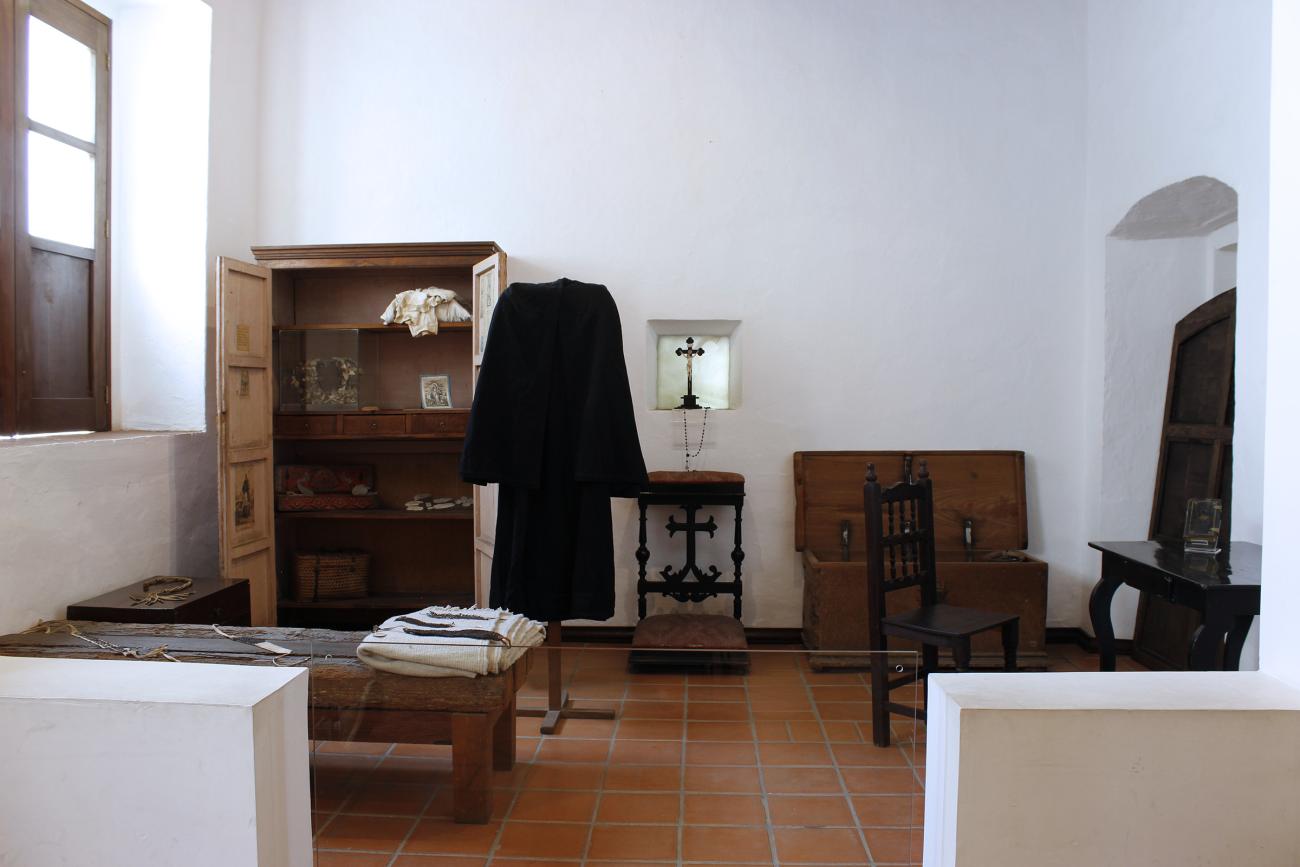
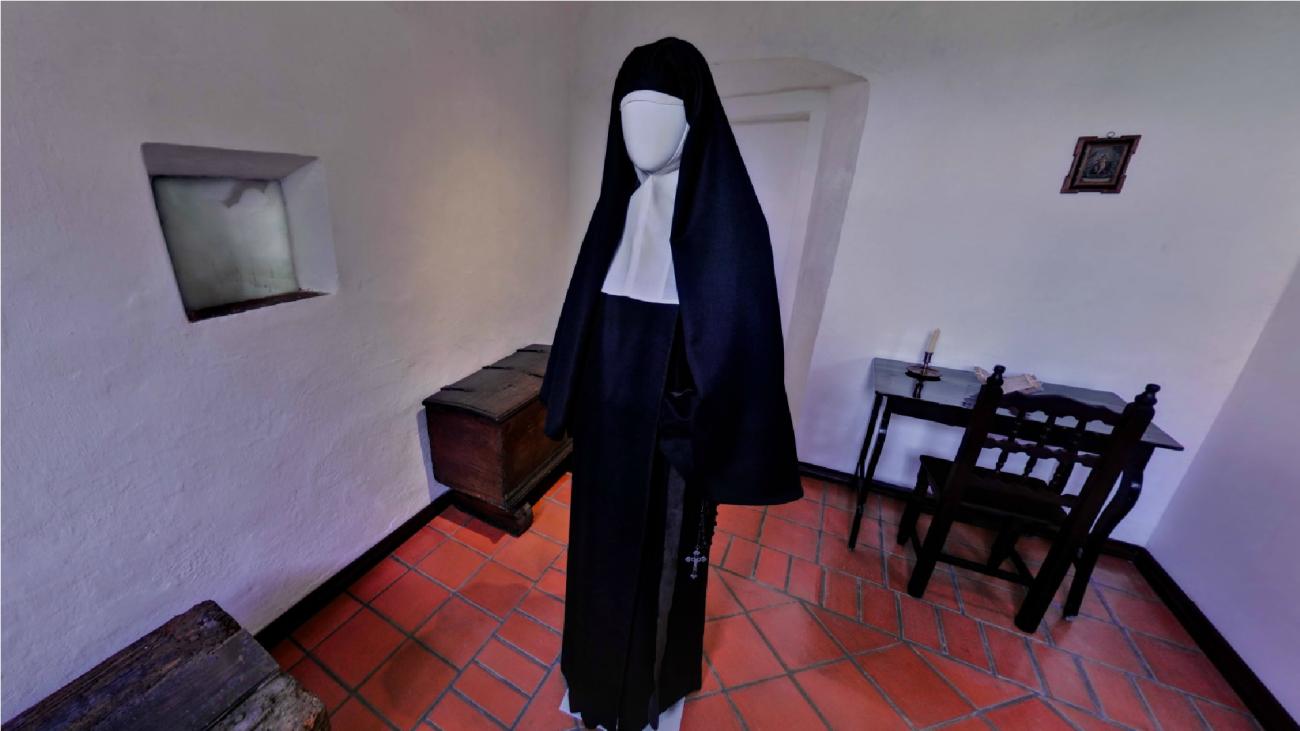
In this modified space, there were once the individual cells of the nuns who lived in the convent. According to the vow of poverty they had sworn to uphold, the walls (whitewashed with lime) were devoid of decoration; at most, a simple crucifix served as a reminder of the sacrifice of God's son for the salvation of humankind. This is a representation of how the private spaces of the nuns may have looked.
Kitchen
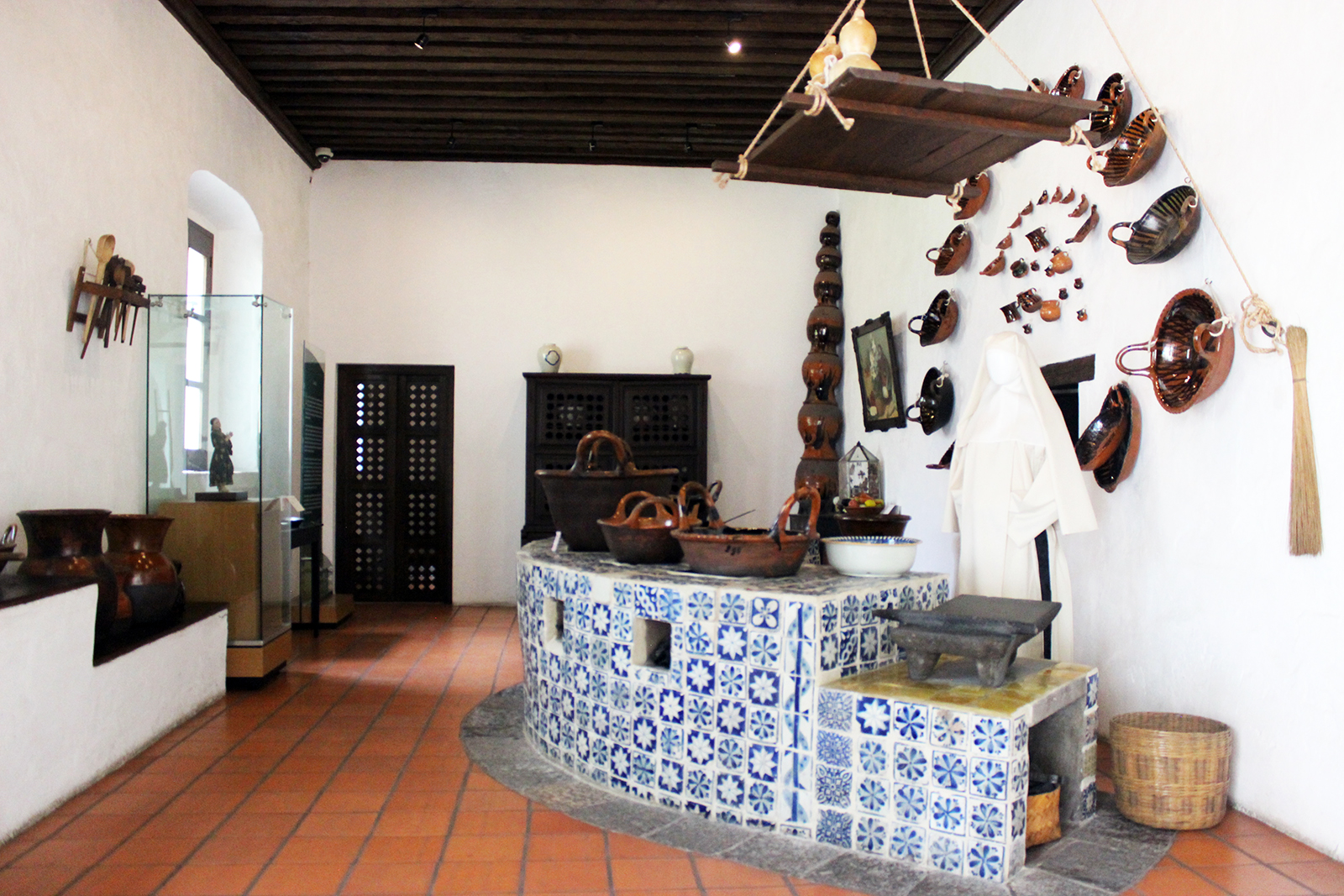
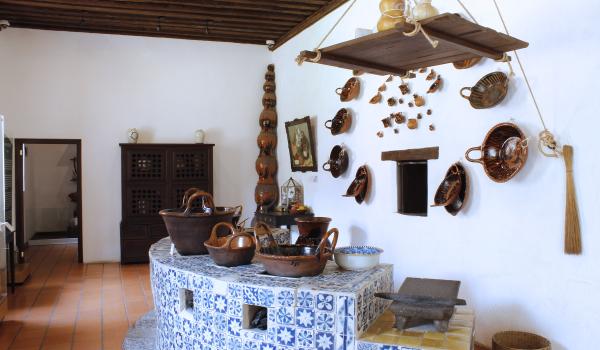
Of great architectural and gastronomic value, this convent kitchen showcases the mestizo blending of ingredients that led to the creation of exquisite dishes for the enjoyment of the New Spanish elite.
Kitchen
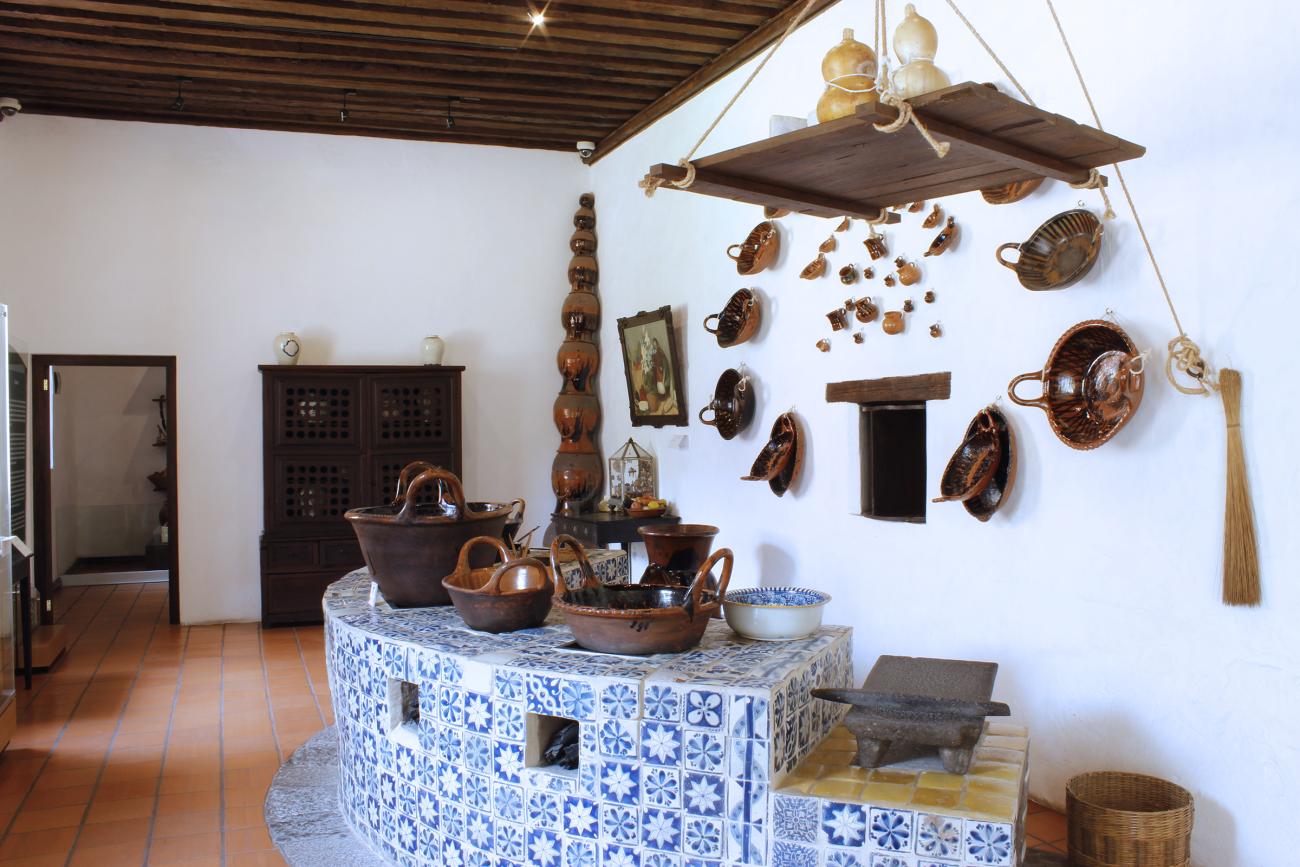
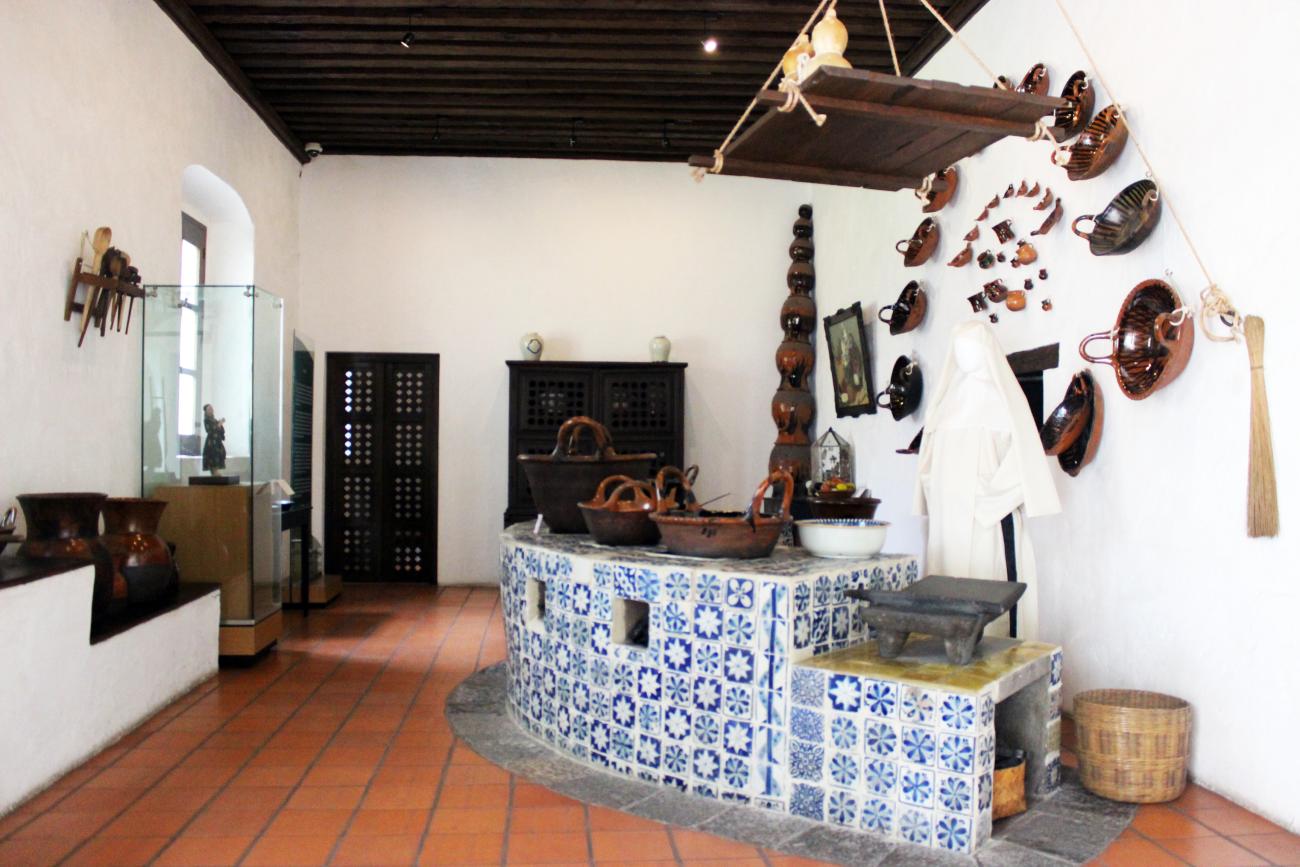
Of great architectural and gastronomic value, this convent kitchen showcases the mestizo blending of ingredients that led to the creation of exquisite dishes for the enjoyment of the New Spanish elite. A prime example is the "chile en nogada" prepared for Agustín de Iturbide in 1821 as a tribute following the consummation of Mexico's Independence. This dish was adorned to resemble the Trigarante flag, with parsley symbolizing the green, pomegranate for the red, and the nogada sauce for the white. Additionally, countless complex dishes that transcended the convent walls and have reached the present day as a treasured heritage.
Prioress's Office
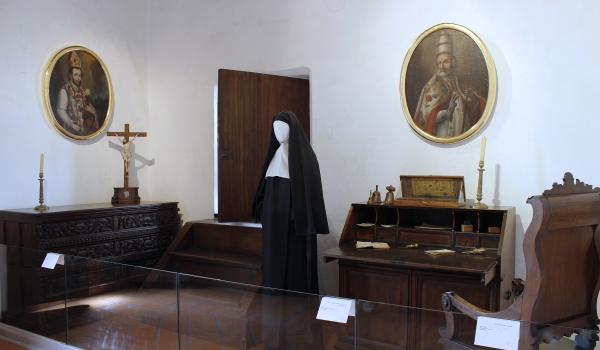
Starting in 1857, due to Benito Juárez's Reform Laws, many convents were closed, or continued to operate clandestinely by constructing buildings around the convent. The only contact with the outside world was through the door shown in this room.
Prioress's Office
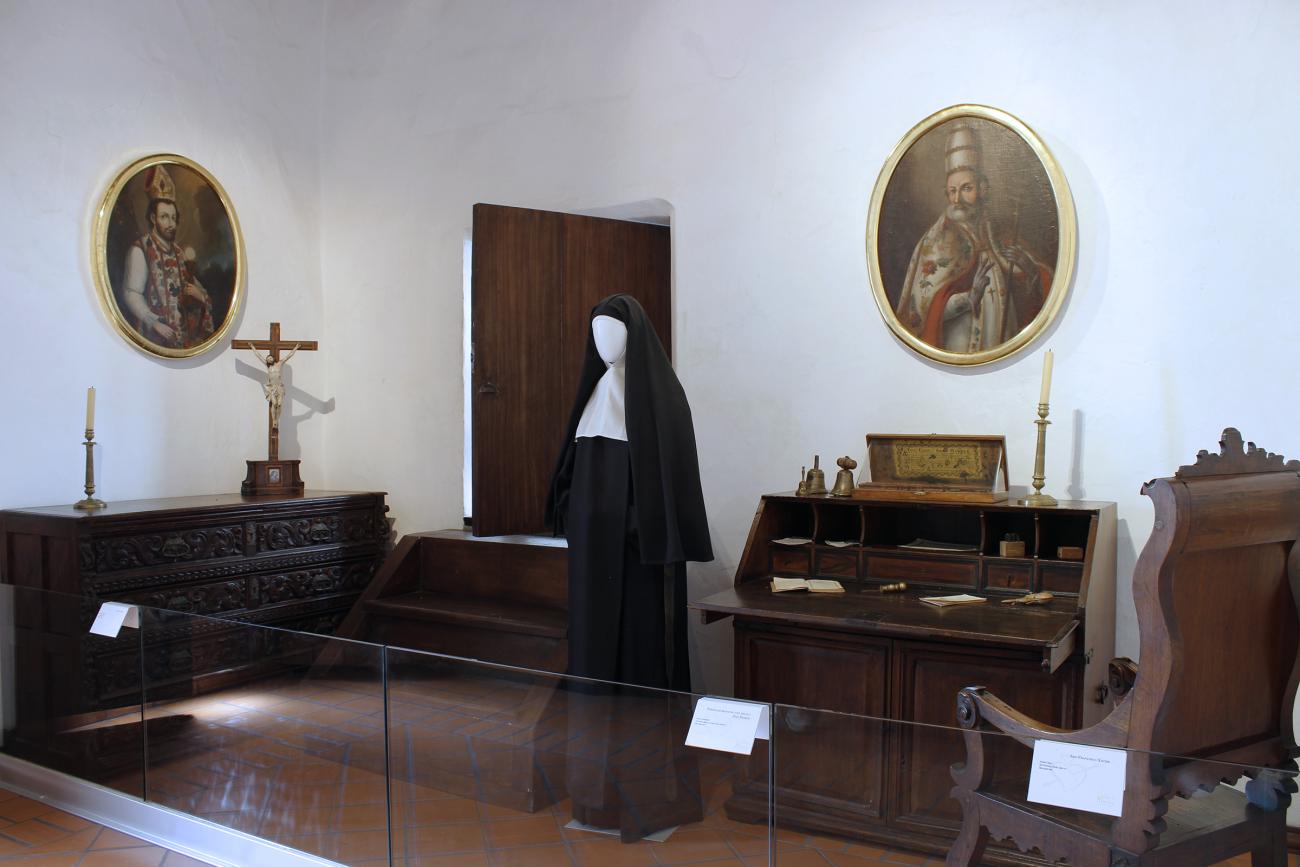
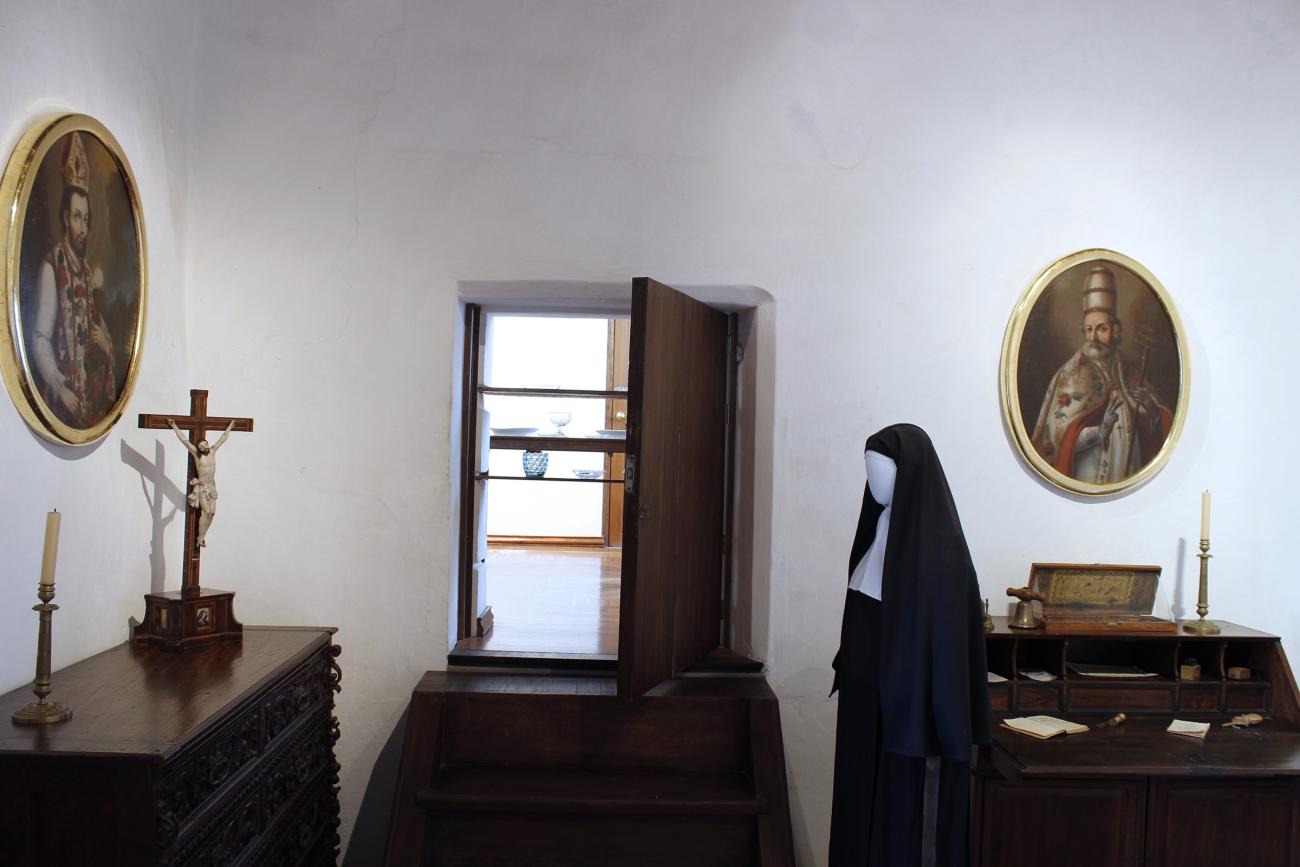
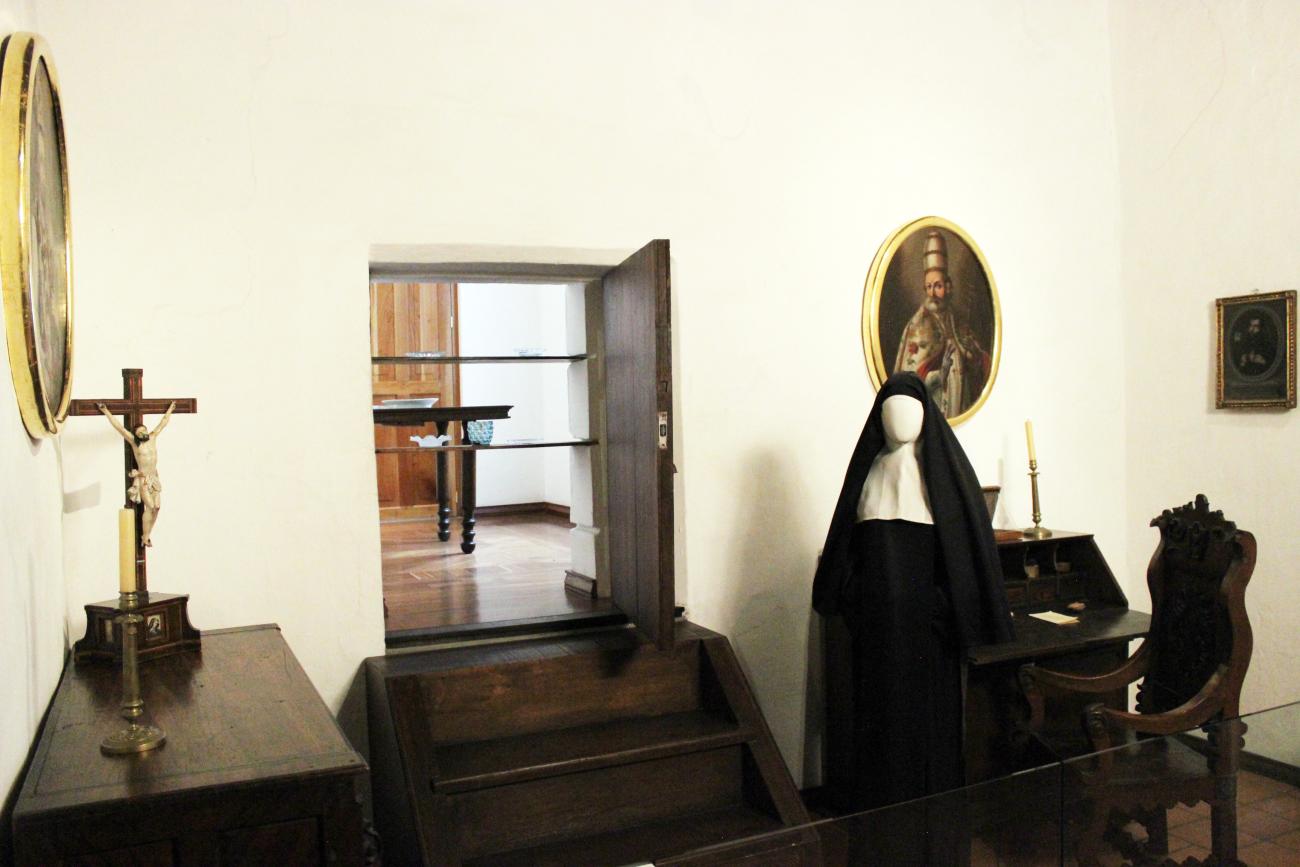
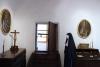
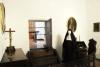
Starting in 1857, due to Benito Juárez's Reform Laws, many convents were closed, or continued to operate clandestinely by constructing buildings around the convent. The only contact with the outside world was through the door shown in this room.
The last exclaustration occurred in 1934 when an antiquarian reported the convent to the police. Legend has it that when the police arrived to search the houses surrounding the convent, Detective Valente Quintana accidentally broke a vase where a small bell was hidden. When the bell rang, the prioress opened the door, marking the end of nearly 250 years of existence.
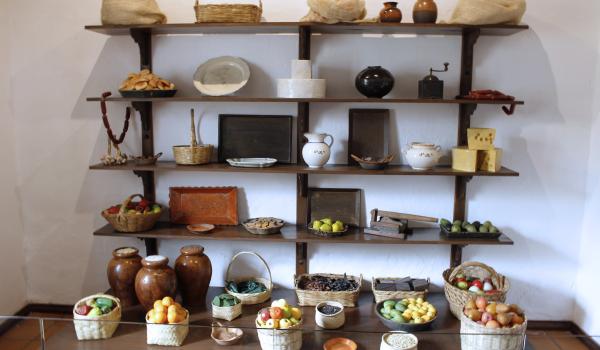
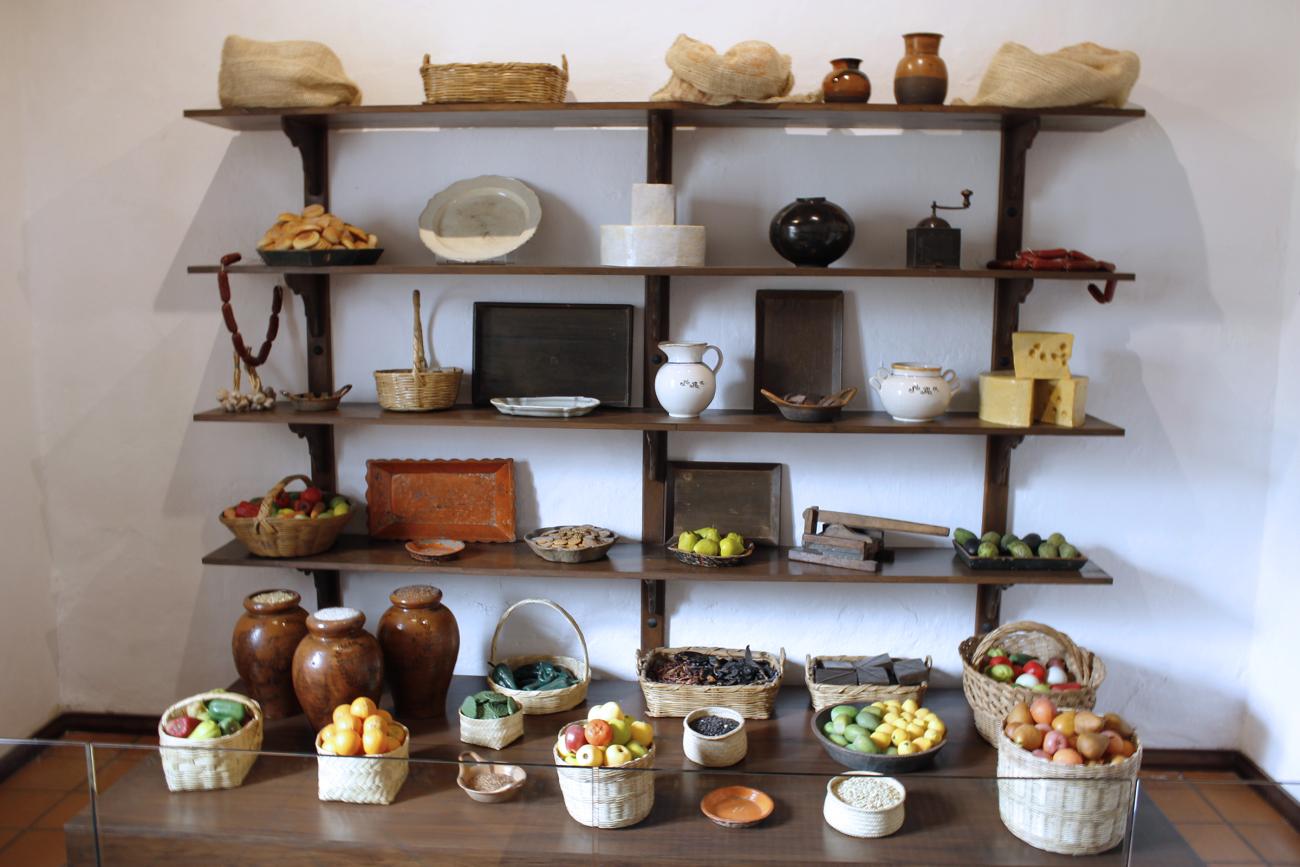
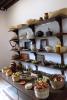
Pantry
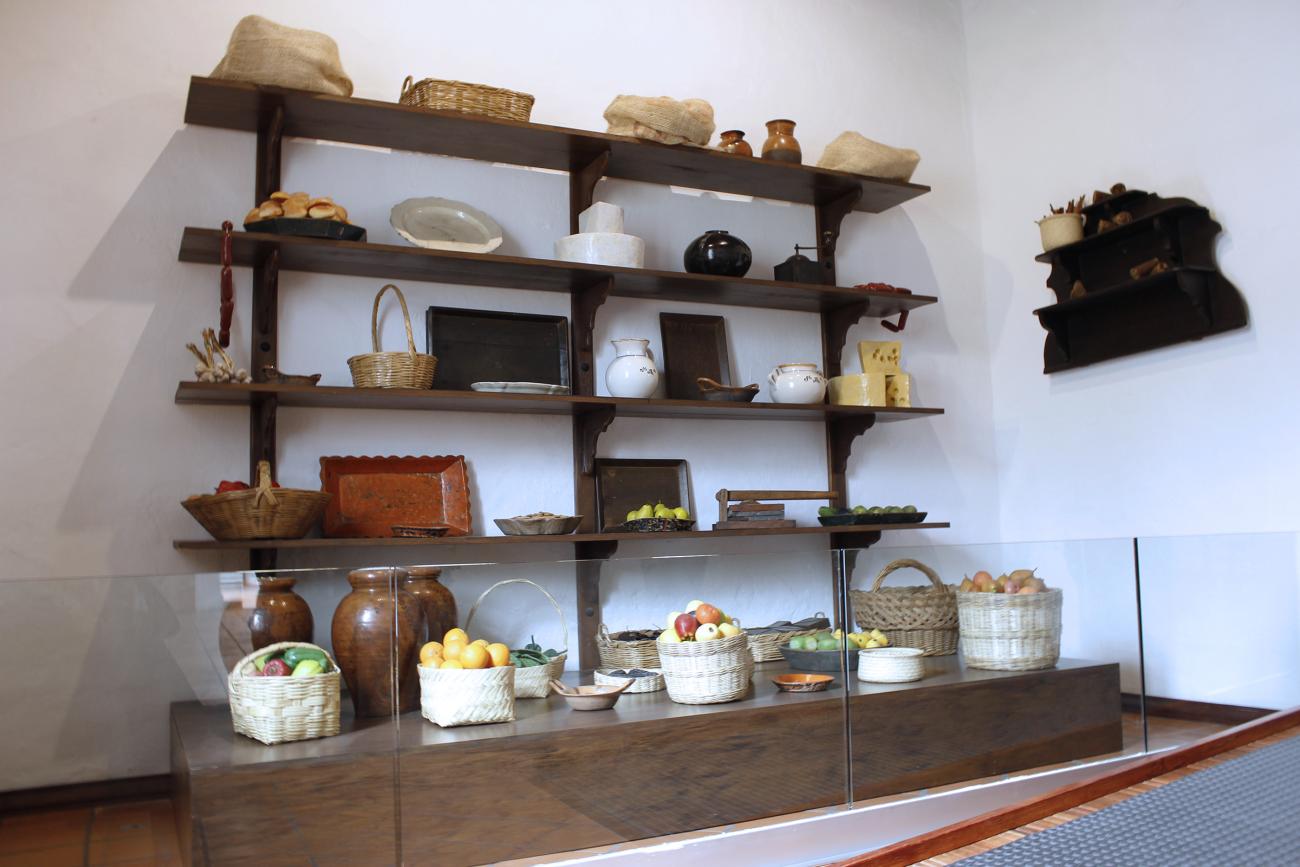
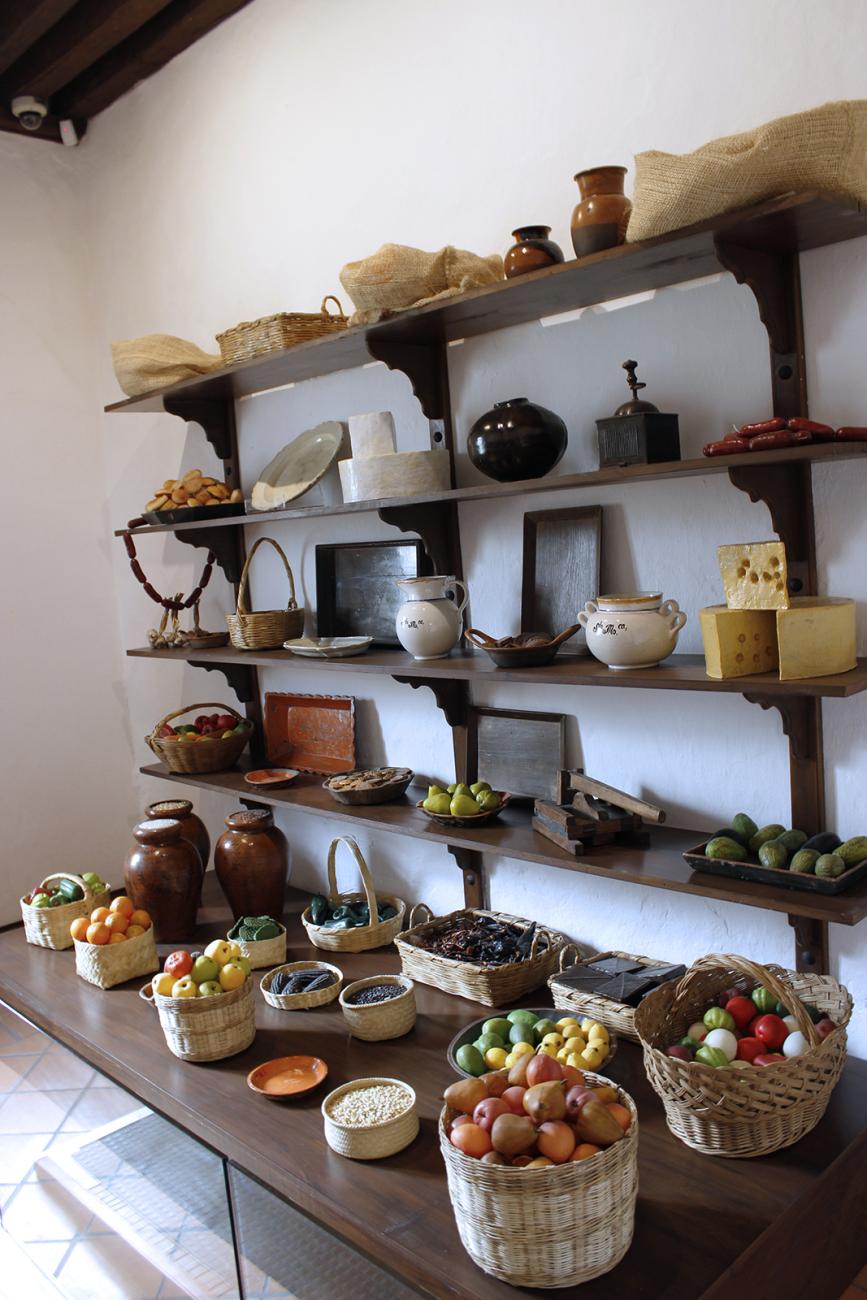
As part of the kitchen, this was an important space for storing and preserving the ingredients and provisions necessary for the culinary creations.
Pleasures
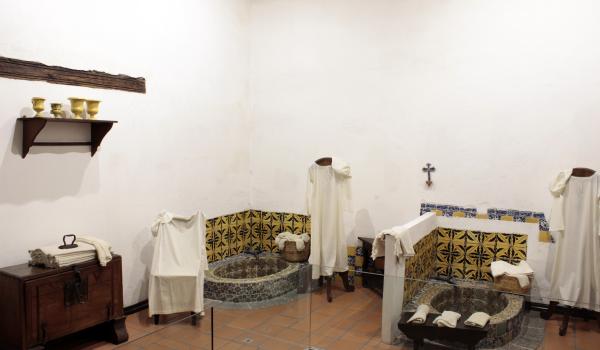
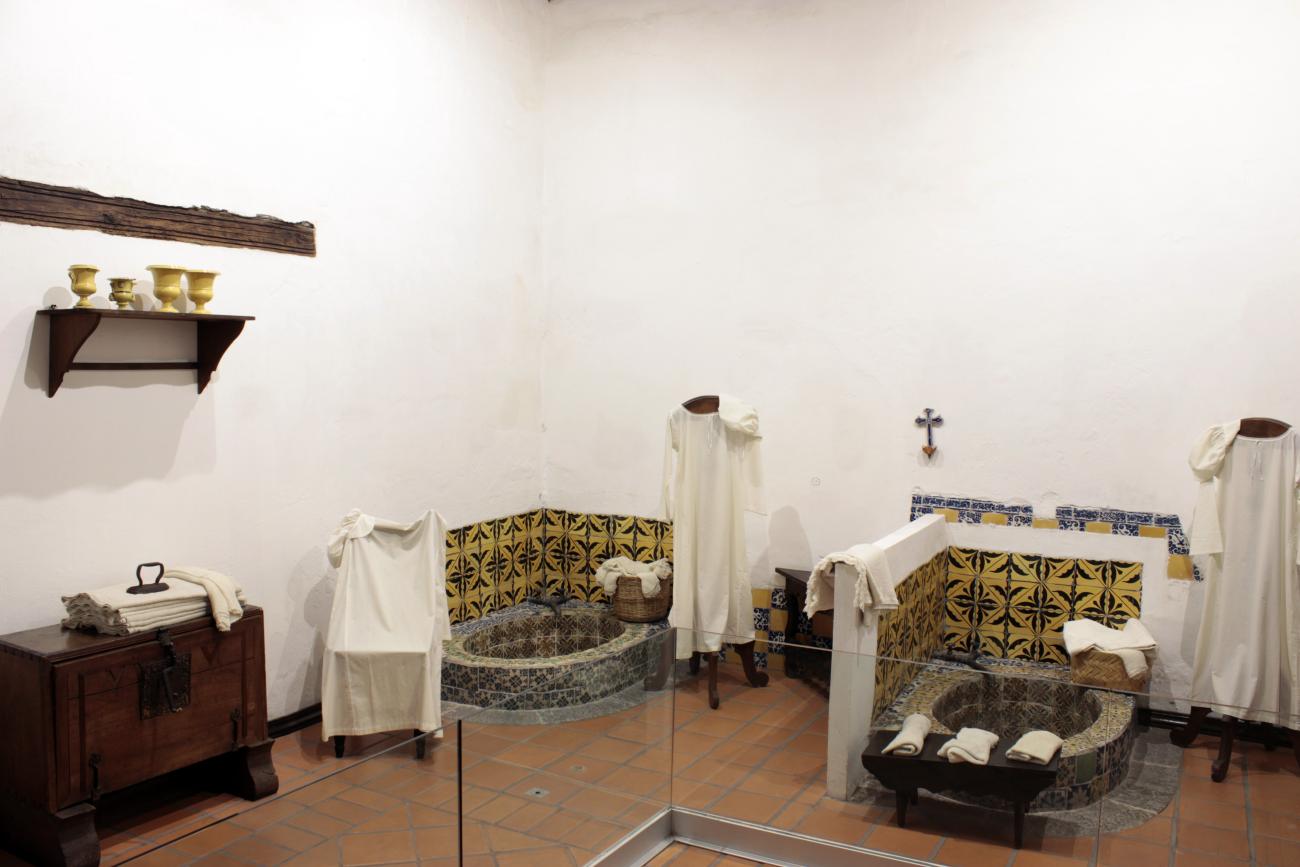
This site is one of the few of its kind, as it represents a service area (bathrooms) that is rarely valued architecturally as a space worthy of preservation. However, in this museum, we have "pleasure" tubs, which were used only two or three times a month.
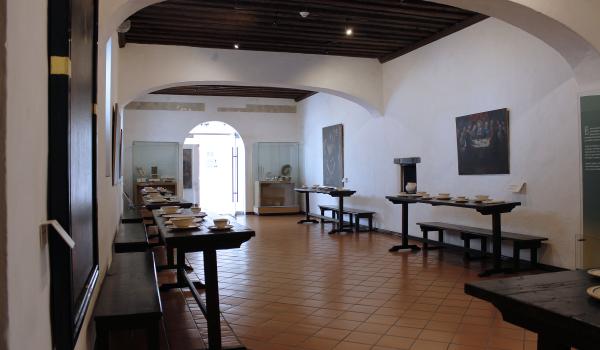
Refectory
This is where the nuns went to "repair" their bodies and souls. Before entering, they had to wash their hands in a basin at the entrance of the refectory, and spiritually prepare through meditation.
Refectory
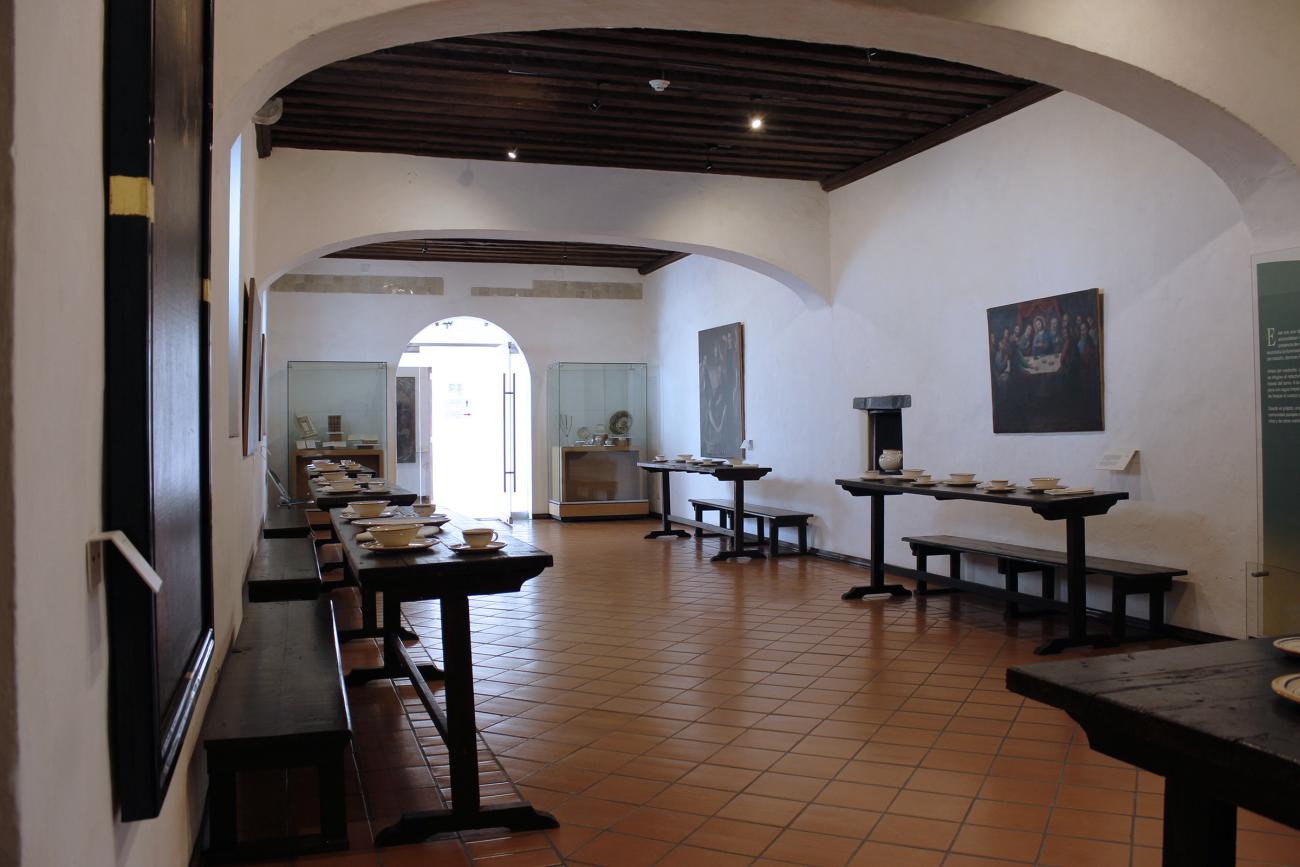
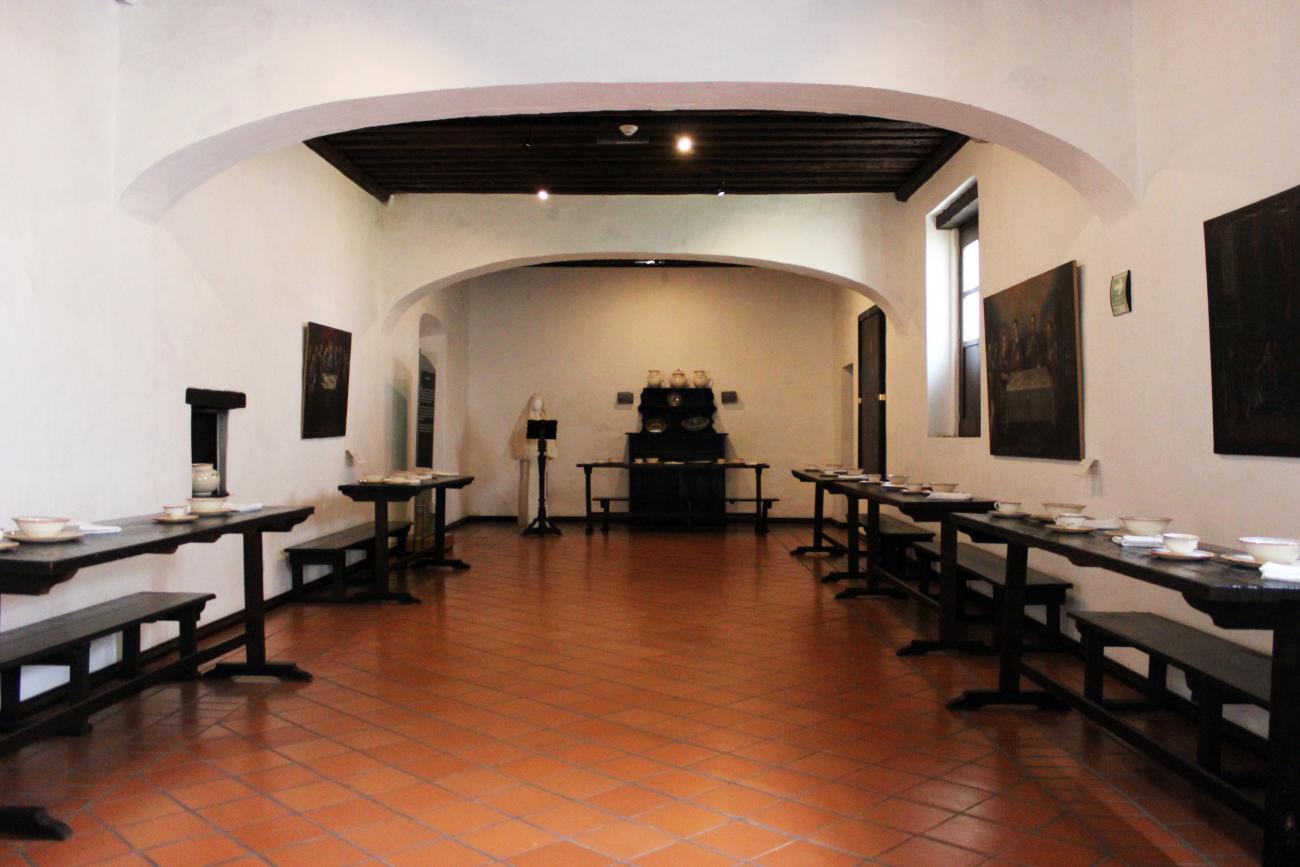
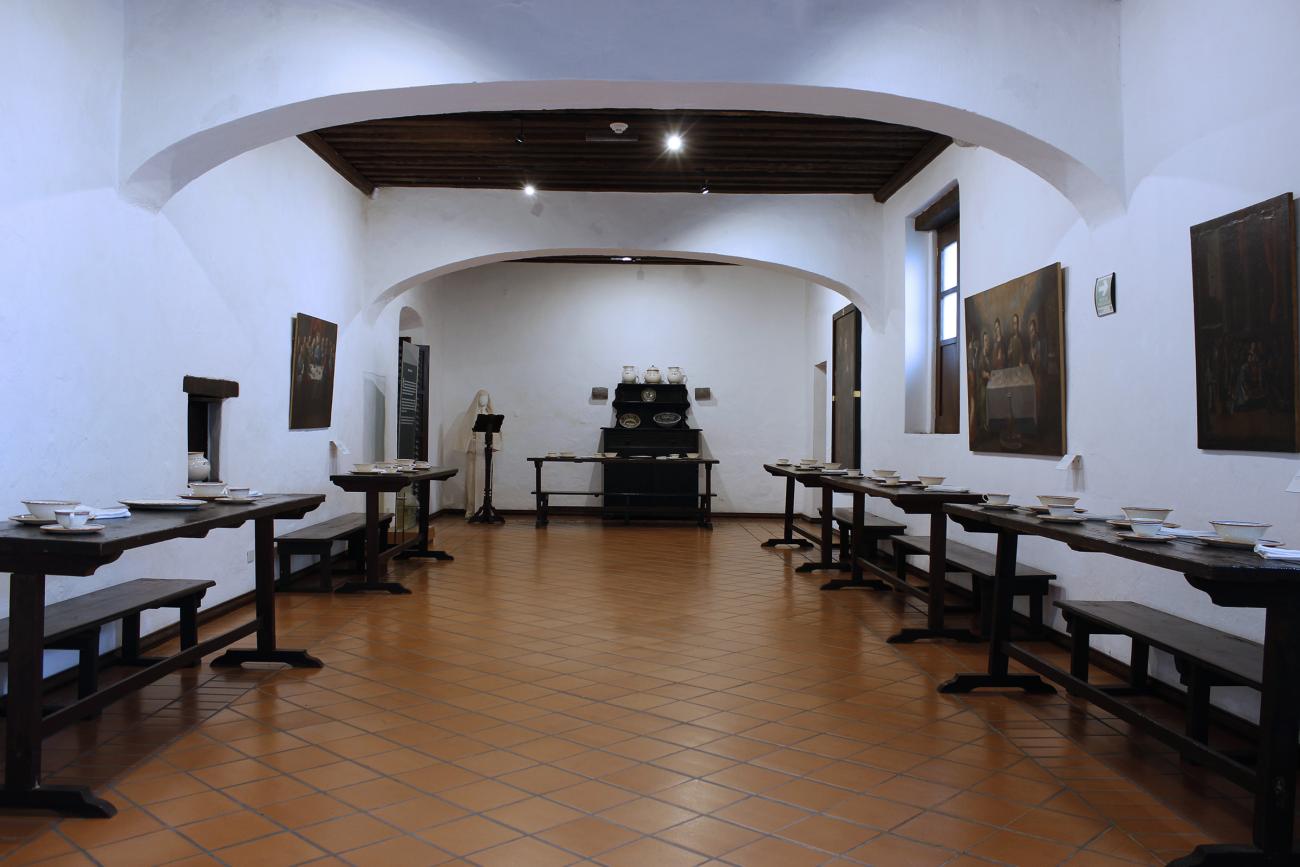
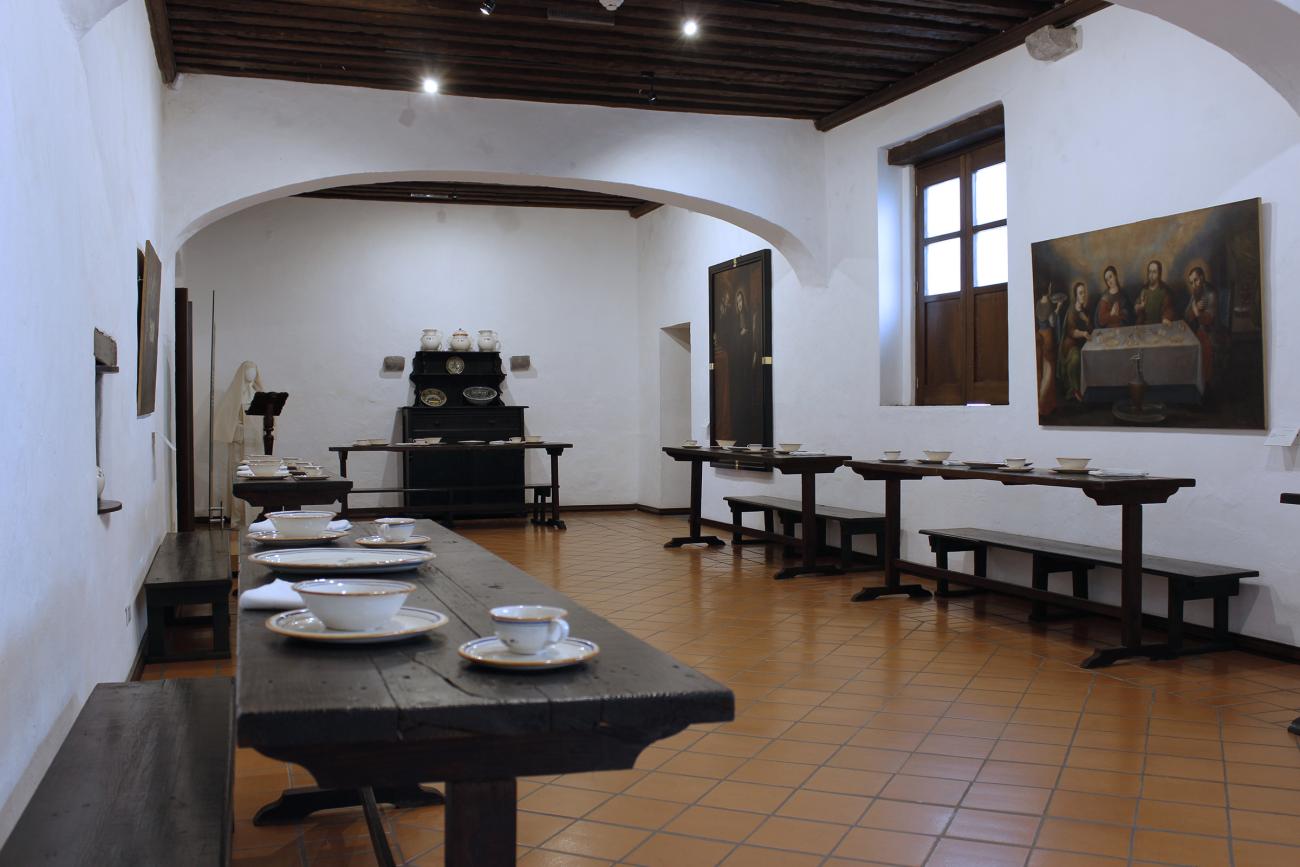
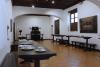
This is where the nuns went to "repair" their bodies and souls. Before entering, they had to wash their hands in a basin at the entrance of the refectory, and spiritually prepare through meditation. While the Professors and Novices nourished their bodies, the Prioress would choose a nun to read aloud passages from the Bible or the biography of a saint.
Document
Document
- DirecciónSergio Moisés Andrade Covarrubiassergio_andrade@inah.gob.mx+52 (222) 232 0178Comunicación EducativaVictoria Huitzil Alvaradovictoria_huitzil@inah.gob.mx+52 (222) 232 0178