
Zona arqueológica Tula
Lugar
Archaeological site
Zona arqueológica Tula
INAH
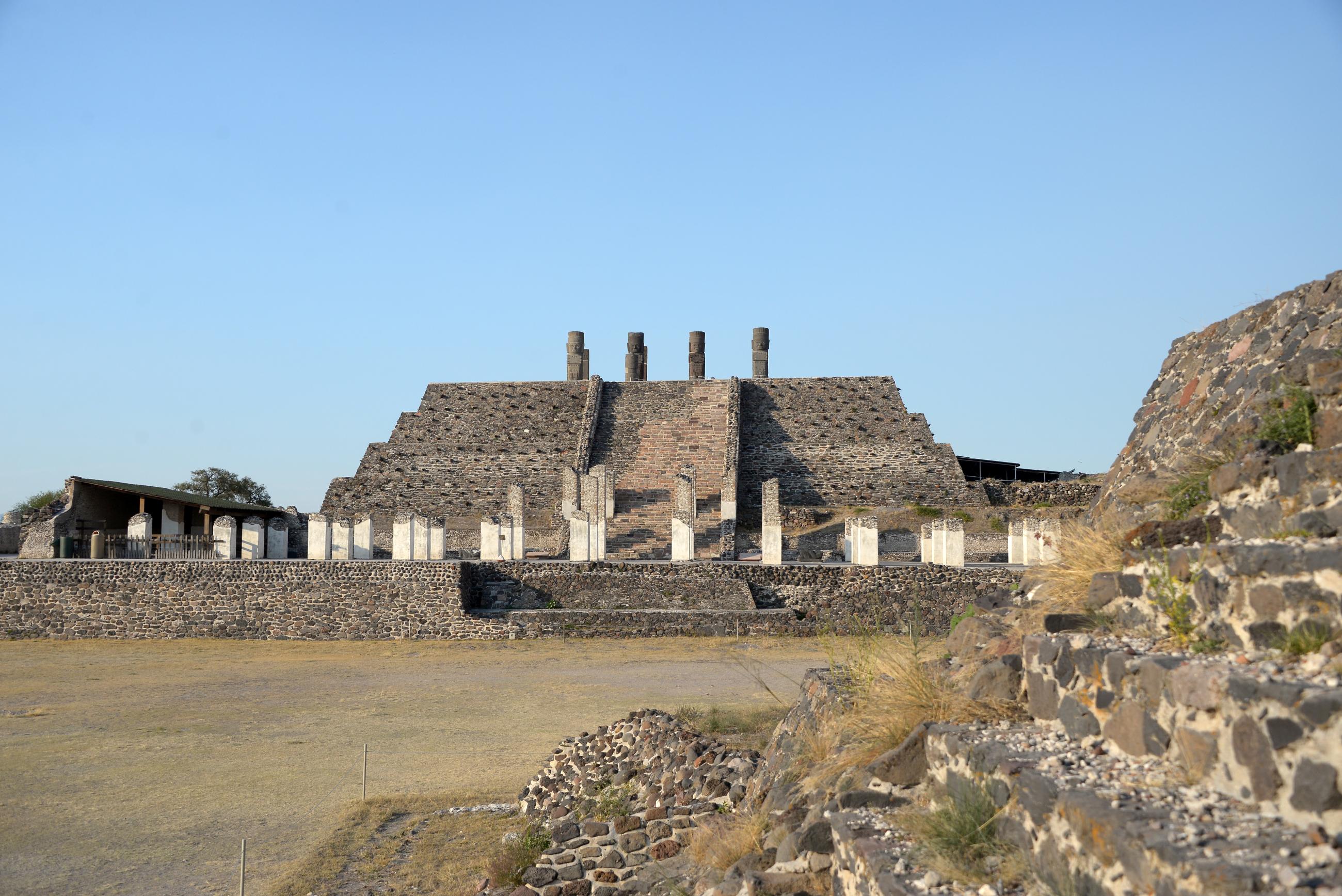
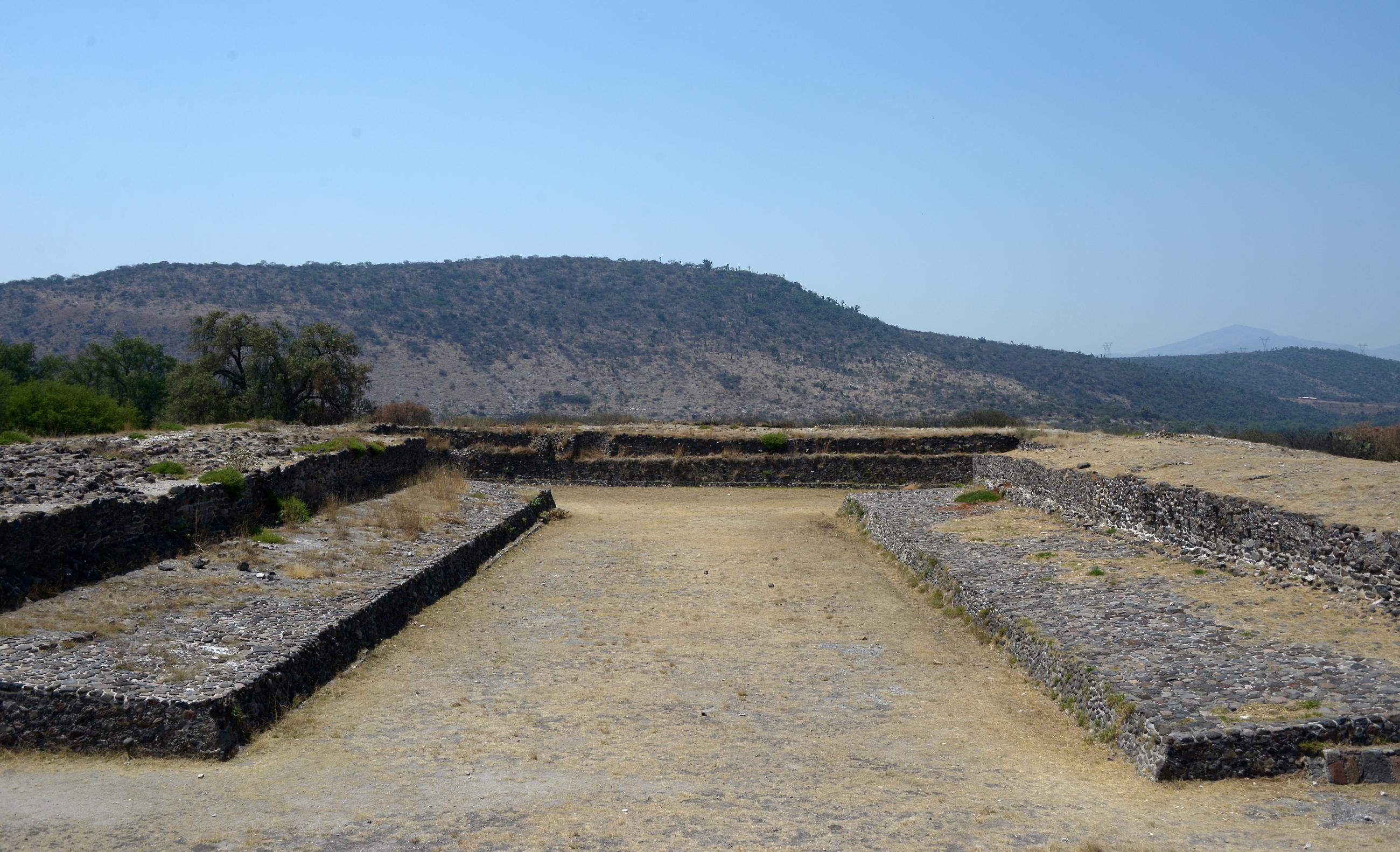
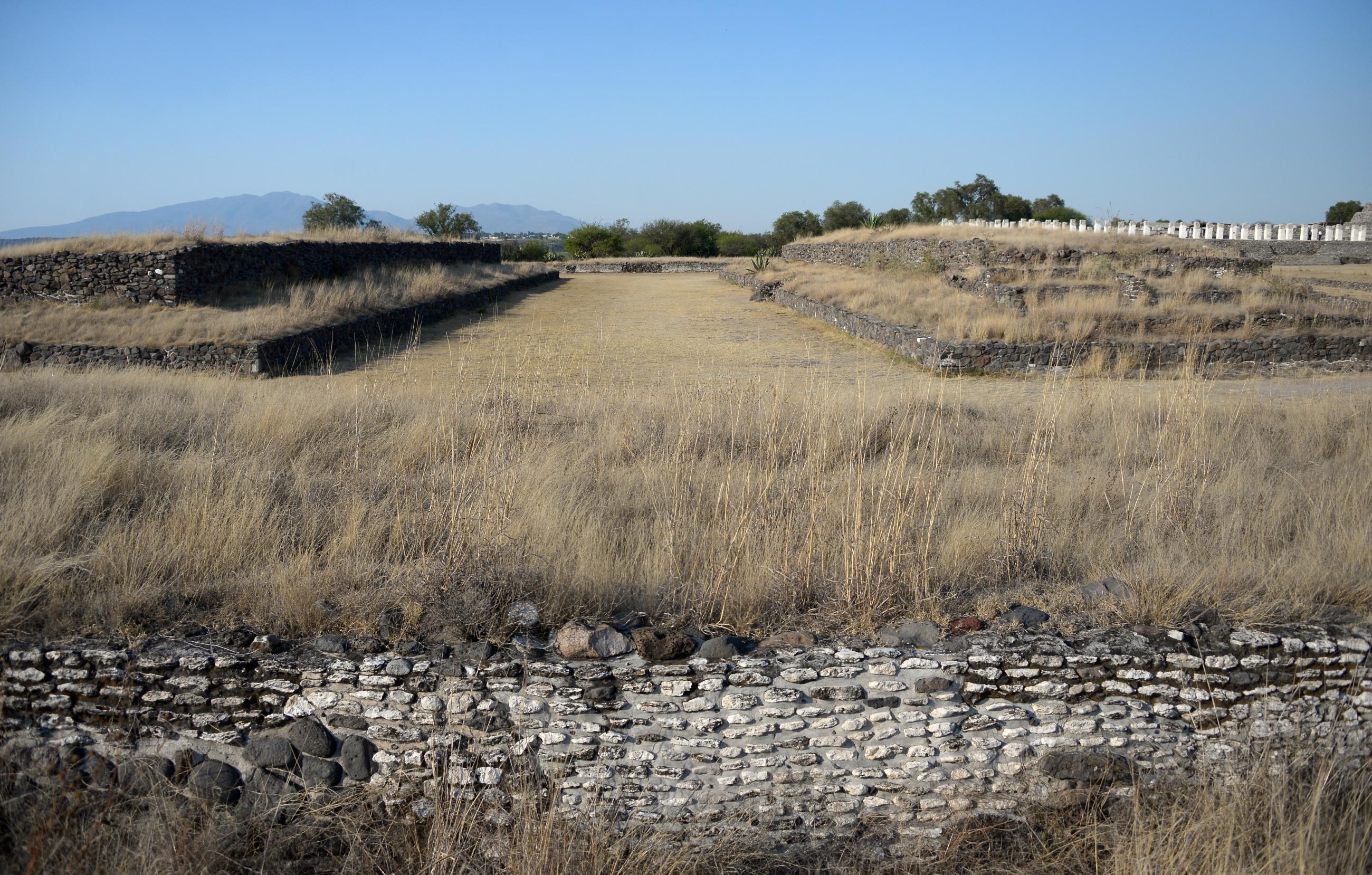
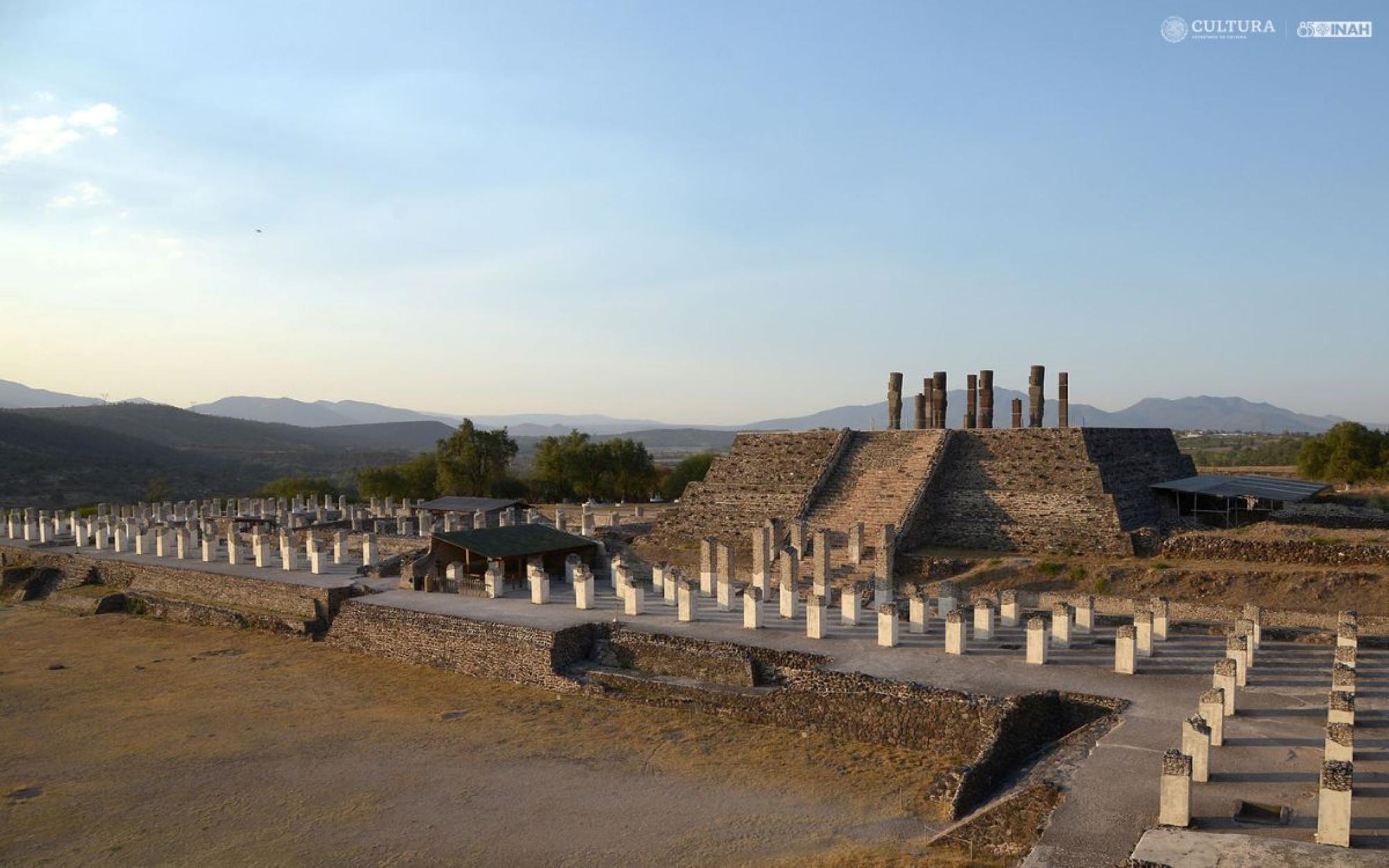
A city of pivotal importance in the history of the Altiplano and the great Toltec capital around the year 1000, it left behind an impressive and sprawling metropolis brimming with monuments and artistic treasures. It influenced the Mayans of the Yucatan Peninsula and Central America, as well as the cultures of the Gulf region, Anáhuac, and the West.
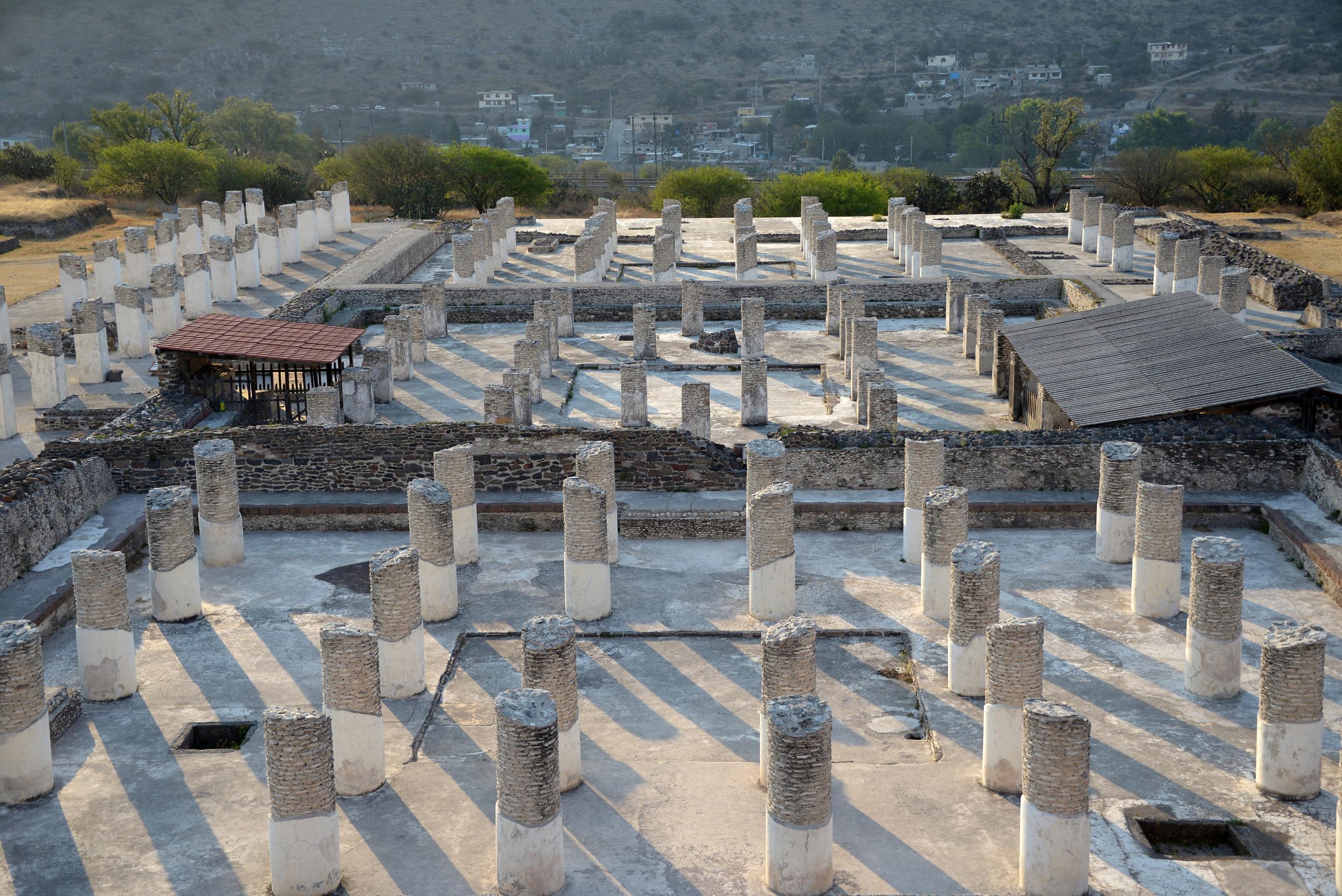
The sculptures known as the Atlantes, whose function was likely to support a roof, are decorated with depictions of warriors wearing butterfly-shaped breastplates, an atlatl or spear-thrower, an obsidian knife, and a copil or headdress as part of their attire. There are pilasters decorated with priests and important figures, as well as serpent-shaped columns, which served as entrances to the chambers. Building B also features relief decorations on the wall known as Coatepantli, as does the Burnt Palace; together with the Vestibule, these are two of the spaces formed by columns, pilasters, and benches.
Venue
Address
Carretera Tula- Tlahuelilpan Km 2
Colonia 16 de Enero 2a. Ampliación (El Tesoro)
42808 Tula, Hgo.
Mexico
Schedule
Closed now
| Day | Time slot | Comment | ||
|---|---|---|---|---|
| Monday: | 9:00-18:00 | |||
| Tuesday: | 9:00-18:00 | |||
| Wednesday: | 9:00-18:00 | |||
| Thursday: | 9:00-18:00 | |||
| Friday: | 9:00-18:00 | |||
| Saturday: | 9:00-18:00 | |||
| Sunday: | 9:00-18:00 | |||
More about this
Qué hacer aquí